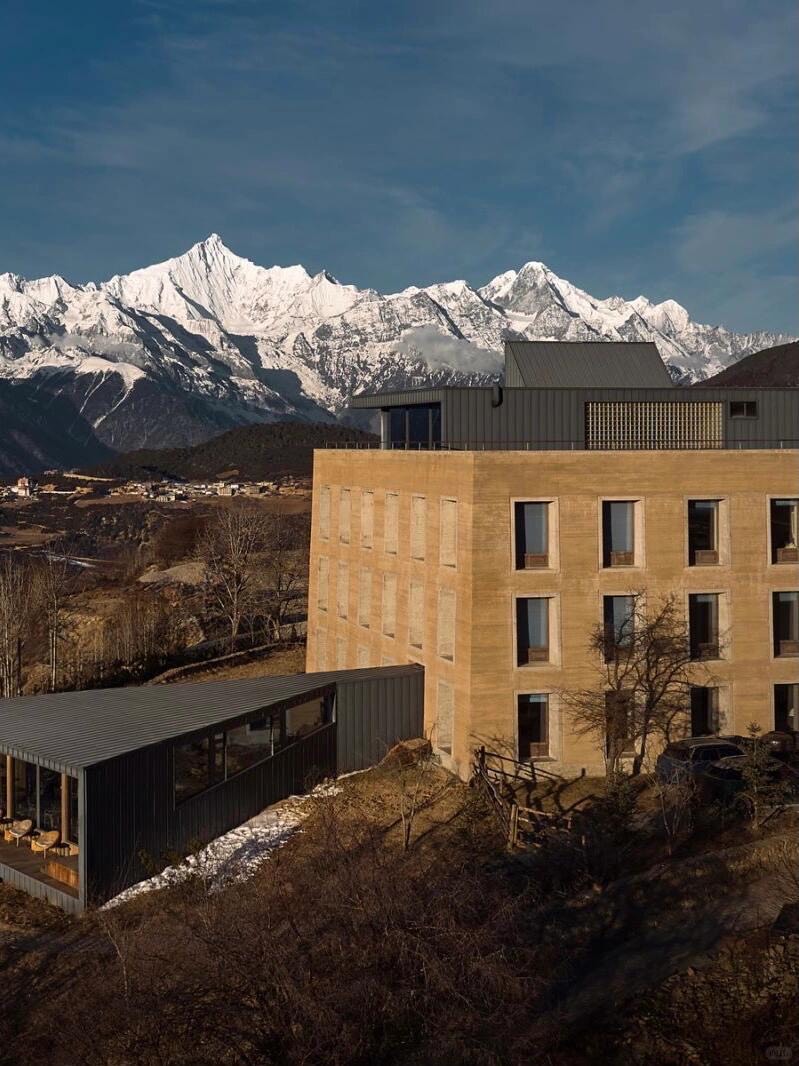
Jixiashan is a 2023-opened boutique alpine lodge at 3,600m in Wunongding — a 22-household Tibetan hamlet near the Meili Snow Mountain range. Designed around Buddhist 'Sunyata' (emptiness) and Japanese 'Ma' (negative space). Best for travellers who want Aman-grade design at altitude in remote Yunnan. Best windows: October to early December and March to May. 4-hour drive from Shangri-La town.
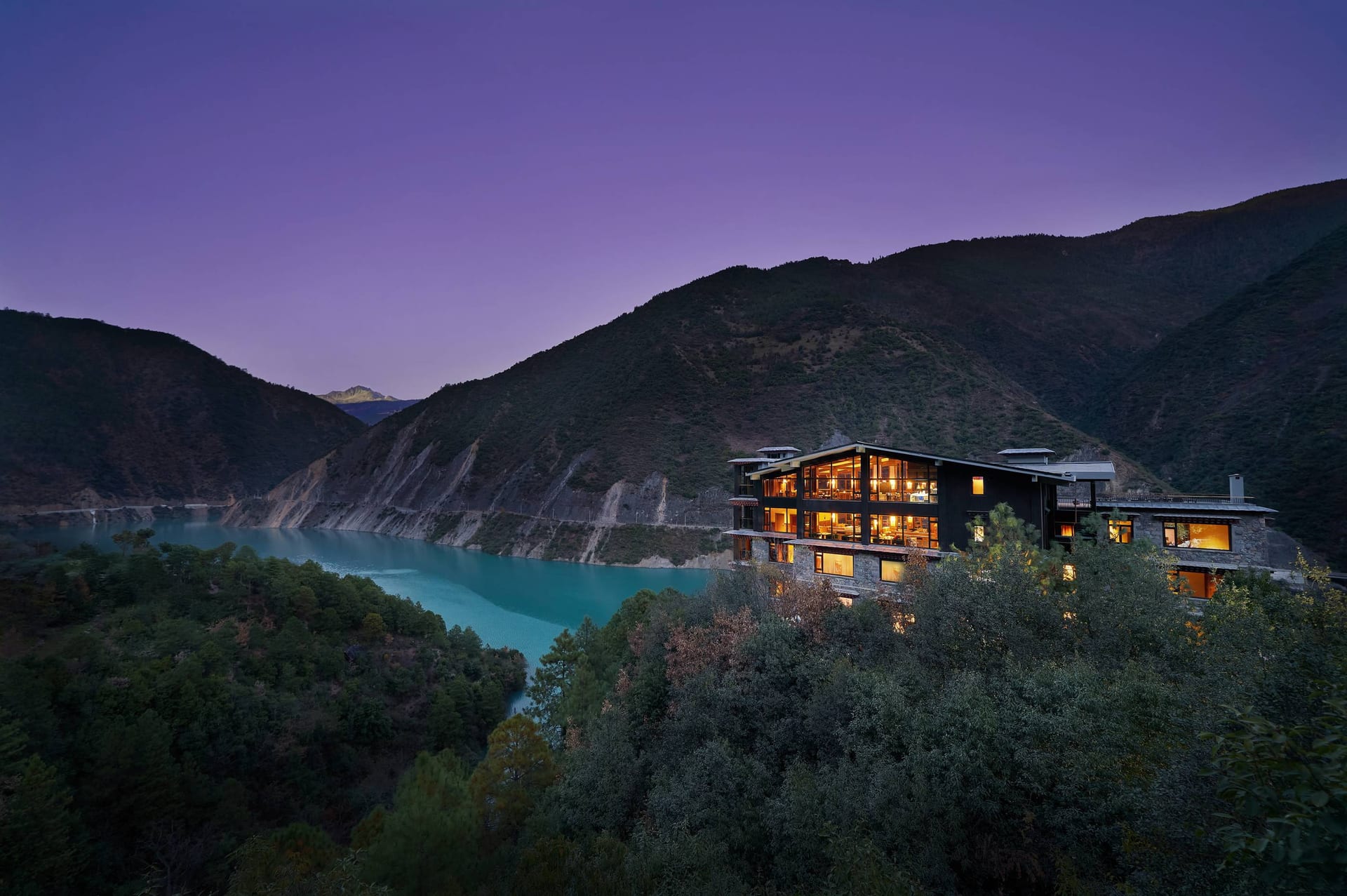
Located at 3,600 meters in the quiet village of Wunongding—a hamlet of only 22 households—the hotel is designed around the concept of "Sunyata" (emptiness) and the Japanese philosophy of "Ma" (negative space) — where emptiness becomes a design language.
Highlights
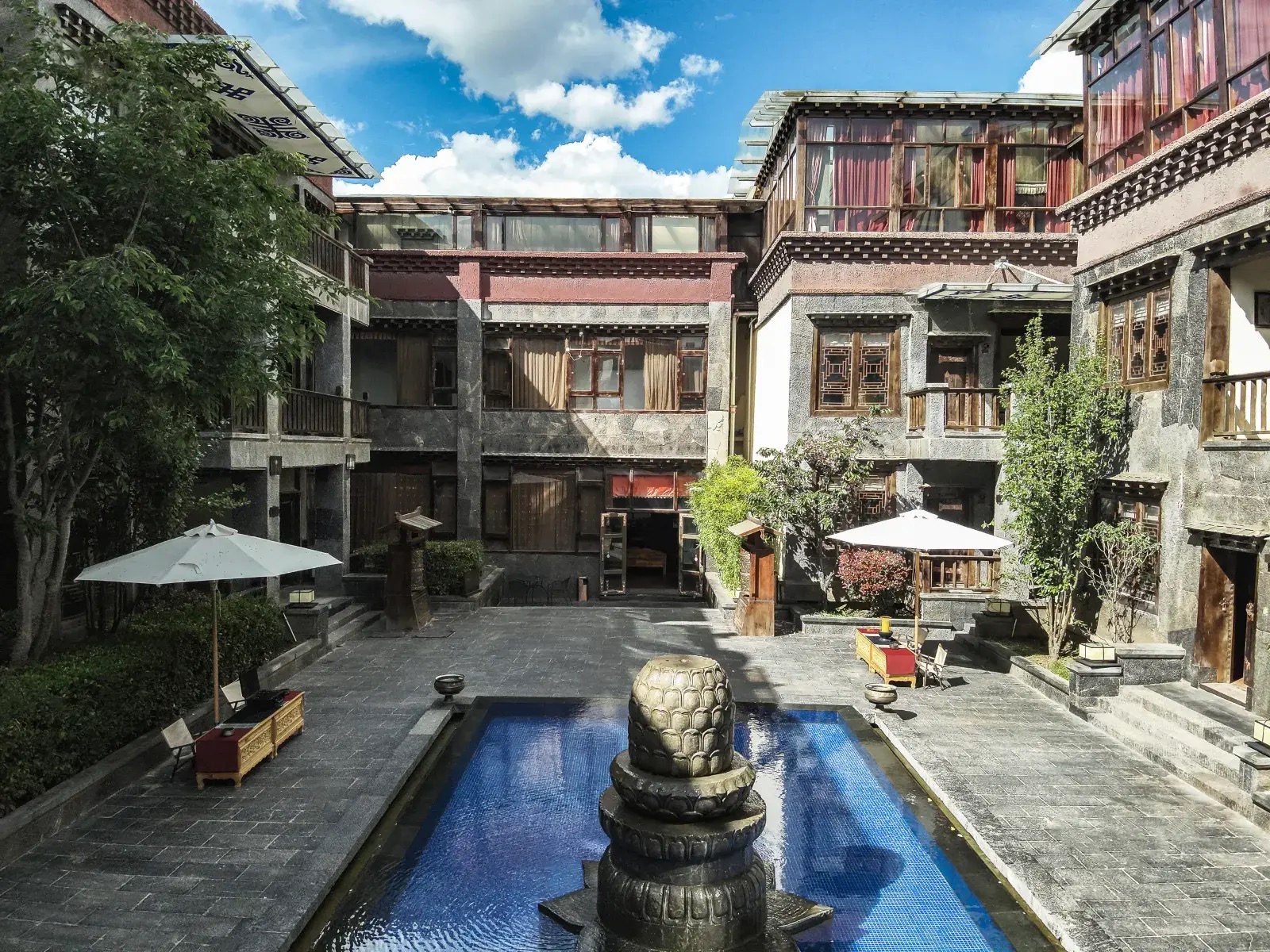
- Meticulous Restoration a three-year transformation of a traditional Tibetan residence and former hostel by Zhao Yang Architects.
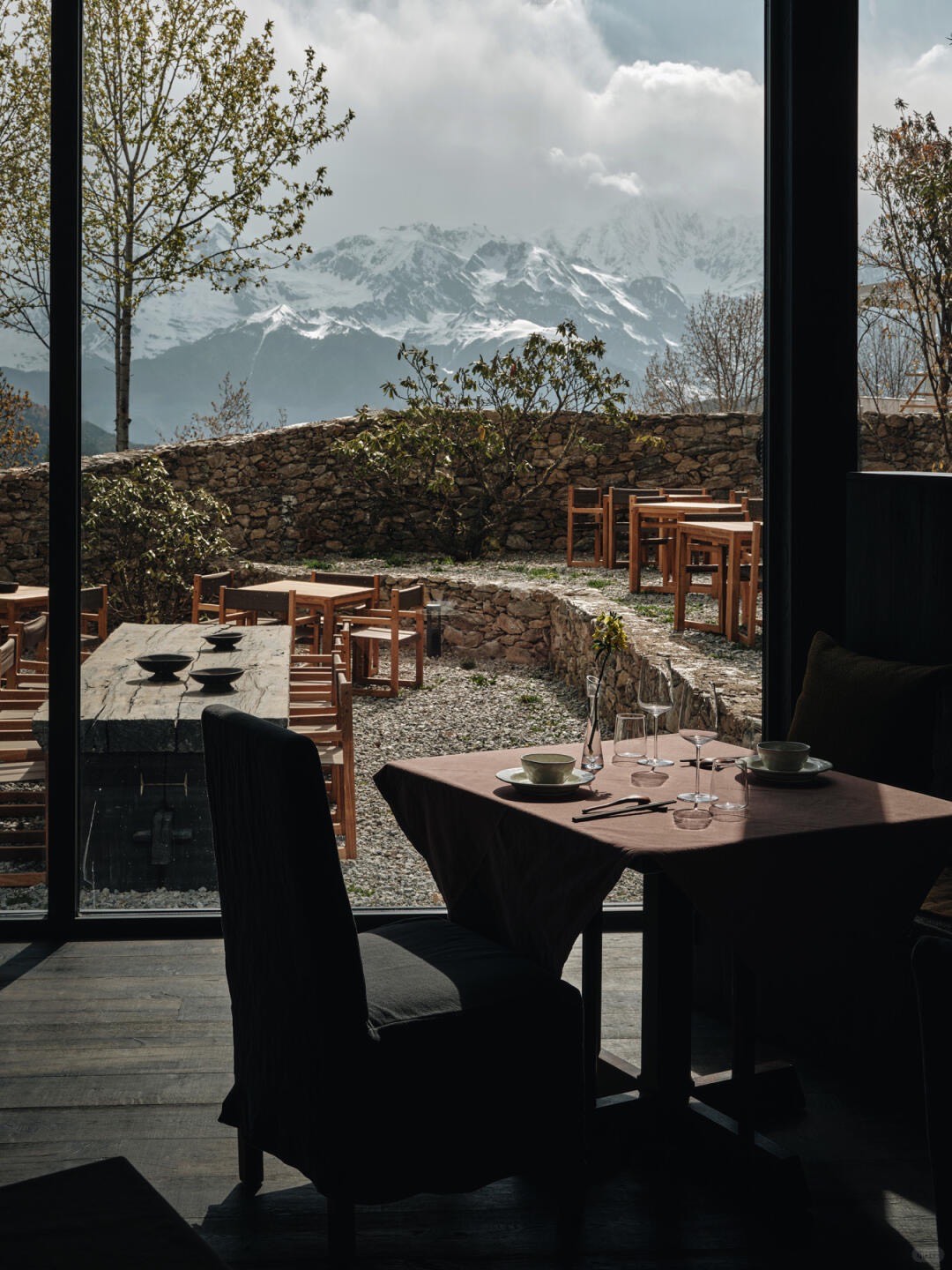
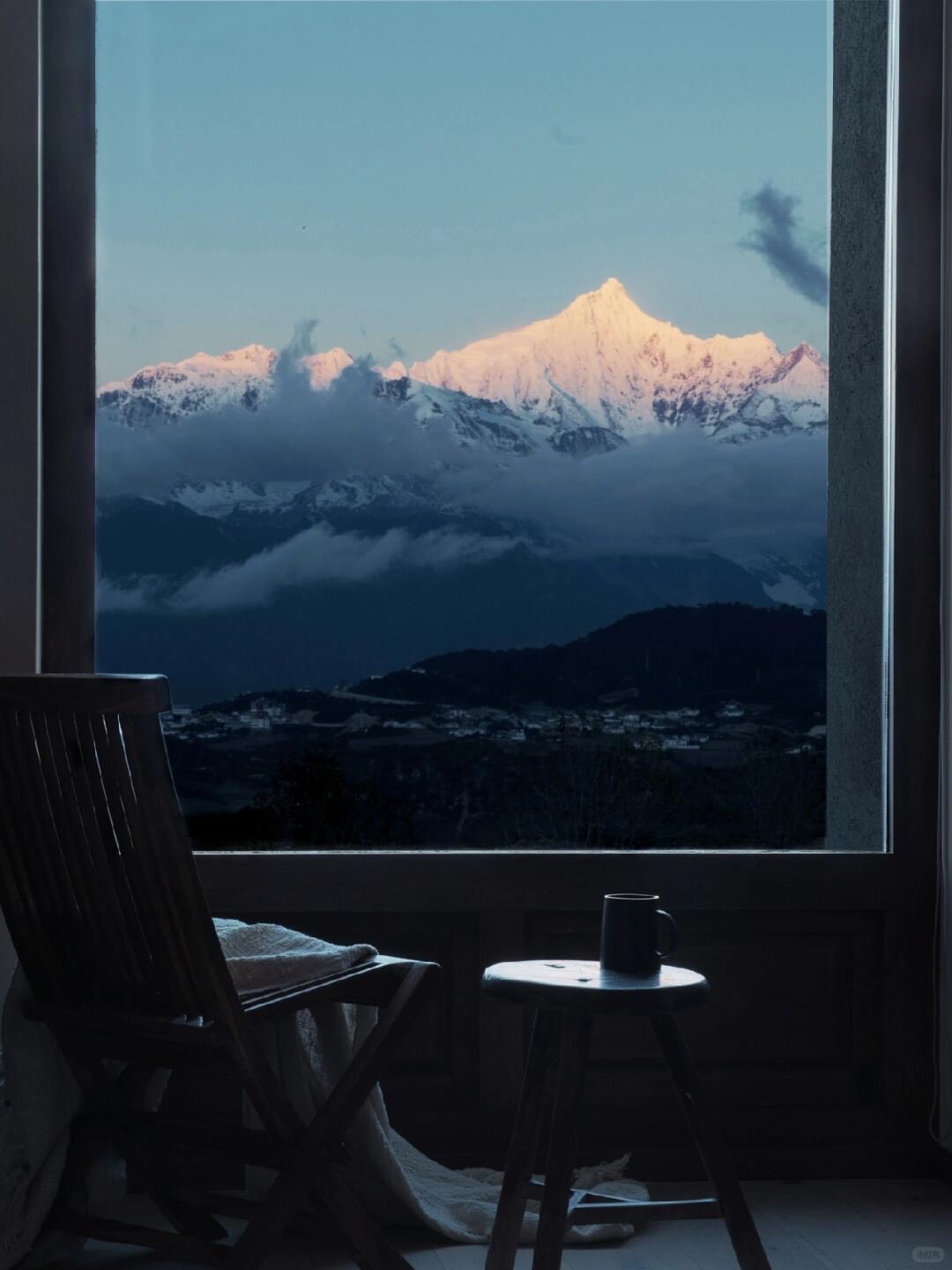
- Front-Row Sacred Views every room is positioned to face the Meili Snow Mountain range, offering a private gallery of the "Golden Sunrise" over Kawagarbo, the sacred 6,740m peak.
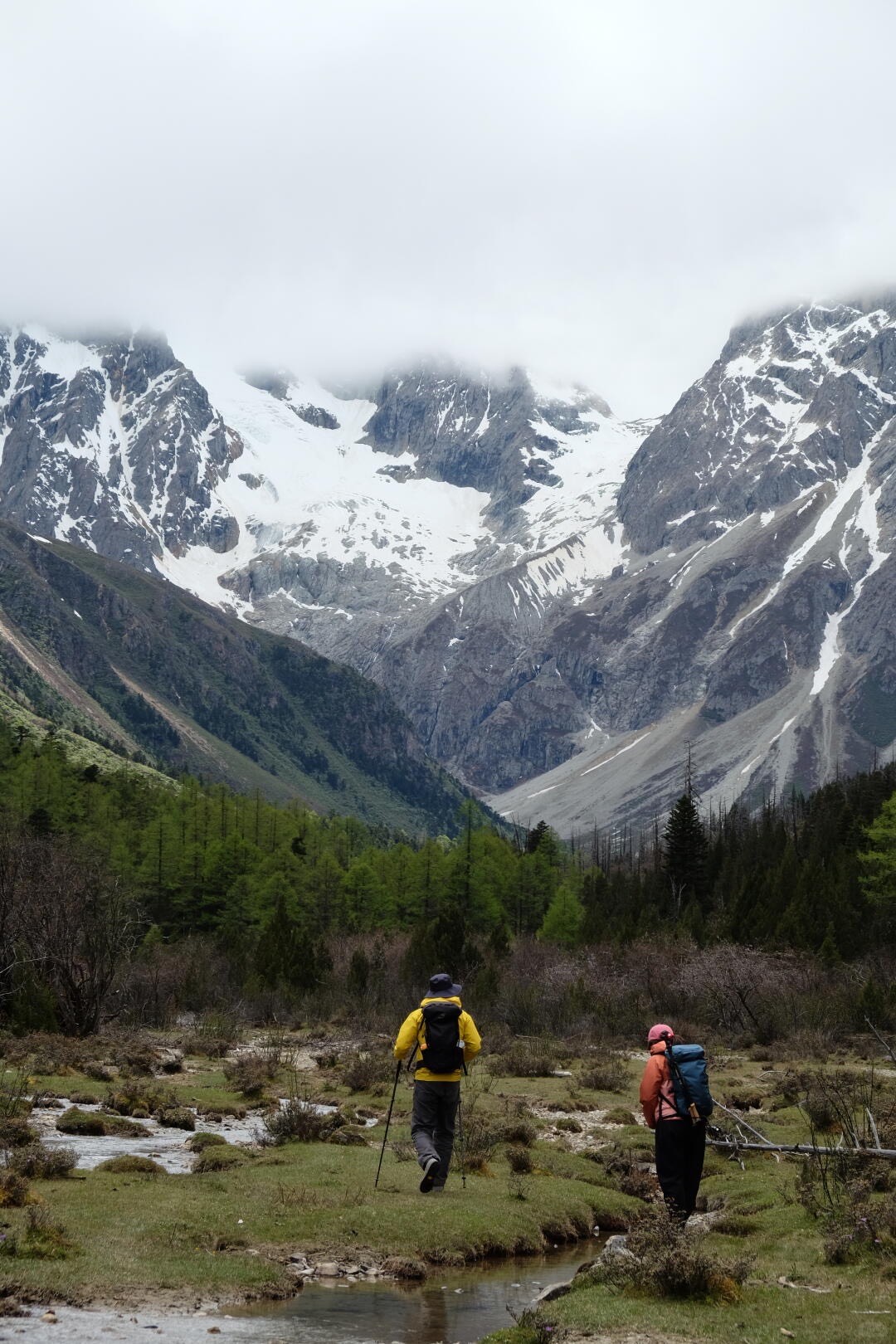
- UNESCO Site Access a UNESCO World Natural Heritage site renowned for its glacial valleys, deep gorges, and extreme biodiversity.
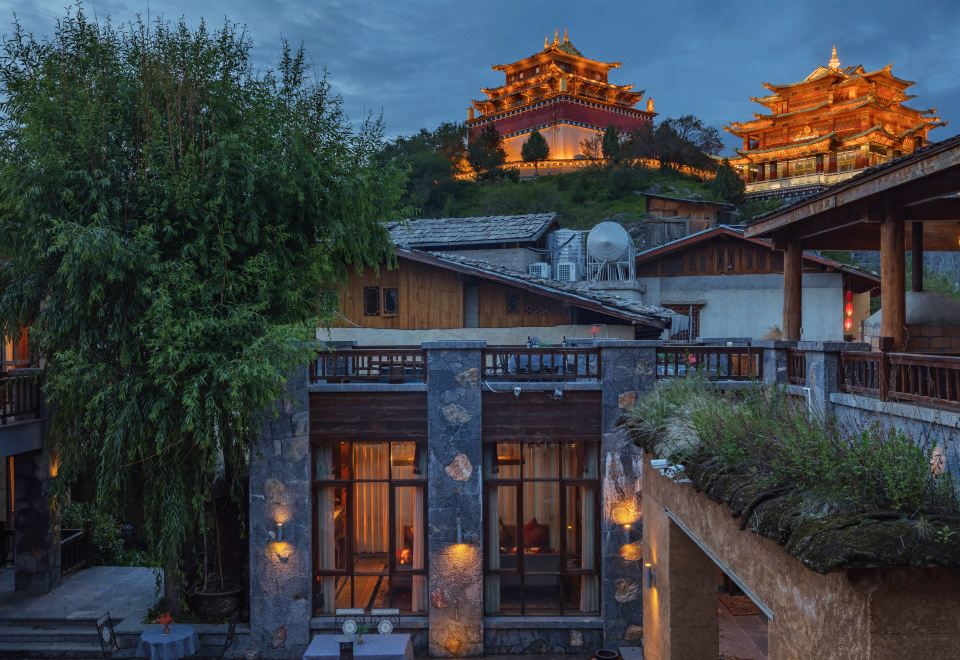
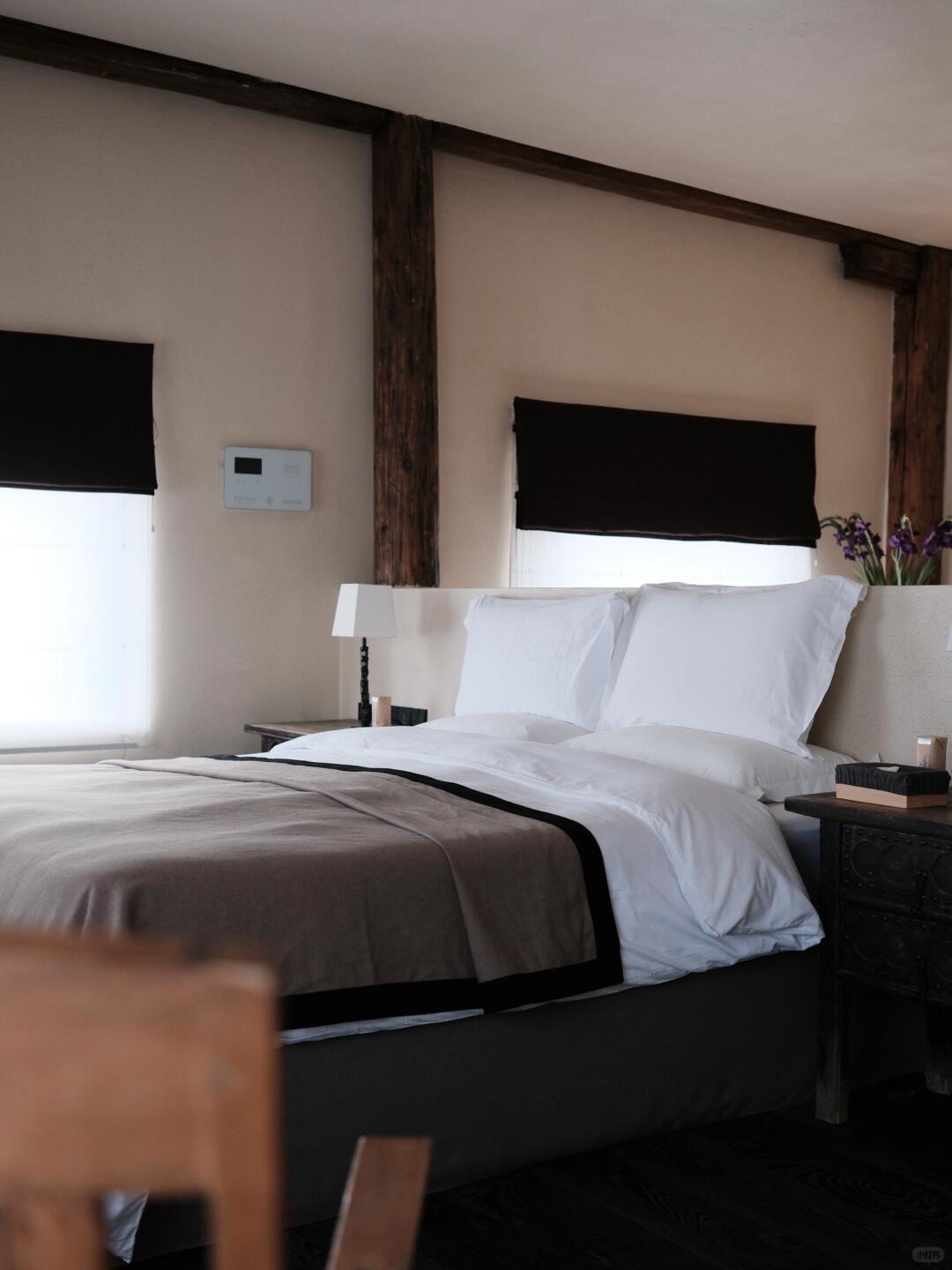
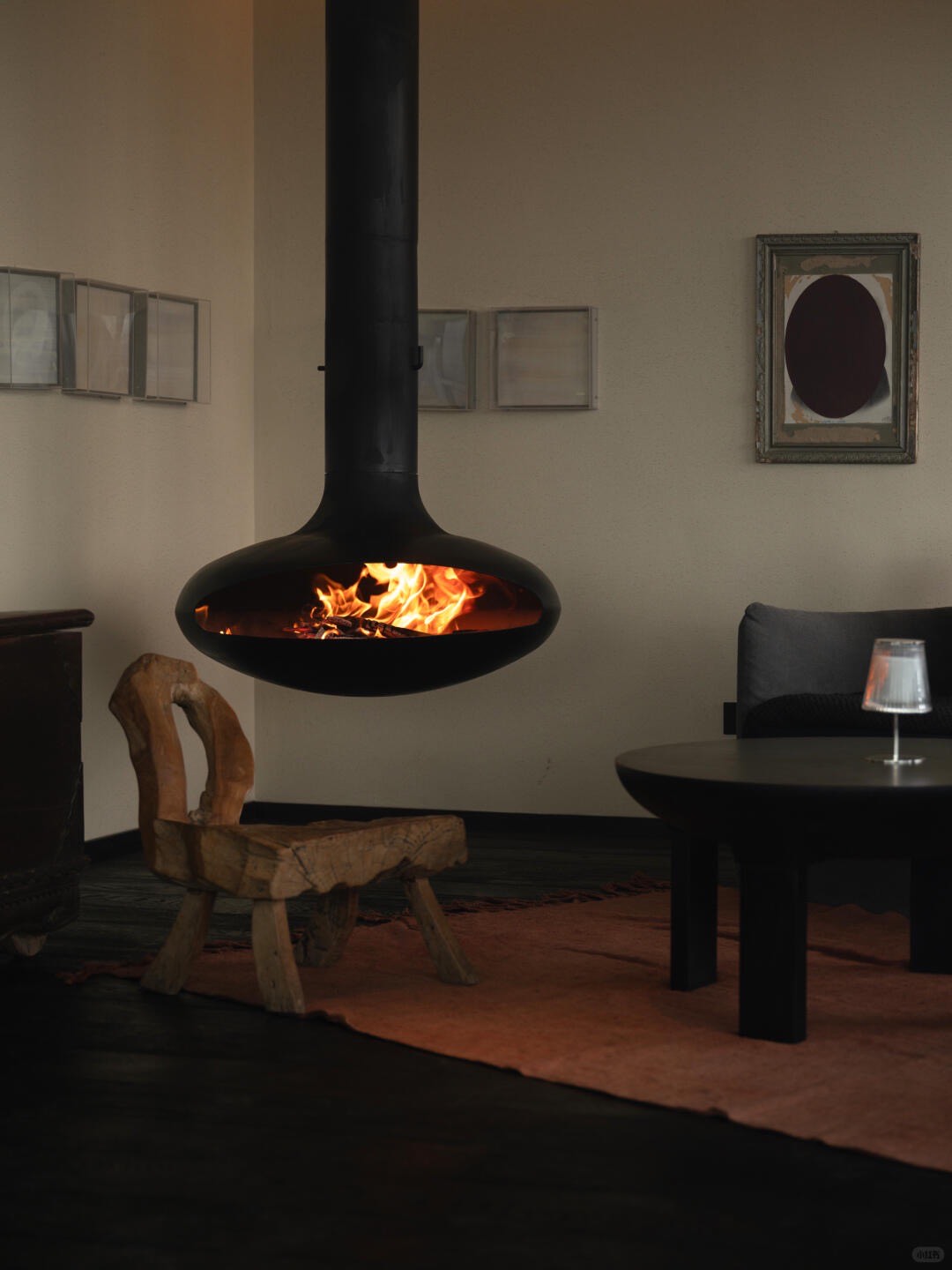
- Architectural Restoration The design preserves original rammed-earth walls and reclaimed timber while introducing modern elements like a golden atrium arch that reflects natural light throughout the interior.
- The Kawagarbo Rooftop An iconic open-air lounge that serves as the heart of the hotel, providing 270-degree views of the 13 peaks and a space for high-altitude reflection and stargazing.
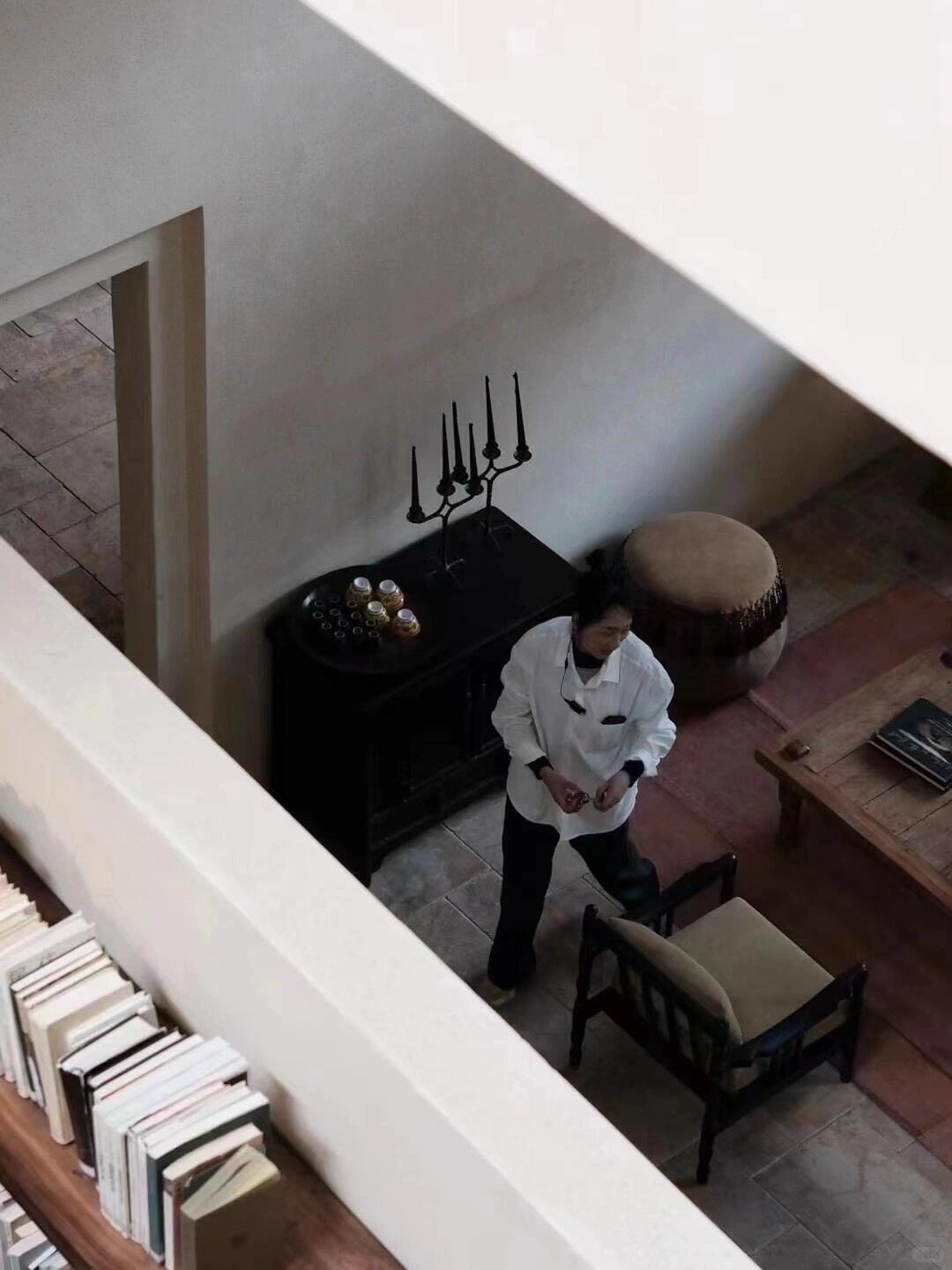
- A Reader's Library Every room features a hand-selected library of multilingual books focused on Himalayan nature, literature, and social science, encouraging a "digital detox" in a spiritual setting.
Inside Jixiashan
Staying at Jixiashan
01 Where exactly is Jixiashan?
In Wunongding, a 22-household Tibetan hamlet at 3,600m on the back side of the Meili Snow Mountain range — a 4-hour drive from Shangri-La town. It's near-neighbour to Songtsam Meili and Poodom Meili but with a more contemplative, design-forward identity. Most guests pair Jixiashan with one of the Songtsam properties for a 4-night Meili-region stay.
02 What's the design concept at Jixiashan?
Jixiashan is built around 'Sunyata' (Buddhist emptiness) and the Japanese idea of 'Ma' (negative space). Architect-led: stripped-back stone and timber, generous voids, framed views of the village and peaks. Opened in 2023, it's one of the youngest properties on the Meili circuit — and the most thoughtfully edited. If you've stayed at Aman Tokyo or Amanyangyun and want that aesthetic at altitude in remote Yunnan, this is the closest match in China.
03 When is Jixiashan best to visit?
October to early December and March to May. Autumn for clear dawn views of Kawagarbo and golden larch on the Wunongding hillsides; spring for rhododendrons and wildflower meadows. The lodge stays open year-round; winter is dramatic and very quiet, but the road in can close briefly after heavy snowfall — we monitor conditions and adjust the route via Deqin if needed.