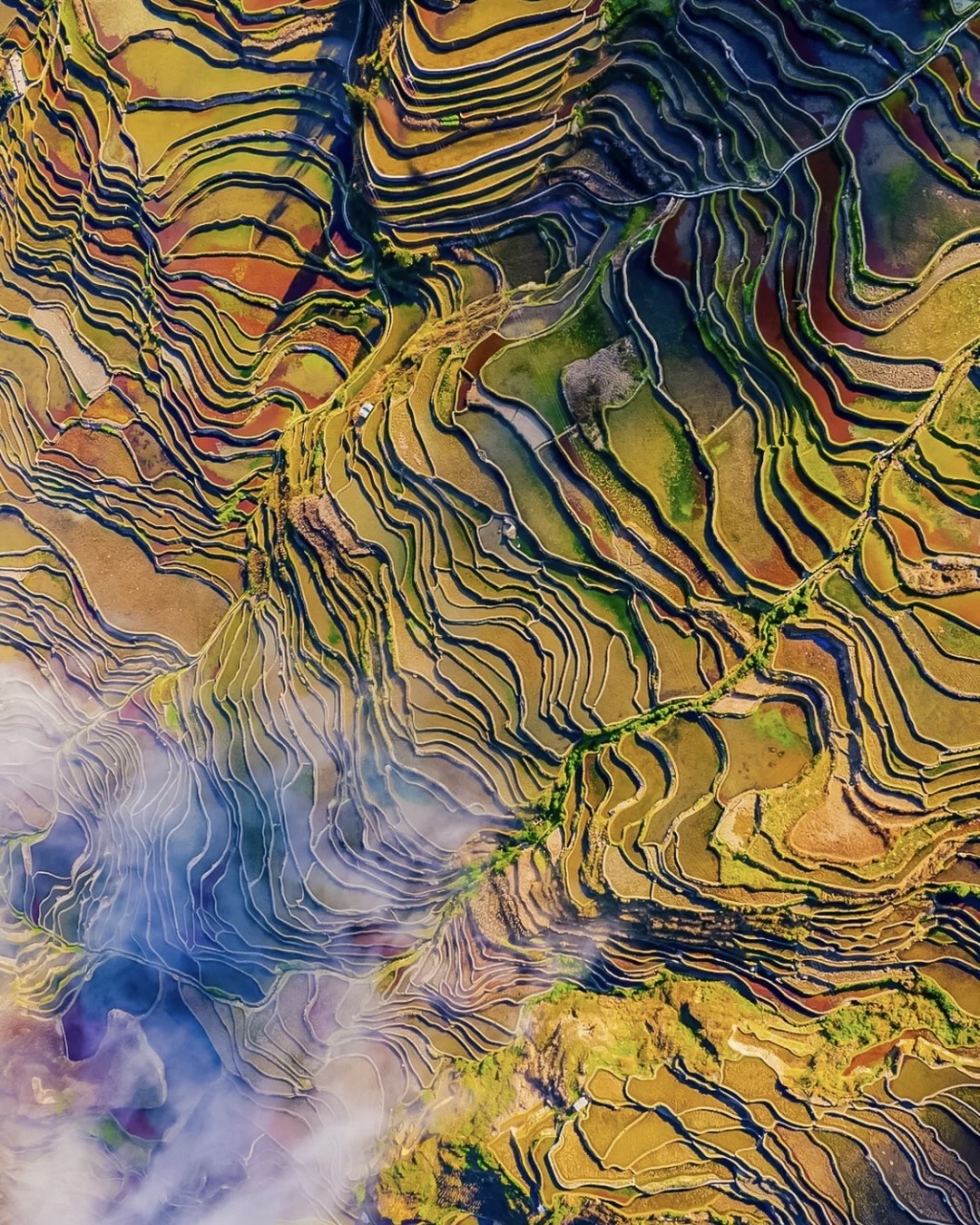
← All destinations
Colorful Yunnan

Shangri-La

Untamed Peaks. Unbroken Spirit

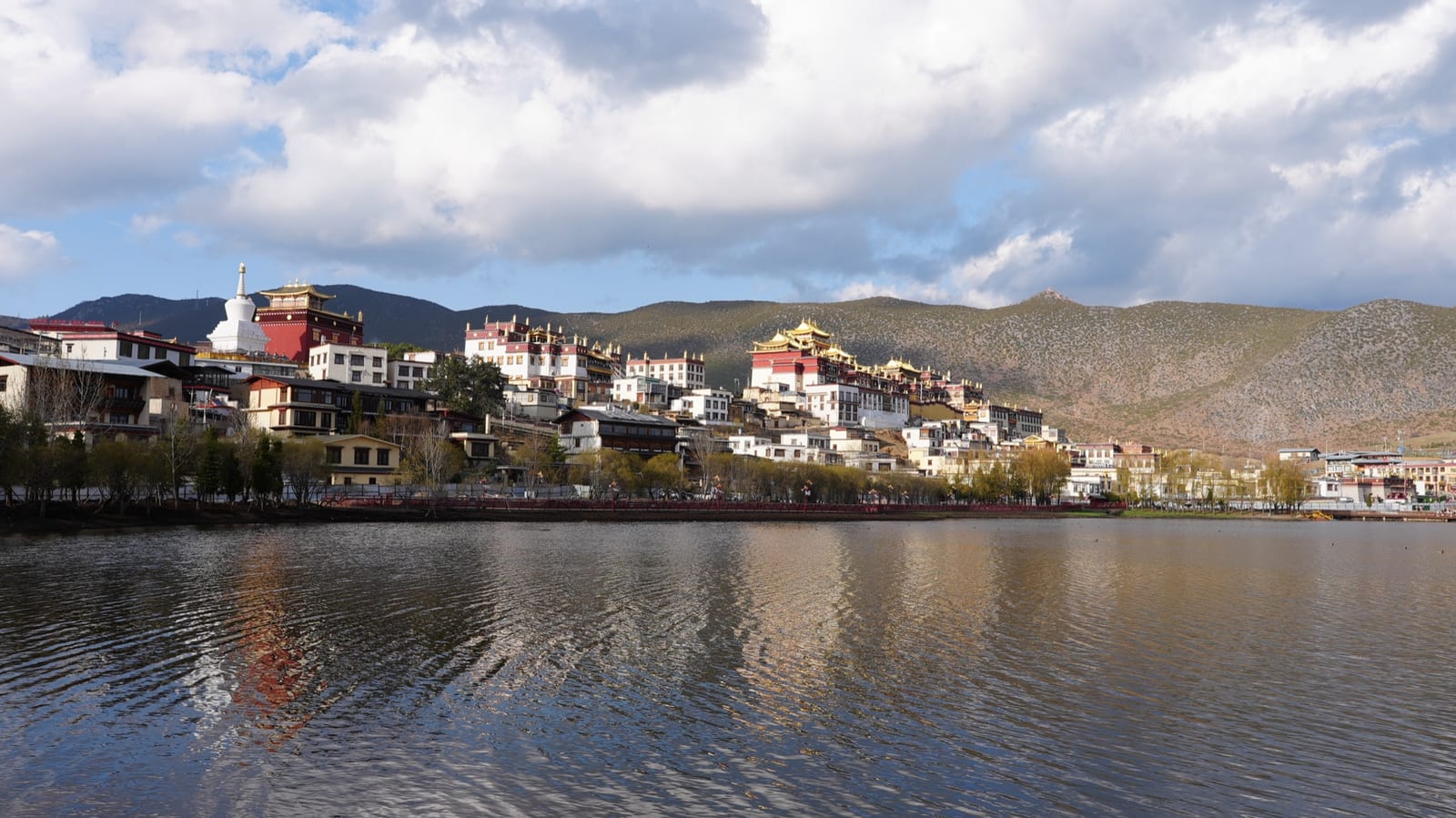
The largest Tibetan Buddhist monastery in Yunnan, often called "Little Potala Palace," showcasing magnificent Tibetan architecture and spiritual traditions.

  • 5 days
  • Landscape Wonder
  • Natural Beauty
  • Ethnic Culture
Shangri-La region — glaciated snow peaks of the Meili range rising above a forested ridge and village near Deqin — hero image for a private Yunnan travel guide by Boutique China

Shangri-La is the Tibetan-Buddhist plateau of Yunnan — Songzanlin Monastery, Dukezong Old Town, alpine grasslands at 3,200m, and the trailheads to Yubeng pilgrimage and Tiger Leaping Gorge. Best for travellers who want Tibetan culture without crossing into the Tibet Autonomous Region. Best window: late April to mid-June and mid-September to early November.

Destination highlights

Things to do in Shangri-La

A monk in red robes passes the white walls and painted windows of a Songzanlin Monastery hall
噶丹·松赞林寺

Songzanlin Monastery

The largest Tibetan Buddhist monastery in Yunnan, founded in 1679 under the Fifth Dalai Lama and still a working Gelug monastery. Its gold-roofed halls climb a hillside outside town.

1.5–2 hours · no photos inside the halls
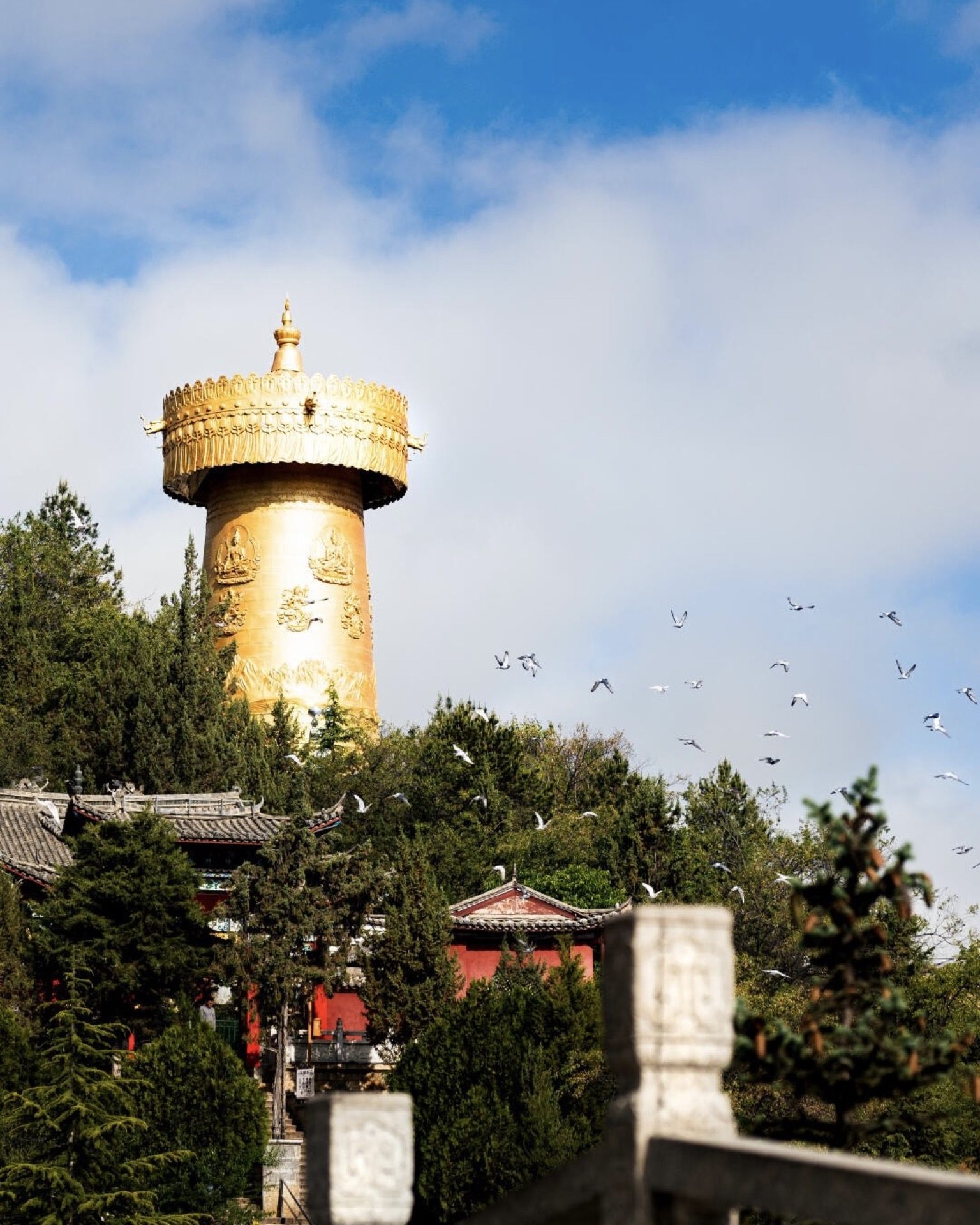
The giant gilded prayer wheel on Guishan hill above the trees of Dukezong old town
独克宗古城

Dukezong Old Town

Shangri-La's Tibetan old town on the Tea Horse Road, rebuilt after its 2014 fire. Turn the giant prayer wheel at Guishan Park, then join the guozhuang circle dance on the main square in the evening.

Evening · the dance starts around 7pm

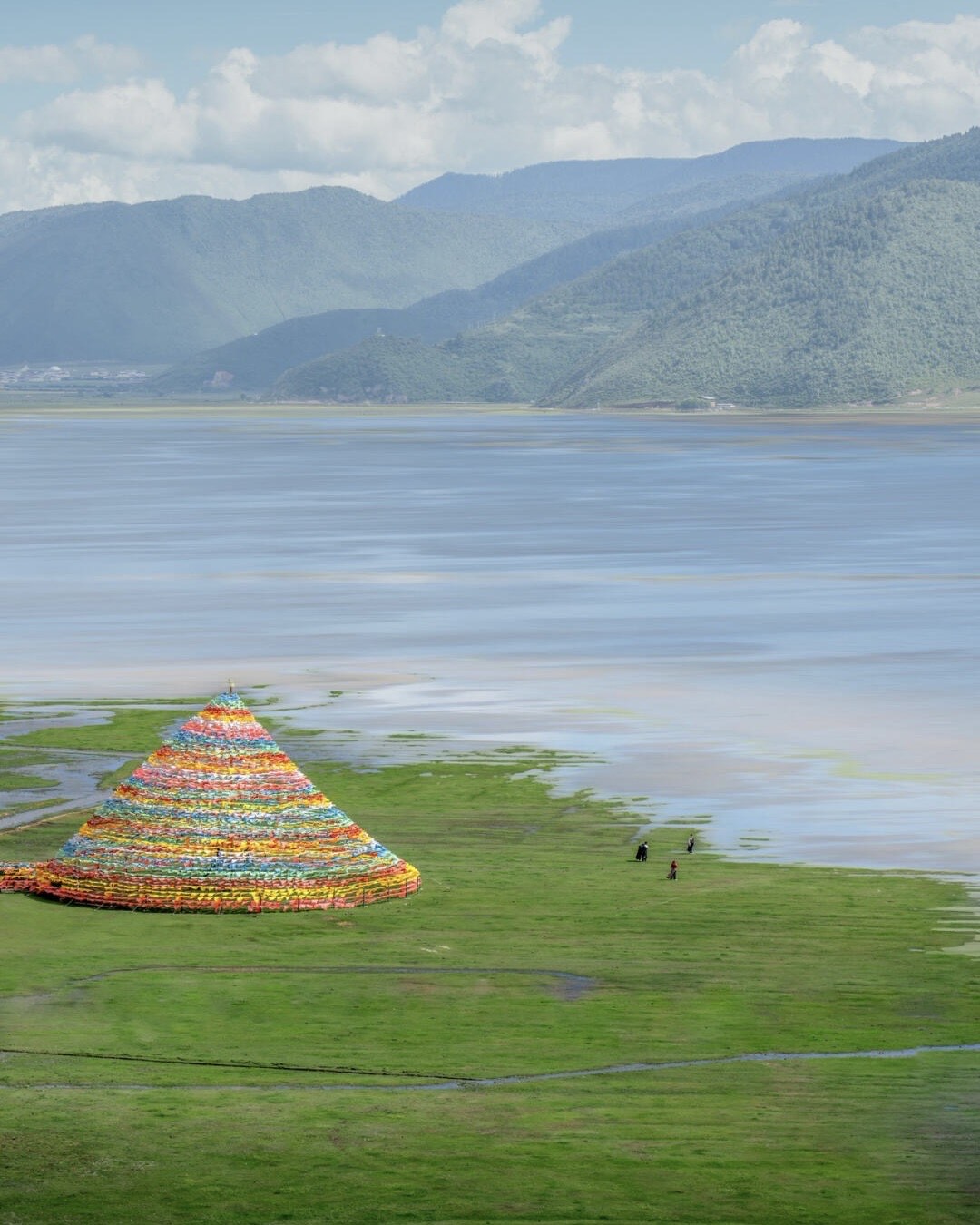
A mound of prayer flags on the green grassland shore of Napa Hai, forested hills beyond
纳帕海 · 依拉草原

Napa Hai & Yila Grassland

A seasonal lake and grassland close to town. It is green in mid-September, full after the rains in October, and a frozen meadow grazed by yak in December and January.

1.5 hours · an easy first day at altitude

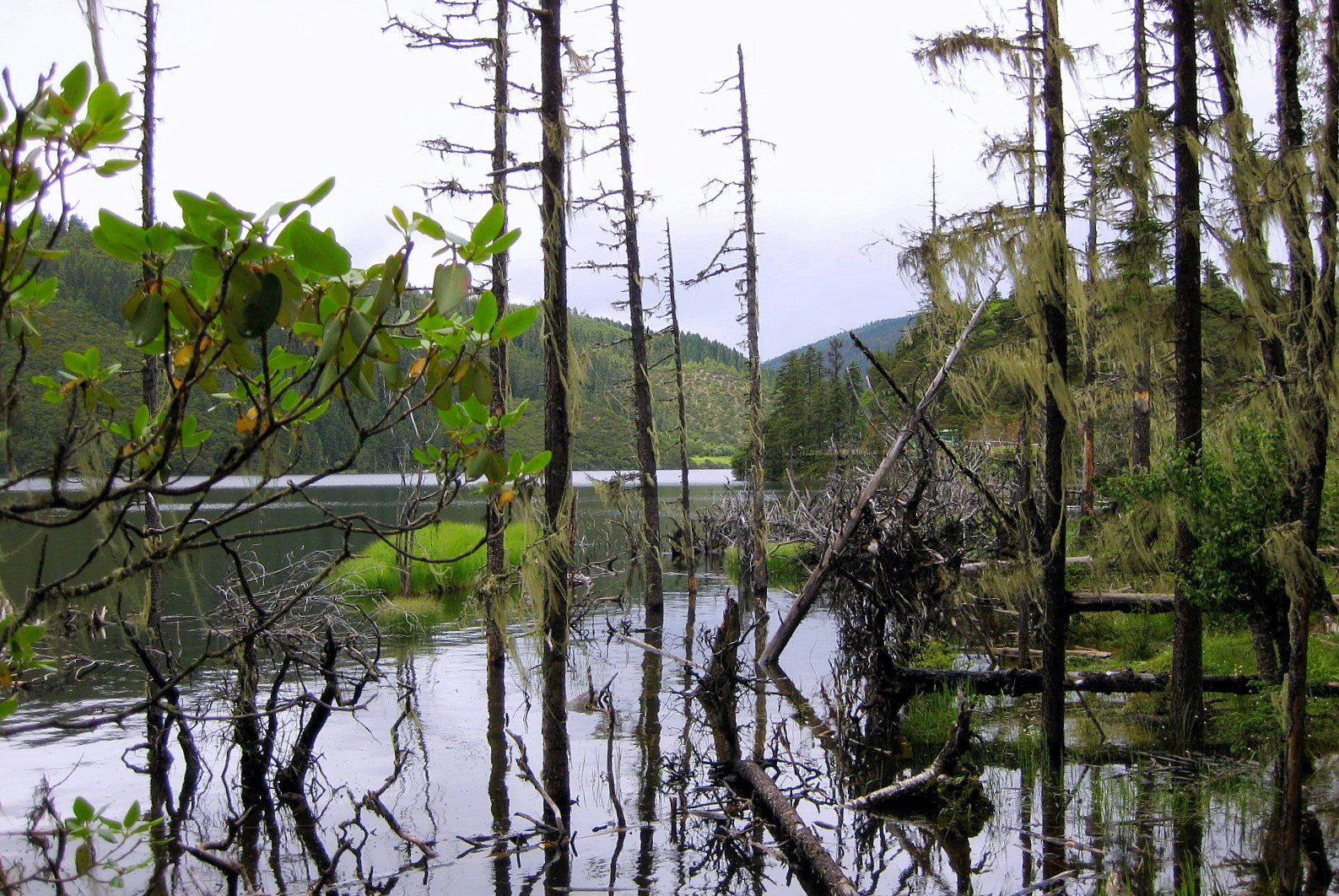
Bare, moss-hung conifers standing in the shallows of a forest lake in Pudacuo National Park
普达措国家公园

Pudacuo National Park

High forest, meadow and lakes about 22 km from town. The park bus and boardwalks take in Shudu Lake, at about 3,700 m, and the grasslands around it; Bitahai, the park's other lake, is closed to visitors.

3 hours · the Shudu Lake boat is a separate ticket

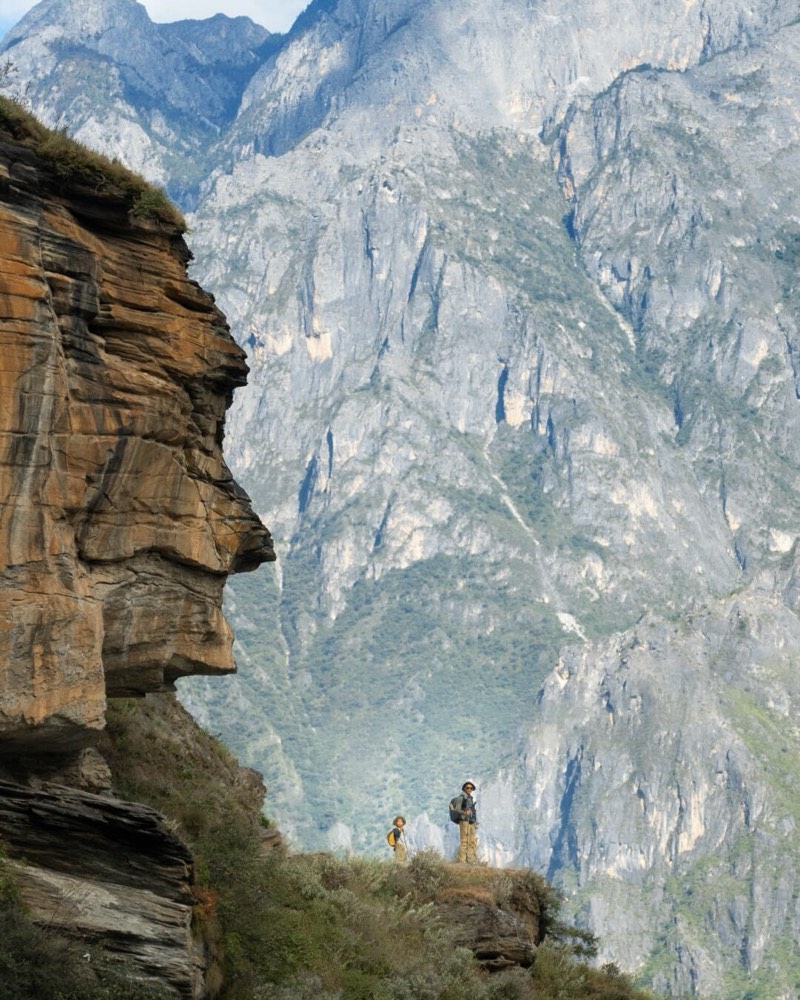
A hiker with trekking poles looks up at the steep rock walls of Tiger Leaping Gorge
虎跳峡

Tiger Leaping Gorge

The Jinsha River cuts between Jade Dragon and Haba snow mountains. The High Trail day is about 16 km, up the 28 Bends; at the Upper Gorge, steps lead down to the river beside the Tiger Leaping Stone.

High Trail about 6 hours · middle-gorge paths closed since 2024

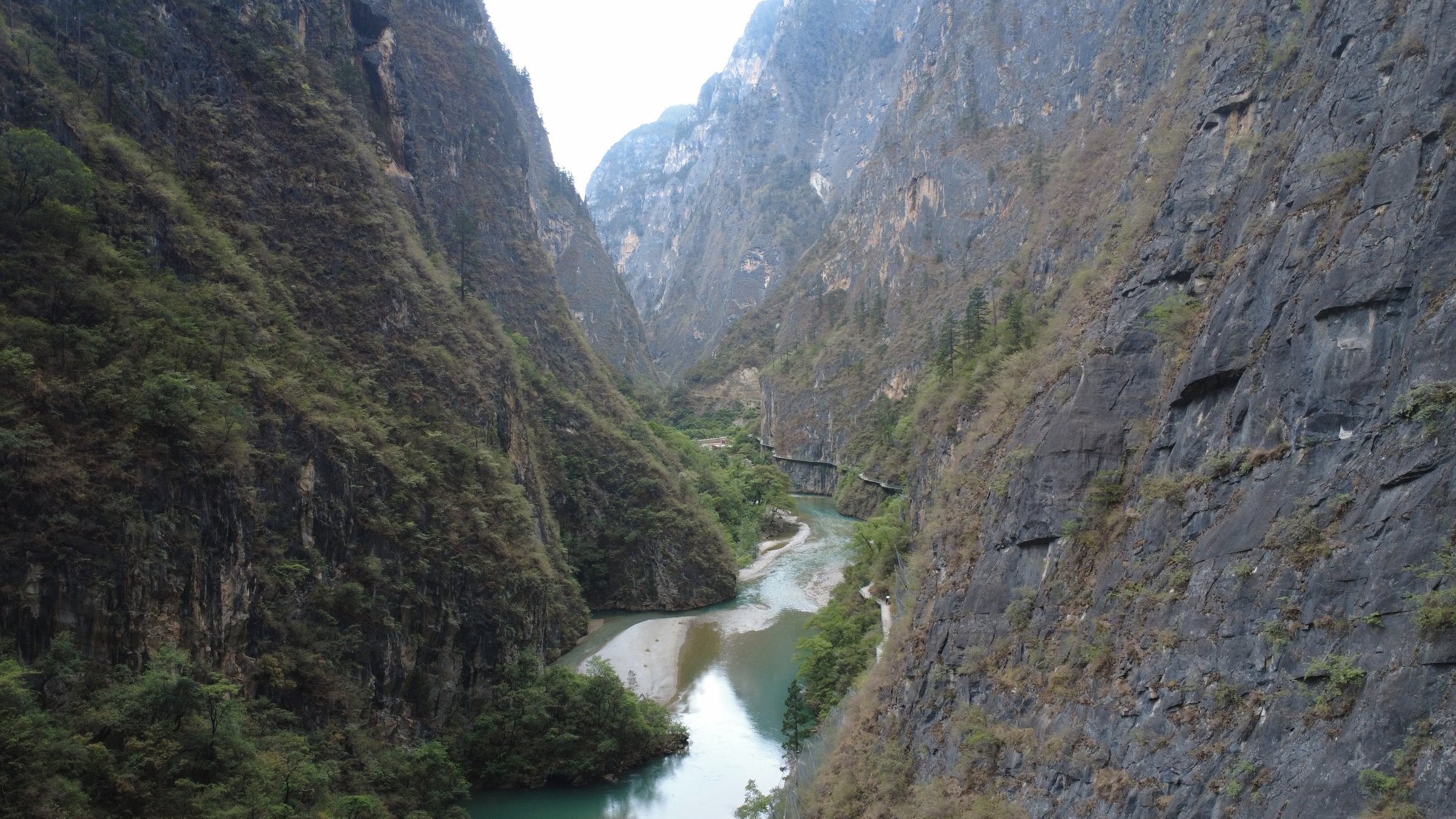
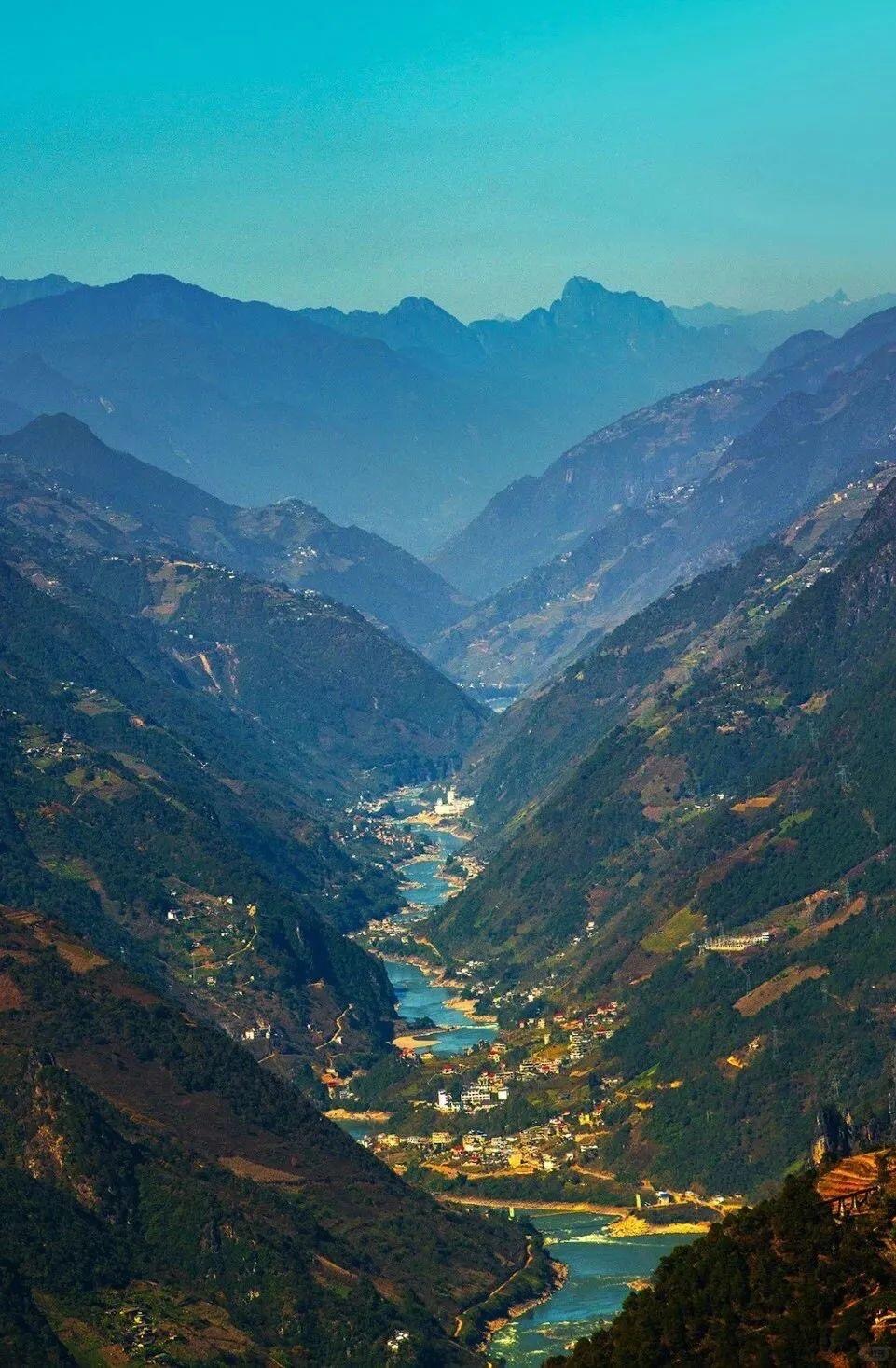
Aerial view of the jade-green Gangqu River between sheer forested walls in Balagezong canyon
巴拉格宗

Balagezong

The Gangqu River canyon at the northern edge of Shangri-La: boardwalks along jade water between limestone walls, a glass cantilever viewpoint and the old Tibetan village of Bala. A road climbs on to the Shambhala stupa.

Full day · private cars drive in on a vehicle permit

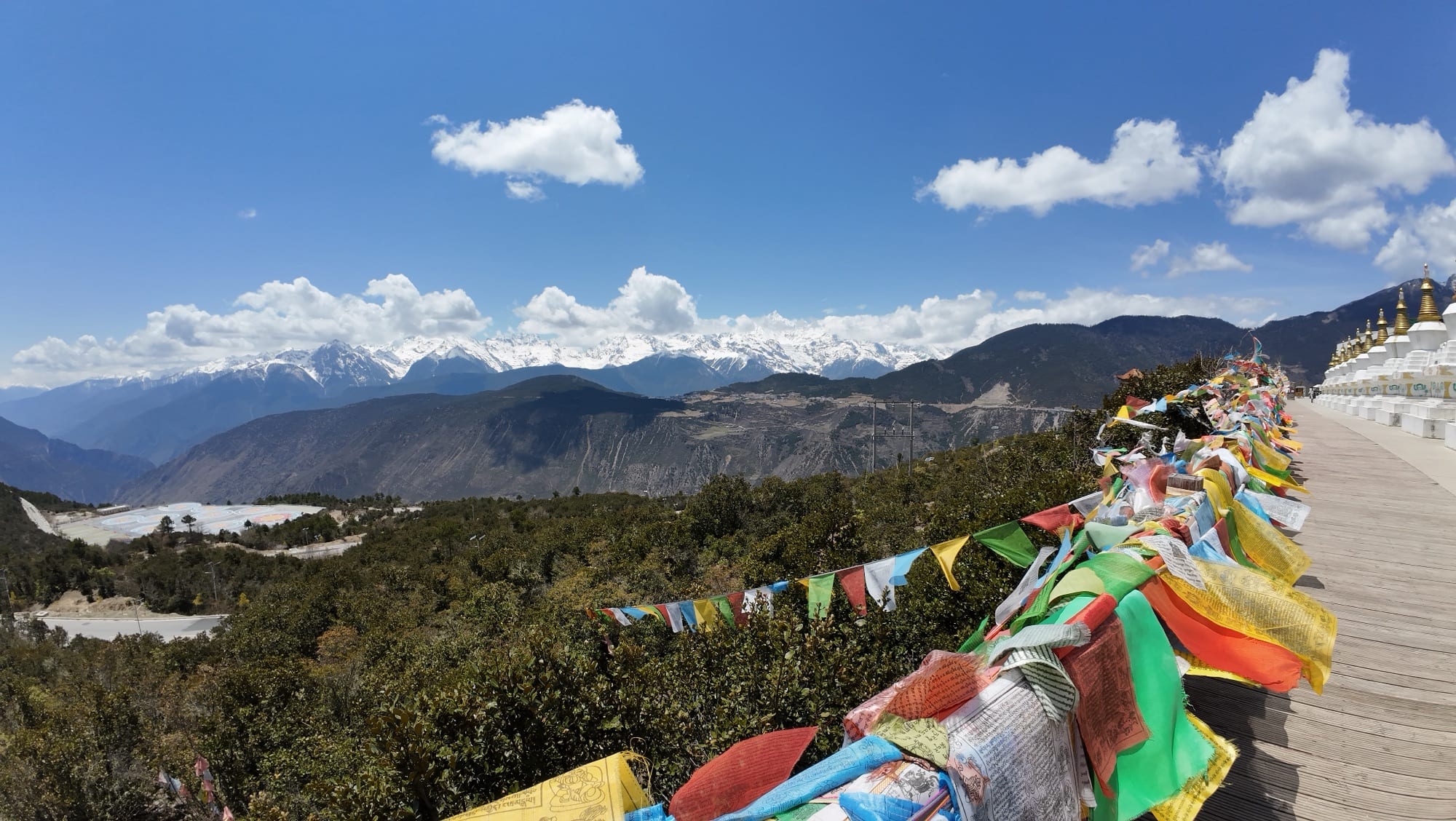
Prayer flags along the Feilai Si viewing terrace, the Meili snow peaks across the gorge in cloud
梅里雪山 · 飞来寺

Meili Snow Mountain & Feilai Si

Kawagarbo, 6,740 m and sacred to Tibetans, has never been climbed. From the stupas at Feilai Si, across the Mekong gorge, clear dawns turn its snow gold for a few minutes. Mingyong Glacier lies to the south.

Allow two mornings · the summit is often in cloud

Tibetan houses at Yubeng in the dawn shadow, the first sun on snow peaks above
雨崩村

Yubeng Village

A Tibetan village under Kawagarbo with no road in, reached on foot over a forested pass. From Upper Yubeng, at about 3,100 m, day walks lead to the Sacred Waterfall or up to Ice Lake at 3,900 m.

3 days · sleep a night above 3,000 m first

The Yubeng trek →
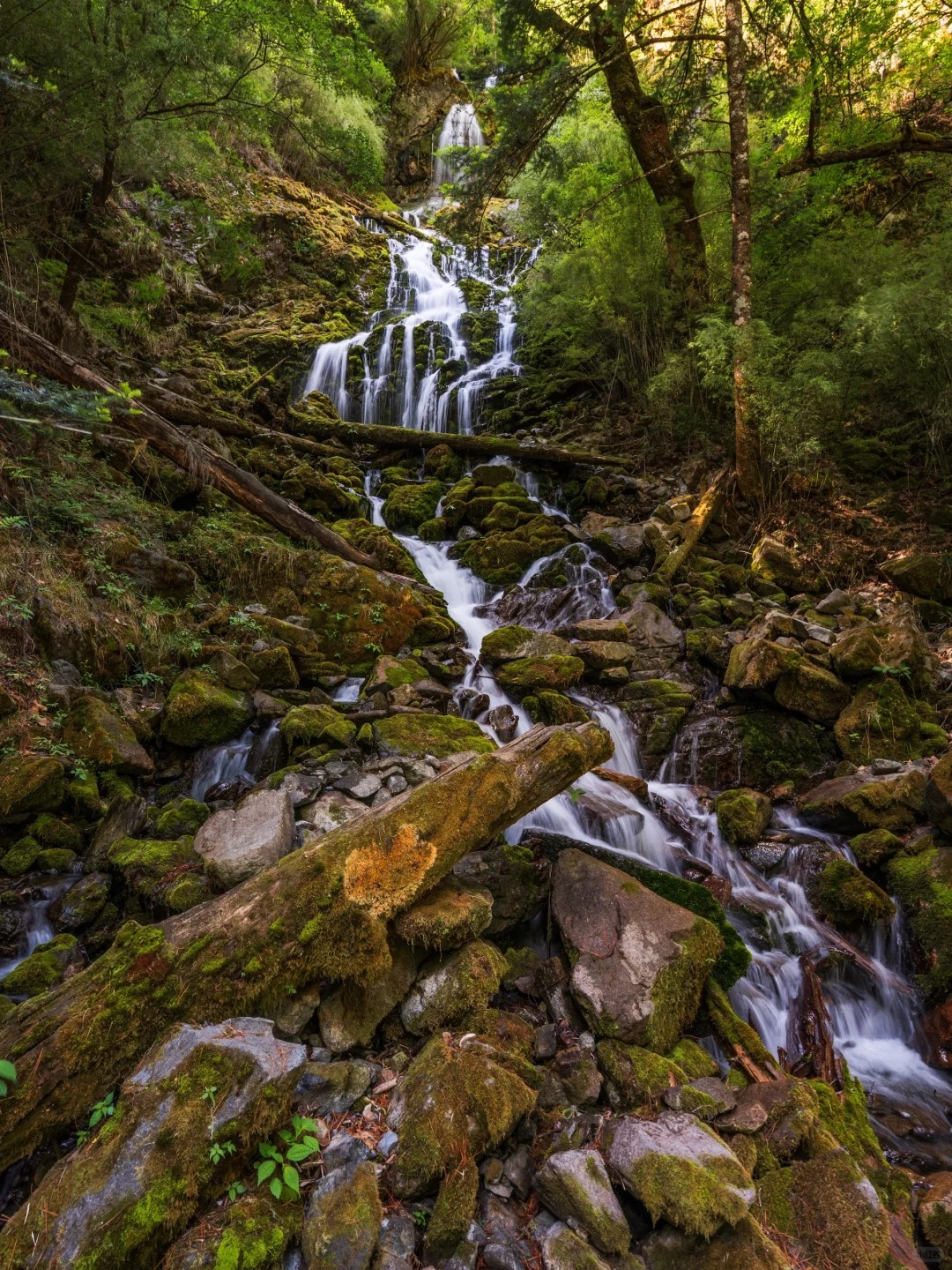
A stream tumbling over moss-covered rocks and fallen logs in the forest of Niru valley
尼汝

Niru Valley

A Tibetan valley in the mountains of Pudacuo, with conifer forest, yak pasture and the Seven-Colour Waterfall, a multi-tier cascade in the forest. Walkers stay in Niru village, at about 3,200 m.

3 days · two nights in Niru village

The Niru Valley hike →
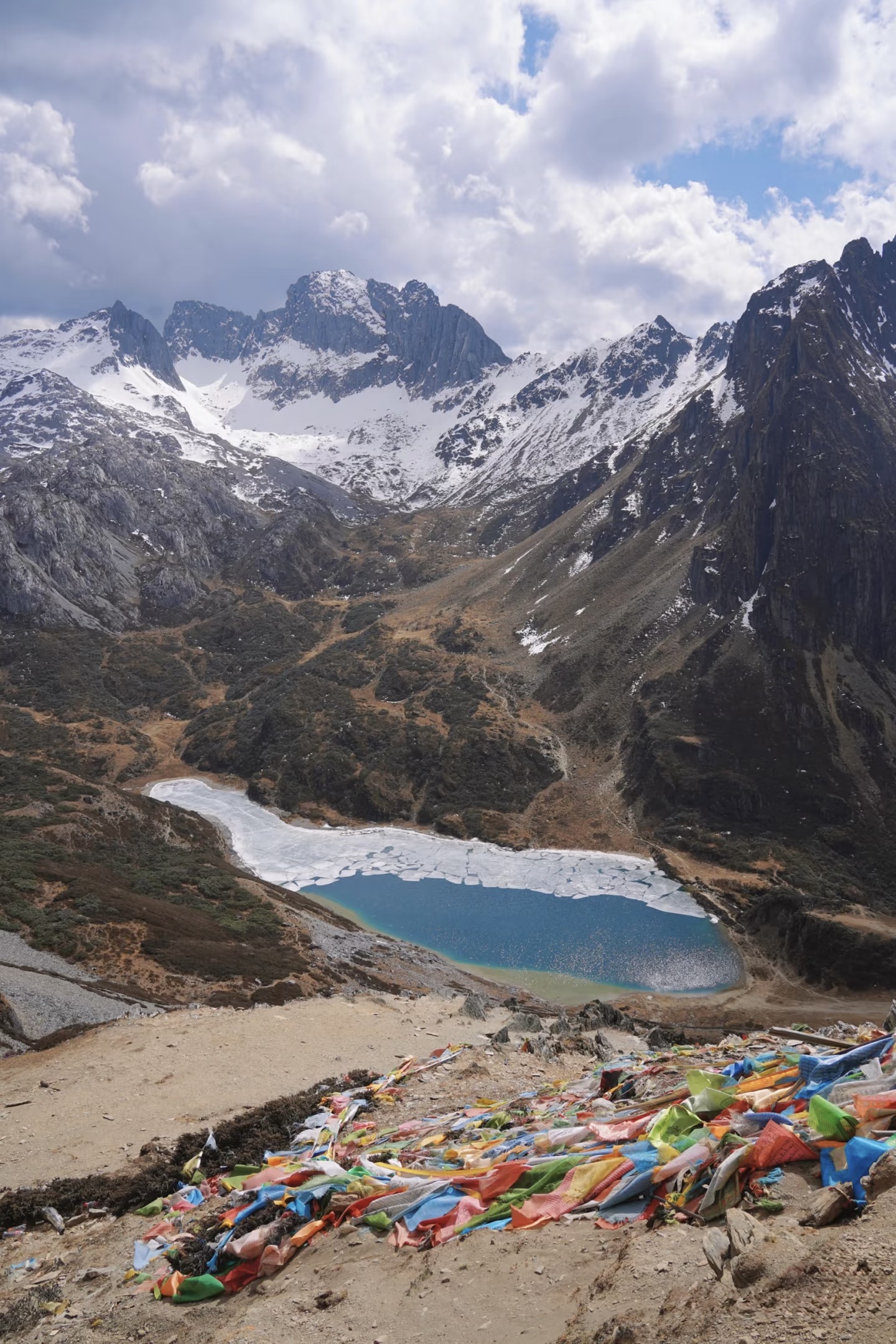
Prayer flags on the rocks above Abujicuo's blue lake, its edge still iced, below snowy peaks
阿布吉措

Abujicuo

A turquoise lake at 4,220 m in the mountains above Shangri-La, strung with prayer flags. The trail climbs about 620 m from the Niguge trailhead through fir forest and meadow, about 9 km out and back.

Full day · a local mountain guide is required

The Abujicuo day hike →
A hiker with arms outstretched above the Black Sea lake under the green ridges of Haba
哈巴雪山 · 黑海

Haba Snow Mountain & the Black Sea

Haba Snow Mountain, 5,396 m, faces Jade Dragon across Tiger Leaping Gorge. From Haba village a trail climbs through rhododendron forest and yak pasture to the Black Sea, a glacial lake at about 4,100 m.

2 days · one night camped by the lake

The Haba Black Sea hike →
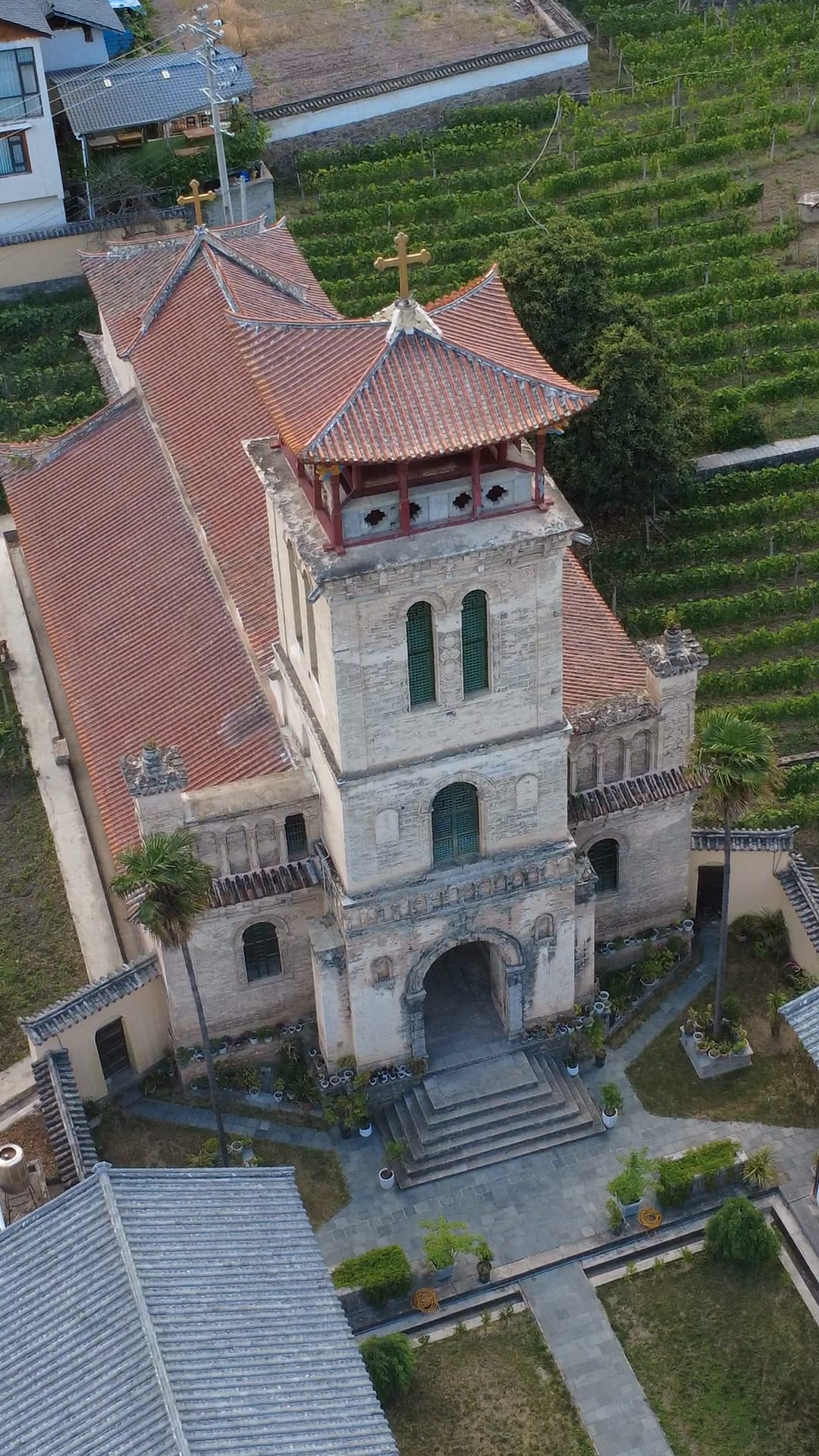
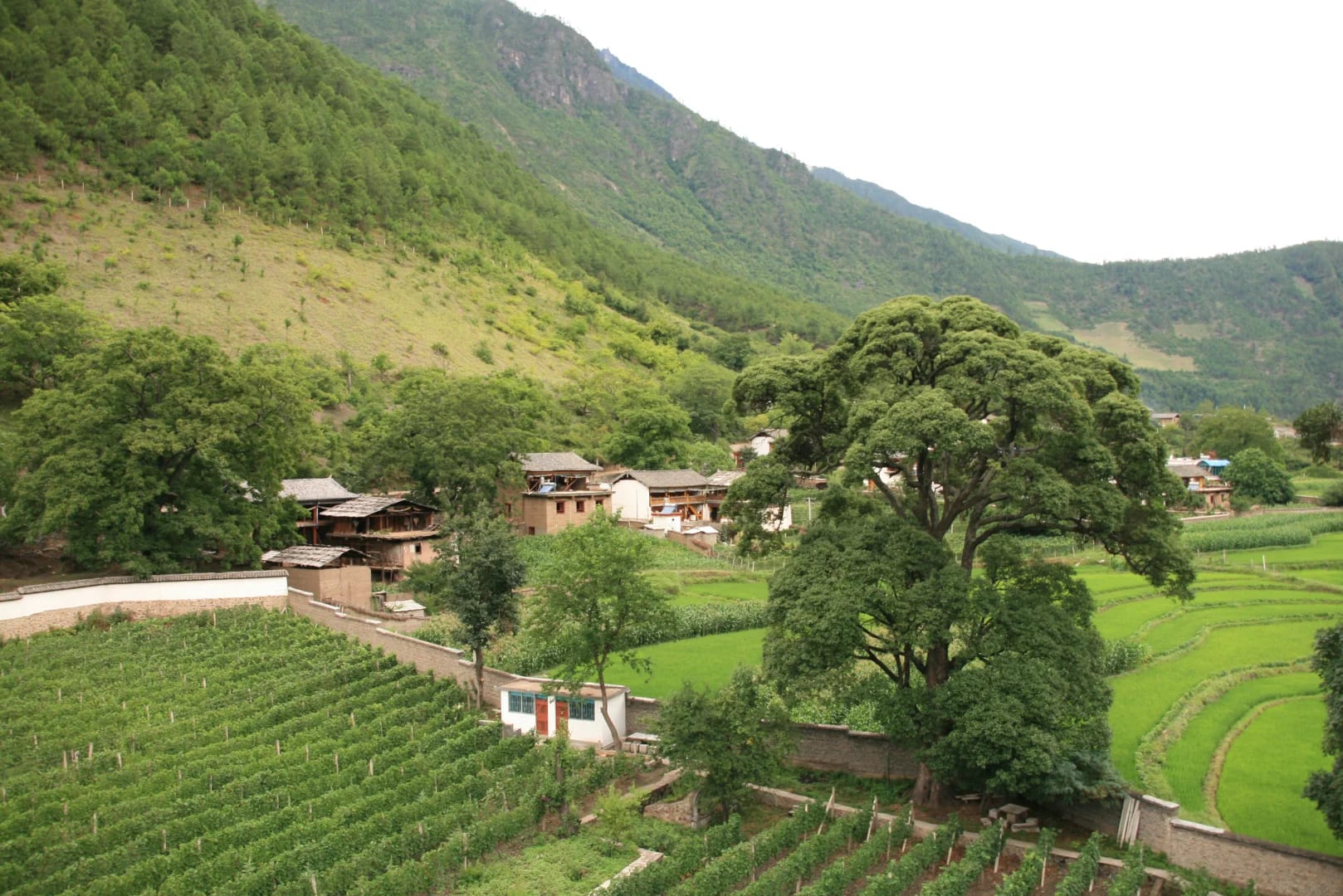
Cizhong's Catholic church and bell tower from above, rows of vines beside it
茨中

Cizhong & the Mekong wine valley

A village in the Lancang (Mekong) valley whose French mission church was blessed in 1911. The missionaries' Rose Honey grape still grows here, and family cellars along the valley pour their own wine.

1 hour at the church · add a cellar tasting

The Shangri-La Wine Journey →
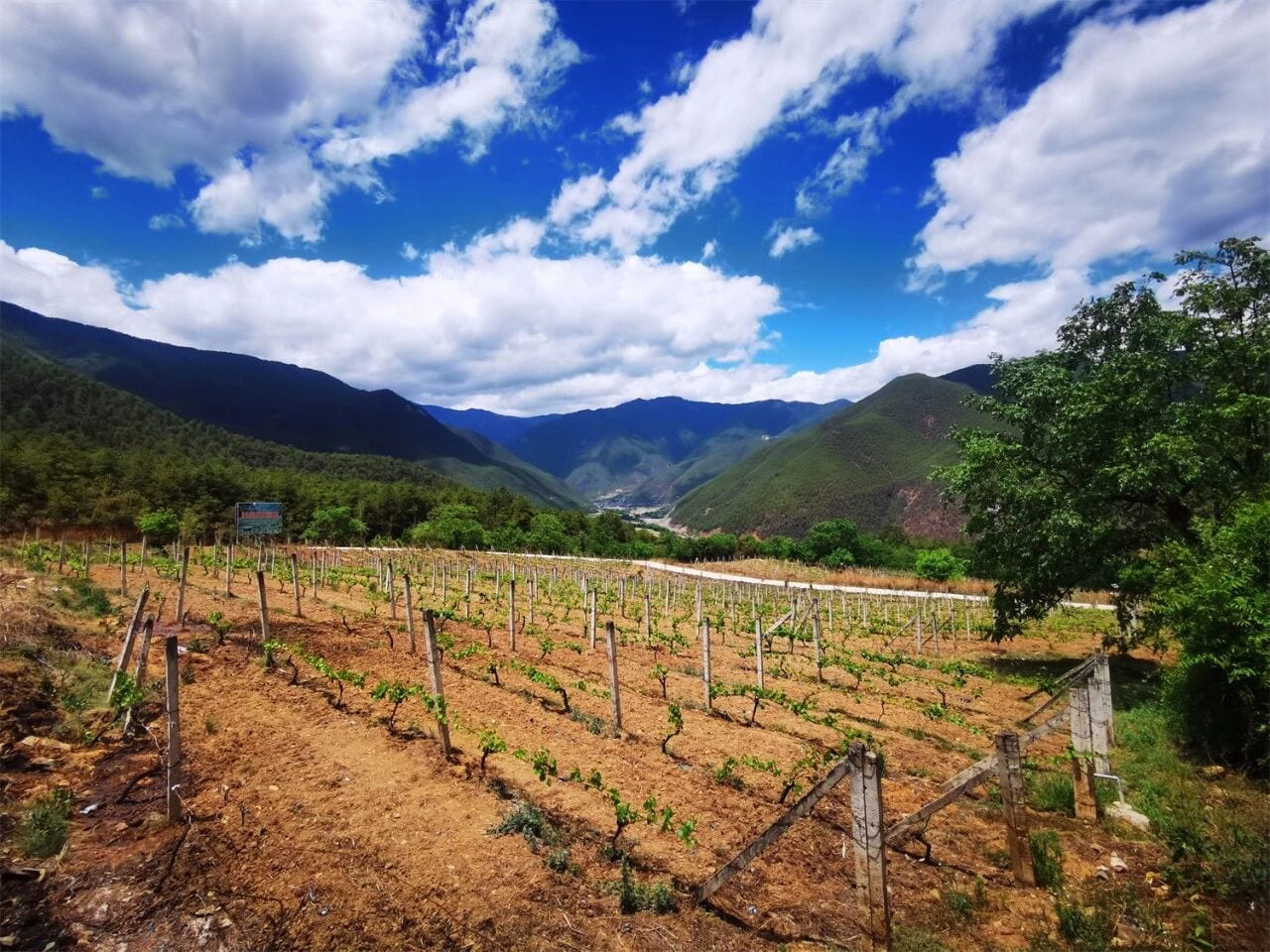
Rows of young vines at Lapu Valley in the Tacheng valley, forested ridges under a big sky
塔城

Tacheng

A warm farming valley at about 2,000 m in Weixi county. In the forest at Xiangguqing, rangers lead visitors to a group of Yunnan snub-nosed monkeys, and Lapu Valley makes ice wine from Vidal grapes.

1–2 days

Seasonal specials

Shangri-La by season

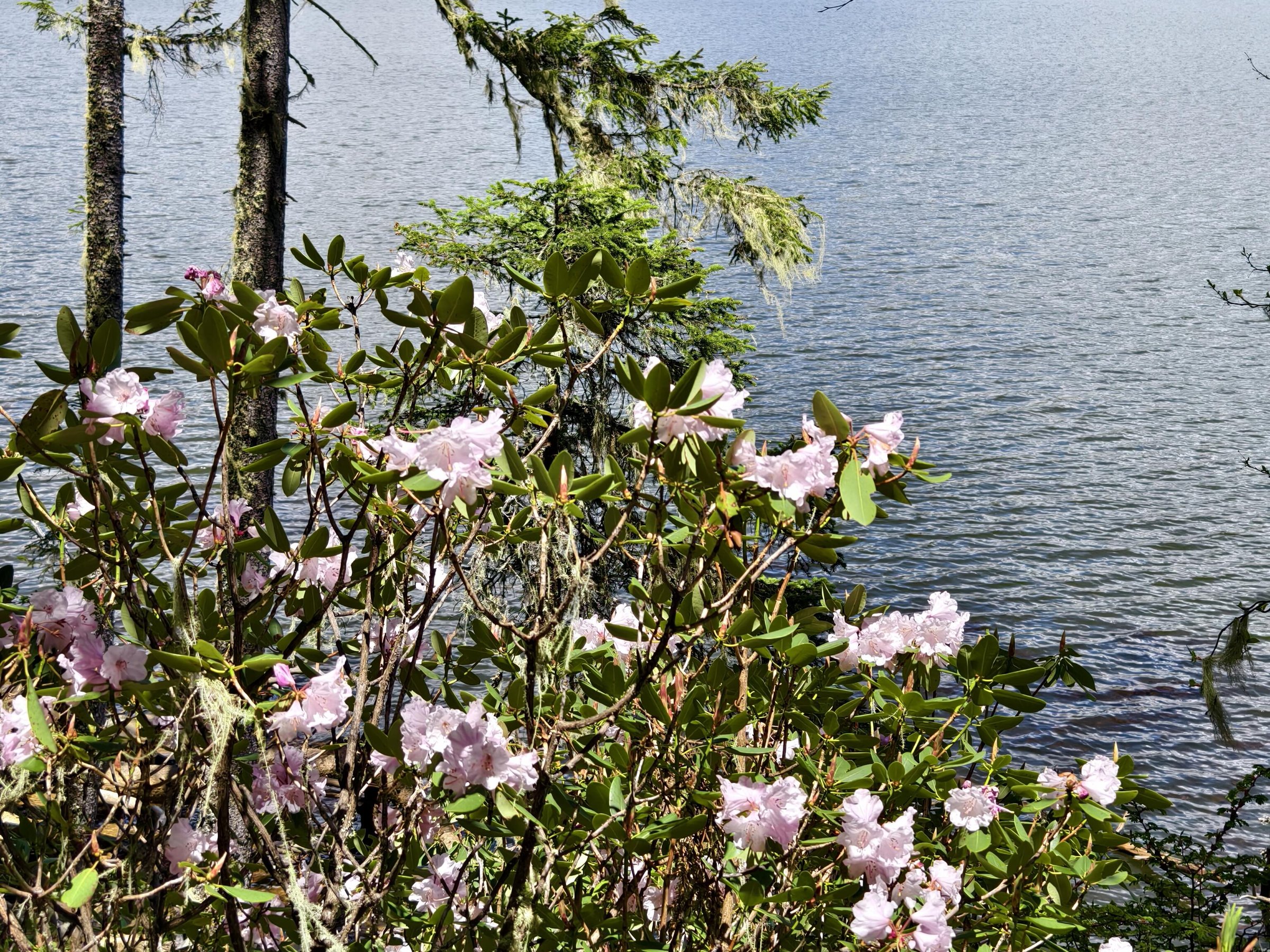
Pink wild rhododendrons in flower on the shore of Shudu Lake, Pudacuo

Late May – mid Jun

高山杜鹃

Alpine rhododendrons

Wild rhododendrons flower pink and white across the high country, around the lakes of Pudacuo and in the forest belts on the climbs to Abujicuo and Haba's Black Sea.

Peak dates shift with the spring weather

A Tibetan rider in a pink shirt galloping past the crowd at the Shangri-La horse races

Late May – Jun

香格里拉赛马节

Shangri-La Horse Racing Festival

Diqing's biggest yearly festival, held over the Dragon Boat holiday on the fifth day of the fifth lunar month. Tibetan riders race and show trick riding, scooping hada scarves from the ground at full gallop.

The racecourse changes some years · confirm the venue

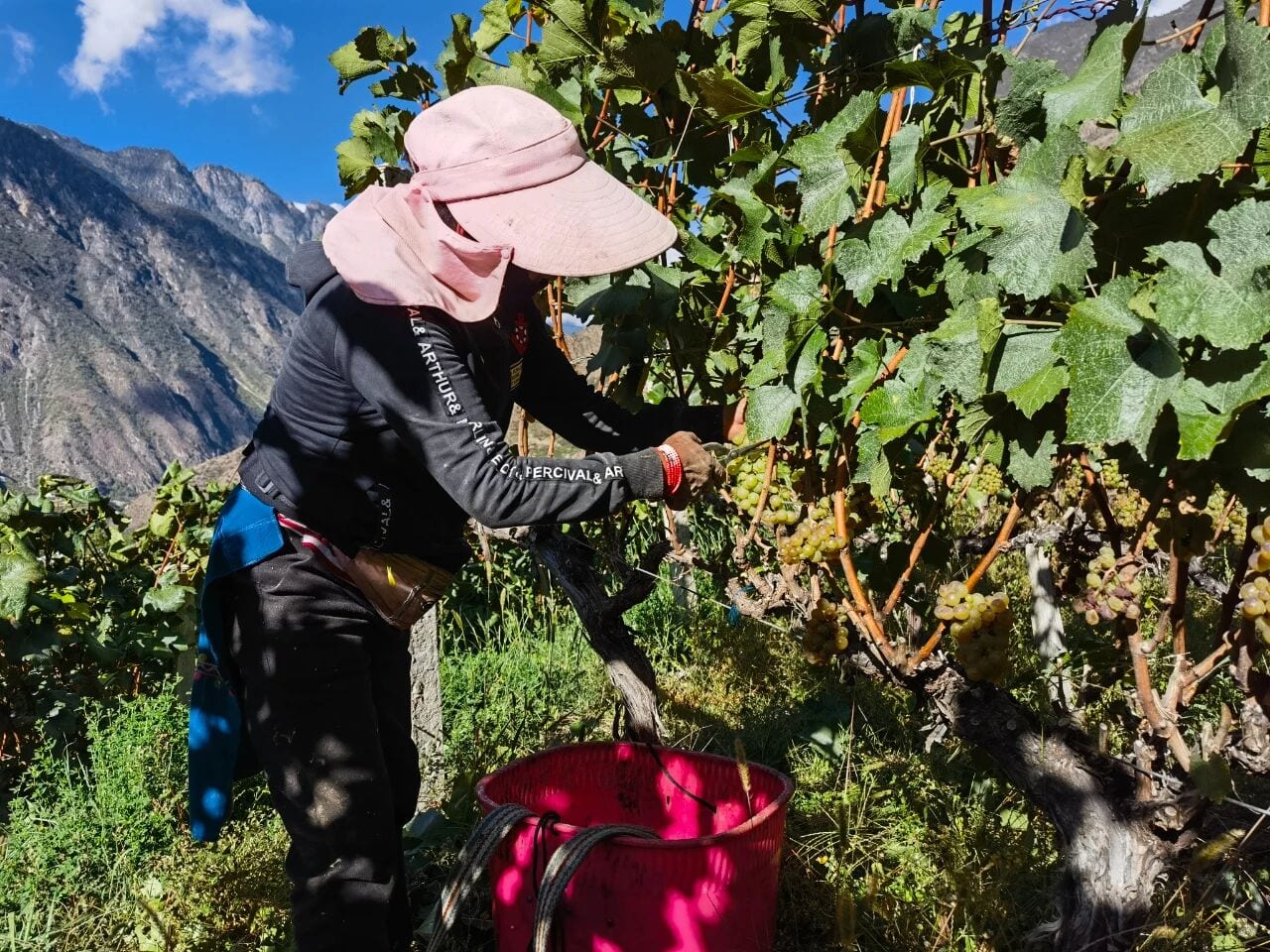
A picker in a sun hat cutting grape bunches into a red bucket at Simang vineyard

Mid Sep – Oct

梅里葡萄采收季

Grape harvest in the Meili wine region

Vineyards along the Jinsha and Lancang rivers sit between about 2,000 and 2,800 m, and picking runs from mid-September into October. The Shangri-La Wine Journey runs through October, the harvest season.

Harvest dates move with each year's weather

The Shangri-La Wine Journey →
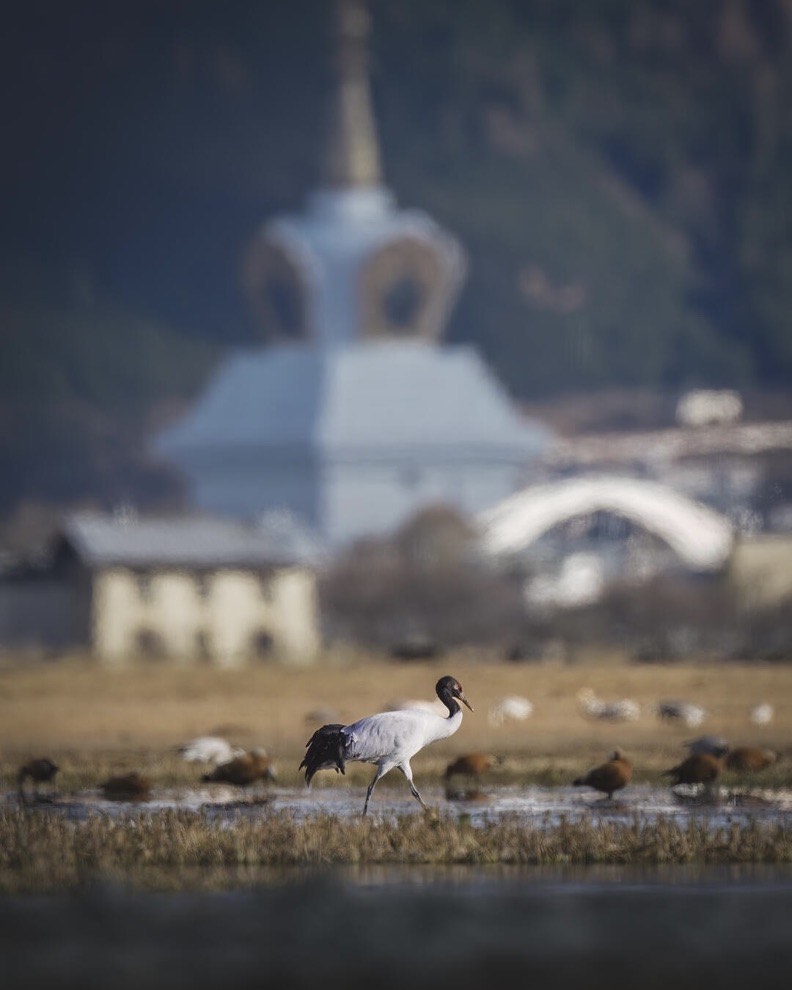
A black-necked crane on the Napa Hai marsh, a white stupa blurred behind

Nov – Mar

纳帕海黑颈鹤

Black-necked cranes at Napa Hai

Napa Hai is one of the main wintering grounds of the black-necked crane, which breeds higher on the Tibetan Plateau. Flocks feed on the winter meadow and marsh, and some birds now stay all year.

Watch from a distance with binoculars

Common questions

Planning your Shangri-La trip

01 When is the best time to visit Shangri-La?

Late April to mid-June and mid-September to early November. Spring brings rhododendrons in full bloom across the alpine meadows of Pudacuo; autumn brings clear cold air and the cleanest distant views of the Meili Snow Mountain range. Avoid the Chinese summer holiday peak (July–August) — Songzanlin gets crowded and the highland roads turn slippery in the wet season. Winter is quiet and dramatic if you don't mind the cold.

02 How many days do I need in Shangri-La?

Three days is the minimum — one for Songzanlin Monastery and Dukezong Old Town, one for Pudacuo National Park, and one for a deeper push into the Tiger Leaping Gorge area or out toward the Meili foothills. Five days is the sweet spot if you want to add an overnight at one of the Songtsam Meili lodges facing the sacred peaks.

03 Do I need to worry about altitude in Shangri-La?

Shangri-La sits at 3,200 metres — high enough that most visitors feel mild altitude effects on day one (light-headedness, shorter breath, restless first night). Arriving overland from Lijiang (2,400m) gives your body time to adjust. We keep the first afternoon light, skip alcohol on arrival, and provide oxygen pillows in every room. If you're heading on to Yubeng or Meili, we plan additional acclimatisation.

04 How does Shangri-La combine with the rest of Yunnan?

Shangri-La is the natural finale of a north-Yunnan loop — start in Lijiang for the Naxi old town and Jade Dragon, drive the Tiger Leaping Gorge road, then finish in Shangri-La for the Tibetan plateau and monasteries. Eight to ten days covers it without rushing. Our Tea Horse Road to Tibetan Shangri-La trip extends further into Yubeng village and the Meili Snow Mountain pilgrimage circuit.