← All destinations Colorful Yunnan

Nujiang

China's Last Frontier Valley

4–6 days Remote CanyonEthnic CultureTrekkingCatholic HeritageSalween River

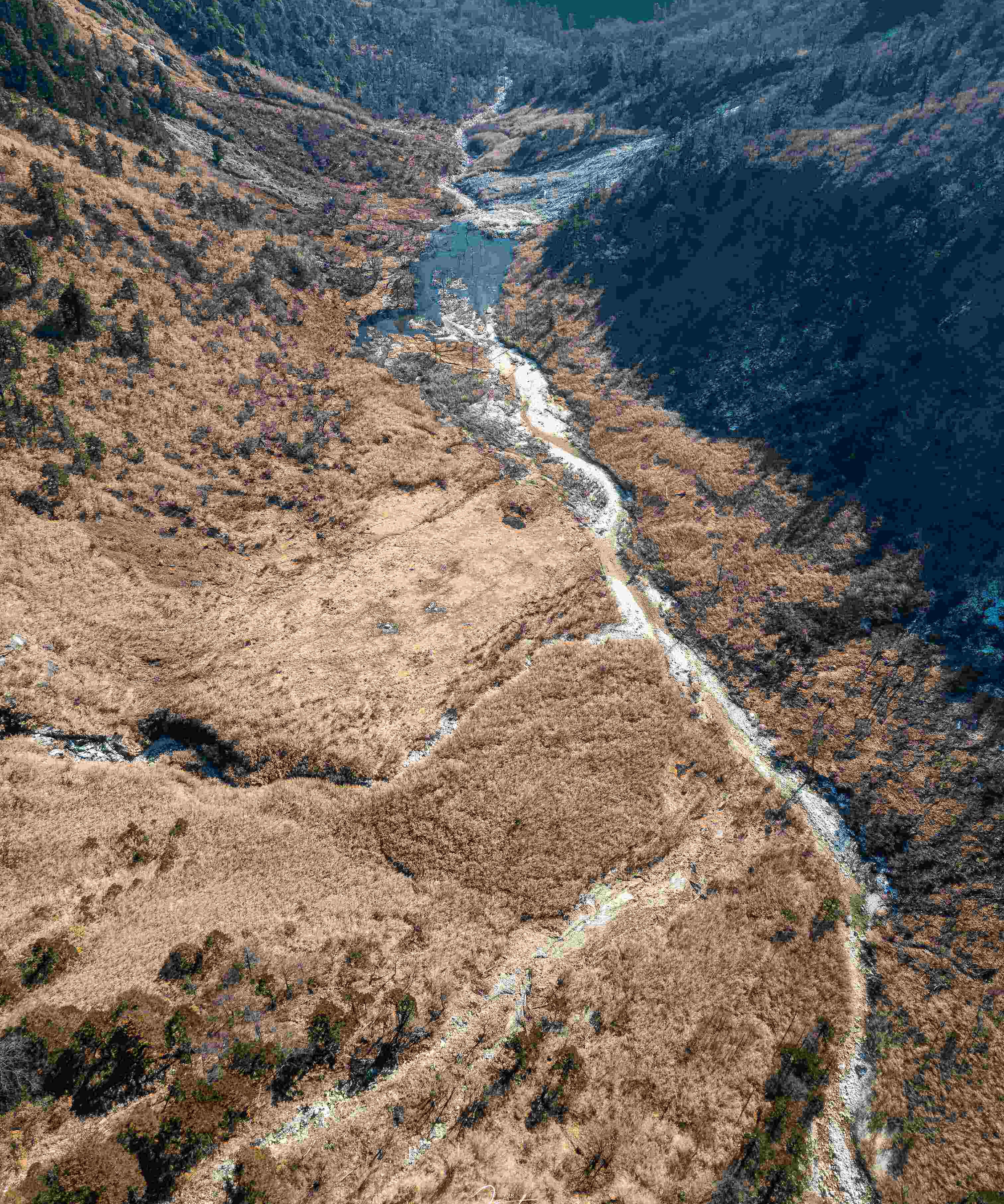
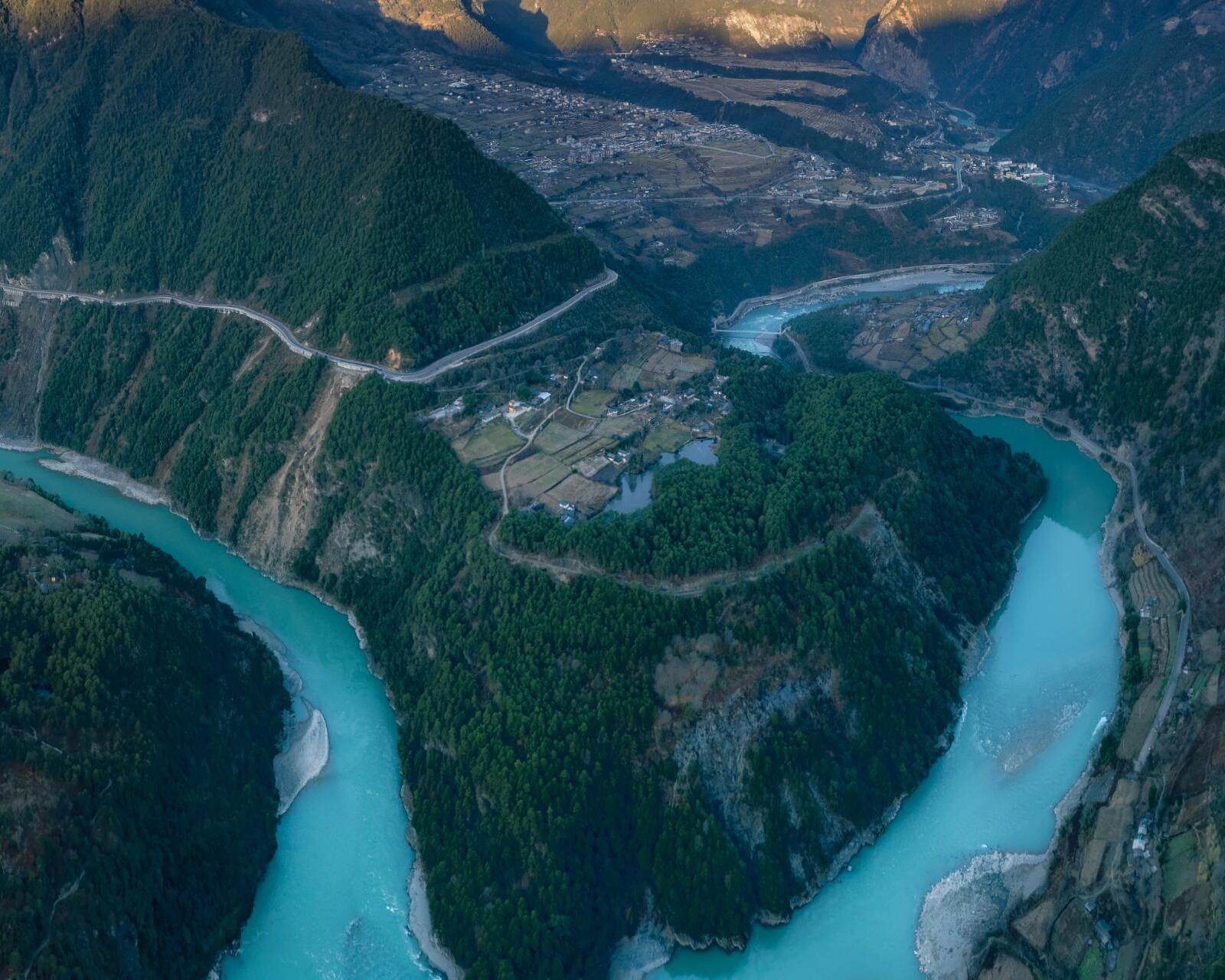
The Nujiang (怒江) — the Salween River — cuts through one of Earth's deepest gorges, running 3,000 vertical metres from Tibetan snow to subtropical forest. It's one of the Three Parallel Rivers, home to Lisu, Nu, and Derung villages, and quietly the site of a chain of 19th-century French-missionary Catholic churches. Only opened to outside travellers in the last twenty years, this is still the last frontier valley in southwest China.

Nujiang — China travel guide by Boutique China

What you'll experience

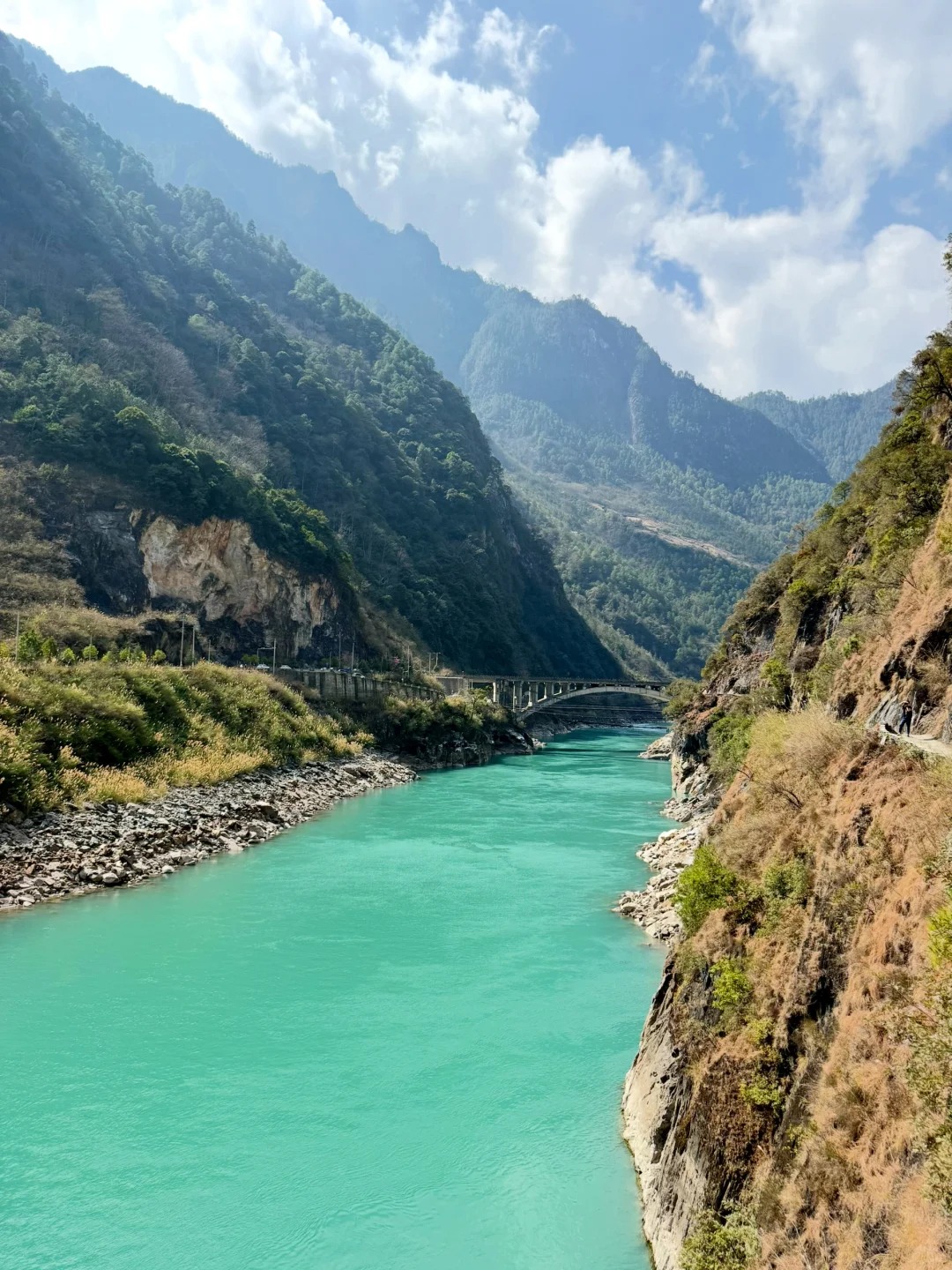
  • China's deepest gorge — turquoise Salween River threading the Yunnan–Tibet massif with 3,000m of vertical relief
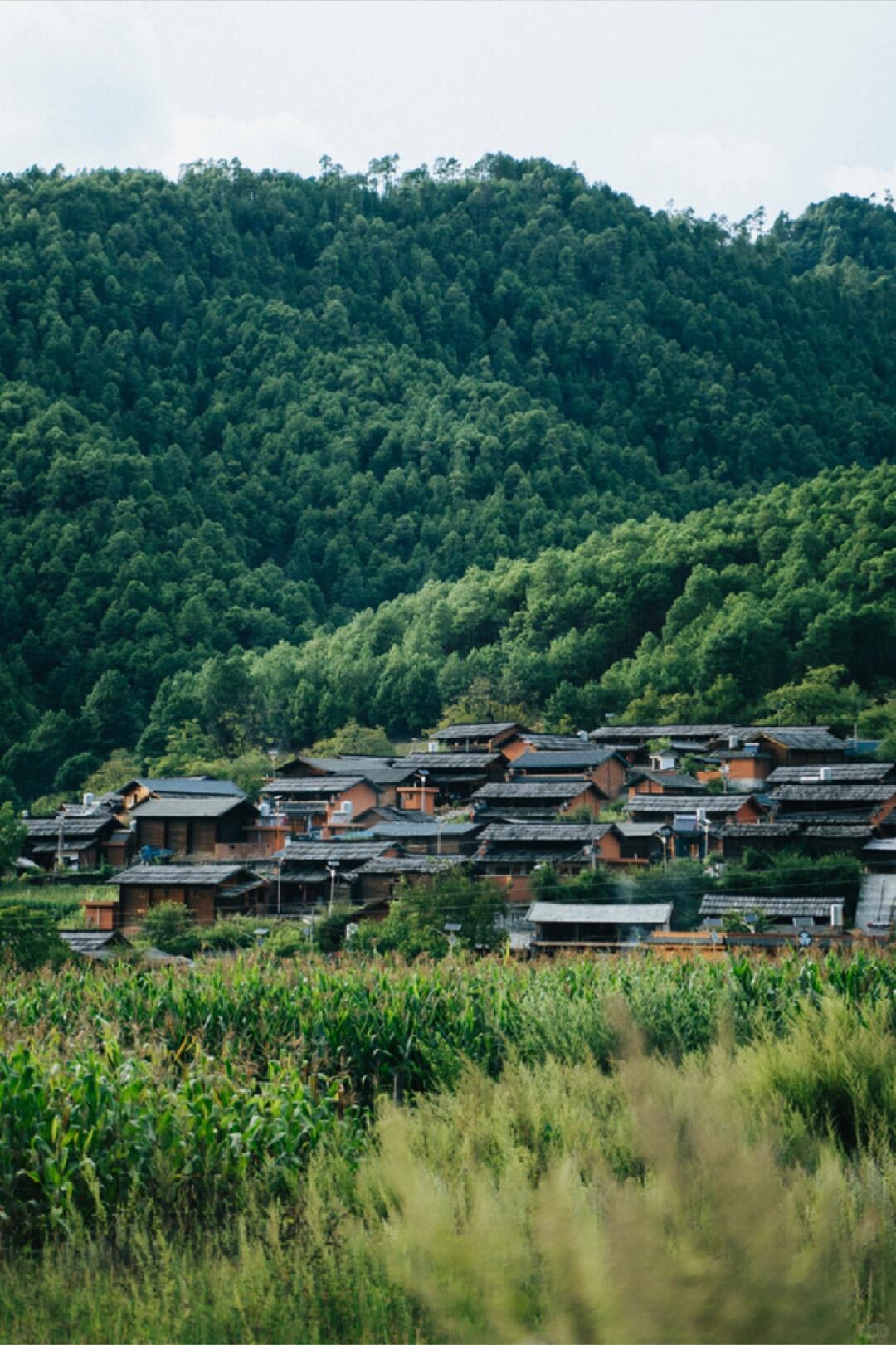
  • Lisu, Nu and Derung villages — distinct languages, stone-roofed houses, prayer flags, Christmas carols
  • A chain of 19th-century French-missionary Catholic churches — Chongding, Baihanluo, Qiunatong
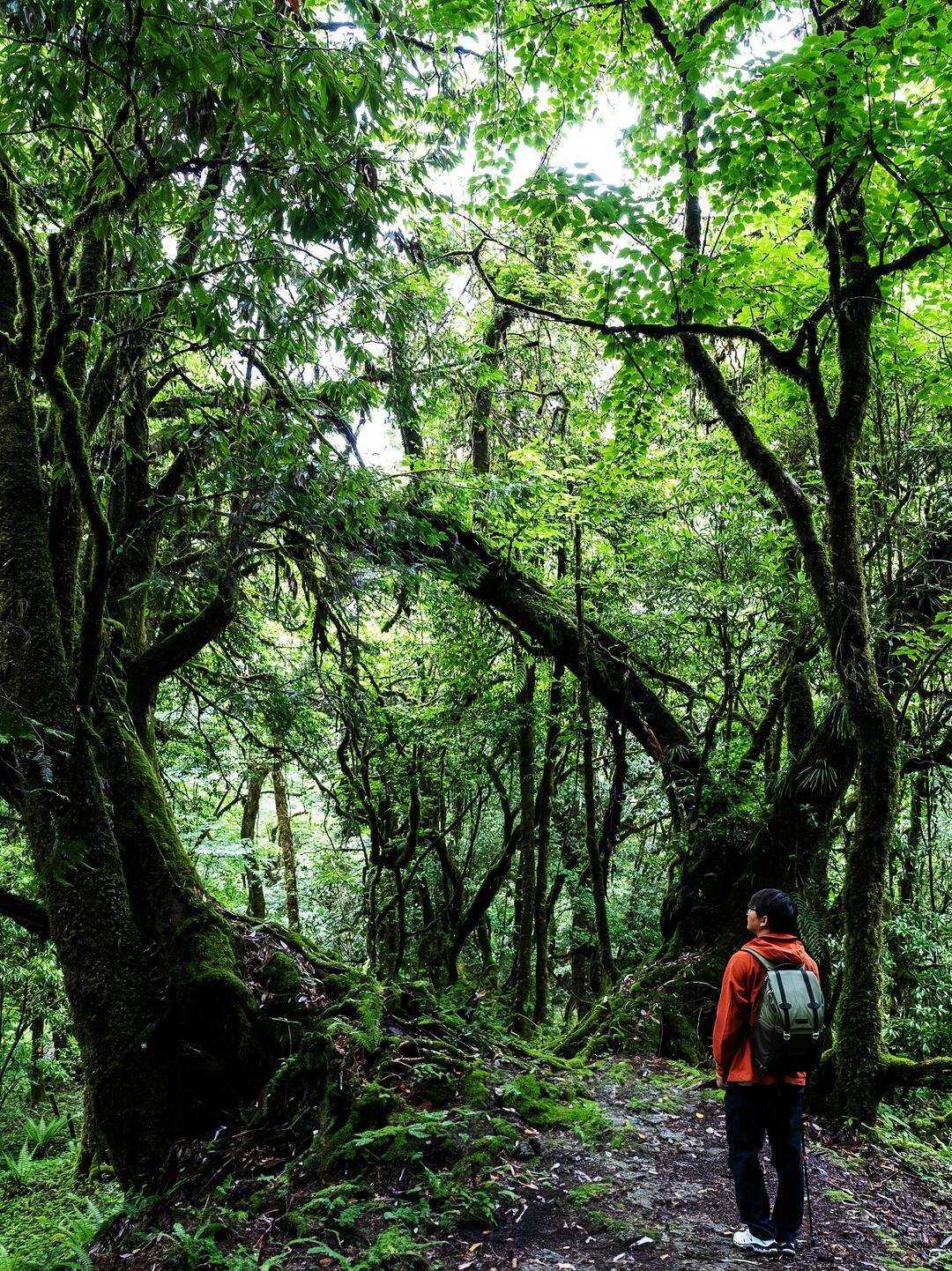
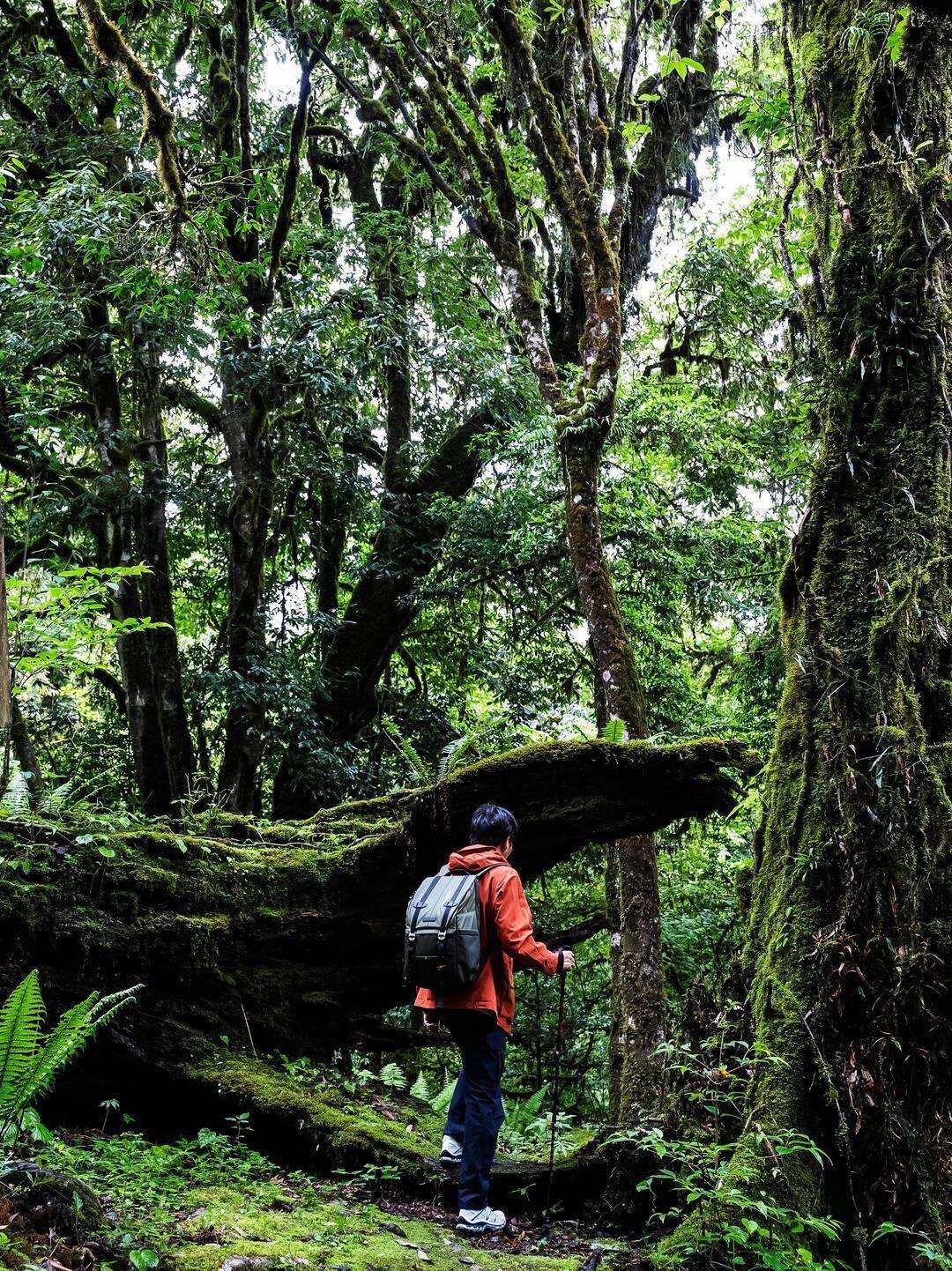
  • Primeval moss-forest trekking — the 'magic forest' canopy trails out of Dimaluo
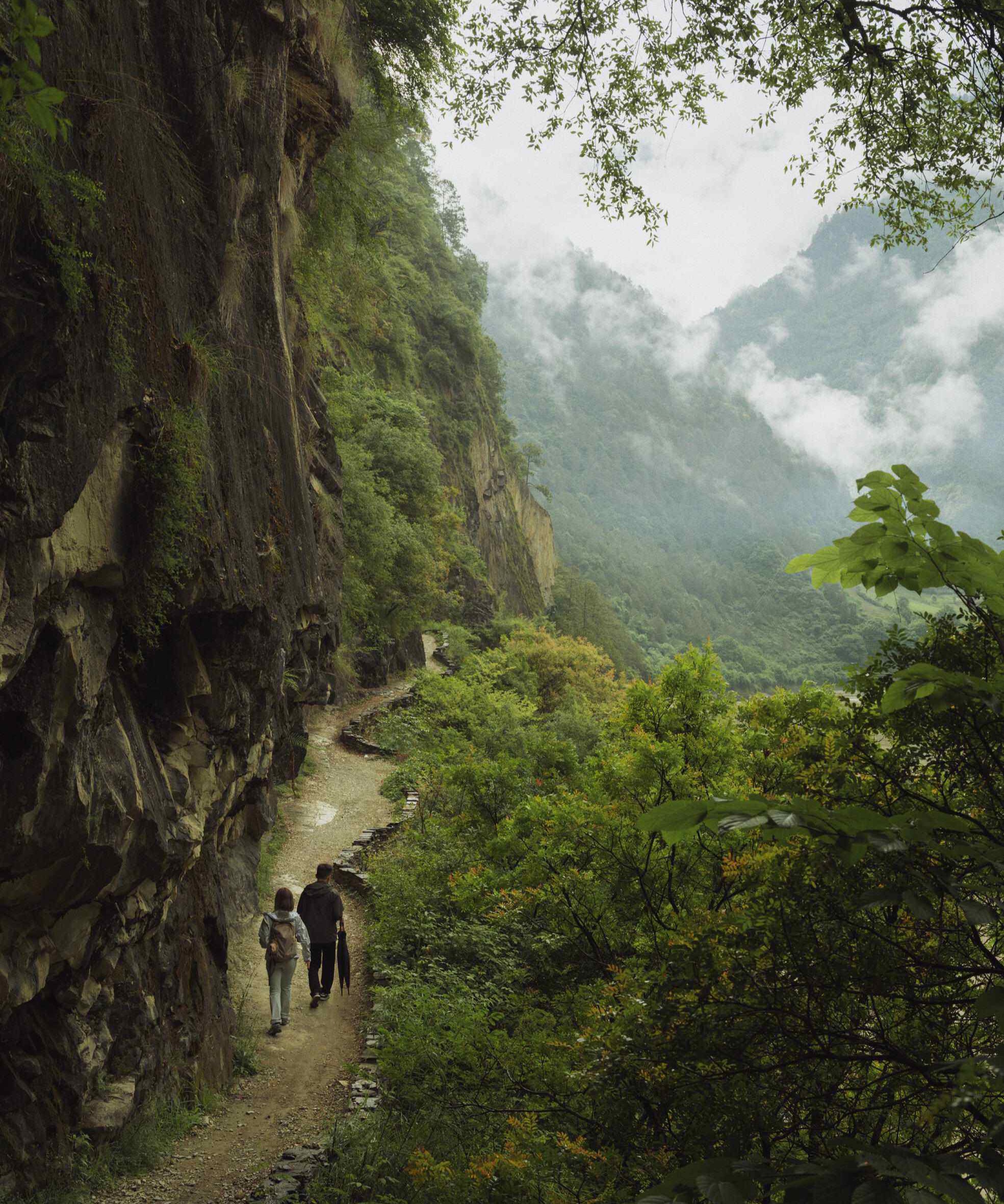
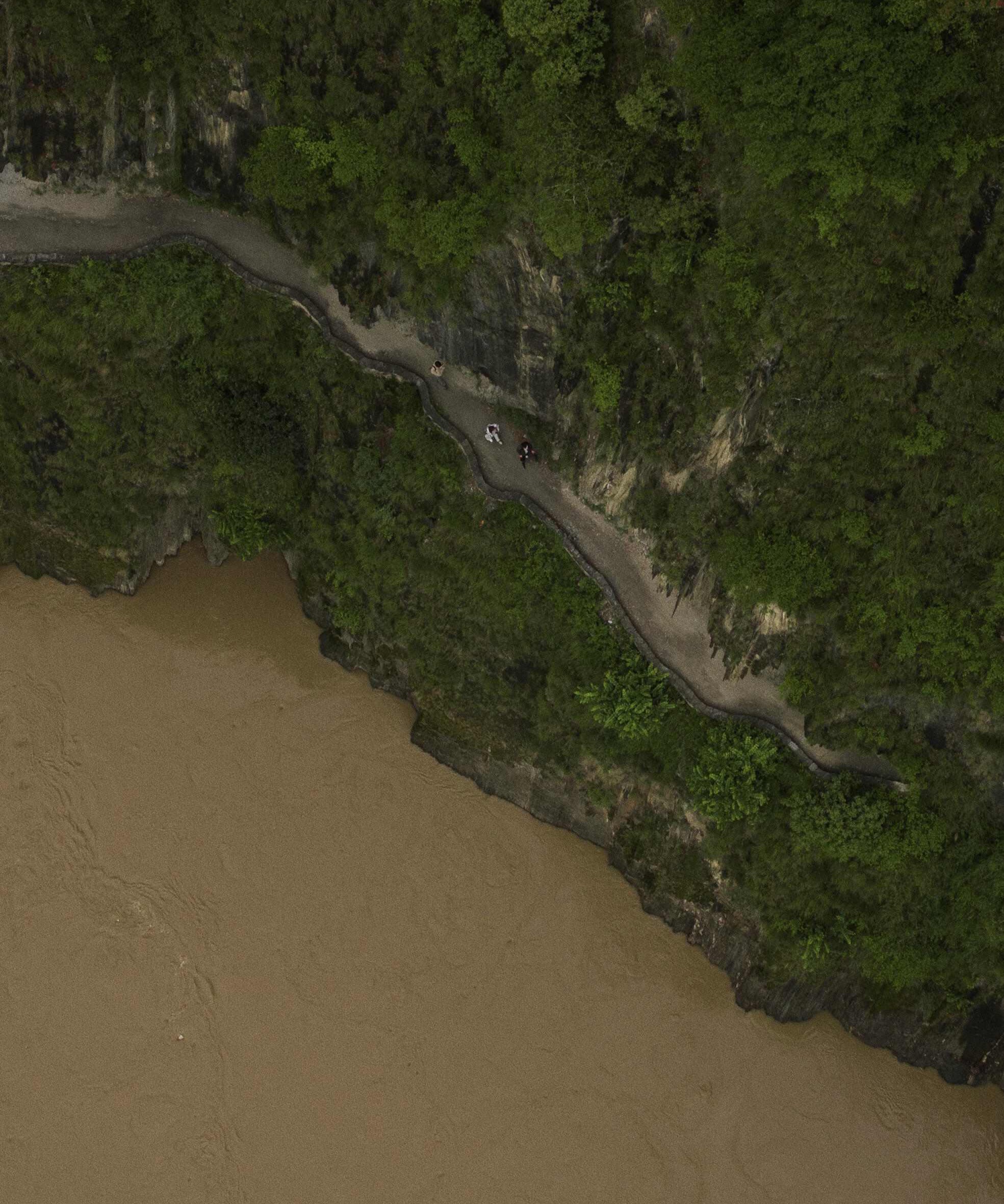
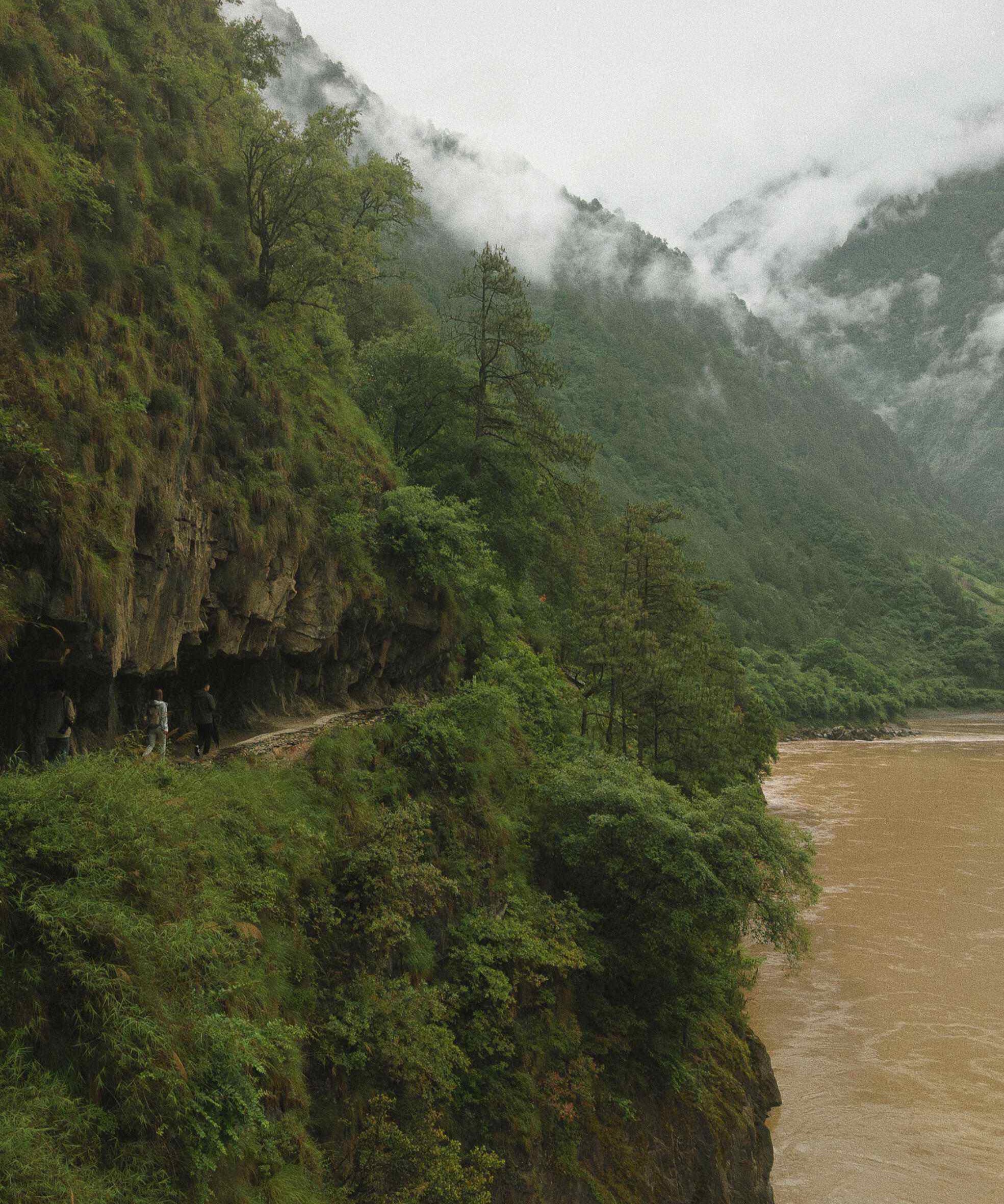
  • Wuli Village Tea Horse Road — 1,800m of cliff-carved trail above the river
  • Bingzhongluo & Stone Moon (石月亮) — the iconic far-north Nujiang First Bend and its jagged sentinel peak
Snippet 01

Into the Canyon

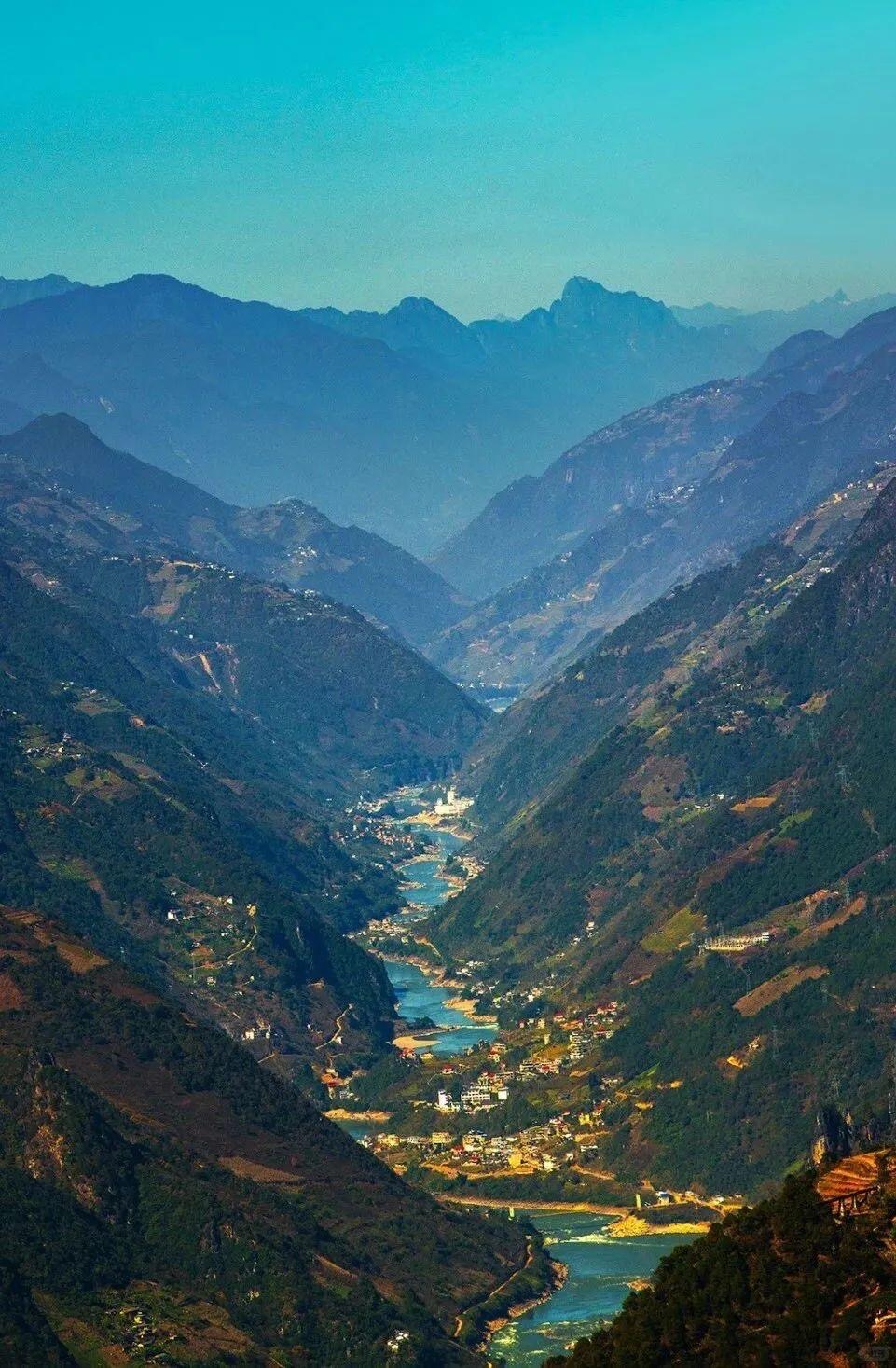
  • Enter from Baoshan or Lushui — the road picks up the Salween and holds it all the way north, one side cliff, the other side river.
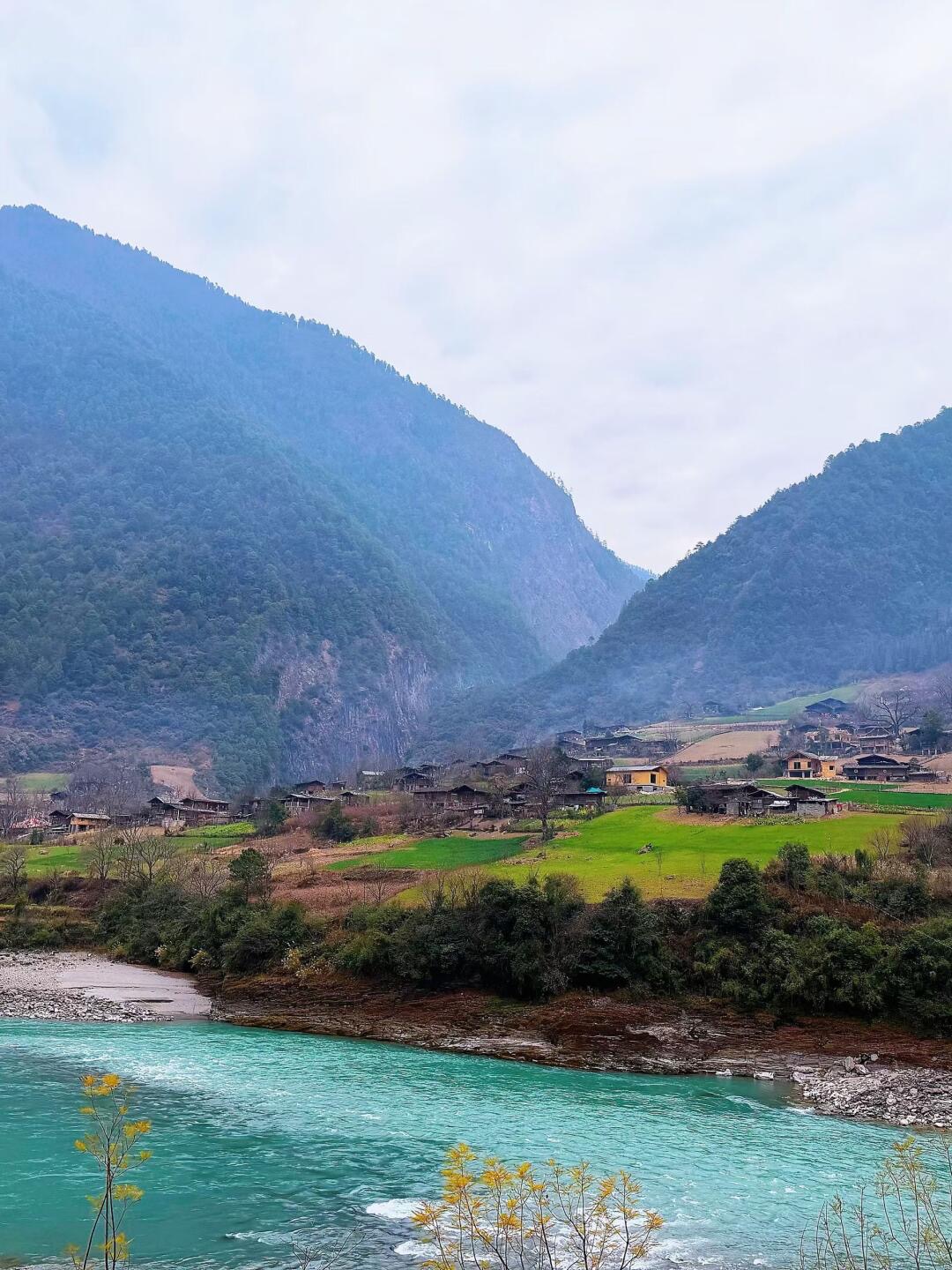
  • First sight of the turquoise water cutting between forested walls, terraced villages clinging to the slopes above.
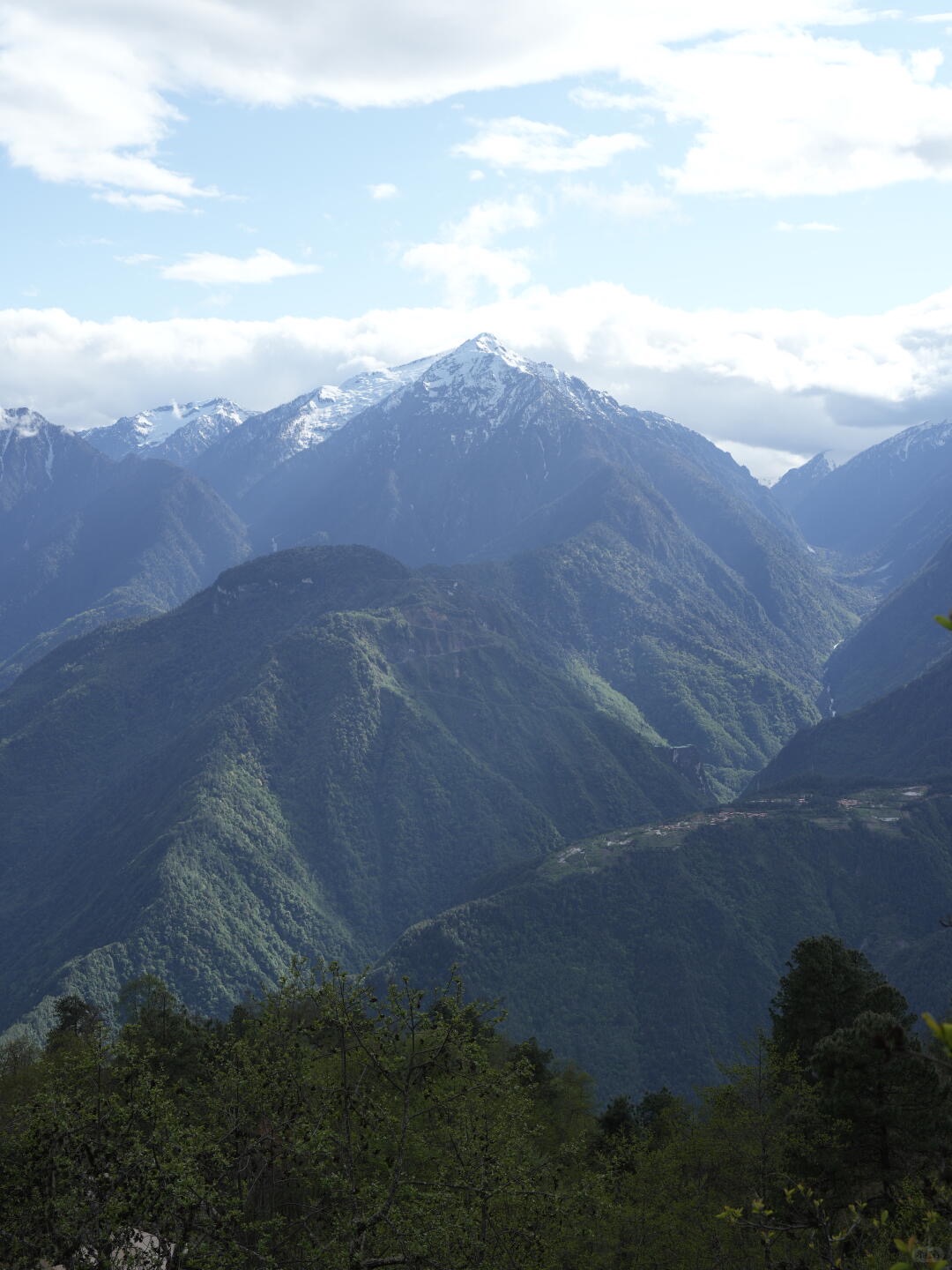
  • Scale you won't believe until you see it — 3,000m of vertical relief from riverbank to ridgeline, routinely.
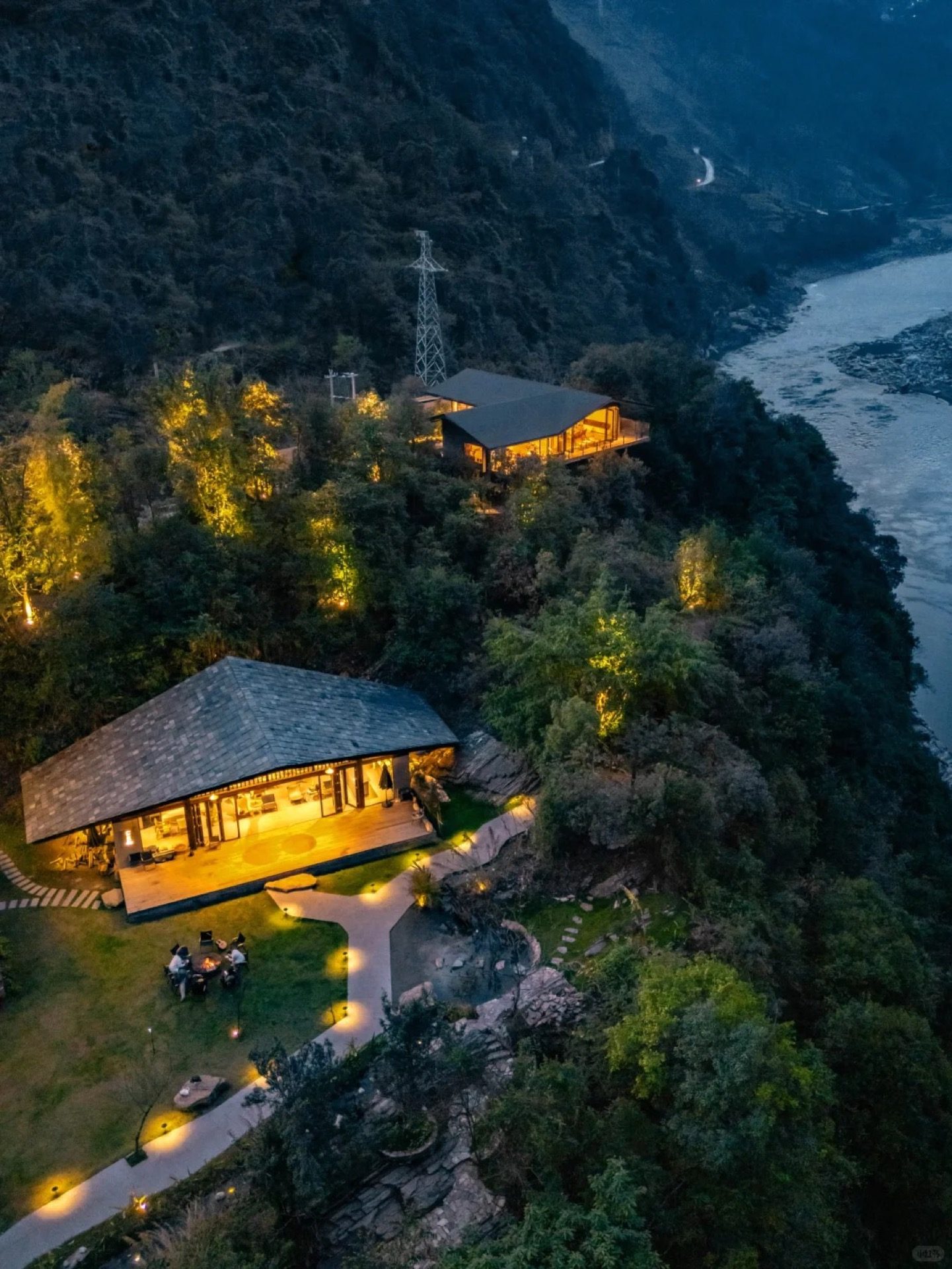
  • Golden-hour dusk along the G219 layered ridges, deep shadow in the gorges, a few lit windows on the far wall.
  • Stop often. The canyon rewards slow driving, and most of the best viewpoints aren't signposted.
Snippet 02

Churches, Villages & the Magic Forest

  • Stop at the twin-spire Catholic churches — Chongding (重丁), Baihanluo (白汉洛), Qiunatong — left behind by 19th-century French missionaries and still in weekly use.
  • Walk into a Lisu village at Christmas and you'll hear four-part harmony in Lisu script — a genuinely strange cultural layer you won't find anywhere else in China.
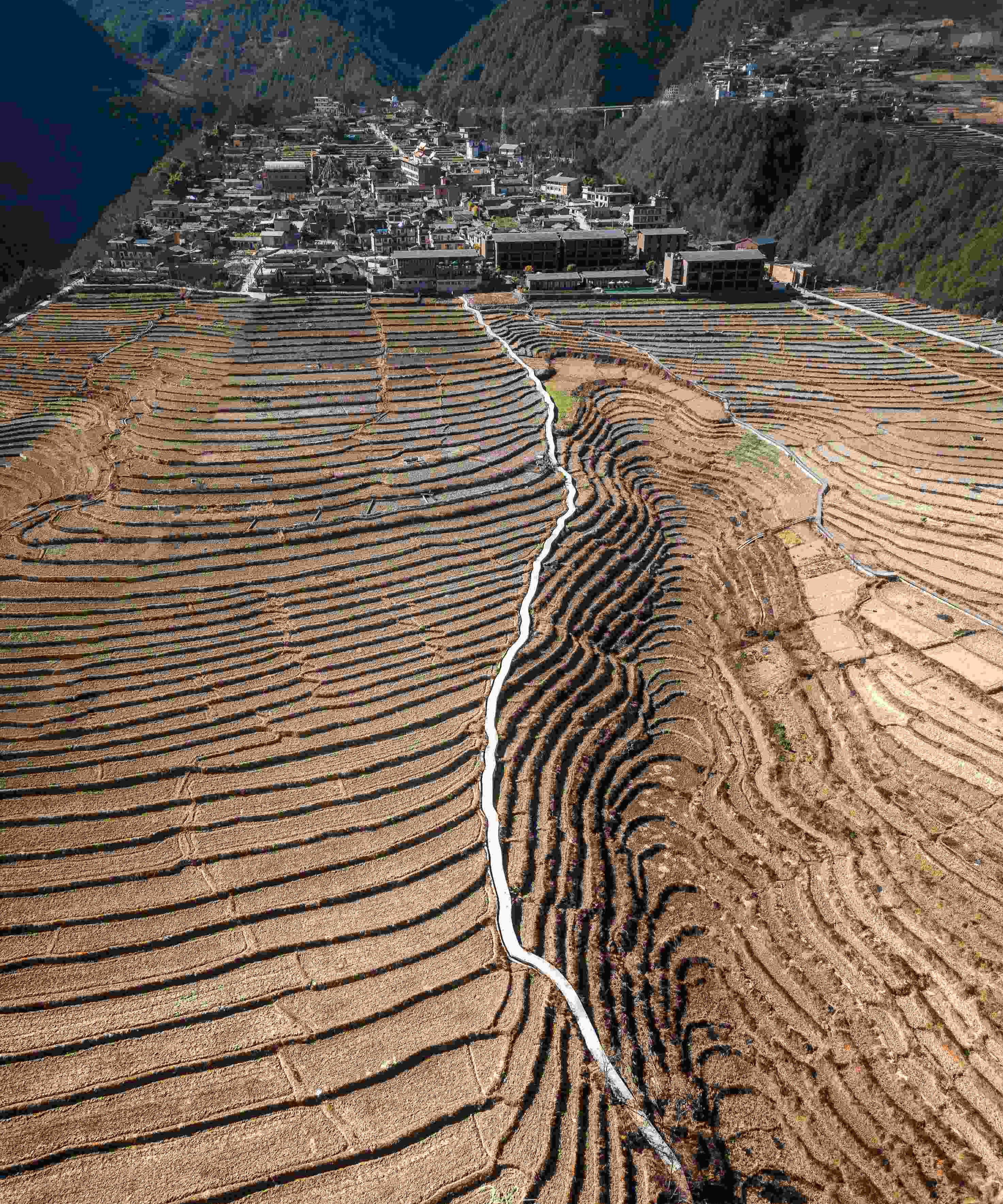
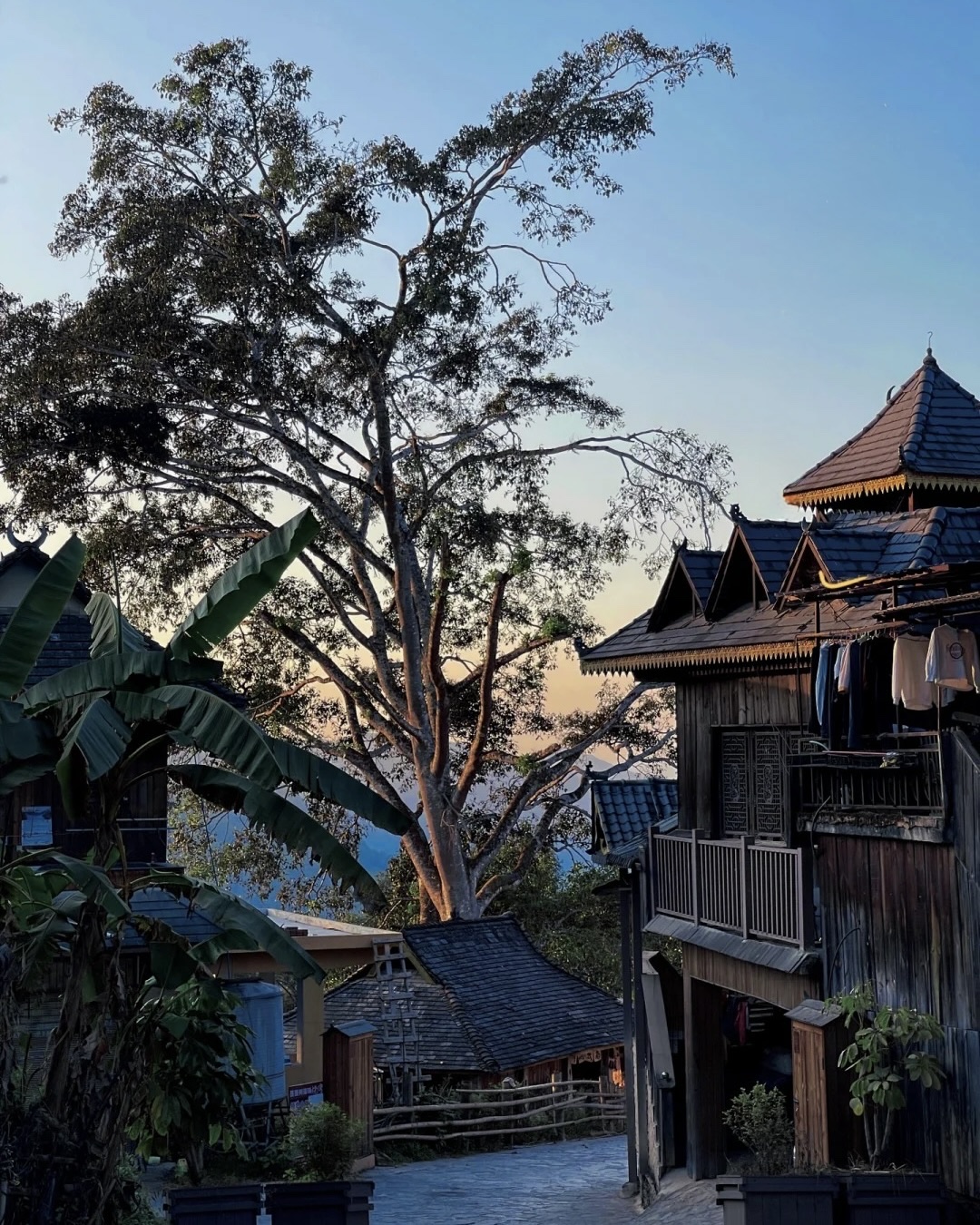
  • Wooden-house villages clinging to the gorge walls, stone-paved lanes, prayer flags strung between eaves.
  • Half-day treks out of Dimaluo into the 'magic forest' — primeval moss canopy, the kind of rainforest mood you get maybe once a trip.
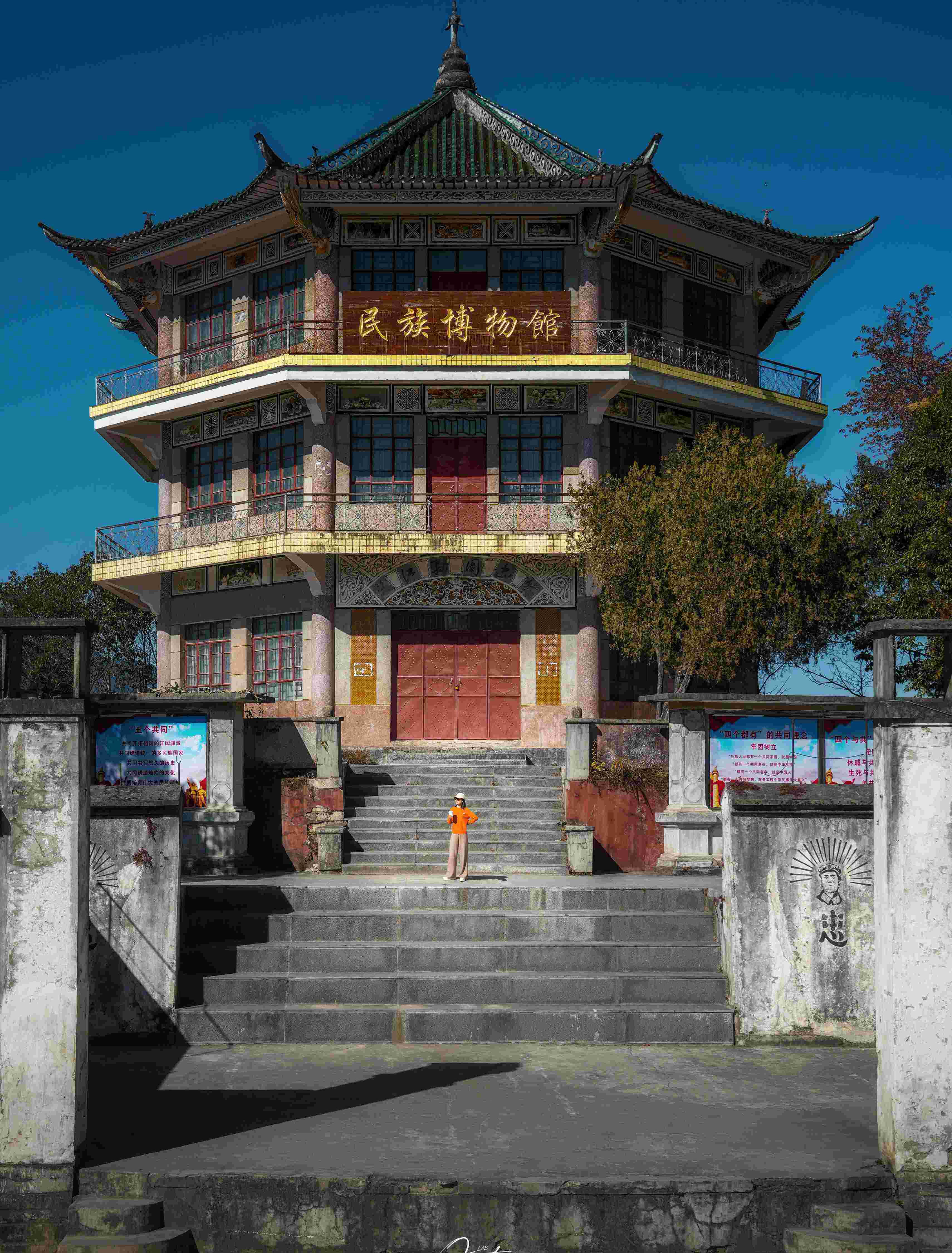
  • Stop by the Nujiang Ethnic Museum in Liuku for the cultural backbone before heading further north.
Snippet 03

Bingzhongluo & Stone Moon: the Far North

  • Drive on to Bingzhongluo (丙中洛), the deep-north township where the canyon widens briefly and the Nujiang First Bend (怒江第一湾) curls around Chongding village.
  • Stone Moon Peak (石月亮) — the jagged sentinel with its natural rock window, visible from half the villages in the valley.
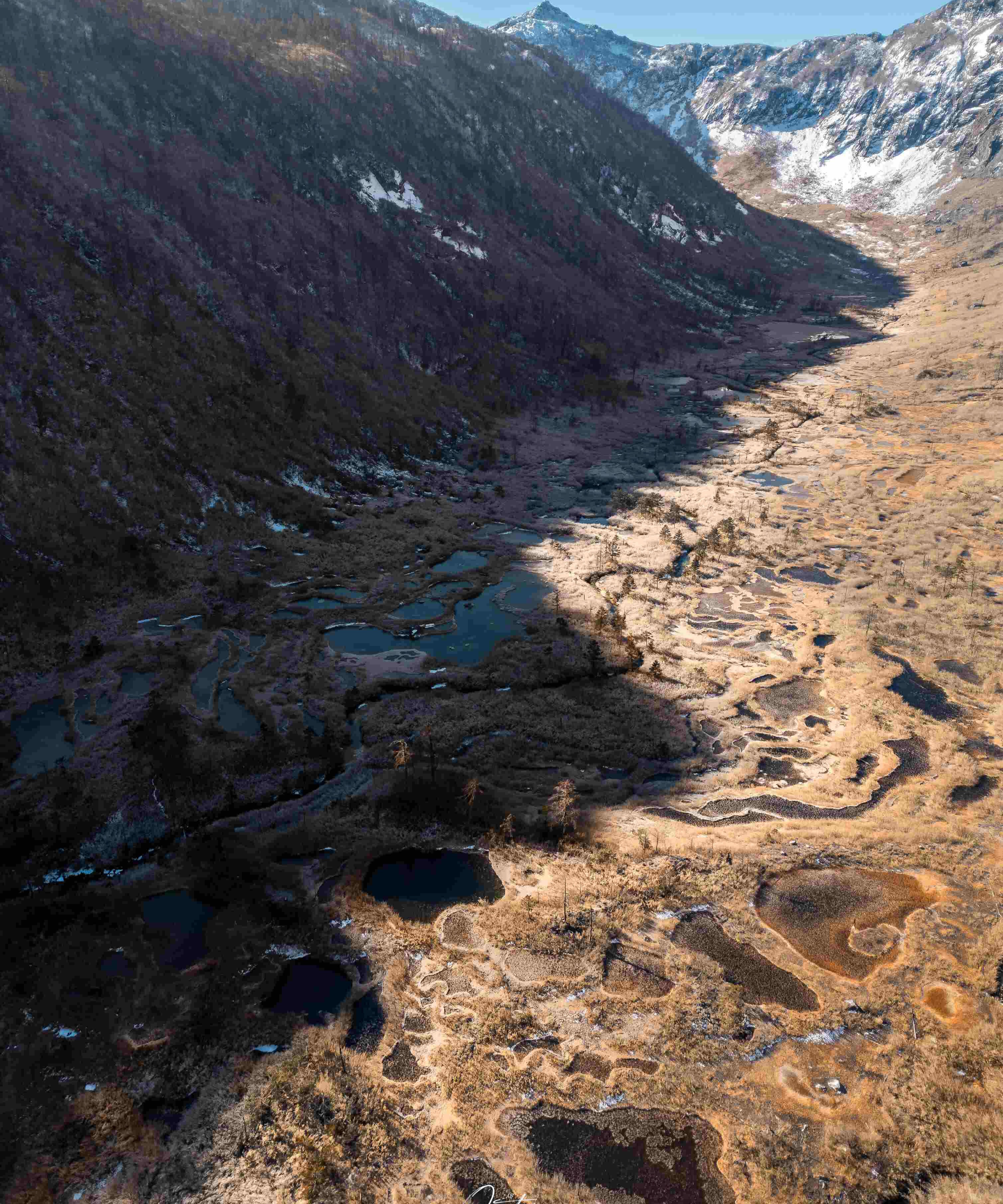
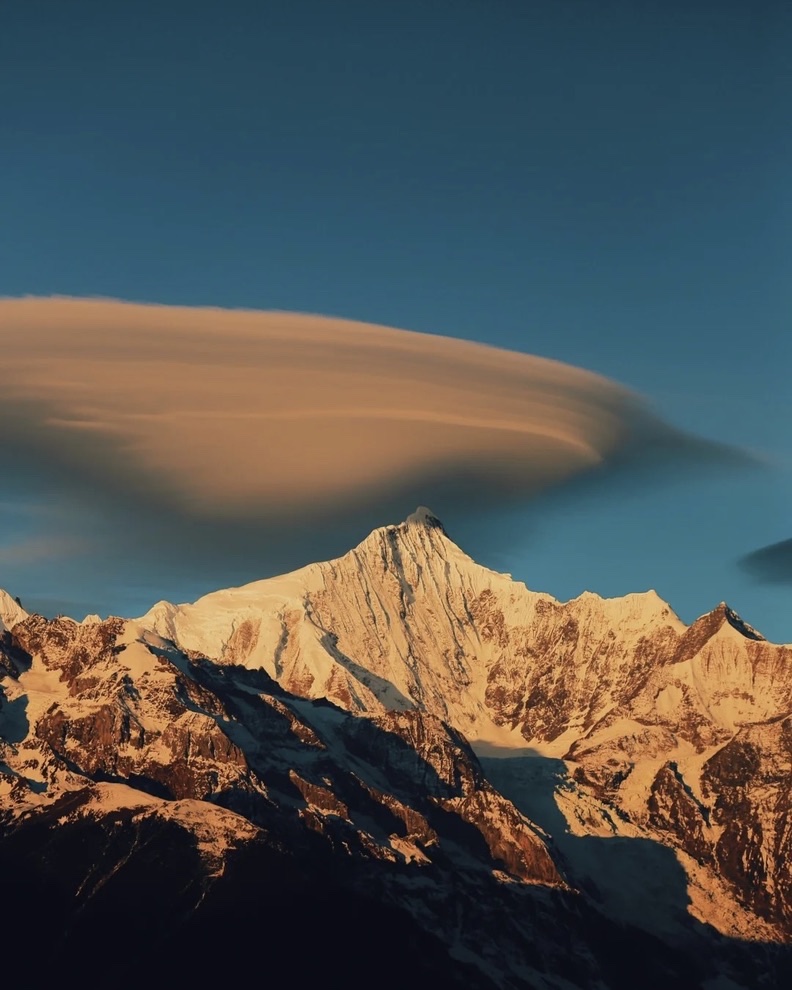
  • Pre-dawn climb for the alpenglow frame snow peaks igniting gold above a village still in cold shadow.
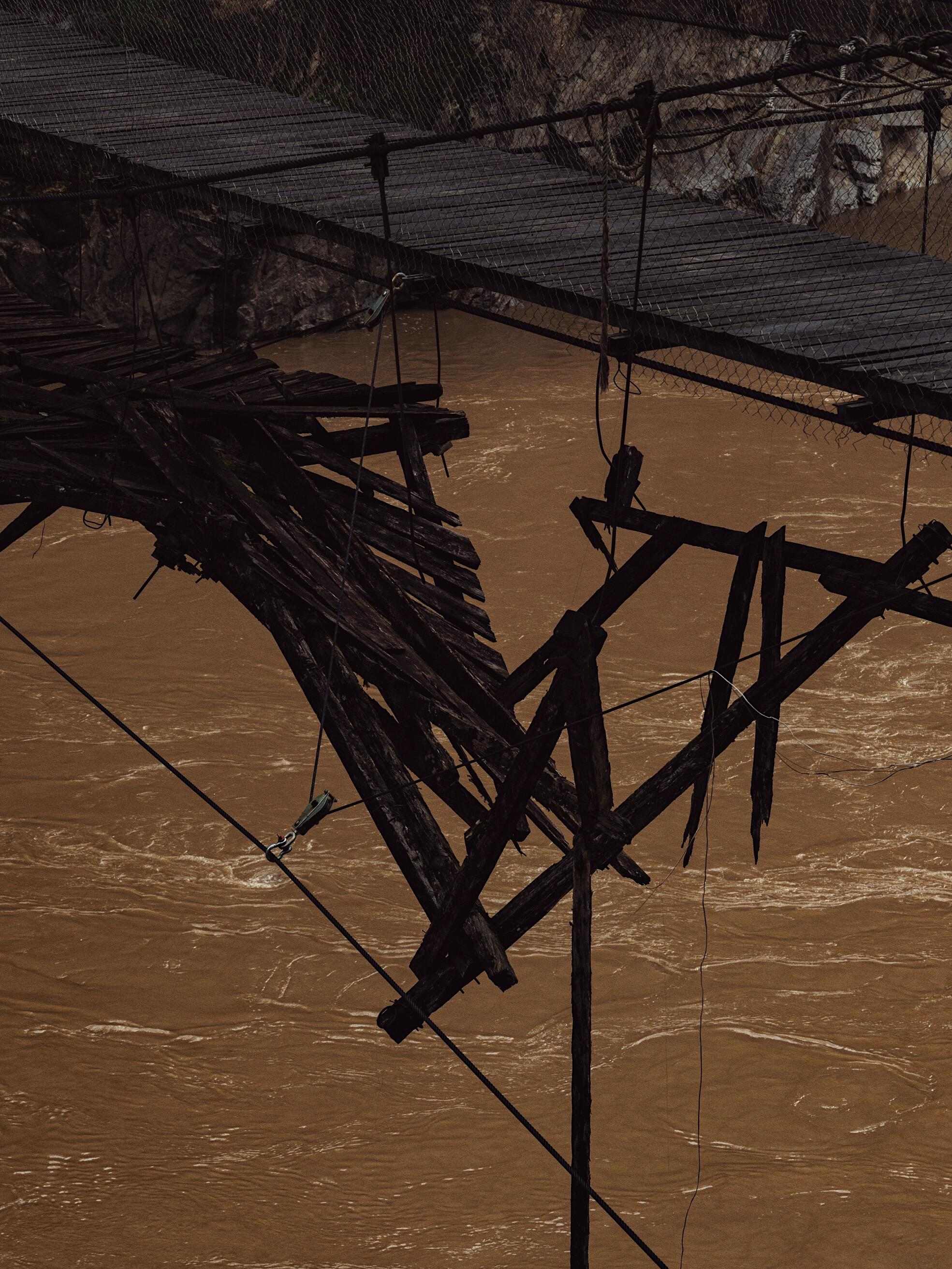
  • Single-span suspension bridges, wooden footbridges over gin-clear tributary creeks, pocket-sized limestone terraces high in the side valleys.
  • This is where the canyon feels most Tibetan — prayer flags, mani stones, monks on the road. Sleep a night up here; the mornings are worth it.
Snippet 04

Signature Trek: The Wuli Village Tea Horse Road

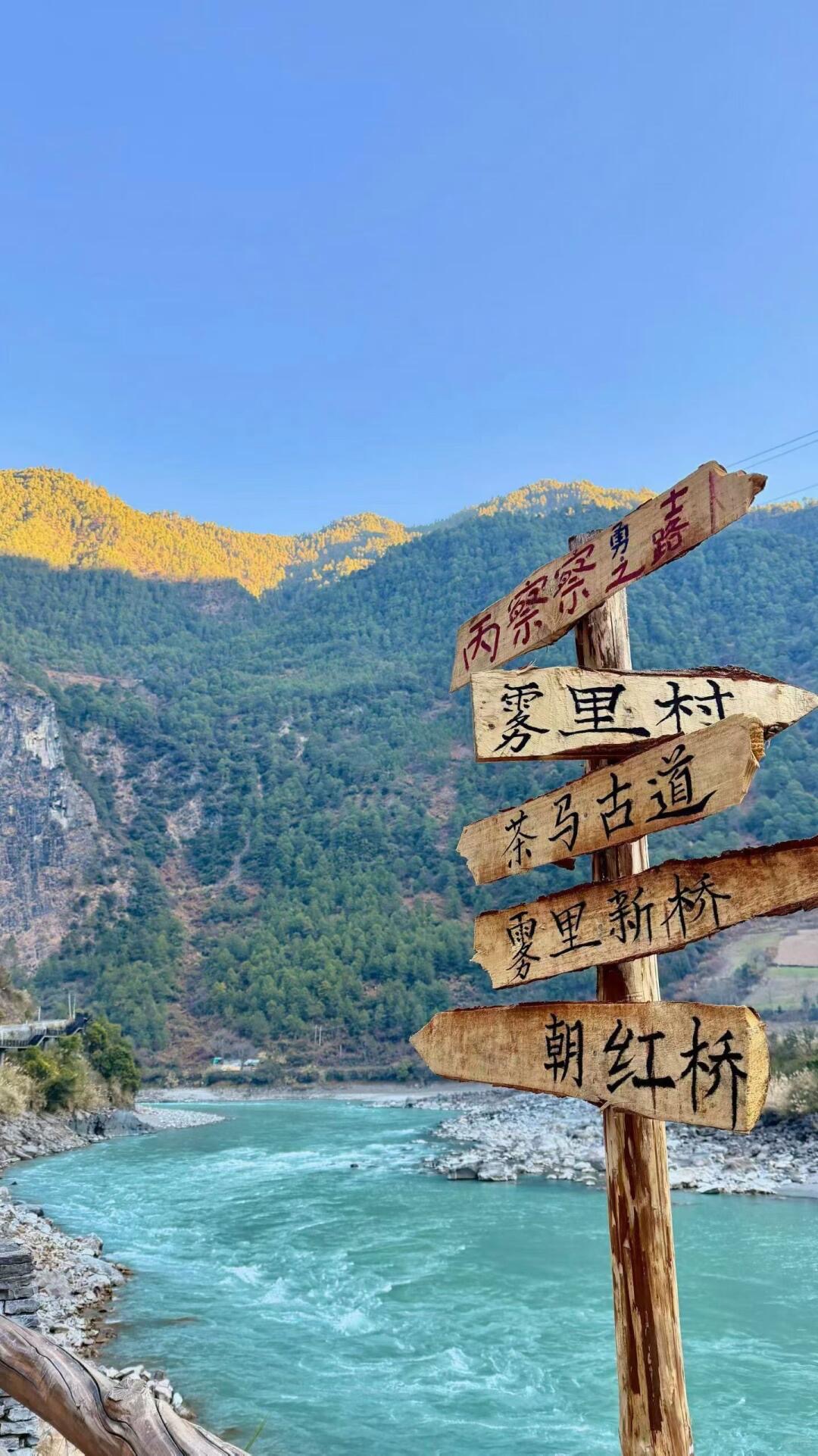
  • The ancient Tea Horse Road from Wuli Village (雾里村) — 1,800m of trail carved into a sheer cliff face above the Salween.
  • This is the hero trek of the canyon narrow stone path, dense mist rising off the river, tiny figures against a vast rock wall.
  • Grade moderate. No technical sections, but real exposure and real weather — a local guide is wise, especially in the wet months.
  • Best windows April–May (spring green) and October–November (crisp air, clearest gorge views).
  • Pair Nujiang with [Shangri-La](/destination/shangri-la/) via the Degong Road for a 7–8 day Yunnan frontier loop — ask us to route it.

Ready to Plan Your Journey?

Contact Us