← All destinations Colorful Yunnan

Shaxi

The last intact market town on the Tea Horse Road

2-3 days

ancient town slow travel bai culture tea horse road

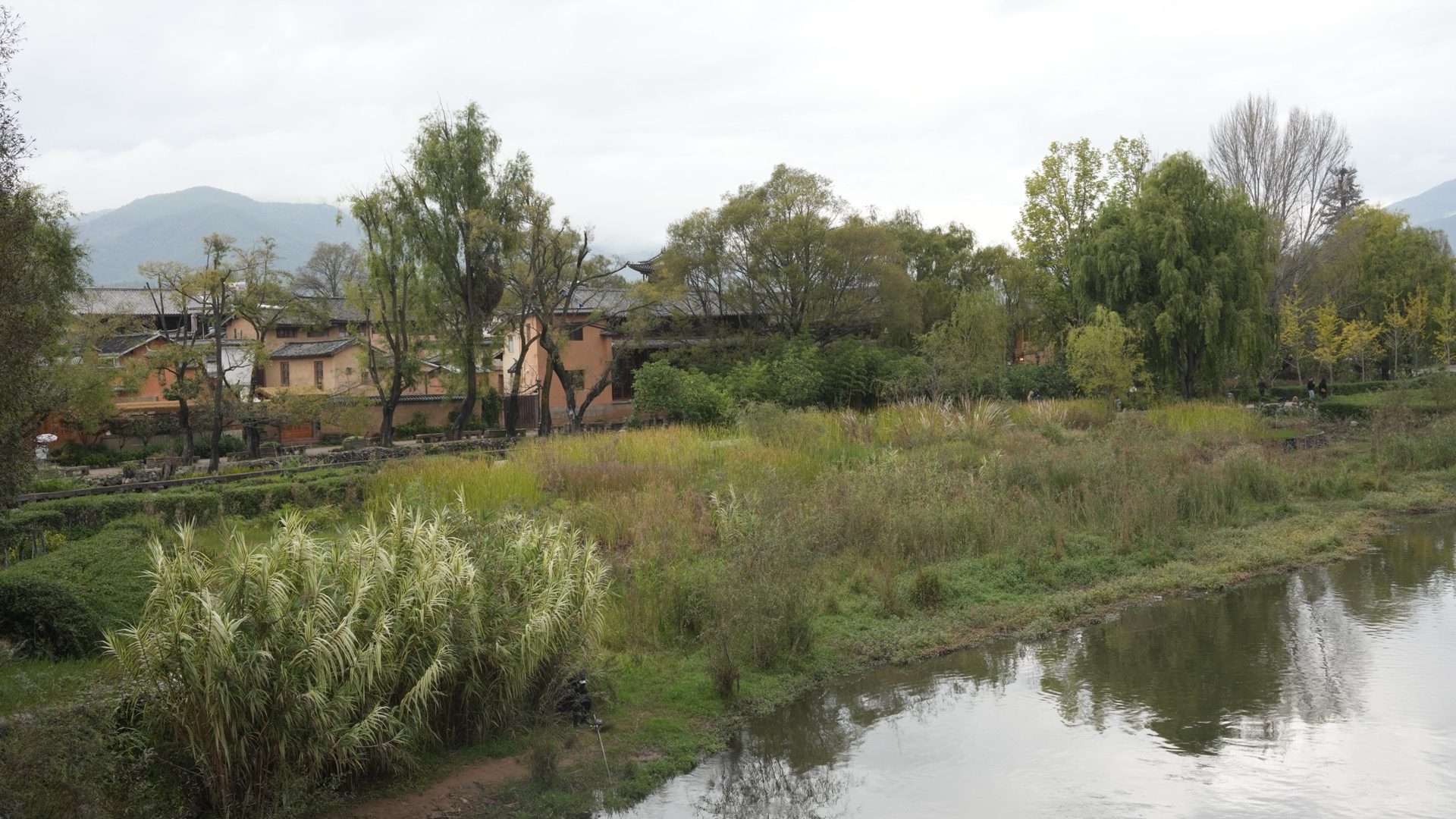
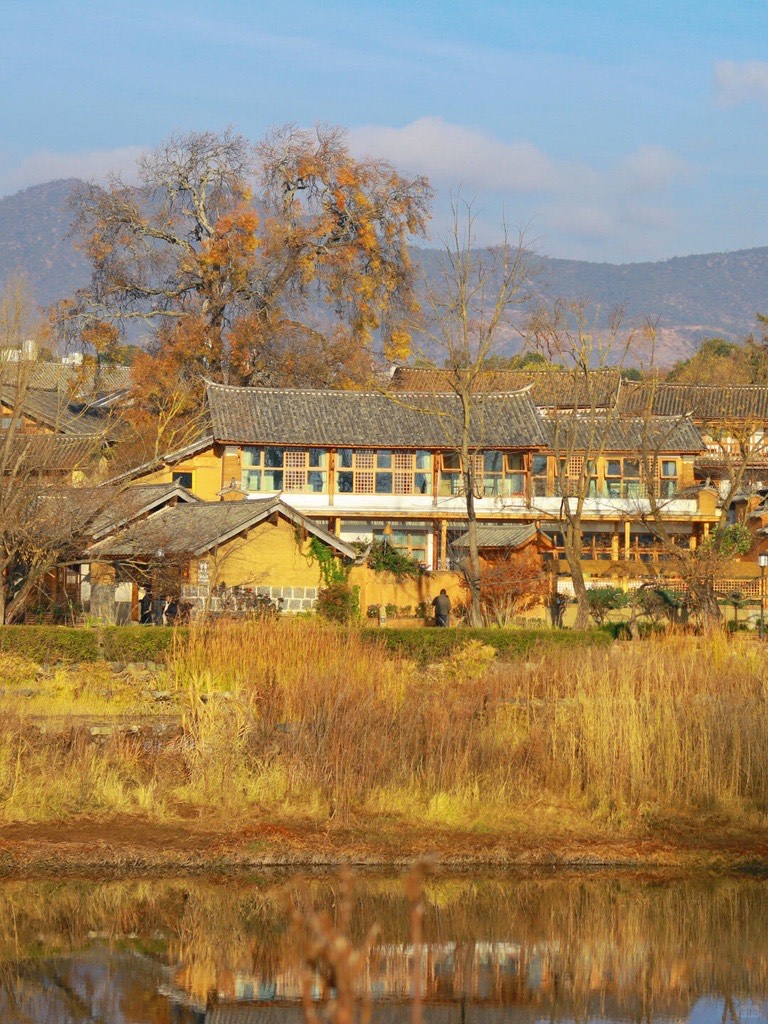
Shaxi is the only complete surviving market town on the ancient Tea Horse Road — restored from 2002 onward by ETH Zurich and the World Monuments Fund, and quiet enough that the Friday market still trades the same way it did 600 years ago. Two hours northwest of Dali, an hour off the main highway, and entirely missed by the tour-bus circuit. People come for the calm, stay an extra night for the food, and leave wishing they'd booked four.

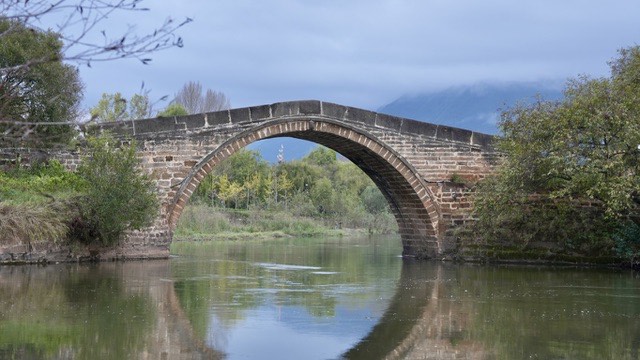
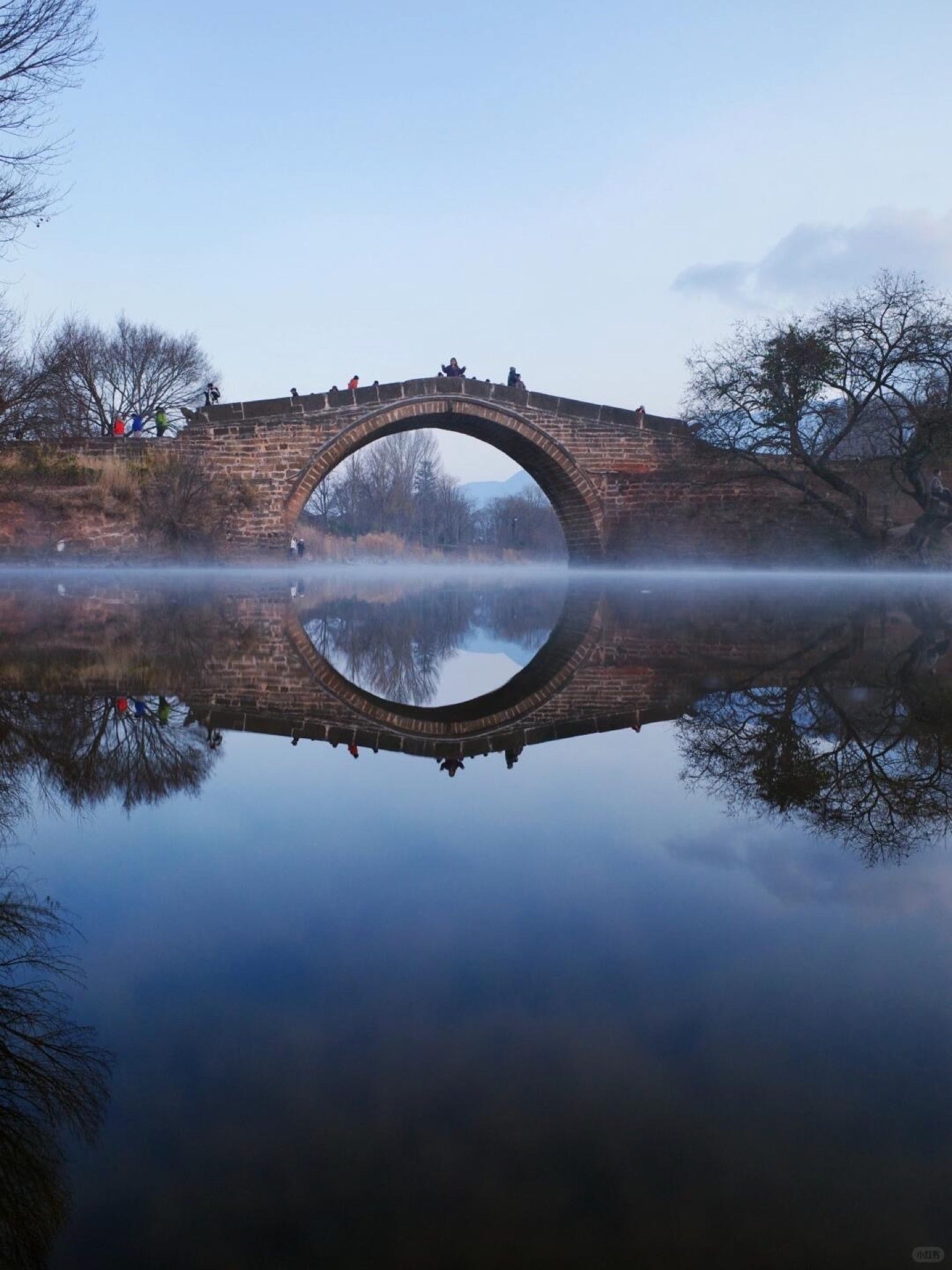
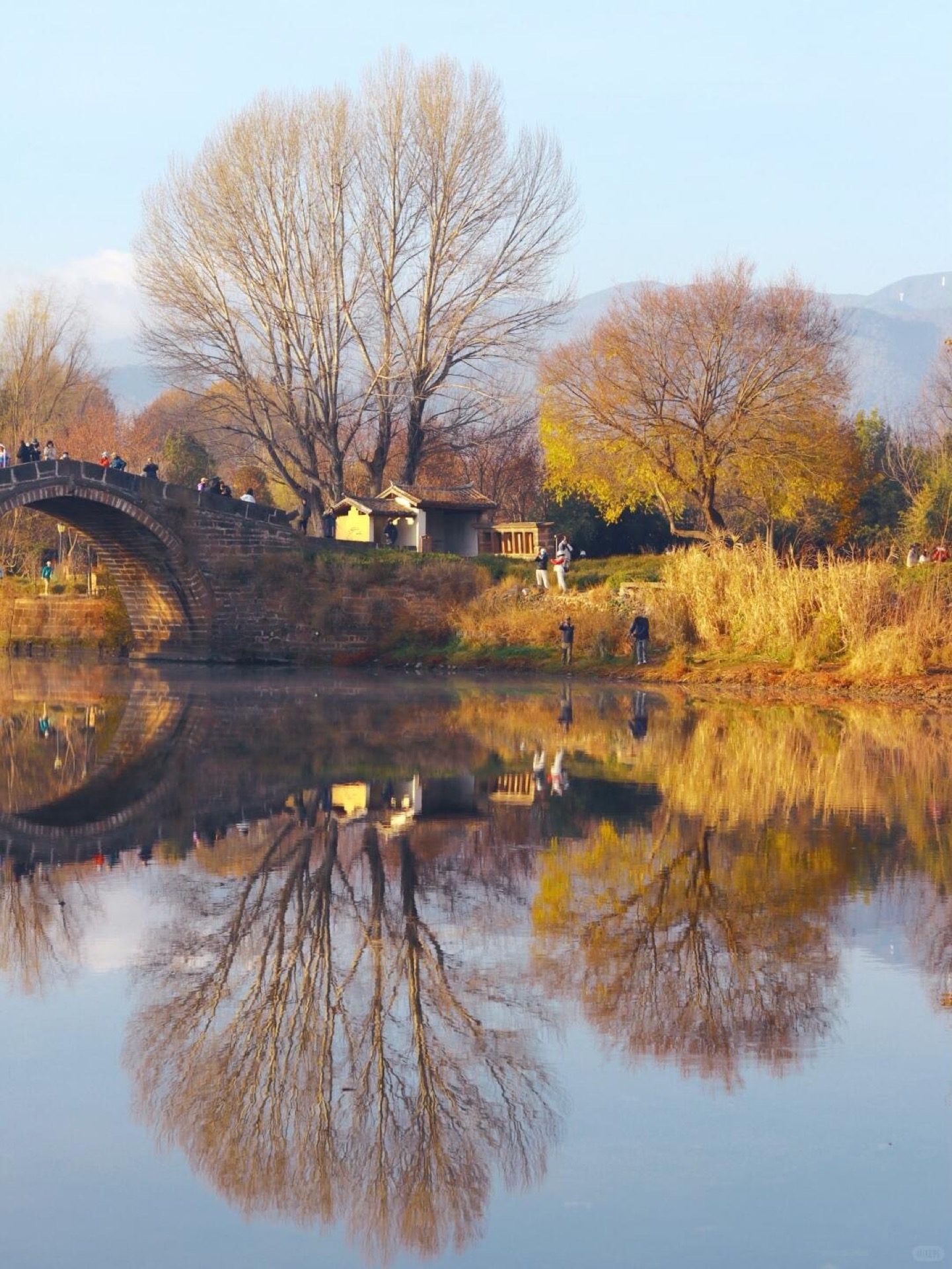
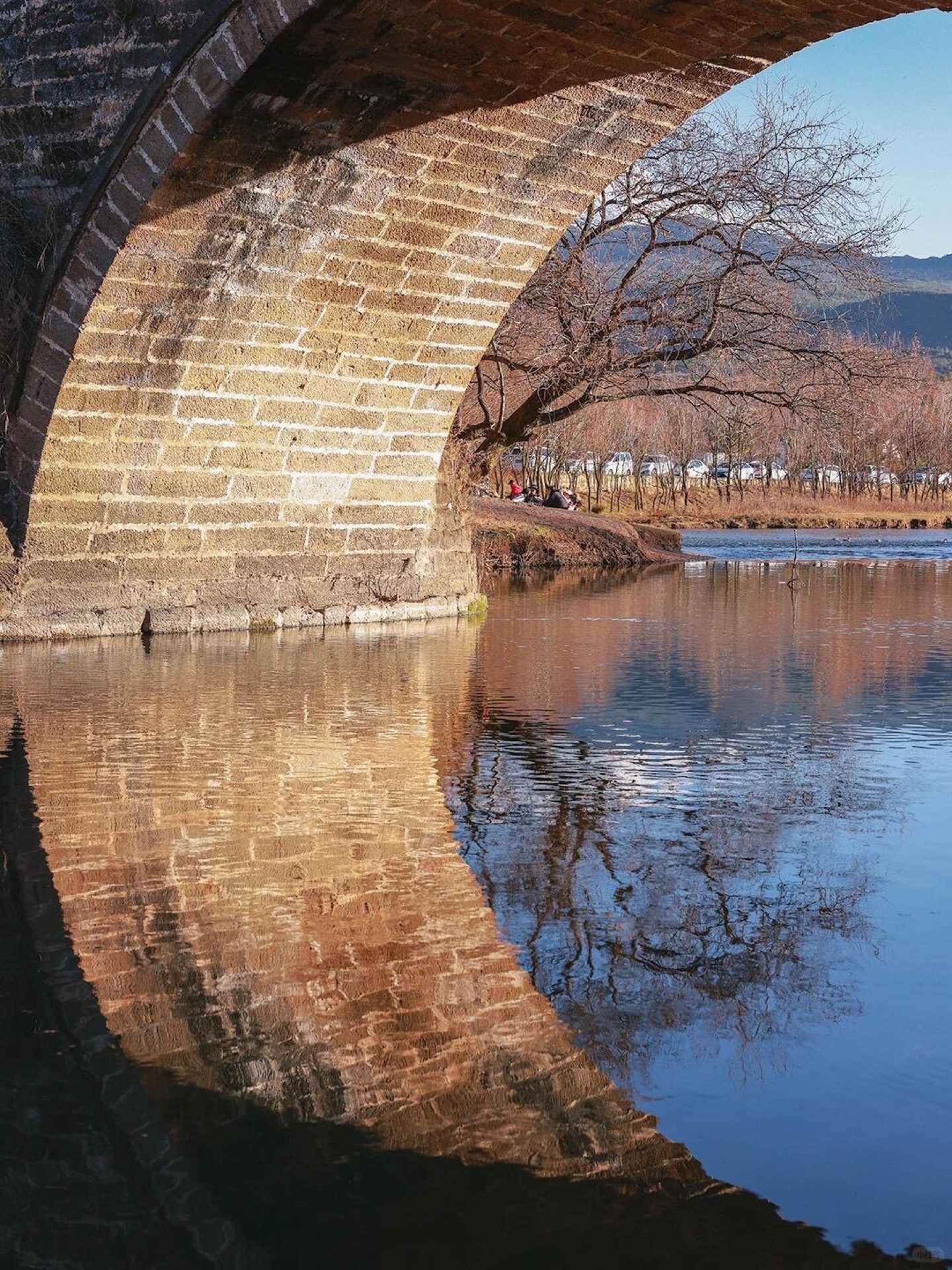
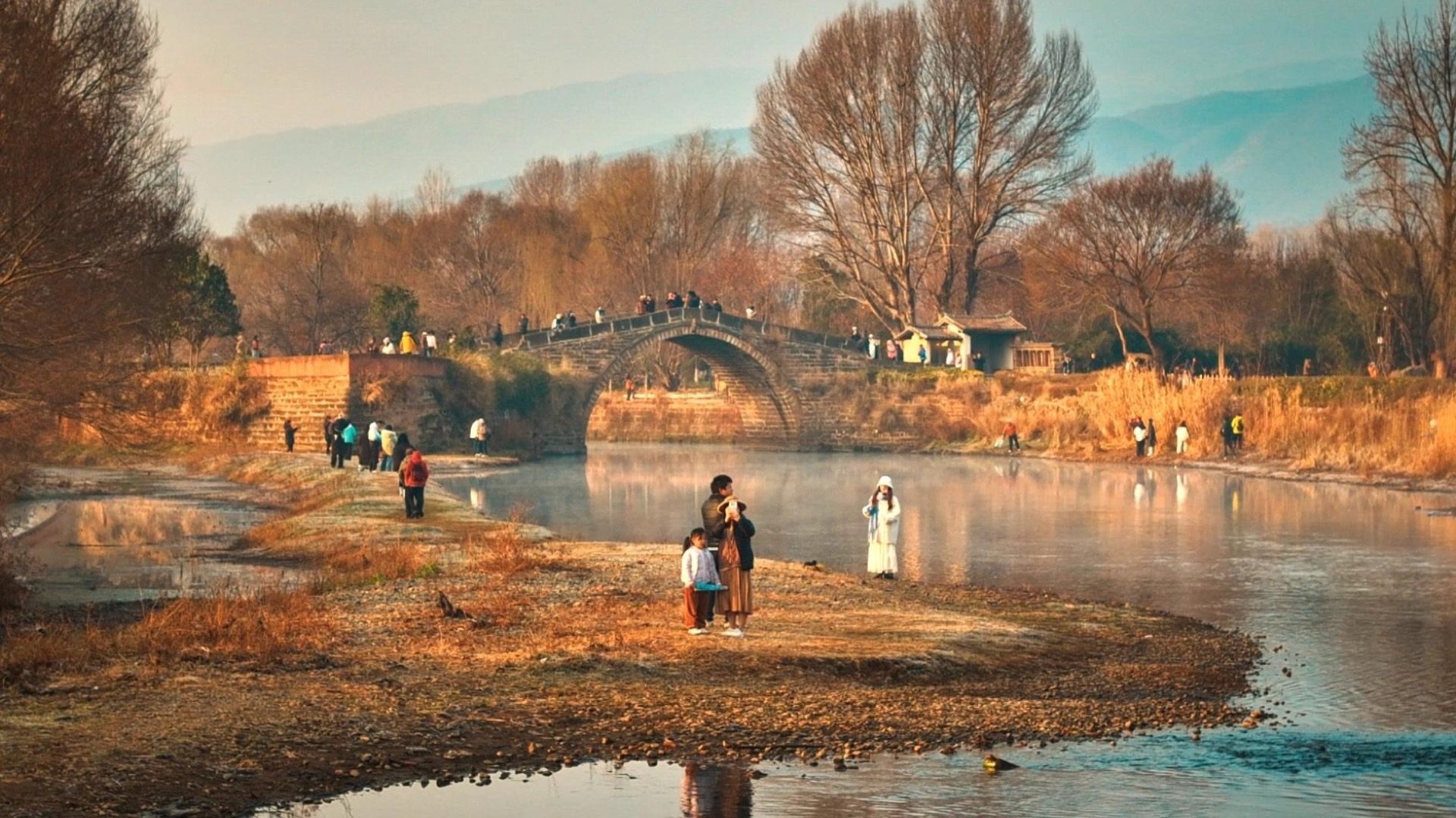
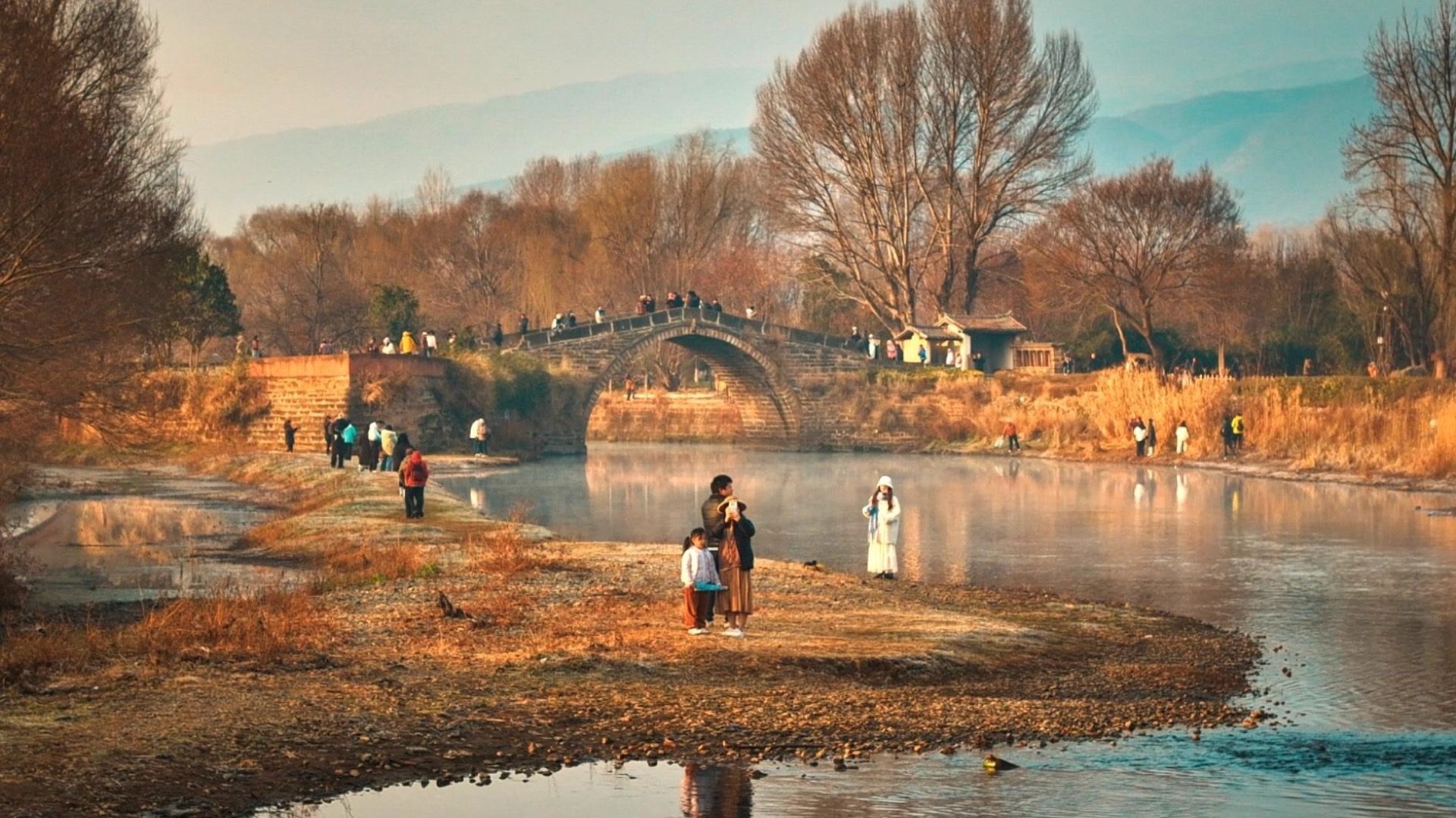
Shaxi — the historic Yujin Bridge (玉津桥) on the Ancient Tea Horse Road in golden afternoon light, with figures crossing the stone arch — hero image for a private Yunnan travel guide by Boutique China

What you'll experience

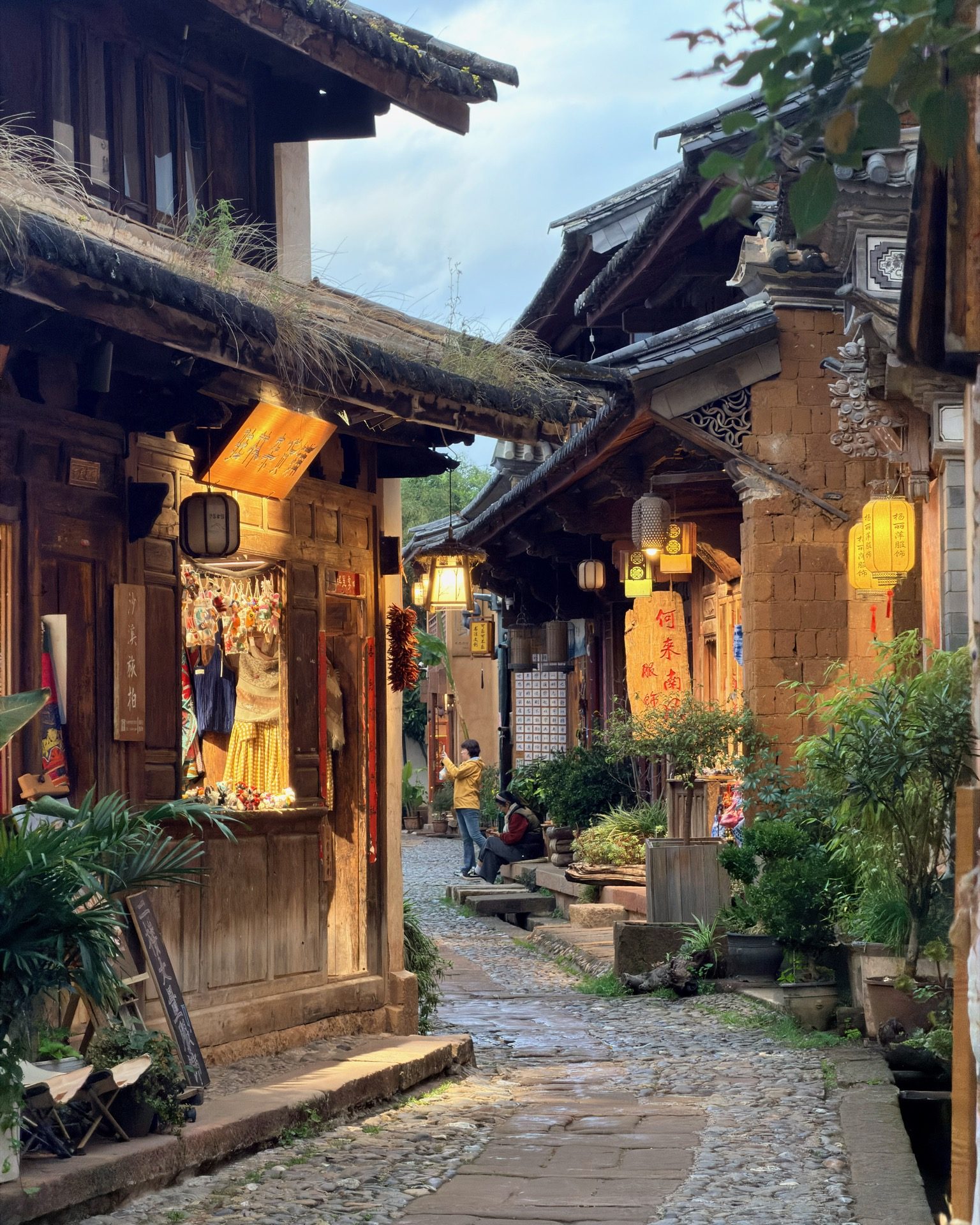
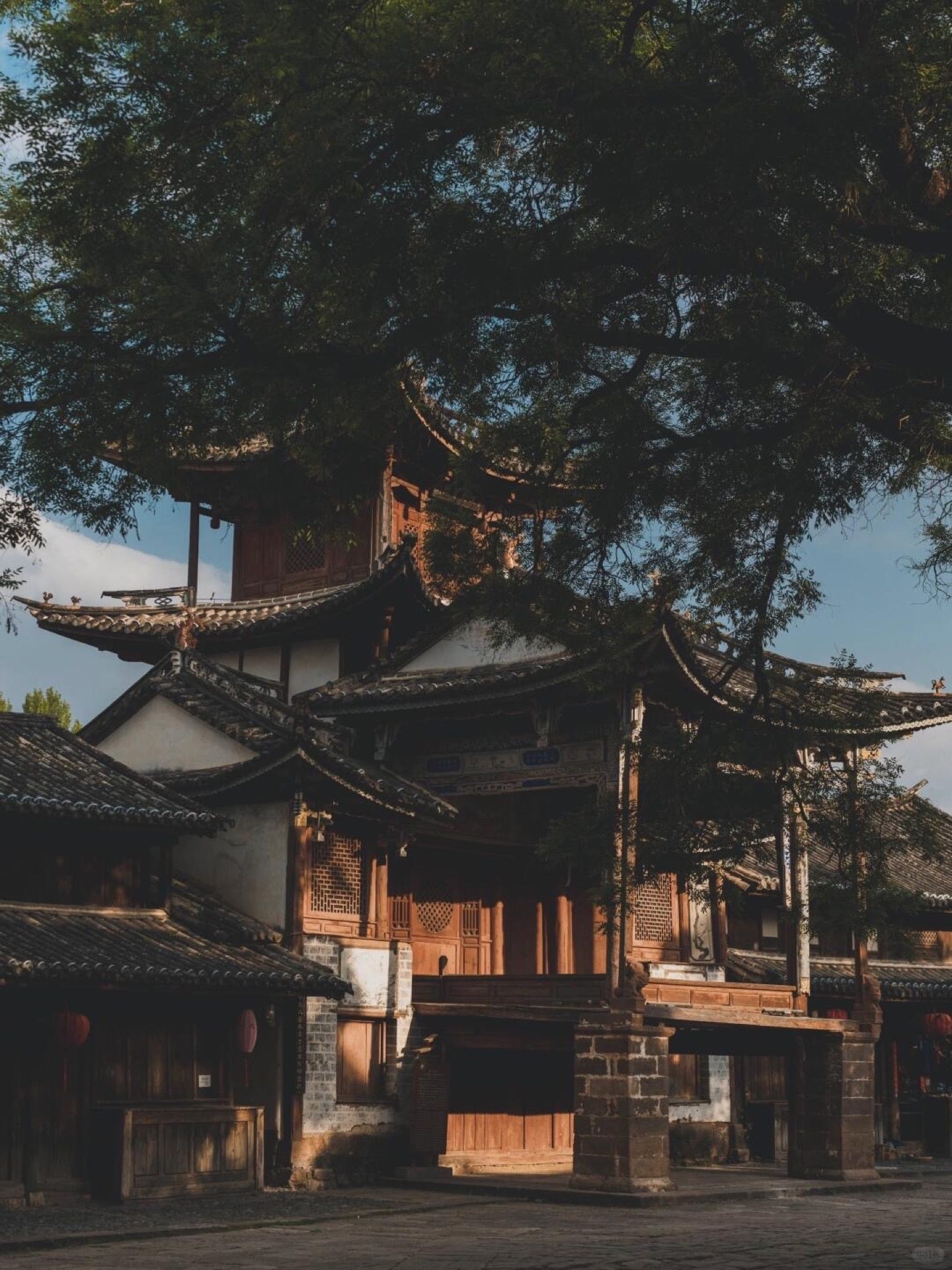
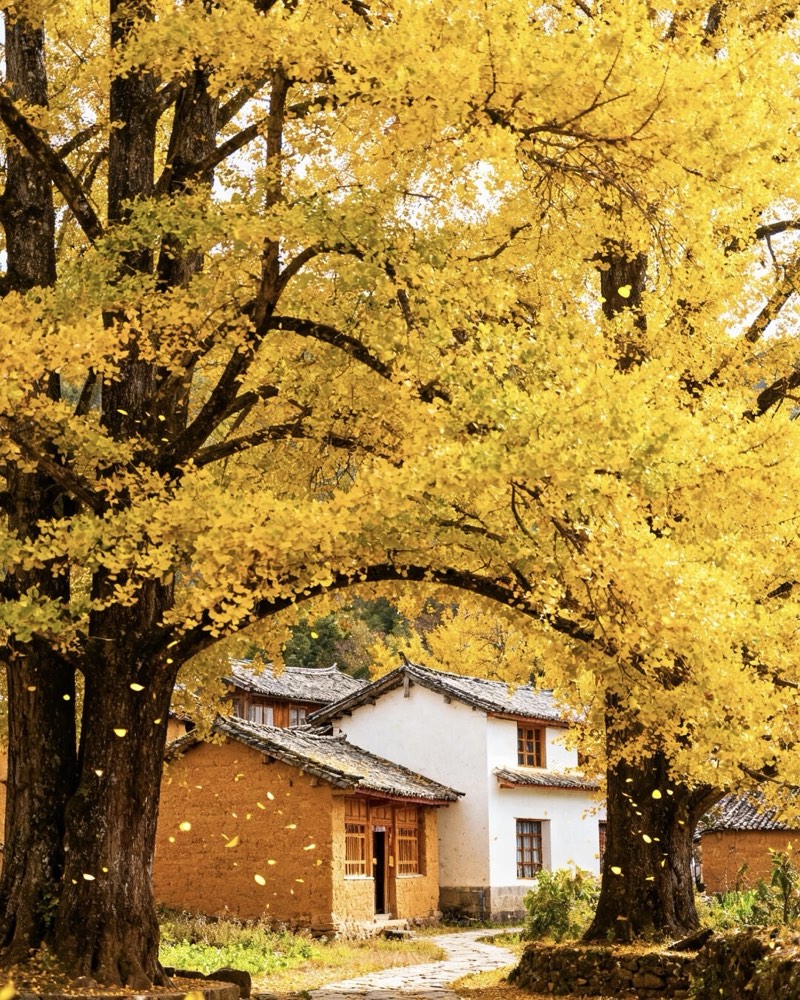
  • Sideng Square (寺登街) The heart of old Shaxi — a restored caravan square anchored by the 1415 Xingjiao Temple, a Ming-era stage-house and the original gateway arch, with a single ginkgo that turns gold in late October.
  • Friday Market (10am-2pm) The working caravan market — Yi women in red turbans walking down from the hills, Bai matriarchs along the kerbside, livestock and salt-cured ham trading on the same flagstones since the 14th century.
  • Tea Horse Road horseback ride A half-day on the bridle path that took compressed tea north to Lhasa for six centuries — to a hillside picnic with a Bai family that's run the route for three generations.
  • Shibao Mountain (石宝山) 1,300-year-old Buddhist grottoes carved during the Nanzhao and Dali kingdoms — 16 caves, 139 statues, 10km north of town. A 90-minute hike or 40-minute drive.
  • Slow-living scene Vegetarian terrace dining at Pear Blossom (the organic kitchen at Pear Orchard Temple), private tea meditation in courtyard guesthouses, and the kind of quiet that's increasingly rare in Yunnan.
Snippet 01

Town walks & the iconic spots

  • Sideng Square (寺登街) at sunrise The carved stage-house and gateway arch are silent at first light. Coffee from a single early-opening café, photos as the light moves across the rammed-earth walls — the square earns its calm before the morning market fills it.
  • Xingjiao Temple (兴教寺) The 1415 Bai-Buddhist hall on the western edge of the square. Small, uncrowded, and one of the few surviving Ming-era Bai-Buddhist temples in Yunnan.
  • The Friday market (10am-2pm) A working trade market, not a tourist performance. Yi women trek down from mountain villages in scarlet turbans, Bai matriarchs squeeze along the kerb selling mushrooms and dried herbs, livestock changes hands the way it has for centuries. Be on the square by 10:30am.
  • Tea Horse Road horseback (half-day) Up the bridle path Tibetan caravans took compressed tea north for 600 years — to a hillside picnic spot with a Bai family that's run the route for three generations.
  • Shibao Mountain grottoes (石宝山) 1,300-year-old Buddhist rock carvings from the Nanzhao and Dali kingdoms — 16 caves, 139 statues, including some of the earliest carved depictions of a Nanzhao king. 90-minute hike from town or a 40-minute drive.
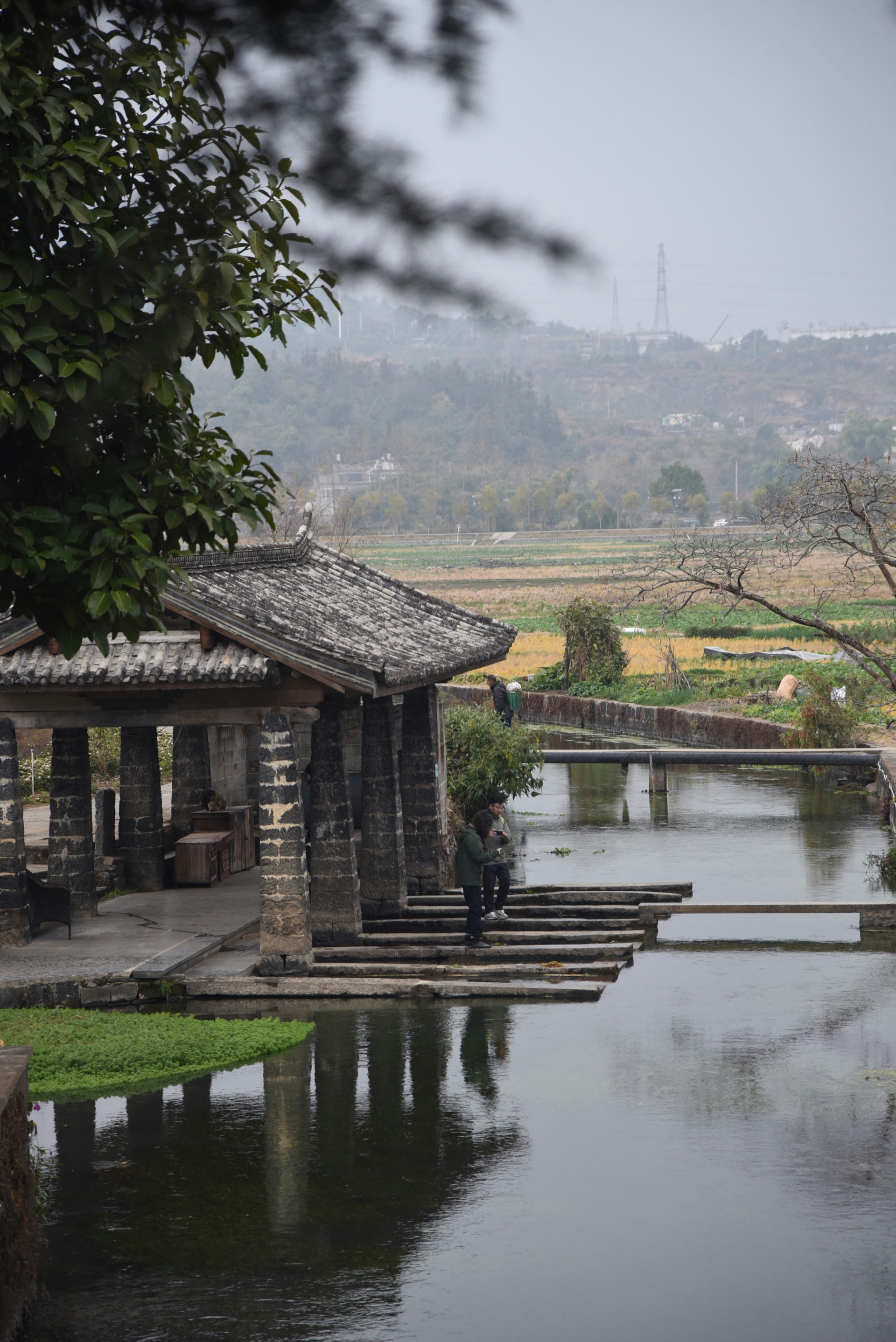
  • Yuejin Village & the Heihui River walk Out the eastern lane, across the river, into the paddies — 90 minutes of flat countryside, mist usually hangs in the valley until mid-morning.
Snippet 02

Slow days: tea, vegetarian tables & courtyard wellness

  • Pear Blossom Restaurant The organic vegetarian kitchen at Pear Orchard Temple — terrace seating over the Shaxi valley, mostly farm-grown produce, no meat, almost everything in season. Walk in for tea or pre-book lunch on slow days.
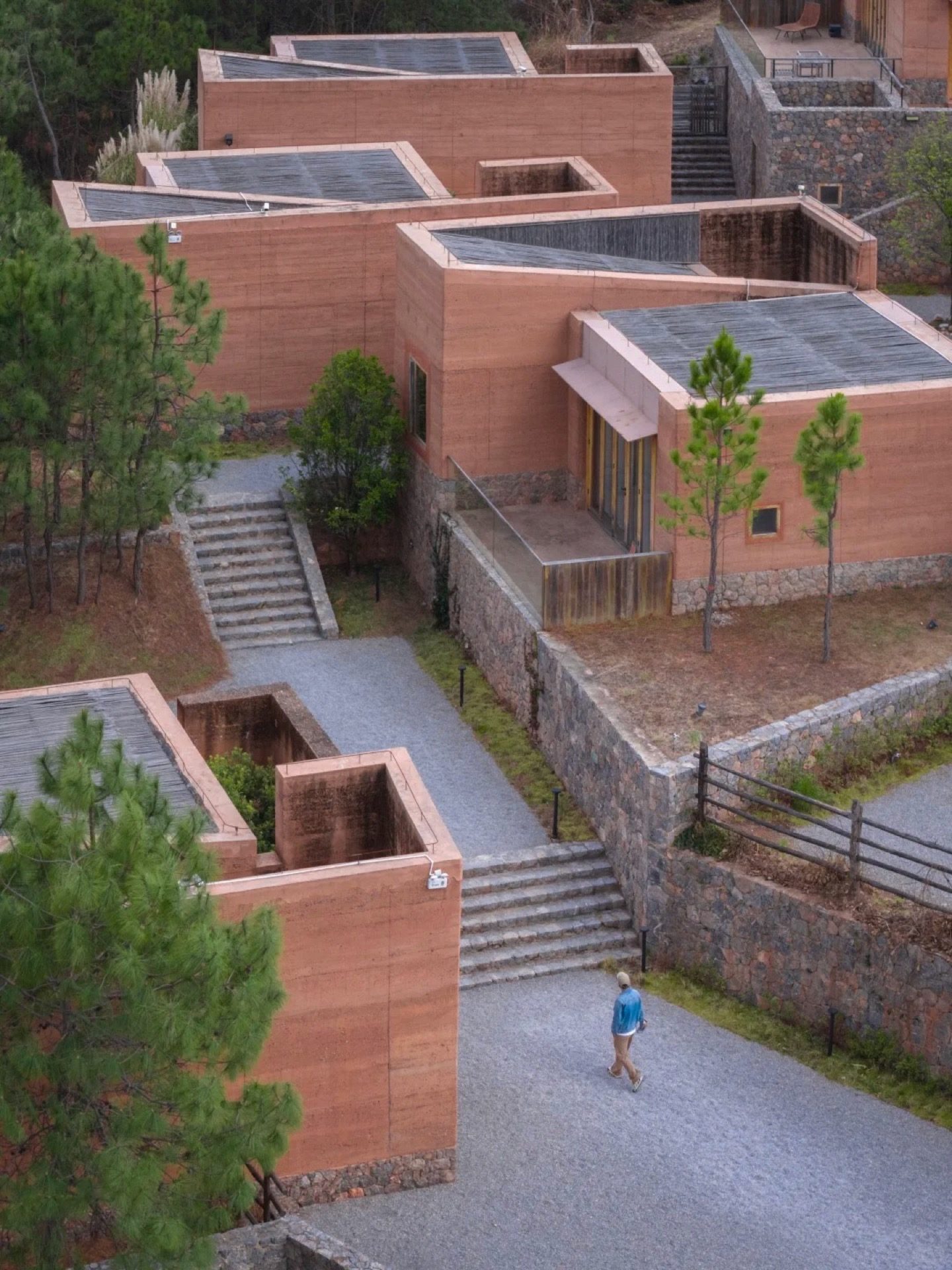
  • Linden Centre's farm table The American-couple-run boutique inn (architecture-award rammed-earth) sources directly from village farms; lunch and dinner are open to non-guests by booking, and the chef's tasting menu is the best meal in the valley.
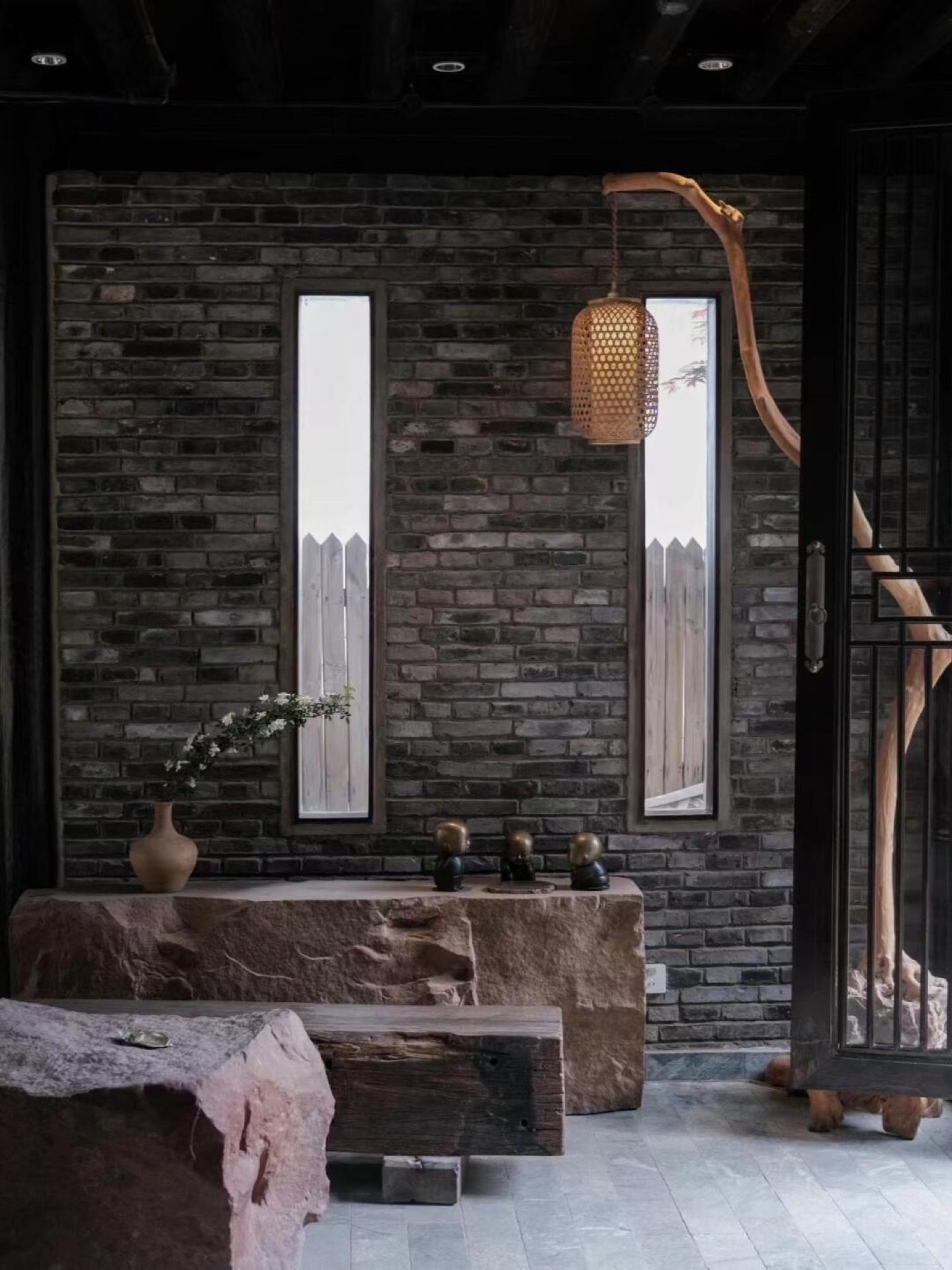
  • Tea meditation (茶禅) in a Bai courtyard A slow, hands-on tea ritual hosted in a heritage courtyard — long-leaf Yunnan teas brewed in sequence, no script, no performance. We arrange these privately for guests who want an hour of stillness rather than a show.
  • Private morning yoga Shaxi has no public yoga studio, but we book a Dali-based teacher to come up for a private courtyard session — usually 7-8am on the rammed-earth terrace at your stay. Two days' notice needed.
  • Walking meditation along the Heihui River Out the back of the old town, along the river to Yuejin and back — flat, 90 minutes, no phone reception in stretches. The walk most guests do twice.
  • Shaxi Bookstore café A 20-minute walk from the square along the Heihui — Yunnan coffee, English titles on the shelves, the kind of unhurried afternoon Shaxi does well.
Common questions

Planning your Shaxi trip

01 When is the best time to visit Shaxi?

March to early June and mid-September to early November. Spring brings rapeseed across the valley floor and warm afternoons; autumn is dry, golden, and the single ginkgo in Sideng Square turns colour in late October. Aim to be in town on a Thursday night so Friday's market is your first morning. Avoid Chinese Golden Week (first week of October) — Shaxi stays calmer than Lijiang or Dali during peak holidays but the courtyard inns book out months ahead.

02 How do I get to Shaxi?

Shaxi has no airport and no train station — that's part of why it's preserved. From Dali the drive is about 2.5 hours northwest via the Jianchuan highway (~140km). From Lijiang it's roughly 2.5 hours south. We arrange a private driver each way; public buses run via Jianchuan but require a transfer. The same driver typically becomes your local transport while you're in town.

03 How many days do I need in Shaxi?

Two to three nights. One full day for Sideng Square, the Friday market and a Tea Horse Road horseback ride; one day for the Shibao Mountain grottoes or a slow walk to Yuejin village; an optional third day if you want to do nothing — courtyard breakfasts, vegetarian lunch at Pear Blossom, an afternoon tea meditation. Most guests book two and lengthen to three by the end of day one. Pairs naturally with Dali (south) and Lijiang (north) as part of a Yunnan culture loop.

04 Where should I stay in Shaxi?

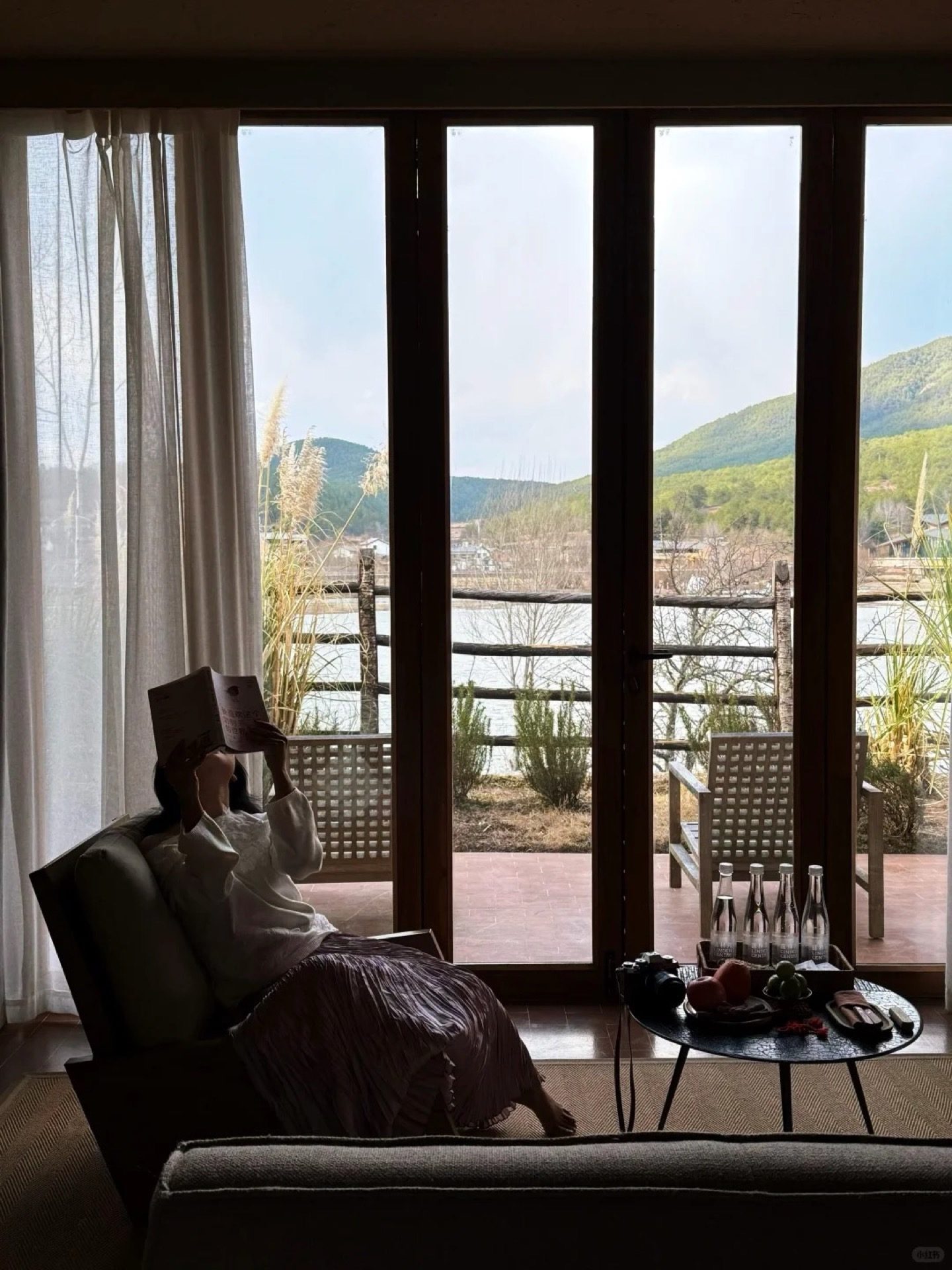
Two boutique stays anchor the town. The Linden Centre (喜林苑) is a US-couple-run rammed-earth courtyard inn that won architecture awards for its restoration — farm-sourced kitchen, surrounding-village staff, the most considered design in town. The Old Theatre Inn occupies a 1782 folk-theatre temple, restored by the Ginkgo Society in 2012 and run by five local Bai women — TripAdvisor's #1 Shaxi hotel for seven years running. We typically base guests in a Shaxi courtyard matched to your travel style — the Linden Centre for design and food, the Old Theatre Inn for atmosphere and value.

05 Is Shaxi just for the market day?

No — the market is a highlight, not the whole point. The town's value is what you do with the other days: courtyard mornings, the vegetarian terrace at Pear Blossom, the hill-walk to Yuejin, the grottoes at Shibao Mountain, a private tea meditation in a Bai courtyard. The slow-living scene that's grown around the WMF restoration is itself the draw. Guests who only stop for market day usually wish they'd stayed longer.

06 Is Shaxi suitable for travellers concerned about altitude?

Yes — Shaxi sits at about 2,100m, lower than Lijiang (2,400m) and well below Shangri-La (3,200m). Most guests have no altitude symptoms here. We typically position Shaxi early in a Yunnan loop so the body adjusts gradually — Dali (1,900m) → Shaxi (2,100m) → Lijiang (2,400m) → Shangri-La (3,200m) is a clean stagger that avoids altitude shock further north.

Ready to Plan Your Journey?

Contact Us