← All destinations Colorful Yunnan

Jingmai Mountain

Wellness & Heritage

3-4 days

tea culture forest bathing traditional therapy ethnic culture

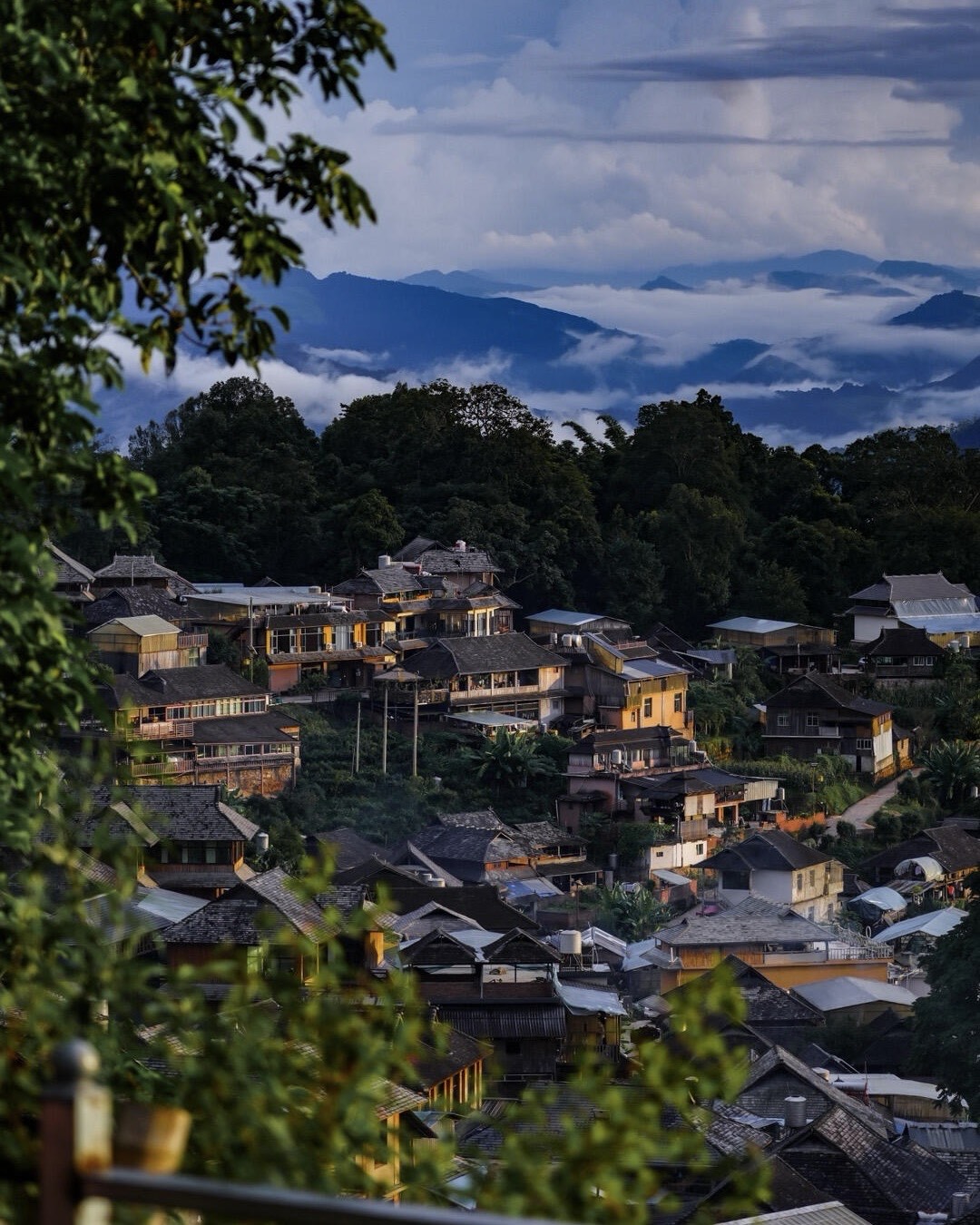
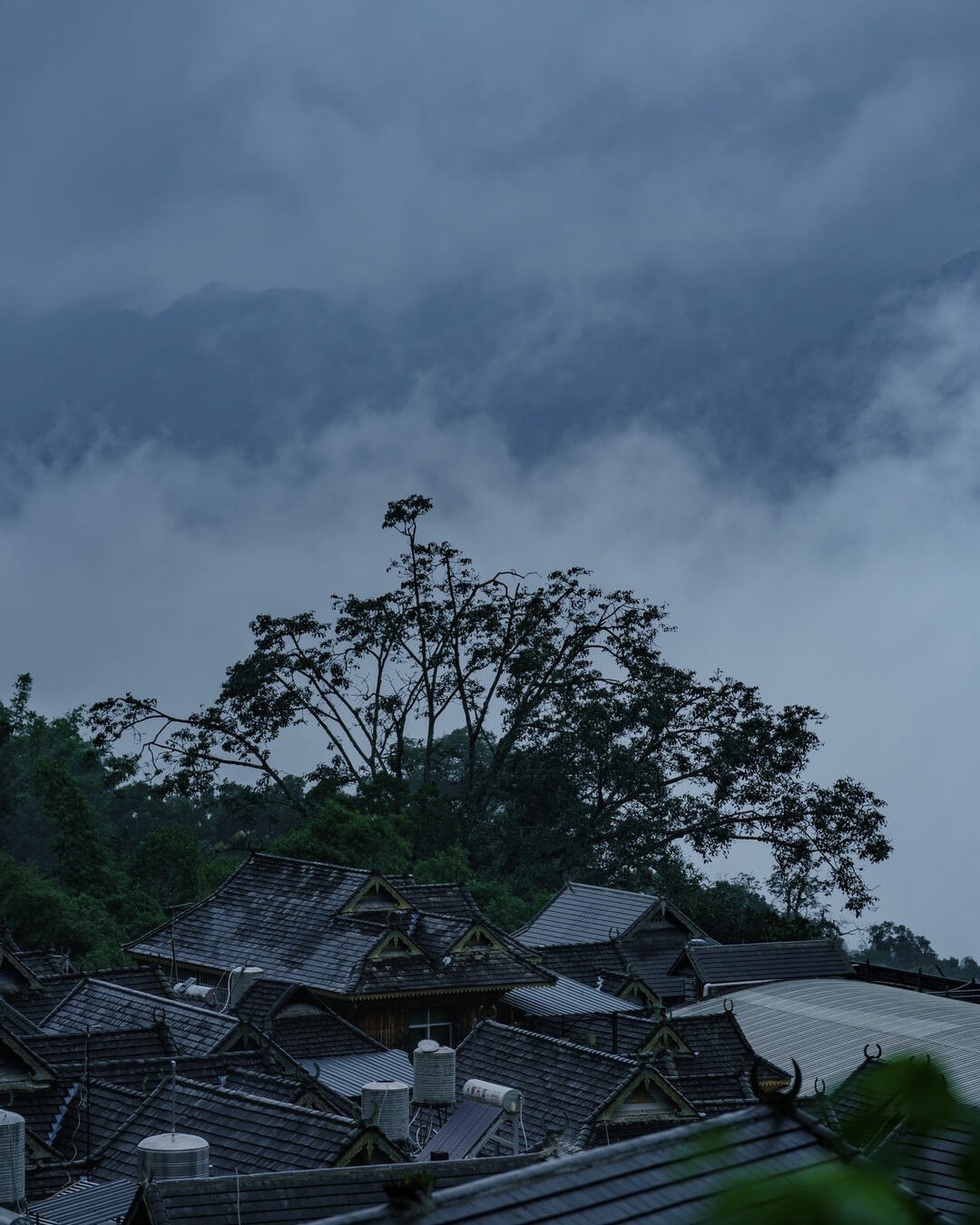
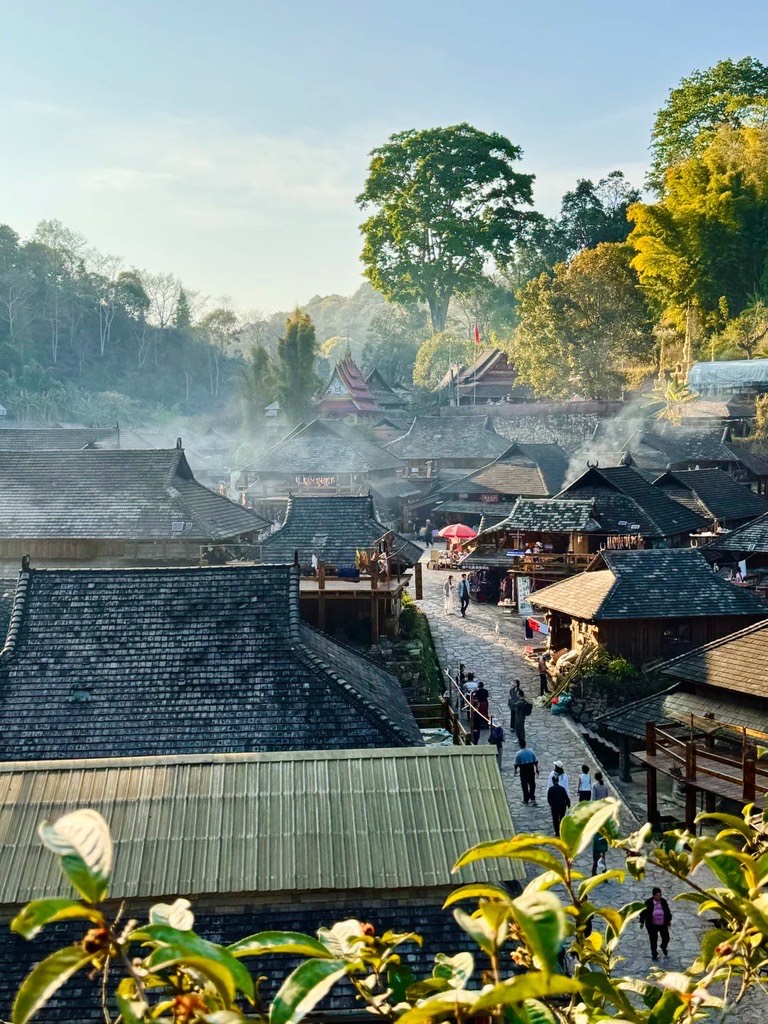
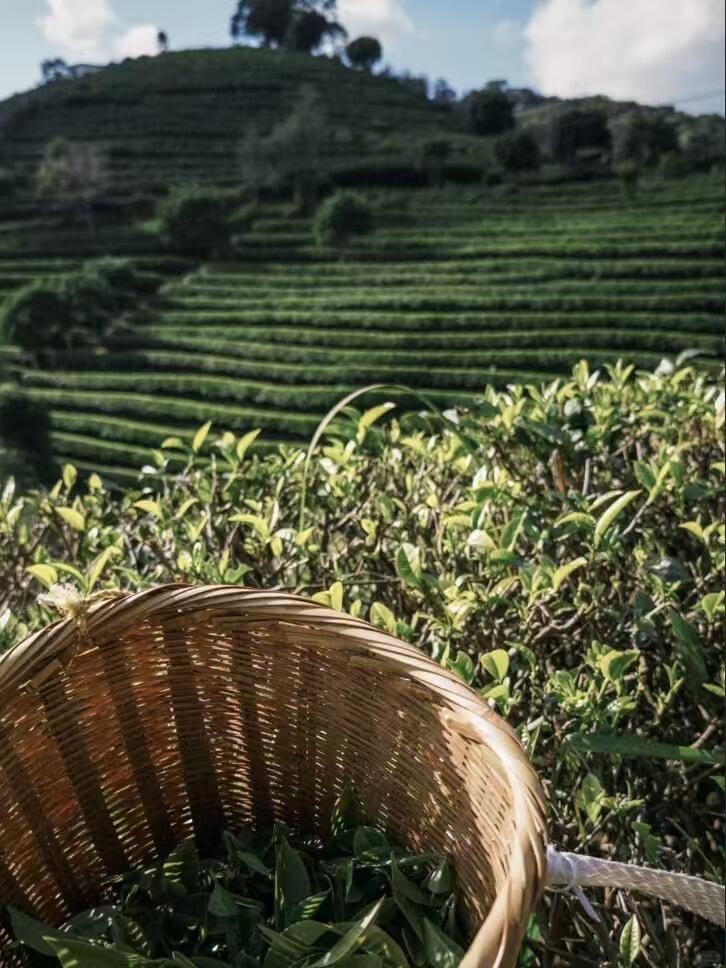
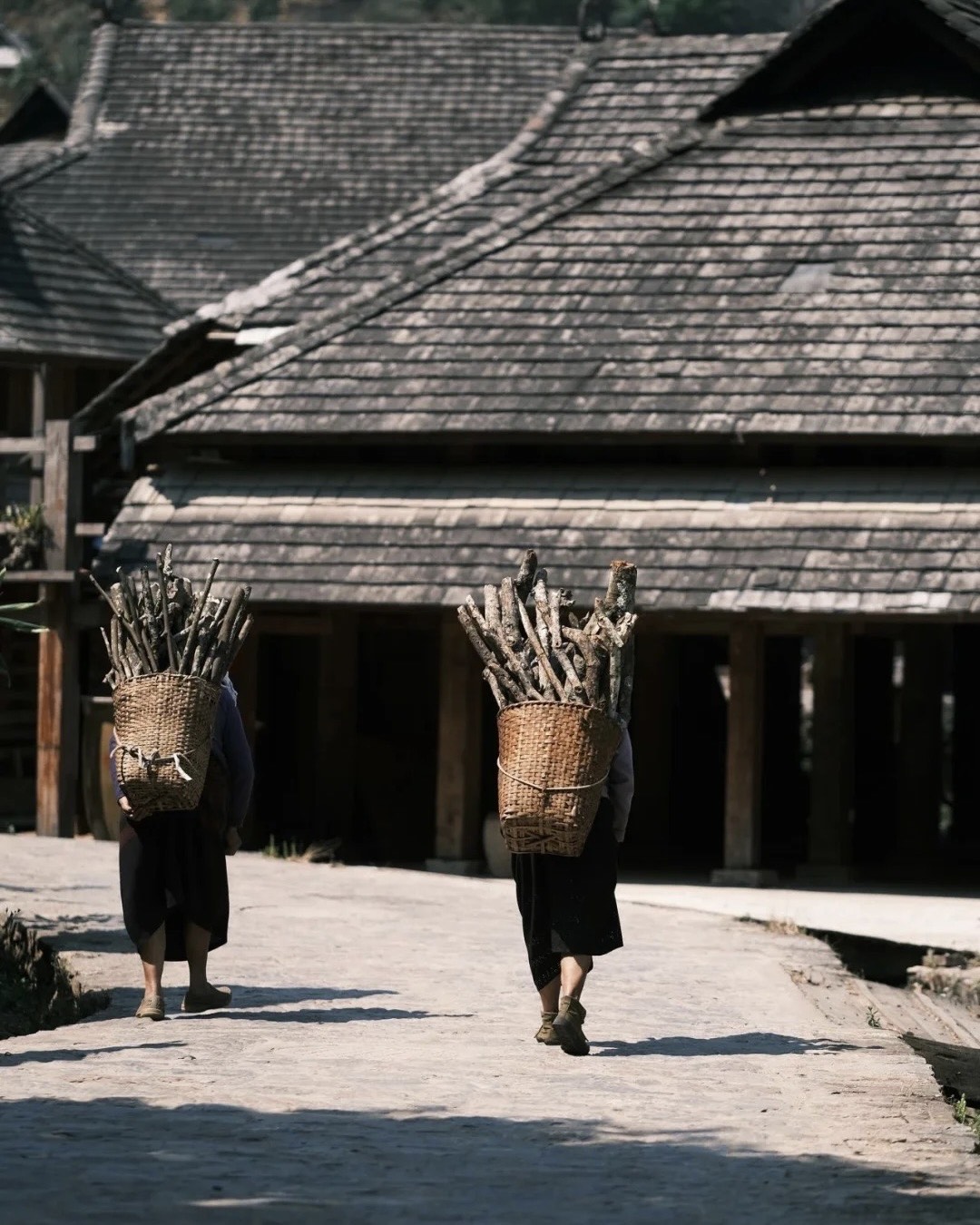
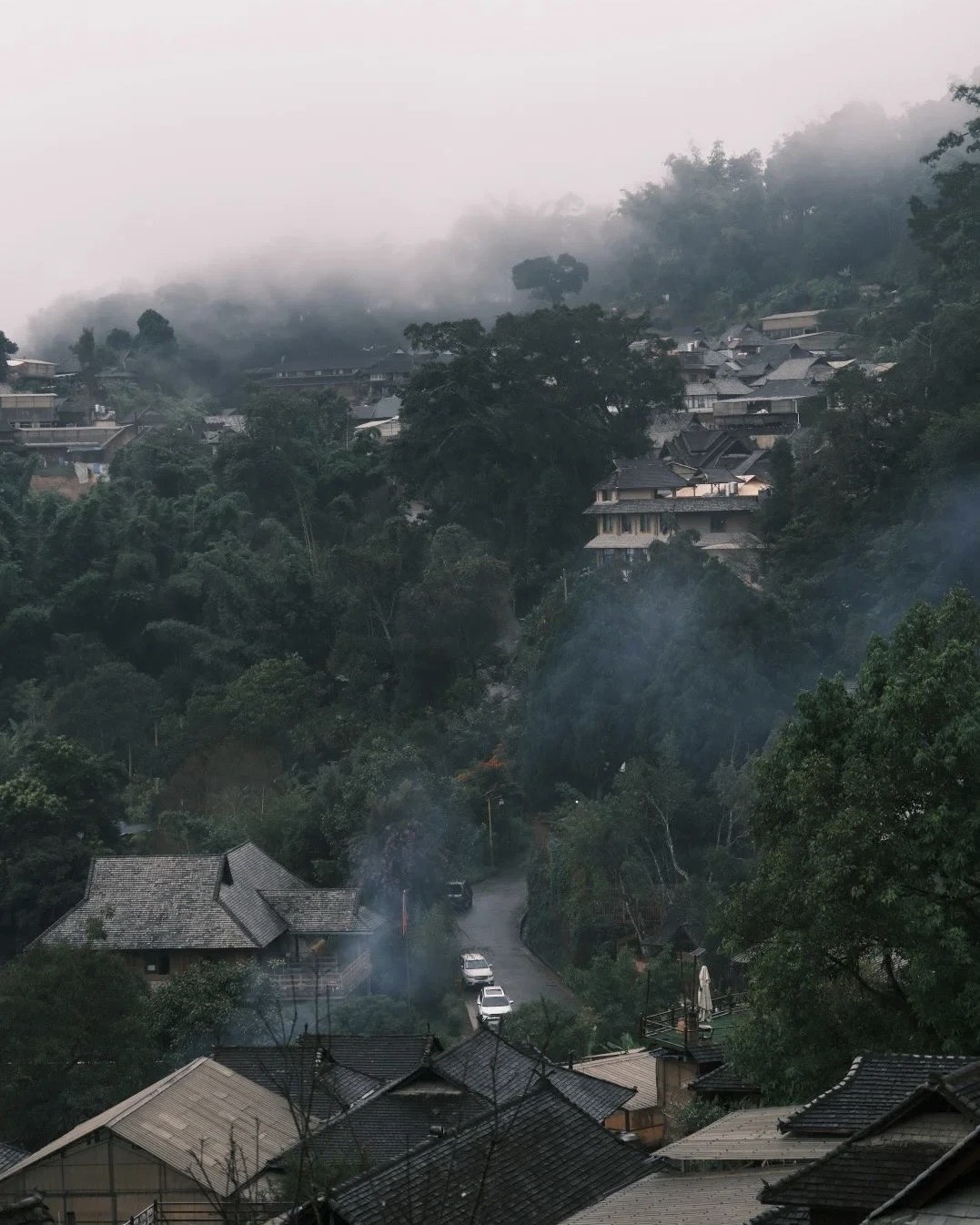
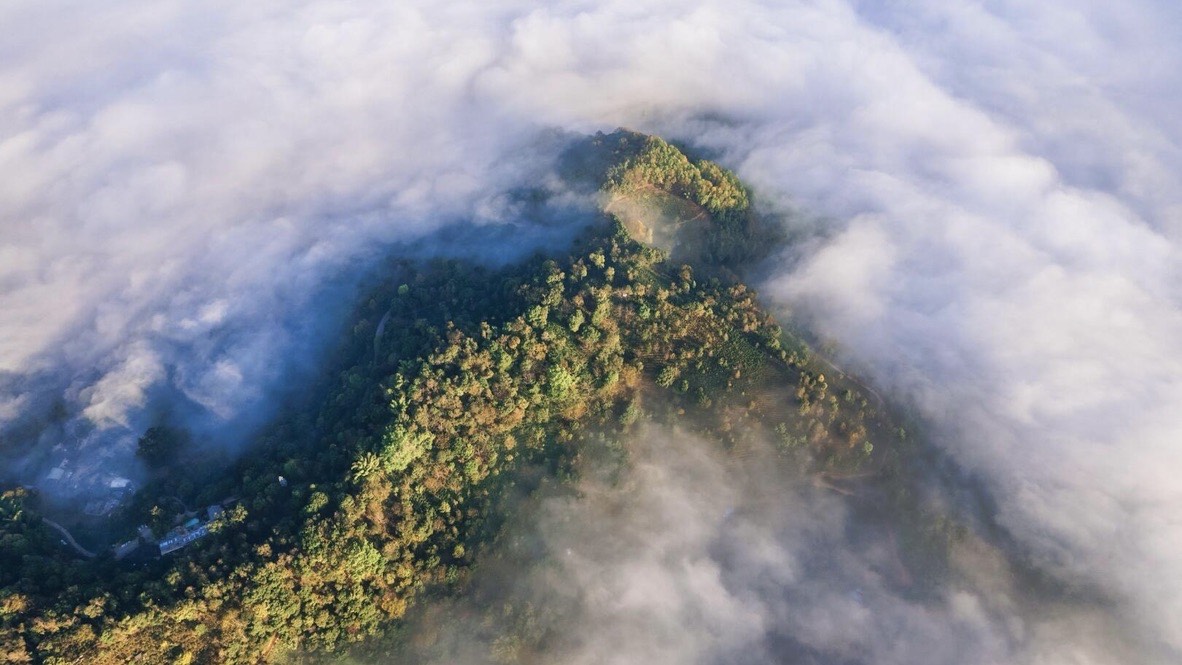
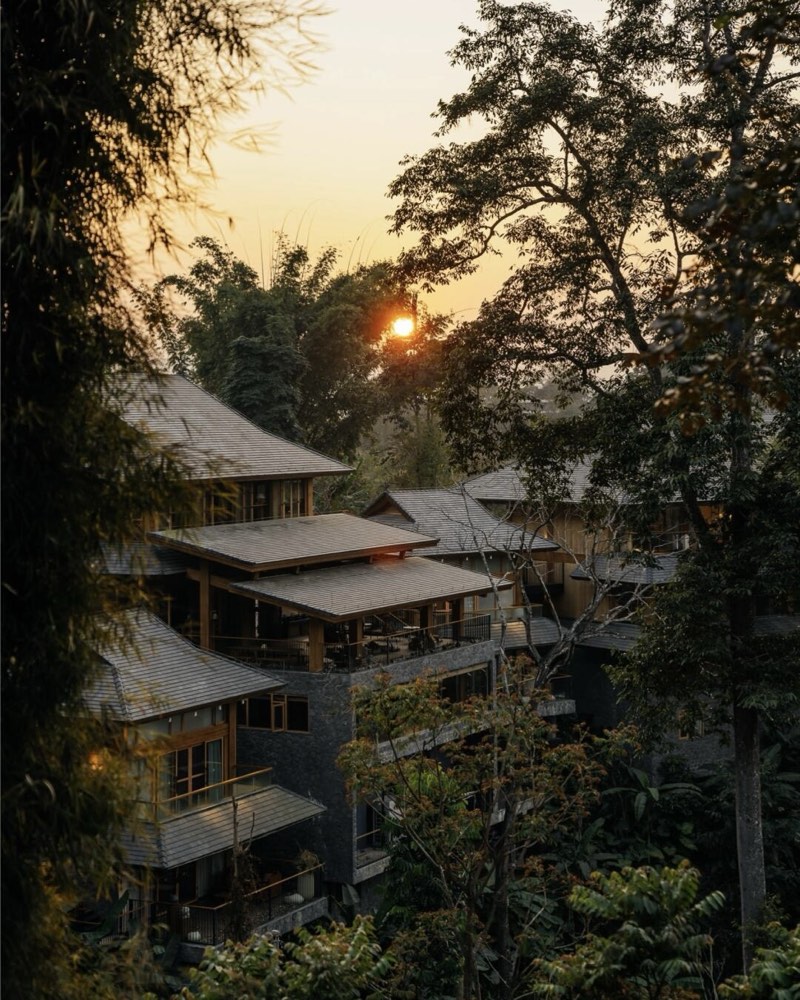
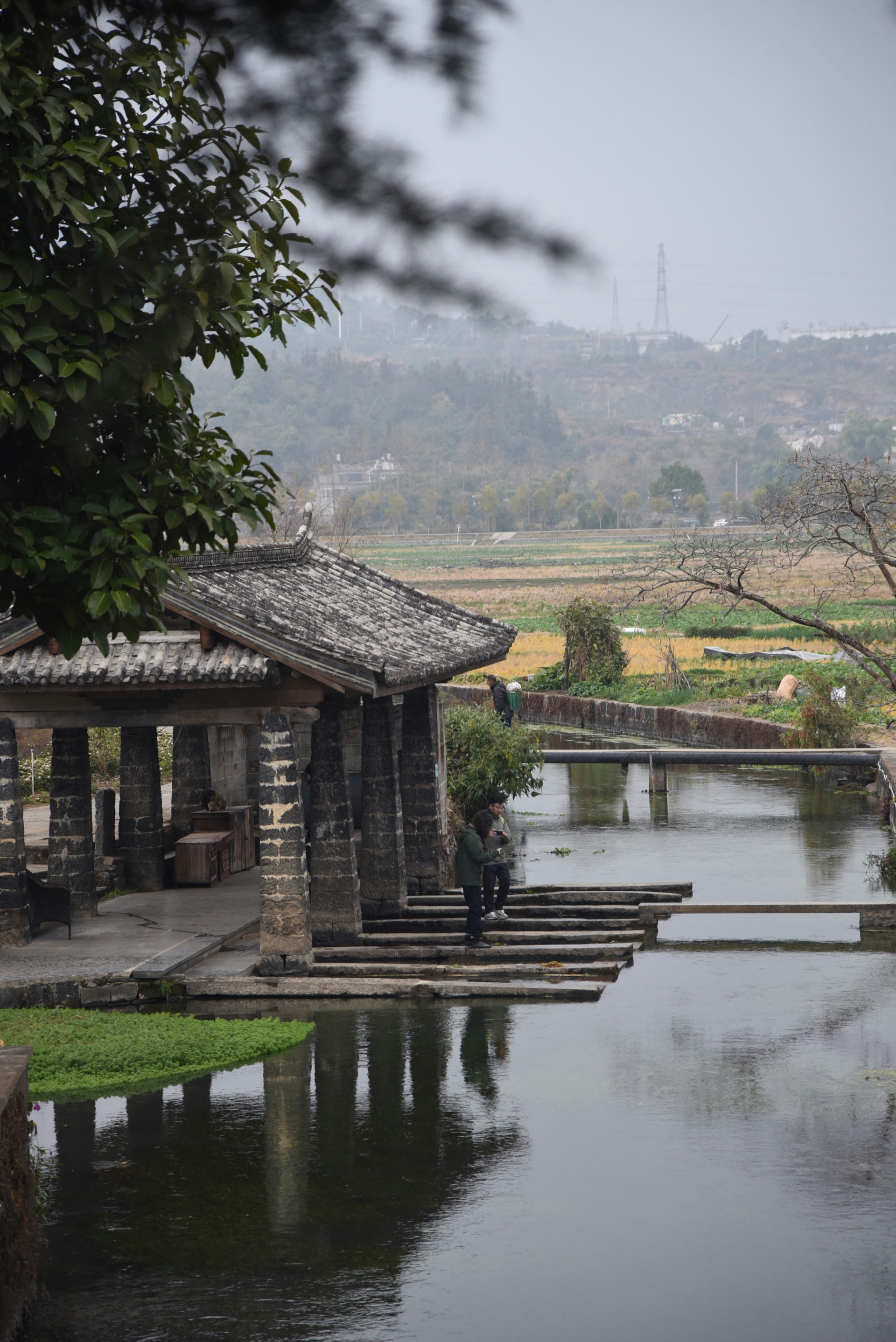
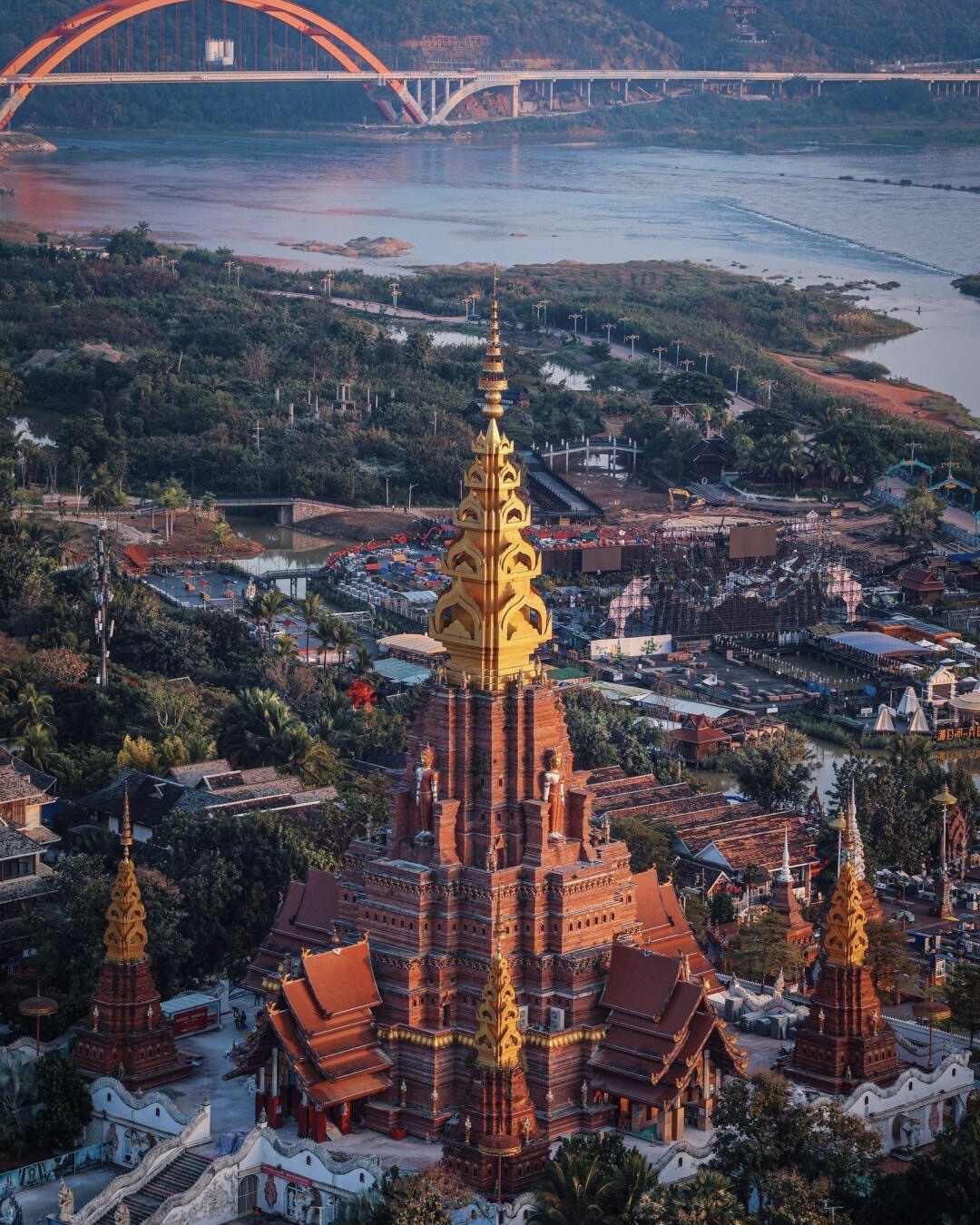
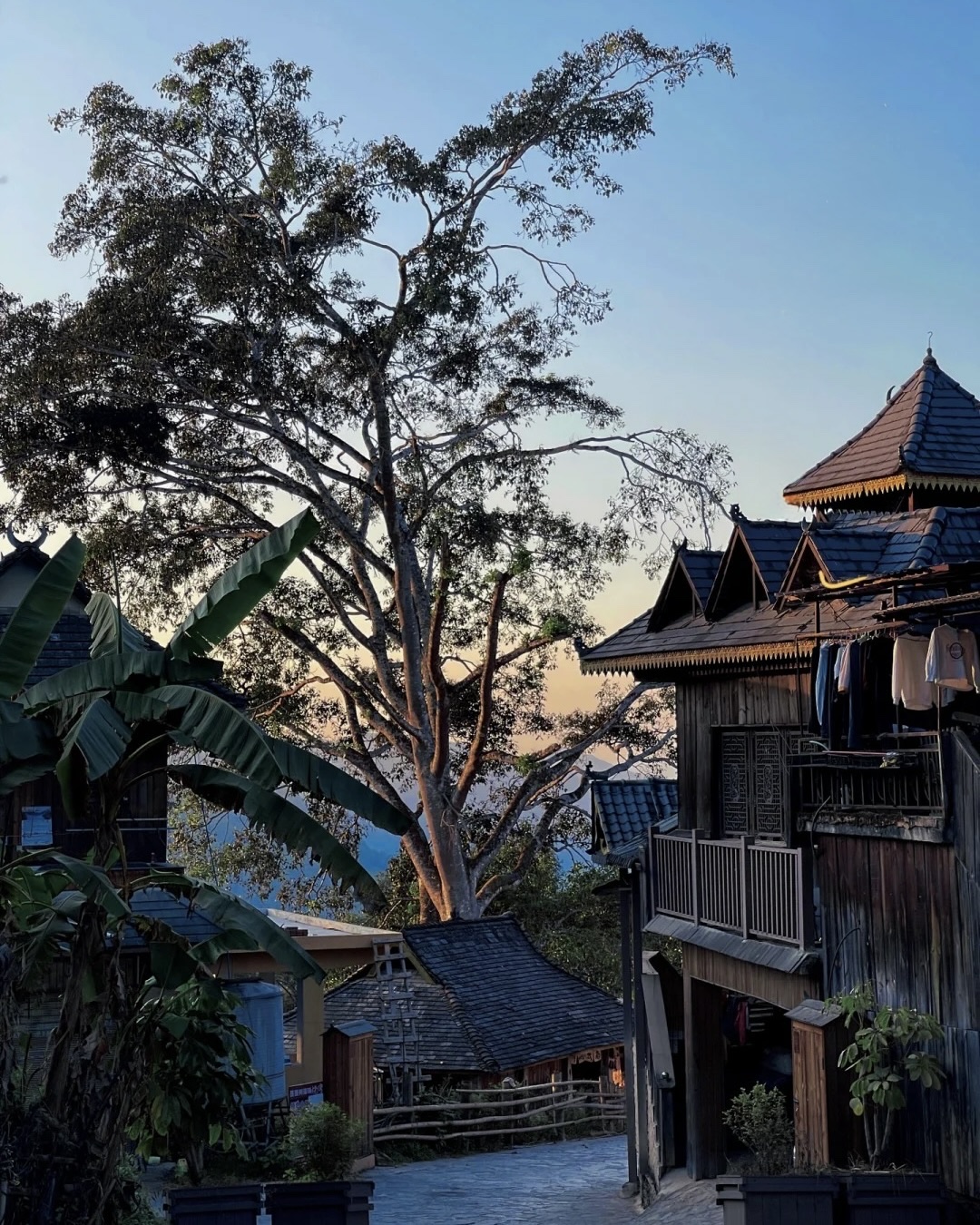
Jingmai Mountain is a living sanctuary where tea, forest, and village life are inseparable. Recognized by UNESCO for its ancient tea forests, this landscape is the spiritual heartland of tea culture and a place to slow down, breathe deeply, and reconnect.

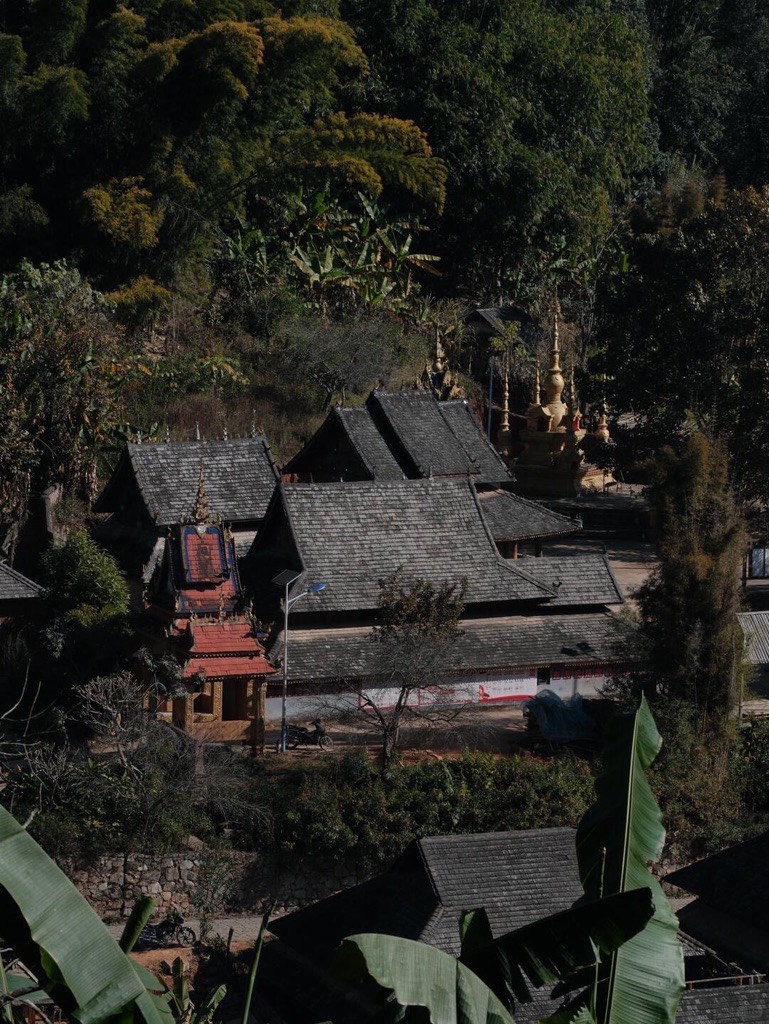
Jingmai Mountain — UNESCO-listed ancient tea forest and Blang village above misty Yunnan valleys — hero image for a private Yunnan travel guide by Boutique China

What you'll experience

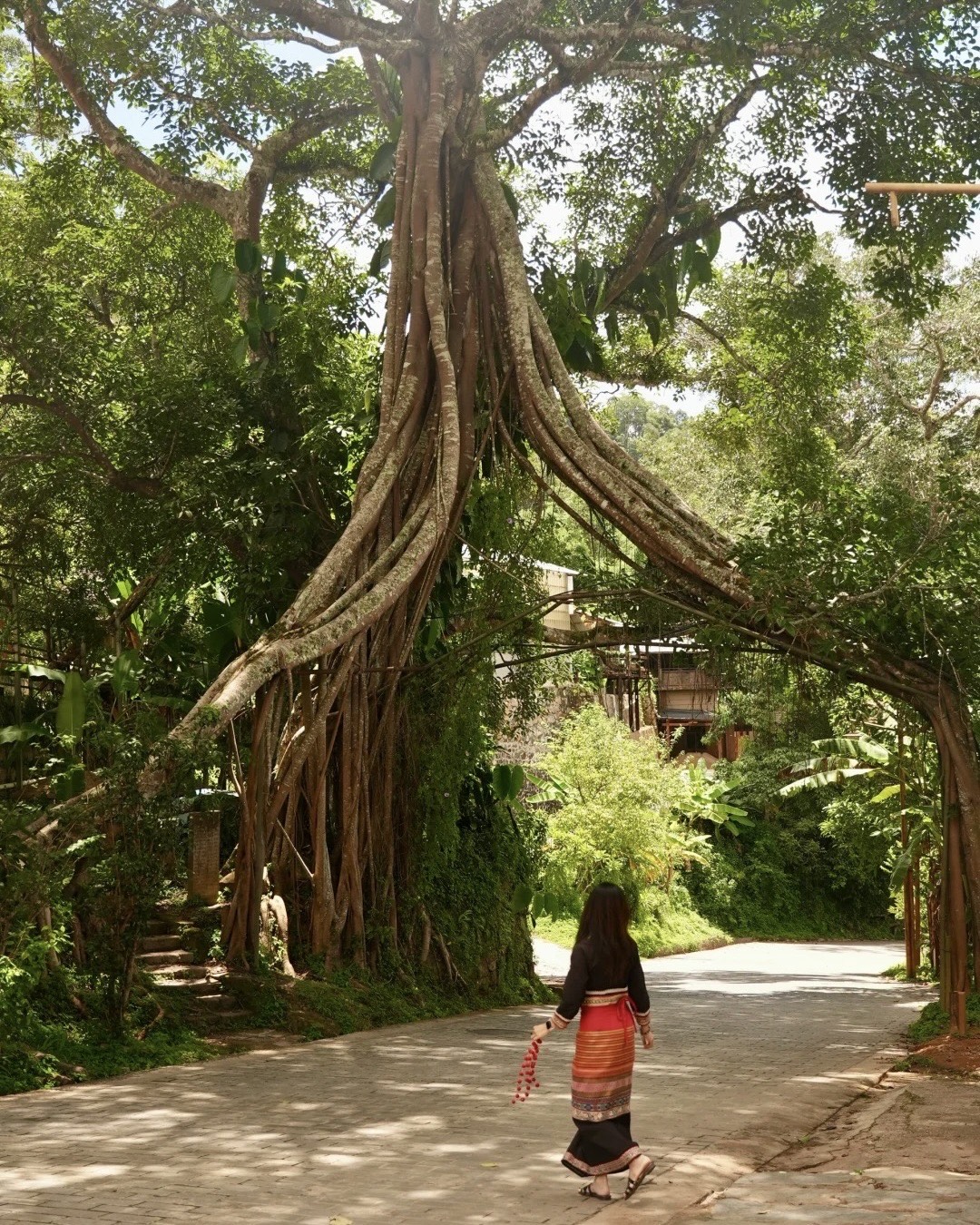
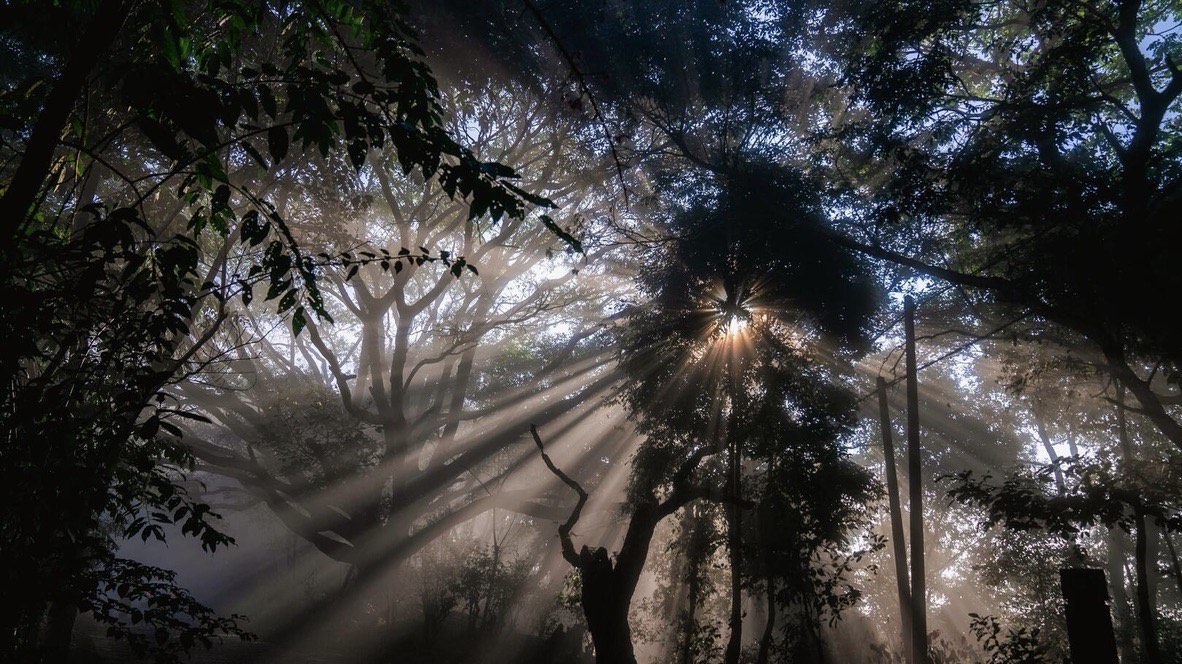
  • World’s oldest tea forest, recognized by UNESCO Old-growth tea trees thrive within a biodiverse forest mosaic shaped by generations of stewardship.
  • Mindfulness in nature Gentle “forest bathing,” breathwork among tea trees, and unhurried sensory rituals.
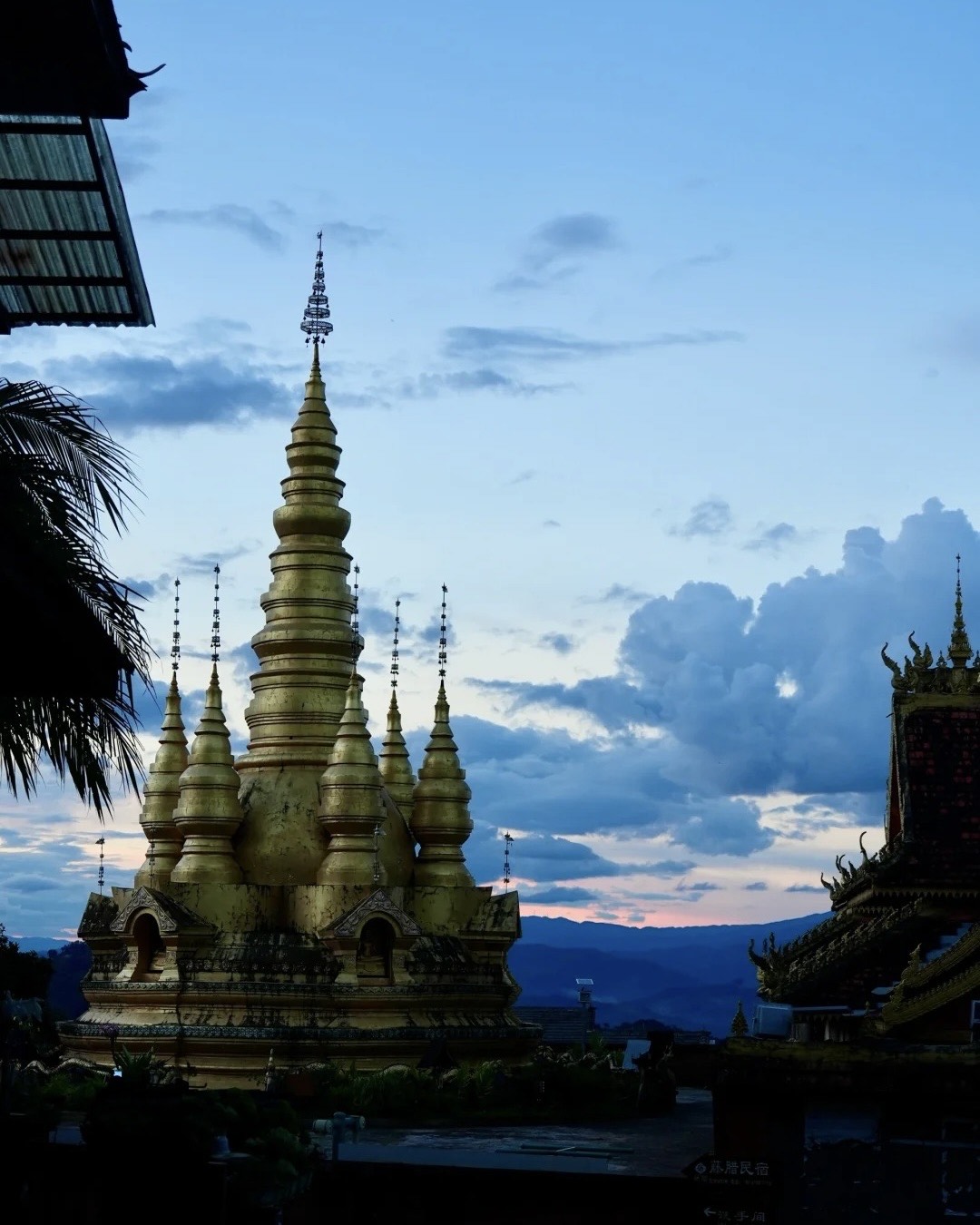
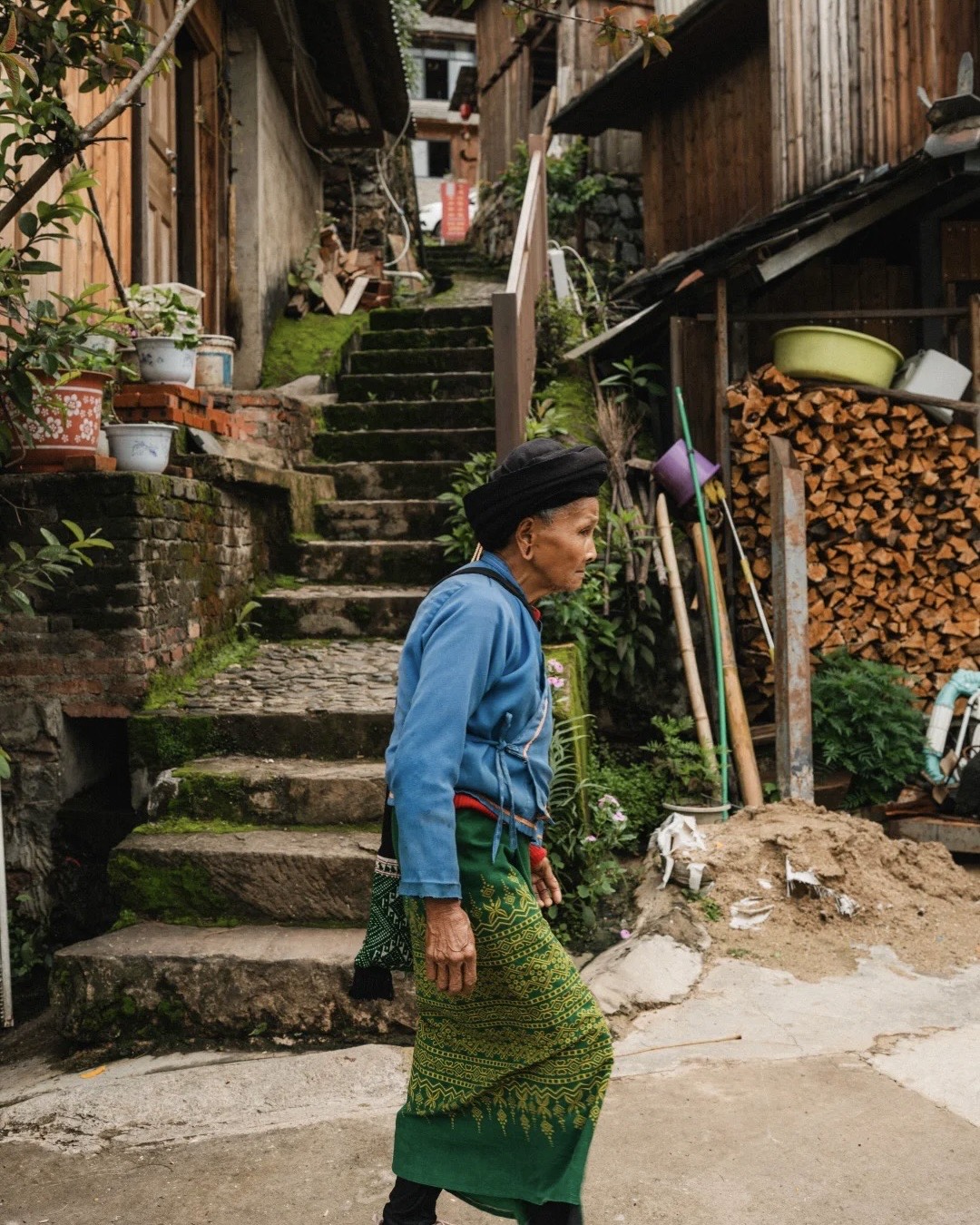
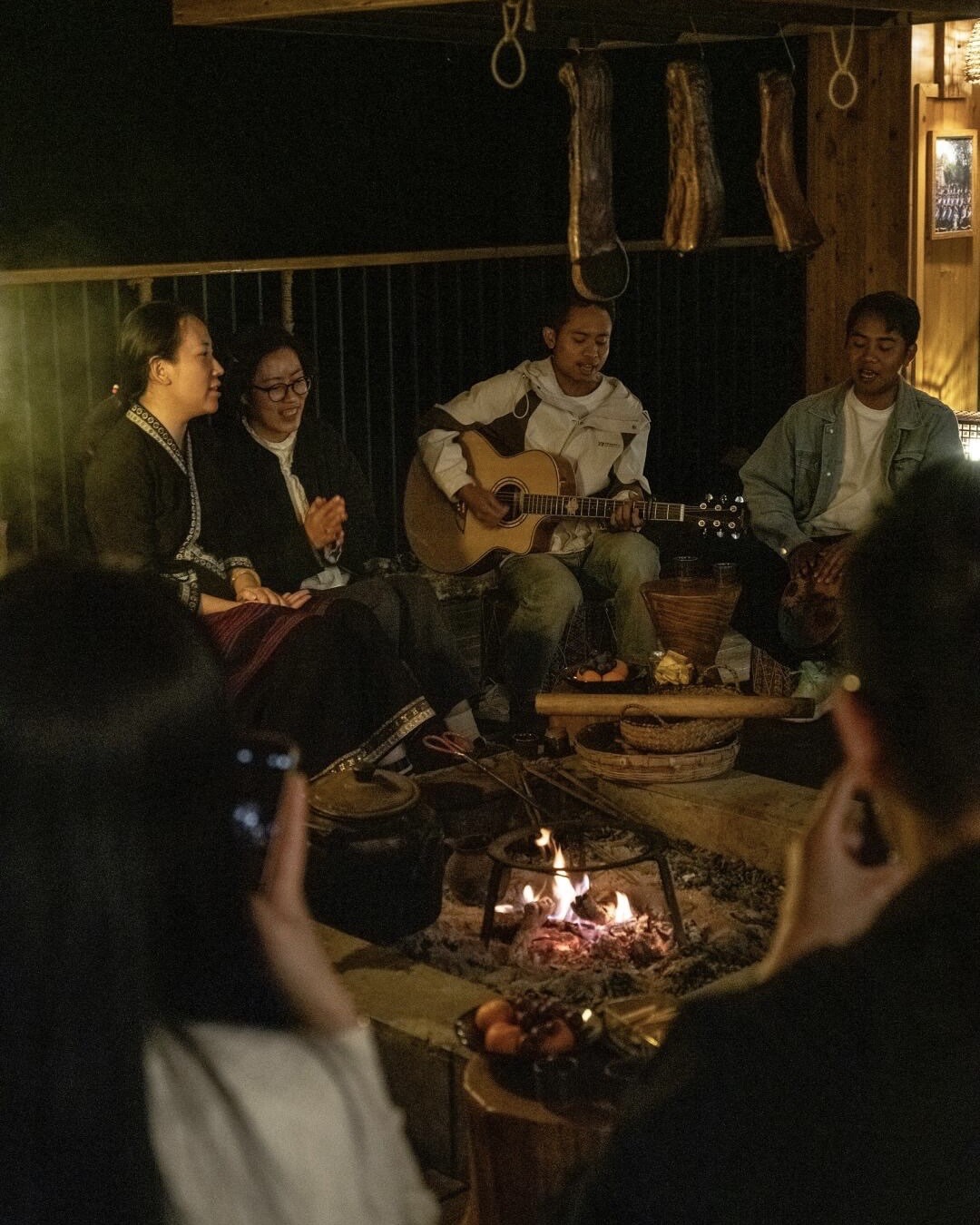
  • Blang (Bulang) Tea Ancestor beliefs Understand the sacred relationship between people and tea through ancestral worship, sacred groves, and village rites.
  • Forest‑to‑cup, slowly Harvest with intention, practice hand processing, and taste terroirs in silence to notice aroma, body, and huigan.
Snippet 01

Arrival, Forest Bathing & Village Rhythms

  • Guided forest bathing in the Ancient Tea Forests
  • Tea tree kinship talk living with old trees, companion species, and seasonal stewardship
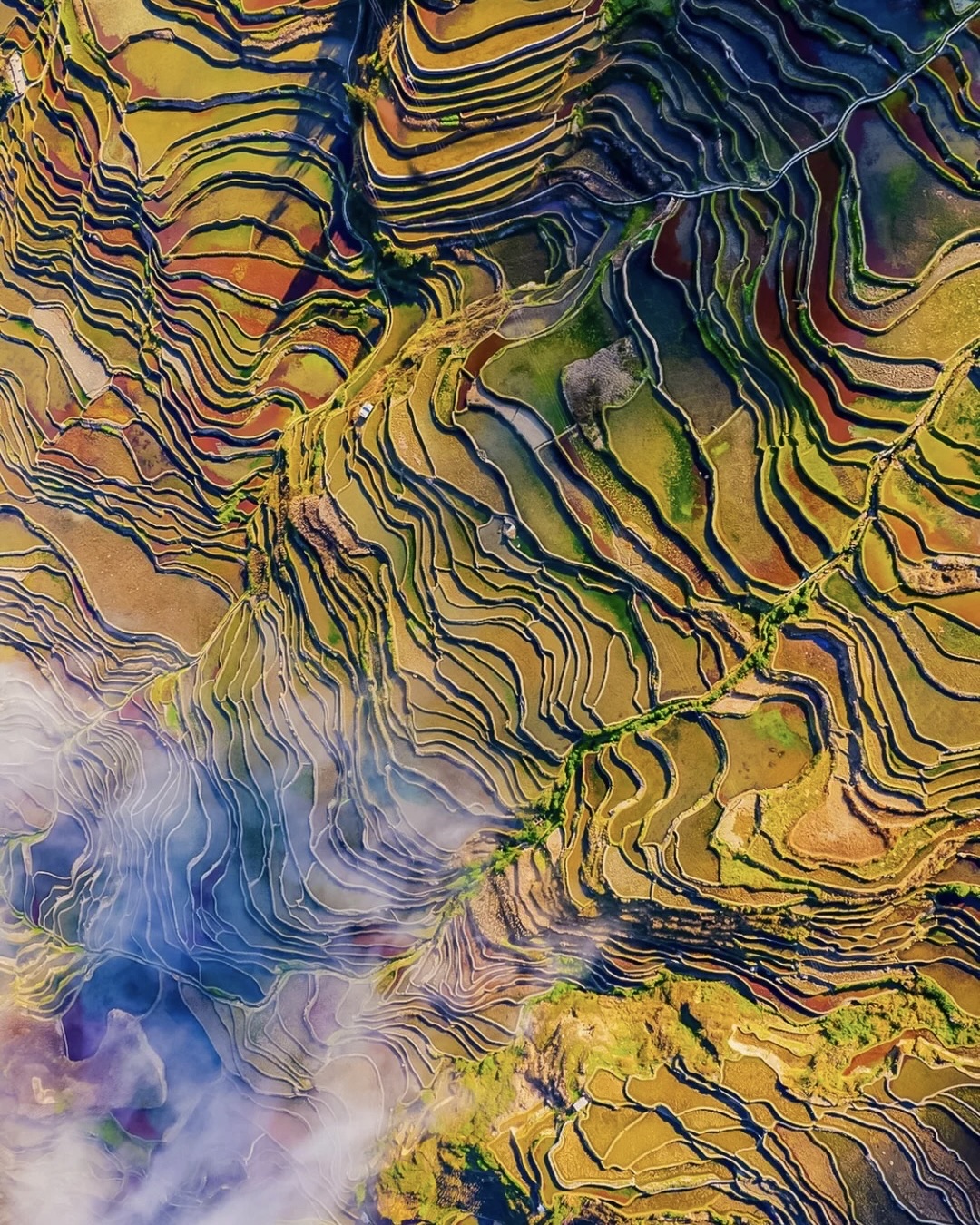
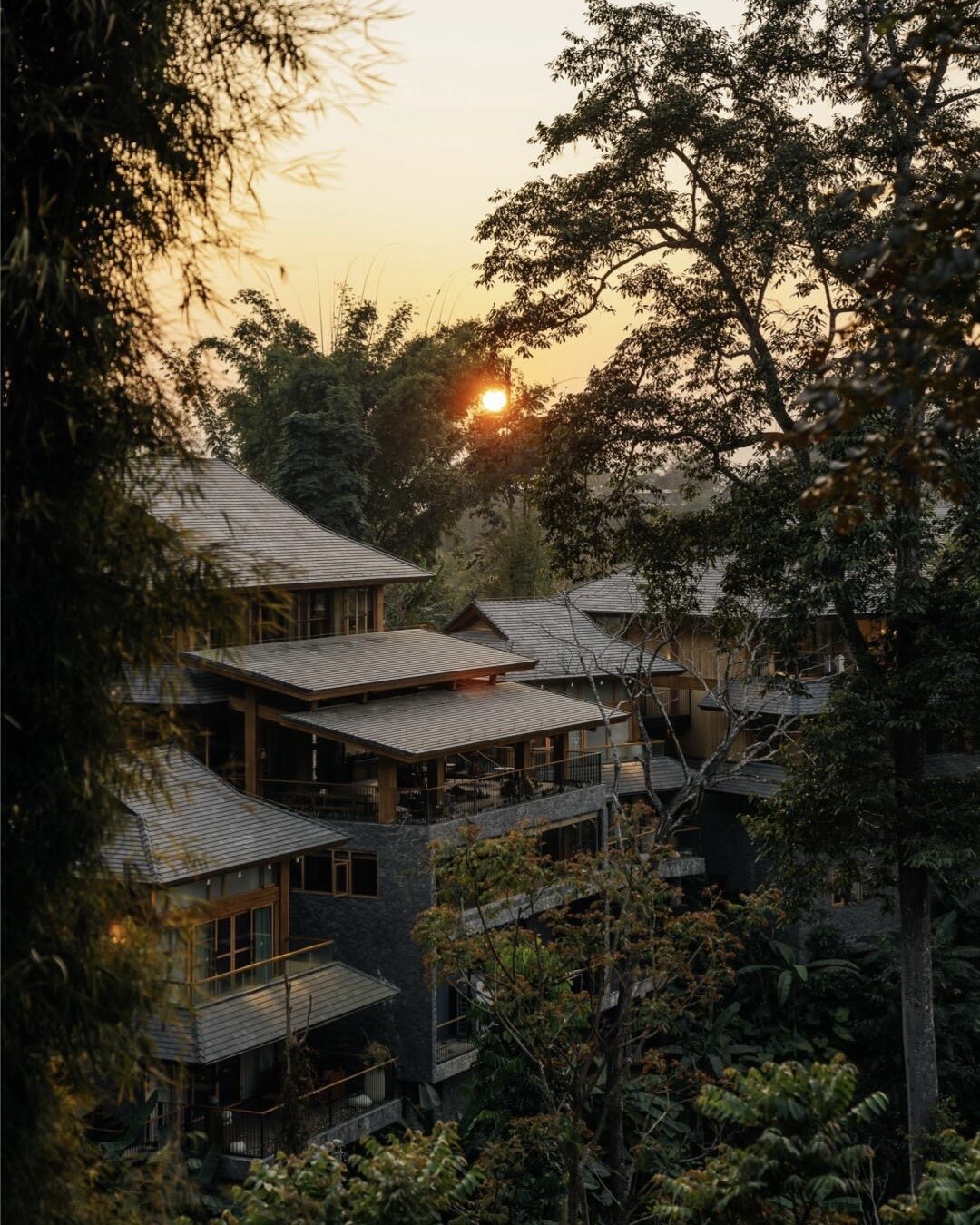
  • Sunset stillness practice at a viewpoint over terraced hills, followed by a silent warm-cup tasting
Snippet 02

Mindful Forest‑to‑Cup & Ancestral Lore

  • Sunrise plucking in old tea gardens with a tea master, beginning with three quiet breaths among the trees
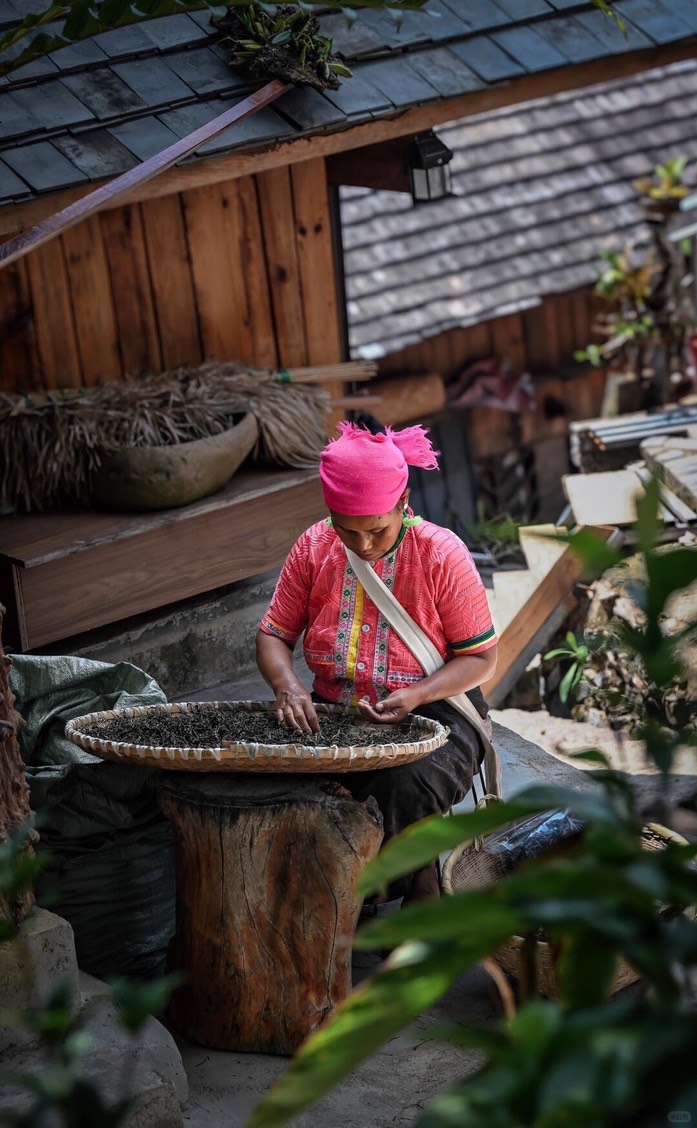
  • Slow processing practice withering → kill‑green (pan‑firing) → rolling → drying, with pauses to smell, listen, and feel
  • Guided silent tasting attention to aroma layers, mouthfeel, and returning sweetness (huigan)
Snippet 03

Heritage Paths, Gratitude Ritual & Departure

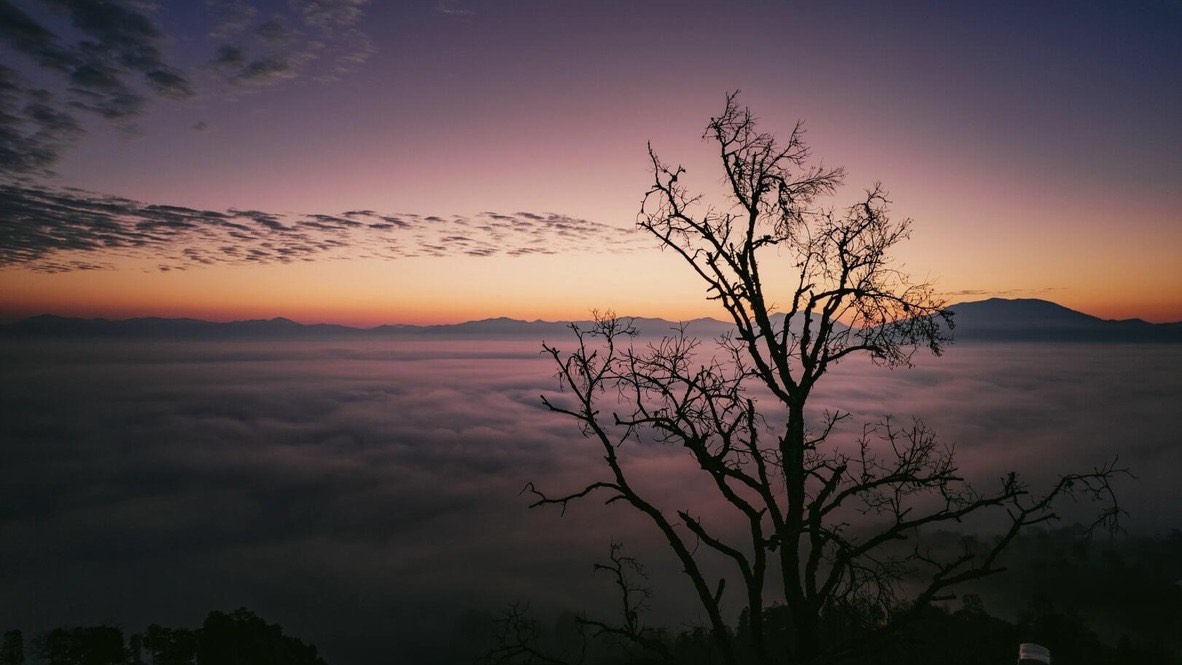
  • Sunrise viewpoint for mist over forests
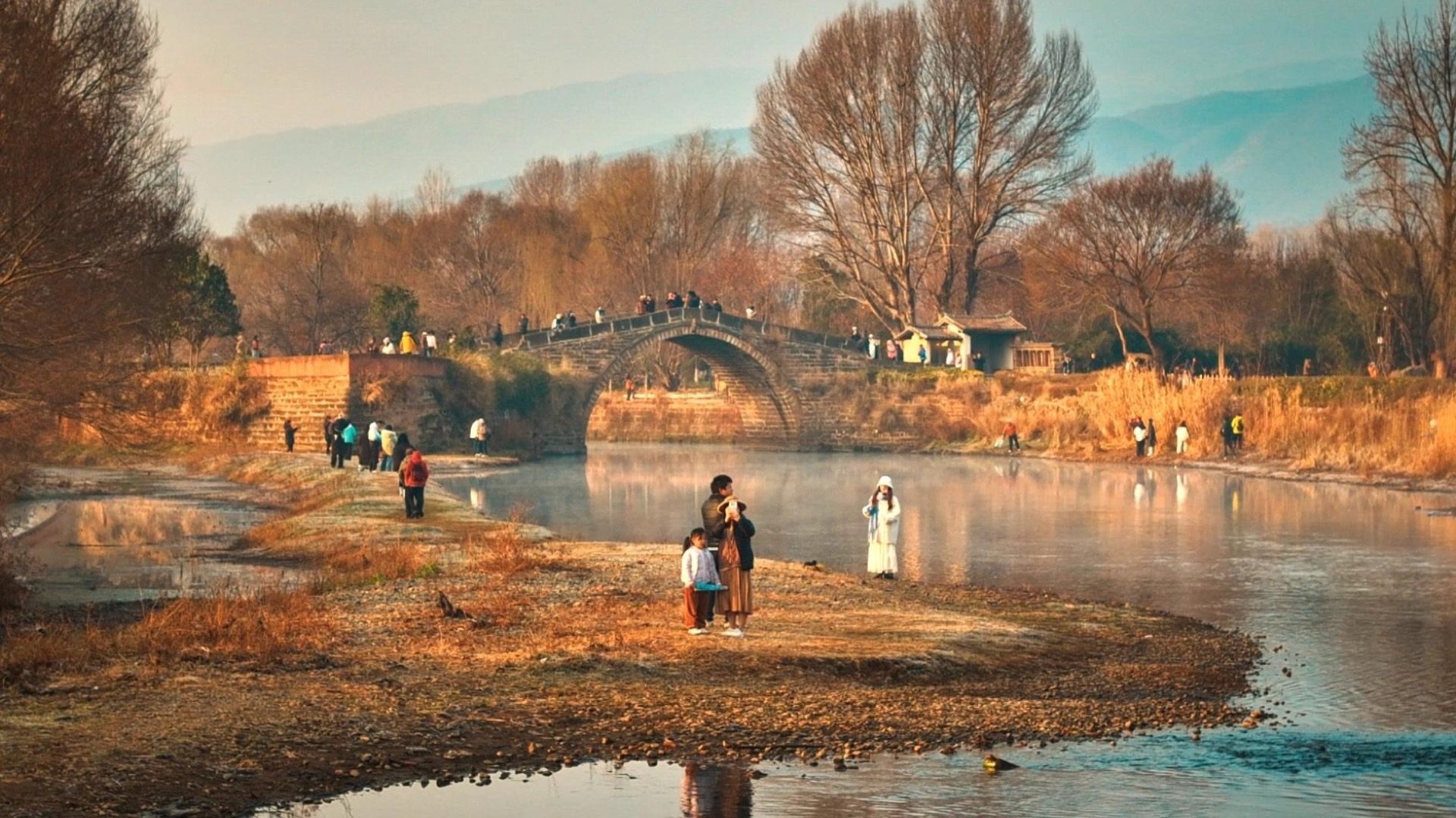
  • Heritage path walk along segments of the old Tea Horse Road and field terraces
  • Market stop (timing dependent) in Lancang or Menghai for local produce and tea tools
Snippet 04

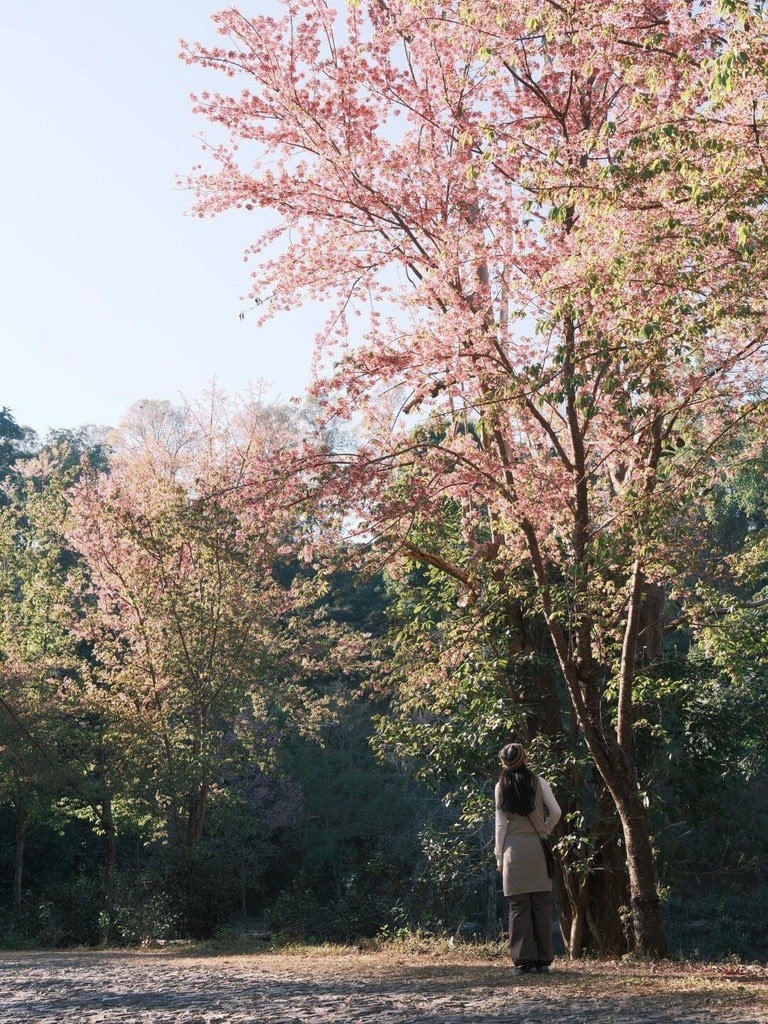
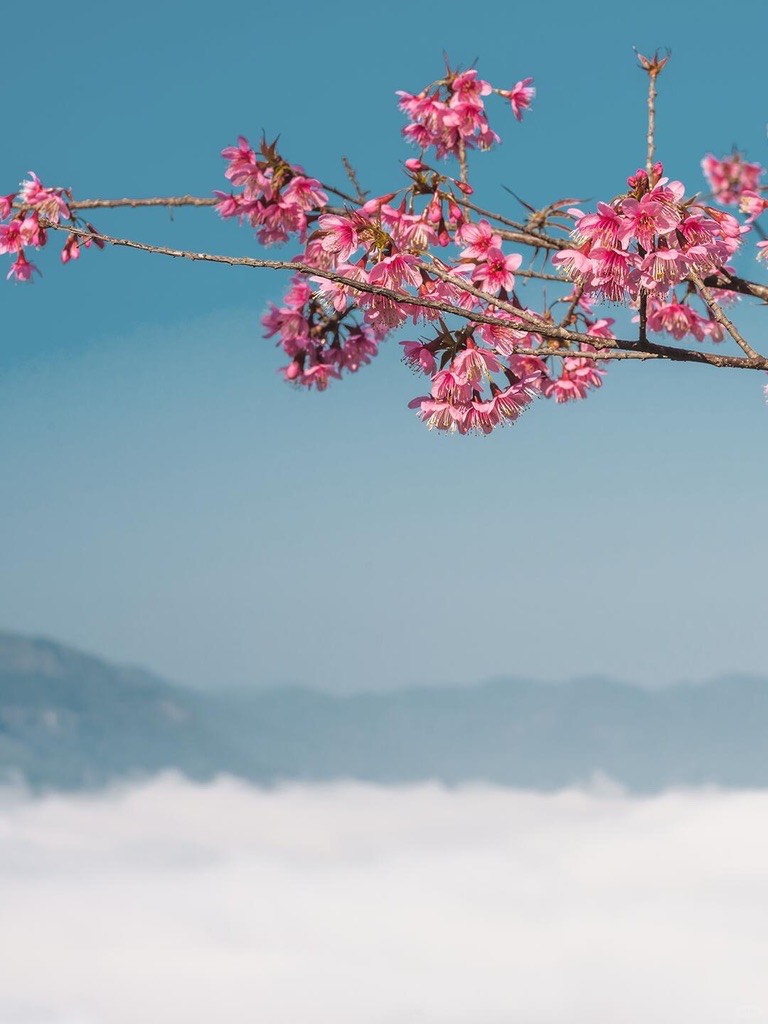
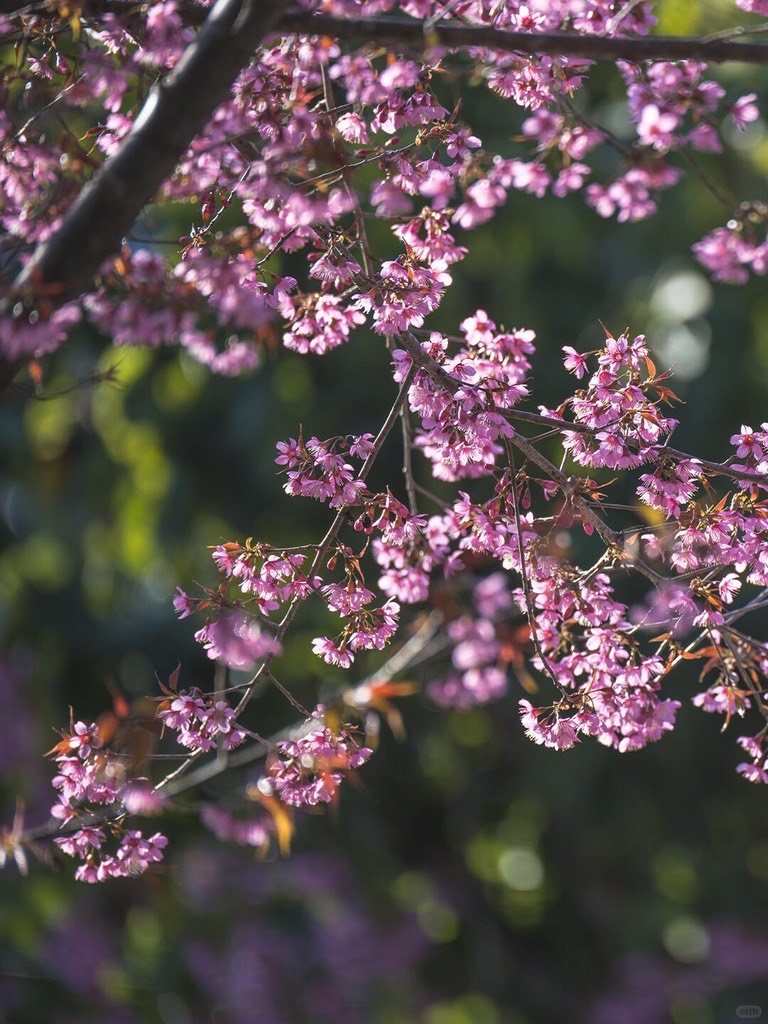
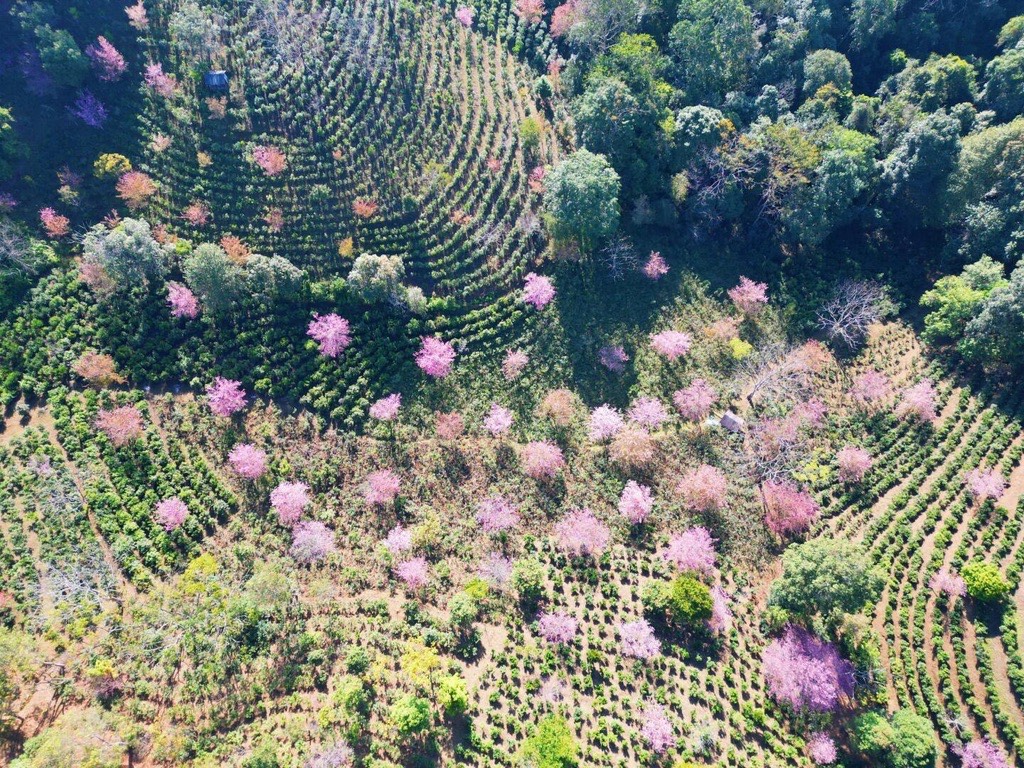
Season Special - Winter Cherry Blossom

Common questions

Planning your Jingmai Mountain trip

01 When is the best time to visit Jingmai?

March to early May for the spring tea harvest — villages come alive with picking, withering, and the year's first Pu'er rolling. This is when the mountain shows its working rhythm. October to early December is the second window: cool dry days and autumn flush. Avoid June–August (rainy season, the forest paths get slippery and flights to Lancang get delayed).

02 How do I get to Jingmai?

Fly to Lancang Airport (JMJ), the closest airport — 1.5 hours by road to Jingmai. Daily flights from Kunming (1h 10) and Xishuangbanna (45 min). Most guests pair Jingmai with Xishuangbanna for a tropical-Yunnan loop, driving 4 hours between them. We handle the pickup and the drive through tea villages, which is part of the experience.

03 What's the difference between Jingmai and Xishuangbanna for tea?

Jingmai is the UNESCO-listed historic tea landscape (Bulang and Dai villages, 1,000-year trees, living heritage). Xishuangbanna's Six Famous Tea Mountains are equally ancient but more commercial, with accessible producer visits. Many guests do both — a 6-day Yunnan tea loop covering Jingmai's heritage and Xishuangbanna's rainforest producers. Stay at Bolian Jingmai inside a working tea estate for the deepest immersion.

Ready to Plan Your Journey?

Contact Us