← All Ultimate Hikes Ultimate Hikes

Gaoligongshan Day Hike

A day on the UNESCO biosphere reserve — Ming-era flagstones, primary forest, 470+ bird species at Baihualing

1 day moderate 2,500 m max Oct – May

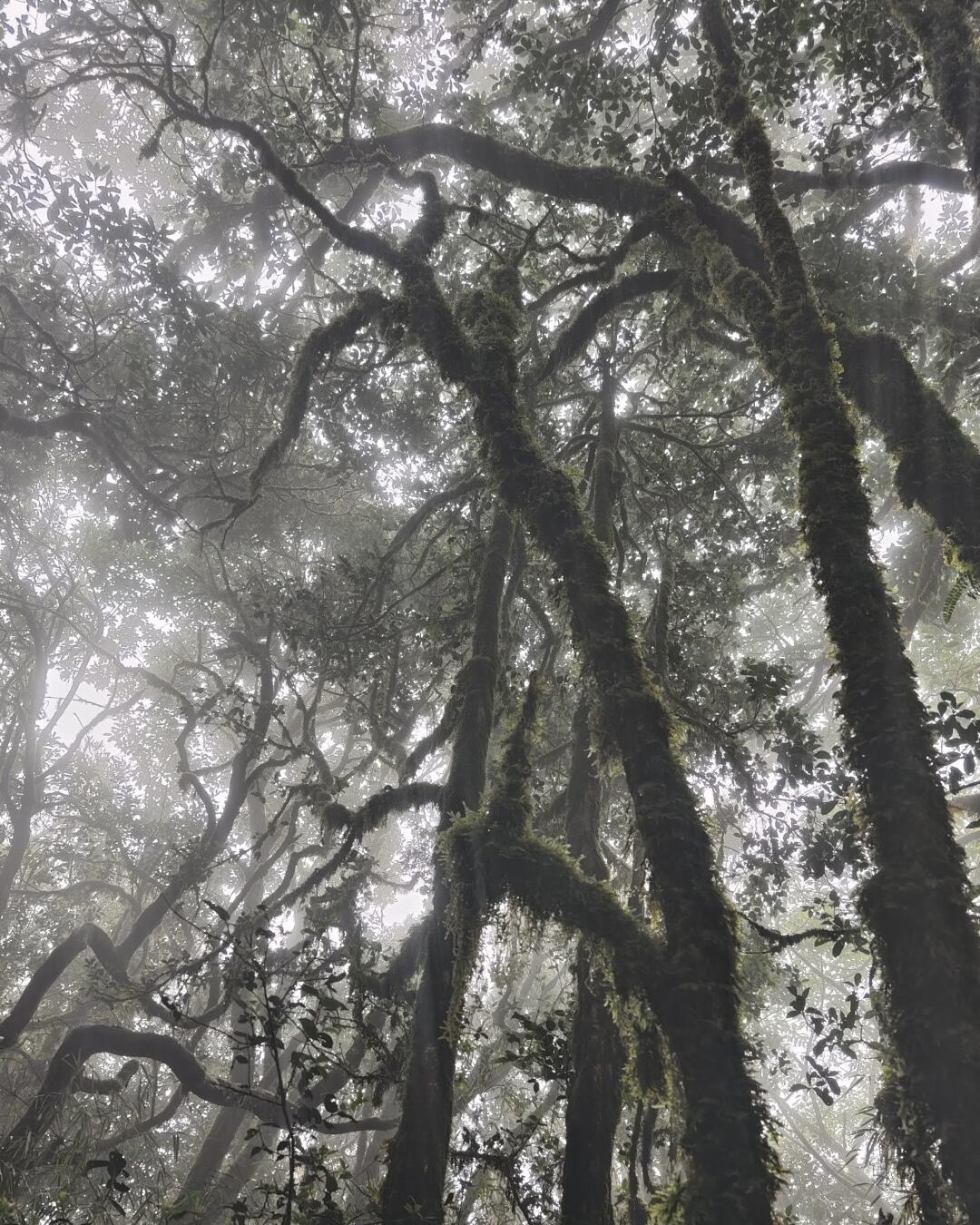
Gaoligongshan (高黎贡山) is the long mountain spine that walls western Yunnan off from Myanmar — a UNESCO biosphere reserve, one of the most biodiverse temperate zones on Earth, and the green wall the Ancient Southern Silk Road had to cross to carry tea westward. The Baihualing-side day hike walks five kilometres of the open visitor segment of that caravan road: worn flagstones, dense primary forest with hanging moss, stream crossings, and somewhere uphill, the 280-year-old tree-rhododendron locals call the King. Around 470 recorded bird species at the Baihualing gateway. It is the rare China day hike that delivers cultural history, primary forest, and serious biodiversity in one outing.

Ask about this experience

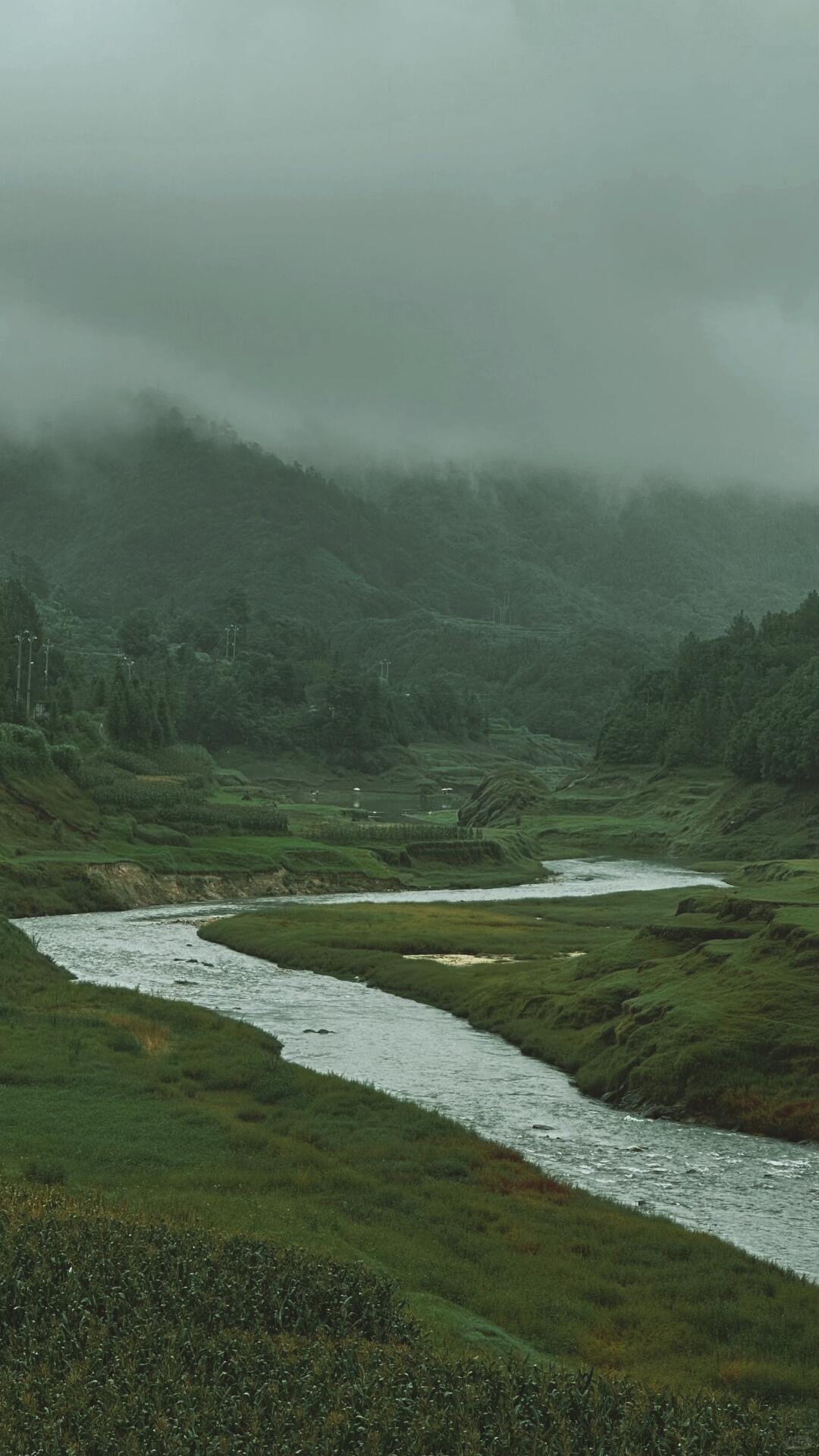
Misty Gaoligongshan ridgeline above old-growth forest in west Yunnan — hero image for the Gaoligongshan Day Hike by Boutique China
At a glance

The experience

  • TrailAncient Southern Silk Road / Tea Horse Road segment, from the Wangjiayan ranger checkpoint up through primary forest
  • Distance~5 km one-way on the open visitor segment, ~3–4 hrs walking with stops + lunch
  • Trailhead elevation ~1,500–1,800 m; we don't push to the full Nanzhai ridge (~3,300 m) — this is a day to look up, not race up
  • Mountain entry permit required at the checkpoint — handled by us in advance
  • Best Oct–May for the birding window; Mar–Apr adds rhododendron bloom; avoid Jun–Sep monsoon (leech season + slick stone)

Why Gaoligongshan — the most layered day in Yunnan

  • Two stories at once. Underfootthe worn flagstones of the Ancient Southern Silk Road, the caravan track that carried Pu'er tea and salt west into Burma. Overhead: the canopy of one of Earth's most biodiverse temperate forests — gibbons, hornbills, and the highest concentration of broadleaf forest birds in mainland China.
  • The bird list is real. Around 470 species documented around Baihualing village inside the Gaoligongshan biosphere reserve; serious birders fly in for the spring window when migrants and residents overlap. Even casual day-hikers see hornbill and broadbill regularly.
  • It's a day hike that doesn't feel like a day hike. The flagstones, the mossy forest, the cultural overlay — most travellers tell us this is the one that sticks in memory long after the other Yunnan walks.

The day plan

  • Morning transfer from Tengchong (or your Baoshan-area hotel) to Baihualing village at the foot of Gaoligongshan — ~1.5–2 hrs by private vehicle.
  • Pick up the mountain entry permit at the Wangjiayan Forest Fire Checkpoint (handled by your guide).
  • Trail-in on the Ancient Southern Silk Road / Tea Horse Road segment. Stone flagstones, worn smooth and often wet, climbing gently through primary forest. Stream crossings on log bridges.
  • Lunch stop at a forest clearing ~2.5 km in. Pack lunch + hot tea provided.
  • Continue ~5 km in total, with optional birding pauses if a local naturalist guide is with us (recommended).
  • Return on the same path, descending faster. Back at vehicle by mid-afternoon.
  • Eveningoptional Tengchong-side hot-spring soak at one of the geothermal villas (Bolian Tengchong, Rehai-area stays).

Hotel Selection

  • Bolian Tengchongdesign-forward hot-spring villa retreat in the Tengchong volcanic countryside — our preferred Tengchong-area base for travellers doing the Gaoligongshan day.
  • Bolian Jingmaiif extending south after Tengchong toward the Pu'er tea region, the design-forward Jingmai option.
Practical details
  • Fitness baselinecomfortable hiking 4–5 hrs with moderate gradient. The trail is steady-uphill on the way in (no scrambling), steady-downhill on return. ~5 km in each direction = ~10 km day total.
  • Altitudetrailhead ~1,500–1,800 m; turnaround point well under 2,500 m. No acclimatisation needed.
  • Geartrail shoes (the stone steps can be slick — Gore-Tex helpful), rain shell (mountain weather shifts), sun protection in the open sections, light gloves for cool mornings, sleeve protection for forest sections (leech repellent in monsoon season).
  • Permit + guidemountain entry permit required at Wangjiayan checkpoint — we handle this in advance. A local naturalist / birding guide is strongly recommended and bundled into the trip price; signage on the trail is Chinese-only and a guide doubles the value.
  • Best windowsOctober–May for the dry cool clear window. March–April adds the rhododendron bloom in the upper forest. October–February is the birding window. Avoid June–September monsoon — slippery stone, leeches, and frequent afternoon rain.
  • Pricingfrom AUD $400 pp twin-share for the day — includes private vehicle, local naturalist guide, mountain entry permit, lunch and hot drinks on trail. Excludes Tengchong accommodation.
Common questions

Before you book

01 How serious is the hike — can my parents do it?

Moderate. The trail is well-formed stone flagstones, no scrambling, no exposure, and you can turn around at any point — we customise the distance based on the group. If your parents can do a 3-hour countryside walk at home with some gentle gradient, they can do a shorter Gaoligongshan day. We pace it for the slowest walker and the lunch break is generous.

02 Will I actually see hornbills and gibbons?

Hornbills — likely, especially in the dry season with a naturalist guide who knows the local territories. Gibbons — possible but never promised; they are heard far more often than seen. We've had recent travellers spot both on the same day, and others who heard the gibbons but never glimpsed them through the canopy. The bird list is the more reliable payoff.

03 When are the rhododendrons in bloom?

March through early May at the relevant altitudes (~1,800–2,500 m). The 280-year-old 'King of Rhododendrons' tree is the local headline — at full bloom it carries thousands of pink-red flowers. Other tree-rhododendrons across the lower forest bloom in the same window. April is the most reliable peak.

04 How does this combine with the rest of west Yunnan?

Naturally. Gaoligongshan is a Tengchong-area experience — it pairs with Heshun ancient town, Rehai hot springs, and the Tengchong volcano park for a 3–4 day Tengchong stay, or extends south into our Soulful Side of Yunnan itinerary toward Mangshi. Talk to us about combining with the Tengchong & Mangshi Bird Photography journey if birding is the trip's centre of gravity.

Ready to Plan Your Journey?

Contact Us