Dali
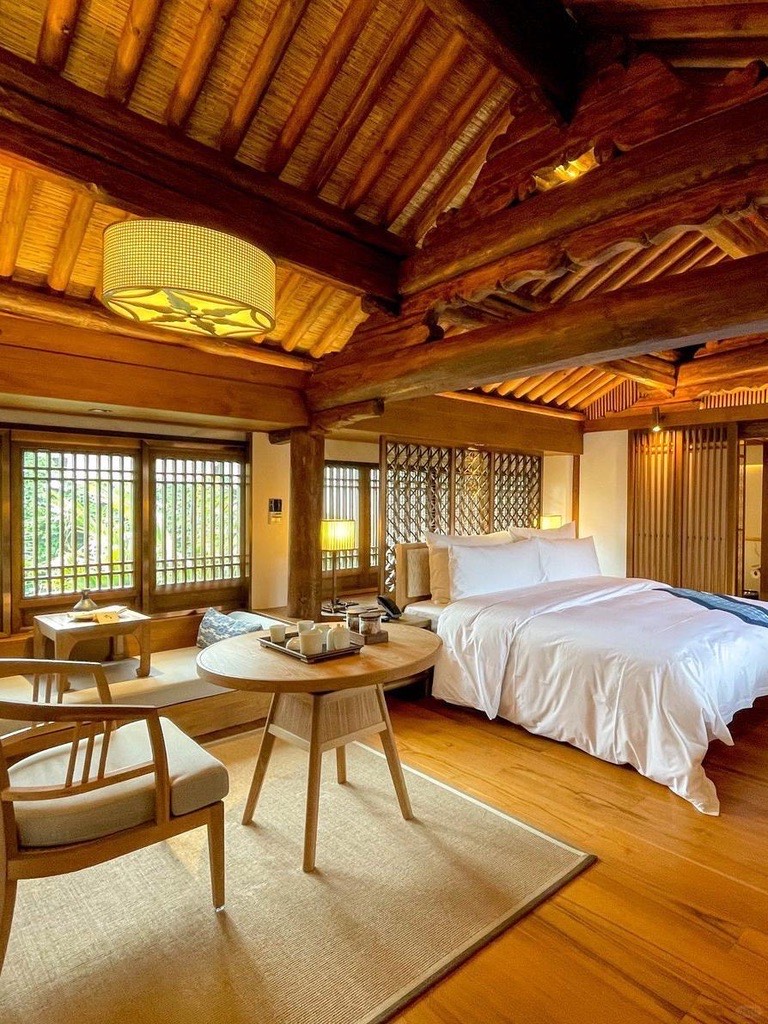
A Small Luxury Hotel on the Cang Mountain side of Dali — the comfortable end of the Bai courtyard tradition, and the easiest first two nights of the trip.

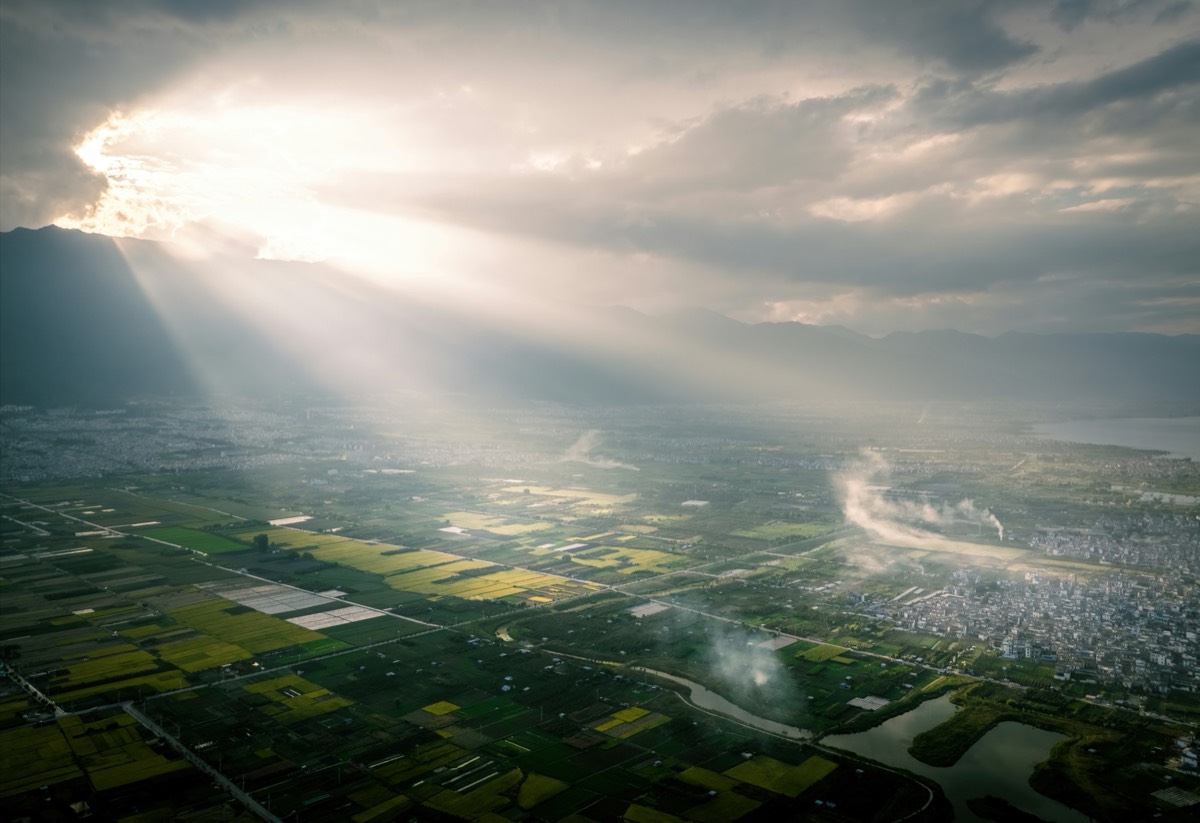
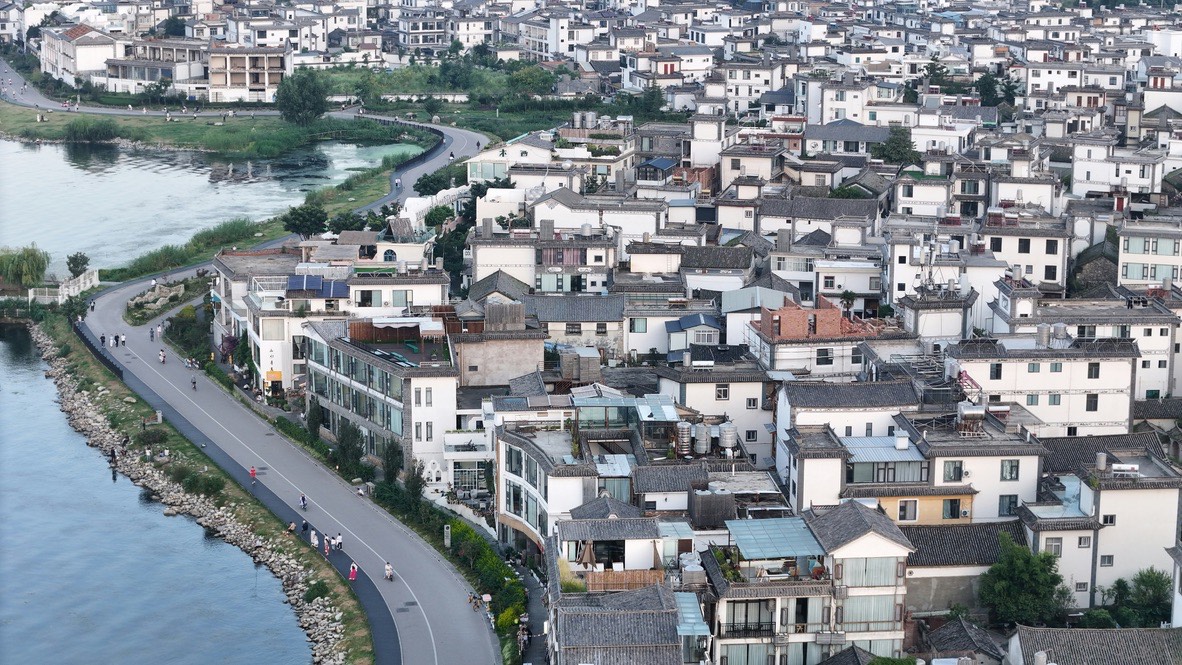
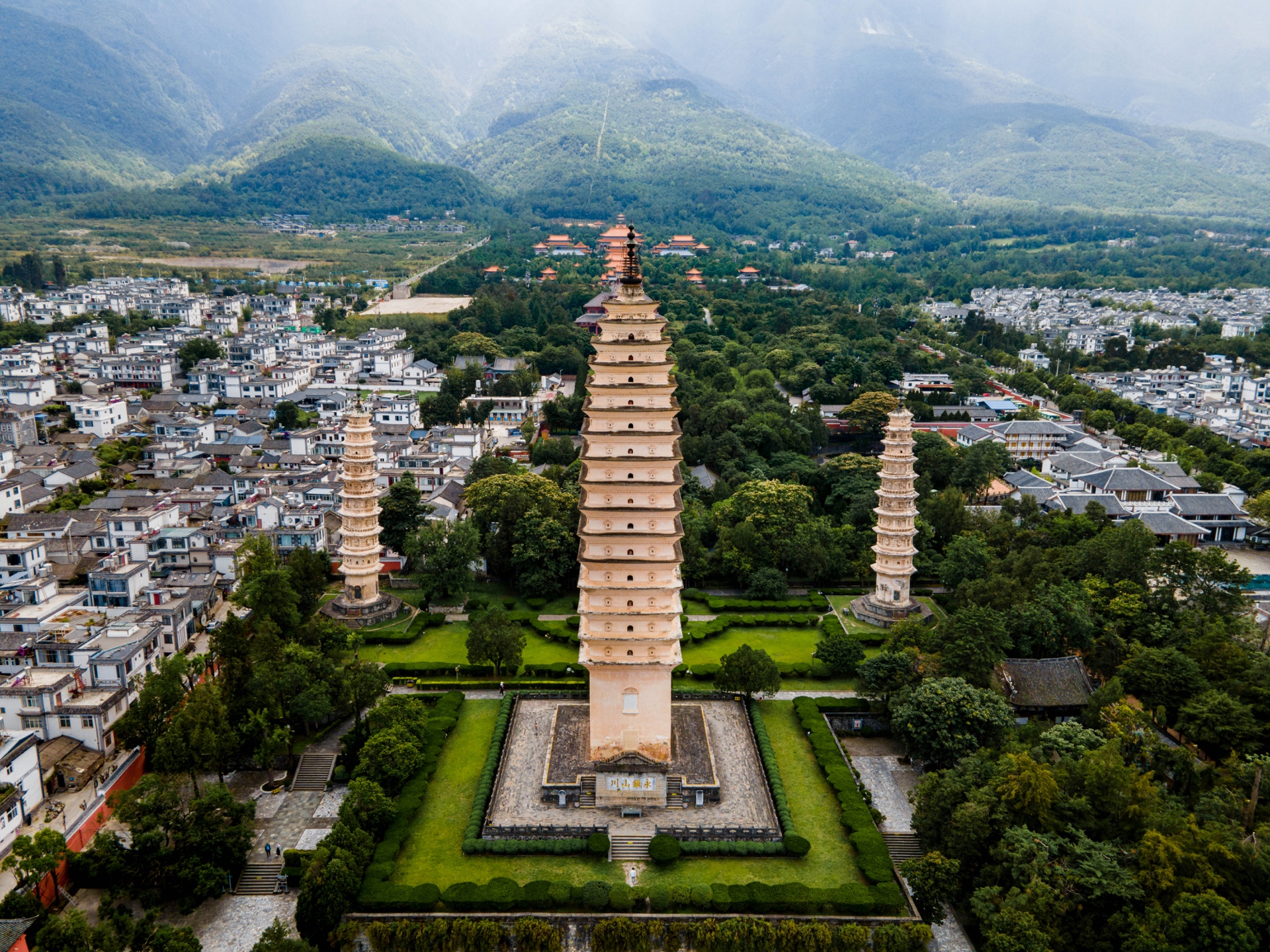
Fly into Dali (DLU) — or connect through Kunming and ride the two-hour high-speed rail — and the pace changes on arrival. Settle in at Xizhou or by Erhai, then spend the afternoon at lake level — a lakeside amble, or a gentle bike ride between the villages strung along Erhai's shore. A tie-dye workshop can be arranged in a Zhoucheng courtyard: folding, binding, dipping into indigo, then the unfolding.
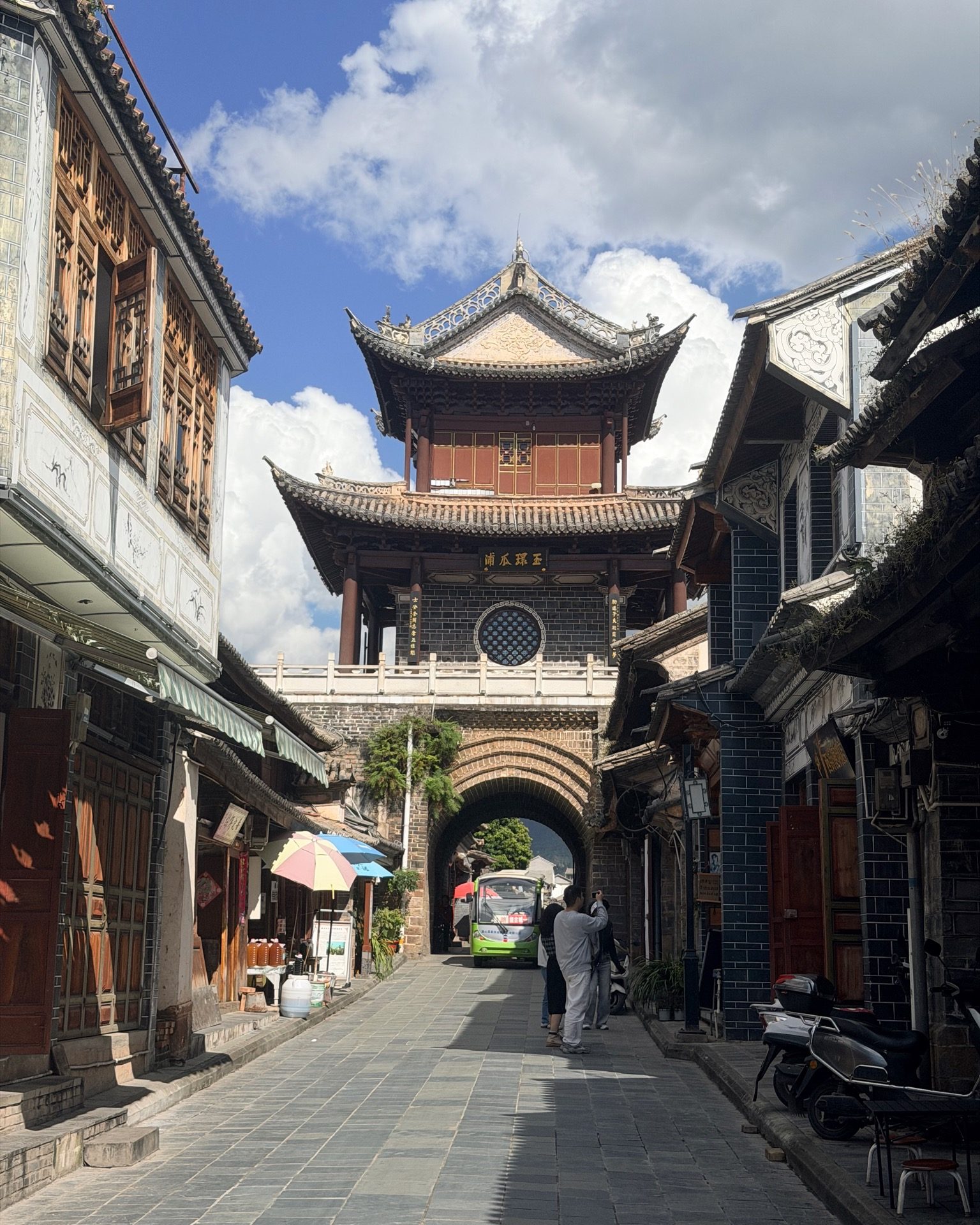

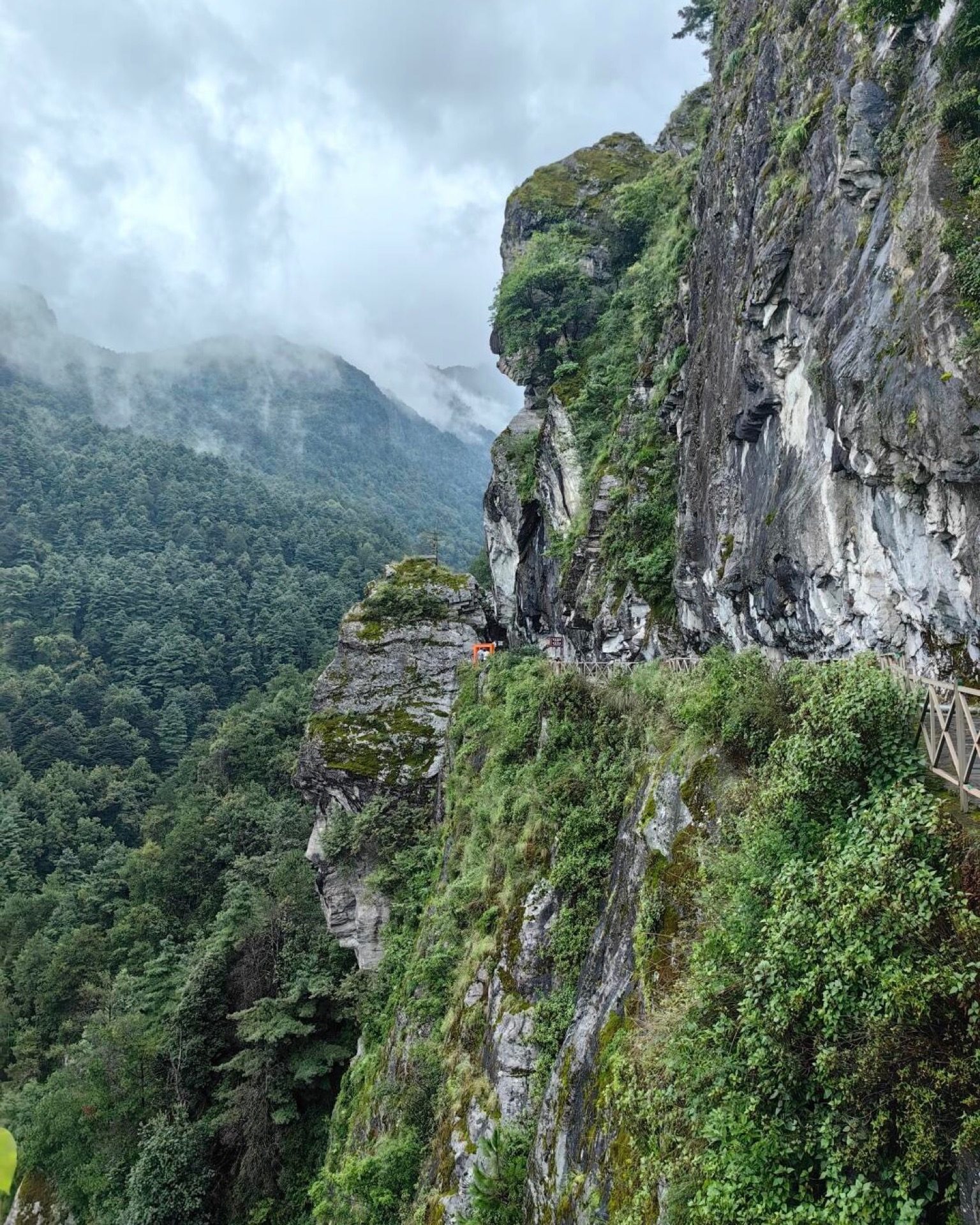
Morning quiet at Jizhaoan, a secluded nunnery with serene grounds. Then ride the cable car up Cang Mountain for its temples and long Erhai panoramas from the height. Come down in time for a golden-hour stroll along Fengyang Ancient Road, among traditional stonework and local life, as the lake goes pale below and the stone underfoot holds the day's last warmth.
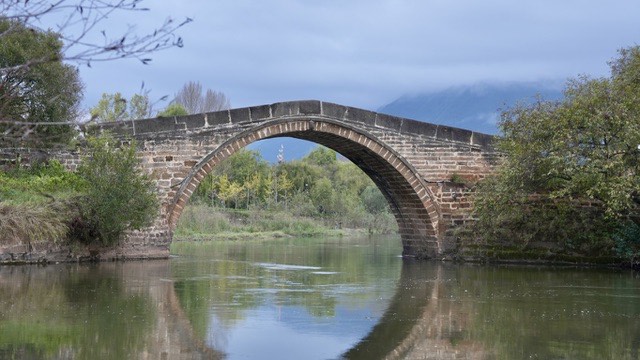
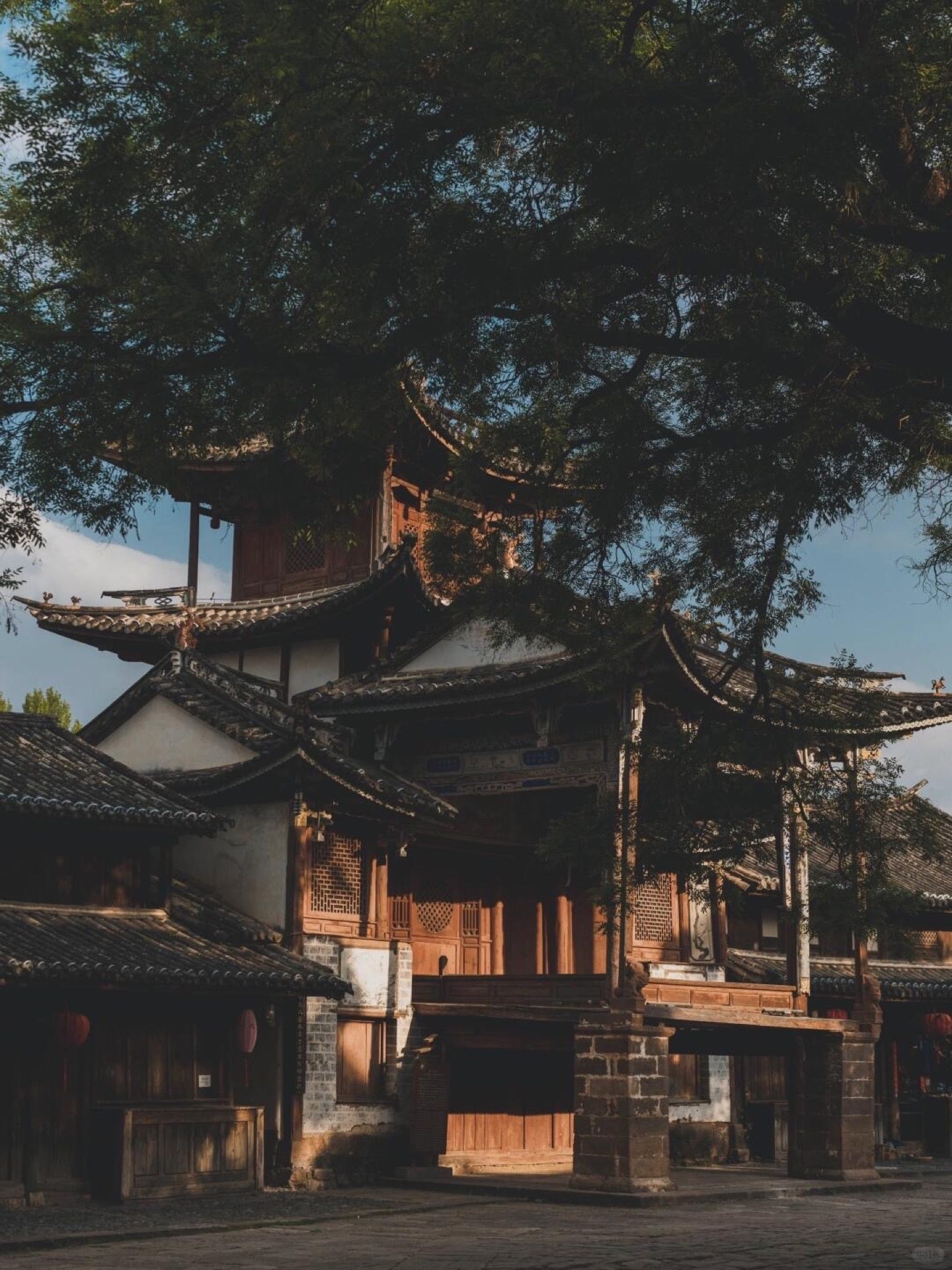
It starts before the crowds: sunrise over Sideng Square, coffee in hand. When dates align, the Friday Market — one of the last working caravan markets on the Ancient Tea Horse Road, where Yi, Bai and Tibetan traders still do business the old way. In the afternoon, an optional turn in the saddle along the Ancient Tea Horse Road — hooves on the same stone the mule caravans once wore smooth.
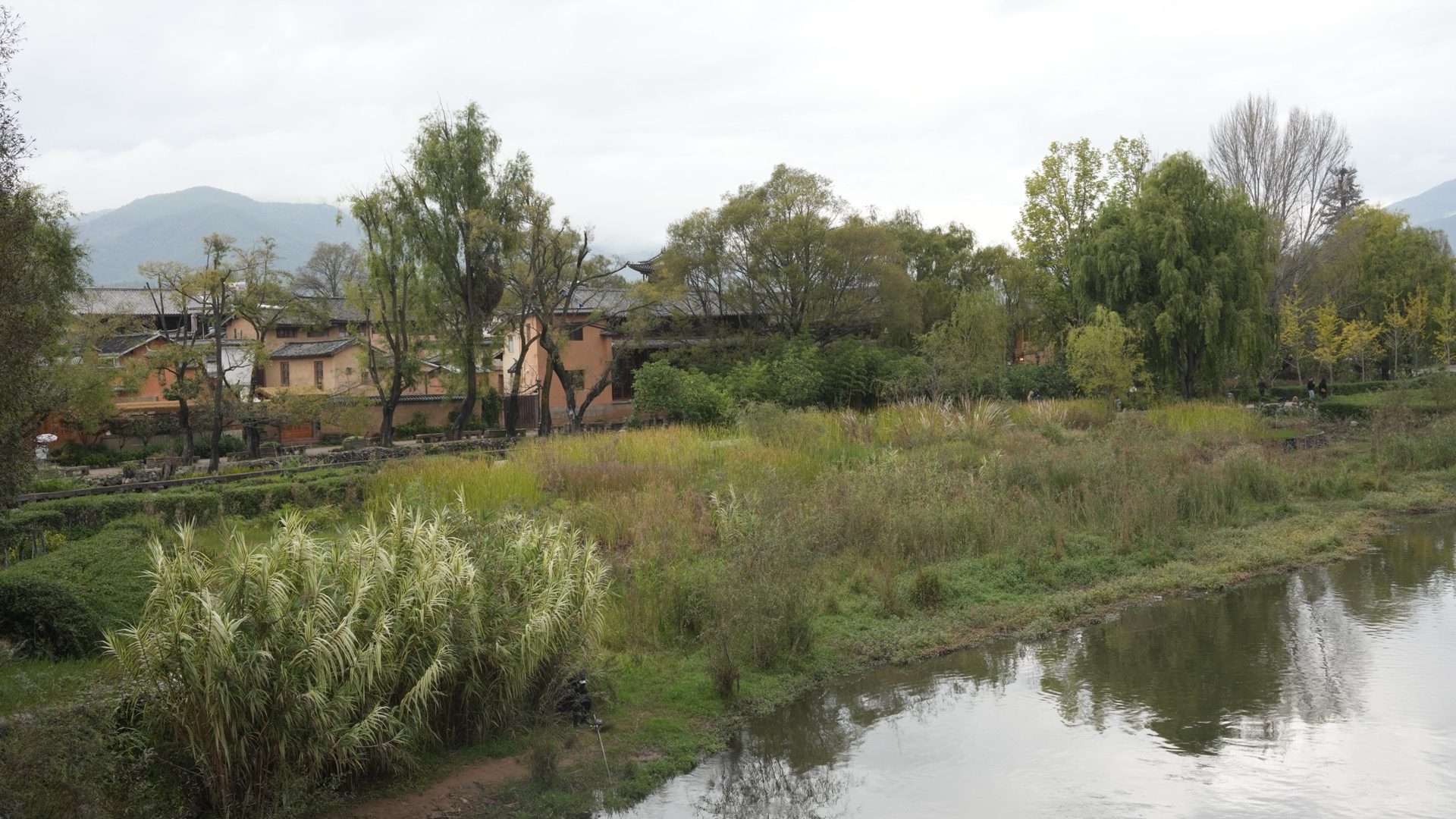
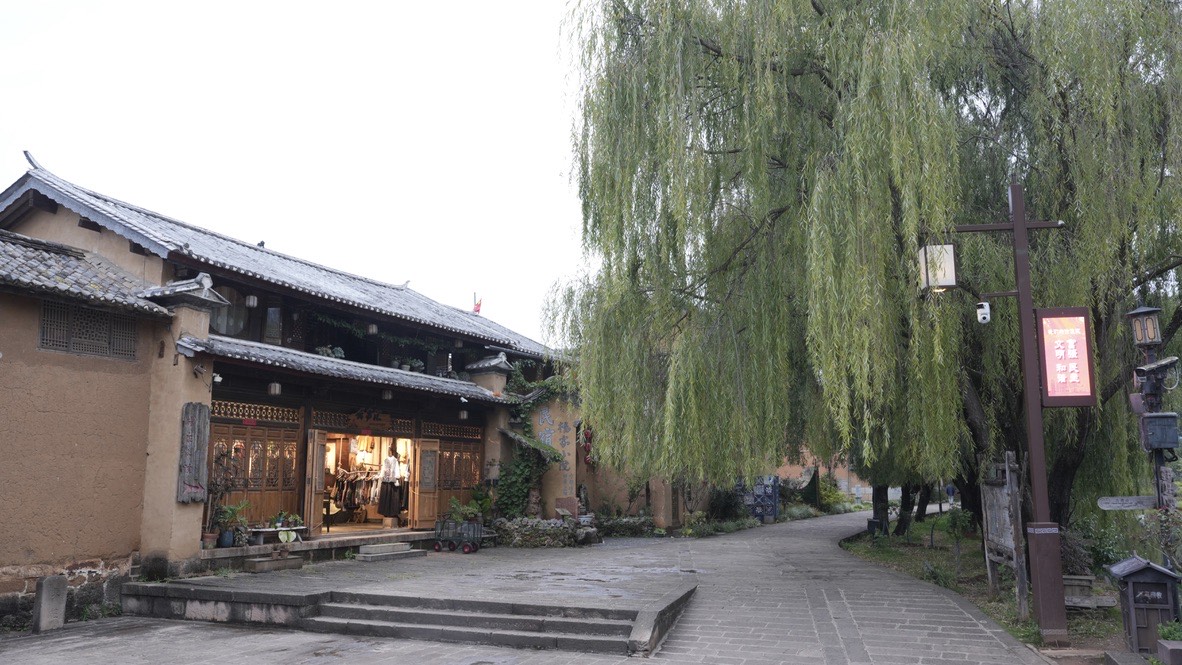
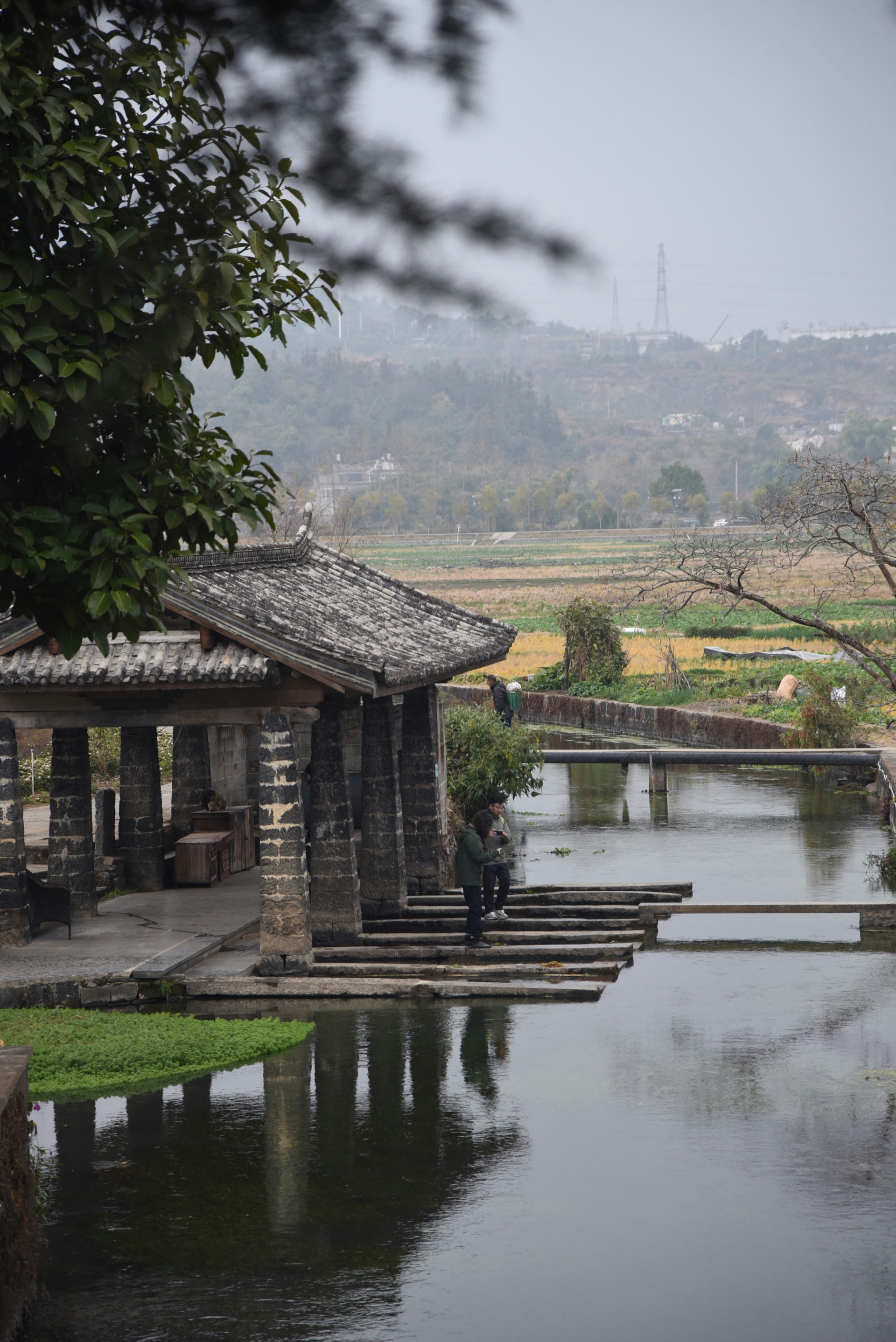
A late courtyard breakfast without an agenda — Shaxi earns its reputation for quiet, and it takes a full slow morning to actually feel it settle. If your hands want something to do, there's an optional jiama workshop: an ancient block-on-paper rubbing technique that transfers carved patterns onto handmade Naxi paper — tactile, unhurried, and something to take home. Later, a short walk out to the paddies and the Black Huihe River, then back to a courtyard teahouse for afternoon tea as the lane light shifts from white to amber.
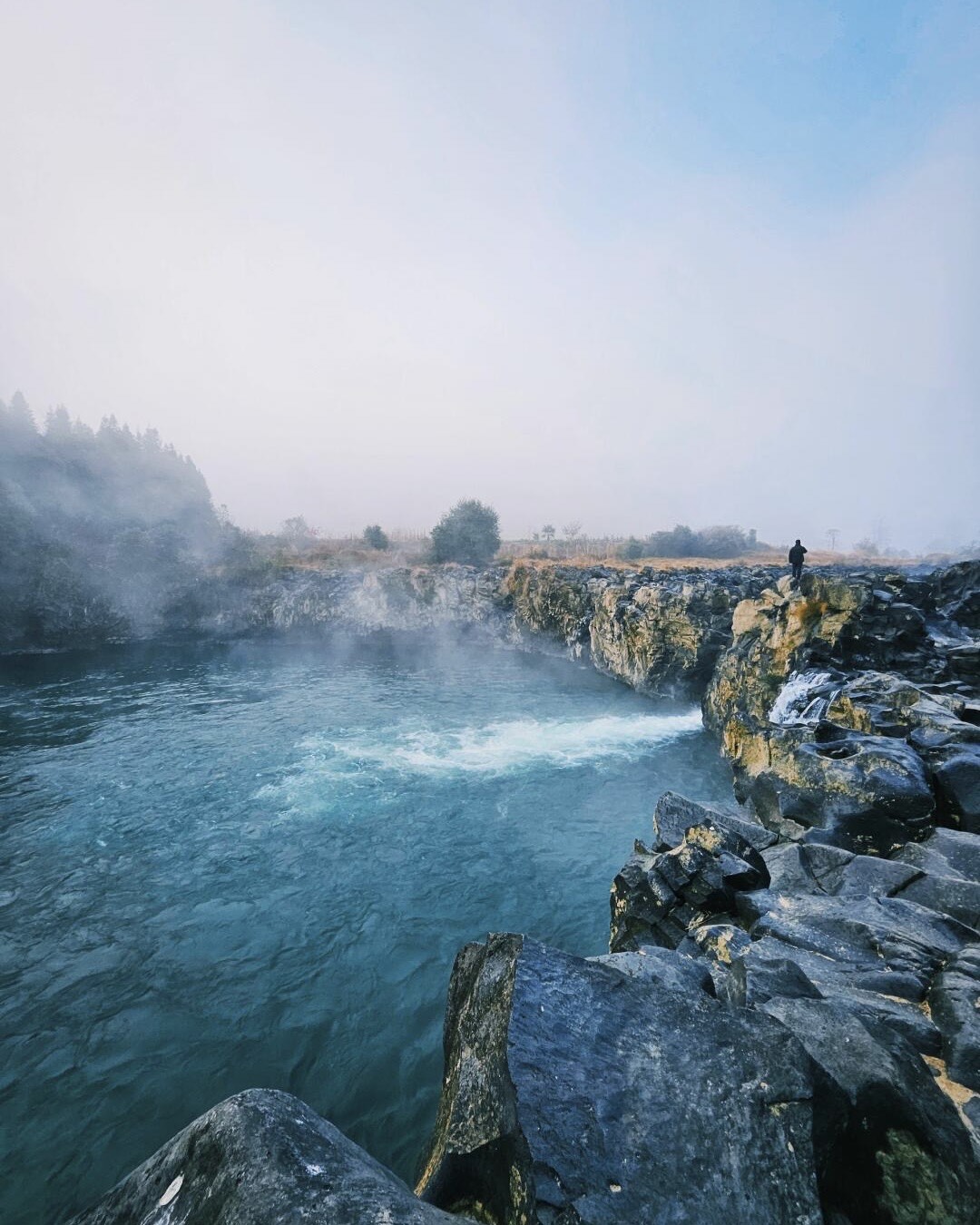
Fly or drive to Tengchong, a town sitting on a volcanic plateau at 1,650 m and surrounded by 97 identified volcanoes — some dormant for only a few centuries. Head for the Rehai Hot Spring Scenic Area: boardwalks thread through active fumarole fields, past boiling mineral pools in colours from rust to jade, with real volcanic heat rising from the ground under your feet. Before dinner, an optional private hot-spring soak — Tengchong's waters are high in silica and genuinely restorative after a travel day. Steam, minerals, sleep.
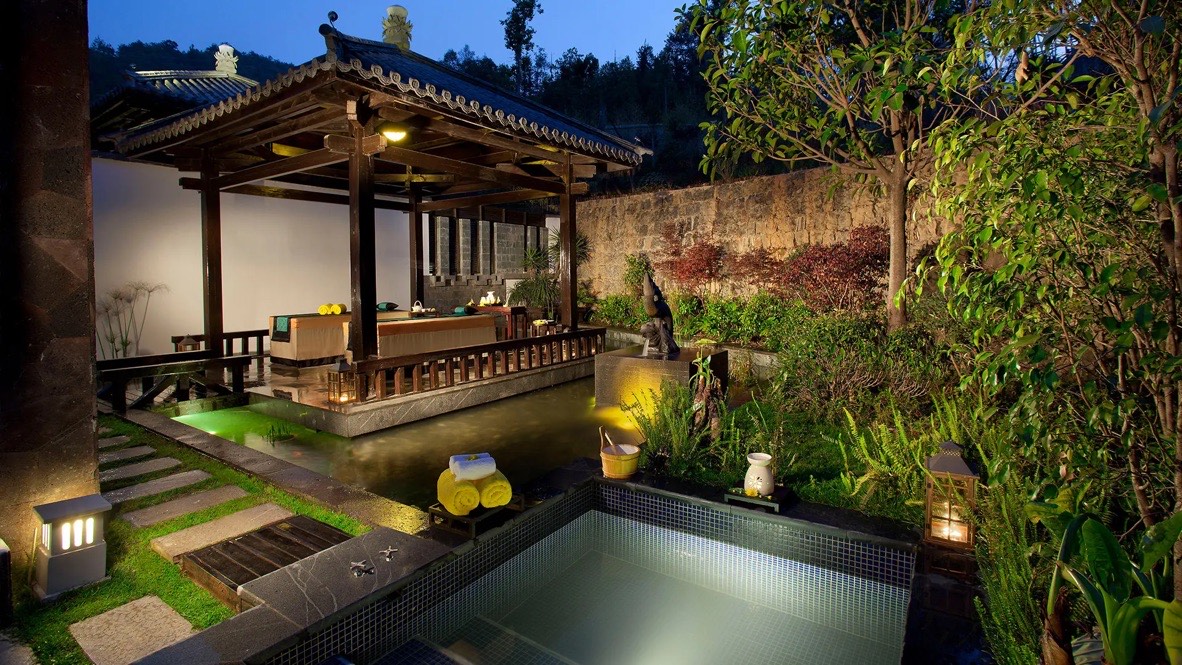
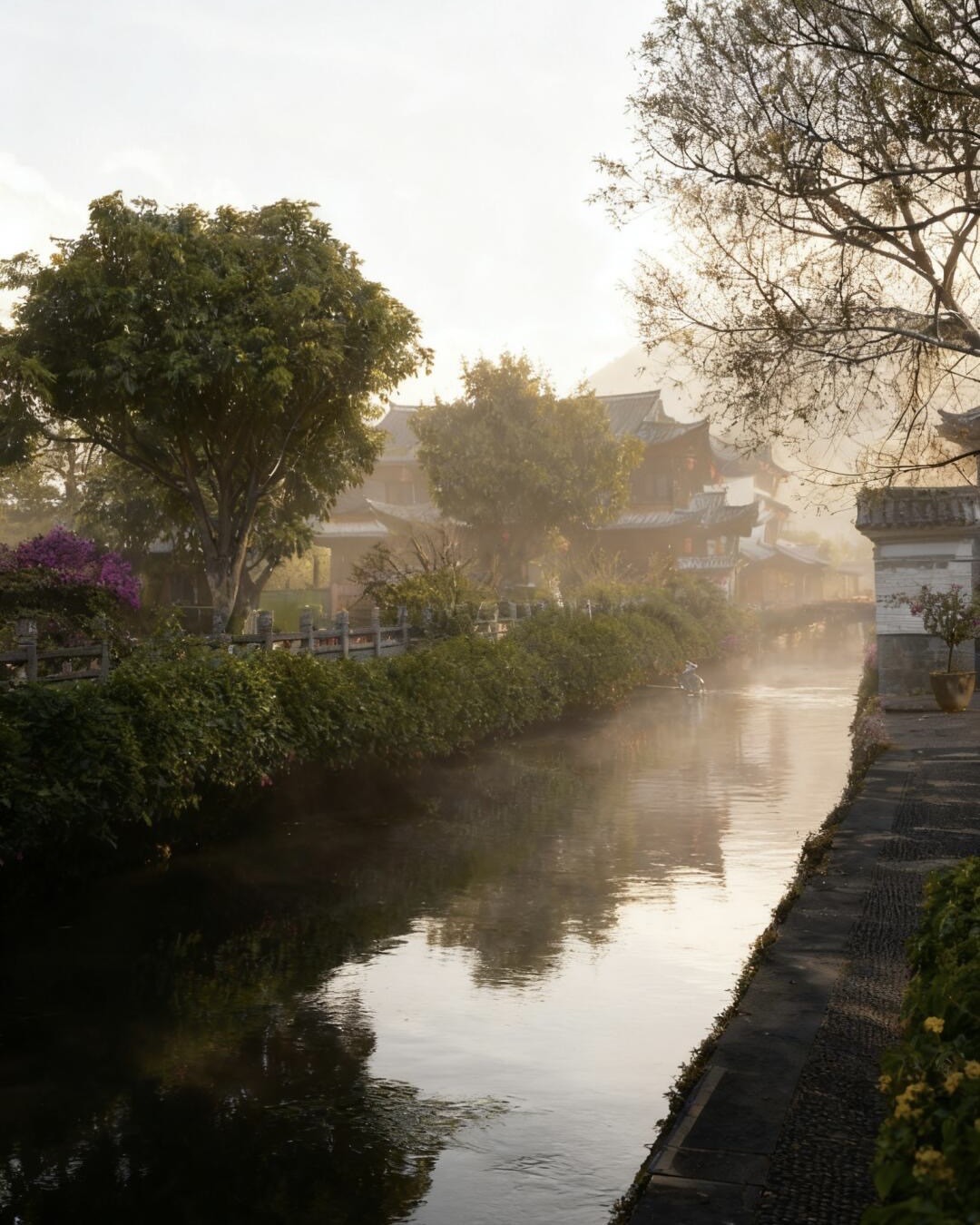
Heshun is a town for walking slowly. Start with coffee, then a cobblestone walk through the old town — the Library, the Museum of Overseas Chinese, and a teahouse where the windows frame rice paddies. If the collections pull you in, the optional Ai Siqi Memorial and the Overseas Chinese Museum rank among the finest local-history collections in Yunnan. End at the sunset viewpoint, tiled roofs and fields going gold below.
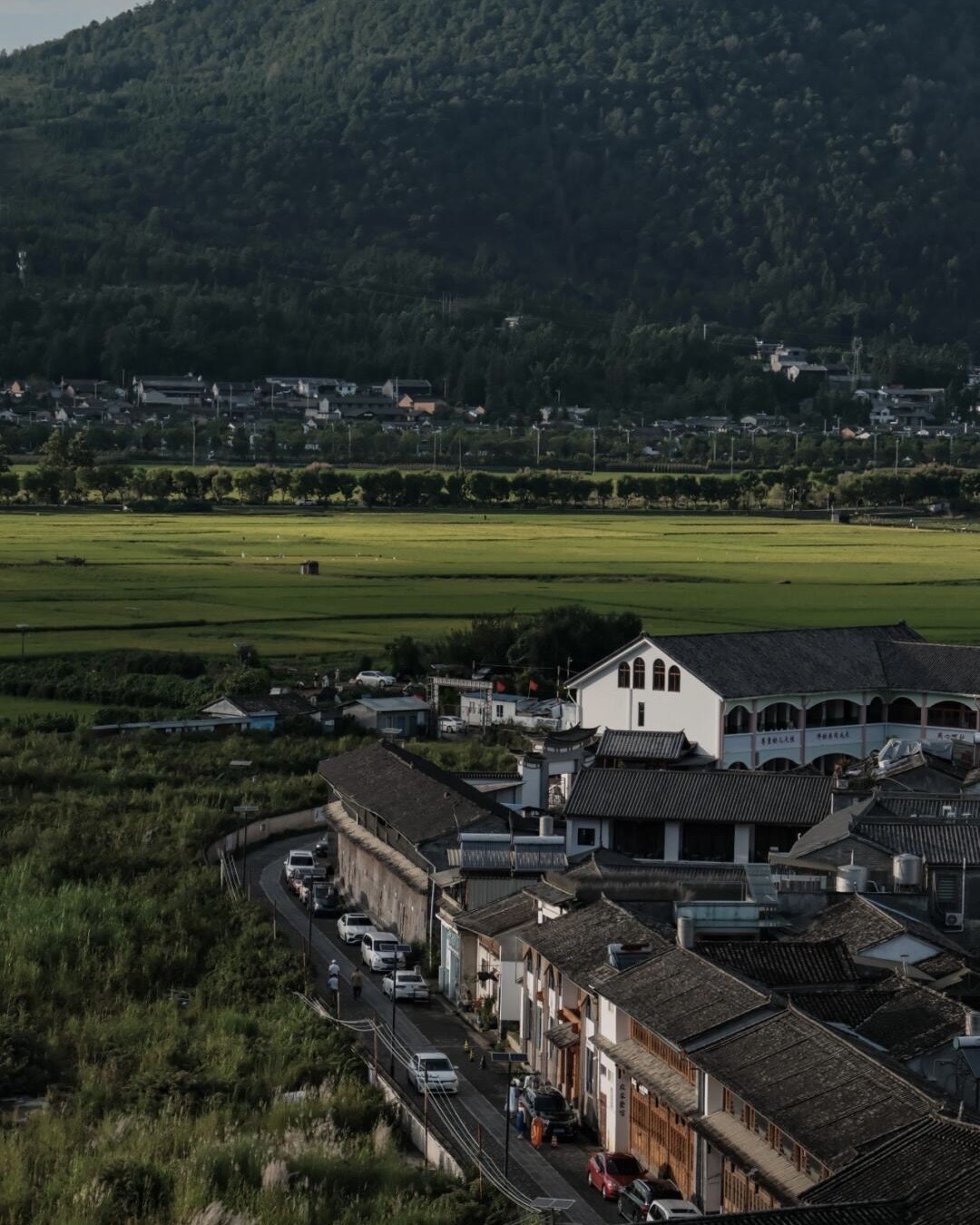
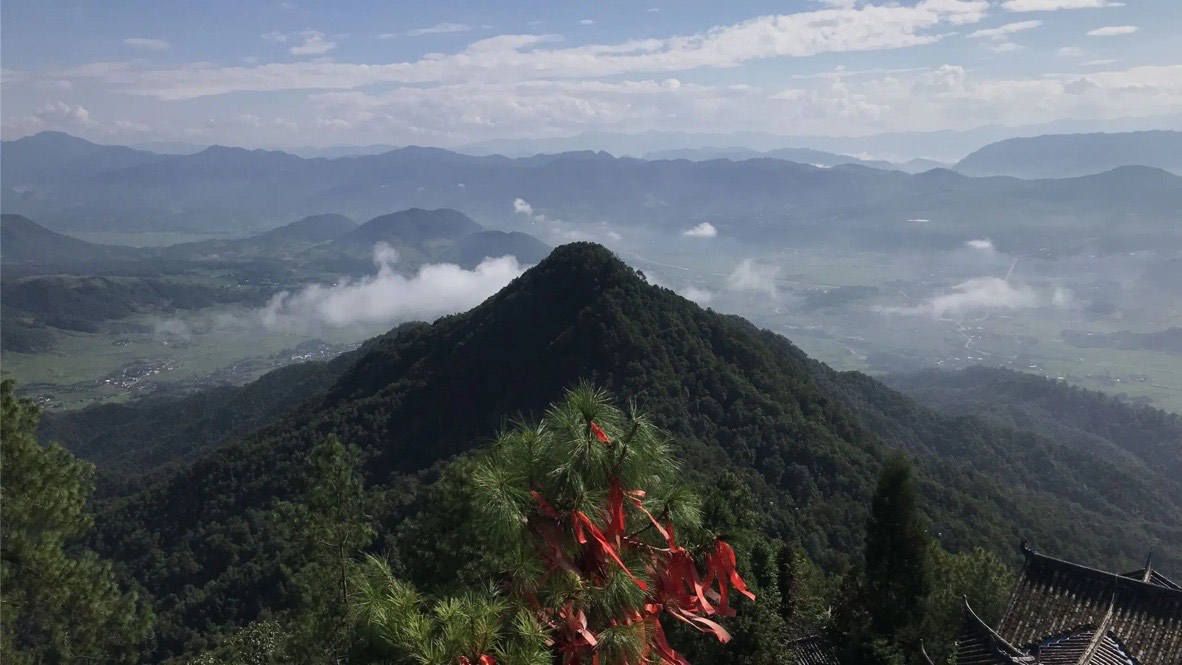
Morning at Tengchong Volcano Geothermal National Park, walking crater rims and lava terrain that still reads as raw geology. If the weather cooperates, there's an optional hot-air balloon for aerial views over the cones. The afternoon changes register entirely: the Beihai Wetland, where a bamboo boat poles you across floating grass mats — a meadow that moves under the hull — with good birdwatching all the way. Volcanoes before lunch, wetland stillness after; few days in Yunnan swing this widely.
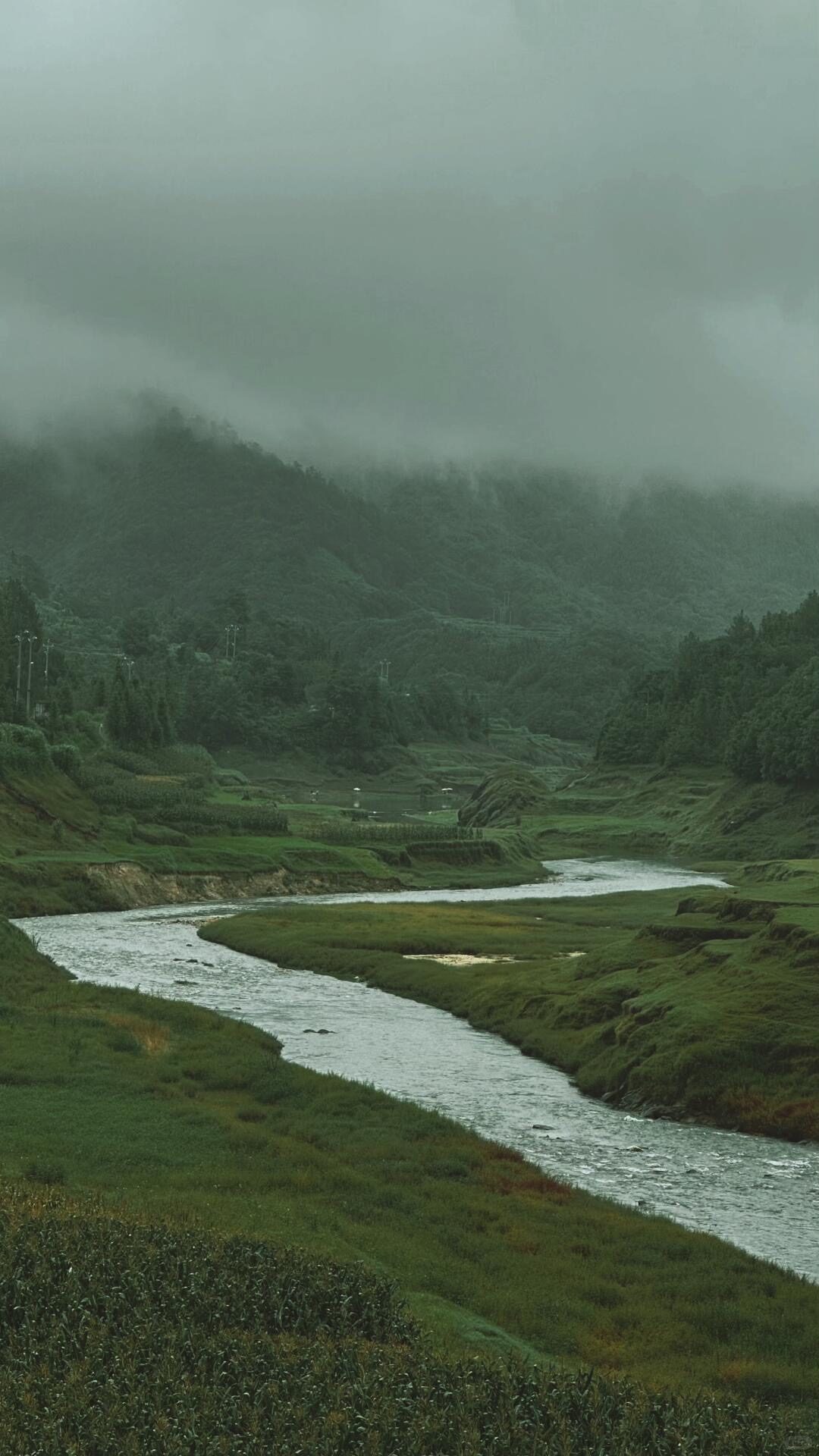
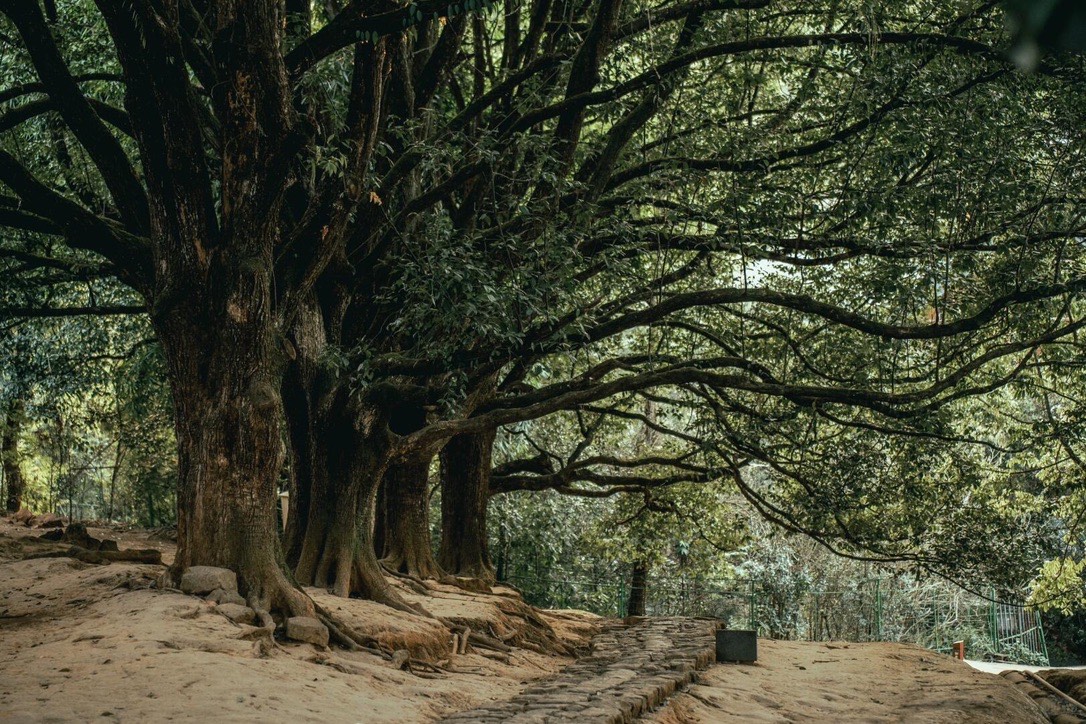
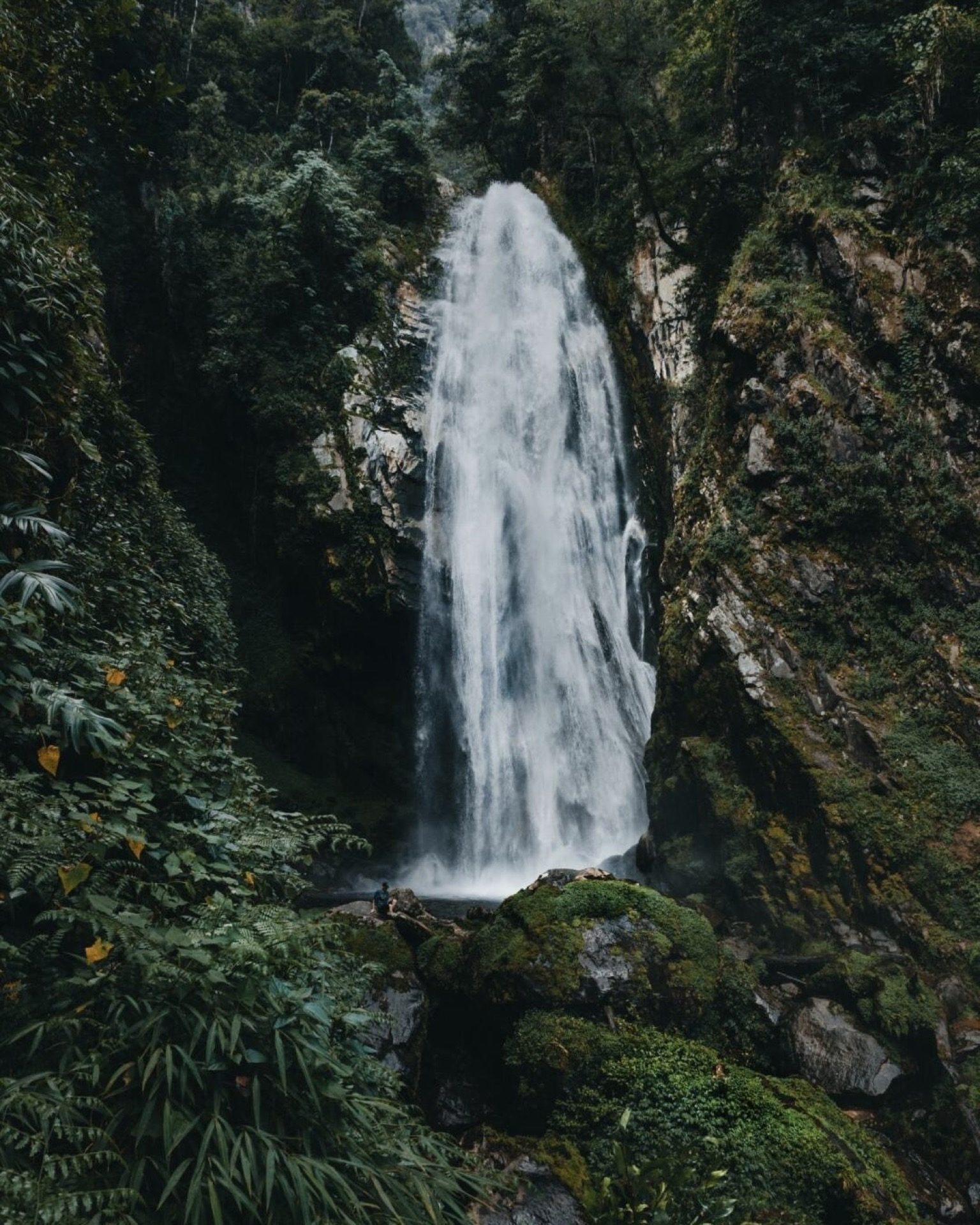
A full guided day in the Gaoligong National Nature Reserve — one of the world's 25 biodiversity hotspots, and it feels like it underfoot. The distance is yours: 7 km easy, 12 km classic, or 16 km extended, decided at the trailhead based on conditions and your pace rather than a fixed plan. The forest does the rest — waterfalls dropping through the green, butterflies working the light gaps, birds overhead, and frequent stops for photographs and tea. You walk out slower than you walked in, which is the point.
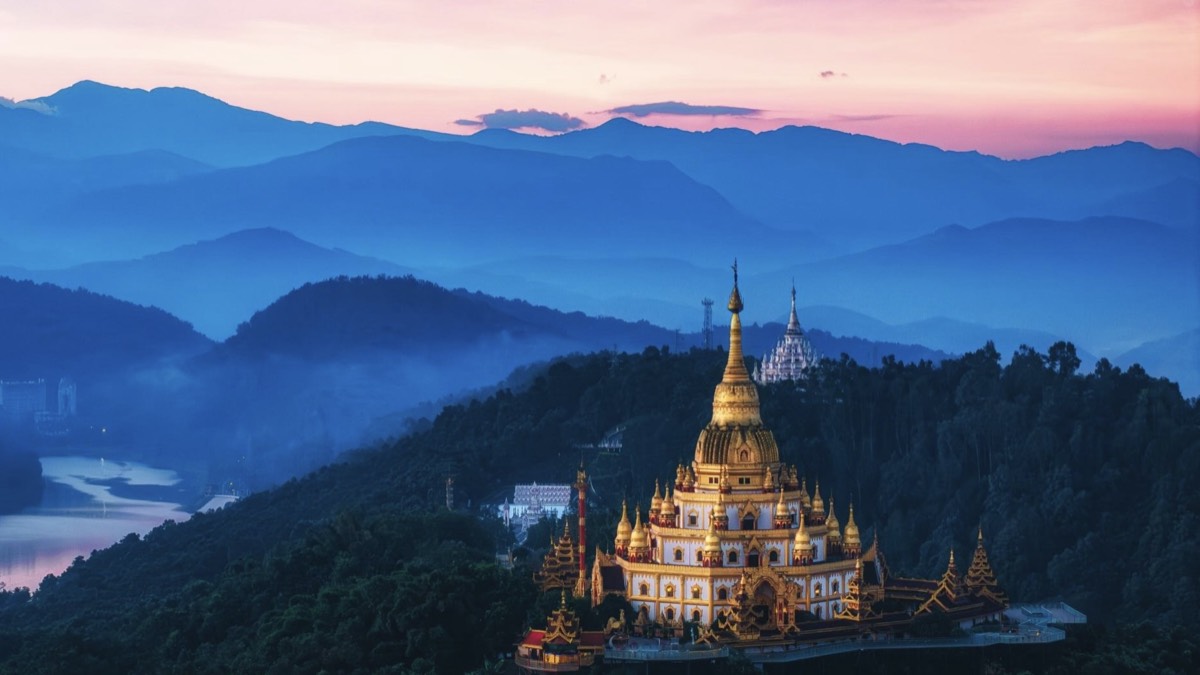
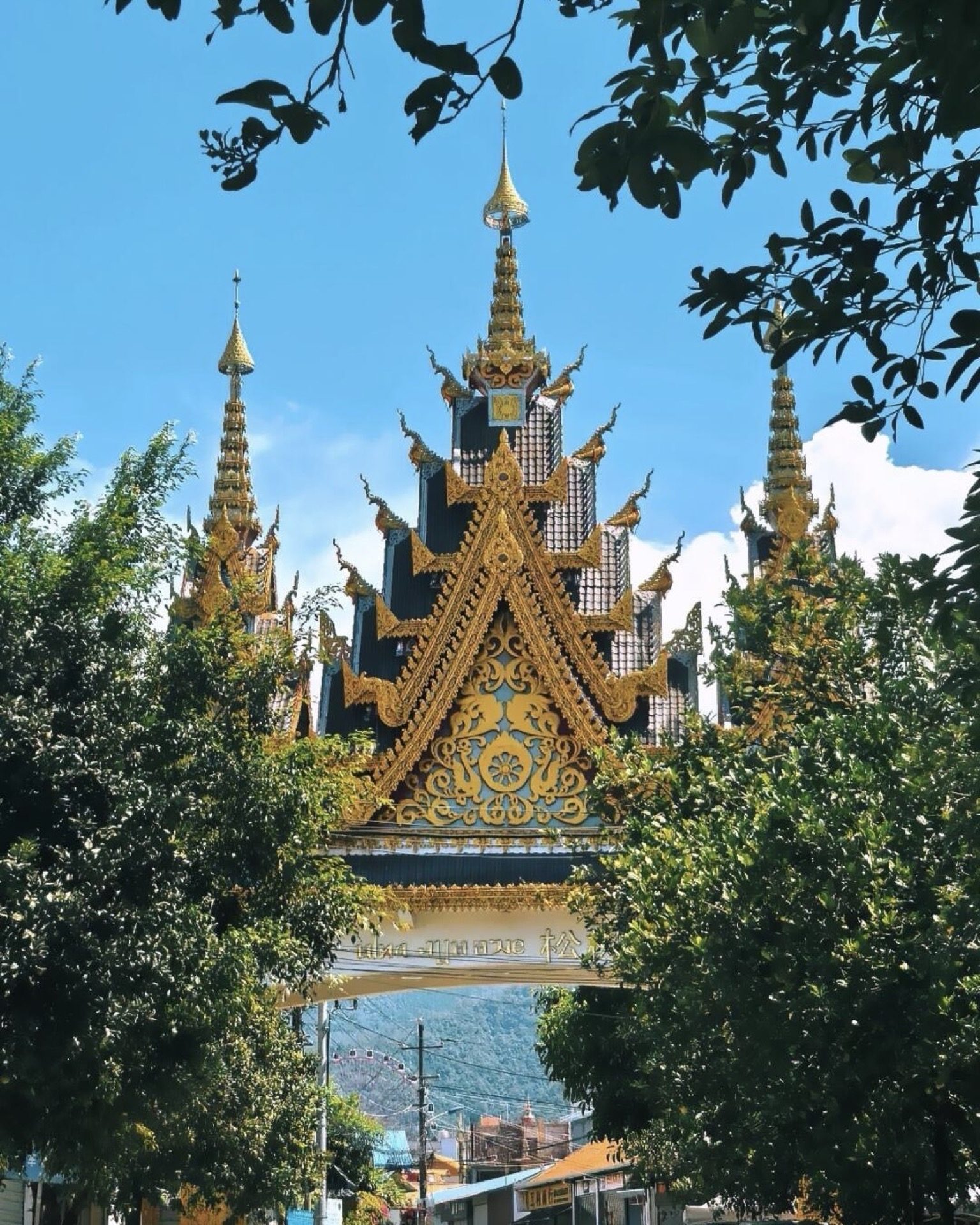
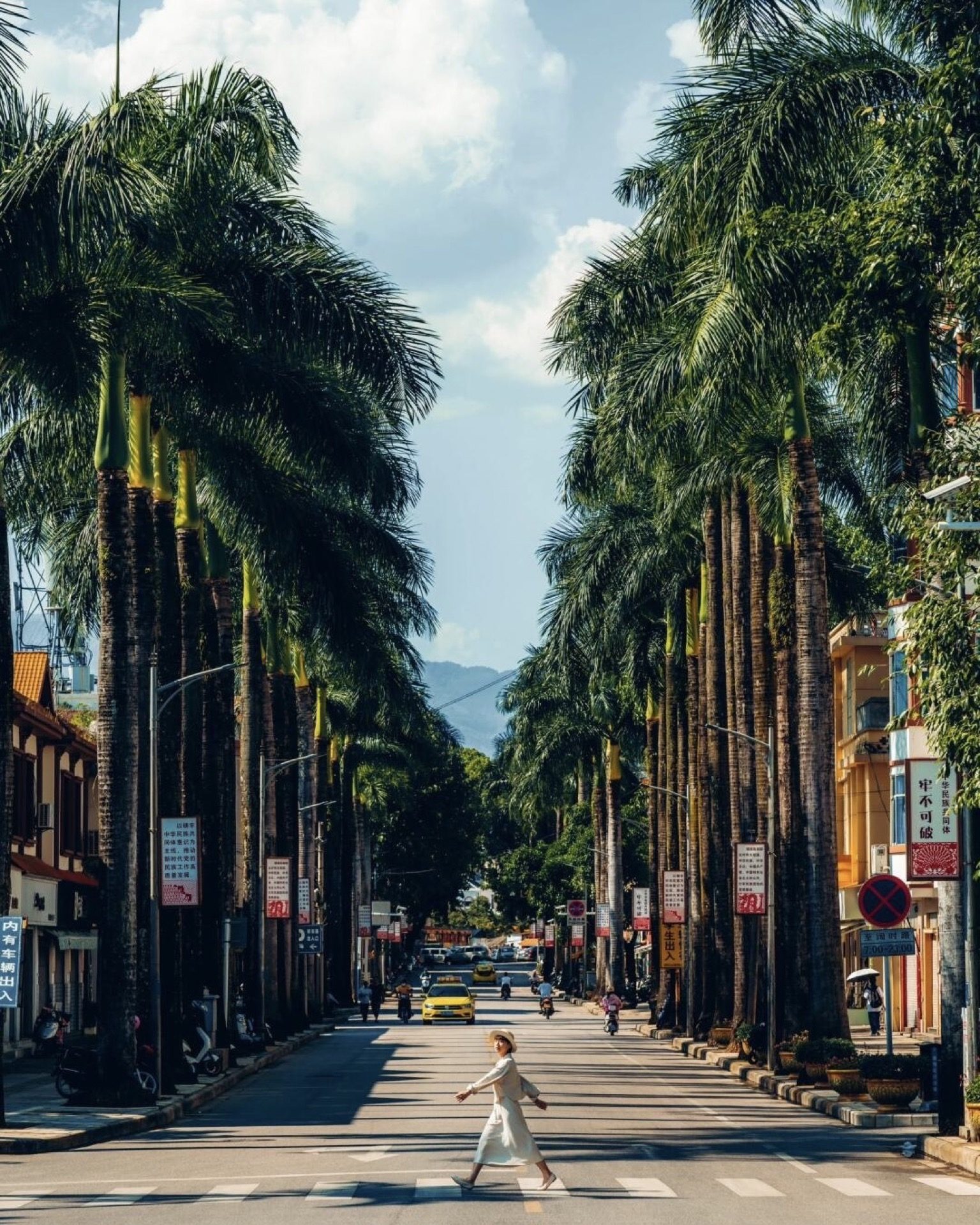
The 2-hour drive to Mangshi (Luxi) is a descent in every sense — the altitude drops, the air thickens with subtropical heat, palm trees take over, and the pace has nothing to do with Dali or Tengchong. At the Menghuan Golden Pagoda and the Silver Pagoda you walk barefoot to bell chimes; these are working Dai Buddhist sites, not tourist parks, and the difference is immediately palpable. Then the tropical market in the Dai Quarter near the Longchuan River.
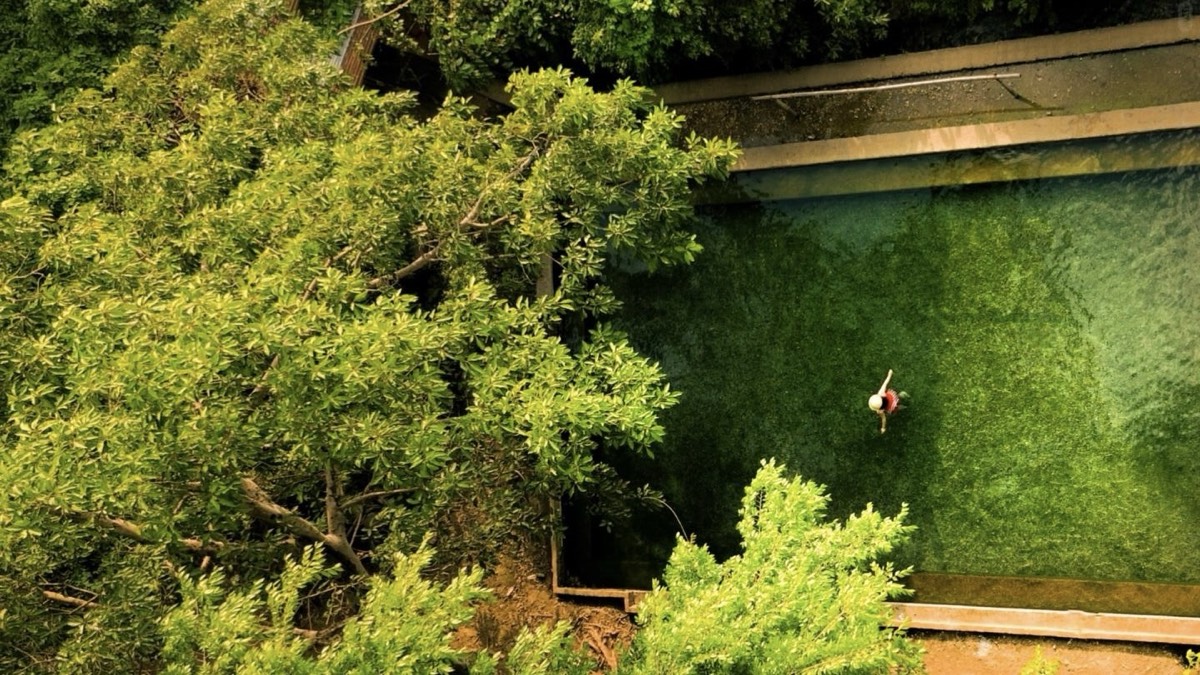
An easy morning in a Dai village — tea on a shaded terrace as the village goes about its day around you. Midday brings a siesta or a slow walk through the palm-lined lanes; Mangshi moves differently in the heat, and the afternoon is genuinely yours. Before departure, return to Menghuan Pagoda or the riverside viewpoint for golden hour — the light on the gilded spires at dusk is one of Mangshi's finest photographic moments, and a fitting last image of Yunnan's soft southern edge.
Four ways to sleep beside Erhai, Bai courtyards on the Tea Horse Road at Shaxi, and volcanic hot-spring rooms in Tengchong — the slow-living stays this route is built around.
A Small Luxury Hotel on the Cang Mountain side of Dali — the comfortable end of the Bai courtyard tradition, and the easiest first two nights of the trip.
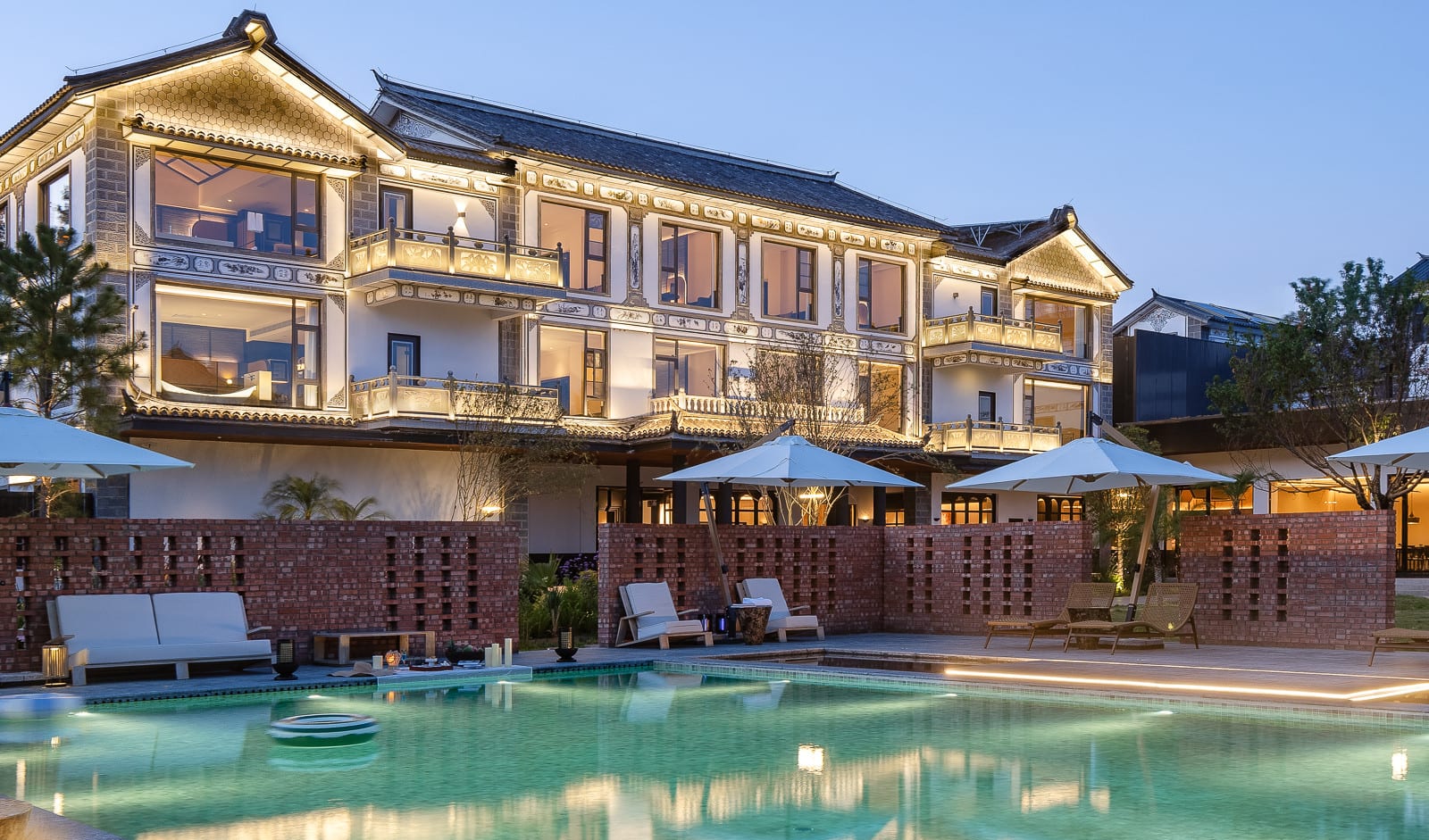
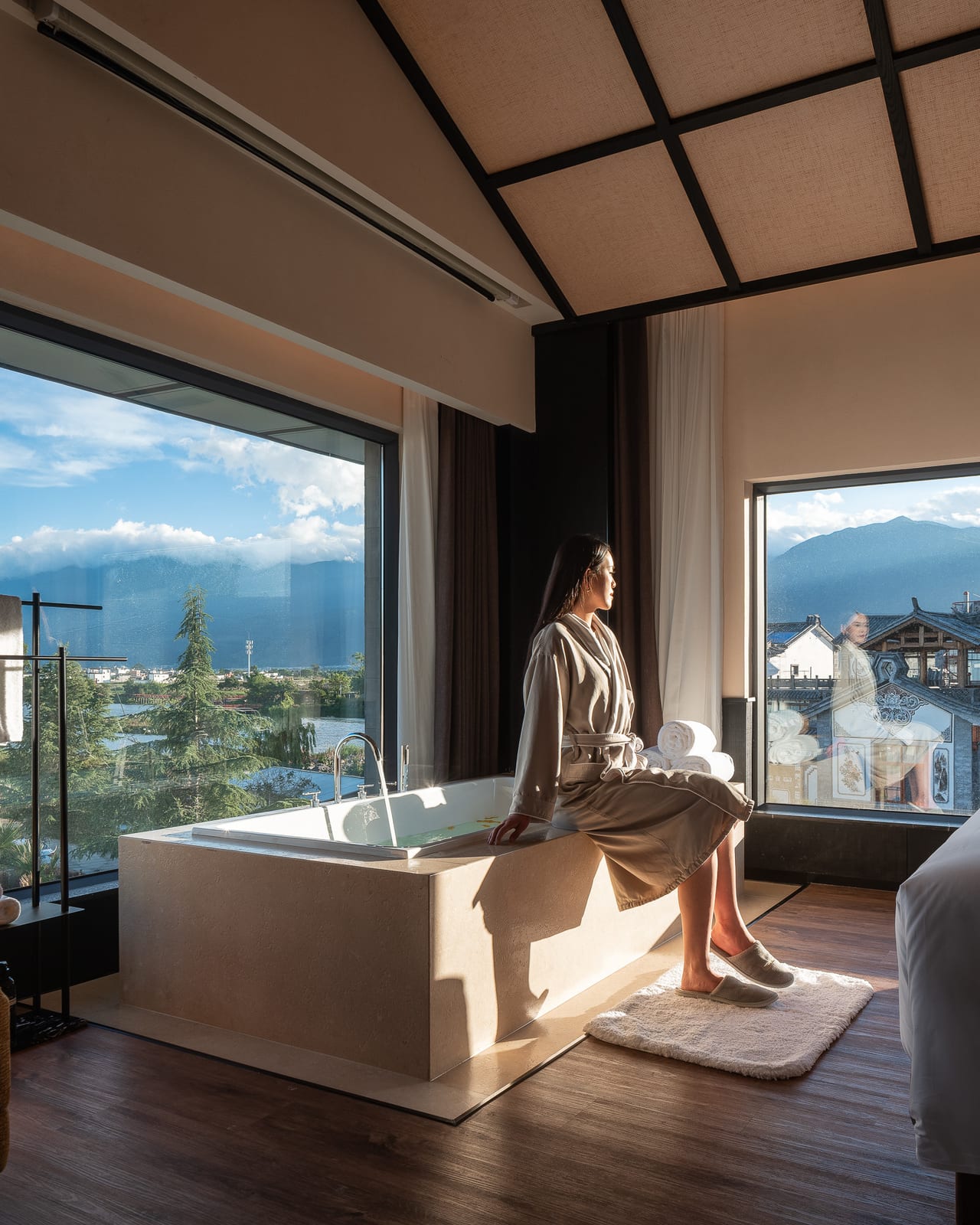
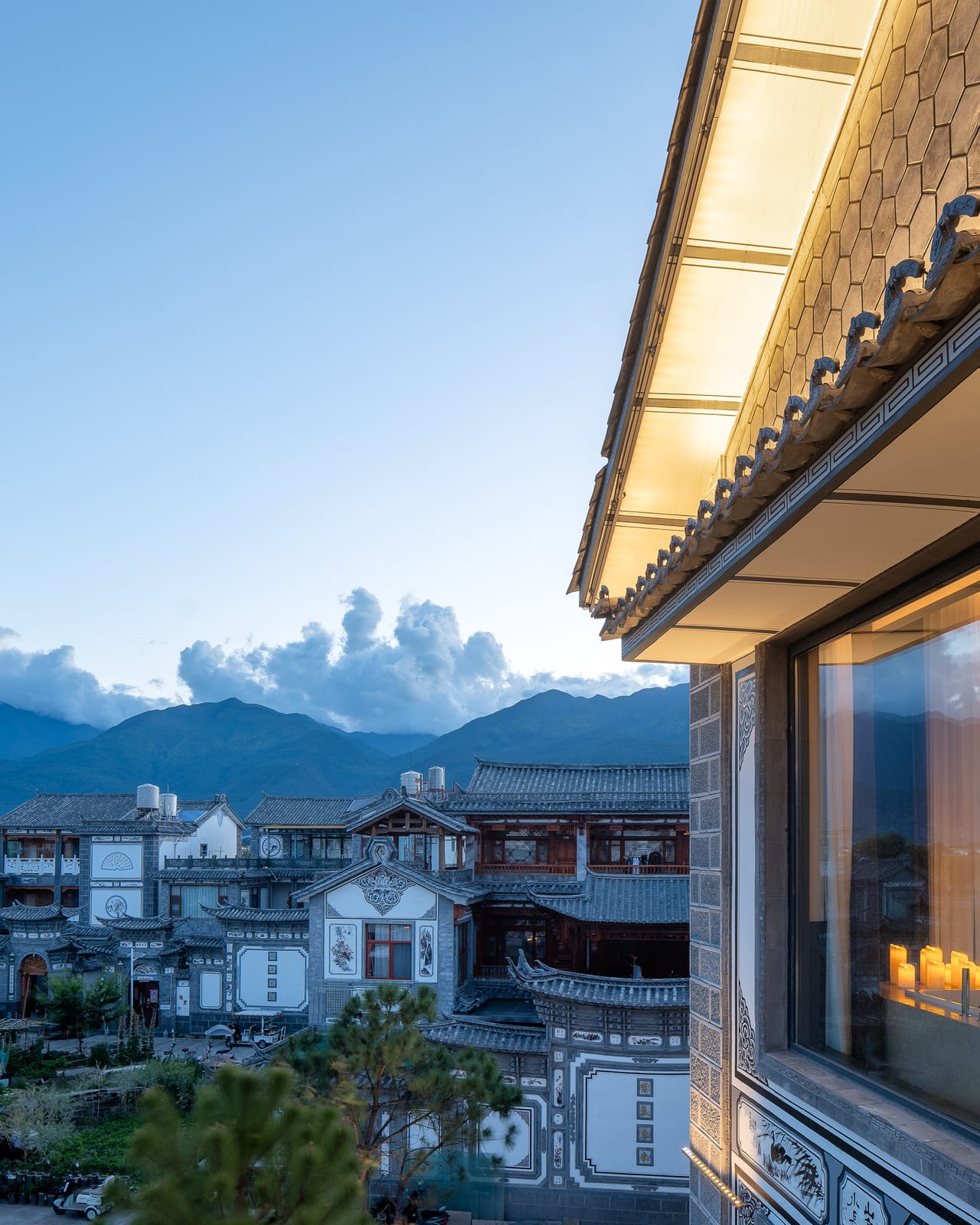
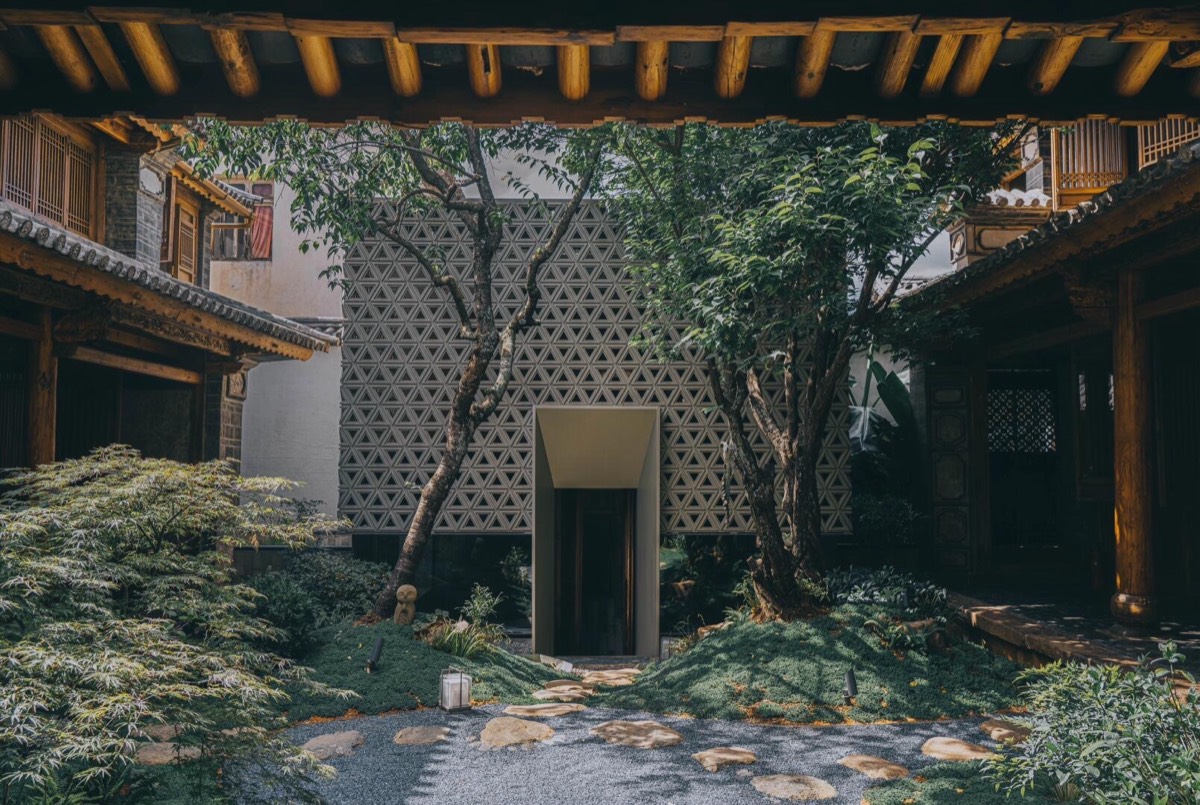
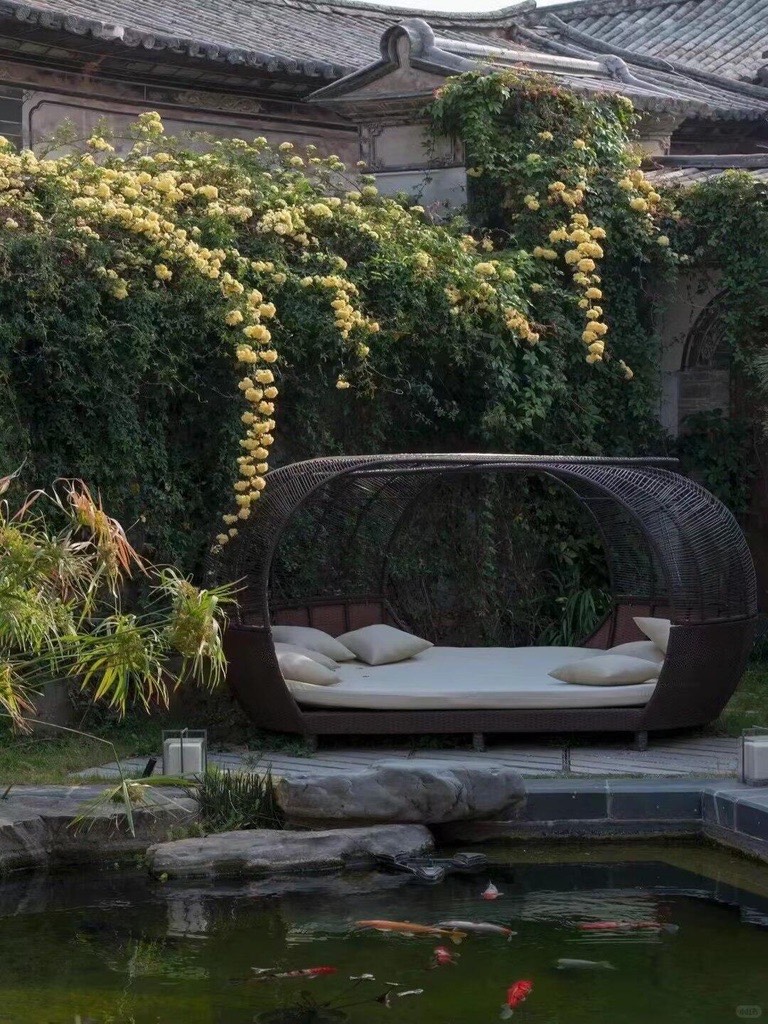
Grey-tiled Bai courtyards around a black reflecting pool at Xizhou, on Erhai's western shore — the morning market and the lakeside corridor both minutes away.
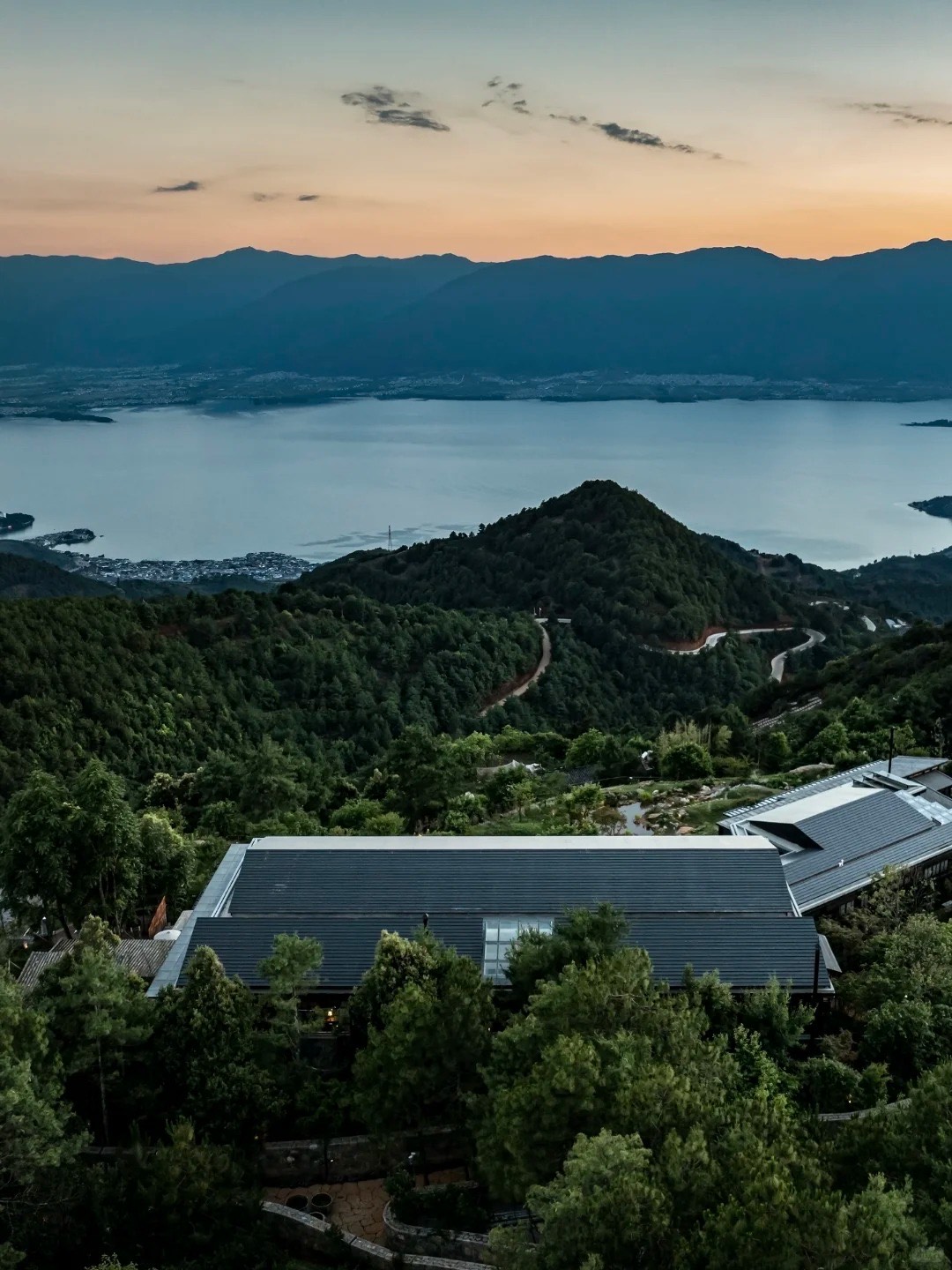
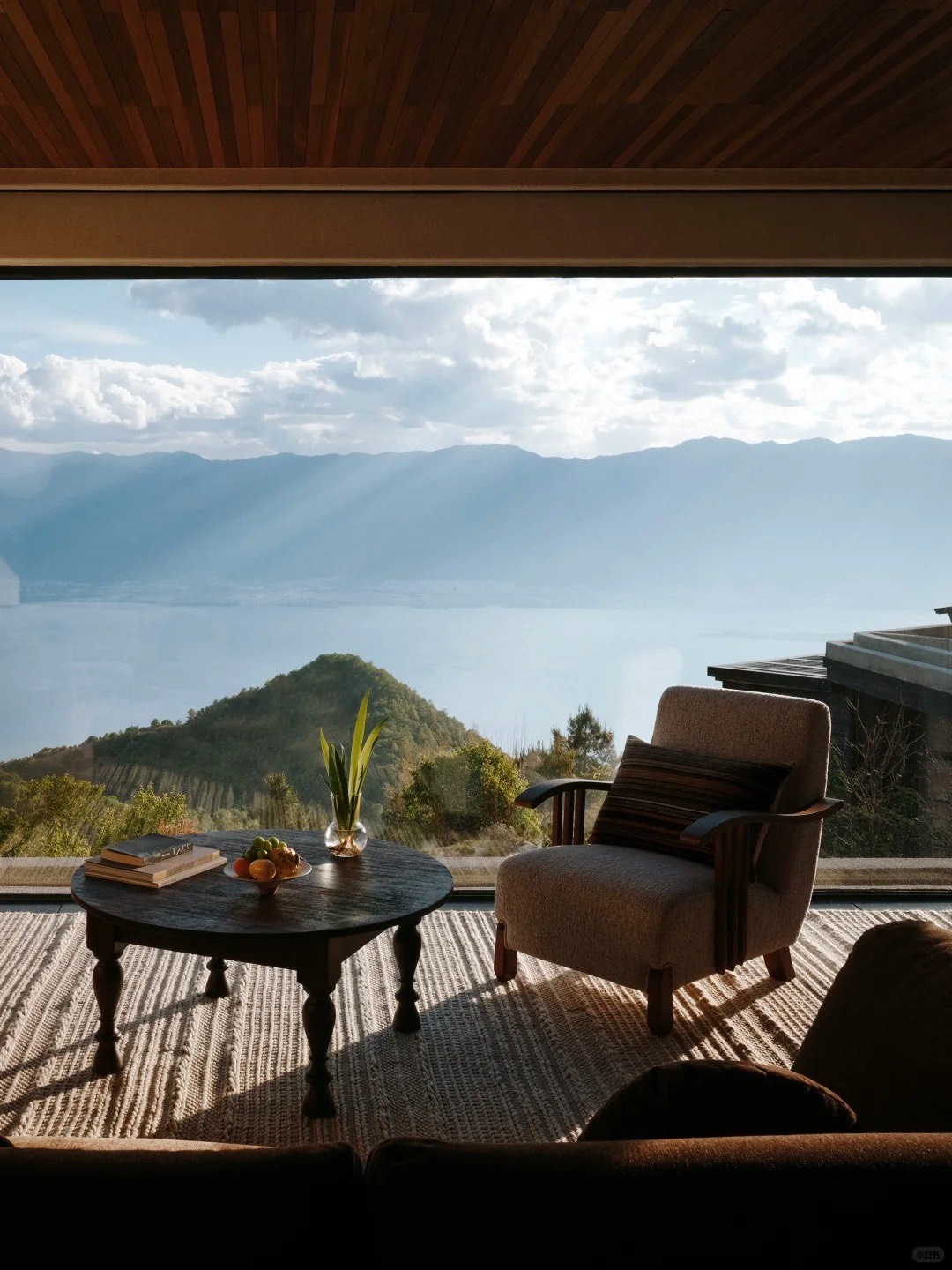
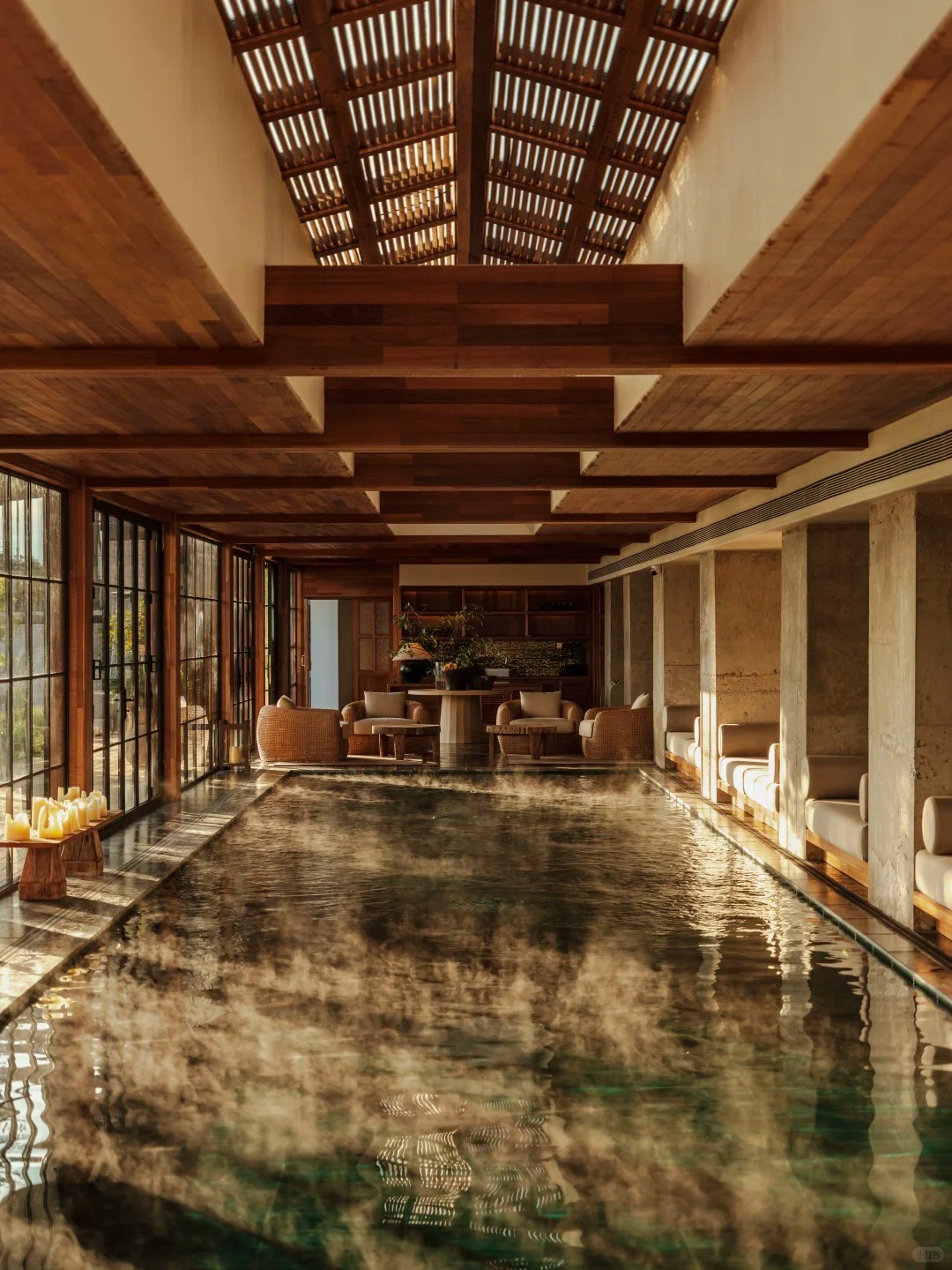
Raw stone and weathered timber high on the slopes above Erhai — twelve years of one architect's obsession, and the widest lake view of the four.
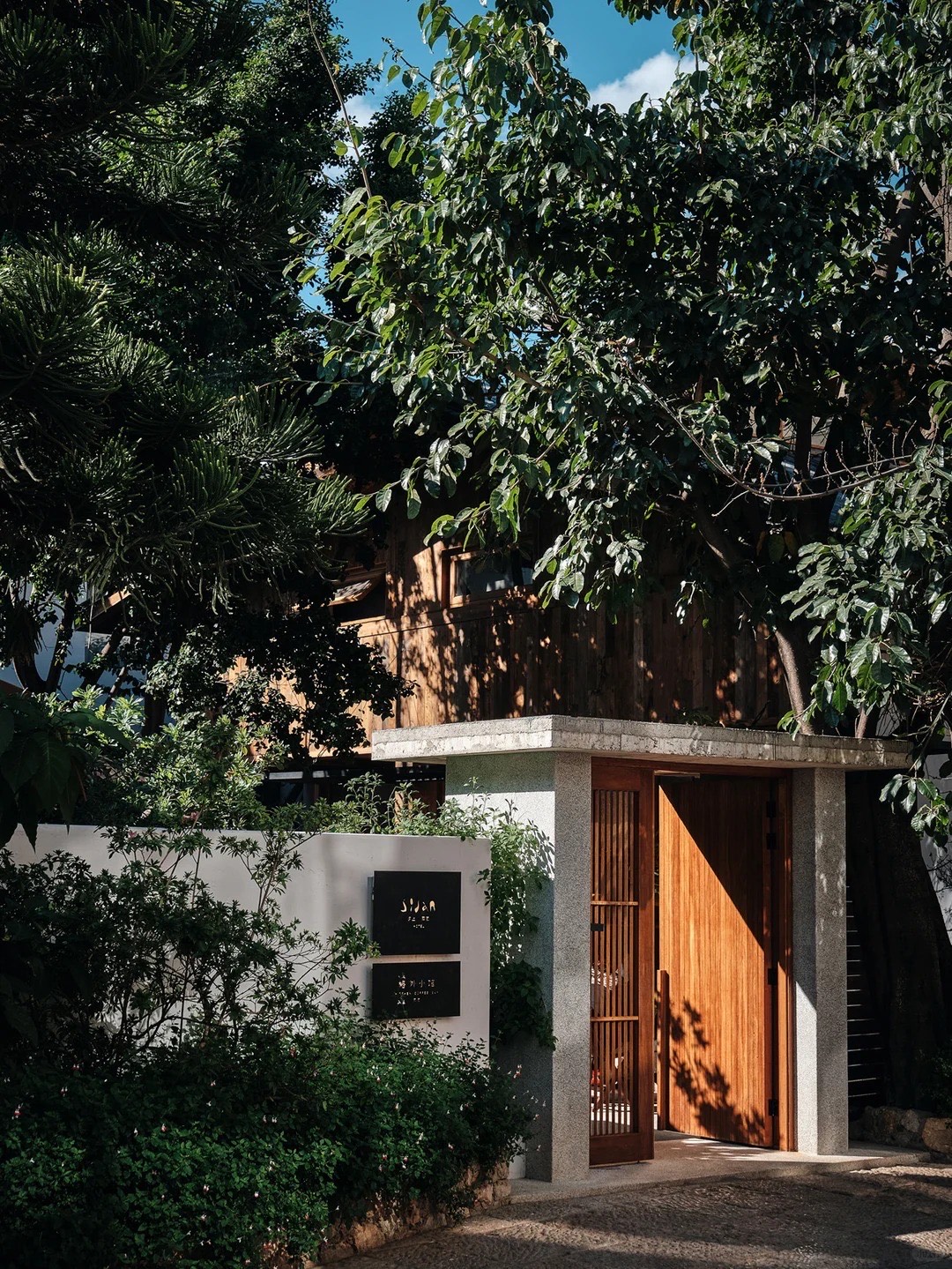
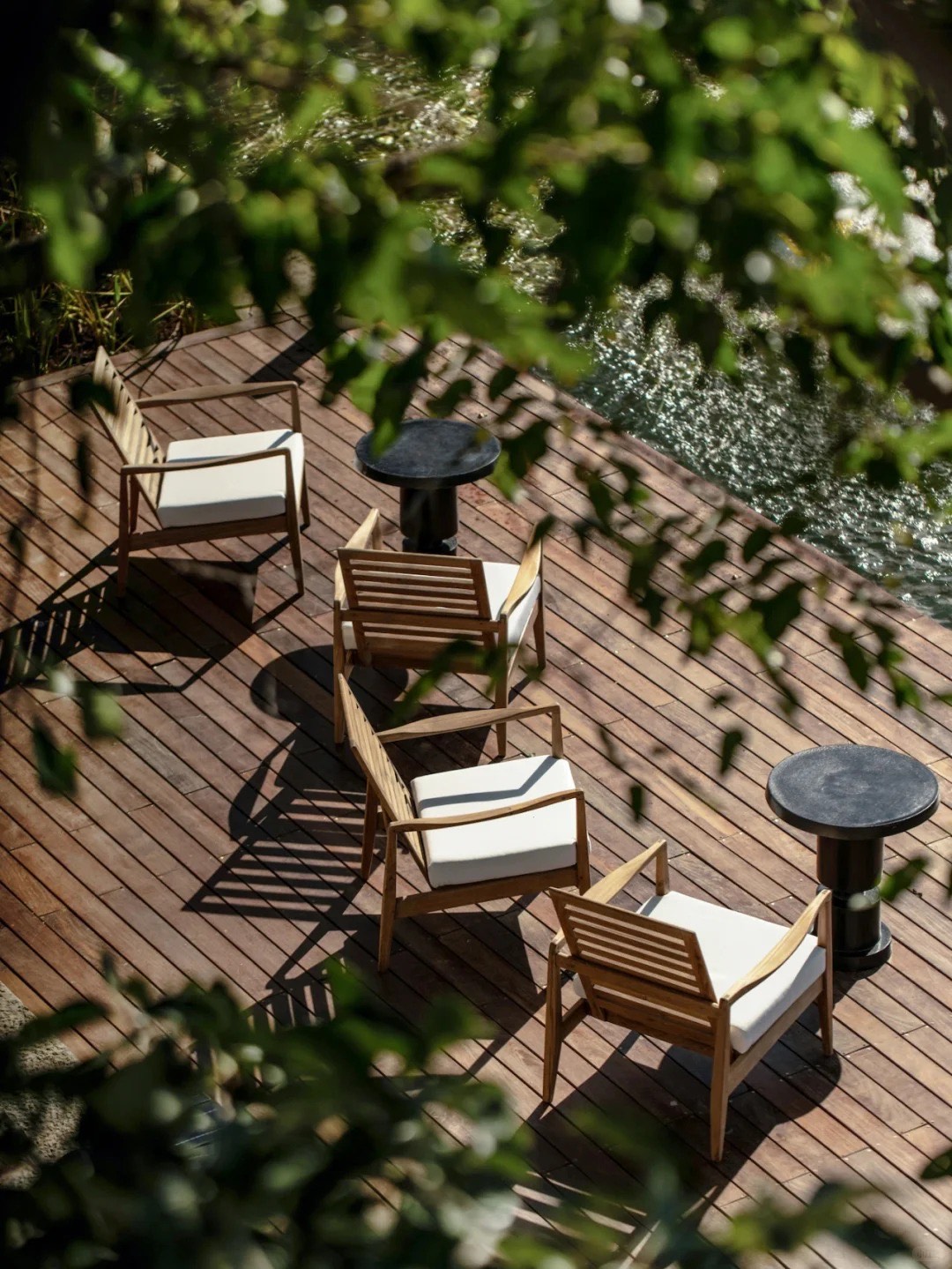
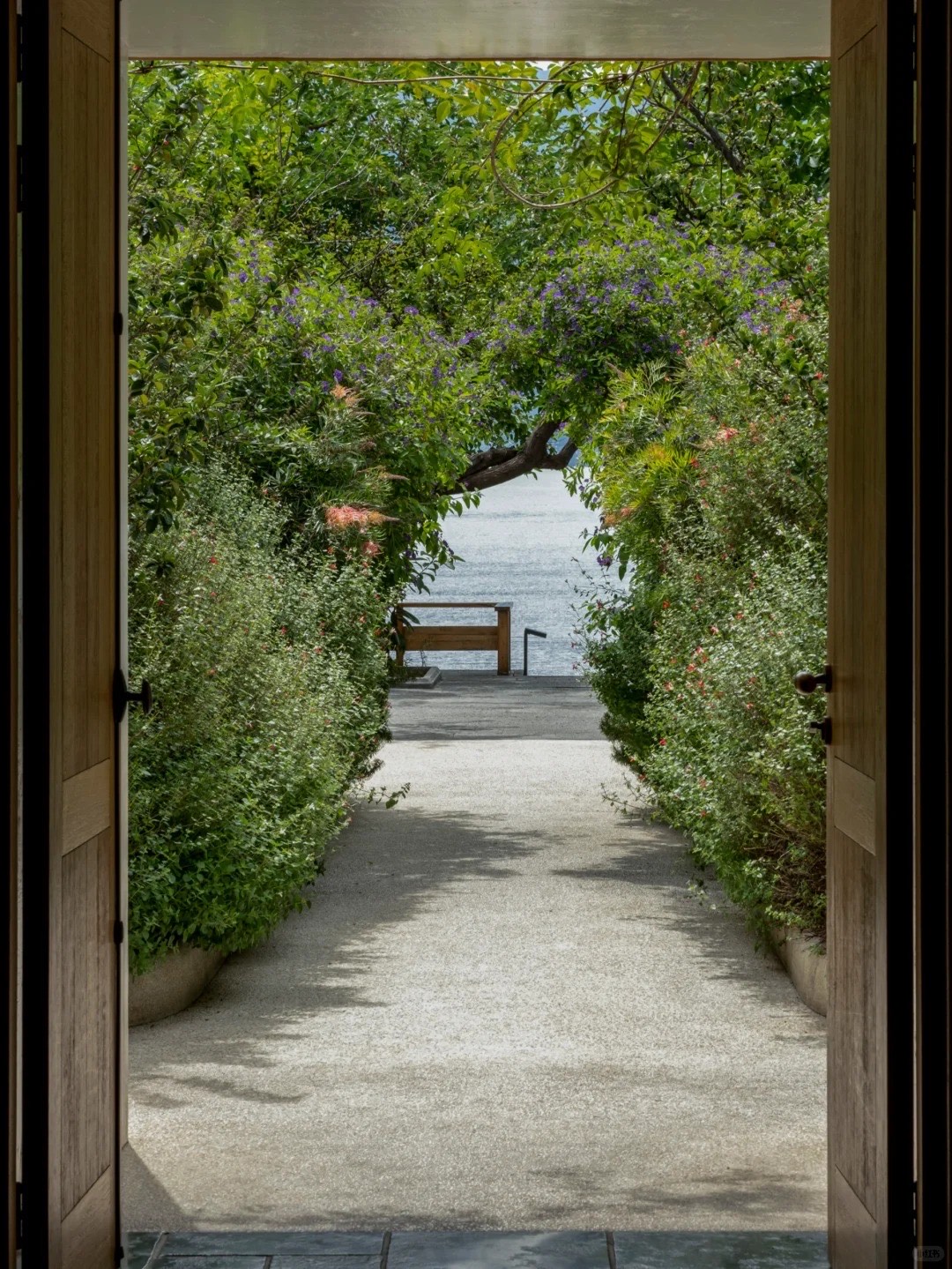
A restored Bai fishing-village inn in the middle of Shuanglang old town, most rooms with a private courtyard or terrace facing the water.
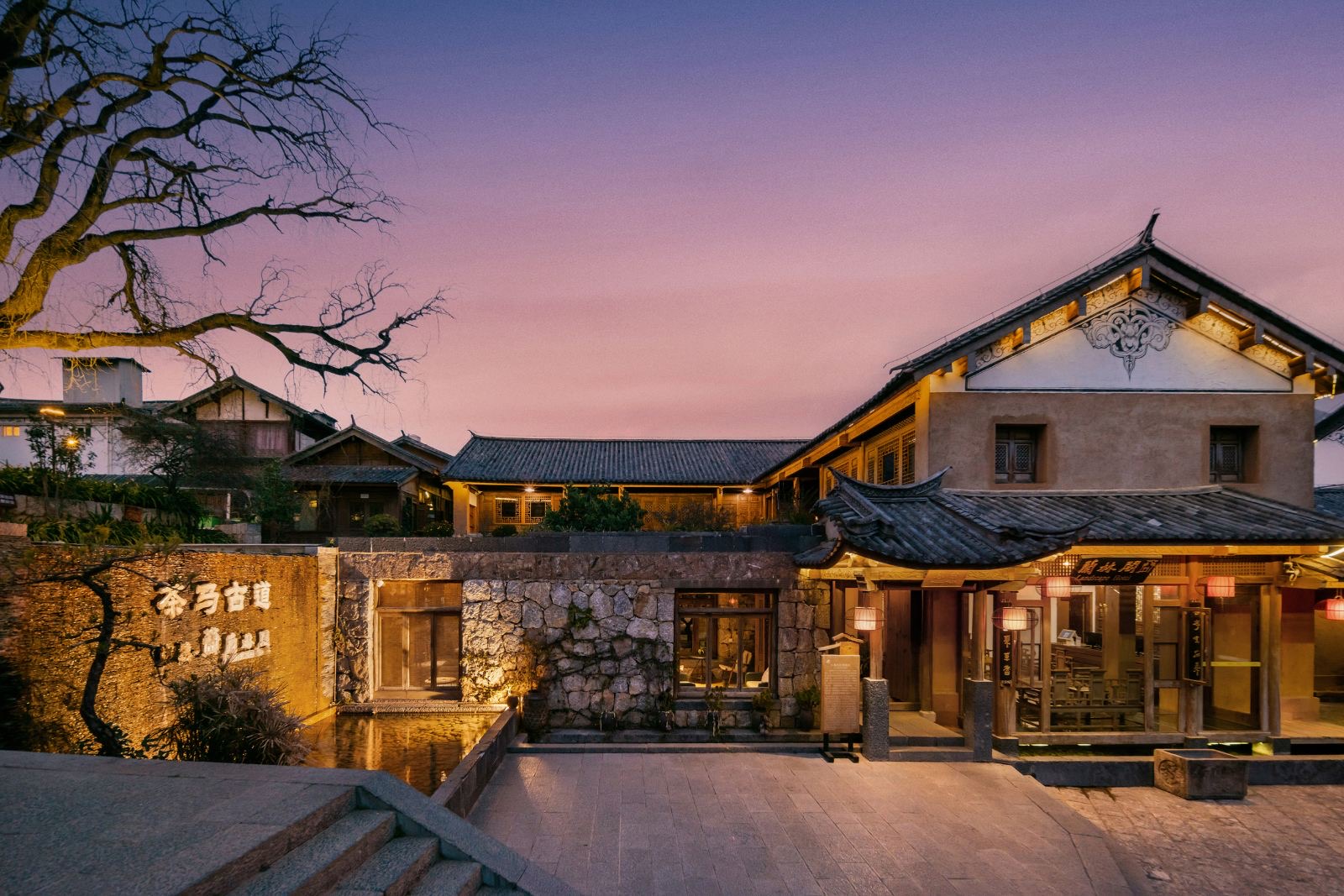
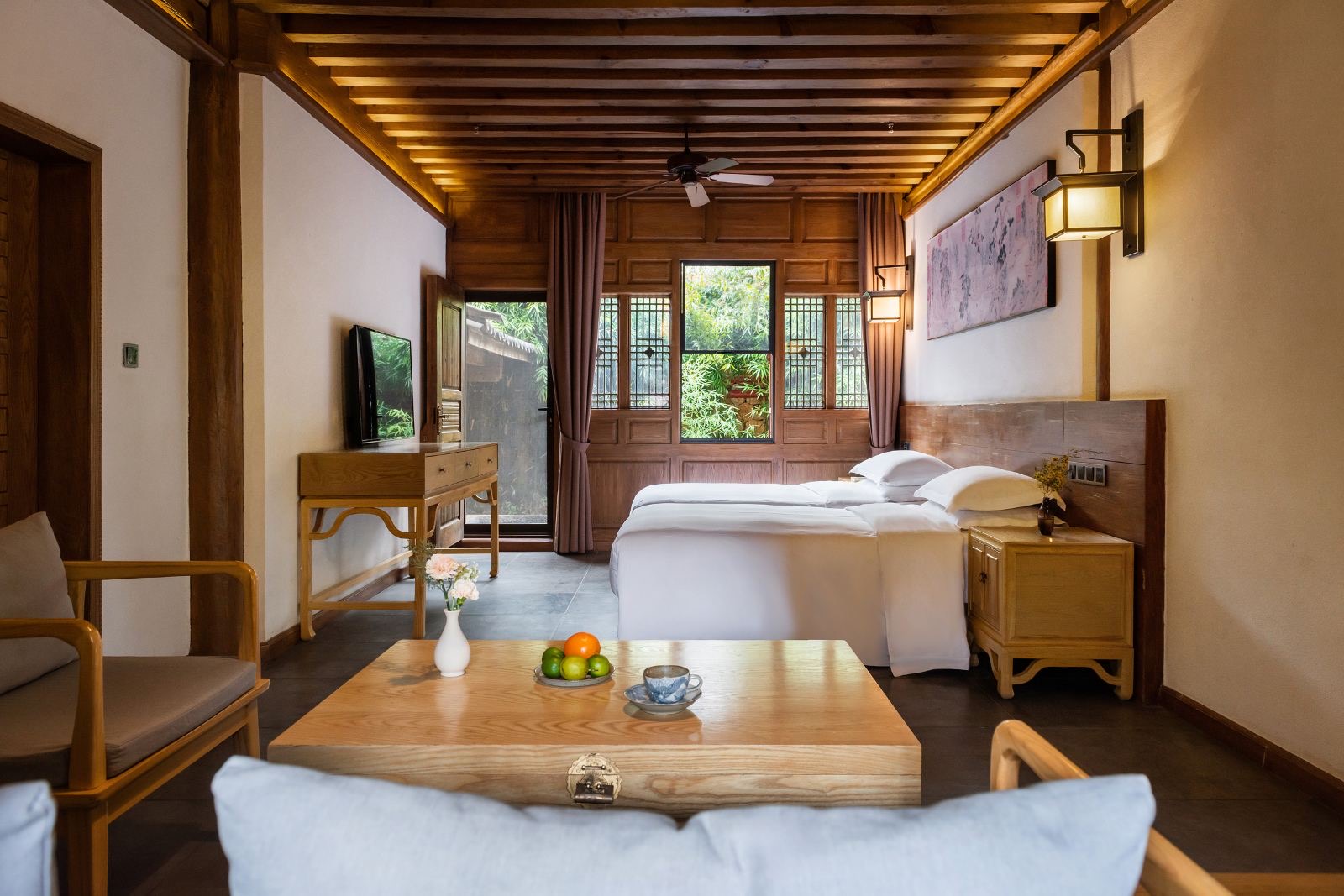
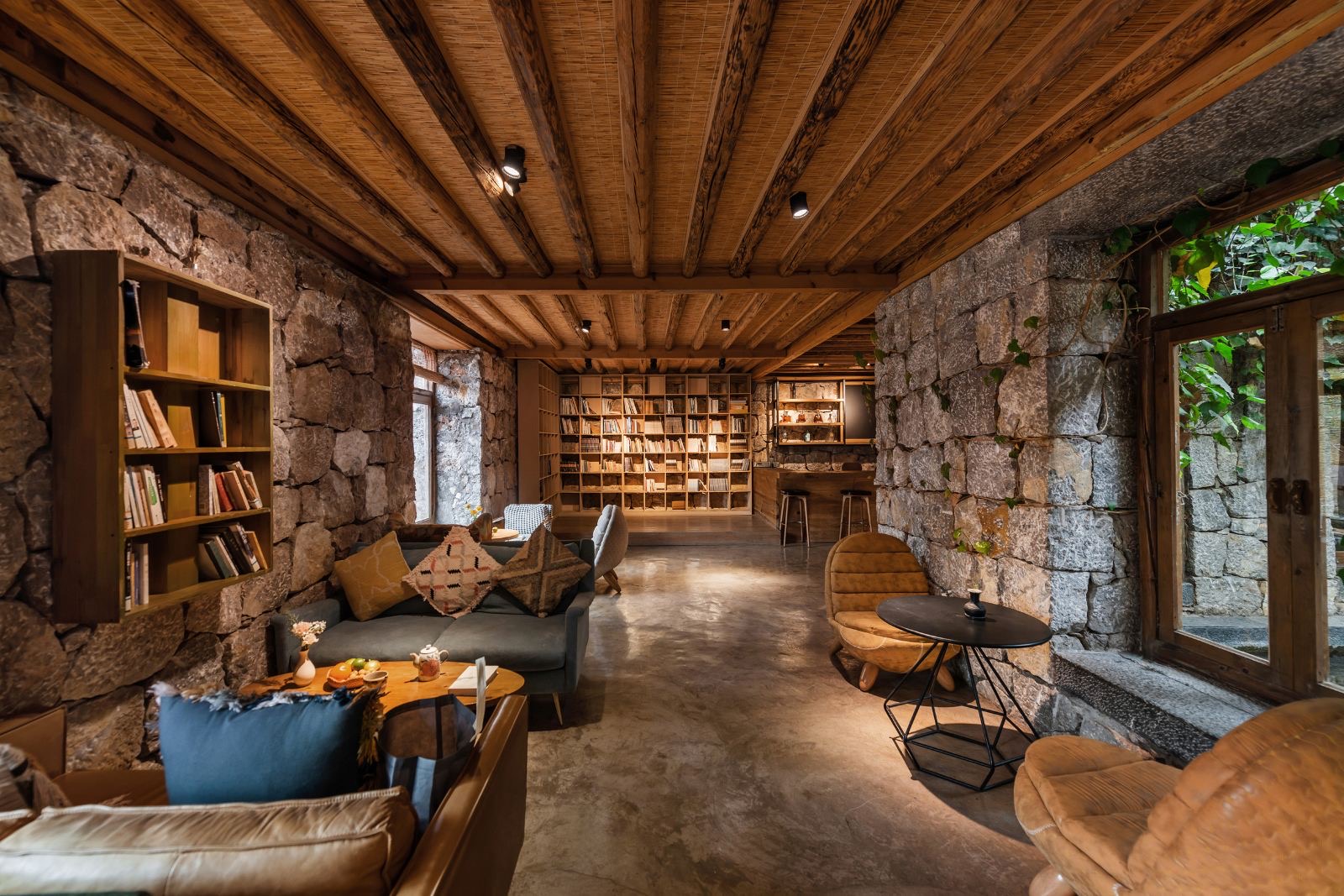
A Bai courtyard inn on the Tea Horse Road at Shaxi — the caravan town's own architecture, a few minutes from Sideng Square and its Friday market.
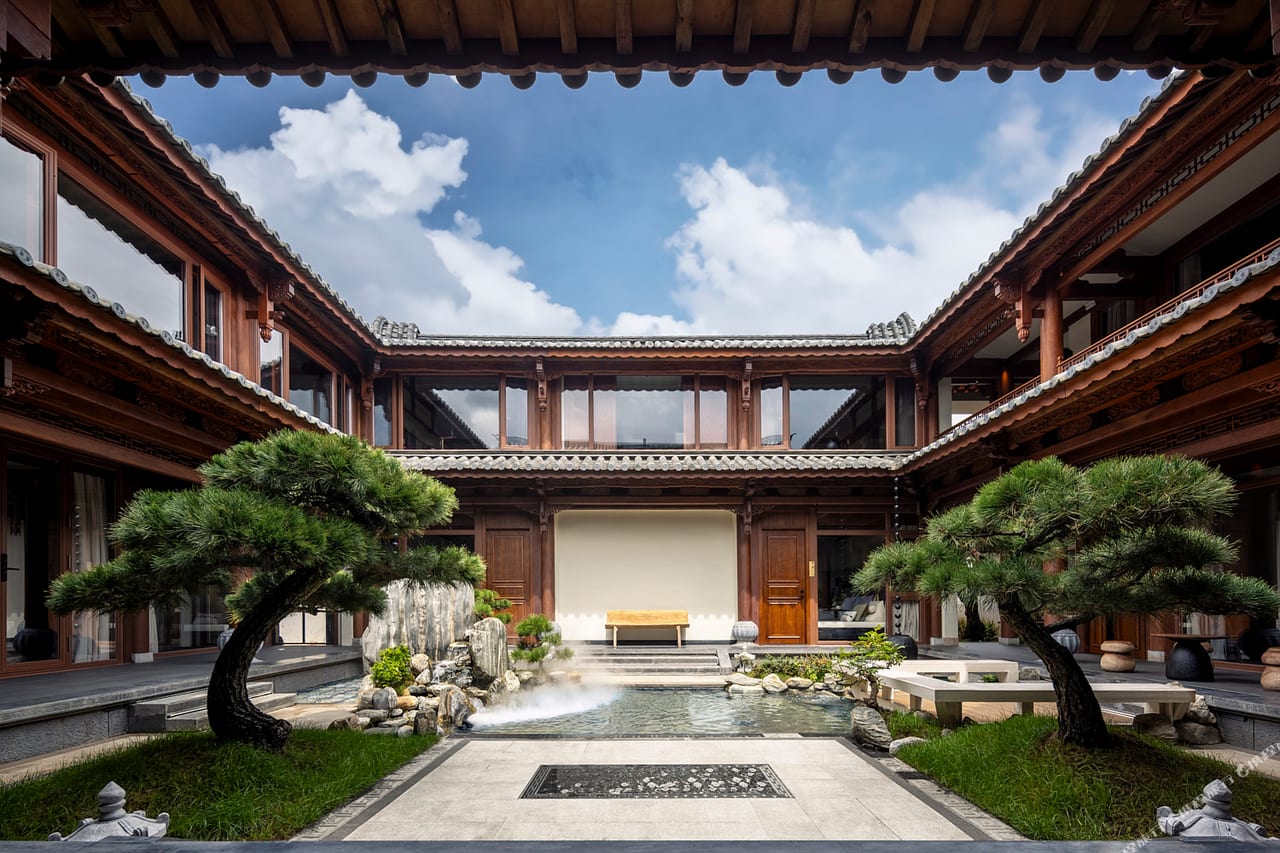
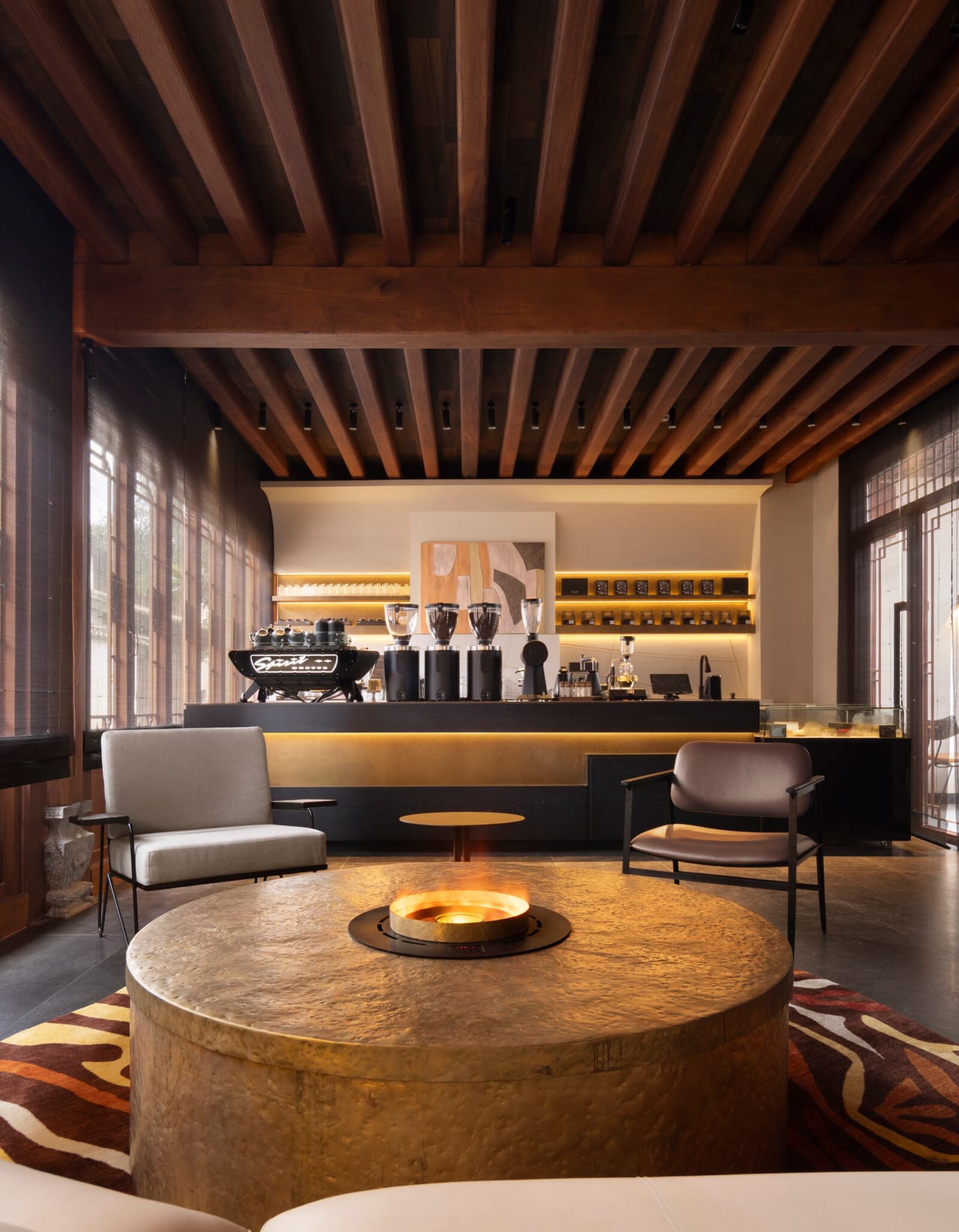
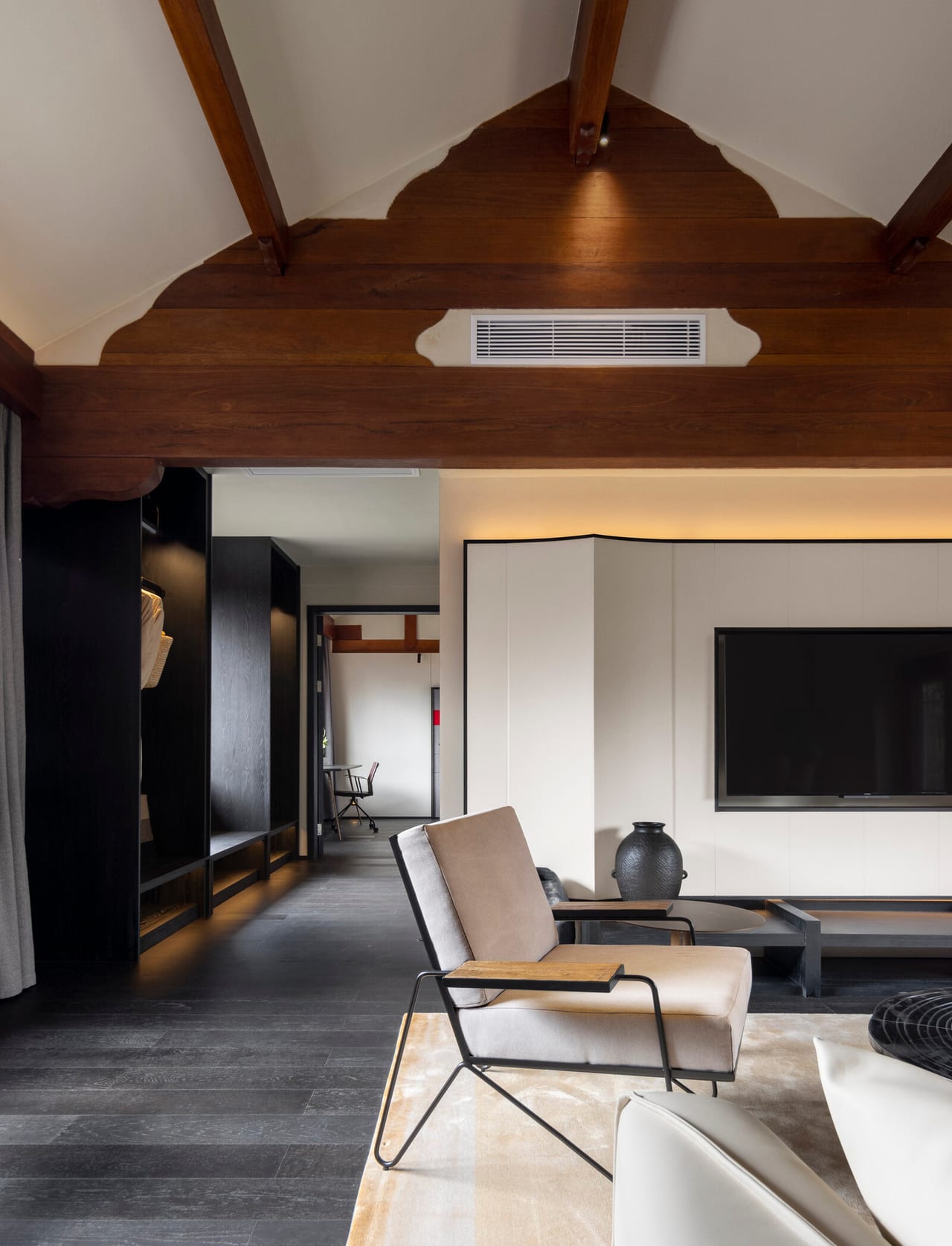
A restored heritage courtyard in Shaxi for the slow day — rammed earth and timber, and the kind of quiet the town is known for.
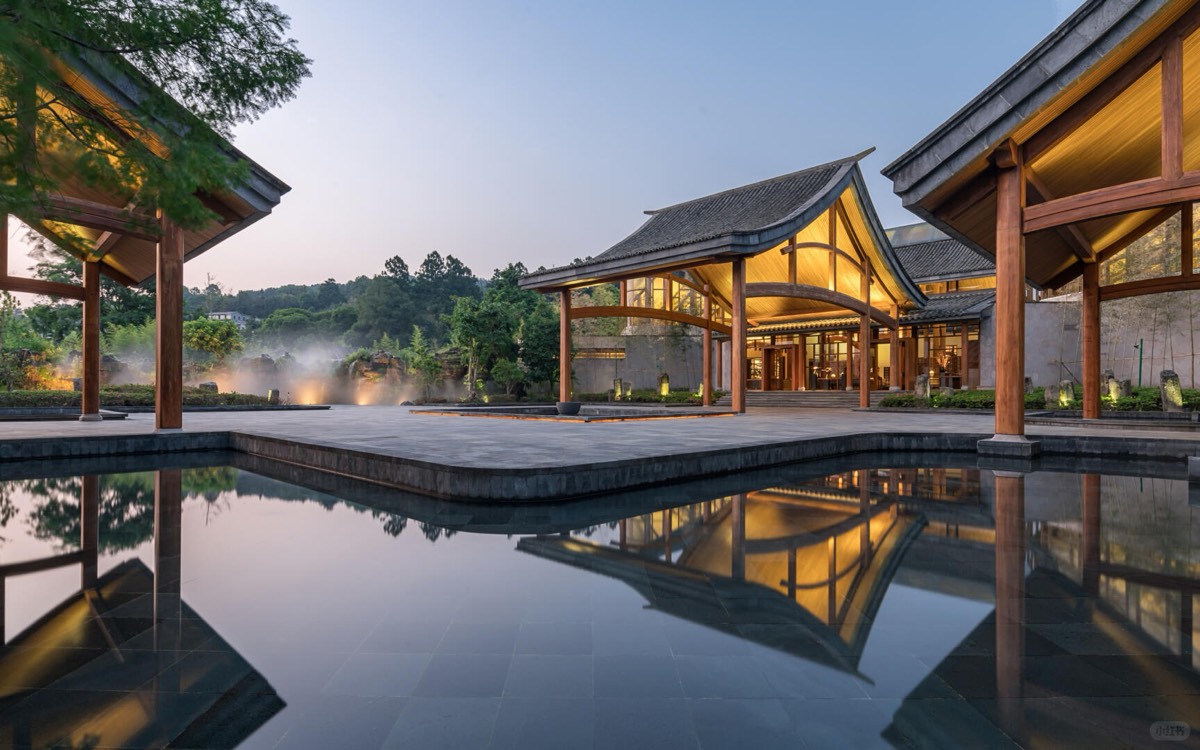
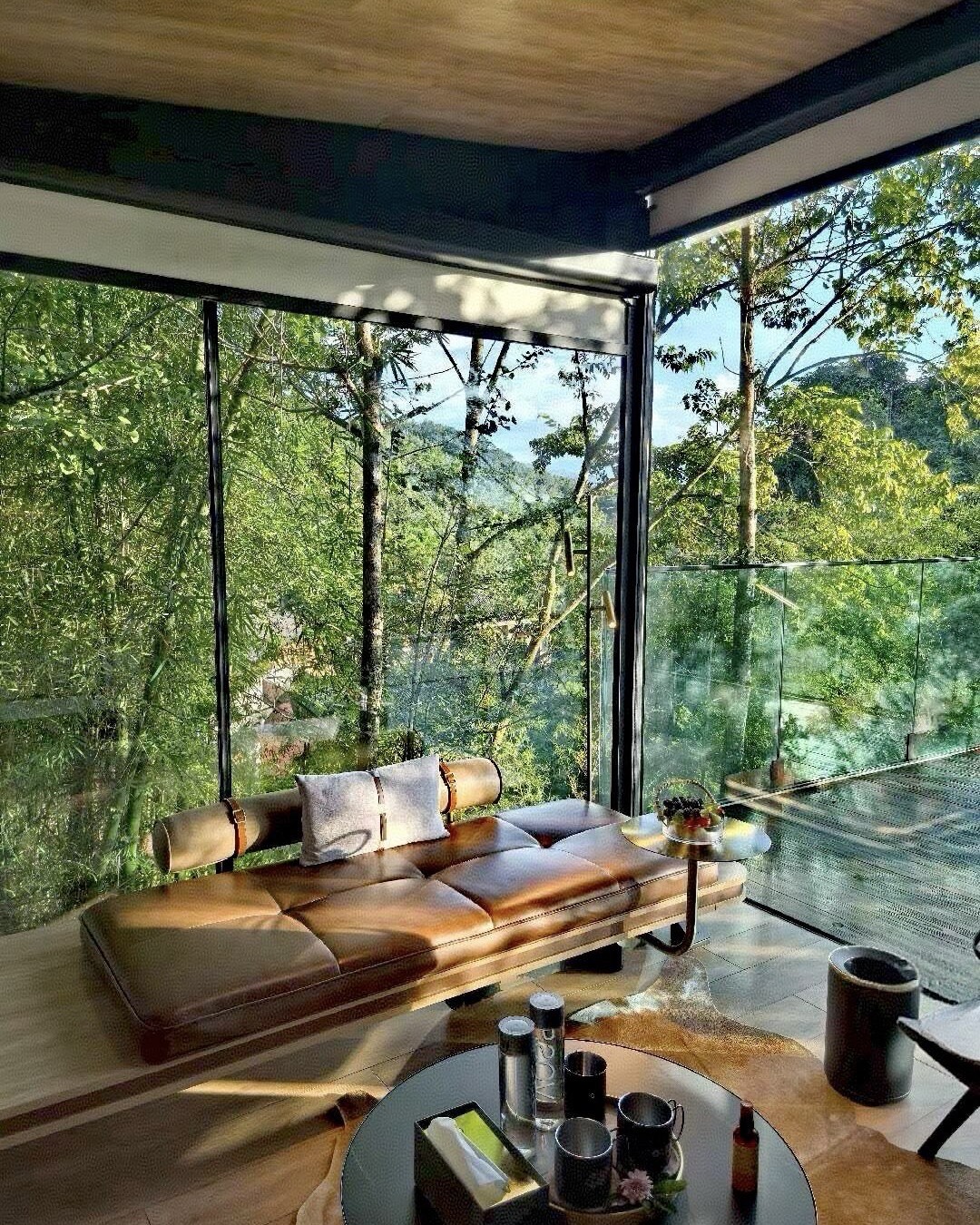
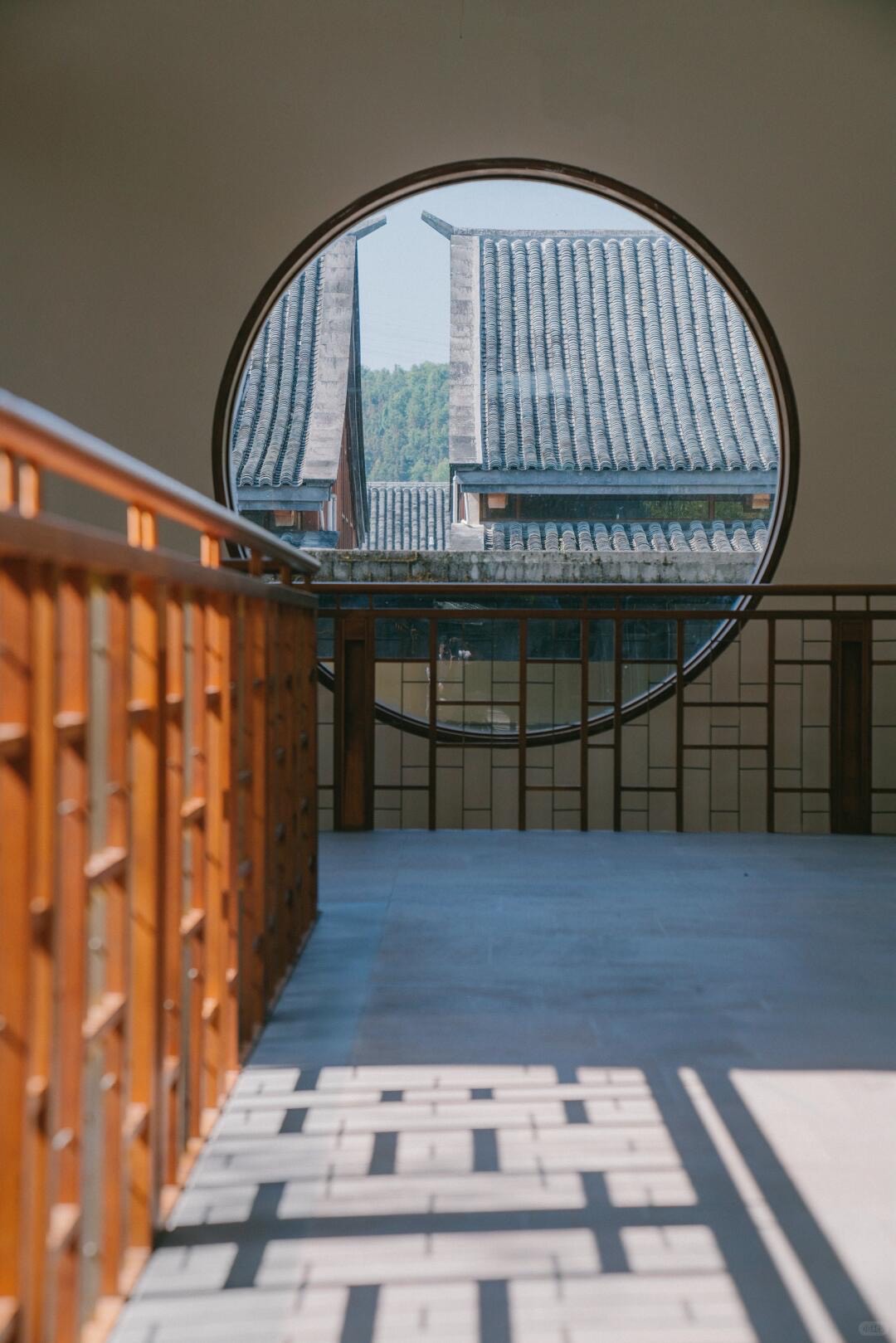
A volcanic-spa retreat at Tengchong — geothermal water piped into the rooms, and the volcano field and Heshun both within half an hour.
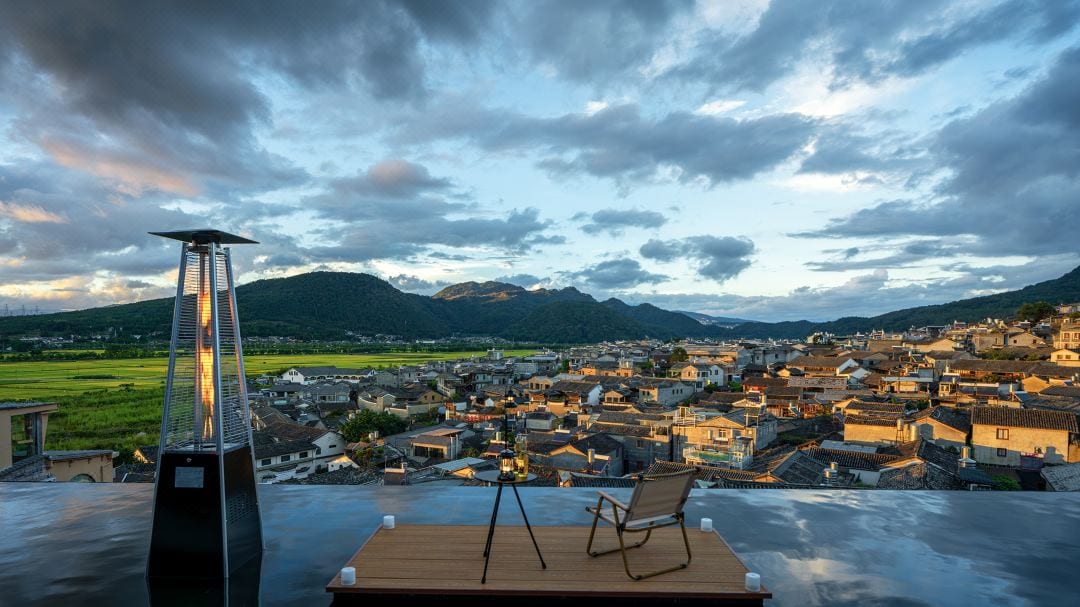
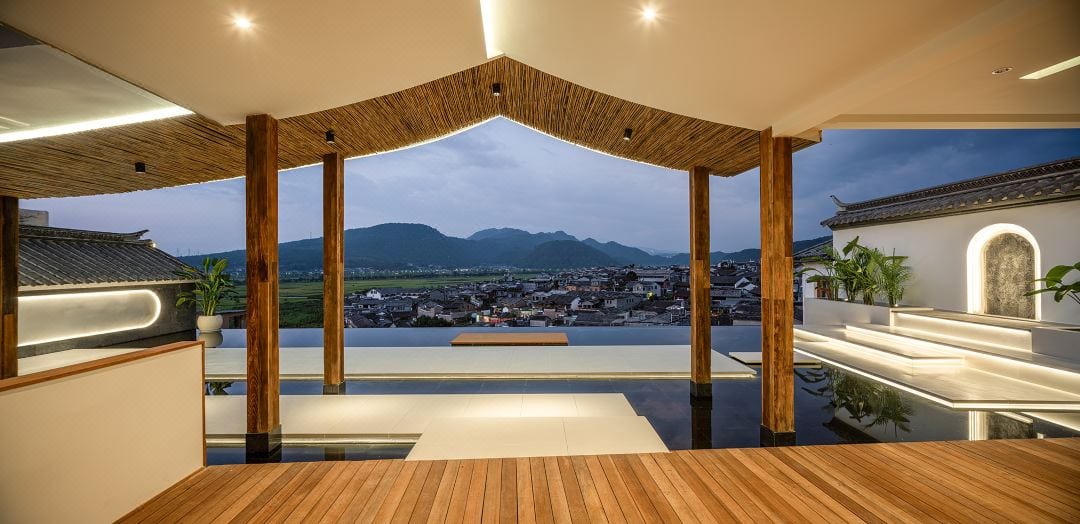
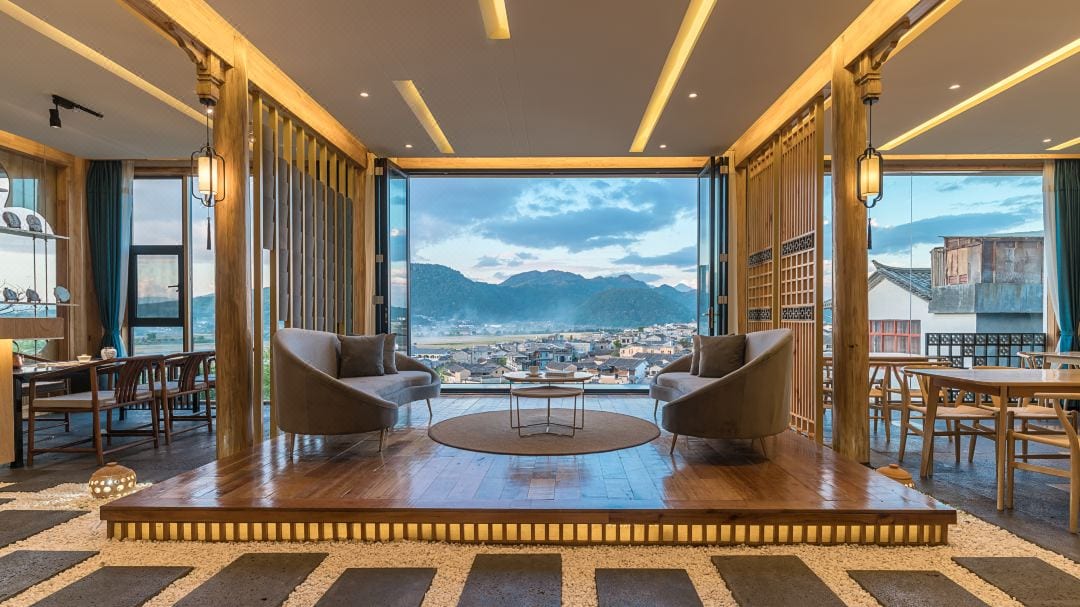
A hot-spring inn inside Heshun's 600-year-old lanes — the shortest possible walk to the library, the teahouses and the paddy views.
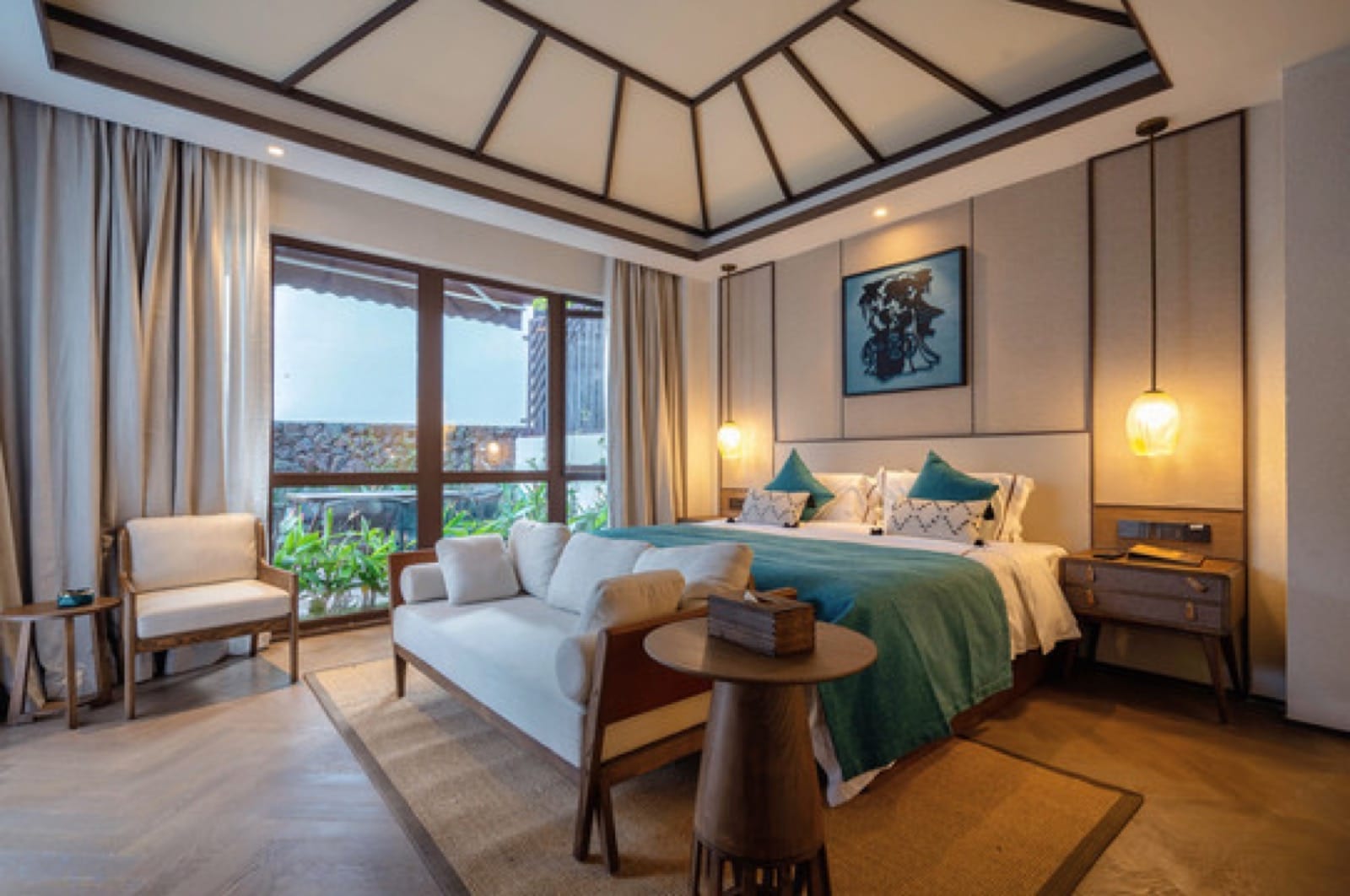
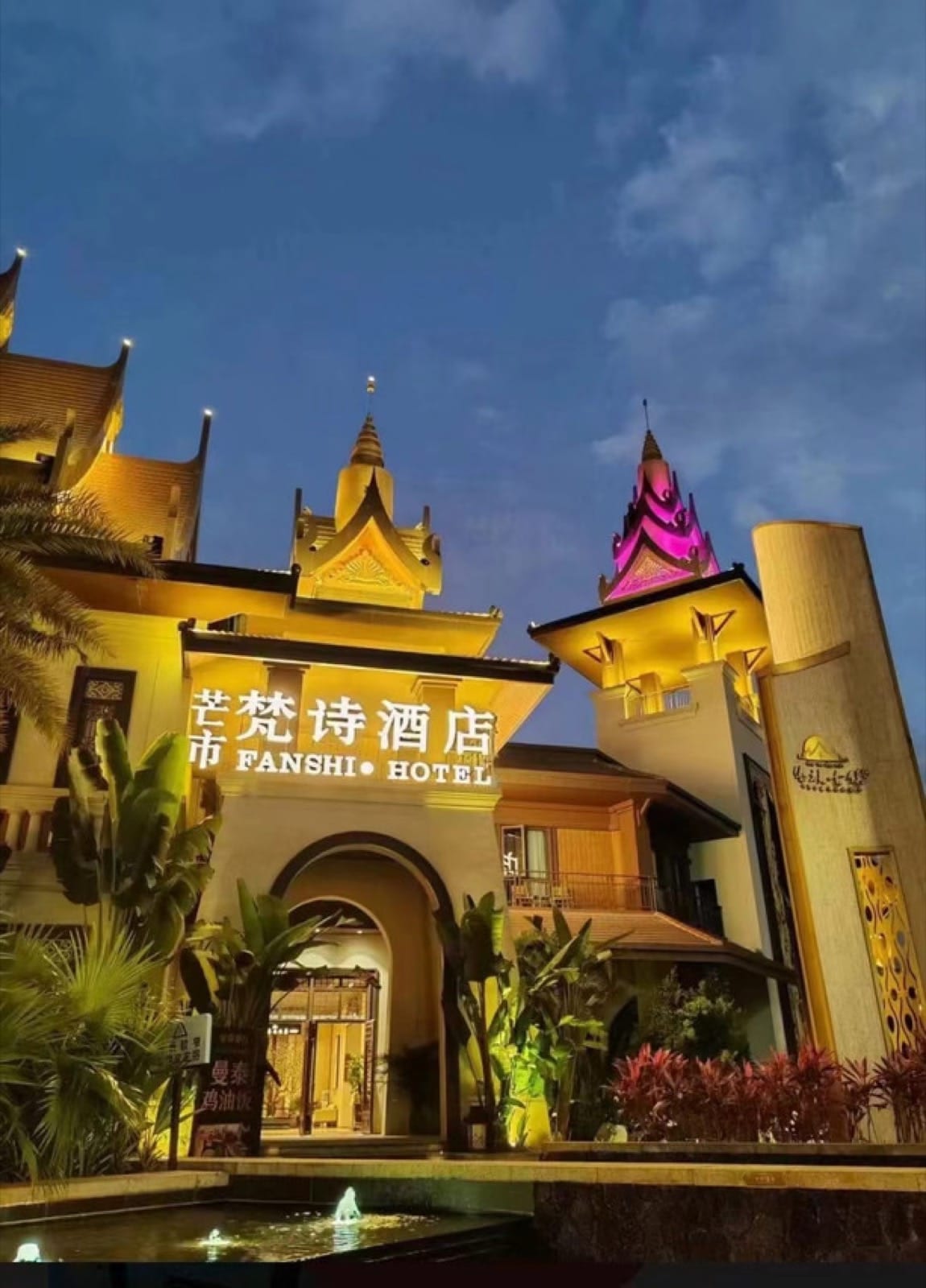
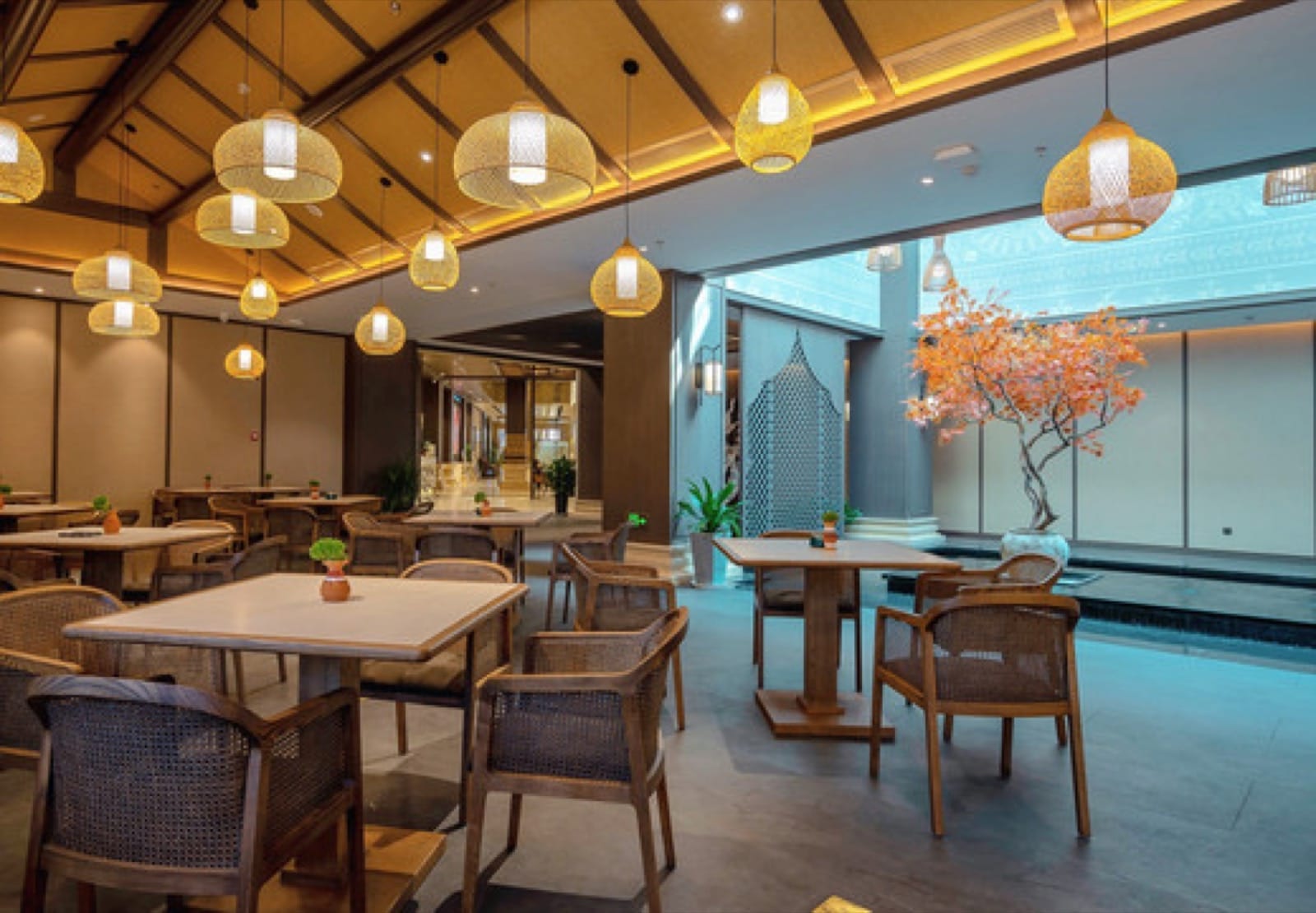
Dai design in Mangshi's Dai Ancient Town — the tropical, Southeast-Asian end of the route, minutes from the golden pagodas.
These are examples of the boutique stays we book across the route. Because boutique hotels have so few rooms, a stay may occasionally be swapped for one of similar standard.
Yes, this is explicitly designed for that. The focus is on courtyard stays, market days, temple walks, and slow meals — not trail kilometres. The longest walks are leisurely village strolls. The Gaoligong forest visit involves a short forest path, not a mountain trek.
Dali is well-known and increasingly visited. Tengchong and Mangshi are off the international tourist map. Tengchong is volcanic terrain, hot-spring soaks, and a 600-year-old tea-trading town. Mangshi is subtropical, culturally Dai, and feels closer to Southeast Asia than to Han China — a genuine contrast.
Kunming to Dali is a 45-minute flight or 2-hour high-speed train. Dali to Tengchong is a 2.5-hour high-speed train or scenic 4-hour road journey through mountain villages. Tengchong to Mangshi is 2 hours by private vehicle. All domestic logistics are handled by us.
Shaxi holds a traditional Friday market — a caravan-era trading post that has continued essentially unchanged for centuries. Bai, Yi, and other minority traders bring produce, livestock, and crafts. We time the Dali segment of this tour to include a Friday in Shaxi where possible.
Every day, stay and date tailored to you — shaped over a call with someone who has walked the route, never a template.
Request a proposal for this trip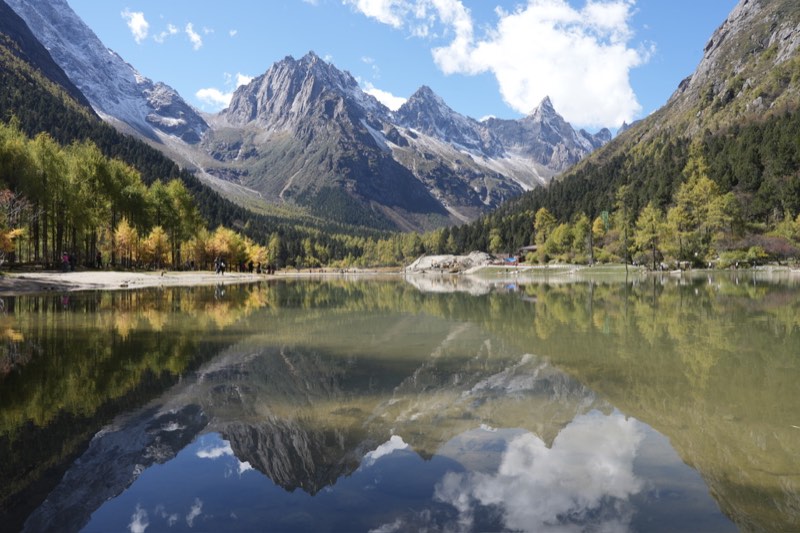
Giant Pandas at the Chengdu Research Base, then three days in the alpine lakes of Siguniang or Jiuzhai Valley. City culture first, mountain silence after.
See the itinerary →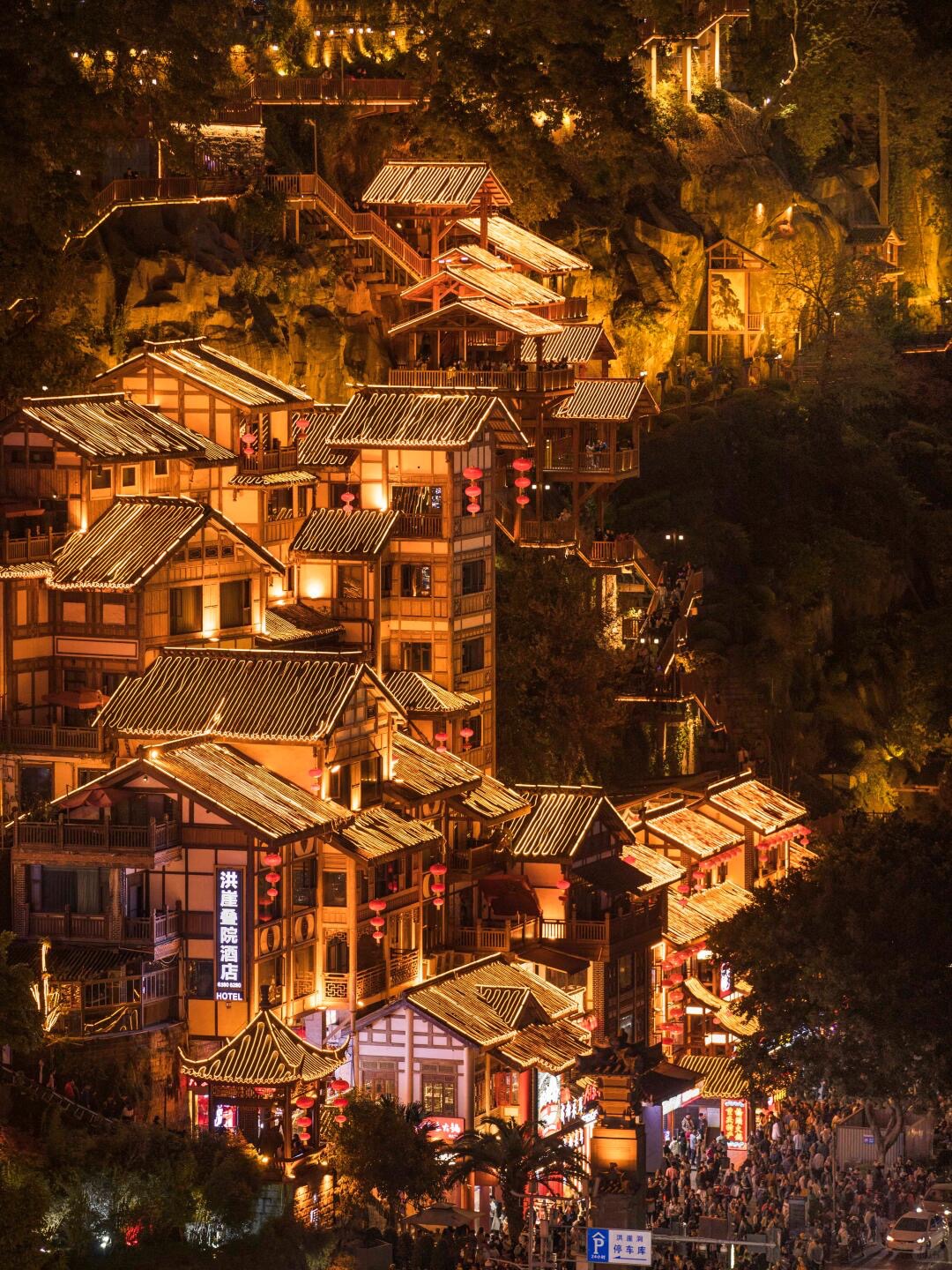
A 5–6 day private tour weighted toward Chongqing — neon river cities, UNESCO Wulong Karst, the Longji (Dragon's Backbone) ridge hike above the Yangtze, and two different tables of Sichuan heat. Bookended with a soft Chengdu landing.
See the itinerary →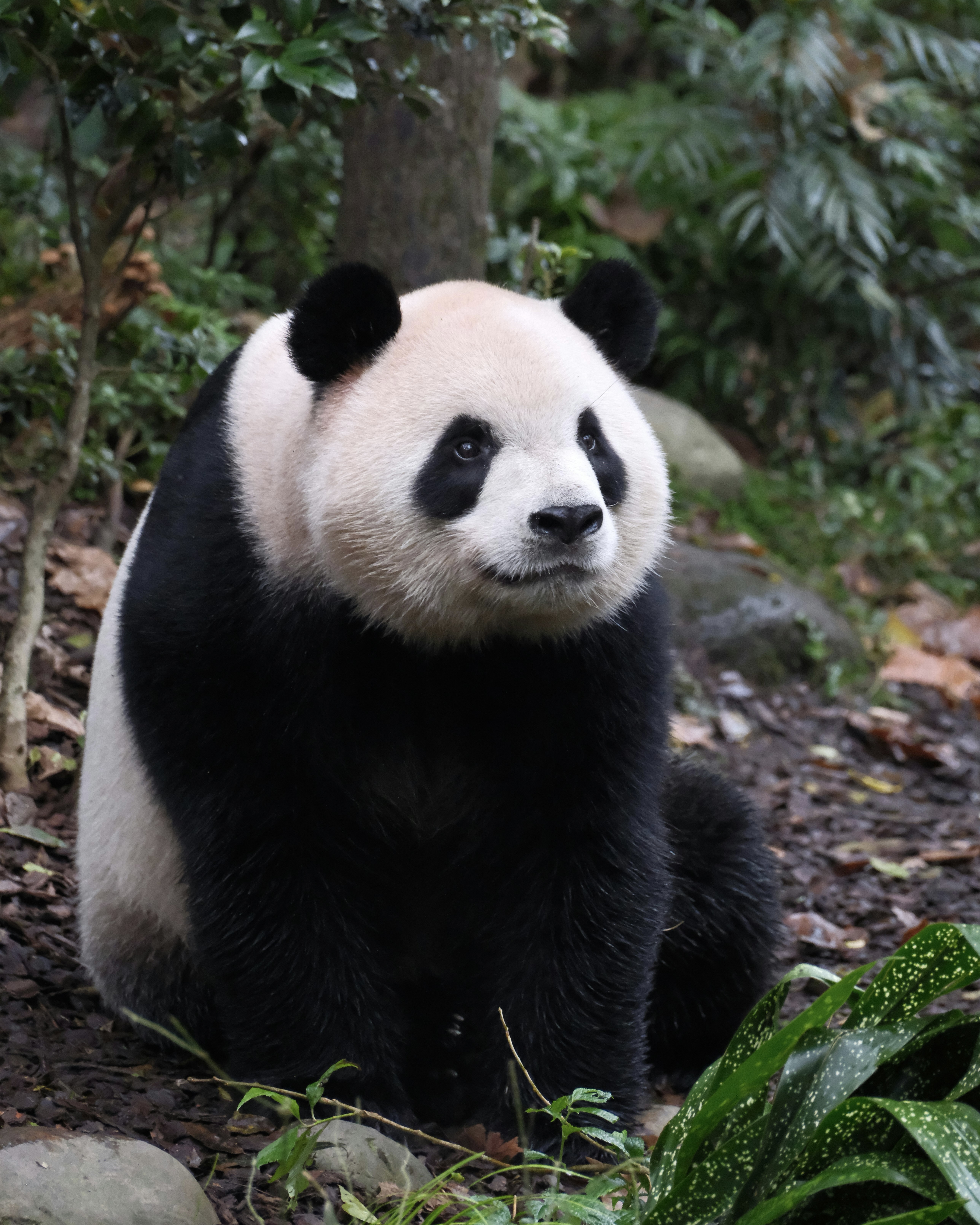
Fifteen days that pair China's great icons with its wildlife and wild landscape — the Forbidden City and the quiet Great Wall at Jinshanling, the Terracotta Army, a working day with the giant pandas outside Chengdu, three days among Zhangjiajie's sandstone pillars, and Shanghai to finish. Private throughout.
See the itinerary →