Daocheng Yading
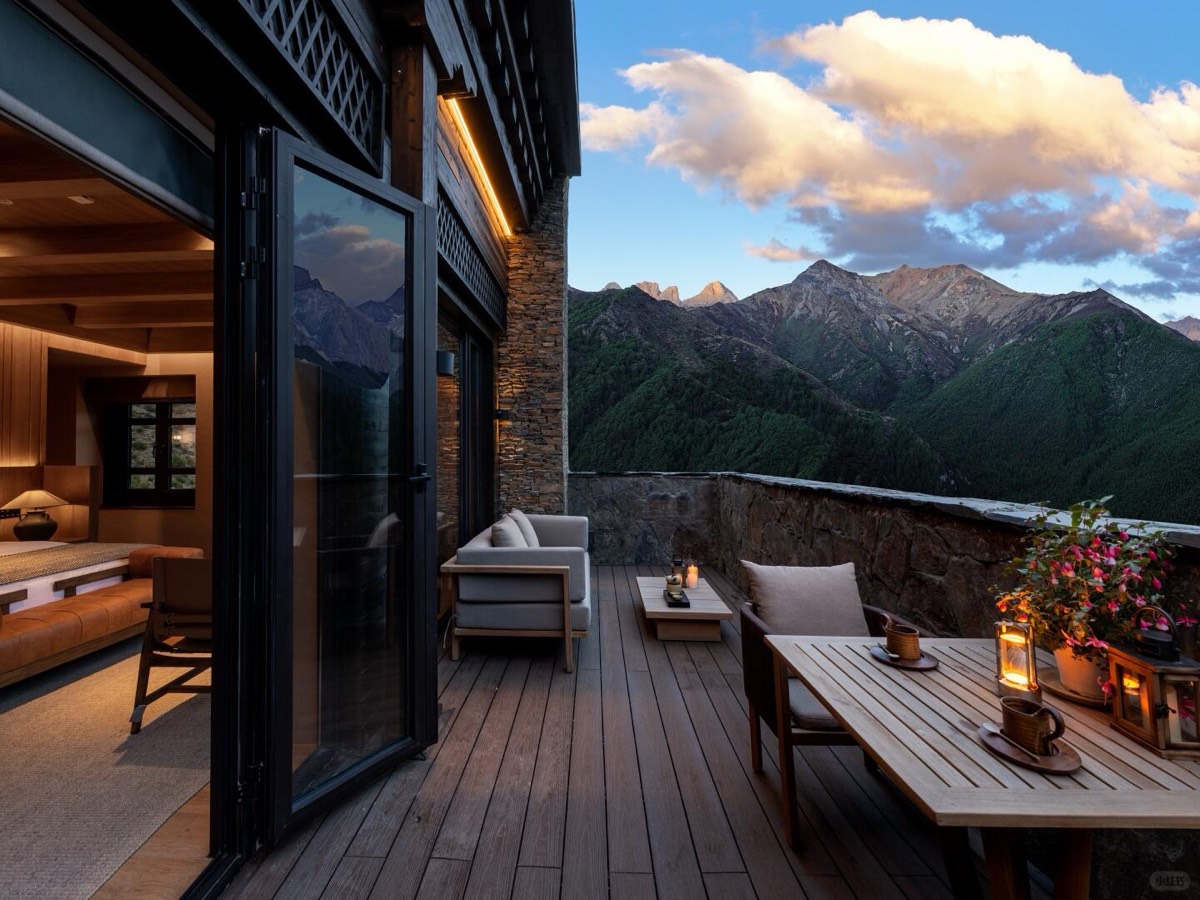
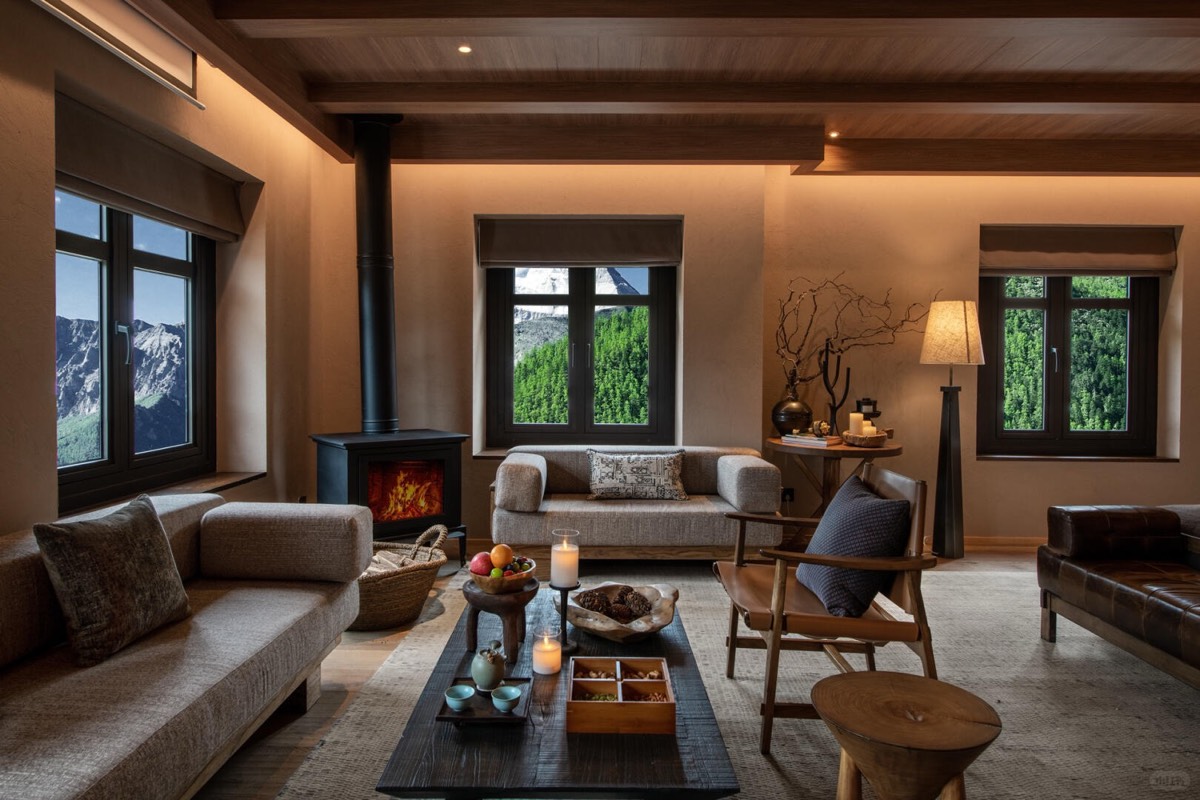
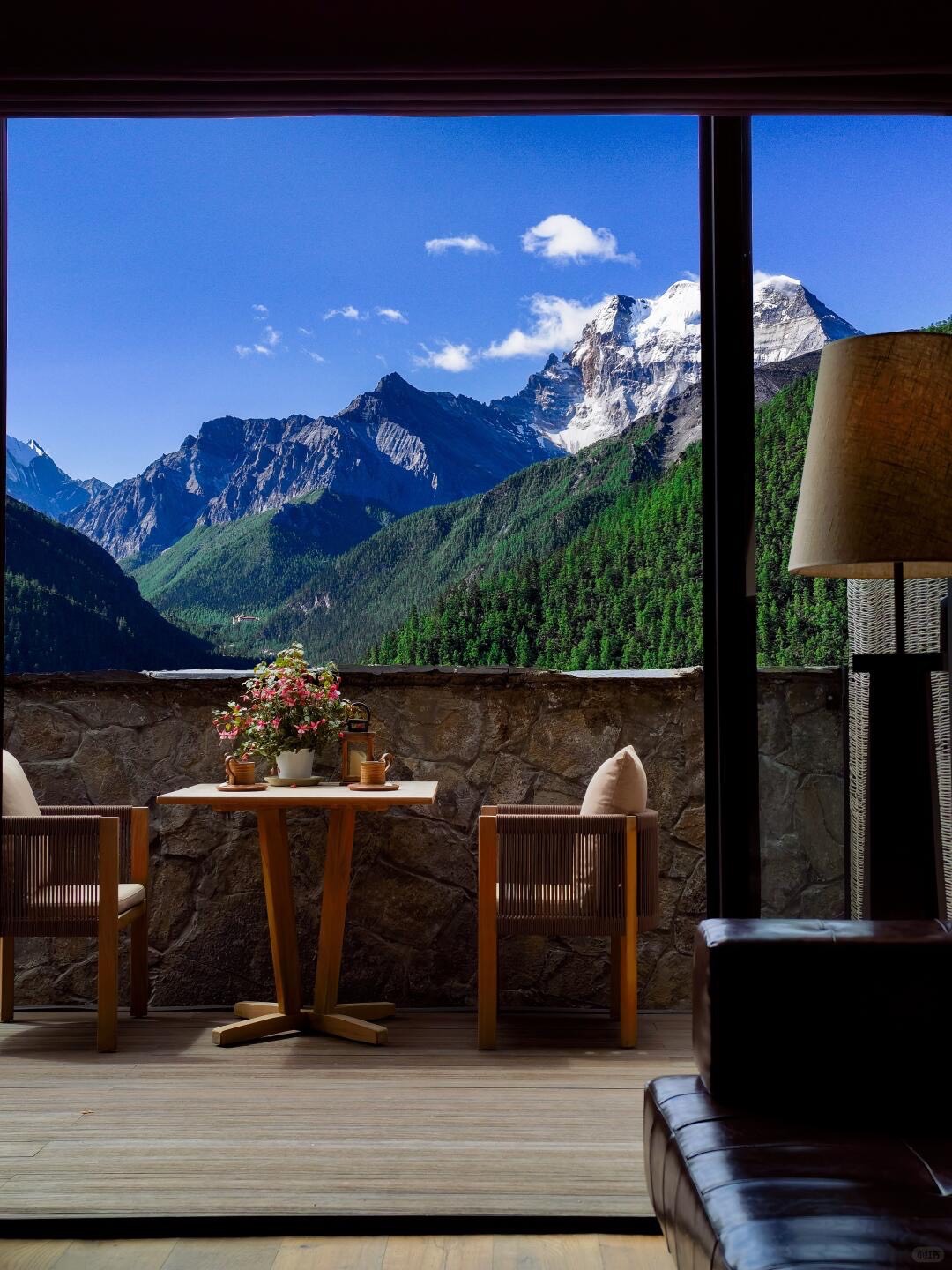
A design lodge inside Daocheng Yading with snow-peak views from bed.

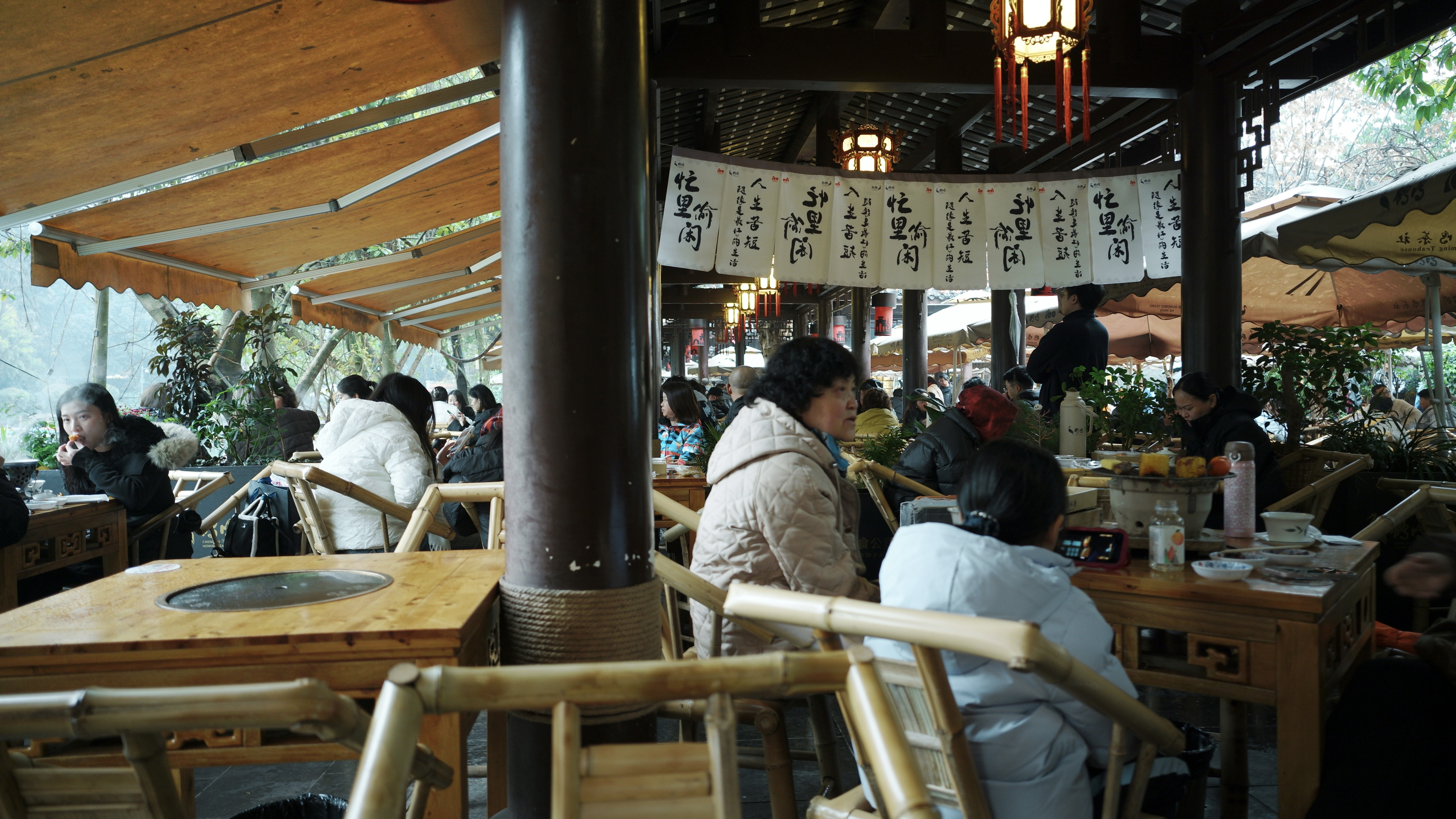
Land in Chengdu and settle in down a quiet lane. The afternoon is a teahouse hour in Kuanzhai or Wenshu — gentle acclimatisation, deliberately at low altitude, before the plateau days begin. Nothing else is scheduled. The point tonight is to arrive slowly and sleep low before the plateau.
An early start west on the G318, the Sichuan–Tibet highway. The road climbs over Erlang Pass (3,437m), and on the far side the country changes — you have crossed into the Tibetan cultural belt. By late afternoon you reach Kangding (2,560m), a Khampa town wedged at the confluence of two rivers. The evening is an easy stroll and a slow meal, then your first night at modest altitude — the acclimatisation ladder has begun, one careful rung at a time.
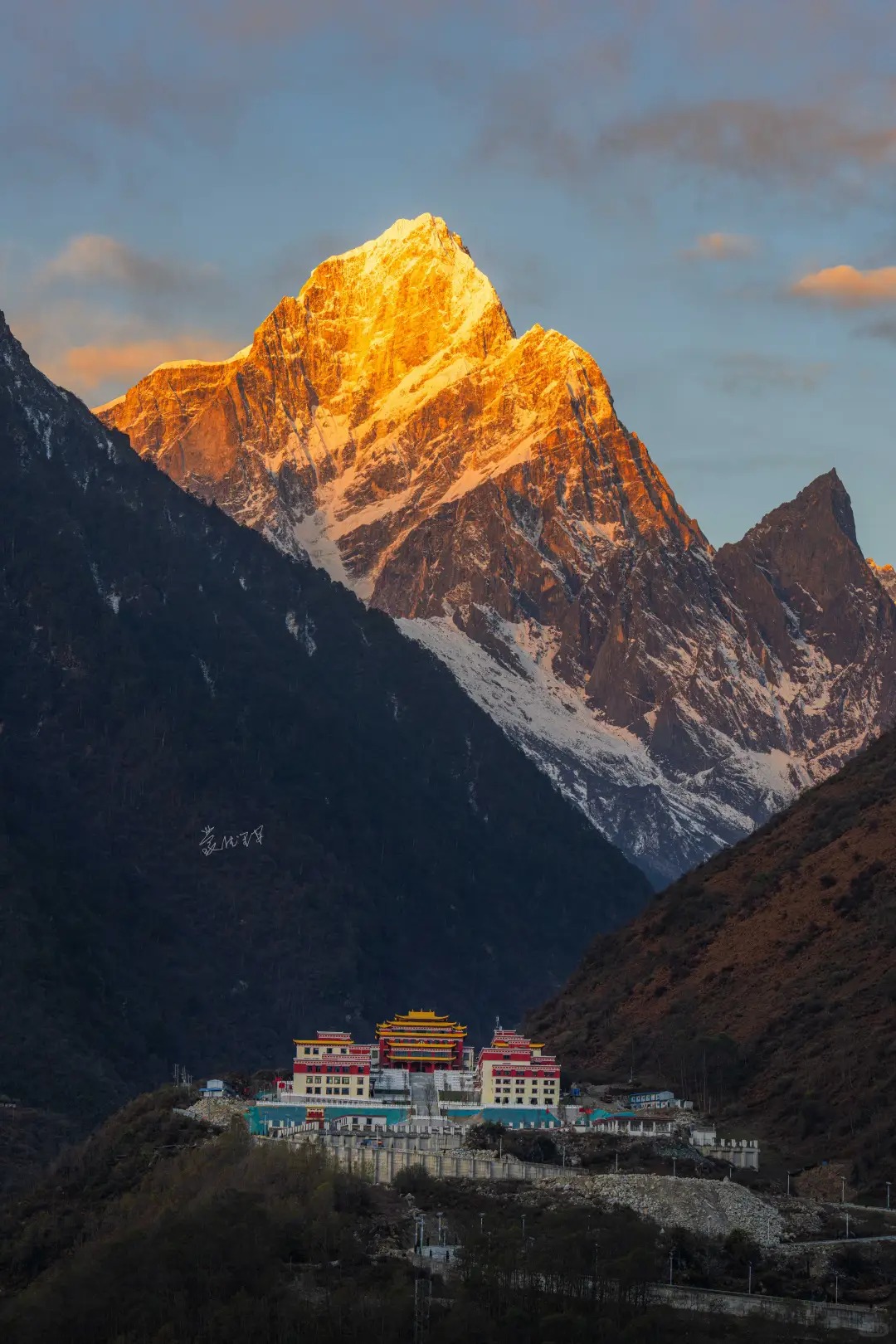
Pre-dawn, a 4WD and a short hike deliver you to Lenggacuo (冷嘎措, 4,500m) while the sky is still dark. Then the reason you came: Mt Gongga mirrored in the lake, if the morning is clear. Back down to Kangding for breakfast — you've earned it — then over Zheduo Pass (4,298m) and into Xinduqiao (3,300m), the stretch photographers call paradise. The day closes with a golden-hour walk through birch groves, rivers and Tibetan hamlets, the light doing exactly what the nickname promises.
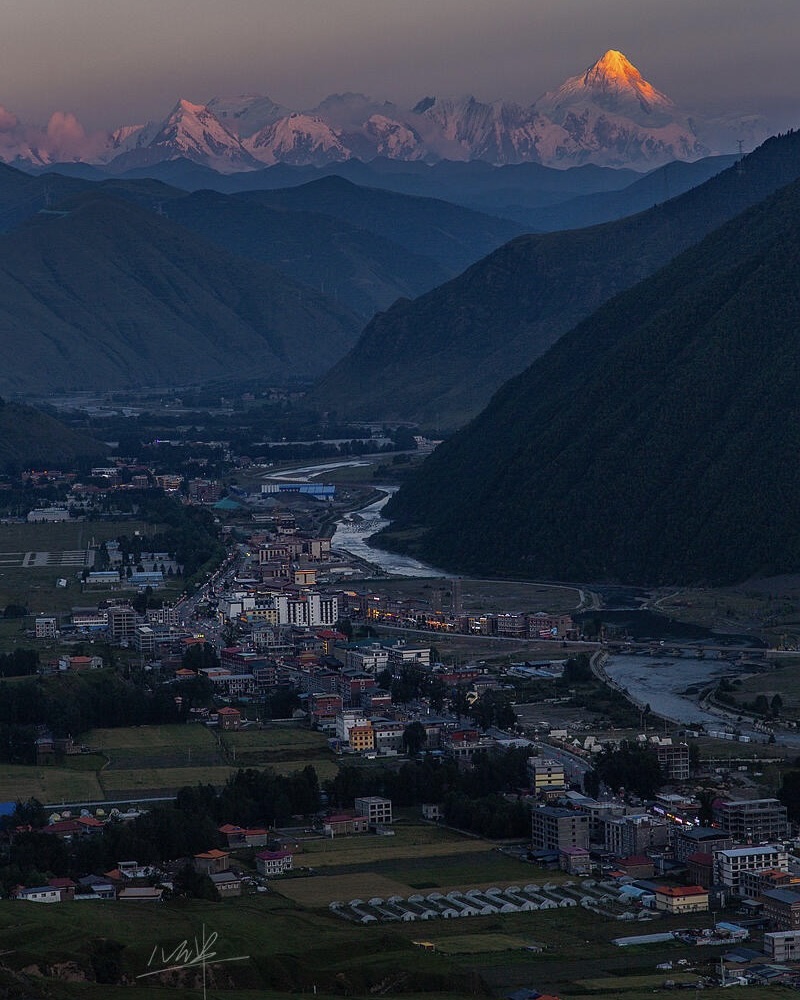
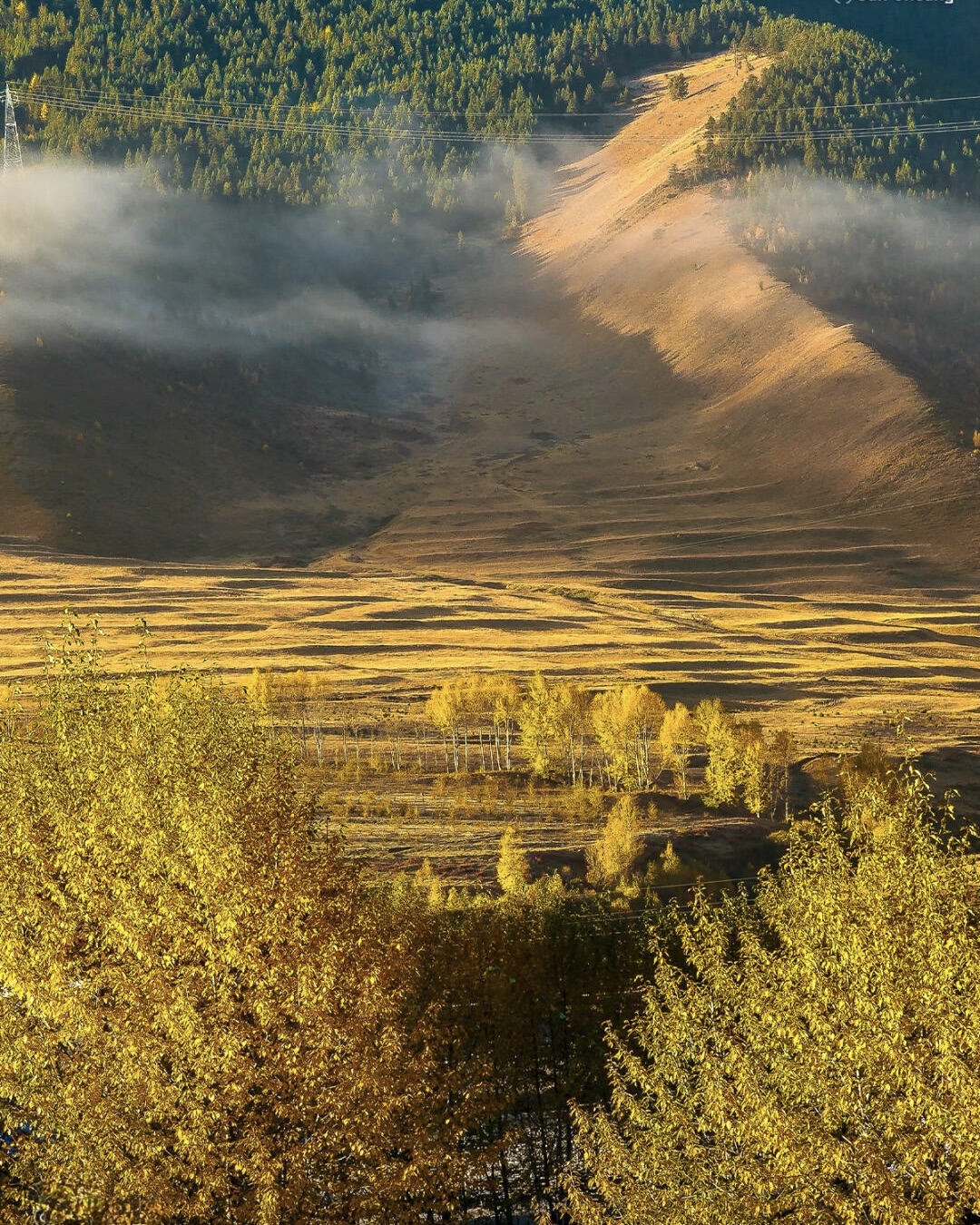
If yesterday's weather window stayed shut, this morning offers a second chance at dawn alpenglow on Gongga — one of the reasons this itinerary carries slack. Then the G318 rolls south-west via Yajiang, with photo pauses wherever the road earns them: yak pastures, long open-road viewpoints, the plateau widening with every hour. Lunch is in Litang (理塘, 4,014m), the Khampa 'city in the sky'. The afternoon stays deliberately quiet — a village walk and slow breathwork, because at four thousand metres, doing less is the smart move.
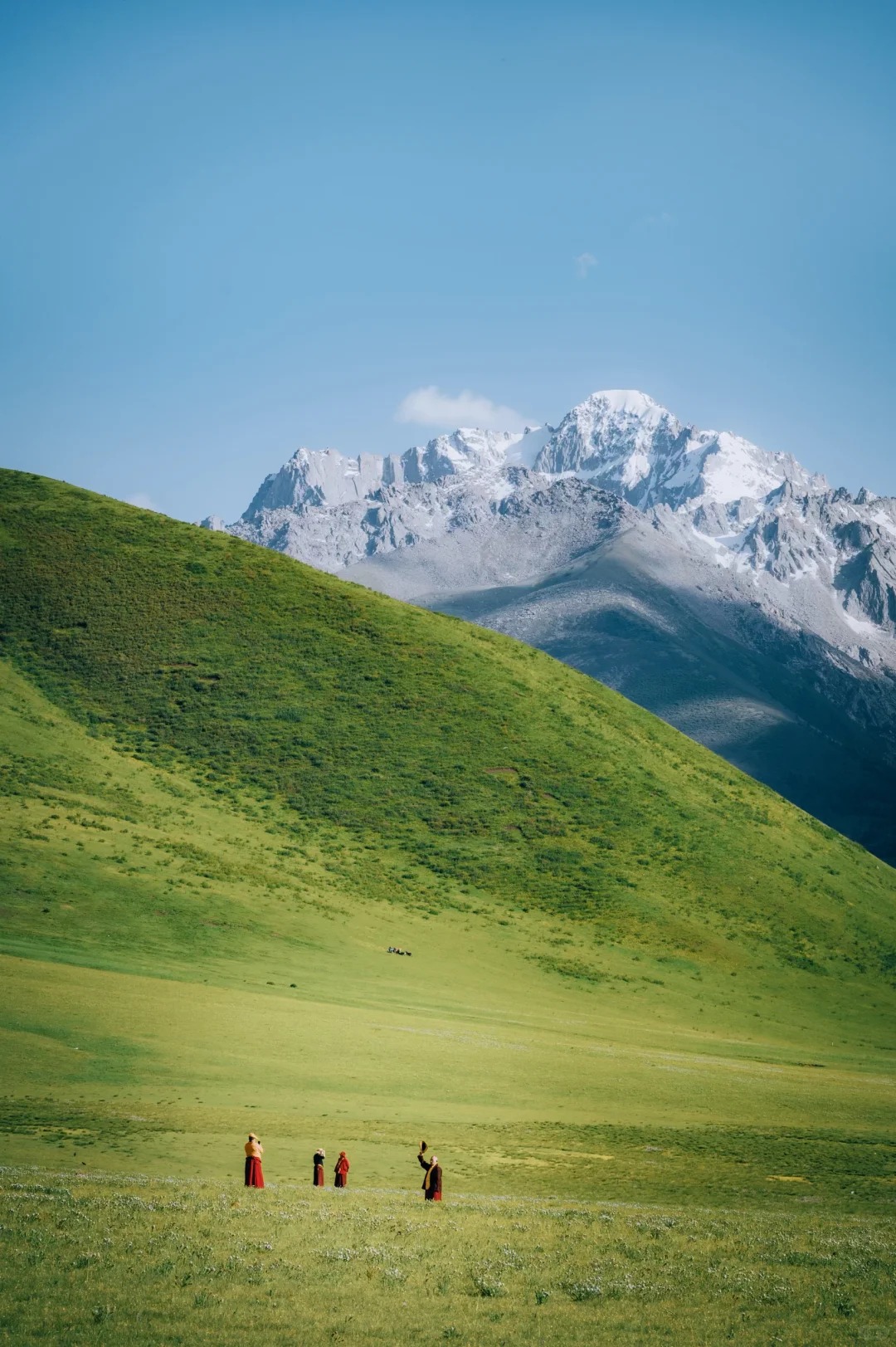
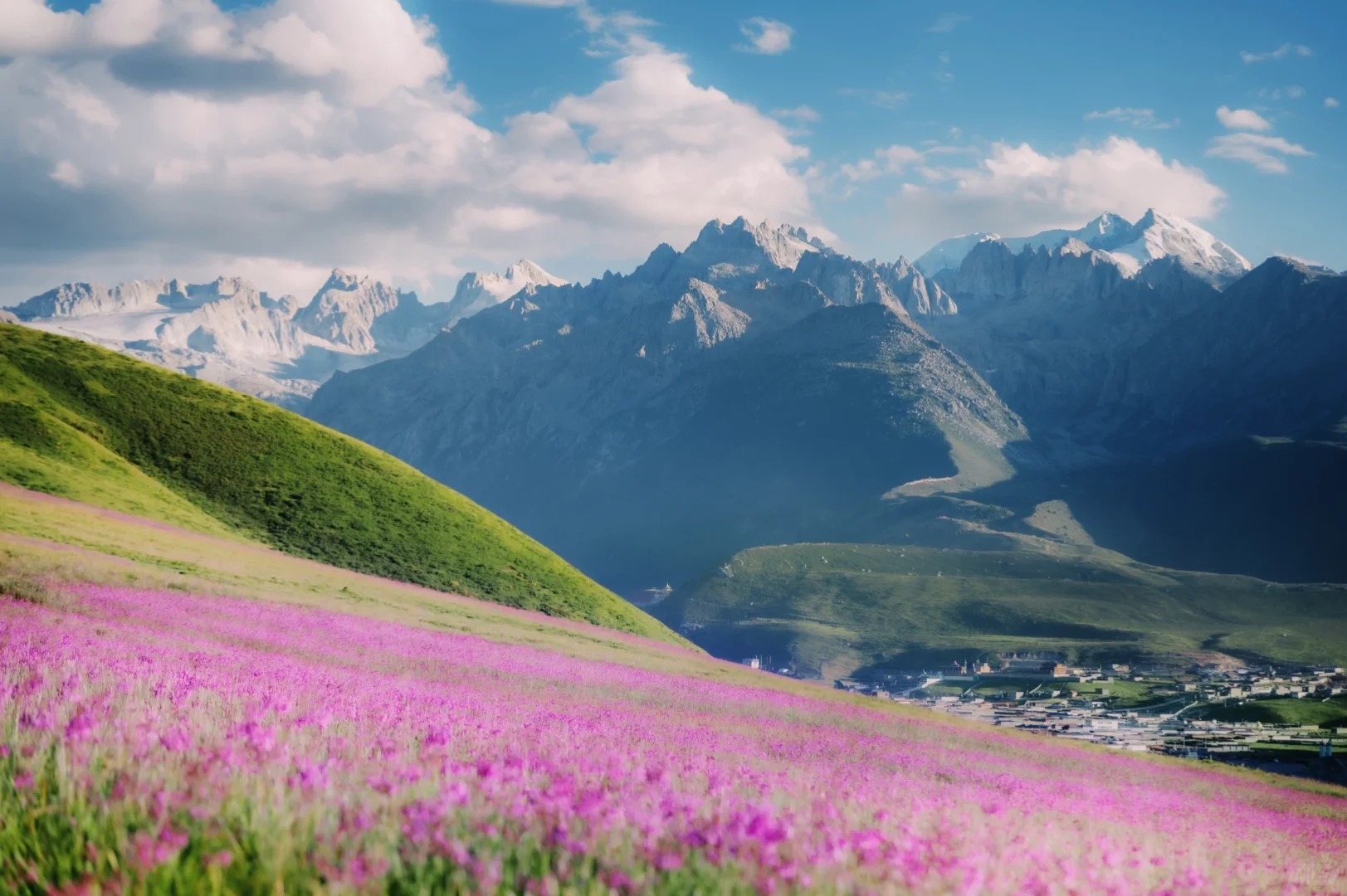
The road turns south from Litang and drops into the Genie valley. Somewhere along it comes the first sighting: Mt Genie (格聂神山, 6,204m) rising over the grassland, sudden and complete. By afternoon you arrive at Ze Ba village (扎巴), a working Tibetan hamlet at the foot of the mountain — not a showpiece, a place where people farm and pray. Your homestay has a wood-smoke kitchen, butter lamps and thangka-lined walls.
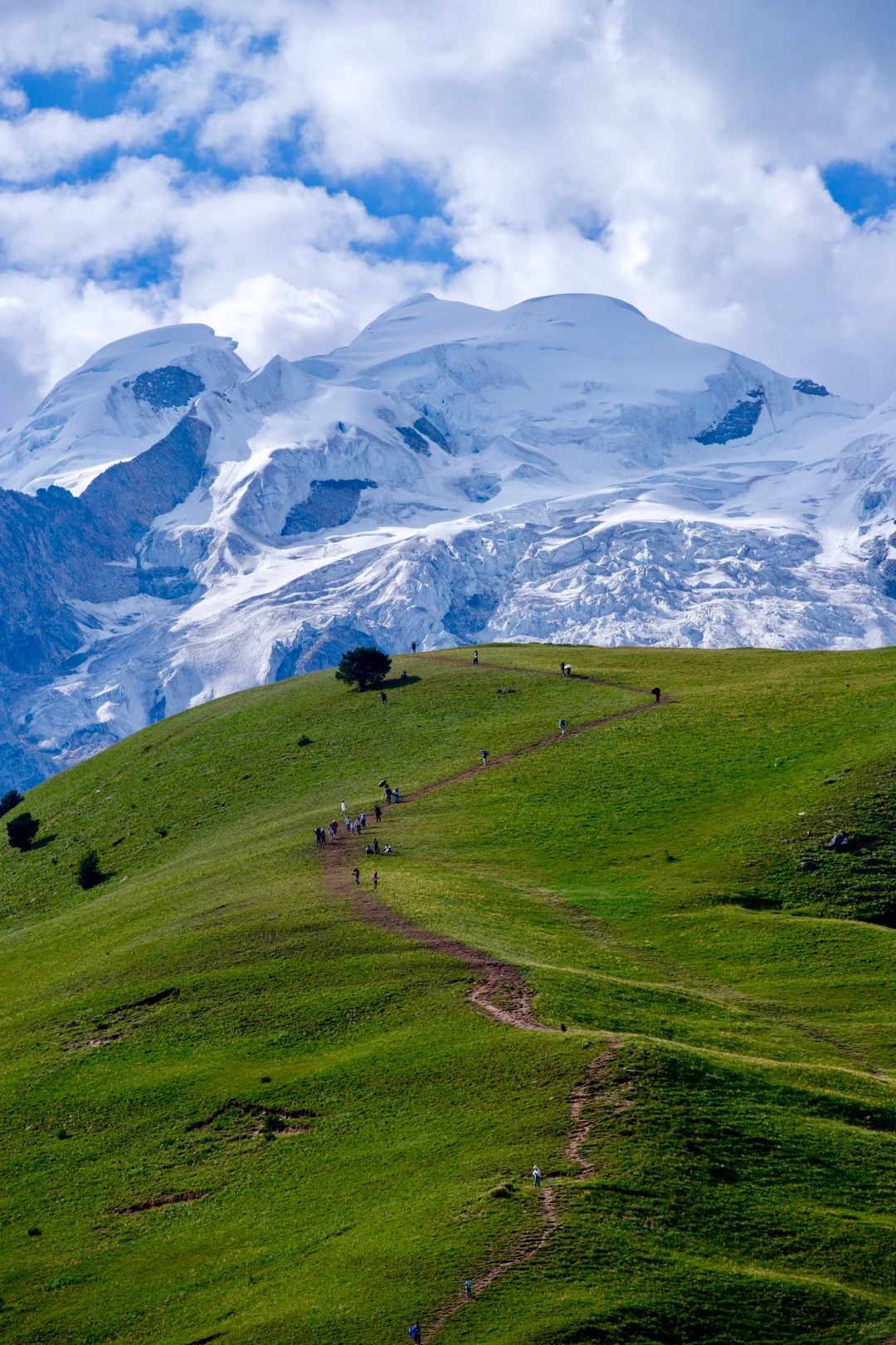
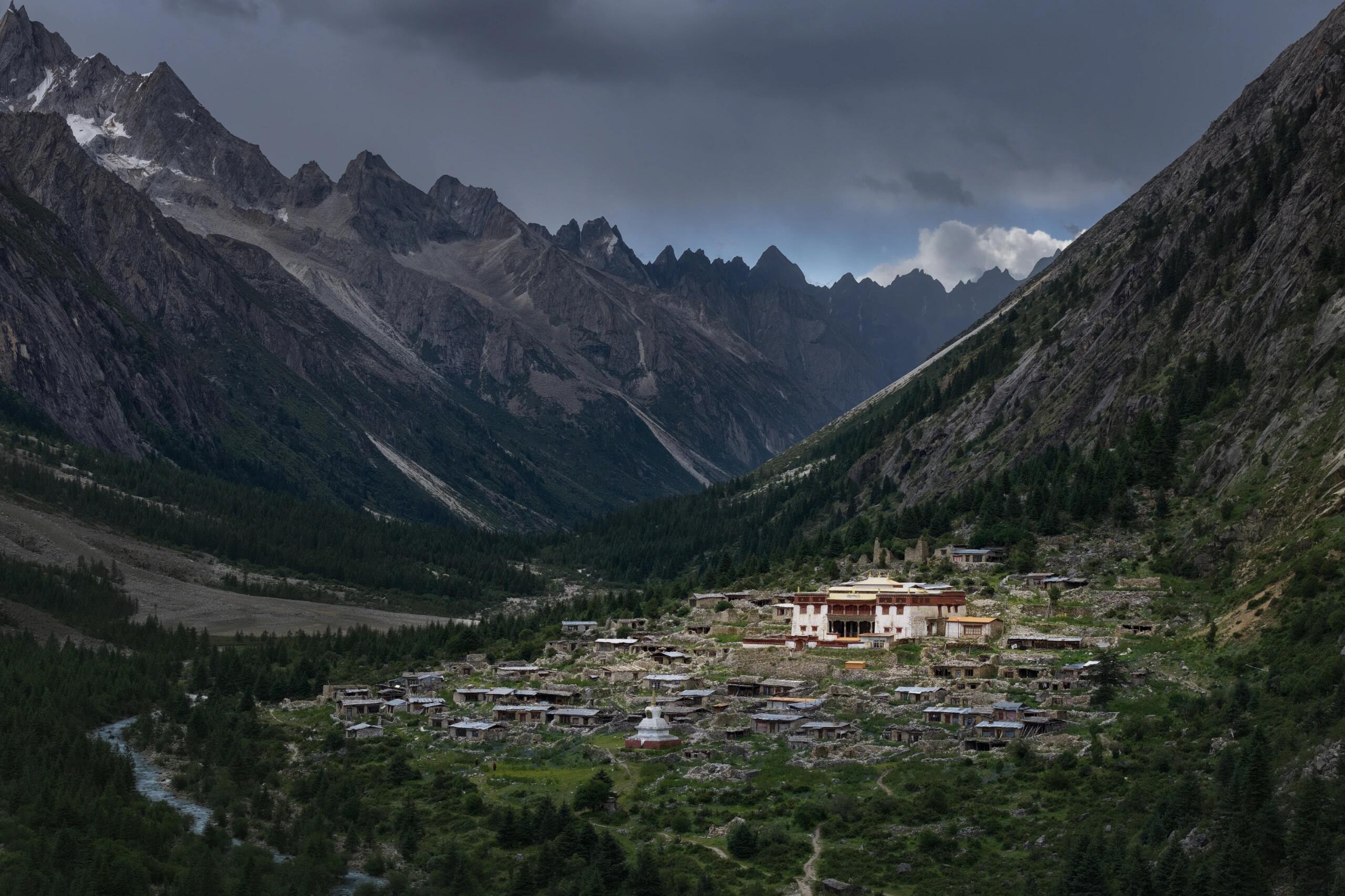
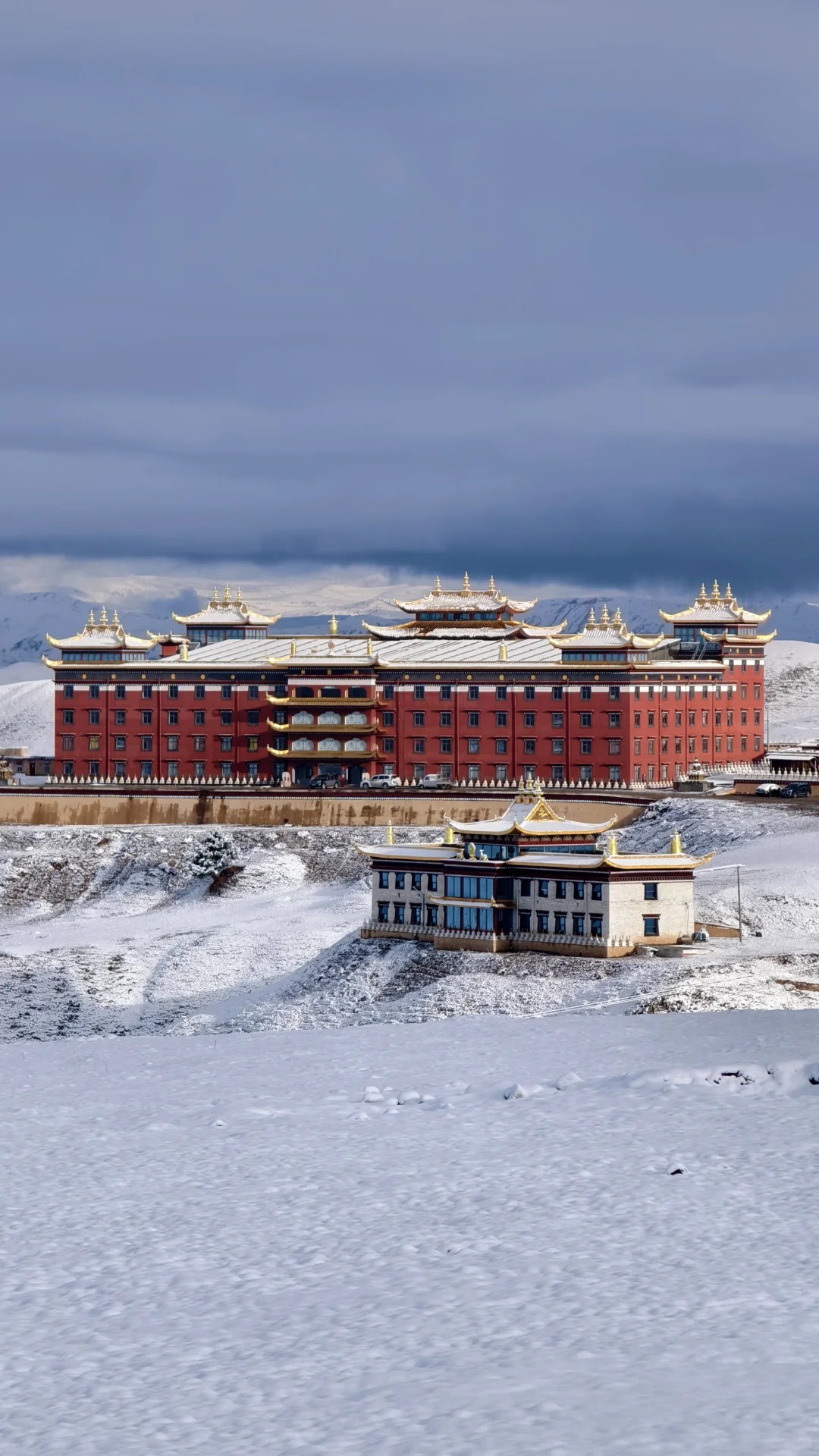
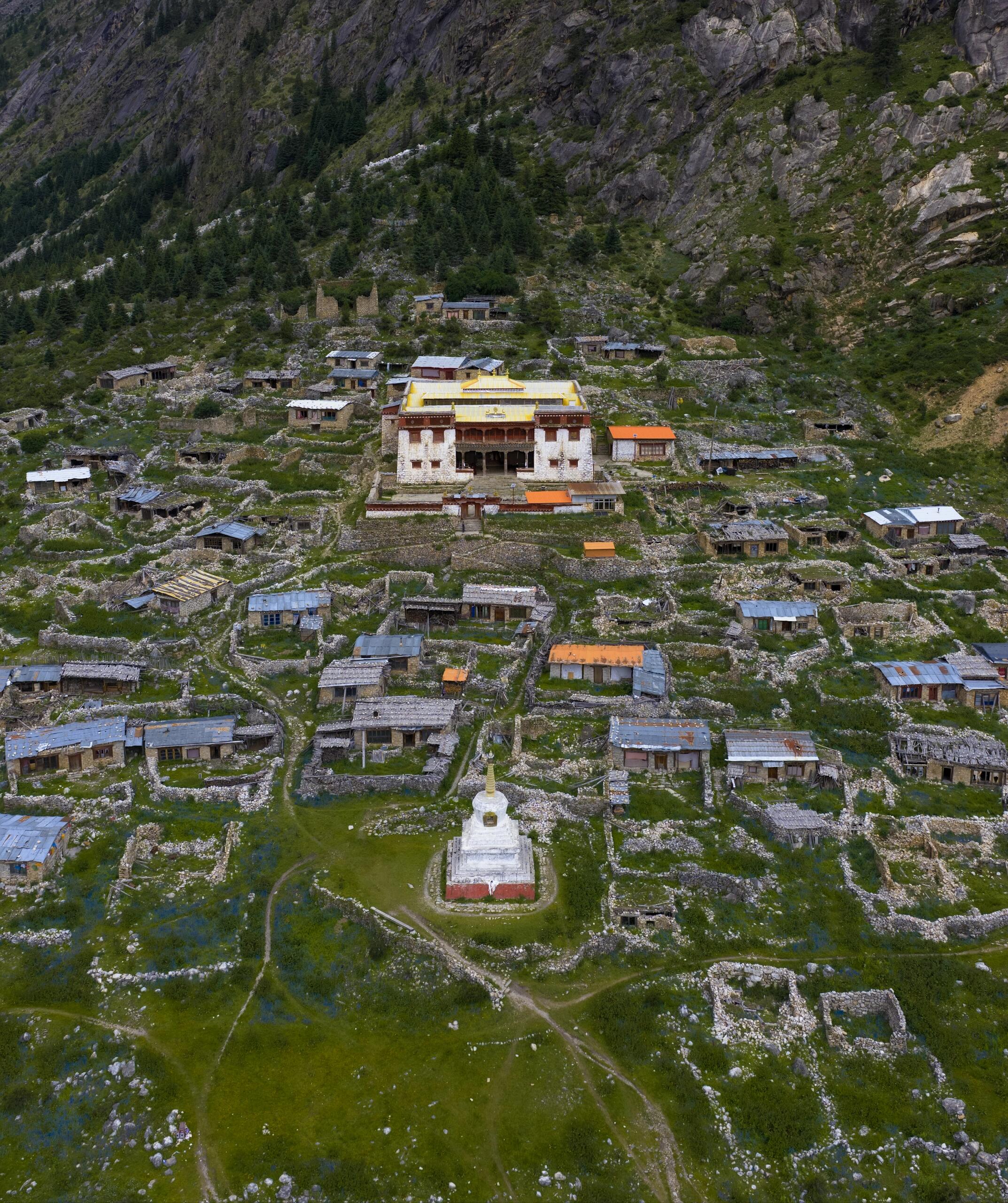
The morning hike climbs to Leng-Gu Temple (冷谷寺, Lenggu Gompa), a remote Gelug monastery tucked into a valley of jagged peaks below Mt Genie. Around it stands an ancient stone village — stupas, stone-walled houses, prayer wheels still turned daily. The walking is generous: open alpine meadows, Tibetan horses grazing. A glacier viewpoint shows Genie's north face spilling ice into the valley. Then back to Ze Ba for a slow afternoon.
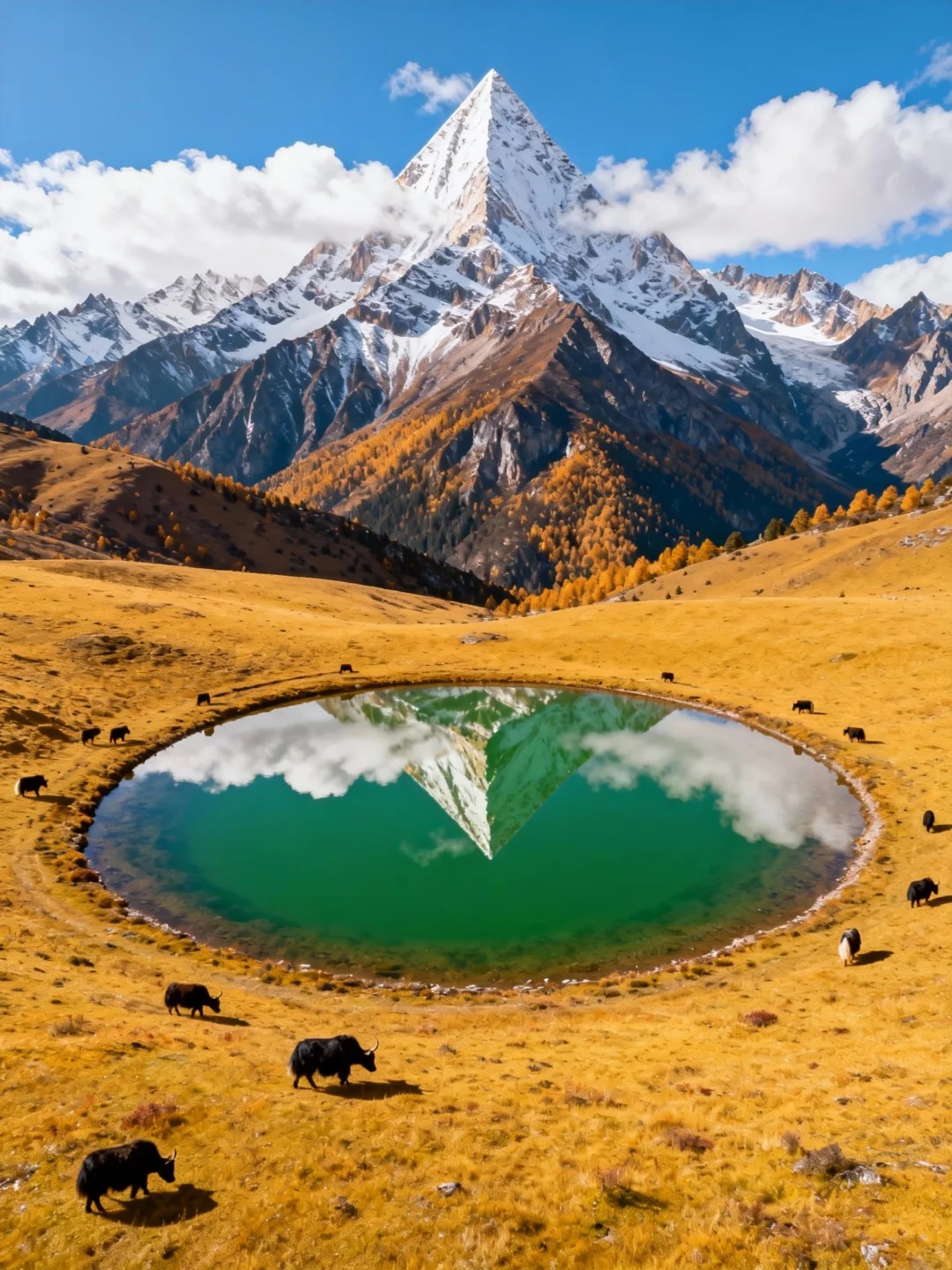
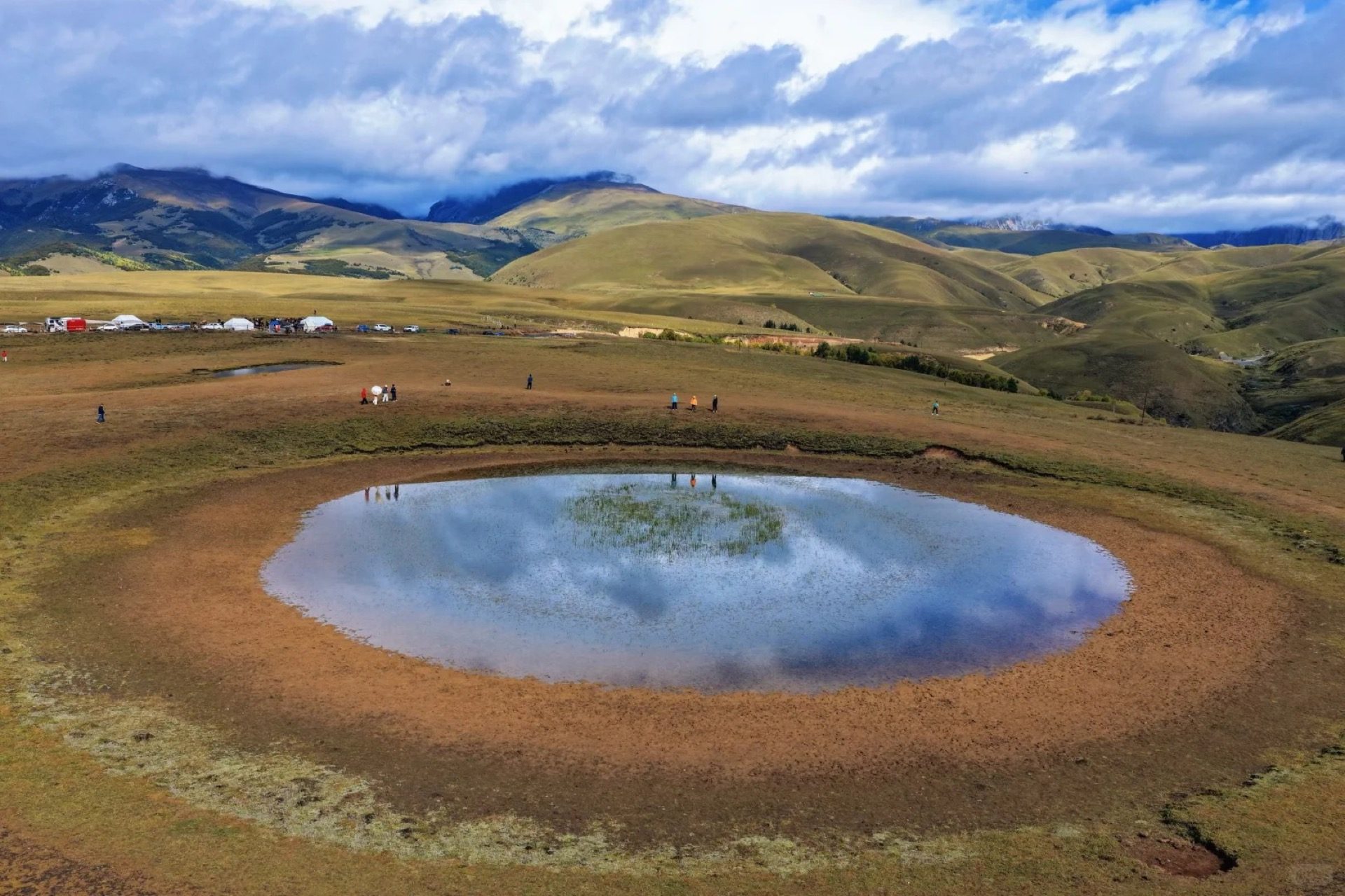
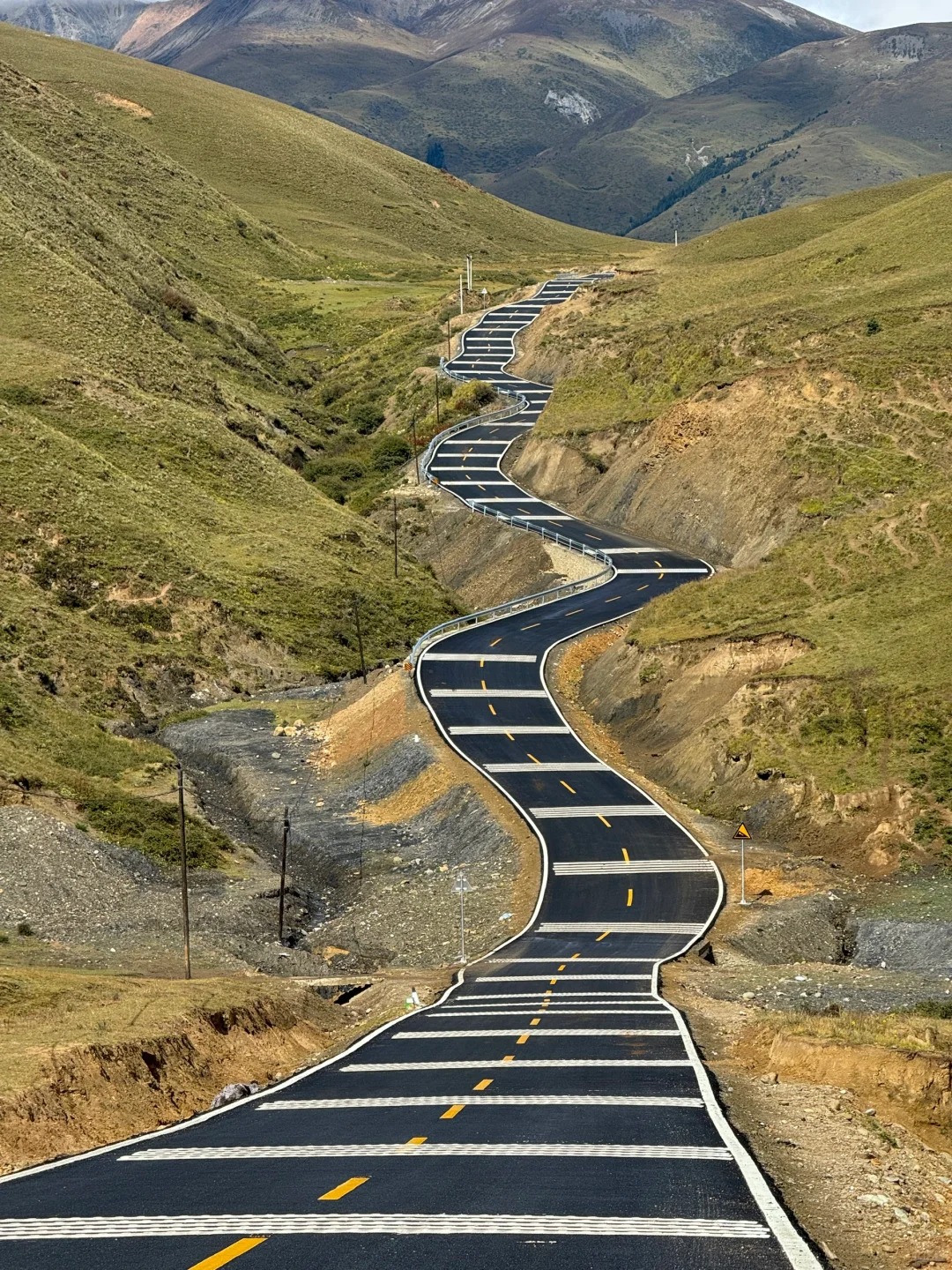
Another pre-dawn drive, this one to the Eye of Genie (格聂之眼, 4,300m). On a still morning the pool holds the mountain's snow face in reflection. Late morning, the ribbon road unspools south across the grassland toward Daocheng (3,750m). The rest of the day is deliberately soft: check in, a gentle stroll through Daocheng town. Two dawn missions down, and the sacred peaks of Yading still to come.
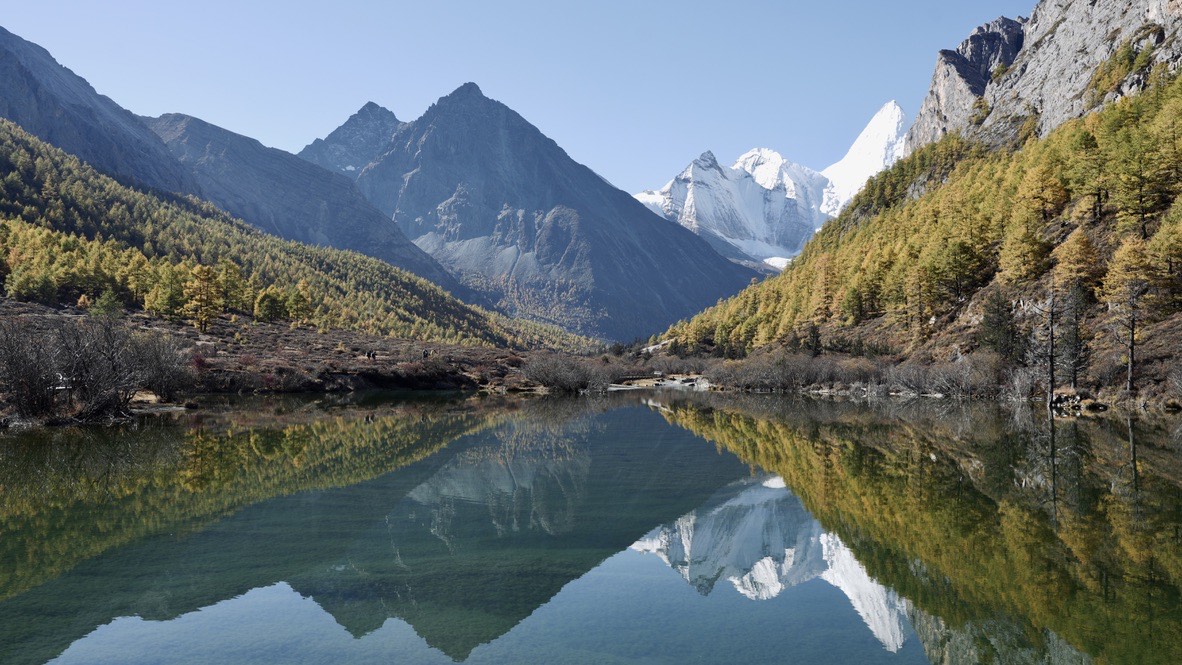
An early electric-cart shuttle carries you into the reserve — the point today is keeping the altitude work gentle. Chonggu Meadow sits at 3,880m with Chenrezig Peak (6,032m) filling the skyline; from there the short kora circles past Chonggu Temple and through rhododendron forest. The payoff is Pearl Lake (Zhuoma Lake), a glacial tarn holding a mirror reflection of the sacred peak when the wind drops. You're back in Yading village by afternoon with orders to rest: tomorrow is the long day, and tonight's early night is part of the plan.
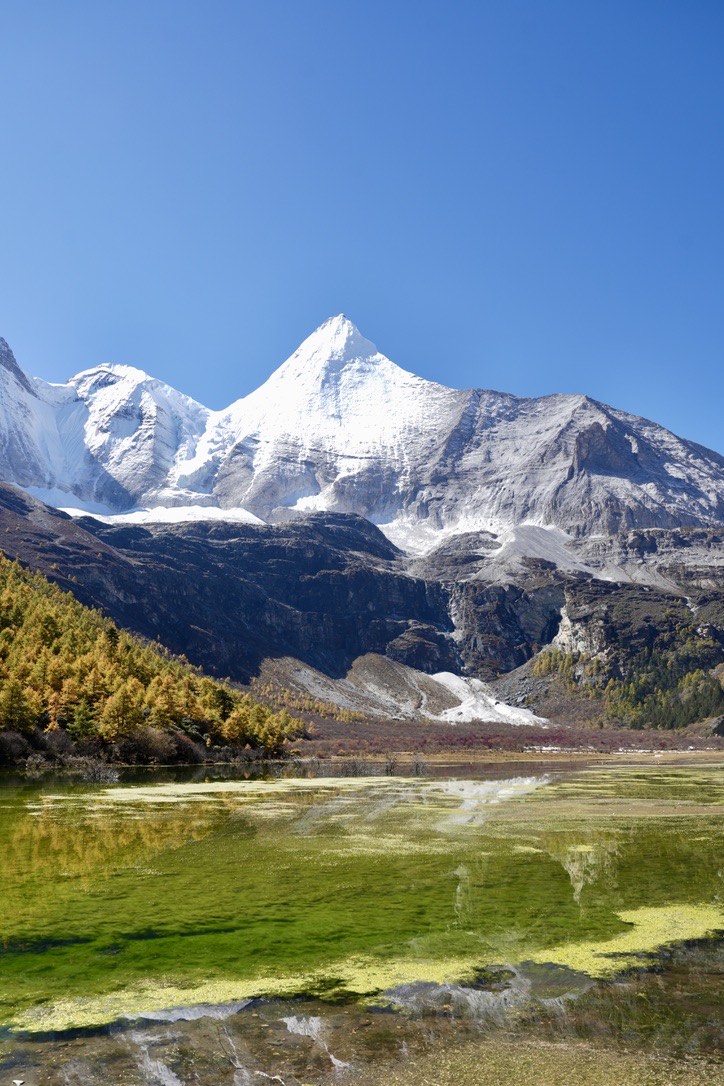
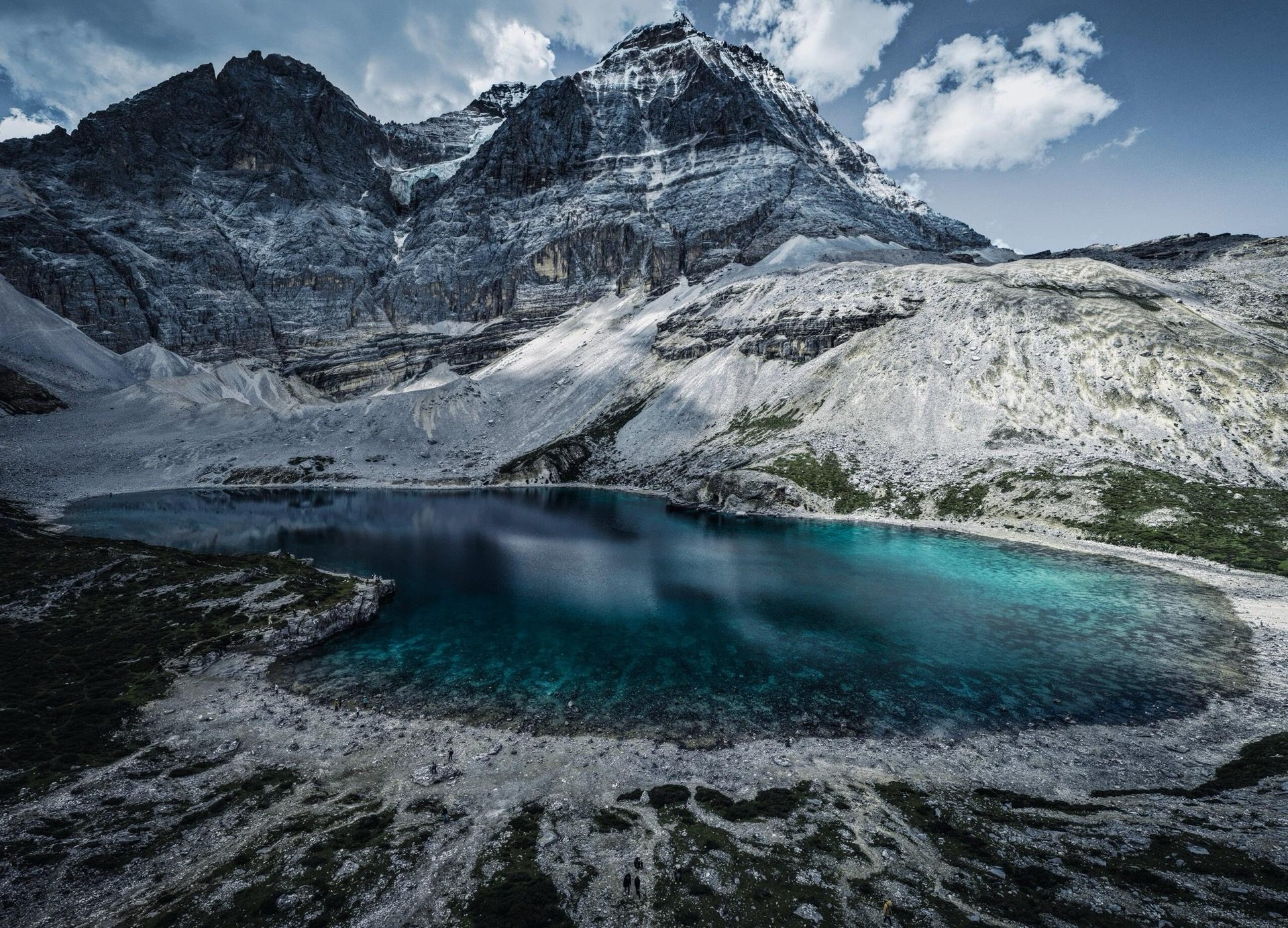
The electric shuttle drops you at Luorong Meadow (4,150m). From there it's on foot: roughly five kilometres one way to Milk Lake (牛奶海, 4,600m), with a steep final approach that asks for patience rather than heroics. Just beyond sits Five-Color Lake, its water shifting colour with the light. This is the highest walking of the trip — the reason for every acclimatisation day behind you. Back down by late afternoon, then a slow evening and an early night. You've earned both.
No alarm. The last morning is a slow one at the lodge, then a transfer to Daocheng Yading Airport — at 4,411m, the highest civilian airport in the world. The flight back to Chengdu takes about an hour; from there, connect home or stay an extra night in the city. If you can spare two or three more days, Chengdu rewards them — pandas, Sichuan food, an old-town wander — the soft landing in reverse.
Short on time? The route compresses. Days 3 and 4 fold into a single long drive — the Lenggacuo dawn still happens, then you push straight through Xinduqiao to Litang. At the far end, Day 9's long kora comes off the plan: you walk only the short kora on Day 8 and fly out on Day 9. All three sacred peaks stay in the itinerary. What you give up is margin — for weather, for rest, for the second-chance dawns the ten-day version keeps in reserve. If your dates are fixed, it works. If they aren't, take the ten.
A Chengdu soft-landing, then two Tibetan lodges inside the Daocheng Yading sacred-peaks park.
A design lodge inside Daocheng Yading with snow-peak views from bed.
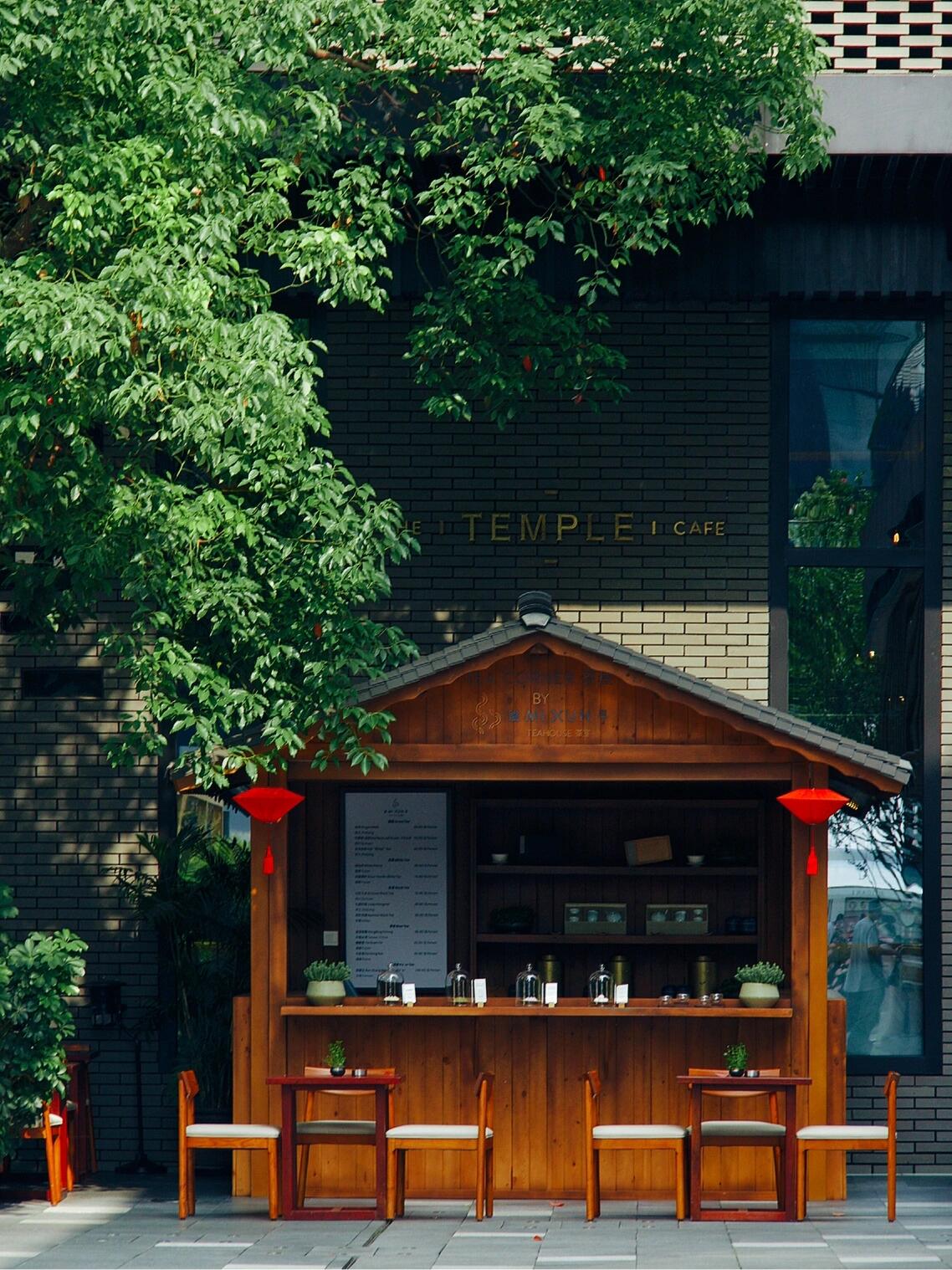
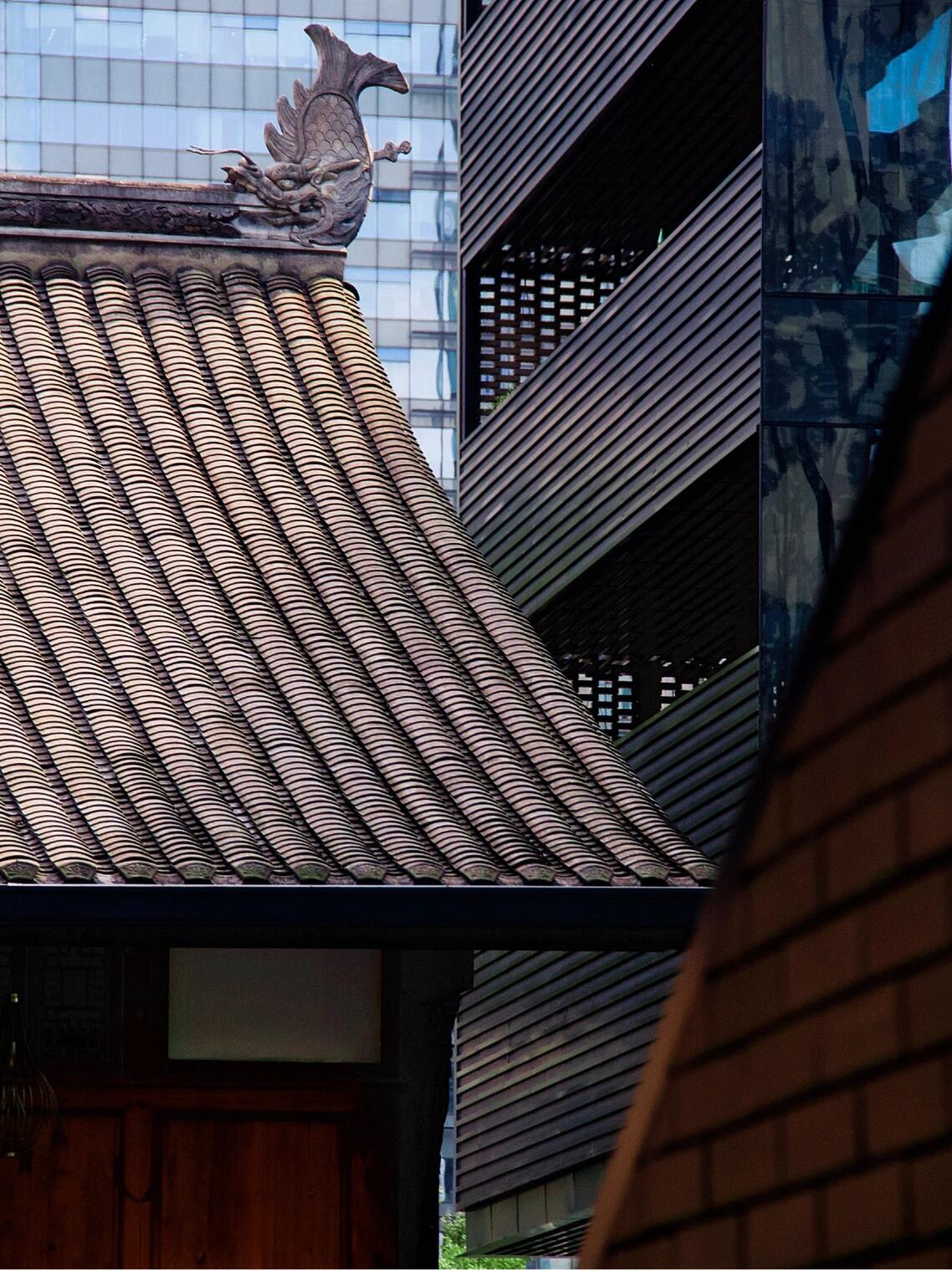
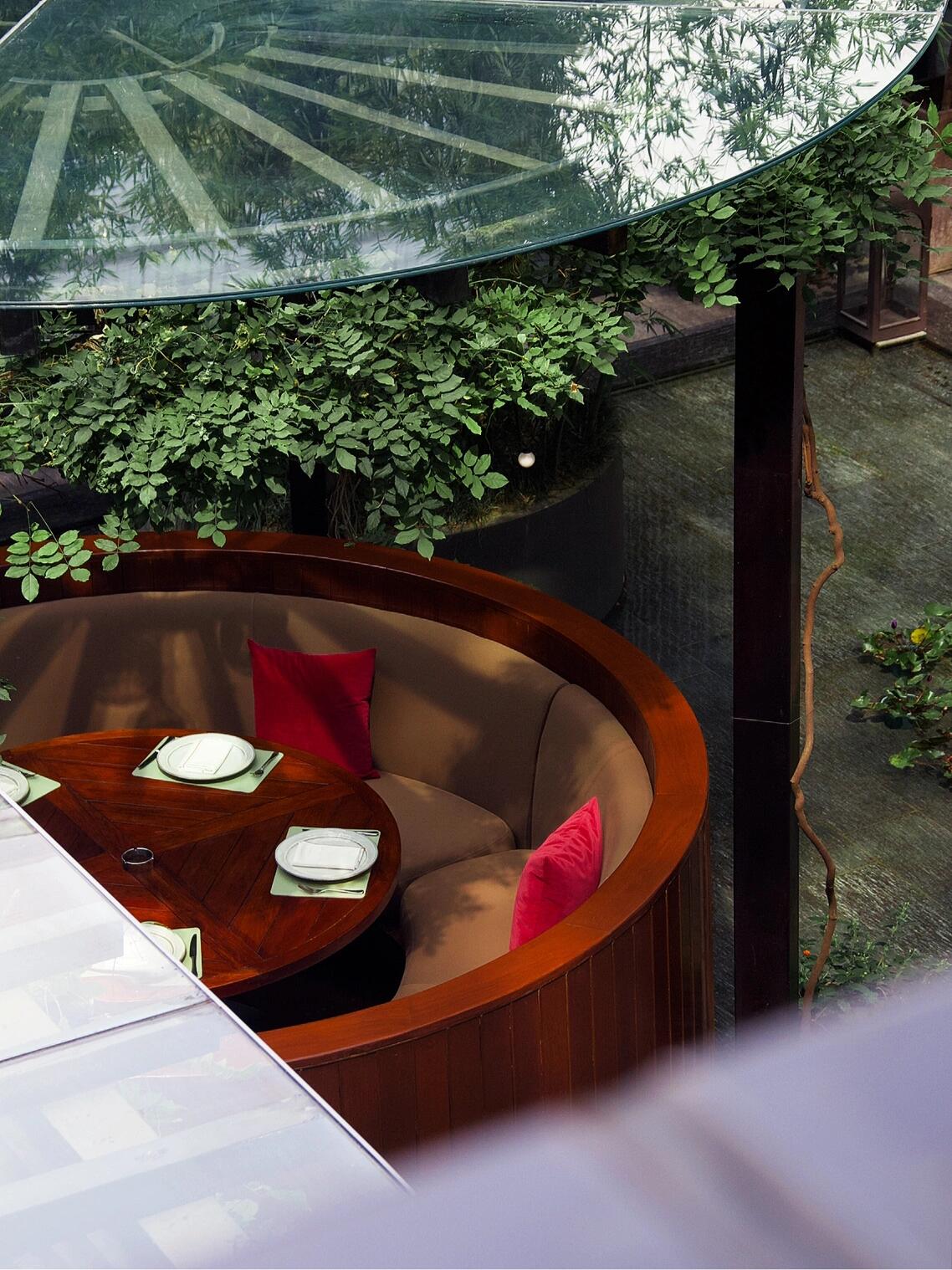
Chengdu's design hotel for the soft-landing night before the altitude days.
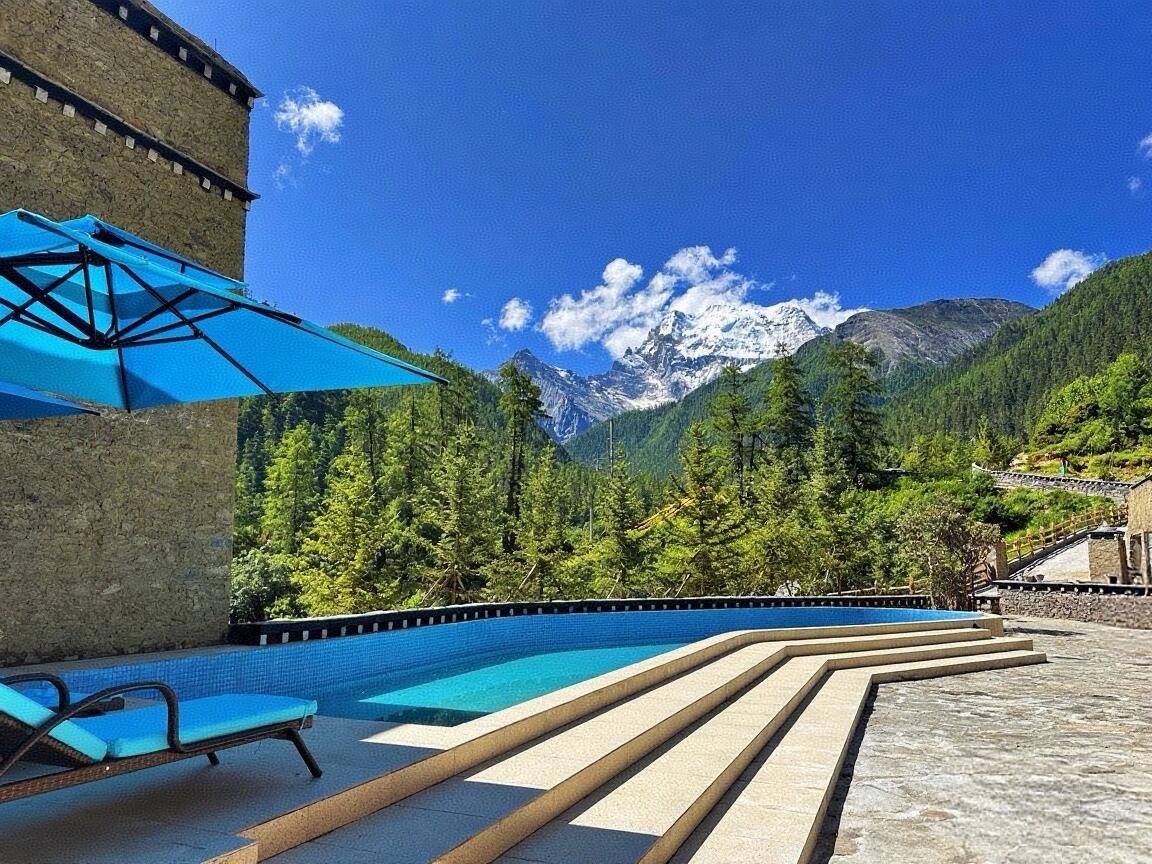
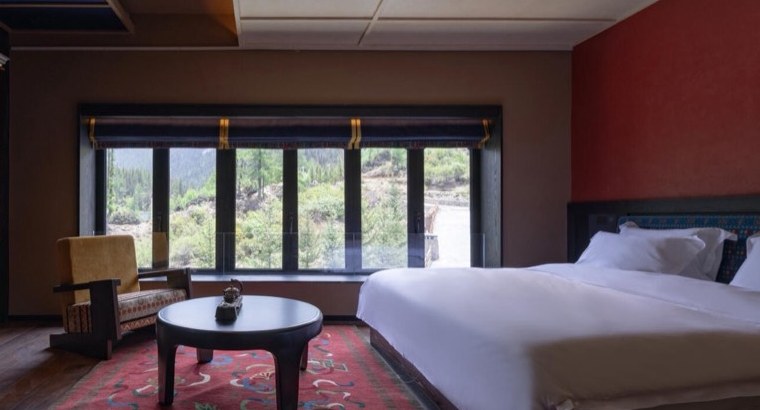
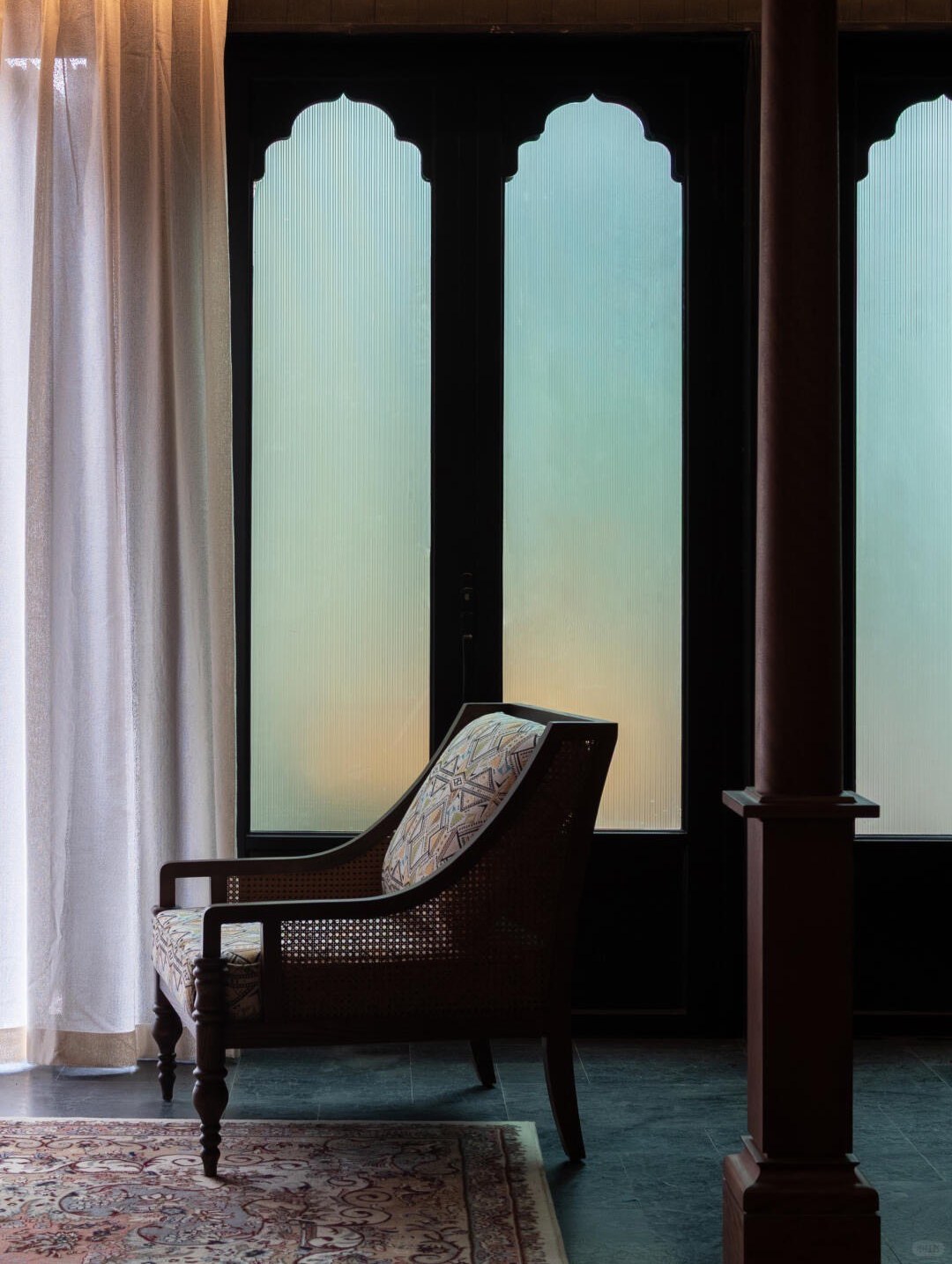
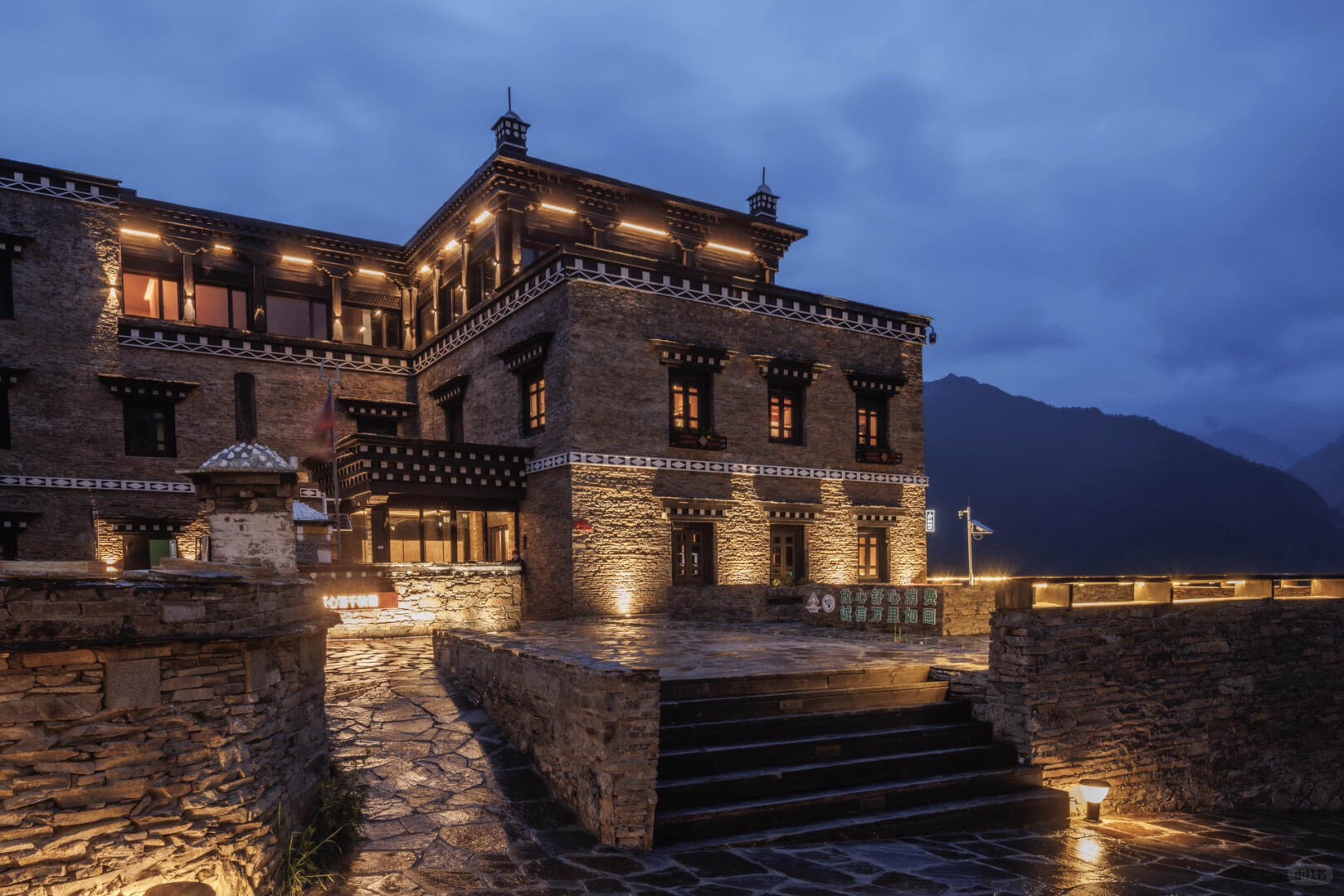
A handcrafted Tibetan stone-and-timber retreat at the gate of the sacred-peaks park.
These are examples of the boutique stays we book across the route. Because boutique hotels have so few rooms, a stay may occasionally be swapped for one of similar standard.
Several days operate at 4,000–4,600m. The pre-dawn visit to Lenggacuo (Day 3) is at 4,500m. Daocheng Yading's long kora reaches Milk Lake at 4,600m. We build acclimatisation into every stage — slower days below 3,500m before the high push, and we always drive into Daocheng rather than fly, because the airport sits at 4,411m and arriving by air significantly raises the risk of acute altitude sickness. If you have heart or respiratory conditions, speak to your doctor before booking.
It is a genuine Khampa farmhouse, not a guesthouse — heated rooms, shared meals with the host family, and a wood stove in the kitchen. It is clean and well looked-after. The experience at the foot of Mt Genie is categorically different from anything a hotel provides. If you prefer more comfort in the lead-up to the high-altitude days, we can arrange a lodge in Litang instead.
Mid-September to late October is the sweet spot — autumn colour on the plateau, stable weather windows, and the clearest views of Gongga and Genie. Late April to May works as the spring alternative: fewer crowds, emerging wildflowers, and reasonable weather. Avoid late July and August when monsoon cloud frequently blocks the peaks. Roads can close in winter (November–March) at the higher sections.
Daocheng Yading National Reserve requires an entry ticket and compulsory use of the internal electric-cart system for lower valley sections. We handle all tickets and logistics. There are no special foreign-visitor permits beyond standard travel documentation. The reserve is accessible year-round, though we always route you in overland from Litang to manage altitude.
Every day, stay and date tailored to you — shaped over a call with someone who has walked the route, never a template.
Request a proposal for this trip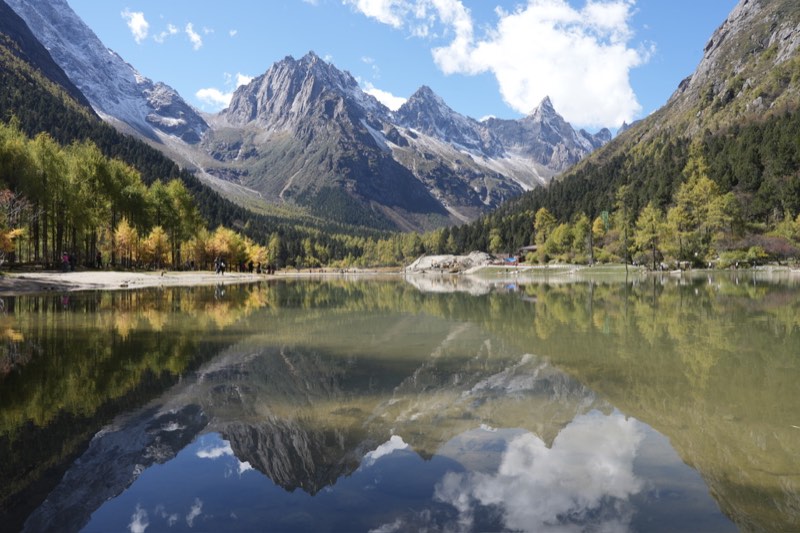
Giant Pandas at the Chengdu Research Base, then three days in the alpine lakes of Siguniang or Jiuzhai Valley. City culture first, mountain silence after.
See the itinerary →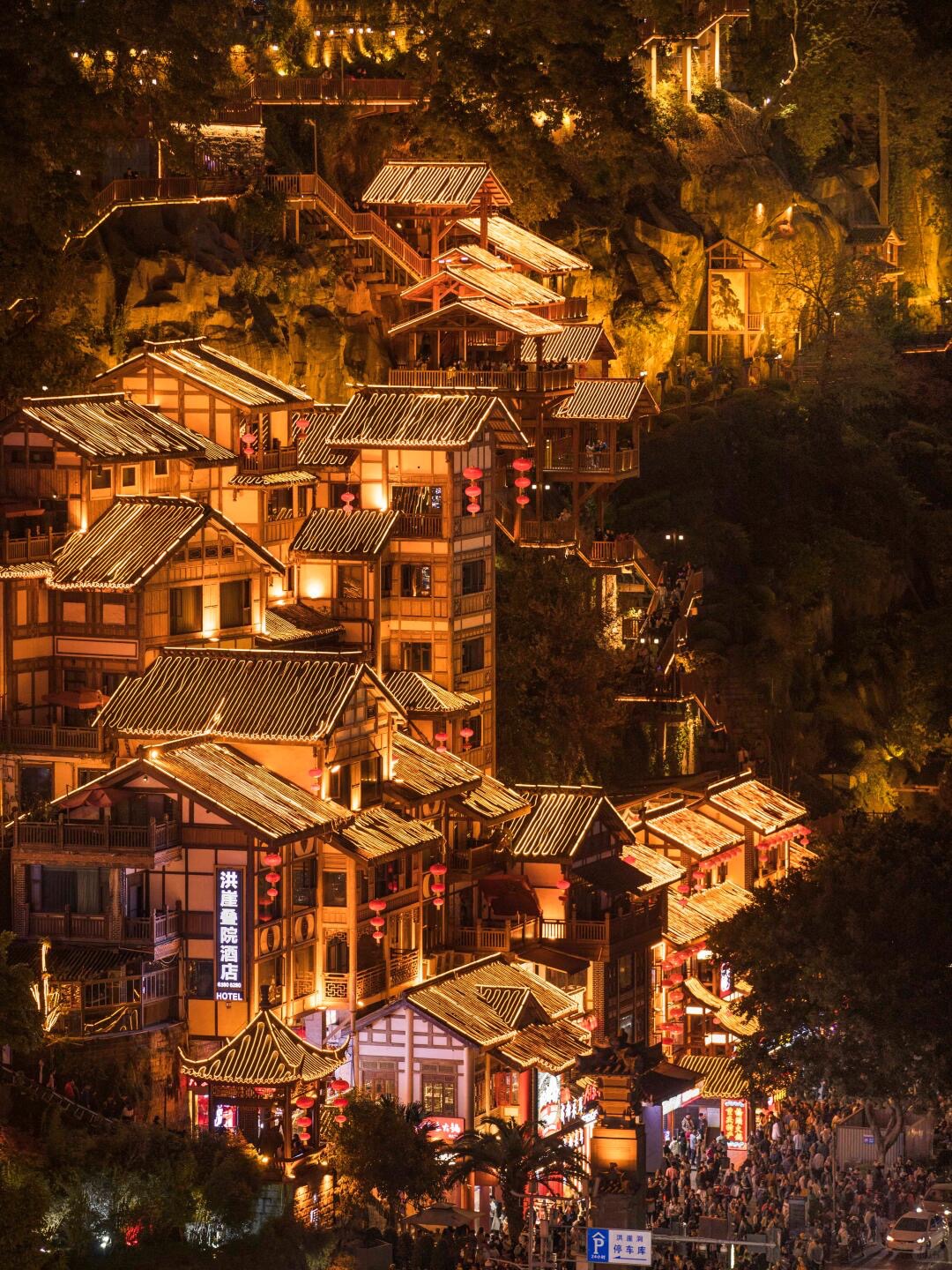
A 5–6 day private tour weighted toward Chongqing — neon river cities, UNESCO Wulong Karst, the Longji (Dragon's Backbone) ridge hike above the Yangtze, and two different tables of Sichuan heat. Bookended with a soft Chengdu landing.
See the itinerary →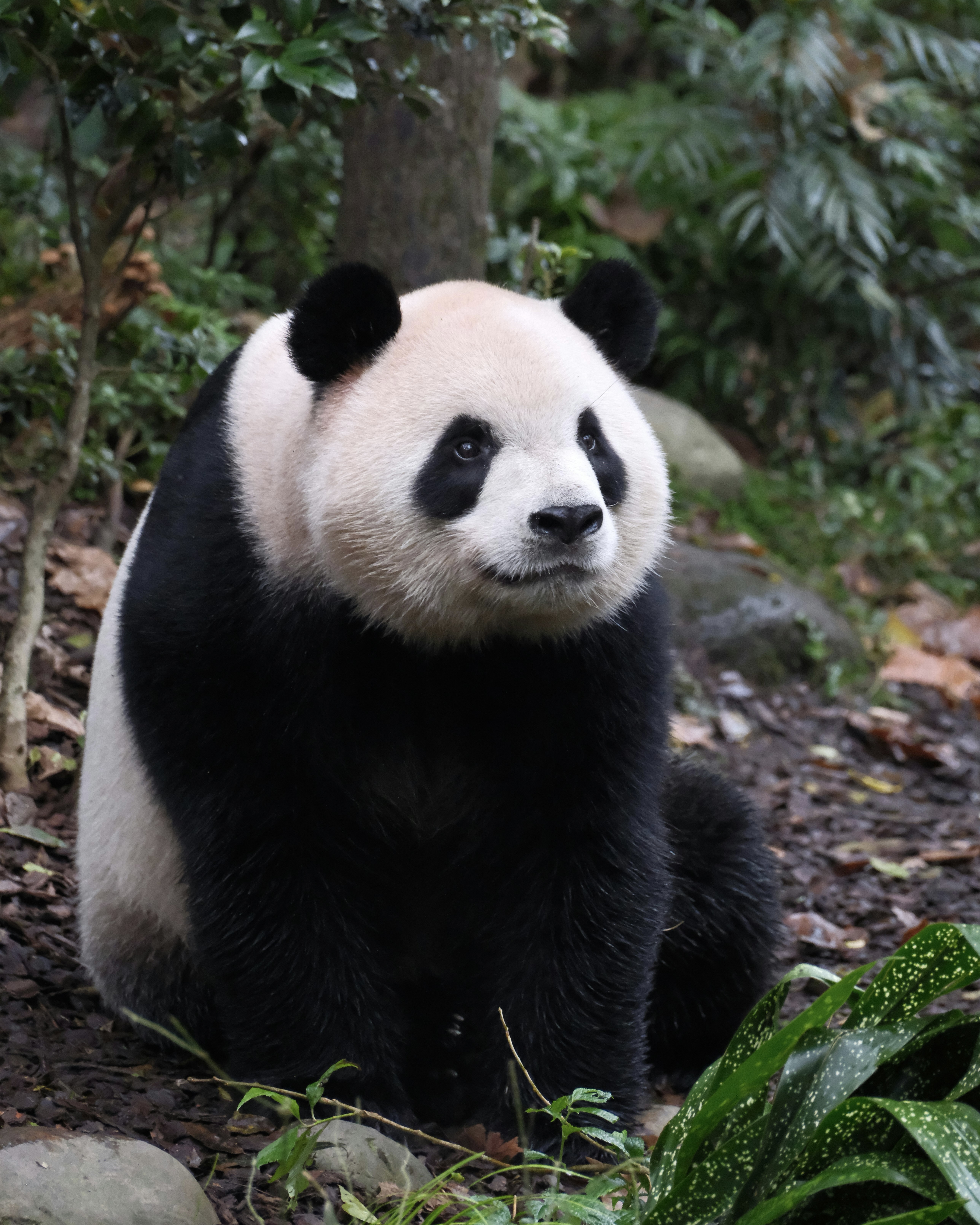
Fifteen days that pair China's great icons with its wildlife and wild landscape — the Forbidden City and the quiet Great Wall at Jinshanling, the Terracotta Army, a working day with the giant pandas outside Chengdu, three days among Zhangjiajie's sandstone pillars, and Shanghai to finish. Private throughout.
See the itinerary →