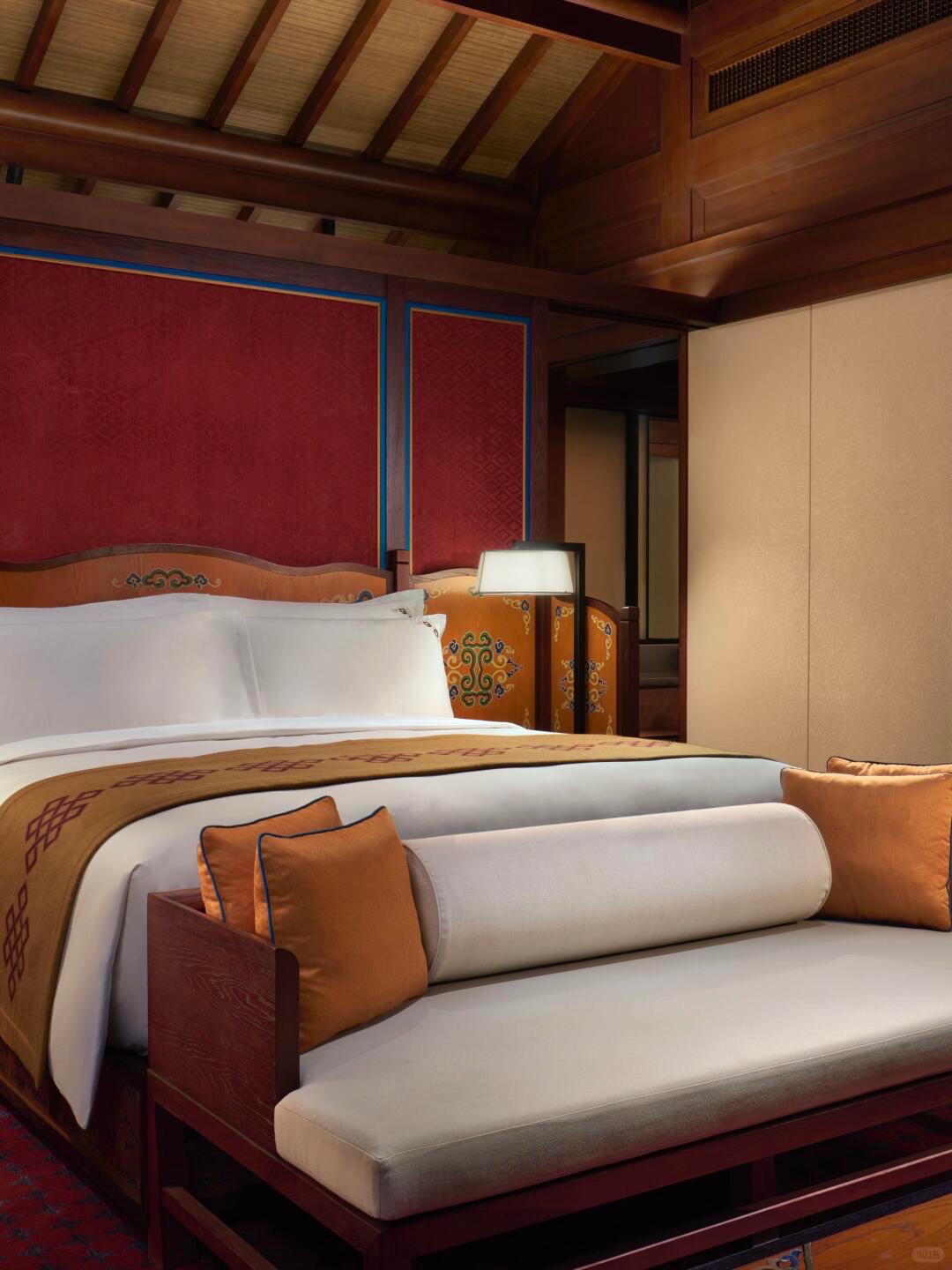
Jiuzhai Valley
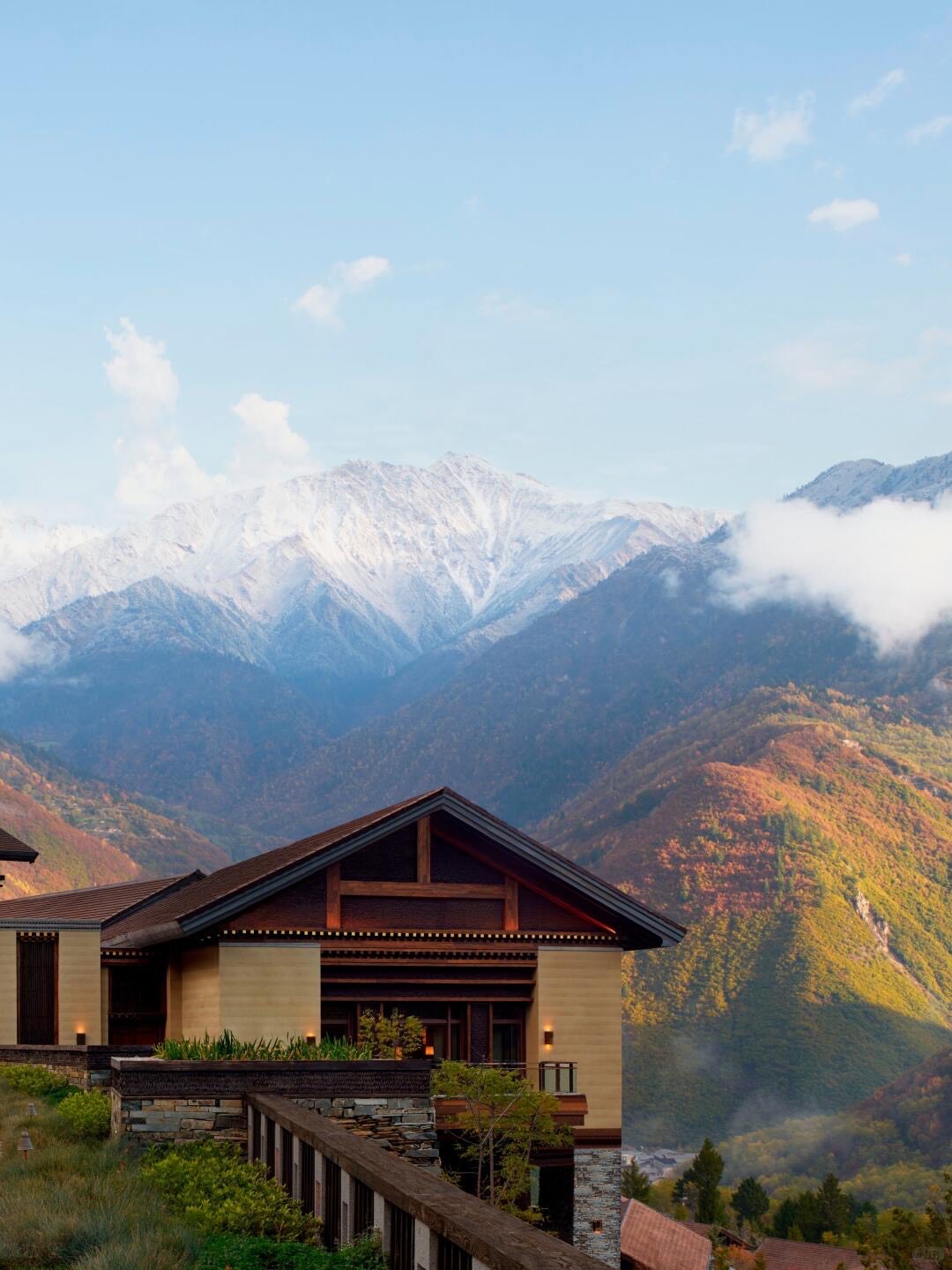
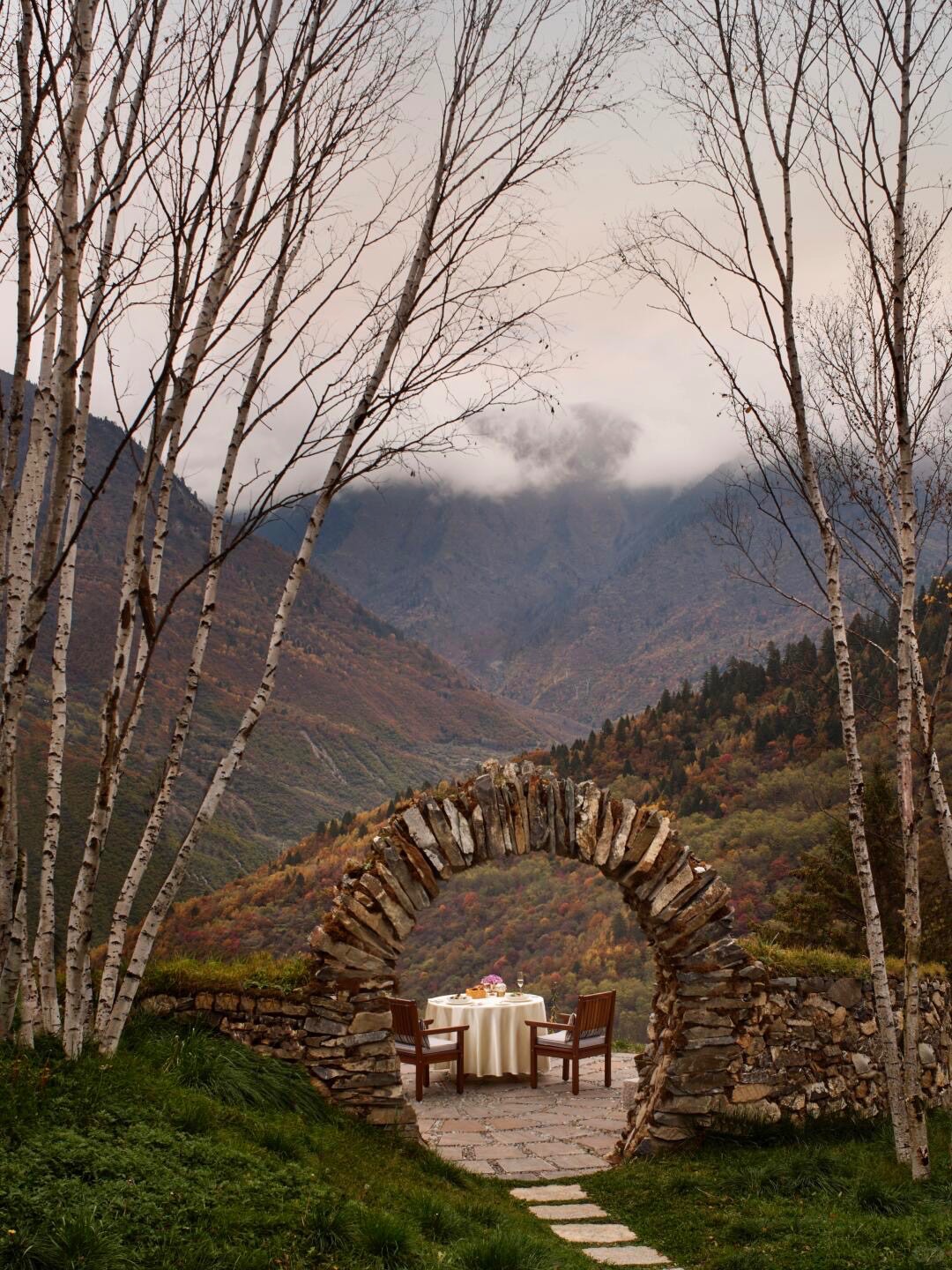
An ultra-luxury Ritz-Carlton Reserve lodge in the Jiuzhai Valley for the nature days.

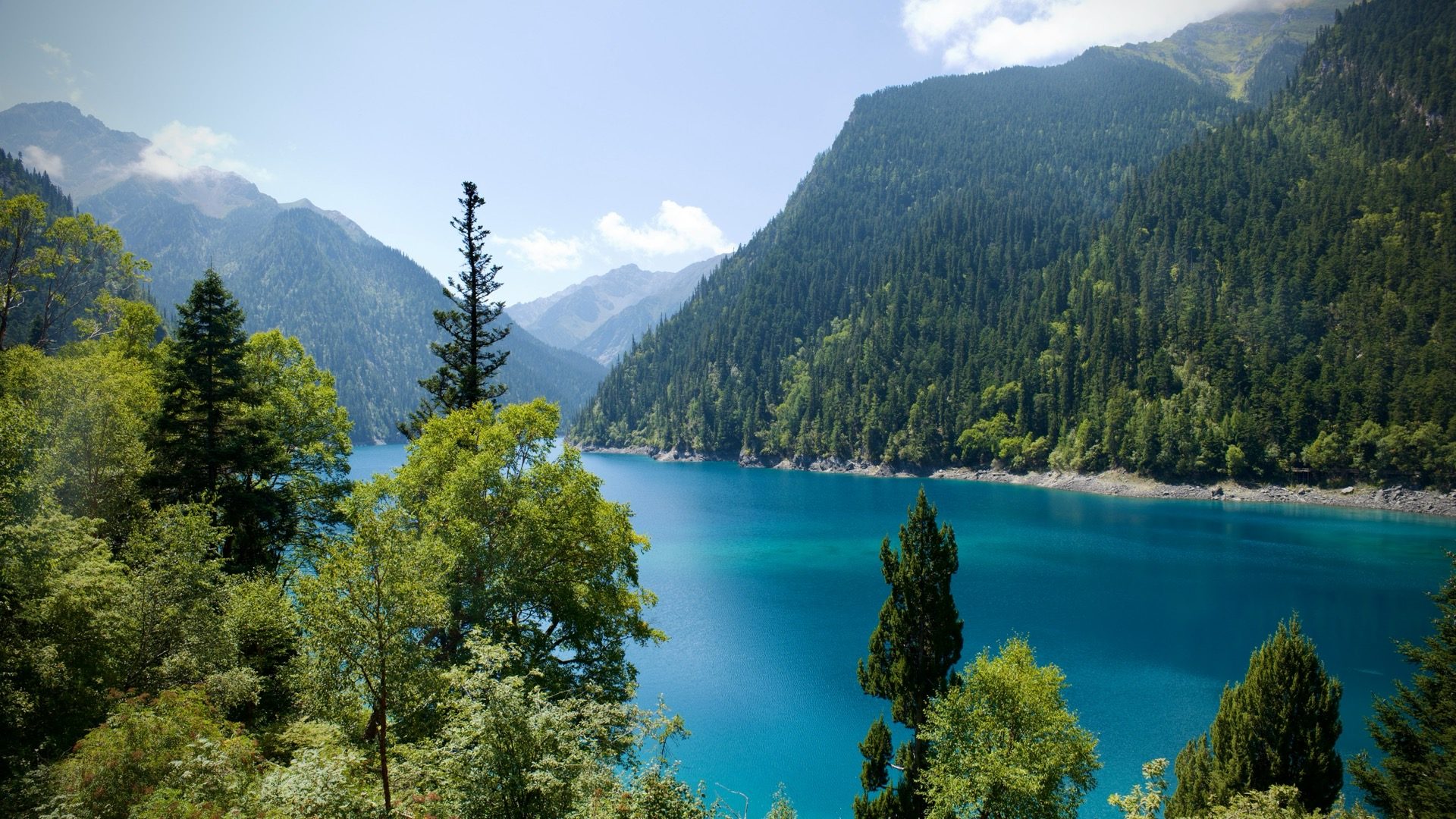
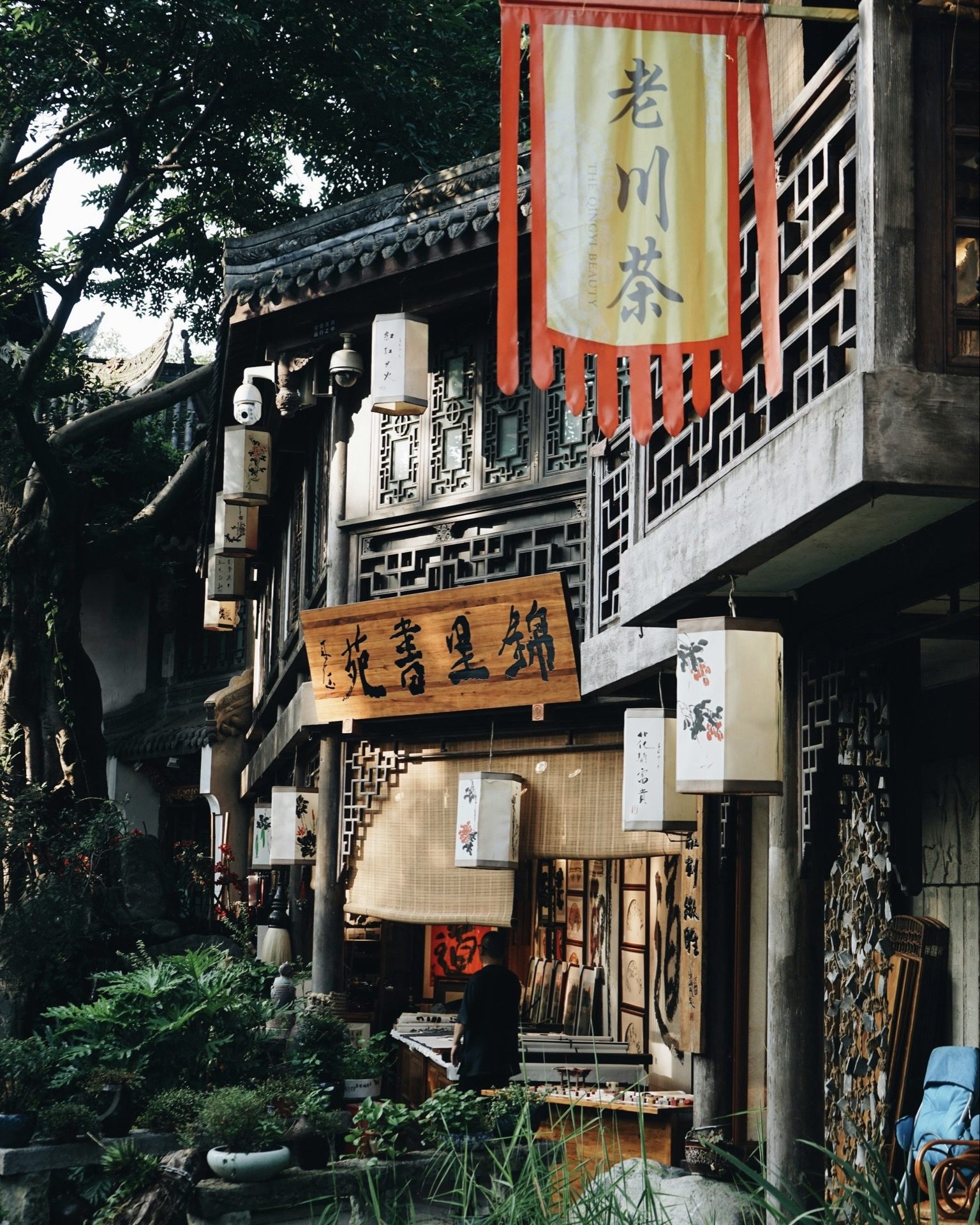
Land, drop your bags, and head for the Wenshu Monastery quarter — Chengdu's calmest corner, all temple lanes and teahouses, moving at a pace the rest of the city has mostly abandoned. Start with a gaiwan of jasmine or local green in Wenshu's courtyard teahouse, bamboo chairs creaking, Chengdu regulars playing cards at the next table. When the light drops, walk the snack lanes — red-oil wontons, skewers, mung-bean cakes — and claim a stool for dan dan noodles at whichever counter looks busiest.
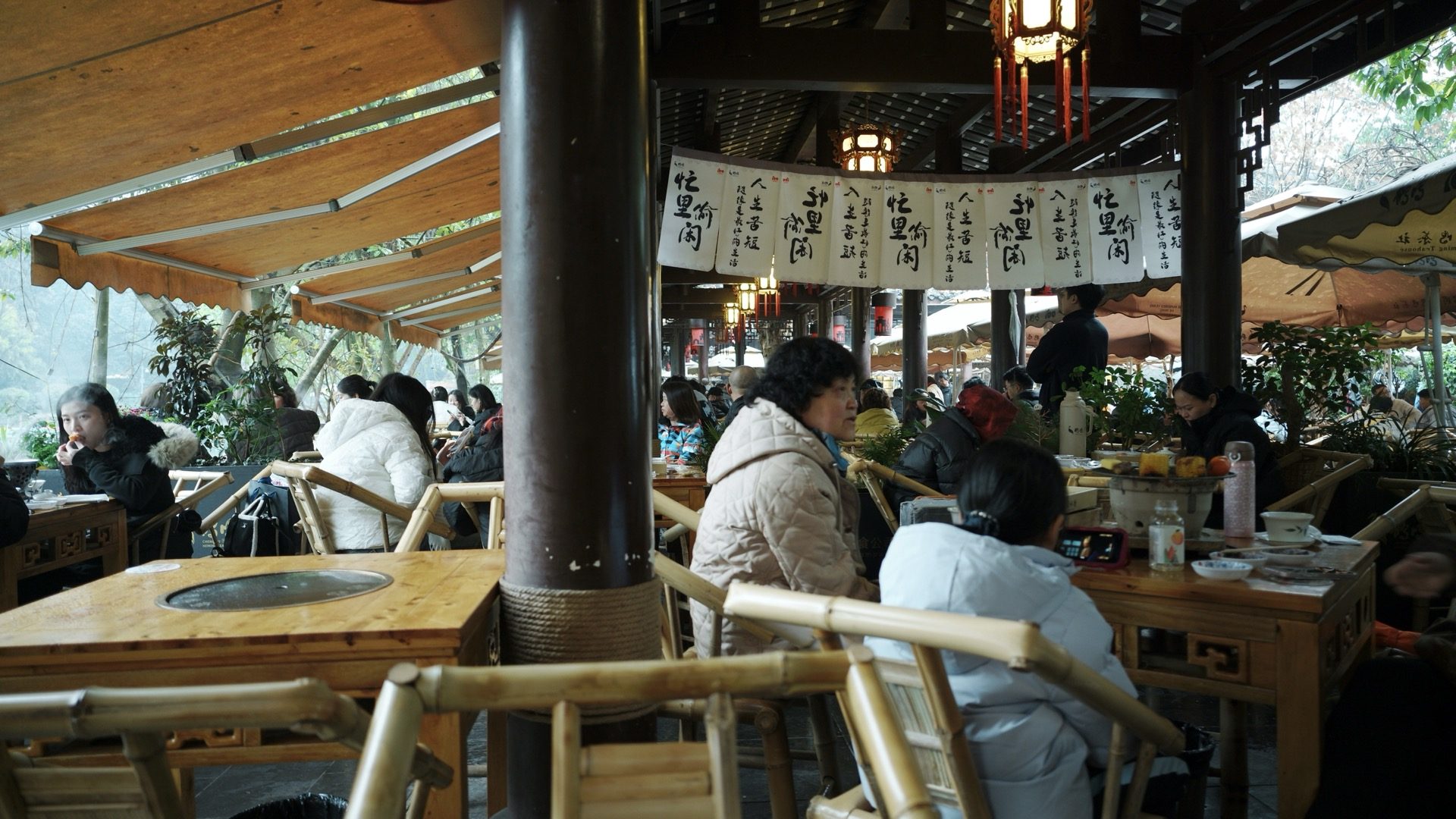
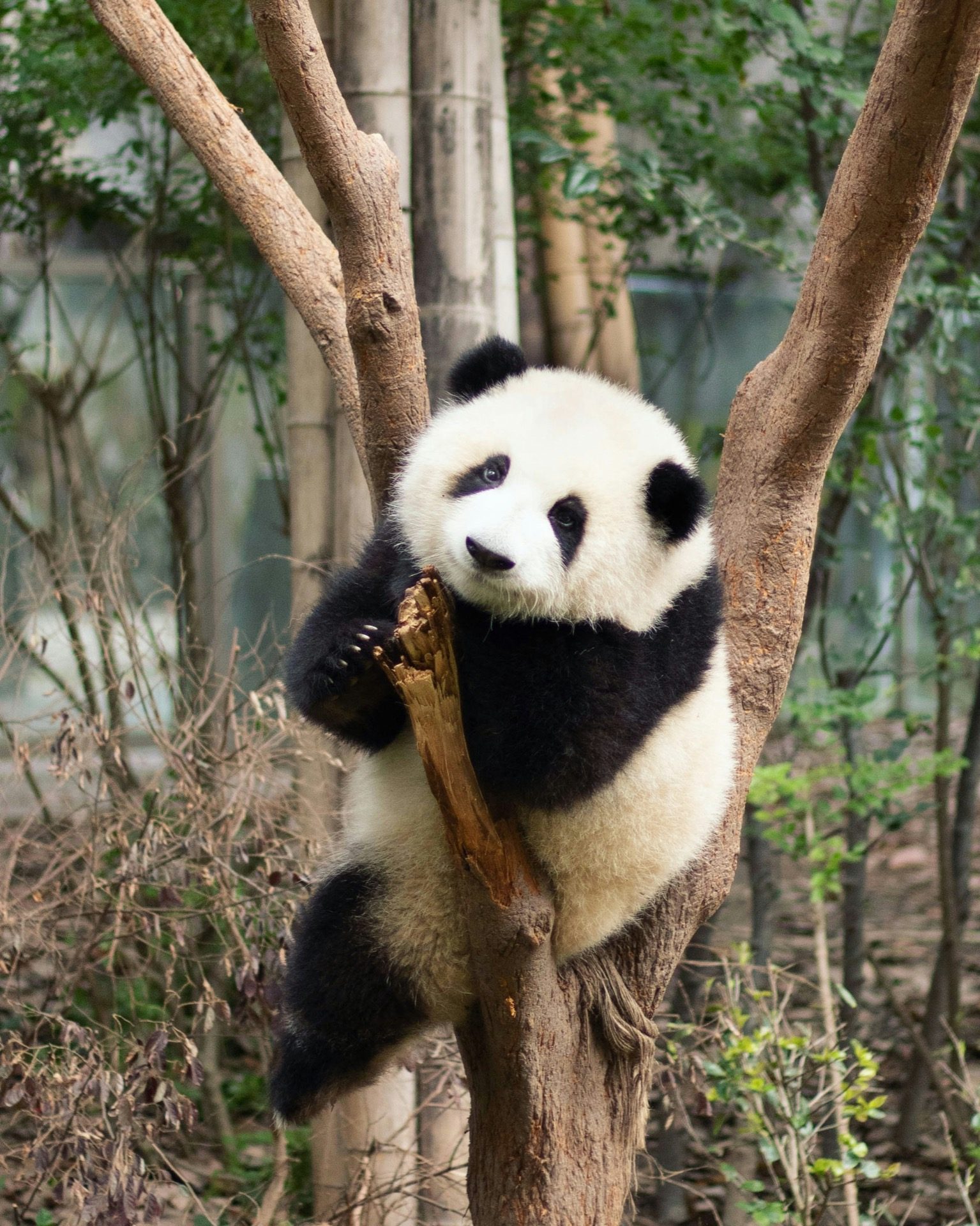
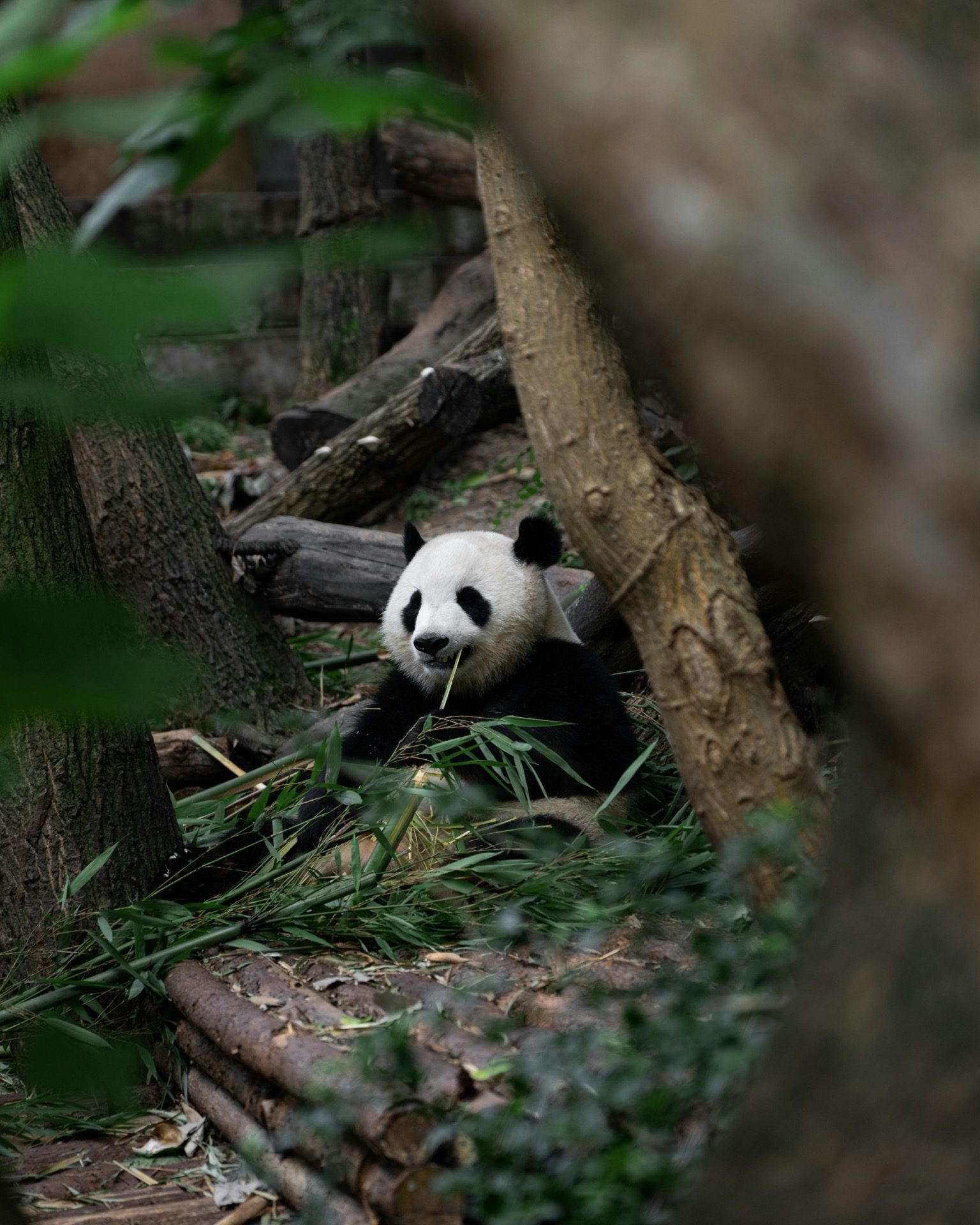
You're through the panda base gates early, timed for the hours when the animals are actually moving. A walkthrough of the small museum wing fills in what you're watching. The afternoon is yours to choose: a calligraphy session with brush and ink, or a Sichuan opera face-changing performance, masks flicking past faster than you can follow. Either way, it ends with a slow browse of Jinli Ancient Street's craft stalls.
Two ways north: a 45-minute flight that cuts through Min Mountain cloud, or four hours of road tracing the Min River gorges through dramatic valley terrain. Either way you arrive with daylight to spare for a sunset acclimatisation walk on the meadow boardwalk at 2,000 m — enough movement to help your body adjust to altitude without tipping into fatigue. Then an early night. Altitude makes the first evening short, and your best day in Jiuzhai depends on sleeping well tonight.
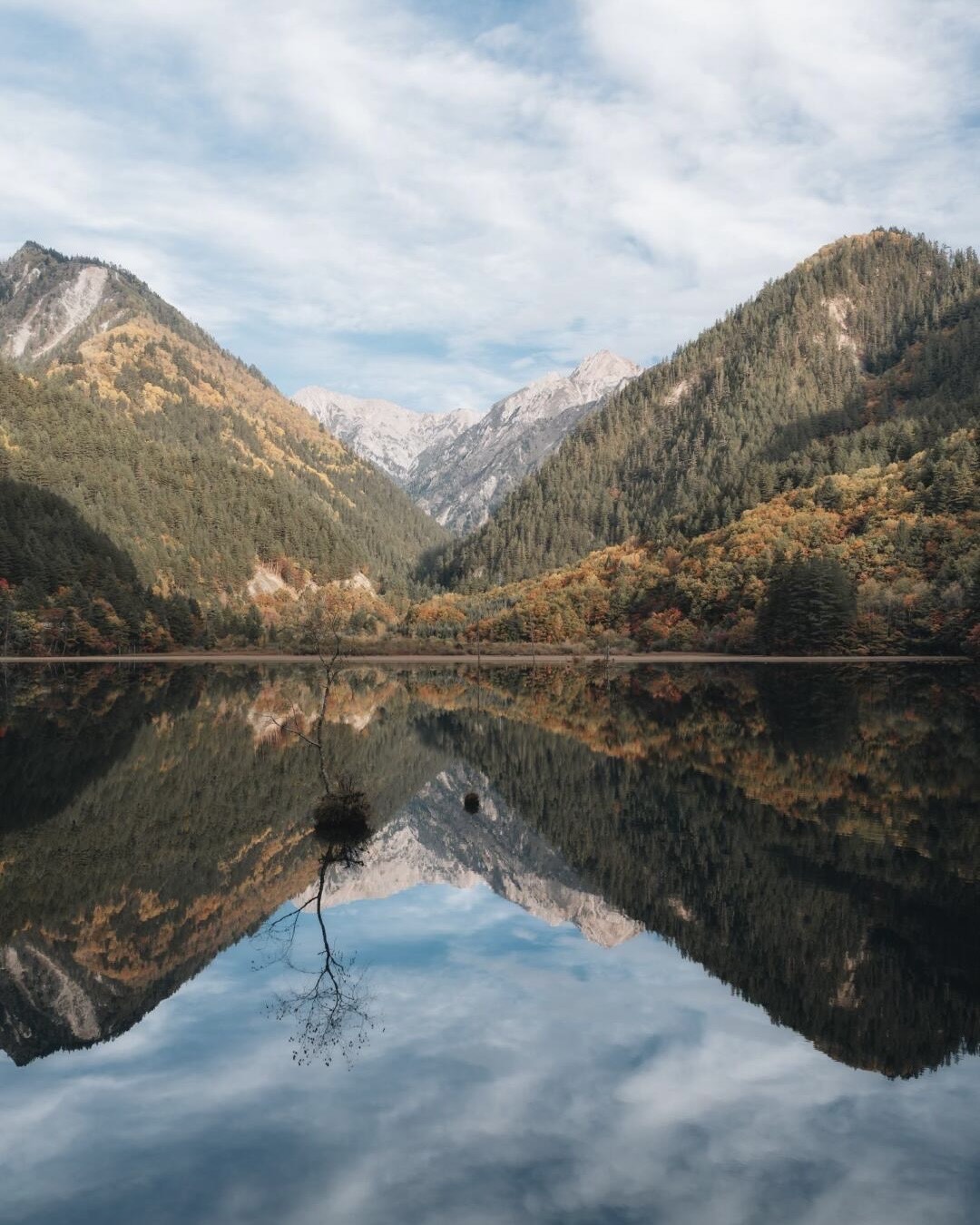
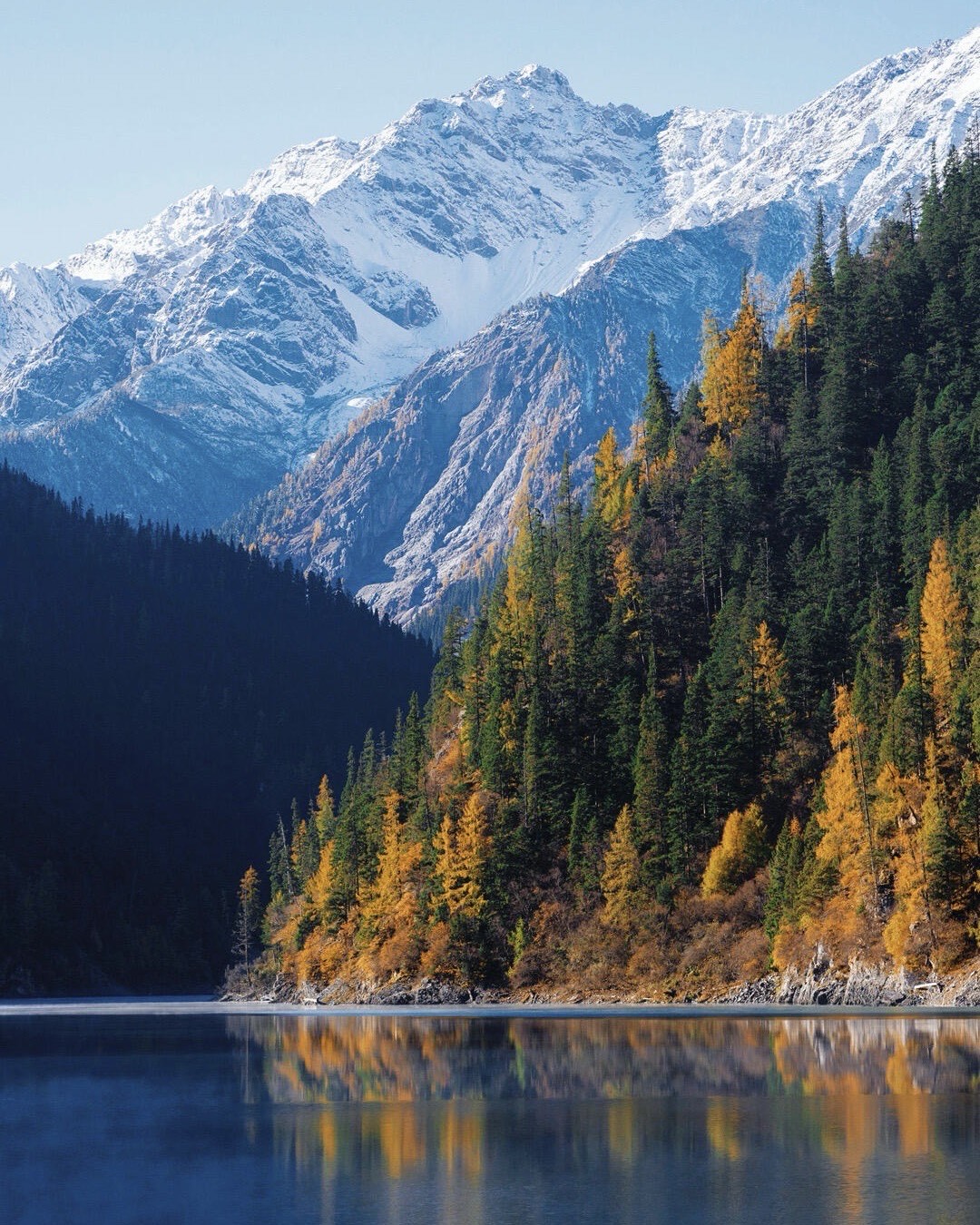
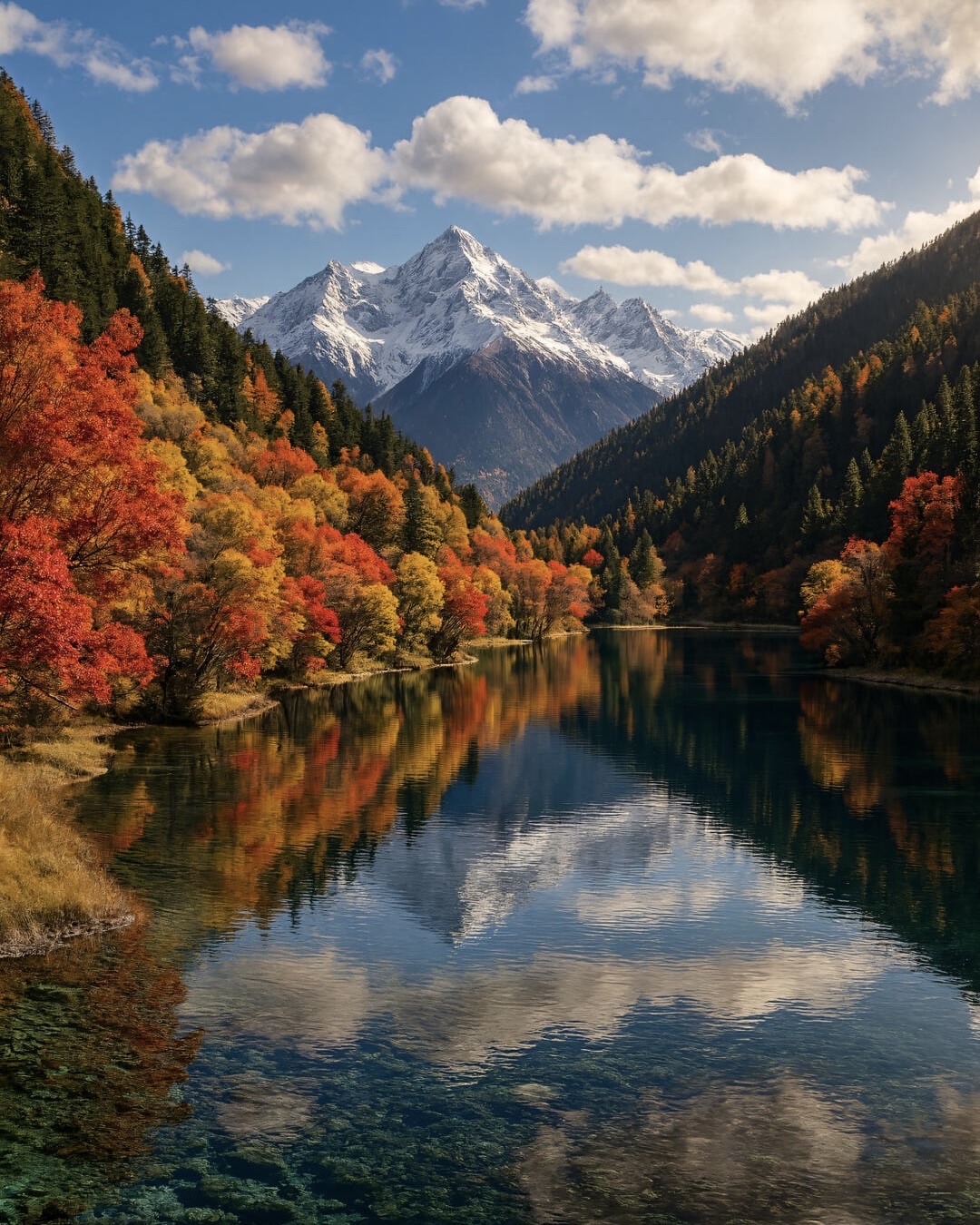
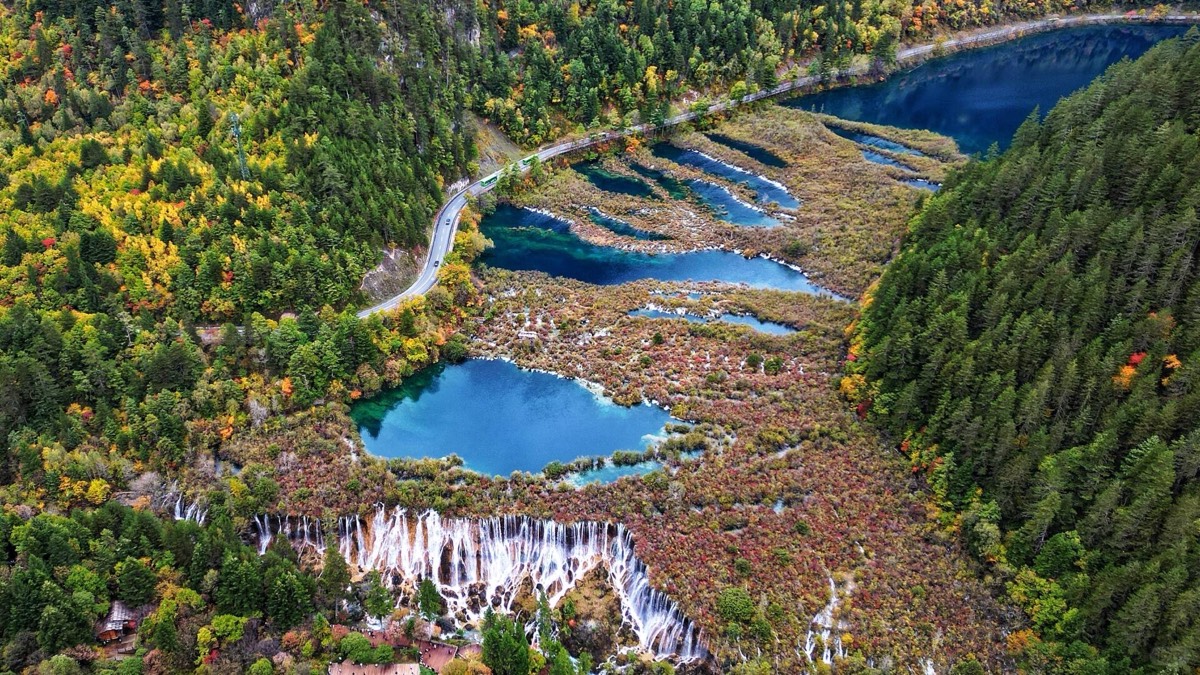
Start at Nuorilang Falls, Jiuzhai's widest waterfall, flanked by calcium travertine terraces that glow turquoise in the mountain light. Then the boardwalk circuit to Long Lake at 3,103 m — the valley's highest and most remote water. The afternoon is yours to wander the Shuzheng Lakes, nine linked pools cascading down through ancient forest. If Huanglong tempts you, we only recommend the day-trip Monday to Friday in off-peak season — its pools rival Jiuzhai's, but the hike sits at 3,500–3,900 m and the drive is long. Evening free in the village: a boutique lane, early rest.
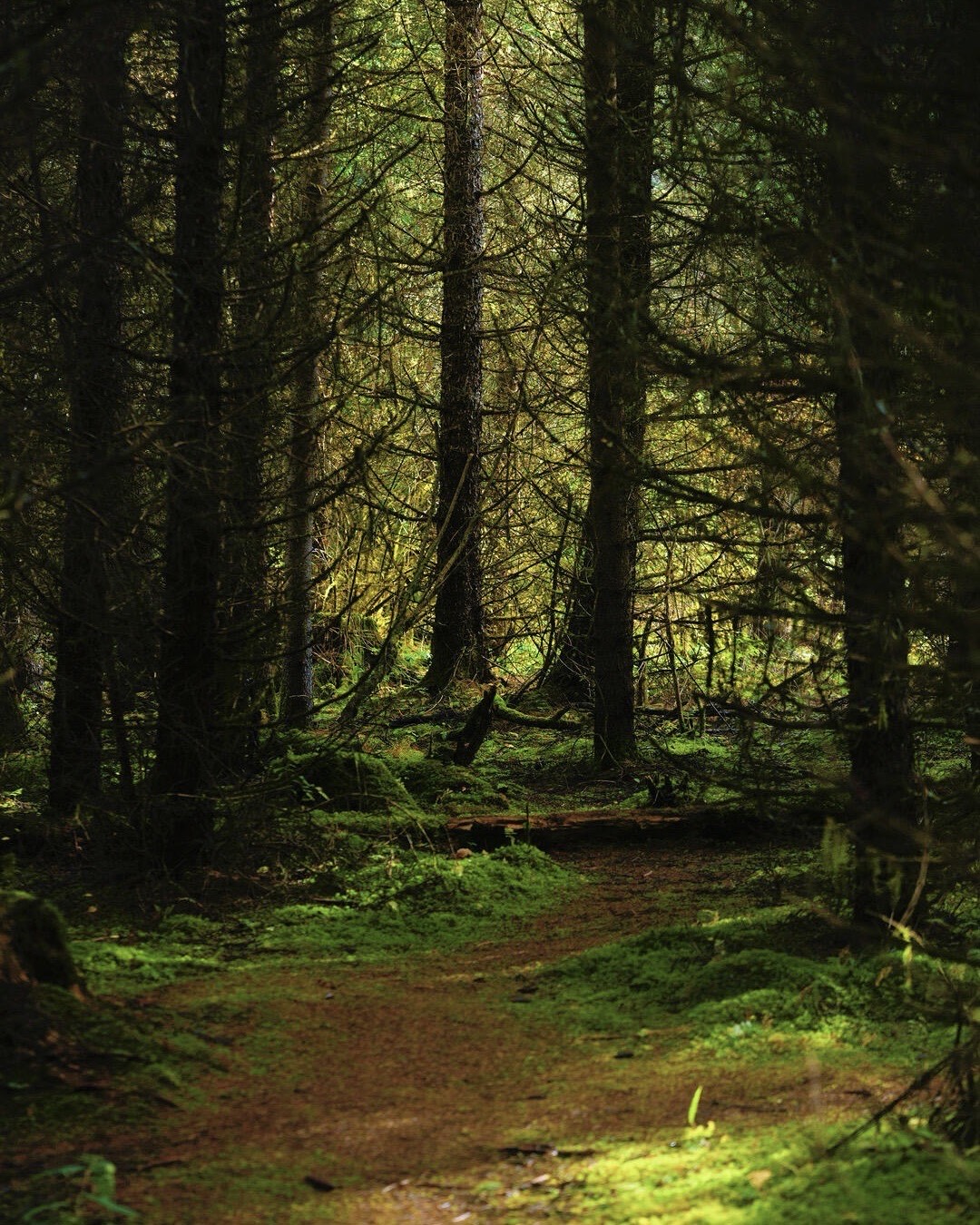
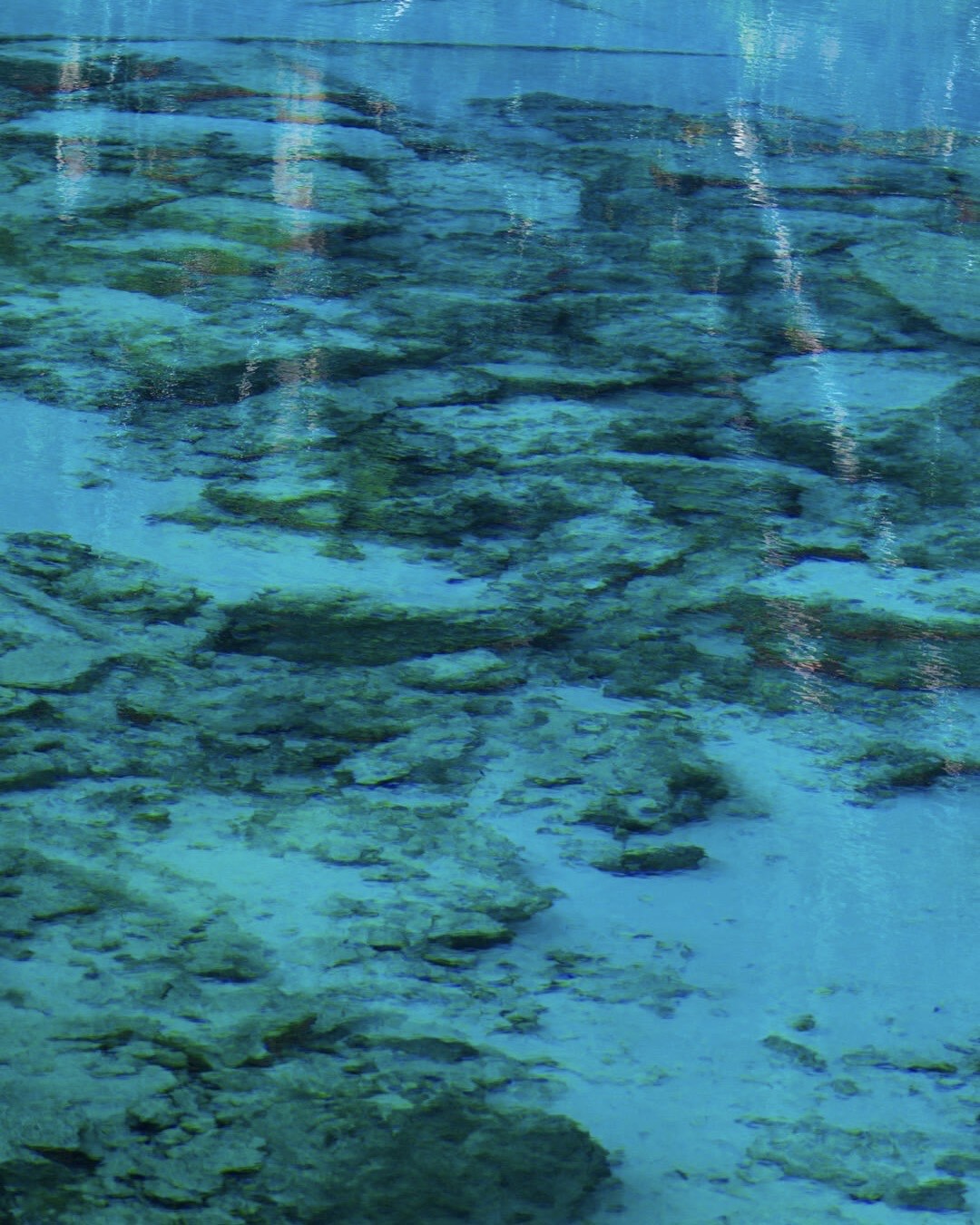
The last valley morning belongs to Pearl Shoal, a broad travertine fan where turquoise water spreads into a hundred braided streams before dropping into the gorge below. After that, the pace is yours: a spa session, a Tibetan picnic by the lake, or a gentle guided nature walk with the lodge naturalist (mushroom-spotting in season). Check out in the afternoon and take the scenic drive — or the short flight — back to Chengdu.
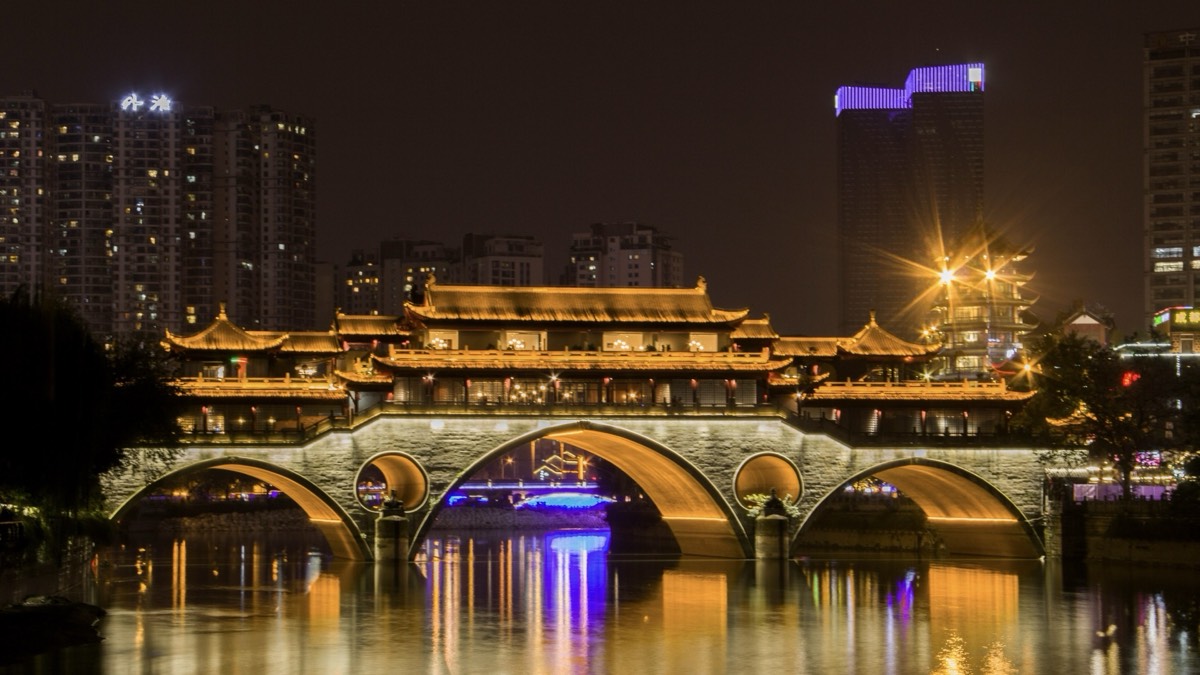
Back in central Chengdu, drop the bags and spend a final morning in the Wide and Narrow Alleys. If there's time before your flight or train, browse the craft stalls at Jinli or the Wenshu Monastery precinct.
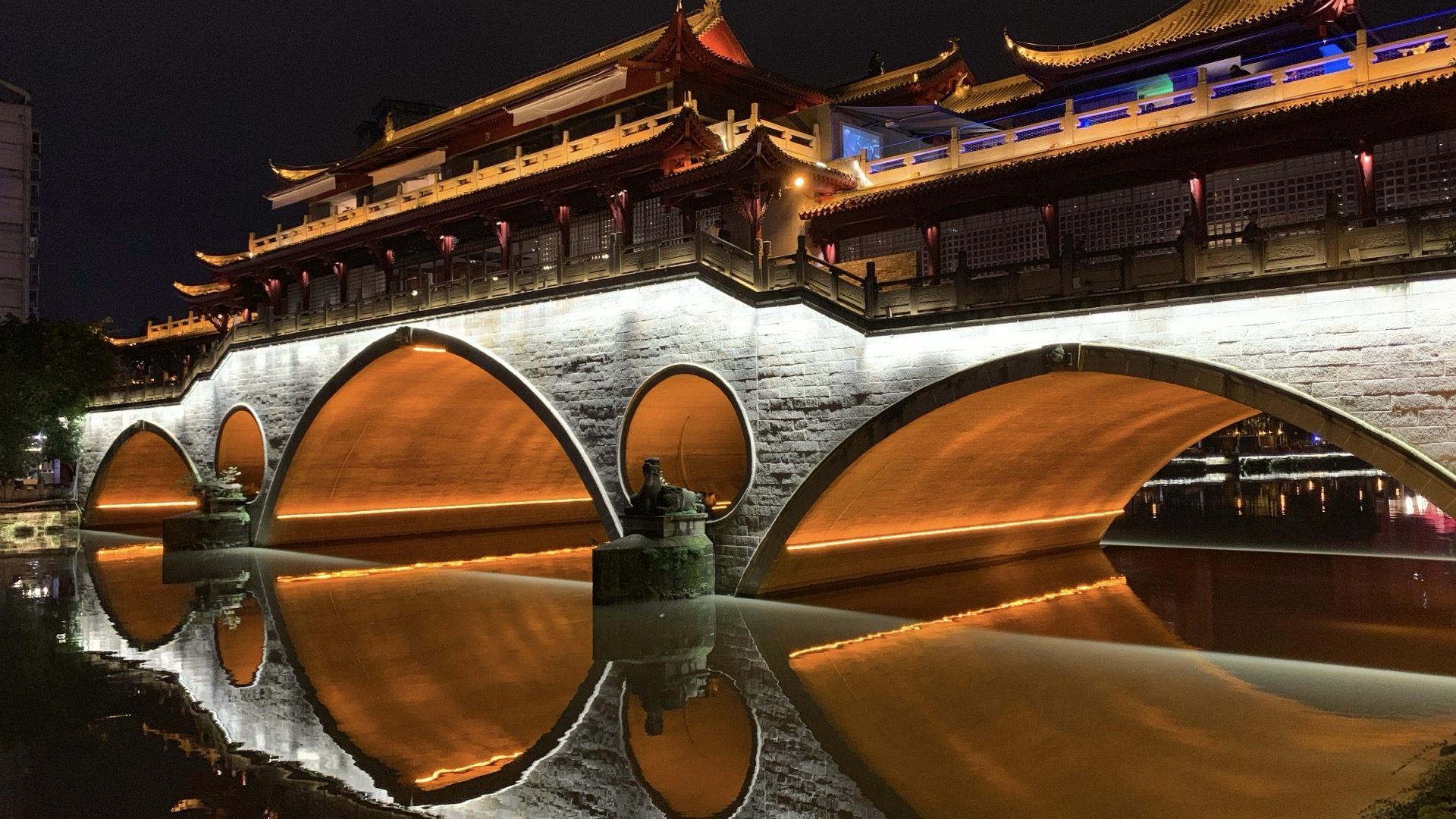
Chengdu's design hotel, a Relais & Châteaux retreat in the Qingcheng foothills and an ultra-luxury lodge in the Jiuzhai Valley — the stays that bookend the mountain days.
An ultra-luxury Ritz-Carlton Reserve lodge in the Jiuzhai Valley for the nature days.
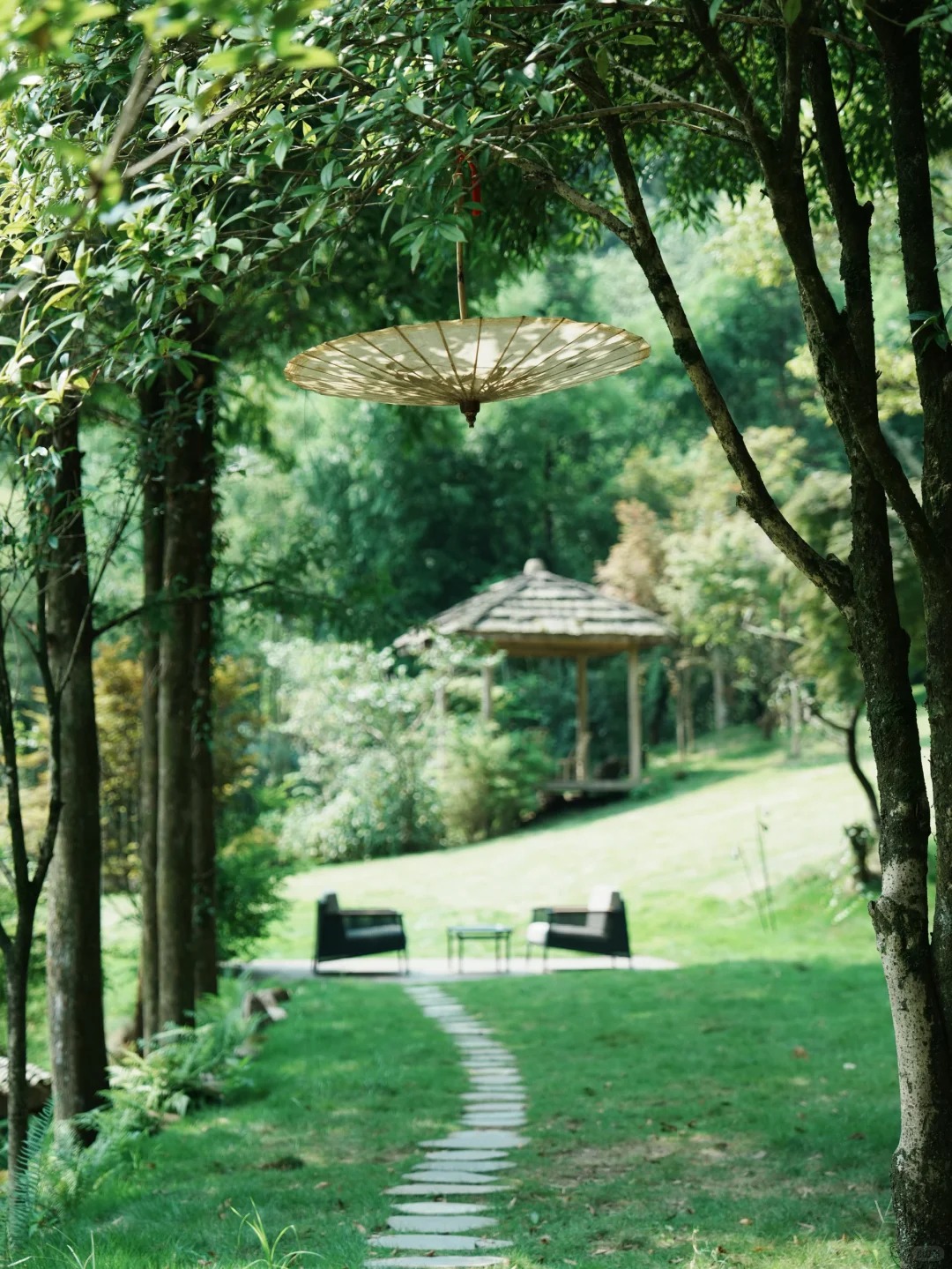
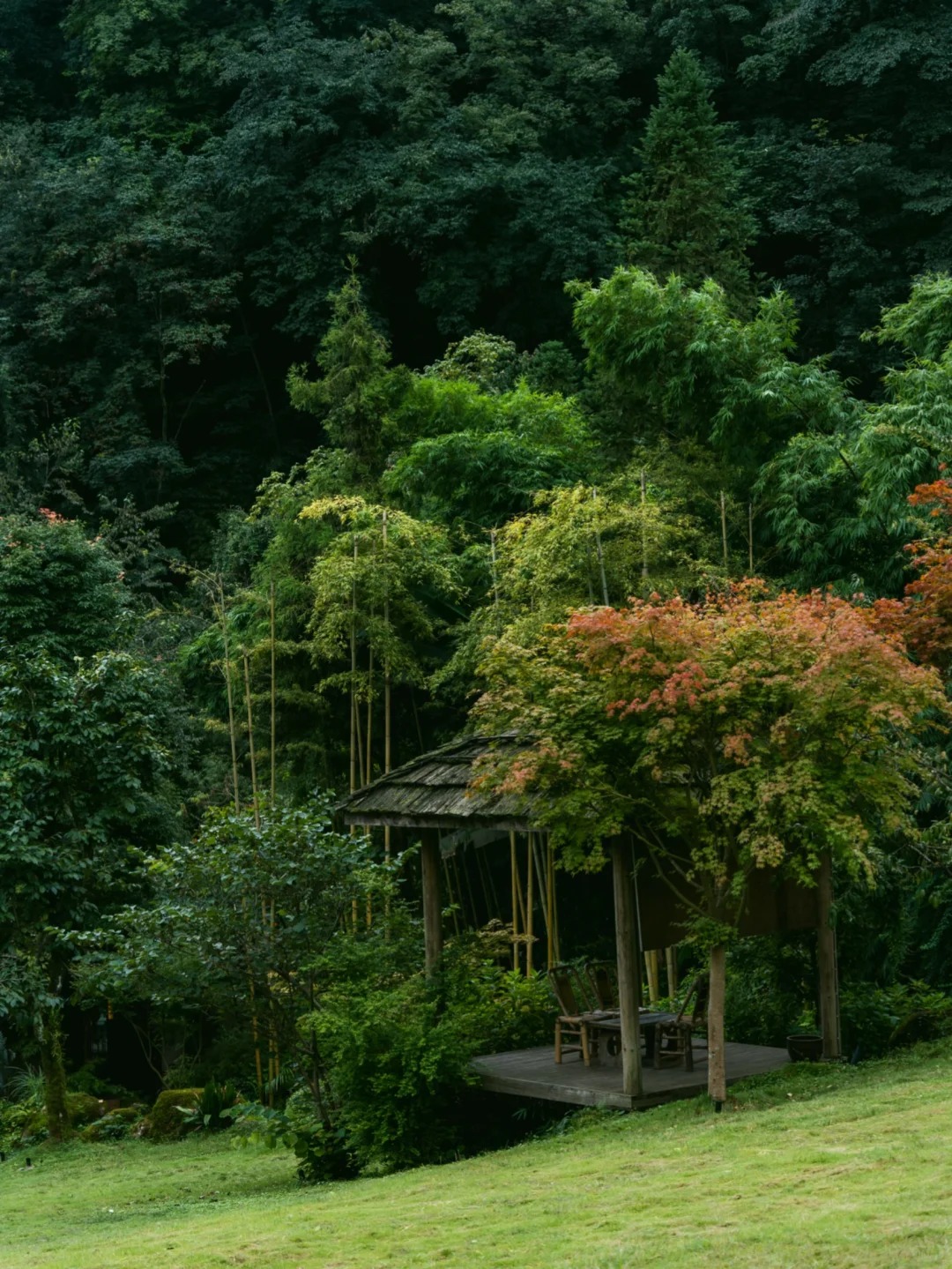
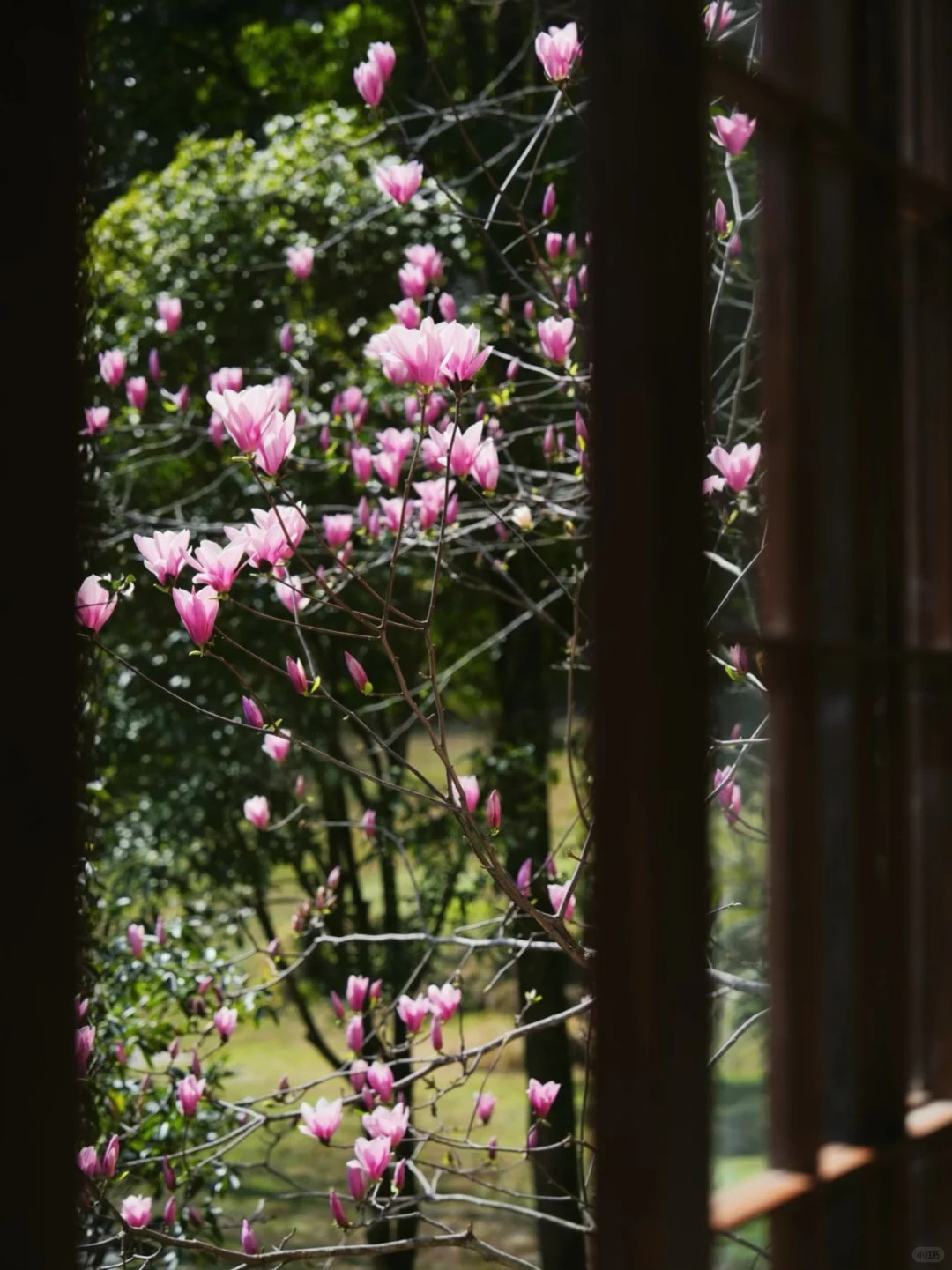
A Relais & Châteaux Daoist retreat deep in Qingcheng Mountain, with a panda base as the closest neighbour.
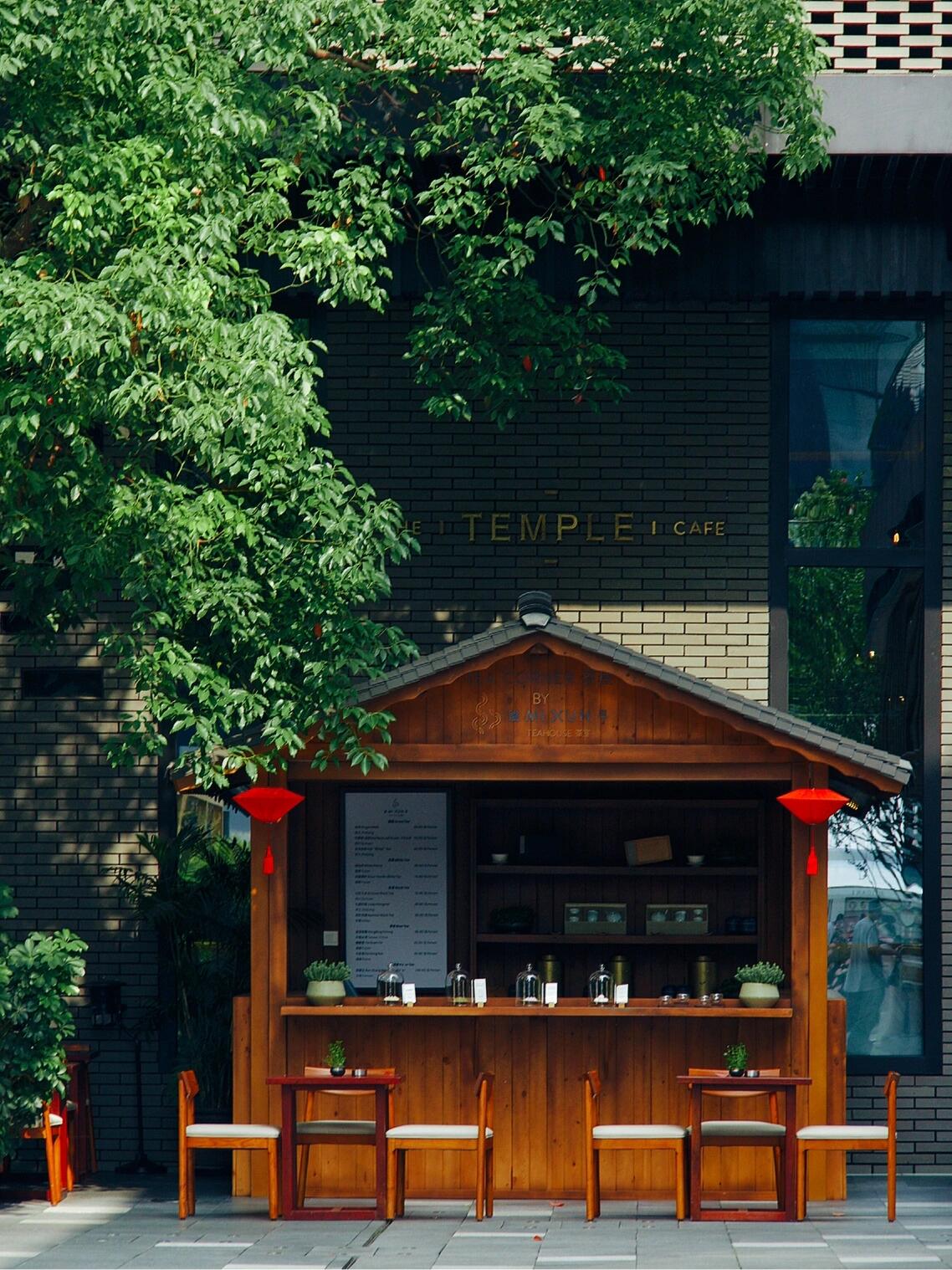
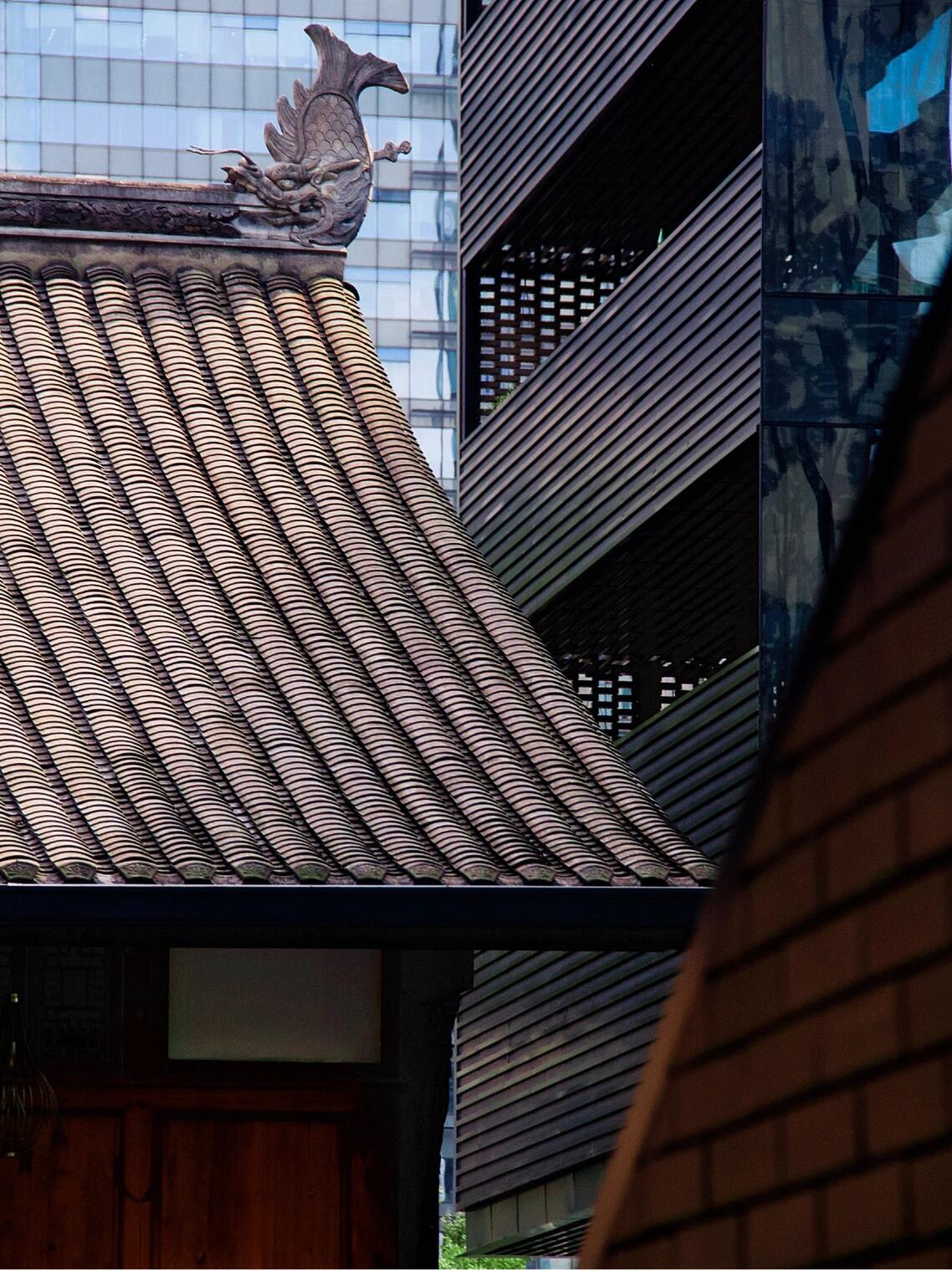
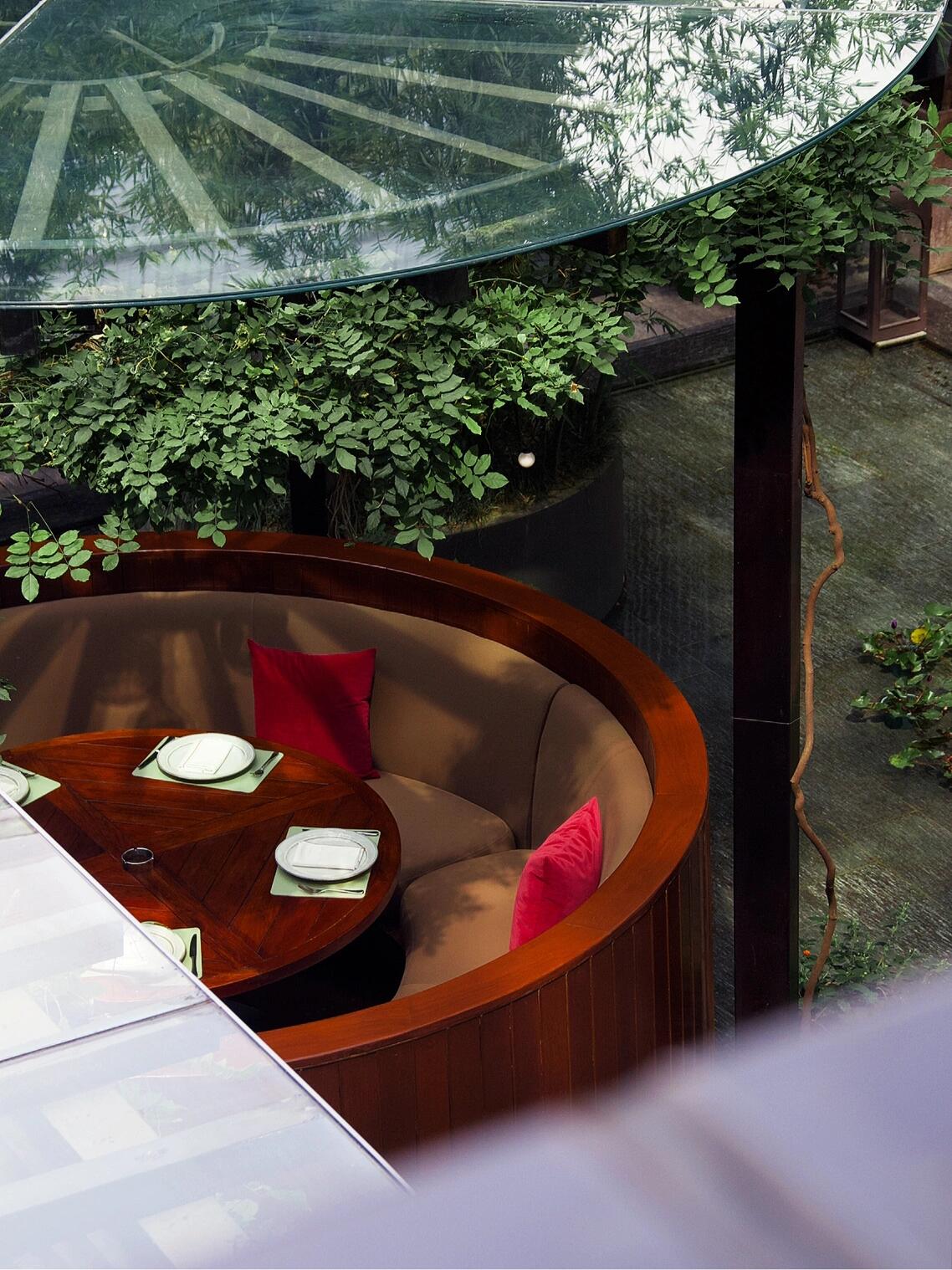
Chengdu's design hotel (Swire House Collective), next to Daci Temple in the Jinli district.
These are examples of the boutique stays we book across the route. Because boutique hotels have so few rooms, a stay may occasionally be swapped for one of similar standard.
They offer different experiences. Jiuzhai is about extraordinary colour-water lakes on boardwalks — best in autumn (September–November). Siguniang is alpine meadows and serious hiking at 3,500–4,500 m — better in summer. We help you choose based on season, fitness level, and whether you've been to either before.
Jiuzhai sits at 2,000–3,100 m. Siguniang base camps are around 3,400 m. Most people acclimatise well with a gradual approach and one rest day. We build this into the itinerary. If you have heart or respiratory conditions, speak to your doctor before booking.
Gates open at 7:30 am. Pandas are most active before 10 am when it's cooler and they're being fed. We book early-entry tickets and arrive before the tour buses. By midday the animals are asleep and the crowds are thick — timing genuinely matters here.
Yes, more than most people expect. Sichuan cuisine has a broad non-spicy repertoire — steamed fish, dumplings, cold noodles, mapo tofu made mild. Hotpot restaurants offer split broths (one spicy, one clear). We brief restaurants in advance for any dietary needs.
Every day, stay and date tailored to you — shaped over a call with someone who has walked the route, never a template.
Request a proposal for this trip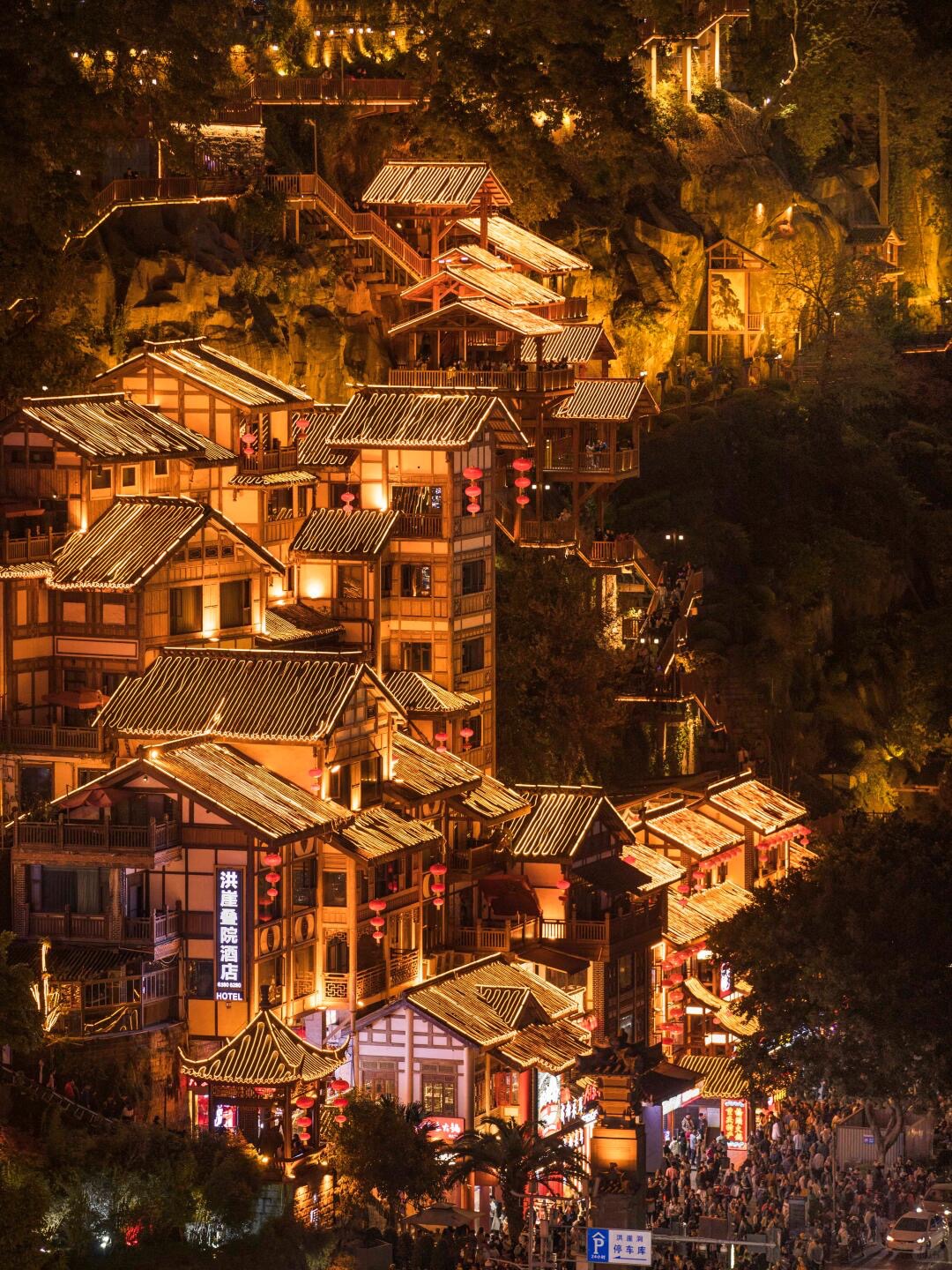
A 5–6 day private tour weighted toward Chongqing — neon river cities, UNESCO Wulong Karst, the Longji (Dragon's Backbone) ridge hike above the Yangtze, and two different tables of Sichuan heat. Bookended with a soft Chengdu landing.
See the itinerary →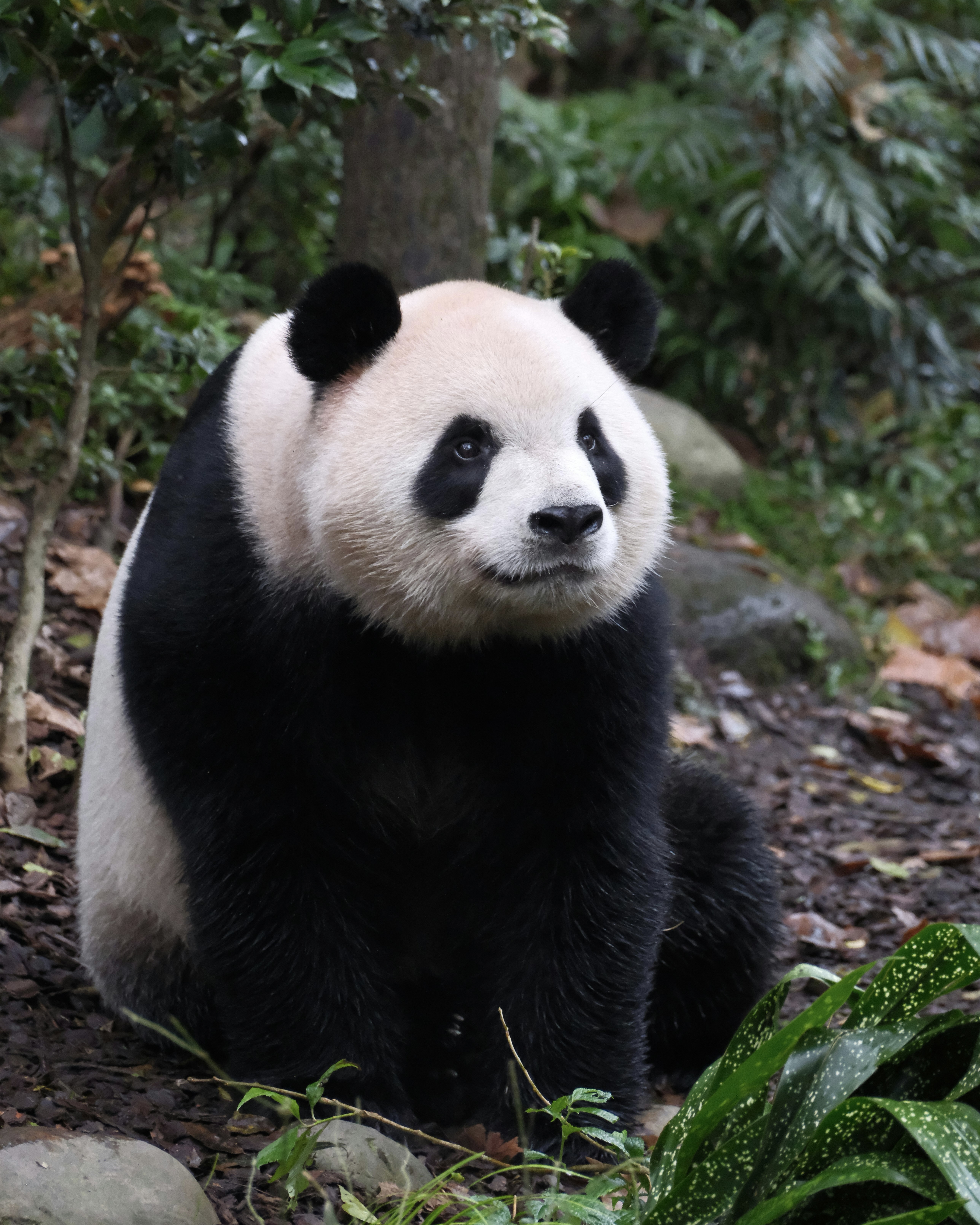
Fifteen days that pair China's great icons with its wildlife and wild landscape — the Forbidden City and the quiet Great Wall at Jinshanling, the Terracotta Army, a working day with the giant pandas outside Chengdu, three days among Zhangjiajie's sandstone pillars, and Shanghai to finish. Private throughout.
See the itinerary →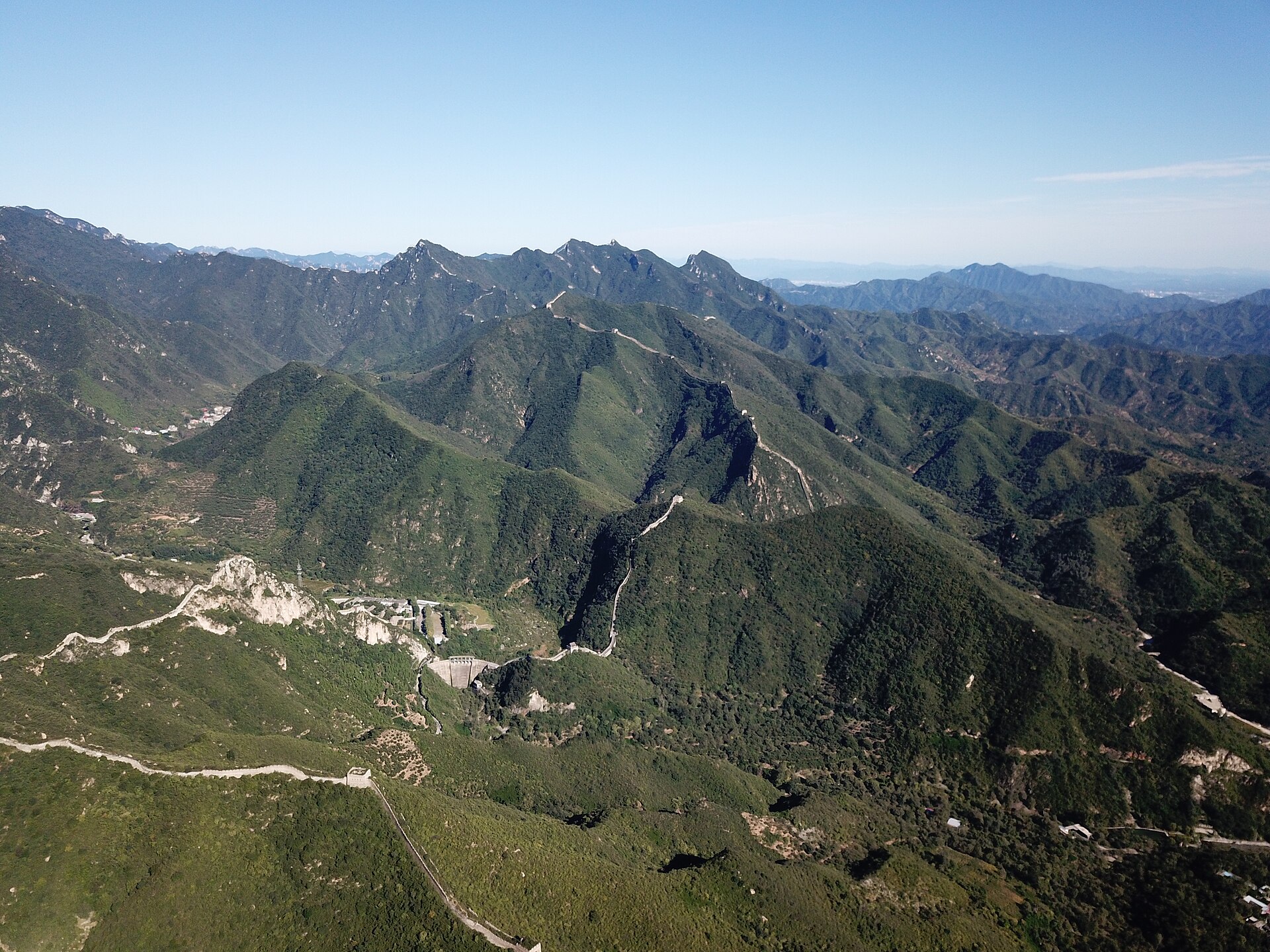
Fourteen days across China's greatest first-time hits — Shanghai and the Bund, a Li River cruise from Yangshuo, Chongqing's vertical city, Xi'an's Terracotta Army, and Beijing's Great Wall and Forbidden City. Private throughout, at an unhurried pace.
See the itinerary →