Chongqing IFS · Jiangbeizui
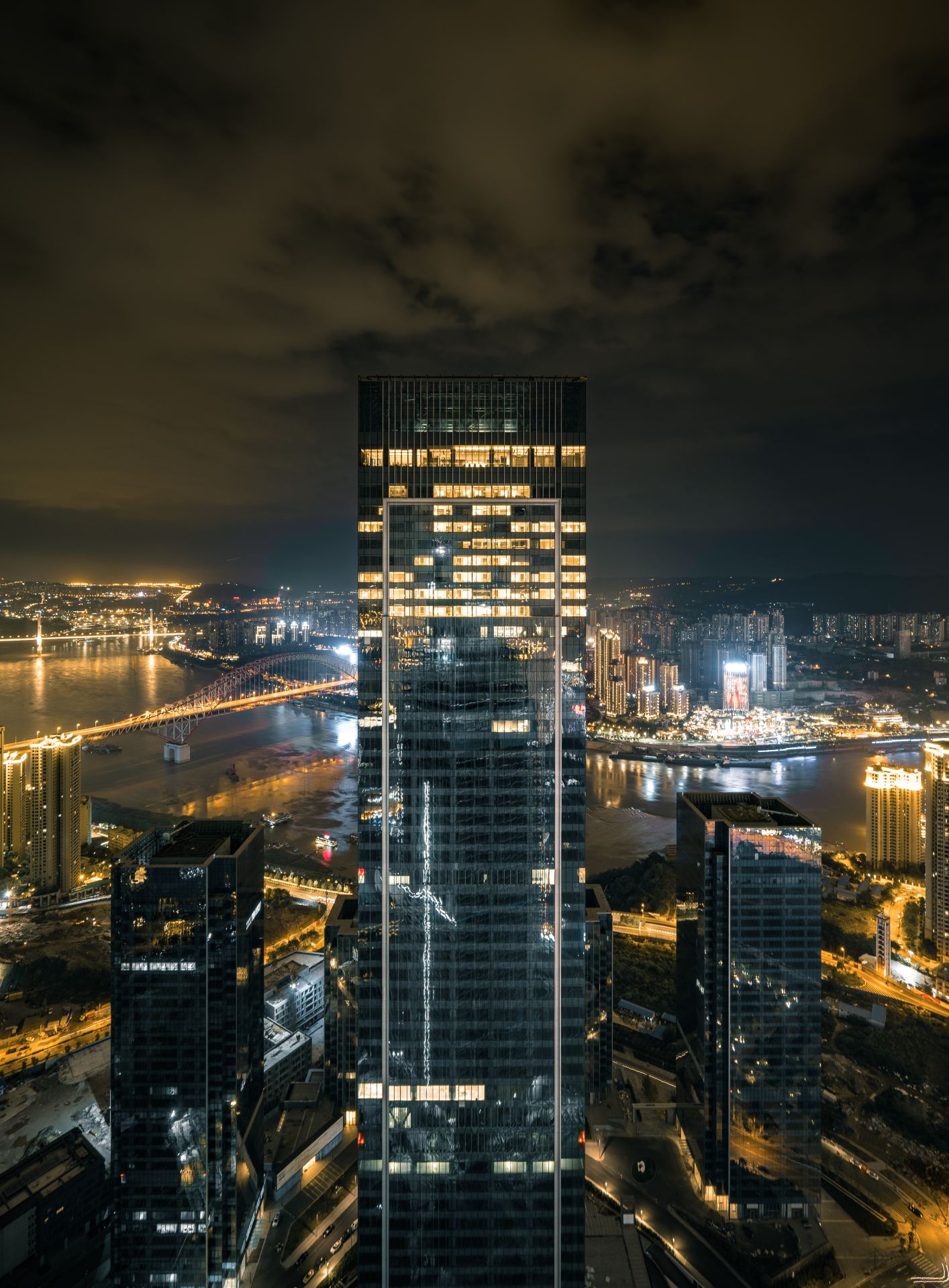
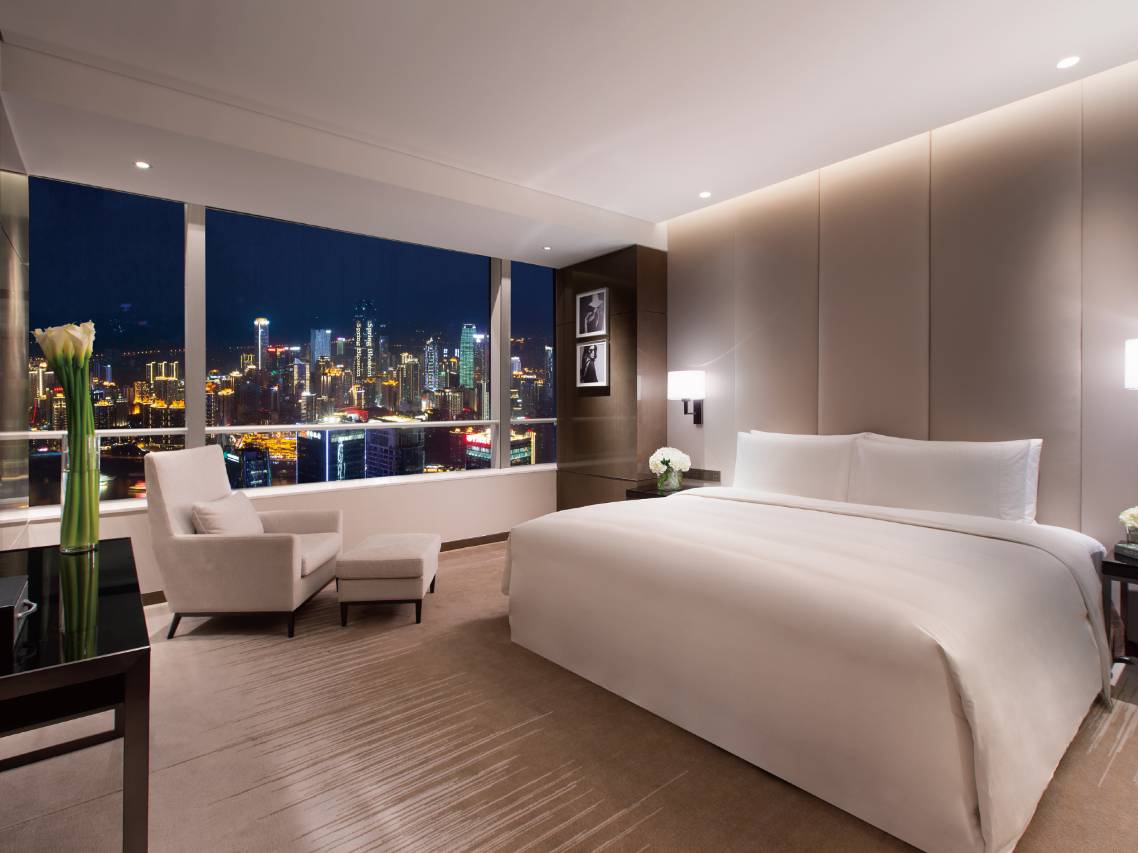
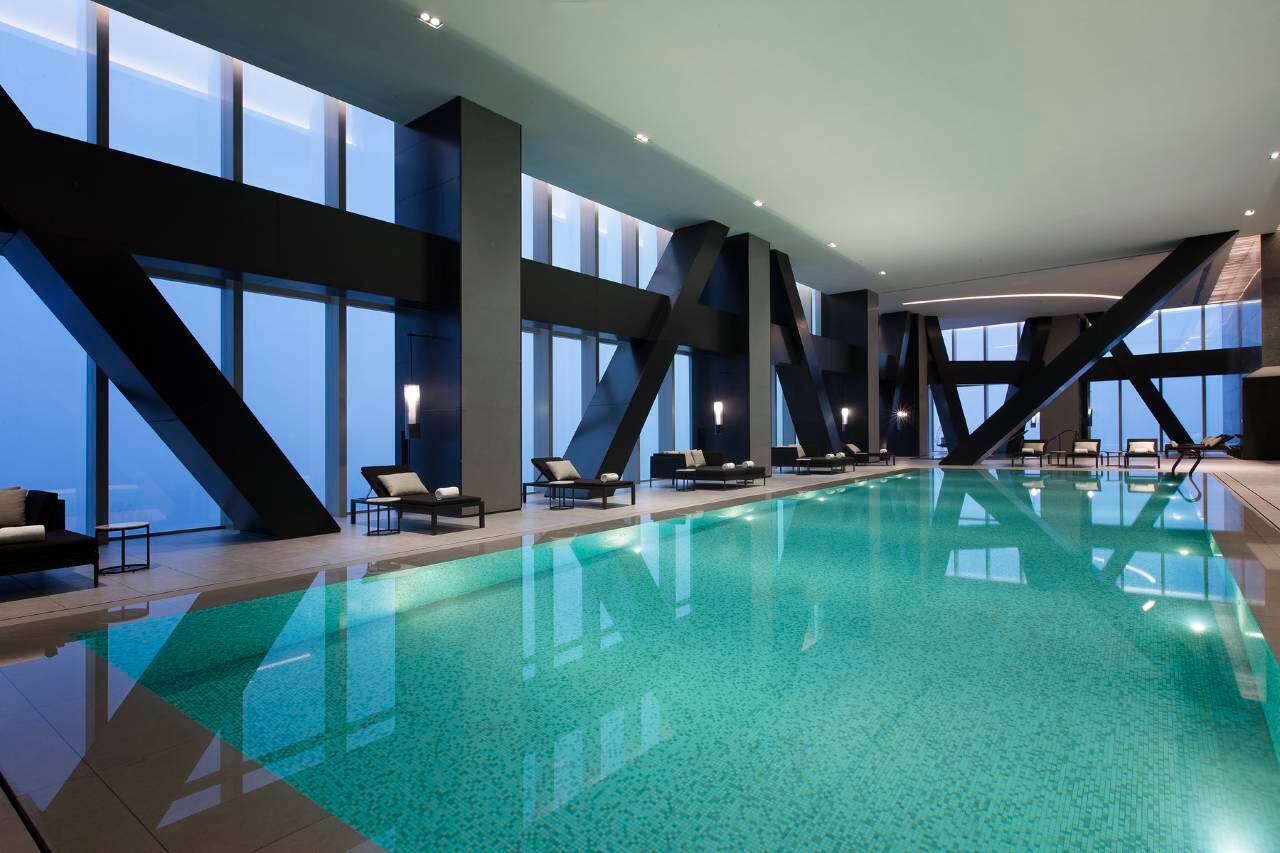
Design-led luxury in the crown of Chongqing IFS, facing Hongya Dong across the Jialing — two-rivers views, a 62nd-floor sky lobby and a glass-walled sky pool.

Sichuan Basin twin-city private tour
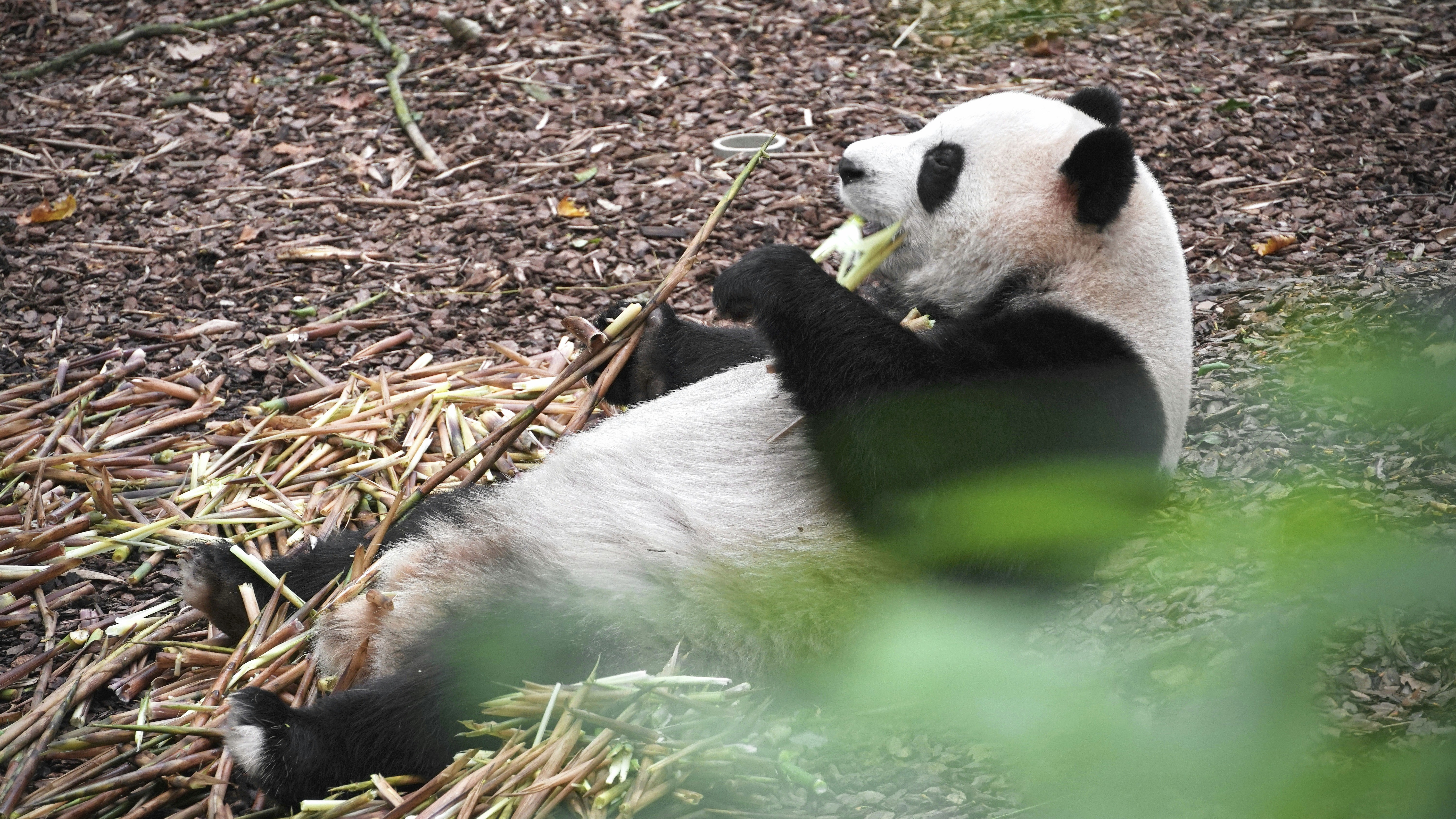
Chengdu does the welcoming. You land, settle into a quiet lane, and spend the morning with the pandas — the Chengdu Panda Base, or the Dujiangyan centre if the guide can arrange it. The afternoon slows further: a teahouse hour in Wenshu or Kuanzhai, one slow cup, a bowl of dry-bean noodles. Dinner comes early — your first table of Sichuan heat. Walk it off over Anshun Bridge on the Jin River, then take the early night — tomorrow is a travel day.
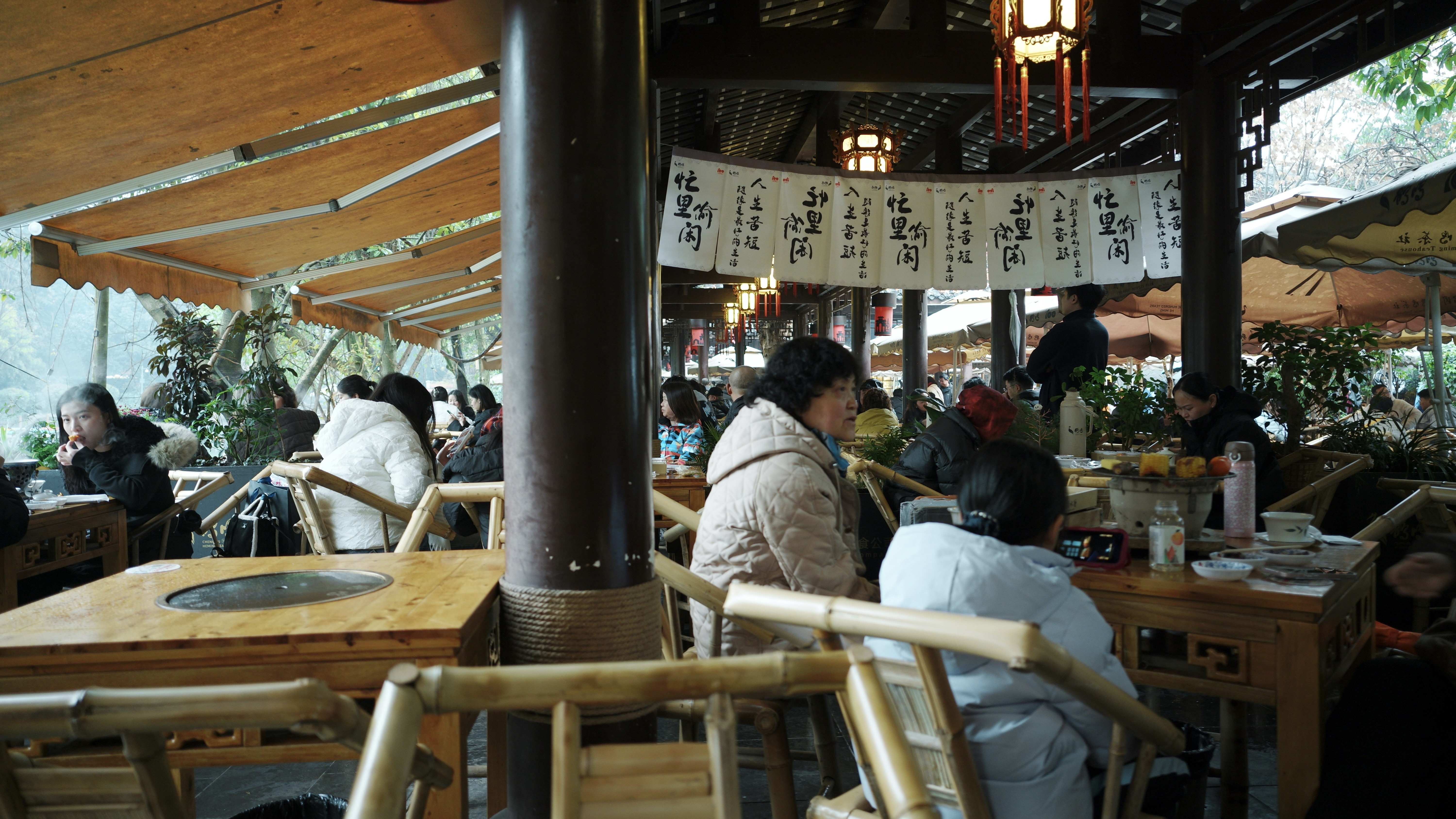
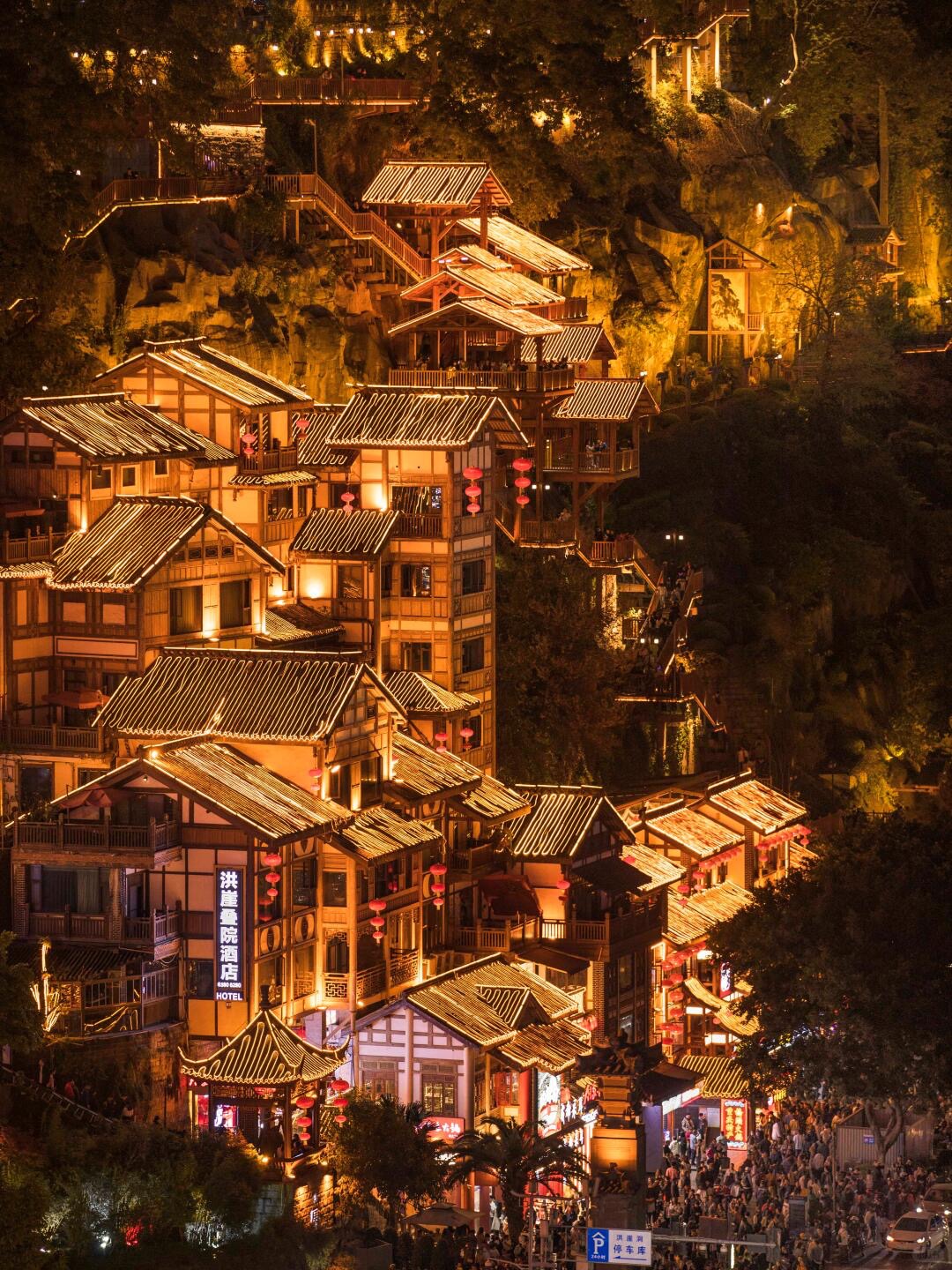
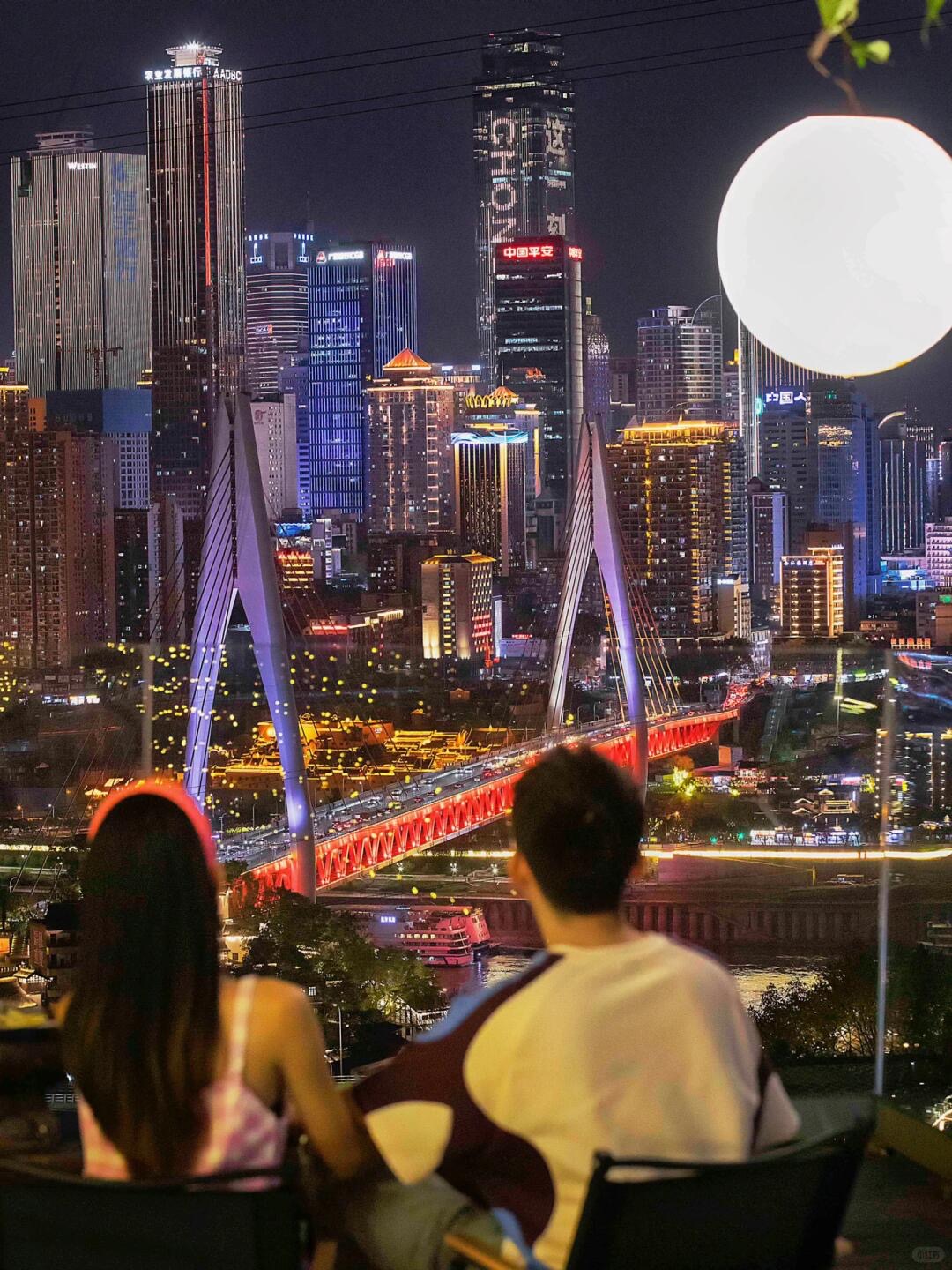
A slow morning first — Jinli, or tea bowls at People's Park, if you want one more Chengdu hour. Then Chengdu East to Chongqing North on the high-speed rail: about 1 hour 15 minutes, no domestic flight needed. Check in by the Yangtze and Jialing and head straight for Hongya Dong (洪崖洞), the stilt-building hill, at golden hour — then stay for after dark, when it burns gold down the hillside. Dinner is the second table — hotter and louder than Chengdu's.
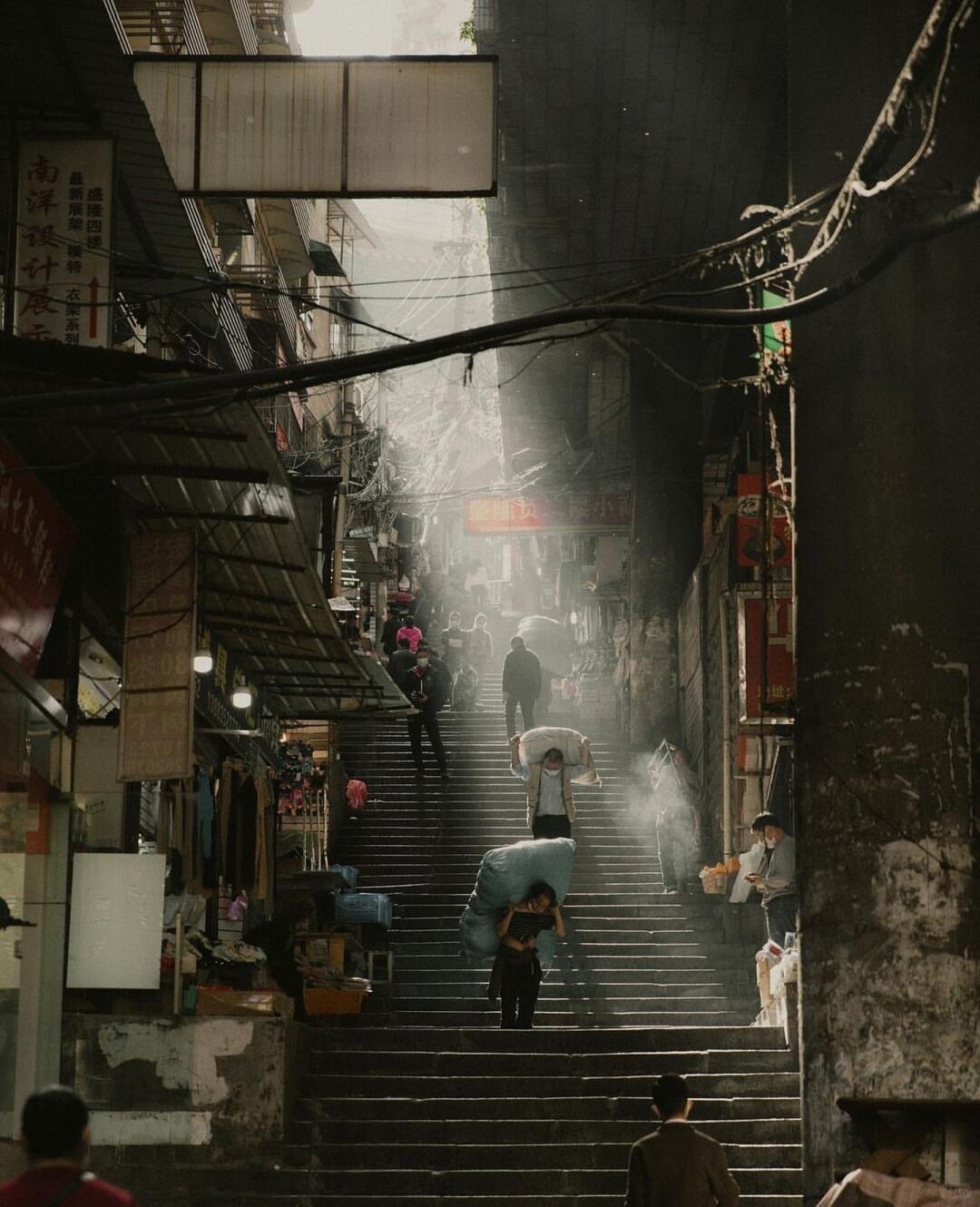
Morning at Ciqikou (磁器口), the old town on the Jialing — stone lanes and teahouses, a different Chongqing from the skyline. Then Liziba Station (李子坝), where the light-rail line runs straight through an apartment block. In the afternoon, Eling Park or the Nanshan Yikeshu (一棵树) viewpoint for the Yangtze-and-Jialing confluence. After dark, a river cruise down the Yangtze — the whole city lit, bridges glowing overhead.
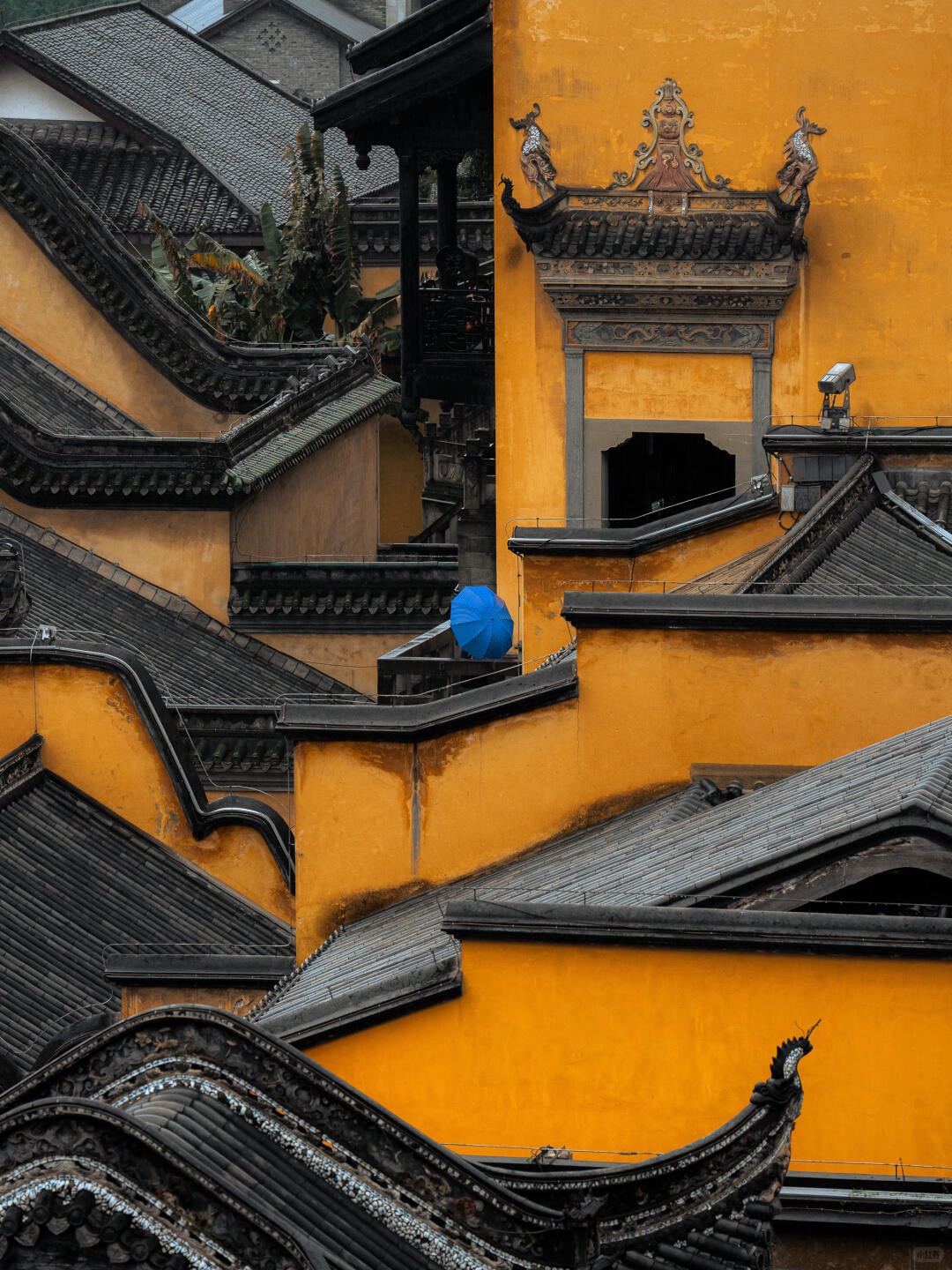
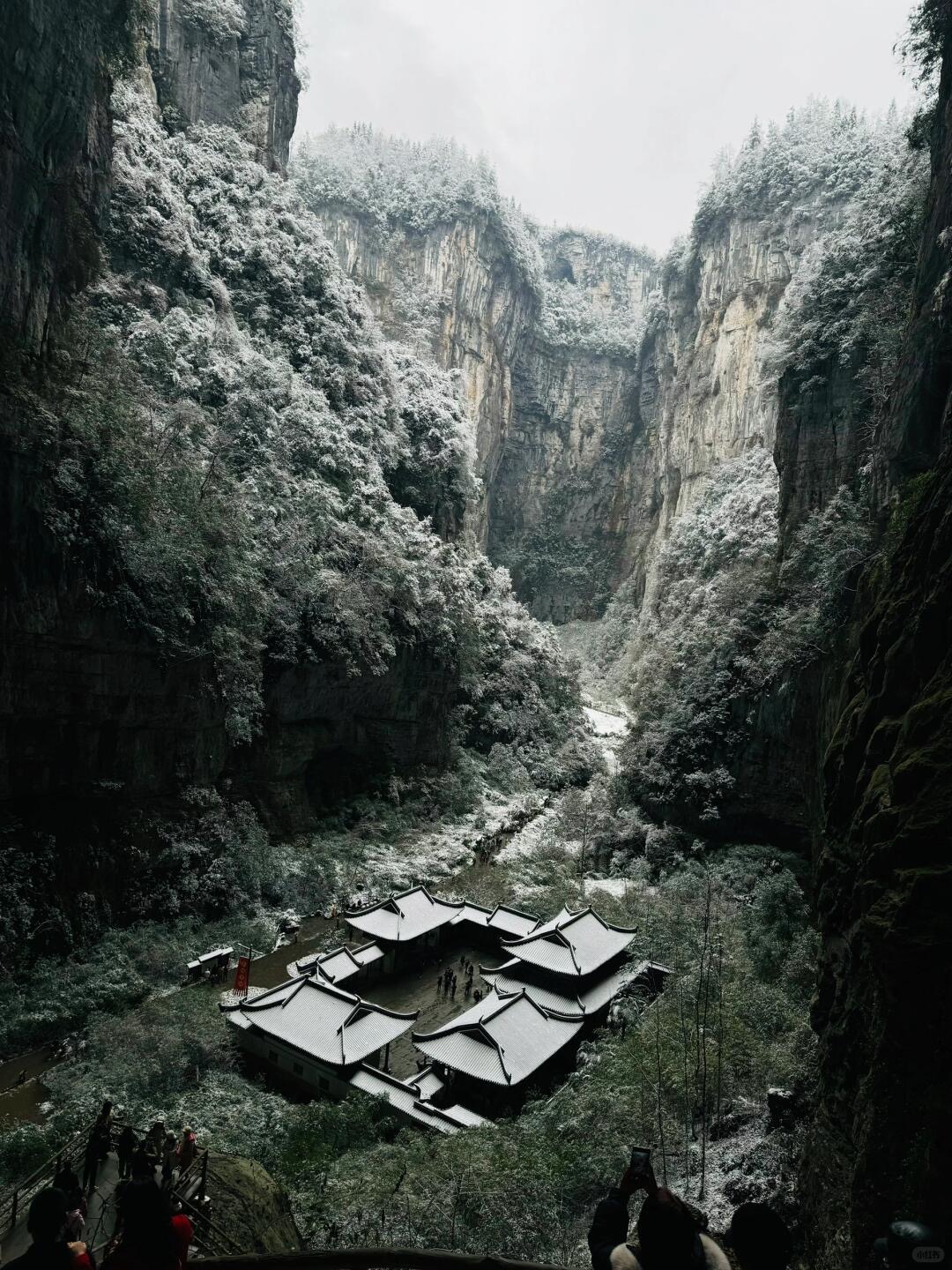
An early start, then roughly two hours' drive south-east to Wulong, where the towers give way to karst. First the Three Natural Bridges (天生三桥) — huge limestone arches over a hidden valley floor. Then Furong Cave (芙蓉洞), one of the largest karst caverns in China. You're home by dusk after a big day. Or stretch it: an optional extra night in Wulong makes for a slower return.
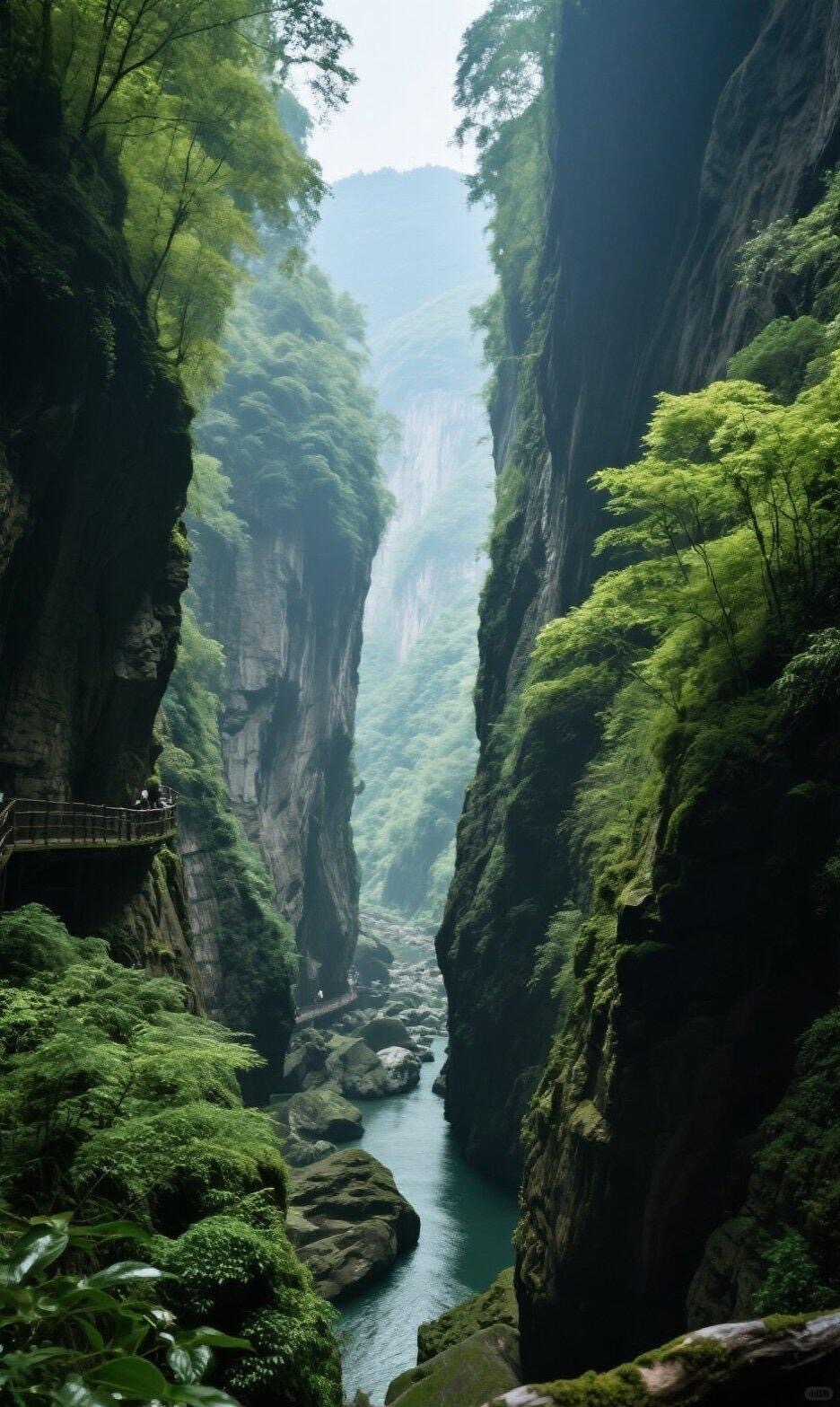
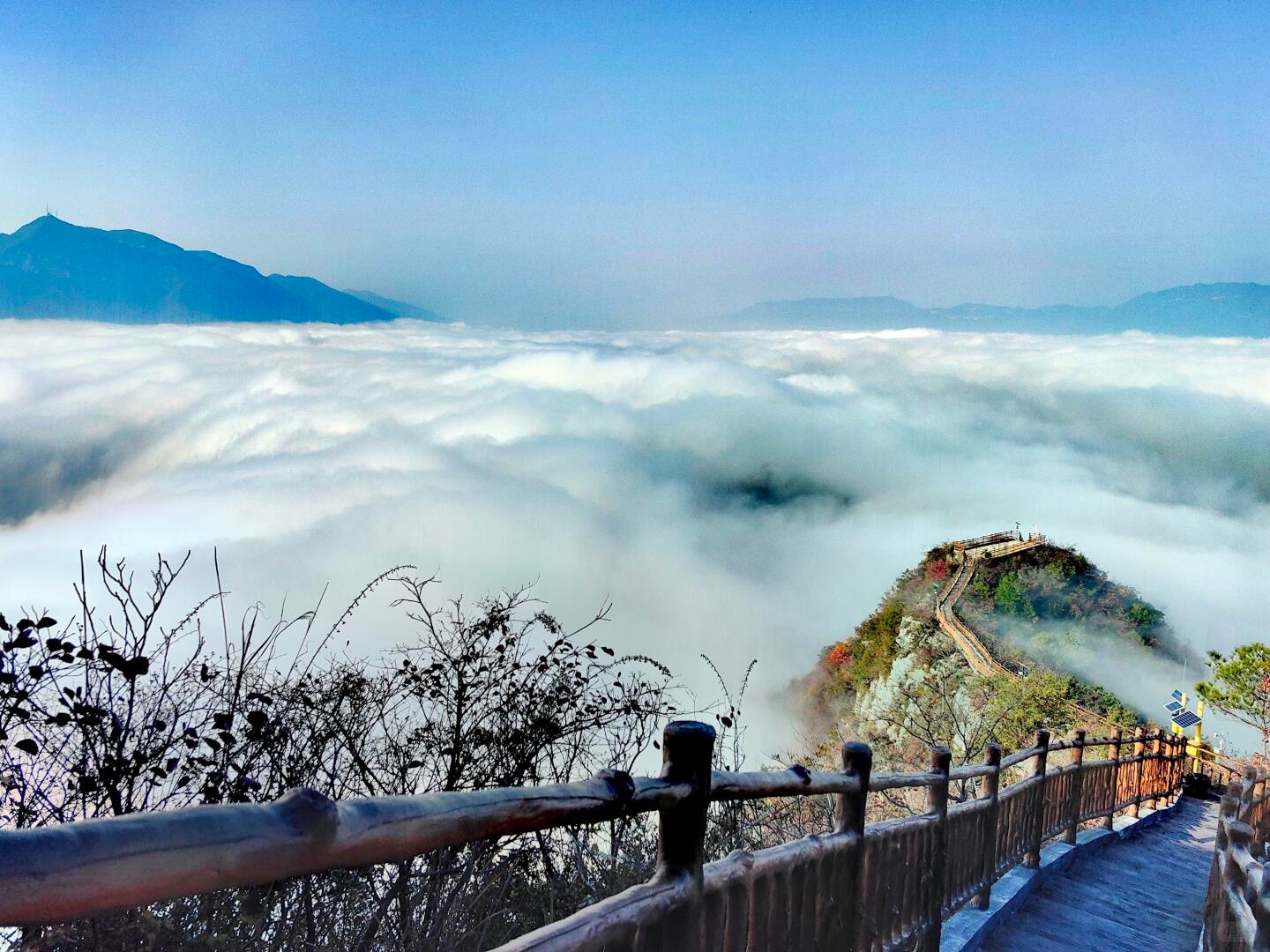
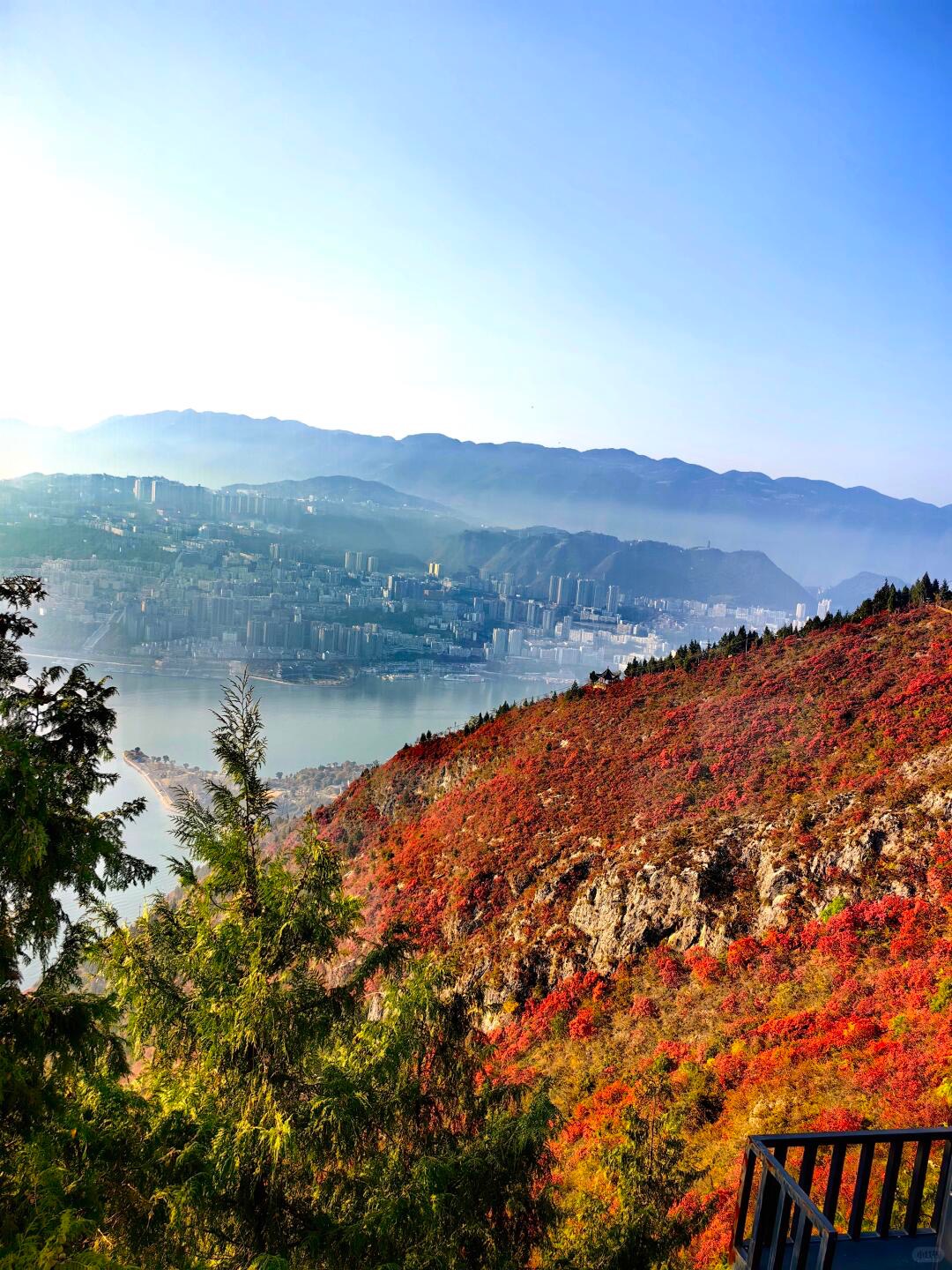
Drive east from Chongqing toward the Three Gorges corridor, watching the Yangtze widen and the canyon walls rise. Longji (龙脊, "Dragon's Backbone") is a cliff-top walkway system perched directly above the river. From October to December, mornings routinely fill the gorges below with an inversion layer — a sea of clouds with the walkway riding above it. In autumn, smoke-tree and maple turn red around you. Then the afternoon descent and photos at the red arch bridge spanning the river. Back to Chongqing by evening — or overnight in the canyon if you want another dawn.
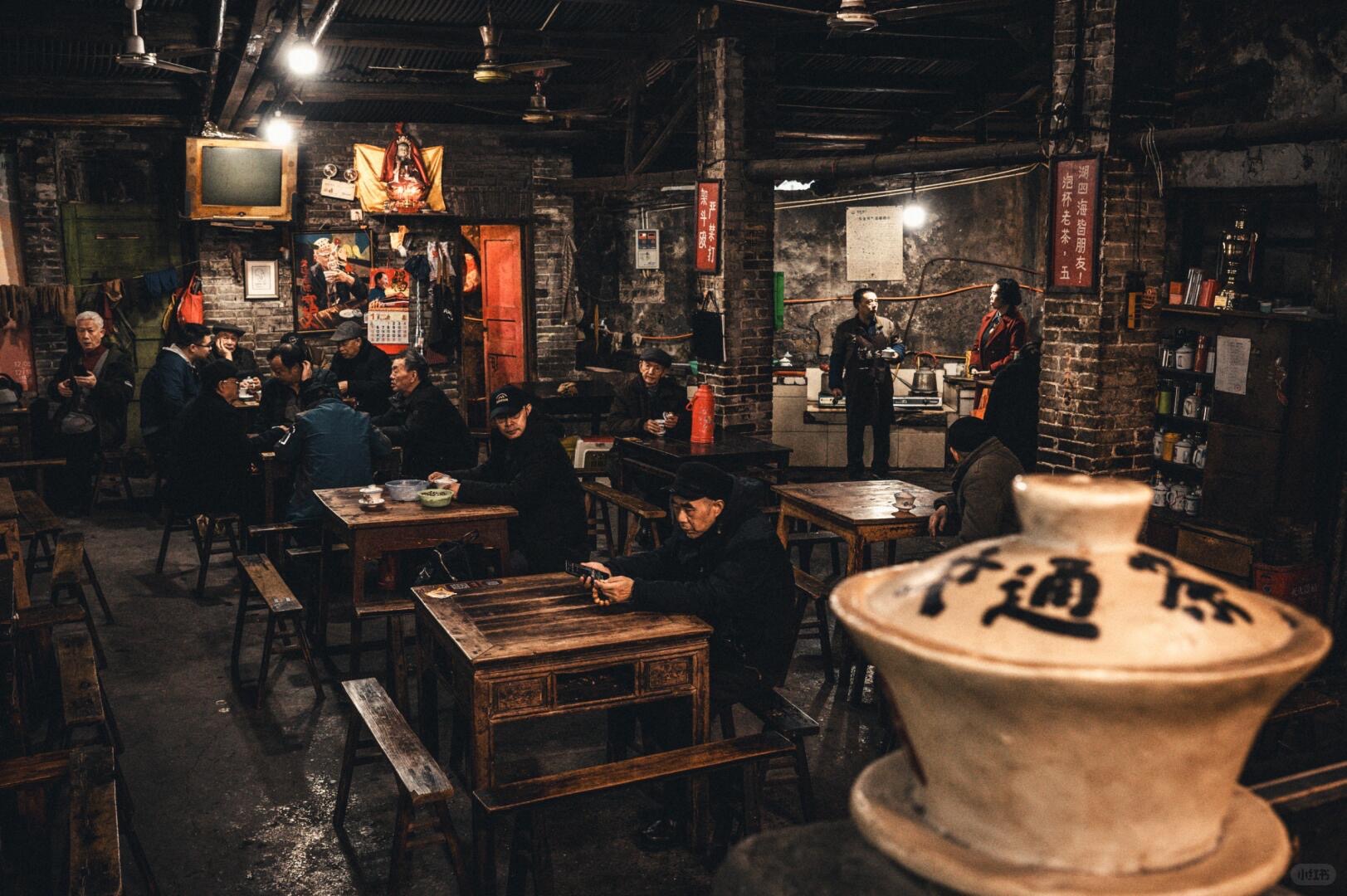
A slow morning to finish. If the Chaotianmen slow-cup teahouse hasn't fitted in yet, it happens now — one unhurried cup before the transfer to Chongqing Jiangbei International Airport and the flight home. Not ready to leave? Extend two or three days: the Dazu Rock Carvings, UNESCO-listed and about 1.5 hours' drive away; a proper Yangtze cruise; or a double-back to Chengdu for a longer Sichuan loop.
Short on time? Drop the Longji day and depart on Day 5 morning, after breakfast and a final cable-car ride. The five-day cut still captures everything the trip is built on: Chengdu teahouse and pandas on Day 1, Chongqing skyline and hotpot on Day 2, the vertical-city day on Day 3, UNESCO Wulong on Day 4. What you lose is the Longji ridge morning — the photographer's favourite, but the rest of the trip holds up without it.
Chengdu's design hotel and the sky-lobby tower above Chongqing's two rivers — the pair this route is built around.
Design-led luxury in the crown of Chongqing IFS, facing Hongya Dong across the Jialing — two-rivers views, a 62nd-floor sky lobby and a glass-walled sky pool.
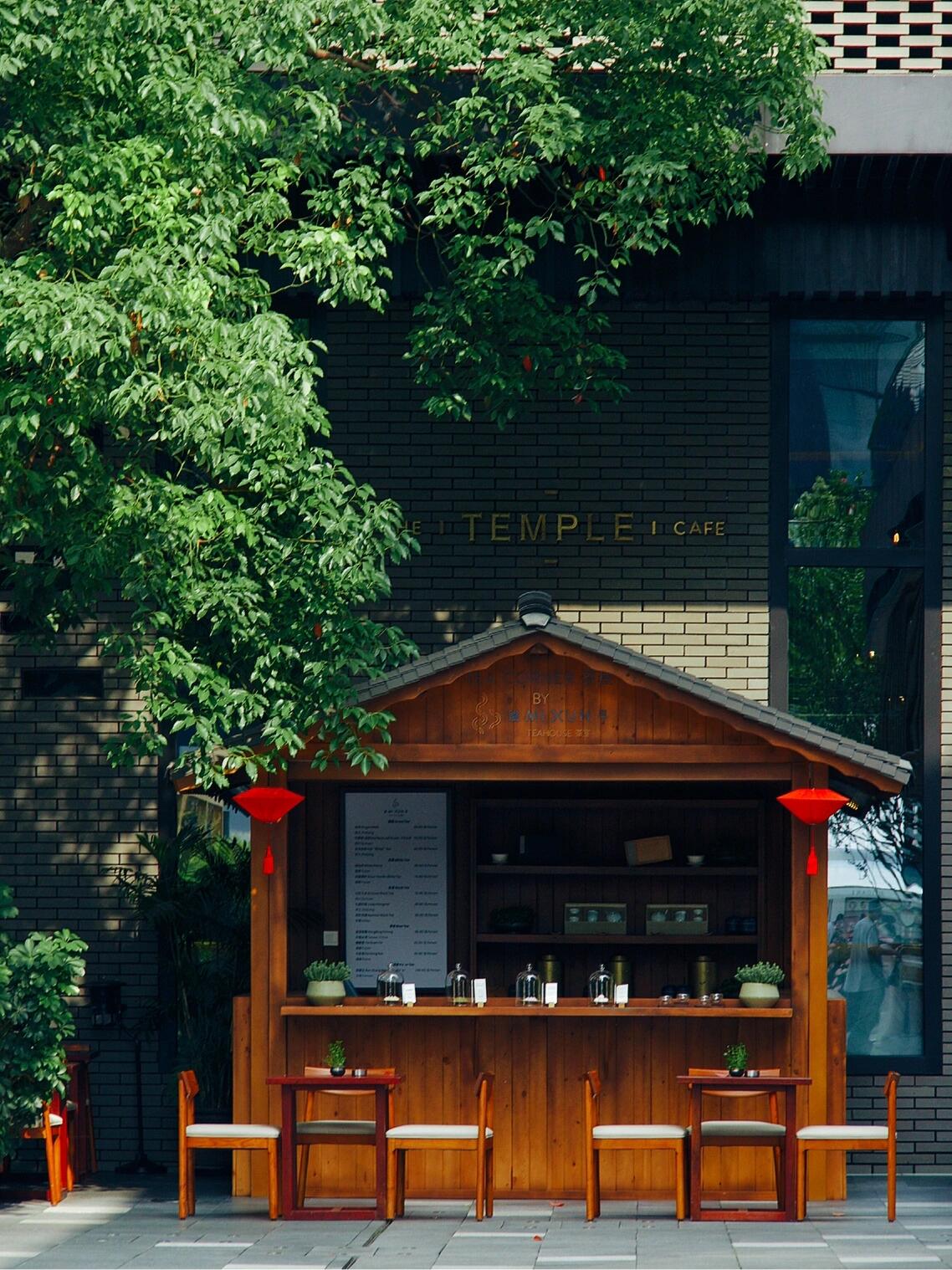
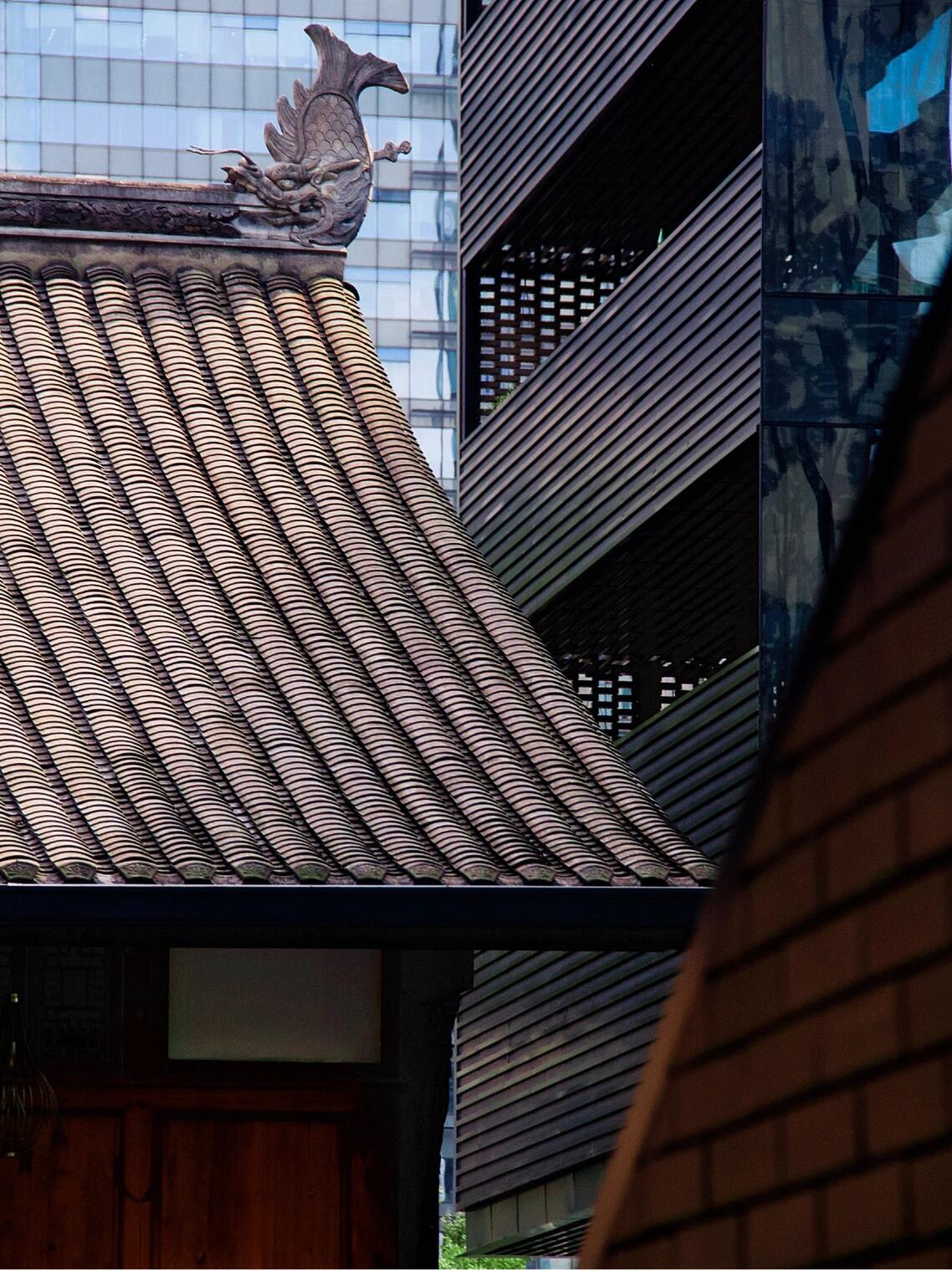
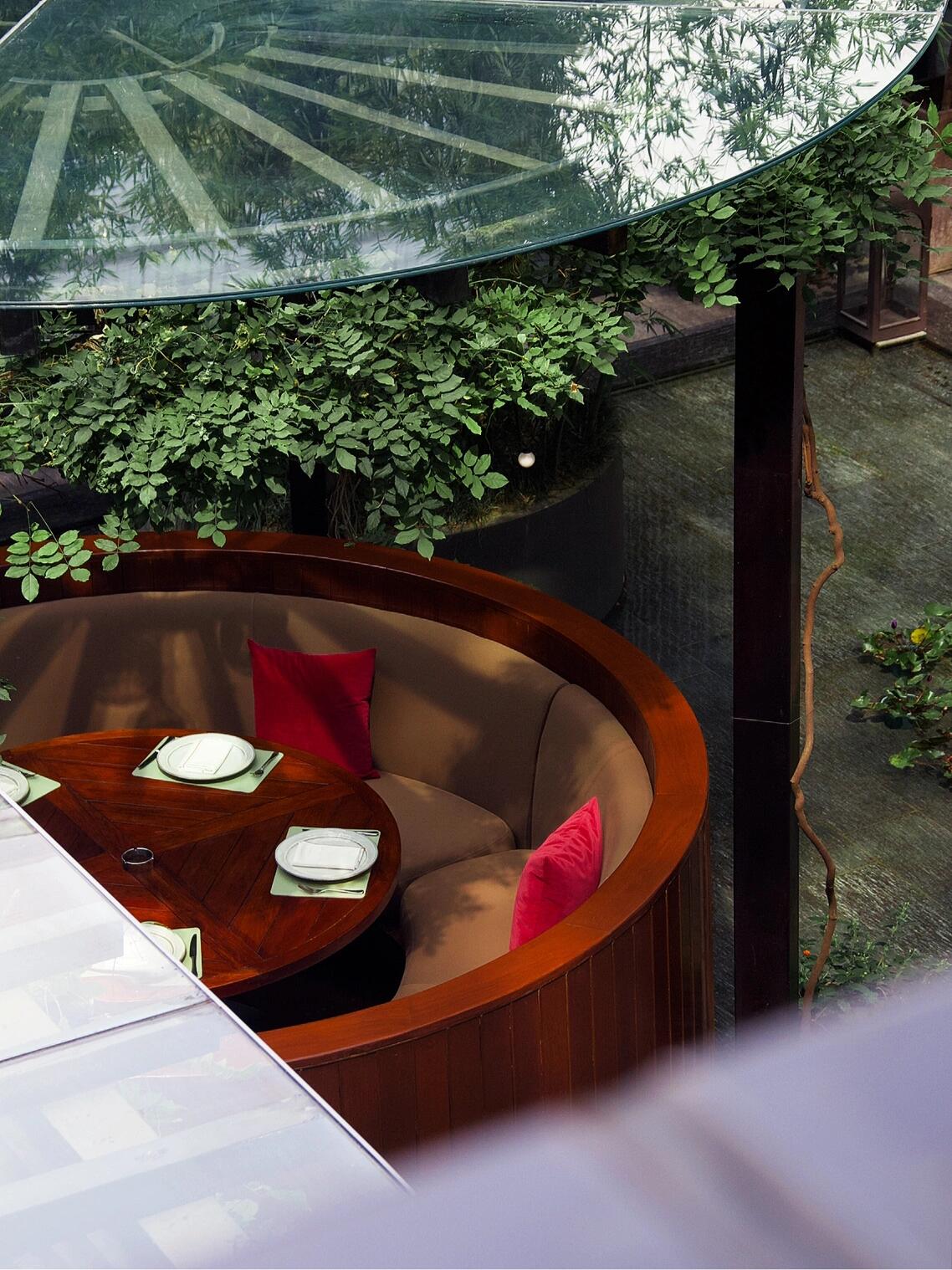
Chengdu's design hotel (Swire House Collective), steps from Chunxi Road and the IFS district.
These are examples of the boutique stays we book across the route. Because boutique hotels have so few rooms, a stay may occasionally be swapped for one of similar standard.
The itinerary is Chongqing-heavy for a reason — three full days there versus one in Chengdu. Chengdu opens the trip as a softer arrival: pandas, teahouses, milder heat. Chongqing is the payoff — vertical, loud, and unlike anywhere else in China. If you are pressed for time, the 5-day variant keeps both cities but drops the Longji day.
It's doable as a day trip — 2 hours each way, and a full day on your feet between the Three Natural Bridges and Furong Cave. Most people find it worth the effort. If you want more time in the karst without the round-trip drive, we can overnight at the Ahn Luh resort in Wulong before returning to Chongqing.
Longji (Dragon's Backbone) is a cliff-top walkway system above the Yangtze River gorge, about 2–3 hours from Chongqing. The walk involves staircase sections and some elevation gain, but no technical difficulty — most people in reasonable health manage it comfortably. Allow 2–4 hours on foot at the ridge. The sea-of-clouds effect is most reliable in October–December mornings.
Noticeably different. Chengdu's is numbing-forward — heavy on Sichuan peppercorn, lighter on raw chili — and tends to be slower and more conversational. Chongqing's is chili-dense and high-oil, louder, and served at a faster pitch. If heat is a concern, we can arrange a split-broth (one side mild) for either table.
Every day, stay and date tailored to you — shaped over a call with someone who has walked the route, never a template.
Request a proposal for this trip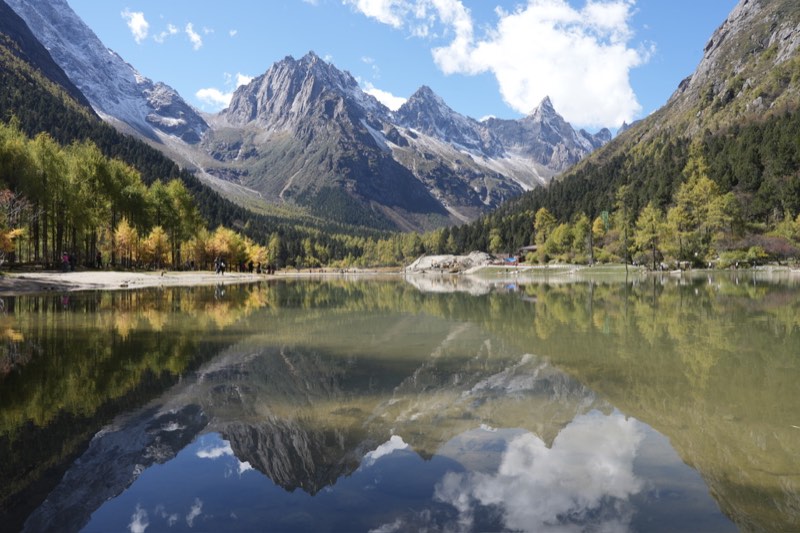
Giant Pandas at the Chengdu Research Base, then three days in the alpine lakes of Siguniang or Jiuzhai Valley. City culture first, mountain silence after.
See the itinerary →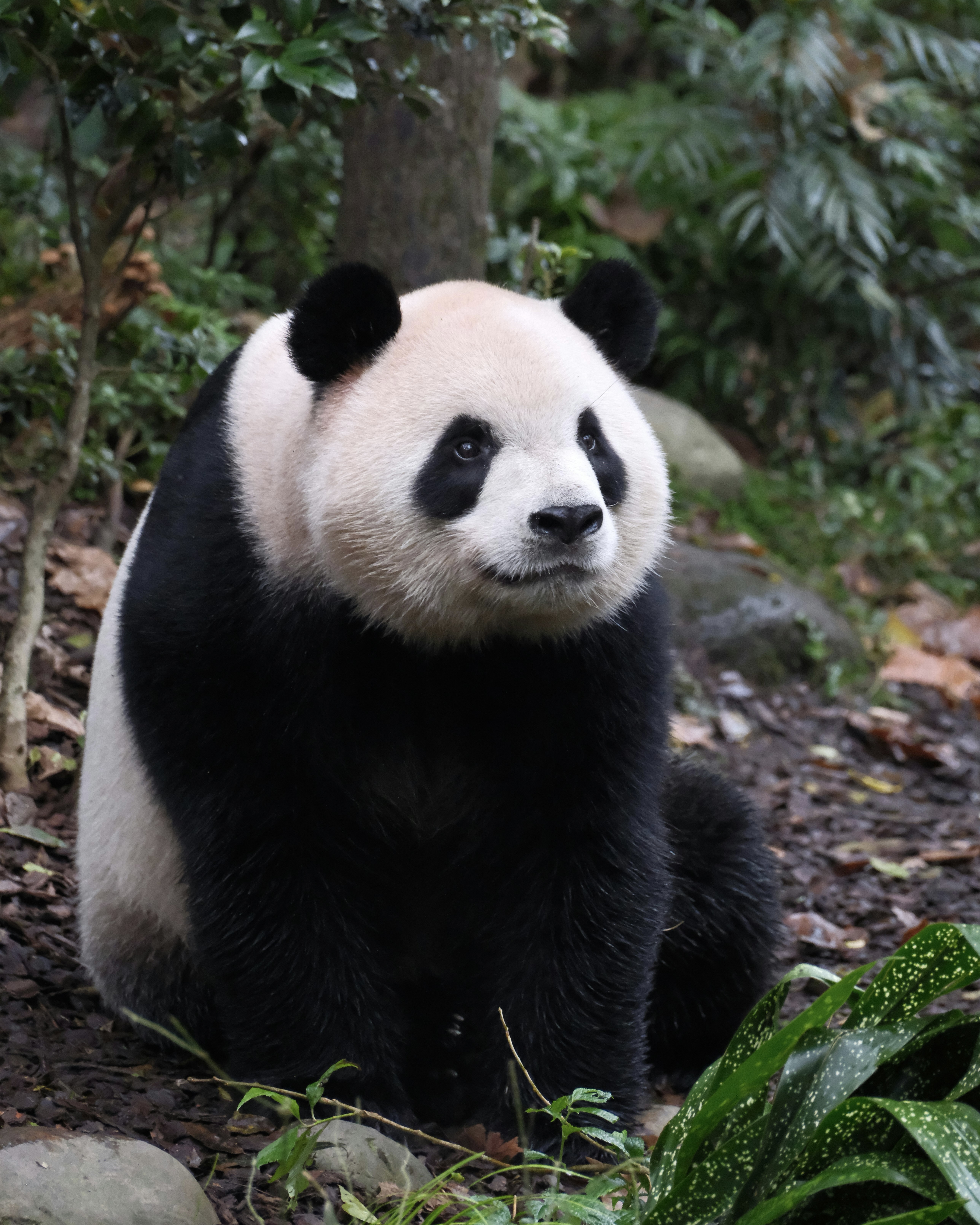
Fifteen days that pair China's great icons with its wildlife and wild landscape — the Forbidden City and the quiet Great Wall at Jinshanling, the Terracotta Army, a working day with the giant pandas outside Chengdu, three days among Zhangjiajie's sandstone pillars, and Shanghai to finish. Private throughout.
See the itinerary →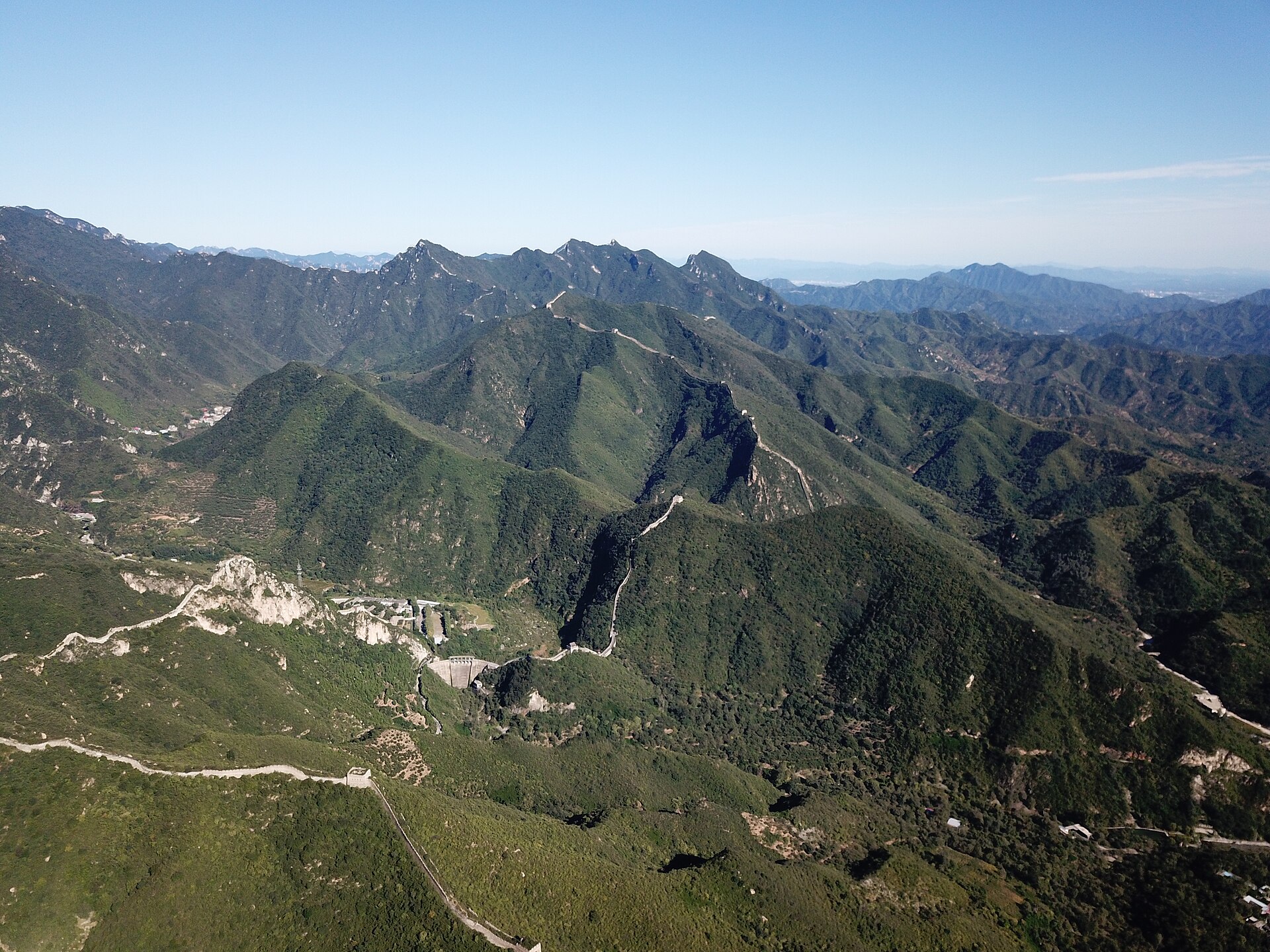
Fourteen days across China's greatest first-time hits — Shanghai and the Bund, a Li River cruise from Yangshuo, Chongqing's vertical city, Xi'an's Terracotta Army, and Beijing's Great Wall and Forbidden City. Private throughout, at an unhurried pace.
See the itinerary →