Daocheng Yading
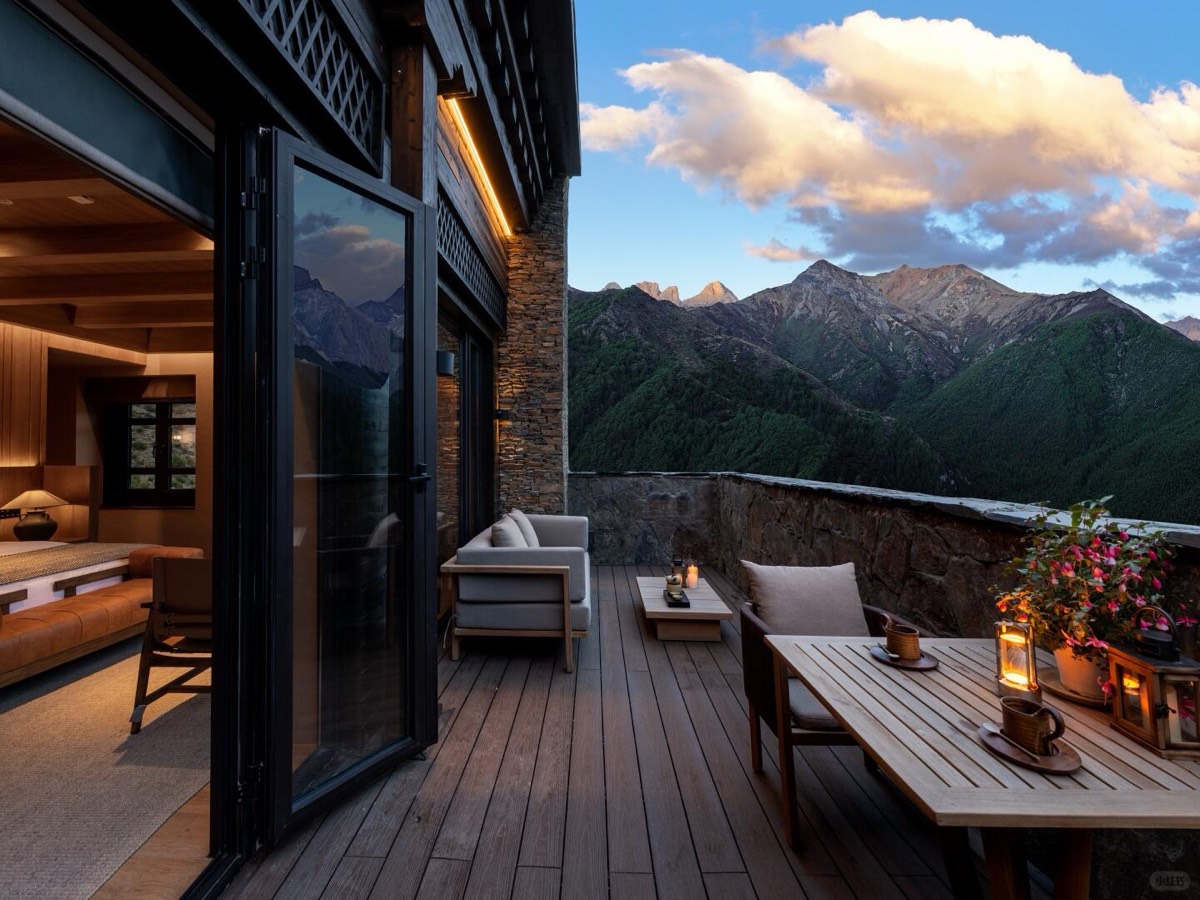
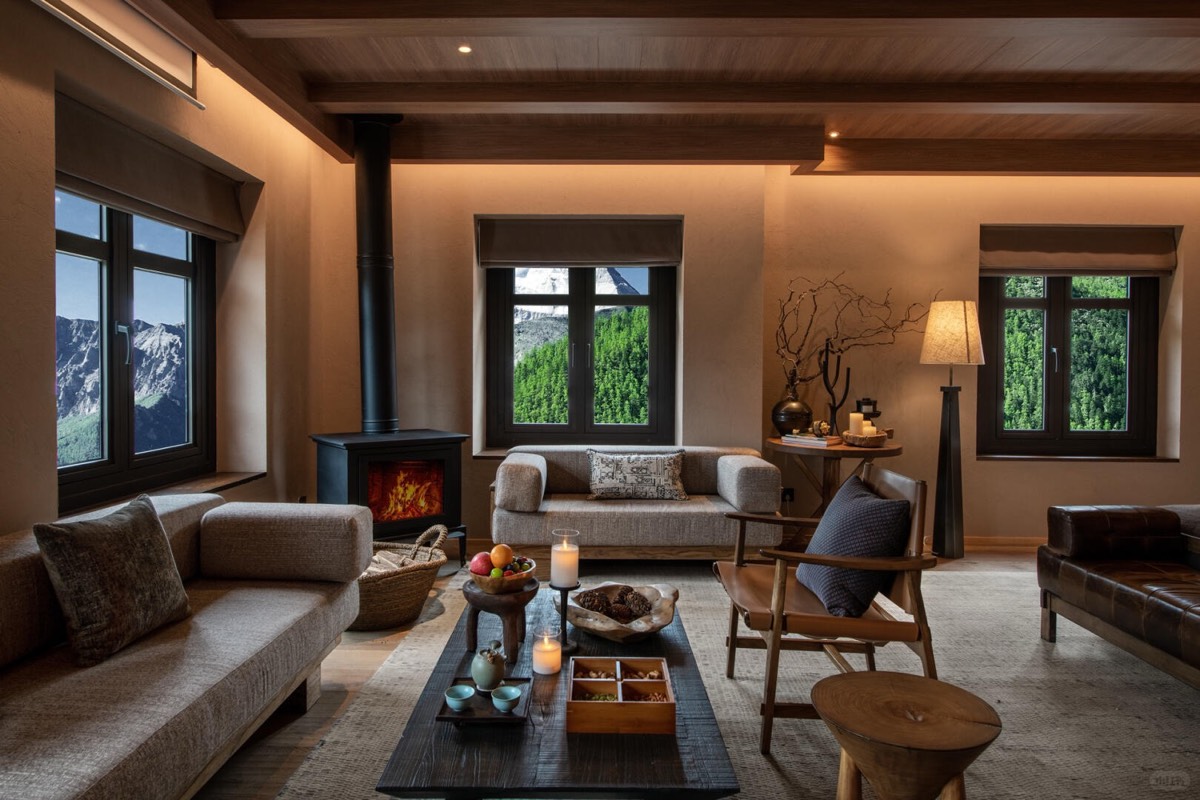
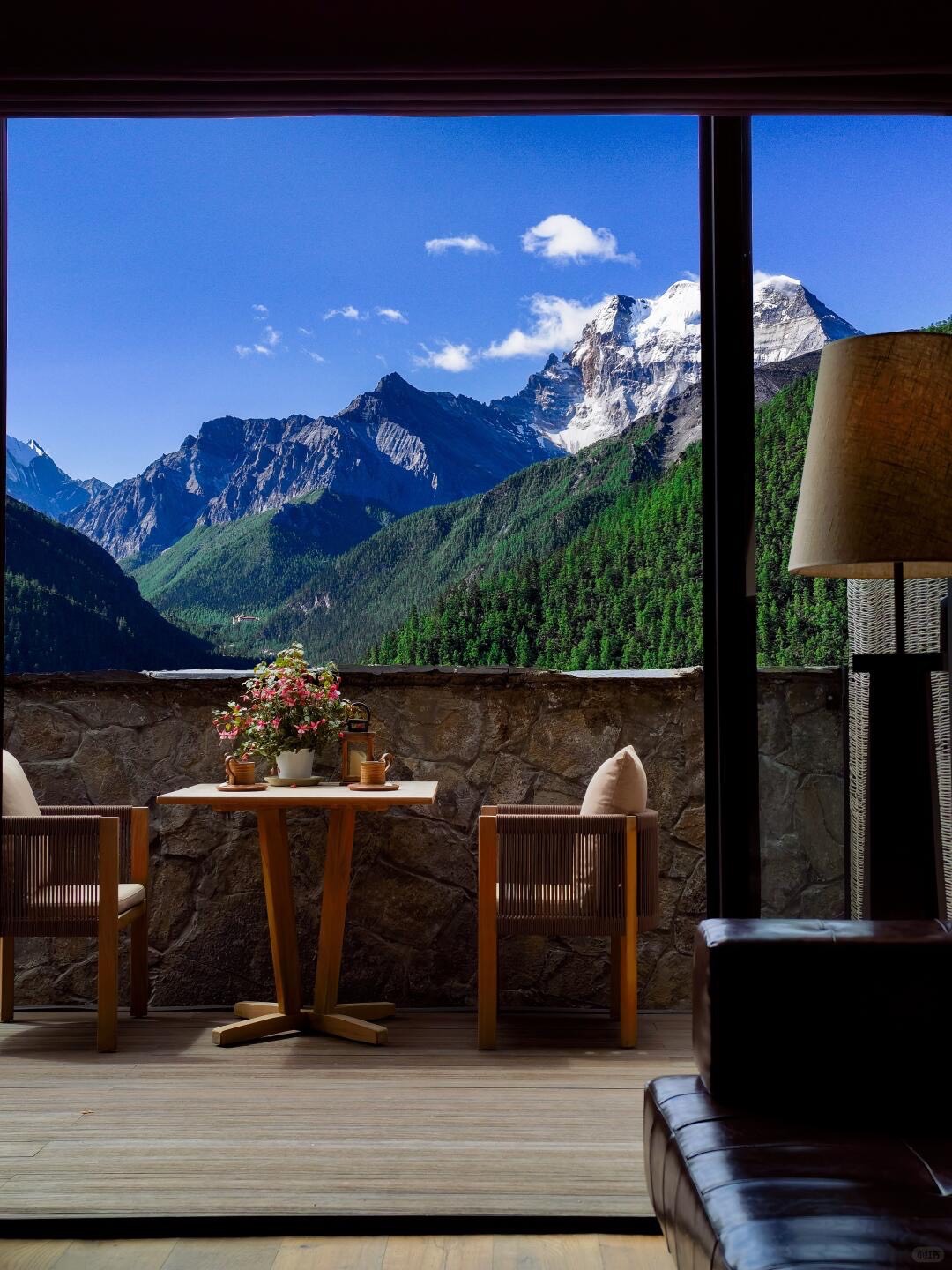
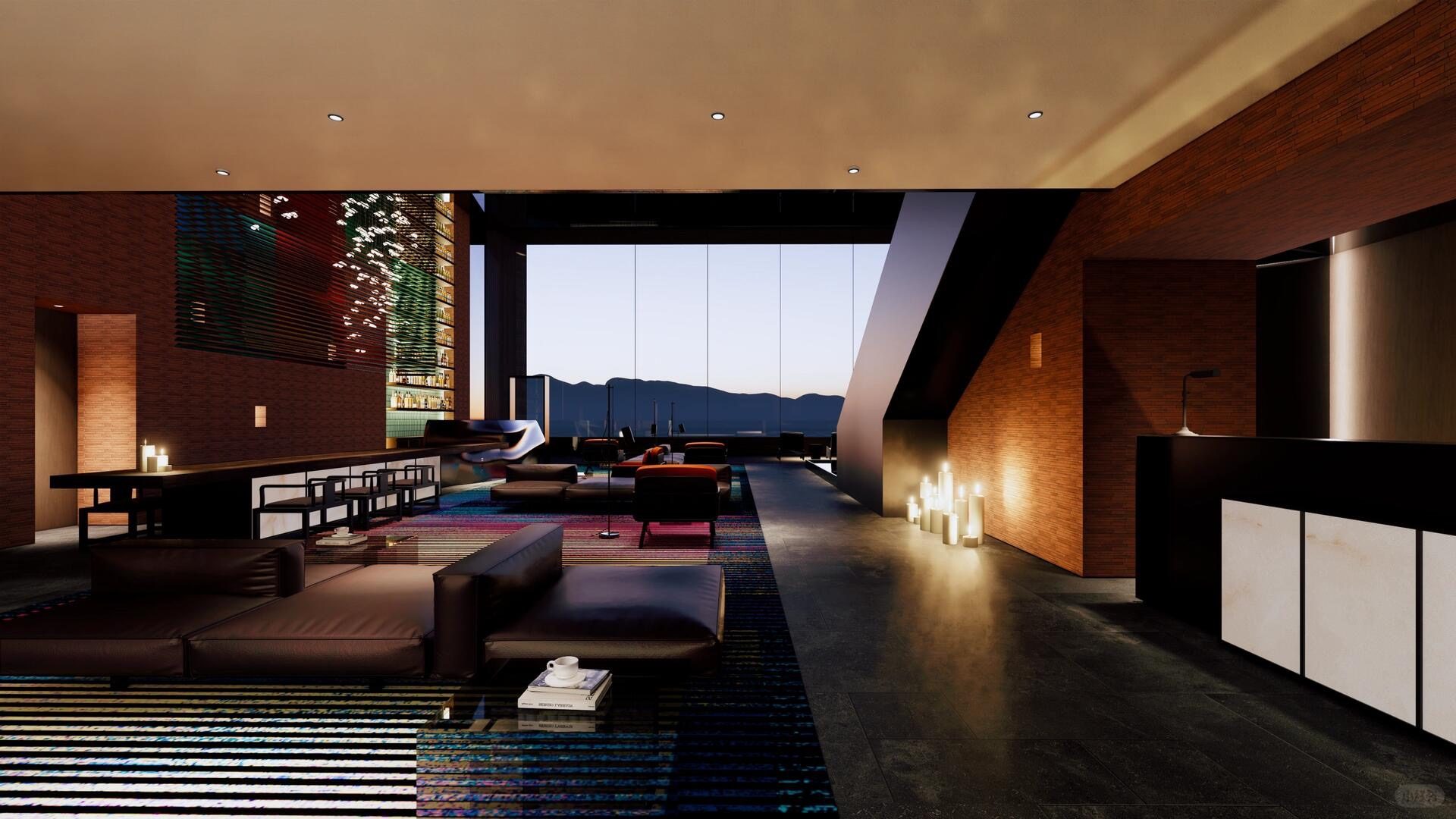
A design lodge inside Daocheng Yading with snow-peak views from bed.

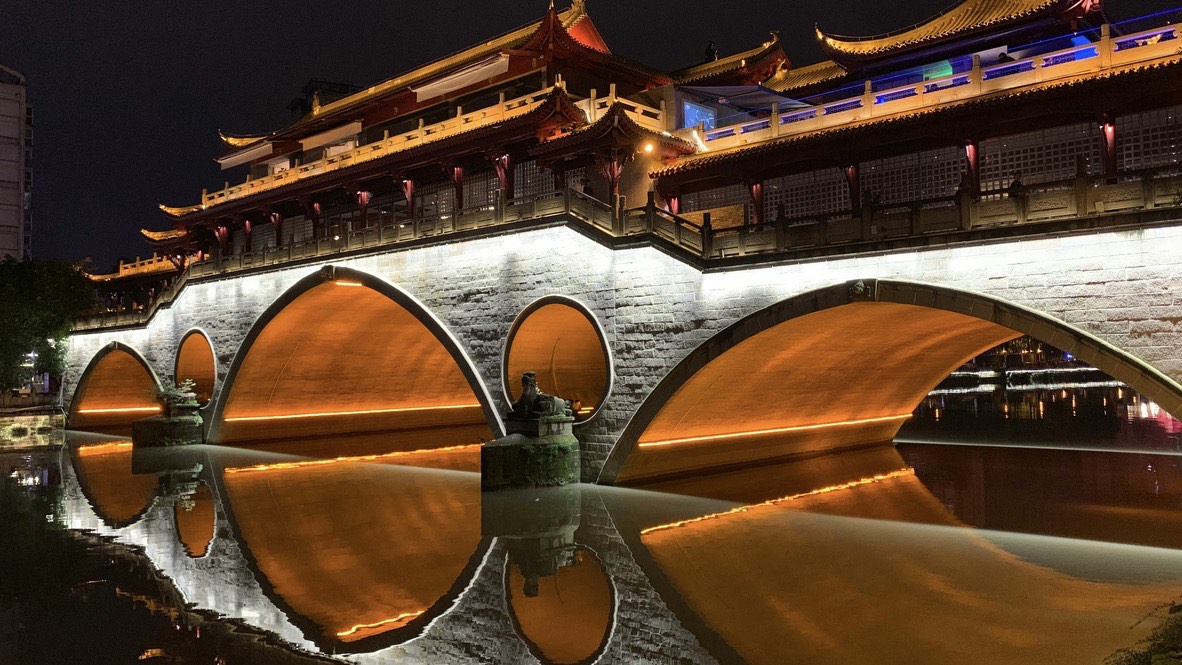
Settle in near the Wenshu Monastery quarter and take the afternoon slowly. This is your one afternoon in the basin before ten days at altitude, so the brief is simple — get your bearings, eat well, sleep early. Take temple tea in the monastery's courtyard teahouse, jasmine or Mengding green, then drift through the alleys around Qintai Road as dusk comes in. An early night before the mountains take over.
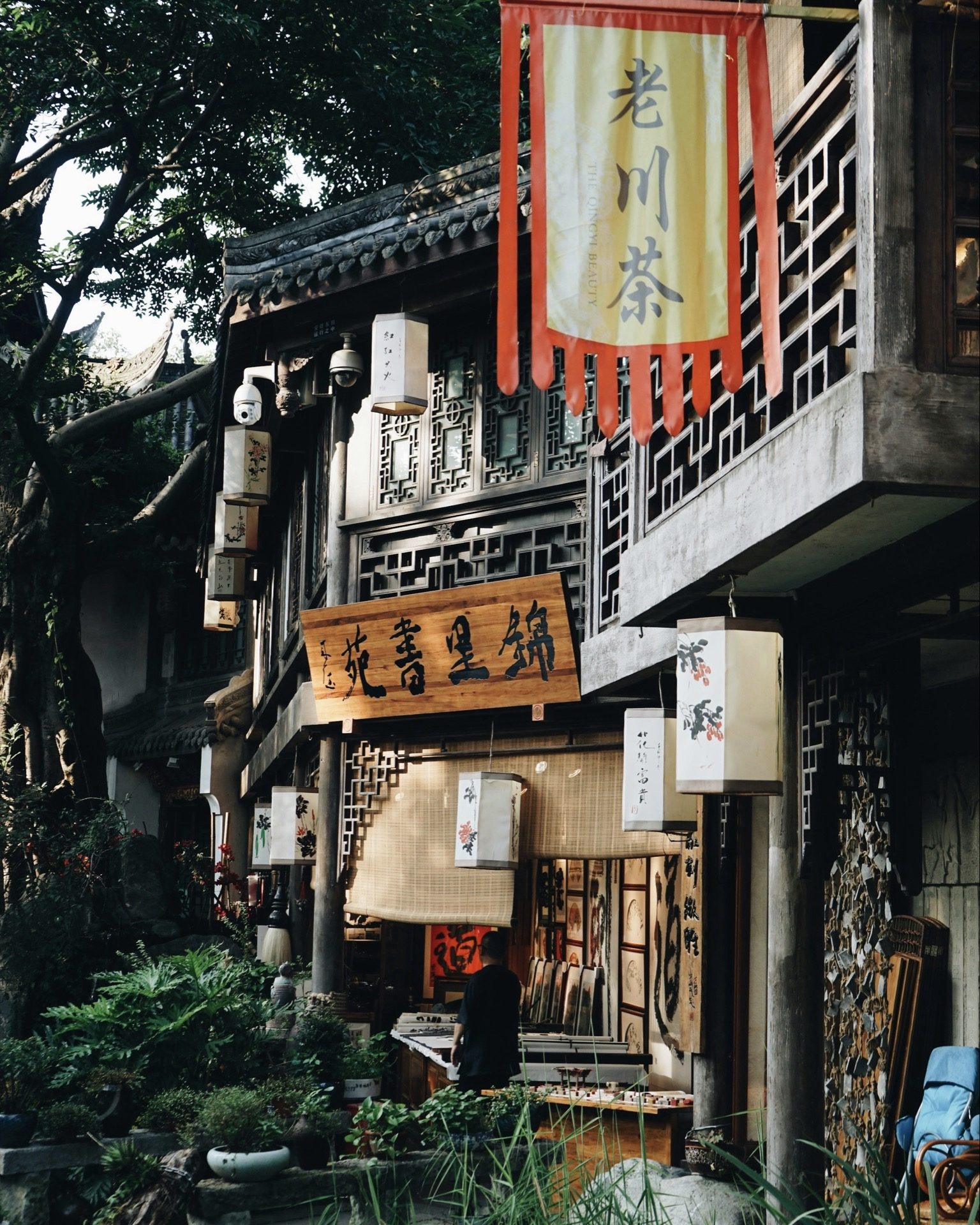
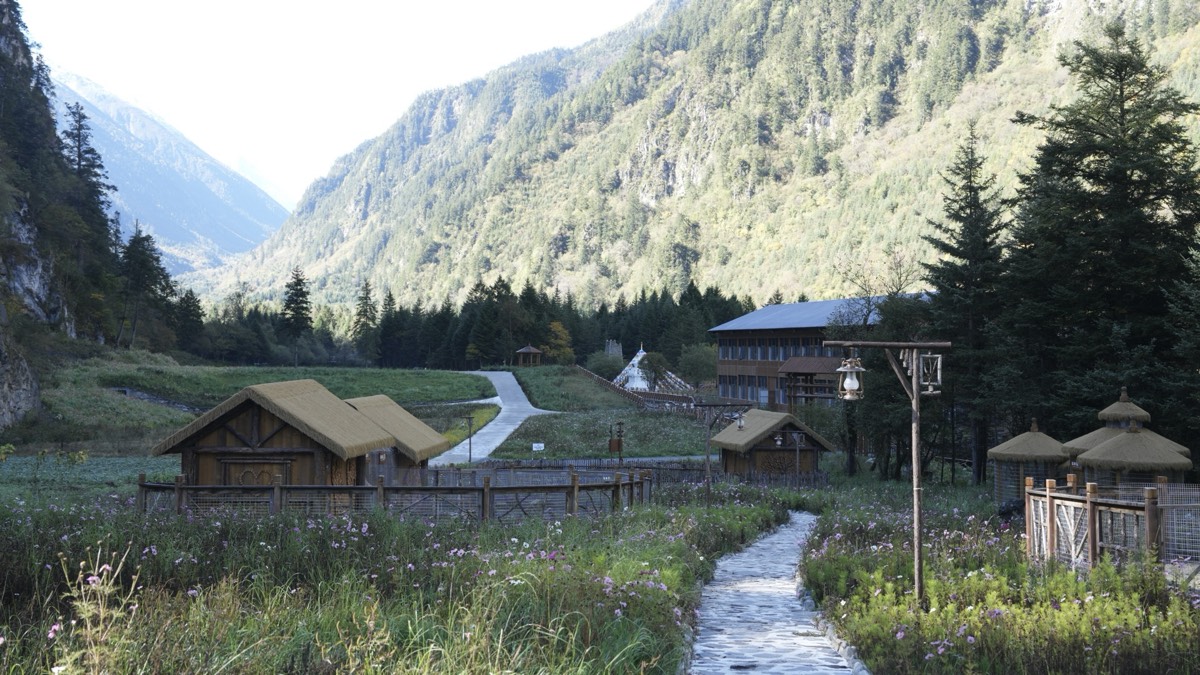
The drive northwest is the day's real event. Within two hours the landscape shifts from basin farmland to river gorges as the road climbs into the Min Mountains. You pass through Wenchuan and Maoxian while the valley walls close in, and somewhere above the treeline the first snow peaks show themselves. By late afternoon you settle in at Lixian — hot tea and rest. Tomorrow belongs to Bipenggou, and arriving there rested is the whole point of stopping here tonight.
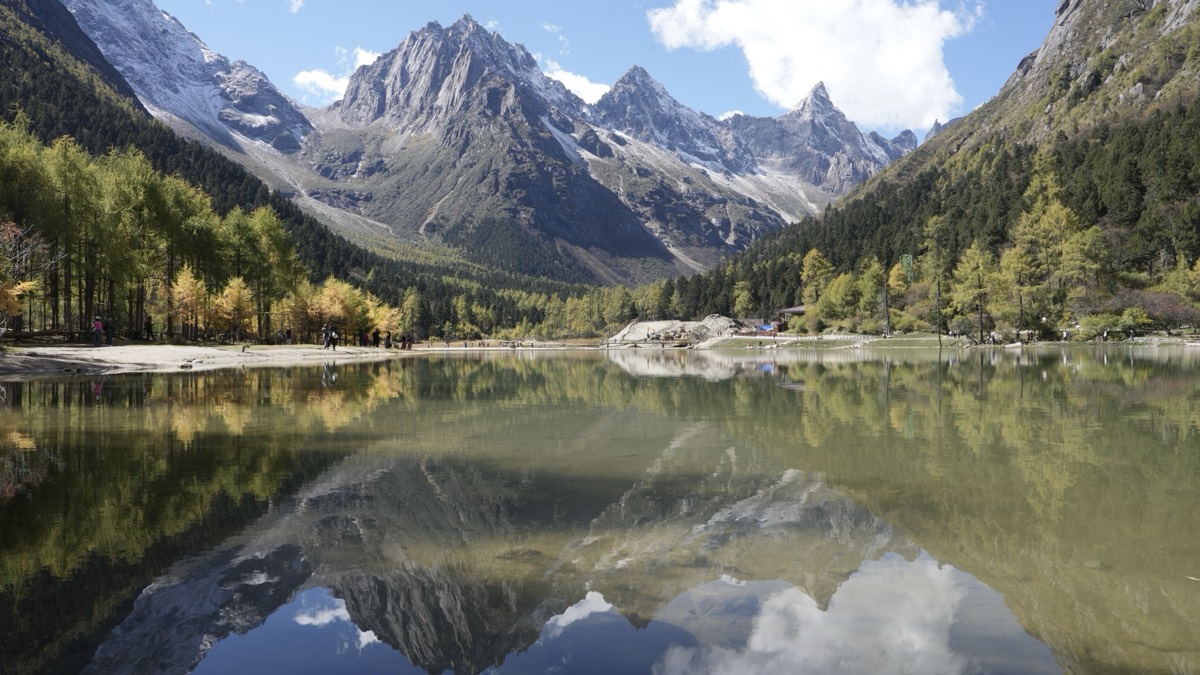
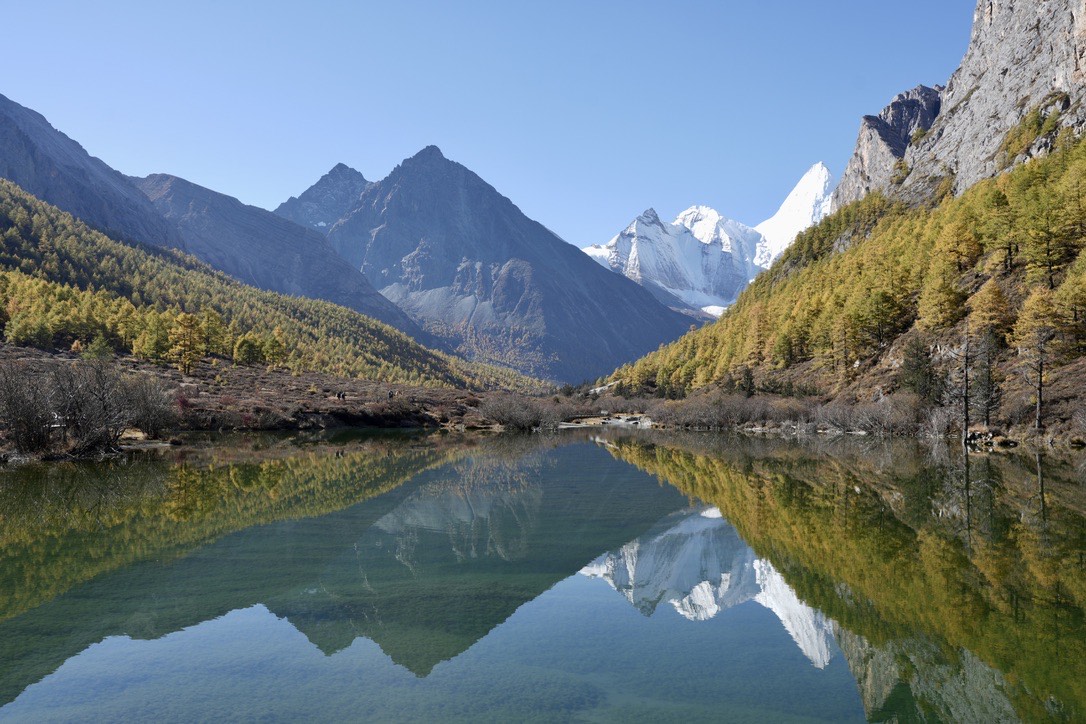
Get to the water early. On a calm morning, Bipenggou's lakes can reflect the snow peaks cleanly before the wind picks up and the surface breaks. Then take your time: quiet forest paths, lakeside photo pockets, and optional e-cart sections for longer reach without the exertion. The upper valley opens beyond the main boardwalk, and the crowds thin within the first kilometre. Back at the lodge, if the skies stay clear, stargazing from the lawn. At 2,700 m the darkness is genuine and the Milky Way appears without effort.
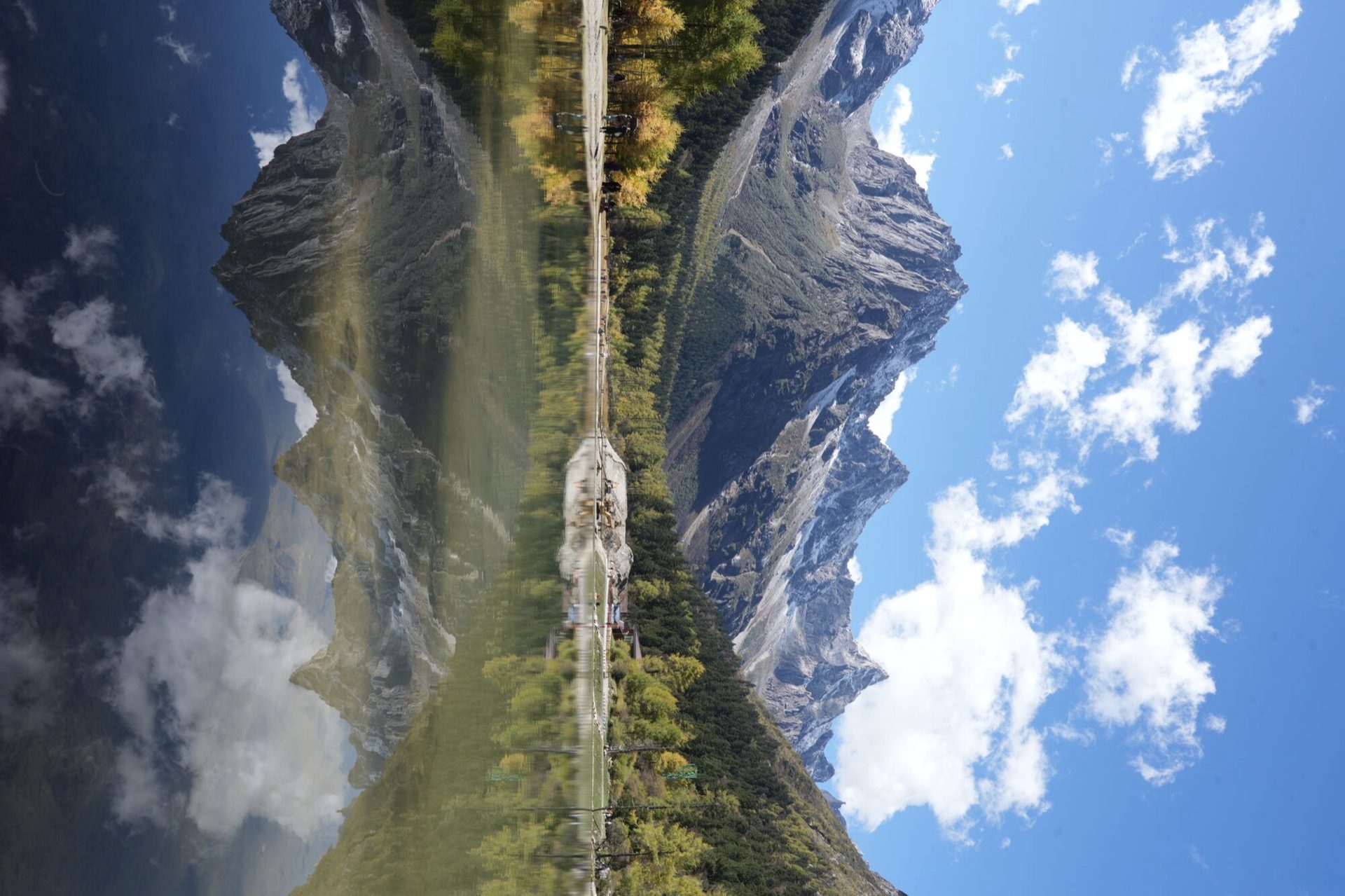
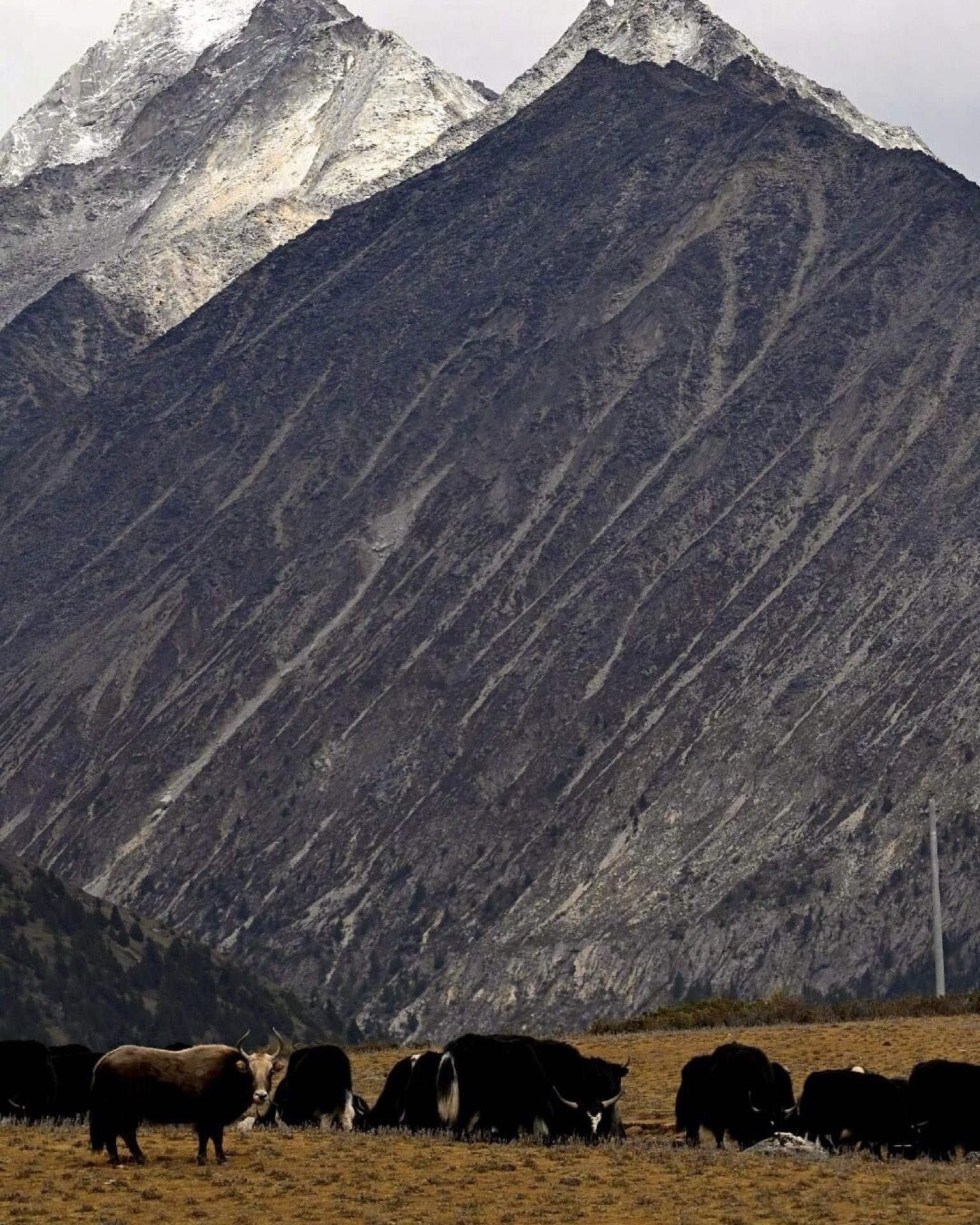
Depart in the morning along the Li-Xiao Highway — one of China's most scenic mountain roads, threading between Siguniang's four summits. The destination earns the drive: Xinduqiao, known as the 'Painter's Village' for its extraordinary light at dusk, when the meadows around town go golden. Time your arrival for exactly that hour. An early night — the road climbs to Litang tomorrow and rest counts.
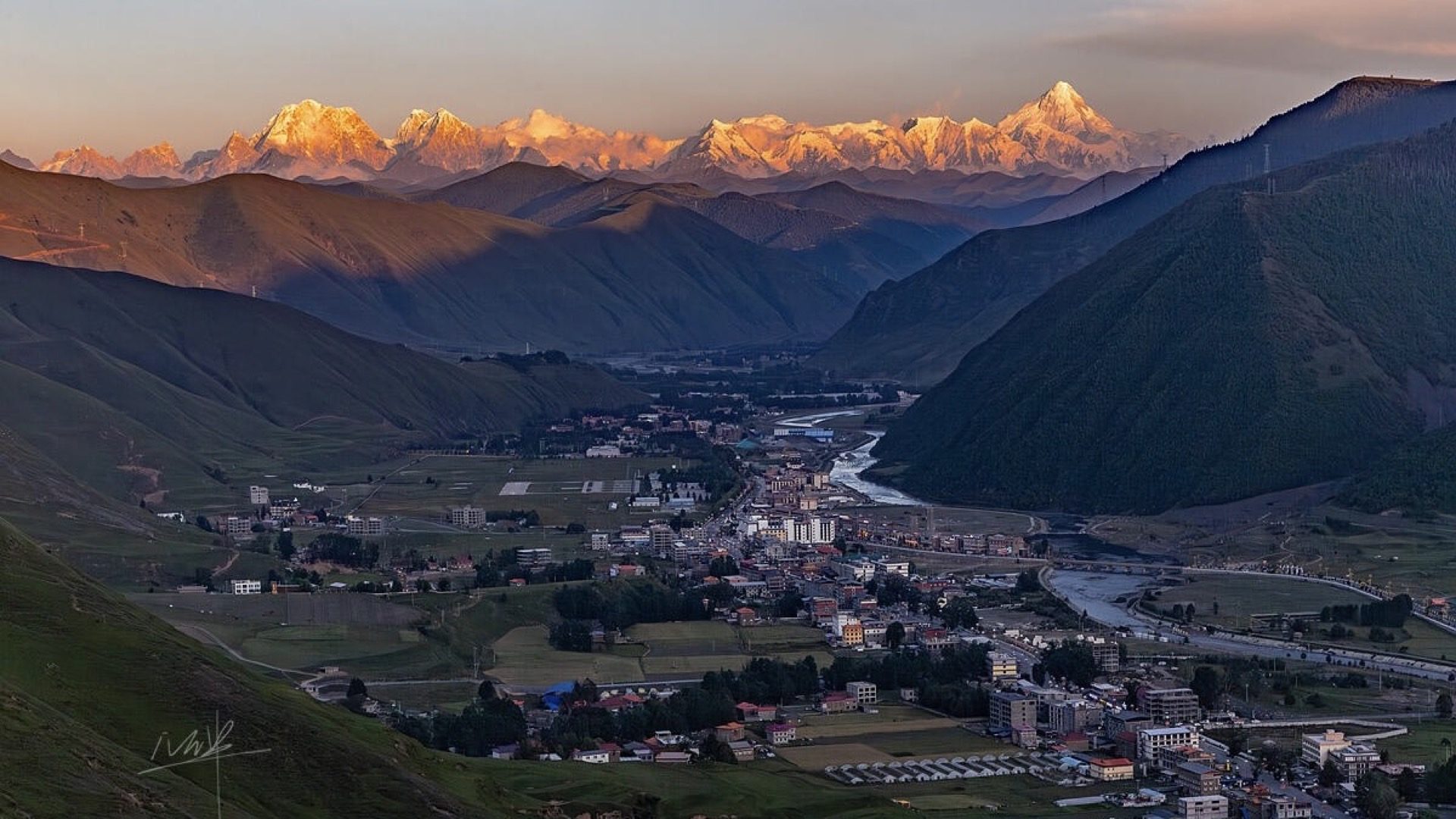
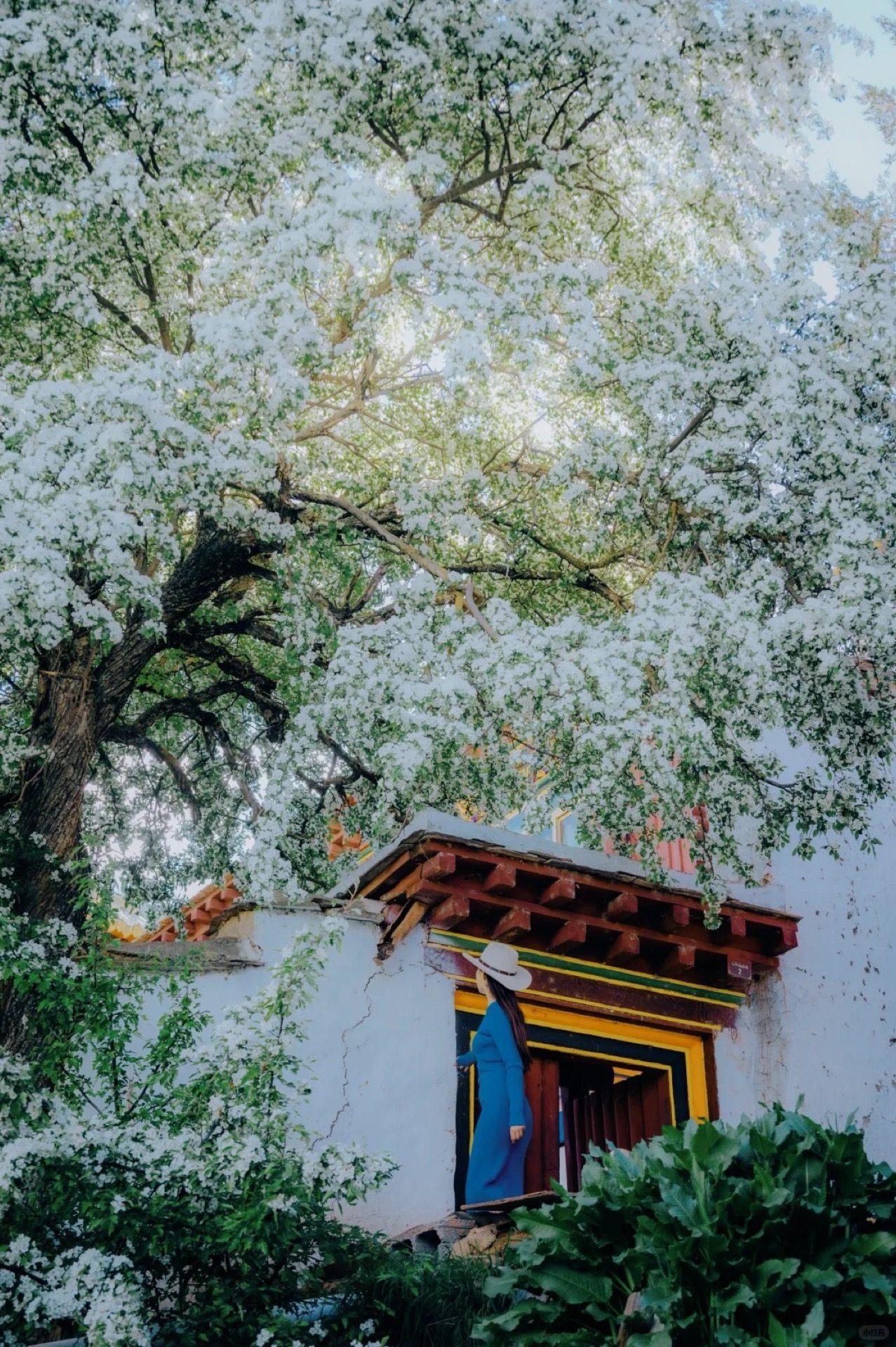
A short transfer today, taken slowly — photo pauses and yak pastures along the way. Watch for alpenglow on Gongga (Minya Konka) at dusk: at 7,556 m, it is the highest peak entirely within Sichuan. On arrival, a quiet courtyard walk around Litang's Ganden Thubchen Choekhorling Monastery — one of the largest Tibetan Buddhist monasteries in Kham. The evening is deliberately gentle: breathwork and an early night at 4,014 m, in the world's highest county town. Your body is doing quiet work tonight; let it.
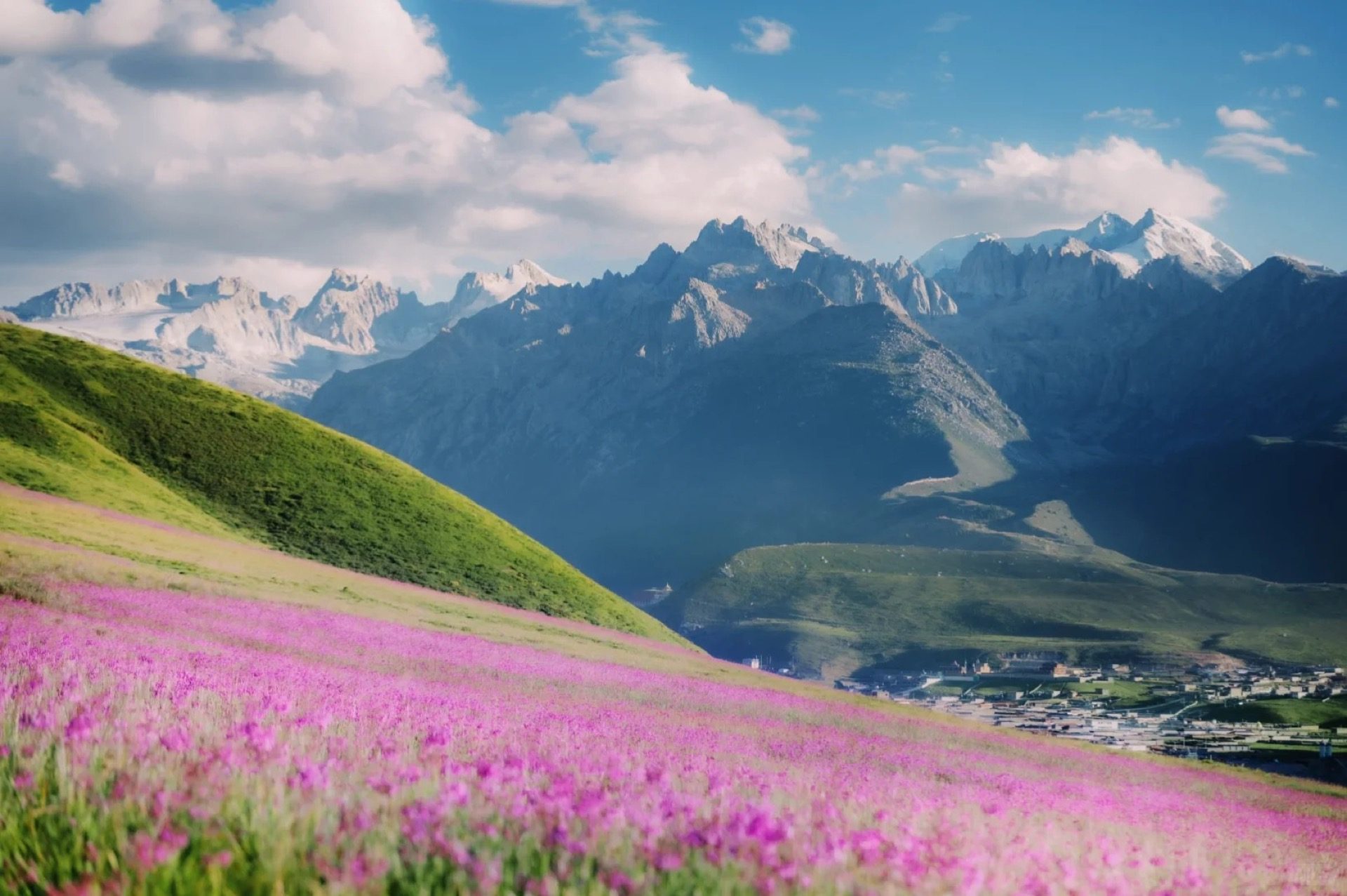
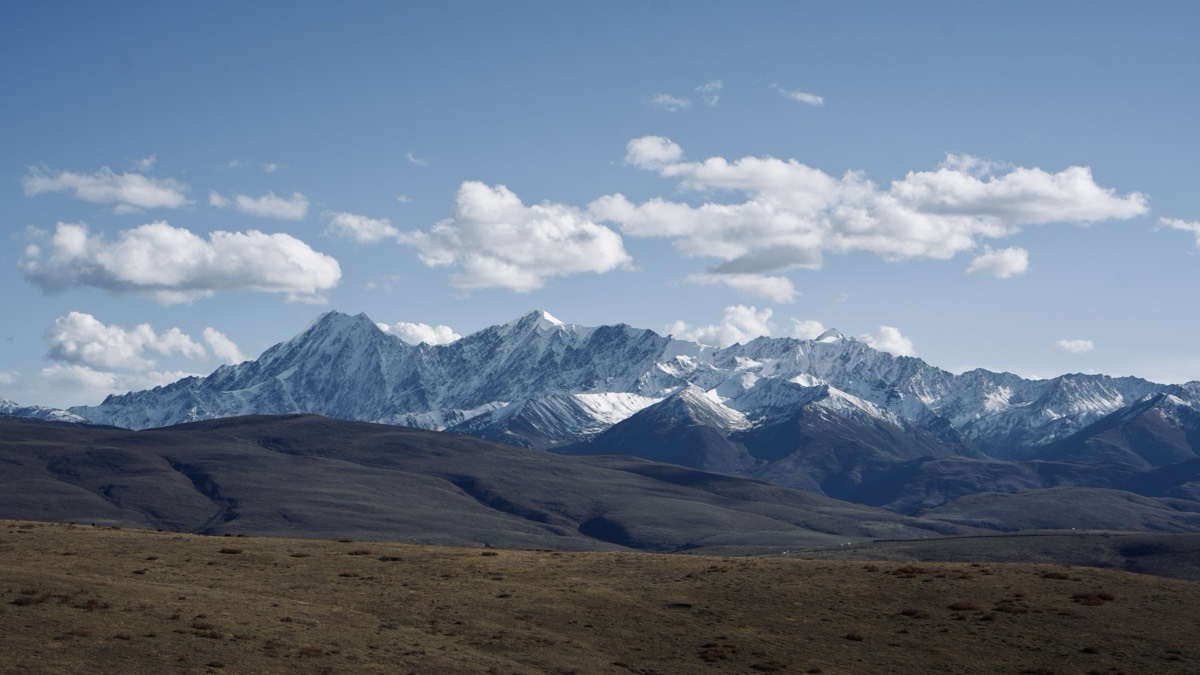
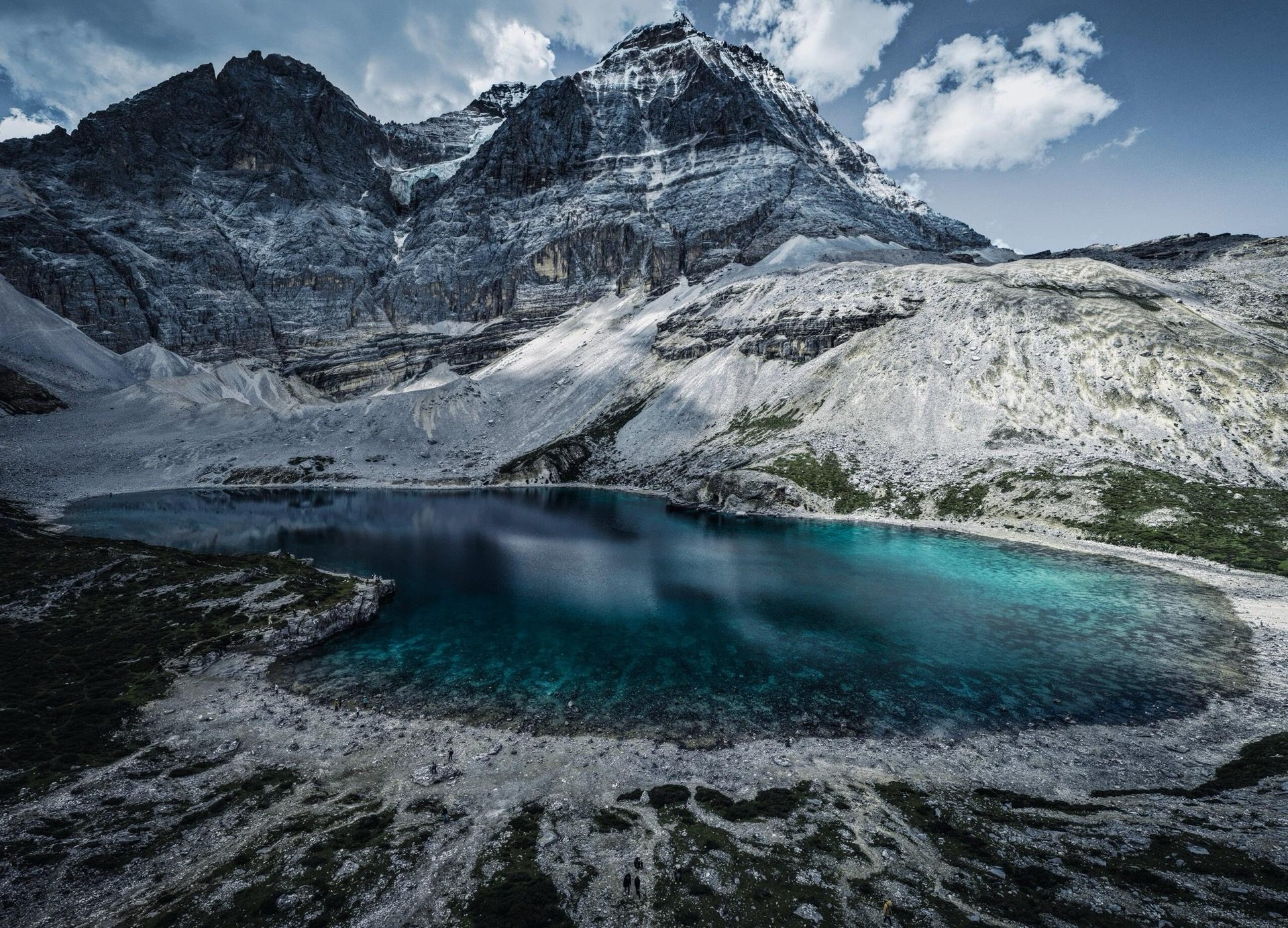
Drive south from Litang across open Tibetan grasslands — three unhurried hours of herder hamlets and occasional yak herds, with no agenda beyond the road itself. Then Yading Village: a slow wander through the wooden lanes as the three sacred peaks — Chenresig, Jambeyang, Chanadorje — come into view for the first time. An early night at 3,700 m is mandatory, not optional. Tomorrow's first full valley day will test your legs, and acclimatised rest is the most useful thing you can do tonight.
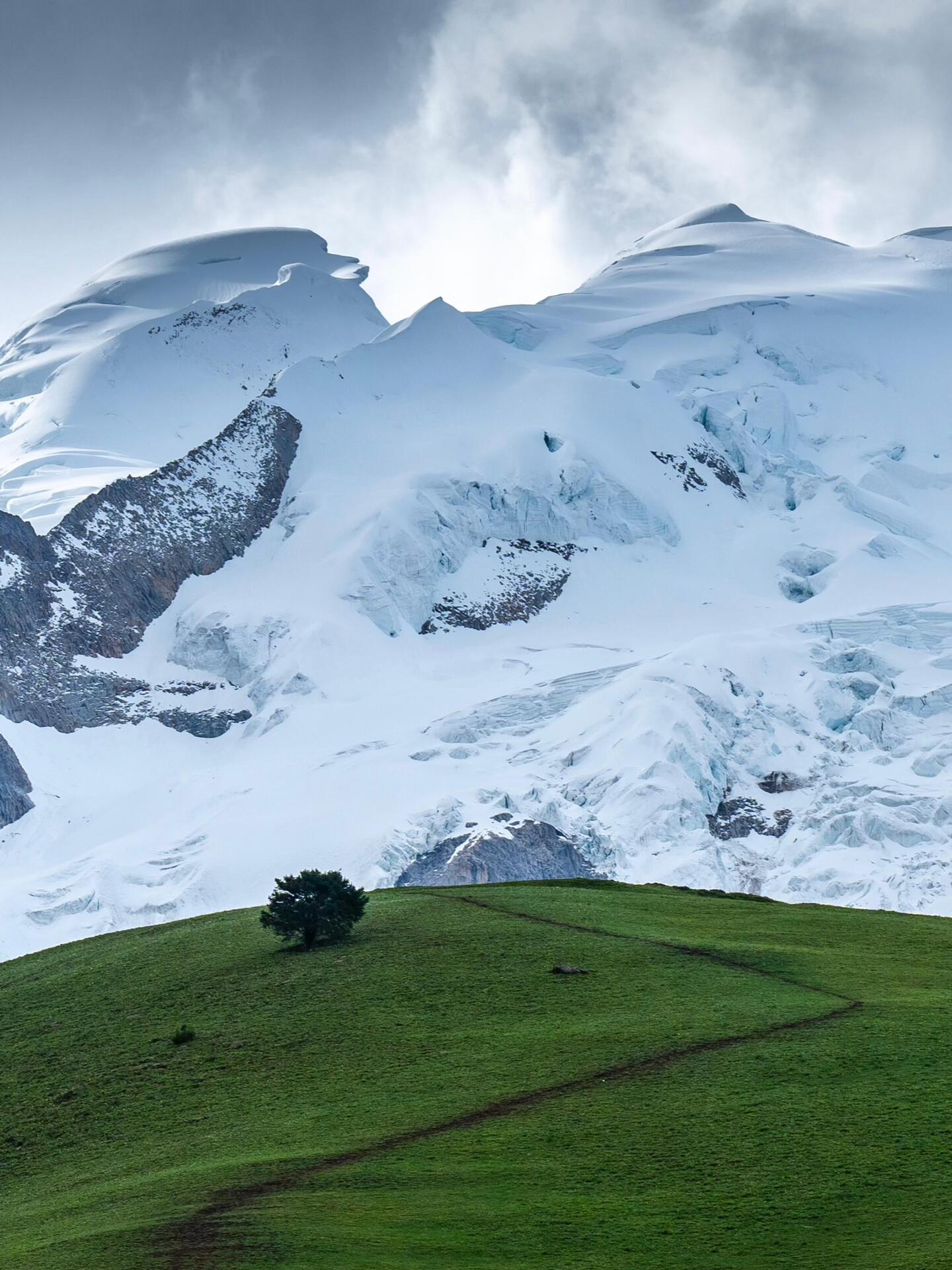
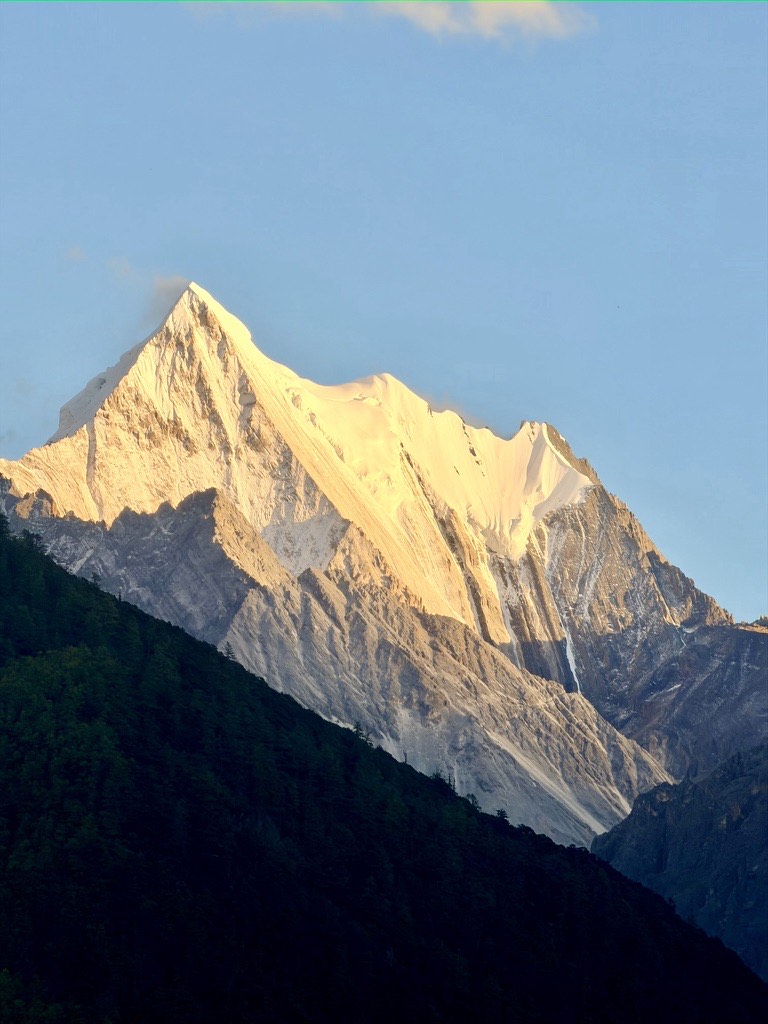
Walk out before sunrise to the Chonggu Monastery meadow — the classic first view, with Chenresig, Jambeyang and Chanadorje rising above the larch forest as the light arrives. The rest of the day is yours to pace. The boardwalk loop threads the inner valley with frequent photo stops along the way. By afternoon you're back in Yading Village to rest properly — an optional foot bath or oxygen session supports the acclimatisation that makes tomorrow's deeper valley possible.
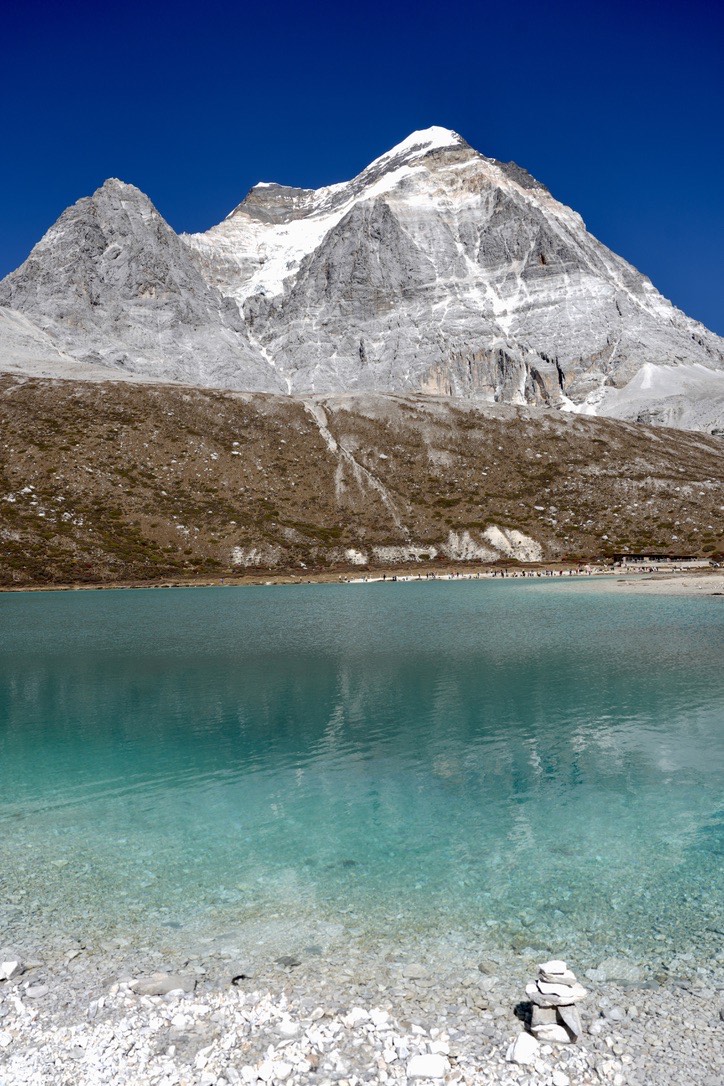
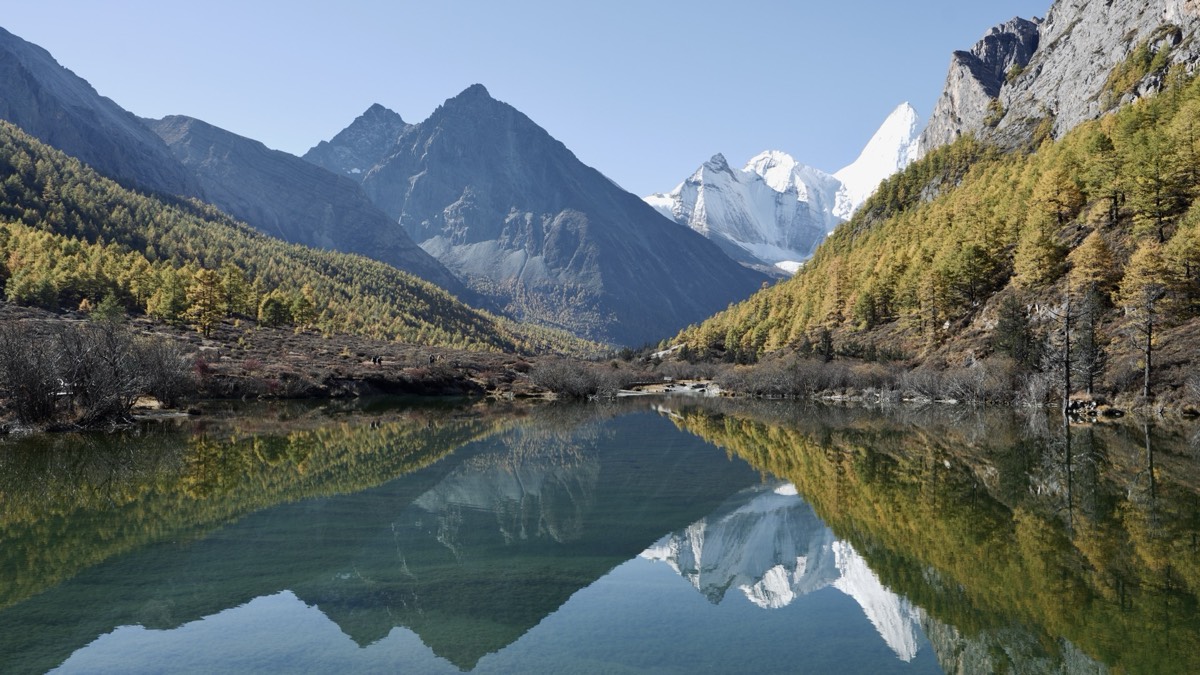
Today reaches higher, gently. An optional e-cart runs into the upper valley to Luorong Cattle Farm at 4,180 m — a meadow that sits directly beneath all three sacred peaks, without the effort of the full trekking loop. Photographers get their day too: quiet pockets at the prayer-flag lookouts, and afternoon light on Chanadorje's north face that is genuinely different from morning — worth a separate visit. Back in Yading Village, a recovery foot bath or warm soak closes the day. Altitude recovery is cumulative; rest days at elevation mean rest in the proper sense of the word.
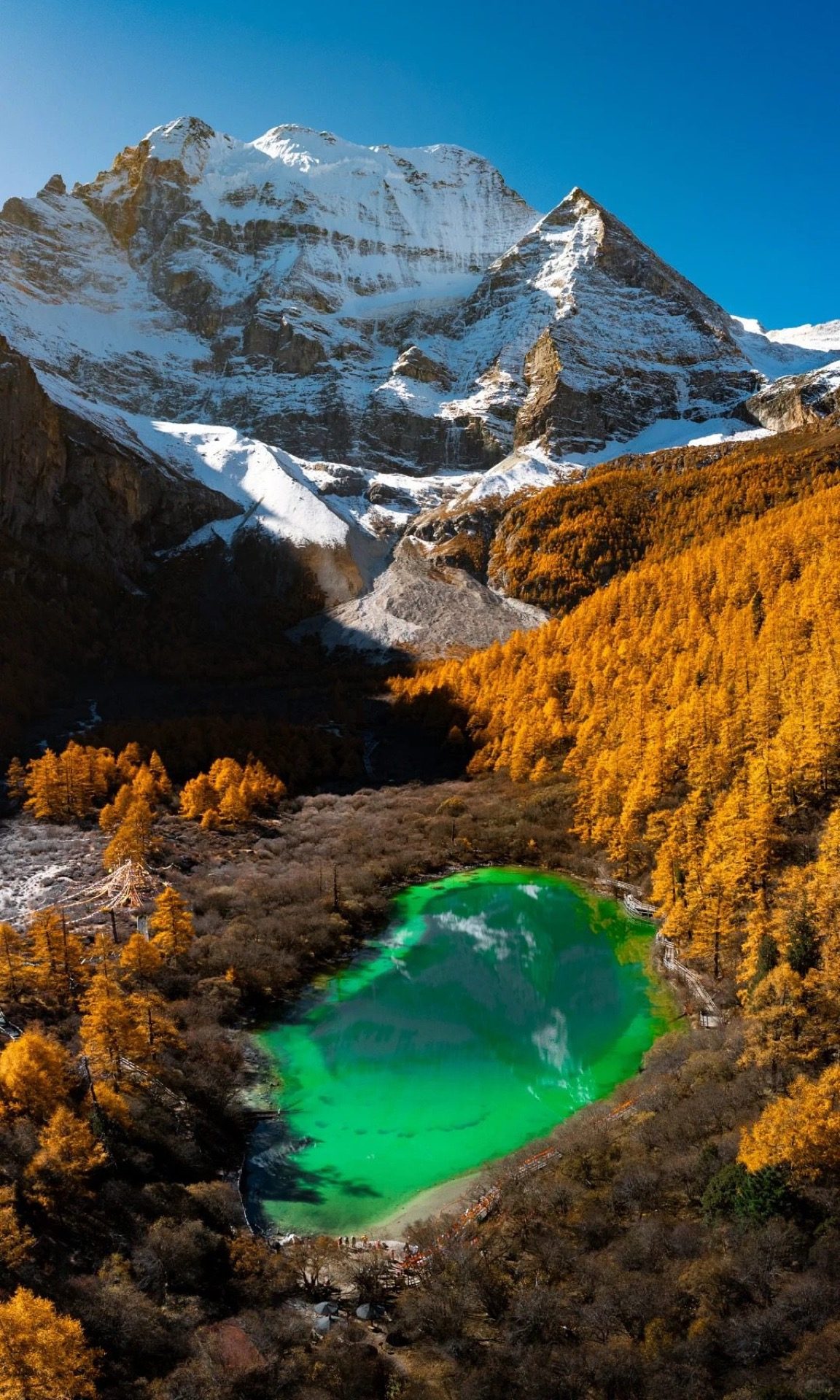
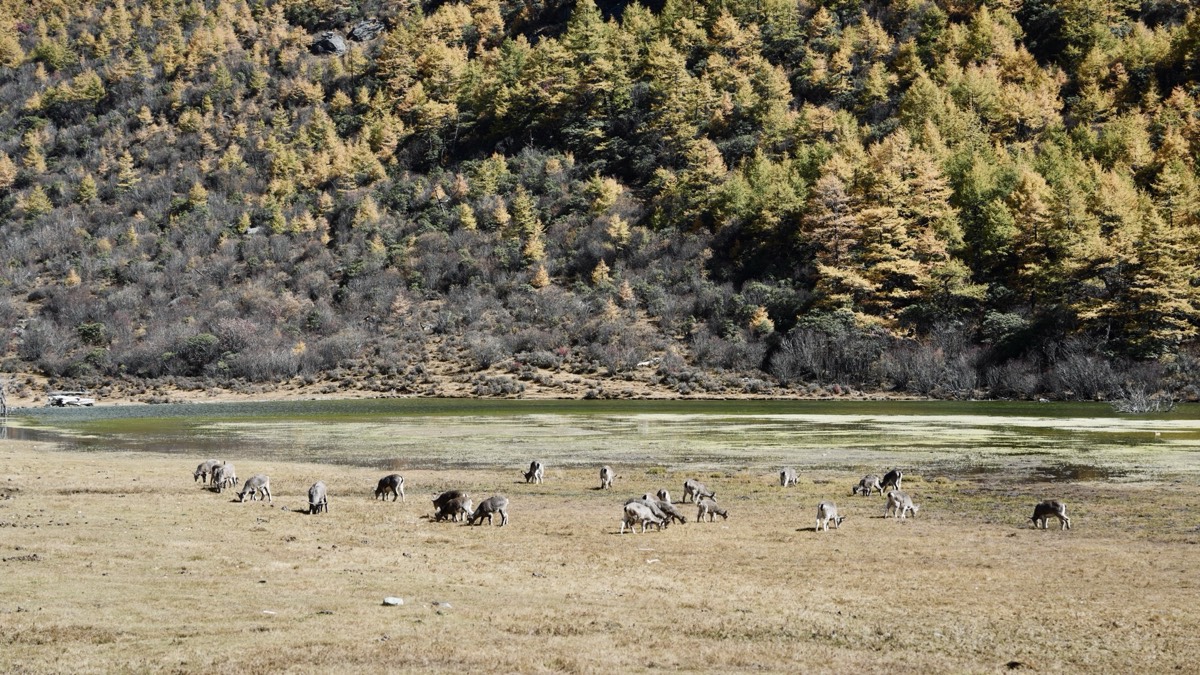
A recovery morning in Daocheng town, where the market opens early — dried mushrooms, butter, highland barley cakes — and browsing is deliberately unhurried. Then three hours south with high-valley panoramas, over a 4,000 m pass before the road drops into warmer, greener terrain and Lugu Lake comes into view. Settle in on the shore and take a dusk canoe paddle or quiet shoreline walk.
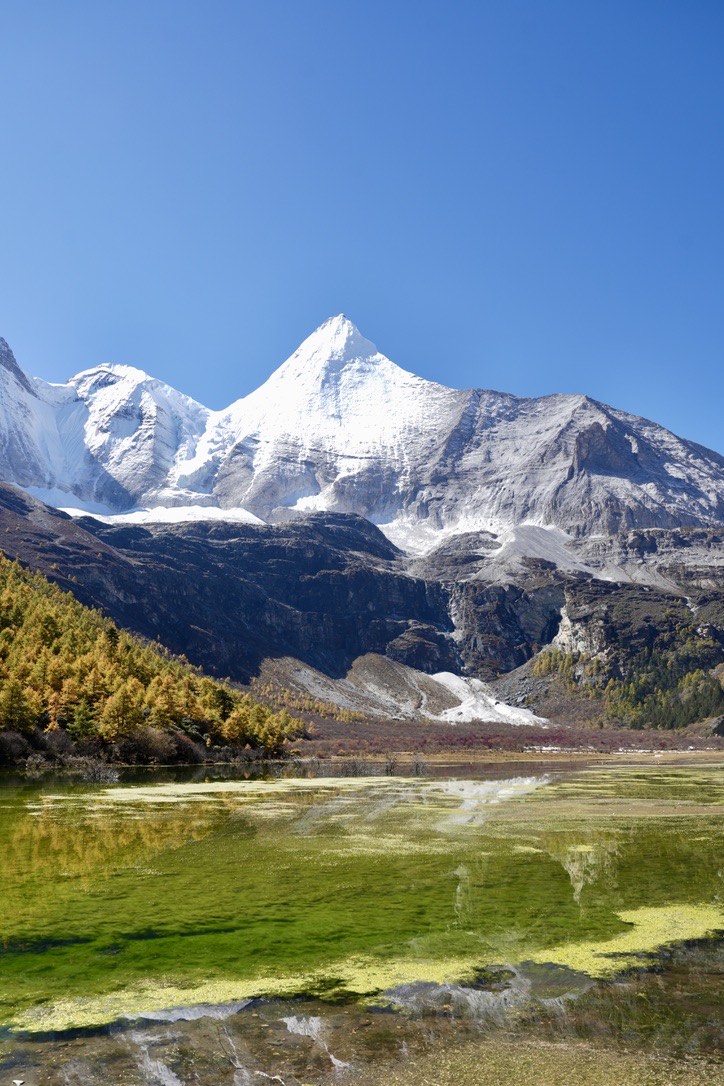
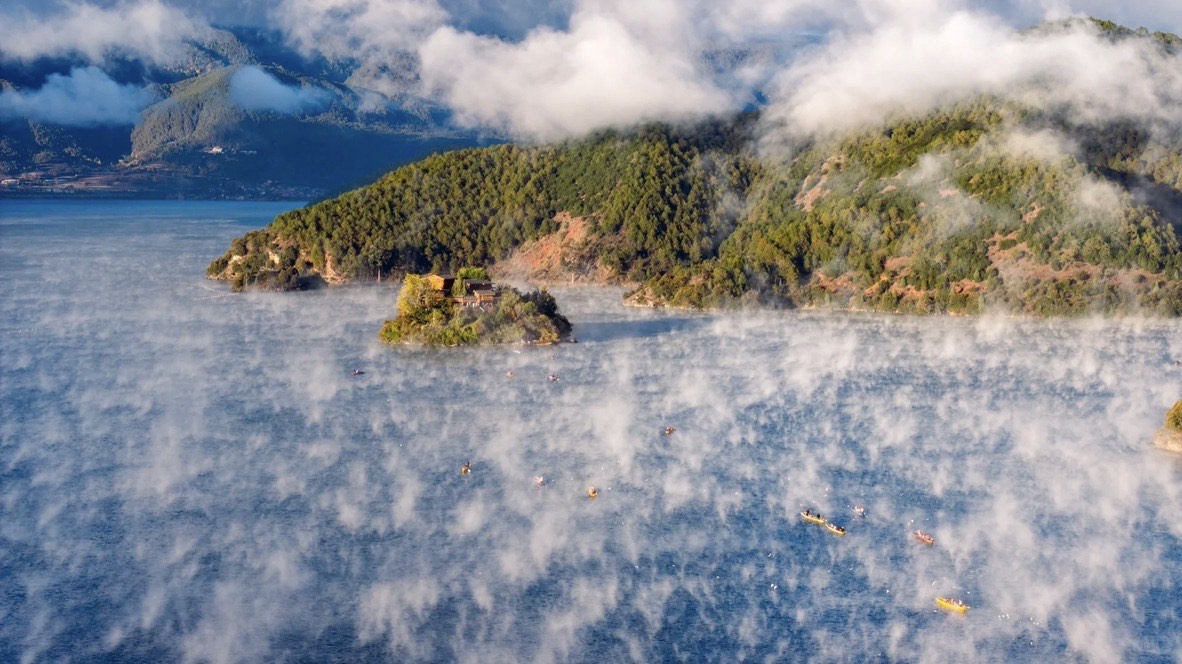
Take a wooden boat out to Liwubi Island, a forested knoll in the middle of the lake with a Tibetan Buddhist temple that local Mosuo families visit for offerings and quiet prayer. In the afternoon, walk up to the sunset ridge viewpoint above the lake. Lugu from above is a different thing entirely, and the whole basin opens up in the last light.
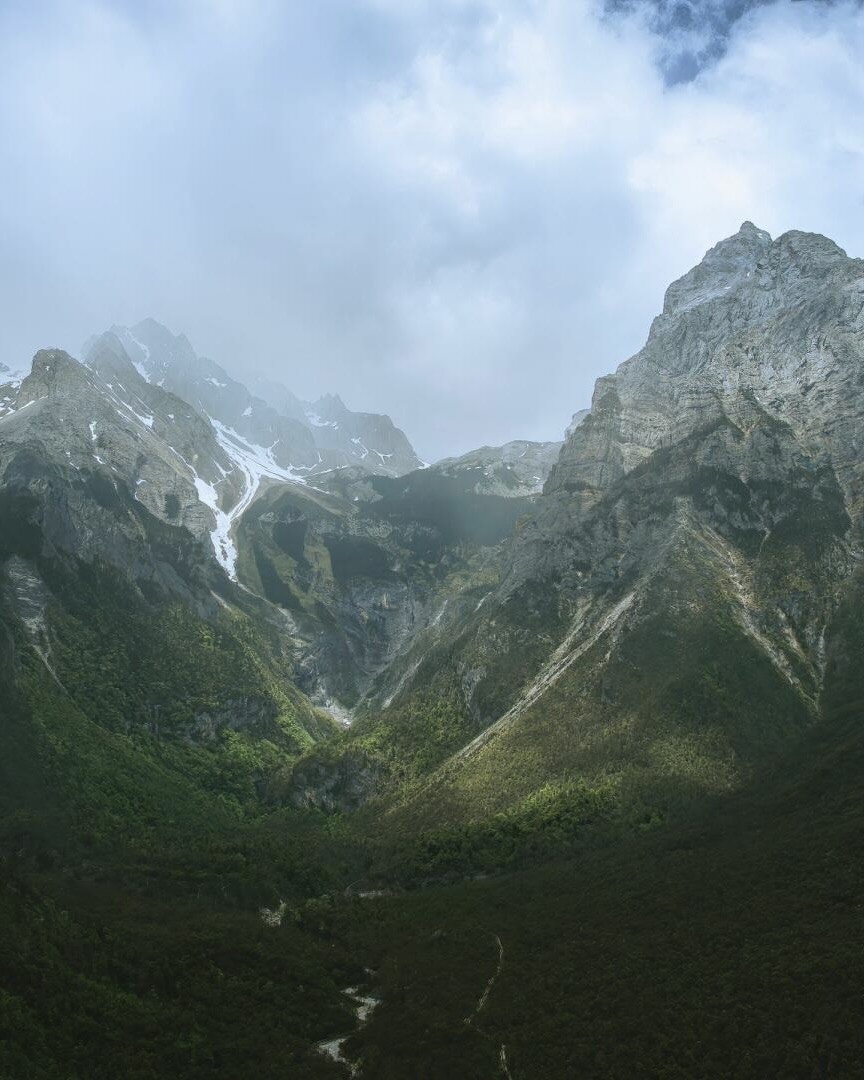
A leisurely lakeshore morning first — one final walk along the Mosuo shoreline with the peaks still in view, before the road pulls away from the lake for good. The four-hour drive to Lijiang drops fast, the landscape shifting from high grassland to gorge to Naxi farmland. A late lunch in a Lijiang courtyard restaurant, and a handover for onward travel. If you are continuing south, this route connects directly to the Yunnan Trilogy itinerary — the plateau behind you, Yunnan ahead.
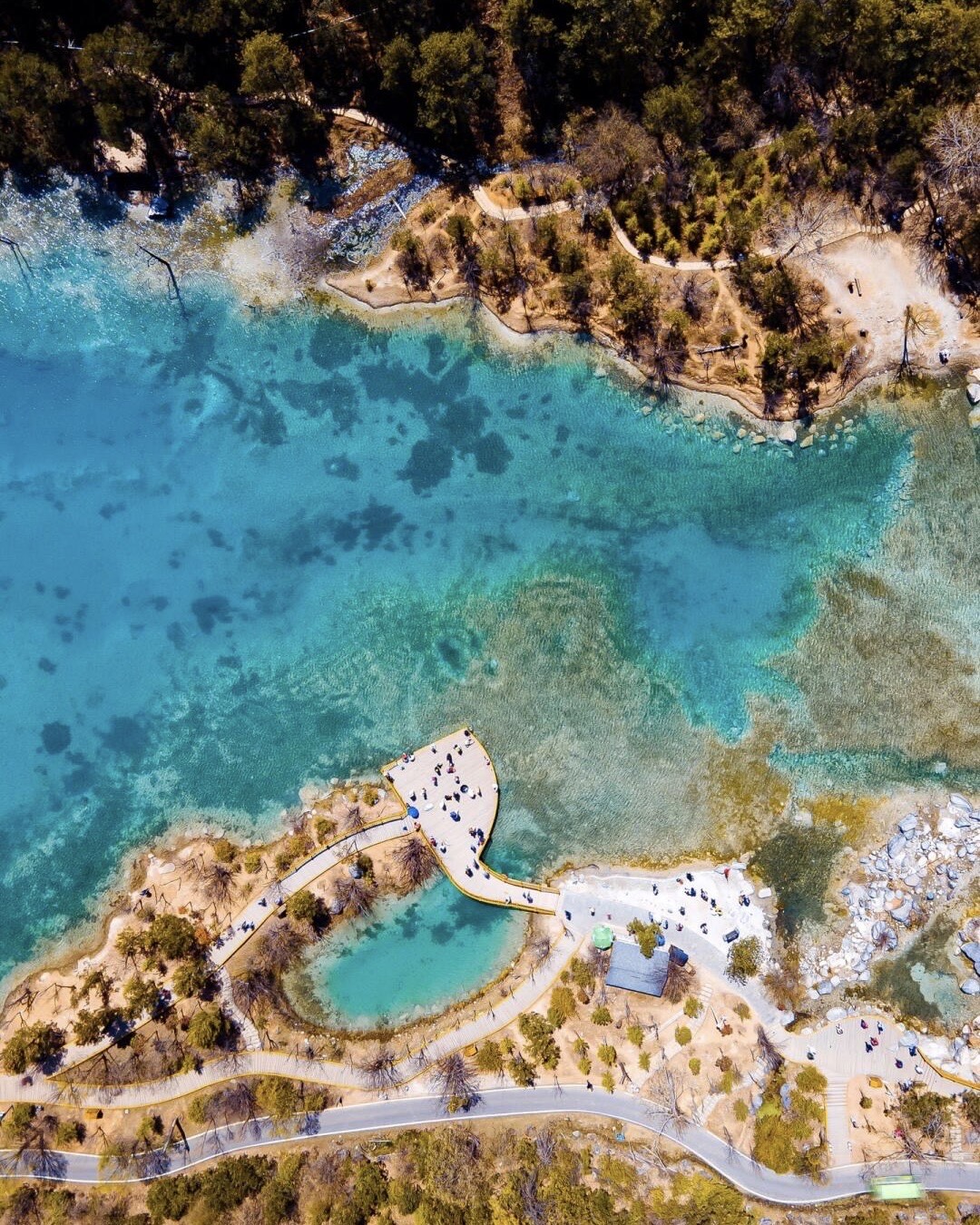
No early alarm on the last day. A slow lakeside brunch, then a browse of the Mosuo crafts stalls near the shore — woven bags, embroidered jackets and dried highland herbs that make practical carry-on luggage. Then the transfer to the airport — Ninglang Luguhu (NLH) beside the lake, or four hours to Lijiang (LJG) — for the flight to Chengdu and onward connections. The road crosses alpine meadows and gives one last ridge view of the lake before it drops to the valley.
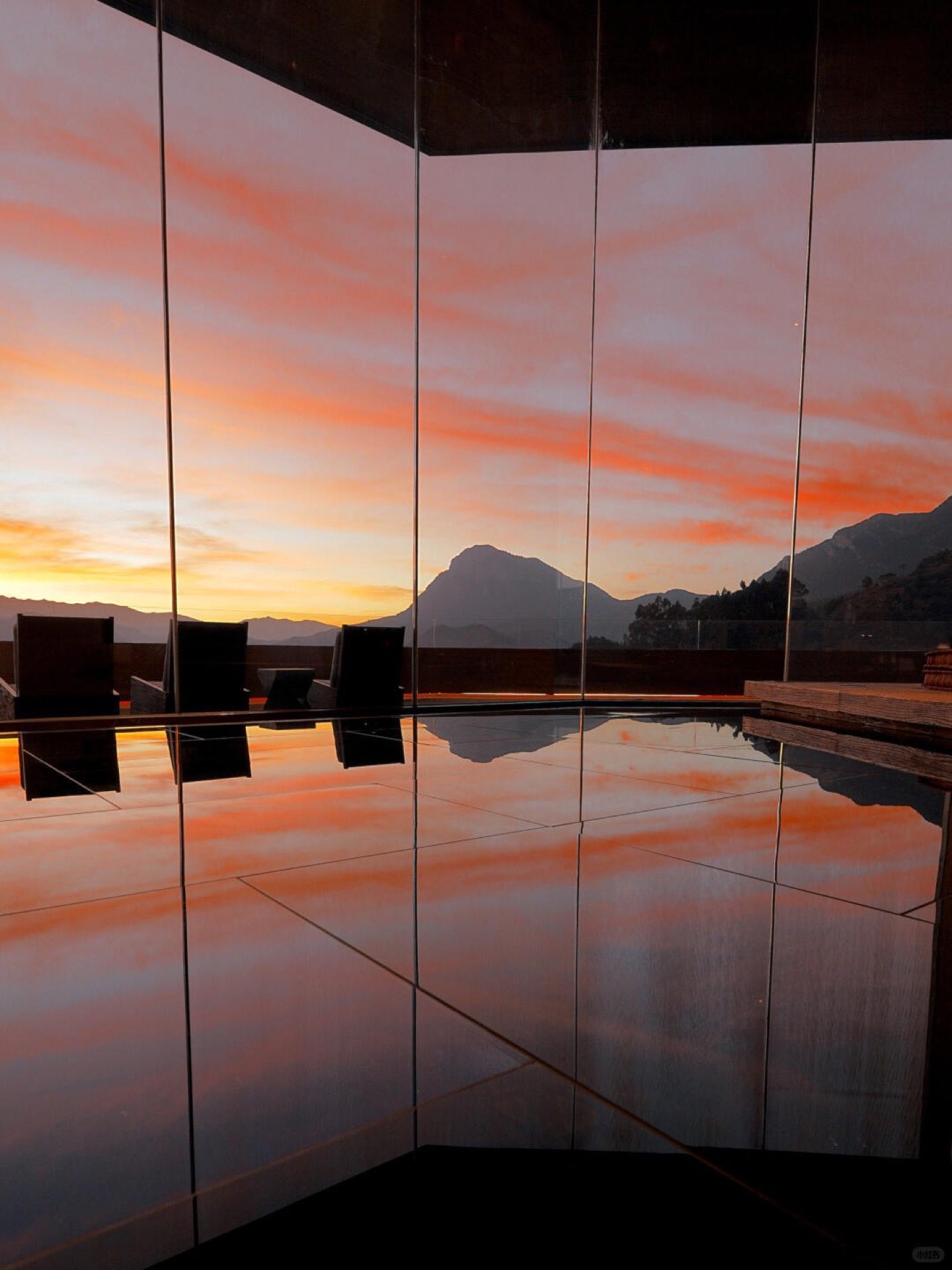
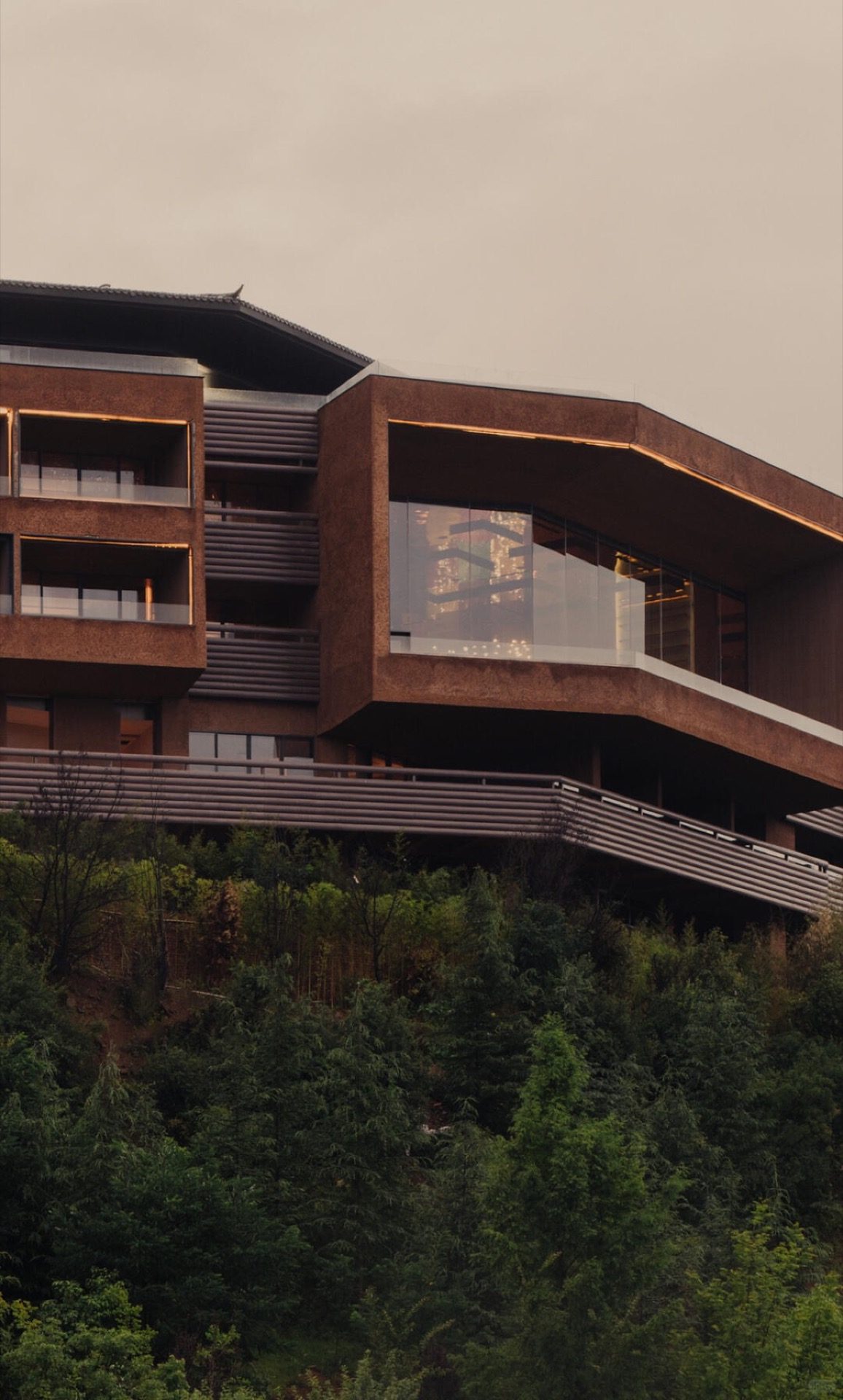
Two design lodges inside the Daocheng Yading sacred-peaks landscape.
A design lodge inside Daocheng Yading with snow-peak views from bed.
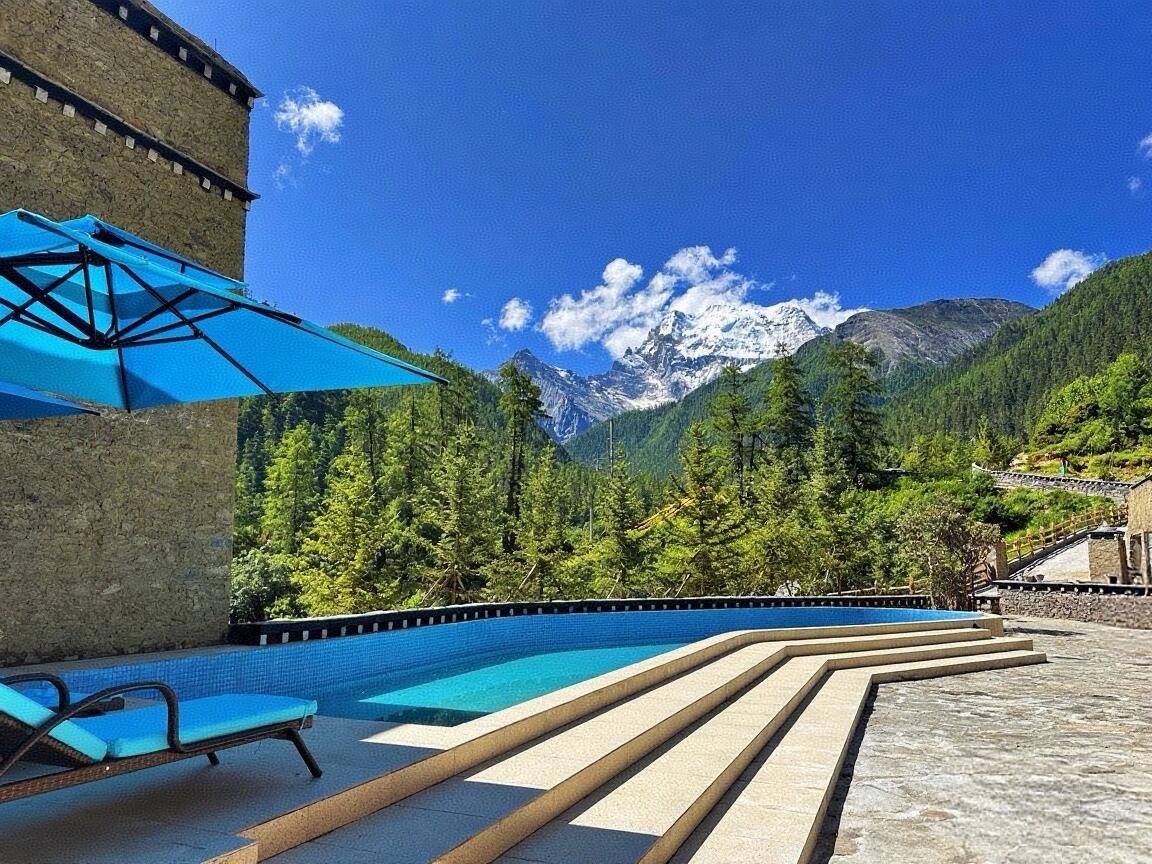
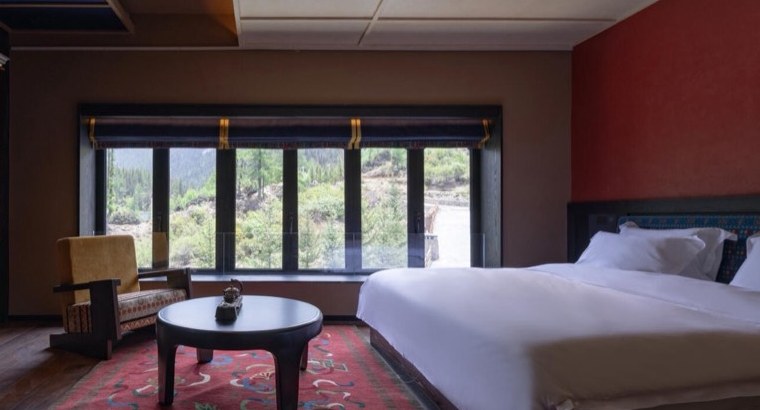
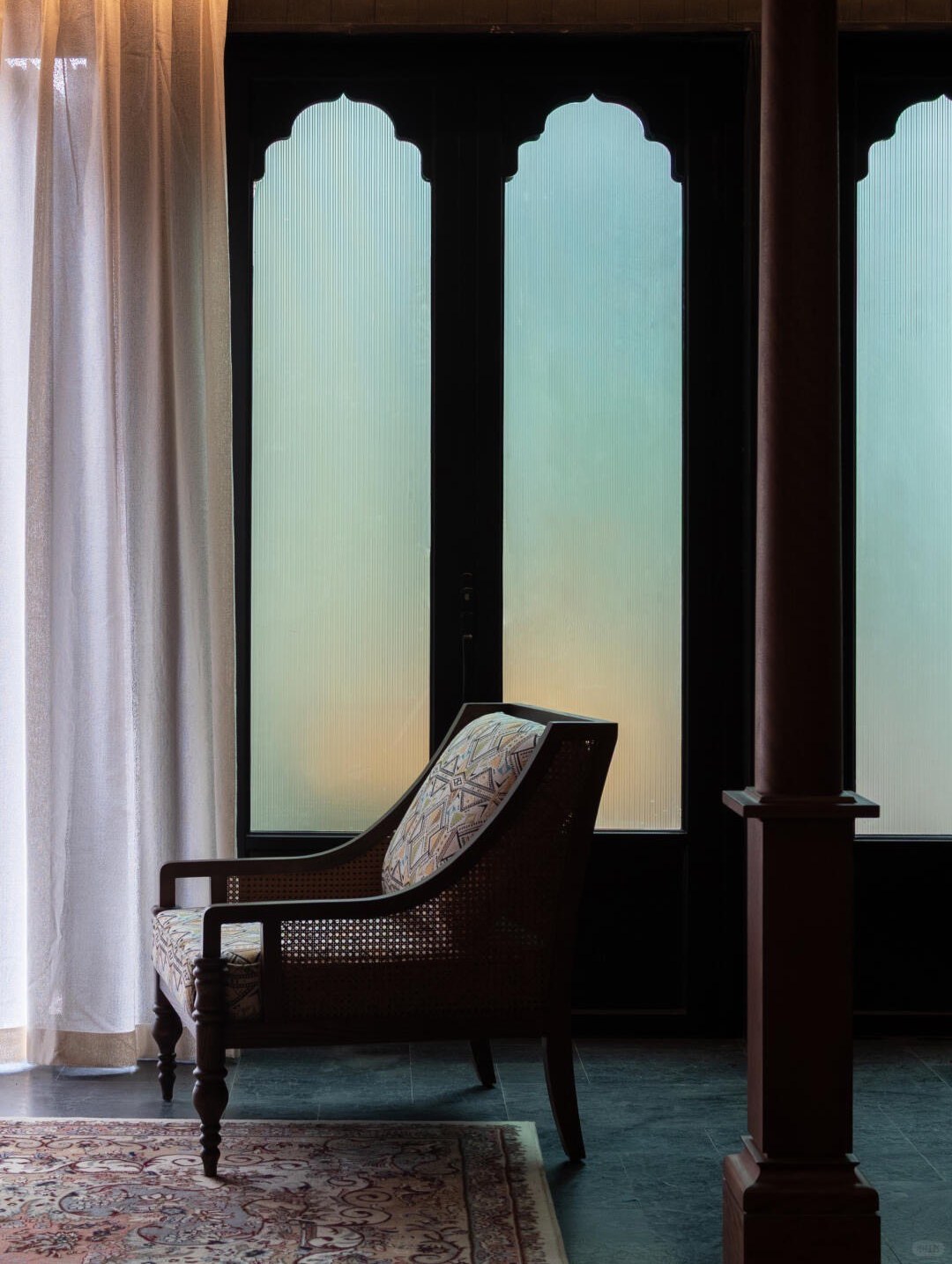
A handcrafted Tibetan stone-and-timber retreat at the gate of the sacred-peaks park.
These are examples of the boutique stays we book across the route. Because boutique hotels have so few rooms, a stay may occasionally be swapped for one of similar standard.
The roads are physically passable but require local knowledge — unmarked turnoffs, seasonal closures from rockslides, altitude-related hazards, and Tibetan-language signage in remote areas. There is also a practical legal barrier: international driving permits are not recognised in China. To drive here legally, you need a Chinese driving licence, and the conversion process for foreign licence holders is lengthy, bureaucratic, and not available to short-stay visitors. In practice, self-driving is simply not an option for most international travellers. We recommend a private driver-guide who knows these routes. This is not a trip to improvise.
Yes. International travellers require a permit for Sertar County (Seda). Permit requirements and quotas change year to year. We handle this in advance as part of trip planning — do not assume last year's rules apply.
Daocheng sits at around 3,700 m; Yading inner valley at 4,400 m; Litang at 4,014 m. We structure the route to ascend gradually from Chengdu (500 m) over several days. Drink plenty of water, avoid alcohol in the first 48 hours at altitude, and plan to rest on arrival days.
Late September to late October is peak season — golden larches at Daocheng, clear skies for Gongga views, and Yading at its most dramatic. June–early July works well for green meadows and fewer crowds. Winter is harsh but extraordinarily beautiful for those prepared for it.
Every day, stay and date tailored to you — shaped over a call with someone who has walked the route, never a template.
Request a proposal for this trip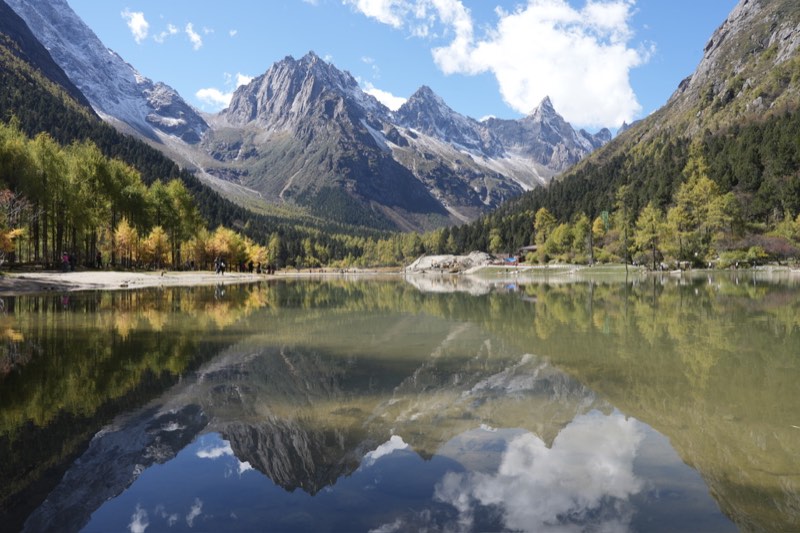
Giant Pandas at the Chengdu Research Base, then three days in the alpine lakes of Siguniang or Jiuzhai Valley. City culture first, mountain silence after.
See the itinerary →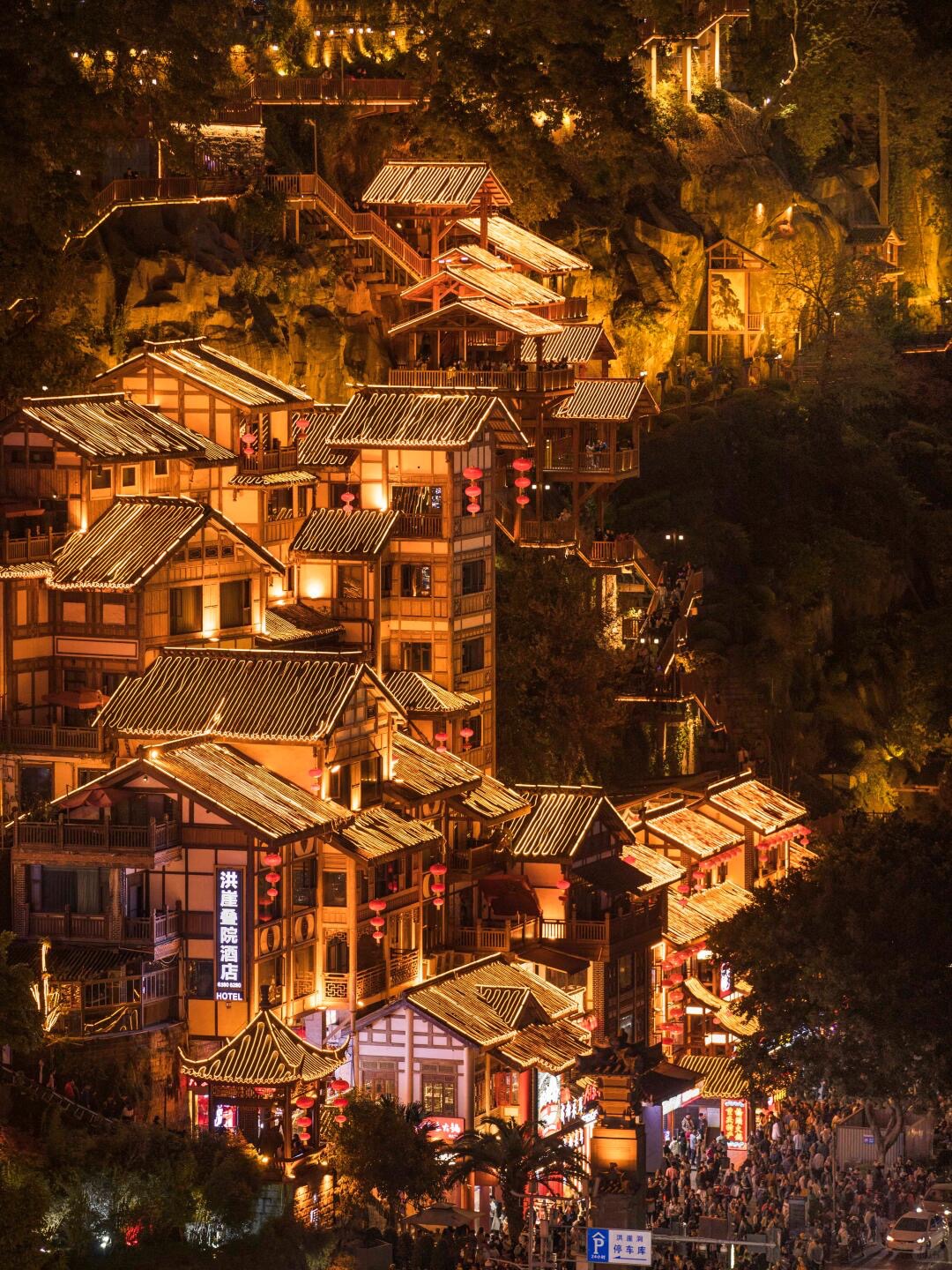
A 5–6 day private tour weighted toward Chongqing — neon river cities, UNESCO Wulong Karst, the Longji (Dragon's Backbone) ridge hike above the Yangtze, and two different tables of Sichuan heat. Bookended with a soft Chengdu landing.
See the itinerary →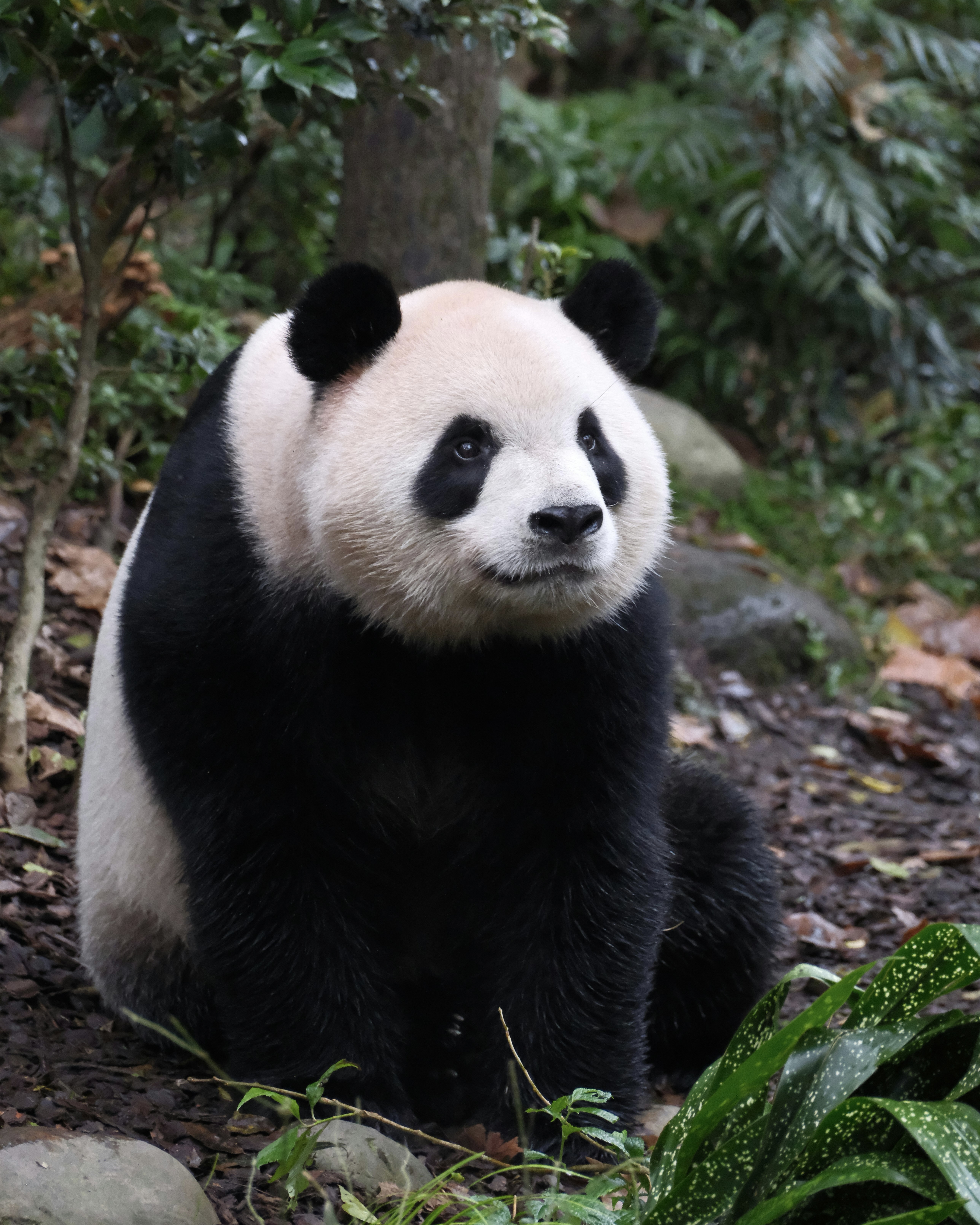
Fifteen days that pair China's great icons with its wildlife and wild landscape — the Forbidden City and the quiet Great Wall at Jinshanling, the Terracotta Army, a working day with the giant pandas outside Chengdu, three days among Zhangjiajie's sandstone pillars, and Shanghai to finish. Private throughout.
See the itinerary →