Tengchong & Mangshi Bird Photography
Dehong’s three hide clusters — Baihua Ridge, Yingjiang Hornbill Valley, Mangshi frontier
Dehong is the single best birding destination in China — 500+ recorded species across a subtropical corridor where Indo-Burman biodiversity reaches its northernmost limit. The hide culture is distinctly local: Jingpo and Dai farmers have spent two decades building blinds around waterholes and feeding platforms, learning bird patterns by season. You sit in a blind at dawn and ten species pass through in two hours. This route threads the three best hide clusters into one focused photography journey.
Ask about this experienceTengchong & Mangshi Bird Photography is a 5–7 day private photography journey through Dehong Prefecture in southwest Yunnan — the single most species-rich corner of China. Three hide clusters: Baihua Ridge above Tengchong (fire-tailed sunbirds, montane species), Yingjiang Hornbill Valley (Great Hornbill, Wreathed Hornbill, Oriental Pied Hornbill — the most documented mainland-Chinese breeding records for the larger two), and the Mangshi hides (Blue-tailed Bee-eater, Silver-eared Mesia, mid-storey species). November to April for the dry-season clear light and migrant abundance. Best for serious bird and nature photographers with 400–600 mm capability.
The activities
-
Baihua Ridge — Tengchong's montane hides
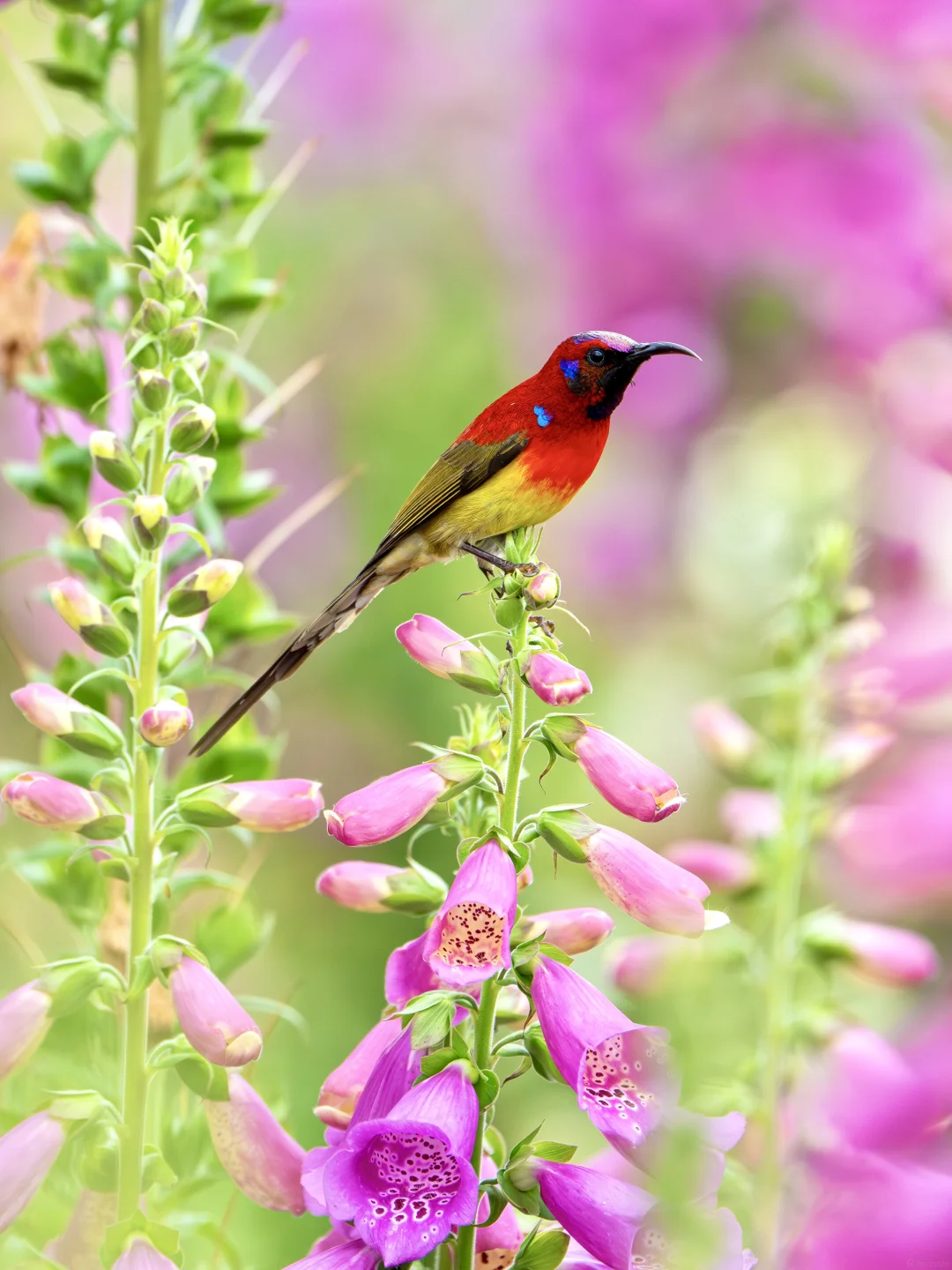
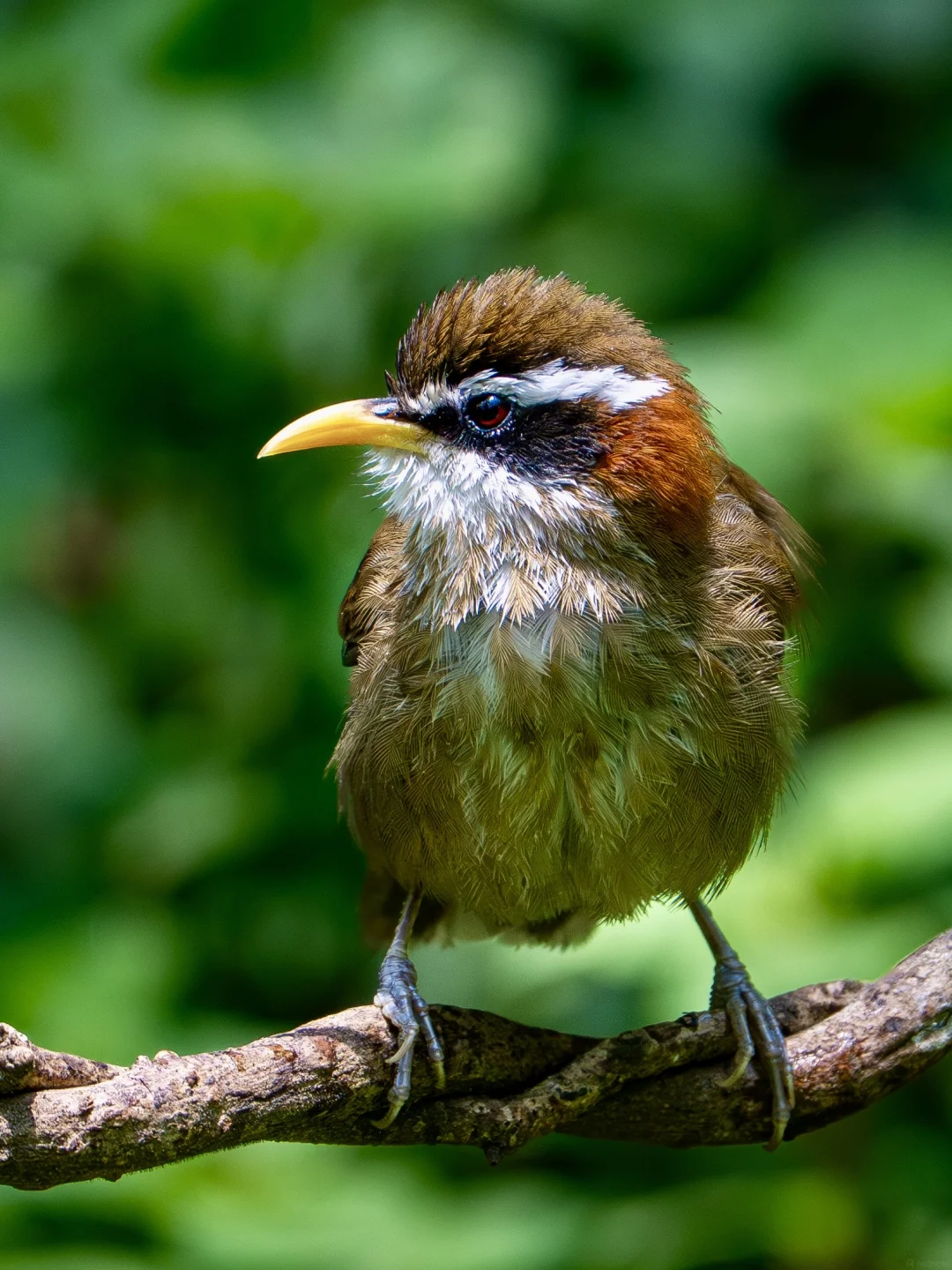
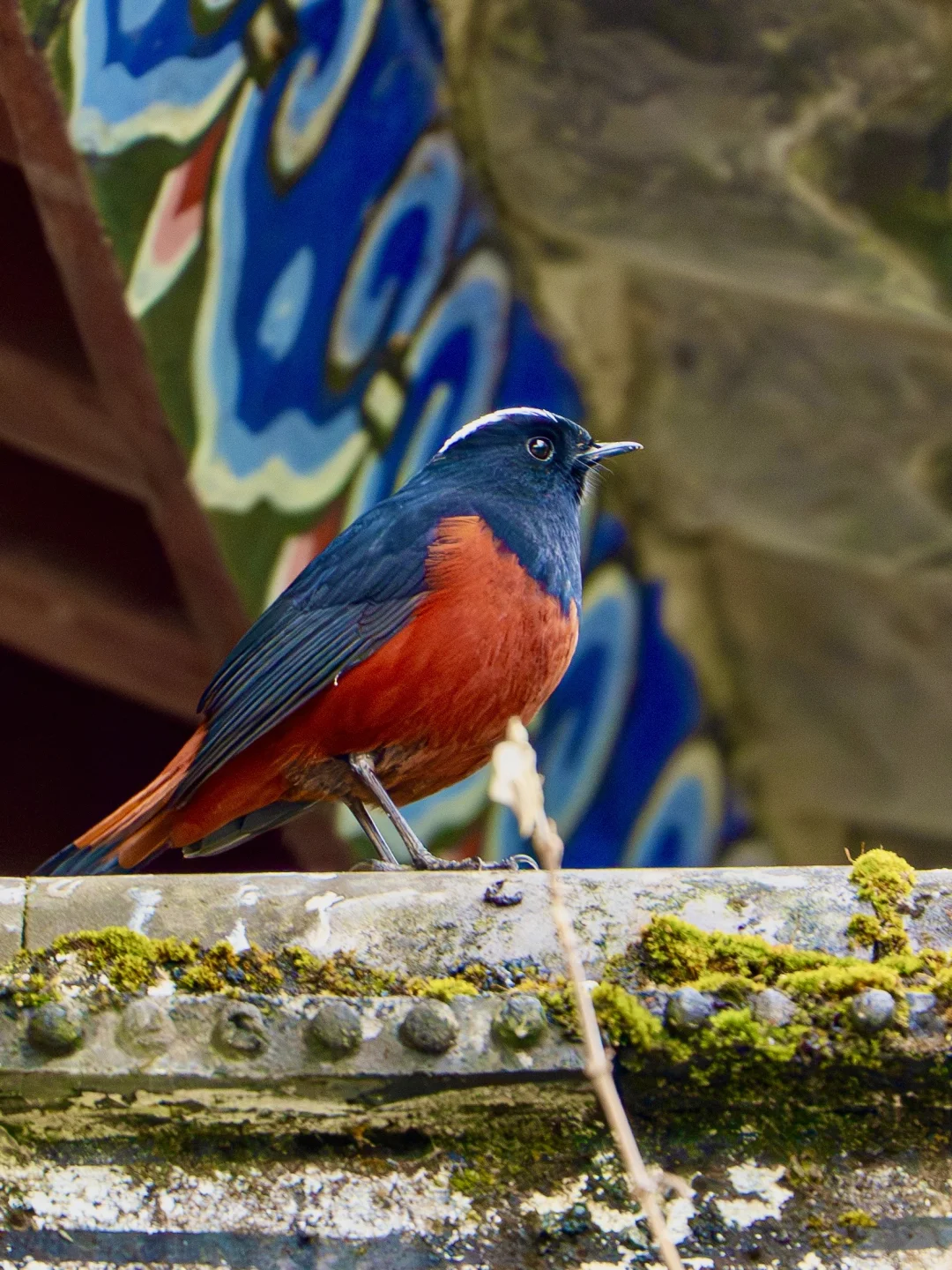
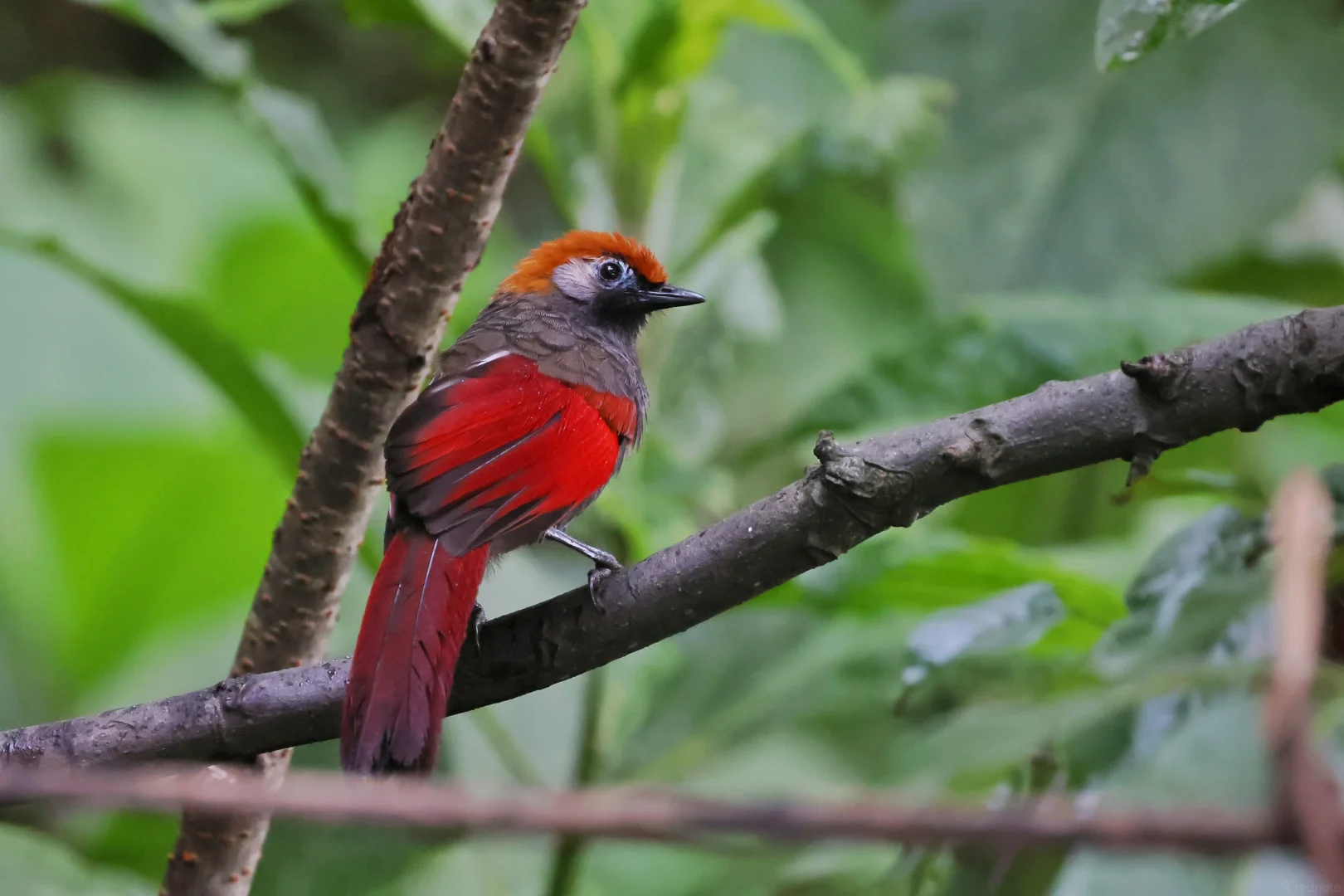
Tengchong (Baihua Ridge)High-elevation hides above Tengchong (Baihua Ridge / Bailianhua Ridge) for the montane species: Mrs Gould's Sunbird on foxglove blooms, Red-tailed Laughingthrush, Scimitar Babblers, Yellow-cheeked Tit. Cool morning starts; mid-storey to canopy work in cool wet forest.
-
Yingjiang Hornbill Valley — the hornbill cluster
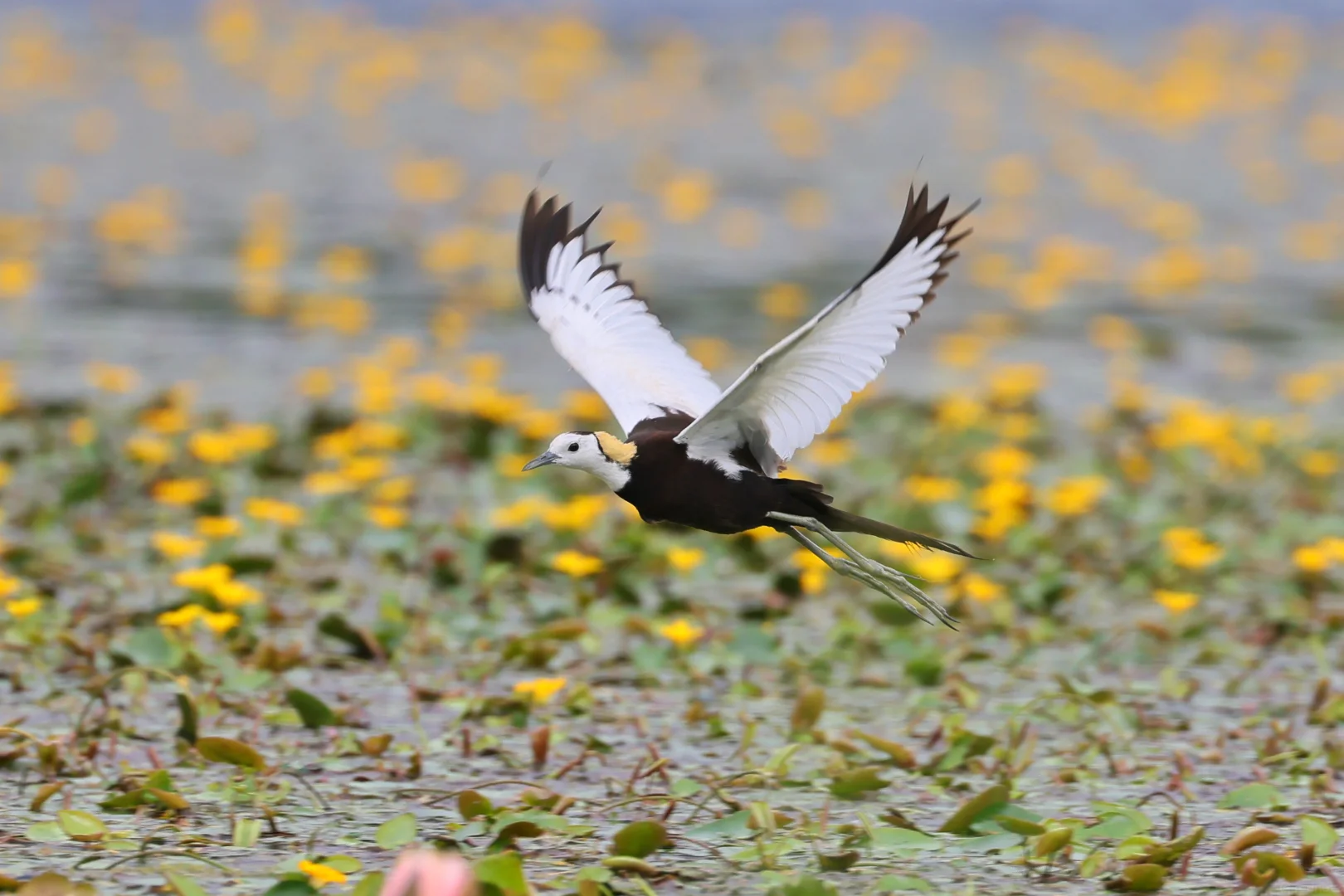
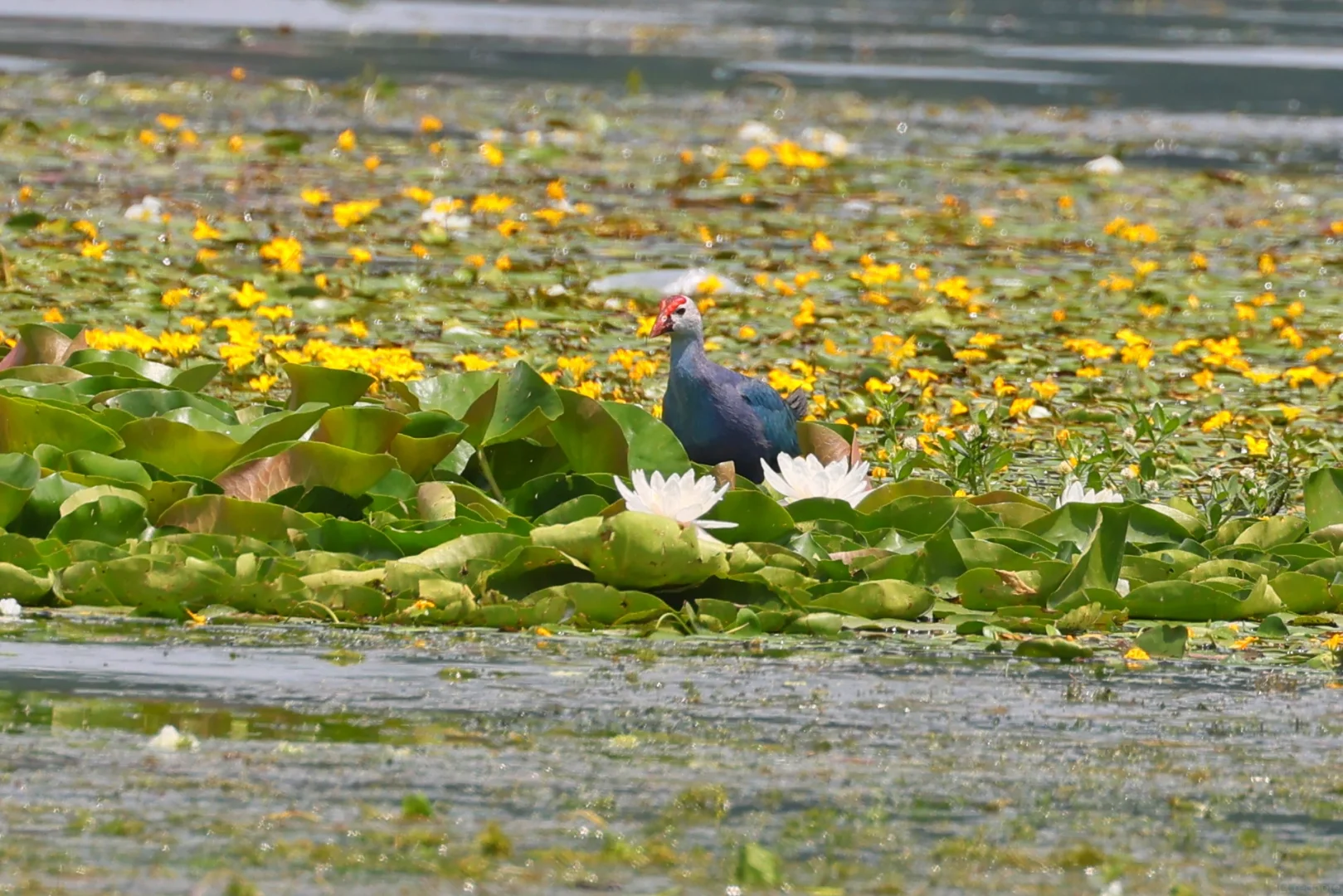
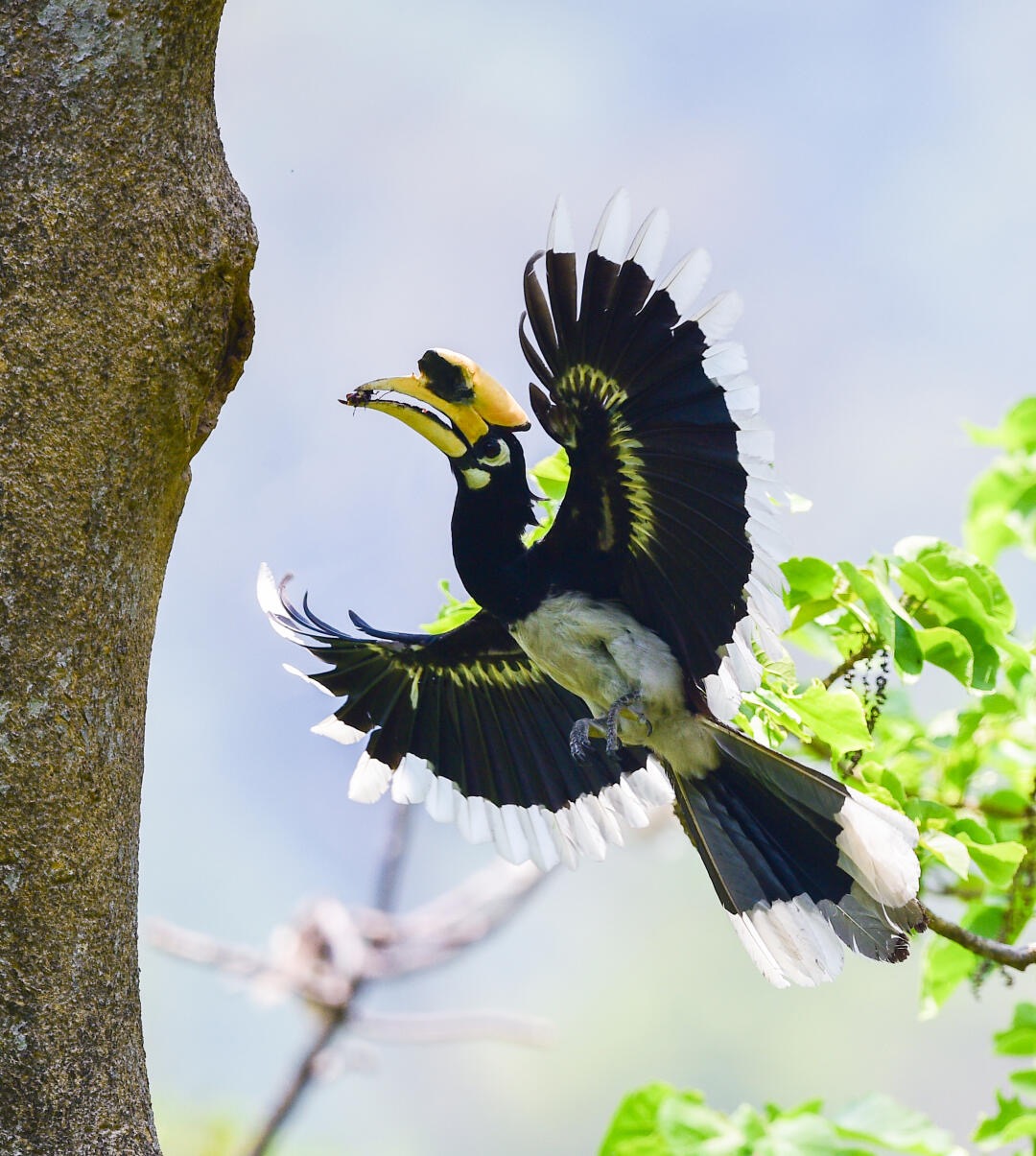
Yingjiang (Tongbiguan Reserve edge)Yingjiang county's 55+ hide network is the most documented hornbill habitat in mainland China — confirmed breeding records for Great Hornbill and Wreathed Hornbill, plus a strong resident Oriental Pied population. Wetland species too — Pheasant-tailed Jacana in flight, Purple Swamphen on water-lily mats. Hornbill flock work is canopy-photography: long lenses, patient waits, dawn light raking the upper trees.
-
Mangshi (Dehong) — the mid-storey hides
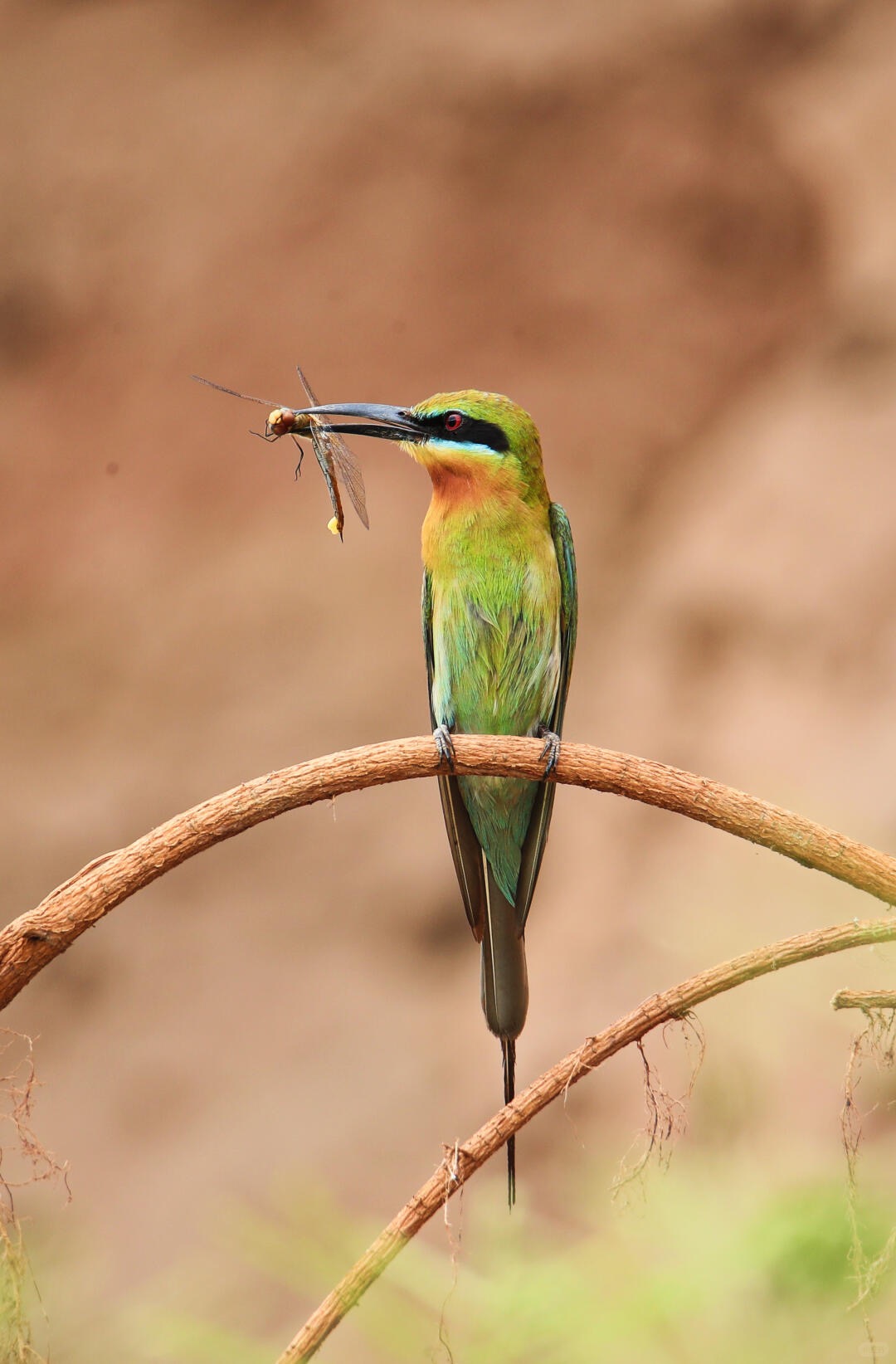
Mangshi (Dehong)The central Mangshi hide cluster for mid-storey and ground species: Blue-tailed Bee-eater, Silver-eared Mesia, Black-headed Sibia, Hodgson's Frogmouth at dusk. Closer-range work, warmer light, more colour. The most consistent productivity of the three clusters.
-
Beihai Wetland — kingfishers & winter waterfowl
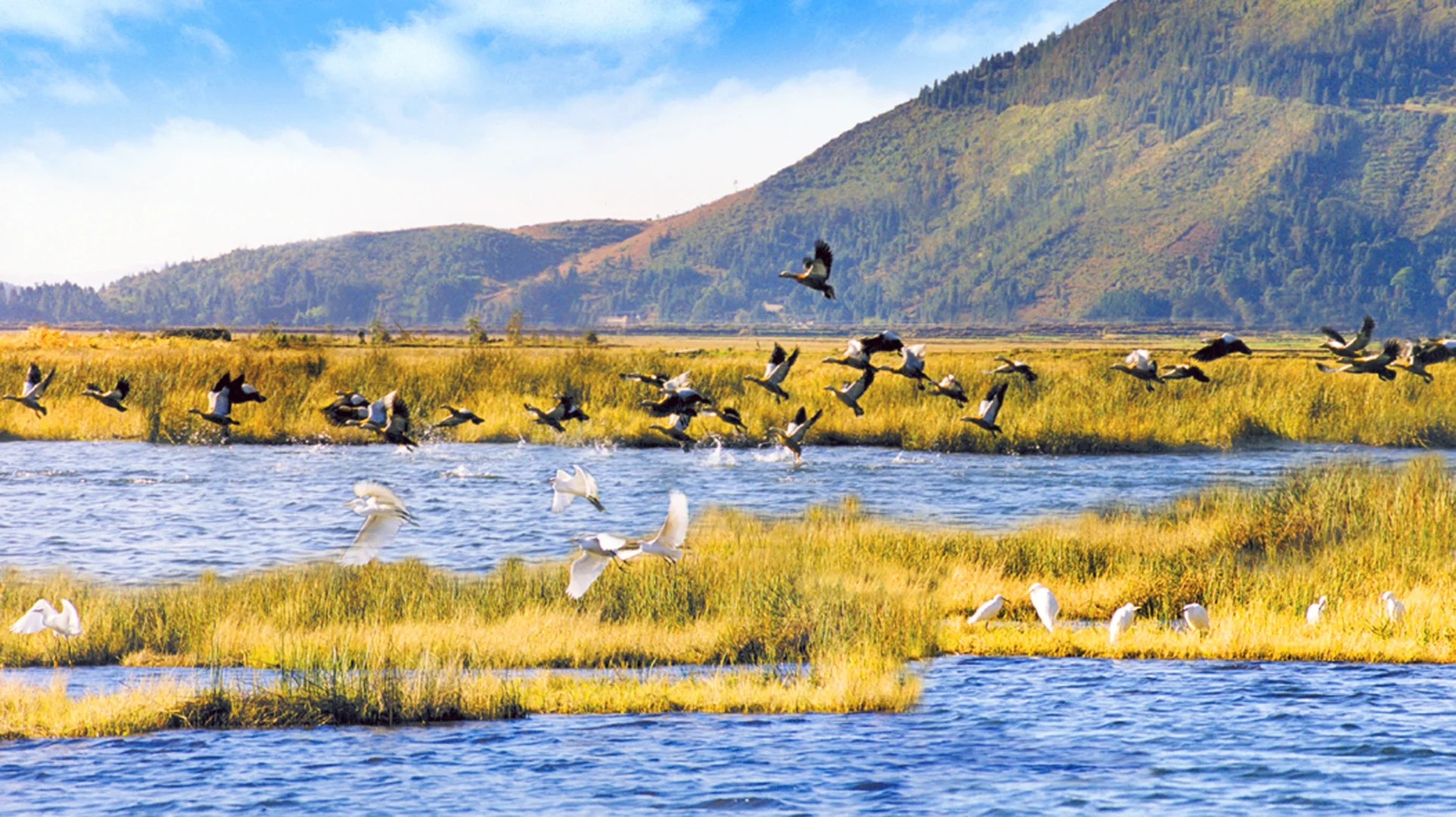
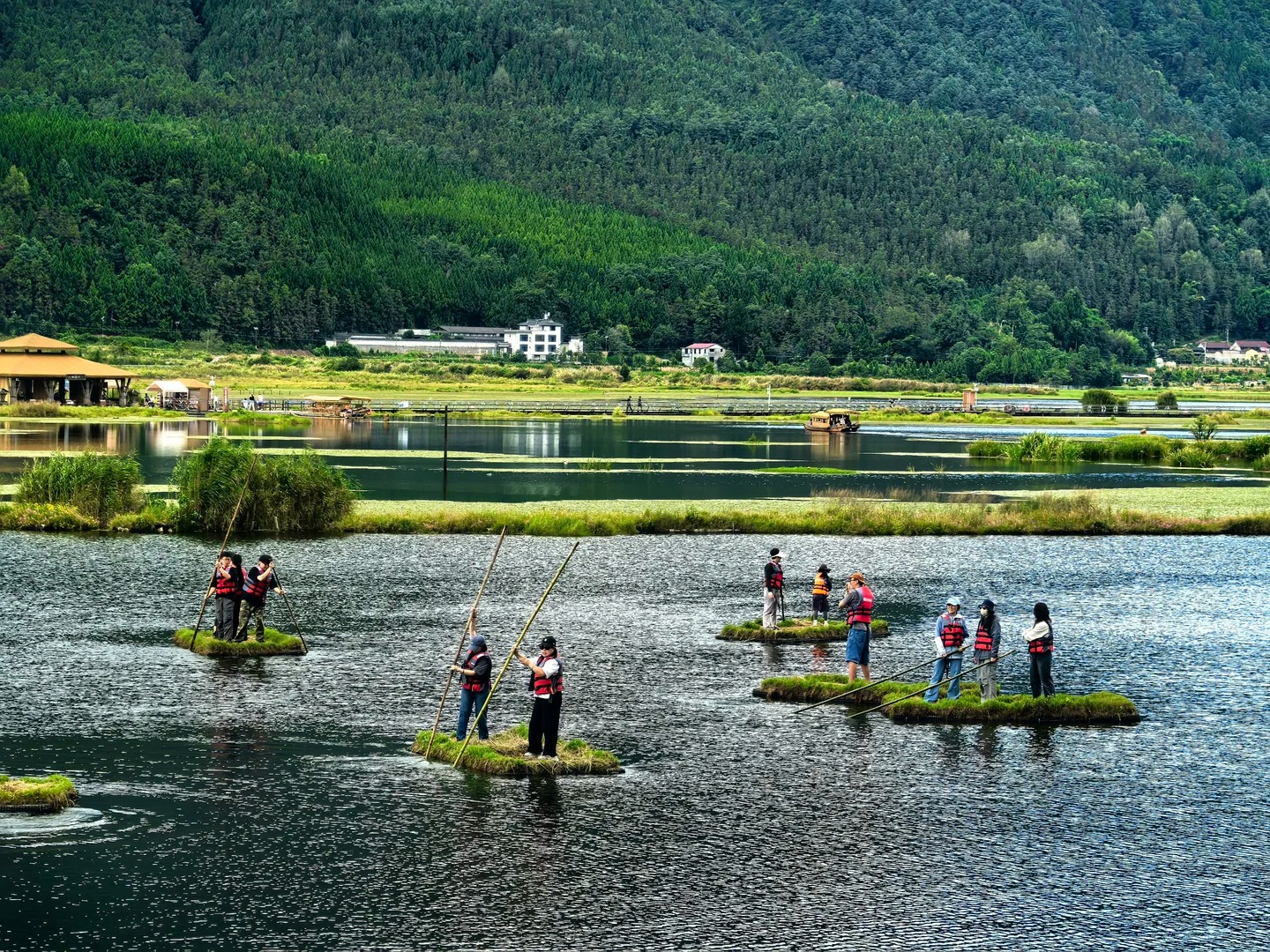
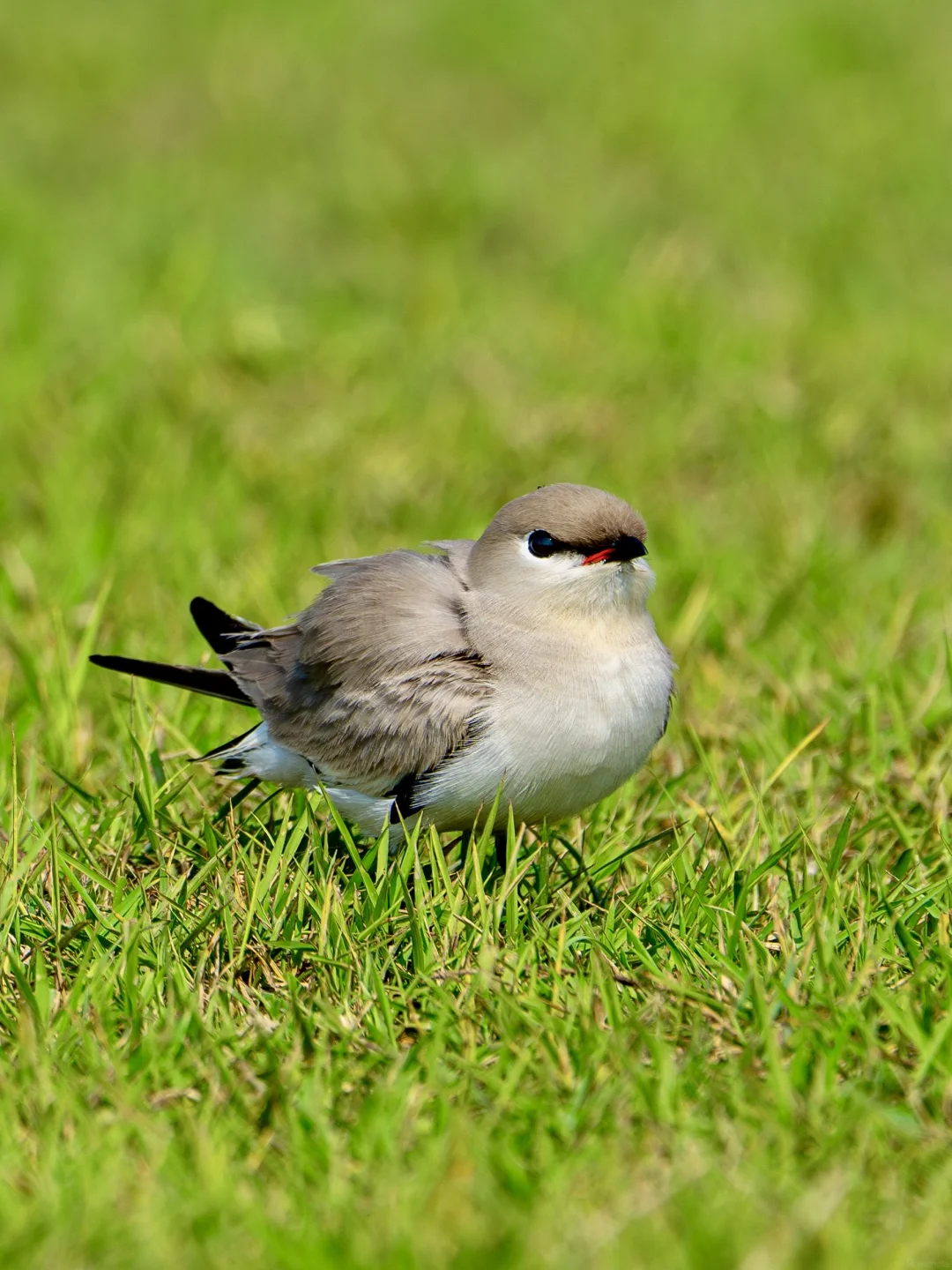
Tengchong (Beihai Wetland)Tengchong's Beihai is Yunnan's only floating peat-bog wetland — kingfishers year-round (White-throated, Stork-billed), and from November to early March migratory waterfowl flocks come in by the thousand. Lower-angle hide work over open water with strong morning light; a softer, more aquatic counterpoint to the forest hides.
-
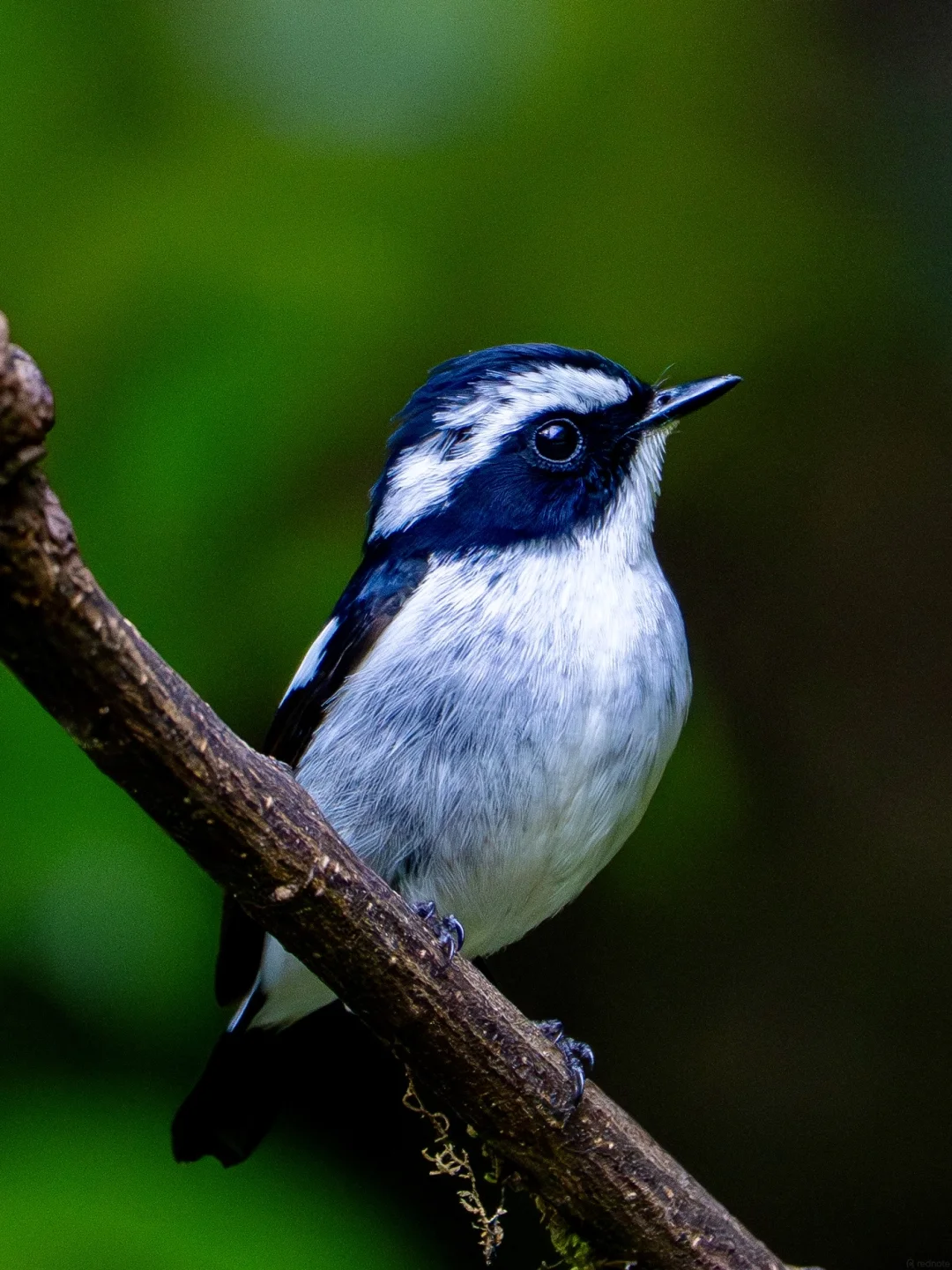
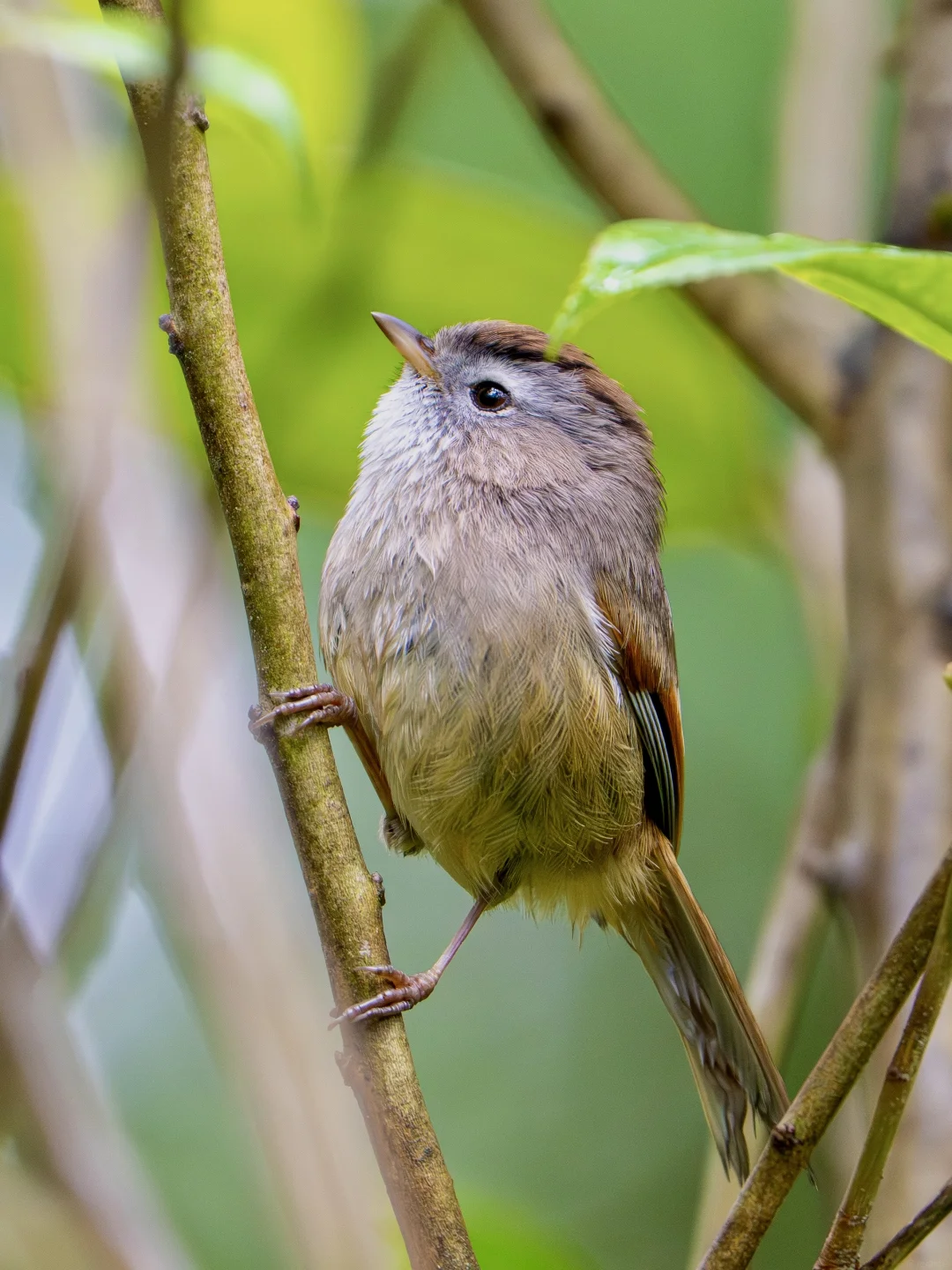
Forest passerines — liocichlas, tits & flycatchers
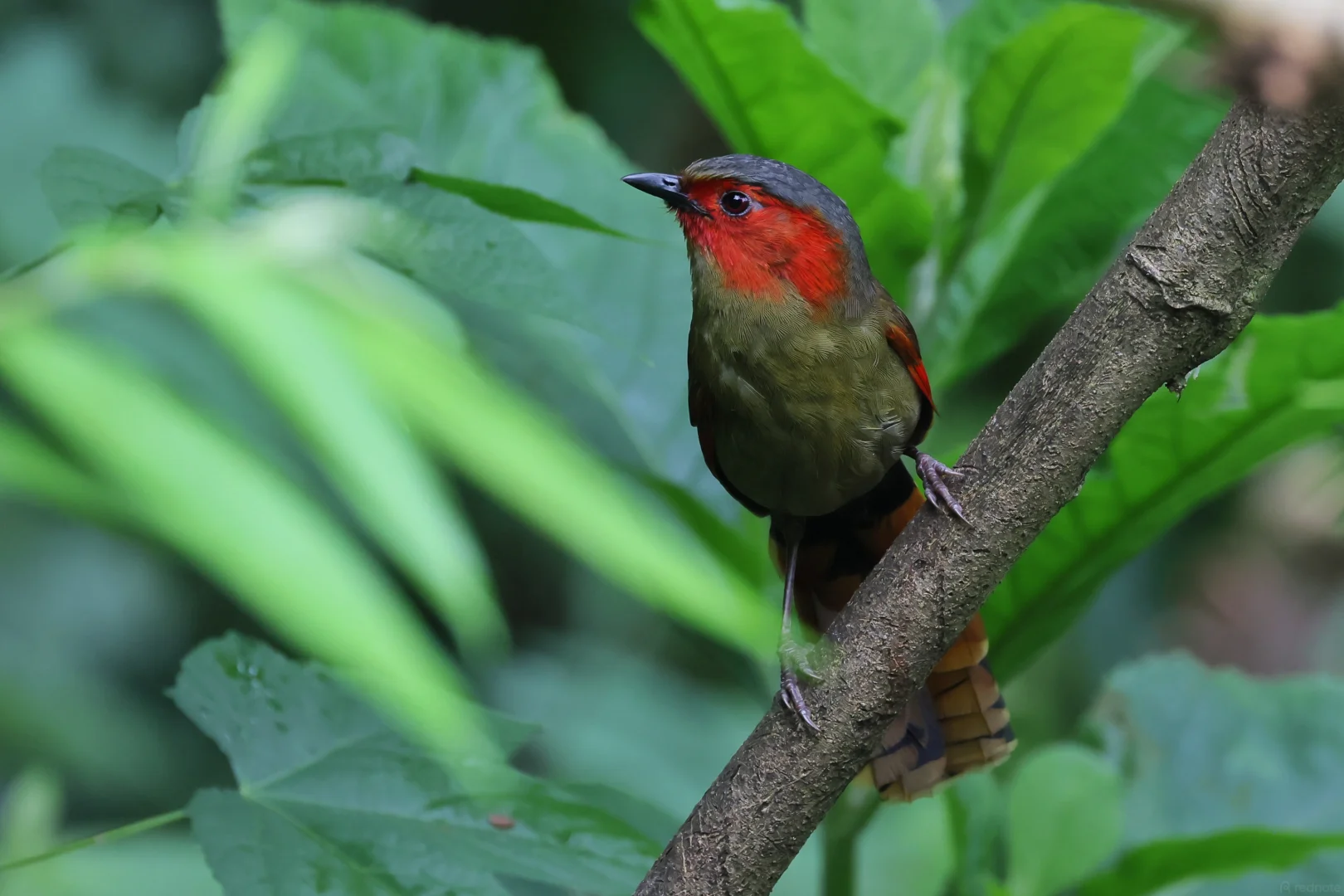
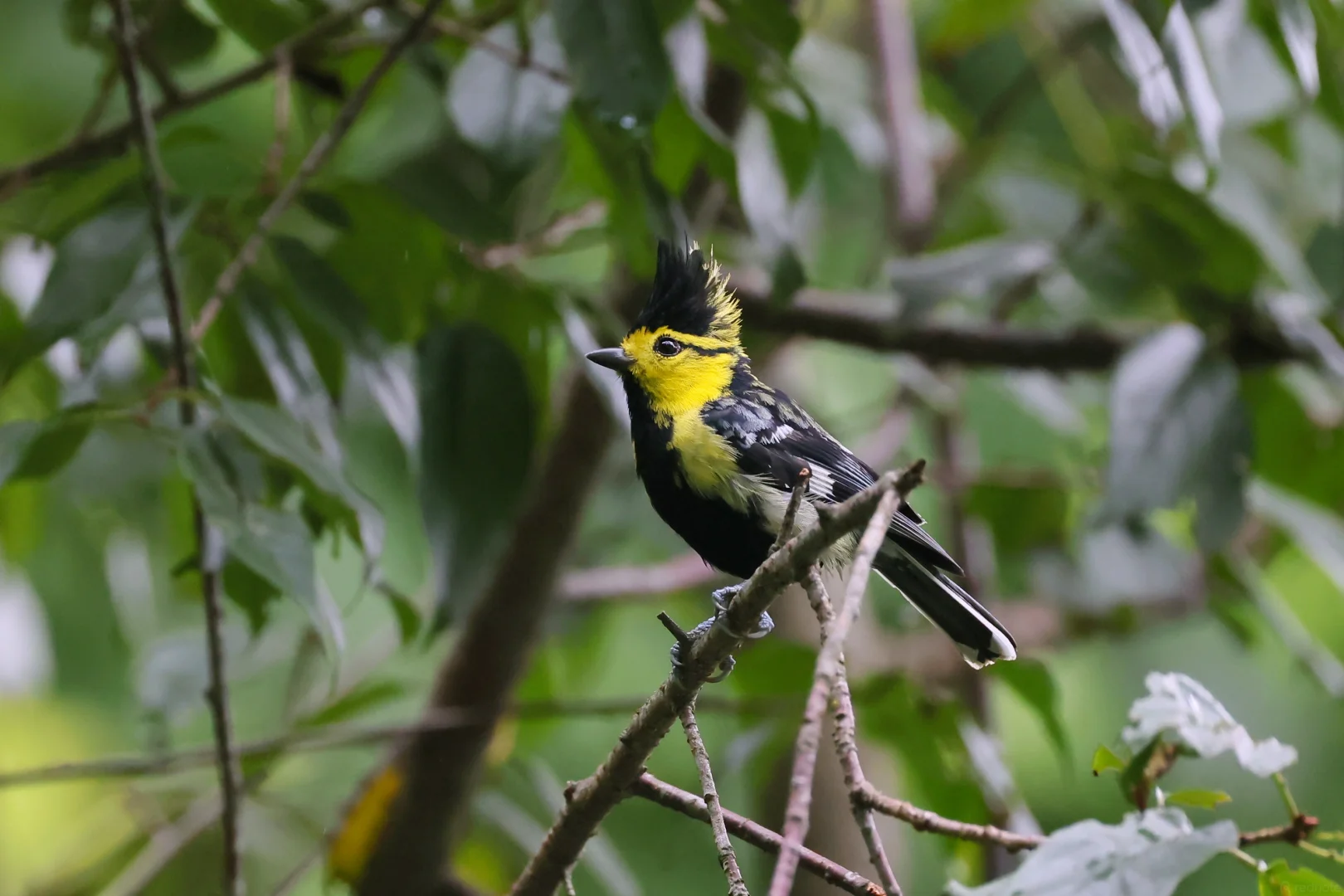
Across all three clustersBeyond the headline hornbills sits Dehong's true depth — the mid-storey passerine layer that rewards patient hide work. Red-faced Liocichla's vermilion mask, Yellow-cheeked Tit's punk crest, pied flycatchers in clean forest light, babblers in soft DOF. Mid-range glass (300–500 mm) and slow scanning technique.
-
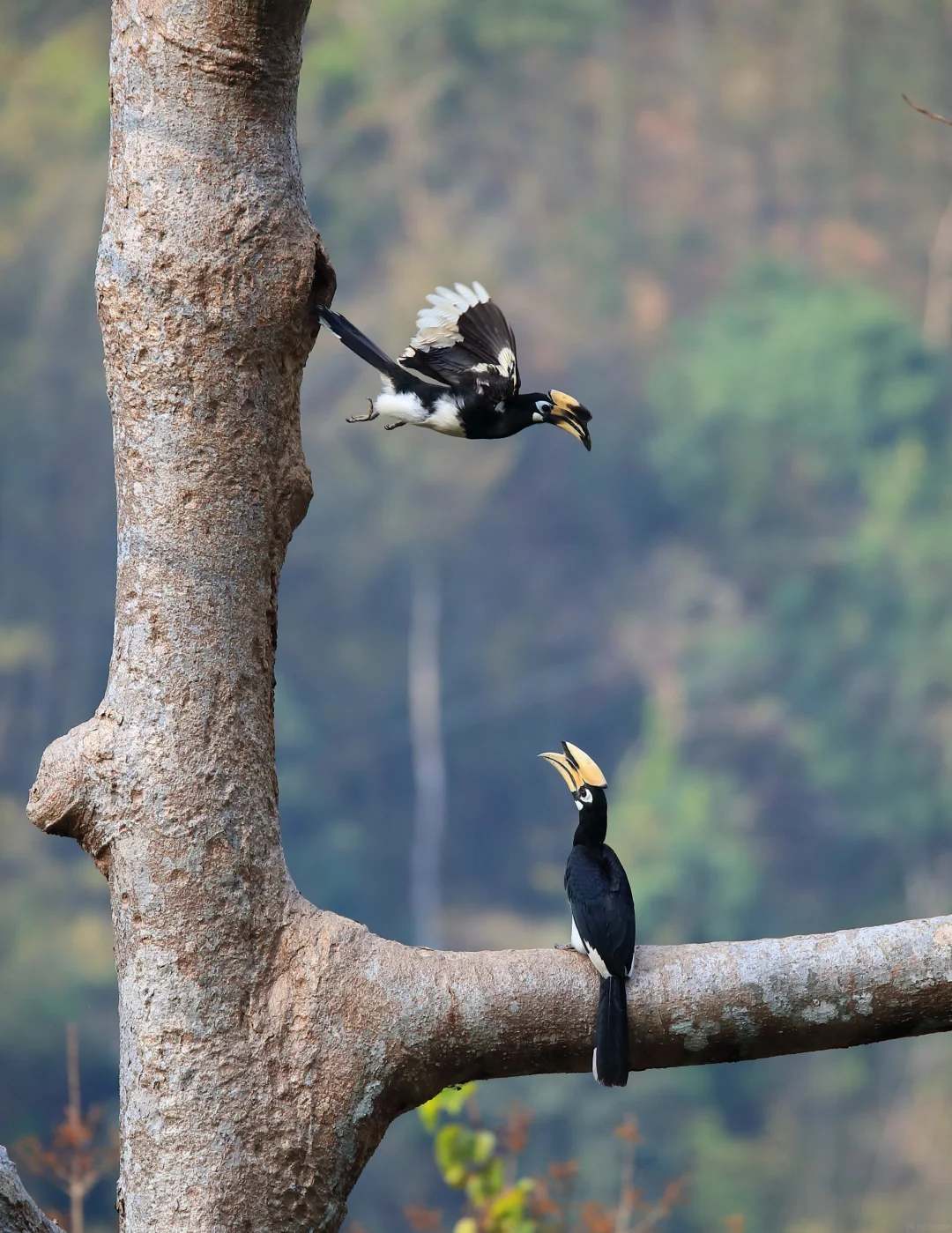
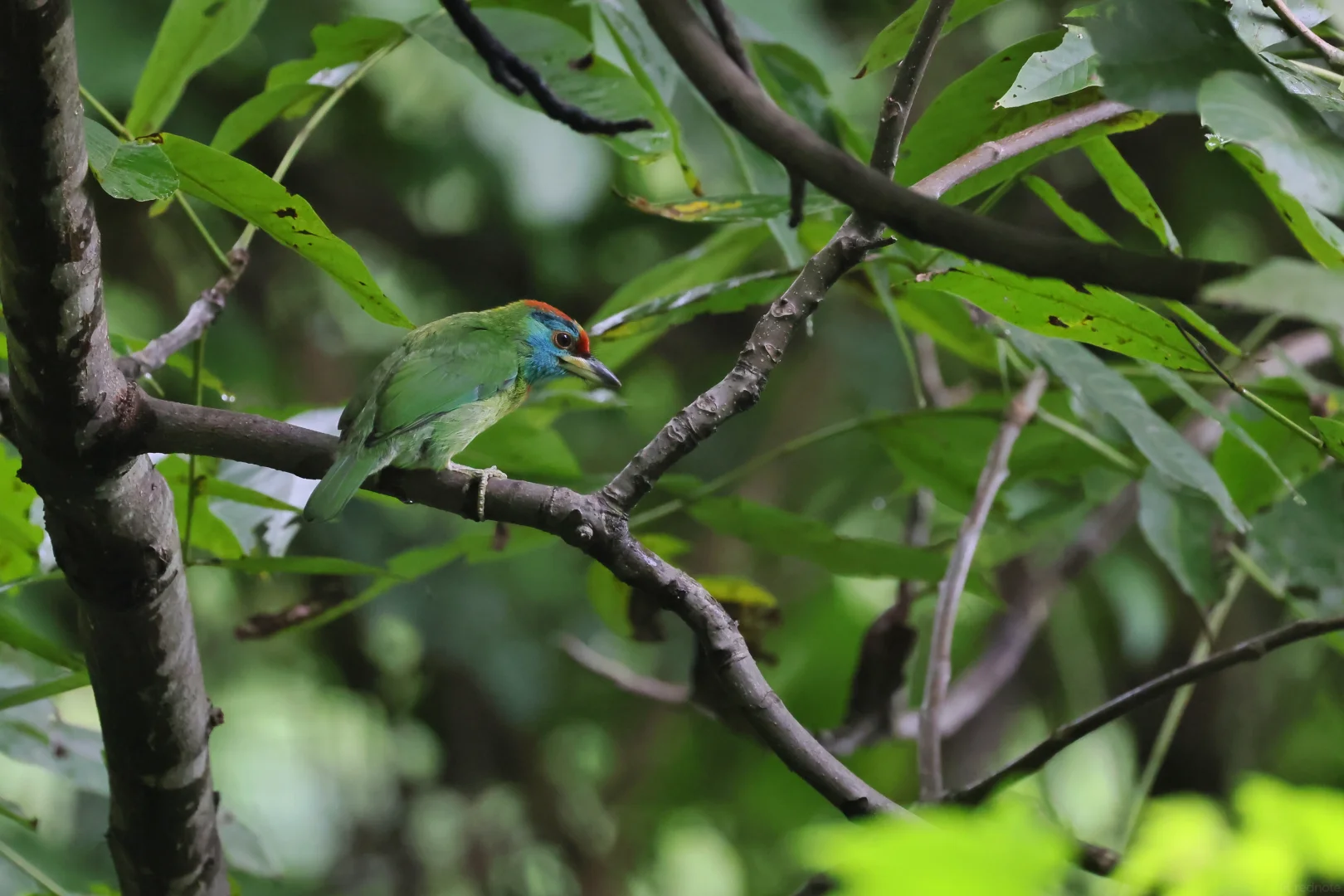
Hornbill flight sessions — the Yingjiang dawn moments
Yingjiang (display-tree hides)The hornbill hides aren't passive: flock arrivals trigger 3–5 minutes of dramatic action — birds calling, landing on the bare display trees, hammering fruit, taking off again. AF subject-tracking, multi-shot burst, fast shutter. The trip's most photographer-rewarding sequence and the visual moment the whole journey routes around.
How the days typically run
- Days 1–2 — Arrive Mangshi via Kunming connection. Two morning + afternoon sessions at the Mangshi mid-storey hides; rest mid-day.
- Days 3–4 — Drive to Yingjiang (~2 hrs). Two days at the Hornbill Valley hide network — different operators, different canopy positions, different target species per session.
- Days 5–6 — Transfer to Tengchong (~3 hrs). Baihua Ridge montane sessions for the cooler-altitude species. Afternoons at Heshun Ancient Town or Rehai hot springs if you want to step away from the lens.
- Day 7 — Optional final session at a Mangshi hide en route back. Mangshi airport departure.
Practical details
- Gear400–600 mm telephoto (prime or zoom), fast-autofocus body, rain cover for monsoon-shoulder months. Crampons + cold-weather kit NOT needed — all hides are sub-800 m altitude in subtropical climate.
- Hide feesmost hide sites take a per-photographer fee on the day (RMB 200–400 per session, paid in cash to the operator). We bundle these into the trip price so you don't carry it.
- PermitsDehong is unrestricted for foreign visitors. Standard China visa applies; no special permits needed.
- Fitnesseasy. Walks to hides are 10–30 minutes from vehicle drop-offs. Most hides require sitting still for 2–3 hours in silence; we provide cushions and warm flasks pre-dawn.
- Group sizemax 4 photographers — hide capacity is the binding constraint. Run as private or small-group experience.
Before you book
01 Are the baited hides ethical?
It's a real question and worth answering honestly. The Dehong hides operate on a small-feeding-station model — wild birds visit voluntarily for water, fruit or live insects, and operators maintain controlled distances from breeding territories. No bird is caged, trained, or repositioned. The economic impact has been profoundly positive for local Jingpo and Dai communities, who now have a stable conservation incentive: keeping forests intact is more valuable than logging them. International birding ethics guidance is split on baited hides generally; for Dehong specifically, the conservation outcomes are widely seen as net-positive. We work only with operators who follow best-practice feeding guidelines.
02 When exactly should I go for the best results?
November to early March. The northeast monsoon brings cold-ish, clear air; resident species are at peak feeding and winter migrants are in. December–February is the sweet spot for hornbill flocking activity at the Yingjiang hides. April starts to warm and wetten; by May the monsoon proper closes most hides until October. If you want hornbills specifically, prioritise December–February.
03 What kit do I actually need to bring?
Camera body with fast autofocus, 400–600 mm telephoto (prime or 150–600 mm zoom both work), 2 batteries, fast memory card, lens cloth, headlamp for pre-dawn drives, warm layer for cold pre-dawn waits (the hides themselves are not heated). We provide camp chairs, cushions, flasks. If your kit is too heavy to fly with, Kunming has decent rental options — we coordinate.
04 Can I combine this with the rest of Yunnan?
Yes. Mangshi is the natural southern endpoint of a Soulful Side of Yunnan or Yunnan Trilogy itinerary. Standard combination adds 5–7 days to either route; we typically suggest ending in Mangshi rather than starting (the heat and lower altitude make it a softer landing after the highland sections). Talk to us and we'll sketch a combined route.