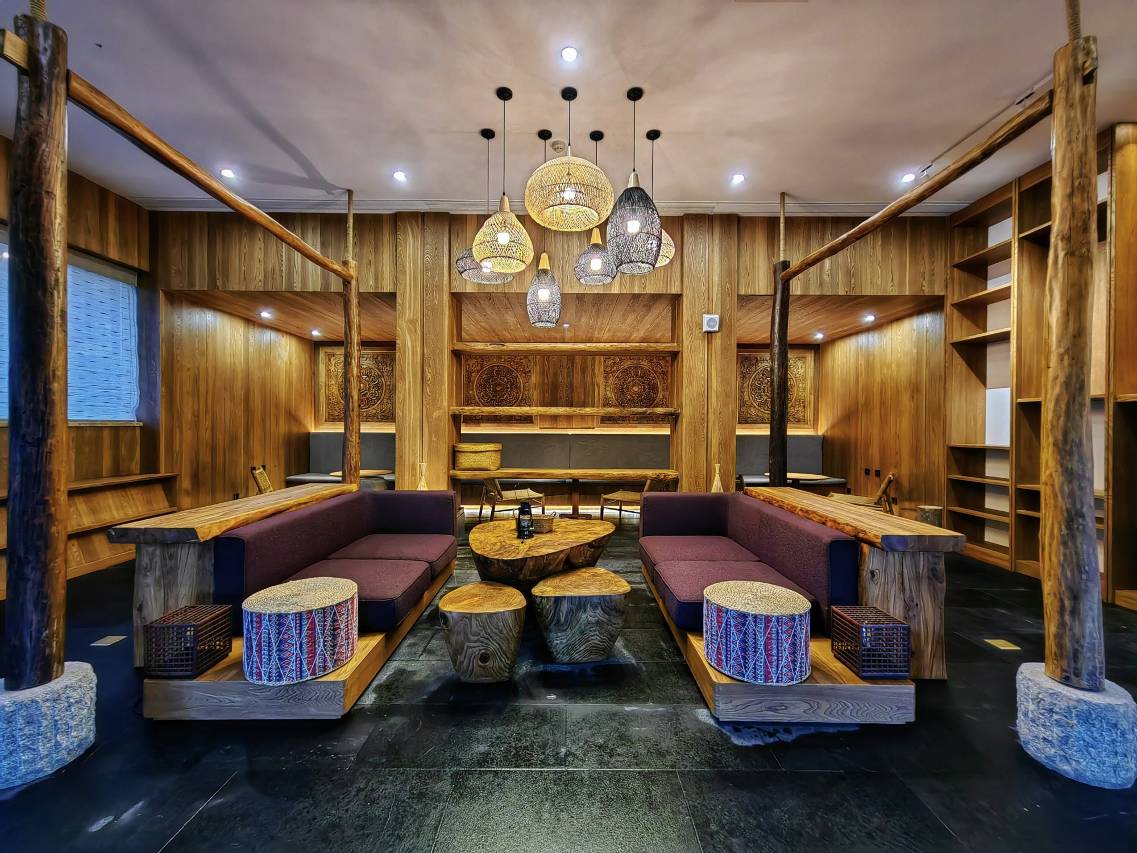
Jingmai Mountain
A wellness retreat in the rainforest with serious yoga, sound-bath and vipassana practice.

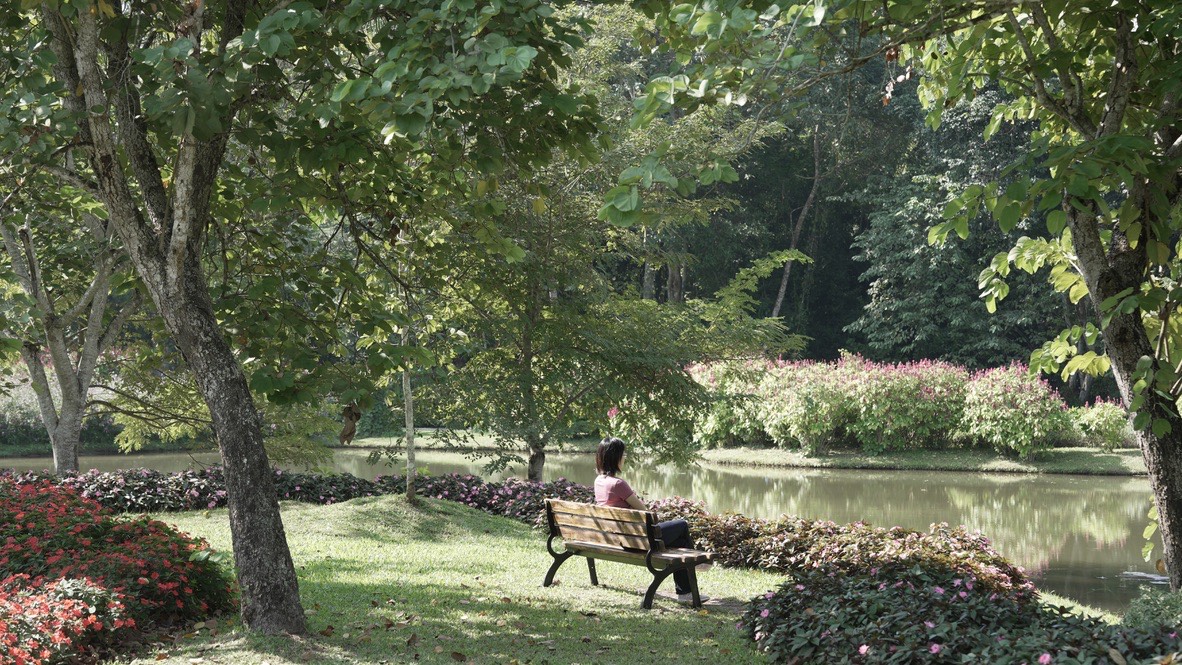
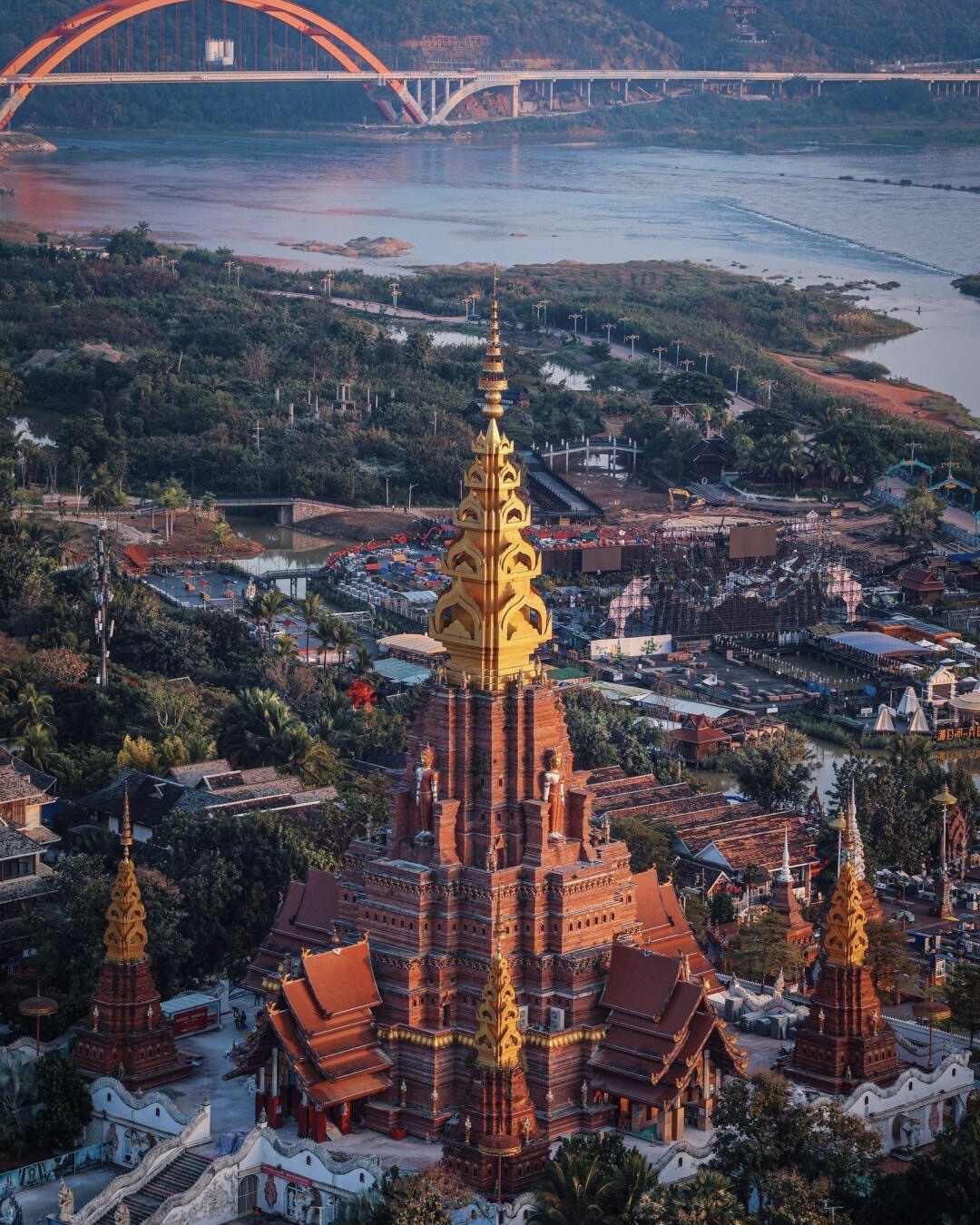
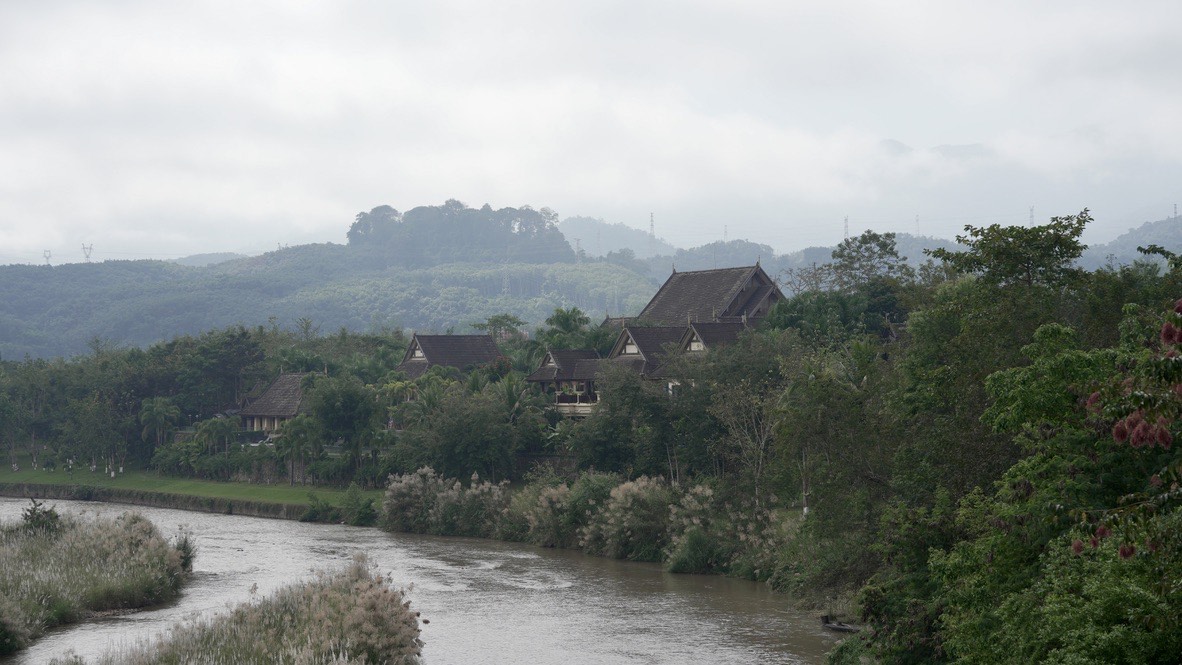
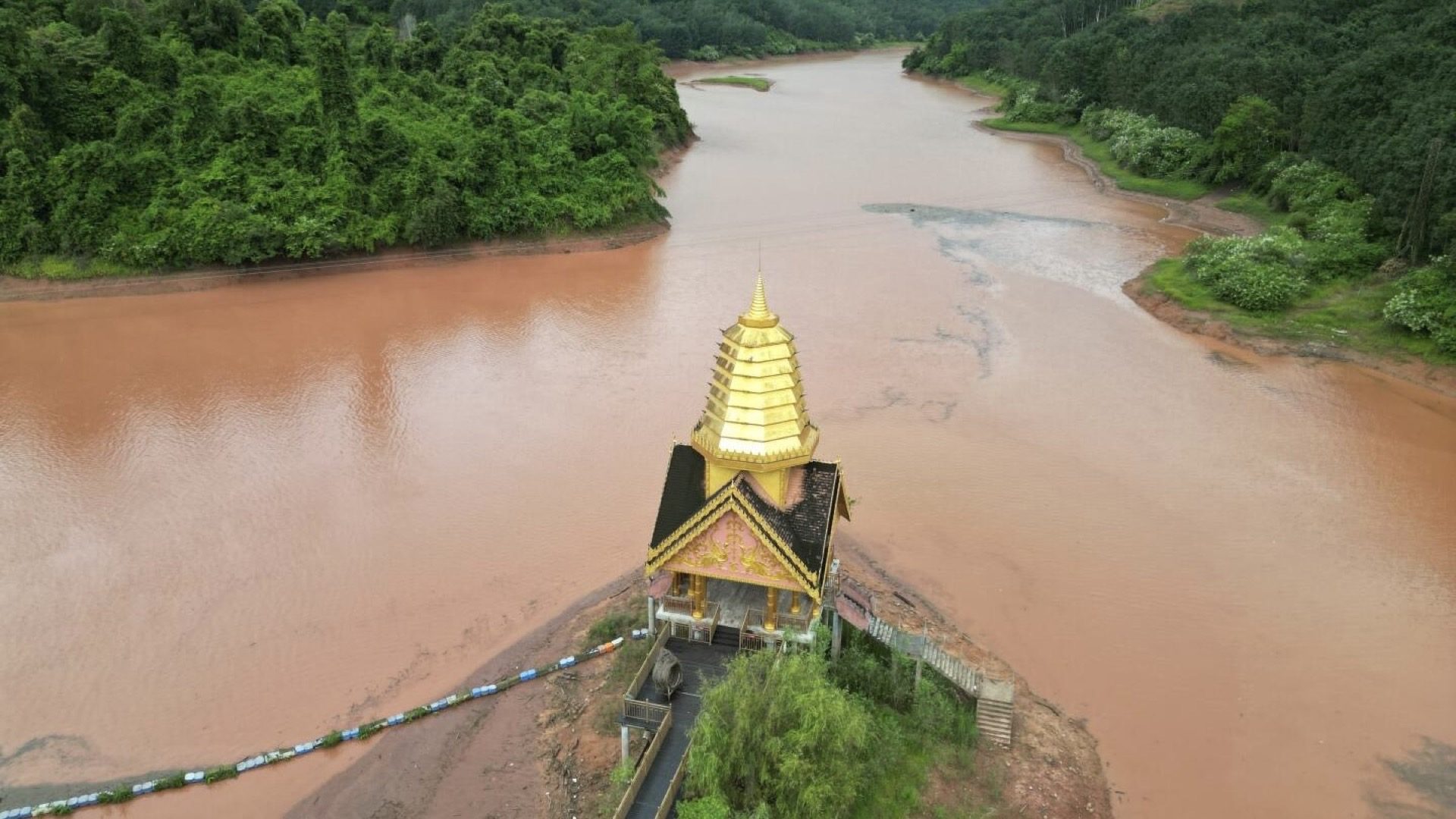
Settle in beside the Mekong — here called the Lancang Jiang, the same water that flows south through Laos, Thailand and Vietnam. Dai cooking here runs closer to Southeast Asia than to anything in Chengdu. If the evening asks for more, wander the night market near the Dai Cultural Park: barbecue smoke, fresh fruit stalls, and the warm-evening pace Xishuangbanna is well known for.
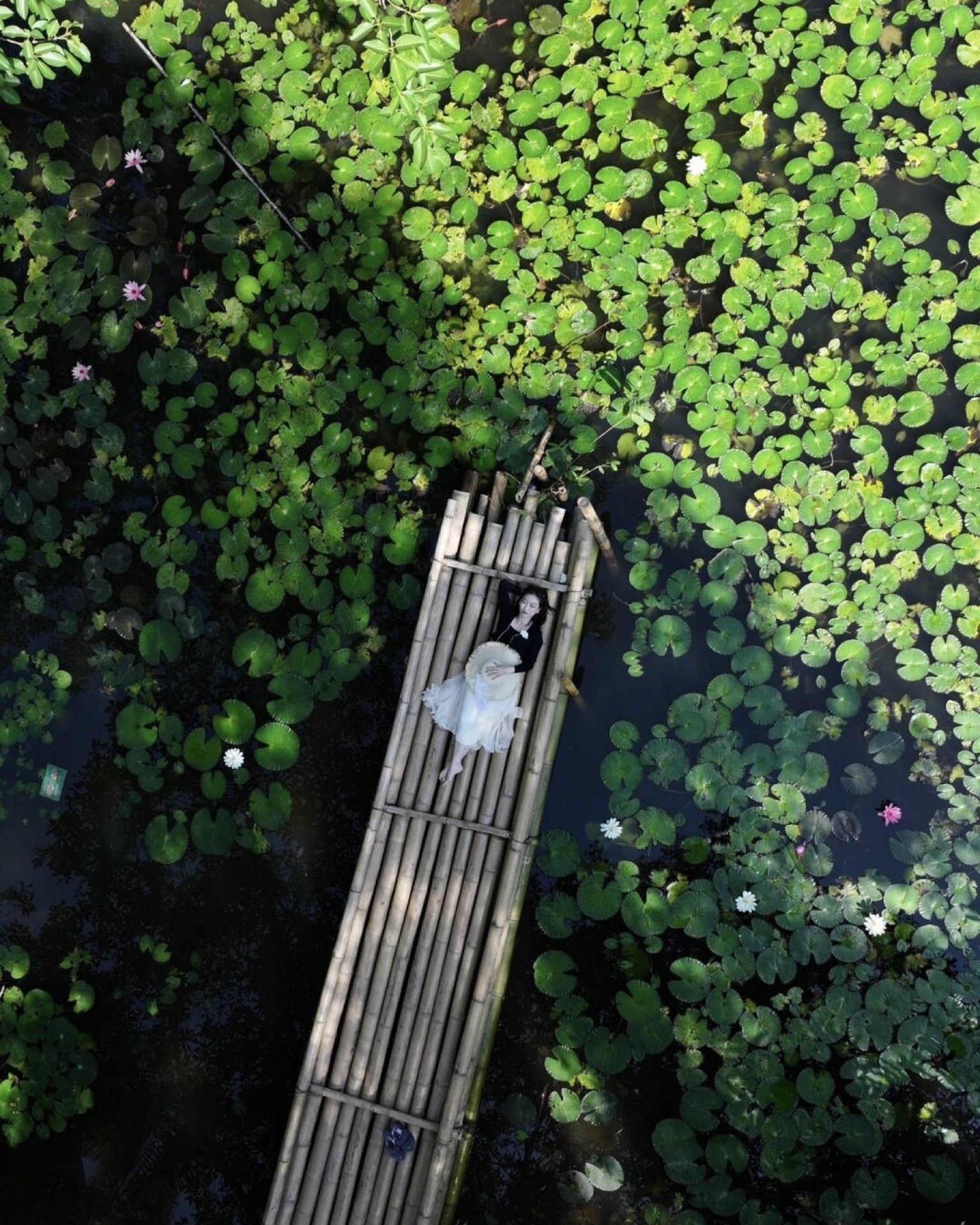
The Wangtianshu canopy walkway hangs 30 m above the forest floor and runs 1.5 km through the highest part of the tree canopy — walked as a loop, eye-level with the crowns. Below it, a naturalist leads the botanical garden and rainforest conservation tour, anchored by one startling number: Xishuangbanna holds 20% of China's total plant species in less than 1% of its land area. The afternoon is yours — riverview afternoon tea, then the pool. Tropical afternoons are genuinely built for this.
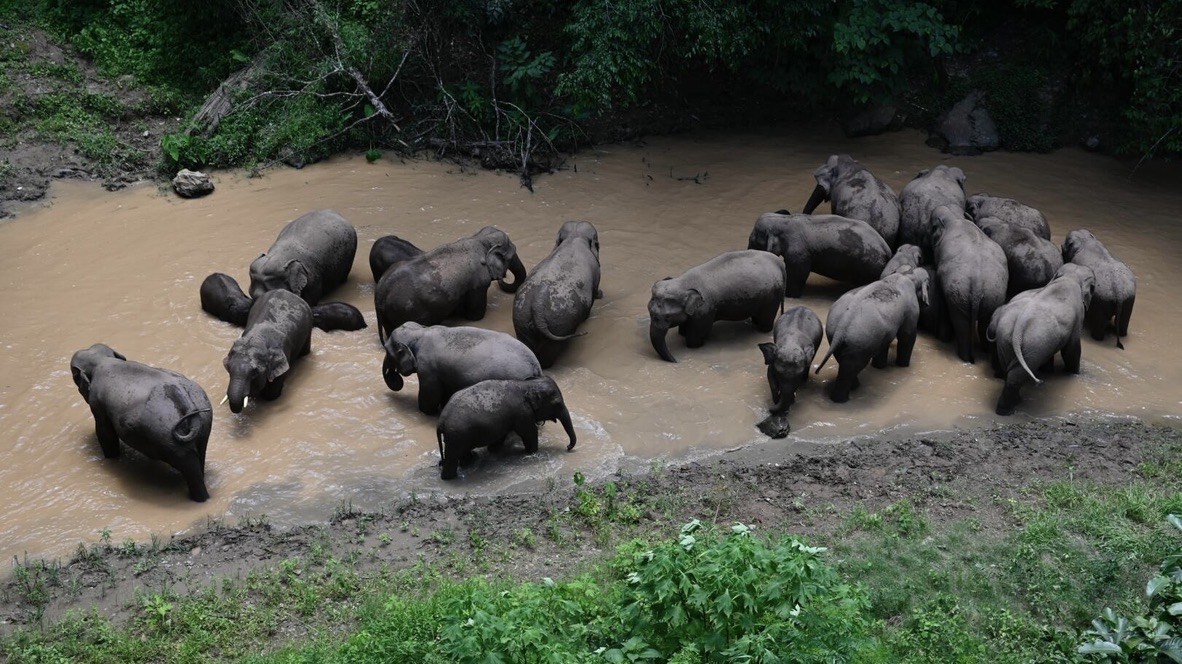
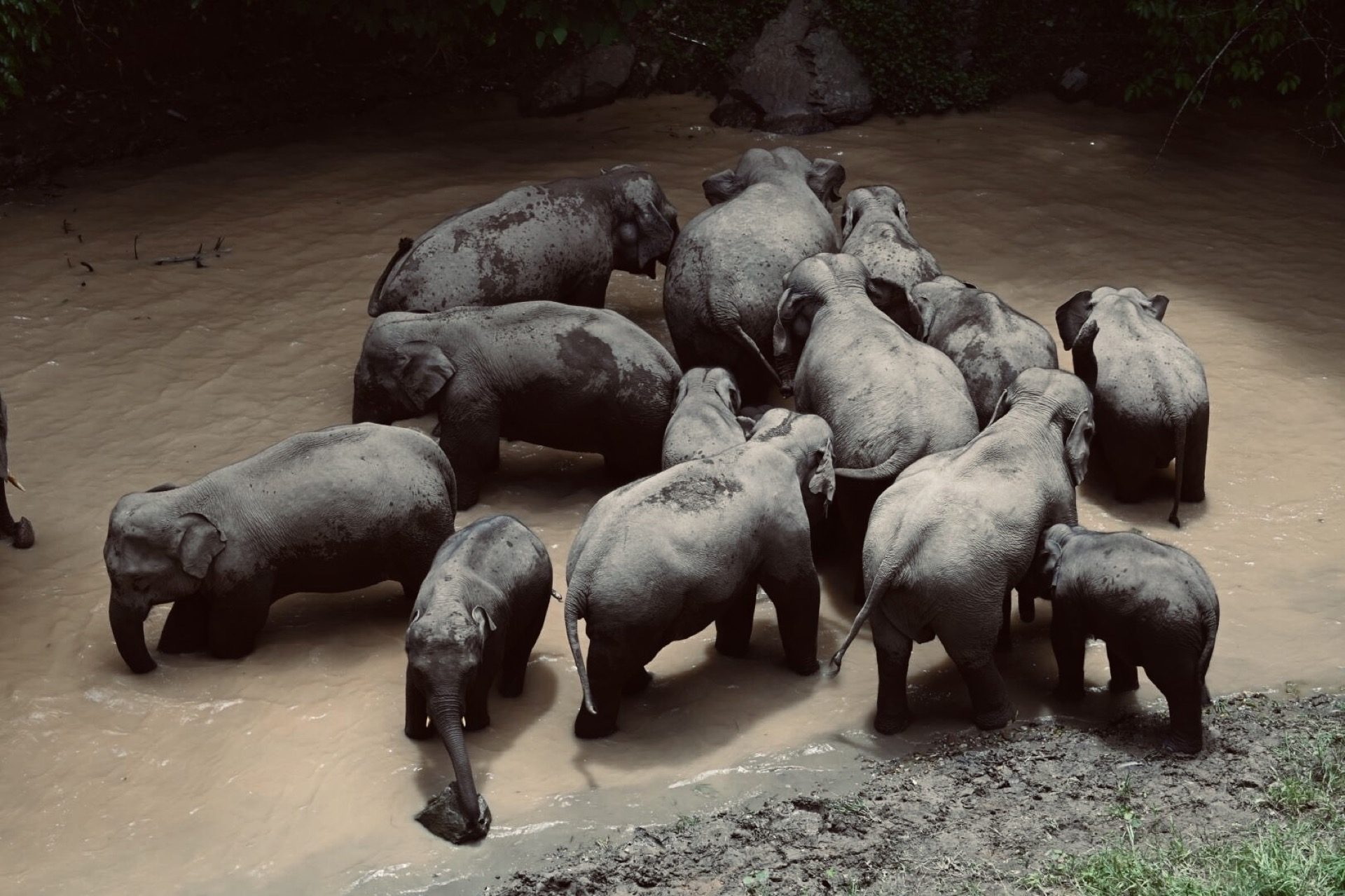
The day opens with a briefing on Asian elephant behaviour, migration corridors and the conservation work underway in Xishuangbanna. Then the hide: wild elephants observed in their natural habitat — no performances, no contact, a pure wild encounter. Afterwards, a guided forest walk crosses the elephants' feeding range — identifying tracks, forage plants and the watering spots that draw a herd back.
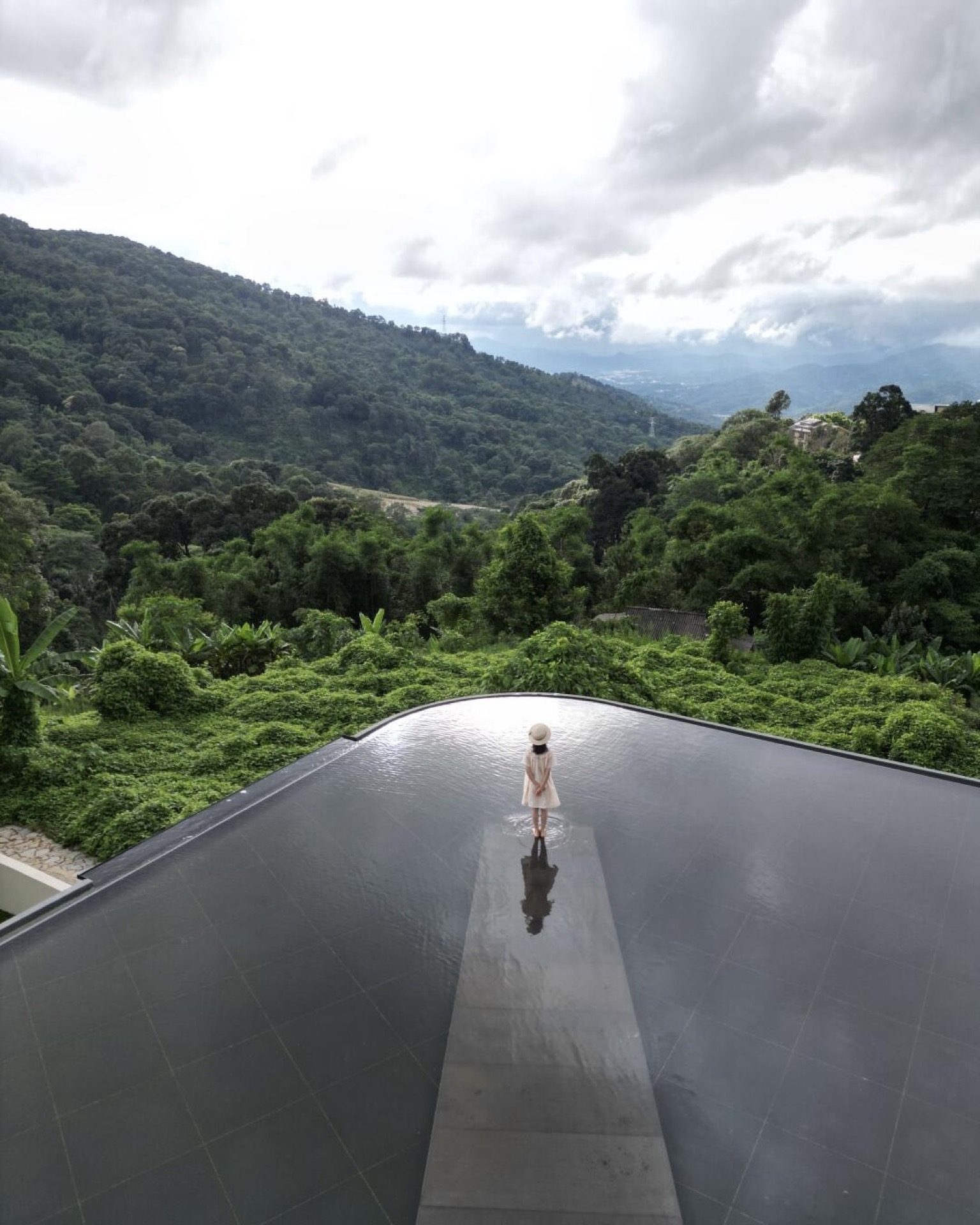
The morning drive climbs Nannuo Mountain — one of Xishuangbanna's most celebrated tea mountains, home to ancient trees over 800 years old. A treetop walkway threads the cloud forest, good for birding and for seeing the rainforest from above rather than below. Then tea with a local Hani farmer among the ancient trees — leaf and quiet. If the timing works, stay for sunset from a rooftop 'sky mirror' terrace up on the mountain, arguably Xishuangbanna's best elevated view at dusk.
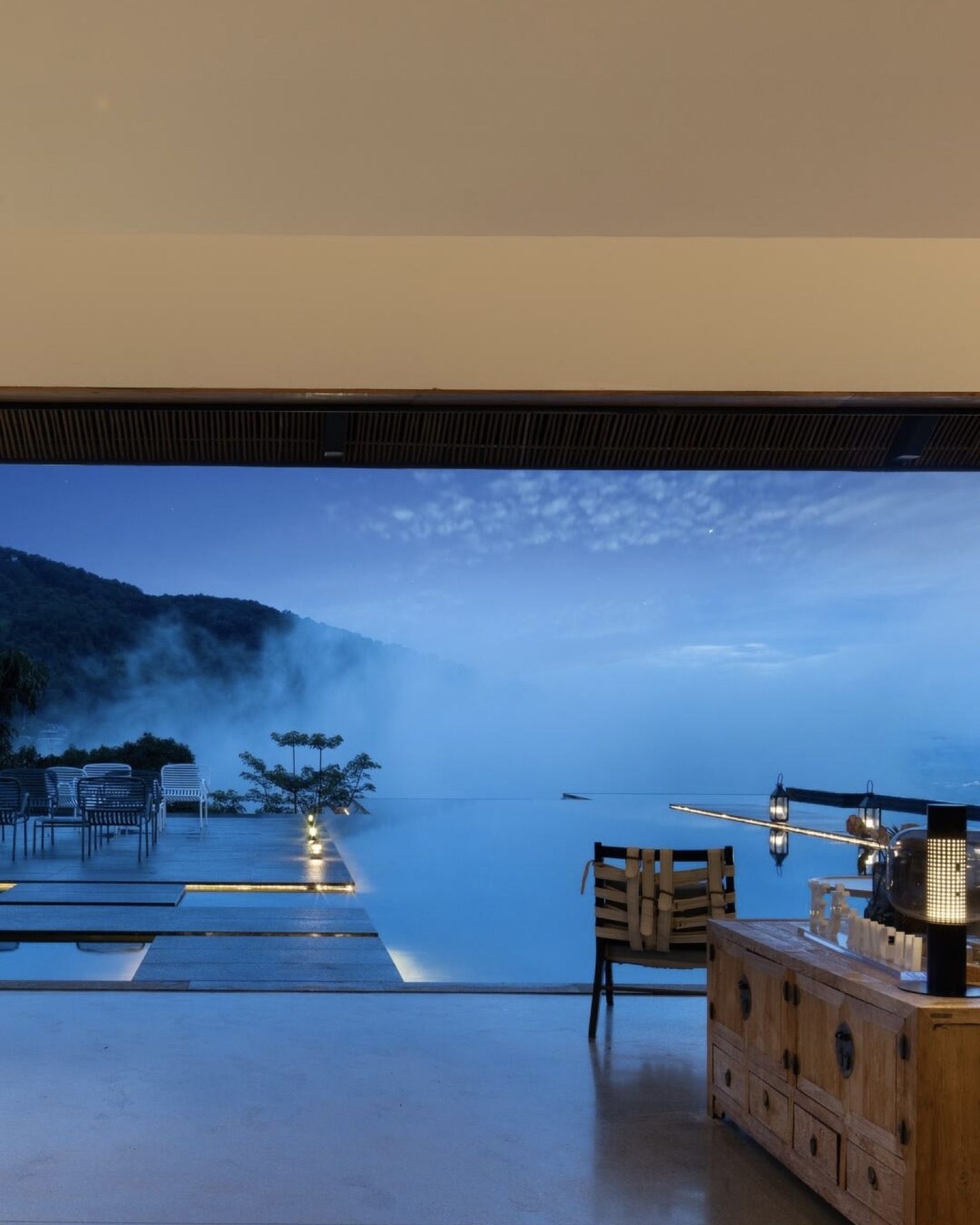
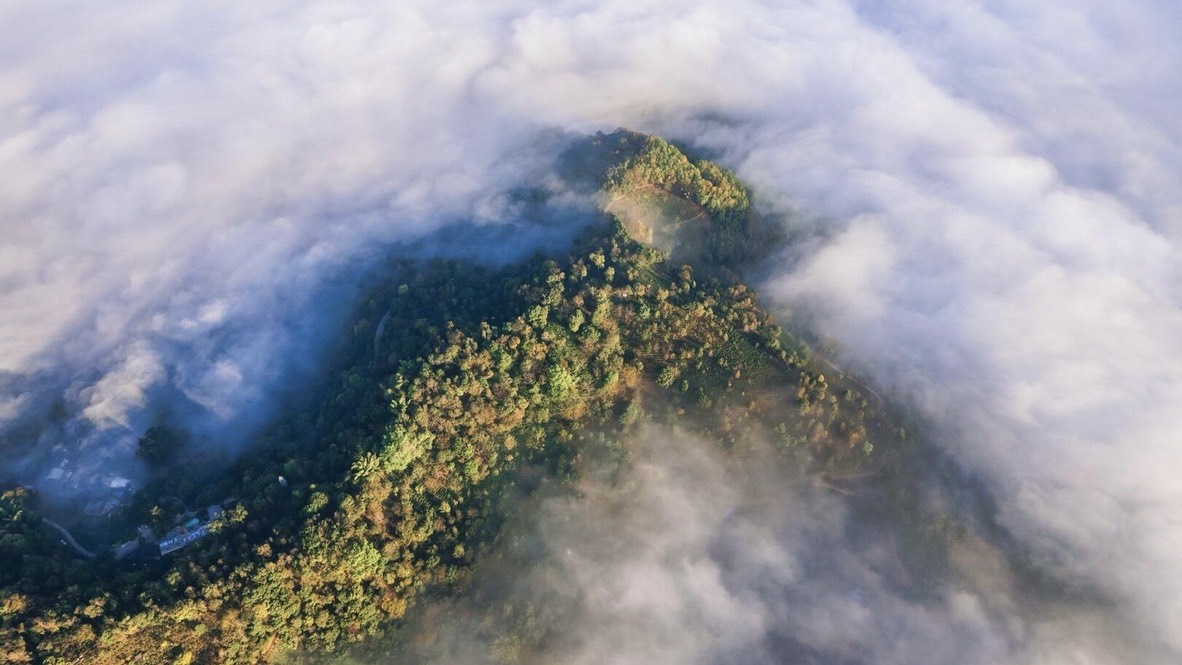
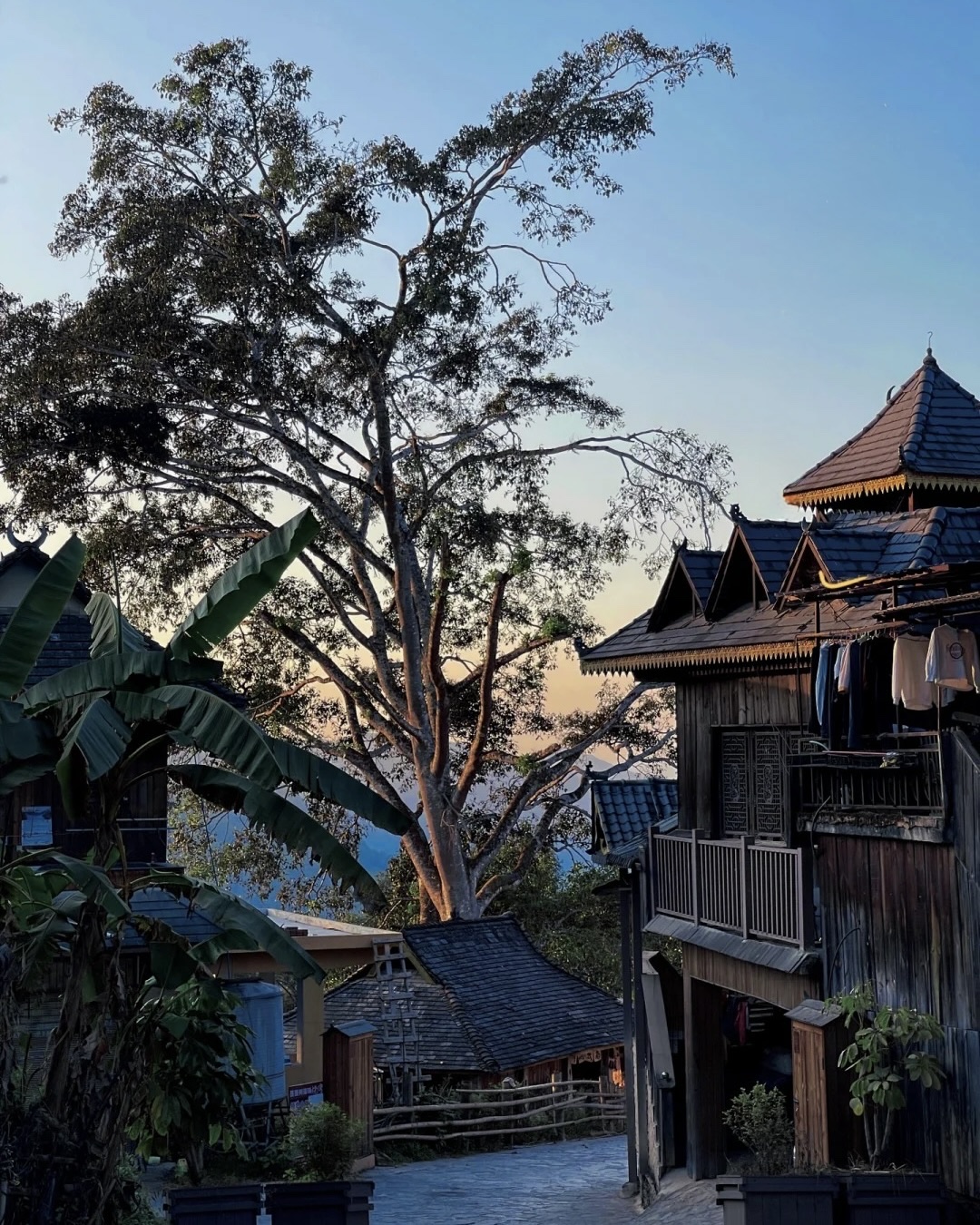
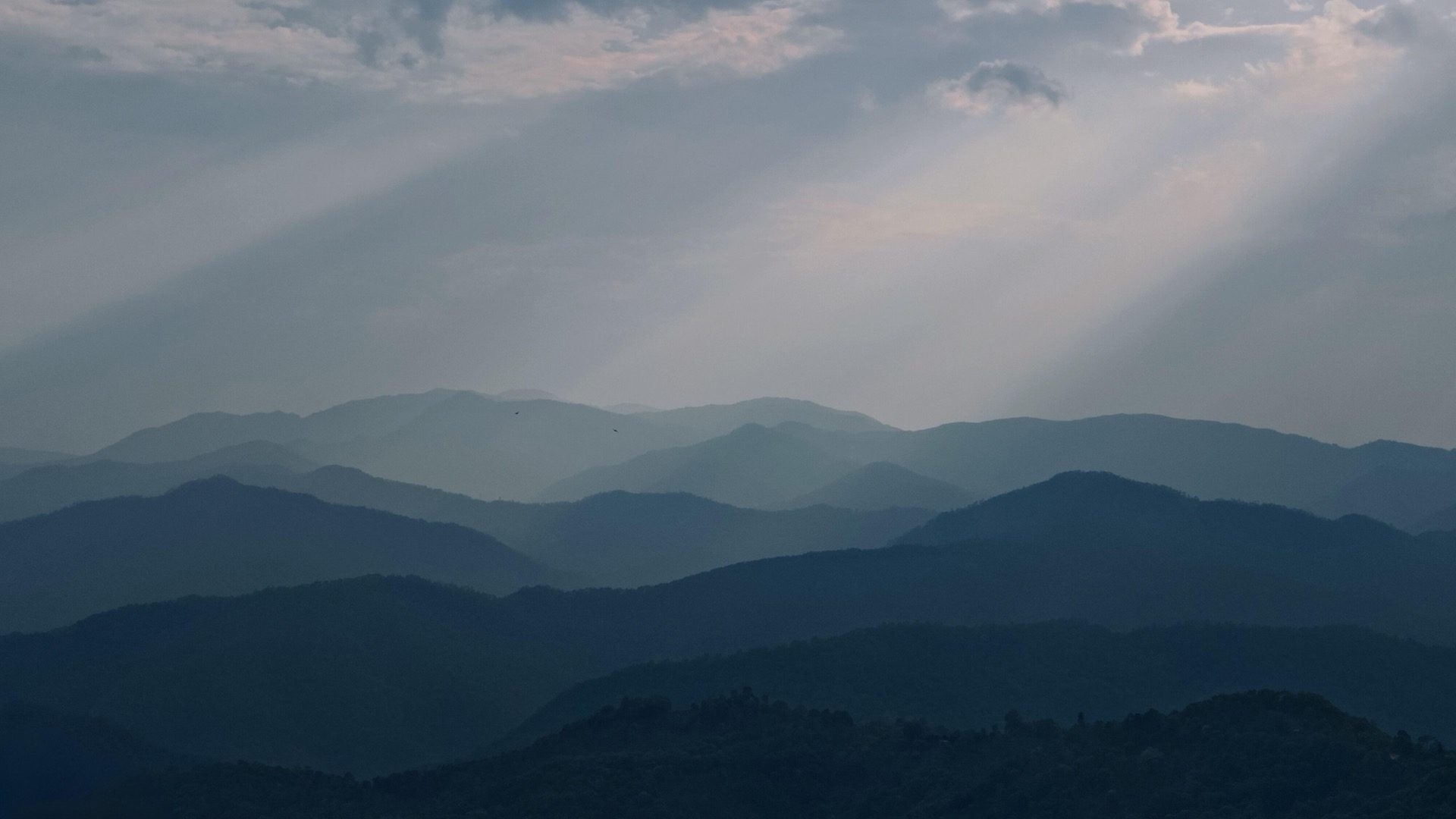
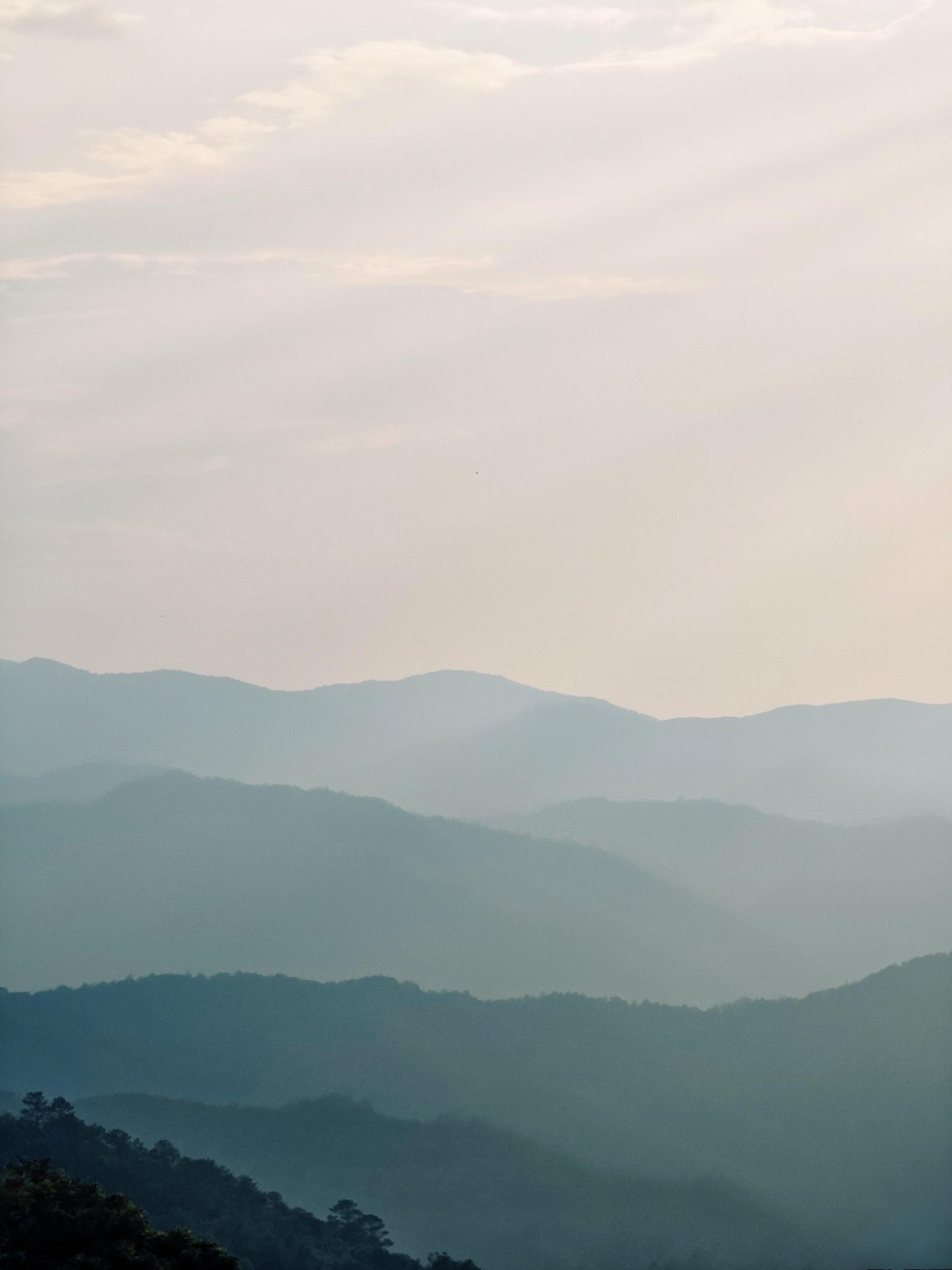
A 3-hour scenic drive climbs to Jingmai Mountain, broken by a photo stop at the high tea-terrace overlook — the whole cultural landscape spread out below in ridge after ridge of green. Settle in among the working tea gardens; the field-edge stroll before dinner passes ancient tea trees the size of small oaks, still actively picked. The Blang people have tended these same trees for over 1,000 years. The trees outlive the people who care for them.
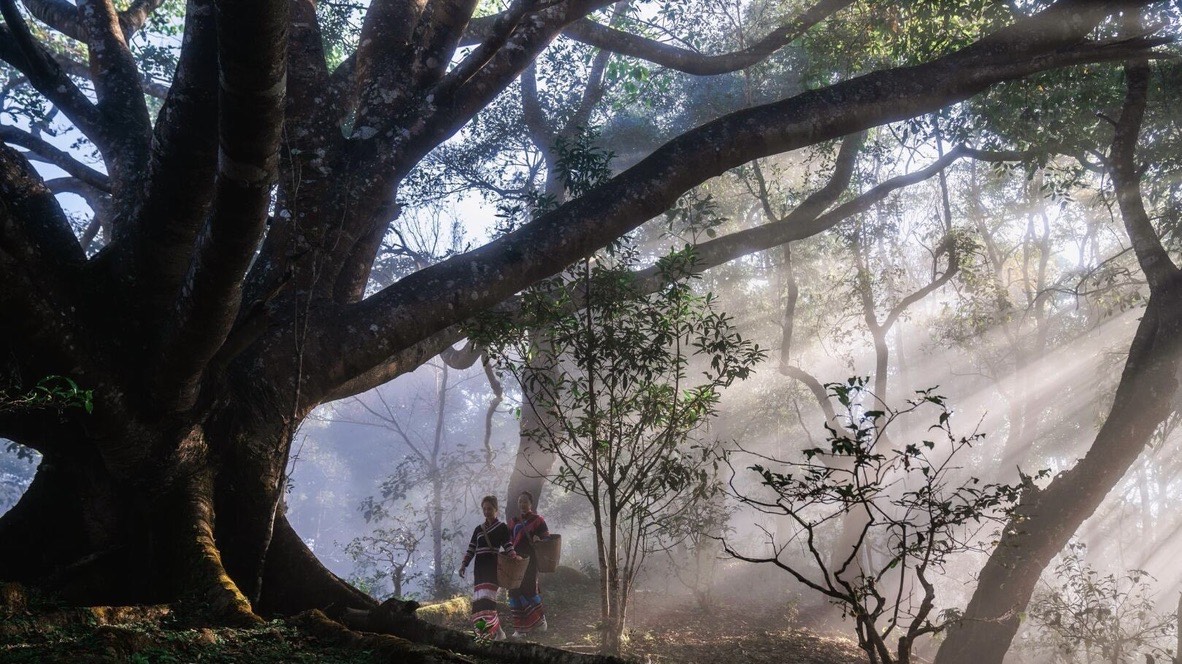
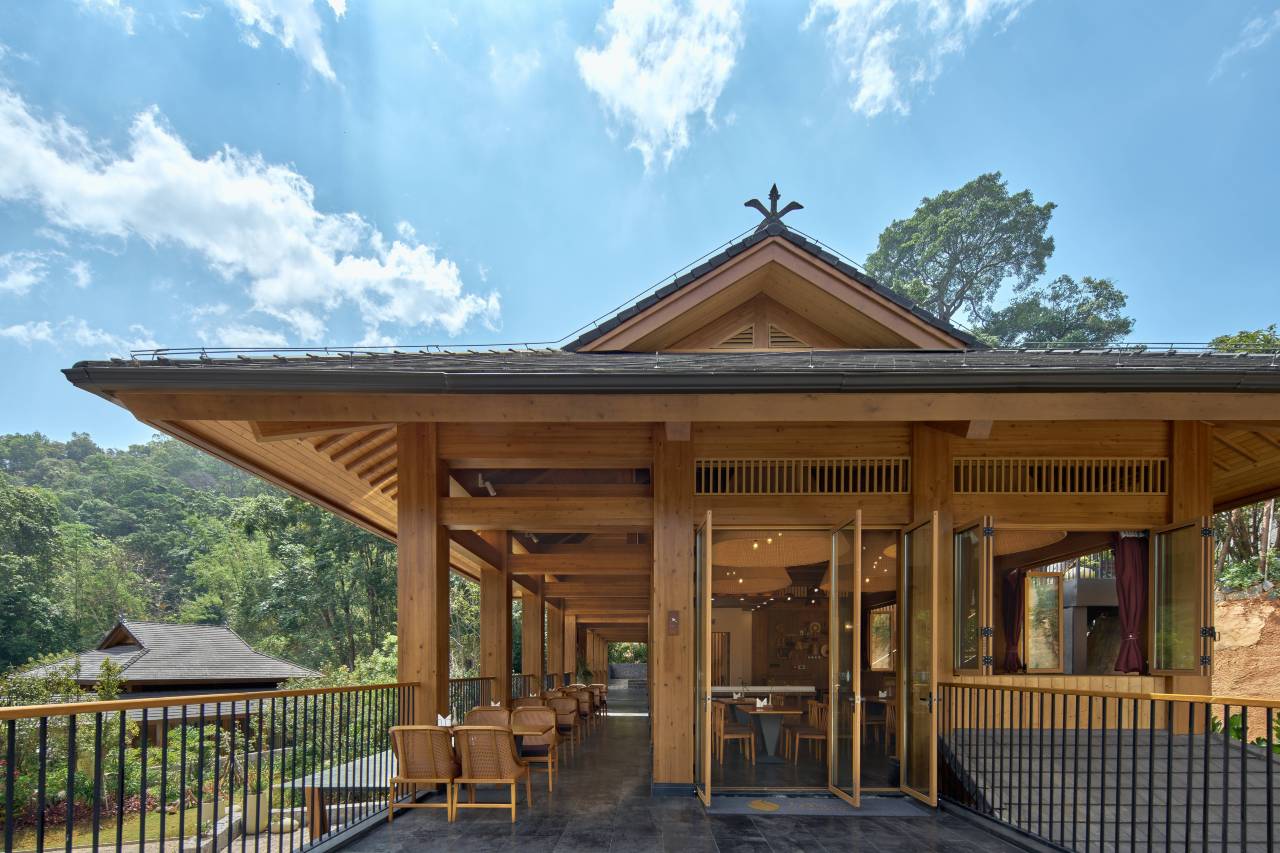
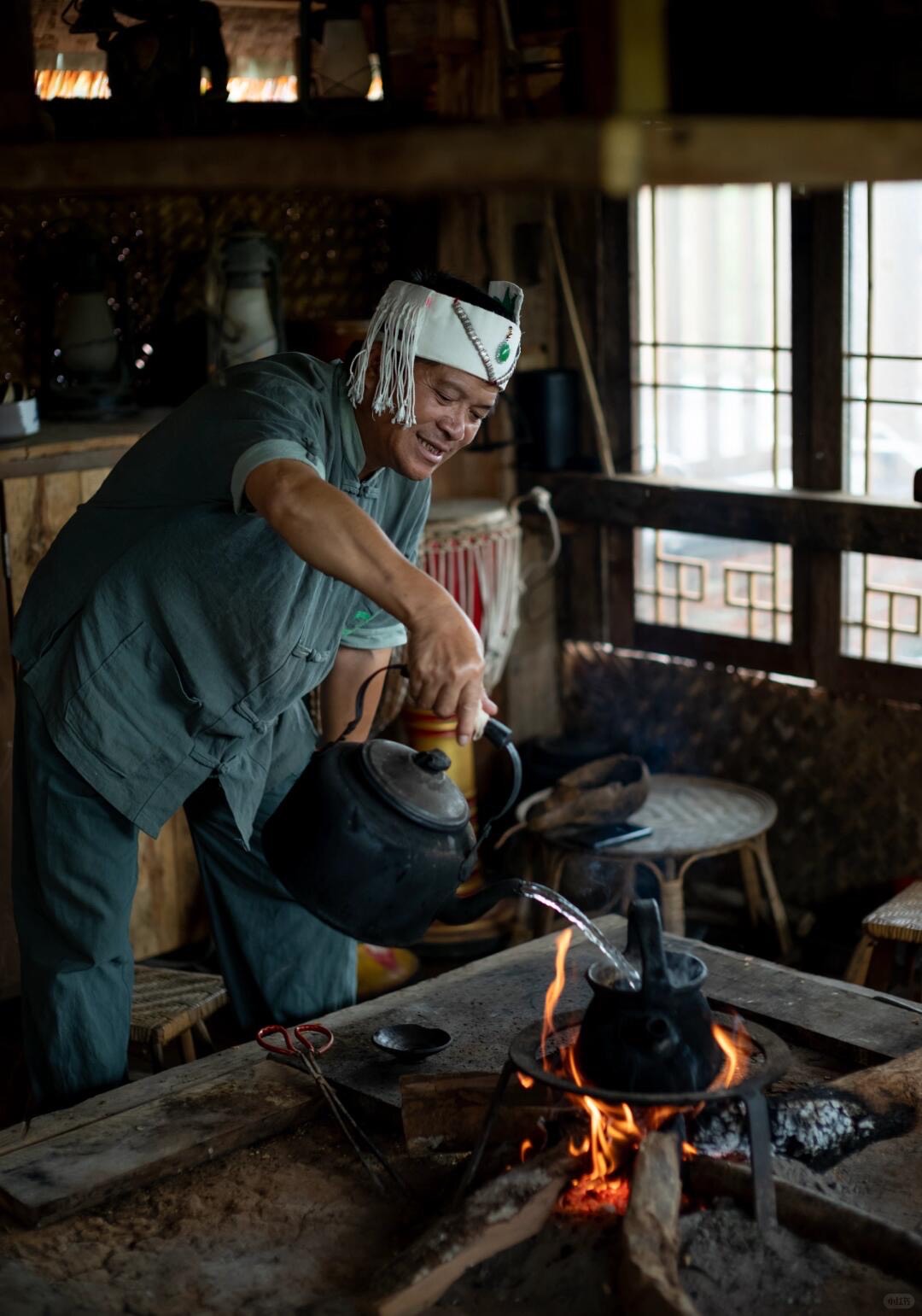
Morning goes to the ancient tea forest with a village host, among trees planted before the 11th century — withering and hand-pan firing fill a whole morning at the right pace, and in the picking months you pull the leaf yourself. Then a comparative tasting with the host family: old-tree pu'er from trees over 500 years old set against garden-grown tea. The difference is real, and the grower explains it from experience. An easy ridge path leads to a timber pavilion in the forest.
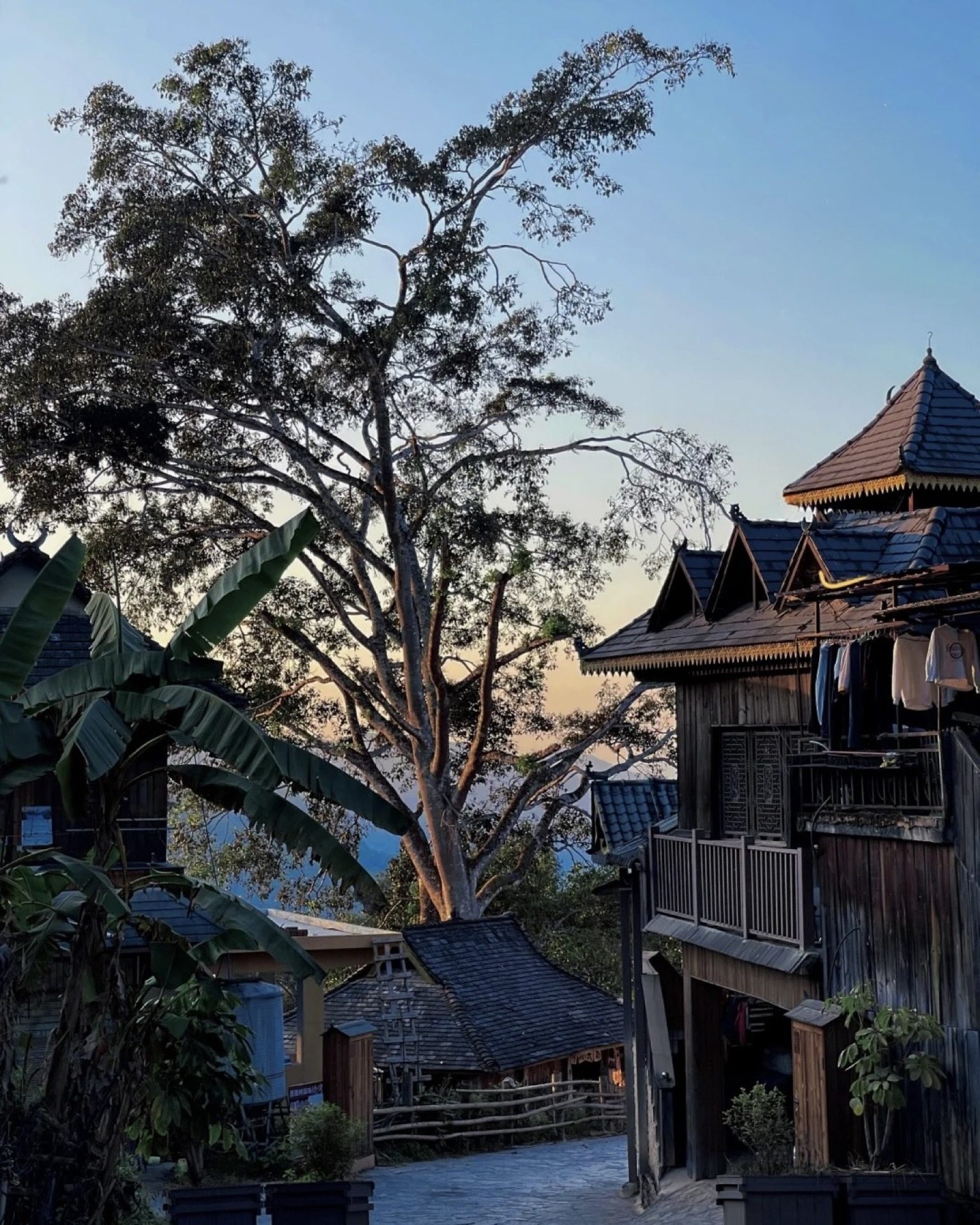
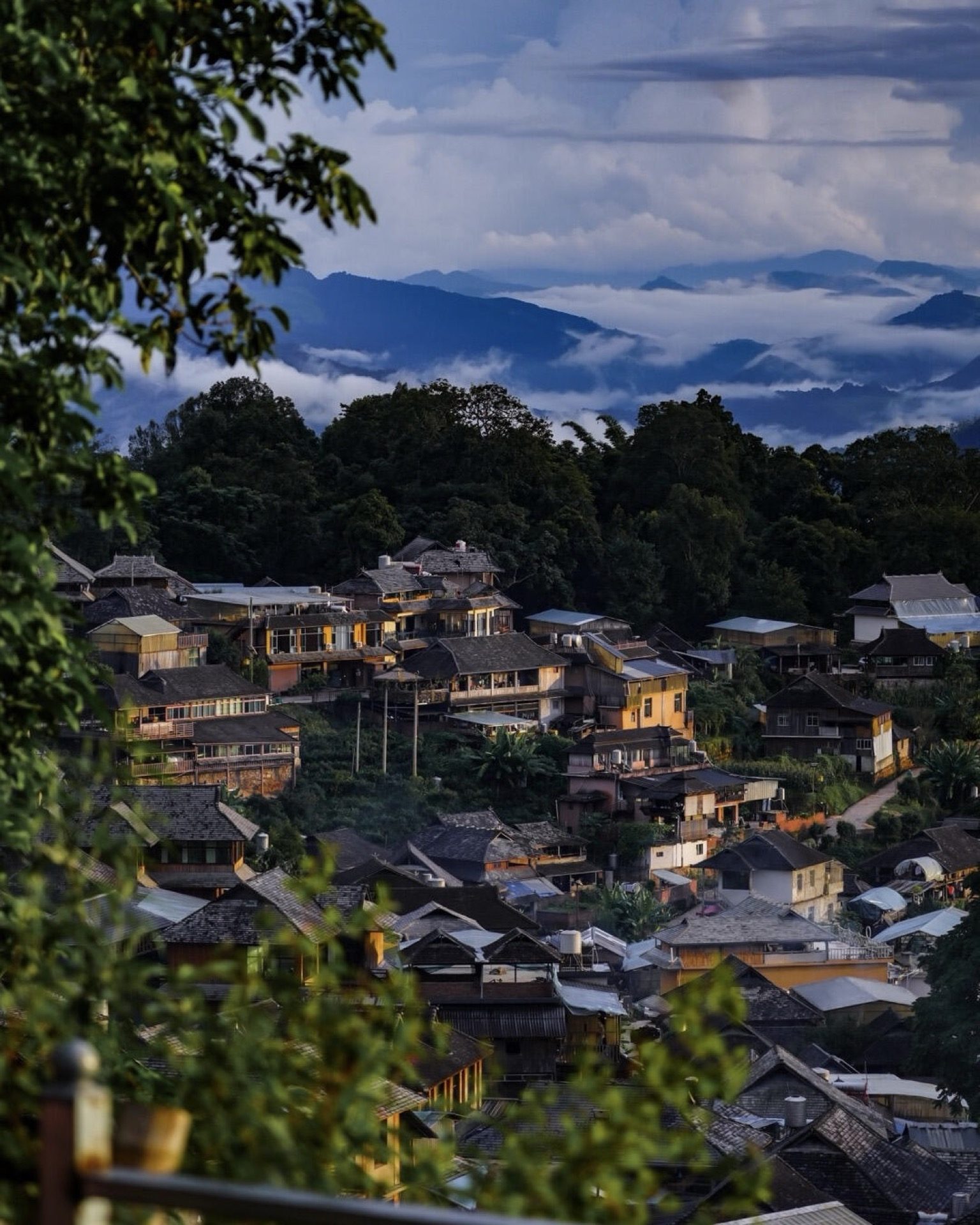
A morning circuit links the Blang and Dai hamlets of Jingmai — Mangjing, Nuogan, Manghong — with a hands-on stop to press your own tea cake in traditional stone moulds. Younger travellers get their own mission: a stamp-book of tea varietals and wildlife spotted on the walk. After dinner, walk back into the tea forest. The sounds change completely after dark — frogs in the creek, fireflies in the older groves on warm-season nights, and skies dark enough to count satellites.
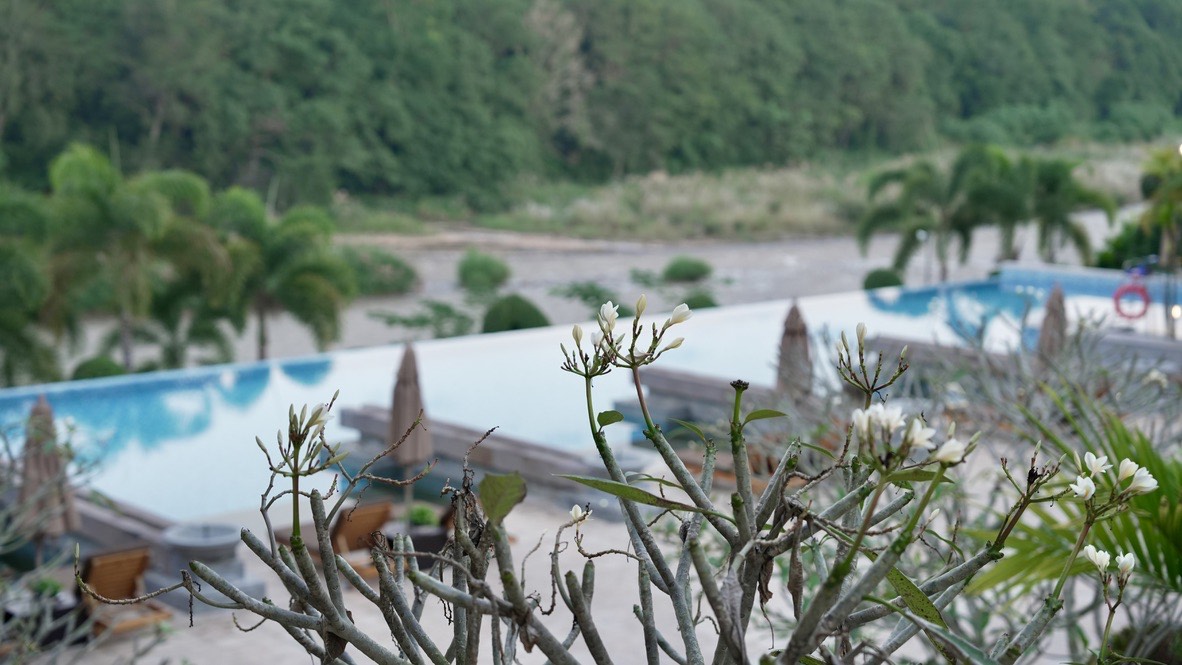
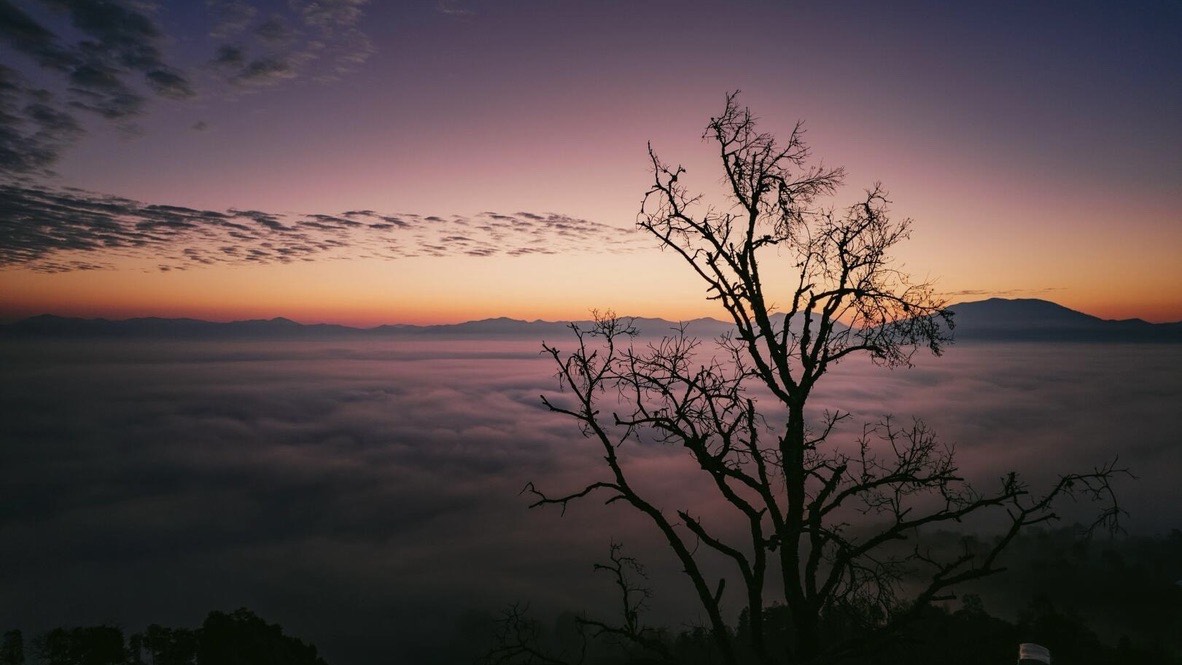
The last Jingmai morning is deliberately slow — an early temple walk, or quiet tea meditation on the lodge terrace while the mountain wakes. Then the scenic drive back down to Xishuangbanna, stopping at a roadside tea stall and valley viewpoints on the way. The Jinghong afternoon is yours to shape: local temples, the Manting Royal Garden, or a final riverfront pool session.
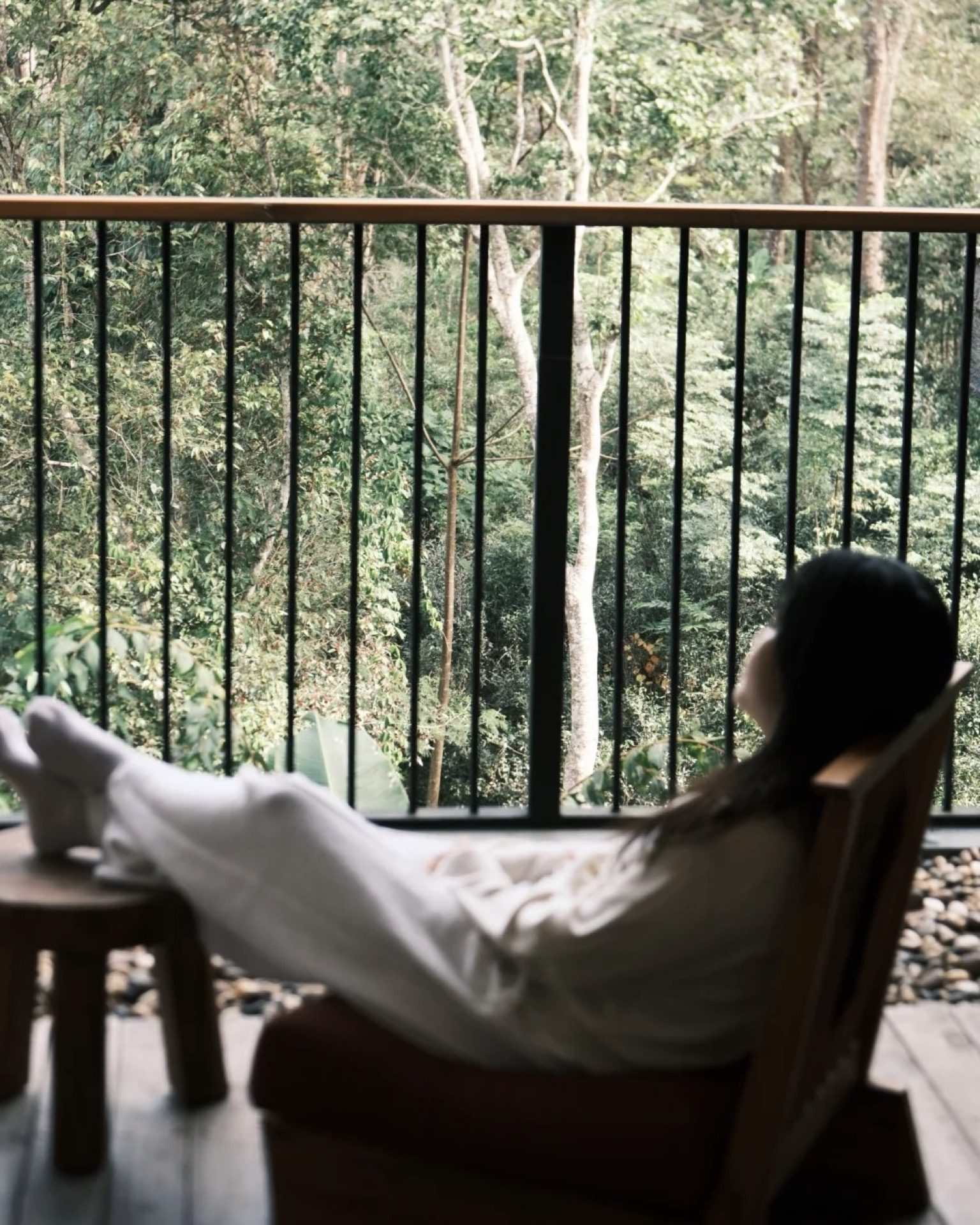
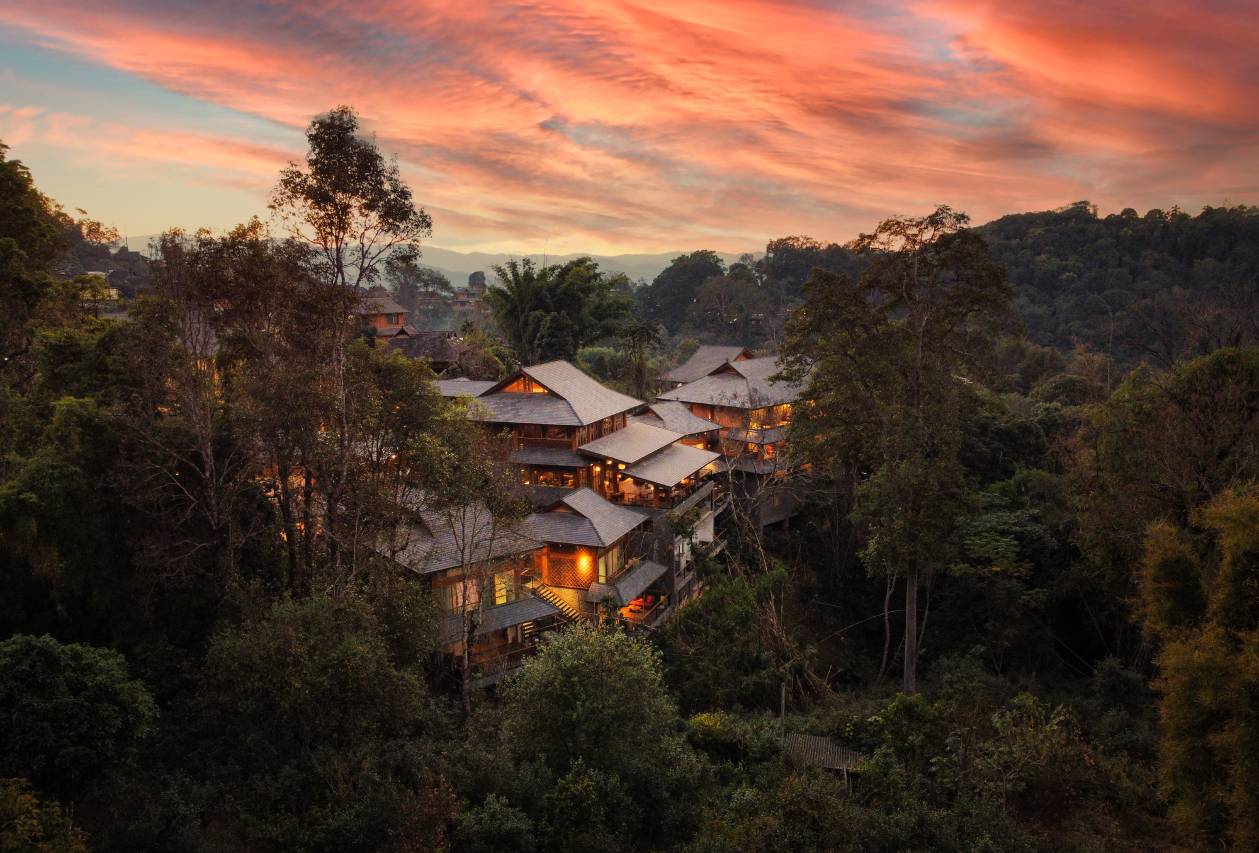
A tea-forest lodge on Nannuo, a family rainforest resort, a jungle wellness retreat and a spa hotel deep in the Jingmai UNESCO landscape.
A wellness retreat in the rainforest with serious yoga, sound-bath and vipassana practice.
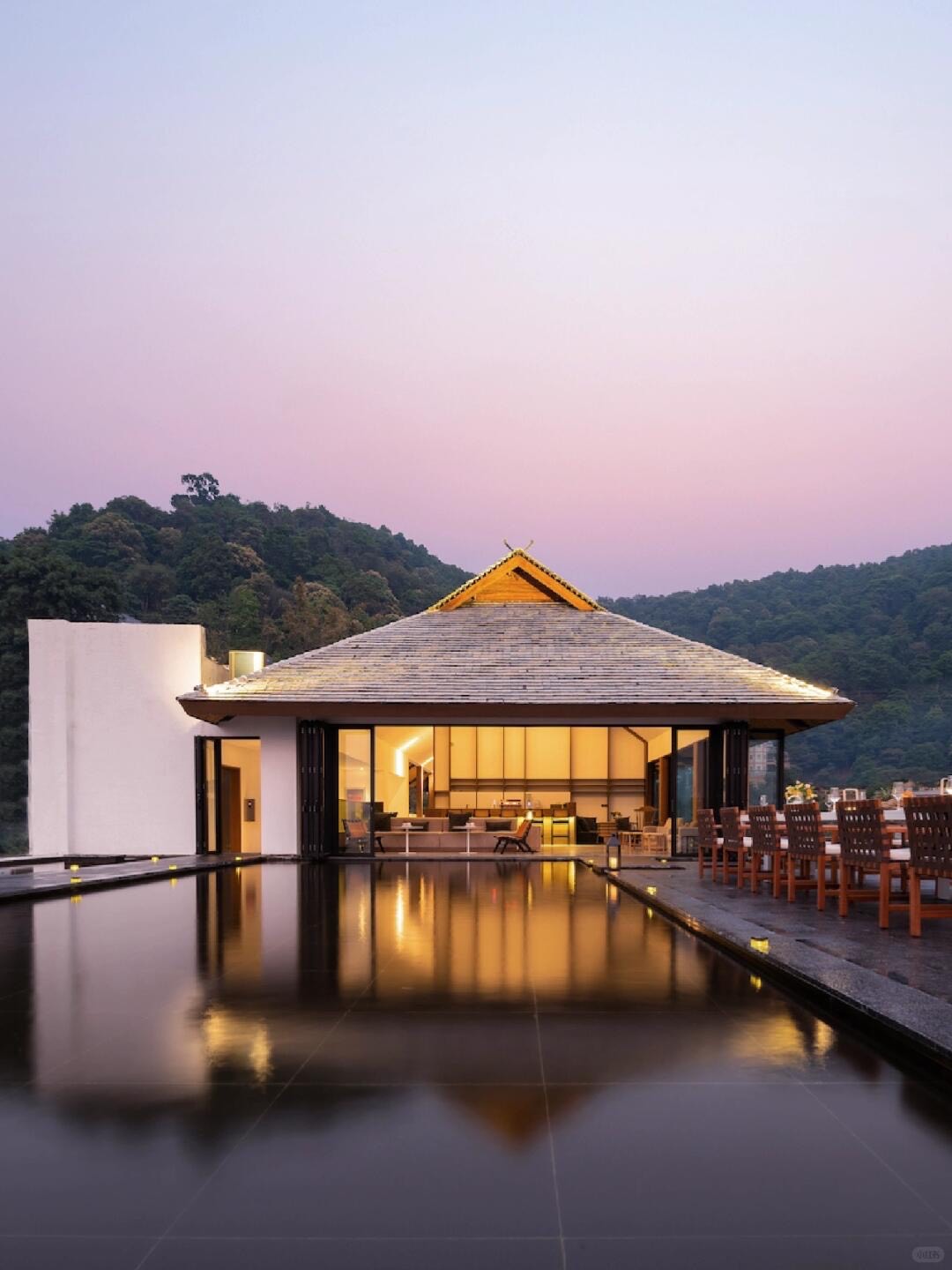
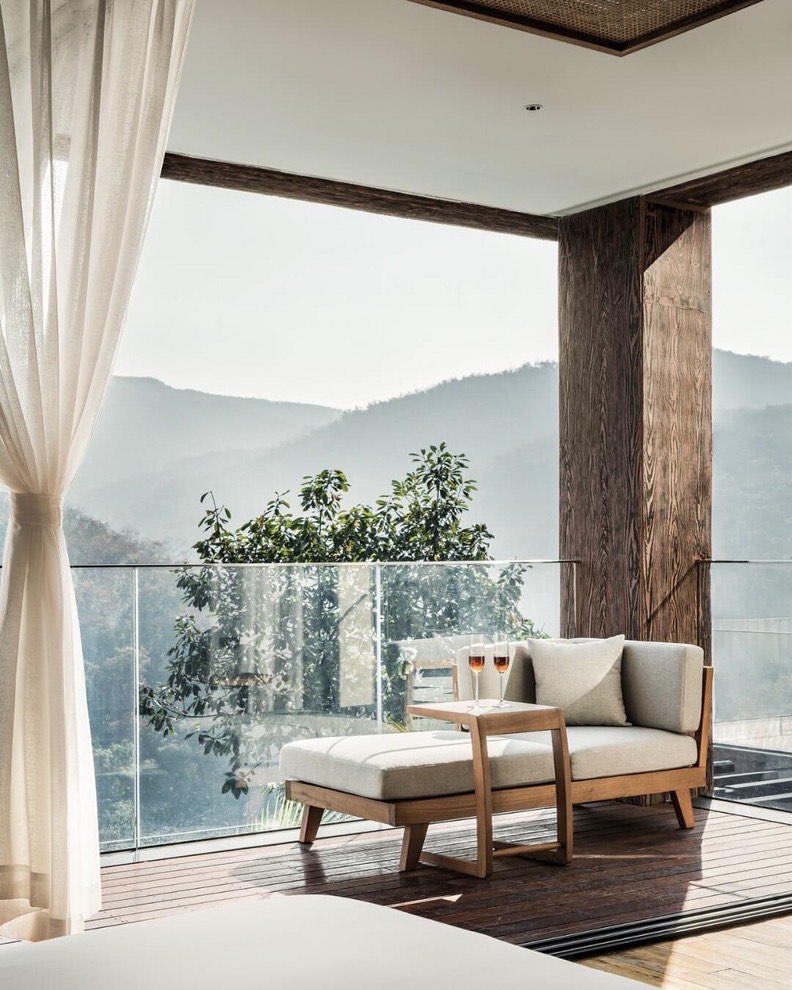
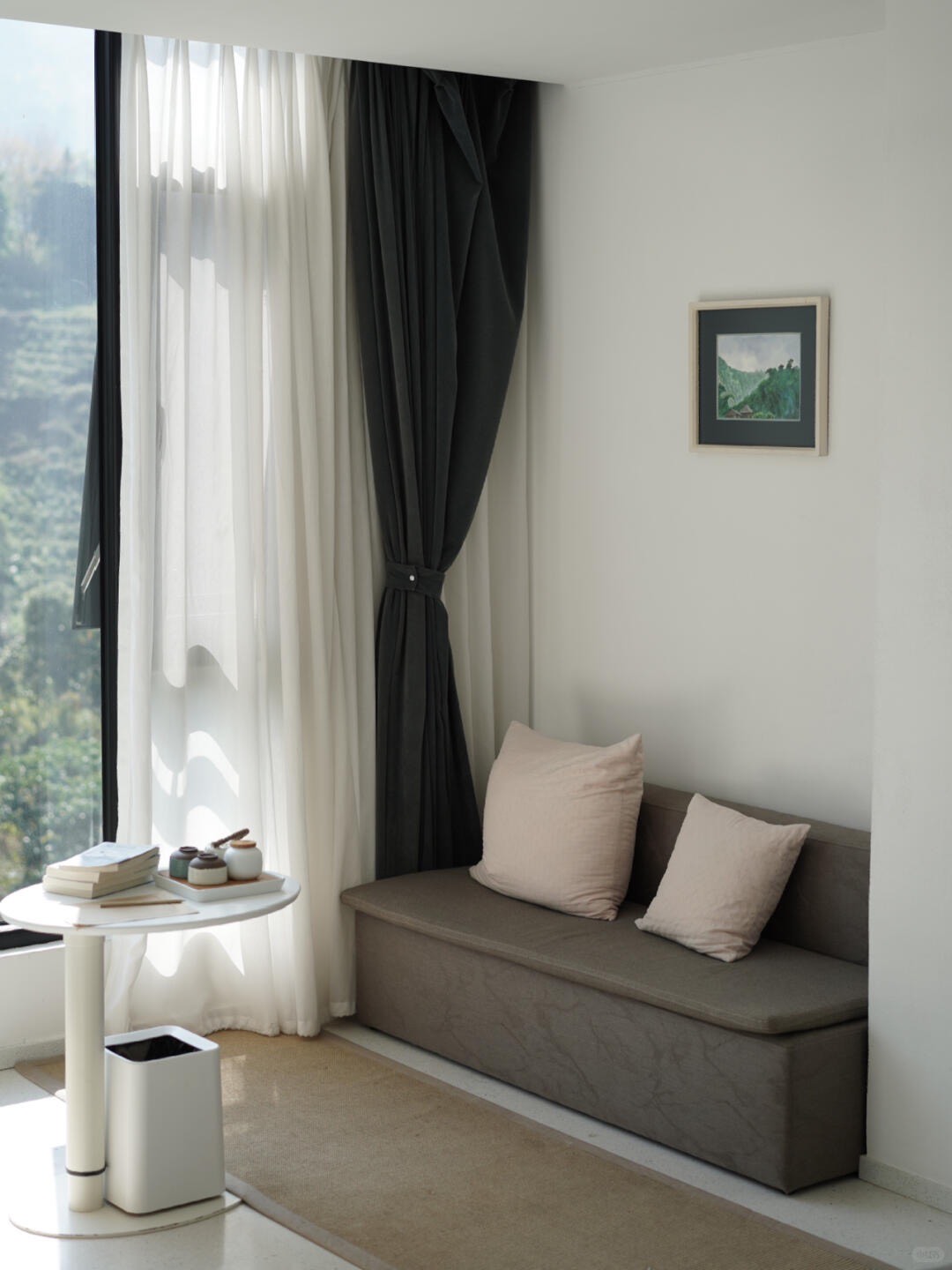
A tea-forest lodge in the Aini hills above Xishuangbanna — owner-led and barefoot-luxe.
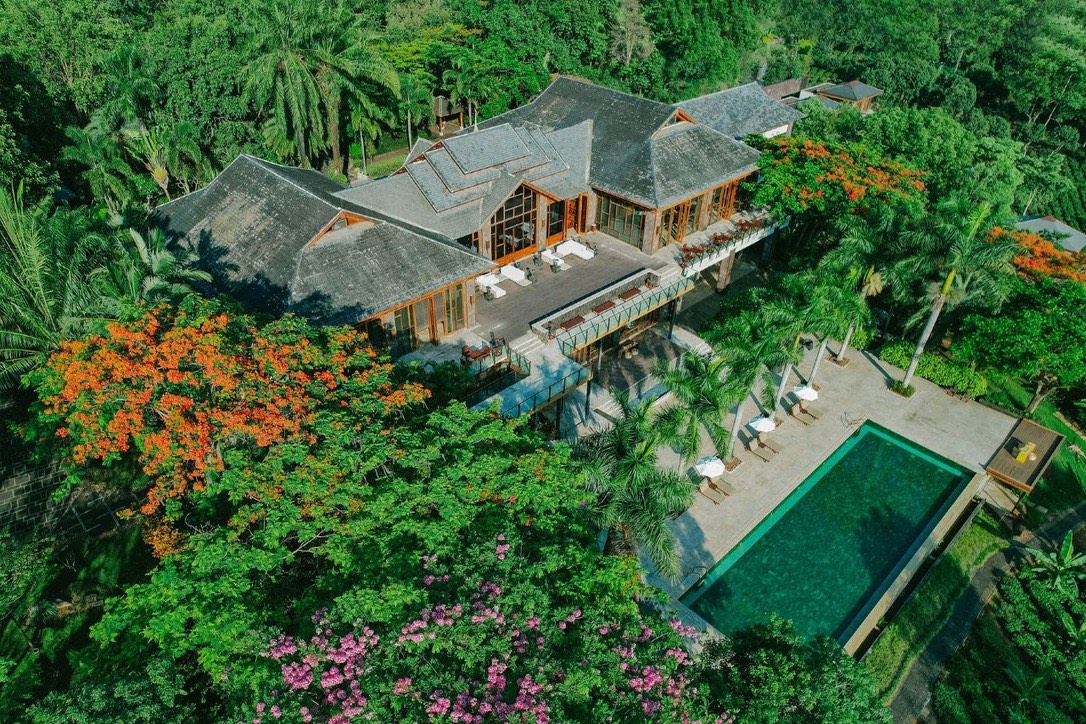
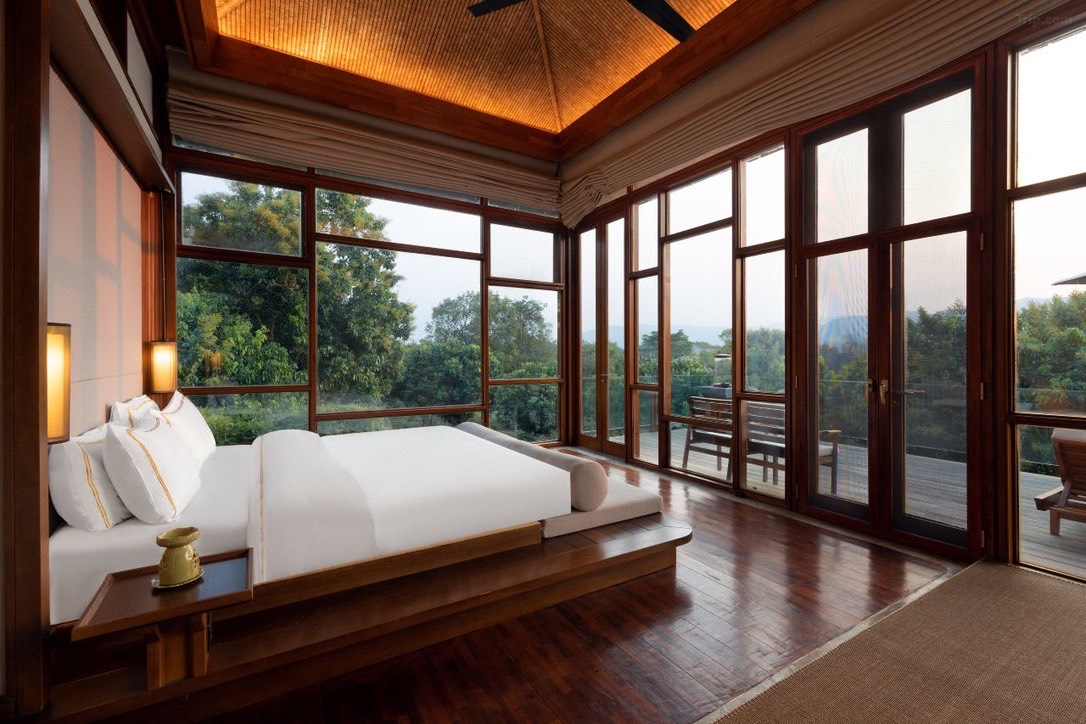
An ancient-tea-forest spa hotel deep in the Jingmai Mountain UNESCO landscape.
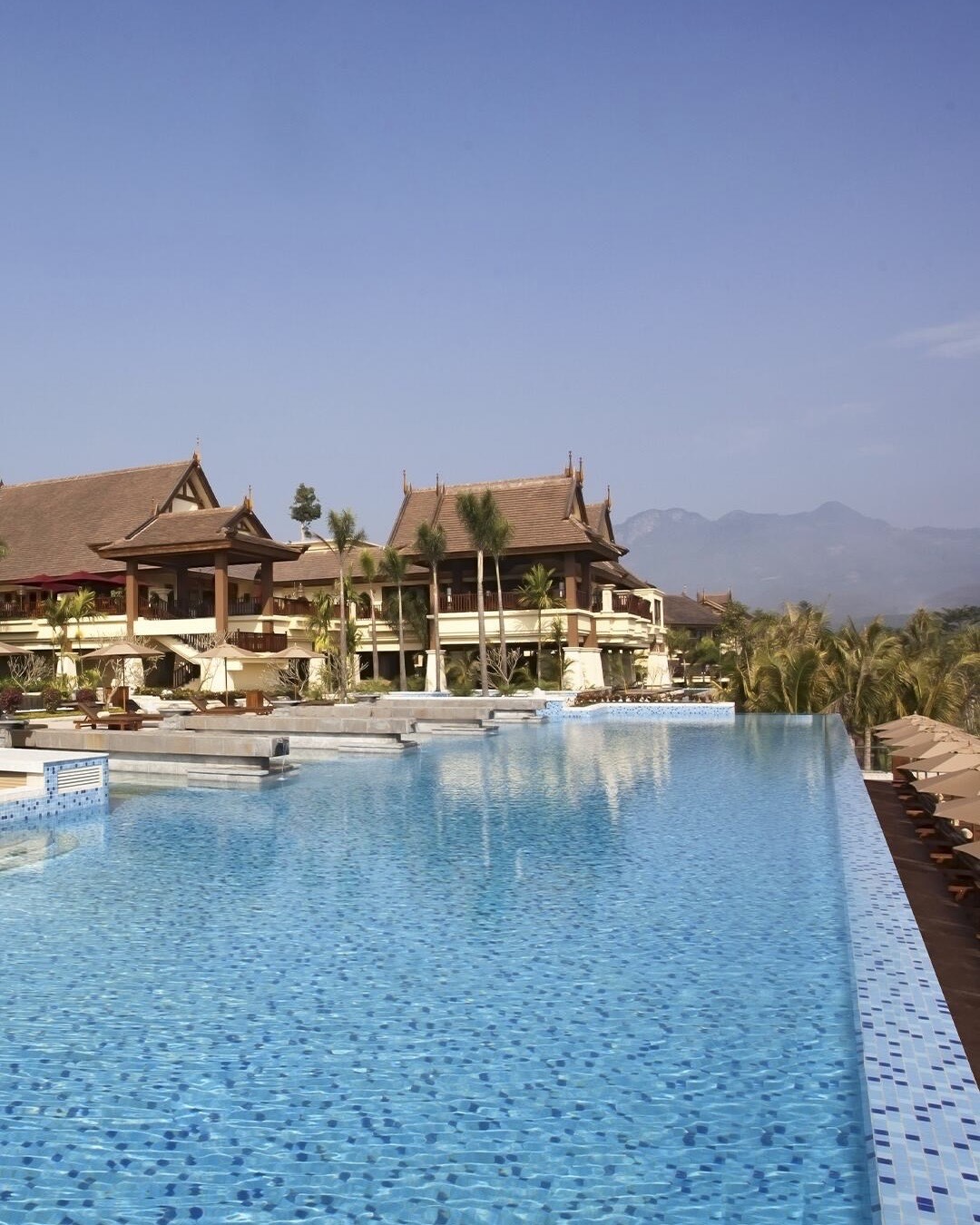
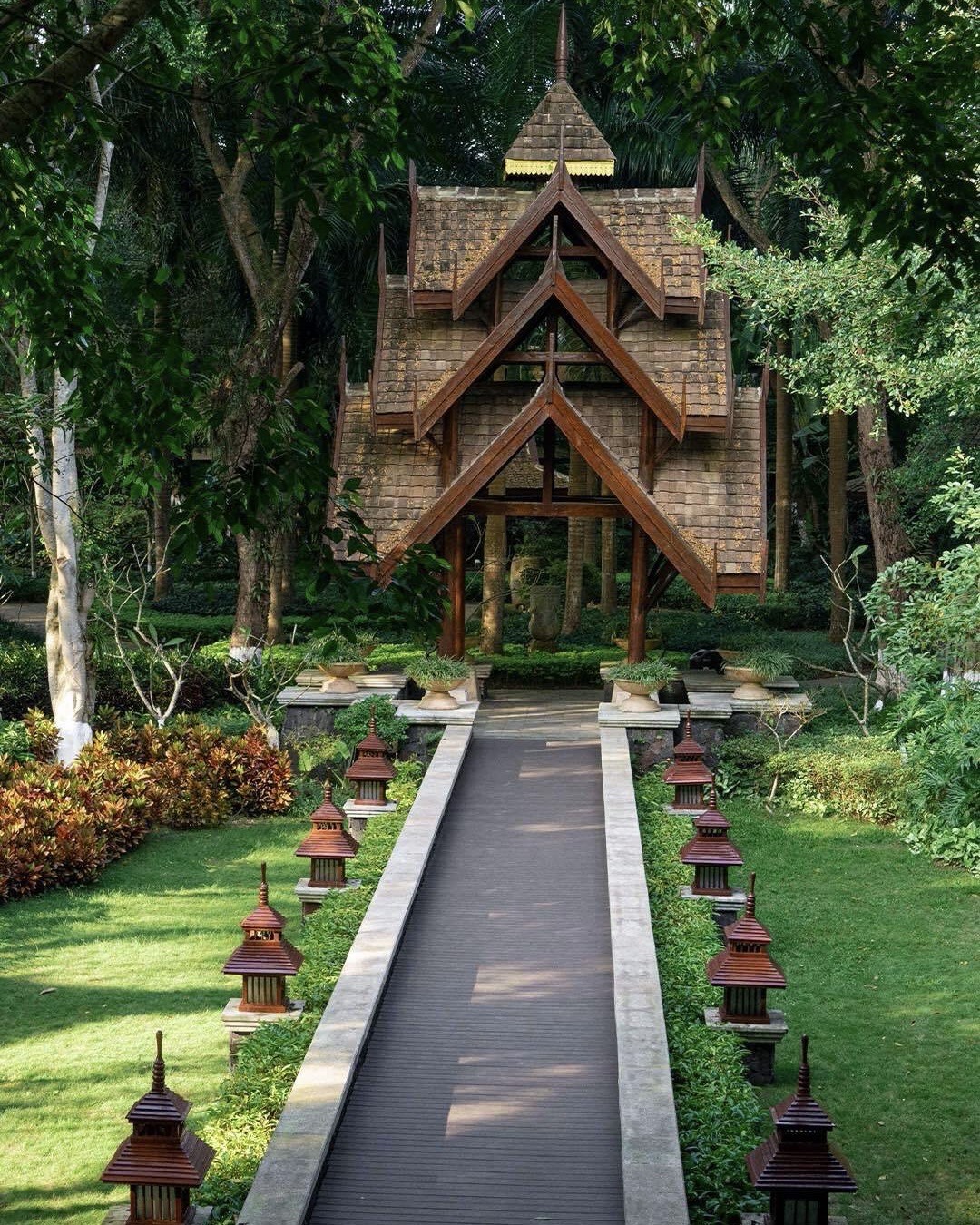
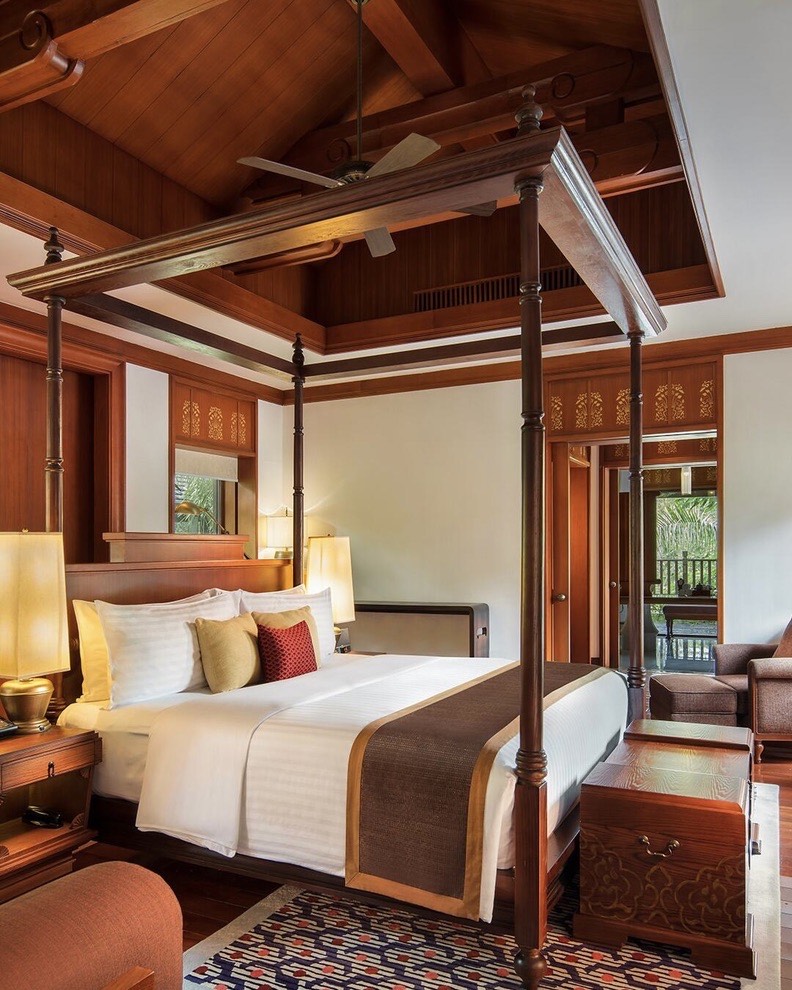
A rainforest-edge resort built for family pace — pool and river.
These are examples of the boutique stays we book across the route. Because boutique hotels have so few rooms, a stay may occasionally be swapped for one of similar standard.
Yes, it is one of our most family-friendly routes. Elephants are a genuine highlight for children of any age. The Jingmai tea landscape is educational without being dry. Xishuangbanna's tropical wildlife and Dai culture are accessible and visually engaging. We adapt the pace and activities to the youngest member of your group.
The Asian elephant population in Xishuangbanna has grown significantly and sightings are now relatively reliable in the right locations. We work with ranger networks to position you at the best observation points. We do not guarantee sightings — these are genuinely wild animals — but our success rate is high.
Jingmai is a 2,800-hectare ancient tea landscape on Yunnan's Myanmar border, inscribed by UNESCO in 2023 for its 1,000-year-old cultivated tea forest and living Blang and Dai cultural practices. It is one of the few places in the world where you can walk among trees that were planted before the Norman Conquest.
November to March is the dry season — warm, sunny, and ideal for outdoor activities. The Water Splashing Festival (Dai New Year) in mid-April is a spectacular cultural event but brings large crowds. Avoid June–September when rain is frequent and elephant movement is less predictable.
Every day, stay and date tailored to you — shaped over a call with someone who has walked the route, never a template.
Request a proposal for this trip
Giant Pandas at the Chengdu Research Base, then three days in the alpine lakes of Siguniang or Jiuzhai Valley. City culture first, mountain silence after.
See the itinerary →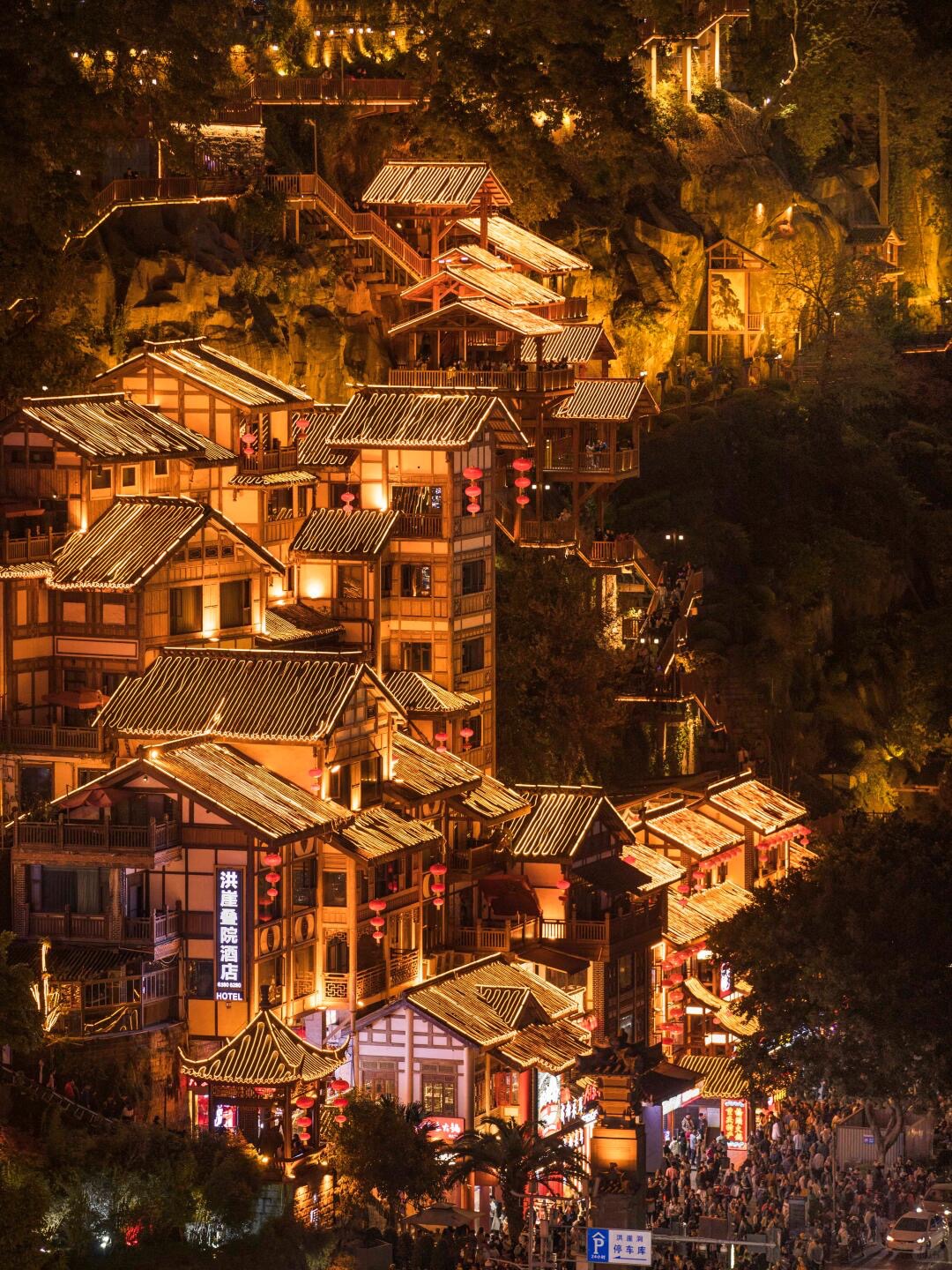
A 5–6 day private tour weighted toward Chongqing — neon river cities, UNESCO Wulong Karst, the Longji (Dragon's Backbone) ridge hike above the Yangtze, and two different tables of Sichuan heat. Bookended with a soft Chengdu landing.
See the itinerary →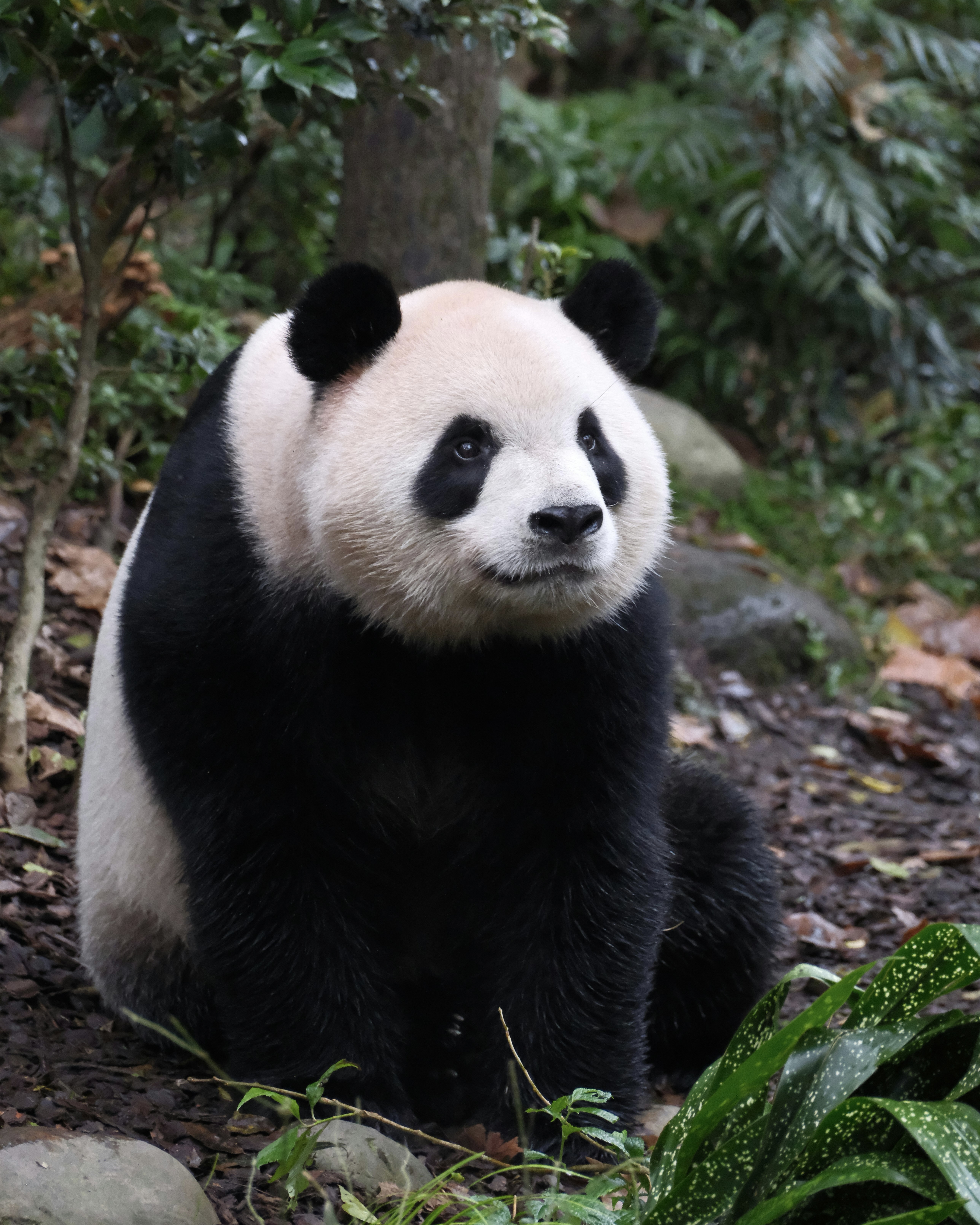
Fifteen days that pair China's great icons with its wildlife and wild landscape — the Forbidden City and the quiet Great Wall at Jinshanling, the Terracotta Army, a working day with the giant pandas outside Chengdu, three days among Zhangjiajie's sandstone pillars, and Shanghai to finish. Private throughout.
See the itinerary →