← All Ultimate Hikes Ultimate Hikes

Niru Valley Hike

3 days in Shangri-La's hidden alpine valley — the gentler counterpoint to Yubeng

3 days 2 nights moderate 4,000 m max Jun – Oct

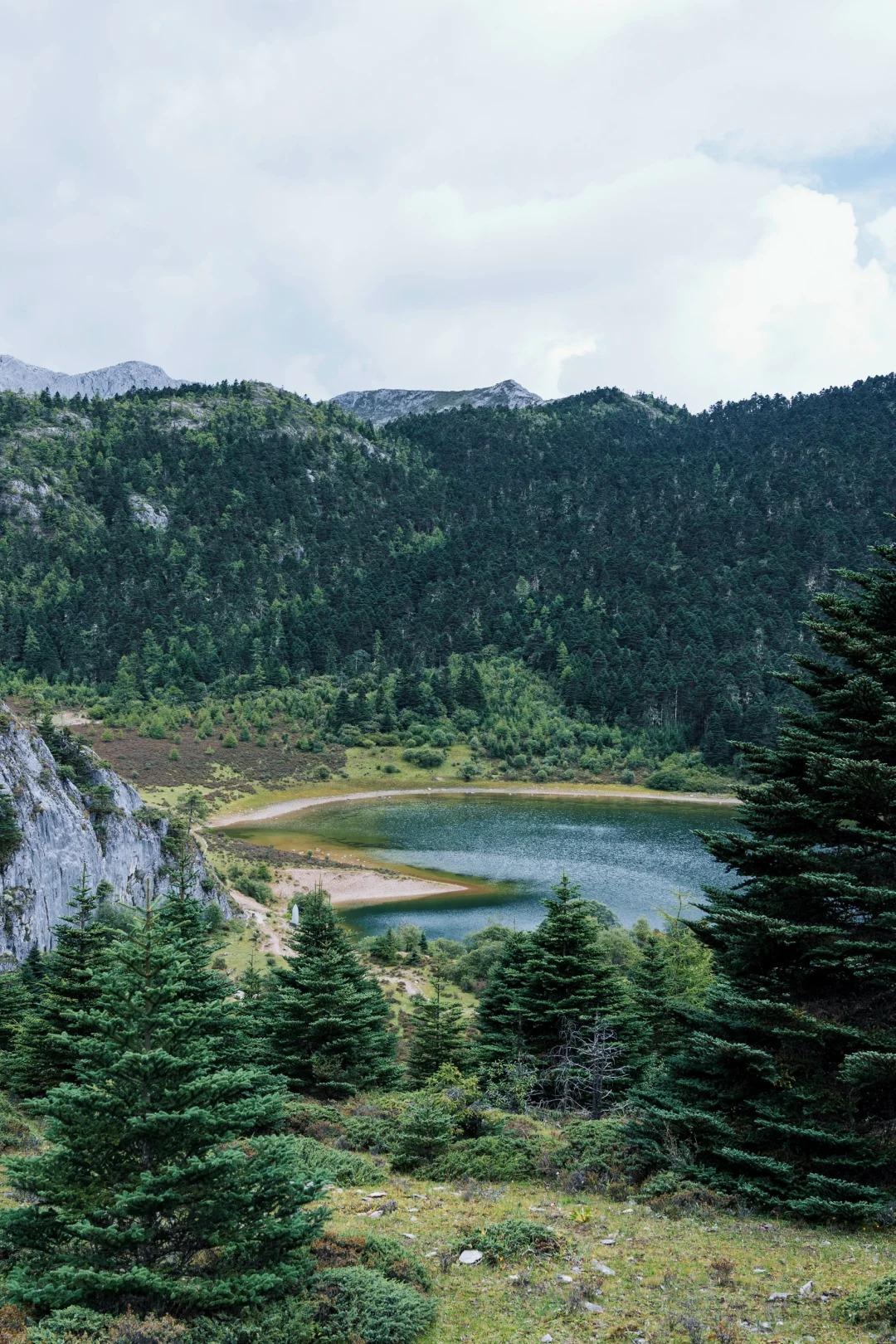
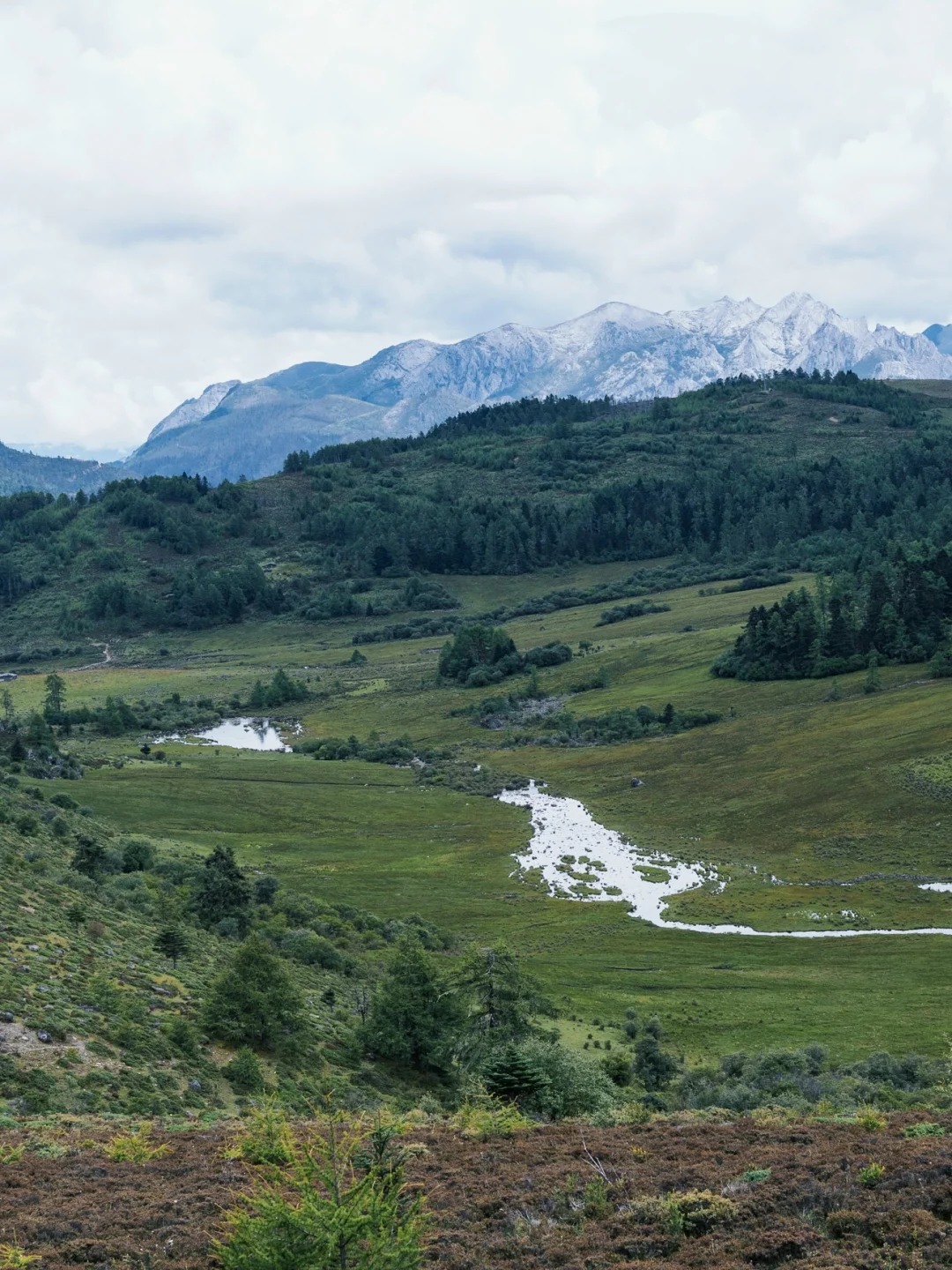
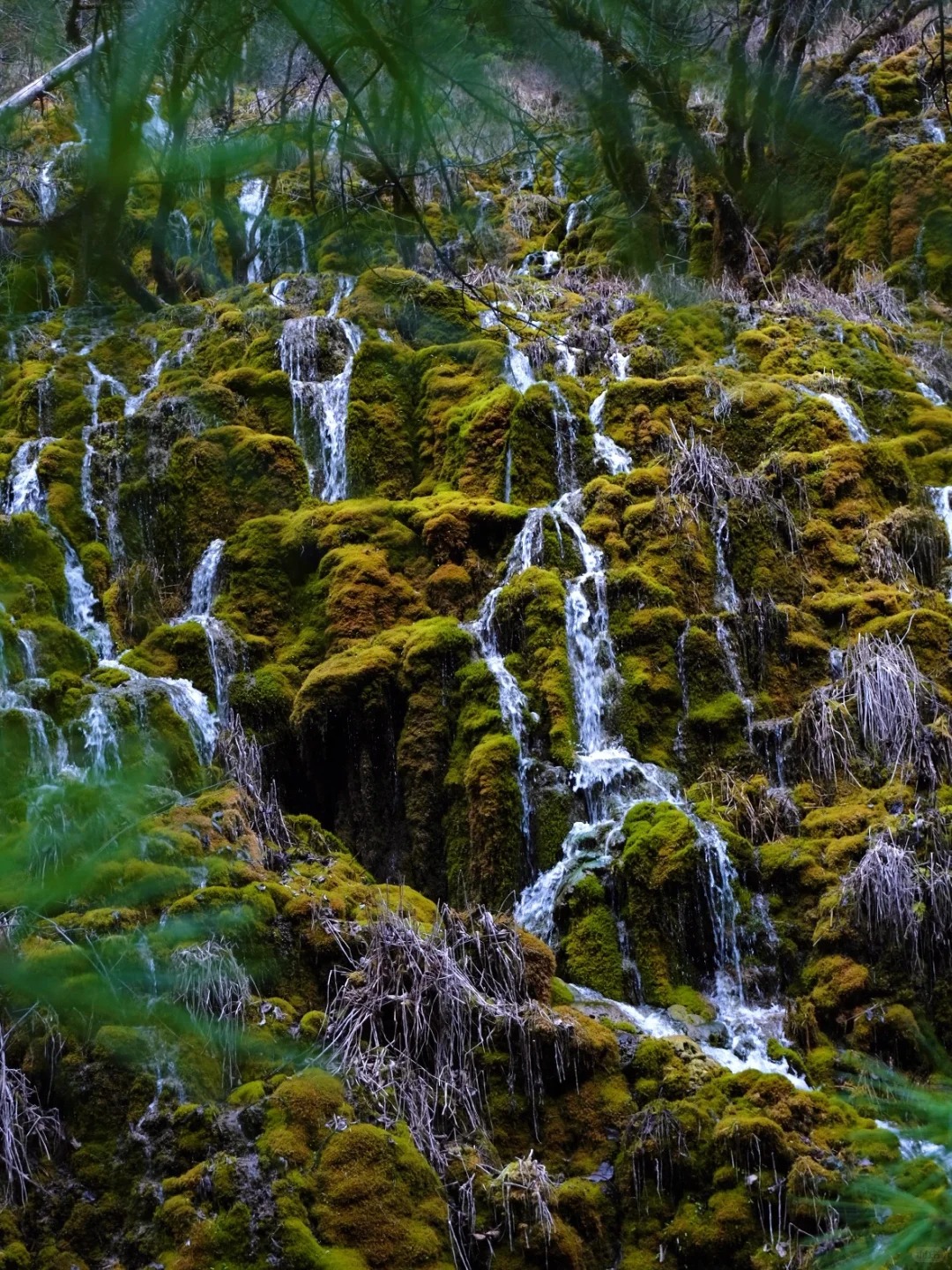
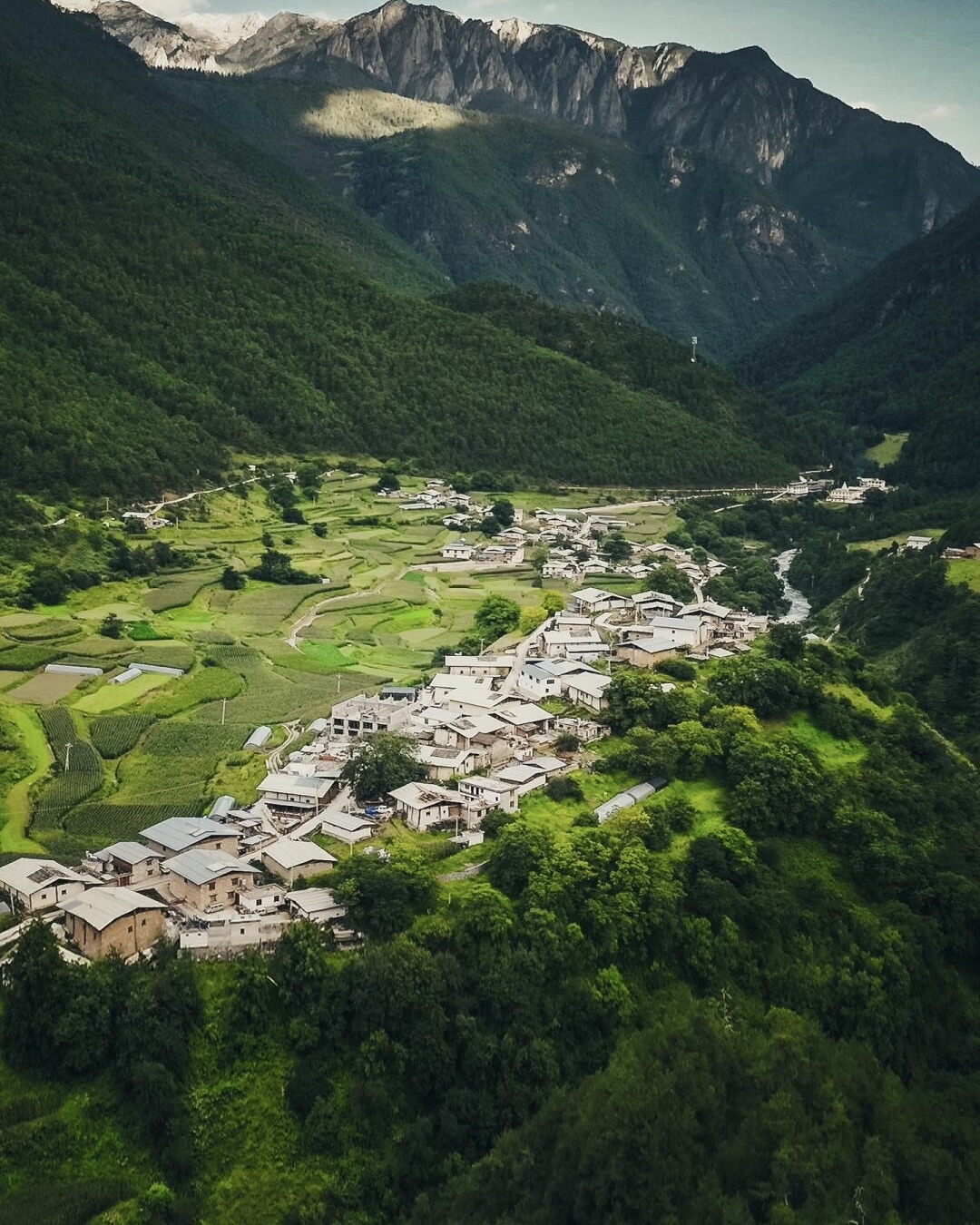
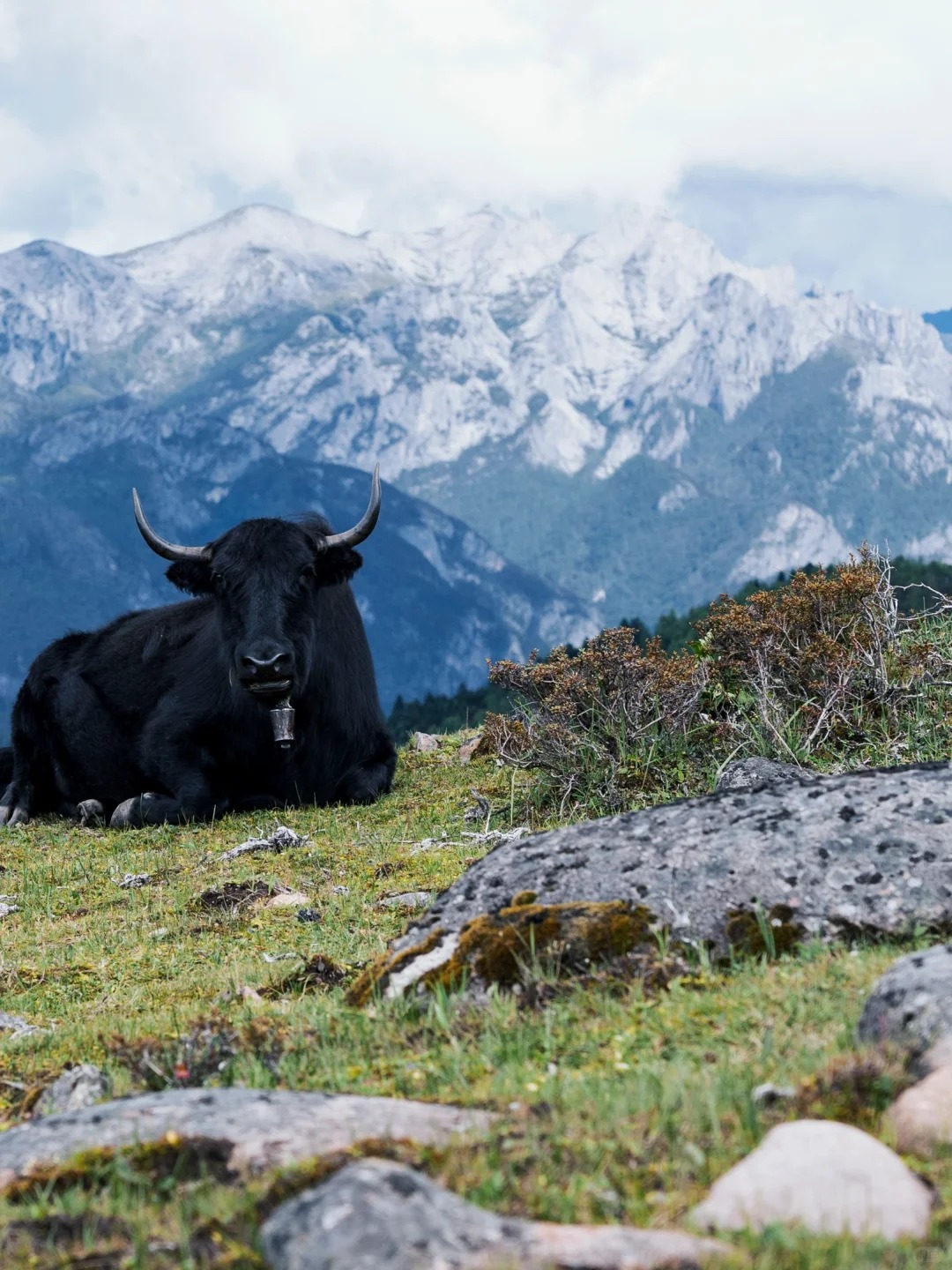
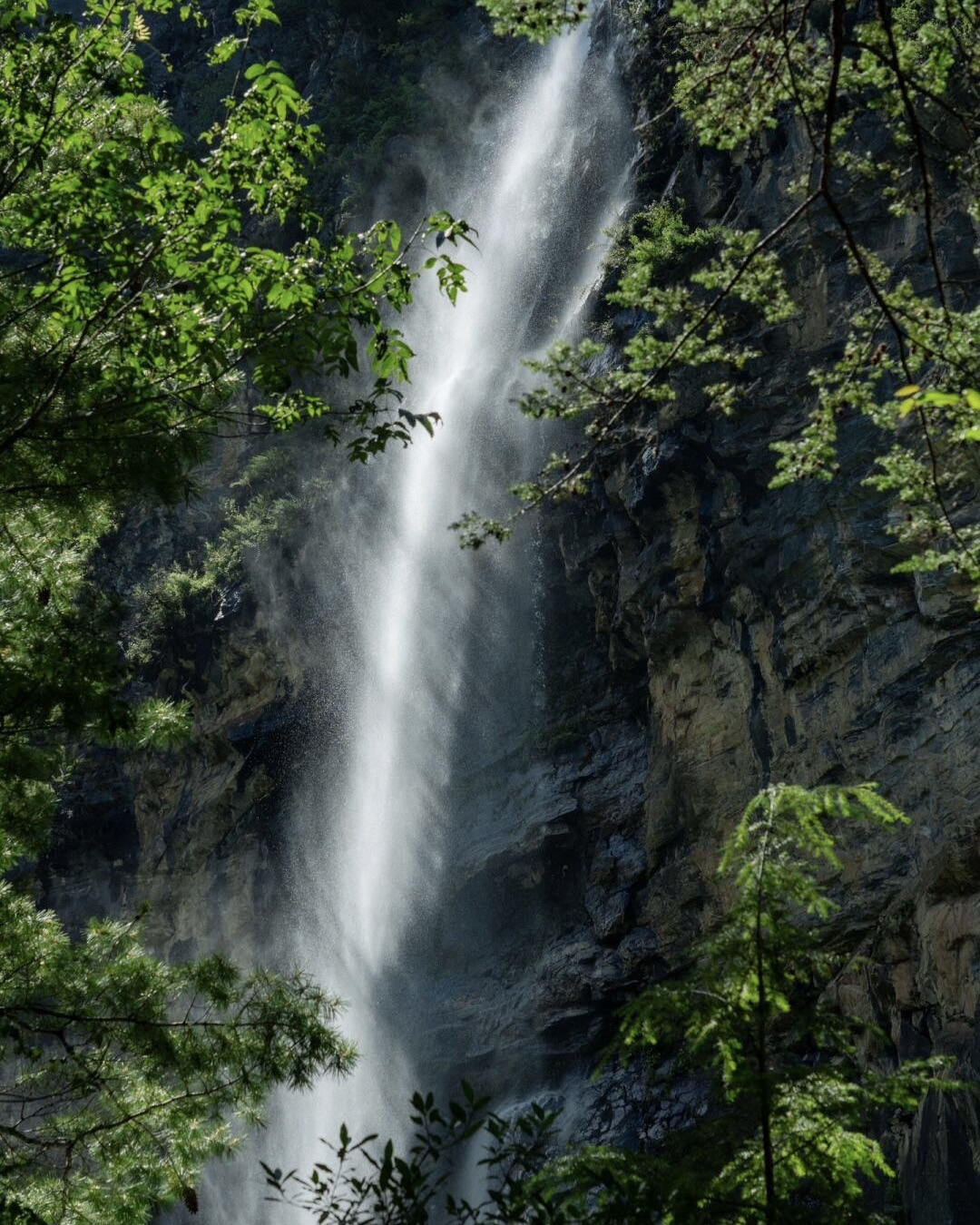
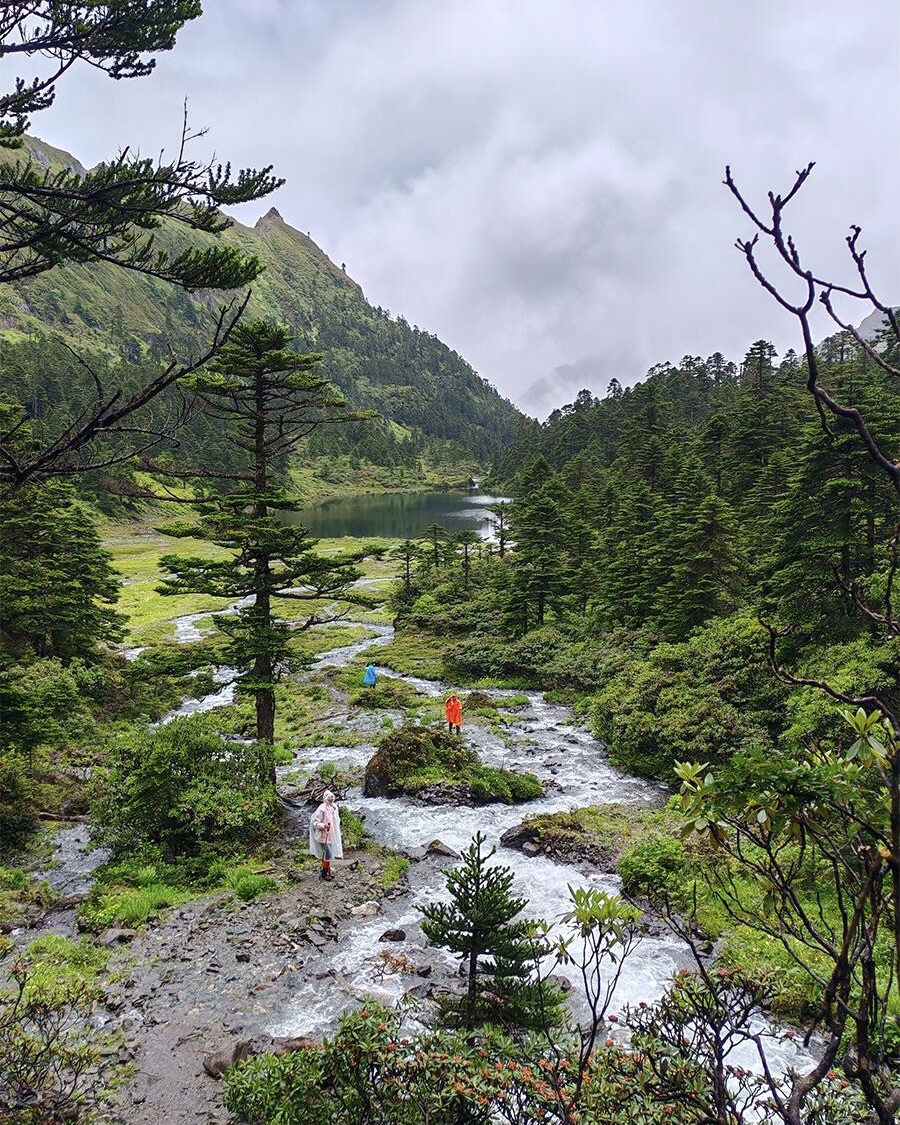
Niru (尼汝) sits two hours north of Shangri-La in the Diqing Tibetan Autonomous Prefecture — a hidden alpine valley most international travellers haven't heard of. Conifer forest gives way to wildflower meadow gives way to a rainbow waterfall in three high-mountain colours. Local Tibetan herders still summer their yak in the upper pastures. The 3-day version is the entry point into a longer trekking system that goes 6 days deep; for most travellers, three days here is the right balance of remoteness and recovery time. Lower and softer than Yubeng — a strong option for first-time multi-day trekkers in Yunnan, or as the warm-up before a harder route.

Ask about this experience
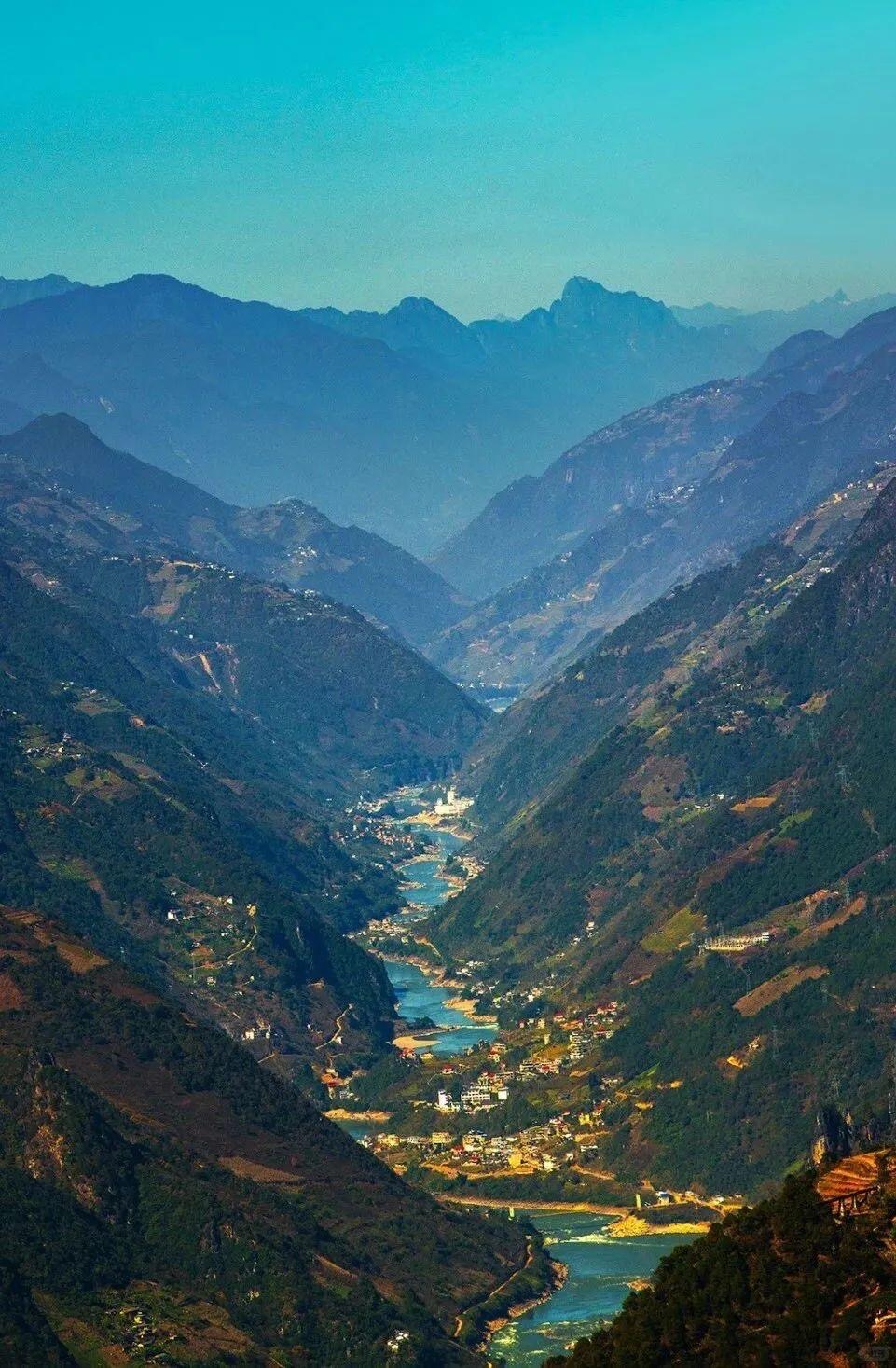
Hidden alpine valley overlook in Niru with a dramatic peak rising in golden light — hero image for the Niru Valley Hike by Boutique China
At a glance

The experience

  • Day 1 — Drive Shangri-La → Niru trailhead (~2 hrs), then 8–10 km through meadow and conifer forest to the Niru village guesthouse (~3,200 m). Wildflower pastures, yak herds, prayer-flag ridge stops.
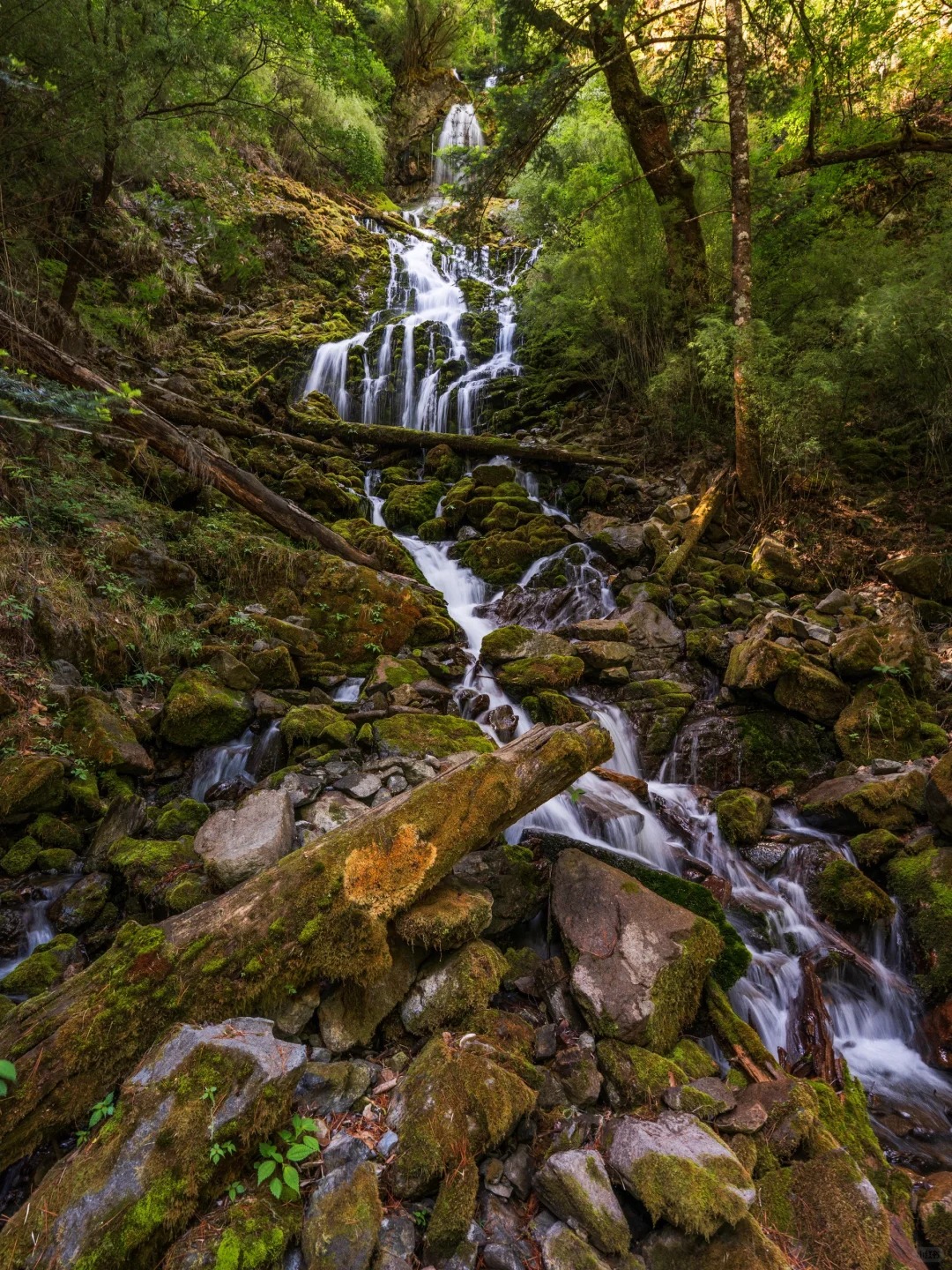
  • Day 2 — Rainbow Waterfall + secret-valley loop. Morning climb to alpine pasture and the multi-tier cascade; afternoon descent through hidden valley. ~6 hrs walking. Optional ridge extension to ~4,000 m for the panoramic view.
  • Day 3 — Upper meadows or quiet alternative loop, then descend to trailhead and transfer back to Shangri-La by mid-afternoon.
  • Lower altitude than Yubeng (max ~4,000 m on optional ridge, otherwise mostly 3,200–3,600 m); softer gradient; better entry trek for sea-level arrivals.
  • Mandatorylicensed local Tibetan guide, Niru village guesthouse for both nights, acclimatisation night at Shangri-La (3,200 m) before trek-in.

Why Niru — the trek almost nobody books

  • Niru is the lower-altitude, gentler counterpoint to Yubeng. Same general region (Diqing Tibetan Prefecture), same Tibetan-herder cultural texture, but easier on the body and emptier of trekkers. You may not see another foreign hiker.
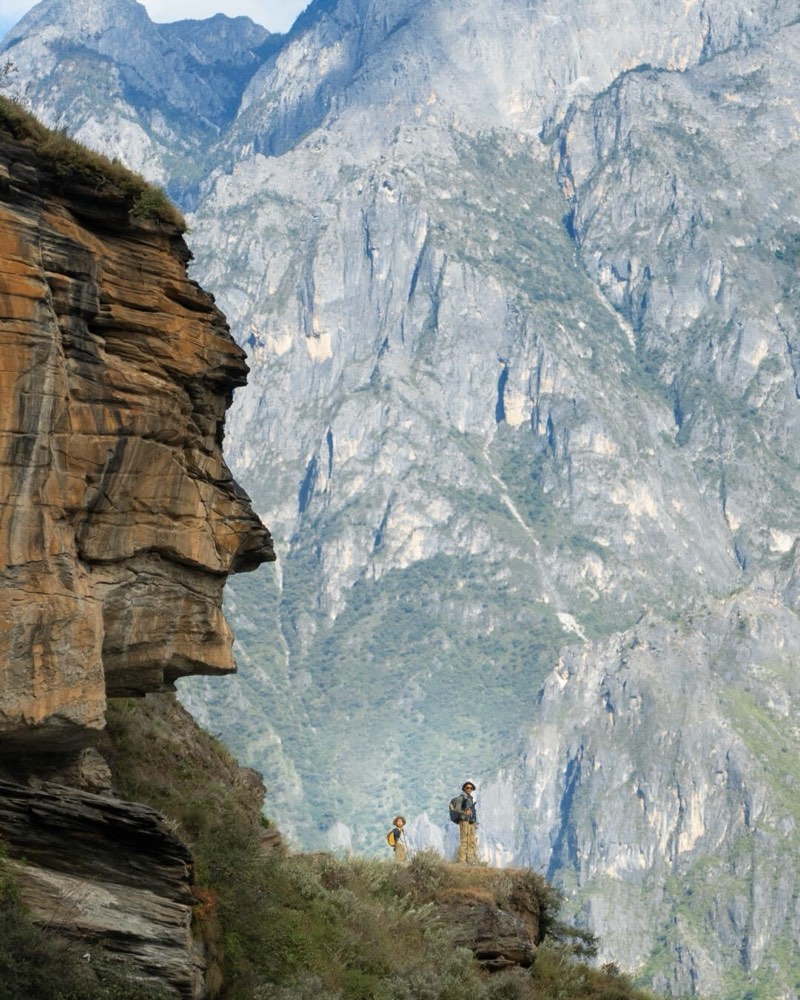
  • Three signature momentsthe Rainbow Waterfall (a multi-tier cascade where afternoon mist catches the sun), the alpine wildflower meadows (peak late July to early September), and the hidden secret valley above the waterfall — easy to miss from the trail, accessible only with a local guide.
  • It's the right Yunnan trek for two specific kinds of traveller: (a) someone doing their first multi-day mountain trek in China, who wants the cultural and landscape character without Yubeng's harder Day 1 climb; (b) someone who's done Yubeng / Meili before and wants the quieter alternative.
Day 0 — Acclimatisation night at Shangri-La

  • We strongly recommend at least one night in Shangri-La (3,200 m) before the Niru trek-in. Direct sea-level arrivals can manage a 3,200 m sleep but commonly feel mild AMS symptoms on Day 1 evening at Niru — easily prevented with a Shangri-La night first.
  • Light acclimatisation walk on the Shangri-La afternoonSongzanlin Monastery or Dukezong Old Town are both at 3,200 m and gentle enough to settle the body.

Day 1 — Shangri-La → Niru trailhead → village

  • Morning departure from Shangri-La, ~2 hr drive north to the Niru trailhead (around 3,100 m).
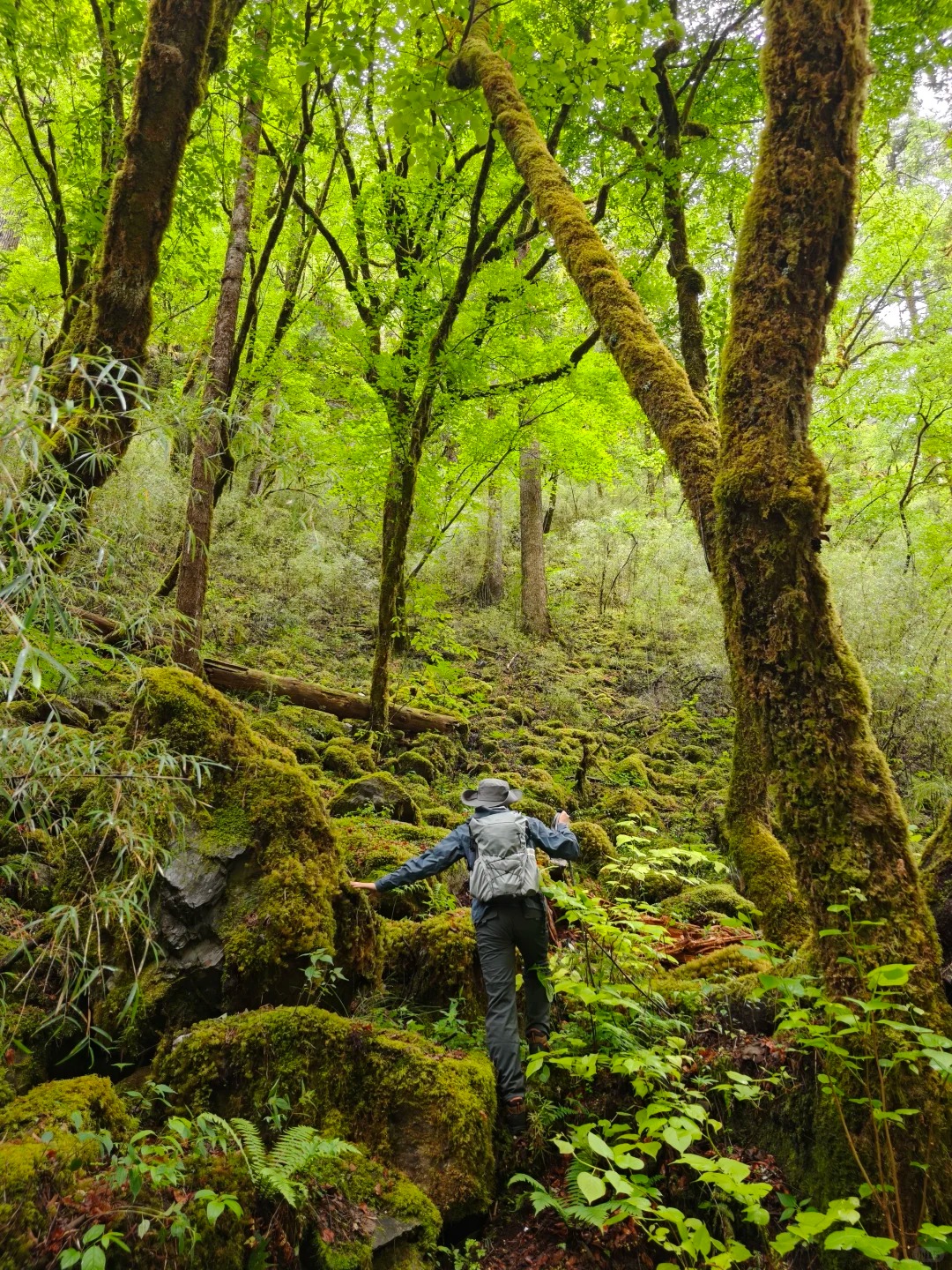
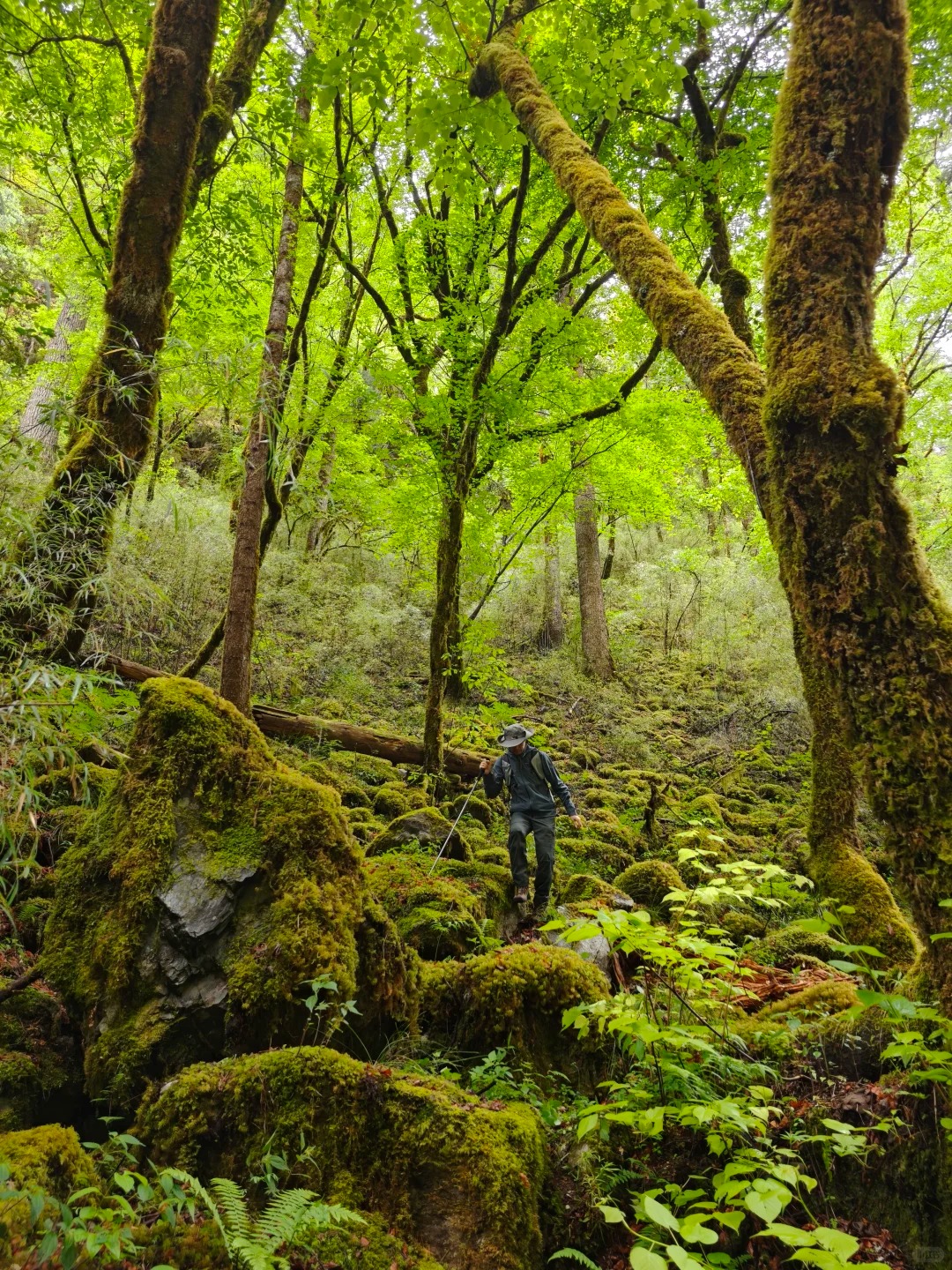
  • Trek-in~8–10 km through meadow and old-growth conifer forest. Steady but not steep; the gradient is forgiving. Yak herds in the upper pastures (summer), prayer-flag ridge stops along the way.
  • Arrive at the Niru village guesthouse (~3,200 m) by mid-to-late afternoon. Tibetan dinner, early sleep, stargazing if the sky is clear — Niru sits well away from any city light dome.
  • Mule support available on request — useful if you prefer day-pack only on Day 1.

Day 2 — Rainbow Waterfall + secret valley loop

  • Morning climb through alpine pasture to the Rainbow Waterfall (~3,500 m) — a multi-tier cascade where afternoon mist catches the light. Local Tibetan name: 彩虹瀑布.
  • Afternoon traverse into the secret valley above the waterfall — a quiet hanging valley most trekkers skip because the entrance is hidden from the main trail. Turquoise stream, alpine vegetation, snow-streaked peaks above.
  • Total Day 2~10–12 km, ~6 hrs walking. Optional ridge extension adds ~2 hrs and pushes to ~4,000 m for a panoramic view across the Diqing range — recommended if you're feeling strong.
  • Return to Niru village guesthouse for the second night.

Day 3 — Upper meadows loop and descent

  • Morning loop into the upper meadows above Niru village (~3,500 m) — snow-peak viewpoints, lunch by an alpine stream.
  • Descend back down the Day 1 trail to the trailhead, ~3–4 hrs walking.
  • Private vehicle pickup, transfer back to Shangri-La by mid-afternoon. Optional herbal-medicine steam at one of the local Tibetan wellness places on return.
  • Onward to Lijiang (~4 hrs by car) or Feilai Si (~3 hrs) the following day if you're stacking with another trek.

Hotel Selection

  • Songtsamheritage Tibetan-style flagship in a Naxi village near Lijiang — useful for the Lijiang night before the Shangri-La acclimatisation push.
  • Jixiashanalpine boutique inside Pudacuo park — the quietest mountain lodge in Shangri-La and our preferred acclimatisation night before Niru trek-in.
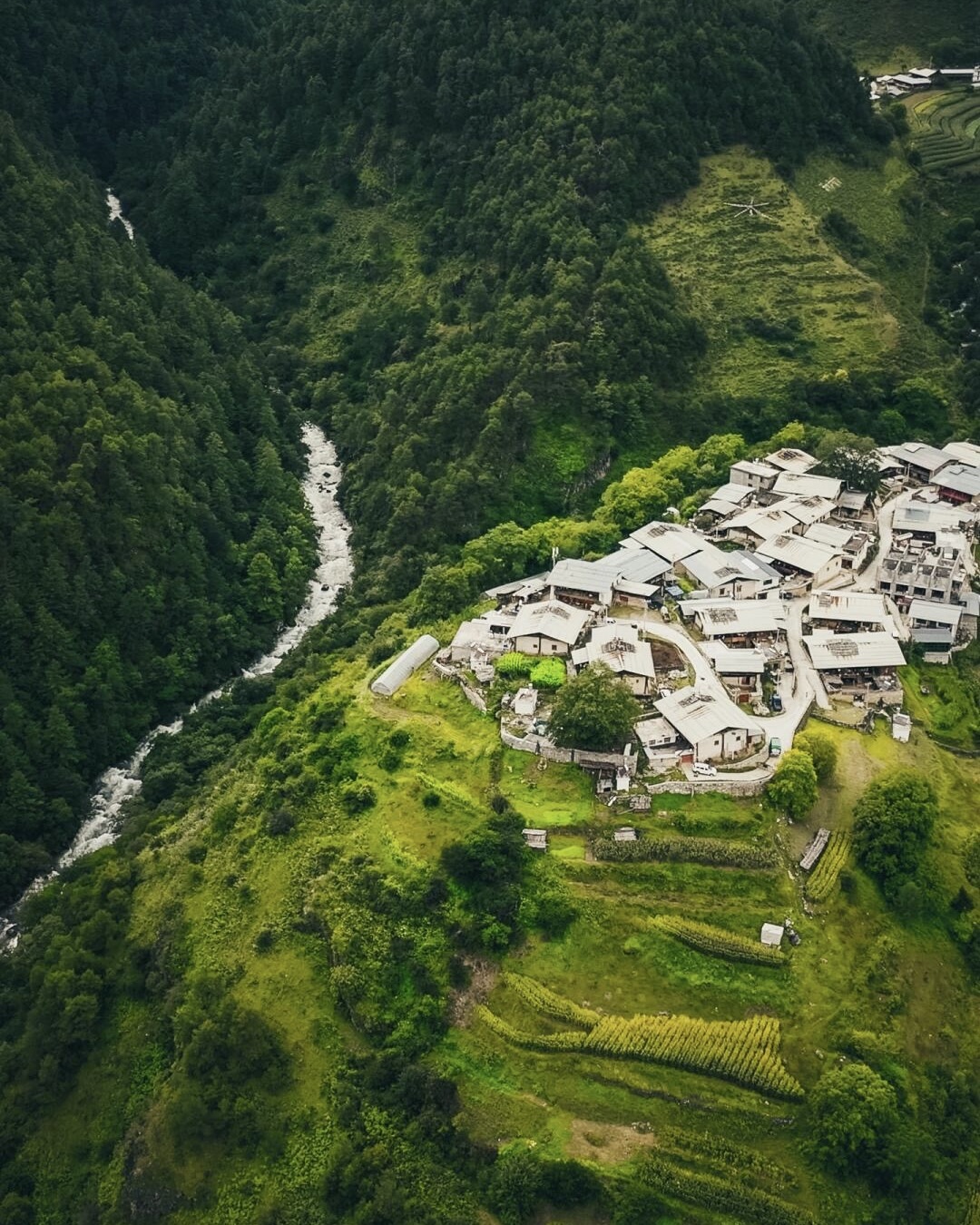
  • In Niru itself, you'll stay 2 nights at a vetted Tibetan family guesthouse in Niru village. Wood-stove heating, communal Tibetan meals, basic shared facilities — the cultural experience is the point.
Practical details
  • Fitness baselinecomfortable hiking 5–6 hrs with some elevation gain. Day 2 is the longest at ~6 hrs / 10–12 km. If you can do an honest 4–5 hr hill walk at home, Niru is within reach at our pacing.
  • Acclimatisationat least one night at Shangri-La (3,200 m) before trek-in. Niru itself sleeps at 3,200 m so this is essentially same-altitude sleep on Day 0.
  • Gearlayered warmth, trail shoes broken in before arrival, trekking poles useful but not essential, rain shell (afternoon mountain weather can shift fast), sun protection. Sleeping bag liner if you'd rather not rely on guesthouse bedding.
  • Permit + guidelicensed local Tibetan guide is mandatory and bundled into the trip price. Mule support optional.
  • Best windowsJuly–early September (wildflower peak, warmest hiking weather, occasional afternoon thunderstorms), late September–early November (post-monsoon clearest skies, autumn larch colour, frosty mornings). Avoid late November–early March (deep cold, partial trail closures from snow).
  • Pricingfrom AUD $1,400 pp twin-share for the 3D2N standalone module — includes local guide, all permits, Niru village guesthouse stays, meals on trek, transfers from Shangri-La. Excludes pre-trip Shangri-La acclimatisation night, AMS-evac insurance (we mandate one), international flights.
Common questions

Before you book

01 Niru or Yubeng — which should I do first?

If this is your first multi-day mountain trek in China, do Niru first. Lower altitude (3,200 m sleeping vs. 3,100 m at Yubeng but with an easier Day 1 climb), gentler gradient, more meadow + waterfall + village character, less of an alpine push. If you're an experienced trekker who wants the Kawagarbo cultural moment and the Ice Lake photograph, do Yubeng first. They pair well as a 7-day pair if you have time.

02 Why so few people go to Niru?

It's not in any of the headline Yunnan tourist circuits. There's no equivalent of Yubeng's 'Tibetan pilgrimage village reachable only by foot' marketing hook. Local Chinese trekkers know about it (Xiaohongshu coverage is strong) but it hasn't crossed into international travel guidebooks. The result: empty trails. We're betting that lasts another 2–3 years before it changes.

03 When exactly should I go for the wildflowers?

Late July through early September is peak. The meadows fully colour-up around mid-July and stay strong until early September depending on the year's rainfall. Late September through early November is the autumn-colour alternative — larch and rhododendron go gold and orange. Avoid May–June (early monsoon, meadows not yet bloomed) and December–March (winter access can be restricted by snow on the road in).

04 Can we combine Niru with Yubeng inside one trip?

Yes — it's our recommended pairing for serious trekkers. Standard sequencing: Lijiang (2,400 m, 1–2 nights) → Shangri-La (3,200 m, 1 night) → Niru (3 days, gentler entry) → return to Shangri-La (rest day) → Feilai Si (3,400 m, 1 night) → Yubeng (3 days, harder finish). Total: ~12 days for the trekking section. The order matters: Niru first lets your body bank altitude work before Yubeng's harder Day 1 climb.

Ready to Plan Your Journey?

Contact Us