Dali
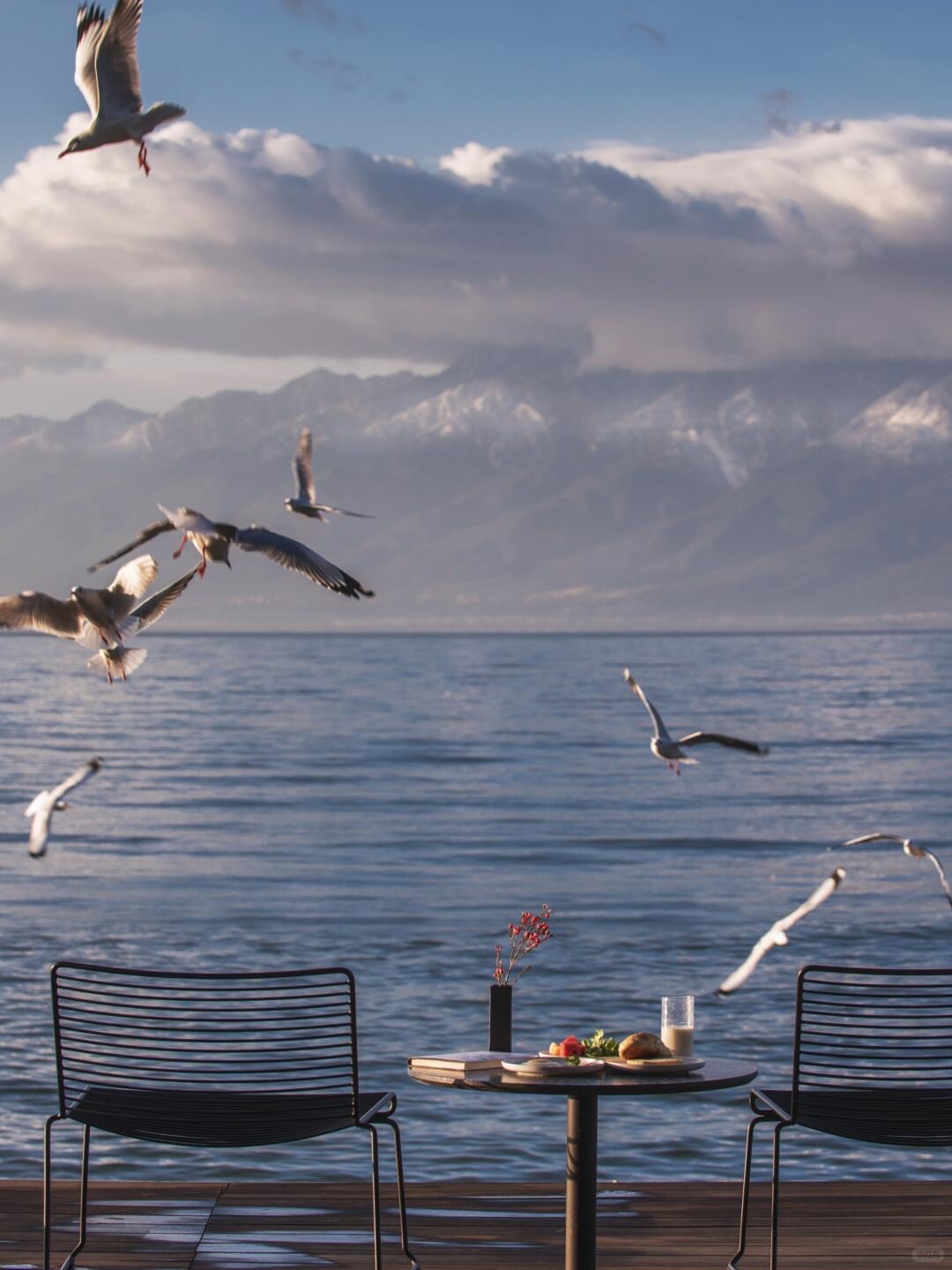
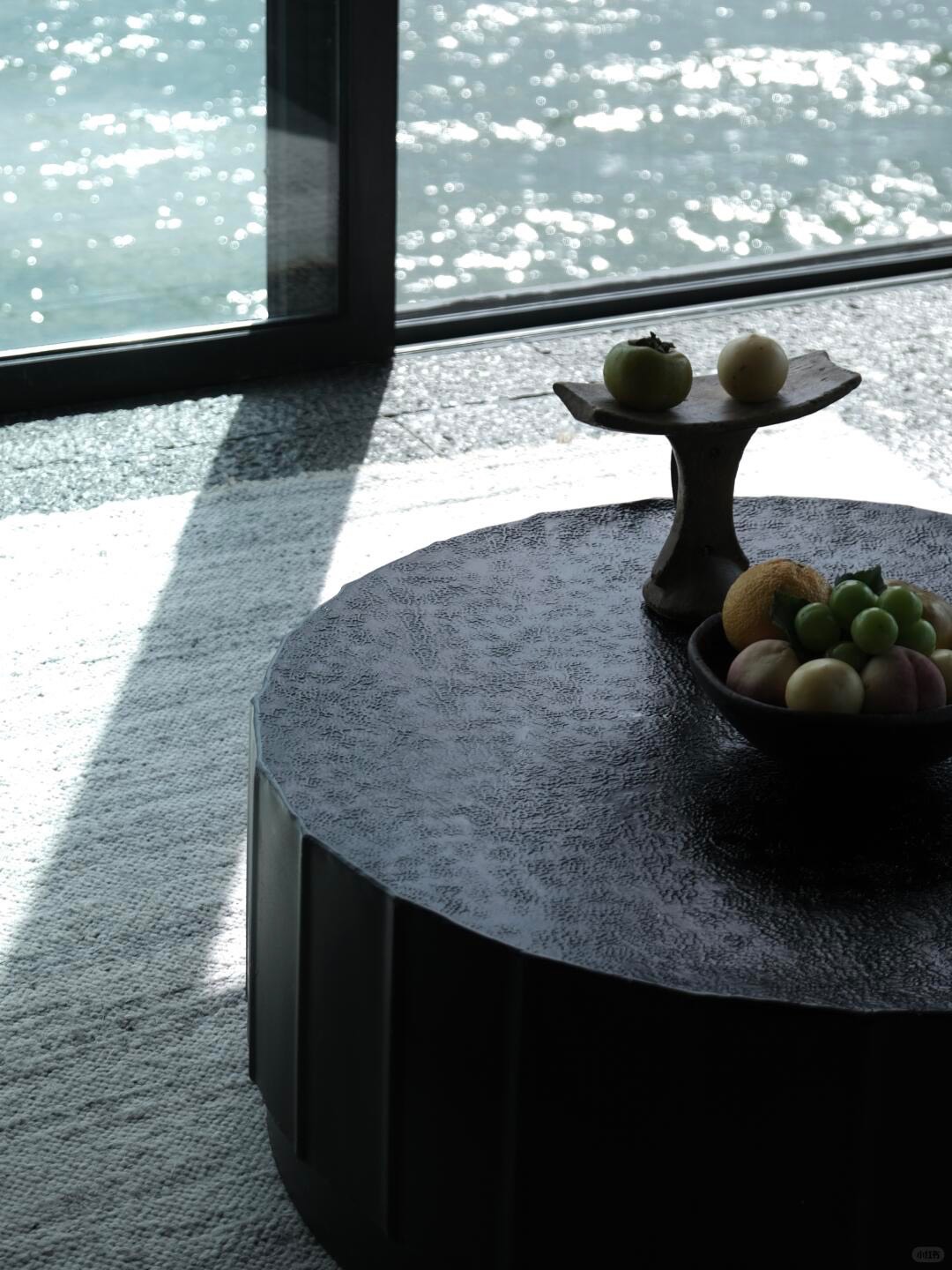
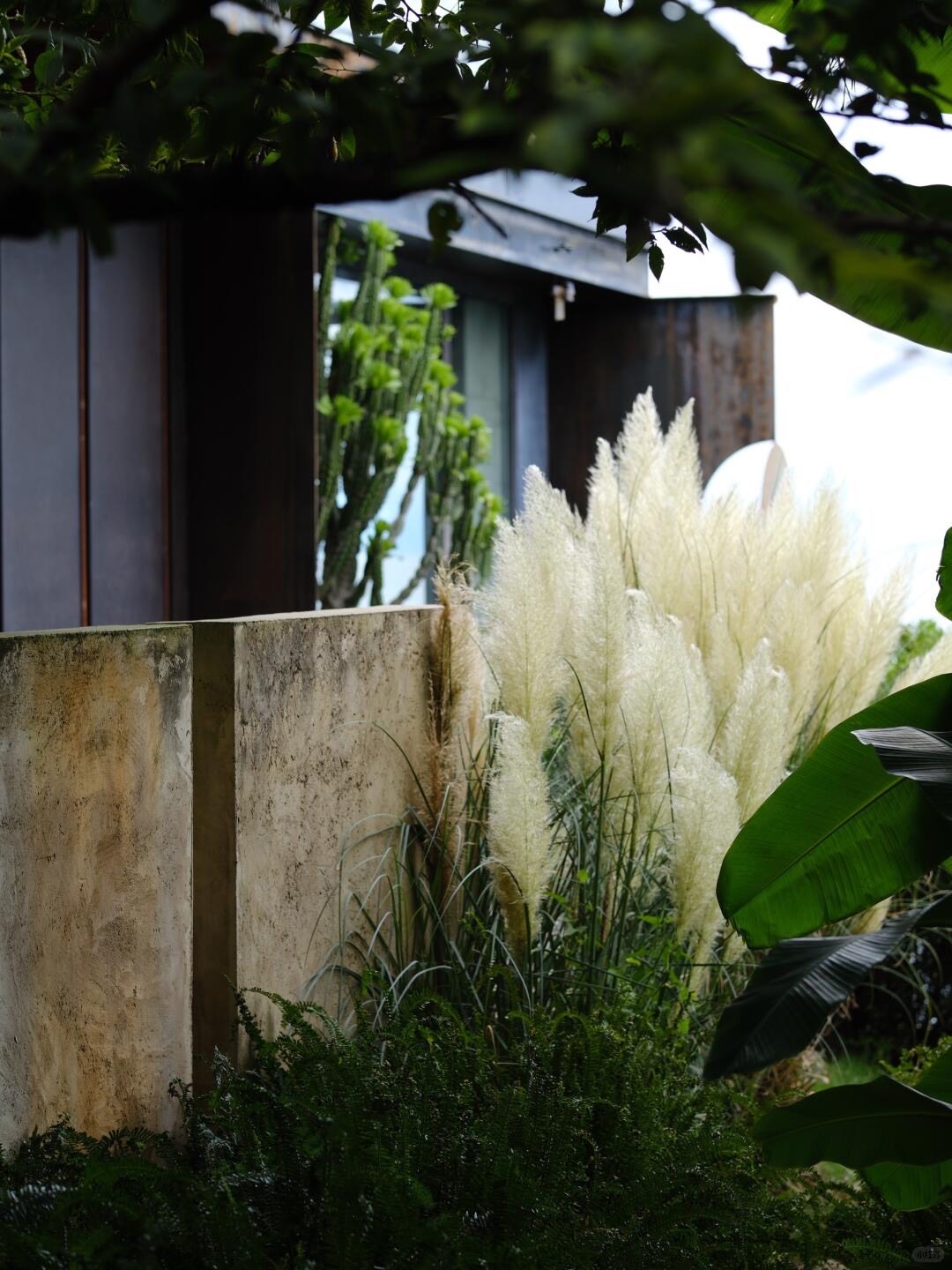
An Erhai-lakeside 'art space' boutique in Shuanglang Ancient Town, where Bai-influenced design blurs the line between living space and water.

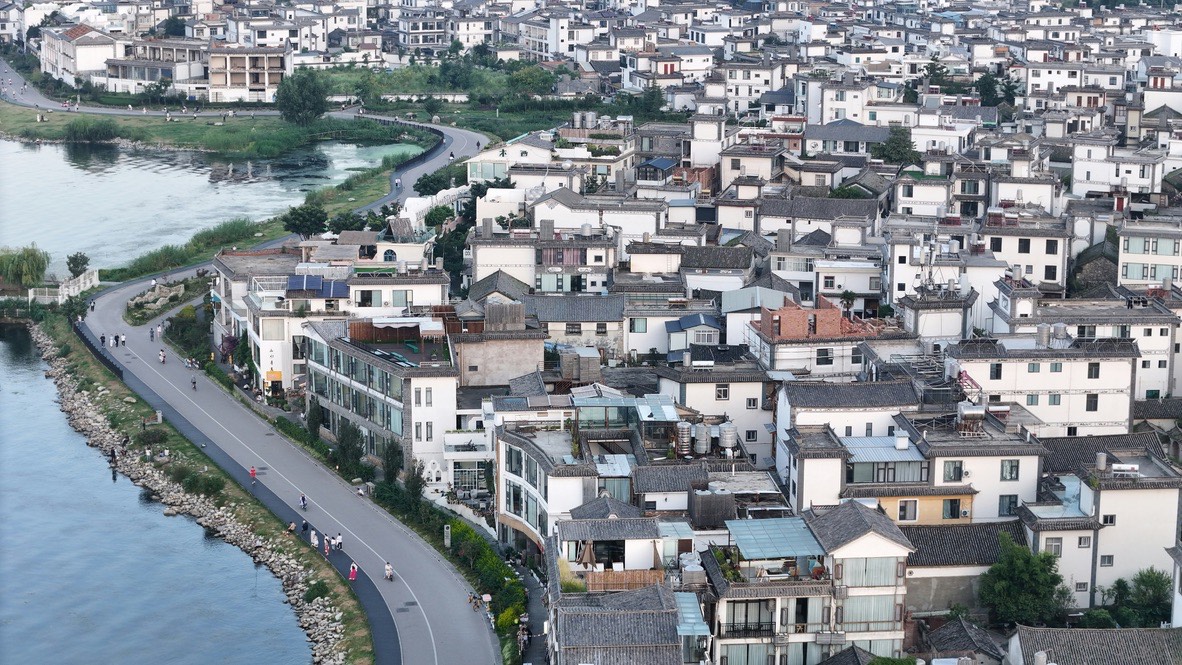
Fly into Dali (DLU), or take the two-hour high-speed train from Kunming, and you are on Erhai within the hour. The drive round the lake to Shuanglang takes about another hour and lands you on the eastern shore — the quieter, less-built-up half, where Bai fishing villages sit under the ridge and the tour coaches do not come. Nothing is asked of you tonight beyond dinner and an early night.
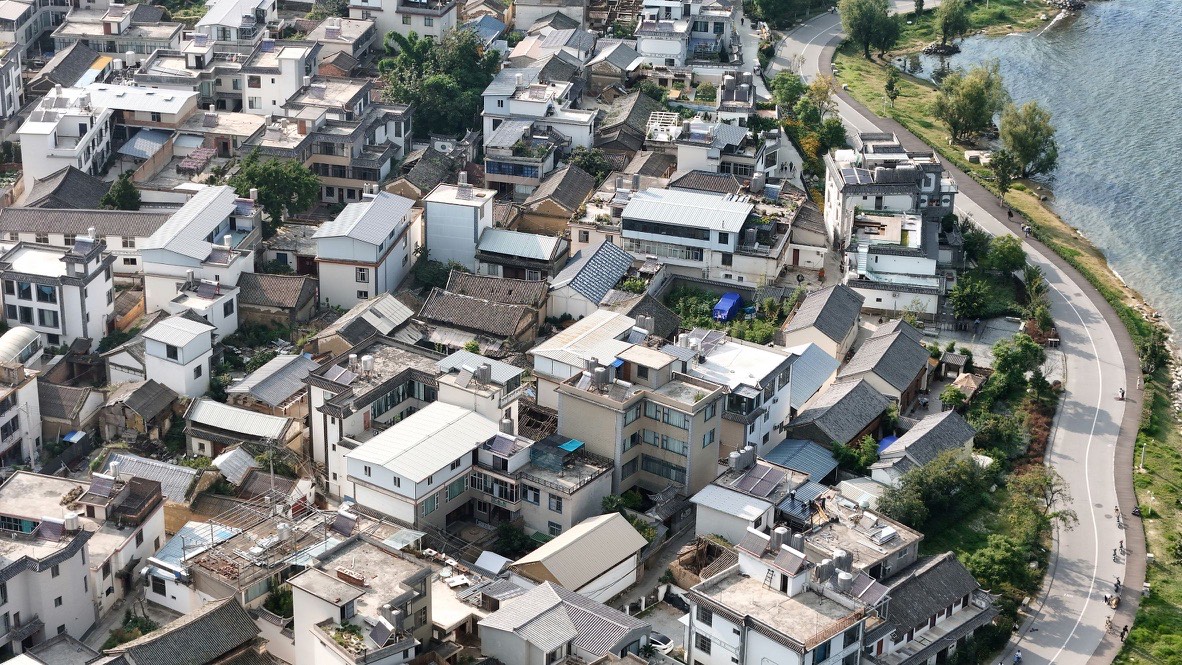
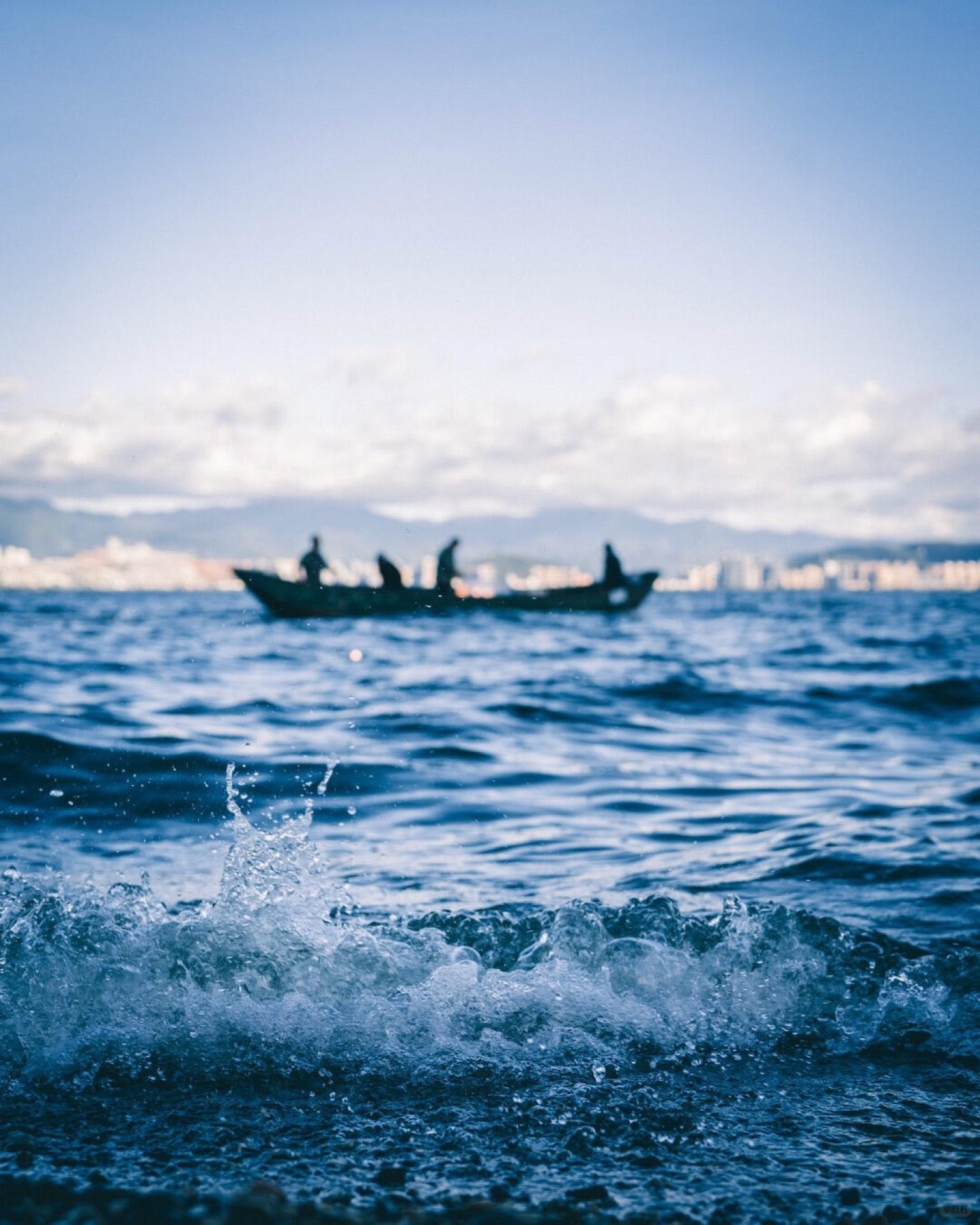
A full day on Erhai’s east shore. Walk Fen Si’s old lanes in the morning while the village is still working, then take tea on a courtyard terrace facing the water as the wind drops and Cang Mountain catches the light from across the lake. Late afternoon is the twenty-minute ridge climb to Wenbi Village above Shuanglang, where the viewpoint takes in the full sweep of Erhai with the Cang Mountain ridgeline behind it. The last easy day before the road starts climbing.
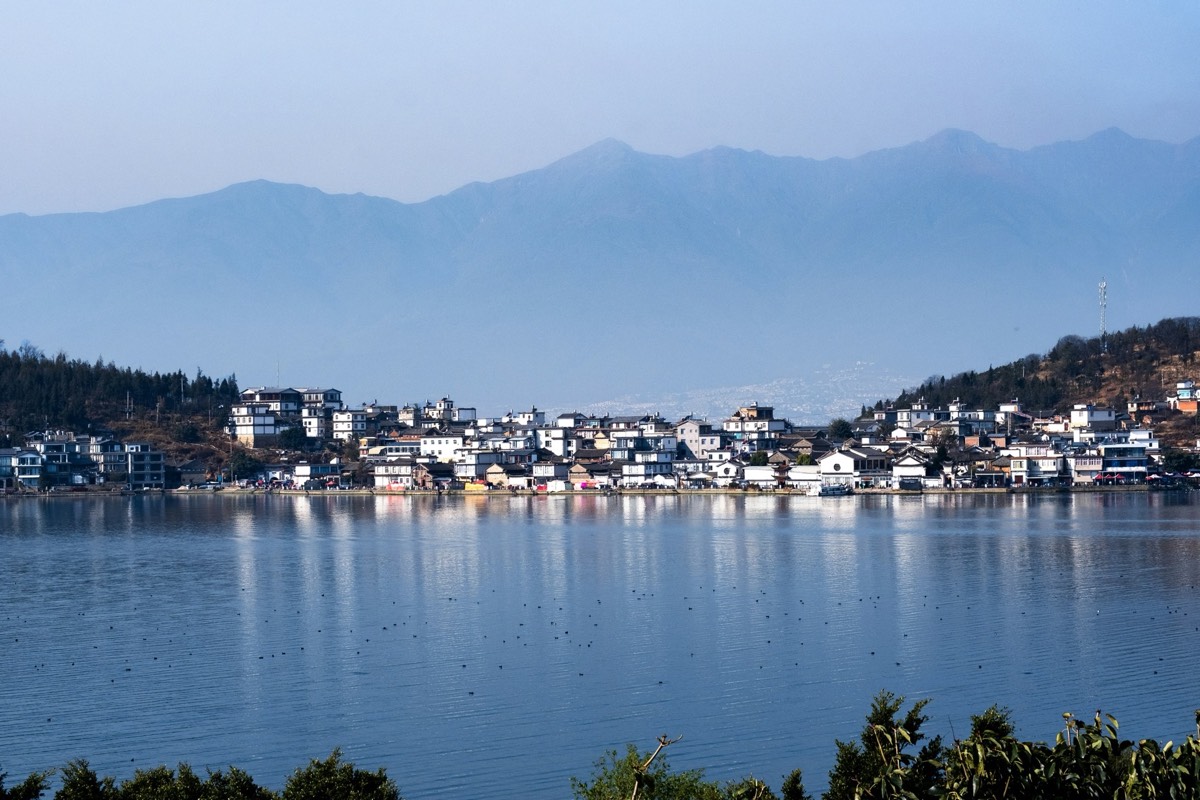
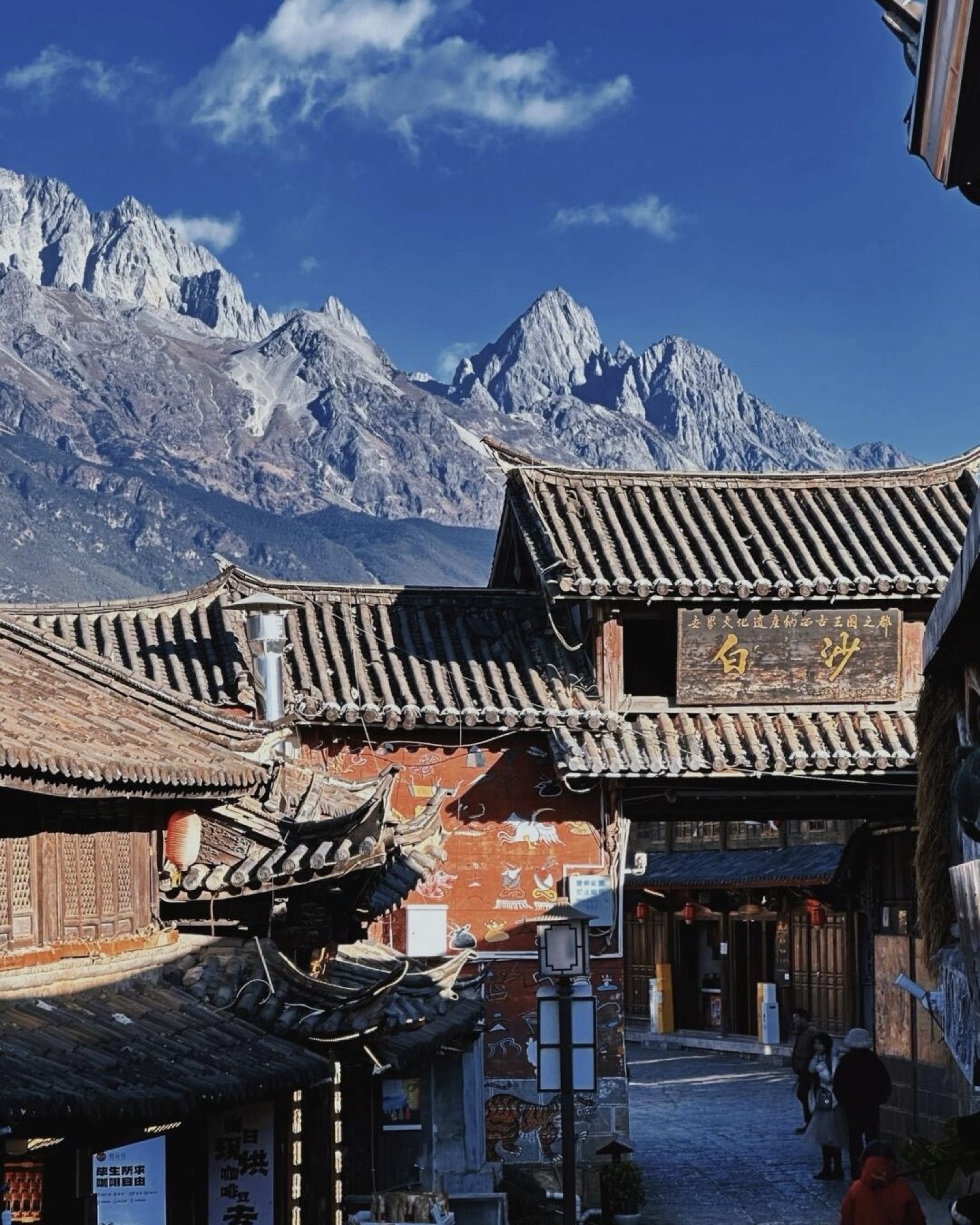
Three hours north via Lijiang and you're in Baisha — the original Naxi royal capital, thriving before Lijiang Old Town existed, sitting at 2,400 m directly under Jade Dragon Snow Mountain. The draw is the Baisha murals: 14th–15th century painted Buddhist frescoes that carry Tibetan, Han and Naxi painting on the same wall — and one of the quietest major sights in the Lijiang area.
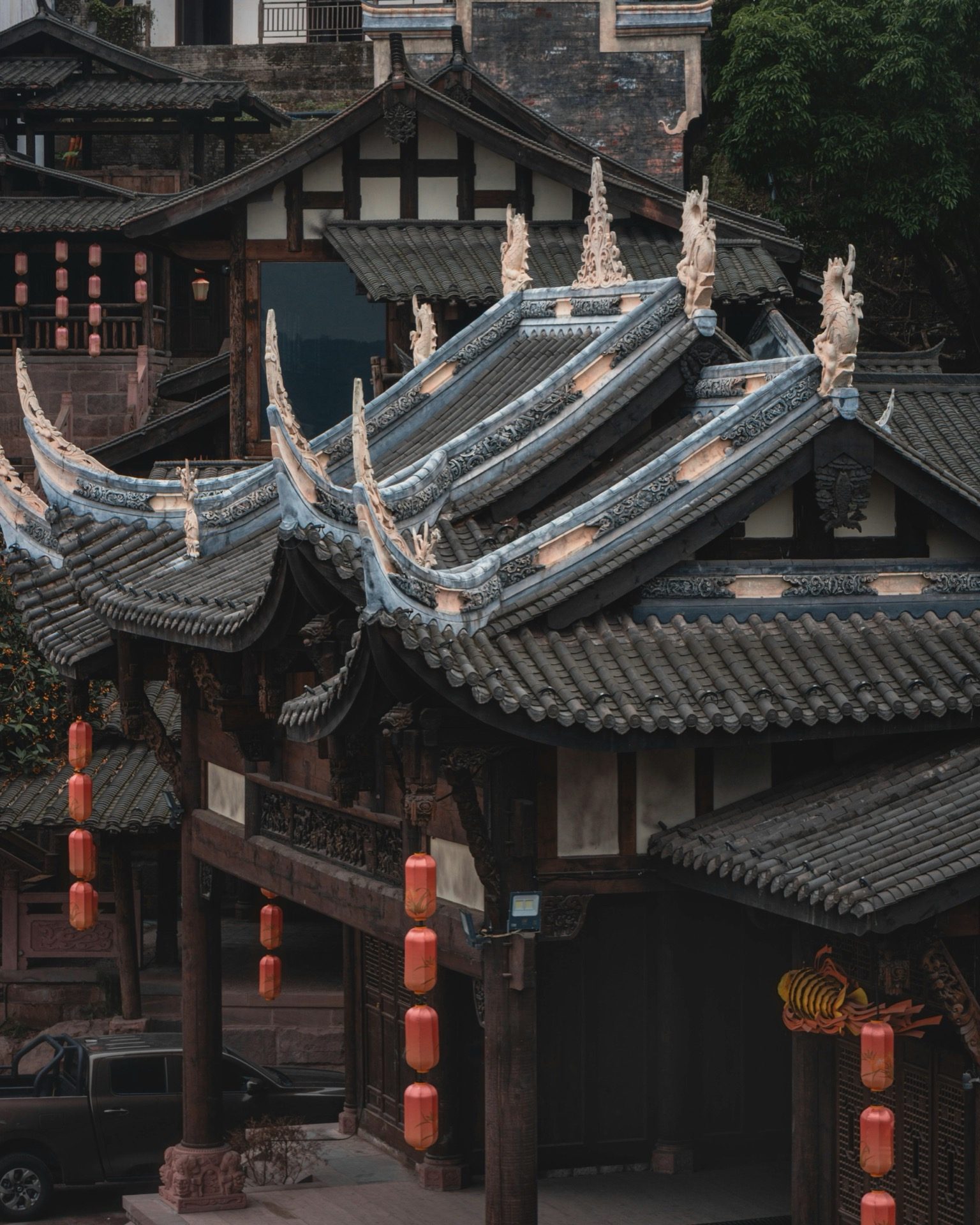
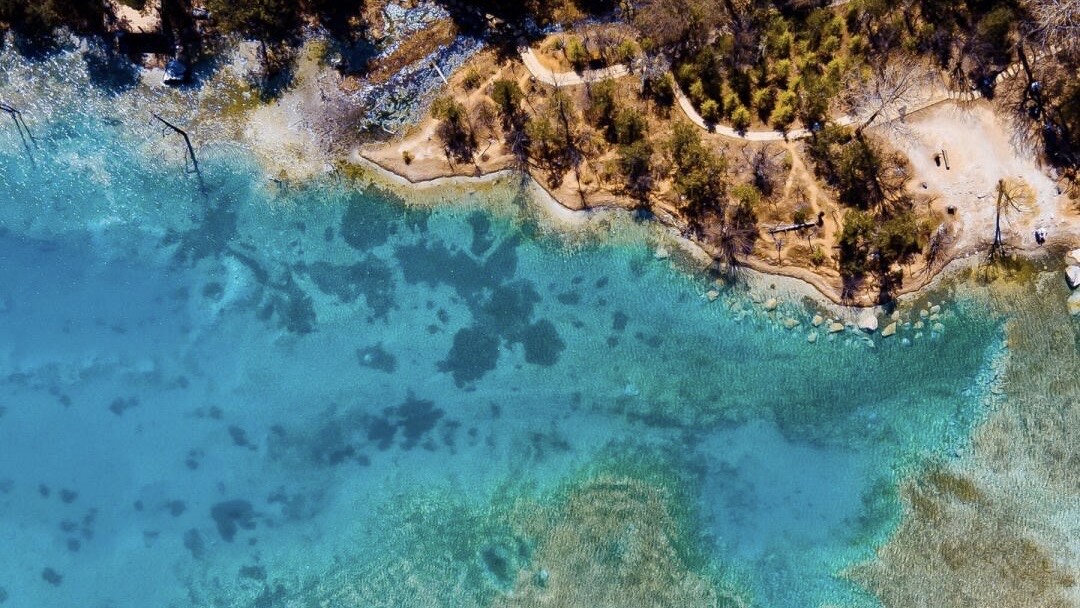
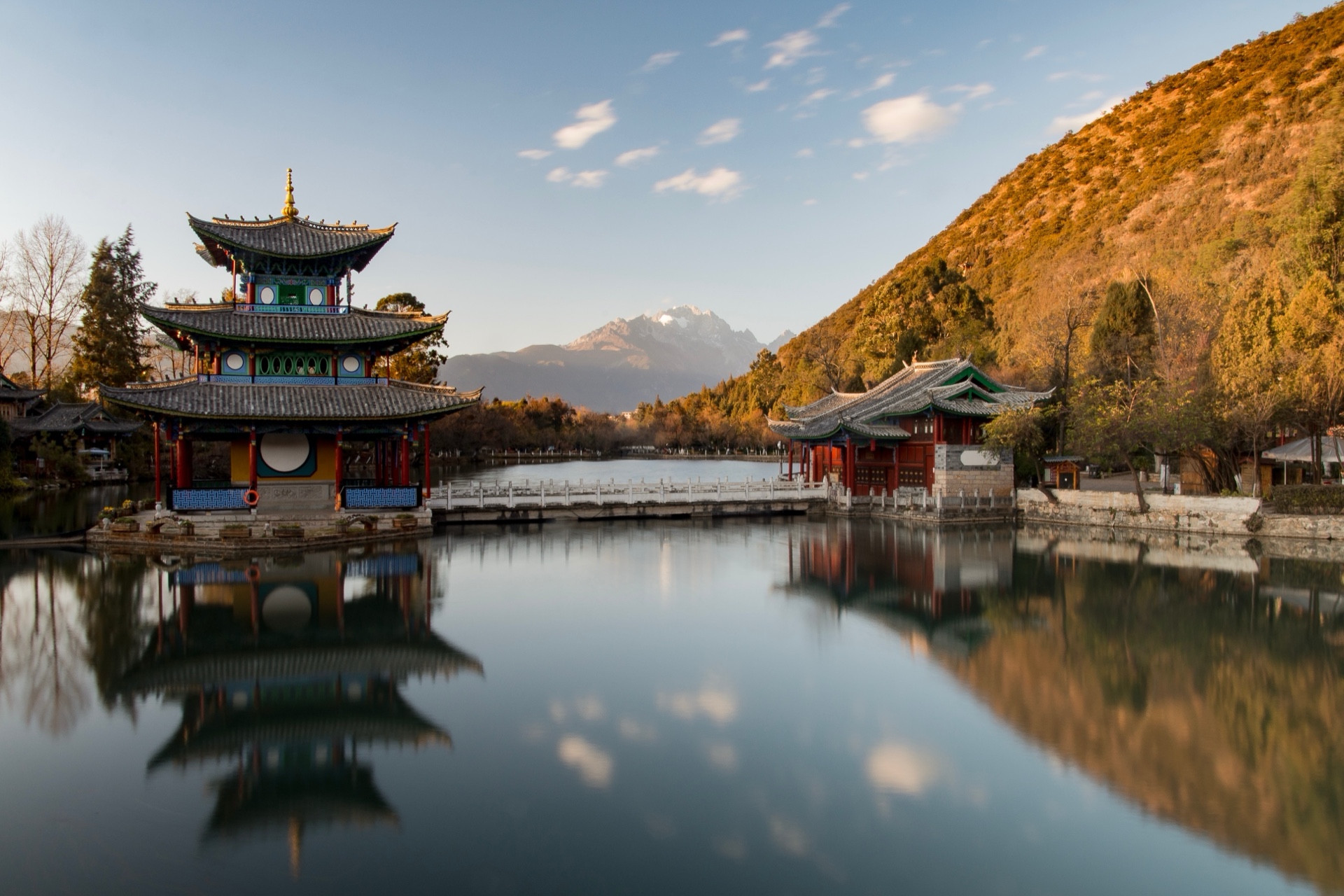
Weather permitting, an optional cable car lifts you onto the Jade Dragon Snow Mountain plateau — 4,506 m at the upper boardwalk, with wide views over the ridgeline glaciers and, on a clear morning, north toward the Tibetan plateau. Back below, walk Blue Moon Valley: a chain of turquoise glacial pools fed by the snowmelt, gentle, scenic and family-doable, around two hours end to end. From May to October there's an optional afternoon forage with a local cook in the forest above Baisha, ending in a foraged-and-fresh dinner back at the courtyard.
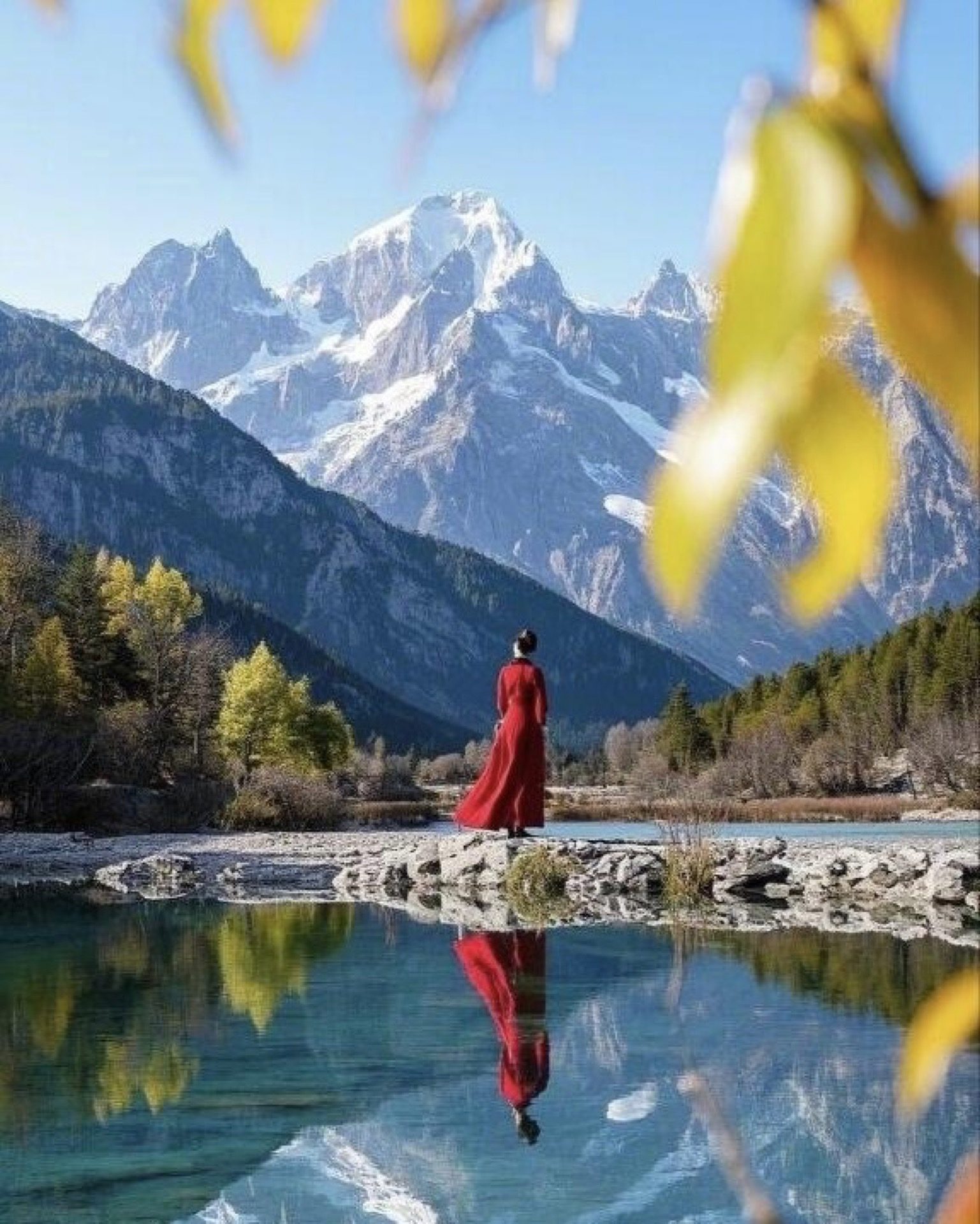
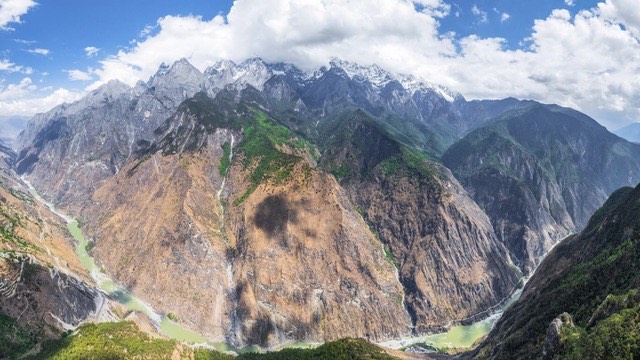
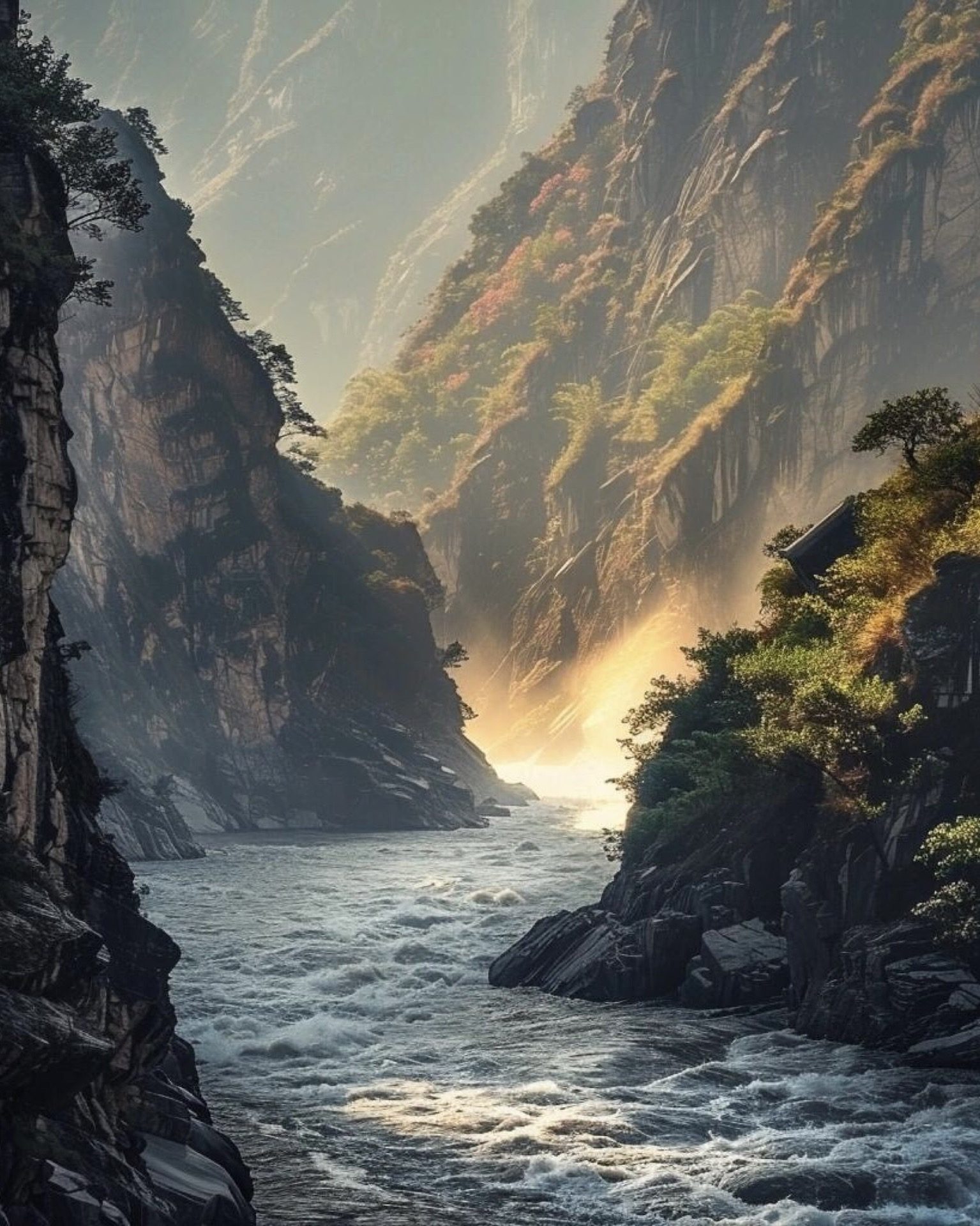
The road climbs out of Baisha and keeps climbing — four hours with stops, past the Yangtze First Bend, where the river turns sharply back on itself instead of running south to the South China Sea. At Tiger Leaping Gorge, one of the deepest gorges on Earth, a thirty-minute walk along the upper boardwalk delivers the cleanest panorama, the Yangtze running 3,800 m below the rim. You reach Shangri-La (3,200 m) in the late afternoon — time for Songzanlin Monastery, the largest Tibetan Buddhist monastery in Yunnan, often called "the Little Potala".
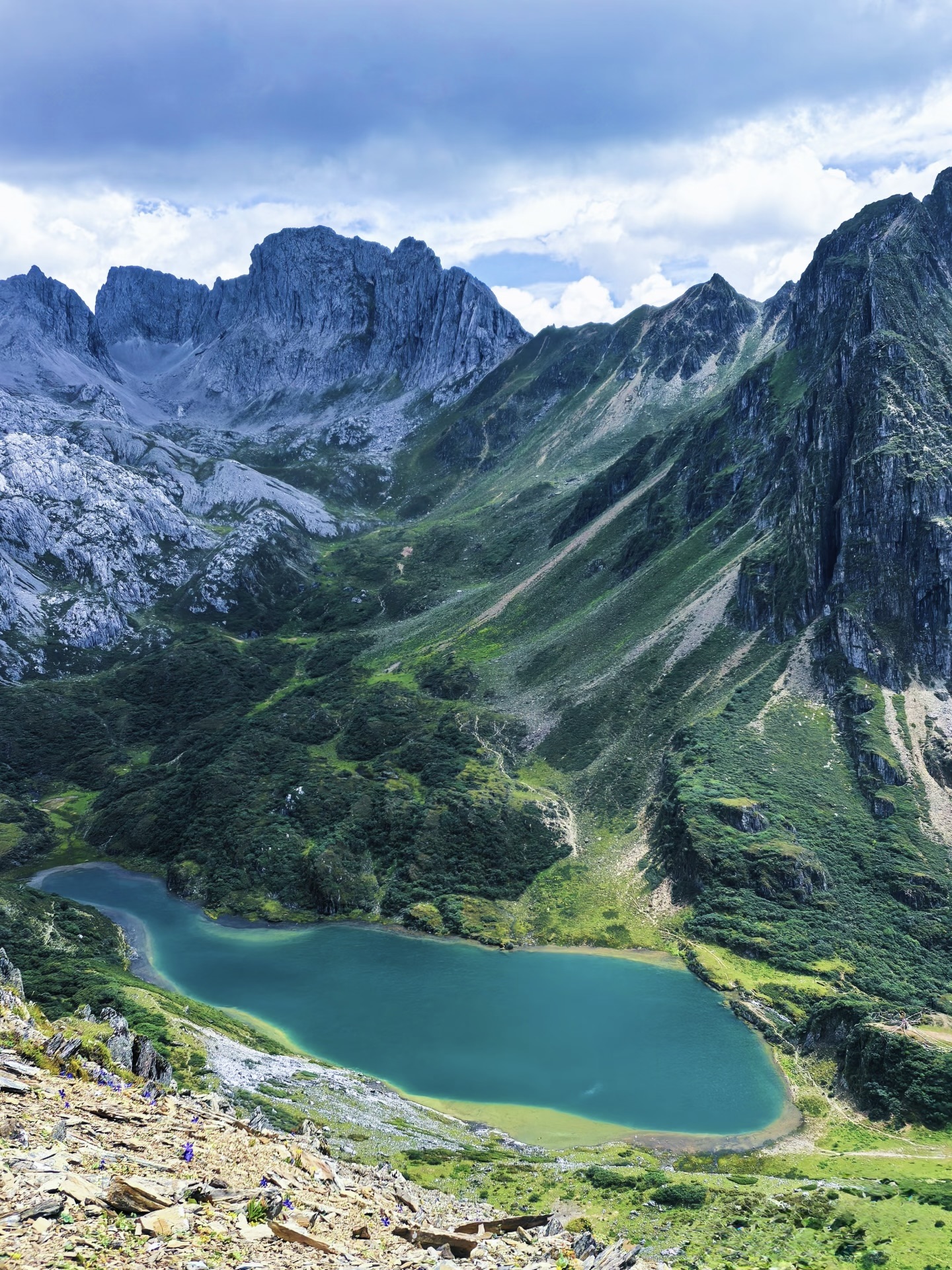
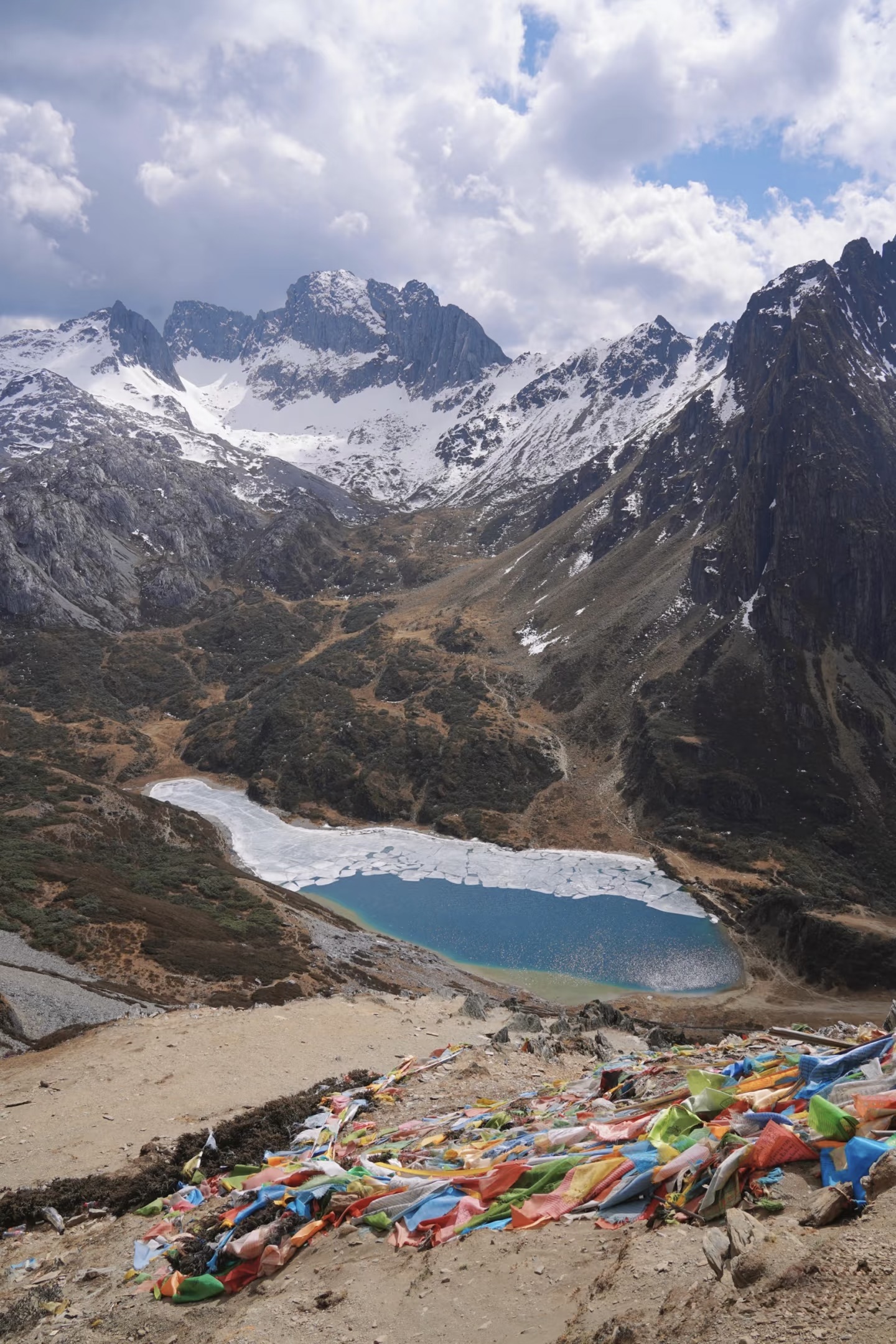
Today is the hike: Abujicuo (阿布吉措), a sacred alpine lake high above Shangri-La. The trail climbs through rhododendron forest, breaks above the treeline, and ends at a turquoise tarn ringed by snow-spotted ridges at around 4,200 m. It's roughly 20 km return with serious altitude — not technical, but relentless — and the reward is one of the most still, most intensely coloured lakes in southwest China, with almost no other hikers midweek. You're back in Shangri-La by early evening for the courtyard fireplace and an early night — tomorrow the road climbs over Baima Pass.
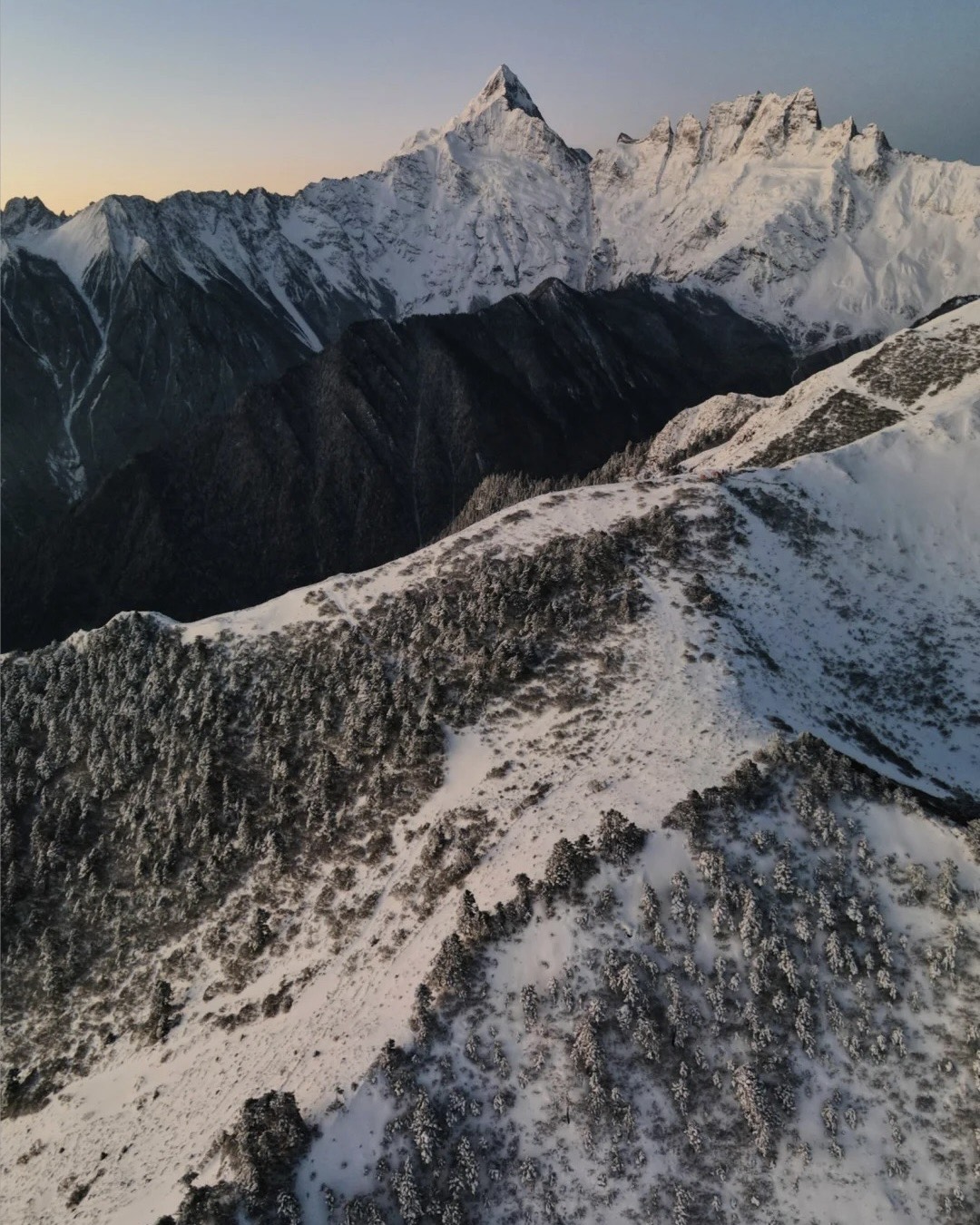
The drive to Feilai Si crosses Baima Snow Mountain Pass at 4,292 m — prayer-flag stops along the ridge, and a brief stretch on the old Yunnan-Tibet road. At the Zhalaqueni Peak viewpoint and the Meili Snow Mountain panorama platform comes a first chance at Kawagarbo (6,740 m), the most sacred mountain in Tibetan Buddhism's pilgrim circuit. Feilai Si itself exists almost entirely as a Kawagarbo viewing platform. An early night, and the alarm set for the dawn alpenglow.
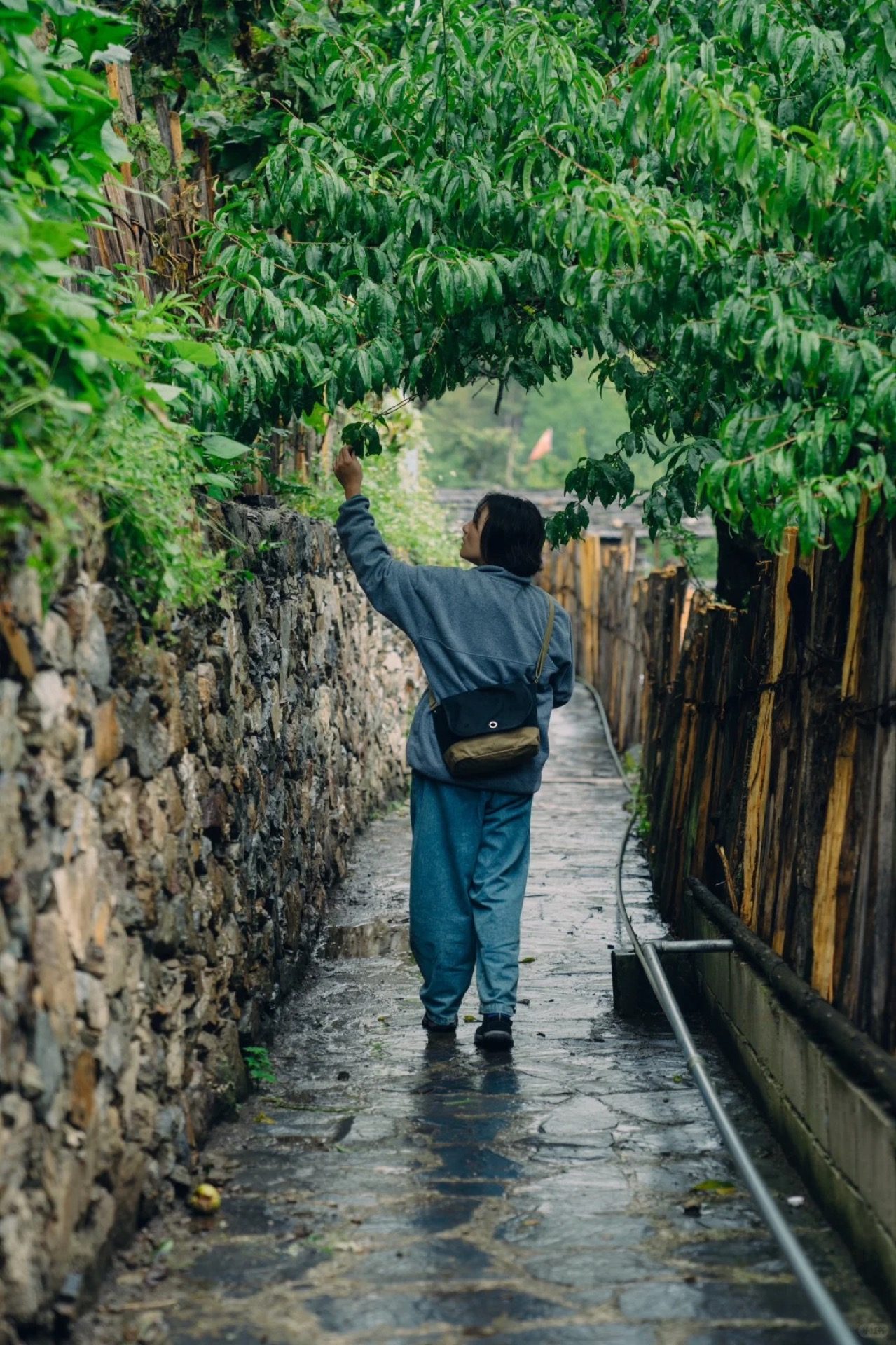
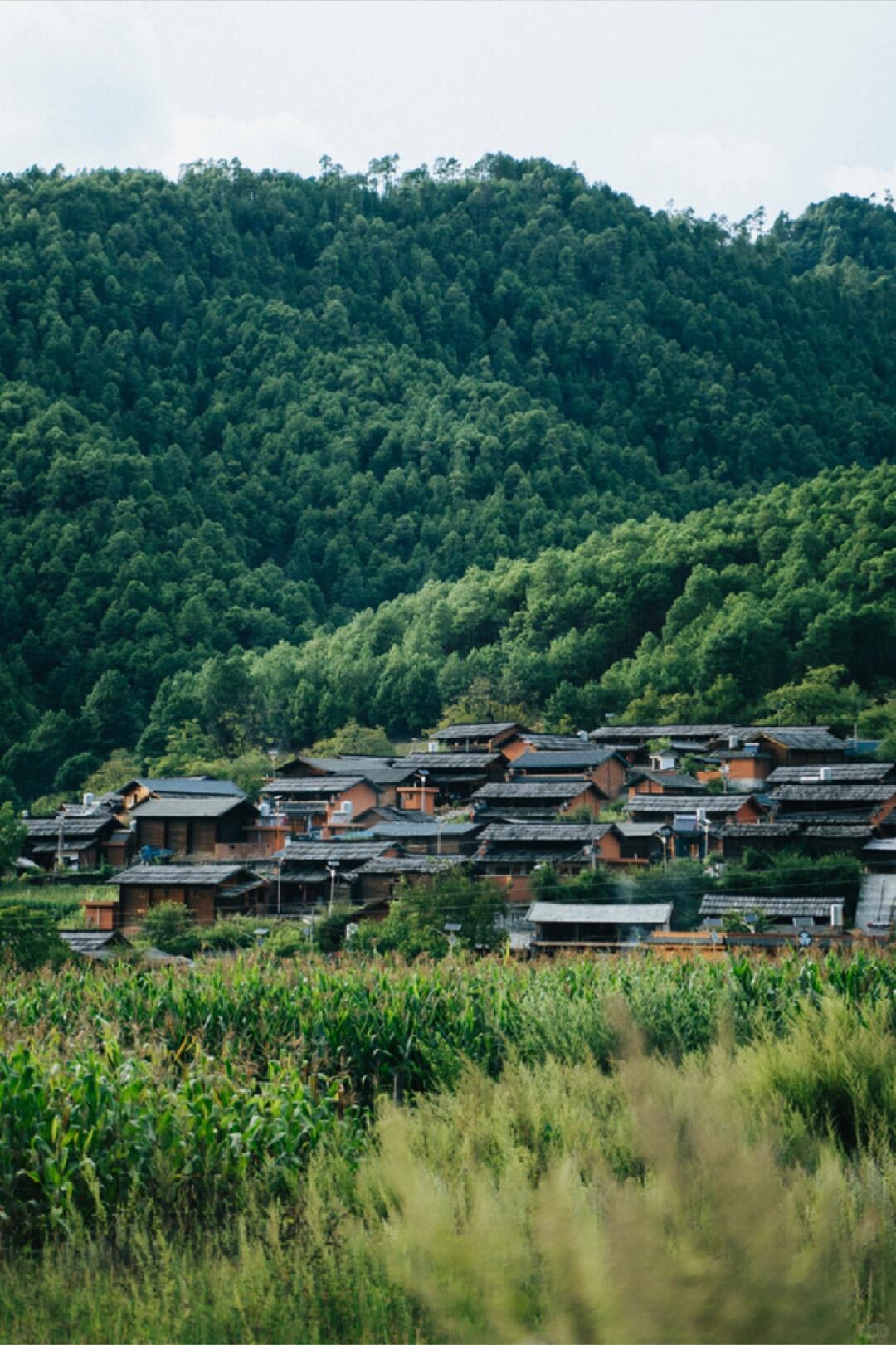
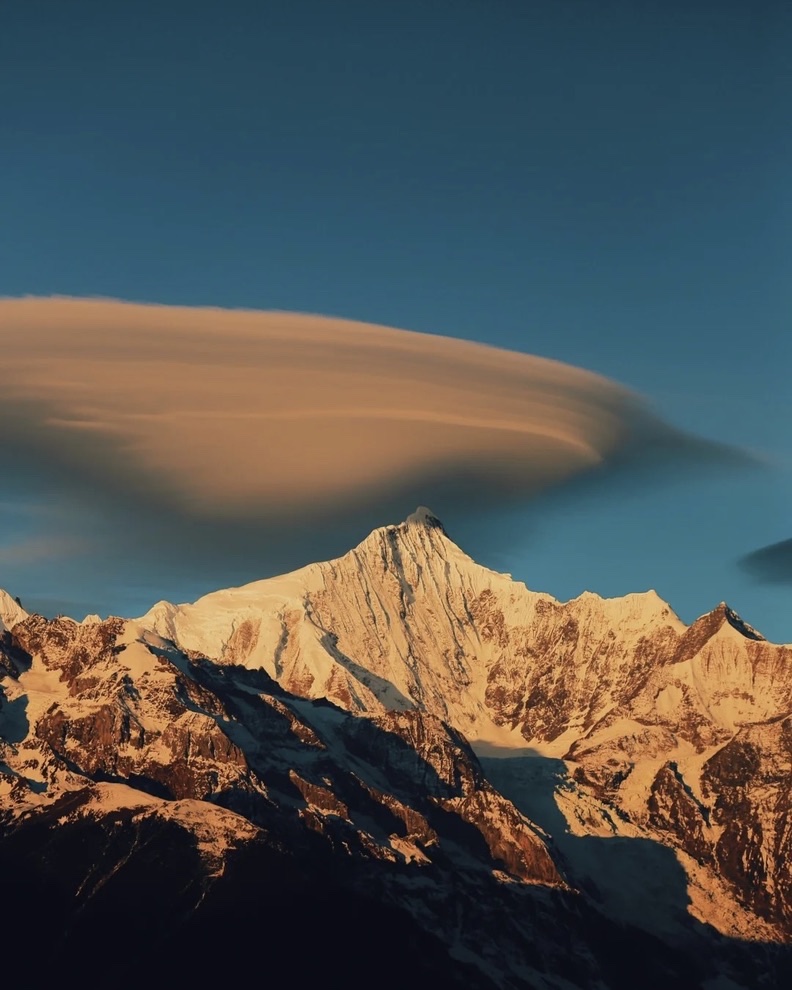
You're on the Feilai Si platform before dawn for Kawagarbo's alpenglow — on a clear morning, ten minutes when the snow turns gold before the rest of the range catches up. When the mountain shows, it's one of the great dawns in Asia. Then the road drops south down the Mekong (Lancang) gorge, about two hours to Cizhong, a village built around the 19th-century Catholic mission church the French priests left behind — still in use, still ringing its bell. Walk up through Tongle Lisu village above the church, past the mission vineyard — Bordeaux varieties planted more than 100 years ago, the wine still made by Lisu hands every harvest.
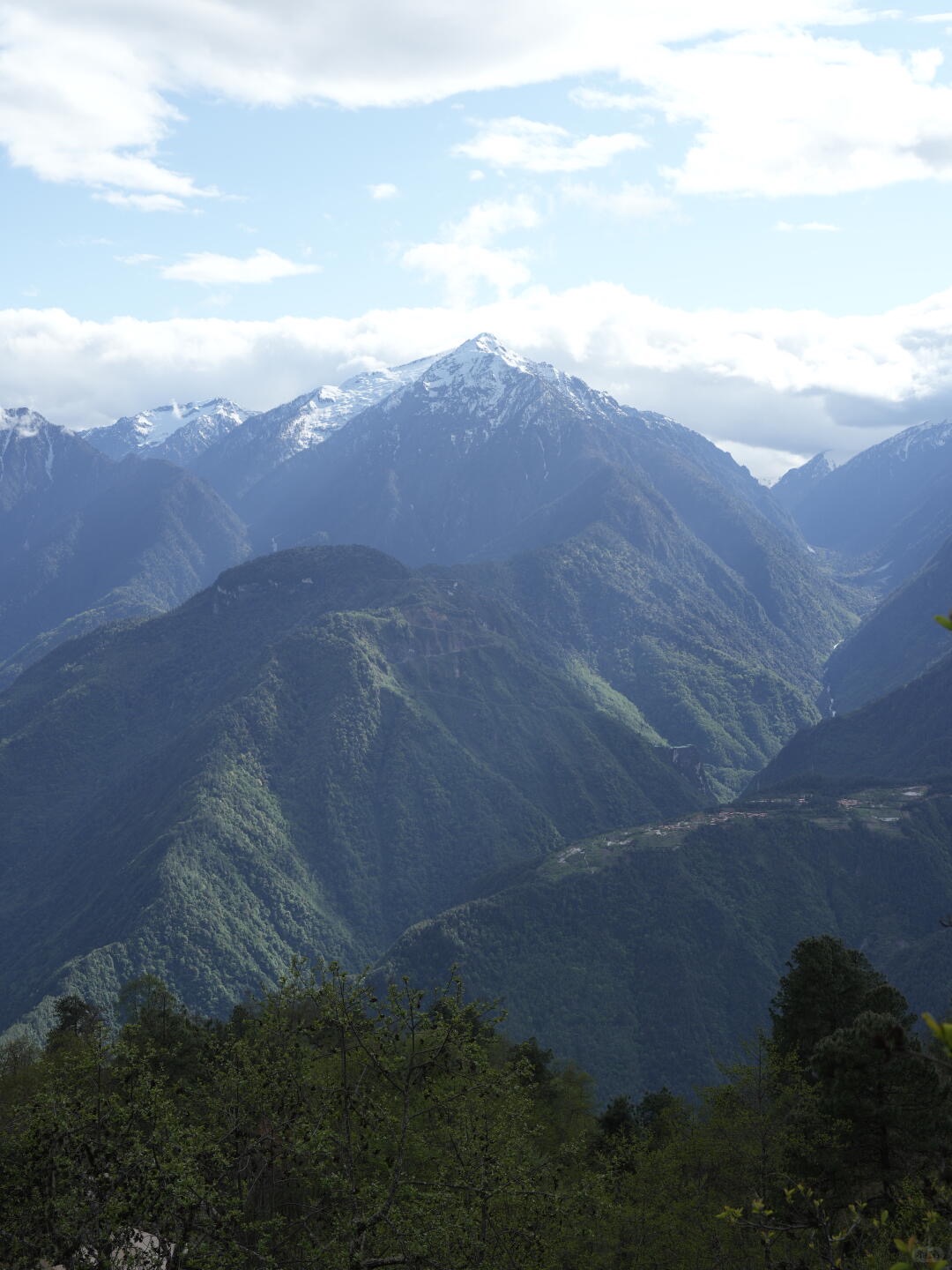
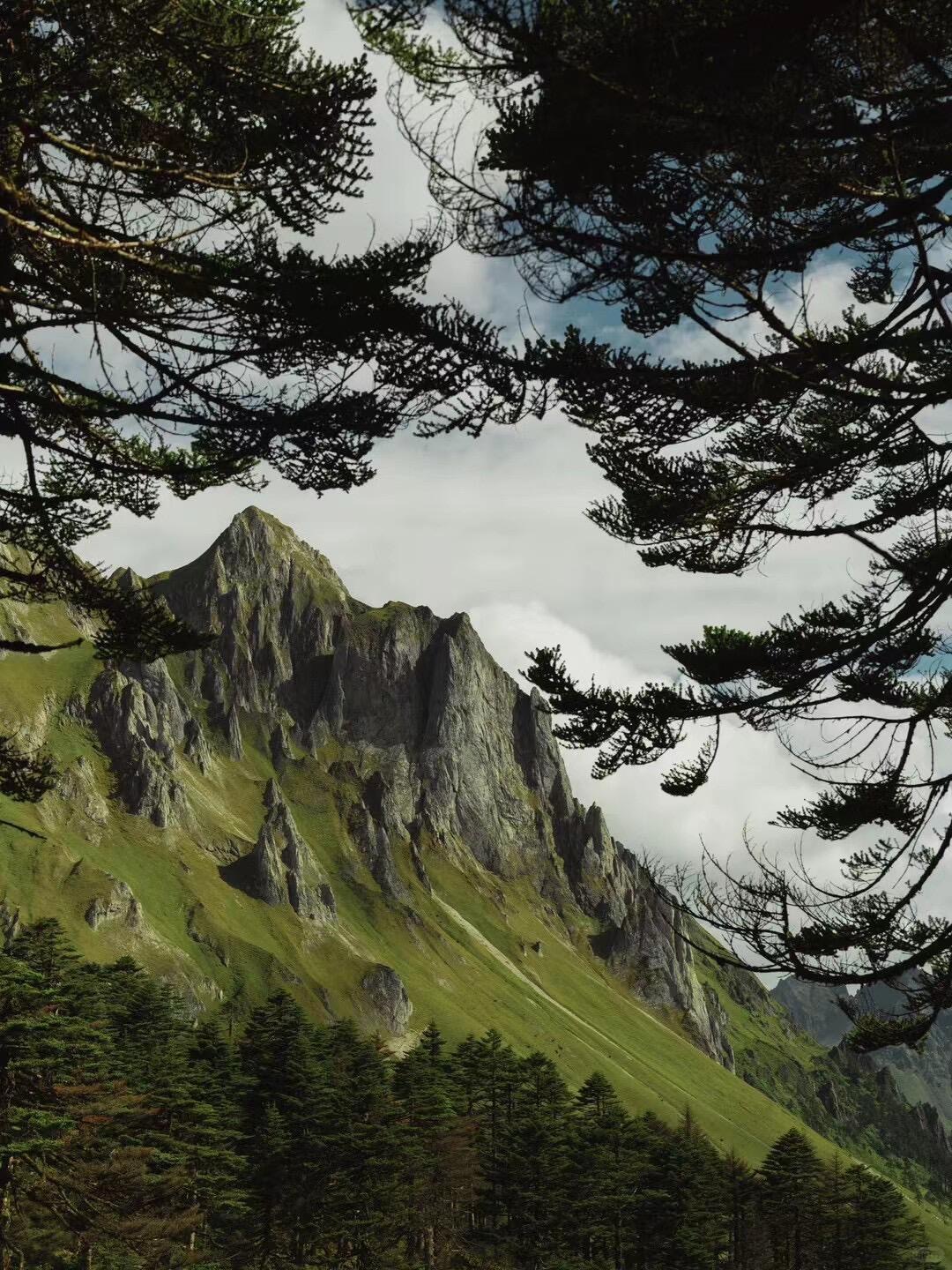
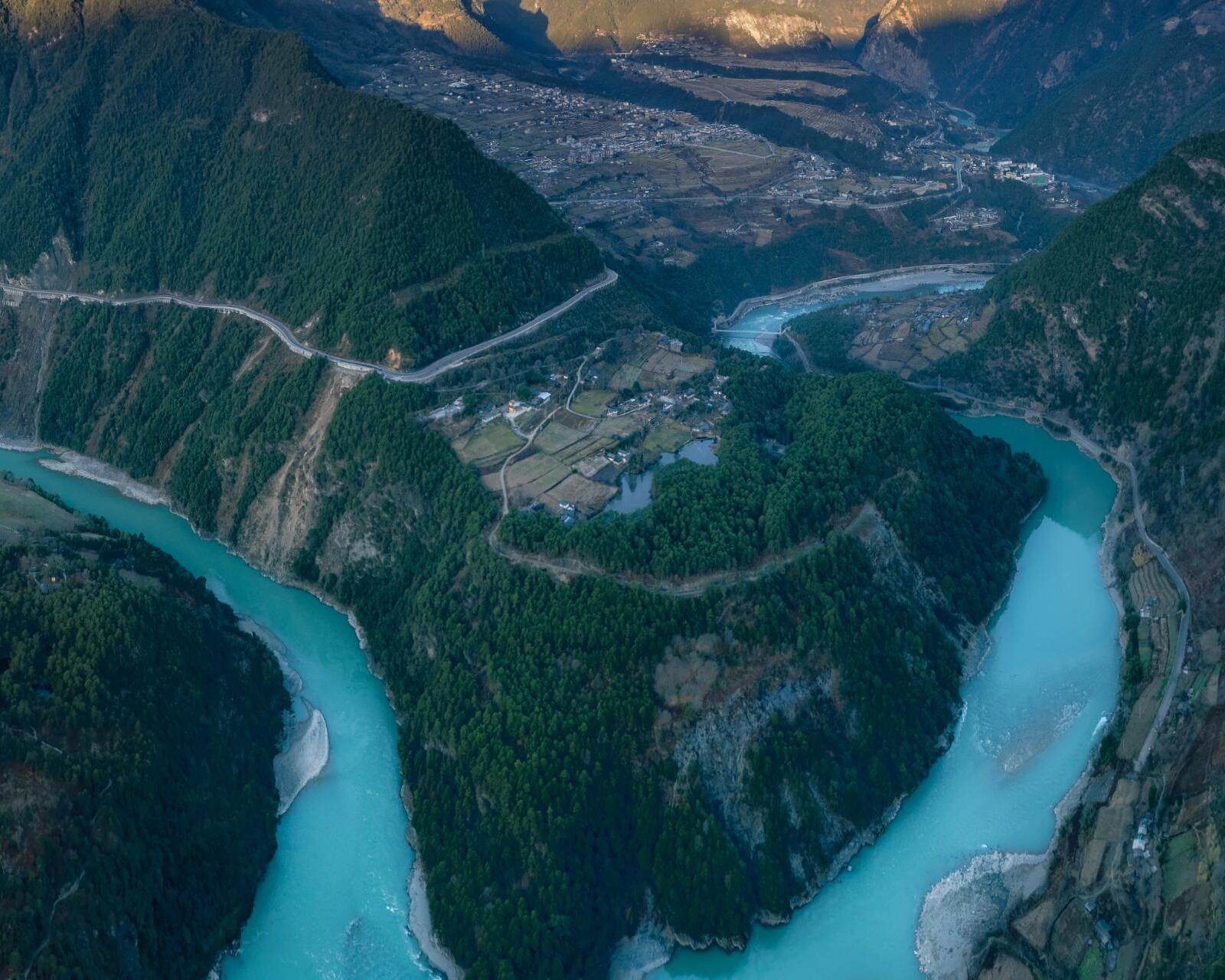
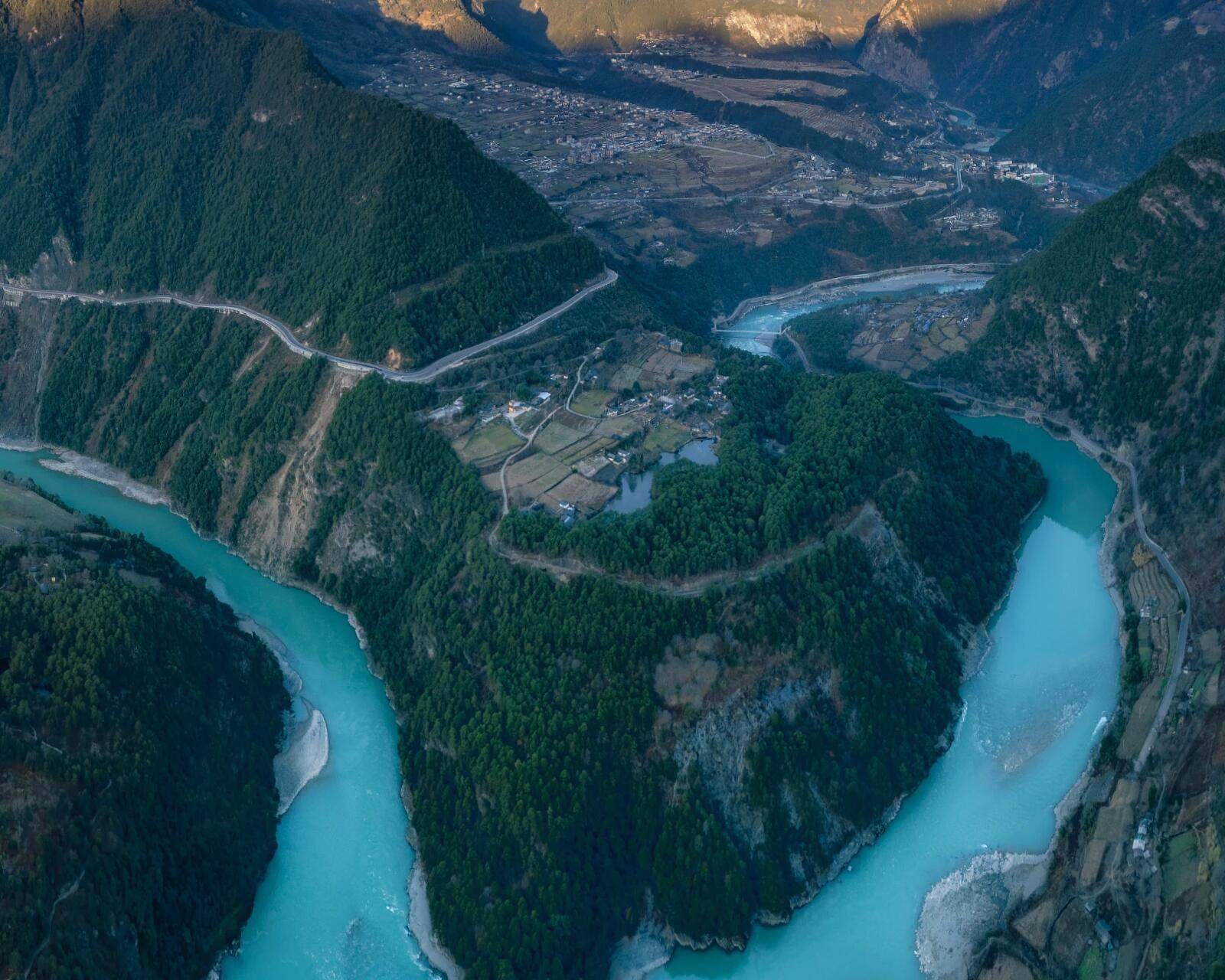
Today you cross watersheds — from the Mekong to the Salween (Nujiang). The road climbs the Peacock Mountain ridge, a clean panorama back across the Three Parallel Rivers, then drops into the Nujiang gorge proper. First comes the Nujiang First Bend, where the river loops 360° around a peninsula of farmland and prayer flags — one of the most photographed spots inside the UNESCO Three Parallel Rivers area. Then Bingzhongluo, the last town of any size in the gorge. Beyond it you walk a section of the Wuli Tea Horse Road: an old caravan path cut into the cliff above the Salween, the river running below — turquoise in the dry months — and Christian Lisu villages stitched onto the slope.
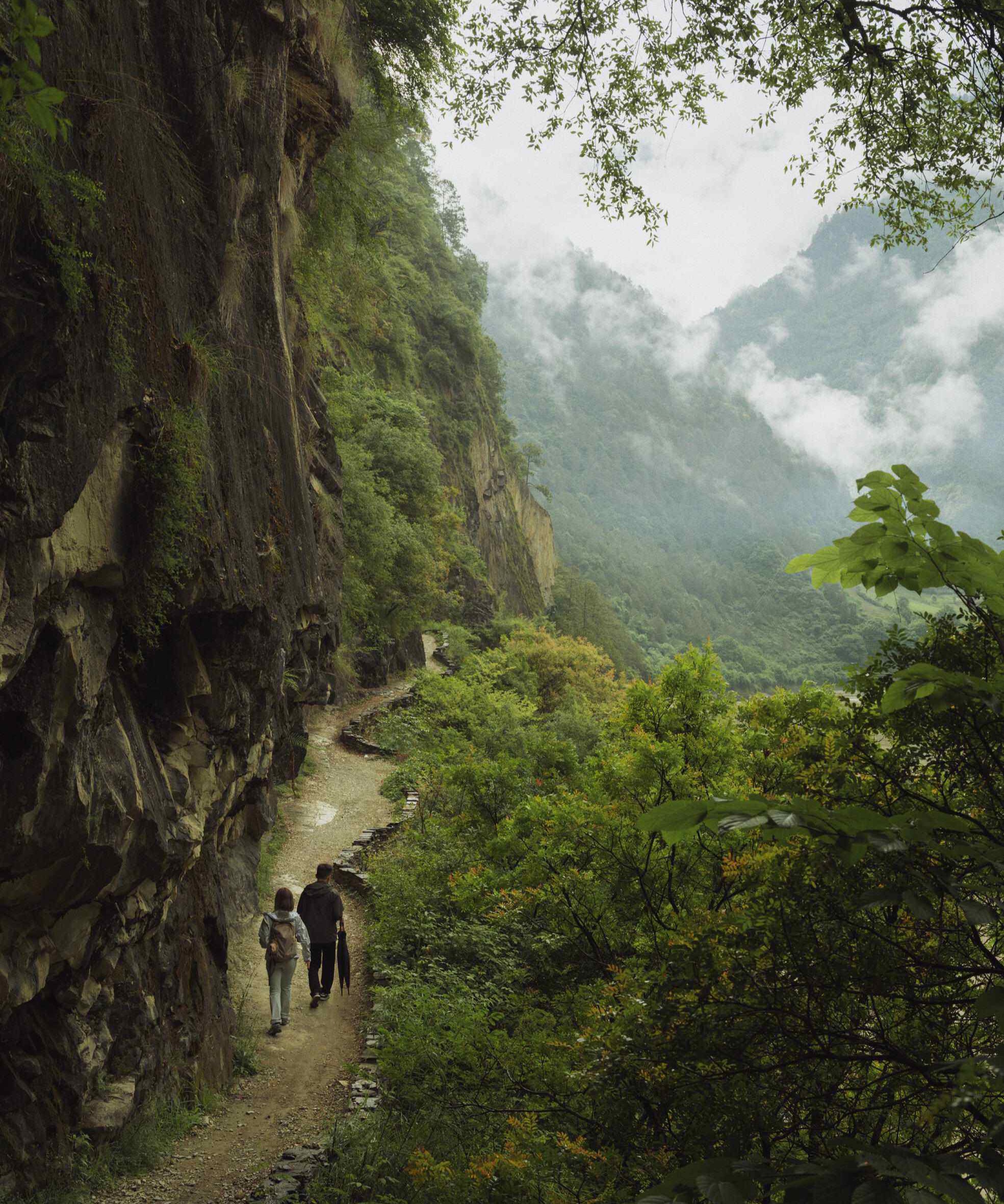
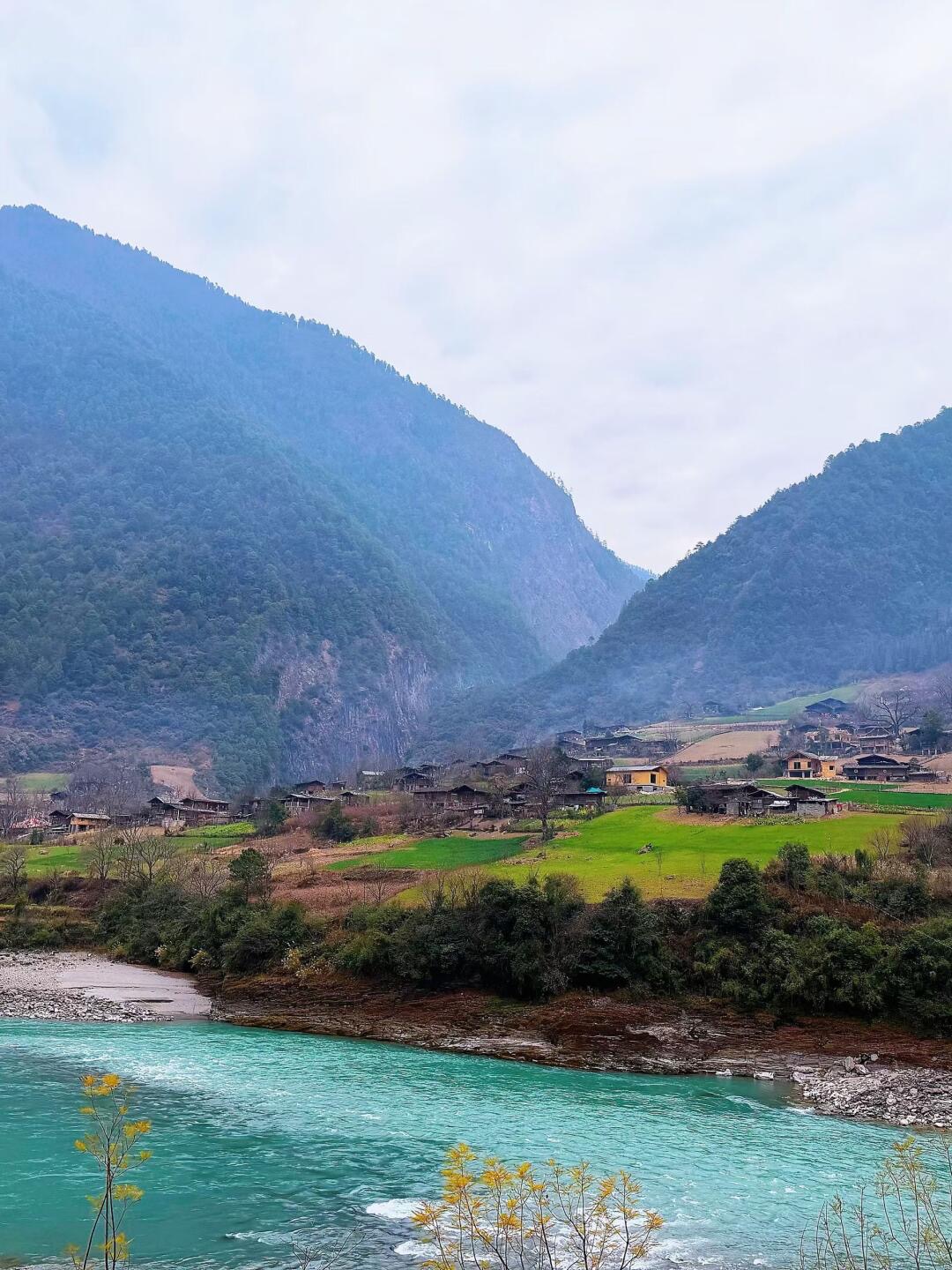
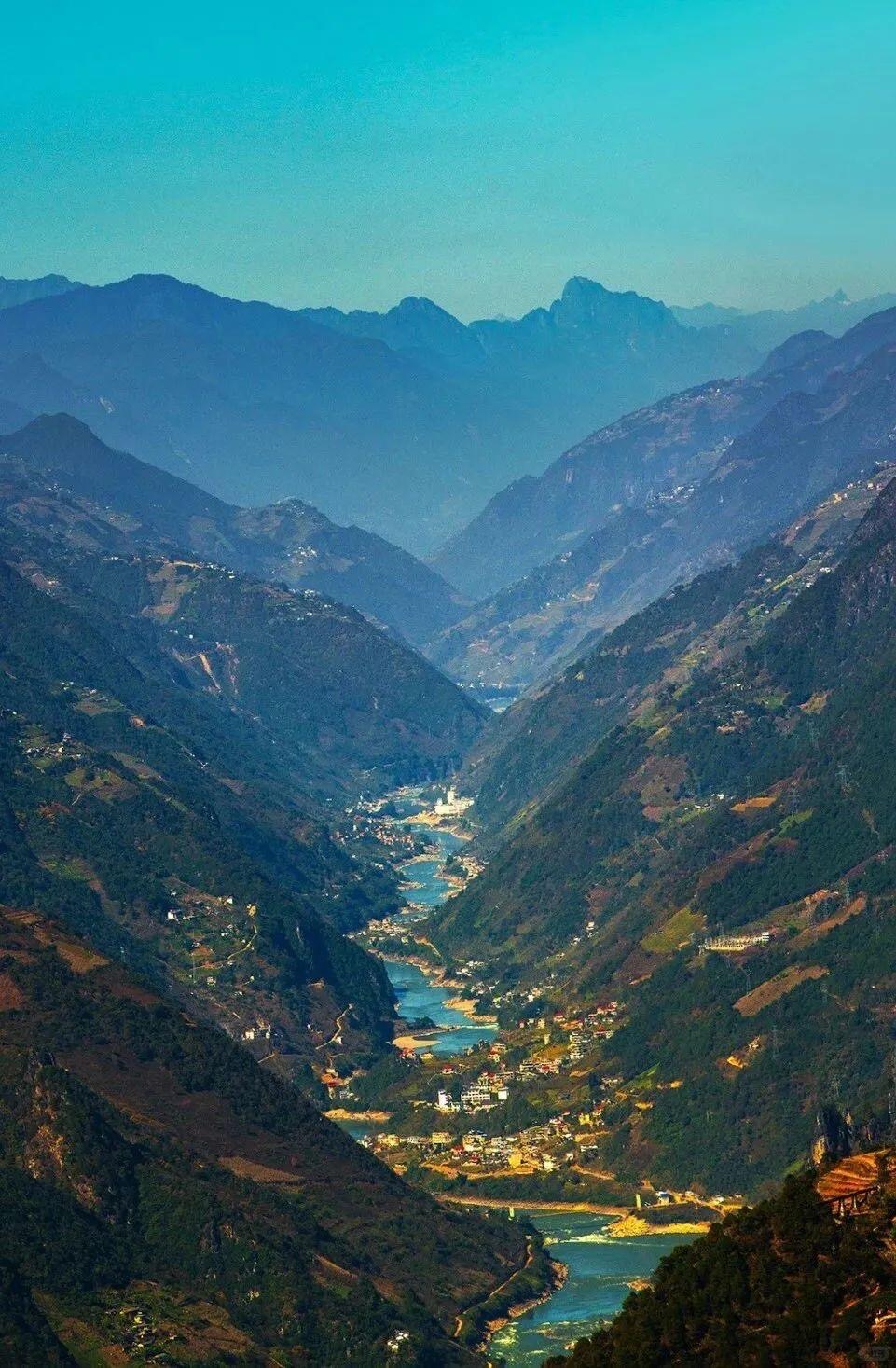
The Nujiang Beautiful Highway threads the gorge for roughly 250 km from Bingzhongluo to Lushui, the Salween running along your left for most of the day. You stop for Stone Moon, a natural arch in the Gaoligong skyline visible from the road, and for Laomudeng, a Lisu village pinned to the cliff where a small Christian church and prayer flags stand side by side. Late afternoon brings the Nujiang Tiger Leap viewpoint, where the river funnels through its narrowest cliff-walled section. You reach Lushui in the early evening.
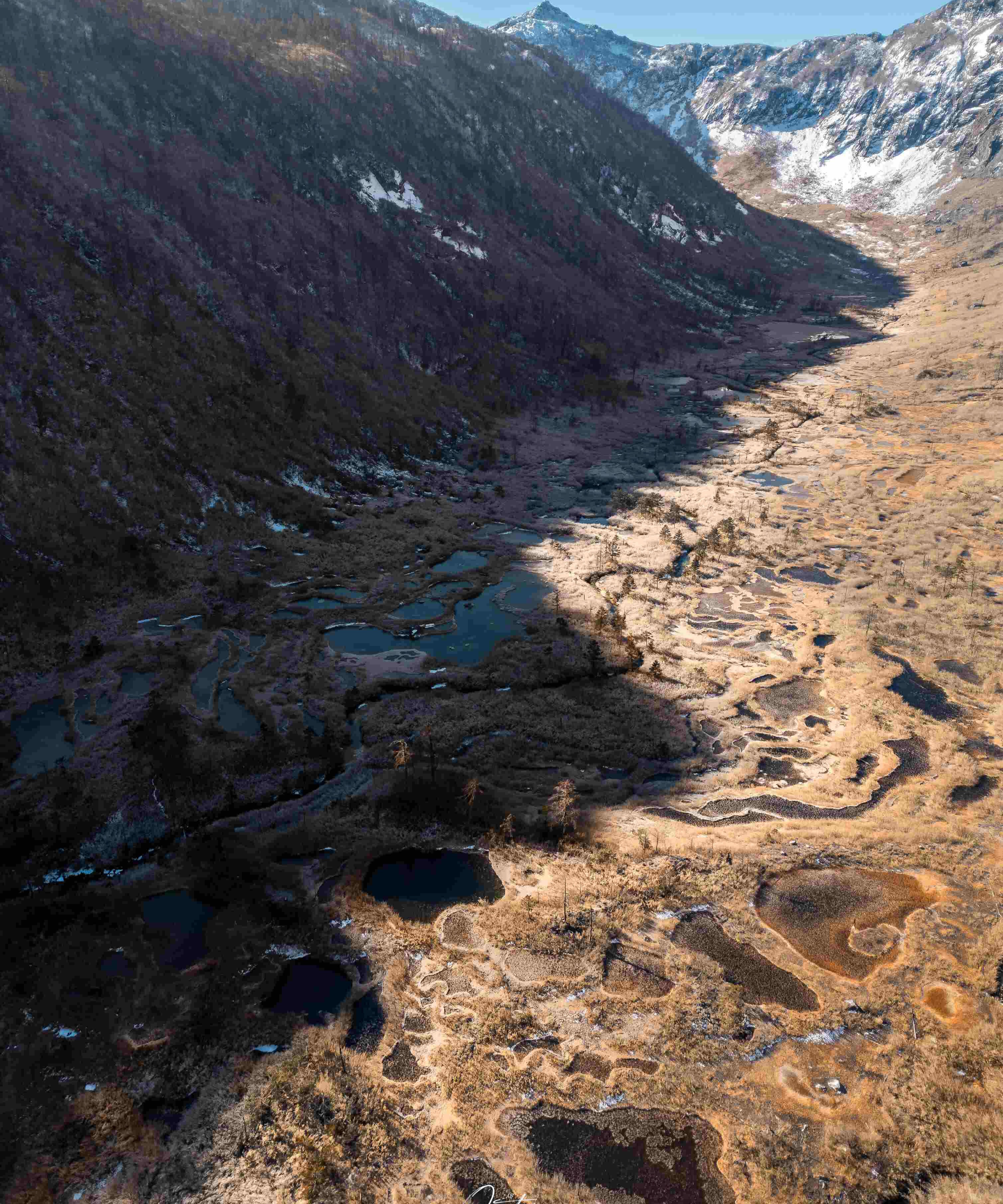
You exit the Nujiang gorge eastward over the Lanping pass — about five hours, the road climbing out of subtropical canyon air into pine highland before dropping to Eryuan on Cang Mountain's north shoulder. The late afternoon belongs to the Eryuan hot springs: geothermal pools above the Erhai basin, and a slow soak after four straight days of frontier driving. Then settle in among cedar forest in the hills above Cang Mountain — quiet, contemplative, the right reset before the trip's last twenty-four hours.
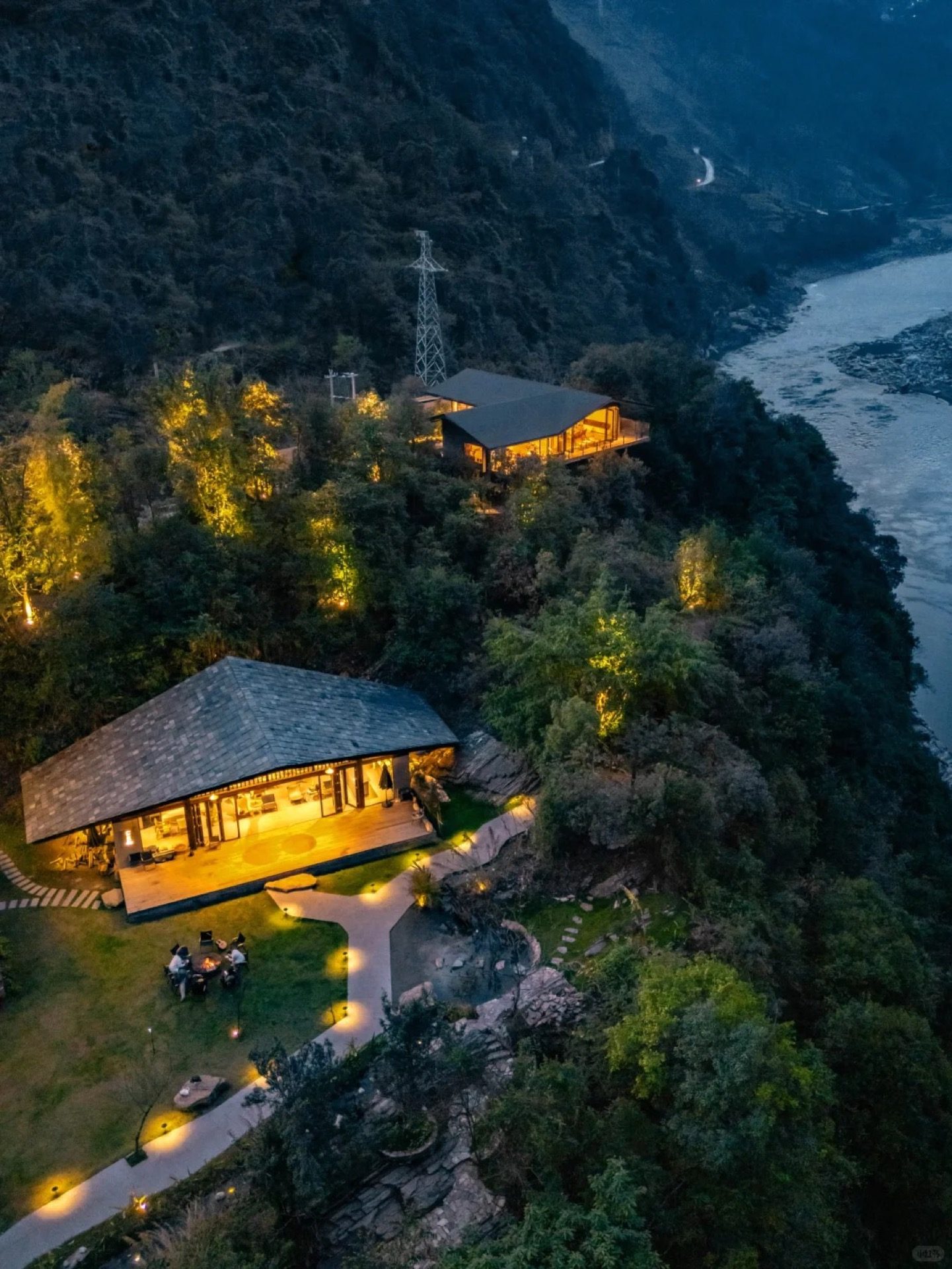
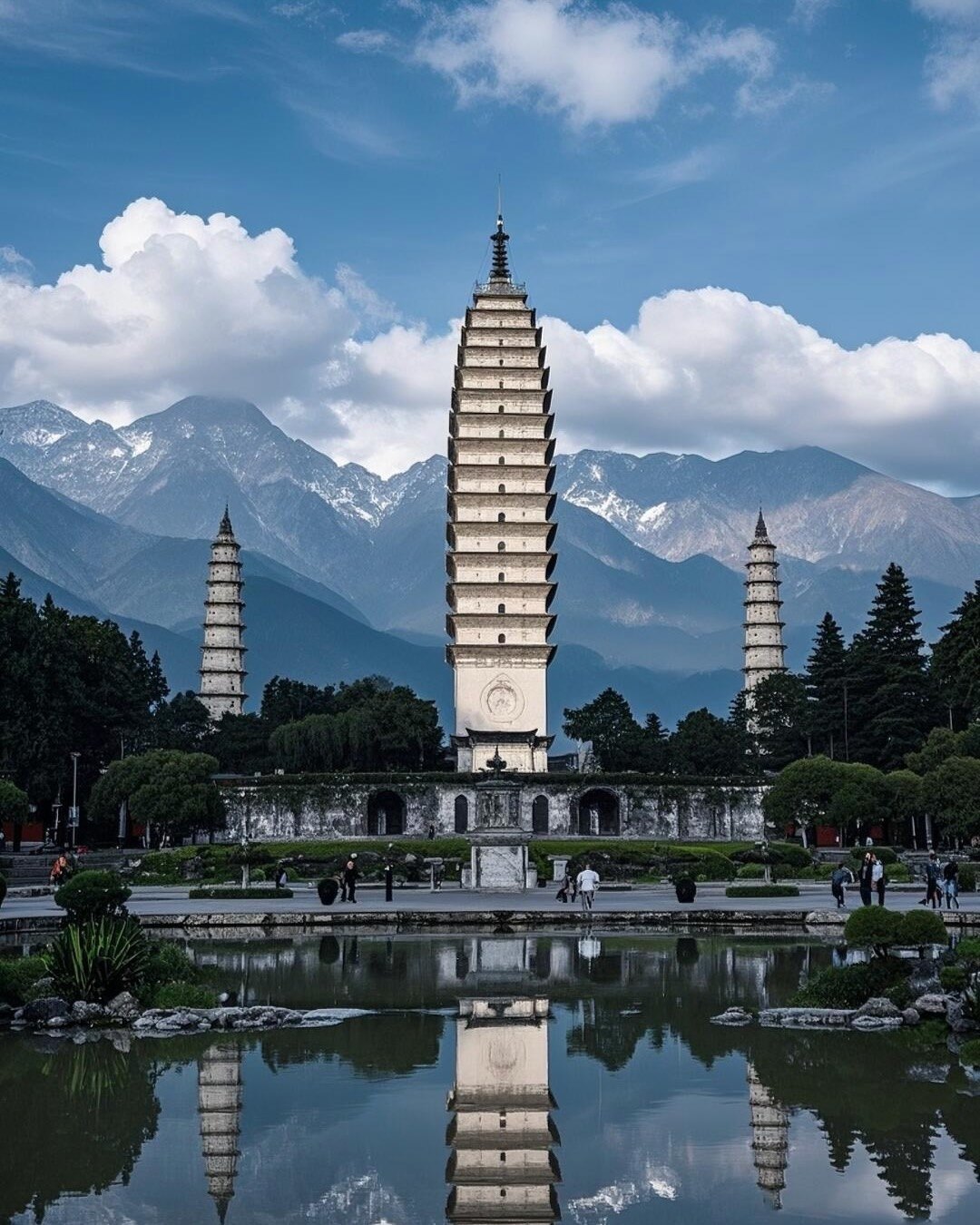
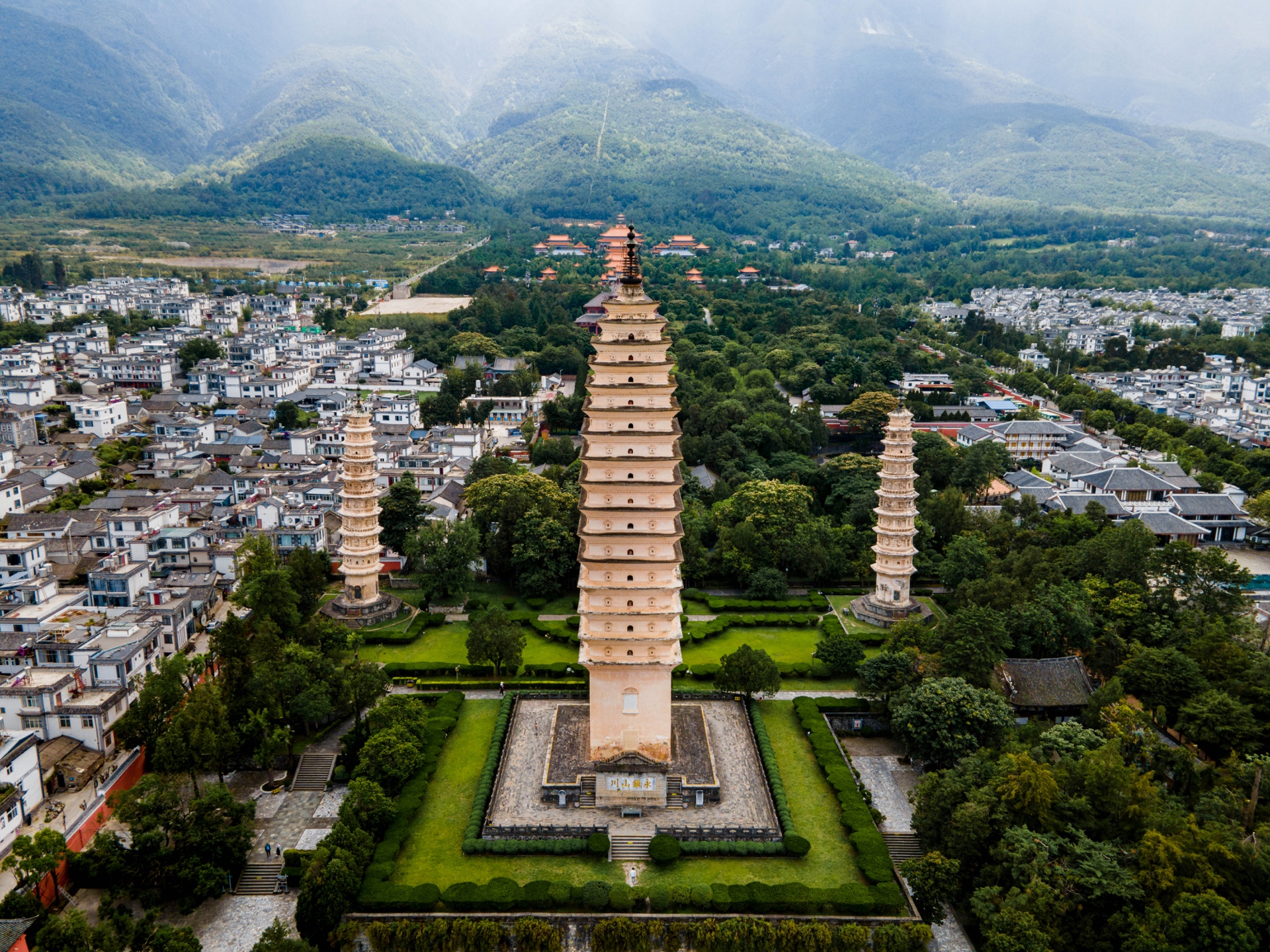
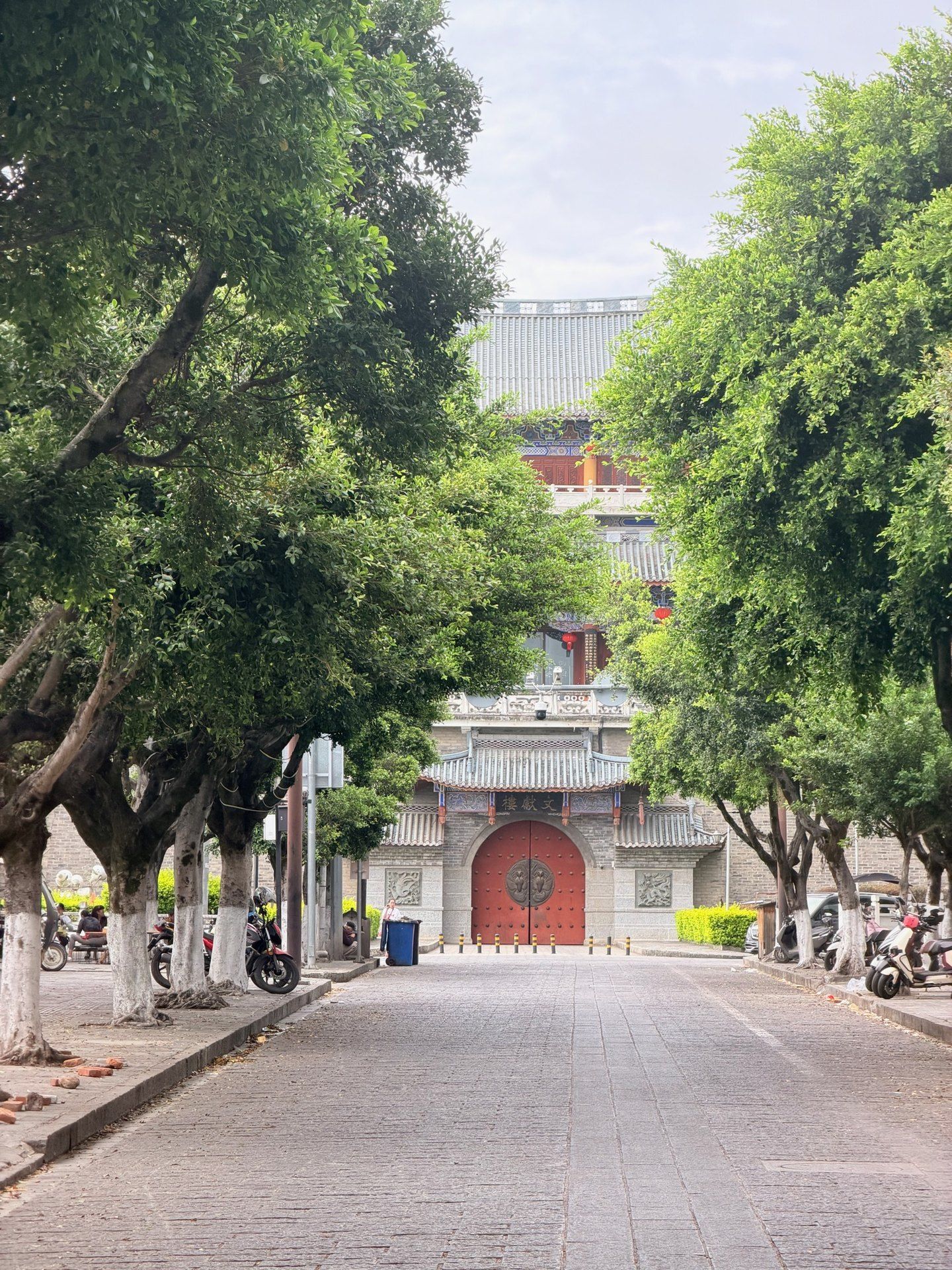
A slow morning at the forest retreat, then the ninety-minute transfer down to Dali Old Town for an unhurried walk through Renmin Lu and the Bai market quarter. Some tie-dye browsing, and a final tea on a rooftop facing Cang Mountain. Fly out of Dali (DLU) in the evening, or take the two-hour high-speed train to Kunming for international connections.
From an Erhai art-space boutique to a Tibetan retreat facing the Kawagarbo dawn — the stays strung along the frontier loop.
An Erhai-lakeside 'art space' boutique in Shuanglang Ancient Town, where Bai-influenced design blurs the line between living space and water.
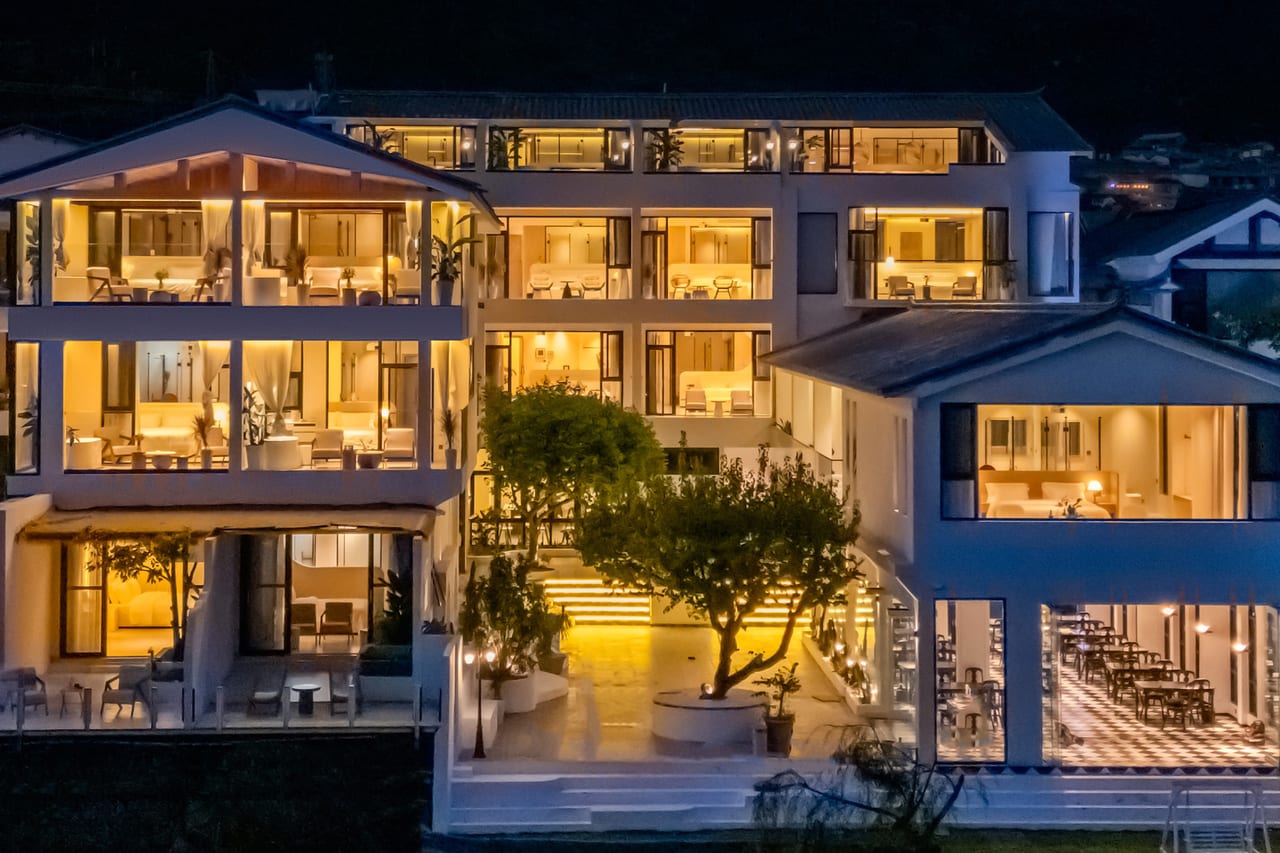
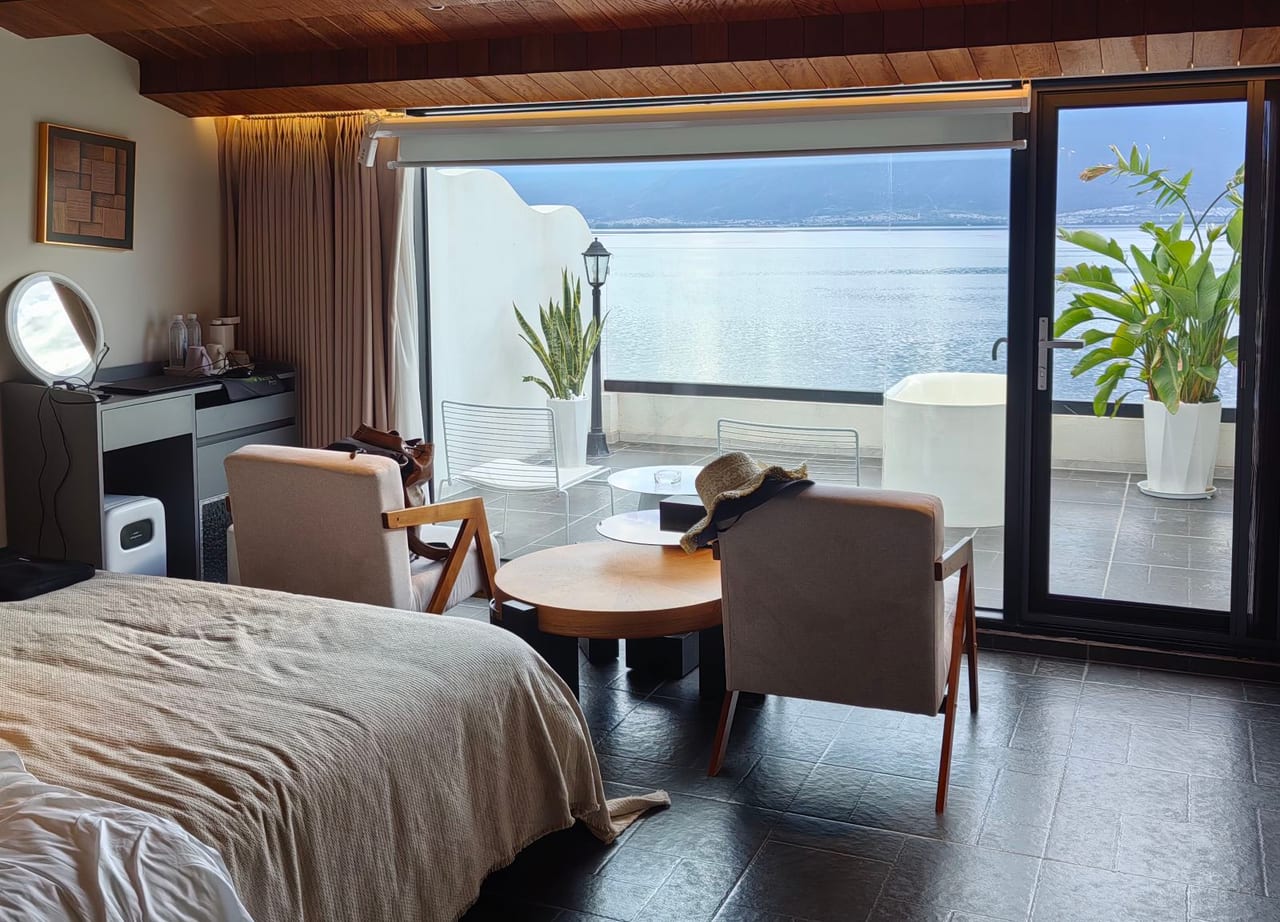
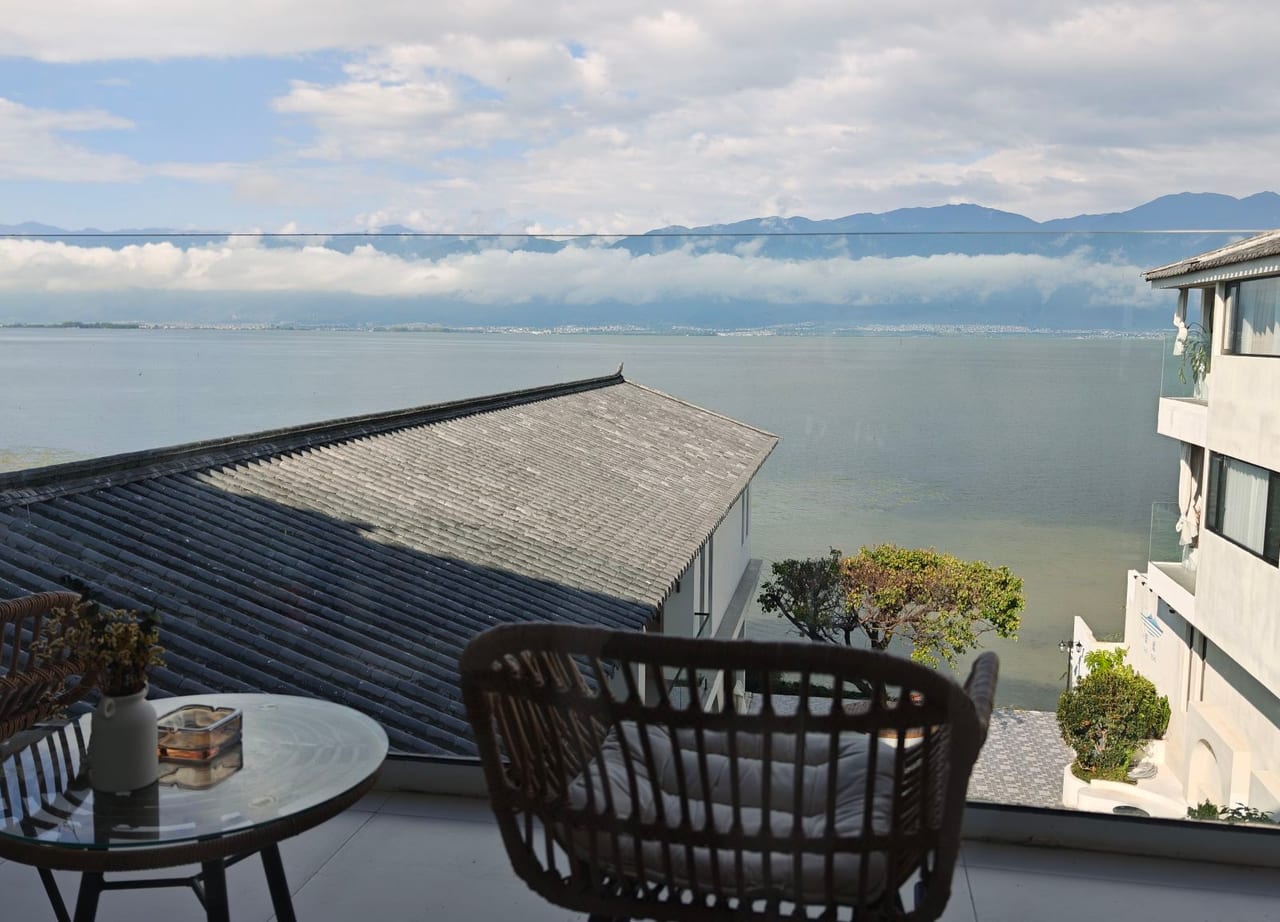
On the water at Shuanglang — rooms and terraces opening straight onto Erhai with Cang Mountain across the lake, and a private stretch of shore below.
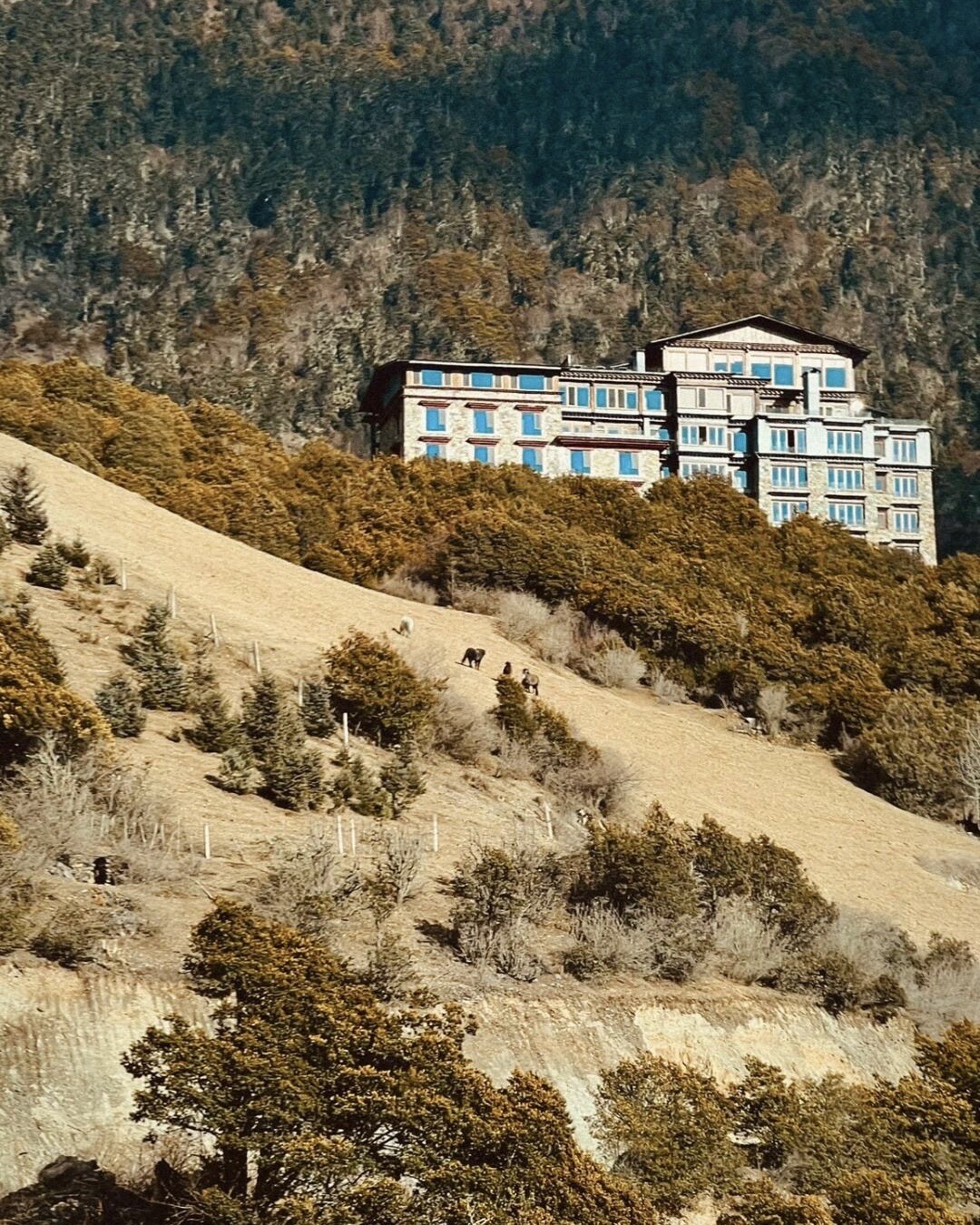
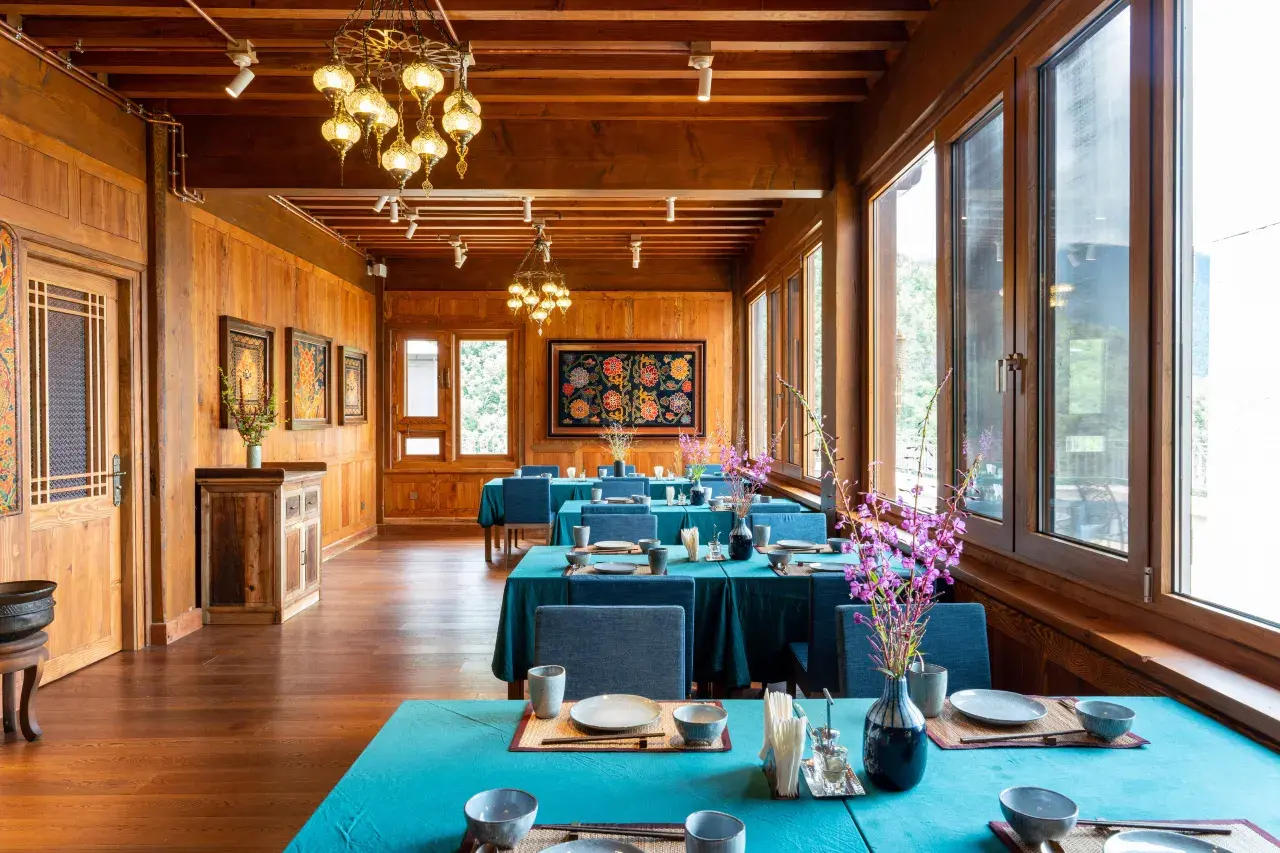
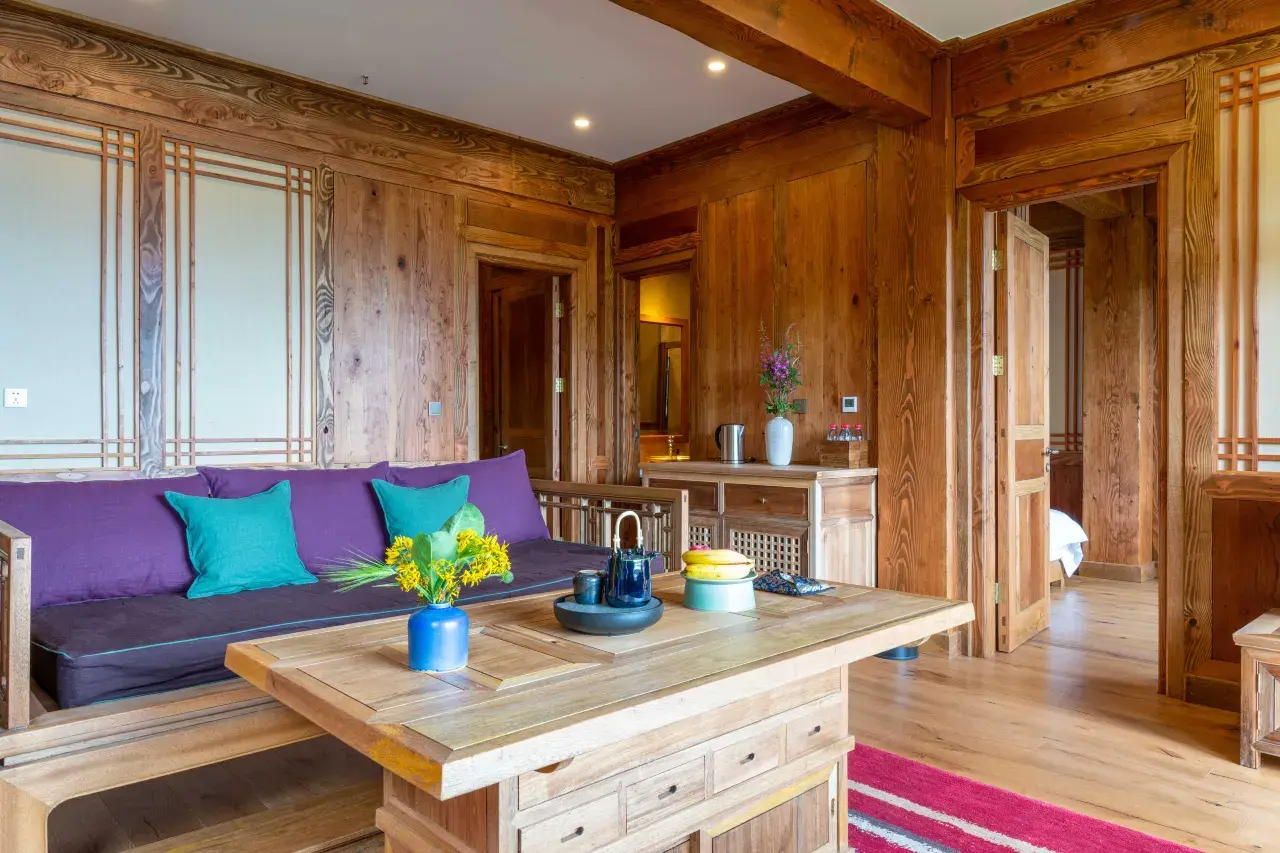
A Tibetan stone-and-timber retreat at 3,600 m in Gujiunong village, every room facing the Kawagarbo dawn.
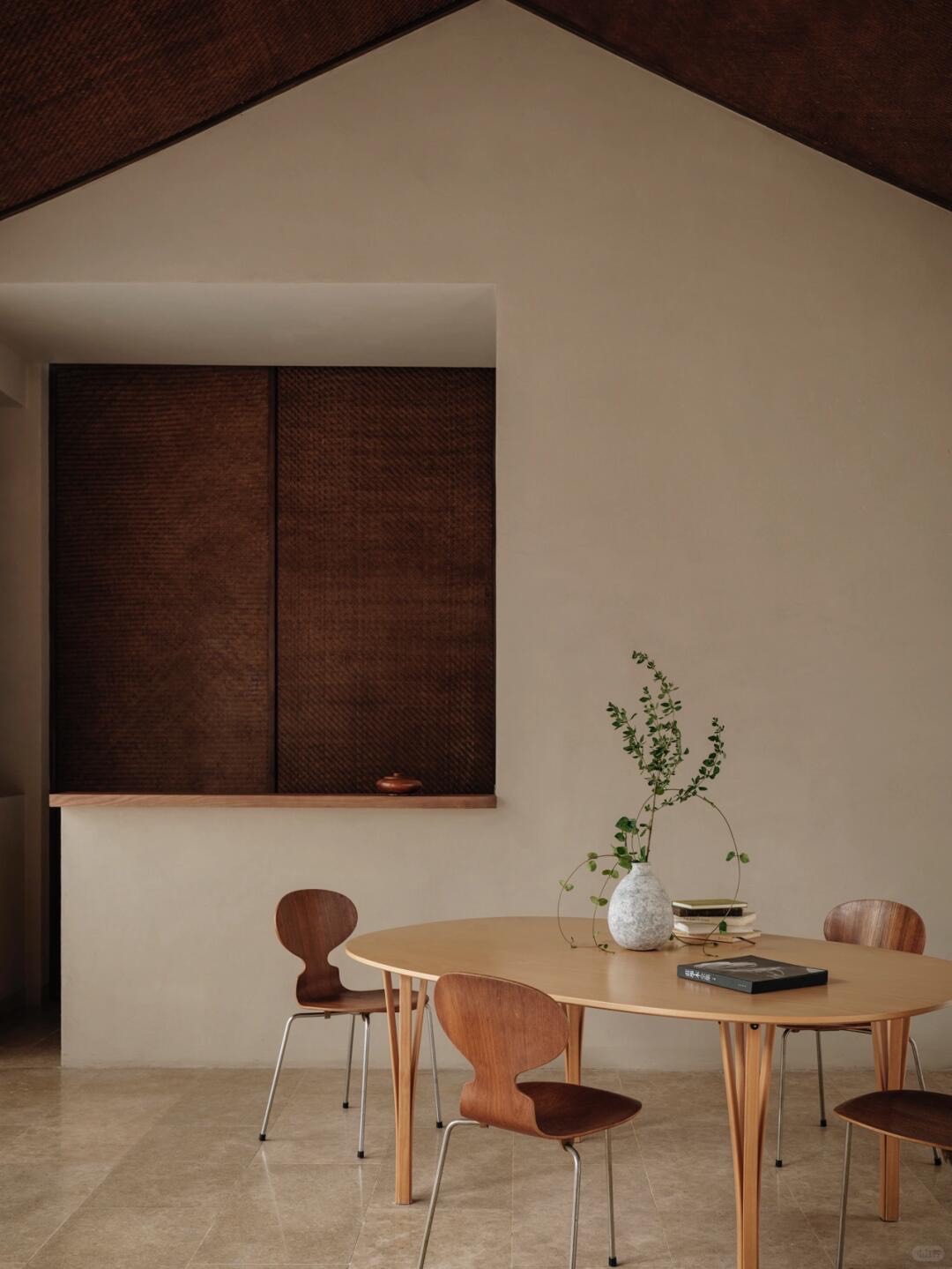
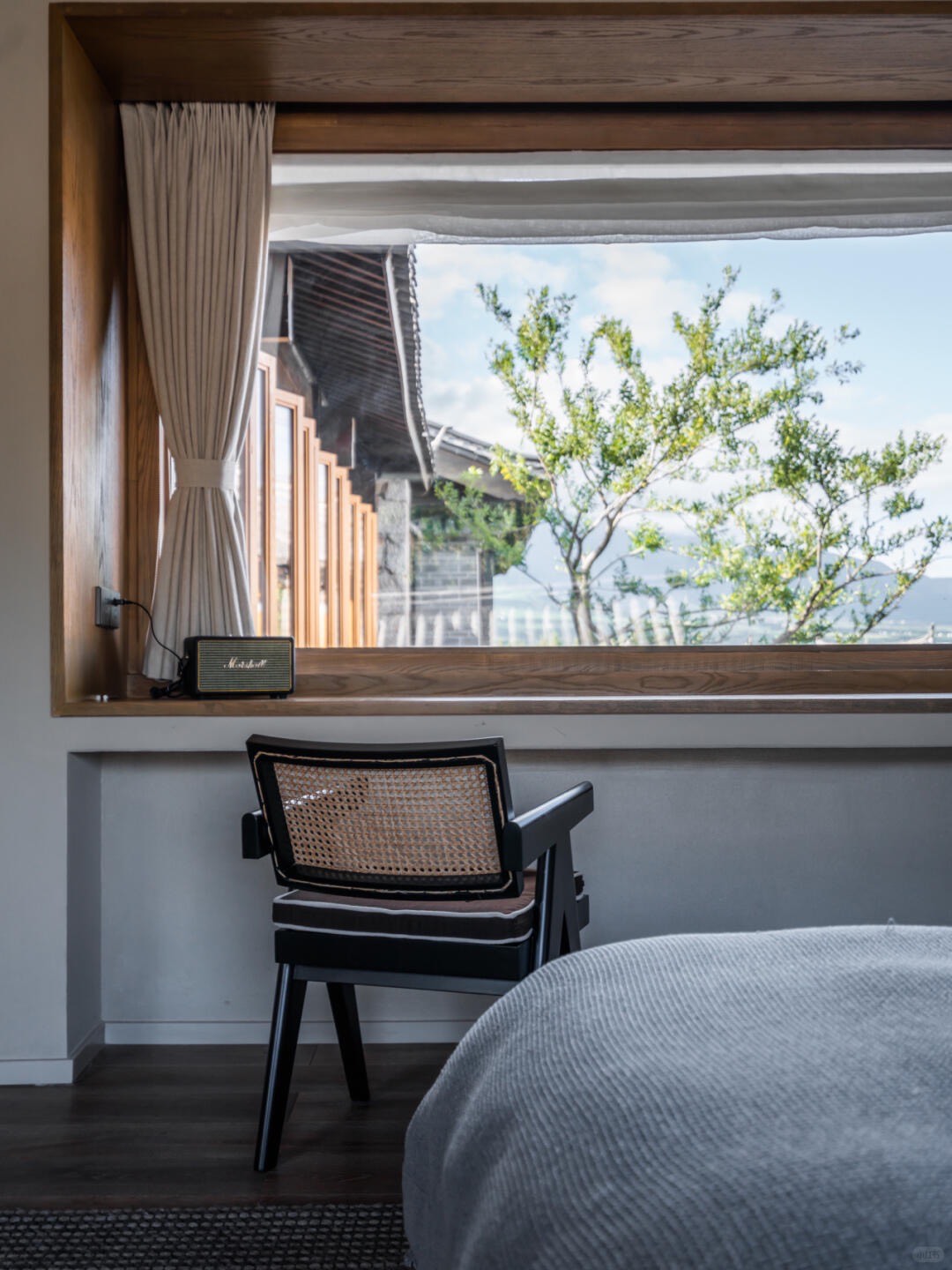
A 'living museum' on historic Mu-royal-family land below Jade Dragon Snow Mountain in Baisha — Naxi heritage meets mid-century modern.
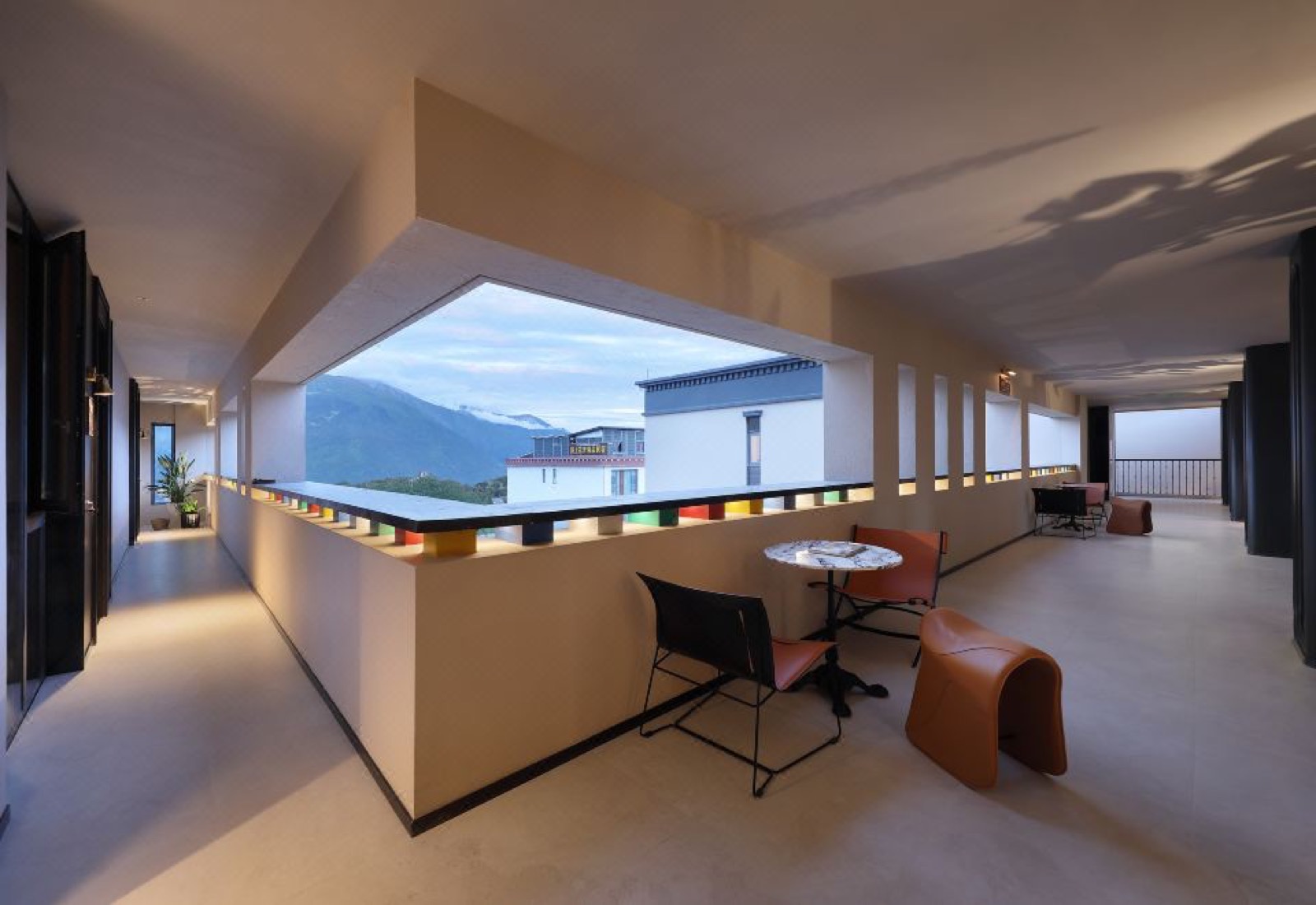
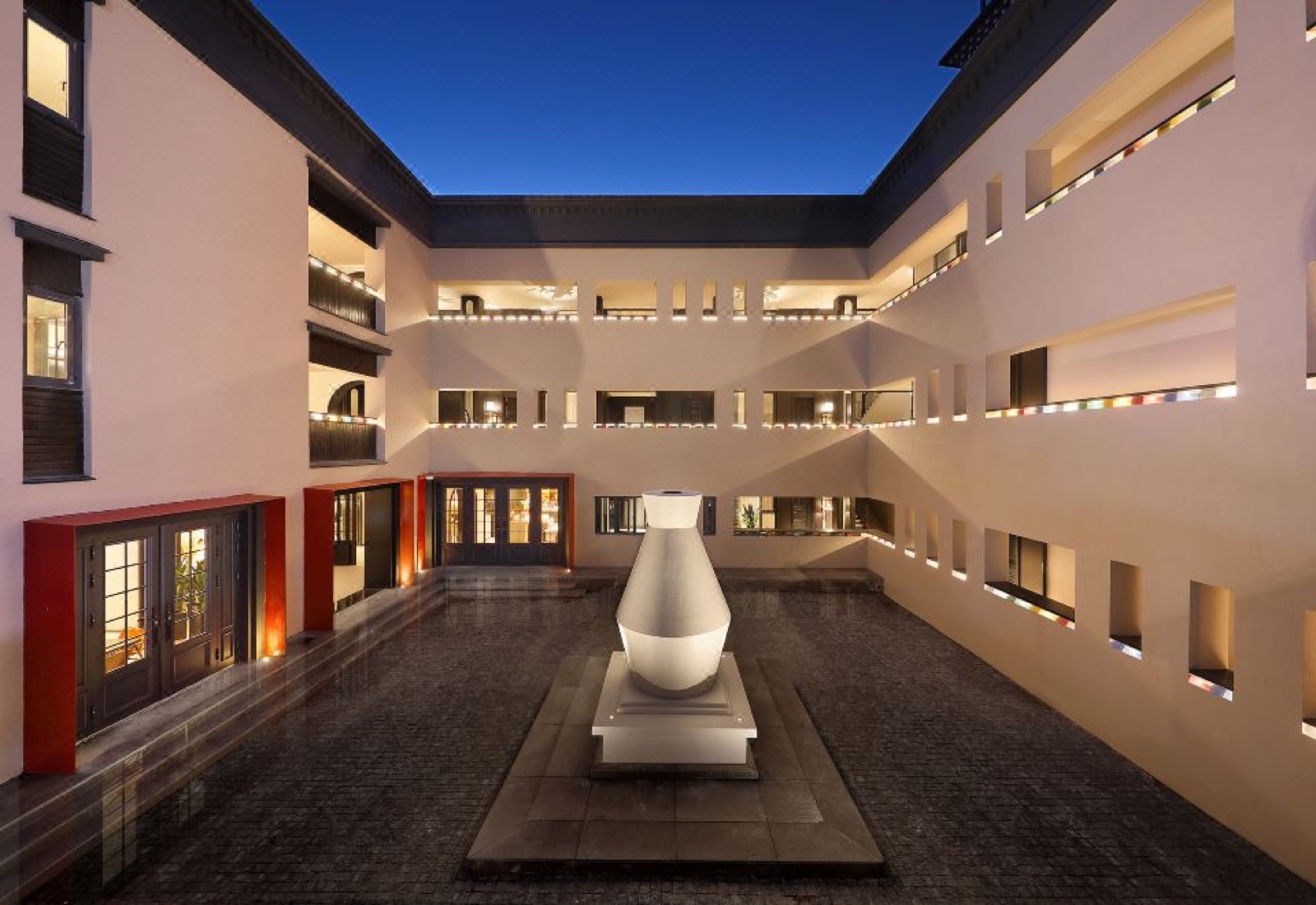
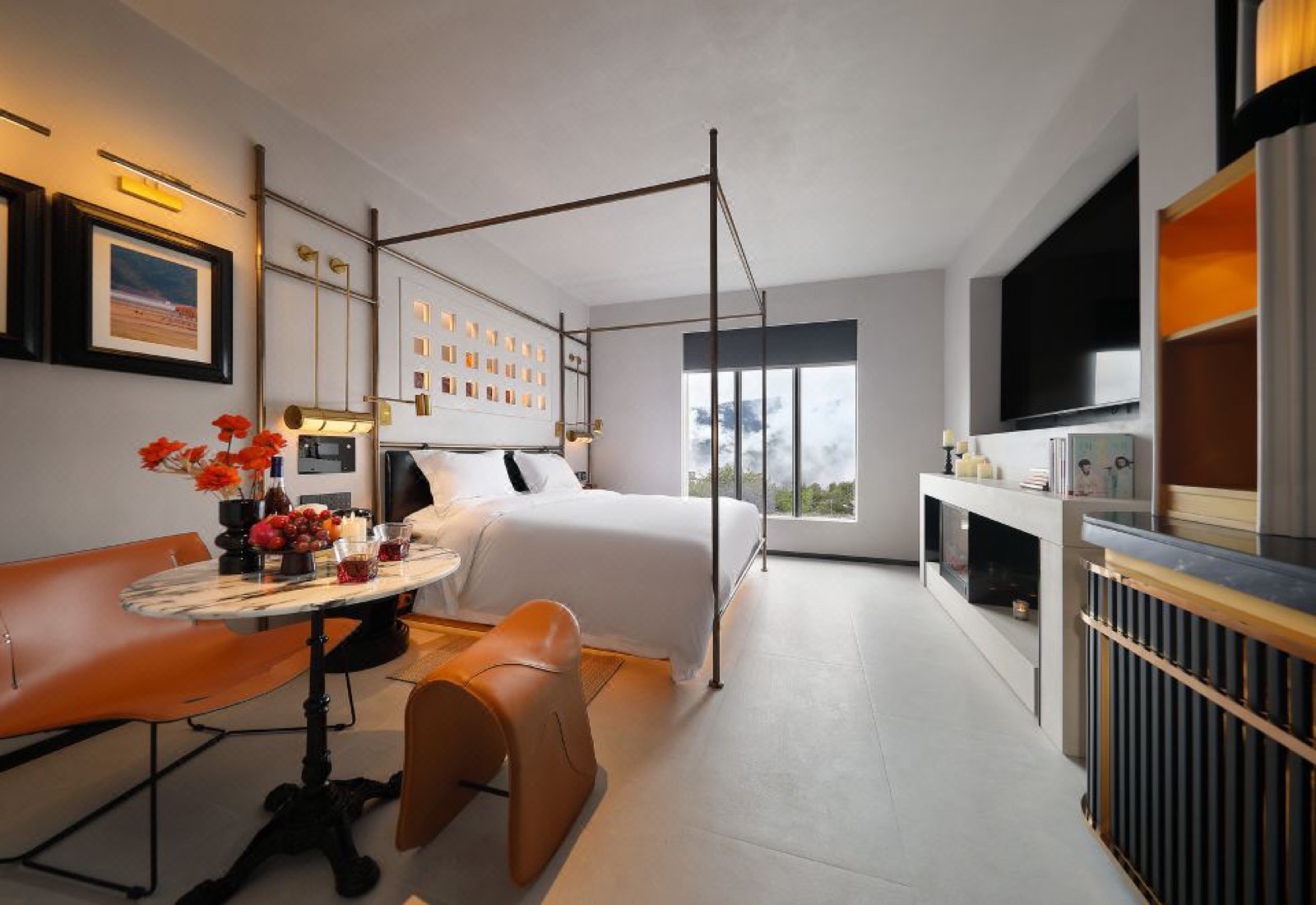
Picture windows straight onto the Meili range at Feilai Si — the Kawagarbo dawn alpenglow without leaving your room.
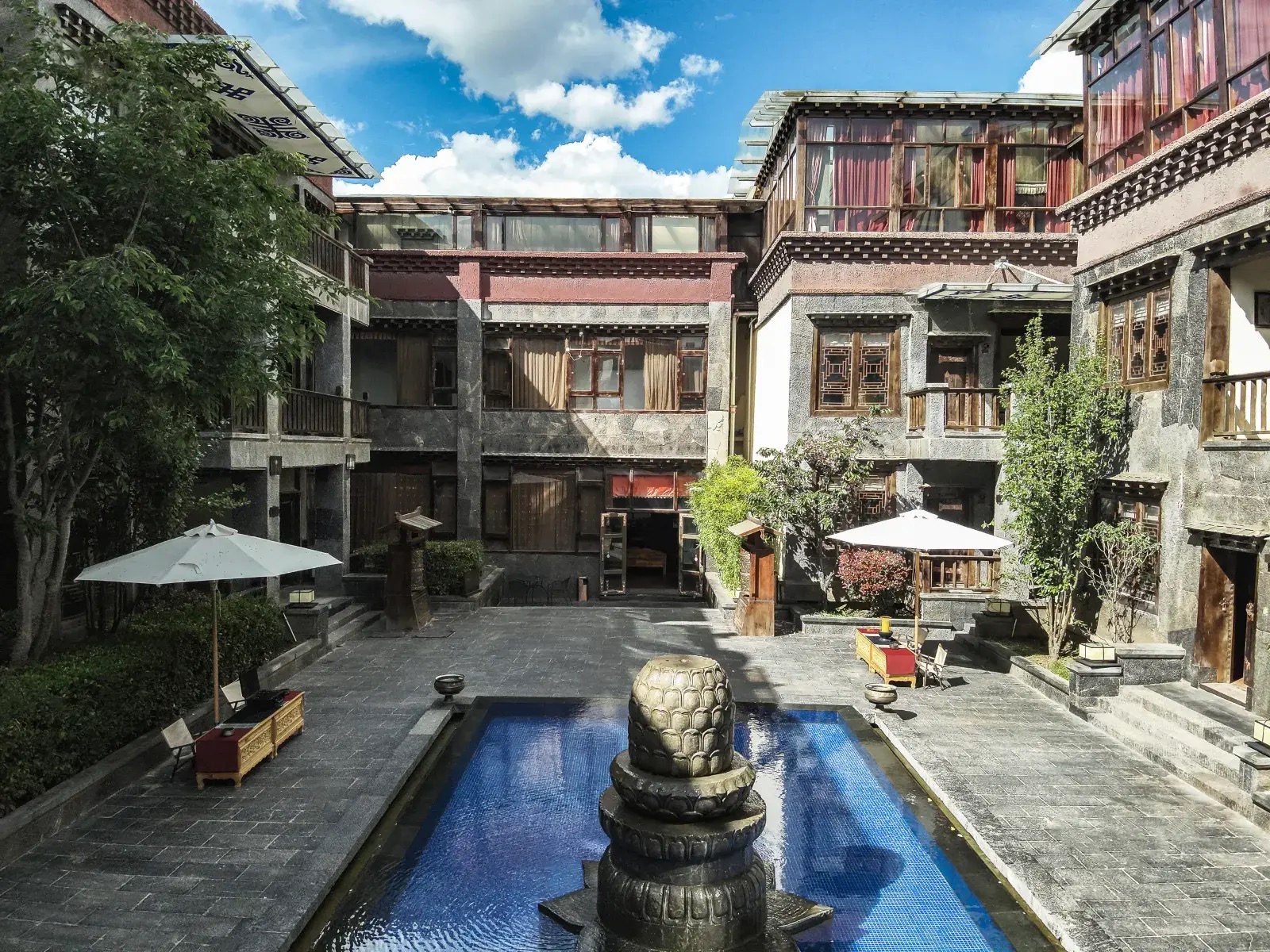
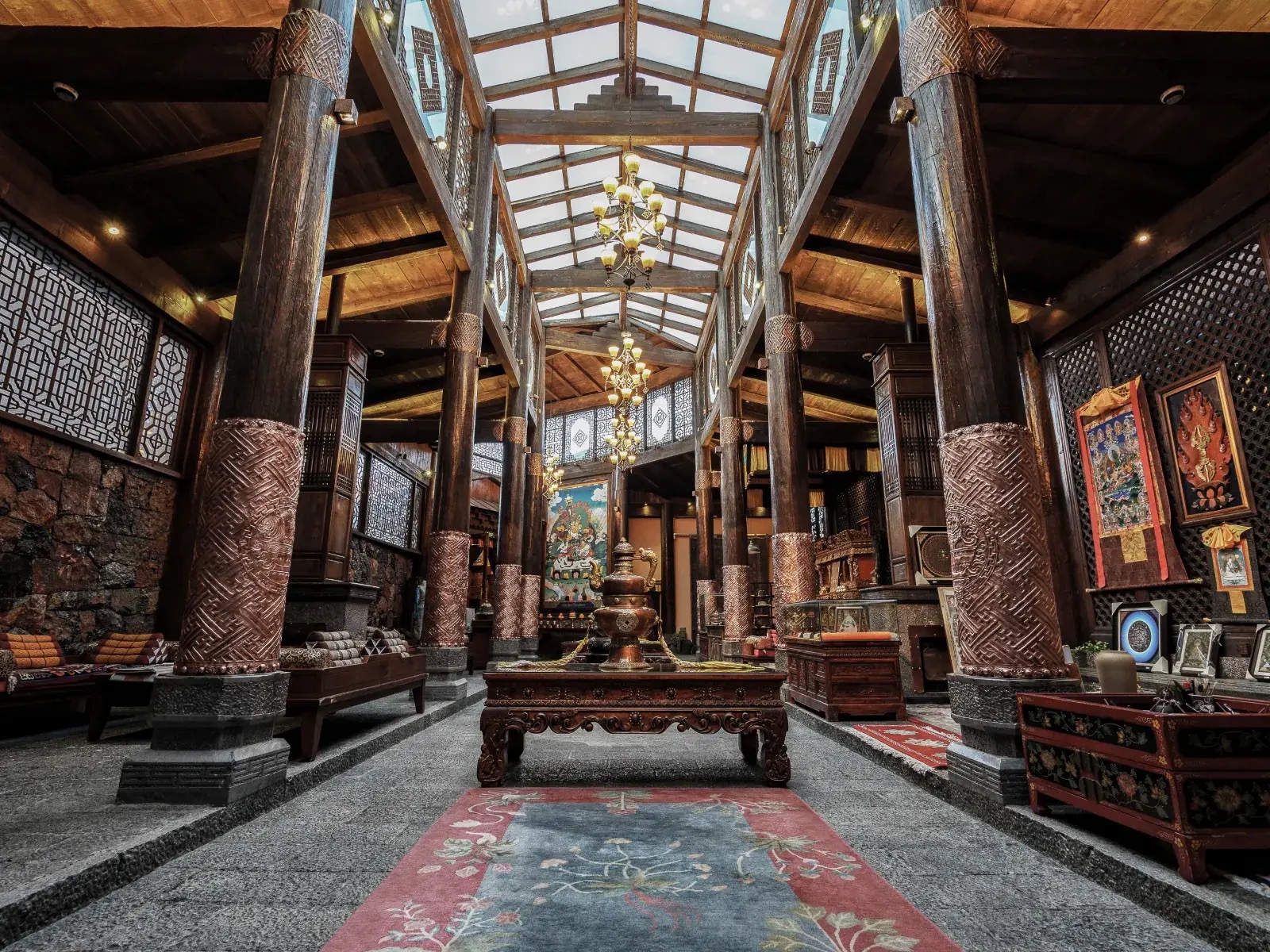
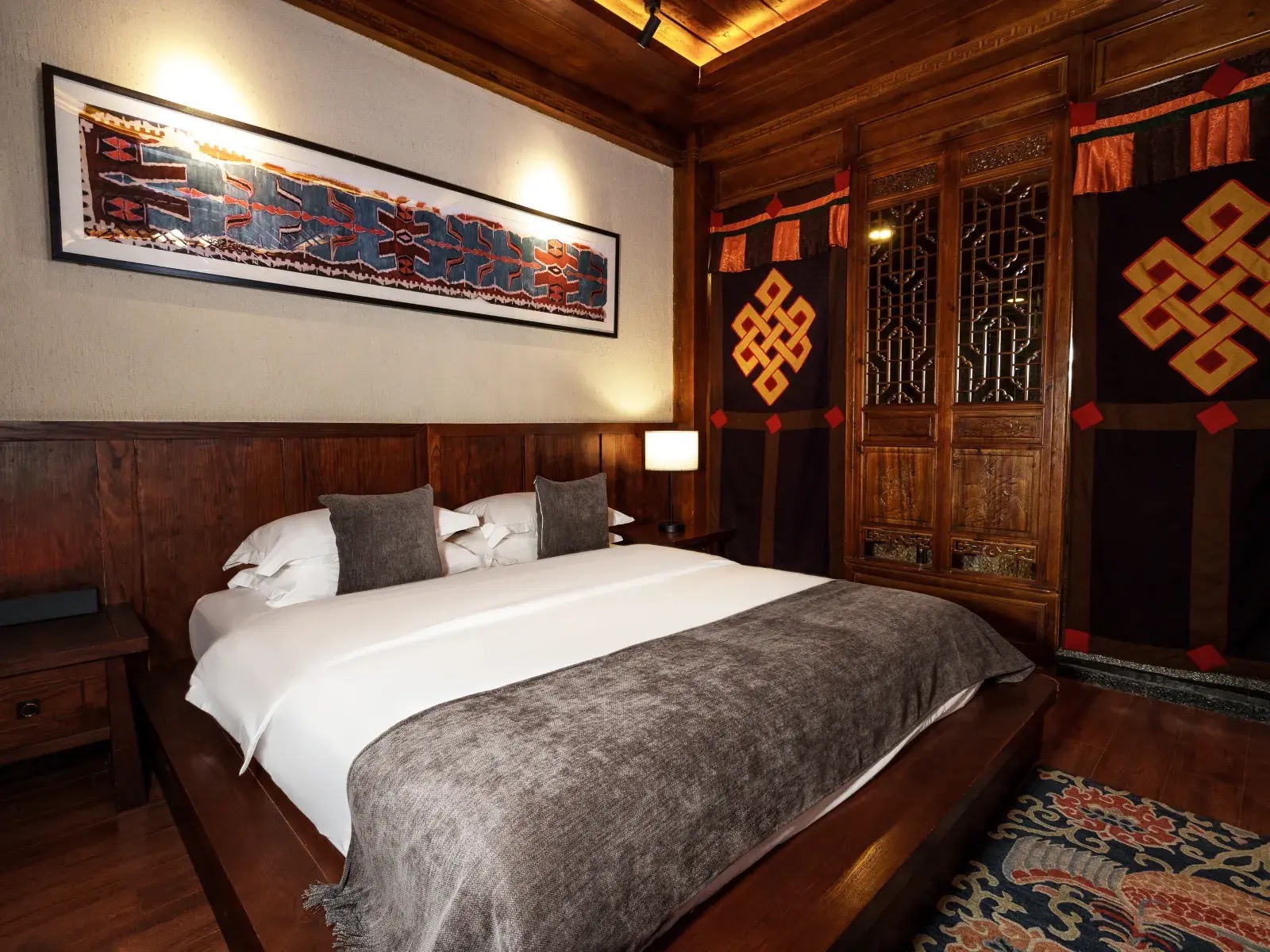
A Tibetan courtyard house in Dukezong old town — rammed-earth walls and a thangka-hung hall, steps from the great prayer wheel.
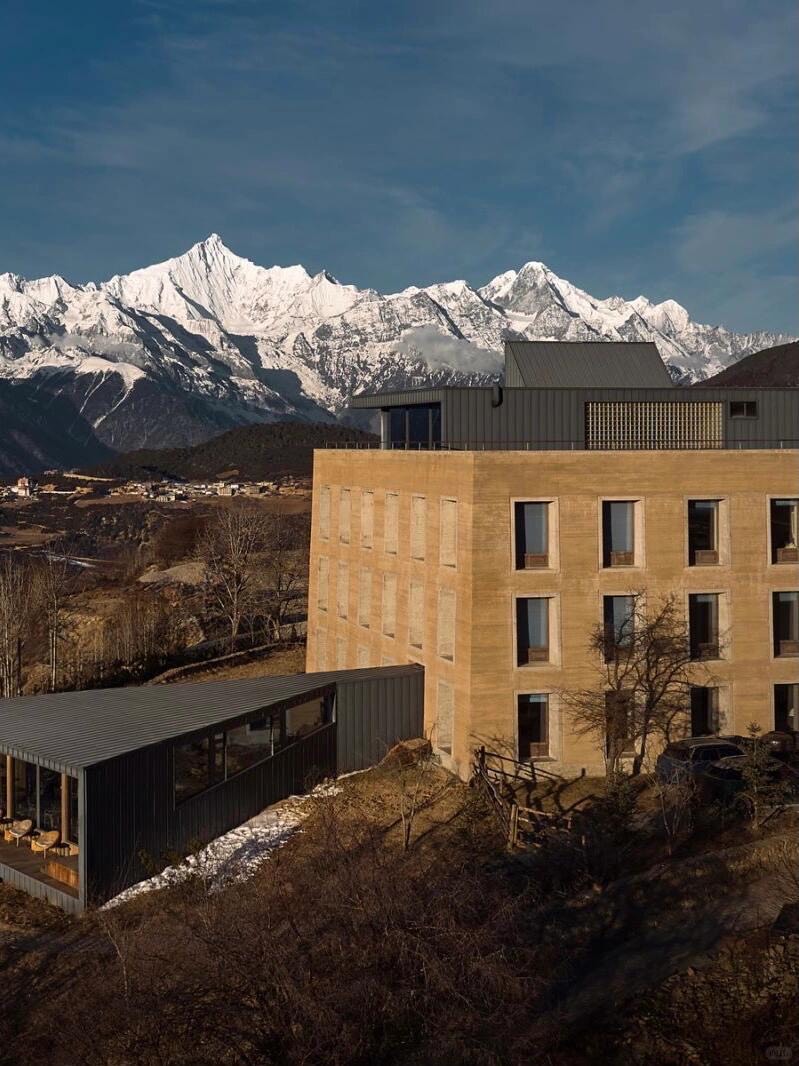
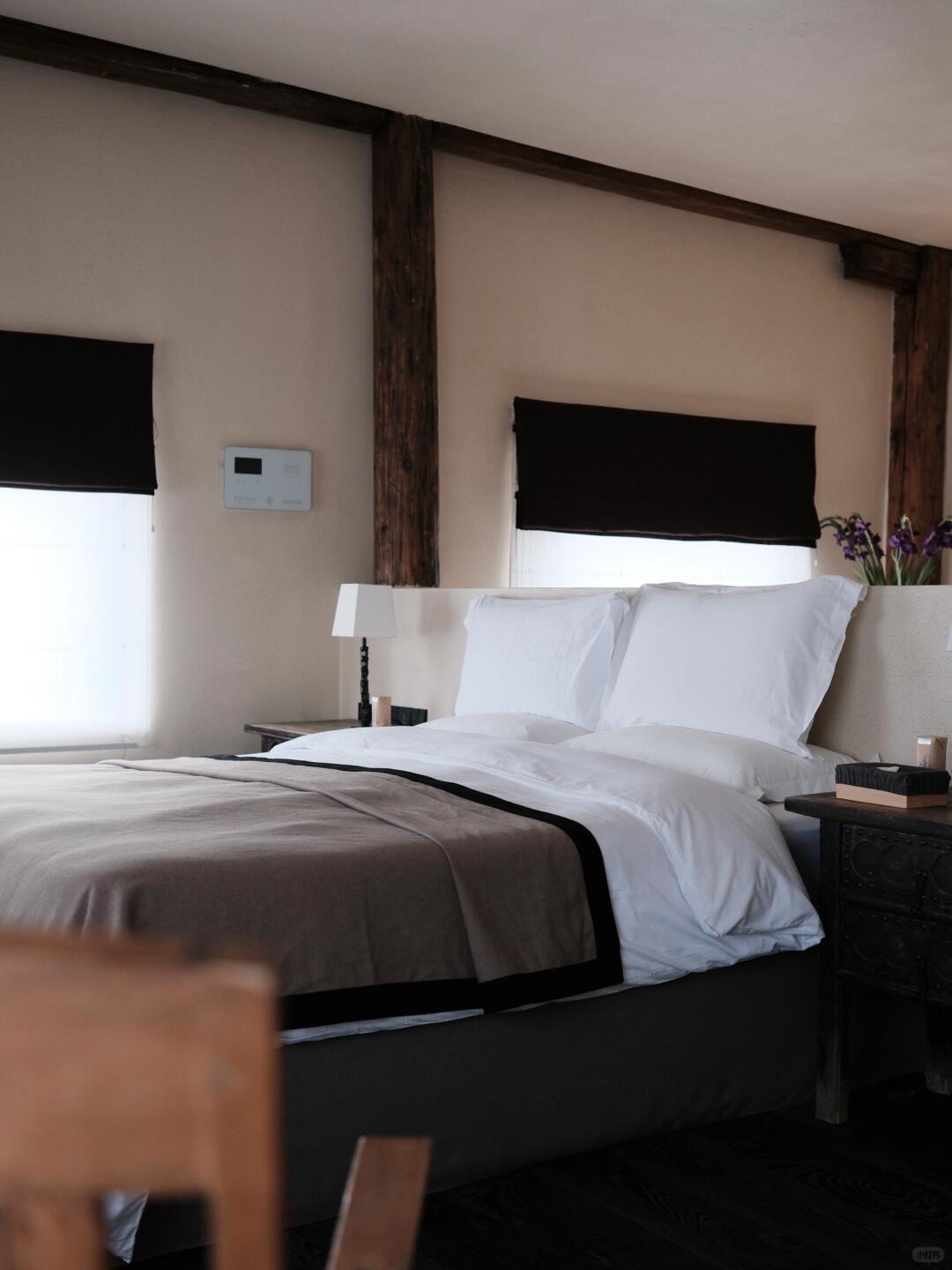
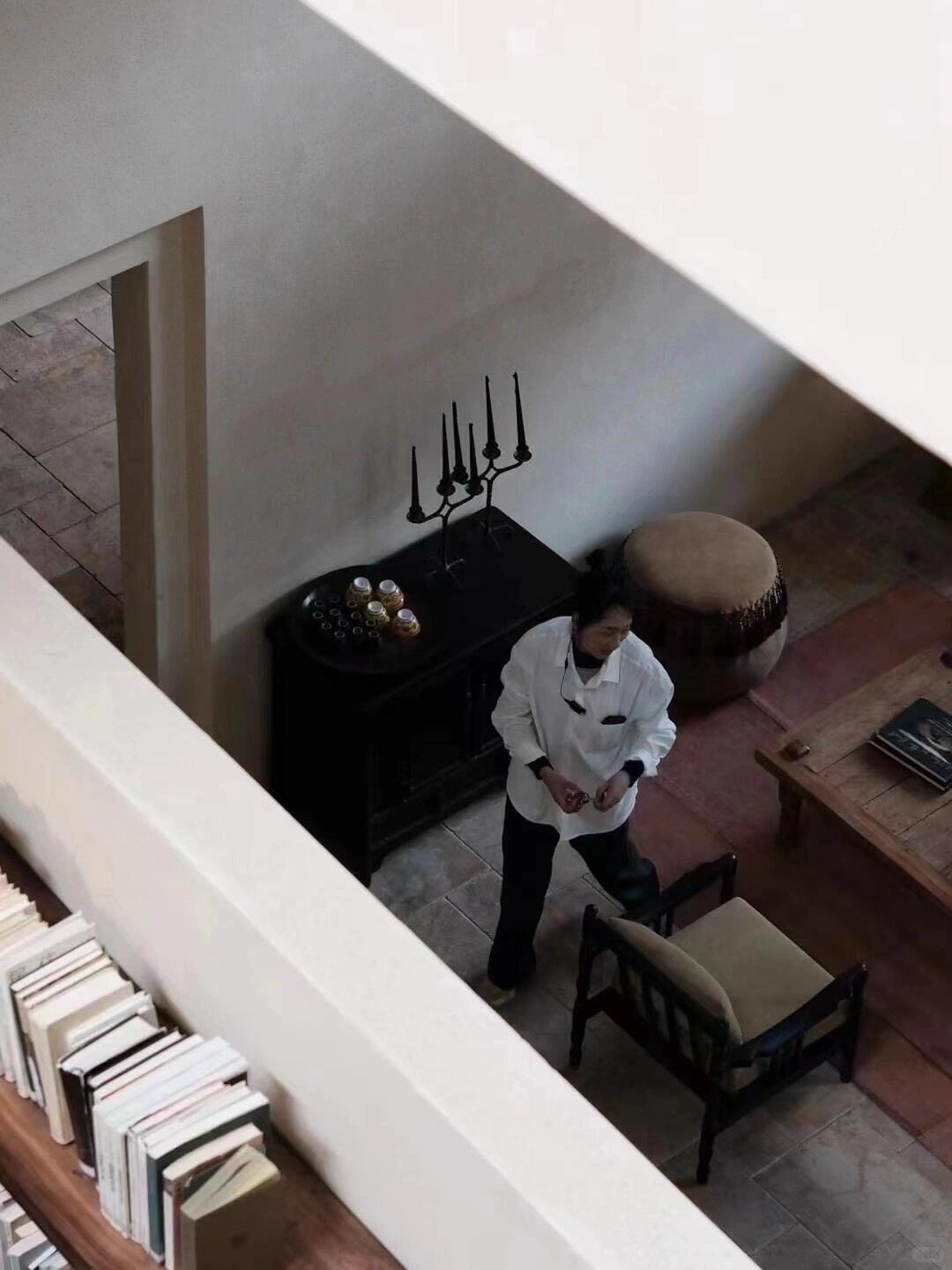
An alpine boutique inside Pudacuo park — Shangri-La's quietest mountain lodge.
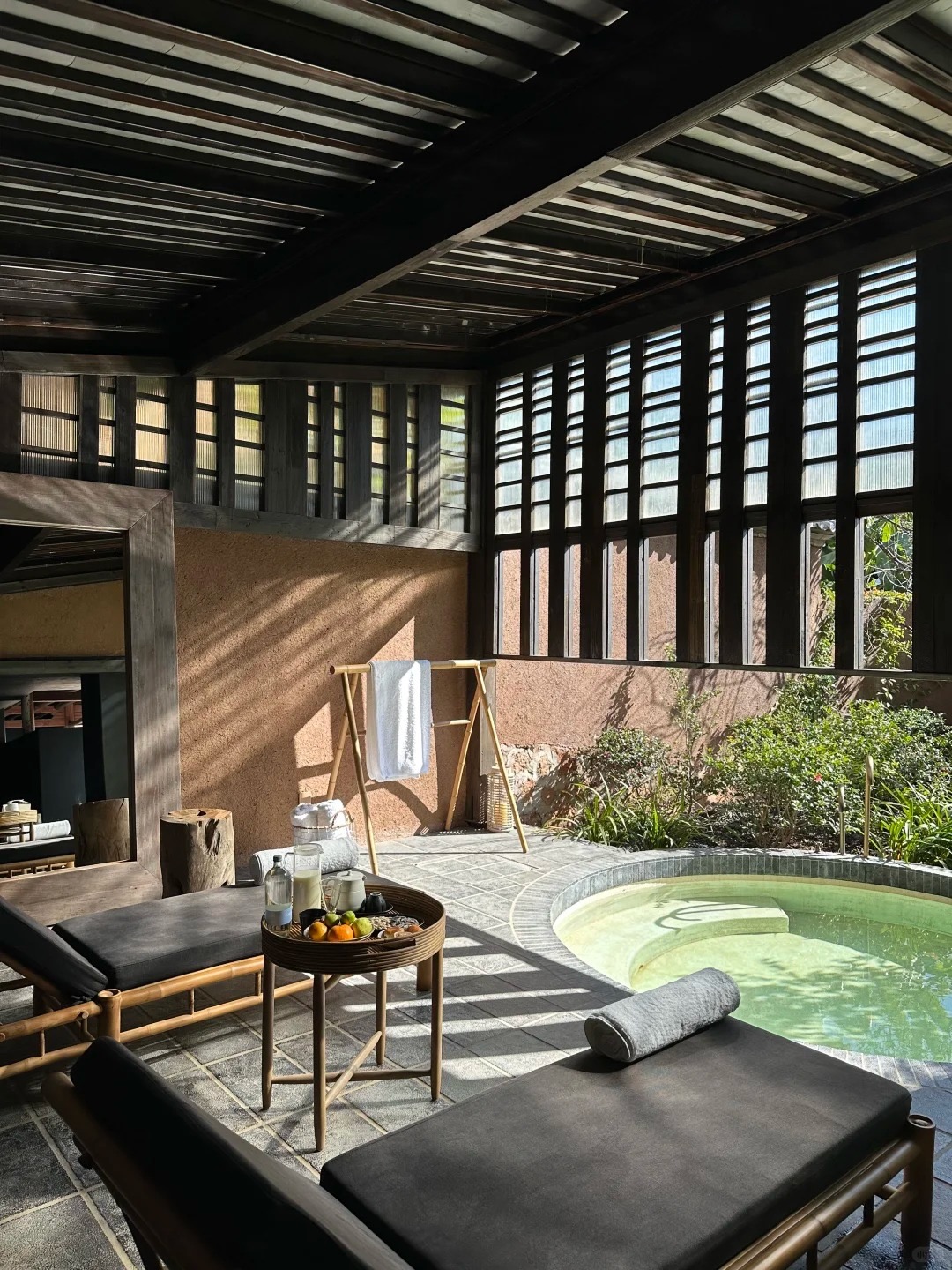
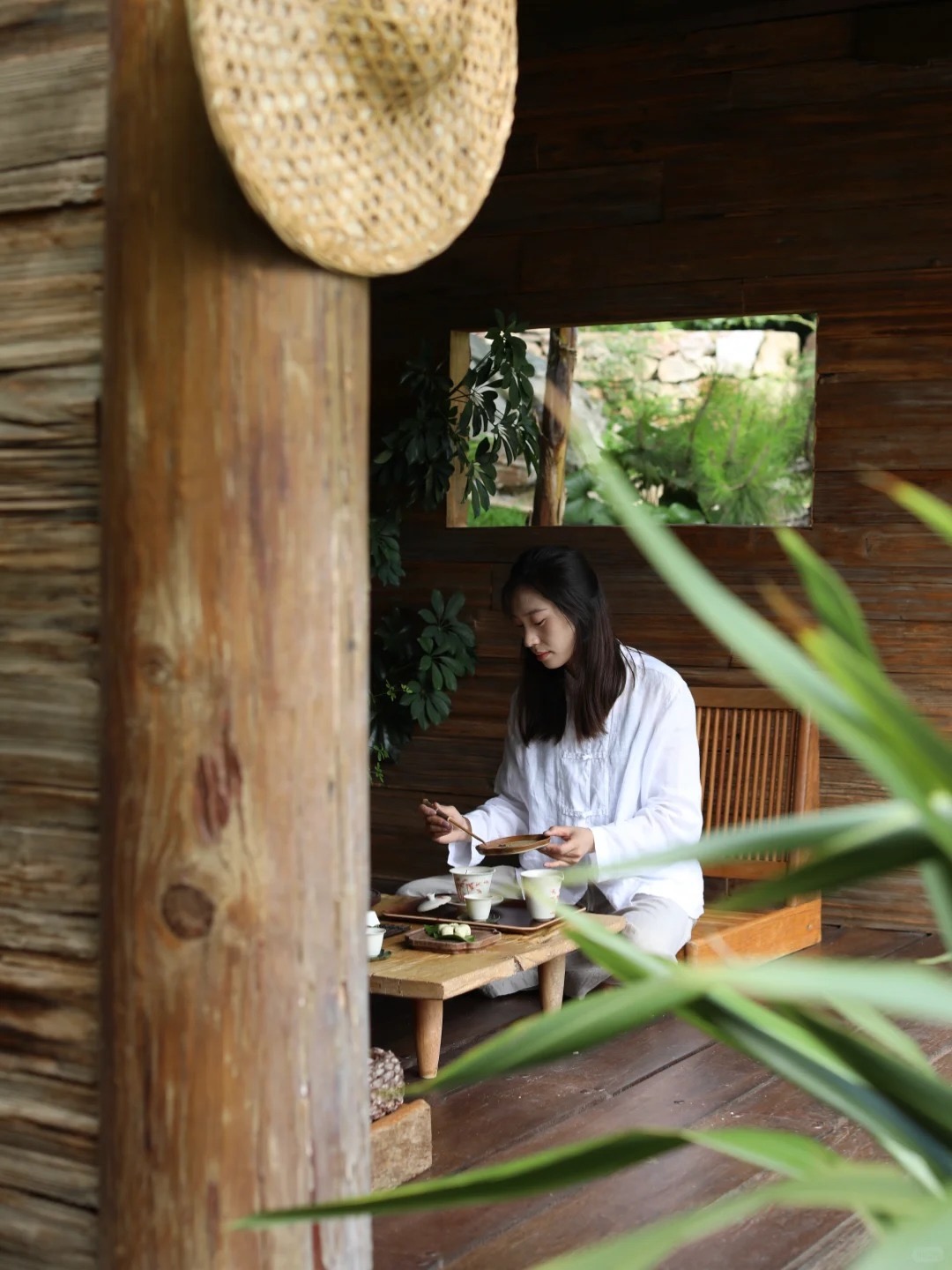
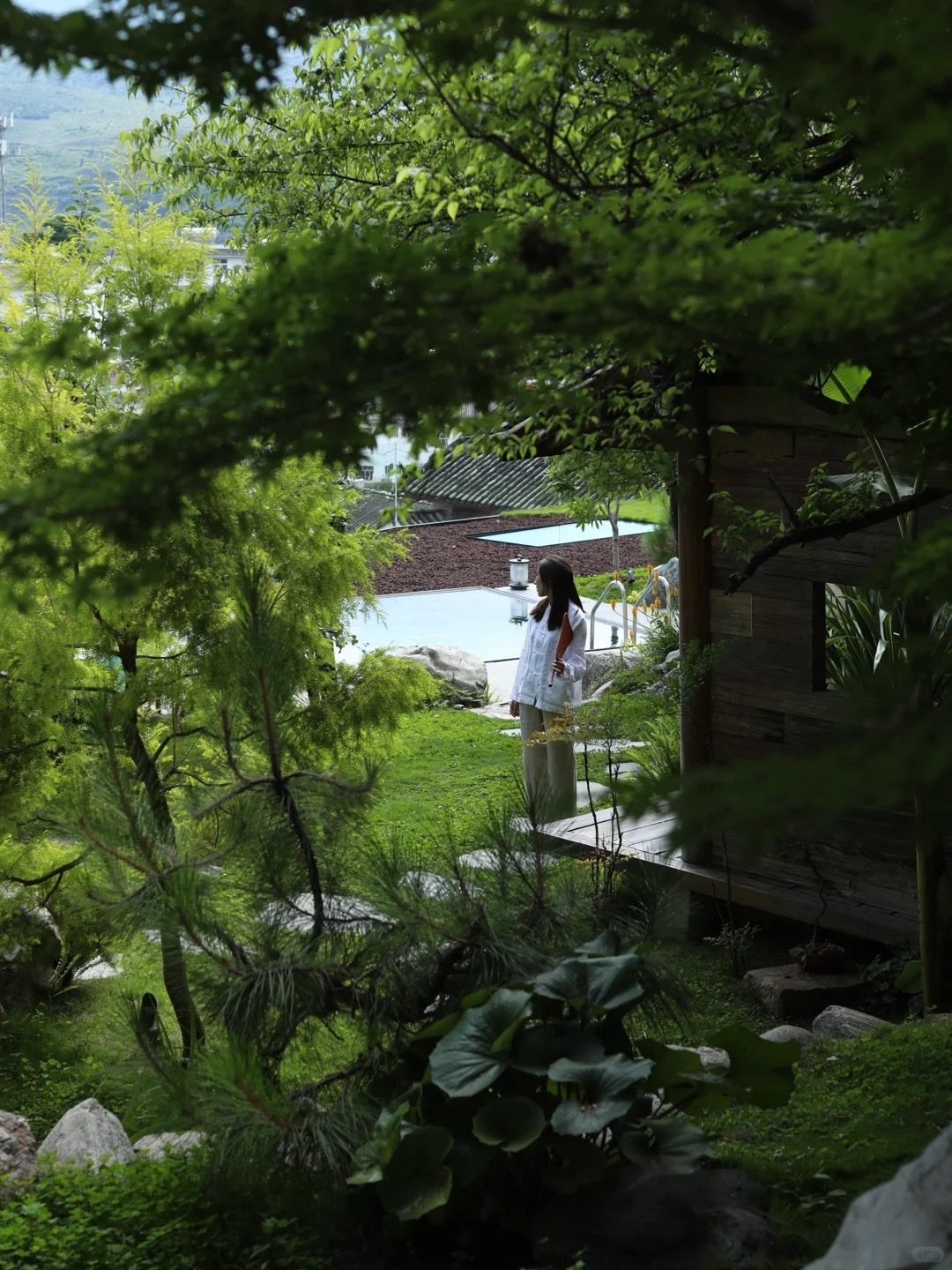
A bamboo-and-timber forest hot-spring retreat above Eryuan — the cedar-clad reset at the end of the loop.
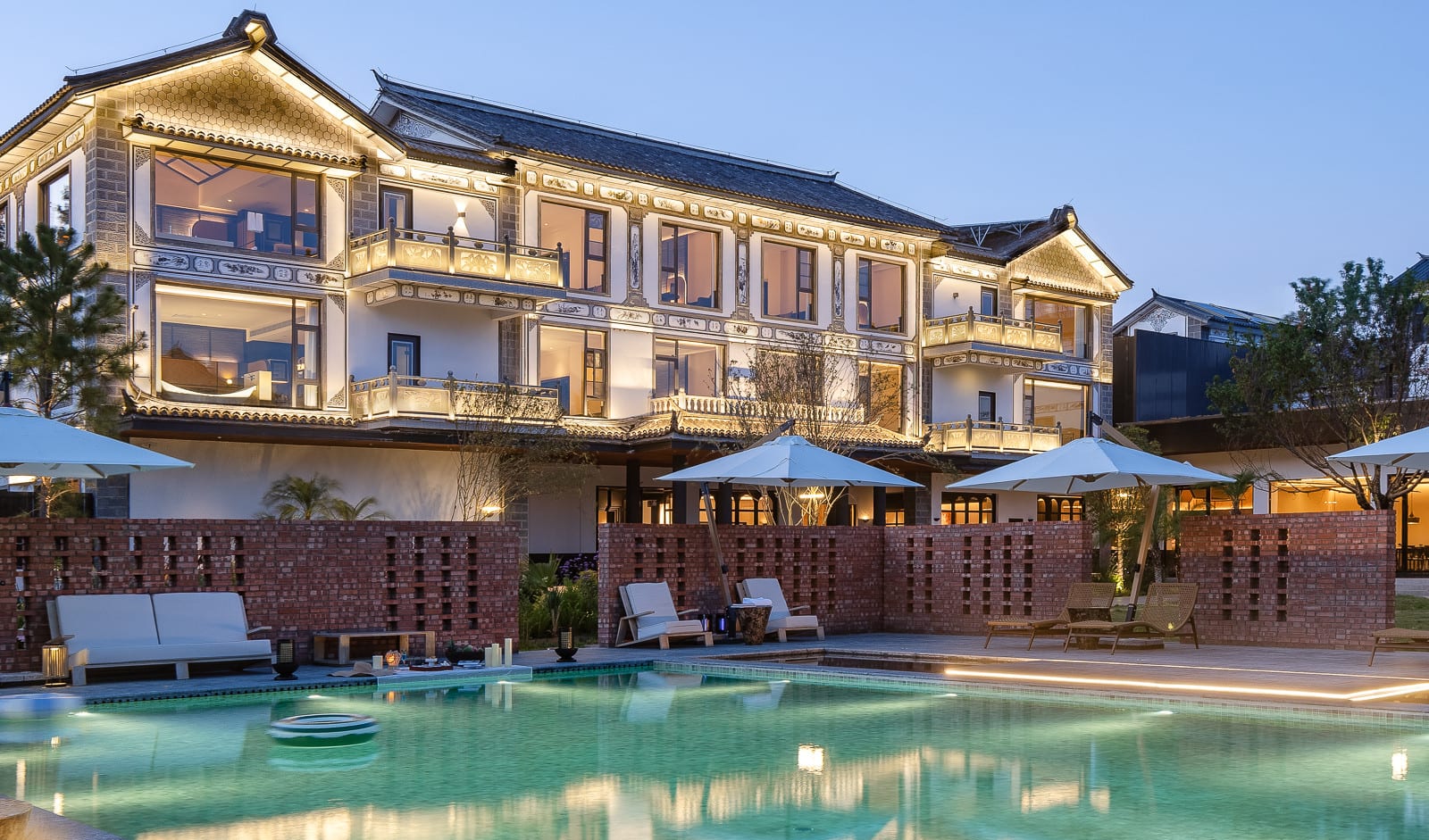
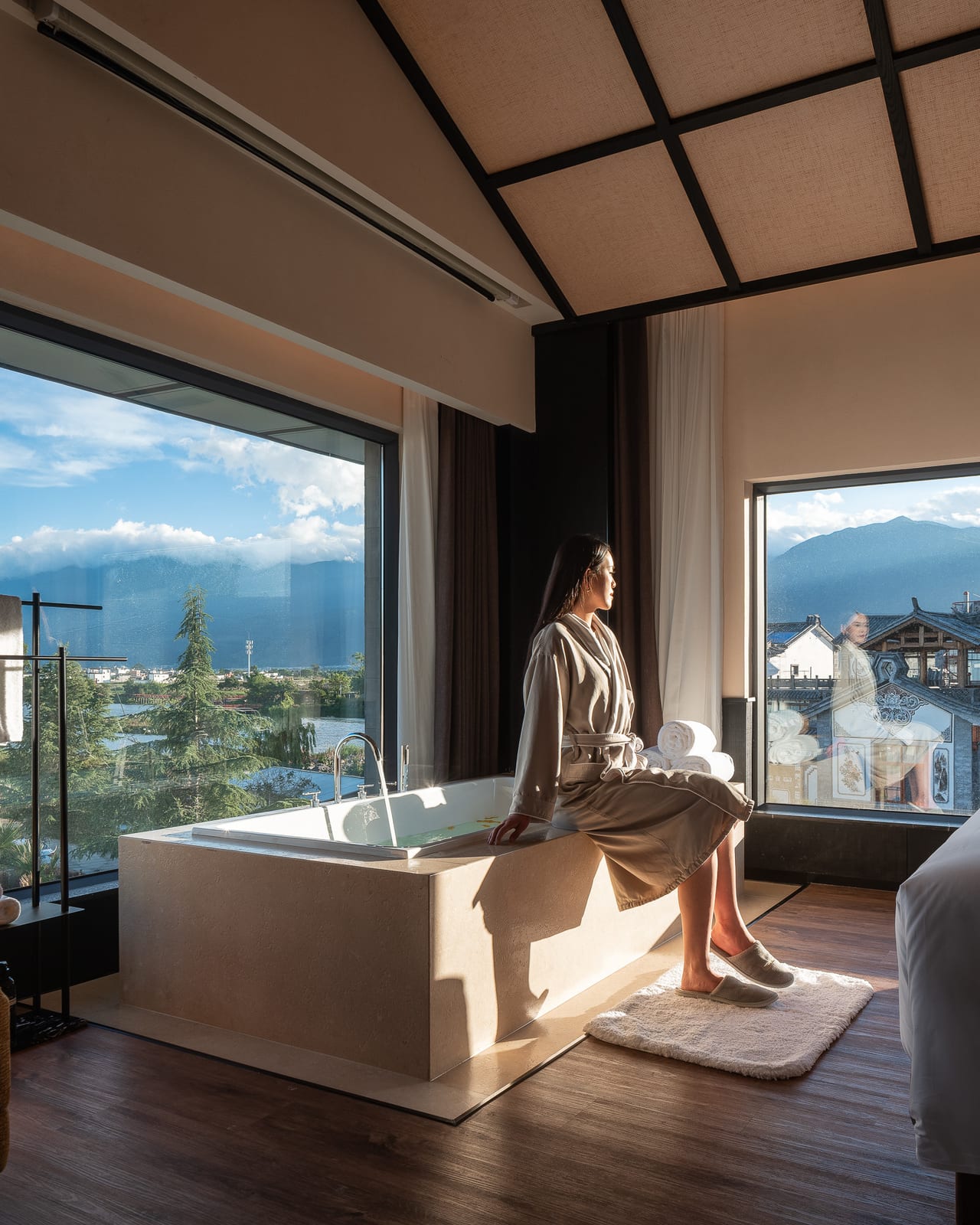
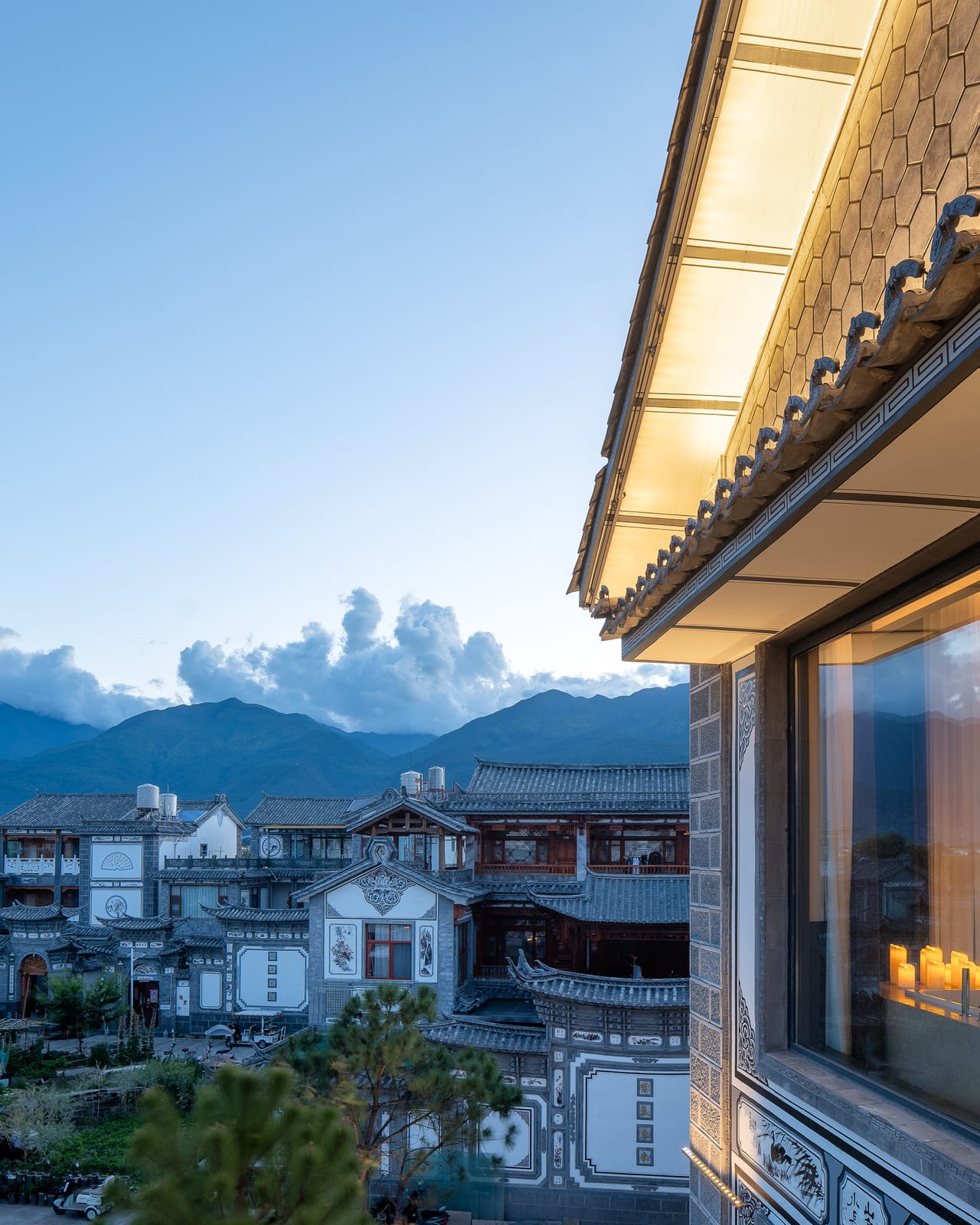
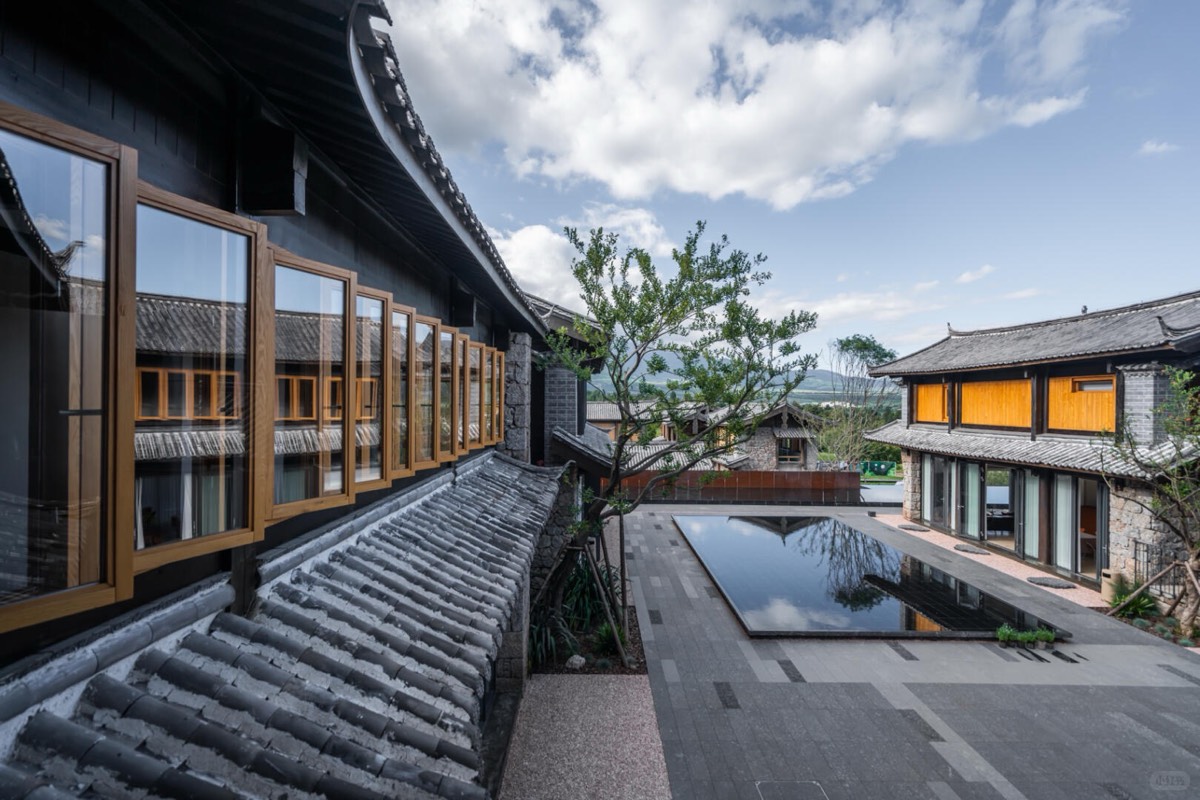
The Dali end of the loop, at Xizhou on Erhai's western shore — grey-tiled Bai courtyards around a reflecting pool, and the lakeside corridor a few minutes' walk away.
These are examples of the boutique stays we book across the route. Because boutique hotels have so few rooms, a stay may occasionally be swapped for one of similar standard.
Genuinely remote. From Cizhong to Lushui you're on narrow cliff-cut roads, often single-lane, with occasional rockfall closures and limited mobile coverage in the middle stretches. There are no chain hotels, no fast-food, no English signage outside the larger towns. You're inside the UNESCO Three Parallel Rivers heartland — Lisu, Nu and Drung villages, Christian churches built by 19th-century French missionaries, and a turquoise river running through one of Earth's deepest gorges. Travellers willing to trade comfort for genuine frontier landscape and living ethnic culture will love it. If you want polished resort travel, this isn't the trip — see our Soulful Side of Yunnan or Yunnan Trilogy instead.
Two windows: May–June, when the high-pass rhododendrons bloom and the Wuli Tea Horse Road is dry and walkable; and October–November, when the post-monsoon air is at its clearest and Kawagarbo holds long sunrises. June through early September is workable for travellers comfortable with daily afternoon rain — the gorge is at its lushest and quietest. We add buffer days for the road and brief you honestly. Chinese New Year is the one window we close — every village goes home.
Most days are gentle 2–5 km walks. Two optional days are harder: the Abujicuo alpine lake hike (~9 km, max 3,600 m, no scrambling) and the Wuli Tea Horse Road cliff section (exposed but well-trodden, cut into the cliff above the river — anyone unbothered by heights is fine). Maximum altitude is 4,292 m on the Baima Pass, but you cross it driving — you don't sleep up there. Sleeping altitudes max out at ~3,400 m in Shangri-La and Feilai Si. We carry oxygen and altitude meds; most travellers acclimatise smoothly thanks to the gradual climb from Erhai upward.
You can, but the trip's whole reason for being is Nujiang. Without the Cizhong-to-Lushui section you're left with a standard Dali–Lijiang–Shangri-La loop, which we run as the Peaks & Retreats: Yunnan Trilogy. If you only have 8–9 days, that itinerary is the better fit. Reserve this loop for travellers with at least 12 days who want the deepest, least-trafficked corner of Yunnan as the centrepiece — not an add-on.
Every day, stay and date tailored to you — shaped over a call with someone who has walked the route, never a template.
Request a proposal for this trip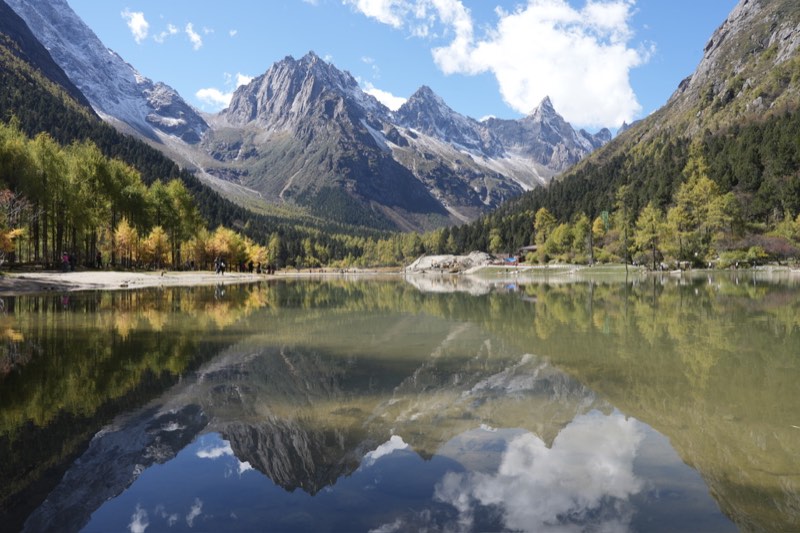
Giant Pandas at the Chengdu Research Base, then three days in the alpine lakes of Siguniang or Jiuzhai Valley. City culture first, mountain silence after.
See the itinerary →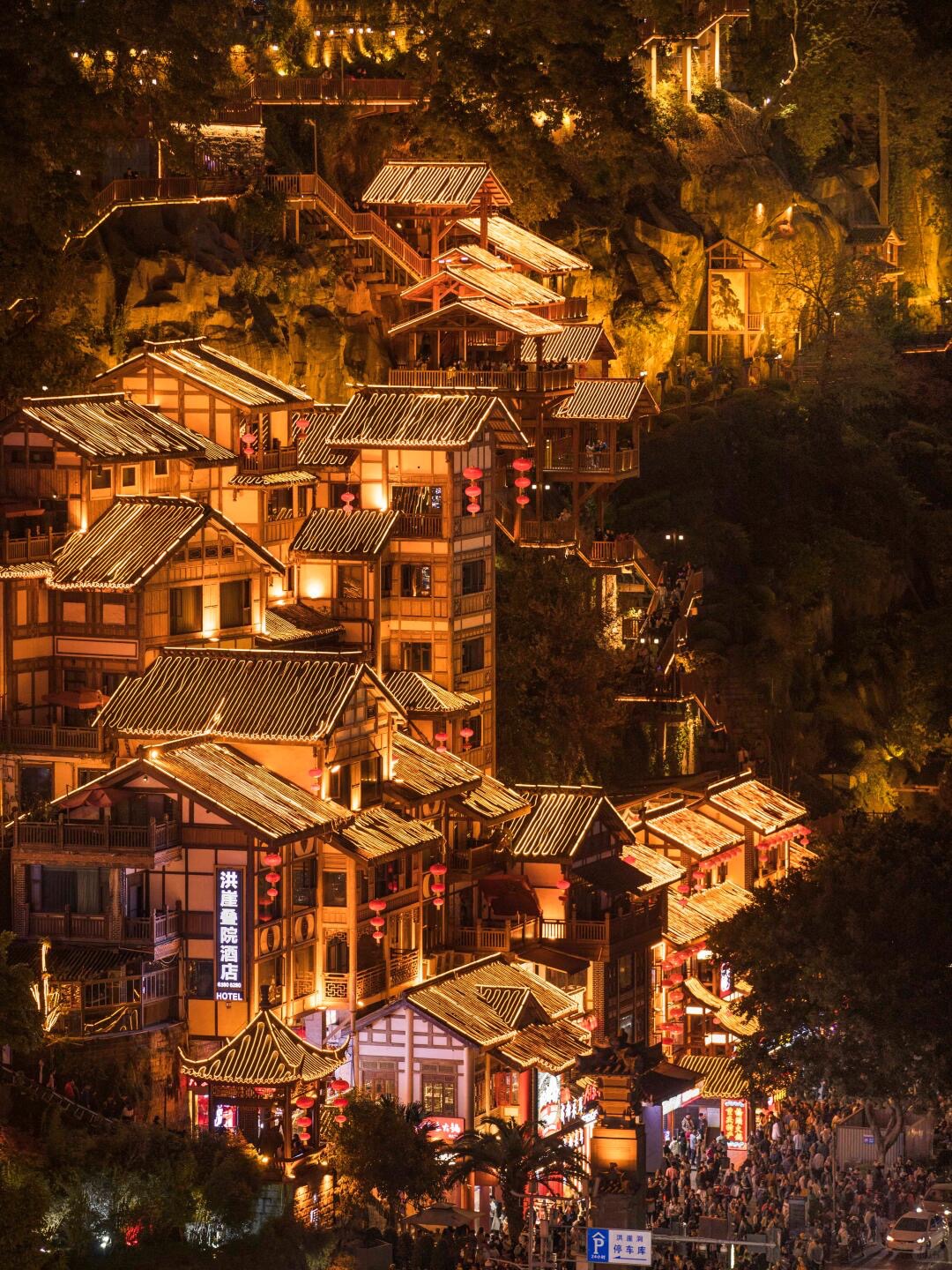
A 5–6 day private tour weighted toward Chongqing — neon river cities, UNESCO Wulong Karst, the Longji (Dragon's Backbone) ridge hike above the Yangtze, and two different tables of Sichuan heat. Bookended with a soft Chengdu landing.
See the itinerary →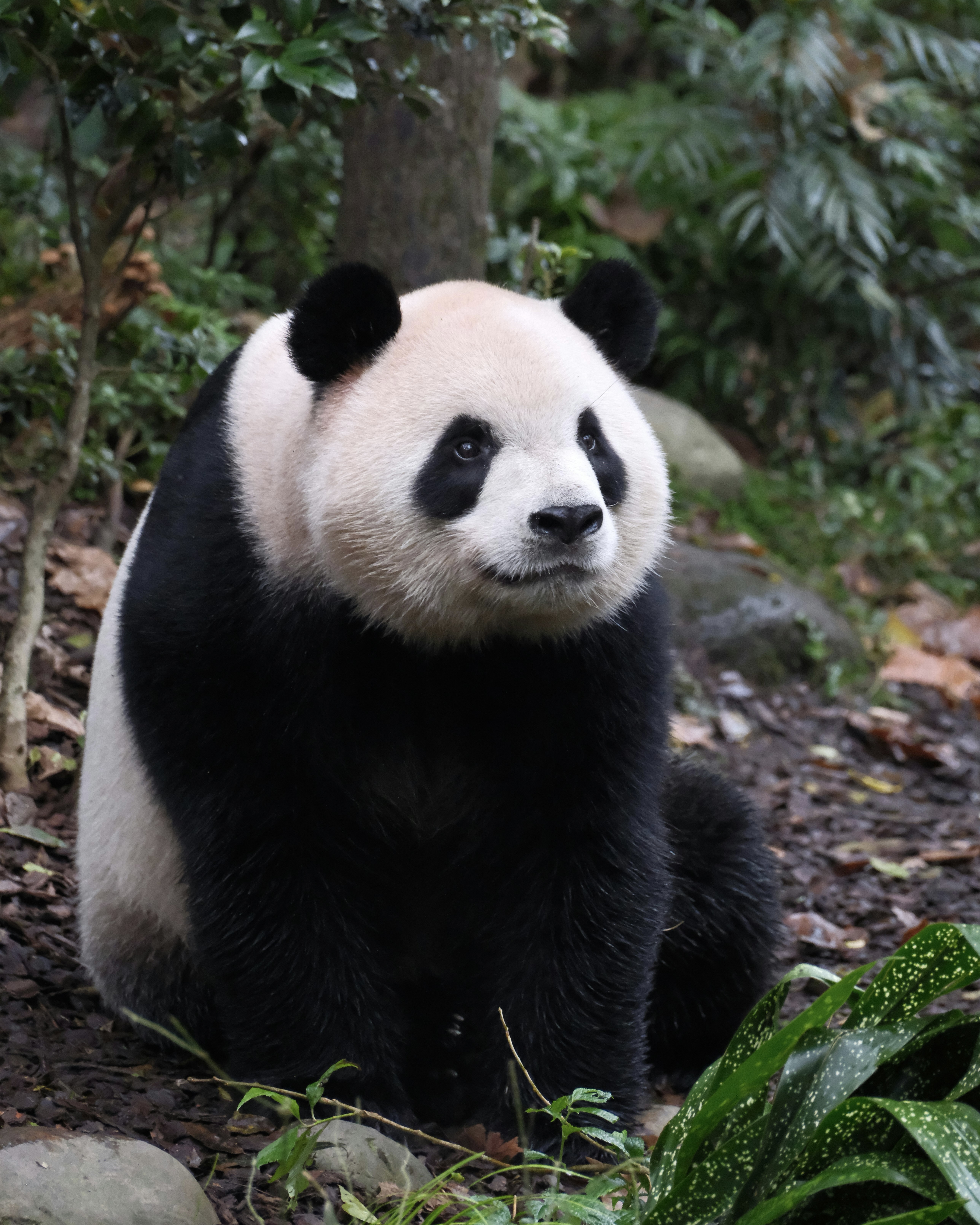
Fifteen days that pair China's great icons with its wildlife and wild landscape — the Forbidden City and the quiet Great Wall at Jinshanling, the Terracotta Army, a working day with the giant pandas outside Chengdu, three days among Zhangjiajie's sandstone pillars, and Shanghai to finish. Private throughout.
See the itinerary →