← All Ultimate Hikes Ultimate Hikes

Yubeng Trek

3 days under Kawagarbo — Yunnan's foot-access-only Tibetan village

3 days 2 nights challenging 3,900 m max Oct – May

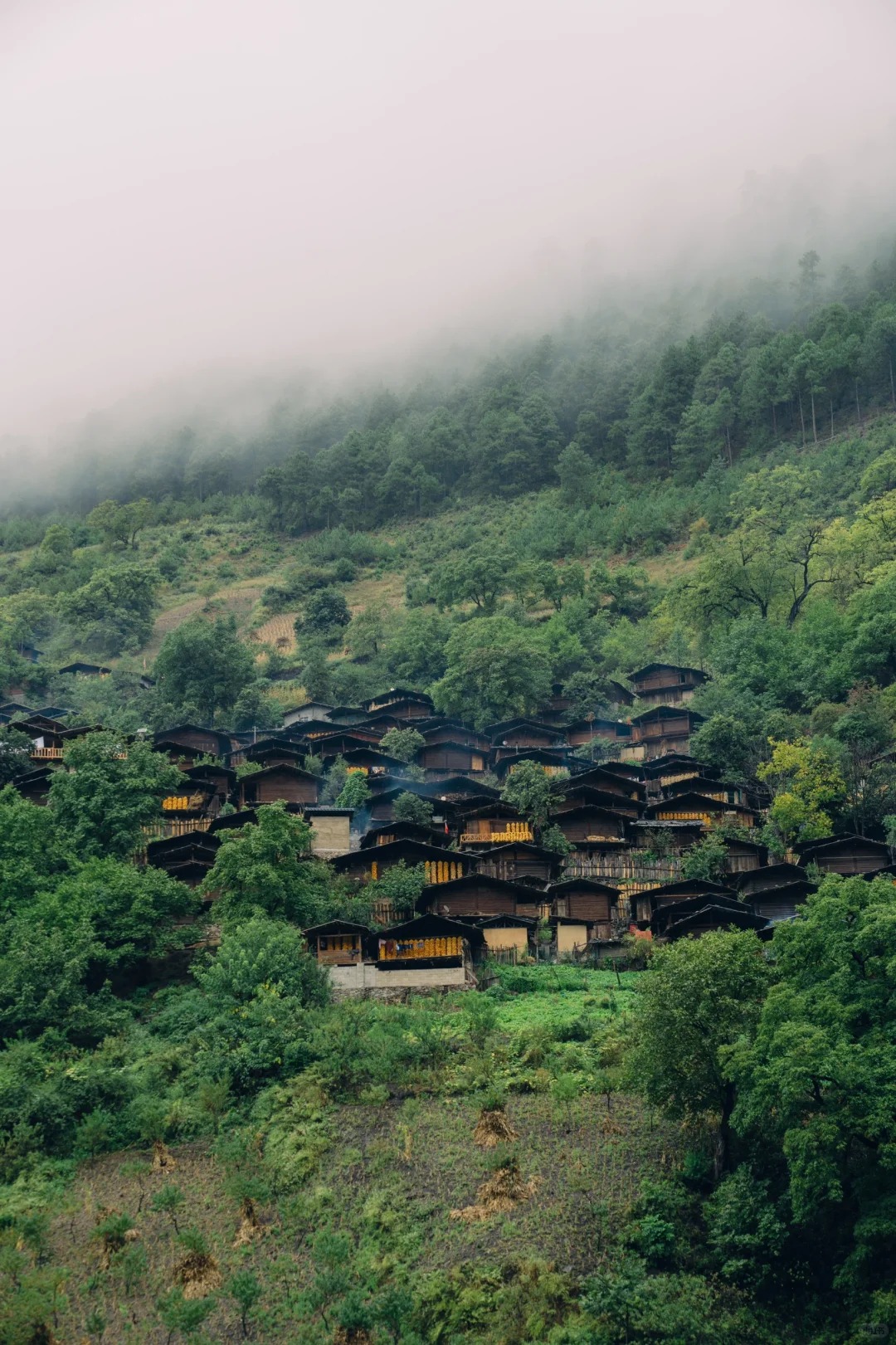
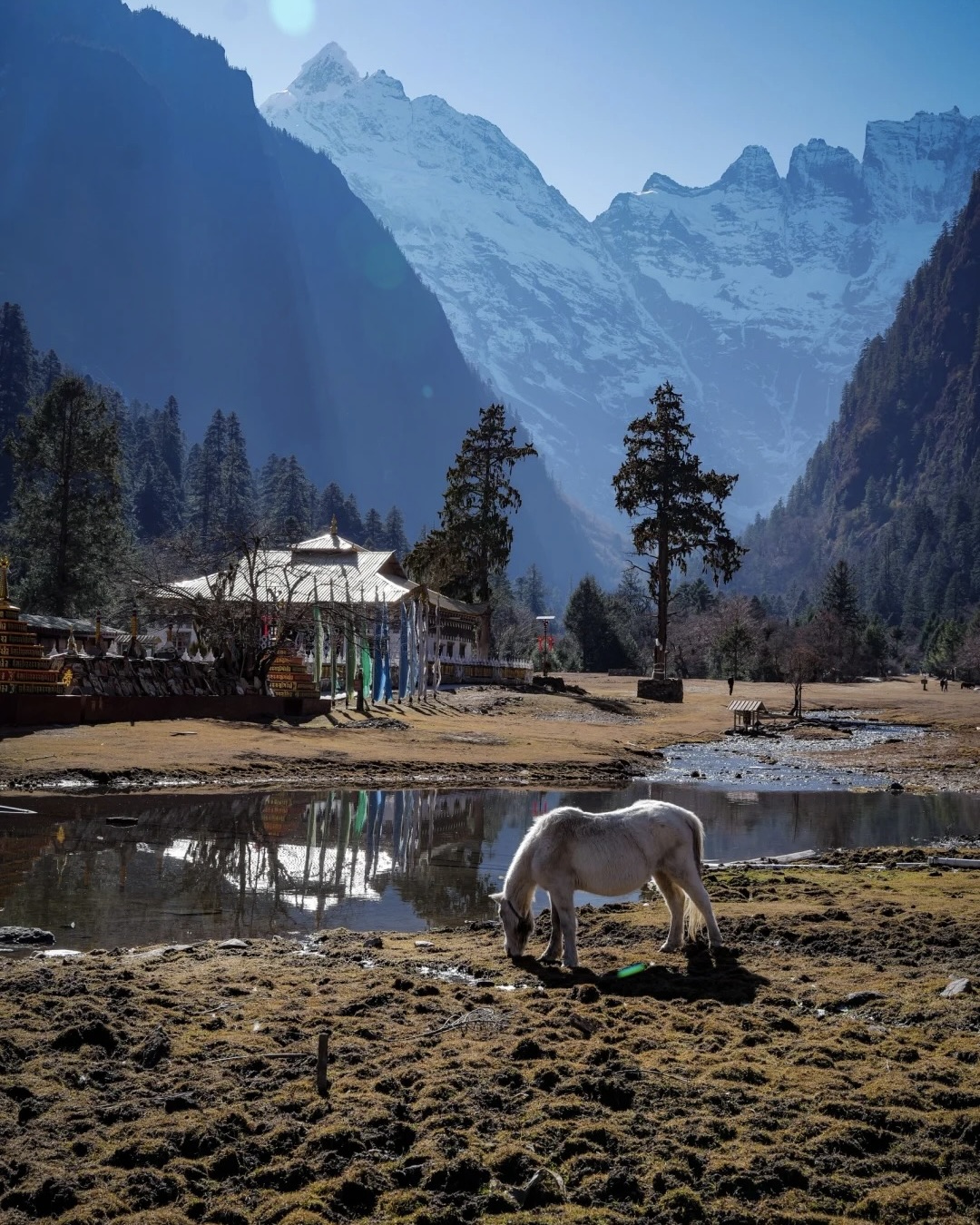
Yubeng (雨崩) is the Tibetan village at the heart of the Meili Snow Mountain south flank — the only village in this part of Yunnan reachable solely on foot (or by horseback), tucked into a conifer-forested bowl at 3,100 m under the sacred face of Kawagarbo. The 3-day trek goes in on Day 1, splits on Day 2 between the Sacred Waterfall (a Tibetan pilgrimage circuit) and the Ice Lake (a tougher push to 3,900 m), then exits on Day 3 down the Ninong Gorge. Quieter in winter, classic in shoulder season, and consistently rated one of the most rewarding short treks in southwest China.

Ask about this experience
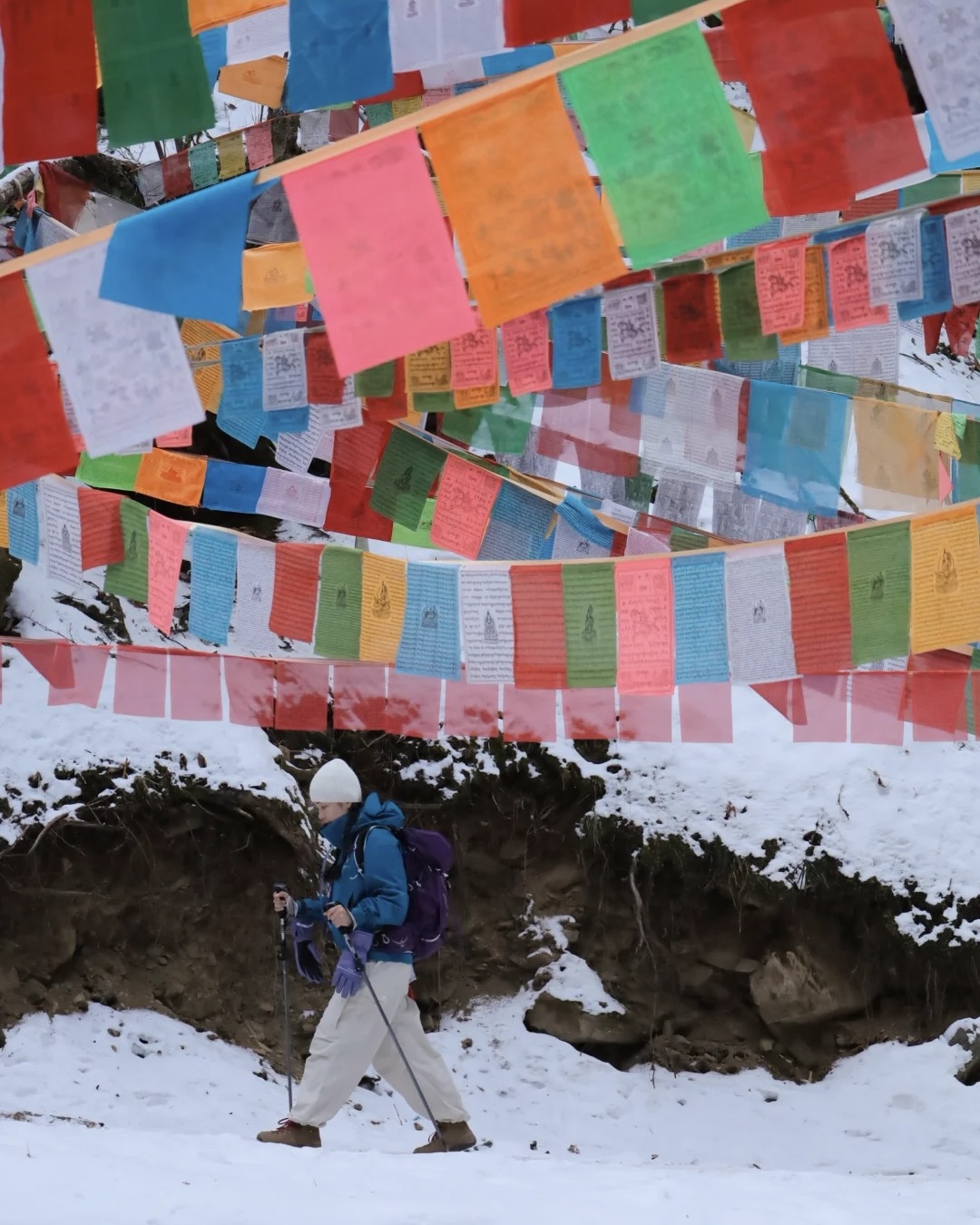
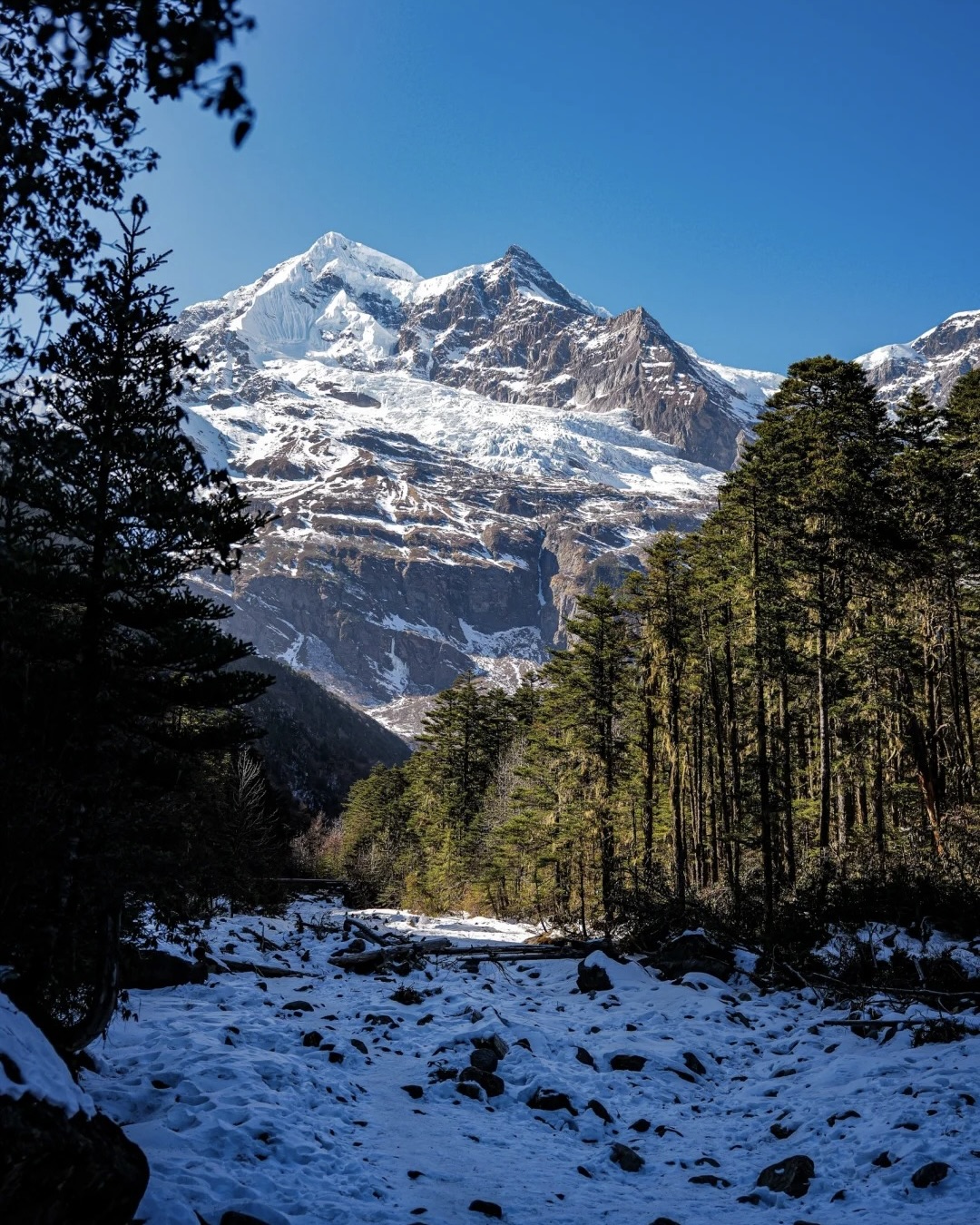
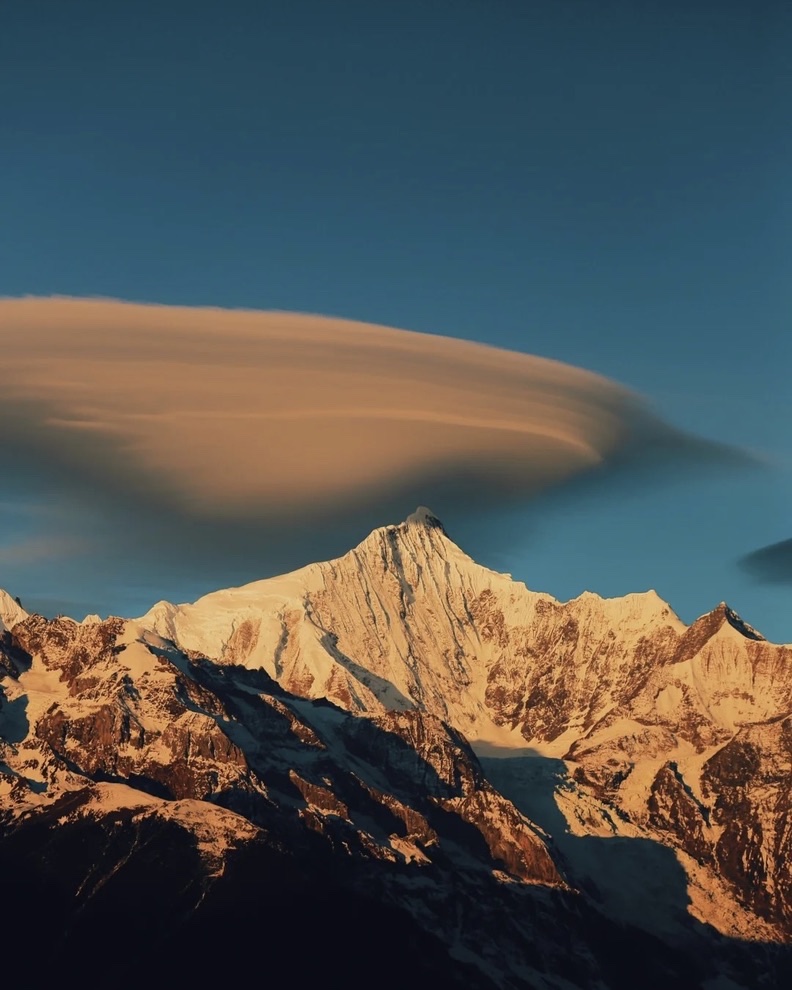
Snow-covered alpine terrain on the Yubeng winter trek under Meili Snow Mountain — hero image for the Yubeng Trek by Boutique China
At a glance

The experience

  • Day 1 — Xidang trailhead (~2,650 m) → wooded pass → Upper Yubeng village (~3,100 m); 16–18 km, ~6–7 hrs walking with shrine stops
  • Day 2 — choose Sacred Waterfall (cultural pilgrimage, 8 km out-and-back) OR Ice Lake (alpine push to 3,900 m, 12–14 km, ~7 hrs)
  • Day 3 — descend via Ninong Gorge → road head → private transfer back to Shangri-La or Feilai Si
  • Sacred Waterfall is the Tibetan kora moment; Ice Lake is the alpine-photography moment — most travellers choose one and we'll guide on weather/fitness
  • Mandatorylicensed local Tibetan guide, mule support on request, acclimatisation night at Shangri-La (3,200 m) or Feilai Si (3,400 m) before trek-in

Why Yubeng — the trek every Yunnan walker hears about

  • Yubeng is Yunnan's classic 3-day trek. The village itself is the destination — no road in, no road out, just two trail entries. That changes what travelling means.
  • Two genuinely different Day 2 options means it's not a one-trick trek: the Sacred Waterfall is a Tibetan pilgrimage walk through conifer forest to a 200-m cascade that locals circumambulate. The Ice Lake is the alpine alternative — a steep climb to a glacier-fed tarn at 3,900 m below the Kawagarbo face.
  • Compared to the north slope (our Meili North Slope Trek)Yubeng is shorter, lower, and more village-cultural. North Slope is longer, higher, and more pure-trekking. We pair them often.

Day 0 — Acclimatisation at Shangri-La or Feilai Si (essential)

  • We strongly recommend at least one night at 3,000 m+ before the Yubeng trek-in. Standard sequencing: Lijiang (2,400 m, 1–2 nights) → Shangri-La (3,200 m, 1 night) OR Feilai Si (3,400 m, 1 night) → Xidang trailhead.
  • Direct sea-level-to-Yubeng travellers commonly experience AMS symptoms on Day 1 evening at 3,100 m. The 24 hours at Shangri-La altitude is the single highest-leverage thing you can do for the trip.
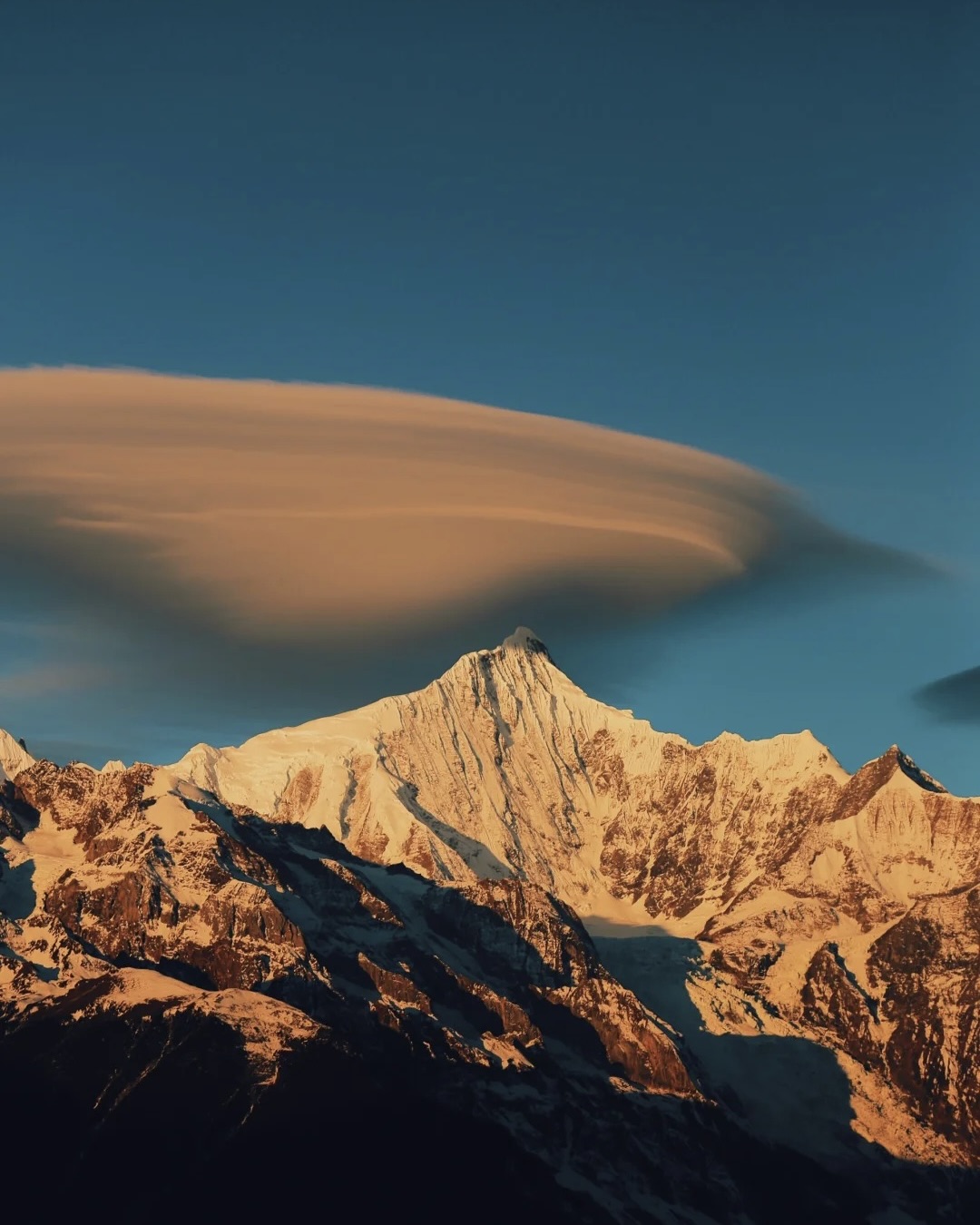
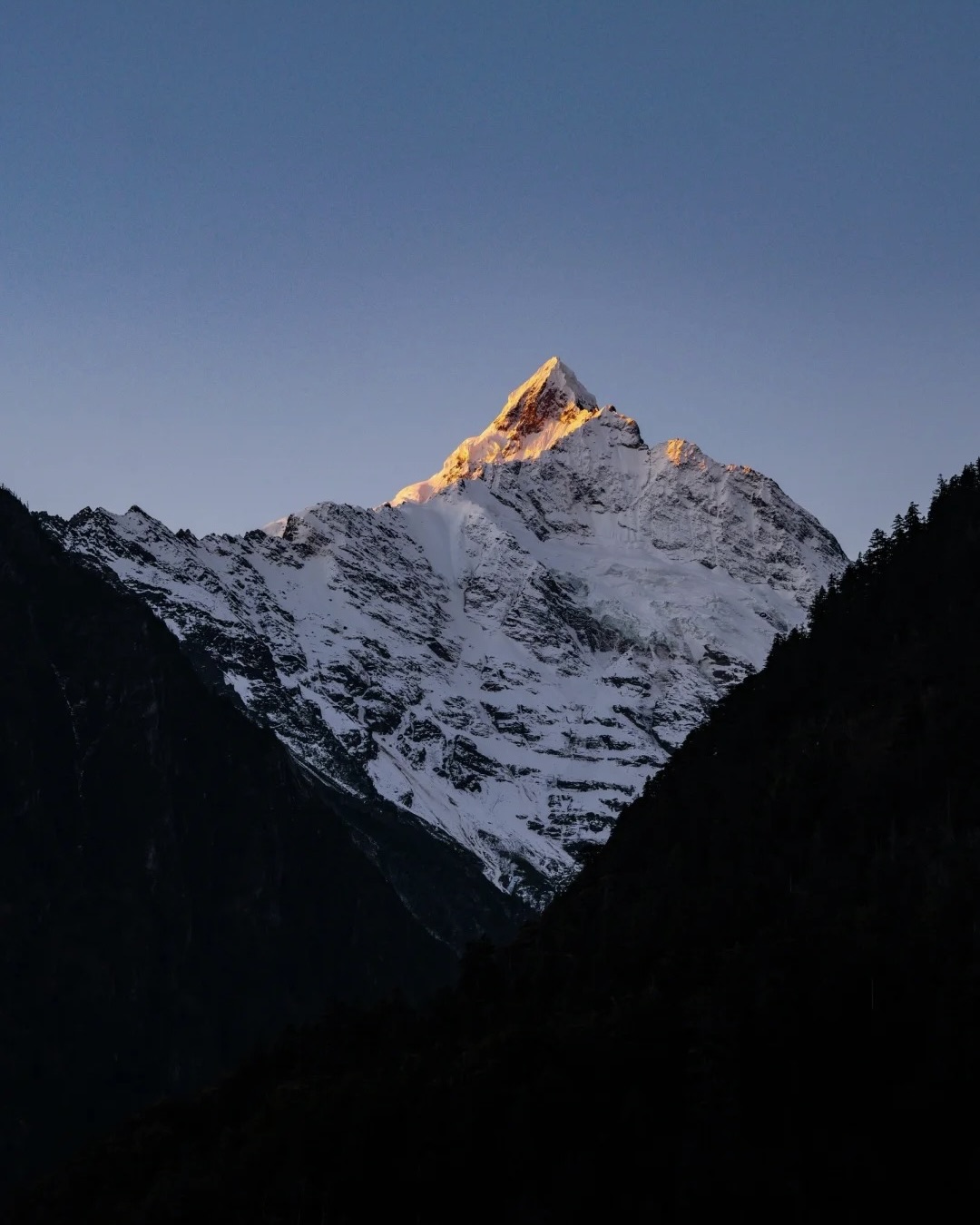
  • Feilai Si specifically gives you the Kawagarbo dawn alpenglow viewing platform — a bonus on top of the acclimatisation.

Day 1 — Xidang trailhead → Upper Yubeng

  • Morning transfer from Shangri-La / Feilai Si to the Xidang trailhead (~2,650 m) — ~2–3 hrs by private vehicle.
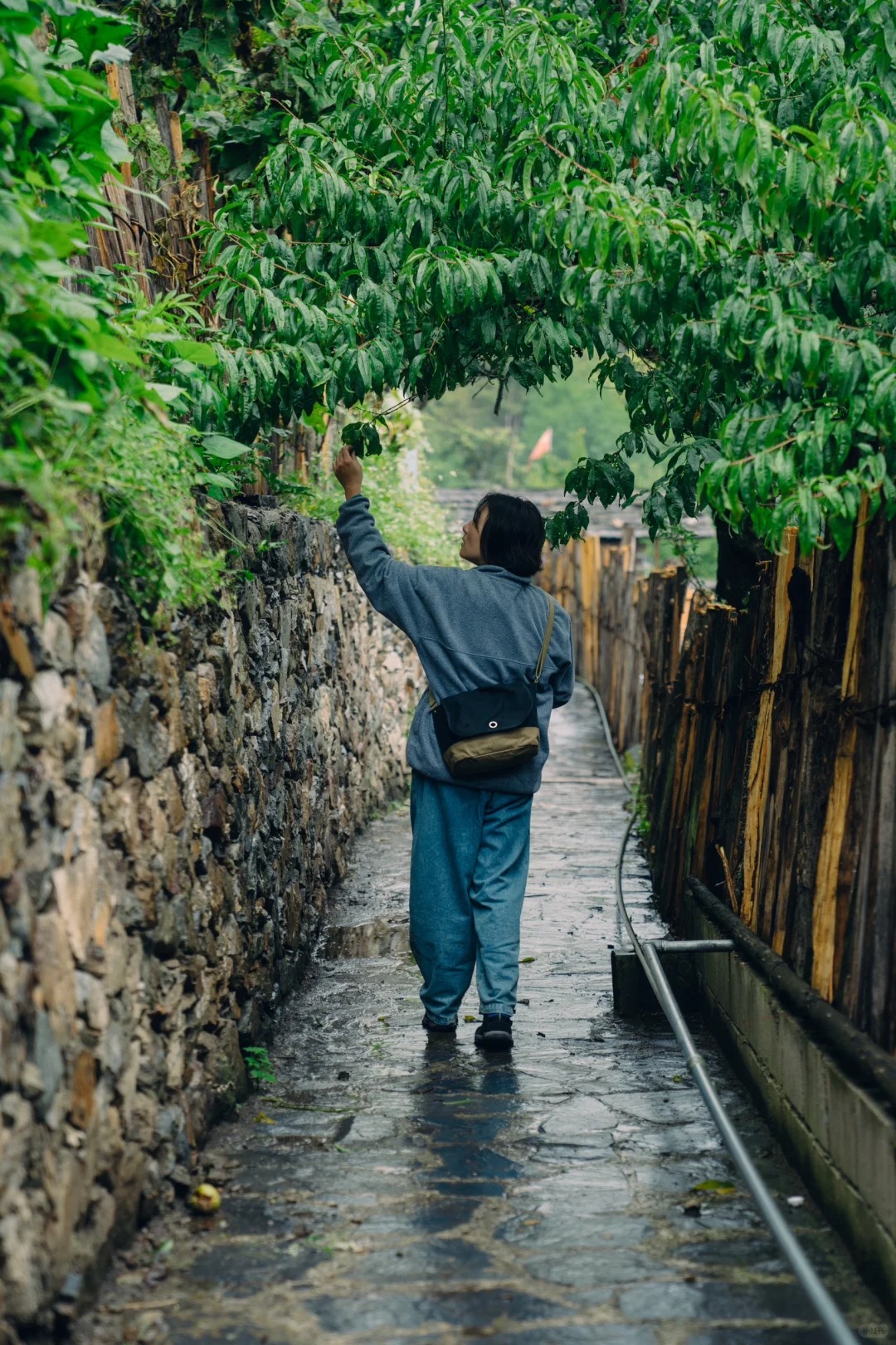
  • Trek-in via the wooded Nanzheng La passa ~800 m climb through fir and rhododendron forest, with several Tibetan shrine stops along the way. Mule support available on request for heavy gear.
  • 16–18 km total, ~6–7 hrs walking with a mid-day lunch stop. Arrive Upper Yubeng (~3,100 m) by mid-afternoon.
  • Mountain guesthouse check-in (basic but warm — wood-stove heated, shared bathrooms). Hot Tibetan dinner, early sleep.
  • Gearlayered warmth, good trail shoes, trekking poles, day-pack. Sleeping kit provided by the guesthouse.

Day 2 — Sacred Waterfall pilgrimage OR Ice Lake summit

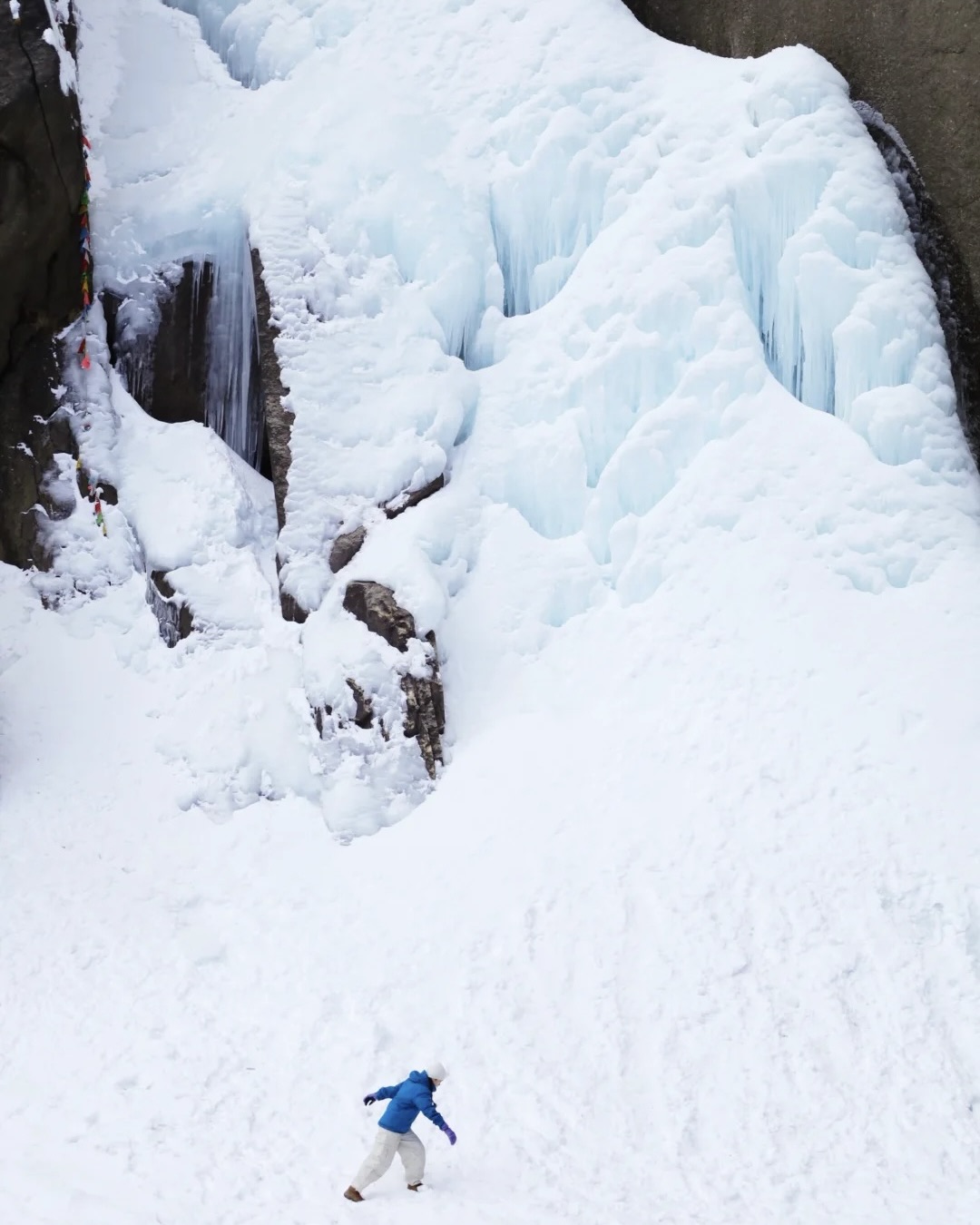
  • Choice 1 — Sacred Waterfall (神瀑)~8 km out-and-back from Upper Yubeng (~5 hrs walking). A Tibetan pilgrimage route through forest to a 200 m sacred cascade. Locals circumambulate the waterfall (counter-clockwise) as part of the Kawagarbo kora. Less elevation gain, more cultural depth.
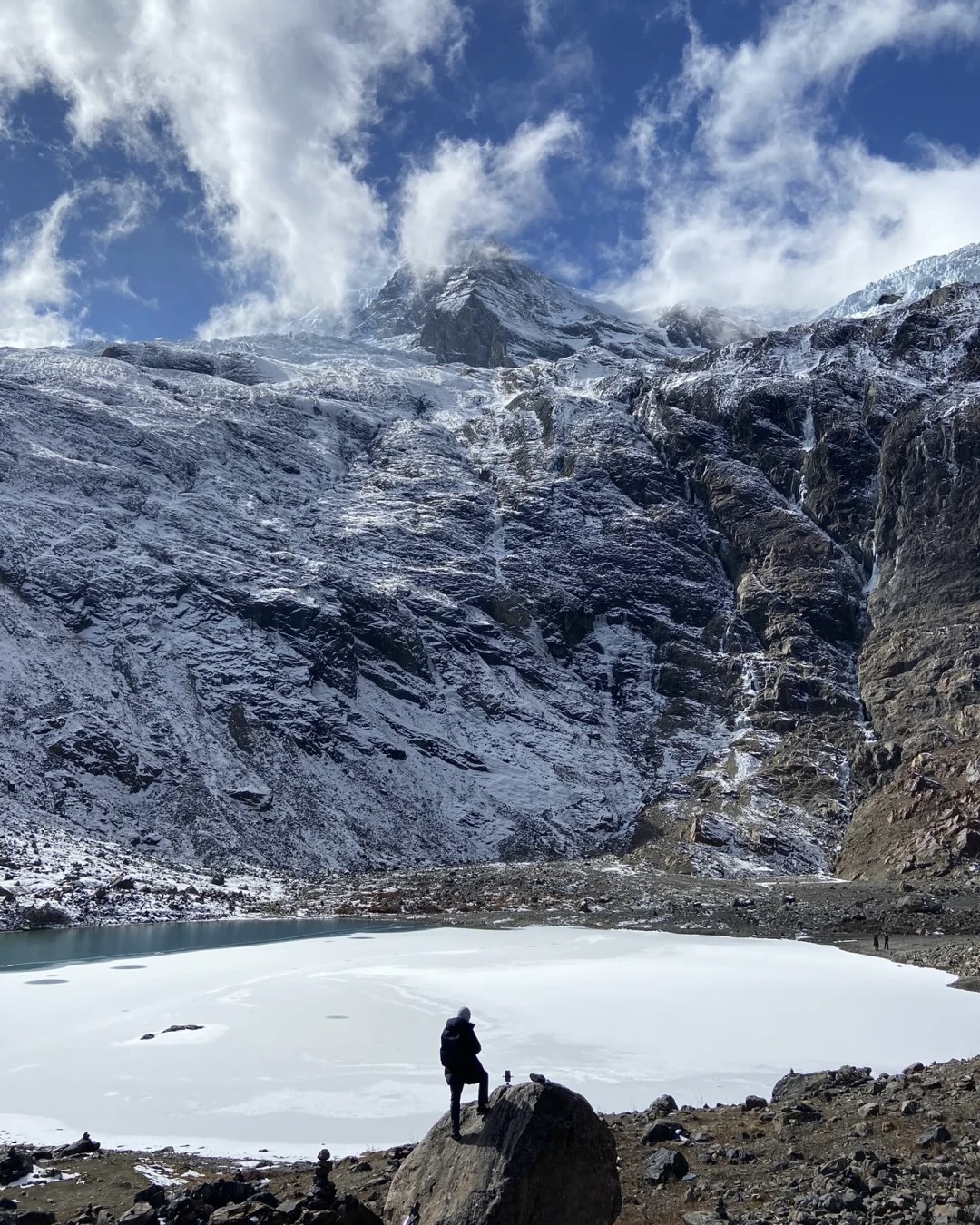
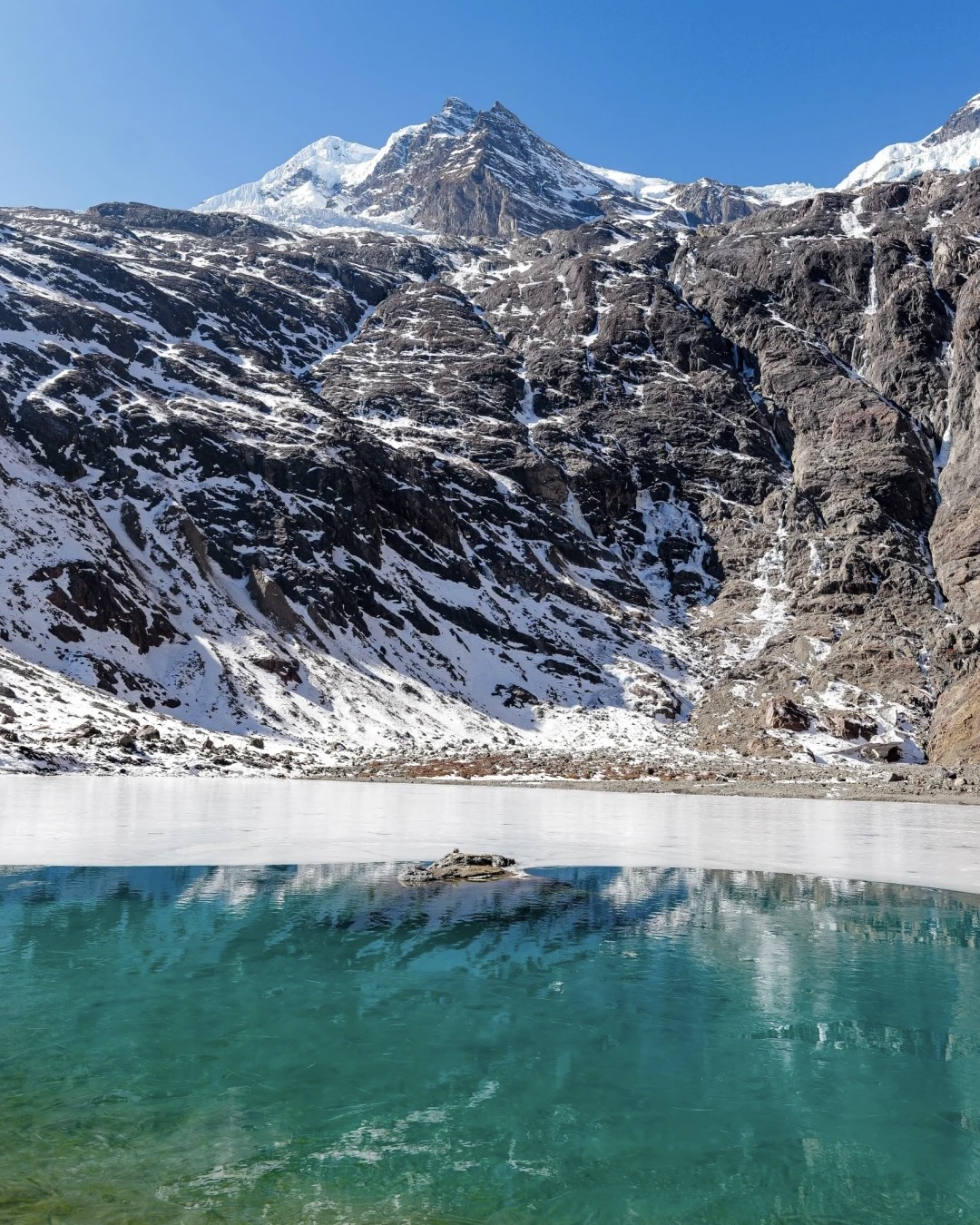
  • Choice 2 — Ice Lake (冰湖)~12–14 km, ~7 hrs walking, ~700 m climb to 3,900 m. Steep ascent through old-growth conifer forest, then above tree-line into rocky alpine terrain. The lake itself is glacier-fed and stays frozen mid-November through March. The alpine-photography moment of the trip.
  • Most travellers choose one. Few do both unless adding a 4th day. Your guide will recommend based on weather, your acclimatisation status, and fitness on Day 1.
  • Return to Upper Yubeng for the second night.

Day 3 — Ninong Gorge descent and exit

  • Morning departure from Upper Yubeng down the Ninong Gorge trail — a steady descent through dense conifer forest along the gorge wall. ~12 km, ~4–5 hrs walking, mostly downhill.
  • Arrive Ninong village at the road head by early afternoon. Private vehicle pickup, transfer to Shangri-La (~3 hrs) or onward to Lijiang (~5 hrs).
  • Sunset arrival in Shangri-La's Dukezong Old Town if returning there for the night.

Hotel Selection

  • Songtsam MeiliTibetan stone-and-timber retreat at 3,600 m in Gujiunong village, with every room facing the Kawagarbo dawn — our preferred acclimatisation base at Feilai Si.
  • Poodom Meilimeditation lodge perched for direct Meili sunrise — the quieter, more contemplative Kawagarbo-facing option.
  • Songtsamthe brand's heritage Tibetan-style flagship near Lijiang's Naxi old town — useful as the Lijiang acclimatisation night before the highland push.
  • In Yubeng itself, you'll stay 2 nights at a vetted mountain guesthouse in Upper Yubeng — there are no luxury options in the village, but the rooms are warm, the food is hot, and the location is the point.
Practical details
  • Fitness baselinecomfortable hiking 6–8 hrs with elevation gain. Day 1 is the toughest section (~800 m ascent over 16–18 km). The Ice Lake option on Day 2 adds another ~700 m. If you can do an honest 6 hrs in the hills at home, you can do Yubeng with our pacing.
  • Acclimatisationat least one night at 3,000 m+ before trek-in (Shangri-La or Feilai Si). Sea-level direct arrivals have a ~30% lower 'comfortable arrival' rate at Upper Yubeng.
  • Gearlayered warmth (down + hard-shell), good trail shoes broken in before arrival, trekking poles, head torch, sun protection. Sleeping bag liner if you're sensitive about guesthouse bedding. We send a full kit list at booking.
  • Permit + guidelicensed local Tibetan guide is mandatory and bundled into the trip price. Mule support is optional (~extra) — recommended if you'd rather day-pack only.
  • Best windowsOctober–November (clearest post-monsoon skies + autumn colour), December–February (winter ice lake at its most dramatic; coldest pre-dawn temperatures), March–early May (rhododendron forest in bloom + first warm hiking). Avoid June–August (monsoon — slippery trails + landslide-prone road in to Xidang).
  • Pricingfrom AUD $1,500 pp twin-share for the 3D2N standalone module — includes local guide, all permits, guesthouse stays, meals on trek, transfers from Shangri-La/Lijiang. Excludes pre-trip Shangri-La / Feilai Si acclimatisation night, AMS-evac insurance (we mandate one), international flights.
Common questions

Before you book

01 Sacred Waterfall or Ice Lake — which should I choose?

If you came for the cultural experience and you want to walk a real Tibetan pilgrimage circuit, choose the Sacred Waterfall. Lower altitude (max ~3,400 m), gentler gradient, forest the whole way, and the waterfall itself is a working pilgrimage site. If you came for the photograph and the alpine drama, choose the Ice Lake — higher (3,900 m), harder (~700 m gain), exposed above tree-line, and visually the stronger payoff. Your guide will help you decide on the morning of Day 2 based on weather and how Day 1 went for your body.

02 How does Yubeng compare to the Meili North Slope Trek?

Yubeng is the south flank — shorter (3 days), lower (max 3,900 m), more village-cultural, easier to access. Meili North Slope is the north flank — longer (8 days), higher (max 5,200 m at the Yunnan-Tibet border pass), more remote trekking, no village destination. South for the cultural experience and the iconic trek; north for the serious multi-week trekker. We pair both within longer trips when fitness allows.

03 Is winter Yubeng harder than autumn?

Yes, materially. Winter (December–February) means cold pre-dawn starts at the guesthouse, snow on the Day 1 wooded pass, ice on the Ice Lake trail, and shorter daylight. The compensation is the Ice Lake at its frozen-glassy best — most photographers consider winter the visual peak season. October–November gives you 80% of the winter aesthetic with much easier weather; March–April adds rhododendron. We brief you fully on what to expect for your travel month.

04 Where does Yubeng fit inside a longer Yunnan trip?

Late, never early. Standard sequencing: Lijiang (2,400 m, 1–2 nights) → Shangri-La (3,200 m, 1 night, Songzanlin Monastery) → Feilai Si (3,400 m, 1 night, Kawagarbo dawn) → Yubeng trek (3 days). Total: 7–8 days for the Yubeng leg inside a 10–14 day Yunnan tour. Don't try Yubeng in the first 3 days off a long-haul flight — the altitude gain compounds the jet-lag and Day 1 becomes a war.

Ready to Plan Your Journey?

Contact Us