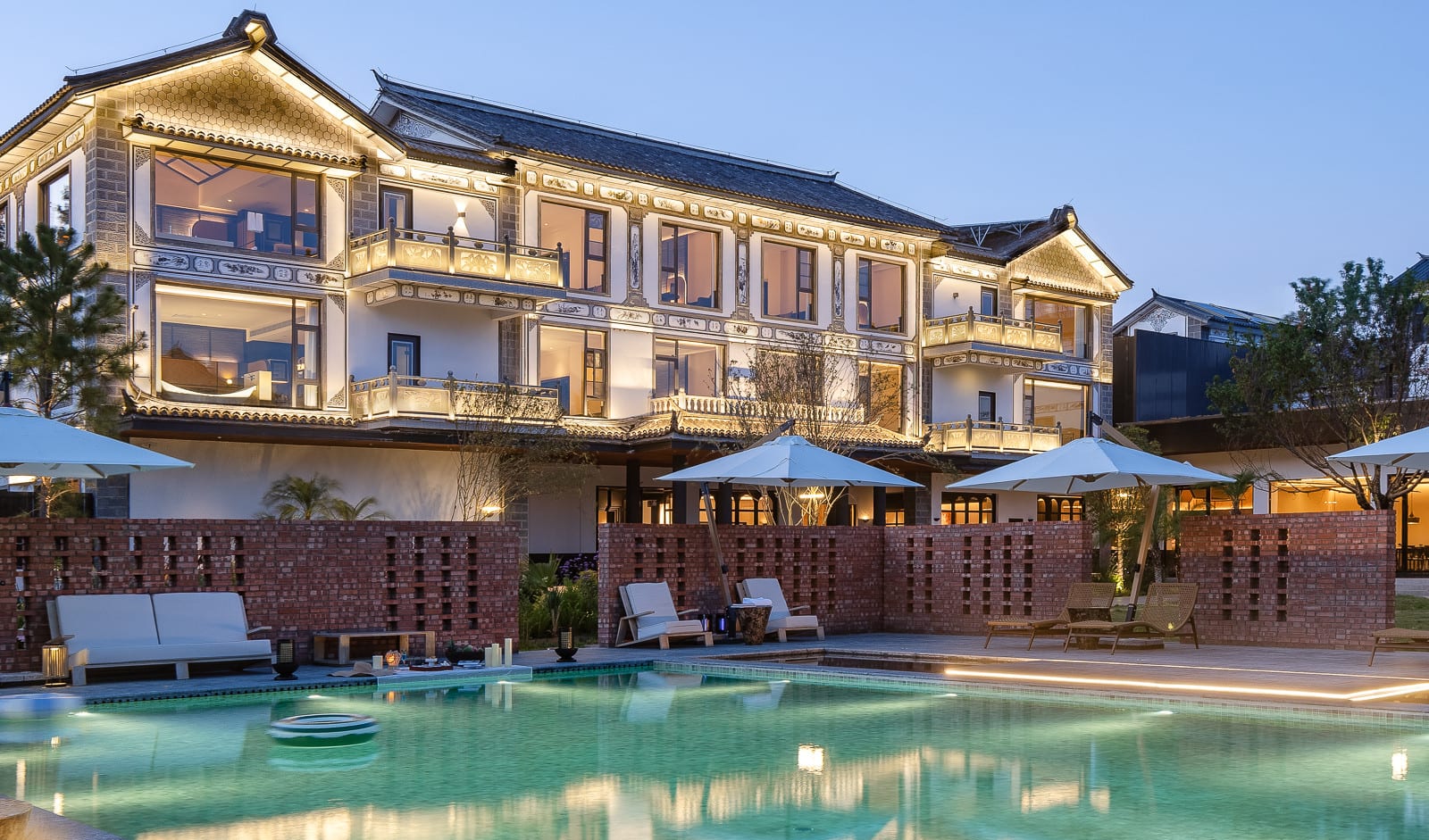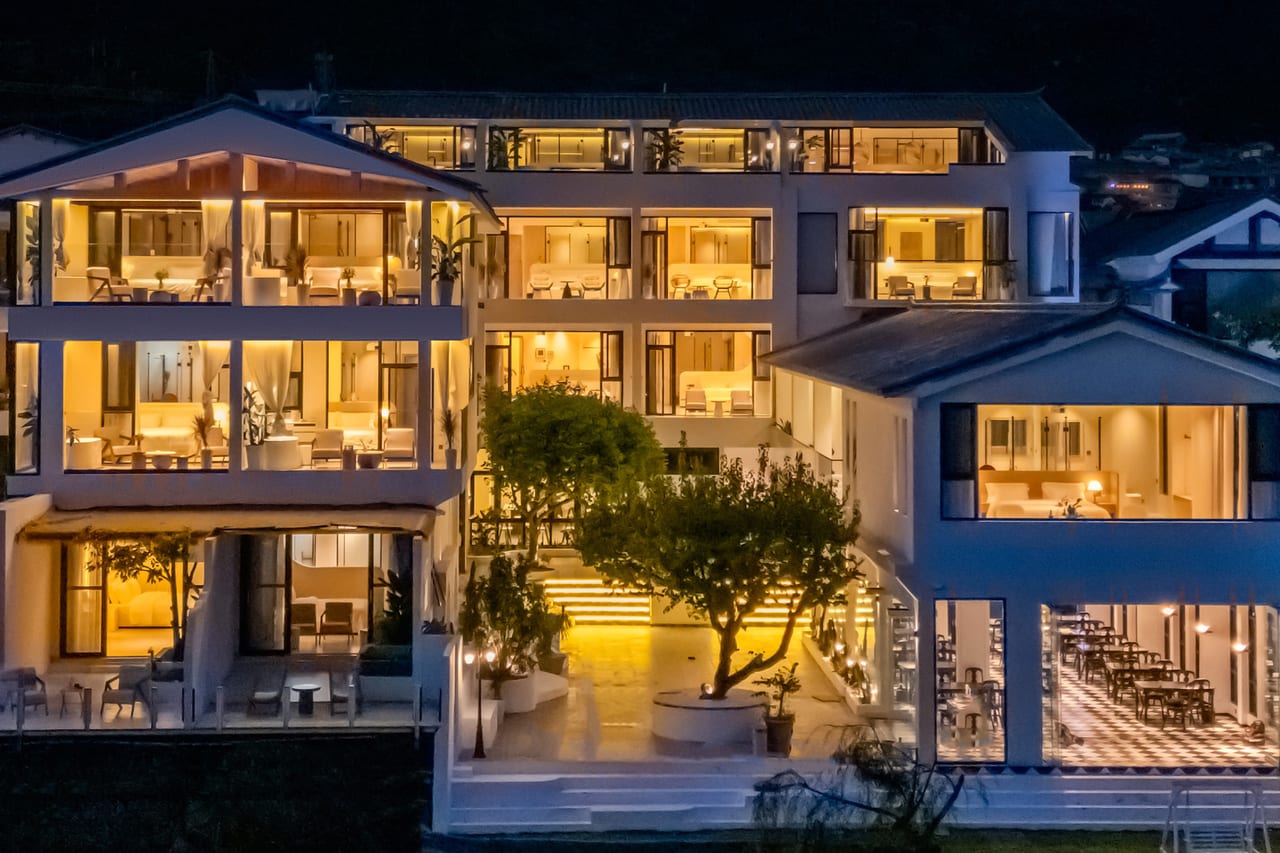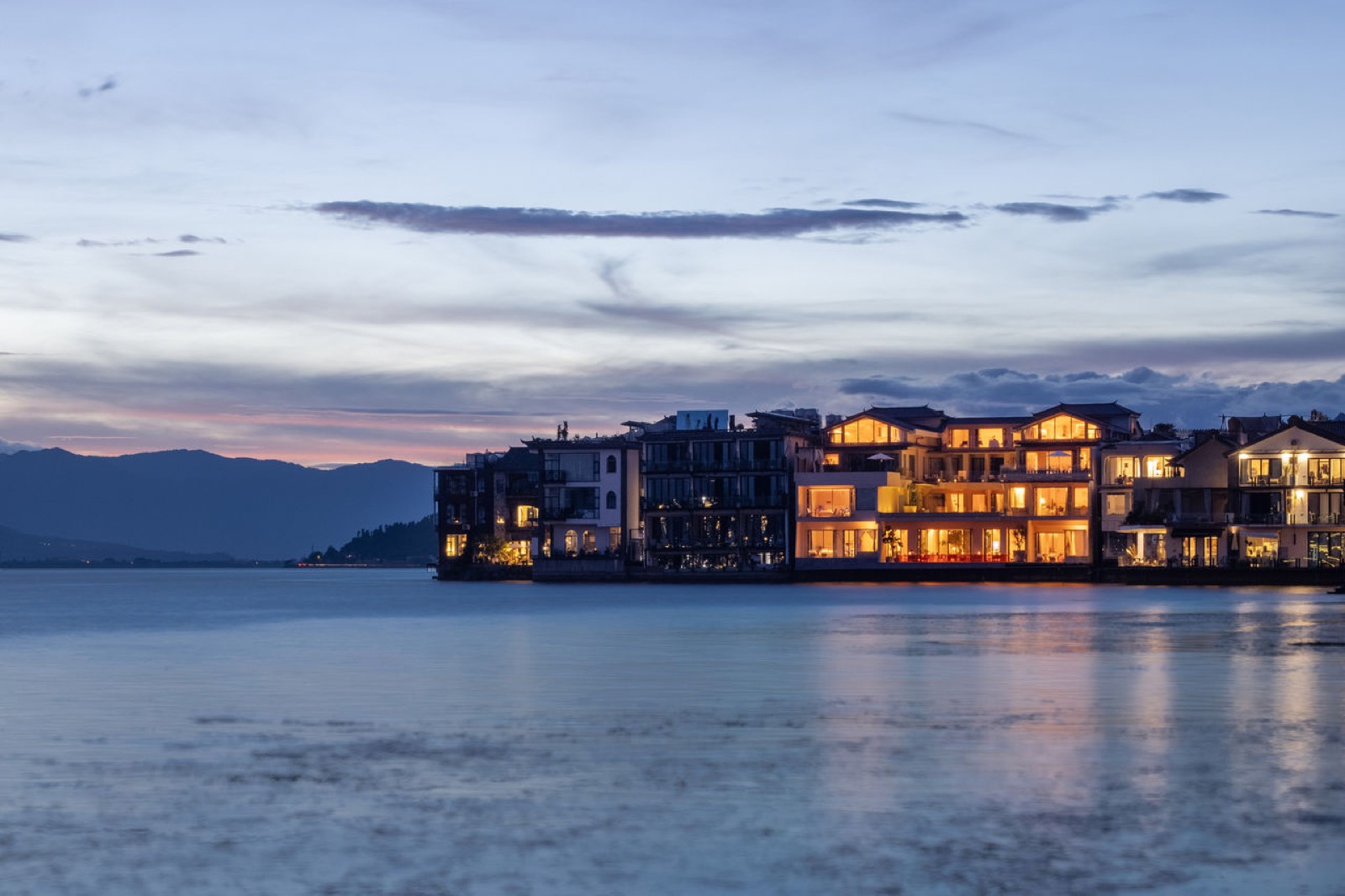
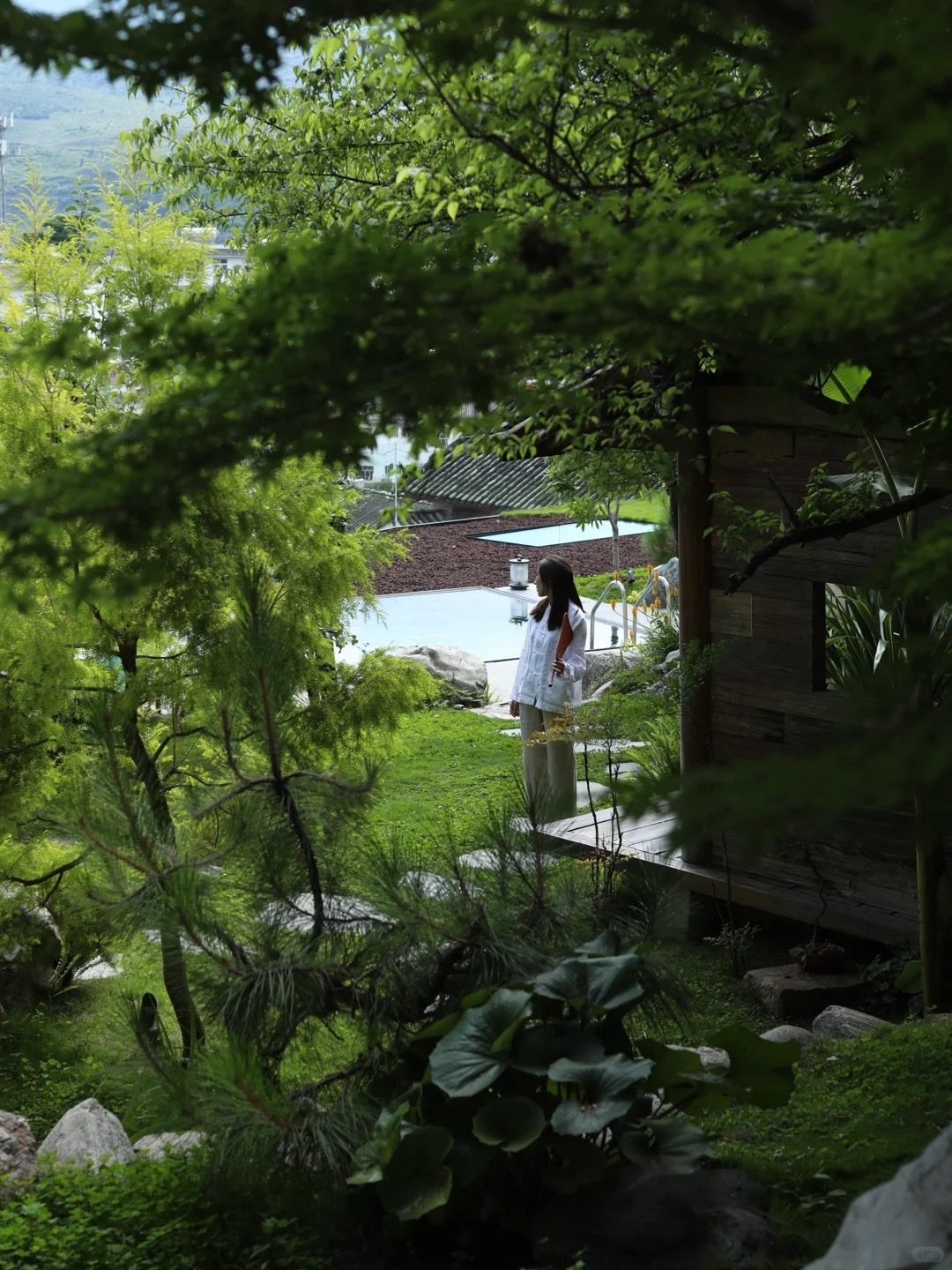
Pushan (璞山) is a bamboo-and-timber forest hot-spring retreat tucked into old-growth bamboo and pine above Eryuan, an hour north of Dali Old Town. Private outdoor tubs, tea-ceremony-first kitchen, and silent mornings in the mist. Best for wellness travellers who want forest hot springs without the crowds of more famous geothermal sites. Year-round; best windows October–November and March–May.
Pushan (璞山) is a forest hot-spring retreat tucked into old-growth bamboo and pine above Eryuan, an hour north of Dali old town. Minimalist timber-and-stone architecture sits low to the valley floor; private outdoor tubs steam in cold mornings; the kitchen is tea-ceremony-first and slow-food-second. It's the quiet antidote to Erhai's busier lakeside scene — come for a spa weekend, leave with the pace of someone who hasn't looked at a phone in three days.
Highlights
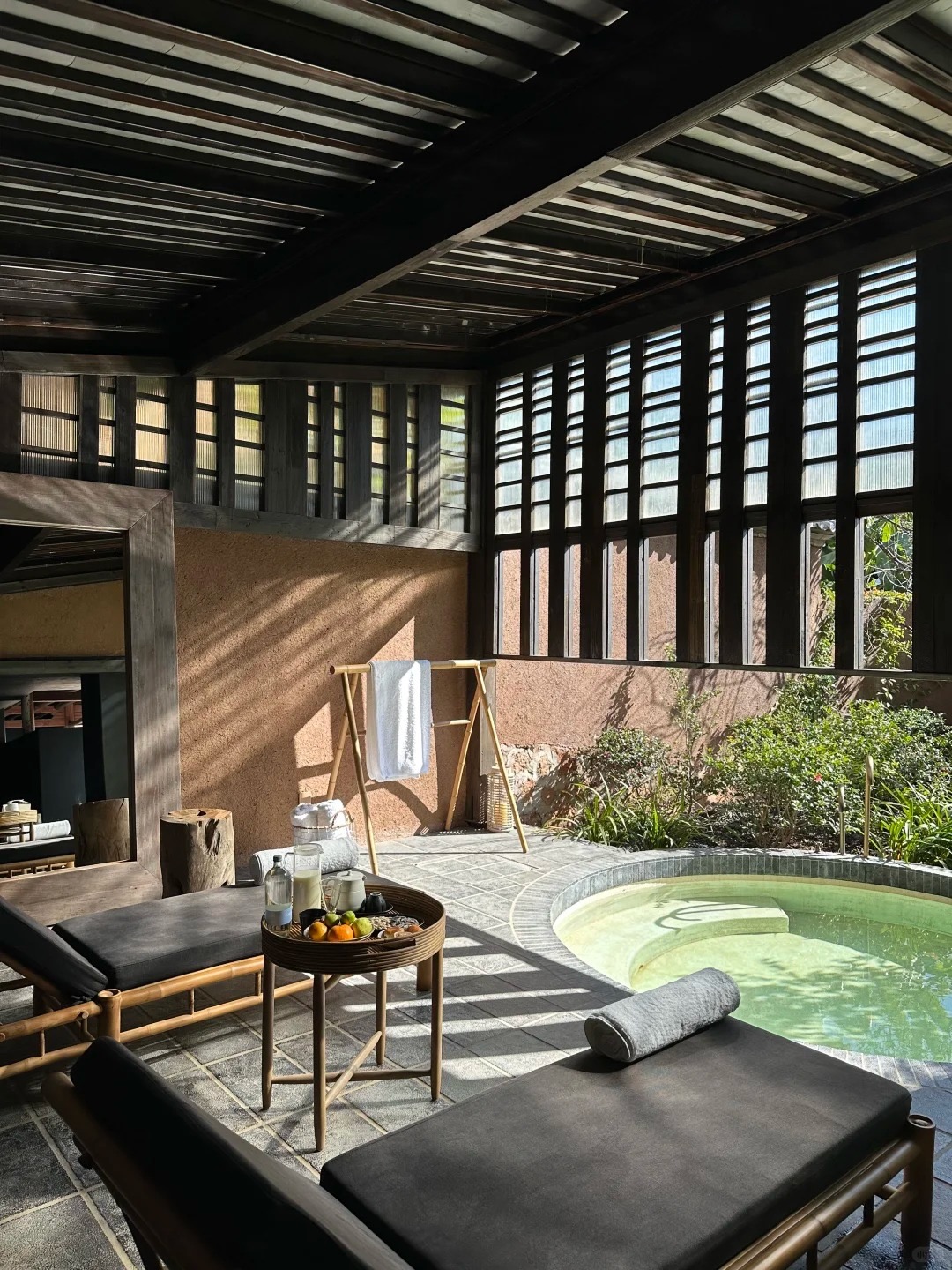
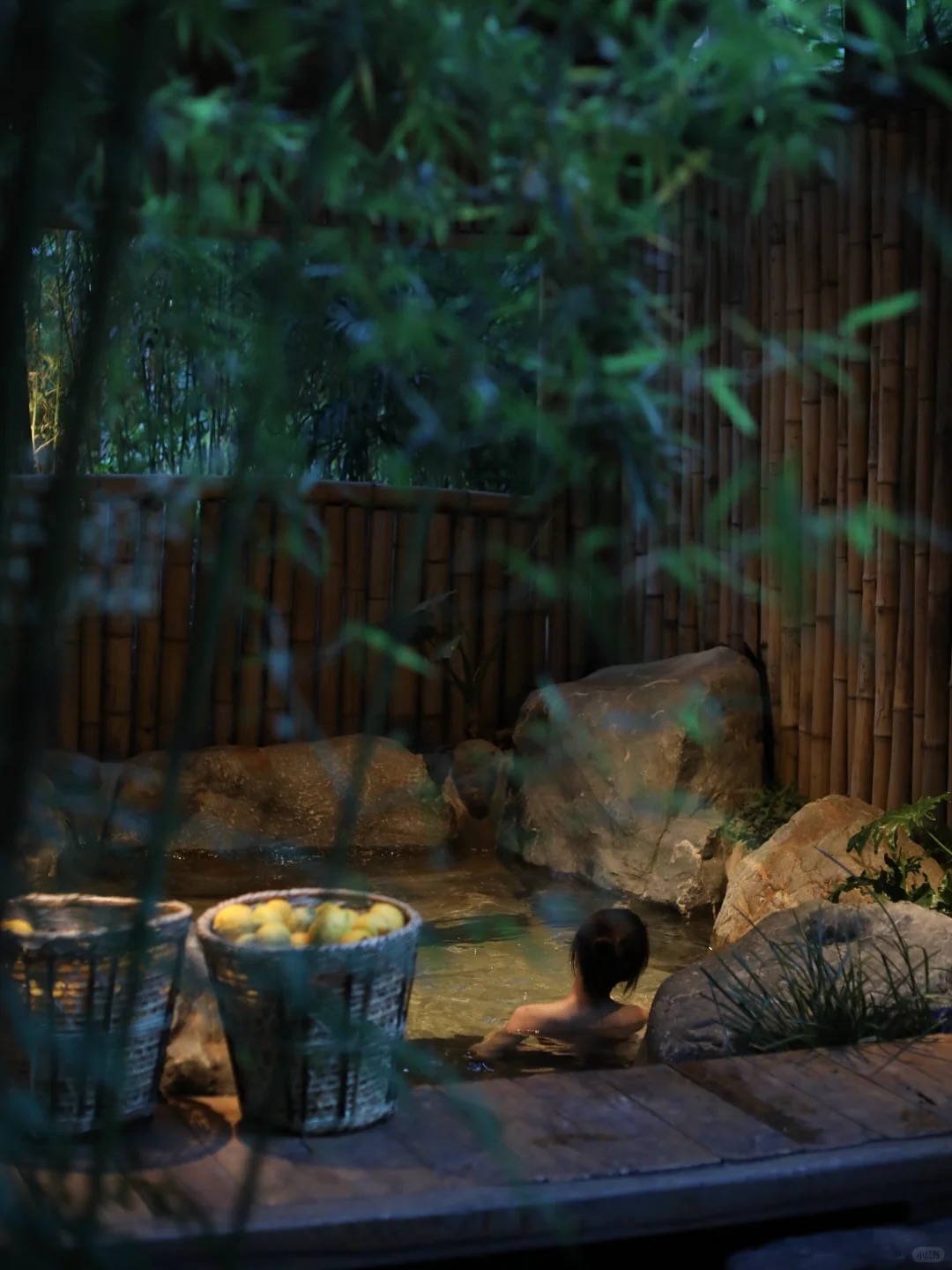
- Private outdoor hot springs Every suite has its own open-air stone tub, fed by the mountain's natural mineral springs.
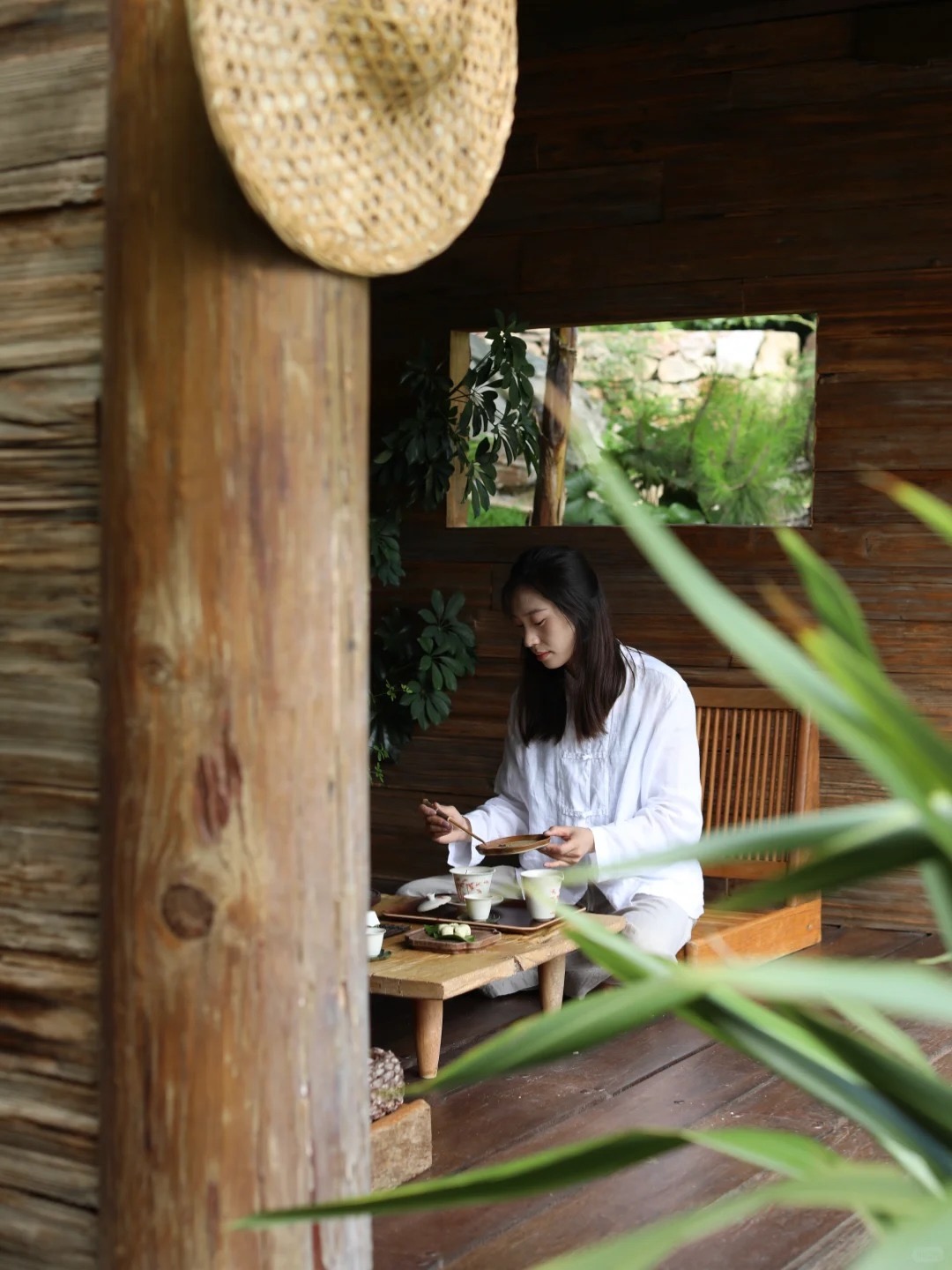
- Tea-first kitchen Slow tea ceremonies at sunrise and sunset are the property's ritual; the rest of the kitchen is built around the tea.
- Architecture that disappears Low-slung timber pavilions designed to recede into the bamboo grove rather than dominate it.
- Real forest, not a landscaped one The property sits inside a working old-growth forest, not a cleared garden. Birdsong, mist, bamboo.
- Eryuan location An hour north of Dali's busier lakeside scene — the same province, a different pace.
Inside Pushan
Staying at Pushan
01 What's the hot-spring experience at Pushan?
Private outdoor tubs built into each villa — you soak in 38–42°C mineral water under bamboo canopy, on your own schedule, in silence. The water is sourced from a natural spring on the property. Unlike Tengchong's volcanic springs, Pushan's are geothermal-mineral rather than volcanic, with a gentler mineral profile. Kitchen is tea-ceremony-first and slow-food-second: seasonal, local, unhurried.
02 Where is Pushan in relation to Dali?
An hour north of Dali Old Town in Eryuan County, off the main tourist circuit. Getting here requires a private driver — there's no taxi flow. We position guests at Pushan for 2–3 nights after 2 nights in Dali's more social districts (Xizhou, Erhai shore), so the forest quiet lands as a reset. The surrounding countryside has walking trails through bamboo groves and Bai farming villages.
03 When is the best time to visit Pushan?
October to November for crisp autumn mornings, mist through the bamboo, and the private outdoor tubs at their most atmospheric. March to May for spring blooms along the forest paths. Winter (December–February) brings mountain cold but nights rarely below 0°C and the hot-spring tubs work year-round. Avoid July–August monsoon — the Eryuan valley road gets slippery.