← All Ultimate Hikes Ultimate Hikes

Meili North Slope Trek

8 days around Kawagarbo's north flank — the frontier alternative to Yubeng

8 days challenging 5,200 m max May, Jun, Oct, Nov

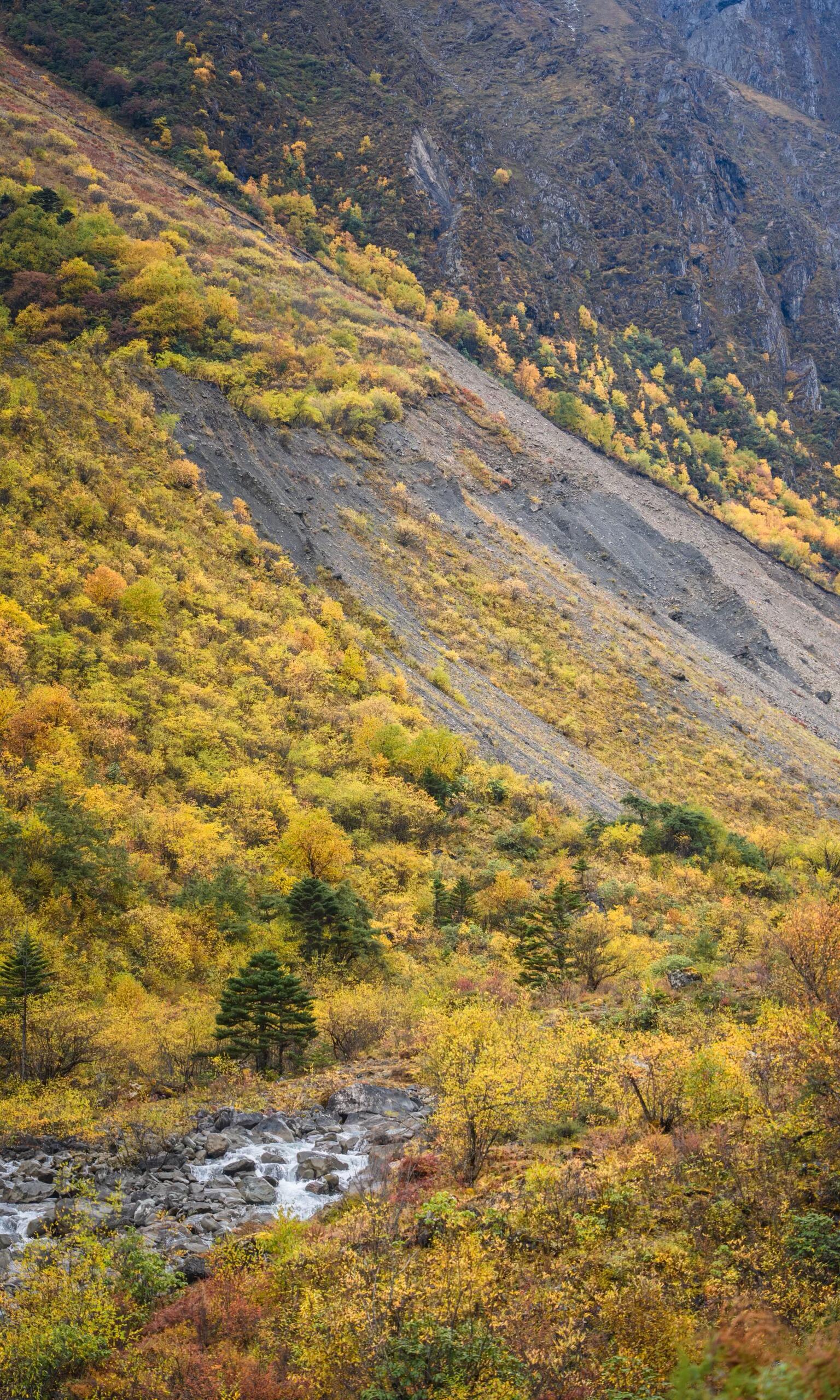
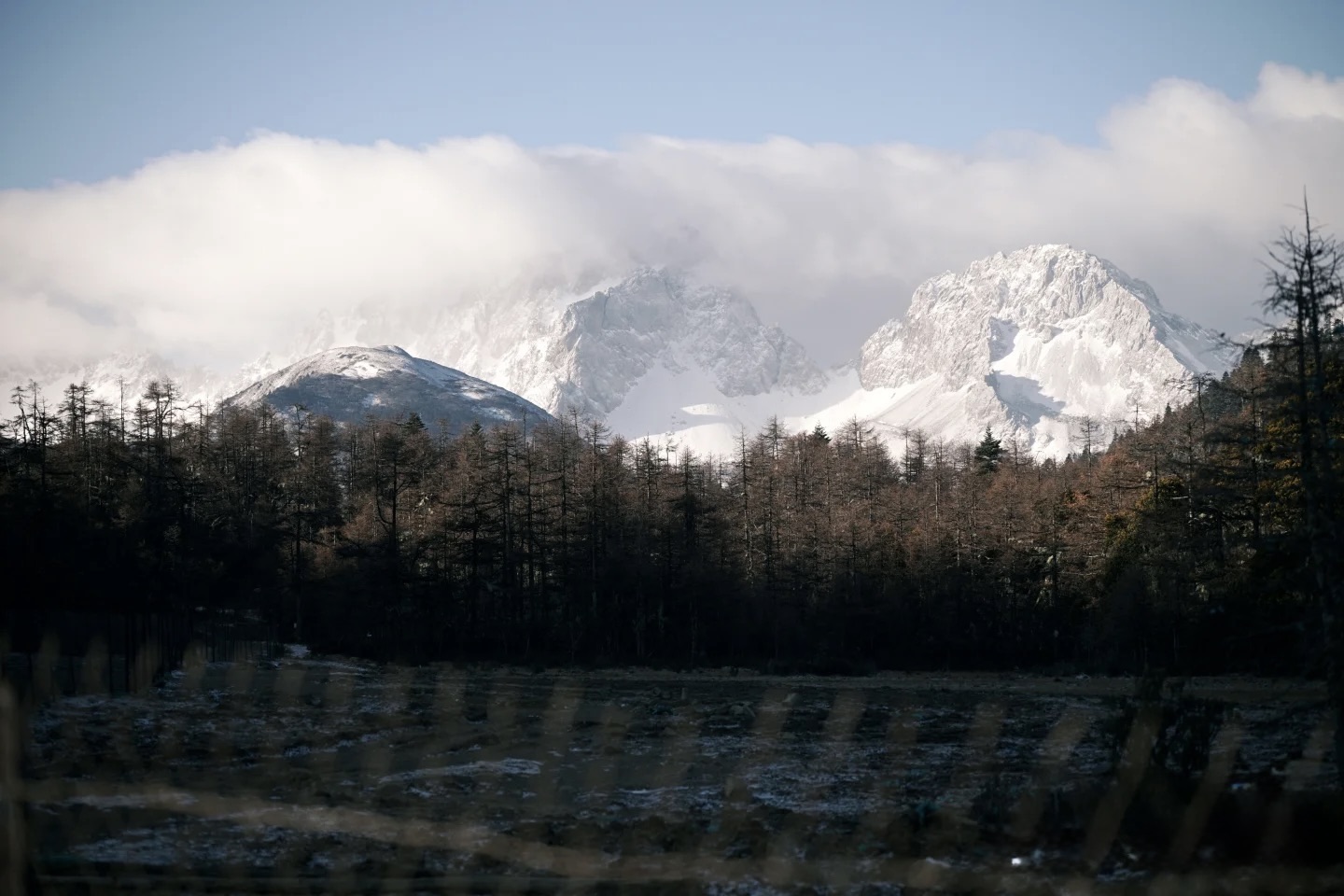
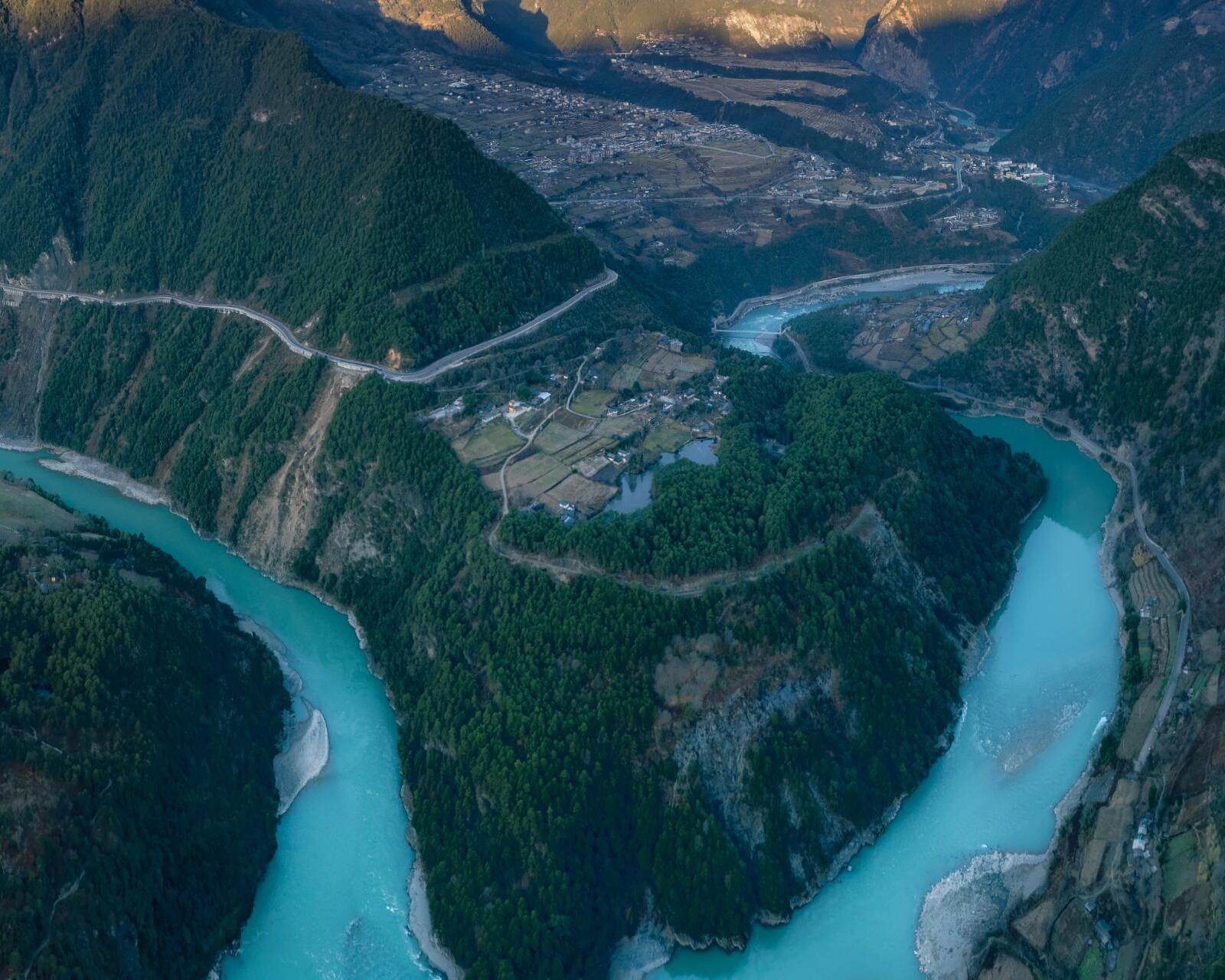
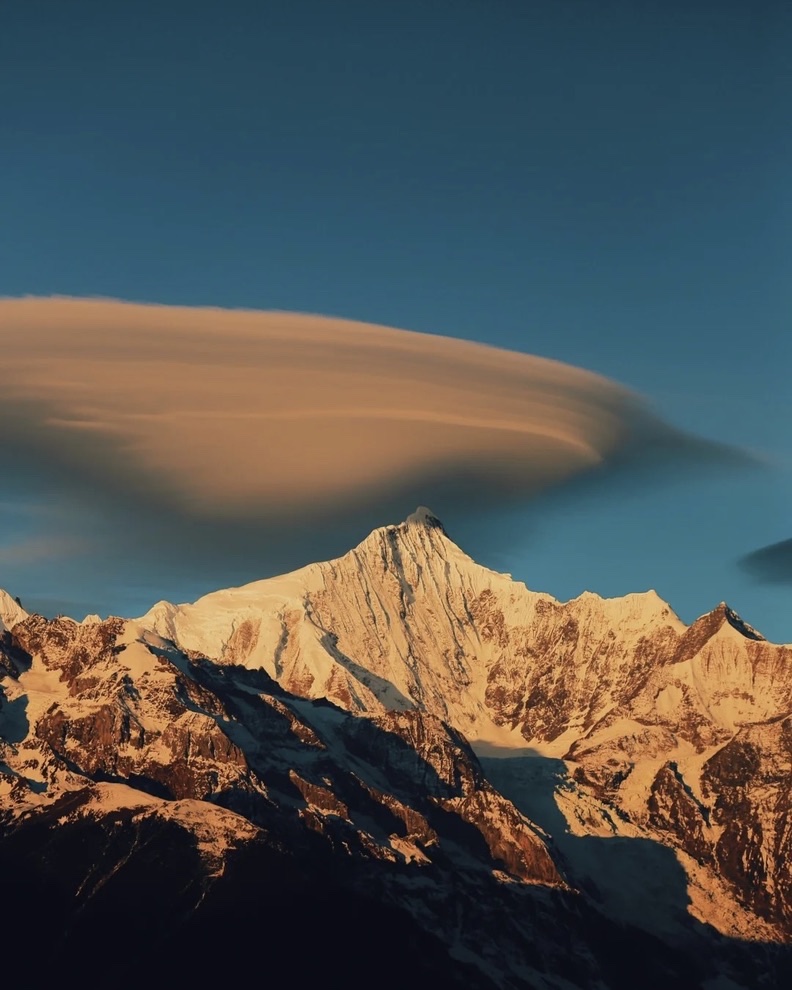
Meili Snow Mountain (Kawagarbo, 6,740 m) is the most sacred peak in Eastern Tibetan Buddhism — never summited, never permitted. The south flank's Yubeng trek has become busy. The north slope is the quieter route: longer, harder, with named camps at Pojun and Pojiang, two genuine high passes (Ciding 4,770 m and the Yunnan-Tibet Border Pass at 5,200 m), and the kind of yak-pasture-and-glacier landscape that earned its Xiaohongshu nickname 众神之地 — Land of the Gods.

Ask about this experience

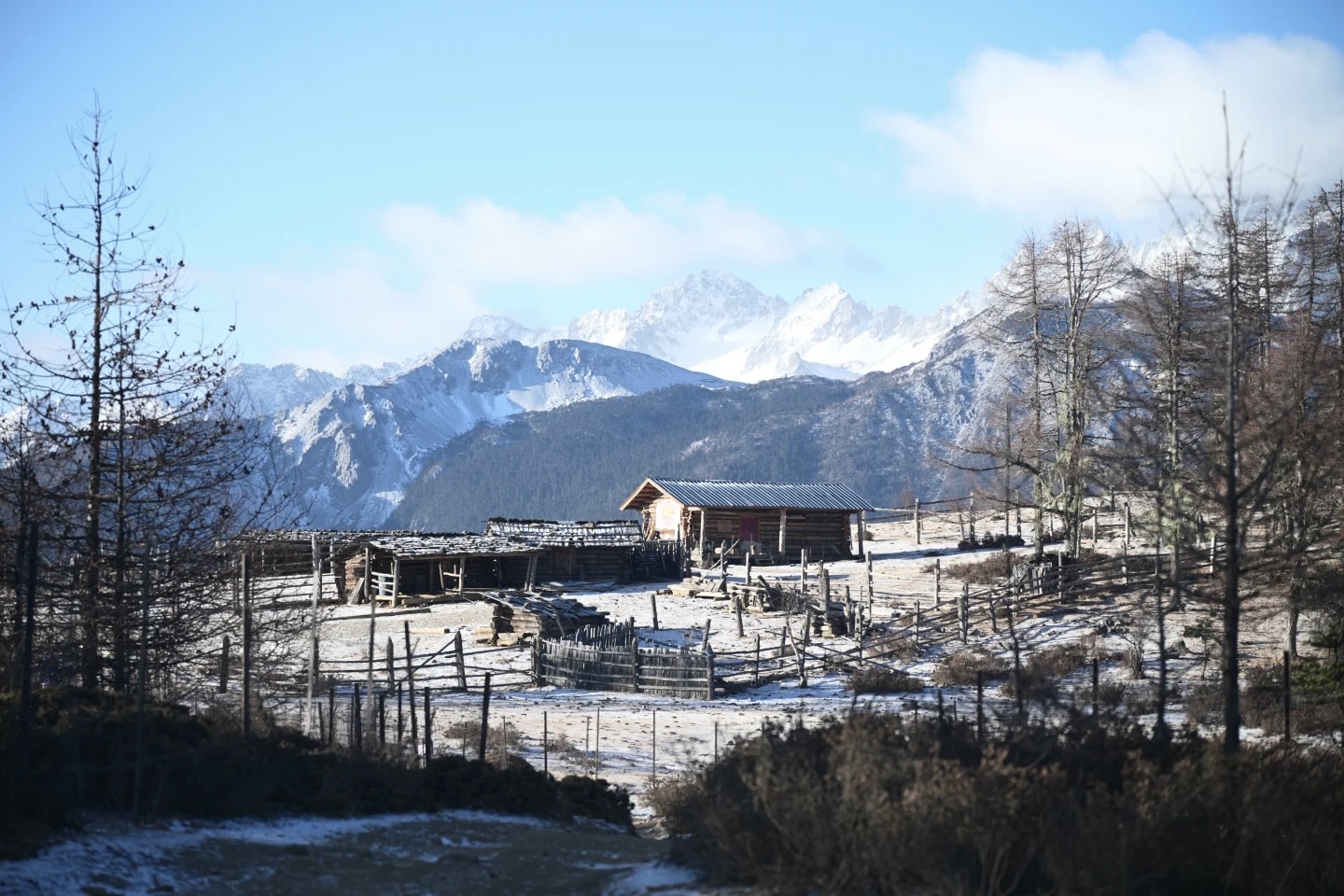
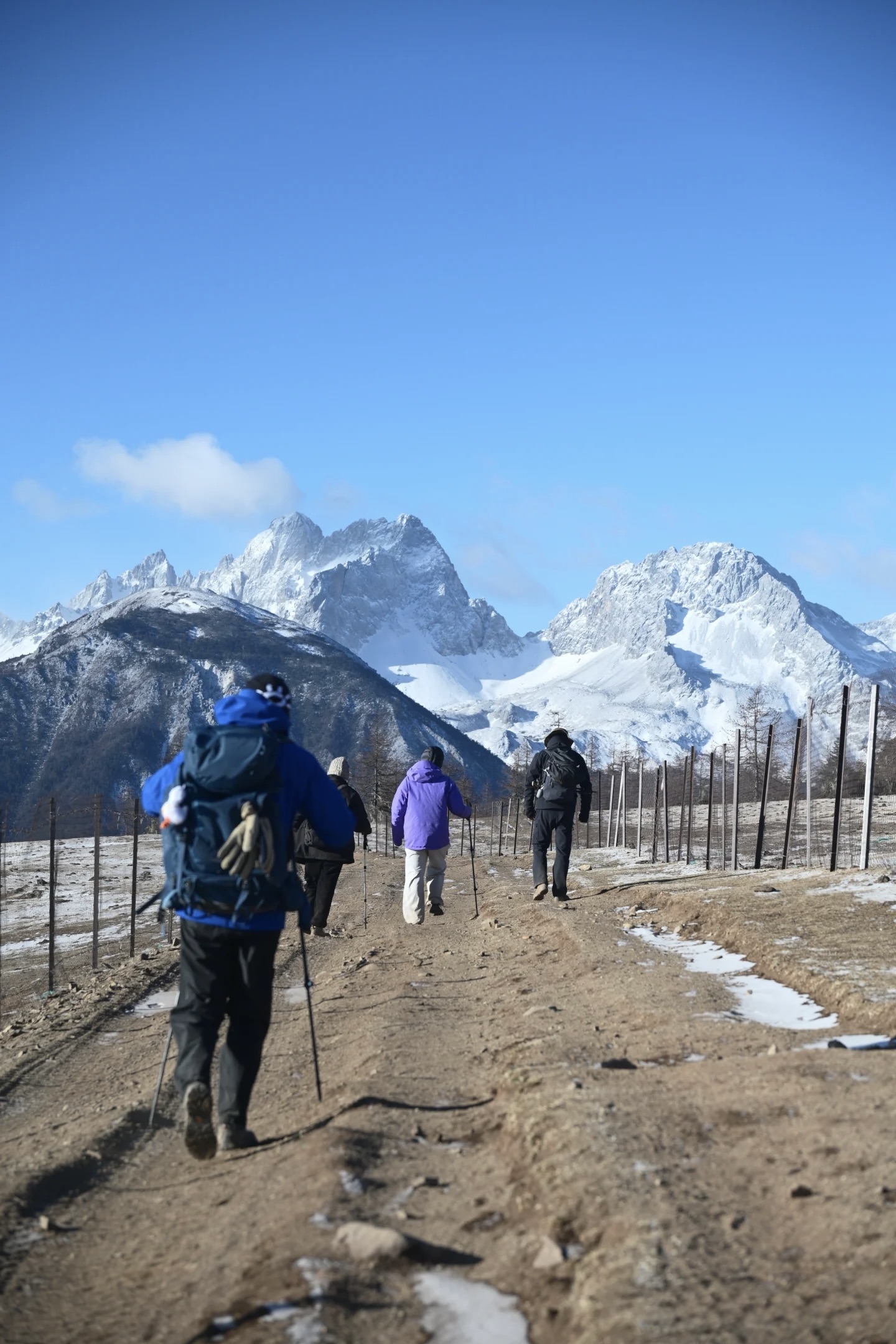
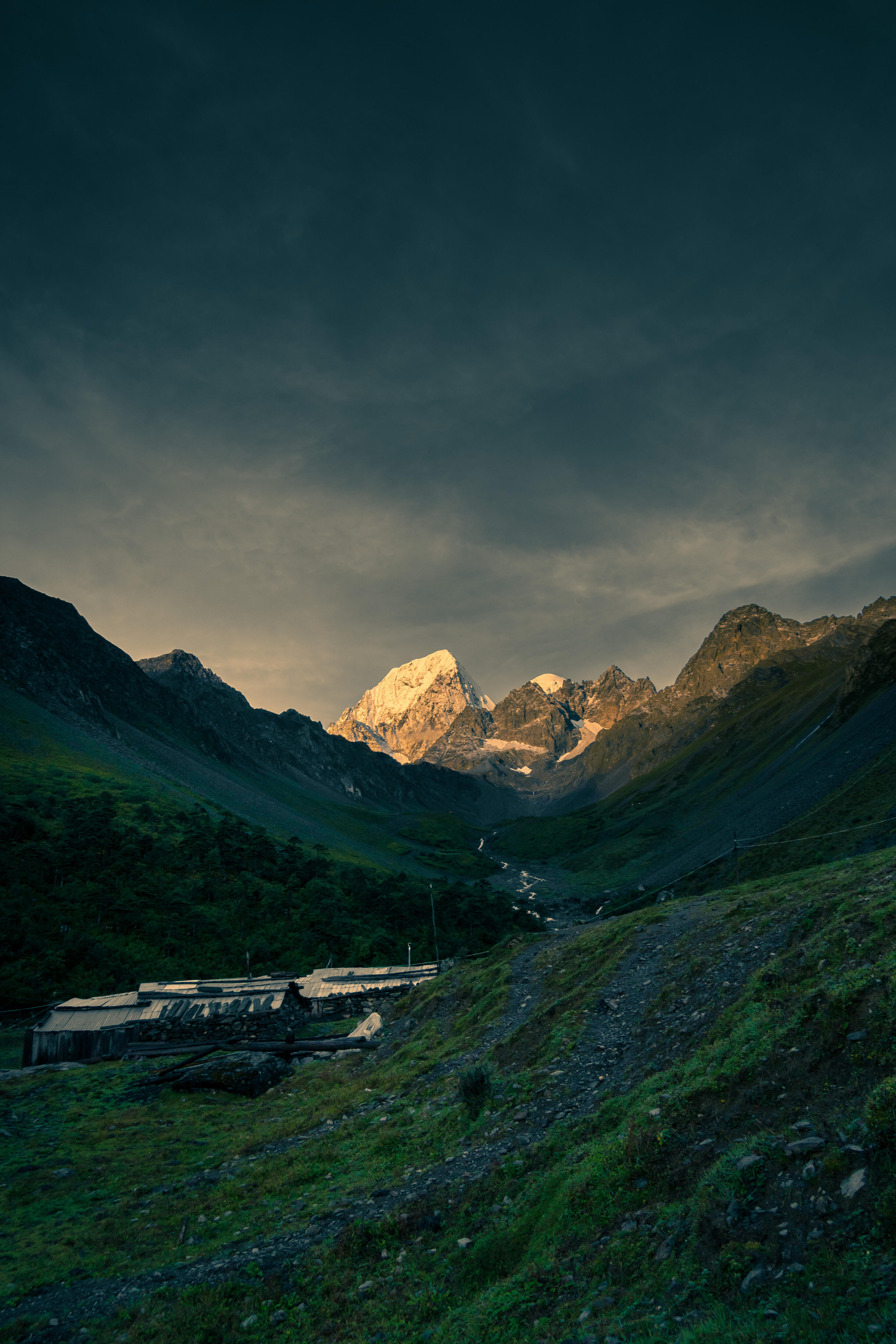
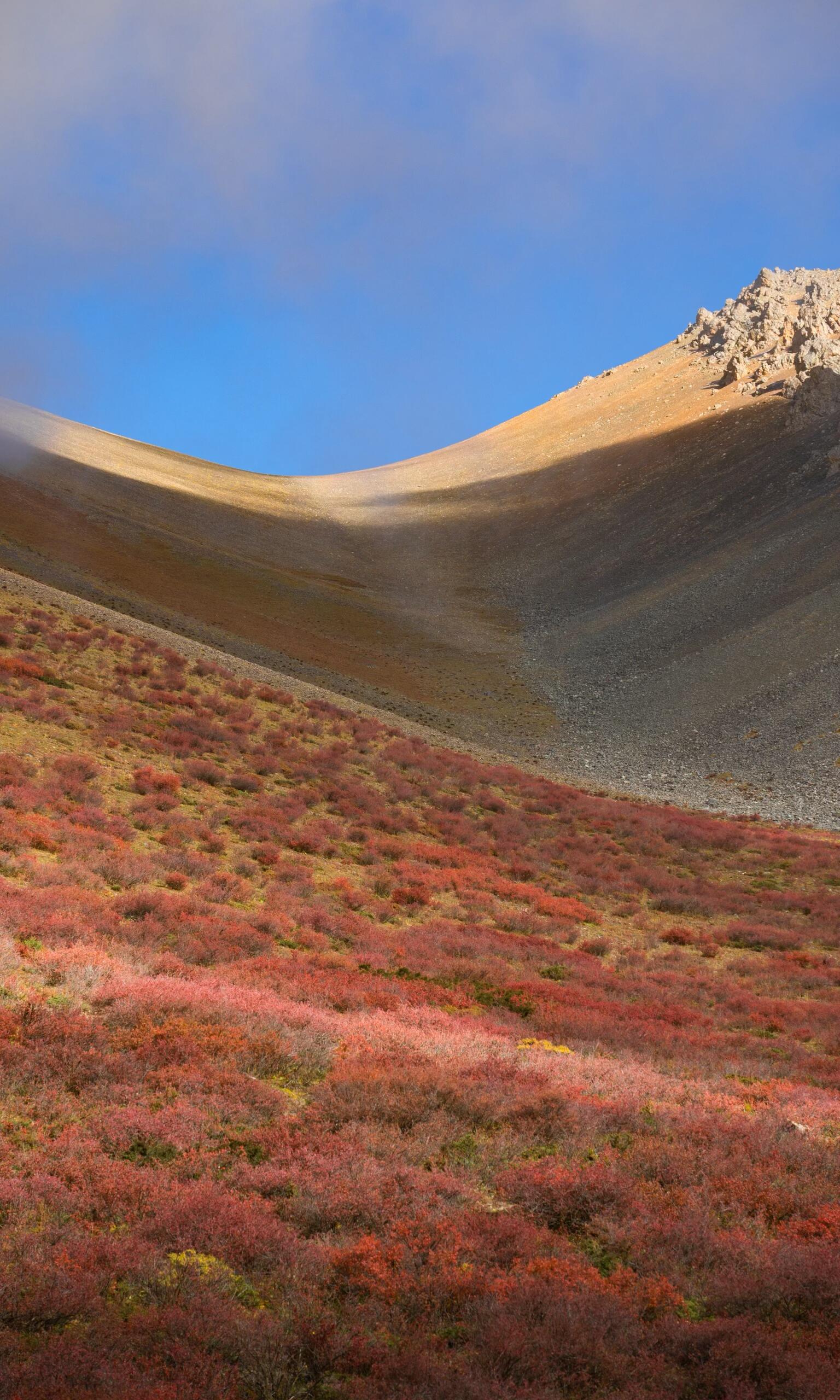
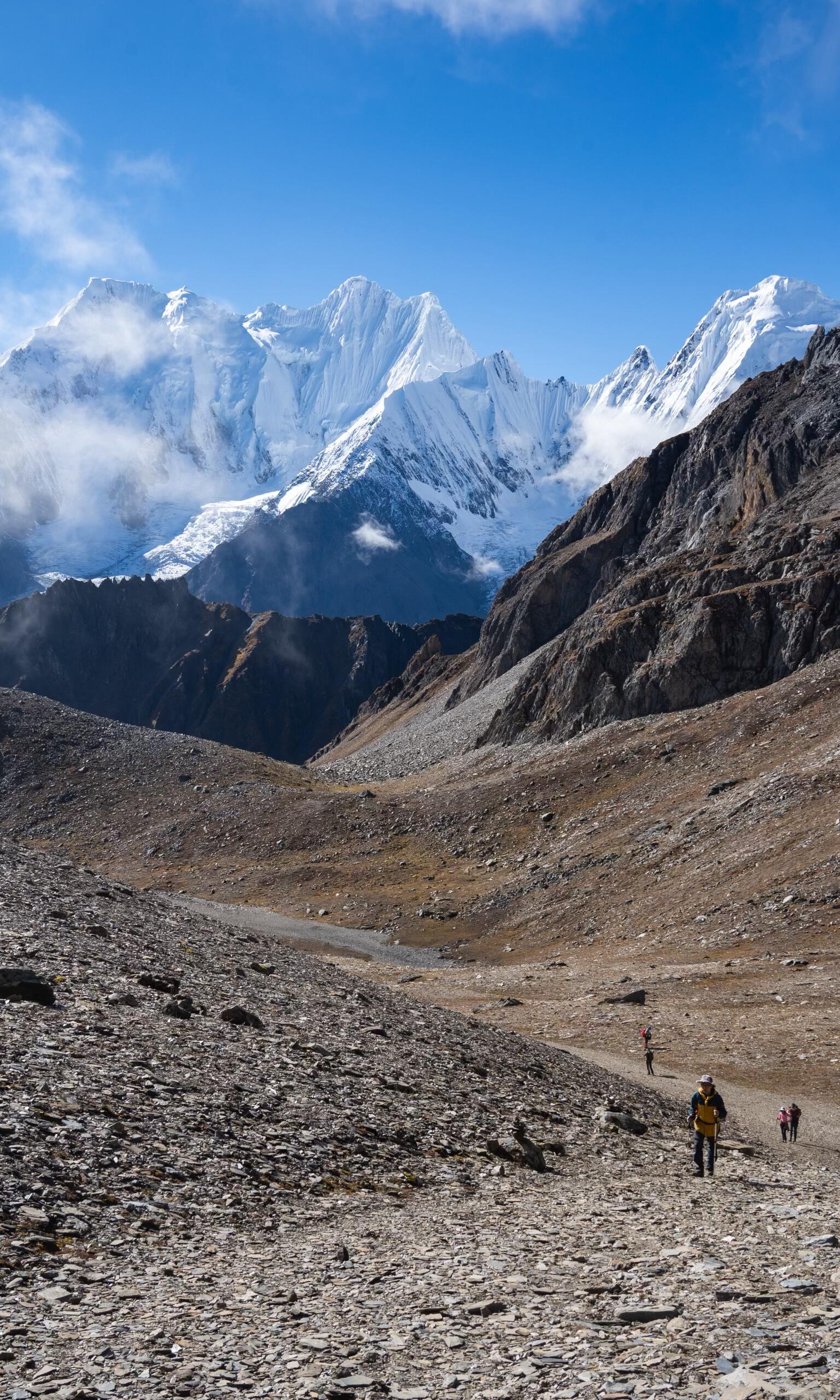
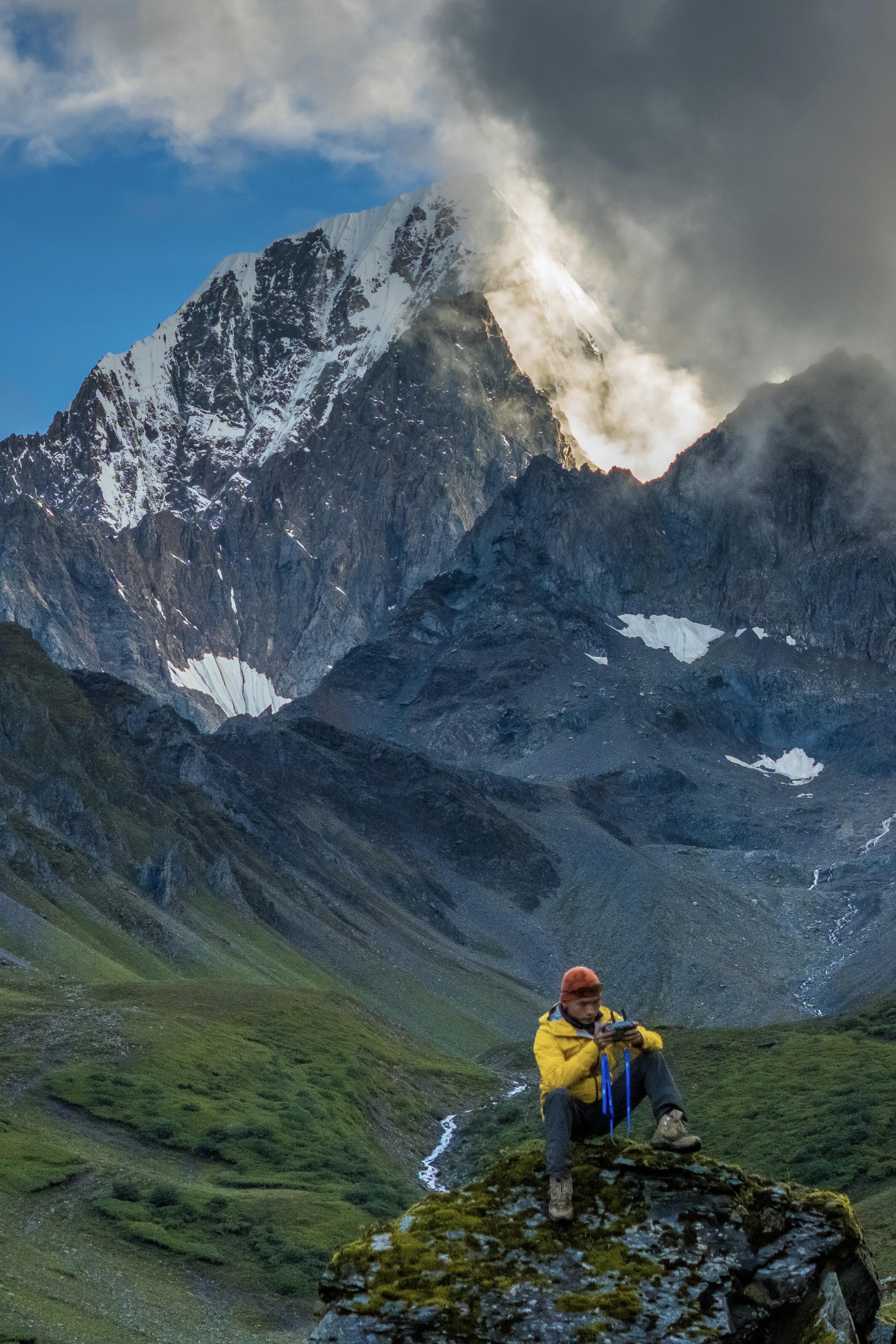
Yak corral and cabin in alpine winter light with the Meili snow peaks behind — Meili North Slope trek by Boutique China
At a glance

The experience

  • Lijiang 1 night → Shangri-La / Feilai Si 1 night → trek 5 nights → return drive — total 8 days
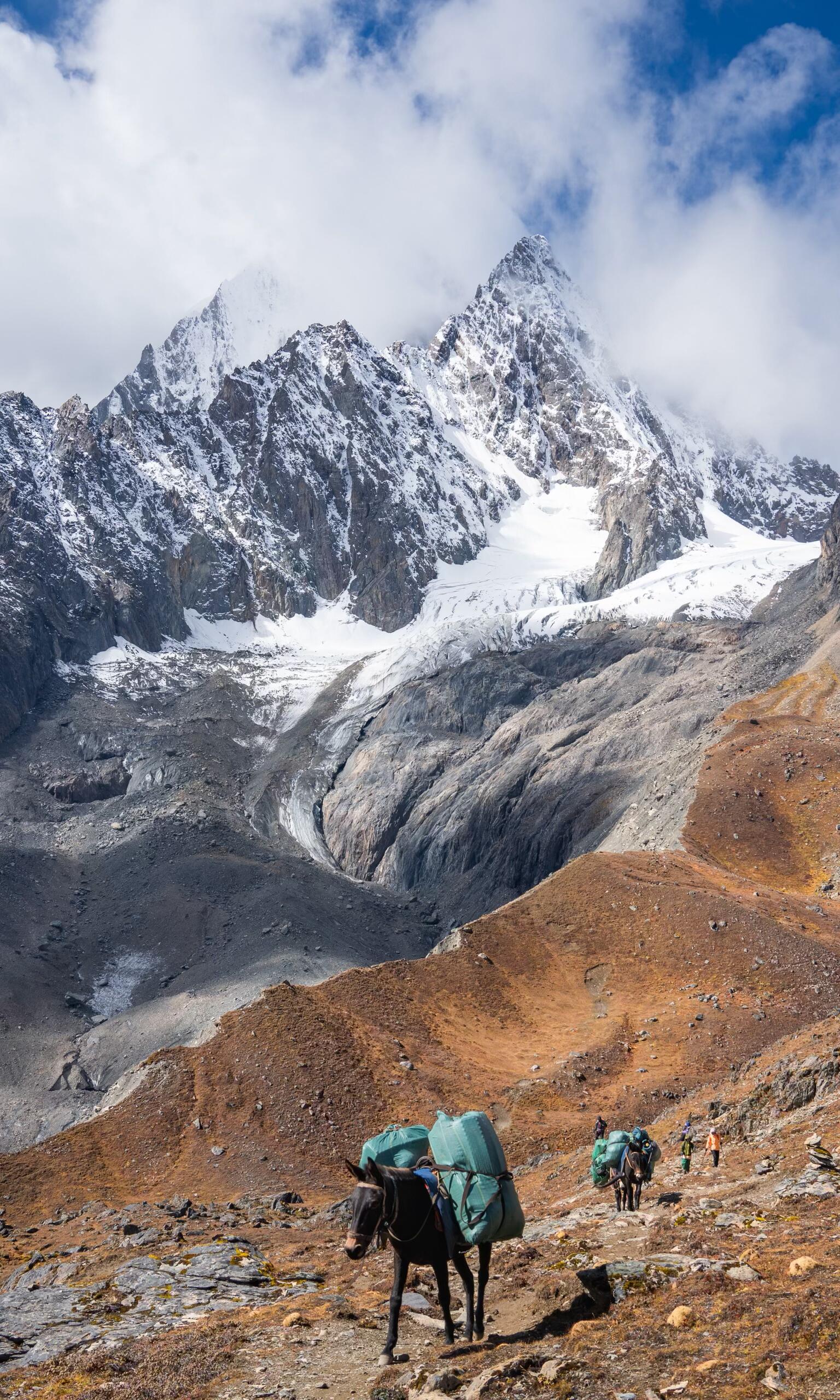
  • Pack-horse supply (Tibetan handlers) for all camping gear — you carry day-pack only
  • Named campsBamboo Forest, Pojun, Pojiang, Dala — five nights under canvas at 3,500–4,400 m
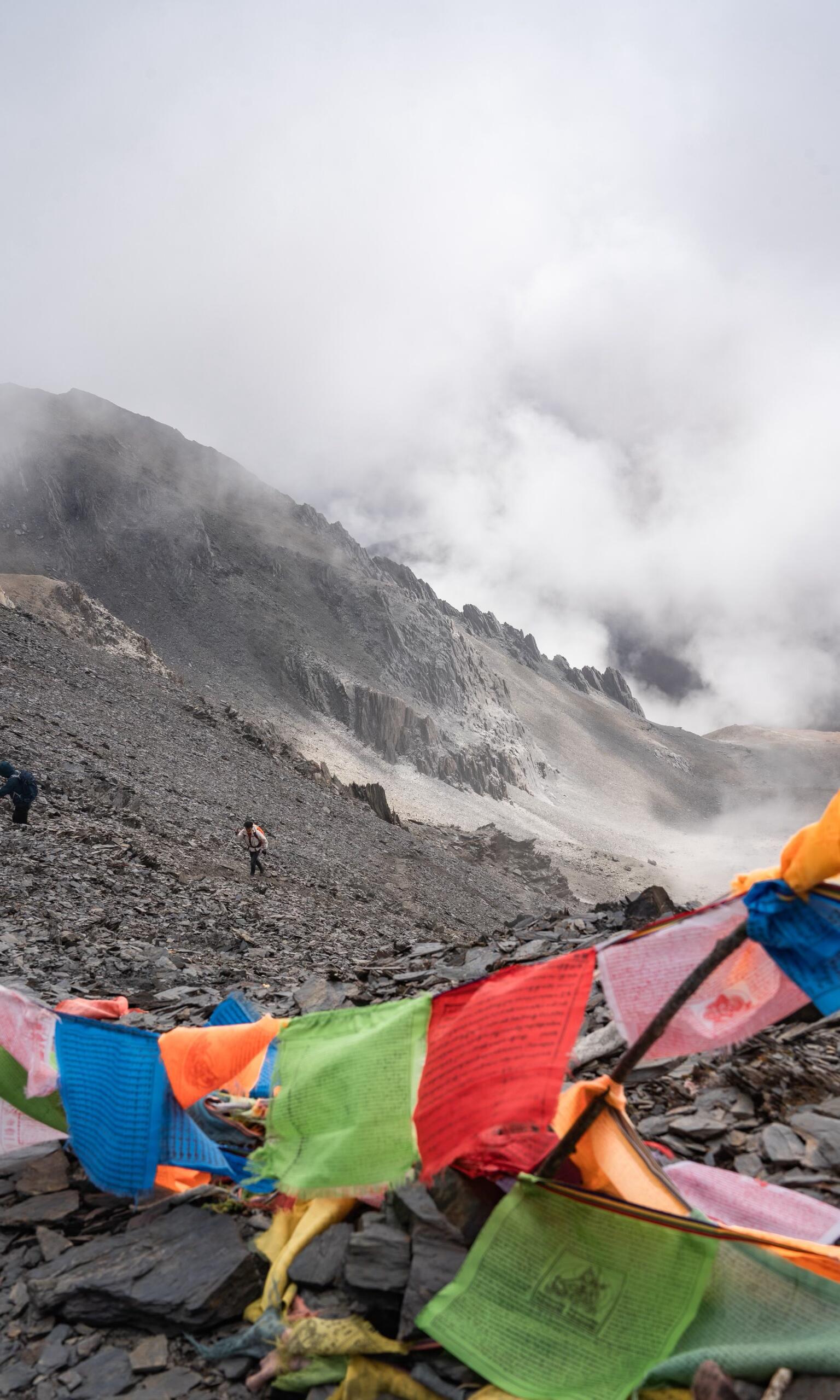
  • Two high passesCiding Pass (4,770 m) on Day 4, Yunnan-Tibet Border Pass (5,200 m) on Day 6 — the trip's high point
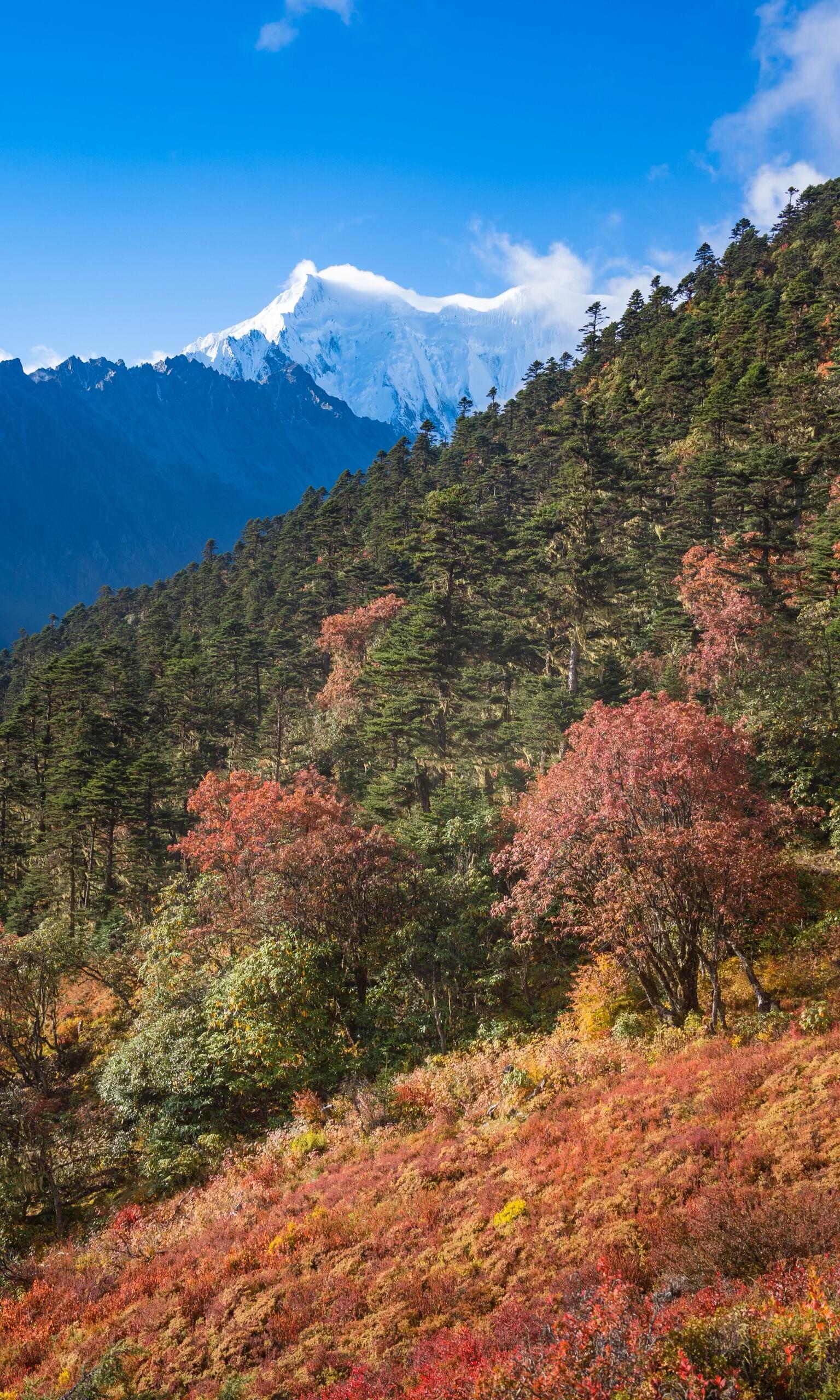
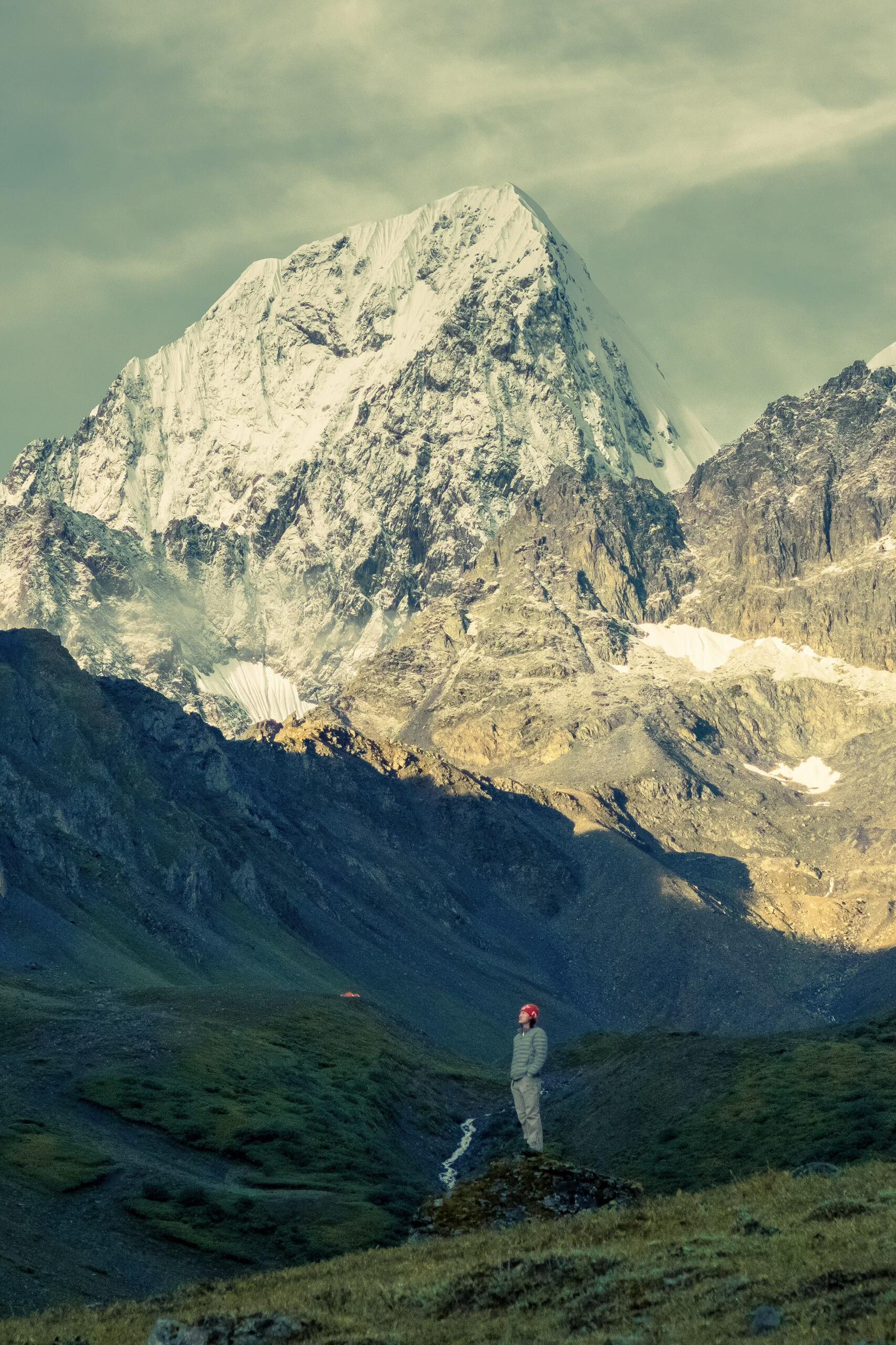
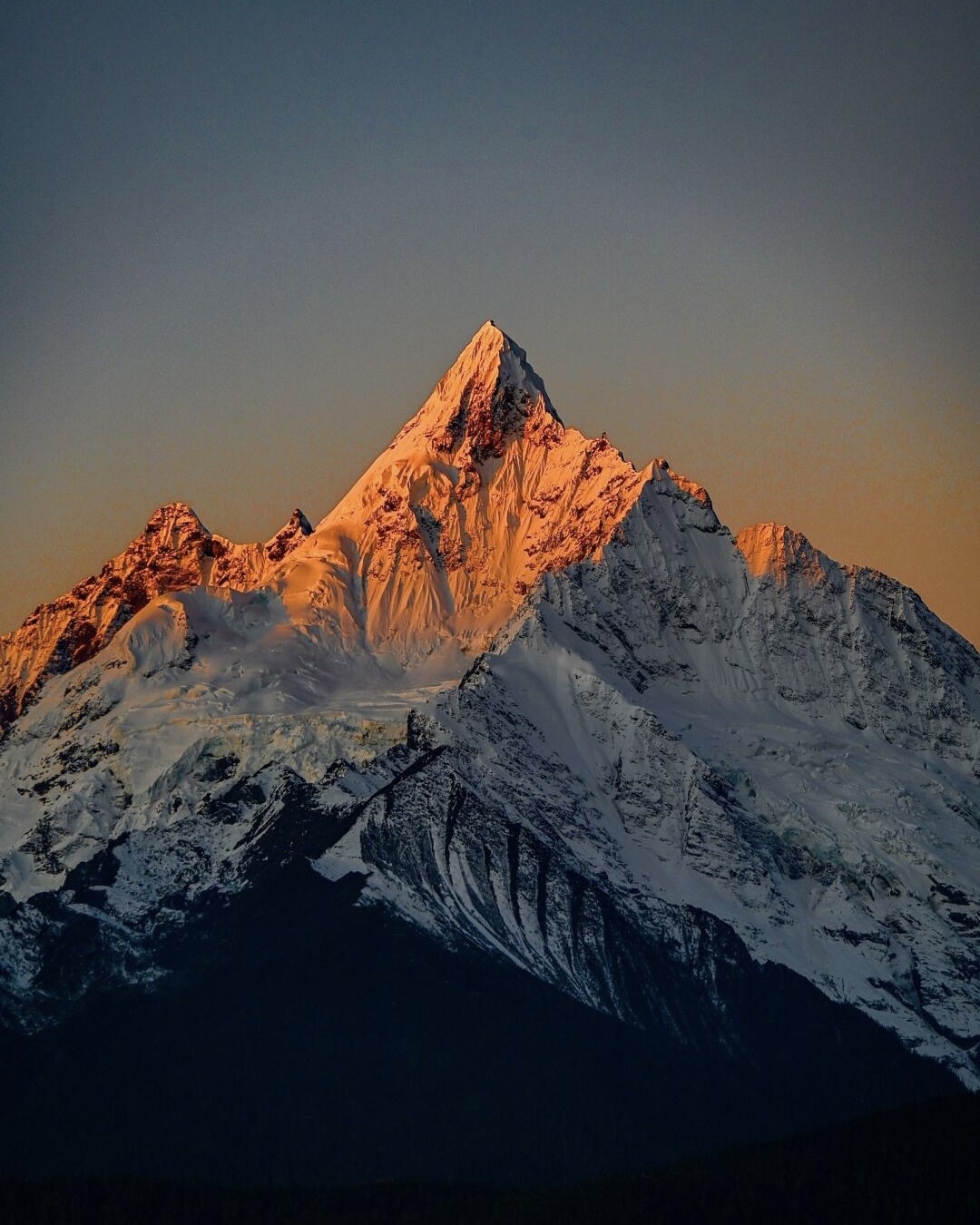
  • Photography arcgolden-summit sunrise from Feilai Si, prayer-flag passes, autumn larch (October) or rhododendron (May-June), glaciated north face

Why the north slope, not Yubeng

  • Yubeng (south side) is now well-trafficked — the Ice Lake and Sacred Waterfall day-hikes are reliable but crowded in October peak and increasingly catered to mass Chinese domestic trekkers. The infrastructure is there; the solitude isn't.
  • The north slope is the original Tibetan pilgrim kora line, walked for centuries before the road system reached Deqin. It's harder (genuine multi-day camping, 5,200 m pass) but vastly quieter — most trekking days you see only your group and the Tibetan pack-horse handlers.
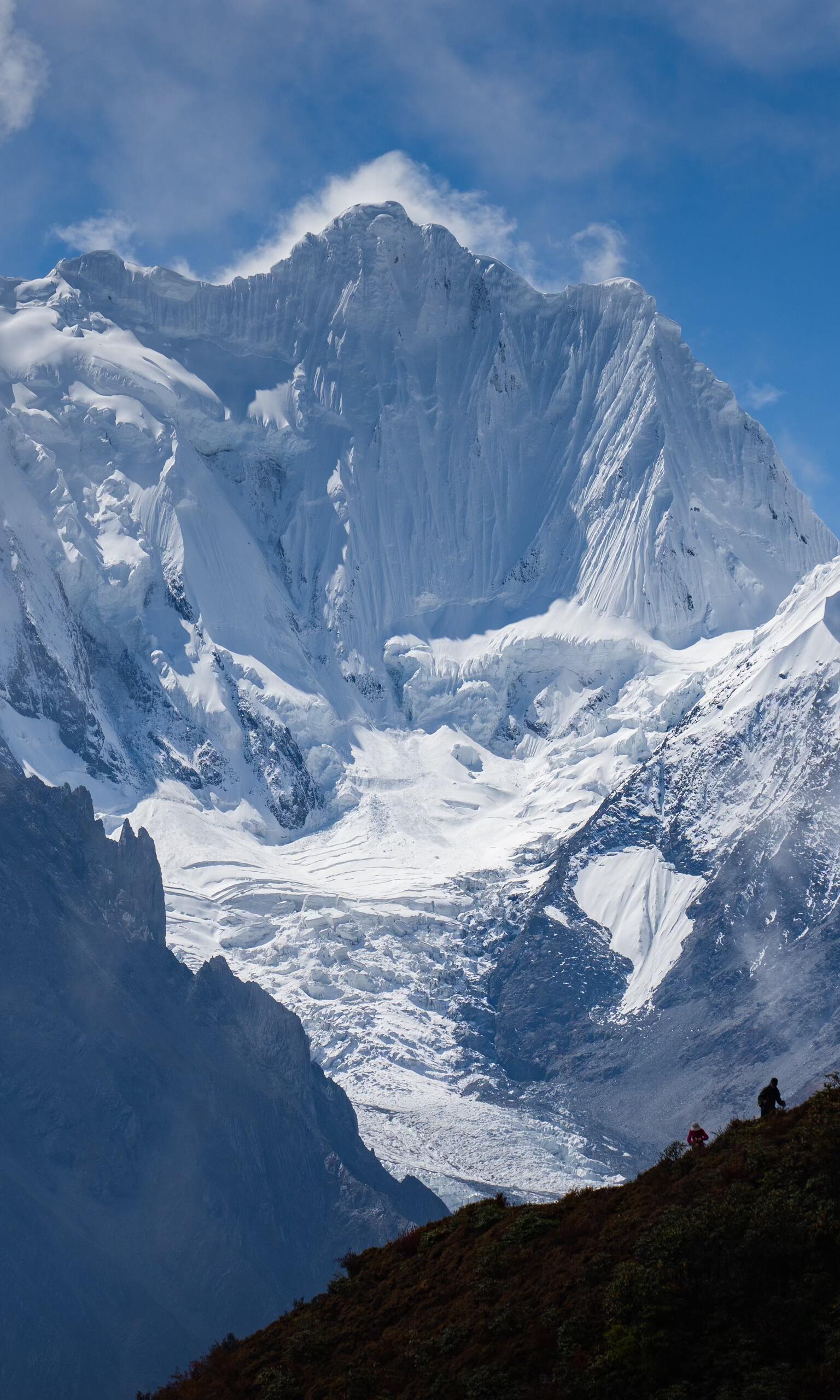
  • The landscape arc is different. Yubeng is forest-to-lake. The north slope is forest-to-pasture-to-glacier-to-pass, with the iconic Kawagarbo north face dominating four of the trekking days.
  • Permits and accessno special foreign-traveller permit beyond standard China visa, but the route is not solo-trekkable — local Tibetan operator + pack-horse handlers are mandatory. We handle the booking 8+ weeks ahead.

Day 1 — Arrive Lijiang, acclimatisation night

  • Fly into Lijiang Sanyi Airport. Transfer to a Naxi courtyard hotel in Baisha or Lijiang Old Town (2,400 m). Easy afternoon — final gear check, group dinner, early sleep.
  • Mandatory acclimatisation day at moderate altitude before pushing higher. We do NOT depart for the trek without this first night — the cost of skipping it is altitude sickness on Day 3.

Day 2 — Drive Lijiang → Shangri-La → Feilai Si

  • Long scenic drive dayLijiang → Tiger Leaping Gorge → Yangtze First Bend → Shangri-La → Baima Snow Mountain Pass (4,292 m) → Feilai Si (3,400 m). ~8 hrs with stops.
  • Short late-afternoon walk in Feilai Si village to settle altitude; visit the Feilai Temple platform where Tibetans burn juniper smoke for Kawagarbo at dusk.
  • Early dinner, alarm set for 0630 — Day 3 starts with the dawn alpenglow window.

Day 3 — Kawagarbo dawn → trek begins, Bamboo Forest Camp

  • Pre-dawn (0630) at the Feilai Si platform for the Kawagarbo alpenglow. ~50% chance of clear summit on any given October-November morning; we build in a buffer day later in case Day 3 is weather-locked.
  • Drive to Yagong Village (the north-slope trailhead) by mid-morning. Meet the Tibetan pack-horse handlers; they load gear, you take day-pack only.
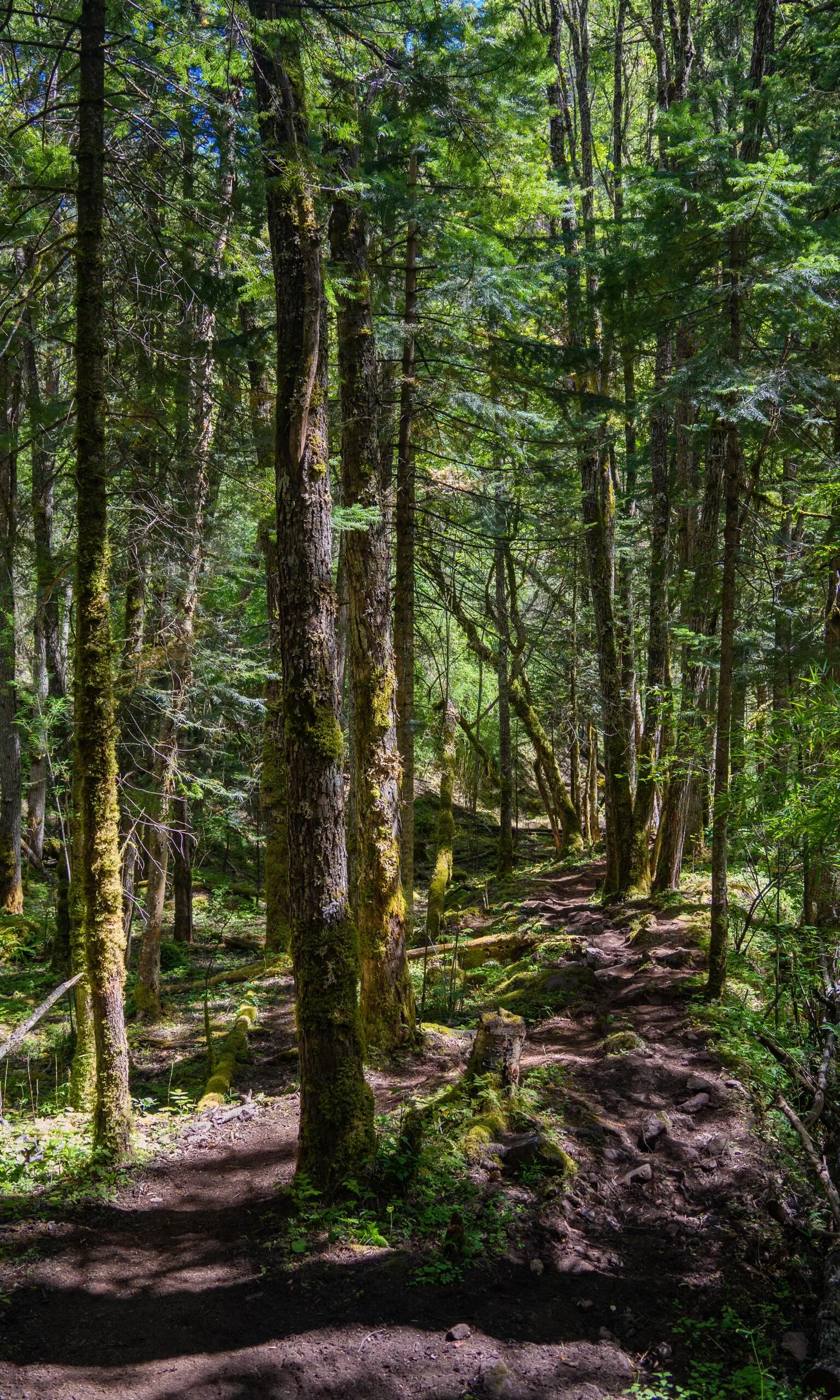
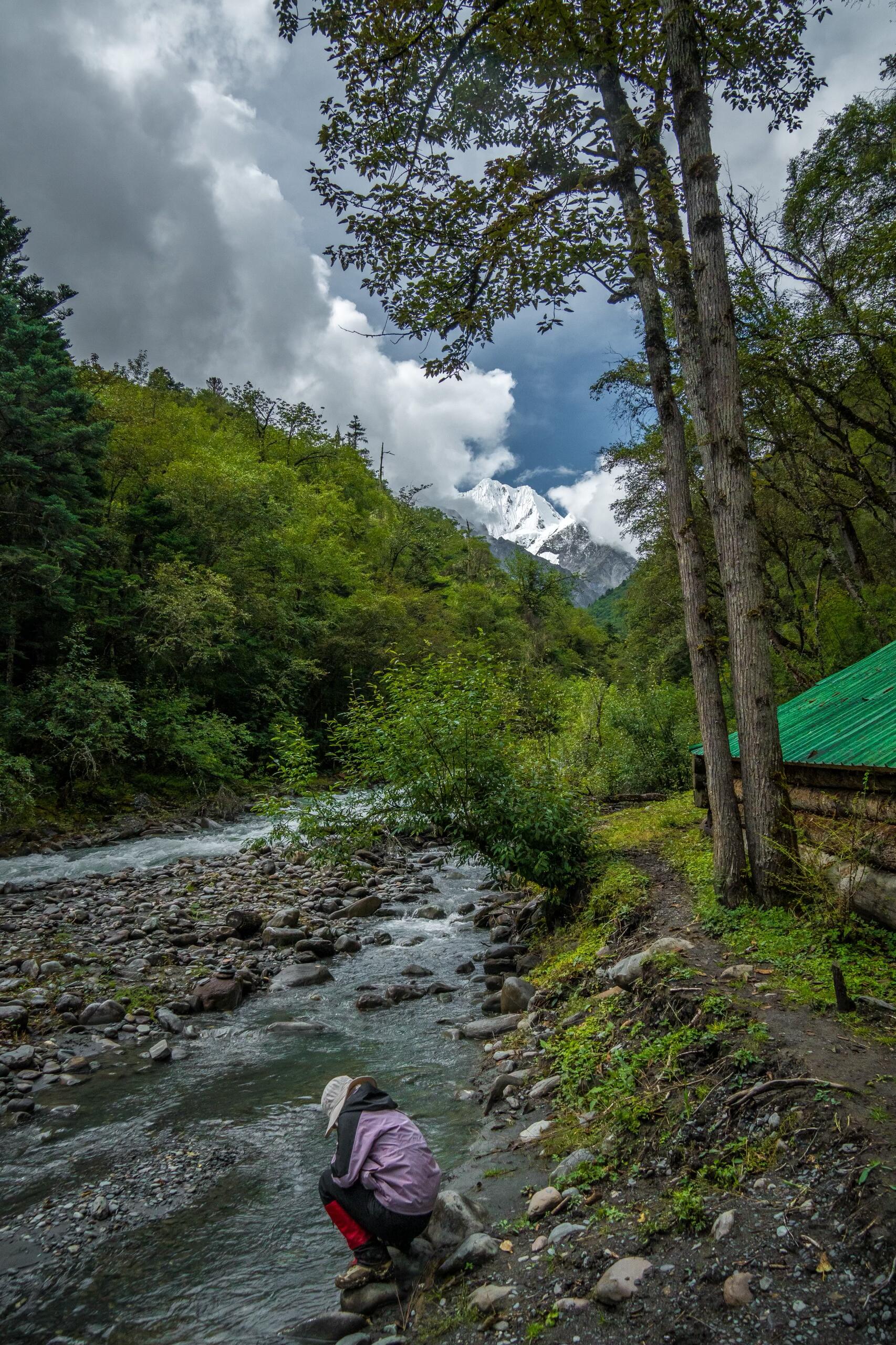
  • Trek-in via Zhangqia Camp meadow — gentle gradient through pine forest, ~9 km, ~5 hrs walking. Bamboo Forest Camp at ~3,500 m. First night under canvas.
  • Camp dinner from the pack-train kitchen (yak stew, Tibetan bread, butter tea). Early sleep.

Day 4 — Bamboo Forest → Pojun Glacier → Pojun Camp

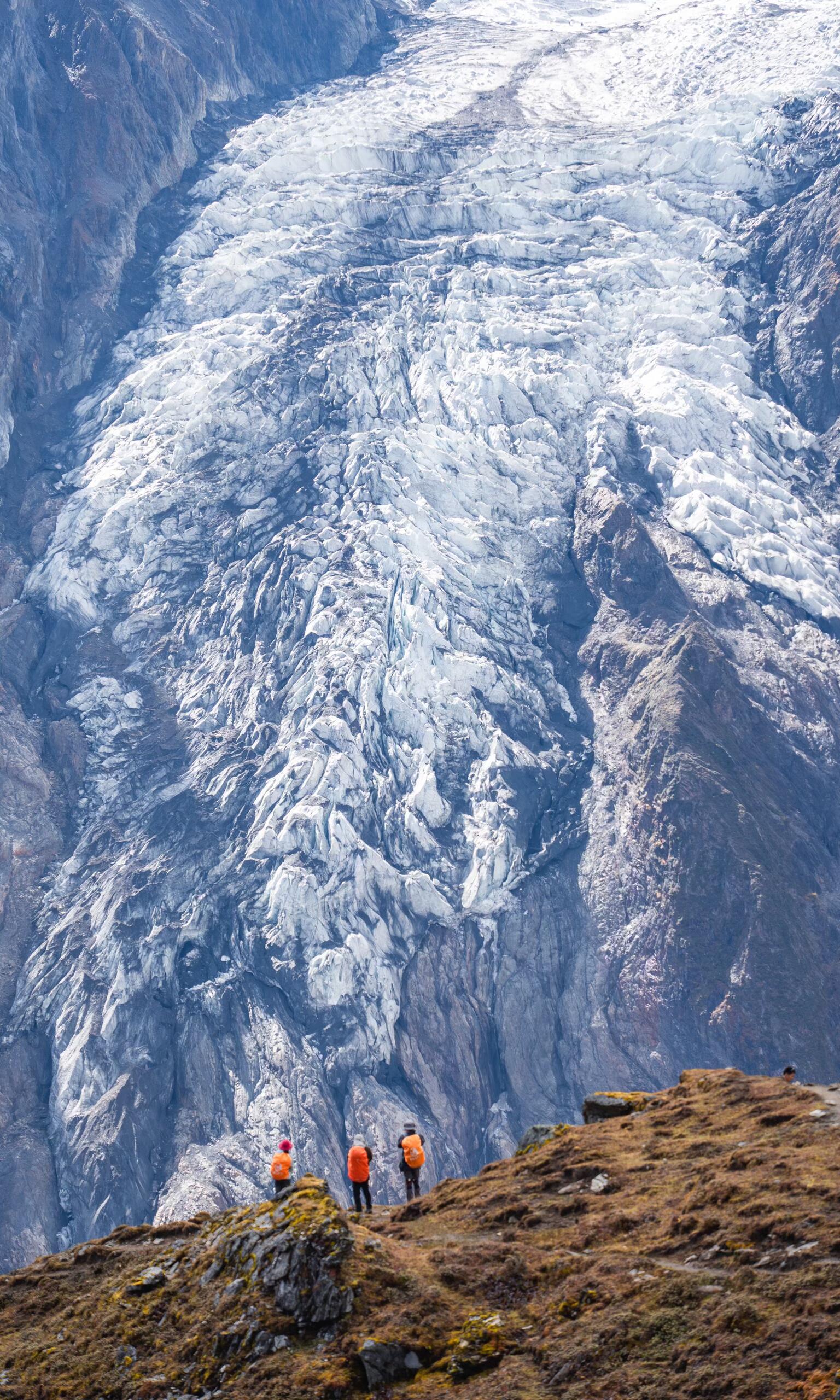
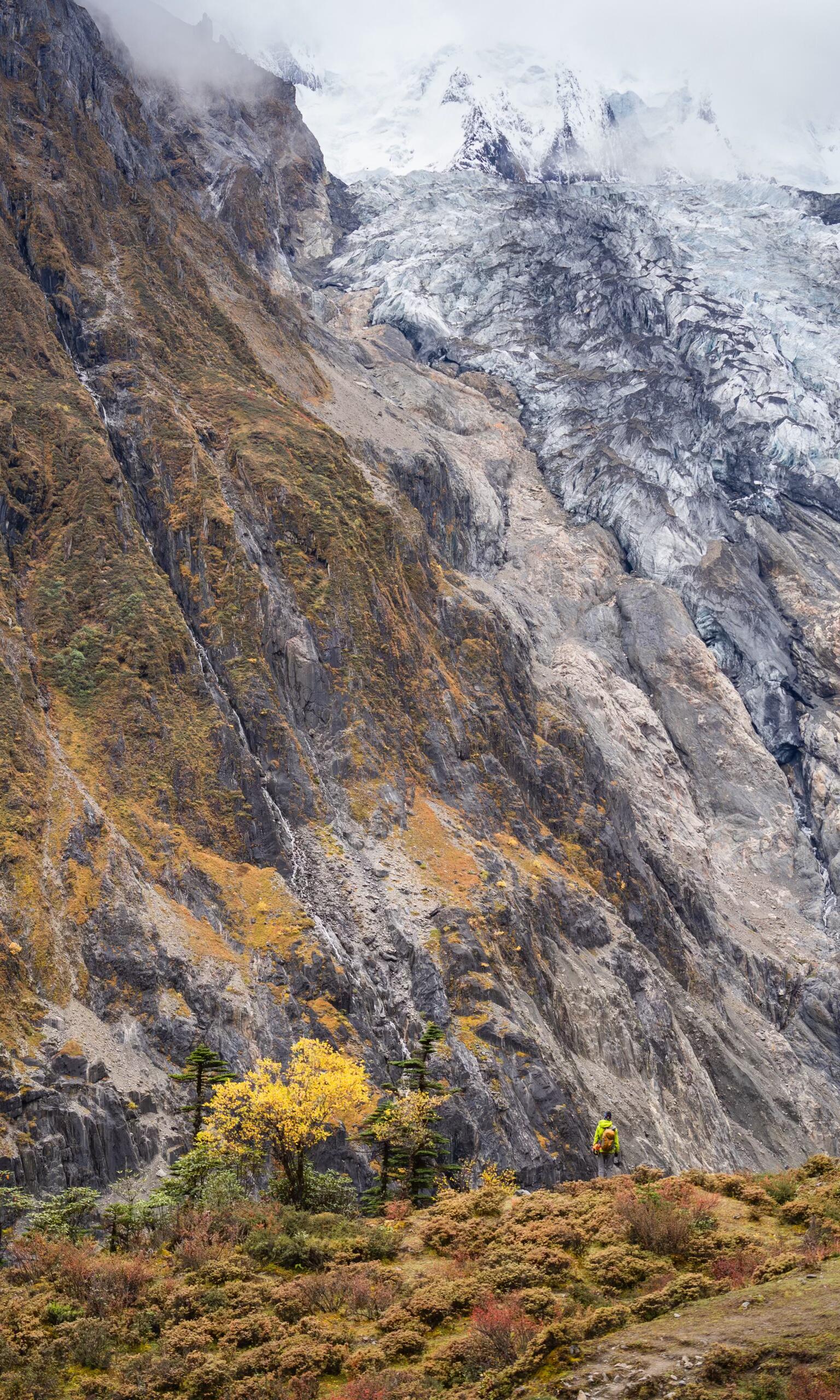
  • The trek's steepest day. Forest transitions to alpine meadow, then to glacial terminal moraine below Pojun Glacier (a major north-face glacier of Kawagarbo). ~6 km, ~5 hrs walking but high altitude gain.
  • Pojun Camp at ~4,200 m — open meadow with a clear view of the glacier face and the peaks above. Cold night; we provide 4-season sleeping bags.
  • Most photogenic camp on the trek. Sunset light on the glacier face is the night's photo brief.
  • Watch for altitude. Drink water relentlessly. Anyone showing signs of AMS turns around with one of the handlers — we have a non-negotiable safety protocol.

Day 5 — Pojun → Ciding Pass (4,770 m) → Pojiang Camp

  • The first big pass. Pojun Camp → Ciding Pass (4,770 m) over a rocky ramp with brief snow-patch sections in early-season conditions. ~6 km but technically demanding, ~7 hrs.
  • Top of the passprayer flags, the views back across the glacier system, and the first glimpse forward into the trans-border valley.
  • Descent to Pojiang Camp at ~4,300 m. Hot meal, hot drinks, early sleep — Day 6 is the trip's biggest day.

Day 6 — Pojiang → Yunnan-Tibet Border Pass (5,200 m) → Twin Lakes → return

  • The trip's high point. Pojiang Camp → Yunnan-Tibet Border Pass (5,200 m, the official high point) → Twin Lakes glacial tarns → return to Pojiang Camp. ~9 km, ~6 hrs but at sustained altitude.
  • Prayer flags at the border pass; the views simultaneously back into Yunnan and forward into Eastern Tibet's Drung-Nu border region. One of the great mountain panoramas in Yunnan.
  • Twin Lakes glacial tarns at ~4,800 m. Late-morning light is best for photography here.
  • Same camp tonight — we don't break camp on the high day. Recovery, rest, layered dinner, deep sleep.

Day 7 — Pojiang → Dala Camp → Yagong Village → Feilai Si

  • Long descent day. Pojiang Camp → Dala Camp (no overnight) → Yagong Village → drive to Feilai Si. ~10 km on foot, then ~1 hr drive.
  • Knees take the day's weight. We pace it slow, with rests at the upper-meadow viewpoints and a long lunch at Dala. Reach Feilai Si by late afternoon.
  • First hot shower in 5 days. Hot-pot dinner at Feilai Si overlooking Kawagarbo at sunset. The trip's quiet emotional close.

Day 8 — Drive Feilai Si → Lijiang, depart

  • Long return drive (~10 hrs) over Baima Pass and via Shangri-La. We schedule departure flights for the next day from Lijiang; doing same-day flight after the drive is brutal and we don't recommend it.
  • Optionalextend a night in Shangri-La (Songzanlin Monastery, Tibetan town) before continuing to Lijiang — many travellers want this decompression.
Practical details
  • Fitness baselinecomfortable hiking 8–10 km a day with significant elevation gain for 5 consecutive days. The Day 6 pass-day is the hardest single day — 5,200 m altitude, 9 km, 6 hours.
  • Altitudesleeps at 3,500 m → 4,200 m → 4,300 m → 4,300 m → 3,400 m. Two-night acclimatisation before the trek (Lijiang + Feilai Si) is mandatory.
  • Difficulty★★★★ on Chinese trekking scales. Equivalent to a non-technical high-altitude expedition trek; harder than Yubeng south side, easier than Mt Siguniang technical routes.
  • Best windowsMay-June for rhododendron bloom + late-spring snow on the high passes; October-November for autumn larch colour + the cleanest post-monsoon sky for Kawagarbo dawns. Avoid July-September monsoon.
  • Permits + logisticsno special foreign permit but mandatory local Tibetan operator + pack-horse handlers. We book the operator 8+ weeks ahead and brief you on the kit list (4-season sleeping bag, B2 boots, gaiters, layered clothing).
  • Group size4–8 trekkers. Above 8 we split into two pack-train groups for handler ratios. Below 4 we sometimes wait for a small private supplement (covered by us up to a threshold).
  • Pricingfrom AUD $4,800 pp twin-share for the standalone 8-day module — includes Tibetan guide, pack-horse supply, camping gear, all meals on the trek + hotel nights in Lijiang/Feilai Si, transfers. Excludes international flights, AMS-evac insurance (we mandate one).
Common questions

Before you book

01 What's the success rate of completing the trek?

About 85% in the May-June and October-November windows for trekkers who arrive properly acclimatised. The 15% who turn around are split between (a) altitude sickness symptoms appearing on Day 3-4 and (b) the occasional weather lock on the high passes (Days 5-6) where we choose safety over summit-day pressure. We have a buffer day built into the standard 8-day itinerary — if Day 6 is weather-locked, we attempt Day 7 instead. If both are locked, you get the trek-in days, the camps, and the lower-pass views; the trip is still extraordinary.

02 How does this compare to Yubeng or Yading?

Yubeng (south Meili) is 3-4 days, lodge-based, well-marked, accessible for any reasonably fit walker comfortable with 3,700 m. North Slope is 5 days on foot, pack-horse-supported camping, two high passes, 5,200 m max. Yading (the Three Sacred Peaks circuit) is harder still — multi-pass technical sections. North Slope sits between Yubeng and Yading on the difficulty curve; closer to Yading in terrain remoteness, closer to Yubeng in absence of technical climbing.

03 What's the photography arc?

Three main moments: (1) Kawagarbo dawn alpenglow from Feilai Si on Day 3 — the iconic 10-minute golden-summit window. (2) Pojun Camp sunset on Day 4 — the glacier face turning gold over the meadow camp. (3) The Yunnan-Tibet Border Pass on Day 6 — 5,200 m prayer-flag panorama with the entire north-face system visible. Plus autumn-larch corridors (early October) or rhododendron passes (May-June) depending on season. Most trekkers carry a fast 24-70 mm zoom and a small drone; the trip rewards mid-range glass more than telephoto.

04 Can you shorten or extend the trek?

Shorten — no, not really. The route geometry doesn't compress: you need 5 nights of camping to clear the two passes and return. Skipping the high pass turns it into a 5-day in-and-out trek to Pojun, which is fine but misses the trip's biggest moment. Extend — yes, easily. Common extensions: (a) Add a Nujiang gorge module before/after for 4-5 days (we already offer the Nujiang Frontier itinerary), (b) Add a Songzanlin Monastery + Shangri-La day for cultural decompression, (c) Add a Niru Valley side-trek if you want to keep walking. Talk to us about combinations.

Ready to Plan Your Journey?

Contact Us