Jingmai Mountain
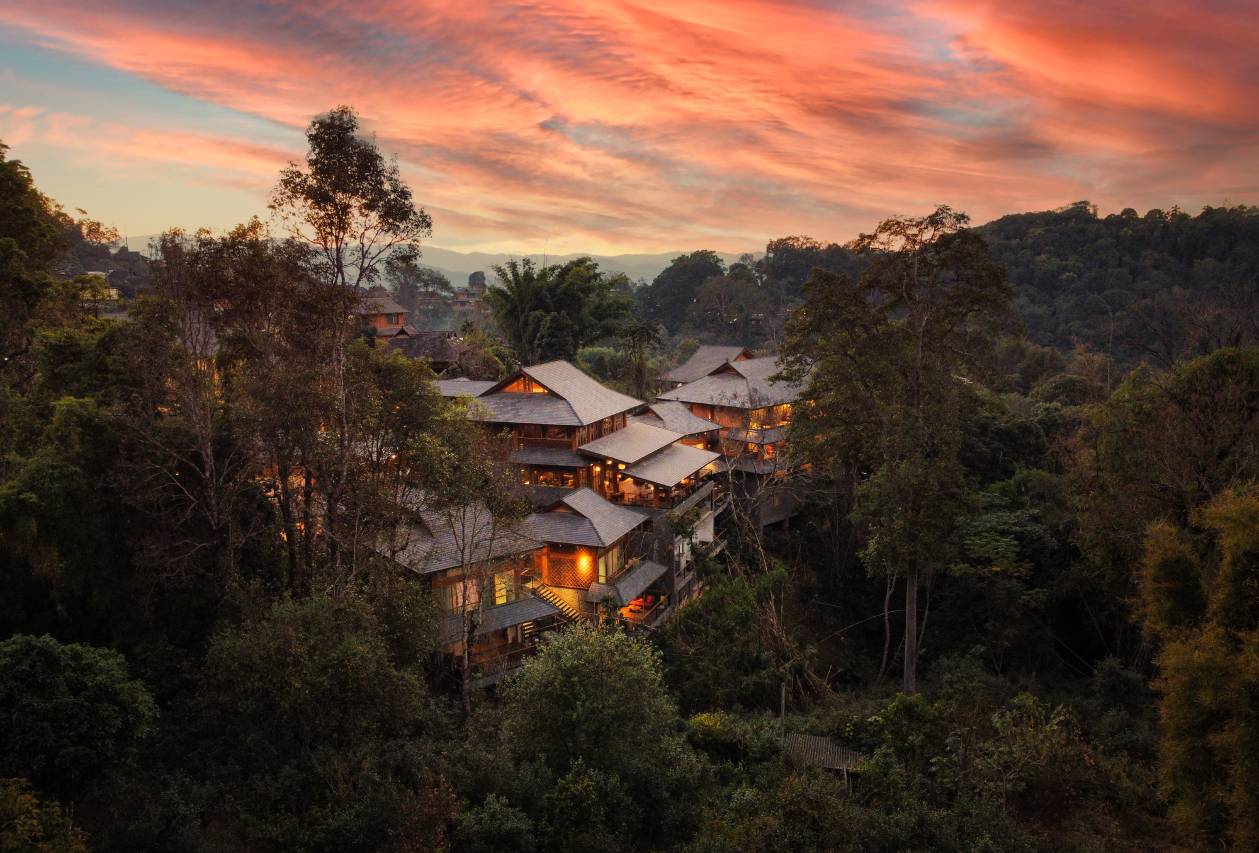
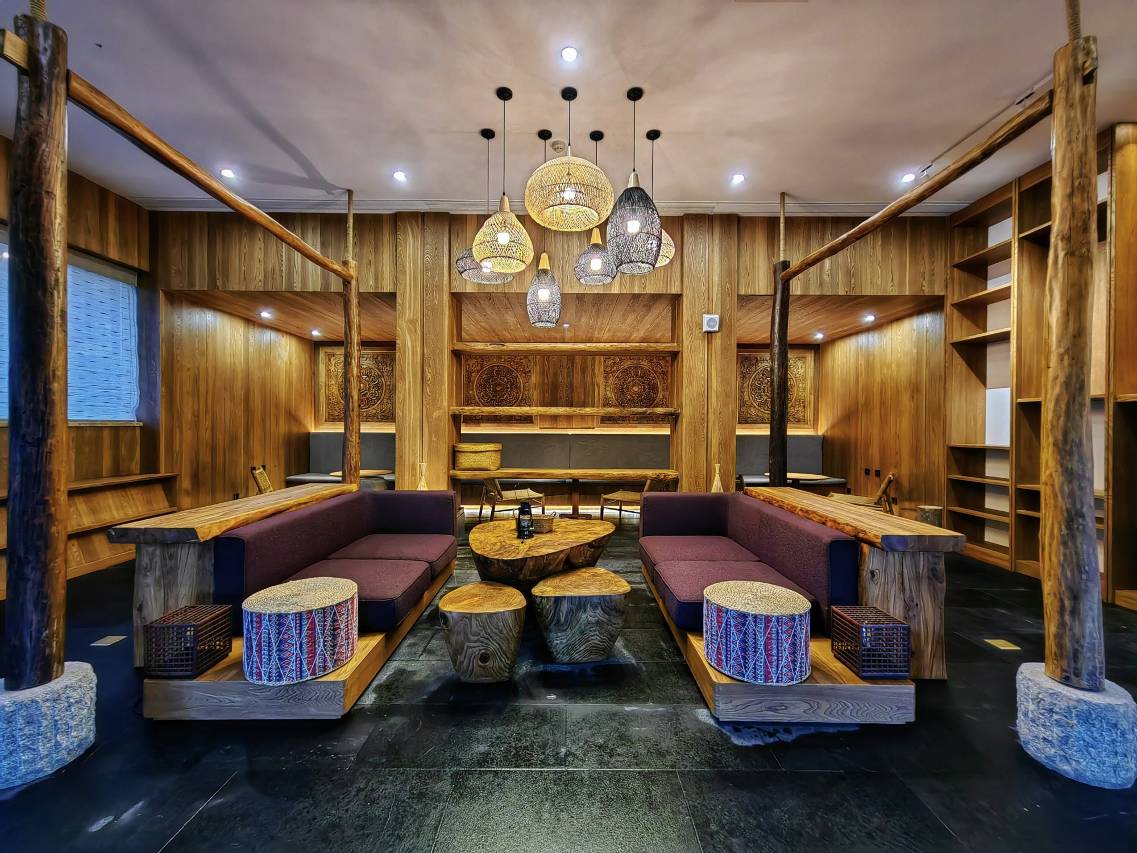
A Blang heritage retreat in Shangzhai village inside the UNESCO landscape — glass-walled suites, a fire pit and a village kitchen. You sleep inside the heritage site, not next to it.

Five days in the UNESCO-inscribed Pu'er tea mountains
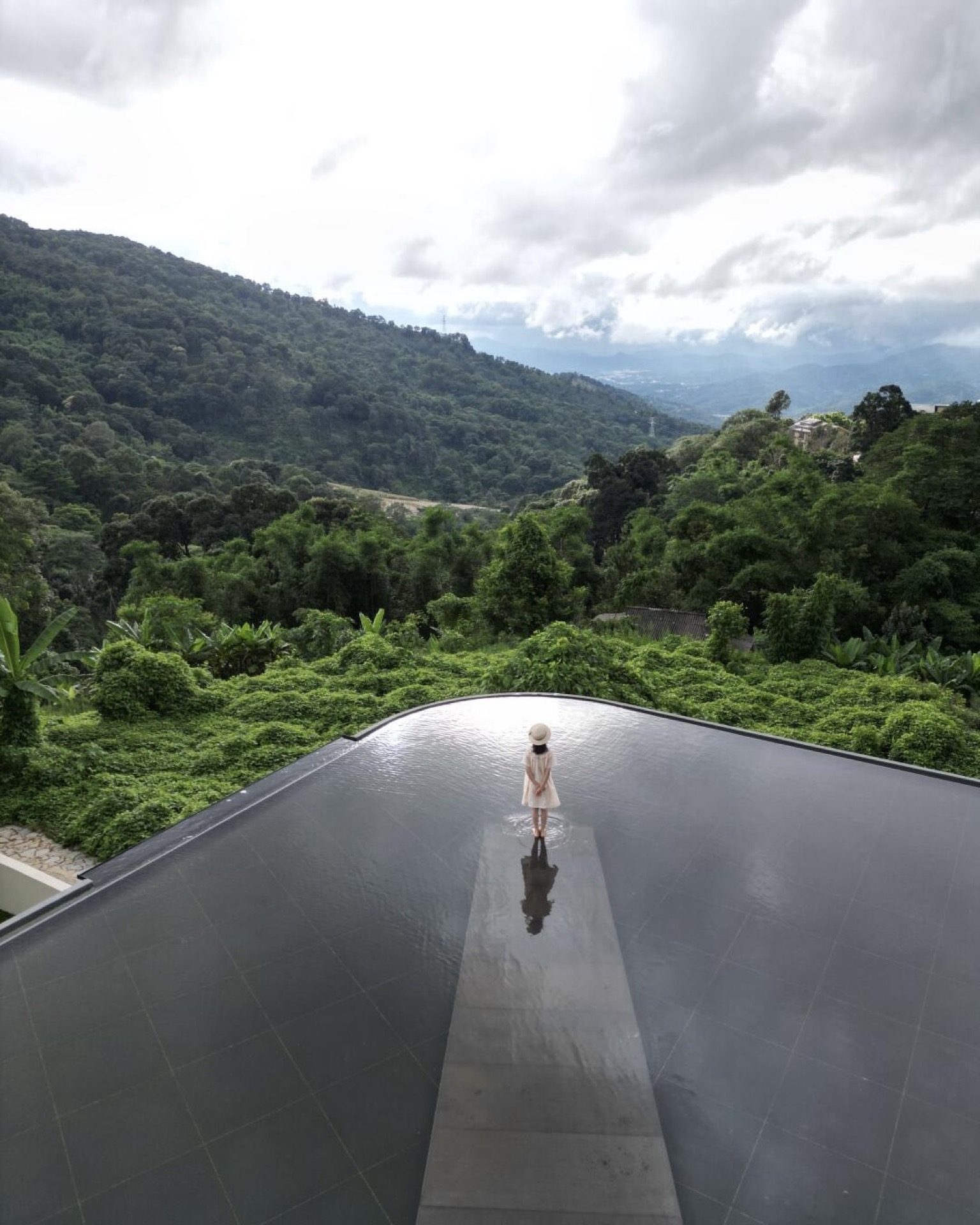
Your English-speaking tea guide and driver meet you at Xishuangbanna Gasa arrivals, and the drive west does the rest — forty minutes climbing steadily out of the Mekong valley into the tea terraces of Nannuo Mountain at 1,500 m. Settle in high in a Hani village; the late afternoon is yours for the sky-mirror terrace at sunset. A quiet first night at altitude.
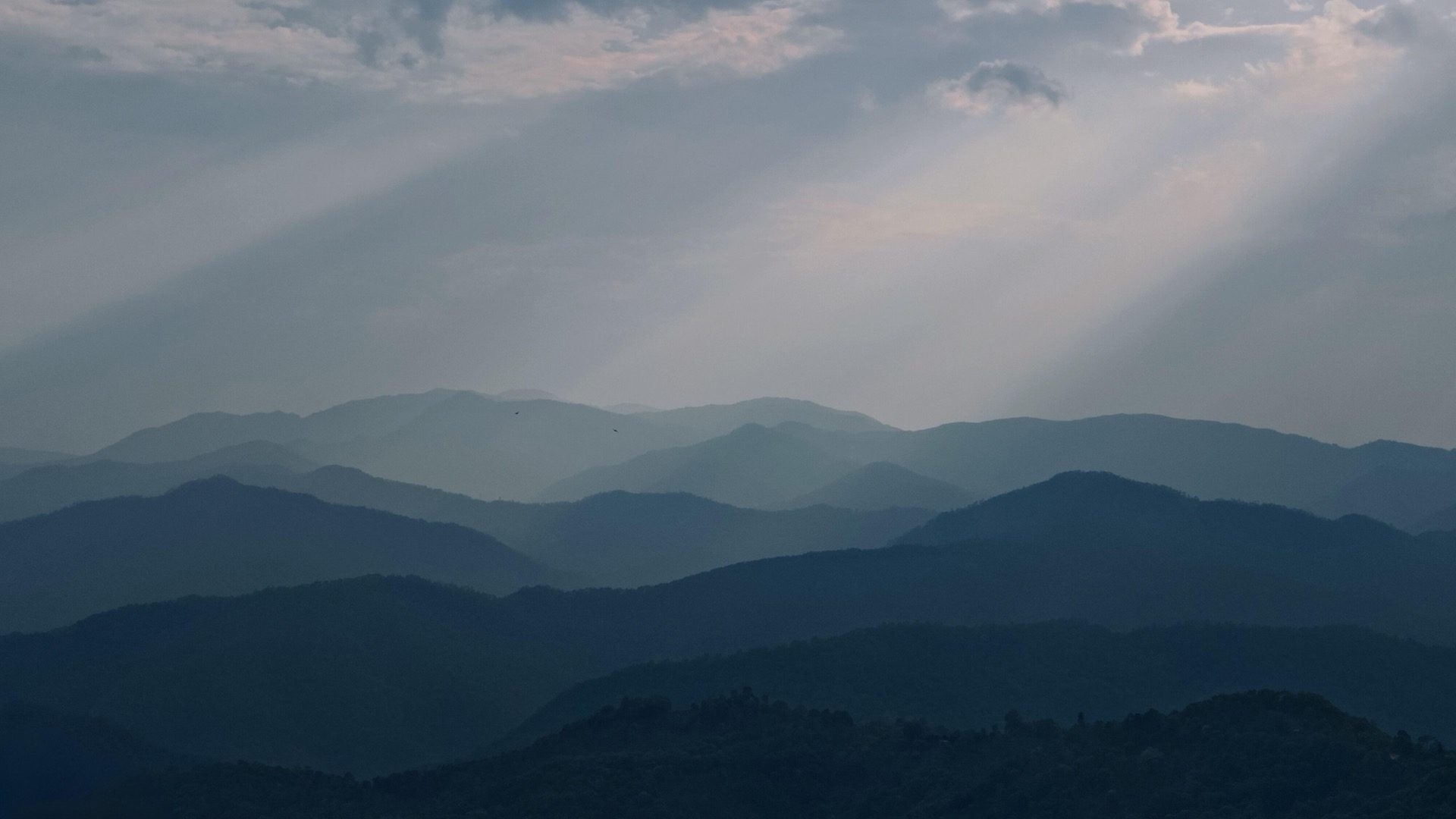
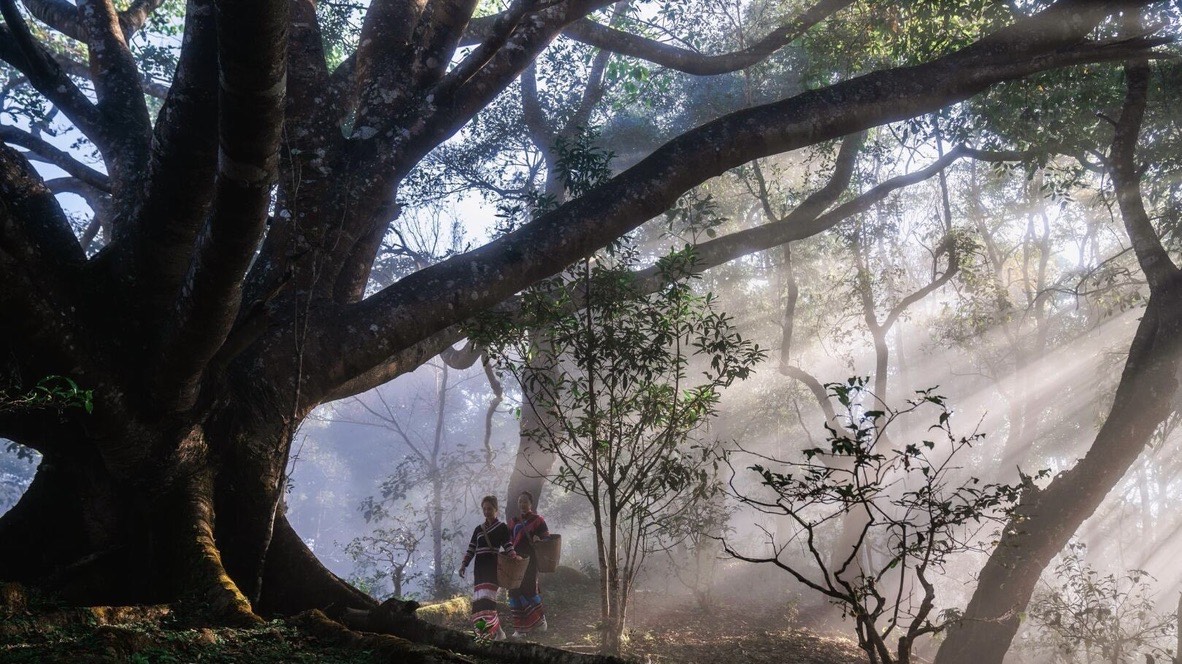
A morning in the Nannuo ancient tea forest with a Hani family — 400-to-800-year-old trees still harvested from bamboo ladders, finishing at the Tea King Tree (茶王树) with tea brewed on the spot. Then three hours west through Menghai county to Jingmai Mountain and its working tea estate. The afternoon is the estate's tea-garden tasting flight — 识茶 · 品茶 · 论茶.
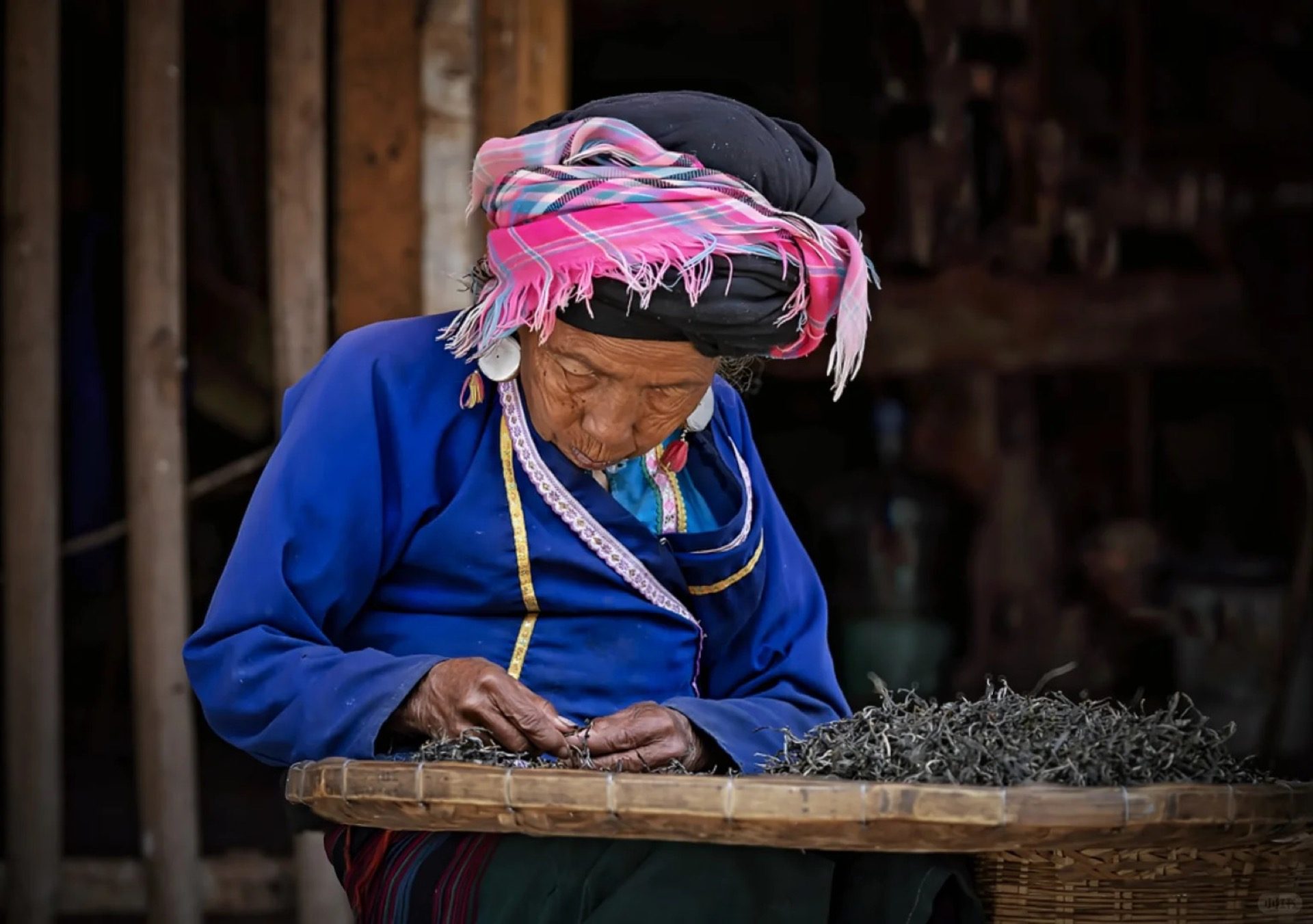
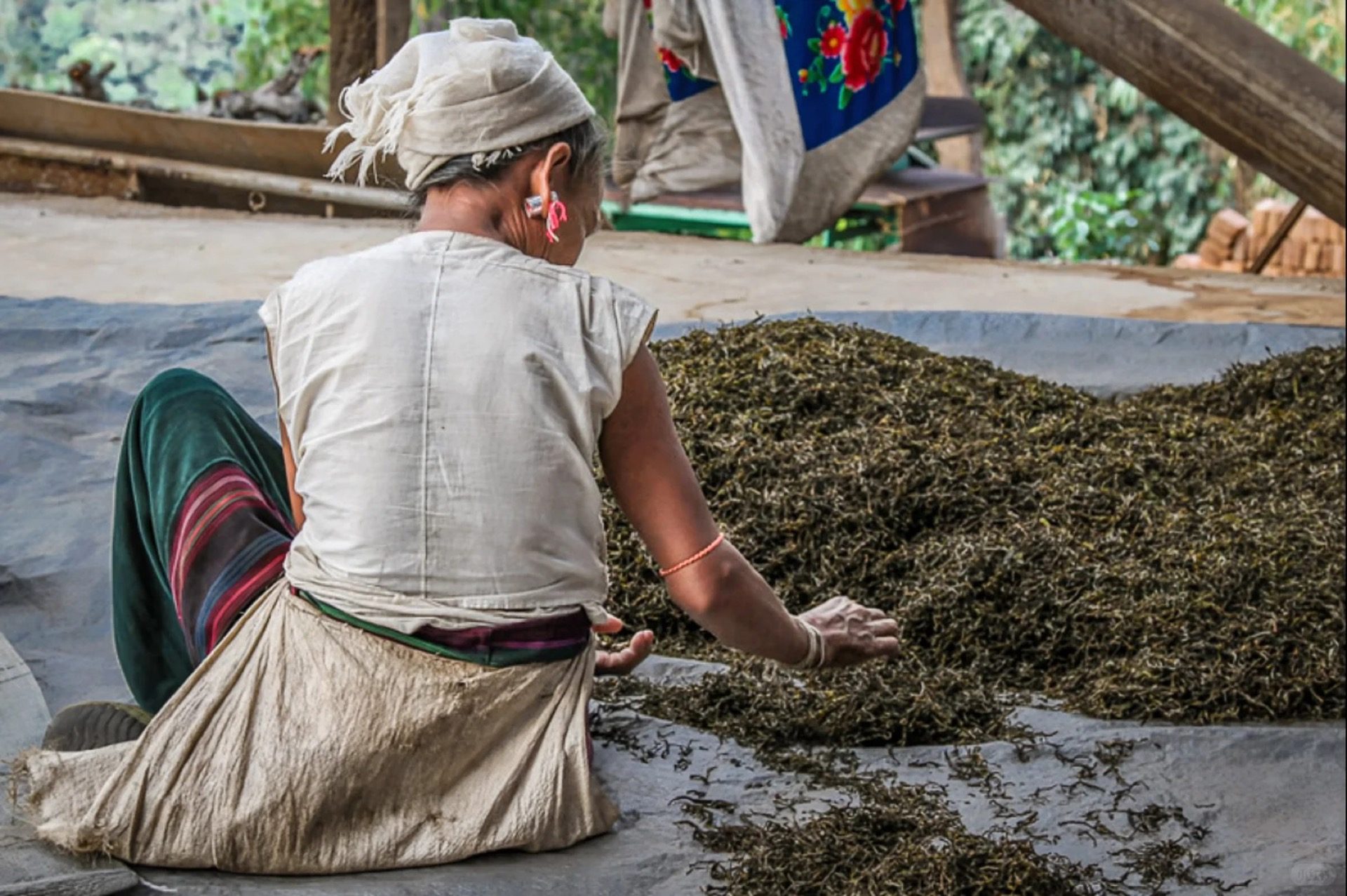
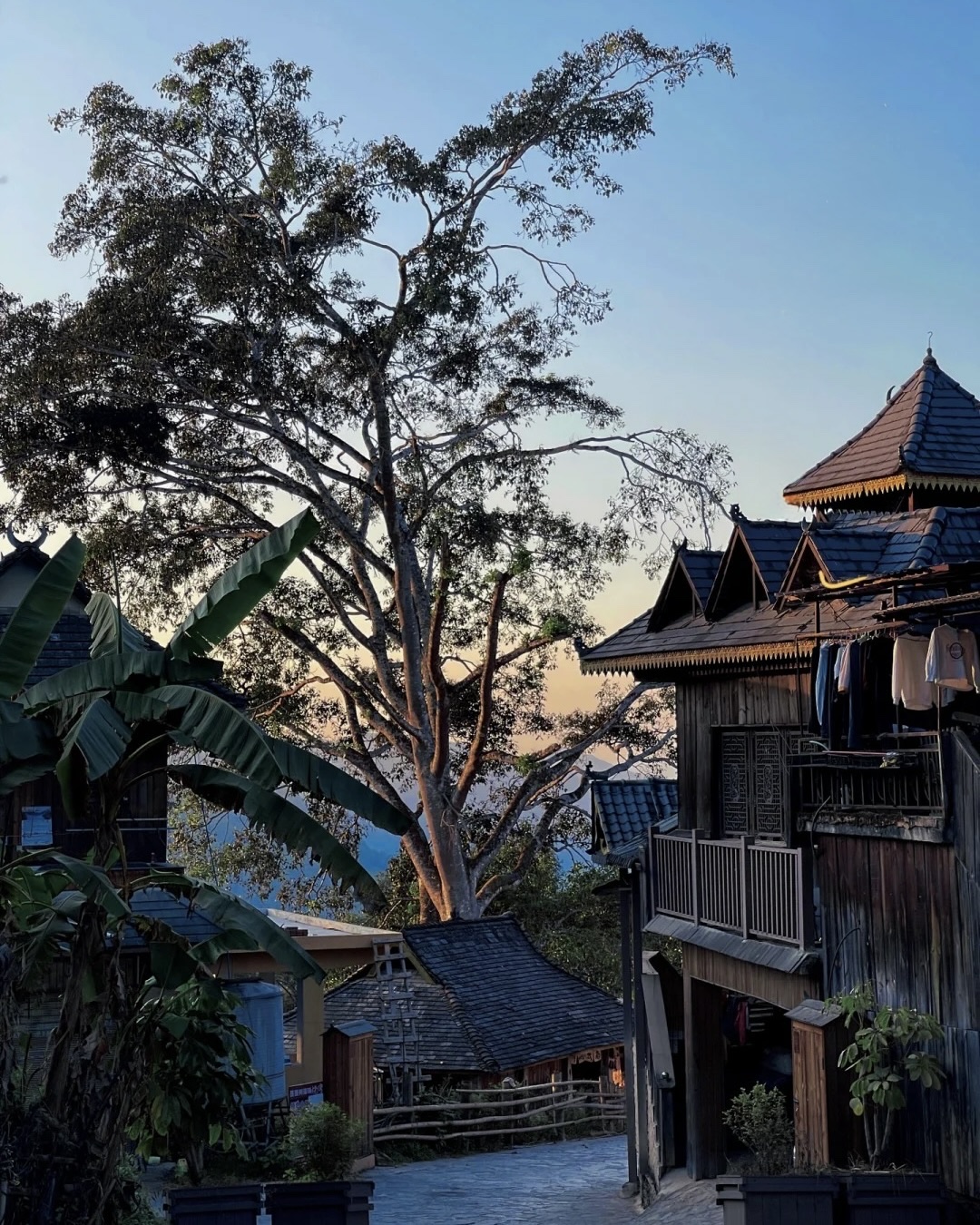
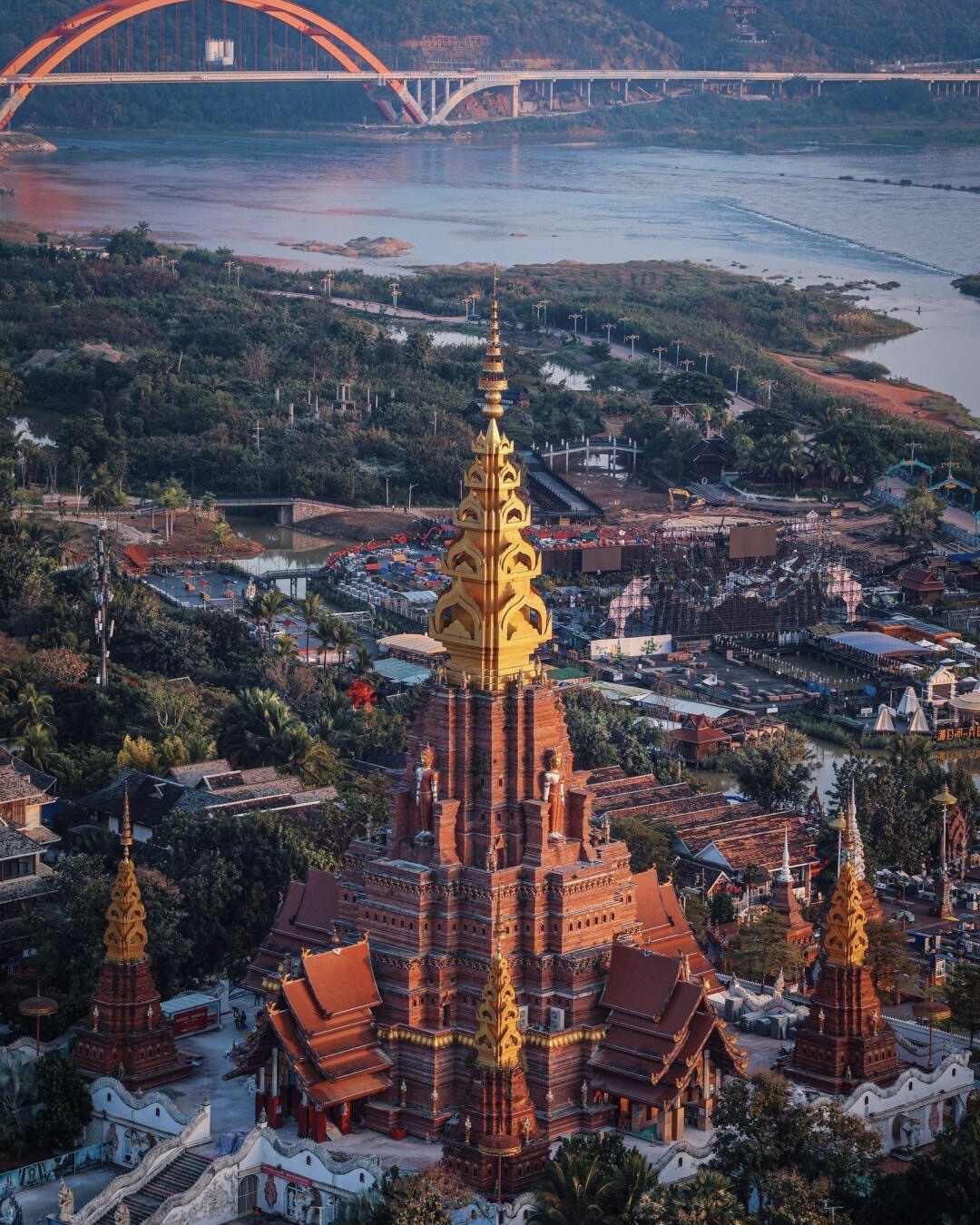
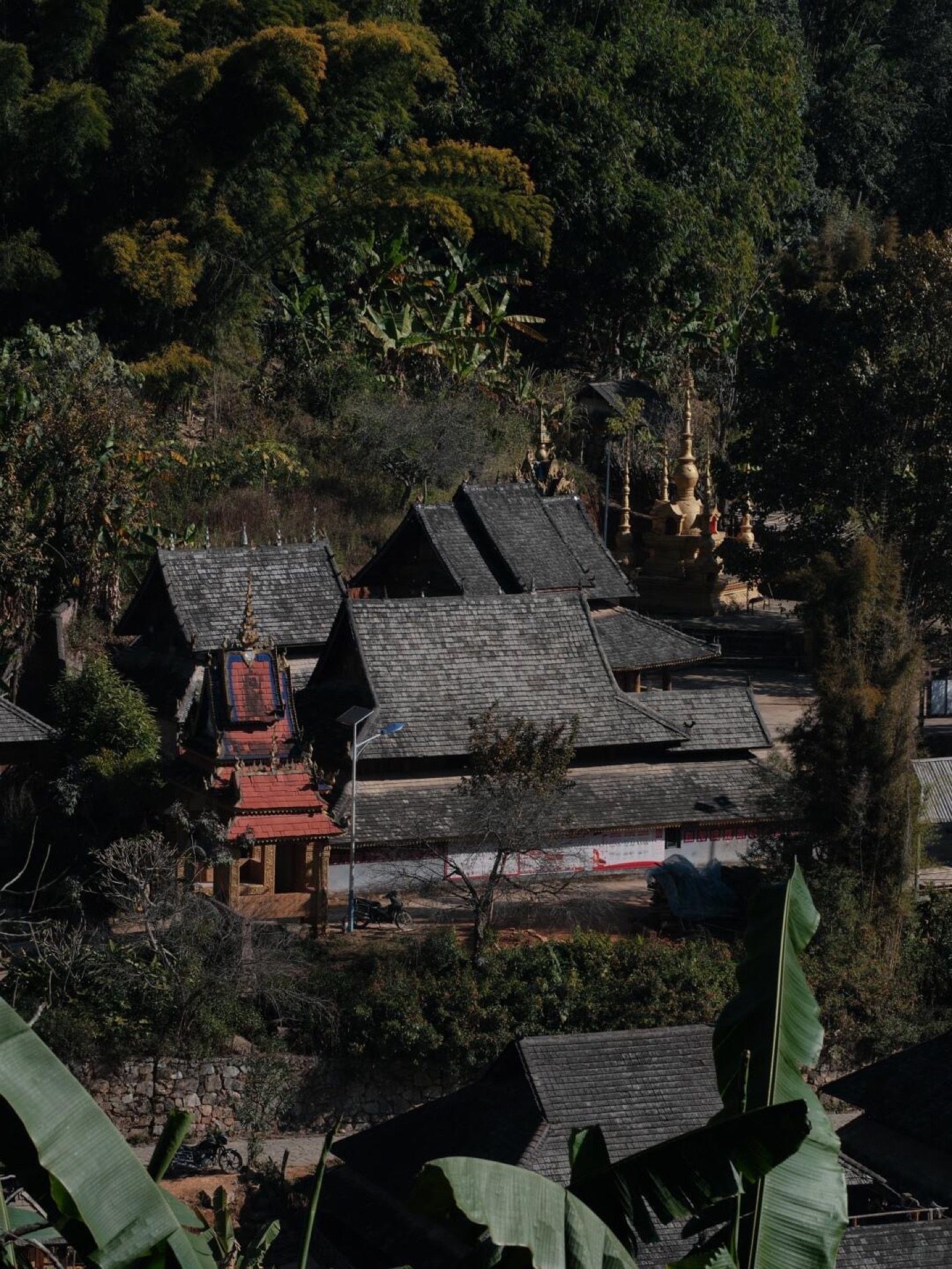
Follow the leaf from garden to cake — picking and wok kill-green when the trees are in leaf, the estate's sun-dried maocha in the off months — then press and stamp your own cake on the stone moulds (古法制作普洱茶饼). After lunch, a short transfer through the heritage landscape — Mengben's gilded Dai temple, Nuogan's stilted timber rooftops, the sacred bee tree — to your base in Shangzhai village. At night, the roasted-tea ritual (烤茶).
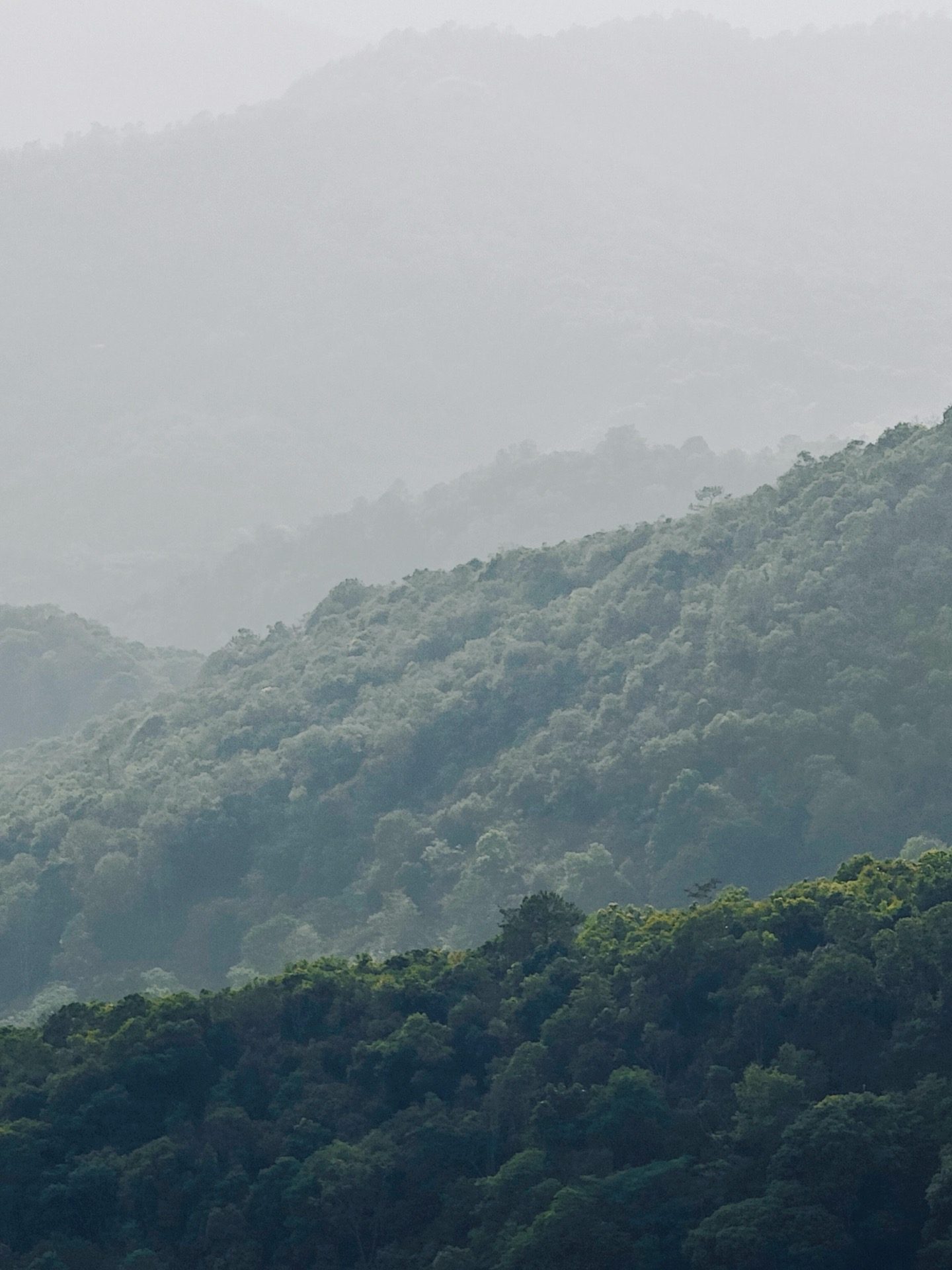
A gentle three-to-four-hour morning through the remaining UNESCO villages and the ancient-tree archway clearing — the Blang heartland of the heritage landscape. The afternoon is deliberately free — an optional second tea programme on demand. Tonight's roasted tea is the quiet, everyday version of the ritual — short, no music, the way Blang elders actually drink it.
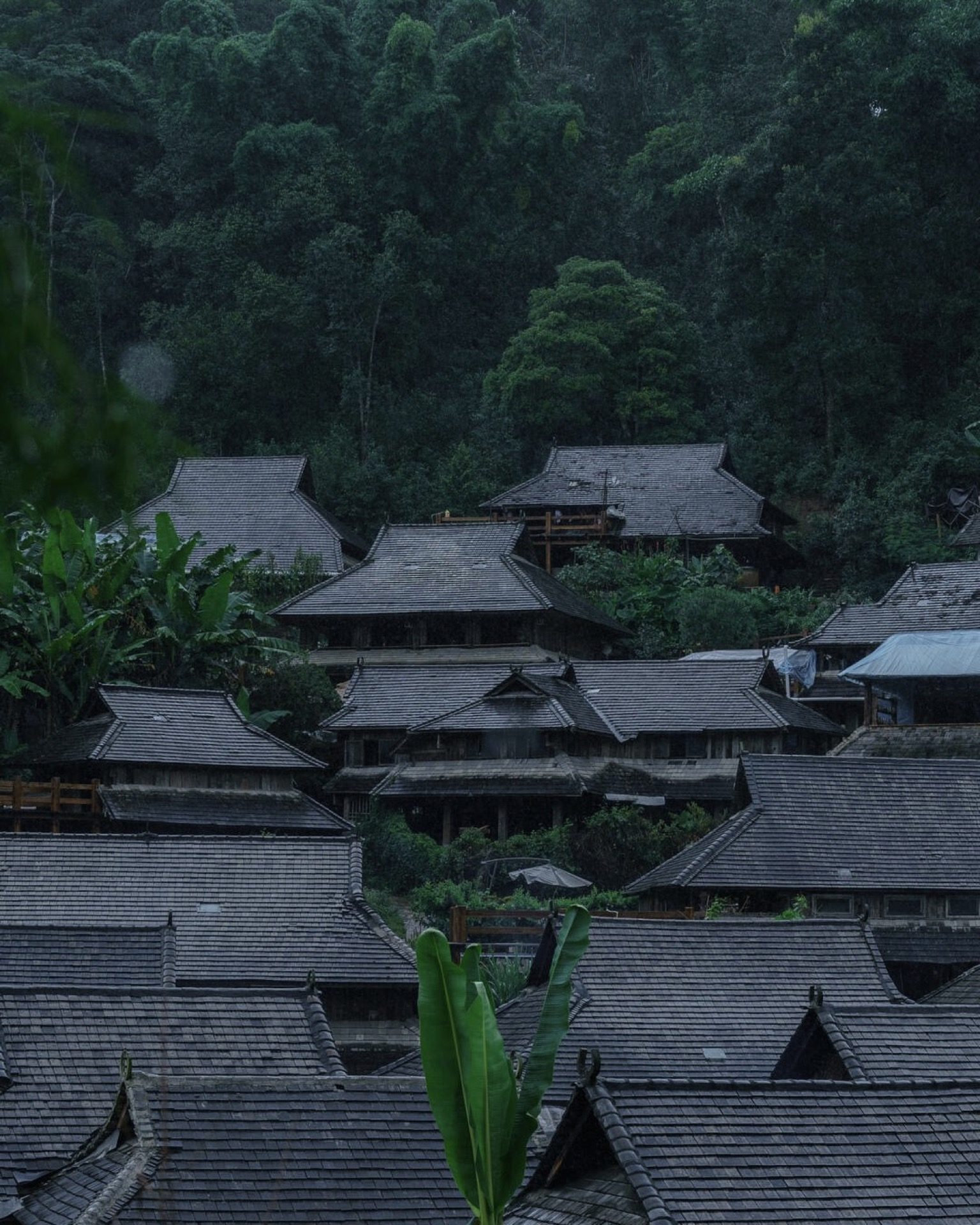
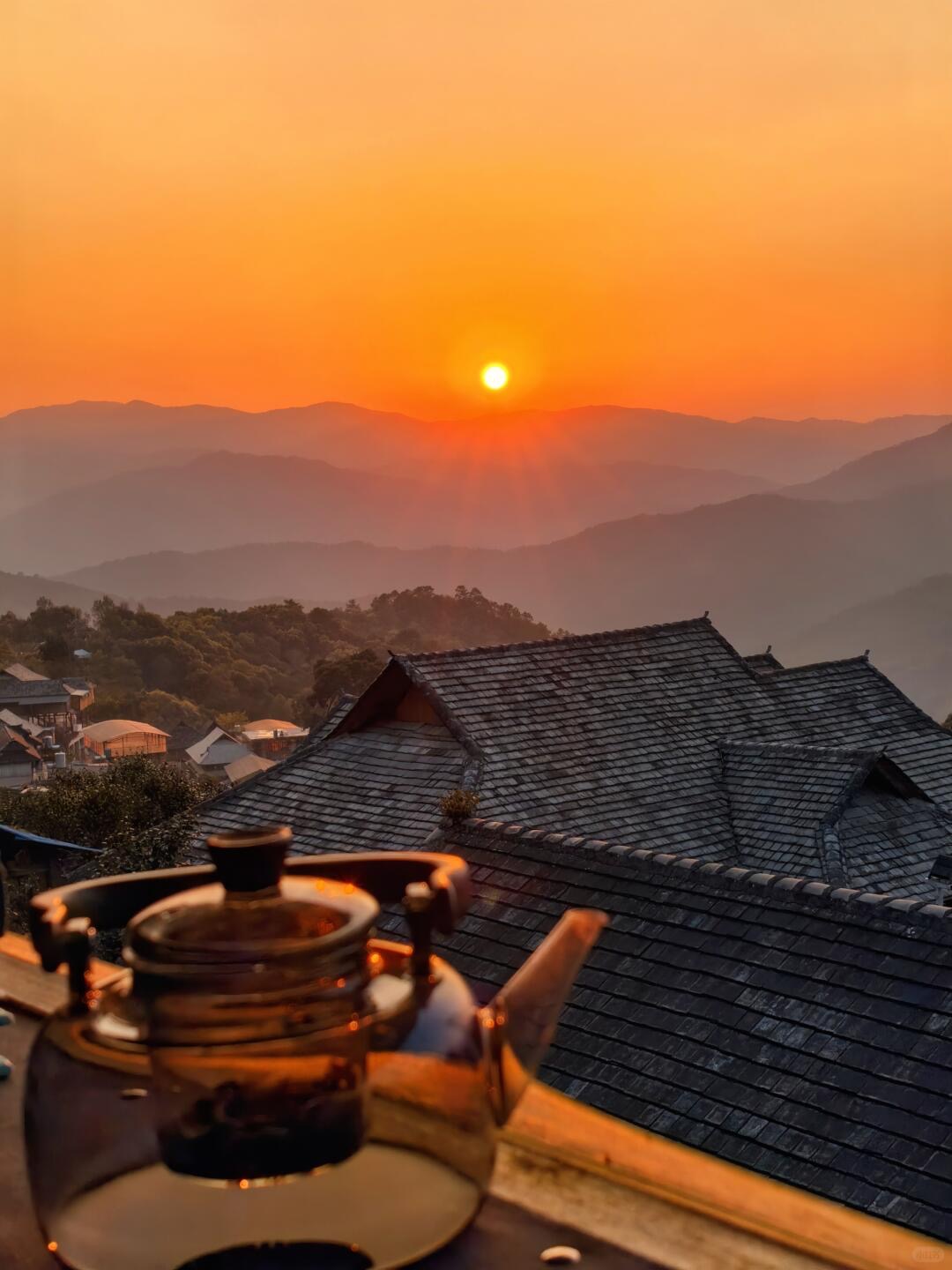
A slow breakfast at the retreat — terrace or fire pit, your call — then the hour-and-twenty drive to Lancang Jingmai Airport. Your guide and driver see you off at check-in: roughly seventy minutes to Kunming, forty-five to Xishuangbanna, and onward to the next leg of your Yunnan trip — or home, with your own pressed cake in your bag.
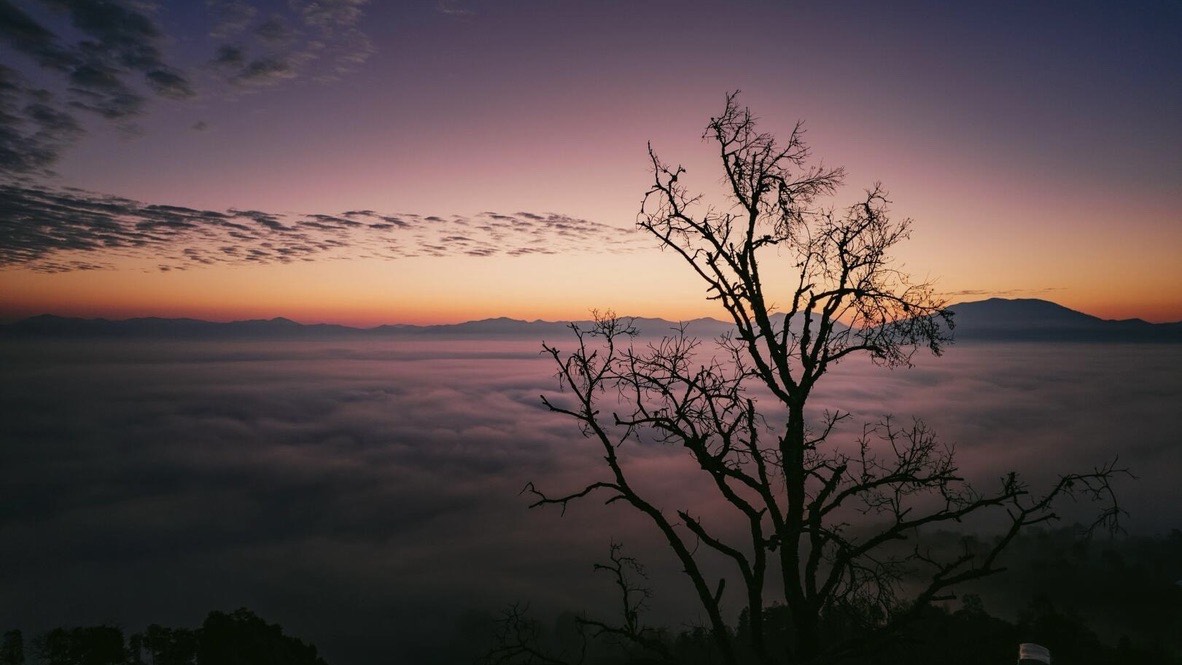
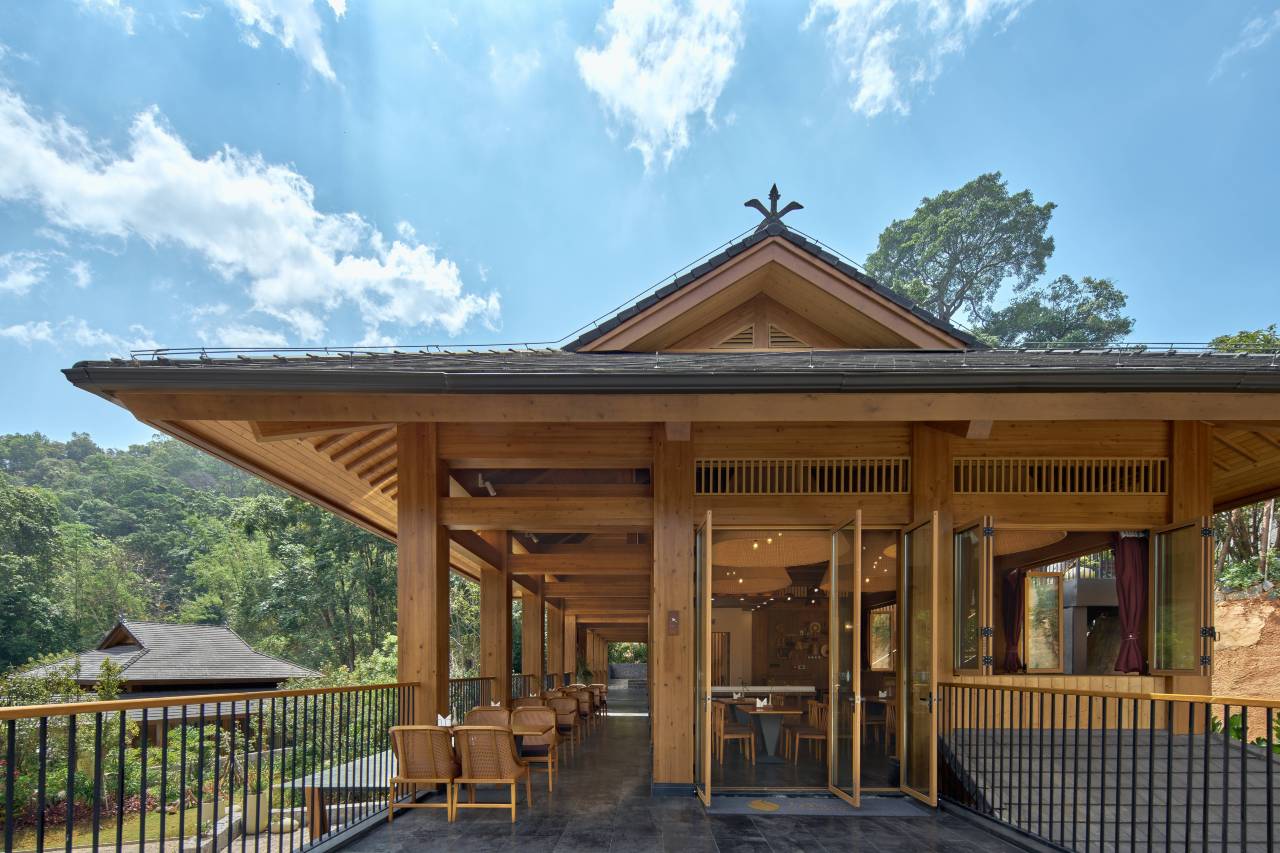
A design hotel on Nannuo, the Bolian tea manor on Jingmai, and a Blang heritage retreat inside the UNESCO tea forest — the boutique stays this tea-mountain route is built around.
A Blang heritage retreat in Shangzhai village inside the UNESCO landscape — glass-walled suites, a fire pit and a village kitchen. You sleep inside the heritage site, not next to it.
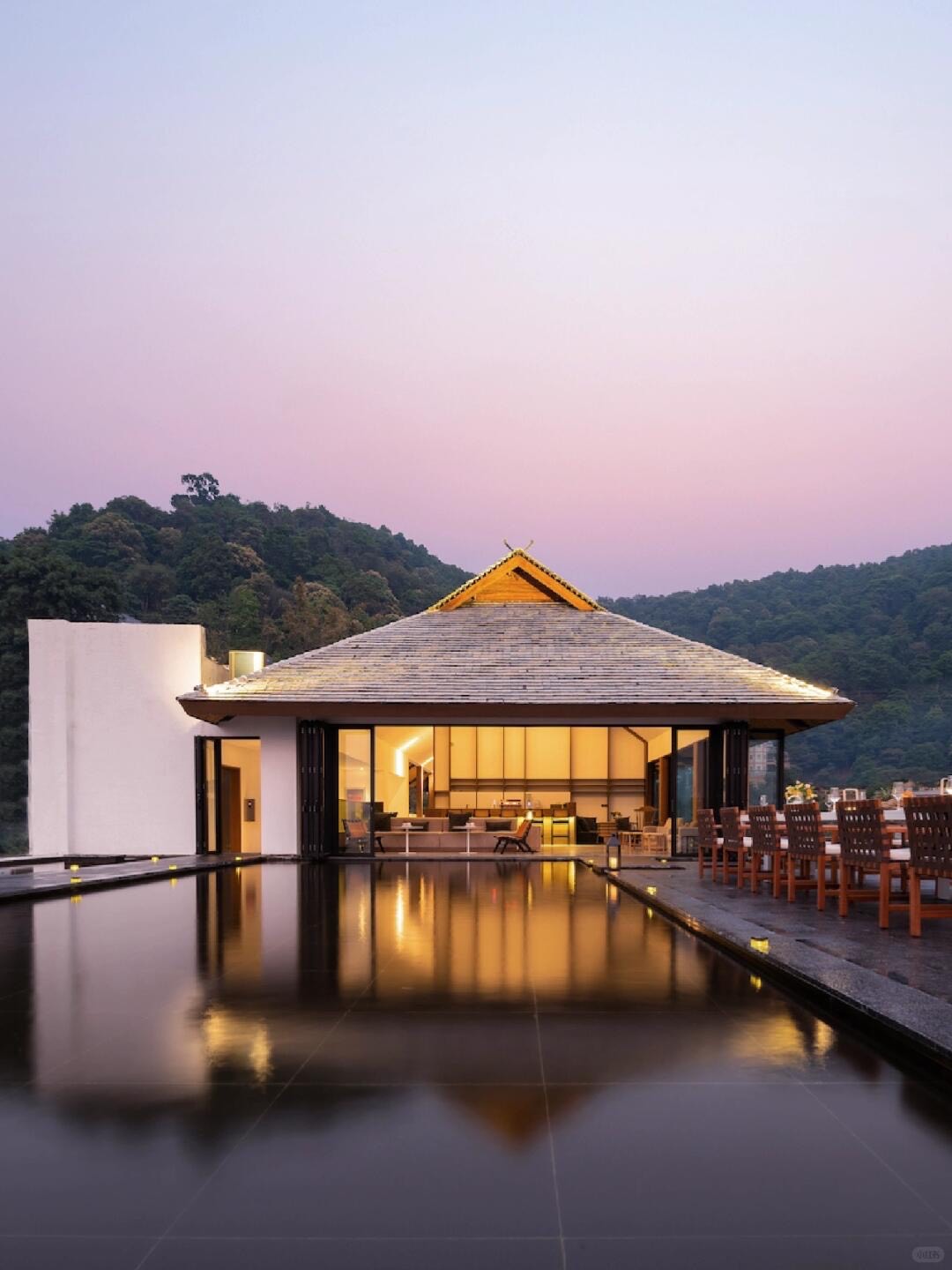
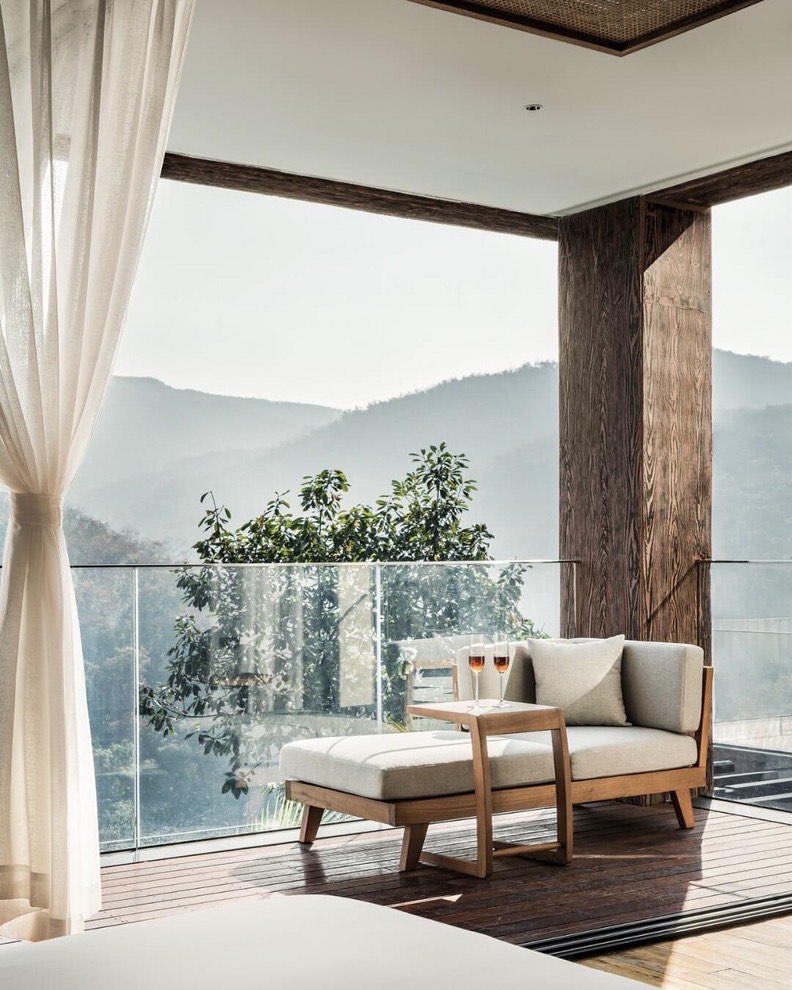
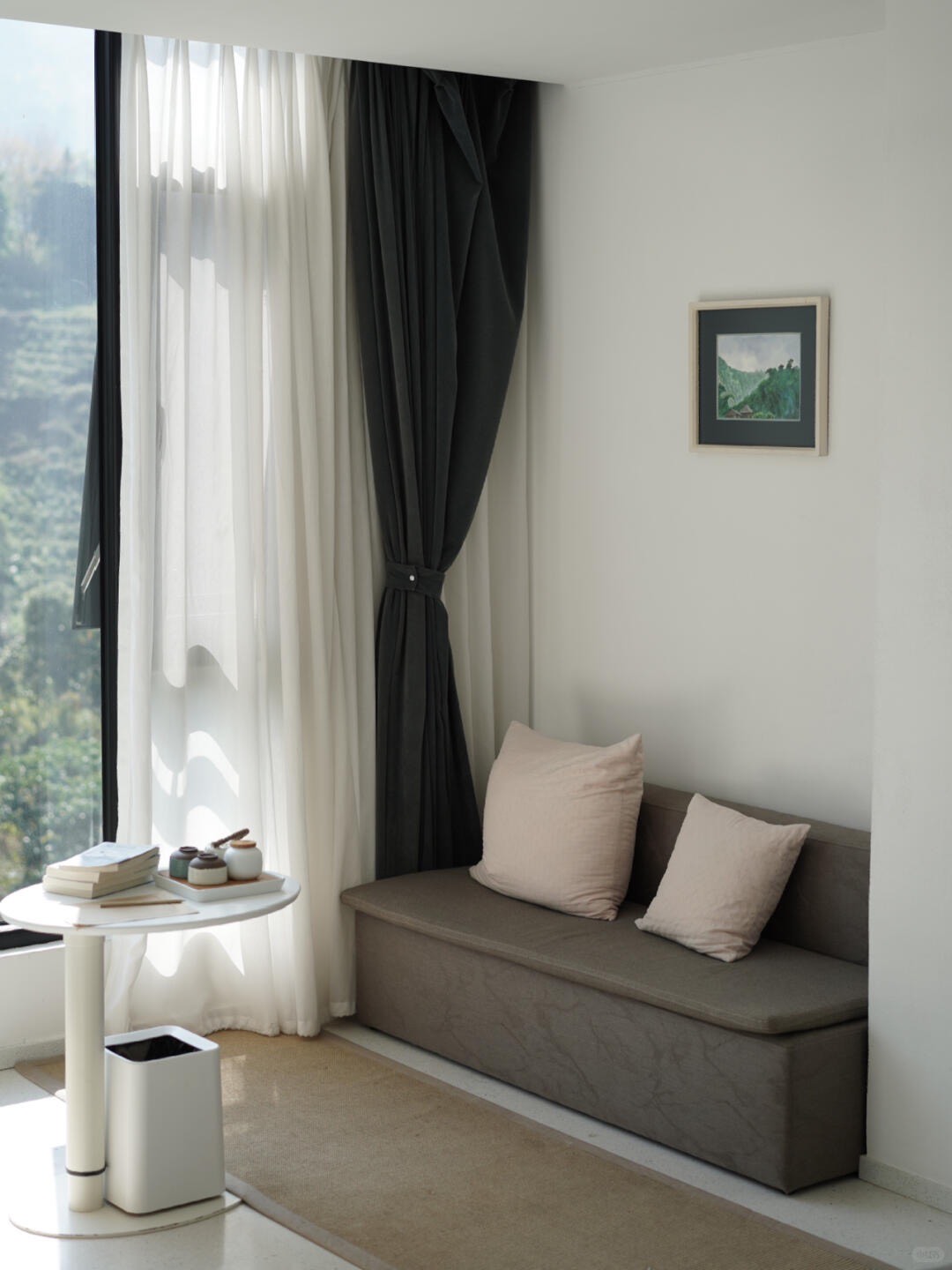
A hillside design hotel at ~1,500 m with a sky-mirror terrace and hearth-side tea — small-batch architecture and a quiet first night at altitude.
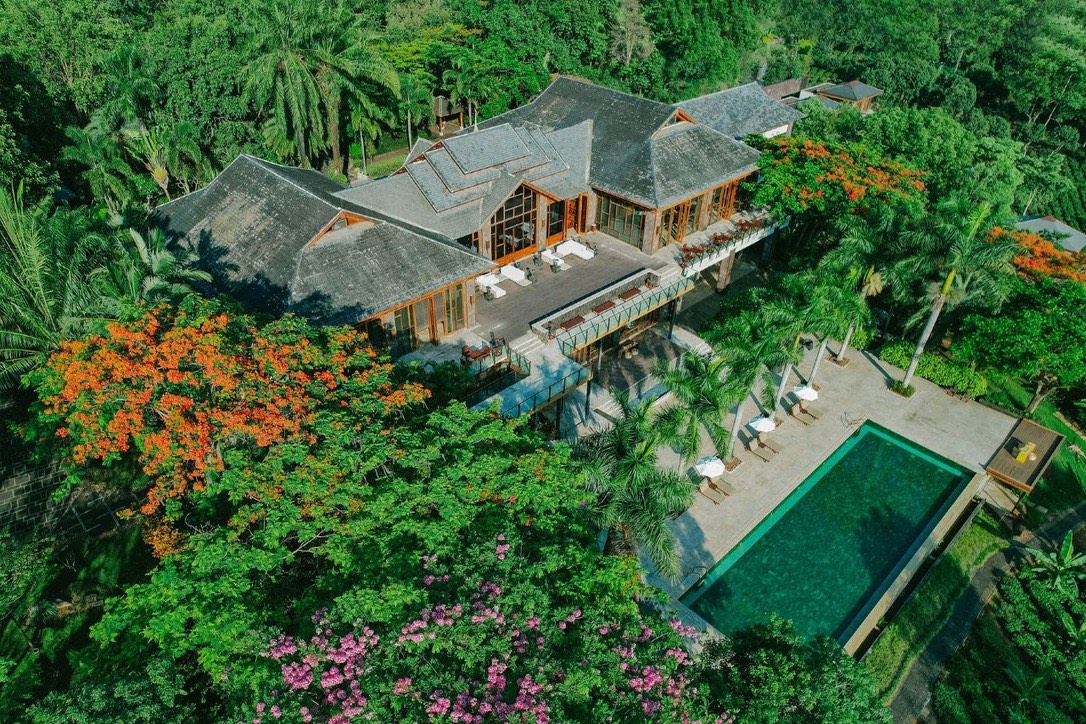
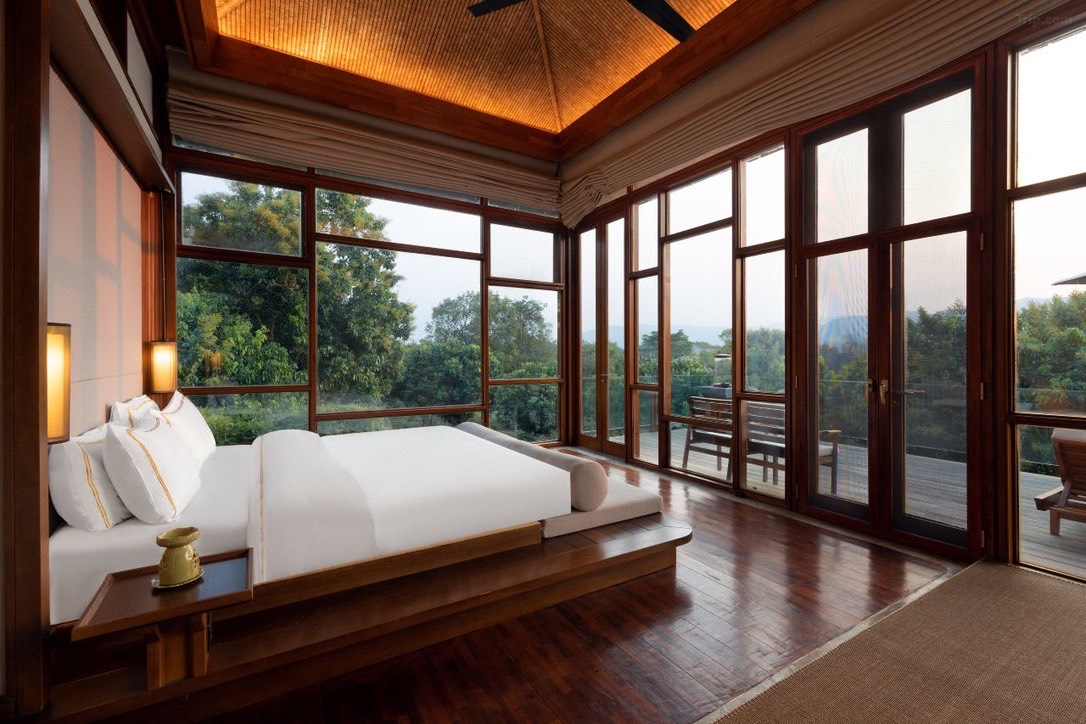
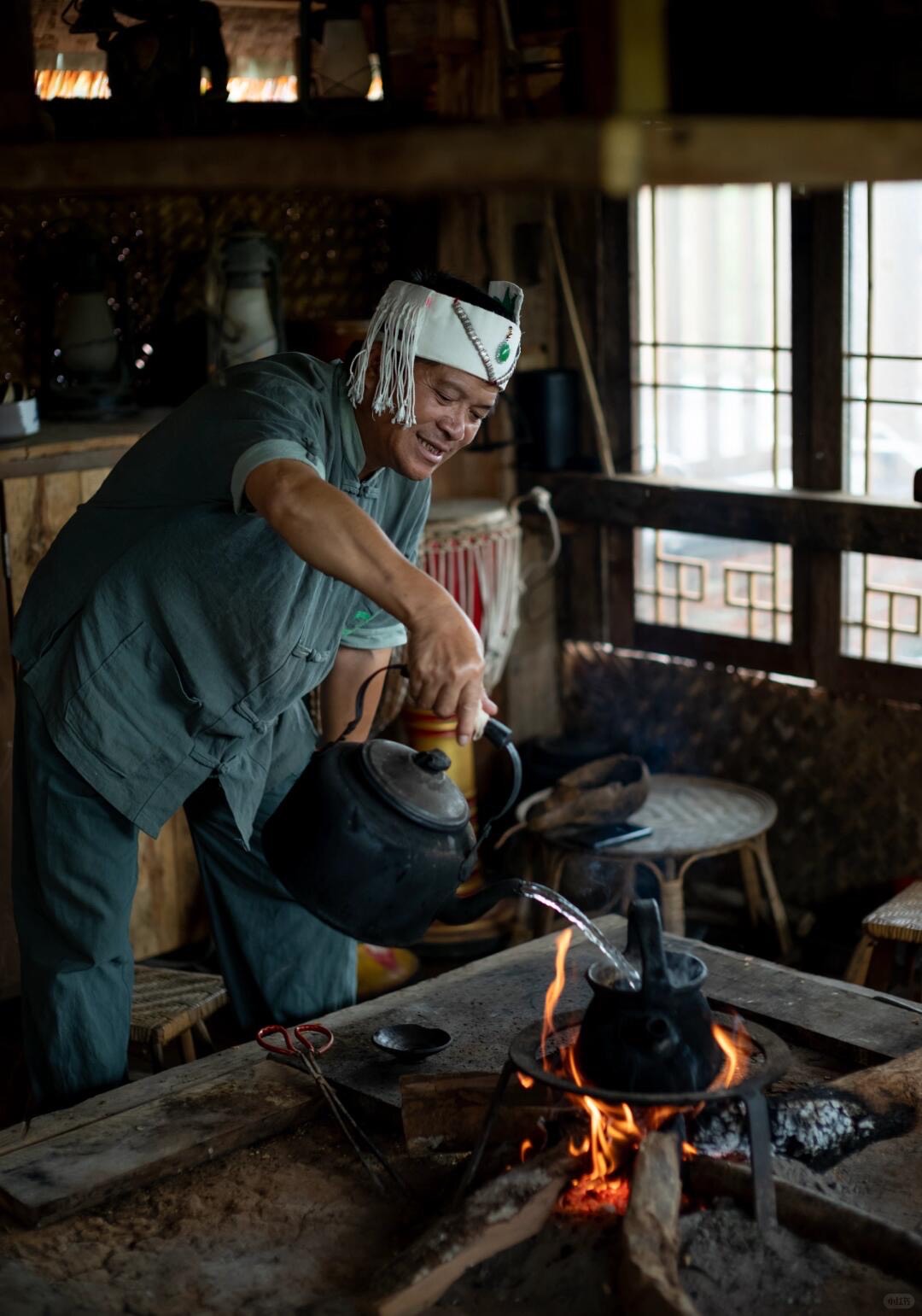
A tea-heritage resort inside the Bolian Pu'er Tea Manor — an in-house tea master and the tea-garden tasting flight.
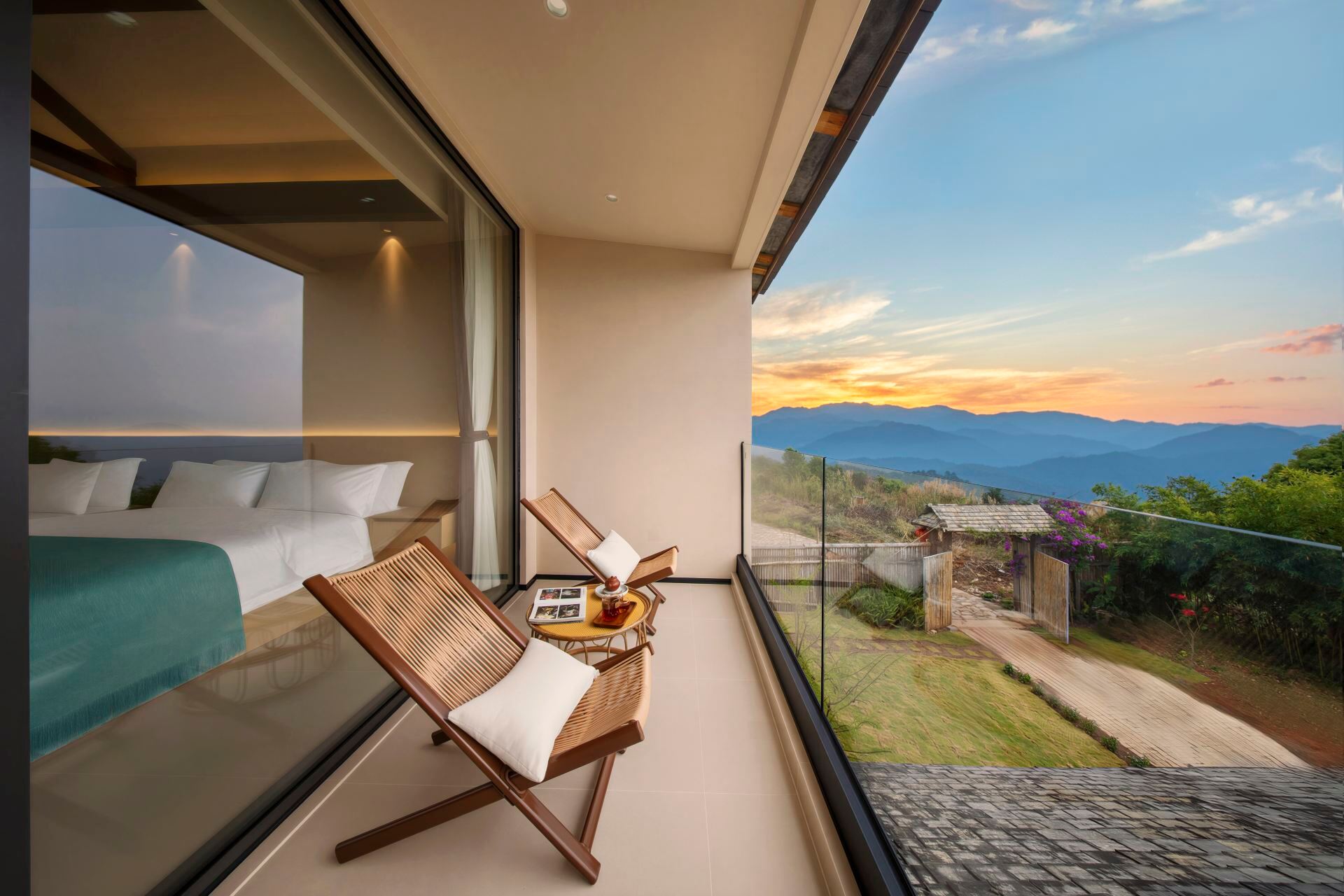
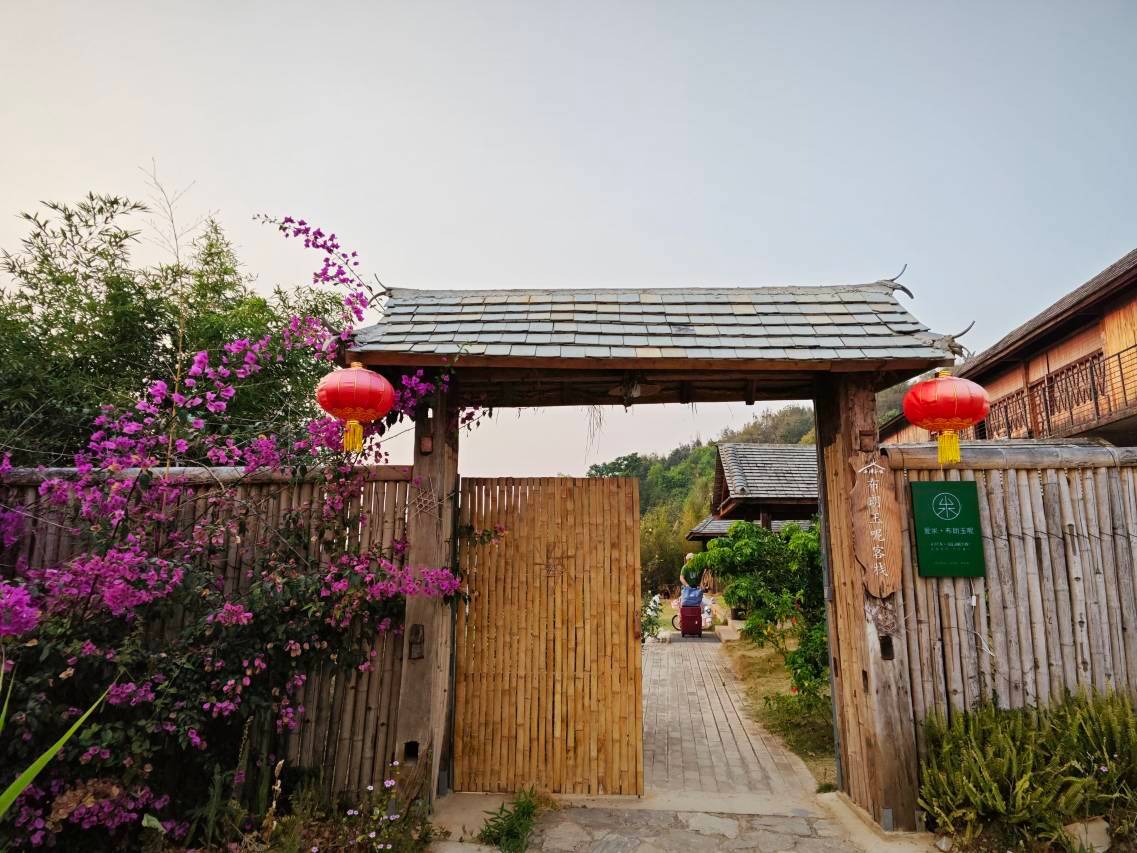
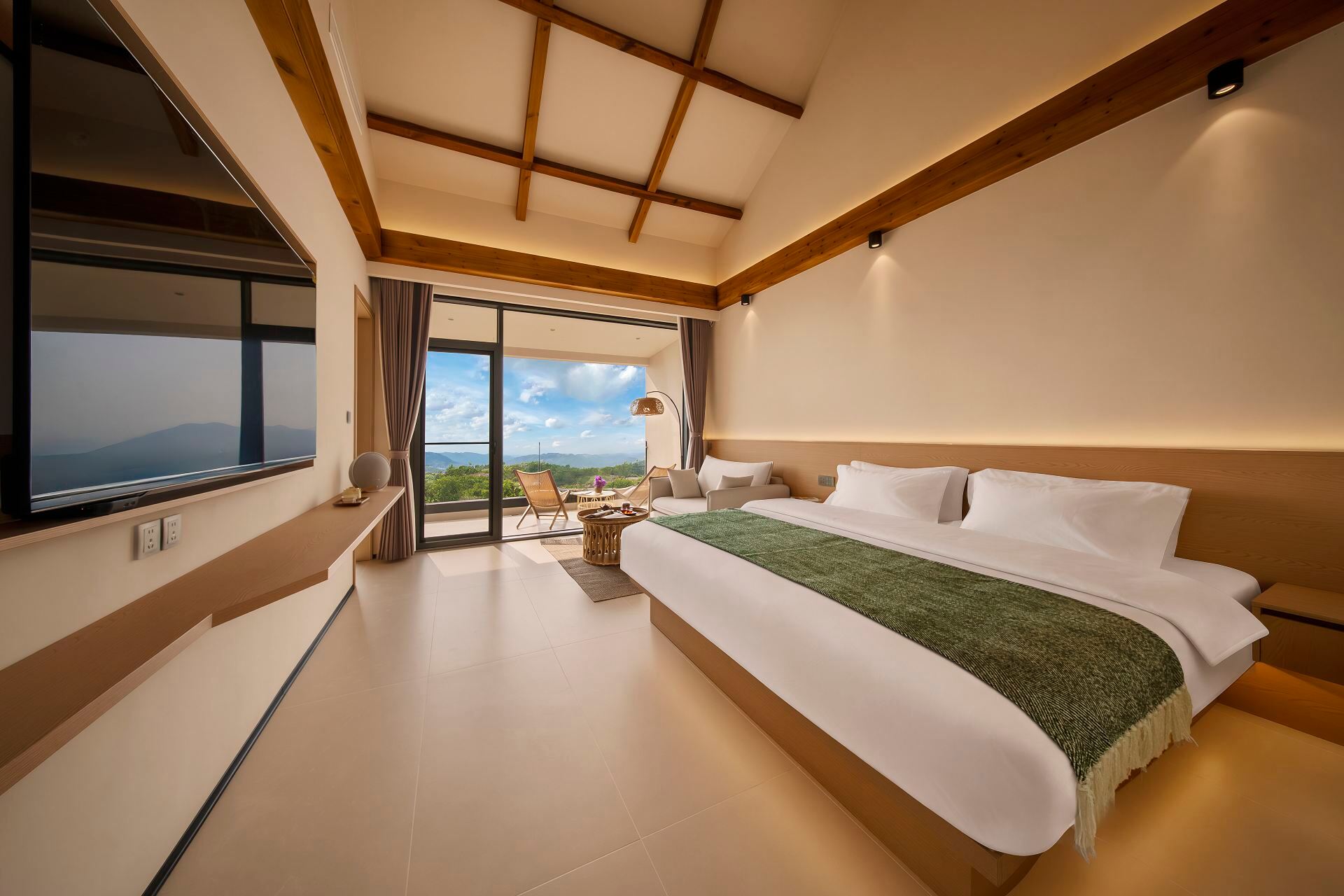
A family-run Blang guesthouse in Wengwa hamlet — timber houses over the tea forest and a family fire pit.
These are examples of the boutique stays we book across the route. Because boutique hotels have so few rooms, a stay may occasionally be swapped for one of similar standard.
It helps, but it's not the gate. The trip is built around the tea mountains as a landscape and culture — UNESCO heritage walks, Blang and Dai village rhythms, slow mornings at the estate. The tasting flight is one afternoon module; the rest is mountain, forest and village. People who don't drink tea daily leave noticing things in tea they hadn't noticed before.
No. The trip is explicitly relaxed — village walks, tea-forest trails, terrace mornings. No real hikes and no early starts. The longest single walking session is the 3–4 hour Day 4 UNESCO village circuit at slow pace. Comfortable walking shoes with grip are the main piece of gear.
Year-round, but with different moods. March–April is the new-leaf picking window — you can join the harvest. May–August is the green-season cloud-mist period, lush and atmospheric, with daily afternoon rain. September–November brings the clearest cloud-sea sunrise mornings from Mangjing. Winter (December–February) is dry, cool and very quiet.
The trip is intentionally one-way west. You fly into Xishuangbanna Gasa Airport (JHG, just outside Jinghong) for the Nannuo start, and out from Lancang Jingmai Airport (JMJ, opened May 2017) for the Jingmai end — about 1h10 from Kunming or 45 minutes from Xishuangbanna by air. We can also start from JMJ and end at JHG if your onward flights suit better.
Yes — most clients do exactly that. The Pu'er tea mountains pair naturally with Xishuangbanna (tropical forest, Dai temples, the Tropical Botanical Garden), with Tengchong-Mangshi (volcanic hot springs, Dai border culture), or with the Bai-and-Naxi northern circuit (Dali, Shaxi, Lijiang). Add 5–7 days for any of those extensions and the trip becomes a properly woven Yunnan journey.
Every day, stay and date tailored to you — shaped over a call with someone who has walked the route, never a template.
Request a proposal for this trip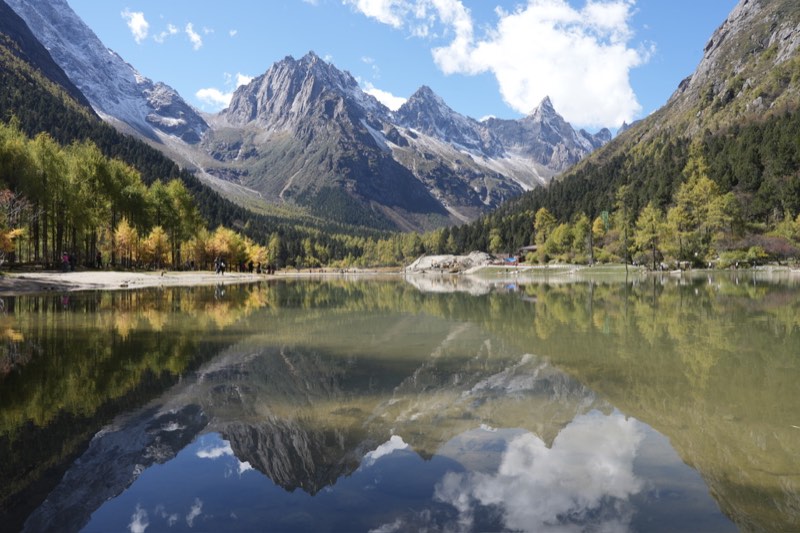
Giant Pandas at the Chengdu Research Base, then three days in the alpine lakes of Siguniang or Jiuzhai Valley. City culture first, mountain silence after.
See the itinerary →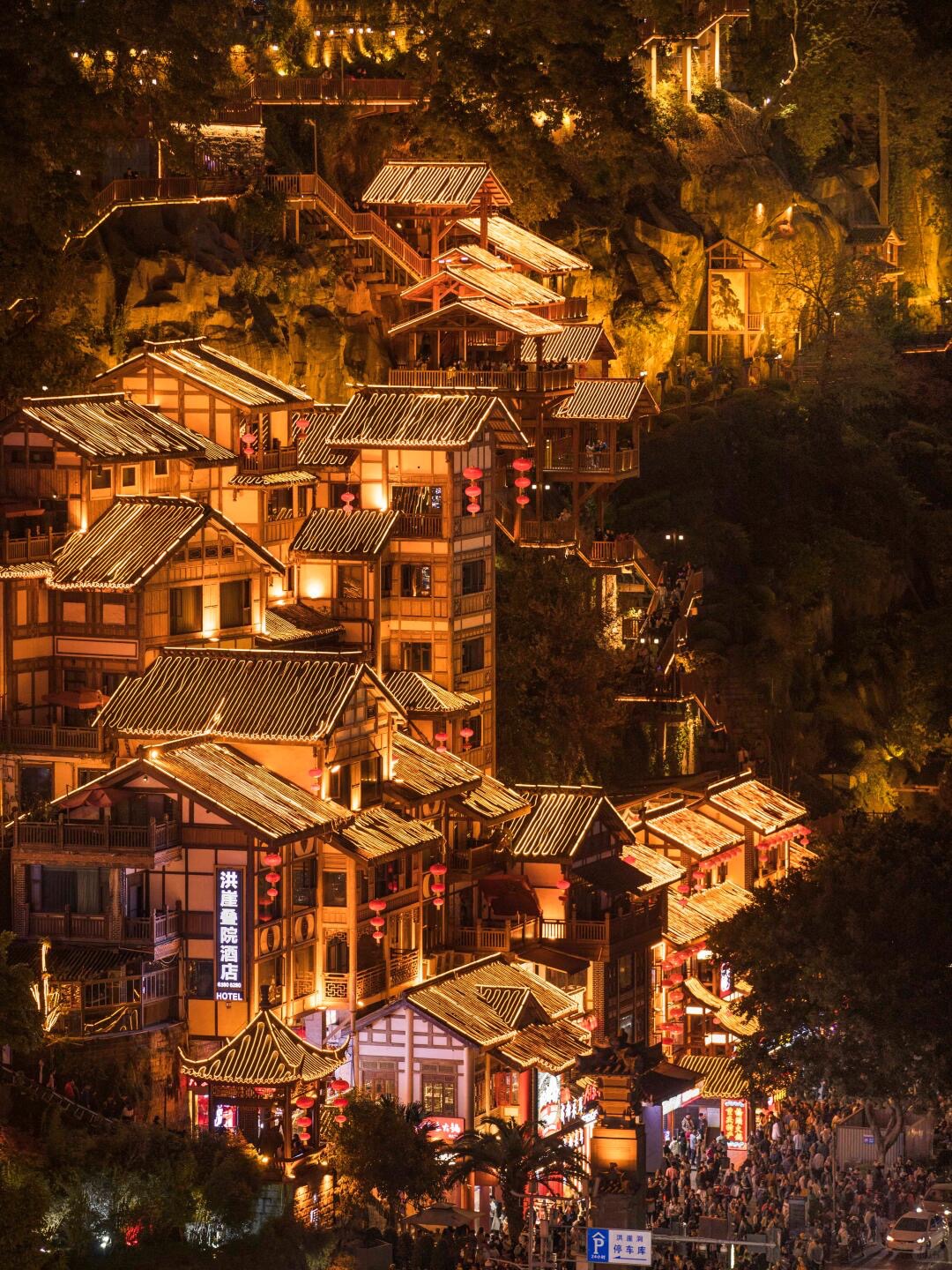
A 5–6 day private tour weighted toward Chongqing — neon river cities, UNESCO Wulong Karst, the Longji (Dragon's Backbone) ridge hike above the Yangtze, and two different tables of Sichuan heat. Bookended with a soft Chengdu landing.
See the itinerary →
Fifteen days that pair China's great icons with its wildlife and wild landscape — the Forbidden City and the quiet Great Wall at Jinshanling, the Terracotta Army, a working day with the giant pandas outside Chengdu, three days among Zhangjiajie's sandstone pillars, and Shanghai to finish. Private throughout.
See the itinerary →