Yangshuo · Guilin
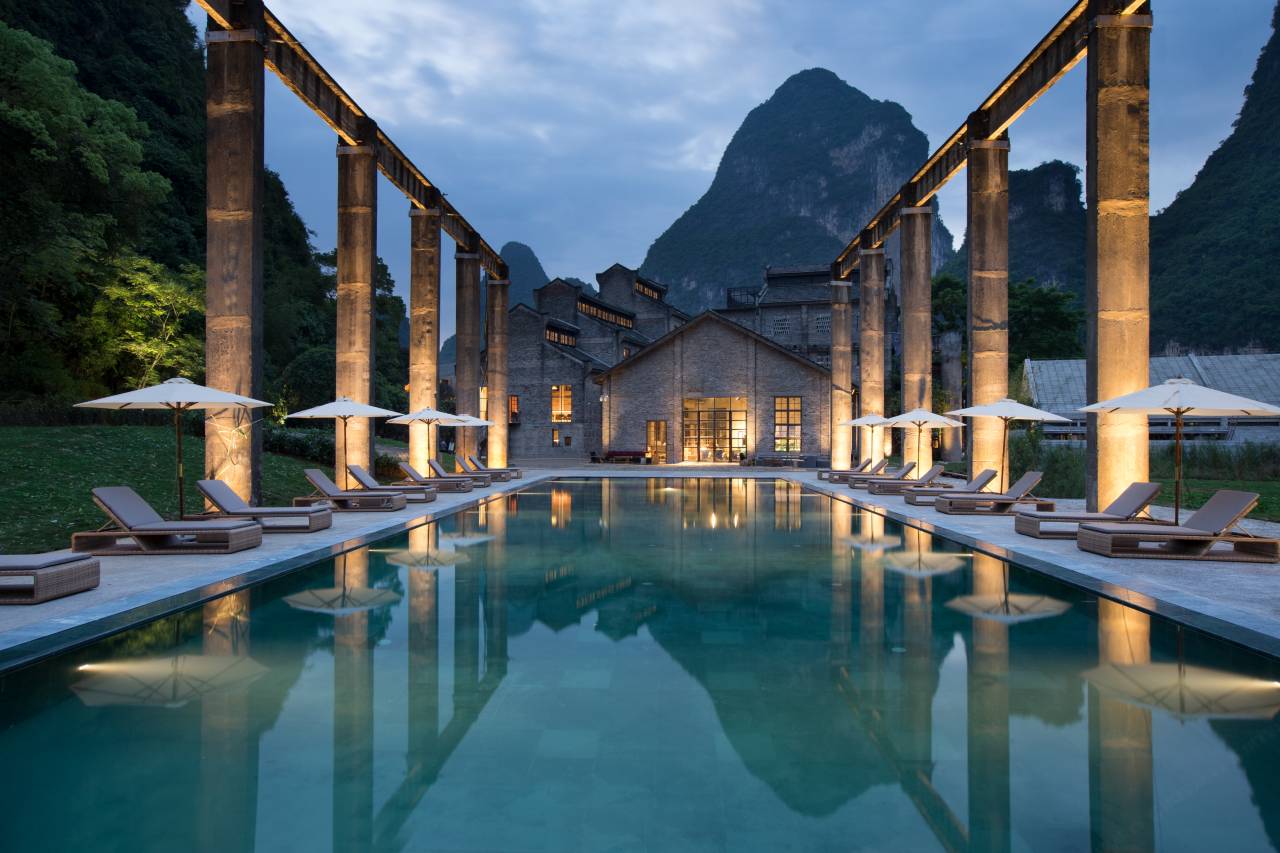
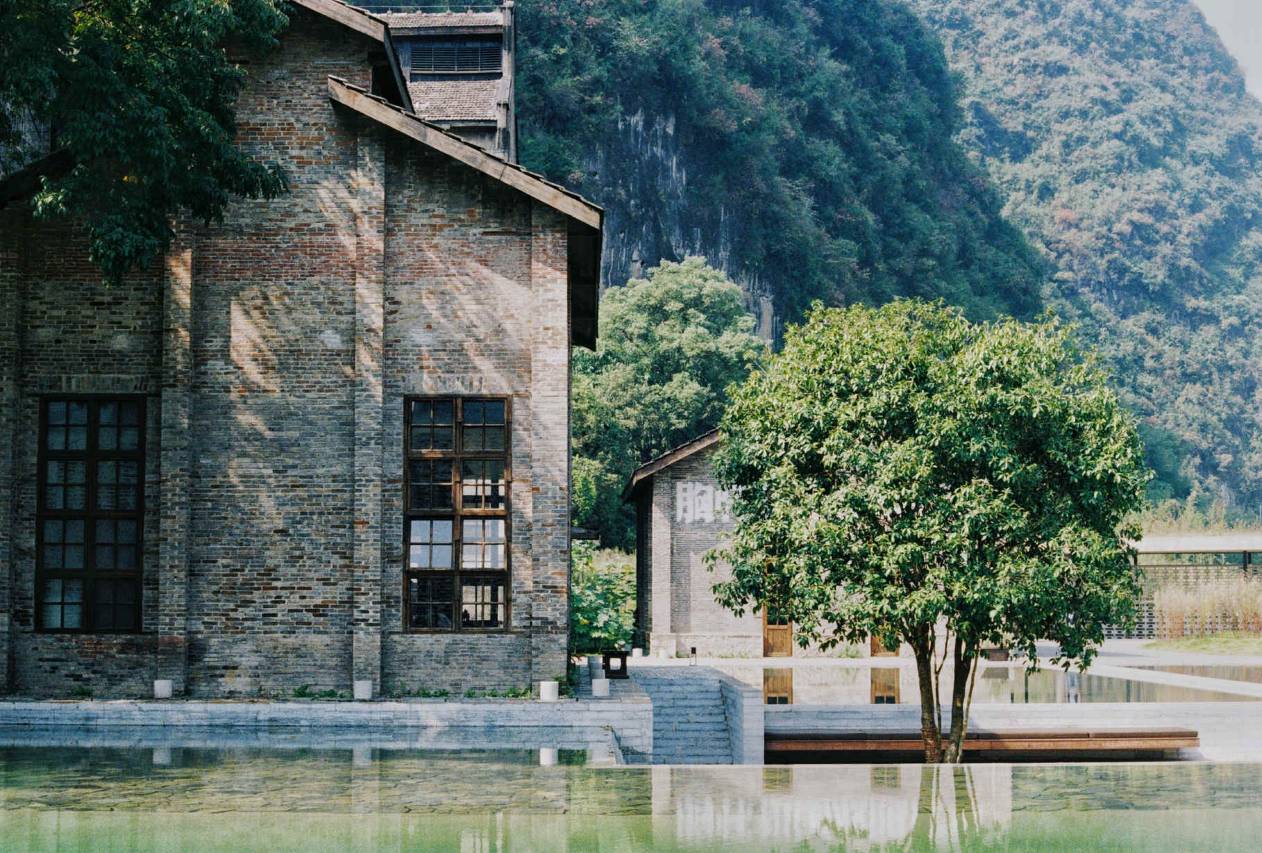
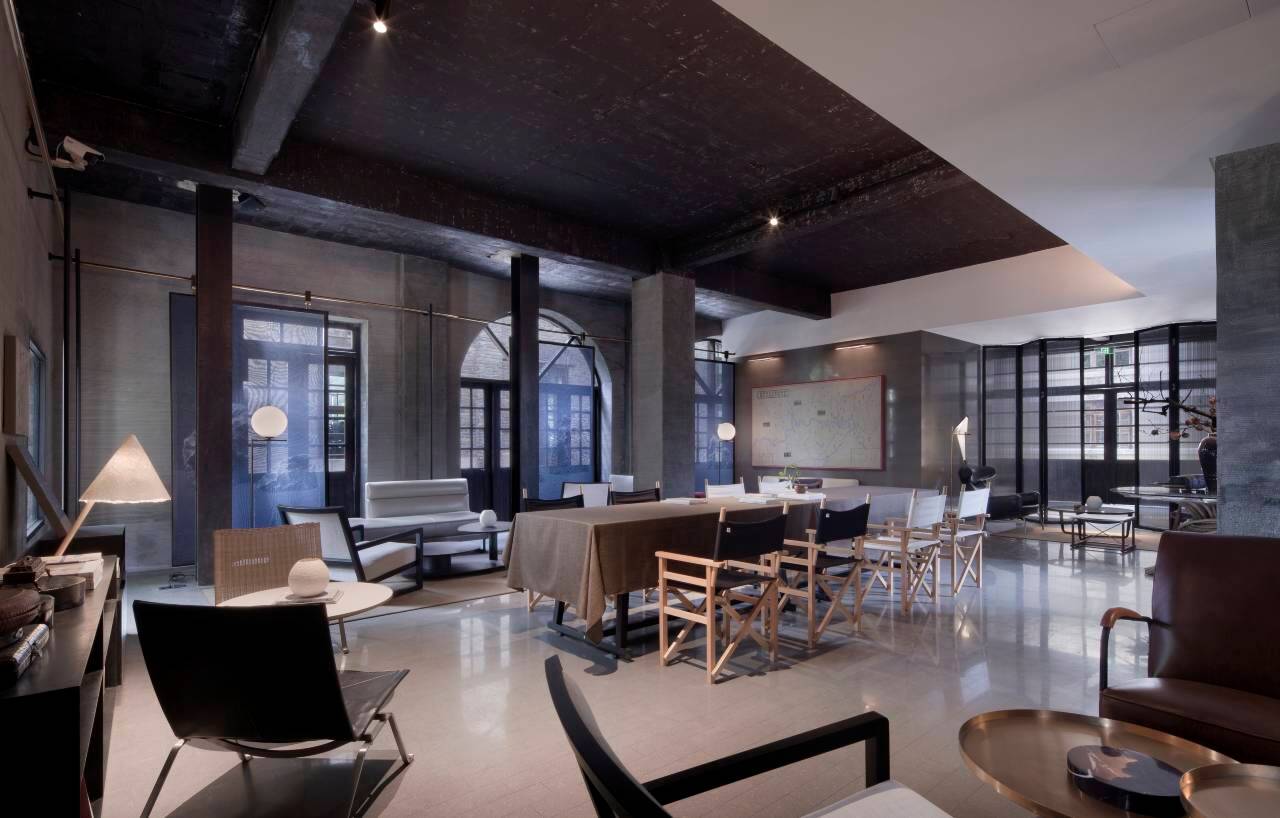
A design hotel built into a preserved 1960s sugar mill on the Li River — raw brick-and-concrete architecture and a cantilevered pool framed by the karst peaks. Two nights in Yangshuo.

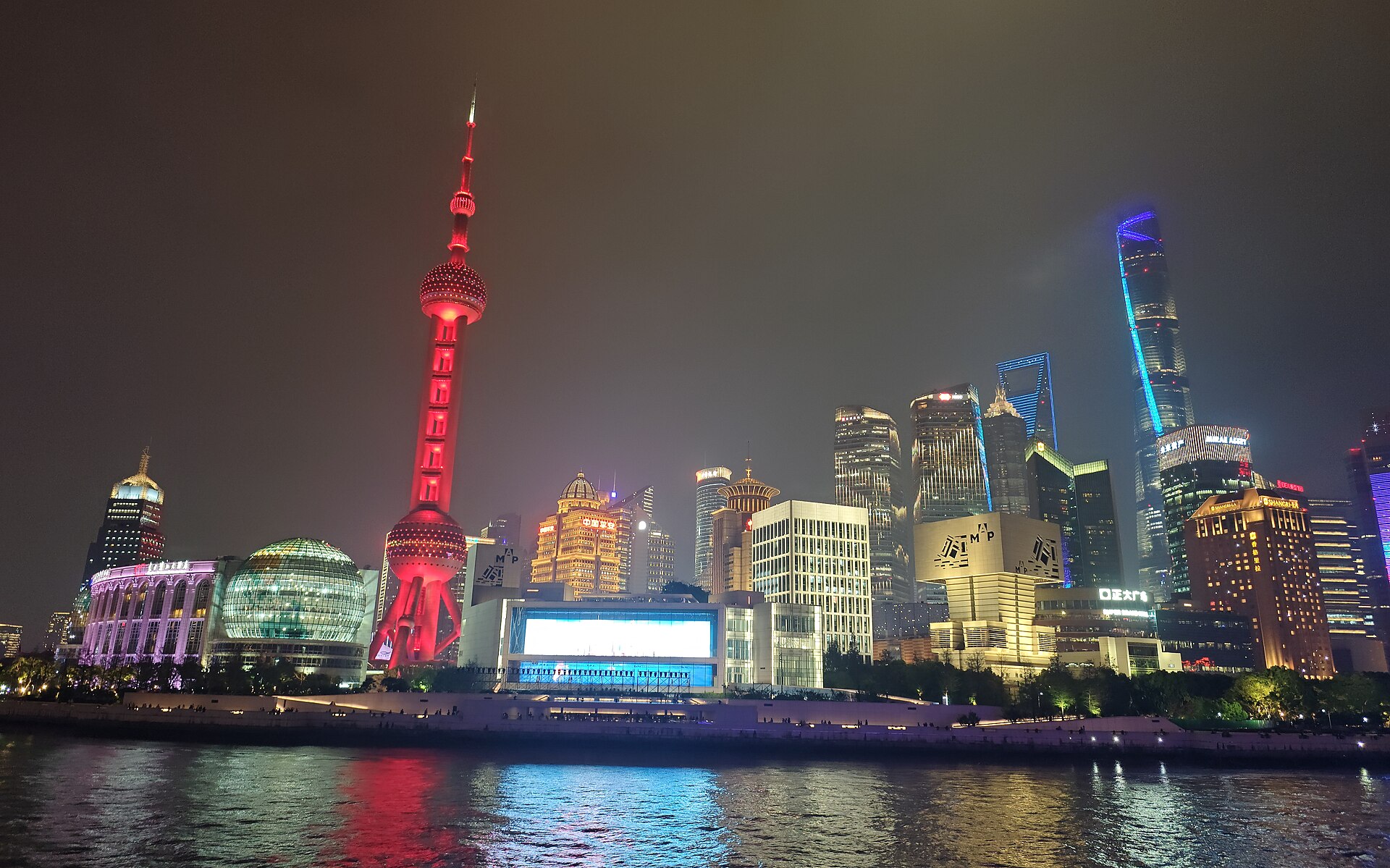
China opens with its most theatrical city. You land at Pudong and transfer to your hotel on the Bund — the 1.5-kilometre curve of 1920s banking houses that made Shanghai's name. The towers of Pudong switch on across the Huangpu as you arrive. Tonight is deliberately light: an unhurried check-in and a walk along the embankment if you have the legs for it.
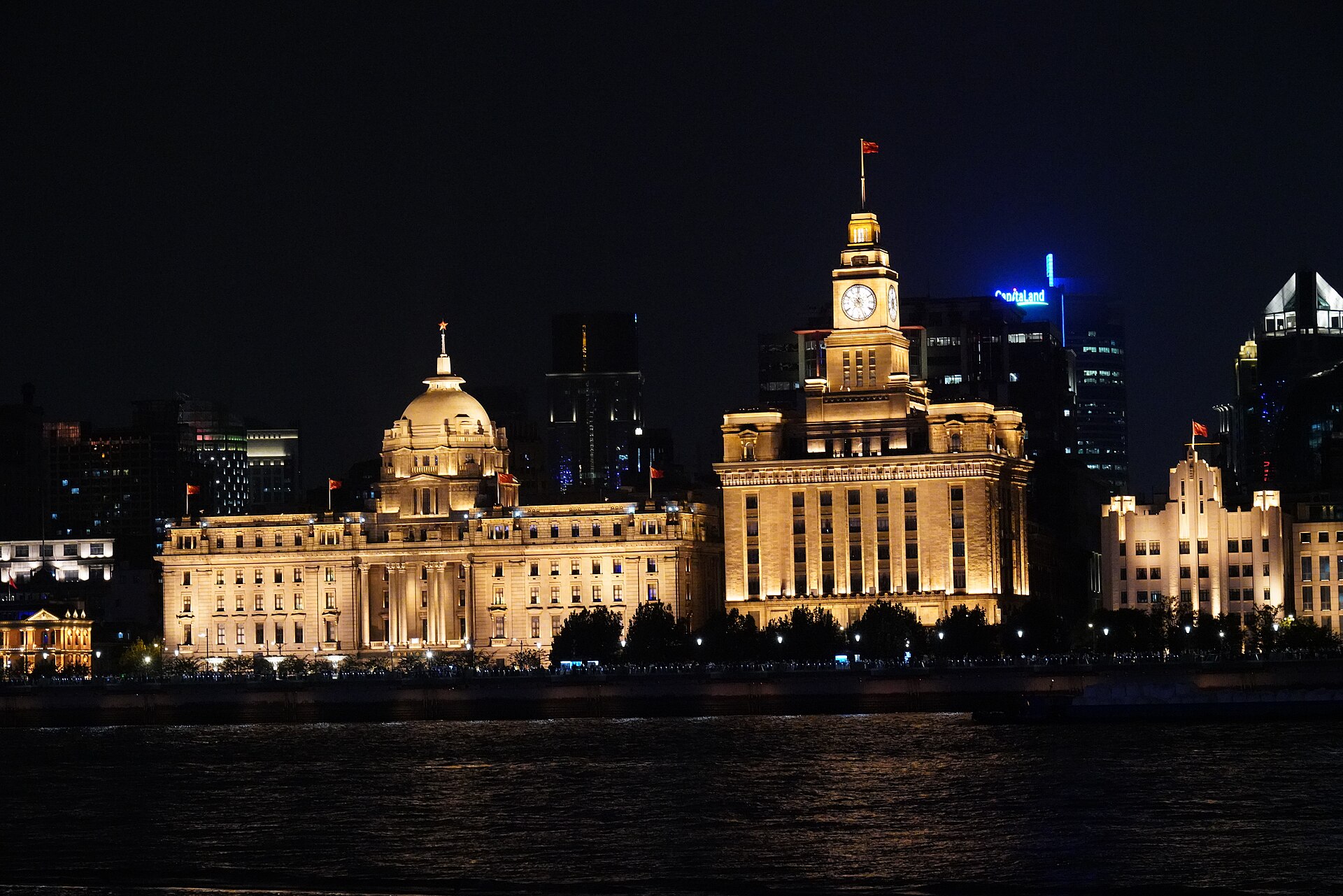
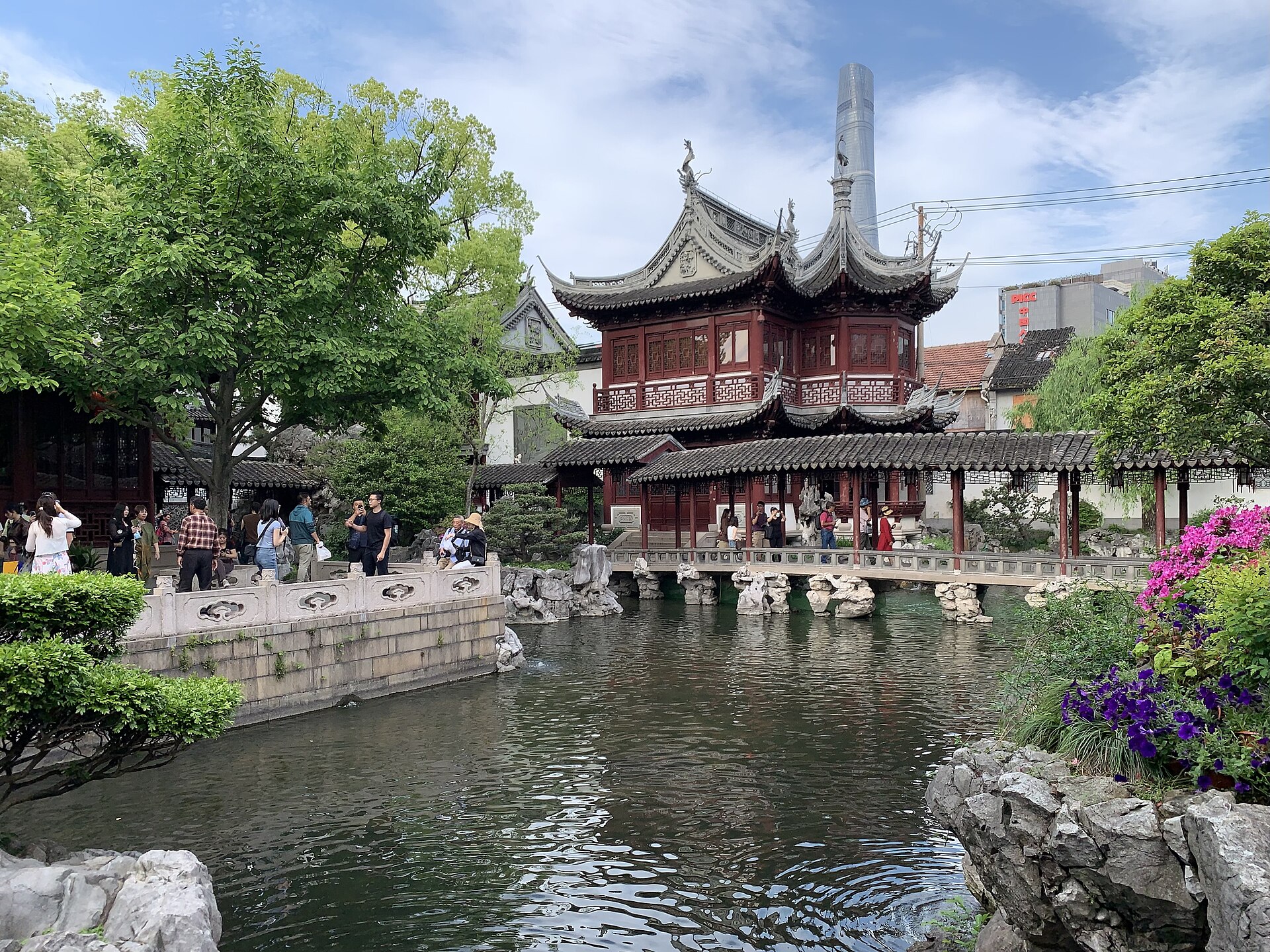
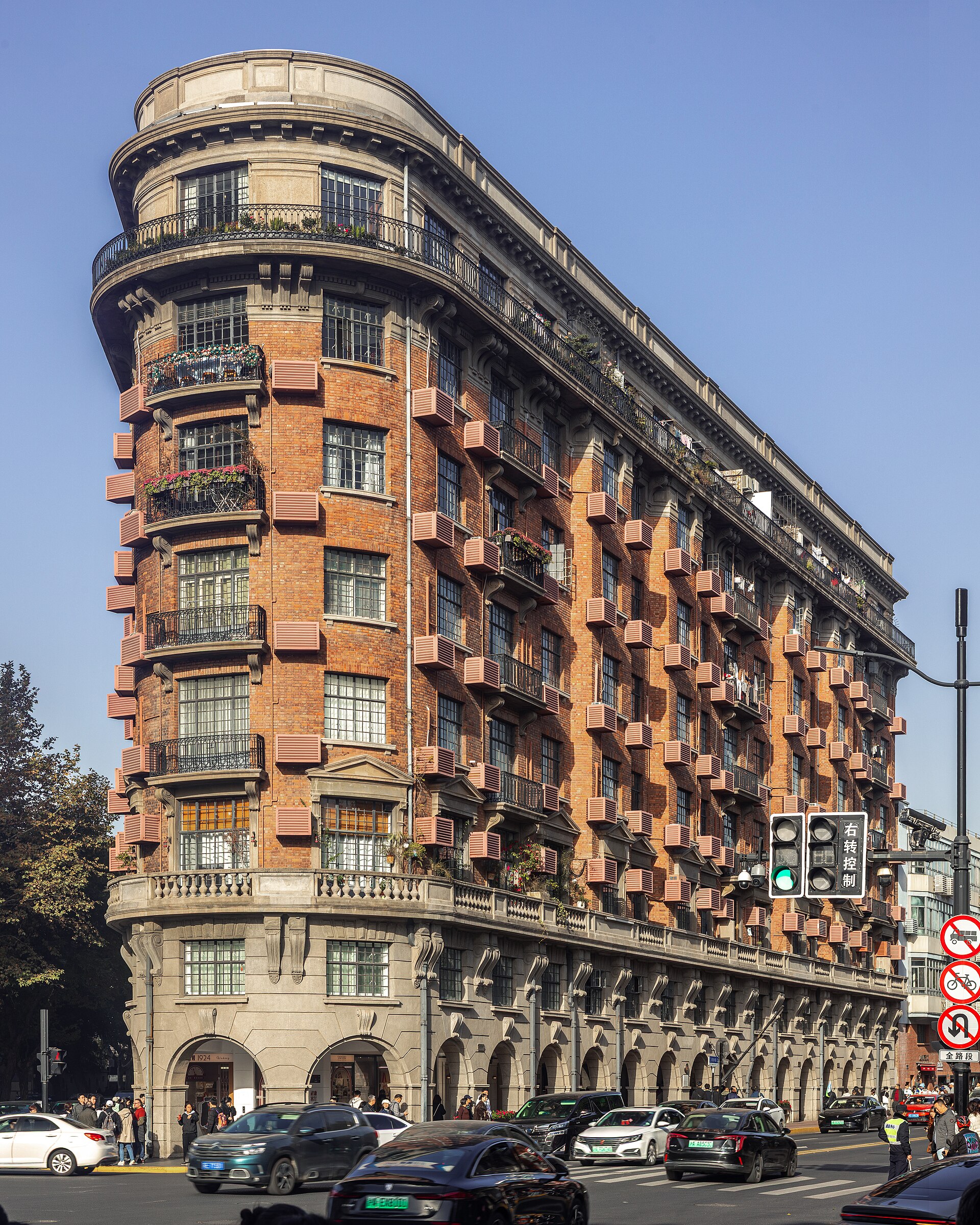
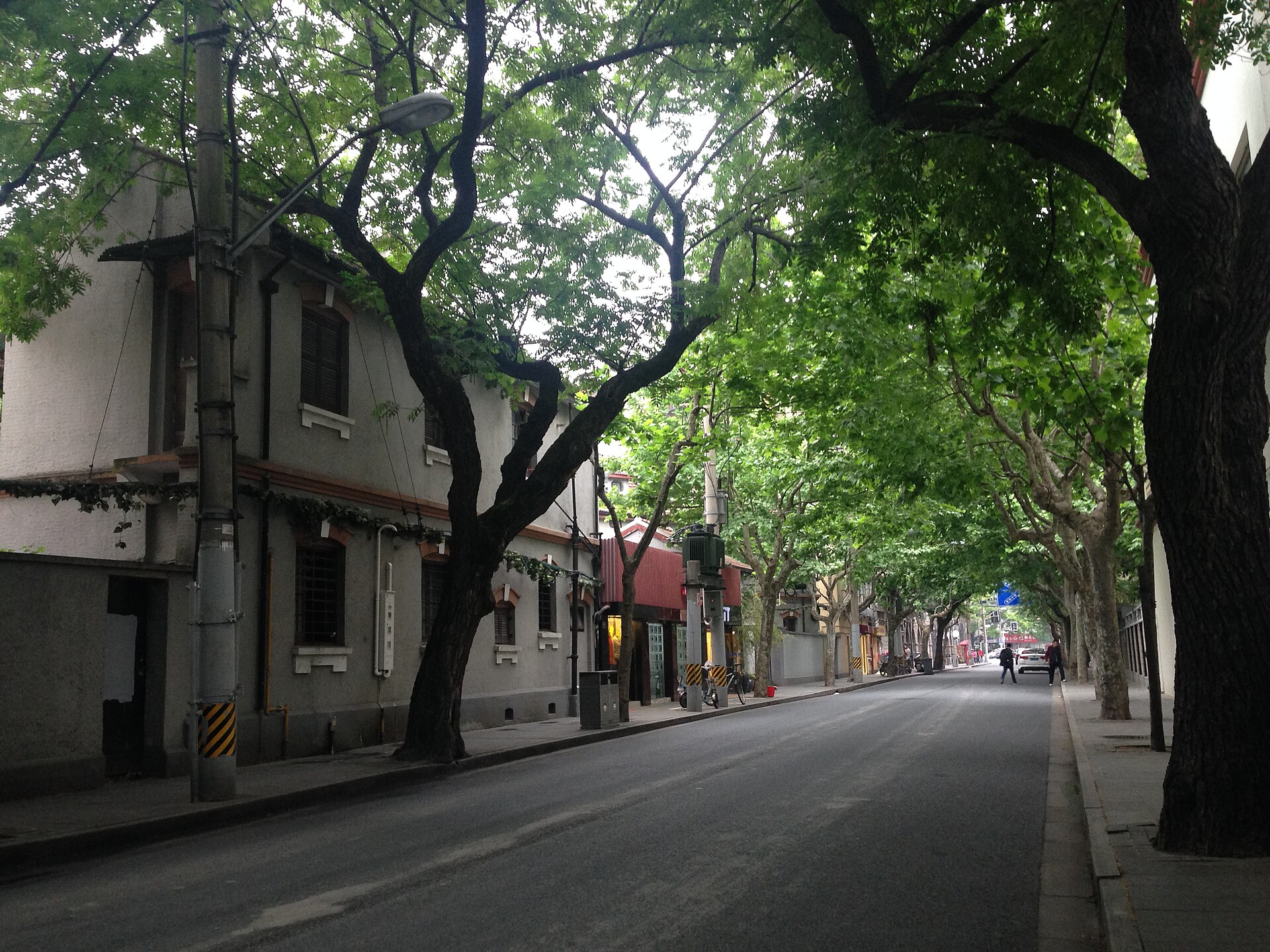
Your guide meets you after breakfast for the two Shanghais. First the old city: Yu Garden, a Ming scholar's garden of rockeries and zigzag bridges, then the bazaar lanes for a street breakfast. The afternoon crosses into the former French Concession, a different world of plane-tree streets and low villas — the flatiron Wukang Mansion, the independent shops of Anfu Road, and the compressed shikumen lanes of Tianzifang. The day ends where the city began, on the Bund at golden hour, the embankment filling as Pudong lights up across the river.
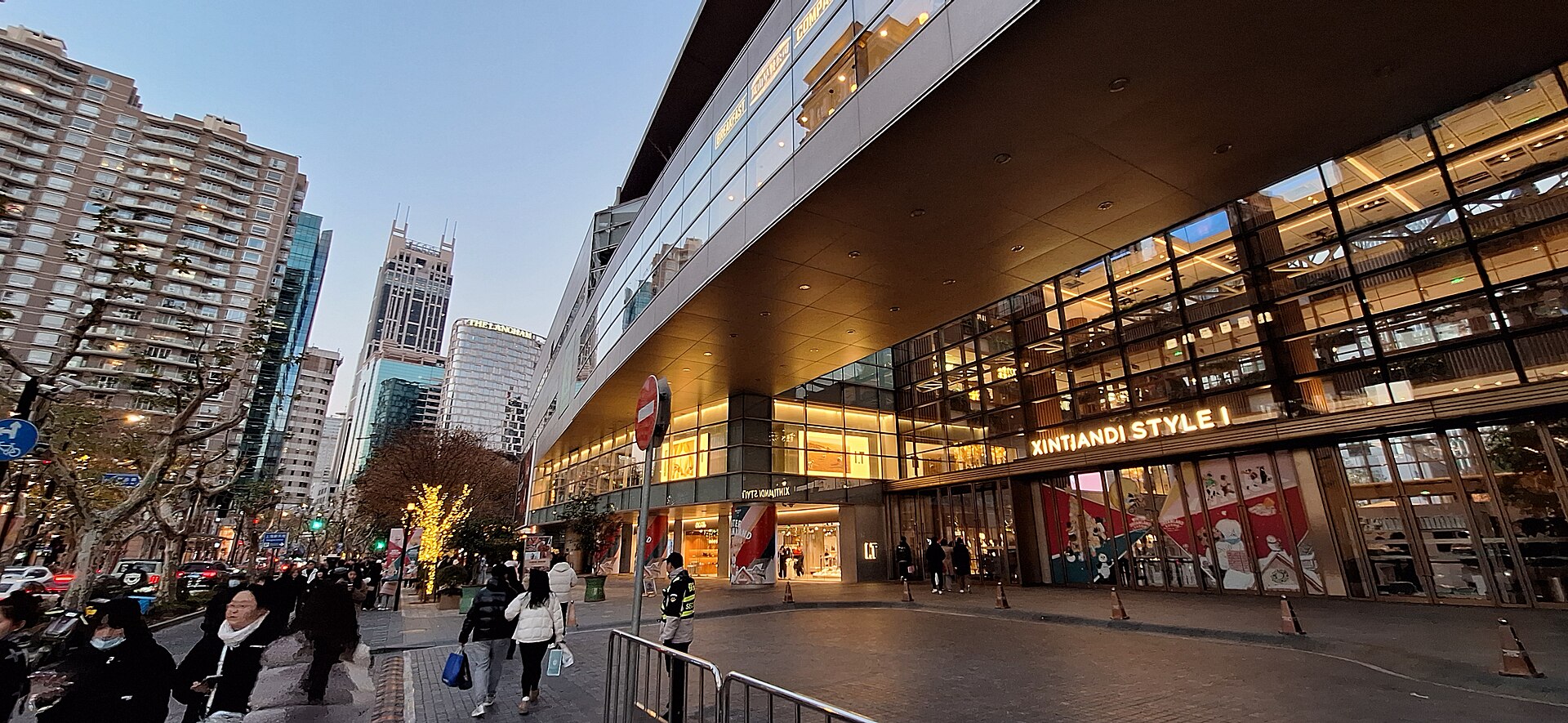
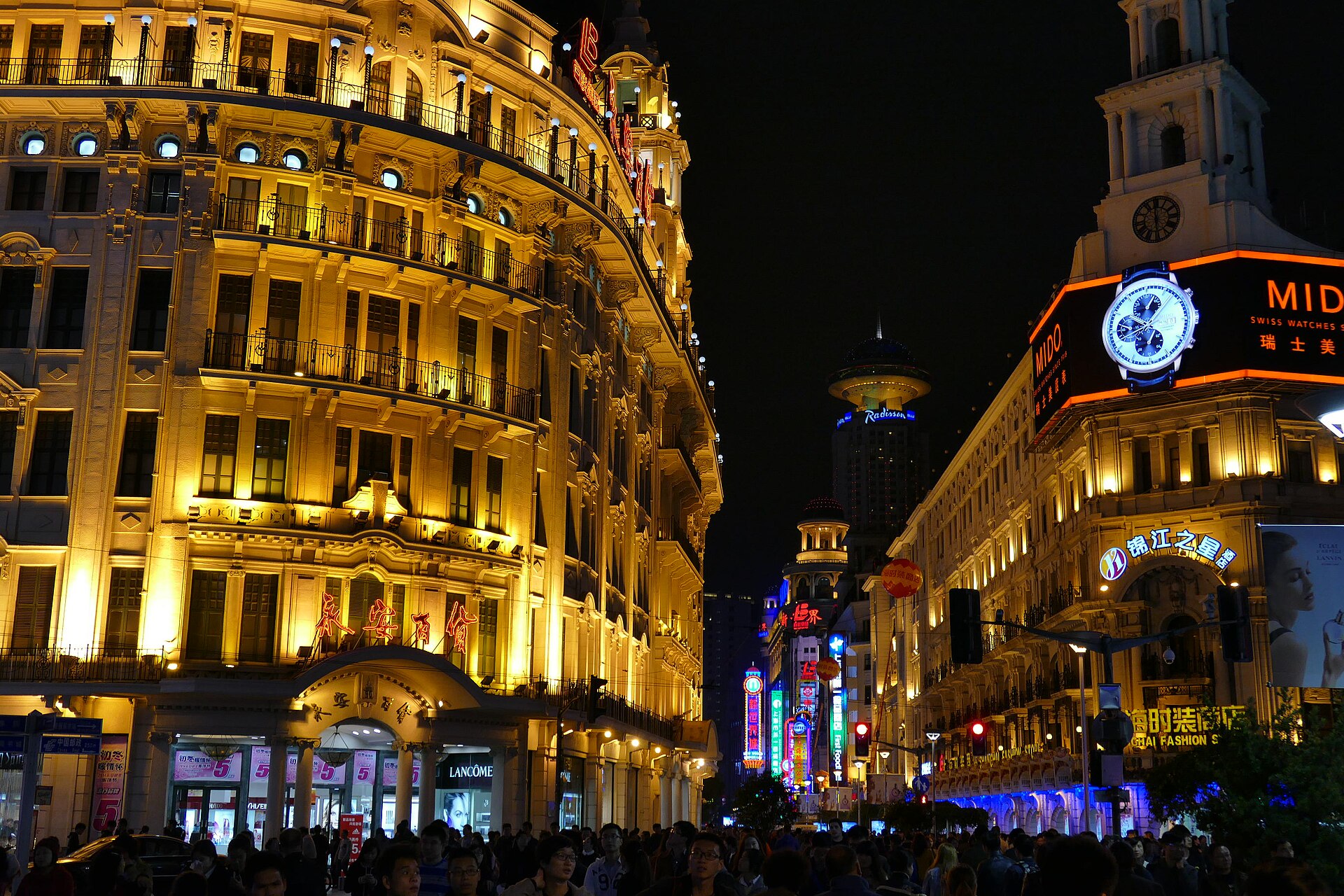
Yesterday was old Shanghai; today is the city that grew up across the river in a single generation. Take the lift up one of Pudong's supertall towers for the whole sweep — the Bund a thin ribbon far below — then meet the water at eye level on a Huangpu cruise, colonial stone on one bank and glass towers on the other. The afternoon comes back down to street level in Xintiandi's restored lane houses and along Nanjing Road, with time for the city's own soup dumplings. An unhurried last Shanghai evening before tomorrow's flight south.
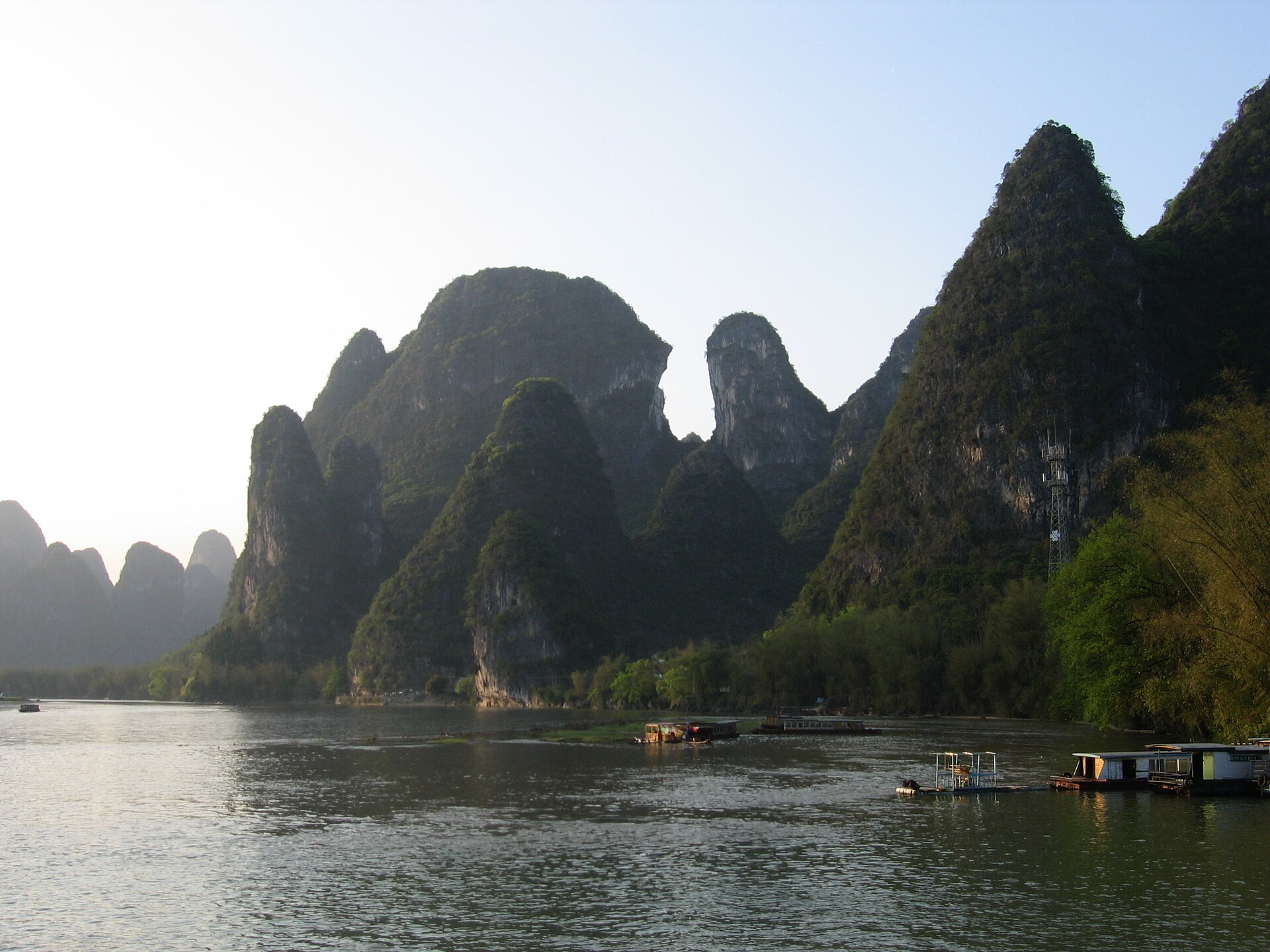
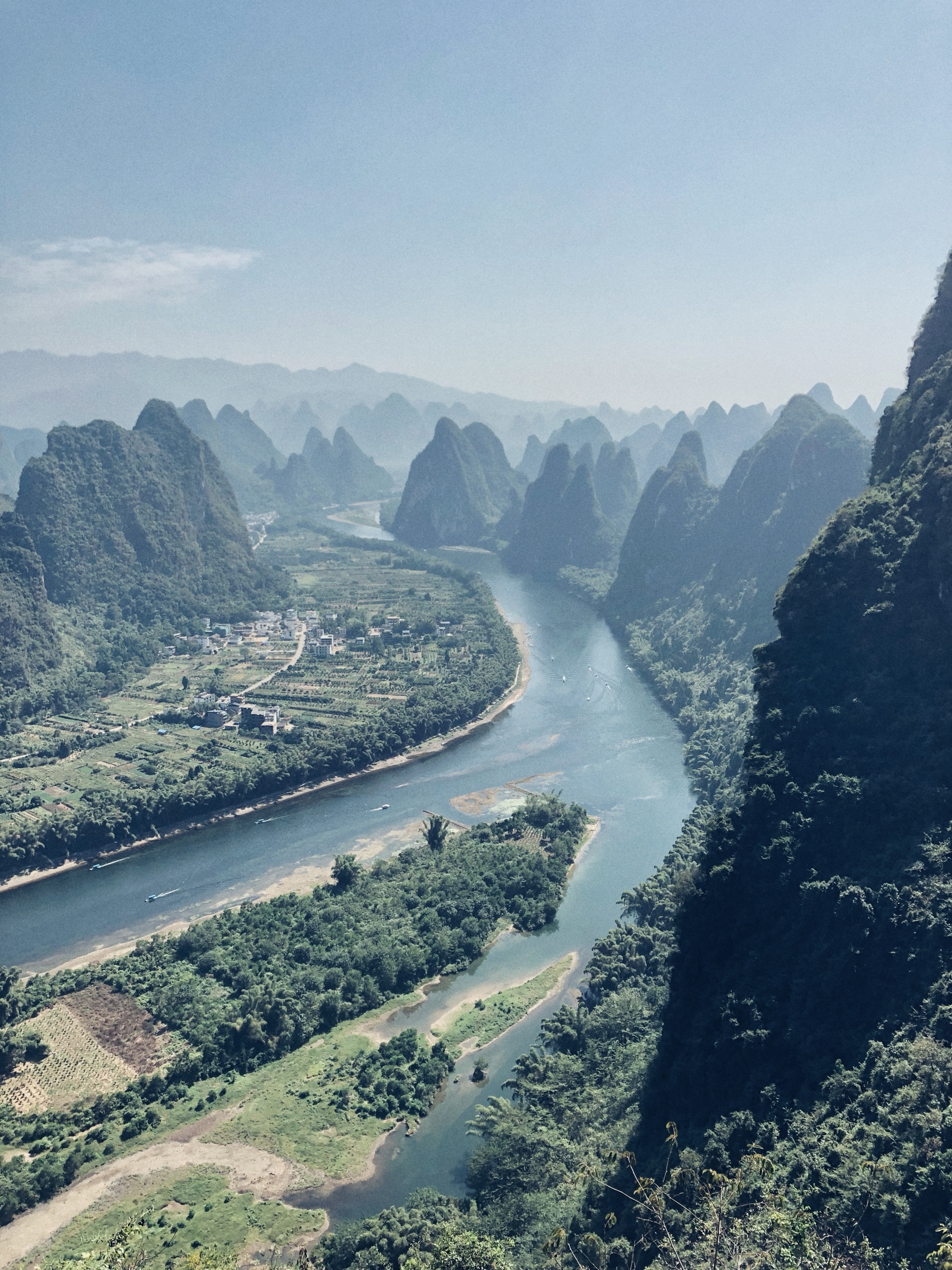
A relaxed morning in Shanghai, then the private car runs you to Pudong for the two-hour flight to Guilin — and China changes completely. The drive from the airport threads into Guangxi's karst country, the limestone towers of a thousand scroll paintings rising straight out of the fields. You settle in for two nights on the Li River, the karst peaks all around.
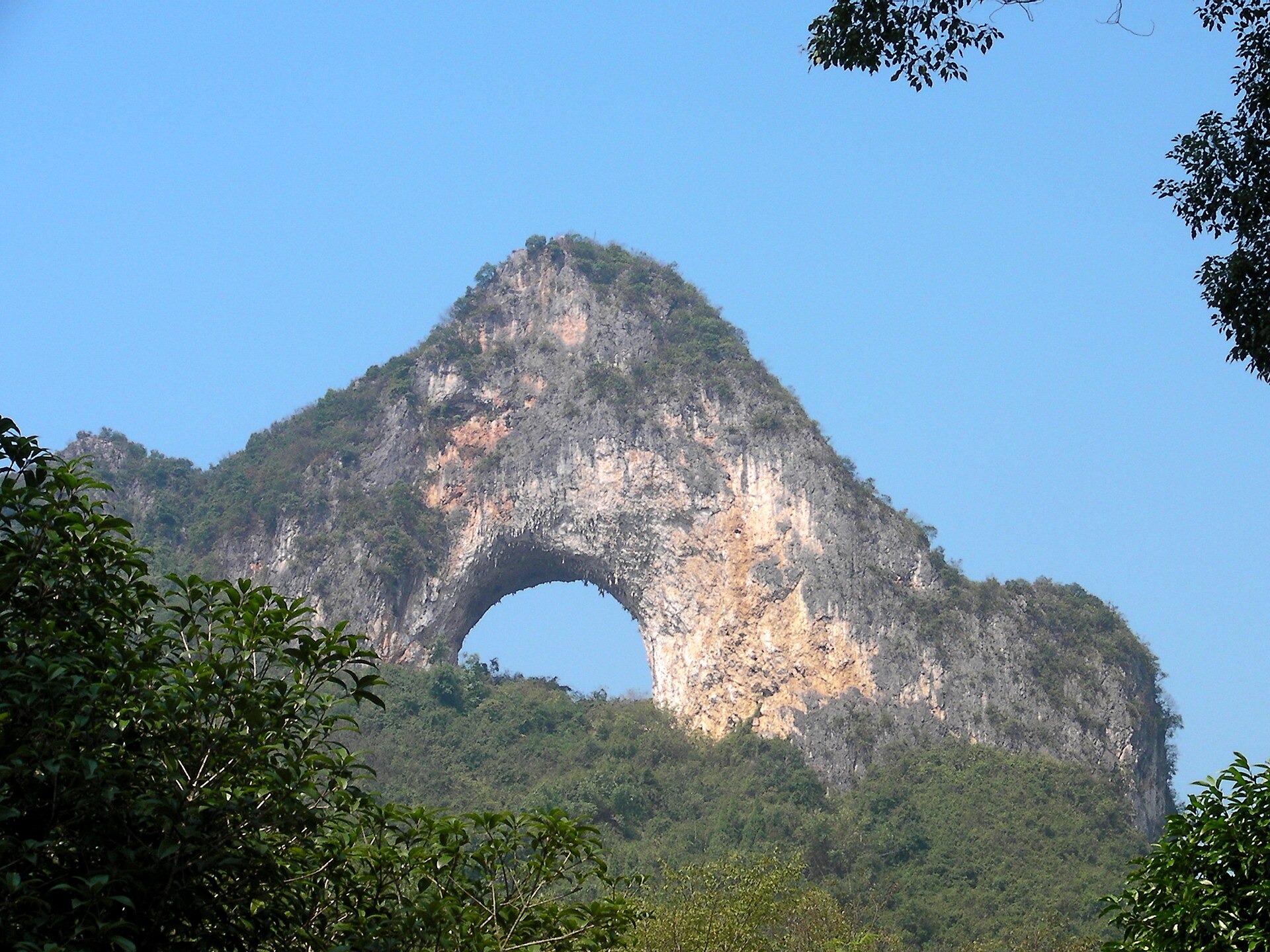
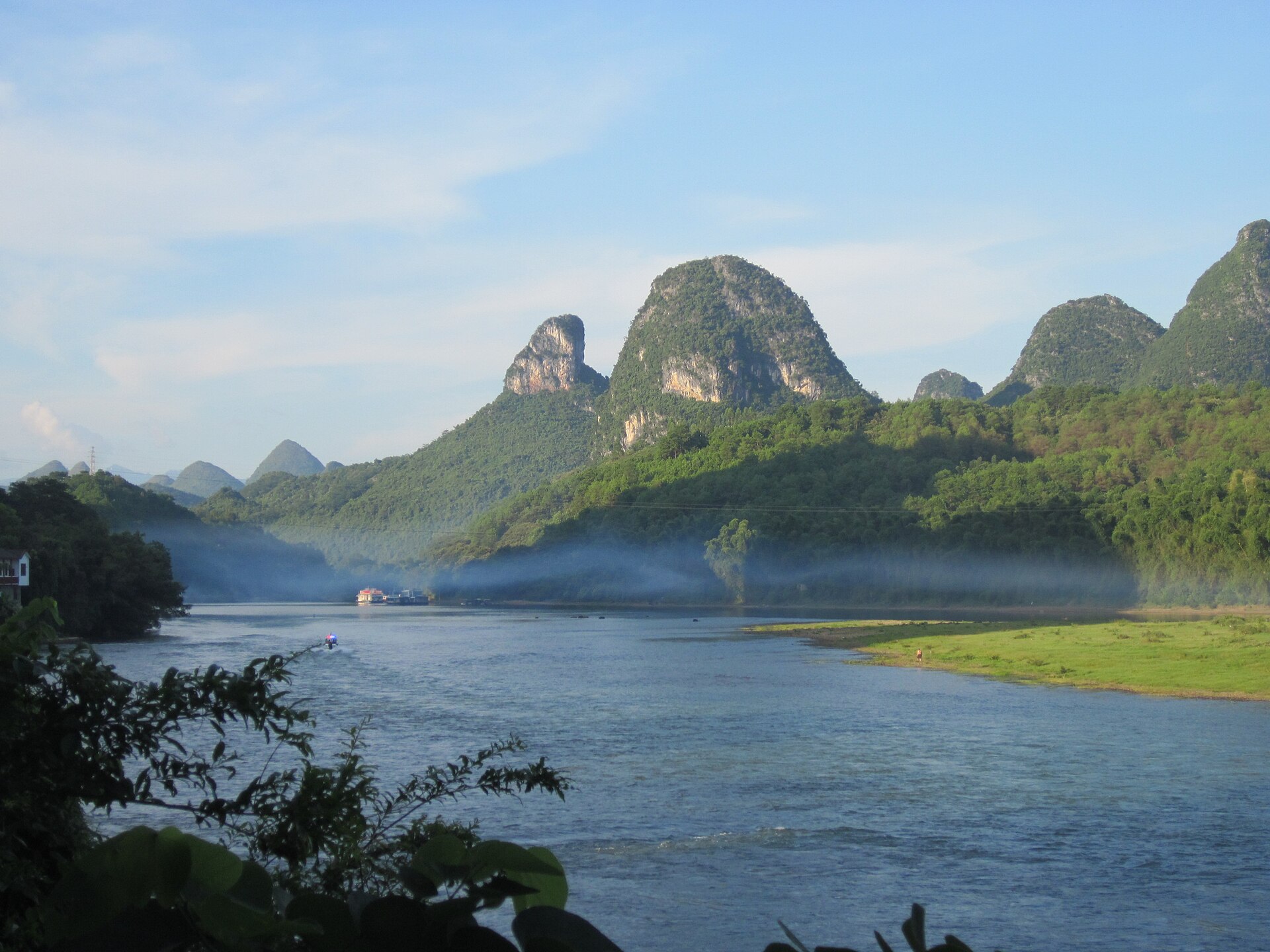
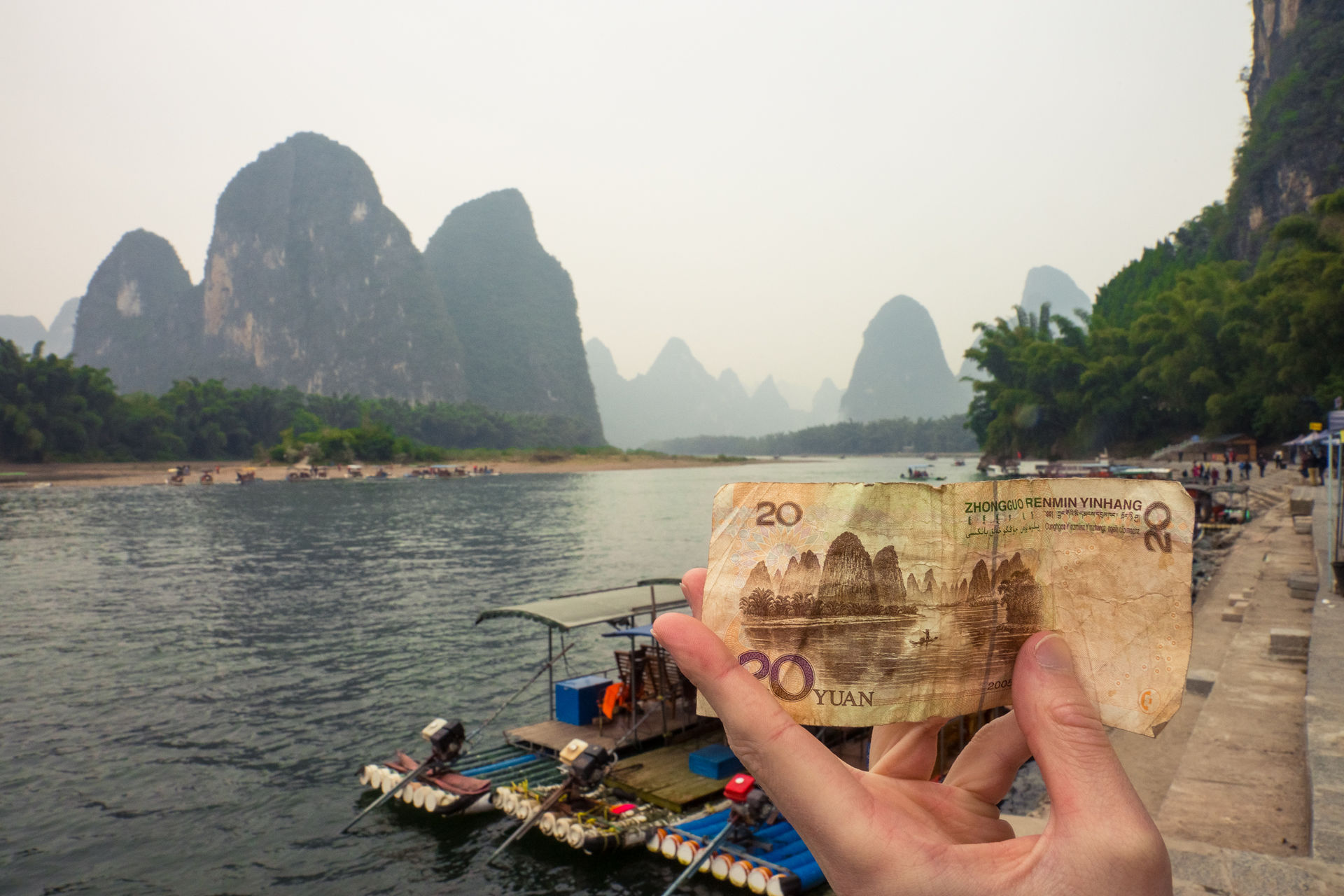
This is the Li River exactly as the scroll paintings promise. A cruise runs the iconic stretch — Crown Cave, the Nine Horses Mural, the sheer bends at Xingping that print on the back of the 20-yuan note — then you come ashore to walk the old flagstone street. The afternoon is gentler and closer to the ground: the flat Ten-Mile Gallery by bike, past the Big Banyan Tree and the arch of Moon Hill. For early risers, a bamboo raft on the quiet Yulong River at first light, before the day boats find it, is the pick of the trip.
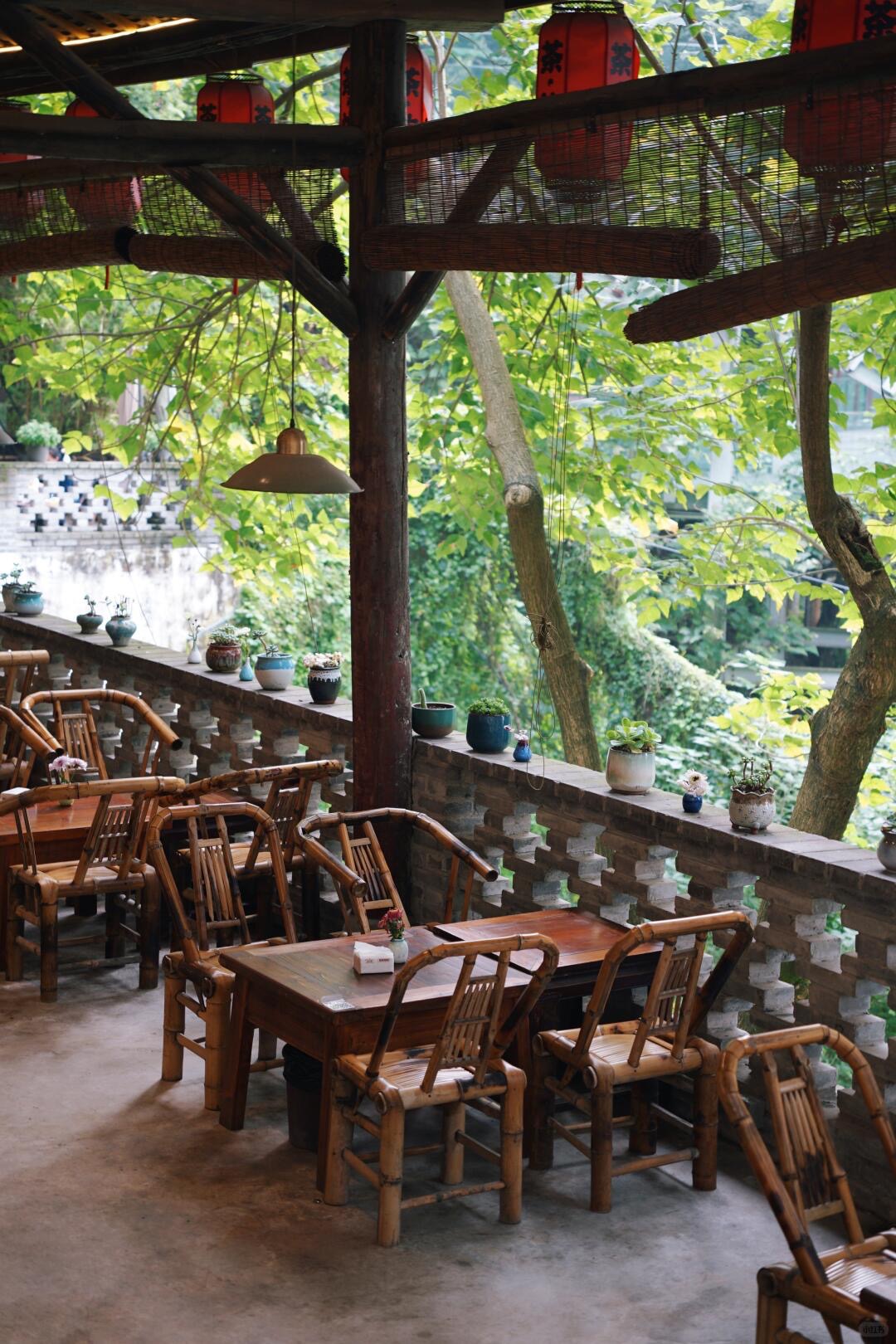
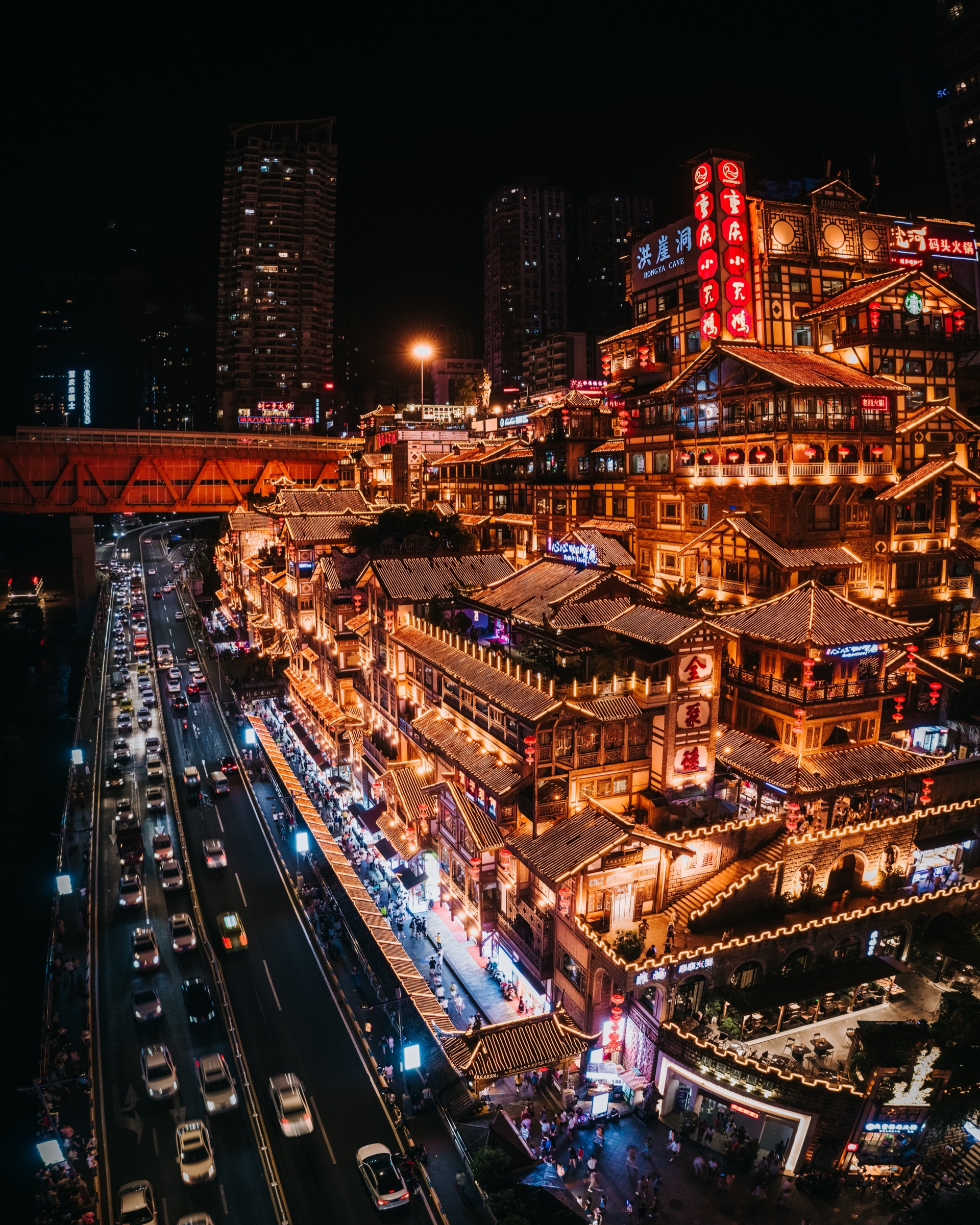
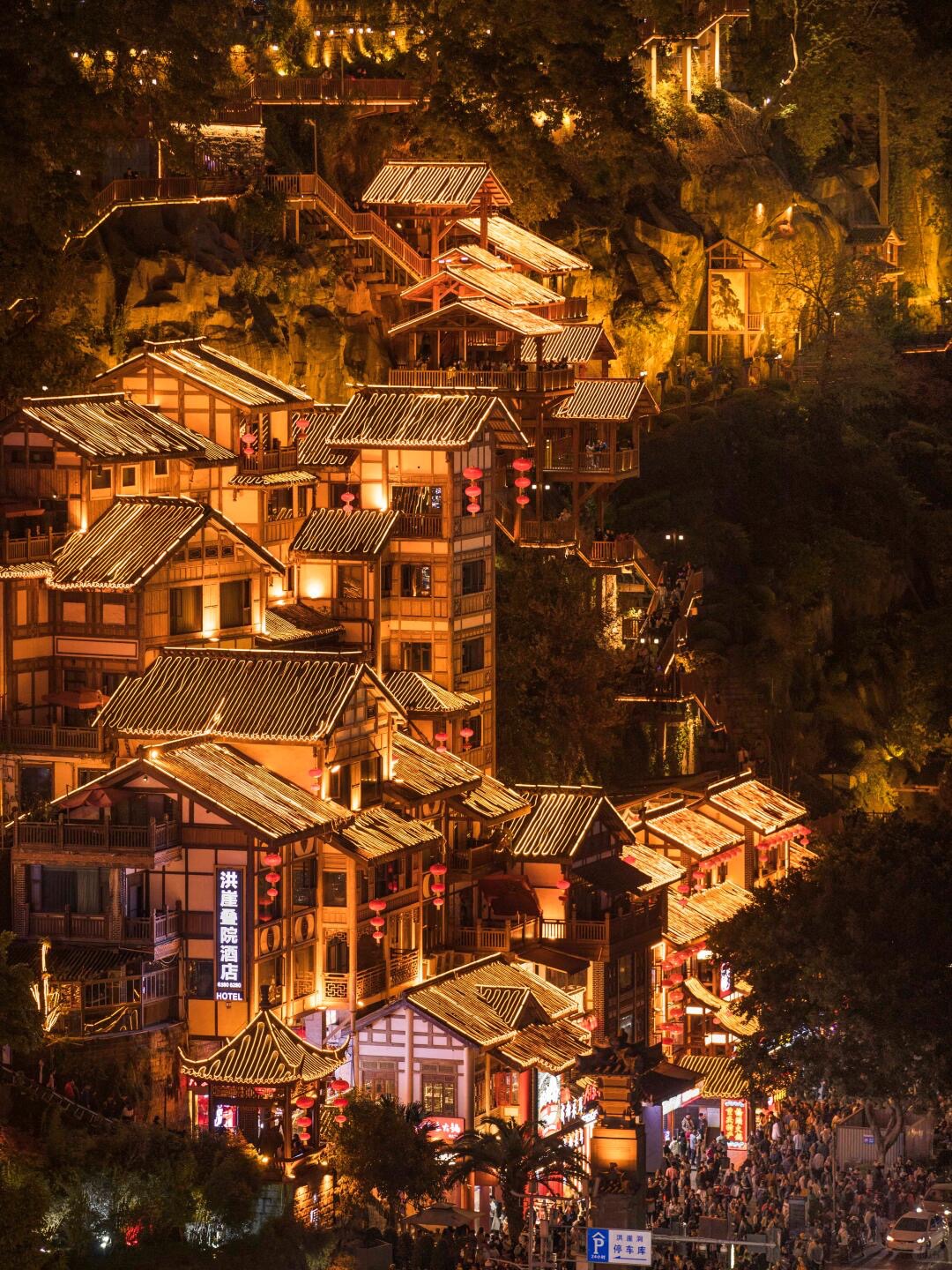
A scenic morning transfer to Guilin North, then the high-speed train carries you north to Chongqing in about four and a half hours, karst giving way to the folded river country of the upper Yangtze. Chongqing is like nowhere else in China — a city built in vertical layers up the cliffs where the Yangtze meets the Jialing. Your two nights are high above the city, overlooking the two-rivers confluence. Tonight, the illuminated stilt-house facades of Hongya Dong stacked above the river, and the buzz of the Jiefangbei streets.
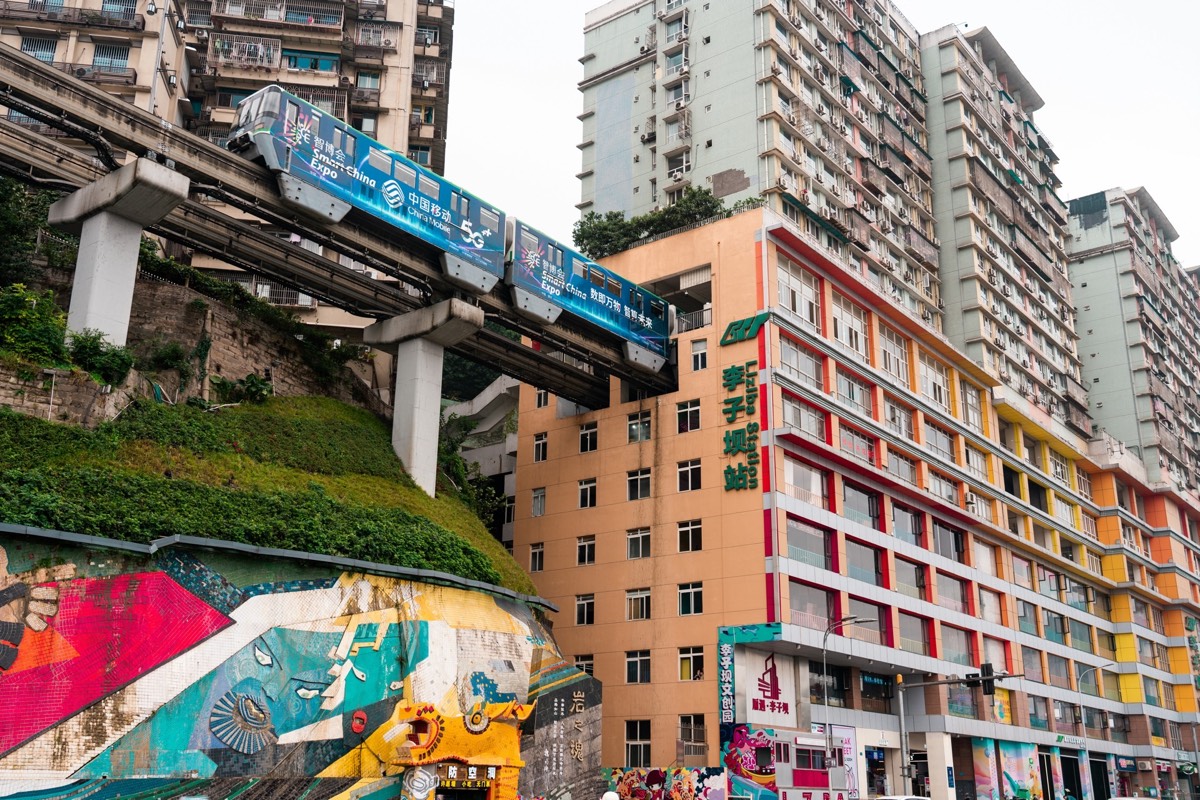
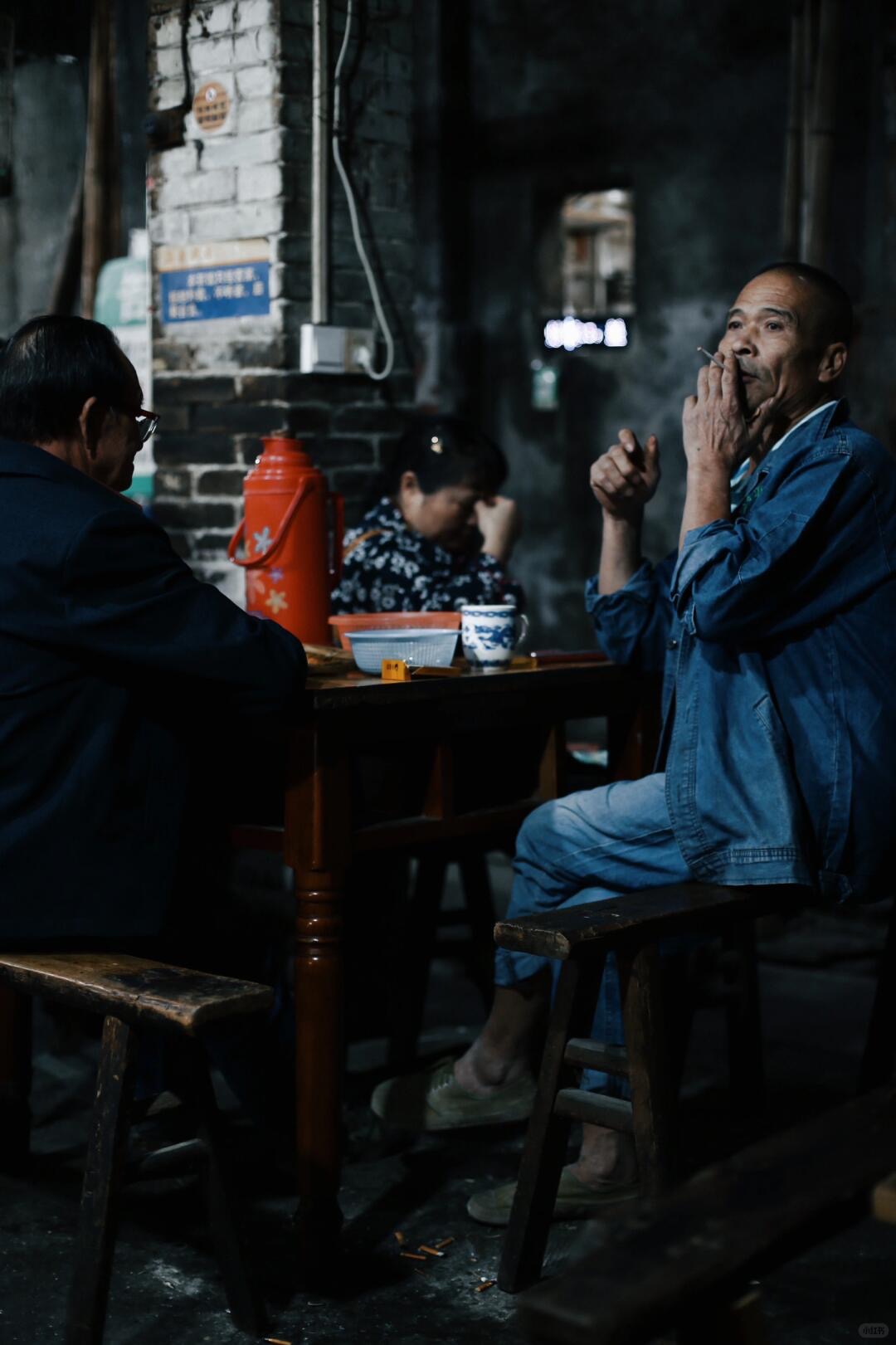
A day to feel how vertical Chongqing really is. Start early at Ciqikou, the old riverside town of cobbled lanes and teahouses, before the tour buses arrive. Then the city's party tricks: the Liziba monorail that runs clean through the middle of a residential tower block, and the veteran Yangtze cableway that swings you across the river the way commuters have crossed for decades. It ends the only way it can — a Chongqing hotpot, where the divided yin-yang pot keeps one side fiery and the other mild, so everyone finds their own heat.
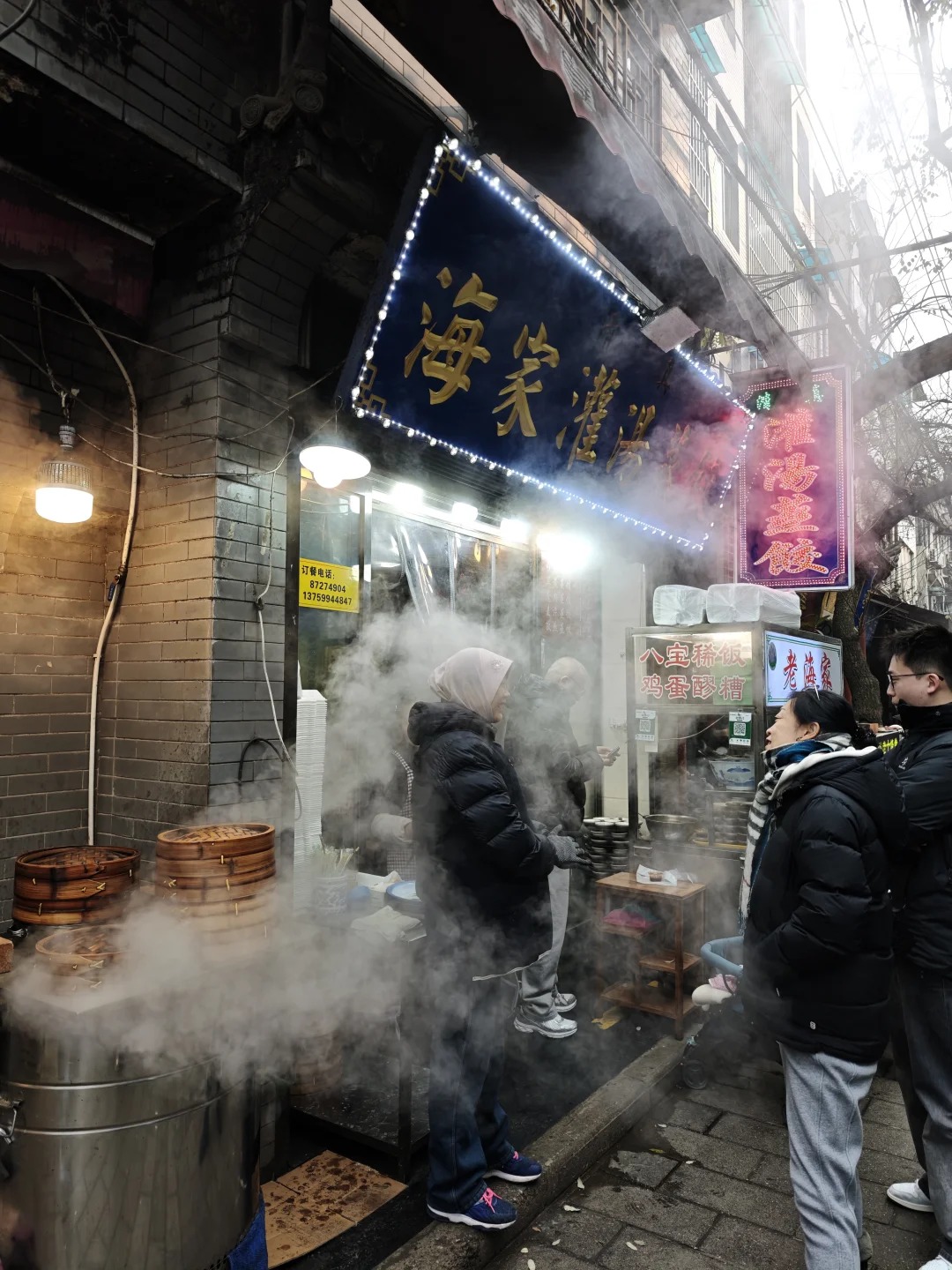
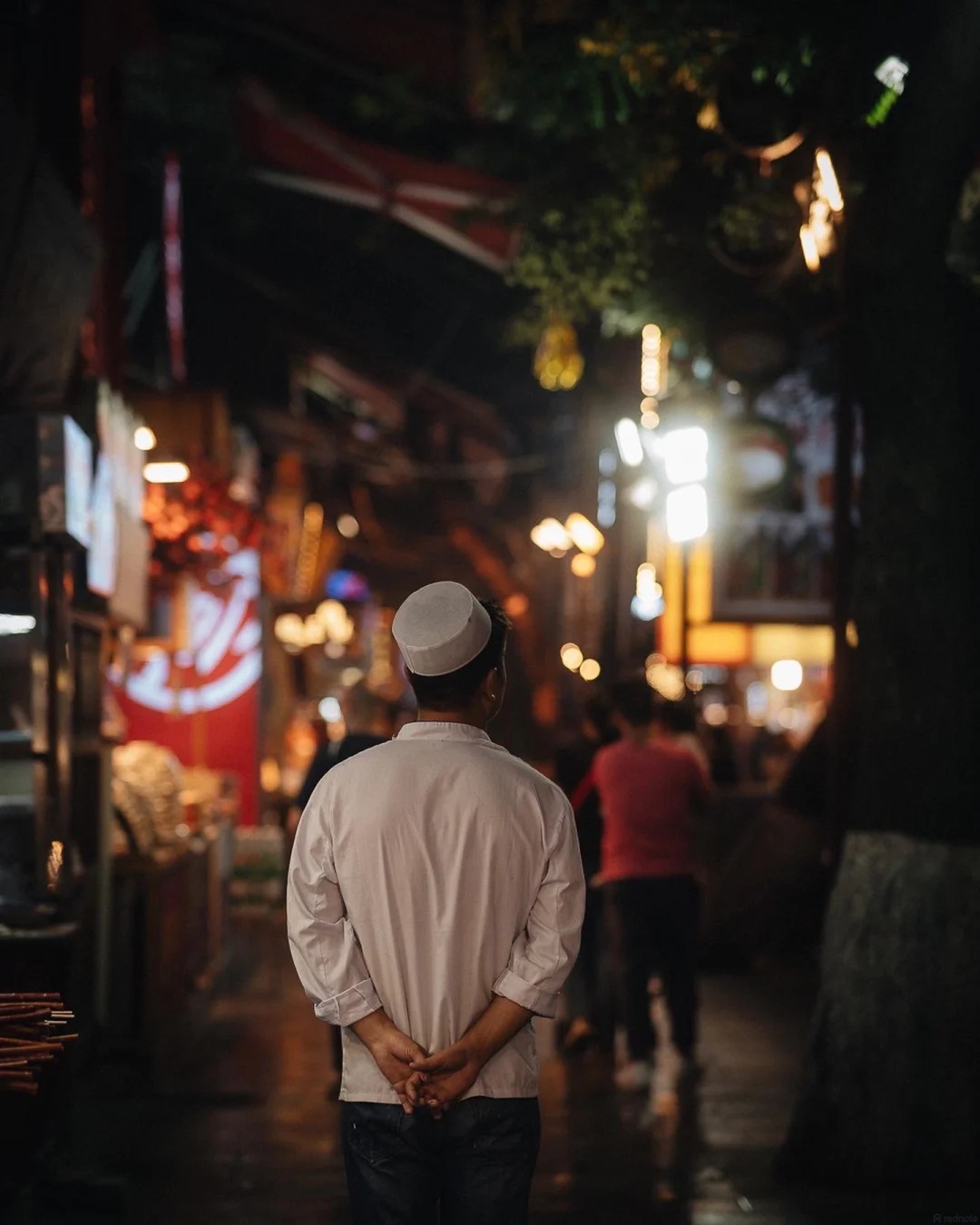
A short morning flight lands you in Xi'an, one of China's four great ancient capitals and the eastern anchor of the Silk Road. Your base is inside the Ming-dynasty walls — a quiet corner of a busy city. The evening belongs to the Muslim Quarter, Xi'an's lantern-lit food street, where your guide steers you through roujiamo, hand-pulled biangbiang noodles and lamb skewers. Then up onto the Ming-dynasty walls that still ring the old town, floodlit and walkable — or rideable, by rental bike.
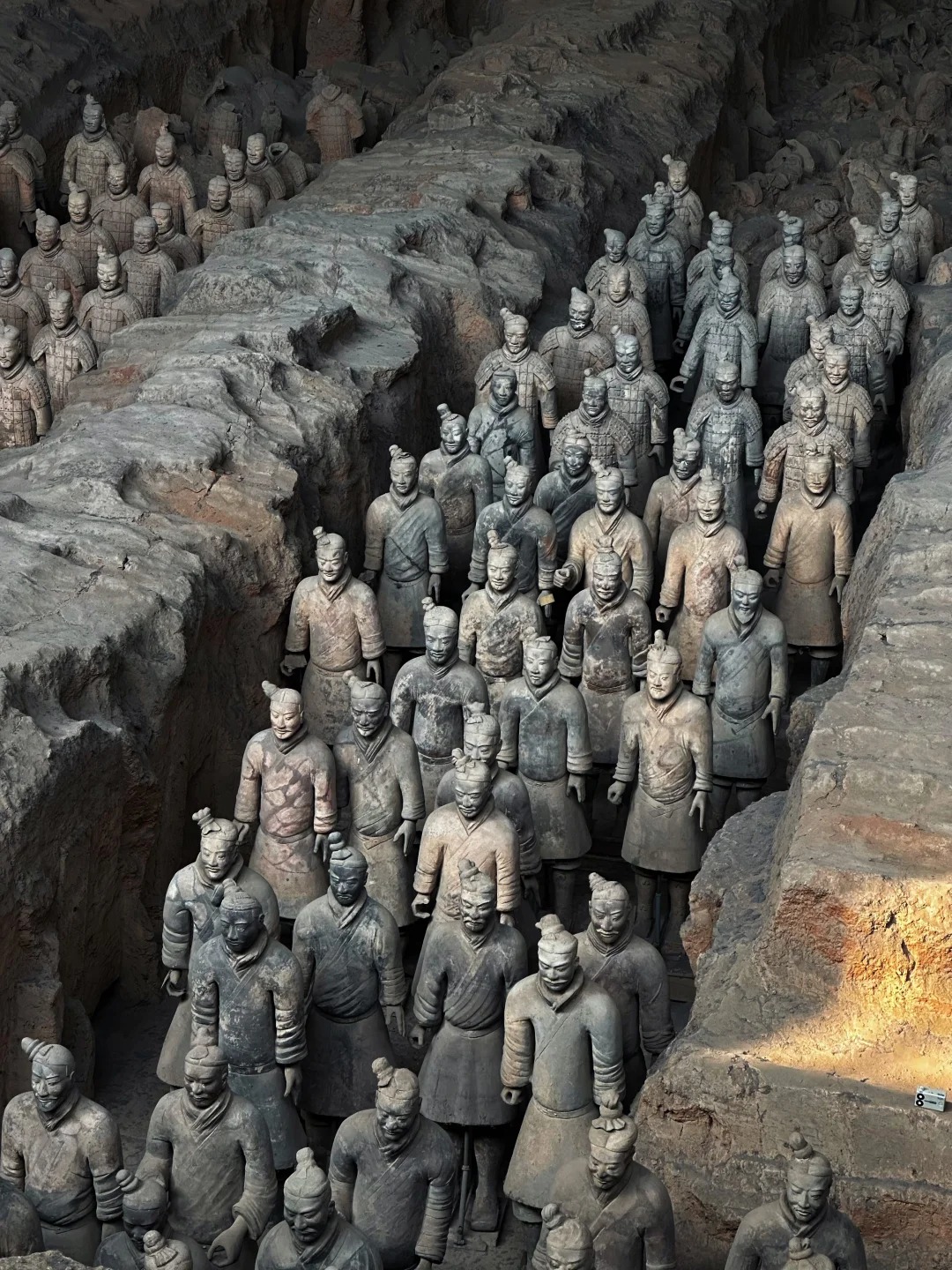
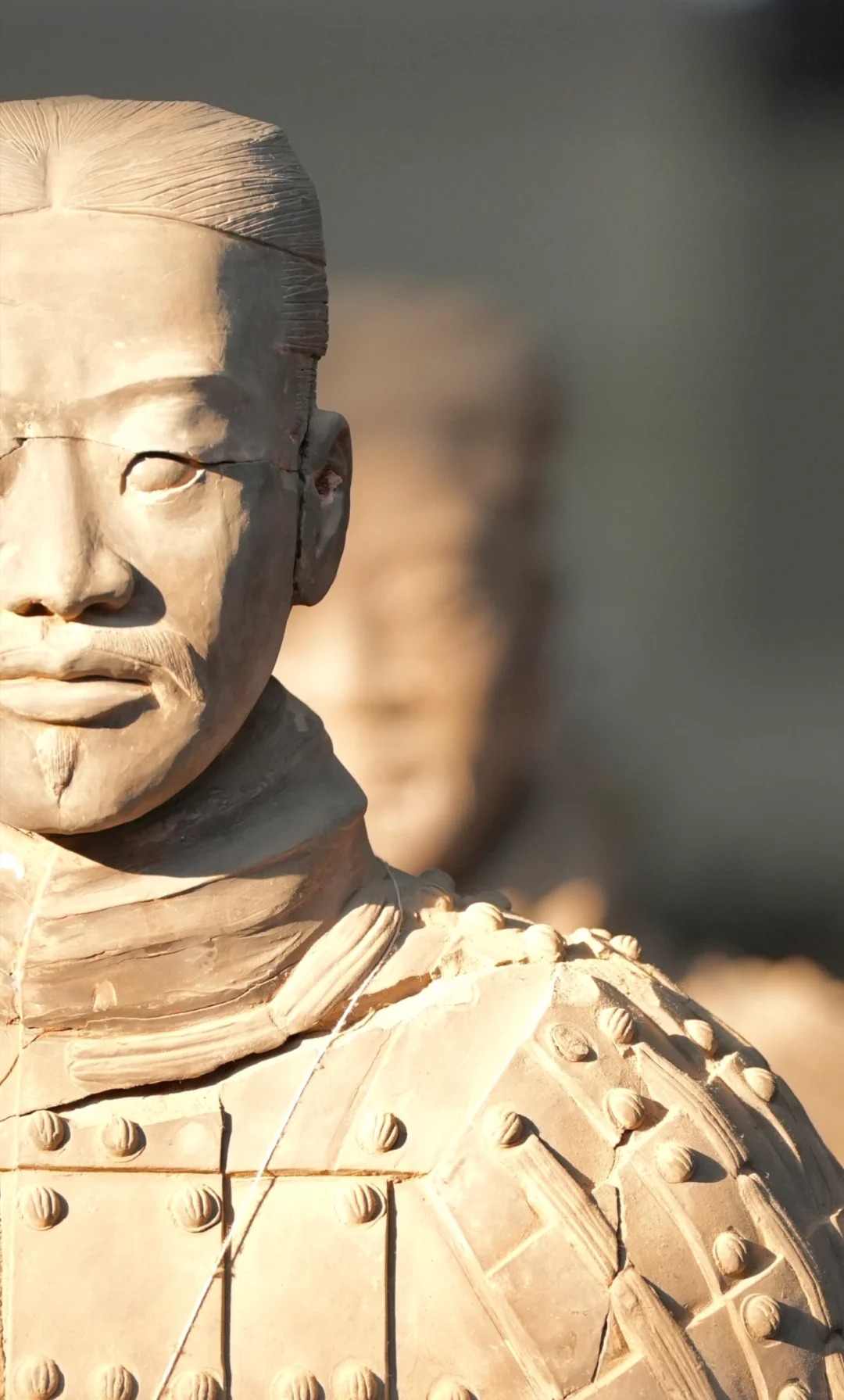
You beat the crowds to Lintong, because Pit 1 is best in the first hour — the long earth trenches and the massed ranks of the Terracotta Army, thousands of soldiers modelled with individual faces to guard the first emperor into the afterlife. A licensed guide walks you through Pits 1, 2 and 3 and the exquisite bronze chariots. Back inside the walls, the afternoon is gentler: the Bell and Drum Towers at the city's heart, and the Great Mosque, a serene compound where Chinese eaves and courtyards do the work of minarets and domes.
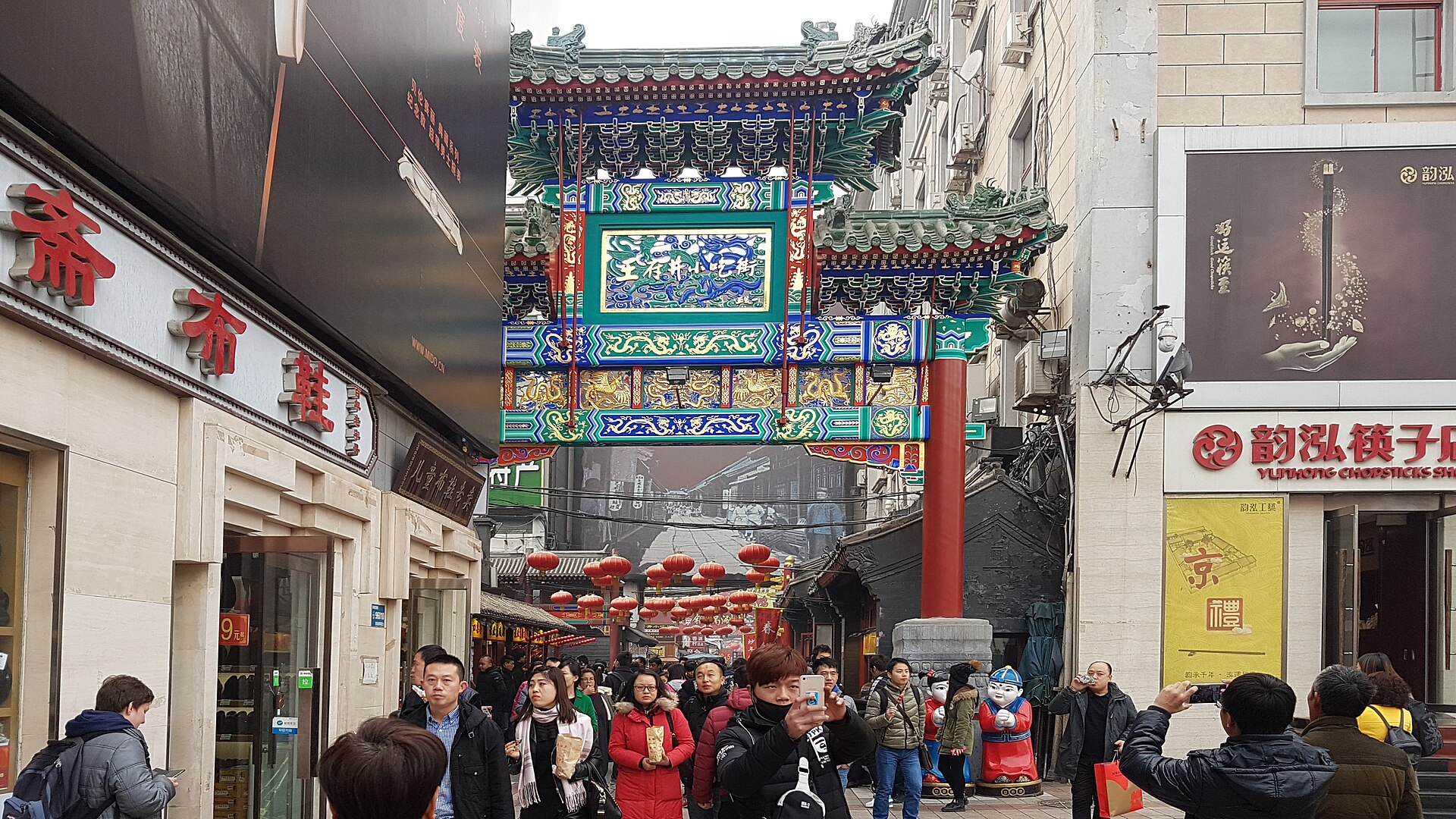
One more high-speed leg, north across the plains to Beijing in about four and a half hours, with lunch on the train. The capital is the grand finale — four nights to take in the imperial city without rushing. You settle a short walk from the Forbidden City and right on the Wangfujing shopping street, so the icons are on your doorstep. Tonight is deliberately light: a wander down the Wangfujing snack street, or an early Peking duck near the hotel, before the big days begin.
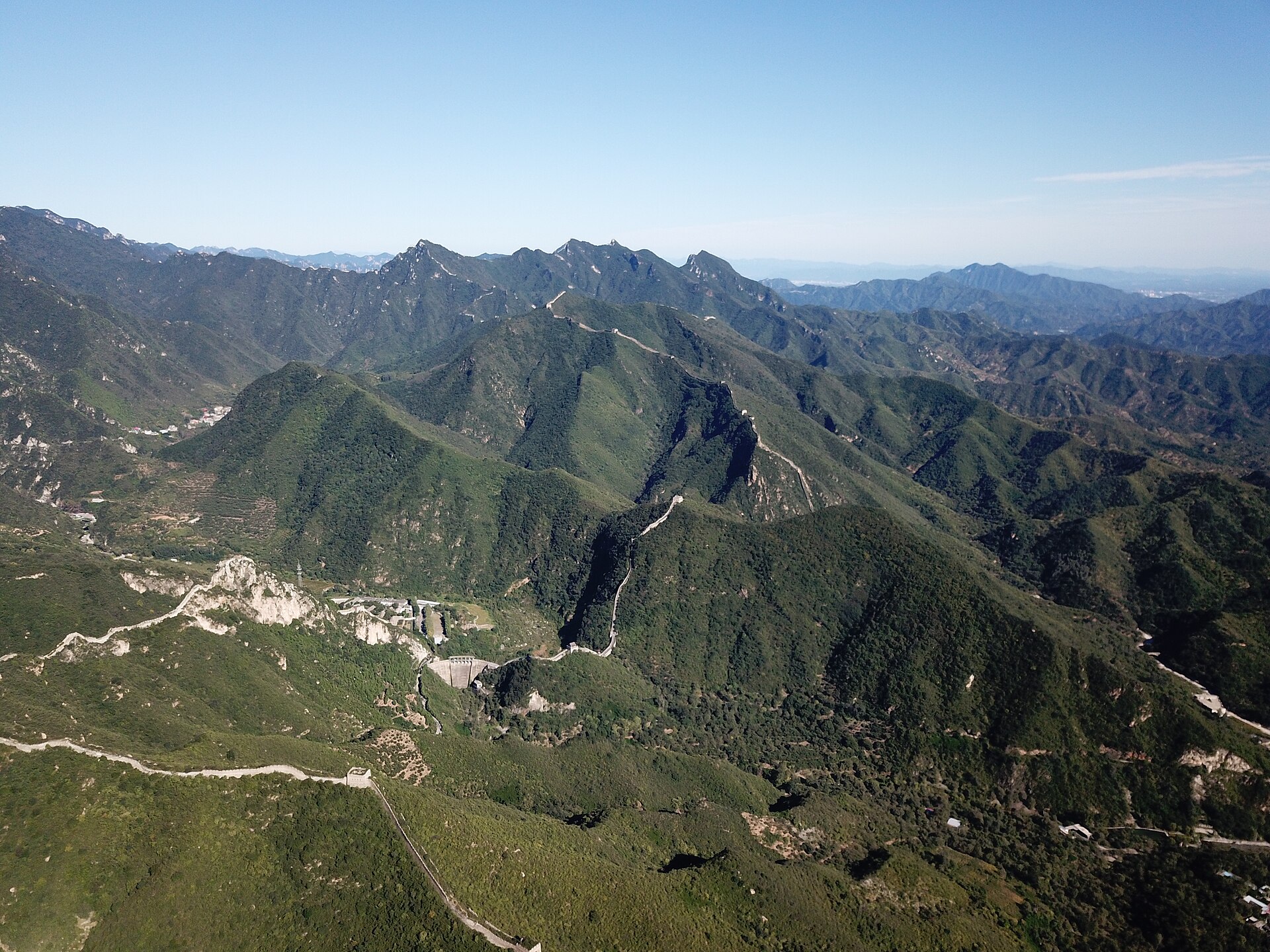
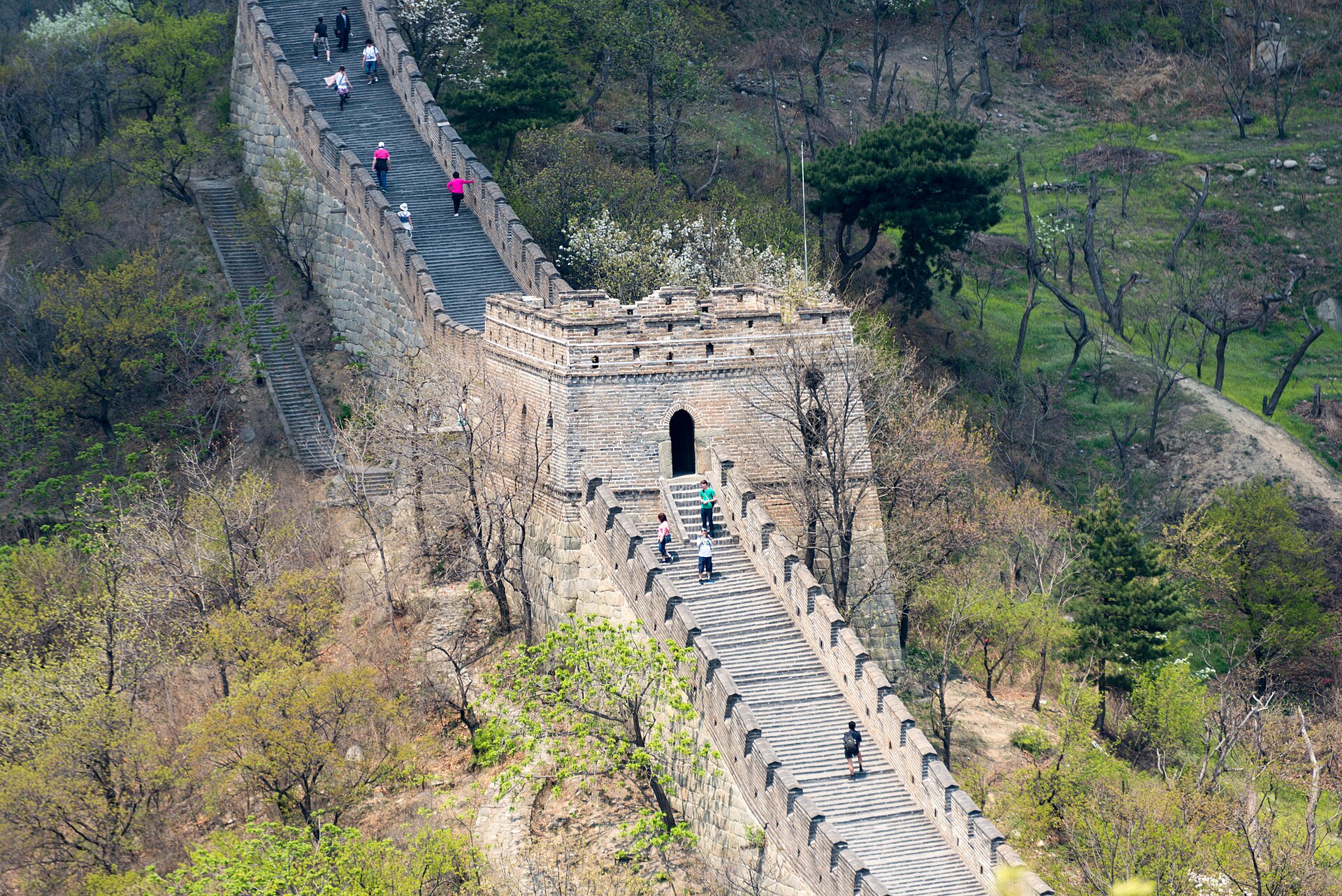
The wall is worth a full day, and Mutianyu is the section to give it to — beautifully restored, dramatic along its forested ridge, and far quieter than the coach-park crush at Badaling. A cable car lifts you to the ramparts; from there you walk the wall between watchtowers at your own pace, the mountains rolling away on both sides. The descent is the fun part: a toboggan run threads down through the trees for anyone who wants it, with the cable car on hand for those who don't. Lunch is in the village below before the drive back.
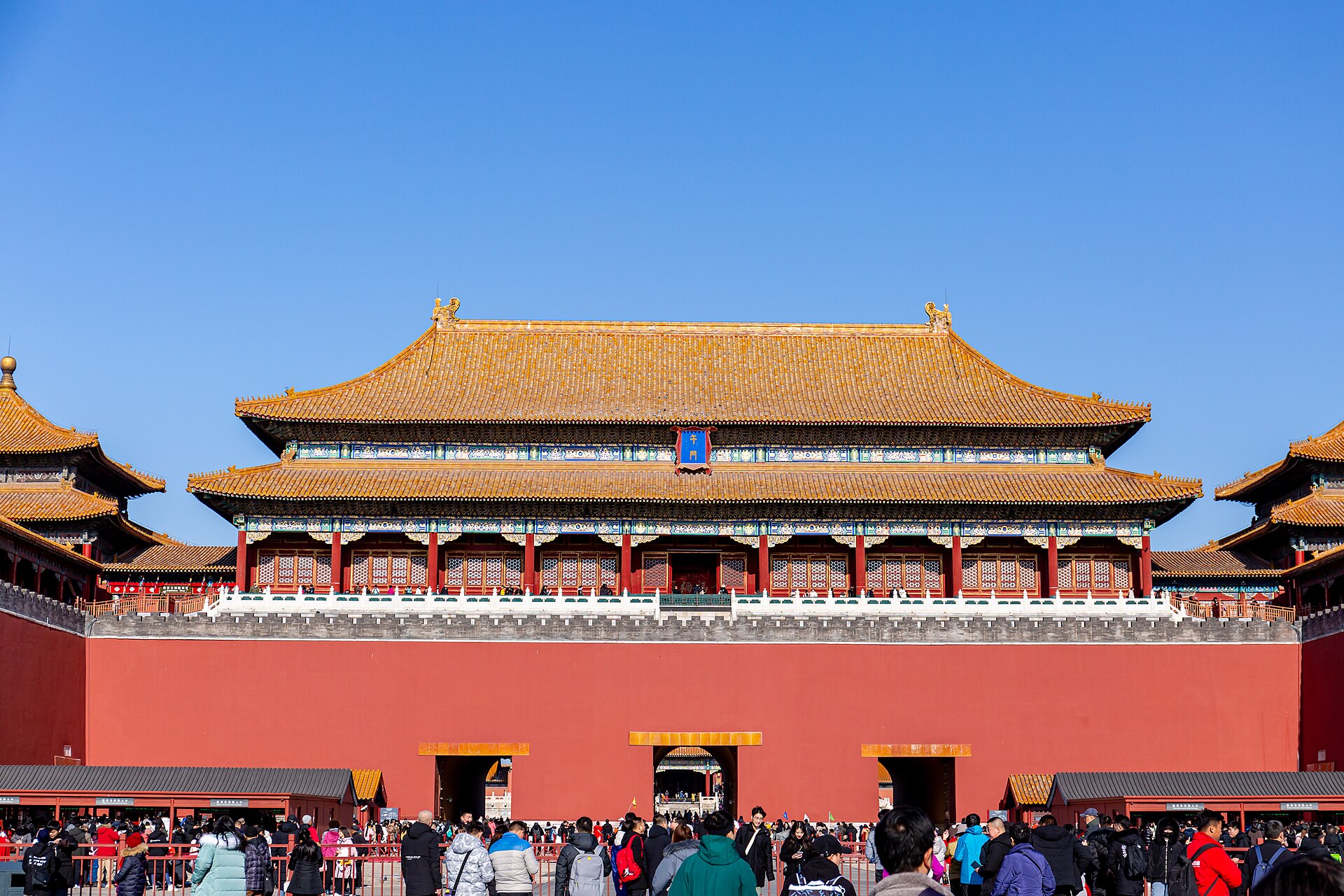
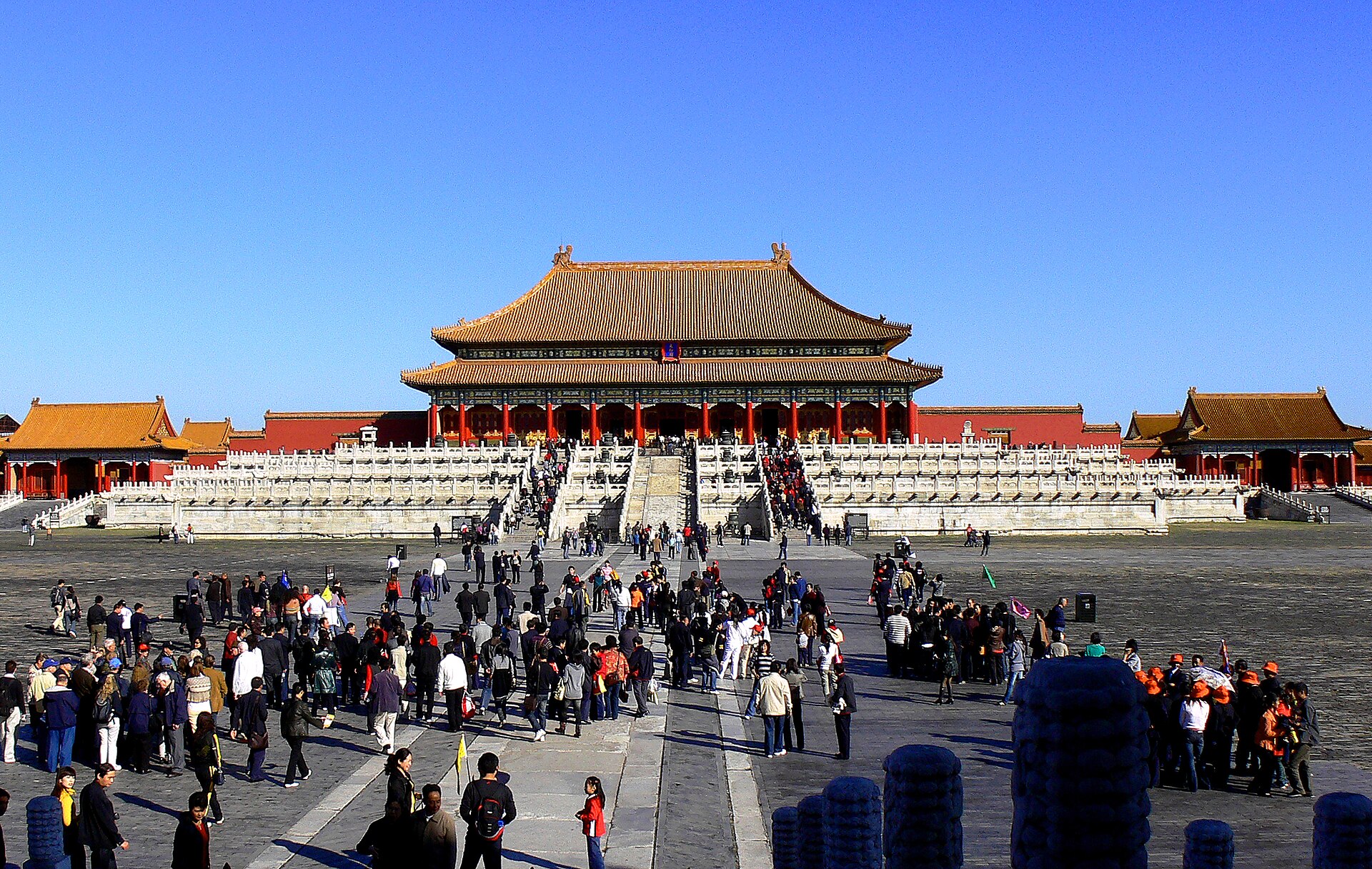
Today is the imperial heart of the city. You start on Tiananmen Square and pass through the Meridian Gate to walk the Forbidden City's central axis — the great halls of the outer court, the quieter inner palaces, the imperial garden — the sequence the emperors themselves moved along, laid out over 72 hectares. Climb Jingshan's artificial hill just to the north for the classic photograph: the sea of golden roofs spread out below, the Drum Tower beyond. The afternoon eases off along Qianmen Street, its Republican-era shopfronts restored for a slow browse.
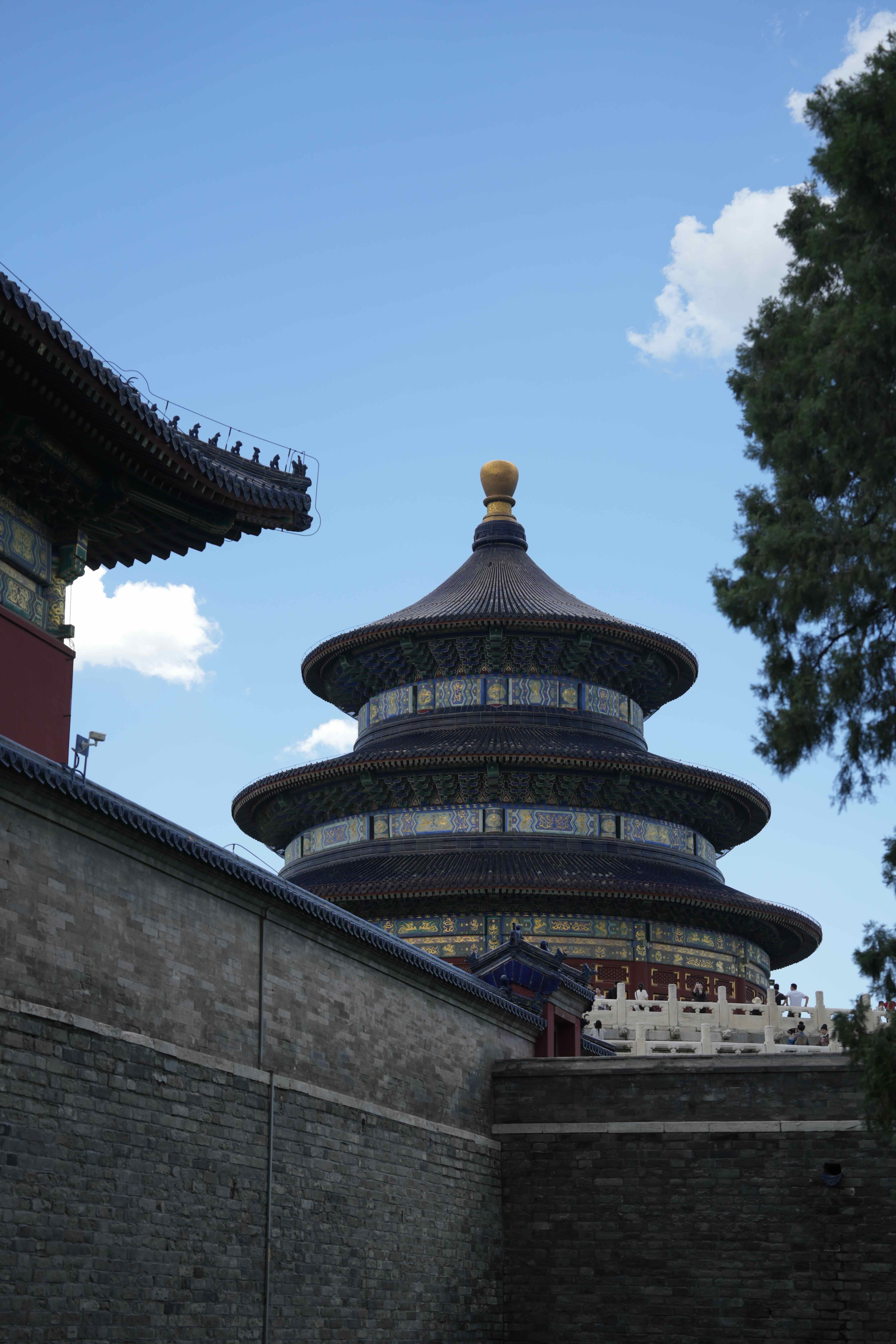
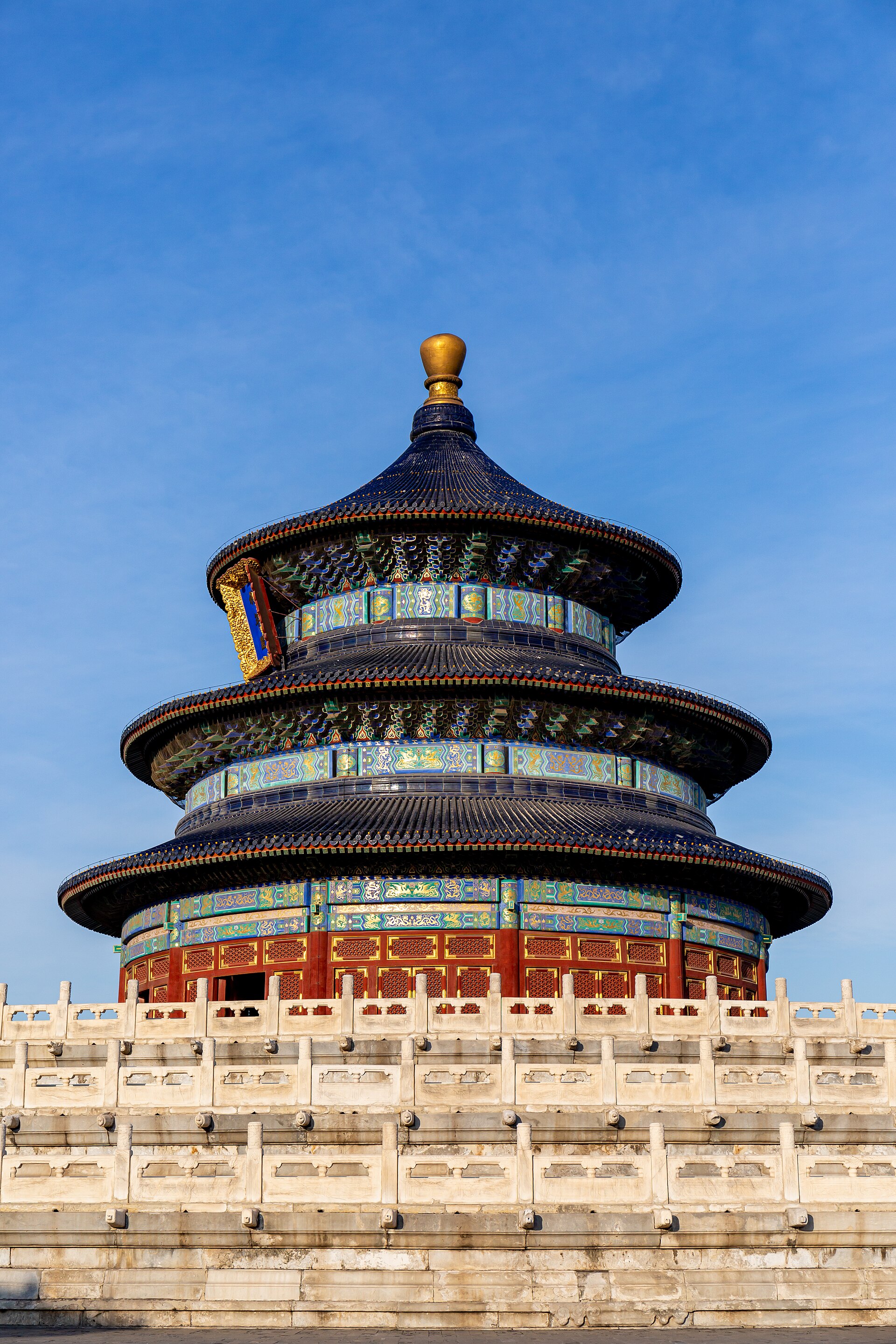
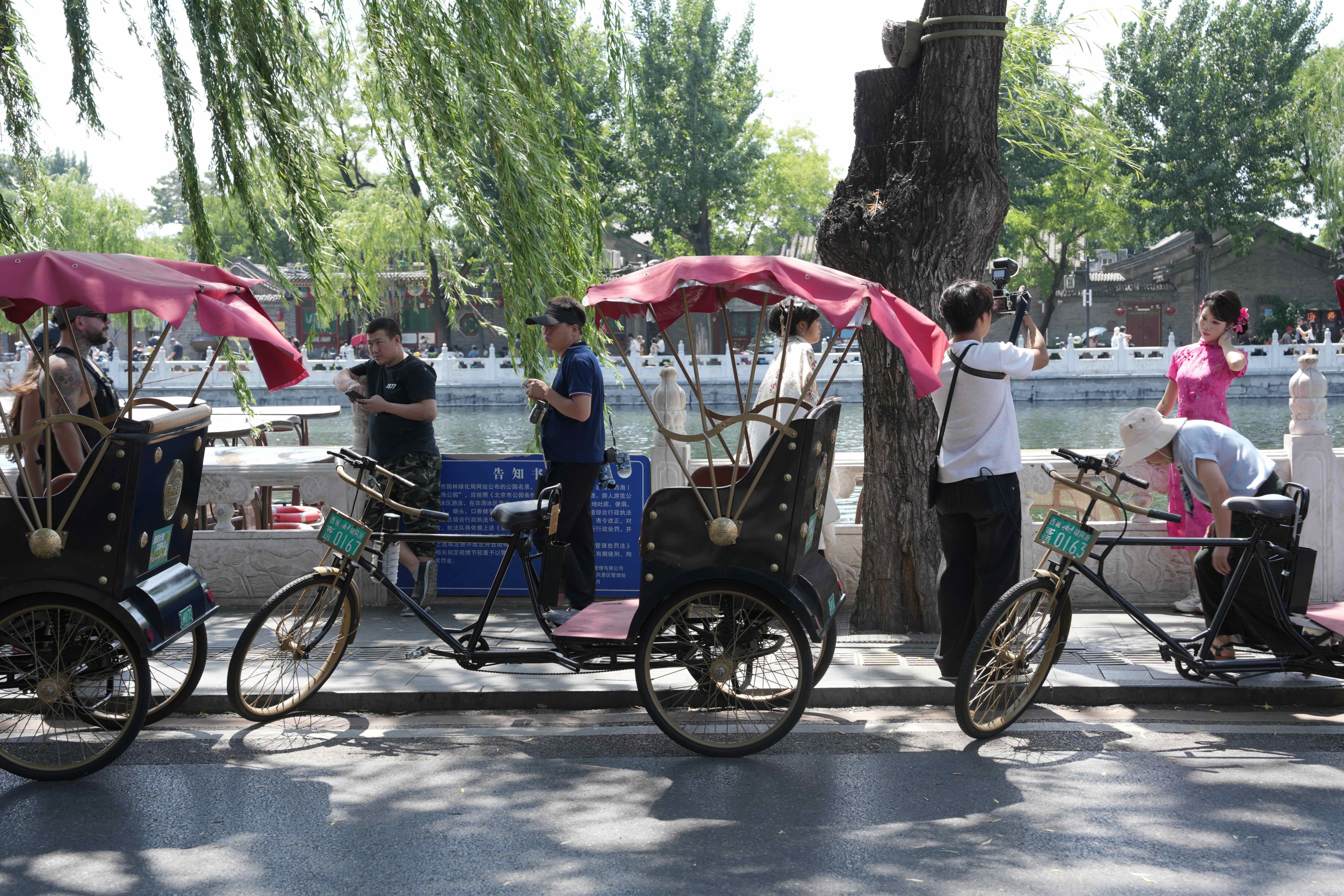
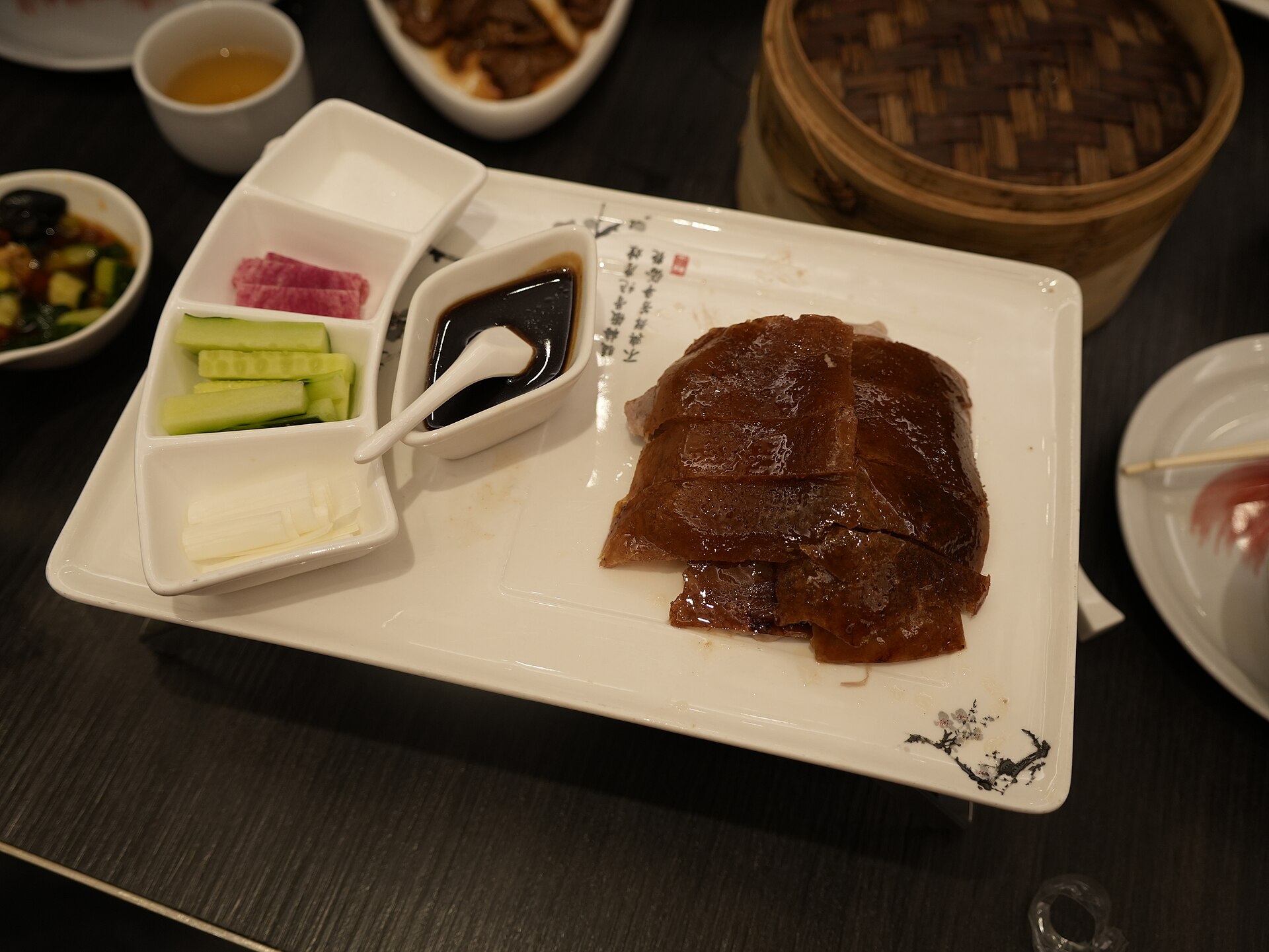
A softer, greener day after the imperial heavyweights. The morning belongs to the Temple of Heaven, where the round blue-roofed Hall of Prayer for Good Harvests stands at the end of long cypress avenues and locals gather to practise tai chi and play chess in the colonnades. The afternoon slows right down in the Houhai hutongs — grey-brick lanes best seen by pedicab, with lakeside willows and old courtyard gates — before a farewell Peking duck dinner to close the trip. If you'd like one more imperial set piece, the lakeside Summer Palace, with its painted Long Corridor and hillside Tower of Buddhist Incense, slots in as an optional morning.
The last day is deliberately easy. After two weeks of big-city days there is nothing left to tick off — just a slow breakfast, a final wander around Wangfujing for gifts, and time to let the trip settle. When your flight calls for it, your driver runs you to the airport with room to spare. You leave with the full arc of China behind you: the Bund and the Huangpu, the karst rivers of Yangshuo, Chongqing's cliffs, Xi'an's buried army, and the Great Wall above Beijing.
Half the pleasure of this circuit is edible. Shanghai runs to delicate Jiangnan cooking — soup dumplings, red-braised pork, river shrimp — and a serious coffee scene in the old concession. Guangxi is river fish, rice noodles and pomelo; Chongqing turns the heat all the way up with its yin-yang hotpot, one side numbing-spicy, one side clear for the cautious. Xi'an is the Silk Road on a plate — roujiamo, biangbiang noodles, cumin lamb. And Beijing closes the trip where every China trip should, on lacquered Peking duck. Lunches and dinners are arranged to match each place whenever you'd like them included.
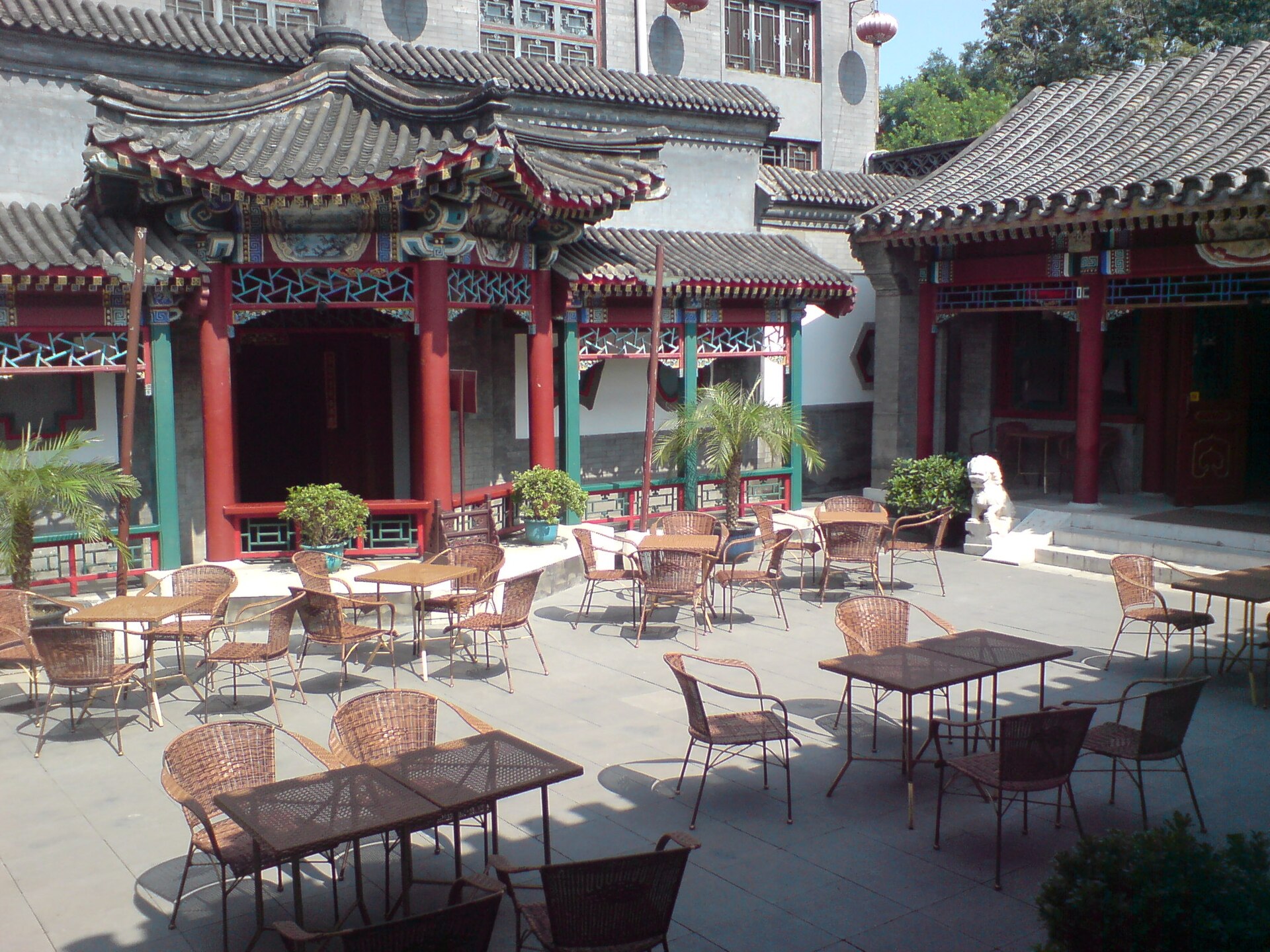
Five distinct addresses, one for each stop — landmark city hotels on the Bund and by the Forbidden City, the restored 1953 People's Grand Hotel inside Xi'an's old walls, and two design-led retreats on the Li River and above Chongqing's two rivers.
A design hotel built into a preserved 1960s sugar mill on the Li River — raw brick-and-concrete architecture and a cantilevered pool framed by the karst peaks. Two nights in Yangshuo.
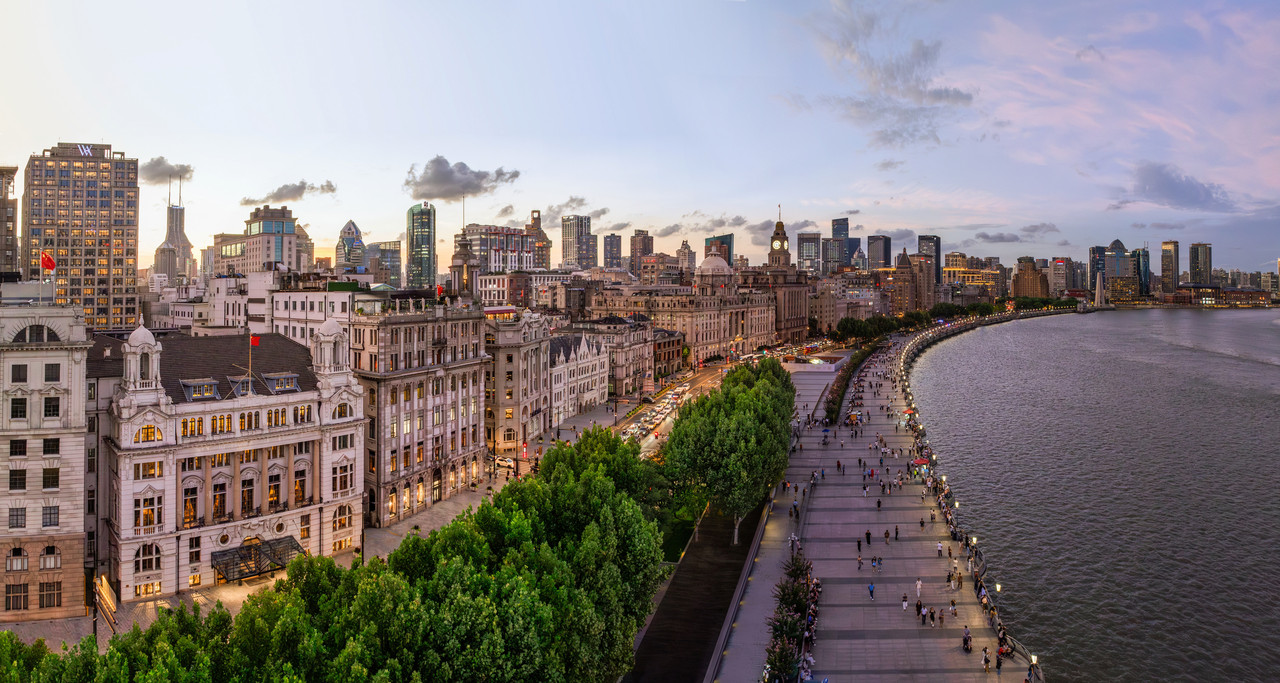
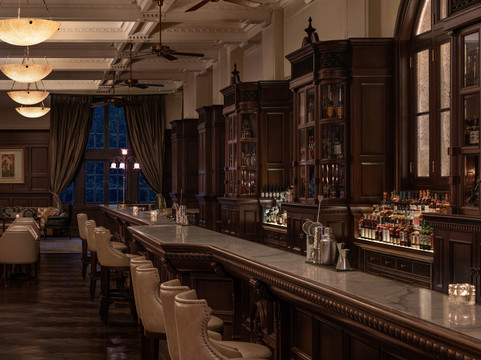
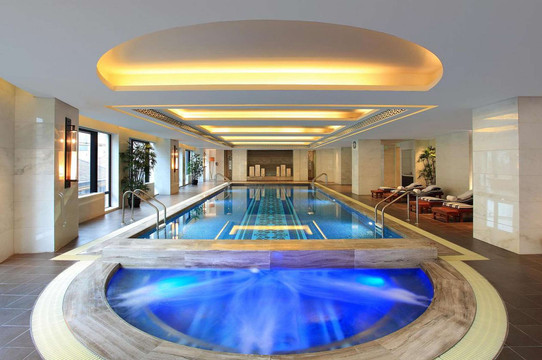
A grande-dame hotel at the quiet south end of the Bund, in the restored 1910 Shanghai Club — old-Shanghai glamour and river-view rooms, a short walk from the Bund promenade. Three nights in Shanghai.
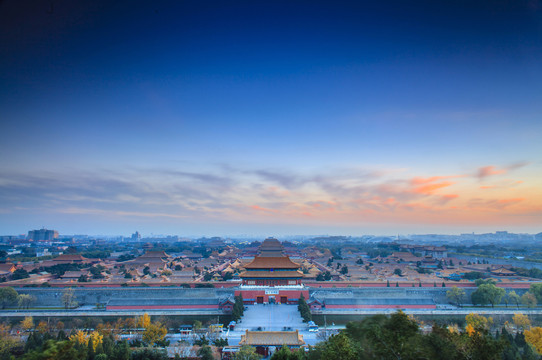
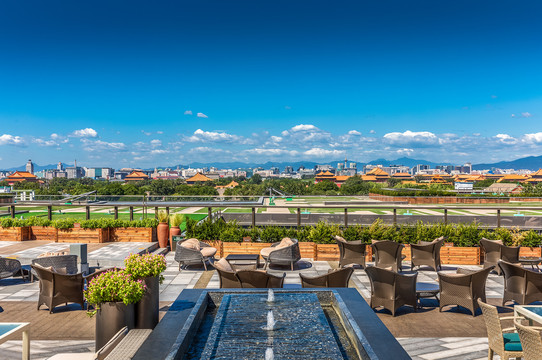
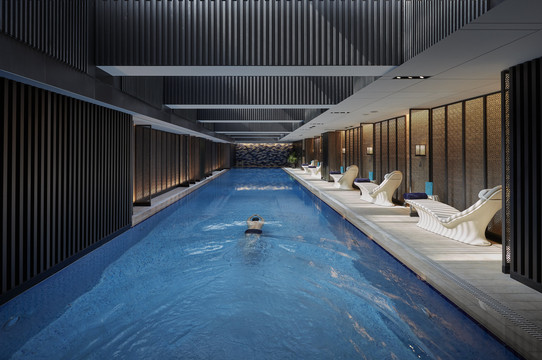
Contemporary luxury on the Wangfujing shopping street, a short walk from the Forbidden City — floor-to-ceiling city views and rooftop dining over the imperial core. Four nights in Beijing.
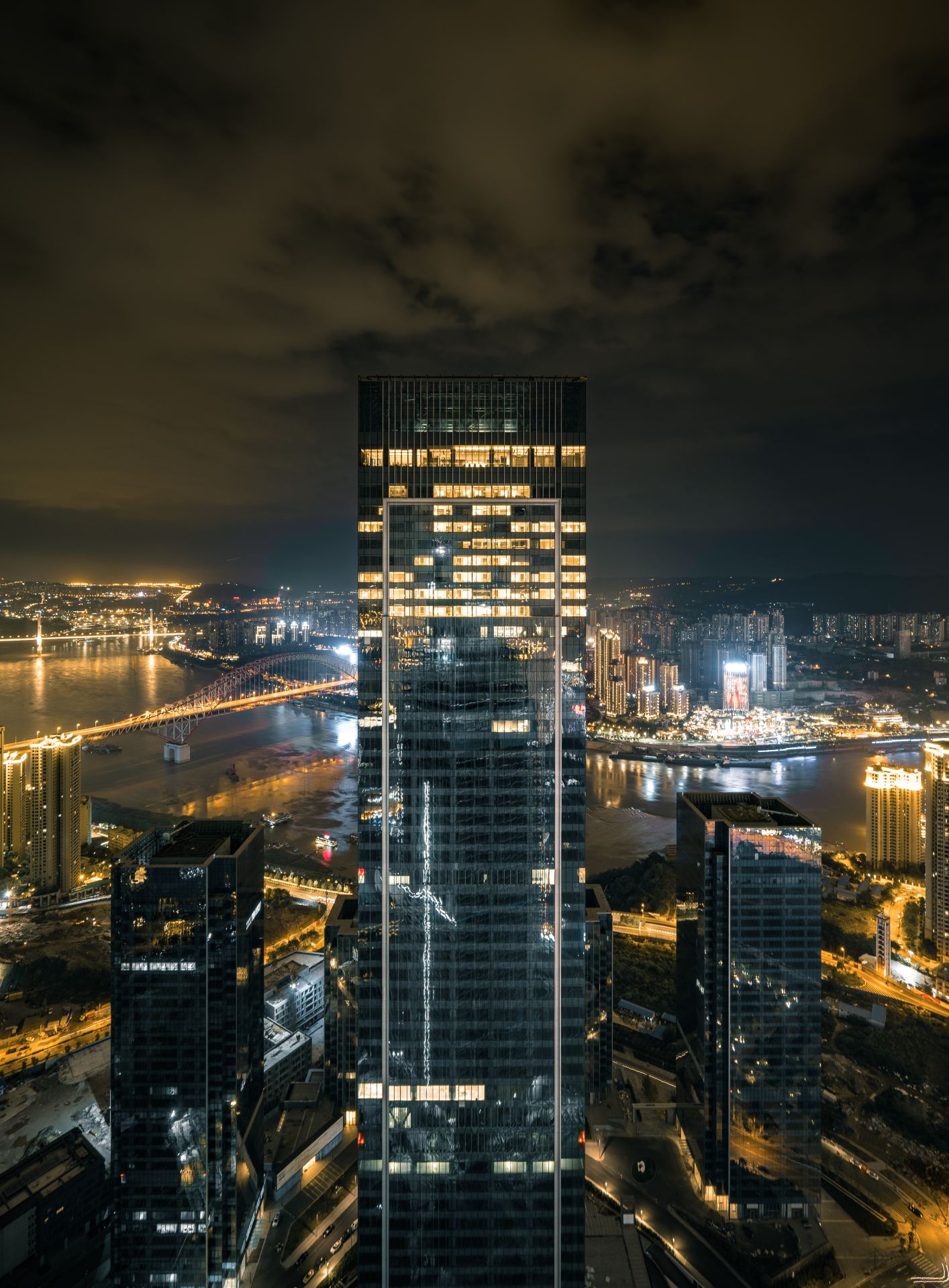
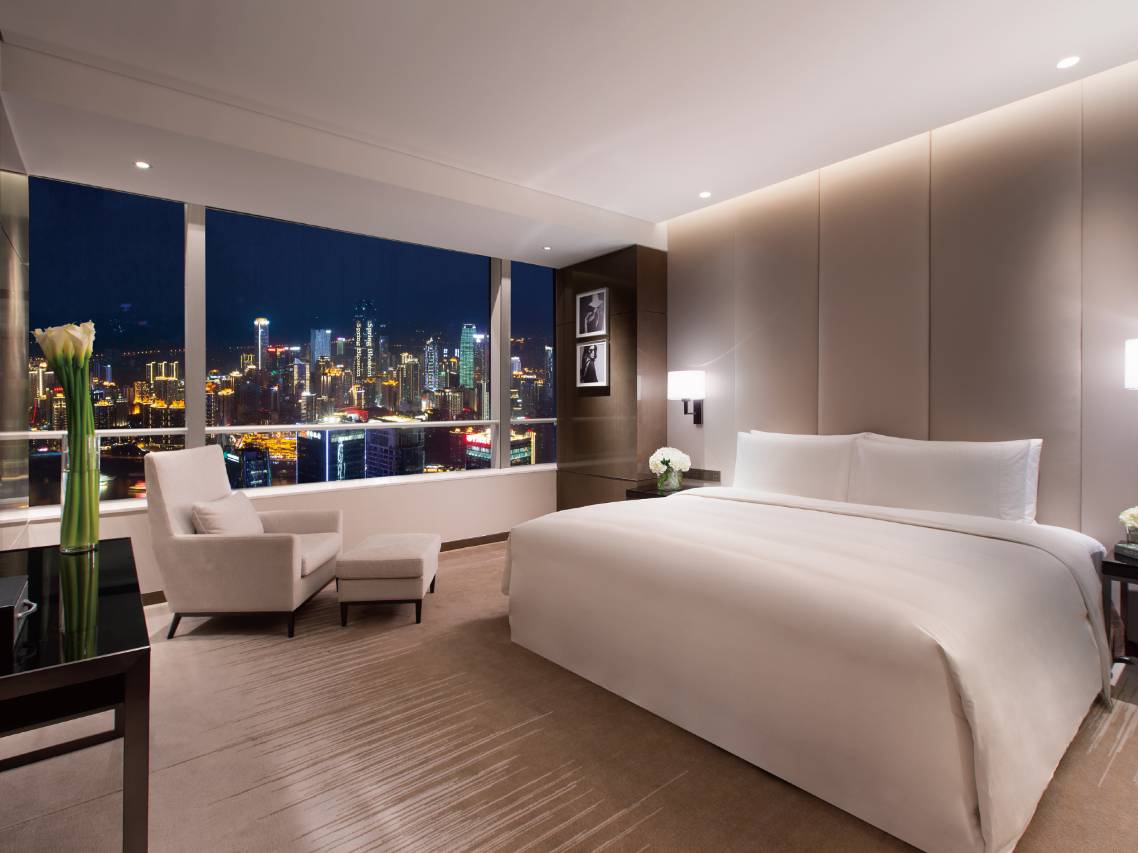
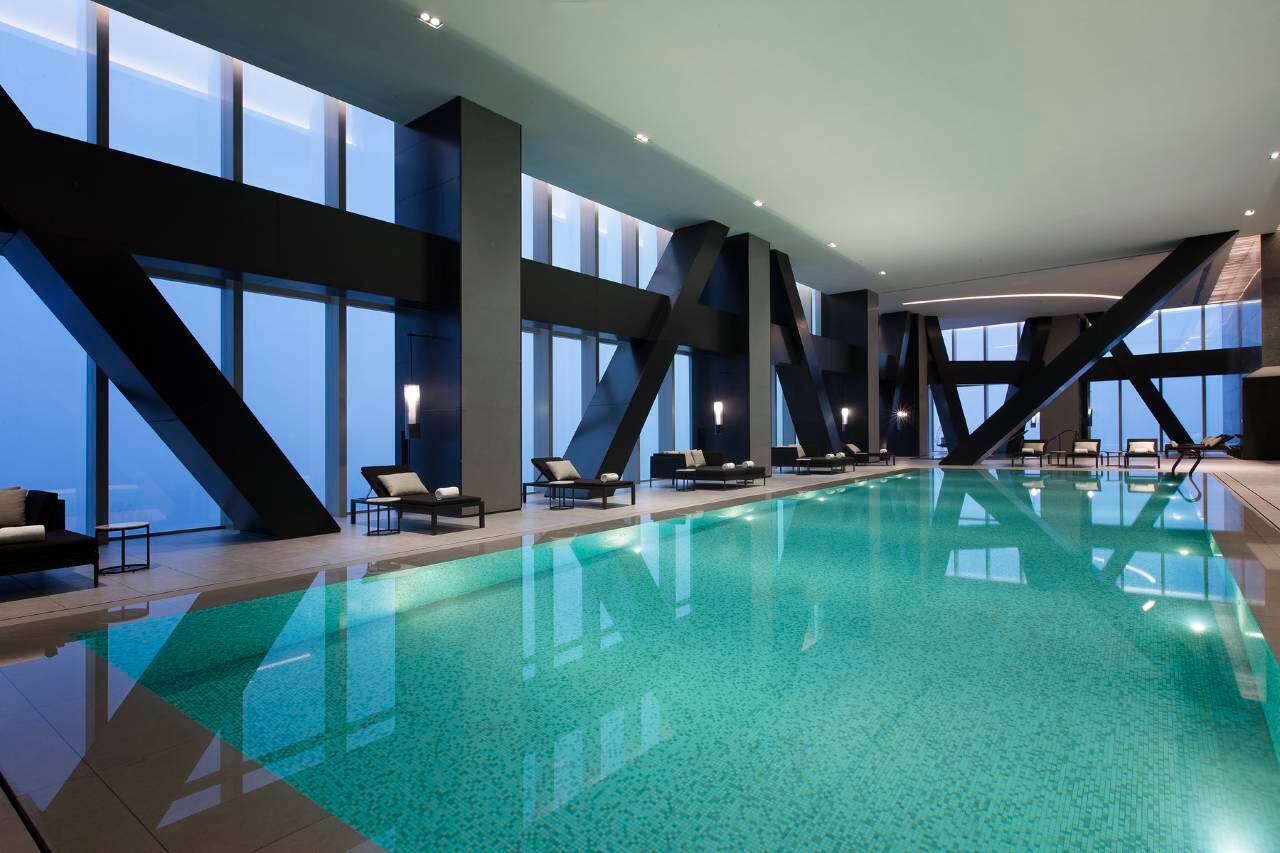
Sky-lobby luxury in the crown of the Chongqing IFS tower — floor-to-ceiling views over the Yangtze–Jialing confluence and Hongya Dong, and a glass-walled sky pool. Two nights above the vertical city.
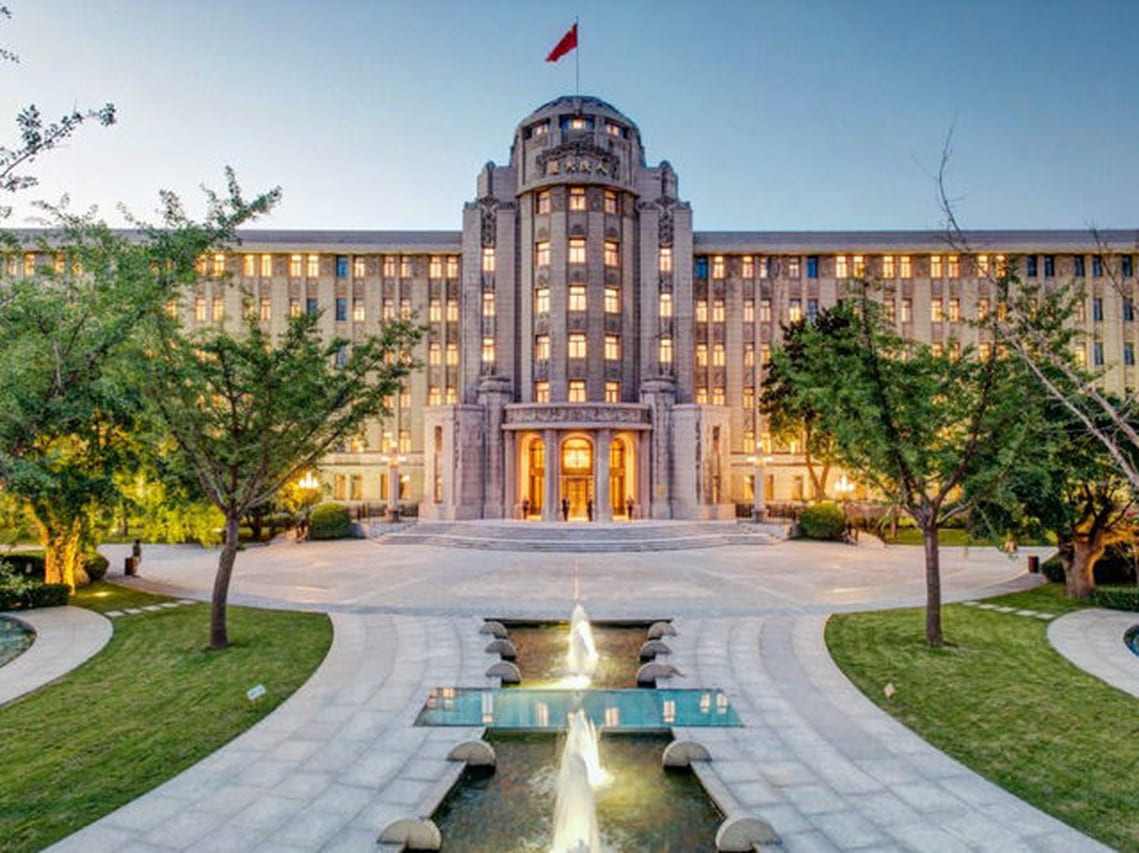
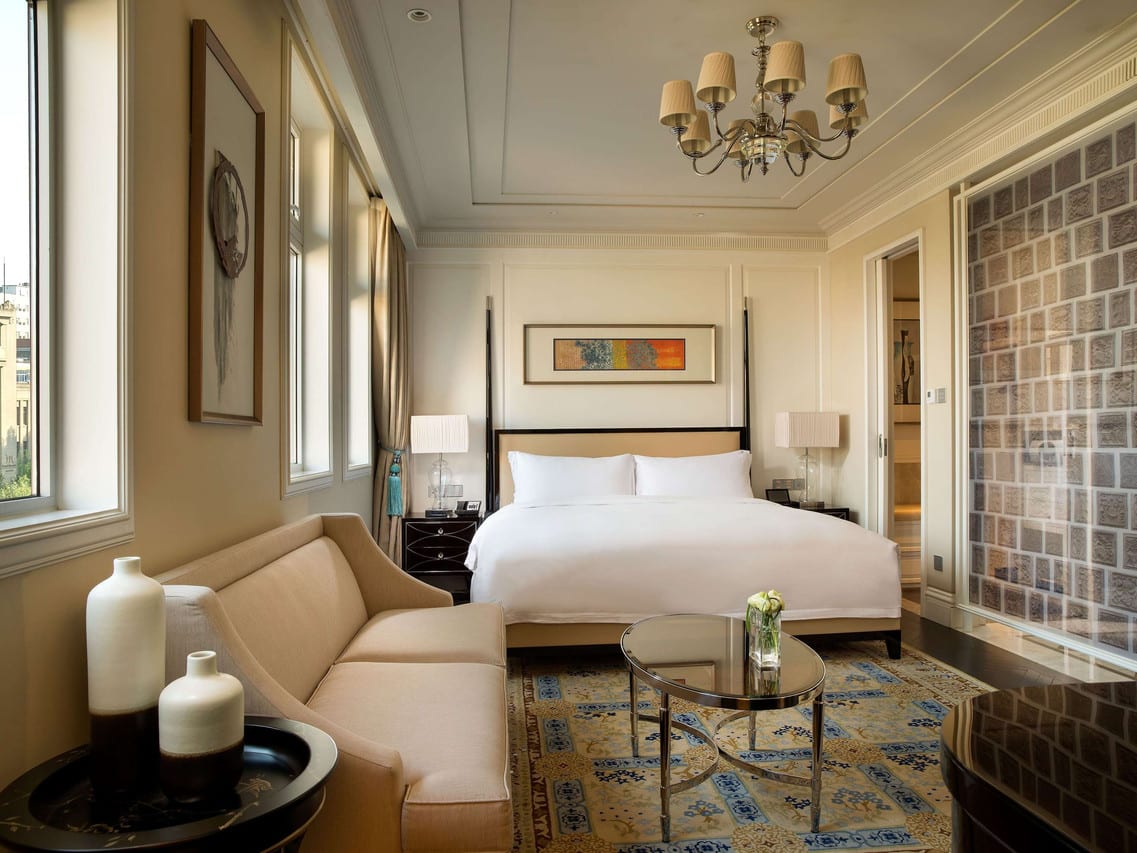
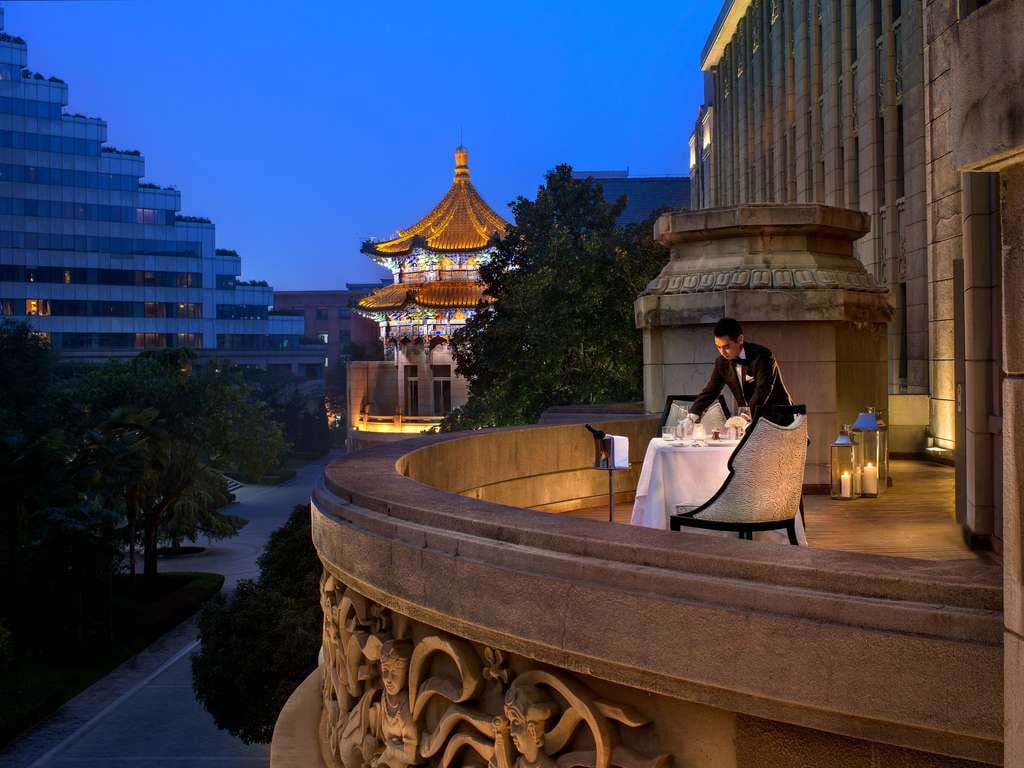
The 1953 People's Grand Hotel inside Xi'an's Ming walls, restored as a Sofitel Legend — the state guesthouse's grand public rooms and gardens, a short walk from the Bell and Drum Towers. Two nights in Xi'an.
These are examples of the boutique stays we book across the route. Because boutique hotels have so few rooms, a stay may occasionally be swapped for one of similar standard.
All three are private, and all three take in the Forbidden City and the Great Wall. What changes is where the rest of the trip goes.
Choose it if you want the famous names, with no hard days.
You're viewing this journey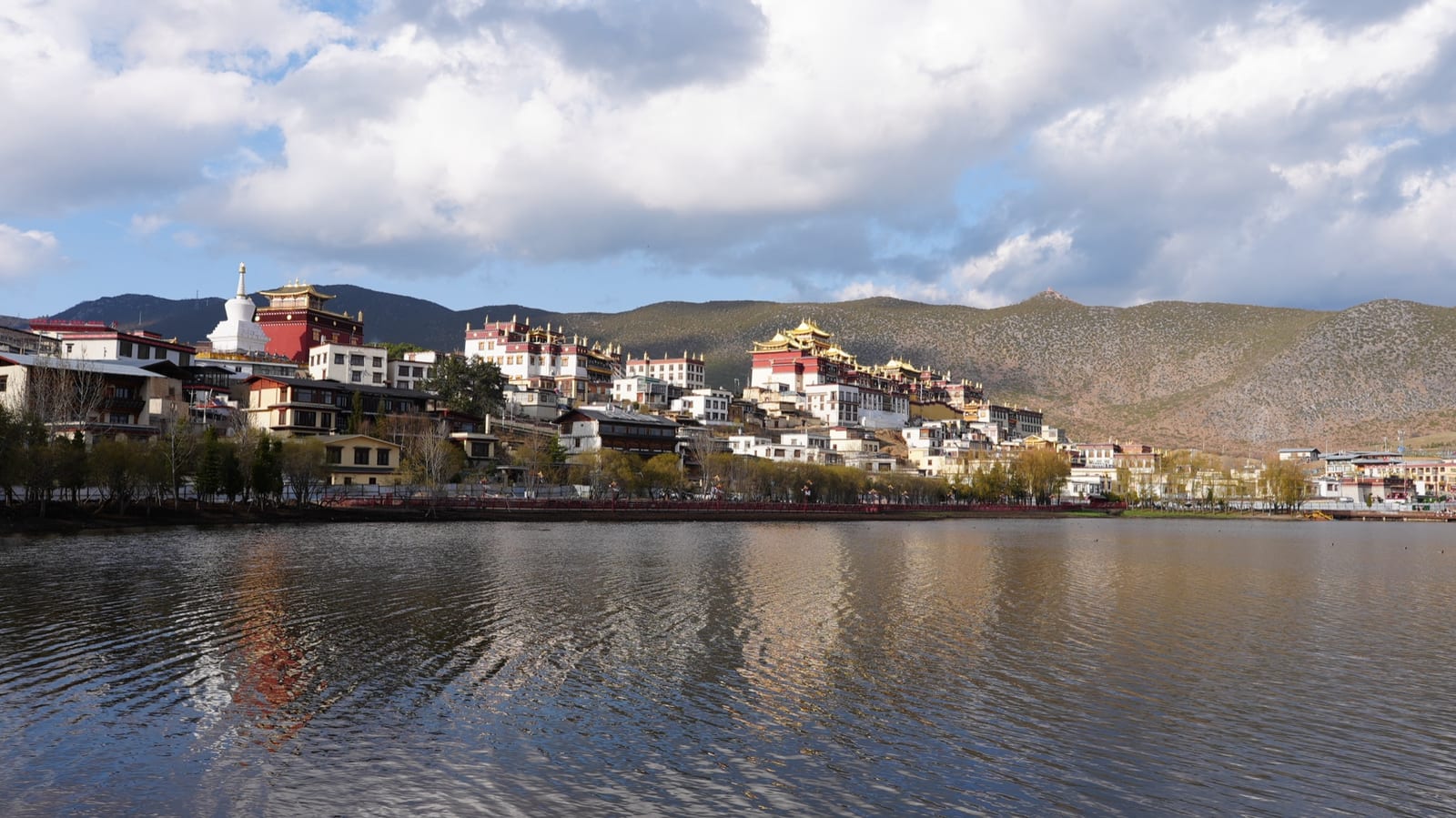
Choose it if you want the icons, then the villages and mountains of the southwest.
See the journey →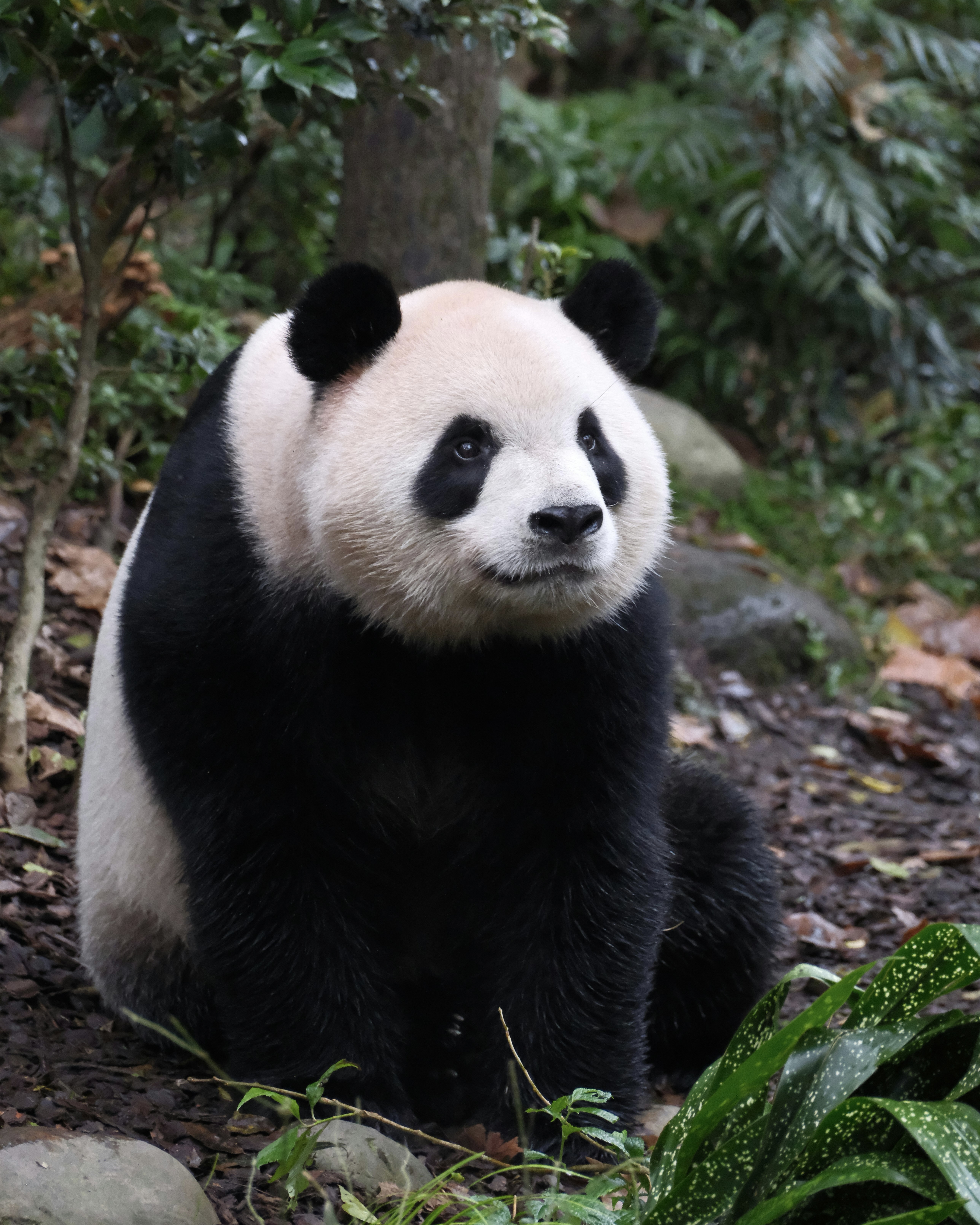
Choose it if you want the icons plus the giant pandas and the Avatar mountains.
See the journey →Yes — this is the classic first-timer circuit. It covers the icons everyone comes for (the Bund, a Li River cruise, the Terracotta Army, the Great Wall and the Forbidden City) at a comfortable pace, with a private English-speaking guide and a private car in every city, so the logistics never fall on you.
April to June and September to early November are ideal, with mild weather across all five cities and good light. Summers are hot and humid, especially in Shanghai and Chongqing; northern winters are cold but quiet. We avoid the first week of October (Golden Week) wherever the calendar allows.
Two domestic flights (Shanghai–Guilin and Chongqing–Xi'an) and two high-speed-rail legs (Guilin–Chongqing and Xi'an–Beijing), all booked on your behalf, plus a private car and driver in each city. Trains run first class and flights economy, with upgrades available on request.
Your private guides and private car with driver in each city, all accommodation, daily breakfast, the two domestic flights and two high-speed-rail legs, all entrance fees, and our in-country support throughout. Lunches and dinners are arranged to match each location when you want them included. International flights, visa fees, travel insurance and personal expenses are not included.
All three are private, and all three take in Beijing's Forbidden City and the Great Wall. This one is the first-timer's circuit — Shanghai, the Li River, Chongqing and Xi'an at an easy pace. Classic China & Yunnan trades the big-city circuit for Yunnan's old towns, snow mountains and Tibetan plateau, and Warriors, Pandas & Stone Pillars adds a volunteer day with the giant pandas and Zhangjiajie's sandstone pillars.
Absolutely — every itinerary is a starting point, not a fixed package. Common changes include swapping Chongqing for extra time in Yangshuo, adding a Yangtze cruise, upgrading or trimming the hotel tier, or extending Beijing. Tell us how long you have and what matters most, and we'll reshape it around you.
Every day, stay and date tailored to you — shaped over a call with someone who has walked the route, never a template.
Request a proposal for this trip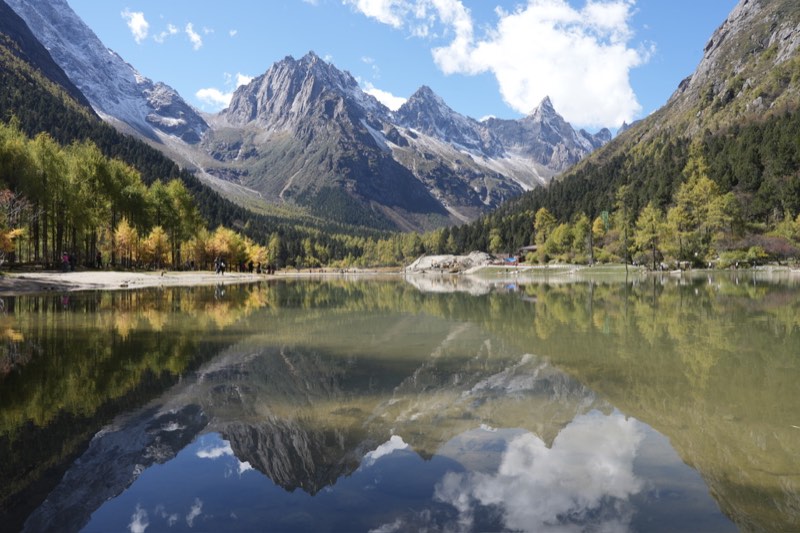
Giant Pandas at the Chengdu Research Base, then three days in the alpine lakes of Siguniang or Jiuzhai Valley. City culture first, mountain silence after.
See the itinerary →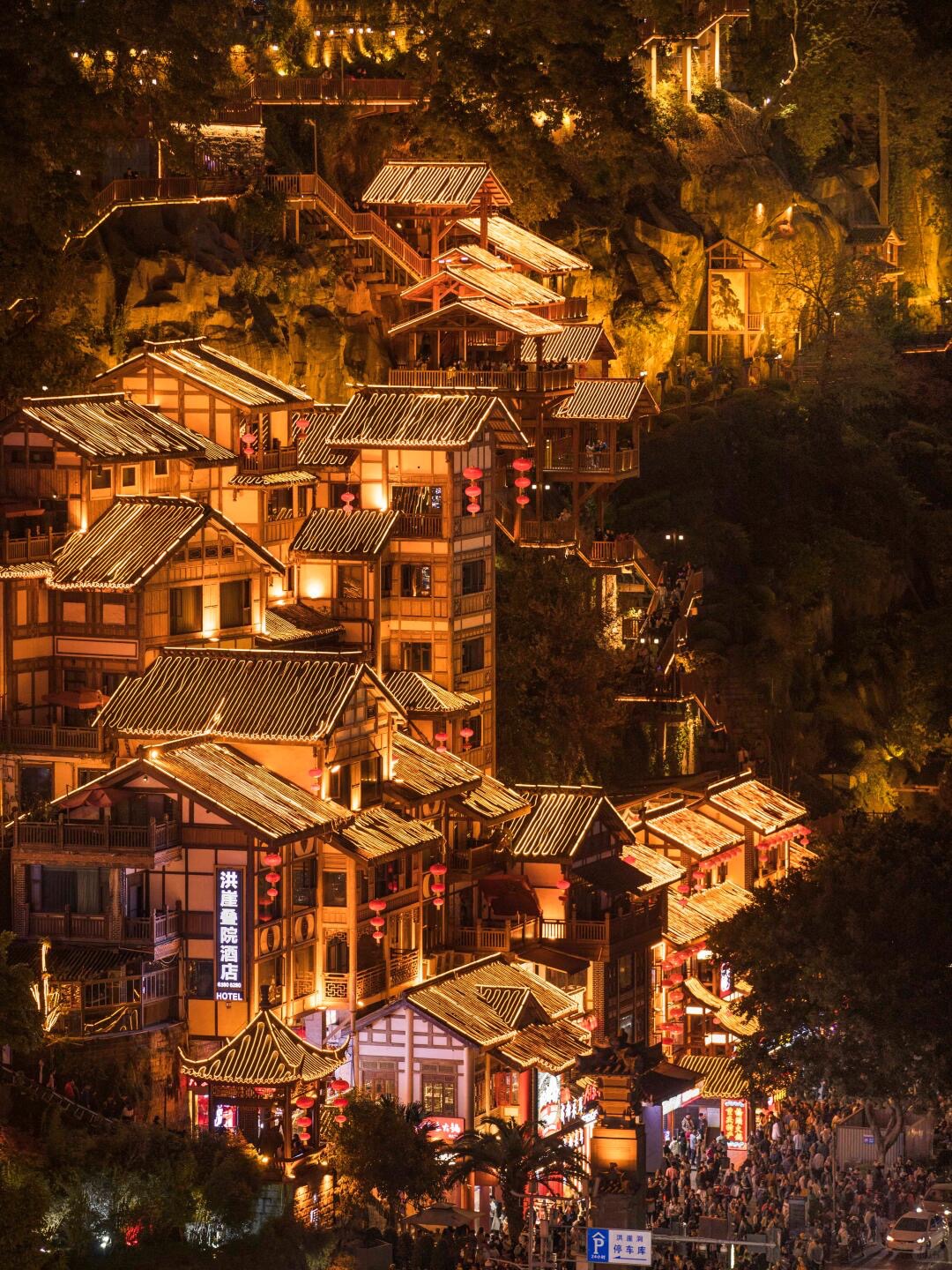
A 5–6 day private tour weighted toward Chongqing — neon river cities, UNESCO Wulong Karst, the Longji (Dragon's Backbone) ridge hike above the Yangtze, and two different tables of Sichuan heat. Bookended with a soft Chengdu landing.
See the itinerary →Fifteen days that pair China's great icons with its wildlife and wild landscape — the Forbidden City and the quiet Great Wall at Jinshanling, the Terracotta Army, a working day with the giant pandas outside Chengdu, three days among Zhangjiajie's sandstone pillars, and Shanghai to finish. Private throughout.
See the itinerary →