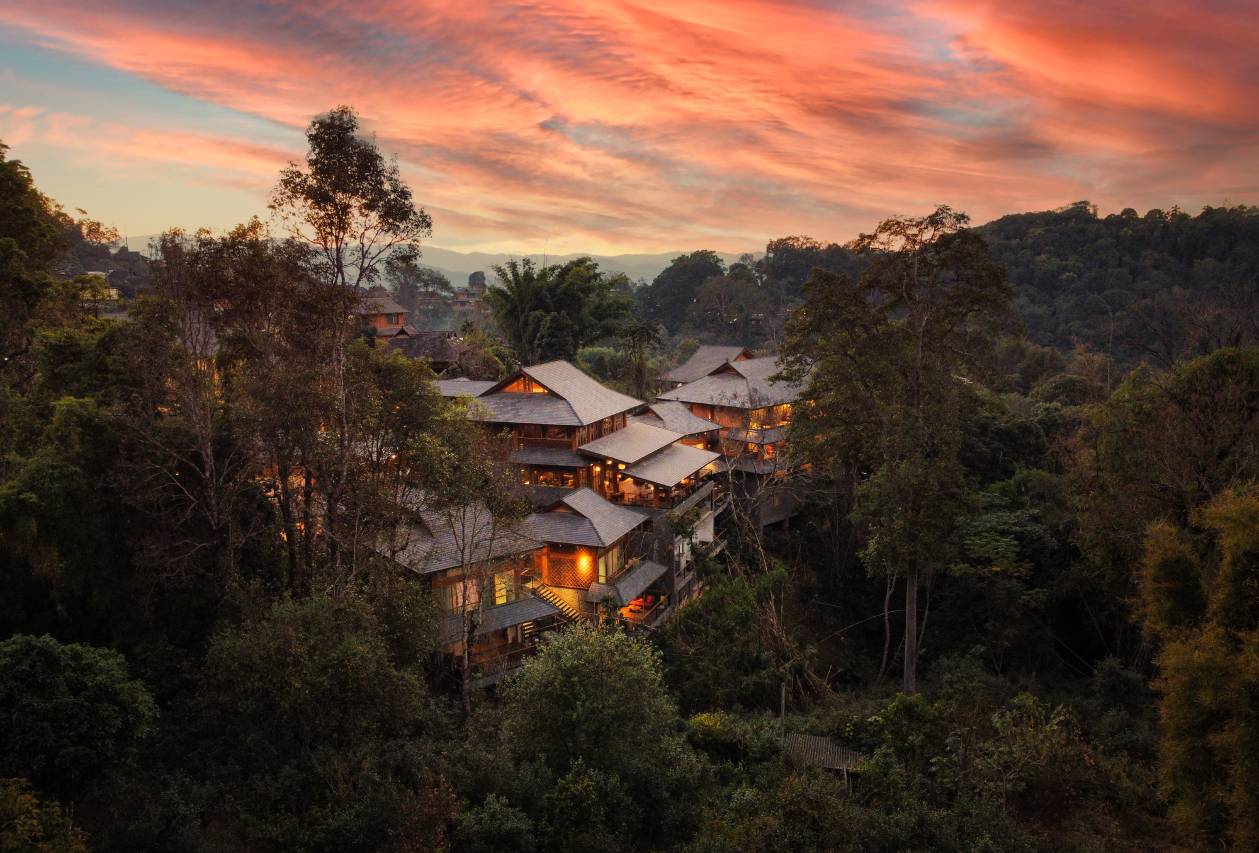
Vipaxana is a high-altitude minimalist-heritage retreat on Jingmai Mountain — floor-to-ceiling glass suites framing the legendary Jingmai 'Sea of Clouds', honouring Blang and Dai architectural vernacular with avant-garde luxury. Best for contemplative travellers seeking a reset in Yunnan's tea country. Best windows: November to February and March to May.
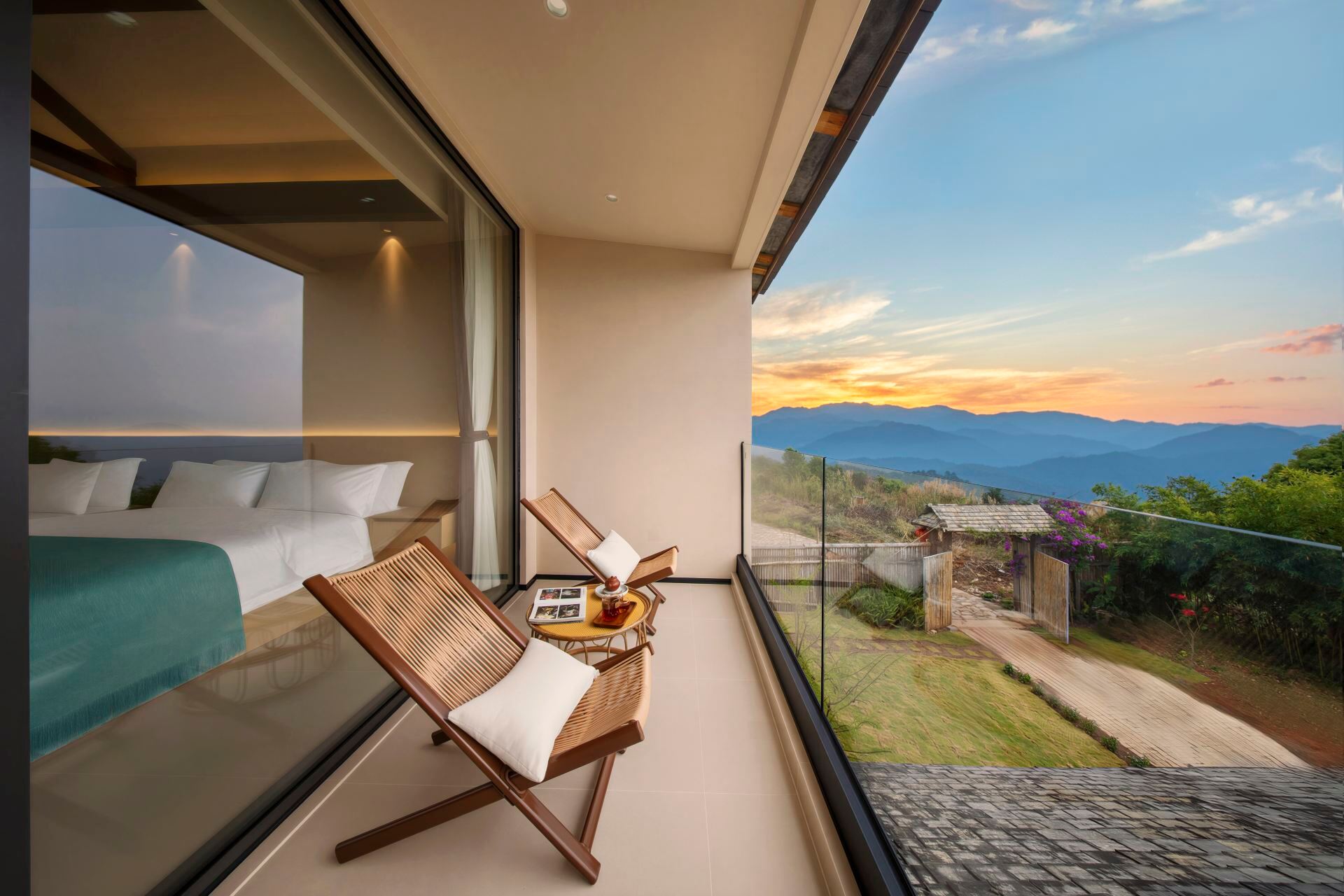
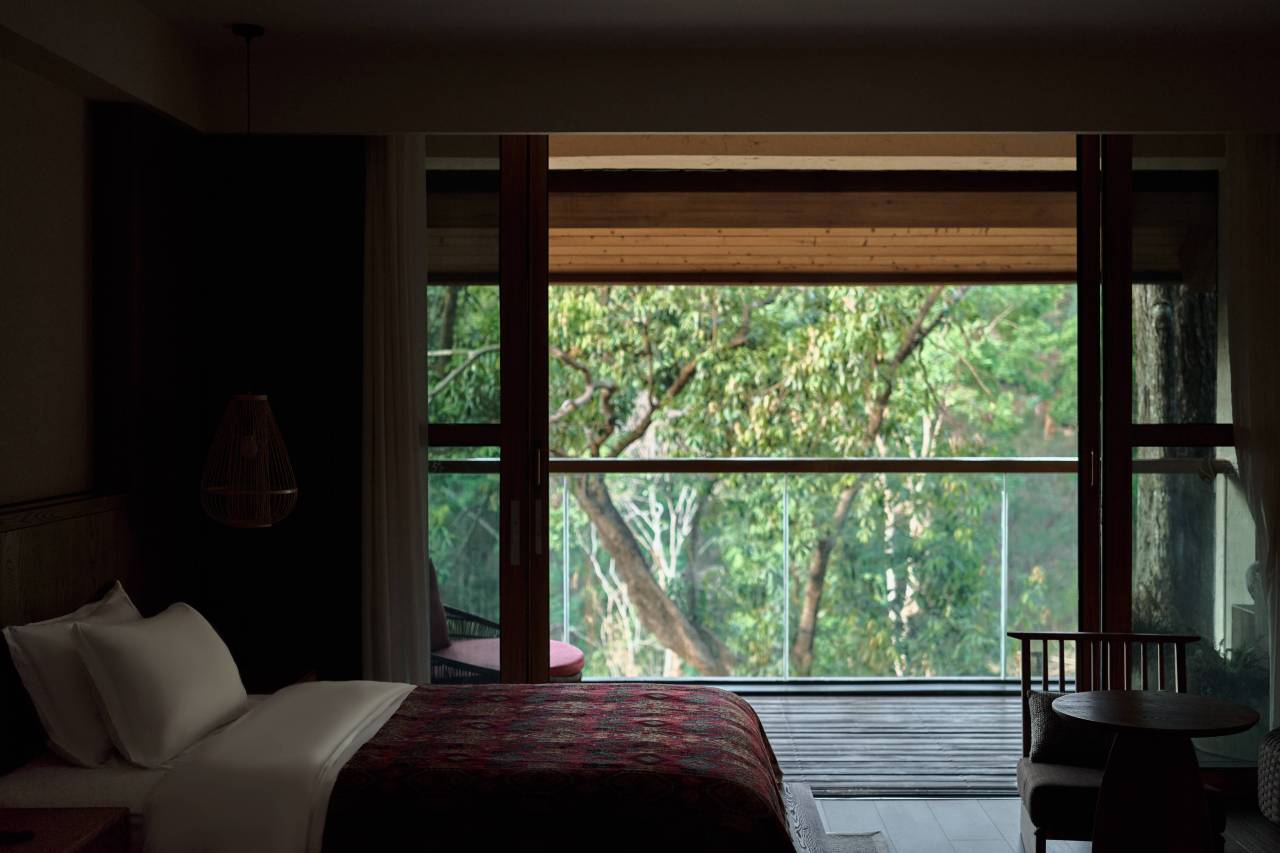
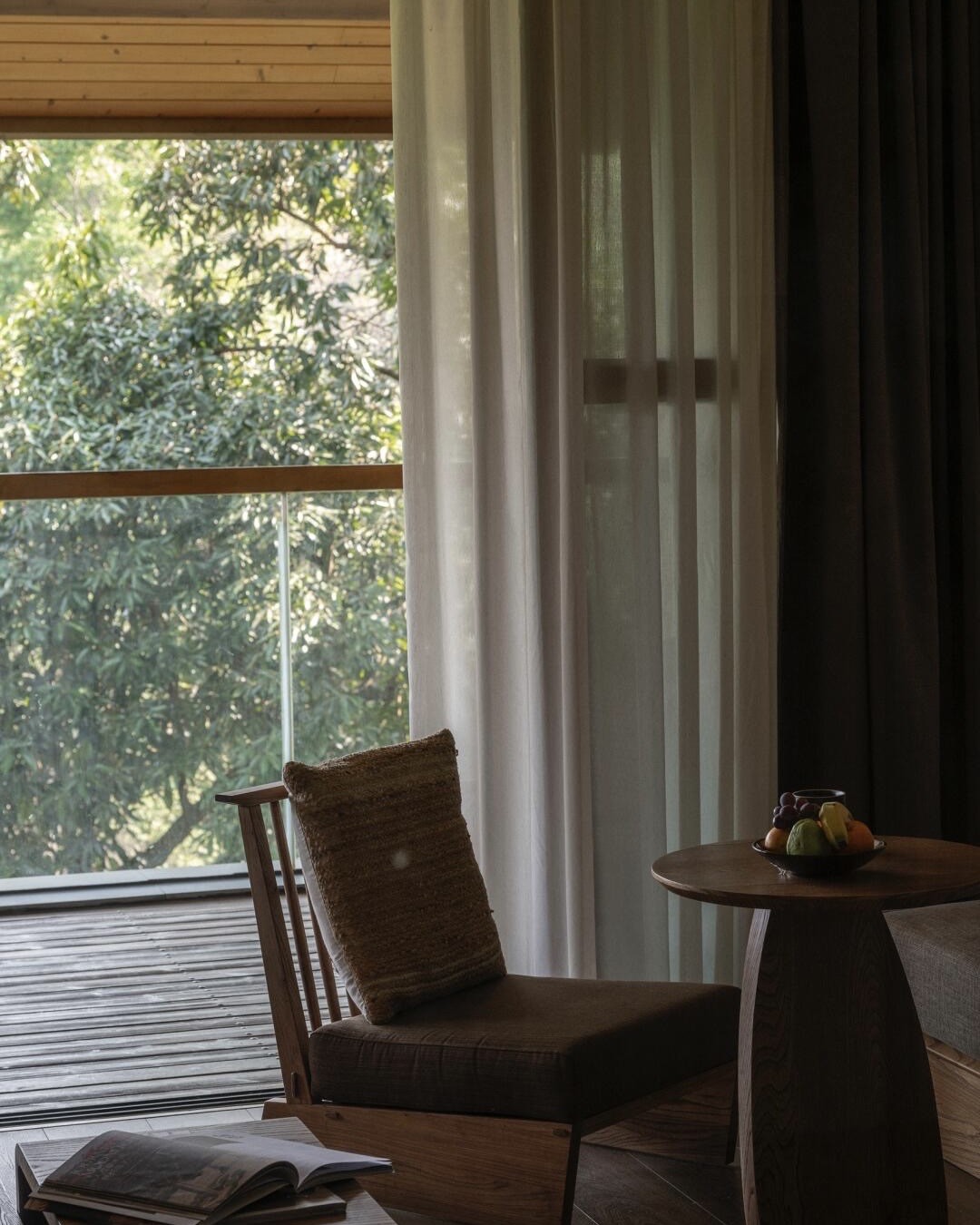
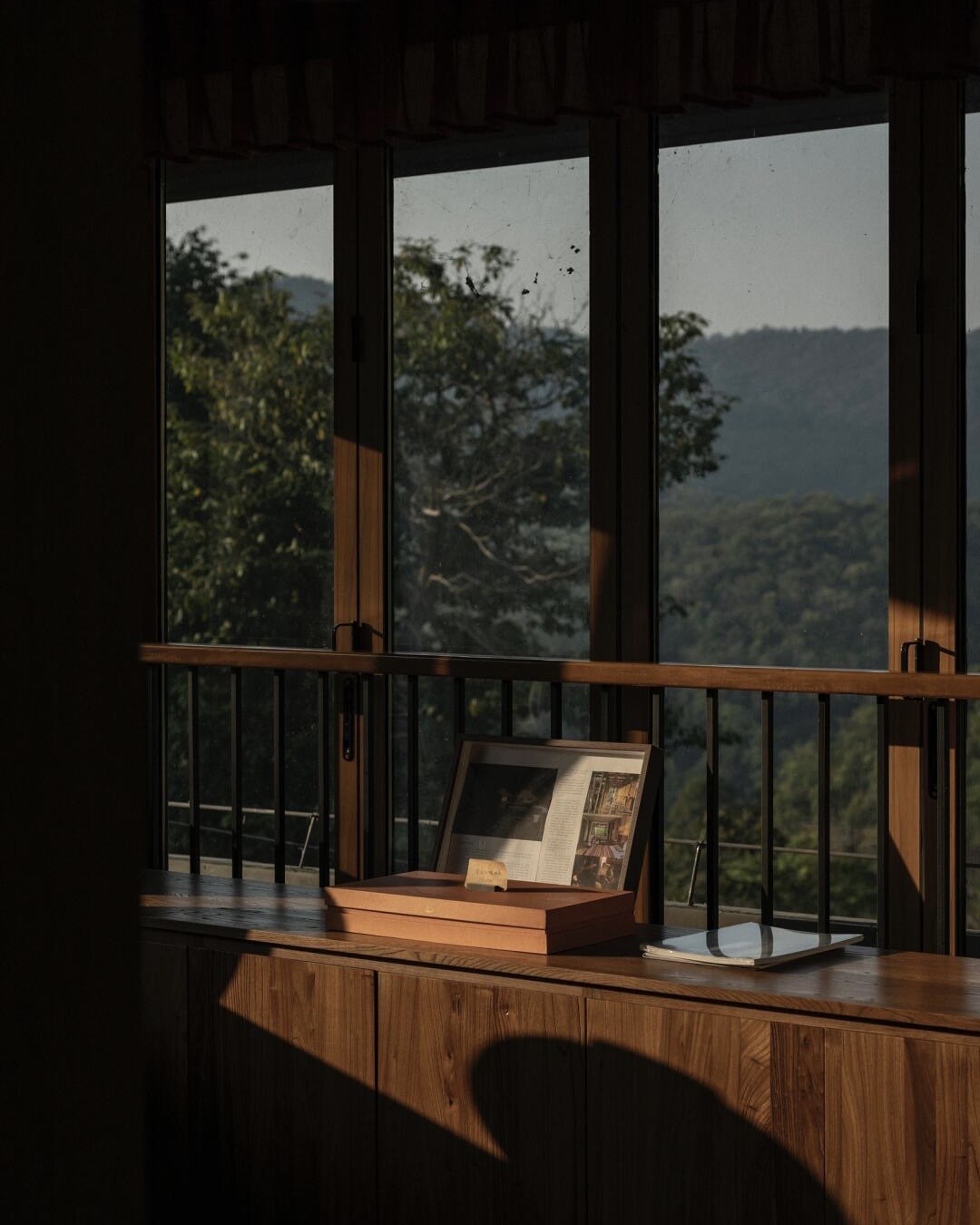
The hotel is a masterclass in "High-Altitude Minimalist Heritage," designed to honour the architectural vernacular of the local Blang and Dai ethnic groups while providing an avant-garde luxury experience. Each suite is a private observatory, featuring floor-to-ceiling glass that frames the legendary Jingmai "Sea of Clouds" and sunsets that illuminate the ridge. It is a place where time is measured by the steeping of Pu’er tea and the crackle of firelit evening gatherings.
Highlights
- Jingmai Mountain Sanctuary perched on the sacred slopes of the world's first tea-themed UNESCO World Heritage site, at the heart of Yunnan's Tea Frontier.
- UNESCO Heritage Immersion Located in the heart of the Jingmai Mountain Ancient Tea Forest, the property offers direct access to a "Living Museum" of biodiversity and the world’s oldest cultivated tea landscape.
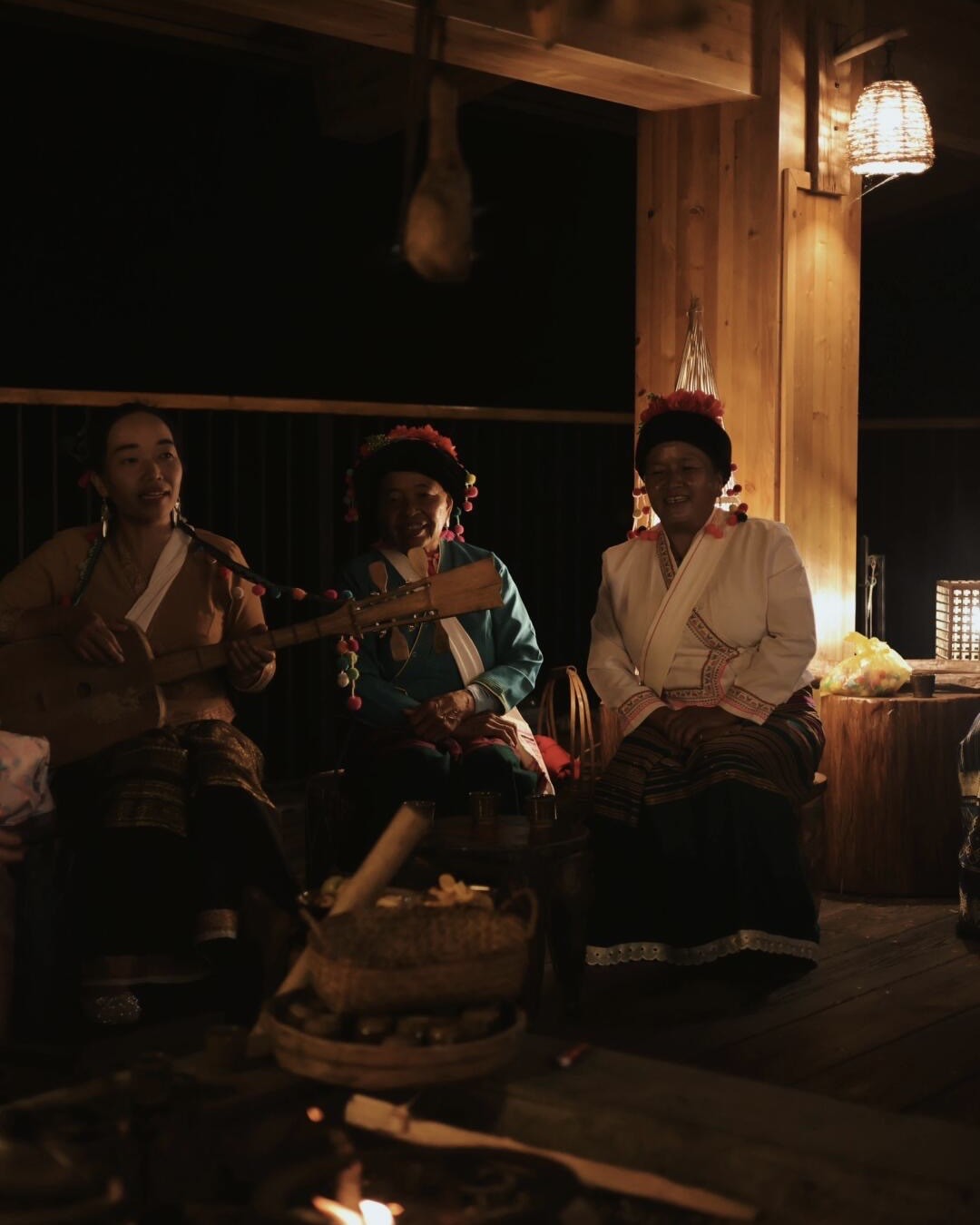
- Traditional Blang Tea Rituals Guests are invited to partake in the ancestral art of "Roasted Tea" (Kao Cha) around a central fire pit, a deeply spiritual and sensory practice that has defined local life for millennia.
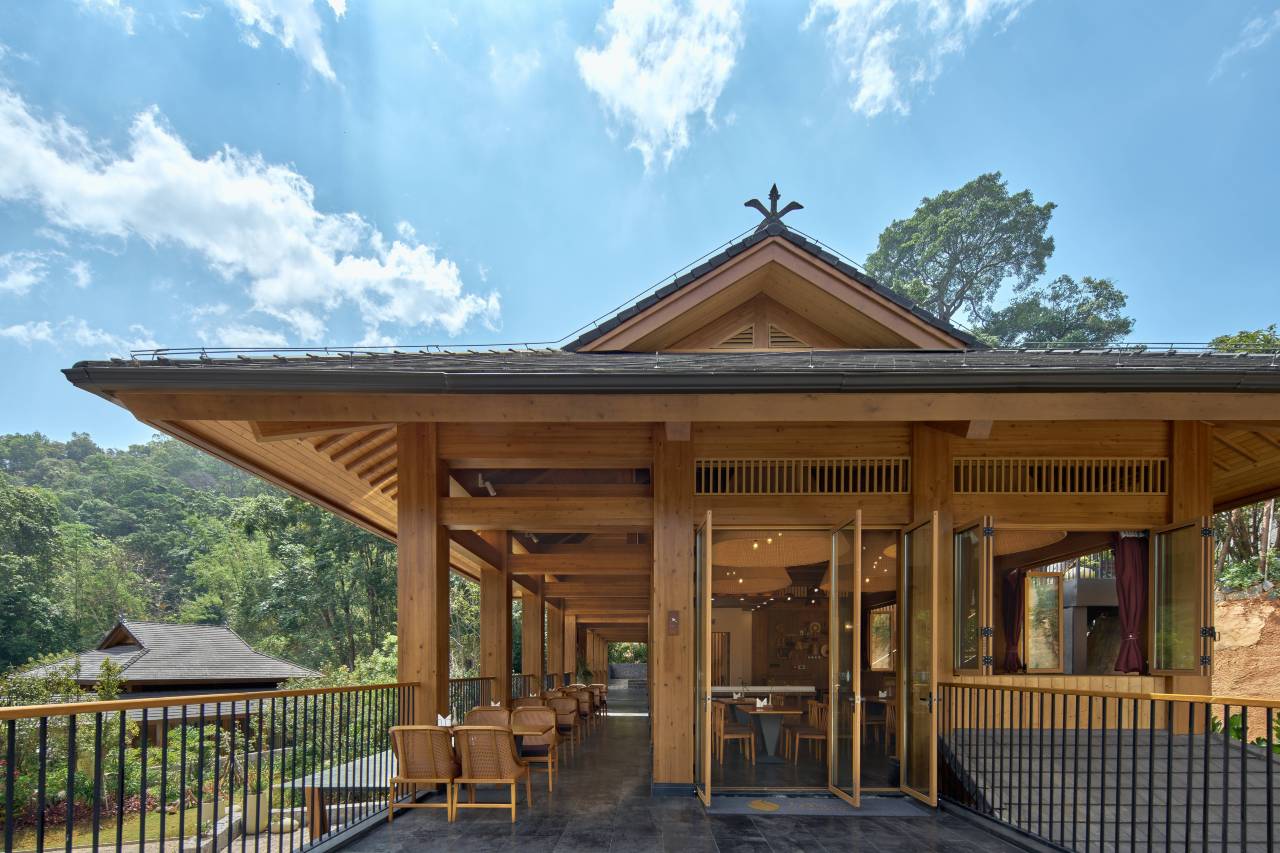
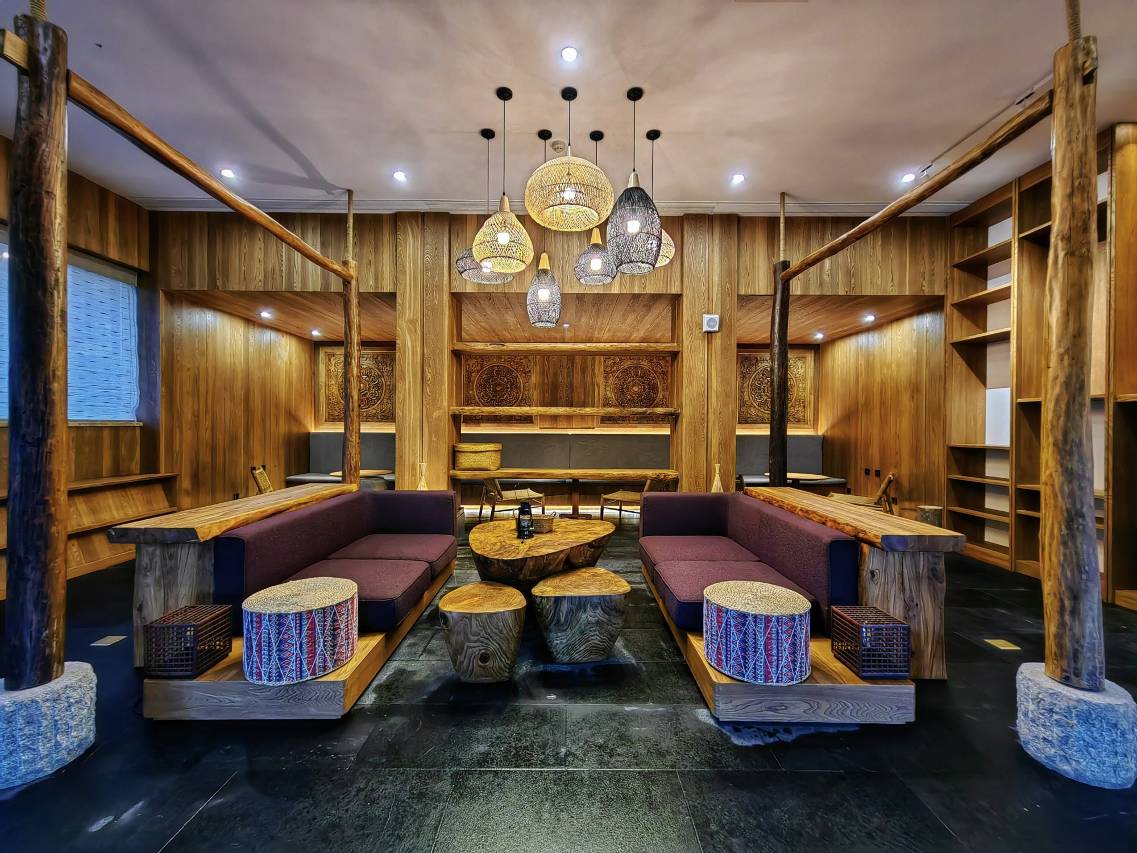
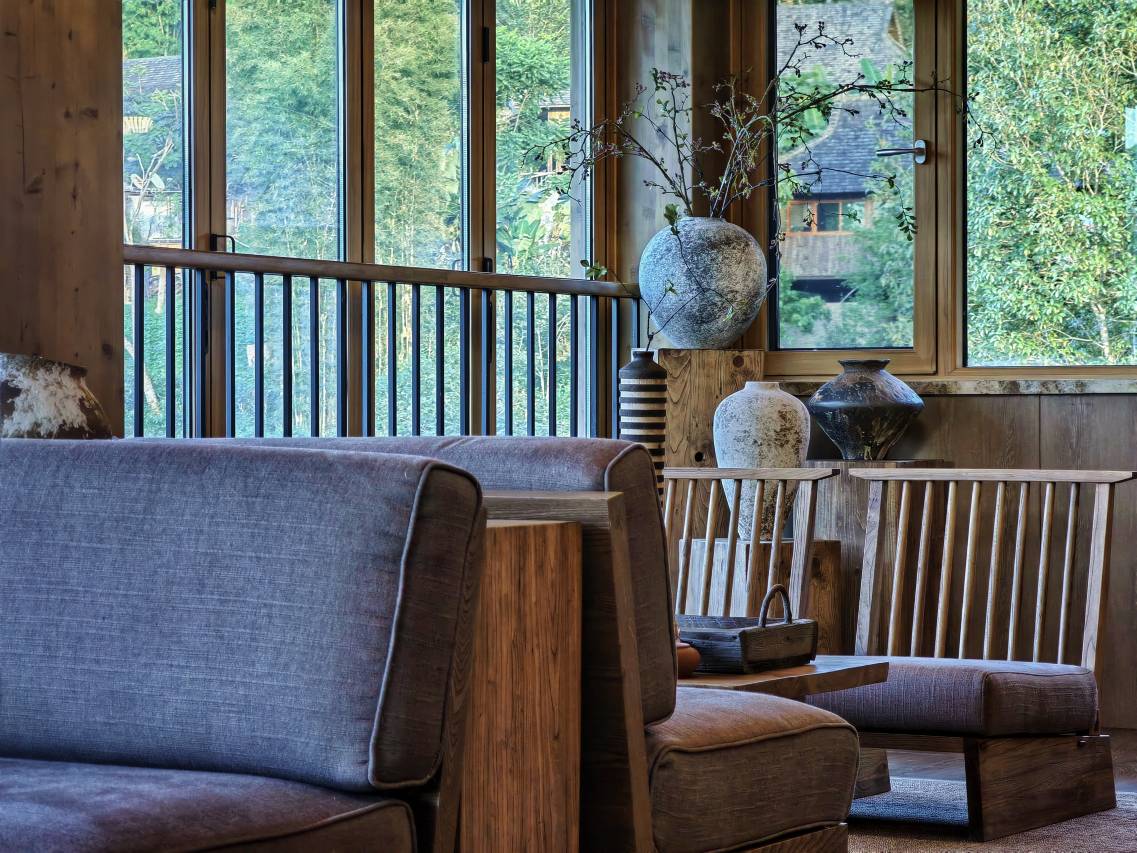
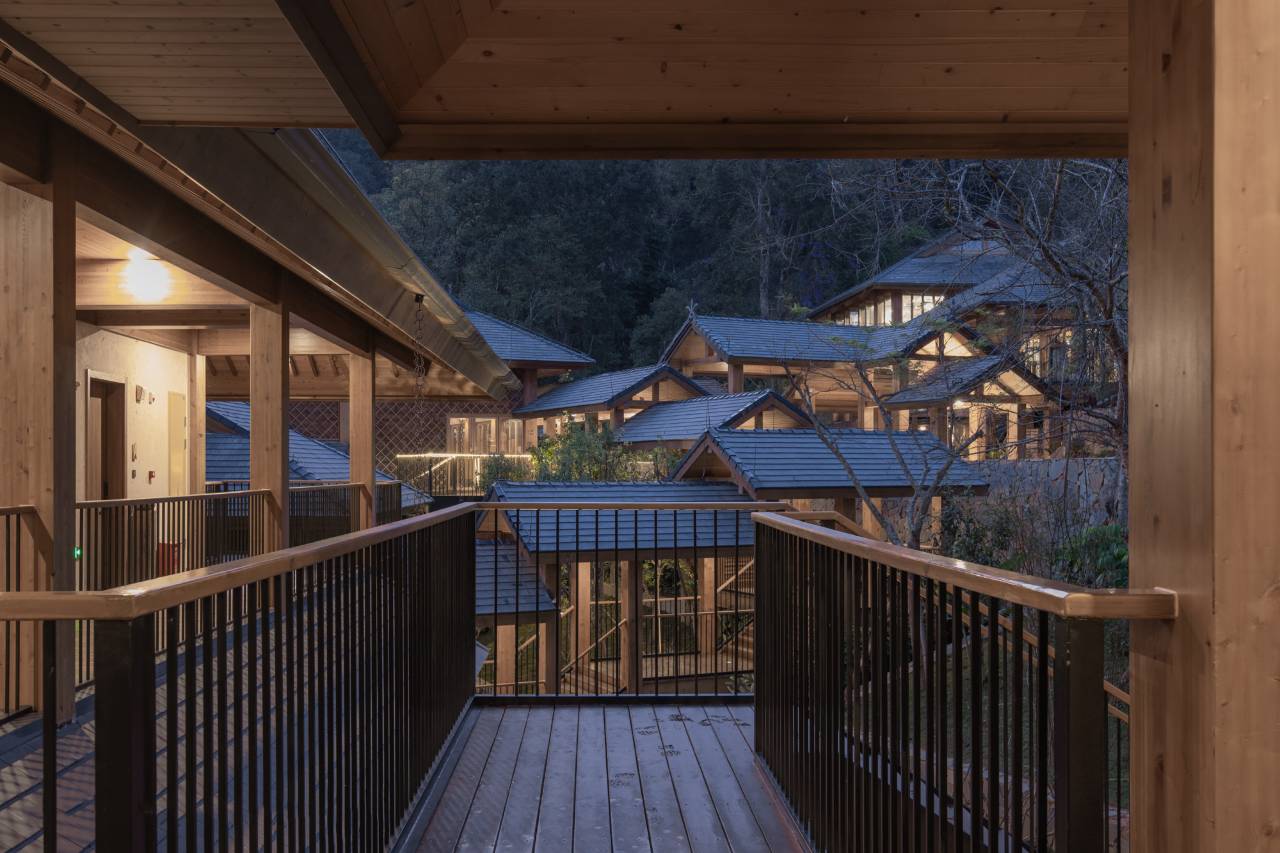
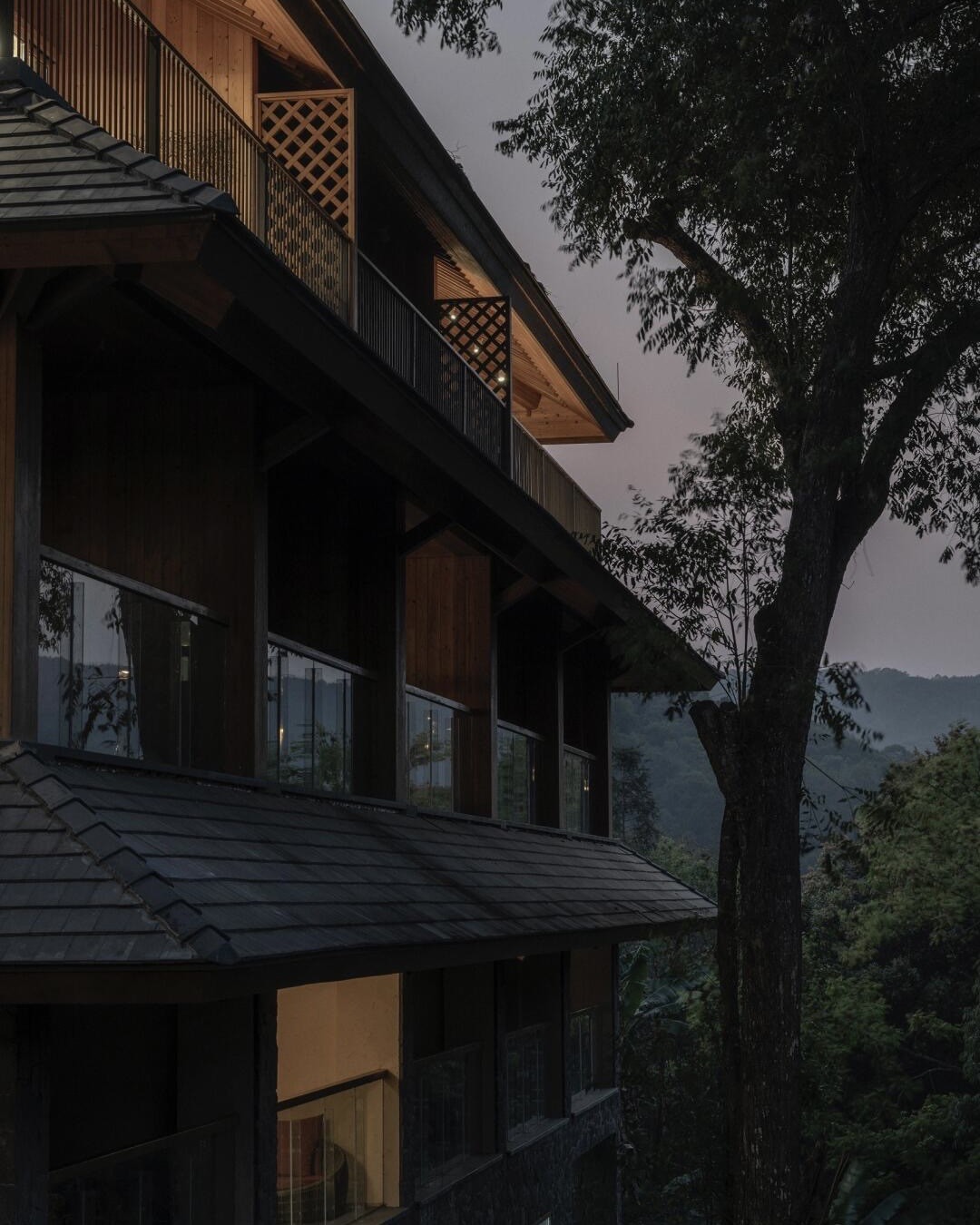
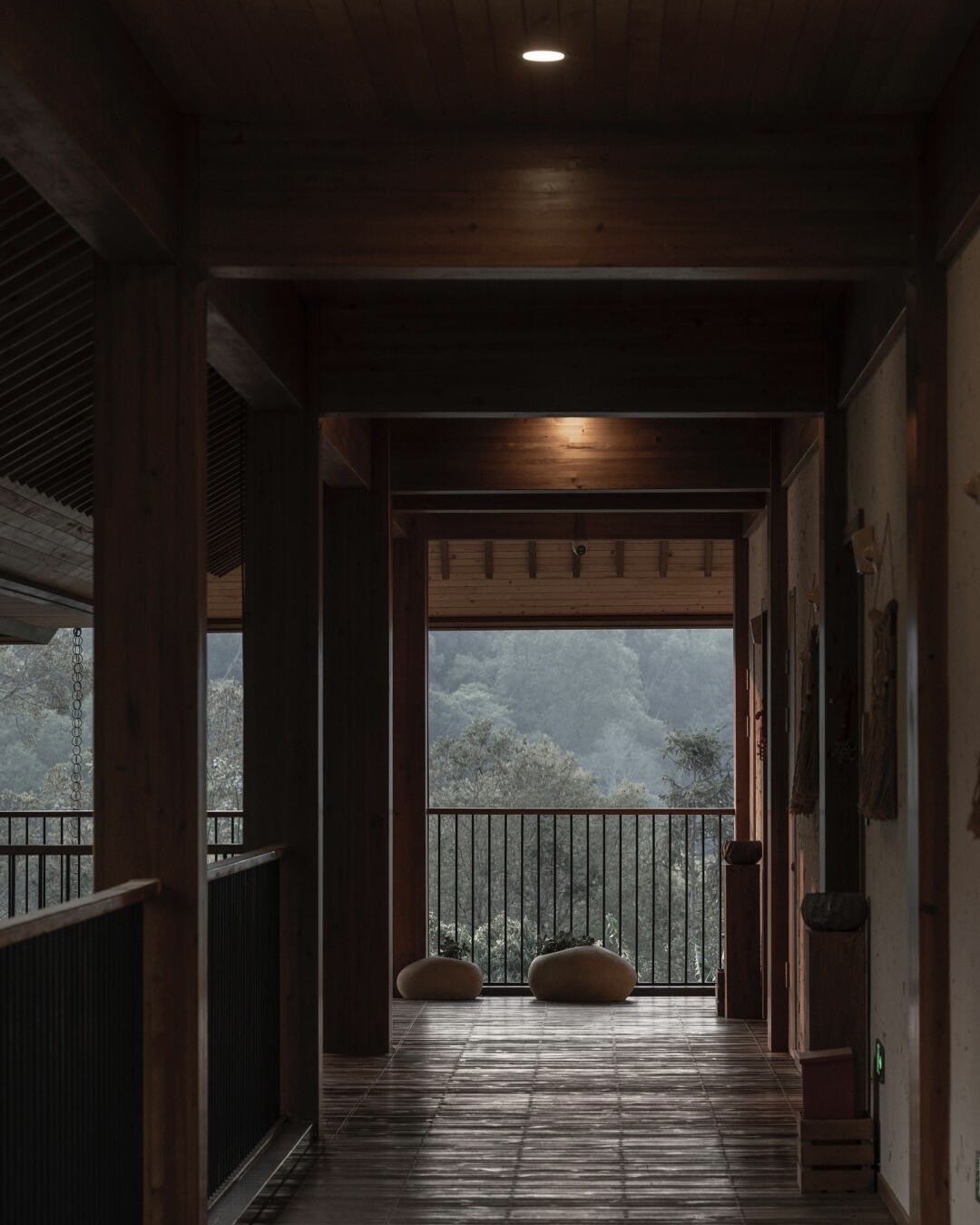
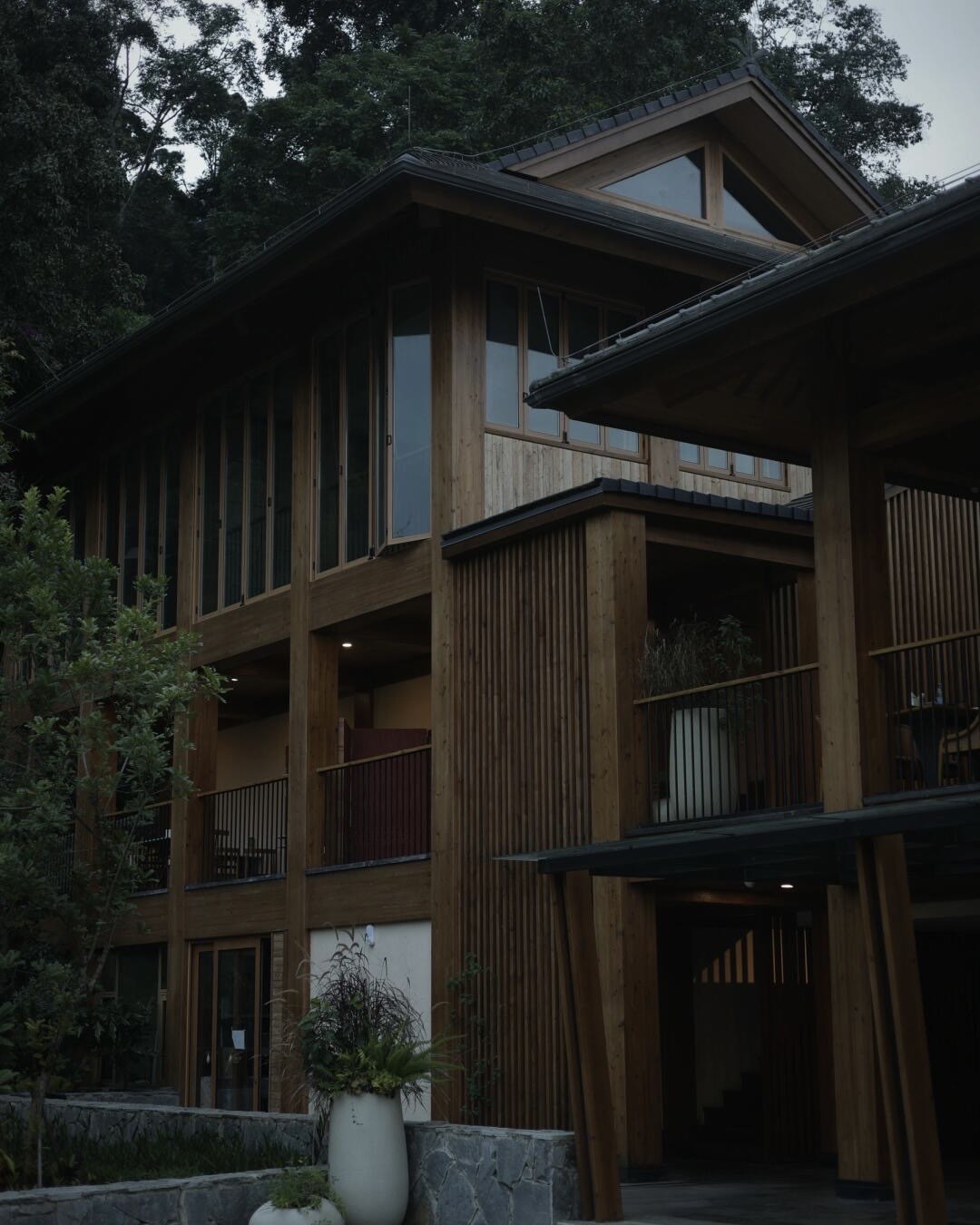
- Architectural Dialogue with Nature The structure utilizes sustainable timber and stone, echoing the stilted houses of the nearby Wengji Ancient Village, yet refined with modern comforts and sleek, open-plan interiors.
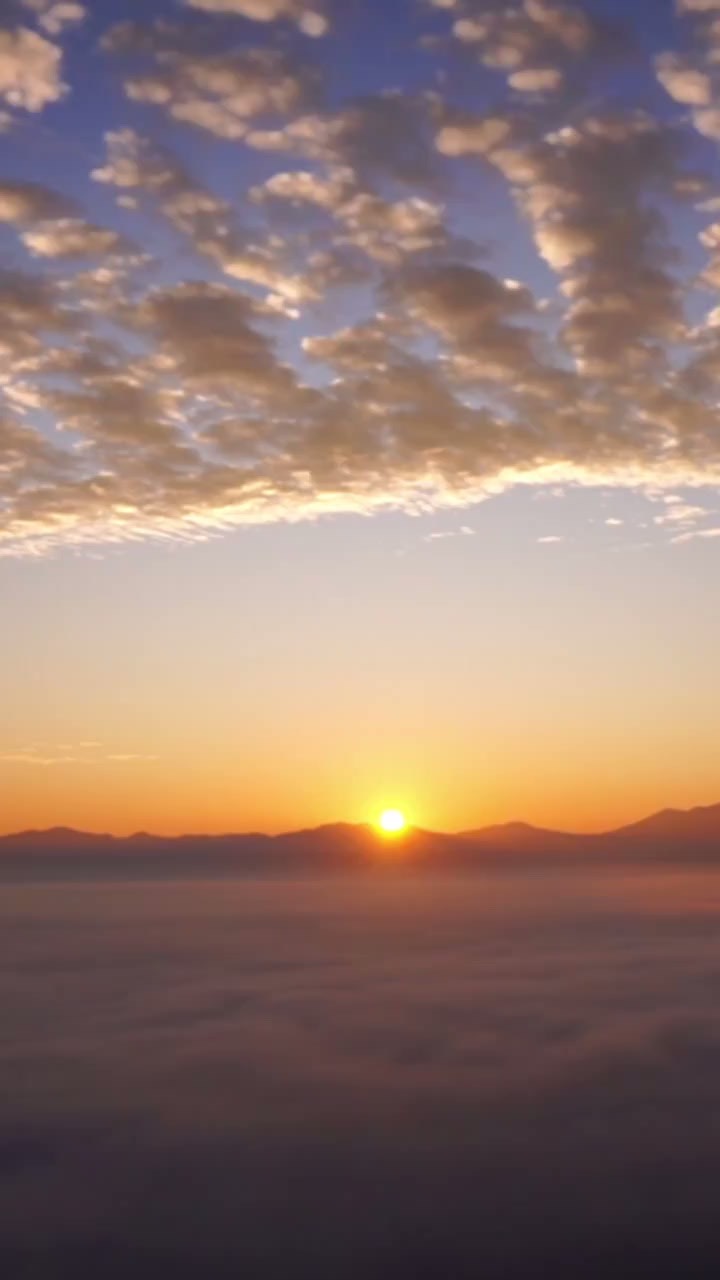
- The "Sea of Clouds" Experience Situated on a strategic ridge, the hotel provides a front-row seat to the mountain’s famous micro-climate, where thick mists roll through the valleys at dawn, creating an ethereal, floating sensation.
- Guided Cultural Walking Tours Beyond the stay, the hotel organizes bespoke walks through hidden Dai and Blang hamlets, led by local guides who share the oral histories and "Tea-Leaf Spirits" of the mountain.
Inside Vipaxana
Staying at Vipaxana
01 What's Vipaxana's design philosophy?
The hotel describes itself as 'high-altitude minimalist heritage' — borrowing the vernacular of Blang and Dai ethnic groups (raised stilt construction, natural materials, sky-open terraces) and stripping it to essentials. Each suite is a private observatory facing the Jingmai cloud-sea. Less resort-polished than Anantara Xishuangbanna, more meditative — closer in spirit to Jixiashan.
02 When is the best time to see the 'Sea of Clouds' from Vipaxana?
November to February for the highest probability of dawn cloud-sea phenomena — cold nights plus warmer valleys plus clear mornings. Late February through April can also produce dramatic cloud shows. The cloud-sea needs a specific weather sequence (cool nights, no wind, low humidity) — we recommend 2-night stays to maximise the chance of a good dawn. The suites are designed around that moment.
03 How does Vipaxana compare to Anantara Xishuangbanna?
Different use cases. Anantara is a tropical-resort family destination by the river — pools, activities, wildlife access. Vipaxana is a meditative mountain retreat on Jingmai Mountain for solo travellers and couples who want stillness and the cloud-sea spectacle. Some guests pair the two across southern Yunnan's tea country — a few nights at each. Both are year-round; both peak in cool-dry November–February.