← All destinations Nearby

Guangzhou

Lingnan citywalks — Pearl River nights, Cantonese mornings, old-lane afternoons.

1–2 days

citywalk lingnan architecture cantonese food photography

South China's 2,000-year-old port city — a place most travellers pass through and underestimate. Guangzhou rewards the ones who slow down: old Lingnan riding-house lanes, carved ancestral halls, the original dim sum culture at its source, and the Pearl River lighting up after dark with Canton Tower head-on across the water.

Guangzhou — red walls and yellow glazed tiles of Nongjiang Suo (农讲所), Guangzhou's Ming-Qing era Peasant Movement Institute on Zhongshan 4th Road — hero image for a private South China travel guide by Boutique China

What you'll experience

  • Cantonese Morning Ritual Yum cha before 9am in Liwan's century-old teahouses — the city at its most alive and most itself.
  • Lingnan Architecture Chen Clan Ancestral Hall (1894), Shamian Island's concession-era bungalows, and Yongqing Fang's restored shophouse lanes are the three best half-hours of old Guangzhou on foot.
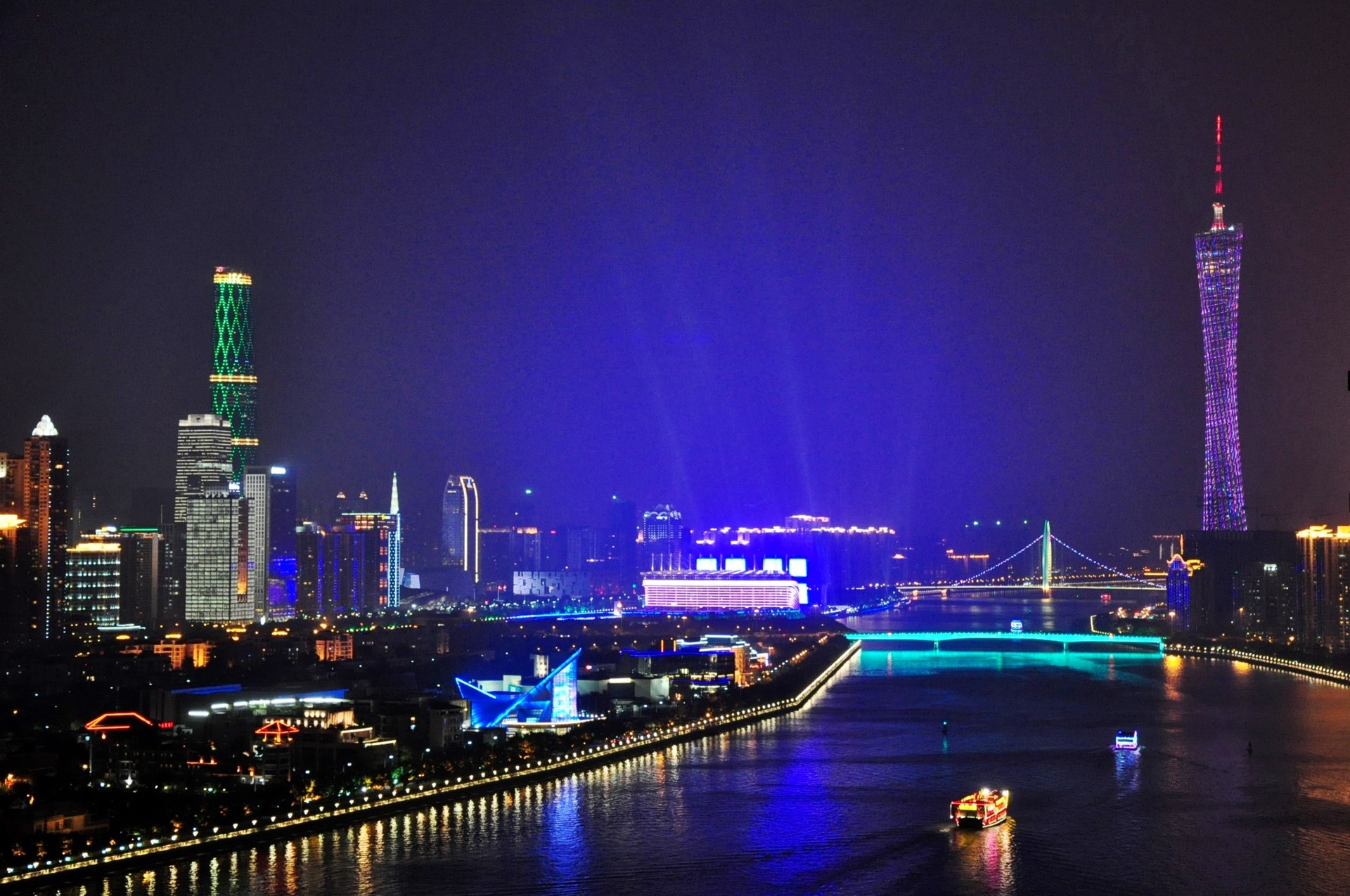
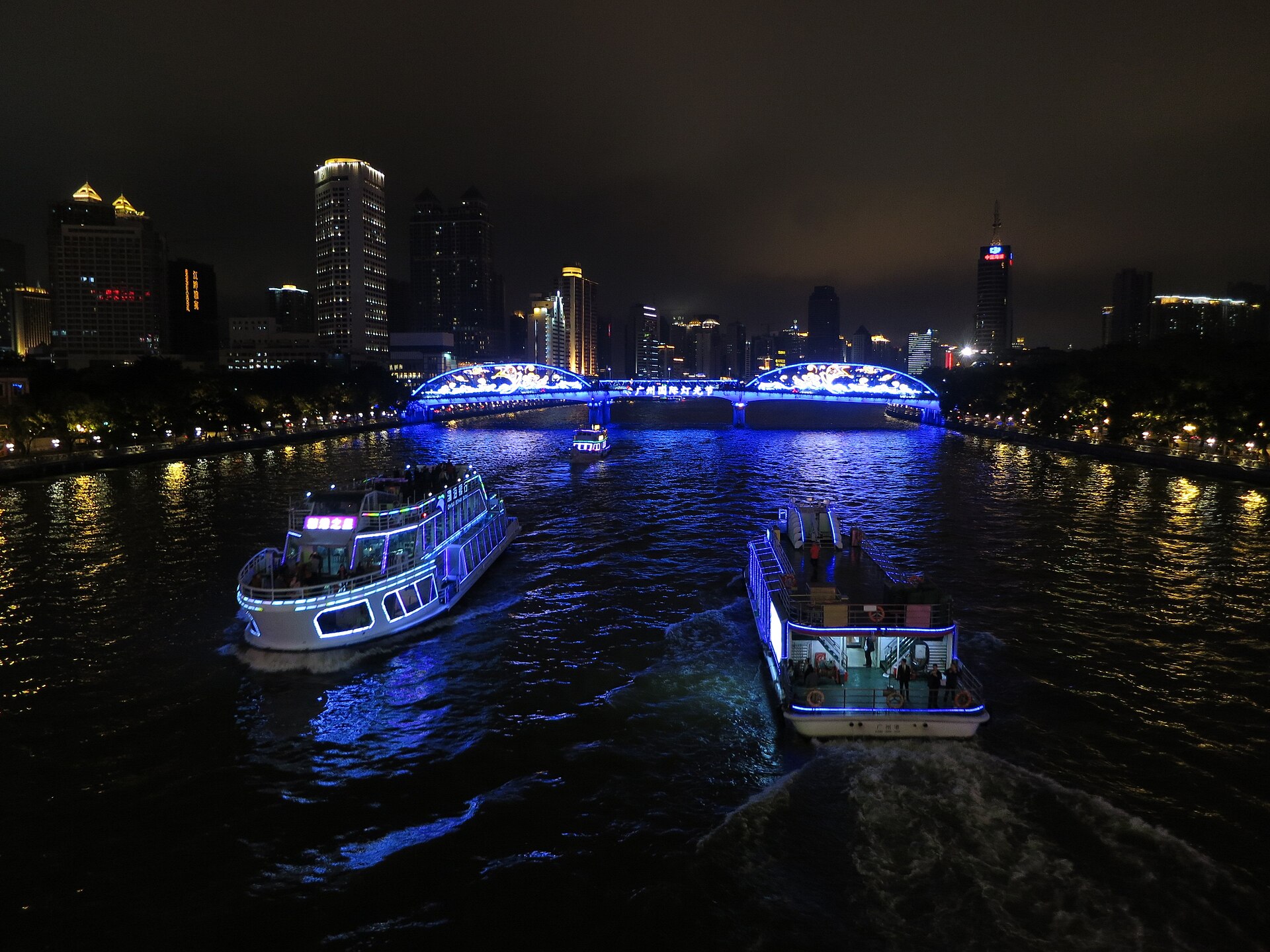
  • Pearl River Citywalk The south-bank walk from Haixin Sha to Pa Zhou at dusk — Canton Tower's hourly light show across the water, Zhujiang New Town towers behind you, free and unhurried.
  • Old Town Depth Beijing Road's 2,000-year road strata under glass, Yuexiu Park's Republican-era civic walks, and the Dongshan villa lanes that most visitors never find.
Snippet 01

Heritage & Architecture

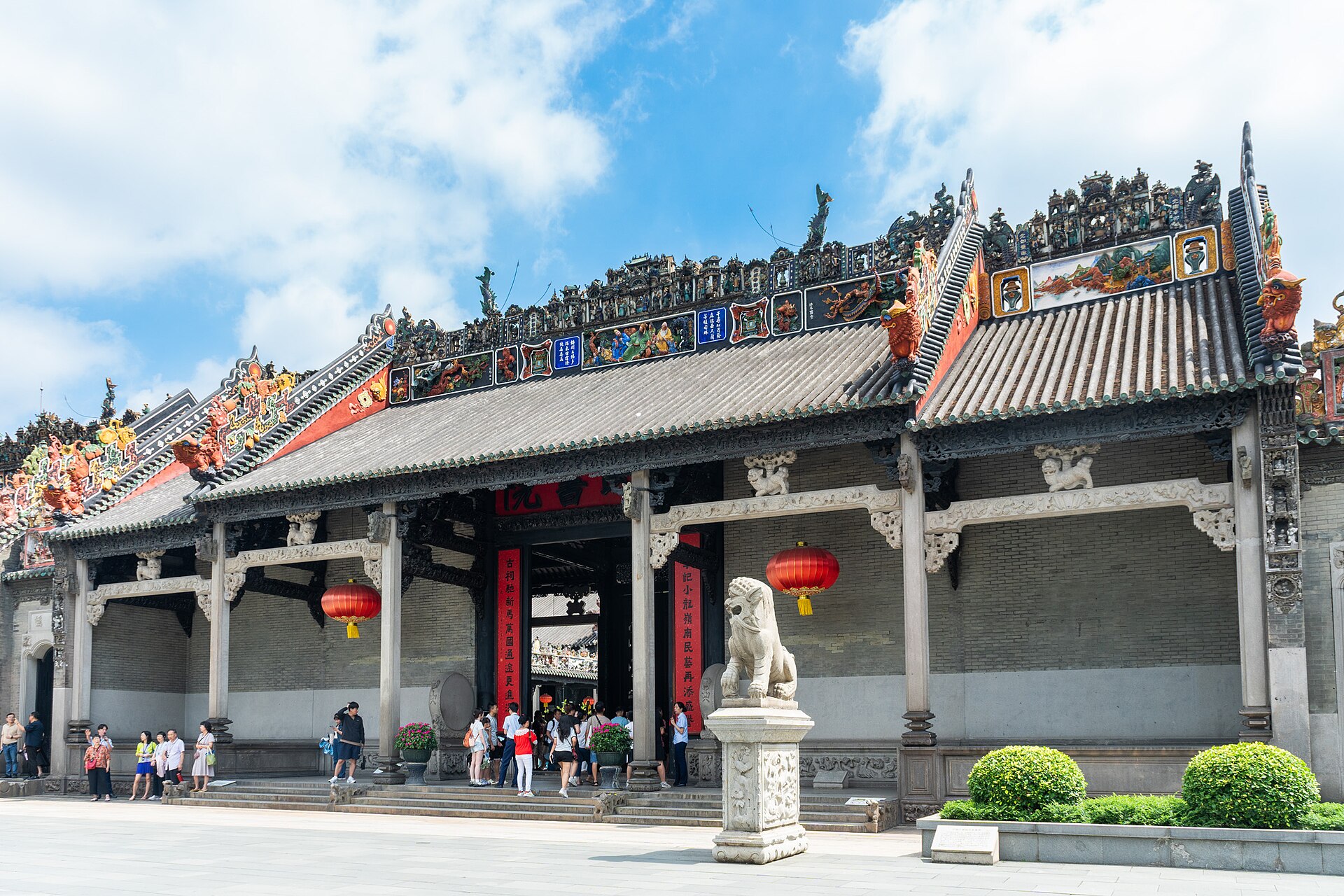
  • Chen Clan Ancestral Hall (陈家祠) The 1894 Lingnan masterwork — seven types of traditional carving (stone, wood, brick, ceramic, stucco, cast iron, painted) across six courtyards. The carved roof friezes alone justify the visit; it's now the Guangdong Folk Art Museum.
  • Shamian Island (沙面岛) The 19th-century European concession sandbank — colonial banks, consulates and missions in a quiet riverside quarter with the most filmable street architecture in Guangzhou. Pair with a five-minute detour to Sacred Heart Cathedral (石室圣心大教堂), the largest all-granite Gothic church in Asia.
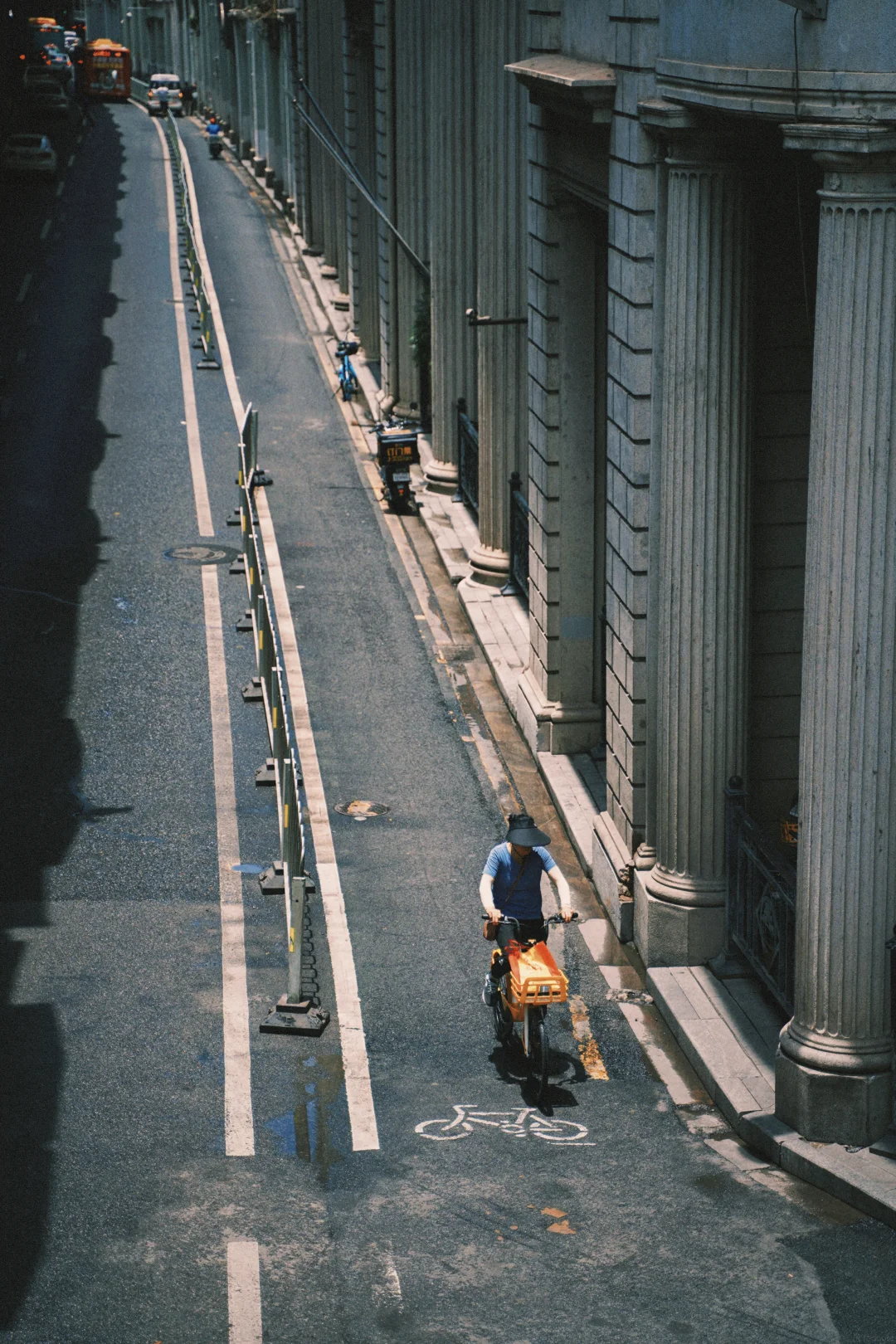
  • Yanjiang Road Bund The Republican-era riverfront promenade — Art Deco banking facades and the 1937 Aiqun Tower, Guangzhou's most intact colonial-era waterfront stretch.
Snippet 02

Old Lanes & Lingnan Living

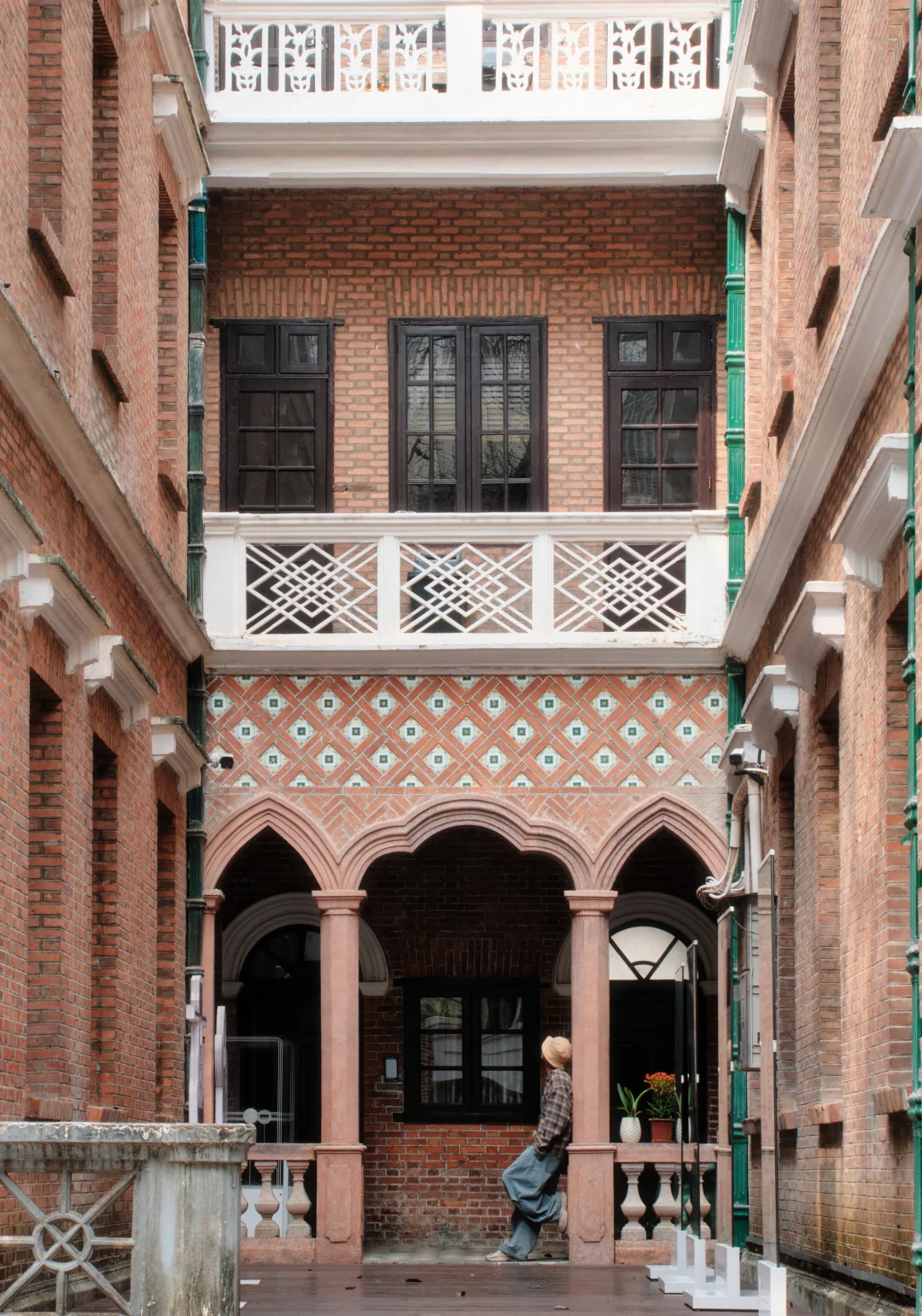
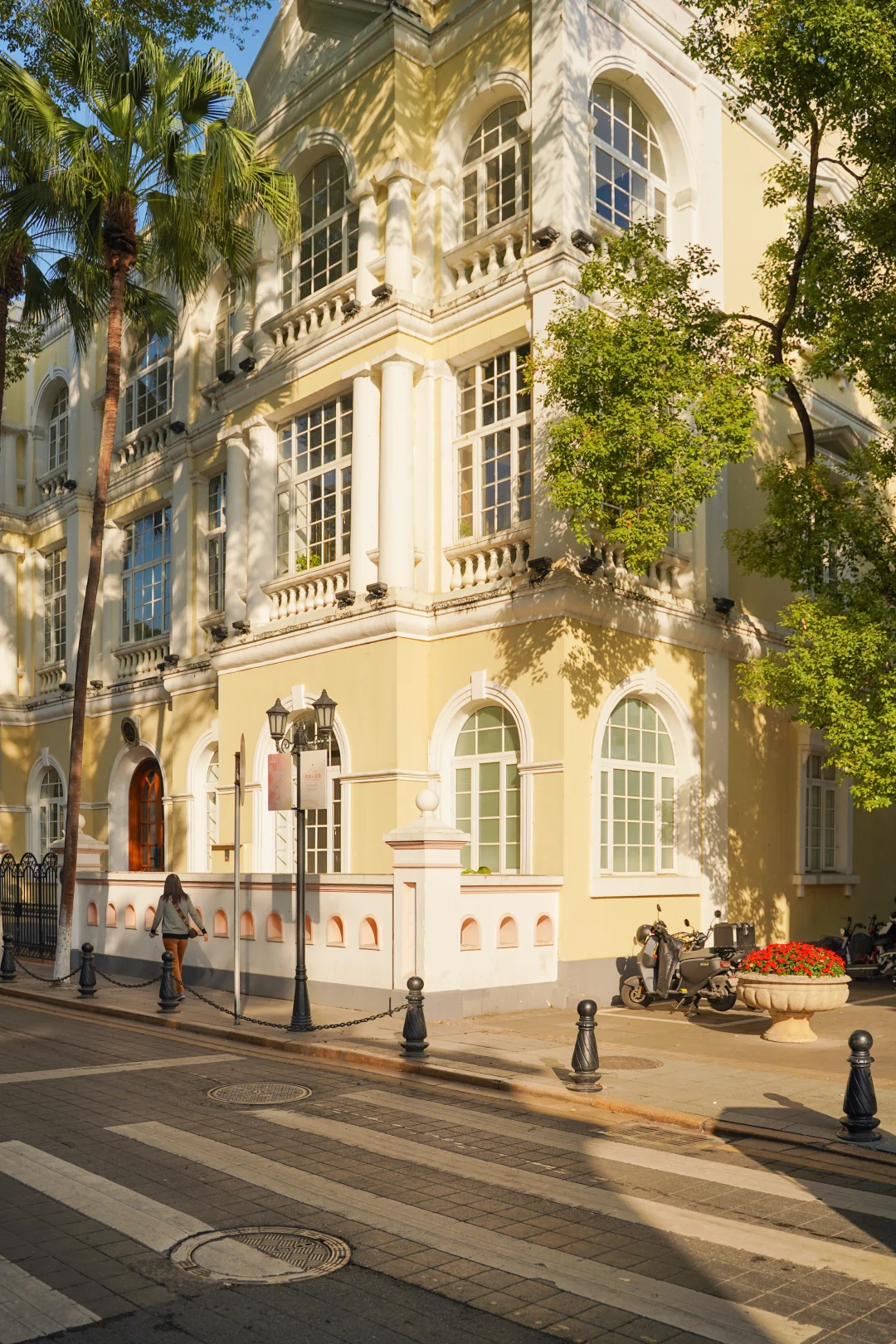
  • Dongshan (东山口) The Republican-era villa quarter in east Guangzhou — tree-canopied lanes of red-brick riding houses and Lingnan courtyard homes, the best-preserved residential streets in the city and the starting point for the most rewarding half-day citywalk.
  • Yongqing Fang (永庆坊) Restored Lingnan shophouse lanes in the West Guan heartland — the most-visited heritage revival quarter in Guangzhou, with Bruce Lee's ancestral home (李小龙故居) on the east end. Better in the morning before the weekend crowds.
  • Orchid Garden & Yuexiu Park The city's oldest green space — Five Rams statue, willow-shaded ponds, Sun Yat-sen Memorial Hall, and the kind of unhurried park culture that defines Guangzhou at its most local.
Snippet 03

Cantonese Morning Ritual

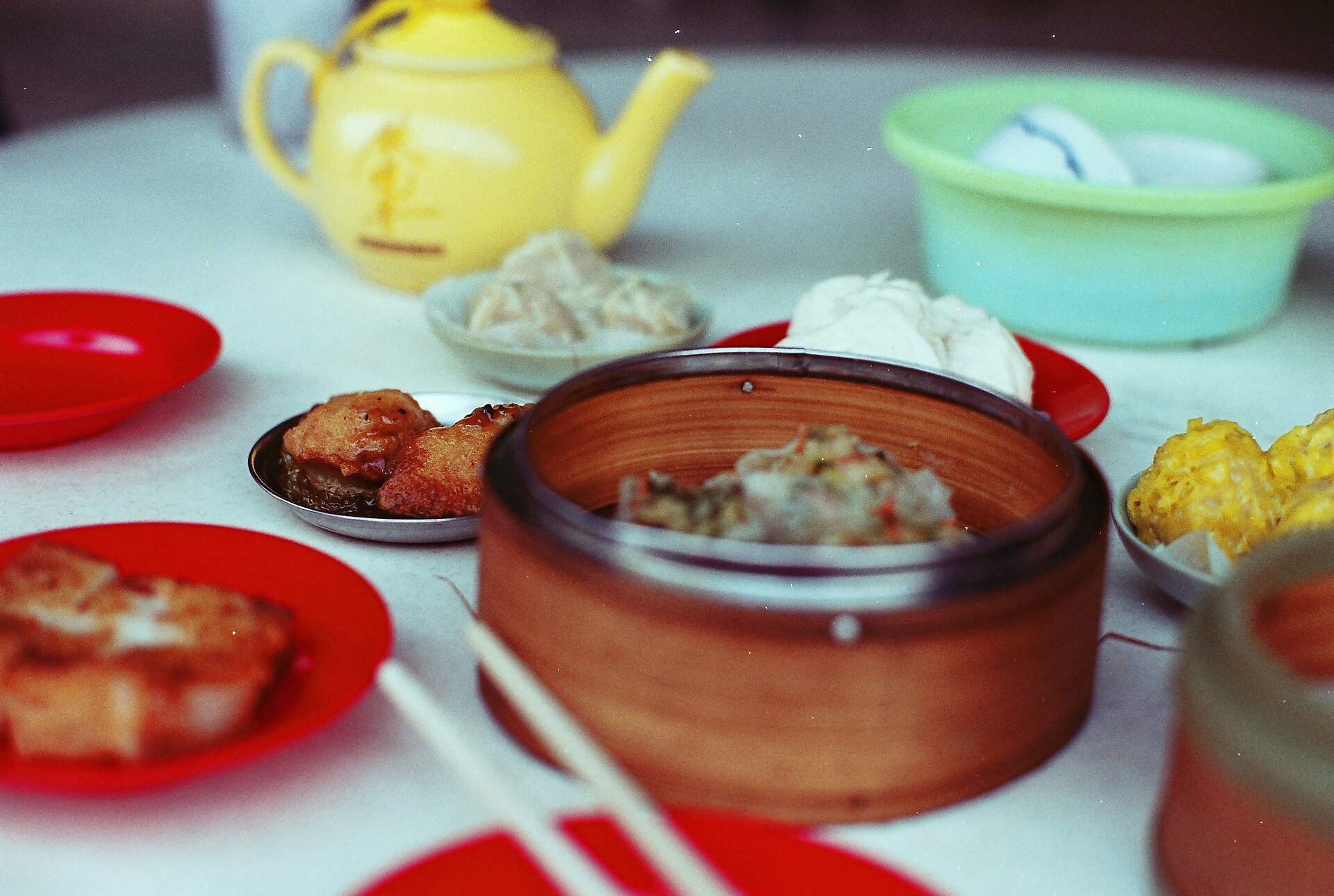
  • Liwan Yum Cha (西关早茶) The original dim sum culture — Tao Tao Ju (陶陶居, est. 1880), Lian Xiang Lou (莲香楼), and a cluster of independent congee, rice-roll and yum cha kitchens along Xihua Road. Arrive before 9am to join the city at breakfast rather than watch it.
  • Liwan Wet Market The source kitchen of Cantonese cooking — fresh vegetables delivered at dawn, wet markets that locals visit twice daily, the texture of a food culture that takes ingredients seriously at every price point.
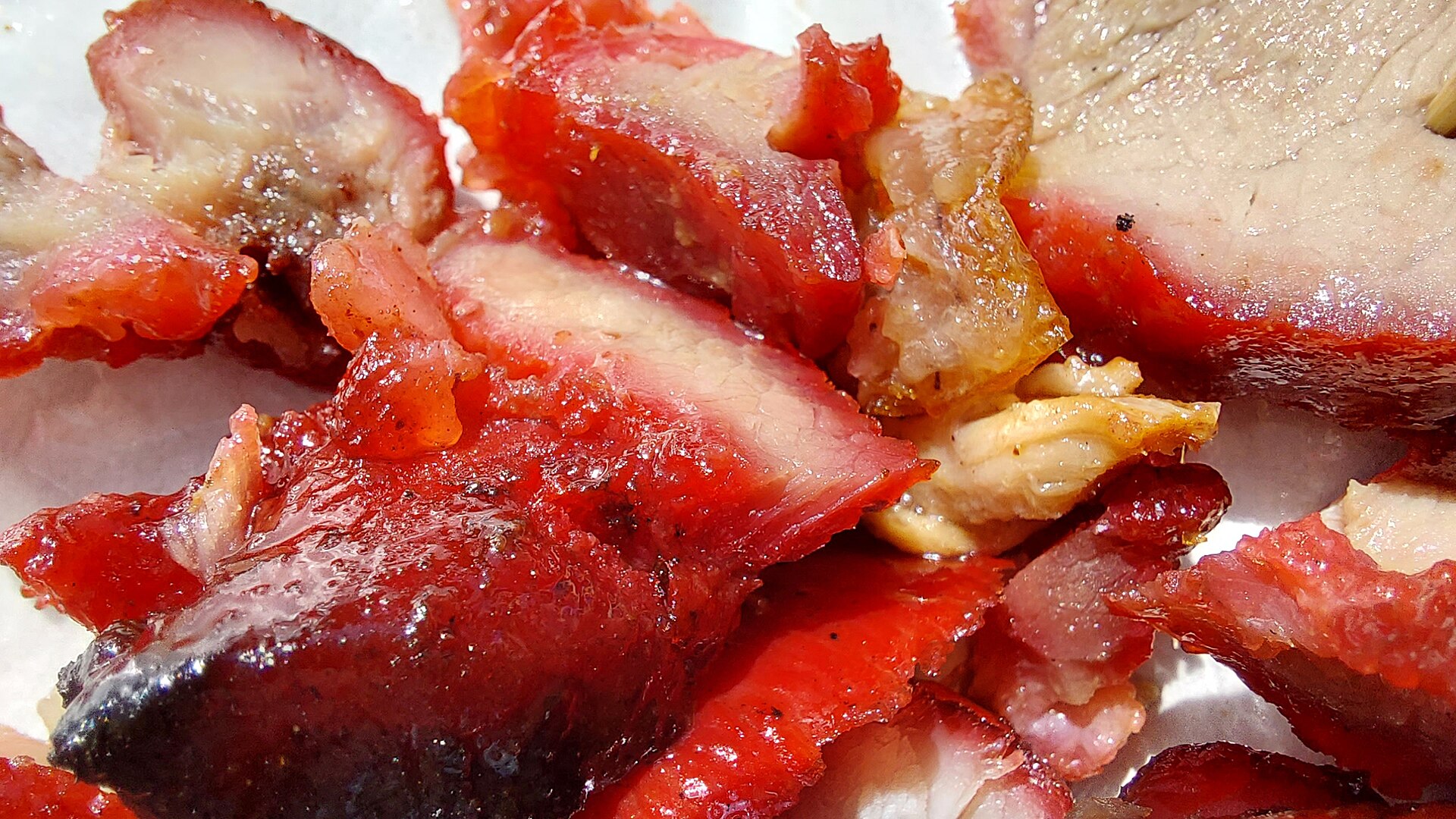
  • Street-Level Guangzhou Wonton noodles, cheung fun (肠粉) from corner rice-roll stalls, and champion congee (及第粥) with century egg — the morning hours in the old districts are as good as Guangzhou gets.
Snippet 04

Pearl River & Skyline

  • Pearl River Citywalk (沿珠江走到夜色里) The south-bank walk from Hai Xin Sha (海心沙) along the Zhujiang New Town promenade to Pa Zhou waterfront — Canton Tower's hourly light display across the water, the city's most-photographed stretch after dark. Free, walkable, best from 6pm.
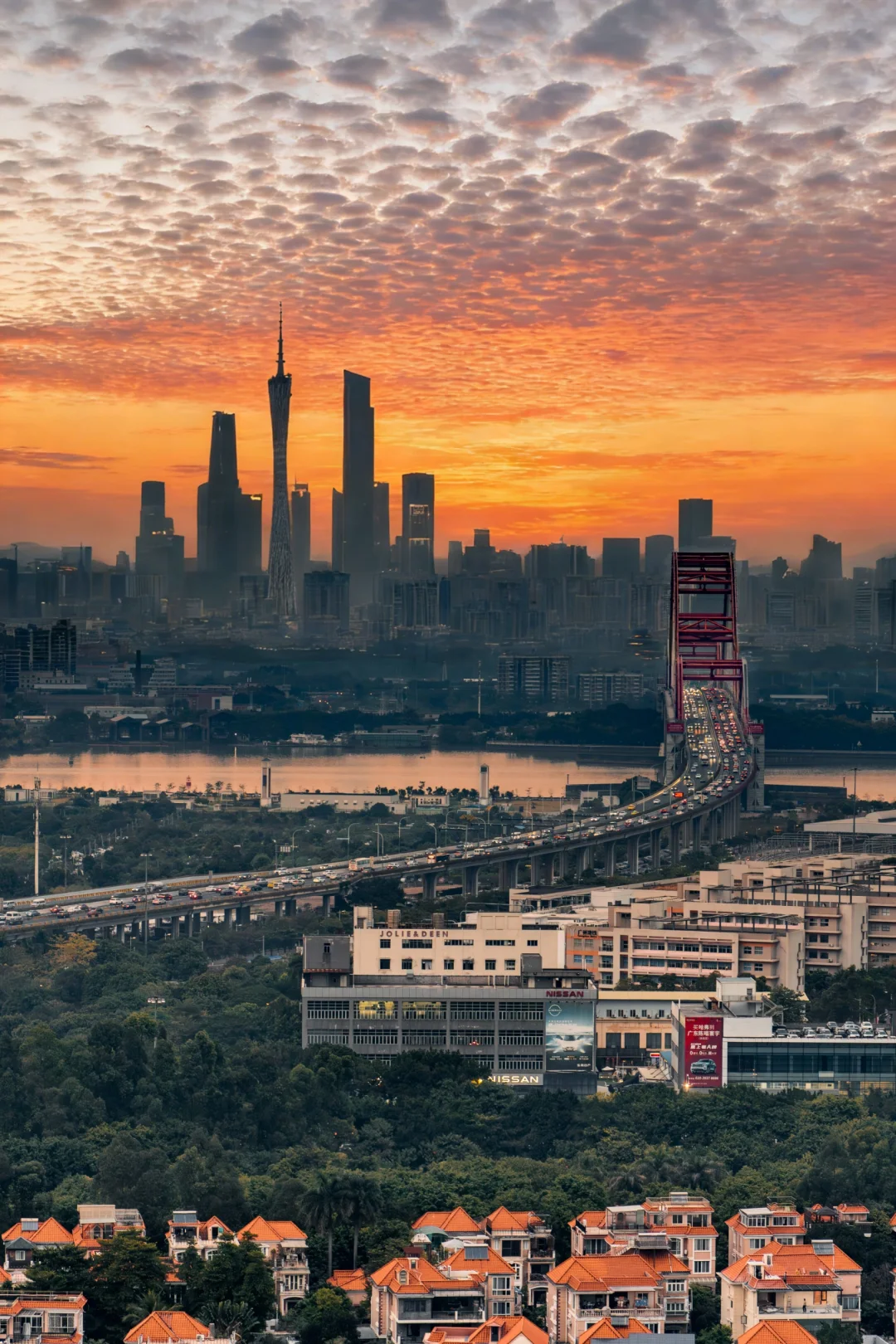
  • Canton Tower (广州塔) The 600-metre 'slim waist' landmark — observation deck panoramas, the Sky Drop and Bubble Tram Ferris wheel at 450m, and the principal subject of every Pearl River night photograph.
  • Hai Xin Sha Sunset Platform The open green spit at the foot of Zhujiang New Town — the best free viewing point for Canton Tower head-on, with the full modern skyline as backdrop. Best 30 minutes before and after sunset.
Common questions

Planning your Guangzhou trip

01 When is the best time to visit Guangzhou?

October to December and March to May are the city's two best windows — clear skies, low humidity, comfortable walking weather. Late September is a workable shoulder: the worst summer heat is past, occasional showers, but evenings along the Pearl River are already pleasant. Avoid mid-June to August if you can — hot, humid, with frequent afternoon downpours that make the citywalk circuits uncomfortable. One practical note: the Canton Fair (China's largest trade expo) runs in mid-April through early May and again mid-October through early November. Hotel prices surge significantly during those windows, so if your dates overlap, book accommodation well in advance.

02 How do I get to Guangzhou?

Guangzhou Baiyun International Airport (CAN) is one of mainland China's three main international hubs — direct flights from Singapore (SIN → CAN, ~4 hours, multiple daily), Hong Kong, Kuala Lumpur, Bangkok, Sydney, London, and most major European cities. From Yunnan, there are direct domestic flights from Kunming (KMG) and Dali (DLU) — the morning DLU → CAN flight is a useful pivot at the end of a Yunnan circuit before an international departure. By rail, Guangzhou South Station (广州南) is the South China HSR hub with direct high-speed trains from Hong Kong (55 minutes via the Guangzhou–Shenzhen–Hong Kong Express Rail Link), Shenzhen, Wuhan, Beijing, and Changsha.

03 Do I need a visa for Guangzhou?

Citizens of many countries — including Australia, the UK, most of Europe, Singapore, and South Korea — currently benefit from China's visa-free entry policy (typically 15–30 days depending on passport). Check the current Chinese embassy or consulate website for your nationality before travelling, as visa-free arrangements are updated periodically. Additionally, Guangzhou operates a 144-hour (6-day) transit visa-free policy for citizens of 53 countries, useful if you're combining Guangzhou with onward travel within China before departing from a different city.

04 How does Guangzhou fit into a Yunnan or Sichuan itinerary?

Most efficiently as a 1–2 day bookend. Guangzhou Baiyun (CAN) handles direct international arrivals from Singapore, Australia, and Europe far better than Kunming or Chengdu alone, so we often route clients in via CAN: one full day and night in Guangzhou, then an early domestic flight to Kunming or Chengdu to start the main circuit. At the end of a Yunnan trip, the morning Dali → Guangzhou domestic flight gets you back into an international hub with a comfortable connection window. It's not forced — Guangzhou is genuinely worth the overnight — but it also solves the flight logistics cleanly.

Keep exploring

More from Nearby

Ready to Plan Your Journey?

Contact Us