← All destinations
Nearby

Beijing

Imperial north — the Forbidden City's central axis, the Great Wall at Mutianyu, and the old lakes and hutongs in between.

China's imperial capital, and the clearest expression of how the dynasties thought a city should be ordered — everything hung on a single north-south axis, the Forbidden City at its centre, the gold roofs running away beneath you from the top of Jingshan. Beijing rewards a deliberate pace: the central-axis walk through the palace one morning, the Great Wall at Mutianyu the next, and the hutongs around the lakes in between.

  • 3-5 days
  • Imperial Core
  • Great Wall
  • Hutongs
  • Peking Duck
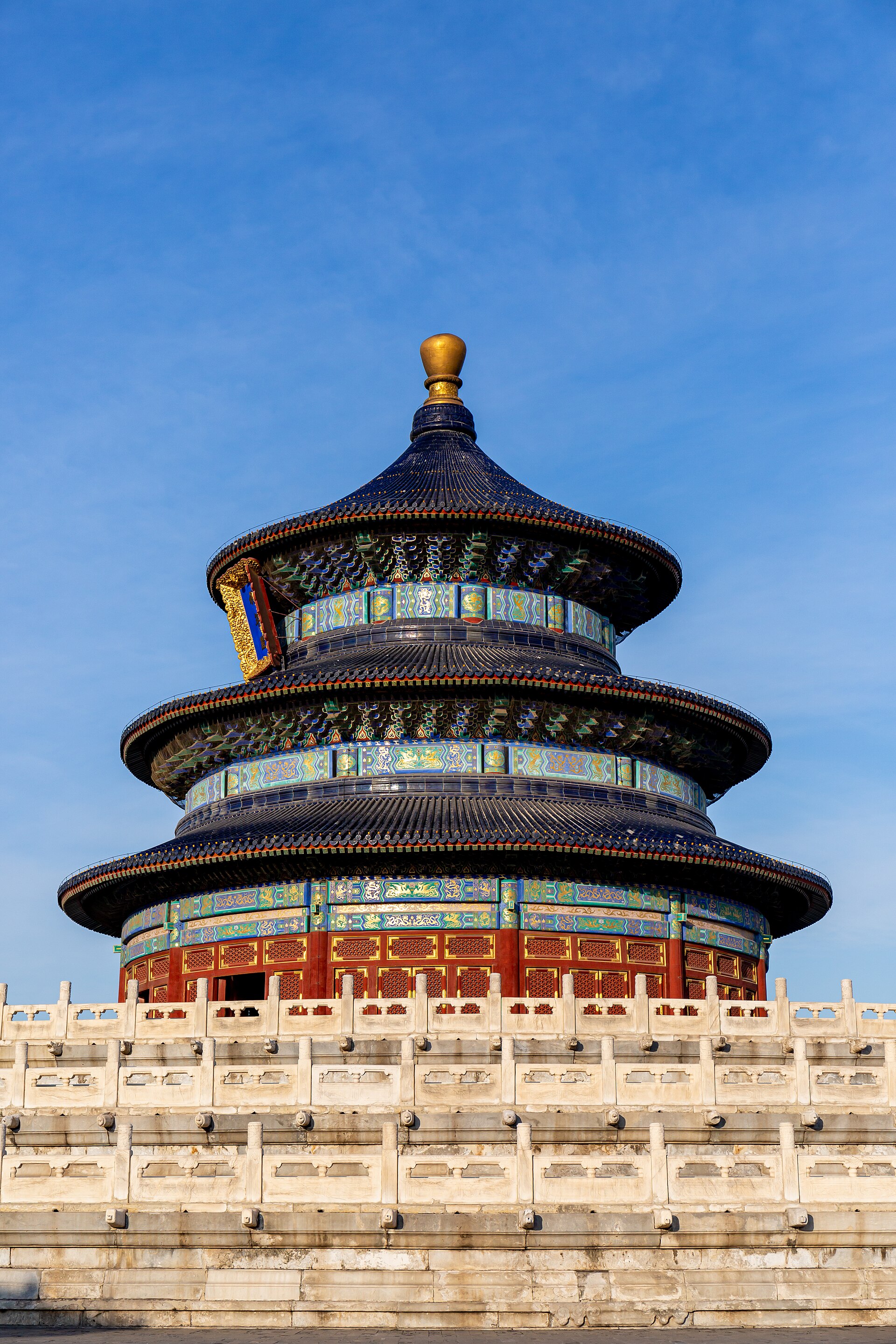
Beijing — the Hall of Prayer for Good Harvests at the Temple of Heaven (天坛), the round triple-eaved blue-roofed hall against a clear sky — hero image for a private China travel guide by Boutique China

What you'll experience

  • The Central Axis on Foot Enter the Forbidden City at the Meridian Gate, walk Outer Court to Inner Court to Imperial Garden, exit north at Shenwumen, then climb Jingshan for the classic shot straight down the central axis — the palace's gold roofs laid out below, the Drum Tower beyond.
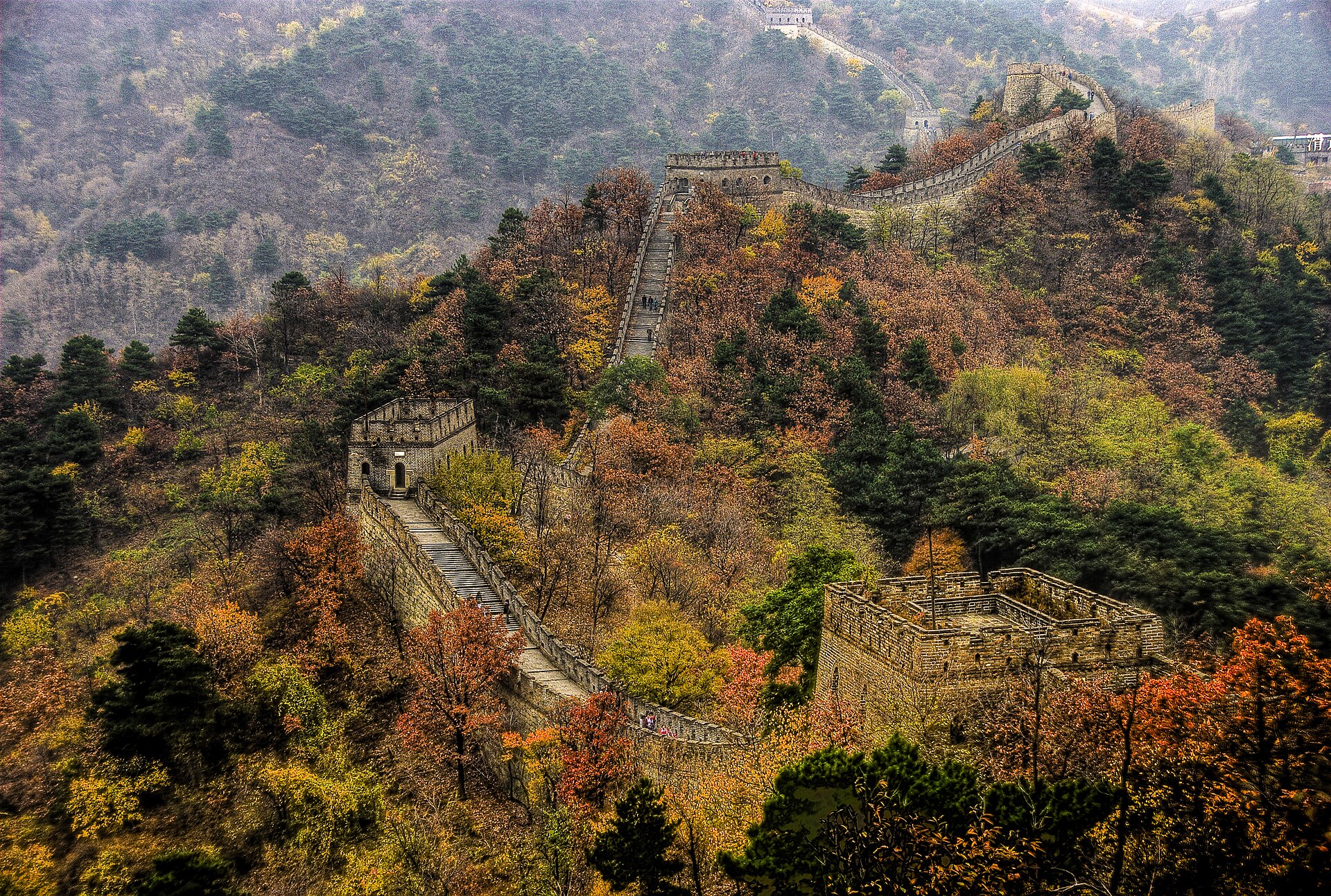
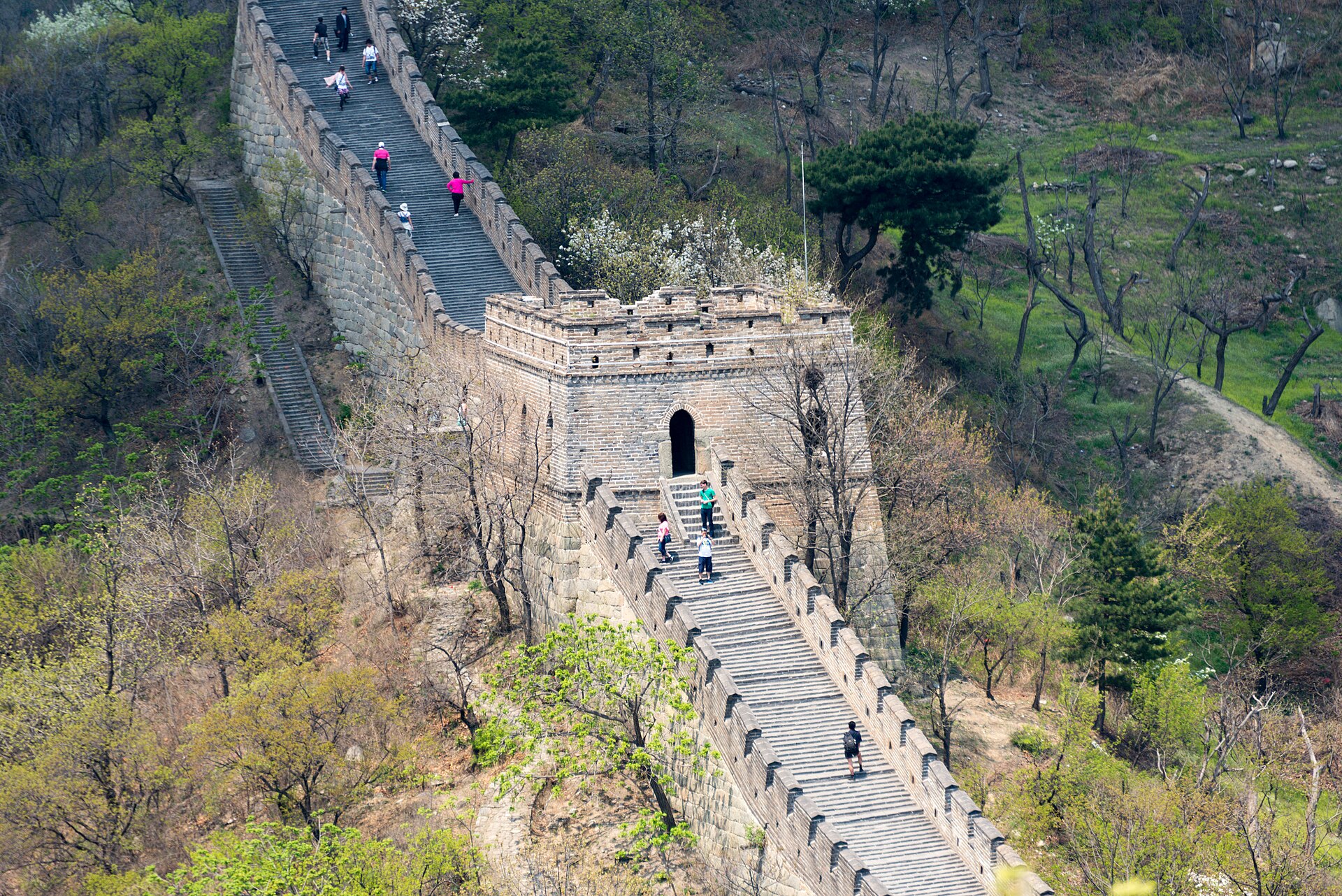
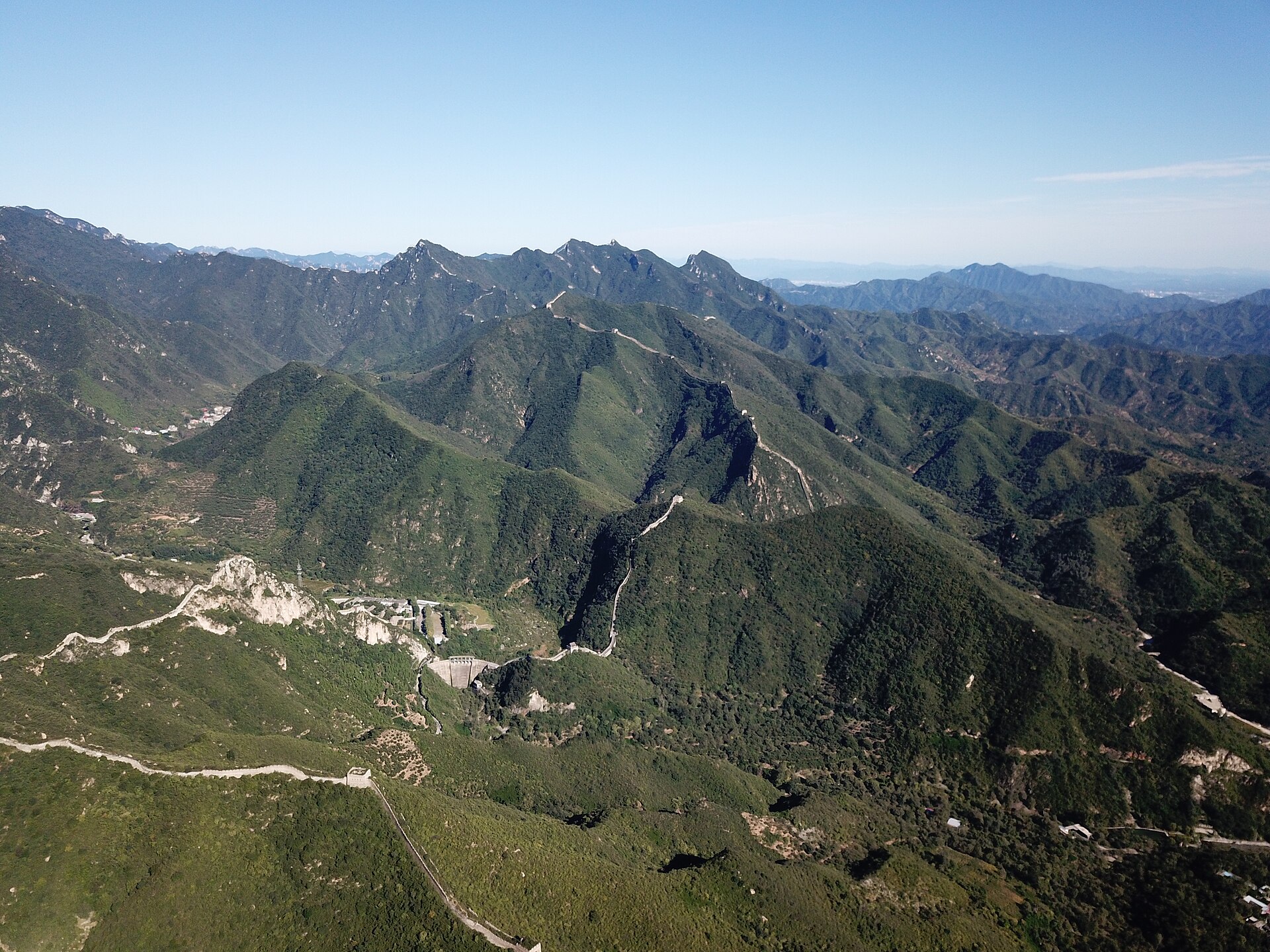
  • Mutianyu Over Badaling The fully-restored stretch of Wall that handles a mixed-age group better than any other — cable car up to Tower 14, the steep ridge walk toward Tower 23, a toboggan run back down from Tower 6. Quieter than Badaling, sharper ridgeline.
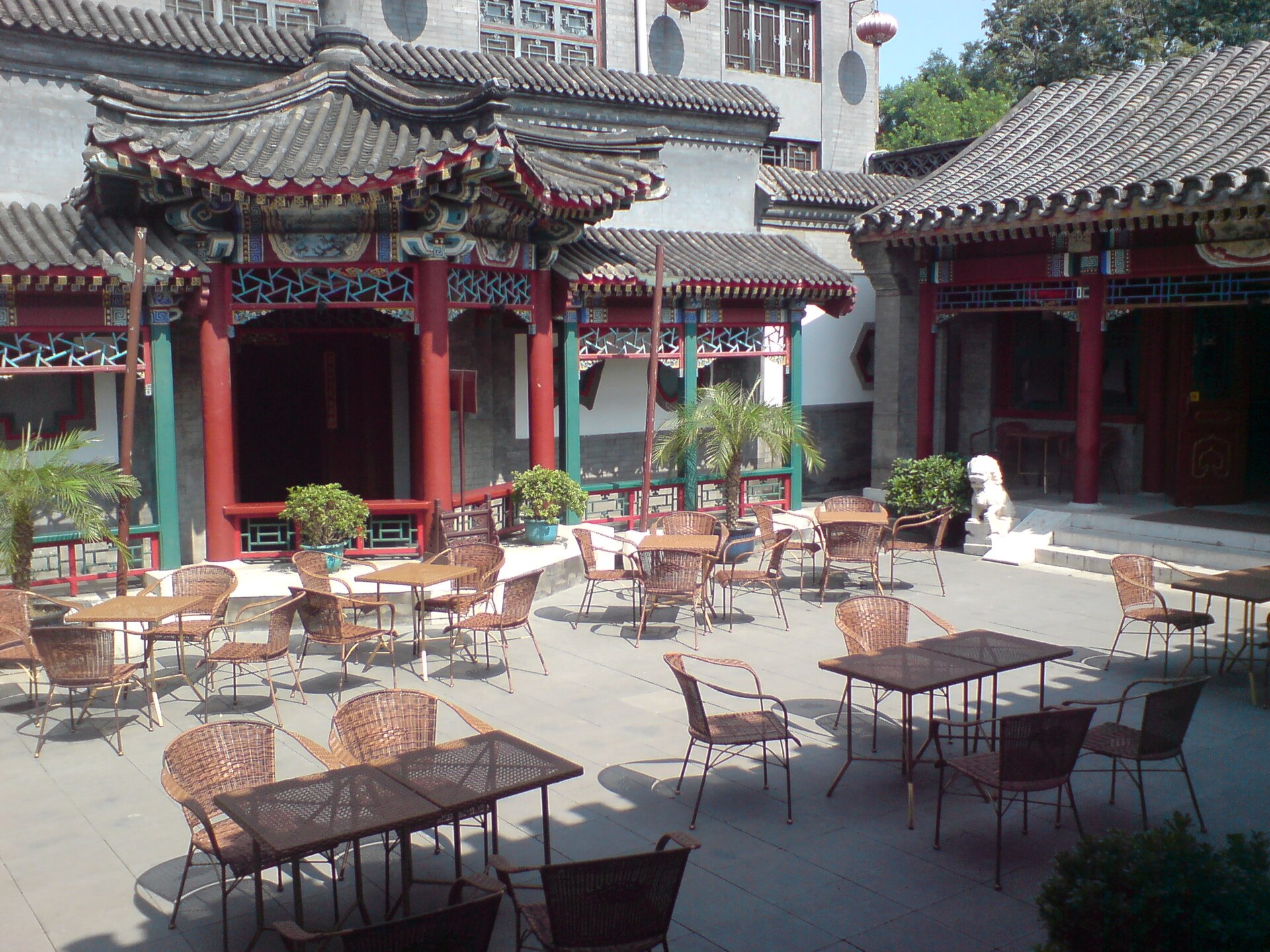
  • Hutongs & the Lakes The grey-brick lanes around Shichahai and Houhai — a pedicab through the alleys off Nanluoguxiang, the Drum and Bell Towers, a courtyard teahouse, and the willow-lined lakeshore that fills with bars and rowing boats after dark.
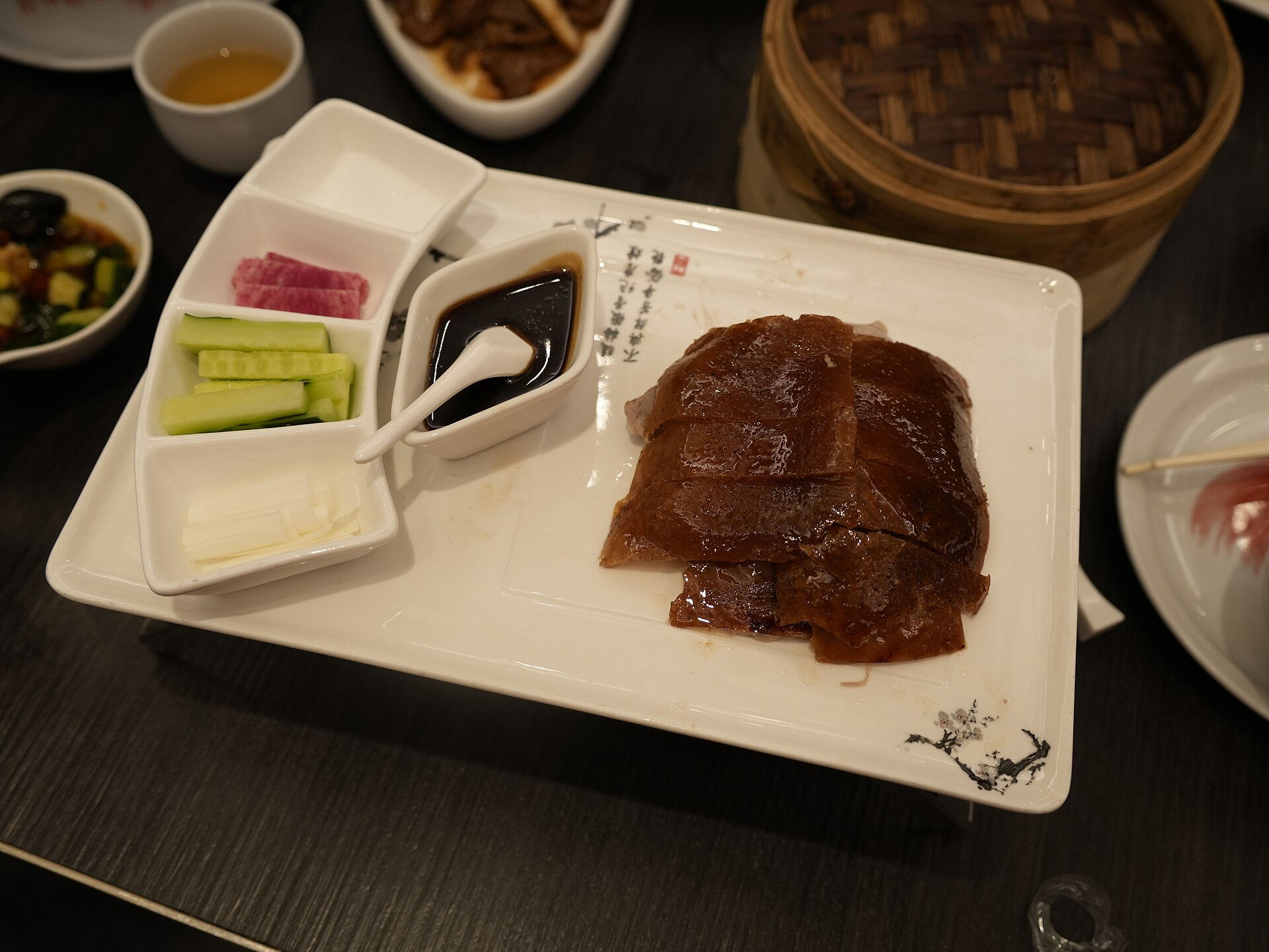
  • Peking Duck at the Source This is the city that invented it. Da Dong for the lacquered, lean modern version; Siji Minfu for the family-style room near the palace; Quanjude on Qianmen for the old-guard original.
Snippet 01

The Imperial Core on One Axis

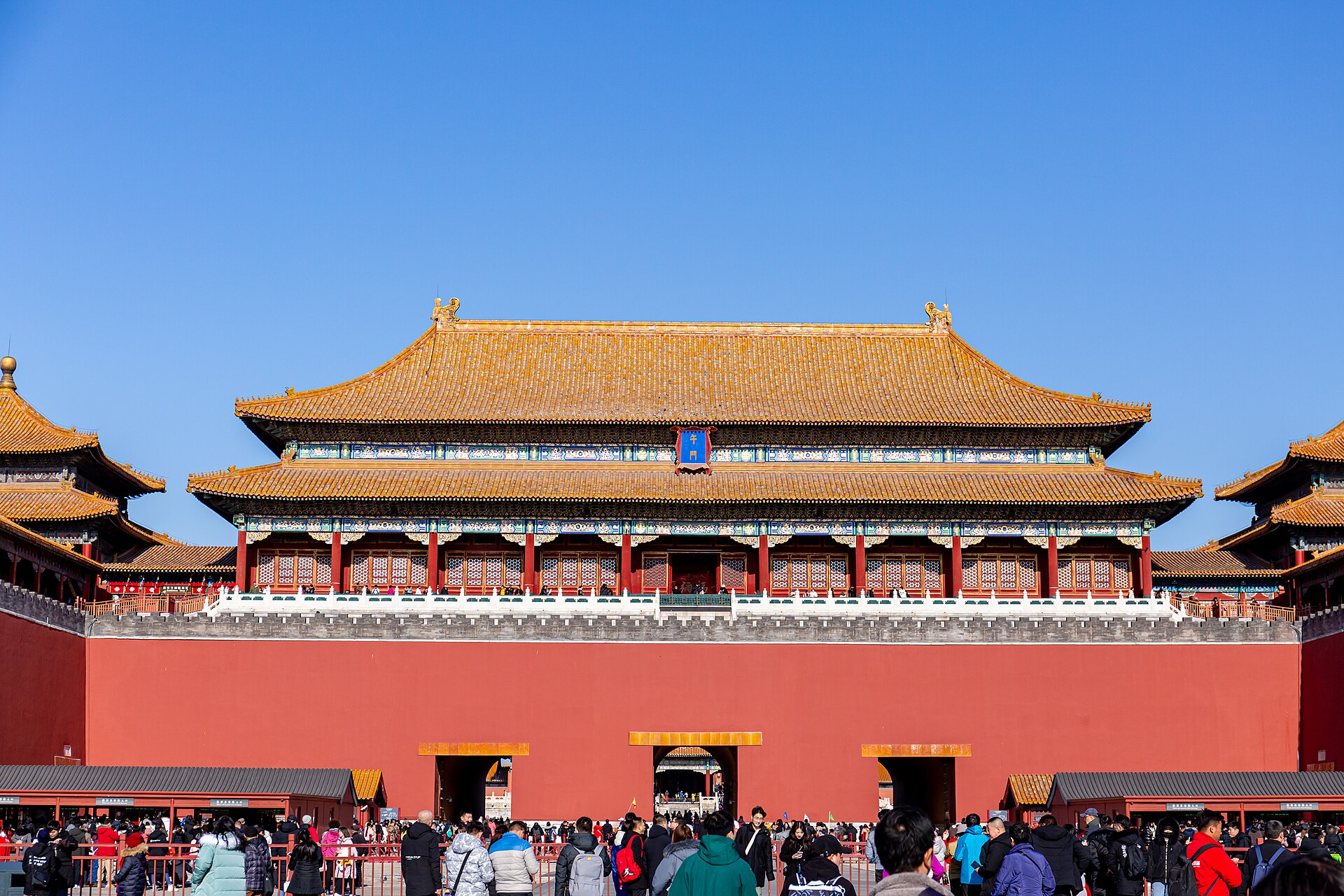
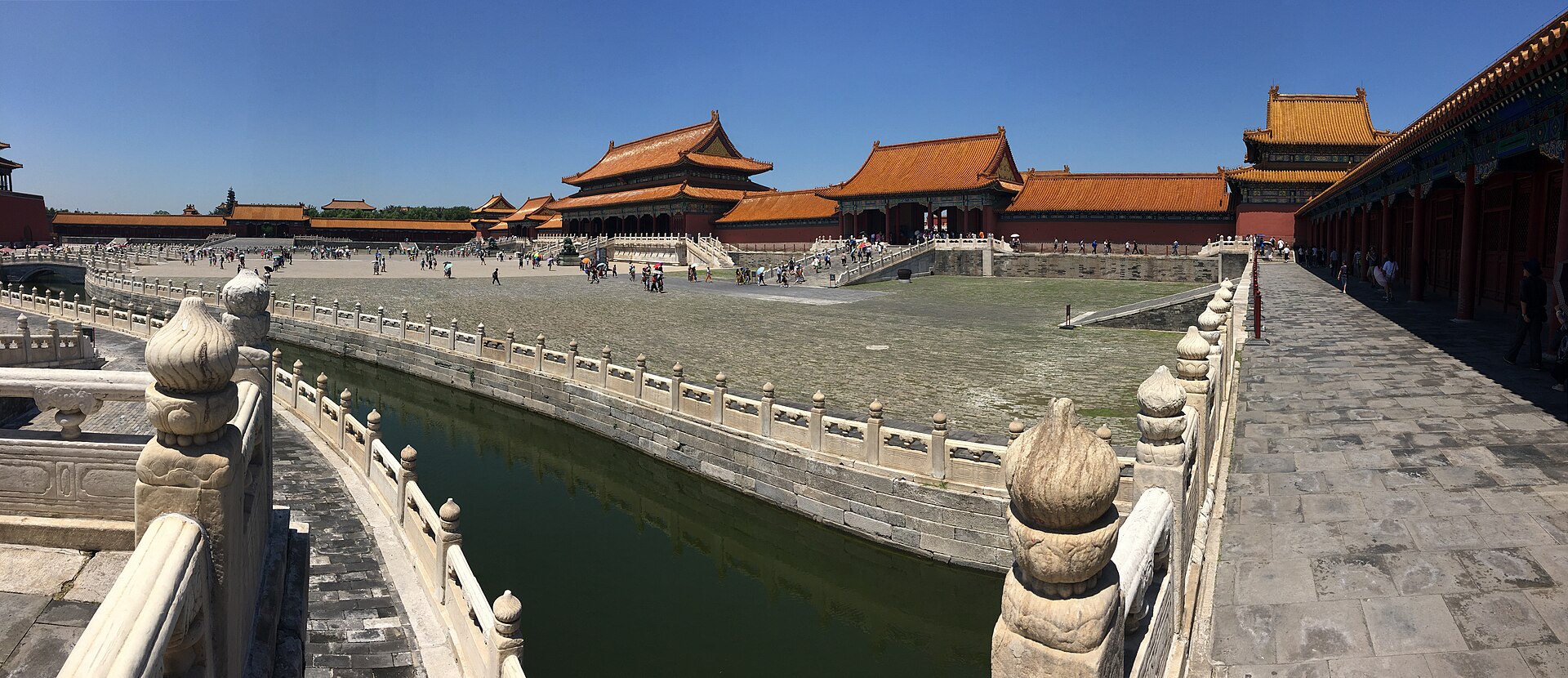
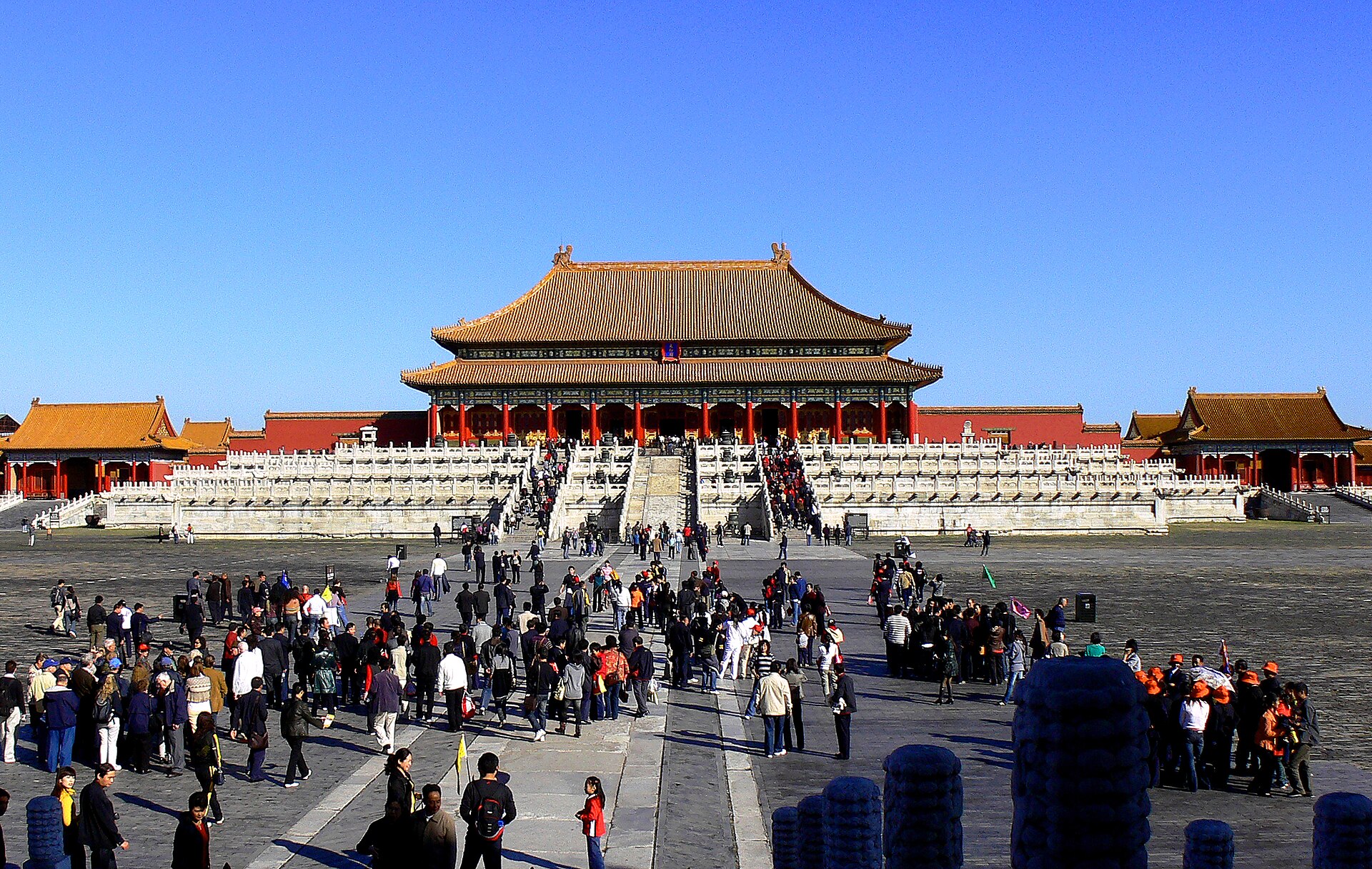
  • Forbidden City / Palace Museum (故宫) Enter at the Meridian Gate (午门) on the south and walk the central axis straight through — Outer Court of the great ceremonial halls, Inner Court of the imperial residences, then the Imperial Garden — exiting north through Shenwumen (神武门). Allow three hours and book the timed entry days ahead; it sells out, and there is no walk-up.
  • Jingshan Park (景山公园) Cross the road from Shenwumen and climb the artificial hill (~30 min) for the most famous photograph in Beijing — the Forbidden City's gold roofs laid out beneath you, the Drum Tower beyond. The hill was raised from earth dug out for the palace moat; do this at the end of the palace walk, not before.
  • Tiananmen Square (天安门广场) The civic plaza on the palace's south side — the Gate of Heavenly Peace, the Monument to the People's Heroes, the Great Hall of the People framing the edges. Security entry needs passport and advance booking; worth the half-hour for scale, then move on.
  • Temple of Heaven (天坛) The Ming imperial sacrificial complex south of the centre — the round triple-eaved Hall of Prayer for Good Harvests, the Echo Wall, the Circular Mound Altar, long cypress avenues between them. Allow 1.5 hours; come early, when locals practise tai chi and play music under the cypress avenues before the tour groups arrive.
Snippet 02

The Great Wall at Mutianyu

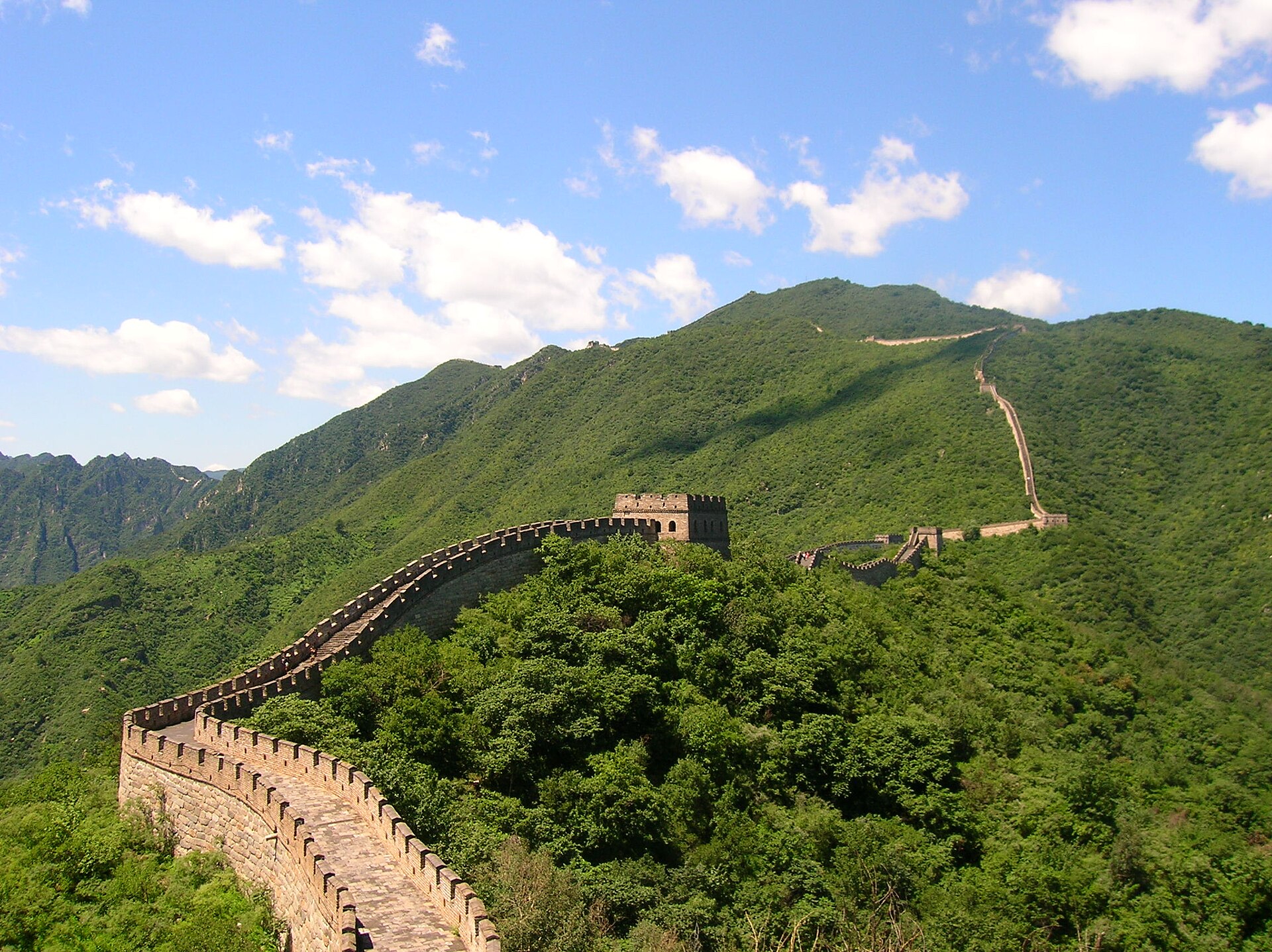
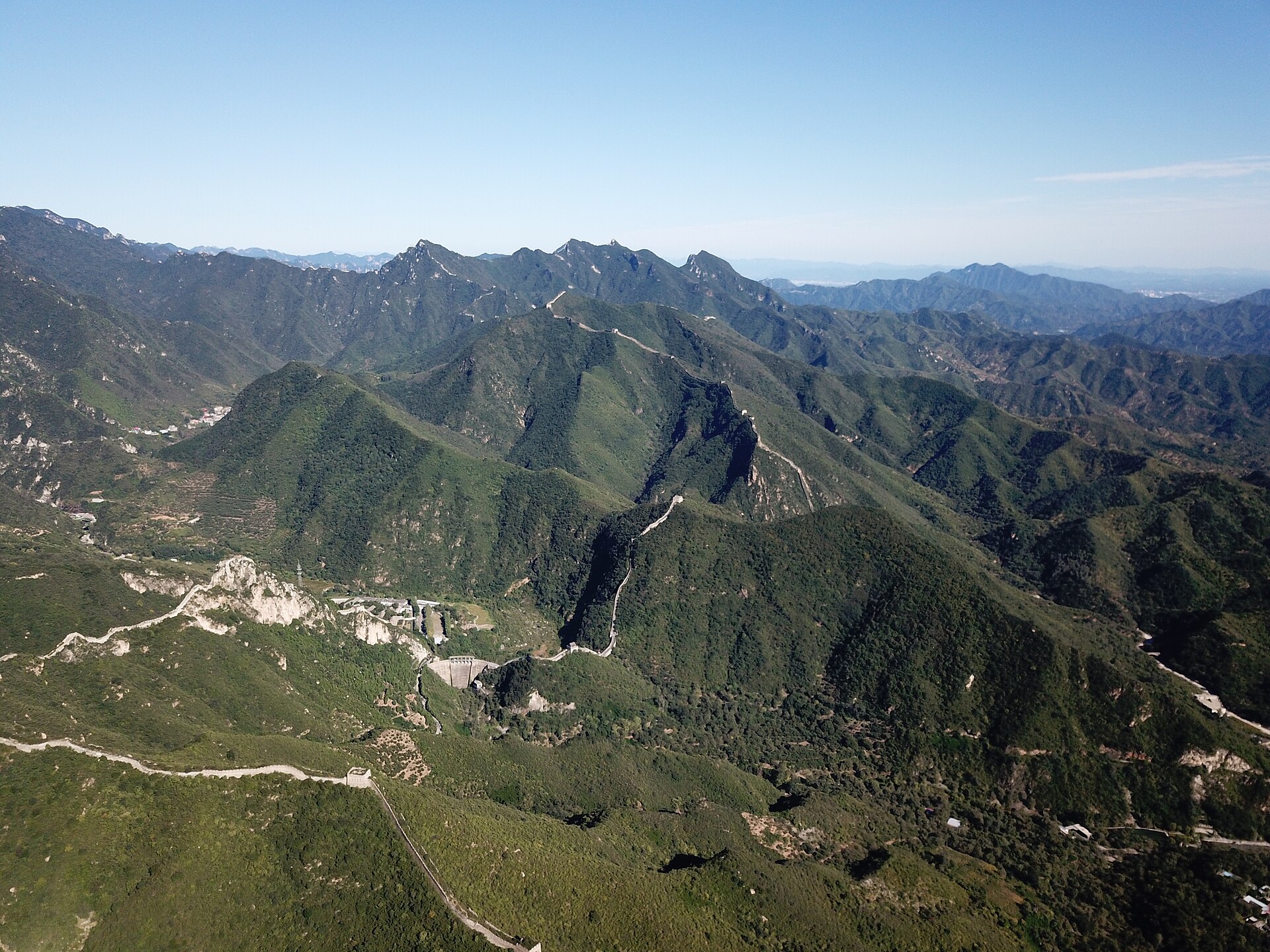
  • Mutianyu (慕田峪) The fully-restored section ~1.5 hours northeast of the city, and the right call for most groups — less crowded than Badaling, with a sharper ridgeline. Cable car up to Tower 14, then the climb. The whole stretch is walkable for a mixed-age group in a way Badaling's crush is not.
  • The Ridge Walk From Tower 14, walk the ridge toward Tower 23 — the steep restored section, where the wall pitches up the spine of the hills and the watchtowers string out ahead. Turn back when the group has had enough; there is no need to do the full run.
  • The Toboggan Descent From Tower 6, take the toboggan run back down to the valley — a metal chute through the trees, the most fun way off any section of the Wall and the part the kids will talk about afterwards. The alternative is the cable car or chairlift down.
  • Lunch in the Village The Schoolhouse / Brickyard Retreat in the village below Mutianyu does a proper sit-down lunch — the sensible place to land after the Wall before the drive back, rather than eating at the car-park stalls.
Snippet 03

Hutongs & the Lakes

  • Shichahai / Houhai (什刹海 / 后海) The chain of old lakes northwest of the palace, ringed by willows, courtyard bars and teahouses — rowing boats on the water in the warm months, a pedicab loop through the surrounding hutongs, and the lakeshore lit up at dusk. The most relaxed half-day in the city.
  • Nanluoguxiang (南锣鼓巷) The grey-brick hutong lanes off the lakes — best wandered slowly or taken by pedicab, a tanghulu (糖葫芦, candied hawthorn on a stick) from a cart in hand. The main lane is touristy; the side hutongs running off it are where the old Beijing actually is.
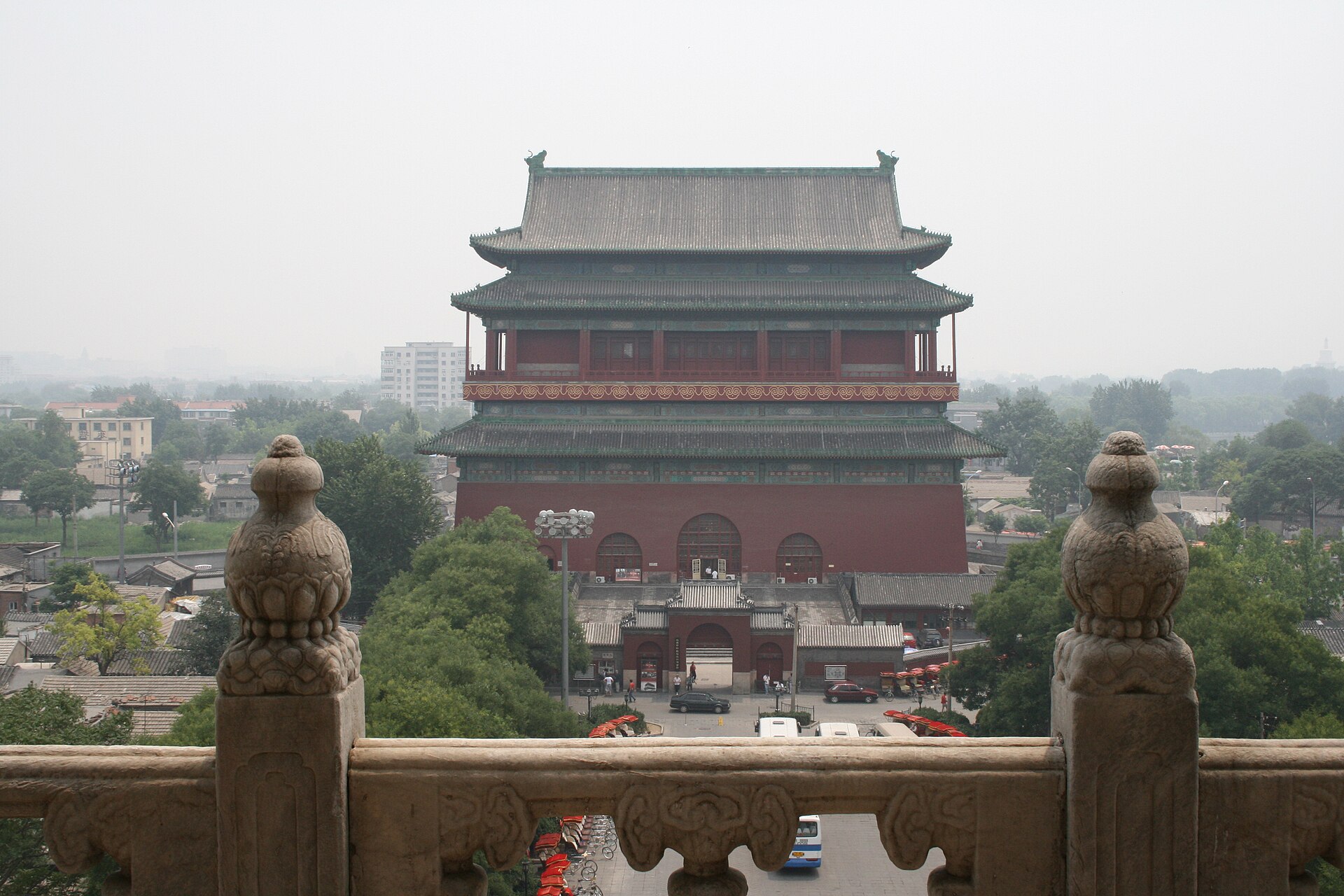
  • Drum & Bell Towers (鼓楼 / 钟楼) The two Yuan-dynasty timekeeping towers that close the northern end of the old central axis, looming over the hutong rooftops just north of the lakes — the backdrop in the Jingshan photograph, seen up close.
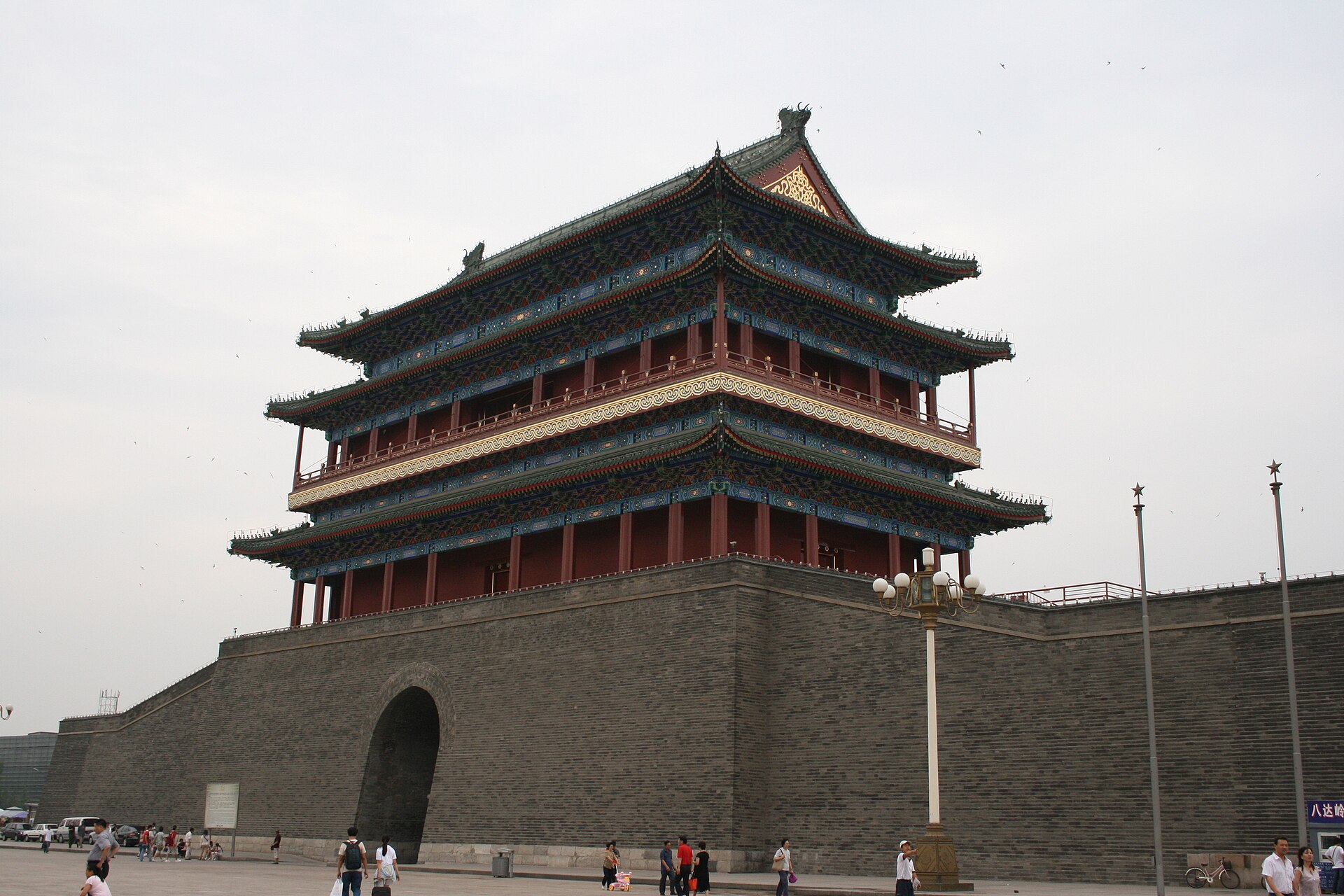
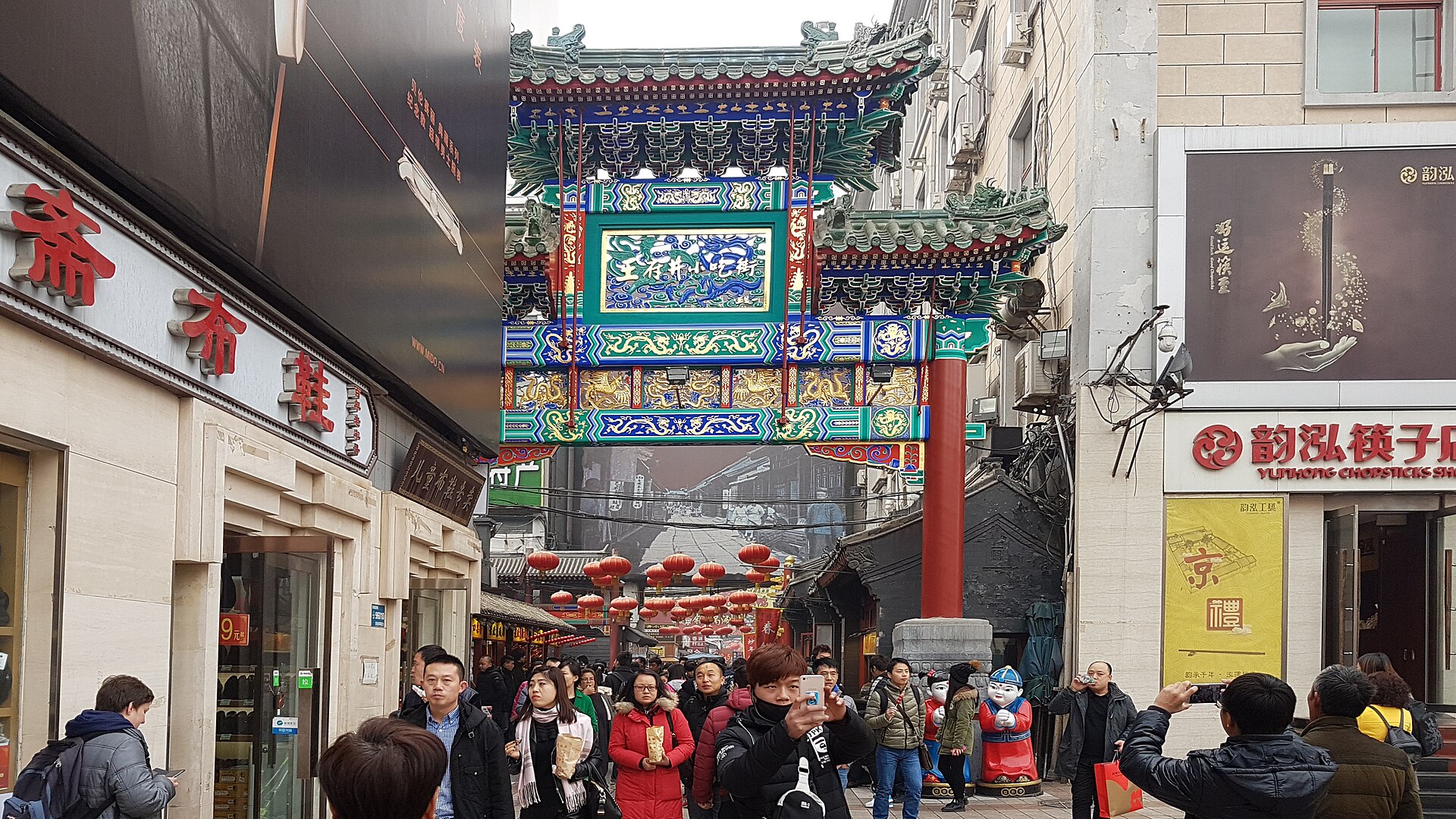
  • Qianmen (前门大街) The restored Republican-era pedestrian street running south from Tiananmen — tea shops, old pharmacies, and a Quanjude roast-duck branch. Good for an hour of walking and shopping; skippable if the group would rather be in the hutongs.
Snippet 04

Temples, Scholars & the Old North

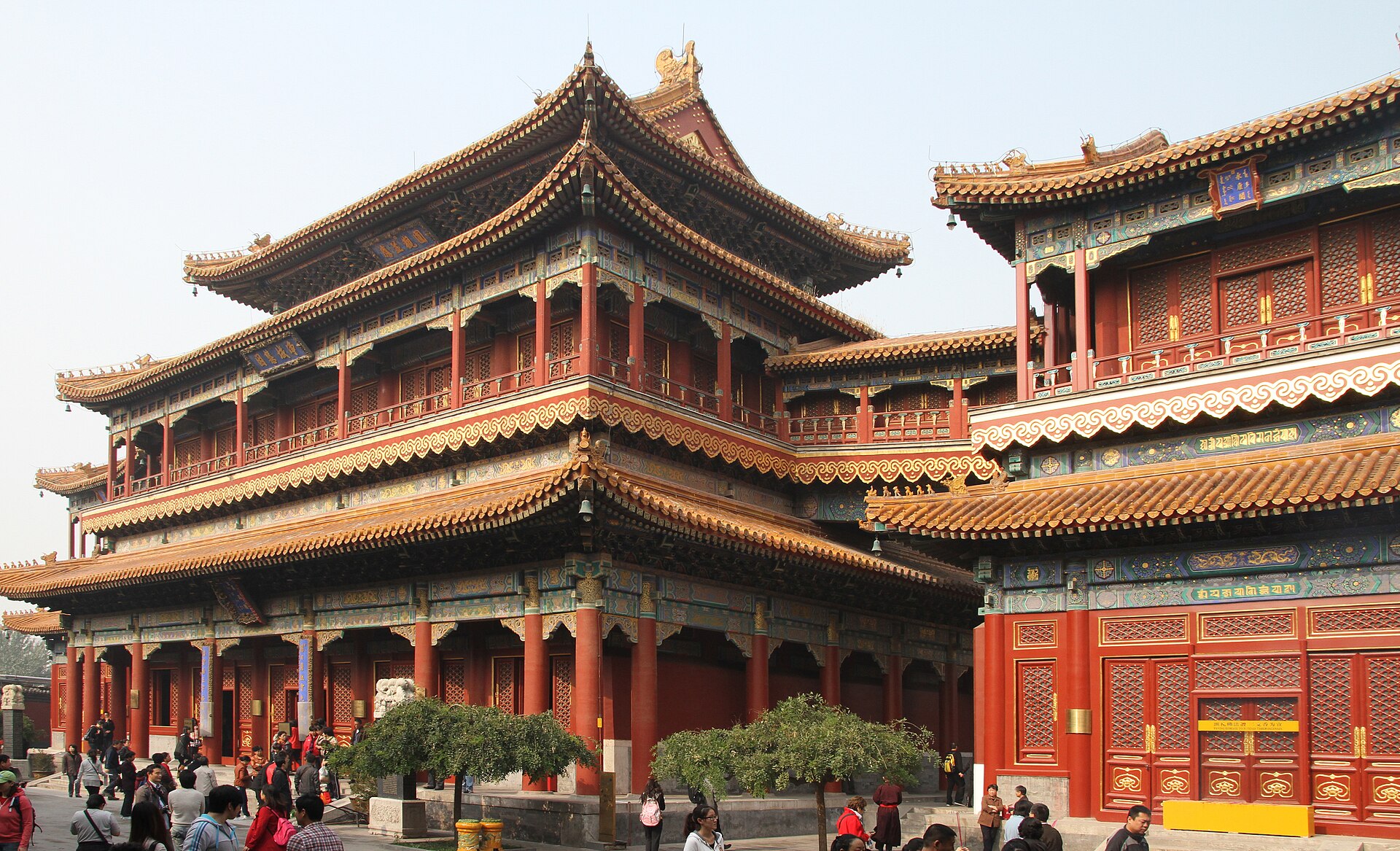
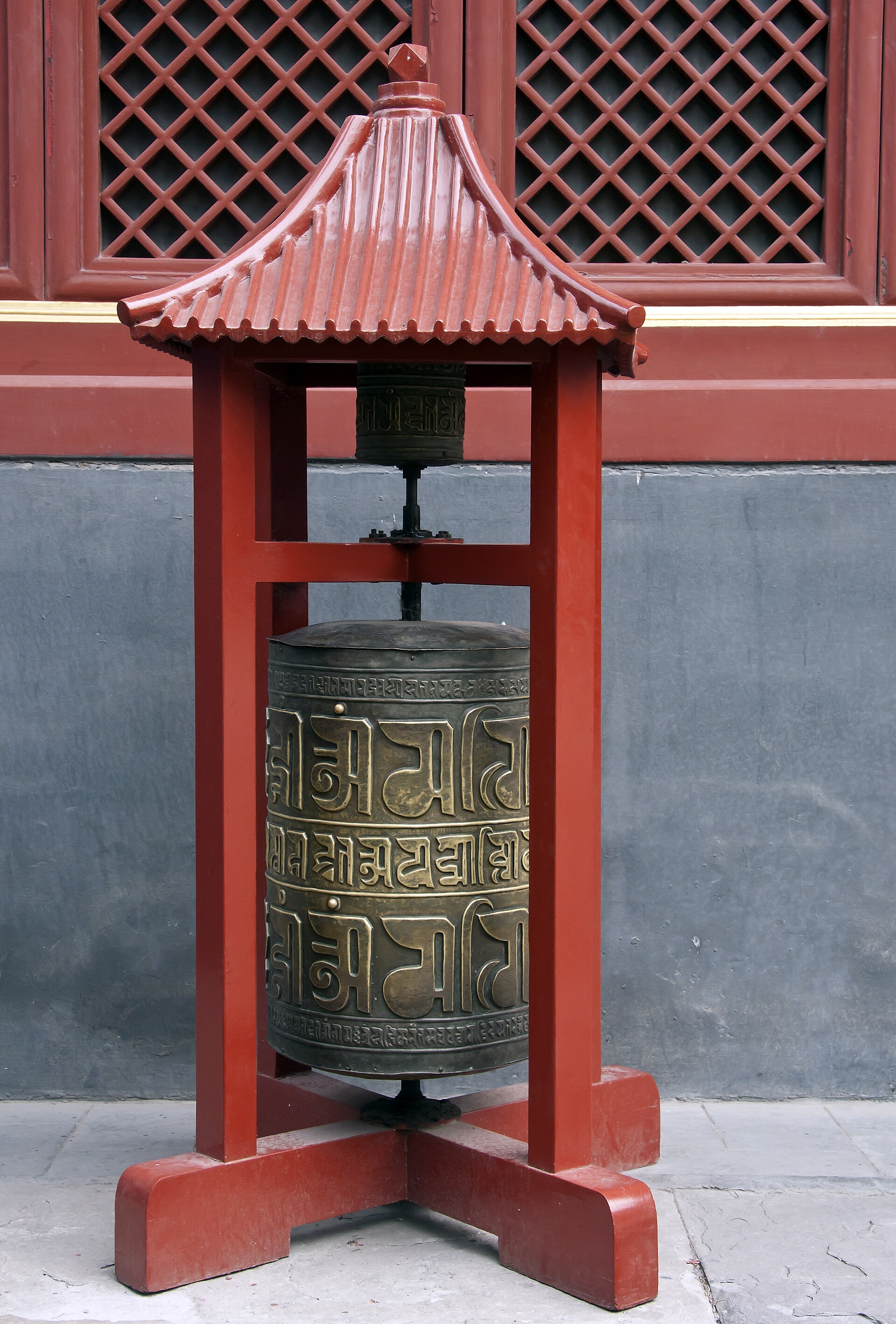
  • Yonghe Lama Temple (雍和宫) Beijing's great Tibetan-Buddhist temple — heavy incense, prayer-wheel courtyards, and at the rear an 18-metre standing Maitreya Buddha carved from a single sandalwood trunk. The most atmospheric working temple in the city; go early before the incense crowds build.
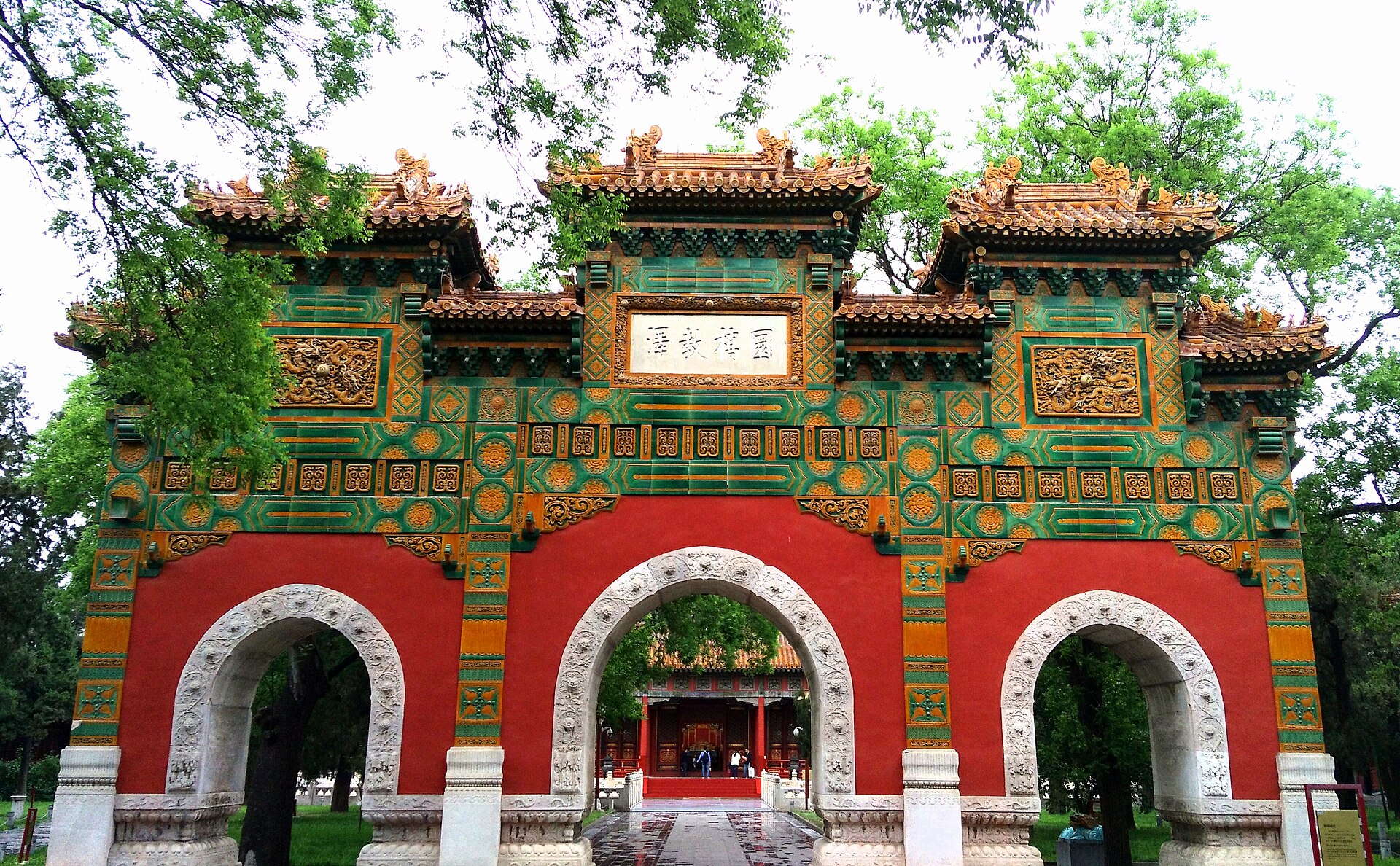
  • Guozijian Street (国子监街) The cypress-lined hutong beside the Lama Temple — one of the last streets in Beijing still spanned by its old ceremonial archways (paifang), with the Confucius Temple (孔庙) and the Imperial College (国子监) halfway along. The best half-hour of scholarly old Beijing on foot.
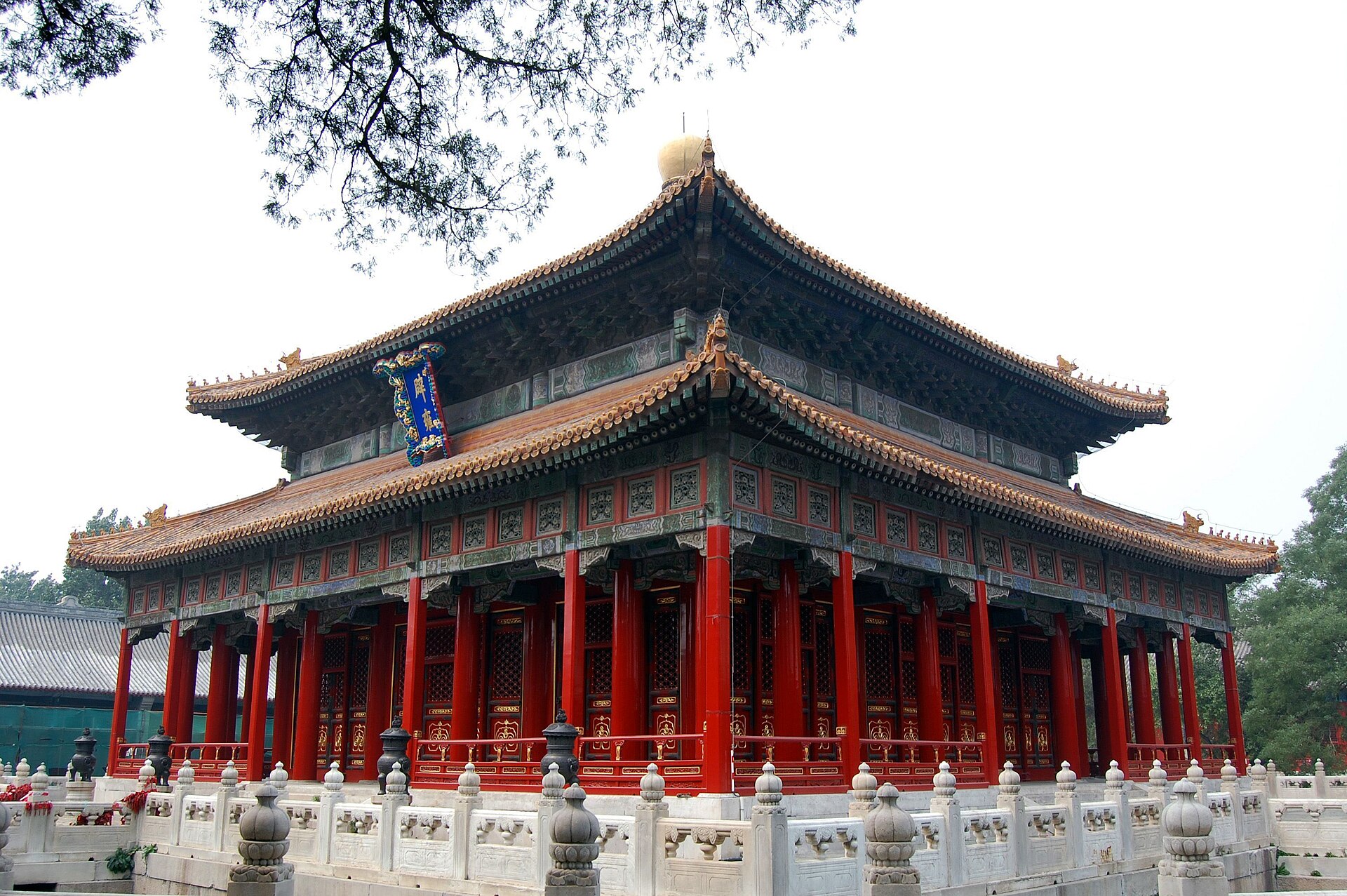
  • Confucius Temple & Imperial College (孔庙 / 国子监) the second-largest Confucius temple in China after Qufu's, with a forest of stone stelae carved with the names of imperial-exam laureates, next to the academy where the empire trained its officials. Quiet, shaded, and a useful counterweight to the imperial bombast of the palace.
Snippet 05

The Table & the Shopping Streets

  • Da Dong (大董) The modern benchmark for Peking duck — lacquered, lean, deliberately less fatty than the old style, plated with theatre. The version to book if the group wants duck as fine dining rather than tradition.
  • Siji Minfu (四季民福) The family-style Beijing favourite with a branch near the Forbidden City — excellent duck and home-style northern dishes at a fraction of the fine-dining price. Expect a queue; it earns it, and it's the easy lunch after the palace.
  • TRB Hutong Contemporary European fine dining set inside a former temple courtyard in the hutongs — a quiet courtyard, a tasting-menu format, the place for the celebratory dinner on a Beijing trip. Book well ahead.
  • Xidan (西单) The walkable retail district west of the centre — Joy City (大悦城) and the Xidan malls stacked together, the practical answer when the group wants an indoor afternoon.
Common questions

Planning your Beijing trip

01 When is the best time to visit Beijing?

September and October are the standout window — clear skies, dry air, comfortable temperatures, and the autumn colour in the parks and on the Wall. Late April through May is the other good run, after the spring dust and before the summer heat. Winter (December to February) is cold and stark but rewarding: thin crowds at the palace and Temple of Heaven, the Shichahai lakes frozen hard for ice carts, and the clearest skies of the year on a good day. The real caveat is air quality rather than season — Beijing can get bad-air days at any time of year, more often in winter when heating runs, so build in a flexible day and swap the Great Wall to a clear morning. Avoid the first week of October (National Day) and early May (Labour Day) if you can, when domestic crowds at the palace and Wall are at their worst.

02 How do I get to Beijing?

Beijing has two major airports. Beijing Capital International (PEK) is the older, closer hub in the northeast, handling most legacy and international carriers. Beijing Daxing International (PKX), opened in 2019 well to the south, is the newer mega-hub and serves a growing share of international and domestic flights — check which one your ticket uses, as they sit about an hour apart by ground and are not interchangeable. From the southwest, it's a short domestic flight from Kunming (KMG) or Chengdu (CTU/TFU), each roughly 3 hours. By rail, Beijing is the northern anchor of the national high-speed network: Beijing-Shanghai runs in about 4.5 hours, and HSR connects to Xi'an, Chengdu and much of the country from Beijing South (北京南) and Beijing West (北京西).

03 Do I need a visa for Beijing?

Many nationalities — including Australia, the UK, most of Europe, Singapore and South Korea — currently enter China visa-free for short stays under standing policy; check your country's terms on the nearest Chinese embassy or consulate site before travelling, as these arrangements are updated periodically. Beijing is also a primary entry point for China's transit visa-free scheme, which lets eligible travellers passing through to a third country stay in the Beijing area for a fixed window without a visa. If Beijing is your only stop or your arrival/departure city for a longer China trip, confirm whether you qualify for visa-free entry or need a tourist (L) visa for your full itinerary.

04 How does Beijing fit into a Yunnan or Sichuan itinerary?

Beijing is the northern departure bookend of a Southwest China circuit, not a side-trip from it. Most of our clients run the main Yunnan or Sichuan loop first, then reach Beijing last — a short domestic flight from Kunming (KMG) or Chengdu (CTU/TFU), or high-speed rail — for 3-5 days of the imperial north before flying home from Beijing Capital (PEK) or Daxing (PKX). It also works cleanly the other way round, as the arrival hub for travellers who want the Forbidden City and the Great Wall first, then an early domestic flight south to start the main circuit. Think of Beijing and Shanghai as the two hubs that bracket a Boutique China trip: the imperial north at one end, Shanghai's river city at the other, and the mountains and minority cultures of the southwest in between.

Keep exploring

More from Nearby