← All destinations
Nearby

Shanghai

The Bund at dusk, French Concession by foot — China's gateway city, slowed down.

China's eastern gateway, and the city most travellers land in and pass through too quickly. Shanghai is worth a slow couple of days: the Bund's colonial banking facades at your back as the Pudong towers switch on across the Huangpu at dusk, plane-tree-lined French Concession streets, a Ming scholar's garden in the old bazaar, xiaolongbao at its source — and, if there are kids, a full day at one of Disney's most advanced parks.

  • 2-4 days
  • The Bund
  • French Concession
  • Shikumen Lanes
  • Shanghainese Food
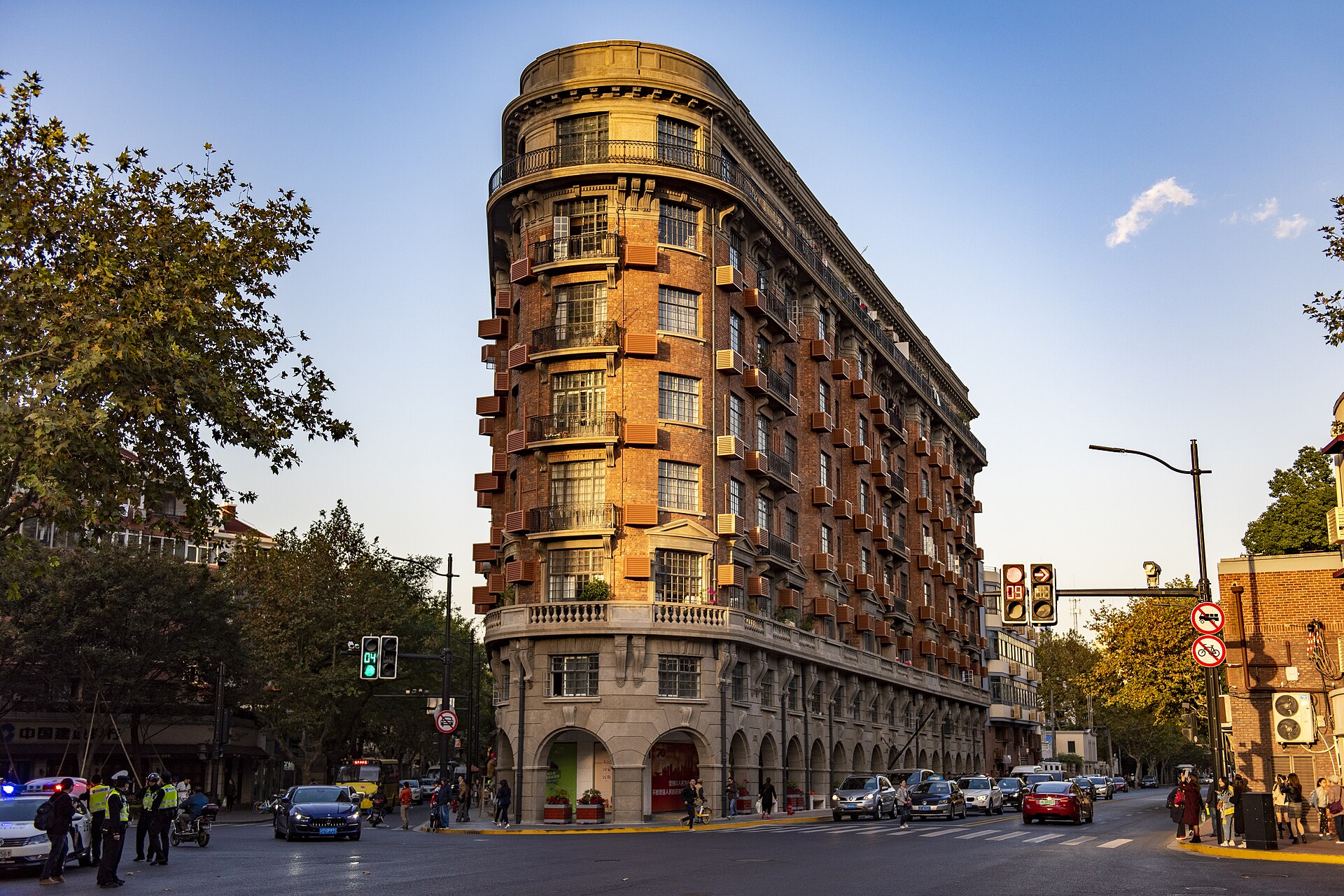
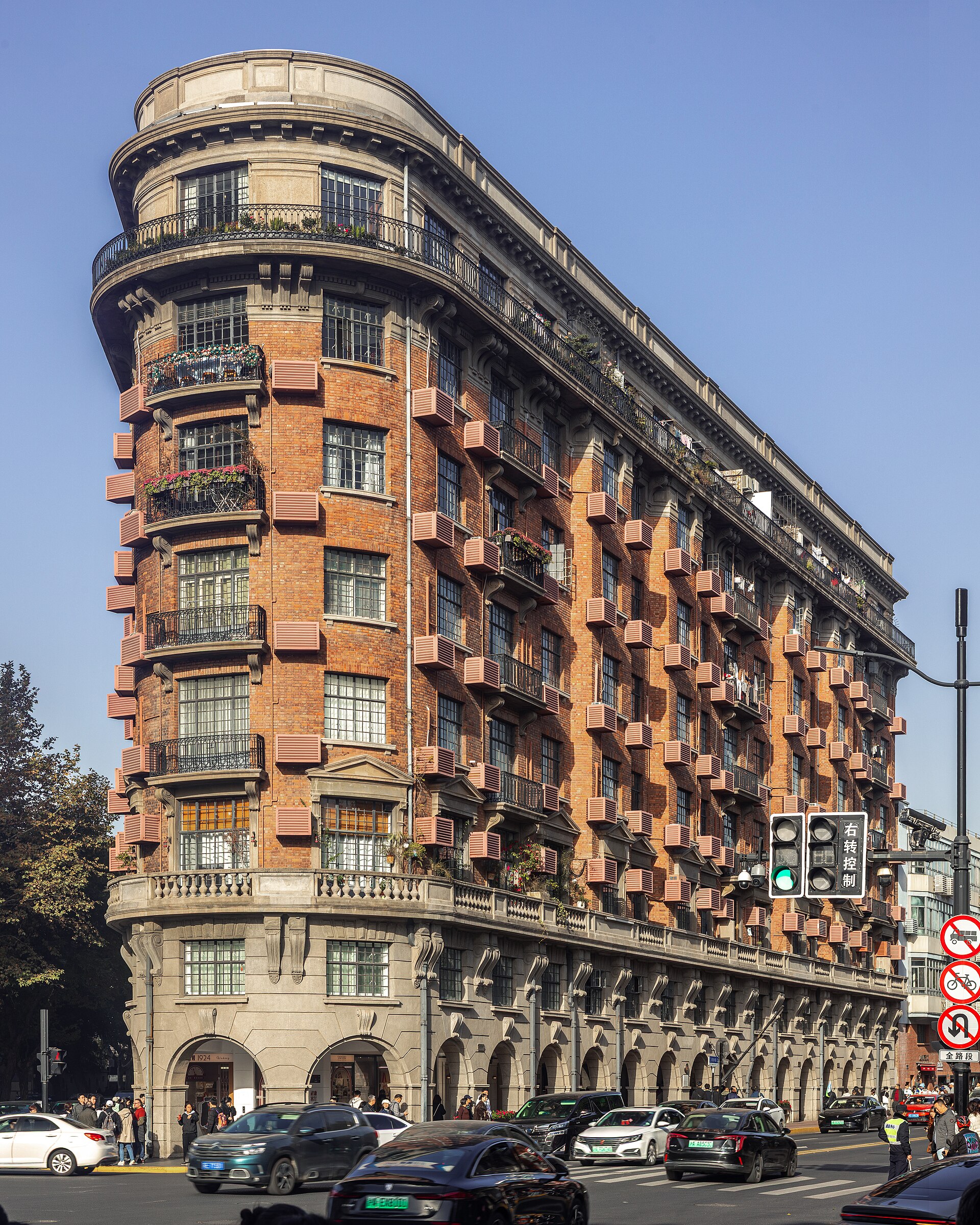
Shanghai — Wukang Mansion (武康大楼), the prow-shaped 1924 apartment building in the former French Concession, the city's most-photographed corner — hero image for a private China travel guide by Boutique China

What you'll experience

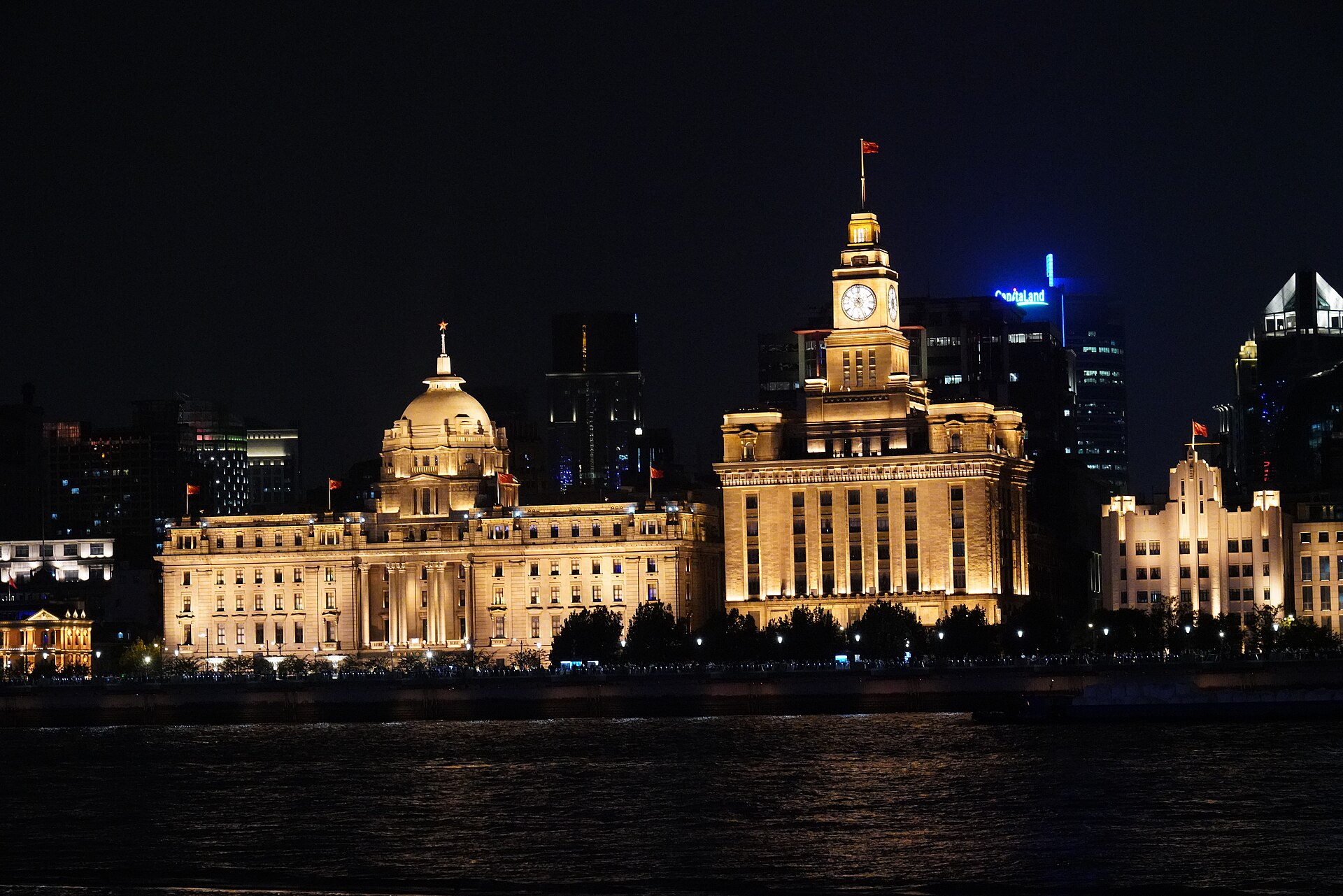
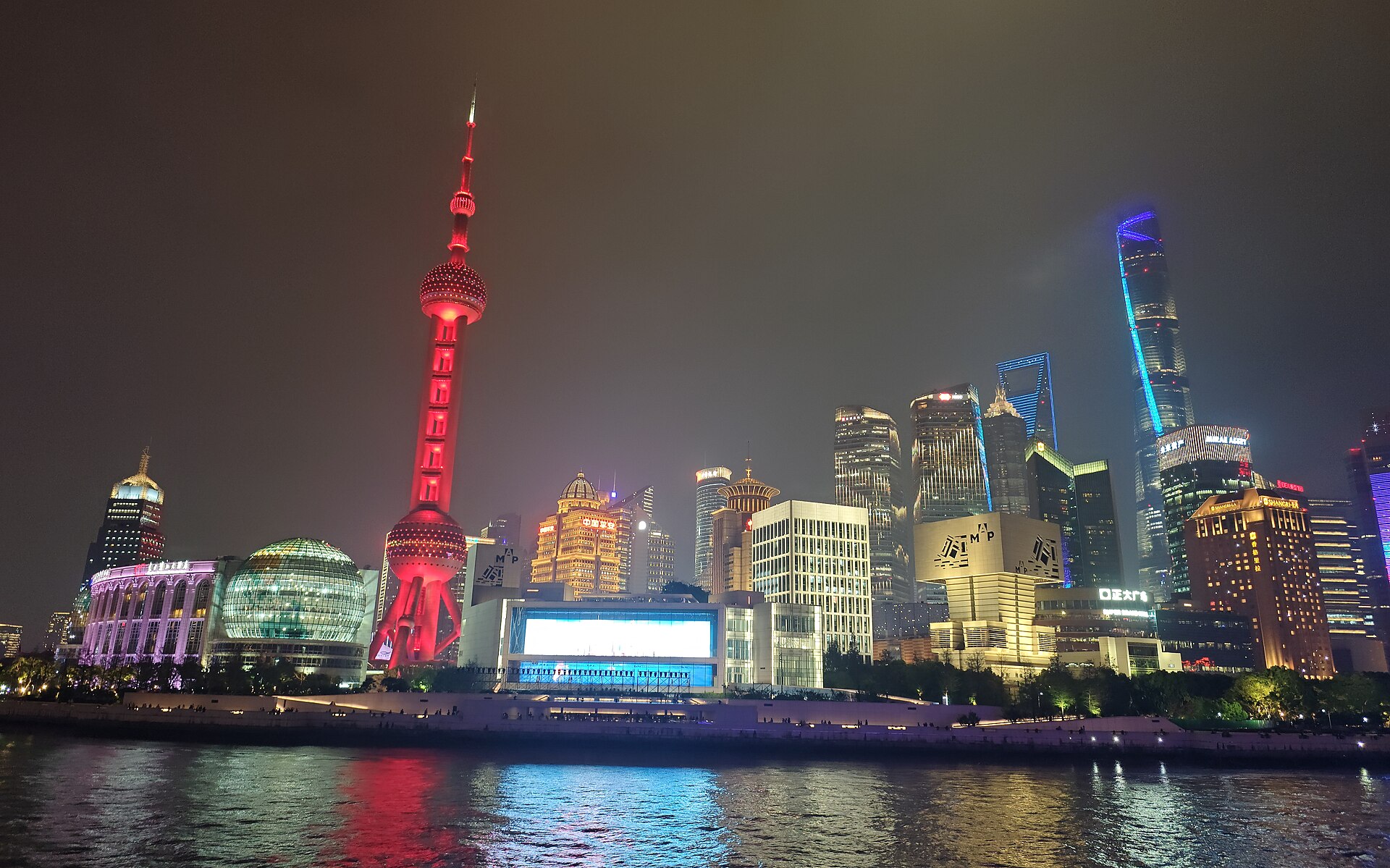
  • The Bund at Dusk Walk the west-bank embankment (外滩) around 17:30 as Oriental Pearl, Jin Mao and the 632m Shanghai Tower light up across the river, colonial banking houses behind you — the single best free half-hour in the city.
  • French Concession on Foot plane-tree streets, the prow of Wukang Mansion (武康大楼, 1924), Anfu Road's independent shops and a flat white at Manner — an afternoon best spent on foot with no fixed plan.
  • Shanghai's Vernacular Yu Garden (豫园) in the old bazaar, shikumen (石库门) lane-houses, and breakfast shengjianbao straight off the griddle — the city's three native textures in one morning.
  • A Real Disney Day Shanghai Disneyland (上海迪士尼) in Pudong, with TRON Lightcycle Power Run and a next-generation Pirates of the Caribbean — a genuine full day for families.
Snippet 01

The Bund & the Pudong Skyline

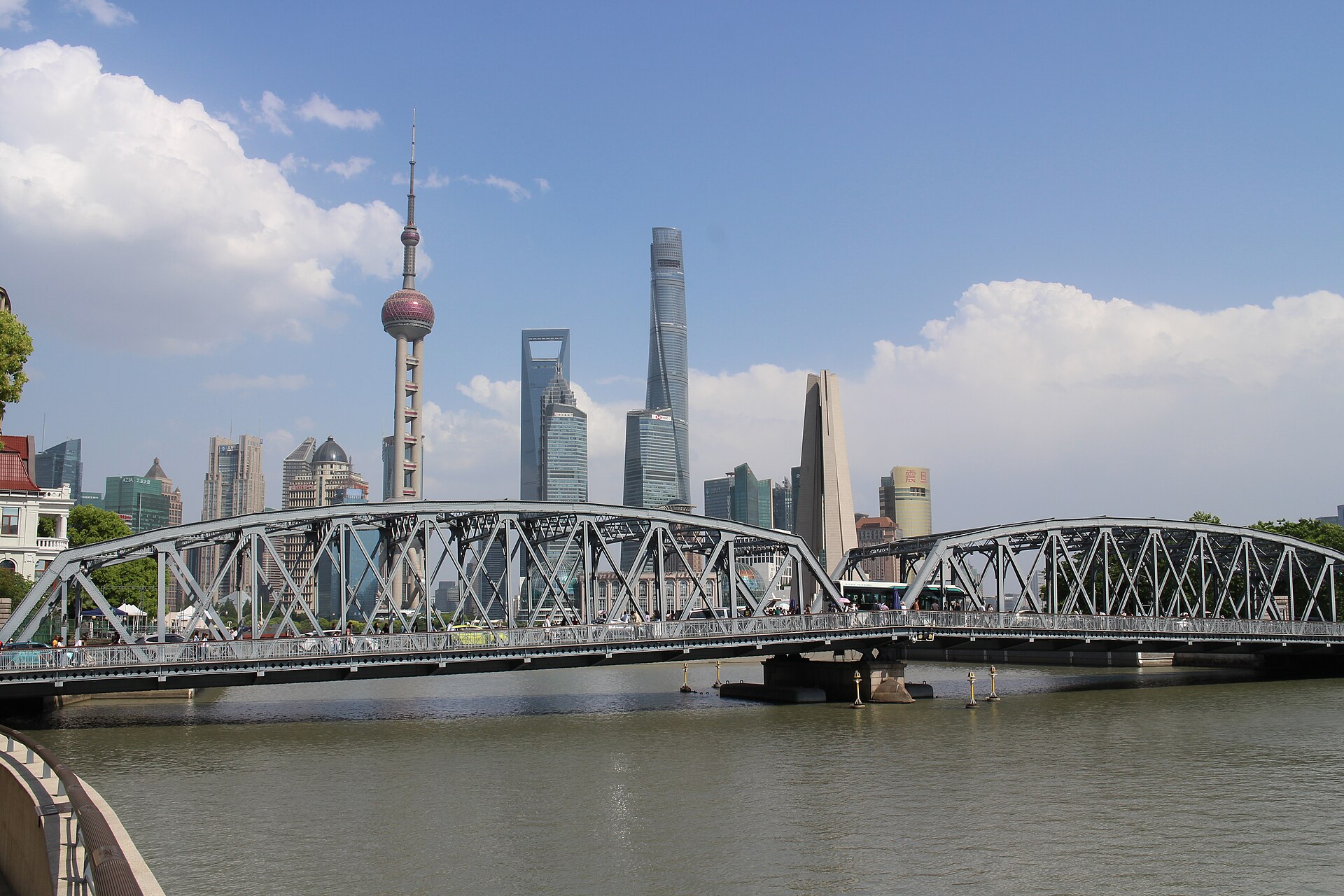
  • The Bund Embankment (外滩) the west-bank river promenade and the city's defining walk. Arrive by 17:30 to take the colonial banking row at your back and watch the Pudong towers switch on across the Huangpu — Oriental Pearl, the 420m Jin Mao, and the 632m Shanghai Tower, mainland China's tallest building. No ticket, no queue — just be in place before the lights come up.
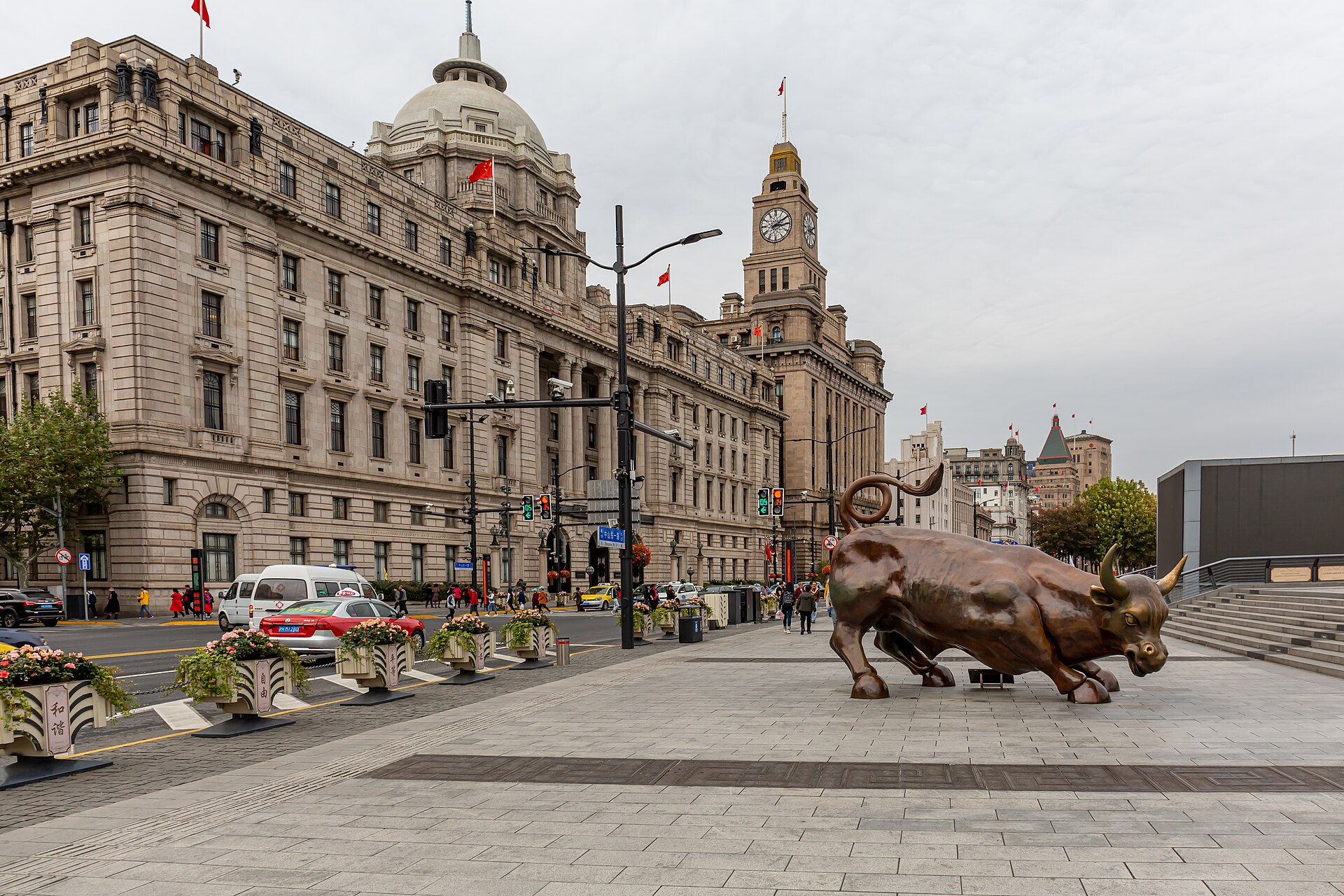
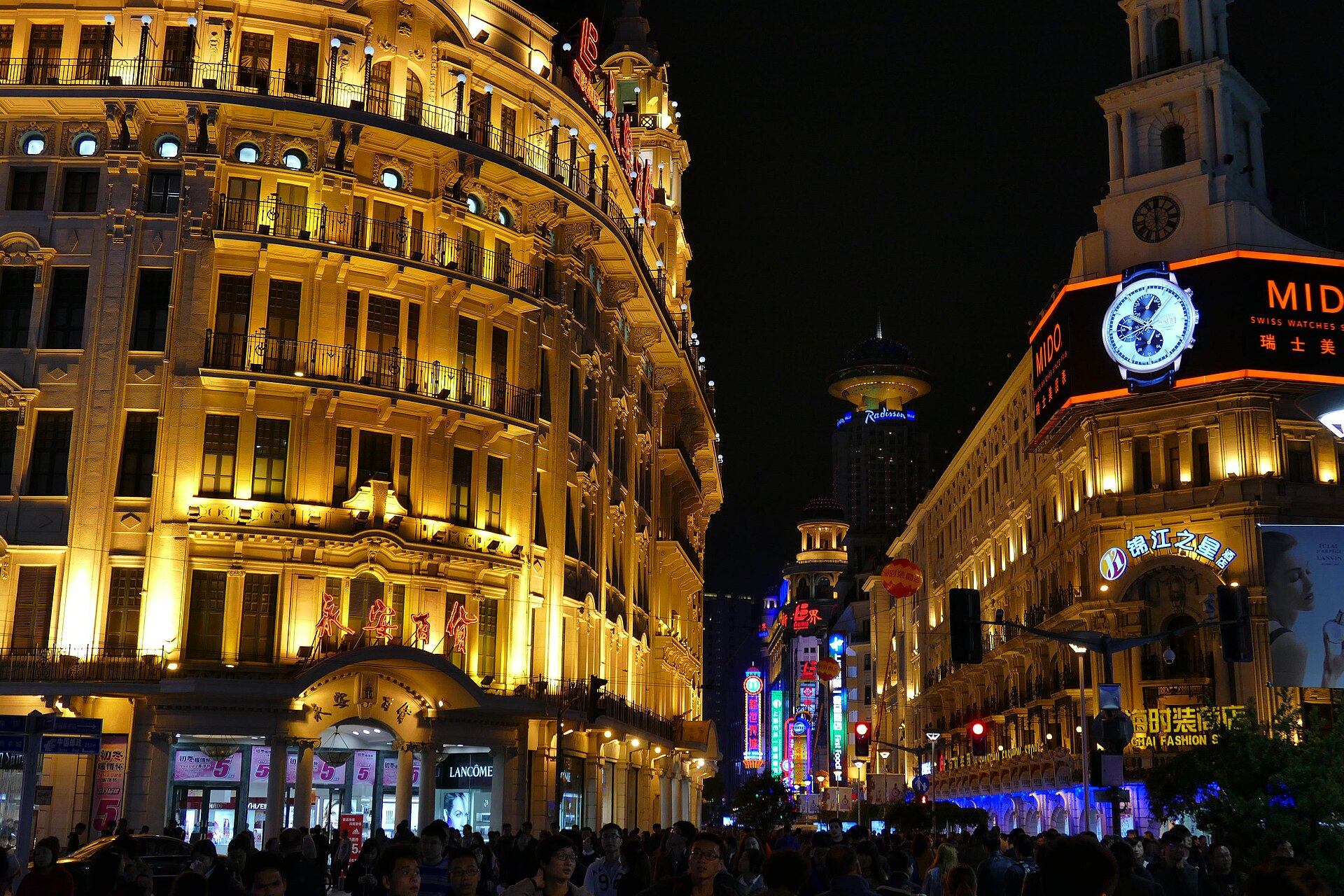
  • The Colonial Banking Row (外滩建筑群) The 1.5km wall of 1920s-30s Art Deco and neoclassical facades behind the embankment — former banks, trading houses and consulates, now hotels and flagship stores. Walk it slowly at street level rather than only photographing it from across the water.
  • Pudong Across the Water (浦东) The skyline is the sight; the towers are optional. If you go up one, make it Shanghai Tower's 546m observation deck over the Oriental Pearl — but most of our clients get more from the river-level view at dusk than from the queue for the lift.
Snippet 02

Old Town & the Shanghai Plate

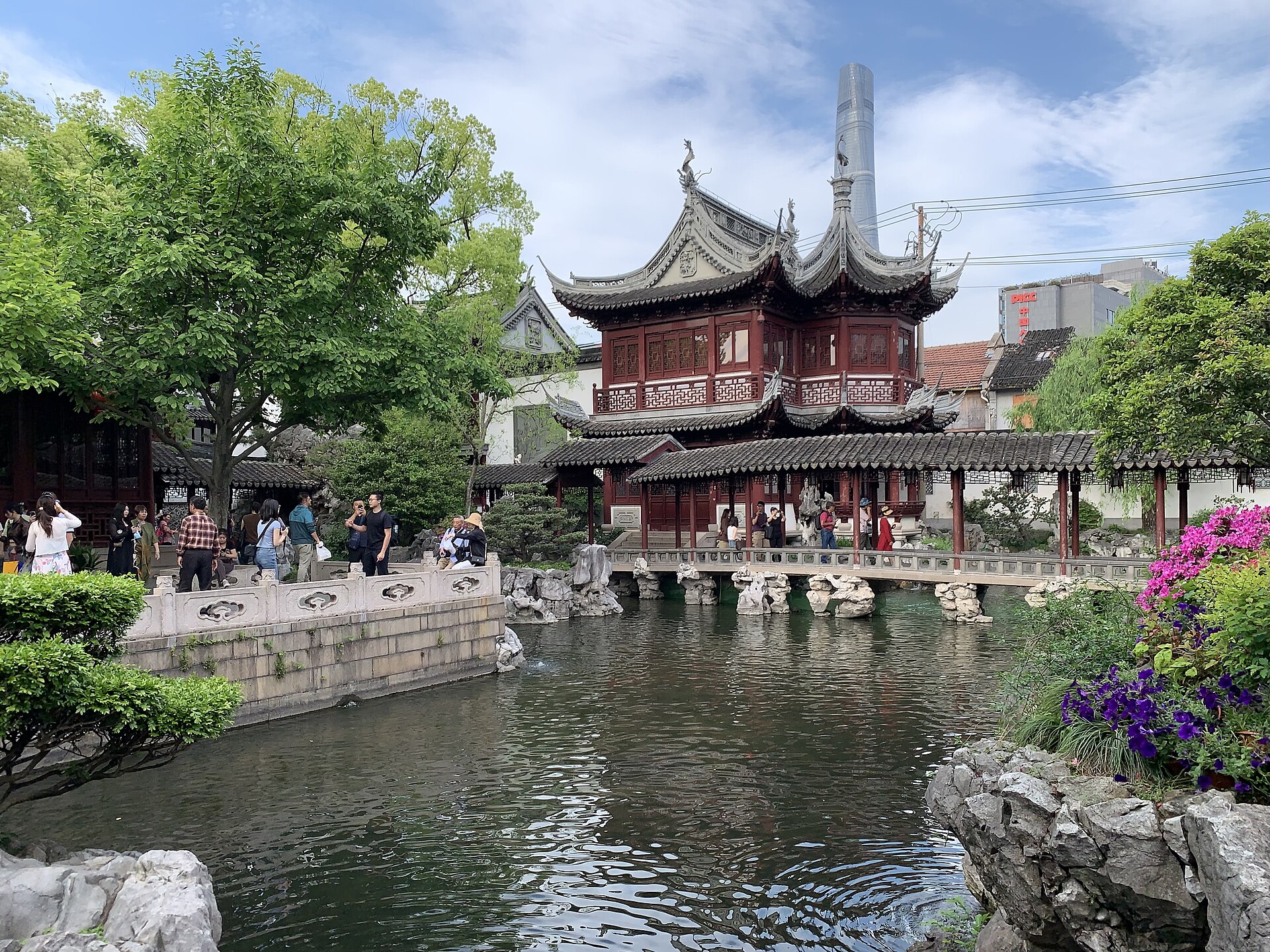
  • Yu Garden (豫园) The Ming-dynasty scholar's garden in the old walled city, laid out from 1559 — rockeries, koi ponds, dragon-topped walls and pavilions across roughly two hectares. Allow about 90 minutes, and go at opening to beat the bazaar crowds that build by late morning.
  • The Old Bazaar Breakfast (豫园老街) The lanes around the garden are where to eat early — jianbing (煎饼) folded to order on the griddle, and shengjianbao (生煎包), the pan-fried soup buns crisped on the bottom that are Shanghai's own answer to the dumpling.
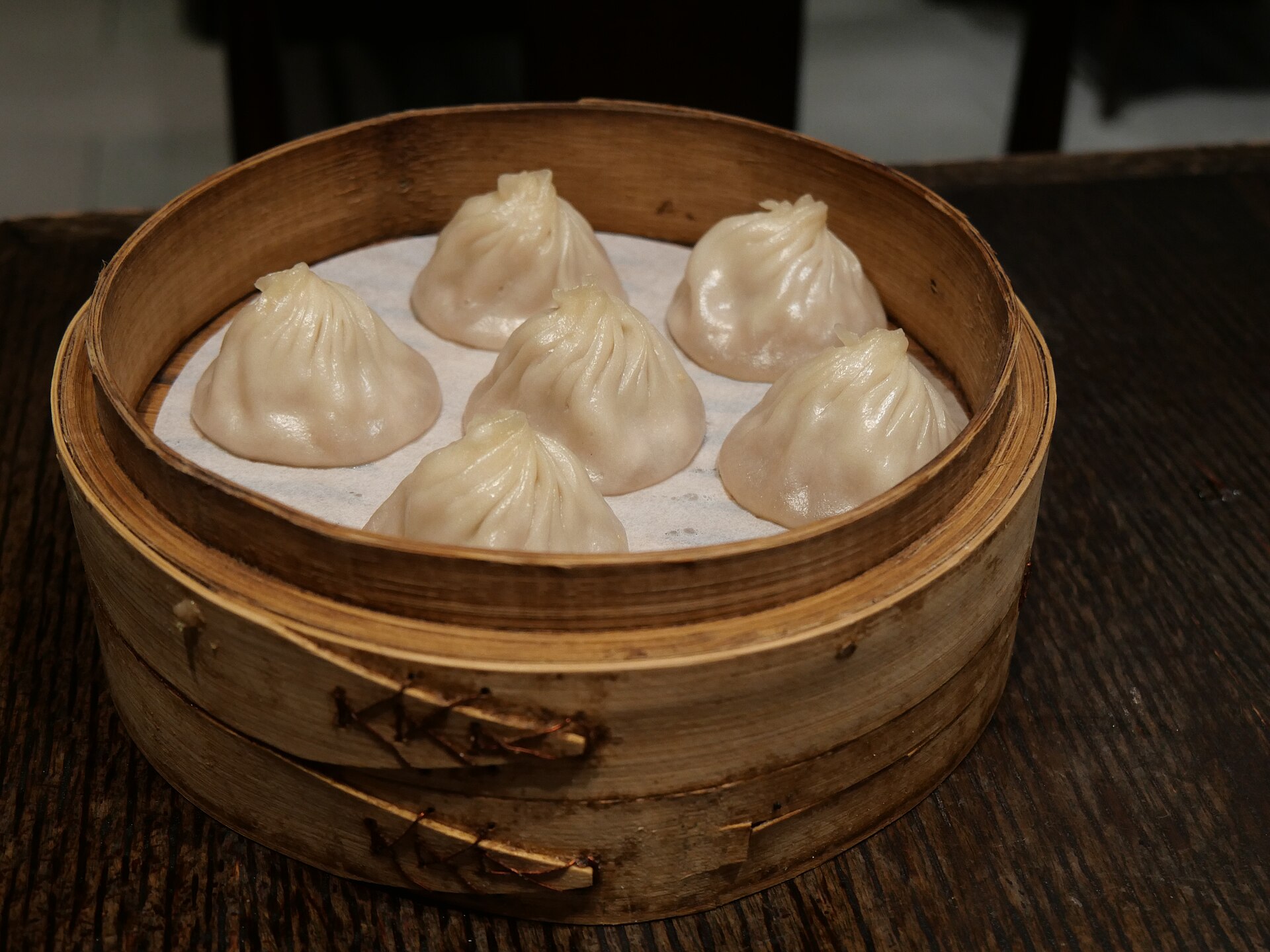
  • Xiaolongbao at the Source (小笼包) Shanghai is the home of the soup dumpling — thin-skinned, broth-filled, eaten with black vinegar and ginger. The Old Town stalls do the everyday version; book Jesse (老吉士) or Fu 1015 for the sit-down one.
Snippet 03

The French Concession on Foot

  • Wukang Mansion (武康大楼) The prow-shaped 1924 apartment building where Wukang and Huaihai roads meet — the city's most-photographed corner, and the natural anchor for a Concession walk. Best light is morning; expect a small crowd doing the same shot.
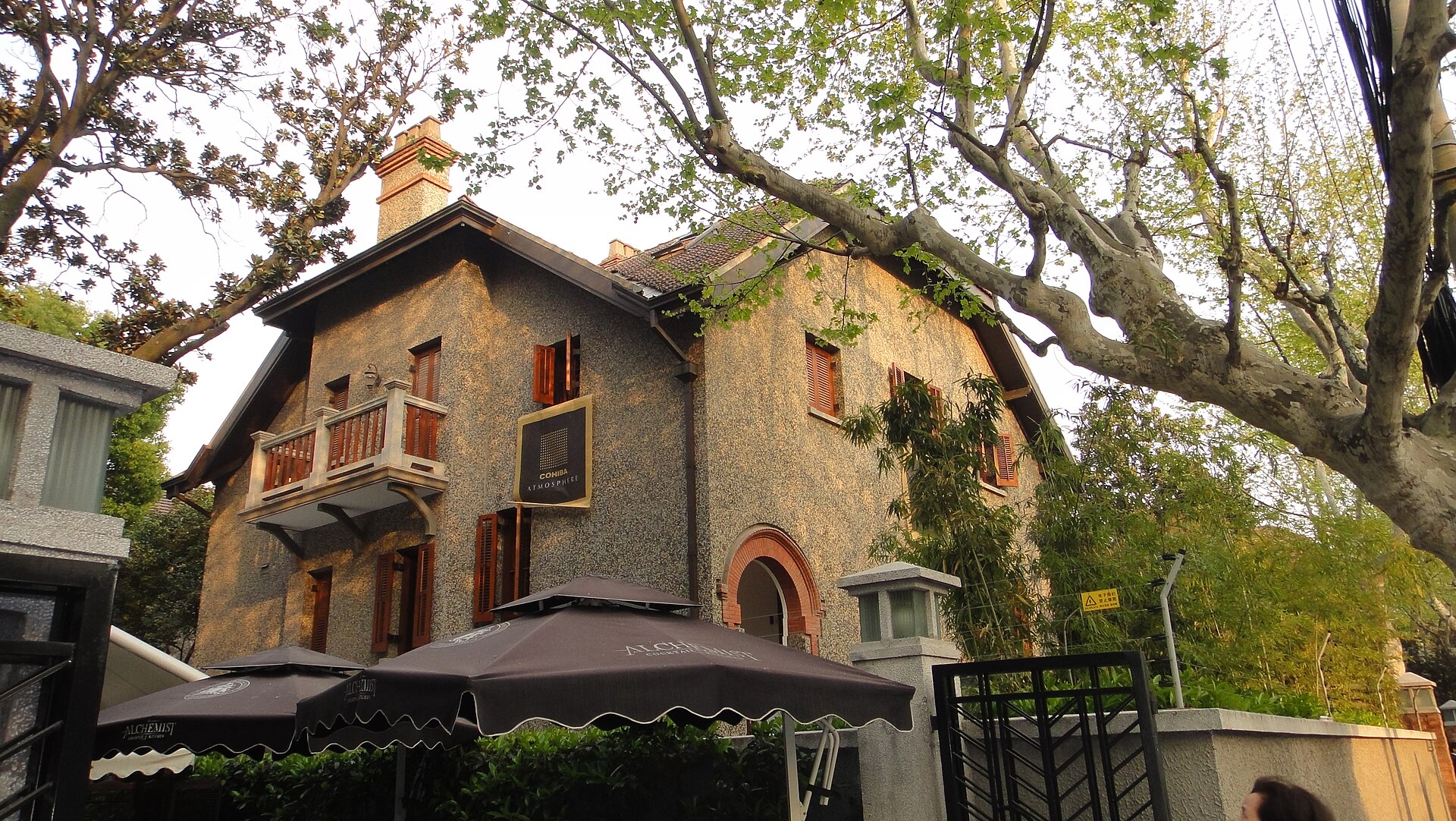
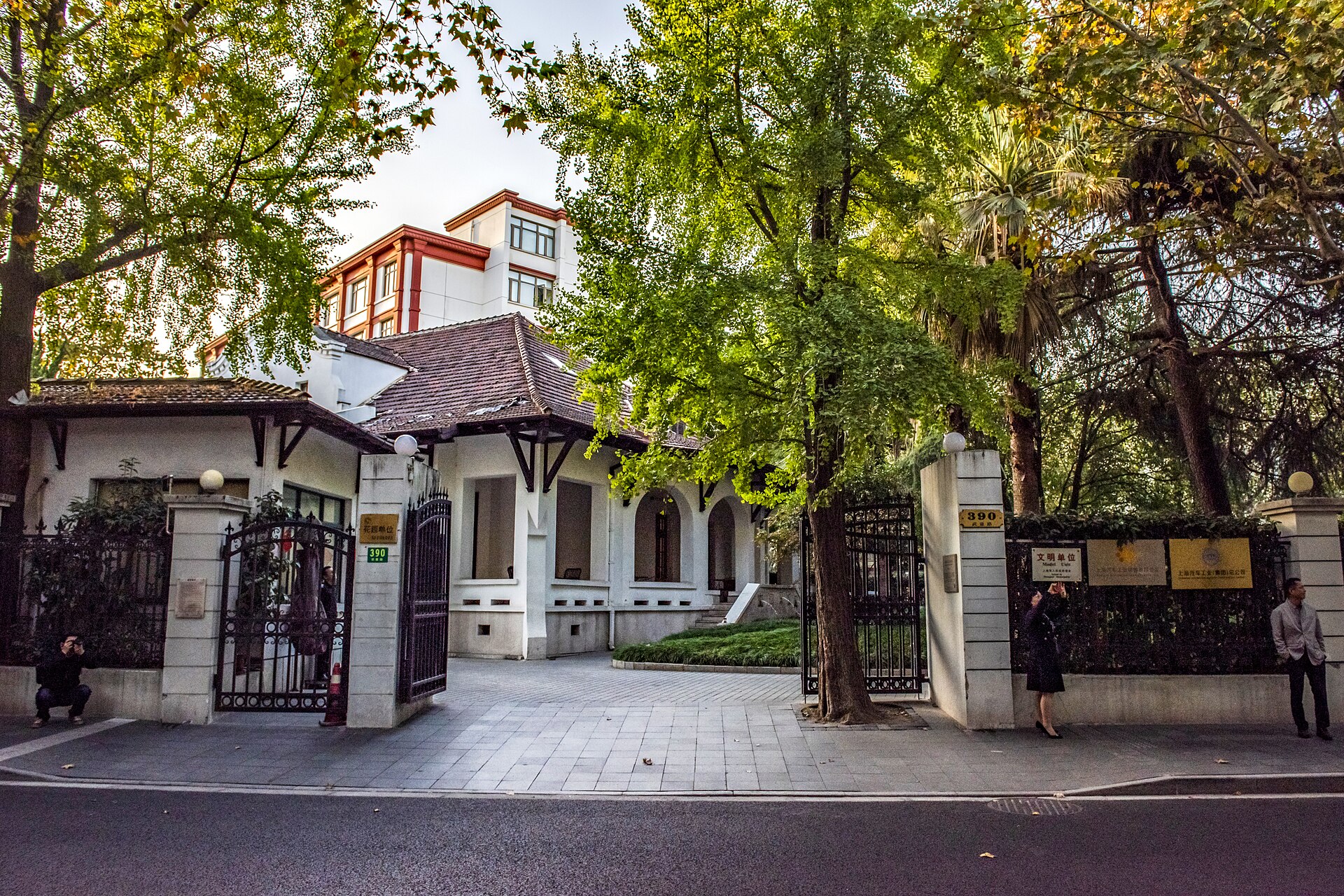
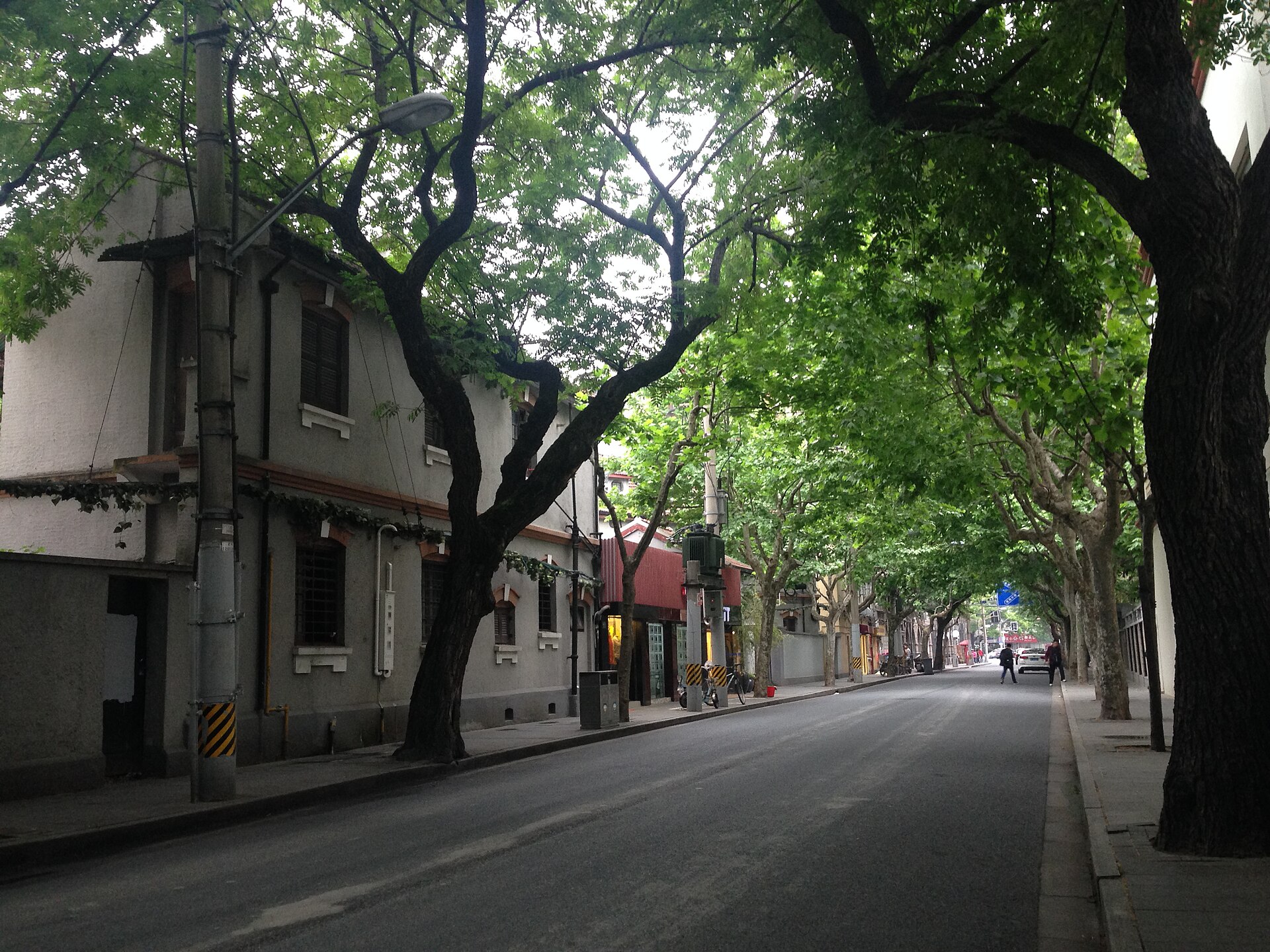
  • Plane-Tree Streets (法租界) The old French Concession is the most walkable quarter in any Chinese city — plane-tree canopies, low-rise villas and Anfu Road's (安福路) independent boutiques, cafes and galleries. Walk it with no fixed plan; the streets are the attraction.
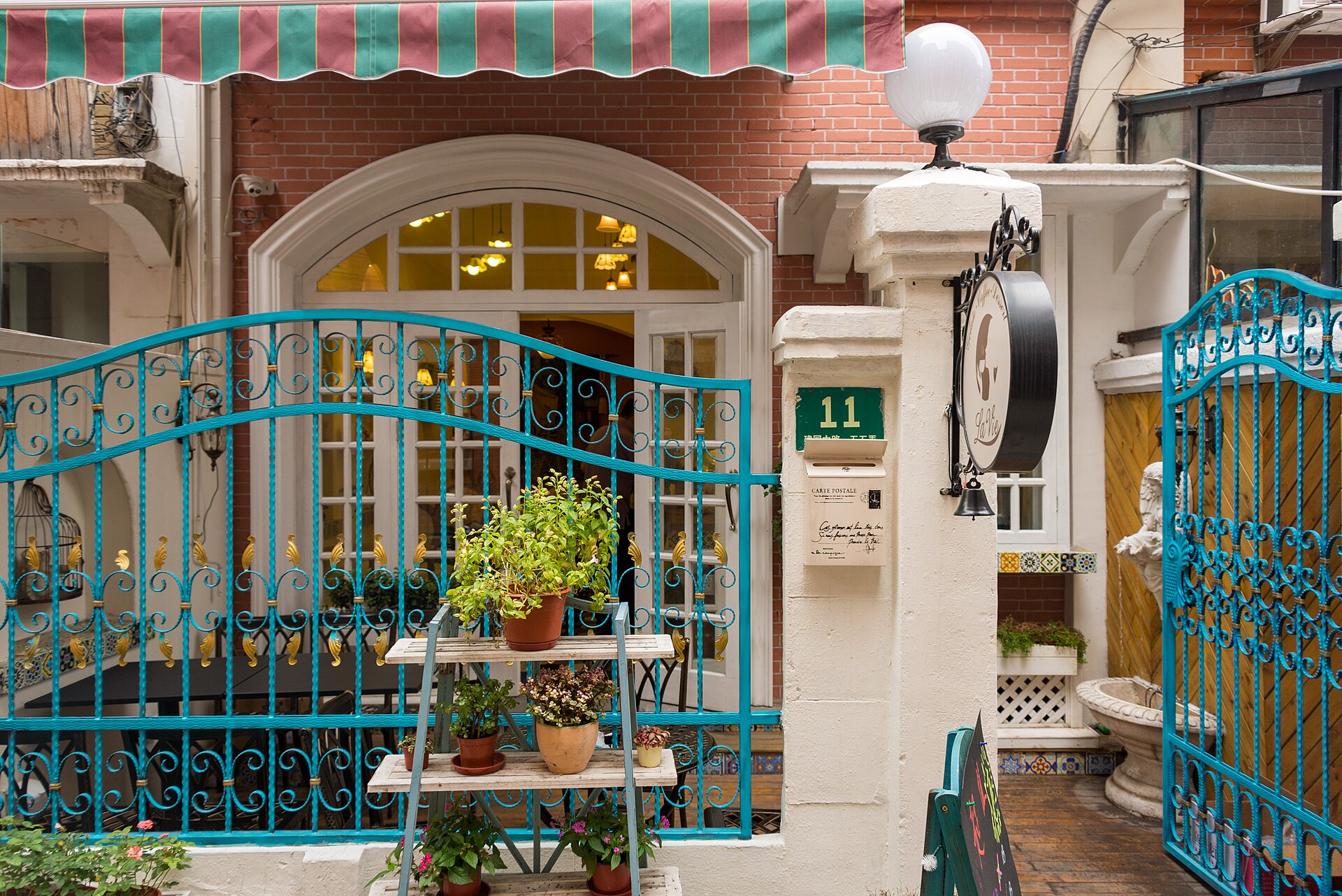
  • Coffee, Posters & Lanes Shanghai takes coffee seriously — a flat white at Manner or %Arabica is part of daily life here, not a novelty. Pair it with the Propaganda Poster Art Centre, a private Mao-era collection on an upper floor of an apartment block on Huashan Road in the Concession, and Tianzifang (田子坊), the compressed shikumen lanes that are touristy but worth one slow loop.
Snippet 04

Shikumen & the Modern City

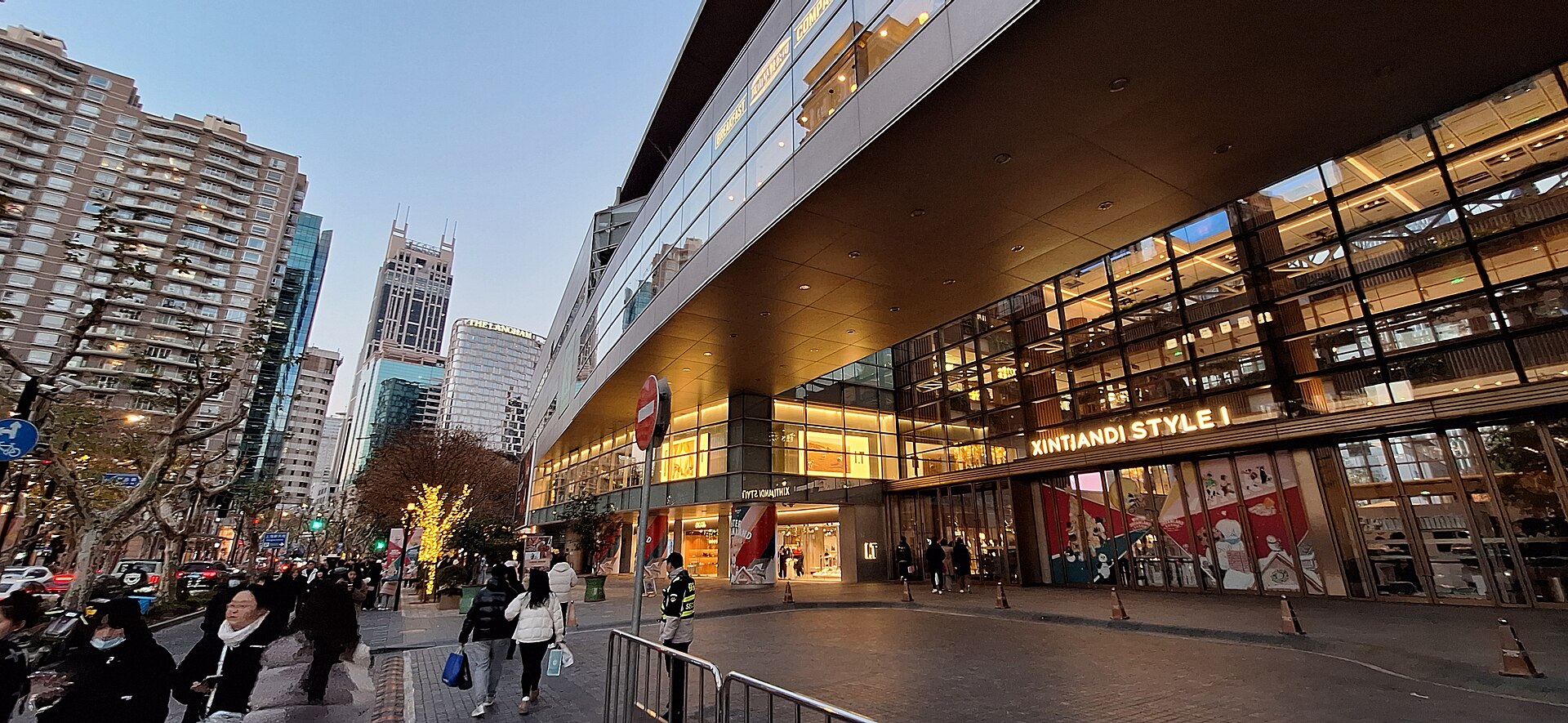
  • Shikumen Lane-Houses (石库门) The stone-gated terrace house is Shanghai's native architecture — two-storey brick rows behind carved stone door-frames, built by the hundred-thousand from the 1860s. Tianzifang preserves the dense, lived-in version; Xintiandi the polished, gentrified one. Walk one of each to read the city.
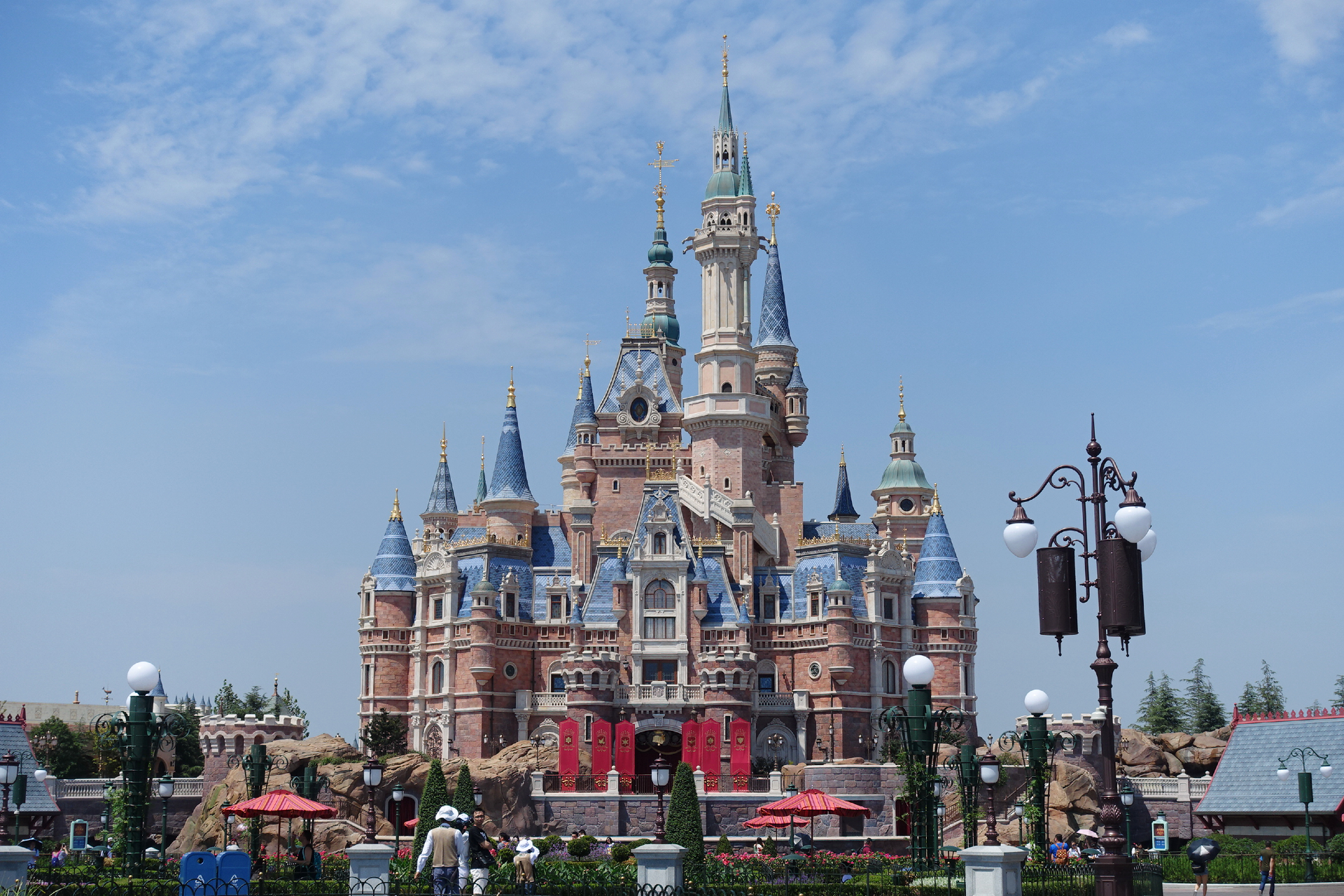
  • Shanghai Disneyland (上海迪士尼) in Pudong, and a real full day — not a half-day add-on. The headline rides are TRON Lightcycle Power Run, a Pirates of the Caribbean widely rated the best Disney has built, Soaring Over the Horizon and Seven Dwarfs Mine Train. Worth a dedicated day for families with kids.
  • The Dinner Tables Shanghai eats well across registers — Fu 1015 for refined Shanghainese in a 1930s villa, Lost Heaven for Yunnan-minority cooking on the Bund, Jesse (老吉士) for the cult home-style original, and Mr & Mrs Bund for a late, loud, skyline-window dinner. Book all of these ahead.
Common questions

Planning your Shanghai trip

01 When is the best time to visit Shanghai?

Mid-March to mid-May and late September to early December are the two best windows — mild temperatures, lower humidity, and comfortable walking weather for the Bund and the French Concession. October is the sweet spot of the autumn window. Avoid July and August if you can: hot, humid, and squarely in the East China typhoon season, when a passing storm can shut down outdoor plans and disrupt flights for a day. One calendar caveat — the first week of October is China's National Day Golden Week, when domestic crowds at Yu Garden, the Bund and Disneyland swell enormously and hotel rates spike, so either book far ahead or aim for the weeks on either side.

02 How do I get to Shanghai?

Shanghai has two airports. Pudong International (PVG), east of the city, handles almost all long-haul international arrivals — direct flights from Sydney and Melbourne (roughly 10-11 hours), Singapore (about 5.5 hours), Kuala Lumpur, Bangkok, and most major European hubs. Hongqiao (SHA), on the west side, is mainly domestic and connects to the rest of China. Onward to the southwest, there are frequent direct flights from Shanghai to Kunming (KMG, ~3.5 hours) and Chengdu (CTU, ~3 hours). Shanghai is also a hub of China's high-speed rail network — Hongqiao Railway Station runs HSR to Beijing in about 4.5 hours and across the eastern seaboard — though for the southwest, flying is the practical onward leg.

03 Do I need a visa for Shanghai?

Citizens of many countries — including Australia, the UK, most of Europe, Singapore, Malaysia and South Korea — currently benefit from China's visa-free entry policy, typically allowing stays of 15-30 days depending on passport. Check the current Chinese embassy or consulate website for your nationality before travelling, as these arrangements are updated periodically. Separately, Shanghai is a designated port for China's 240-hour (10-day) visa-free transit policy, useful if you're arriving on an onward-bound ticket and entering through Pudong before continuing your journey.

04 How does Shanghai fit into a Yunnan or Sichuan itinerary?

As the eastern arrival bookend. Pudong (PVG) is the cleanest international gateway from Australia and Southeast Asia, so we routinely route clients in through Shanghai: land, spend two to four days shaking off the long flight — the Bund, the French Concession, Yu Garden, and a Disneyland day if there are kids — then take a short domestic flight or high-speed connection onward to Kunming or Chengdu to start the main southwest circuit. It works equally well as the departure bookend, with a day or two back in the city before the long flight home. Beijing and Shanghai are the two hubs that bracket a Boutique China trip — the imperial north and the river city — not side-trips from Yunnan, but the way in and the way out.

Keep exploring

More from Nearby