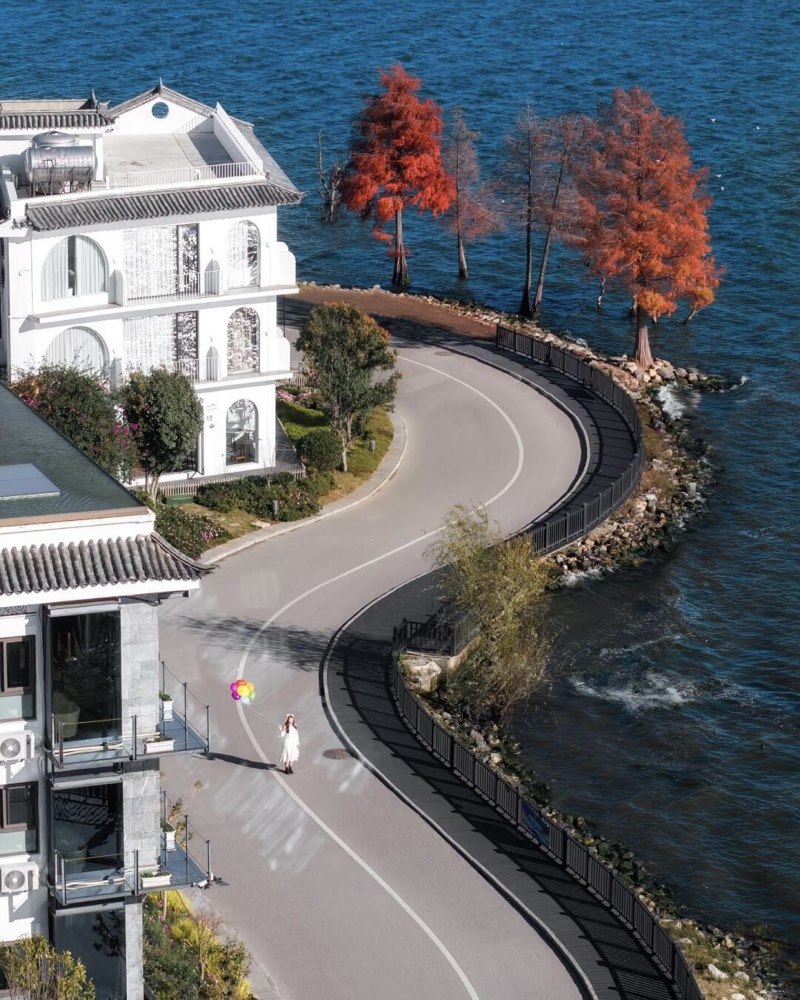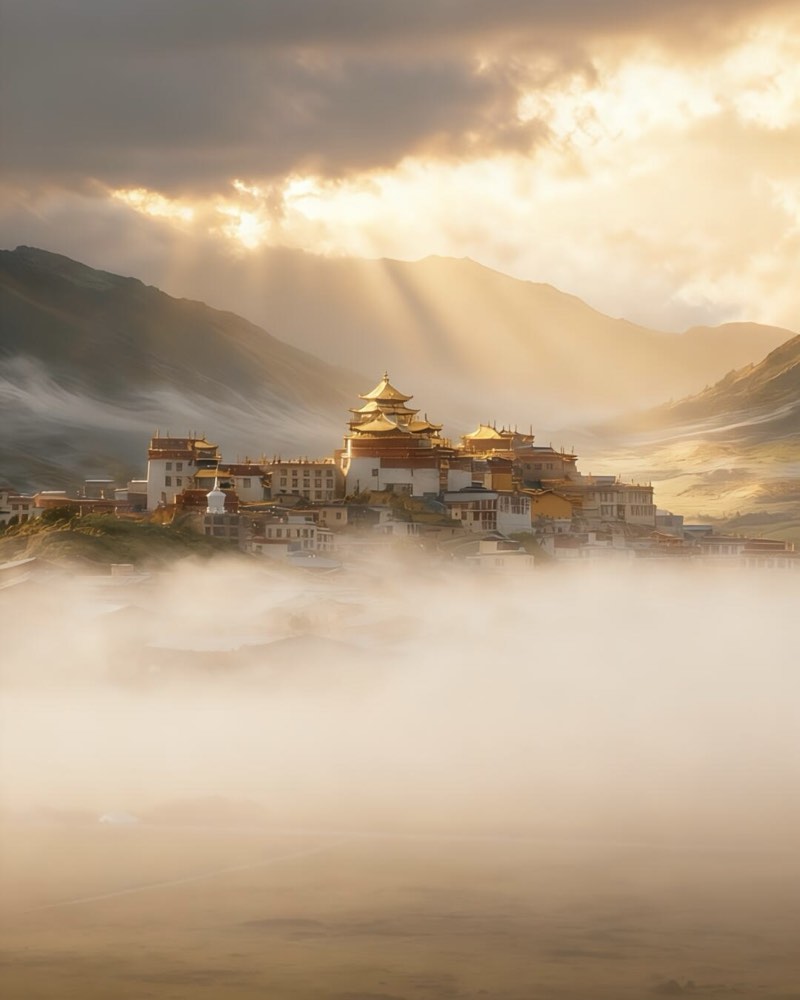

Jiuzhaigou is China’s most photographed national park. On peak days in autumn, it receives over 20,000 visitors. The queues for the shuttle buses start before 8am. By 10am, the boardwalks at Five Flower Lake look like a crowded shopping mall — just with extraordinary turquoise water behind the shoulders.
So is it still worth visiting? Yes. Absolutely. But visiting well requires knowing exactly what you’re walking into and how to work around it. This guide tells you what most travel content won’t.
What Jiuzhaigou Actually Is
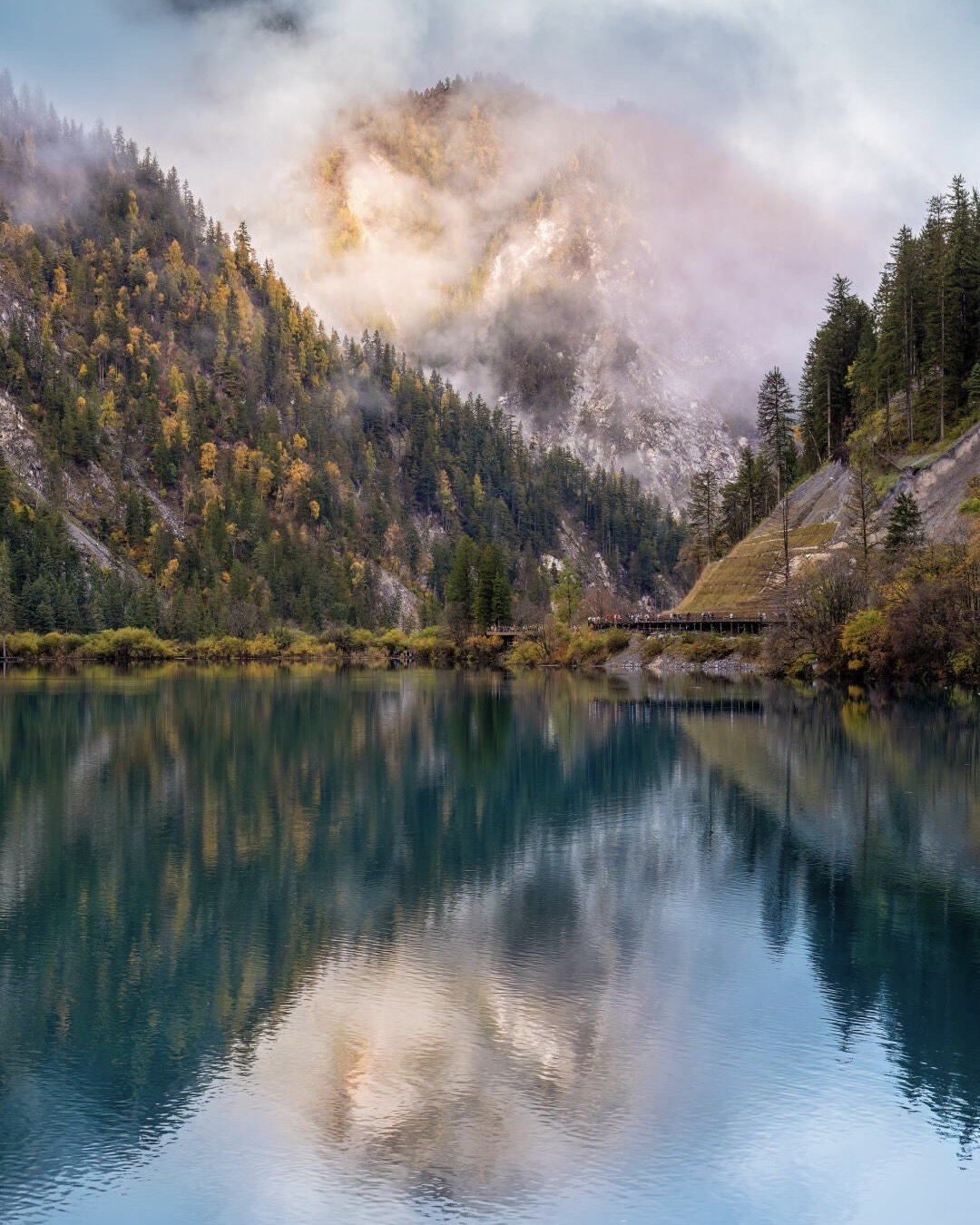
Jiuzhai Valley (九寨沟, literally “Nine Village Gully”) sits in the Min Mountains of northern Sichuan, about 330km north of Chengdu. It’s a UNESCO World Heritage Site, and the designation is earned: the valley contains over 100 alpine lakes of impossible colour — teal, jade, sapphire, deep cobalt — fed by mineral-rich glacial springs and separated by calcite waterfall cascades.
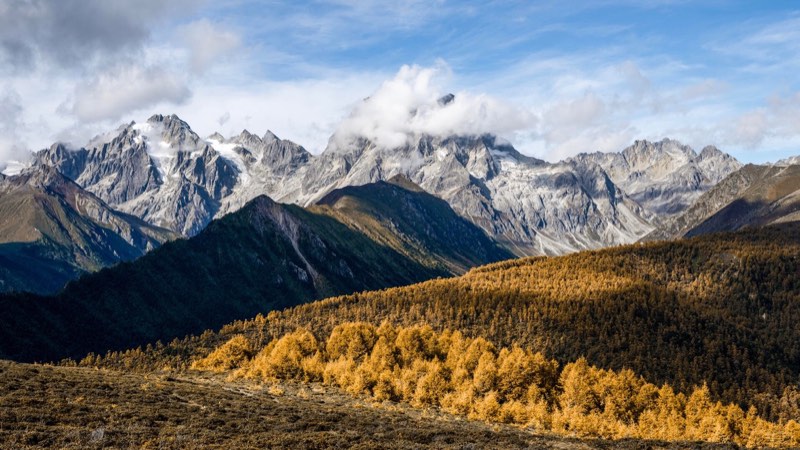
The colour changes with the season, the time of day, and the angle of light. In autumn, the surrounding forests turn gold and red, and the contrast against the water produces images that look almost artificially saturated. They’re real.
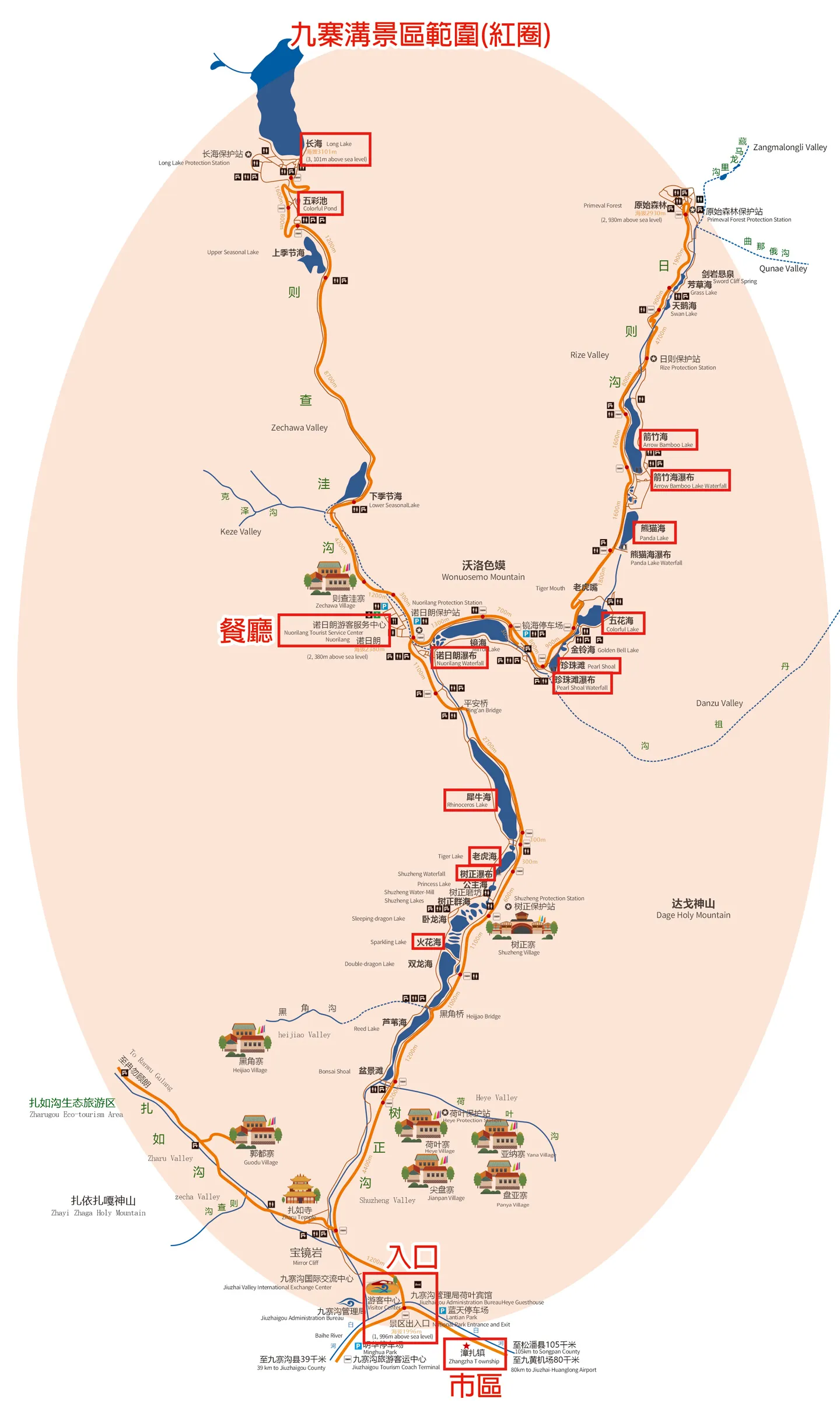
The park is Y-shaped, with three valleys branching from a central hub at Nuorilang (诺日朗):
- Shuzheng Valley (树正沟) — the main stem from the entrance, containing the lower lakes, Shuzheng Waterfall, and a series of Tibetan villages
- Rize Valley (日则沟) — the right branch, home to the park’s headline attractions: Five Flower Lake, Pearl Shoal Waterfall, Panda Lake, and the Primeval Forest at the top
- Zechawa Valley (则查洼沟) — the left branch, climbing to Long Lake (长海) at 3,103m and the vivid Five Coloured Pool (五彩池)
The park has approximately 40km of well-maintained boardwalk across all three valleys — mostly flat, accessible wooden walkway rebuilt to post-earthquake standards. Most visitors see a fraction of it.
The map below shows the full valley layout and key attractions — use it to orient your route before you arrive.
The 2026 Situation: Permits, Caps and What’s Changed Since 2019
Jiuzhaigou was heavily damaged in a 2017 earthquake — several lakes were drained, boardwalks were destroyed, and the park closed entirely for repairs. It reopened progressively from 2019 onward.
In 2026 the park operates under a daily visitor cap, with tickets sold online in advance. In practice this means:
- Peak autumn (late September to early November): Tickets sell out days — sometimes weeks — in advance. Do not assume you can buy on arrival.
- Summer (July–August): Popular but less extreme. Same-day or next-day tickets are usually available outside Chinese public holidays.
- Winter (December–February): Some areas are partially closed for maintenance, but visitor numbers are dramatically lower. The frozen lakes and snow-dusted pines produce a completely different visual atmosphere — underrated.
- Spring (Mid April–May): Waterfalls are at their strongest from snowmelt. Quieter than autumn, especially April.
Chinese national holidays are a different category of crowded. The Golden Week holiday in early October — which overlaps with peak autumn colour — produces some of the highest single-day visitor numbers of the year. If your travel window includes 1–7 October, plan accordingly or book accommodation well outside the peak days.
Tickets are purchased on the official Jiuzhaigou ticketing platform (九寨沟官方售票). An entrance fee applies; shuttle bus fees are additional and paid separately inside the park. Confirm current pricing before you go — fees have changed since the post-earthquake reopening.
The Honest Answer on Crowds
The peak autumn crowds at Jiuzhaigou are significant. If you visit on a sold-out October day at 10am, the experience is genuinely different from the images you’ve seen. The boardwalks are full. The shuttle buses run continuously but have queues. The most famous viewpoints — Five Flower Lake, Pearl Shoal — have organised viewing areas where you’re moved along.
Does this ruin it? Not if you go in with the right expectations and the right strategy. The lakes are still breathtaking. The water colour is still extraordinary. You’re not going to have a private moment at Five Flower Lake in peak season — accept that, and the experience recalibrates into something still very much worth having.
The visitors who are most disappointed are those who expected the solitude of the photos. Those photos were taken at dawn, in winter, or twenty years ago. Plan for what the park is now, and you won’t be disappointed.
How to Actually Beat the Crowds: The Strategies That Work
1. Be at the gate at 7:00am
The park opens at 7:00am. The first wave of tourists — predominantly domestic group tours, mostly senior travellers on organised buses — doesn’t arrive in volume until 9–10am. That first two-hour window is genuinely different.
At 7am, the boardwalks at Shuzheng Valley are quiet. The morning light hits the water at a low angle that afternoon visitors never see. The shuttle buses have no queue. This is not a minor improvement — it’s the difference between a memorable experience and a frustrating one.
During peak season, enter before 10am at absolute latest. Even an 8am arrival is meaningfully better than a 10am one.
2. Spread it across two days
The overwhelming majority of visitors — especially those arriving from Chengdu — visit Jiuzhaigou as a single day. They’re at the gate at 9am, they rush the highlights, they’re on a bus back to their hotel by 4pm. The entire experience is compressed into six or seven hours in the middle of the busiest part of the day.
Two days changes everything.
Day 1 — Zechawa Valley + Shuzheng lower valley
Start with Zechawa: Long Lake and Five Coloured Pool get significantly less traffic than the Rize Valley highlights. The upper section — Long Lake at 3,103m — is serene even on busy days. Come down through the lower Shuzheng lakes in the afternoon when day-trippers are heading out.
Day 2 — Rize Valley from 7am
Hit the gate first. Take the shuttle to the Primeval Forest at the top (2,990m) and walk down through the Rize Valley highlights: Swan Lake, Panda Lake and its waterfall, Five Flower Lake, Pearl Shoal Waterfall. Do the sections worth walking on foot; take the bus between the longer stretches. You’re done with the main highlights before the peak crowd even arrives.
The local strategy, confirmed by those who visit repeatedly: walk sections under 1km, take the bus for anything longer. The boardwalk between major attractions can add up to significant distances. Your legs are better saved for the spots that reward slow exploration.
3. Route order matters
The standard tourist route goes straight for Rize Valley highlights because that’s where Five Flower Lake is. Everyone does this. So Rize Valley is the most crowded section through most of the day.
Counter-program it: start with Zechawa Valley, which most visitors leave for later or skip entirely. You’ll have Long Lake and Five Coloured Pool with far fewer people. Come to the Rize Valley highlights later in the day when some of the crowd has moved on — or, better, reserve them for your early morning on day two.
4. Avoid all national holidays — not just Golden Week
China has seven official national holiday periods every year, and Jiuzhaigou is one of the most popular destinations for domestic travel during all of them. The ones to watch:
- Golden Week (1–7 October) — the worst. Autumn colour peaks at the same time as the country’s longest holiday. Visitor numbers hit the cap every day. Avoid if at all possible.
- Labour Day Golden Week (1–5 May) — now a five-day holiday, increasingly busy as warm-weather travel picks up.
- Spring Festival / Chinese New Year (Jan/Feb) — high volumes, particularly from the last few days of the holiday when travel pressure eases.
- Qingming (early April), Dragon Boat Festival (June), Mid-Autumn Festival (Sept/Oct) — shorter holidays but still produce weekend-style surge crowds.
The week immediately before Golden Week (late September) often has comparable autumn colour with a fraction of the visitors. The week after (mid-October) is also excellent. Either is significantly better than the holiday itself.
5. Avoid weekends if you can
This is newer advice — and more relevant now than it was five years ago.
Since high-speed rail expanded access between Chengdu and the Jiuzhaigou region, the weekend pattern has shifted significantly. A growing number of visitors now treat Jiuzhaigou as a two-day weekend trip from Chengdu. Friday evenings and Saturday mornings have become noticeably busier as a result — the crowd profile is younger, faster, and less constrained by tour-bus schedules.
If your schedule allows it, a Tuesday to Thursday visit will be meaningfully quieter than the same trip on a Friday–Sunday. Outside of national holidays, mid-week remains the cleaner option.
6. Where you stay changes everything
Most visitors stay in Zhangzha Town (漳扎镇) outside the park gate, or arrive as a day trip from further away. Either way, they enter with the crowd and leave with the crowd. There are two genuinely better options.
Option 1: Rissai Valley, a Ritz-Carlton Reserve
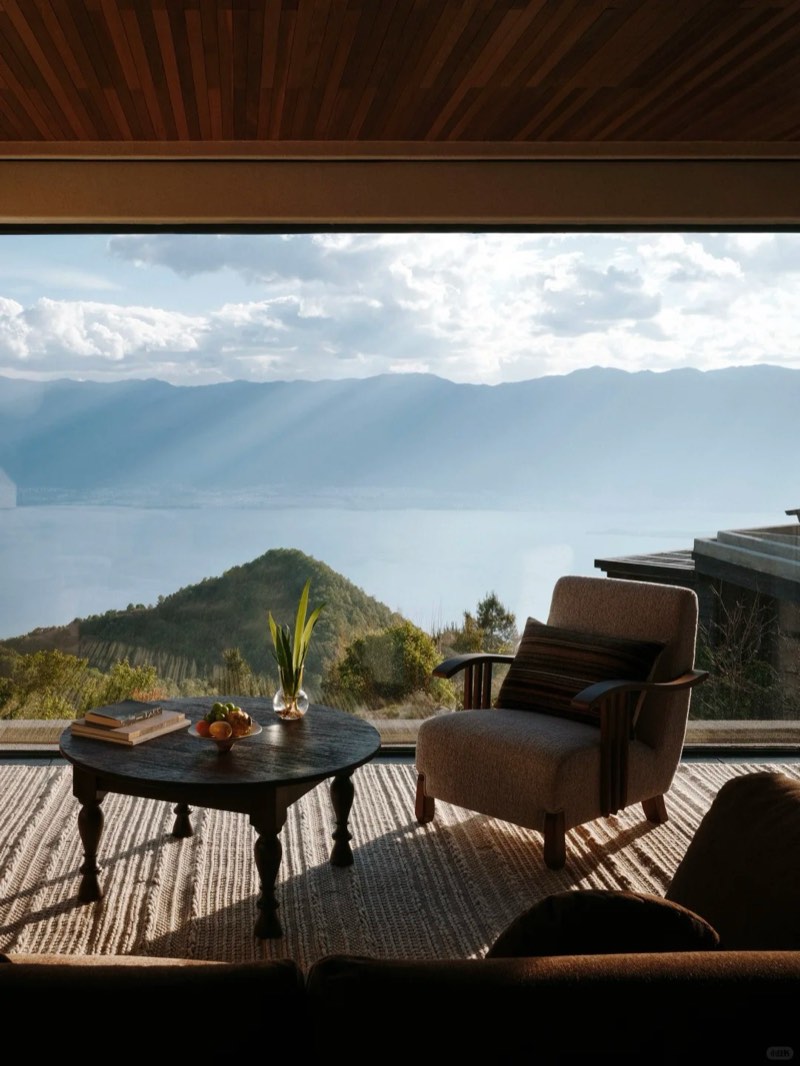
China’s first Ritz-Carlton Reserve property, opened in 2023 in the hidden Zhongcha Valley near Jiuzhaigou. Eighty-seven standalone villas with floor-to-ceiling windows looking out over the Minshan mountains. Each guest is assigned a dedicated personal host — a Nieba — who handles the itinerary, the transfers, the park logistics, and everything else. The Rissai Spa integrates Tibetan healing traditions. The architecture follows the motif of the endless Tibetan knot.
The case for it: this is the strongest luxury property in the Jiuzhaigou area, full stop. Full amenities, impeccable service, complete peace of mind. If you want a West Sichuan trip anchored by a property that will hold up against any hotel in Asia, this is it.
The honest trade-off: you’re outside the park. You’ll enter and exit with the crowd each day. The Ritz manages the experience brilliantly, but the park operates on its own schedule — not yours.
View property details →
Option 2: Stay inside the valley
Accommodation inside Jiuzhaigou valley is technically restricted — post-earthquake regulations limit what’s available and to whom. But it can be arranged, and the experience it creates is categorically different.
You’re inside the gates. The early morning light on the lakes, before a single shuttle bus has run. The late afternoon, when the day-trippers are gone and the water reflects the last of the light. The park at 6:30am, after rain, in the first hour after opening — the conditions that produce every photograph you’ve seen are only available to people who are already there.
The trade-off is equally direct: minimal amenities, nothing at the level of the Ritz-Carlton, and it requires knowing exactly where and how to book. It’s not for everyone. For the right traveller, it’s the most memorable version of Jiuzhaigou available.
Contact us to understand how either option works. We’ve arranged both regularly, and can advise on what fits your trip.
Best Time to Visit: The Honest Breakdown
| Season | Colour & Scenery | Crowds | Notes |
|---|---|---|---|
| Late Sept – early Oct | Peak autumn colour | Very high | Best visual payoff, highest crowds |
| Mid–late October | Good autumn colour | High, easing | Better balance than peak Golden Week |
| November | Late colour, some snow | Moderate | Some upper areas may close |
| December–February | Snow, frozen sections | Low | Dramatically different atmosphere |
| March–April | Spring melt, waterfalls strong | Low–moderate | Underrated season |
| May–June | Lush and green | Moderate | Good for families |
| July–August | Green, rainy season | High (holidays) | Road conditions can be affected by rain |
Getting There
By air: Jiuzhai Huanglong Airport (JZH) is 88km from the park — a 1.5 to 2 hour transfer. Direct flights from Chengdu (40 minutes), Chongqing, Xi’an, and Beijing. The airport sits at around 3,400m — arrive early to acclimatise before hiking.
By high-speed rail + transfer: Chengdu to Jiuzhai Huanglong by rail (2 -2.5 hour), then transfer by road (1.5 hour).
By road from Chengdu: Approximately 7–9 hours depending on road conditions. The drive through the Min Mountains is good in its own right. Road closures do happen during summer rainy season — confirm conditions before setting out.
For altitude context: the park entrance sits at about 2,140m, and the upper valleys reach 3,100m. Most visitors aren’t affected significantly, but those travelling directly from sea level may feel some breathlessness on the first day.
Jiuzhaigou in the Wider West Sichuan Context
Jiuzhaigou is the entry point for most travellers coming to West Sichuan — but it’s only one part of a much larger region. If you’re making the journey, it’s worth understanding what else is within reach.
Huanglong (黄龙), an hour’s drive away, is a UNESCO-listed glacial valley of calcite terraced pools — spectacular, sees a fraction of Jiuzhaigou’s visitors, and pairs naturally with a Jiuzhaigou trip.
Siguniang Mountain (四姑娘山) and Bipenggou are roughly 4 hours south and offer world-class alpine hiking across a very different landscape — granite peaks, meadow valleys, and technical trails for those who want them. Our 4-day Siguniang & Bipeng Valley journey covers both valleys from Chengdu.
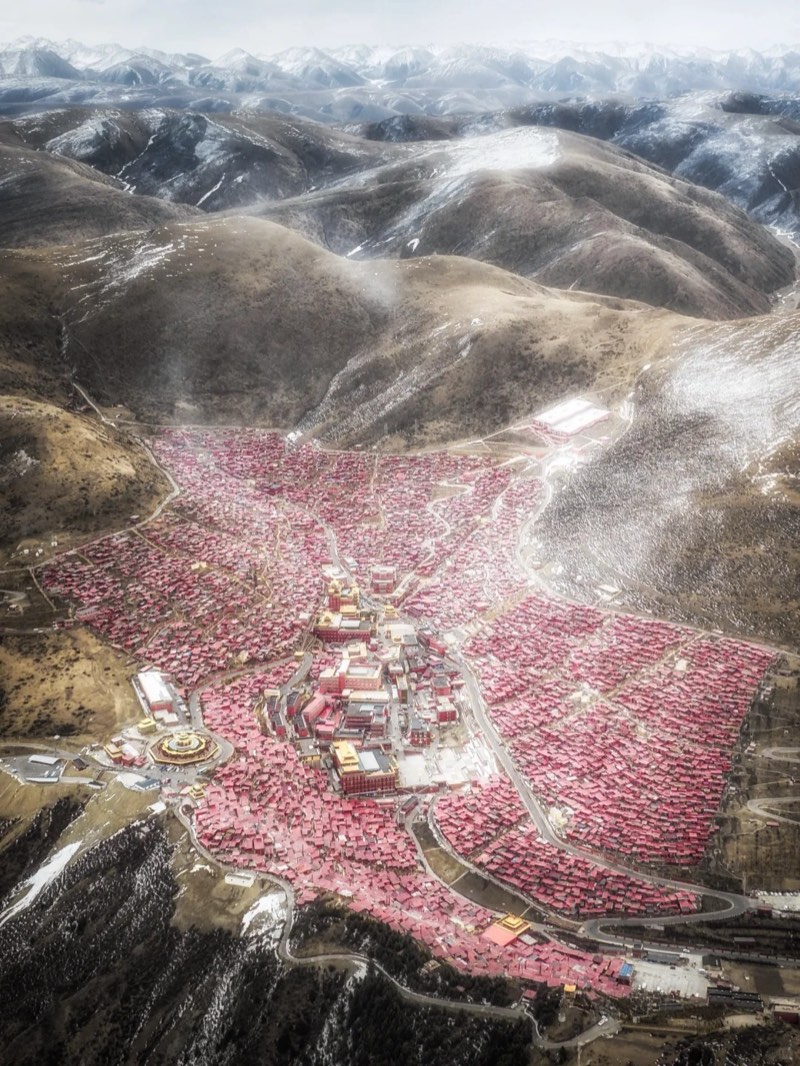
For travellers who want to go further: Ganzi Prefecture to the west and south opens up Daocheng Yading, the G318 scenic highway, Genie, and a set of Tibetan monasteries that most international travellers have never encountered. It requires more planning and more time — allow at least 14–18 days to do Aba and Ganzi properly — but the payoff is a trip that looks like nothing else available in Asia. Our Sacred Peaks of West Sichuan itinerary drives that road to Genie and Yading in 8–10 days.
Full guide: West Sichuan Travel Guide — Beyond Jiuzhaigou →
Is It Still Worth Visiting?
Yes. Unequivocally.
The crowds are real. The permit system is real. The experience on a sold-out October afternoon is not the experience from the photographs. All of that is true.
And the lakes are still among the most extraordinary things you can see in Asia. The colour is not exaggerated. The scale of the valley — three branching gorges of stacked lakes and falling water, set in snow mountains, lined with Tibetan villages — is genuinely unlike anything else in the world.
Visit with the right timing. Go in early. Spread it over two days. Don’t fight the crowds — route around them. And if you want the version of Jiuzhaigou that most visitors never access, talk to someone who can arrange it properly.
Plan Your Visit
We’ve been building itineraries through West Sichuan for years. We know the permit landscape, the seasonal windows, what’s changed since the earthquake, and — more importantly — how to put together a trip that gives you the real experience of the valley rather than the peak-crowd version.
Talk to us about planning your Jiuzhaigou trip →
Jiuzhaigou sits at the heart of our Chengdu & Jiuzhai Valley itinerary — 6–8 days that pair the panda base and Chengdu culture with the alpine lakes at your own pace.
Prefer to shape your own route through the region? See how we build a private Sichuan tour around your dates, pace and altitude plan.
Related reading: West Sichuan Travel Guide: Beyond Jiuzhaigou