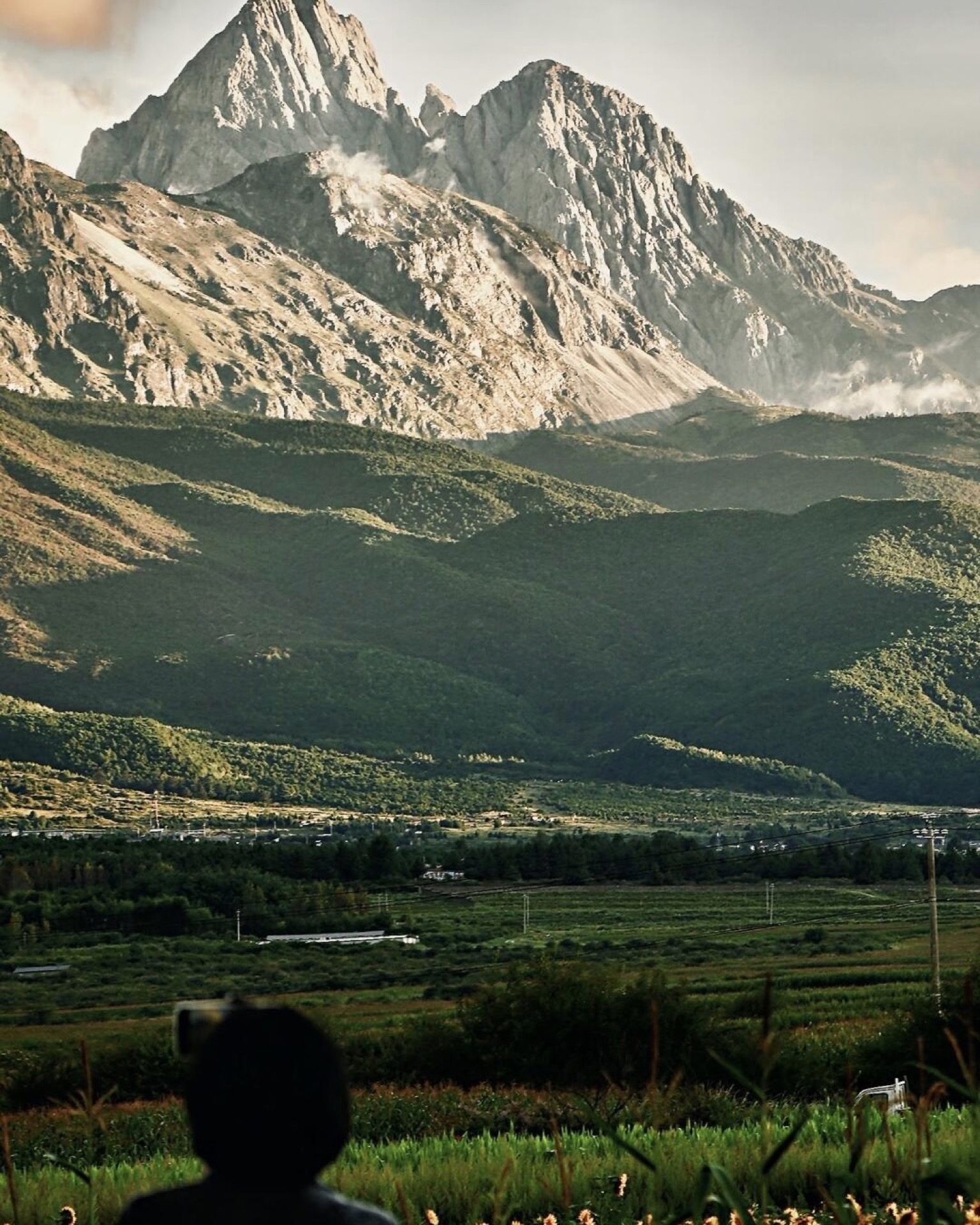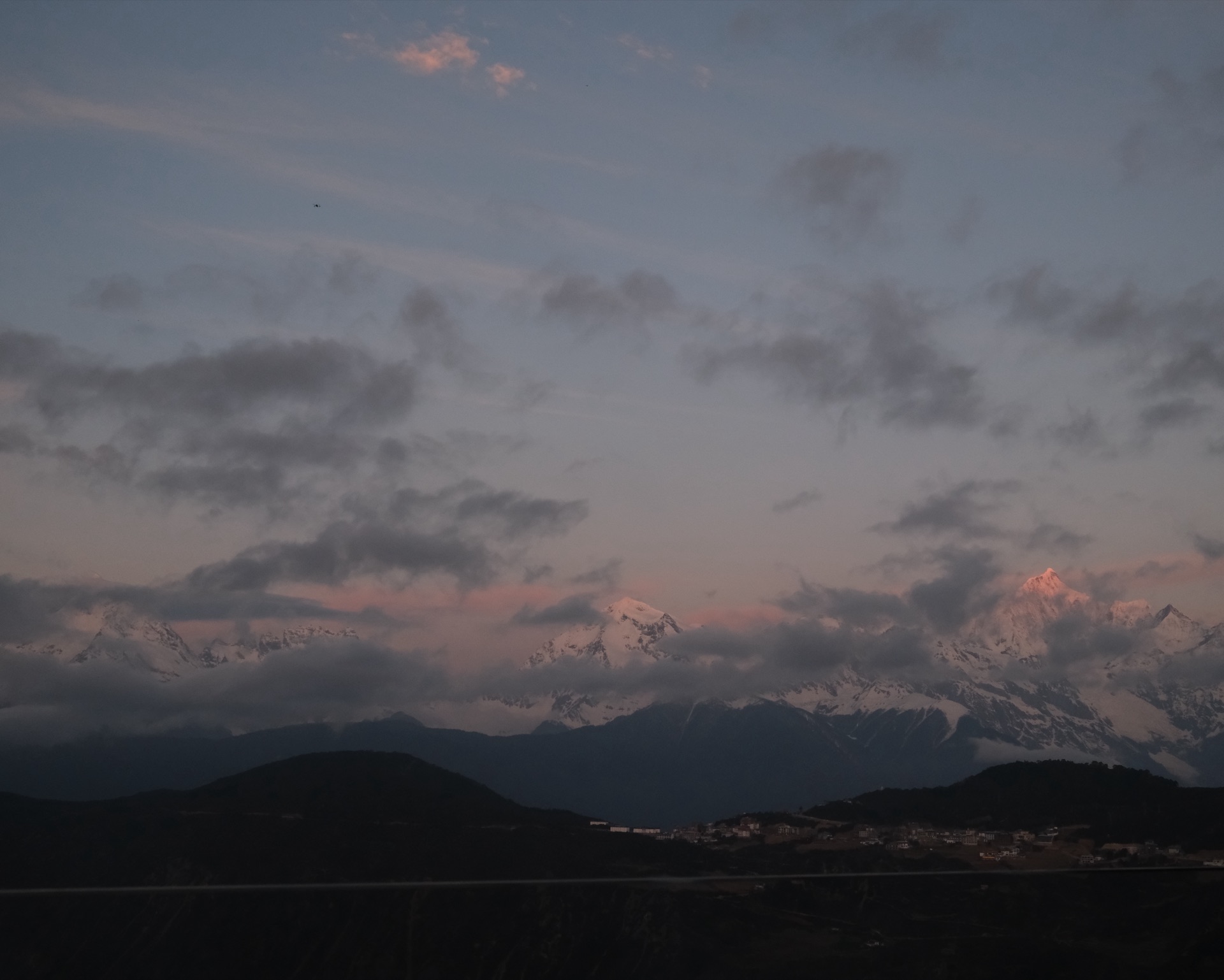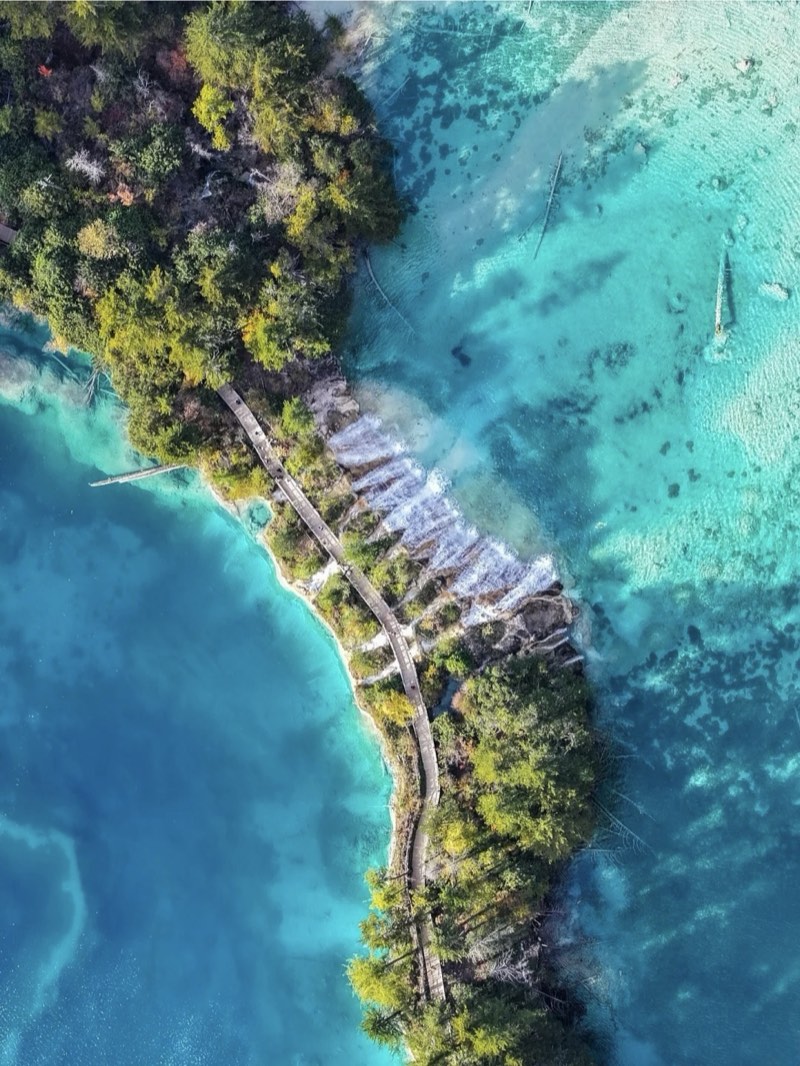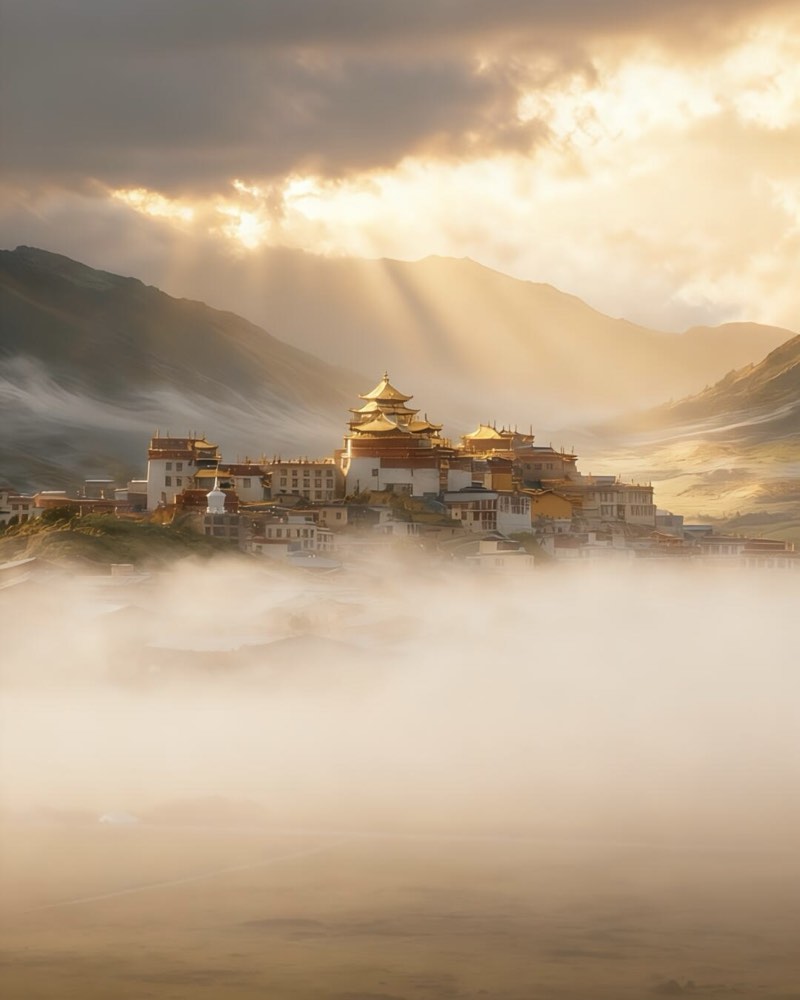
On the fourth day of a West Sichuan trip last autumn, our guide pulled off the G318 at 5:40am, rerouted us 20 minutes north, and put the car on a ridge above a lake nobody in the group had ever heard of. Ten minutes later, Mt Gongga — Sichuan’s highest peak at 7,556 metres — caught the first line of alpenglow and held it for three clean minutes. We got the frame. Then the cloud closed in, the light went flat, and every other vehicle on the road kept driving toward Xinduqiao. By 7am those travellers were at the town’s official viewpoint, shoulder-to-shoulder with 200 phones, watching a grey mountain.
That’s a small moment. It’s also the entire case for a private guide in Yunnan and Sichuan.
If you’re considering a trip into the deeper parts of Southwest China — West Sichuan, Nujiang, Genie, Shangri-La’s high country — you’re almost certainly weighing up whether a private guide is worth it versus the cheaper option of a group tour or self-drive. This is the honest answer, from the people who actually drive these roads every week.
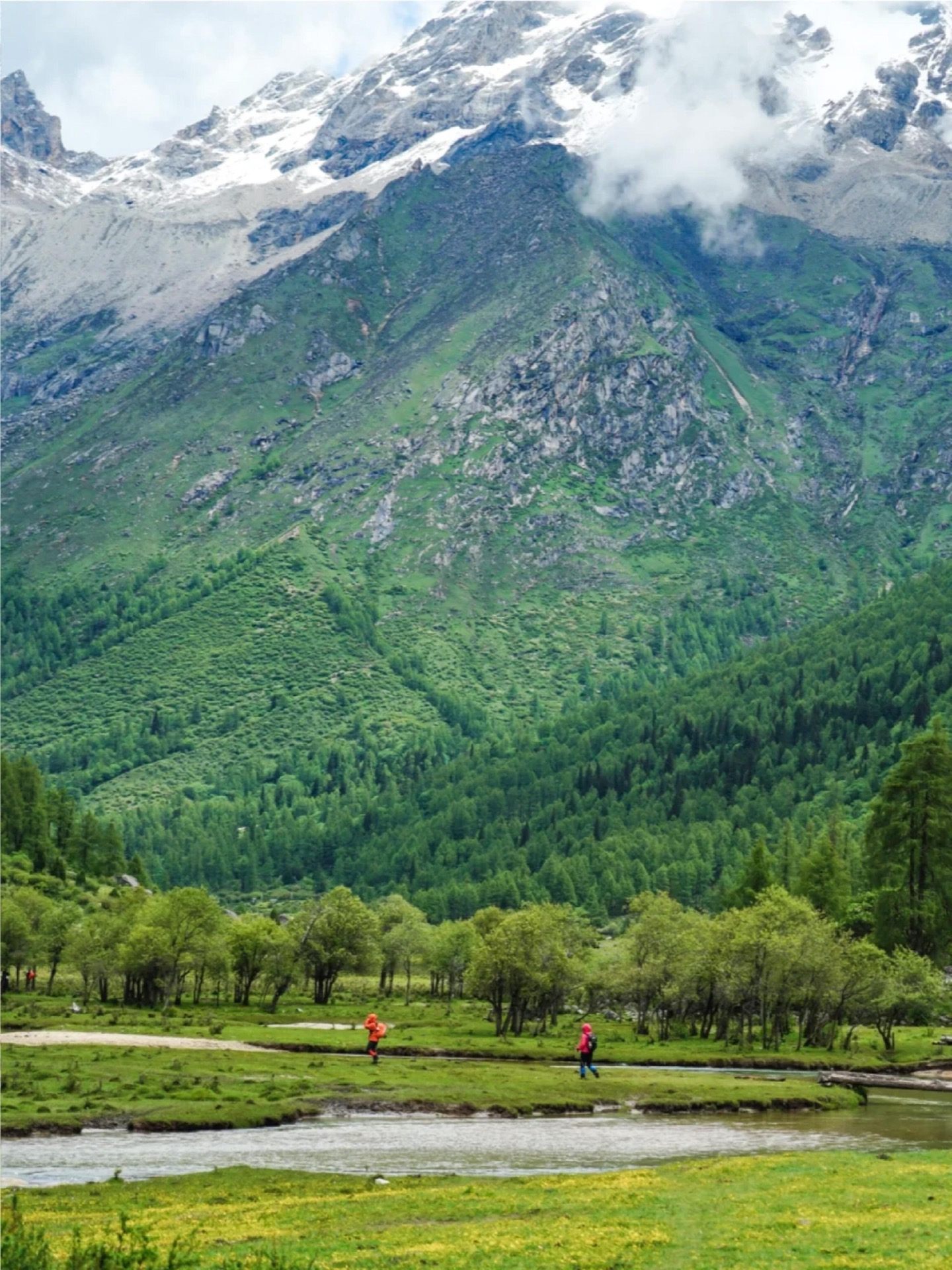
What a private guide actually does
Forget the image of a person with a flag walking backwards. In Yunnan and Sichuan, a guide does functional, high-skill work that directly determines whether your trip goes well. Most of it is invisible to the traveller — which is the point.
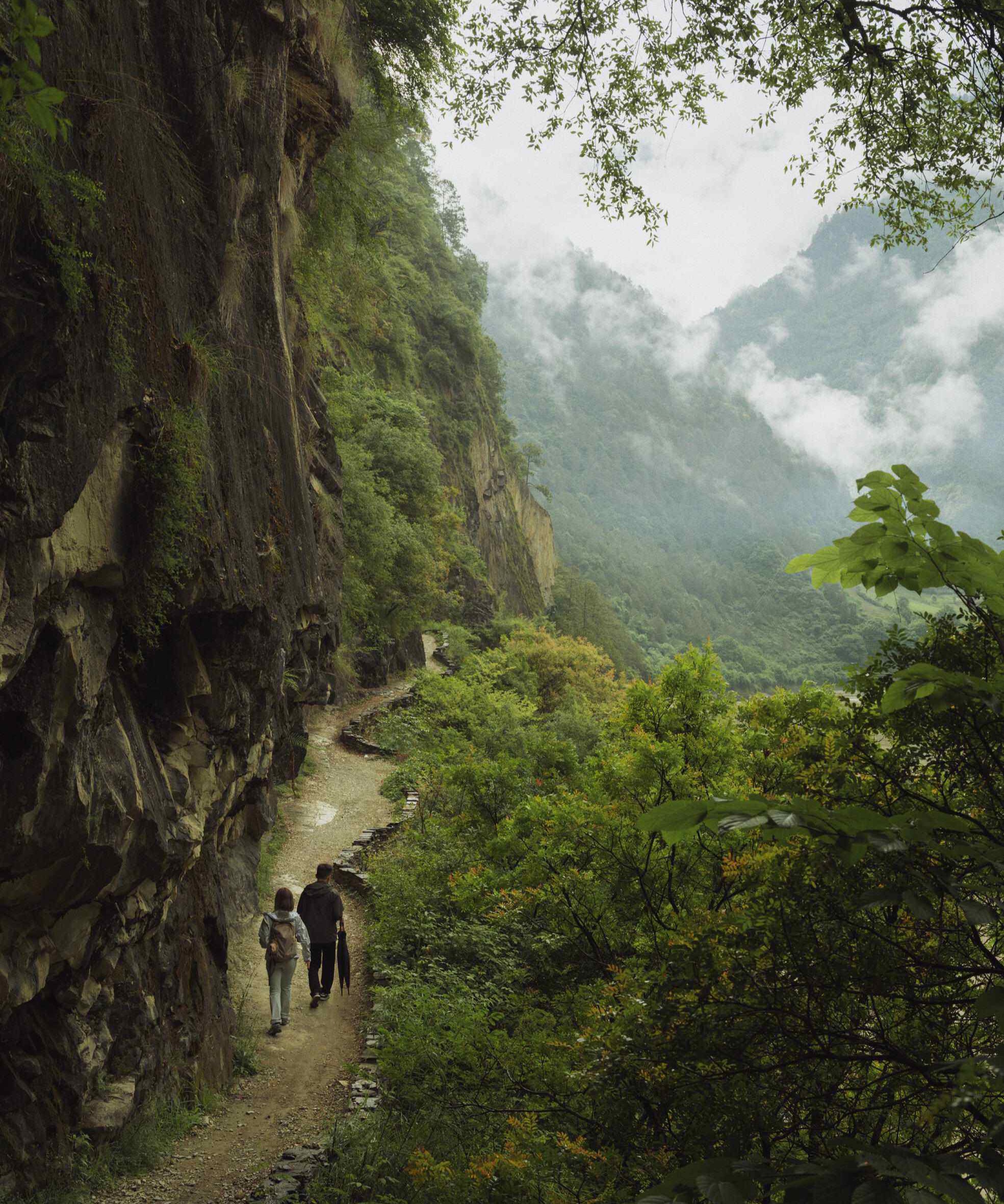
Route and timing calls
Which pass to cross at what time of day. When to leave Xinduqiao so the light is right at Lenggacuo. Whether the Li–Xiao road is open this week. When the Daocheng–Litang stretch is likely to snow in. These aren’t Google-able. They’re current, local, and they change hourly. A good guide is tracking them before you’ve finished breakfast.
Language, permits, bureaucracy
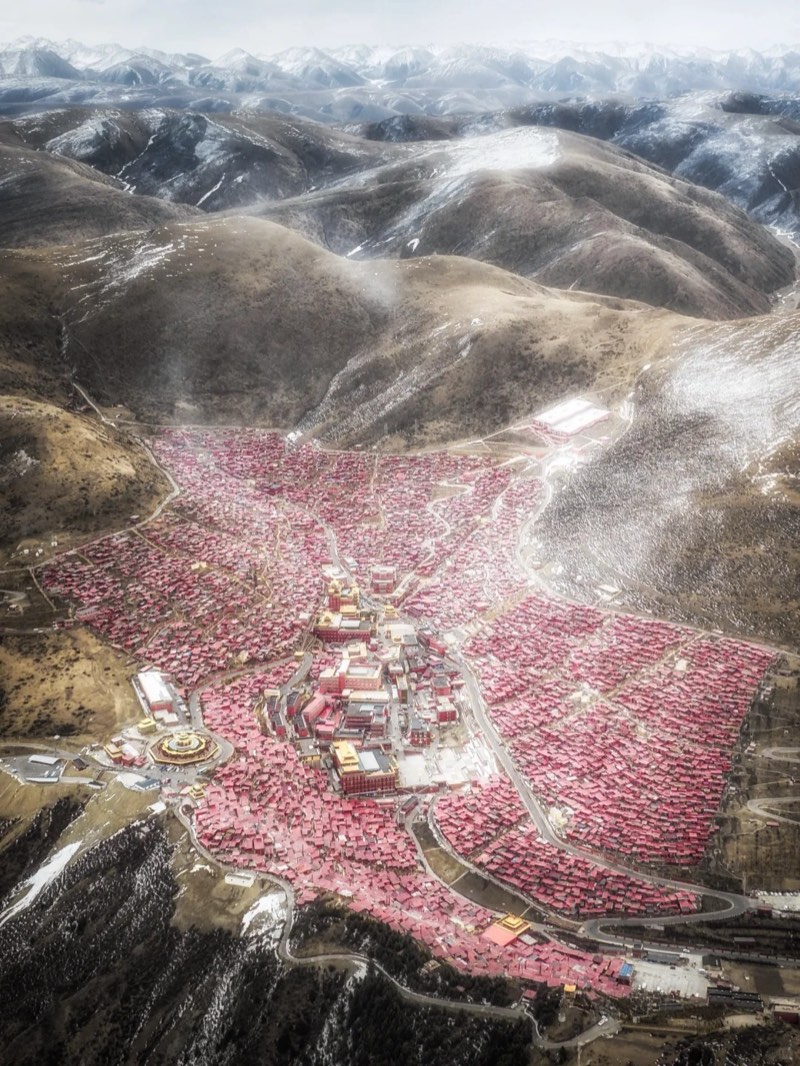
Larung Gar (Sertar) requires a visitor permit for international travellers — and the rules change. Tibetan monasteries operate on introductions. Rural guesthouse WeChat-only booking is impenetrable unless you already speak Mandarin at texting speed. Our guides handle this before you arrive and keep solving it as you move.
Weather, altitude, and rerouting
Daocheng Airport sits at 4,411 metres — the highest civilian airport in the world. A guide watches how you’re handling altitude on day two and quietly adjusts day three. When the road to the Eye of Genie is snow-closed, a guide already has the alternative booked. This isn’t a luxury — at sustained altitudes above 4,000m, it’s how trips don’t go wrong.
Getting you to the view
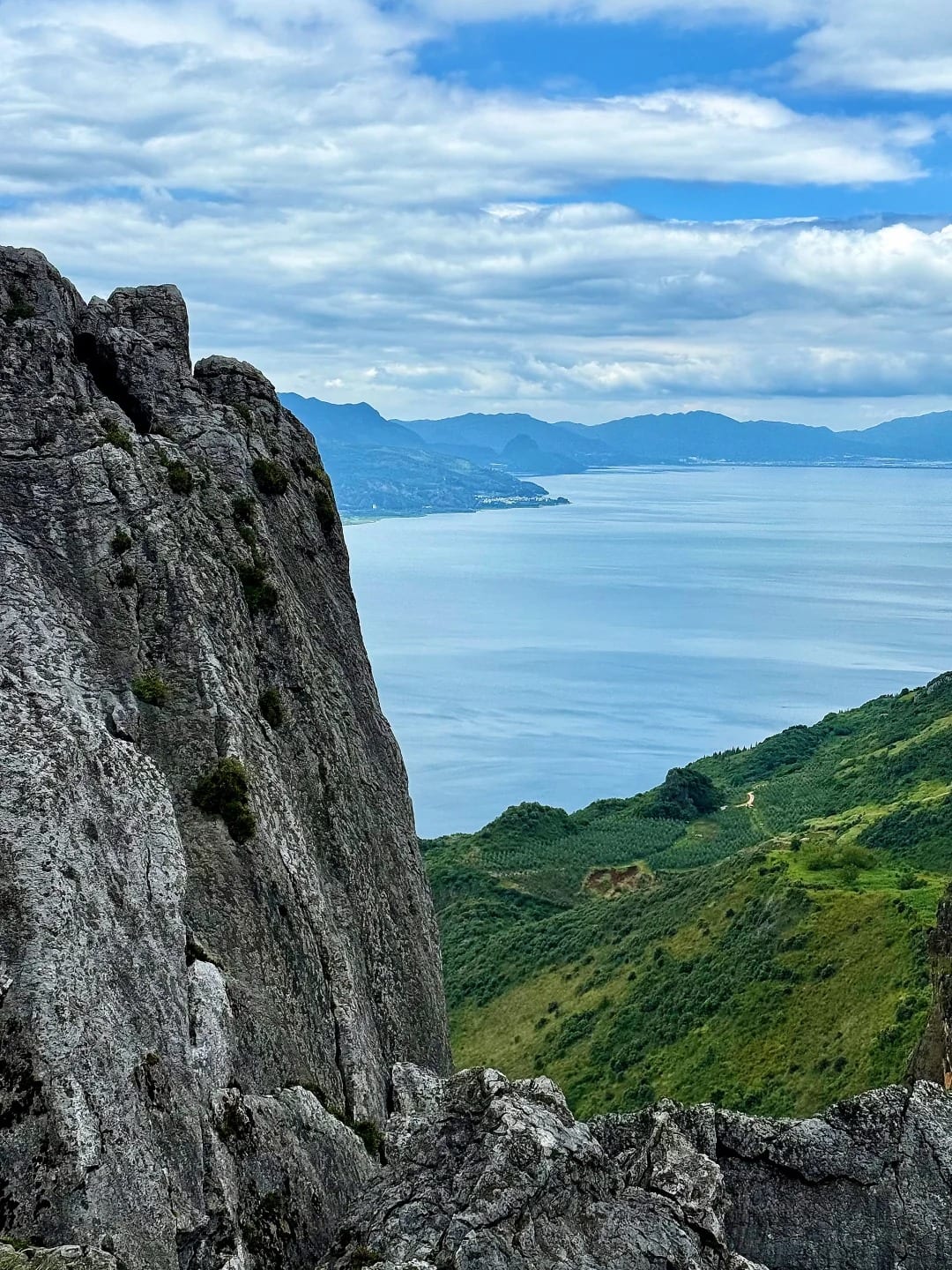
The signposted viewpoint is rarely the best one. The best one is 800 metres down a side track a local knows about, where the light arrives 15 minutes earlier and nobody else is there. Multiply that across 12 days.
Dining the locals actually eat
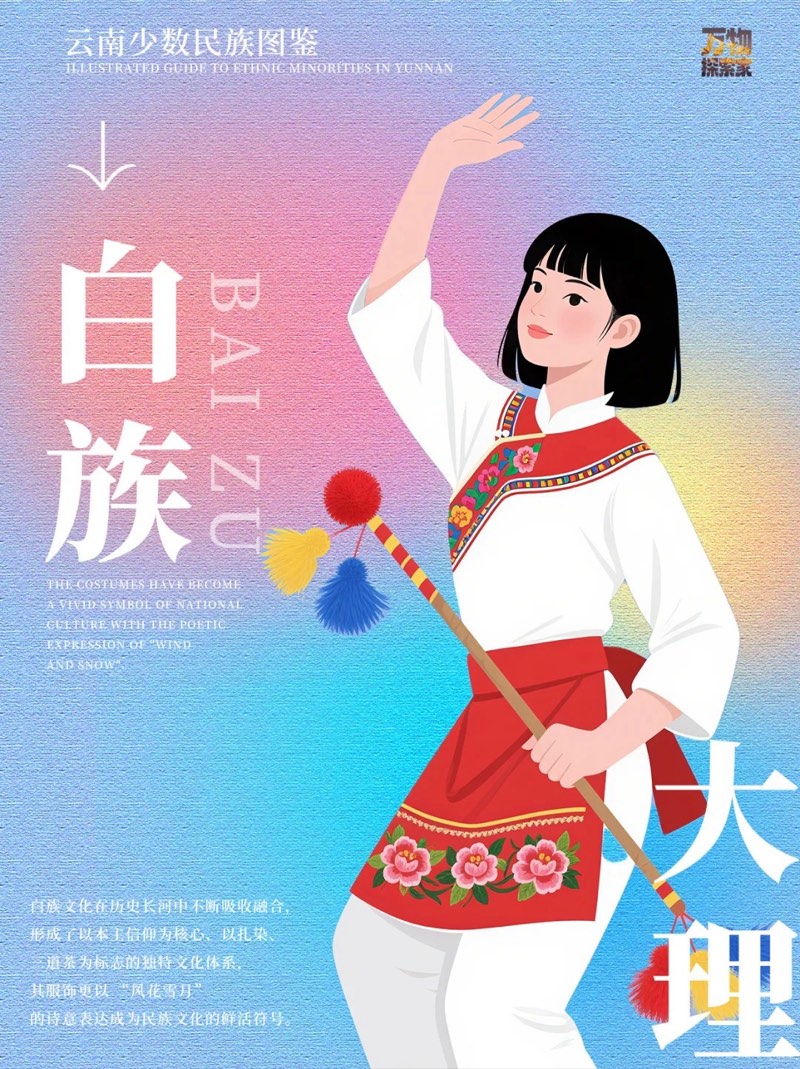
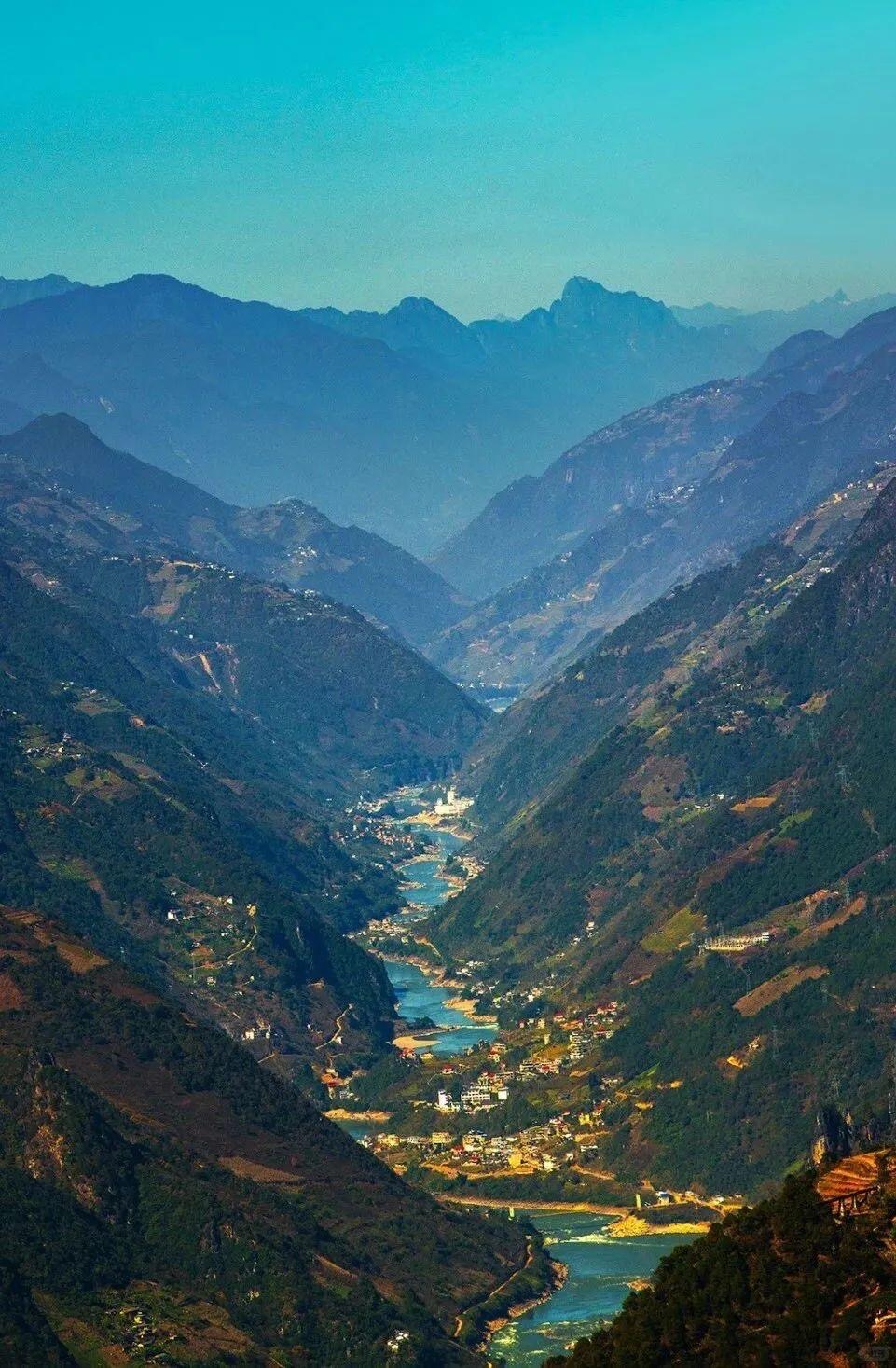
Not the restaurant with the English menu on the highway. The Khampa family who opens their kitchen in Ze Ba village. The Bai grandmother in old Dali who’s still making mushroom-and-rice-noodle bowls the same way her mother did. The Lisu homestay in the Nujiang canyon where dinner is whatever the family caught or grew that day. None of these are on Dianping in English. All of them are better than the hotel restaurant.
Which boutique stay is actually good
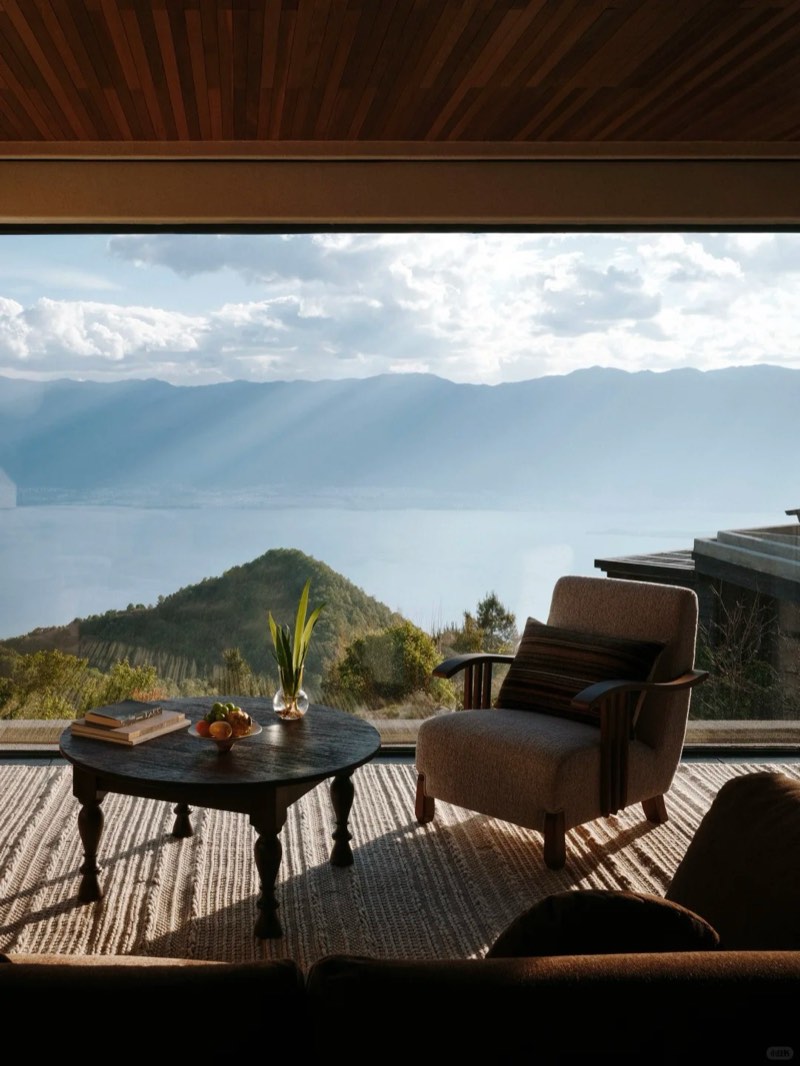
There are hotels in Shangri-La that photograph beautifully and sleep badly. There are Songtsam properties where the service is genuinely remarkable, and older Tibetan guesthouses in Bingzhongluo with no hot water after 8pm but a view worth missing a hot shower for. A good guide knows which is which — in October, in February, and next year.
Access: the thing you literally cannot buy online
This is the piece most travellers underestimate until they see it in action.
A group tour runs a scripted day: bus, checklist stops, gift-shop lunch, hotel transfer at 7pm. It cannot stop at the Tibetan monastery whose abbot is a friend of your guide’s cousin, because that relationship was built over a decade. It cannot have you in a Lisu village the evening they practise Christmas Eve carols in four-part harmony in their own script. It cannot stop at the Gongga viewpoint 20 minutes up a dirt track where the light is right for six minutes.
Private guiding in deep Yunnan and Sichuan gives you access to:
- Monasteries on introduction. Yaqing Gar nunnery and Kathok, not just the Instagram-famous Larung Gar. Not just the tourist halls either — a tea invitation from a monk who agreed to it because someone vouched for you.
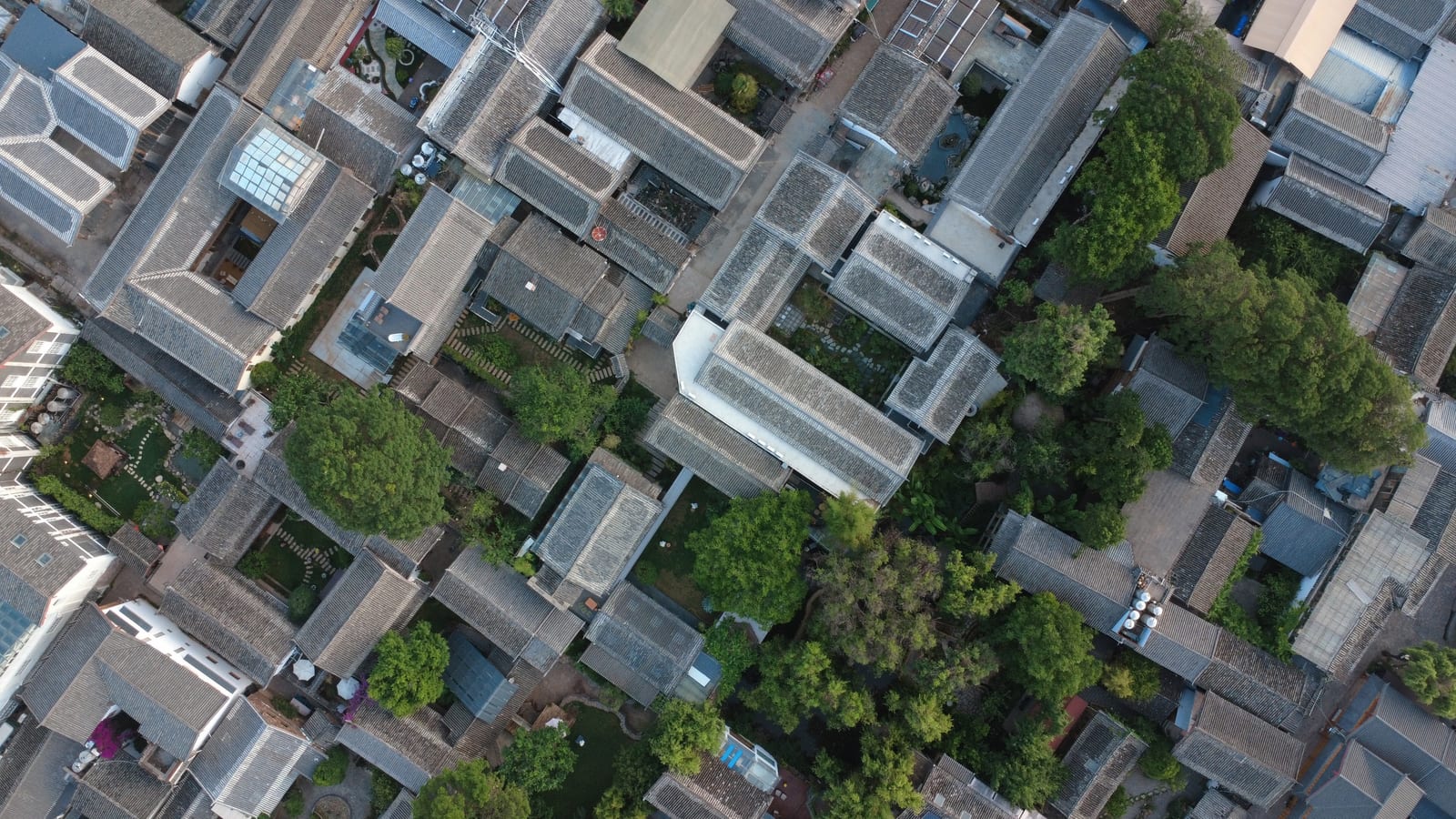
- Homestays that aren’t on Booking.com. The Tibetan family at Ze Ba, the Naxi courtyard in Lijiang owned by a woman who used to curate a museum, the Bai farmhouse outside old Dali.
- Road knowledge that saves days. The G318 is famous. The Li–Xiao road, the Ganbai road, the Genie south route hit just as hard and are almost entirely unwritten-about in English. A guide drives them in the right sequence, at the right season.
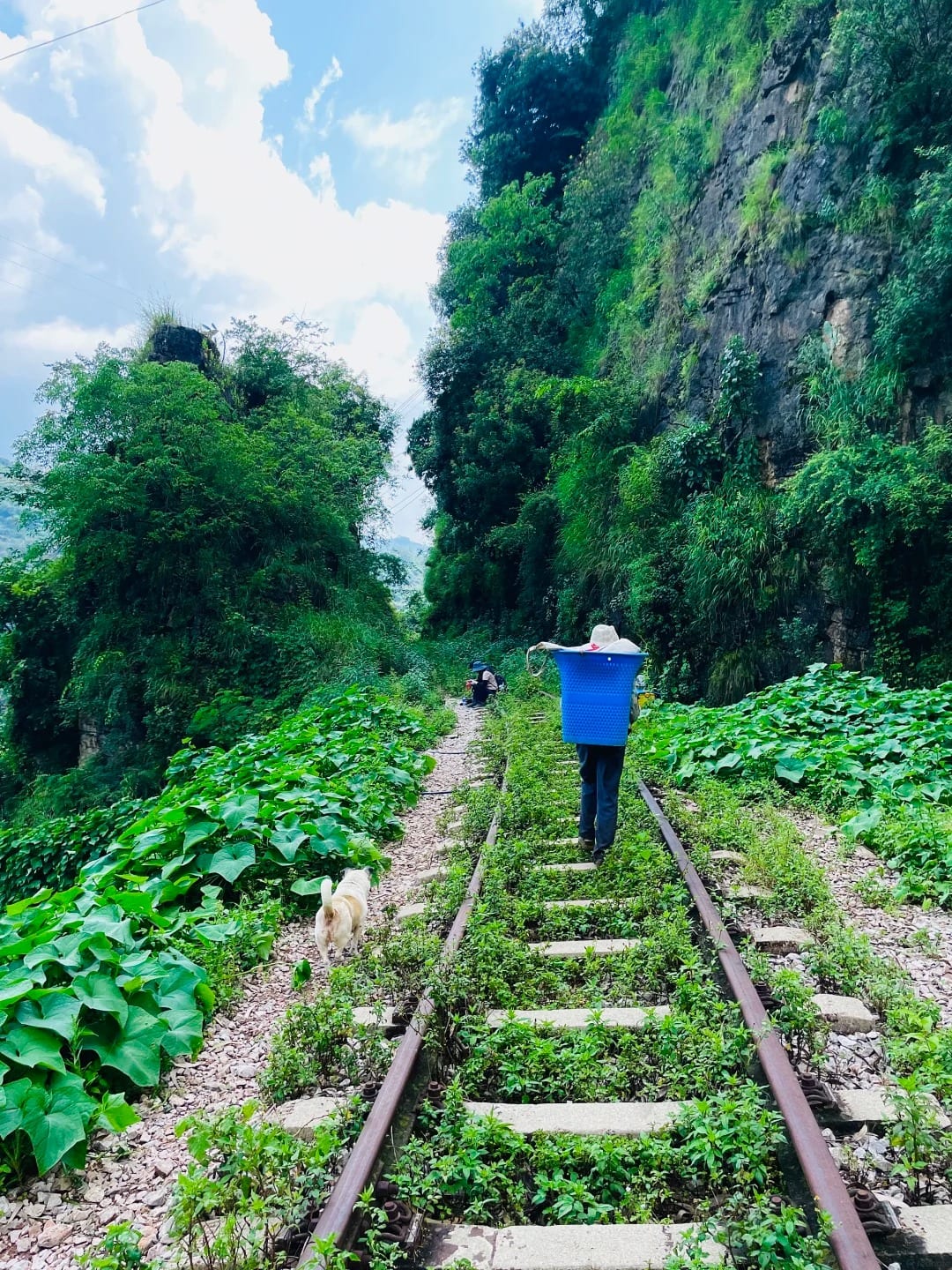
- Trails the English guidebooks don’t have. The Changping–Bipeng traverse. The Yubeng-to-glacier-lake loop. The Wuli Village Tea Horse Road above the Salween. Most of these aren’t on AllTrails.
If you’ve been to Japan or Vietnam and the trip basically ran itself, it’s reasonable to wonder why this region is different. The short answer: because the density of unadvertised value here is absurdly high, and almost all of it is gate-kept by relationships and local knowledge.
Time saved and peace of mind
Planning a deep-China trip yourself — seriously, not via one generic itinerary off a blog — is roughly a three-to-six-week research project. Permit rules, altitude sequencing, which flights actually exist in which season, which hotels are genuinely nice, which drivers are reliable, how to pay for things when your Visa card doesn’t work in a Lisu village. All of it is figure-out-able. All of it is also work you’re doing in your evenings instead of working or seeing your kids.
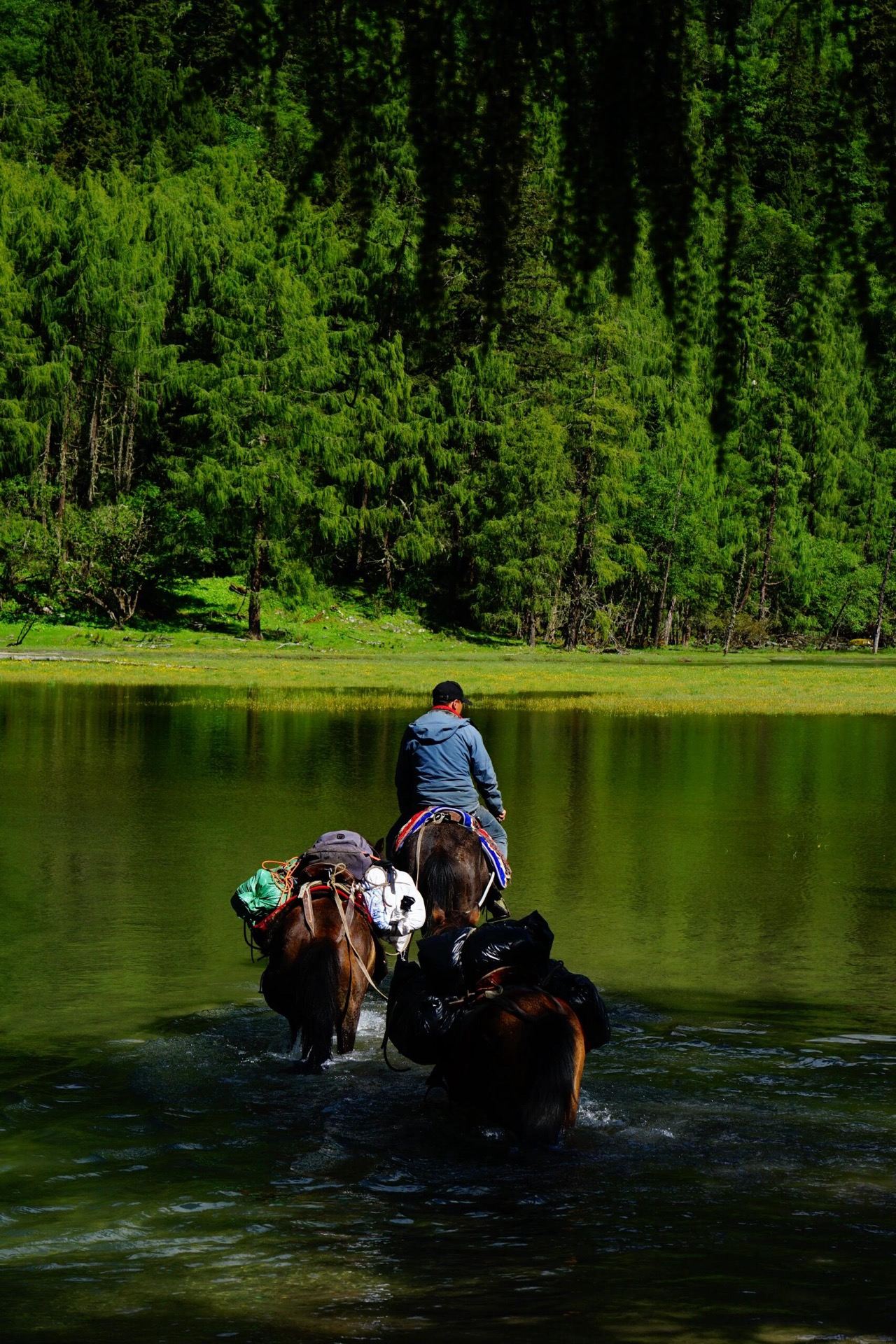
A private operator does that work once, for a living, for a region they know. What the traveller gets on the other side:
- The itinerary is built, not cobbled. Every transition makes sense — by altitude, by season, by light, by drive time.
- Problems get solved in the background. Road closed? Rebooked. Hotel oversold? Already fixed. You hear about it as a story, not as a crisis.
- Illness and altitude are managed. A guide spots AMS symptoms earlier than you will. They carry oxygen. They know the nearest clinic. They’ve done this before.
- Your days are yours. You get to show up and be present — at Daocheng Yading’s three sacred peaks, at the eye of Genie, at Lenggacuo at dawn — instead of half-thinking about the logistics of tomorrow.
That’s what “ease of mind” buys. For travellers in their 50s and 60s, particularly, this is the difference between a trip that’s a holiday and one that quietly feels like another project.
Trust, and why it pays off when the plan shifts
Something will go sideways on every serious trip into this region. The forecast turns. A pass closes. A regional festival lands on a Wednesday nobody had marked. A monk walks out of a courtyard and invites you in for tea. A private guide with a real relationship to the place is the person who turns those moments into the trip — rather than turning them into a crisis.
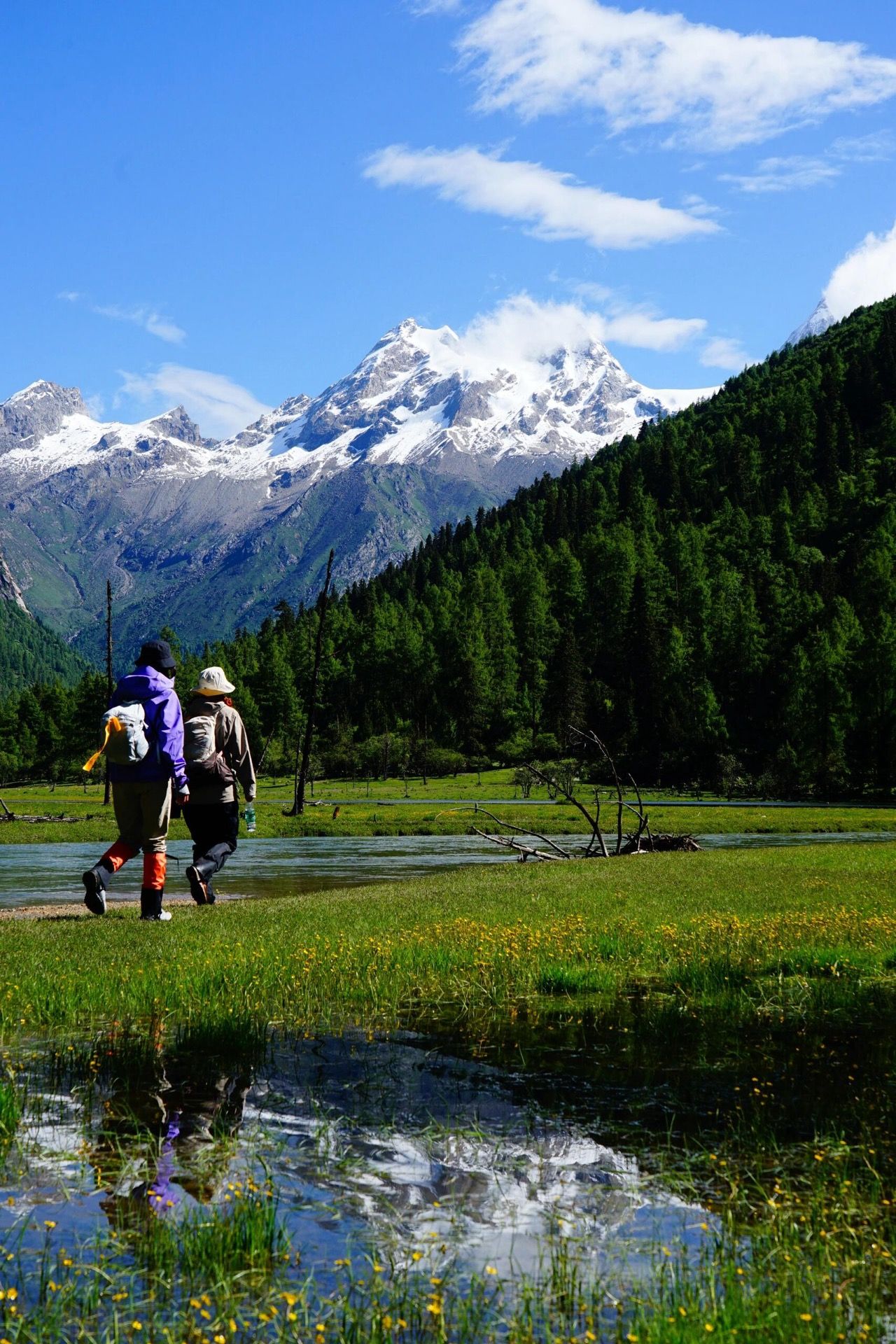
What that actually looks like:
- Weather flips. You had Daocheng Yading’s Milk Lake booked for Tuesday, then the forecast turned to snow. Your guide swaps the order — Tuesday stays low at Chonggu Meadow under blue sky, Wednesday you walk up when the window reopens. Same trip; different sequence; no missed day.
- A festival appears. A Khampa horse-racing gathering on the Litang plateau isn’t on any English calendar. Your guide heard about it on Sunday. Wednesday becomes a one-day detour. You watch horsemen racing at 4,000m. No tour-bus circuit routes there.
- A local opens a door. The abbot at a Ganzi monastery invites your guide in for butter tea and extends it to you. The next hour wasn’t on the plan. The afternoon’s drive compresses by 45 minutes. That moment becomes the photo you send everyone.
- The guesthouse oversells. It happens. Before you’ve finished calling Booking.com, your guide has you rebooked at a local friend’s place up the road — often nicer than the original.
- An energy day. On day seven at altitude, you’re done. Your guide reads it, rewrites the afternoon into a slow lunch by a river in old Dali, and the next morning you’re back to full strength.
Every one of those depends on a relationship — with the monastery, the festival committee, the alternative driver, the guesthouse owner. You can’t build those in week one of your trip. We’ve already built them. That’s the trust, and that’s the flex that matters when reality doesn’t read your itinerary.
Who this is and isn’t for
Let’s be honest both ways.
A private guided trip is the right call if:
- You’ve already done Japan / Thailand / Vietnam with medium-effort trips and you want something that goes deeper.
- You want to see the places that don’t appear in the top-five Google results for “China travel.”
- Your time is genuinely worth more than the delta vs. a group tour.
- You value having your evenings back during the planning phase.
- You travel as a couple, a family, or a small group of friends and don’t want strangers on the itinerary.
- You care about the photos, the food, the people, and the quietness of a morning.
Stick with a large group tour if:
- You want a bus, a flag, and a checklist.
- Budget is the single deciding factor.
- You actively prefer meeting 29 other travellers over shaping your own days.
- You’re first-time-to-Asia and want a guardrail experience before coming back for the deeper version.
Both are valid. We’ve sent travellers to group operators when that was the right fit. But the person landing on this page is almost always the first type.
The memory, at the end of it
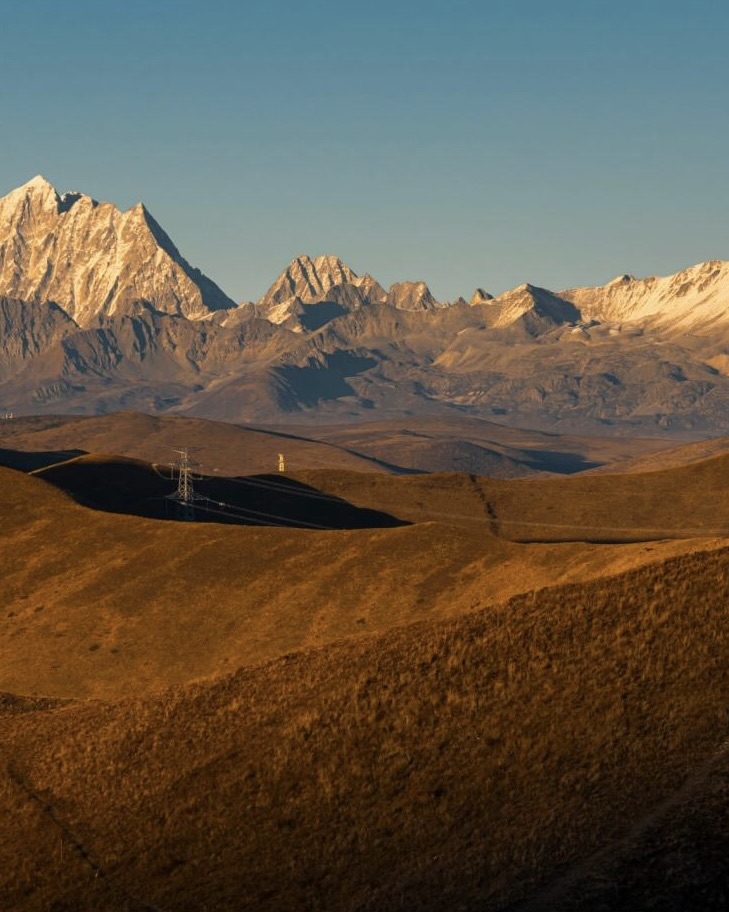
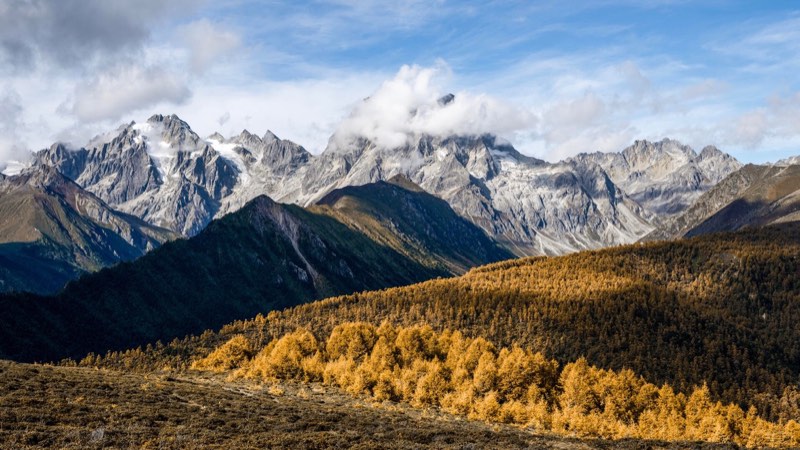
Six months after a trip, you don’t remember the bus route. You remember the specific — the monk who poured you tea, the Tibetan grandmother who laughed when you couldn’t pronounce “tashi delek,” the 5:40am detour that caught Gongga in gold, the silence inside the larch forest at 3,800 metres. Memory is made of specifics. Generic trips produce generic memories.
The value isn’t the guide. The value is what the guide quietly engineers — the access, the judgment, the solved problems, the hours you got back — so that the specifics can actually happen to you.
That’s what we do.
Ready to plan?
We build 8–18 day private itineraries across Yunnan and West Sichuan for Australian travellers who want the trip to fit them, not the other way around. Every itinerary is one-of-one. Every guide is a local.