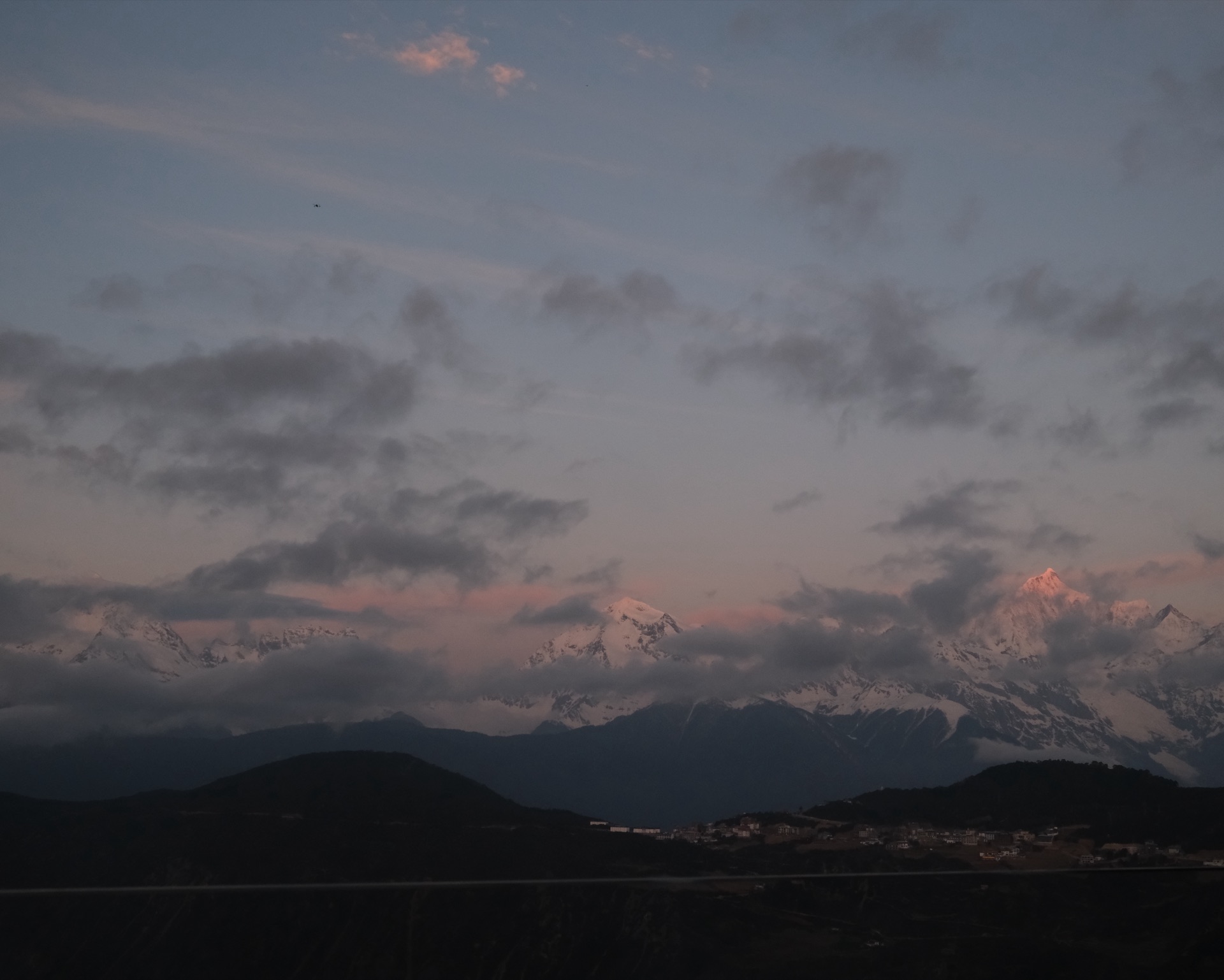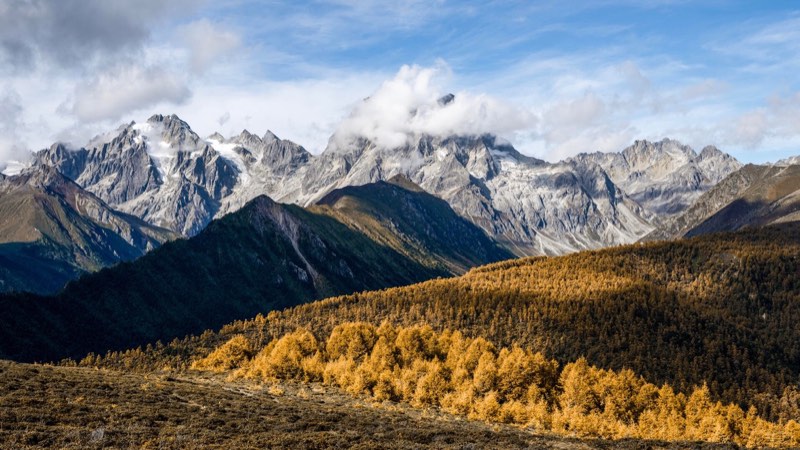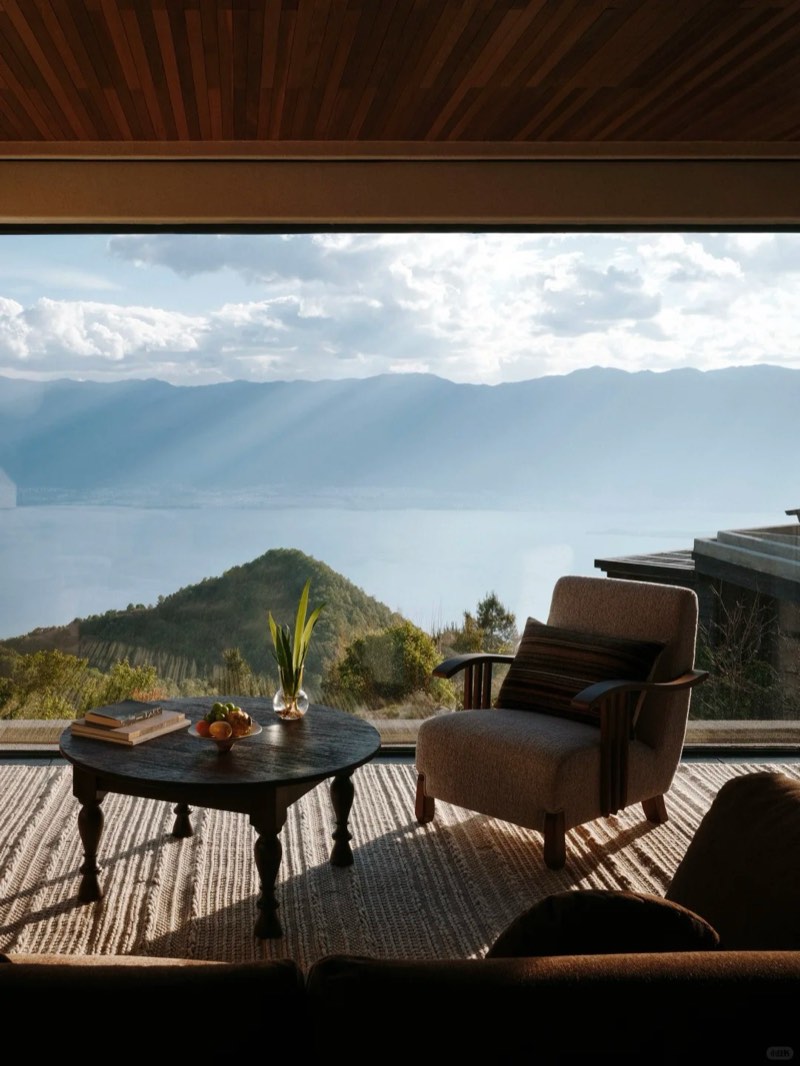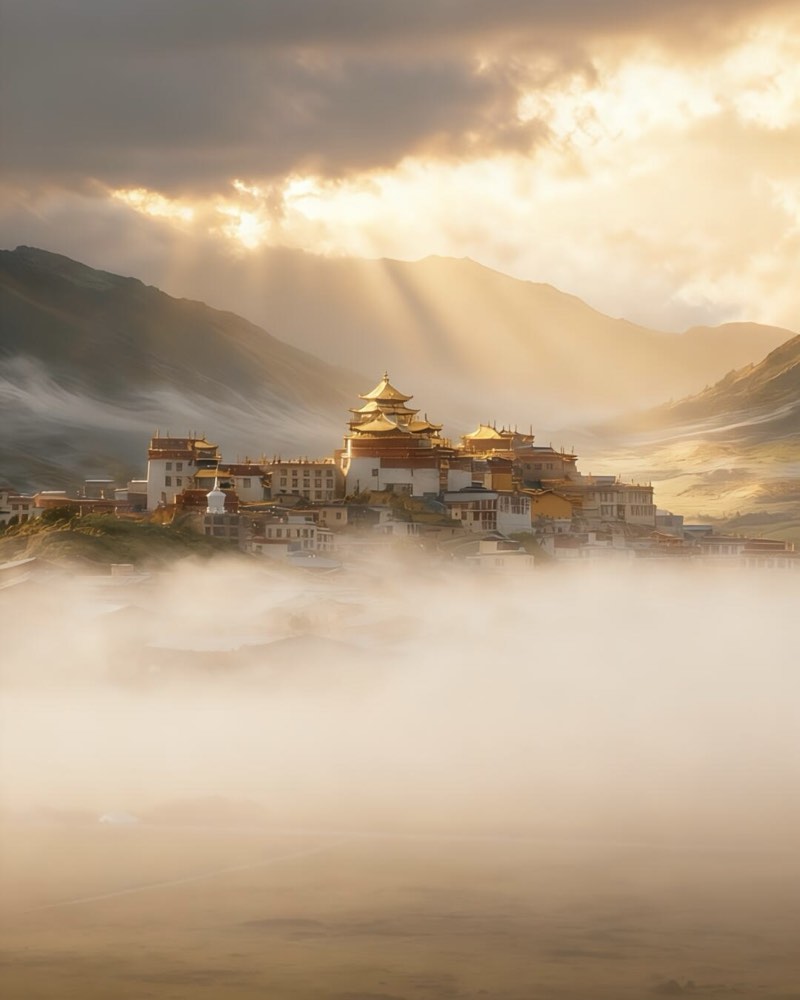
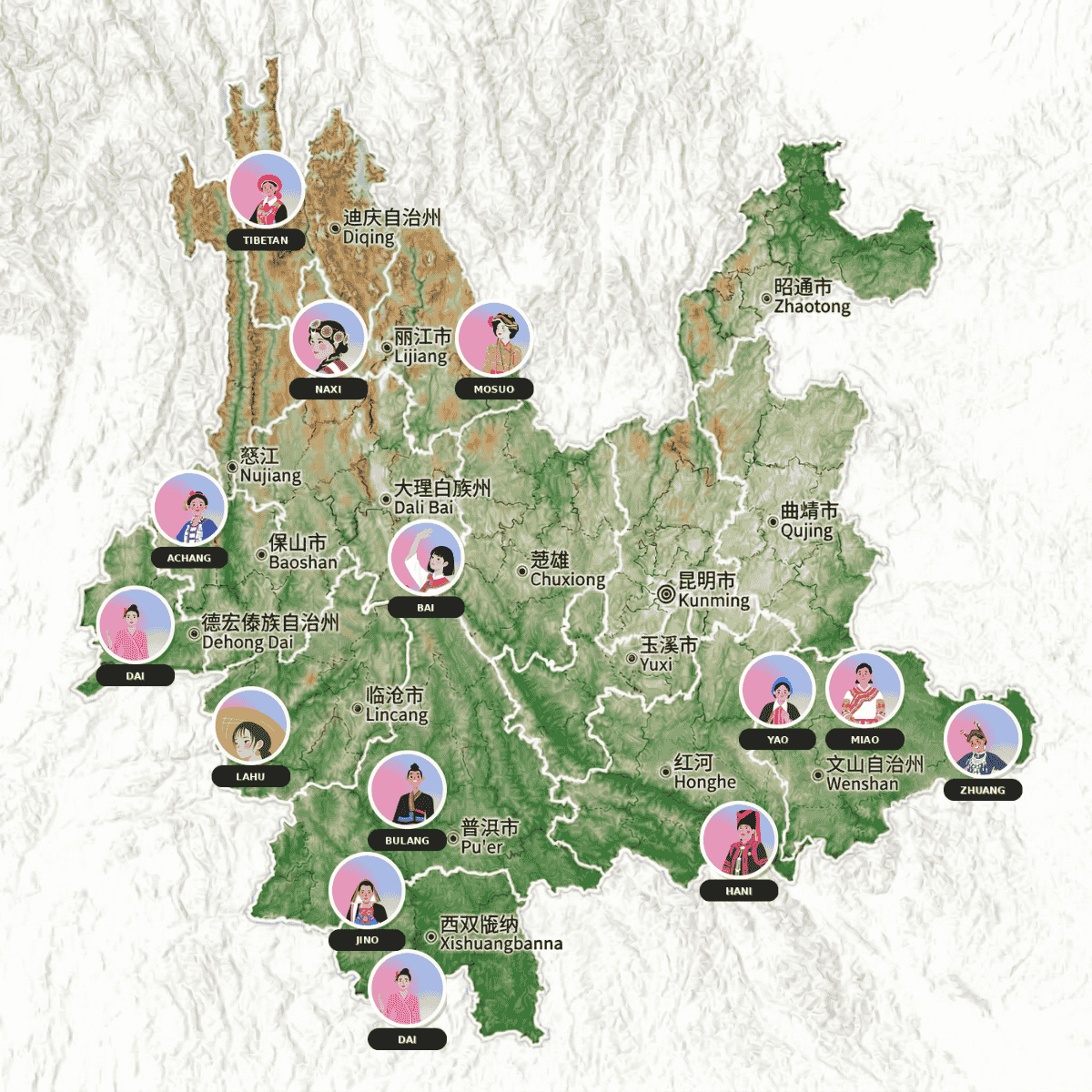
Yunnan is home to 25 of China’s 56 officially recognised ethnic minority groups. But this isn’t just a statistic to drop at dinner parties.
It means that on a well-designed Yunnan itinerary, you’re not just moving between landscapes — you’re moving between entirely distinct civilisations. Different languages. Different architecture. Different food, music, spiritual practices, textiles, and relationships to the land.
The ethnic groups below are the ones you’ll genuinely encounter on our three Yunnan tours — Peaks & Retreats: The Yunnan Trilogy, the Soulful Side of Yunnan, and Gentle Summer in Yunnan. Not as a tick-box cultural experience. As the living reality of where you’ll be staying, eating, and walking.
This is who and where they are.
The Bai People — Yunnan Slow Culture Tour
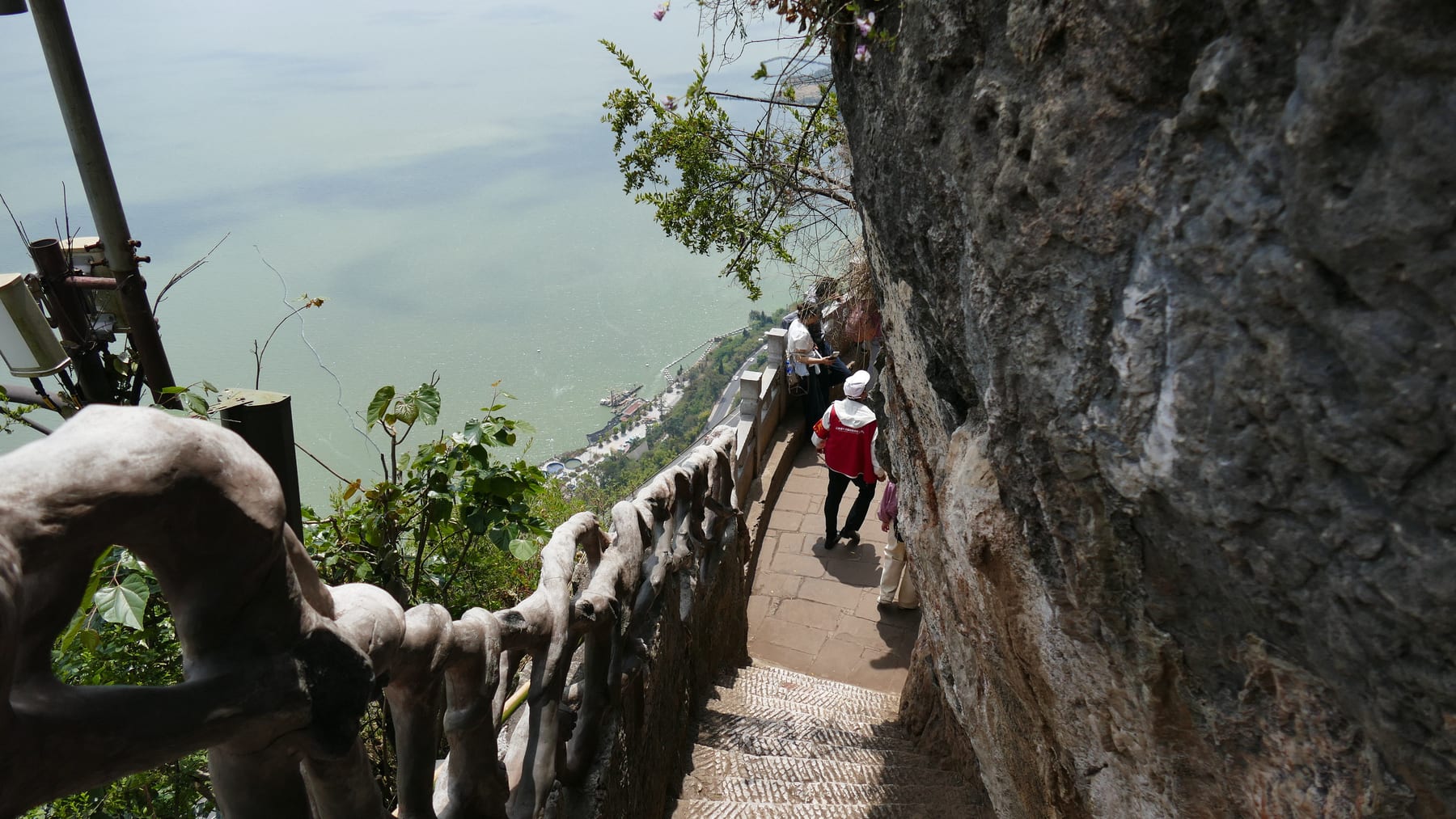
Centre your map on Dali, a city on the shores of Erhai Lake in western Yunnan, and you’re in Bai territory. The Bai people are one of Yunnan’s oldest civilisations — they built the Nanzhao and Dali kingdoms here over a thousand years ago. Those iconic Three Pagodas rising above the plain? Bai craftsmanship.
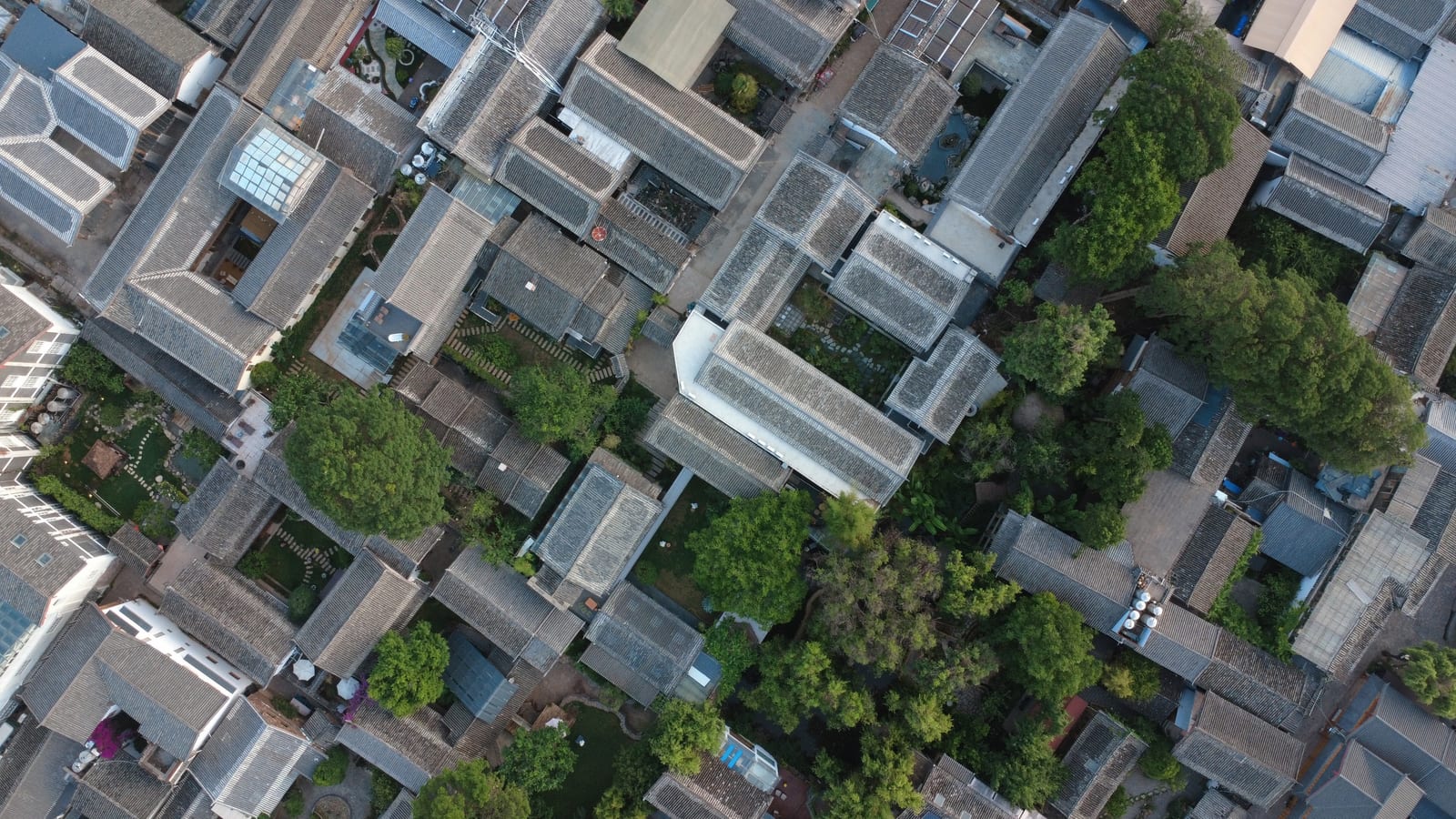
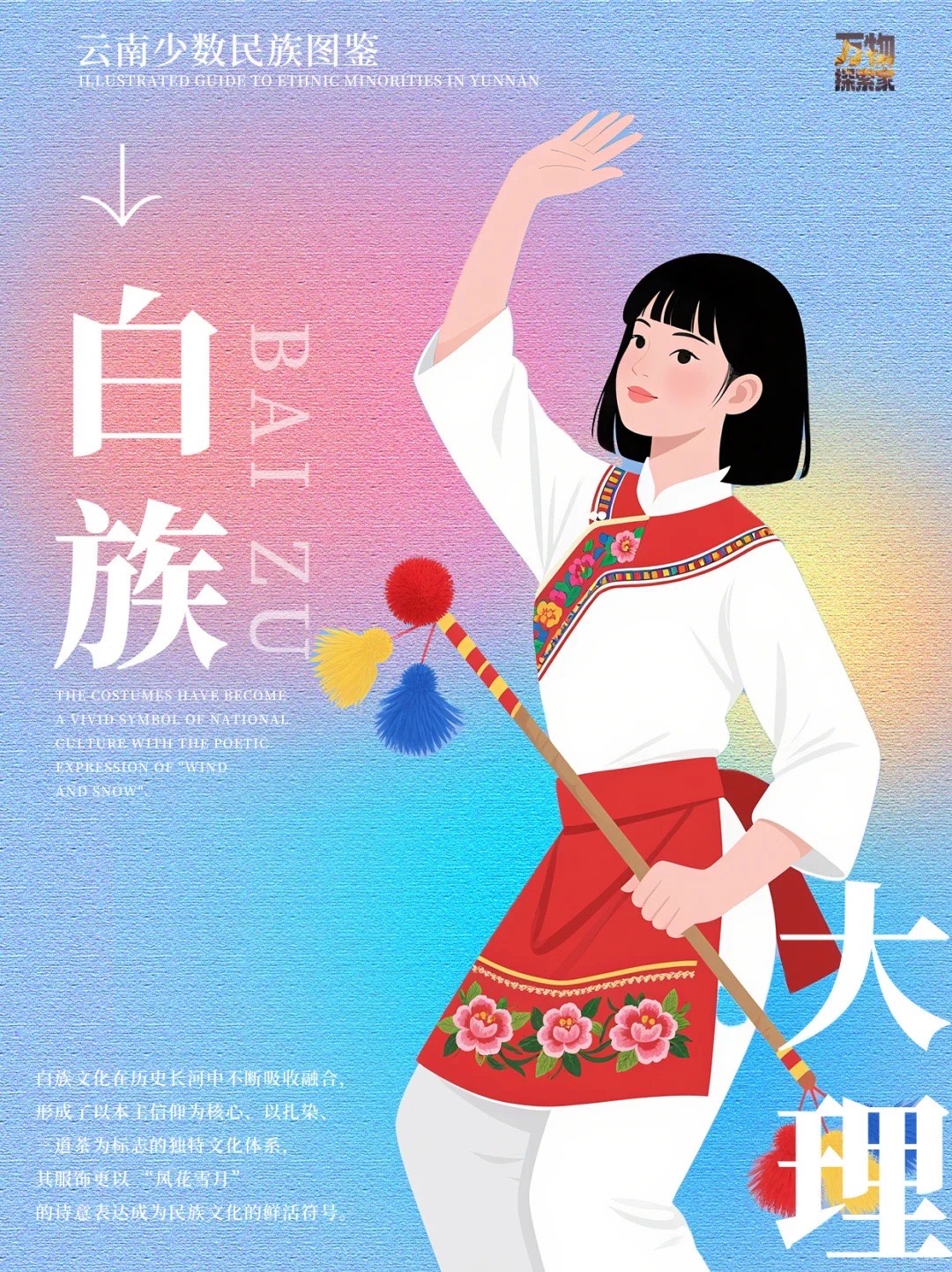
Walk through a Bai village today and you’ll be struck by the architecture: white-washed walls painted with ink-wash murals, curved rooftops tipped with upswept eaves. These aren’t just pretty — they’re functional expressions of a deep aesthetic philosophy.
The Bai are also masters of tie-dye. Their indigo-dyed fabrics, hand-knotted and resist-dyed in intricate patterns, have been traded across Asia for centuries. Today they’re a serious collector’s item — and a favourite for anyone who appreciates slow, intentional craft over fast fashion.
Their festival: The Third Month Fair (三月街) — a week-long trade fair and cultural celebration that’s been running for over 1,300 years.
→ Meet the Bai on the Yunnan Slow Culture Tour
The Naxi People — Yunnan Hiking Tour
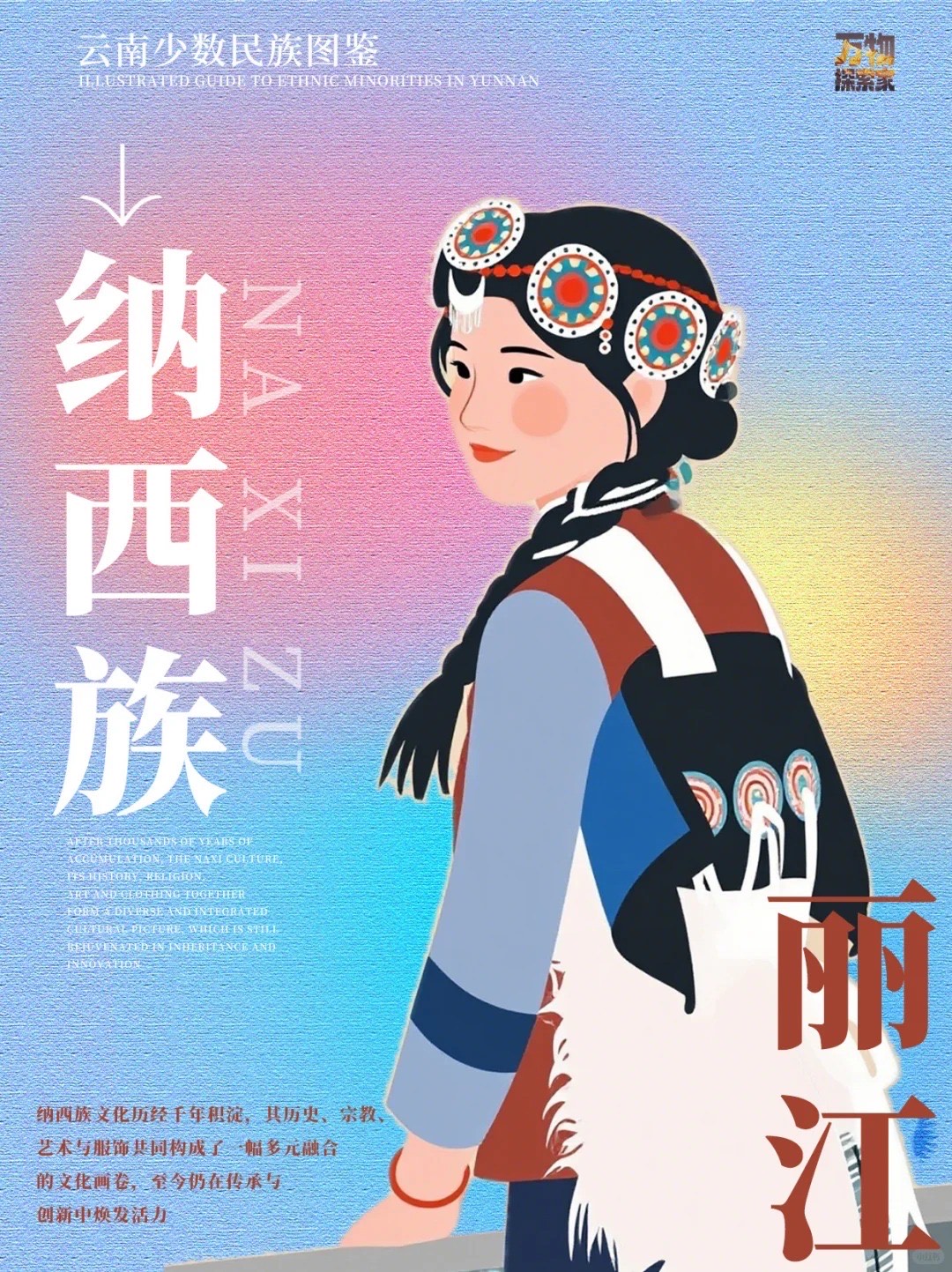
Head north from Dali into the mountains and you’ll reach Lijiang — home of the Naxi people and one of the most intact historic towns in China. The Old Town of Lijiang is a UNESCO World Heritage Site, and it earned that status for good reason.
What makes the Naxi truly remarkable is their Dongba script — a pictographic writing system still in use today, making it the world’s only living hieroglyphic language. Naxi Dongba priests use it to write sacred texts, preserve oral histories, and conduct rituals. It’s a direct, living link to a pre-modern world.
Naxi culture also has strong matrilineal threads. Historically, property and family identity passed through the mother’s line — a rarity across patriarchal Asia. Close by, the Mosuo people take this further with their famous “walking marriage” system, where women hold household authority and men visit rather than live with their partners.
Must-see: The Naxi Orchestra in Lijiang performs ancient Dongjing music nightly — some pieces date back to the Tang and Song dynasties. These aren’t folk performers for tourists. They’re elders keeping a dying art form alive.
→ Meet the Naxi on the Yunnan Hiking Tour
The Tibetan People — Yunnan Hiking Tour
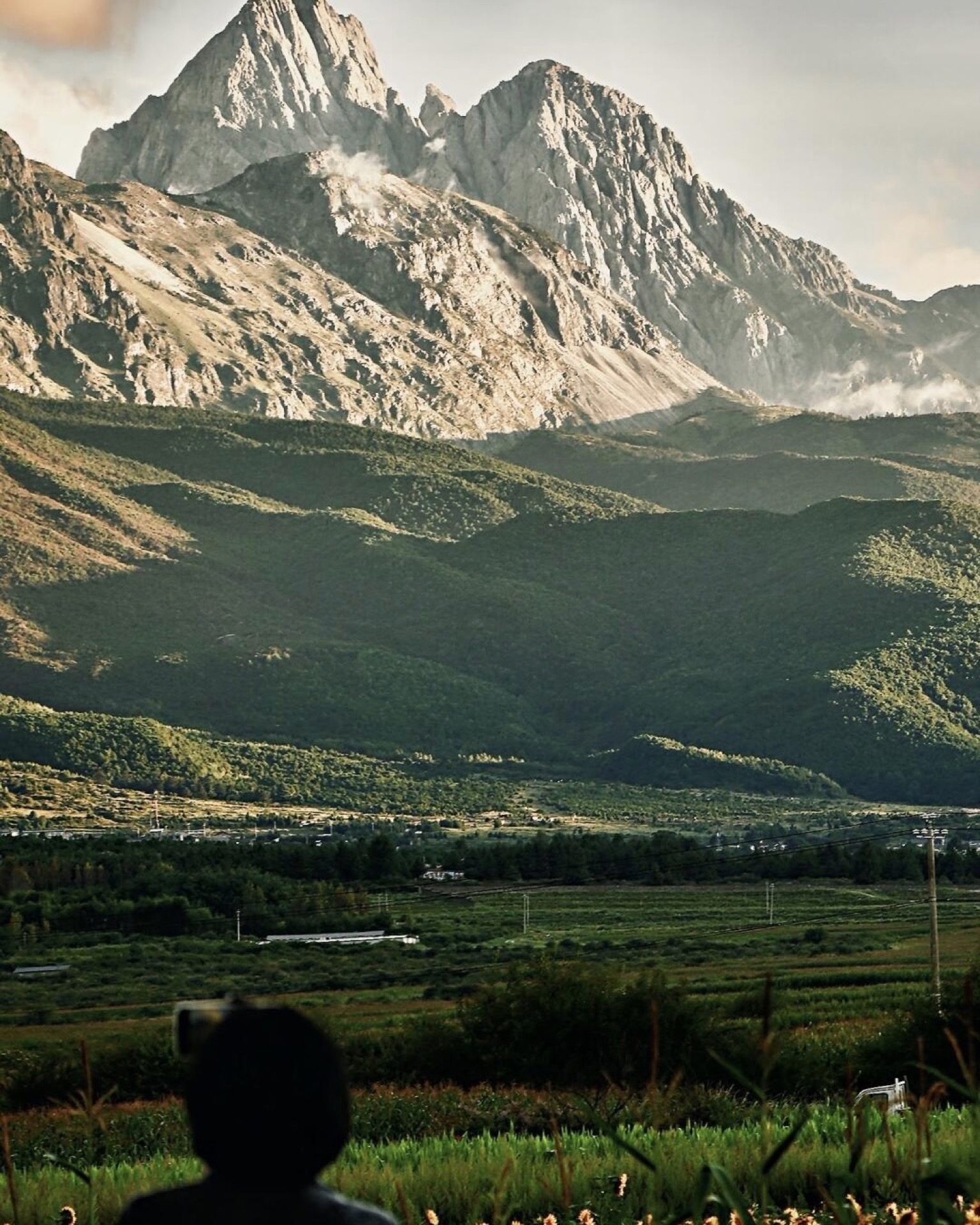
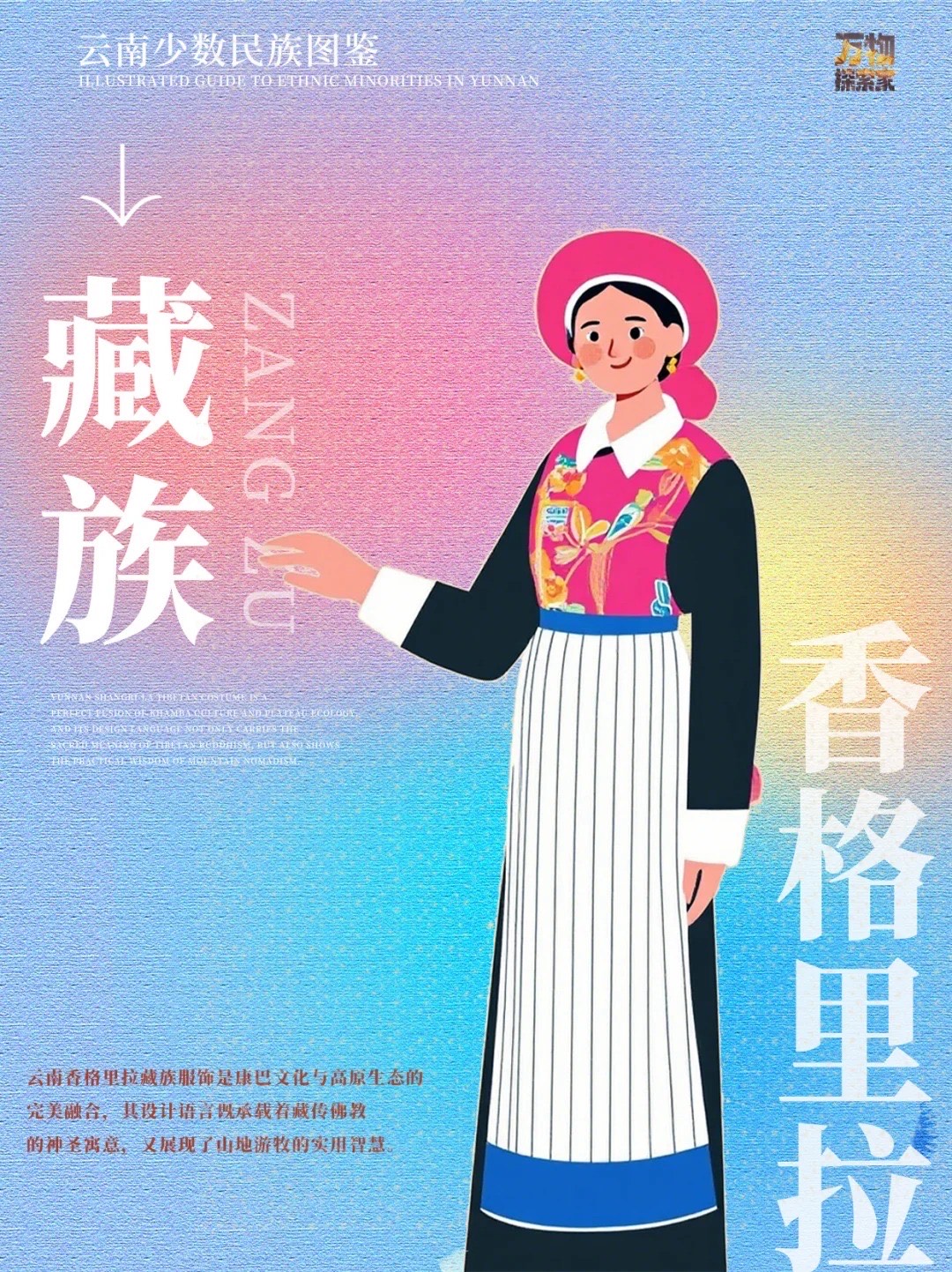
Push further north from Lijiang into Shangri-La (Zhongdian), and Yunnan gives way to the Tibetan plateau. The Tibetan communities here are part of the broader Kham Tibetan world — distinct from the Lhasa heartland, with their own dialects, monastic traditions, and way of life shaped by altitude and open grasslands.
Songzanlin Monastery, Yunnan’s largest Tibetan Buddhist temple, sits just outside Shangri-La and houses over 700 monks. Walking through it at the right time of day — bells, butter lamps, the smell of juniper incense — is one of those experiences that stays with you.
The landscape here is the culture. Yak herders moving across high meadows, mani stone piles stacked by roadsides, prayer flags strung across mountain passes. Everything is oriented toward the sacred in a way that’s jarring and clarifying in equal measure.
→ Experience Tibetan Yunnan on the Yunnan Hiking Tour
The Dai People — Yunnan Tropical Tour
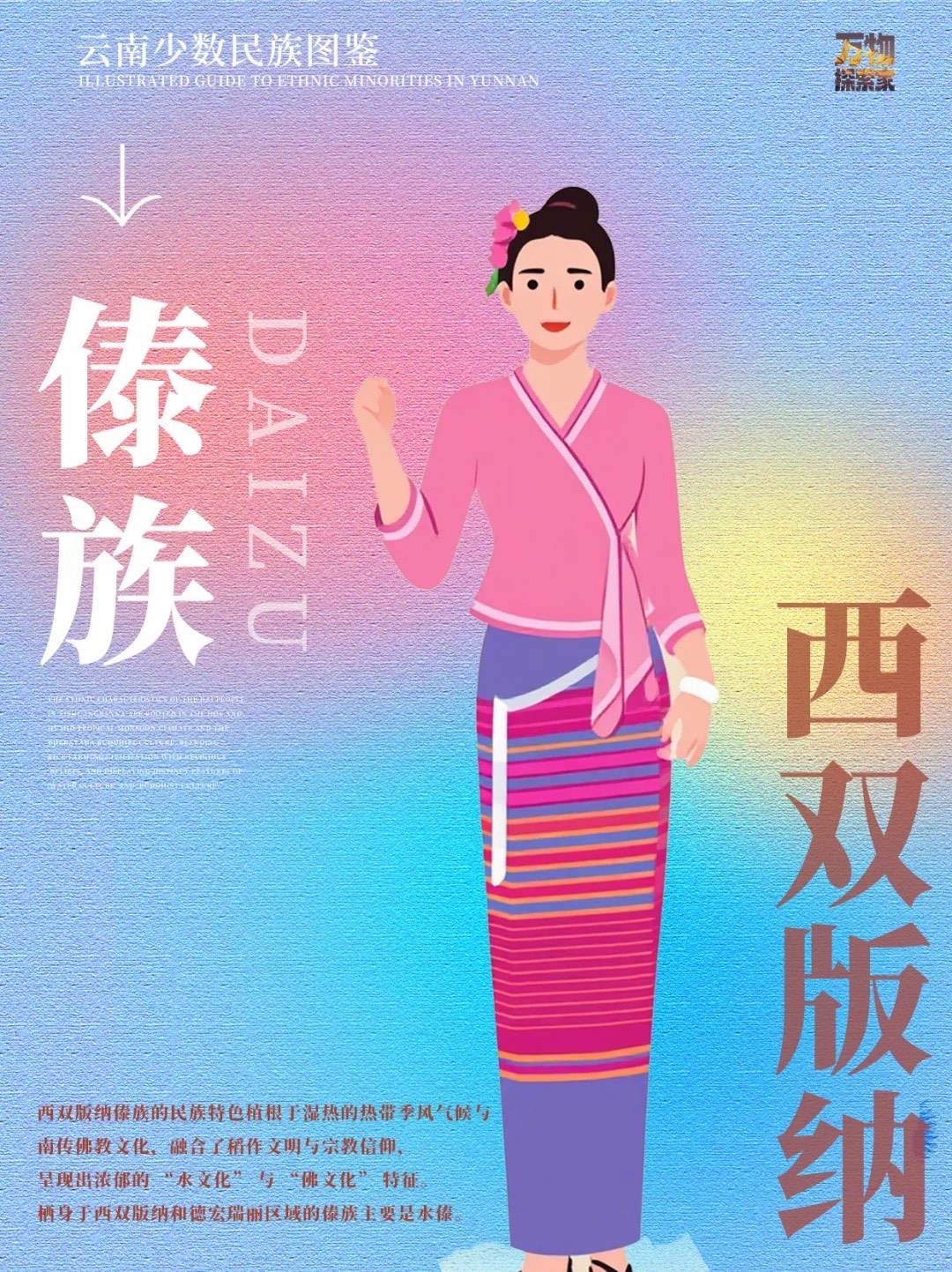
Closer to the borders of Myanmar and Laos, in the tropical rainforests of Xishuangbanna, the Dai people live in a world that feels more Southeast Asian than Chinese — because in many ways, it is.
The Dai are Theravada Buddhists, cousins in culture and language to the Tai people of Thailand and the Lao people of Laos. Their bamboo stilt houses, gilded temple spires, and brocade textiles create a visual landscape utterly distinct from Han China.
And then there’s their festival — the Water Splashing Festival (泼水节). Held in April, it’s the Dai New Year celebration and one of the most joyful events in Asia. Water gets thrown everywhere — buckets, hoses, water guns, bare hands — as a symbolic washing away of the old year’s bad luck. It is absolutely, completely unhinged in the best possible way.
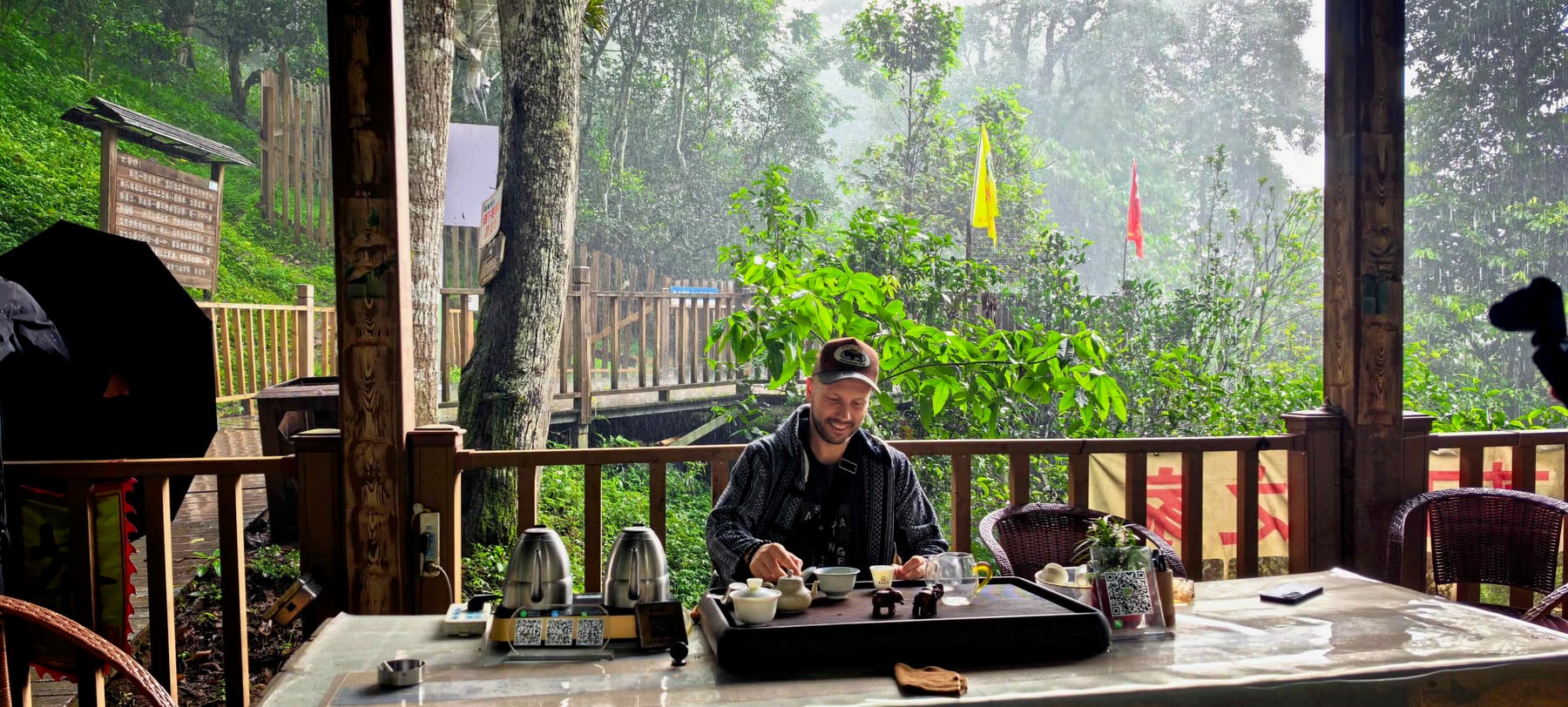
Dai cuisine is also worth the trip alone: fresh herbs, fermented ingredients, grilled meats wrapped in banana leaf, and Pu-erh tea — one of the world’s most complex and collectible teas, grown right here.
→ Meet the Dai on the Yunnan Tropical Tour
The Hani People — Yunnan Tropical Tour
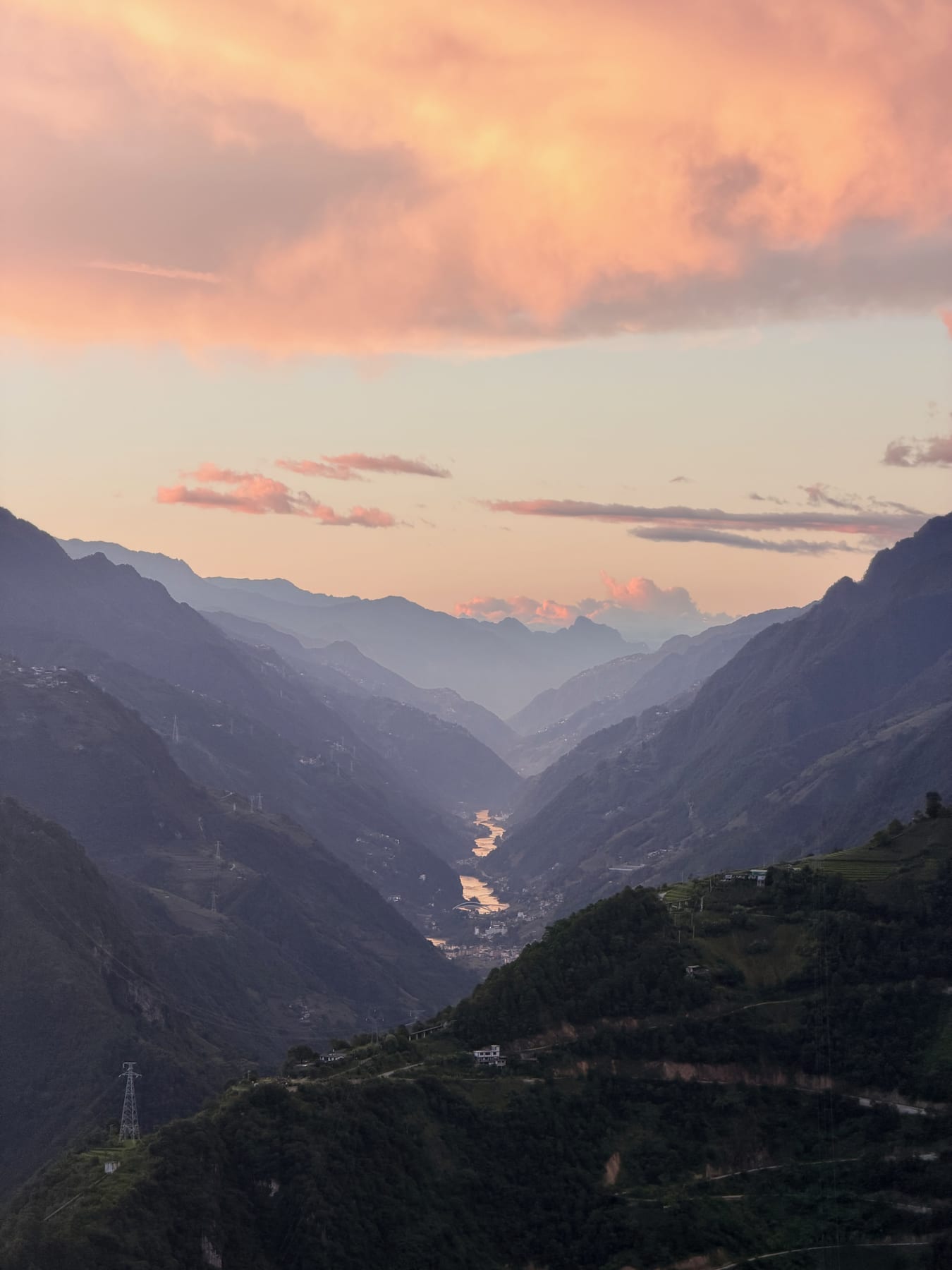
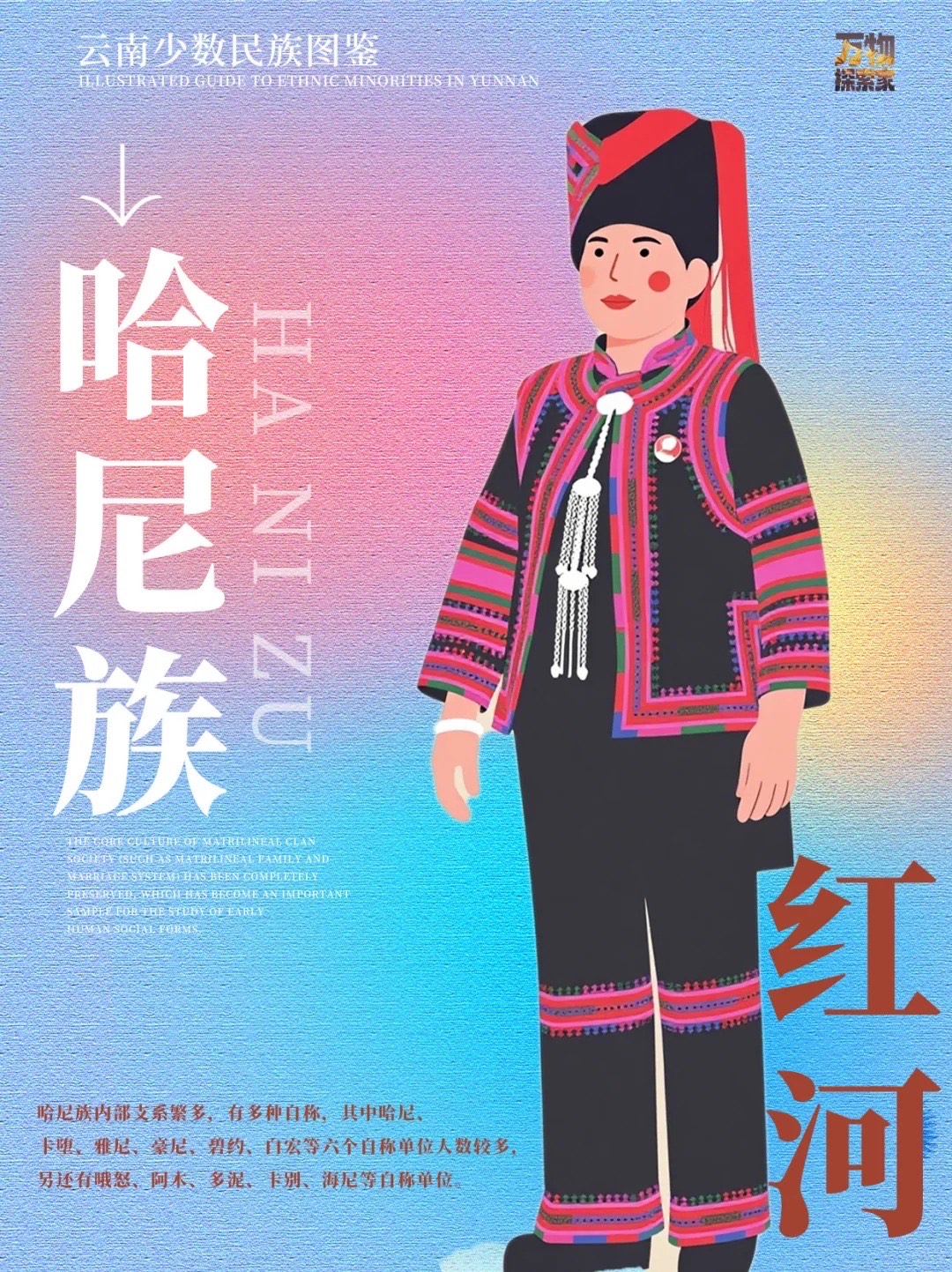
You’ve probably seen the images — thousands of terraced rice paddies cascading down a mountainside, filled with water that reflects the sky at dawn. That’s the Yuanyang Rice Terraces, and they were built by the Hani people over 1,300 years of sustained, intergenerational labour.
This isn’t just agriculture. It’s a living cultural landscape, now listed as a UNESCO World Heritage Site. The Hani developed a sophisticated water management system with channels running from mountain forest to paddy floor — a system still functioning today, still maintained by the communities who built it.
The Hani are known for their striking dress, particularly among women: layered garments in deep indigo and black, heavily embroidered, often decorated with silver coins and coloured beads. Every region has its own distinct variation. Every pattern carries meaning.
→ Meet the Hani on the Yunnan Tropical Tour
The Yi People — Yunnan Slow Culture Tour
The Yi are one of the largest ethnic groups in Yunnan — and one of the most geographically widespread, living across mountain regions of Yunnan, Sichuan, and Guizhou. Their history stretches back thousands of years, and their cultural legacy runs deep.
The Torch Festival (火把节) is the Yi’s most celebrated event, held in late July. Entire villages light massive torches, carry them through fields and homes to ward off evil spirits and pray for good harvests, then gather for days of singing, dancing, wrestling, and horse racing. It’s raw, elemental, and genuinely one of the most spectacular festivals on earth.
Yi lacquerware is another standout: bold geometric patterns in red, black, and yellow on wooden vessels and ceremonial objects. It’s a design language that’s immediately recognisable — and has influenced Chinese decorative arts for centuries.
→ Encounter Yi culture on the Yunnan Slow Culture Tour
The Miao People — Yunnan Slow Culture Tour & Yunnan Tropical Tour
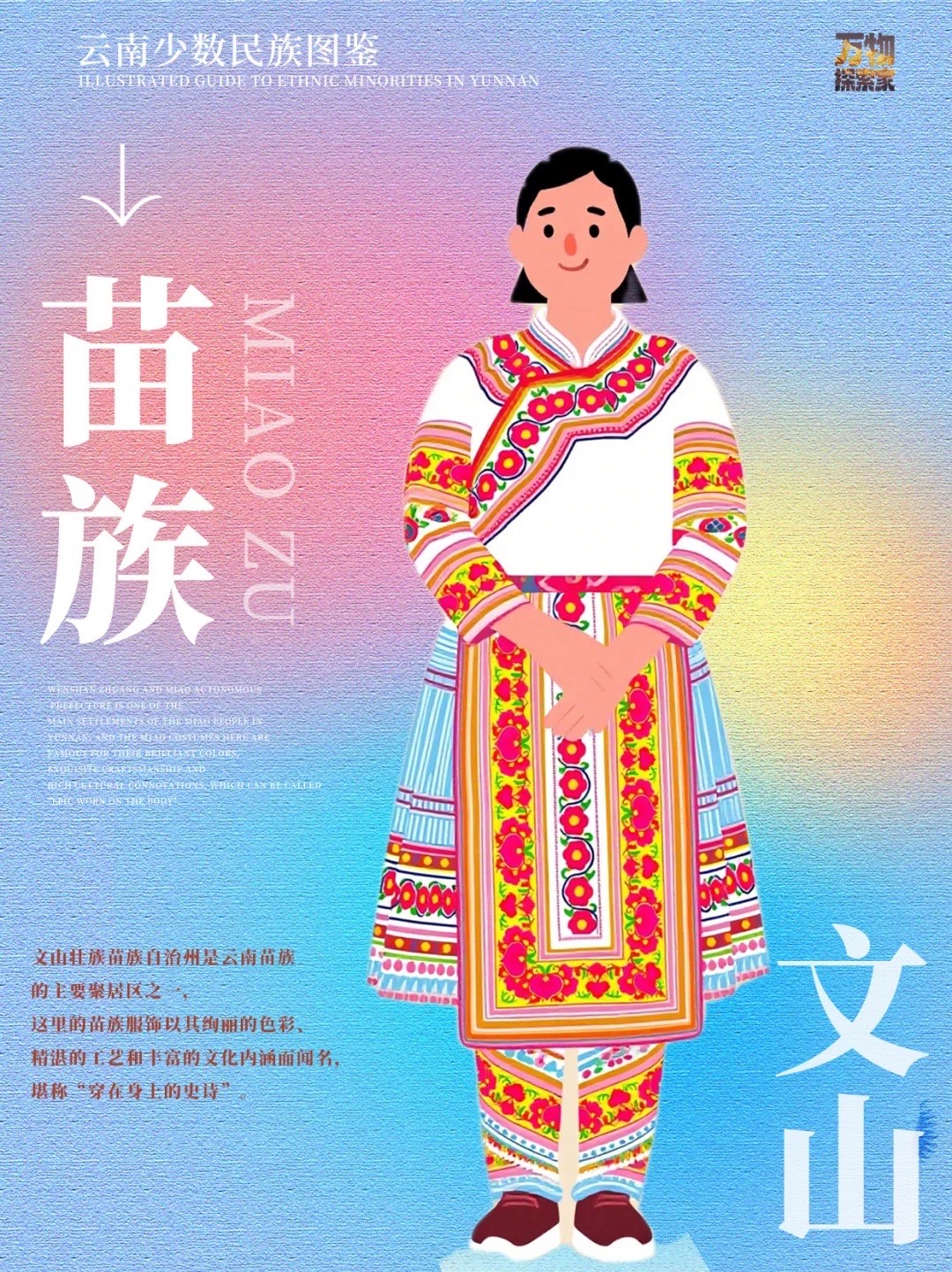
The Miao (known internationally as Hmong) are scattered across Yunnan and neighbouring provinces, but their cultural identity is unmistakable: silver. Miao women wear some of the most extraordinary silver jewellery in the world — elaborate headdresses, layered necklaces, intricate breastplates — all handcrafted by skilled silversmiths.
This isn’t decoration for decoration’s sake. Silver in Miao culture is wealth, status, identity, and spiritual protection, worn openly and proudly at festivals and ceremonies.
Their embroidery is equally intricate — dense, colourful, and narrative. Each region’s Miao community has its own patterns, used to tell stories of migration, ancestry, and mythology. It’s a textile tradition that took generations to develop and takes years to master.
→ Encounter Miao culture on the Yunnan Slow Culture Tour and Yunnan Tropical Tour
These Aren’t Just Cultural Footnotes
The people above aren’t a tick-box. They’re not a half-hour village visit squeezed between hotel check-ins.
On a Boutique China itinerary, the time you spend with these communities — eating their food, walking through their markets, staying in guesthouses they run — is the point. That’s the difference between a tour that moves you through China and one that actually lets you into it.
Ready to see which tour fits you best?
- Peaks & Retreats: The Yunnan Trilogy — trails, altitude, and Tibetan and Naxi country
- Soulful Side of Yunnan — Dali, Shaxi, Tengchong and the deep cultural heartland
- Gentle Summer in Yunnan — tea mountains, rainforest, and the Dai world of Xishuangbanna