Most Yunnan travel guides cover the same three places — Dali, Lijiang, Shangri-La — and call it done. That loop is worth doing. But it’s roughly one-fifth of what Yunnan actually is.
I grew up in Yunnan. I’ve spent years taking Australian families and discerning travellers through this province, and the thing I hear most often at the end of a trip is: I had no idea it was this varied. The scenery changes completely. The food changes. The minority cultures change. The altitude changes by thousands of metres between stops. No other province in China offers this kind of range within a single itinerary.
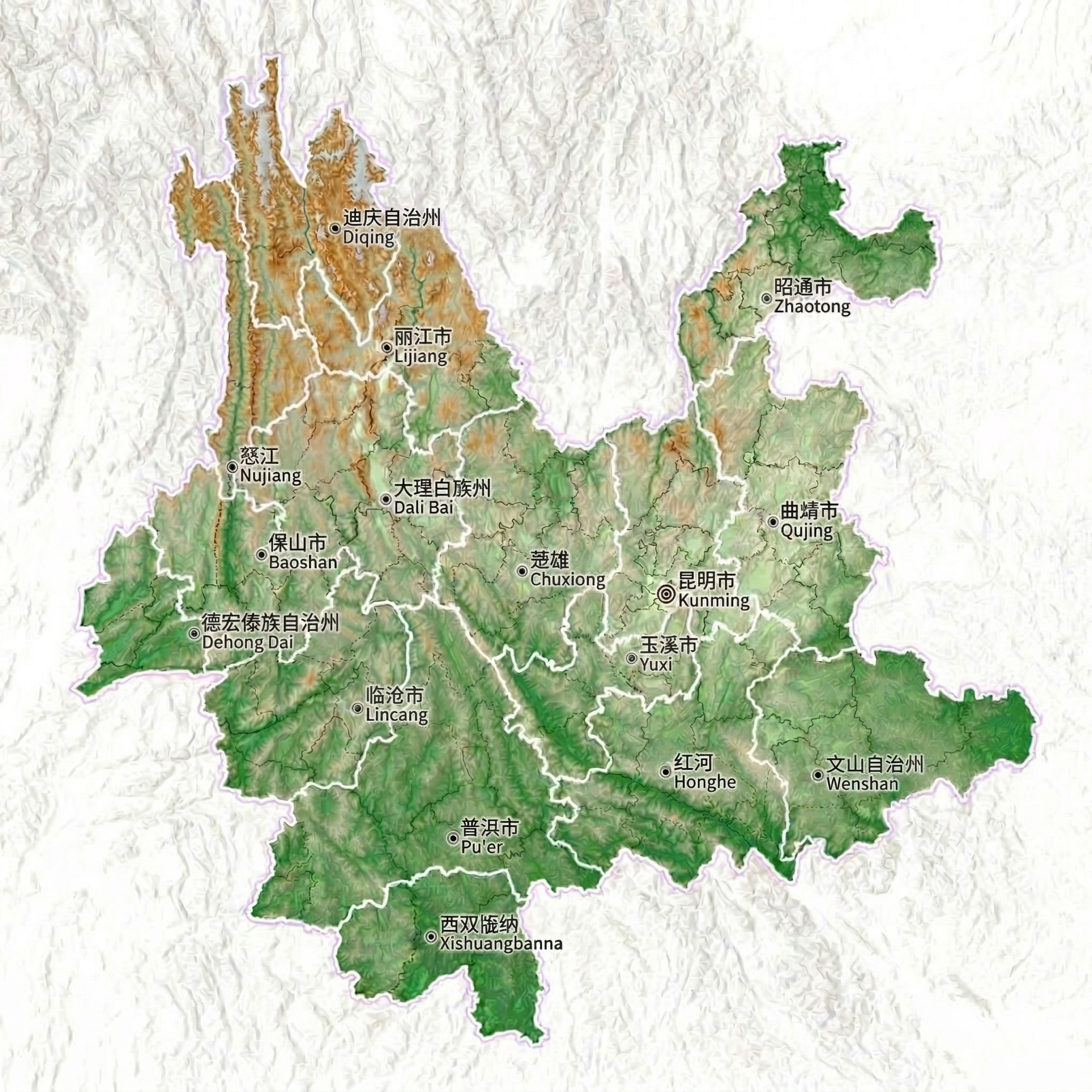
This guide breaks Yunnan into six distinct regions. Each one has a different character, a different pace, and a different type of traveller it suits best. The goal isn’t to make you go everywhere — it’s to help you choose the version of Yunnan that’s actually right for you.
The Six Regions at a Glance
Central — Kunming, Yuxi, Jianshui
West — Dali, Tengchong, Mangshi
North West — Lijiang, Shangri-La
South — Puer, Xishuangbanna
Far West — Nujiang (the Salween Gorge)
East — Wenshan, Puzhehei
1. Central Yunnan — Kunming, Yuxi & Jianshui
What Makes It Special
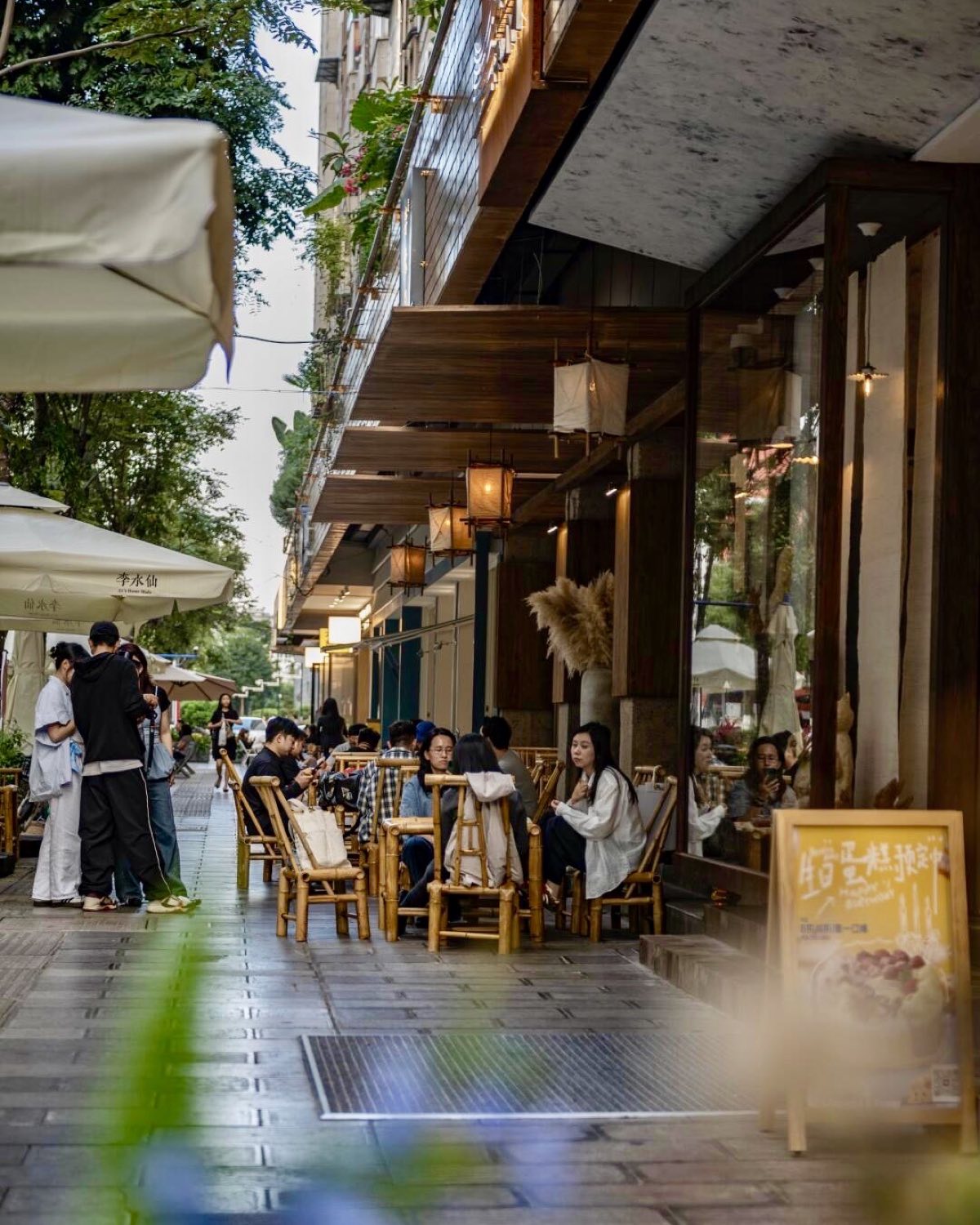
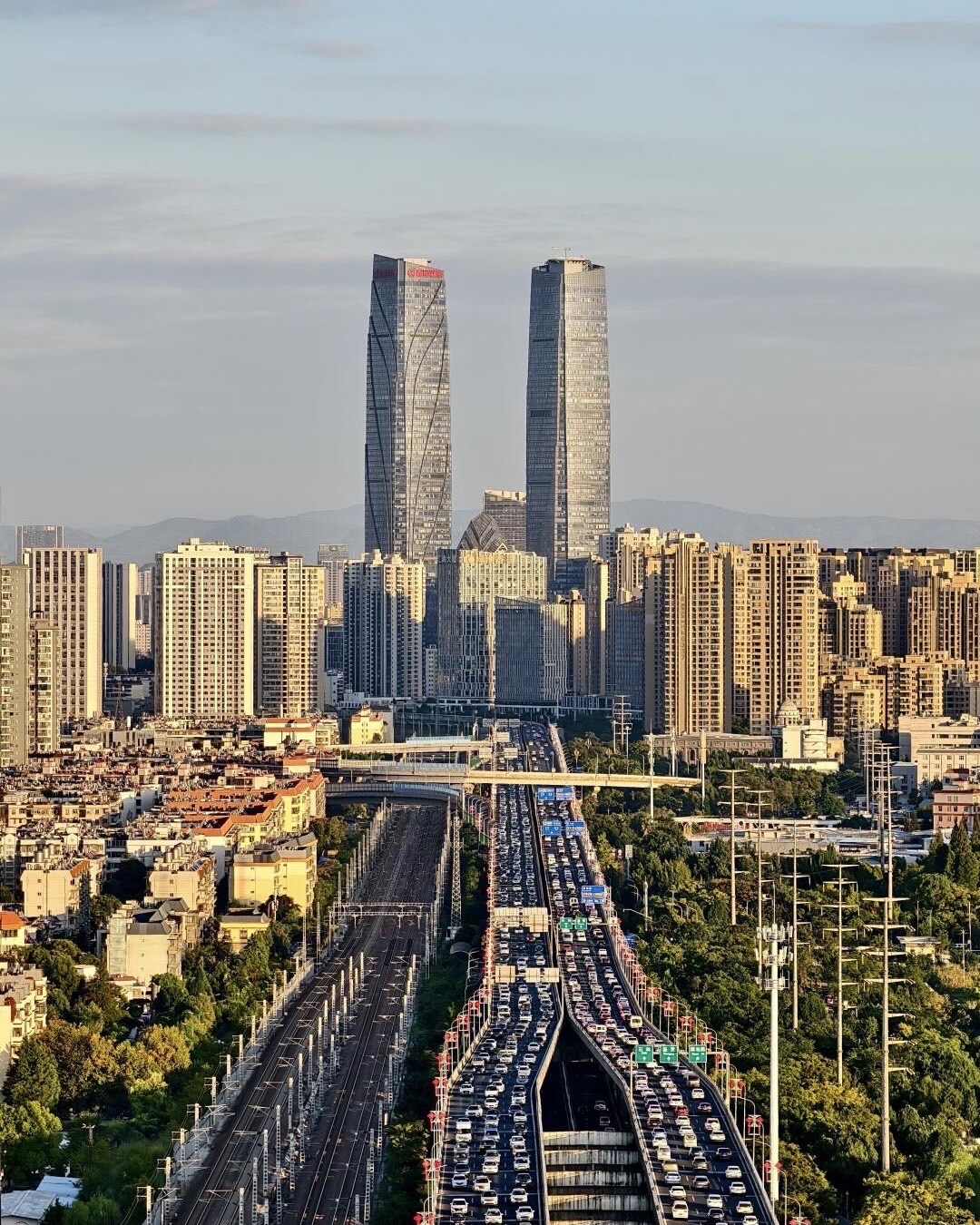
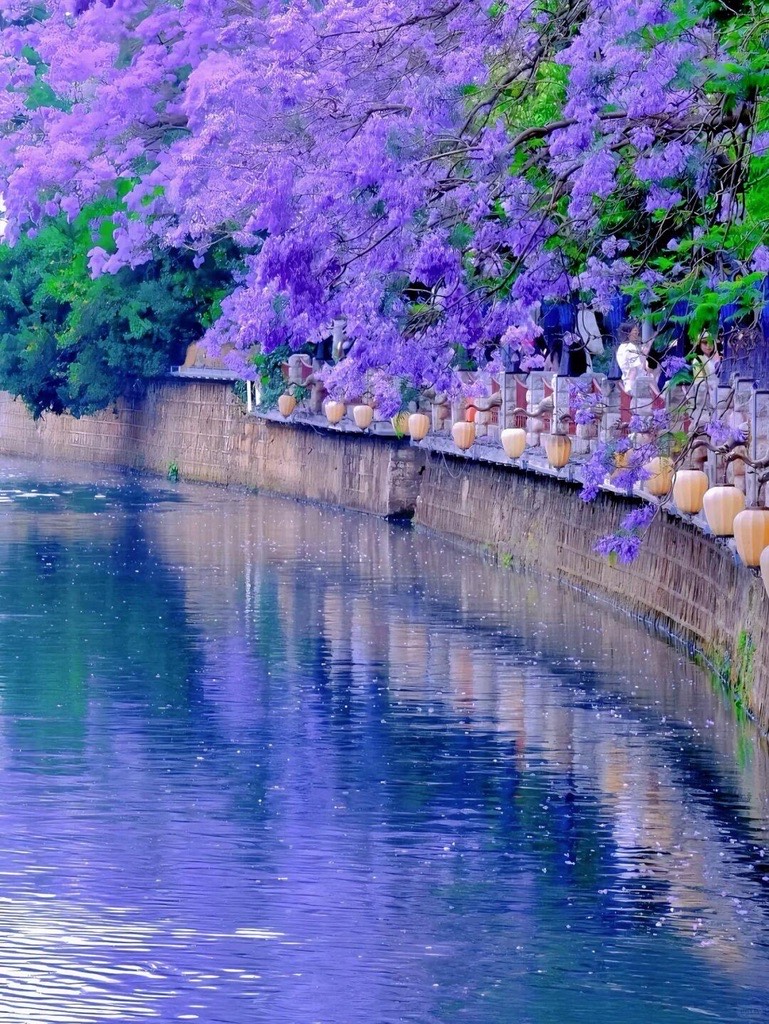
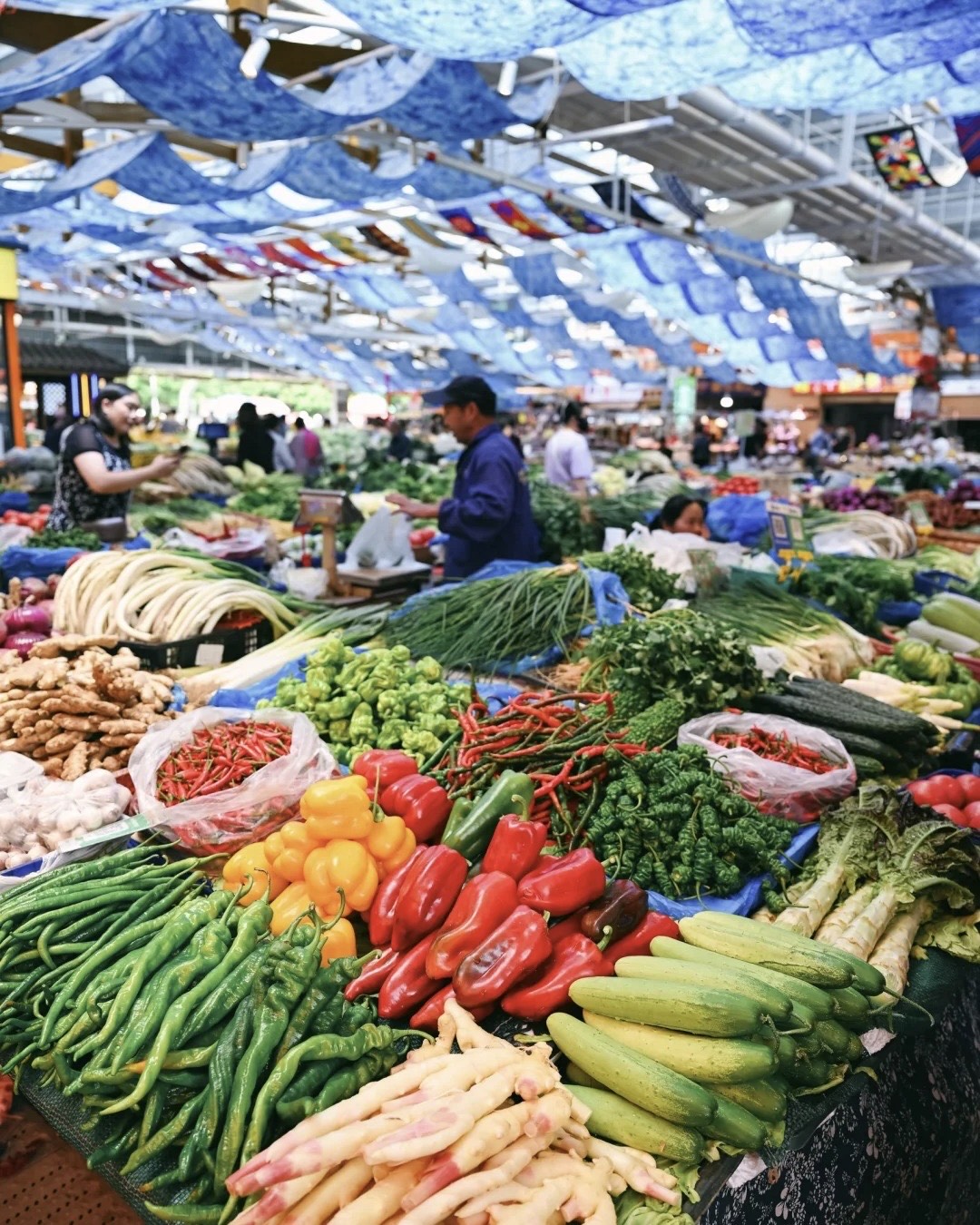
Kunming is the capital of Yunnan and the province’s main transport hub — but treating it purely as a transit point is a genuine mistake. The city earns its Chinese nickname, the “Spring City,” because its elevation of around 1,900 metres keeps the climate mild and pleasant year-round. Summers don’t bake you. Winters don’t freeze you. It’s one of the most liveable cities in China, and walking it with a good guide reveals layers that no airport layover exposes: vibrant ethnic minority street food, the extraordinary Yunnan Provincial Museum, the peaceful walkways around Green Lake Park, and the restored alleys of Wenlin Jie.
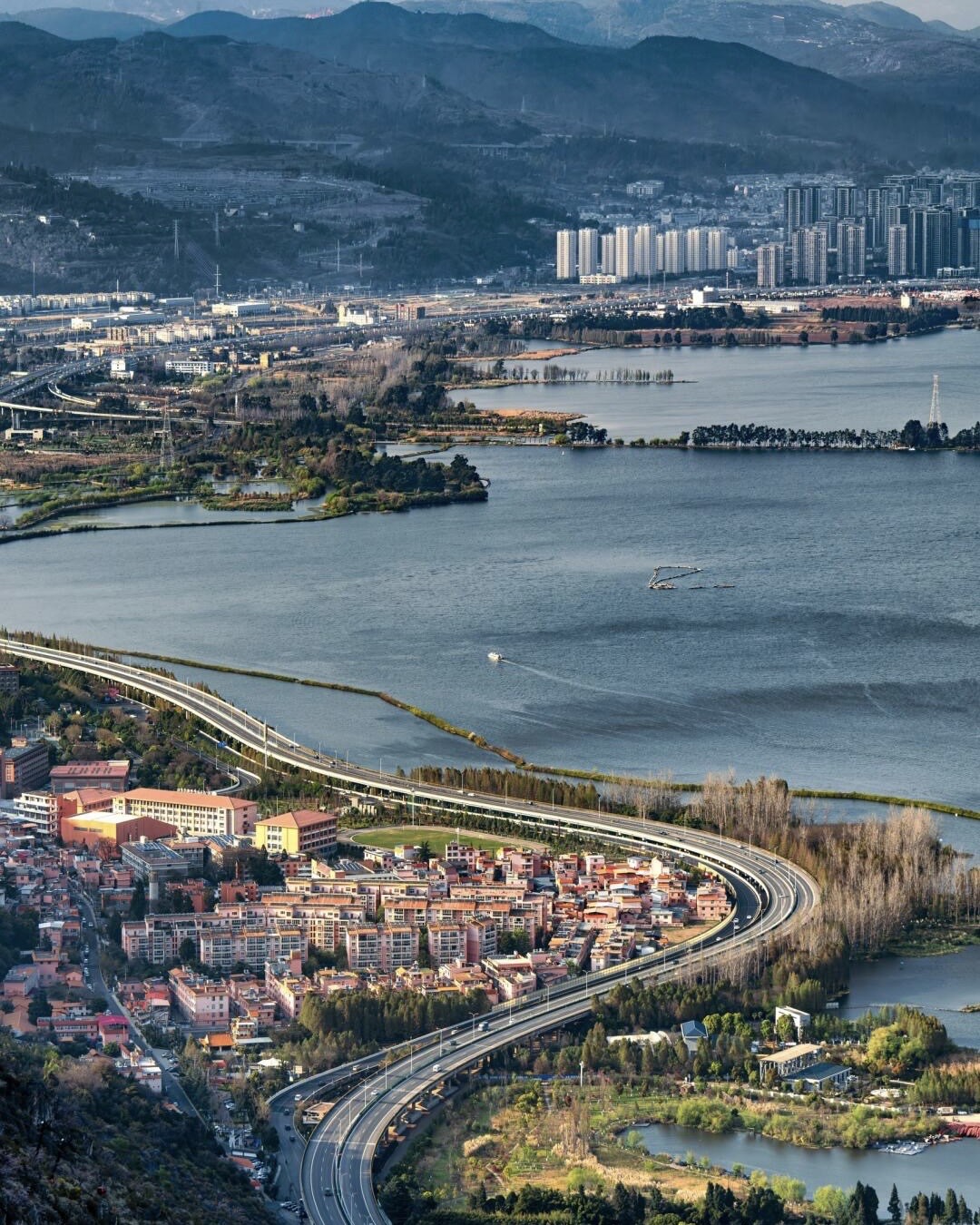
An hour south of Kunming, Fuxian Lake is the third-deepest freshwater lake in China — the water clarity is exceptional, with visibility reaching several metres below the surface. Most itineraries drive straight past it.
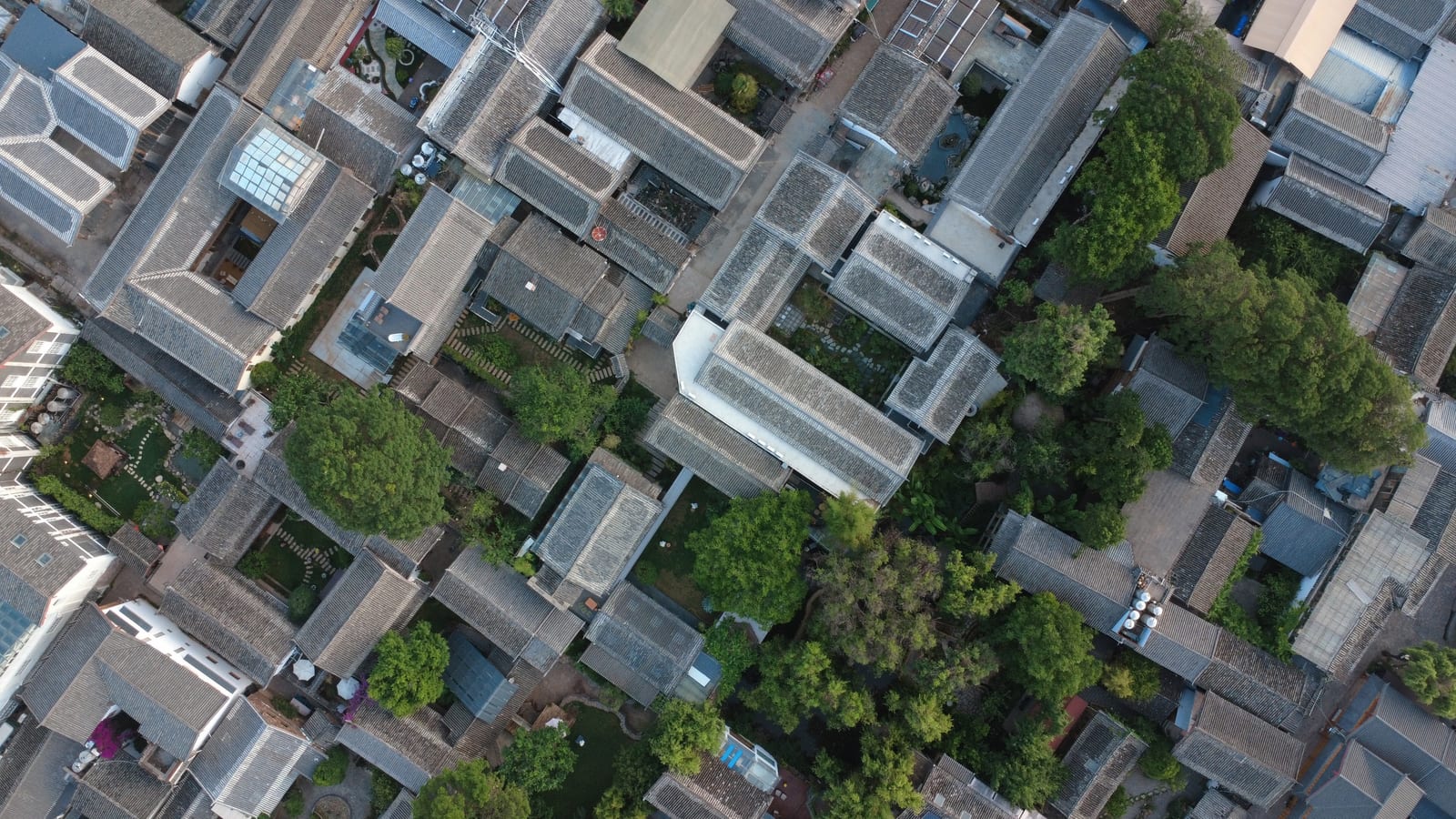
Jianshui is the true standout of this region. A 700-year-old Confucian town in the southern foothills, it contains one of the largest Confucian temples in China outside of Qufu — a genuinely imposing complex with centuries of history embedded in its stonework. There’s also a perfectly intact ancient examination hall, and the Twin Dragon Bridge, a 17-arch stone span built during the Qing Dynasty that stretches across the convergence of two rivers. The slow-grilled tofu sold at roadside stalls from dawn is famous across Yunnan. Jianshui receives a fraction of the visitors that Lijiang does, which makes every part of it feel more real.
Jianshui sits in Honghe Prefecture alongside the Yuanyang Rice Terraces — one of Yunnan’s most spectacular landscapes, where the Hani people have sculpted the hillsides into thousands of mirror-like paddies over more than a thousand years. The two are natural companions on the same itinerary.
Access: Kunming is served by direct and one-stop flights from Sydney and Melbourne (via Hong Kong, Guangzhou or Chengdu). High-speed rail connects Kunming to Jianshui in under two hours.
Best for: First-time visitors to Yunnan, culture travellers, families with younger children, anyone who wants depth without altitude or crowds.
2. West Yunnan — Dali, Tengchong & Mangshi
What Makes It Special
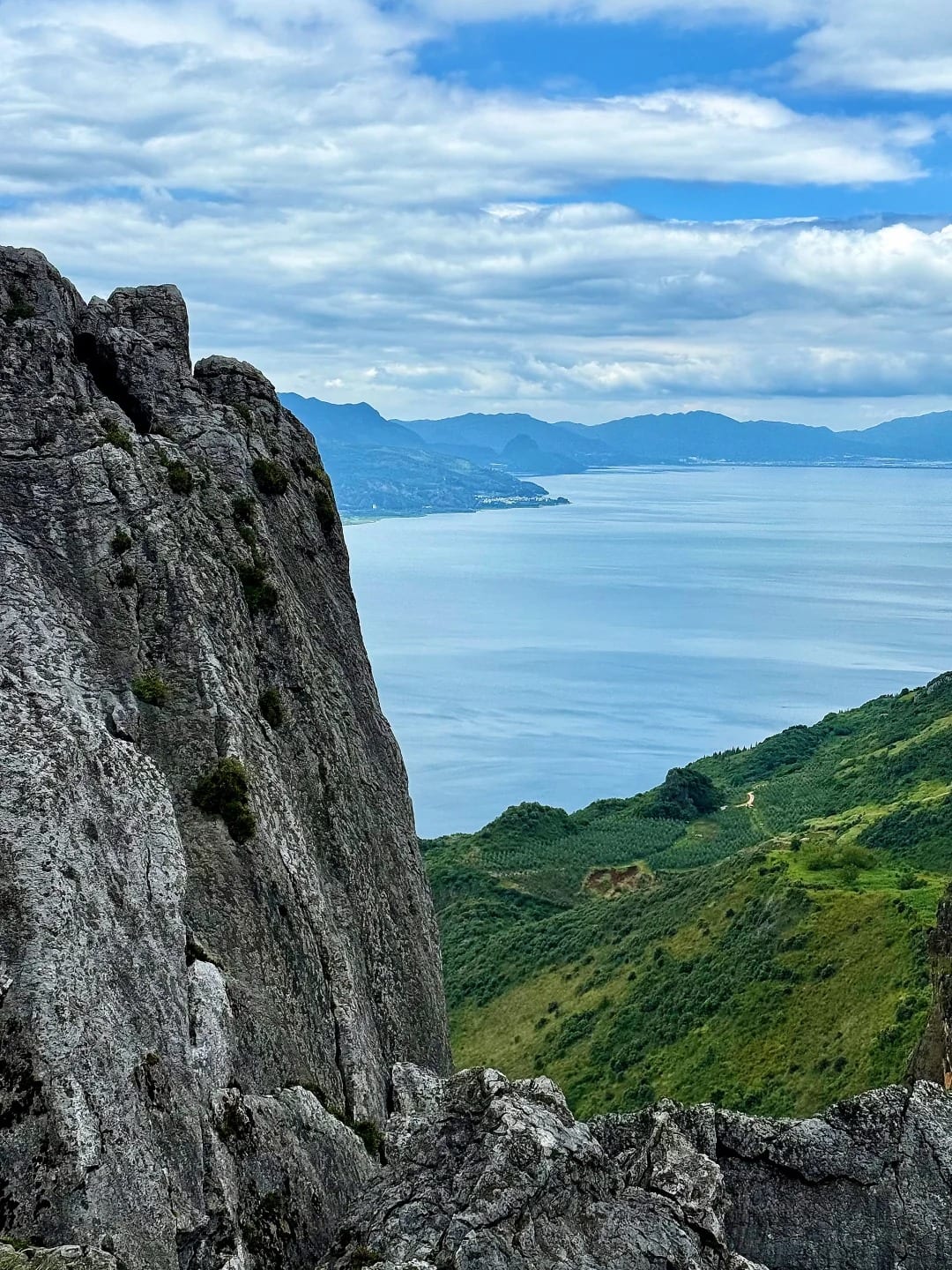
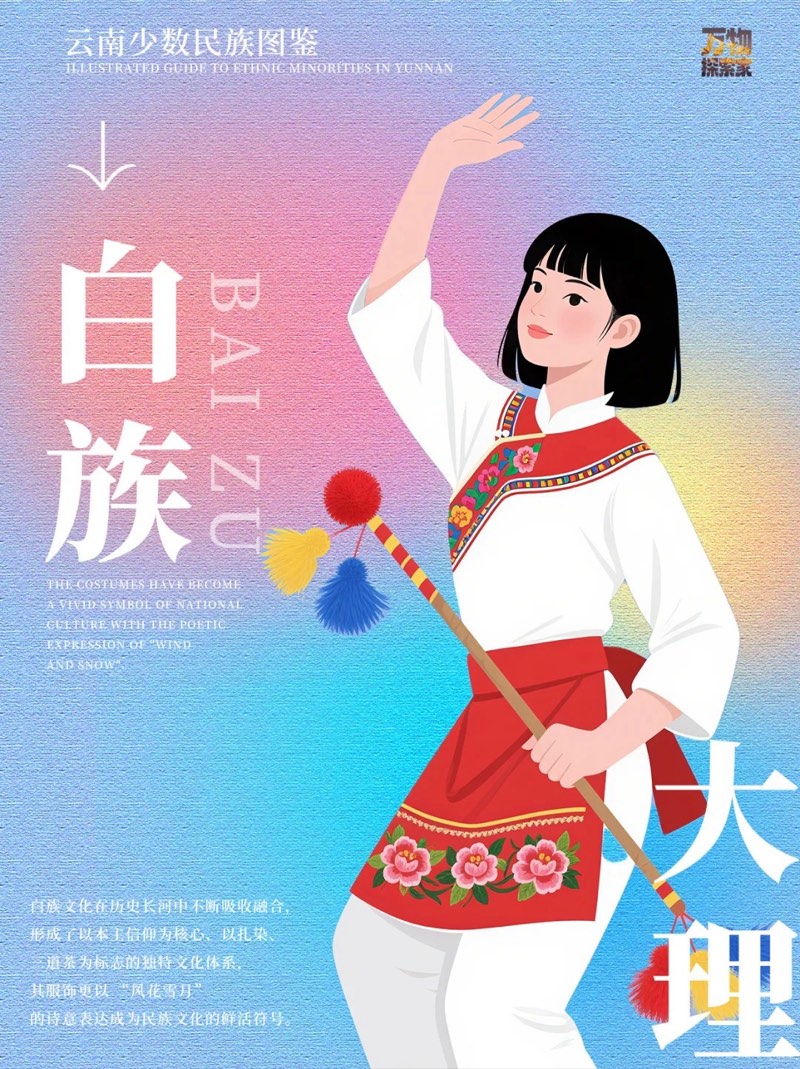
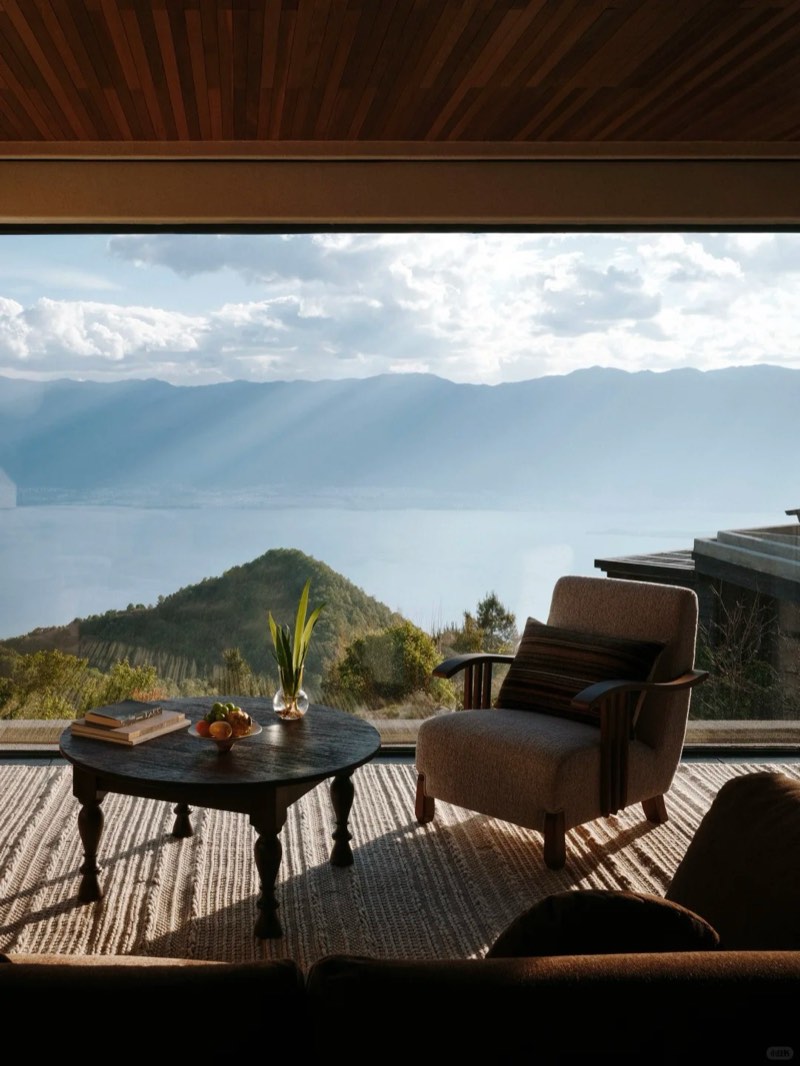
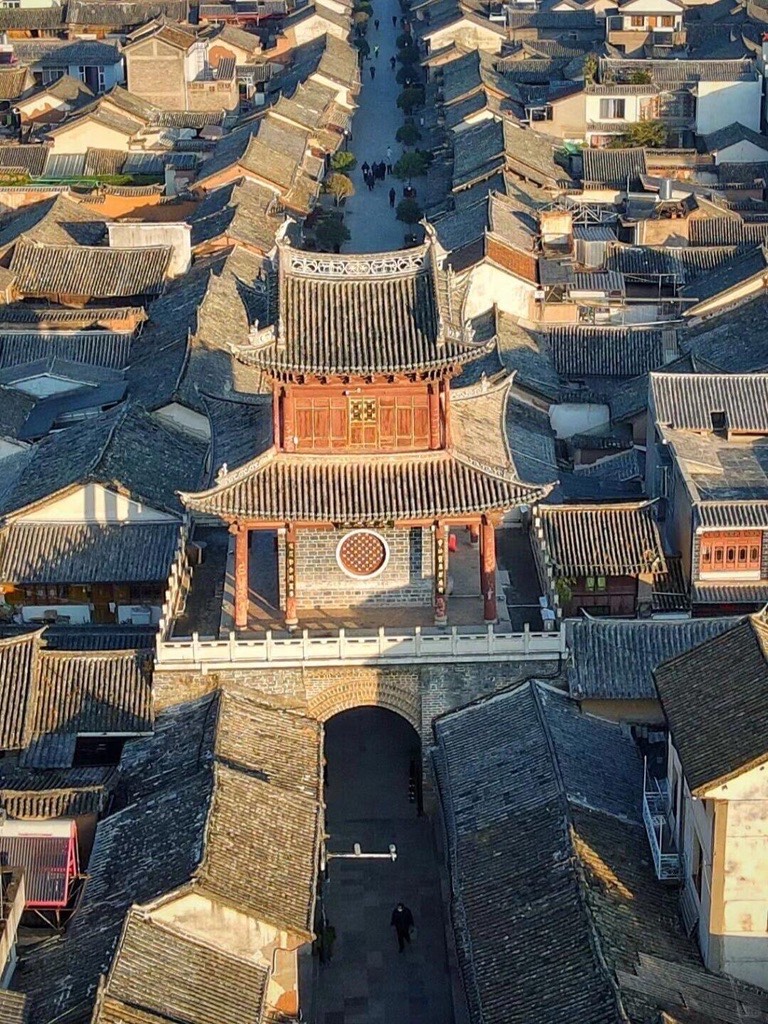
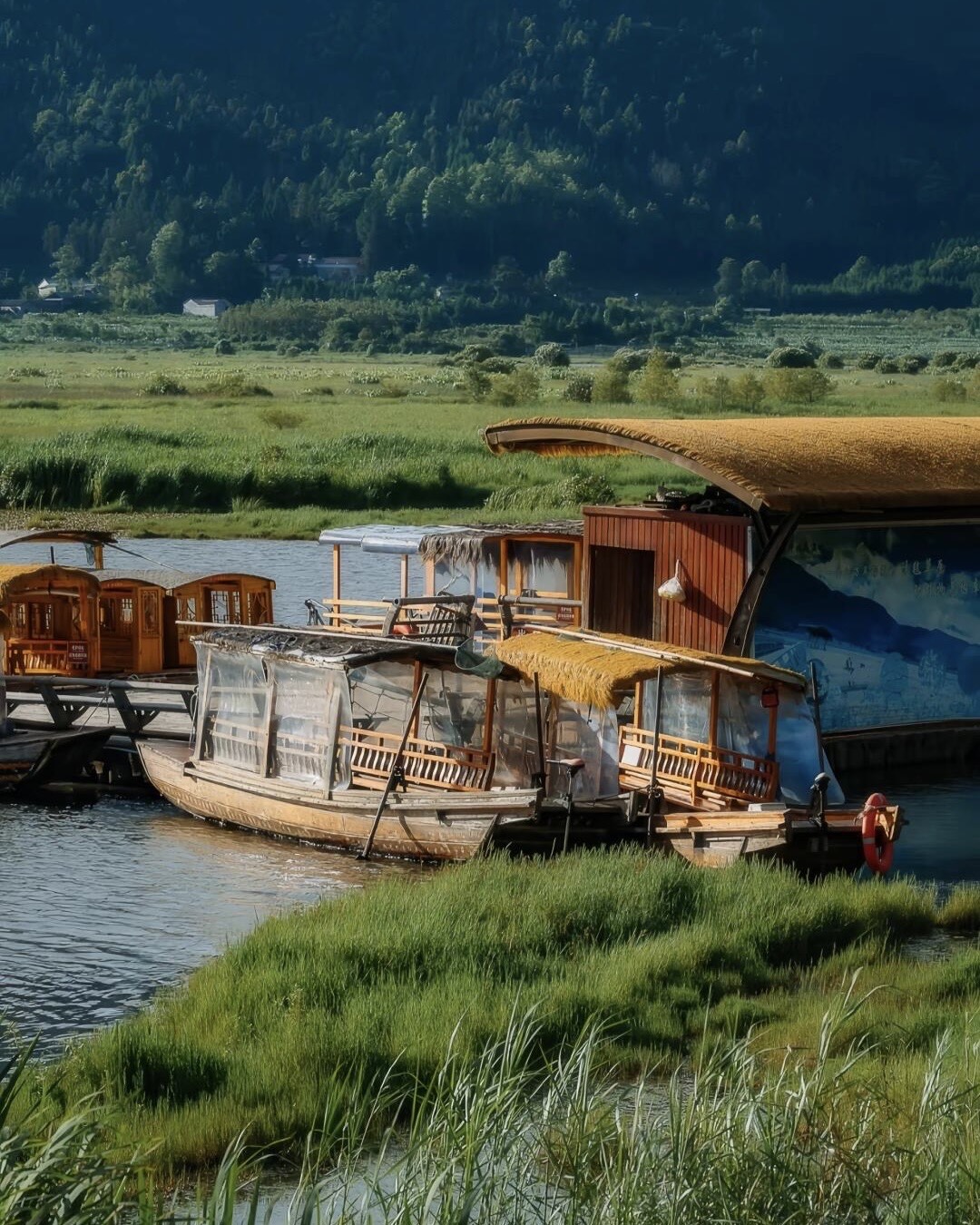
Dali is where most international Yunnan itineraries begin — and for good reason. The walled old town sits between Erhai Lake and the Cangshan mountain range, with traditional Bai minority architecture lining its stone-paved lanes. The key to Dali is timing: walk the old town before 8am, when the light is soft and the streets belong to locals hanging laundry and preparing breakfast, and you’ll understand exactly why people love it. Erhai Lake by bicycle in the late afternoon, when the water turns silver, is one of the consistently beautiful moments Yunnan delivers.
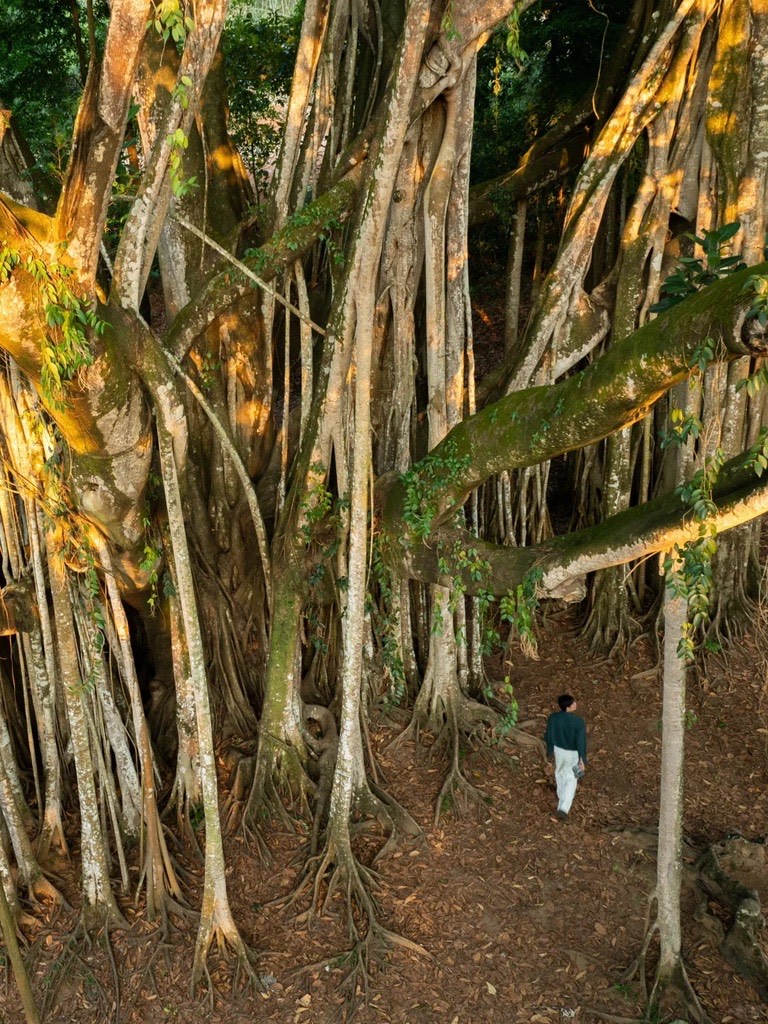
Tengchong, four hours further west, is where the trip changes register. This corner of Yunnan sits on a geologically active zone — there are close to 100 volcanic cones in the area, and the hot springs that bubble up around them are among the finest in China. But the real draw is Heshun Ancient Town, a perfectly preserved merchant settlement whose families grew wealthy from trade along the ancient Southern Silk Road. The architecture is a hybrid of southern Chinese and Southeast Asian styles — curved tiled roofs, stone alleyways, ancestral halls with courtyard gardens — and the place has remained almost entirely intact. It is, in our view, the most underrated village in Yunnan.
Mangshi (the capital of Dehong Prefecture) opens a door that very few international itineraries walk through. It lies on the Myanmar border, and its culture reflects that — the dominant Dai minority here shares heritage, cuisine and Buddhist temple architecture with communities across the border in northern Myanmar and Laos. The tropical climate, the golden-spired temples, and the near-total absence of international tourism make Mangshi feel like a genuinely private discovery.
Access: Flights from Kunming to Dali (approximately 50 minutes) or Baoshan, the closest airport to Tengchong (approximately 55 minutes). Mangshi has its own airport with direct flights from Kunming.
Best for: Couples, slow travellers, anyone drawn to minority culture, food-focused travellers, those who want the warmth of Yunnan without altitude.
3. North West Yunnan — Lijiang & Shangri-La
What Makes It Special
Lijiang’s old town is UNESCO-listed for good reason — its network of cobblestone lanes, wooden Naxi architecture and willow-lined waterways is genuinely beautiful. The tourist volume is real, but it’s manageable with the right approach: stay inside the old town rather than on its periphery; explore before 9am and after 9pm; use Lijiang as a base for day trips rather than treating it as the destination itself.
The best of those day trips is Shaxi, a quiet market village in the Shaxi Valley that gives you what Lijiang used to feel like before it became famous. A single cobblestone square, a restored theatre, ancient caravanserai buildings, and fields that roll out toward forested hills. Shaxi sees a fraction of Lijiang’s visitors and rewards slow exploration.
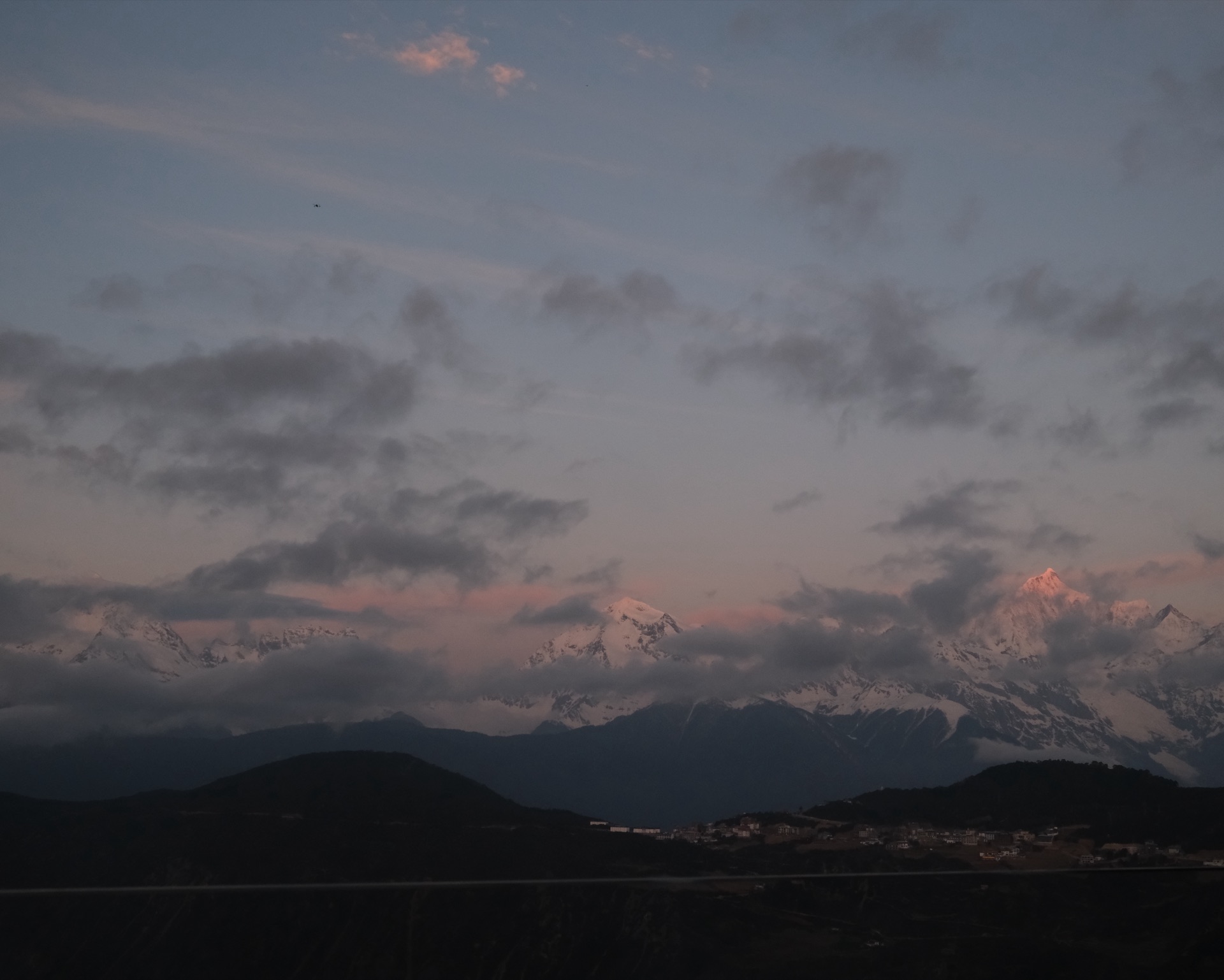
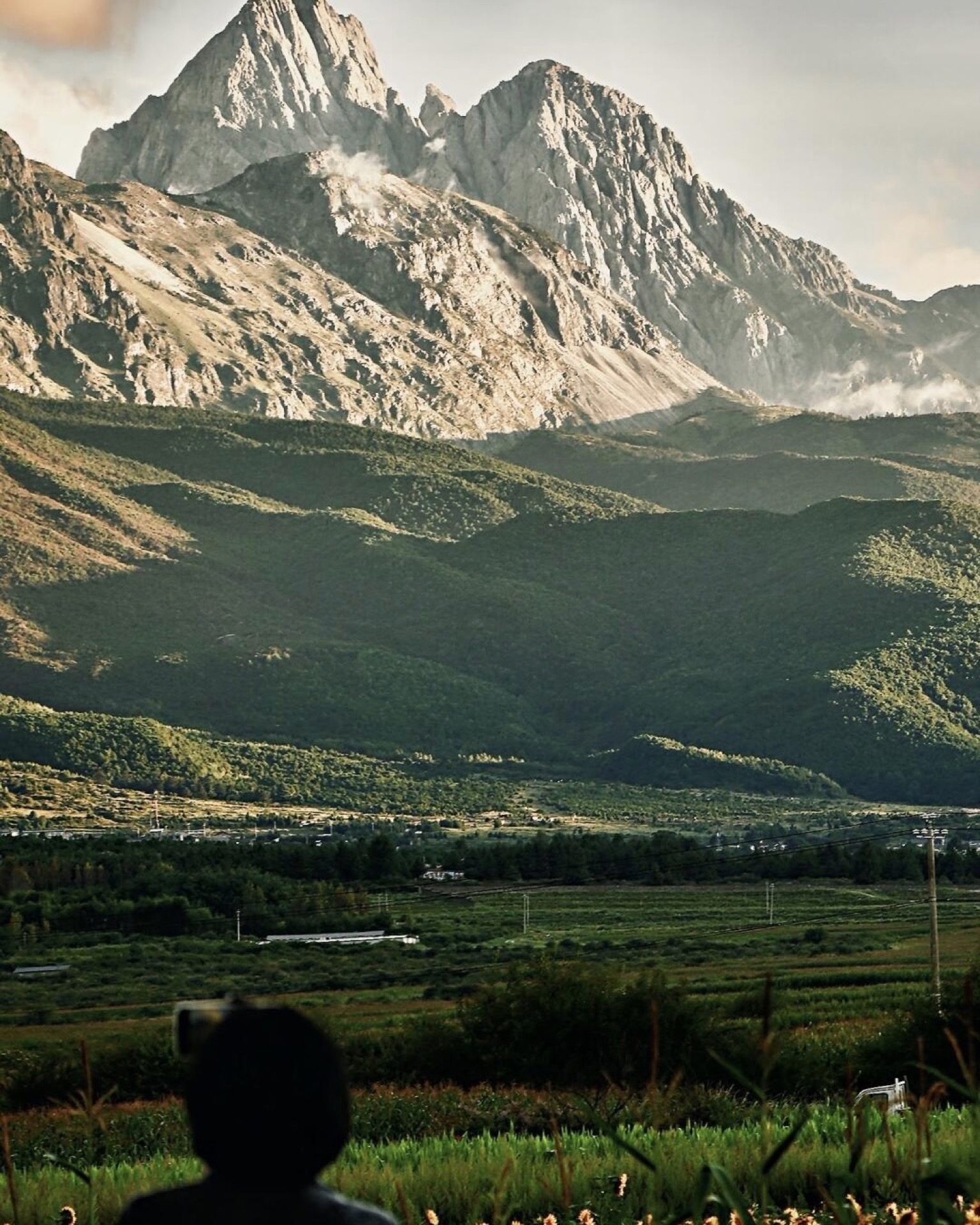
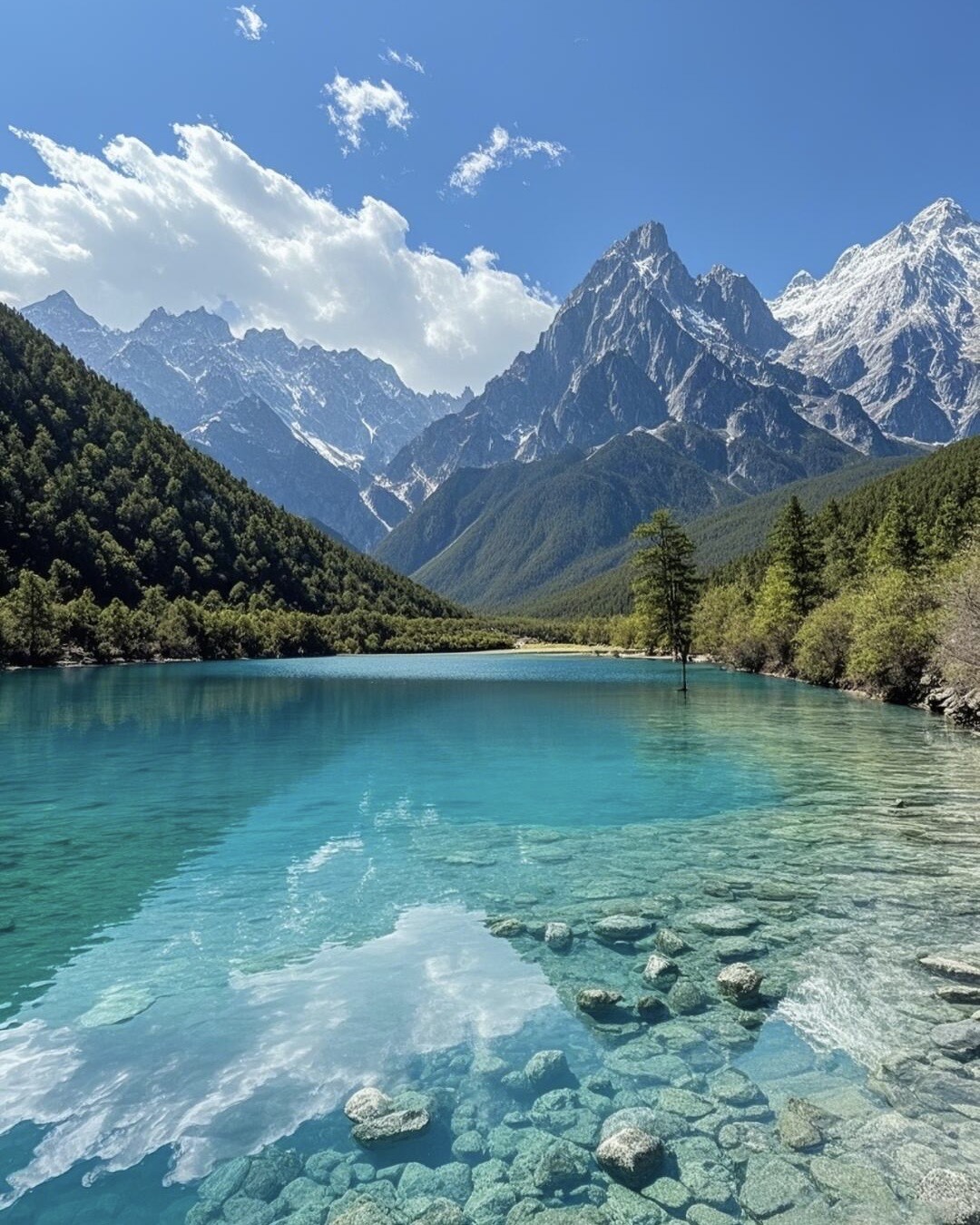
Jade Dragon Snow Mountain dominates the skyline above Lijiang at 5,596 metres and is accessible by cable car to the upper plateau — a landscape of glacial valleys and alpine meadows that stops people mid-sentence.
Tiger Leaping Gorge, between Lijiang and Shangri-La, is one of the world’s great gorge walks. At its deepest, the surrounding peaks rise roughly 3,900 metres above the Jinsha River below. The classic two-day high trail is achievable for fit walkers and rewards with views that photographs cannot fully capture.
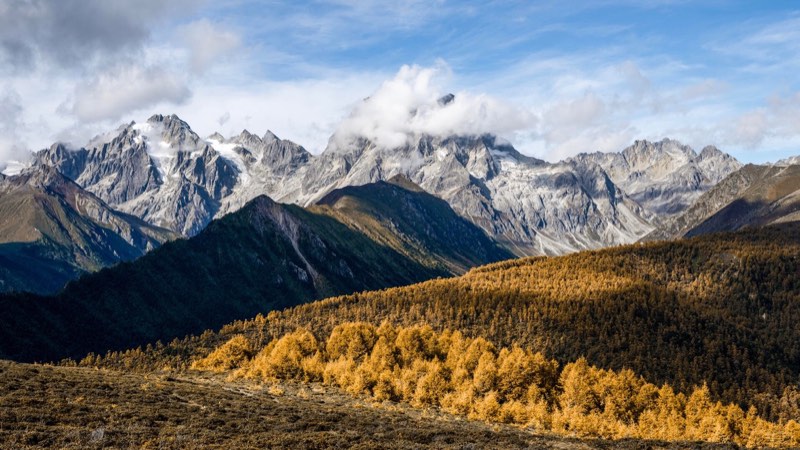
Shangri-La sits at 3,280 metres above sea level — altitude acclimatisation is not optional here, it’s part of the planning. Give yourself a slow first day. What you’ll find when you adjust: Songzanlin Monastery, the largest Tibetan Buddhist monastery in Yunnan, set above the city like a small walled town; Pudacuo National Park, a plateau wilderness of alpine lakes, meadows and ancient forests; and a Tibetan culture that feels entirely distinct from the Naxi world of Lijiang, just three hours away by road.
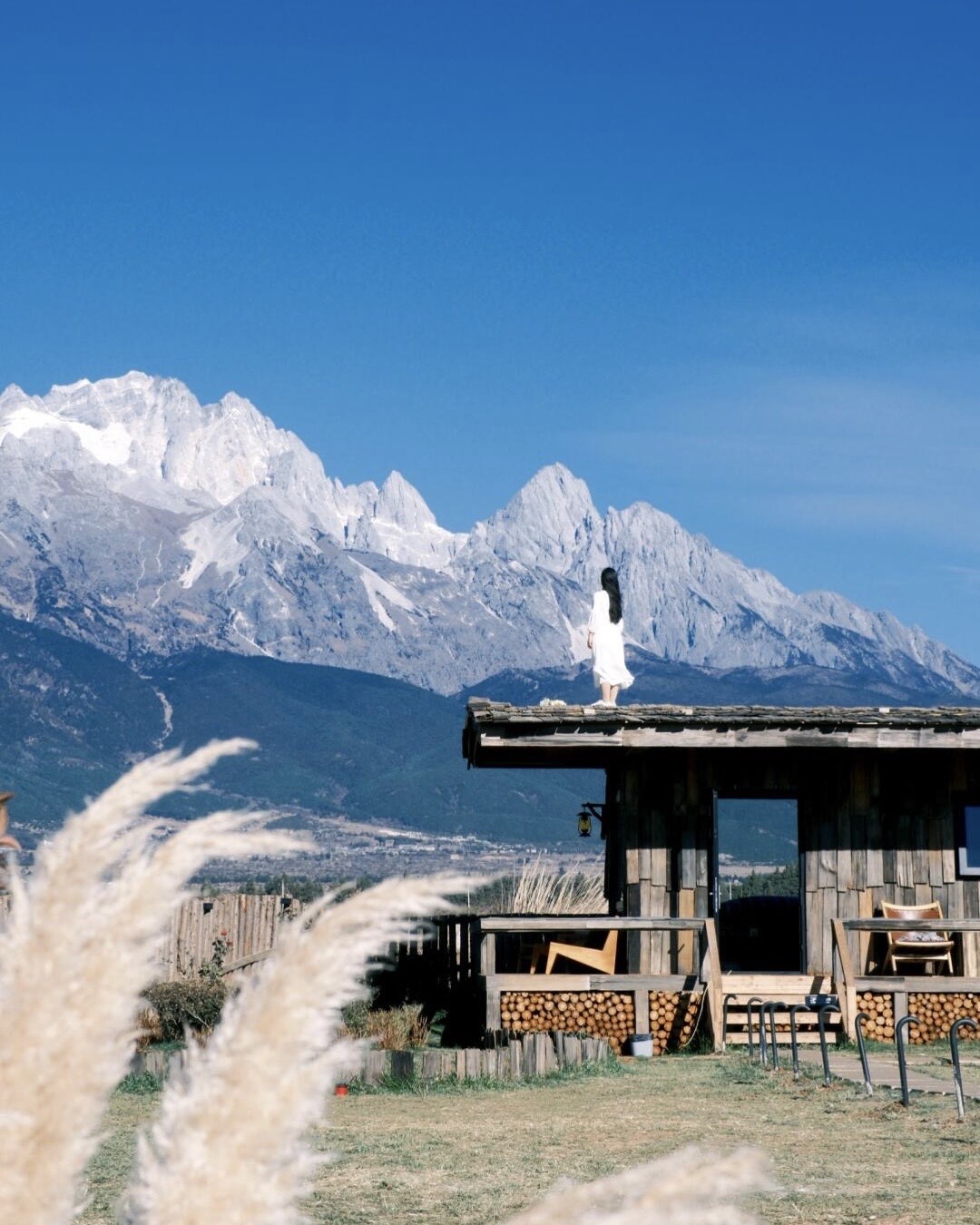
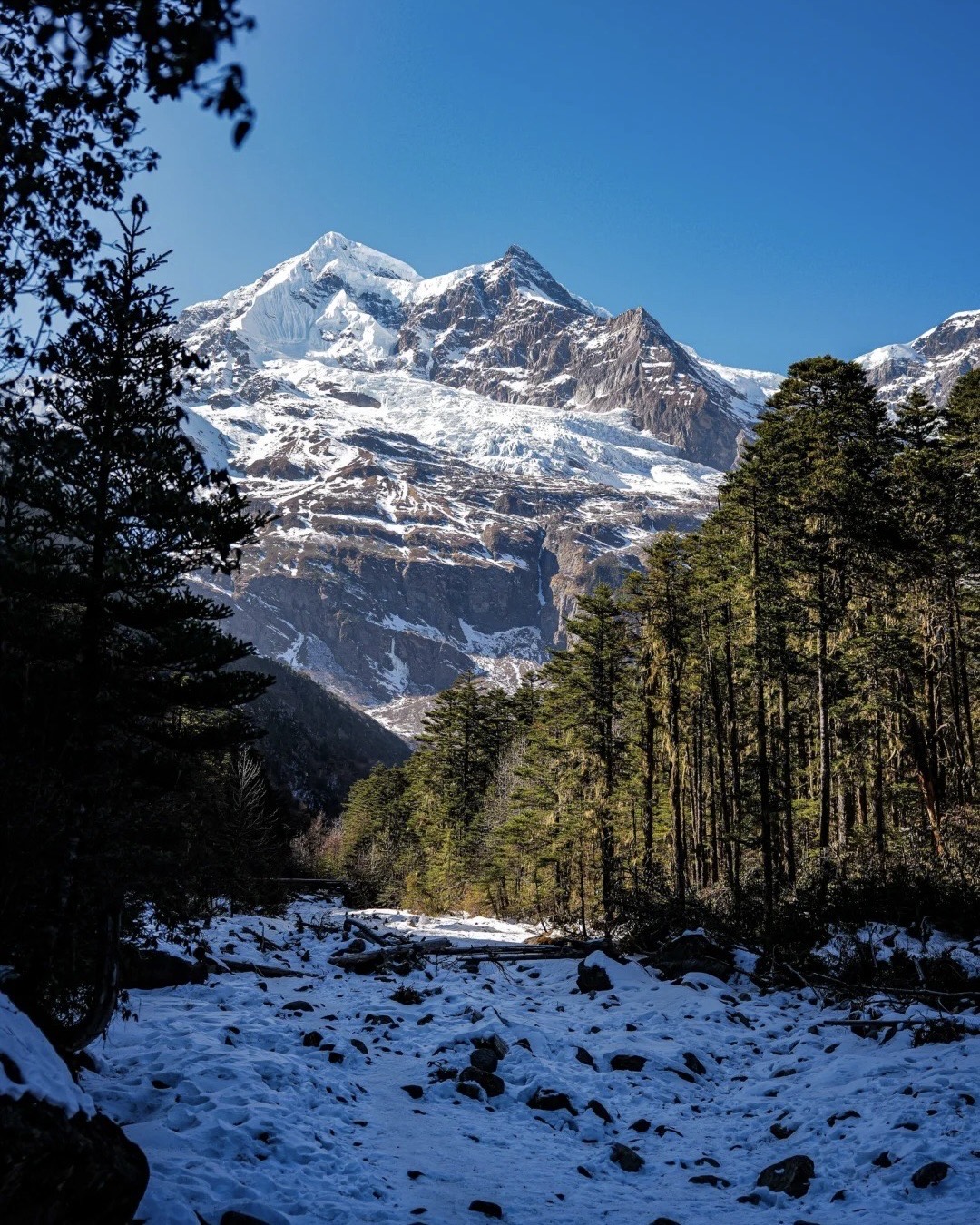
Access: Flights to Lijiang from Kunming or direct from several major Chinese cities. Road from Lijiang to Shangri-La is approximately 3.5 hours through spectacular mountain scenery.
Best for: The flagship Yunnan experience. Anyone on their first trip to the province, and travellers who want the full contrast between old-town culture and high-altitude Tibetan landscape in one journey.
4. South Yunnan — Puer & Xishuangbanna
What Makes It Special
Southern Yunnan is subtropical — a fact that consistently surprises travellers who picture the province as cold and mountainous. Down here, it’s warm year-round, and the landscape and culture shift accordingly.
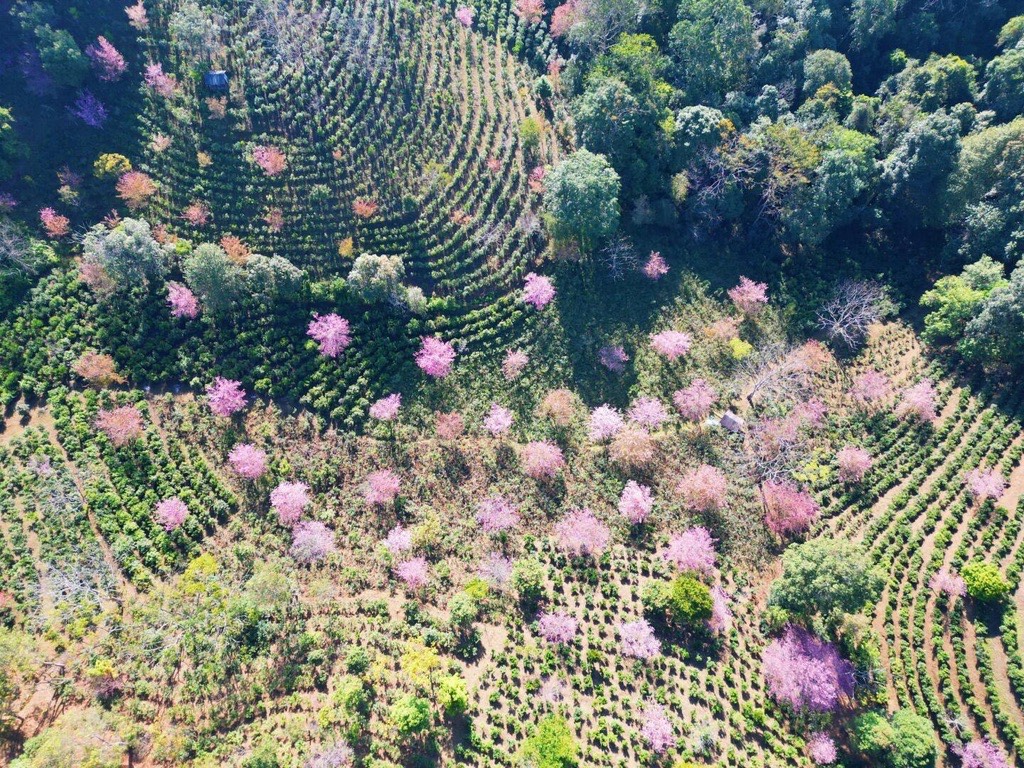
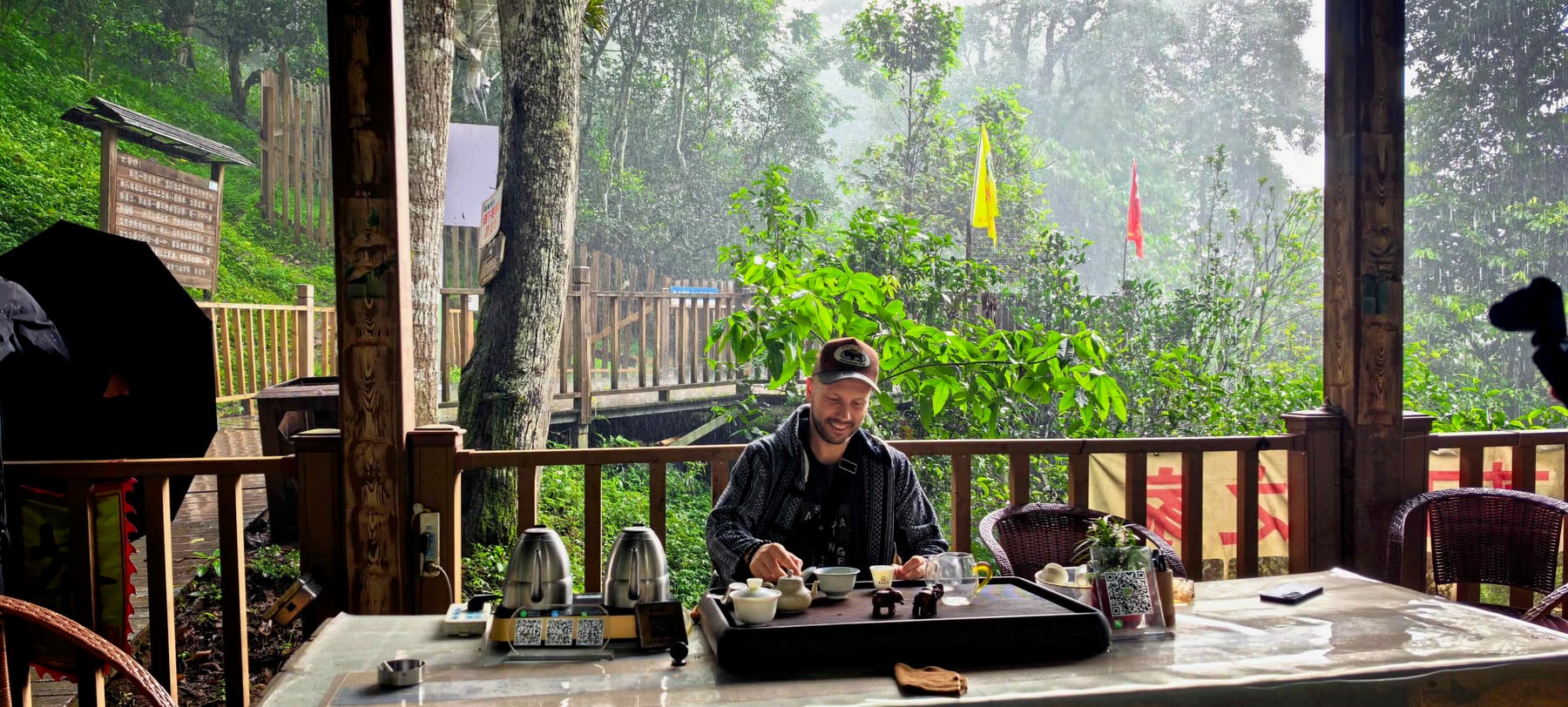
Puer is the origin of the world’s most traded aged tea. Pu-erh (the correct romanisation of the place it comes from) has been produced in these hills for over a thousand years — pressed into cakes, aged in stone warehouses, and traded along routes that reached Tibet, Southeast Asia and eventually Europe. At the heart of this tea culture is Jingmai Mountain, whose ancient tea forests were inscribed as a UNESCO World Heritage Site in 2023 — the world’s first tea-culture heritage listing. Visiting these gardens, meeting the farmers who tend trees that are centuries old, and understanding how altitude, soil and fermentation work together to create something that serious collectors treat like fine wine — this is a rare and unhurried experience that almost no international itinerary includes.
Xishuangbanna is unlike anywhere else in China. A green, tropical prefecture on the Mekong River bordering Laos and Myanmar, it is home to the Dai people — a Buddhist ethnic minority whose white-spired temples, elevated wooden houses and festival calendar set it entirely apart from the Han Chinese cities of the north. The Wild Elephant Valley reserve offers one of the best chances in Asia to see Asian elephants in something close to their natural habitat. Morning markets in Jinghong, the regional capital, overflow with produce, herbs and dishes that feel entirely Southeast Asian. If you arrive expecting China and want to be genuinely surprised, Xishuangbanna will do it.
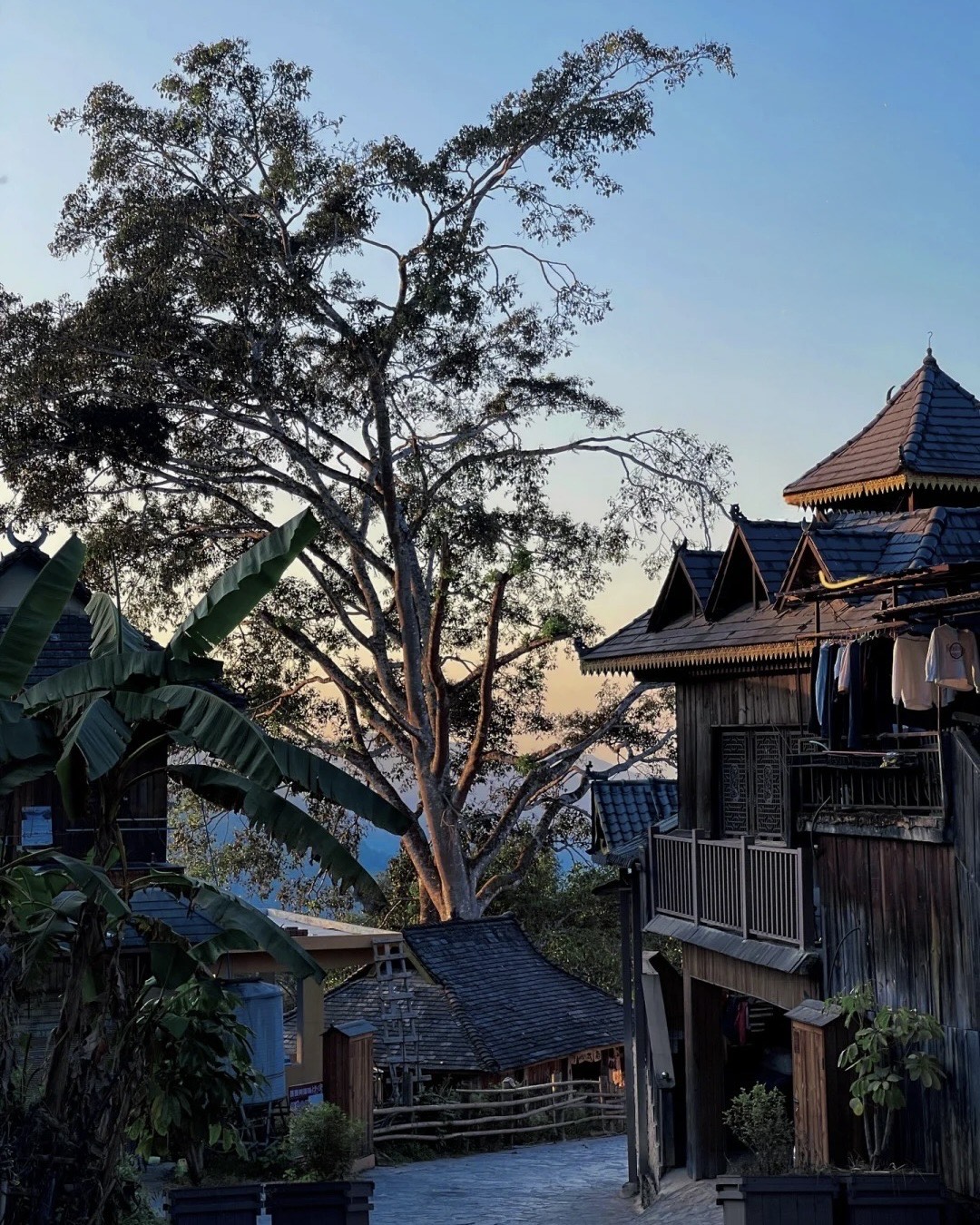
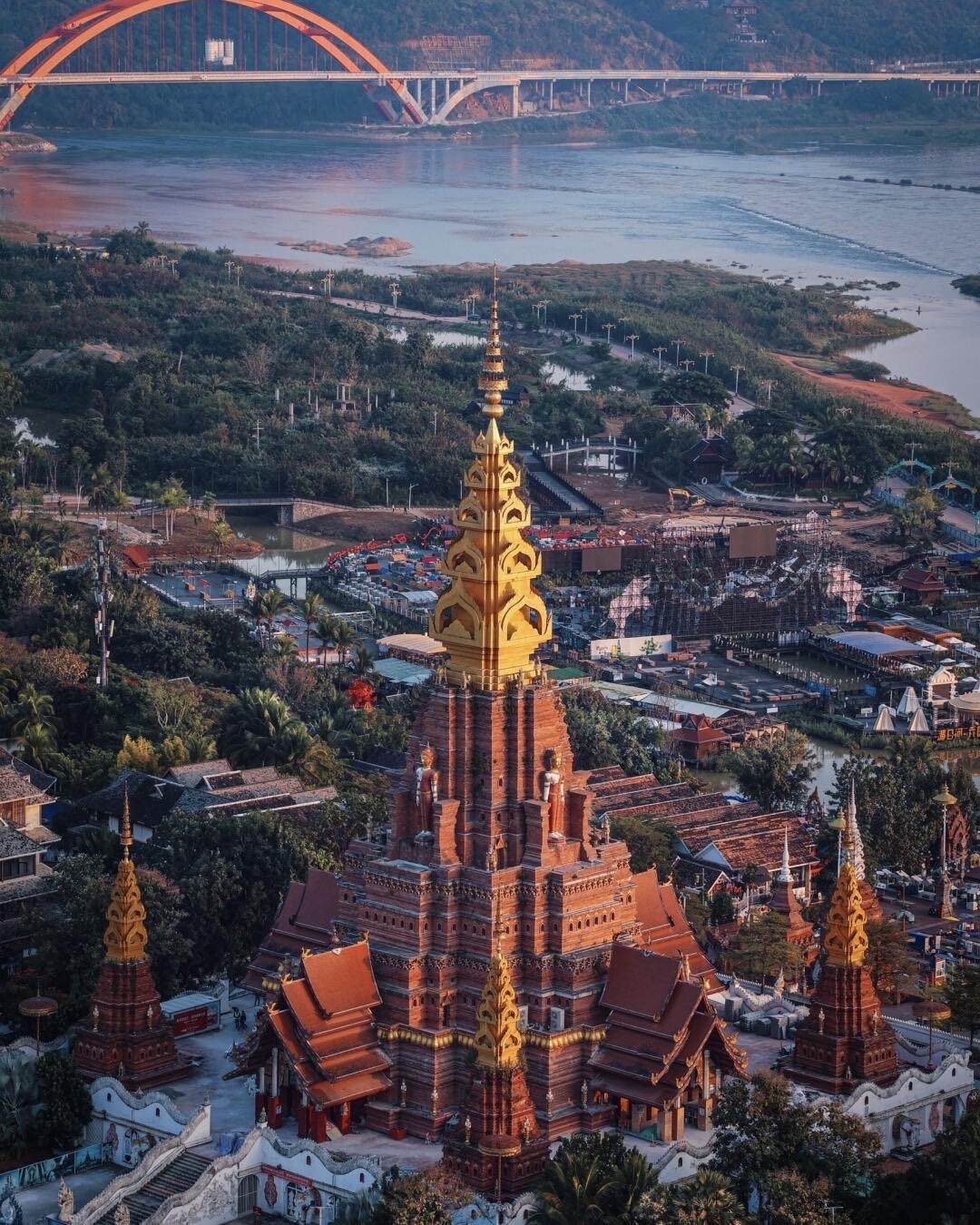
Access: Flights to Jinghong (Xishuangbanna Gasa Airport) from Kunming in approximately one hour. Puer is served by Simao Airport, also around one hour from Kunming. The two can be combined by road.
Best for: Nature lovers, tea enthusiasts, families who prefer warmth and lower altitude, anyone wanting to see a genuinely different face of China. Tea lovers can start with our 5-day Jingmai Tea Tasting Tour.
5. Far West Yunnan — Nujiang (the Salween Gorge)
What Makes It Special
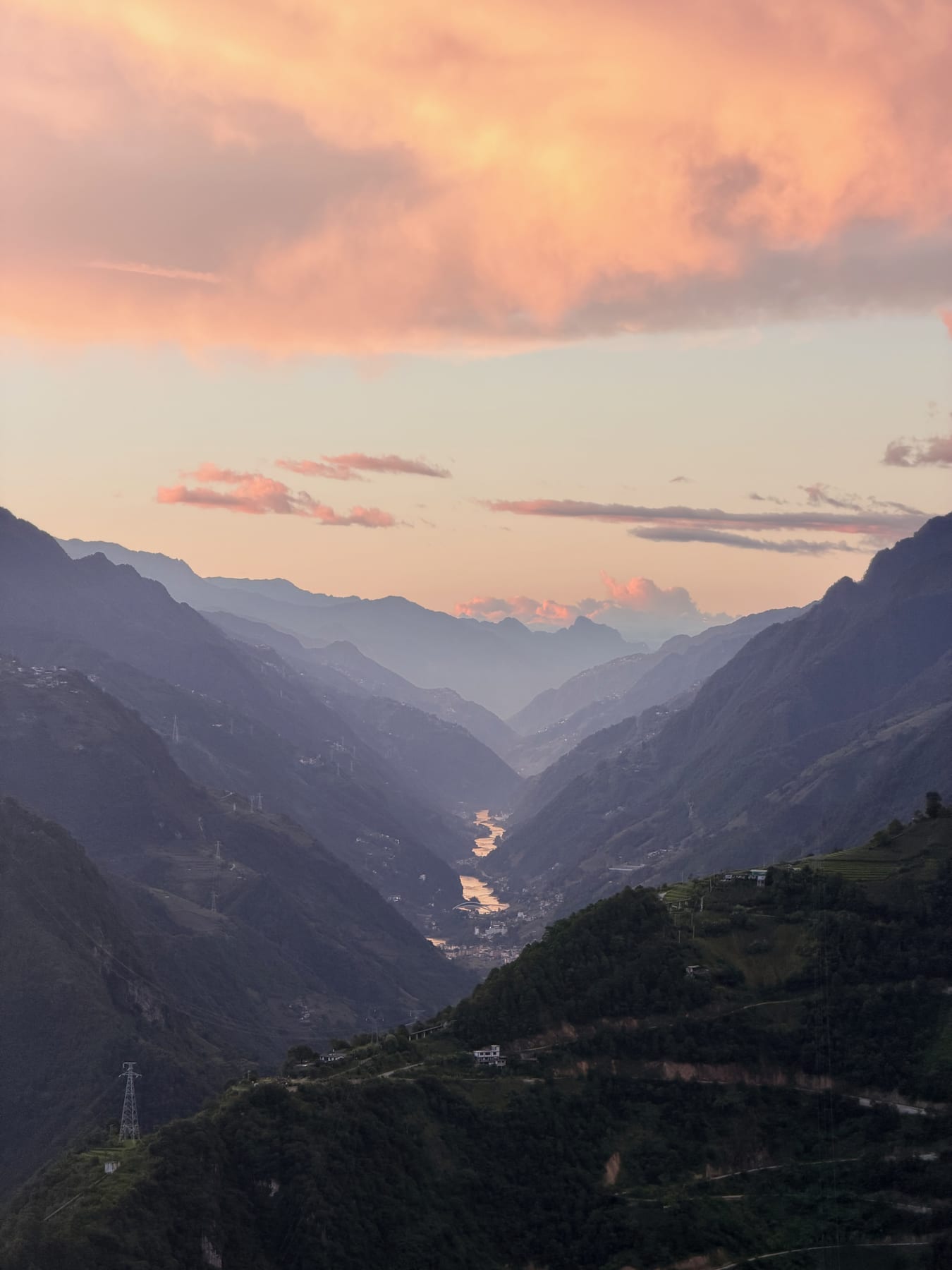
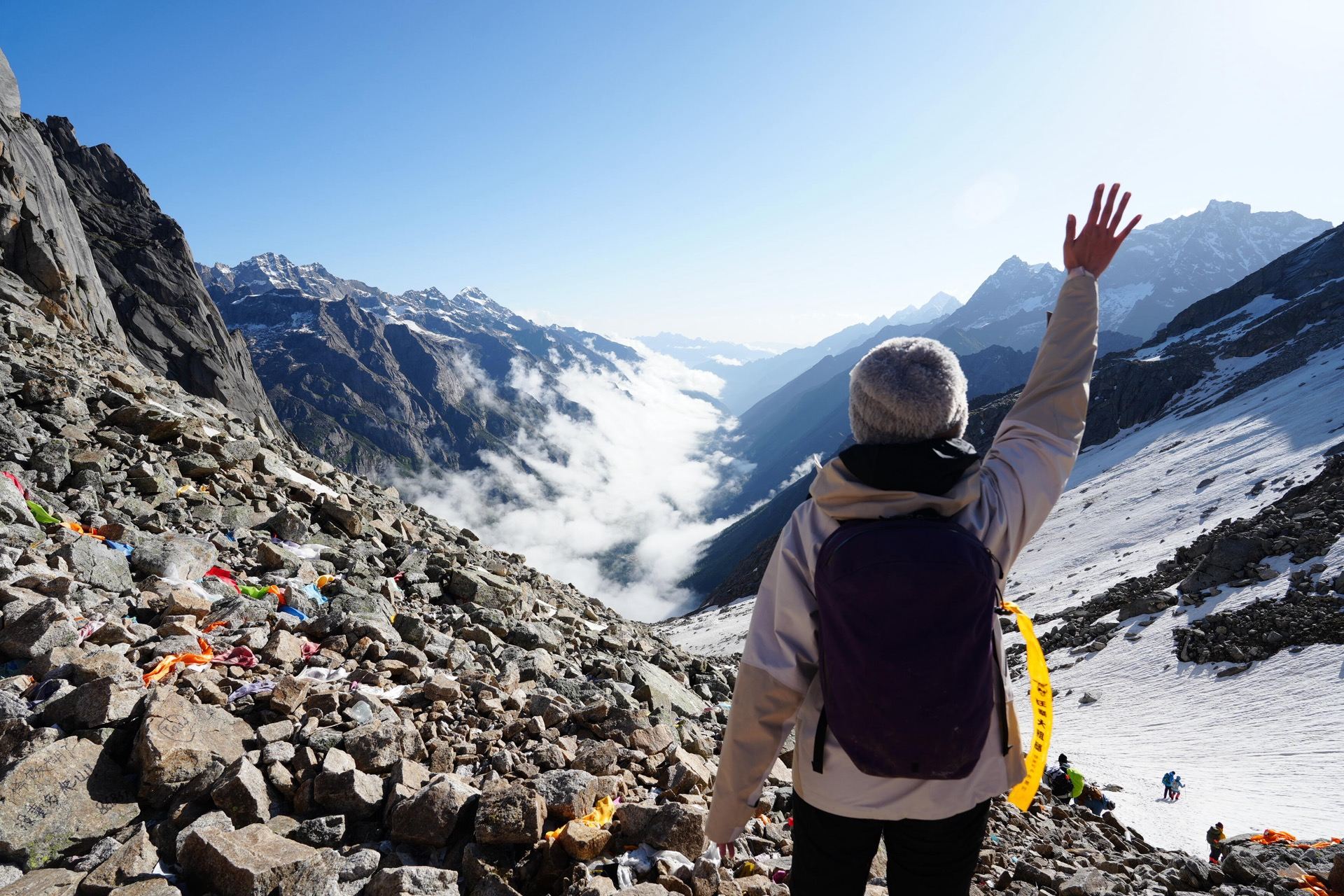
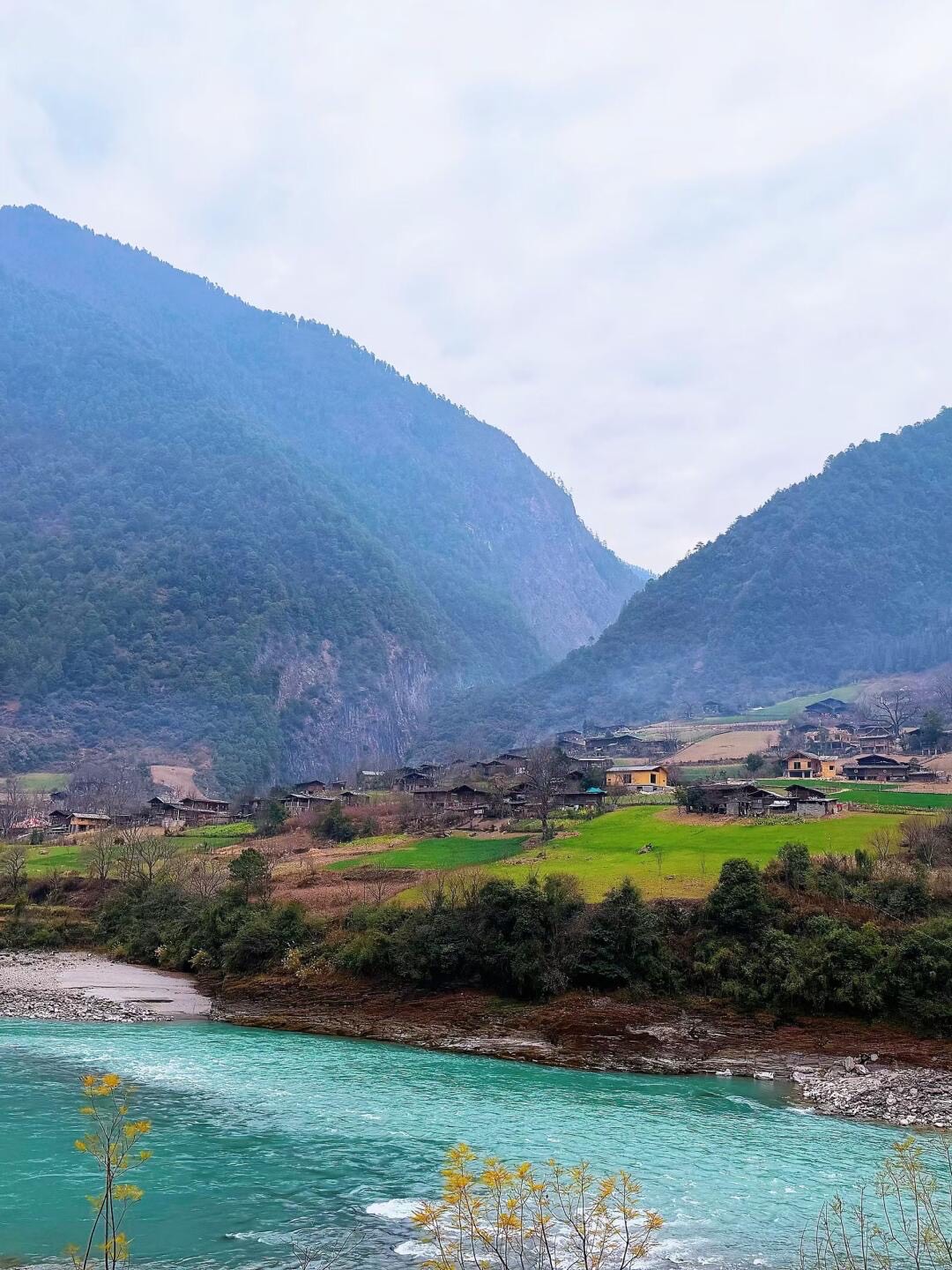
The Nujiang Gorge is one of the deepest river canyons on earth. Running for hundreds of kilometres through the far northwest of Yunnan, the Salween River — called the Nujiang, or “Angry River,” in Chinese — cuts through a canyon reaching around 2,000 metres in depth, with walls that feel completely vertical from the road below. That road follows the river along a ledge carved into the cliff face, and it is one of the most dramatic drives in Asia.
The communities living in this gorge — primarily the Nu and Lisu peoples — have developed a culture shaped entirely by their isolation. Unusually, this region has a history of 19th-century Christian missionary activity, resulting in a distinctive hybrid of Tibetan and Christian traditions: churches alongside prayer flags, hymns sung in local languages, festivals that blend both calendars. It is one of the most singular cultural landscapes in China, and among the least written about.
Rope bridges still cross the river at certain points. Hot springs emerge at the canyon floor. Waterfalls drop from side valleys into the gorge. There are no international-standard hotels here — guesthouses only — and the experience is all the more immersive for it.
Access: Road from Lijiang or Shangri-La (approximately a half-day drive depending on conditions). The gorge road can be affected by landslides in the wet season (June–September) — timing matters.
Best for: Experienced travellers and returning China visitors ready for something genuinely off the map. Not suited to families with young children or travellers who need consistent comfort infrastructure.
6. East Yunnan — Wenshan & Puzhehei
What Makes It Special
East Yunnan is the province’s best-kept secret, and increasingly our recommendation for travellers who feel they’ve seen the greatest hits and want something completely different.
Puzhehei, in Wenshan Prefecture, is a landscape of karst peaks rising from lotus-covered lakes — visually, it recalls the famous scenery of Guilin, but without the crowds, the tour boats, or the international recognition. In summer, when the lotus flowers bloom across the lake surface, it produces the kind of scene that belongs in a painting. Local Zhuang and Yi minority villagers fish the lakes by traditional methods. It remains, for now, almost entirely off the international travel map.
Wenshan is the heartland of the Zhuang and Miao minority peoples. The Miao celebrate the Huashan Festival here — a gathering of song, pole-climbing and traditional dress that draws communities from across the prefecture. The embroidery and textile traditions of these groups are extraordinary by any standard, and this is exactly the kind of cultural access that a private guide makes genuinely possible. Without one, the context is missing.
Access: Rail from Kunming to Wenshan (check current schedules for the most up-to-date journey time). Puzhehei is a short transfer from Wenshan.
Best for: Photographers, repeat visitors to Yunnan, travellers who prioritise minority culture, anyone who thought they’d already seen what Yunnan had to offer.
How to Combine the Regions
The Classic (10–14 days): Central (Kunming + Jianshui) → North West (Lijiang + Shangri-La) → West (Dali + Tengchong). This is the itinerary that consistently produces the best first Yunnan experience.
The Alternative (7–10 days): Central → South (Puer + Xishuangbanna) → East (Wenshan + Puzhehei). Almost no crowds. Deeply underrated. Ideal for returning visitors or travellers who actively resist the obvious route.
The Deep Cut (14+ days): North West → Far West (Nujiang). For the committed traveller. The transition from Shangri-La’s plateau to the drama of the Nujiang Gorge is one of the great travel experiences in Asia. It’s the shape of our China’s Last Frontier loop.
Internal flights between regions are frequent and make it easier than most people expect to combine areas that look far apart on a map.
Planning Your Yunnan Trip
Best time to visit: April to June and September to October are the sweet spots across most of the province — mild temperatures, lower rainfall and good visibility for mountain scenery. Xishuangbanna is best in the dry season (November to April). The Nujiang gorge road is best avoided in July and August.
Altitude: Shangri-La sits at 3,280 metres. Build in a slow arrival day. If your itinerary includes the high passes between regions, acclimatisation planning matters.
Getting around: Internal flights connect the main centres efficiently. Private road transfers are the best way to travel between points within a region — they give you flexibility to stop, and in Yunnan, the stops between destinations are often as remarkable as the destinations themselves.
Why a private guide changes everything: In Yunnan specifically, a guide isn’t a luxury — it’s access. The morning market in Jianshui before the day opens, the guesthouses in Nujiang that are actually worth staying in, the tea farmer in Puer who’ll walk you through his oldest trees, the timing and trails that make Tiger Leaping Gorge feel like yours rather than everyone else’s — these are not things that appear on a standard itinerary. They’re what we build ours around.
Ready to Start Planning?
Every region in this guide has a version that most travellers never see. That’s what we specialise in — private, tailored Yunnan itineraries designed around the traveller, not the tour bus.
Get in touch to start planning your Yunnan trip →
Where to start: Our three Yunnan itineraries cover the main routes — the Peaks & Retreats: The Yunnan Trilogy for the highlands, the Soulful Side of Yunnan for heritage and slow travel, and the Gentle Summer in Yunnan for the tropical south.