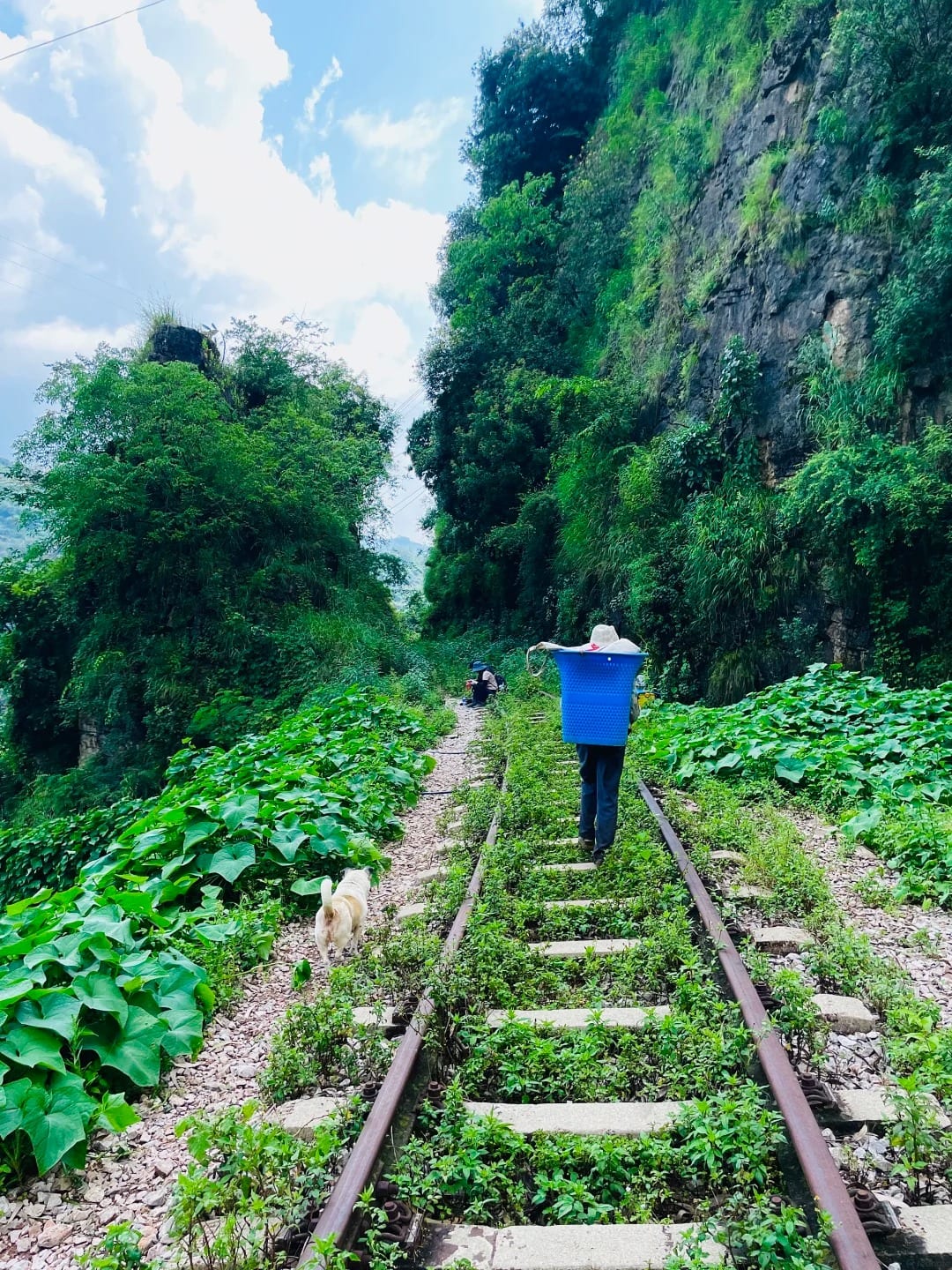

At 6:15am on the morning before Xin and Lorraine were due to walk the Tiger Leaping Gorge upper trail, their guide stood on the lodge balcony in Shuhe and made one phone call. The Lijiang forecast said clouds clearing by noon. The cousin of his cousin who walks goats up the gorge said the cloud was still building, not lifting — and the river was running high. The guide moved the gorge to the next morning. That day became Lashi Lake at low altitude — wetlands, lunch with a Naxi family, an early night. The next morning the gorge was clean, dry, and almost empty. Three other groups had walked it the day before in the rain.
That phone call is the difference between a 14-day Yunnan itinerary that runs and one that limps. It’s also the entire case for private guiding in Yunnan.
This is Xin and Lorraine’s April 2026 trip — the route, the timing, and the calls we made along the way that they never saw. It’s a case study, not a template. If you want what we’d actually build for you today, see the bookable version below.
Their 14-day route at a glance
| Days | Region | What happened |
|---|---|---|
| 1–2 | Dali (1,900m) | Erhai shoreline, Cang Mountain temples |
| 3–4 | Shaxi (2,100m) | Tea-horse caravan town, market, slow days |
| 5–7 | Lijiang (2,400m) | Old Town, Jade Dragon foothills, free day |
| 8 | Tiger Leaping Gorge → Shangri-La | The gorge upper trail, transfer to plateau |
| 9 | Shangri-La (3,200m) | Songzanlin Monastery, Dukezong rooftops |
| 10–12 | Yubeng (3,100m base) | Three-day trek, Sacred Waterfall, Ice Lake (3,800m) |
| 13 | Shangri-La | Soft landing, hot springs |
| 14 | Departure | Fly out via Shangri-La (Lijiang backup) |
Stepped altitude — 1,900m to 3,800m across twelve days. That stagger was deliberate. People who fly straight into Shangri-La at 3,200m feel it for a week.
Days 1–2: Dali — Erhai, Cang Mountain, the slow start that mattered
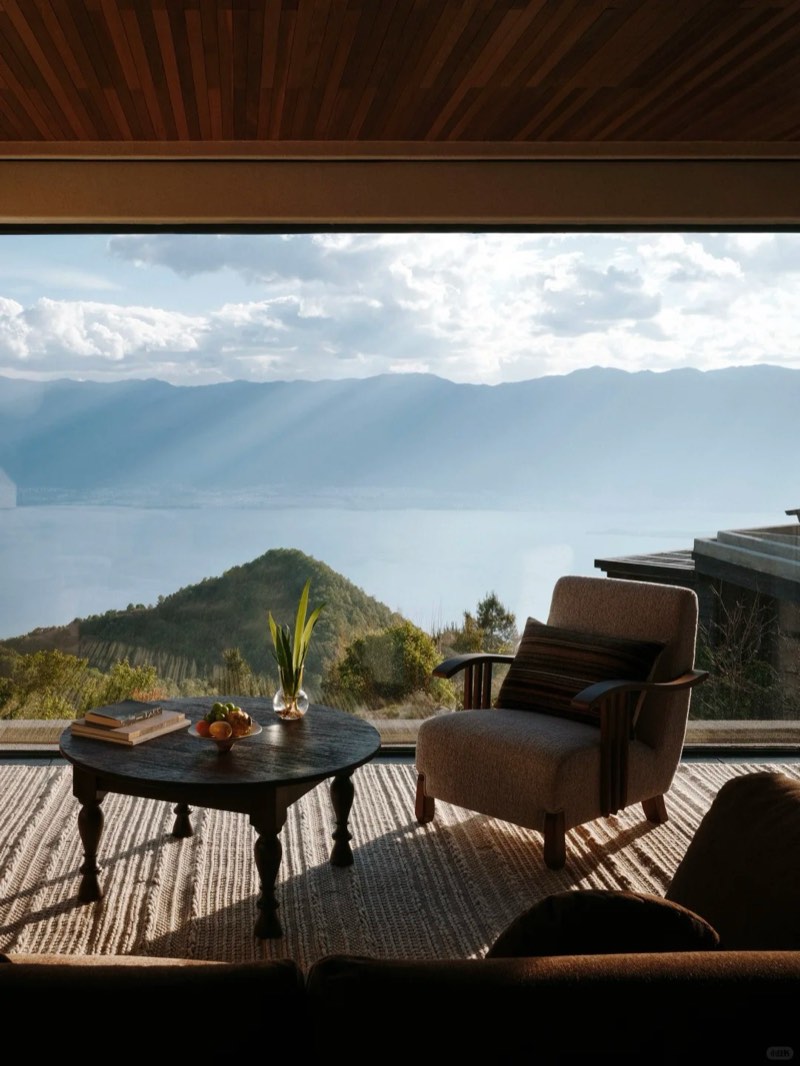
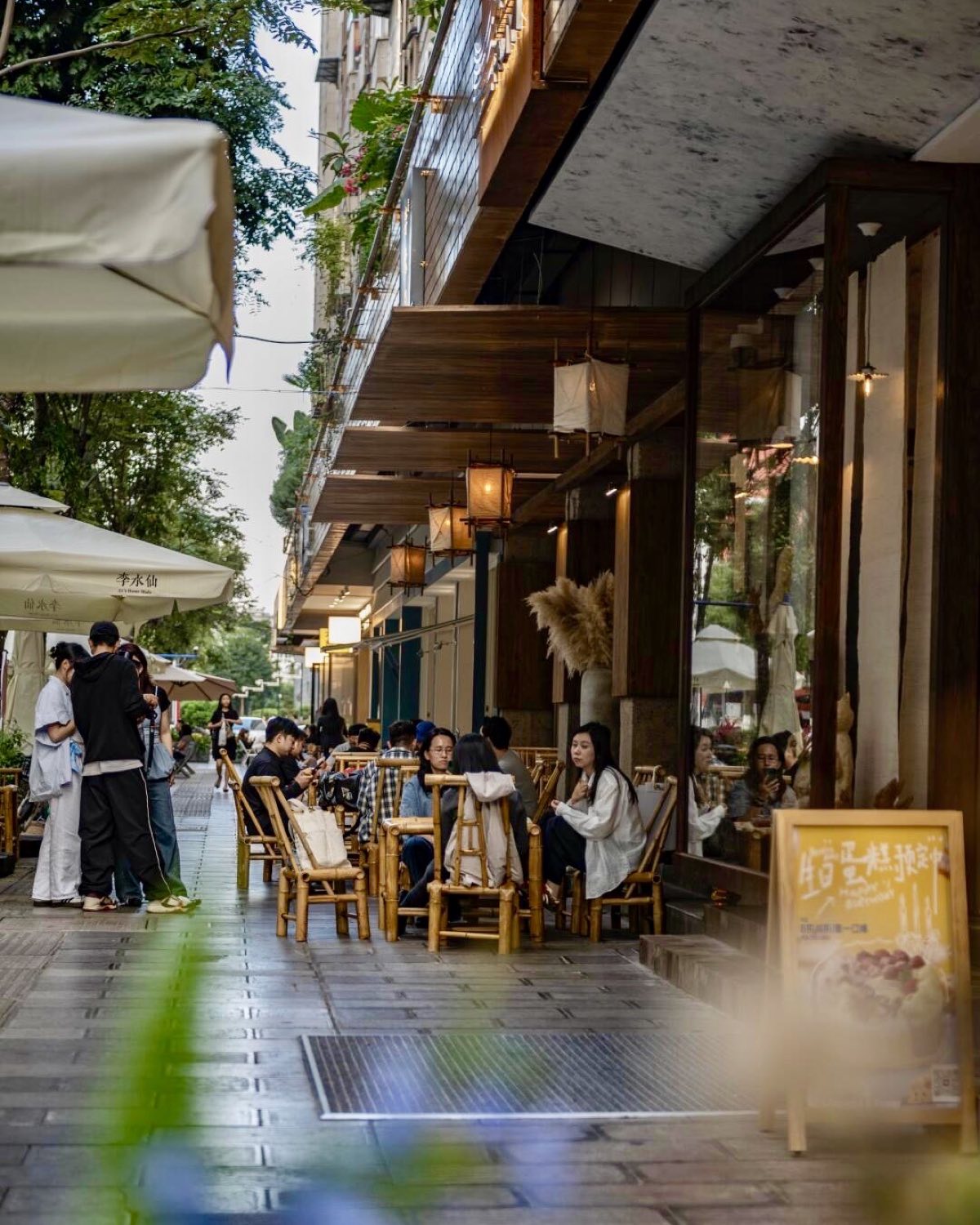
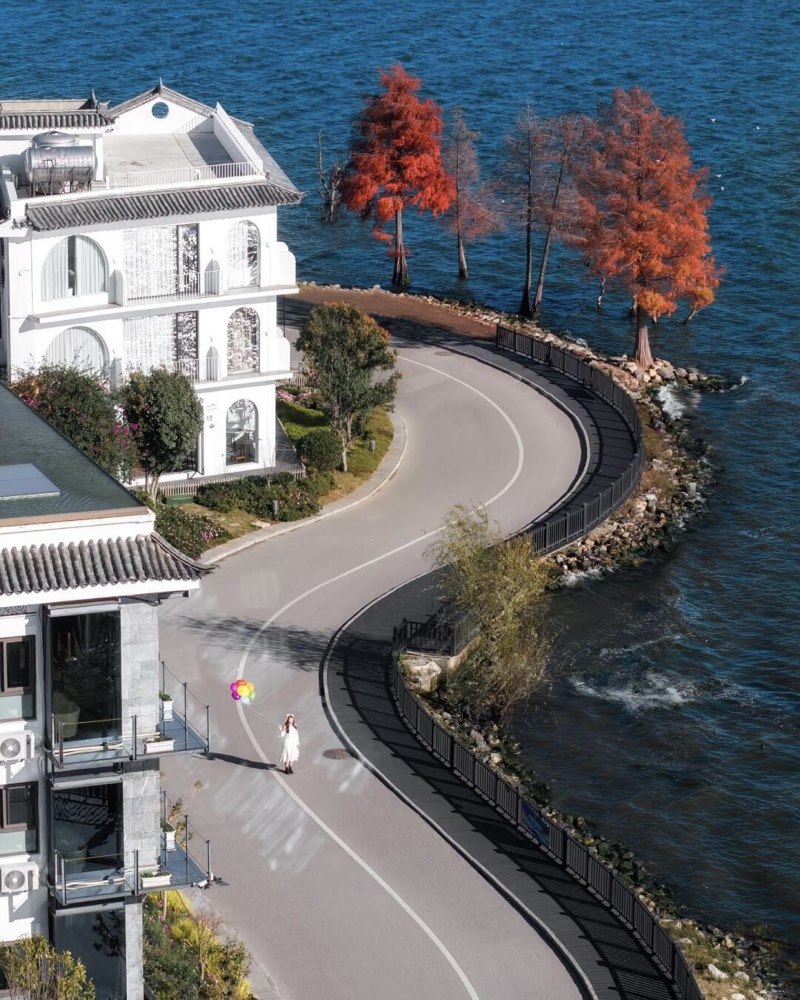
Xin and Lorraine landed in Kunming and we drove them to a Bai-style courtyard near Erhai’s quiet northern shore — not the busy southern strip near old Dali town. There’s a reason. The northern shore is where you can sit in a courtyard at dusk with the lake visible through the gate, and you can hear yourself think. The southern shore is where the wedding-photo industry parks 40 cars at sunset.
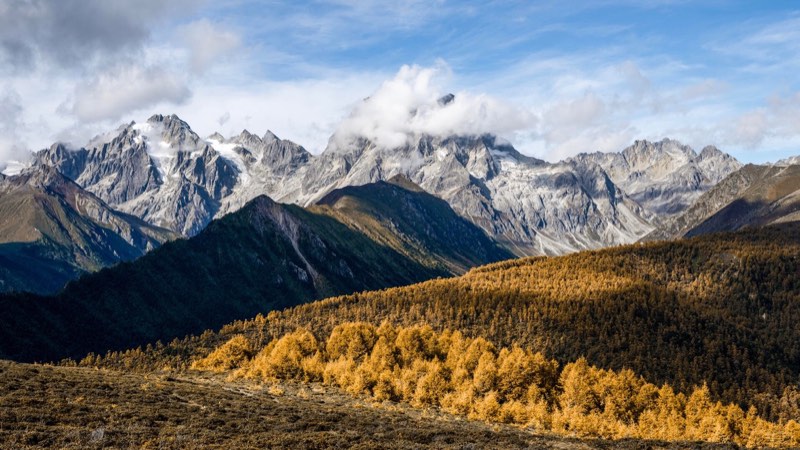
Day one was on purpose unhurried. A slow walk along the lake, a first look at Cang Mountain rising 4,100m to the west, welcome tea in the courtyard at dusk — fresh wild mushrooms, cold tofu skin, the kind of meal that signals “you’re in Yunnan now.”
Day two was Cang Mountain. Cable car to the mid-mountain boardwalks at 2,600m, then a gentle descent through cloud forest. Most travellers do this in 90 minutes and call it done. We routed them via Jizhaoan nunnery for a vegan tasting lunch — the cooks source from the mountain garden, the portions were unexpectedly generous, and they were the only foreigners the nuns had seen that month.
Where they slept in Dali: a Bai courtyard near Erhai. (We also like Pushan for a pre-trip forest wind-down and The Dawn (SLH) in Weishan for travellers who want a design-led base with day-trips into the old town.)
Days 3–4: Shaxi — caravan town, market, slow days
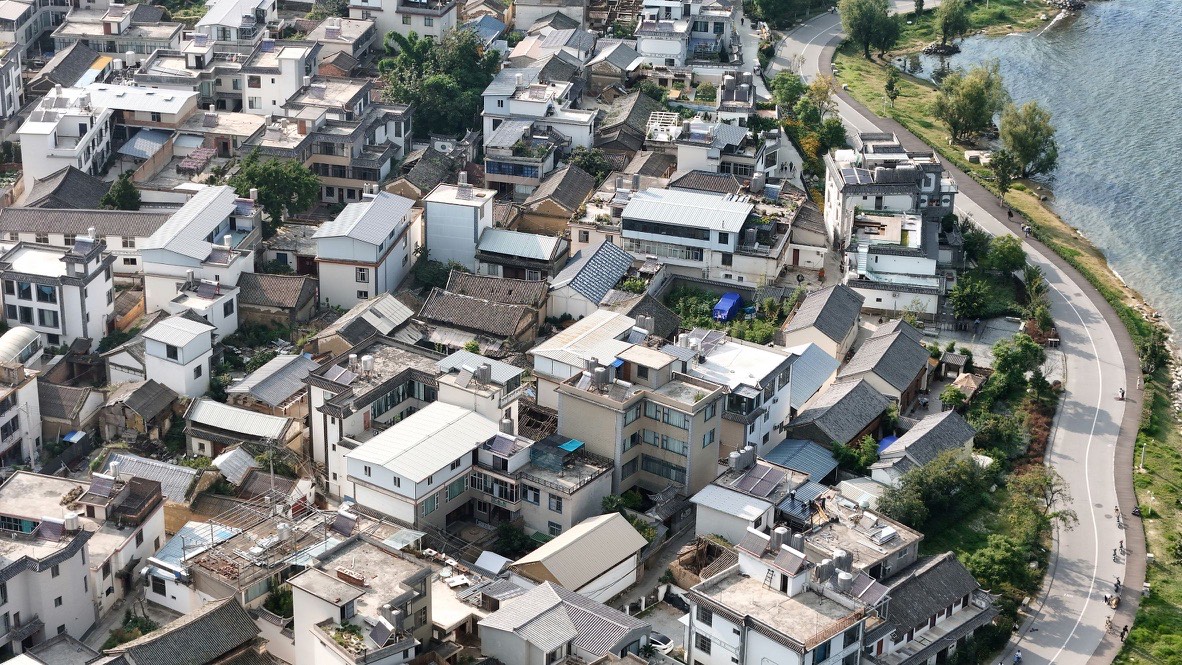
Two and a half hours northwest of Dali, Shaxi is the surviving Tea-Horse Road caravan stop. UNESCO classifies it as the only intact one. Most tour groups don’t go — the road is winding, there’s no airport, and you can’t walk the perimeter in 20 minutes. Which is precisely why we go.
Day three opened at Sideng Square at sunrise. Empty. The carved stage-house and gateway silent. Coffee from the only café open at that hour, photos at first light, the square earning its calm before the morning market filled it. By 10am the Friday market was in full swing — Yi and Bai traders selling livestock, grain, and mountain produce on the same stalls they’ve used since the Tang dynasty. A working market, not a tourist performance.
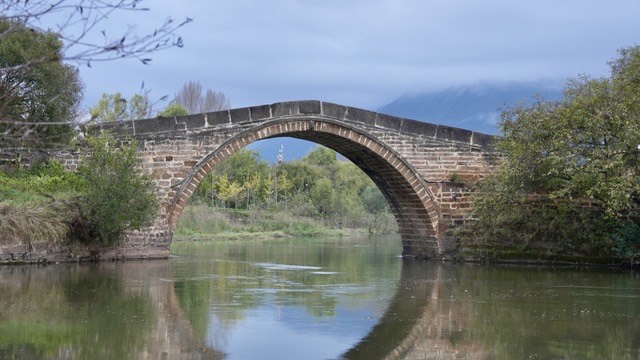
Afternoon was on horseback along the Ancient Tea Horse Road to a hillside picnic spot — the same route Tibetan caravans took compressed tea north to Lhasa for six hundred years. We’d arranged the horses with the family that’s done it for three generations. Their horses know the route better than the guide does.
Day four was deliberately a slow day. Late breakfast in the courtyard, a ramble through the lanes — the town does its best work when you’re not trying to see all of it at once. They opted in to the jiama woodblock printing workshop with a local artisan. Lorraine’s print is on her fridge now.
This is the day on the itinerary that group tours skip because it doesn’t have a checklist box. It’s the day Xin and Lorraine remembered most.
Days 5–7: Lijiang — Old Town, Jade Dragon foothills, their free day
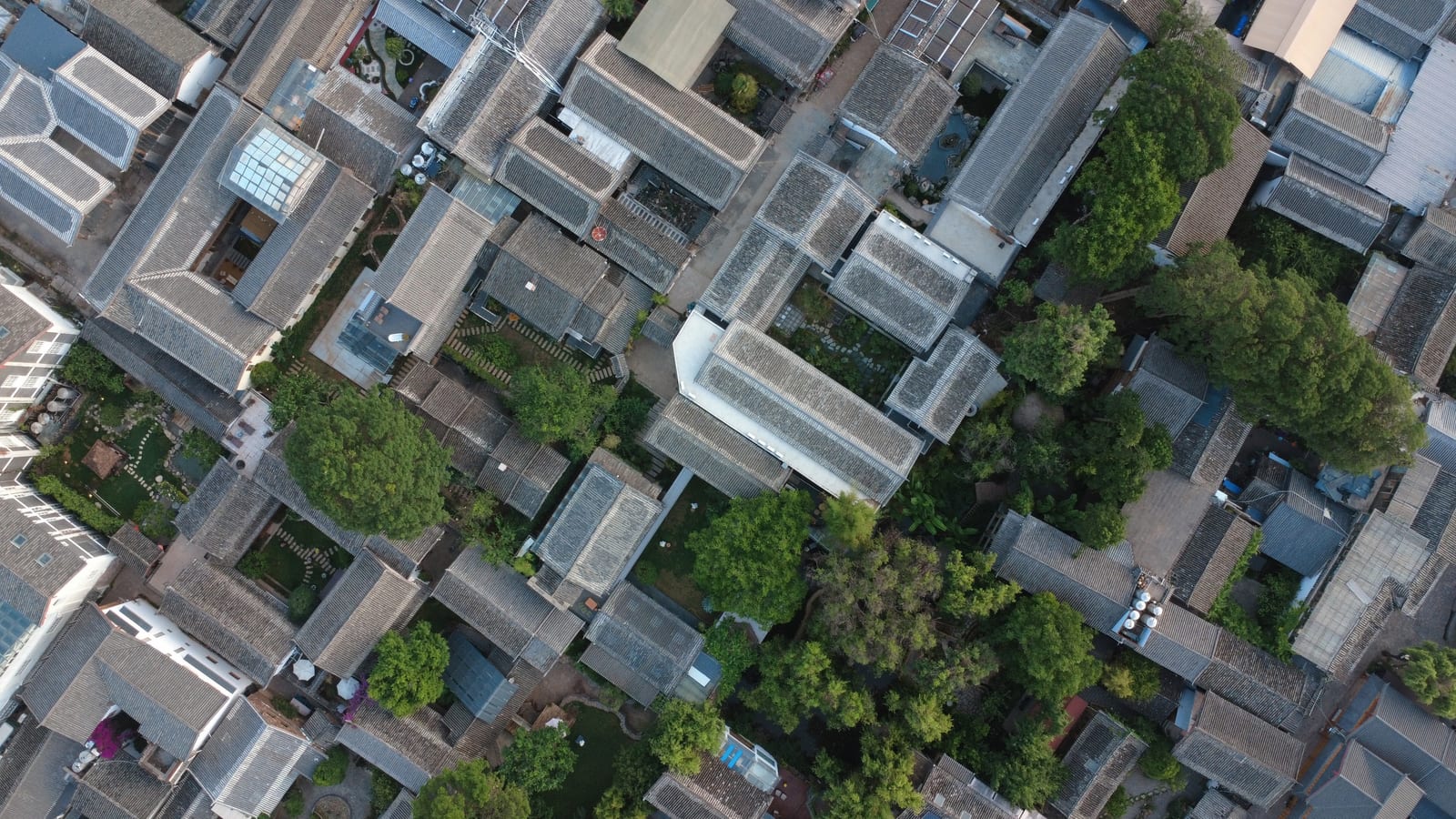
Three hours by road into Lijiang. We settled them into a Naxi timber lodge near Shuhe — the quieter cousin to Lijiang Old Town, with the same canals and tile rooftops minus the wedding-photo crowds. (We’d asked them six weeks before arrival which they’d prefer; they wanted quiet. Travellers who want Tibetan-style service tend to choose Songtsam Lijiang instead, or Hylla Vintage Hotel for the room-view of Jade Dragon Snow Mountain.)
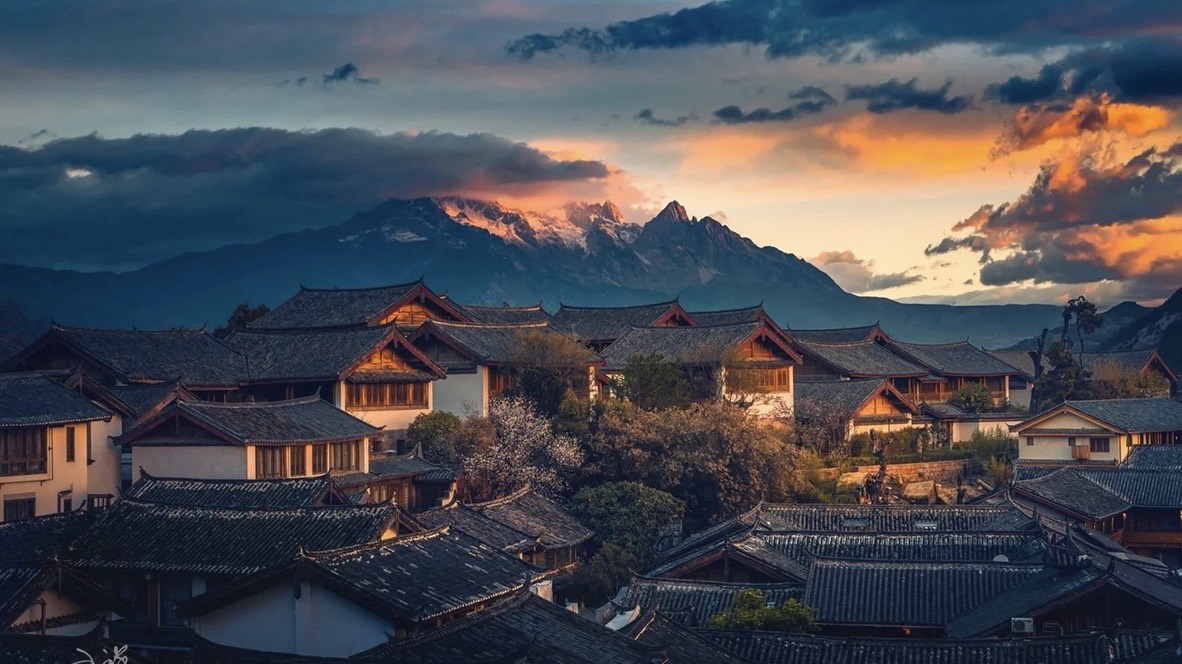
Day five evening was Naxi ancient music — but only the small courtyard performance run by an octogenarian who learned from his father, not the 200-seat tourist hall on the main square. Two completely different experiences with the same instruments. Most agencies book the second one because it’s easier.
Day six was Jade Dragon Snow Mountain foothills. Blue Moon Valley meadows, glacier viewpoints at 3,100m — their first taste of altitude beyond Cang Mountain. Picnic with warm butter tea, local fruit, barley cakes, on a ridge overlook. Then back via Baisha to see the rare Lijiang Frescoes — a 600-year-old Ming and Tibetan Buddhist mural cycle in a temple most travellers walk straight past.
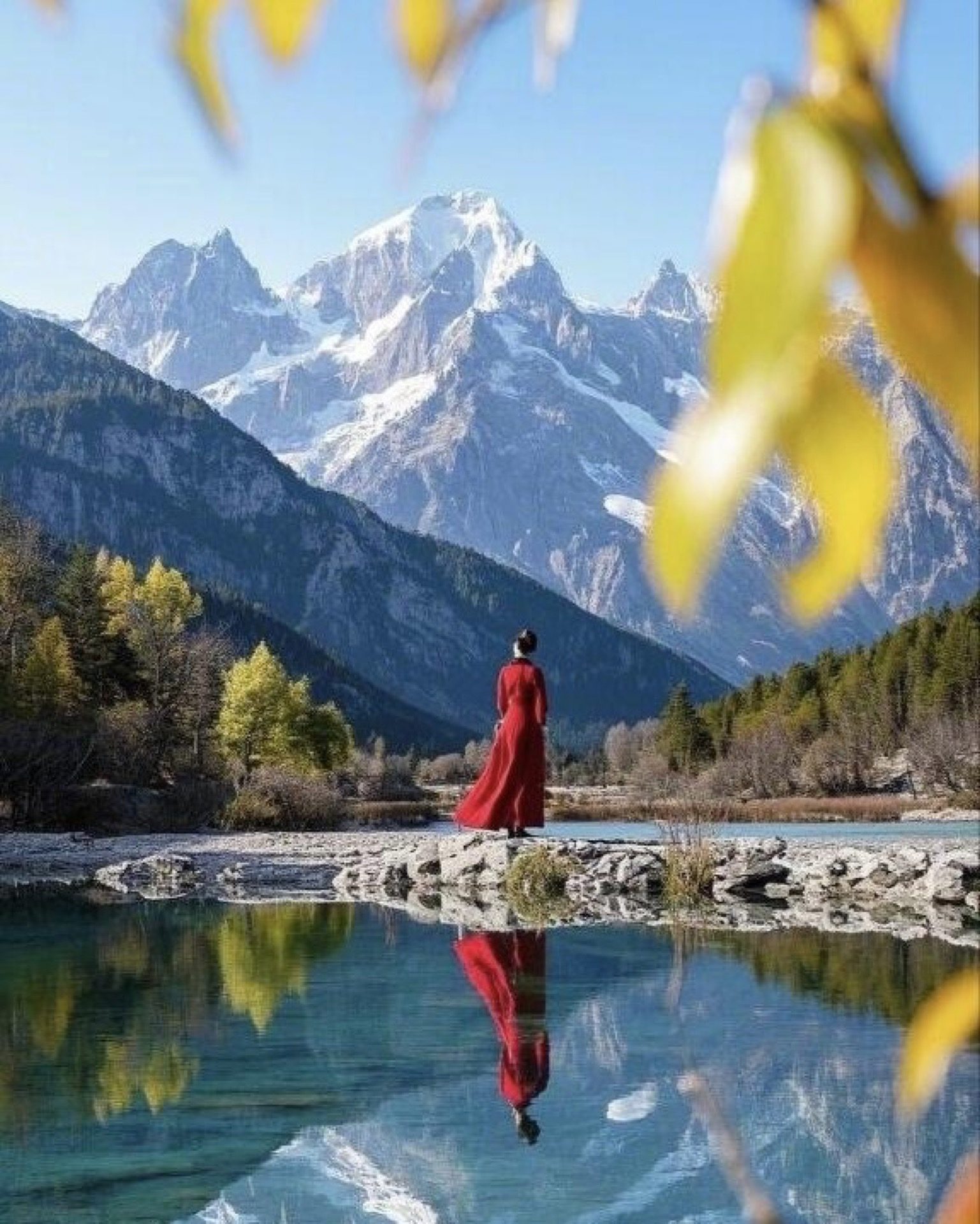
Day seven was theirs. By design. After six days of full schedule, they needed a free day before the gorge. They took a Dongba script class with a Naxi cultural practitioner in the morning and walked Dayan Old Town in the afternoon, following water channels and stopping where it felt right. Sunset drink above the rooftops with the snow mountain as backdrop. Early to bed. Tomorrow was a real day.
Whether someone wants a workshop or a nap on day seven says a lot about what we should plan for the days that follow. We watch.
Day 8: Tiger Leaping Gorge → Shangri-La
The classic walk and the reason most people add Shangri-La to a Yunnan trip in the first place. This was the day the 6:15am phone call moved.
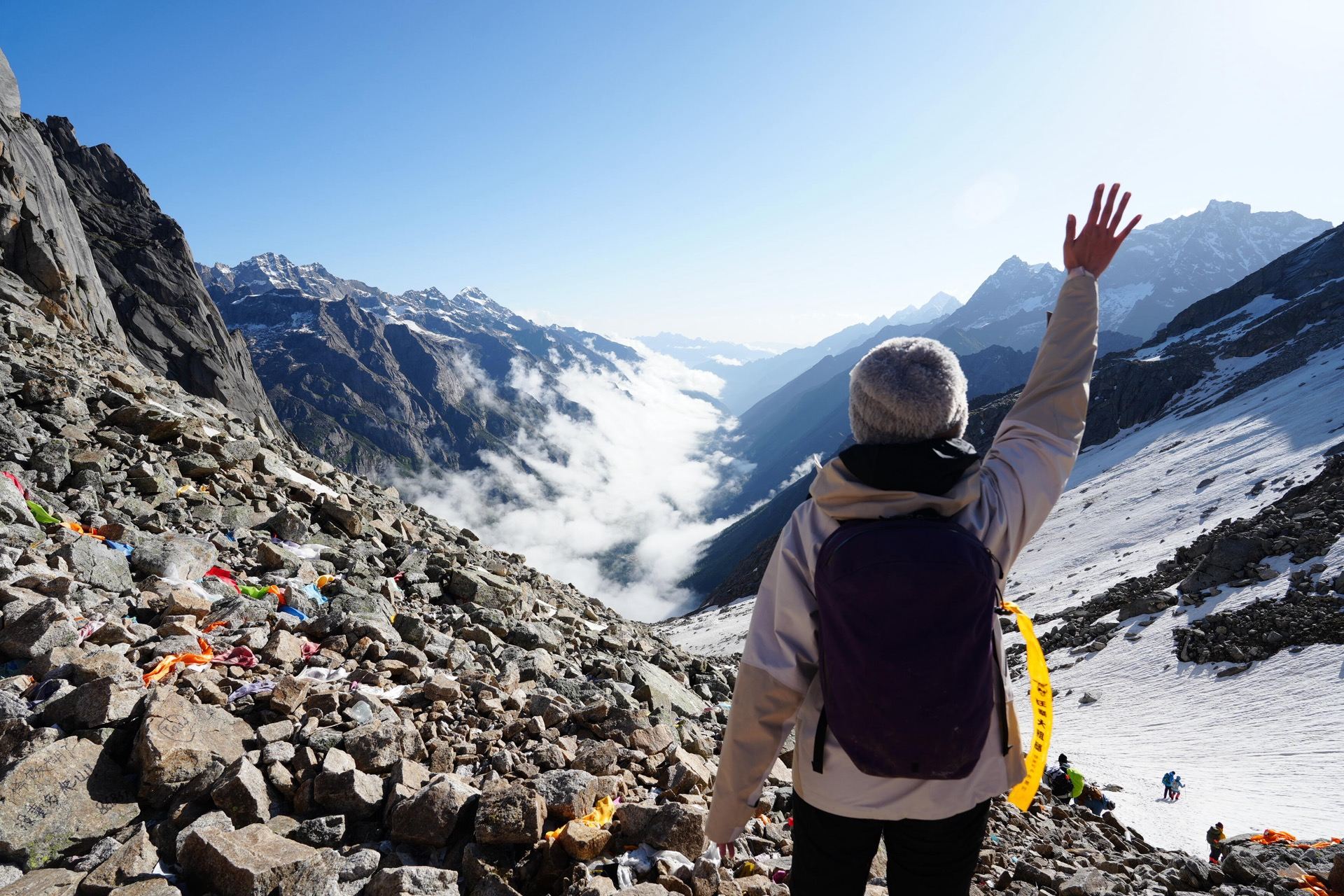
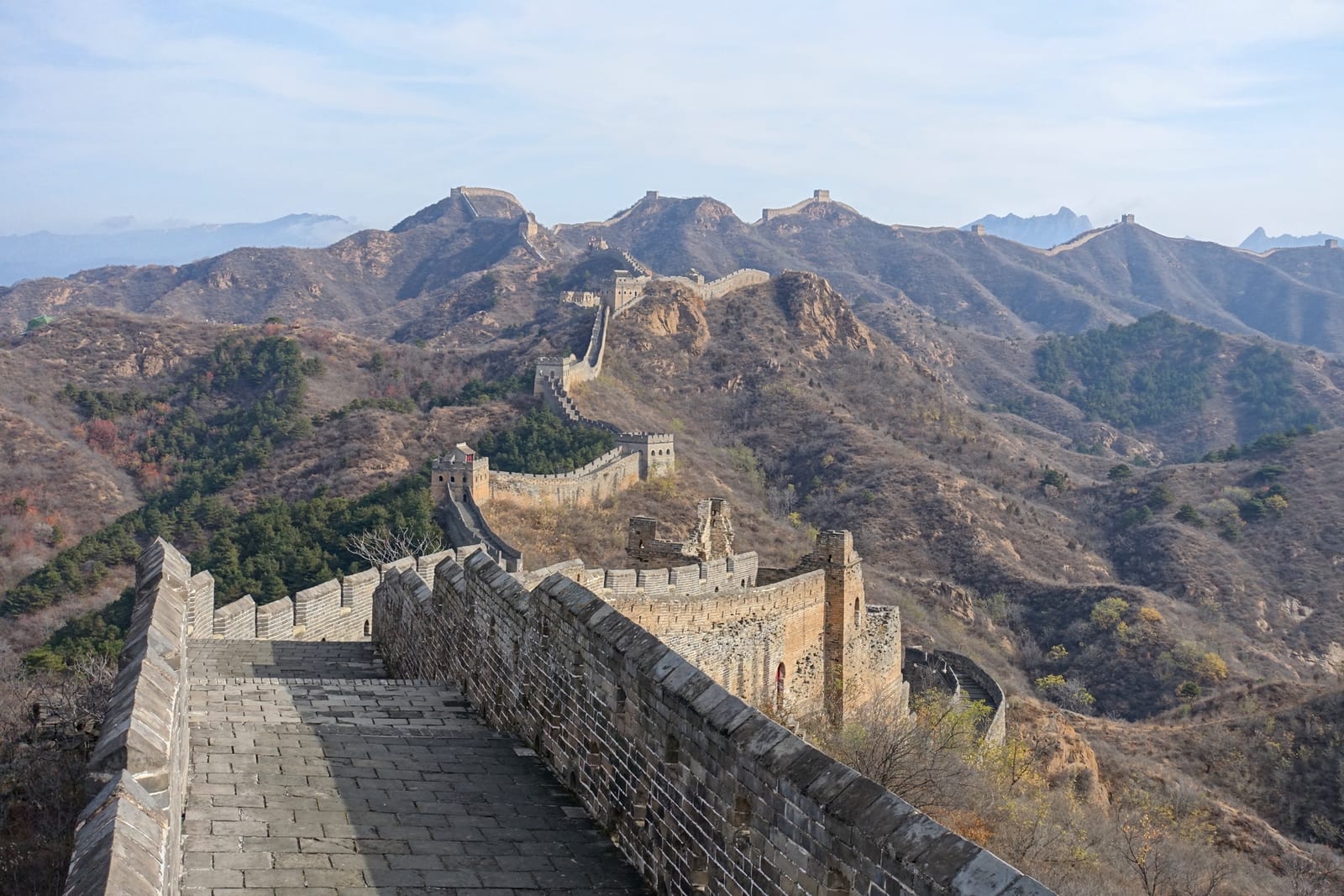
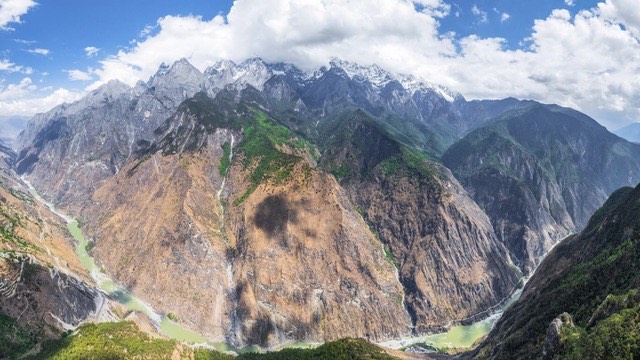
We drove them to Qiaotou at the gorge mouth the morning after the original plan, and they walked the upper trail through the middle gorge — 800m of elevation gain on cliff-edge traverses with the Jinsha River 2,000m below in clear weather. About six hours of walking with a long lunch in the middle. The guide carried Xin’s day pack on the climb. Lorraine carried her own; nobody argued.
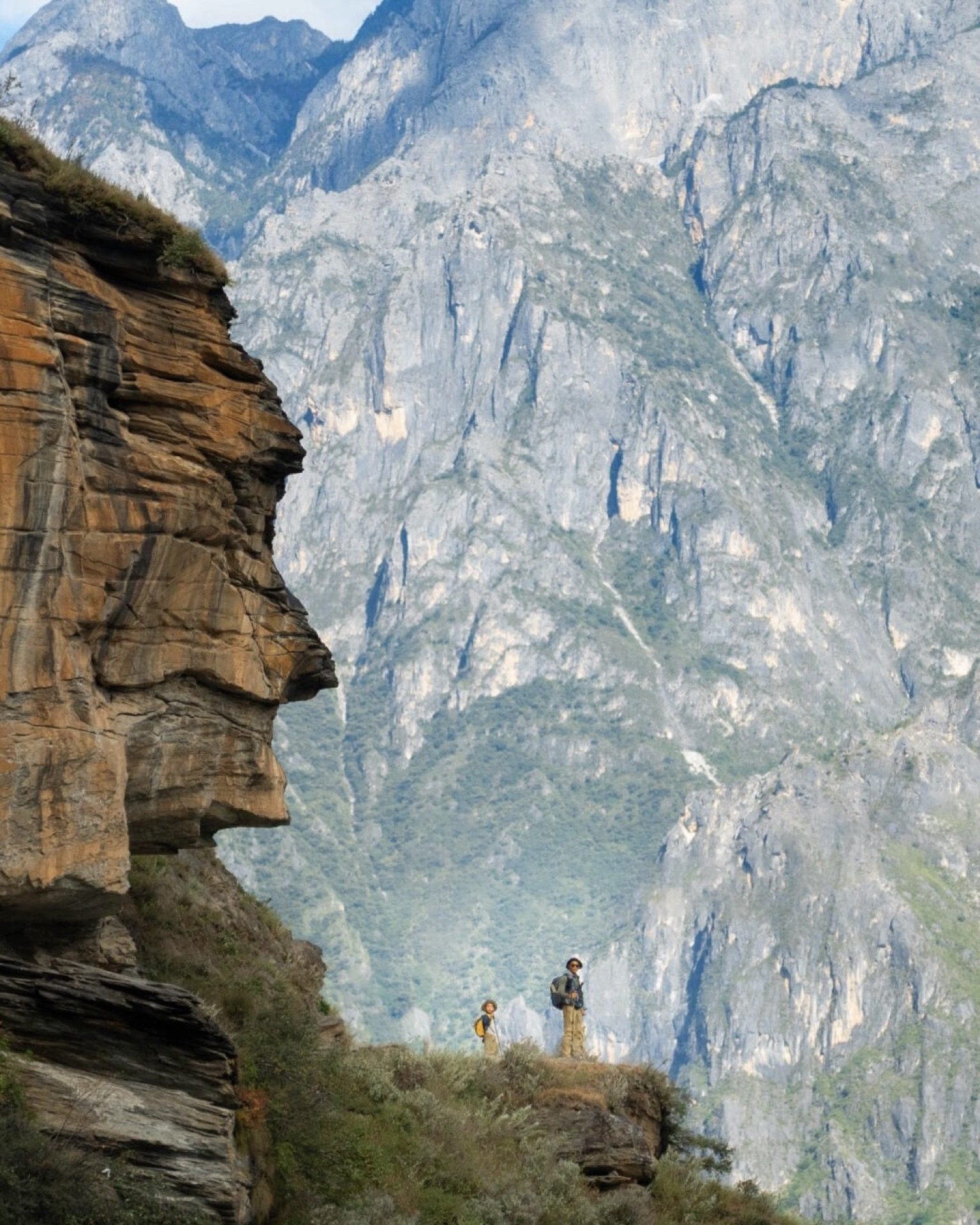
Lunch was at Sean’s Spring — hot rice that day. The view earned the meal after the climb.
Then a 90-minute transfer up to the Shangri-La plateau. The transition between the gorge and the plateau is the most underrated drive in Yunnan — they went from a 3,000m vertical river canyon to high-grassland Tibetan country in two hours. The houses change from Naxi timber to Tibetan stone in real time.
Day 9: Shangri-La — Songzanlin and Dukezong
Shangri-La sits at 3,200m. They felt it for the first day. Headache, breath shortness on stairs, a different kind of tiredness. No alcohol the first night, water consistently, and an early dinner. By morning they were fine.
Morning was the prayer-wheel walk atop the hill temple in Dukezong Old Town — prayer wheels the size of tree trunks, pilgrims circling at dawn, the ritual that’s been happening here for centuries. Then breakfast.
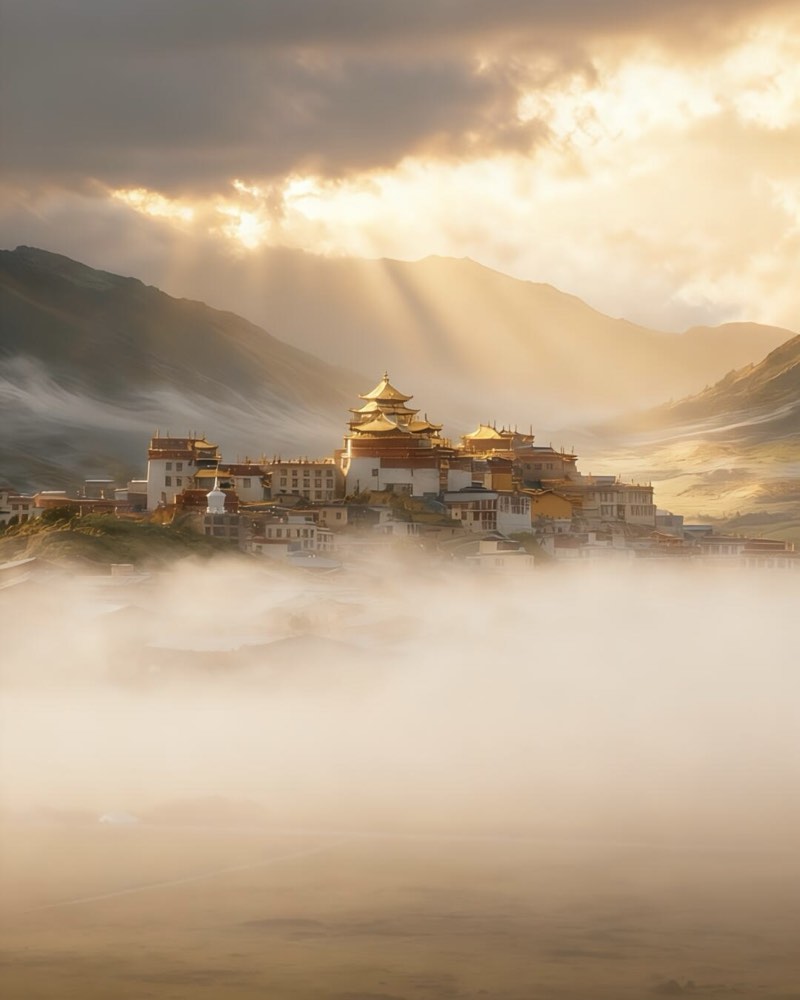
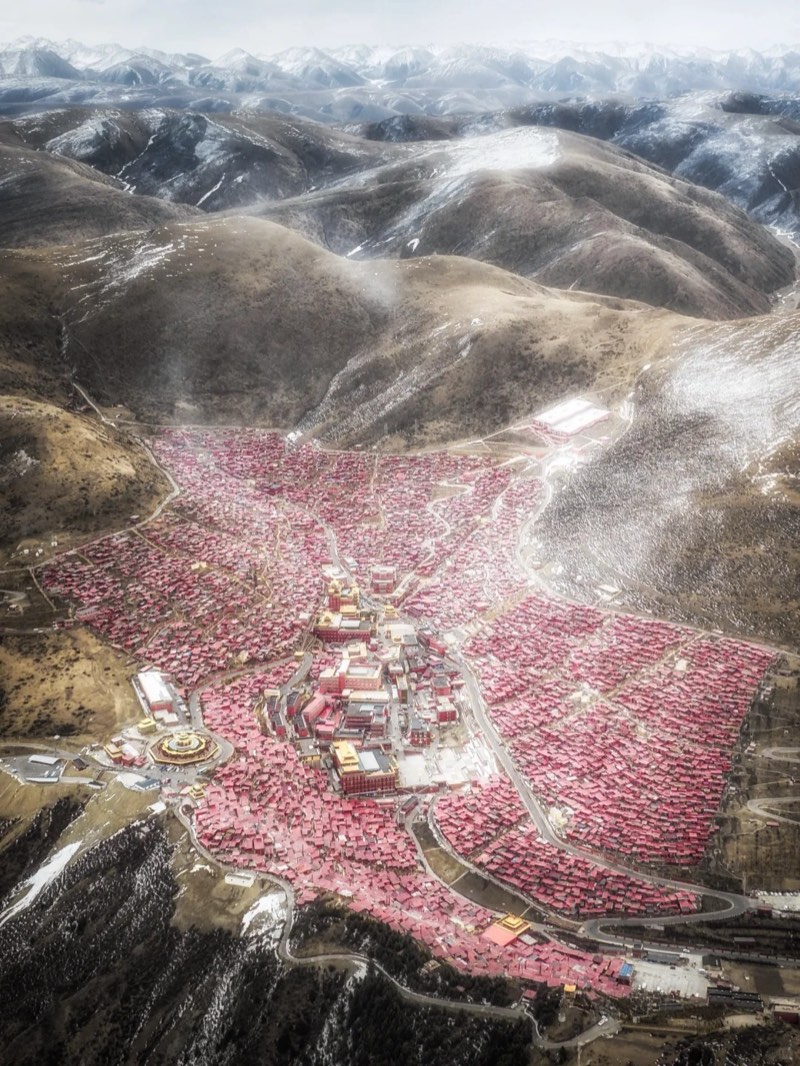
Songzanlin Monastery is the centrepiece. Yunnan’s largest Tibetan Buddhist complex, built in 1679, home to over 700 monks. Our local Tibetan guide took over here — she got them into the inner halls during morning chanting (timing matters) and knew which monks were happy to talk and which one would prefer not.
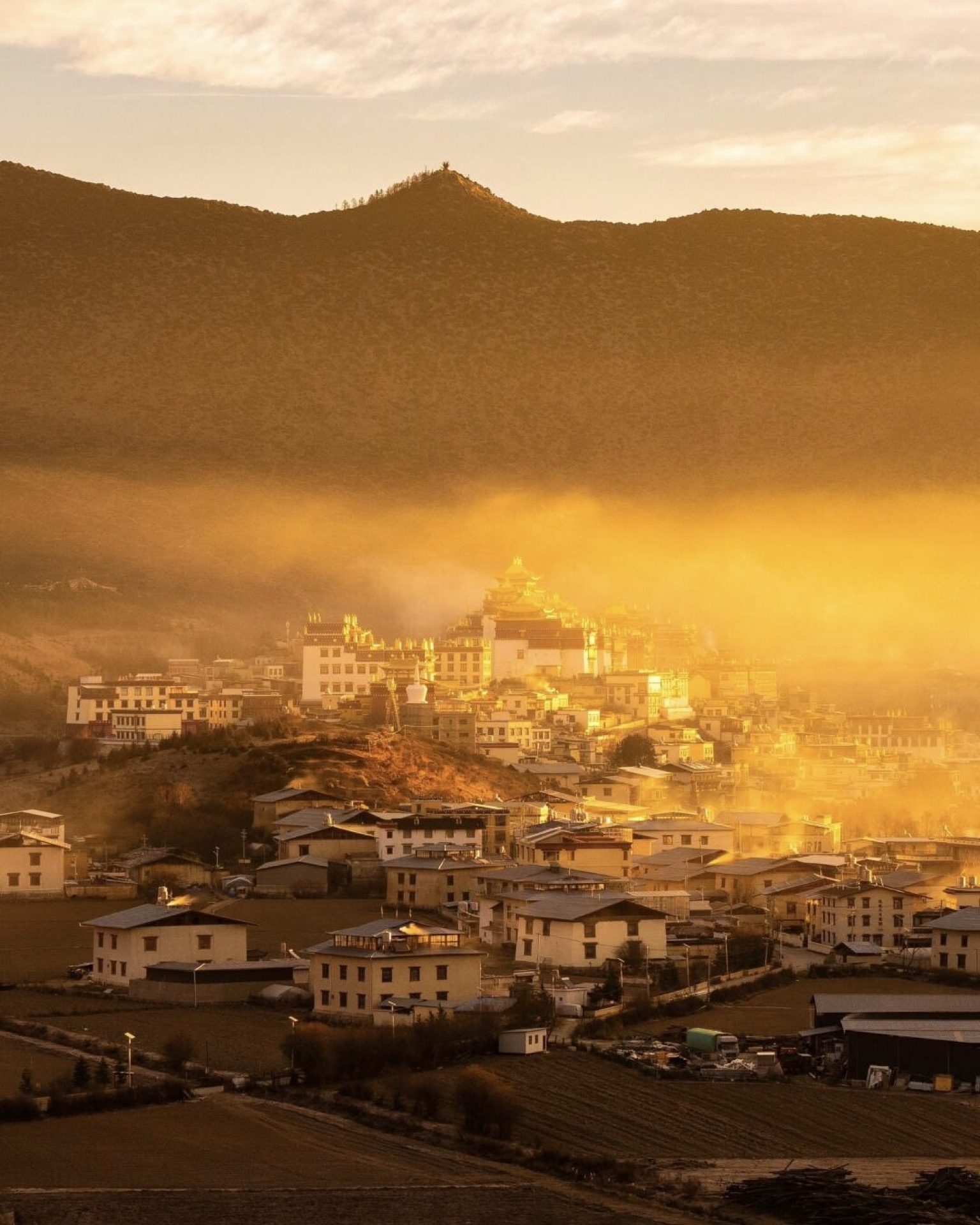
Afternoon was butter-tea in the old town and a sunset rooftop wander through the white-walled lanes of Dukezong. The whole town burned in 2014 and has been carefully rebuilt — the rebuild is excellent and almost no one talks about it. You should know.
They slept at Songtsam Meili — closer to Meili Snow Mountain for the Yubeng leg the next day. (Jixiashan is the quieter plateau alternative; Poodom Meili is the new design-led option in the same area.)
Days 10–12: Yubeng — three days at the foot of the holy peak
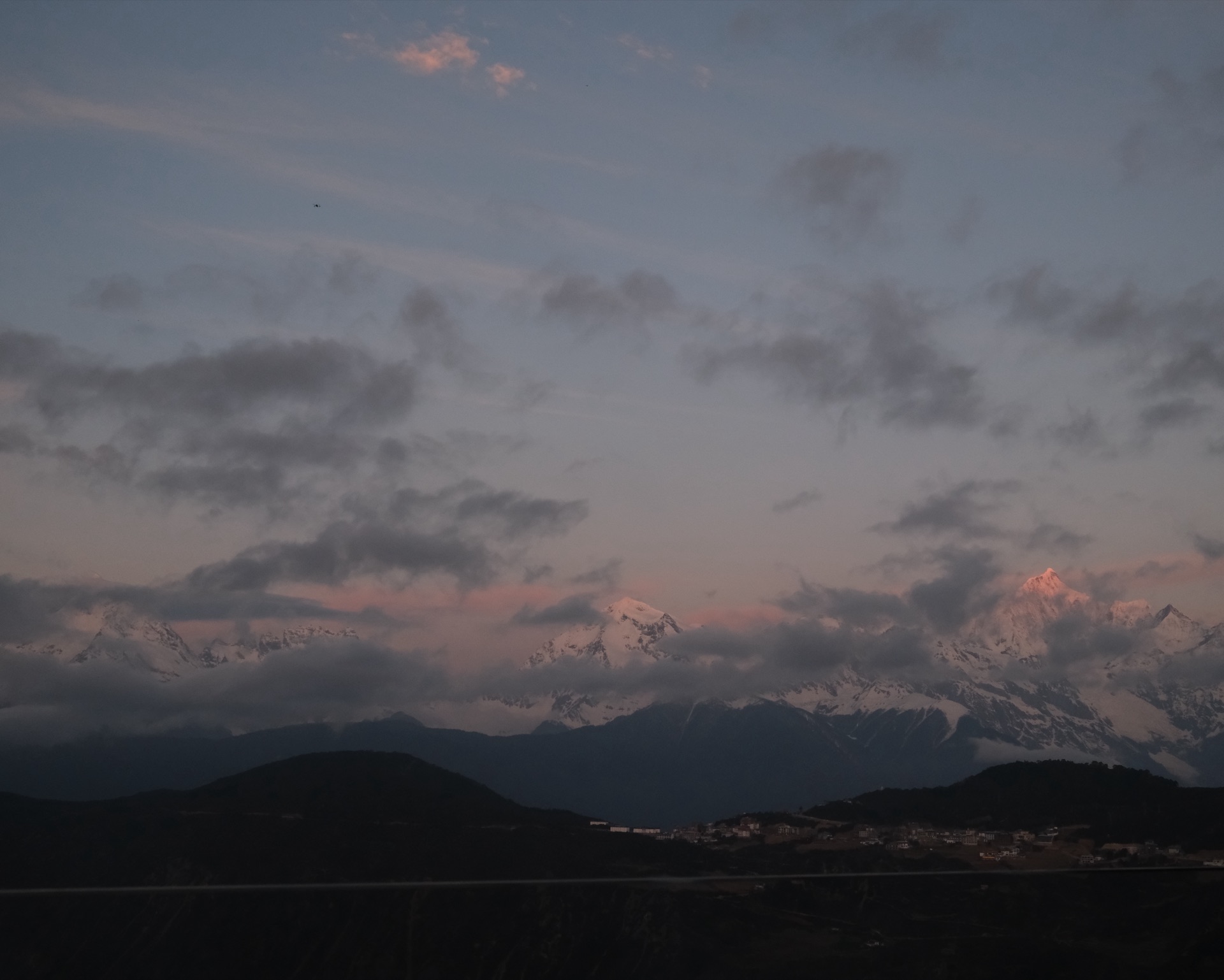
This was the trip’s wilderness leg. Yubeng is a Tibetan village accessible only on foot or by horse, sitting at 3,200m below Meili Snow Mountain (Kawagarbo, the holiest peak in Tibetan Buddhism — never summited and never permitted to be).
Day 10 — Xidang to Upper Yubeng. A 16–18km ascent over a wooded pass with shrine stops along the way. The trail is real — about 1,000m of climbing — but the route is well-built and we’d offered mule support; Xin took it for the steepest section, Lorraine walked the whole way. Mountain guesthouse check-in, hot soup, early bed.
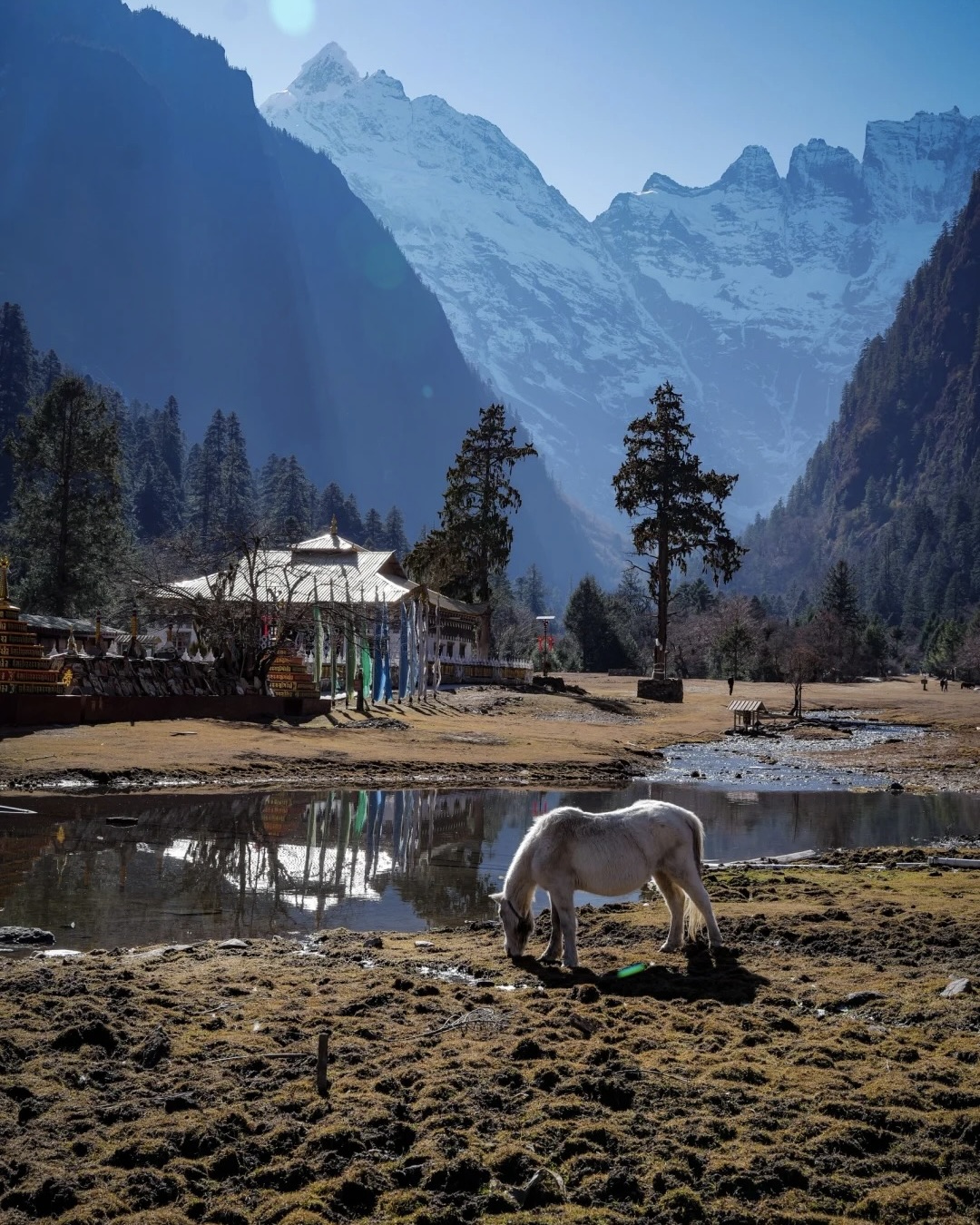
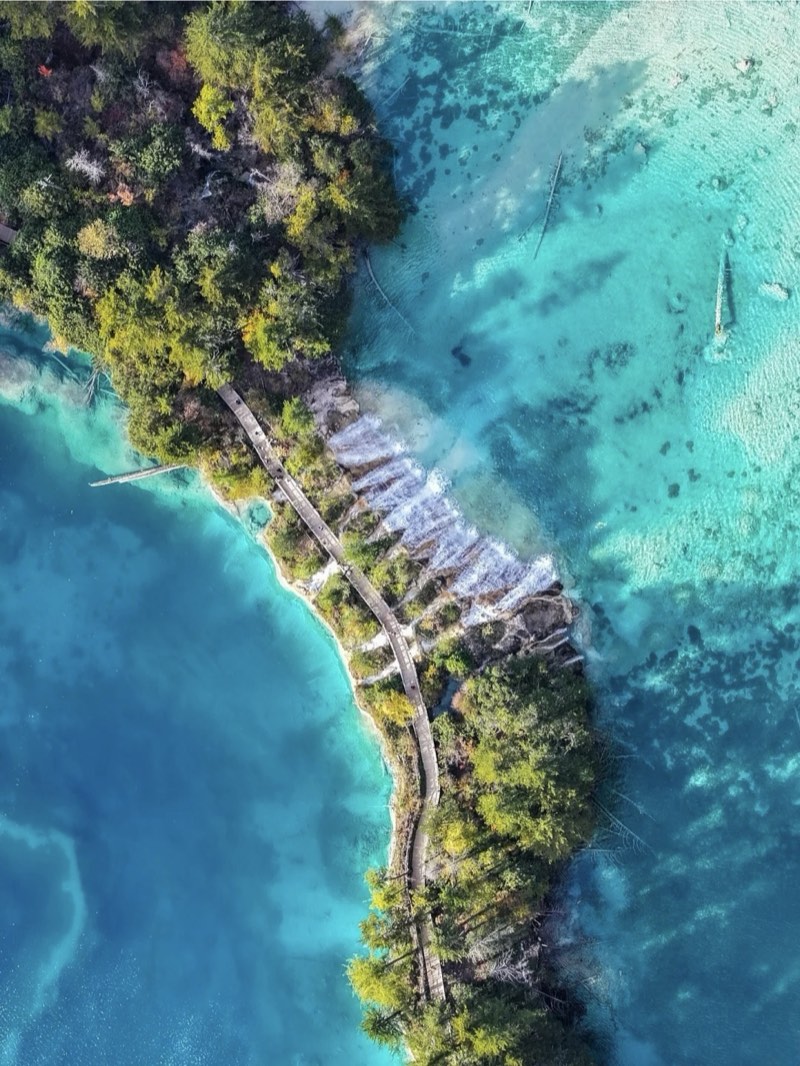
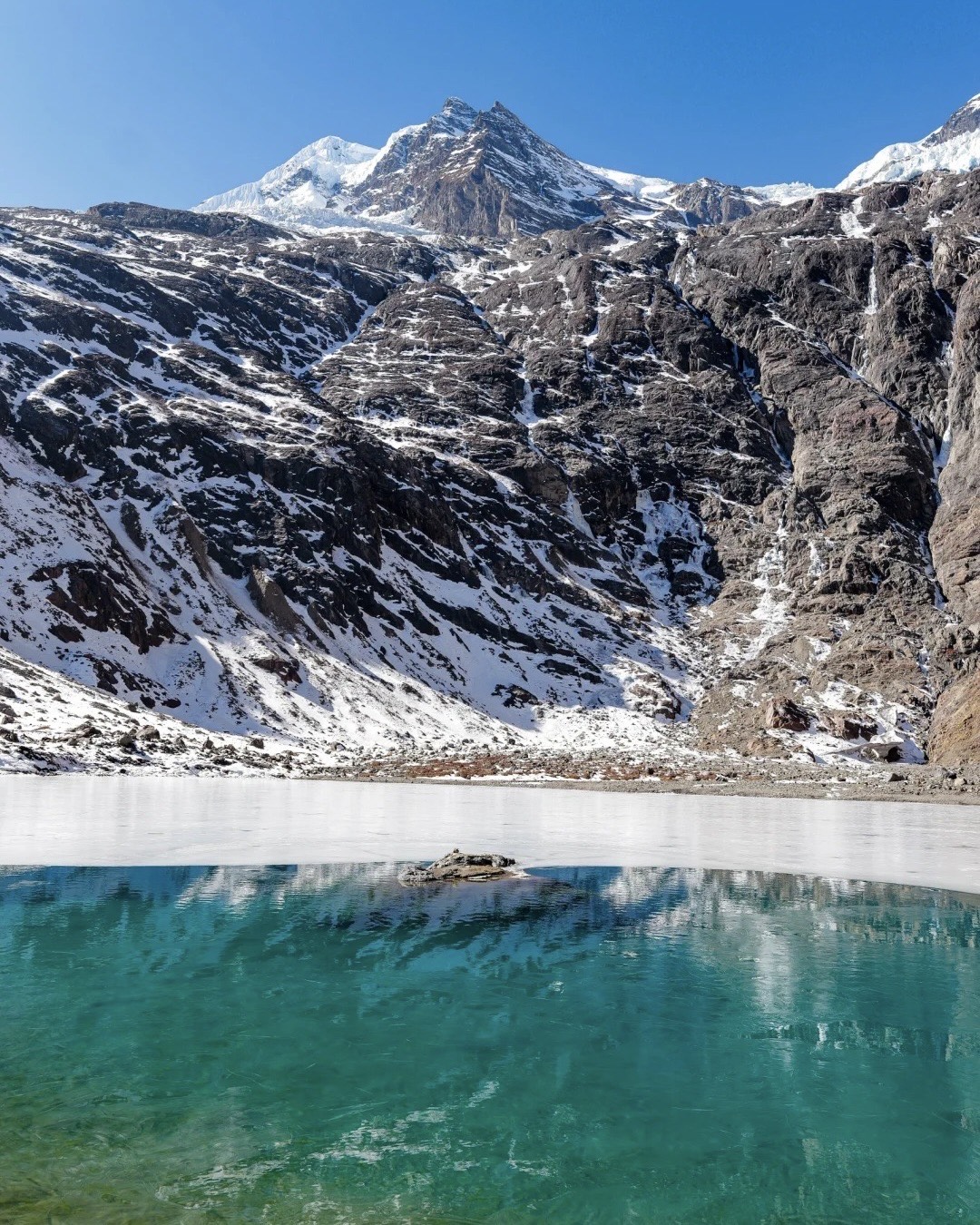
Day 11 — They chose the Sacred Waterfall. The cultural route — a pilgrim trail to a small fall behind the village, where Tibetan pilgrims circle and drink the water. We’d offered the Ice Lake alternative (3,800m through rhododendron forest to a glacier-fed alpine lake under Meili itself) over dinner the night before; their legs voted for the gentler day.
Day 12 — Exit via Ninong Gorge. The other way out. A descent through the Ninong gorge trail to the road head, transfer back up to Shangri-La. They arrived in town at sunset, legs done, and someone had already filled the bath at their hotel. That kind of detail is on us.
Day 13: Soft landing in Shangri-La
A genuinely empty day. Sleep in. Hot springs at the lodge. Optional easy walks on the plateau. Lunch at a local Tibetan family’s home in Niwu village — the guide’s contact was around, and they sat for two hours over butter tea and barley flatbreads.
Twelve days of moving. The thirteenth was for the trip to settle.
Day 14: Home
They flew out via Shangri-La (Diqing airport, 3,300m, weather-dependent — we always have a Lijiang exit as backup, which we didn’t need that day).
We pad transfers. We always pad transfers.
What ran differently from a coach-tour version of this trip
Four things change when you do this with us. None of them are visible on the website itinerary. All of them are why returning clients return.
1. We tailor to your pace, not a checklist
Every couple, every family, every group of friends has a different pace. Some want temple-and-trail intensity every single day. Some want one big day followed by a lazy lunch. Some develop altitude headaches on day six and need a recovery afternoon. Some hit Shangri-La and want to skip the bigger Yubeng day options for a slower trek instead. All fine.
We talk to clients for an hour or two before booking — not to upsell, but to actually understand what kind of holiday they’re after. Then the itinerary they see is theirs, not the catalogue version. Xin and Lorraine’s day three was horseback; another couple the same week chose a courtyard day with a book. Same trip on the surface; completely different inside.
2. We get the details right
The room facing Erhai, not the one with the air-con unit outside the window. The Naxi music venue that’s a 12-seat courtyard with the master, not the 200-seat tourist hall. The Tiger Leaping Gorge teahouse with hot rice on the day you walk, not the one that closed at 11am. The Lijiang Old Town café where the coffee is genuinely good, not the one with the English menu and the photo wall. The Songzanlin entry timing that catches morning chanting, not the 11am tour-bus rush.
These aren’t dramatic. None of them on their own would change a trip. Cumulatively, they’re the trip. If you’ve stayed at the right boutique hotels in Dali versus the wrong ones, you already know what we mean.
3. We get you to the view before the crowds
Yunnan’s iconic spots get crowded between 10am and 4pm. The same spots are functionally empty before 8am and after 5pm. Almost nobody routes around this — group tours can’t (the bus arrives when the bus arrives), and most private operators don’t want to wake their drivers up.
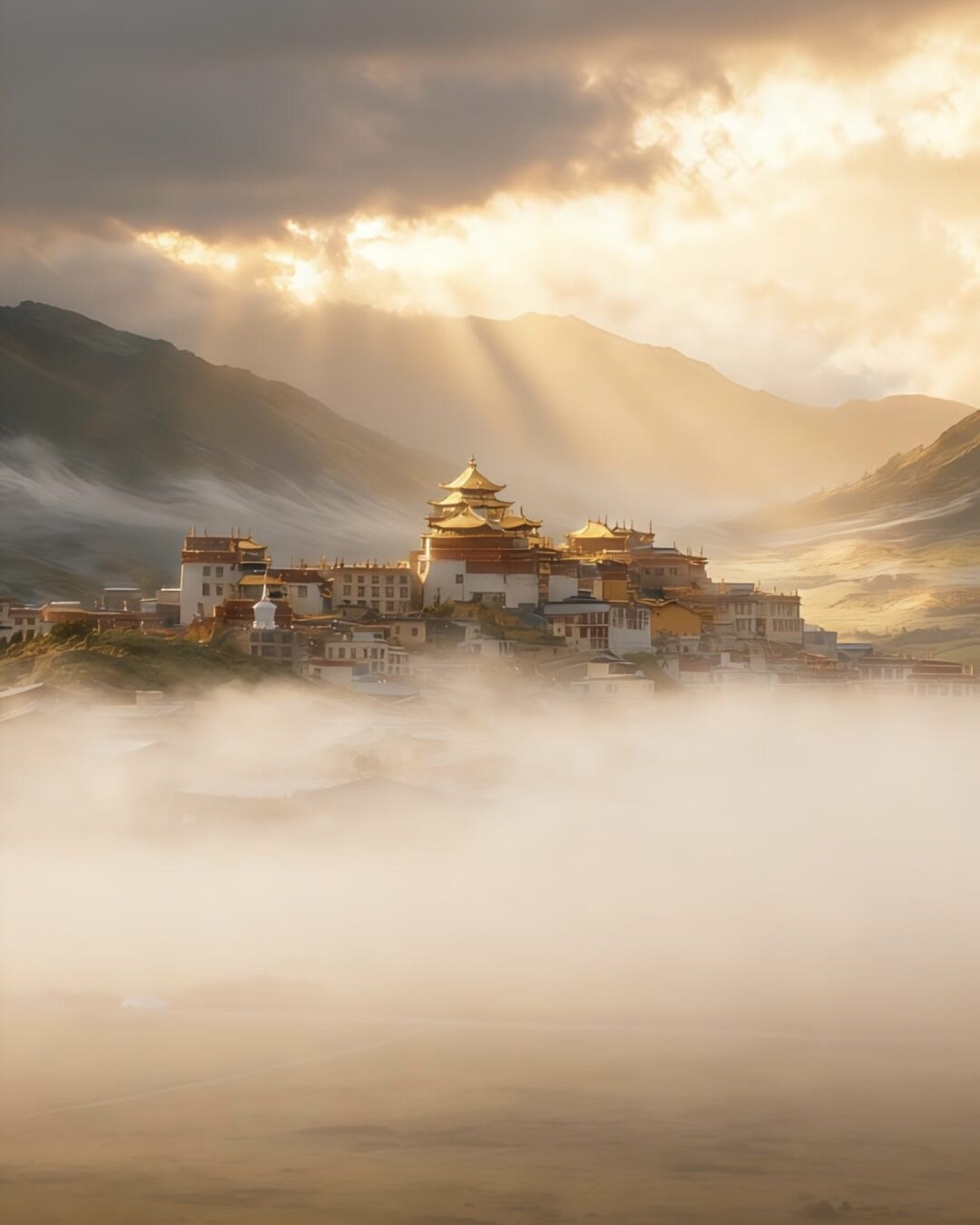
Concretely on their trip: dawn at Sideng Square in Shaxi (empty). Songzanlin at the morning-chant slot, before the bus arrivals. Cang Mountain trails in the morning quiet. Tiger Leaping Gorge starting the upper trail at 7:30am, not 10. Dukezong rooftop walk at sunset when the day-trippers had left. We’re not doing anything secret. We’re just not lazy about timing.
4. The trip just runs
This is the unflashy one. Permits are arranged. Vehicles are reserved with backups. Drivers know the road and don’t doom-charge through the gorge. Hotels are confirmed twice. Altitude sickness gets noticed by the guide before it gets noticed by the traveller. Oxygen lives in the car. The clinic in each town is mapped before anyone needs it. When the road floods, the guide already has the alternative booked, and the traveller hears about it as a story over dinner — not as a 3pm crisis on a switchback.
For Australian travellers in their 50s and 60s especially, this is the pillar that matters most. You’re not paying for excitement. You’re paying for the trip to be a holiday rather than a project.
You don’t need a private guide for everywhere in China. You do need one for Yunnan north of Dali.
Practical: when to go, altitude, what to pack
Best months: April to early June for wildflowers on Cang Mountain and clear skies on the Shangri-La plateau. September to early November for the most stable weather and autumn colour at Tiger Leaping Gorge. Avoid July to August (peak rain season — the gorge especially gets sketchy). December to February is cold but rewarding for travellers who don’t mind layering up; almost no crowds.
Altitude profile: 1,900m (Dali) → 2,100m (Shaxi) → 2,400m (Lijiang) → 3,200m (Shangri-La) → Yubeng trek (3,100m village base, day routes up to 3,800m at Ice Lake). The stagger is the point. People who fly Sydney → Shangri-La direct feel rough for a week. Doing it in stages, you mostly won’t.
Packing: Layered warmth — Shangri-La is cold at night year-round above 3,200m. Trail shoes broken in before you arrive (new boots on the gorge trail is a known mistake). Sun protection at altitude is double what you think. Light rain shell. We send a packing list when you book.
Visa: Australia gets a visa-free entry for stays under 30 days — you don’t need to apply for anything before flying. Bring your passport.
Apps: Get the China app kit sorted before you fly. Alipay, Amap, WeChat. Your driver and your guide both have phones. Their messaging happens on WeChat. So does yours.
What’s changed since April 2026
A few things we’d do differently now — and that the current Peaks & Retreats itinerary reflects:
- We now start in Shaxi, not Dali. The Dali leg works, but the slow Shaxi opening — caravan town, market, courtyard — lands harder as the first impression of Yunnan. Dali fits better as a side trip or a softer extension.
- The journey ends in Lijiang for a calmer departure. Diqing airport in Shangri-La is weather-dependent; routing the exit through Lijiang removes a category of stress.
- Yubeng is no longer the default. It’s still the most cinematic three days in the trip, but the access trail has changed and the altitude cuts out some travellers. If you want it, ask — we still run it for fit groups. If you don’t, we replace it with deeper time in Shangri-La’s Tibetan villages and a Kunming finale at the end.
None of this changes what Xin and Lorraine experienced. It changes what we’d build for the next traveller.
Who this trip is for, and who it isn’t
Honest both ways.
This is the right shape of trip if:
- You want classic Yunnan done properly — not the bus-tour version.
- You’re comfortable on day-long walks (Tiger Leaping Gorge is six hours; the Yubeng days are similar if you choose them).
- You like the idea of staggered altitude, real Tibetan and Bai culture, and being in a place where almost nobody on the trail speaks your language.
- You travel as a couple, family, or small group of friends and don’t want strangers on the bus.
- You want the four pillars above — tailoring, detail, timing, peace of mind — and you understand bespoke private travel sits at a different point on the spectrum than a coach tour.
Pick something else if:
- A coach itinerary at the lowest possible price is what you actually want.
- You want a checklist trip with a flag and a microphone.
- You don’t like walking. The high-altitude days are real fitness.
- You’re first-time-to-Asia and would rather start with a softer Yunnan trip without the altitude — Dali, Lijiang, and the Erhai loop without going up to 3,200m. We have that version too.
If you’re considering a longer trip, the tropical Yunnan extension into Xishuangbanna or Jingmai Mountain tea forests adds another 5–7 days at low altitude after this one — completely different climate, same depth.
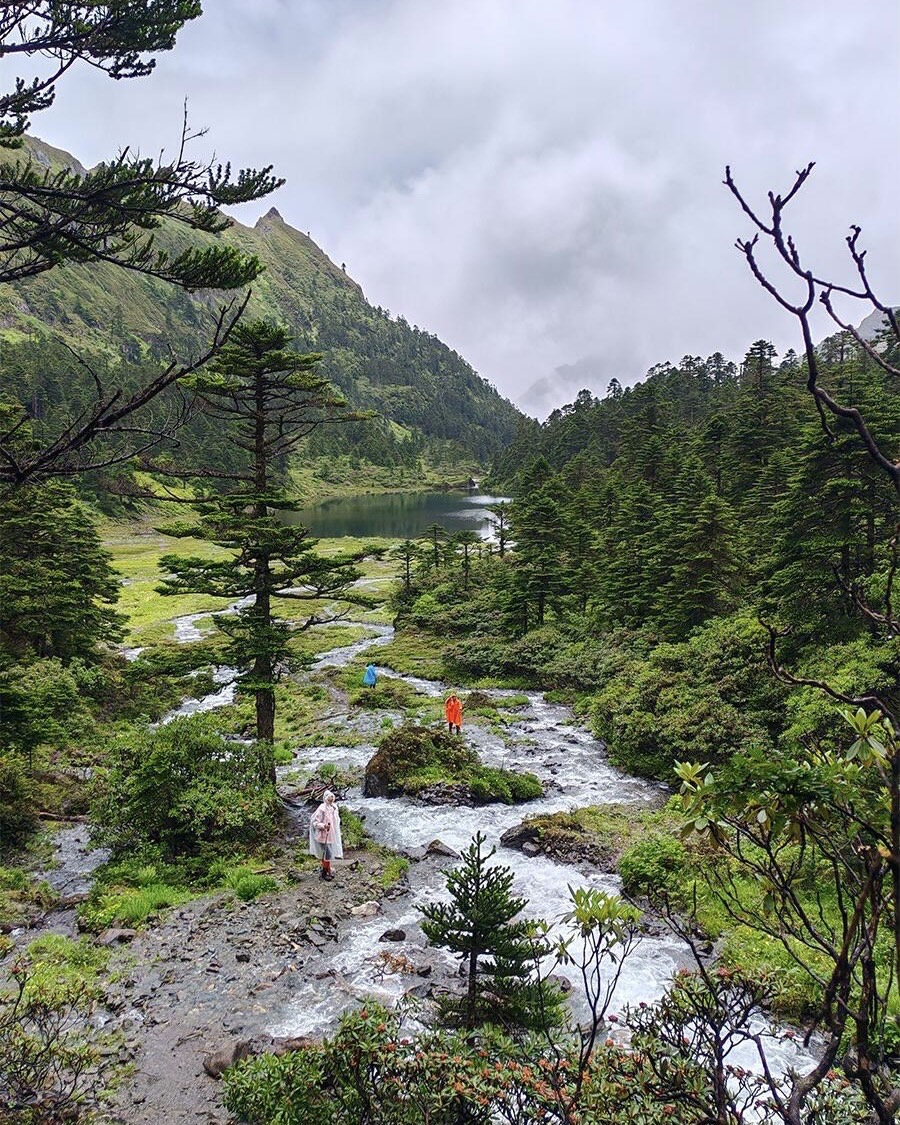
Want a trip shaped around you, like theirs was
The bookable starting point — and the route we’d build from today — lives at Peaks & Retreats: The Yunnan Trilogy. Shaxi start, Lijiang end, Yubeng optional, Kunming finale optional. It’s a template, not a script.
Whenever you’re ready, tell us what you’re after and we’ll come back with a draft. No rush.