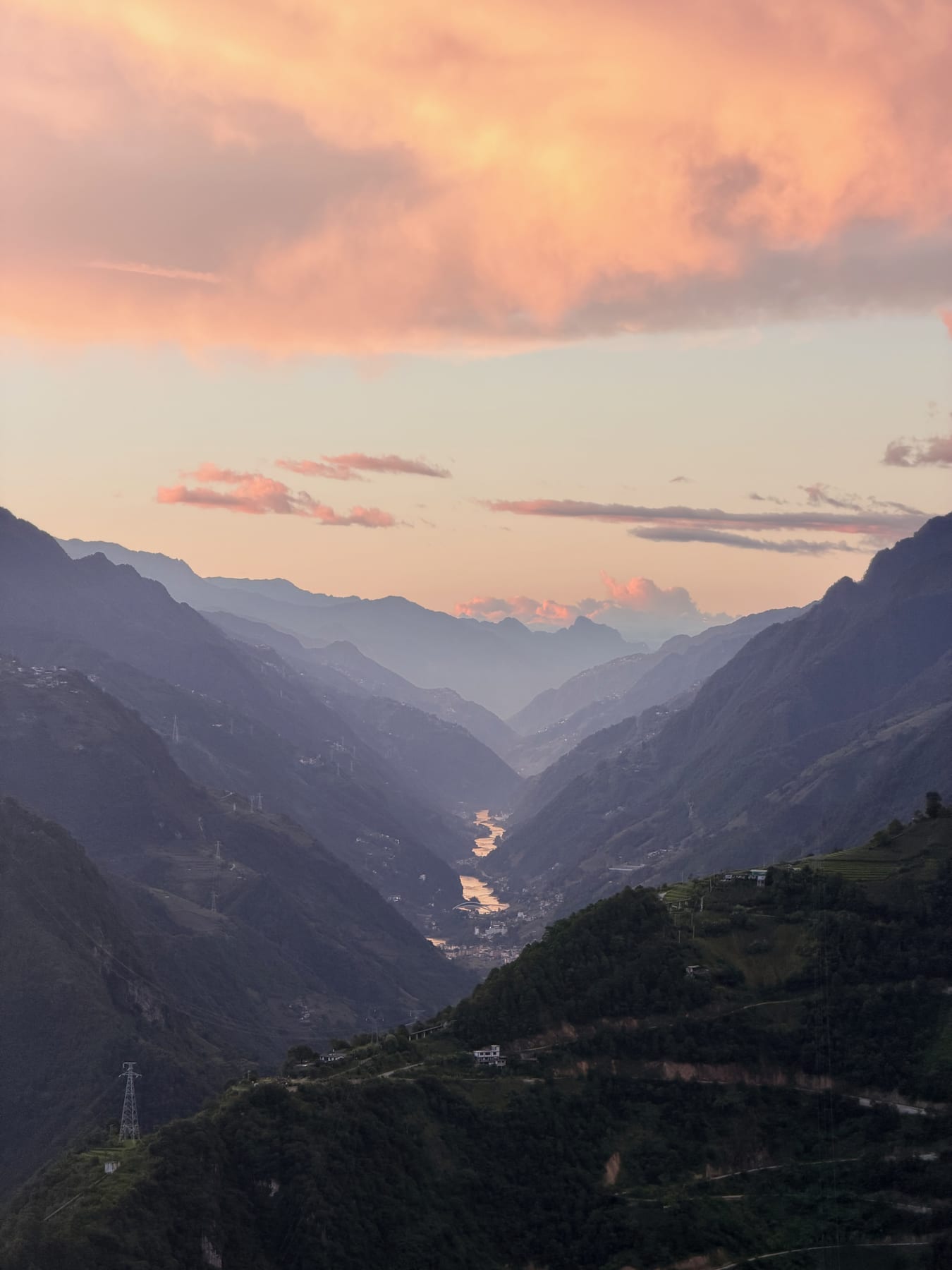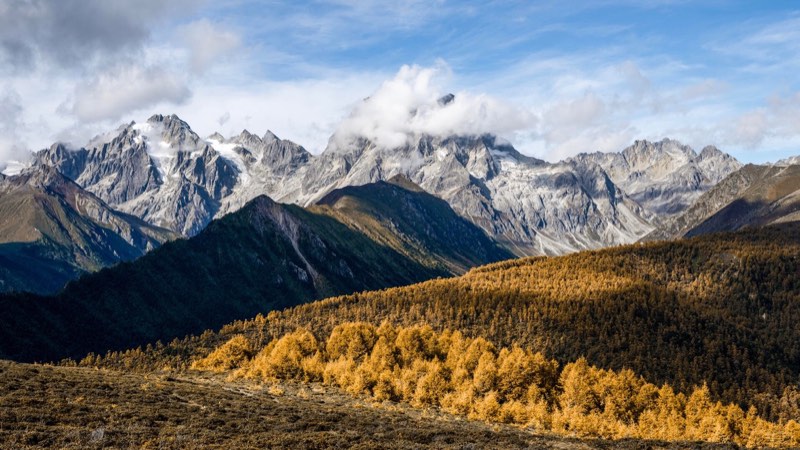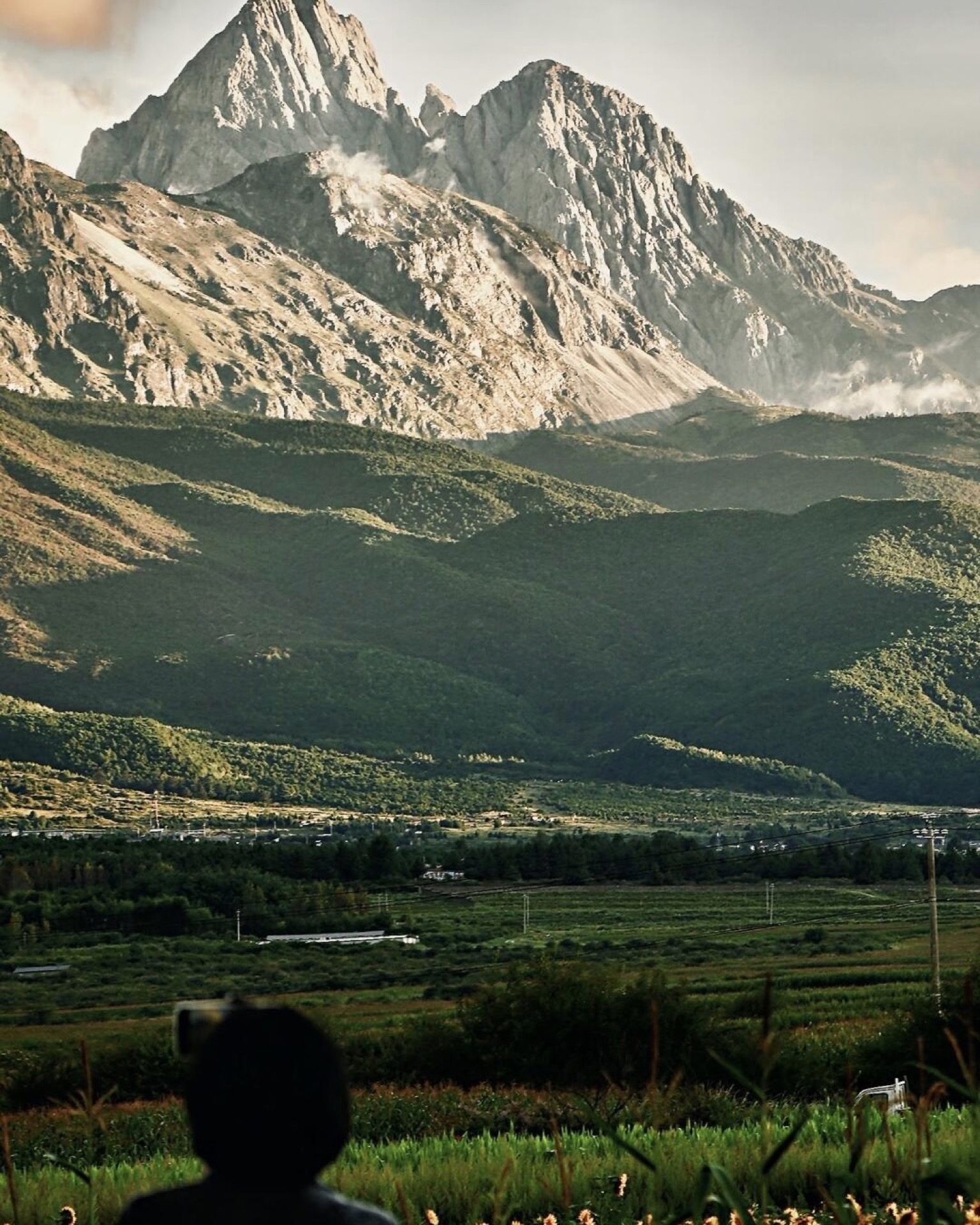
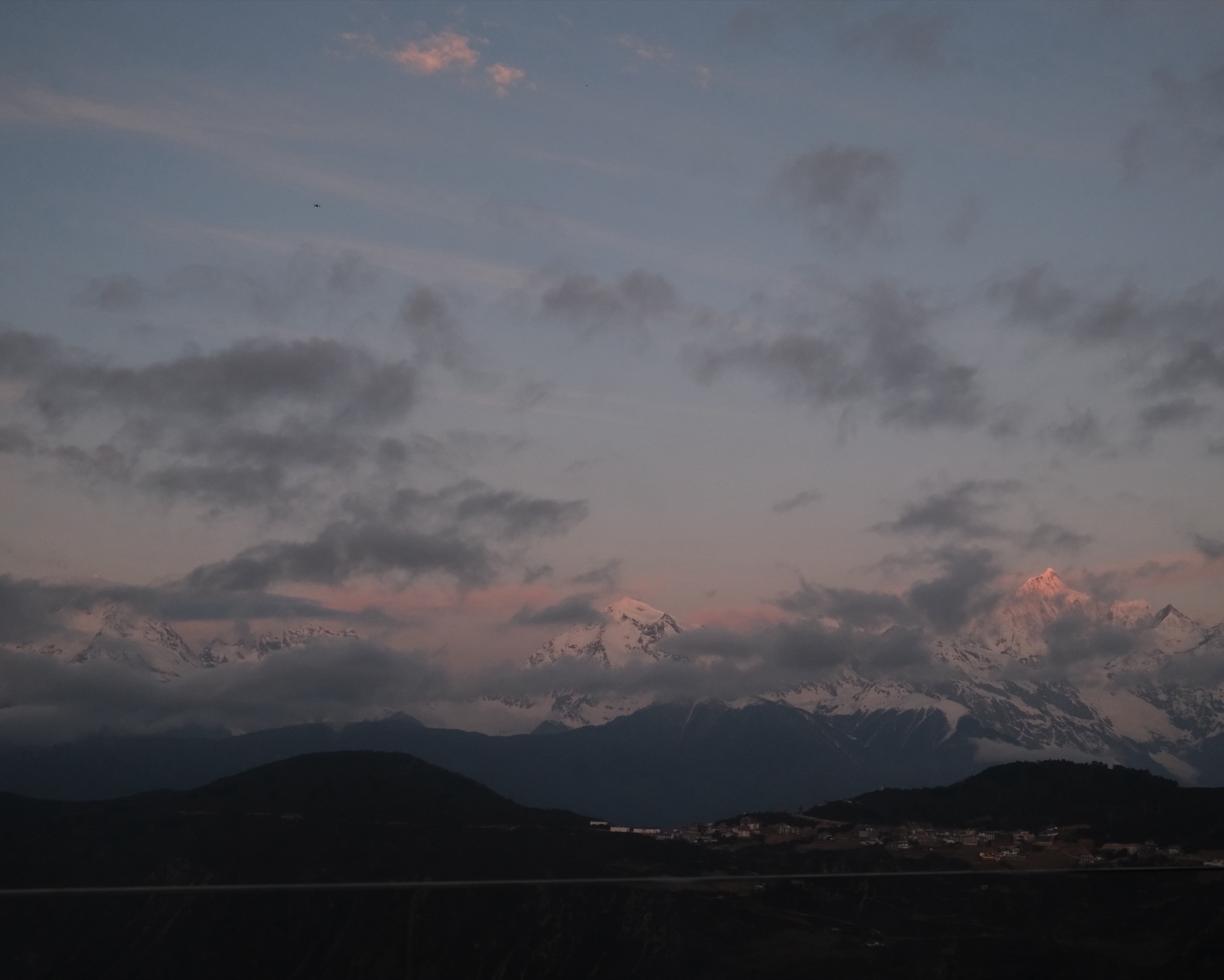
At 5:50am on a clear April morning, our clients opened their curtains at Feilai Si and the entire 6,740-metre face of Kawagarbo — the highest peak of Meili Snow Mountain (梅里雪山) — was sitting there, twenty kilometres away across the Mekong gorge, already catching first light. It turned gold for about twelve minutes. Then it was white again, and the day was normal.
This is the moment the Yunnan North circuit is built around. One window, one mountain, one weather system that decides whether you see it or not. Most Yunnan travel guides stop at Shangri-La. Deqin is another five hours past it, over a 4,292-metre pass — and almost no English-language Meili Snow Mountain travel guide writes about it properly.
This post is built from one of our recent private trips: what we helped the clients book, what we’d pick again, and what to add on either side if you want the trip to peak in the right place.
If you’re considering adding Deqin to a classic Yunnan itinerary, here’s what you actually need to know.
The Yunnan North circuit, briefly
The route the post is talking about: Lijiang → Shangri-La → Deqin / Meili → optionally onward to Bingzhongluo in Nujiang, then loop back south to Lijiang via Cizhong.
Twelve days minimum to do it without rushing. The Meili sunrise is the trip’s altitude high point and emotional centre — everything else either acclimatises you for it (Lijiang → Shangri-La) or unwinds from it (Cizhong → Bingzhongluo → back south).
Where Deqin actually is
Deqin County (德钦县) sits in the far northwest corner of Yunnan, inside the Diqing Tibetan Autonomous Prefecture, sharing a border with Tibet to the west. The county seat itself is a gritty Tibetan border town at 3,400 metres. The thing you’ve come for — Kawagarbo (卡瓦格博), also known as Meili Snow Mountain (梅里雪山) — sits across the gorge from the village of Feilai Si (飞来寺), about ten kilometres south of the county seat, where every itinerary actually bases.
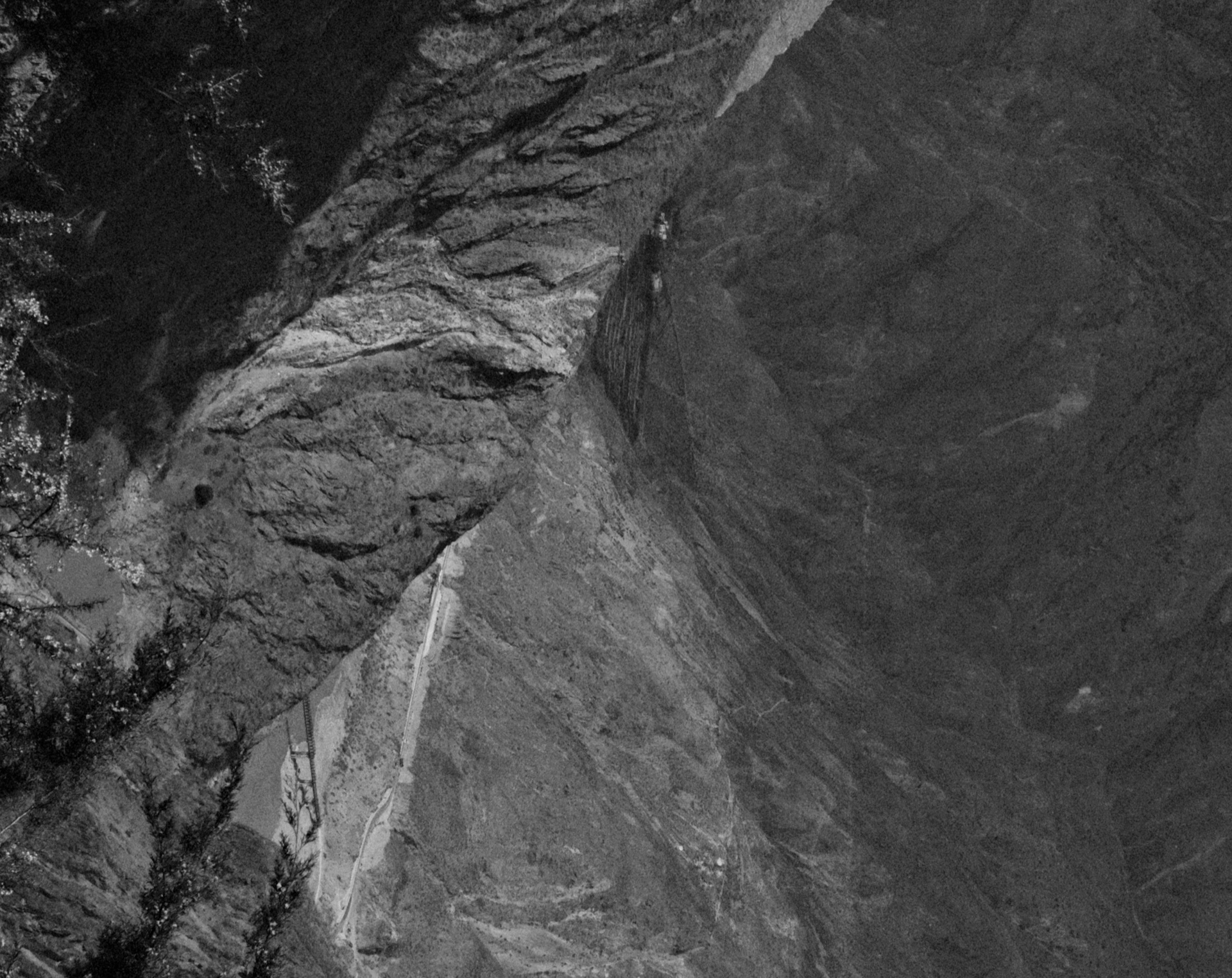
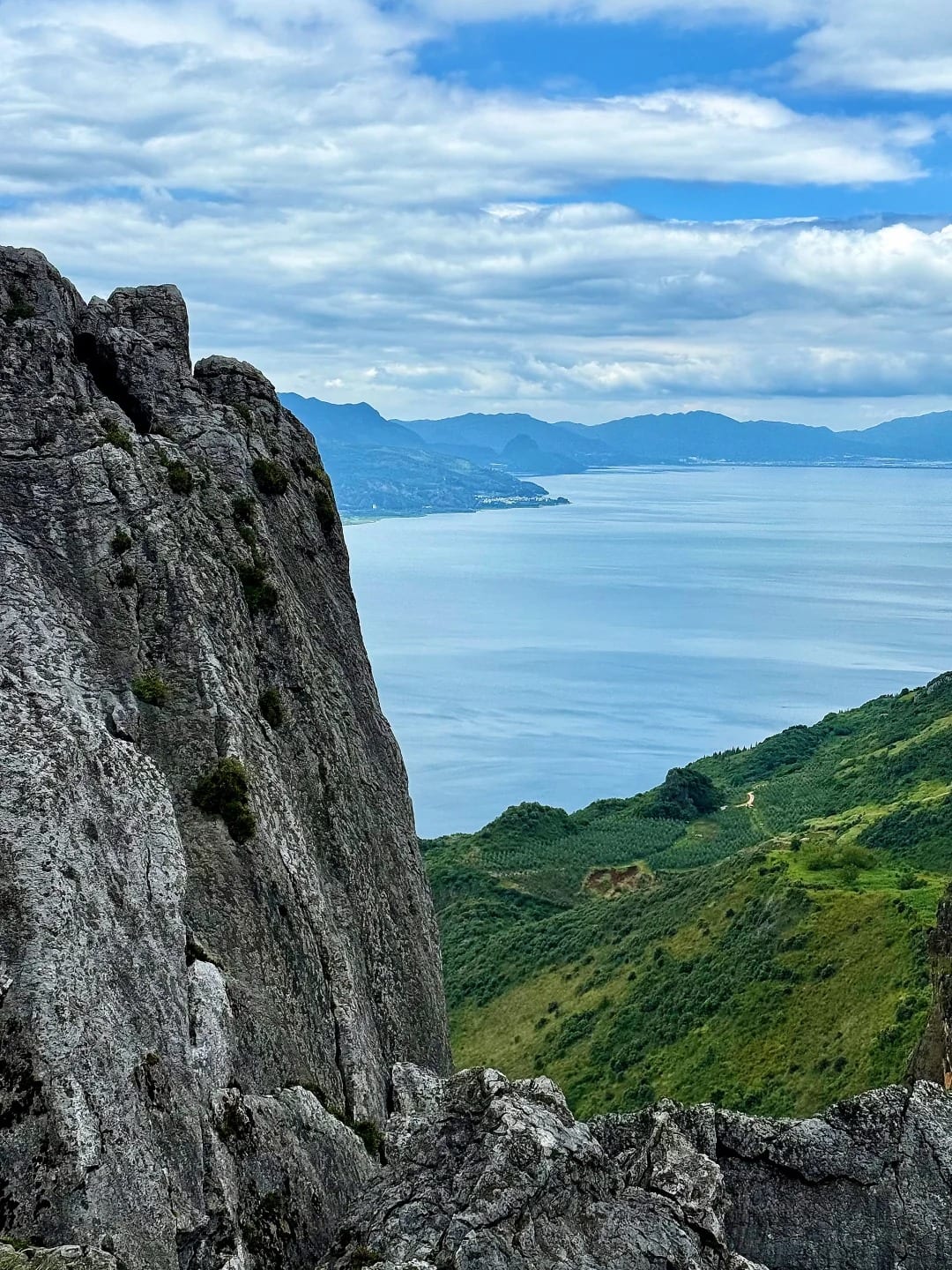
The geography matters because the road in matters. You climb out of Shangri-La on the G214, cross Baima Snow Mountain Pass (白马雪山垭口, 4,292m), then drop into the Mekong (Lancang, 澜沧江) gorge — part of the Three Parallel Rivers UNESCO World Heritage Site. The pass doubles as a forced acclimatisation stop — getting out of the car at 4,292 metres for fifteen minutes before you sleep at 3,400 is genuinely useful, not just a photo stop.
From Shangri-La: ~4–5 hrs by car From Lijiang: ~7 hrs by car (do this over two days, not one) Closest airport: Shangri-La Diqing (DIG) — there is no commercial airport in Deqin
Meili Snow Mountain itself: Kawagarbo, and why it’s still unsummited
Kawagarbo is one of Tibetan Buddhism’s eight sacred peaks. It is also, as of 2026, one of the highest unsummited mountains in the world — a status it holds partly because of weather and partly because of religion. After a 1991 expedition lost seventeen climbers in an avalanche, the local Tibetan community successfully petitioned the Chinese government to ban climbing on religious grounds. That ban still holds.
The result is a mountain that is photographed obsessively but never stood on. For travellers, the sacred-peak status changes how you experience the place. The morning sunrise viewing platform at Feilai Si is a working pilgrimage site, not a tourist viewpoint — local Tibetans are there at dawn doing prostrations and lighting incense, and the rhythm of the morning is theirs first.
Sunrise probability — what “golden peaks” actually means
The “golden peaks” (日照金山) is the moment when the rising sun catches the snow face and turns it gold for ten to fifteen minutes before going white. It happens on clear mornings between roughly 6:50 and 7:20 (later in winter). Probability matters more than season for being there — you can be in Feilai Si in the right month and still get a week of cloud.
Build at least two mornings into your itinerary. One night will give you a coin-flip; two nights gets you to 80%+ for at least one clear sunrise across the trip. Our clients booked three; they got two clean ones and one half-revealed peak through cloud, which was beautiful in its own way.
Where to stay at Feilai Si: the call we make for clients
There are three serious options at Feilai Si. They face the same mountain and they cost roughly the same, but they’re different products. For this trip we booked Poodom. Here’s why — and how the three compare.
Poodom Meili (泊度·梅里) — what we’d book again
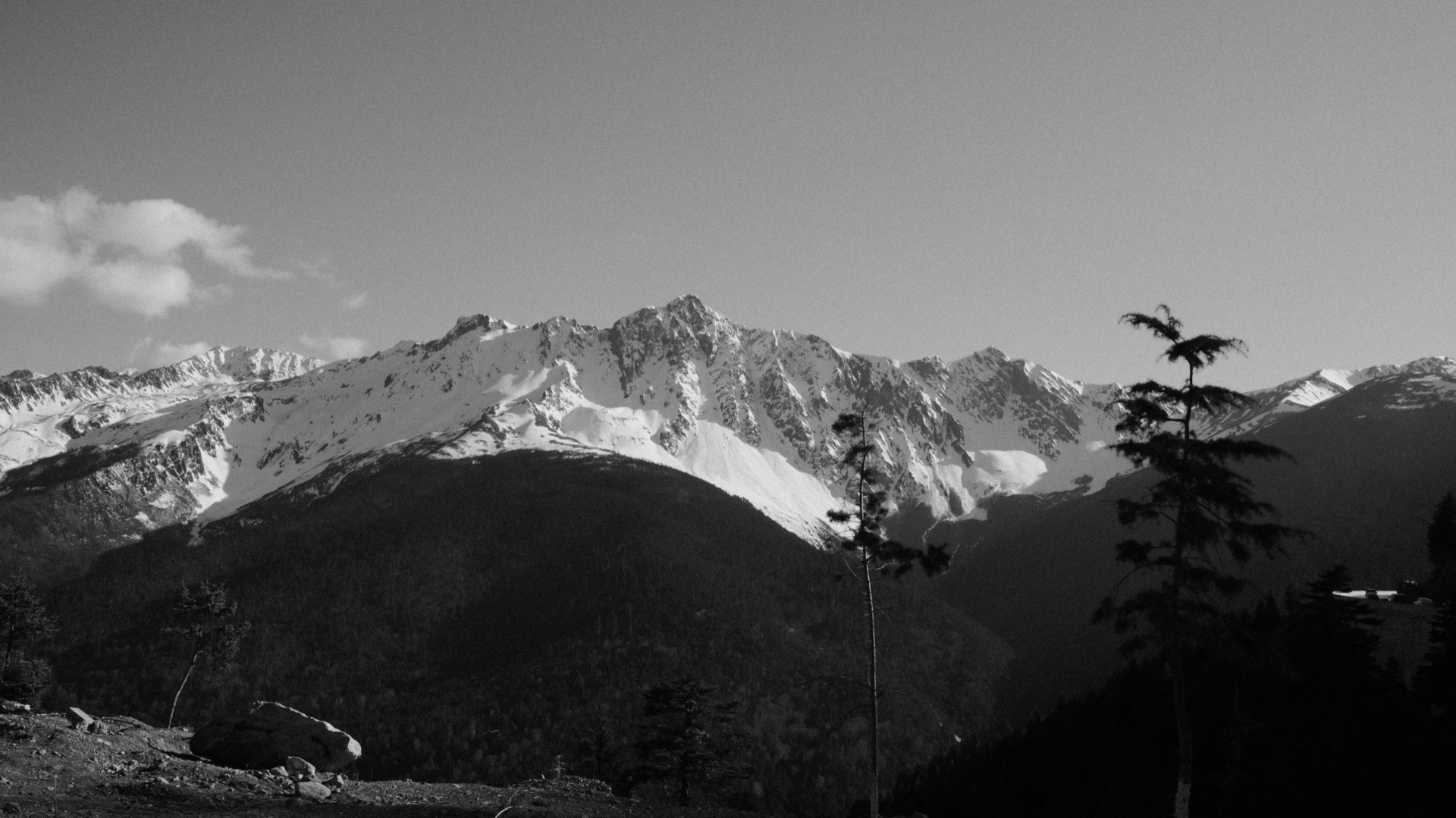
We picked Poodom for two reasons: the view and the deal.
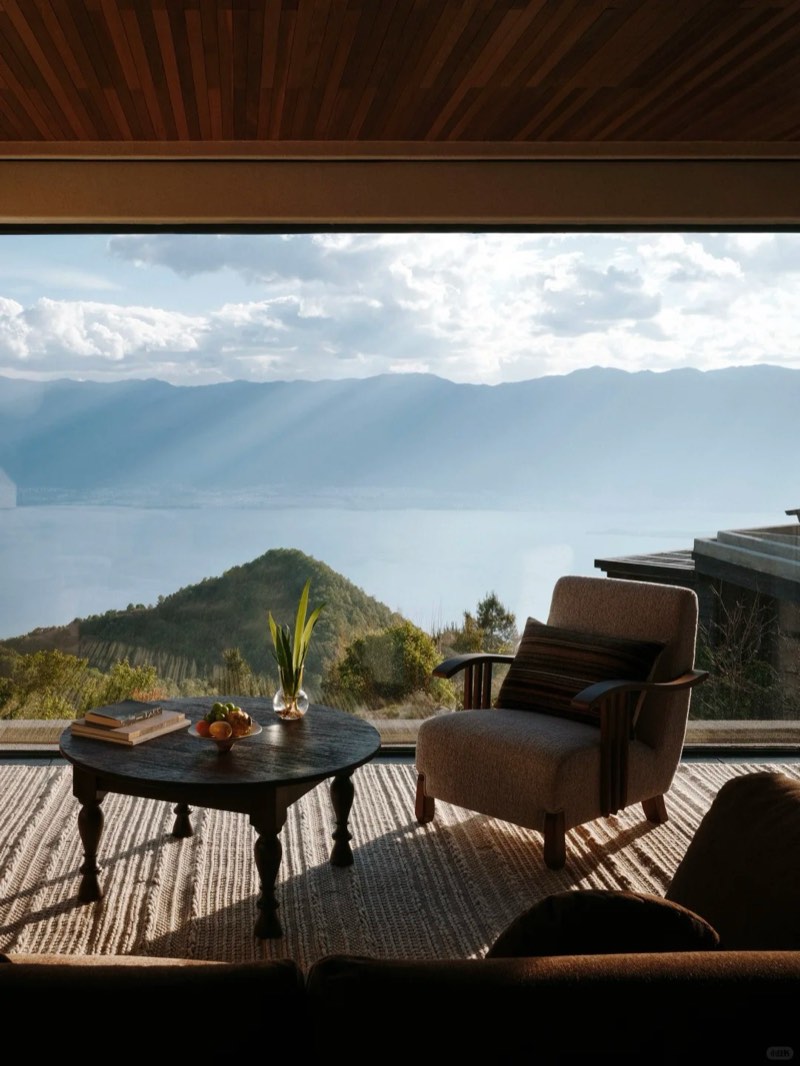
The view first. Poodom sits at the same altitude as Songtsam and faces the same mountain, but its rooms are positioned slightly differently — the angle puts more of the Kawagarbo face in frame from the room balcony, and the property’s signature outdoor pool deck has the cleanest unobstructed sightline at Feilai Si. The picture above is from a room balcony, not a curated press shoot.
The deal second. Songtsam Meili has been booked-out at full rate for most of the past two years on the back of brand exposure. Poodom — the same view, similar room product — quietly sits at a meaningful discount on the same dates, and we’ve built a direct relationship with the property that gets our clients better rooms for fewer dollars than the public listing.
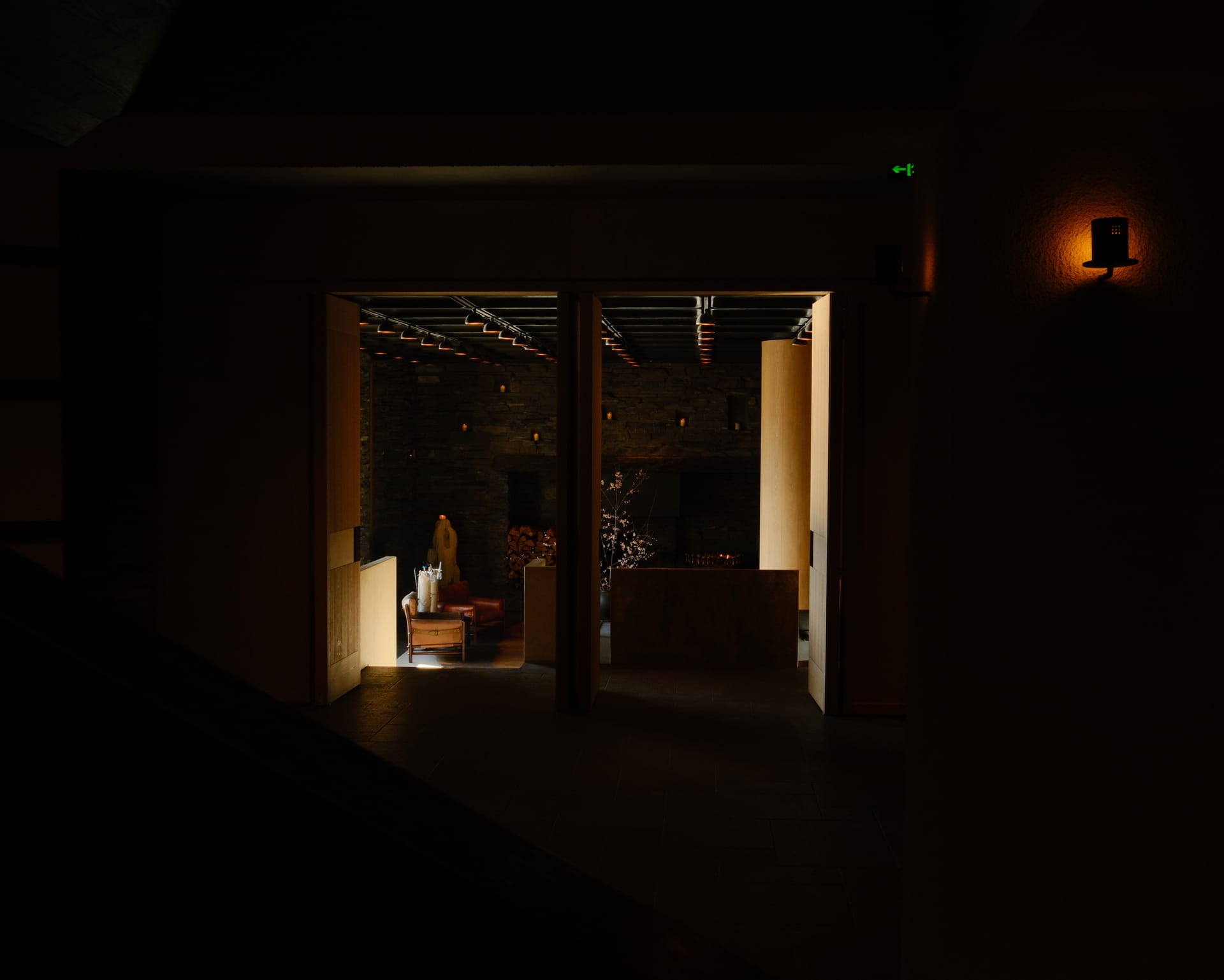
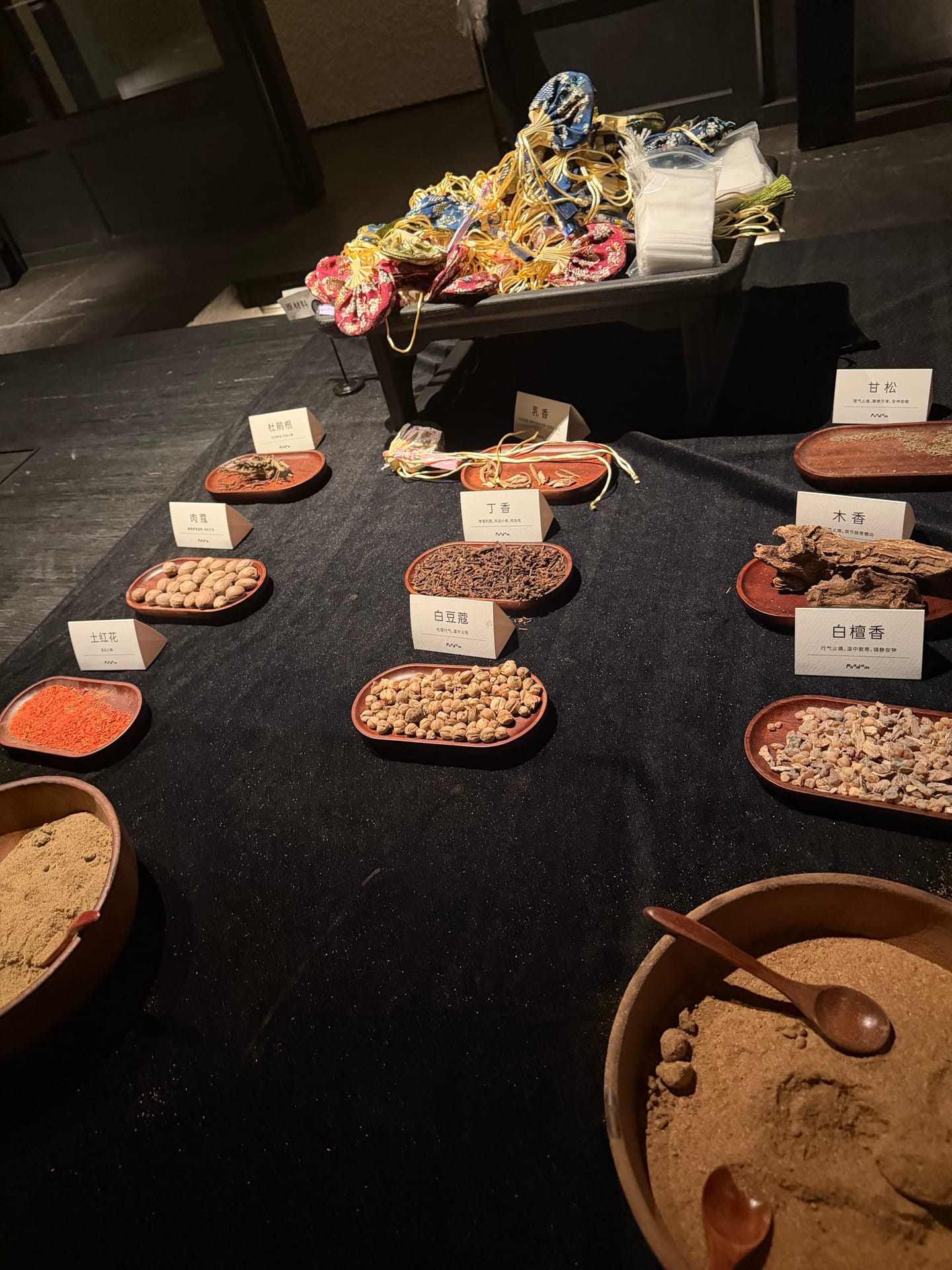
The aesthetic is contemporary Tibetan — softer than Songtsam’s vernacular timber and earth, more glass and light, but still rooted to the place. The lobby hosts a small daily ritual every evening: butter lamps, grain and spice displays, and a quiet acknowledgement of the mountain across the gorge.
Practical:
- Every room east-facing toward Kawagarbo
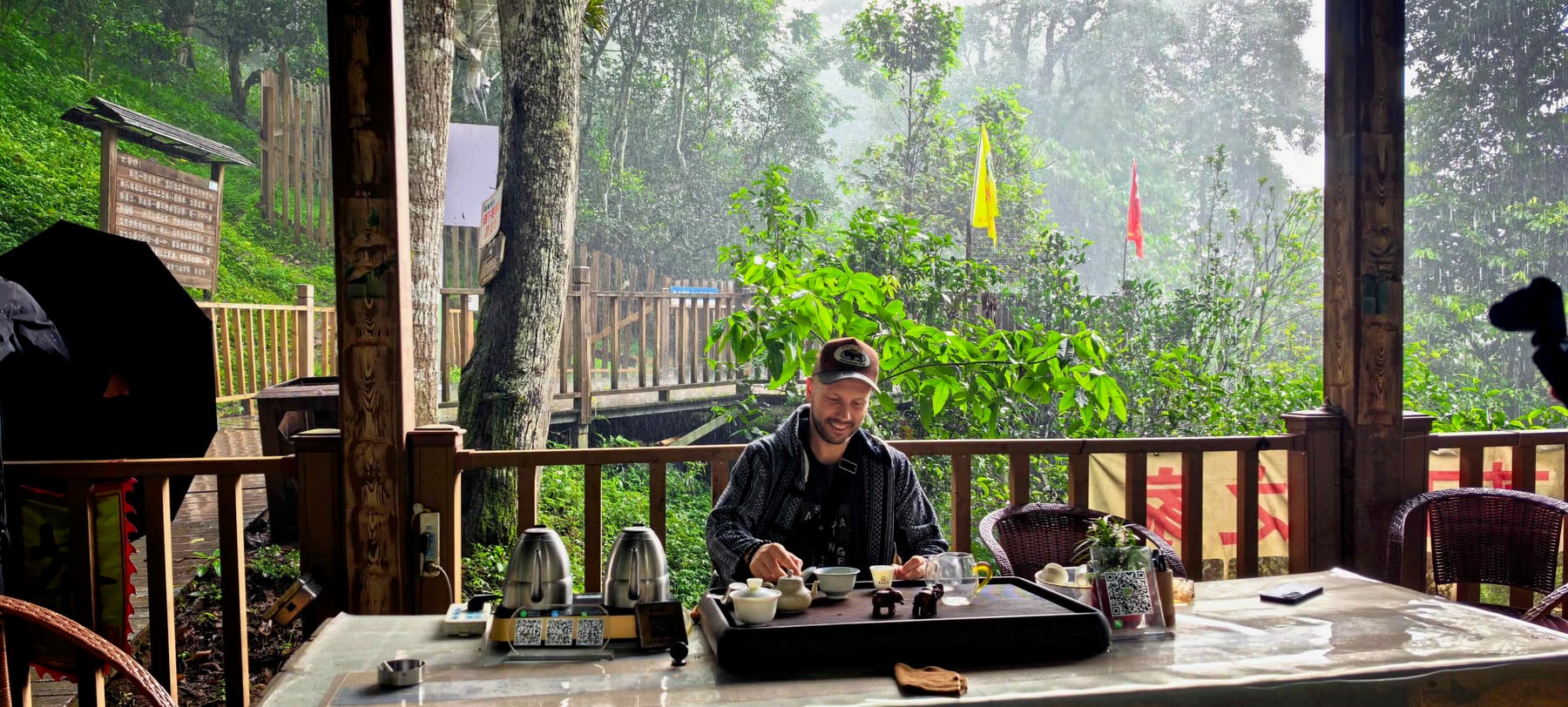
- Half-board included; the kitchen does Tibetan-yak-and-Yunnan crossover food well
- Heated floors in winter (relevant — it gets cold)
- Outdoor mountain-view pool
- Daily lobby ritual at dusk
Jixiashan Meili (既下山·梅里) — design-led second pick
A minimalist heritage product from the Sunyata-Ma group. Beautiful in a different register — concrete and glass instead of rammed earth, with a strong architectural point of view. Sits slightly below the main Feilai Si platform, so the mountain view from the rooms is a touch lower-angle, but the food and design are arguably the strongest of the three. We’d book Jixiashan as the alternative if Poodom is full, or for a returning client who’s already done the Tibetan-vernacular product on a previous trip.
Songtsam Meili (松赞·梅里) — book if you want the architecture experience
Songtsam Meili is the famous one — seventeen rooms, every window facing Kawagarbo, part of the only Tibetan-owned luxury hotel chain in China, founded by a former monk. The aesthetic is the strongest Tibetan-craft expression of the three properties: rammed-earth walls, copper basins, hand-woven textiles, prayer wheels in the corridor. It is genuinely beautiful, and the design alone is a reason to come.
The reason it’s our third pick on this trip wasn’t the property itself — it’s that Songtsam Meili has become the default booking for everyone running Yunnan North trips, the rate has crept up faster than the experience has, and the rooms are full every single night in peak season. If you’ve already done Songtsam properties elsewhere on the full Songtsam circuit (their Lijiang, Shangri-La, and Cizhong properties are all excellent), book Poodom for the Meili leg. If this is your only Tibetan-architecture night of the trip, book Songtsam — but book early.
What to do beyond sunrise
Most travellers come for one or two sunrises and leave. If you have a third or fourth day — or you’re looping onward to Bingzhongluo — the area rewards going deeper.
Mingyong Glacier (明永冰川)
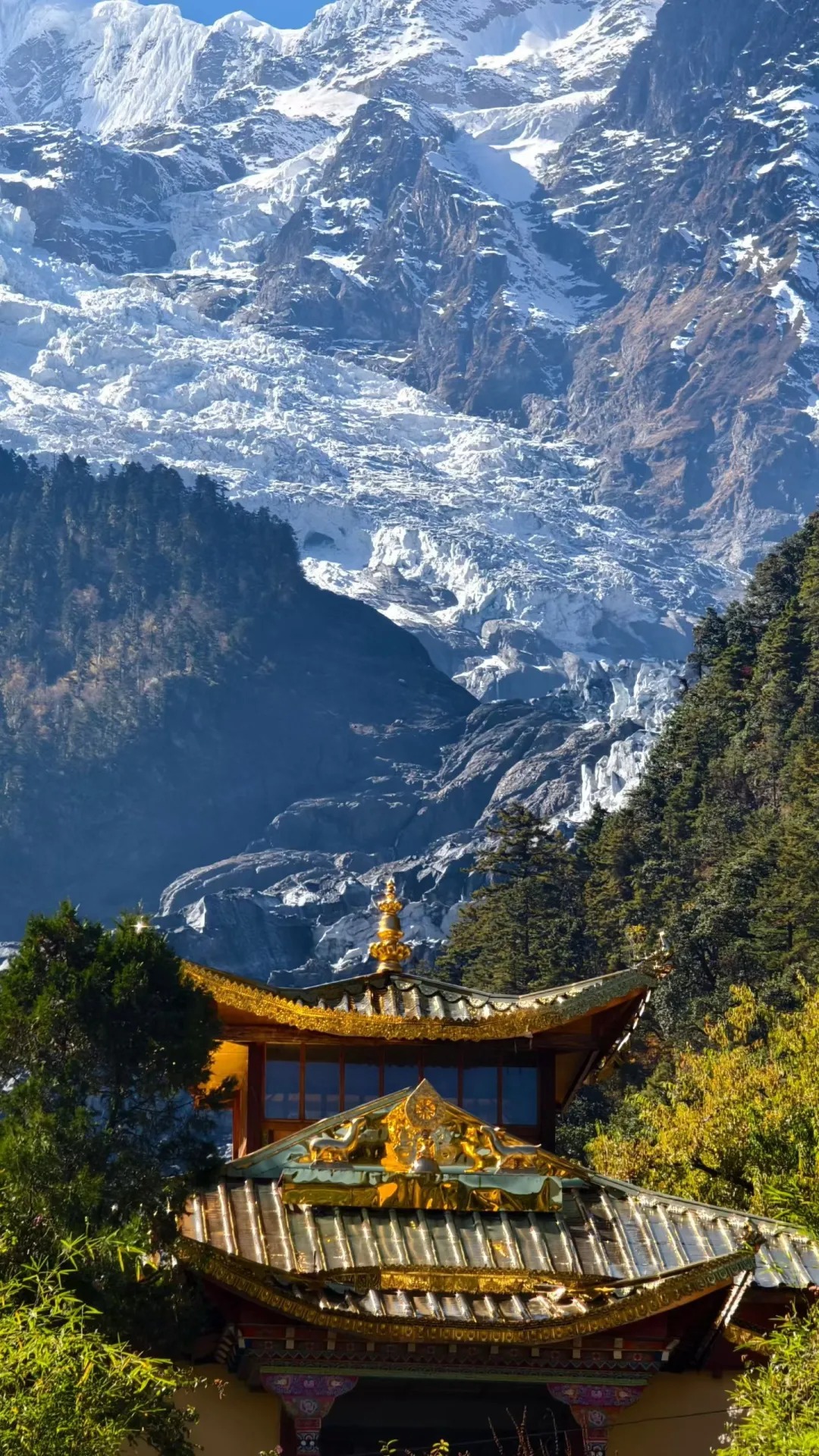
A ~1-hour drive south, then a 1.5–2 hour hike up to Taizi Temple viewing pavilion. The glacier itself has retreated significantly over the past two decades — the upper pavilion is the spot that still gives you a credible glacier face, not the lower platform that tour buses stop at. Allow half a day with transit.
Yubeng Valley (雨崩) — only if you have at least three days
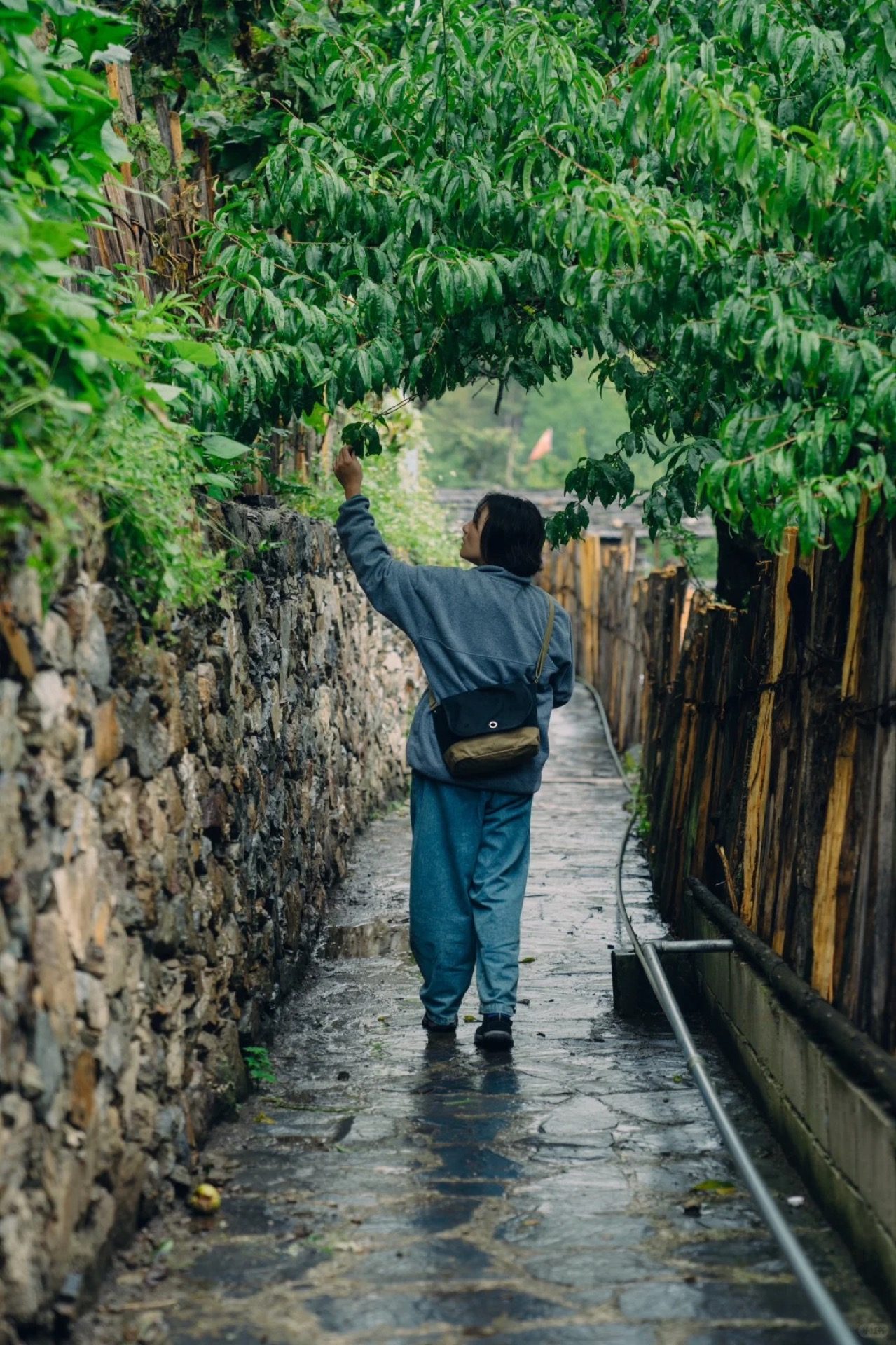
Yubeng is a Tibetan village inside the Kawagarbo massif, accessible only by foot or mule. It is genuinely remarkable — sacred waterfalls, alpine pastures, the closest you can get to the peak — but it is a two-day minimum hike in and out, and the village itself sits at 3,200m. Do not try to fit it into a Deqin overnight. If Yubeng is the goal, build a 4–5 day arc that does Yubeng with a buffer day either side.
Cizhong (茨中) — a Tibetan-Catholic village in the gorge
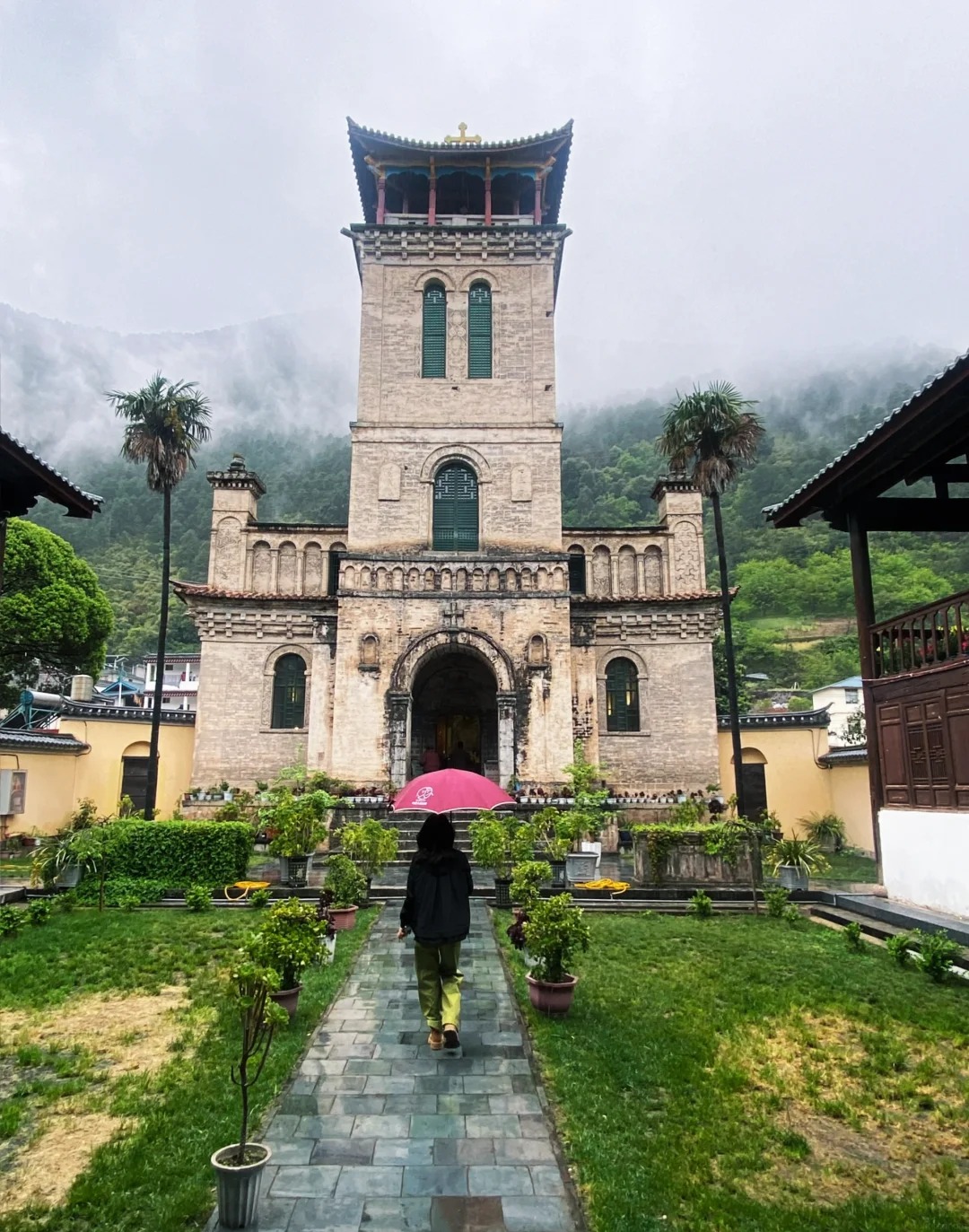
Three hours south, deep in the Mekong gorge. The village has a 19th-century French missionary church with painted Chinese-Tibetan arches inside the nave, working Rose Honey vineyards from the original French stock, and a small Tibetan-Catholic community that still holds Sunday mass in the local dialect. Songtsam Cizhong Lodge is the obvious overnight; the Cizhong-to-Weixi continuation south is one of the great Lancang valley drives.
Bingzhongluo (丙中洛) — the natural onward leg
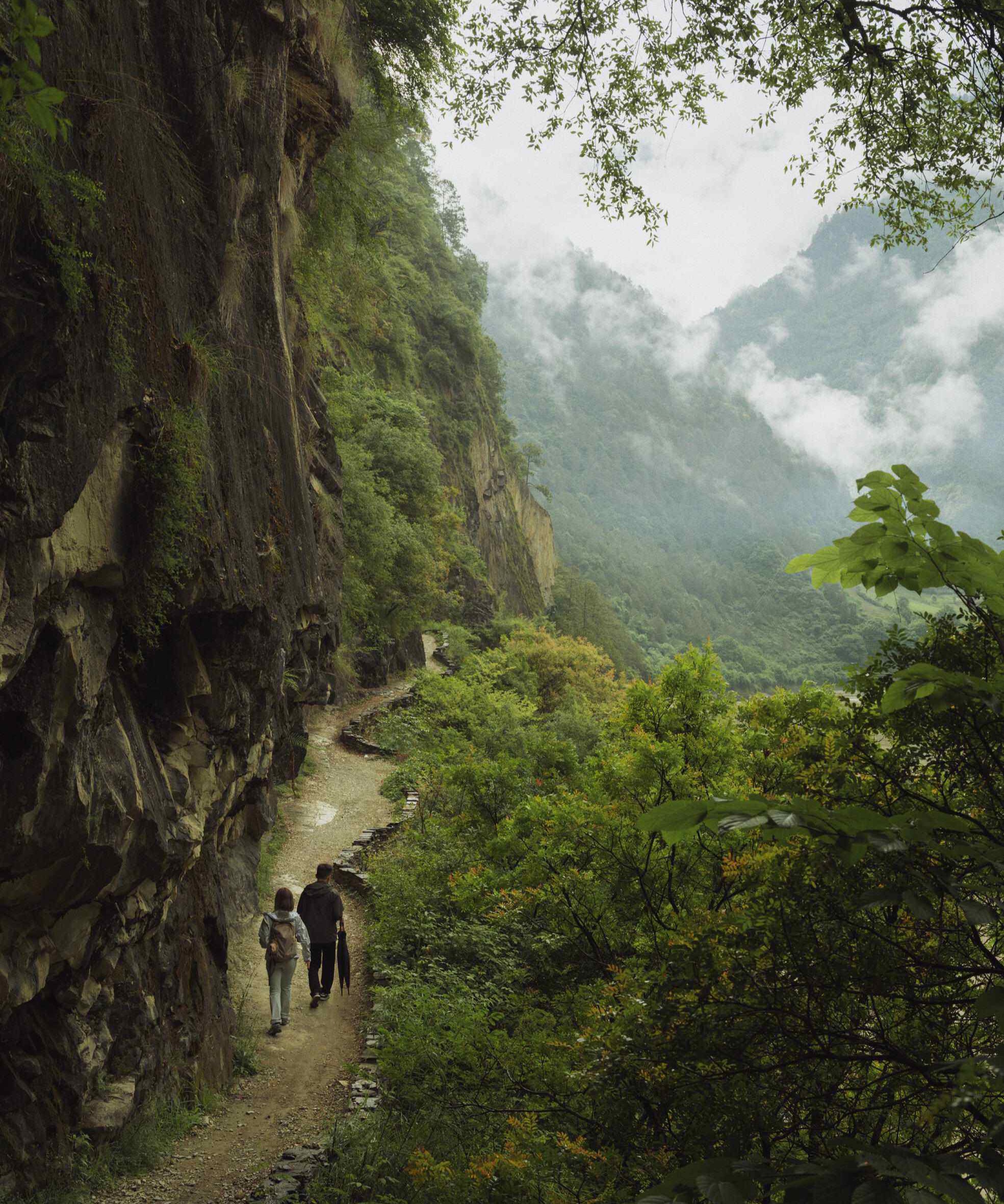
If you have the time, the most rewarding continuation from Deqin isn’t a return south — it’s east, over into Nujiang Lisu Autonomous Prefecture to Bingzhongluo (丙中洛), the upper Nujiang valley village where Tibetan, Nu, Lisu, and Catholic-Lisu communities converge along the turquoise Salween. The 1,800-metre cliff section of the ancient Tea Horse Road above Wuli Village (雾里村) is Nujiang’s defining walk — one of the most photogenic and least-trafficked sections of trail in southwest China. Read more in our Nujiang destination guide.
Add 4–6 days to do Bingzhongluo properly. The drive over from Deqin is long but absorbing, and the descent into the Salween gorge is a different climate and a different cultural register from the Tibetan plateau you’ve just left.
Baima Snow Mountain Pass photo stop
On the way in or out — fifteen minutes at 4,292 metres. Useful for acclimatisation, useful for photographs, occasionally useful for spotting black-necked cranes or red-billed choughs. Don’t walk uphill from the carpark unless you’ve already had a couple of nights at altitude.
When to go
September to early November — the best window. Crisp post-monsoon skies give the highest probability of clear sunrise mornings, and the gorge below turns gold and red through October. This is when our clients went, and what we book most often.
May to August — workable, with caveats. May is beautiful — spring blossoms in the lower valleys, longer daylight, fewer crowds. June through August is monsoon: persistent cloud, rockslides on the road in from Shangri-La, and a real chance of cloud-locked mornings. We’ll run trips in this window for clients with date constraints, but we add buffer days and brief them honestly on the sunrise odds.
Winter (December to February) — sharpest light when it’s clear, fewest crowds, but cold and the road from Shangri-La can close after fresh snow. The trade-off is real: when winter delivers, it delivers the most photographed kind of Kawagarbo morning. When it doesn’t, you may be sitting in Feilai Si for three days waiting for the pass to reopen. Worth doing if you have flexibility on either end of the trip.
Practical: what you need to know
Altitude — take it seriously
Feilai Si itself sits at around 3,400m, and the road in goes over a pass above 4,200m. Altitude sickness here is the kind that catches fit travellers off-guard. The right approach:
- Spend at least one night in Shangri-La (3,200m) before driving up
- Don’t fly into Lijiang and drive straight through in one day
- Drink more water than feels reasonable
- A smartwatch tracking blood oxygen is genuinely useful — readings under 88% mean slow down
If you’re piecing together an arc of Yunnan’s six regions, Deqin is the highest point of any standard trip — plan accordingly.
Getting there from elsewhere on the Yunnan loop
Most travellers do Deqin as part of a 12–16 day Yunnan circuit. The natural sequence northbound: Lijiang → Shangri-La (overnight, acclimatise) → Deqin (2–3 nights minimum) → Bingzhongluo or Cizhong, then loop back to Lijiang.
Our Soulful Side of Yunnan and Peaks & Retreats both run versions of this arc.
What to pack
- Down jacket year-round (it’s cold at altitude before sunrise even in June)
- Headtorch for the 5:30am window before dawn
- Small day pack for Mingyong / Baima Pass / Bingzhongluo trail
- Cash — some smaller villages don’t have card readers and Alipay/WeChat Pay setup for international travellers is patchy this far west
Permits and access
Deqin itself does not require a special permit for international travellers in 2026 — unlike Tibet proper, which is just across the border. That said, road conditions and access to specific monasteries change without warning. Check before driving, particularly in shoulder months. We track this in real time for clients on confirmed trips.
Should you go to Deqin?
Yes, if:
- You’re already doing 10+ days in Yunnan and want the trip to peak somewhere
- You can give Feilai Si at least two nights for sunrise probability
- You’re comfortable at 3,400m sleeping altitude
- You want a single boutique stay to anchor the back half of a trip
Skip it, if:
- You’re doing a 7-day Yunnan trip — the drive in alone eats two days
- You can only travel in July or August
- You have known cardiovascular issues at altitude
- You’d prefer one more day in Dali or Shaxi to one in Deqin (a defensible call, depending on temperament)
For travellers who can give it the time, Deqin is where a Yunnan trip stops being a circuit through pretty towns and starts being a trip through one of the most consequential landscapes on earth. The mountain is sacred for a reason — you understand why on the second morning, when the cloud lifts.
Ready to plan?
A Deqin section grafts onto most Yunnan trips with three or four extra nights and one well-judged stay choice. We design the route around the sunrise window, the altitude profile, and the back-half pacing so the mountain morning is the moment the trip pivots on — not a logistics problem. And we’ll tell you honestly which Feilai Si property to book on your dates and at your budget.
Talk to us about planning a Yunnan trip with Deqin →
If you’re piecing the broader region together, also worth reading: Shangri-La hiking — 9 trails beyond Tiger Leaping Gorge and our West Sichuan travel guide for the next destination east.