Tonghua · Li County (Bipeng road)
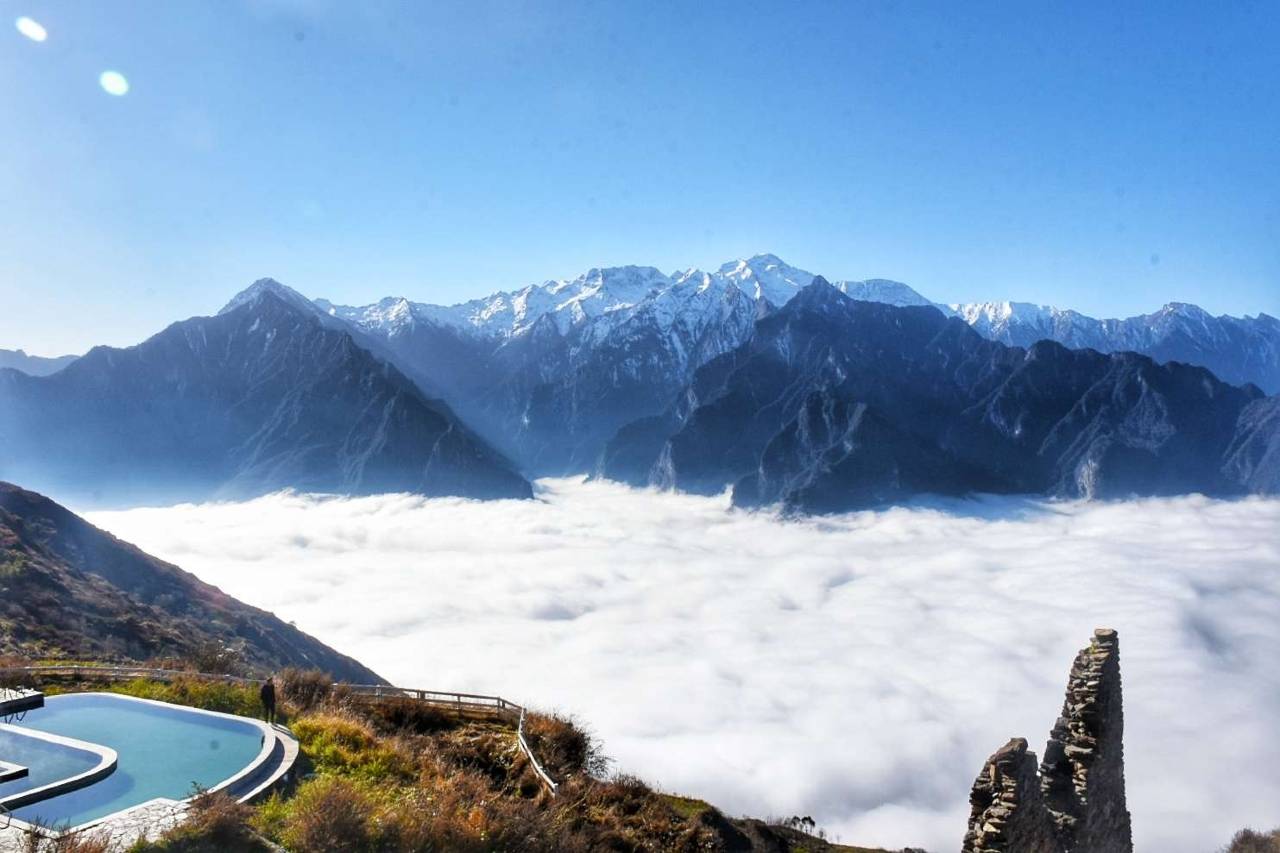
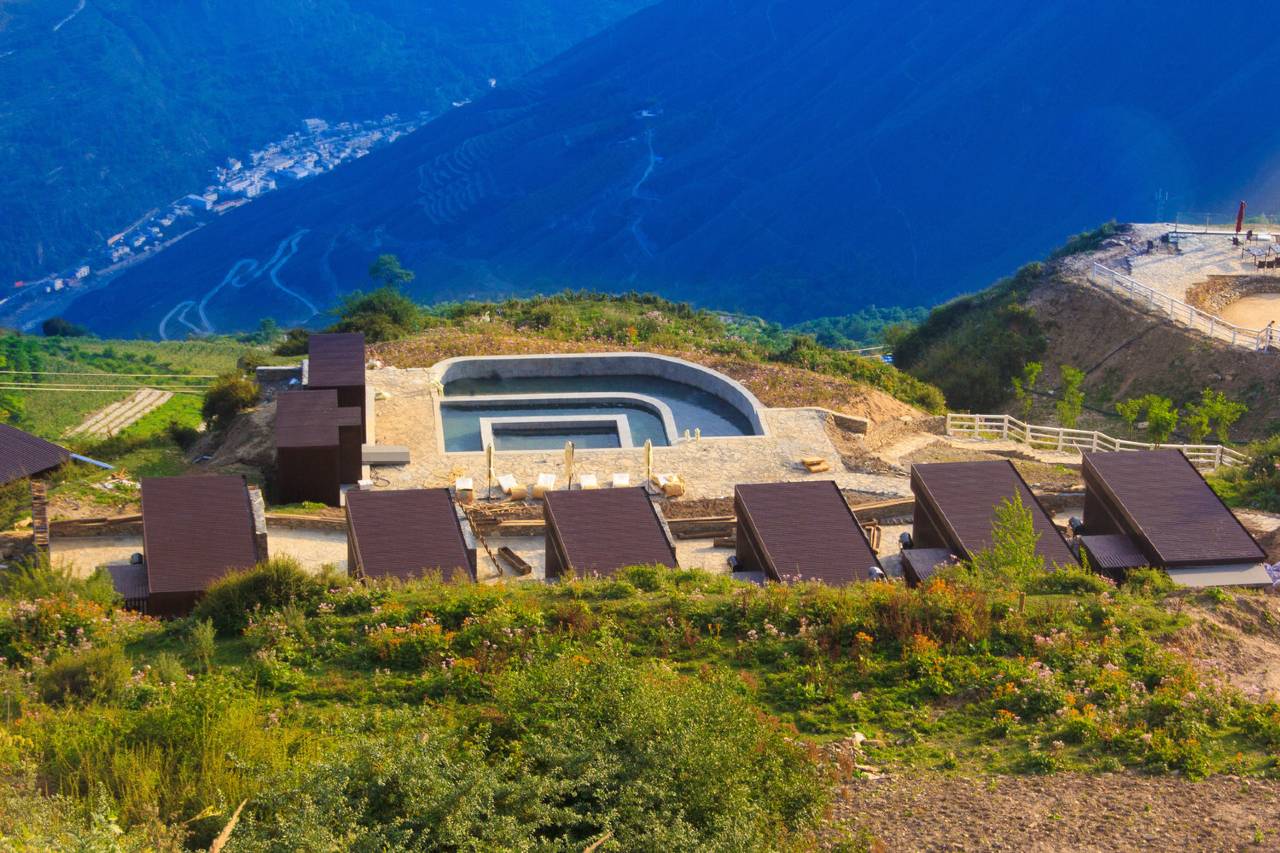
The design retreat at 2,700 m above the Zagunao valley — white tent cabins and a cliff-edge infinity pool, the natural first night on the Bipeng road.

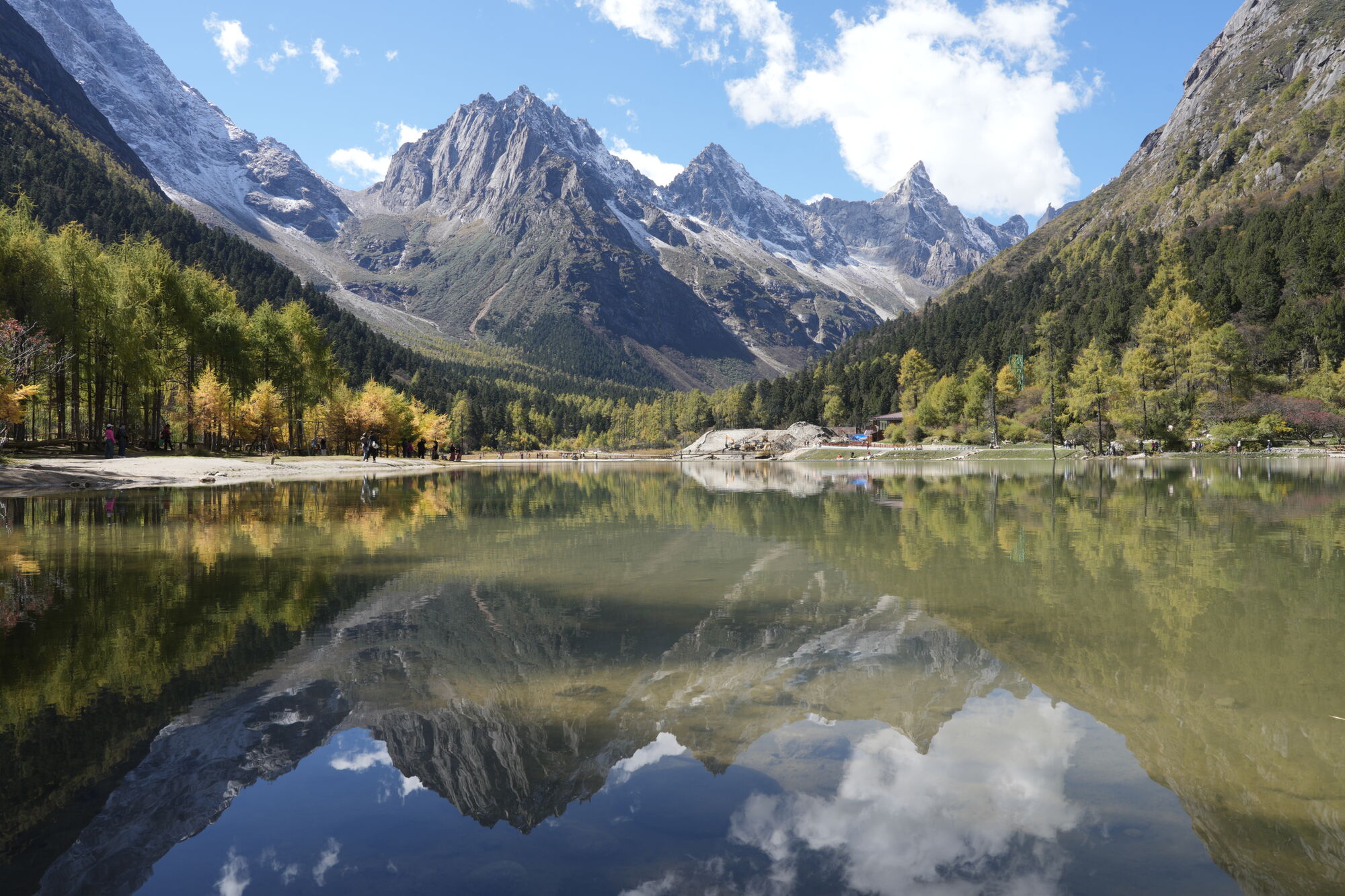
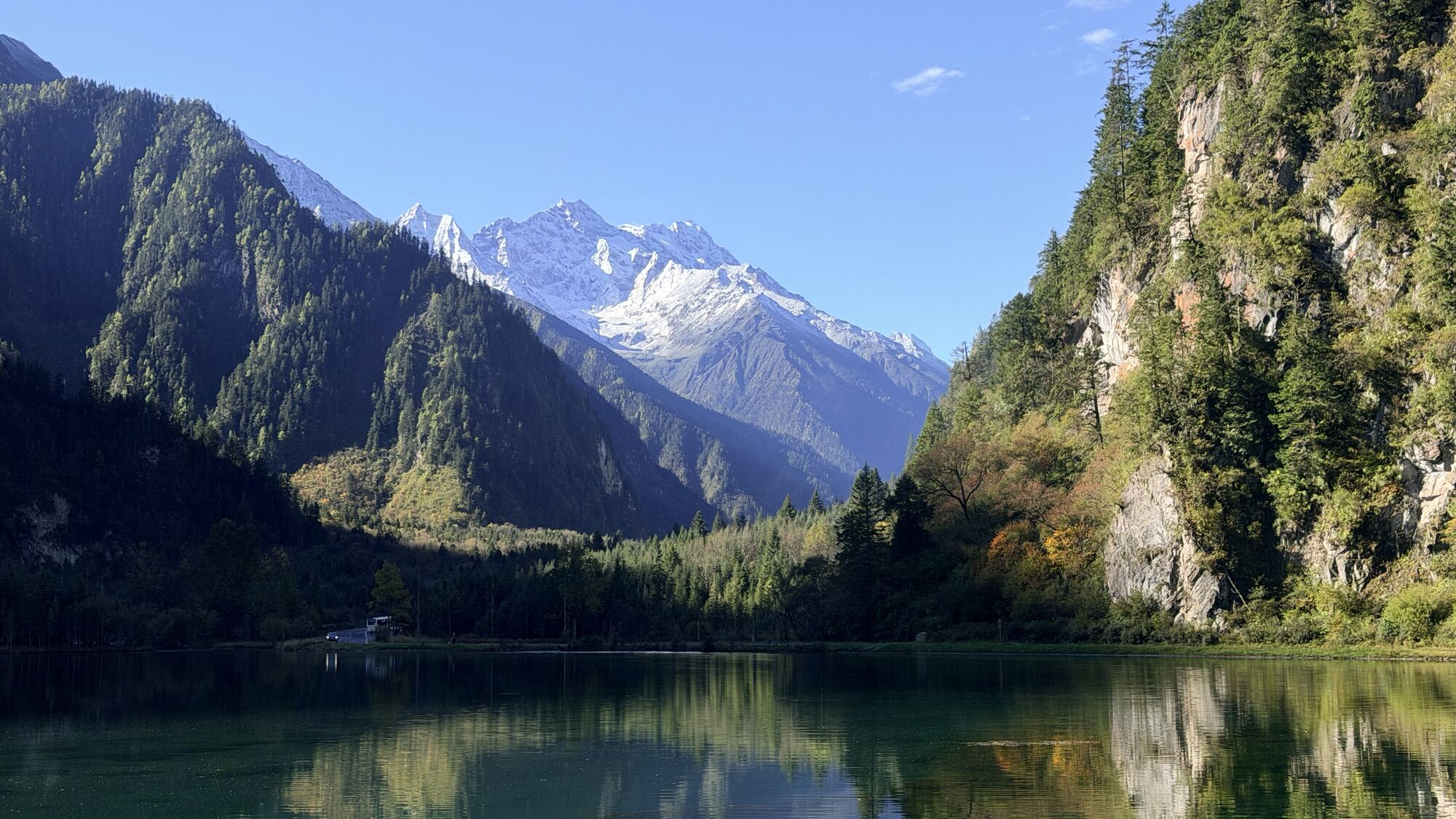
Leave Chengdu in the morning and let the city thin out behind you — the private vehicle climbs west on the G4217, then up the Min River valley toward Lixian, about four hours with photo stops. Late lunch in Lixian, an old Qiang town at the foot of the Aba highlands. Then into Bipeng Valley for the afternoon: a first walk on the lower boardwalks, prayer flags strung above the trail. Check in near the valley entrance.
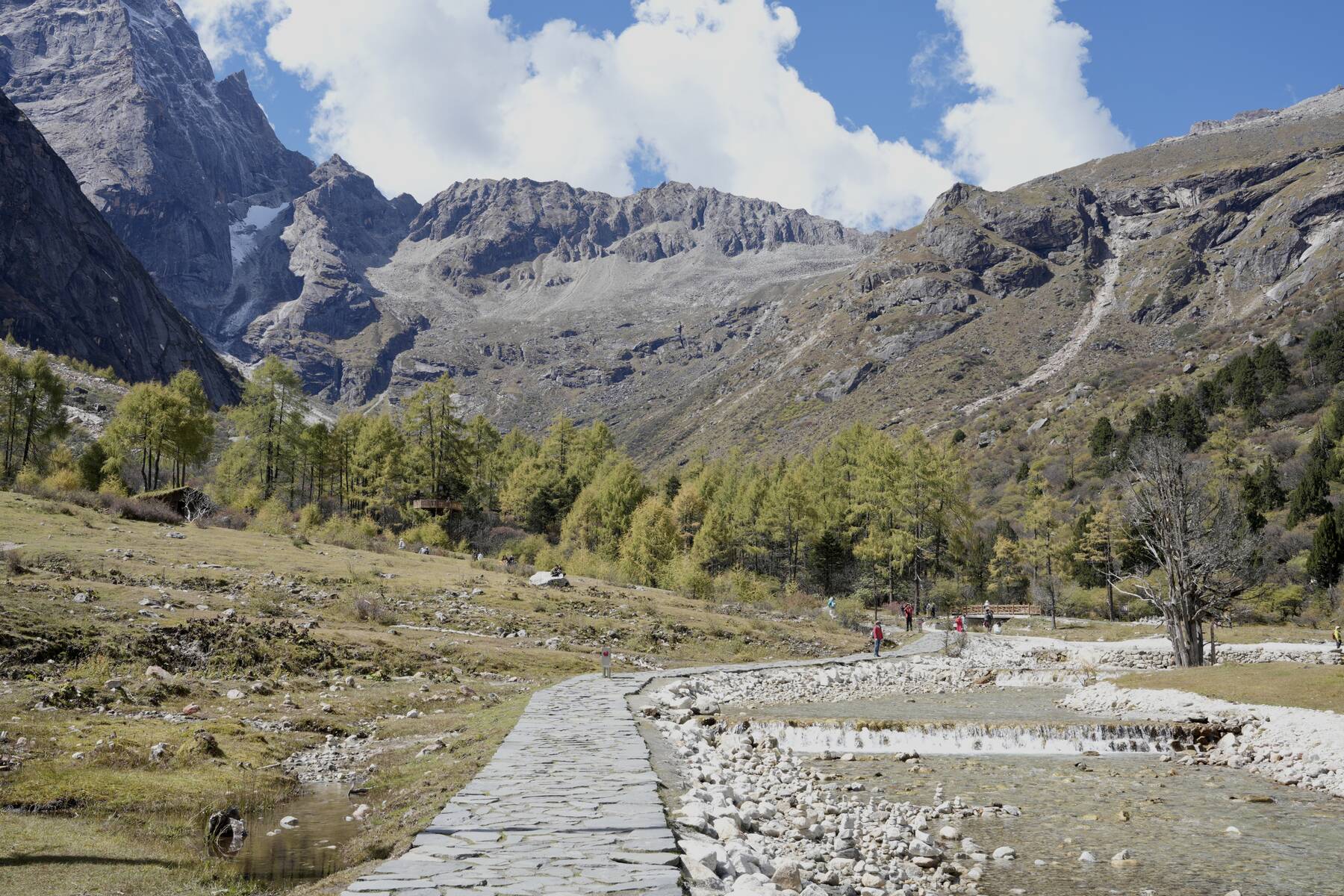
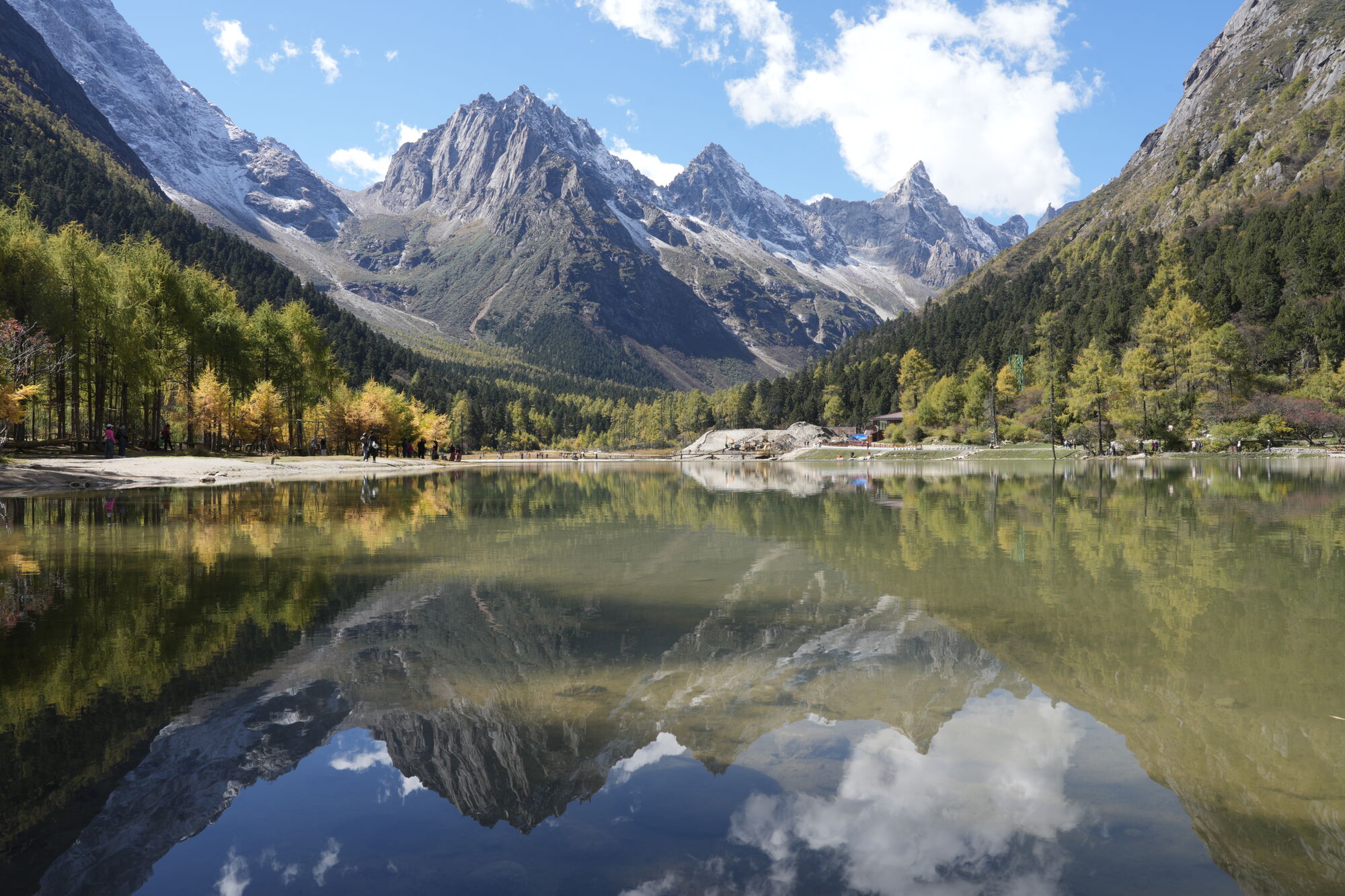
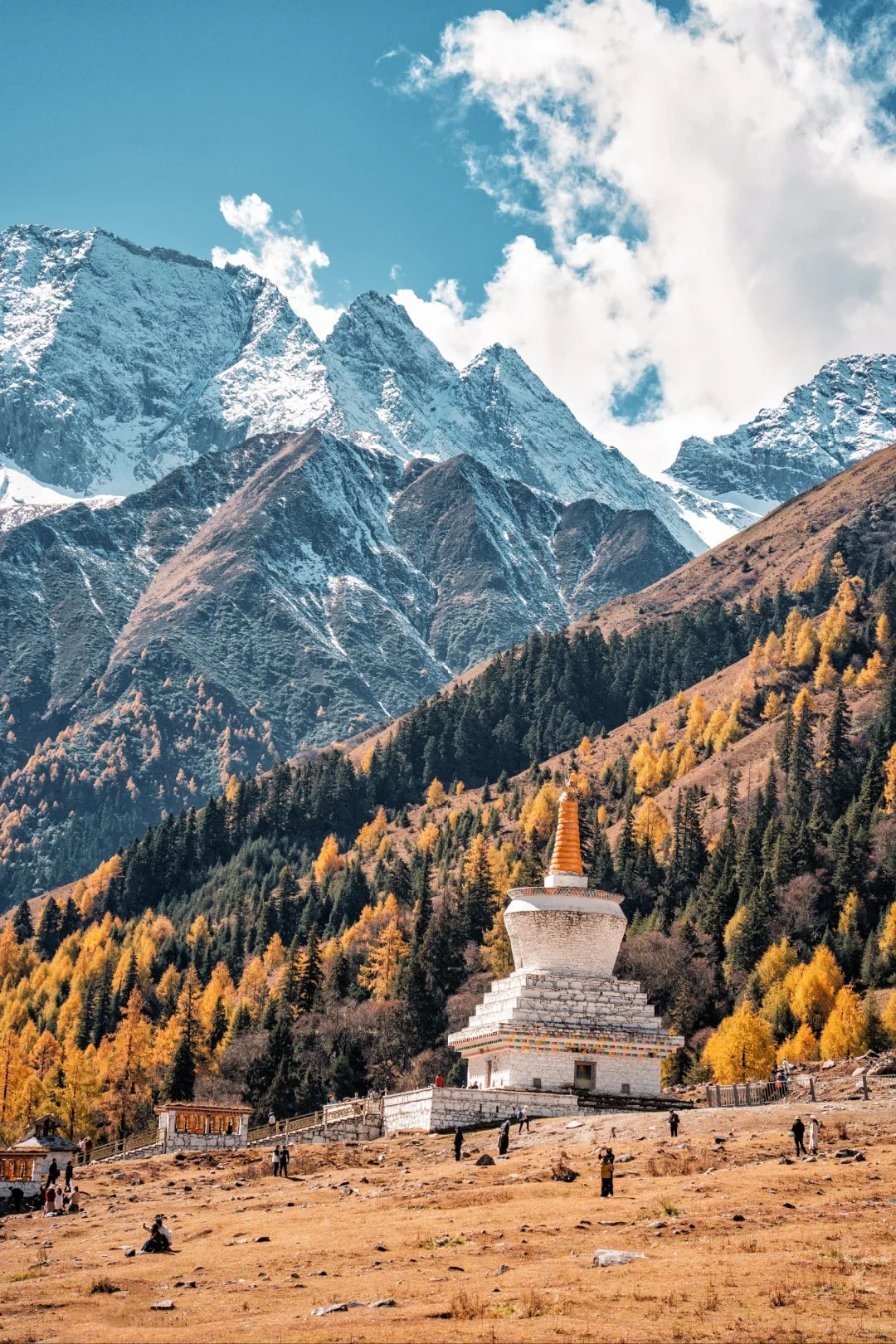
A full morning deep in Bipeng. The shuttle carries you further up-valley to the upper boardwalks and the mirror-lake circuit, and — if conditions are right — into the larch forest at 3,300 m, gold from floor to ridgeline in late autumn. Lunch in the valley or at a forestry rest house. Early afternoon, the road turns south over Balang Pass at 4,481 m — a brief brush with real altitude, taken with stops. By evening you're in Rilong town, checked in for the night.
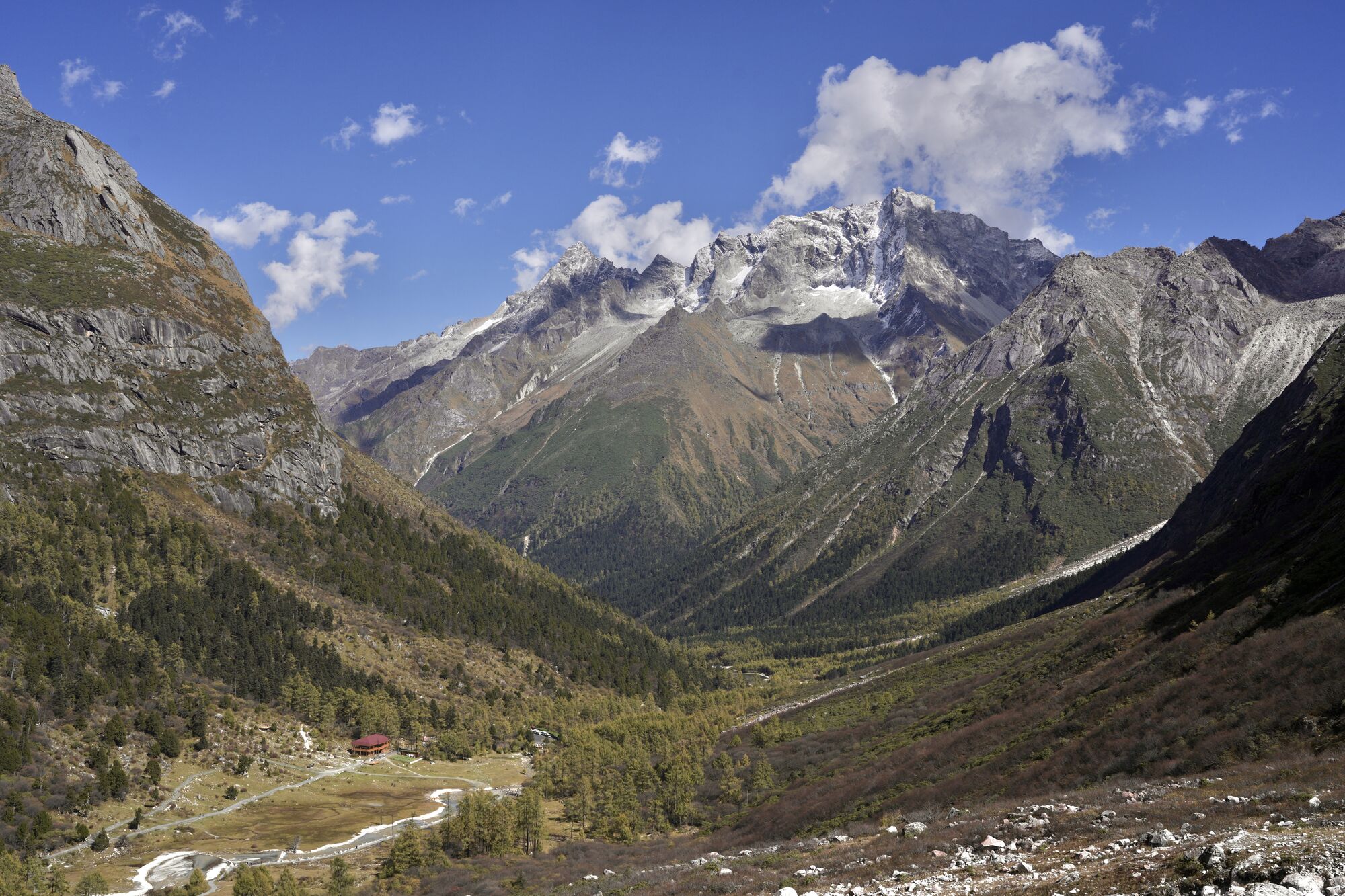
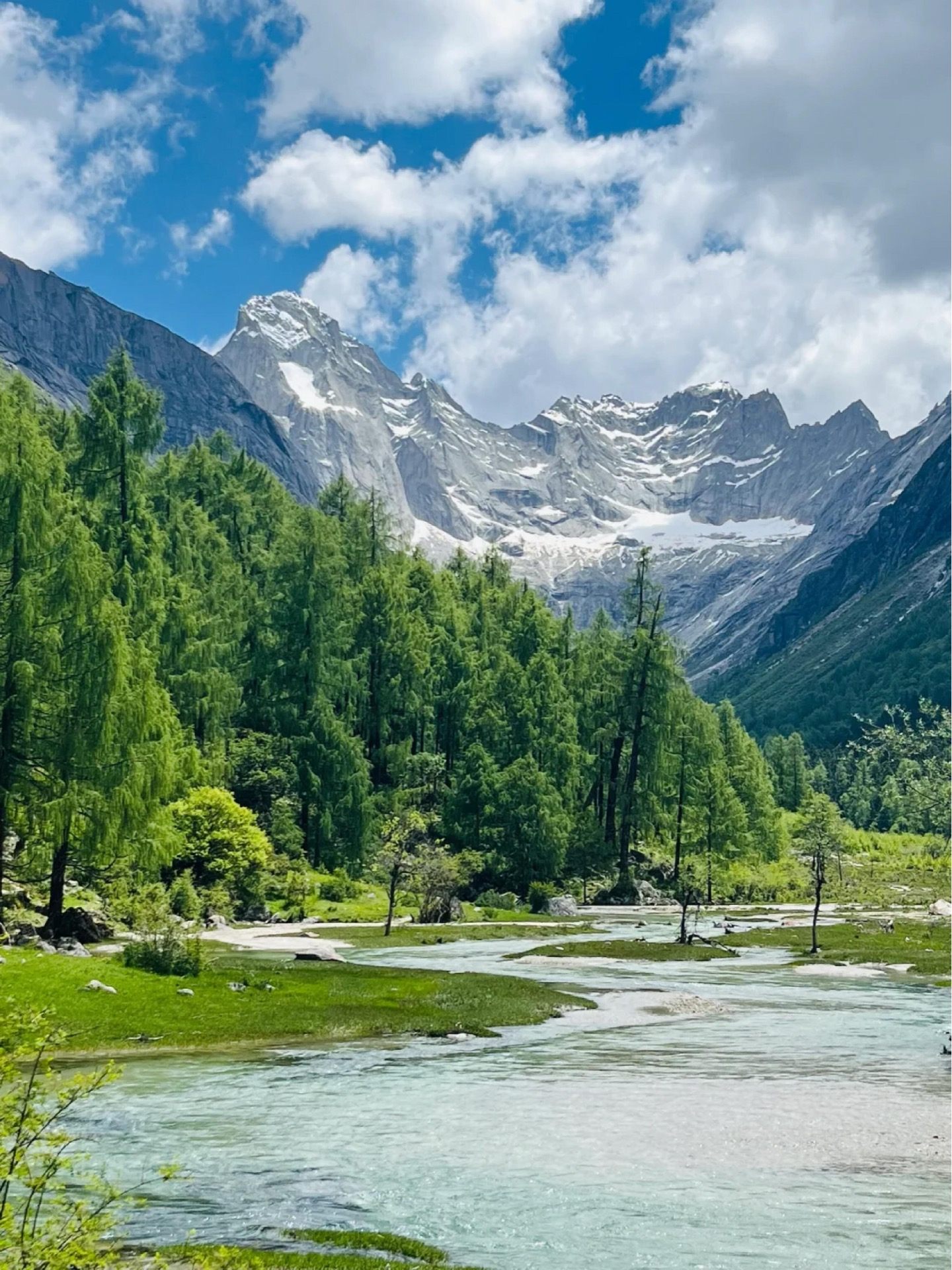
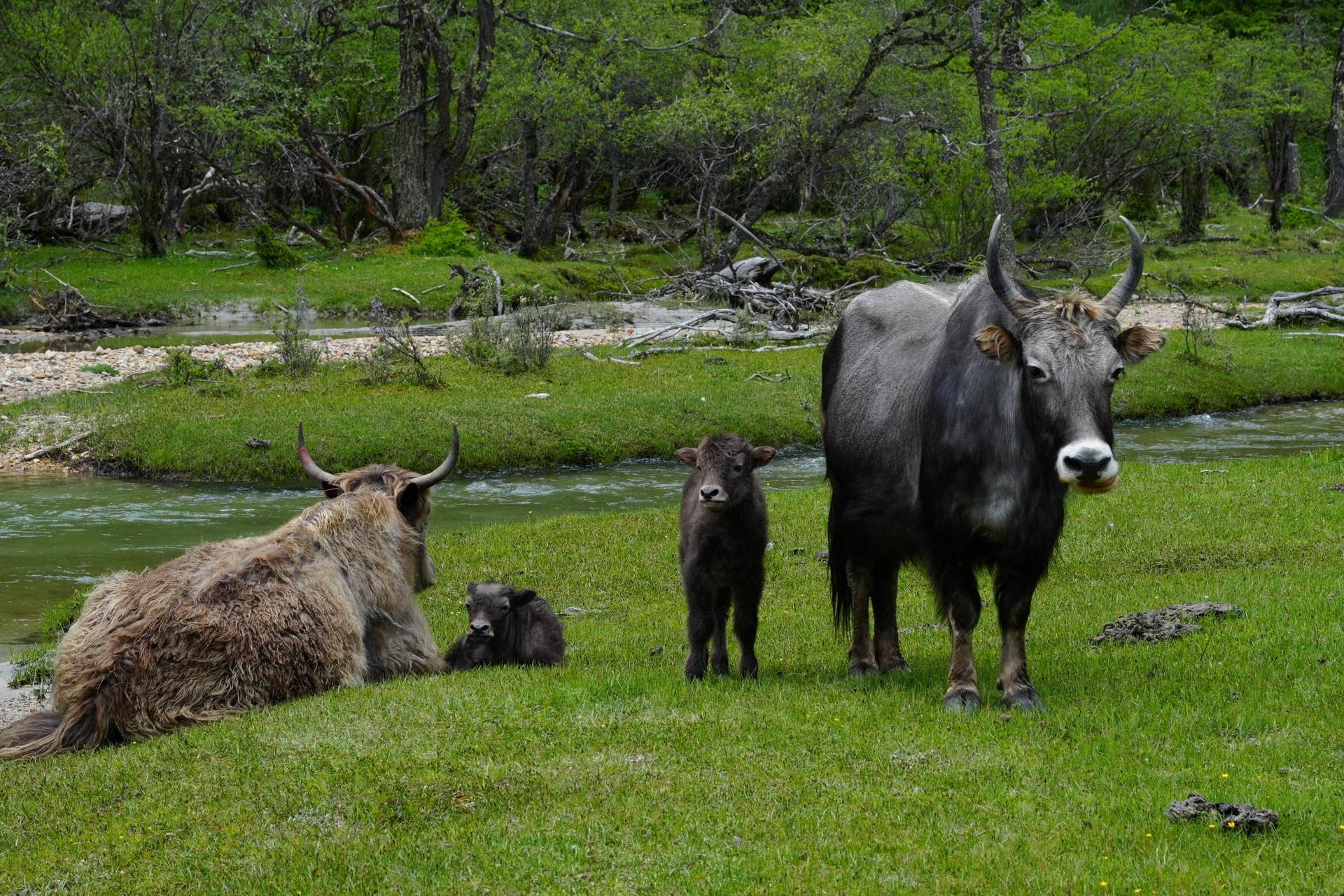
No alarm this morning. Breakfast is Tibetan, taken on the inn's terrace. Then a full day in Shuangqiao Valley by park shuttle — stop after stop at high meadows, prayer-flag passes, and the four-sisters peak viewpoints the valley is famous for. If energy and weather allow, add one to two hours on the Changping Valley lower trail: gentle gradient, prayer-flag bridges, yaks grazing the meadows on either side.
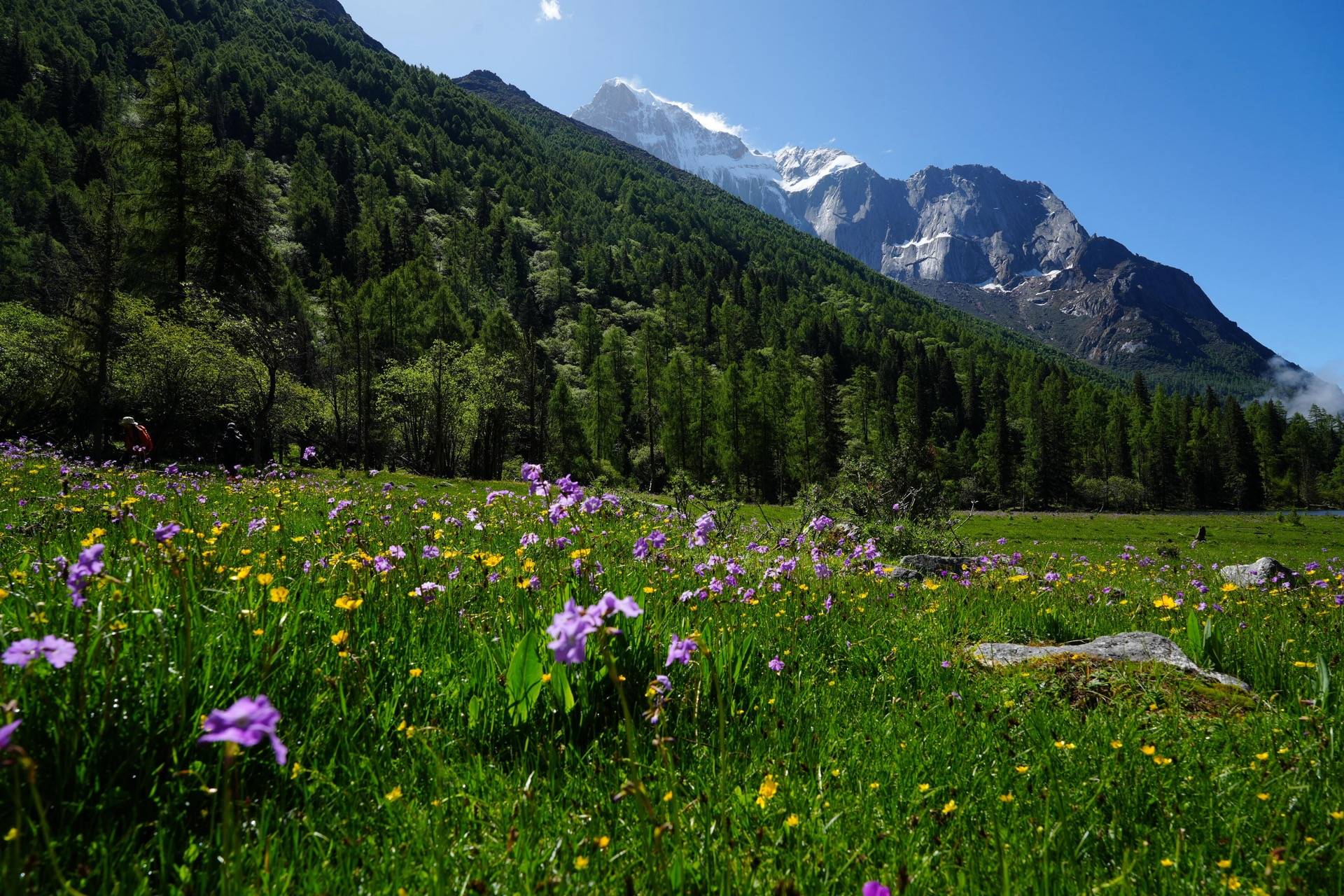
Up early for a walk near Rilong before breakfast, while the town is still half-asleep. Mid-morning the vehicle turns for Chengdu: back over Balang Pass, down the Wenchuan corridor, arriving by mid-afternoon with stops — about four hours. If timing allows, late lunch at a Qiang highland village en route. Drop-off at your Chengdu hotel, with onward connections best planned for the following day.
A ridge retreat on the way in, then a choice of two under the four peaks — a design guesthouse in Rilong town, or a lodge inside the Changping valley itself.
The design retreat at 2,700 m above the Zagunao valley — white tent cabins and a cliff-edge infinity pool, the natural first night on the Bipeng road.
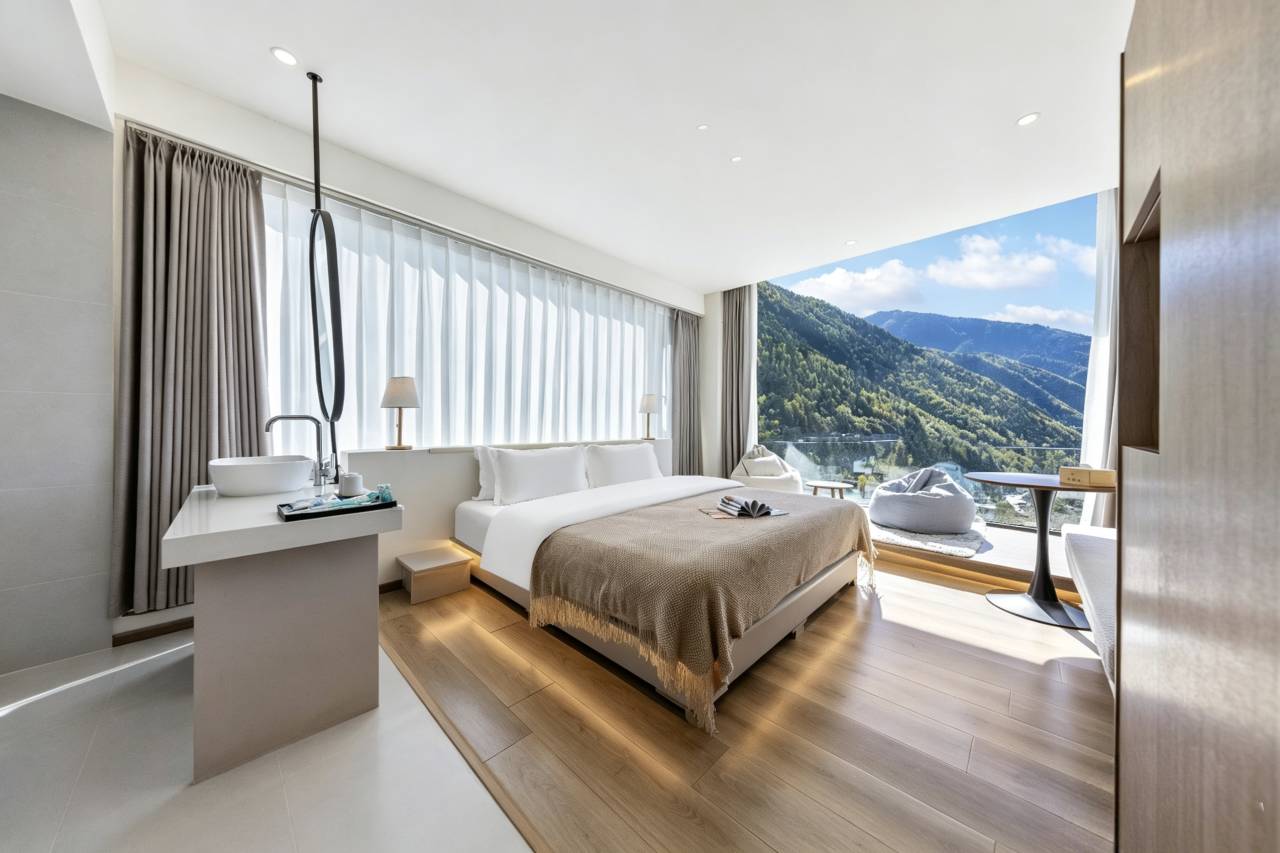
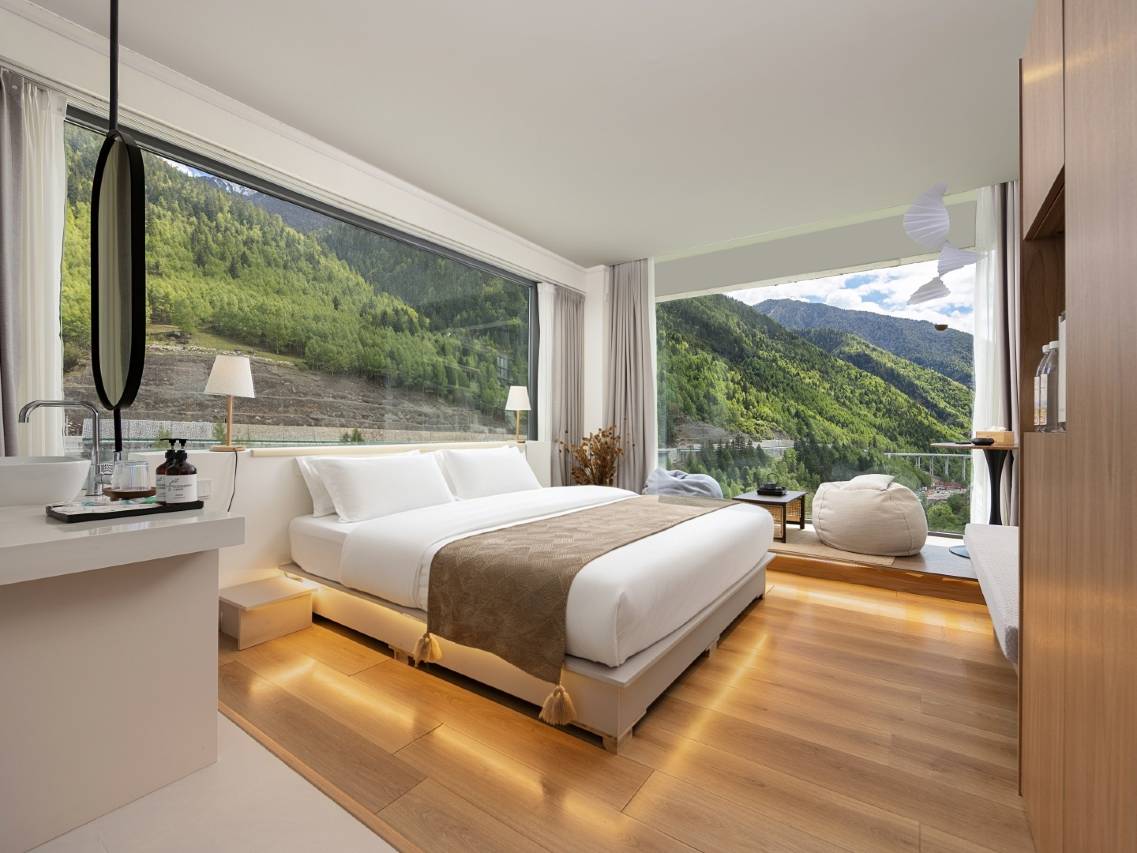
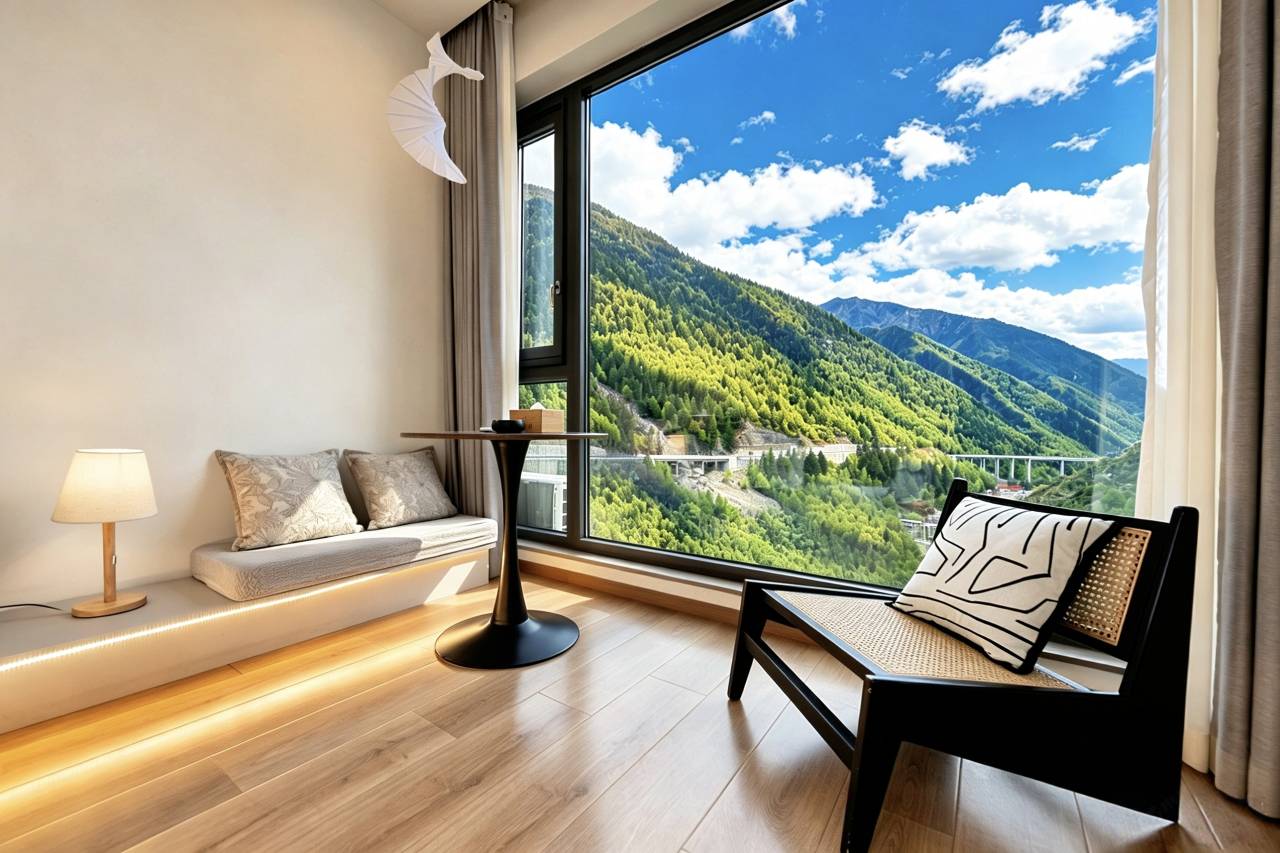
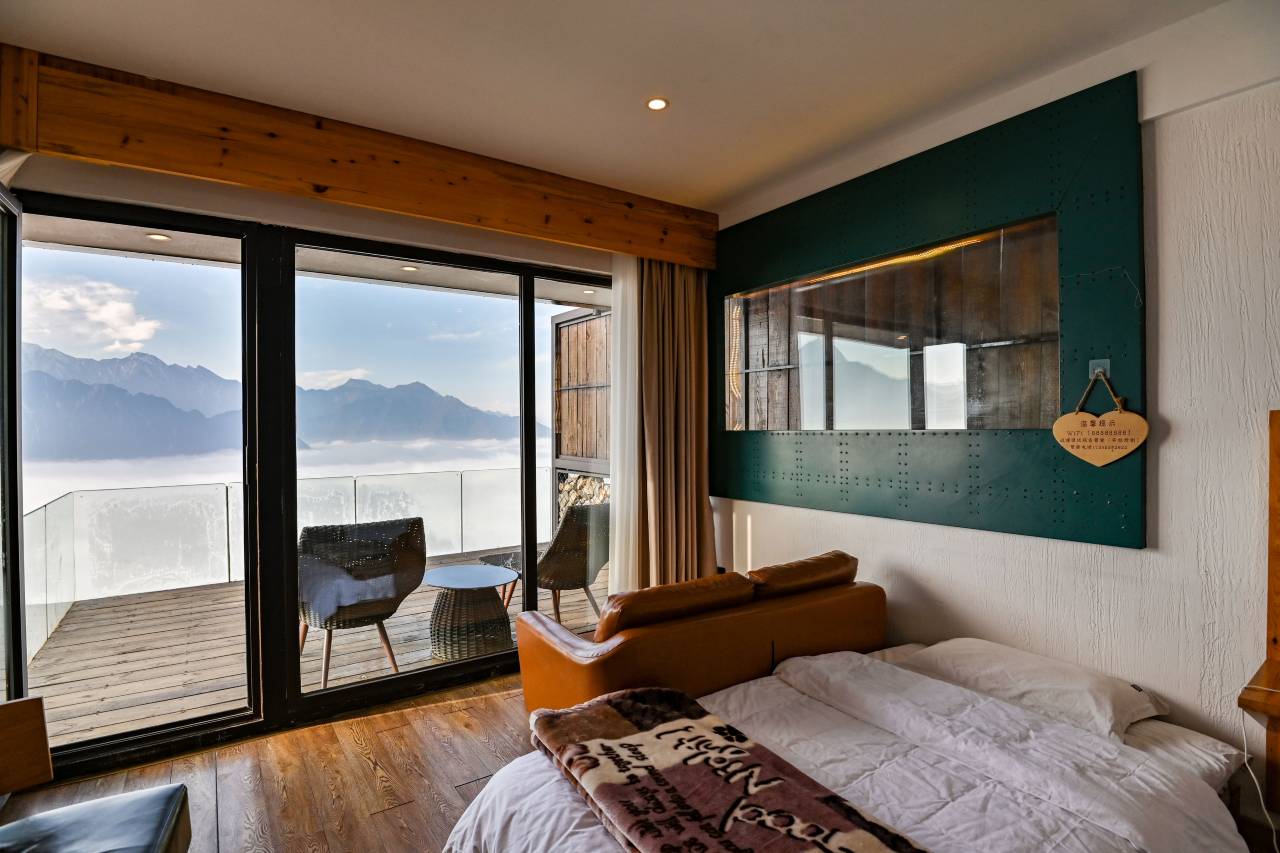
A small design villa guesthouse in Rilong — minimalist rooms behind full-height valley glass, a rooftop deck facing the four peaks, minutes from the trailheads.
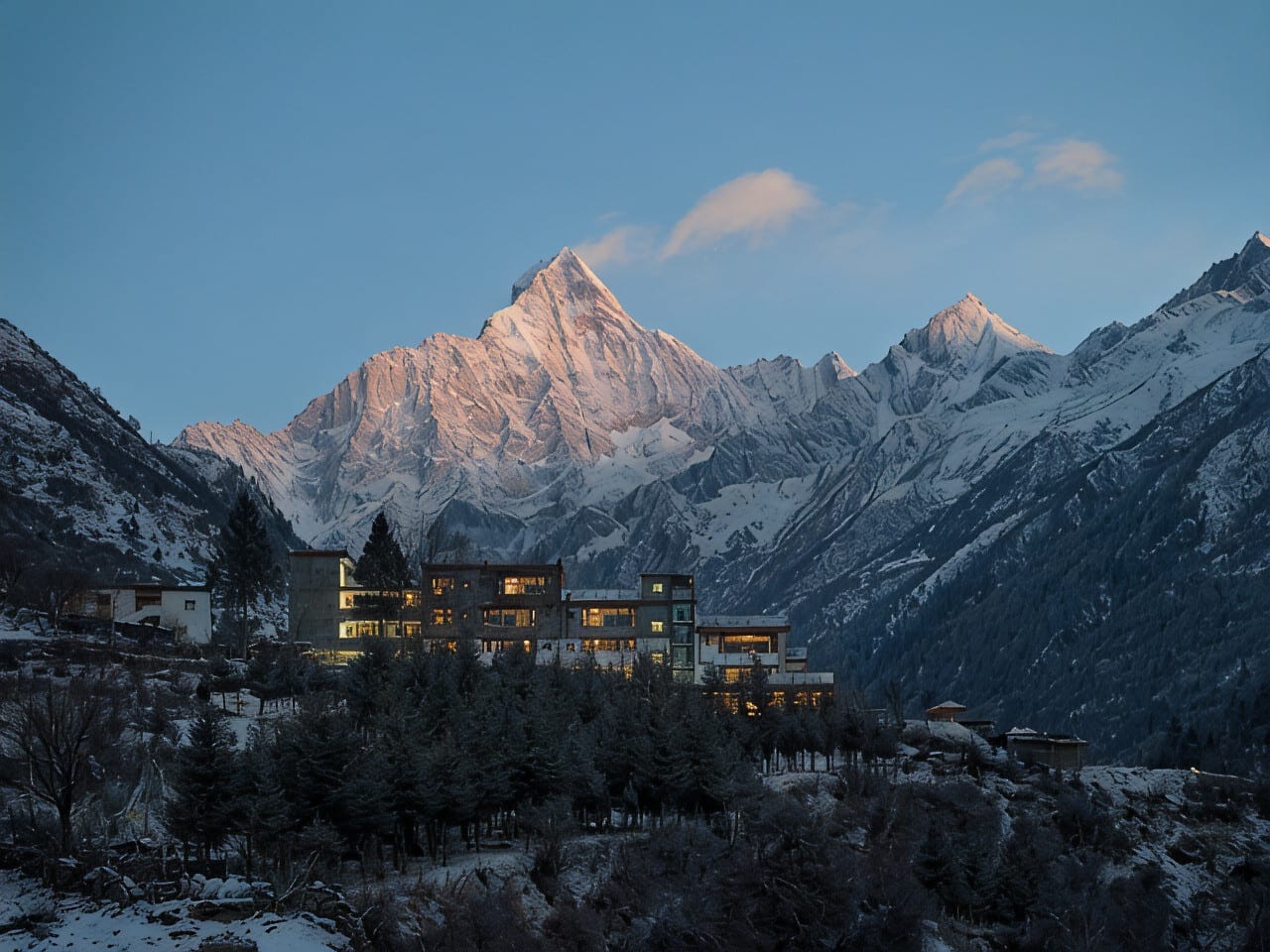
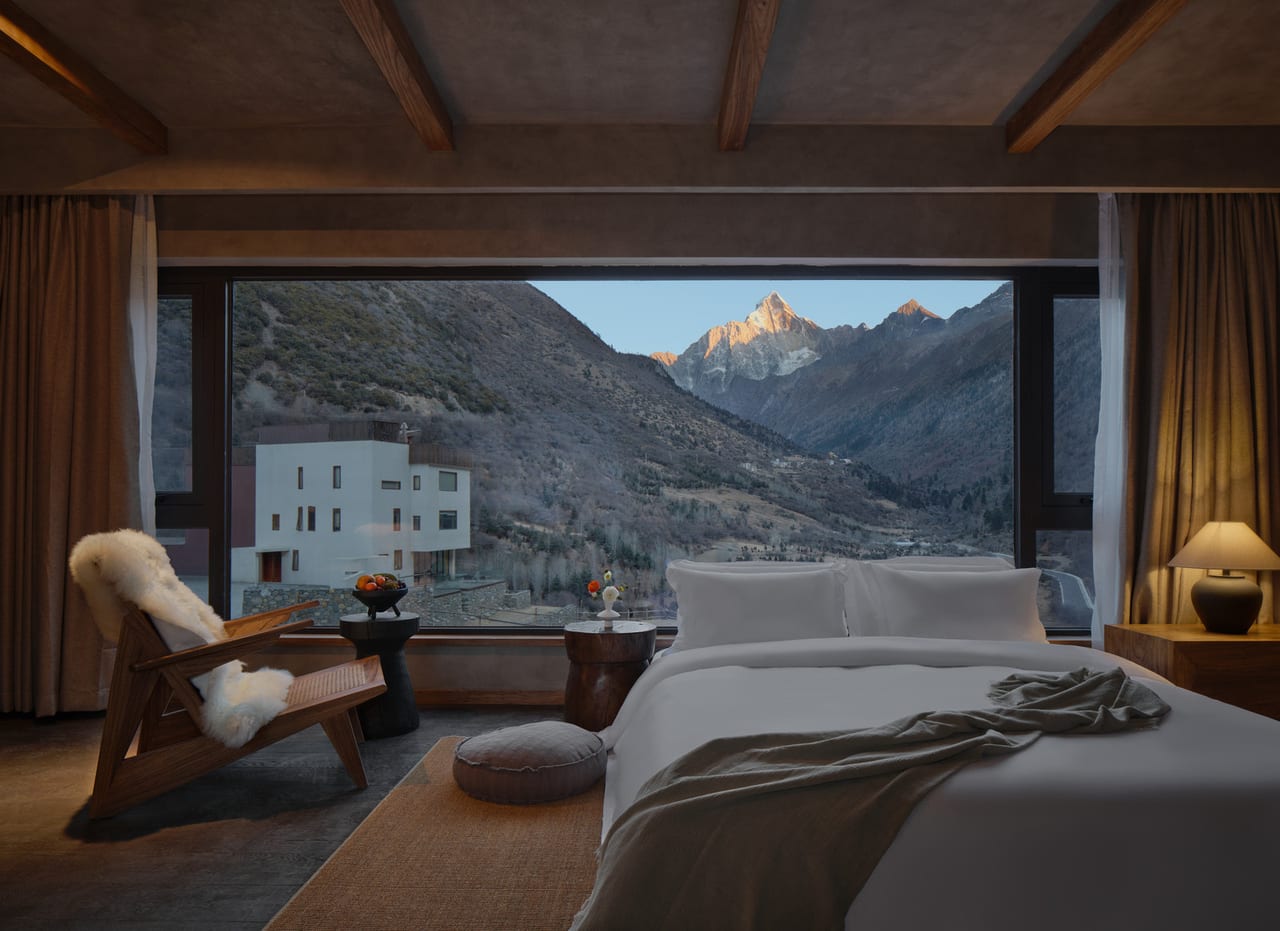
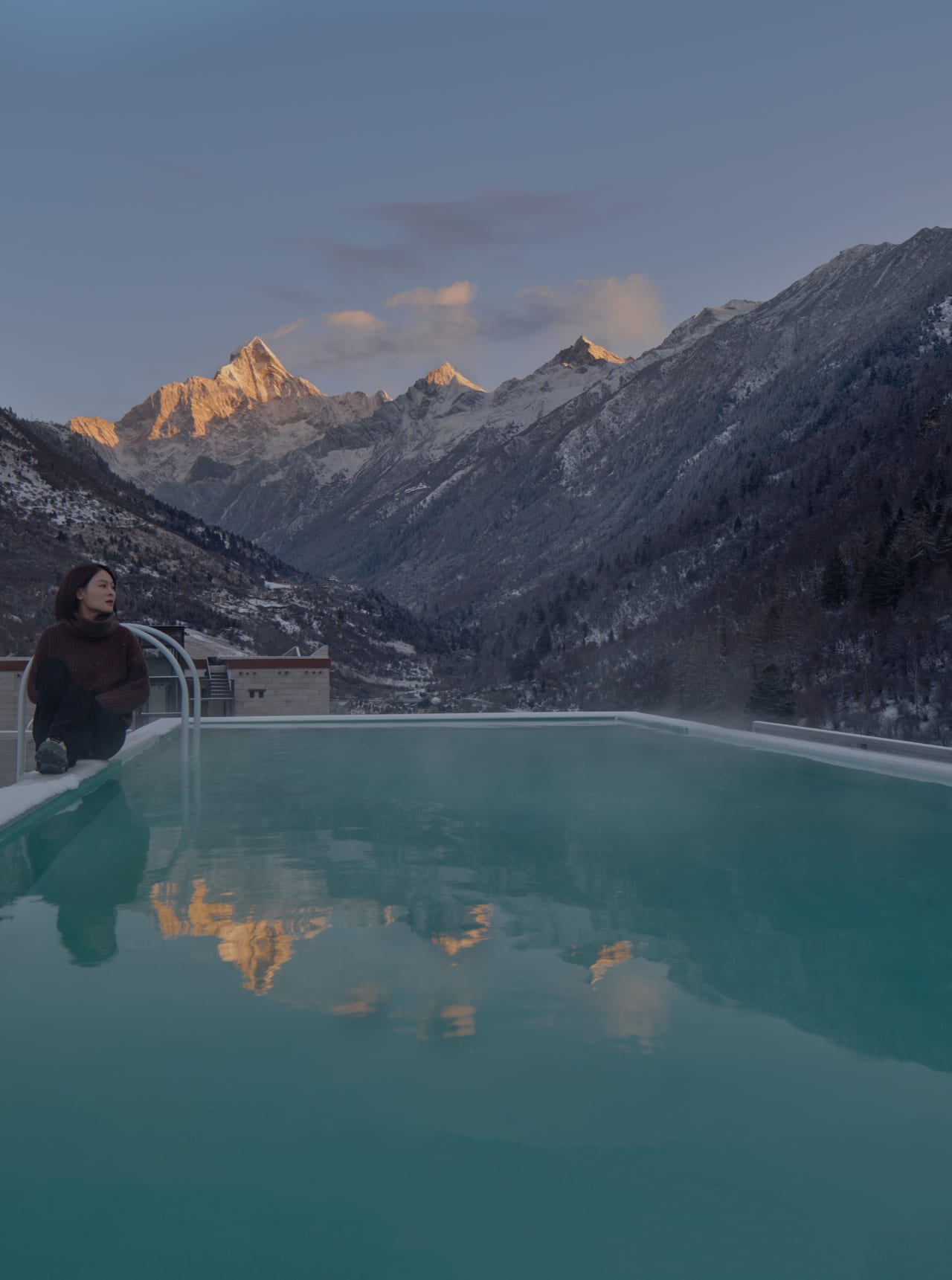
The alternative at Siguniang, and an upgrade — a thirty-room design lodge inside the Changping valley at 3,300 m, oxygen in every room, a rooftop pool and stargazing terrace, and Yaomei Feng framed in the window.
These are examples of the boutique stays we book across the route. Because boutique hotels have so few rooms, a stay may occasionally be swapped for one of similar standard.
Lixian sits around 1,800 m, Bipeng Valley boardwalks reach 2,800–3,500 m, Rilong town at Siguniang is 3,200 m, and Balang Pass between them is 4,481 m. Most travellers feel only mild effects (slight breathlessness on stairs, a quieter night). We pace day 1 at lower altitude in Lixian to ease in, keep the Balang Pass crossing short, and carry oxygen in the vehicle as a precaution.
Late September through early November is peak — autumn larches turn the valley gold, skies are typically clear, and snow has dusted the higher peaks. June through August brings wildflowers and lush meadows, with afternoon thunderstorms common. December through March is cold and many guesthouses close; not recommended unless you specifically want winter scenery.
Yes. Bipeng Valley is fully boardwalked or shuttle-accessible — no climbing required. Shuangqiao Valley at Siguniang is a scenic drive with viewpoints. The optional Changping Valley walk on day 3 is gentle (200 m elevation gain over 2 hours) and entirely skippable. We can also arrange horseback access in Changping for an alternative.
Often. The most natural extensions are forward to Daocheng Yading (the West Sichuan Sky Road itinerary) or south to Yunnan via flight from Chengdu. Some travellers also pair this with a few extra days in Chengdu for pandas, hotpot, and Wide-Narrow Alleys before flying out.
Every day, stay and date tailored to you — shaped over a call with someone who has walked the route, never a template.
Request a proposal for this trip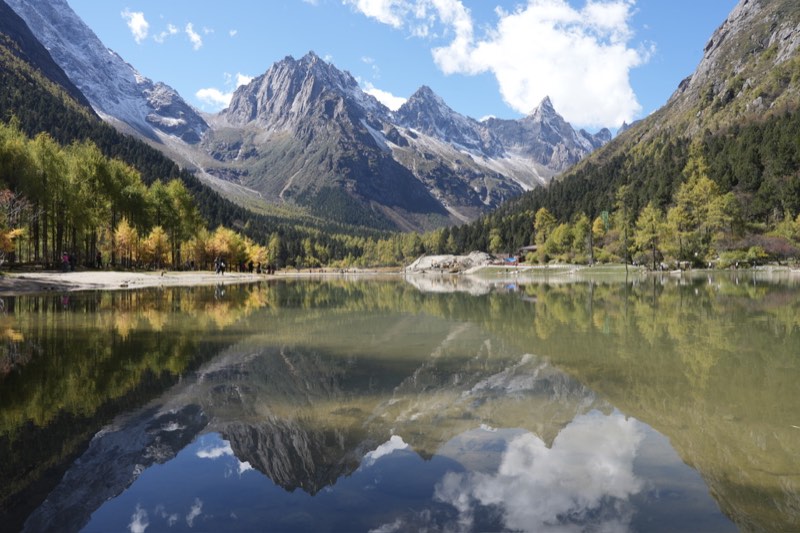
Giant Pandas at the Chengdu Research Base, then three days in the alpine lakes of Siguniang or Jiuzhai Valley. City culture first, mountain silence after.
See the itinerary →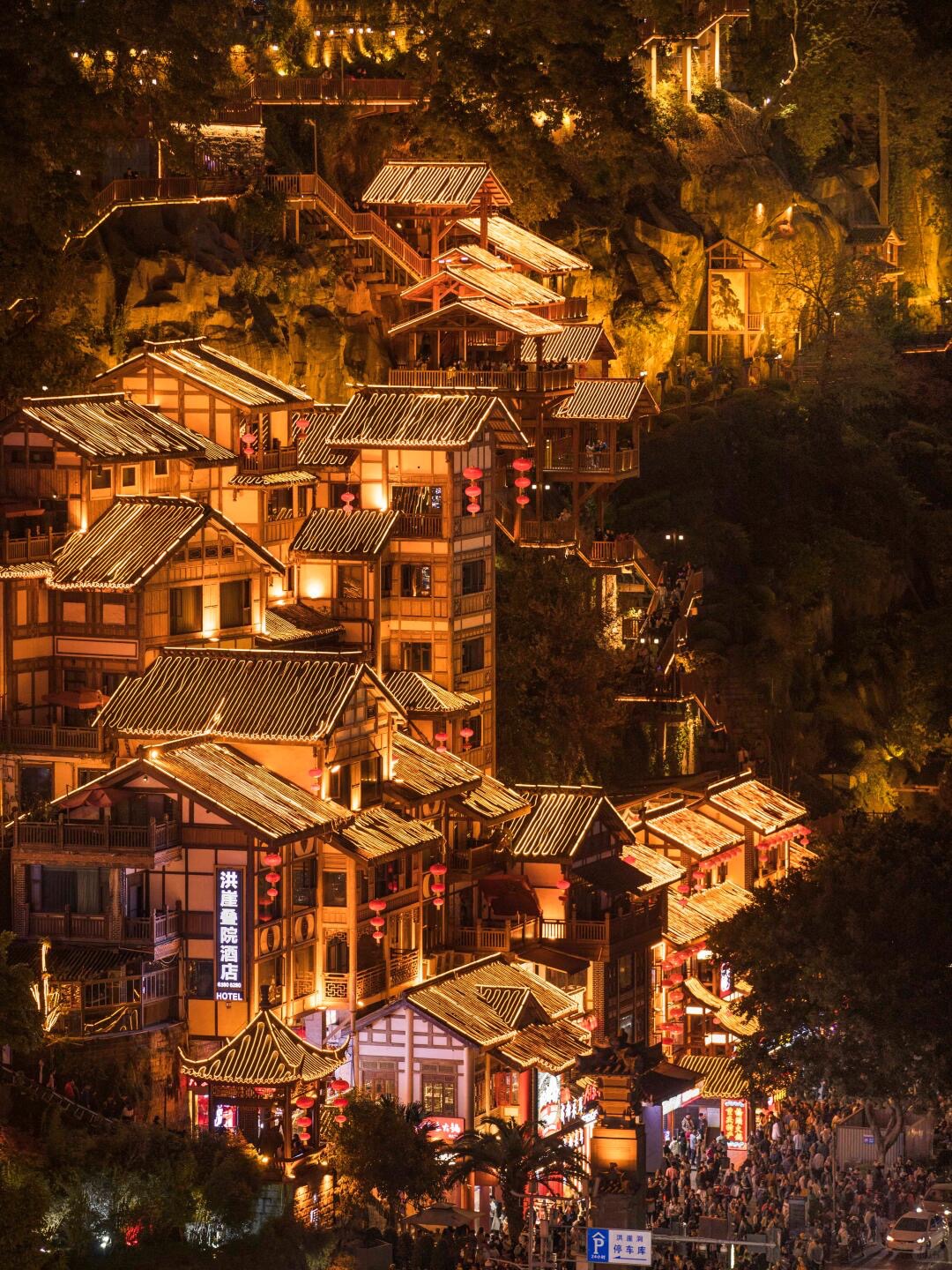
A 5–6 day private tour weighted toward Chongqing — neon river cities, UNESCO Wulong Karst, the Longji (Dragon's Backbone) ridge hike above the Yangtze, and two different tables of Sichuan heat. Bookended with a soft Chengdu landing.
See the itinerary →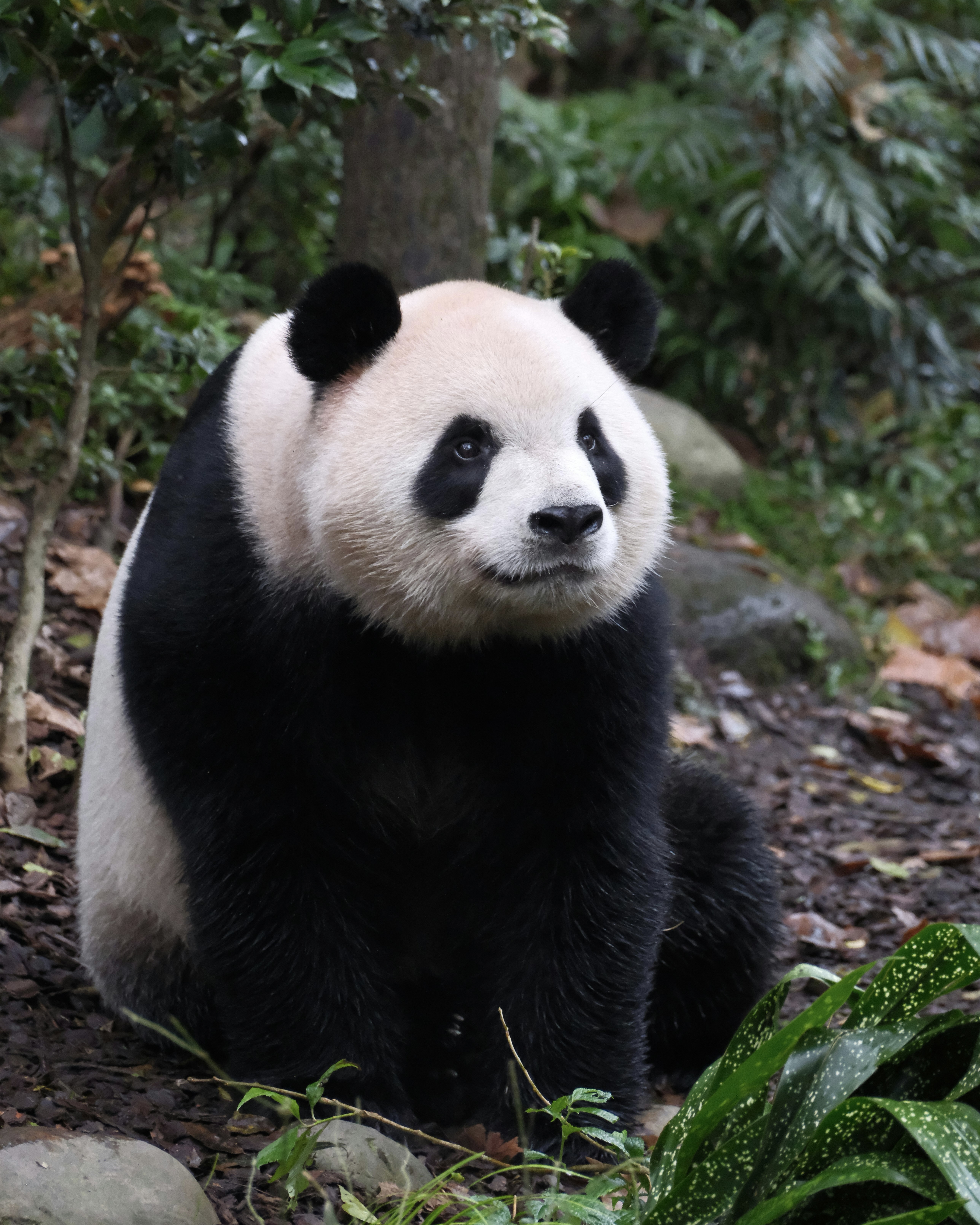
Fifteen days that pair China's great icons with its wildlife and wild landscape — the Forbidden City and the quiet Great Wall at Jinshanling, the Terracotta Army, a working day with the giant pandas outside Chengdu, three days among Zhangjiajie's sandstone pillars, and Shanghai to finish. Private throughout.
See the itinerary →