
Yunnan Living Heritage
Six heritage stops across Yunnan — markets, tea rituals, Lisu choirs, cliff trails
Yunnan is home to 25 of China's 56 officially recognised ethnic groups — more than any other province — and a Tea Horse Road network that connected the highlands to Burma, Tibet and India for a thousand years. The Living Heritage stops here are the places where those traditions still happen at a daily-life cadence: a Lisu evening choir in Tongle, the Friday tea-and-horse market at Shaxi, a Blang tea ceremony in Jingmai's UNESCO-listed forest, a returning-merchant courtyard in Heshun, a Yi roasted-tea ritual at Weishan, and the Tea Horse cliff trail above the Salween at Wuli. We slot them into longer Yunnan trips as modules — some are half-day visits, some are 2-night village stays, all are guided with the local introductions that make the difference between watching and being welcomed.
Ask about this experienceYunnan Living Heritage is a hand-picked set of eight heritage stops we route inside longer Yunnan itineraries — each in its own pocket of the province, each anchored by a still-practising tradition rather than a restored monument. Tongle for Lisu polyphonic choirs (Weixi), Shaxi for the Tea Horse Road Friday market (Dali area), Jingmai for the UNESCO Blang tea forest (Pu'er), Heshun for caravan-merchant courtyard heritage (Tengchong), Weishan for Bai-Yi Nanzhao-kingdom origins (south of Dali), Wuli for the Tea Horse cliff trail above the Salween (Nujiang), Lugu Lake for the Mosuo matrilineal world, and Baisha for Naxi Dongba culture below Jade Dragon Snow Mountain. Stops are modules — from a half-day visit to a 2-night village stay. Best October–April.
The activities
-
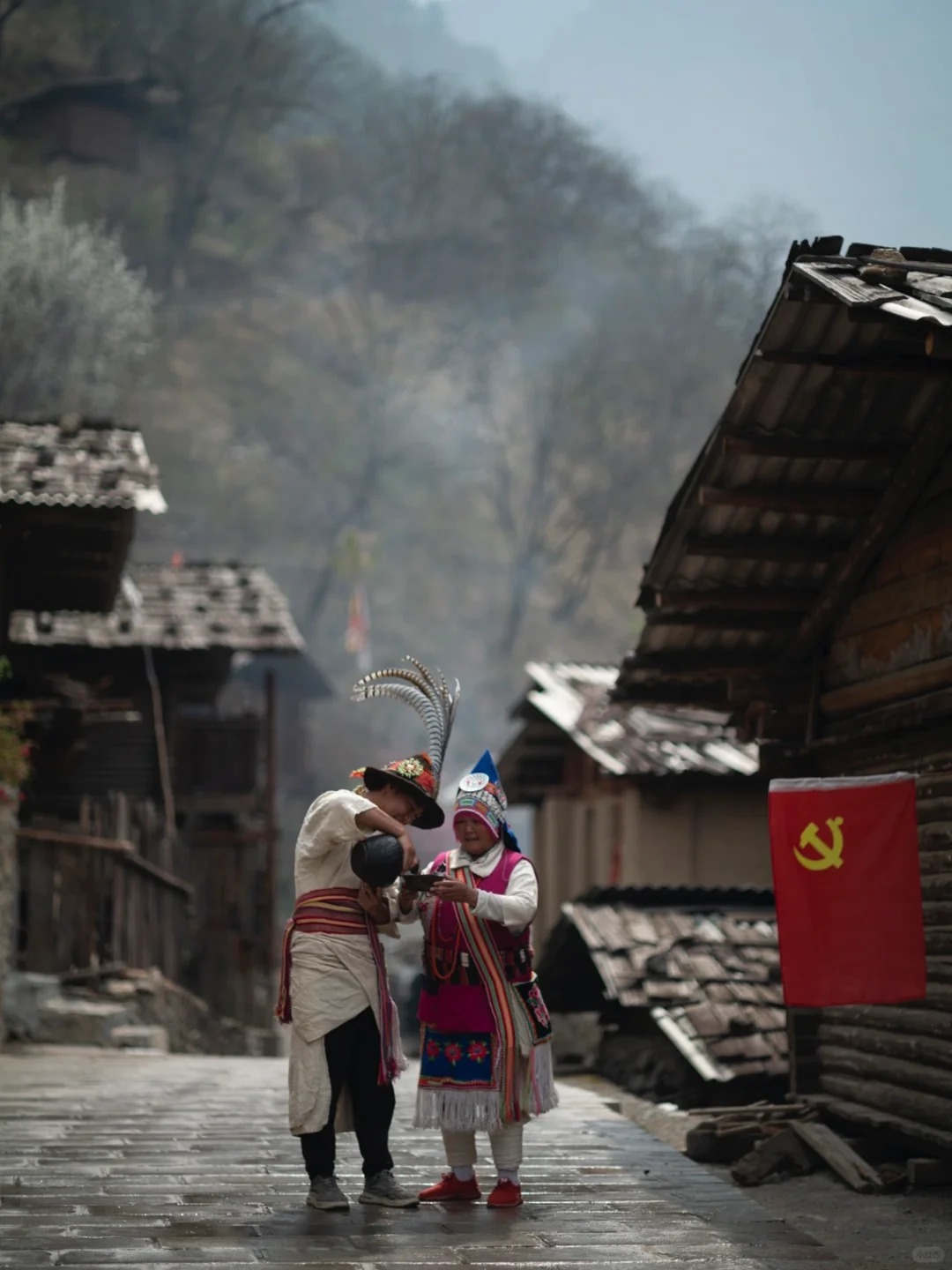
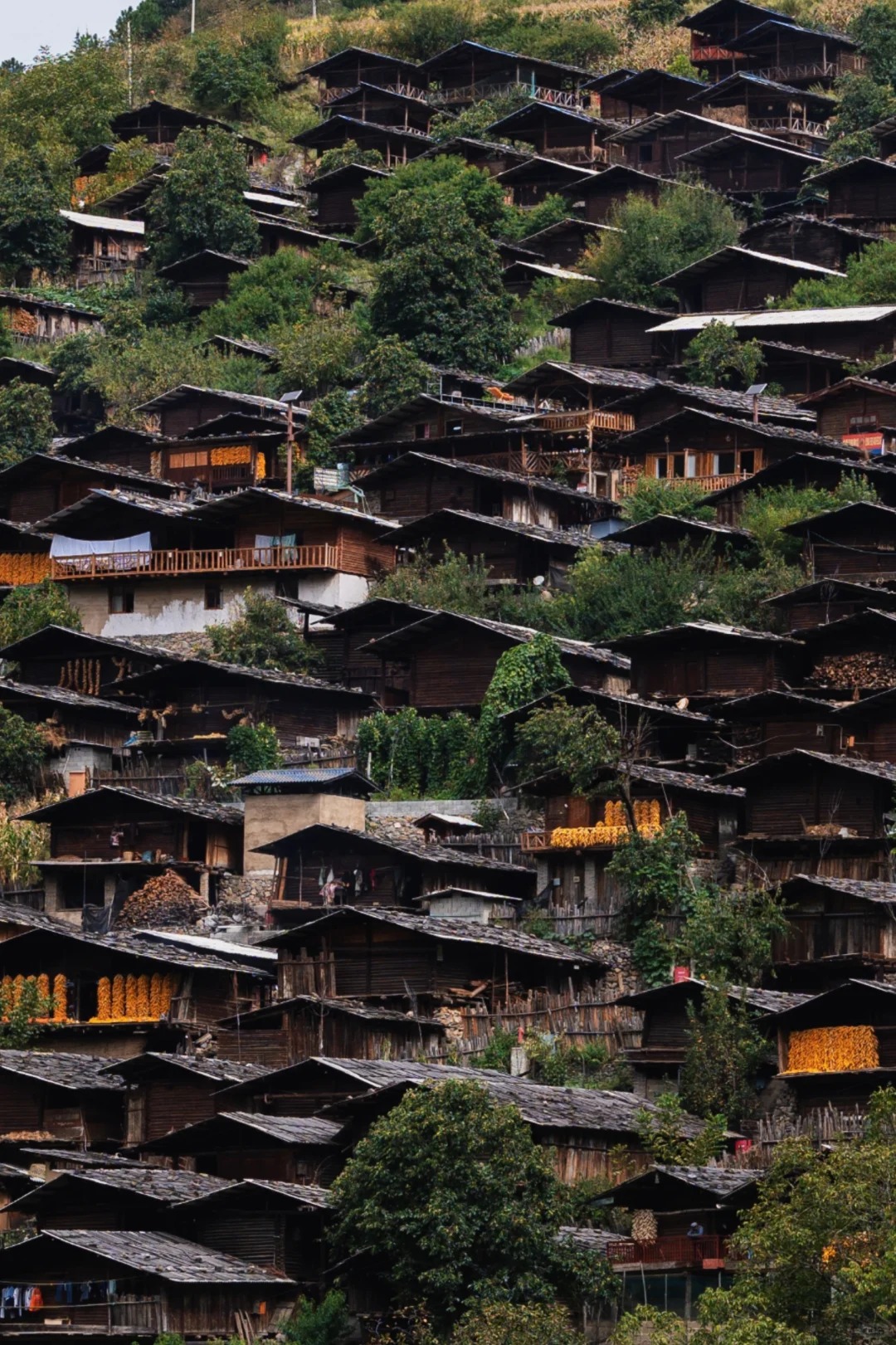
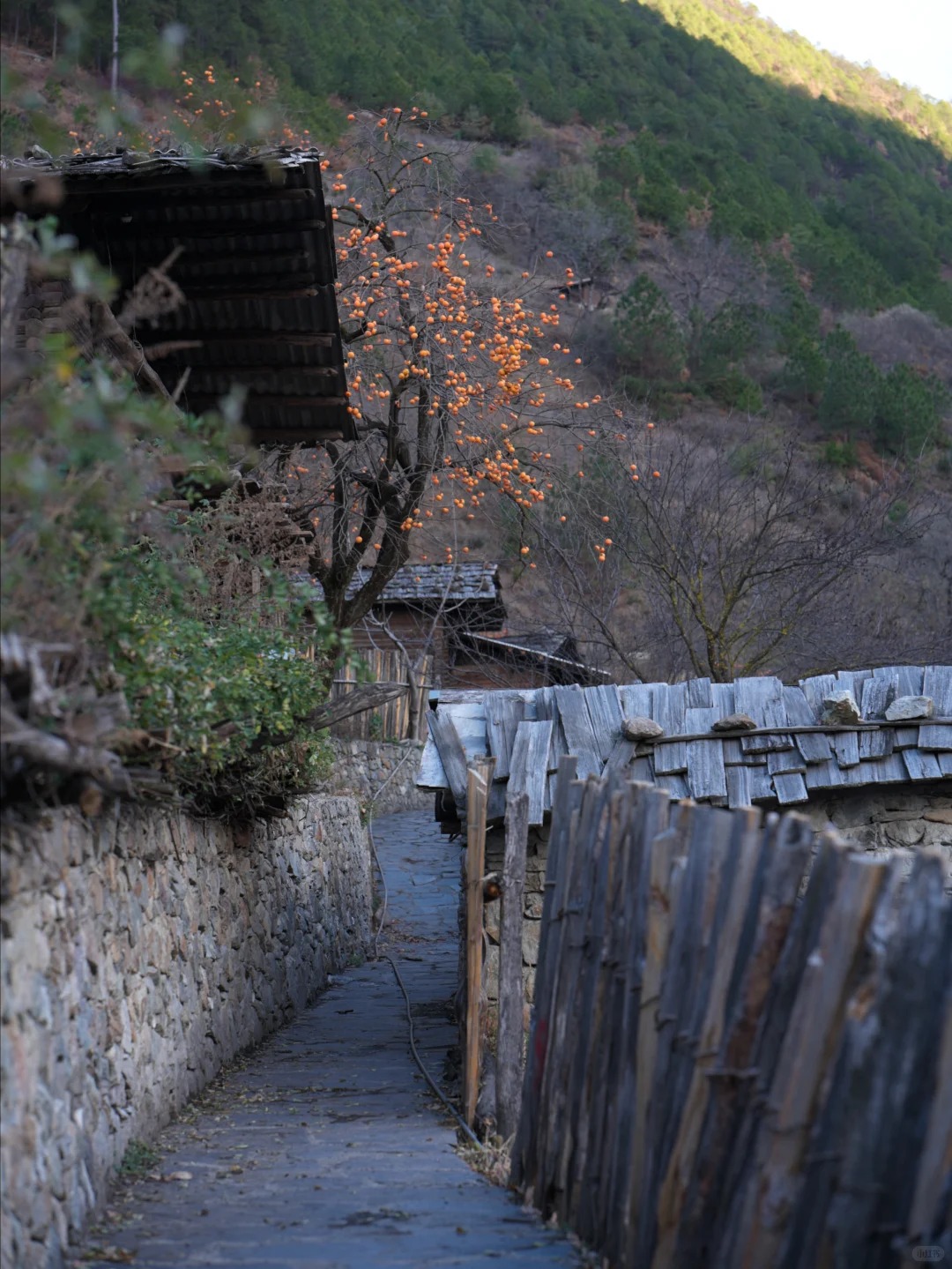
Tongle — the Lisu polyphonic village
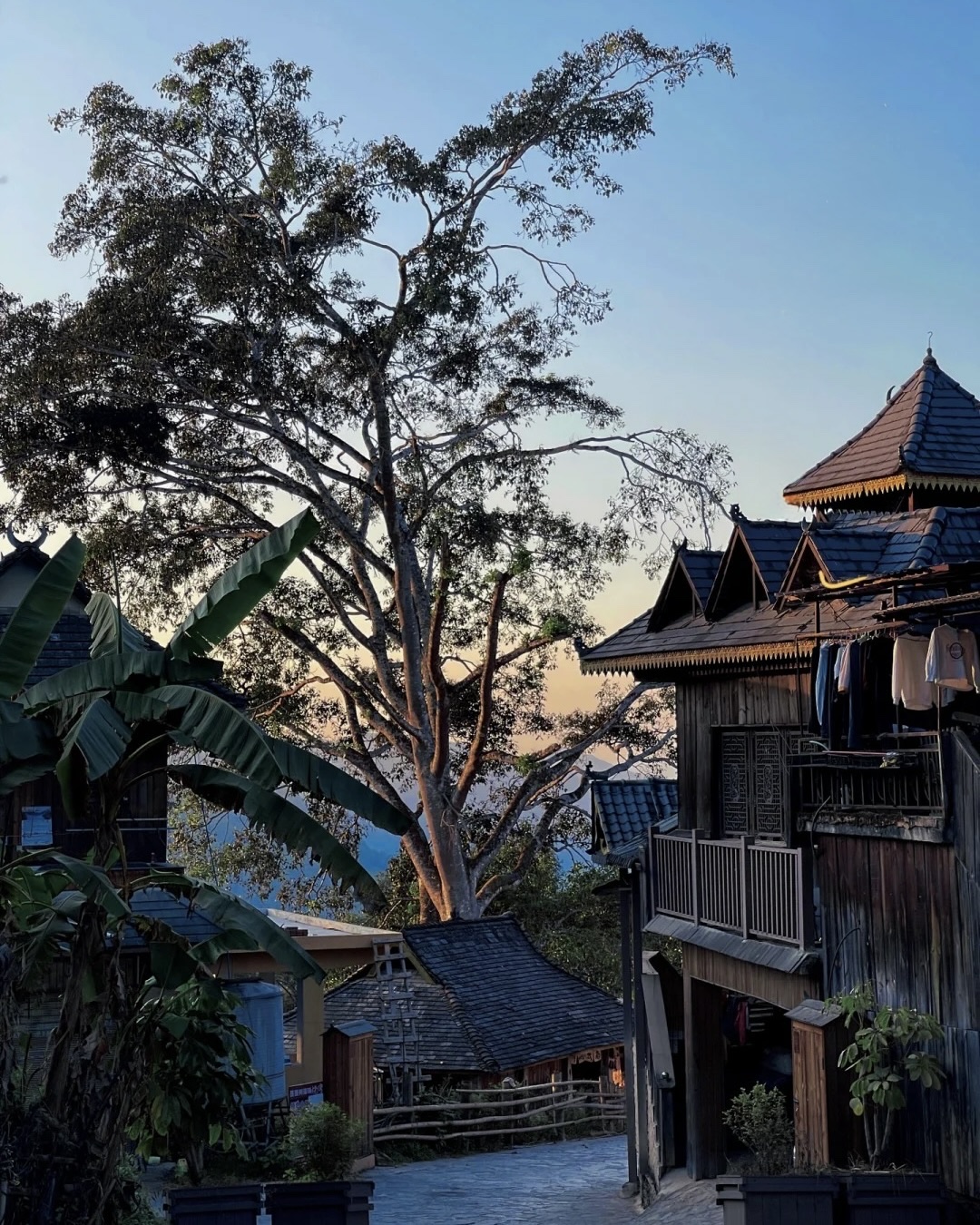
Weixi County, Diqing PrefectureTongle (同乐) is a mountain village in Weixi county where Lisu families still sing the four-part choral polyphony that UNESCO lists as intangible cultural heritage. There is no formal performance and no ticket — we visit with local introductions, sit in on an evening gathering when timing aligns, and otherwise spend a quiet half-day walking the wooden houses and terraces. Best framed as a respectful pass-through rather than a stage.
-
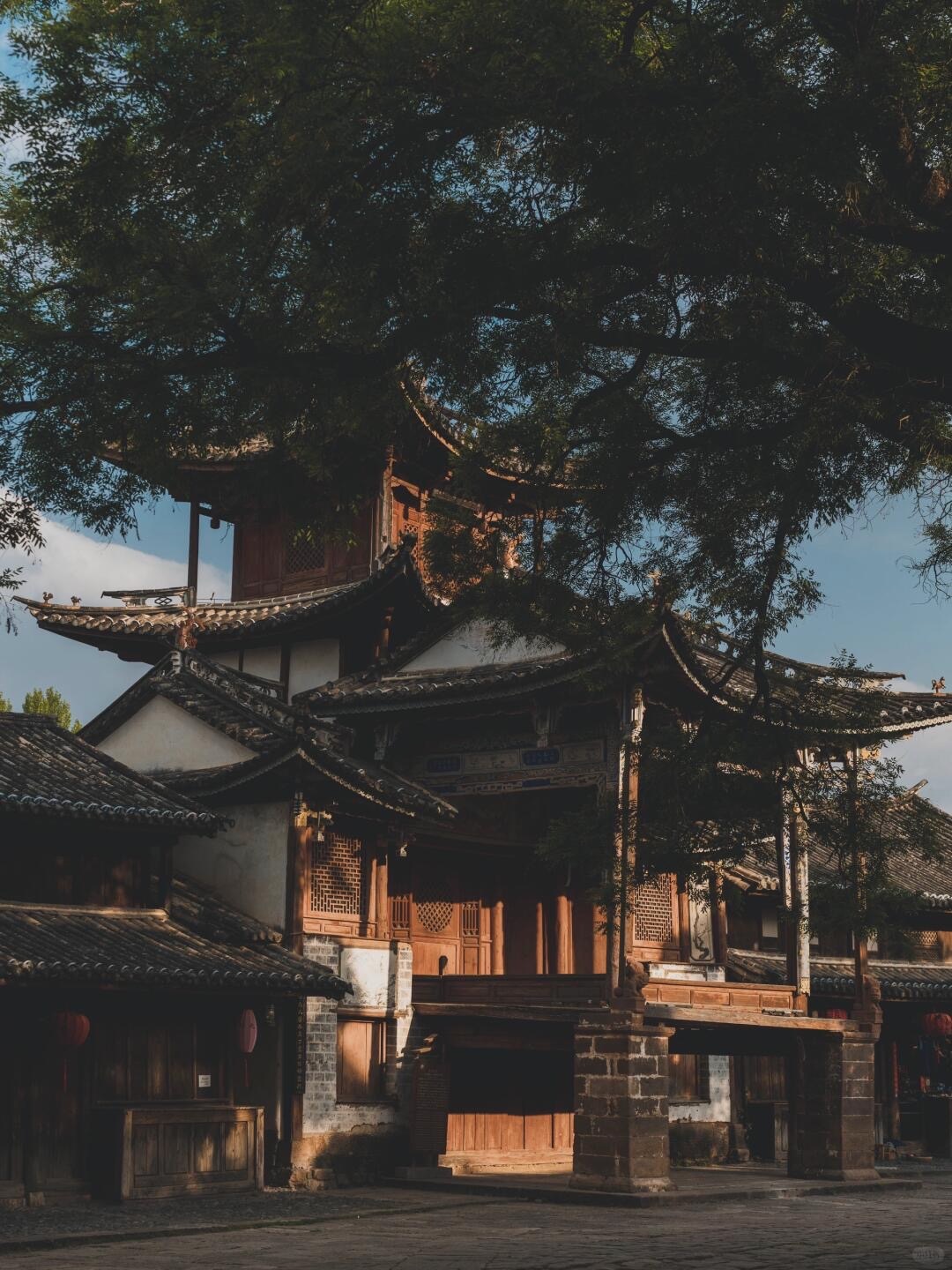
Shaxi — the Tea Horse Road market town
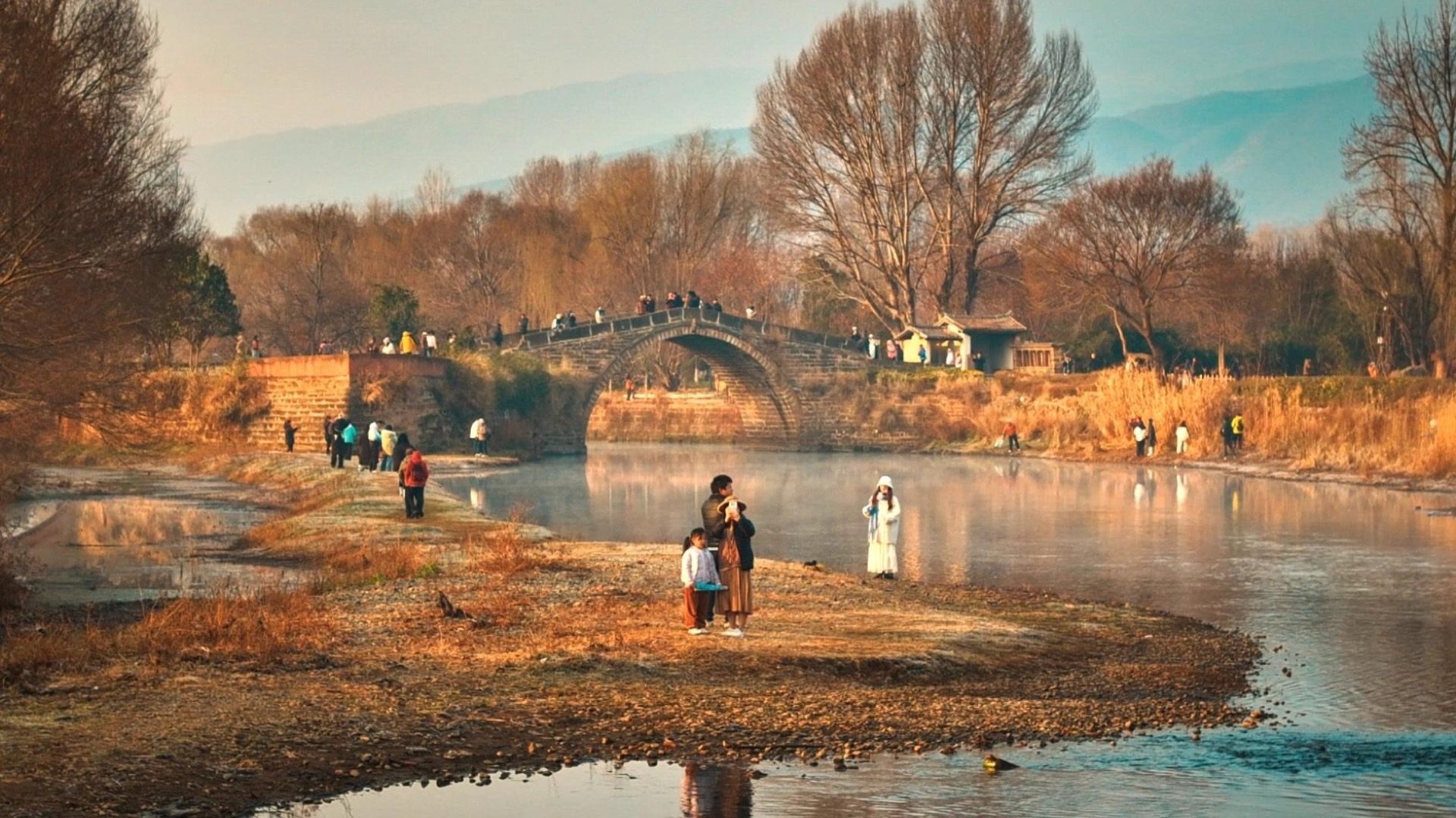
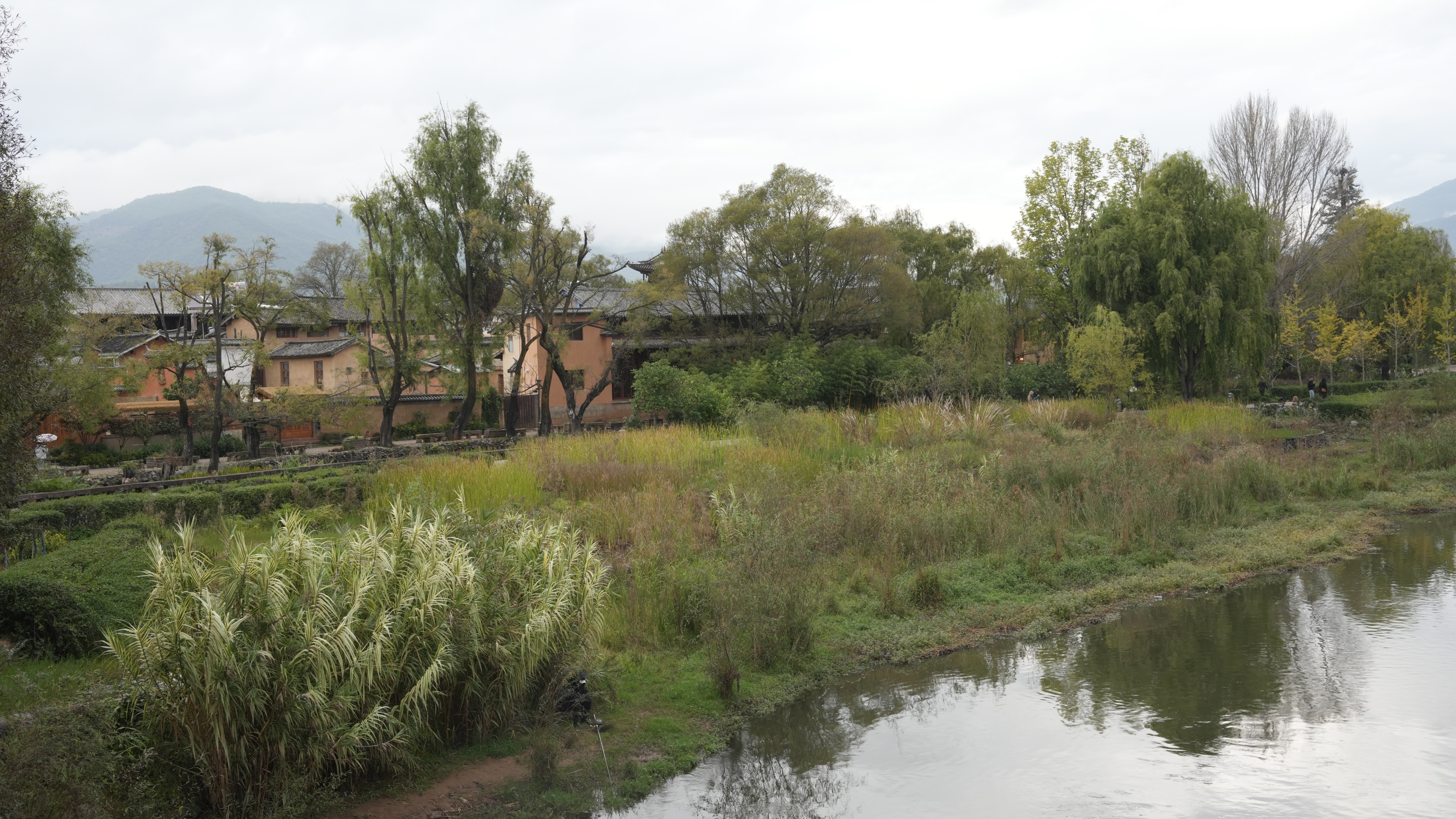
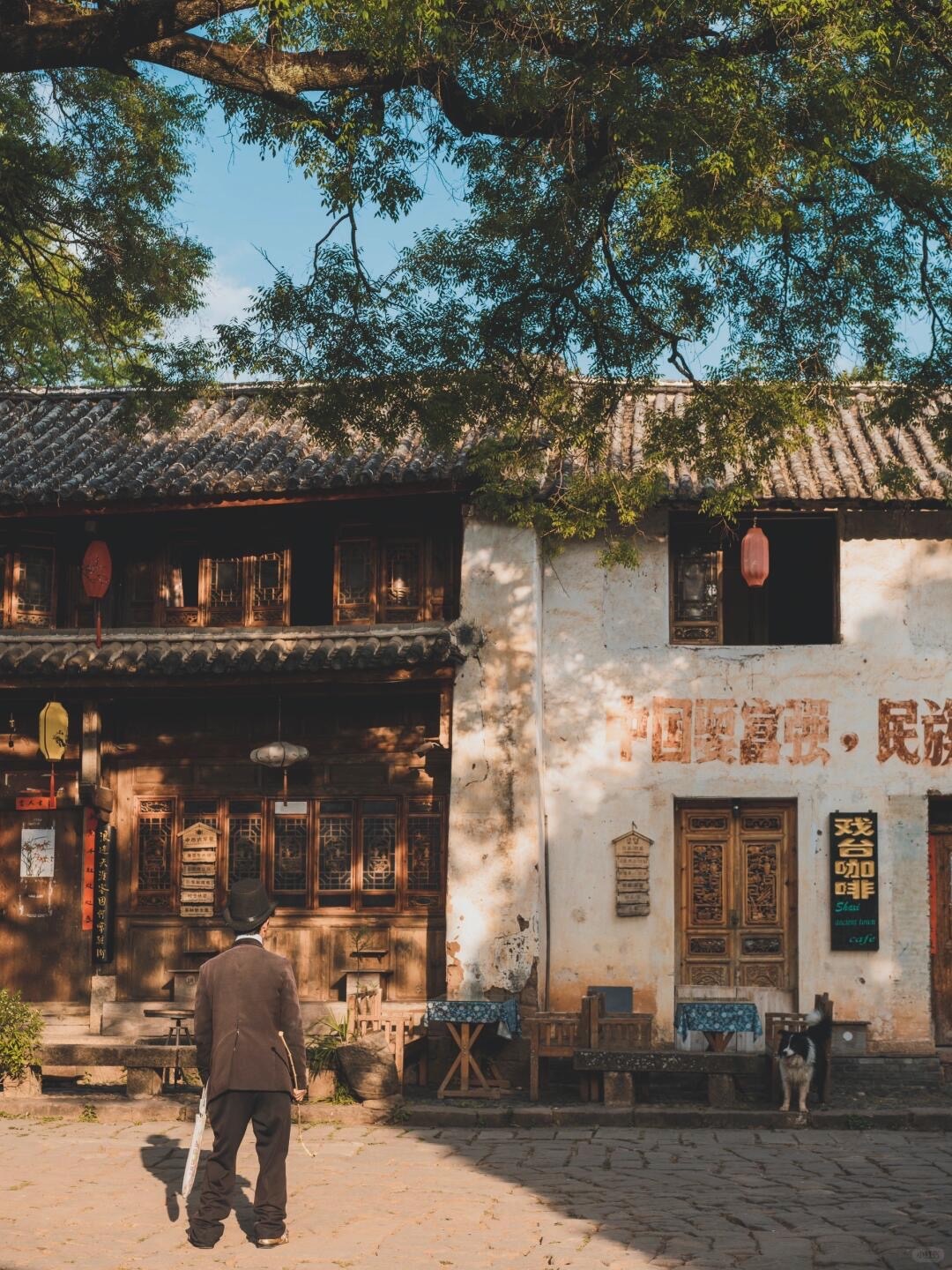
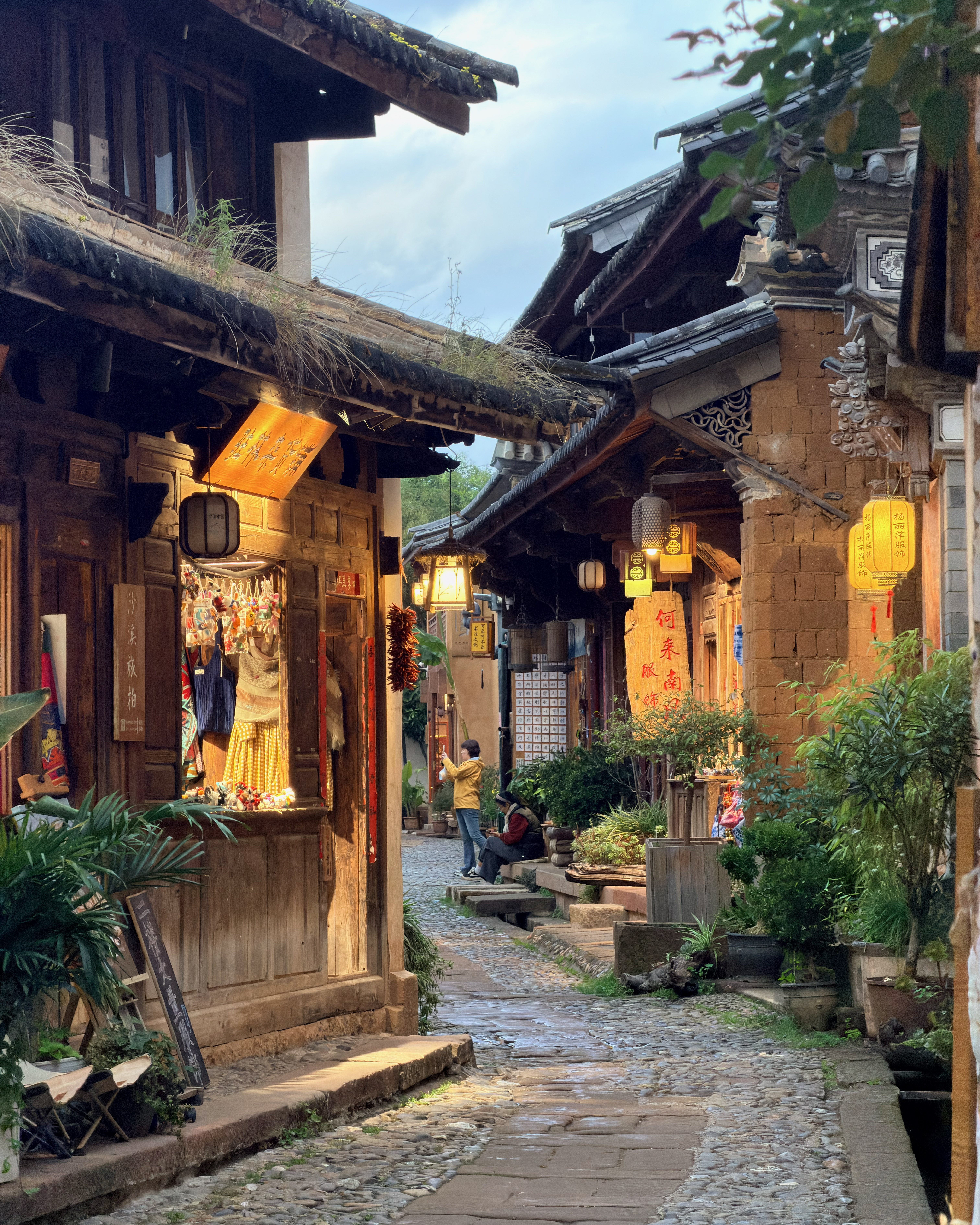
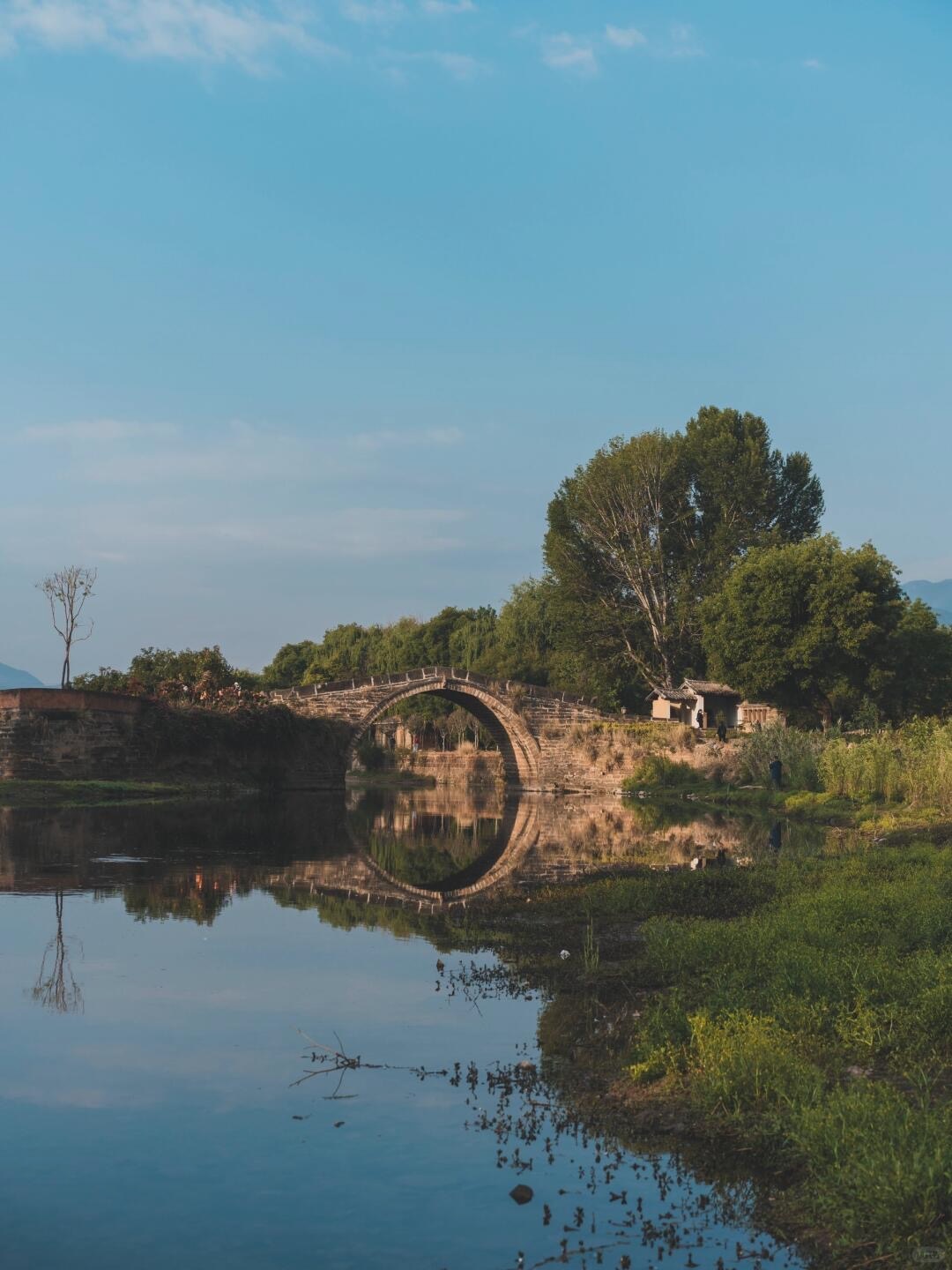
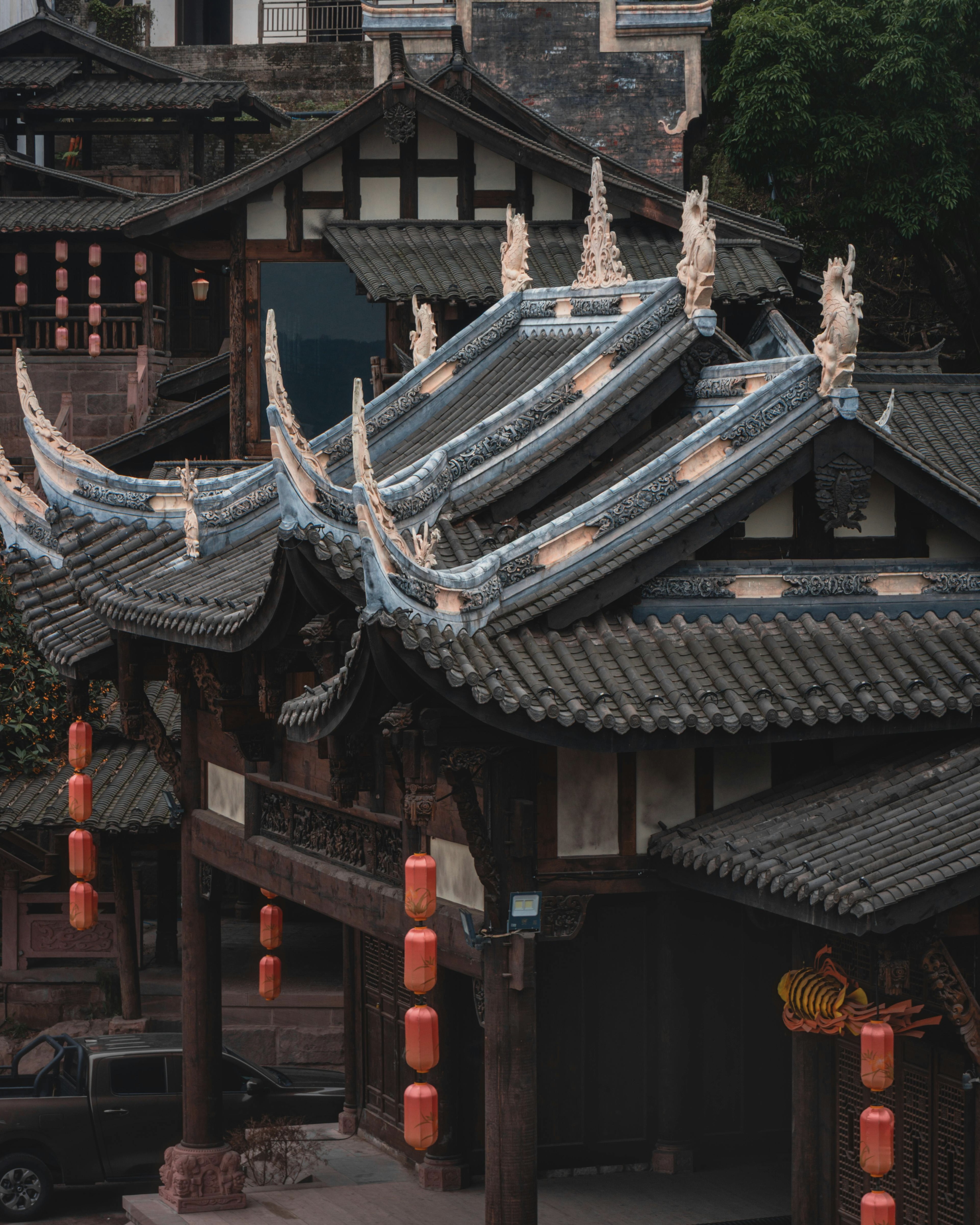
Shaxi, Jianchuan County (Dali Prefecture)Shaxi (沙溪) is the last surviving caravan stop on the Tea Horse Road — a Ming-era market town frozen at the moment when mule trains still carried Pu'er tea north into Tibet. Sideng Square is the heart. Friday is the day to be there: Bai and Yi mountain farmers come down for the weekly market, and the square fills with herbs, dried mushrooms, indigo cloth and bartering. Shibao Mountain's Buddhist grottoes sit above the town.
-
Jingmai — the UNESCO Blang tea forest
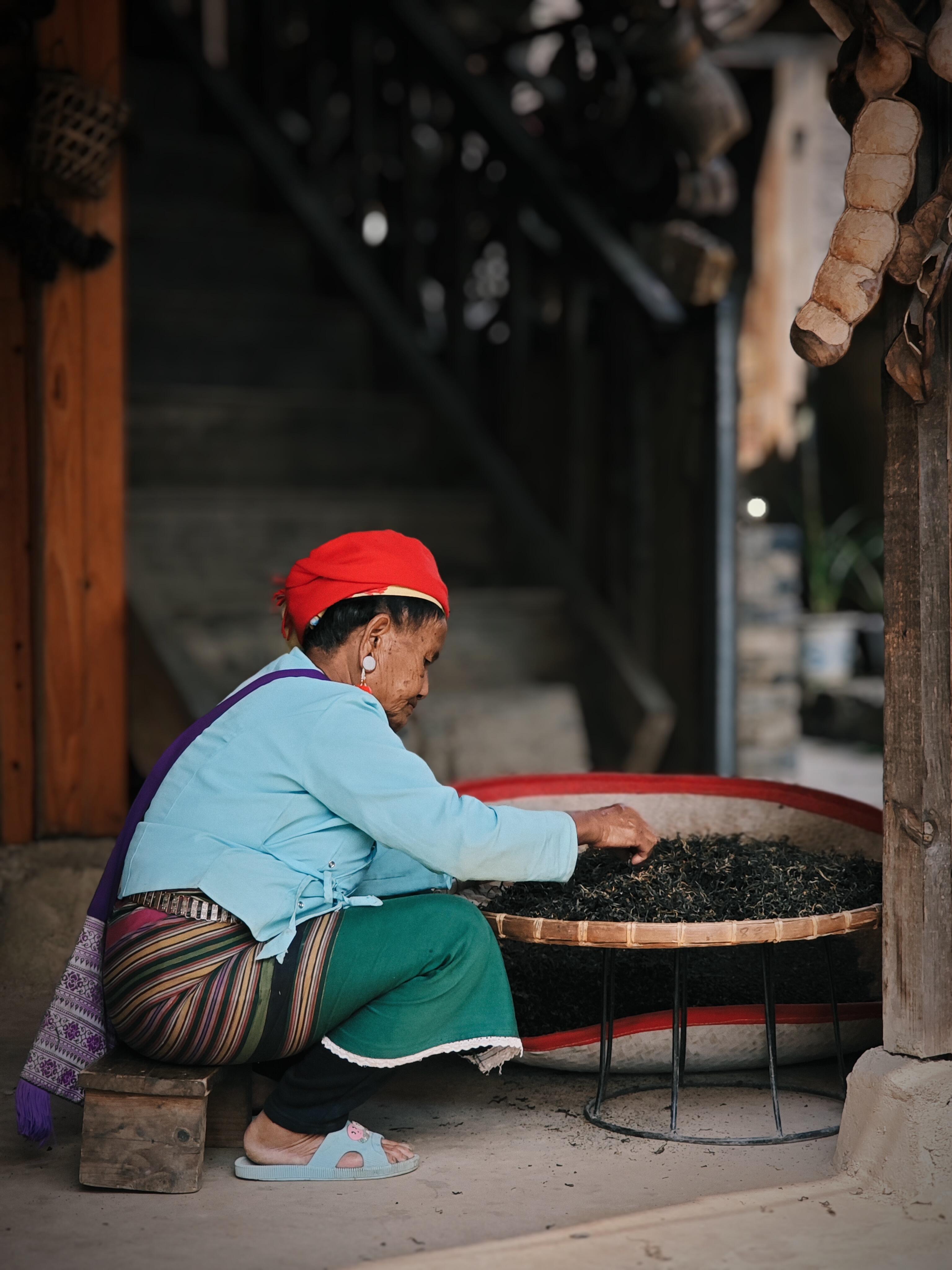
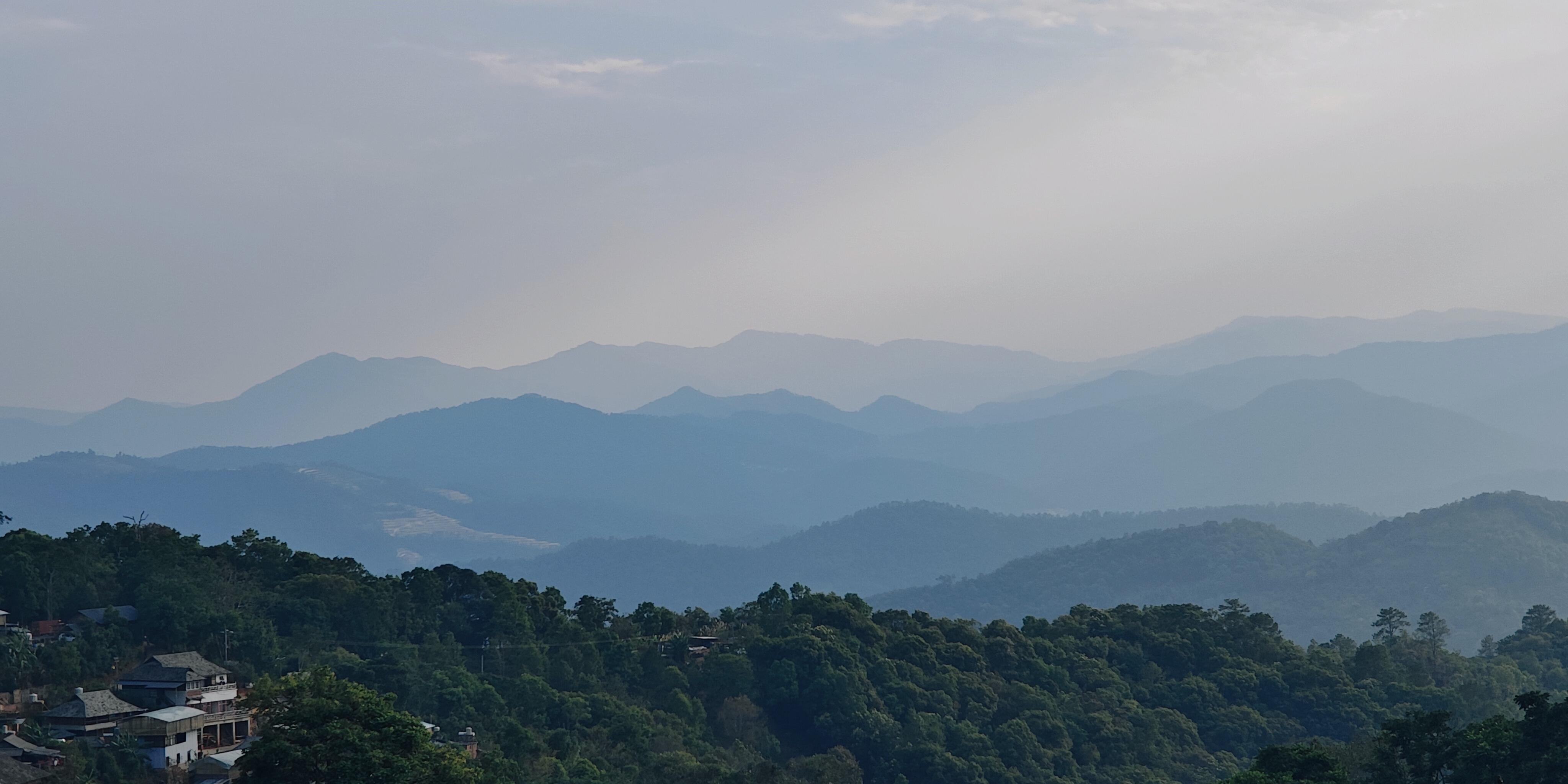
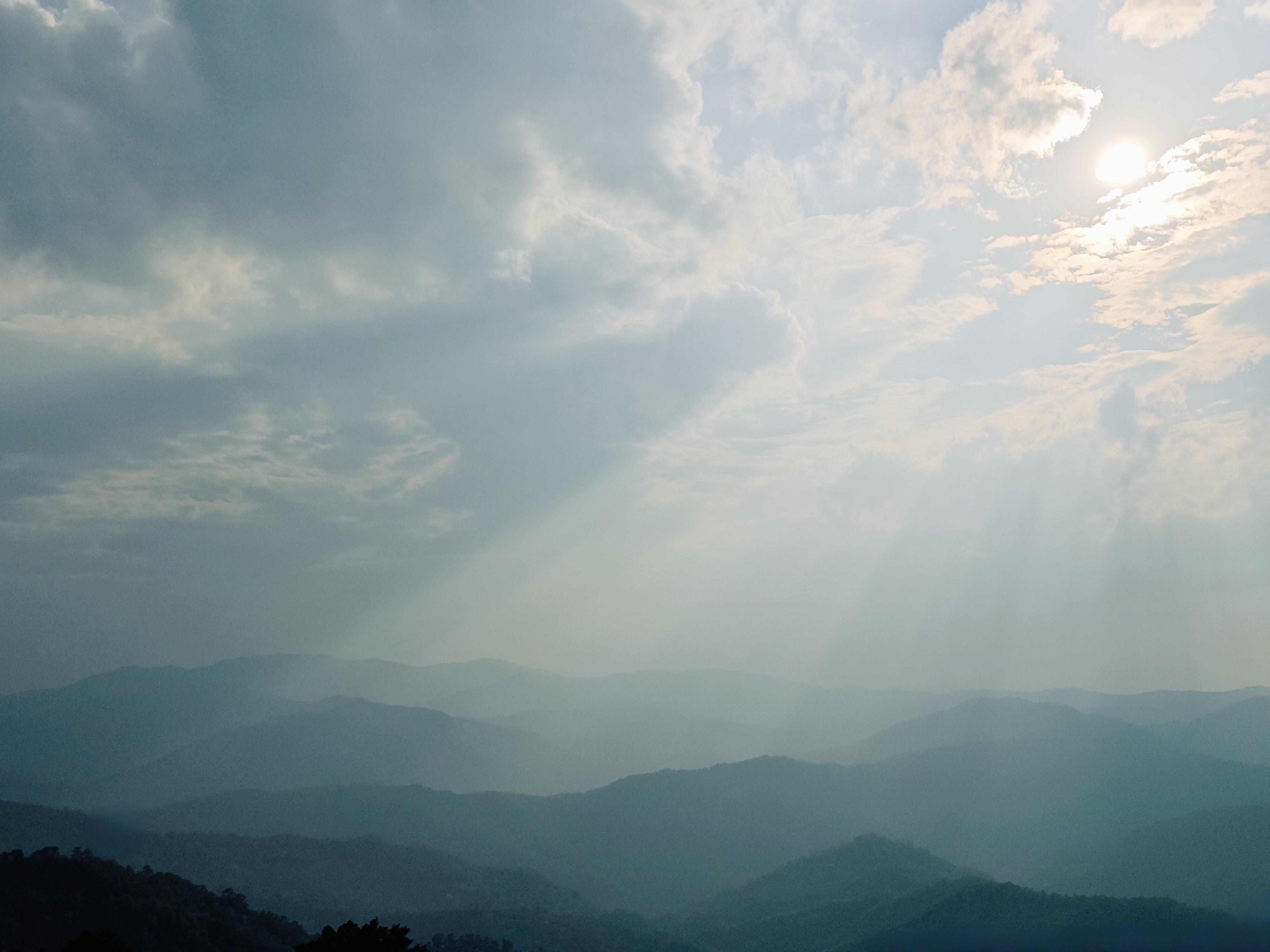
Jingmai Mountain, Pu'er PrefectureJingmai Mountain in Pu'er was inscribed as UNESCO World Heritage in 2023 for a 1,000-year-old Blang tea-forest cultivation system — shade-grown tea trees living in symbiosis with the surrounding old-growth forest. We walk the forest paths with a Blang family, sit through a tea ceremony in their wooden house, and stay either at a forest-edge boutique or the Bailian heritage stay. Cloud-sea sunrise from Mangjing village is the visual signature.
-
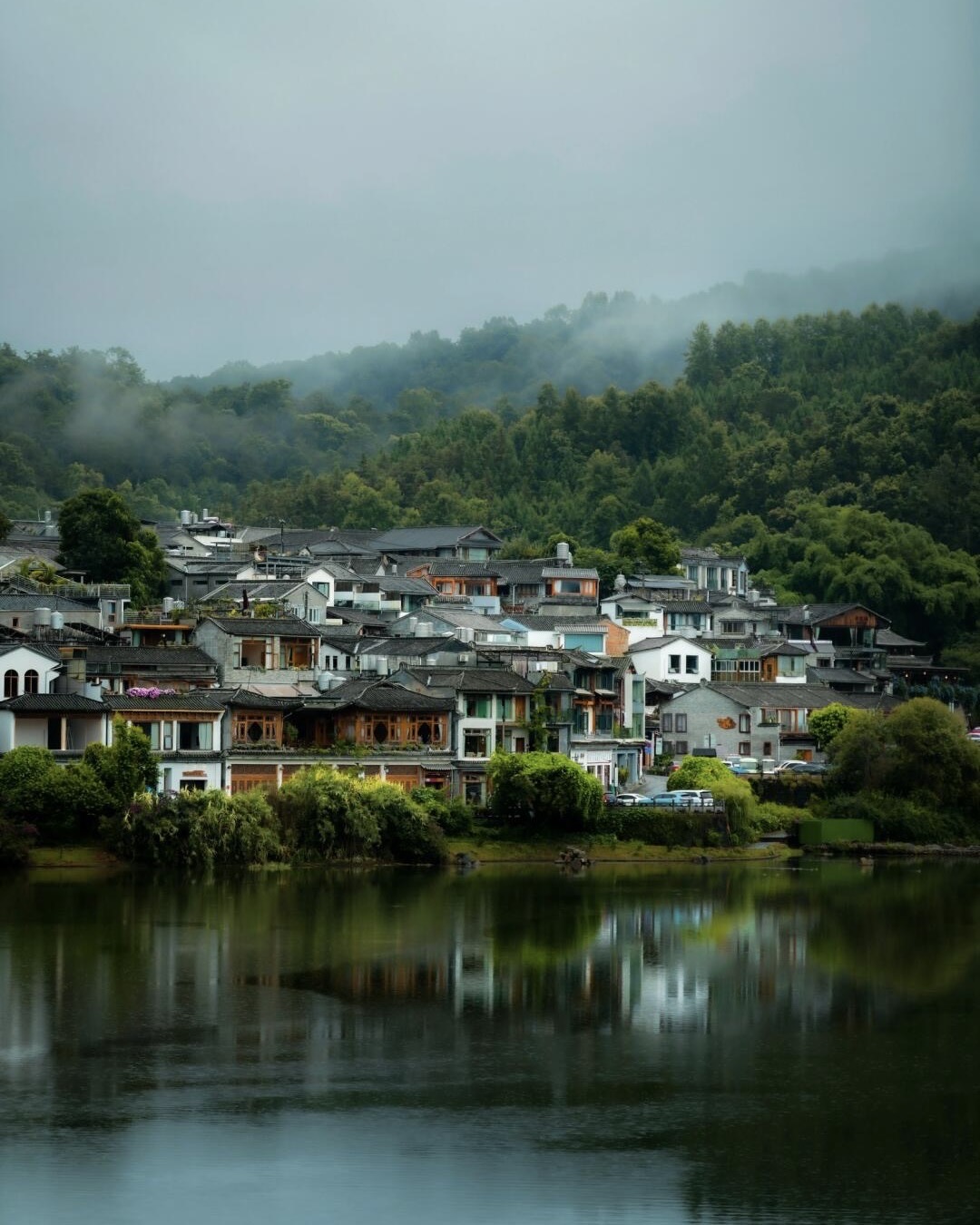
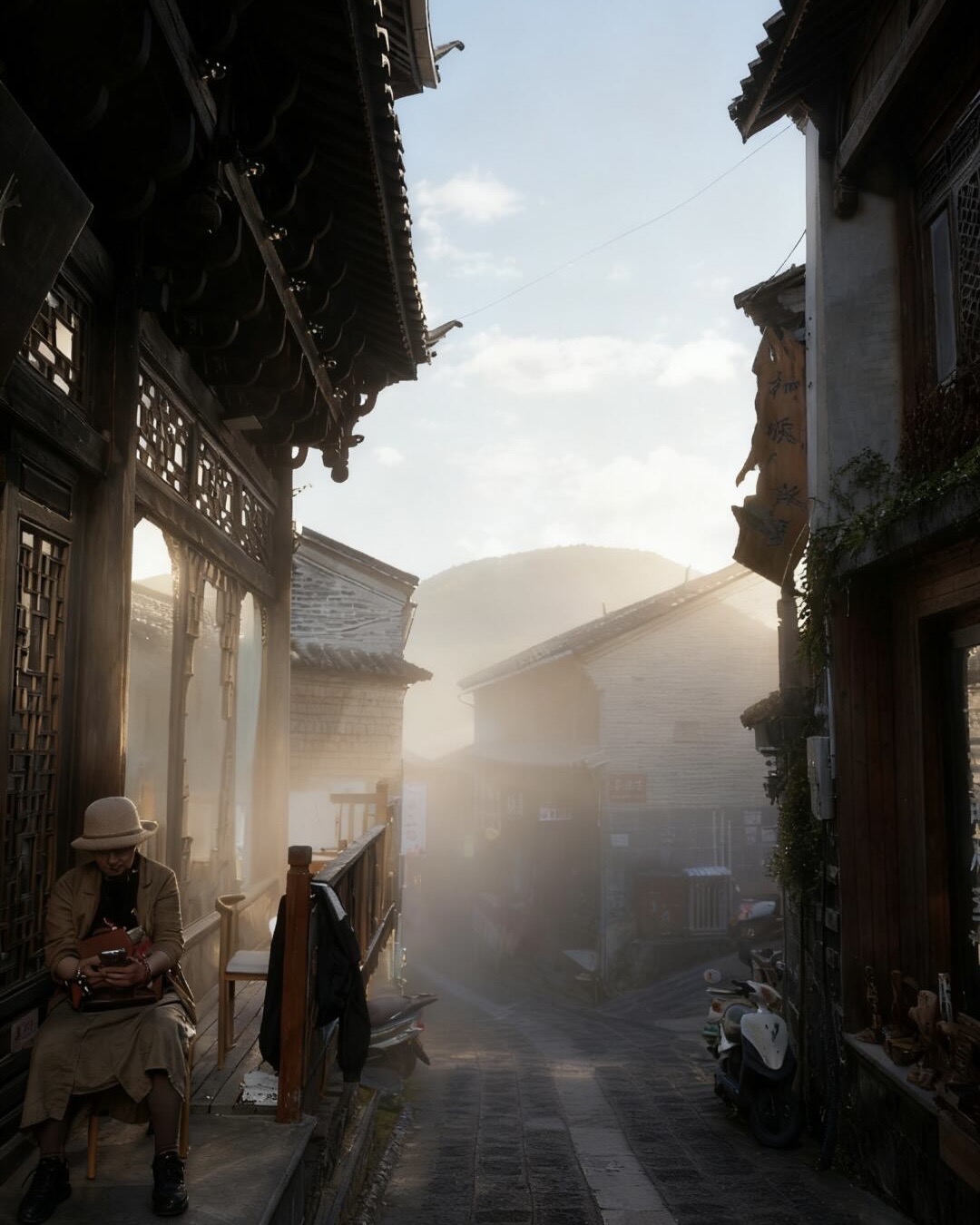
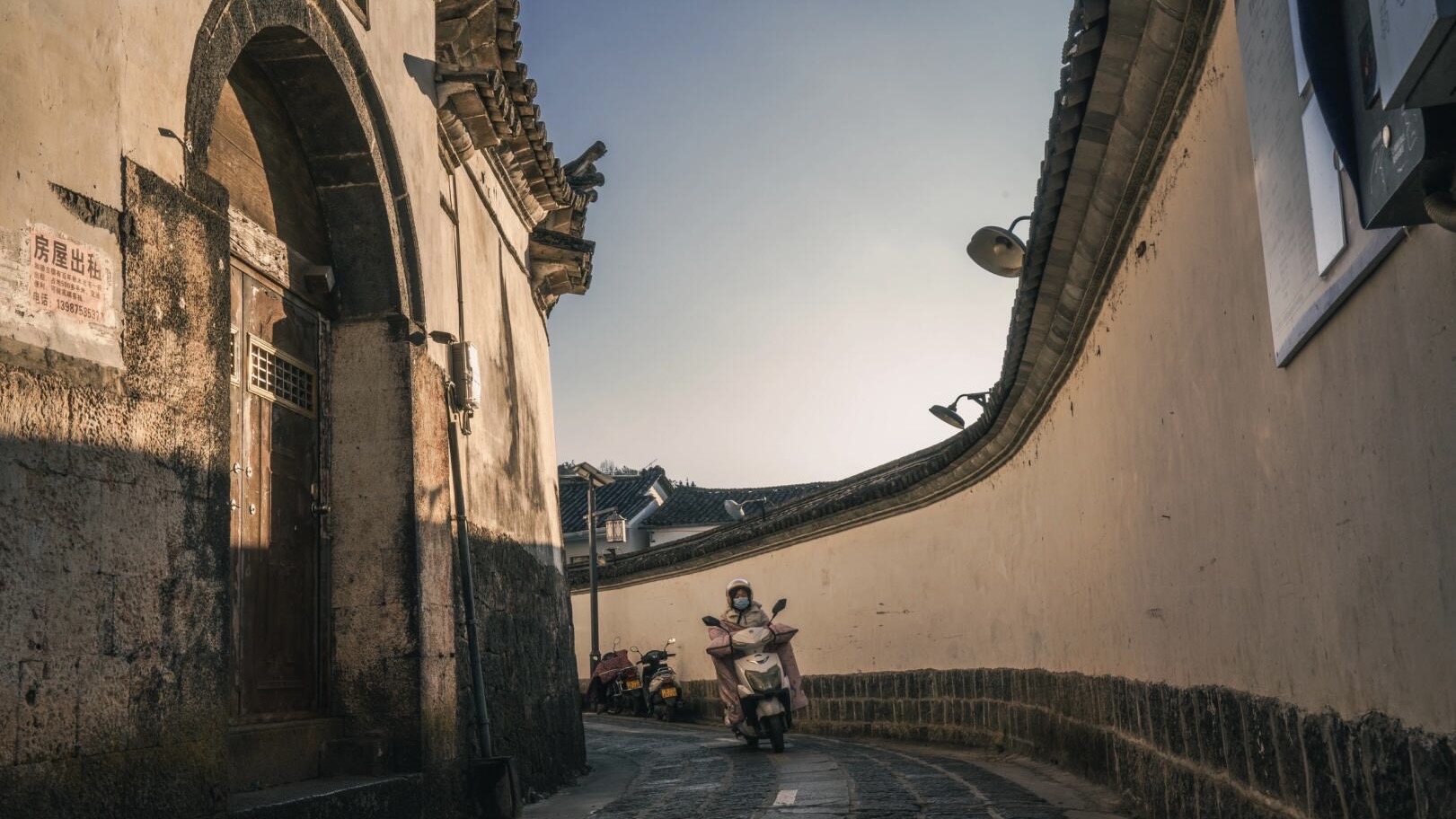
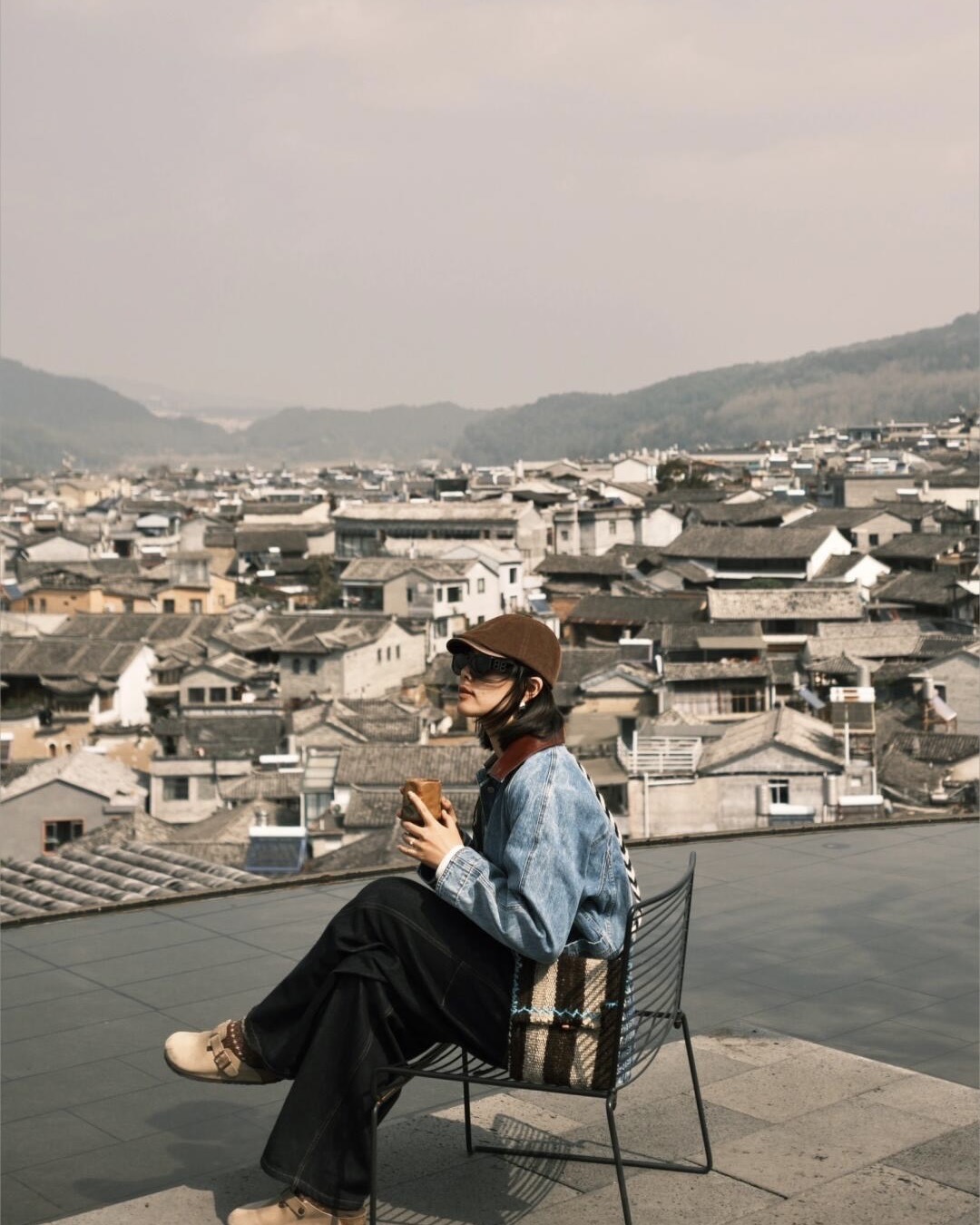
Heshun — the Tea Horse Road merchant town
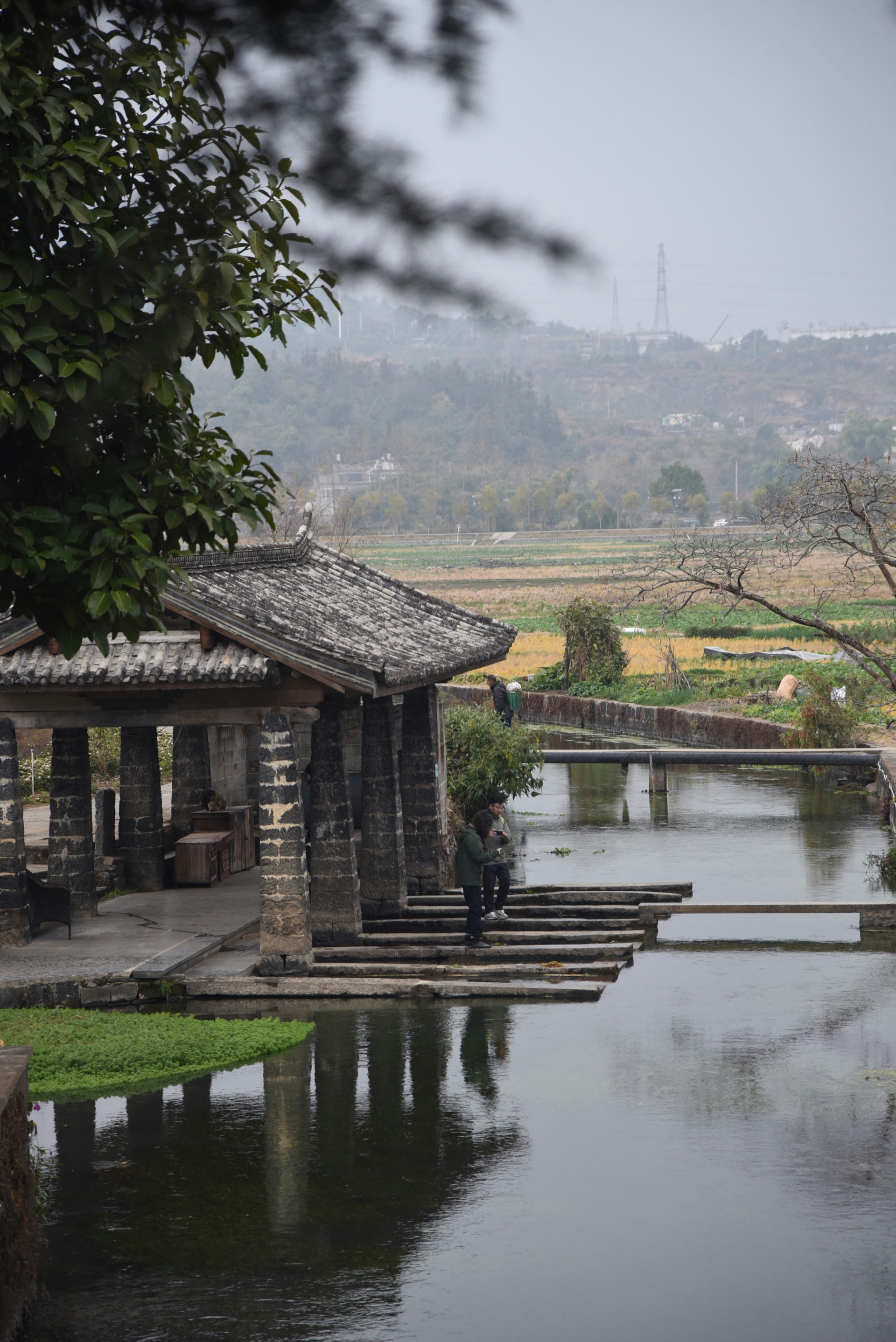
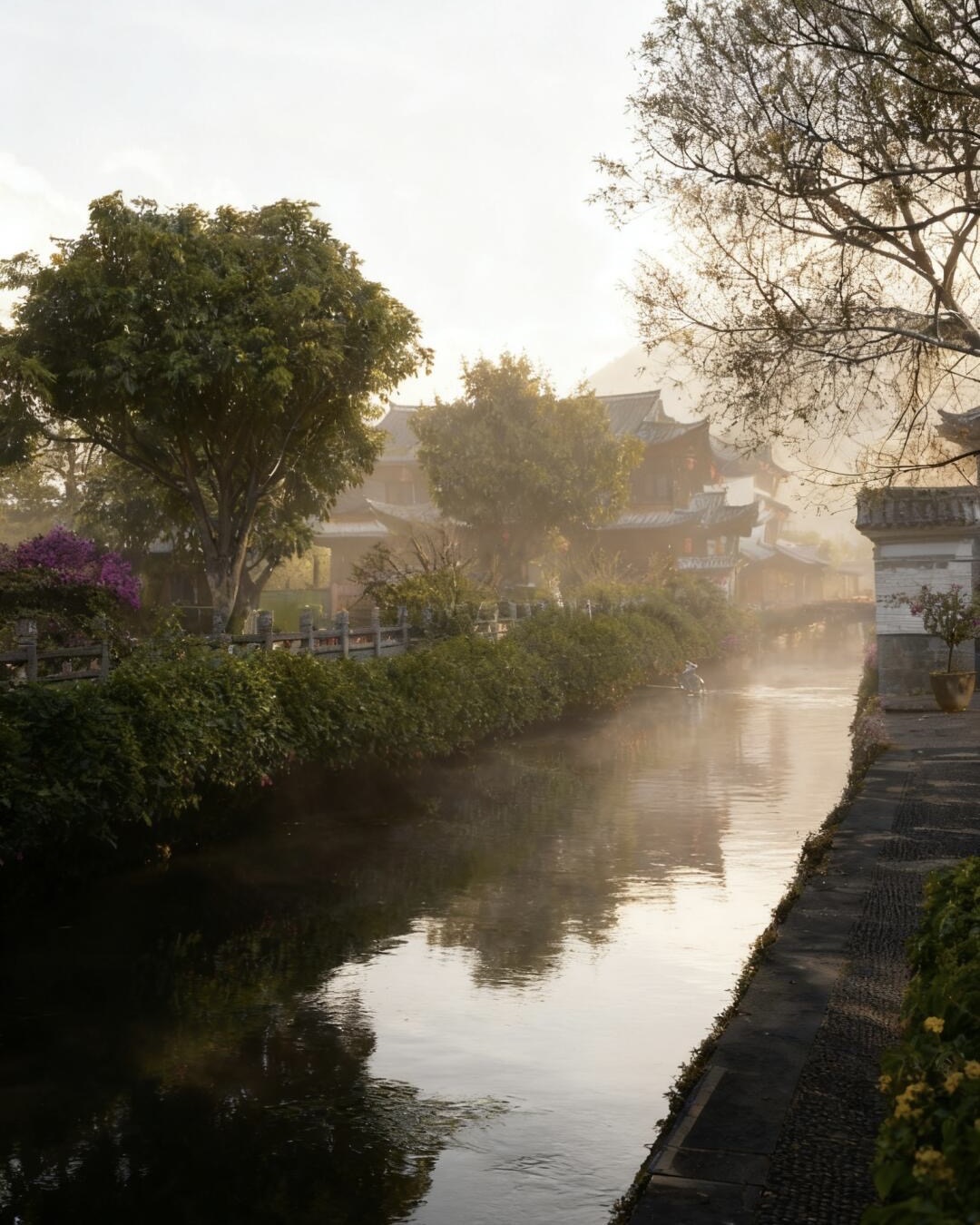
Heshun, Tengchong County (Baoshan Prefecture)Heshun (和顺) is the caravan-merchant heritage town near Tengchong — six centuries of Han Chinese traders returning from Burma left courtyard architecture, a Museum of Overseas Chinese (one of the best small-town museums in Yunnan), and lotus ponds threaded through stone lanes. Walk the old town in the dawn mist before the day-tour crowds; finish at the library above the lotus pond, which has been operating continuously since 1928.
-
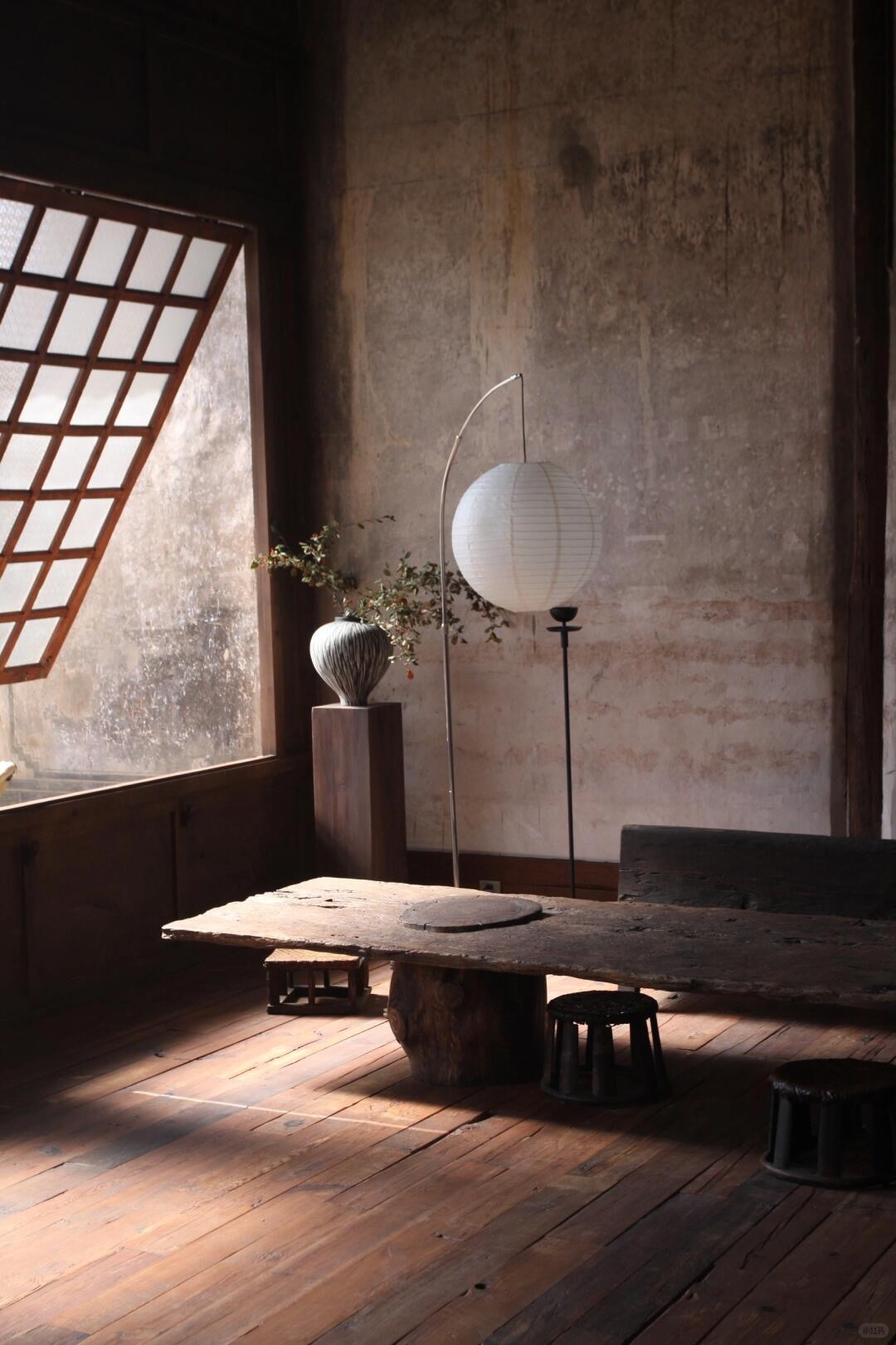
Weishan — Bai-Yi Nanzhao origins
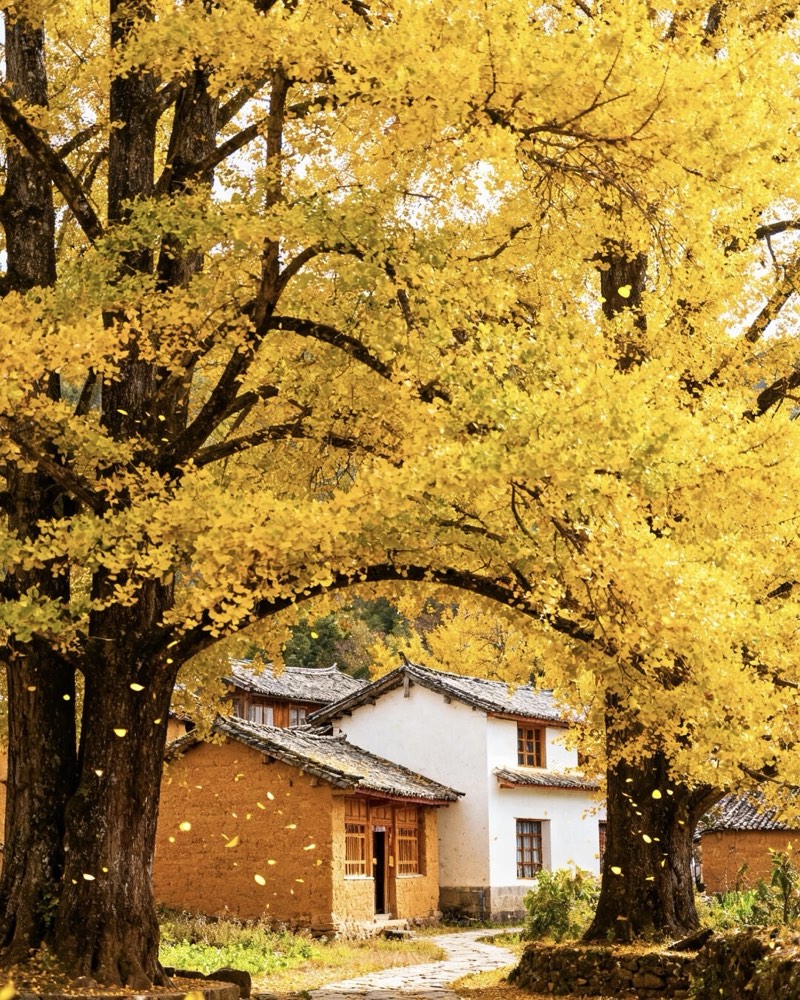
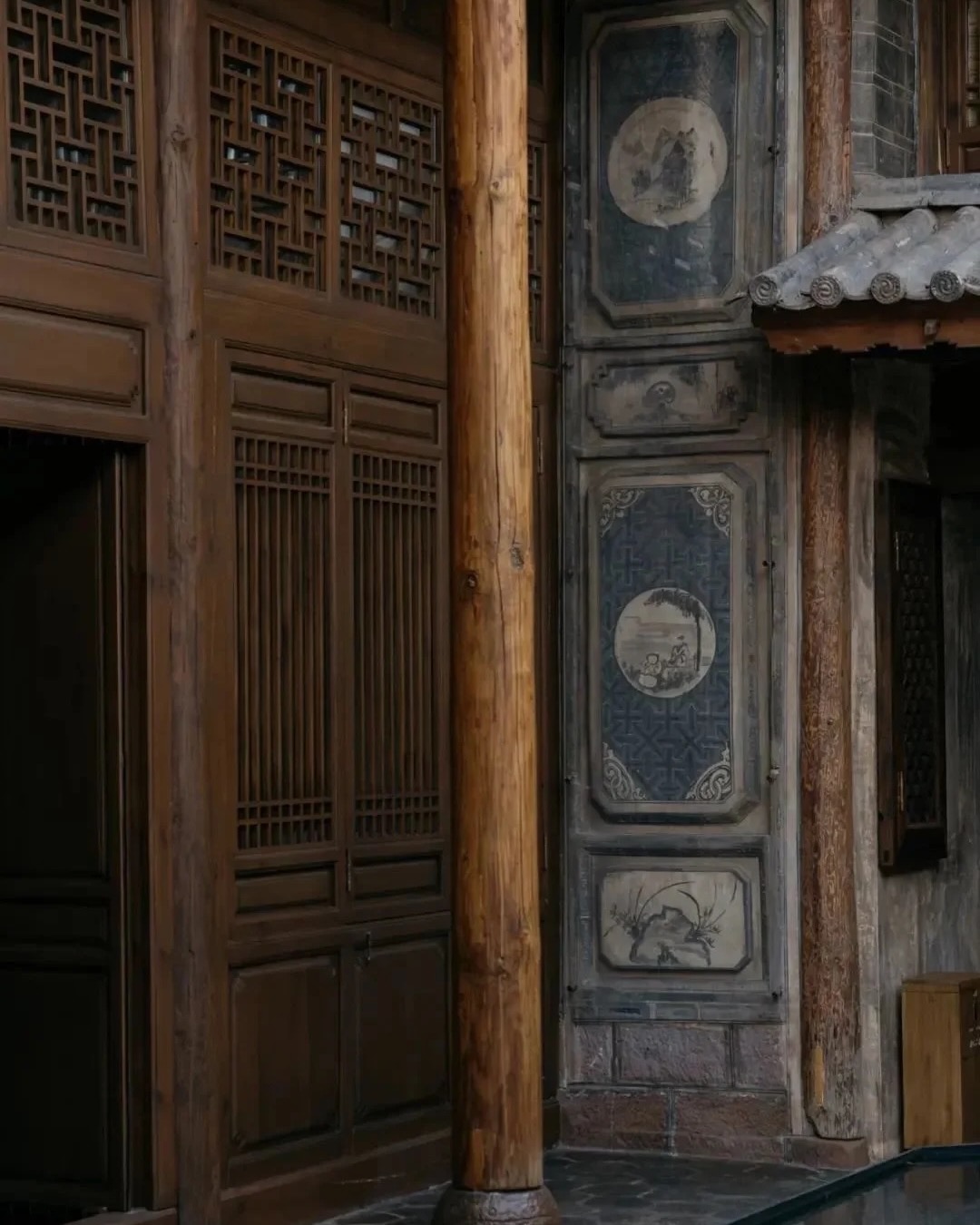
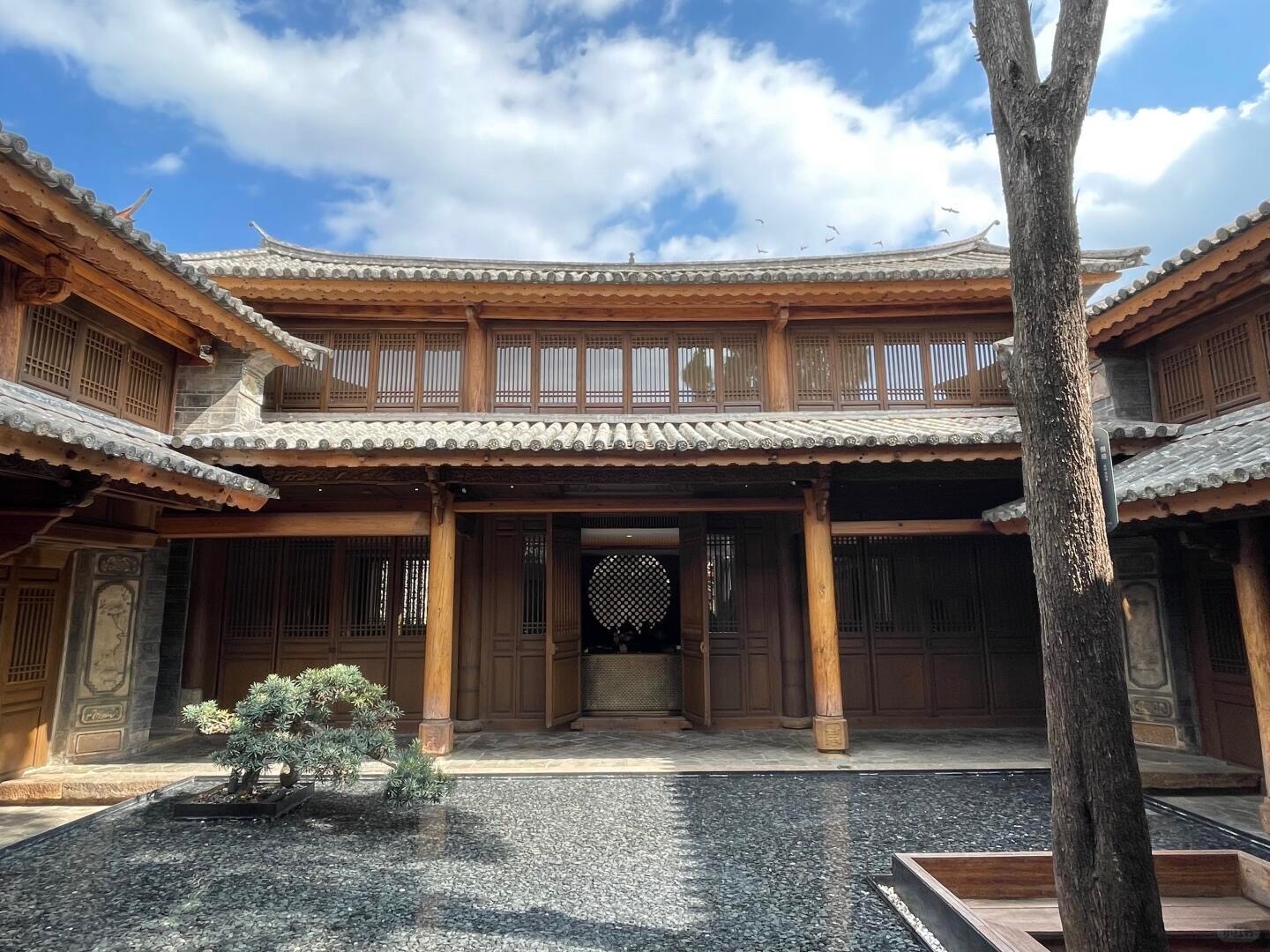
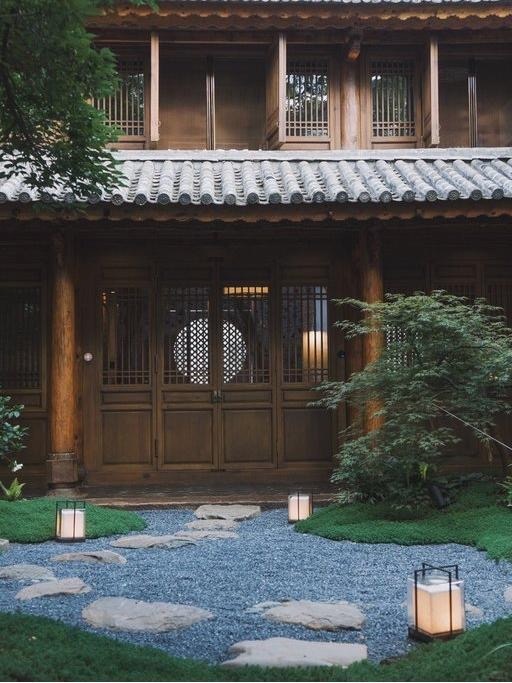
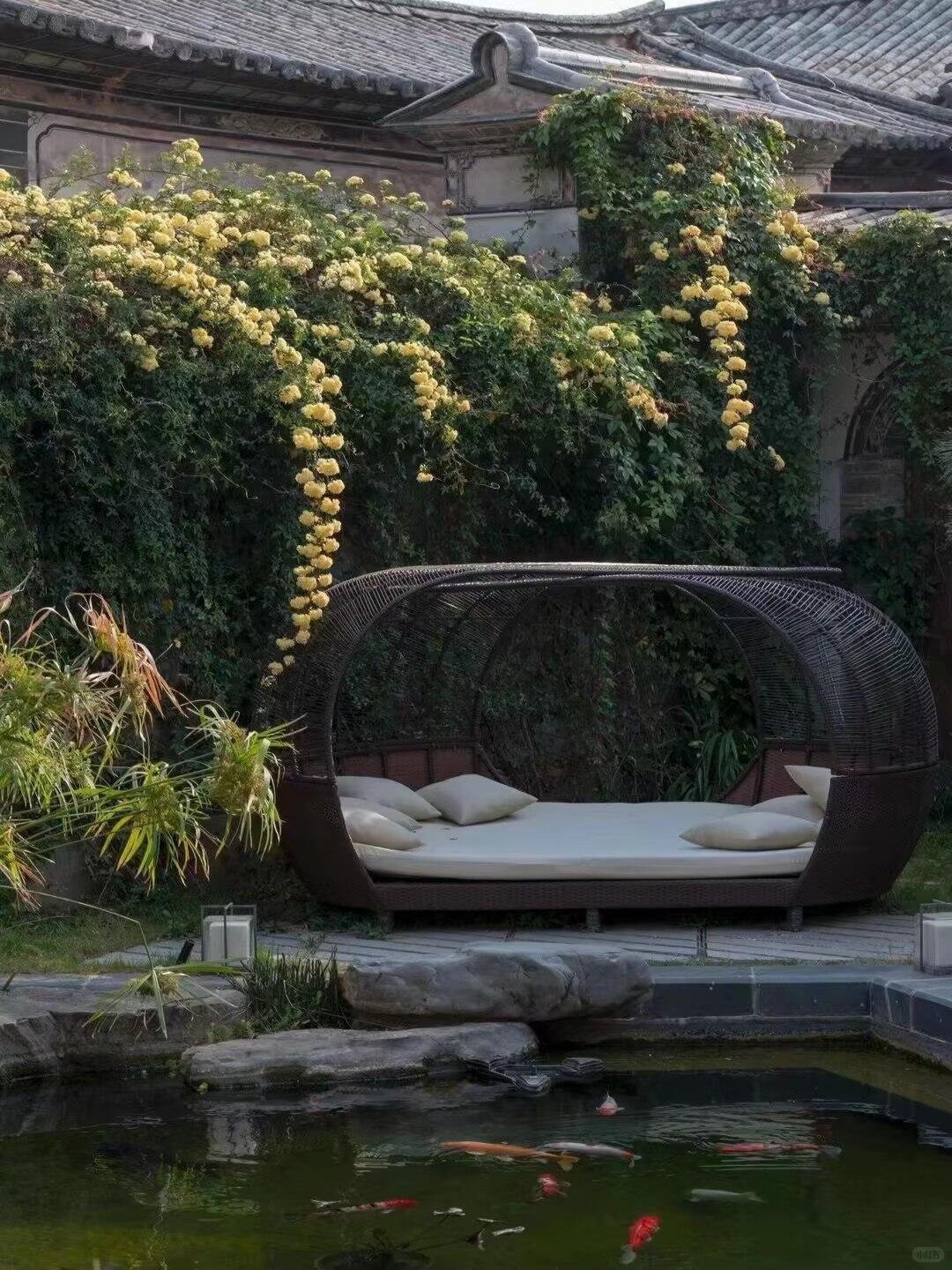
Weishan County (Dali Prefecture)Weishan (巍山) is the original capital of the 8th-century Nanzhao Kingdom that became Dali — quieter than Dali Old Town, less restored, with daily Yi-and-Bai market life still happening on the street. The Tang-dynasty Confucian temple complex, the Weibao Mountain Daoist circuit, and the upstairs night-snack rooms in the old town are the textures. Pair with a stay at the Yunxi heritage courtyard (a restored Bai merchant compound).
-
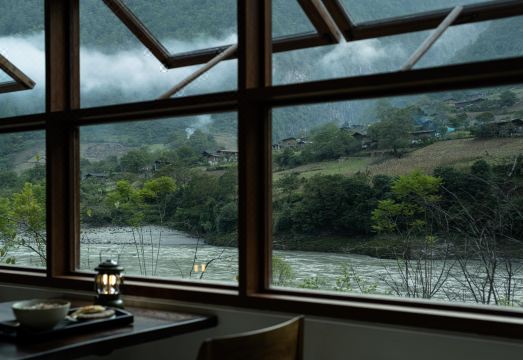


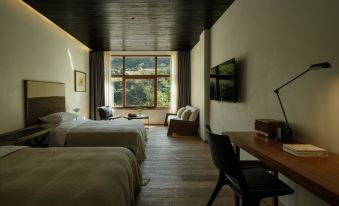
Wuli — the Tea Horse Road cliff trail
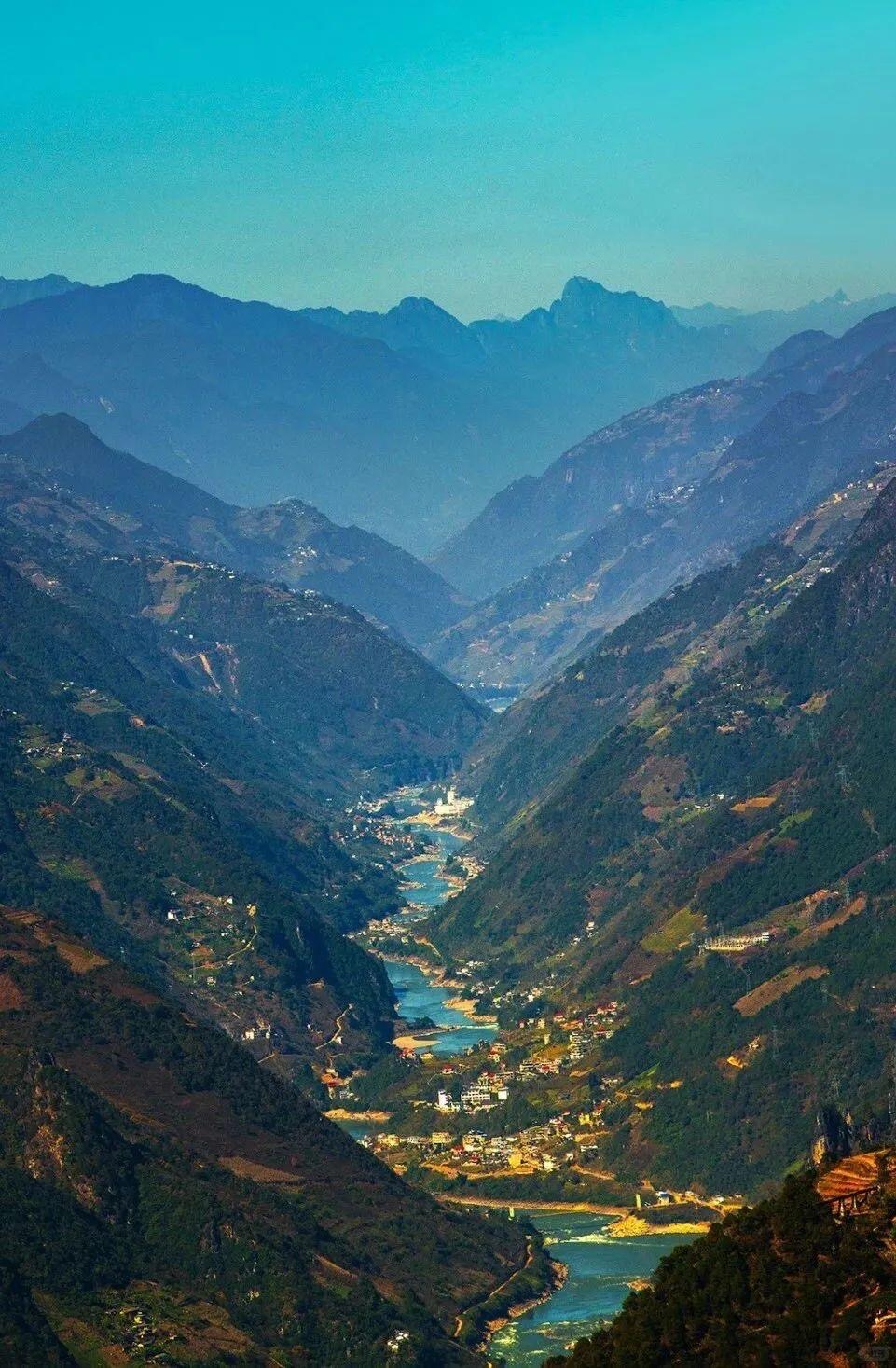
Wuli, Lushui County (Nujiang Prefecture)Wuli (雾里) is a Lisu-Nu hamlet on the Salween River in Nujiang, sitting beneath the cliff section of the Tea Horse Road most travellers don't know exists. We walk a stretch of the historic stone-cut trail above the river with a local guide, then sleep at Sunyata Wuli — a small camp facing the gorge. The pairing of remote-frontier walking + design-forward stay is the experience.
-
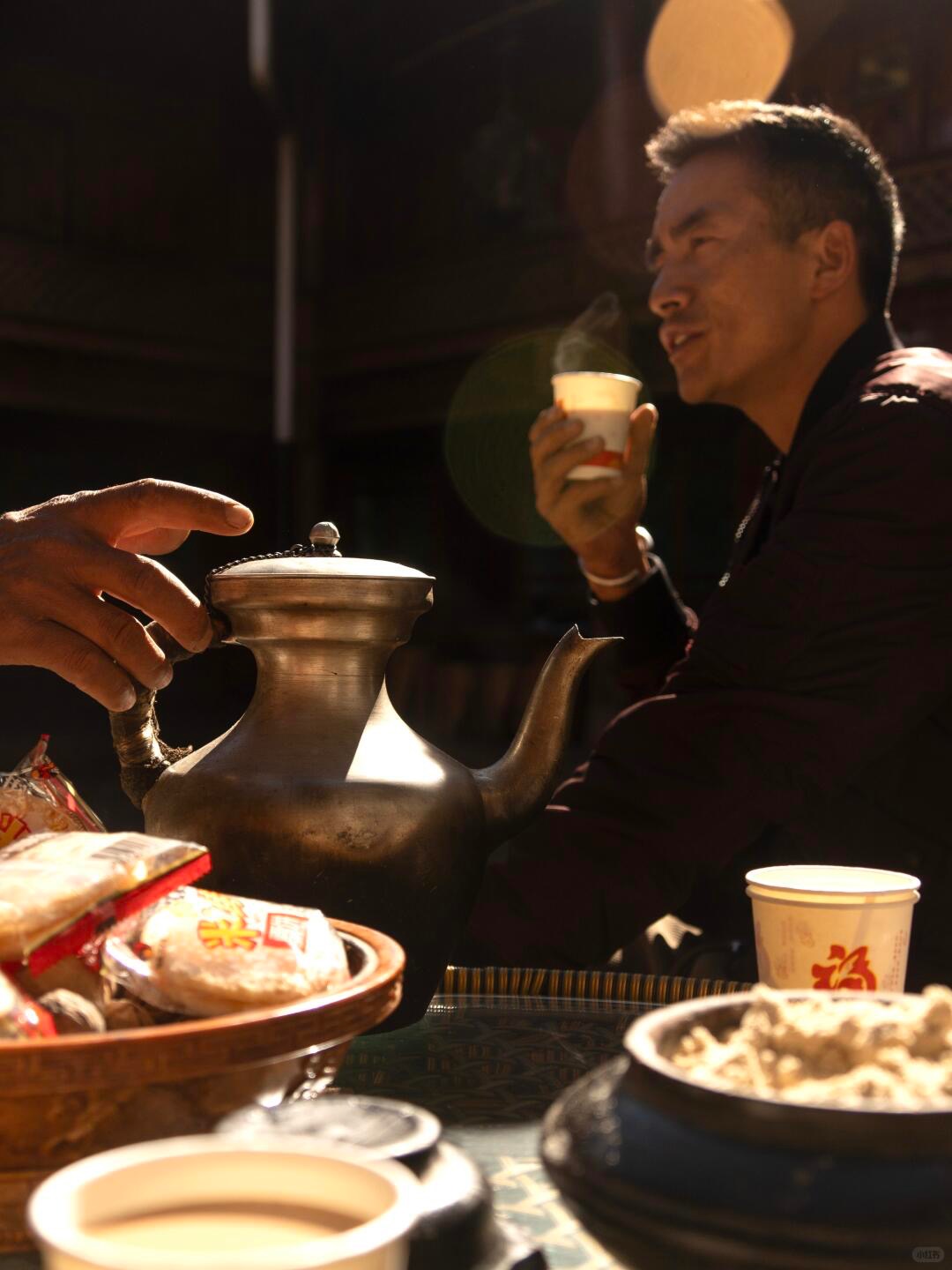


Lugu Lake — the Mosuo matrilineal world
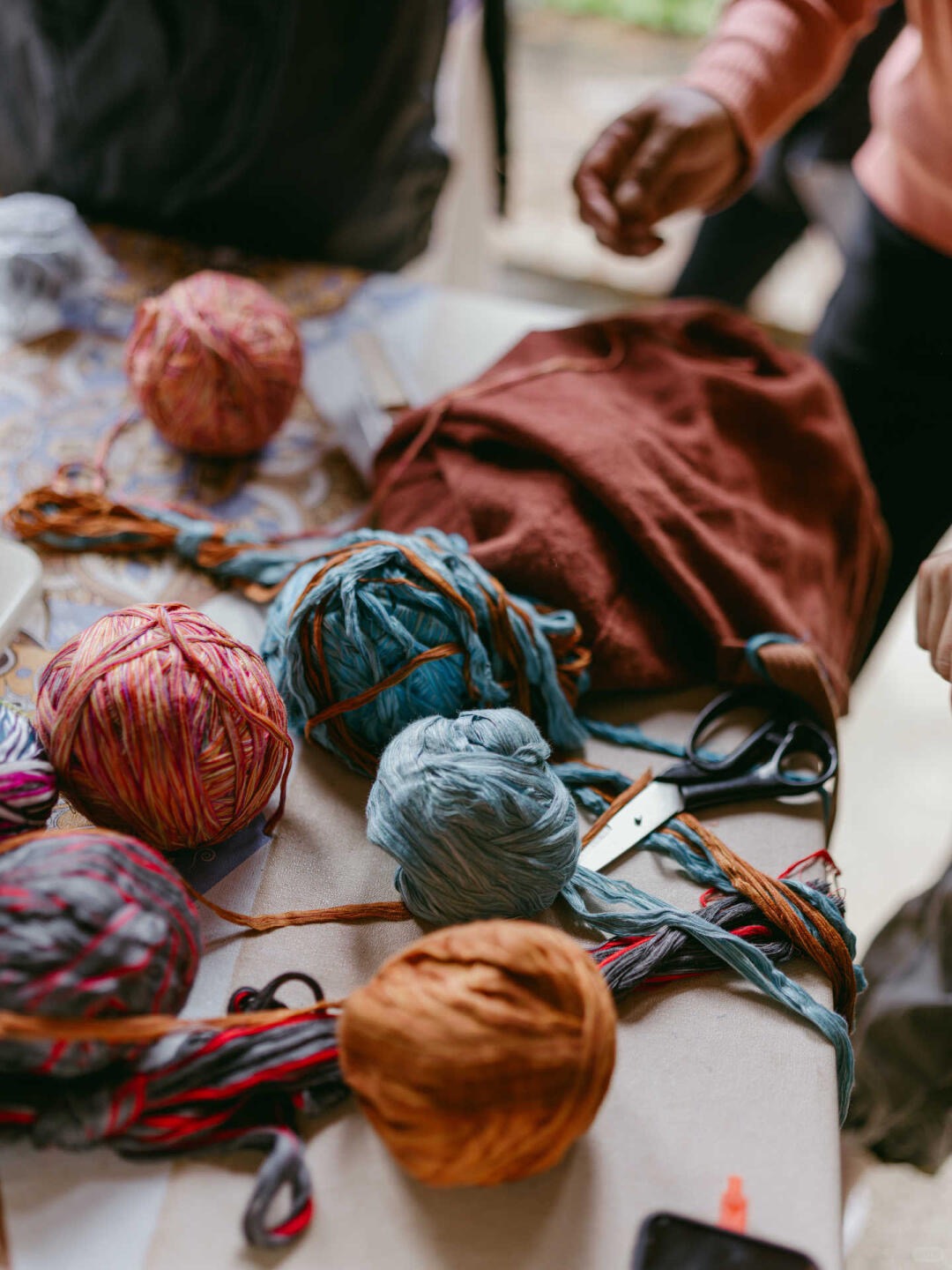
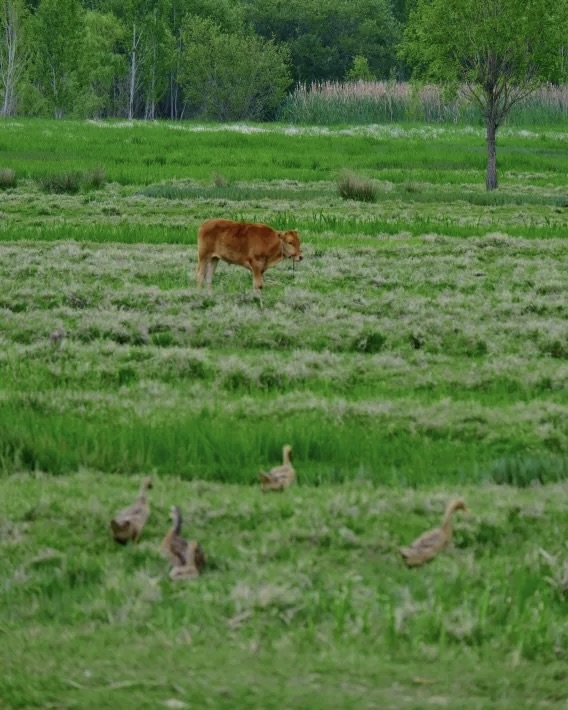
Lugu Lake (Yunnan / Sichuan border)Lugu Lake sits on the Yunnan-Sichuan border at 2,690 m, home to the Mosuo (摩梭) — China's last surviving matrilineal society and one of only a handful left in the world, where children are raised by maternal relatives and women hold property and household authority. Guest stays in Mosuo family courtyards, hand-loomed textile workshops, and the slow-paddled pigboat morning across glassy water are the textures. Visit with introductions; respect the household norms.
-
Baisha — Naxi Dongba culture
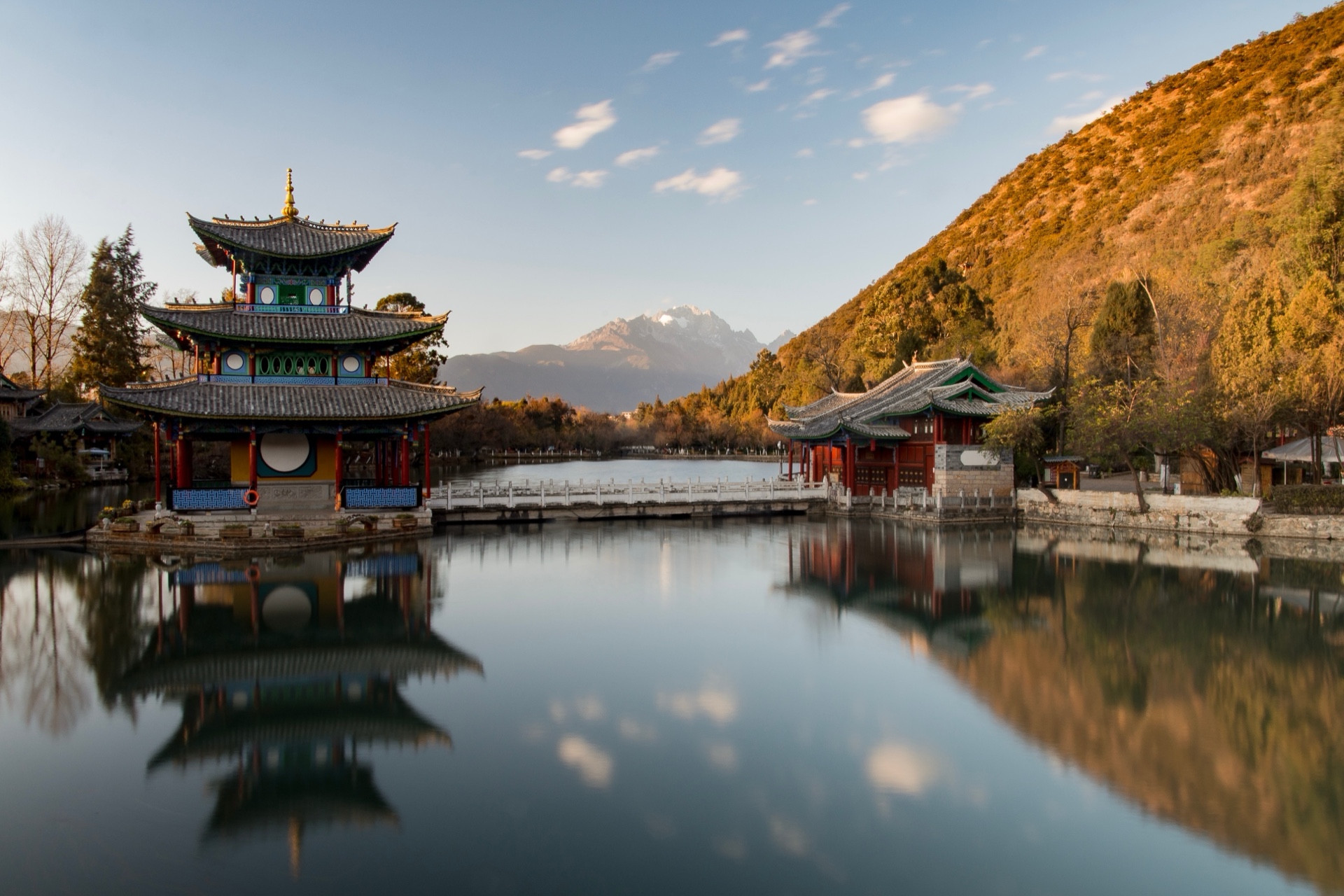
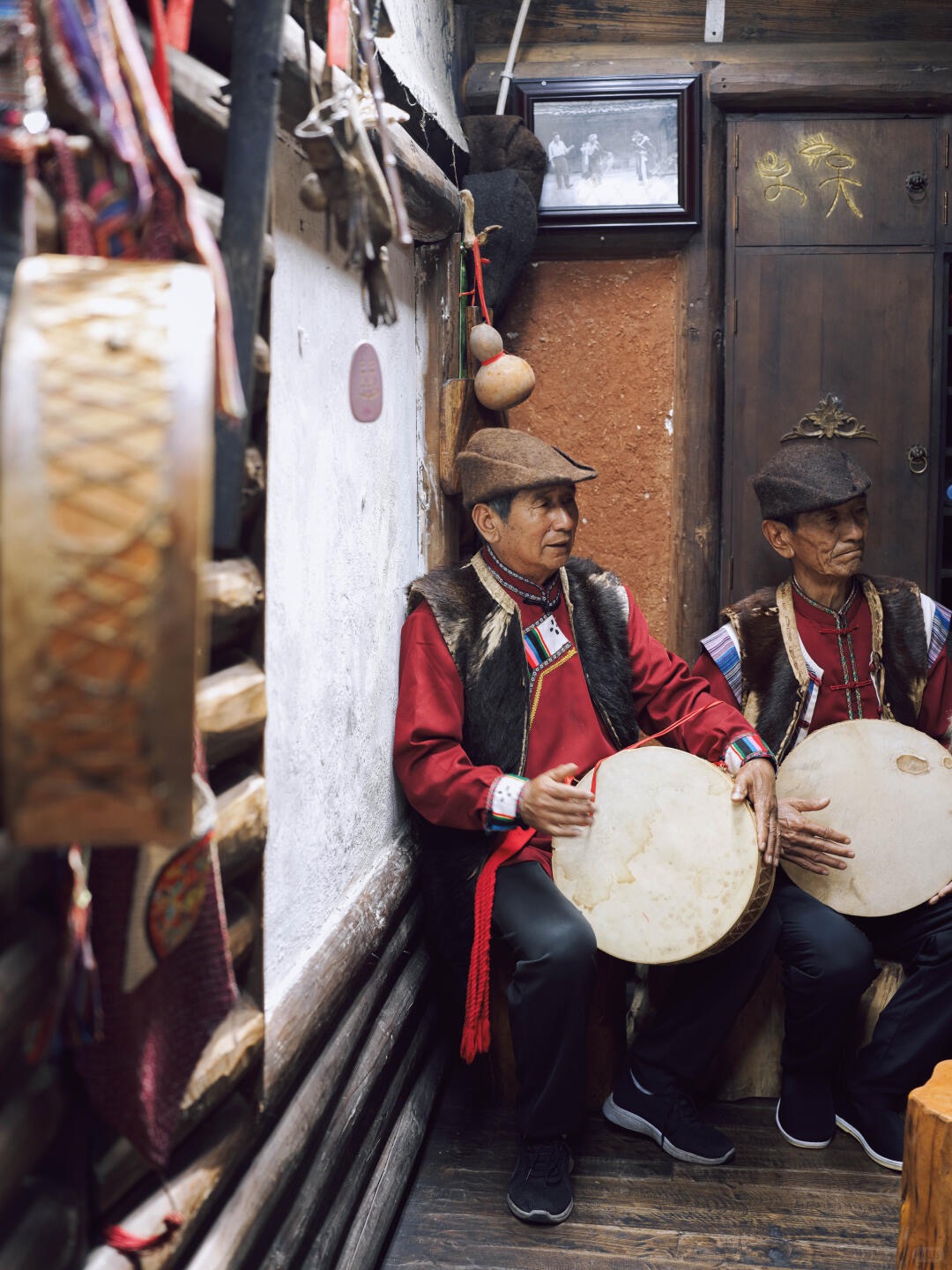
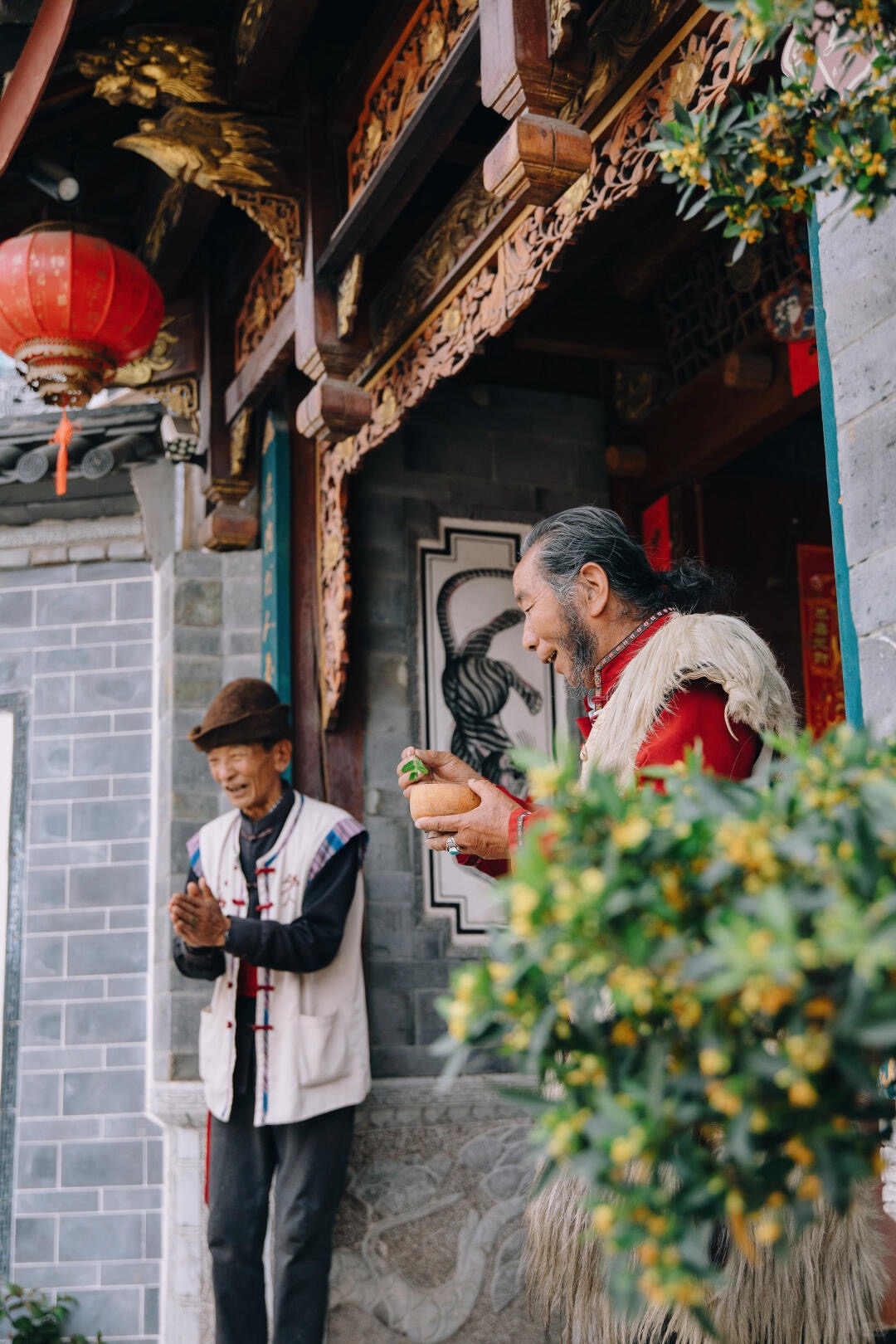
Baisha, Lijiang (Yulong Naxi Autonomous County)Baisha (白沙) is the Naxi mother-town below Jade Dragon Snow Mountain — the original Naxi capital before the kingdom moved to Lijiang Old Town, now a quiet village of Dongba shamans, wall-painted temples, and timber courtyards. The Dongba tradition is one of the world's last living pictographic religions, kept by elderly Naxi keepers who still read and write the script. We visit a Dongba practitioner's house and walk the back lanes before the day-tour crowds arrive.
Practical details
- Pacegenuinely easy. Walking-fit travellers can do every stop here without specialist fitness. The Wuli cliff walk is the steepest section; everything else is town/village walking.
- Altitudemost stops sit between 1,500–2,000 m. Jingmai is around 1,500 m. Tongle and the Nujiang stops are a touch higher. No serious acclimatisation needed.
- Best windowsOctober–April for the dry-cool window across most of the province. Friday at Shaxi any week of the year; Tongle's Lisu gatherings are mostly evening — best with a guide who can read when an open evening is happening.
- Sensitivity noteTongle in particular is a non-staged cultural visit. We don't run formal performances and we don't take photos of singers without explicit permission. The brief at booking is mutual respect — that's how the local relationships hold over time.
- Pricingdepends on which stops + length. Heshun + Weishan + Shaxi as 3 modules inside a longer trip adds from AUD $1,200 pp; adding Tongle or Wuli (more remote) adds from AUD $1,500 pp each. Jingmai is from AUD $1,800 pp for the 2-night Blang tea immersion. All quoted as modules inside a longer Yunnan itinerary, not standalone trips.
Before you book
01 When is the best time of year for these stops?
October through April for the dry-cool window across most of Yunnan. October–November brings the strongest weather + clearest cloud-sea mornings at Jingmai. December–February is the quiet season at Shaxi and Heshun — fewer day-tour crowds, more atmospheric morning mist. March–April adds rhododendron and tea-picking season. May–September is the monsoon — we don't book these stops then unless the rest of the trip is mid-summer Tibetan-plateau focused.
02 Is Tongle ethical to visit?
Done right, yes — done wrong, no. The brief is mutual respect: we don't run performances, we don't pay for staged singing, we don't photograph people without explicit permission. Our local Lisu host is the entry point — we visit at her invitation, not as a tourist transaction. We've turned trips down where the brief was 'we want a cultural show.' If you're approaching Tongle as an opportunity to witness something quiet and rare, it works. If you want a performance, we'll route you somewhere else.
03 Can we combine these with a longer Yunnan trip?
That's the recommended way. None of these are standalone tour products — they're modules. Standard combinations: Soulful Side of Yunnan (Dali / Tengchong / Mangshi) for Shaxi-Heshun-Weishan; the Yunnan Hiking Tour for Tongle paired with the Yubeng or Niru treks; the Nujiang Frontier Tour for Wuli; a Pu'er extension off a Xishuangbanna trip for Jingmai. Talk to us with your dates and your shortlist and we'll route the trip around them.
04 Are these stops suitable for older travellers or kids?
Yes for most, with some asterisks. Heshun, Shaxi, Weishan and Jingmai are gentle-paced heritage walking — fine for grandparents and school-age kids. The Wuli cliff walk is the steepest module — adults and teens only, and we choose a shorter trail section for older walkers. Tongle is fine for any age but requires the right brief — kids understand 'we're guests' and tend to do this well; we provide guidance at booking.