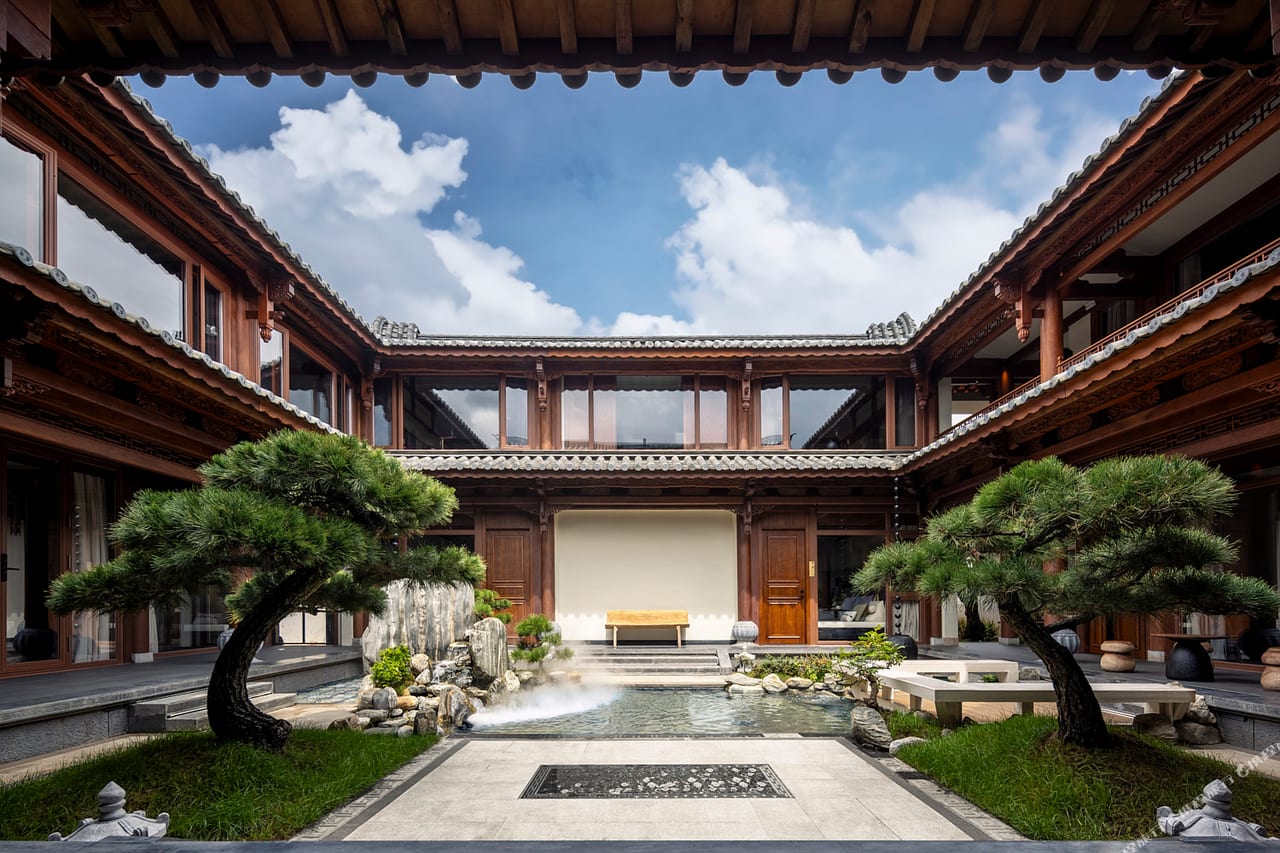
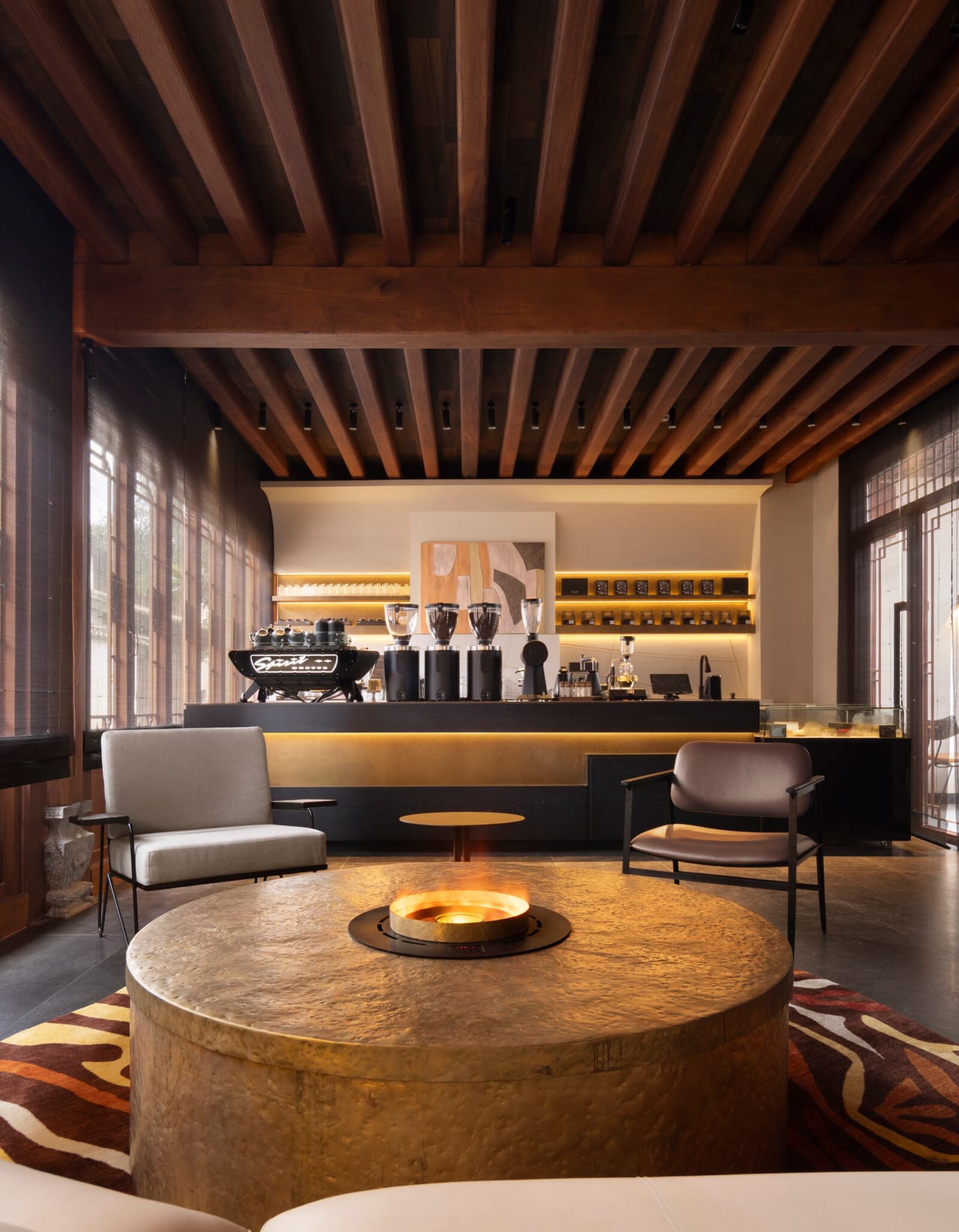
Kogongdi (沙溪·科贡第文化行馆) is a restored Bai ancestral home turned eleven-room boutique stay on Beiguzong Lane in Shaxi Ancient Town — the 140-year-old Ouyang Xudong residence, reopened in 2023 behind its original ochre walls and carved gates. A central courtyard of black pines and koi, a glassed dining hall, and a coffee-bar lounge around a brass fire pit. Best for travellers who want to walk straight out onto Sideng Square at dawn before the day-trippers arrive. Best windows March to May and September to early November.
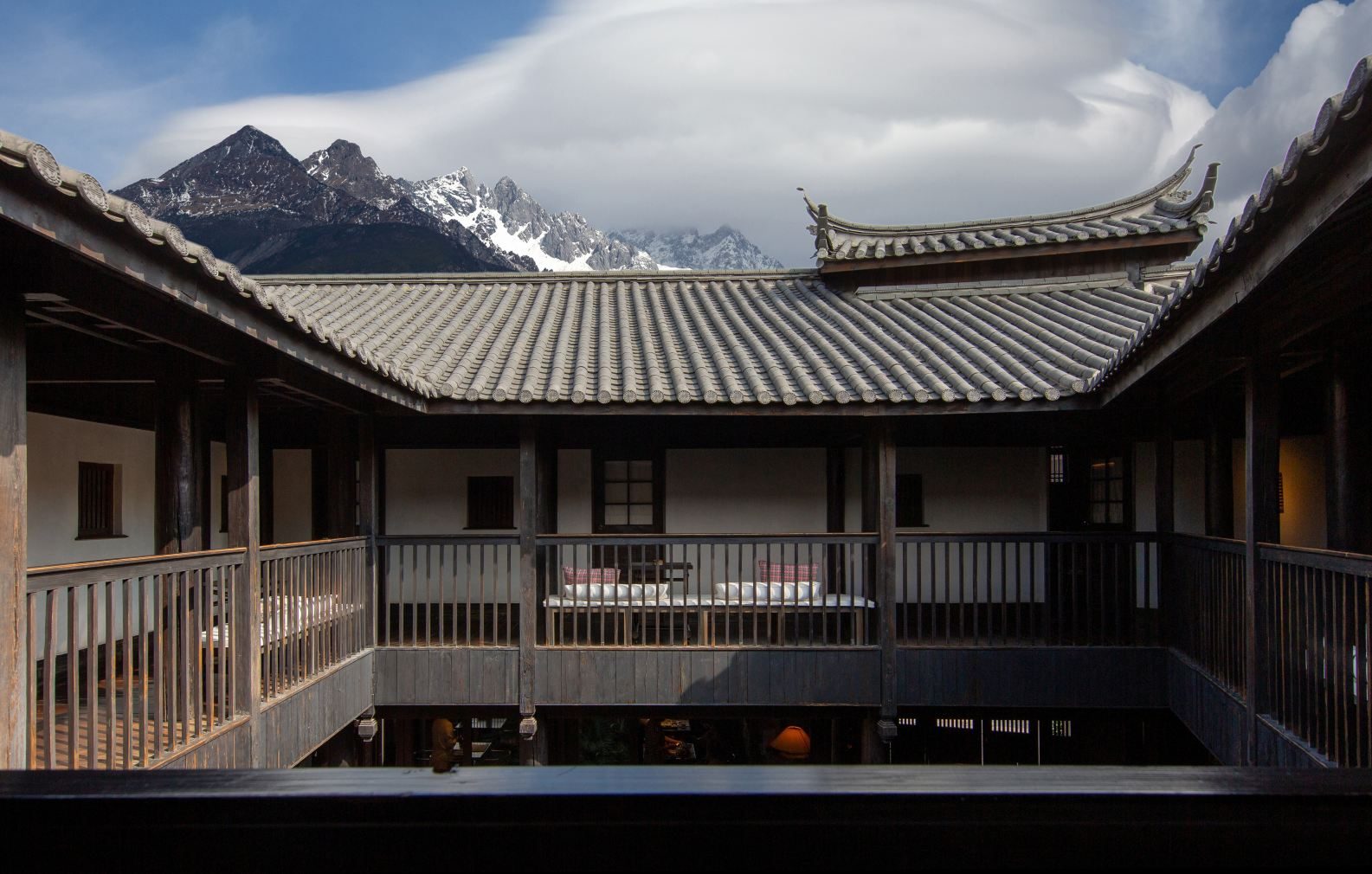
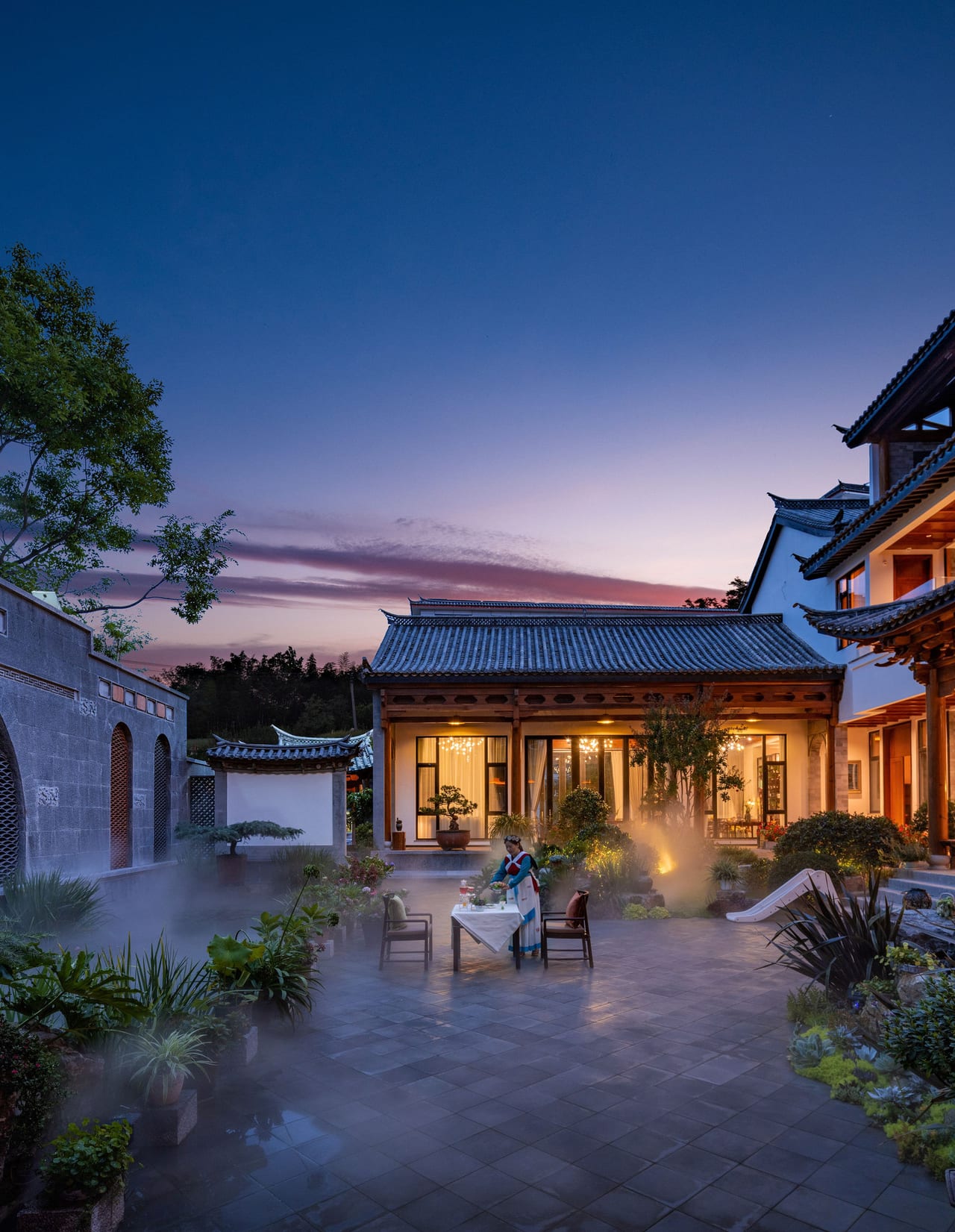
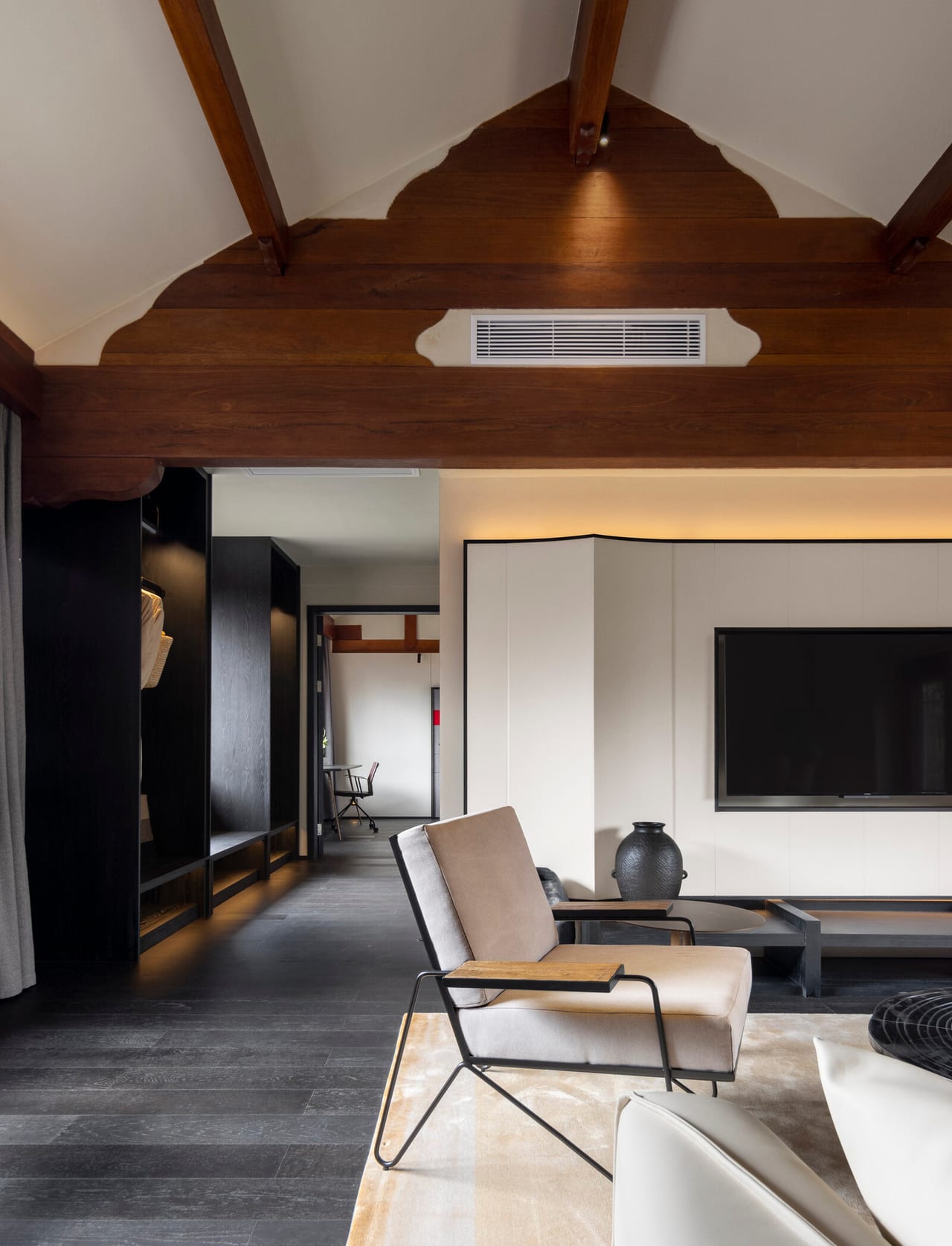
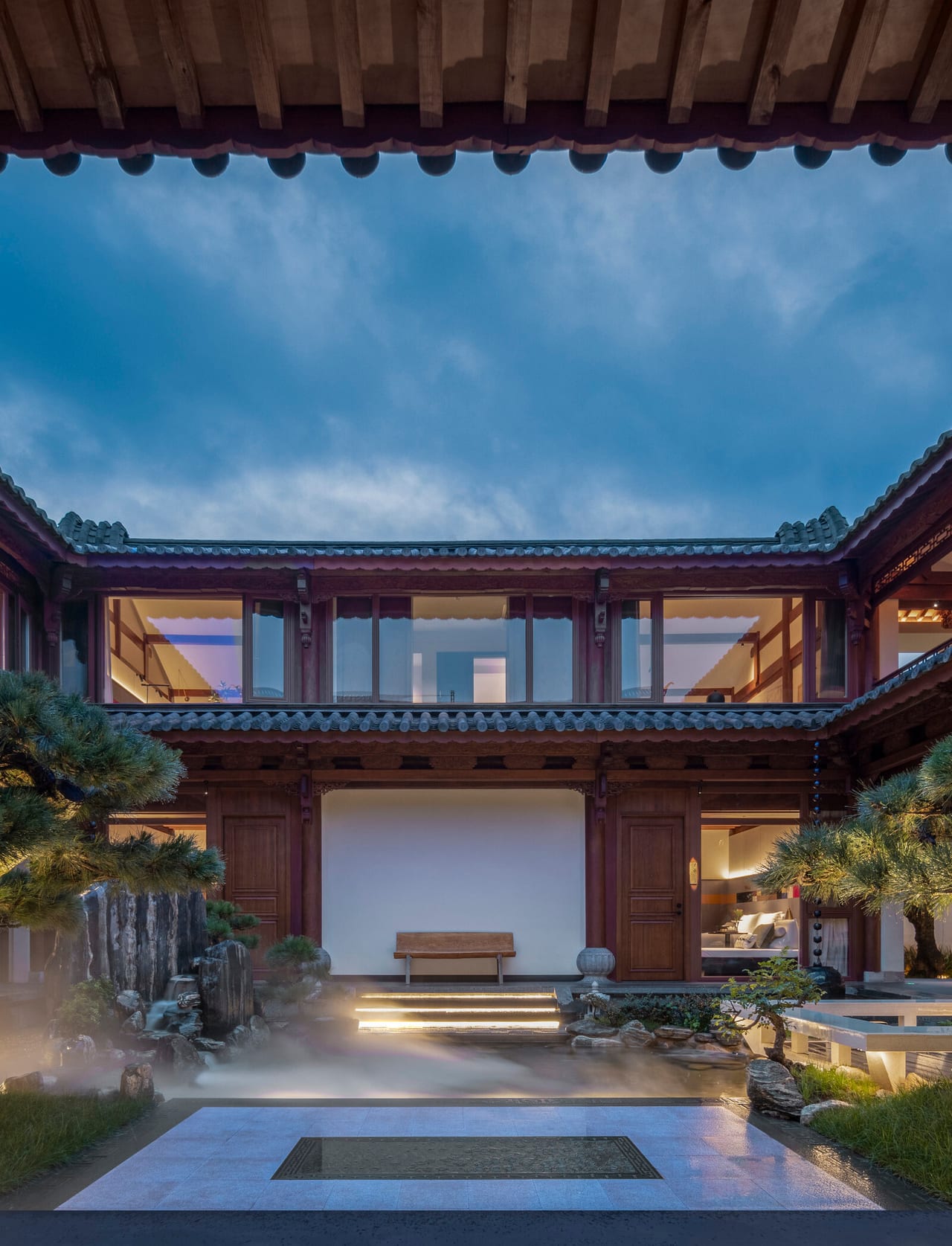
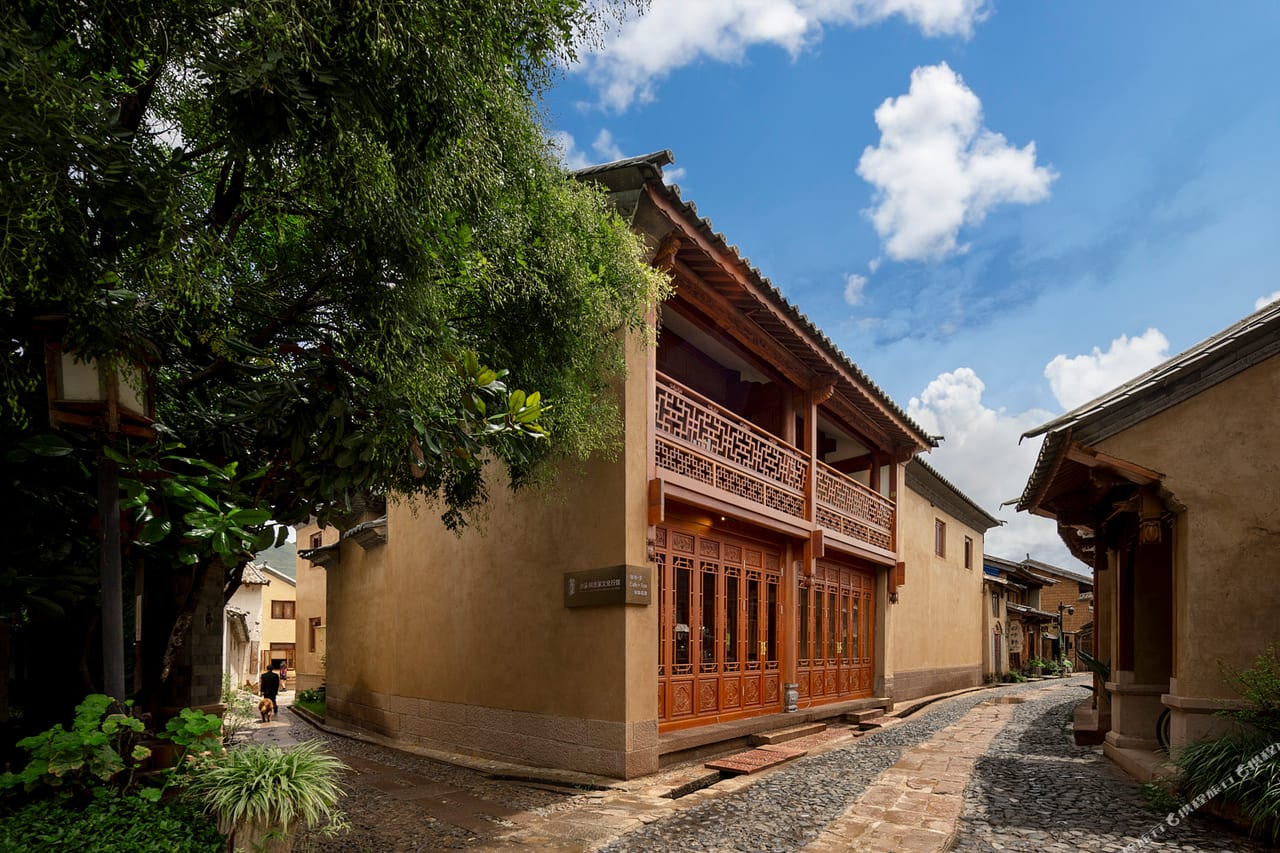
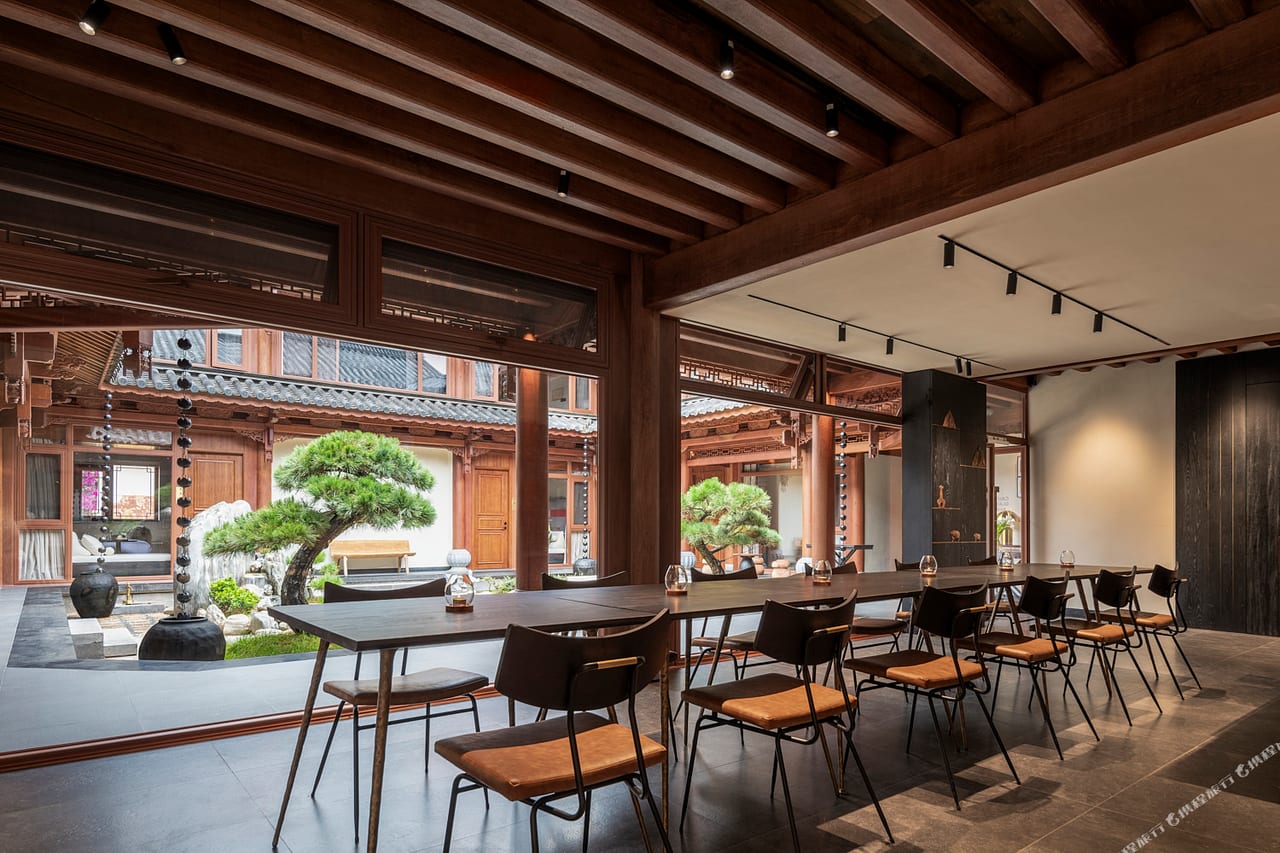
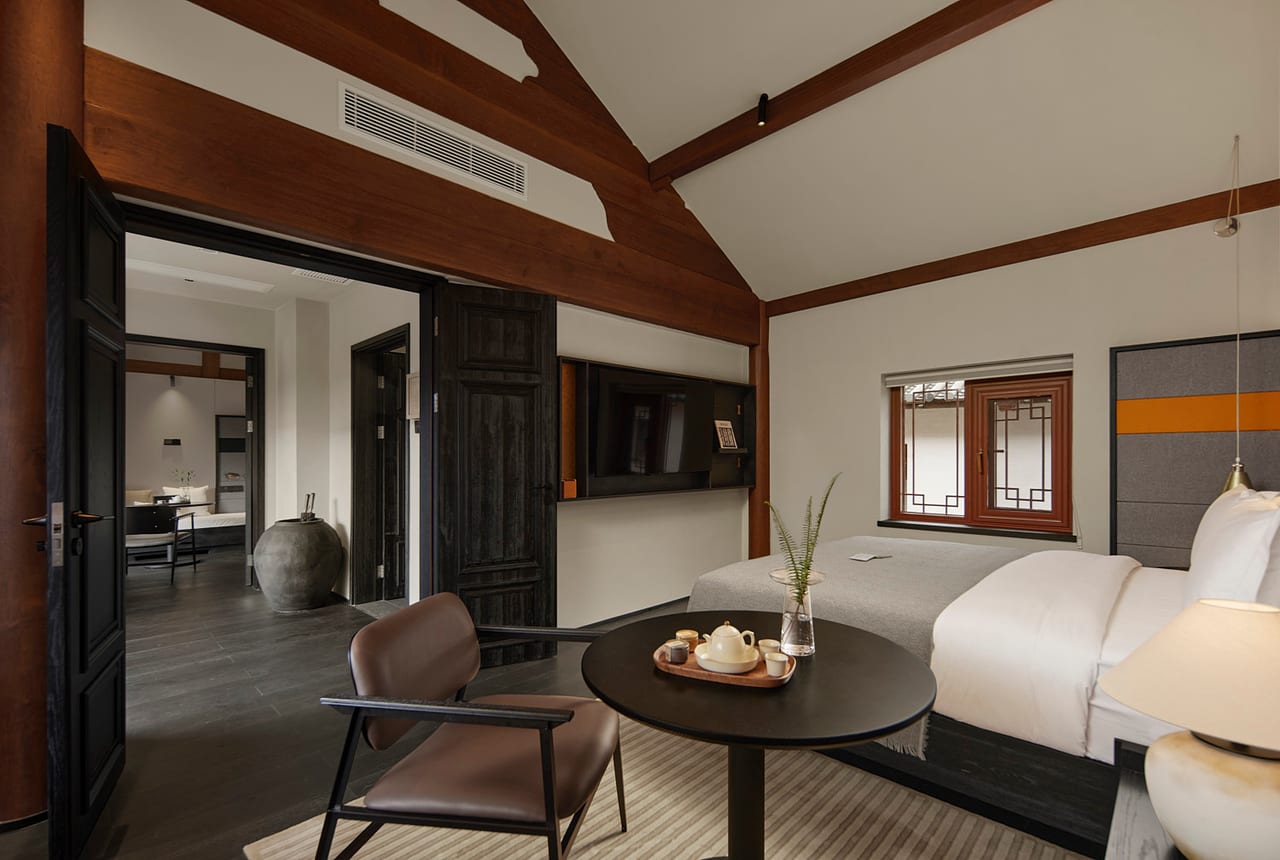
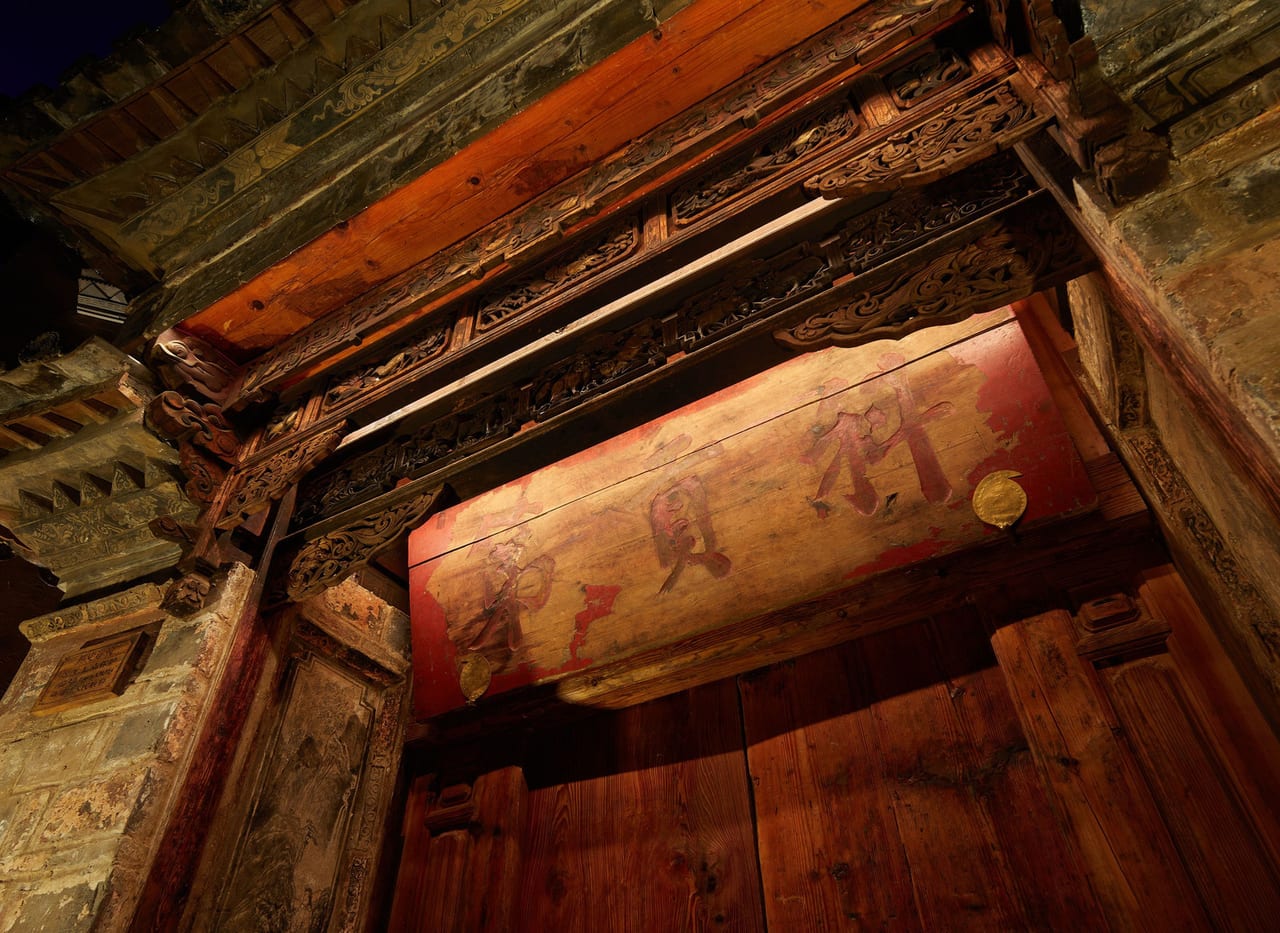
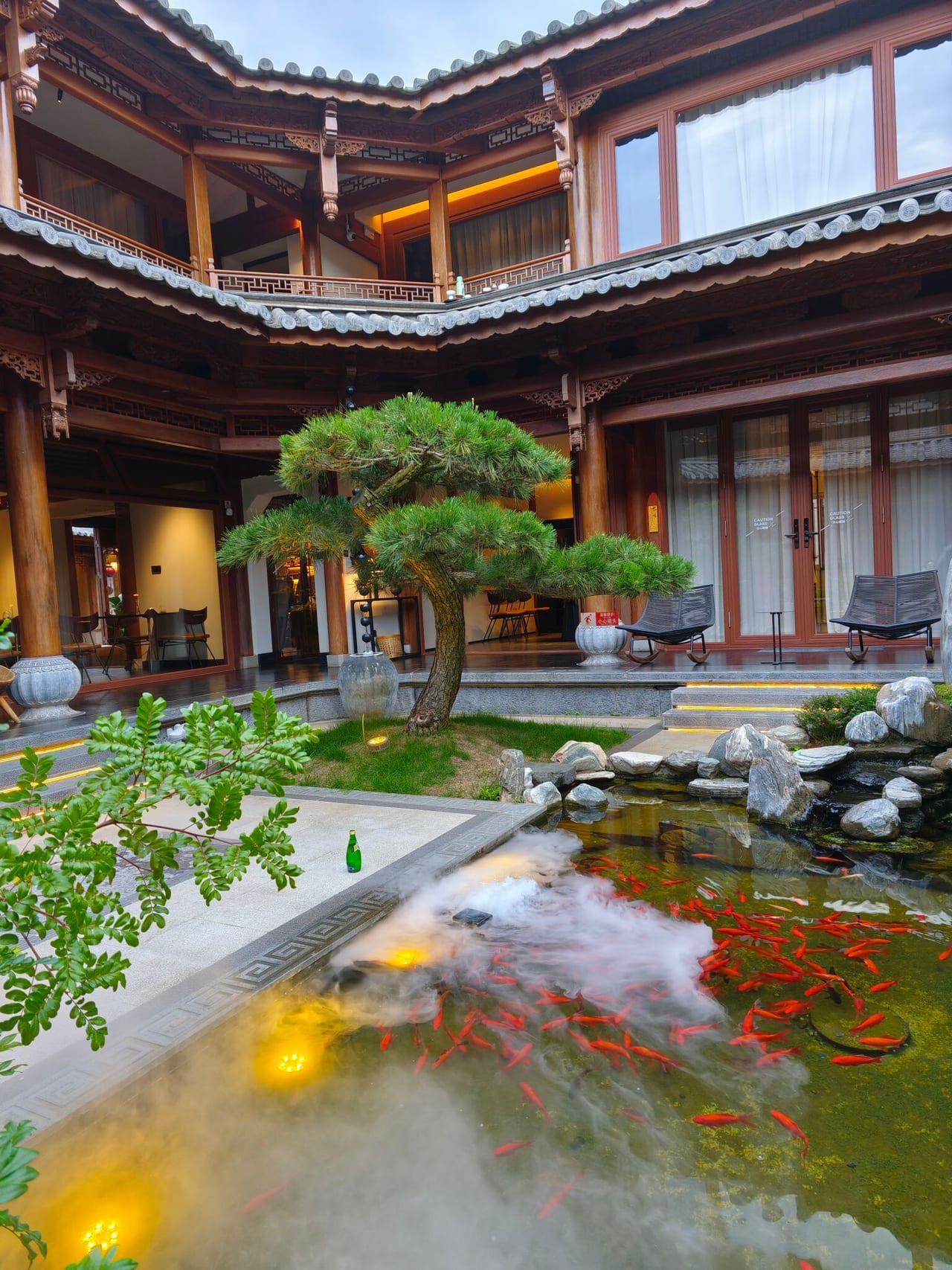
A restored Bai ancestral home at No. 79 Beiguzong Lane, two minutes from Sideng Square and the ancient opera stage. The house is the 140-year-old Ouyang Xudong residence, and the 科贡第 plaque over its gate was inscribed by a Qing viceroy of Yunnan and Guizhou. Inside the ochre walls and carved timber gates is an eleven-room boutique — deep beams, a glassed gallery facing a courtyard of black pines and koi, and a coffee bar set around a sunken brass fire pit. The pairing is the property's signature: heritage envelope, contemporary inside, executed with restraint.
Highlights
- Two minutes on foot to Sideng Square, the ancient opera stage and the Tea Horse Road Exhibition Hall — five to Yujin Bridge
- The 140-year-old Ouyang Xudong residence, restored and reopened in 2023 — ochre rammed-earth walls, carved timber gates, deep beamed interiors
- The 科贡第 plaque above the gate was inscribed by a Qing-era viceroy of Yunnan and Guizhou; the original carved beams are still in place
- Eleven rooms only, arranged around a planted courtyard of shaped black pines, a reflecting pool and a koi pond
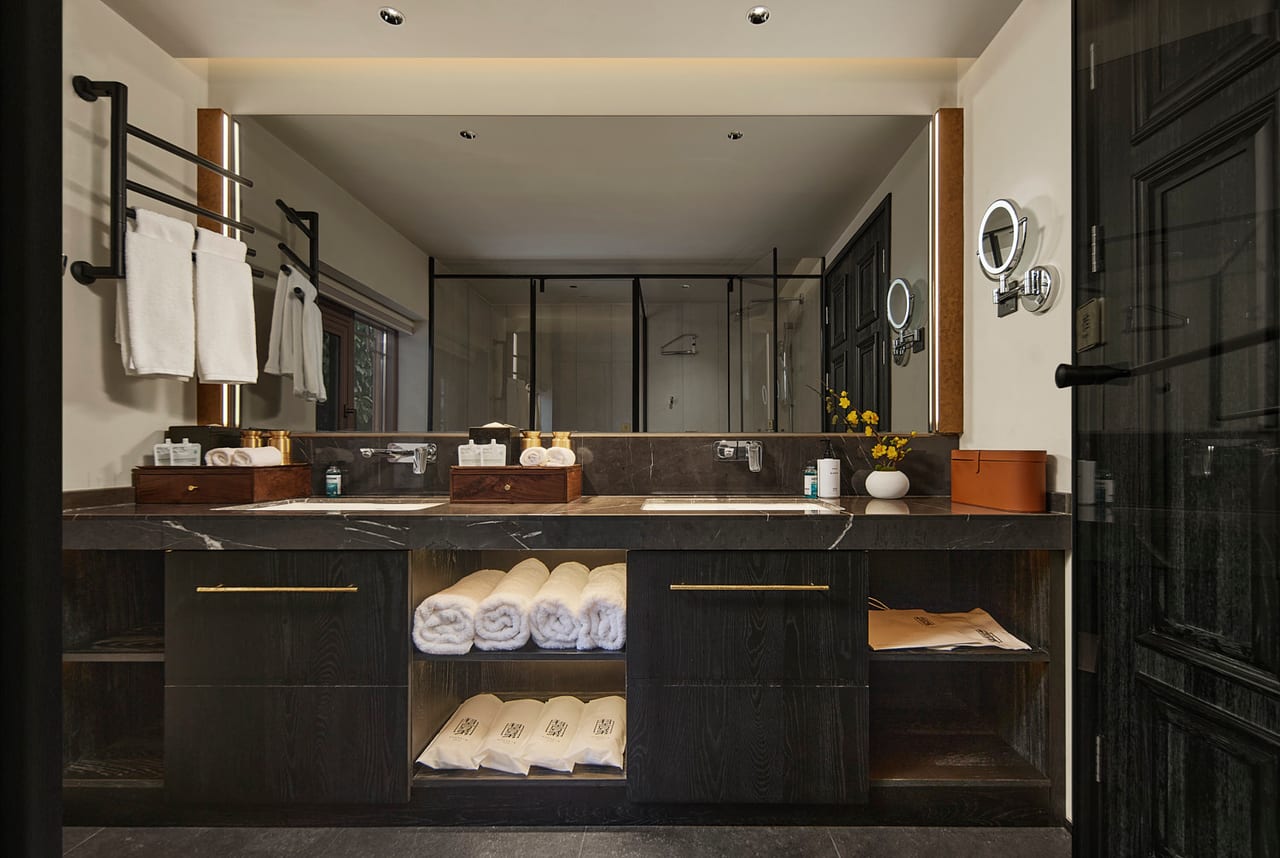
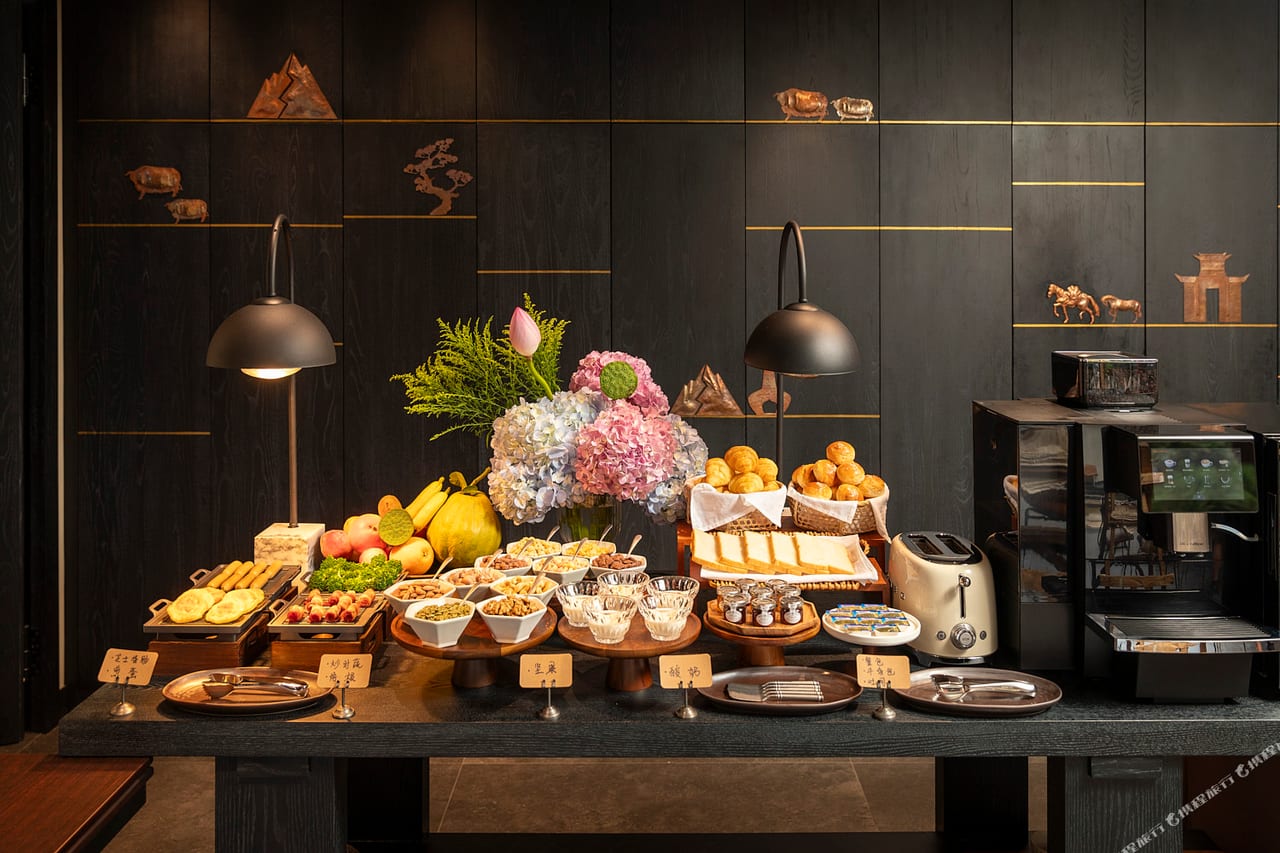
- Contemporary fittings inside the heritage shell — a glassed gallery dining hall, and a coffee bar and lounge around a sunken brass fire pit
- Roughly ninety minutes by road from either Lijiang or Dali airport, which makes Shaxi an easy stop between the two
Inside Kogongdi
Staying at Kogongdi
01 Where exactly is Kogongdi in Shaxi Ancient Town?
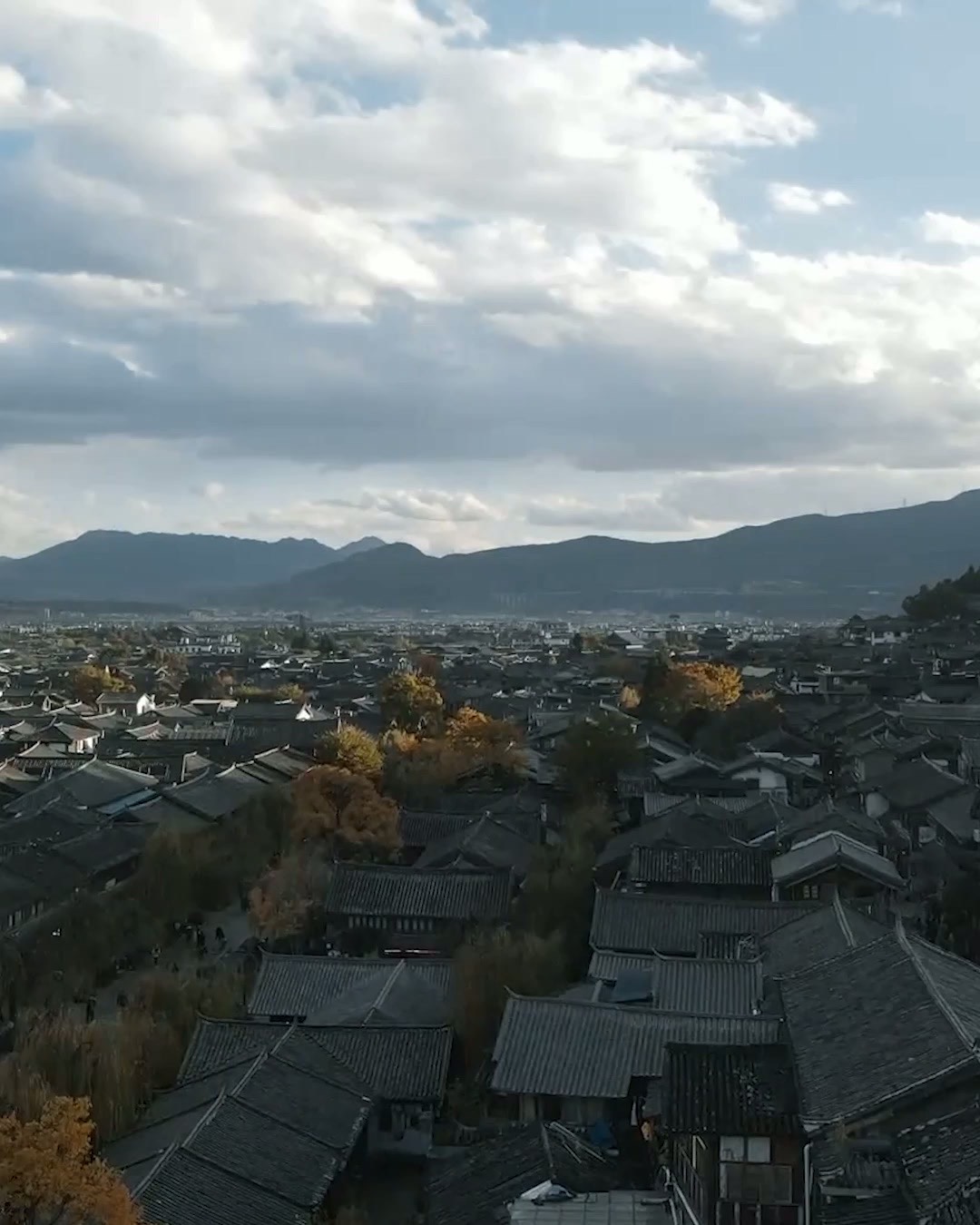
On No. 79 Beiguzong Lane — two minutes' walk from Sideng Square and the ancient opera stage, five minutes to Yujin Bridge. Inside the old town's UNESCO-recognised core, on a quiet cobbled lane rather than the through-route. Most arrivals are from Lijiang airport (~3 hours by transfer) or Heqing high-speed rail station (~1.5 hours).
02 What's the design story?
The property is a restored Bai ancestral home — ochre rammed-earth walls and carved timber gates kept as found, with the interiors rebuilt as a contemporary boutique. Deep wood-beamed dining hall opens onto a central courtyard with a single black-pine bonsai. The lounge sits around a sunken brass fire pit beside a modern coffee bar. The pairing — heritage envelope, contemporary inside — is the property's signature.
03 When is the best time to stay?
March to May for the rapeseed-flower fields and the Friday market in full local rhythm. September to early November for autumn light, the cleanest air of the year, and the Shaxi tea-horse trade festivals. Late June to August brings the rainy season — atmospheric in cloud-and-rain weather but the longer surrounding walks (to Shibao Mountain or the back valleys) become unreliable. The property has in-room heating year-round so winter is workable for travellers who don't mind cold mornings.