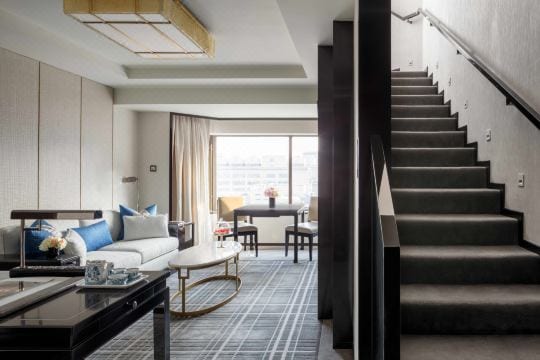
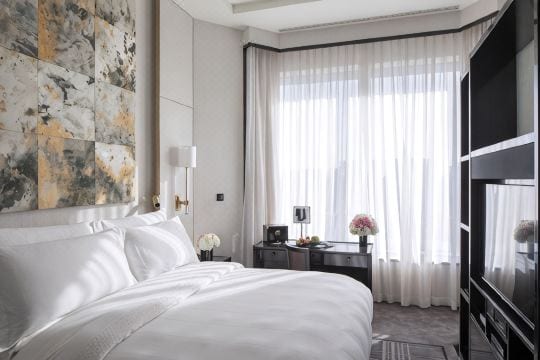
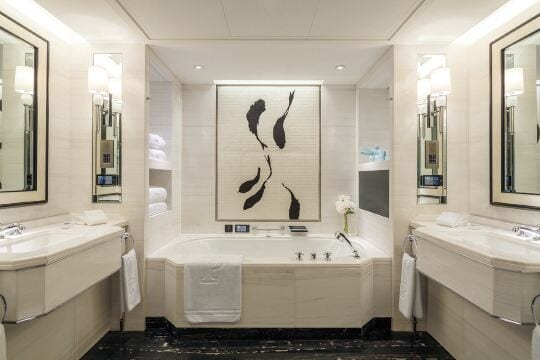
Wangfujing · Beijing
The all-suite Peninsula on Jinyu Hutong — Goldfish Lane — in Wangfujing, a short walk from the Forbidden City; every room a suite from 60 m², with room for a family to spread out. Three nights in Beijing.

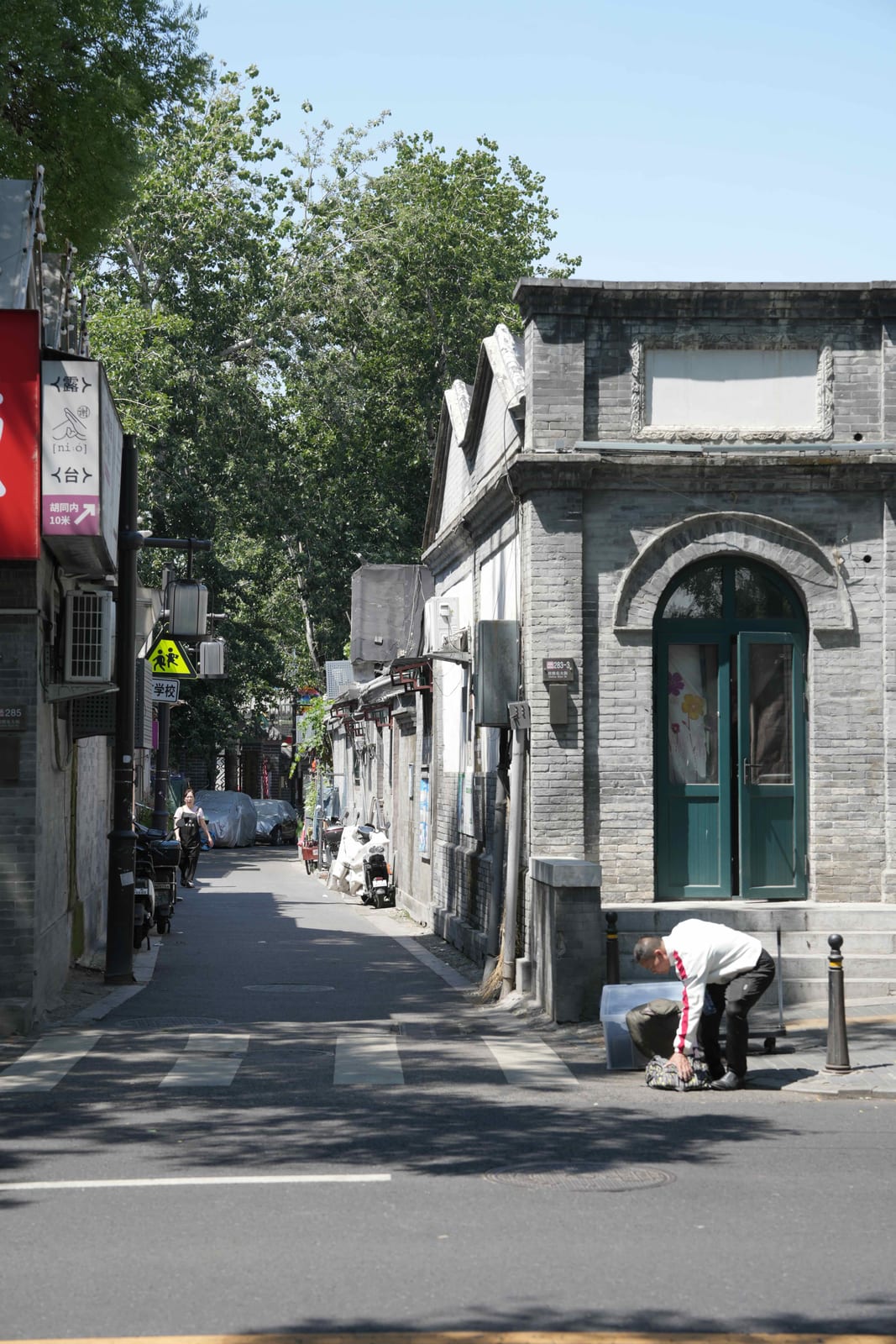
Your driver meets you at arrivals and brings you into the heart of Beijing, a short walk from the Forbidden City. The rest of the day is for landing softly: a first wander through the hutongs around the Drum Tower and the Houhai lakes as the lights come on, and dumplings or skewers in the lanes whenever hunger calls.
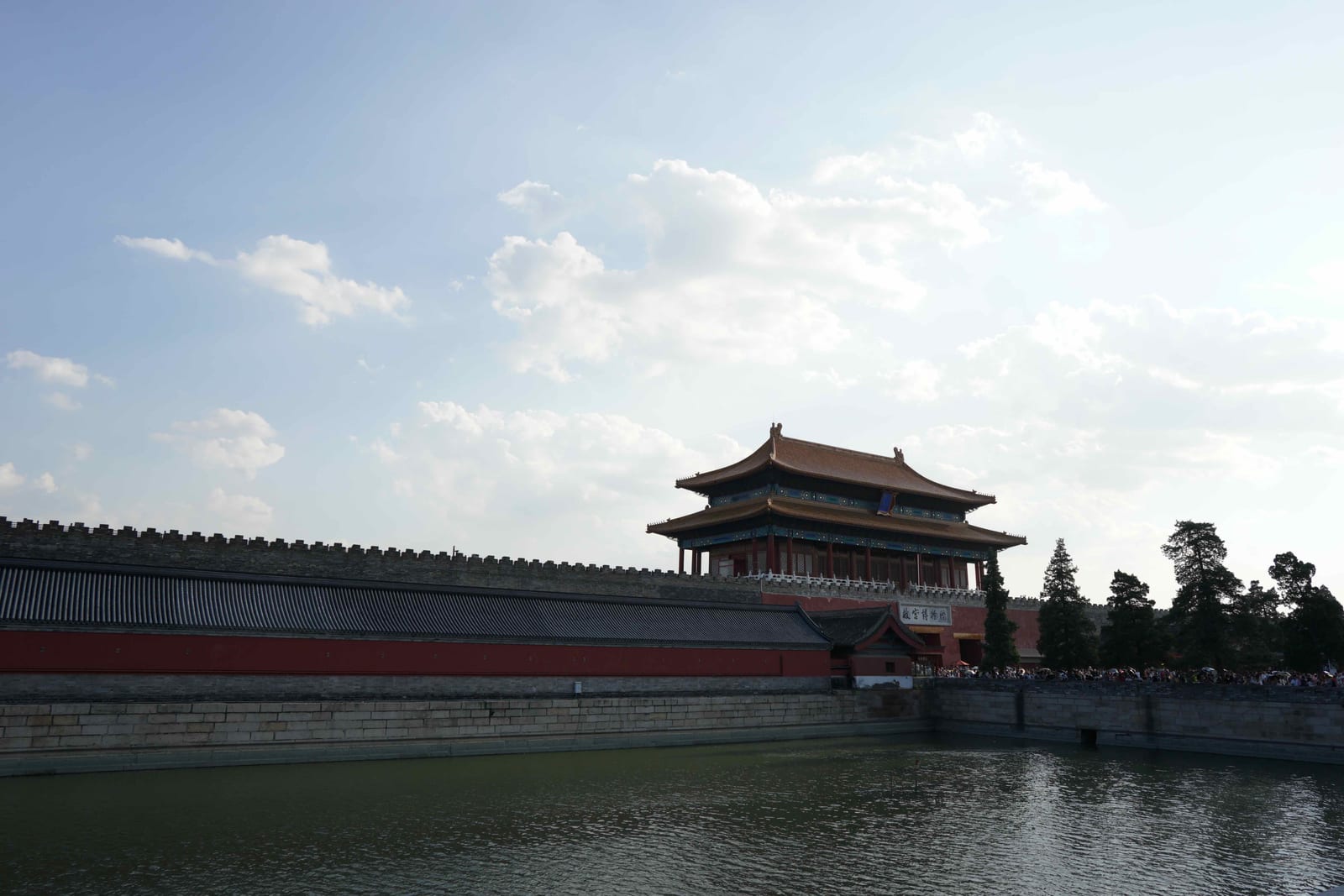
Your guide walks you through the Forbidden City with timed entry booked ahead — the great parade of throne halls first, then the quieter eastern courtyards where the emperors actually lived. Climb Jingshan hill straight after for the view back over the sea of golden roofs, the photograph everyone remembers taking. An afternoon loop through the hutongs by the Drum Tower rounds it off; the evening is free, with your guide's dinner picks in hand.
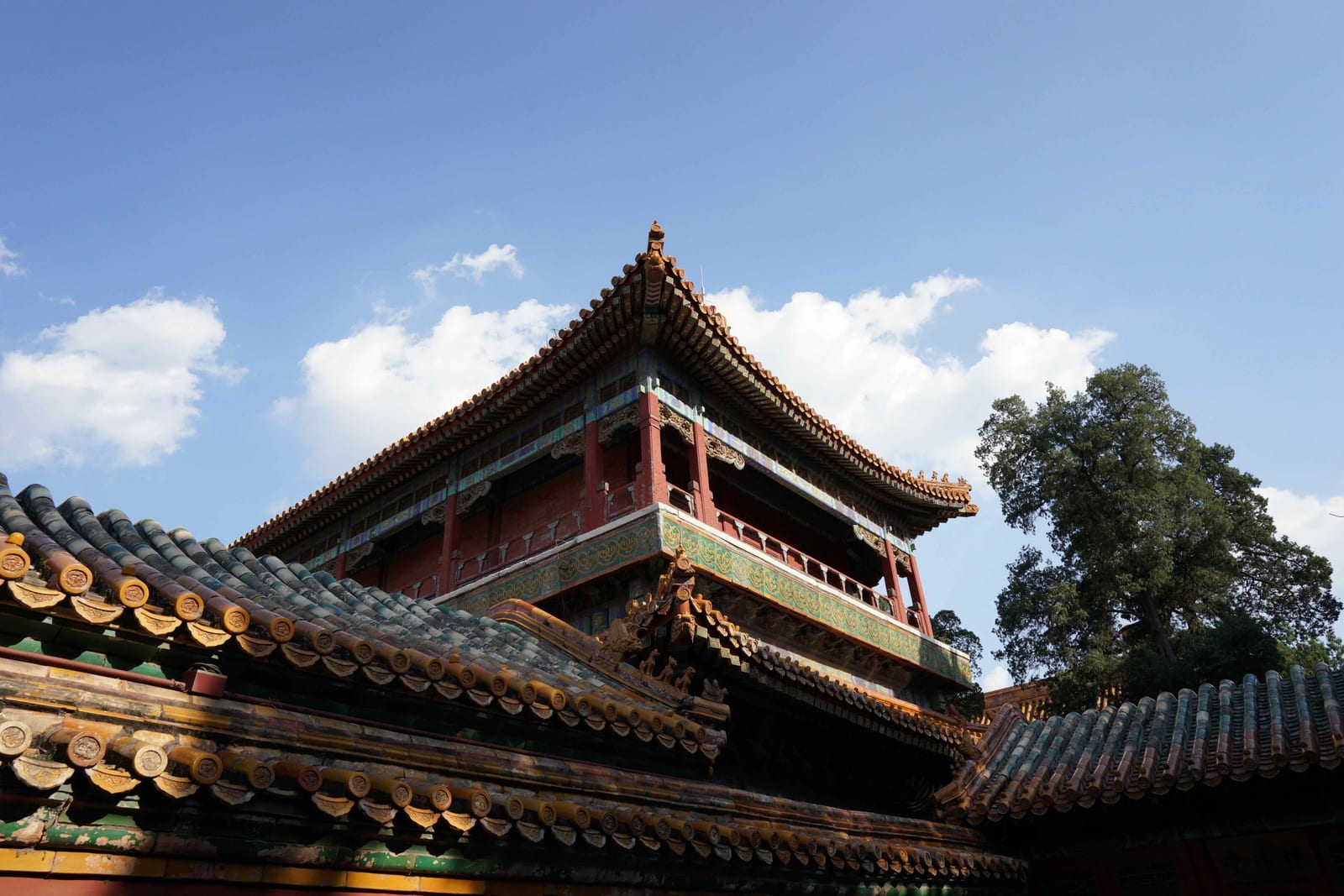
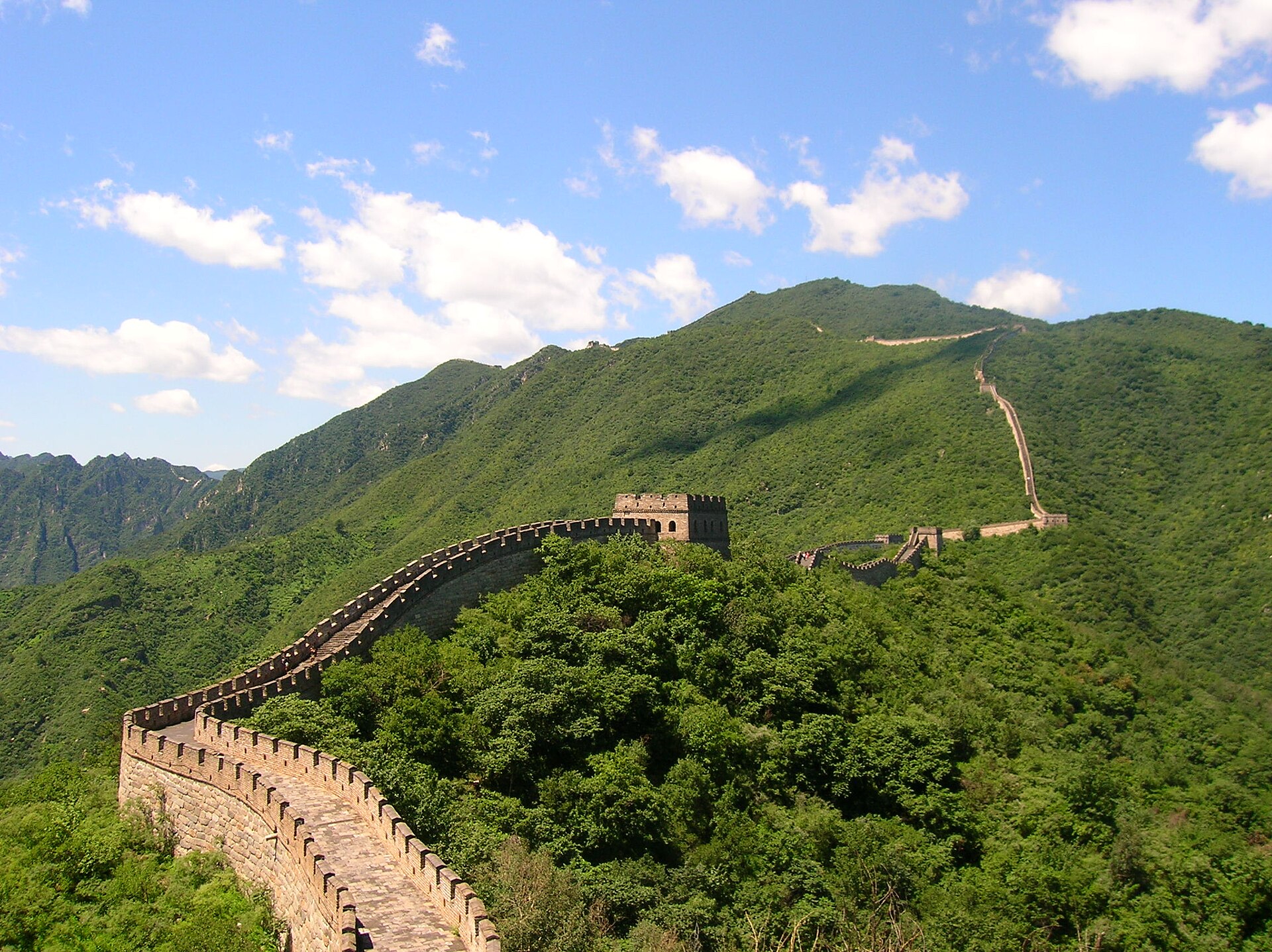
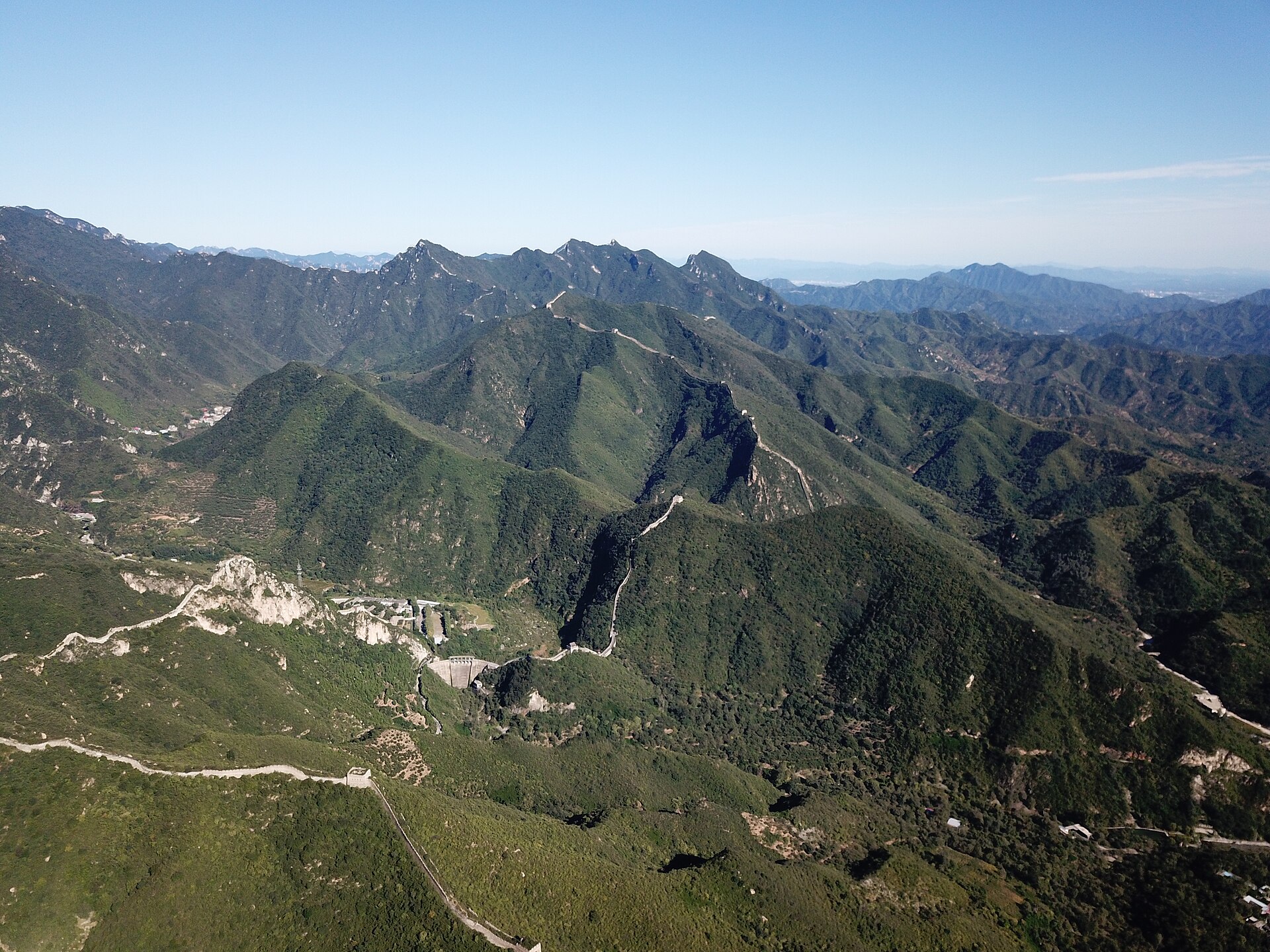
Out early with your guide and driver to Jinshanling, about two hours north-east of the city — restored at its western end and wilder the further east you go, and far quieter than Badaling or Mutianyu. A cableway lifts you to the ridge, then it's two to three hours of proper wall walking, watchtower to watchtower, before the path winds back down. Back in the city by late afternoon. If you'd rather gentler walking closer to town, Mutianyu is the ready swap.
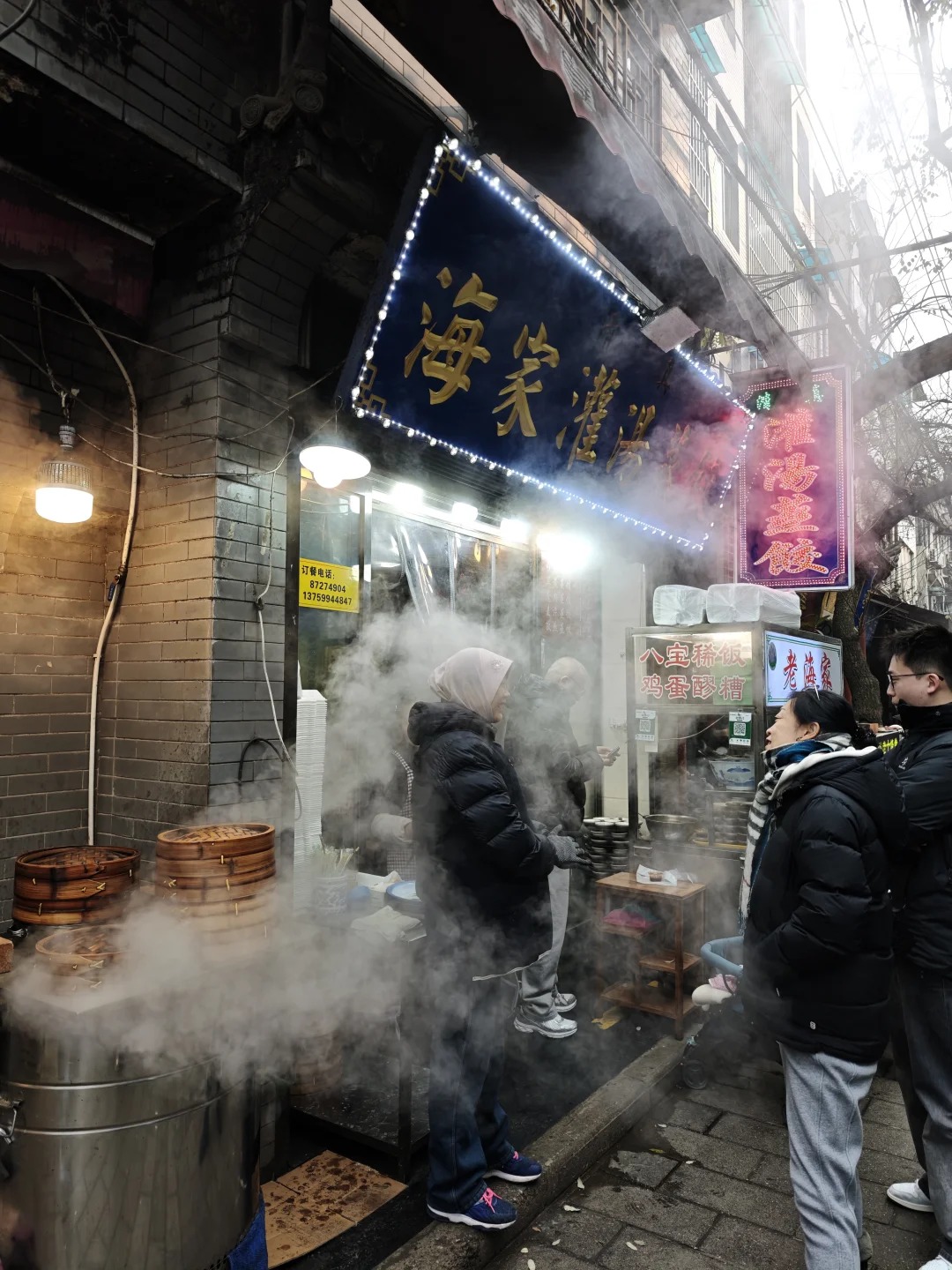
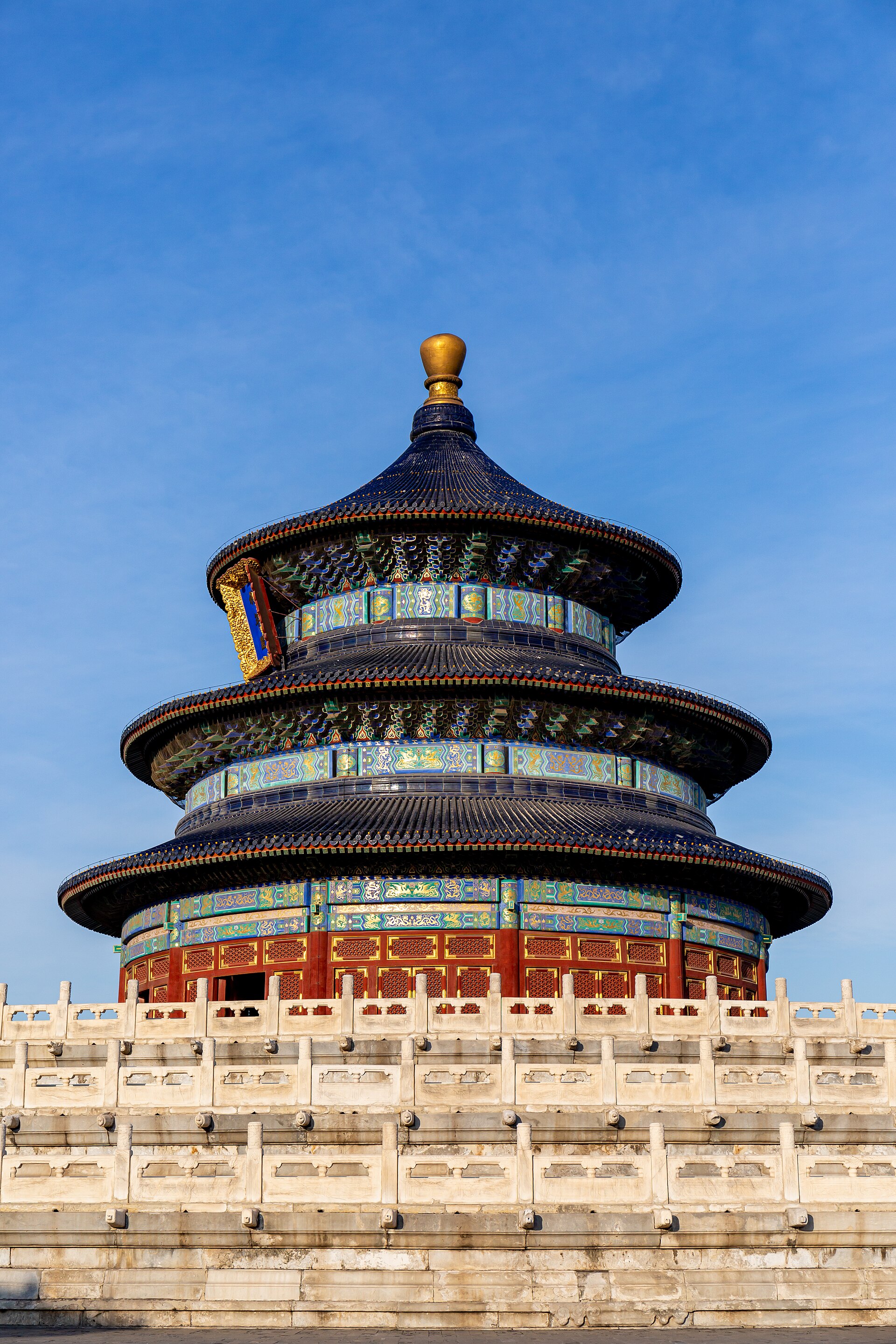
The Temple of Heaven first thing, when the park fills with tai chi and fan dancers under the cypresses. Then the bullet train west — first class, about four and a half hours across the North China Plain. Your Xi'an driver brings you inside the Ming city walls, and the evening belongs to the Muslim Quarter close by: lamb skewers off the grill, persimmon cakes, the steam and neon of one of China's great street-food districts.
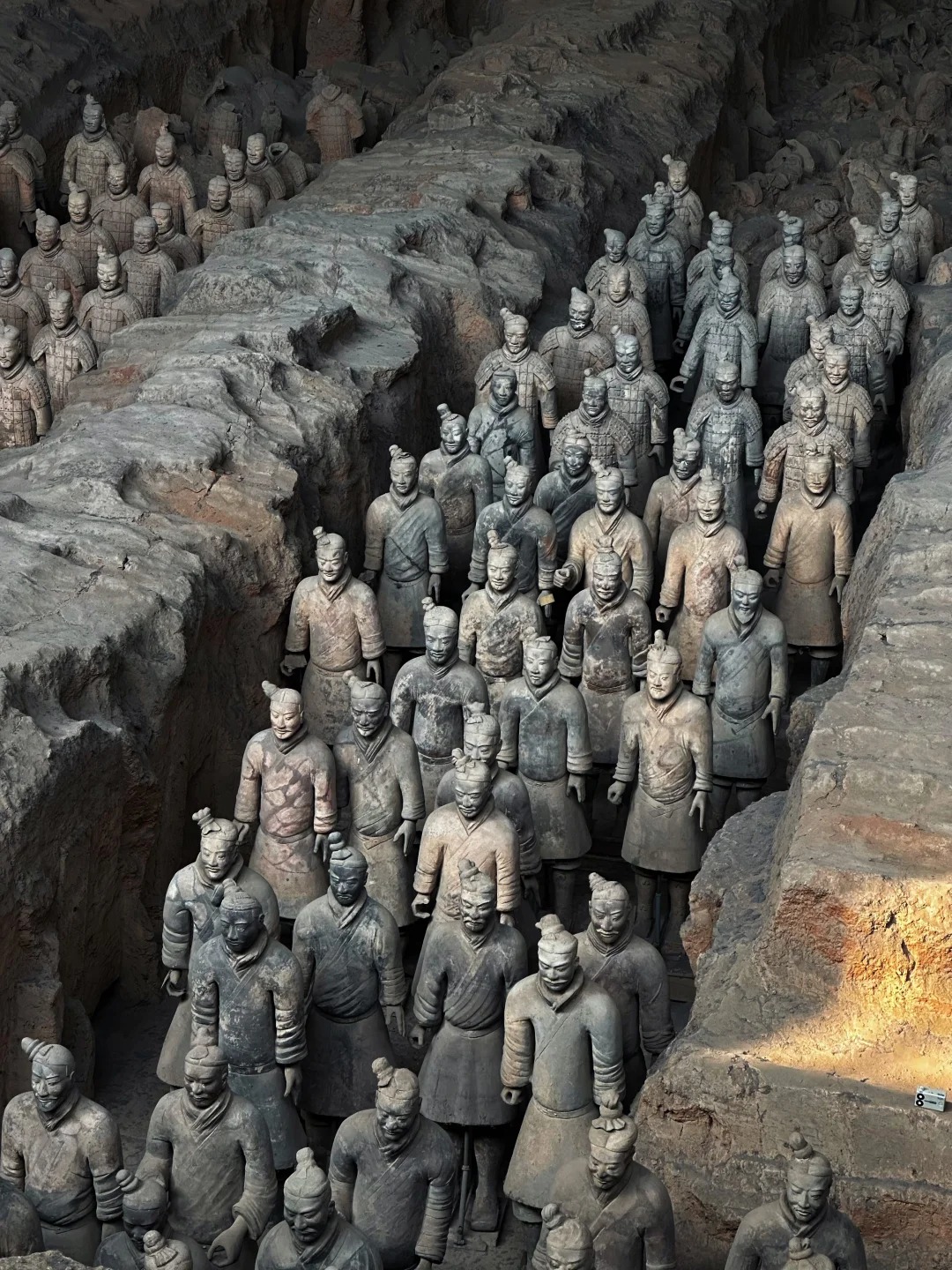
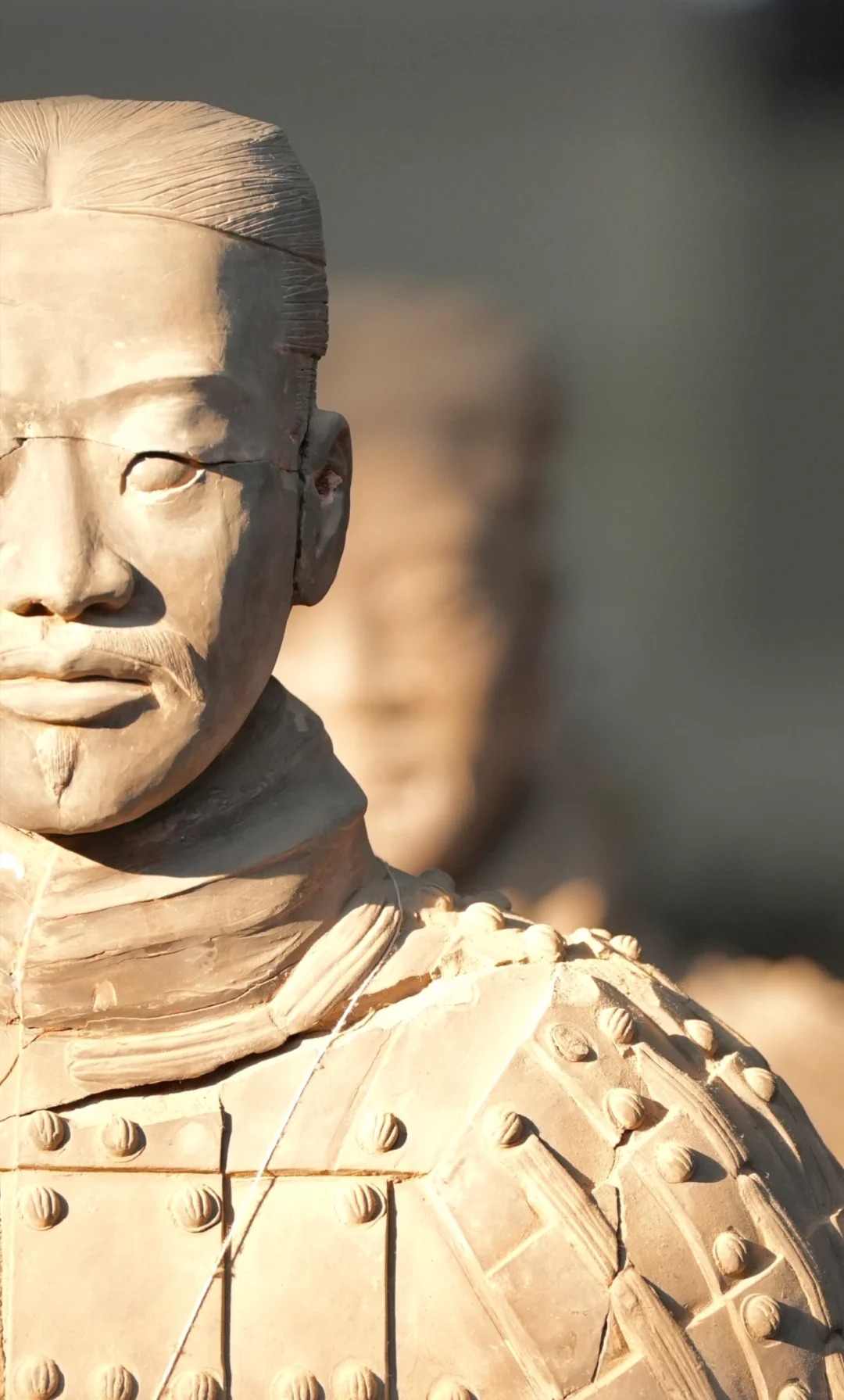
Out to Lintong with your guide to meet the Terracotta Army in the right order — Pit 1's massed ranks first, before the big tour groups build, then Pits 3 and 2 for the command post and the kneeling archer. Back in the city, bikes go up on the Ming wall — tandems if the children would rather ride with a parent — for as much of the 14-kilometre loop as everyone wants, the moat and the rooftops wheeling past below.
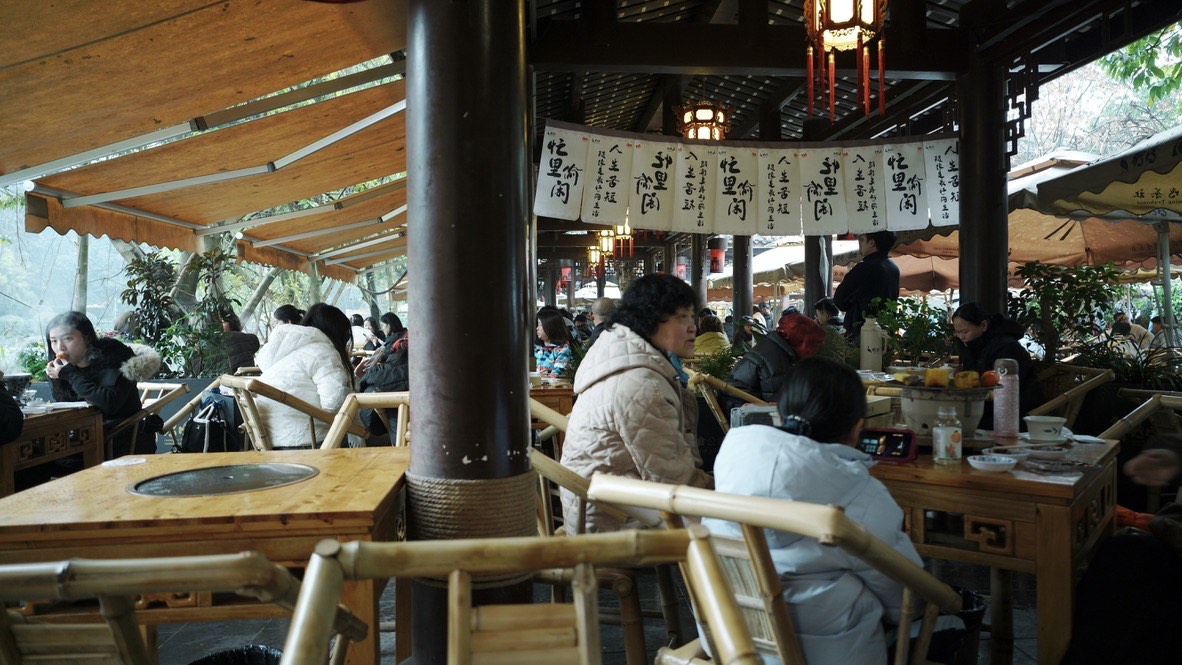
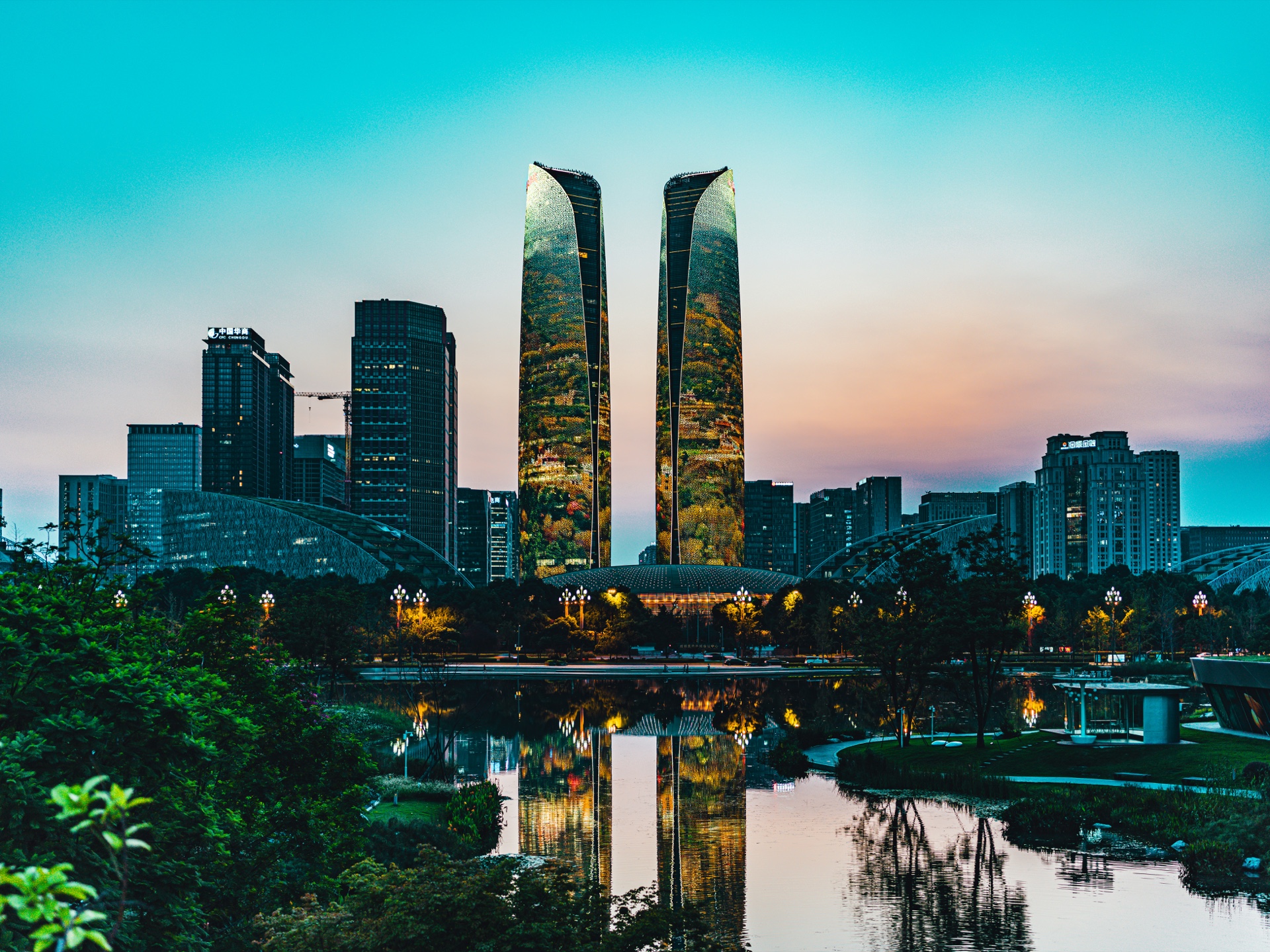
The morning train south-west — about three hours, first class, straight over the Qinling mountains that divide China's north from its bamboo-green south. Your Chengdu guide meets the train and eases you into the city's favourite pastime: bamboo chairs and lidded cups of jasmine tea at the Heming teahouse in People's Park, ear-cleaners and chess players all around. A stroll through the old lanes on the way back, then the evening free.
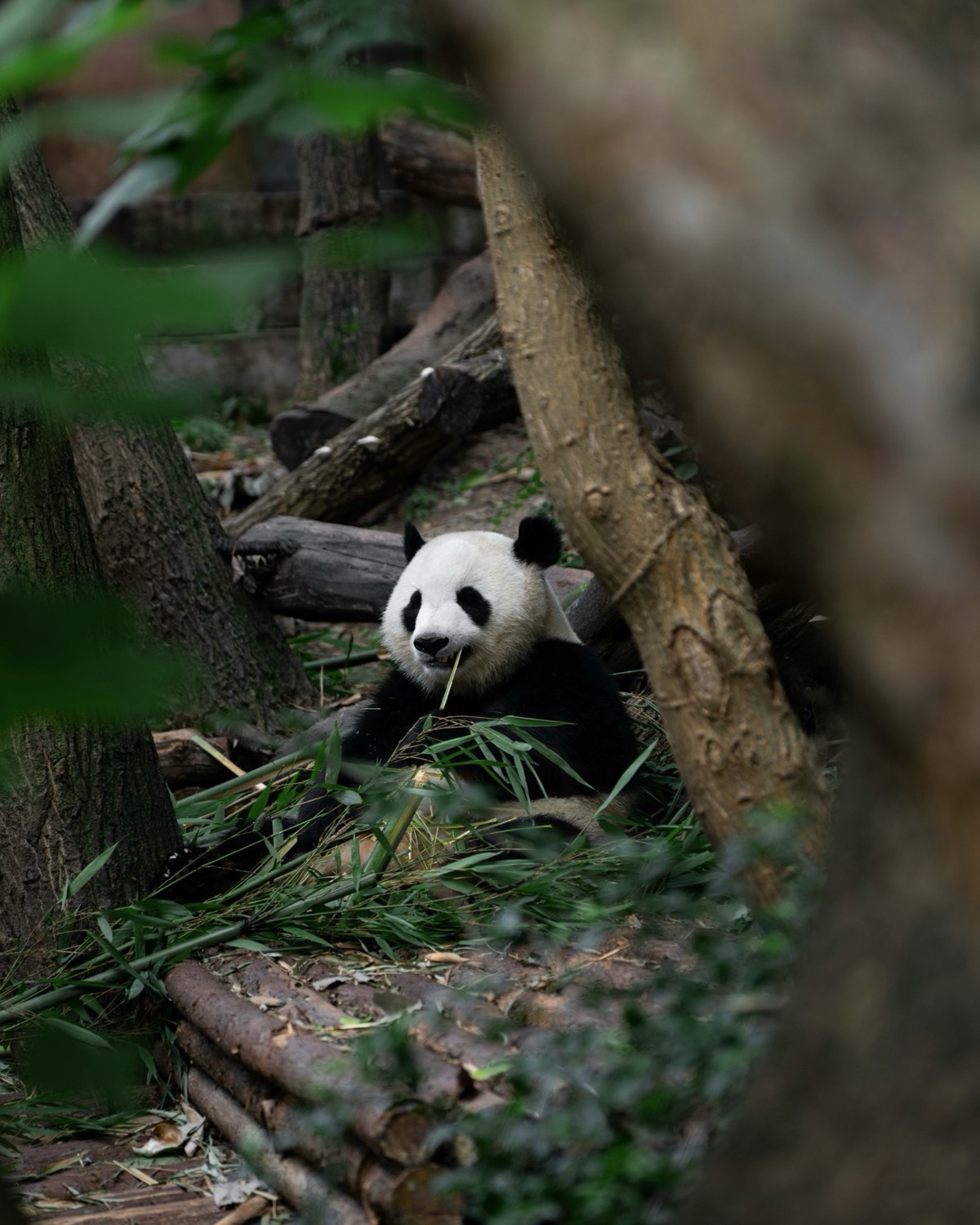
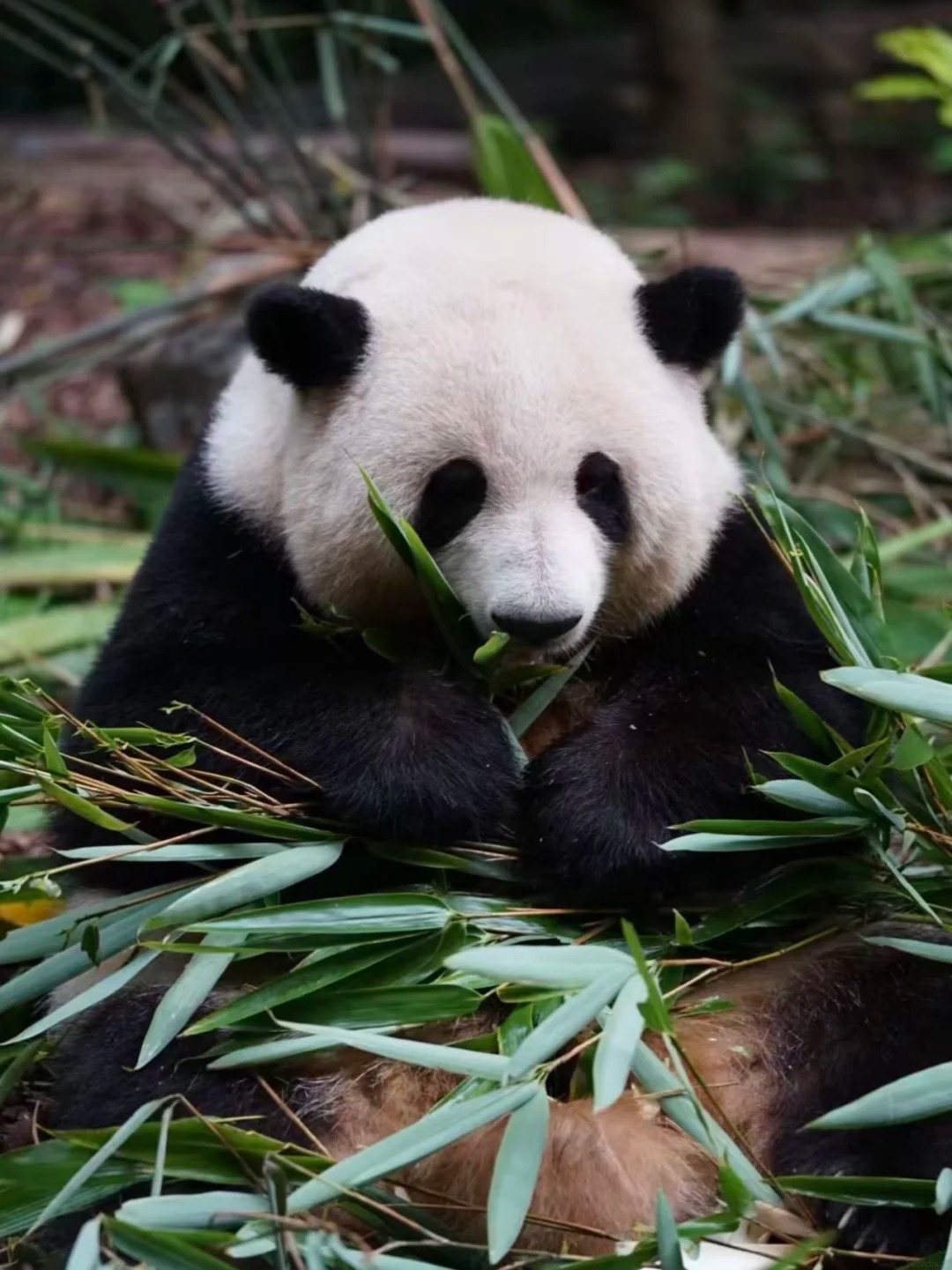
The day everyone talks about afterwards. An early drive into the mountains to the Wolong Shenshuping panda base, for a full working day as volunteer keepers — sweeping enclosures, splitting bamboo, preparing panda cakes and watching feeding time from closer than any visitor path, with your guide alongside all day. Places are capped and reserved well ahead. Back to Chengdu by early evening, and a bowl of dan dan noodles.
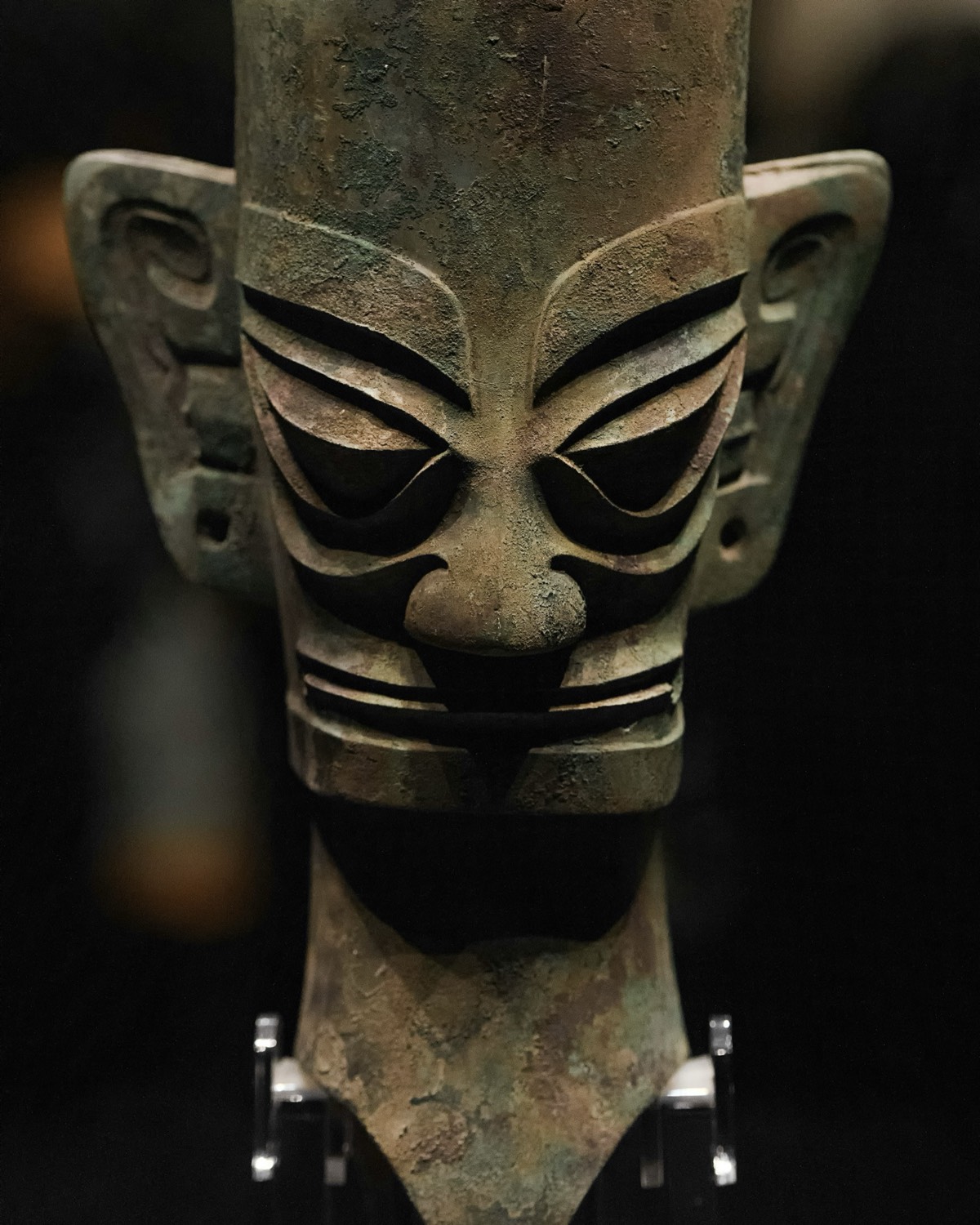
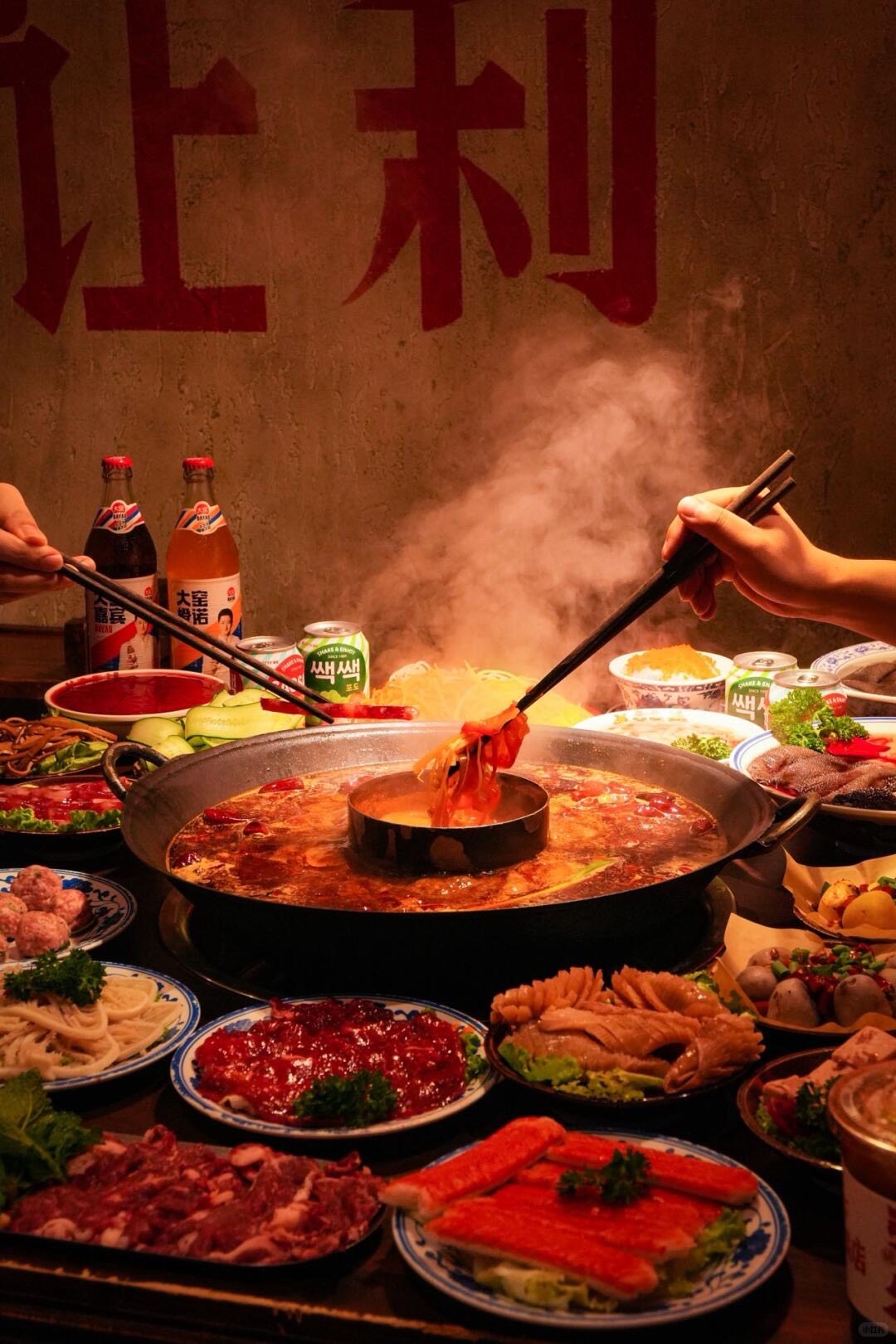
An hour's drive north with your guide to Sanxingdui, where a Bronze Age culture more than 3,000 years old was dug out of sacrificial pits in a Sichuan field — gold masks, a towering bronze spirit tree, faces with eyes on stalks. The museum holds children and adults alike, and timed entry is reserved ahead. Back by mid-afternoon for downtime before three mountain days, and a proper Sichuan hotpot for dinner.
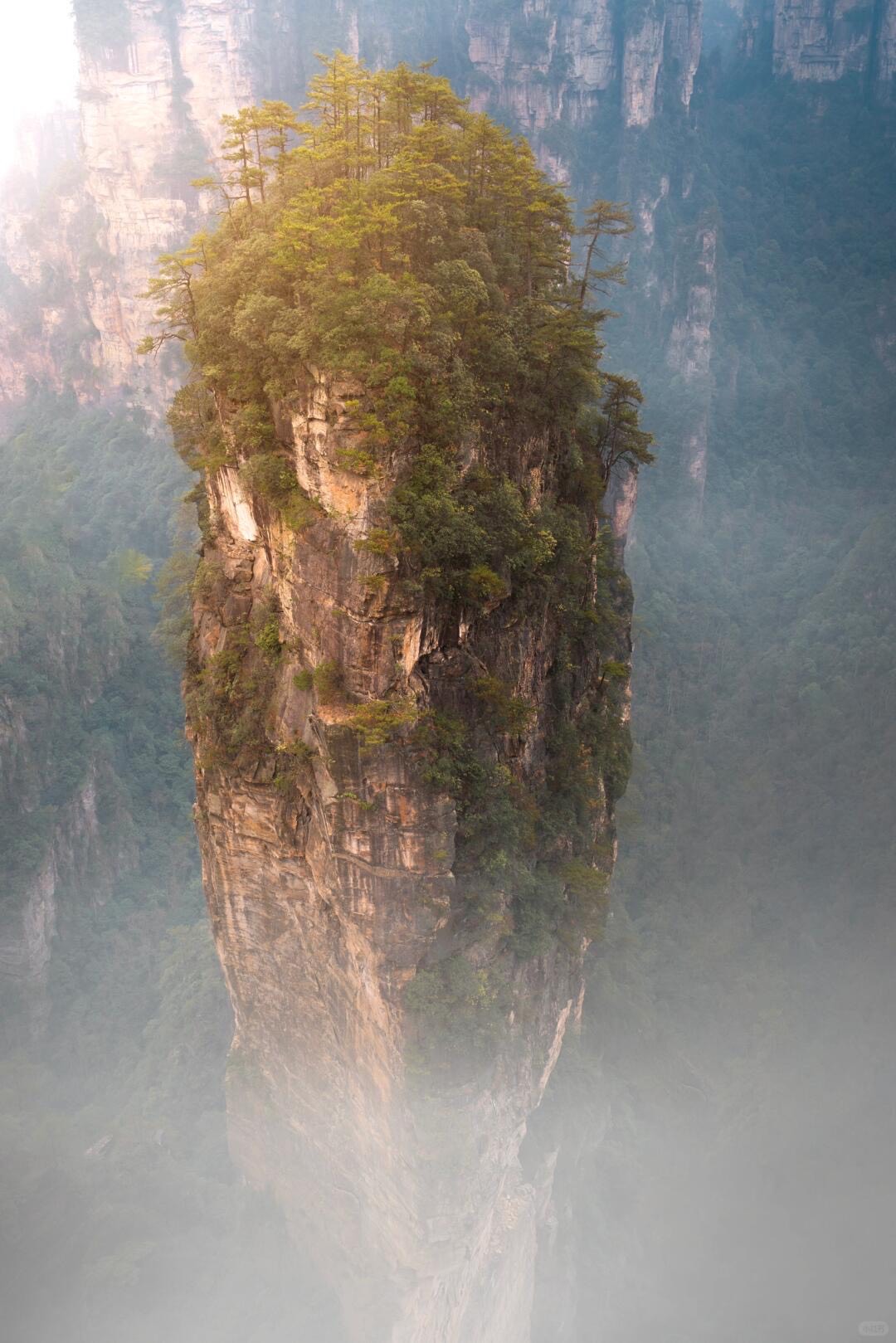
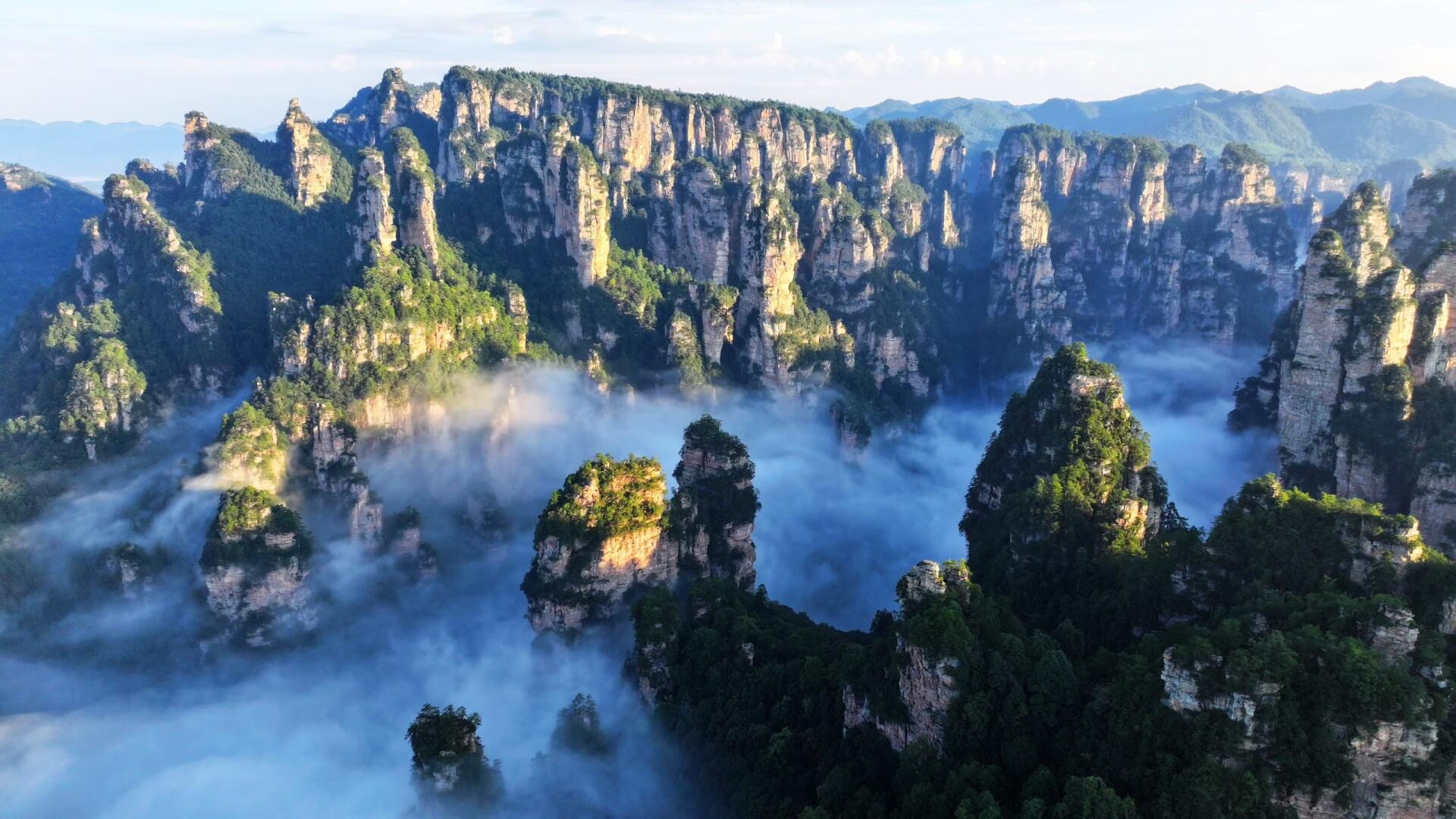
The bullet train east — just under four hours, first class — into the mountains of north-western Hunan, then a forty-minute drive up to Wulingyuan, the village at the gate of Zhangjiajie National Forest Park. Four nights here, a few minutes' walk from the gate, so the big days can start before the coaches arrive. First sight of the sandstone towers from the valley floor, an early dinner and an early night.
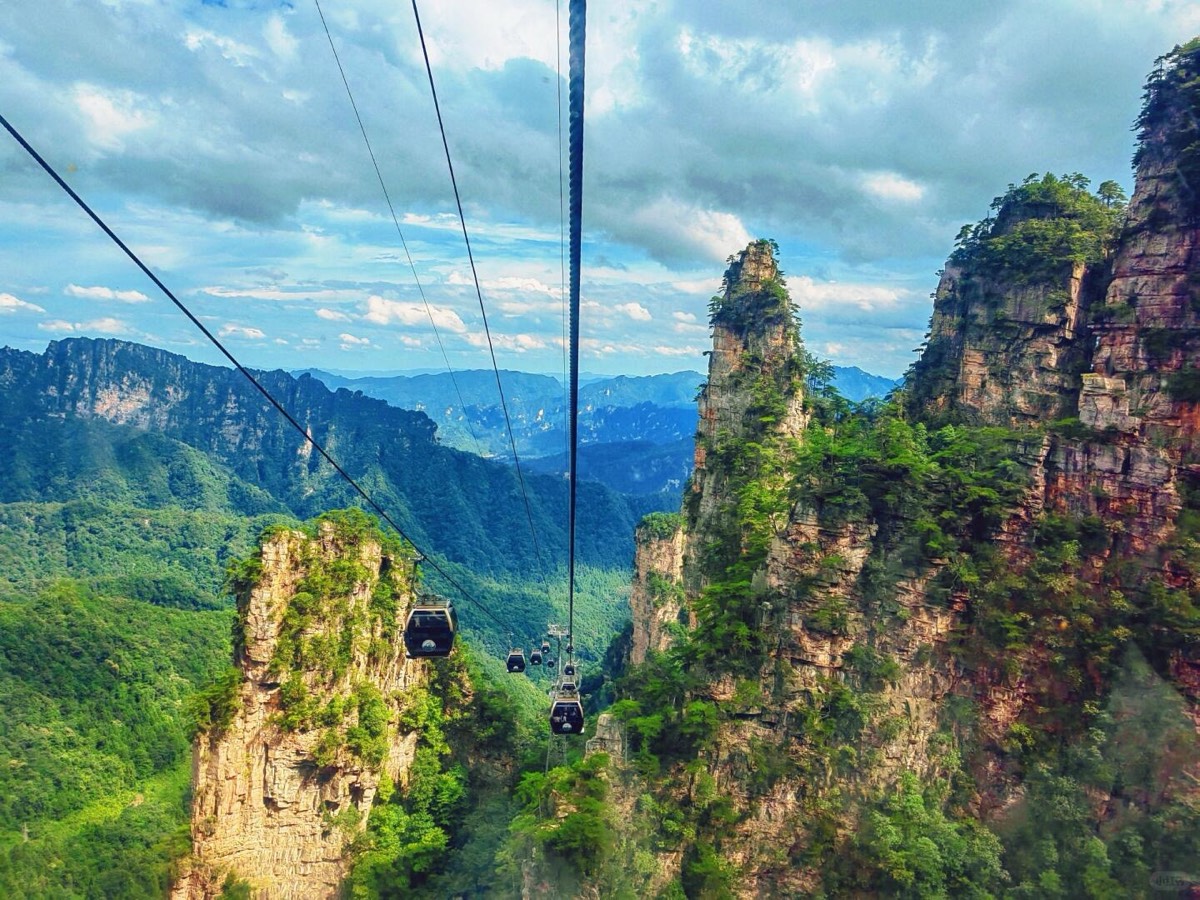
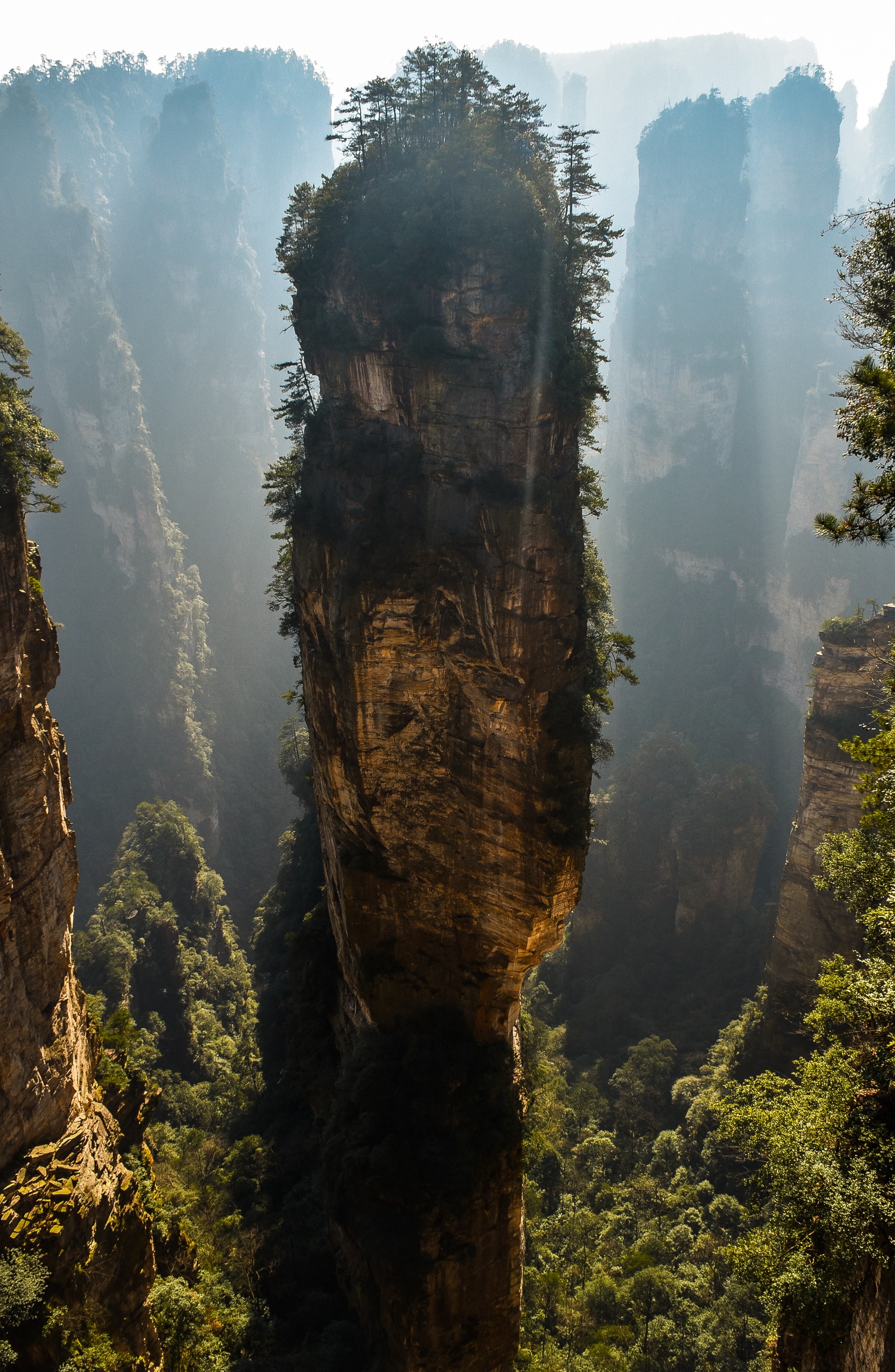
Through the gate early with your guide, then the Bailong Elevator — a glass lift up a cliff face — straight onto Yuanjiajie's amphitheatre of floating peaks, including the pillar that inspired Avatar's Hallelujah Mountains. Easy rim paths lead on to the Tianzi Mountain viewpoints, the whole stone forest spread out below, and the cableway carries you down to finish along the Ten-Mile Gallery's valley floor under a parade of named peaks.
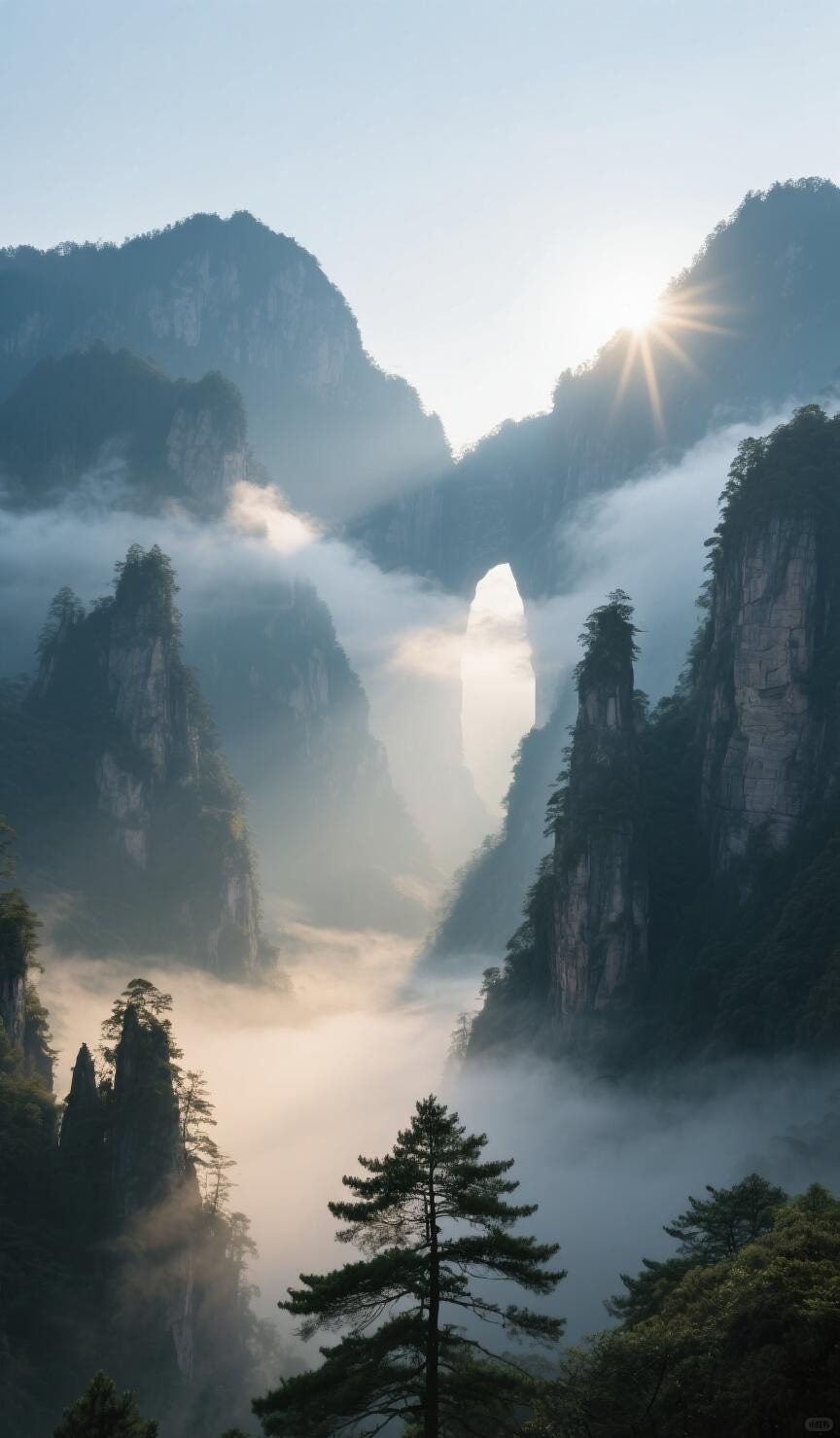
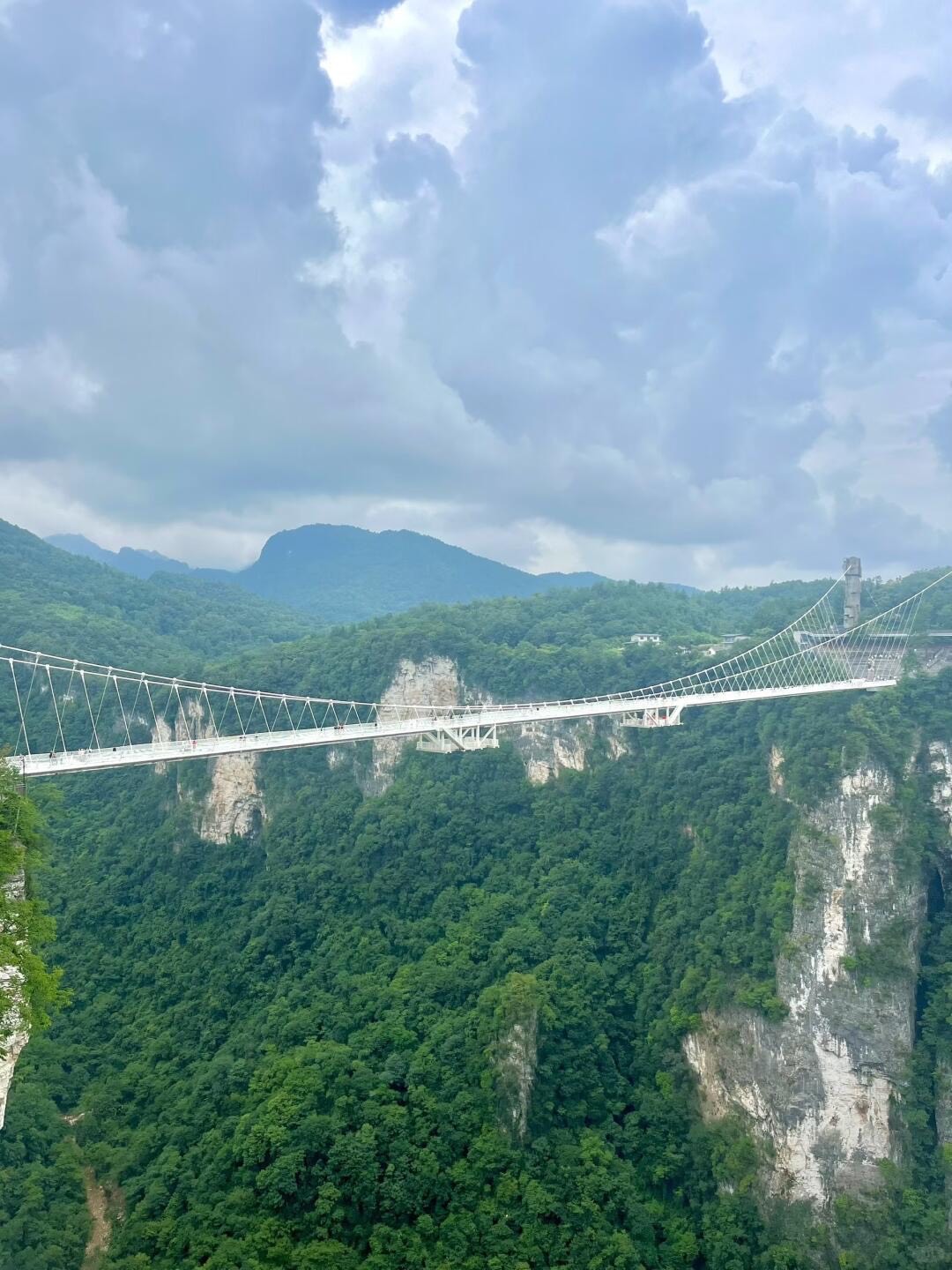
A short drive to Zhangjiajie Grand Canyon for the morning the children have been waiting for: the glass-floored bridge strung about 300 metres above the gorge, timed entry reserved ahead, nerves optional. The afternoon is the gentlest walk in the park — Golden Whip Stream, flat and shaded beneath the towers, with macaques working the crowd (keep snacks zipped away). Back by late afternoon; the evening is free for hotpot in the village.
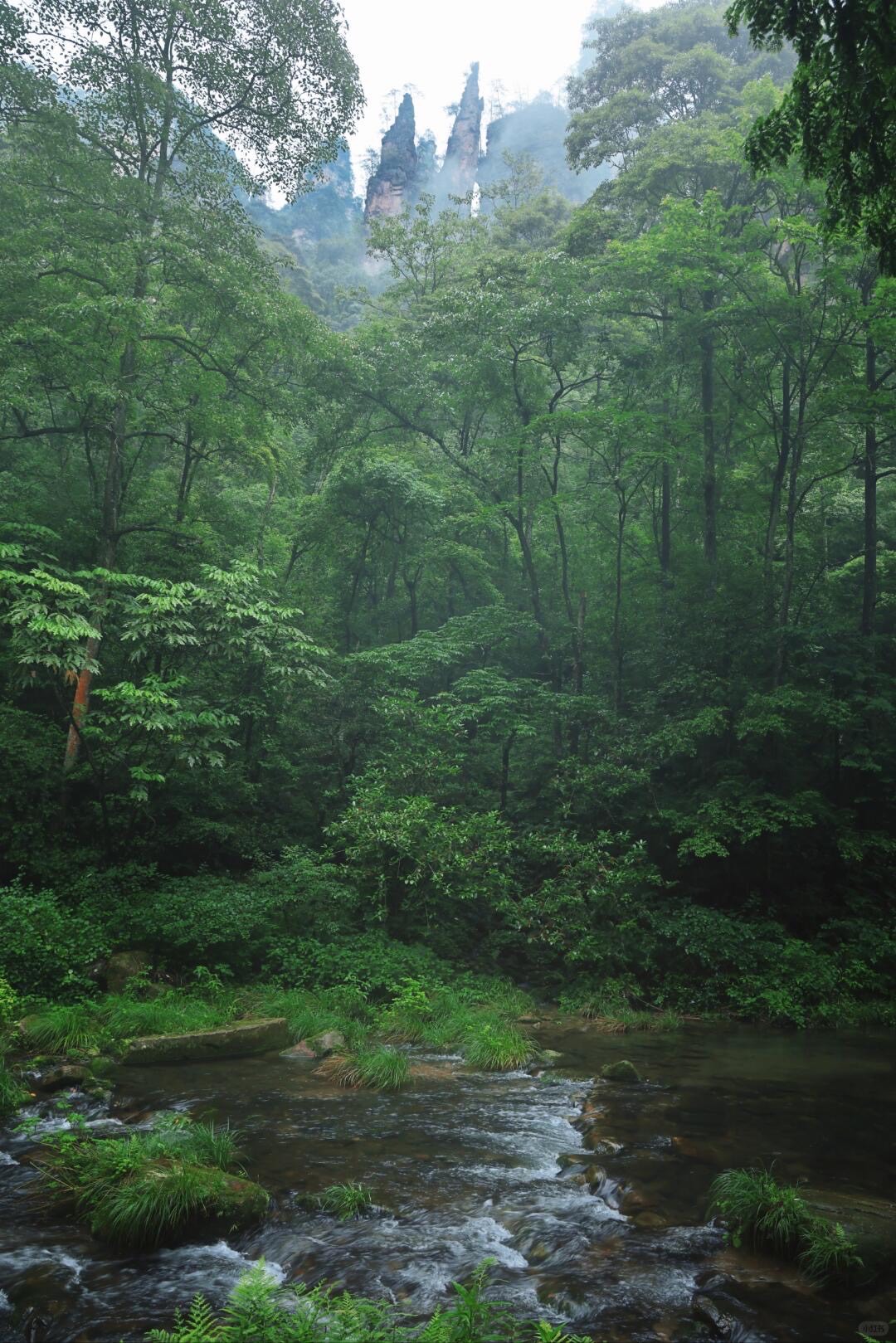
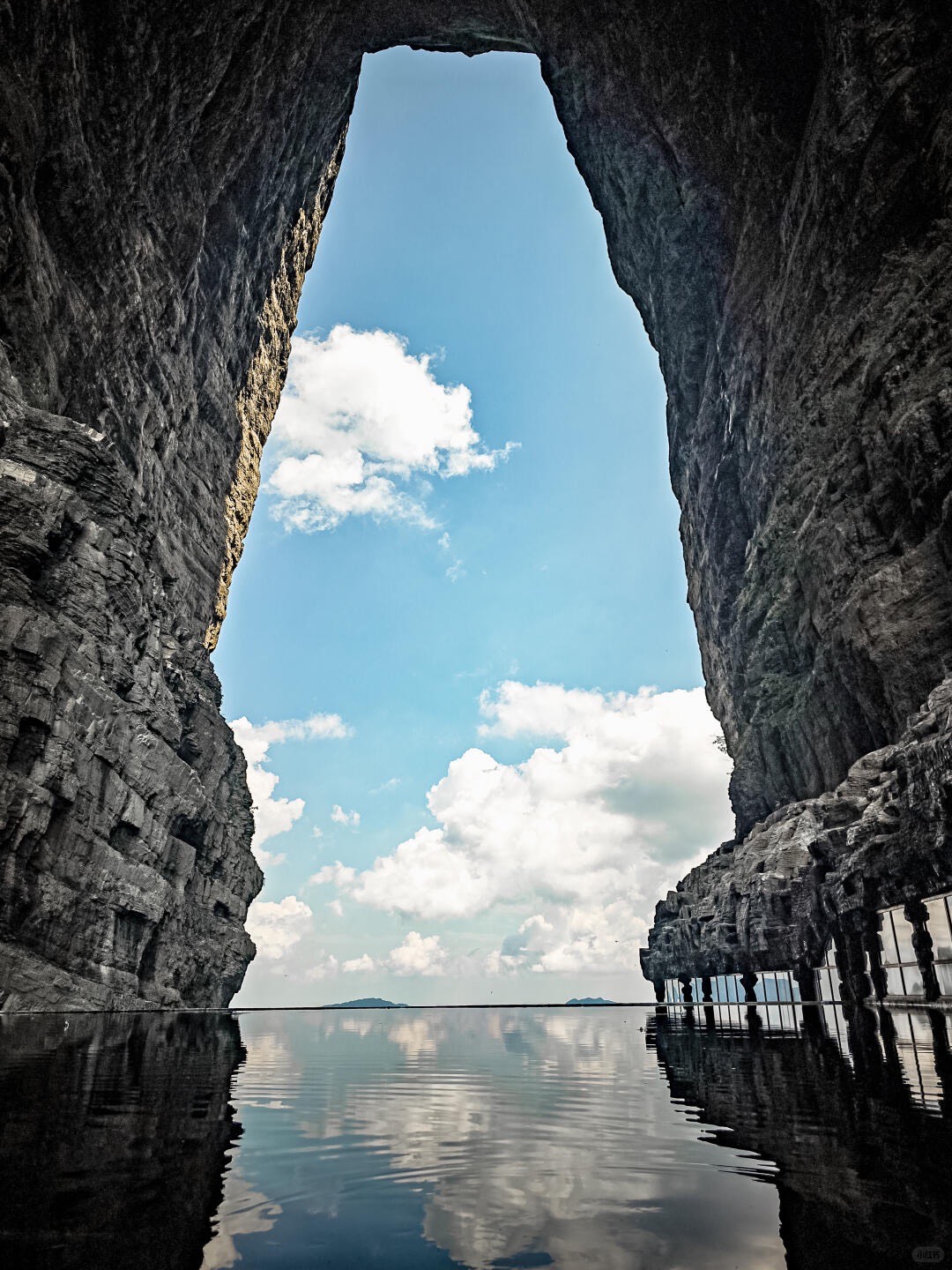
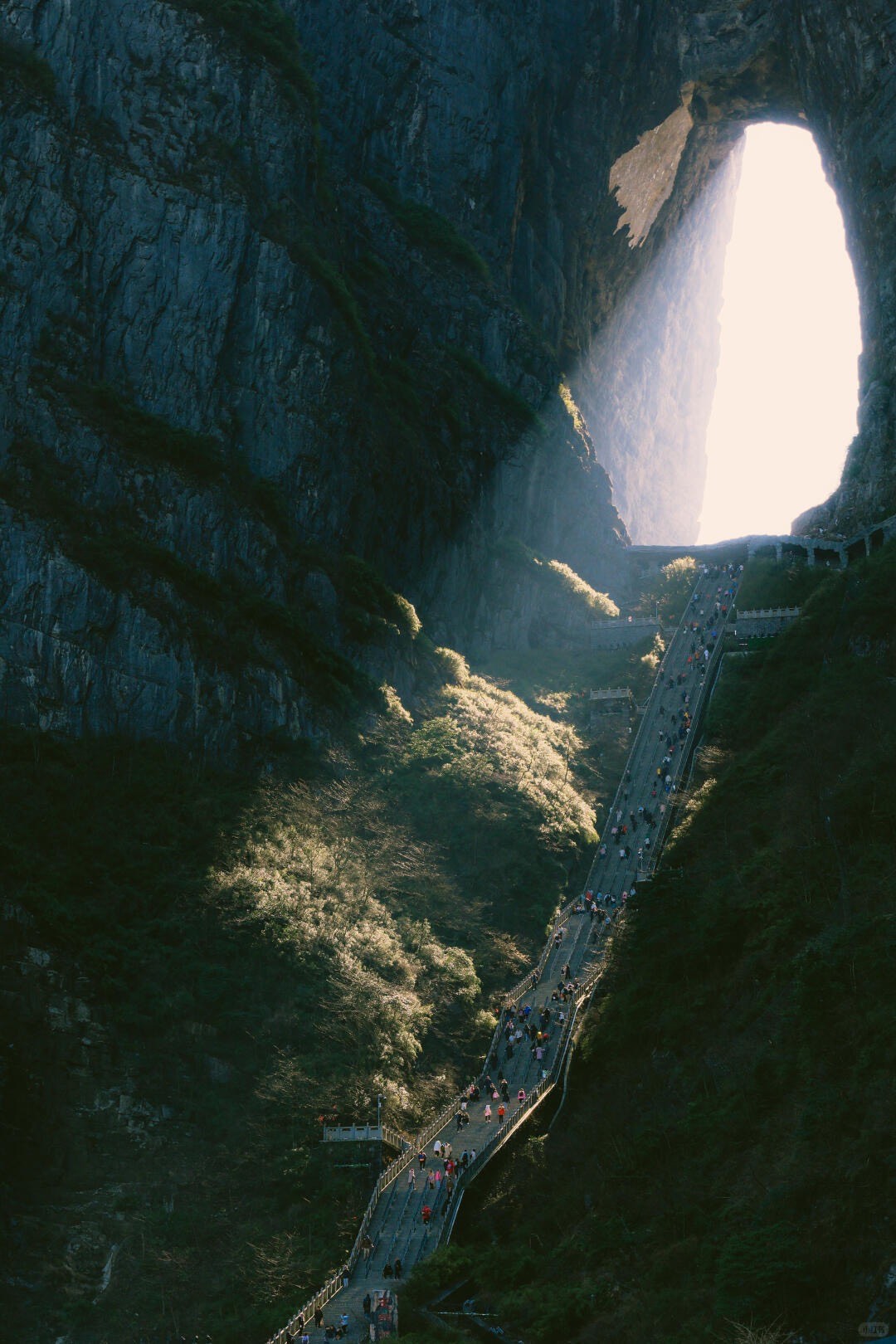
An early drive into Zhangjiajie city for your cableway slot — nearly half an hour on one of the world's longest cable-car lines, over the rooftops and straight up into the mountain. Tianmen Cave first, the colossal arch punched through the mountain wall, then the summit rim at your own pace: the cliff-hanging walkways and glass skywalks, the forest paths between the viewpoints. The express cable brings you down to finish, and a farewell hotpot back in Wulingyuan.
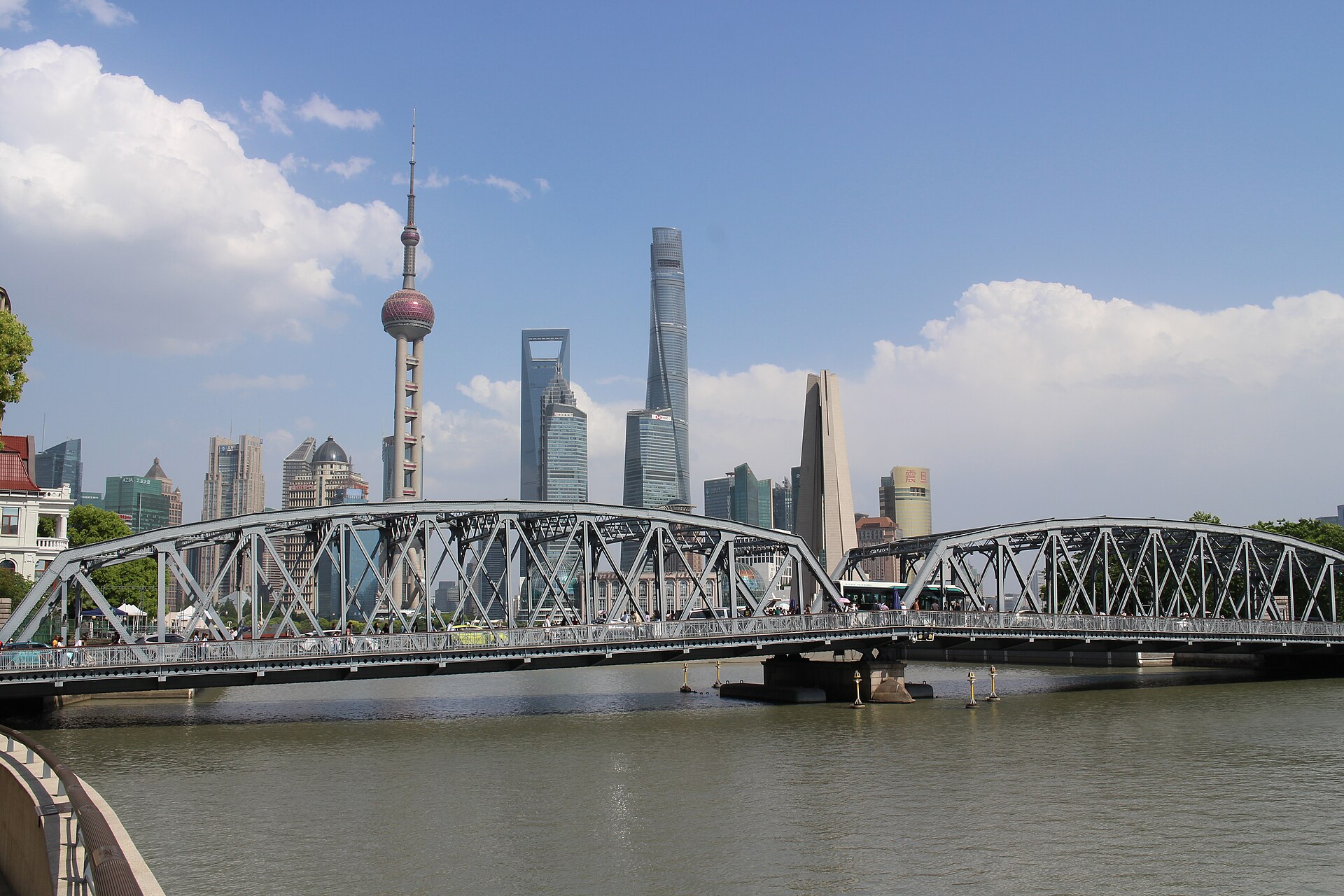
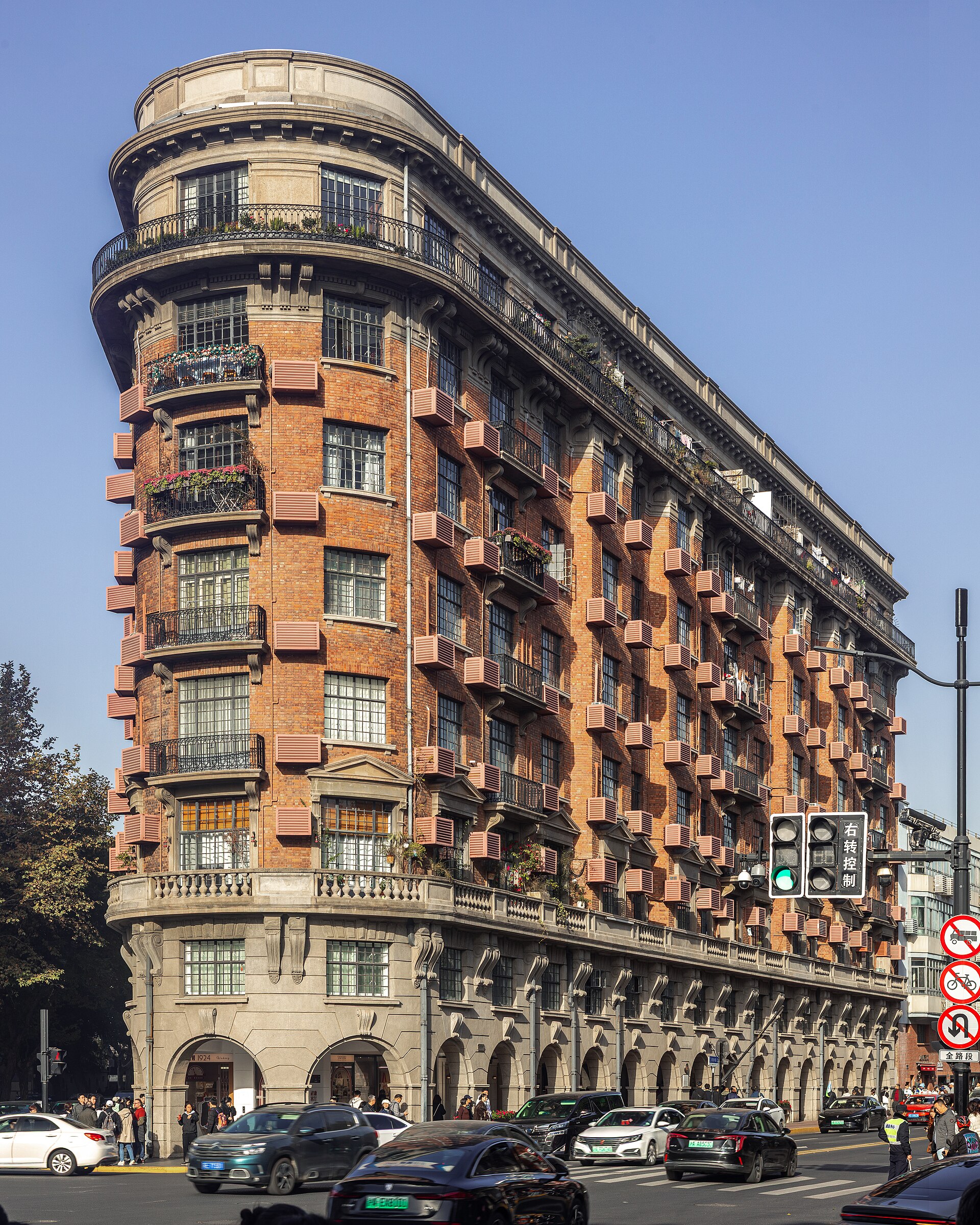
A late-morning flight east — about two hours — swaps the sandstone towers for glass ones. Your hotel sits at the north end of the Bund by the Waibaidu Bridge, so the evening walk is right outside: along the promenade as the 1920s facades are floodlit and Pudong's skyline switches on across the Huangpu.
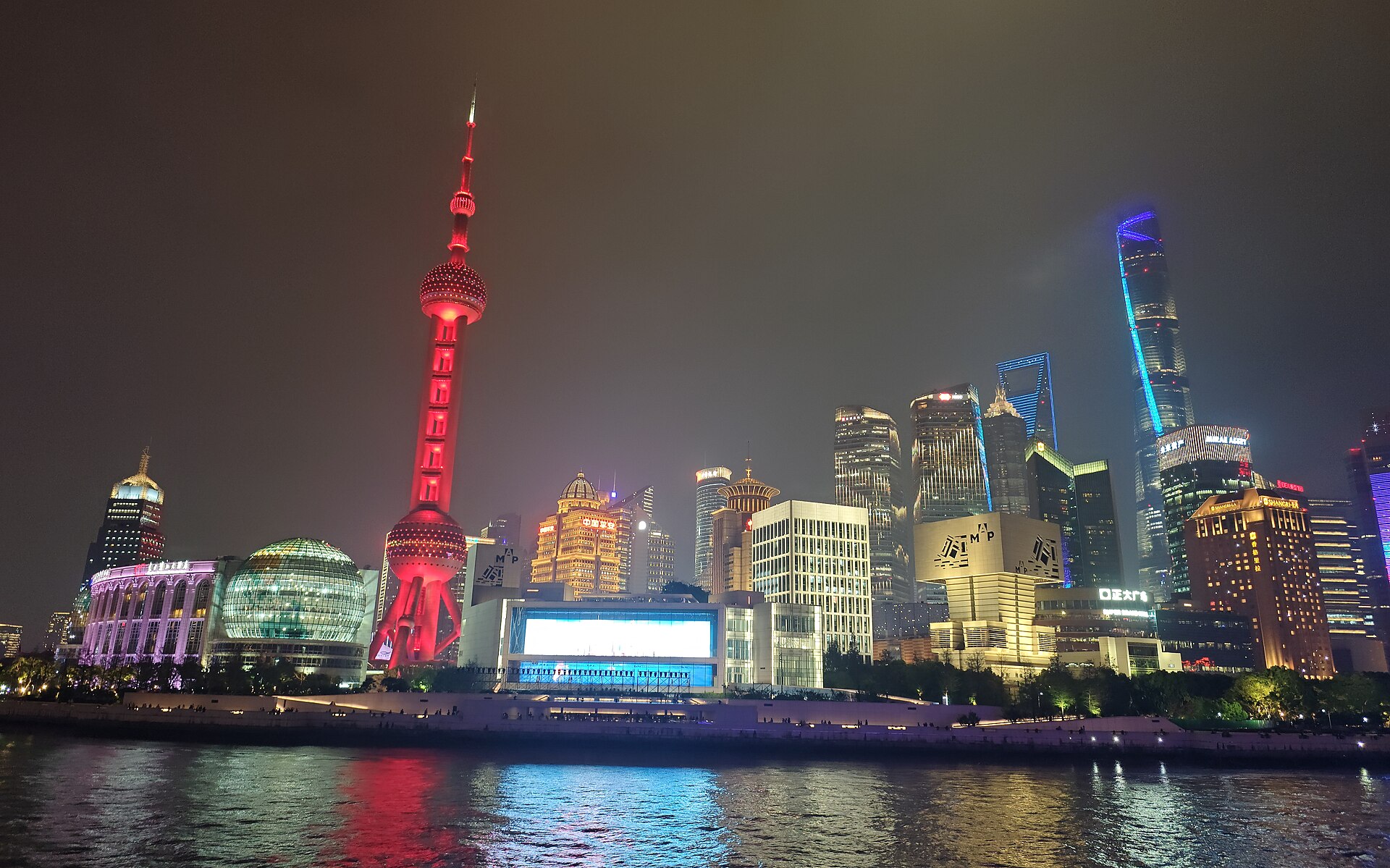
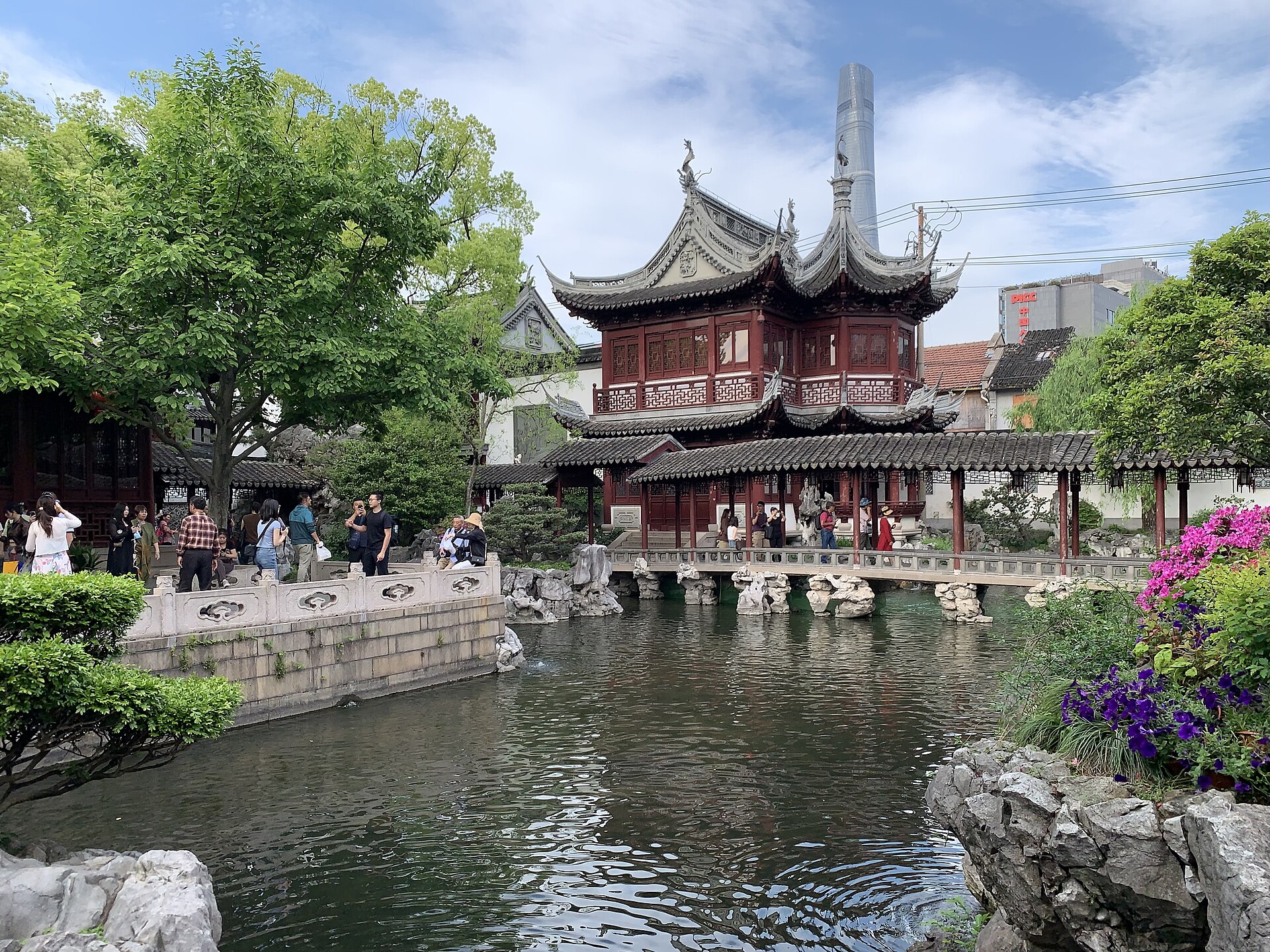
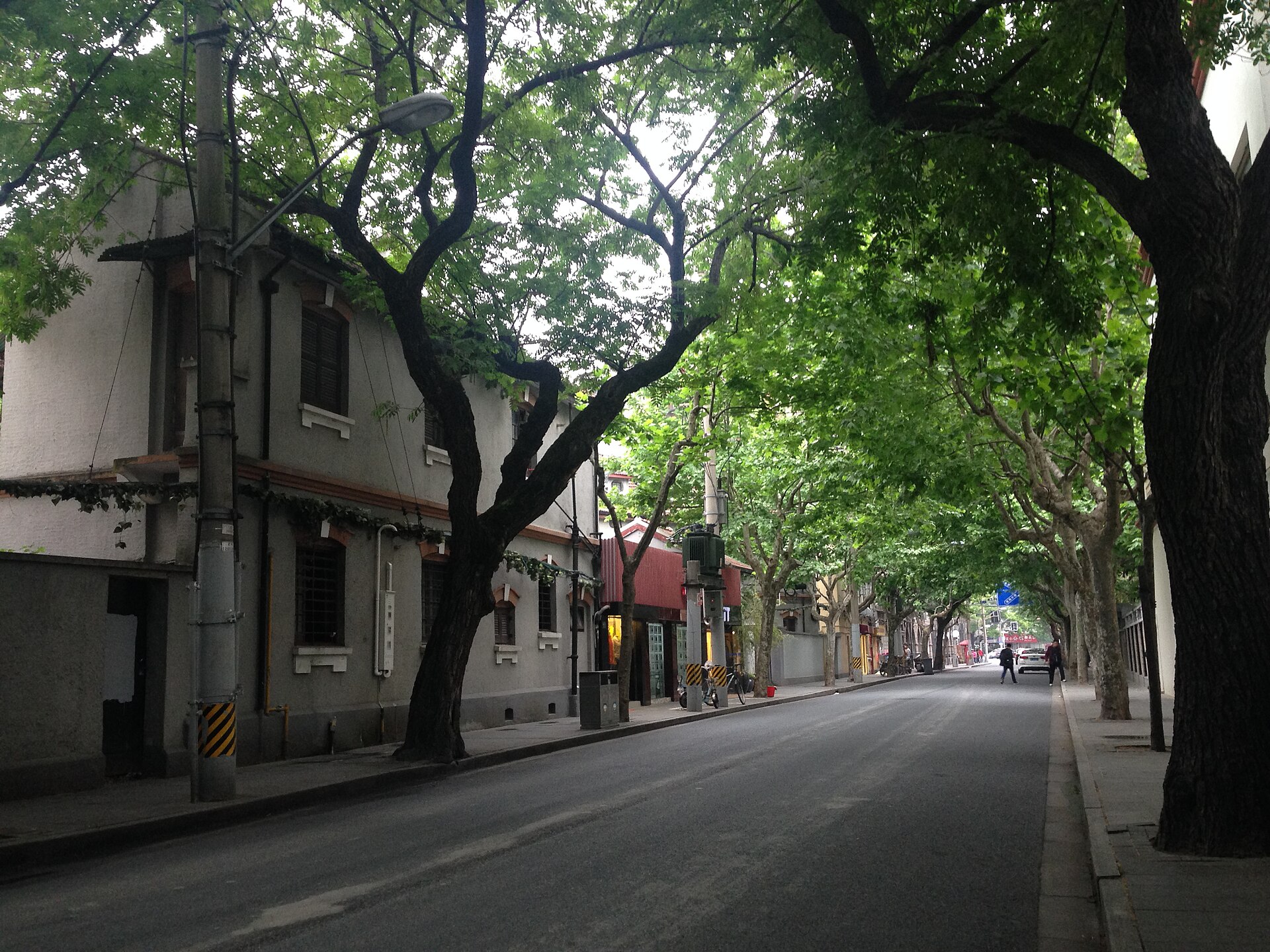
Your last full day, with your guide. Yu Garden and the old town in the morning — Ming rockeries, pavilions and zigzag bridges — or, if the children get the vote, the Shanghai Astronomy Museum out at Lingang, silver spheres and a domed theatre built for exactly the questions they ask. The afternoon is a slow walk under the plane trees of the former French Concession: villas, corner bakeries, a gelato stop that earns its place. After dark, the river ferry across to Pudong costs pocket change.
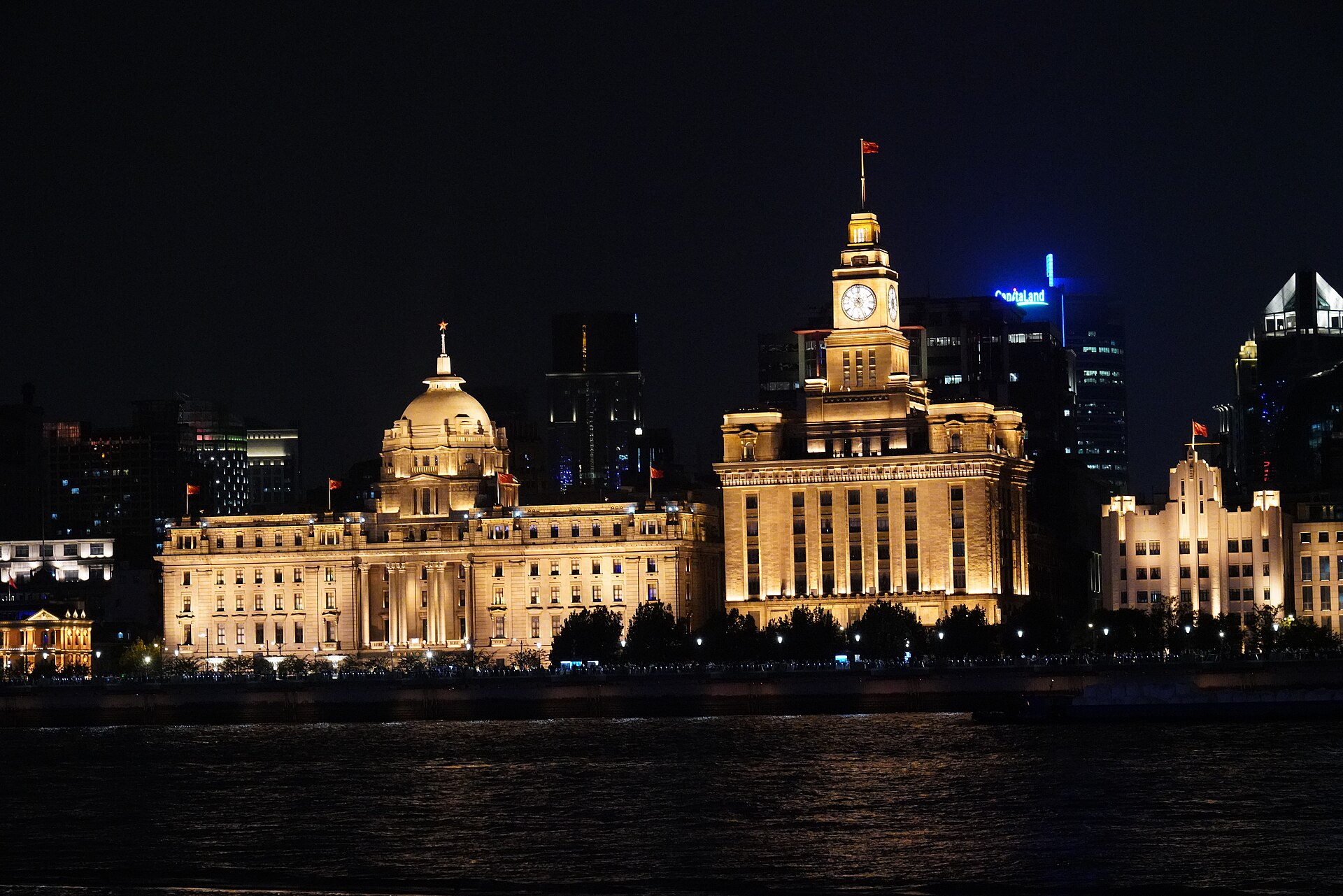
A last morning by the river, then the private transfer to Pudong for your flight home.
The food follows the route west and south. Beijing is lacquered Peking duck; Xi'an is the Silk Road on a plate — lamb skewers, roujiamo, hand-pulled biangbiang noodles. Chengdu turns the heat up with hotpot, dan dan noodles and mapo tofu, and every kitchen will make a mild version for anyone who wants one. In the Zhangjiajie hills it's Tujia smoked pork and san xia guo, the 'three-pot' stew, and Shanghai sends you home on soup dumplings. Lunches and dinners are arranged to suit each place whenever you'd like them included.
Five addresses built around the days — grand hotels by the Forbidden City and on the Bund with room for a family to spread out, the restored 1953 People's Grand Hotel inside Xi'an's Ming walls, a design hotel beside a thousand-year-old temple in Chengdu, and a new hotel at Zhangjiajie's park gate, chosen so you're through the gate before the coaches.
The all-suite Peninsula on Jinyu Hutong — Goldfish Lane — in Wangfujing, a short walk from the Forbidden City; every room a suite from 60 m², with room for a family to spread out. Three nights in Beijing.
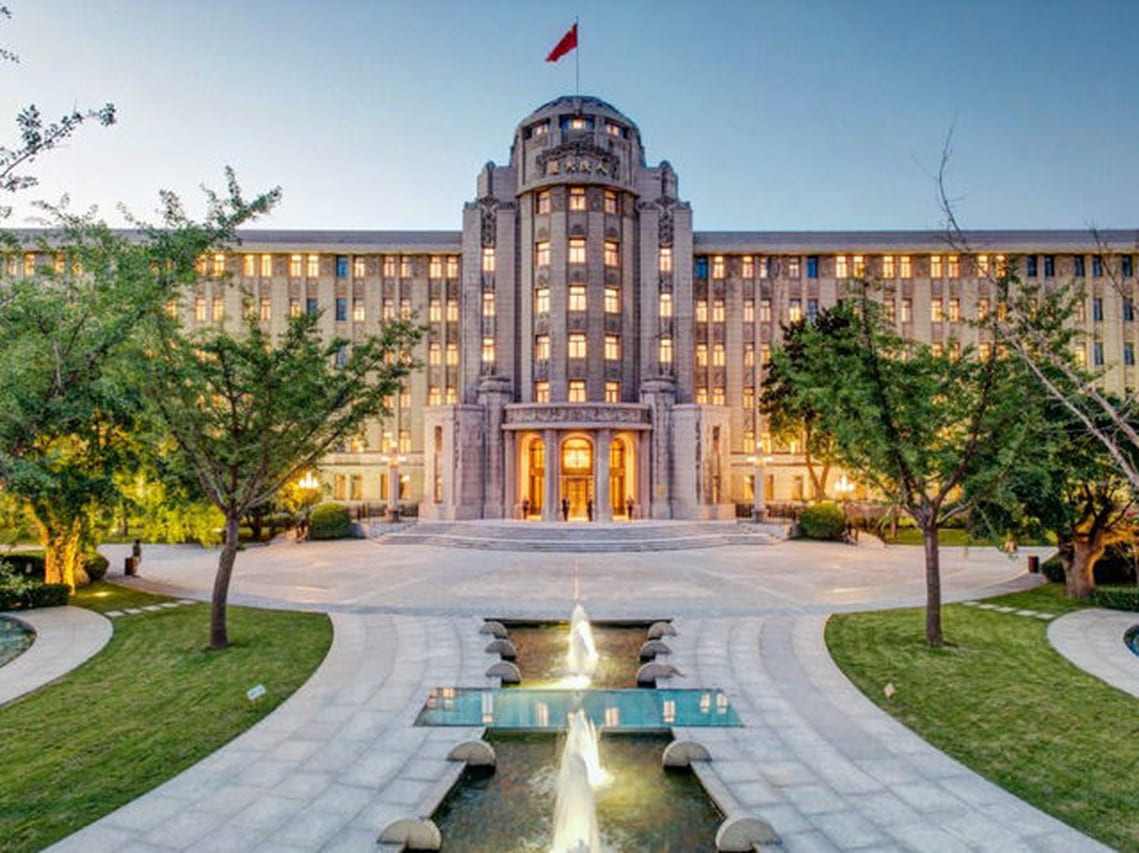
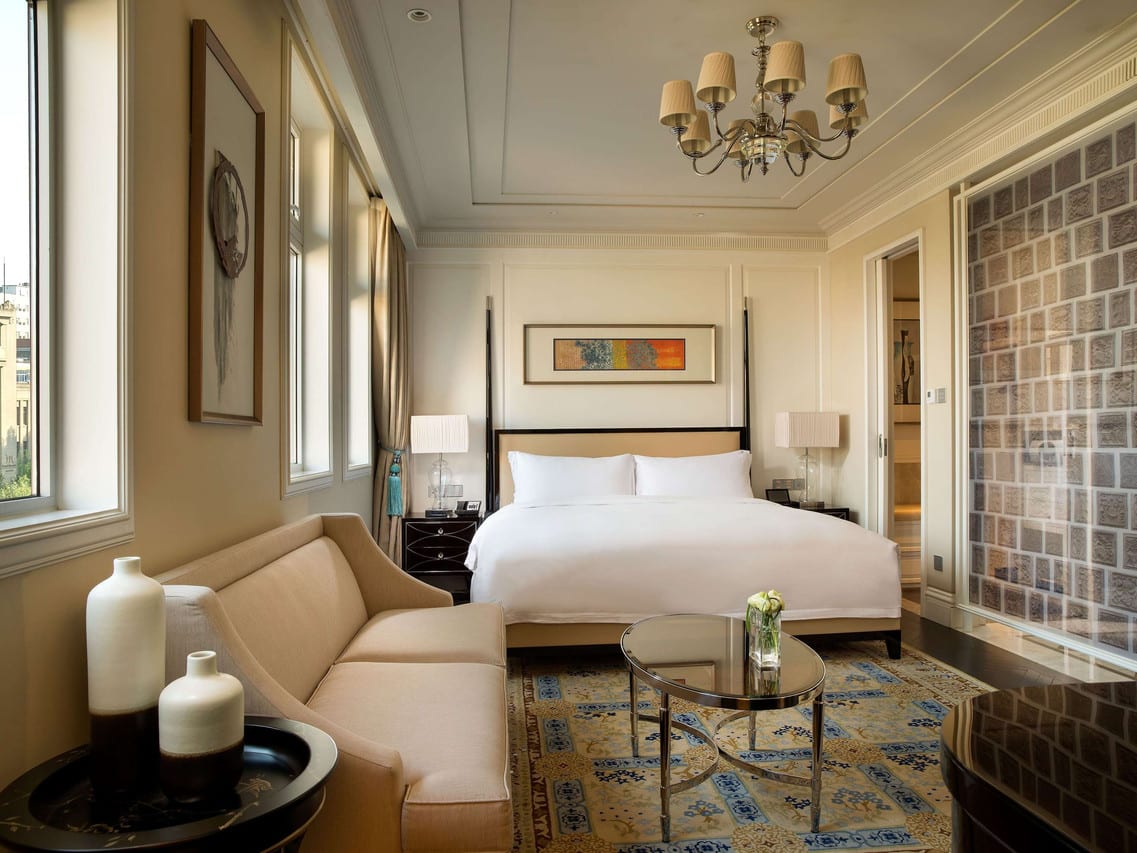
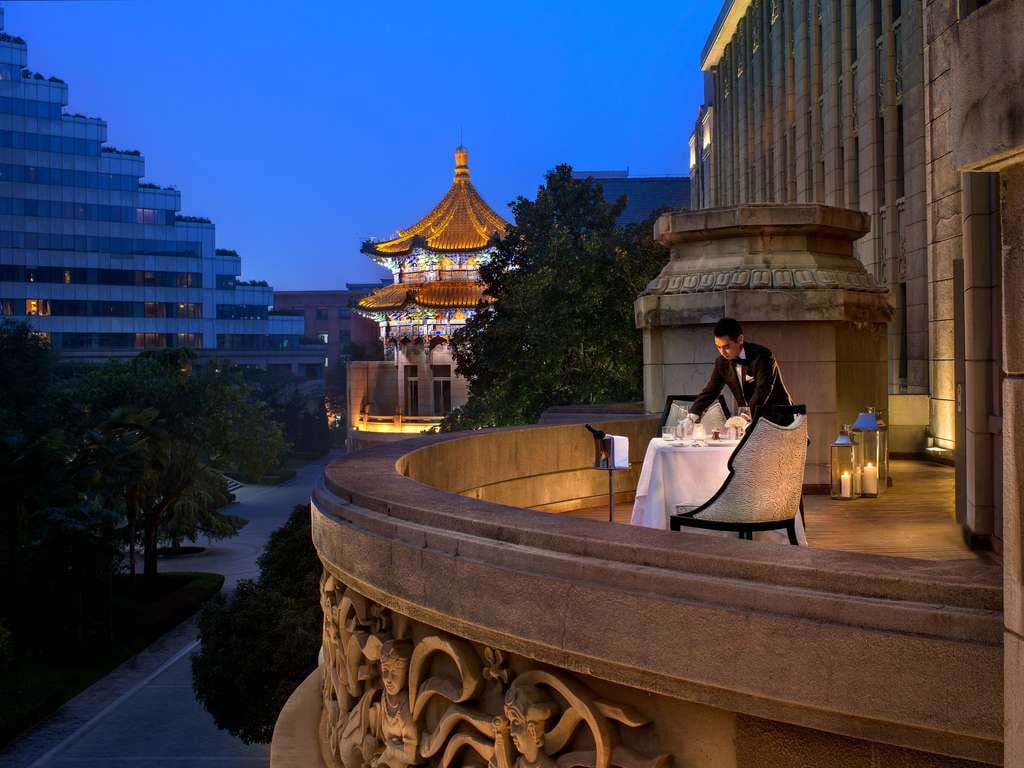
The 1953 People's Grand Hotel inside Xi'an's Ming walls, restored as a Sofitel Legend — the state guesthouse's grand public rooms and gardens, a short walk from the Bell and Drum Towers. Two nights in Xi'an.
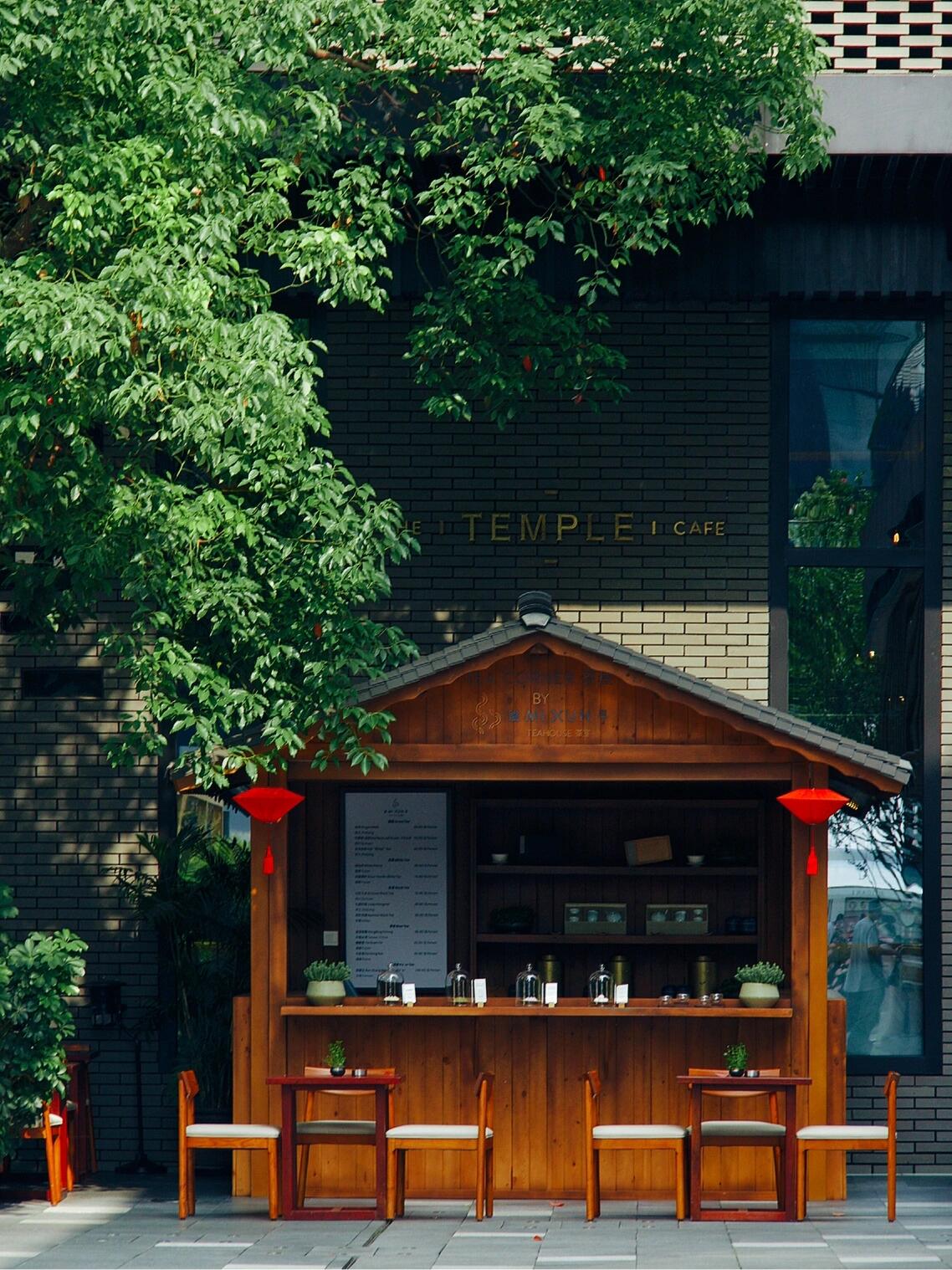
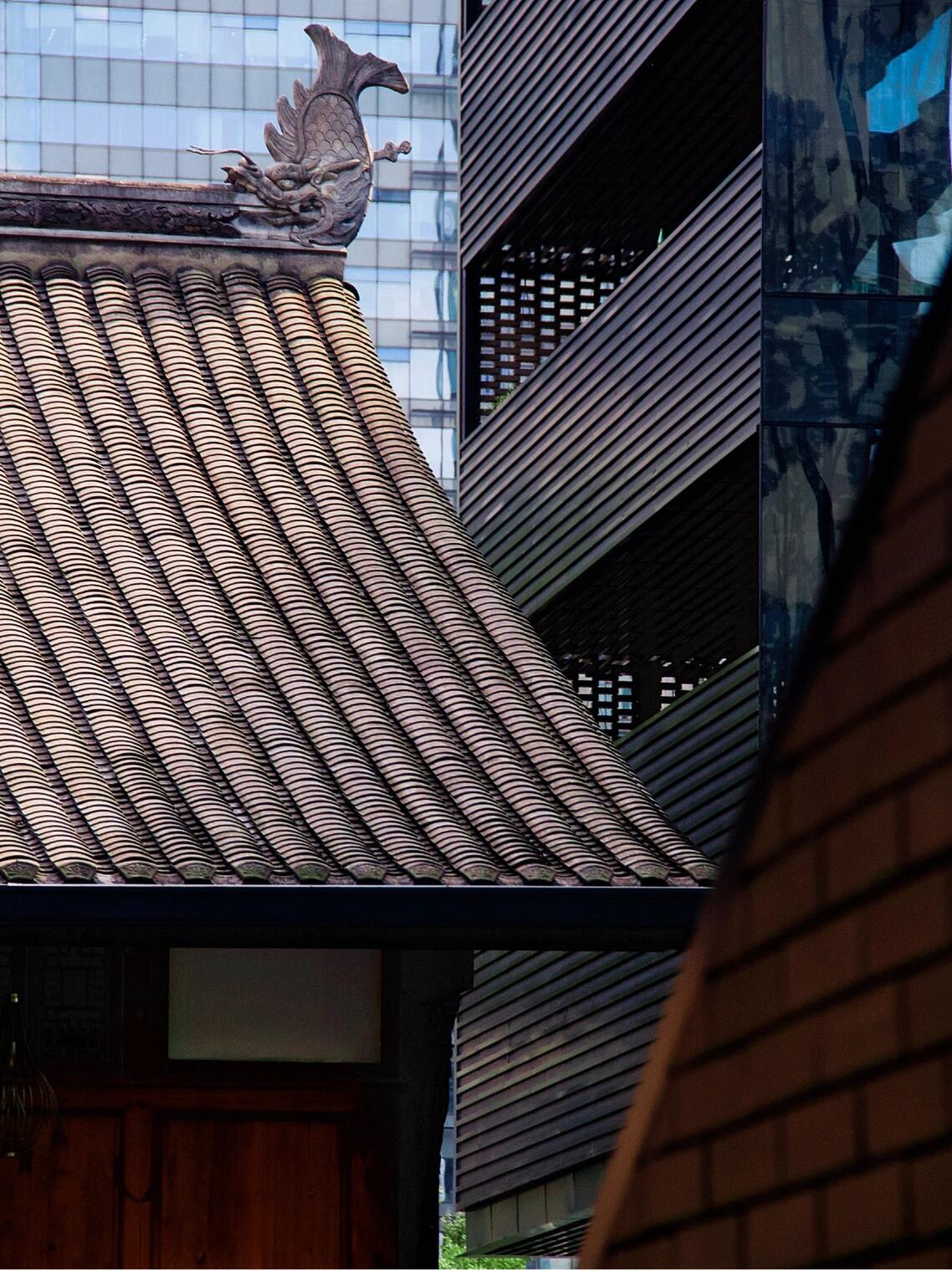
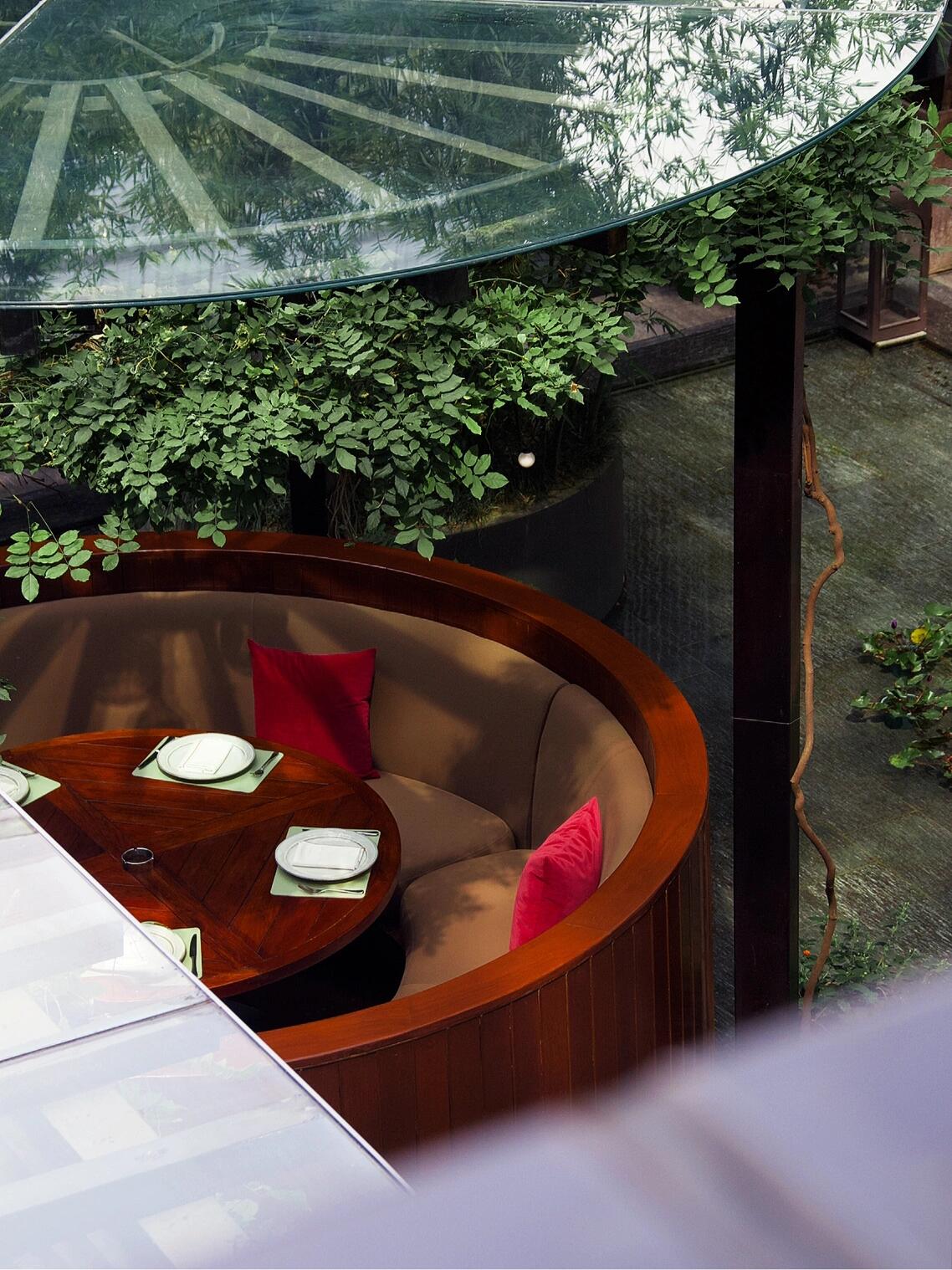
Swire's design hotel beside the thousand-year-old Daci Temple — a restored Qing-era courtyard woven into a quiet modern building, steps from Chunxi Road. Three nights in Chengdu.
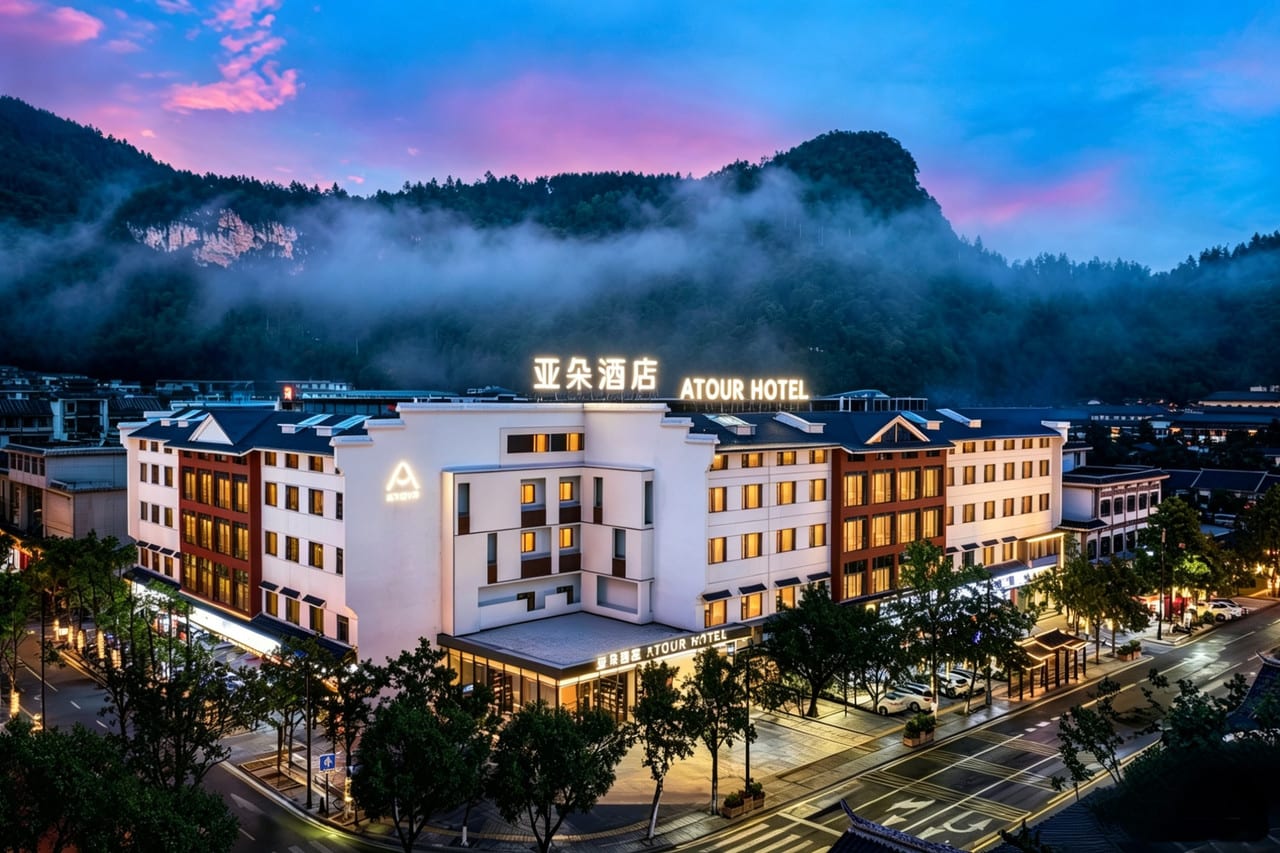
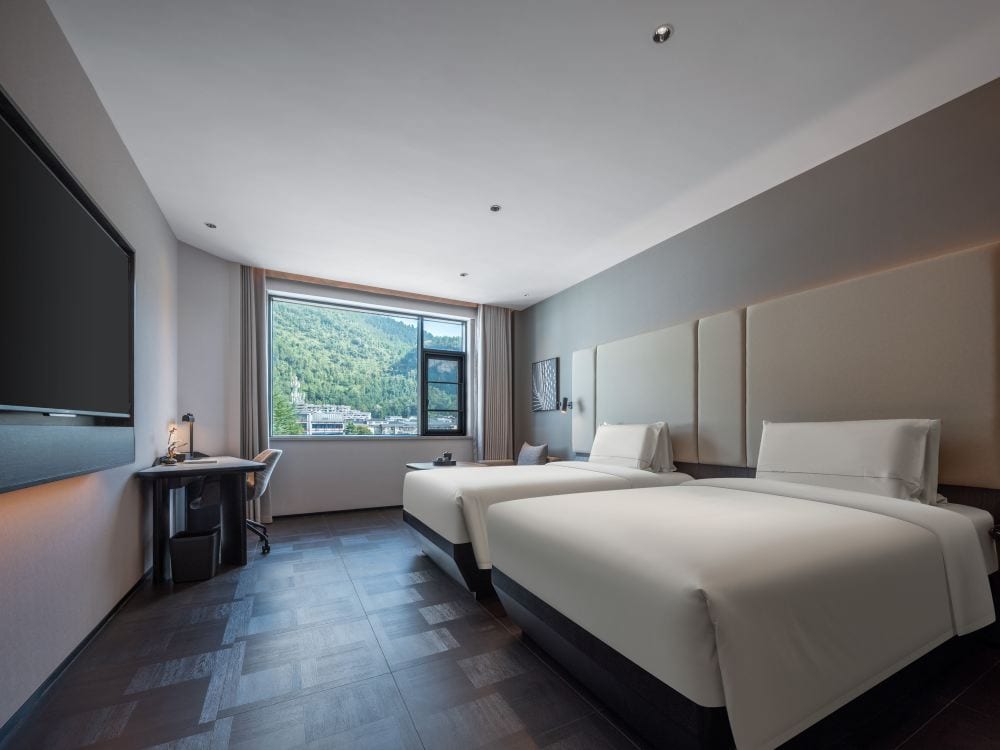
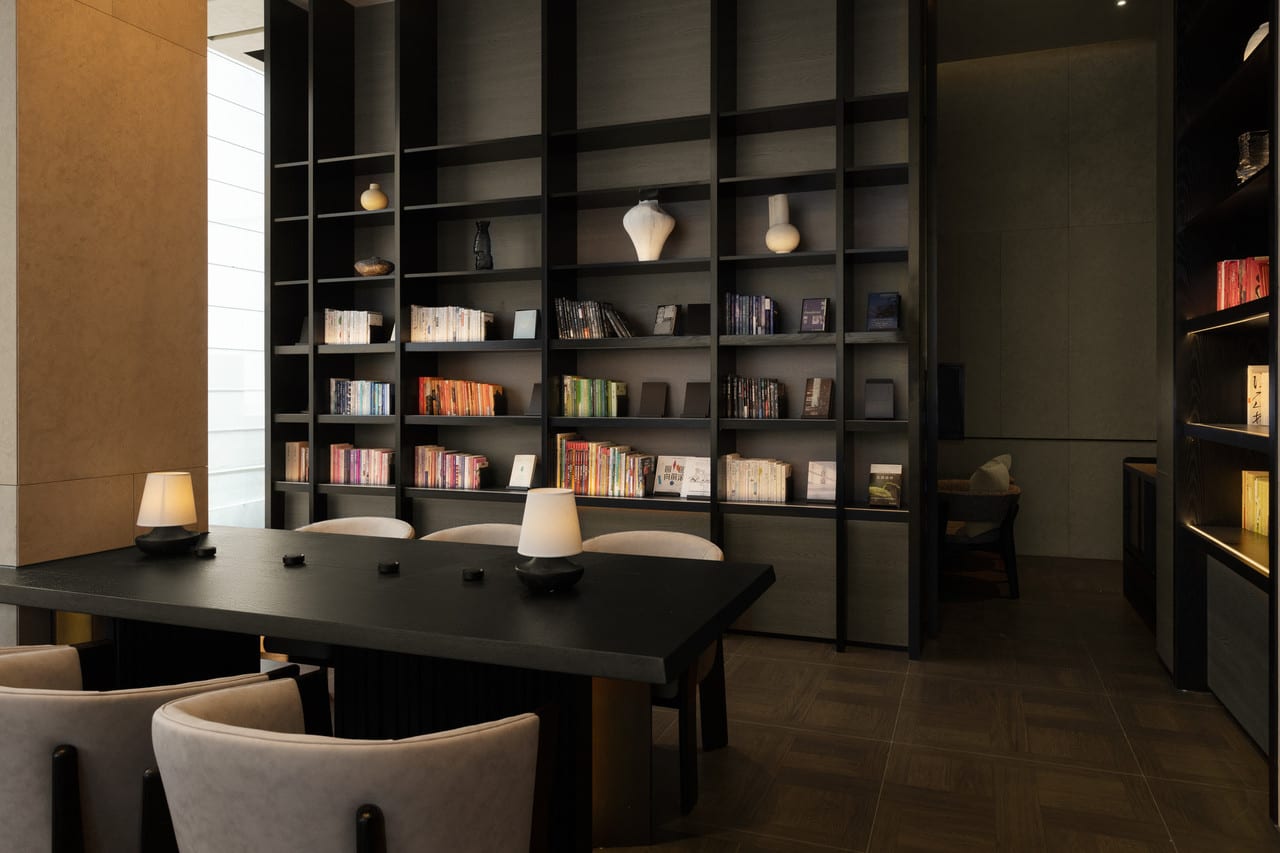
A new hotel steps from the Landmark Gate of Zhangjiajie National Forest Park, chosen for its location — you're through the gate at opening, ahead of the coaches. Four nights at Wulingyuan.
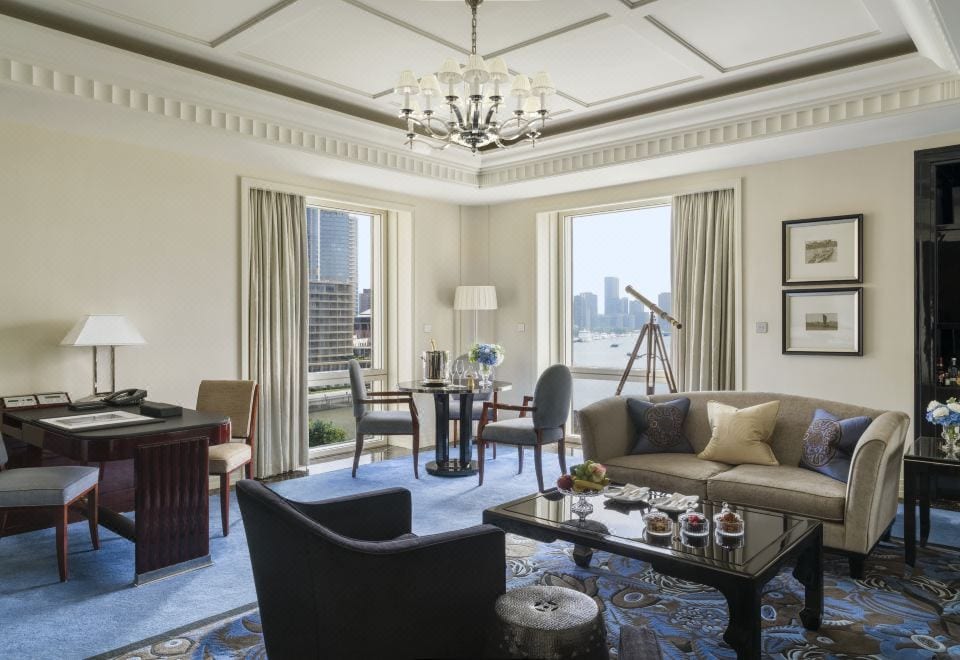
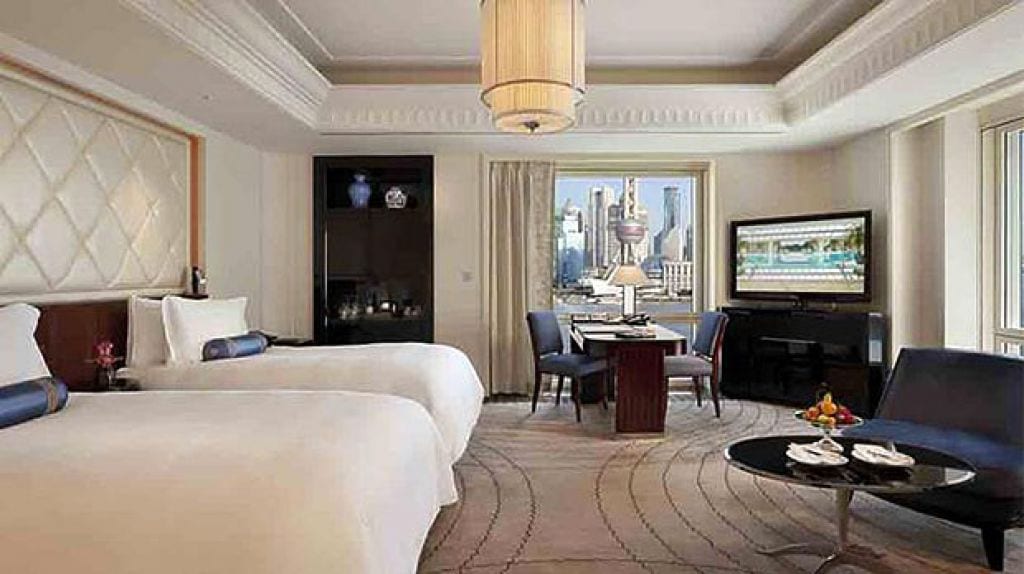
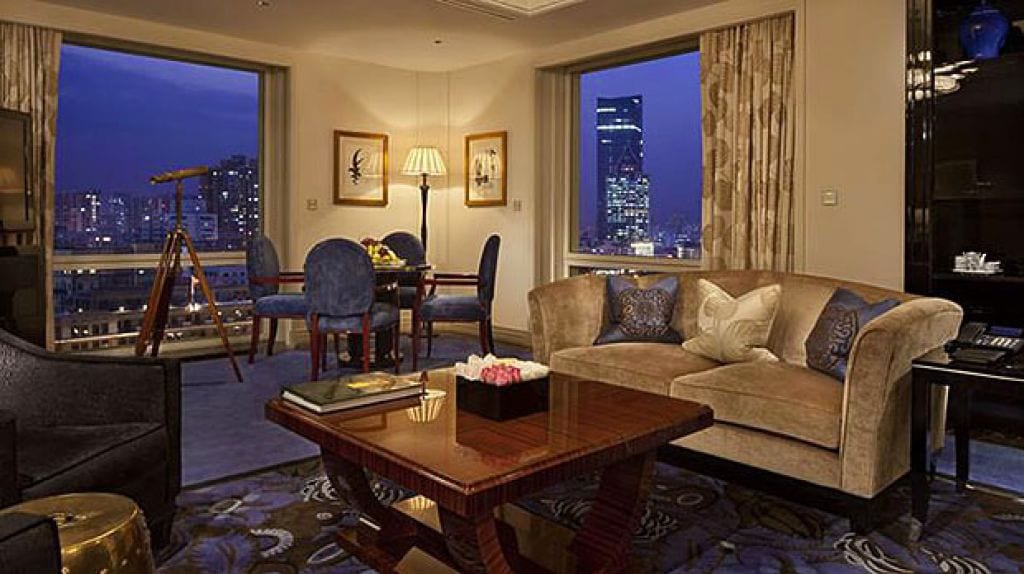
The Art Deco Peninsula at the north end of the Bund, where Suzhou Creek meets the Huangpu — some of the largest standard rooms in the city, and two-bedroom river suites for families. Two nights in Shanghai.
These are examples of the boutique stays we book across the route. Because boutique hotels have so few rooms, a stay may occasionally be swapped for one of similar standard.
All three are private, and all three take in the Forbidden City and the Great Wall. What changes is where the rest of the trip goes.
Choose it if you want the famous names, with no hard days.
See the journey →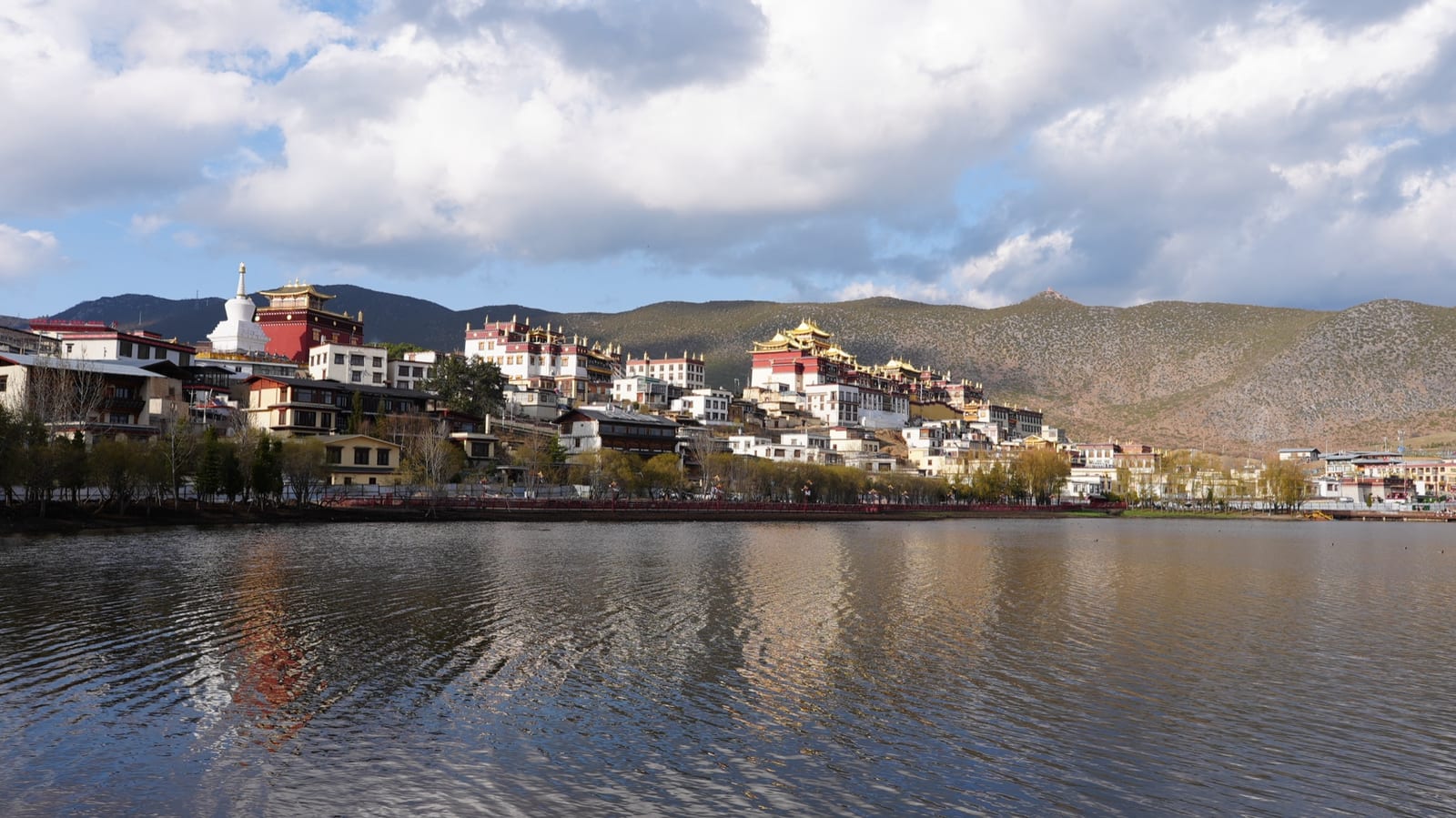
Choose it if you want the icons, then the villages and mountains of the southwest.
See the journey →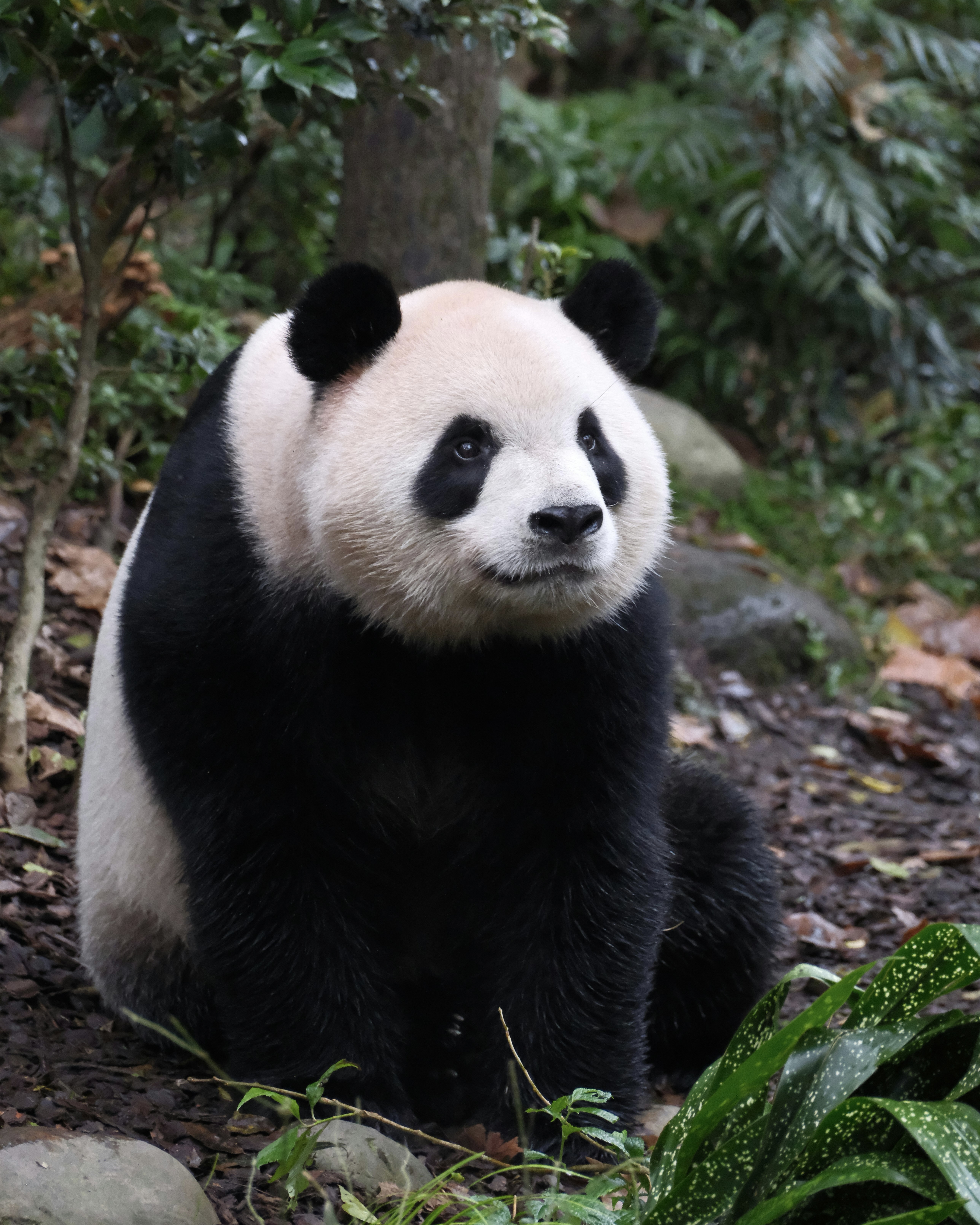
Choose it if you want the icons plus the giant pandas and the Avatar mountains.
You're viewing this journeyYes — this journey includes a full day as a volunteer keeper at the Wolong Shenshuping panda base in the mountains west of Chengdu: sweeping enclosures, splitting bamboo, preparing panda cakes and watching feeding time from closer than any visitor path, with your guide alongside all day. Places are capped, so we reserve them well ahead.
Three full days suits most people, and it's what this journey gives you: Yuanjiajie and the Tianzi Mountain viewpoints, the glass bridge and Golden Whip Stream, and Tianmen Mountain. Four nights at the park gate means every day can start before the coaches. See our Zhangjiajie guide for more.
By first-class bullet train: Beijing to Xi'an takes about four and a half hours, Xi'an to Chengdu about three, and Chengdu to Zhangjiajie just under four. One flight of about two hours takes you from Zhangjiajie to Shanghai at the end. Your private car and guide meet you at every station.
Yes — it's built with families in mind. The pandas, the glass bridge and the Avatar pillars are the days children remember, every guided day ends by late afternoon, and the Bailong Elevator and cableways take the steepest climbs at Zhangjiajie. In Beijing and Shanghai, suites and two-bedroom options give a family room to spread out. More on private family trips.
Jinshanling, about two hours north-east of Beijing — restored at its western end, wilder to the east, and far quieter than Badaling or Mutianyu. A cableway lifts you to the ridge for two to three hours of proper wall walking. Prefer something gentler? Mutianyu is the ready swap. Our guide to the wild Great Wall compares the sections.
April–May and September–October are ideal: mild weather in Beijing and Xi'an, comfortable walking at Zhangjiajie and, in autumn, colour on the Great Wall's ridges. Summer brings heat and the biggest crowds at Zhangjiajie, and we avoid China's Golden Week (1–7 October) wherever the calendar allows.
All three are private, and all three take in Beijing's Forbidden City and the Great Wall. Classic China: Rivers, Warriors & the Great Wall adds Shanghai, the Li River and Chongqing — the first-timer's circuit at an easy pace. Classic China & Yunnan trades the big-city circuit for Yunnan's old towns, snow mountains and Tibetan plateau. This one adds the Terracotta Army, a day with the giant pandas and Zhangjiajie's sandstone pillars — the most active of the three.
Your private English-speaking guides and private car with driver in every city, all accommodation, daily breakfast, the three high-speed-rail legs and the Zhangjiajie–Shanghai flight, the panda volunteer day, all entrance fees and cableways, and our in-country support throughout. Lunches and dinners are arranged to suit each place when you want them included. International flights, visa fees, travel insurance and personal expenses are not included.
Every day, stay and date tailored to you — shaped over a call with someone who has walked the route, never a template.
Request a proposal for this trip
Giant Pandas at the Chengdu Research Base, then three days in the alpine lakes of Siguniang or Jiuzhai Valley. City culture first, mountain silence after.
See the itinerary →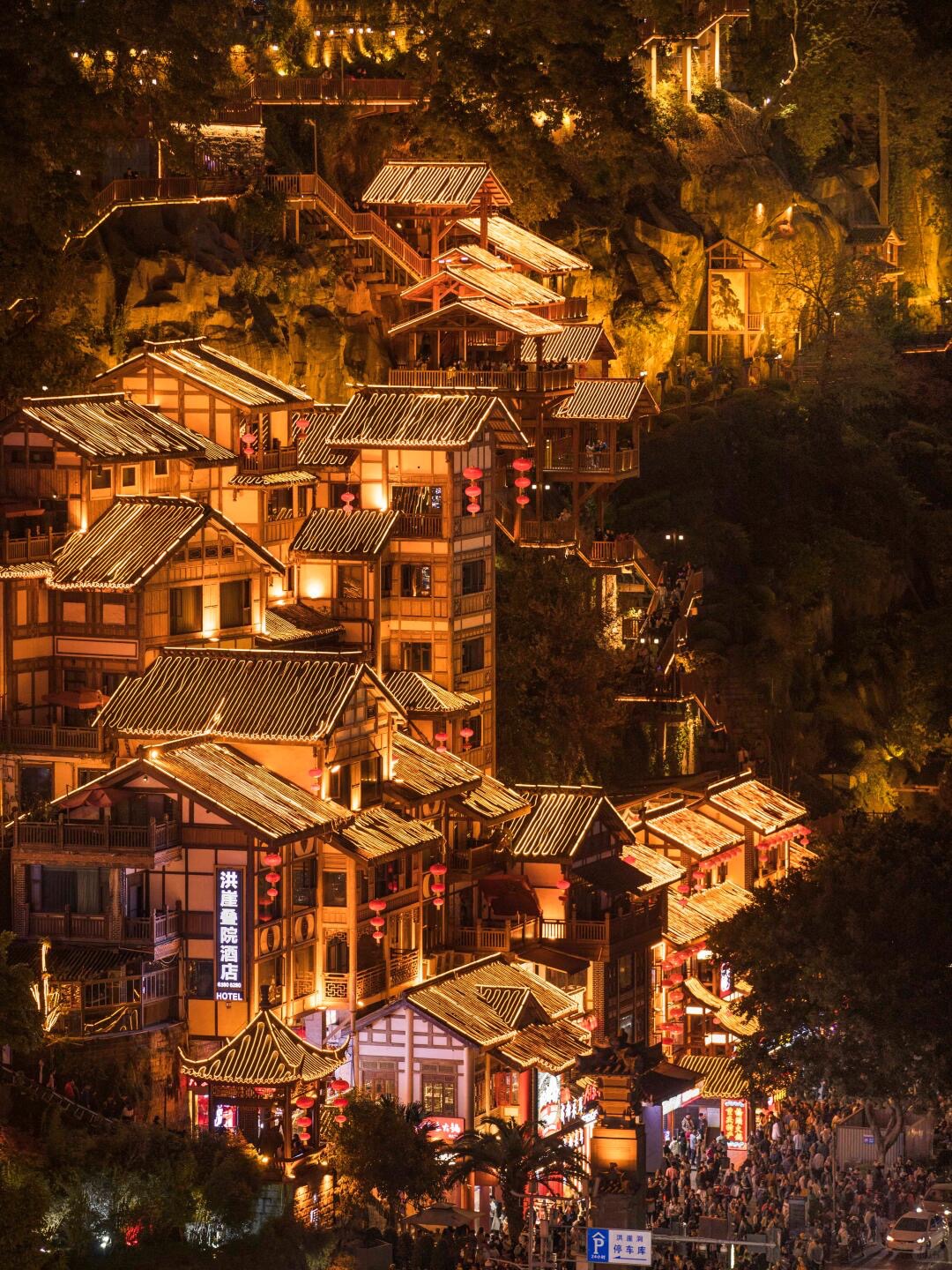
A 5–6 day private tour weighted toward Chongqing — neon river cities, UNESCO Wulong Karst, the Longji (Dragon's Backbone) ridge hike above the Yangtze, and two different tables of Sichuan heat. Bookended with a soft Chengdu landing.
See the itinerary →Fourteen days across China's greatest first-time hits — Shanghai and the Bund, a Li River cruise from Yangshuo, Chongqing's vertical city, Xi'an's Terracotta Army, and Beijing's Great Wall and Forbidden City. Private throughout, at an unhurried pace.
See the itinerary →