Xuhui · Shanghai
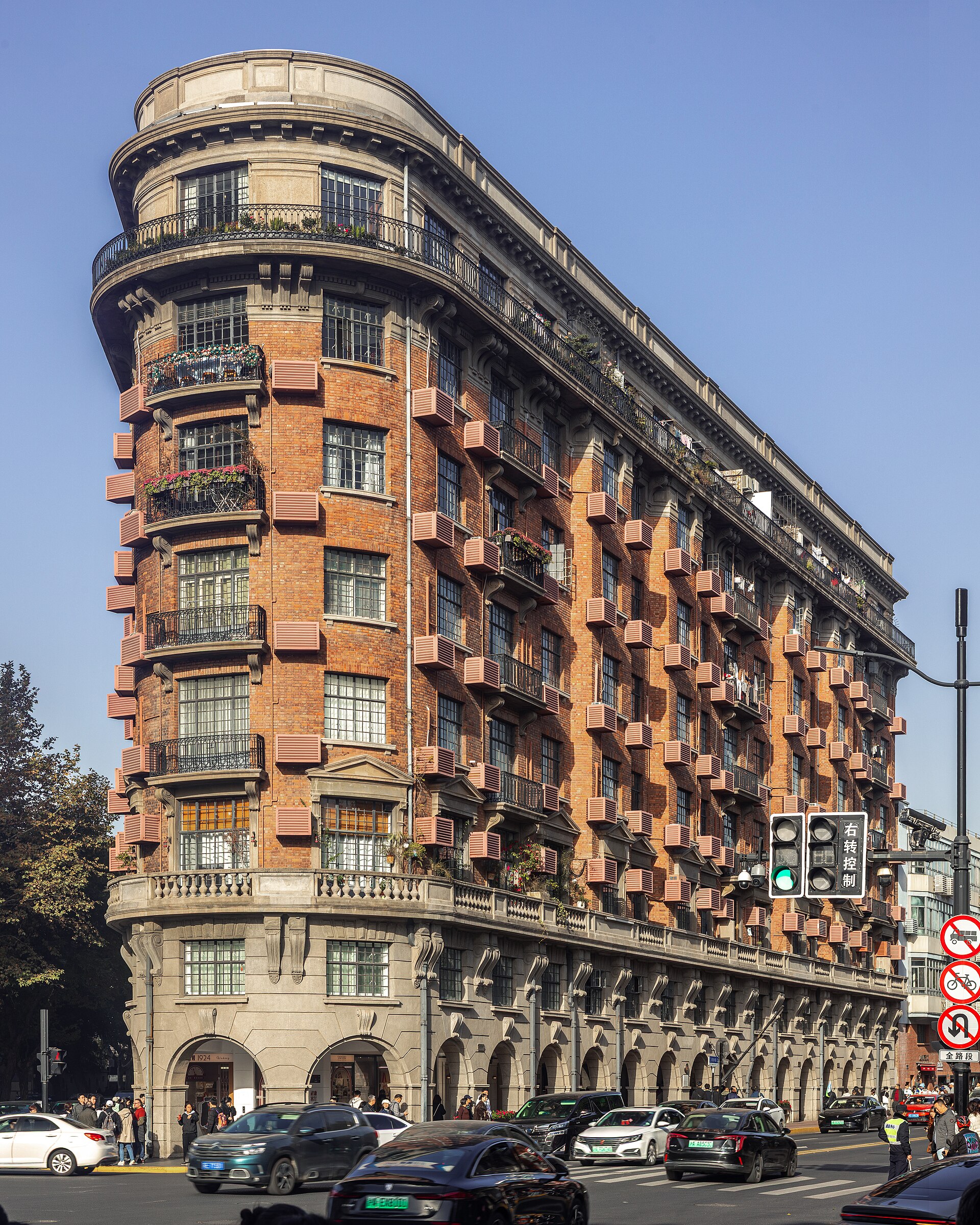
Fifty-five restored 1920s shikumen lane houses in Xuhui, each a villa with its own courtyard and roof terrace — the plane-tree streets of the old French Concession at the gate. Two nights in Shanghai.

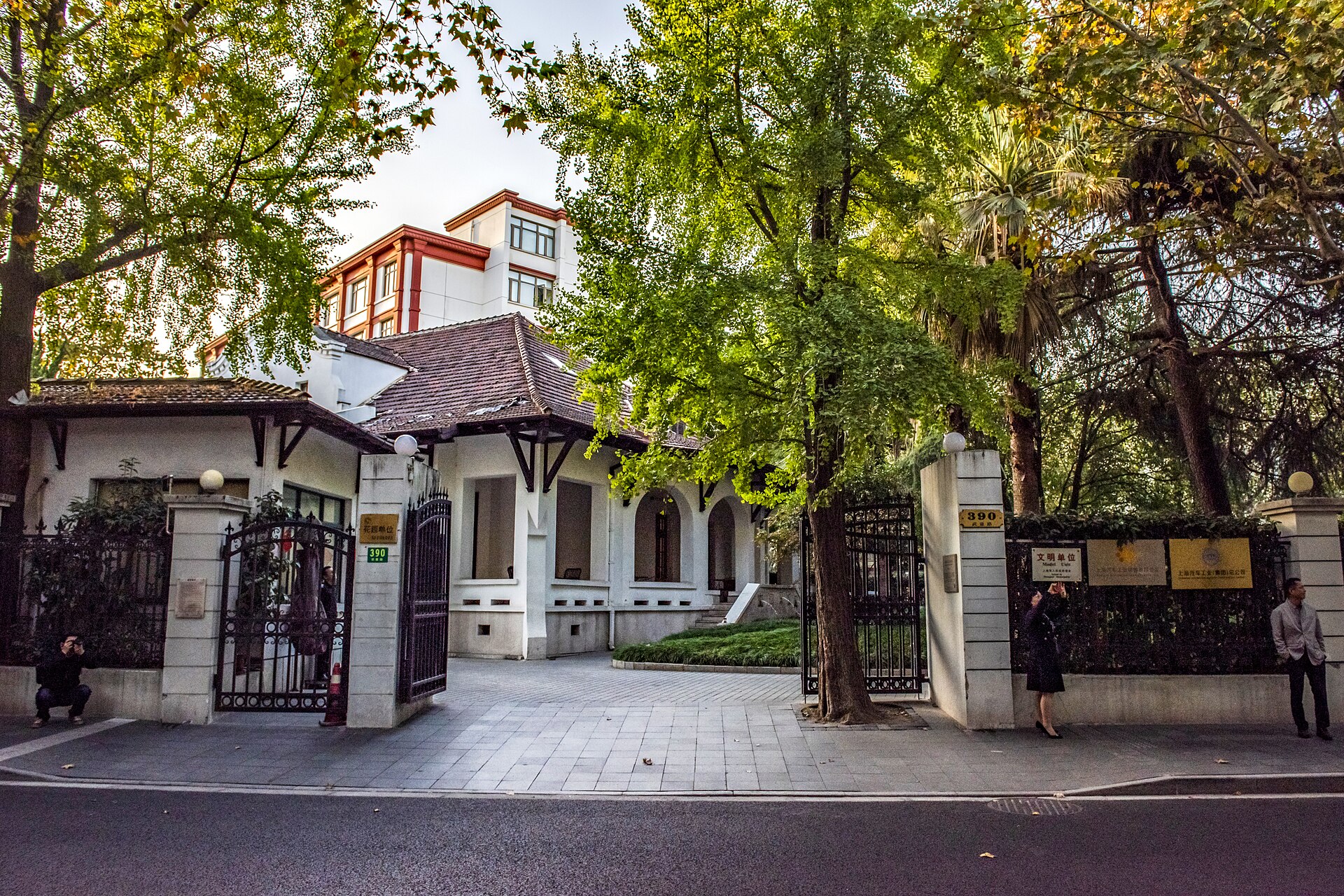
The journey opens in Shanghai's slower quarter. You land at Pudong and transfer to the former French Concession, where plane trees roof the streets and the shikumen — the stone-gated lane houses that defined old Shanghai — still line the blocks behind them. The evening is yours: a walk to a neighbourhood dinner, or a car to the Bund to watch Pudong's towers light up across the Huangpu.
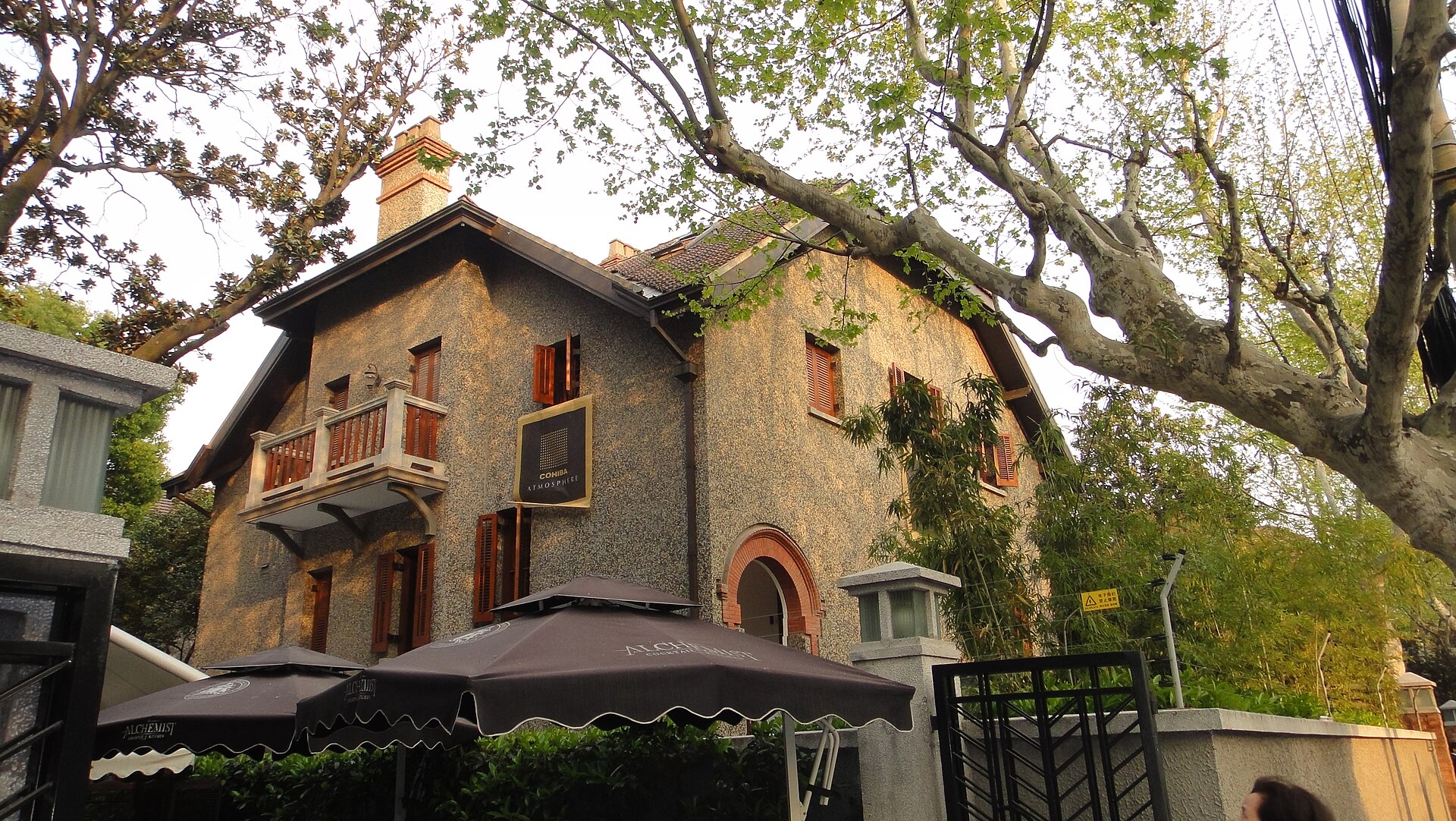
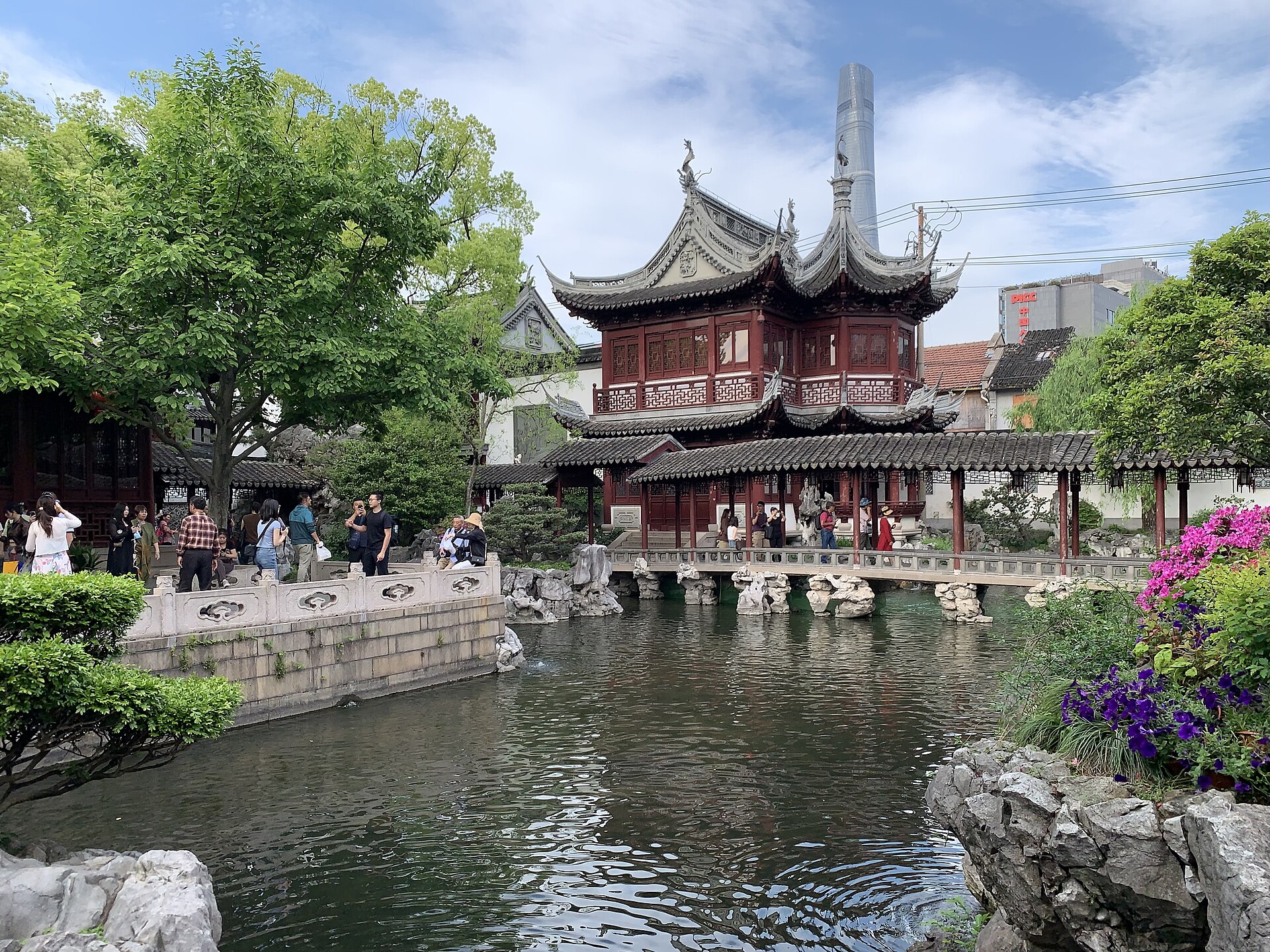
A day for Shanghai's layers, with your guide. Yu Garden first thing, before the lanes around it fill — Ming rockeries, pavilions and zigzag bridges, the Shanghai Tower rising over the rooftops. Along the Bund at midday, the 1920s banks and trading houses on one side of the river and Pudong on the other. The afternoon is the former French Concession on foot: Wukang Road and its villas, the plane-tree streets, and a stop for xiaolongbao, the soup dumplings Shanghai claims as its own.
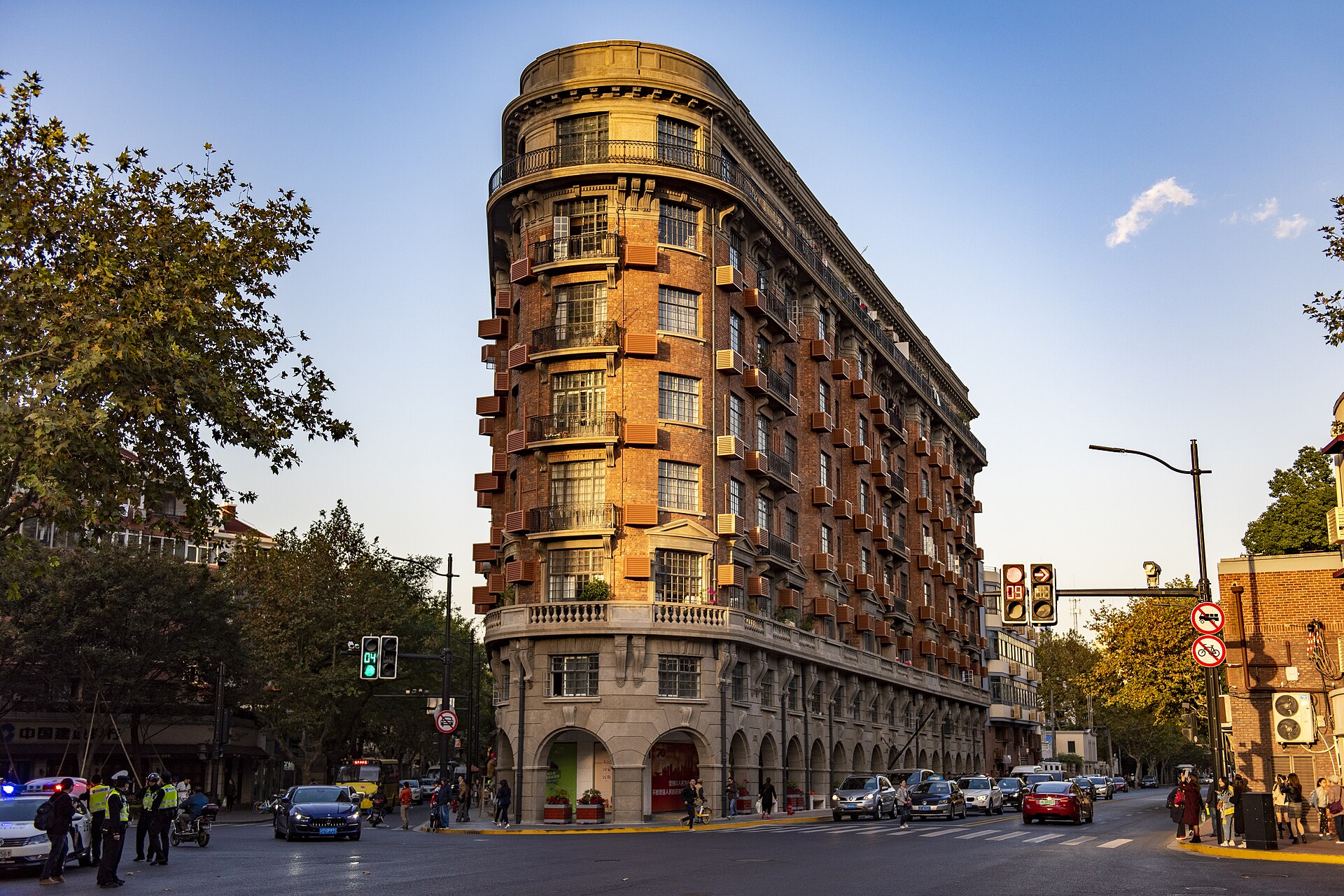
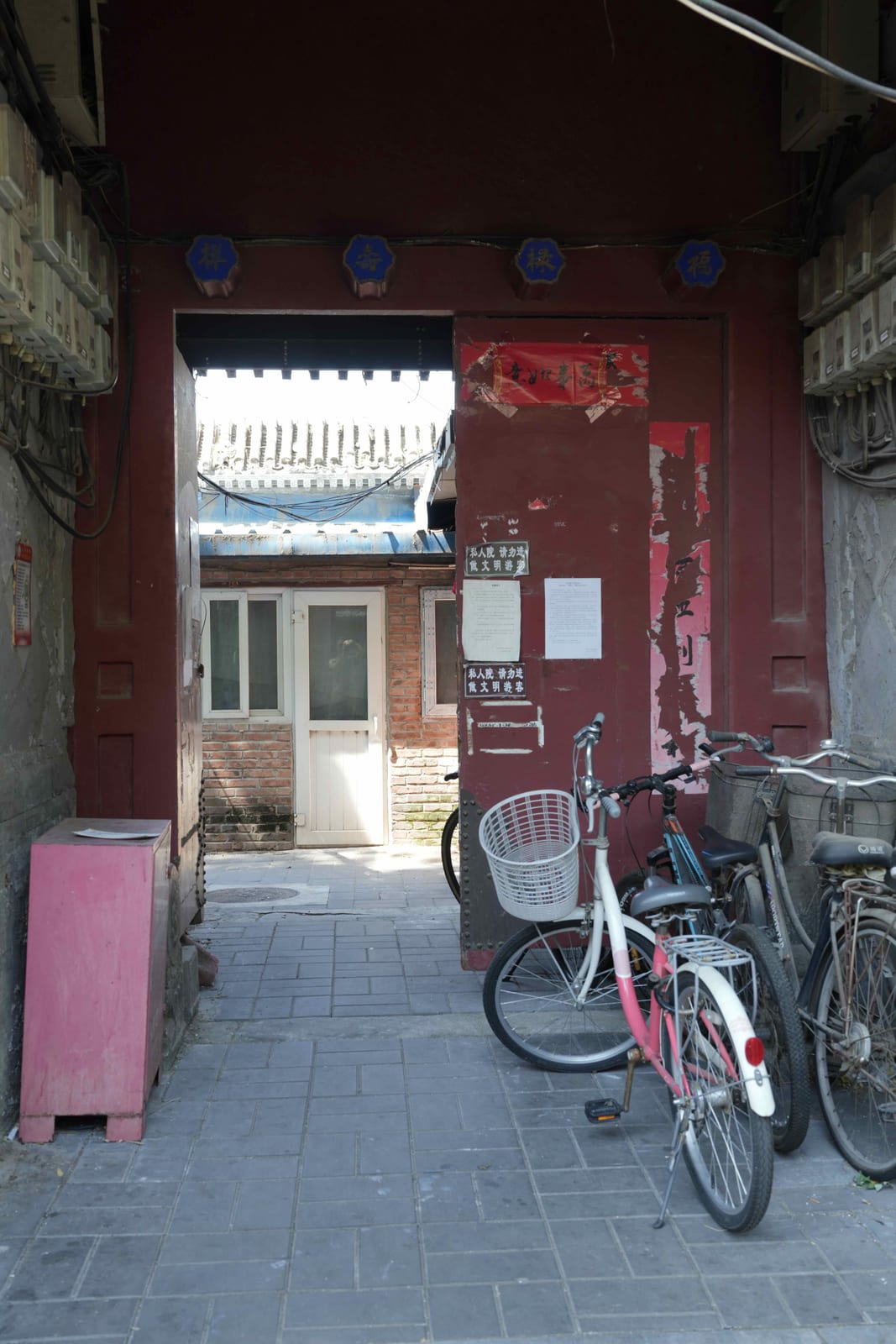
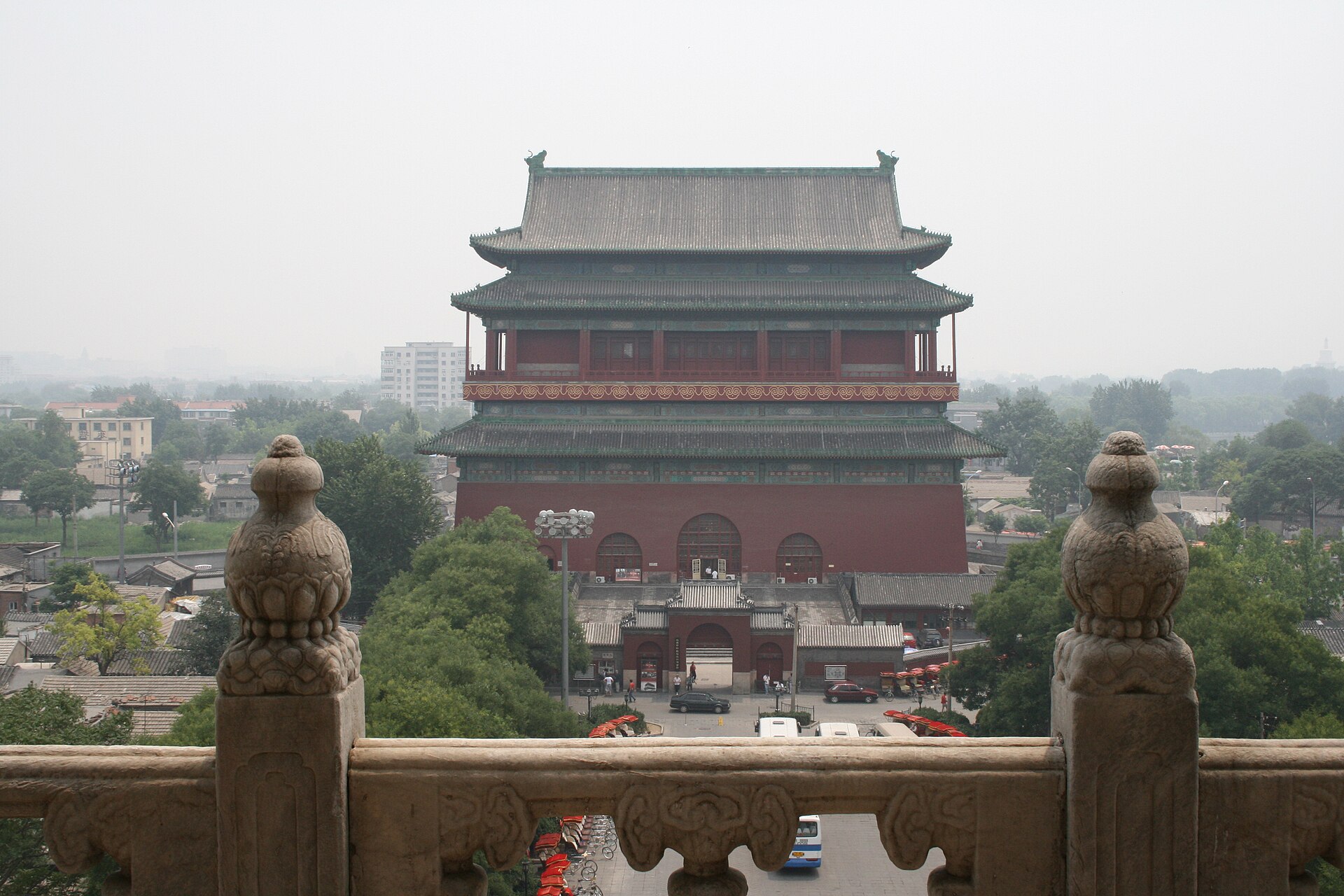
A late morning on the bullet train north, first class, a little over four hours from the Yangtze delta to the capital. Your Beijing guide meets you at the station and takes you straight into the hutongs — the grey-brick lanes around the Drum and Bell Towers, courtyard gates, birdcages and bicycles — by rickshaw for the long stretches and on foot for the rest. The evening settles around the Houhai lakes, where the lanes come down to the water.
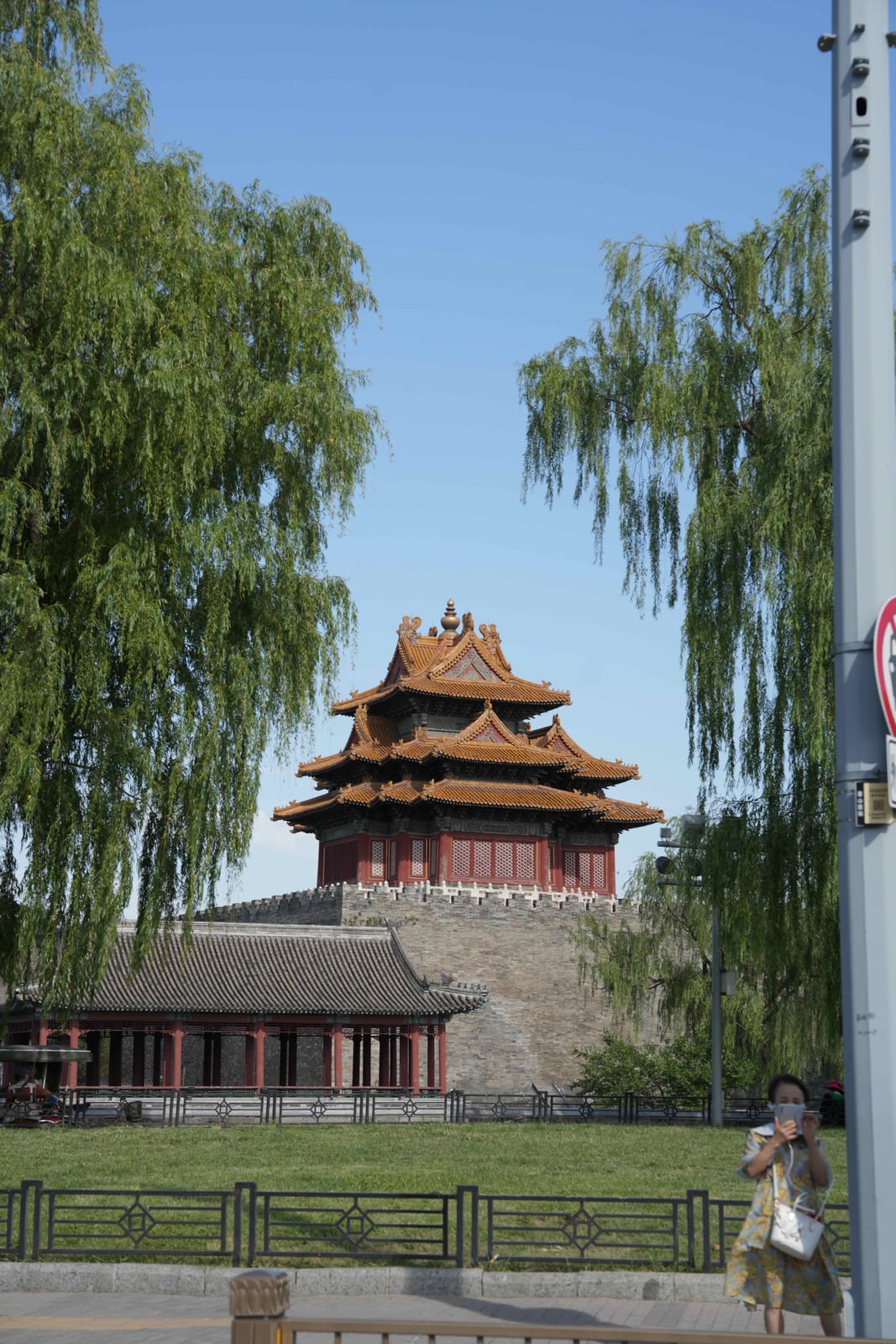
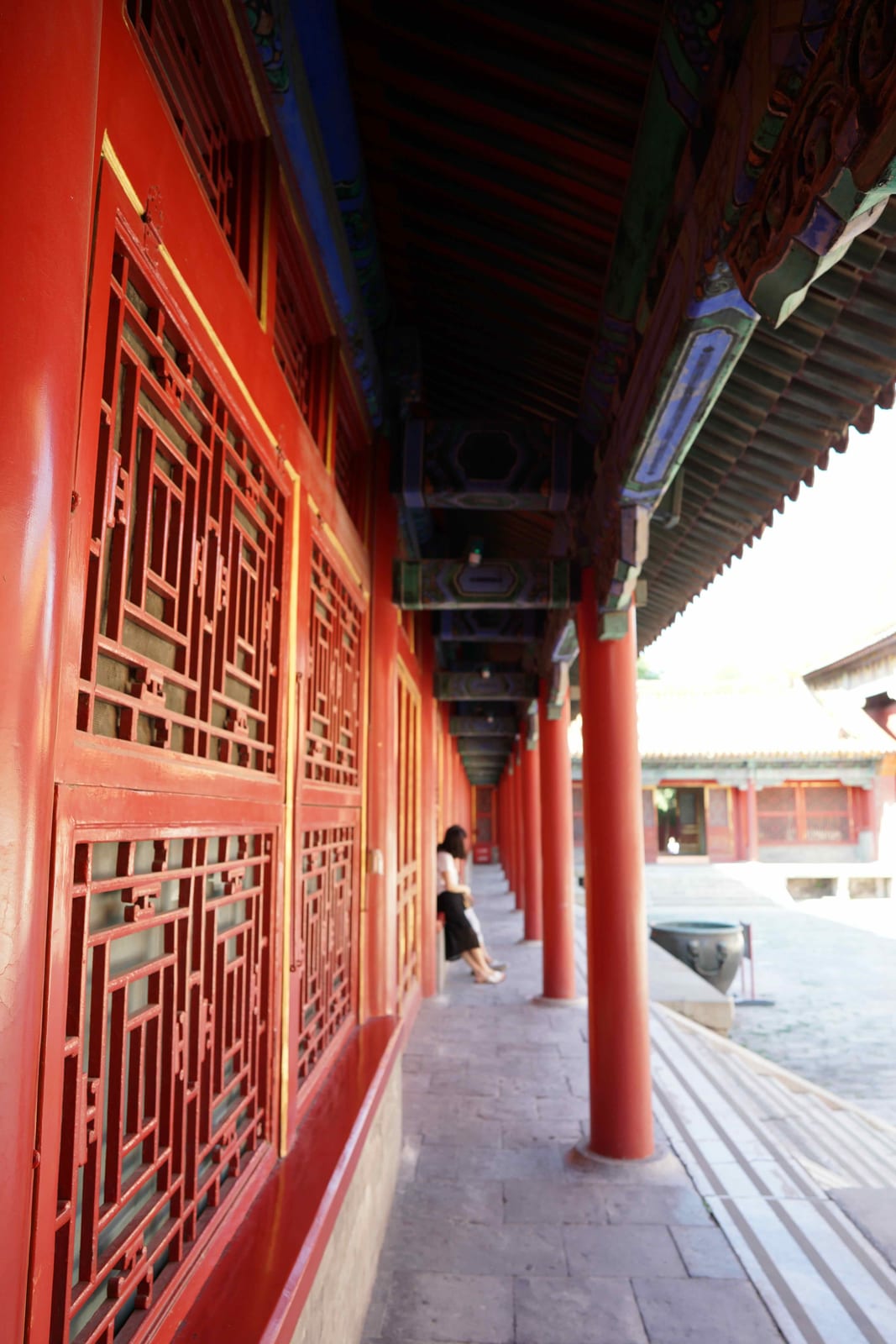
The imperial axis, south to north. Your guide takes you through Tiananmen and the Forbidden City gate by gate — the great throne halls first, then the quieter eastern courtyards where the emperors actually lived — with timed entry booked ahead. Out through the north gate and up Jingshan for the view back over a sea of golden tiles. The afternoon is yours: the hotel is a short walk away, and the lanes around it reward an aimless hour.
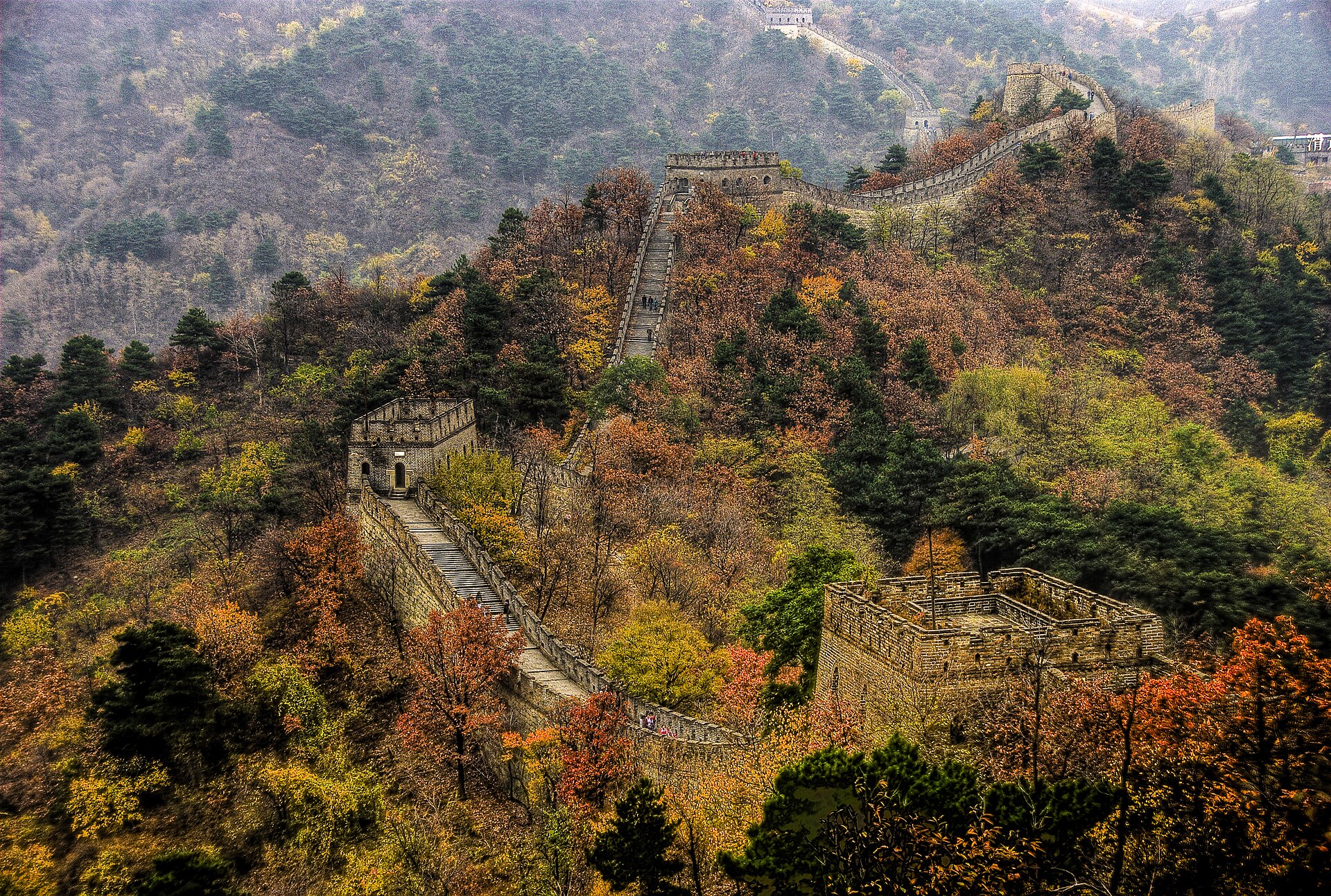
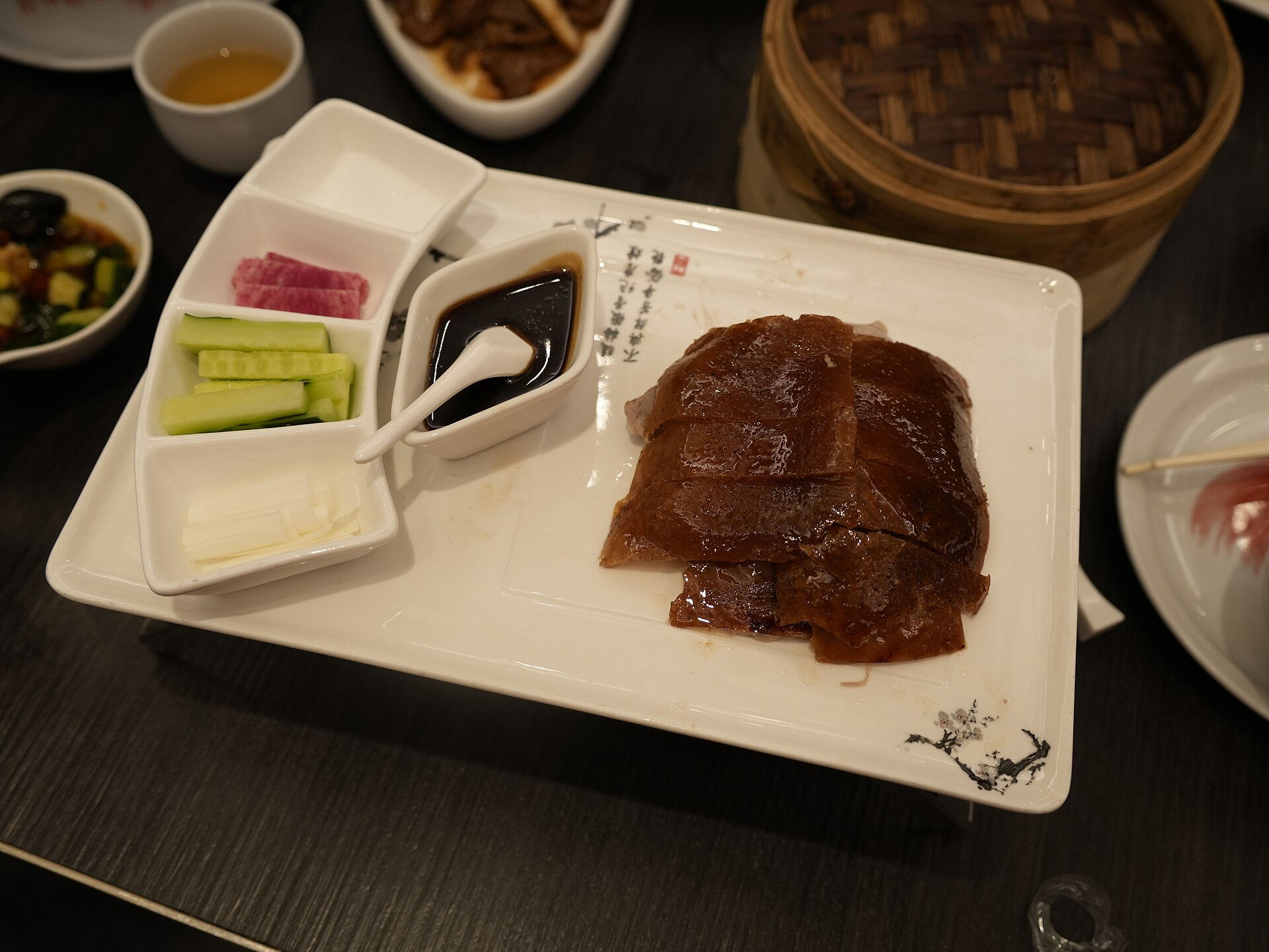
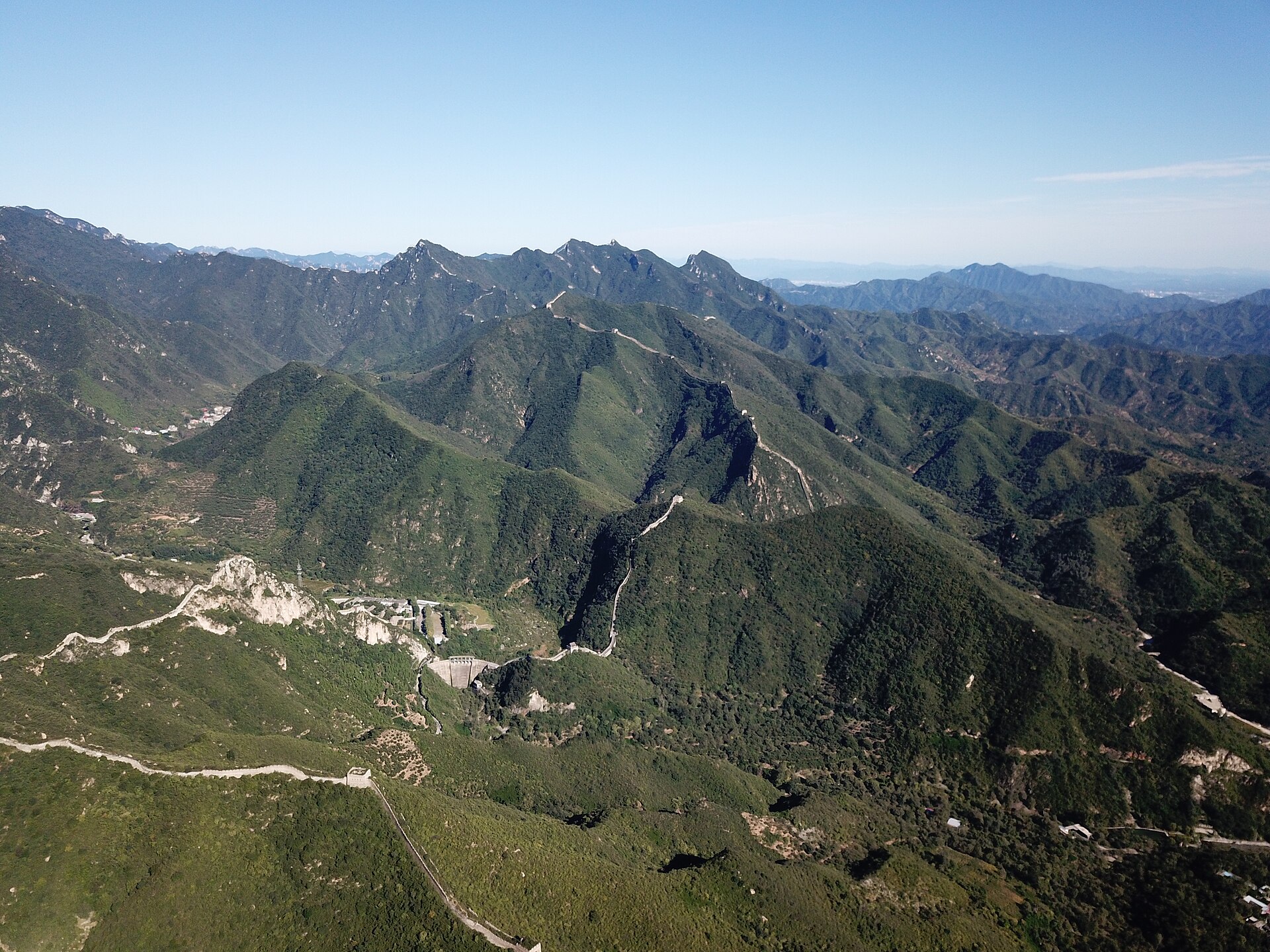
Out early with your guide to Mutianyu, about an hour and a half north-east of the city — the restored wall running along a forested ridge, far quieter than Badaling. The cable car lifts you to the ramparts, and from there you walk watchtower to watchtower for as long as the legs want, the wall rolling away over the hills in both directions. Down by toboggan or cable car, and back to Beijing in time for lacquered Peking duck.
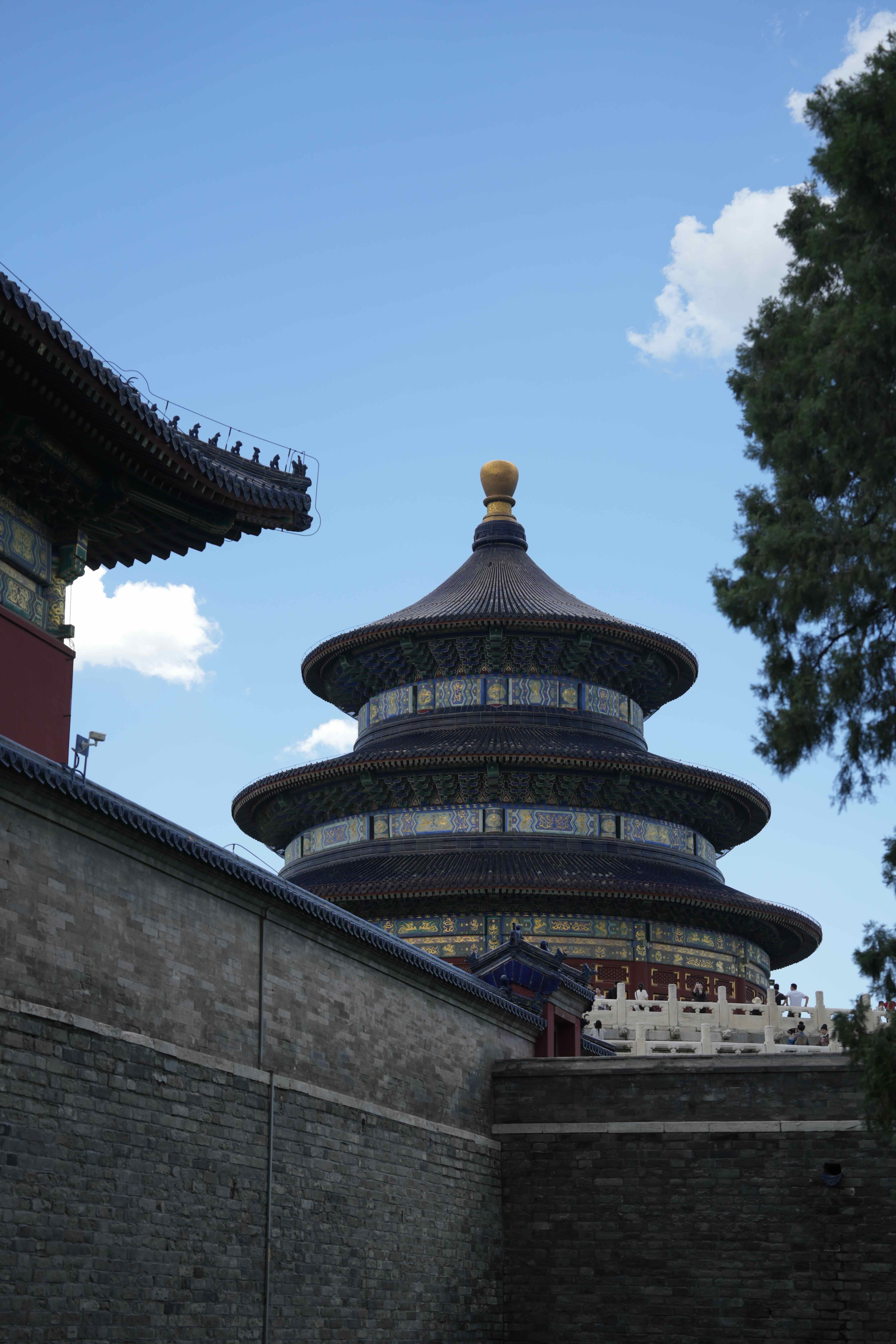
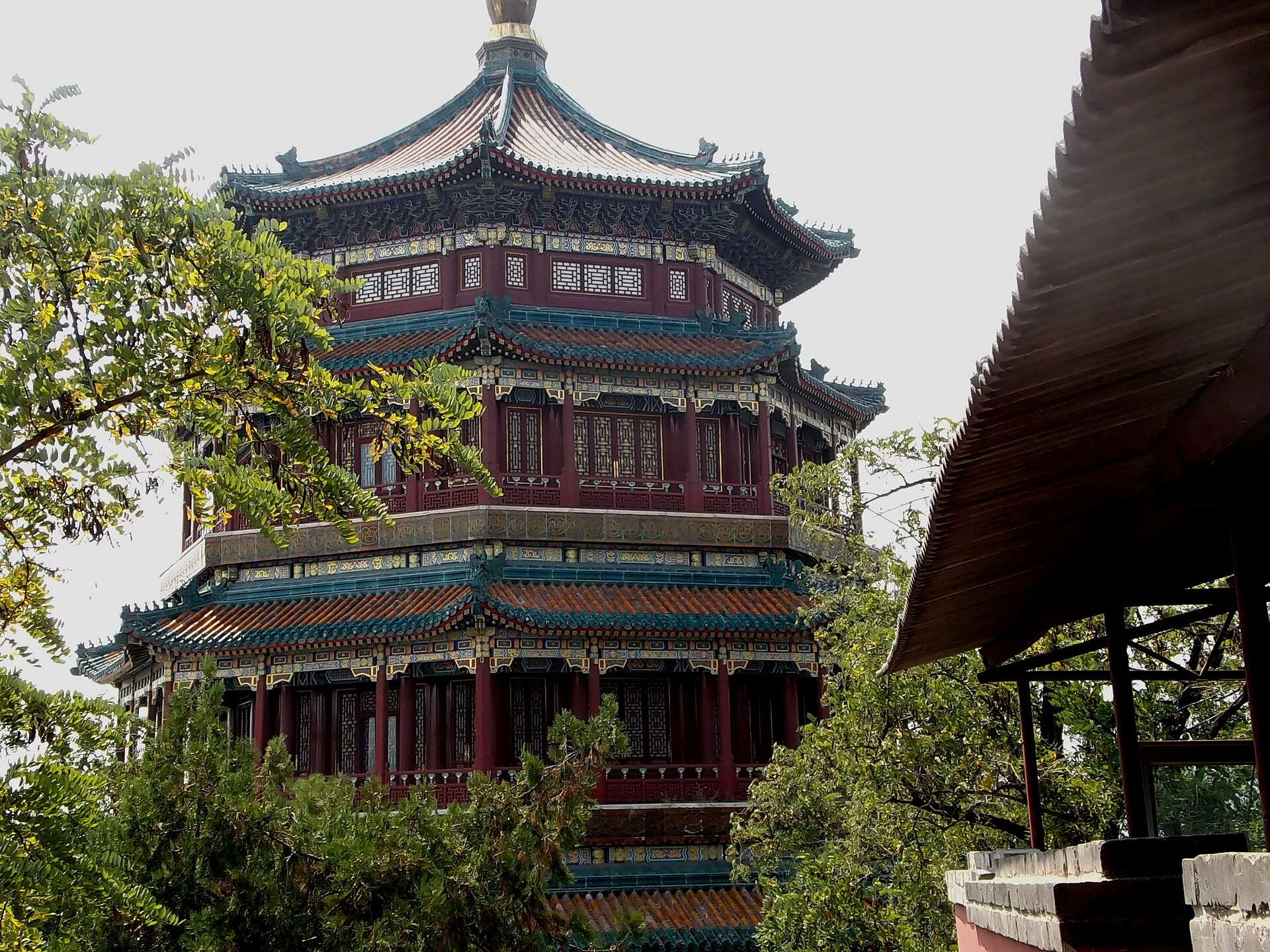
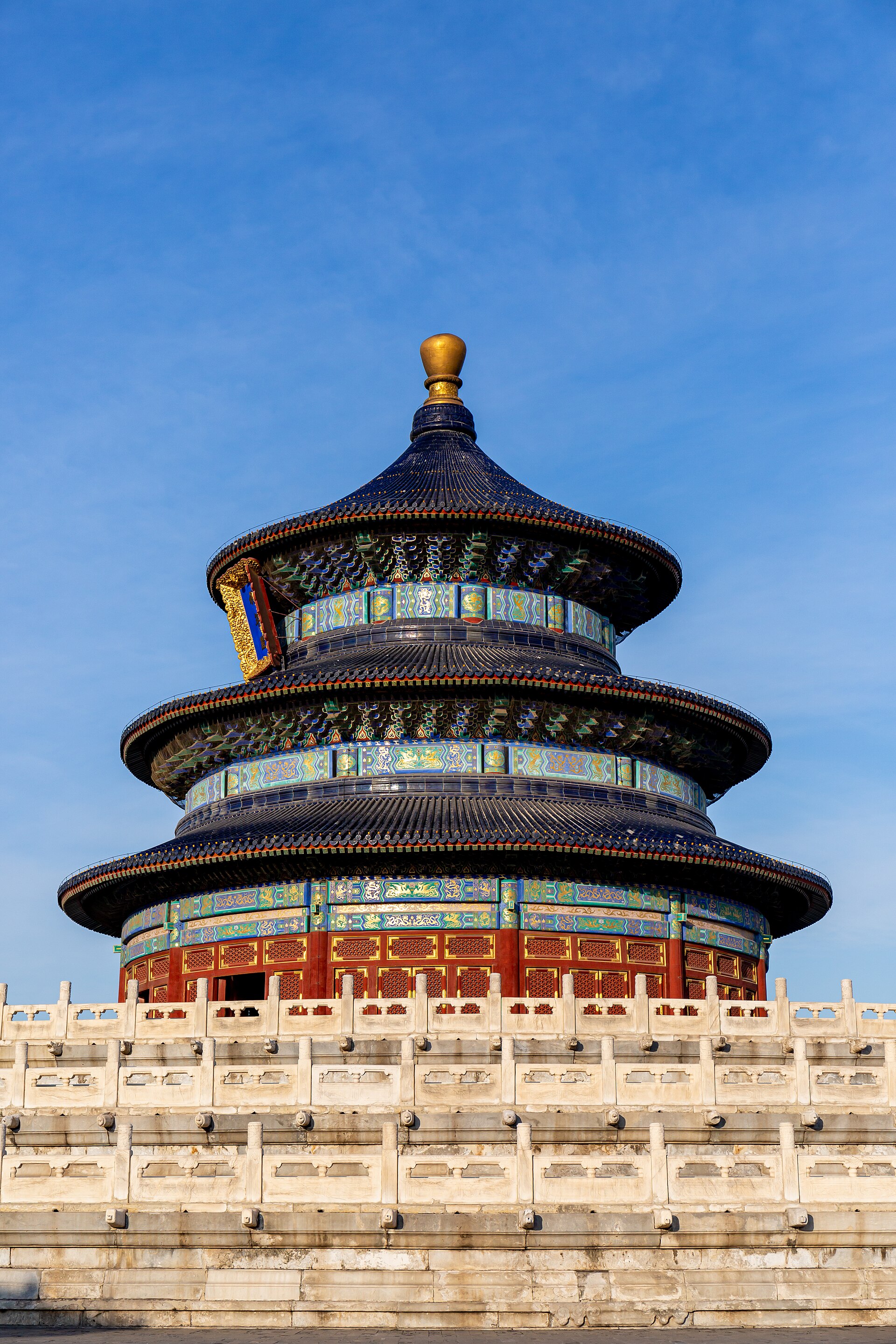
Beijing's two great imperial parks. The Temple of Heaven first, early, when its cypress avenues fill with the city at play — tai chi, fan dancers, card games under the trees — before your guide walks you to the round, blue-roofed Hall of Prayer for Good Harvests. In the afternoon, the Summer Palace in the north-west: the painted Long Corridor beside Kunming Lake and the climb to the Tower of Buddhist Incense, the emperors' summer retreat laid out below.
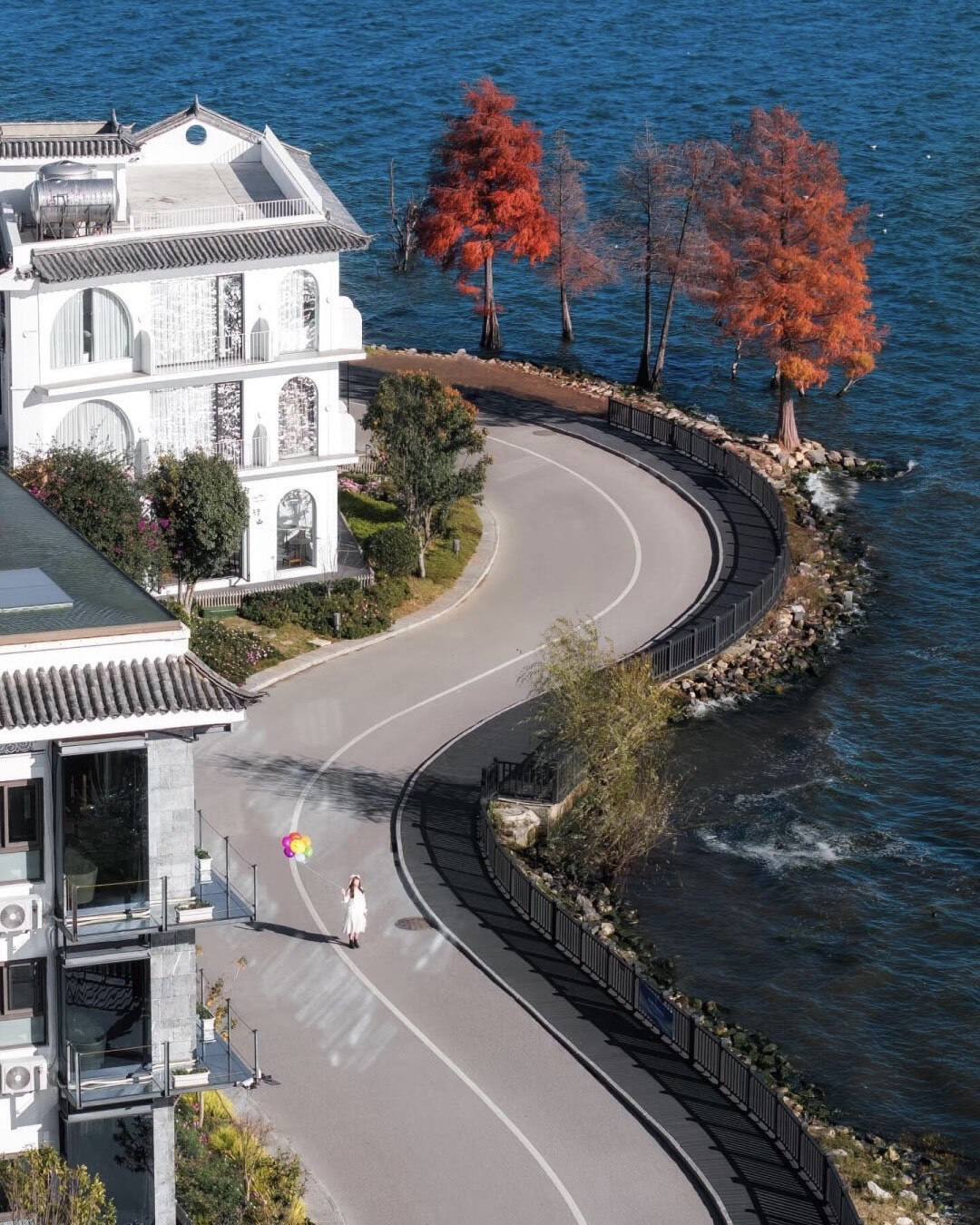
A morning flight south — about four hours — trades the capital for Yunnan's high, bright air at around 2,000 metres. Your Yunnan guide and driver take the east-shore road around Erhai Lake to Shuanglang, the old fishing town on its peninsula, the Cang Mountain range across the water. Two nights in the hills above the lake, with the evening light on Cangshan across the water.
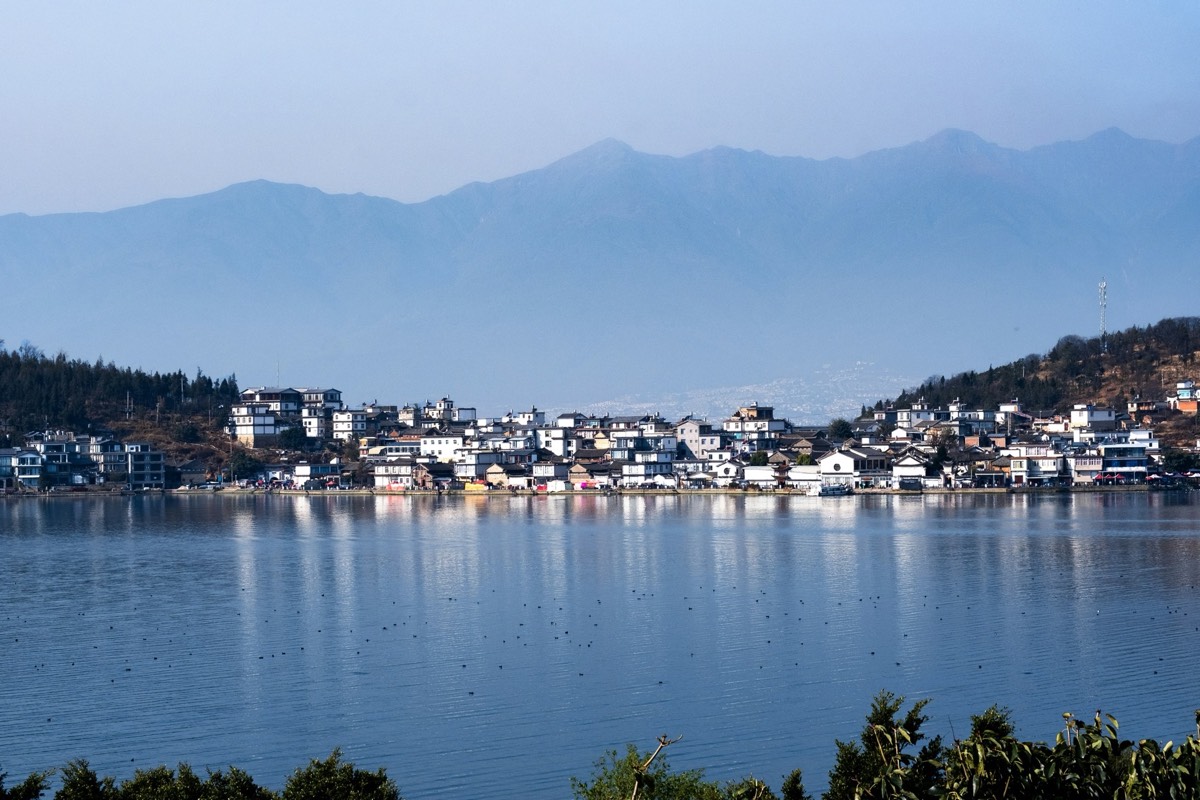
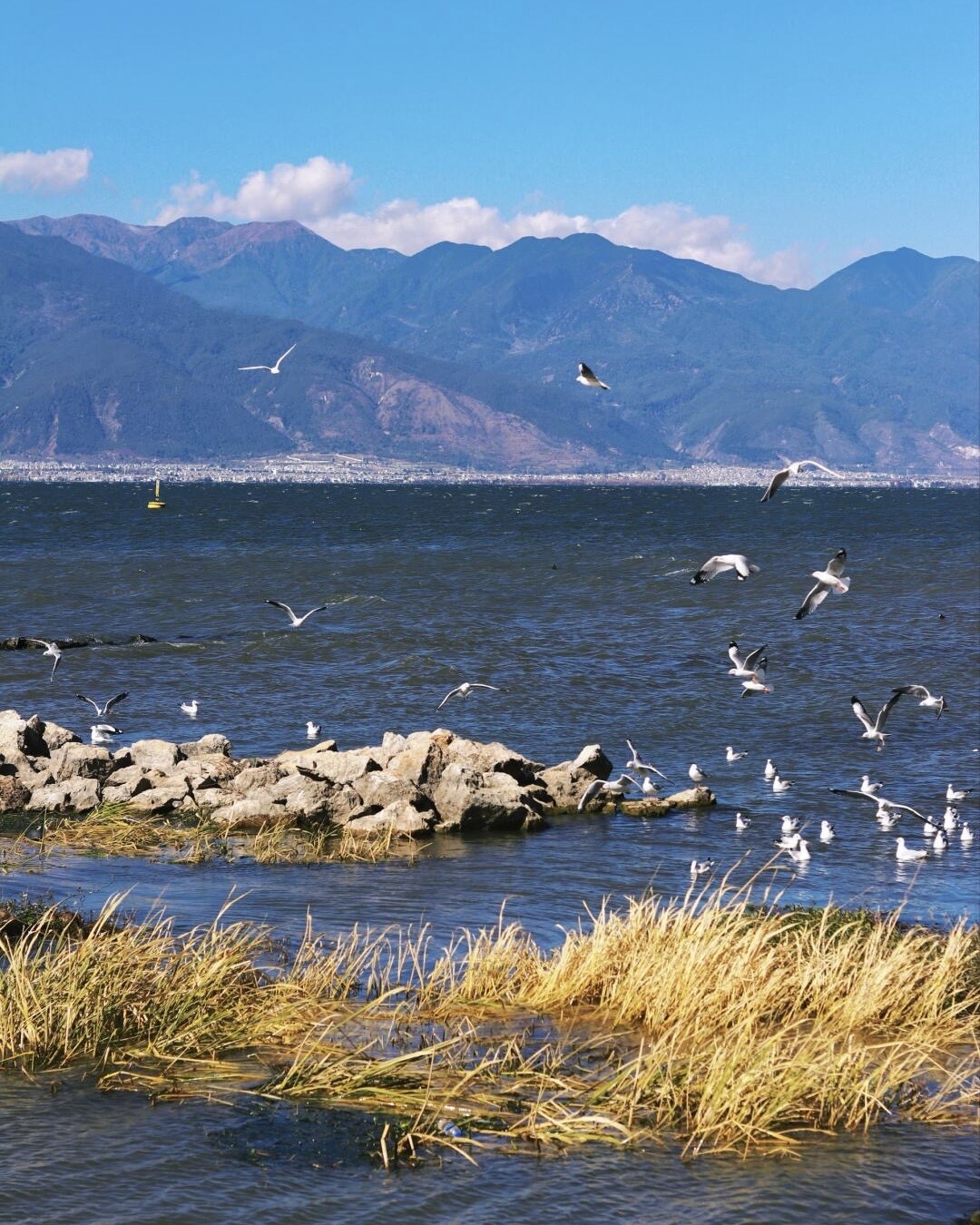
A lake day with your guide: the lanes of Shuanglang's old peninsula, a lookout over the bay, and the lakeside road where, in winter, the gulls that fly in for the cold months work the shoreline. The afternoon is yours — a slow walk to a lakeside café, or the terrace, the water and the light on Cangshan.
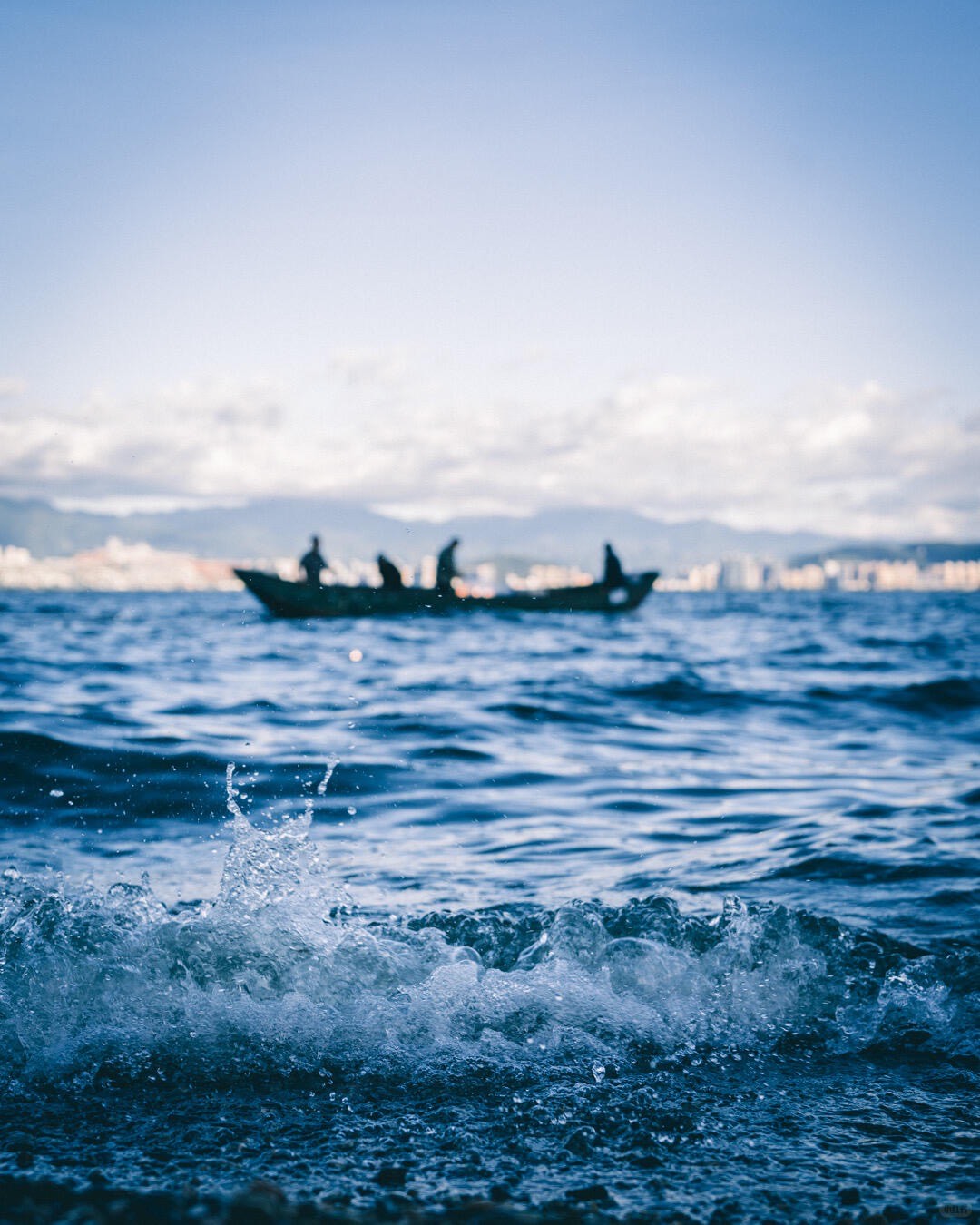
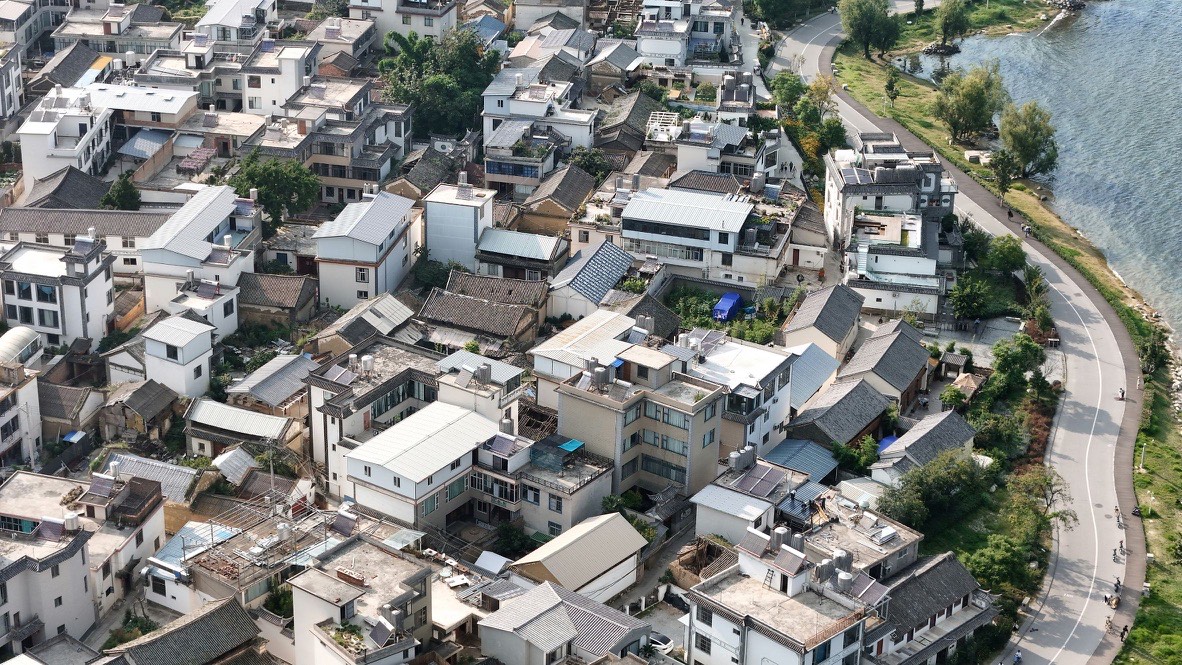
Around the lake to Xizhou, the old Bai merchant town, for its morning market — rushan cheese frying at the stalls, trays of mushrooms, baskets of greens — then the courtyard mansions the traders built and a stop with a jiama woodblock printer. In the afternoon the road climbs west into the hills to Shaxi, the best-preserved market town on the old Tea Horse Road, where the caravans carrying tea north to Tibet once rested. Three nights here, a short walk from the square.
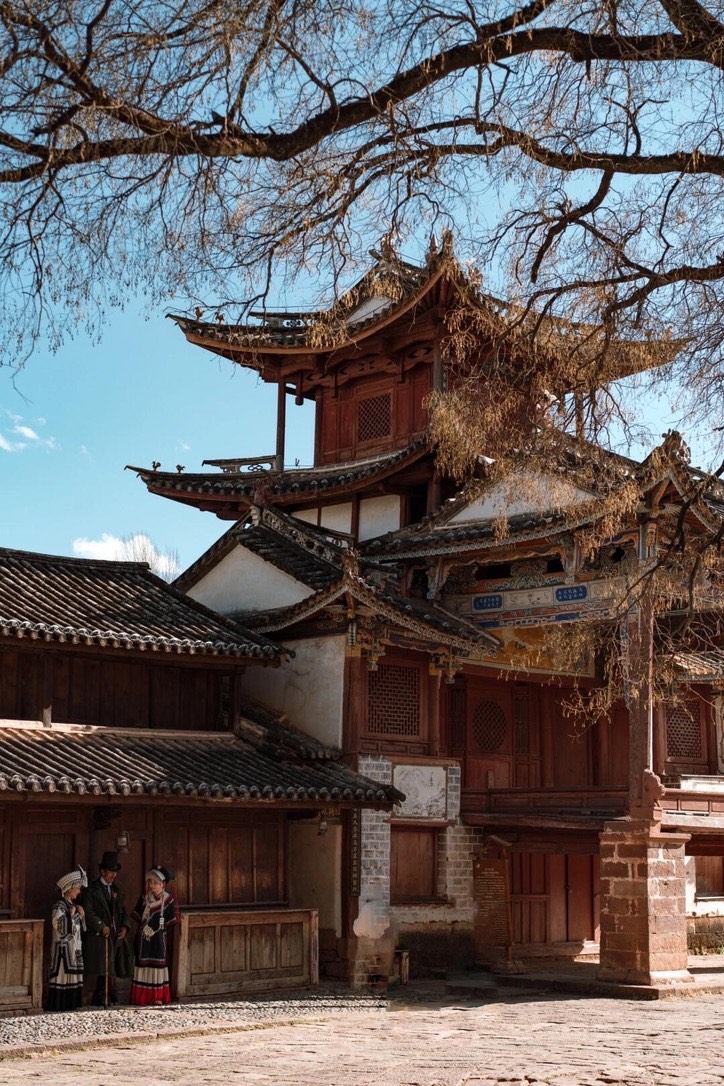
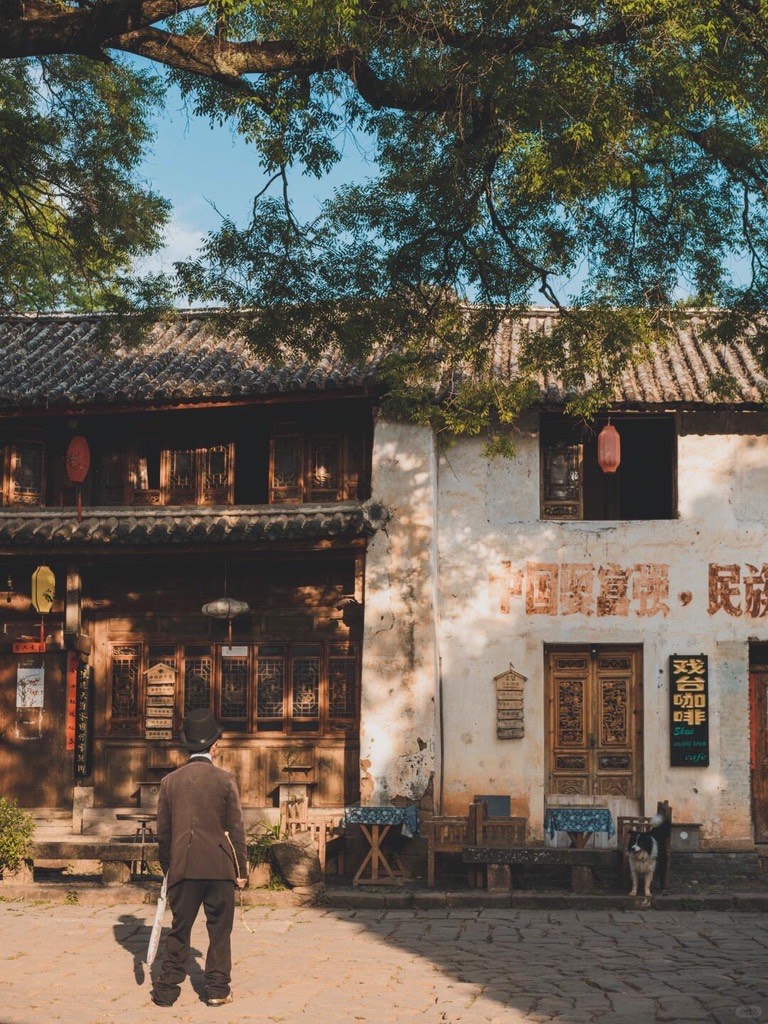
Up into Shibaoshan with your guide — the Stone Treasure Mountain above the valley, where Buddhist grottoes were carved into red sandstone cliffs under the Nanzhao and Dali kingdoms more than a thousand years ago. Quiet paths through the pines link the carvings and the temples. Back down for a slow afternoon on Sideng Square: the theatre stage facing the temple, the old caravan inns around it, the valley turning gold by late afternoon.
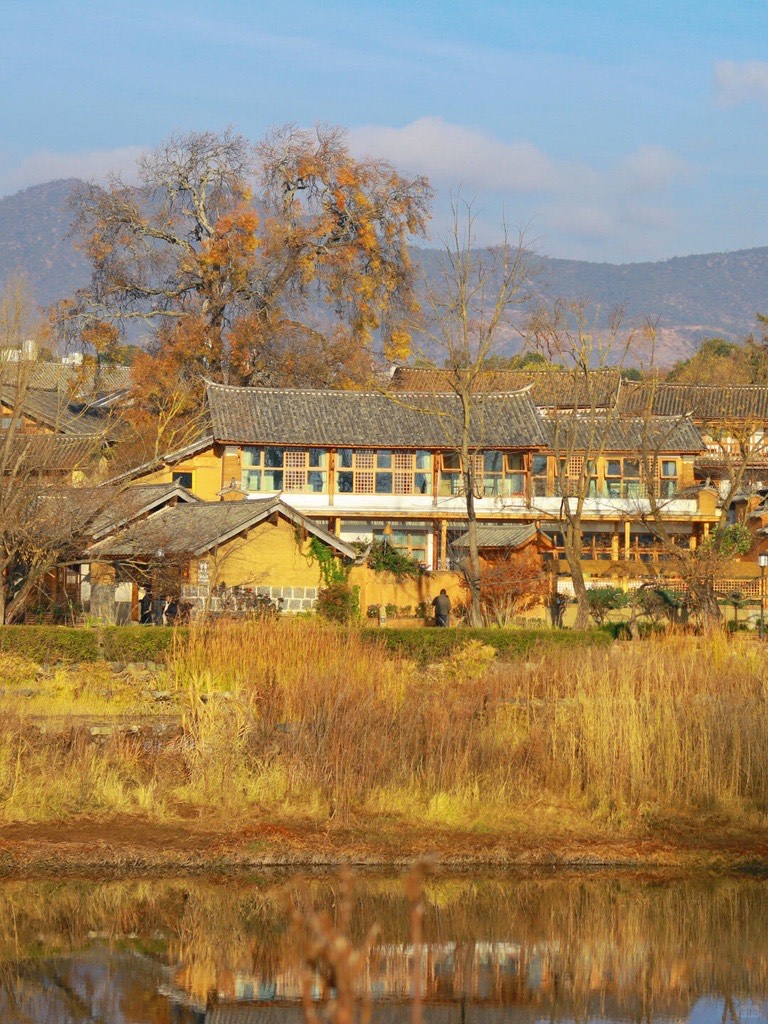
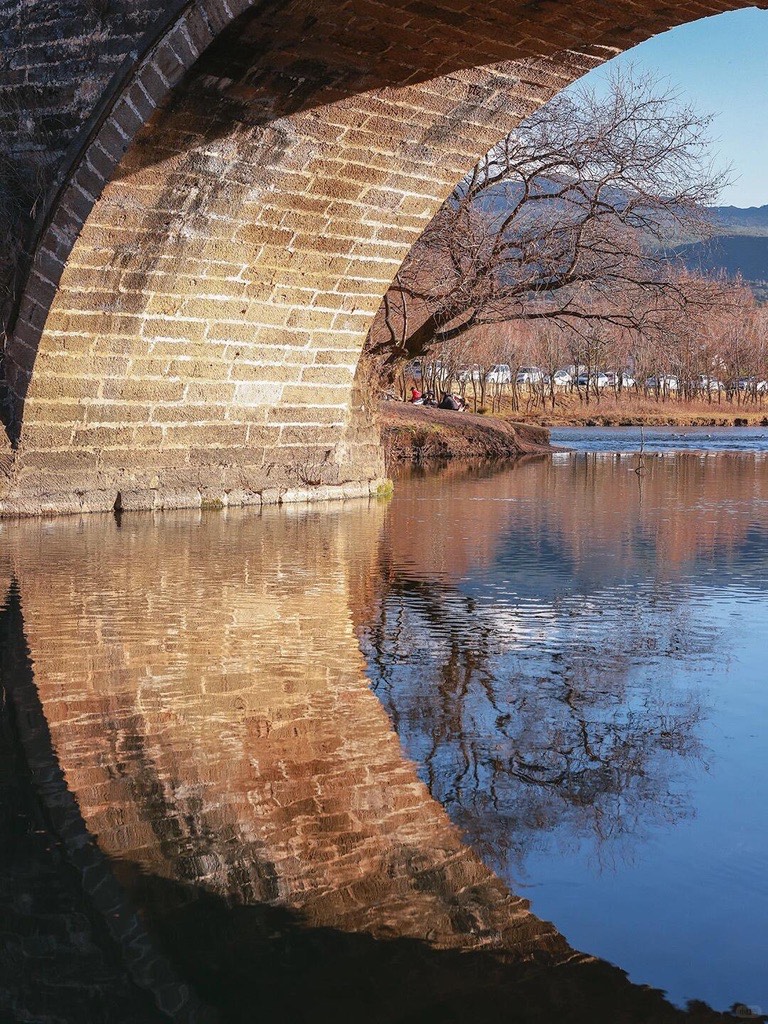
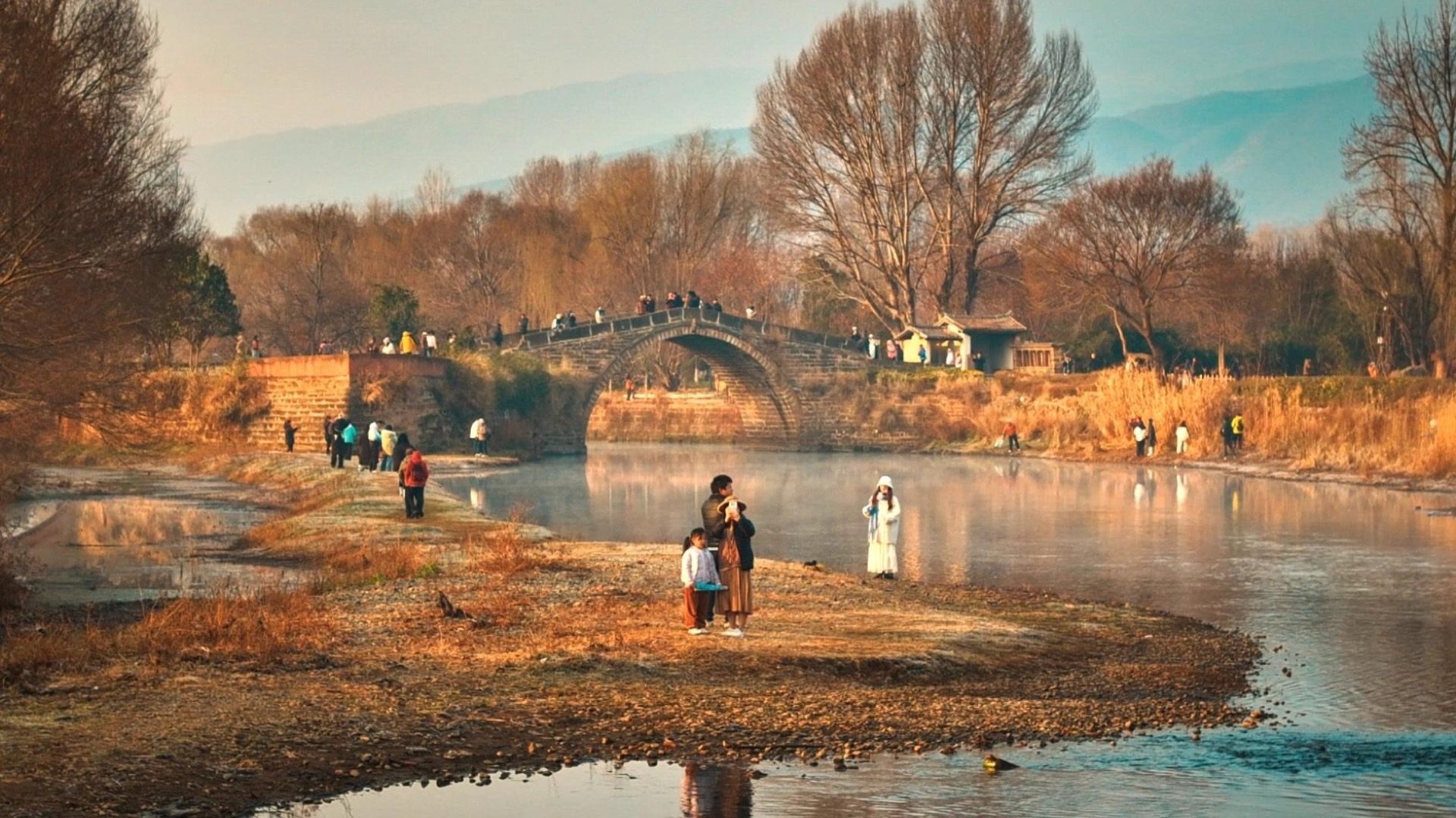
A day with nothing on the schedule, which Shaxi rewards. Wander the old town's lanes and gates, take tea in a sunny courtyard, and walk the riverside path out to the Yujin bridge — the old stone arch the caravans crossed — and on through the fields. If your dates land on a Friday, the weekly market fills the square, farmers walking in from the hills as they have for centuries.
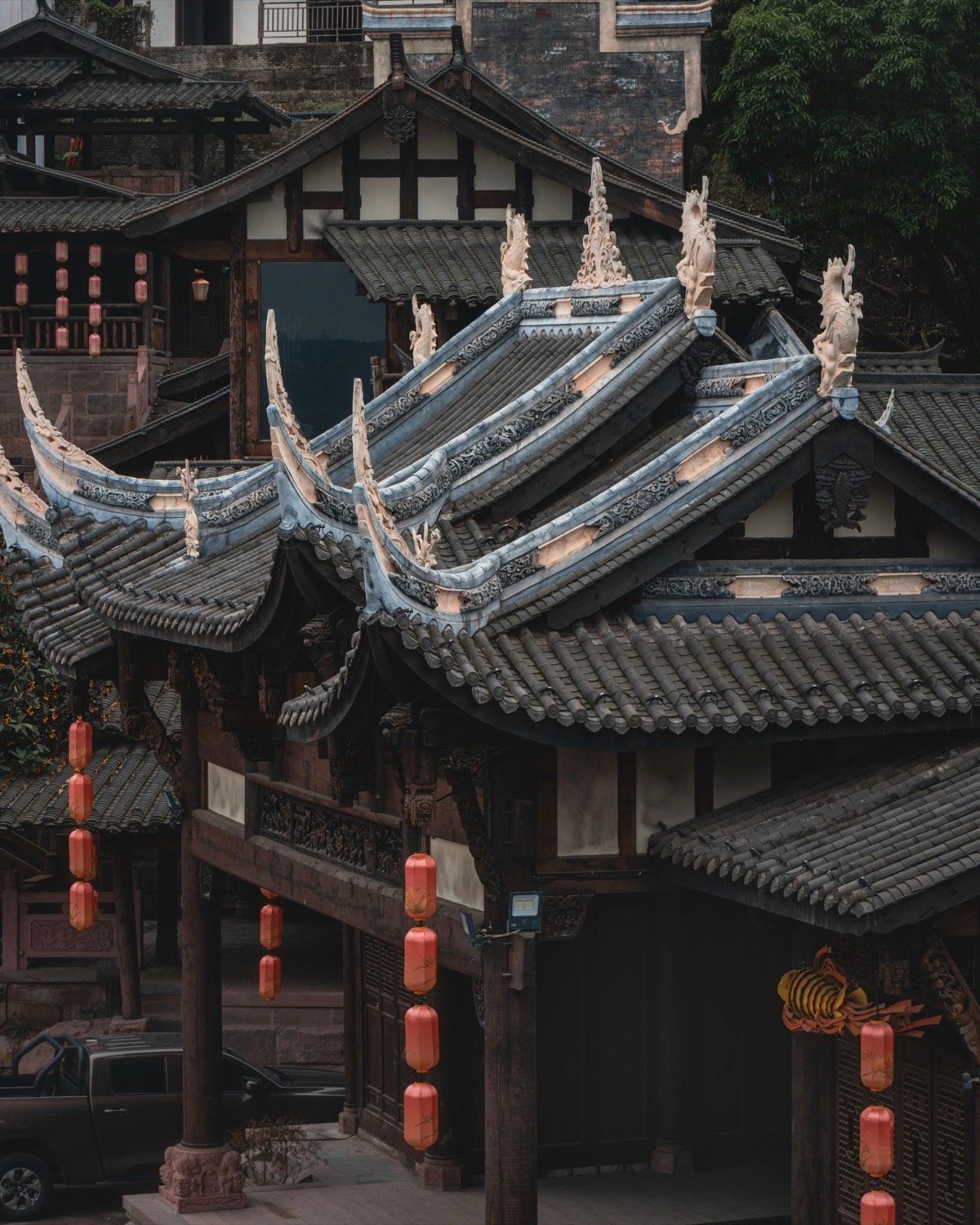
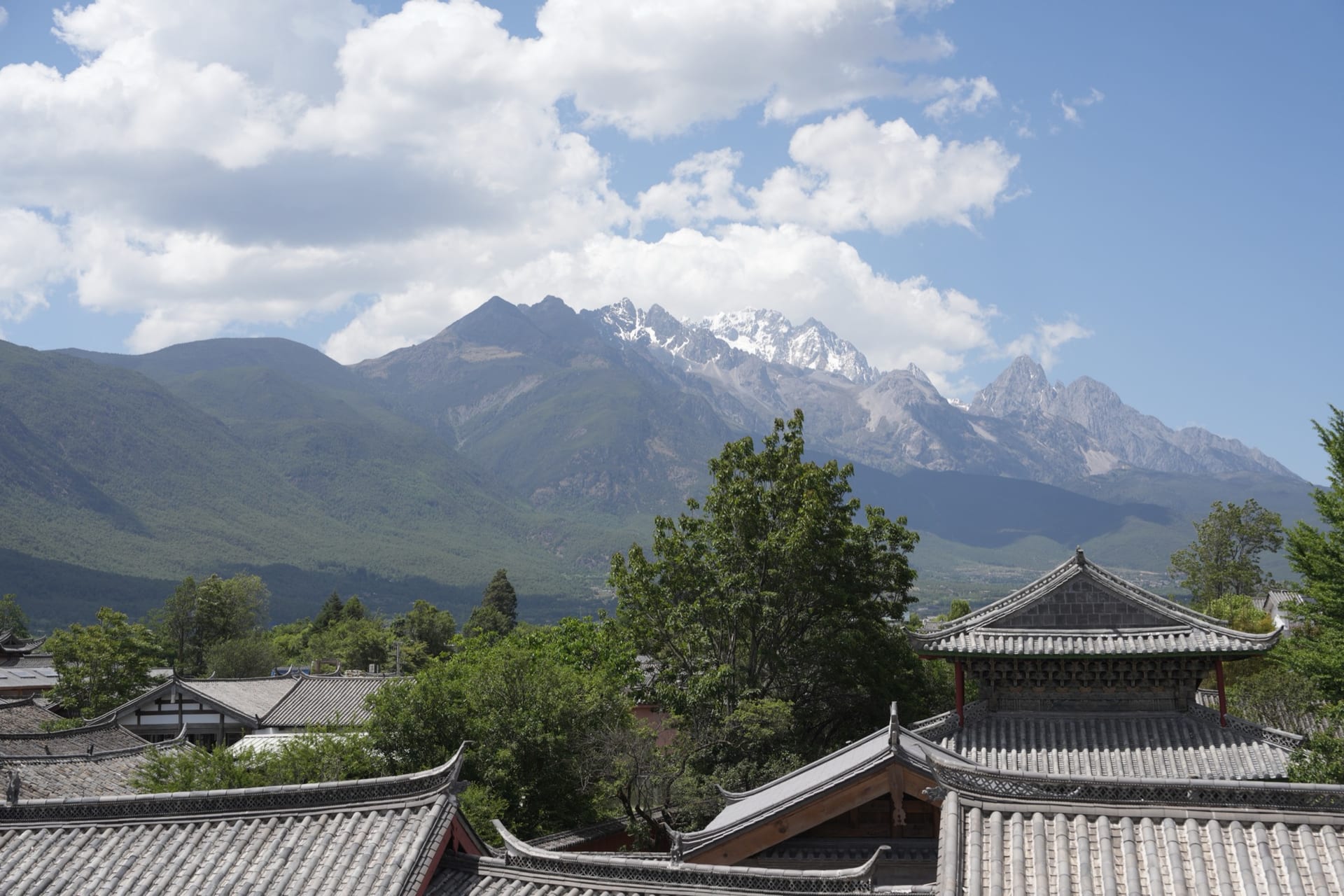
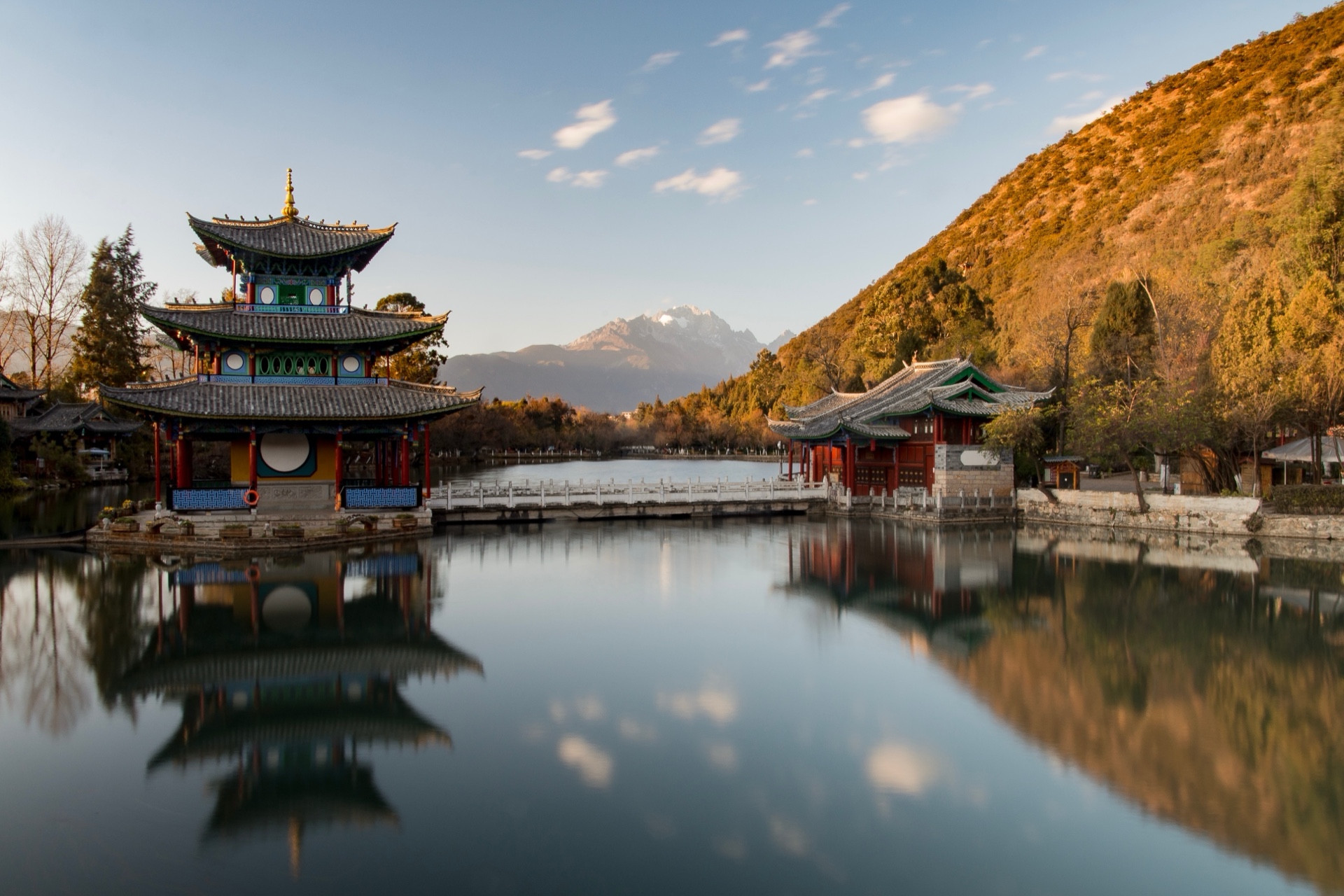
North through Jianchuan county, whose carvers have worked the temples and courtyards of Yunnan for generations — a stop at the woodcarving museum, then a black-pottery workshop where you can watch the potters and try the wheel. On to Lijiang, about two hours from Shaxi, and two nights on Lion Hill above Dayan, the old town — its grey-tiled roofs and canals laid out below, Jade Dragon Snow Mountain beyond. The evening is for the lanes, which are at their best once the day-trippers have gone.
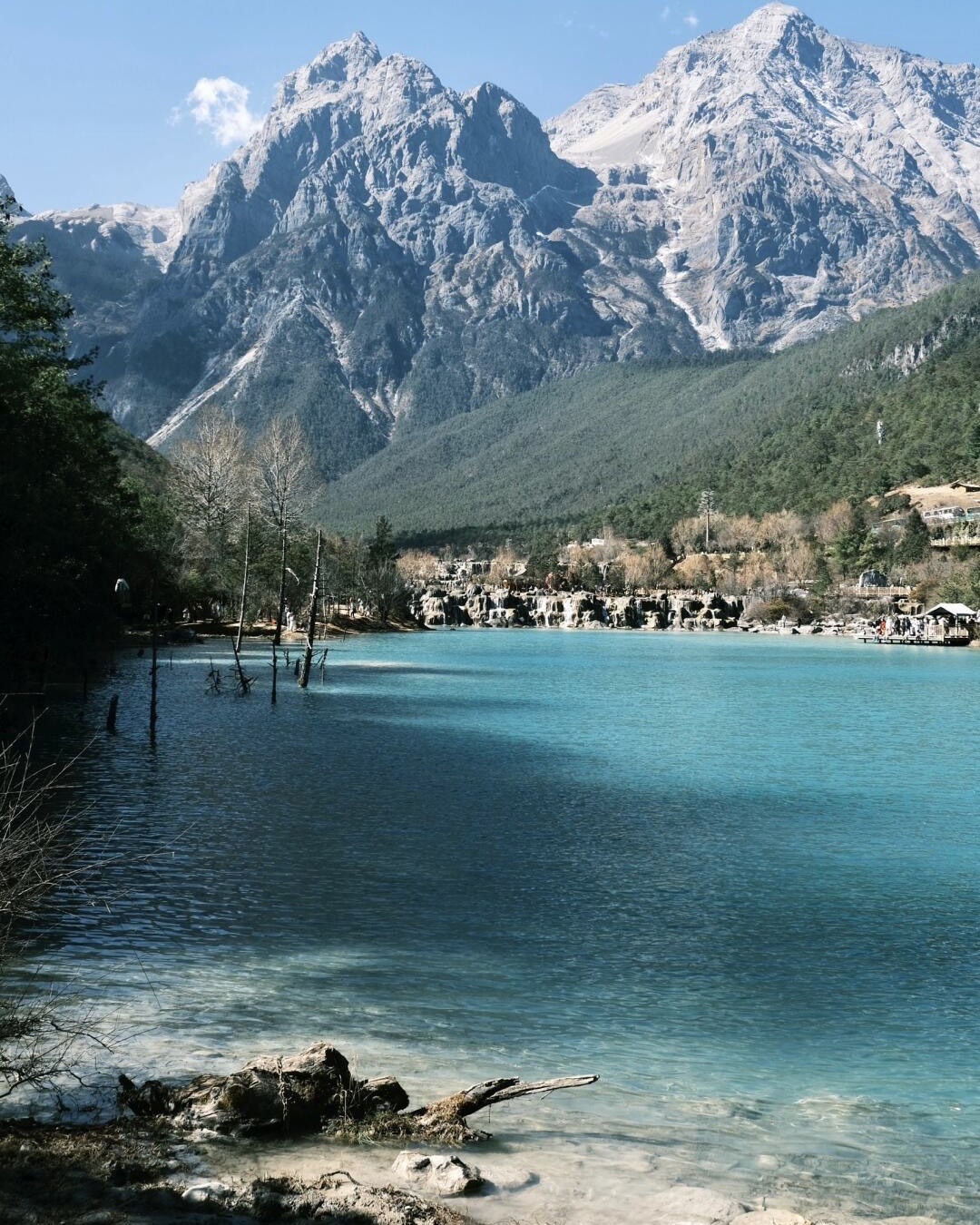
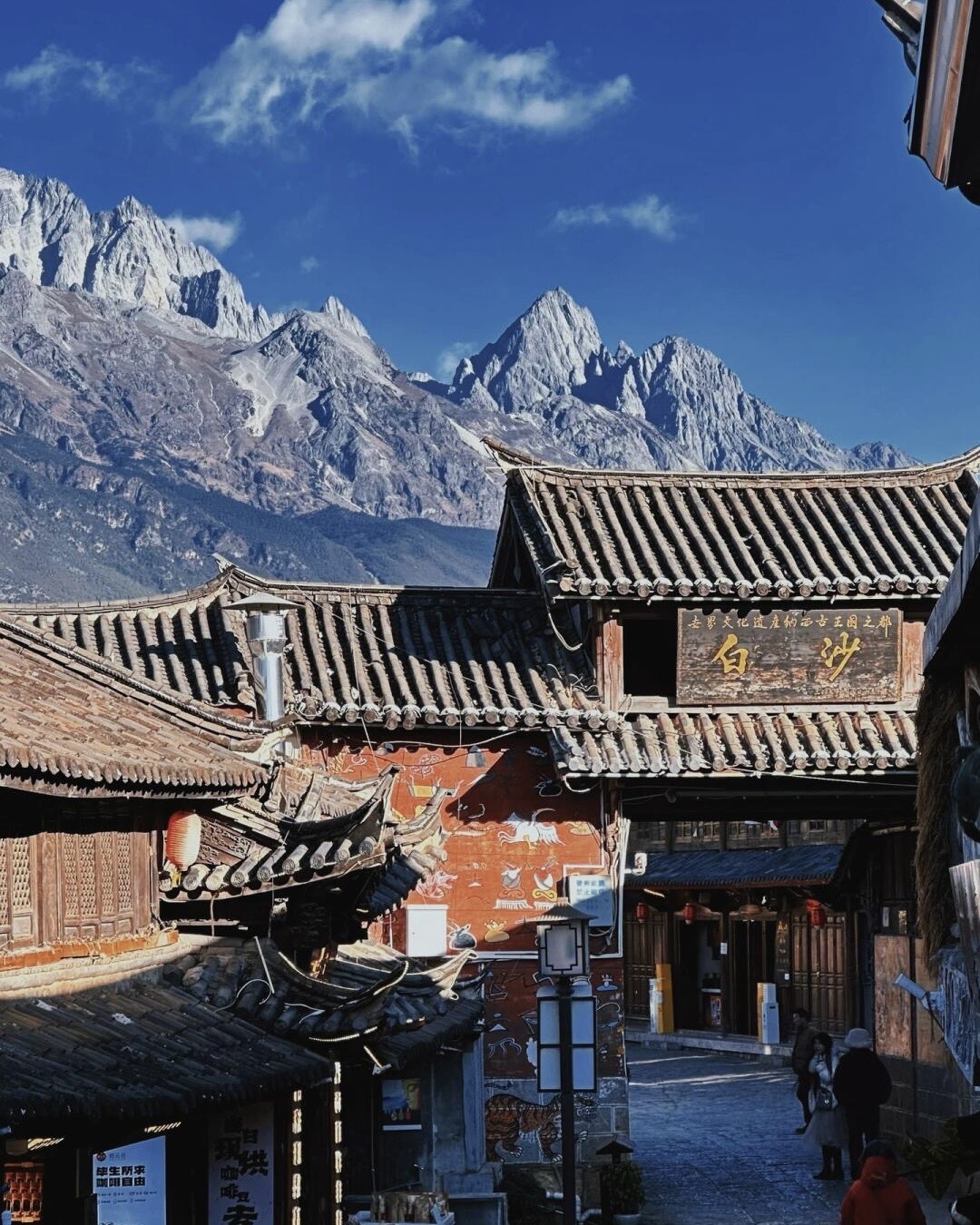
Up into Jade Dragon Glacier Park with your guide — the big cableway climbs to viewing decks at about 4,500 metres beneath the summit glaciers (winter wind can close the top line; if it does, the lower valleys carry the morning). Down to Blue Moon Valley's turquoise pools, then Baisha in the afternoon, the old Naxi seat of power, for its Ming-dynasty murals and a village street that still farms. Lijiang old town's canals and rooftops at dusk to finish.
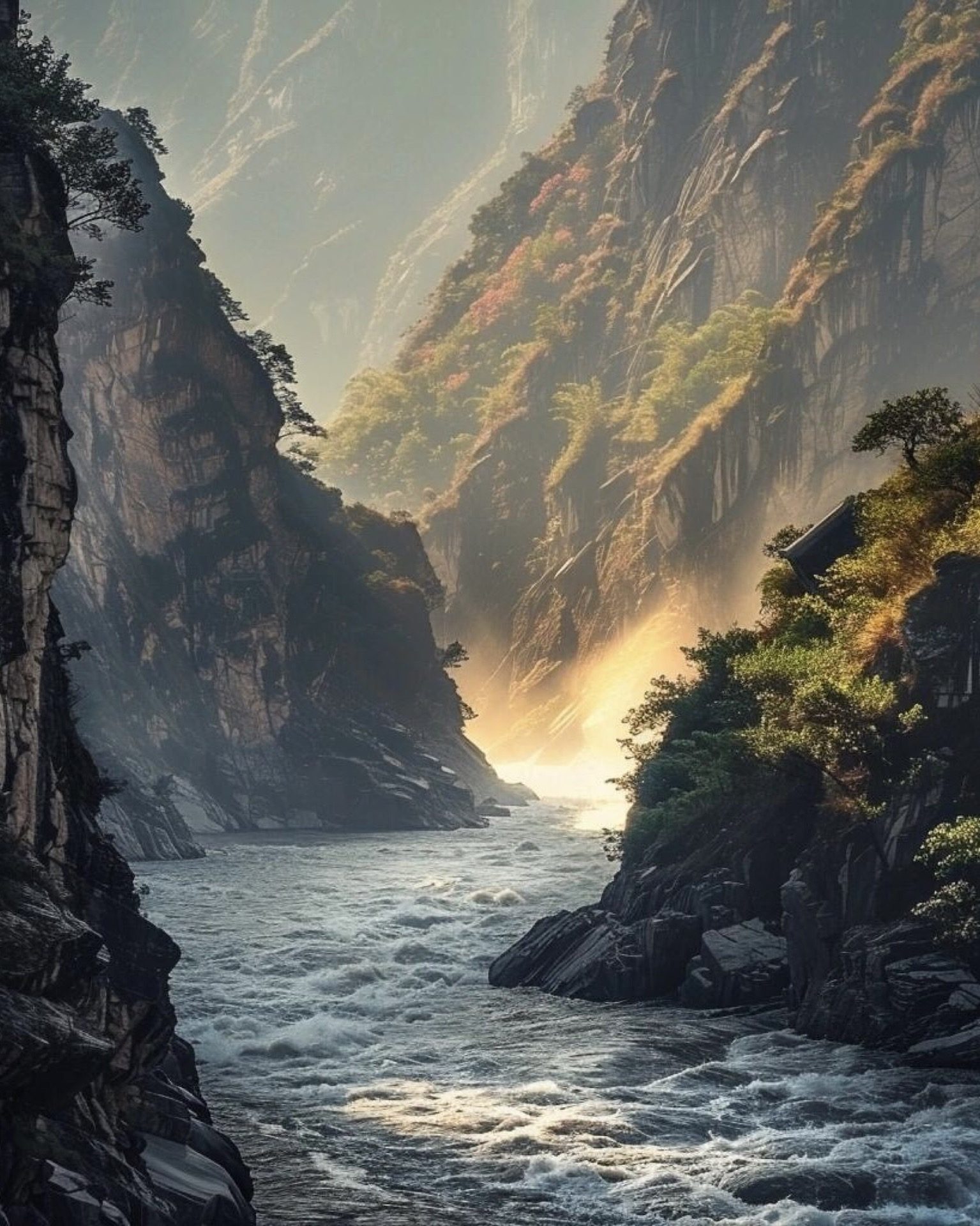
North along the Jinsha — the upper Yangtze — to Tiger Leaping Gorge, where the river forces itself between the walls of Jade Dragon and Haba snow mountains. Your guide walks you down the stepped path to the rapids, about an hour from Lijiang. Then the long climb onto the Tibetan plateau to Shangri-La at 3,200 metres: three nights beside Songzanlin Monastery, and a first evening kept gentle so the altitude can settle.
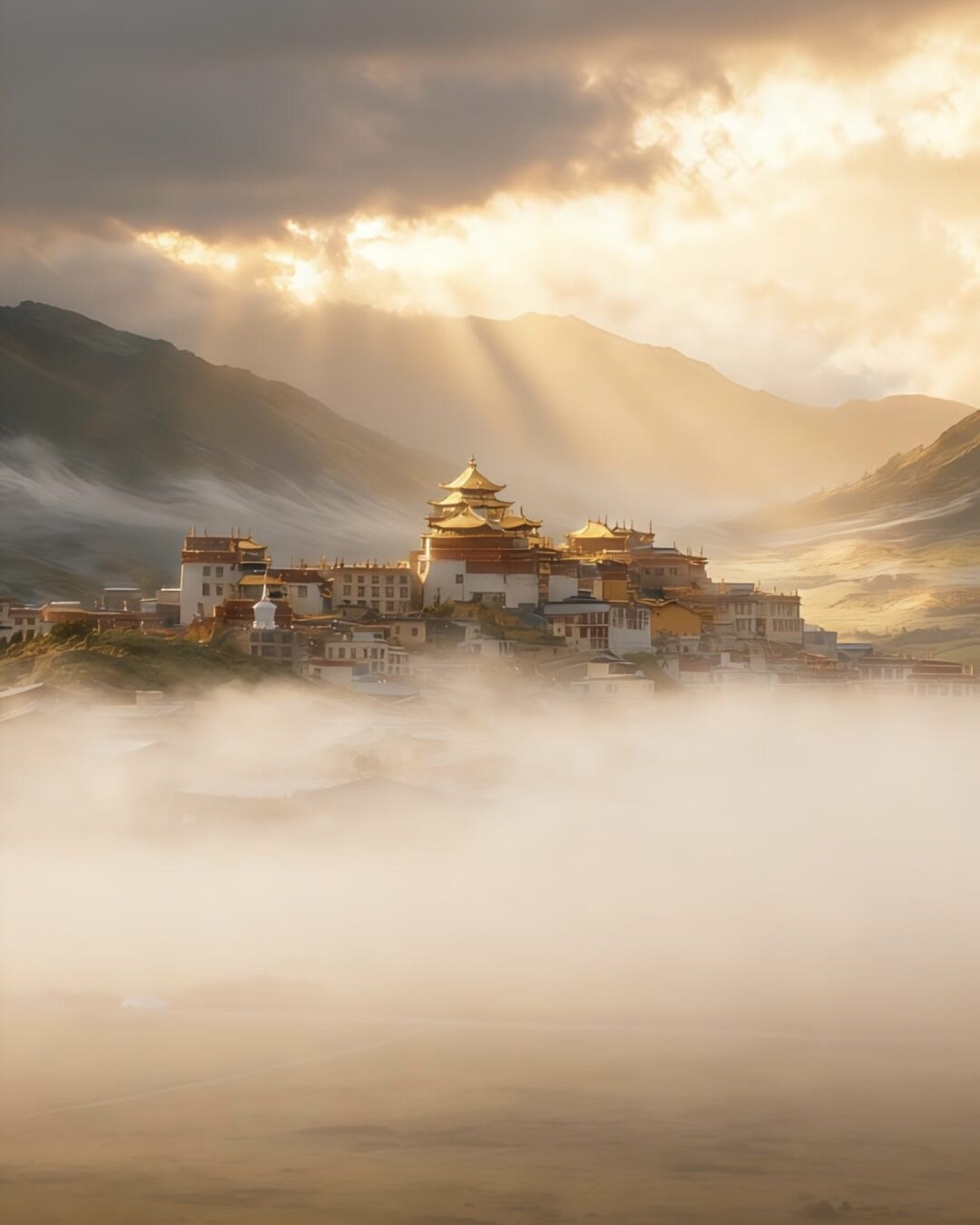
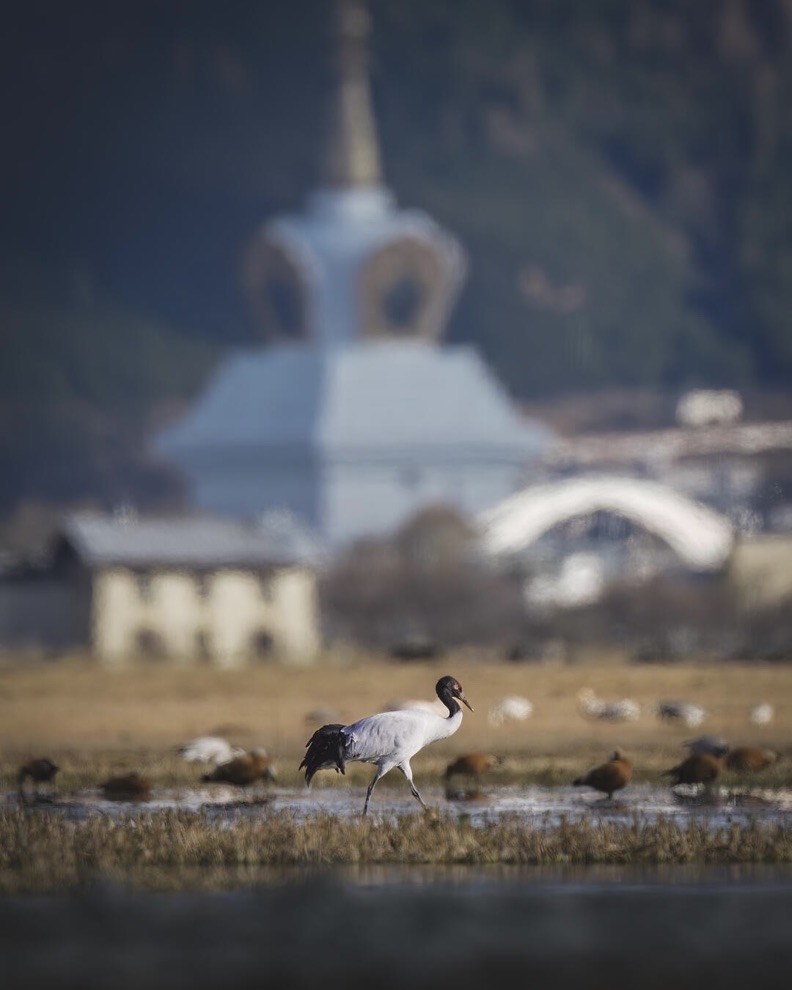
Songzanlin first thing, a short walk from your door — the largest Tibetan Buddhist monastery in Yunnan, its gold roofs stacked up the hillside and pilgrims circling below — walked hall by hall with your guide. Then the Napa lakeshore loop: a seasonal lake on the grassland, yaks grazing its margins and, in winter, the black-necked cranes that come down to feed. A visit with a Tibetan family rounds out the afternoon.
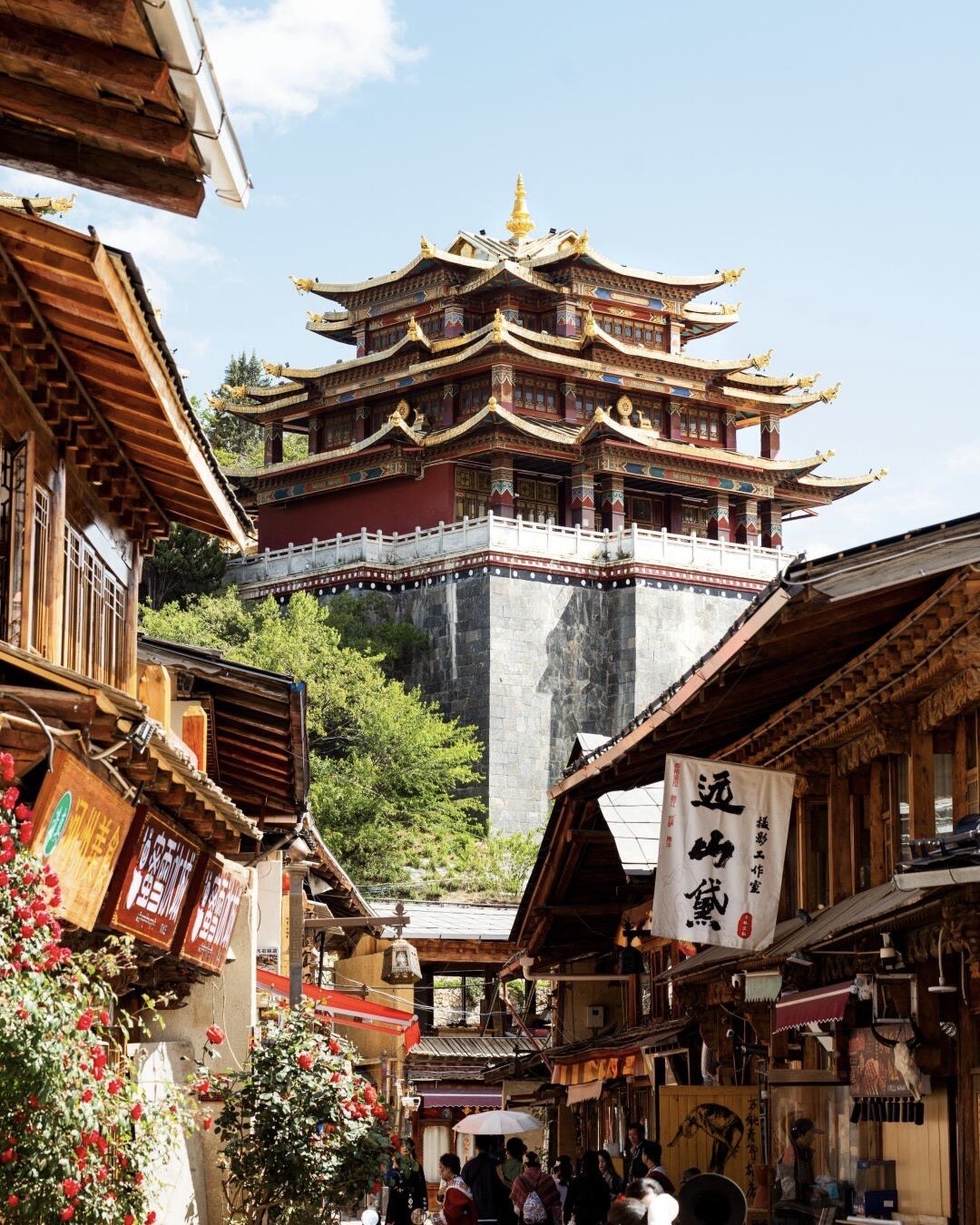
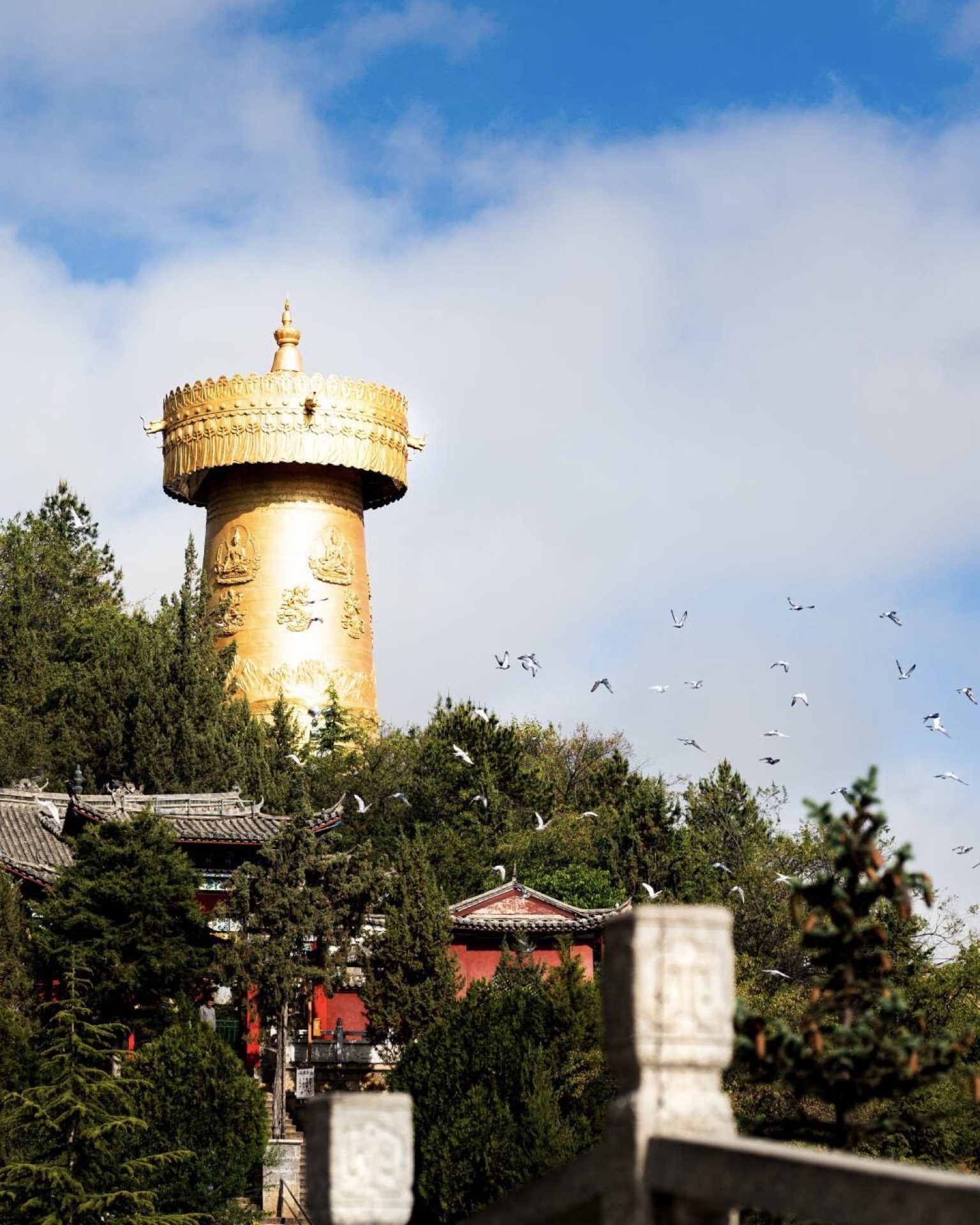
A free day on the plateau, taken at altitude pace — a short drive into Dukezong, the old town, for its lanes and craft workshops, a café window with the mountains in it, and the climb to Guishan above the rooftops, where a giant prayer wheel turns over the rooftops — it takes several people to set it moving. At dusk the birds wheel home over the temple, and your guide's list has the right table for a last plateau dinner.
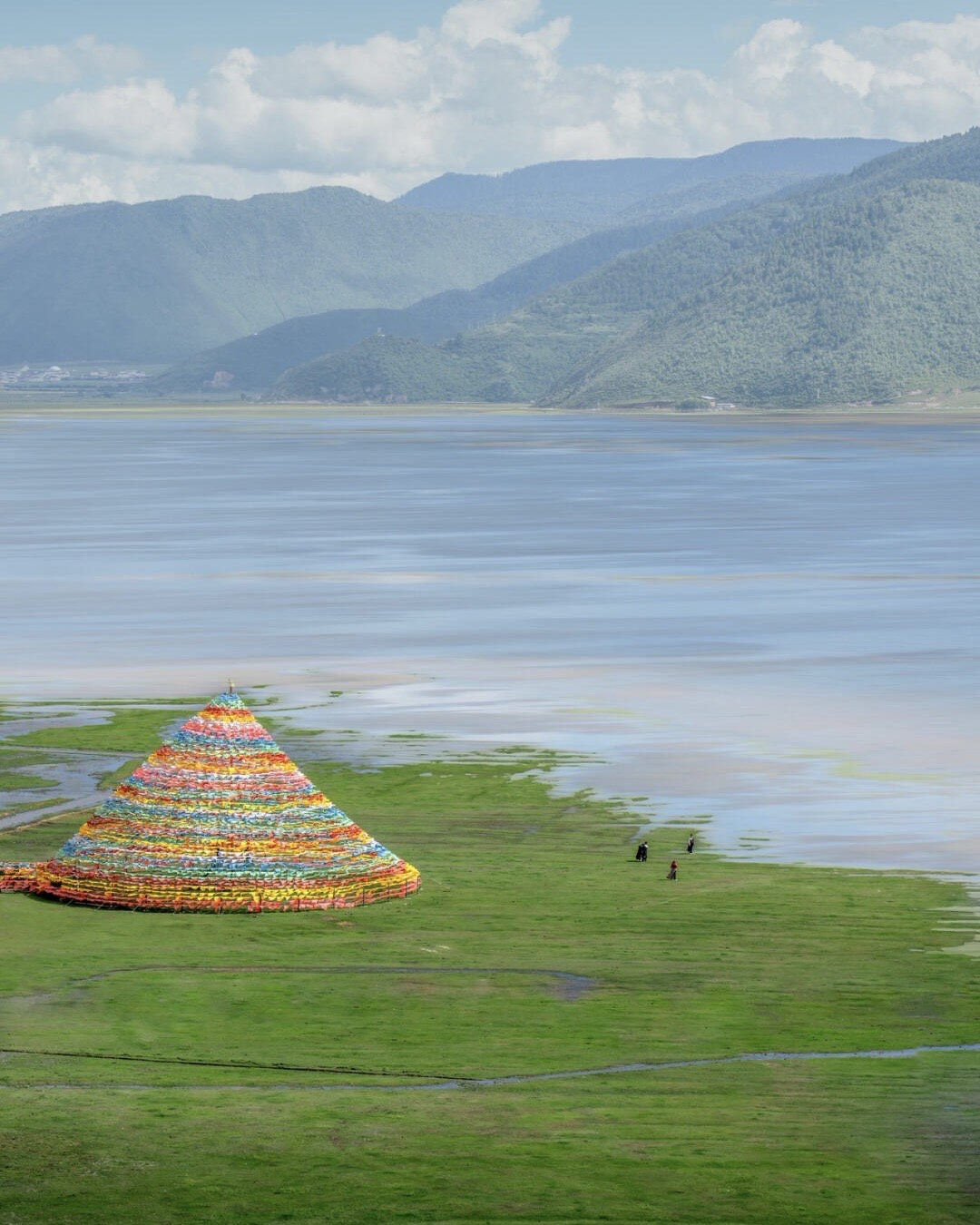
A last morning on the plateau, then the short transfer to Shangri-La's airport and your flight out via Kunming, timed to connect with your international flight home. If you'd rather a soft landing, we can add a night in Kunming or Shanghai before you go.
The food changes as completely as the landscape. Shanghai is delicate Jiangnan cooking — soup dumplings, red-braised pork — and Beijing is lacquered Peking duck and copper-pot hotpot. Then Yunnan, China's most varied kitchen: rushan, the grilled milk cheese of the Bai, at Xizhou's market; wild mushrooms in season; Naxi baba flatbread in Lijiang; and, on the plateau, yak hotpot and salted butter tea. Lunches and dinners are arranged to suit each place whenever you'd like them included.
The best address at every stop — shikumen villas in Shanghai and design-led luxury at the edge of the Forbidden City, then Yunnan's finest: an architect's retreat above Erhai Lake (or The Dali EDITION and Xishang Shuanglang, if you prefer), a 140-year-old Bai mansion in Shaxi, Aman's walled village above Lijiang and Songtsam's lodge beside Songzanlin Monastery.
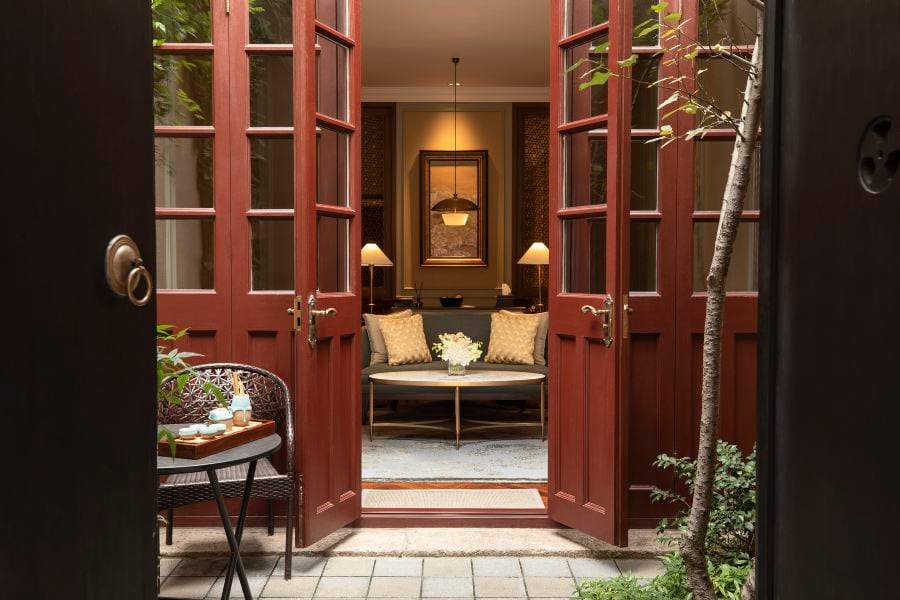
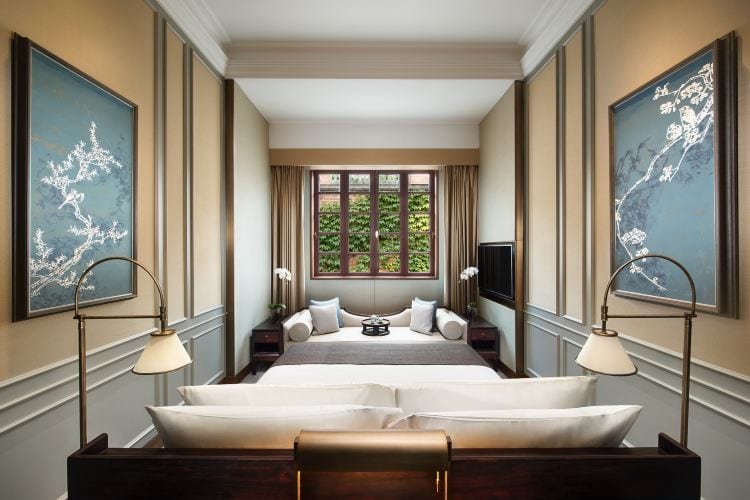
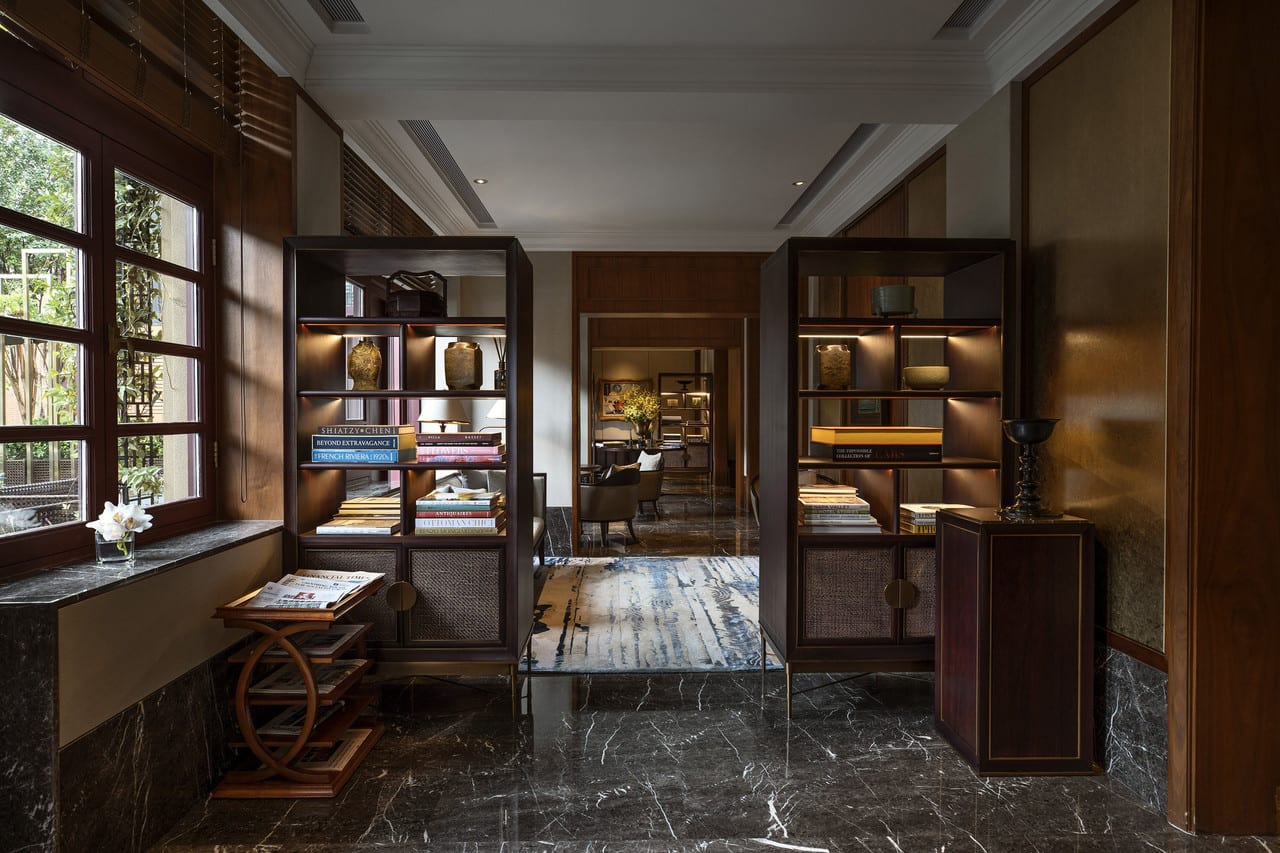
Fifty-five restored 1920s shikumen lane houses in Xuhui, each a villa with its own courtyard and roof terrace — the plane-tree streets of the old French Concession at the gate. Two nights in Shanghai.
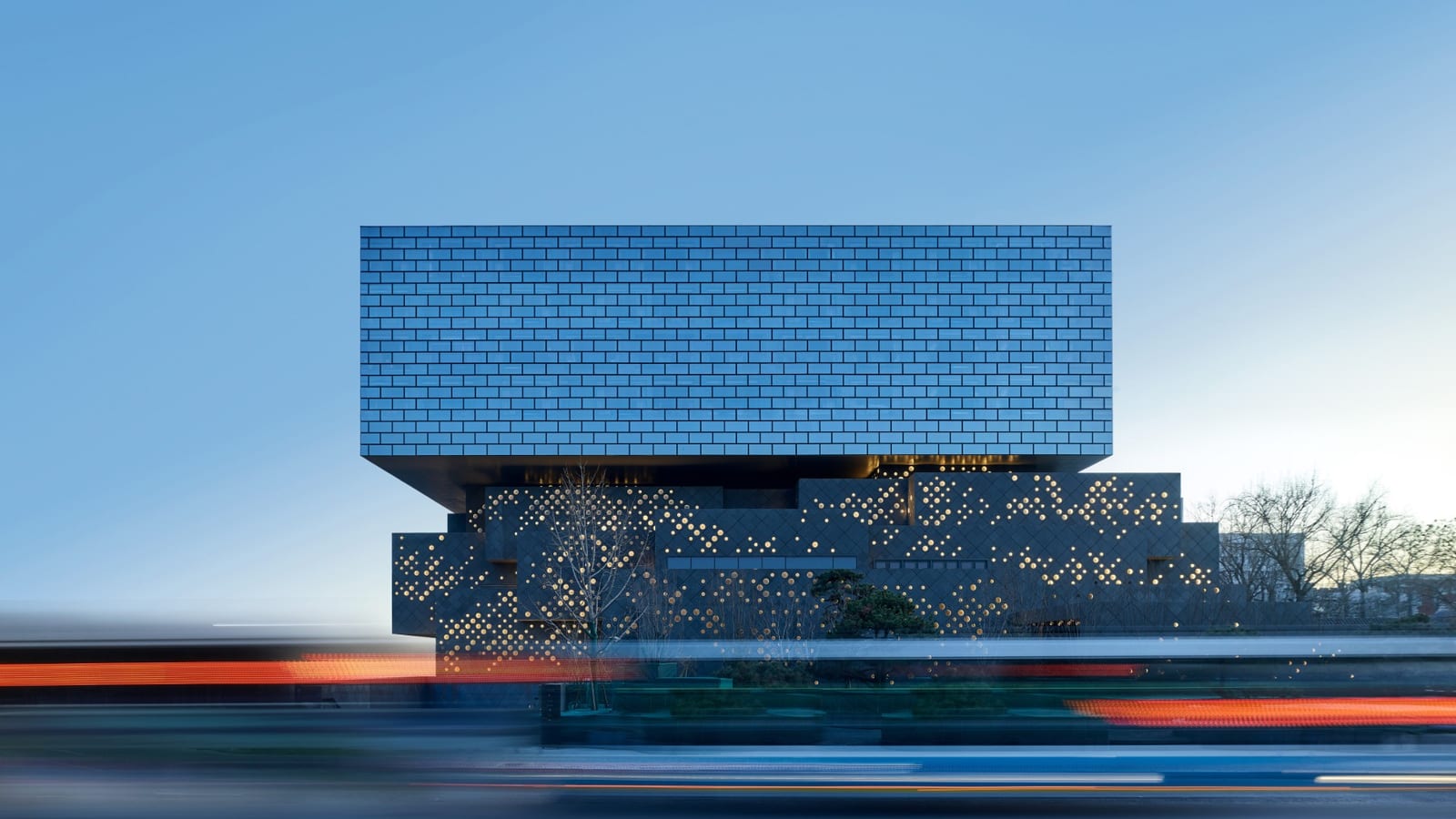
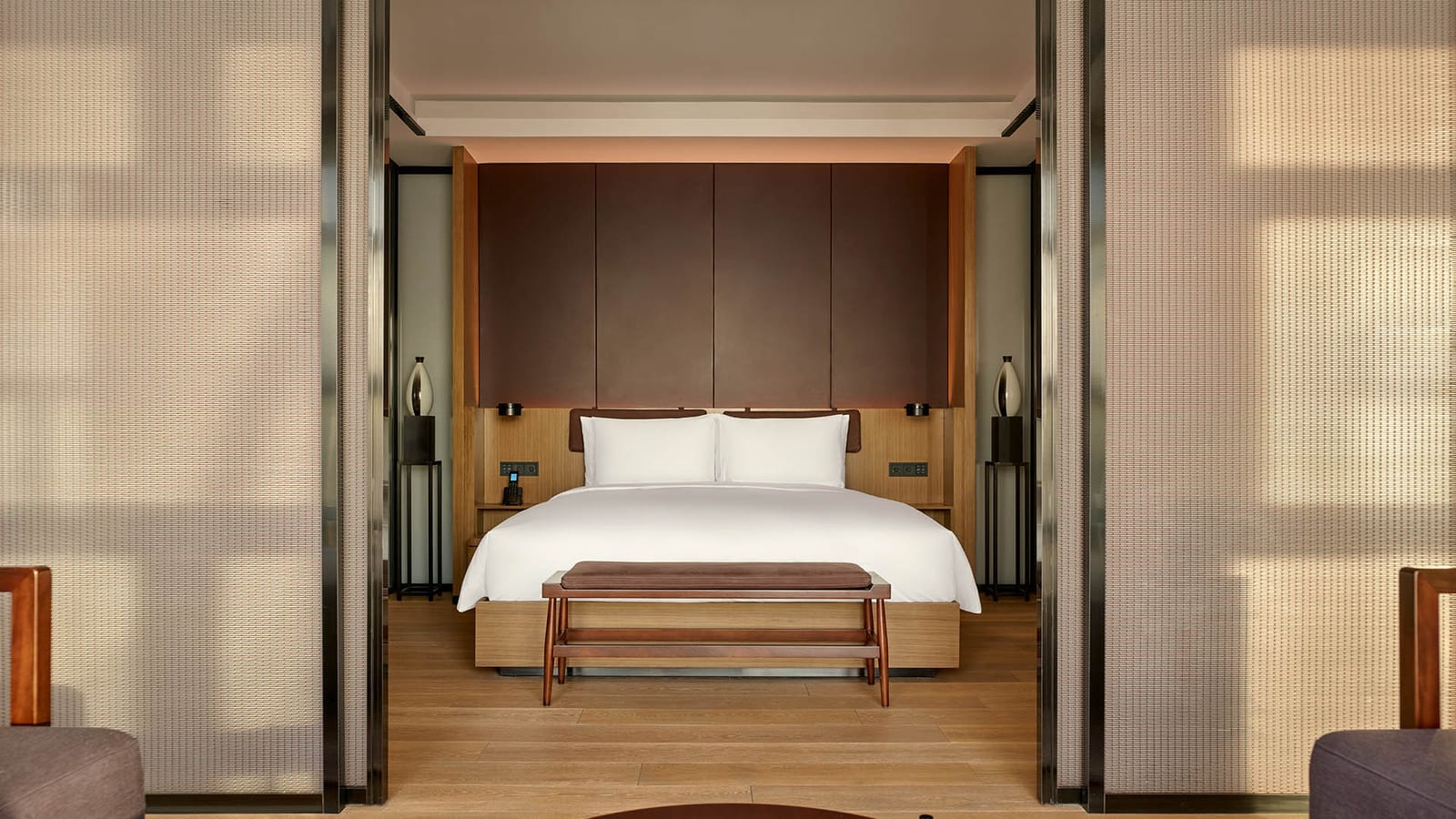
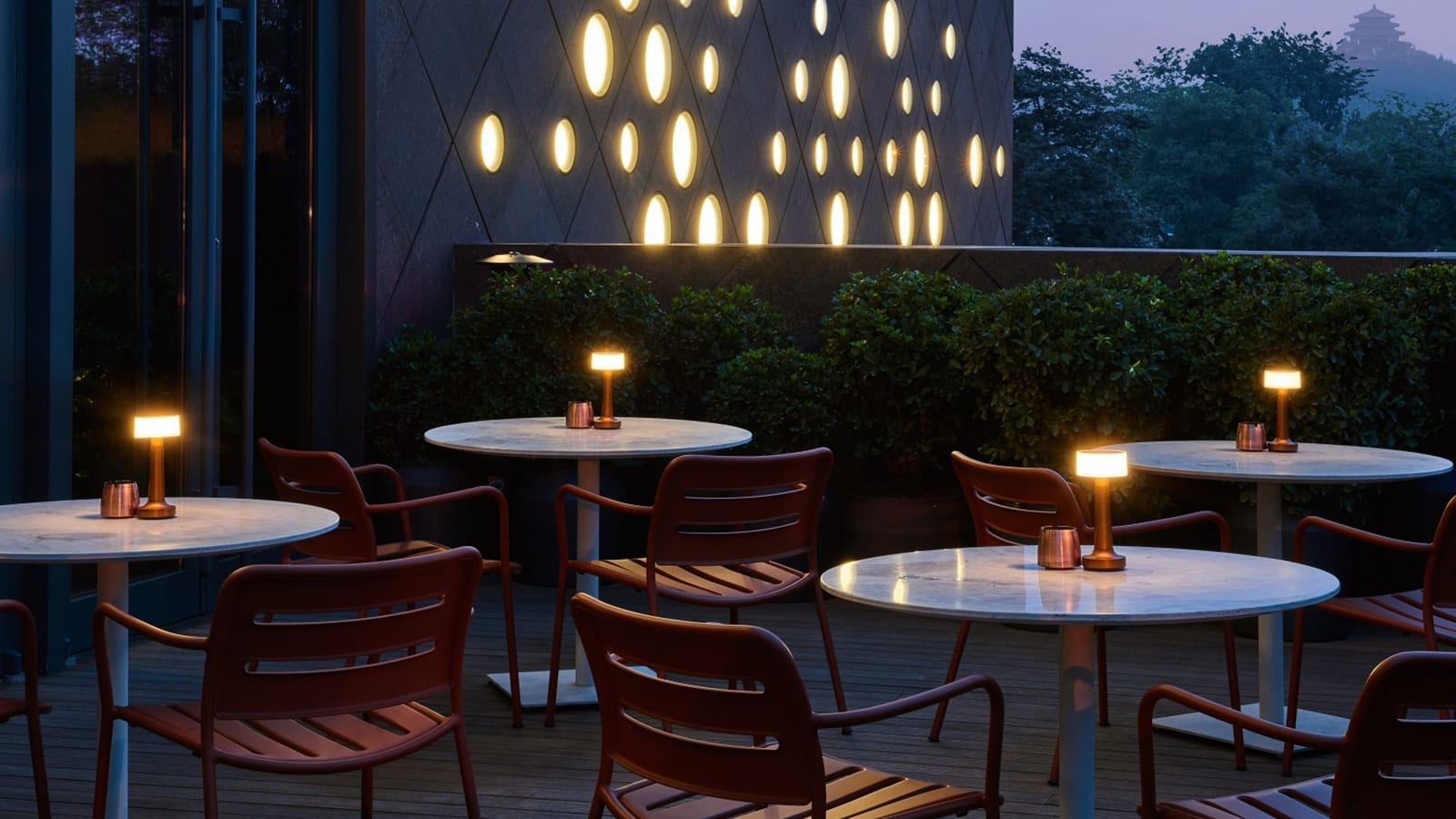
An Ole Scheeren building in the Guardian Art Center at the top of Wangfujing, a short, flat walk to the Forbidden City's east gate, with Jingshan and the palace rooftops from the upper floors. Four nights in Beijing.
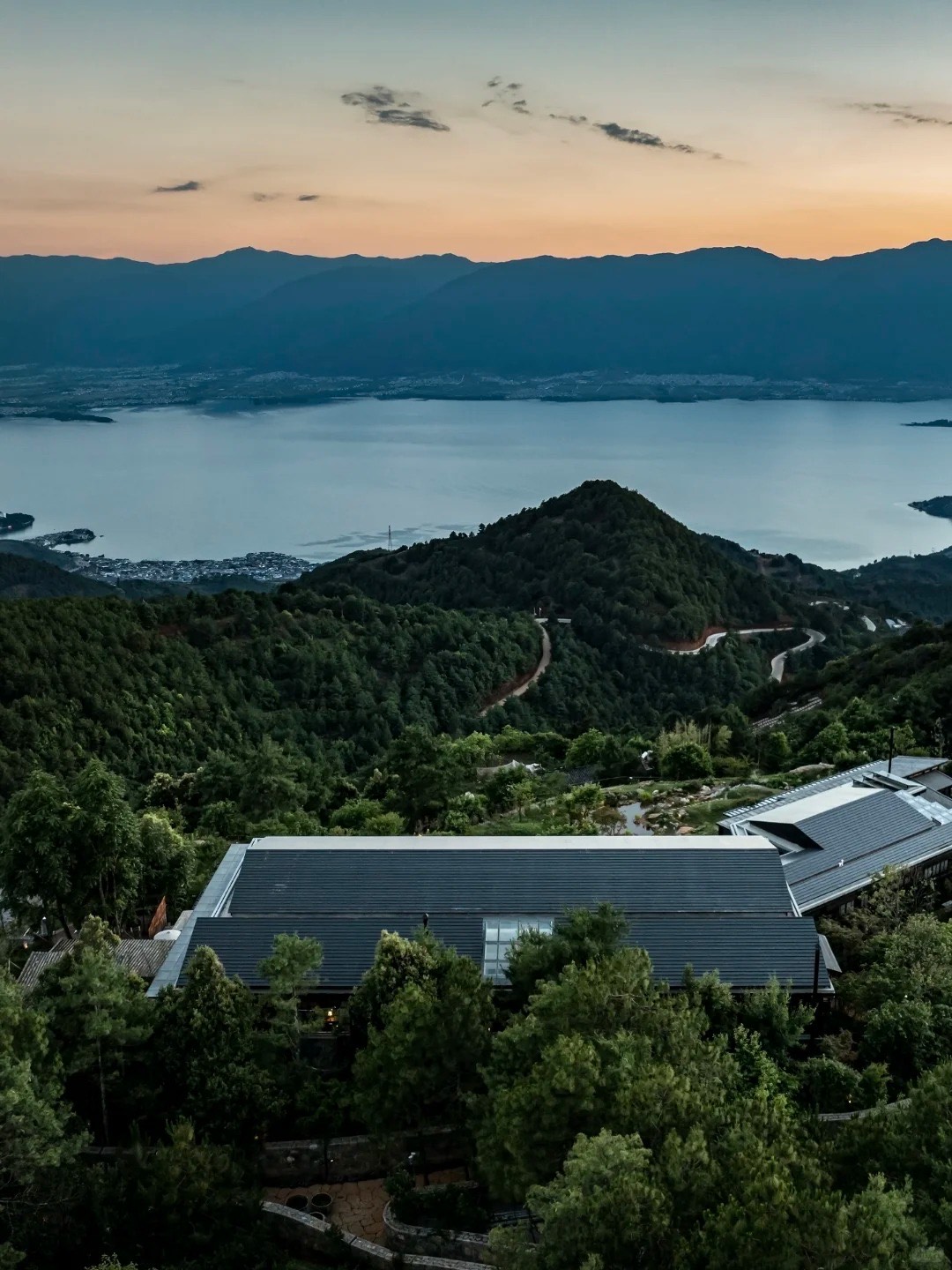
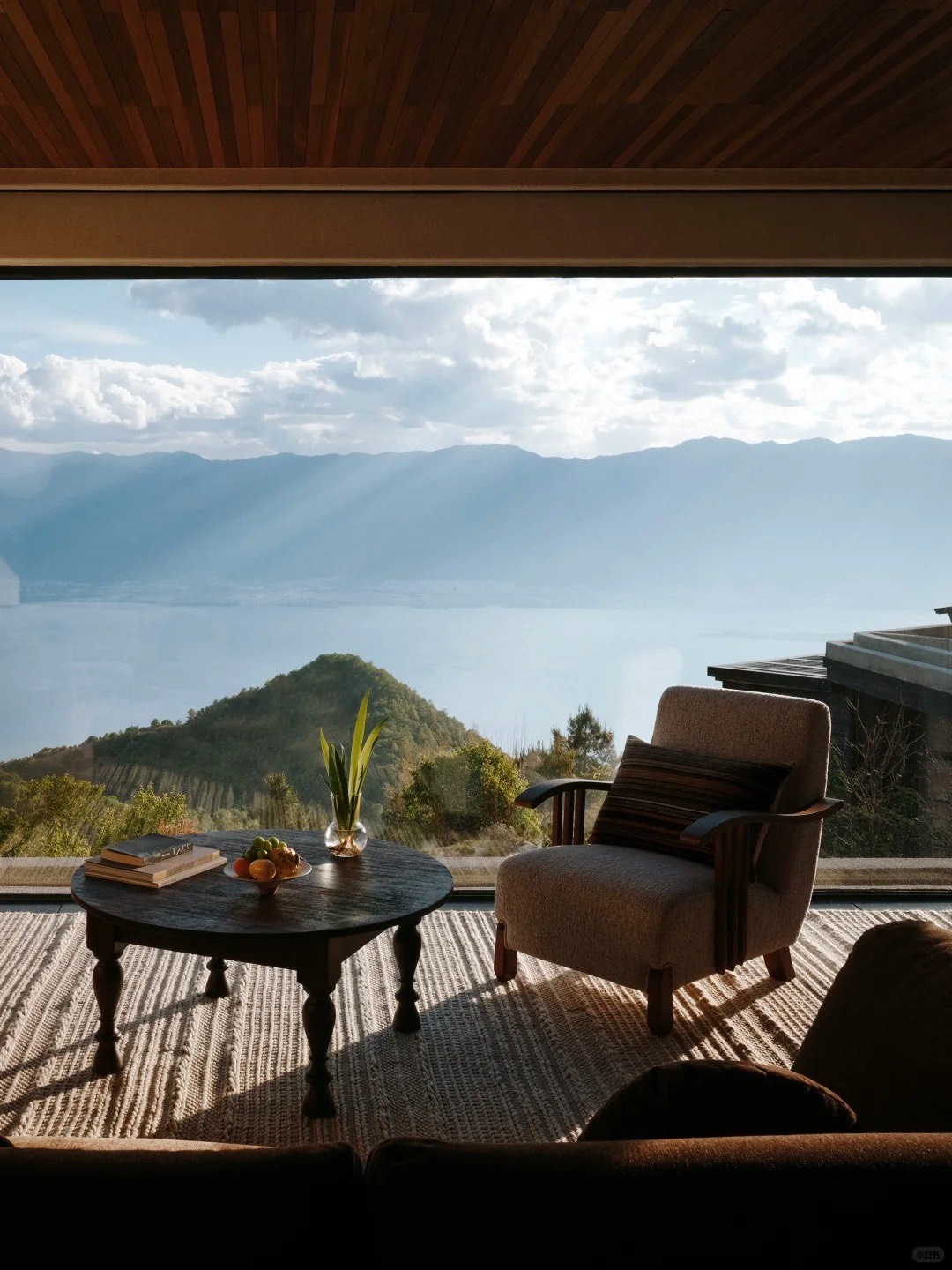
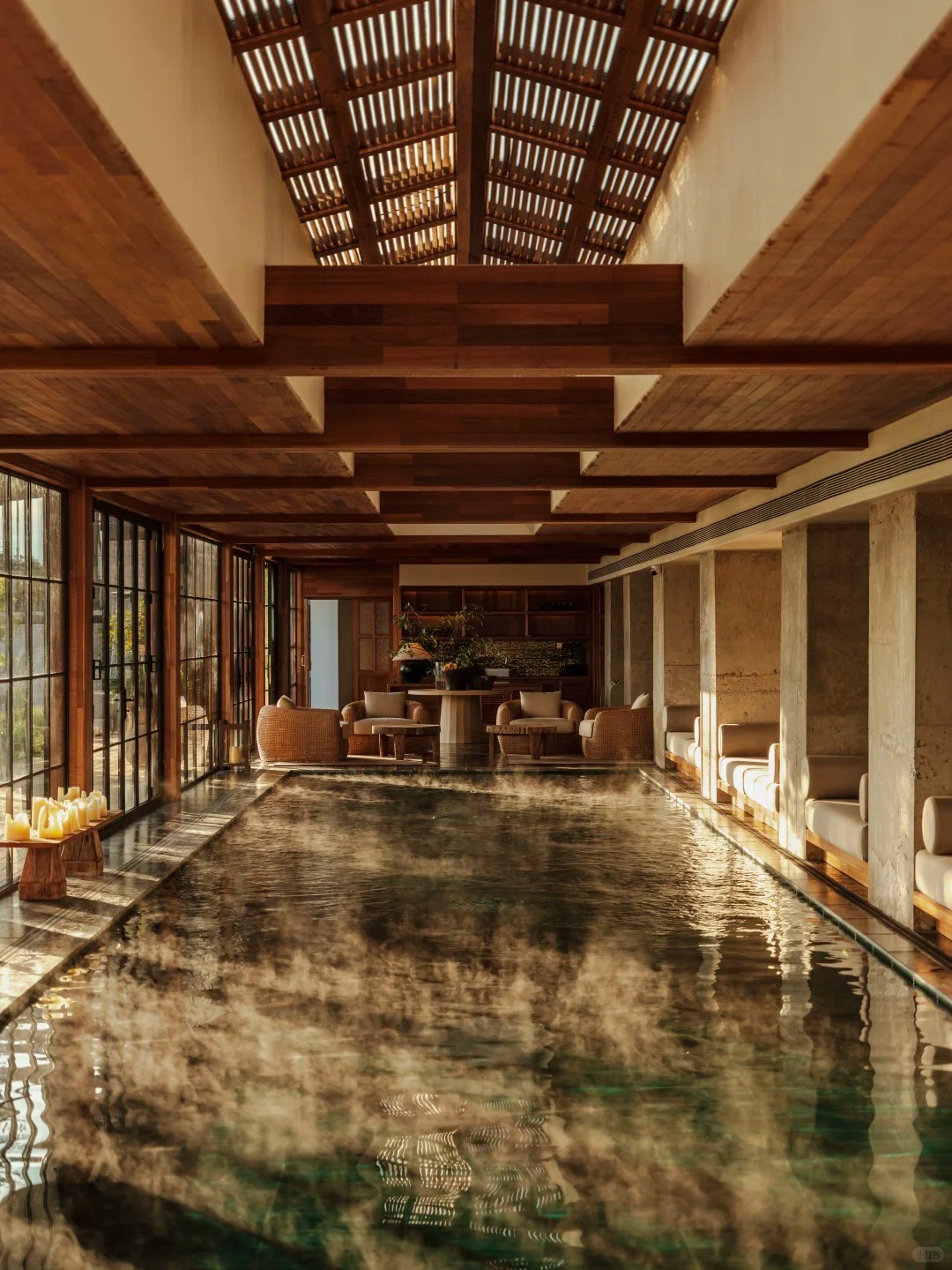
An architect's twelve-year project in Huoshan village above Shuanglang — volcanic stone, weathered timber and flashes of crimson, Erhai Lake in every window, and the Shanjian restaurant that draws diners from across Dali. Two nights on Erhai.
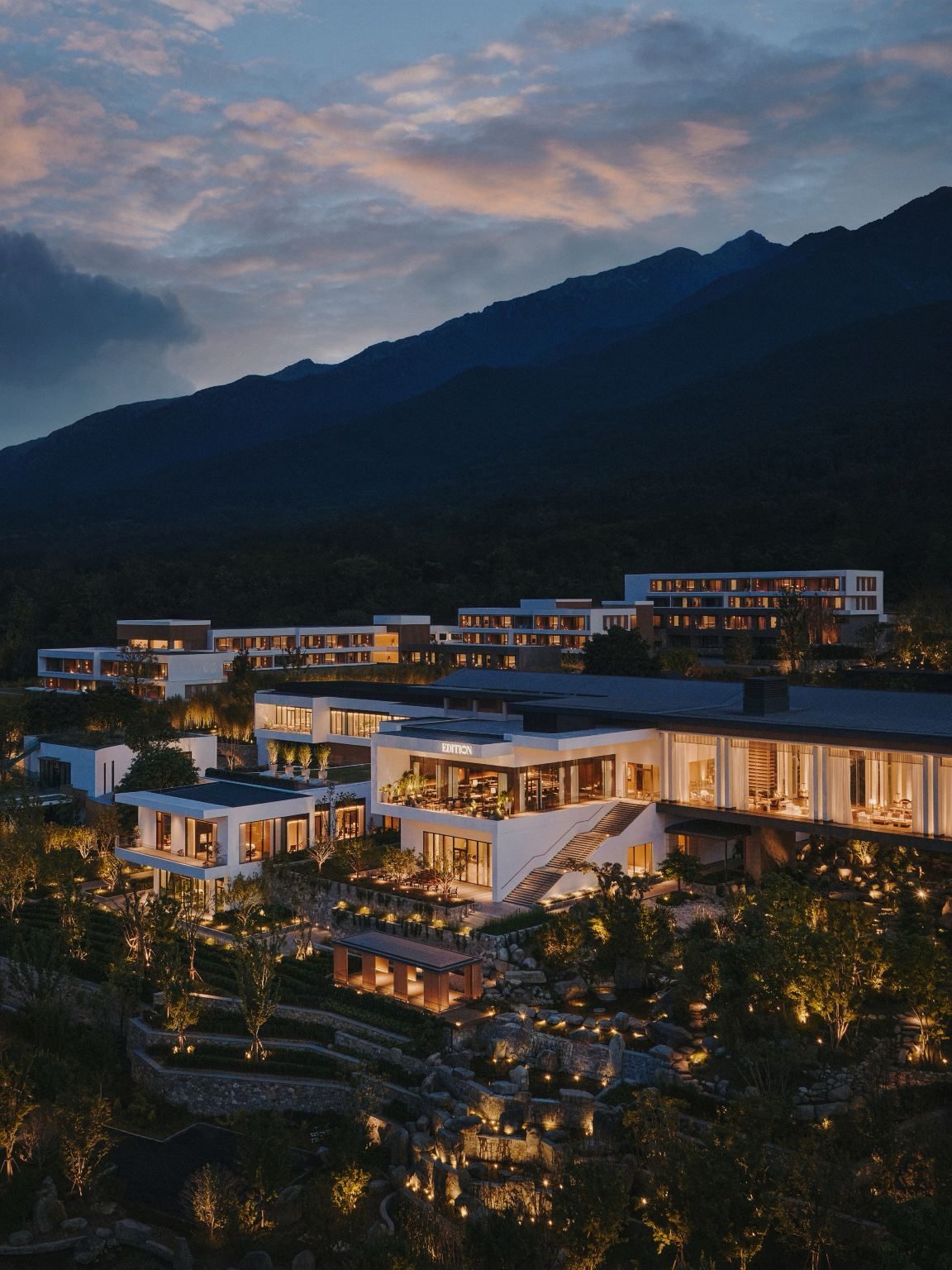
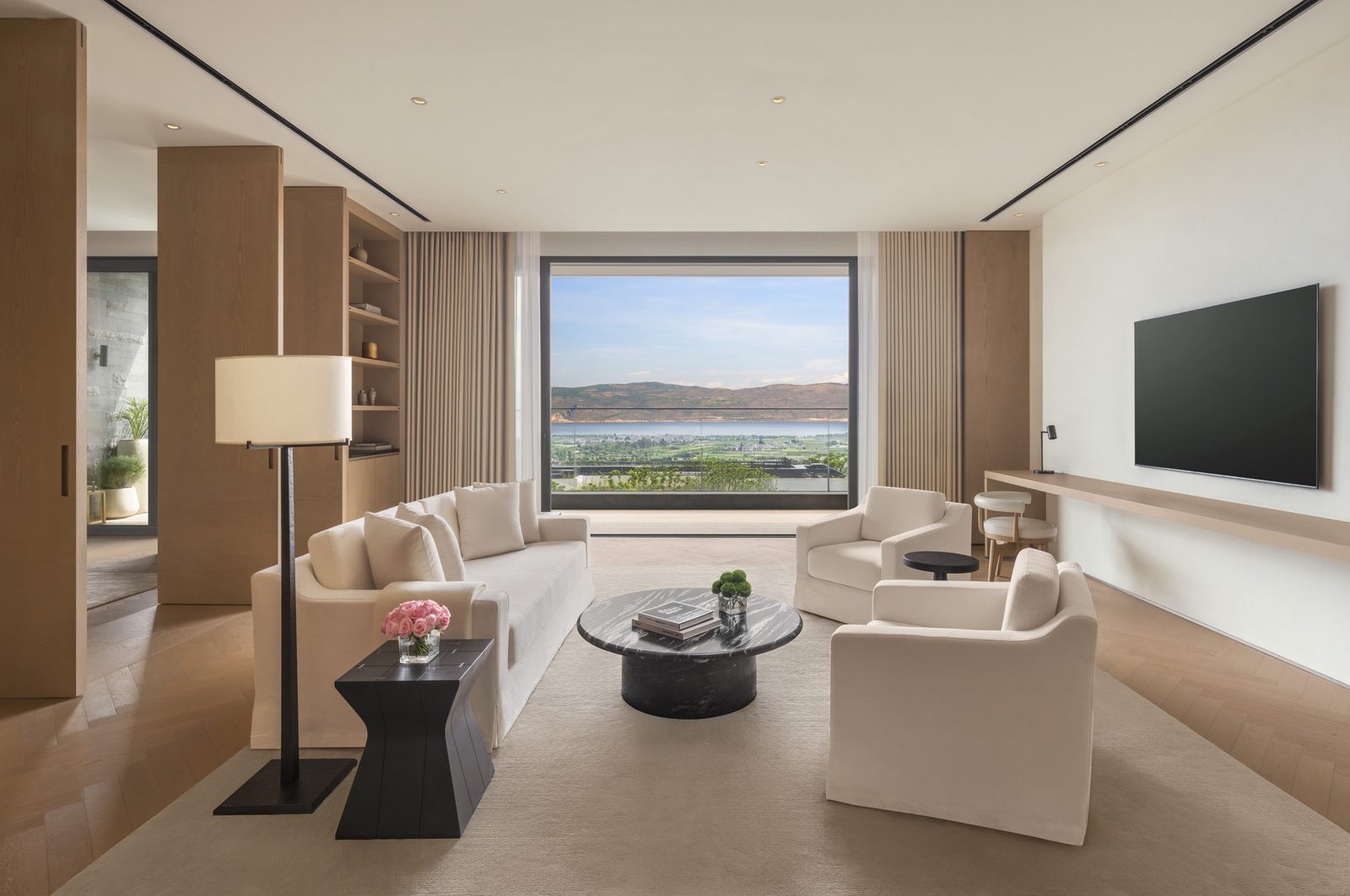
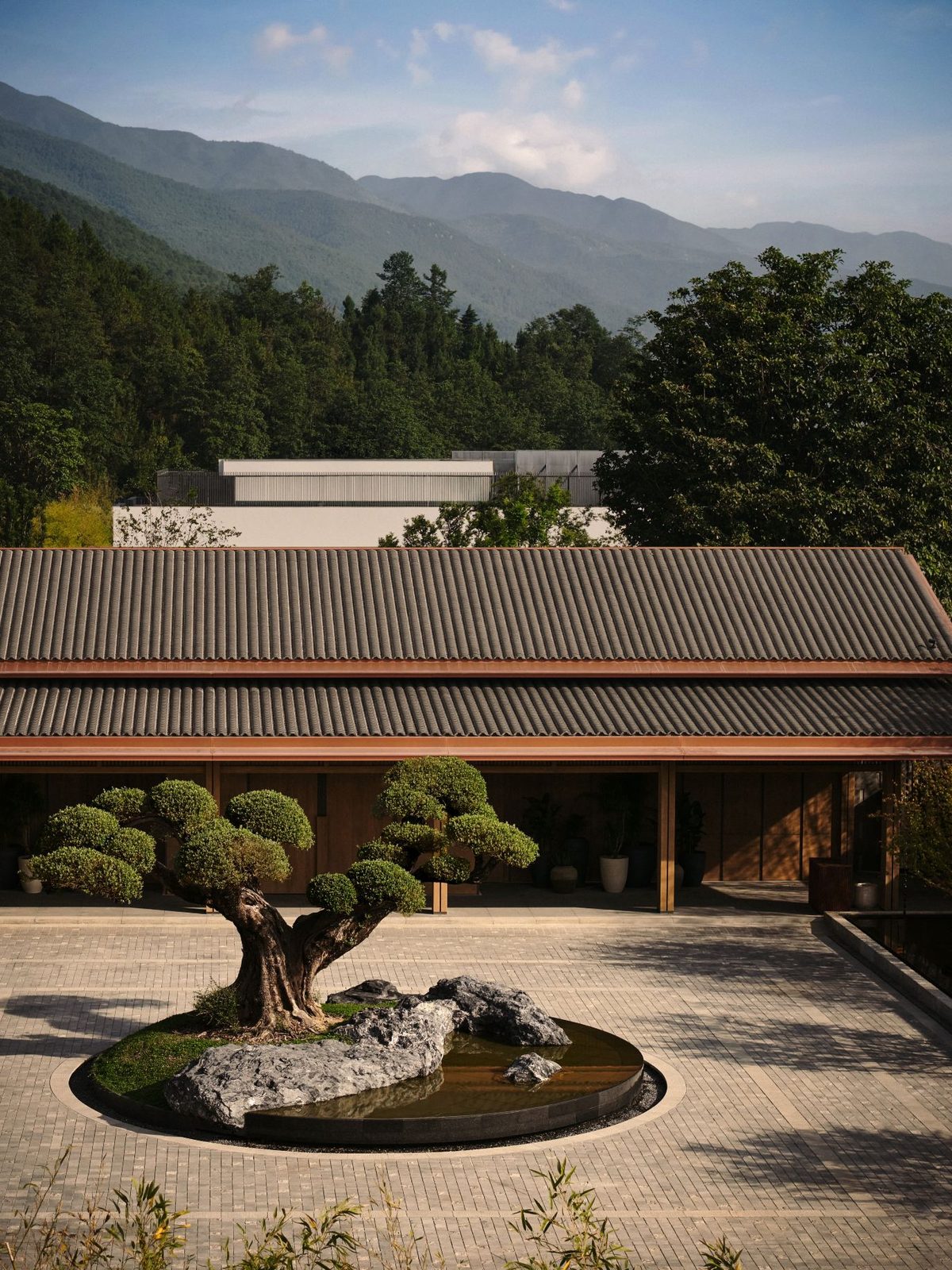
The alternative across the lake: Yunnan's first EDITION, opened in 2026 at 2,090 m on the Cangshan slopes — rooms and pool villas from 60 m² facing Erhai, a 25 m indoor pool and a spa built on mountain pine.
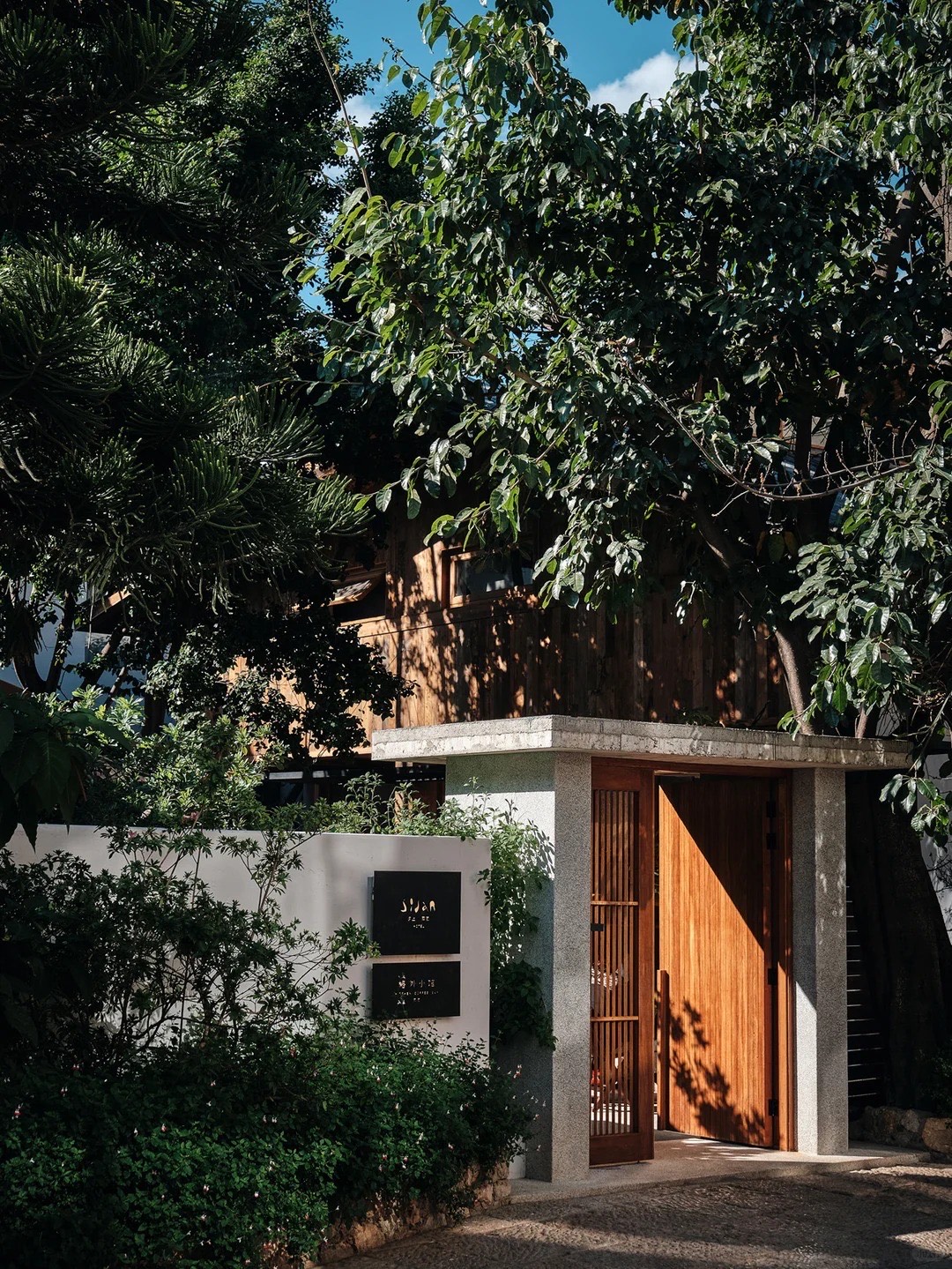
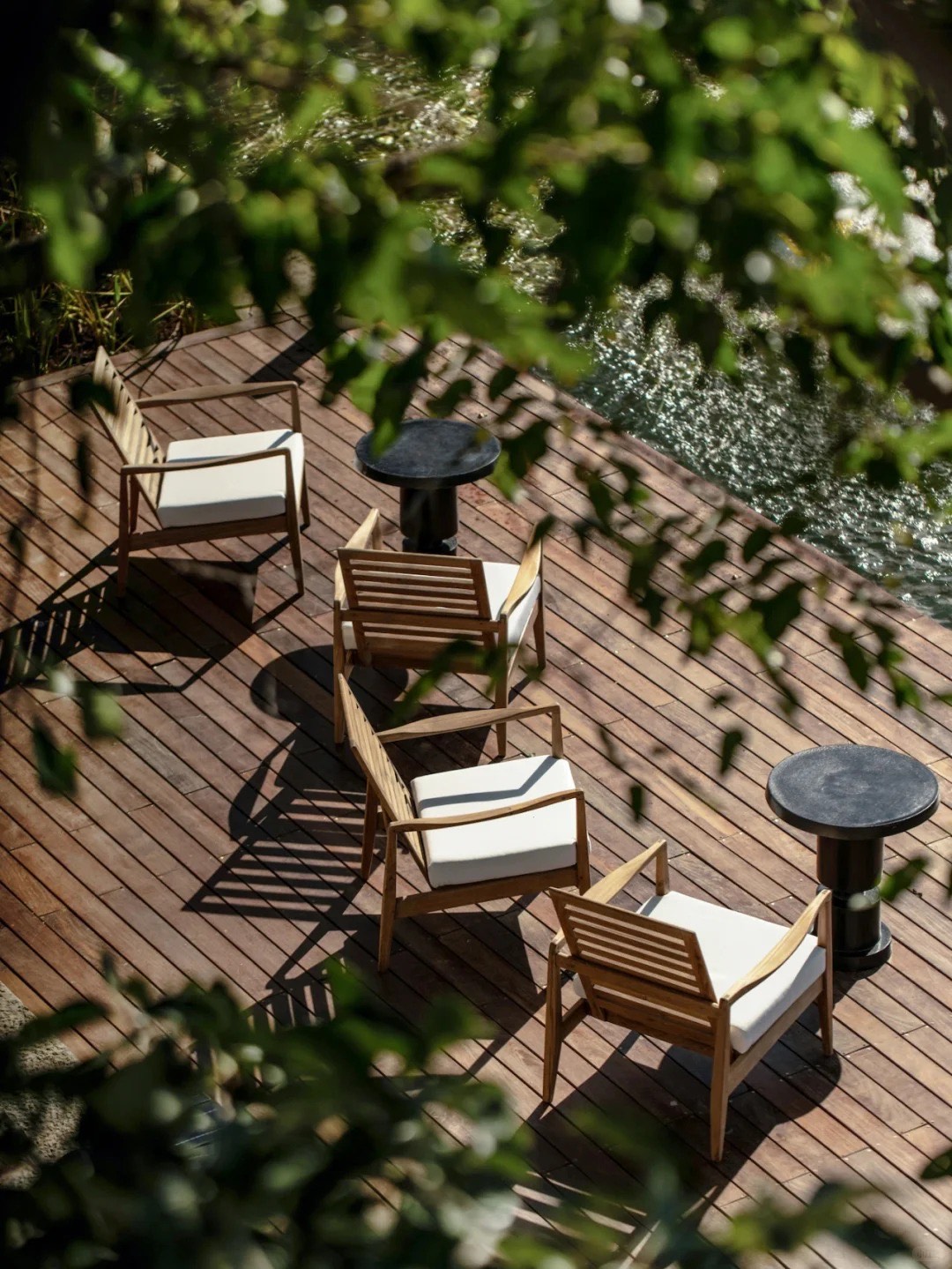
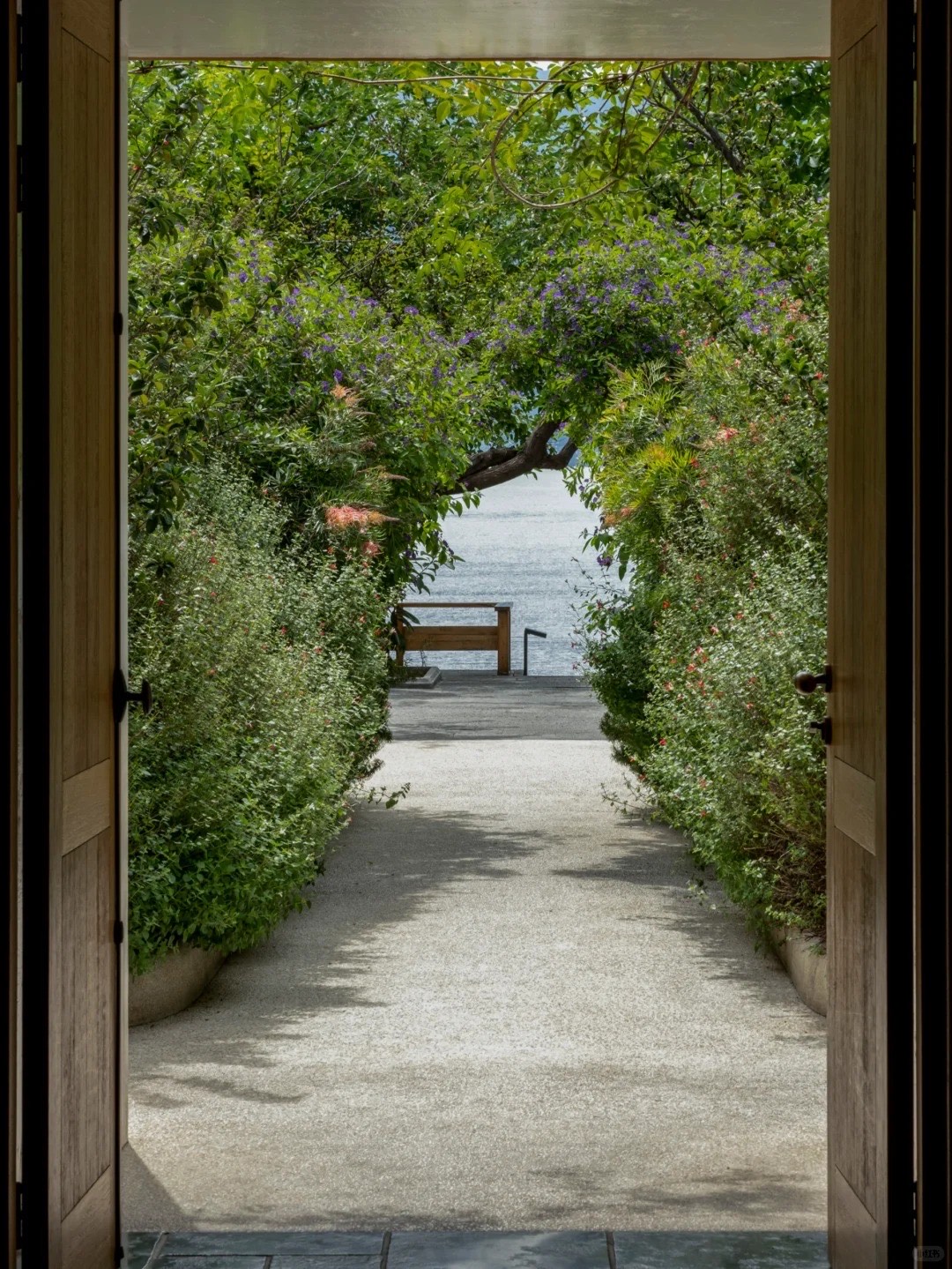
Or stay in Shuanglang itself: a restored Bai fishing-village inn in the old town, every room with its own courtyard or terrace on Erhai — the village at the front door, the lake at the back.
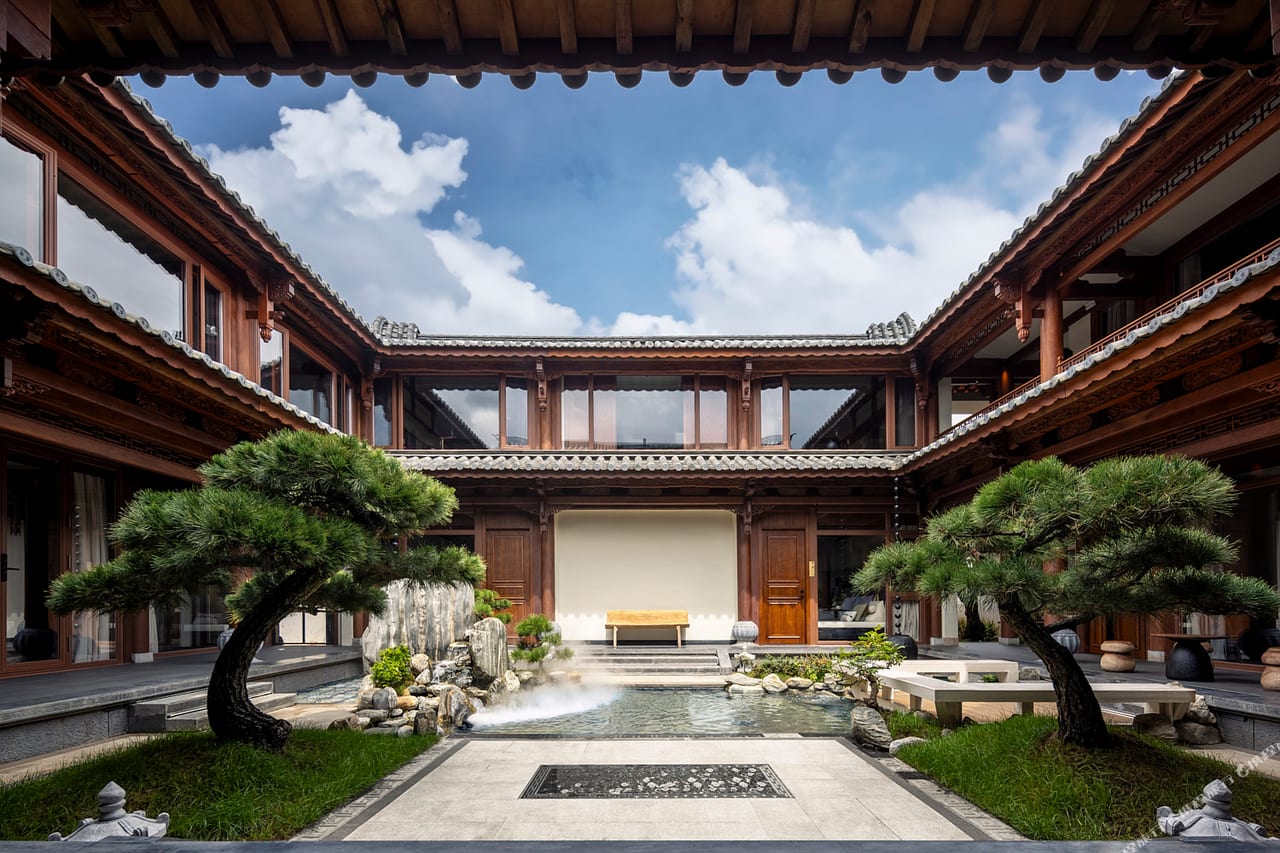
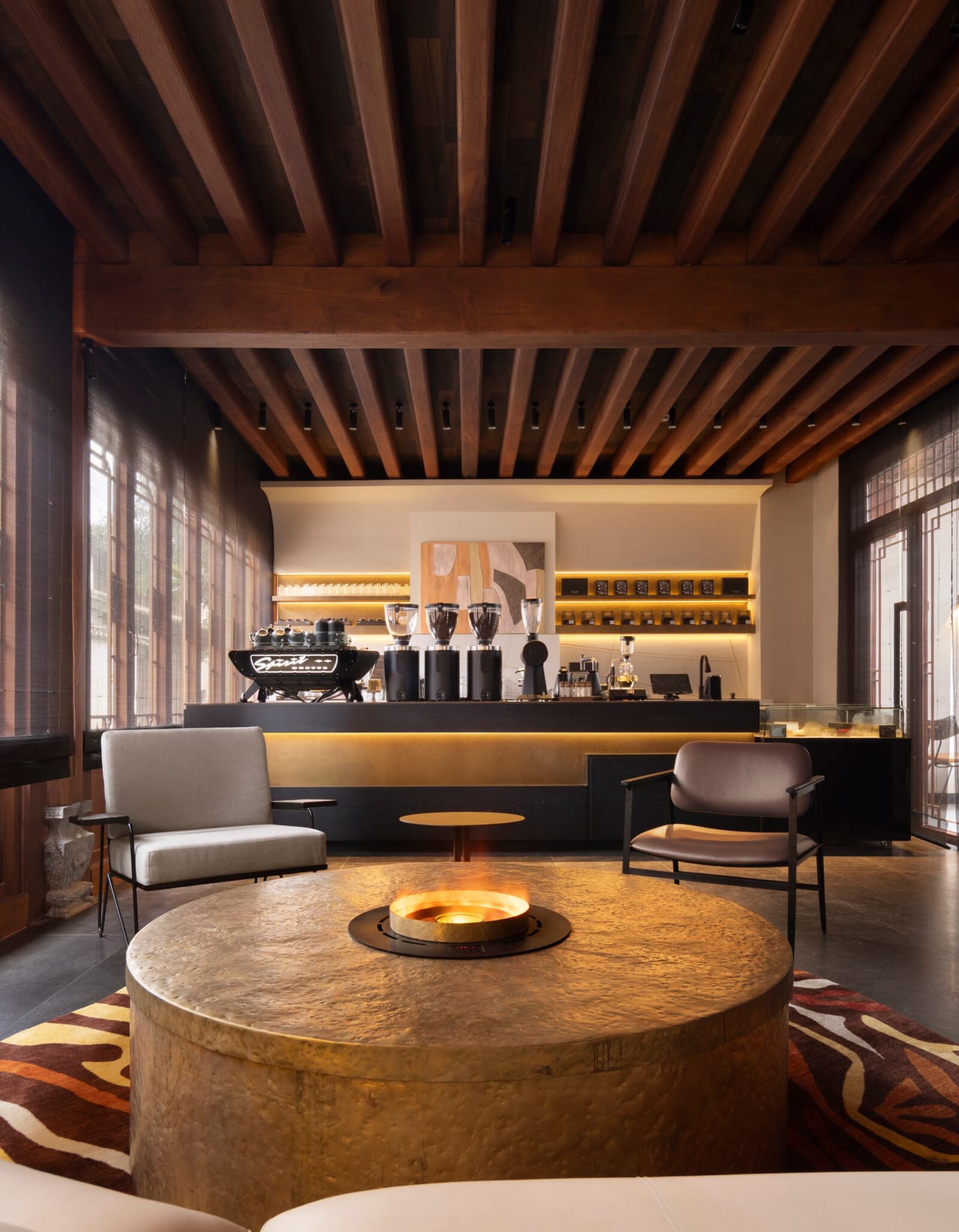
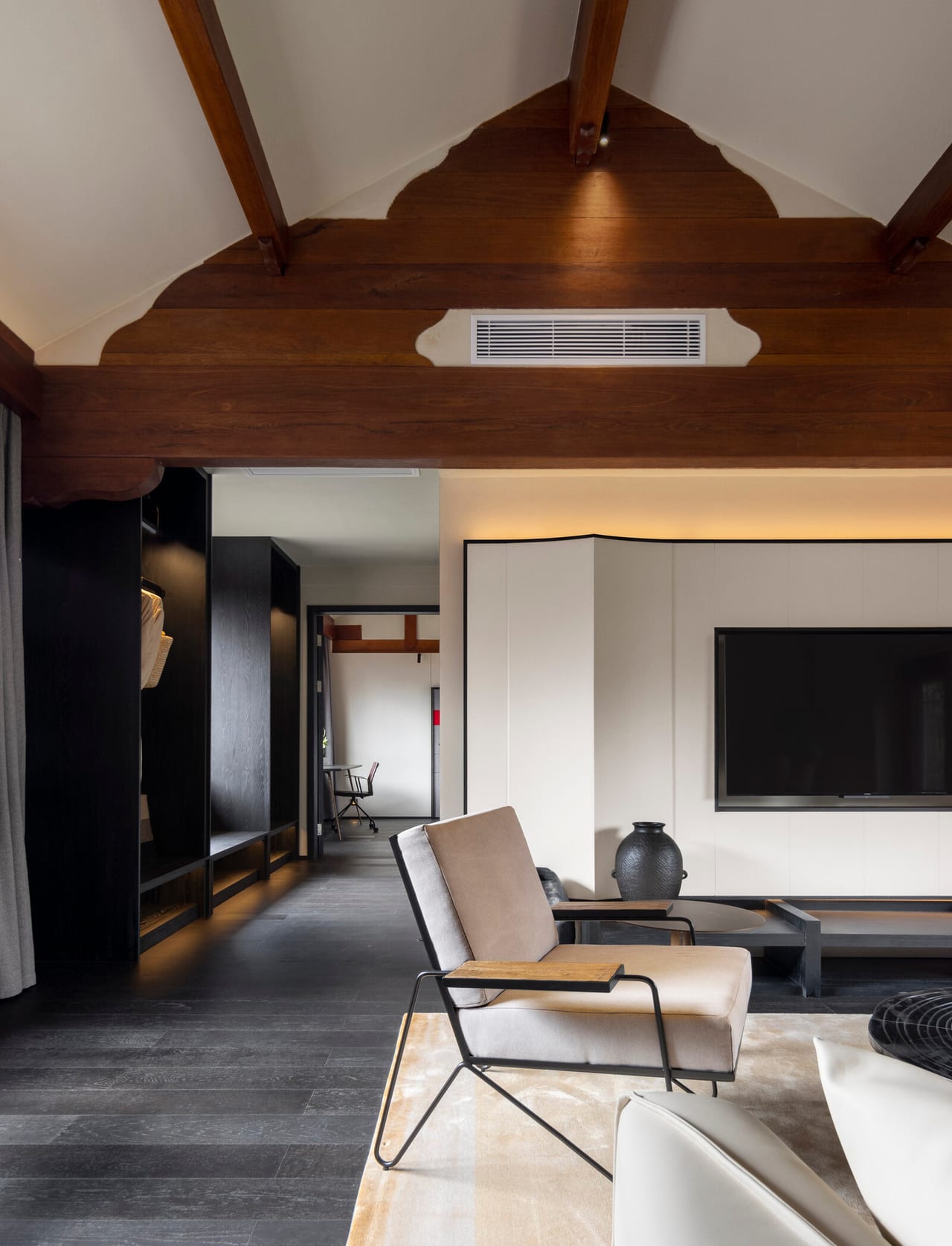
An eleven-room boutique in a restored 140-year-old Bai ancestral home, two minutes from Sideng Square and the old opera stage. Three nights in Shaxi.
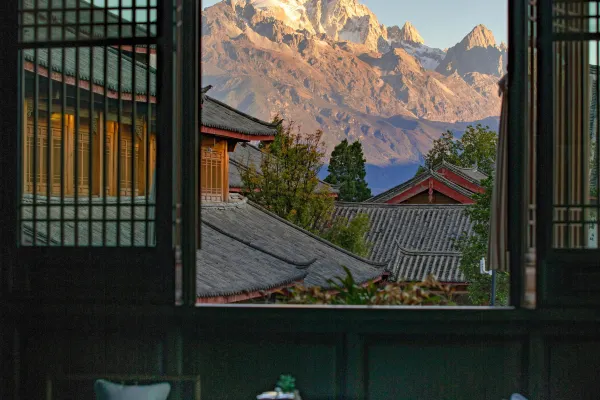
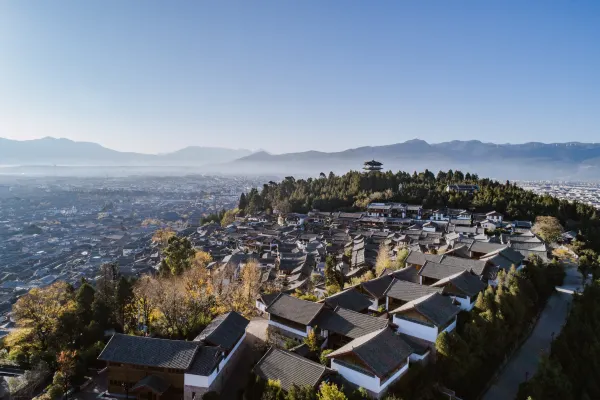
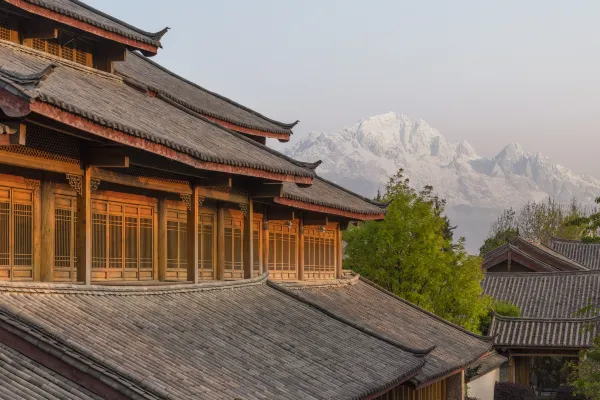
Aman's walled village on Lion Hill above Lijiang — Naxi-inspired suites in Yunnan pine and stone, the old town's rooftops and Jade Dragon Snow Mountain in view, and a private hillside path down into the lanes. Two nights in Lijiang.
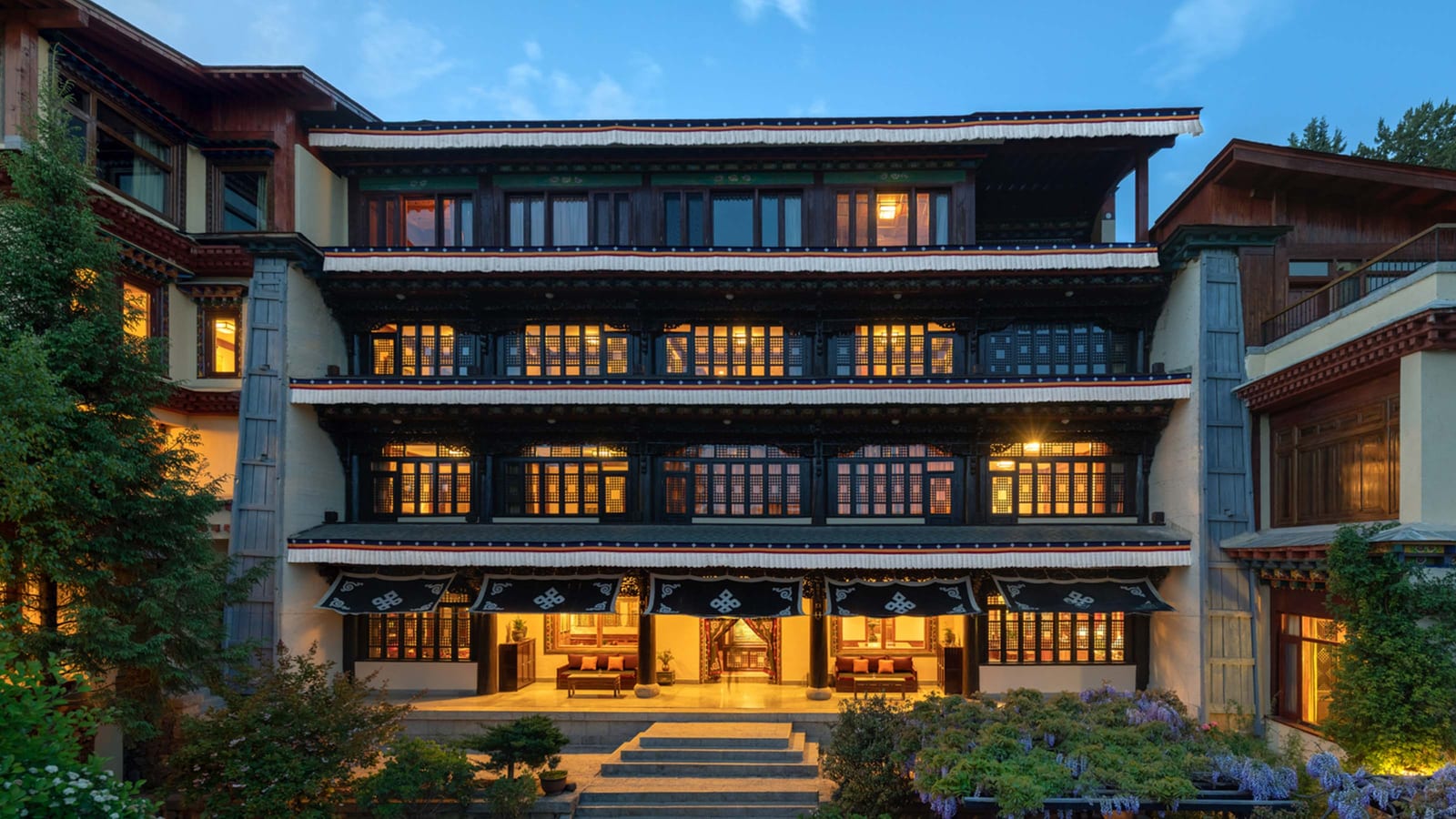
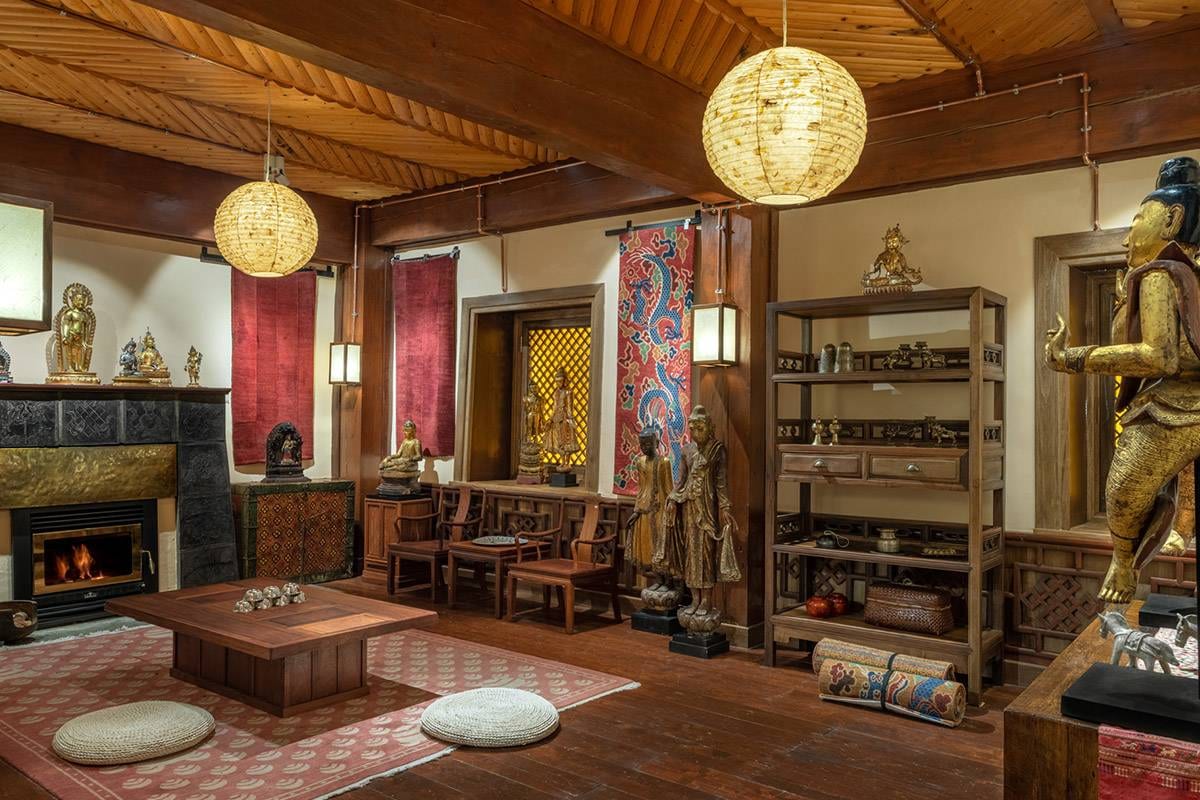
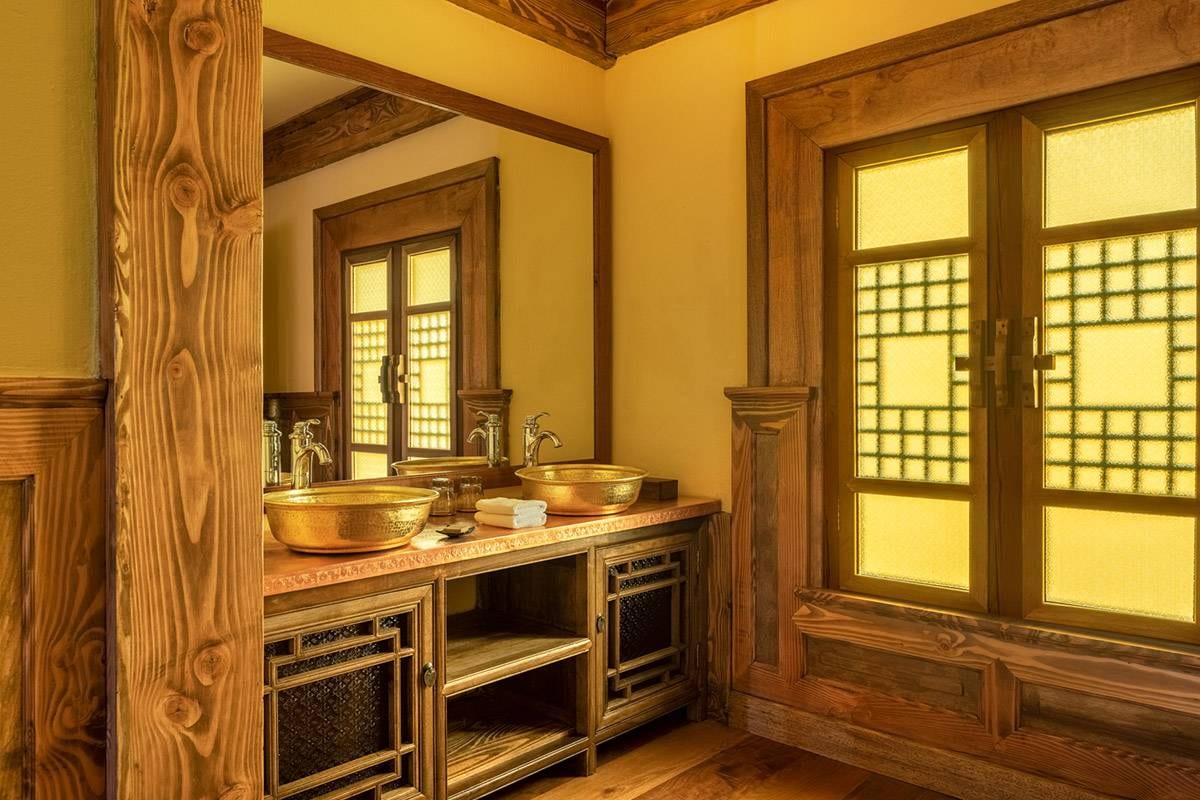
Songtsam's first lodge, in Kena village beside Songzanlin Monastery — a Tibetan house hung with thangkas and furnished with antiques, fires lit in the lounges, and the monastery a two-minute walk from the door. Three nights in Shangri-La.
These are examples of the boutique stays we book across the route. Because boutique hotels have so few rooms, a stay may occasionally be swapped for one of similar standard.
All three are private, and all three take in the Forbidden City and the Great Wall. What changes is where the rest of the trip goes.
Choose it if you want the famous names, with no hard days.
See the journey →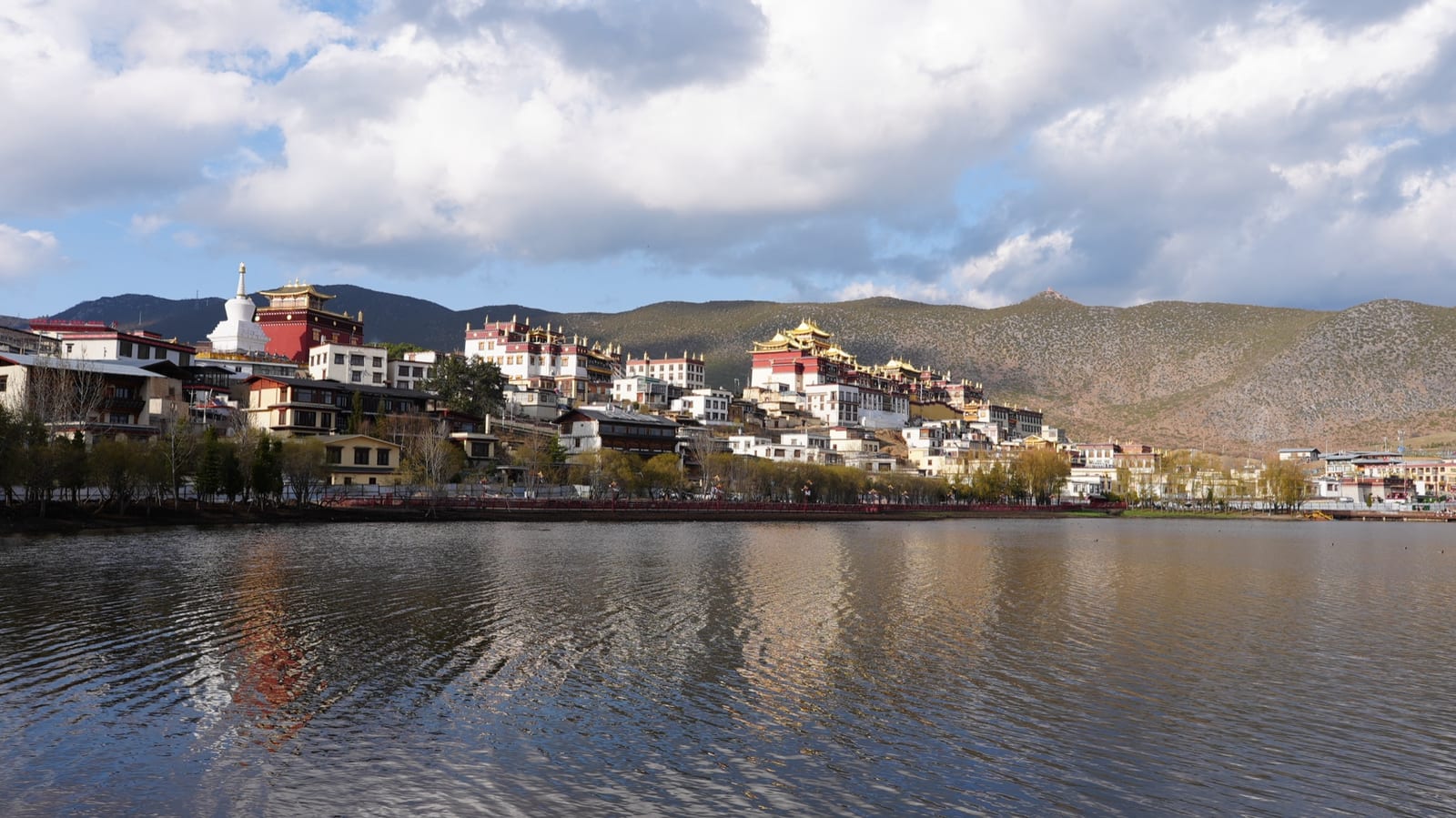
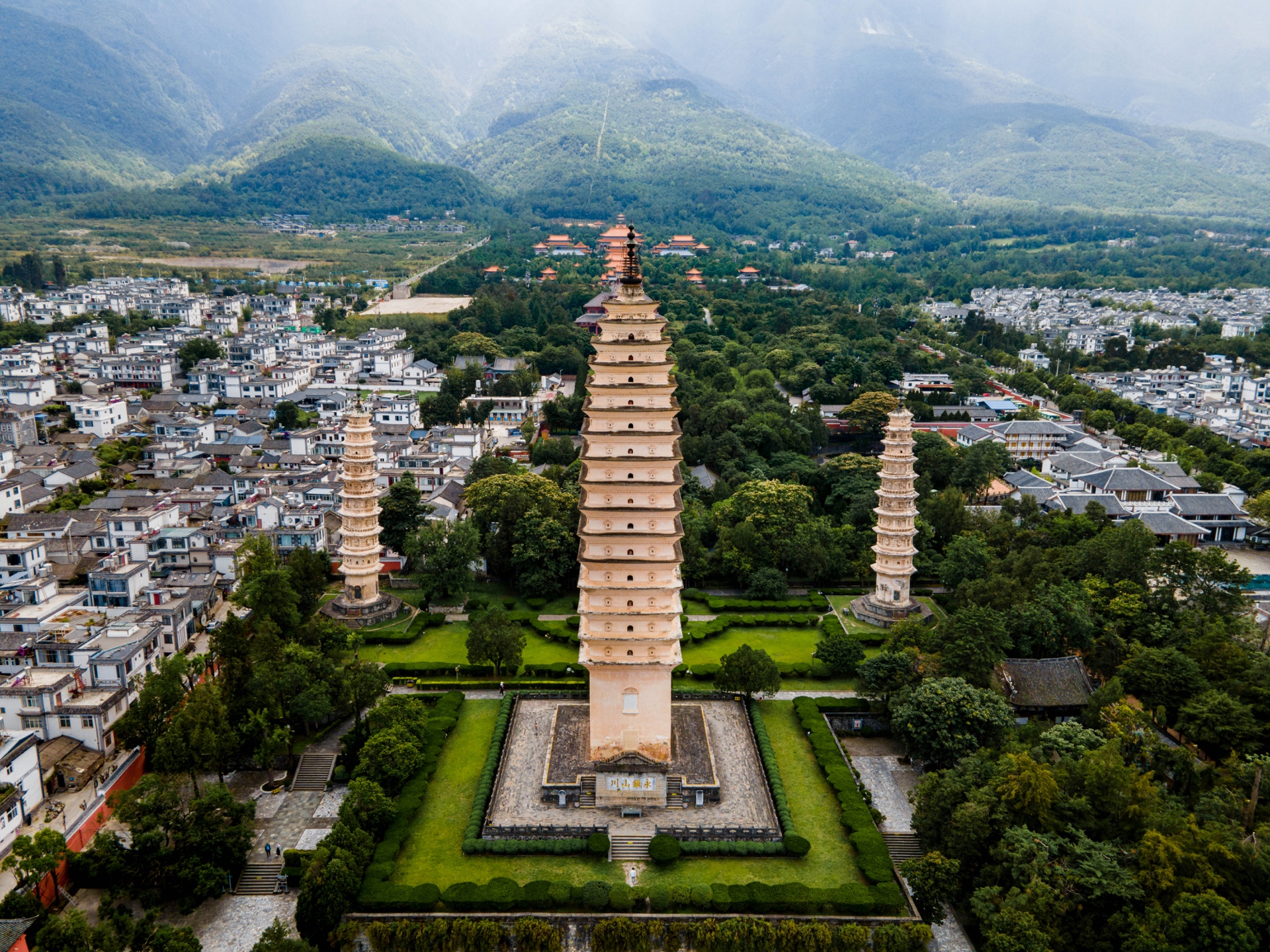
Choose it if you want the icons, then the villages and mountains of the southwest.
You're viewing this journey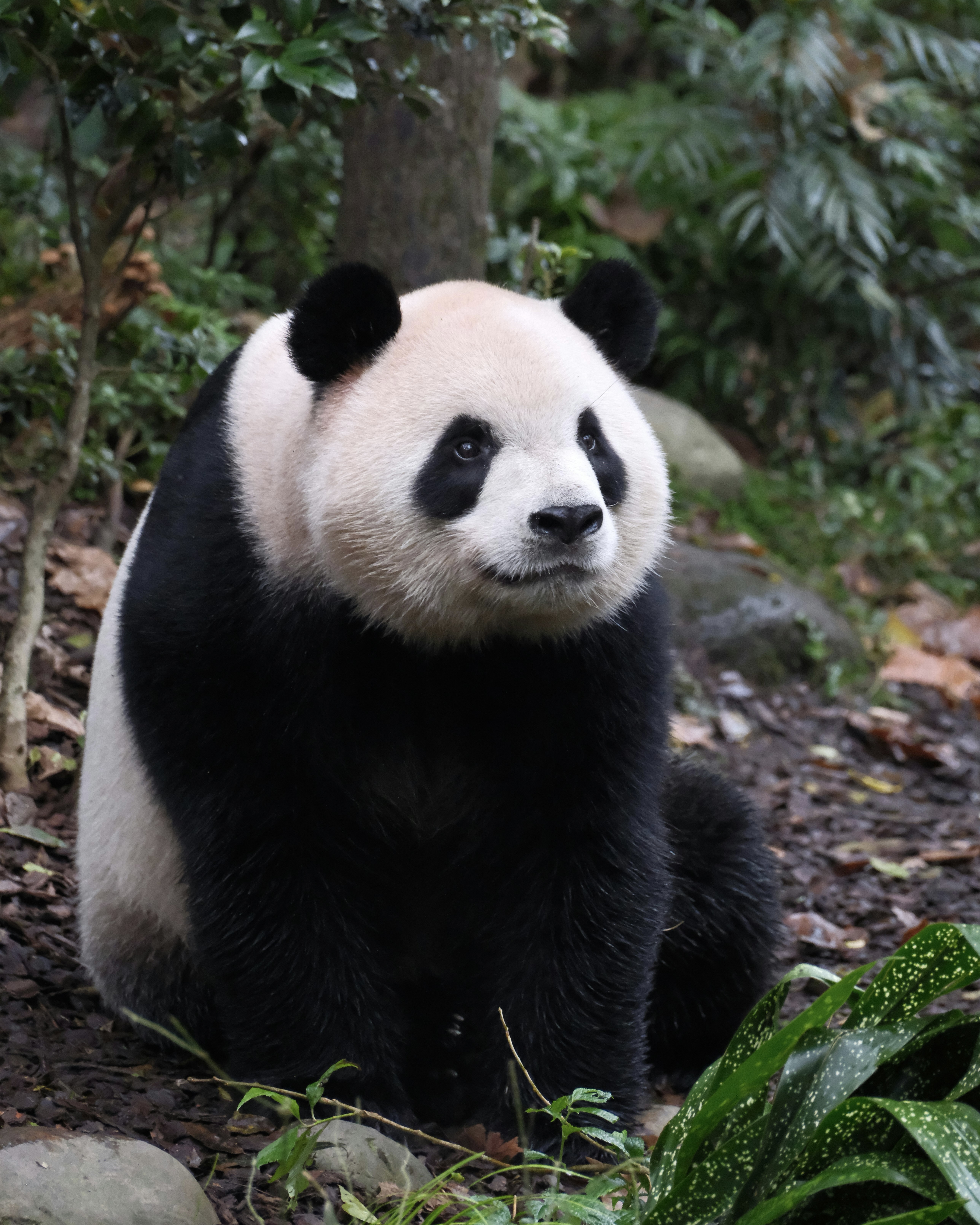
Choose it if you want the icons plus the giant pandas and the Avatar mountains.
See the journey →Yes, if you'd rather see a few places properly than tick off cities. Shanghai and Beijing give you the icons; Yunnan gives you the China most visitors never reach — Bai villages on Erhai Lake, the Tea Horse Road at Shaxi, the snow mountains above Lijiang and Tibetan Shangri-La. It is our home ground: our founder grew up in Yunnan.
By air: the flight from Beijing to Dali takes about four hours. From there everything is by private car with your own driver — Shuanglang to Shaxi, Shaxi to Lijiang and Lijiang to Shangri-La are each about two to two and a half hours on the road, with stops along the way.
Most people notice it a little — breathlessness on stairs, a lighter night's sleep. The route climbs gradually: Dali and Shaxi sit at about 2,000 metres, Lijiang at about 2,400, and only then Shangri-La at 3,200, with a gentle first evening on arrival. If you have heart or respiratory conditions, speak to your doctor before you book.
October to April, Yunnan's dry season, brings the clearest skies and snow on Jade Dragon and the Shangri-La peaks, and spring and autumn are the mildest months in Beijing and Shanghai. Winter is cold but bright in the north and on the plateau; summer is Yunnan's green season, lush and rainy. We steer around China's Golden Week (1–7 October) wherever the calendar allows.
Yes. Two nights in Xi'an fit between Beijing and Yunnan — the Terracotta Army and a ride on the Ming city wall — making the journey 19 days. Our Classic China and Warriors, Pandas & Stone Pillars journeys both include Xi'an as standard.
All three are private, and all three take in Beijing's Forbidden City and the Great Wall. Classic China: Rivers, Warriors & the Great Wall adds the Li River, Chongqing and Xi'an — the first-timer's circuit at an easy pace. Warriors, Pandas & Stone Pillars adds the Terracotta Army, a day with the giant pandas and Zhangjiajie's sandstone pillars. This one trades the big-city circuit for Yunnan's old towns, snow mountains and Tibetan plateau.
Your private English-speaking guides and private car with driver in each region, all accommodation, daily breakfast, the Shanghai–Beijing high-speed rail and the Beijing–Dali flight, all entrance fees, and our in-country support throughout. Lunches and dinners are arranged to suit each place when you want them included. International flights, visa fees, travel insurance and personal expenses are not included.

Every day, stay and date tailored to you — shaped over a call with someone who has walked the route, never a template.
Request a proposal for this trip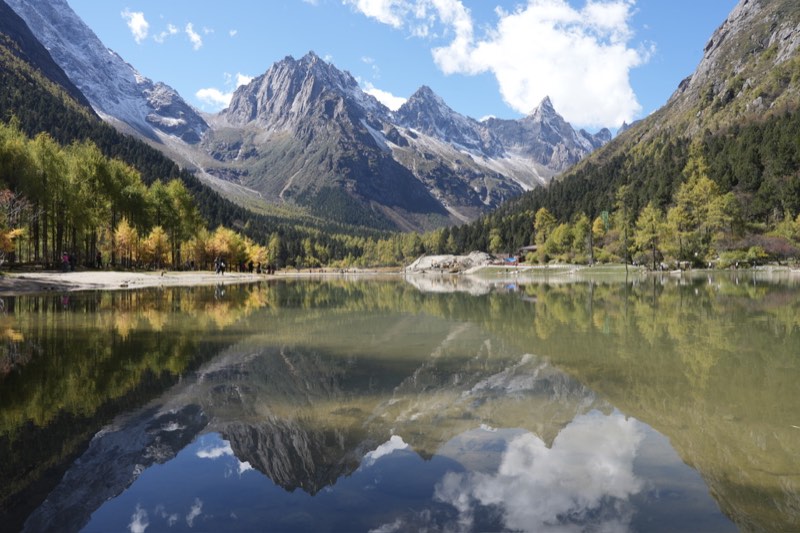
Giant Pandas at the Chengdu Research Base, then three days in the alpine lakes of Siguniang or Jiuzhai Valley. City culture first, mountain silence after.
See the itinerary →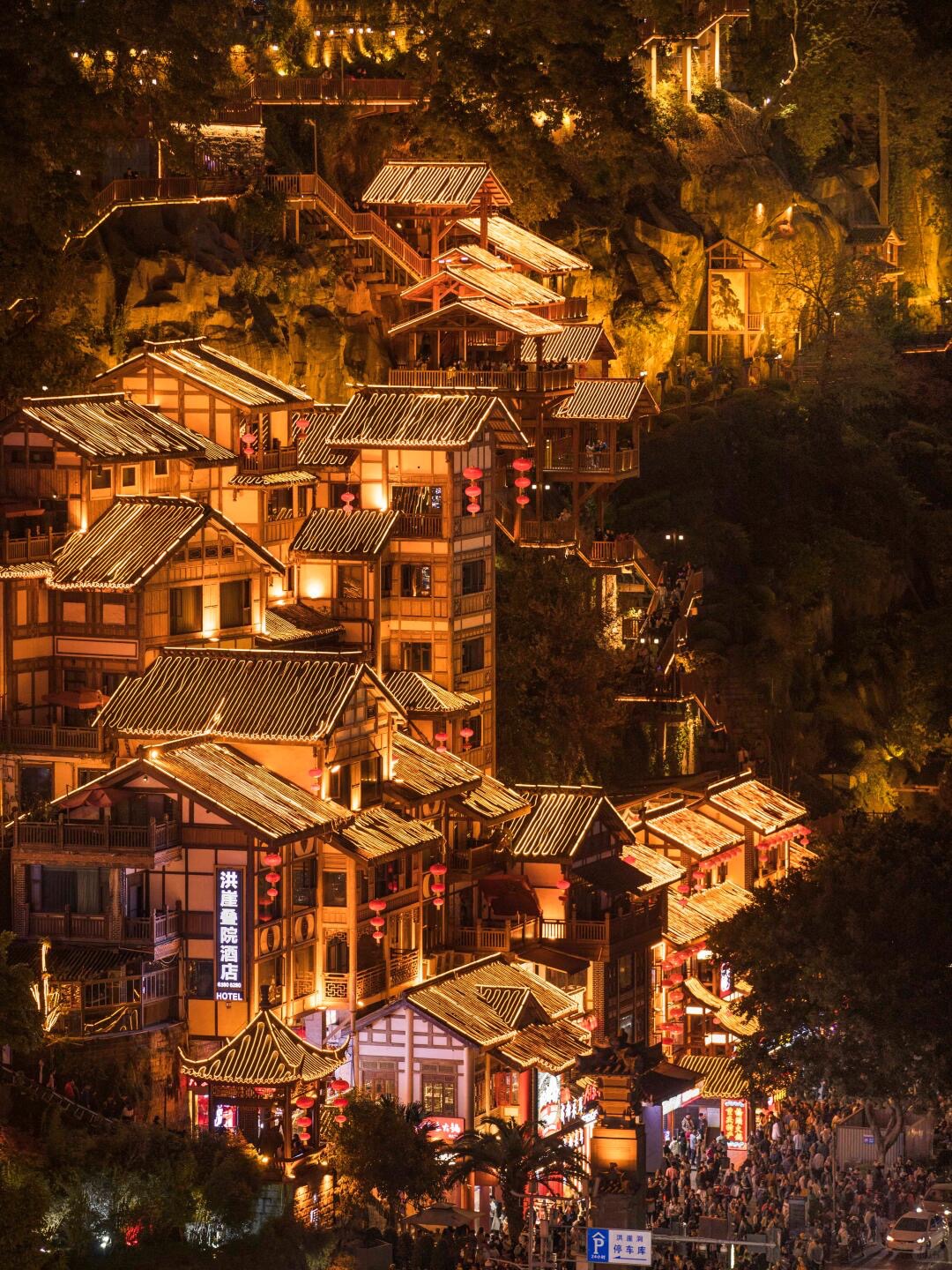
A 5–6 day private tour weighted toward Chongqing — neon river cities, UNESCO Wulong Karst, the Longji (Dragon's Backbone) ridge hike above the Yangtze, and two different tables of Sichuan heat. Bookended with a soft Chengdu landing.
See the itinerary →Fifteen days that pair China's great icons with its wildlife and wild landscape — the Forbidden City and the quiet Great Wall at Jinshanling, the Terracotta Army, a working day with the giant pandas outside Chengdu, three days among Zhangjiajie's sandstone pillars, and Shanghai to finish. Private throughout.
See the itinerary →