← All destinations
Shaanxi

Xi'an

The Tang capital — the Terracotta Army at Lintong, the Ming walls you can cycle, the Muslim Quarter's lanes, and Huashan's granite a train ride east.

Chang'an, as it was for a thousand years, was the biggest city on earth and the place the Silk Road began — and modern Xi'an still keeps the shape of it. The Ming wall runs unbroken around the old city, the Bell and Drum Towers stand at the centre, the Hui lanes of the Muslim Quarter fill with steam and lantern light at dusk, and the Terracotta Army waits in its pits to the east. We take it in order: the warriors first thing, before the groups arrive; the wall by bicycle in the late afternoon; the Quarter after dark.

  • 2-3 days
  • Terracotta Army
  • City Wall
  • Muslim Quarter
  • Huashan
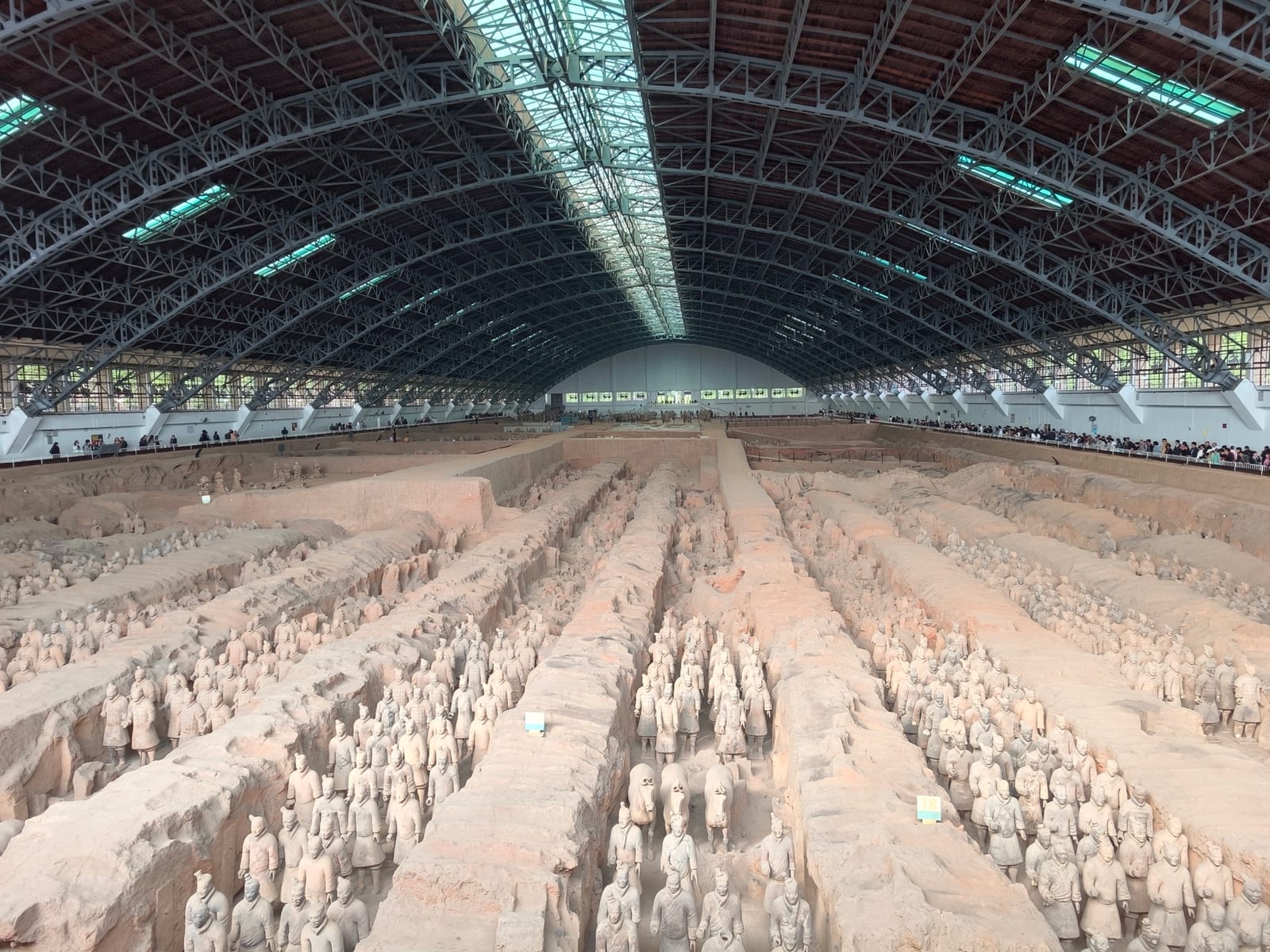
Pit 1 of the Terracotta Army (兵马俑) under its hangar roof at Lintong, Xi'an — the long earth corridors and massed ranks of warriors seen from the viewing platform

Xi'an is the old Chang'an, capital of the Tang and a dozen dynasties before it, and the eastern end of the Silk Road — the city of the Terracotta Army out at Lintong, a complete Ming wall of 13.7 km you can cycle, the Hui Muslim Quarter and its Chinese-style Great Mosque, and the Tang pagodas and museums of the south. It sits between Beijing and Chengdu on the high-speed line — about four and a half hours from one, about three from the other — so it is the natural middle of a Classic China journey. 2-3 days; a fourth for Huashan.

Destination highlights

Things to do in Xi'an

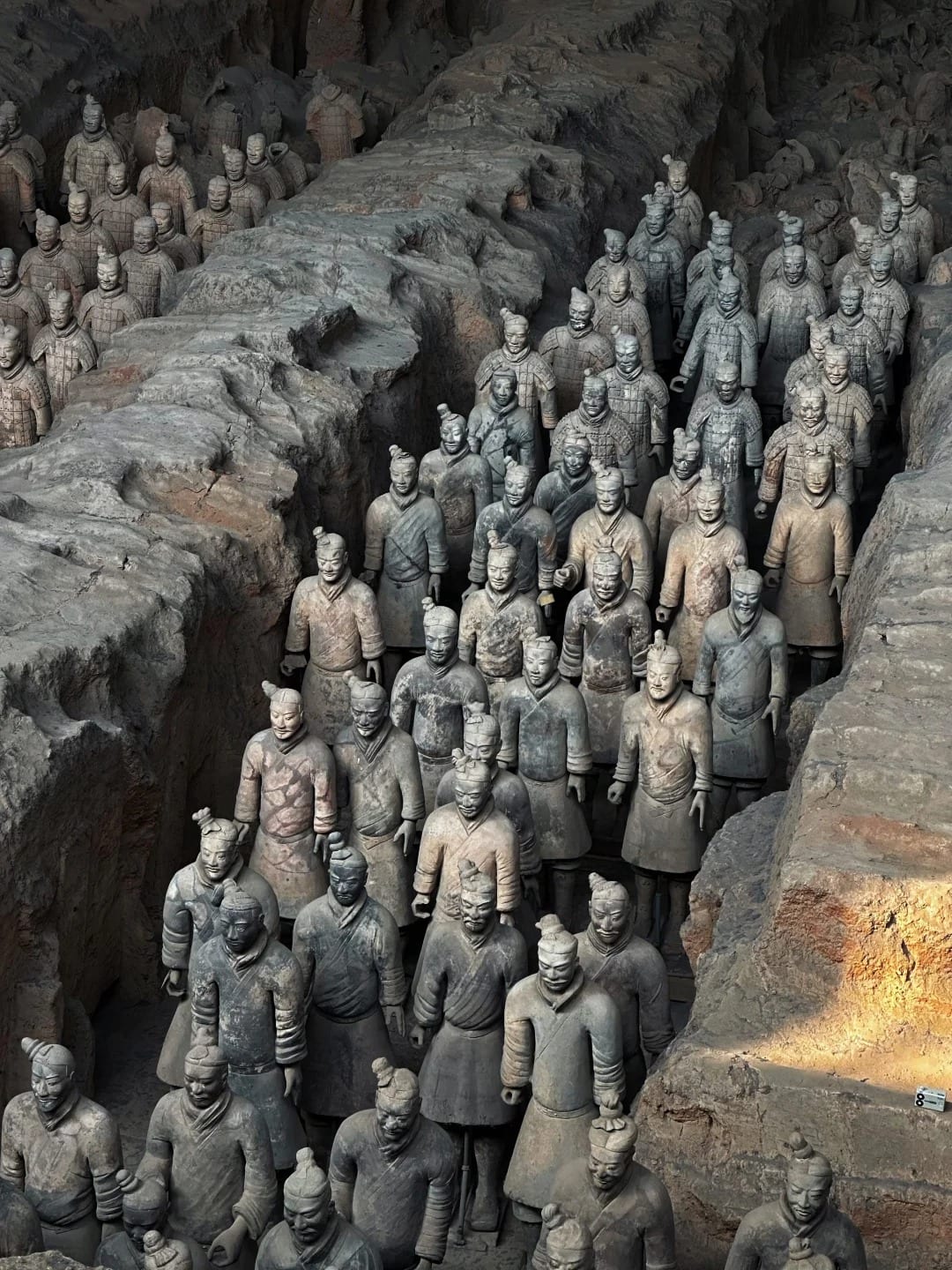
Rows of terracotta warriors standing in the earth corridors of Pit 1, Xi'an
秦始皇兵马俑

Terracotta Army

The First Emperor's clay army at Lintong, found by farmers digging a well in 1974. See Pit 1's massed infantry first, then Pit 3's command post, Pit 2's kneeling archer and the two bronze chariots.

3.5–4 hours · go first thing; timed tickets booked ahead
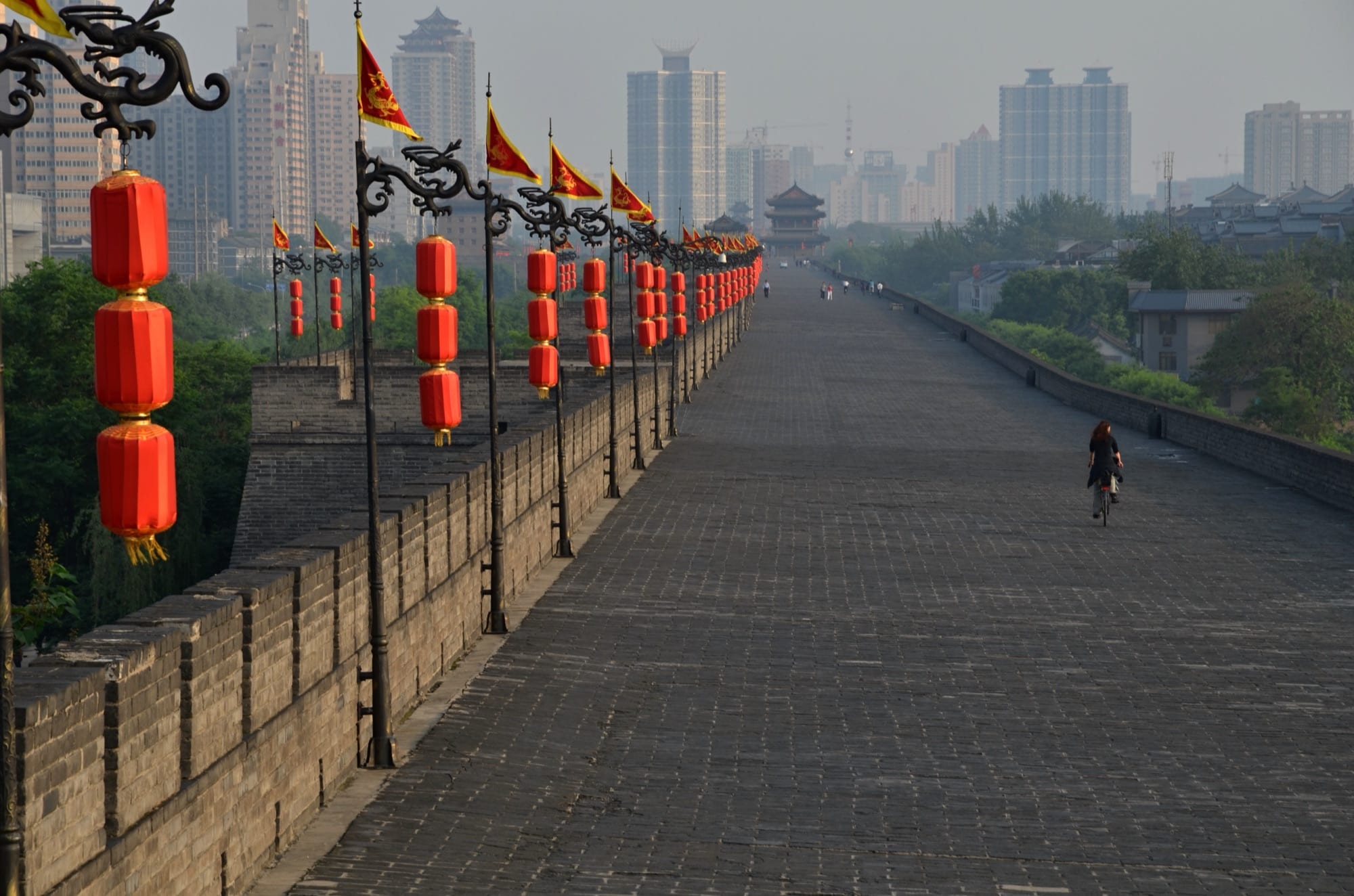
A cyclist riding the broad top of Xi'an's city wall past rows of red lanterns
西安城墙

Xi'an City Wall

The Ming wall begun in 1370, still complete for 13.7 km around the old city, with a moat and gate towers. Hire bikes or tandems on top at the South Gate and ride the loop.

1–1.5 hours by bike · late afternoon into golden hour

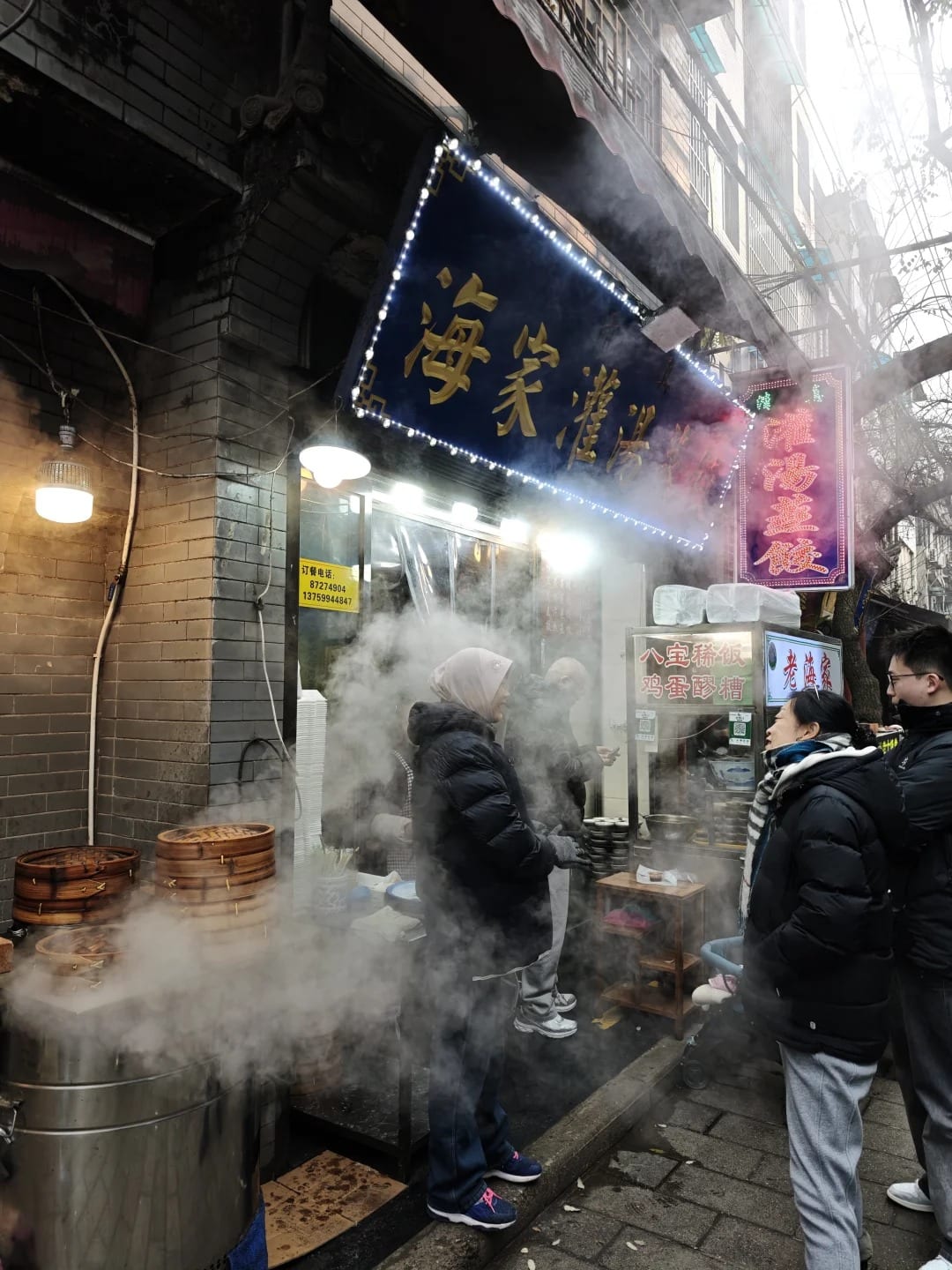
Steam rising from a dumpling stall in a narrow lane of Xi'an's Muslim Quarter
回民街 · 化觉巷清真大寺

Muslim Quarter & the Great Mosque

The Hui lanes behind the Drum Tower: roujiamo, hand-pulled biangbiang noodles, lamb skewers and persimmon cakes. Off Huajue Lane, the Great Mosque, traditionally dated to 742, is laid out in Chinese courtyards and pavilions.

2 hours after dark · the guide picks the stalls

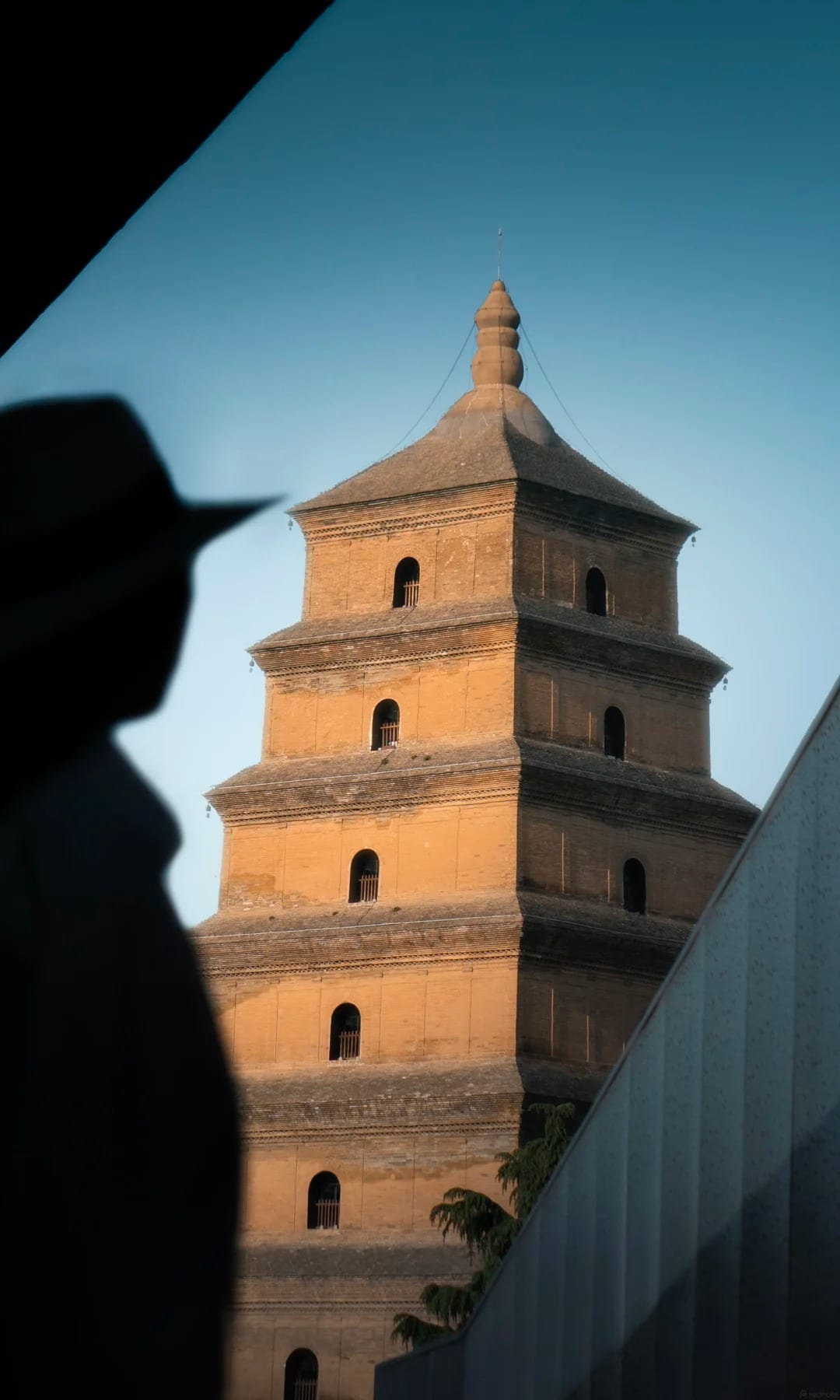
The Big Wild Goose Pagoda in golden-hour light beside a silhouetted figure, Xi'an
大雁塔

Big Wild Goose Pagoda

The Tang brick pagoda of 652, raised at Daci'en Temple to hold the sutras the monk Xuanzang brought back from India. Below it, the lantern-lit Datang Everbright City street fills up in the evening.

Dusk, then an hour on the lantern street

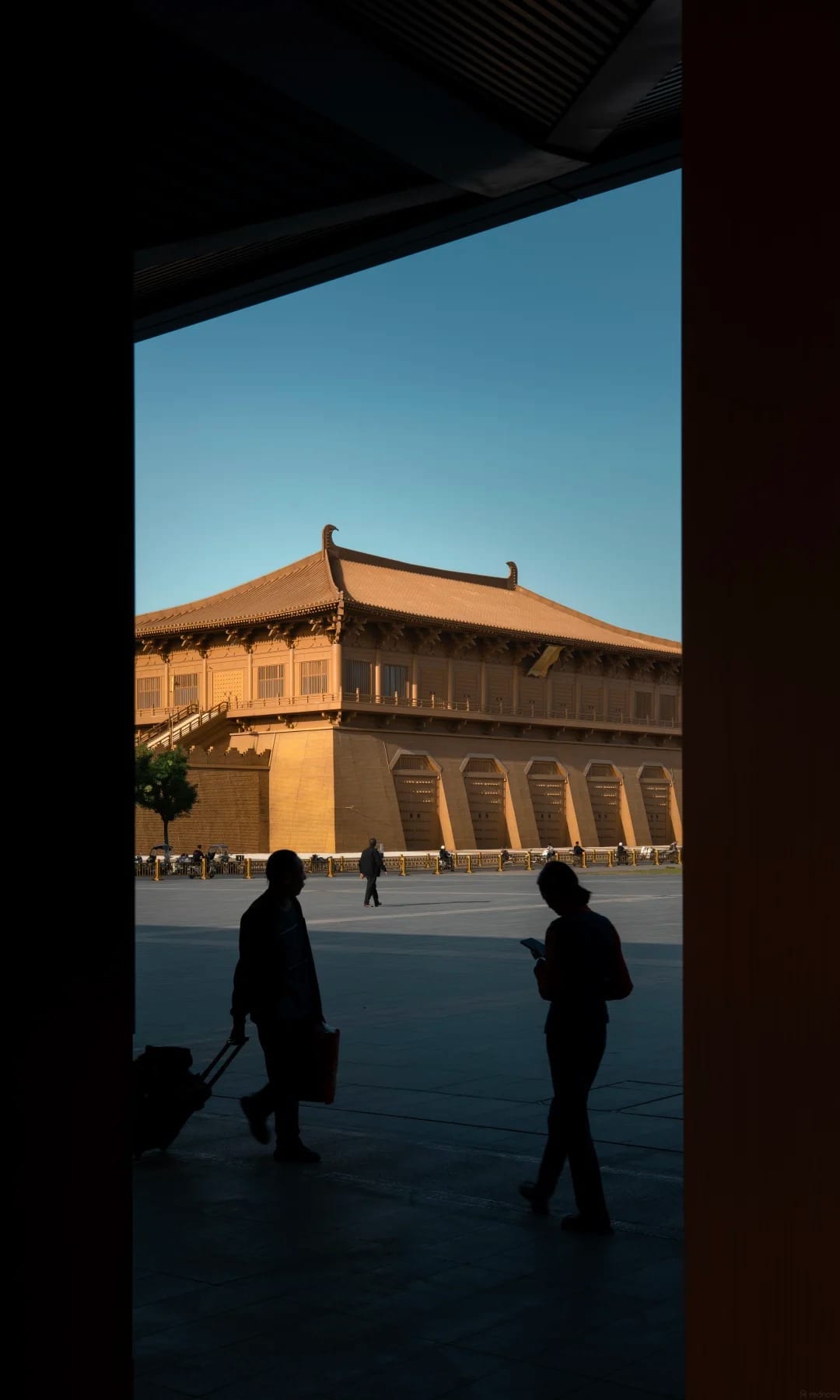
The Shaanxi History Museum's Tang-style hall framed by a dark doorway, two figures in silhouette
陕西历史博物馆

Shaanxi History Museum

The museum for the dynasties that ruled from Xi'an: Zhou bronzes, Qin and Han figures, and Tang gold, silver and three-colour glazed horses. Timed tickets are released in advance and go quickly.

Booked ahead with passport details

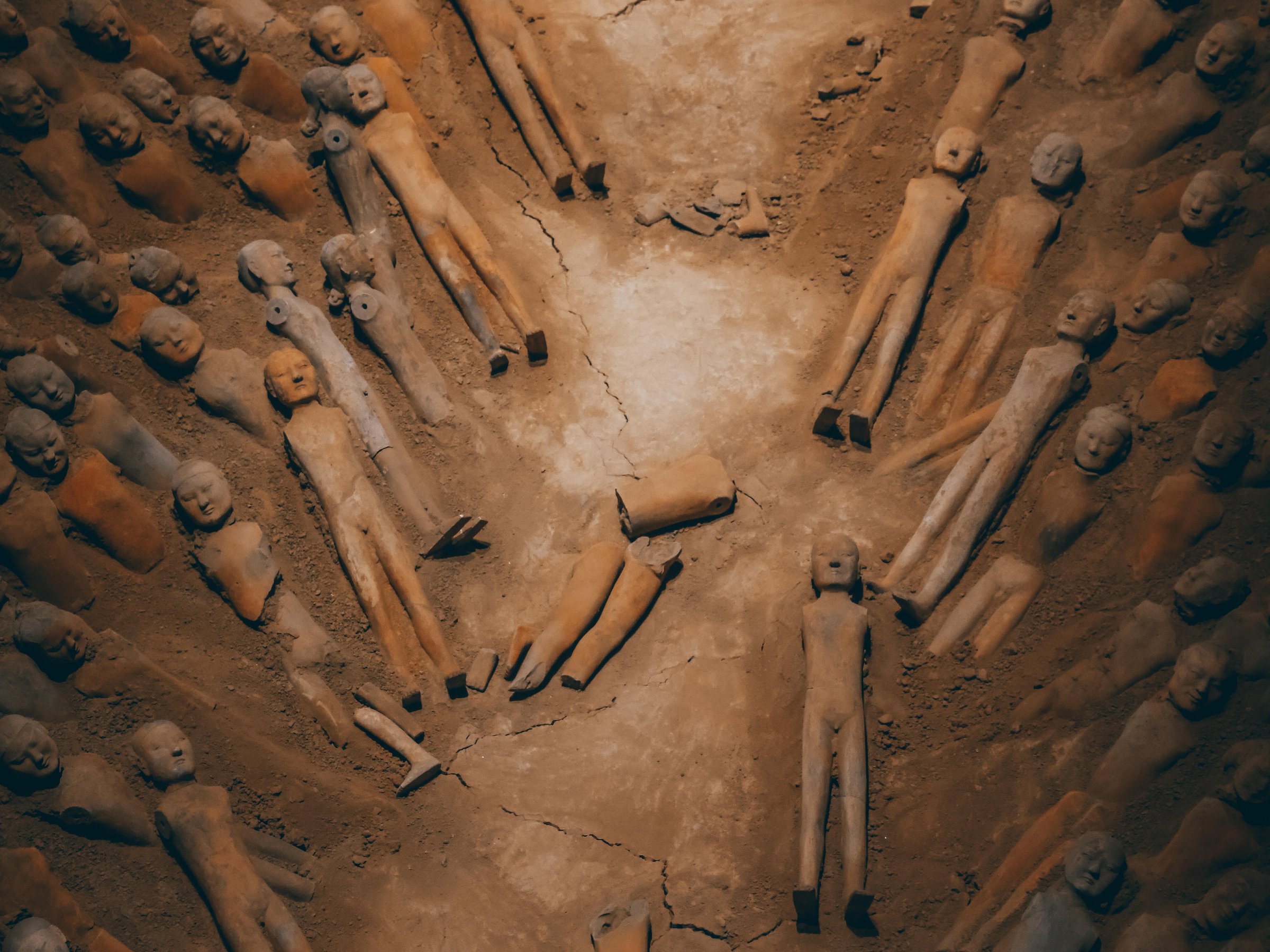
Rows of small clay figures lying in a burial pit at Han Yang Ling
汉阳陵

Han Yang Ling

The tomb of the Han emperor Jing, who died in 141 BC. In the underground hall you walk on glass over the burial pits, crowded with small clay figures that once had wooden arms and silk robes.

Far fewer visitors than the Terracotta Army

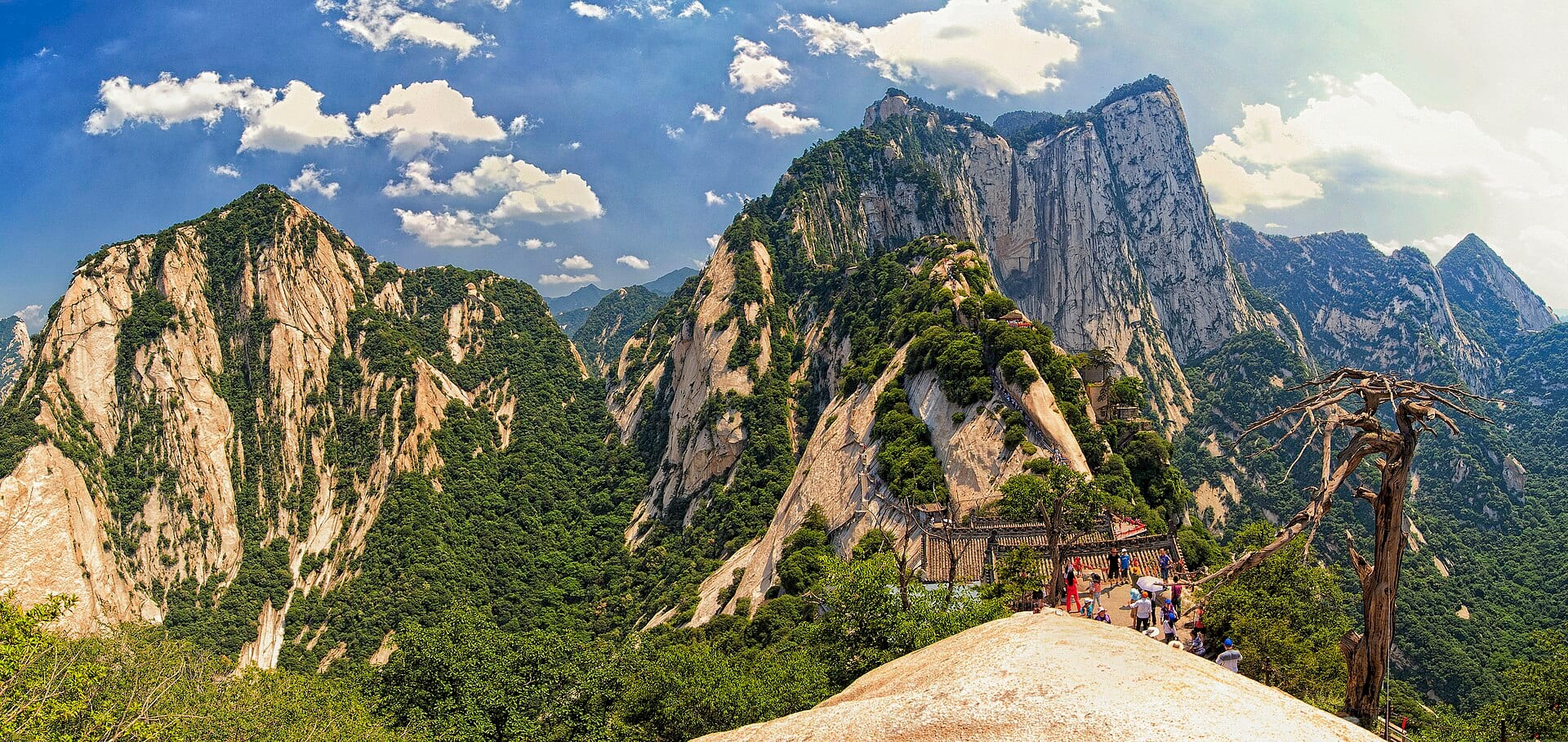
Granite peaks and pine-covered ridges of Huashan under a blue sky, walkers on a summit path
华山

Huashan

A Daoist granite mountain east of Xi'an, its five peaks topping out at 2,155 m on the South Peak. Ride the West Peak cableway up, walk the summit circuit, and come down by the North Peak line.

Stay a night on top for the East Peak sunrise

Seasonal specials

Xi'an by season

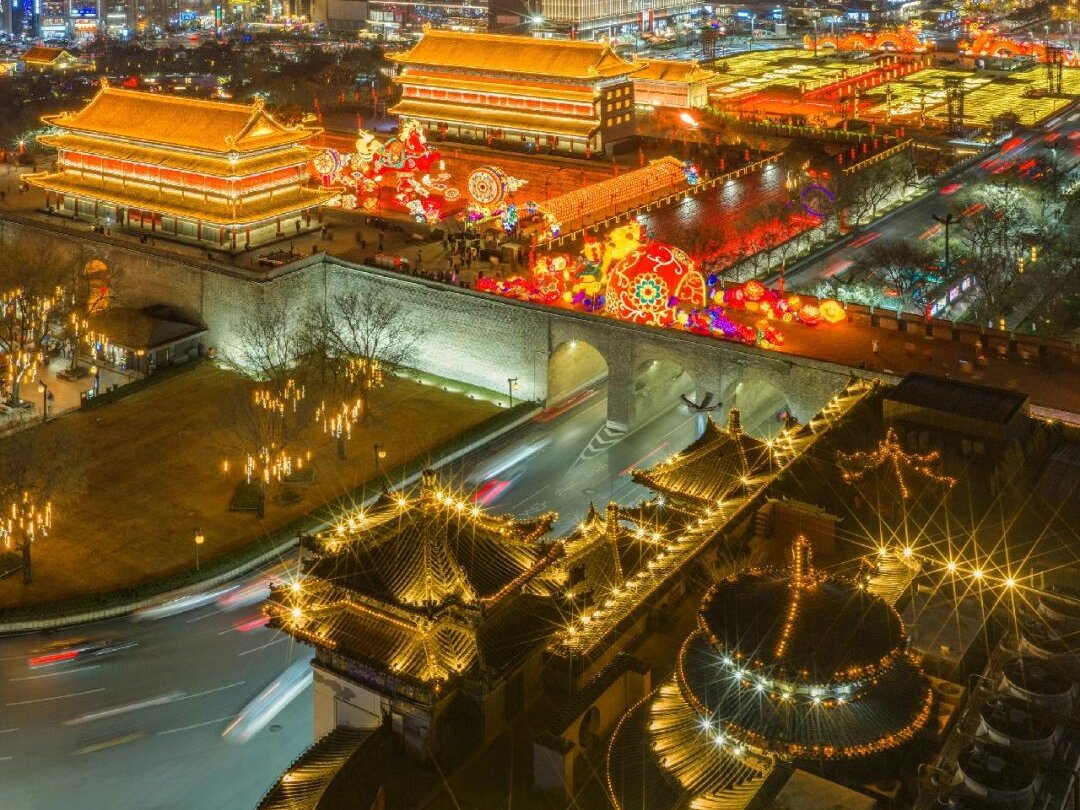
Xi'an's city wall and gate towers lit up with Spring Festival lanterns at night

Around Chinese New Year

西安城墙灯会

Lantern festival on the city wall

Every Spring Festival the city wall is hung with a large lantern show, a tradition of more than thirty years. Recent shows have opened earlier and run for several weeks around the New Year holidays.

Dates follow Chinese New Year, which moves each year

Common questions

Planning your Xi'an trip

01 When is the best time to visit Xi'an?

April to May and September to October: mild, mostly clear, and the Terracotta Army and the wall are at their best in that light. Summer is hot — the city sits in a river basin and July and August pass 35°C — and winter is cold and often hazy, though the sites are quiet. Avoid the national holidays (the first week of October and early May), when Lintong is at its most crowded and tickets sell out days ahead.

02 How do I get to Xi'an?

By high-speed rail from either end of a Classic China journey: about four and a half hours from Beijing West, about three hours from Chengdu East over the Qinling mountains, and a short flight from Chongqing or Shanghai. Xi'an Xianyang International (XIY) is the city's airport, north-west of the centre, with flights from most Chinese cities and from Hong Kong, Singapore and Seoul. We book the trains, in first class, and your driver meets you at Xi'an North or the airport.

03 How does Xi'an fit into a Yunnan or Sichuan itinerary?

As the ancient-China day or two on the way to or from the southwest. Chengdu is three hours away by bullet train, so Xi'an pairs naturally with a Sichuan journey — our Warriors, Pandas & Stone Pillars journey runs Beijing to Xi'an to Chengdu in exactly that order — and Classic China reaches it from Chongqing. From Yunnan it is a flight from Kunming, usually taken as the last stop before Beijing. Two nights is the minimum; three lets you add Huashan or Hanyangling.

04 Do I need to book the Terracotta Army in advance?

Yes. Entry is on real-name tickets tied to your passport number and a timed slot, and the site sells out on weekends and holidays. We book your tickets when the itinerary is confirmed, and your guide holds them at the gate. The same is true of the Shaanxi History Museum, whose free tickets are released in advance and go within hours on busy days.

05 Do I need a visa for Xi'an?

Many nationalities — including Australia, the UK, most of Europe, Singapore and South Korea — currently enter China visa-free for short stays under standing policy; check your country's terms on the nearest Chinese embassy or consulate site before travelling, as these arrangements are updated periodically. Xi'an's airport is also an entry point for China's transit visa-free scheme for eligible travellers passing through to a third country. If you are entering through Shanghai or Beijing on a longer trip, your visa-free entry or tourist (L) visa covers Xi'an as one stop among others.

06 Do you arrange private tours in Xi'an?

Yes, with a licensed English-speaking guide and a private driver. Xi'an is the middle of our Classic China and Warriors, Pandas & Stone Pillars journeys — the Terracotta Army first thing, the wall by bicycle, the Muslim Quarter after dark, from the Sofitel Legend People's Grand inside the walls — and two or three private days here are easy to add to a Sichuan or Yunnan journey; tell us your dates.

Keep exploring

More from Beijing, Shanghai, Xi'an, Guilin & Guangzhou