Yunnan by the Mouthful
A private day in Kunming, eating eight regions in the order your taste buds pick
Dehong is on the Myanmar border. Wenshan is on the Vietnamese one. You have one day. Luckily, cooks from every corner of Yunnan have moved to Kunming and opened restaurants for everyone else who misses home. So we start with noodles and one question: what do you like? Sour, smoke, fire, funk, salt, sweet. Your answer decides which of these eight kitchens get your afternoon, and which ones wait for next time.
Ask about this experienceYunnan by the Mouthful is a private one-day food tour of Kunming for parties of two to eight, in any month. At breakfast your guide asks what you like, then builds the day from eight regional cuisines cooking in the capital: Dehong, Dali, Pu'er, Xuanwei, Kunming, Lincang, Jianshui and Wenshan. Expect noodles, Zhuanxin Market on foot, a Dai or Wa lunch, and a charcoal evening of grilled tofu or Xuanwei ham, all as shared plates.
The experience
- BreakfastSmall-pot noodles from a copper pot, or Wenshan chicken broth by Green Lake, and the question that shapes the day
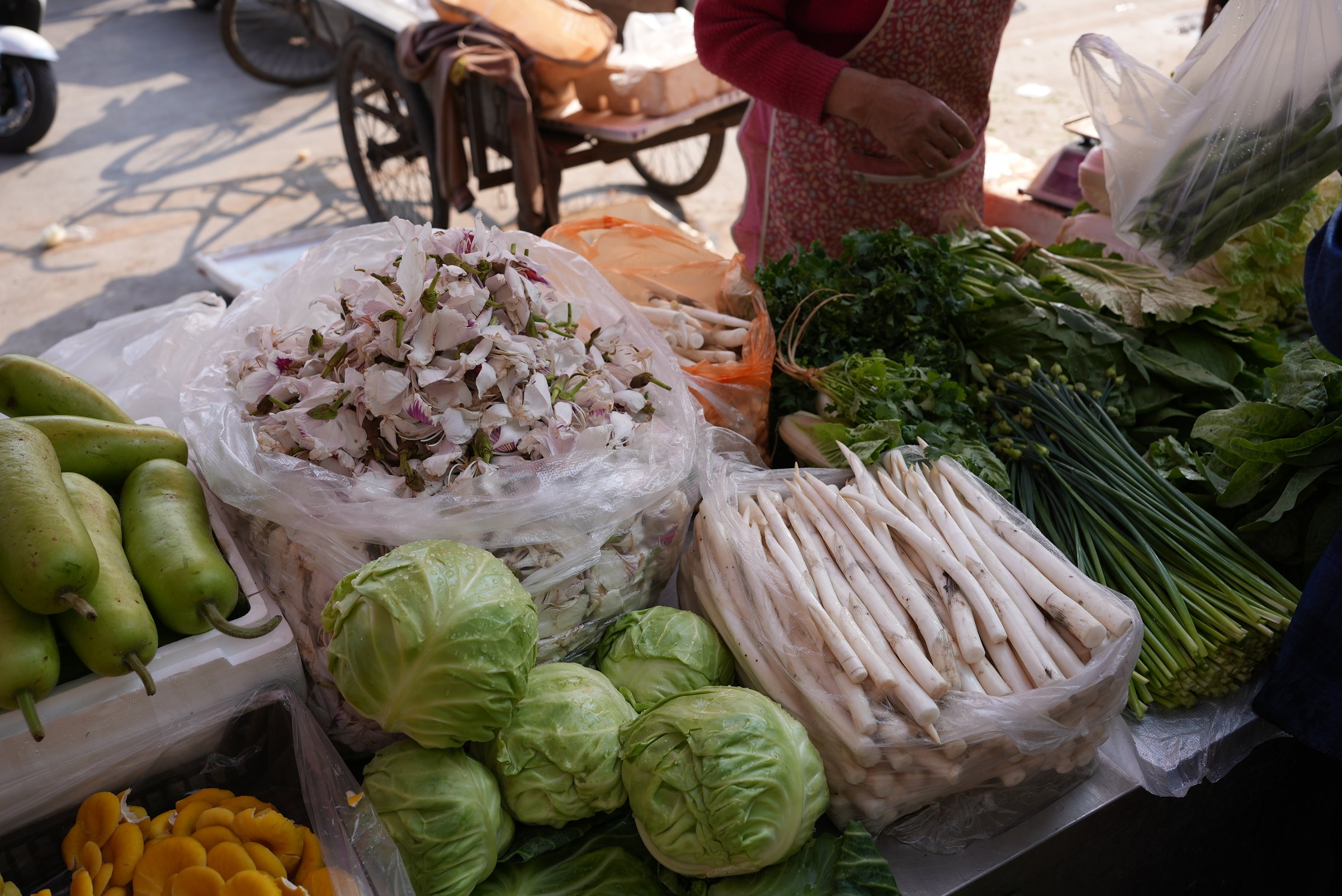
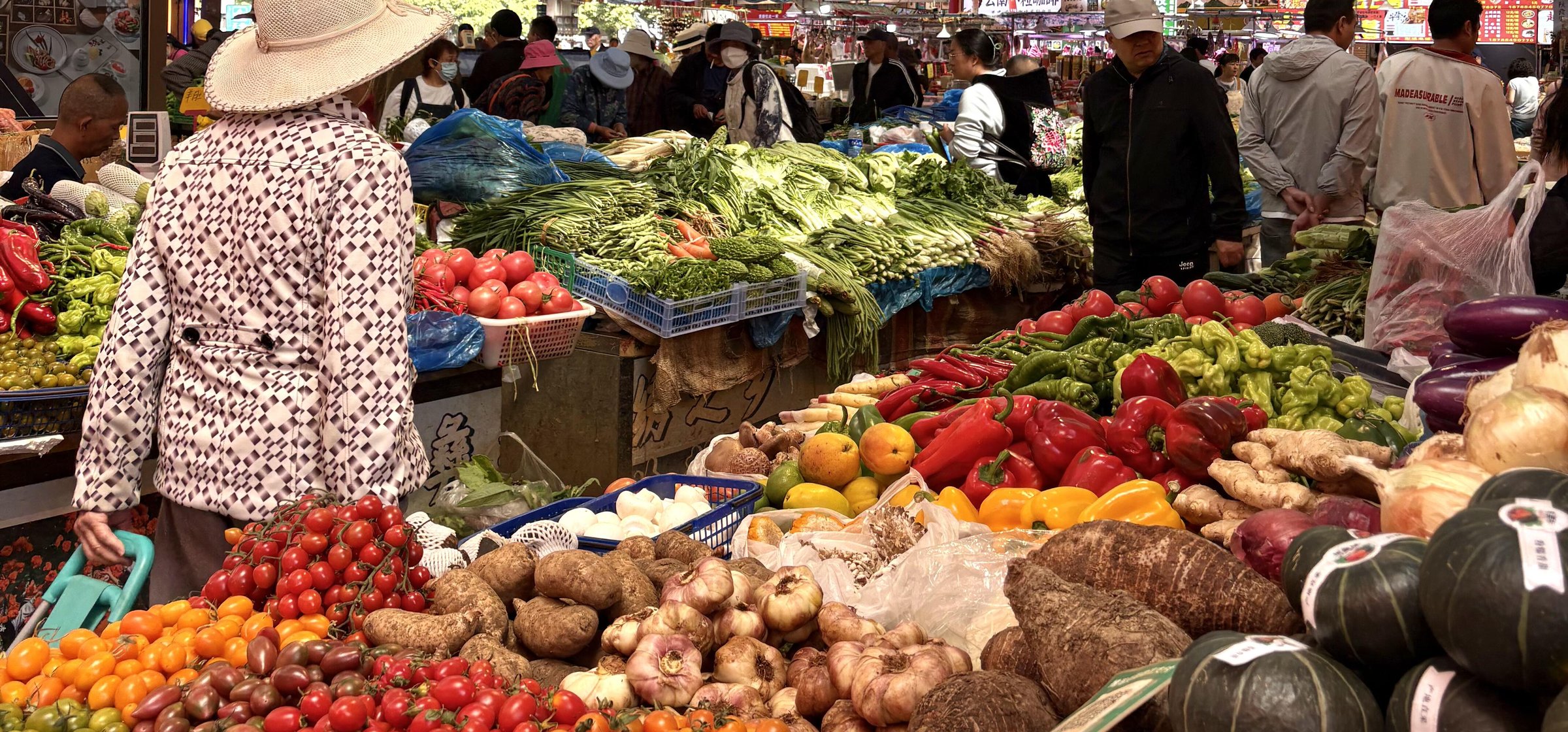
- MorningZhuanxin Market on foot, stall to stall: grilled rushan, peanut-soup rice noodles, tofu-pudding noodles and whatever is in season that week
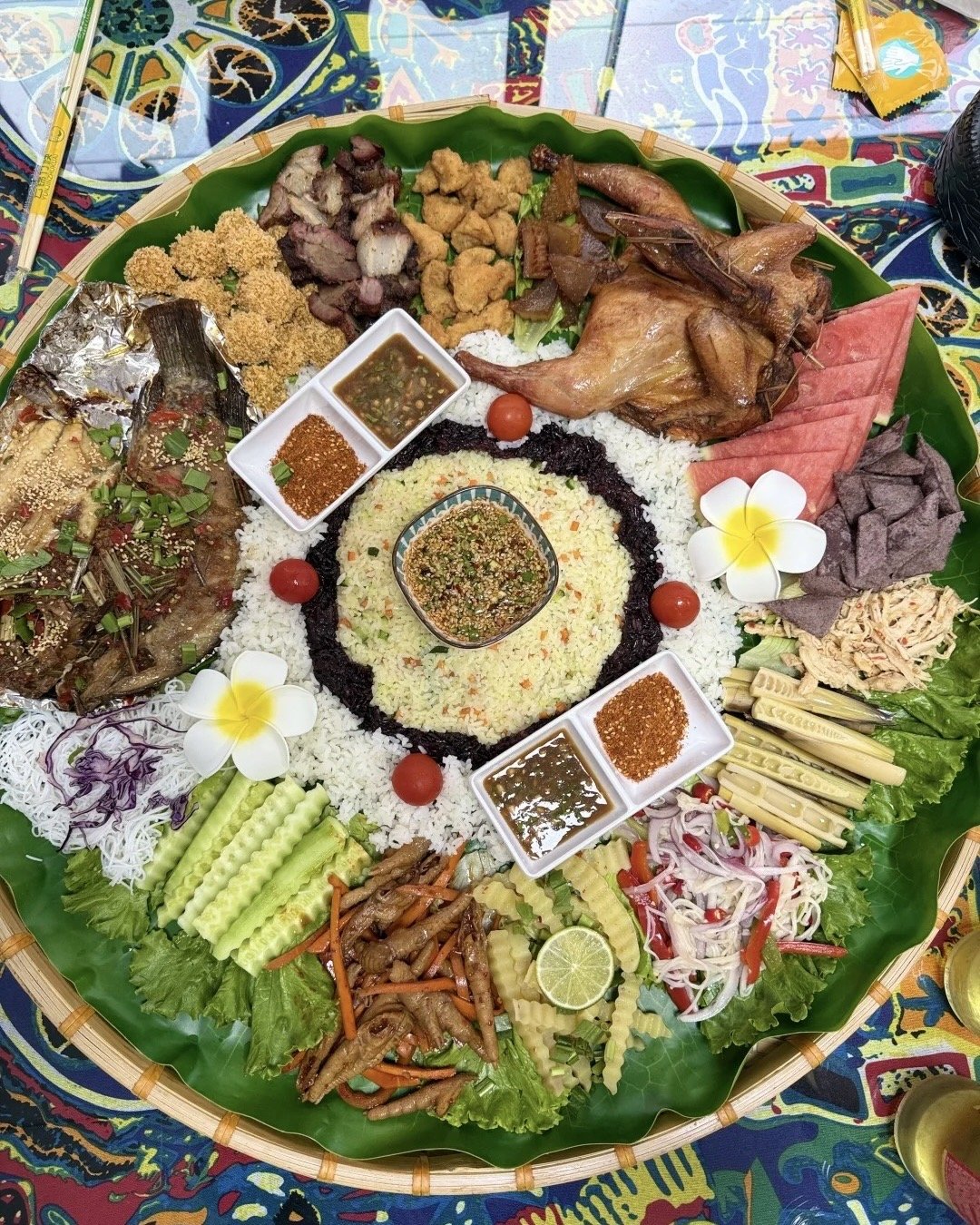
- LunchA Dai table for sour and fire, or a Wa table for herbs, depending on your answer at breakfast
- AfternoonA ham mooncake with a pot of Dian Hong, or a cup of Pu'er coffee, while lunch settles
- EveningCharcoal. Jianshui tofu counted out in corn kernels, or Xuanwei ham by the plate
- By tasteSour and fire, Dehong. Herbs, Lincang and Pu'er. Smoke and funk, Jianshui. Salt and age, Xuanwei. Milk and rose, Dali. Broth and pickle, Kunming. Root and earth, Wenshan
- How it worksPrivate, for parties of 2–8, with your own guide. Plates are shared, so you taste more and finish less
Pick by taste
-
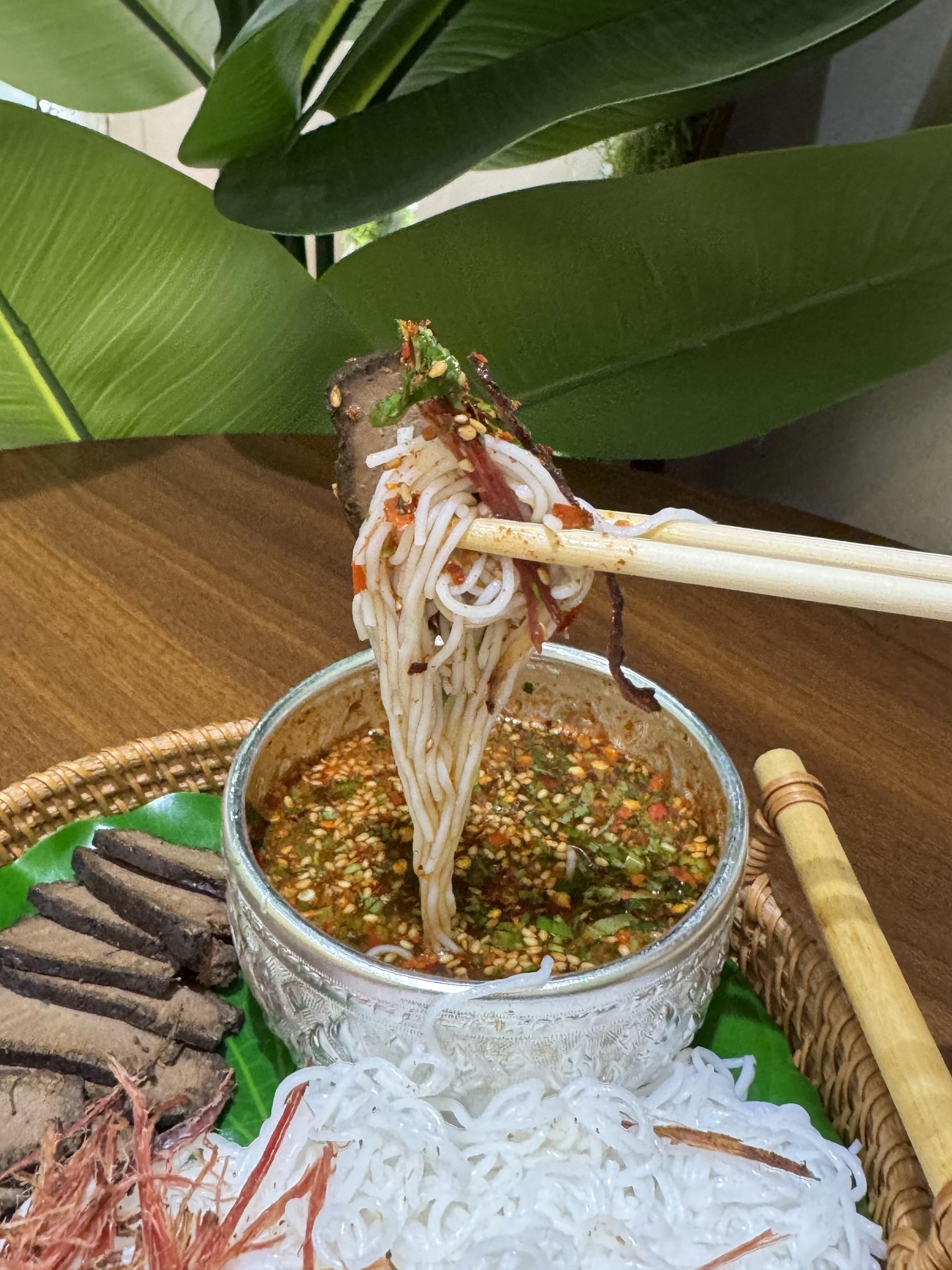
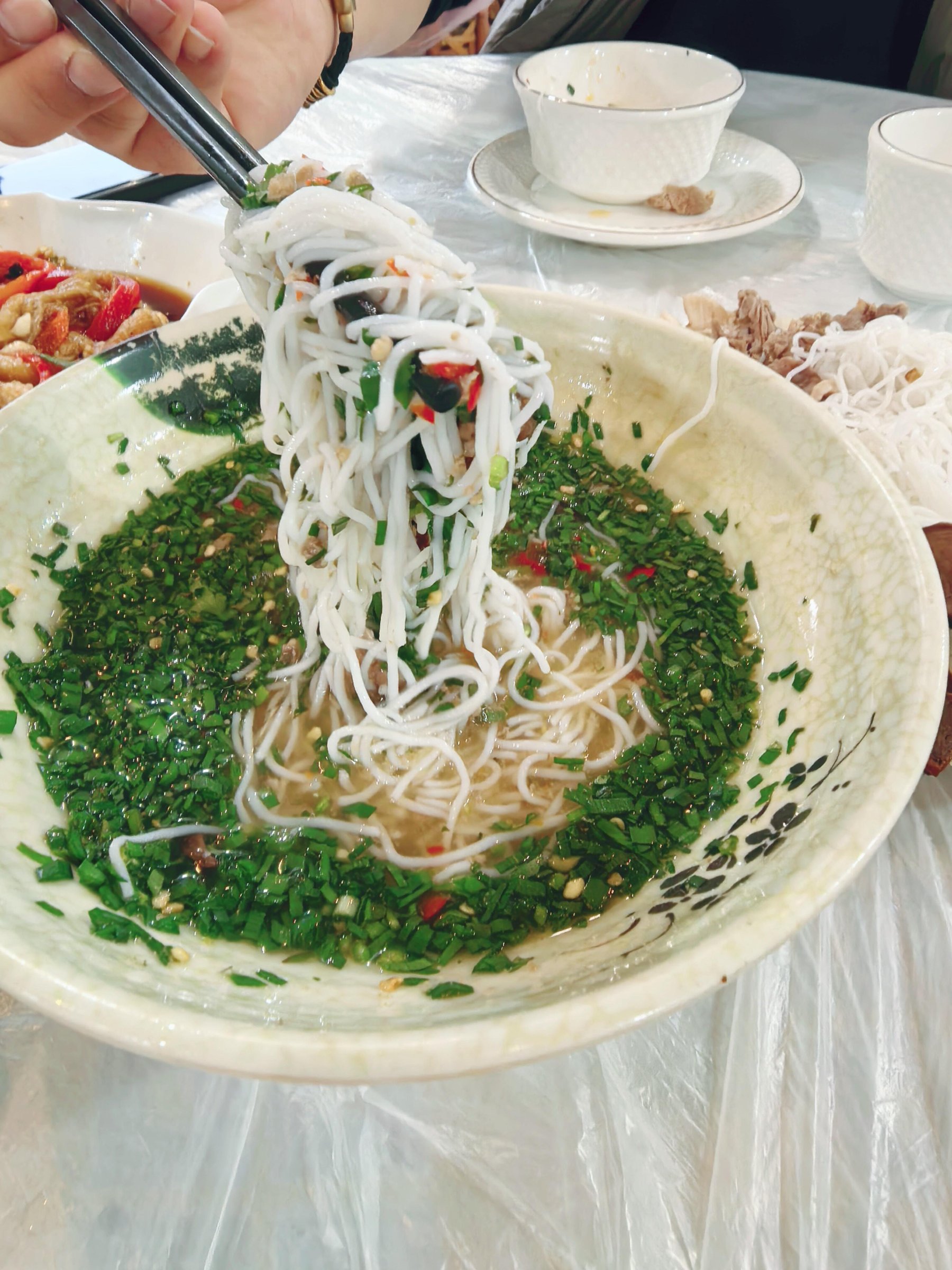
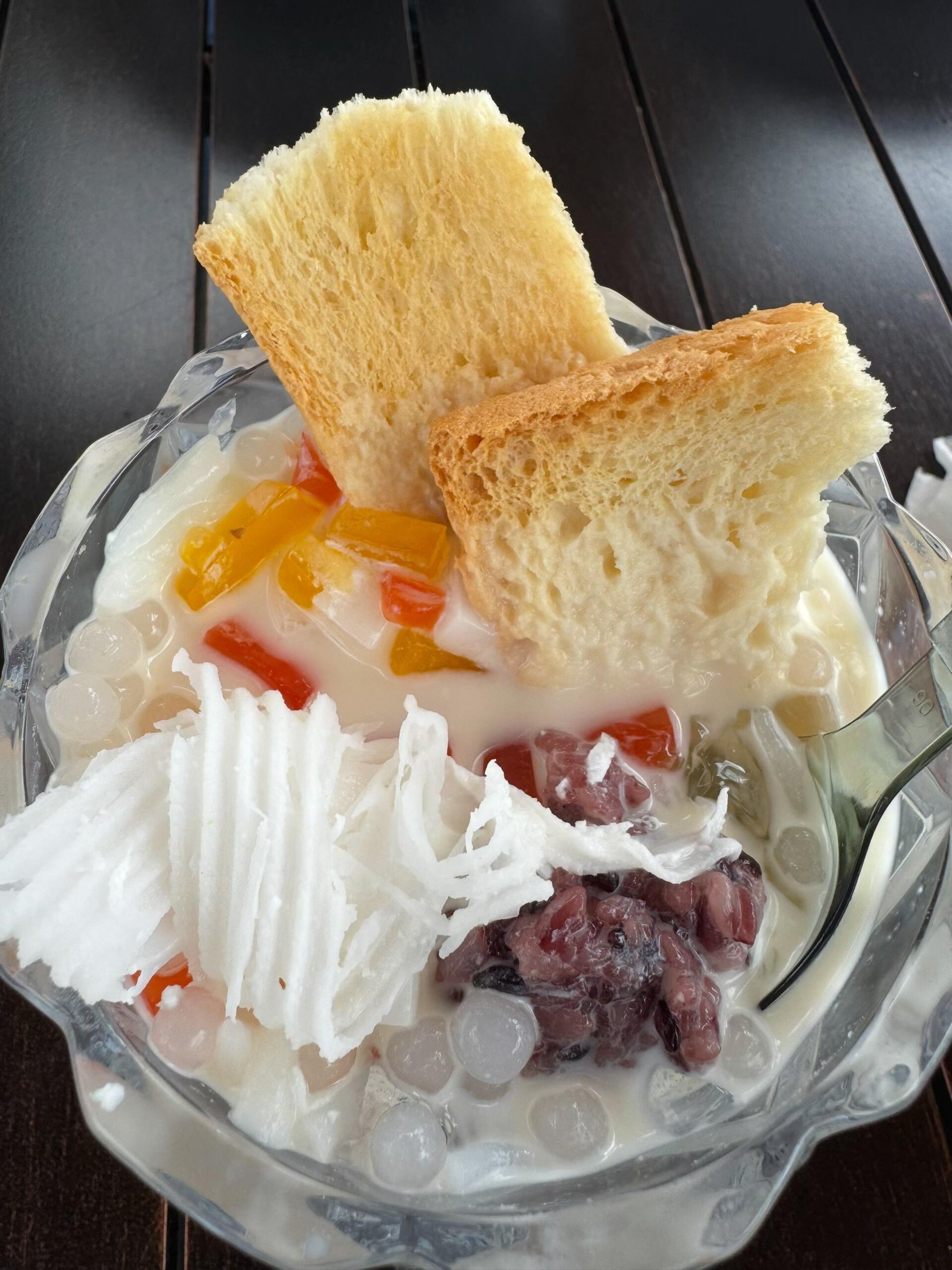
Dehong 德宏
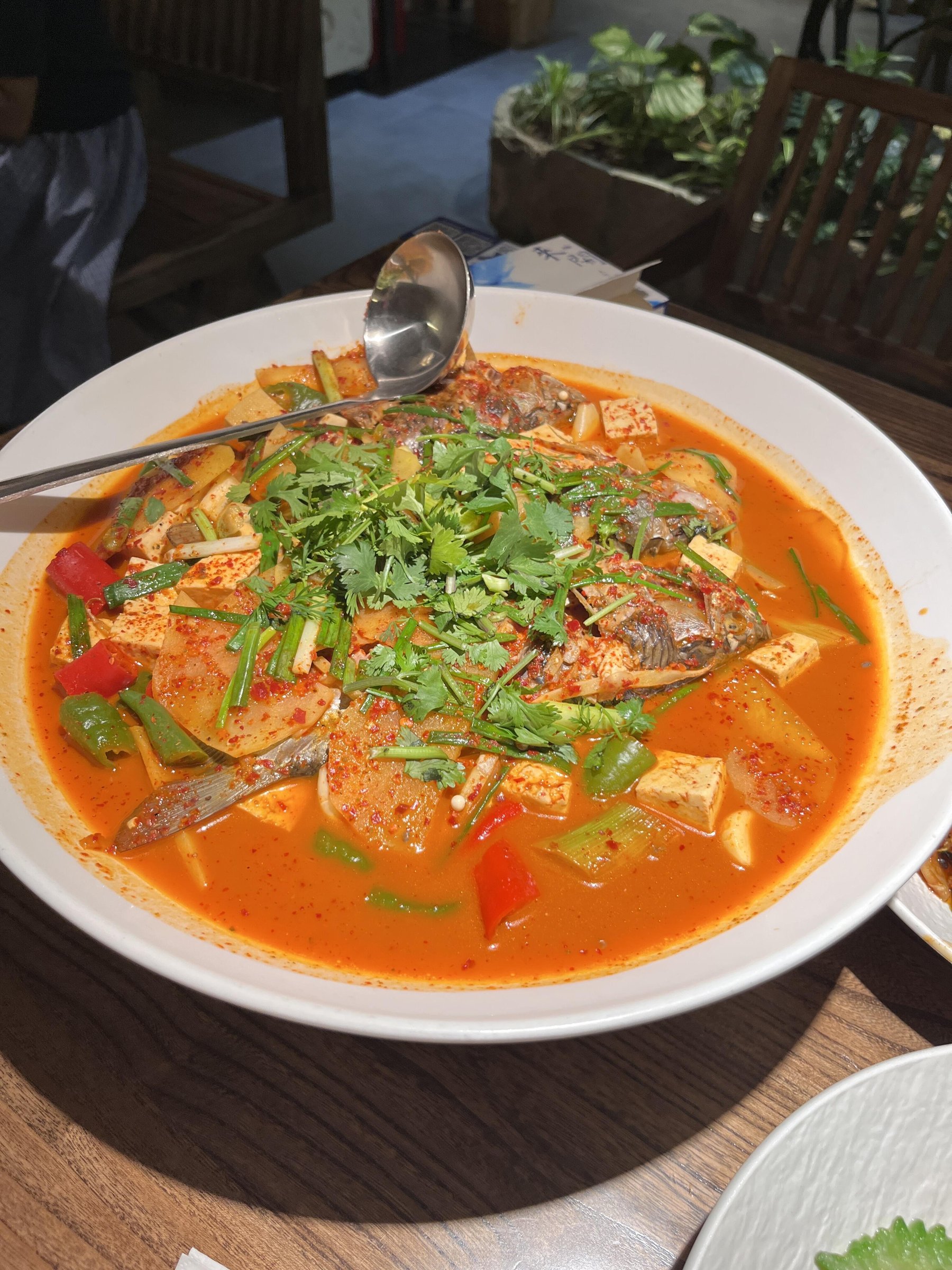
Sour · bitter · fierceDai and Jingpo cooking from the Myanmar border, where sour is the backbone and bitter is deliberate. Sapie (撒撇) is the dish: fine rice noodles dragged through a herb dip, sharp with lime for beginners, or bitter with the juice of a cow's gut for everyone else. The chilli is shuanshuan la (涮涮辣), named, the story goes, for how briefly it needs to touch the soup. Put it out with paoluda (泡鲁达), cold coconut milk, sago and toasted bread by way of Myanmar. In Kunming: the sapie house on Yingjiang Road, or Desijia (德四家) on Nanqiang Street for grilled Dehong chicken.
-
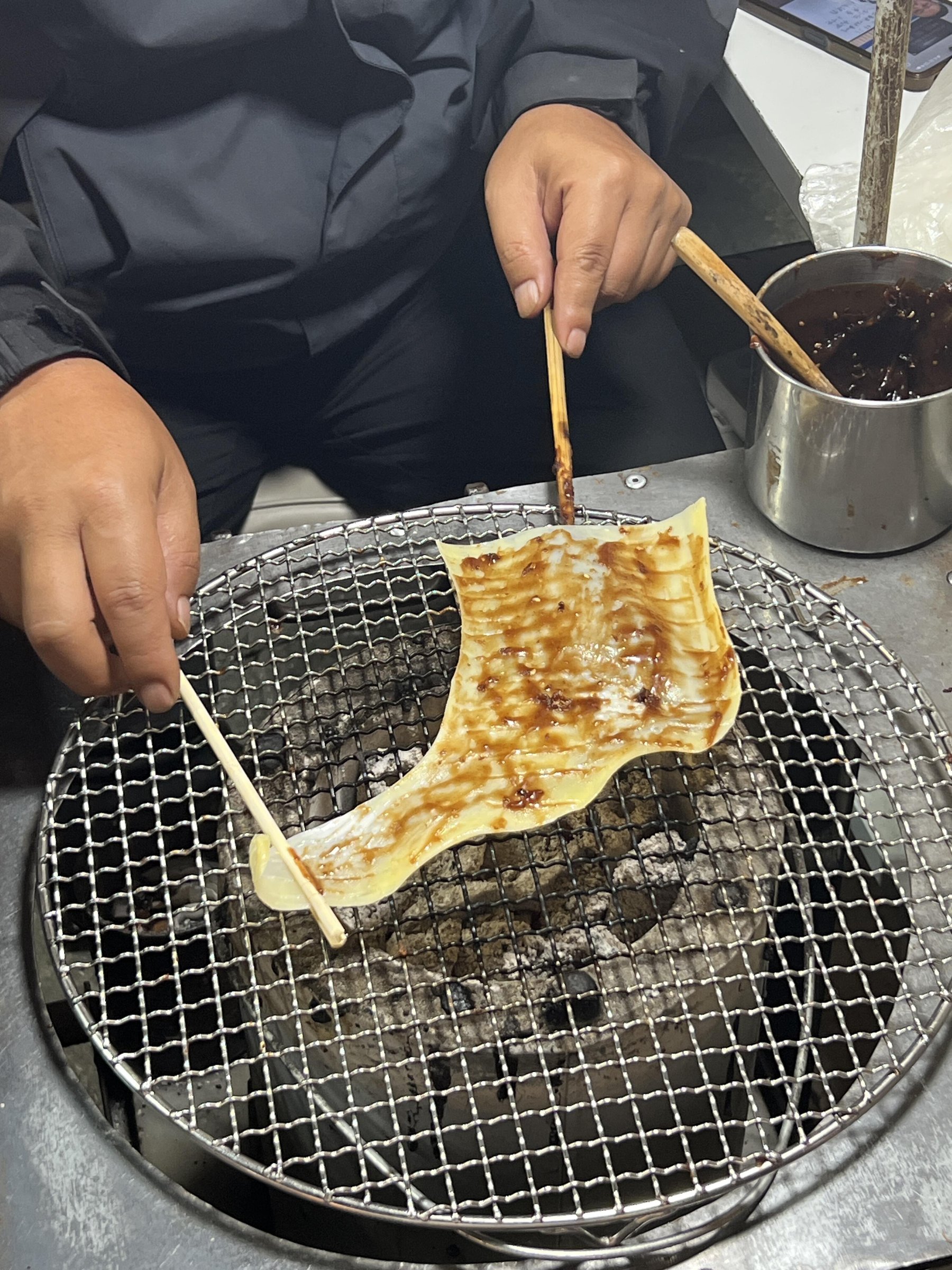
Dali 大理
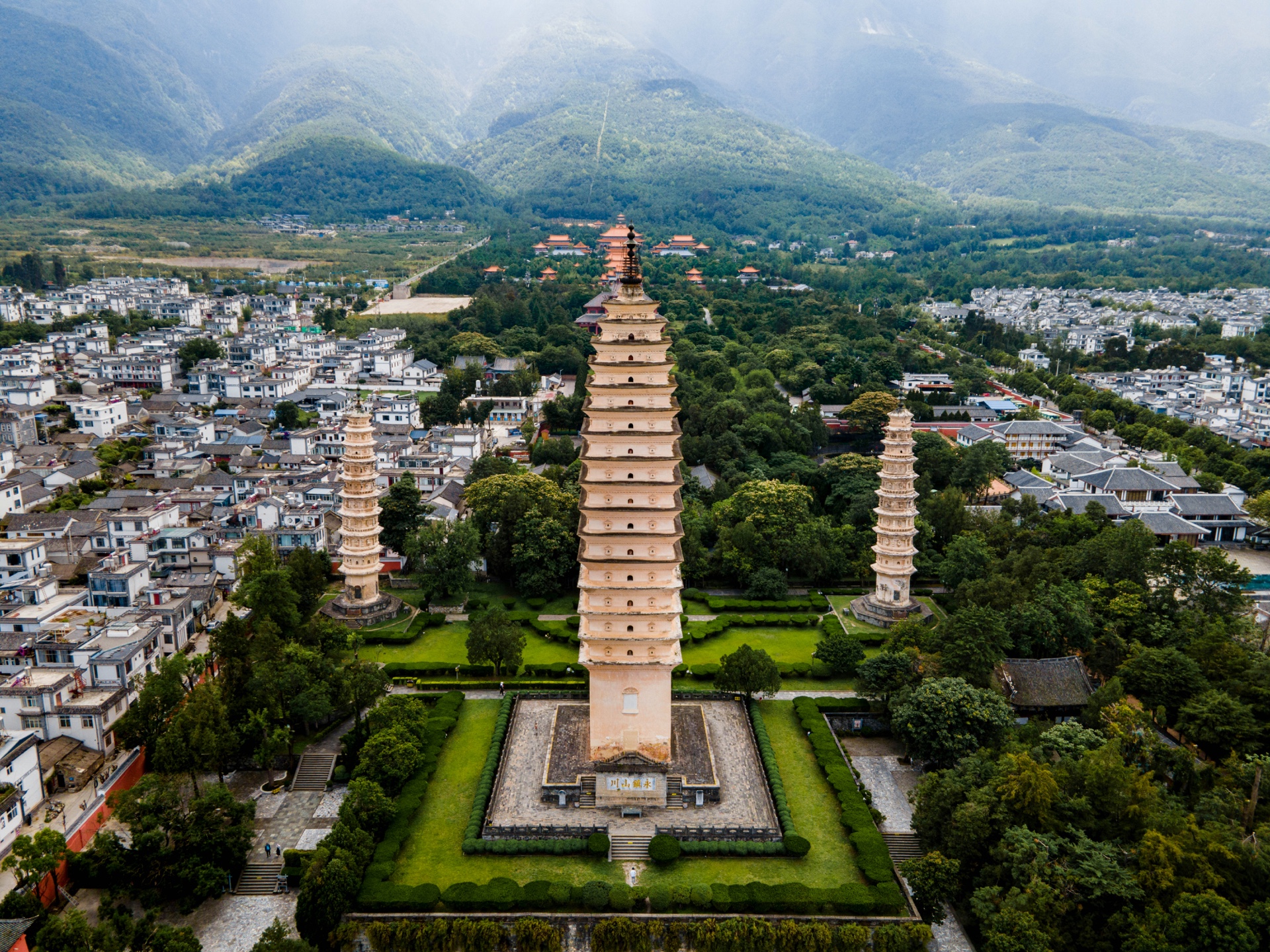
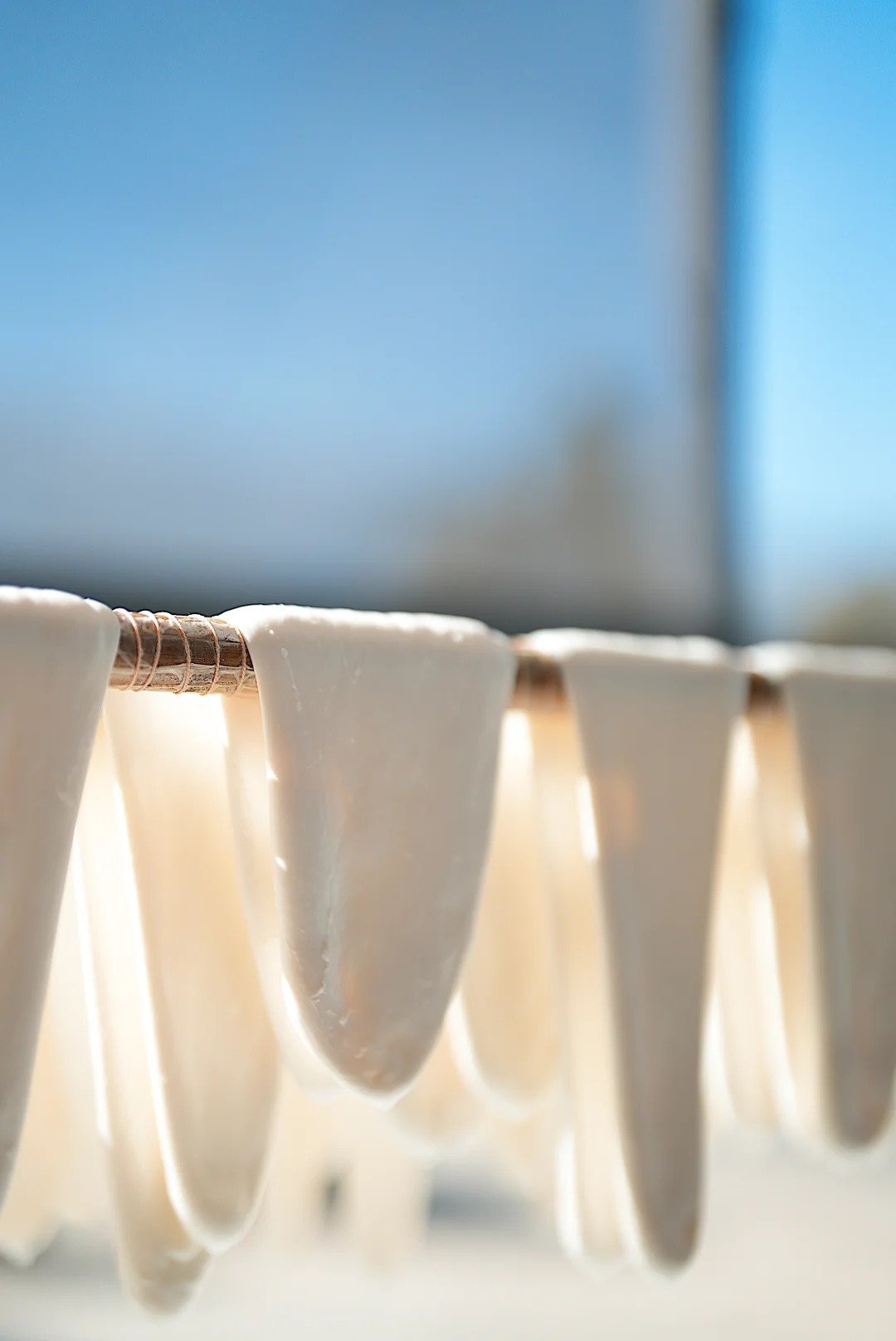
Milky · sweet · sour-hotYunnan makes cheese, which surprises most of China. The Bai around Dali turn milk and sour quince water into rushan (乳扇), stretch it into sheets and dry it on poles. Grilled on a stick and brushed with rose jam, it eats like a crisp, milky crêpe. The other Bai signature is sour-and-spicy fish (酸辣鱼). Raw pork skin (生皮) is the local dare, and strictly optional. In Kunming: rushan off the grill at Zhuanxin Market.
-
Pu'er 普洱
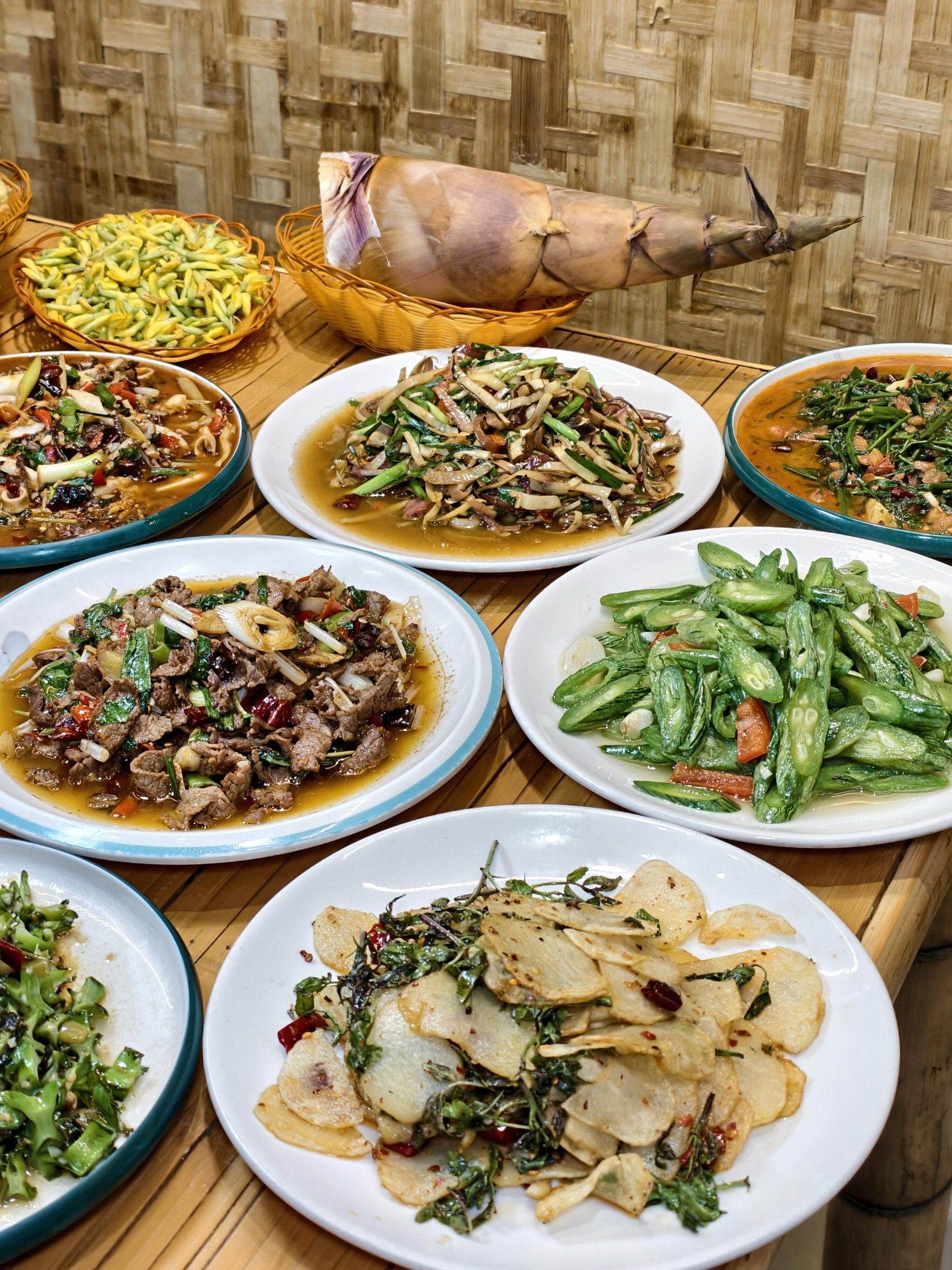
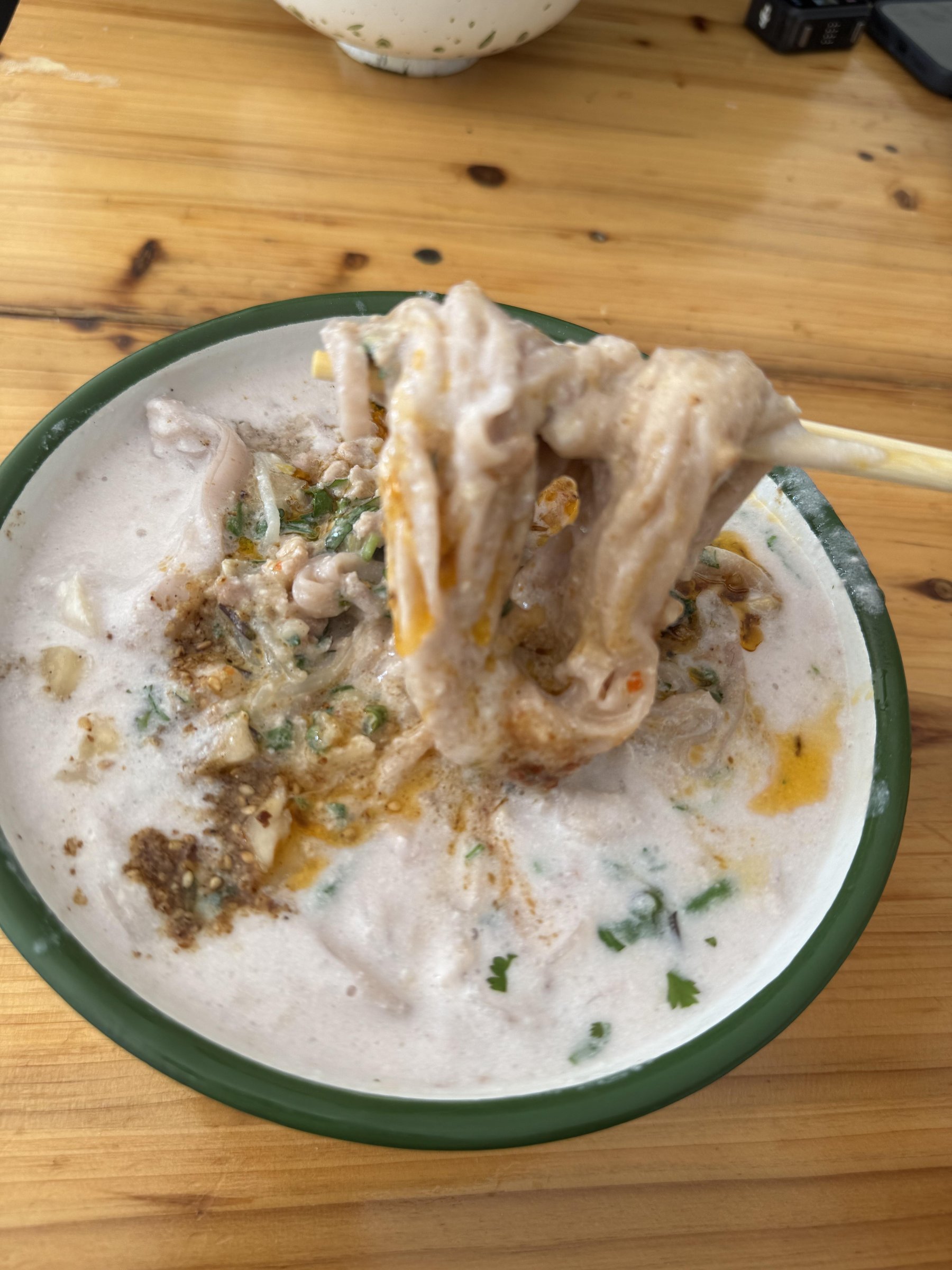
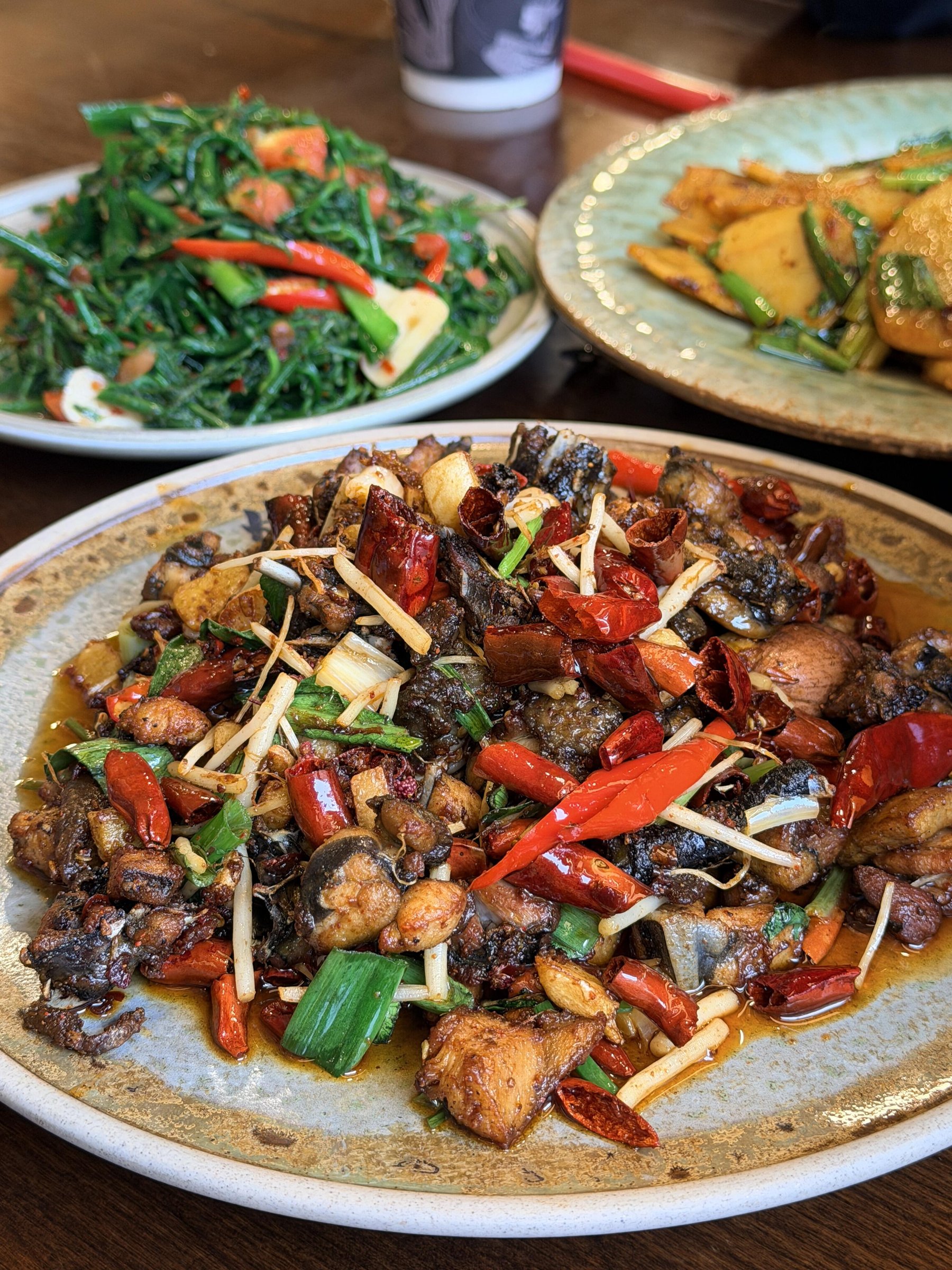
Herbs · sour · nuttyEveryone knows the tea. Fewer know the food, which locals call border cooking: Pu'er touches Myanmar, Laos and Vietnam, and its kitchens run on Hani and Dai sourness, mountain greens and plenty of chilli. Breakfast is peanut-soup rice noodles (花生汤米干), flat and slippery in something close to a savoury peanut cream. In Kunming: a stallholder from Mojiang makes them at Zhuanxin Market, and Shuoheng (烁横) on Old Street does sour-quince fish (酸木瓜鱼) and wild fern.
-
Xuanwei 宣威
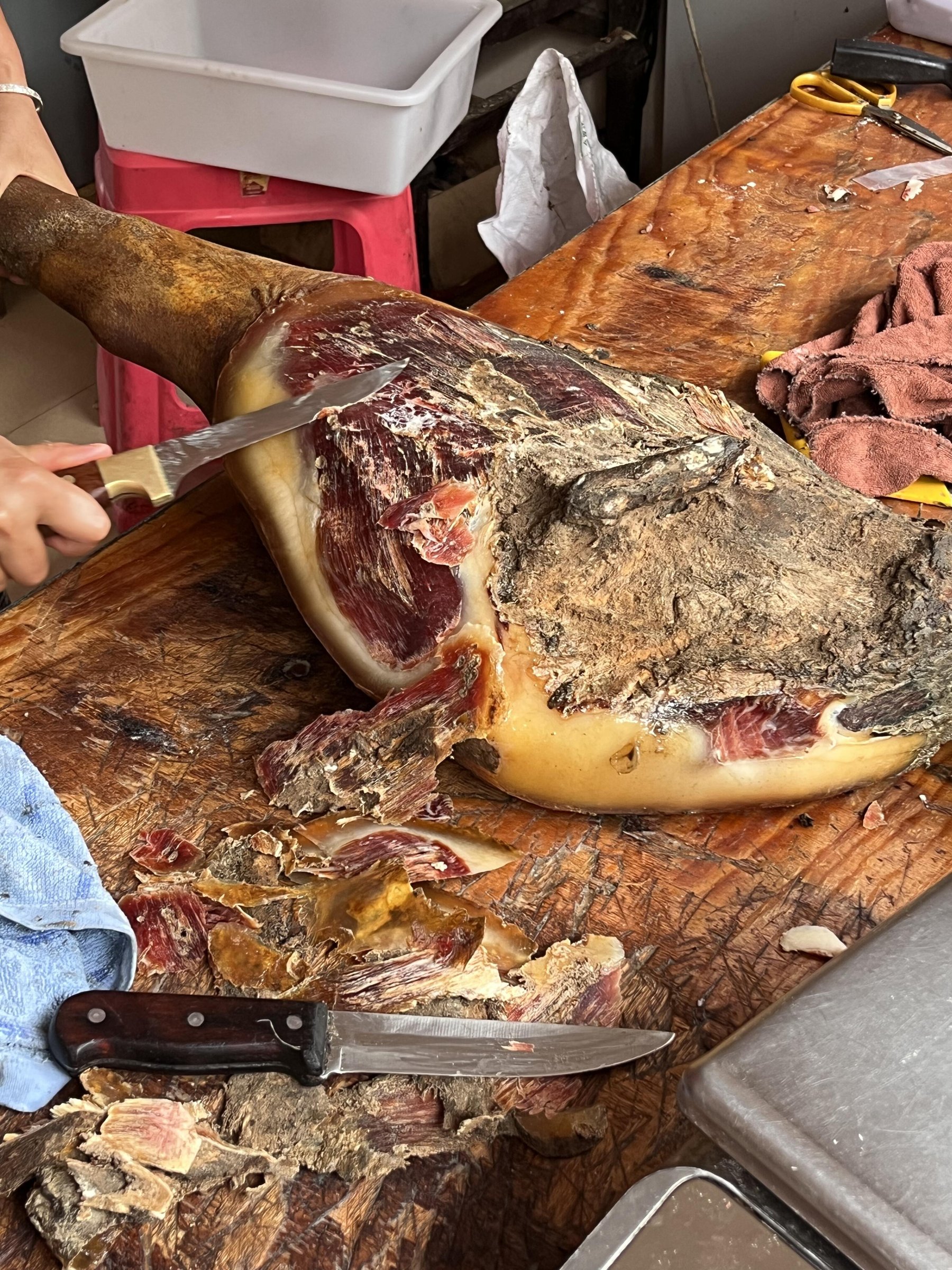
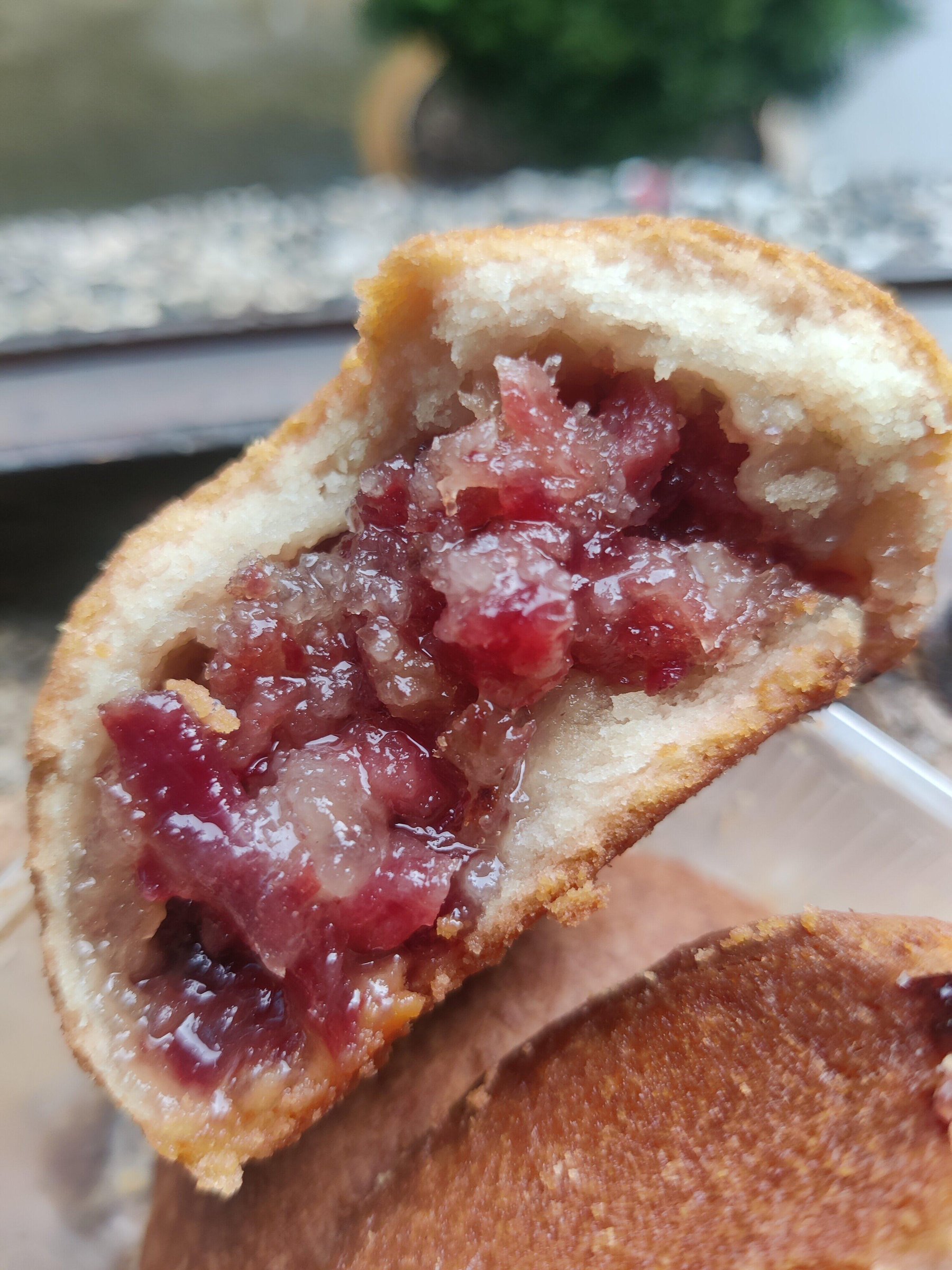
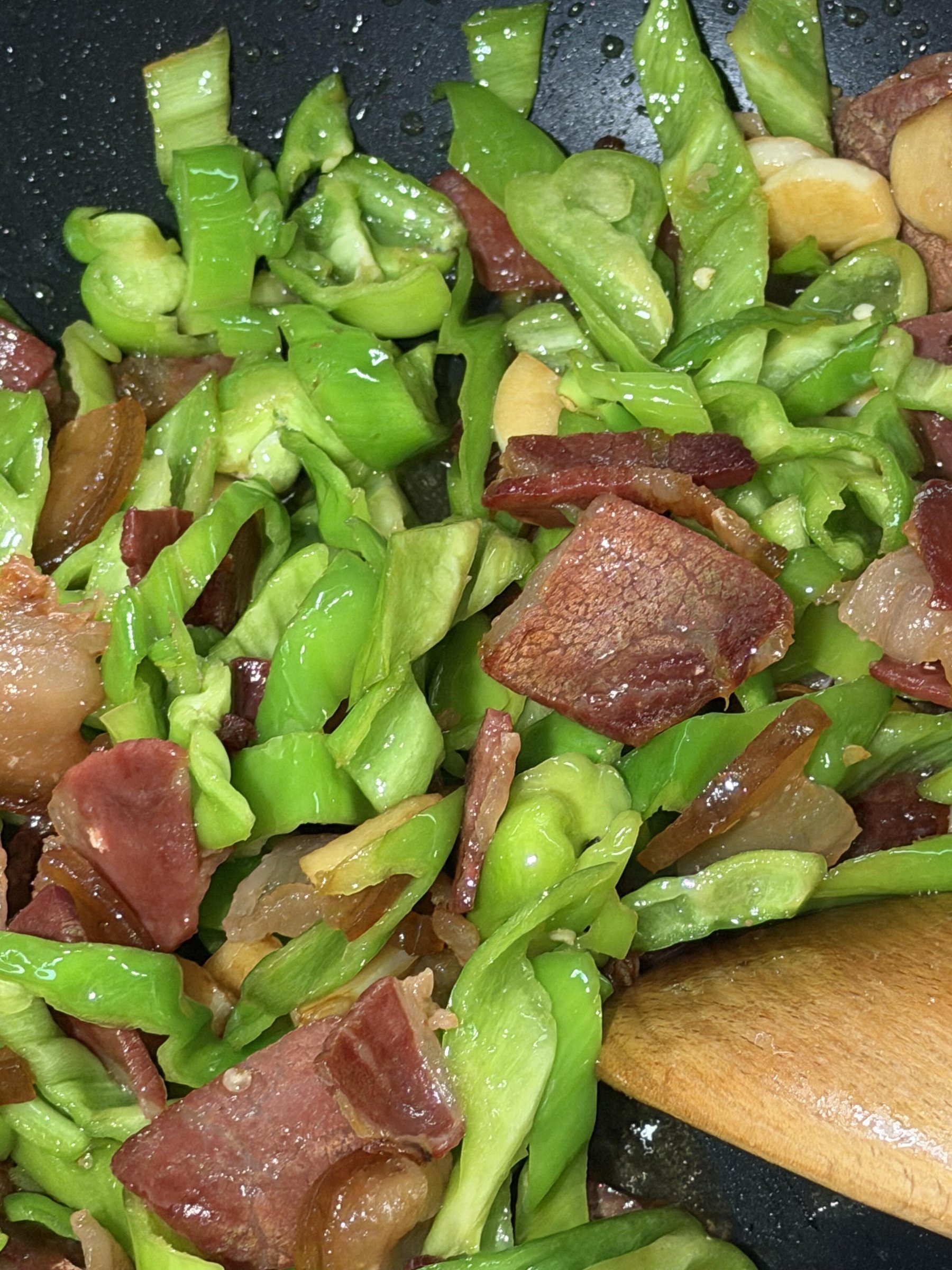
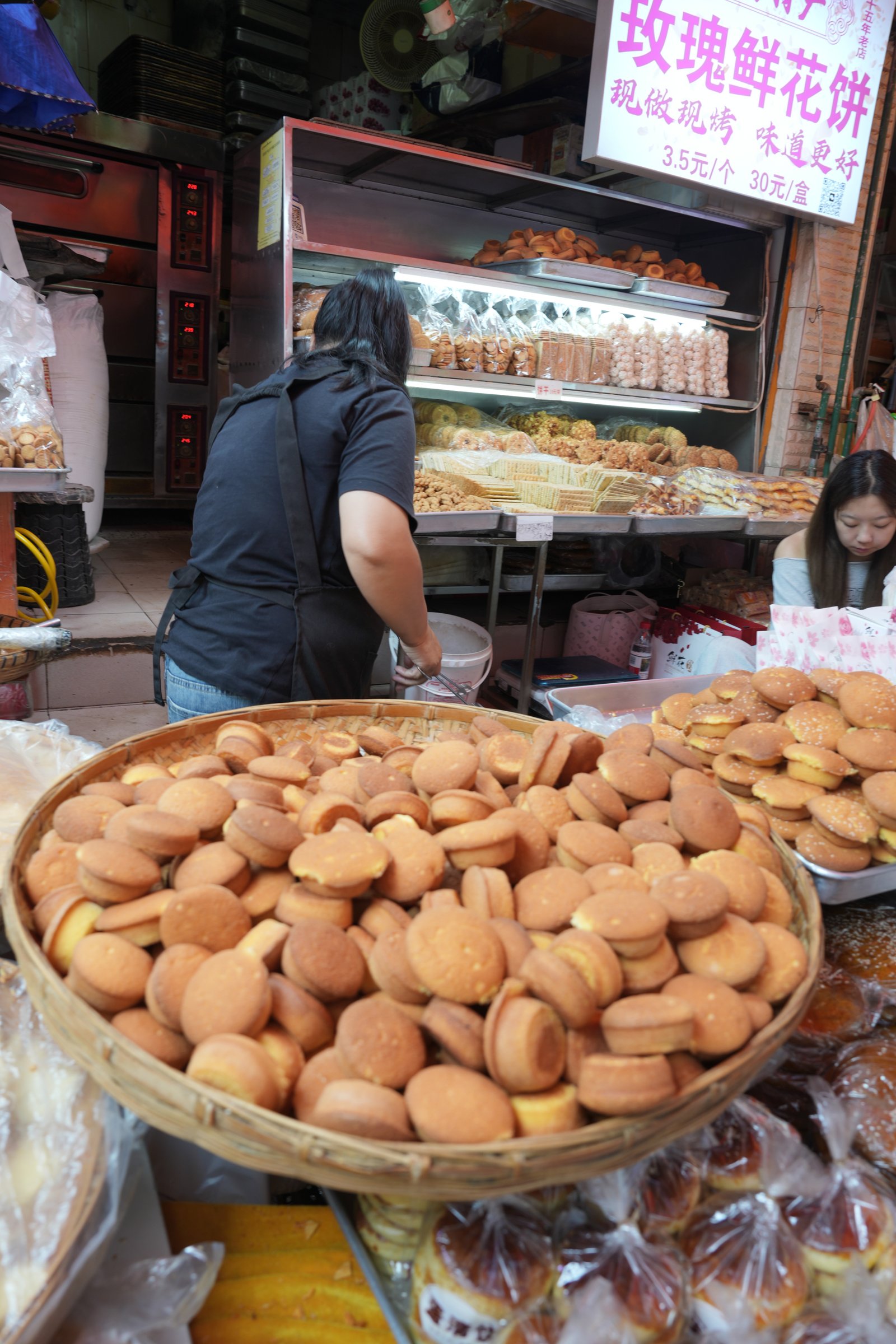
Salt · ageOne of China's three great hams, alongside Jinhua and Rugao. Legs go into salt between the first frost and early spring, hang in the cool, dry air of the Wumeng Mountains, and aren't ready until the following summer at the earliest. Kunming's party trick is the ham mooncake (云腿月饼), sweet and salty at once, which the writer Wang Zengqi ranked the best anywhere. In Kunming: Zuiyunwei (最云味) serves old-leg ham by the plate, with the fat on.
-
Kunming 昆明
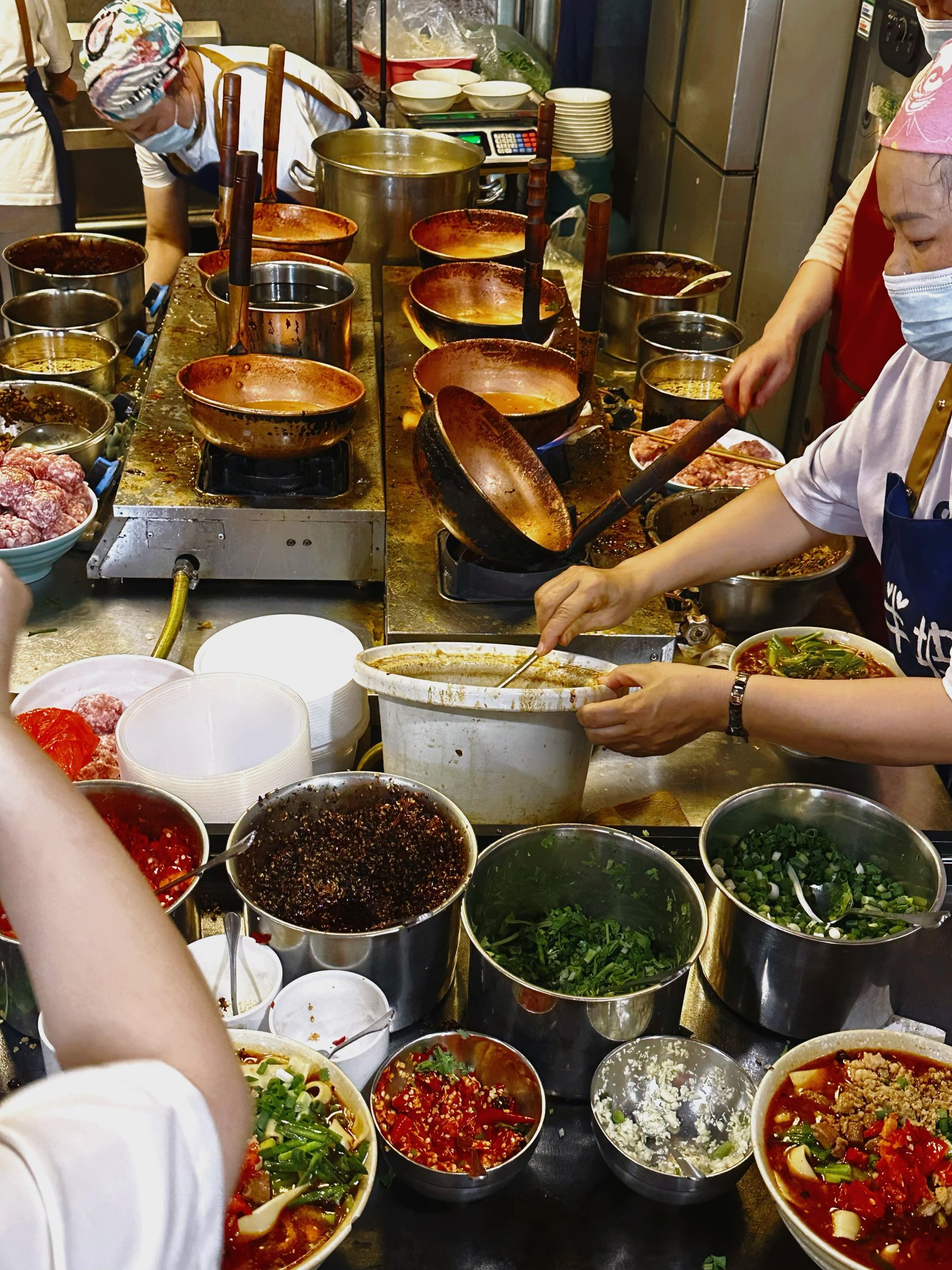
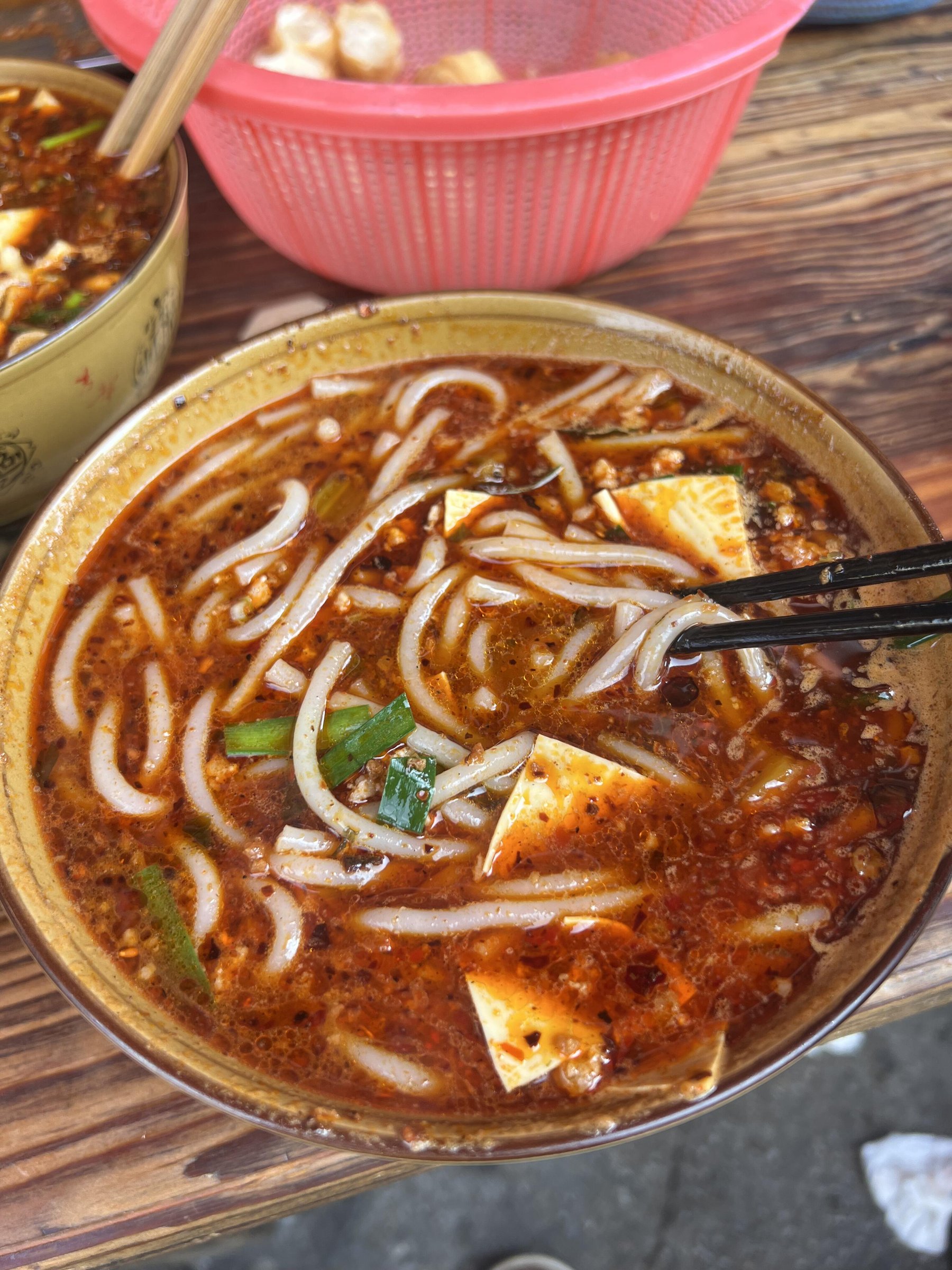
Broth · pickle · chiveThe capital's own cuisine is breakfast. Small-pot noodles (小锅米线) are cooked a bowl or two at a time in a copper pot with pickled greens, garlic chives and minced pork, then finished from the condiment table. Mint goes in too, which nobody warns you about. Add tofu-pudding noodles (豆花米线) and sweet rice wine (甜白酒). In Kunming, obviously: Banpo (半坡) for the noodles, with a queue, and Zhuanxin Market for the rest.
-
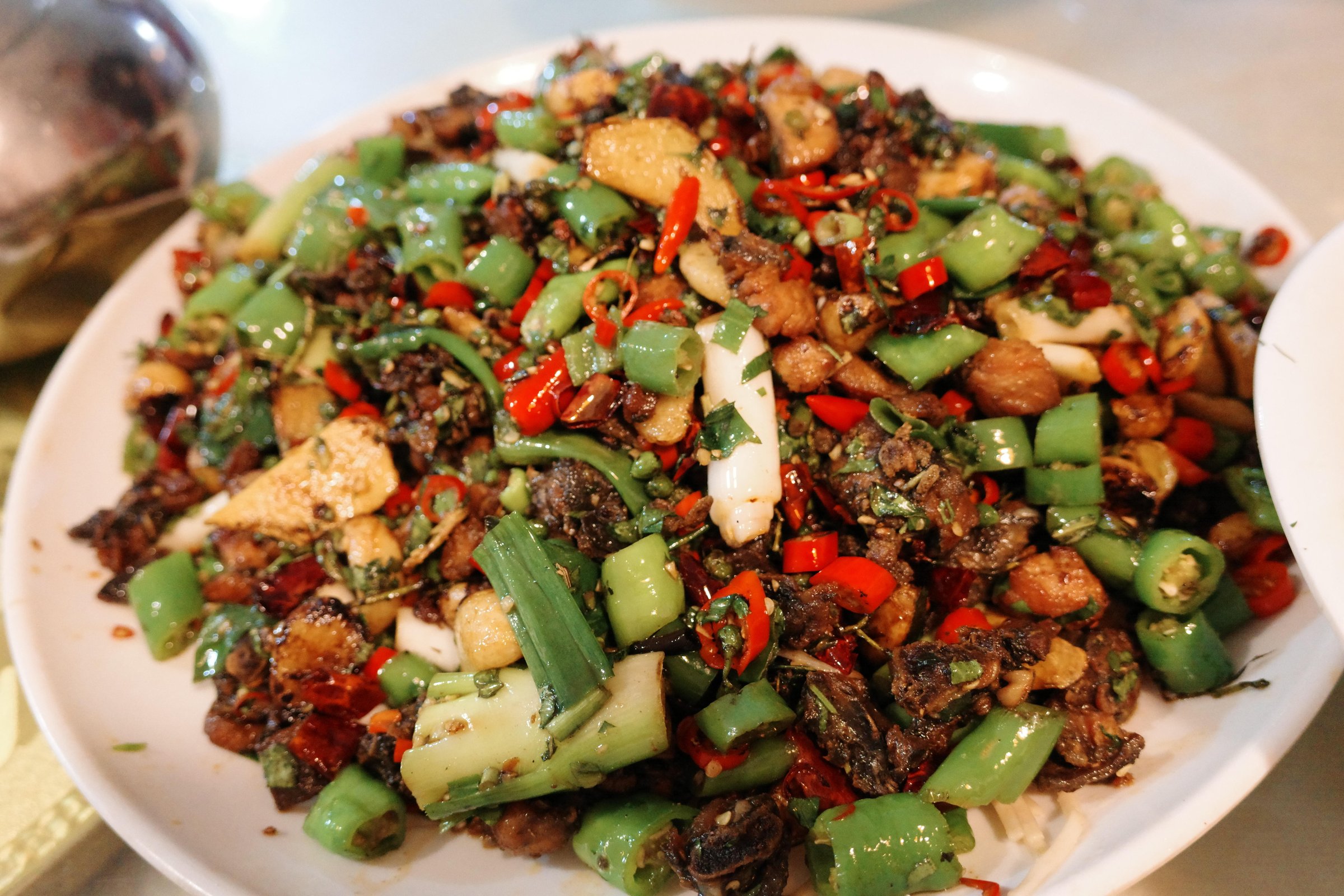
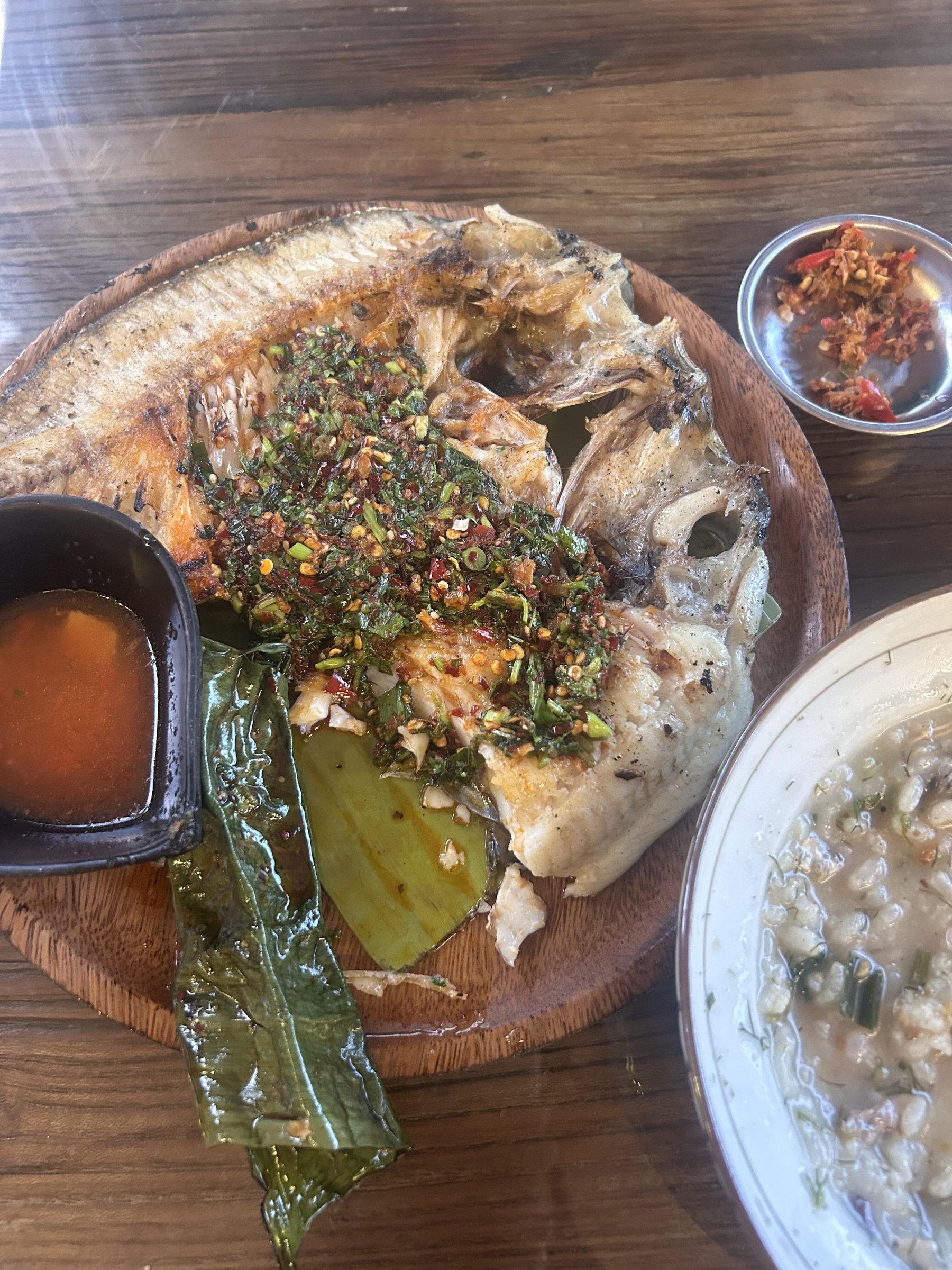
Lincang 临沧
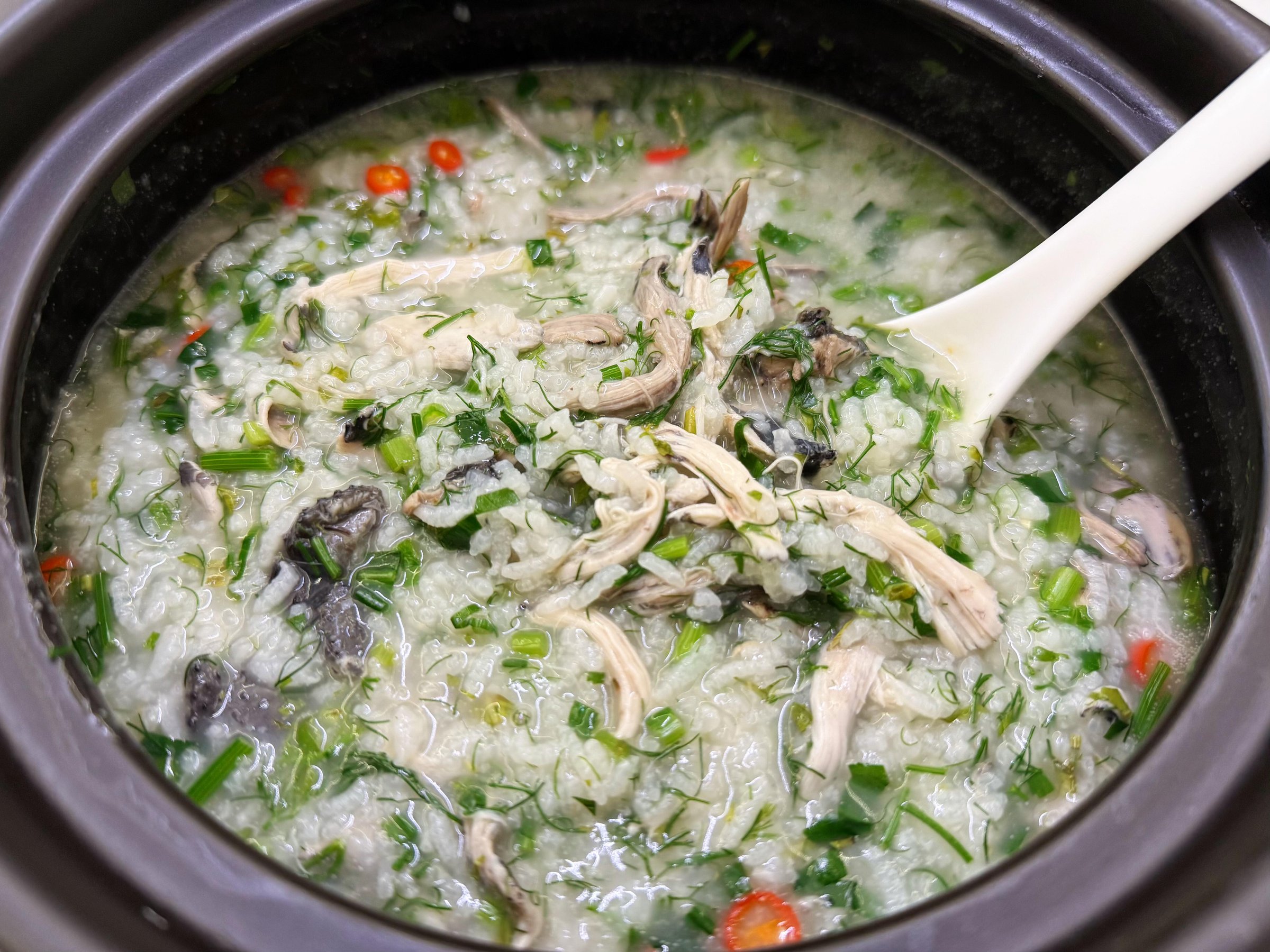
Herbal · tart · greenThe quiet one on this list. Wa cooking from the Myanmar border leans on herbs where others reach for sauce. Chicken rice (鸡肉烂饭) is really a porridge: chicken torn through rice cooked down with fennel and herbs. Wild-tomato fish (野番茄烩鱼) is sharp and clean, and Sichuan-pepper leaves go in with the minced beef. Lincang also gave Yunnan its black tea, Dian Hong, at Fengqing. In Kunming: Lincang Wa Cuisine (临沧佤菜), the restaurant people fly back for.
-
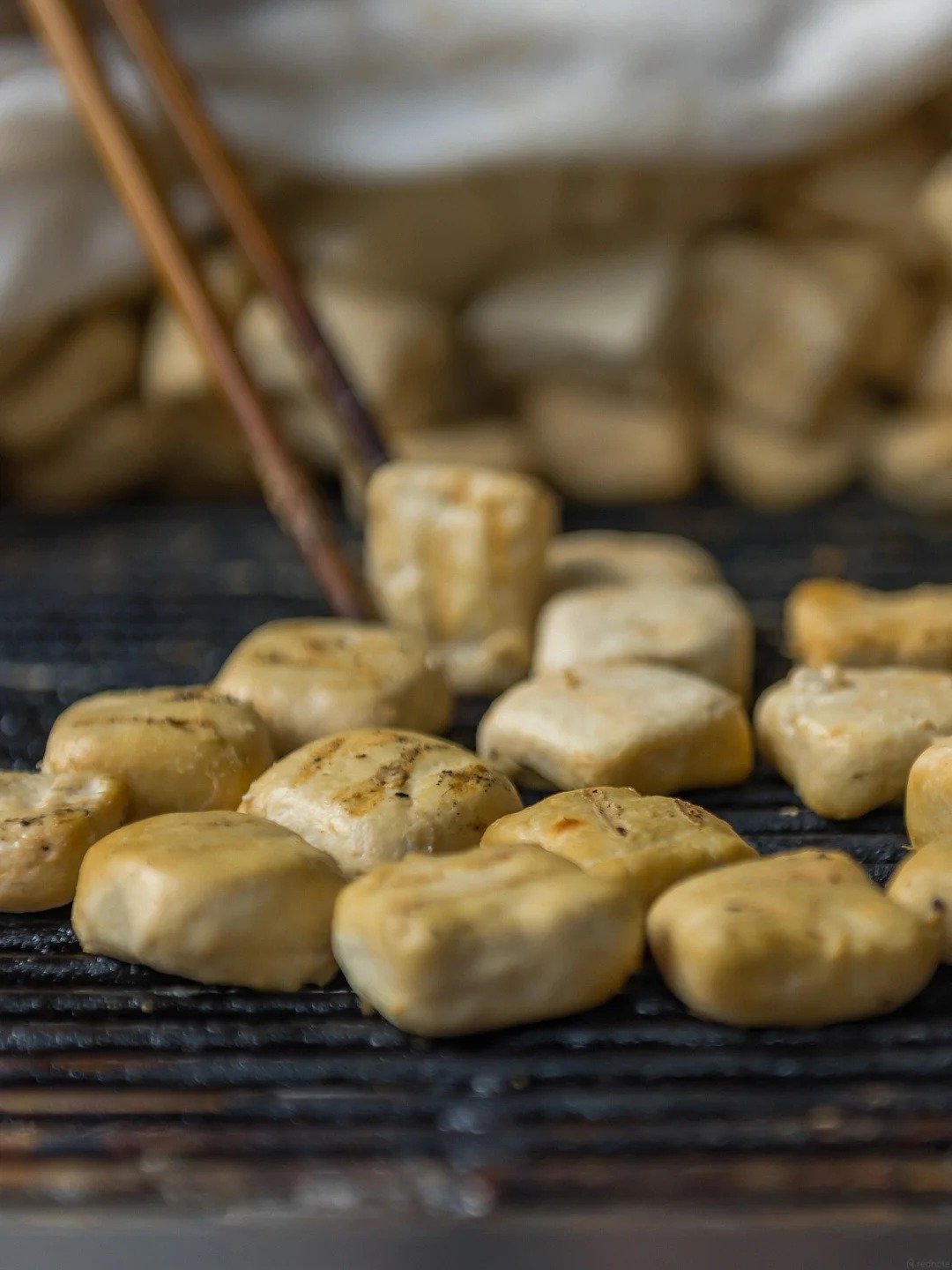
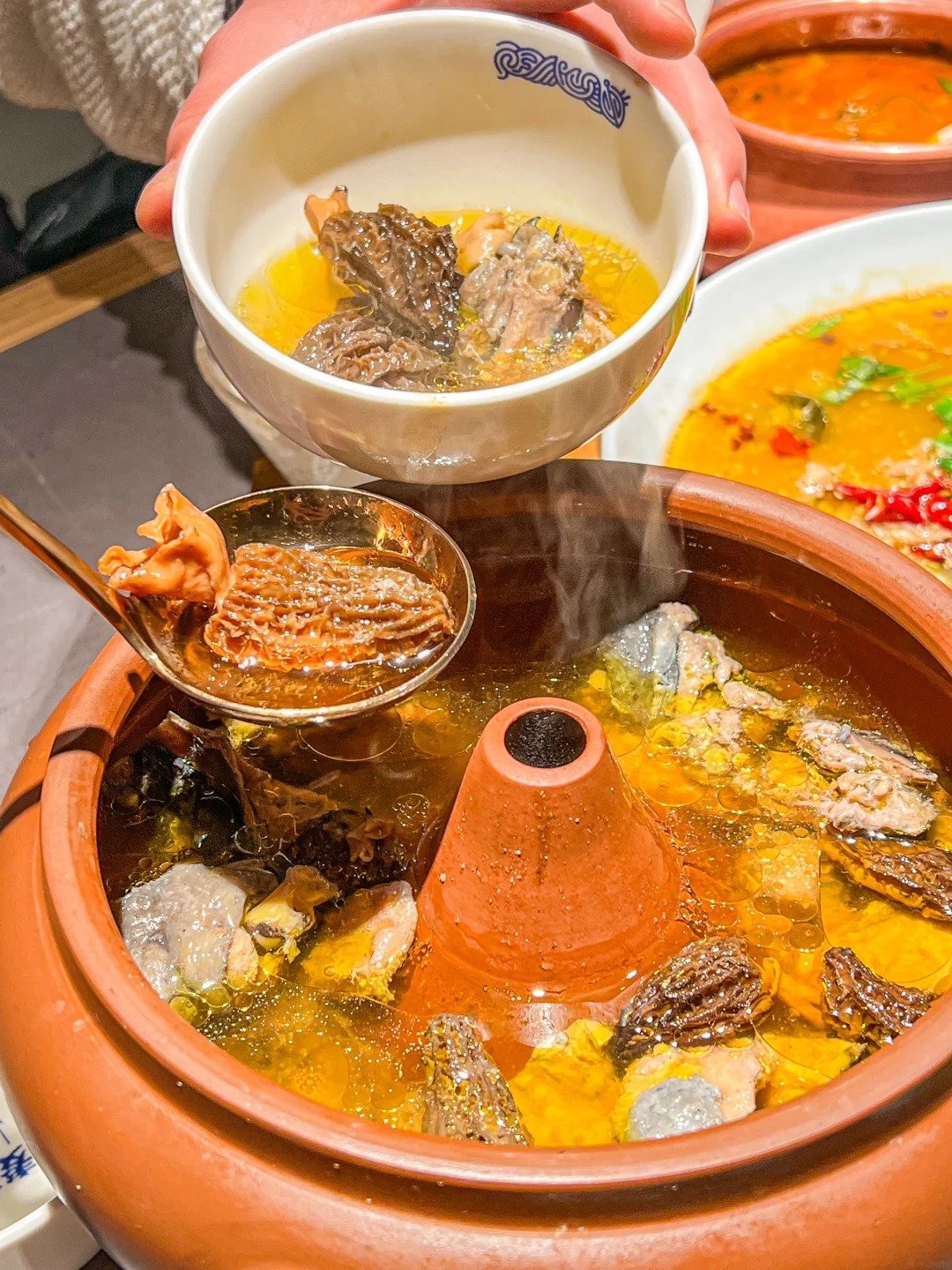
Jianshui 建水
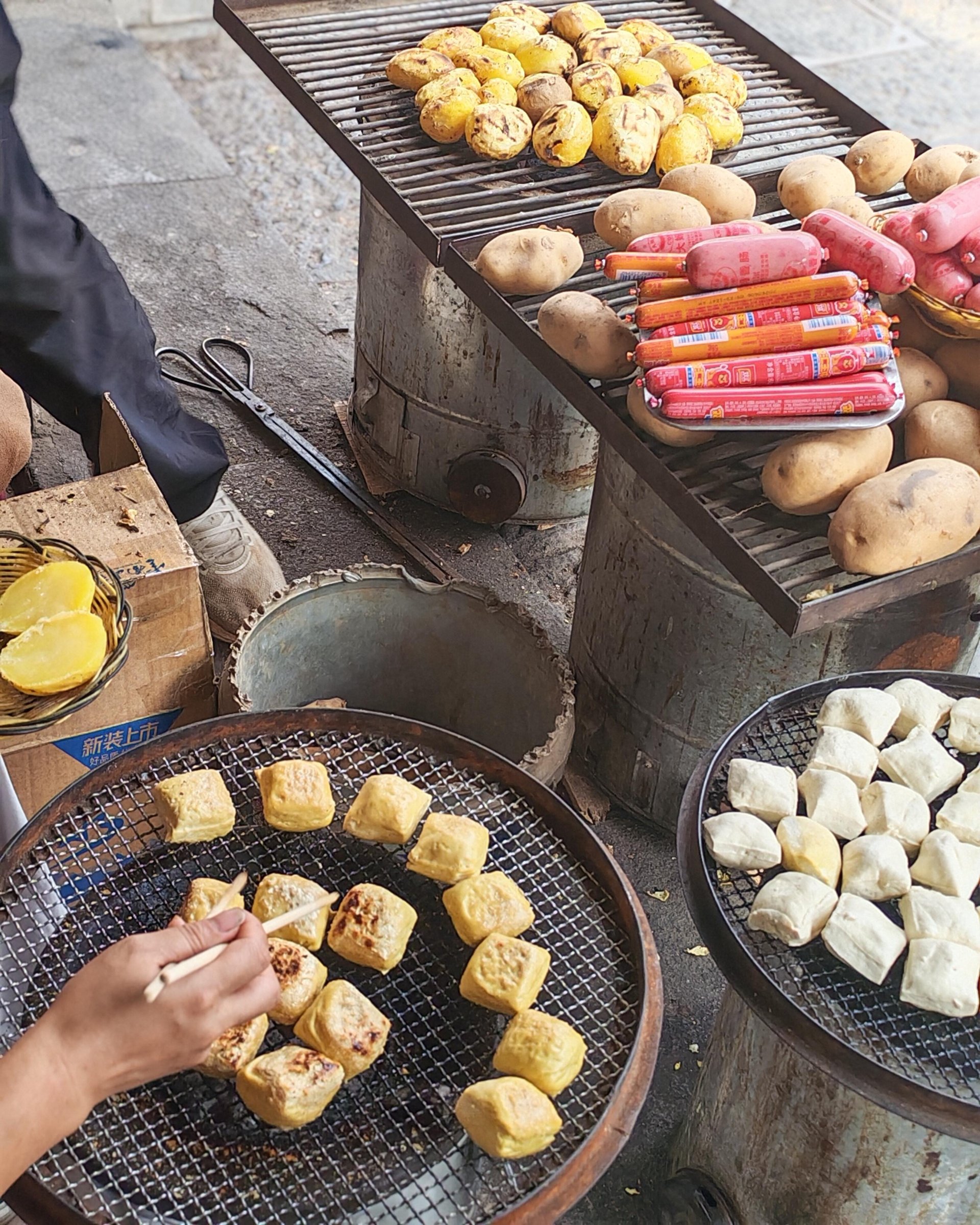
Smoke · funkTofu, taken seriously. It's made with water from the Dabanjing well at the west gate, left until a fine white fur grows, then grilled over charcoal until it puffs. Dips come dry (chilli, Sichuan pepper, salt) or wet (fermented tofu, garlic oil, tiny chillies), and your cubes are counted in corn kernels. Jianshui's purple clay also gave Yunnan the steam pot (汽锅) and its chicken, cooked by steam alone. In Kunming: Ding Dajie's Jianshui grill (丁大姐建水老地方烧烤).
-
Wenshan 文山
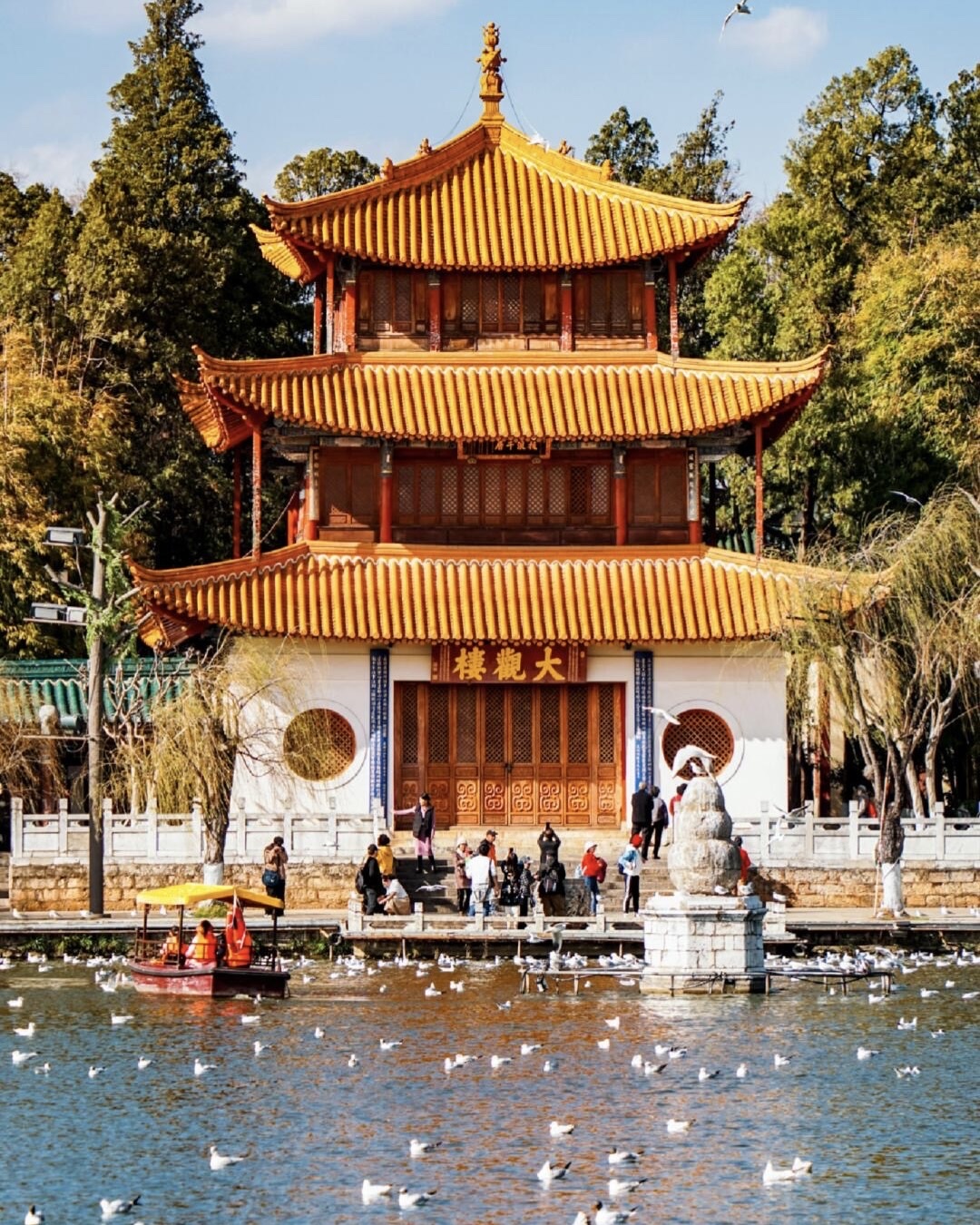
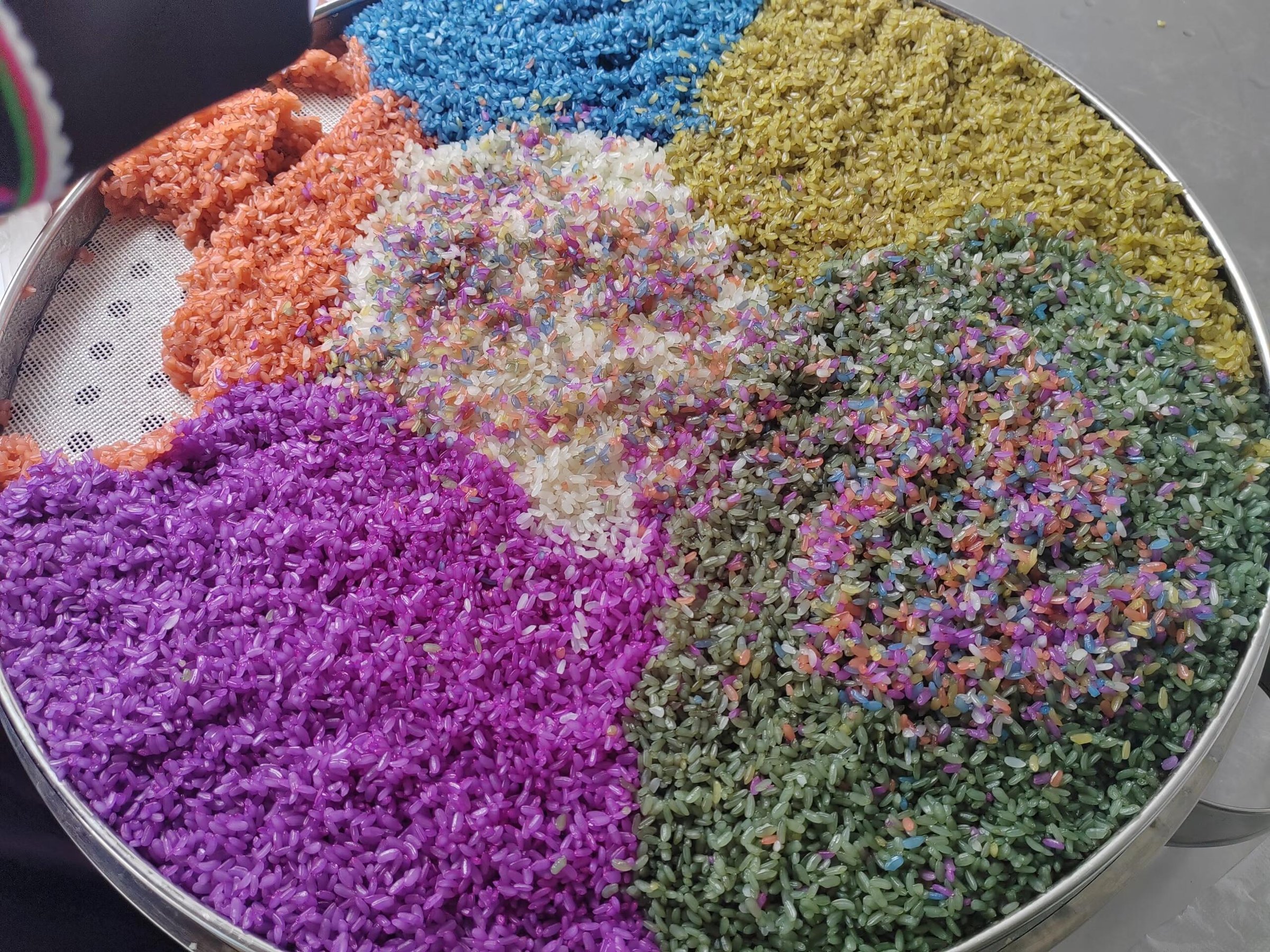
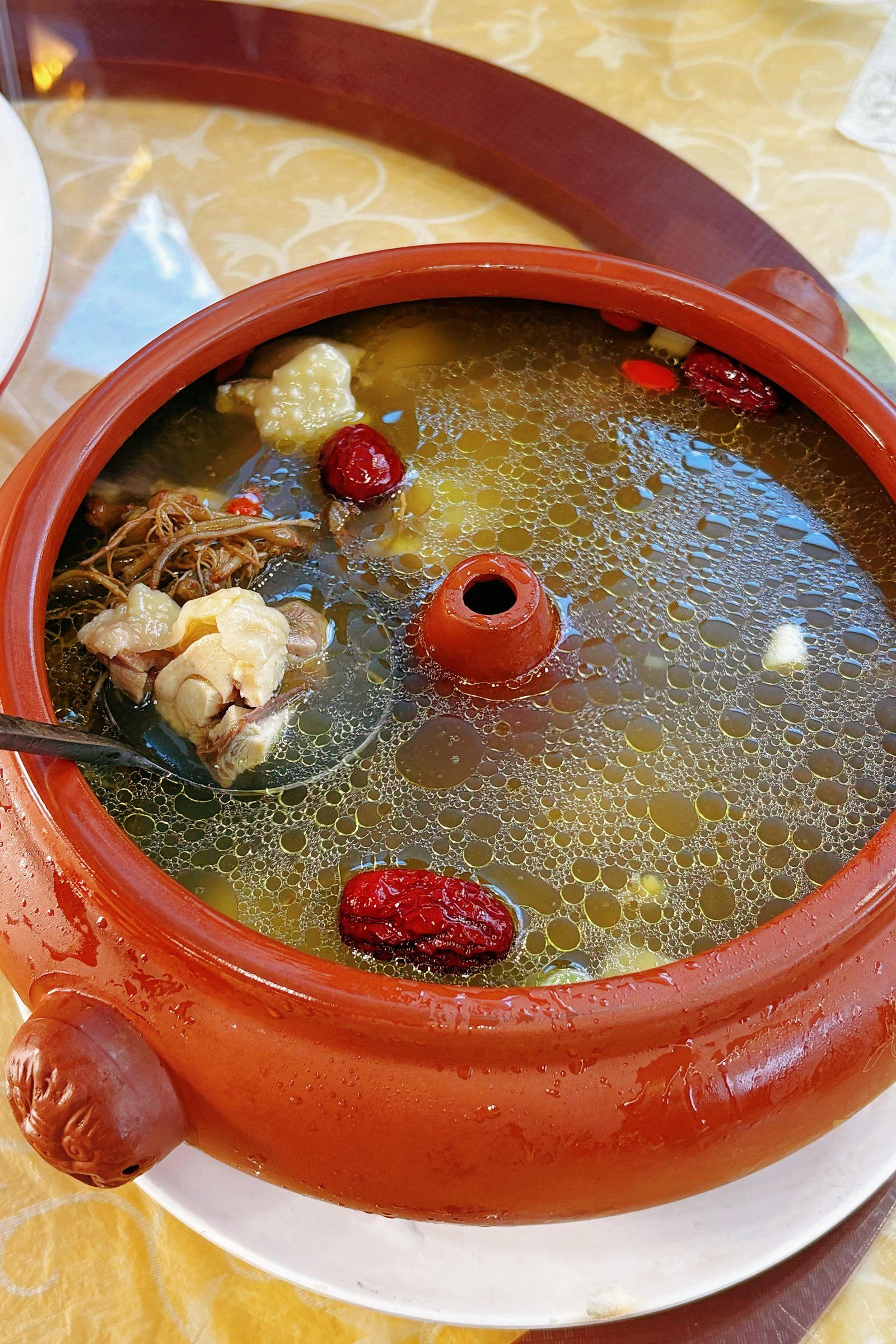
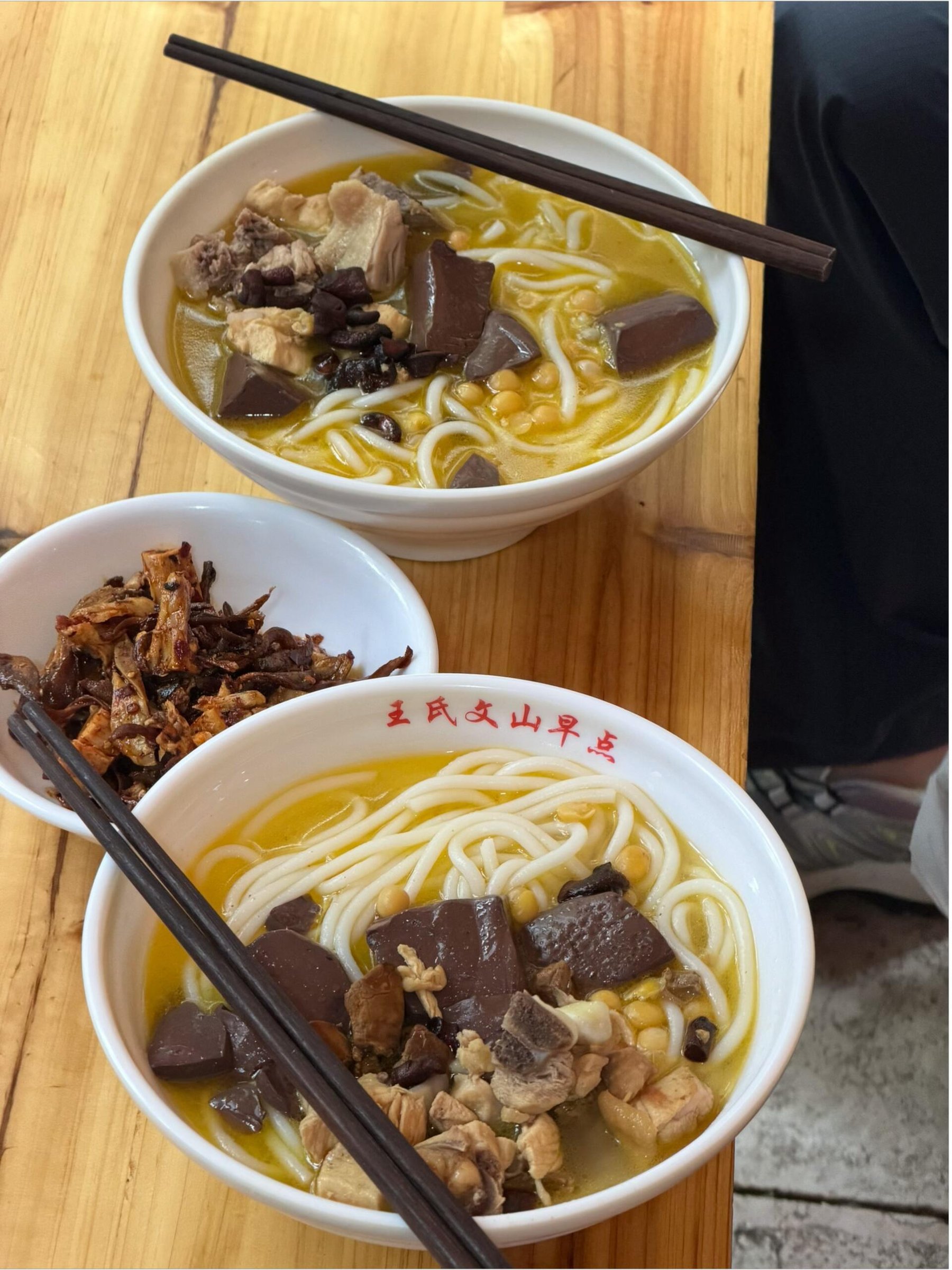
Root · broth · colourZhuang and Miao country on the Vietnamese border, and the home of sanqi (三七), the medicinal root almost all of China's supply comes through. Here it goes into steam-pot chicken (三七汽锅鸡), rich with a faint bitterness. Flower rice (花米饭) is festival food: sticky rice dyed with plants, five colours to a steamer. In Kunming: Wenshan Hexianju (文山荷鲜居) on Ranbu Lane, by Green Lake, has made chicken-broth noodles for over 20 years, and a version of the rice turns up at Zhuanxin Market.
Before you book
01 Can anyone really eat eight regions in a day?
Not as eight meals. It's four or five sittings of shared plates, mostly small, and you can stop whenever you've had enough. If you fall for two regions and ignore the rest, that's the day working as intended.
02 I don't do chilli. Should I still come?
Yes. Much of Yunnan's heat arrives in a dip on the side, so it's yours to control. Say so at breakfast and the day leans towards Dali's dairy, Kunming's broths, Xuanwei's ham and Wenshan's chicken.
03 Will I be served anything raw or risky?
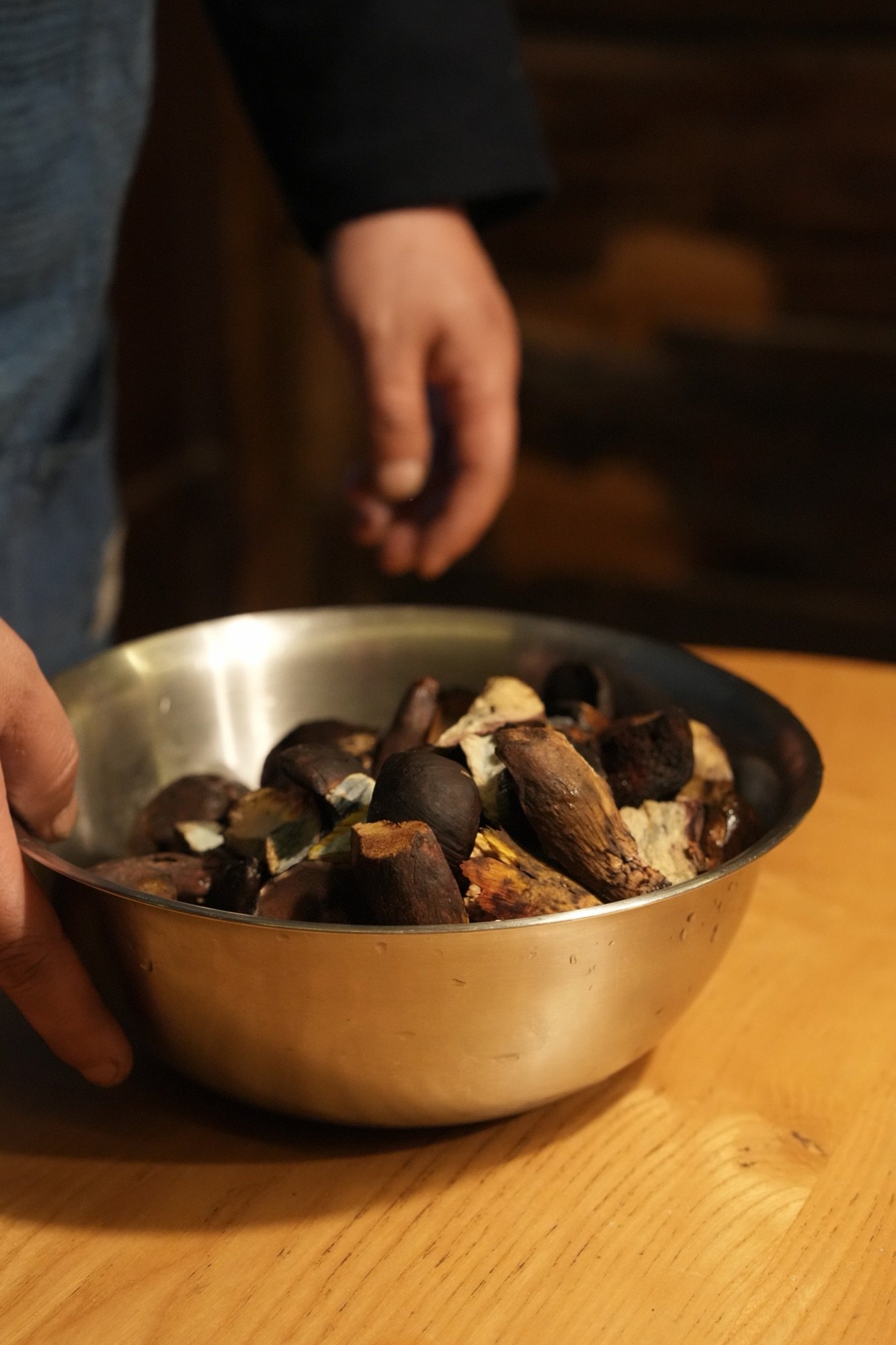
Only if you ask. Dali's raw pork skin (生皮) and Dehong's raw-beef dishes are strictly opt-in, at kitchens your guide knows. Wild mushrooms appear only in season, roughly July to October, and only cooked through by a restaurant that handles them every day.
04 Does it work for vegetarians?
Only partly. Yunnan cooks with lard and ham more often than the menu admits, and most of these eight cuisines are built on meat. Tell us early and we can shape a lighter day around tofu, flower rice, rushan and rice noodles, or point you to our vegetarian journey through the small towns of Dali.
05 When should we come?
Any month. These dishes run all year and the market changes around them, with edible flowers from February to April and wild mushrooms from about July to October.
06 Can we add it to a longer trip?
Yes. It works as the first or last day of a Yunnan journey, since most routes through the province pass through Kunming.