A Vegetarian Retreat in Dali's Small Towns
Ham country has vegetarian corners, if someone reads the kitchen for you
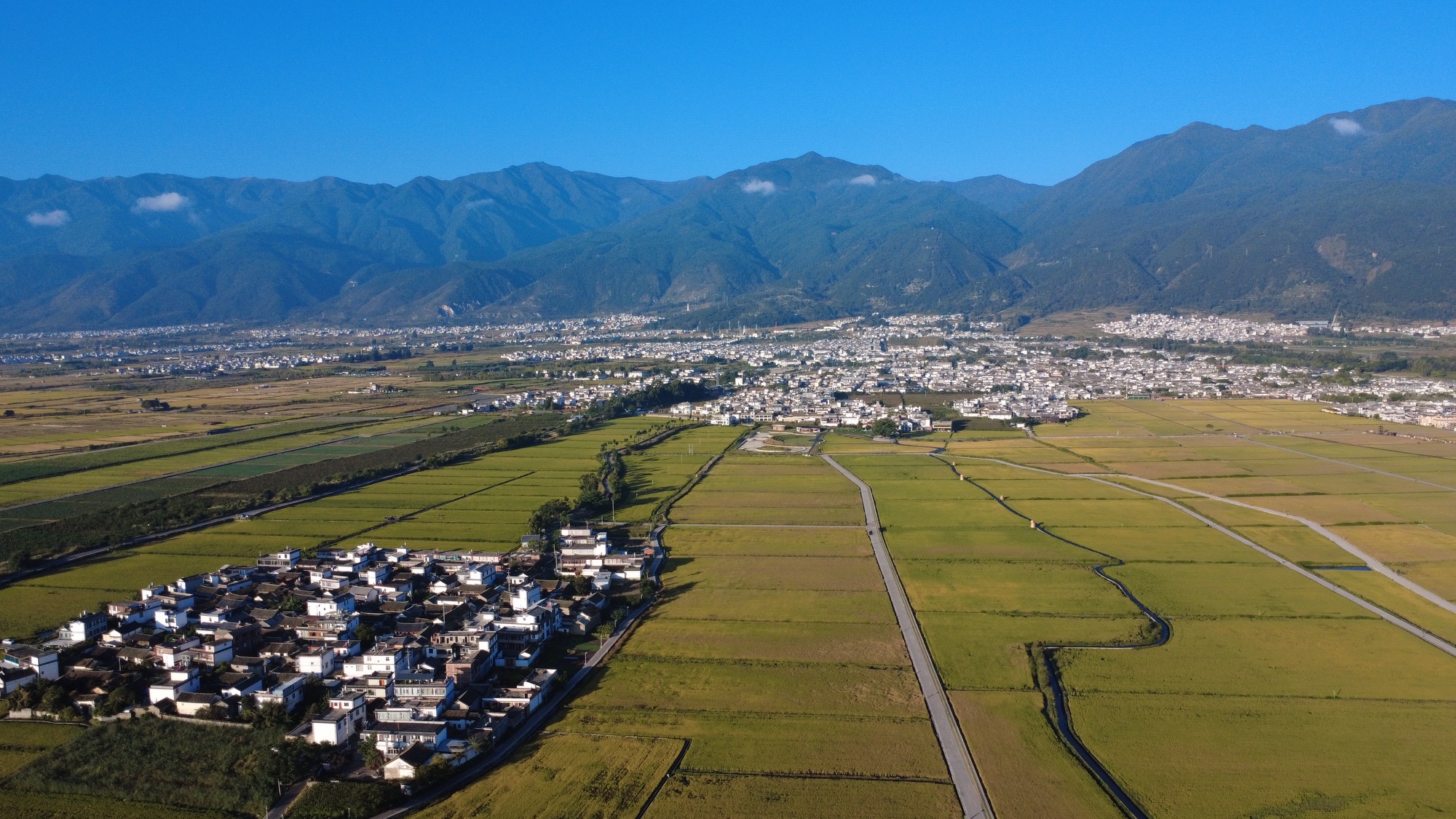
Nobody comes to Dali prefecture for the vegetables, and that is rather the point. In the Bai towns around Erhai the default is ham and lard, and milk fan on the grill. Tucked in among them is a growing thread of kitchens doing something else: nuns serving lunch from a counter on Cang Mountain, a university job traded for a stove on a Shaxi lane, plant-based tables that name the farm your potatoes came from. We link them with long walks, tea and hot water and send a guide ahead into the kitchens. You don't have to be vegetarian to want this. You just have to fancy a week of eating well and feeling better afterwards.
Ask about this experienceA Dali vegetarian retreat is six to eight private days in the small towns around Erhai for parties of 2–8: Xizhou, Shaxi, the Niujie hot springs and the foot of Jizu Mountain. Food comes first, from vegetarian courtyard kitchens and temple canteens to plant-based tasting menus, with a guide who checks every kitchen for hidden lard and ham stock. There's tea, walking and quiet rather than a programme. You don't need to be vegetarian to enjoy it. Best March to May and September to November.
The experience
- WhereXizhou, Shaxi, Niujie in Eryuan and the foot of Jizu Mountain, staying out of Dali Old Town
- What you eata courtyard vegetarian kitchen, a nunnery canteen, new plant-based tables and a Buddhist mountain's temple lunches
- What is plainly vegetariantemple meals and most kitchens listed here; only some are fully vegan, and we name which
- How the days feeltea, walking, quiet and one night in hot springs; no fasting, no monastery bunks
- How it runsa private trip for your party of 2–8, with a guide who briefs each kitchen before you arrive
The retreats
-
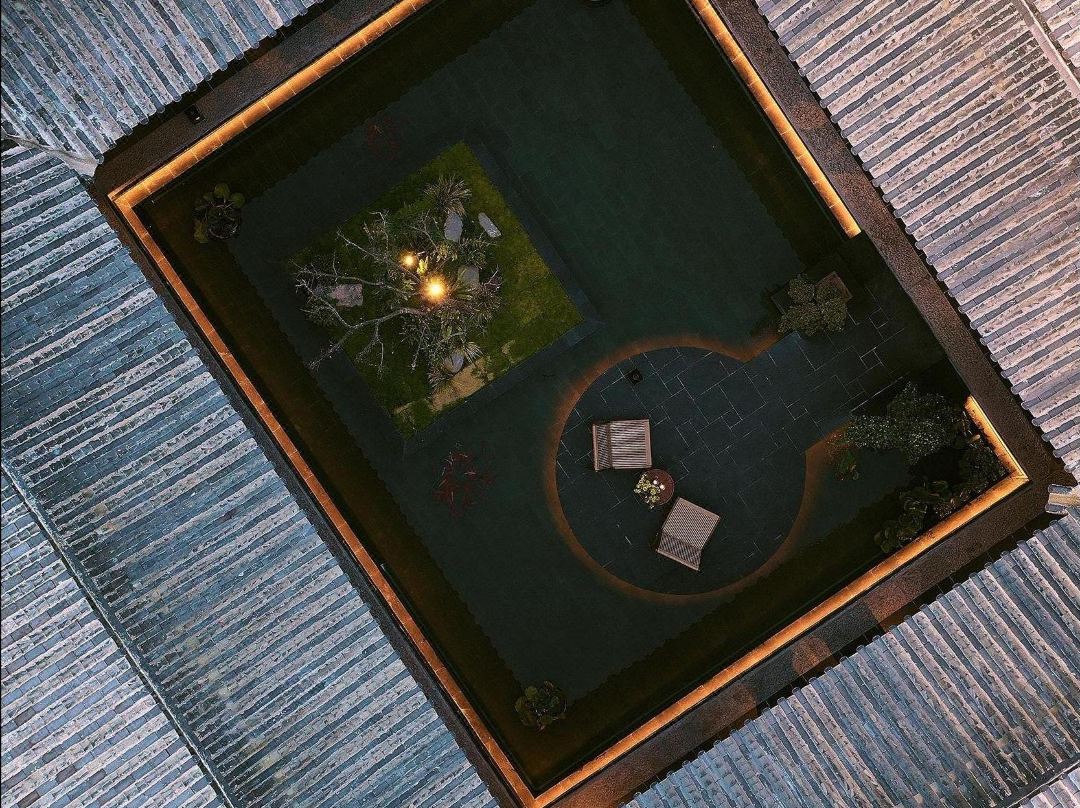
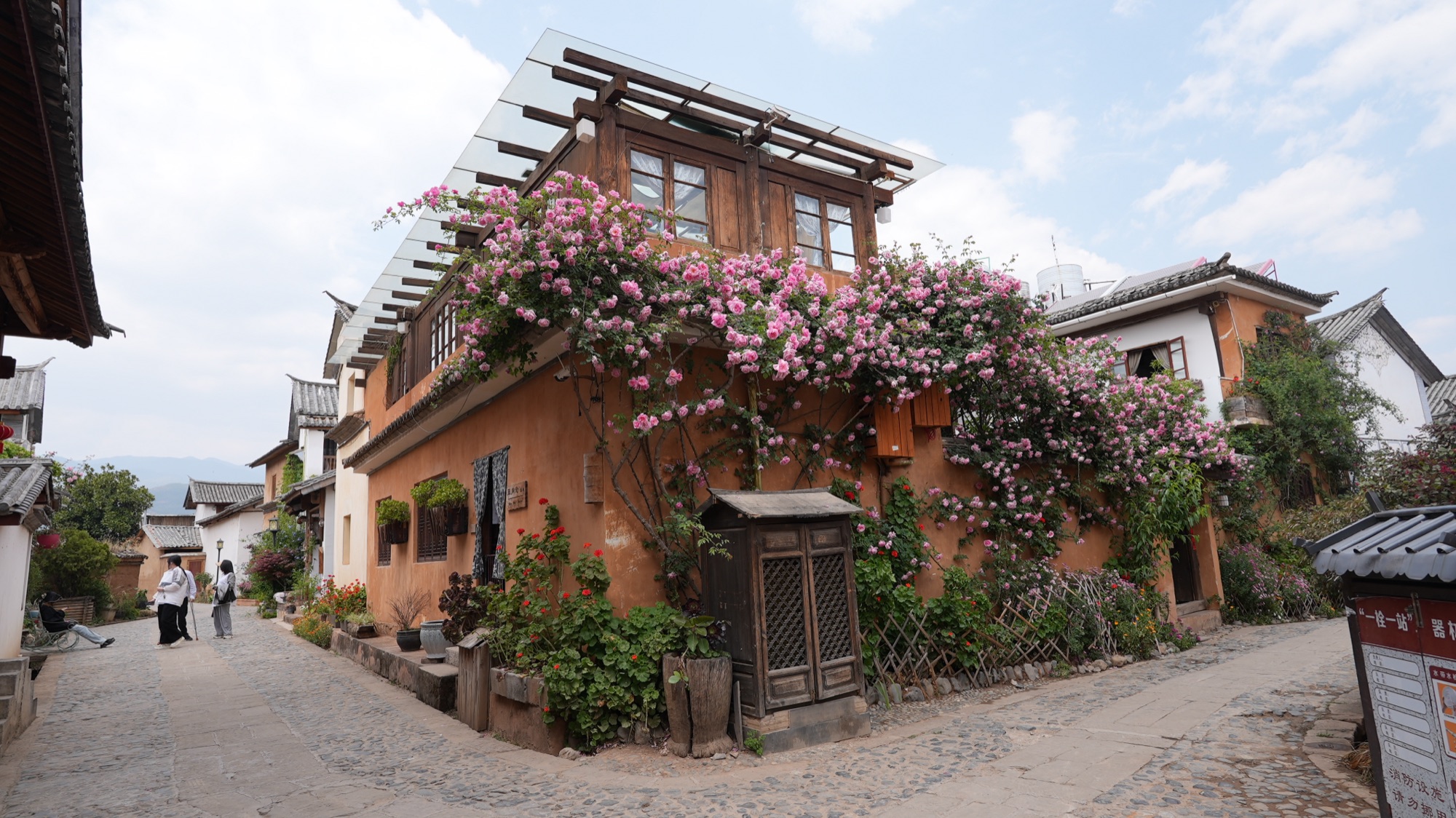
Xizhou: the courtyard kitchen
Kitchen · XizhouNine rooms in the centre of Xizhou share a courtyard and a kitchen: a vegetarian restaurant, 無相颂, the sister of the vegan buffet in the Old Town. Rice noodles at breakfast, set menus at lunch and dinner. We ask for the hot dishes. The courtyard does the rest.
See the day-by-day -

Jizhao Nunnery
Temple canteen · Cang MountainA working nunnery at the foot of Cang Mountain's Shengying Peak feeds visitors a ¥20 self-service canteen lunch. You queue with everyone else, finish what you take and rinse your own bowl. We go in the morning, and never on a lunar 1st or 15th, when it's overrun.
-
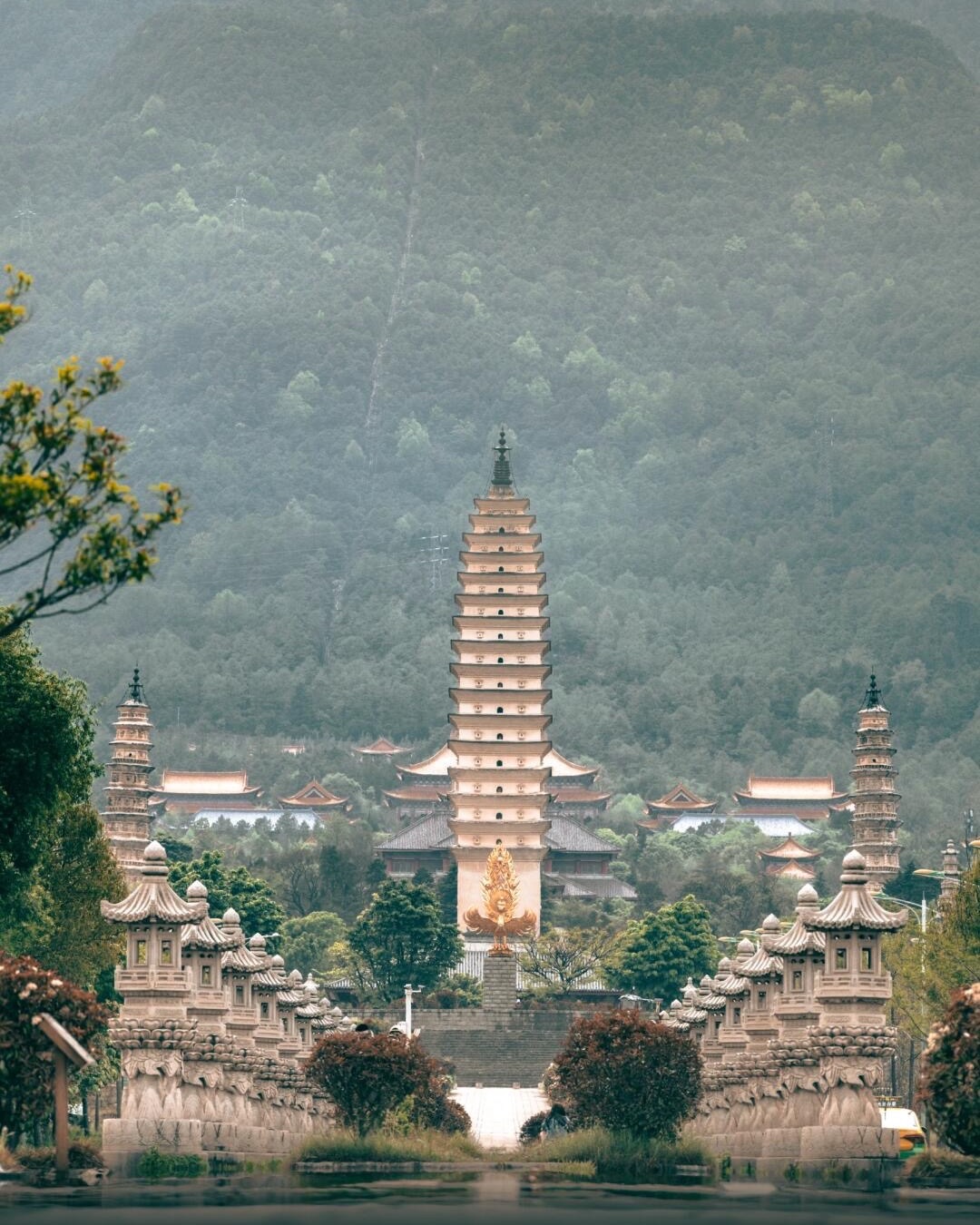
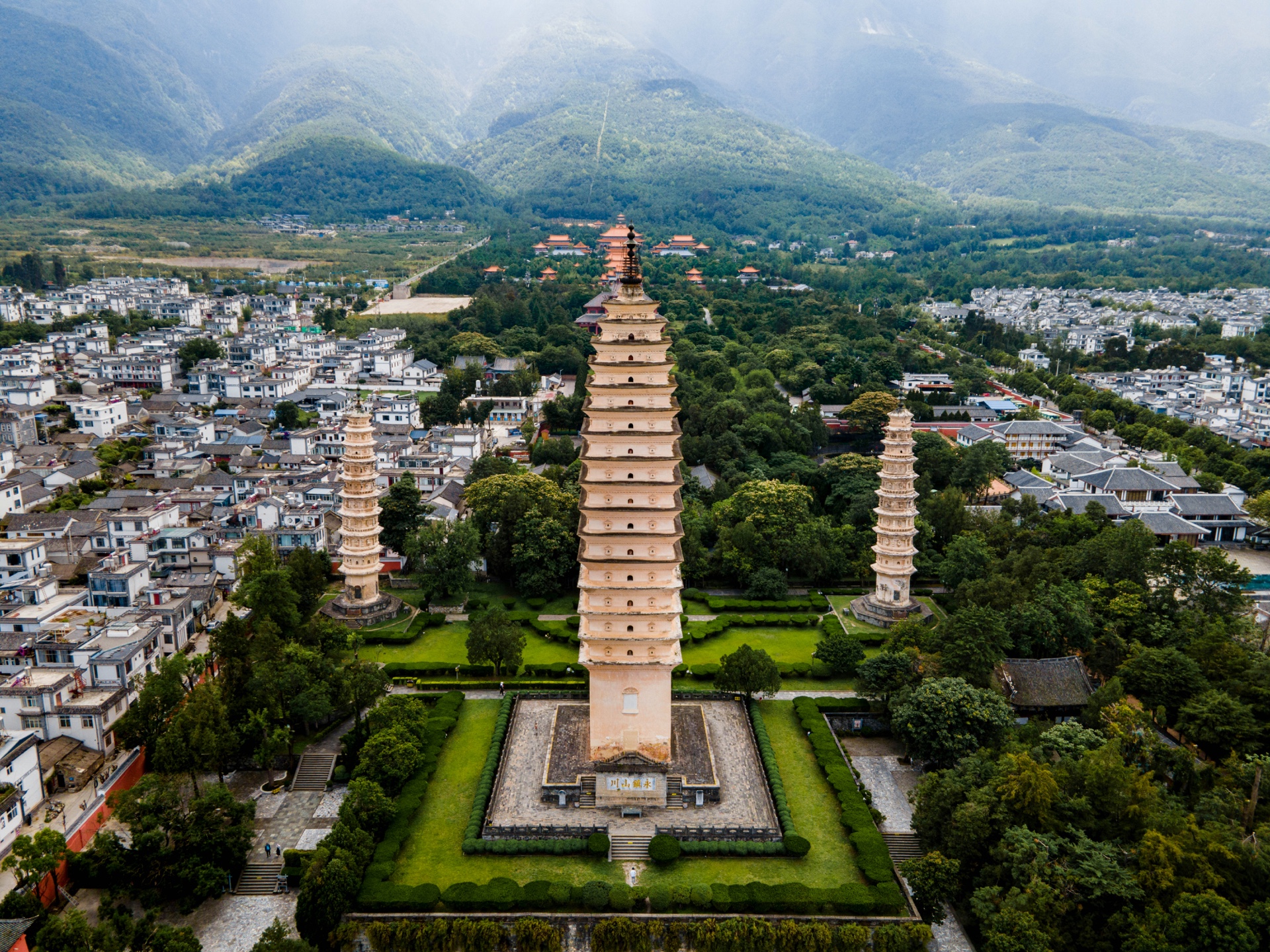
The Three Pagodas vegetarian street
Plant-based street · Three PagodasBeside Chongsheng Temple, a red-walled street of about 424 metres now holds more than a dozen vegetarian places: wild-mushroom dishes, hand-made dumplings, vegan hotpot, egg- and dairy-free sweets. Half an afternoon, a cup of tea from Bodhi Tea, and home to Xizhou.
-
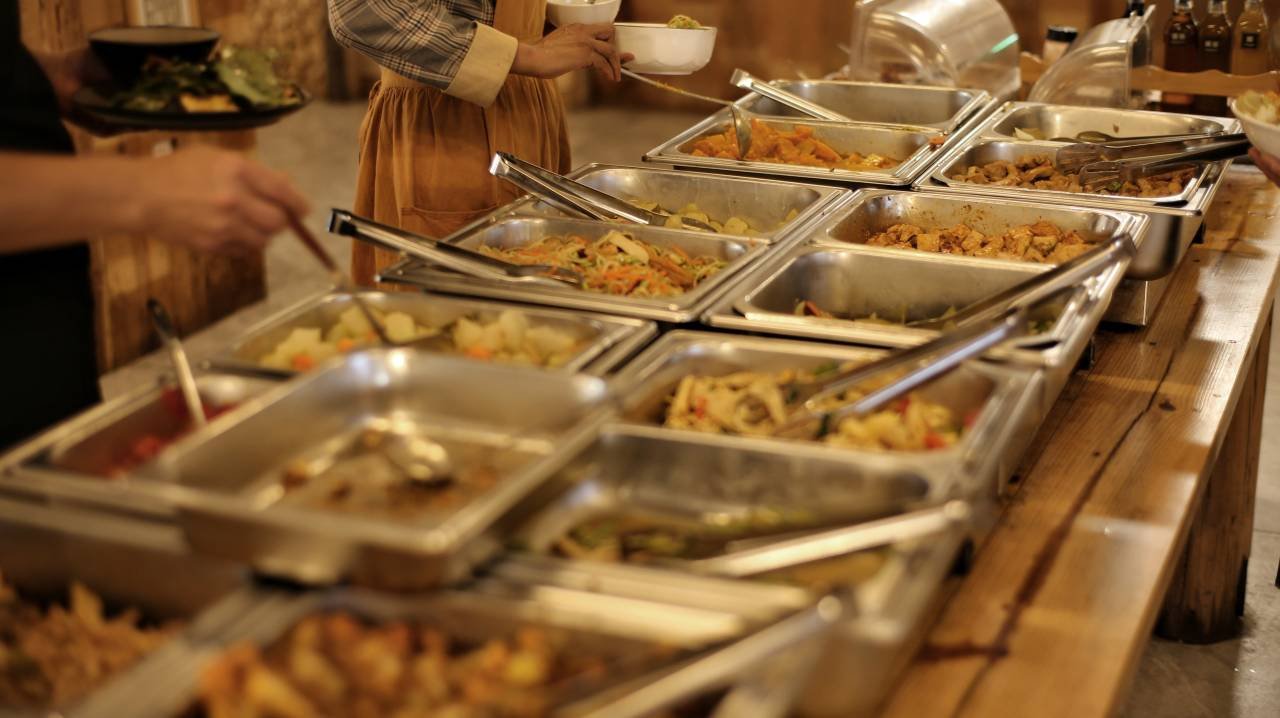
Veggie Ark
Kitchen · Ximen, DaliAn organic campus on the plain near the Old Town: a low-priced buffet of vegetables from its own farm, a shop, a book corner and a tea room. Plain, not pretty, and much cheaper than it needs to be.
-
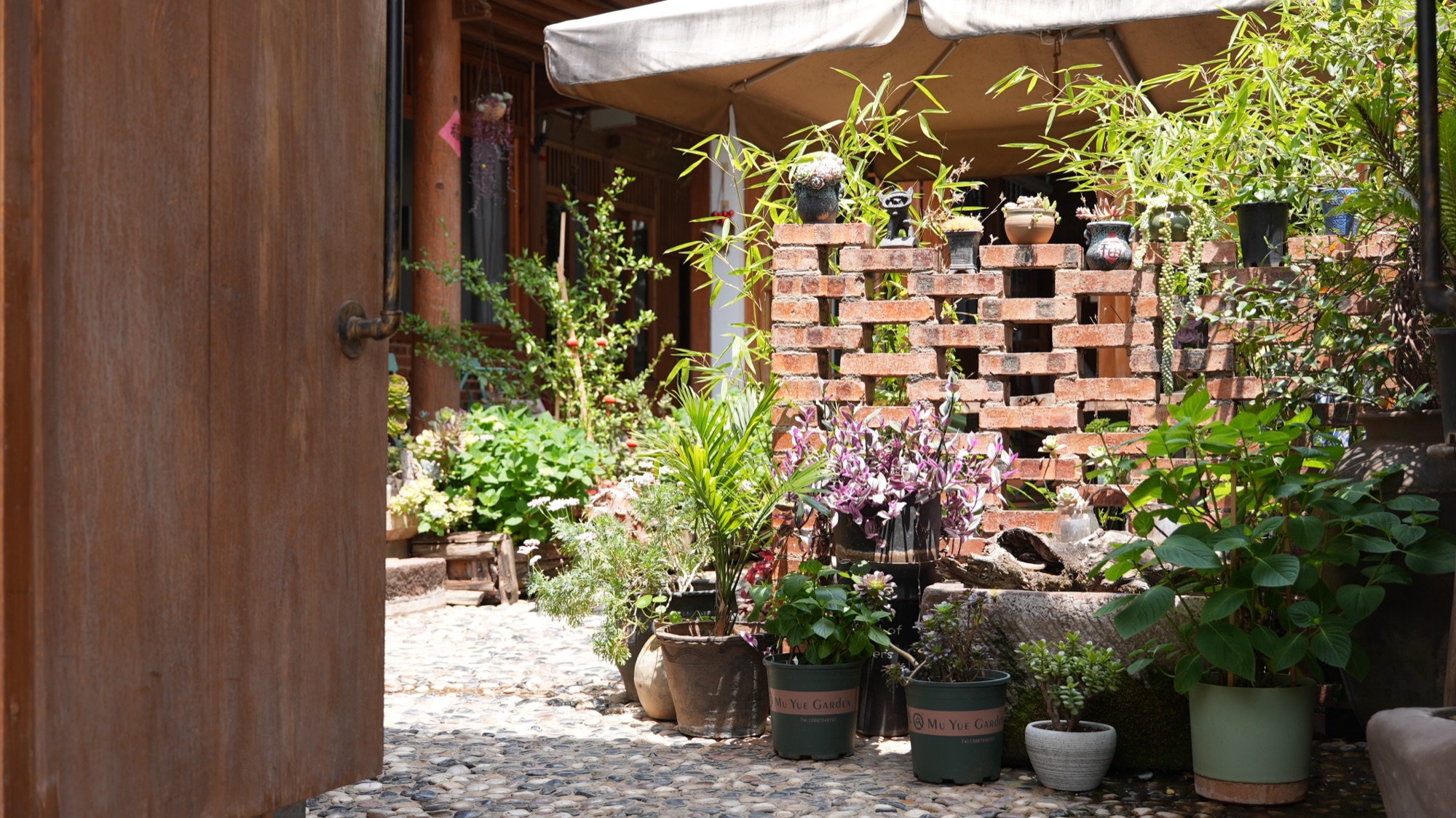
Shaxi: the new kitchens
Town · ShaxiShaxi's vegetarian tables are young. Lu'er Suxinji cooks a small, set, reservation-only menu from what the market had that morning, and Bu'er Yantang near the East Gate does porcini fried rice and tofu soup with no fuss. The second has eggs on the menu; ask at the first.
-
Shibaoshan
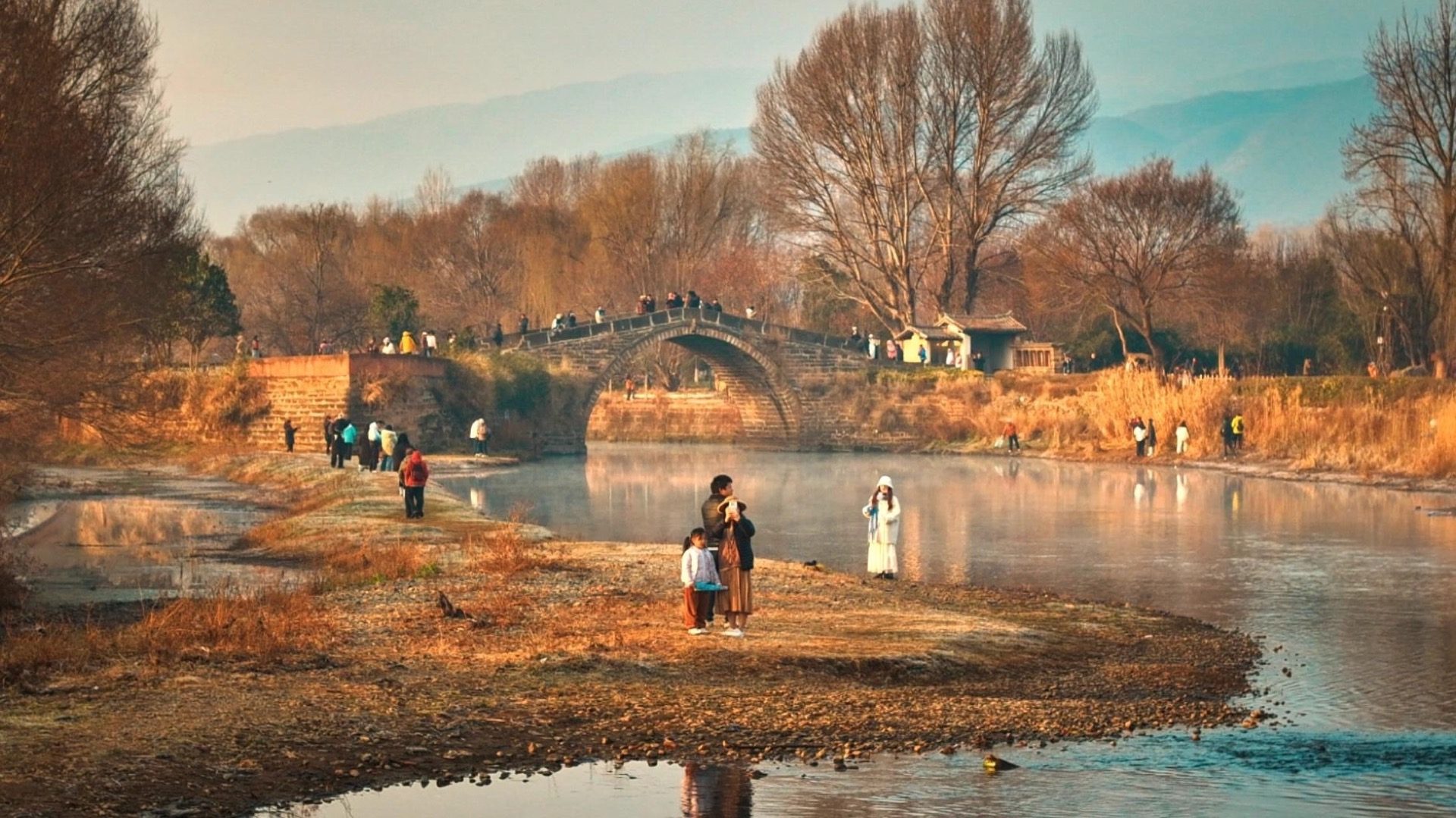
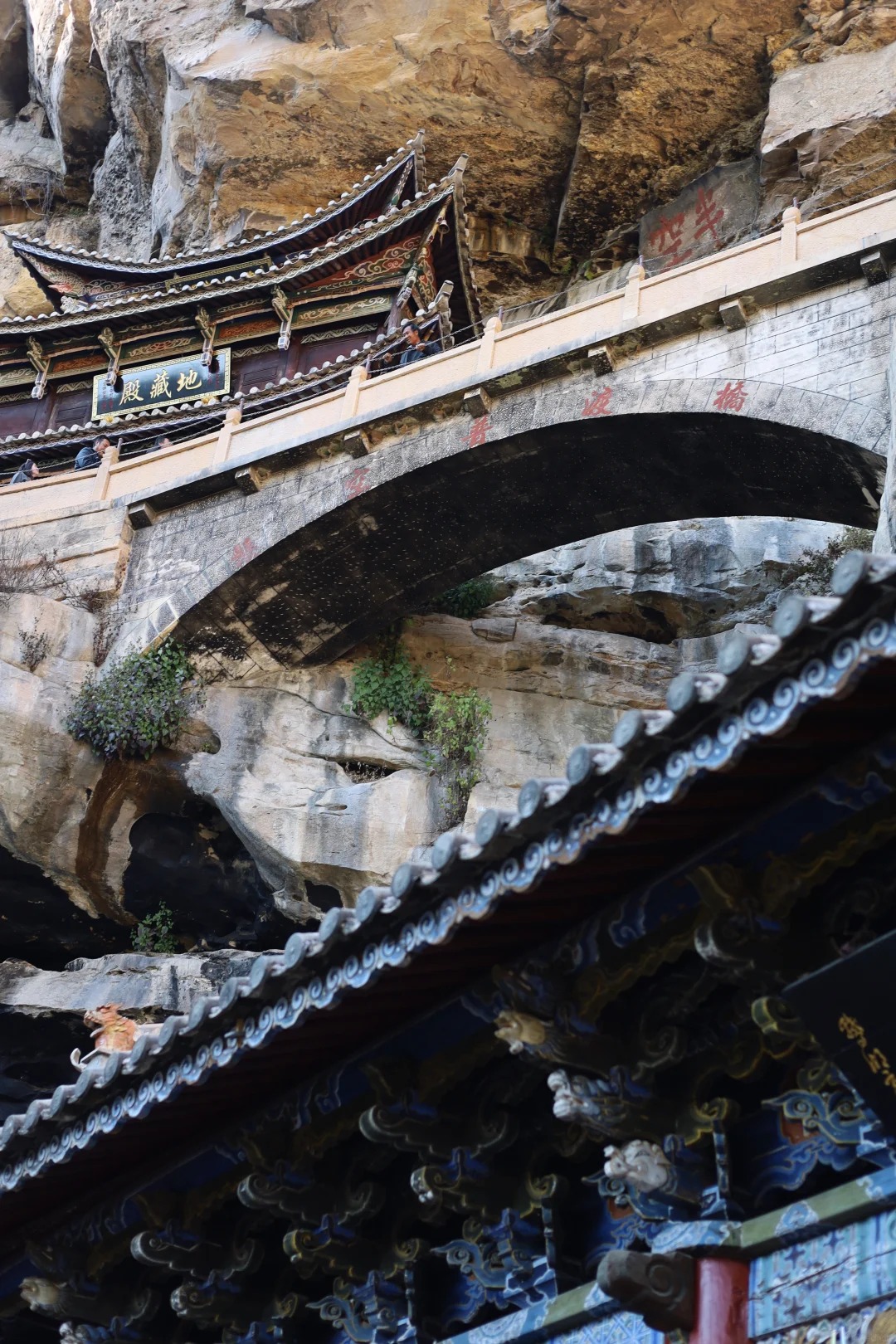
Temples · ShibaoshanShibao Mountain, above Shaxi, is a Buddhist site of temples and red-rock grottoes dating to the Nanzhao kingdom. Climb from Baoxiang Temple to Jinding Temple for a pot of tea on the cliff edge, or stay on the path below it and leave the climbing to the pilgrims.
-
Niujie and the milk fan
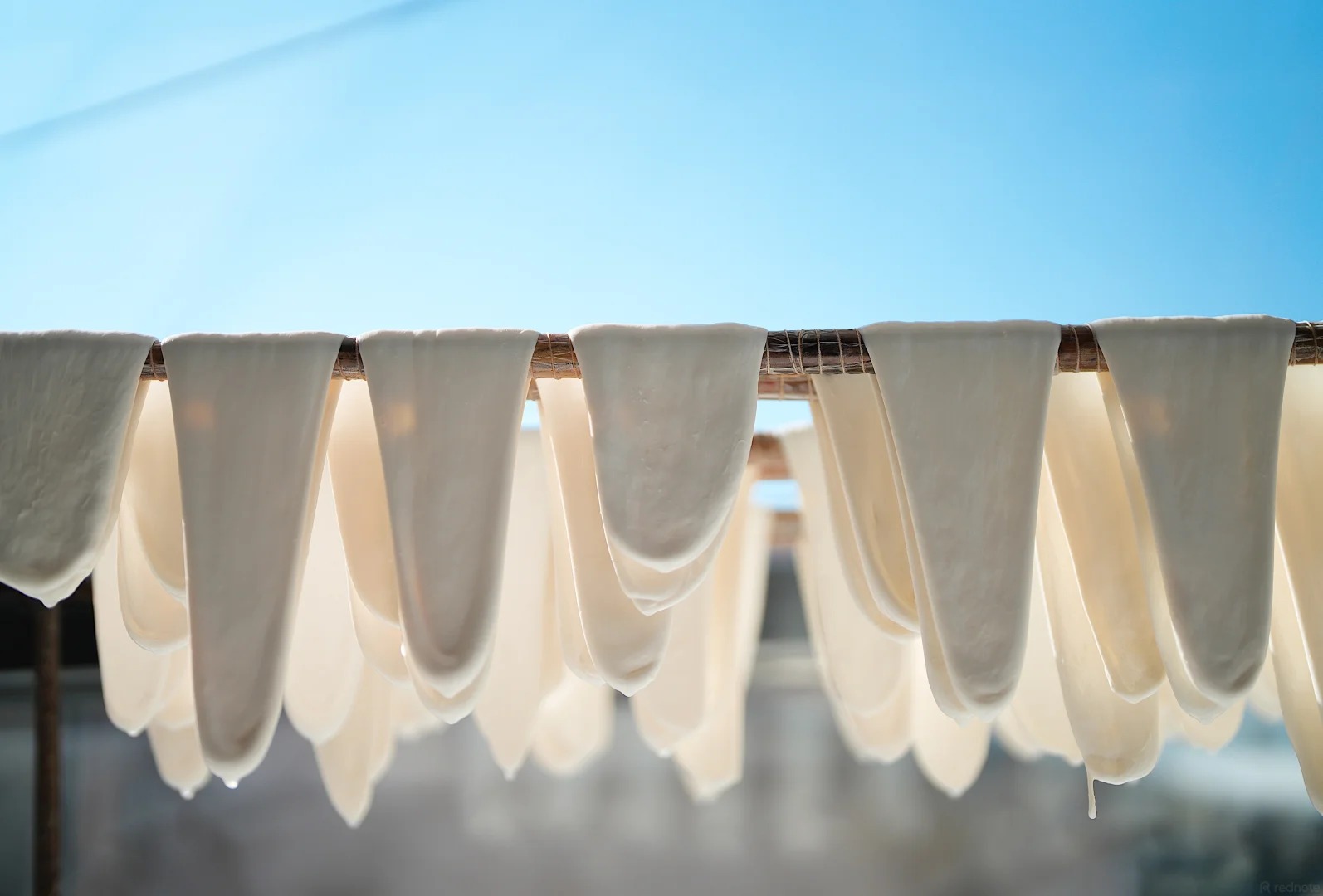
Hot springs and dairy · EryuanEryuan county's hot springs at Niujie give the trip its one idle night. It is also dairy country: rushan (乳扇), the milk fan, dries on bamboo here and turns up on most tables. Lacto-vegetarians should try it grilled. Vegans should have the guide say no twice.
How the days typically run
- The full journey: eight days, seven nights, Xizhou (three nights), Shaxi (two), Niujie hot springs (one), the foot of Jizu Mountain (one), starting and ending at Dali airport
- The shorter version: six days, five nights, Xizhou (two), Shaxi (two), Niujie (one), dropping Jizu and ending back in Dali
- Jizu Mountain, the Buddhist peak in Binchuan county, is reached by shuttle and cable car; temple rooms up there are basic and cold, so nights stay at the foot
- Lunch and dinner are planned a few days out, so kitchens have time to adjust; the Jizhao Nunnery day dodges lunar 1st and 15th
- The Friday market in Shaxi is worth building your dates around
Before you book
01 Do we need to be vegetarian to come?
Not at all. This trip suits people who eat meat at home and want a lighter week in beautiful places. It works for a mixed table too: outside the fully vegetarian kitchens, your guide can order separately for whoever still wants meat.
02 Is it vegan?
It can be, with some care. Fully vegan food is on the table at the Old Town branch of 無相颂 and at Veggie Ark, and the Three Pagodas street has vegan hotpot and egg- and dairy-free sweets. Elsewhere, vegetarian here often includes egg or dairy, so we tell you which kitchens need a firm word and which don't. Dairy is the local staple in Eryuan; if you are vegan, this is the county that takes most asking.
03 What actually happens on a retreat like this?
Eating, walking, tea, sitting in the sun, and one night in hot water. There is no fasting, no herbal bathing and no sleeping in a monastery. If you want a qigong or meditation session we can arrange one with a teacher we vet, and if you don't, nobody will mention it again.
04 Is the food safe in mushroom season?
Yes, provided you eat it where it is cooked properly. We use restaurants that know their species and cook mushrooms thoroughly, and we leave out the risky ones and anything picked for the pot on a walk. Wild mushrooms arrive in July and last into early October; August and September are the height of it.
05 When should we go?
March to May for broad beans and spring flowers on the table, September for the end of the mushrooms, and October to November for the clearest skies. If you'd like to see the Guanyin Fair, it falls on 26 March 2027; the Third Month Fair crowds fill 21–27 April 2027. July and August are warm, wet and quiet; early-to-mid February brings the Lunar New Year and the Jizu pilgrimage, and we'd steer you away.