Shangri-La Wine Country
China's highest vineyards, between the Mekong, the Yangtze and the Meili Snow Mountains
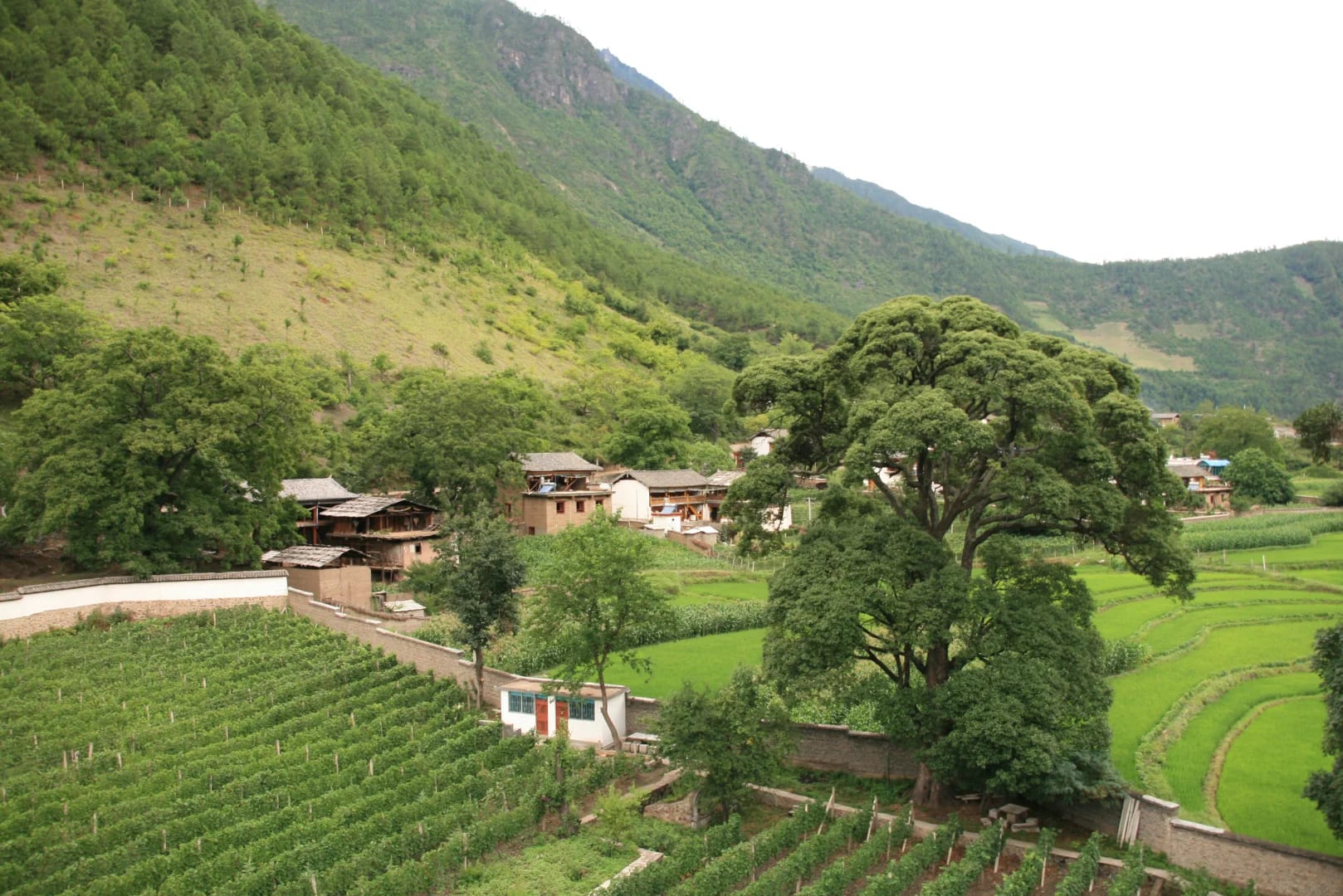
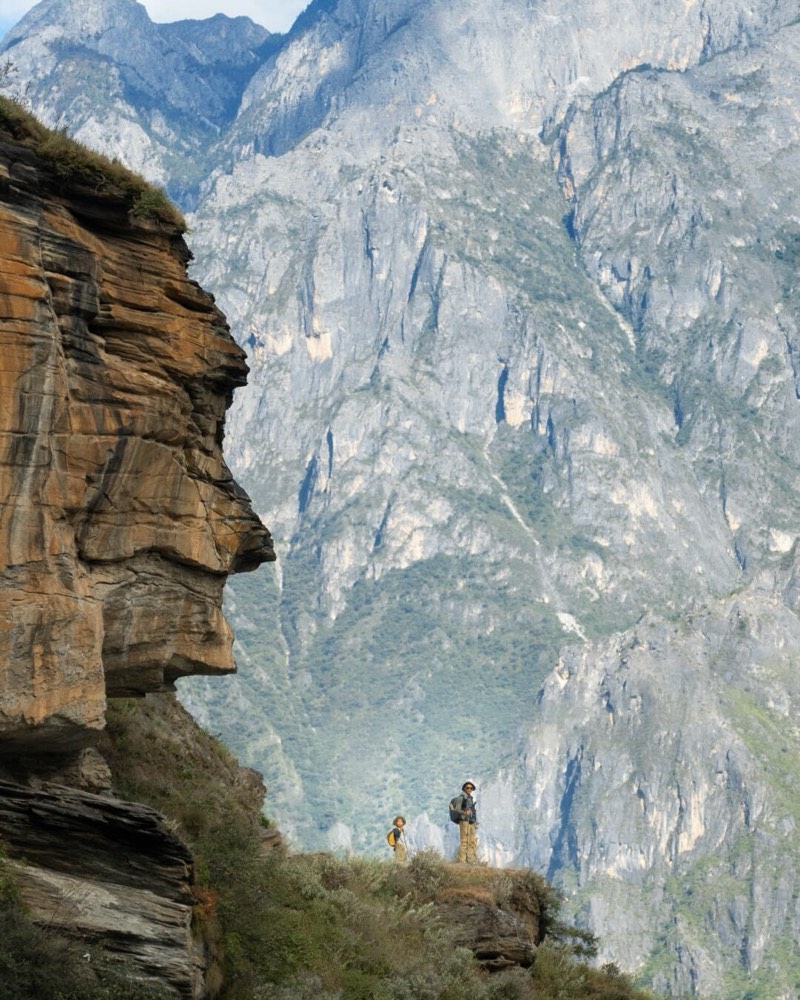
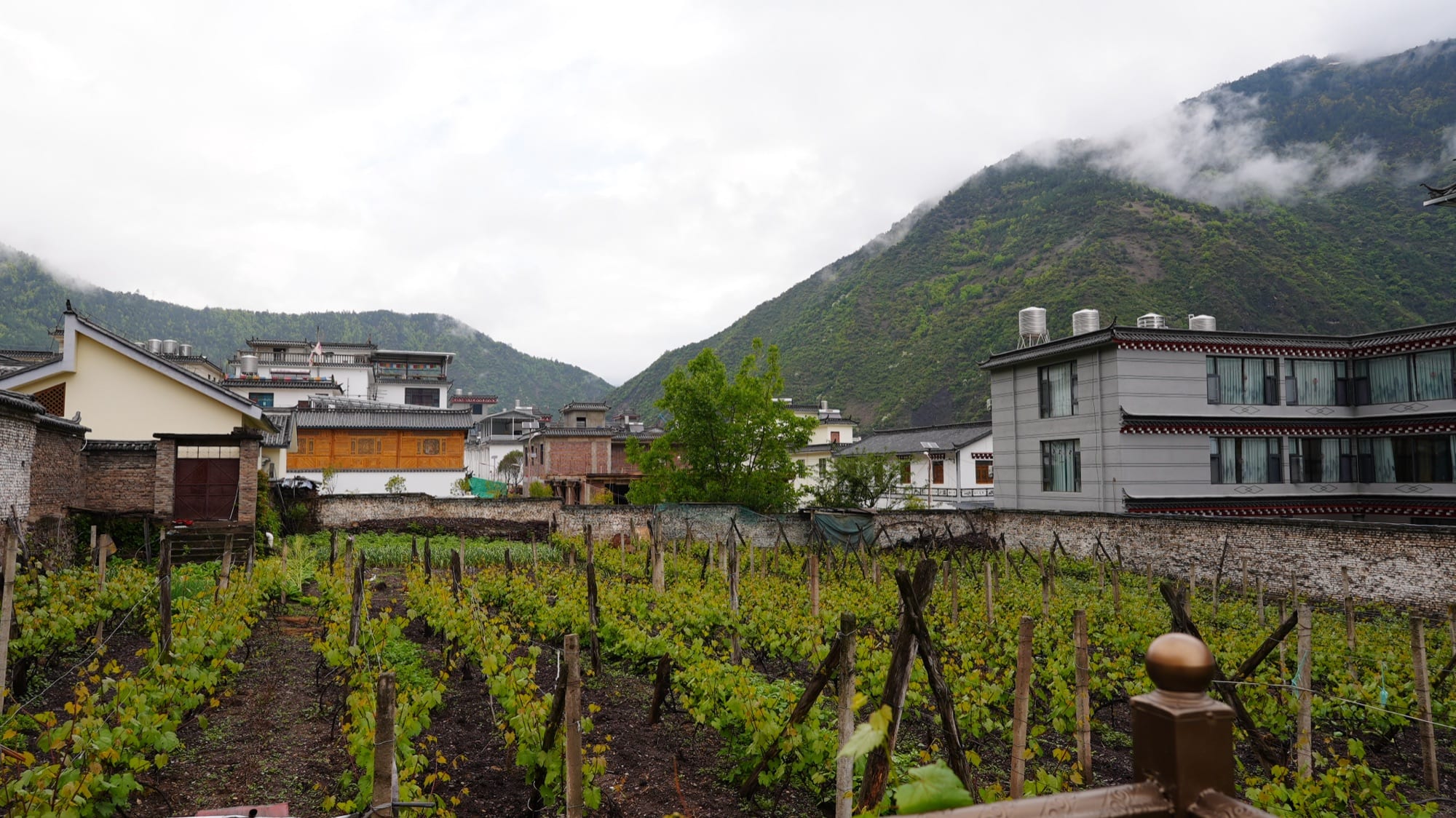
Few people expect wine on the Tibetan plateau. The Meili wine region in Diqing, northwest Yunnan, has grown from the first commercial vines planted in 2000 to vineyards strung along the Jinsha and Lancang rivers between about 2,000 and 2,800 metres — some of the highest wine grapes grown anywhere. The wineries are small and the places are the point: a mission church with its own grape, a five-hundred-year-old walnut tree at a cellar door, a white-wine estate at the end of a mountain track. We route a few of them into a private Shangri-La and Meili trip, or the full eight over a week.
Ask about this experienceShangri-La Wine Country is a 3–7 day experience in the Meili wine region of northwest Yunnan, where vineyards sit between about 2,000 and 2,800 metres along the Jinsha (upper Yangtze) and Lancang (Mekong) rivers. The region's first commercial vines went in in 2000; today you can taste Vidal ice wine at Lapu Valley in Tacheng, the Rose Honey grape French missionaries planted at Cizhong, organic Chardonnay from Simang's scattered plots, and white wines at estates in old Tibetan houses above Benzilan. We build it into a private trip, or you can join our set-date small-group Shangri-La Wine Journey in the October harvest. Best September to November.
The experience
- Altitudevineyards between about 2,000 and 2,800 metres on the Jinsha and Lancang rivers
- Rangeice wine, mission-era Rose Honey, organic Chardonnay and white-only estates
- SettingTibetan and Lisu villages, the Meili Snow Mountains and the Kawagarbo sunrise
- TimingSeptember to November, with the October harvest the best of it
The activities
-
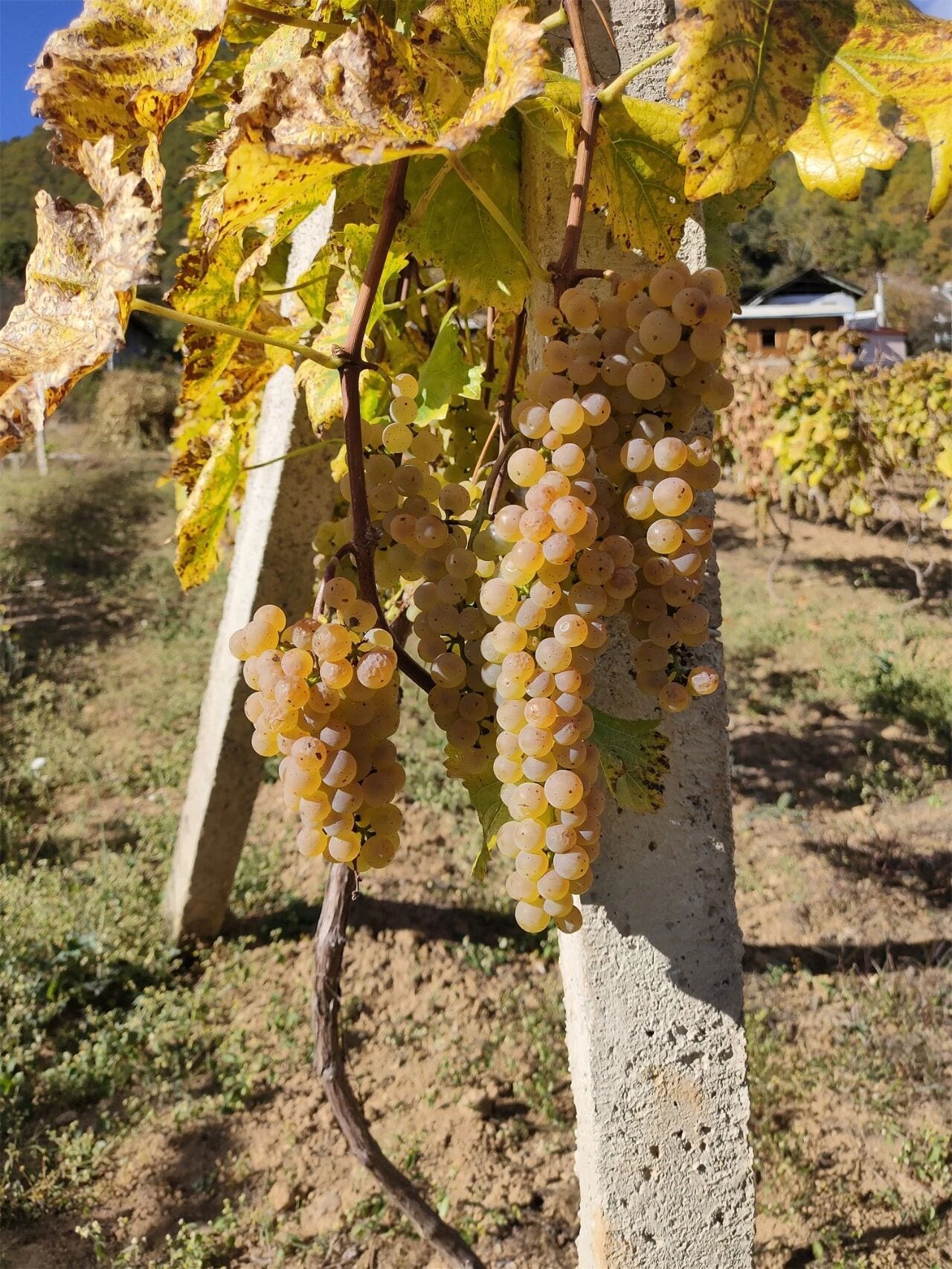
Ice wine in the Tacheng valley
Tacheng, WeixiLapu Valley, founded in 2010, grows one grape — Vidal — and leaves the bunches on the vine into winter until they freeze in the cold valley nights, then presses them frozen for an intensely sweet ice wine. Tacheng is a warm pocket of terraces and walnut trees where the Lisu, Naxi and Tibetan worlds meet.
-
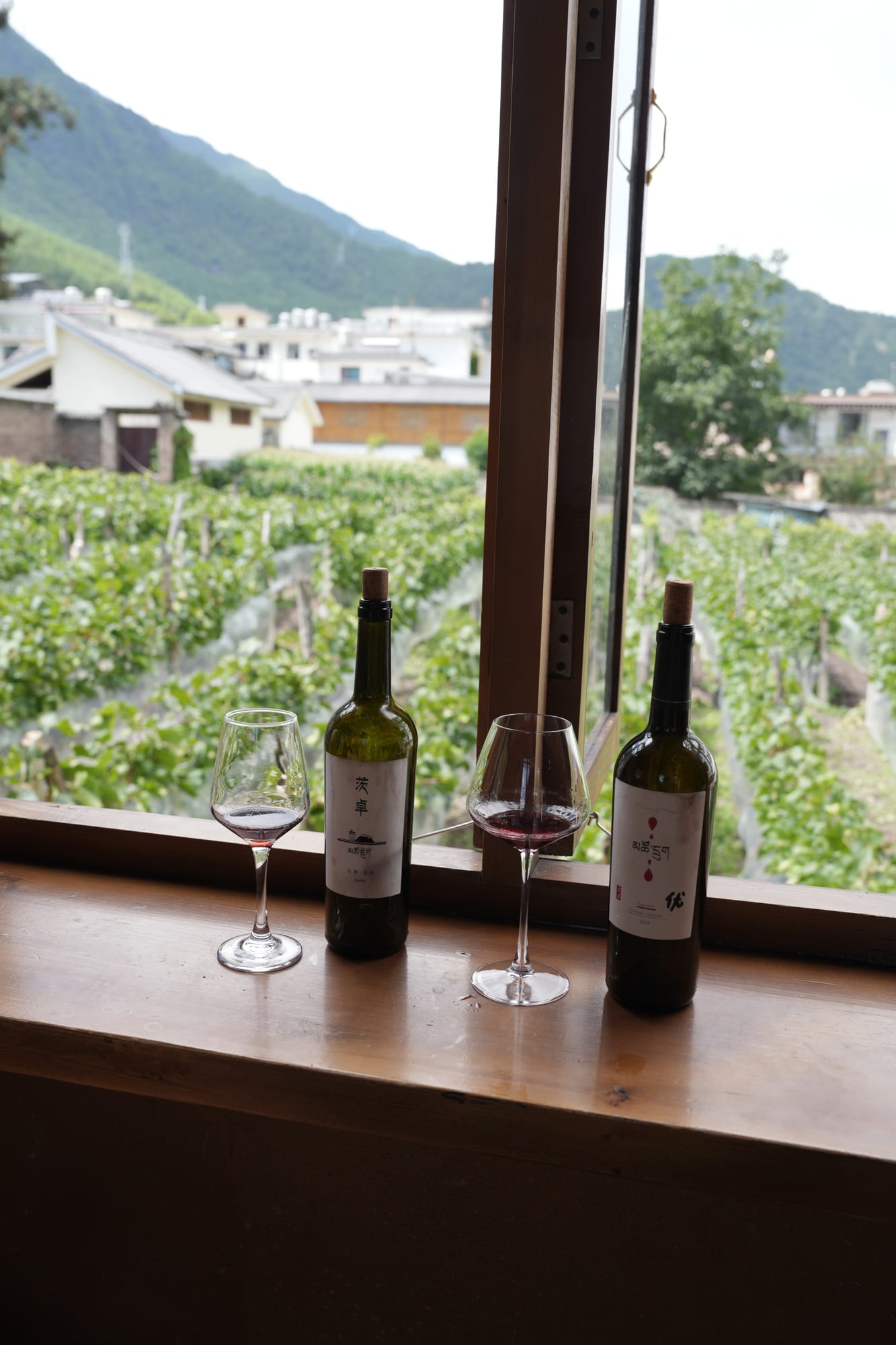
The mission vines of Cizhong
Cizhong, Lancang valleyFrench missionaries built Cizhong's church — Gothic outside, Chinese inside, blessed in 1911 — and planted a grape the village still calls Rose Honey, 玫瑰蜜, which has vanished almost everywhere else. Taste it at the Cizhuo family cellar, then sit in on evening Mass, said in Tibetan and Chinese.
-
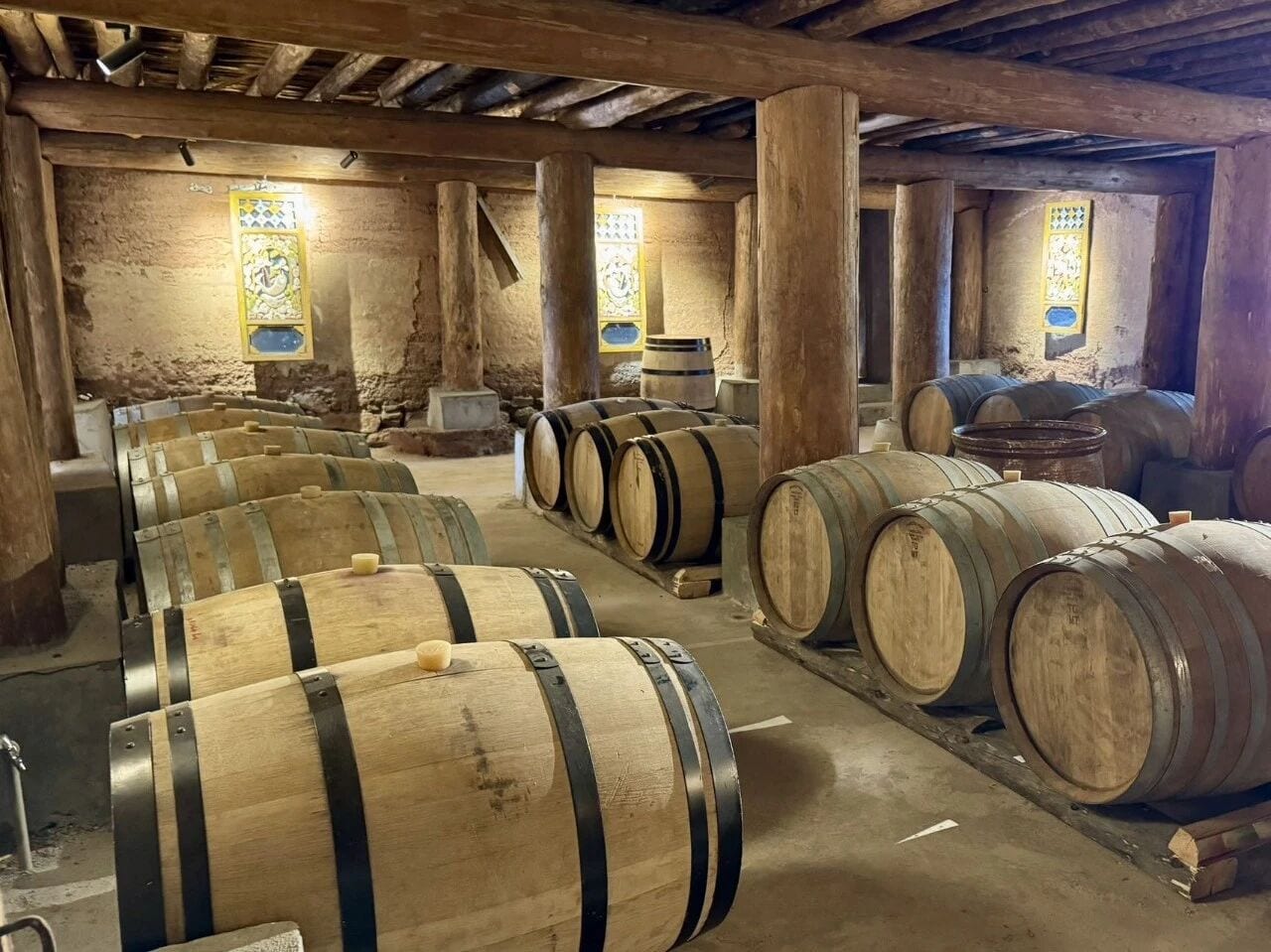
The independent winemakers
Meili wine region, DeqinSimang farms organic, low-yielding vines in more than fifty small plots across the Meili villages and is known for a Chardonnay that tastes of its altitude. At Bucun, where the region's first vines were planted, an evening with an independent winemaker building a new label.
-
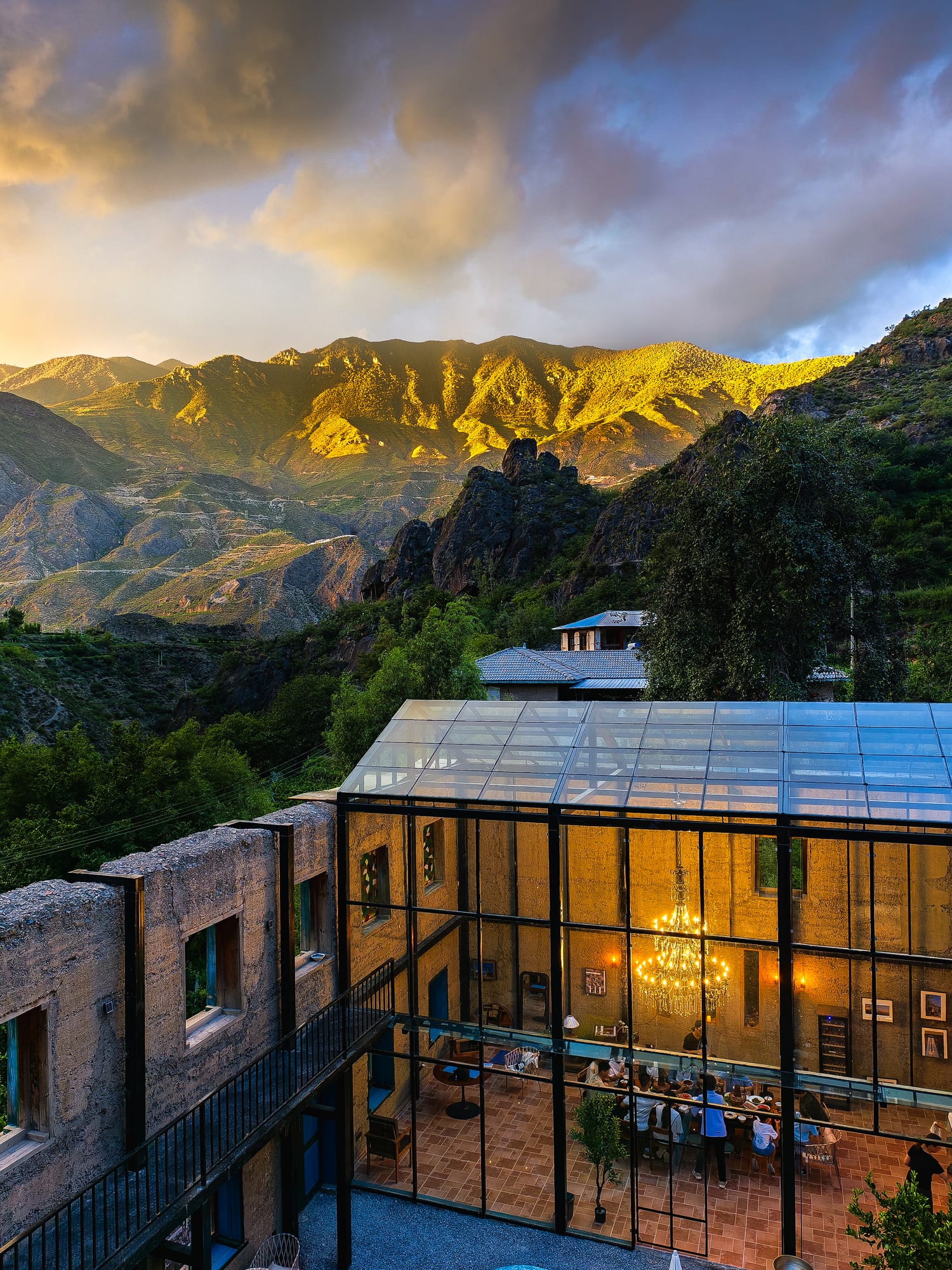
White wine above the Jinsha
Benzilan, Jinsha valleyDuomu makes the region's first white-only wines in an old Tibetan house at 2,800 metres, up a track above Benzilan. In Hachong village, ZAXEE's oak-aged Chardonnay won 97 points and a gold medal at the Wynn Signature Chinese Wine Awards, and Zuishengmeng turned a rammed-earth Tibetan house into a cellar and wine restaurant.
Before you book
01 Can we do this privately, or only on the group departure?
Both. We build two or three wineries into a private Shangri-La and Meili trip for your own party of 2–8, any time from September to November. If you would rather join a set date, the Shangri-La Wine Journey is our seven-day small-group departure in the October harvest, for four to eight guests.
02 How much altitude is involved?
The vineyards themselves sit between about 2,000 and 2,800 metres, and the valley towns of Tacheng, Cizhong and Benzilan are lower than Shangri-La at 3,200 metres. The high points are the roads between them — the Baima Snow Mountain pass is above 4,000 metres — and Feilai Si, at 3,560 metres, if you stay for the Kawagarbo sunrise.
03 Does it work if one of us does not drink?
Yes. The wineries are as much about the places as the glass — a mission church, a five-hundred-year-old walnut tree, an old Tibetan house up a mountain track — and the days around them are villages, monasteries and the Meili Snow Mountains.