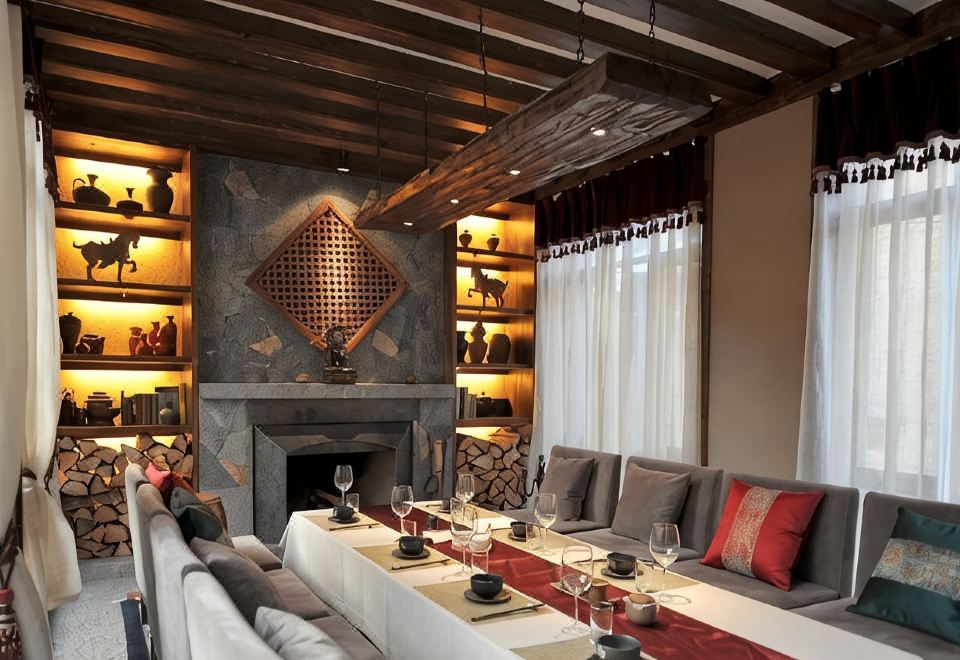
Shangri-La
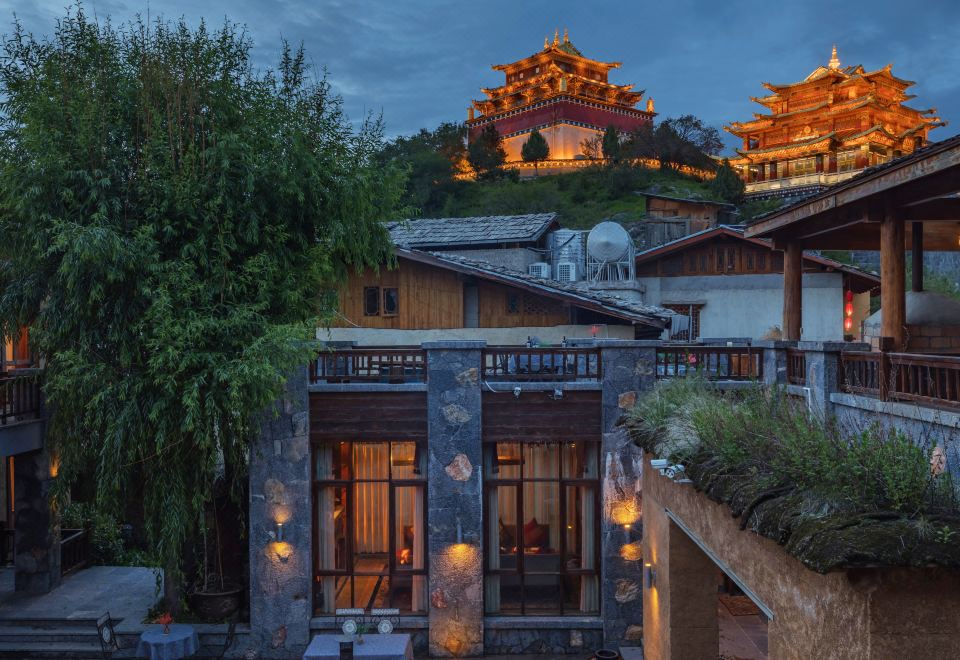
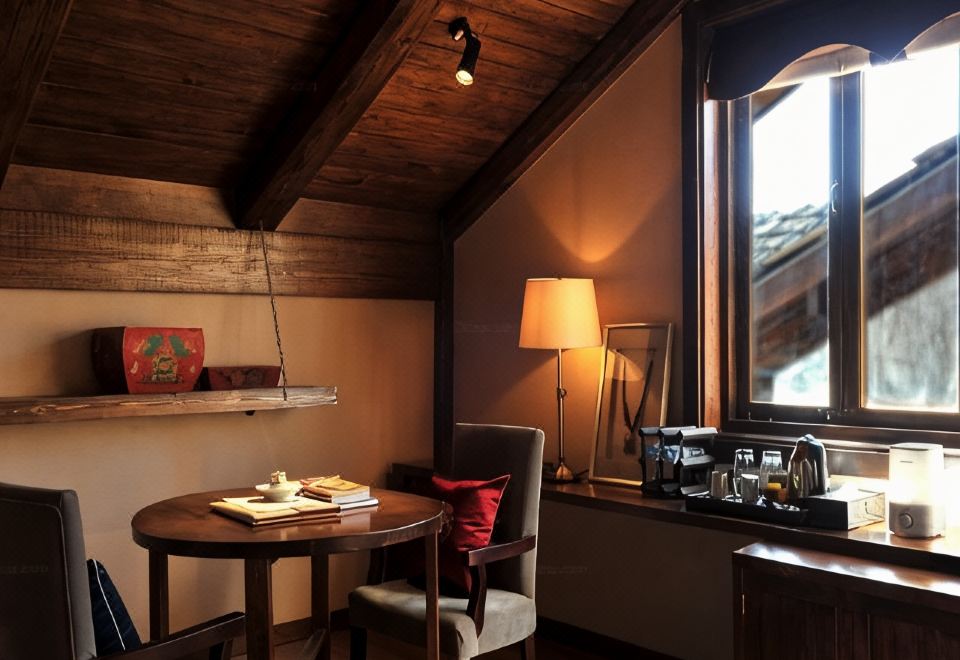
A Tibetan boutique hotel in the lanes of Dukezong old town, directly below the great prayer wheel — hada scarves and ginger tea on arrival, in-floor heating against the altitude. One night in Shangri-La.

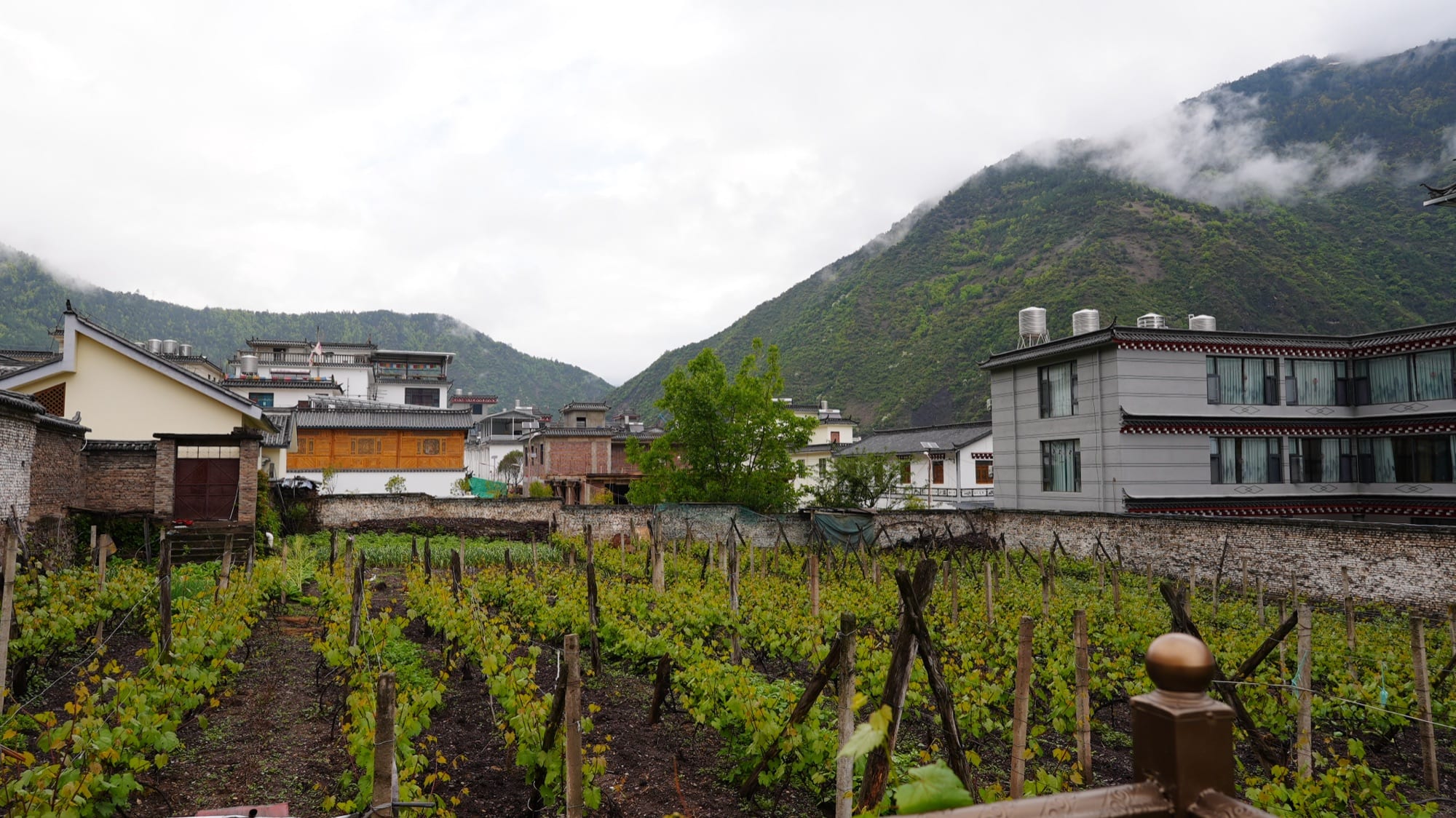
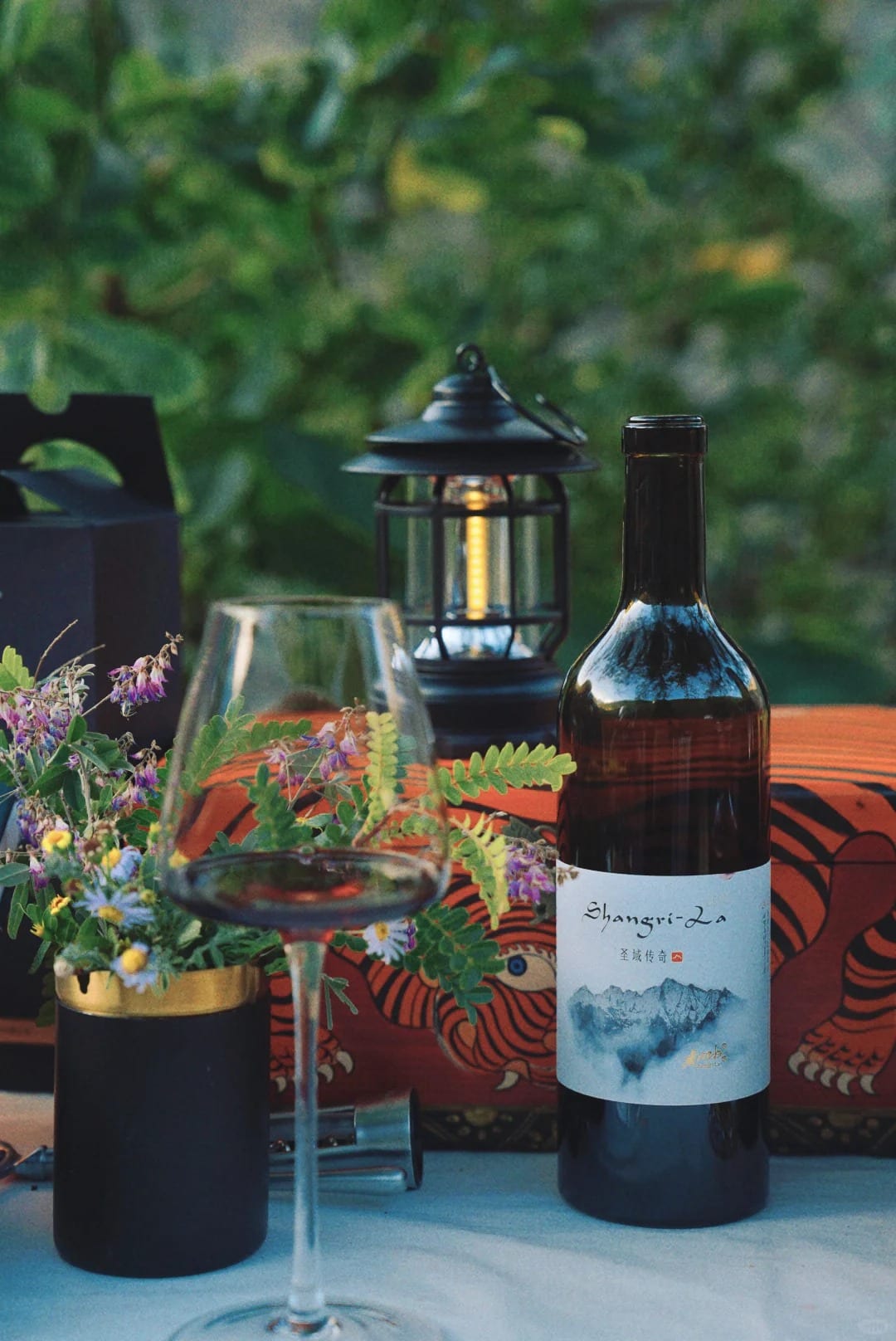
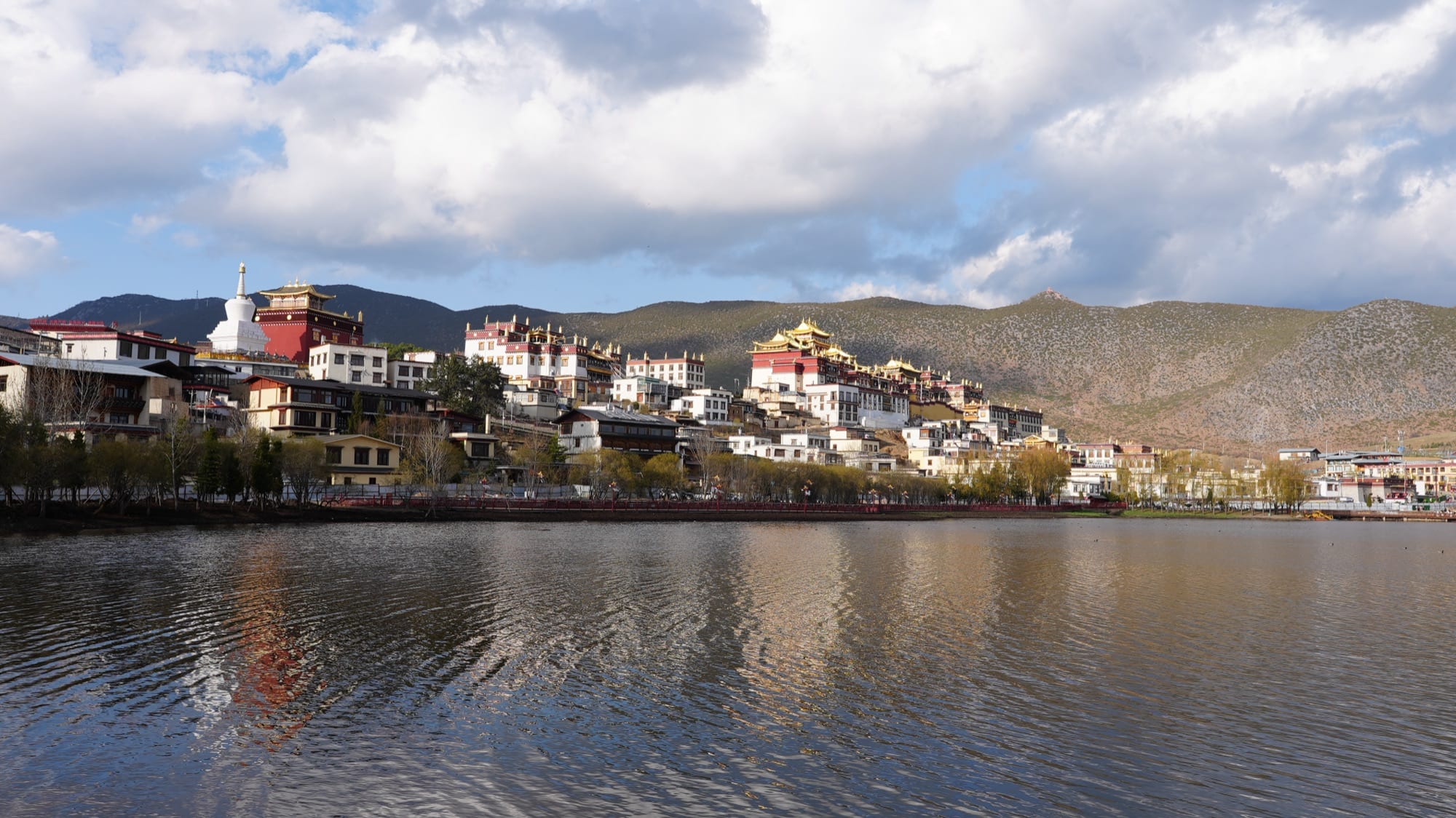
Your guide and wine team leader meet you at Lijiang airport in the morning for the drive north — about four hours, climbing from the Lijiang basin through the gorge country of the upper Yangtze onto the Tibetan plateau at Shangri-La, 3,200 metres up. The afternoon is the Shangri-La Winery, where this story starts: the company planted the Deqin highlands' first wine grapes in 2000, when the vines went up the valleys by yak, and its 圣域 wines still come from vineyards at 2,300 metres and above under the Meili snow mountains. A first tasting, from the Cabernet reds to its Chardonnay and the highland barley wine, then a welcome dinner in town. An early night: the altitude is easier if the first evening is quiet.
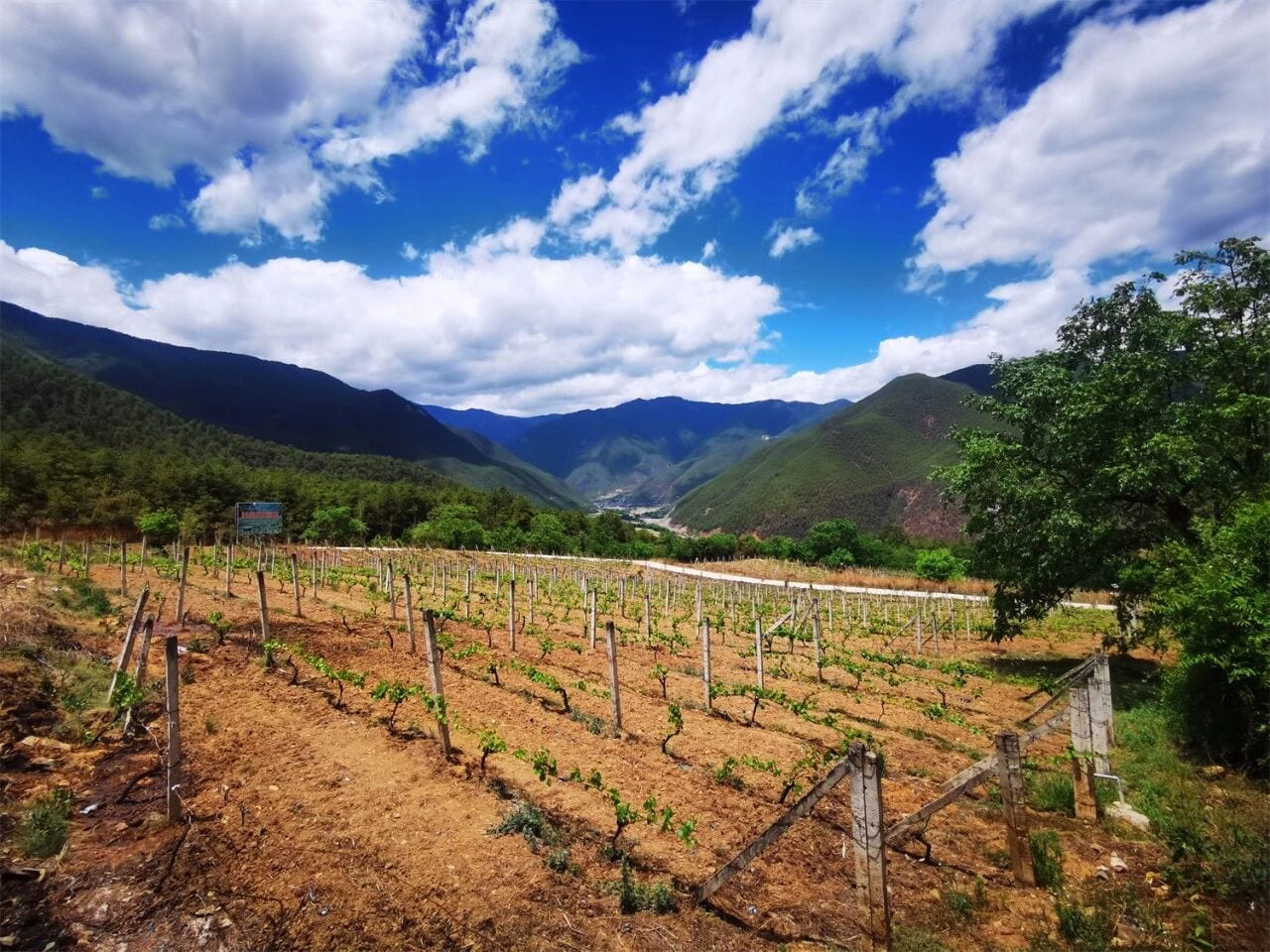
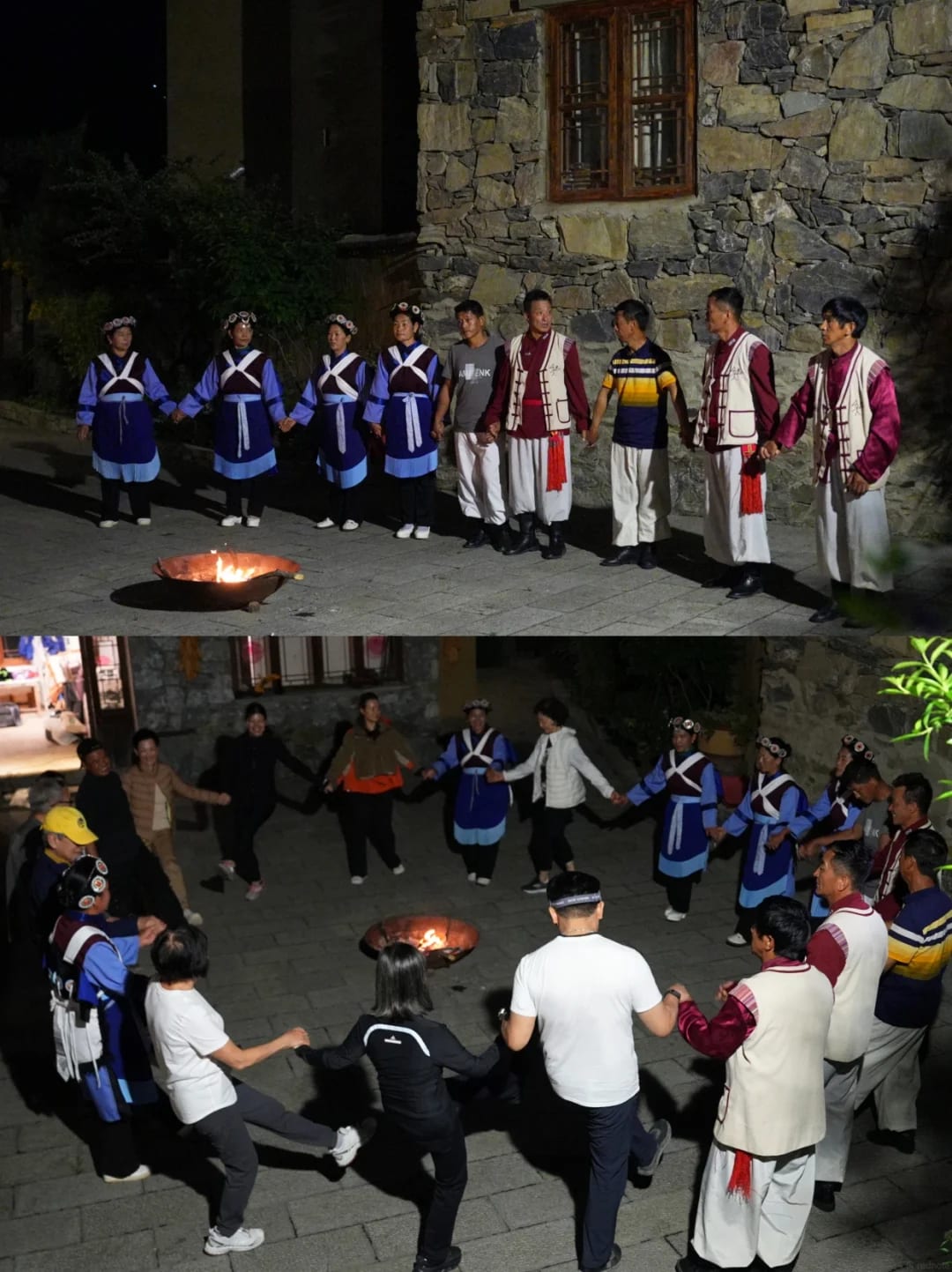
The road drops off the plateau into the Tacheng valley, a warm pocket of terraces, walnut trees and Tibetan farmhouses at about 2,000 metres where the Lisu, Naxi and Tibetan worlds meet. A walk through Hada village first, then Lapu Valley, the winery founded here in 2010 that grows one grape, Vidal, and makes ice wine from it: the bunches are left on the vine into winter until they freeze solid in the cold valley nights, then picked and pressed frozen, so the little juice that runs is intensely sweet. You taste the results with the winemaker's team. Tacheng is also known across the plateau for Reba, a Tibetan dance tradition on China's national intangible-heritage list — the evening is a performance around the fire, and dinner.
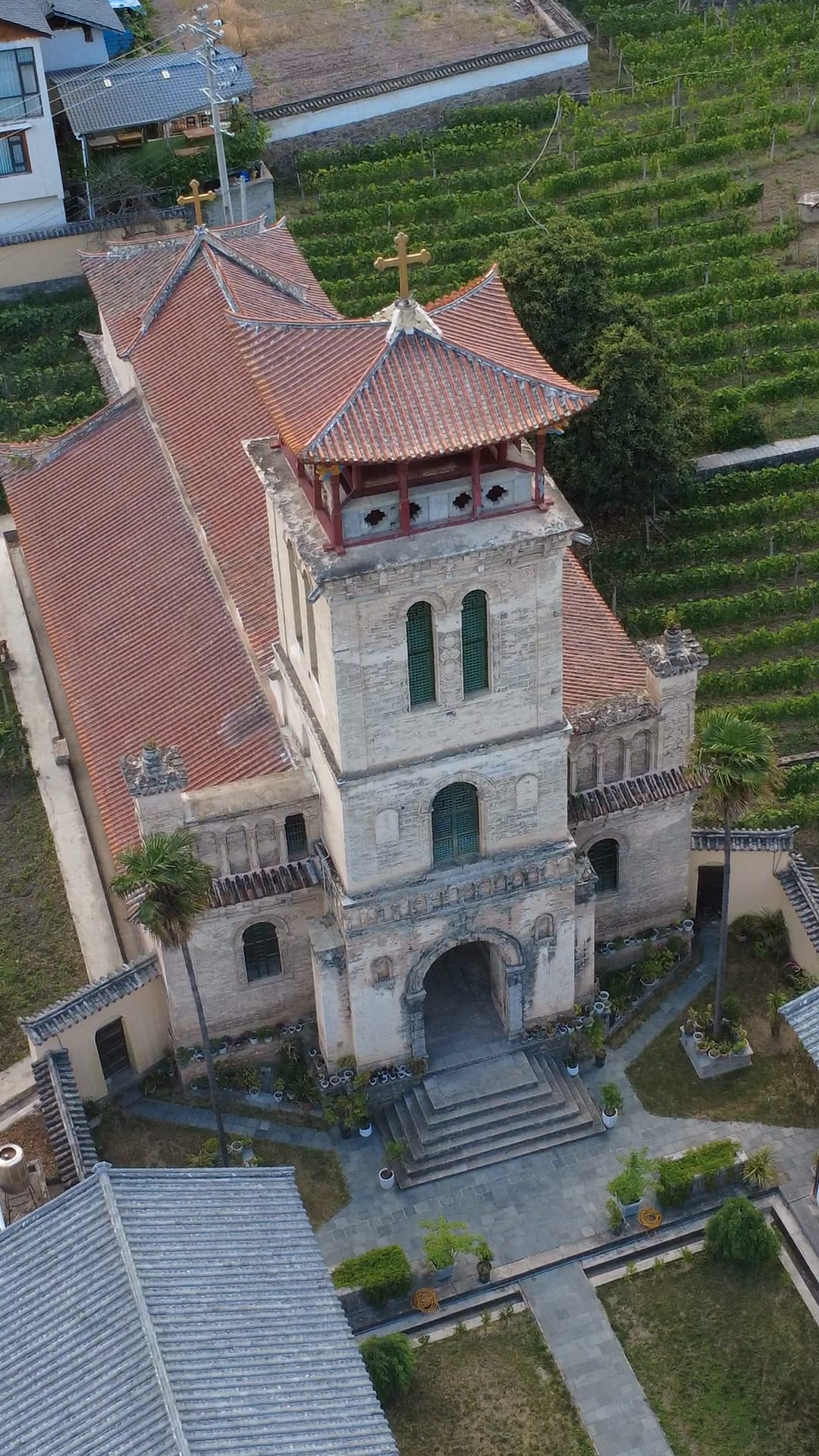
An early start for the monkeys: the Yunnan snub-nosed monkey lives only in these high forests between the Jinsha and the Lancang, and the reserve above Tacheng is the one place you can reliably see a troop — black-and-white, pink-lipped, at ease in the fir trees. Then about four hours over the ridges into the Lancang valley, breaking the drive in a Lisu village on the way. Cizhong is where this region's wine really began: French missionaries built the church here after their earlier mission at Cigu was burned in 1905 — the brick-and-timber building, Gothic outside and Chinese inside, was blessed in 1911 — and planted a grape the village still calls Rose Honey, 玫瑰蜜, which has vanished almost everywhere else. At the Cizhuo family winery you taste what the village still makes from it. Mass is said in the church in the evening, in Tibetan and Chinese, and you are welcome to sit in.
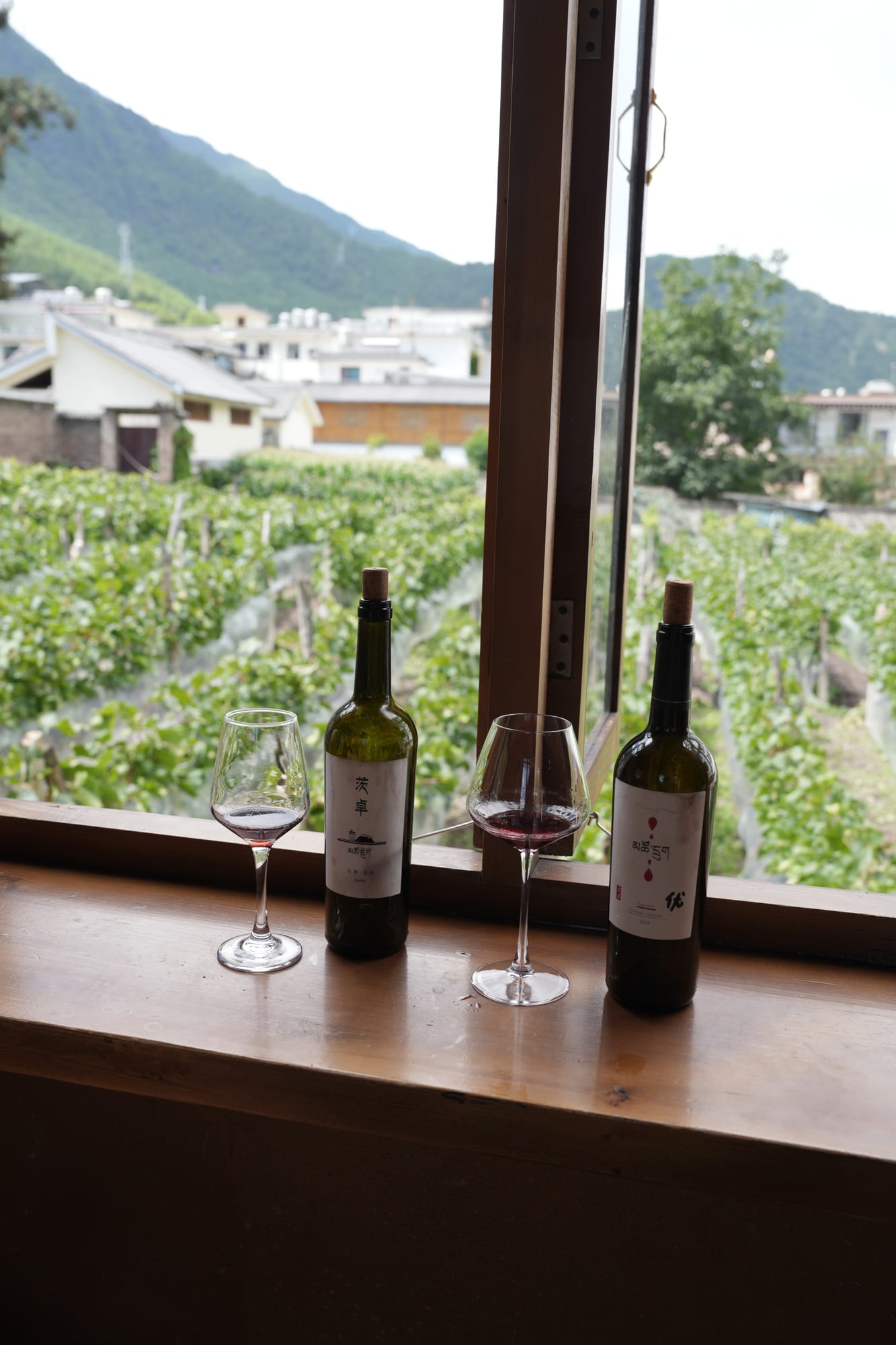
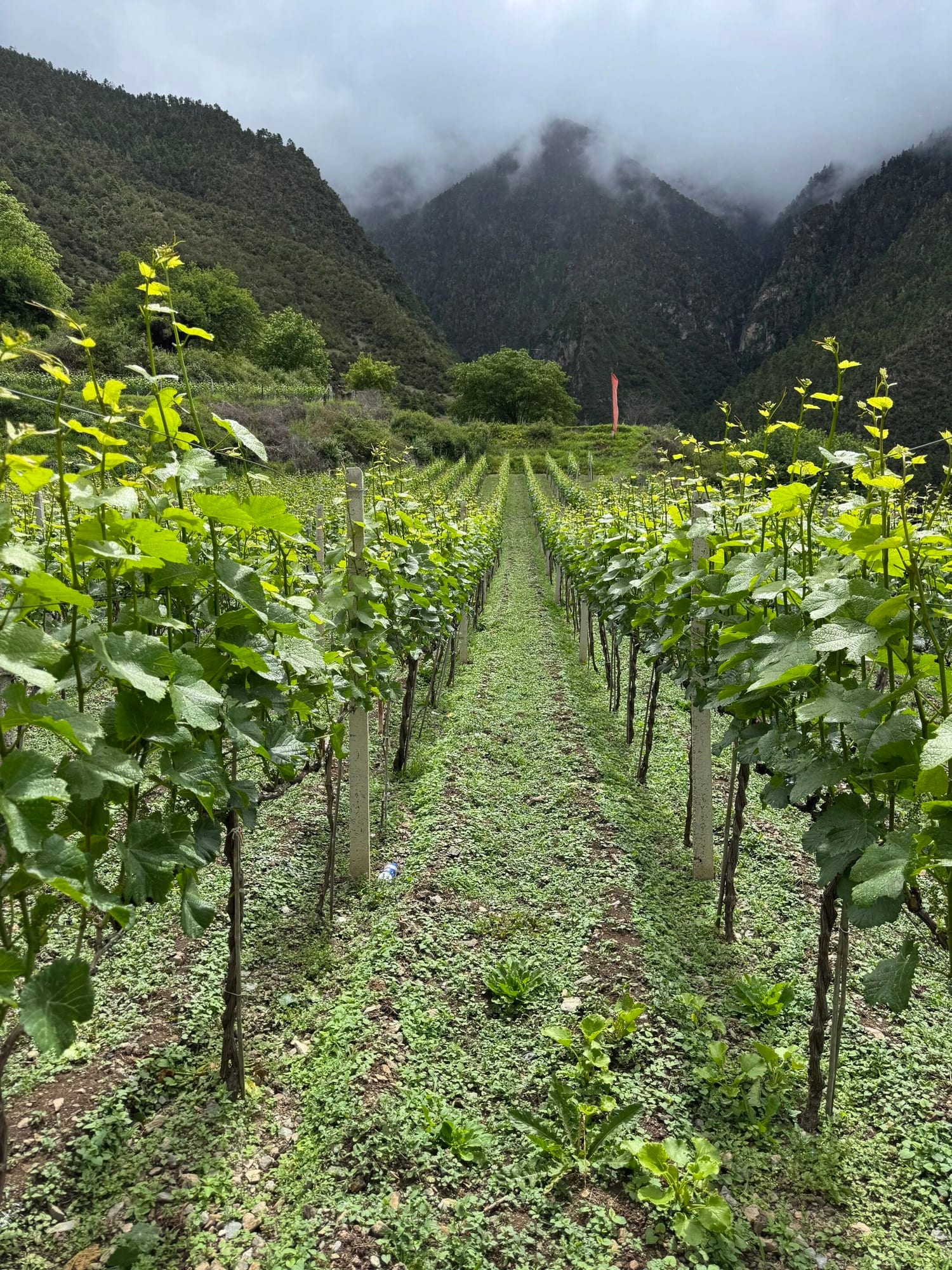
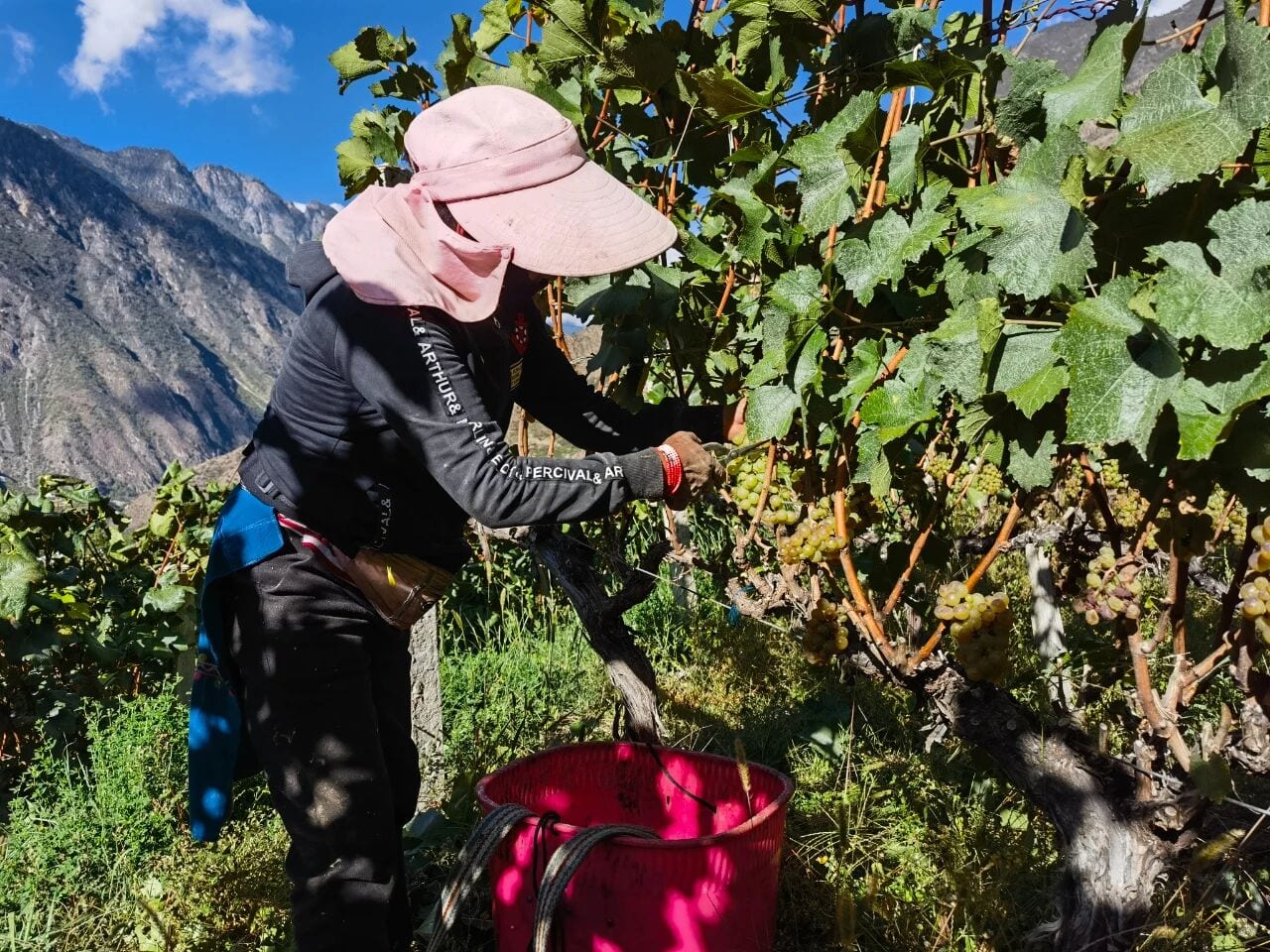
North up the Lancang, with the Meili range closing in. Simang farms about a hundred mu of vines — organic, low-yielding, broken into more than fifty small plots scattered across the villages of the Meili wine region — and is known for a Chardonnay that tastes of its altitude: snowmelt water, steep sun, thin air. Yueqi is the opposite end of the story, a winery still taking shape; you visit it in harvest season, at Bucun, the vineyard where the first vines in the Meili region were planted, and sit down with the independent winemaker who is building it. Then the climb to Feilai Si, the village of guesthouses and stupas at 3,560 metres that looks straight across the valley at Kawagarbo and its glaciers. Dinner at the hotel, and an early alarm.
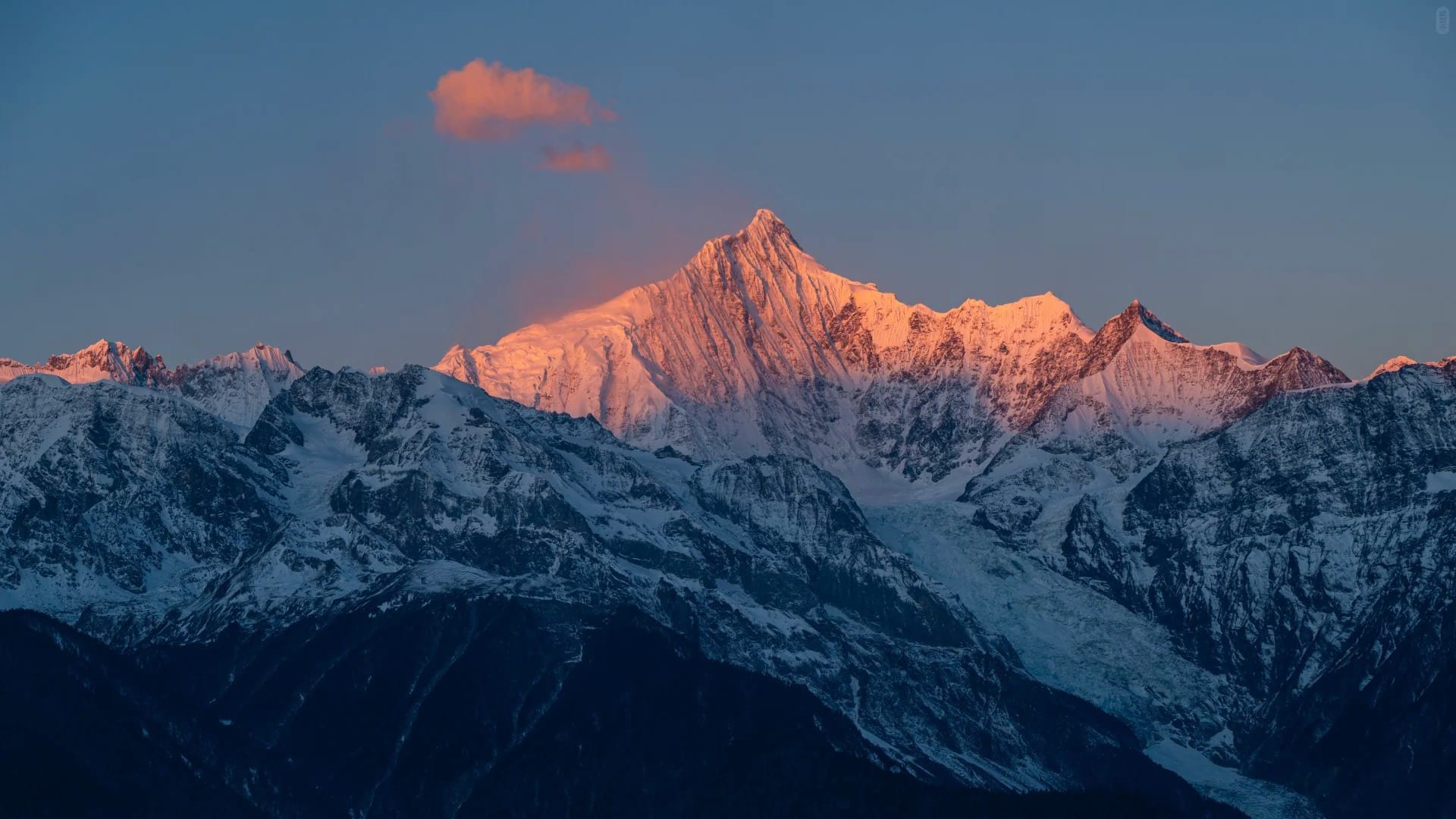
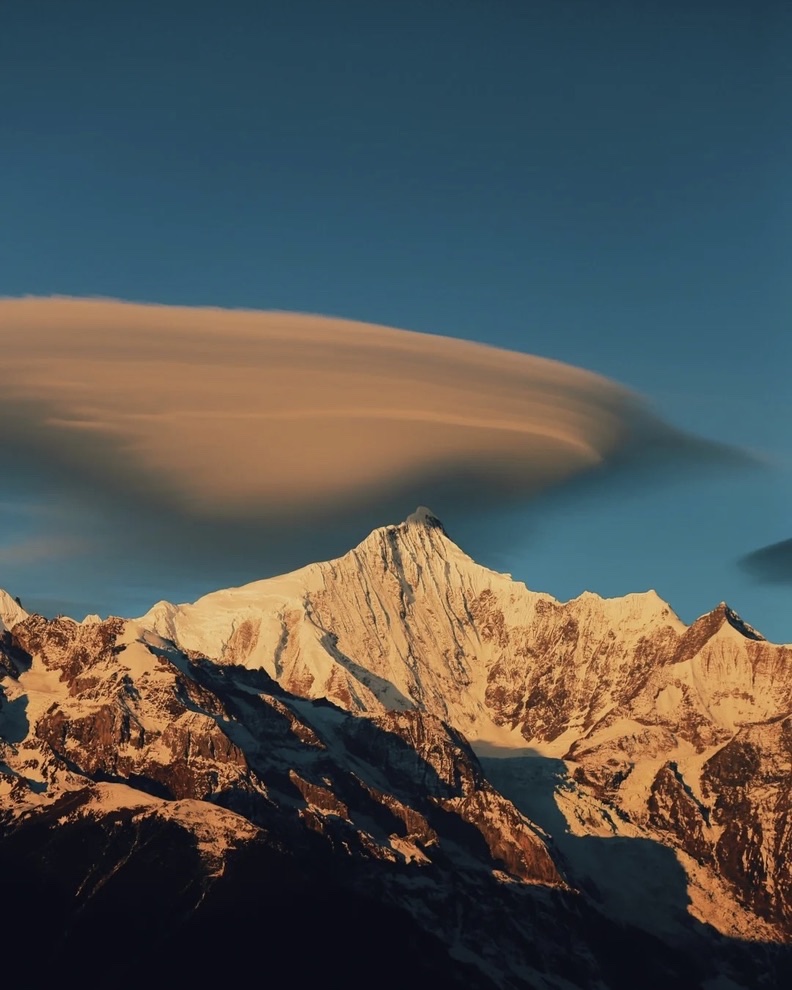
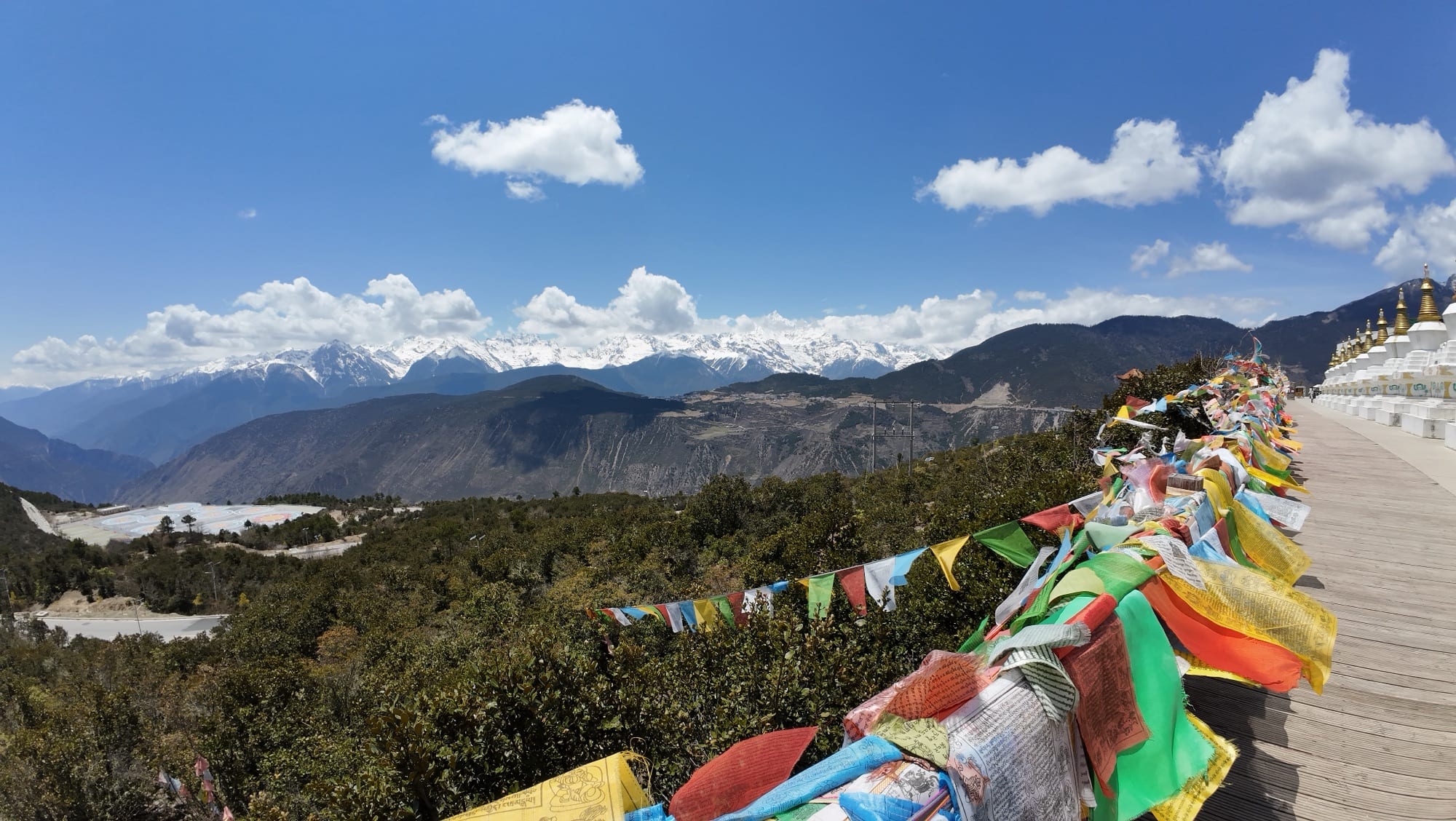
Up before the light for the sight the whole plateau comes here for: the sun catching the summit of Kawagarbo, 6,740 metres and never climbed, and moving down the Meili peaks until the whole wall is gold. Breakfast, then the road back over the Baima Snow Mountain pass, above 4,000 metres, and down into the dry, warm Jinsha valley. Dongzhulin Monastery sits on the hillside above the road — a Gelug monastery of several hundred monks, its great hall held up on 82 timber columns — and is worth the hour. Duomu is the afternoon: a winery in an old Tibetan house at 2,800 metres, half an hour's drive up a track above Benzilan to where the road gives out, run by a winemaker who set out to make this region's first white-only estate. You taste the whites on the terrace, and talk about how a wine life fits into a Tibetan village. Two nights in Benzilan on the Jinsha.
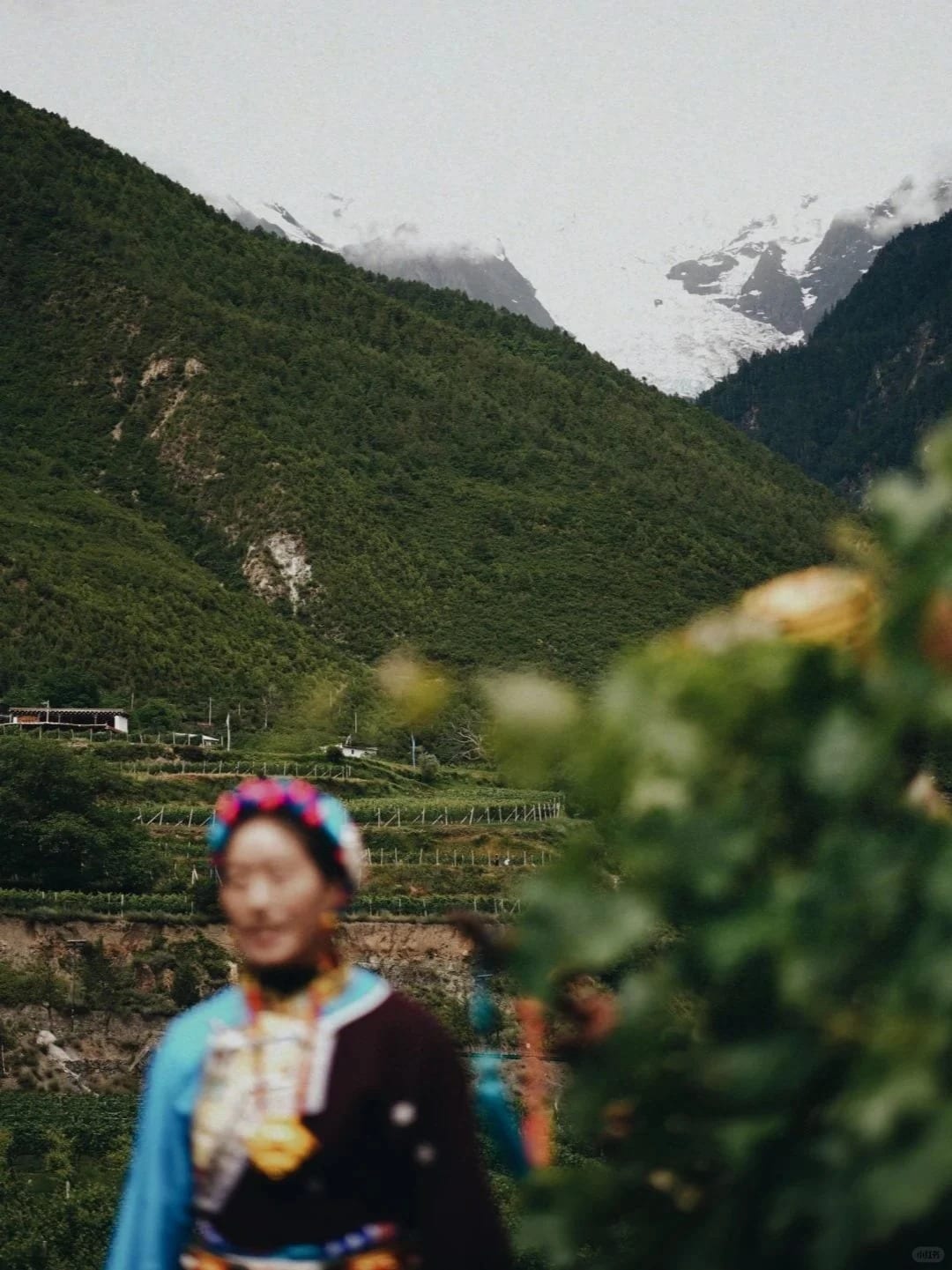
A slower day, all of it around Benzilan. The morning is a walk in the old forest on the slopes above the valley, then a workshop where Tibetan incense is still rolled and dried by hand. Hachong village holds the day's two wineries. ZAXEE takes its name from the walnut tree at its gate, about five hundred years old; it makes fewer than twenty thousand bottles a year, and its oak-aged Chardonnay won 97 points and a gold medal at the Wynn Signature Chinese Wine Awards. A few minutes away, Zuishengmeng grew out of an abandoned rammed-earth Tibetan house on the Yunnan–Tibet road and is now a vineyard, a cellar, a small guesthouse and a wine restaurant in one — the place for the last tasting of the week, and a long dinner.
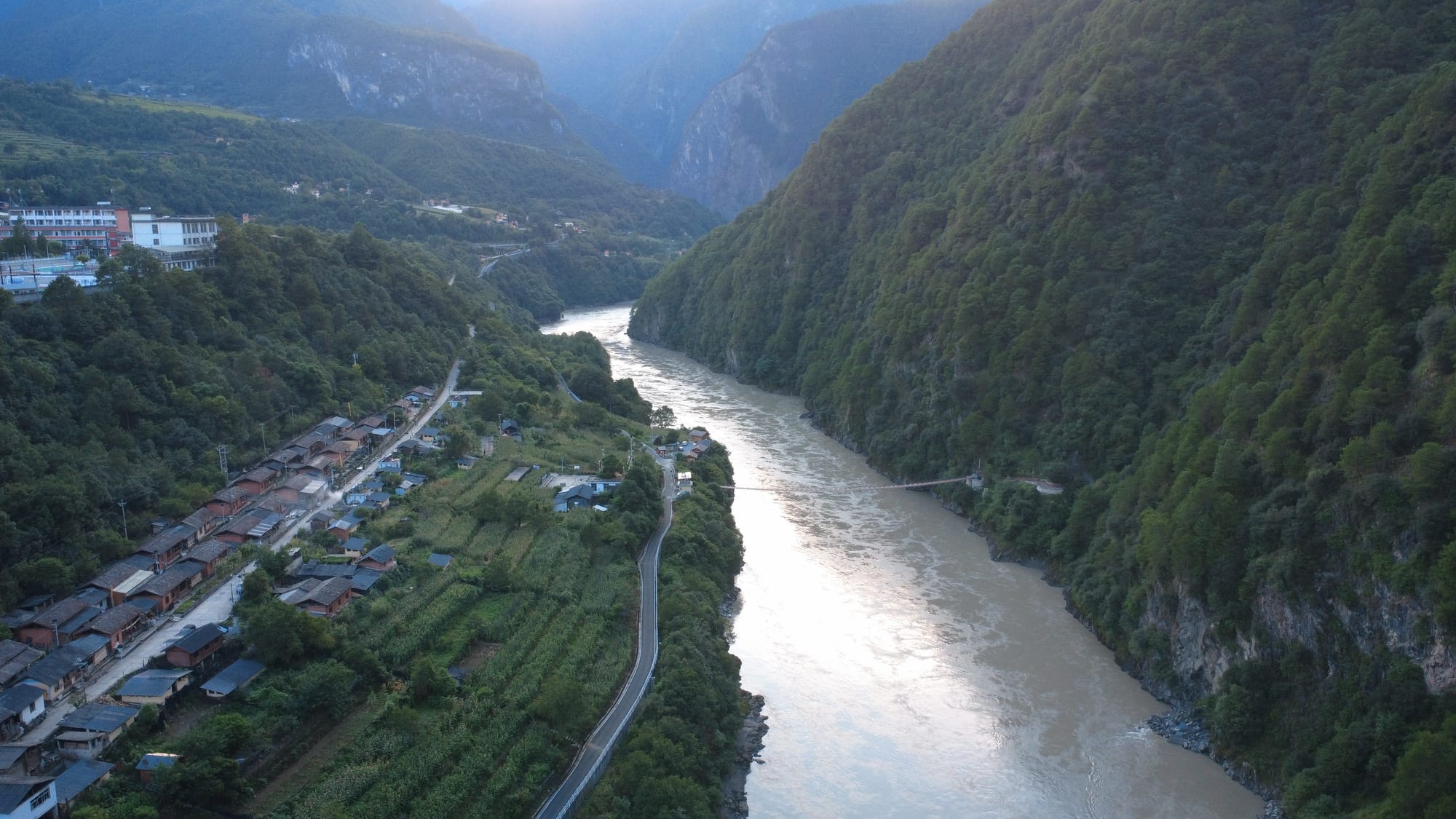
The river is at its best first thing, when the light comes down the gorge and the water goes from grey to gold; a last walk along it before breakfast. Then about two hours back up to Shangri-La for a midday or afternoon flight. If you would rather fly out of Lijiang, the drive continues south, about four hours more, with the wine team leader's case recommendations and a stop for lunch on the way.
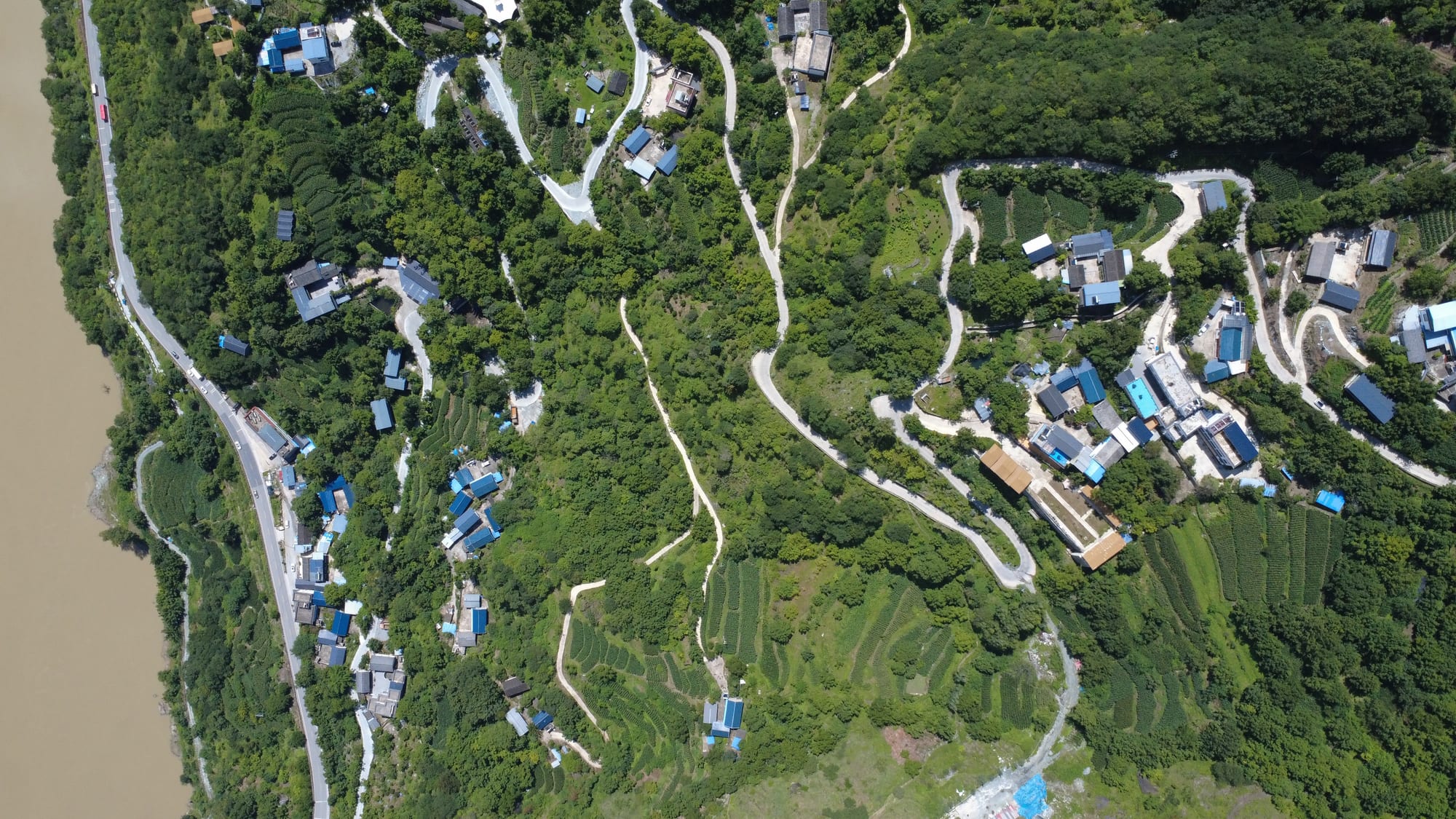
Six nights in good small hotels along the route — a Tibetan boutique in Shangri-La's old town, a glass-and-timber inn in the Tacheng valley, a village lodge above the Lancang near Cizhong, a room facing Kawagarbo at Feilai Si, and two nights in a rammed-earth lodge on the Jinsha at Benzilan.
A Tibetan boutique hotel in the lanes of Dukezong old town, directly below the great prayer wheel — hada scarves and ginger tea on arrival, in-floor heating against the altitude. One night in Shangri-La.
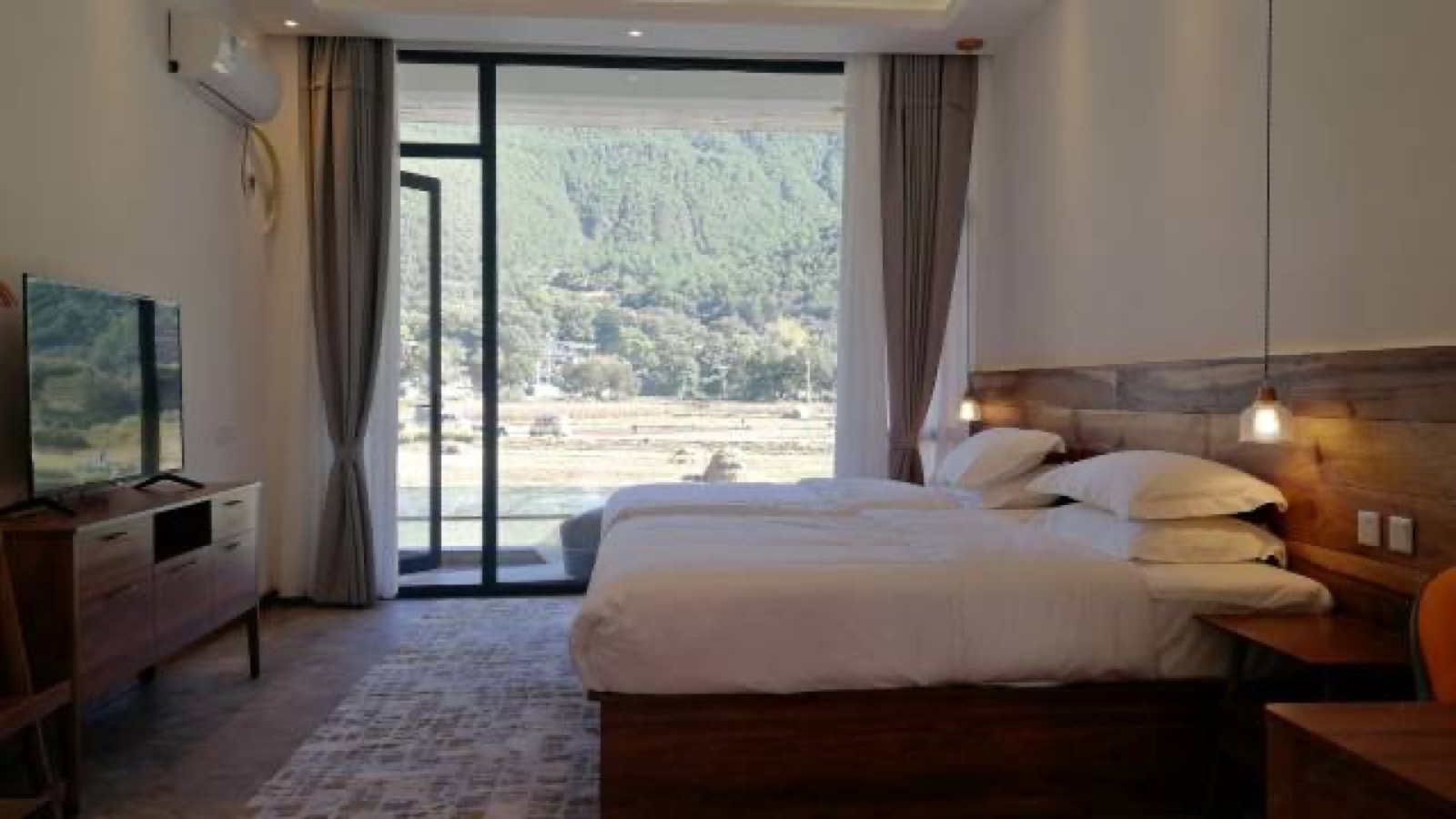
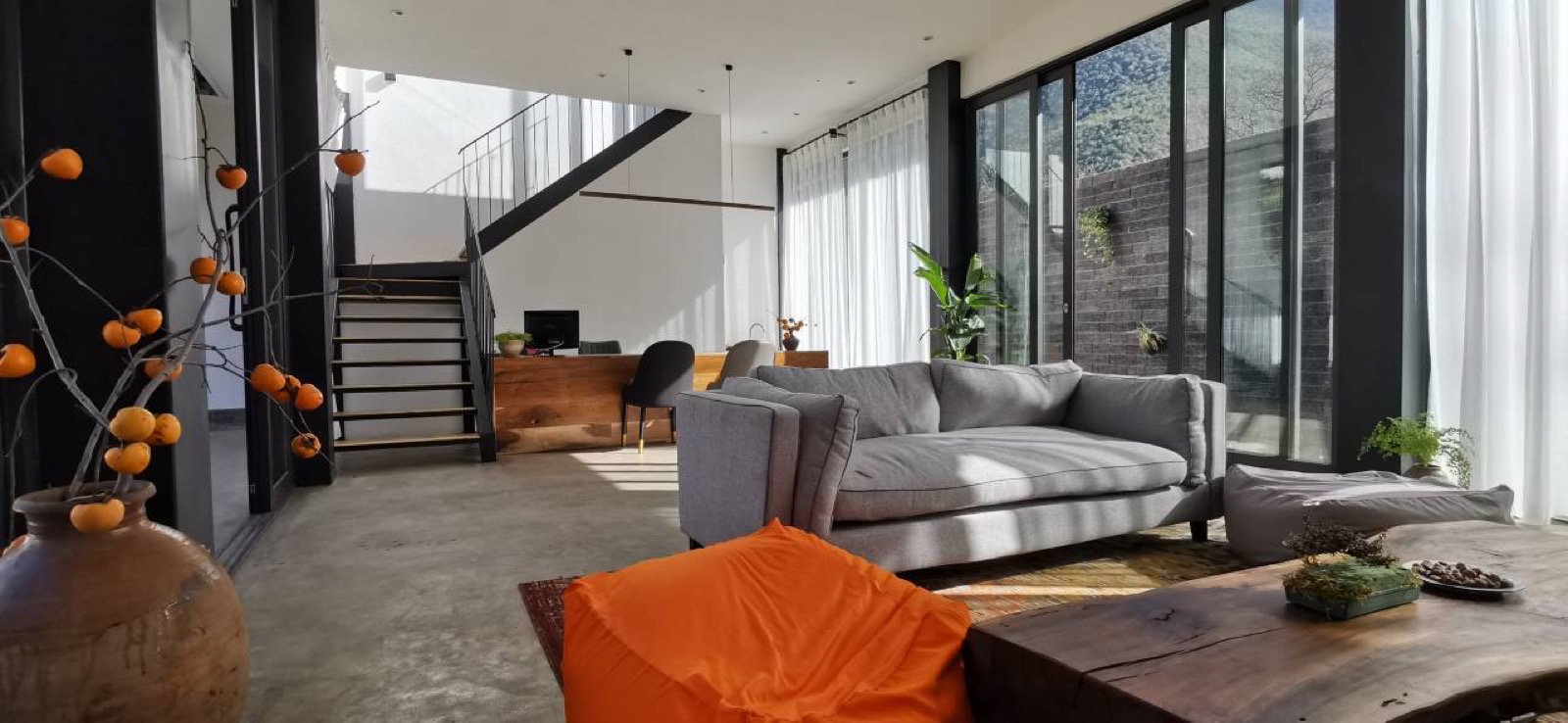
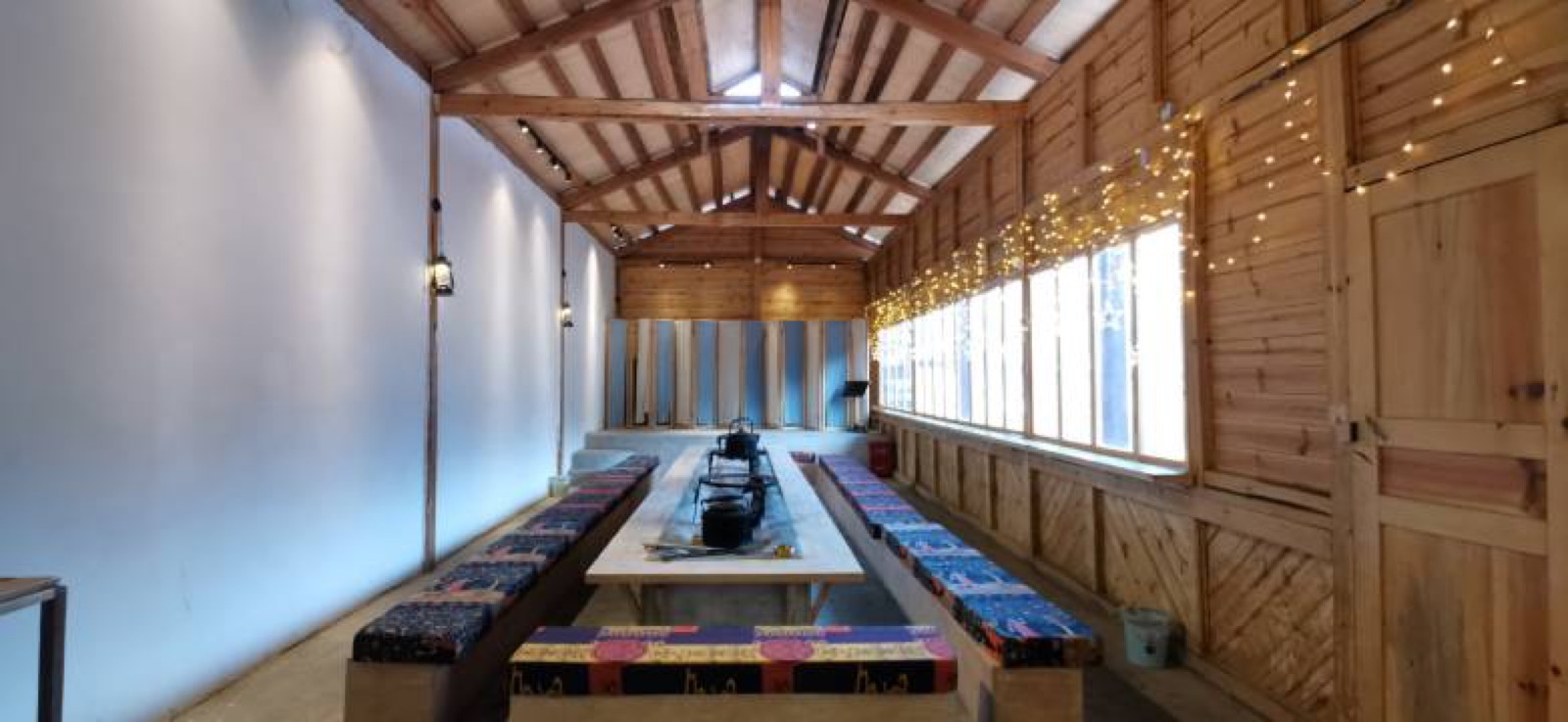
A boutique inn in Jiamuke village in the Tacheng valley, its rooms opening onto balconies over the fields, a short drive from the snub-nosed monkey reserve. One night in Tacheng.
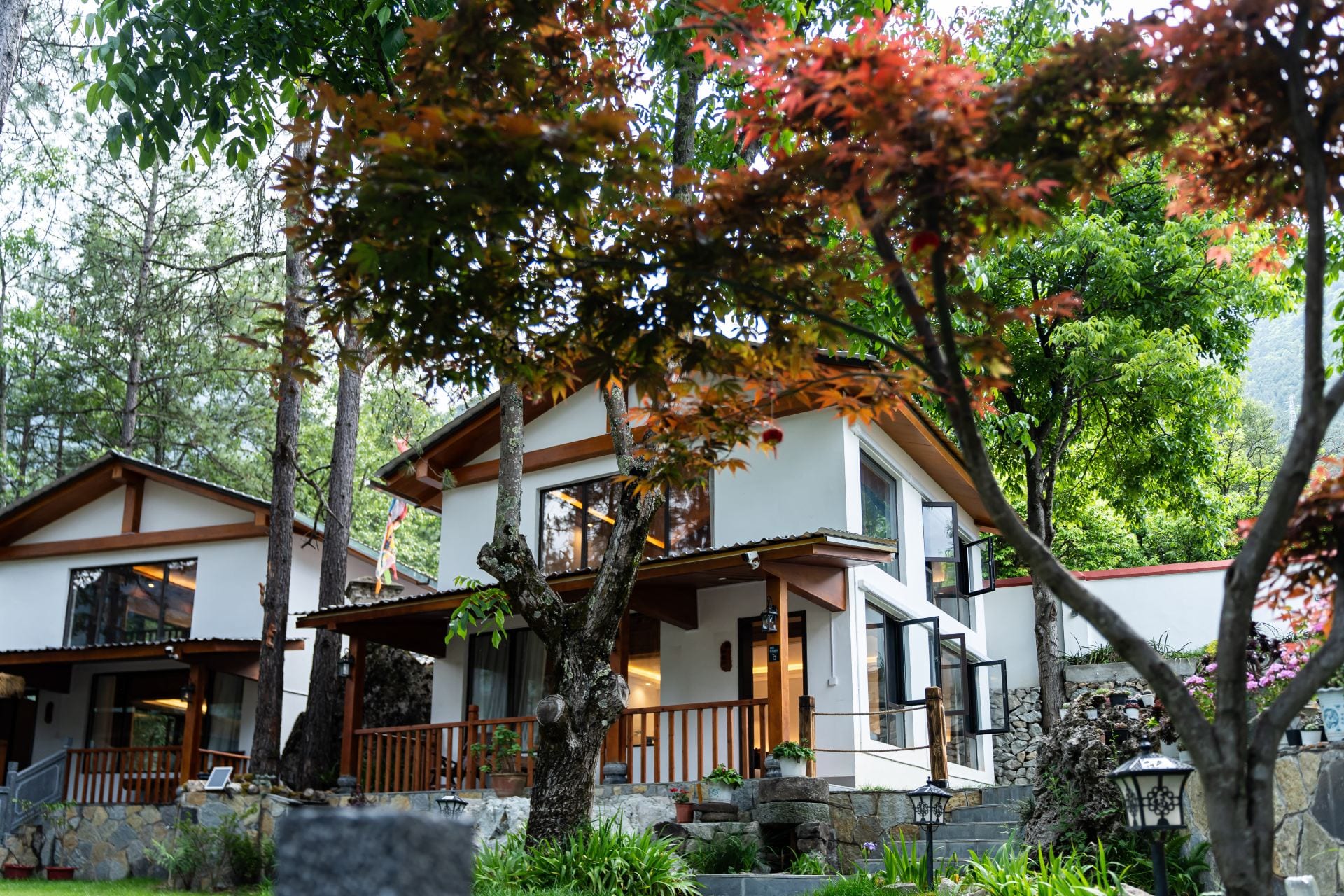
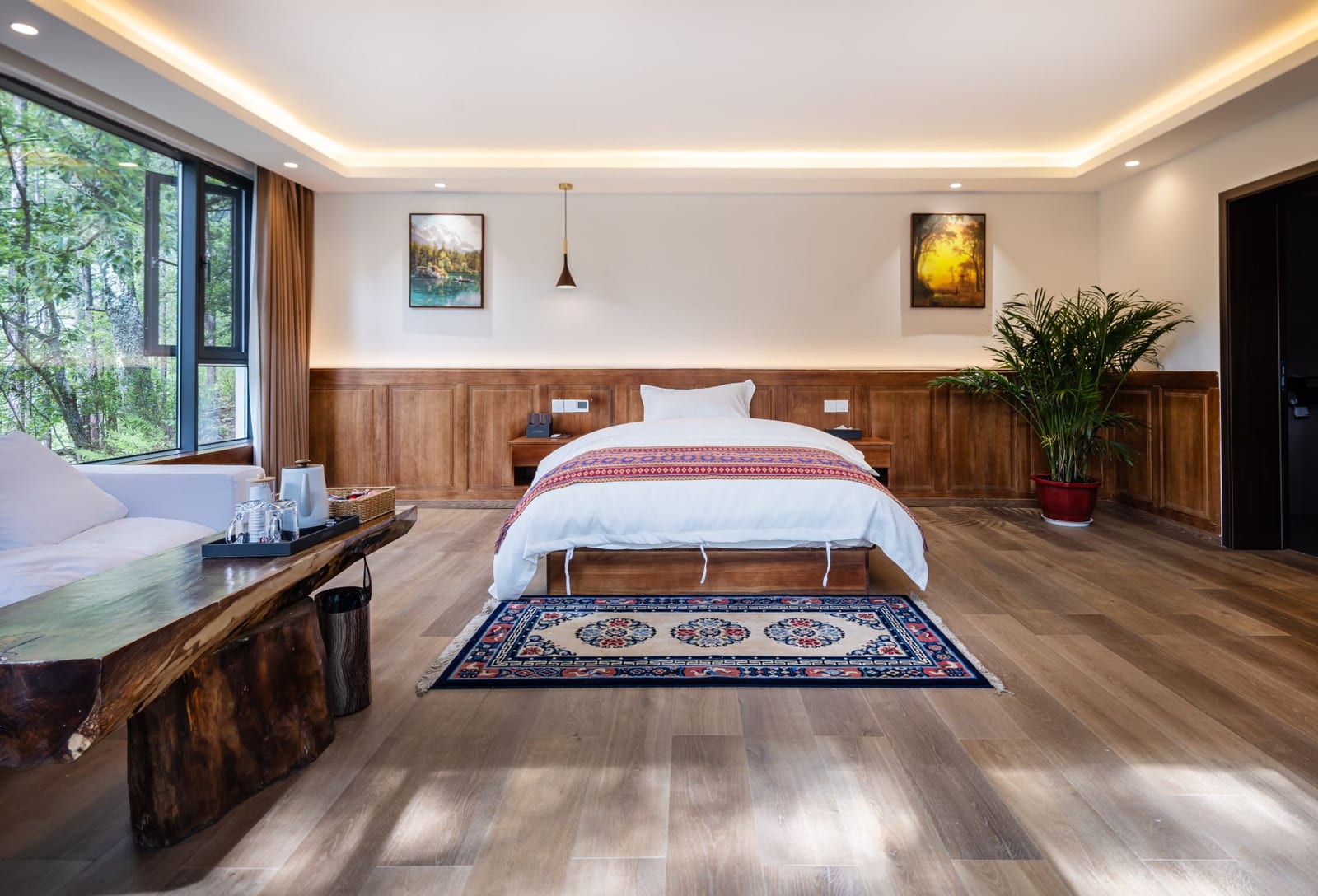
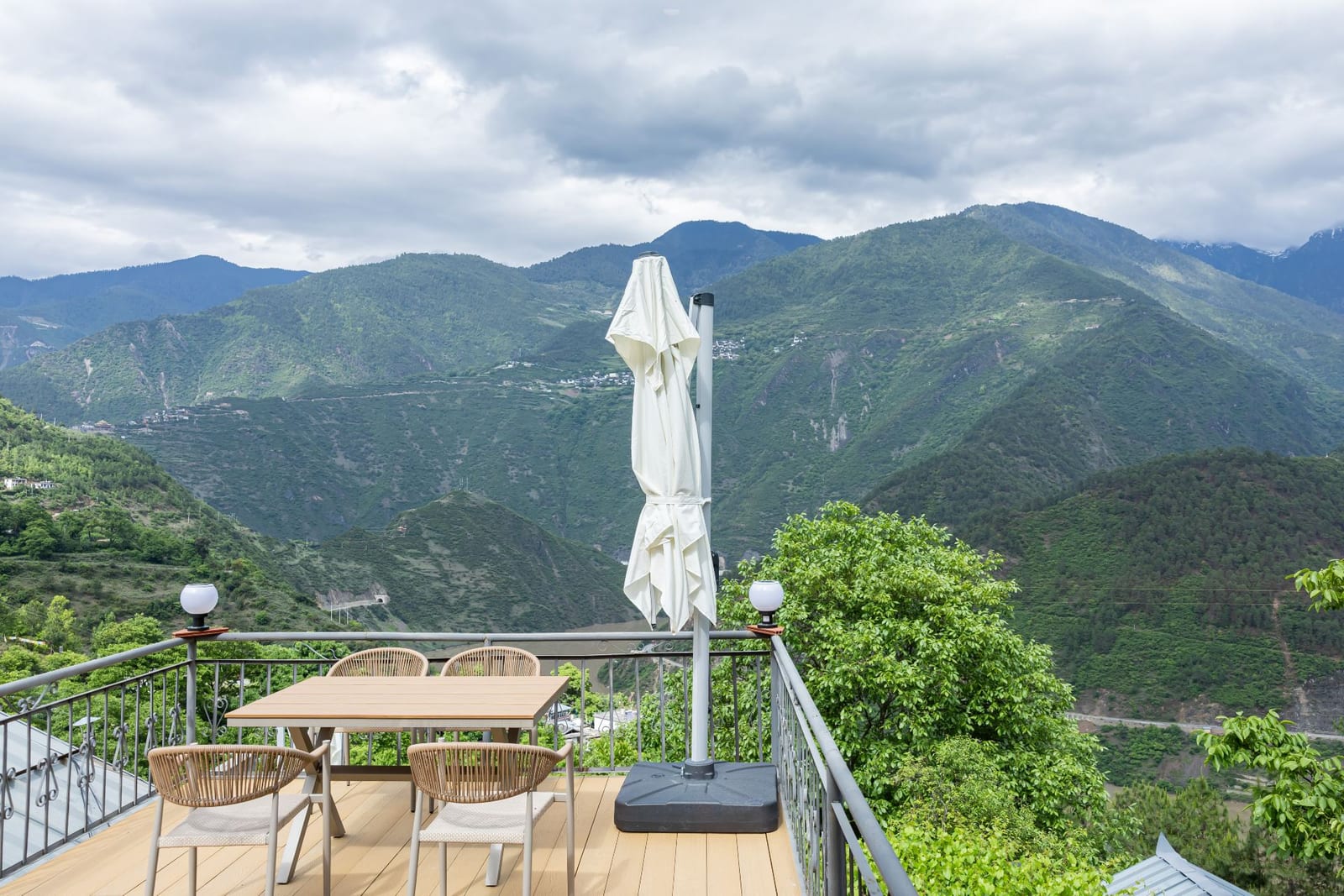
A small lodge opened in 2025 in Chunduole, a Tibetan walnut village in the hills above the Lancang near Cizhong — picture windows onto Baima Snow Mountain, a terrace over the valley and the family's own cooking. One night near Cizhong.
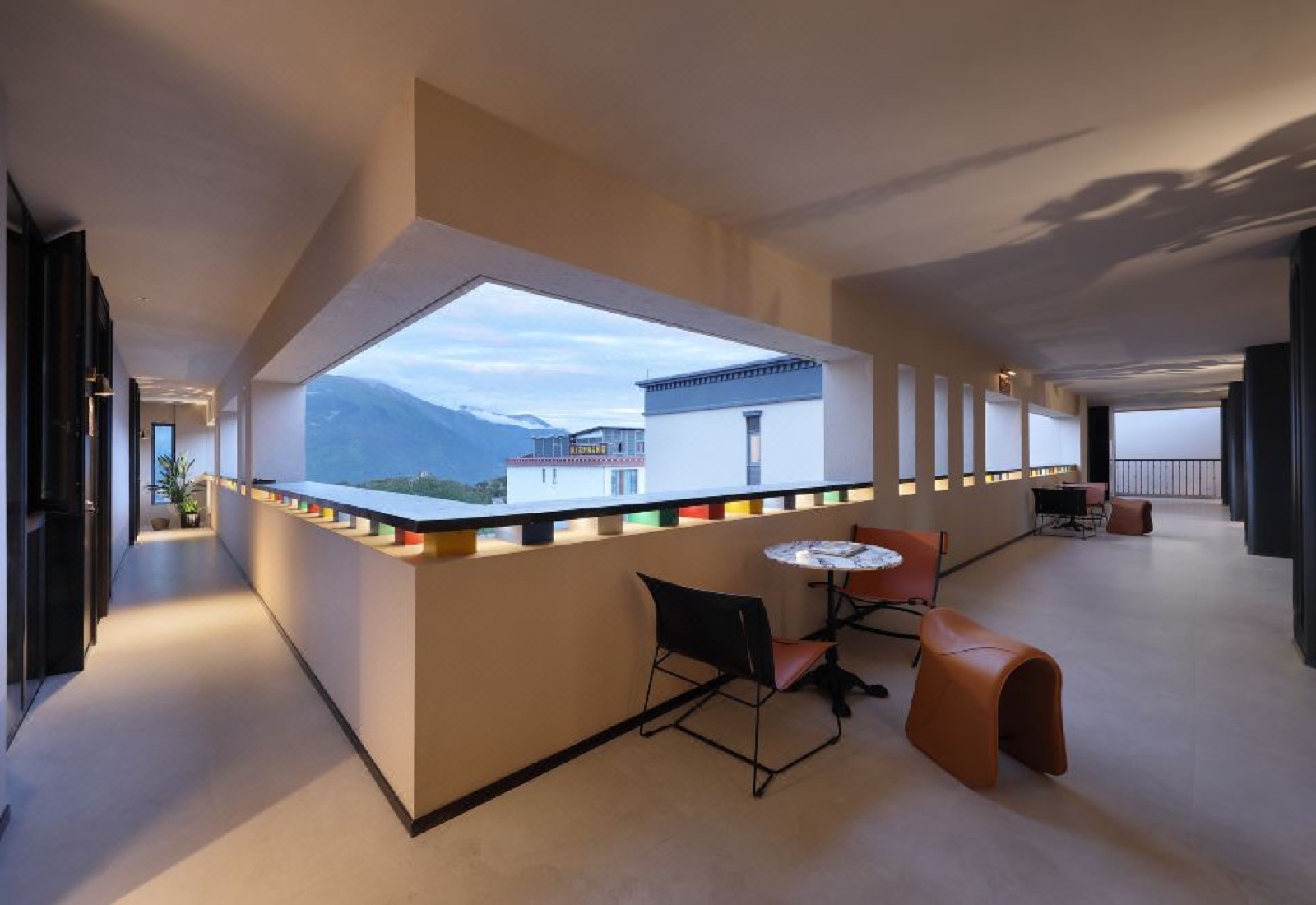
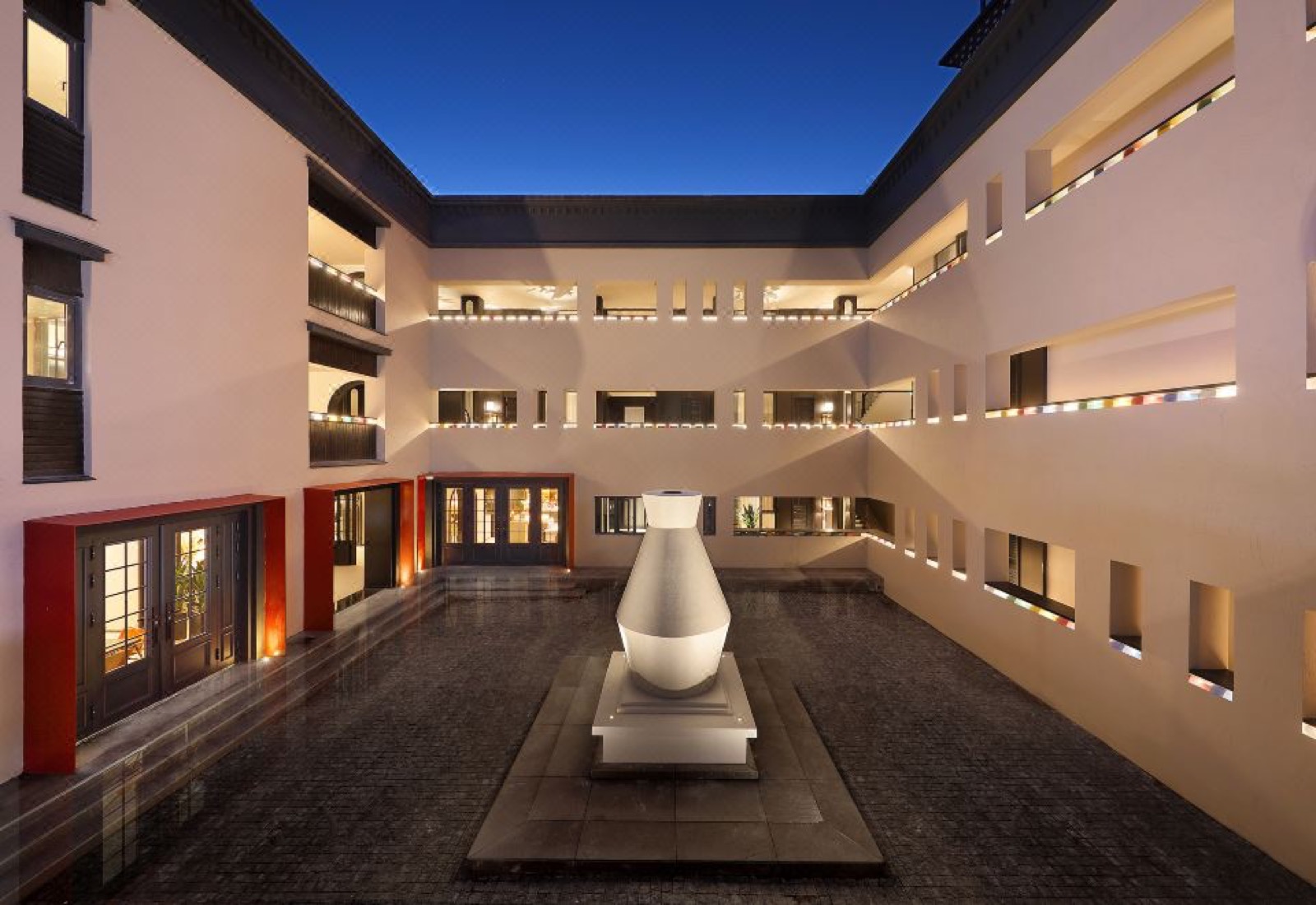
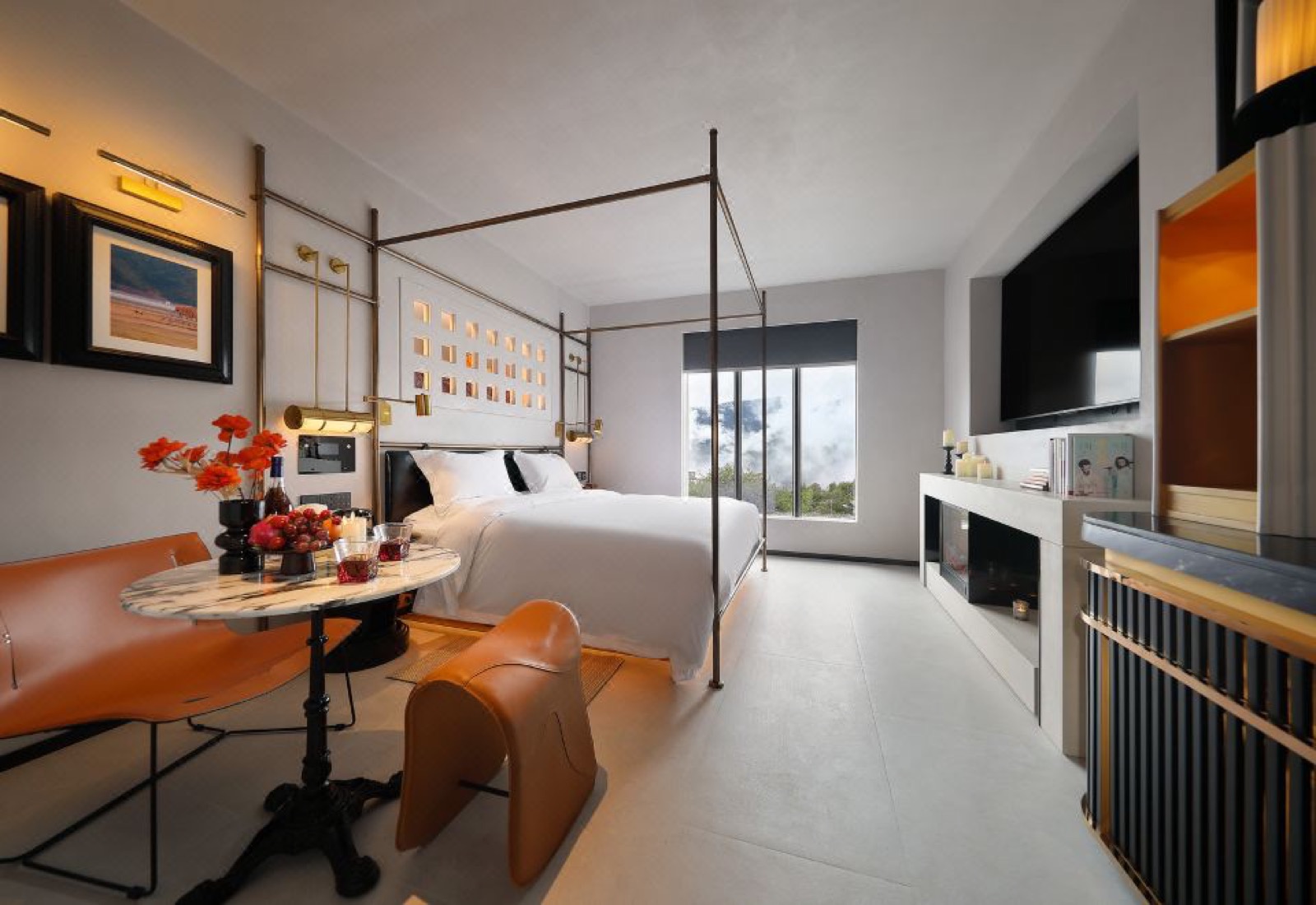
A contemporary Tibetan hotel at the Feilai Si viewpoint, its picture windows framed squarely on the Meili range — the Kawagarbo sunrise from your room. One night at Feilai Si.
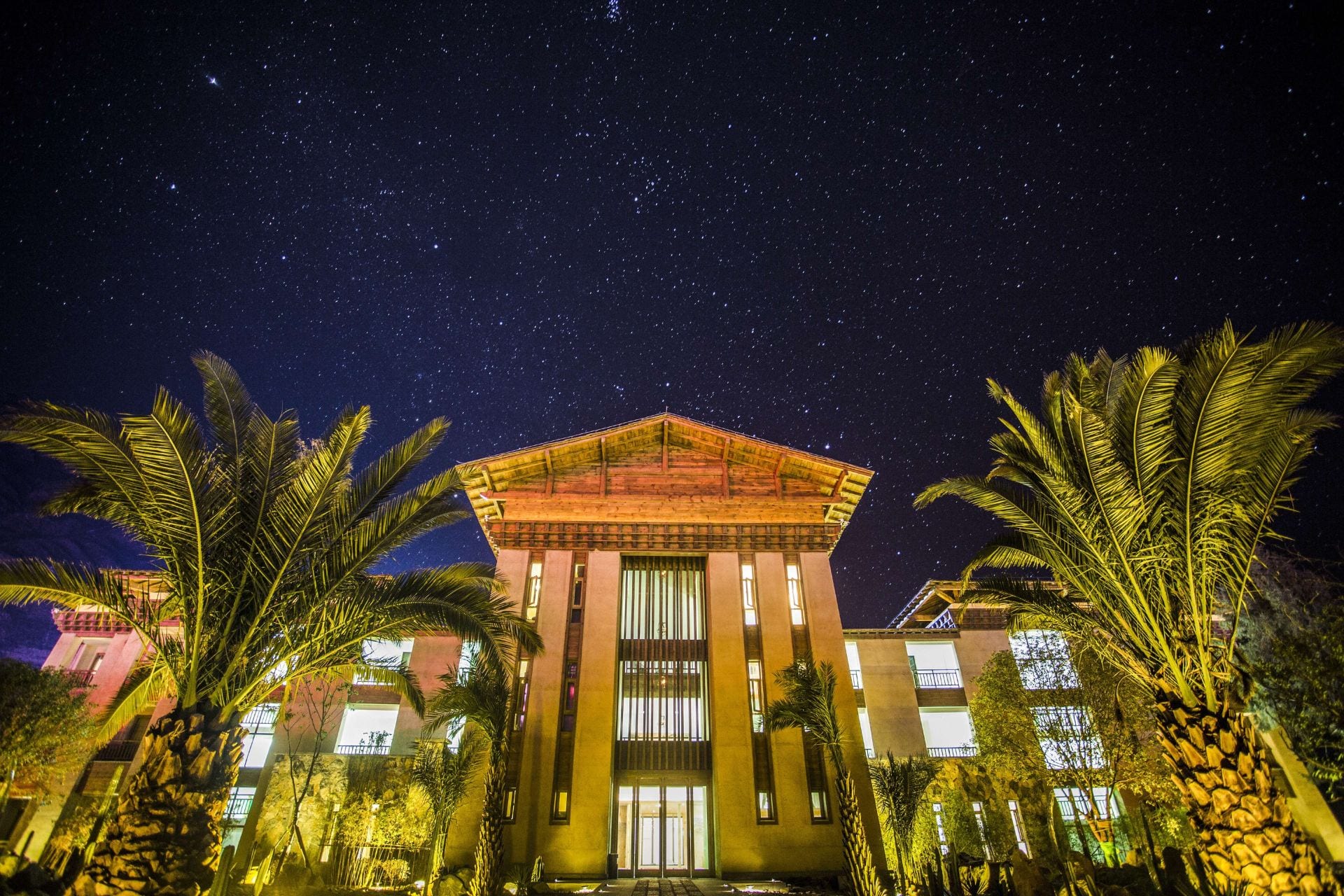
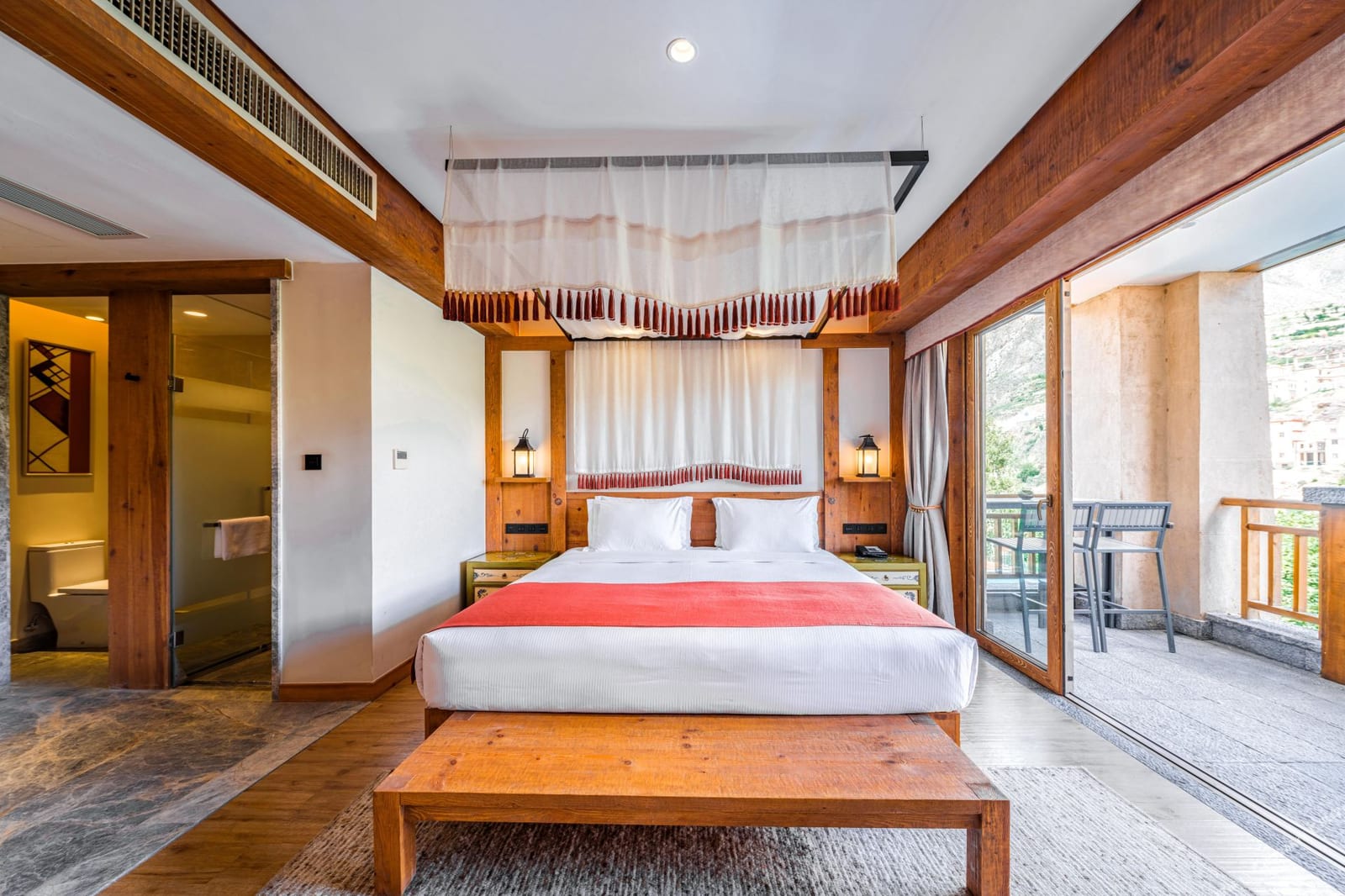
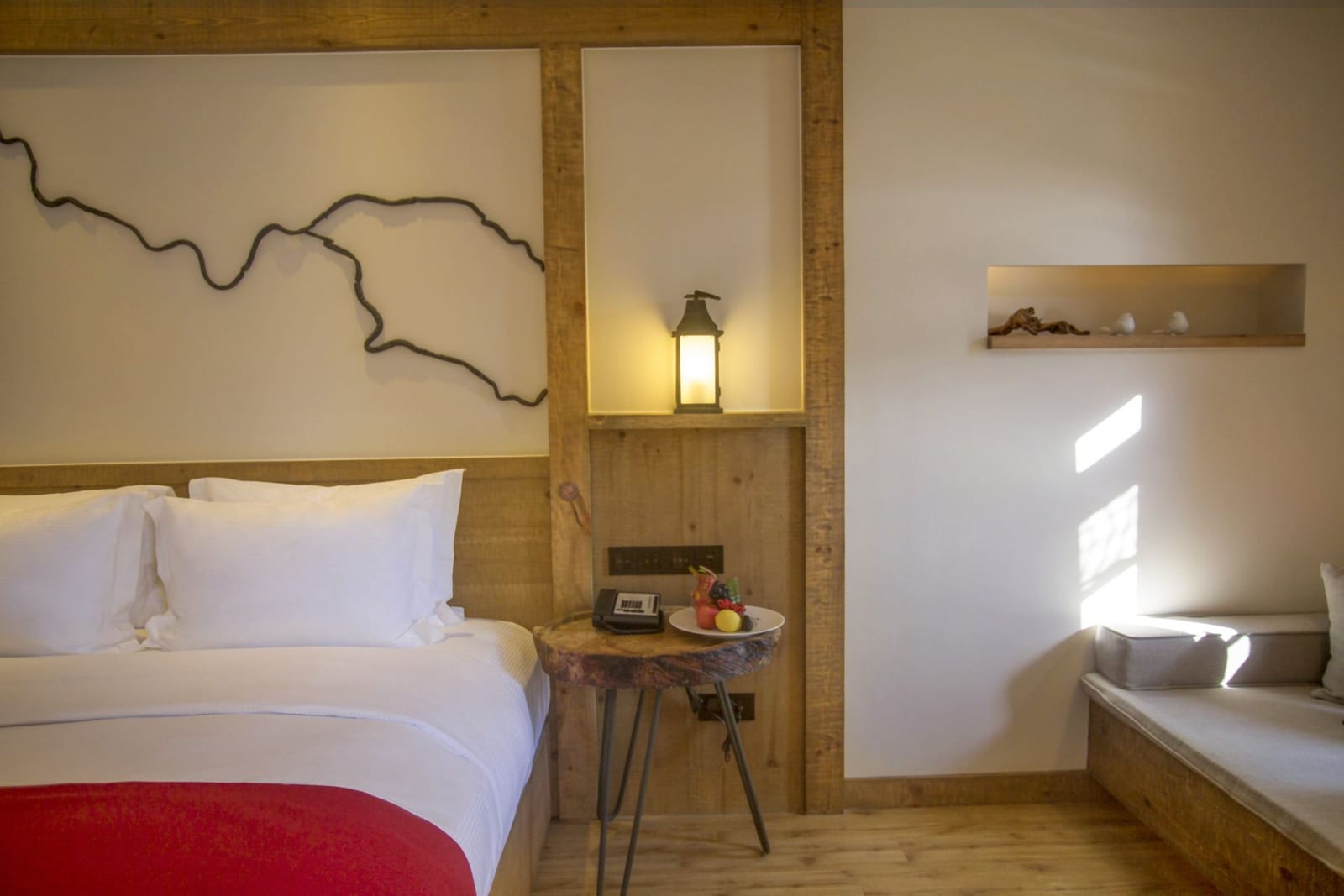
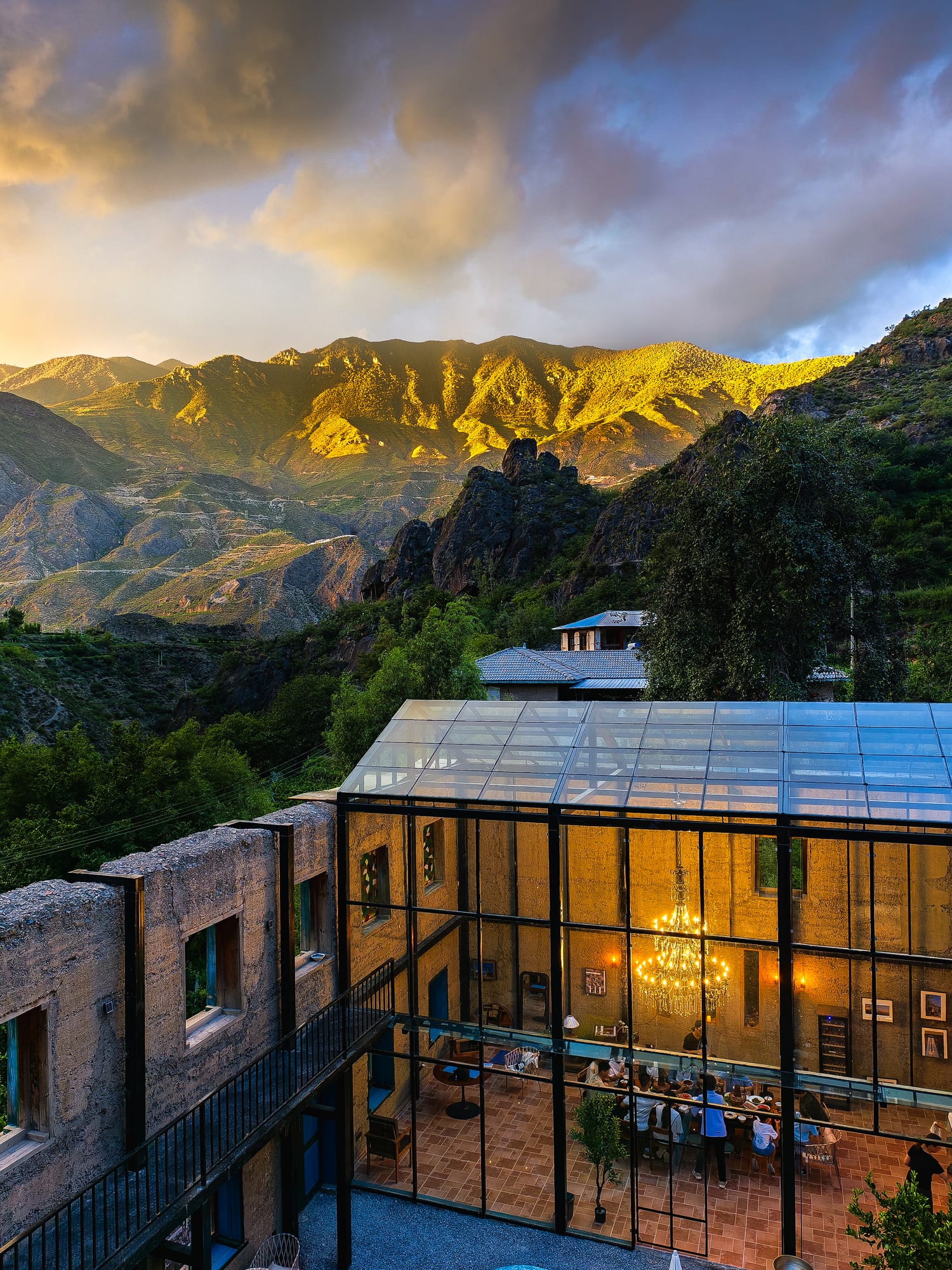
A rammed-earth Tibetan hotel of thirty rooms on the Jinsha at Benzilan, where the Tea Horse Road crossed the river — some rooms looking straight down onto the water. Two nights in Benzilan.
These are examples of the boutique stays we book across the route. Because boutique hotels have so few rooms, a stay may occasionally be swapped for one of similar standard.
Yes — and a serious one. The Meili wine region in Diqing, northwest Yunnan, has grown from the first commercial vines planted in 2000 to more than fourteen thousand mu of vineyards along the Jinsha and Lancang rivers, between about 2,000 and 2,800 metres, which makes them some of the highest wine grapes in the world. The missionaries' Rose Honey vines at Cizhong are a century older than that. The wineries you visit range from the region's founding company to family cellars and estates only a few vintages old; your wine team leader puts the tasting glasses in context, winery by winery.
Shangri-La is at 3,200 metres on the first night, and Feilai Si on the fourth night is the high point at 3,560 metres, with the Baima Snow Mountain pass above 4,000 metres on the drive. In between, the valleys are kind: Tacheng is at about 2,000 metres and Cizhong and Benzilan are lower than Shangri-La. We keep the first evening quiet, the days are not strenuous, and your guide watches everyone for signs of altitude sickness. If you have a heart or lung condition, talk to your doctor before you book.
October is the harvest in the Meili region, so you see the vineyards being picked and the wineries at work, and it is also the clear season for the Kawagarbo sunrise. Departures run on any day you choose between 8 and 30 October 2027. Each departure needs a minimum of four guests and takes no more than eight, so book as your own party of four or more, or tell us your dates and we will add you to a departure that fits.
Everything on the ground from the morning pick-up at Lijiang airport to the drop-off at Shangri-La or Lijiang airport on day 7: six nights in the hotels shown, every meal, every winery visit and tasting, the monkey reserve, the Reba dance evening and the other activities, a private vehicle and driver, your English-speaking guide and the wine team leader. Flights to Lijiang and from Shangri-La or Lijiang are not included — we can advise on connections through Kunming, Chengdu or Shanghai — nor is travel insurance, which you need.
Lijiang has direct flights from most big Chinese cities and from Kunming, which is the usual connection from Australia and Southeast Asia. Shangri-La's Diqing airport flies to Kunming, Chengdu, Chongqing and a few other cities; if a direct flight home from Lijiang suits better, we drive you back there instead, about four hours further on the last day.
Yes. The wineries are as much about the places as the glass — a mission church, a five-hundred-year-old walnut tree, an old Tibetan house up a mountain track — and the days around them are the Meili sunrise, the snub-nosed monkeys, the Lisu and Tibetan villages and the Reba dance. Tell us when you book and we will make sure there is tea and good food wherever there is wine.
Every day, stay and date tailored to you — shaped over a call with someone who has walked the route, never a template.
Request a proposal for this trip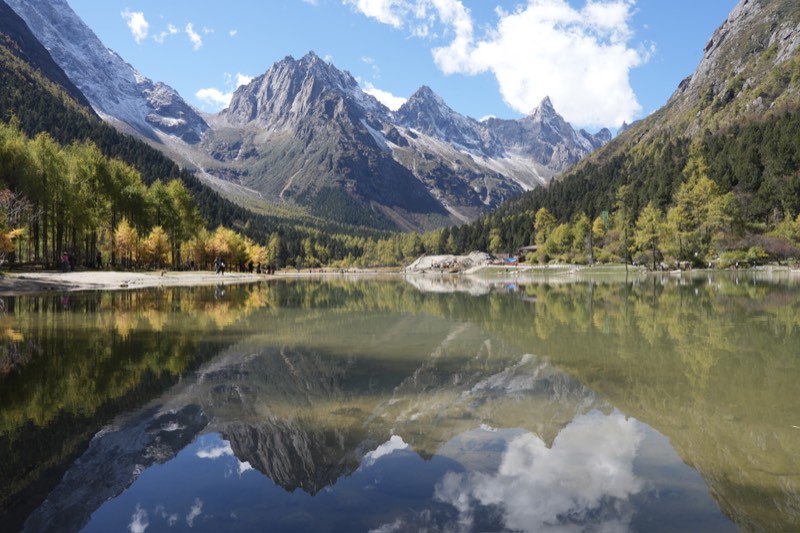
Giant Pandas at the Chengdu Research Base, then three days in the alpine lakes of Siguniang or Jiuzhai Valley. City culture first, mountain silence after.
See the itinerary →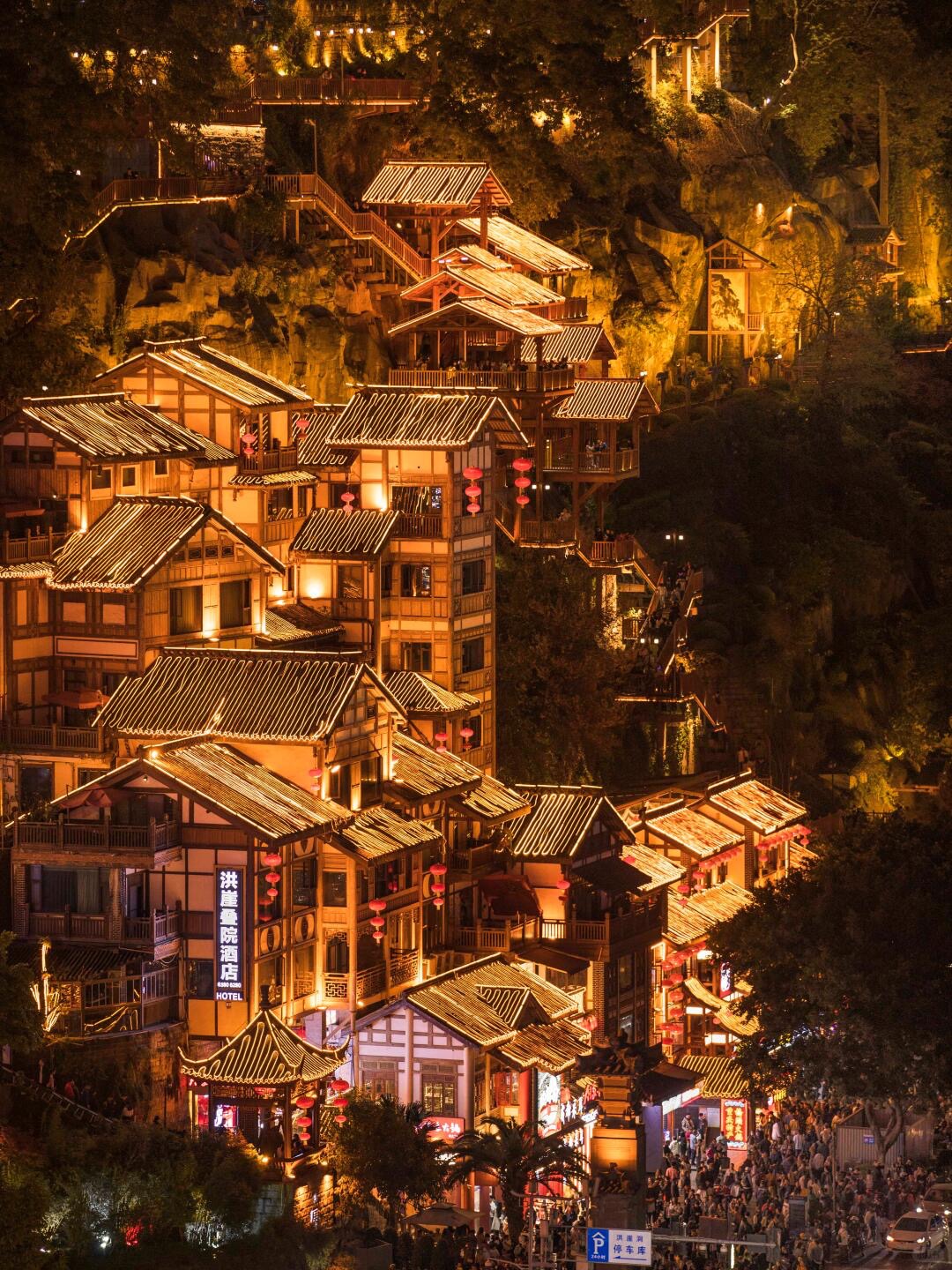
A 5–6 day private tour weighted toward Chongqing — neon river cities, UNESCO Wulong Karst, the Longji (Dragon's Backbone) ridge hike above the Yangtze, and two different tables of Sichuan heat. Bookended with a soft Chengdu landing.
See the itinerary →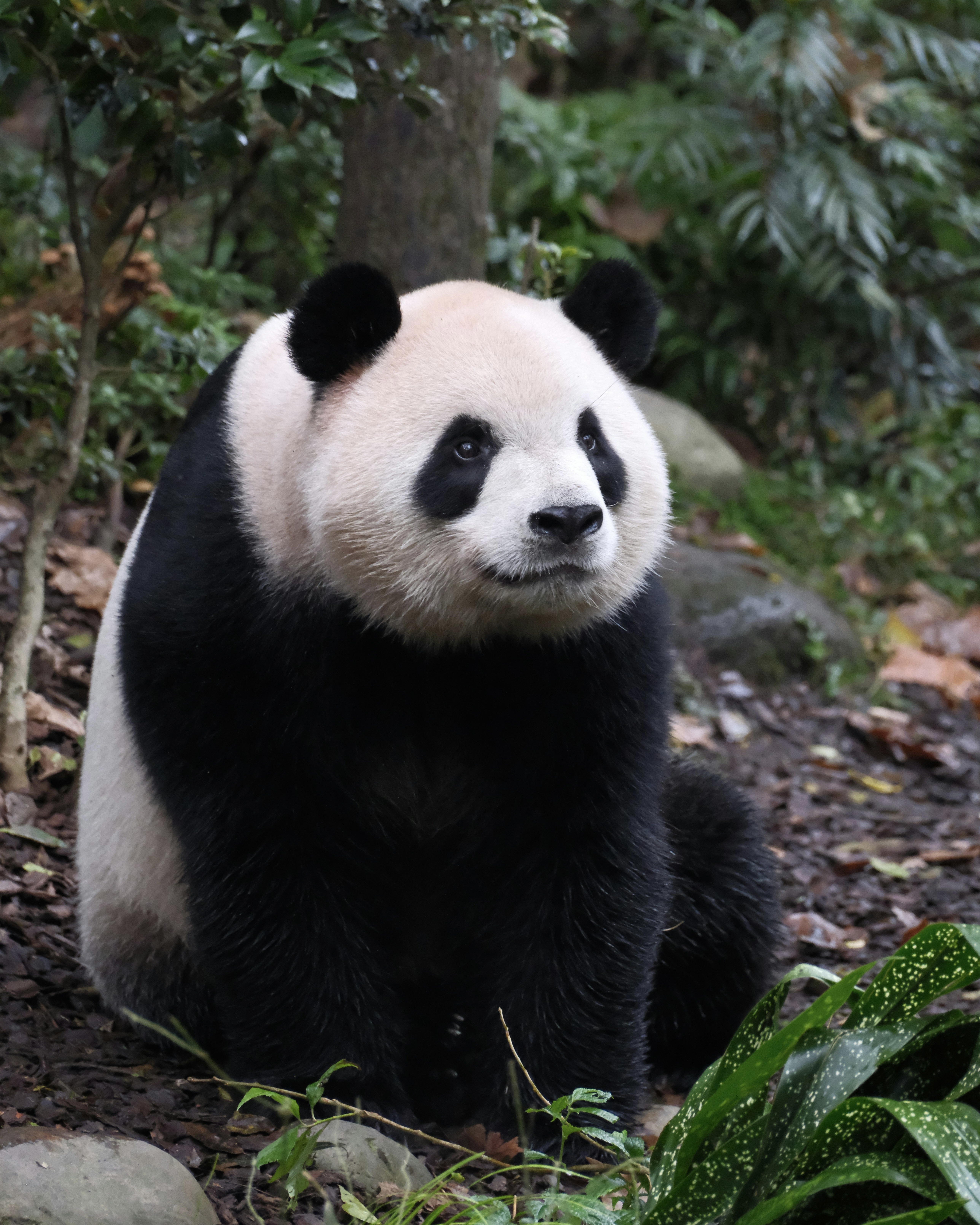
Fifteen days that pair China's great icons with its wildlife and wild landscape — the Forbidden City and the quiet Great Wall at Jinshanling, the Terracotta Army, a working day with the giant pandas outside Chengdu, three days among Zhangjiajie's sandstone pillars, and Shanghai to finish. Private throughout.
See the itinerary →