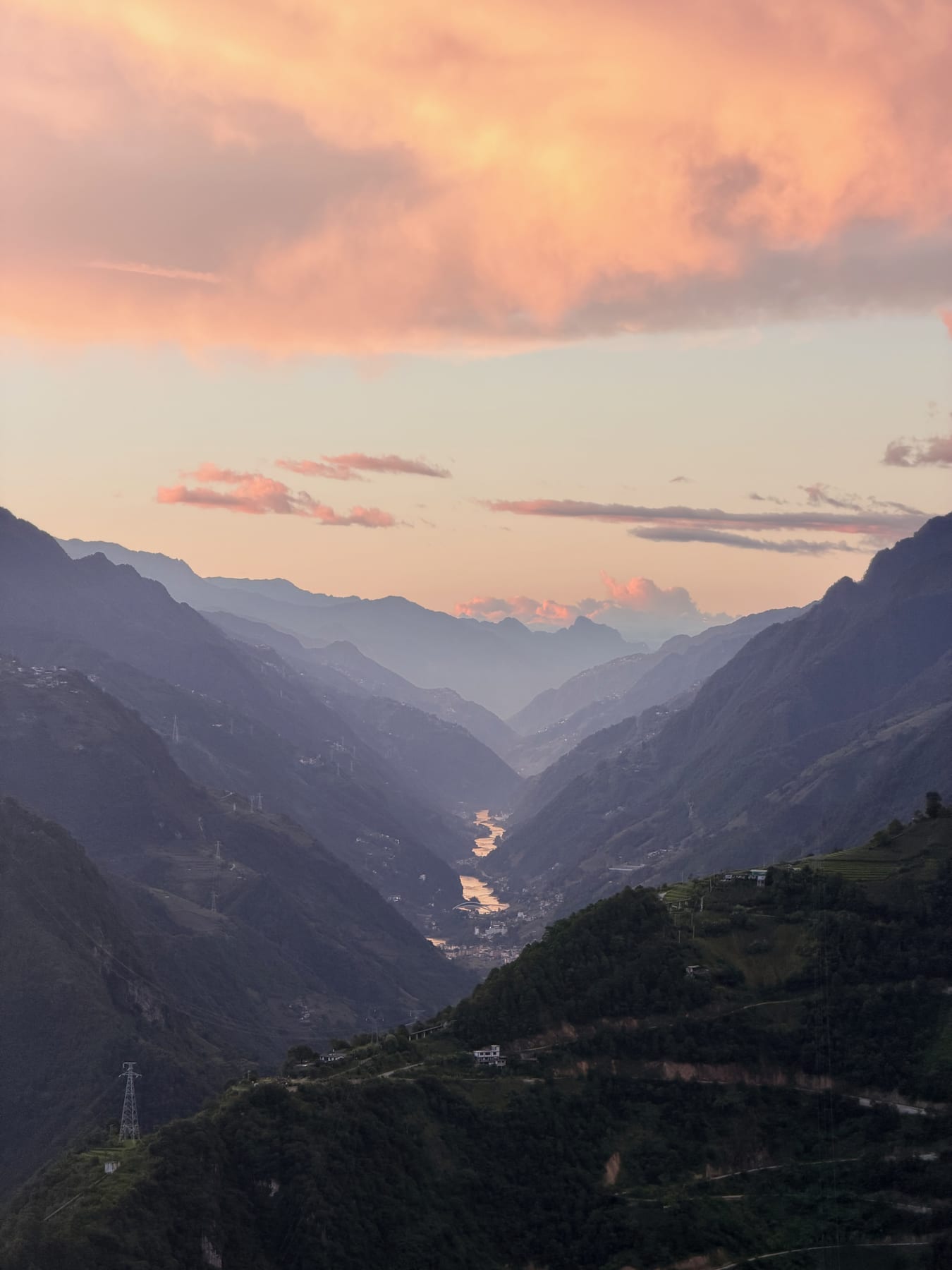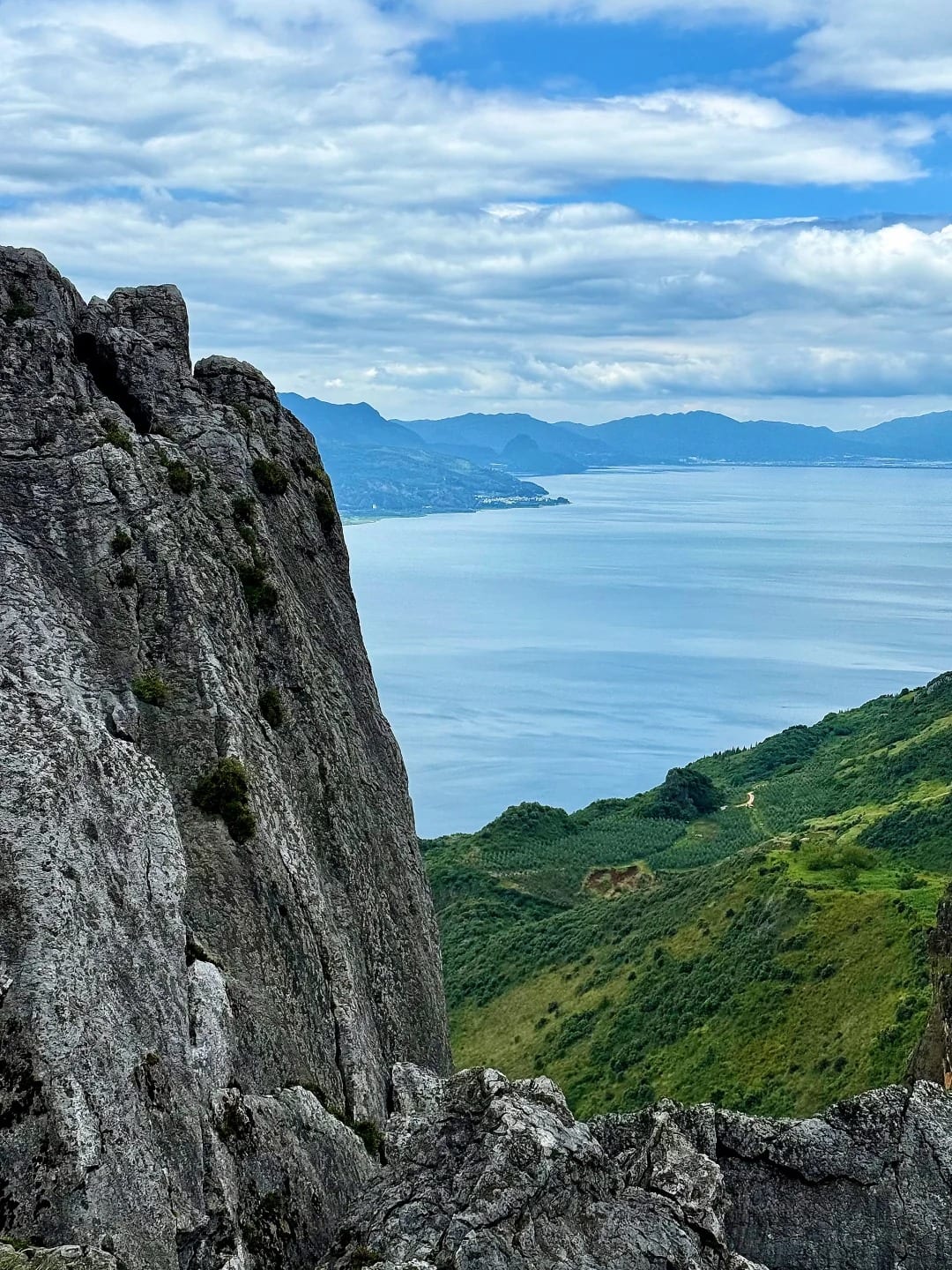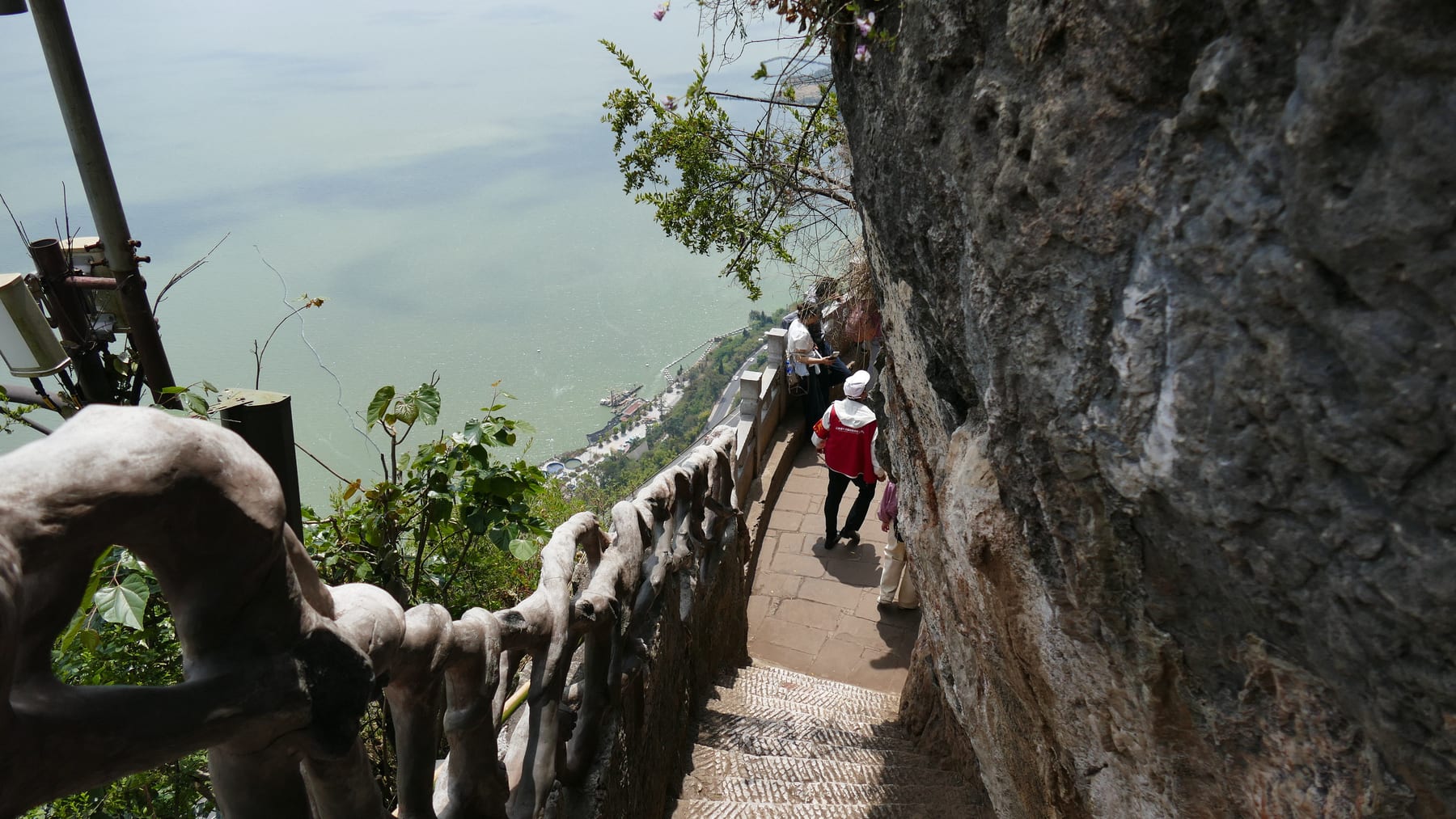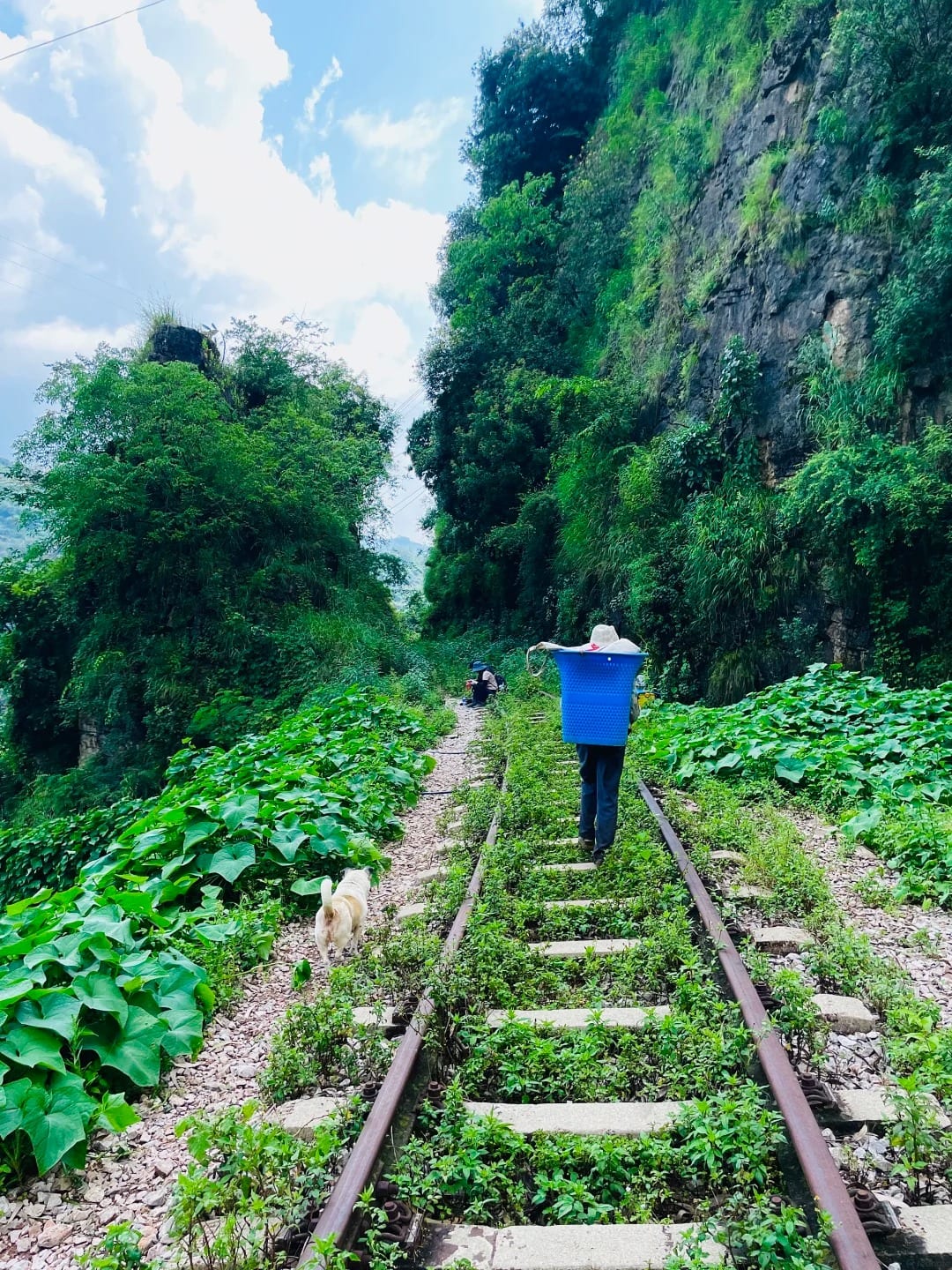
In April 2025, Yunnan’s tea authorities published reference prices for 1,405 tea villages. Most were down 20–30% on the year. One held completely flat: old-tree spring leaf from Bingdao village in Lincang, listed at up to ¥95,000 a kilogram — roughly A$20,000, for unprocessed leaves. That’s the strange, wonderful world of Pu’er tea, and it plays out across a handful of mountains in southern Yunnan that most tea drinkers will never see.
Here’s the thing: you can see them. The villages behind the auction headlines are real places — Hani and Blang and Dai communities a few hours’ drive from an airport, where the same families have picked the same trees for centuries and will happily sit you down at the fire pit. This guide covers where Pu’er tea actually comes from, which names matter and why, and how we build a tea journey around it.
Sixty Seconds on What Pu’er Tea Actually Is
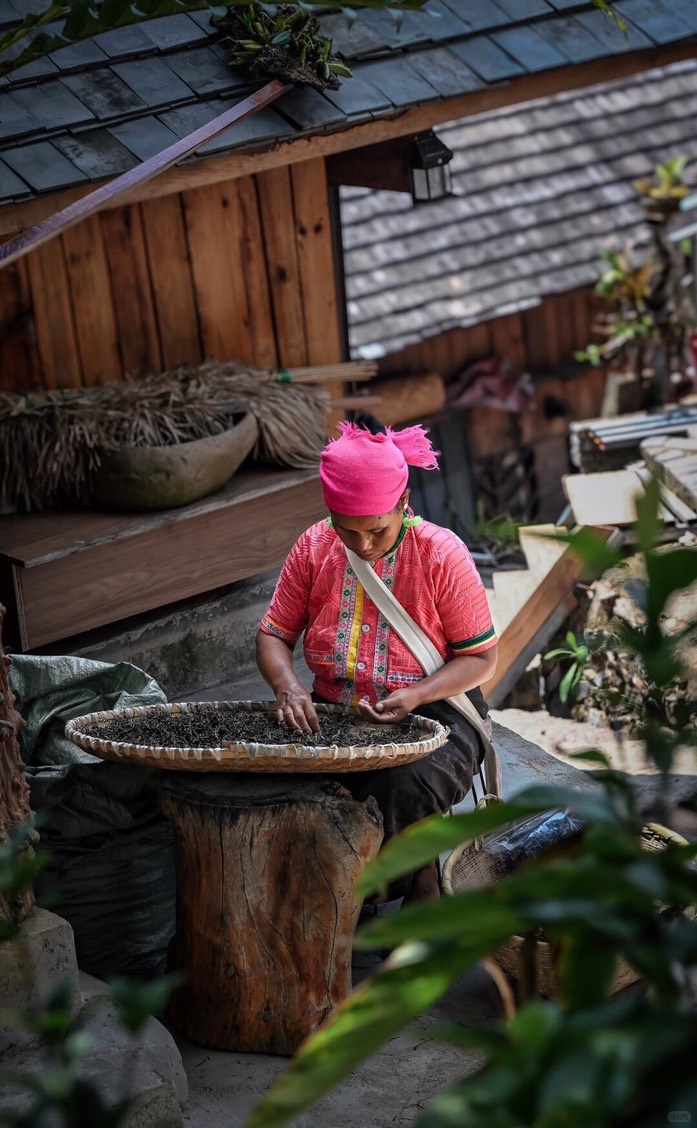
Pu’er is a dark tea from Yunnan’s large-leaf tea trees, and the defining step is sun-drying — leaf is withered, wok-fired at a deliberately low temperature, rolled, then dried in the sun, which leaves enough enzyme activity alive for the tea to keep transforming for decades. Raw Pu’er (sheng, 生茶) is that sun-dried leaf pressed into cakes and left to age naturally. Ripe Pu’er (shou, 熟茶) takes a shortcut: a wet-piling process developed across Yunnan’s state factories in 1973–75 and perfected at Menghai compresses decades of ageing into about 45 days, giving the dark, earthy style most people first meet as “Pu’er.”
The premium leaf is 头春 — first spring, picked one bud and two leaves from old trees between late February and April, depending on the mountain. Autumn “rice-flower” tea (谷花茶) is the second pick and sells for roughly half, often less. And cakes weigh 357 grams for a reason: seven cakes to a bamboo-wrapped stack, twelve stacks to a basket, one basket each side of a mule — about 60 kilograms per animal on the caravan roads. The format is Qing-dynasty freight logistics, still on your shelf.
The Four Tea Regions, Compared
Nearly all of the famous names sit in three prefectures along the Lancang (upper Mekong) river — Xishuangbanna (split between Menghai county in the west and Mengla county in the east), Pu’er, and Lincang.
| Region | Base | Getting there | Famous for | The style |
|---|---|---|---|---|
| Menghai (Xishuangbanna) | Jinghong | 1 h drive from Jinghong airport (JHG) | Lao Banzhang, Nannuo, ripe Pu’er | Bold, bitter-then-sweet, powerful |
| Mengla / Yiwu (Xishuangbanna) | Yiwu old town | ~2.5 h drive from Jinghong | Six Great Tea Mountains, tribute tea | Soft, honeyed, elegant |
| Jingmai (Pu’er) | On the mountain | ~2.5–3 h from Jinghong; ~1.5 h from Lancang airport | The world’s first tea UNESCO site | Orchid aroma, gentle, floral |
| Lincang | Lincang city | 50 min flight from Kunming, then 2–2.5 h drive | Bingdao, Xigui, birthplace of Yunnan black tea | Rock-sugar sweetness, silky |
If you only take one thing from this table: the four regions taste different, the villages within them taste different, and that — not the auction prices — is the actual reason to go.
Xishuangbanna: Menghai — The Powerhouse
Menghai calls itself China’s No.1 Pu’er tea county and has the numbers to back it: over 900,000 mu of tea gardens, 40,000 tonnes of raw tea a year, and a tea economy worth ¥33.6 billion in 2024. This is where the bold, muscular school of Pu’er lives — and where ripe Pu’er became a commercial reality at the Menghai Tea Factory, founded in 1940 and home of the benchmark recipes (7542 raw, 7572 ripe) that collectors still trade by.
For a traveller, Menghai is the most rewarding first stop because the access is easy and the range is wide. Nannuo Mountain straddles the Jinghong–Menghai road only 30 minutes from the airport, and it’s a proper visit, not a drive-past: cars stop at Banpo Old Village, a Hani hamlet at about 1,600 metres, and from there it’s a 2.2-kilometre stone-flagged path through working ancient tea gardens to an 800-year-old cultivated tea king tree — one of the key pieces of evidence that people, not nature, domesticated tea here. You walk through the gardens, you drink at a farmer’s table, and the tea you taste grew ten metres from where you’re sitting.
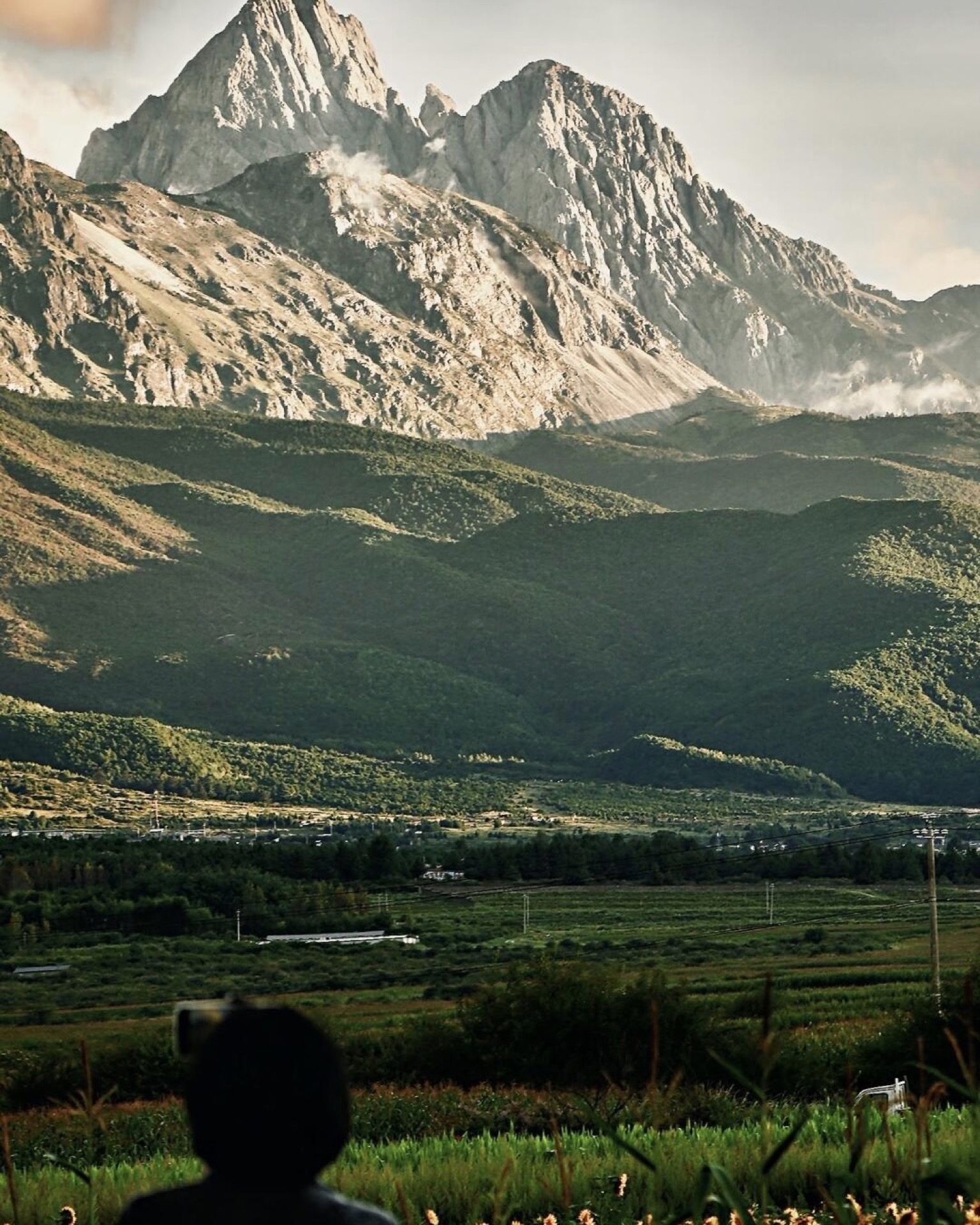
Deeper in is Blang Mountain and the most famous tea village on earth — Lao Banzhang, a Hani village at 1,700–1,900 metres whose old-tree spring leaf went from ¥8 a kilo in 2000 to five figures today. The village runs a formal gate with 24-hour supervision: every vehicle stops, and no outside tea leaf is allowed in, full stop — that’s how seriously the brand is protected. Its famous “tea king tree” made headlines at ¥680,000 for one season’s harvest rights in 2018; today the old tree is under a full harvest ban and recovering behind its bamboo fence. Fifteen minutes away sits Lao Man’e, the oldest and biggest Blang village on the mountain — its temple stele dates the founding to 639 CE — where the speciality is exactly the opposite of fashionable: proudly, deliberately bitter tea, tasted side by side with the sweet strain at a monastery older than most European cathedrals.
Base yourself in Jinghong and give Menghai a full day — two if Lao Banzhang is on the list (it’s around 2–2.5 hours each way from Menghai town on mountain roads).
Xishuangbanna: Mengla — Yiwu and the Six Great Tea Mountains
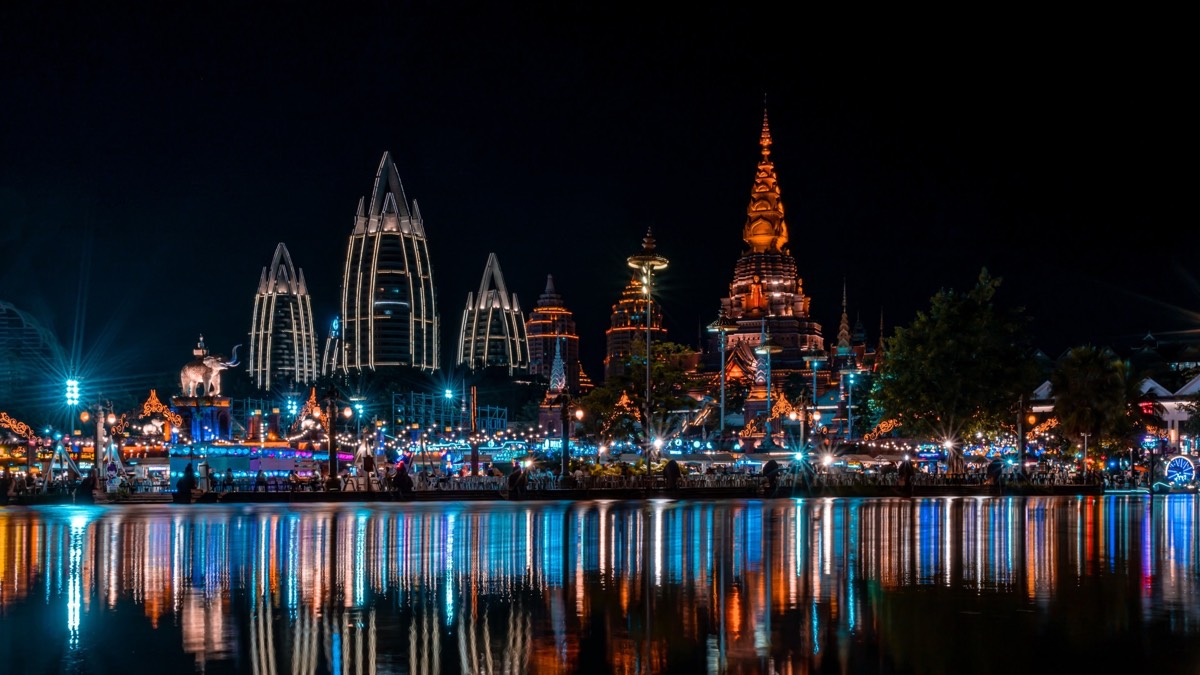
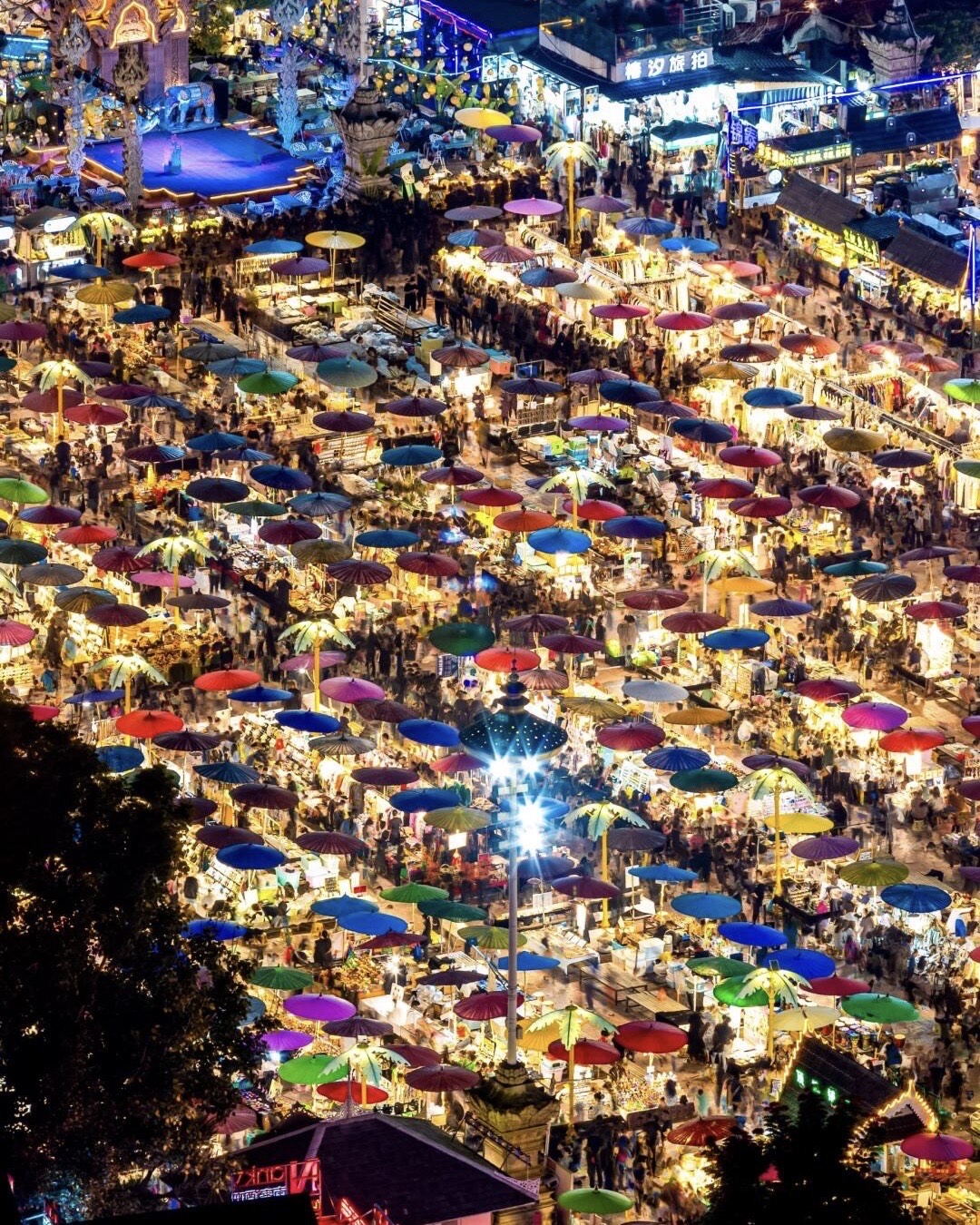
East of Jinghong, about 2.5 hours by road, Yiwu is where Pu’er’s history gets written down. The classic list of the ancient Six Great Tea Mountains was recorded by the Qing scholar Tan Cui in 1799, and five of the six sit in Mengla county. Under the Qing, the region owed the court 66,666 catties of tribute tea a year — and none could be sold until the quota was filled. The mule caravans that carried the rest to Tibet and beyond left from this street: Yiwu is the conventional starting point of the Tea Horse Road, and around town you can still walk preserved stone segments with hoof-wear in the slabs. (The road’s northern market towns are a different trip — Shaxi, which we’ve written about before, is the best-preserved of them.)
Yiwu old street today is a working monument: a blue-flagstone lane climbing past the surviving houses of the great Qing tea firms — Tongxing, Cheshun, and the restored Fuyuanchang mansion at the top — with the great banyan where caravans assembled, and a small tea-culture museum holding the 1838 “tea case stele,” a court ruling in favour of tea farmers against a grasping local official. Tea people come here for the micro-terroirs in the surrounding forest — names like Guafengzhai, Wangong, Mahei and Bohetang, hamlets and hidden groves that produce the soft, honeyed, slow-burning style that made Yiwu the emperor’s choice.
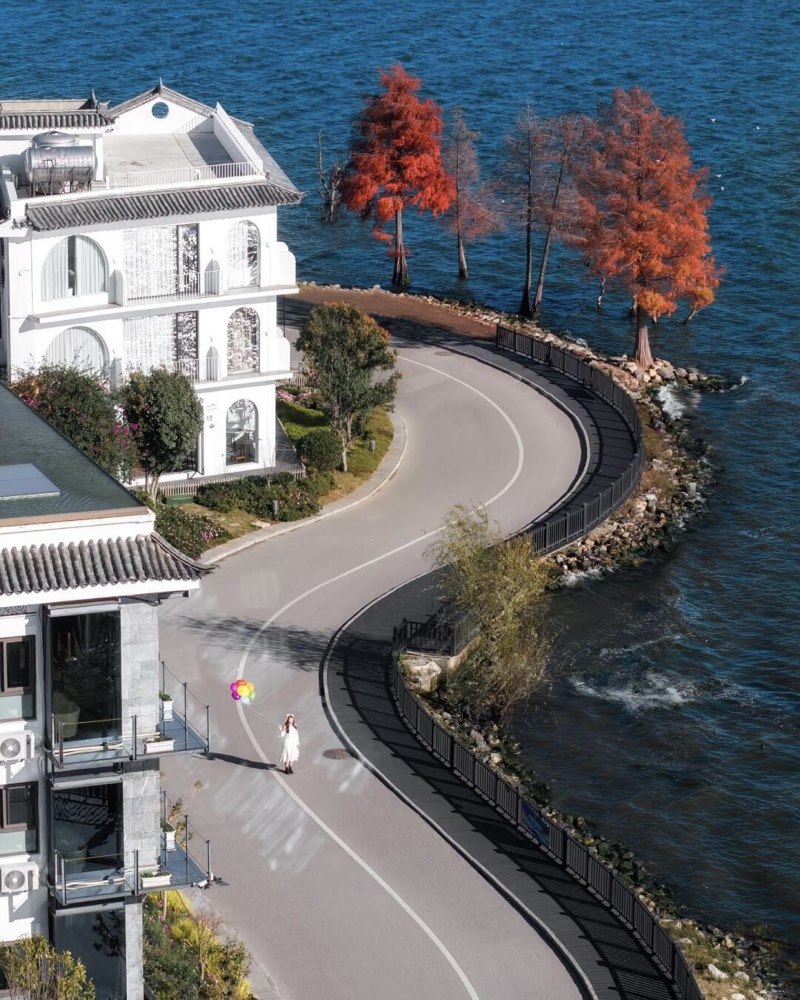
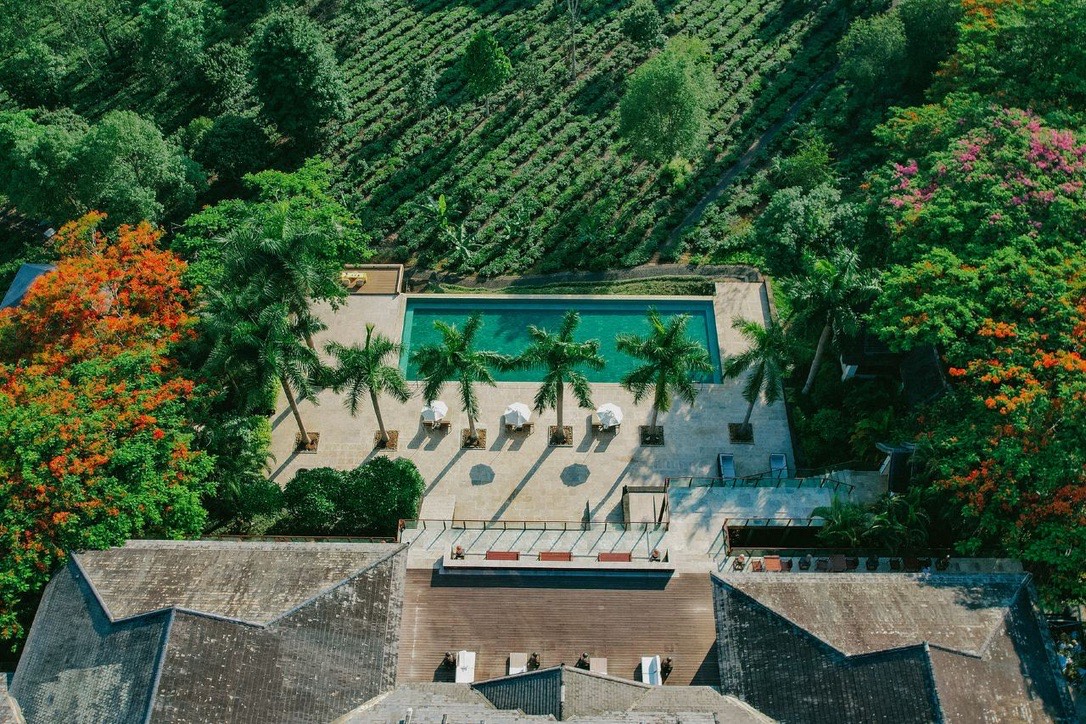
This is the region we’d point serious drinkers to second, once the palate has a baseline. It’s also the least developed for visitors — which, if you’ve read anything else we’ve written, you know we consider a feature. En route between Jinghong and Yiwu, the Anantara Xishuangbanna on a curve of the Luosuo River makes the logical overnight — pool villas beside the botanical-garden rainforest, and the tea mountains within striking distance.
Pu’er: Jingmai Mountain — The One UNESCO Chose
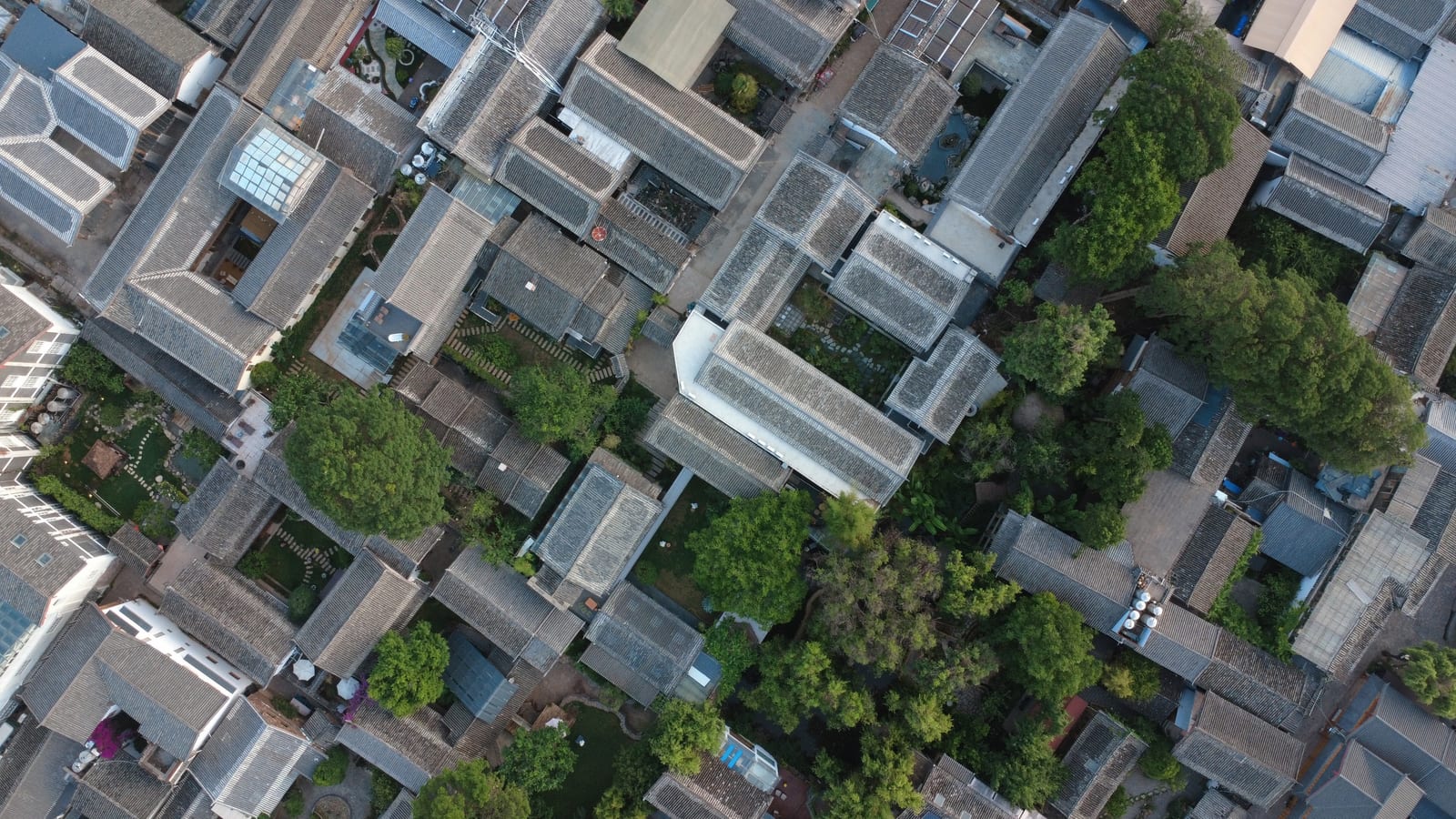
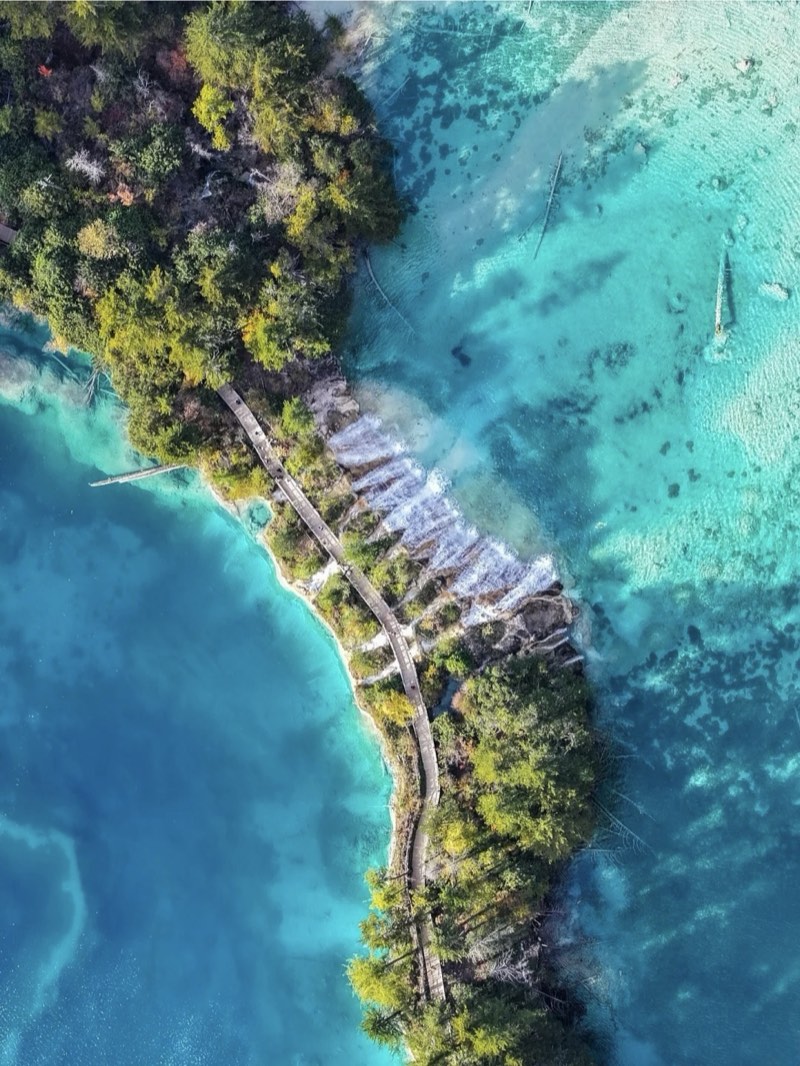
On 17 September 2023, the Cultural Landscape of the Old Tea Forests of Jingmai Mountain became China’s 57th World Heritage site — and the world’s first tea-themed one. What UNESCO inscribed is not a scenic view but a method: for over a thousand years, since the 10th century, Blang and Dai communities have grown tea under the natural forest canopy instead of clearing it — no irrigation, no chemicals, pest control by biodiversity. The listed property holds five old-growth tea forests totalling 1,180 hectares, more than a million trees over a century old, and nine villages where around 5,000 people still live. The first tea tree planted in each new grove is honoured as the “tea spirit tree,” with offerings before every harvest. It is, as the nomination put it, a living fossil of how tea cultivation began.
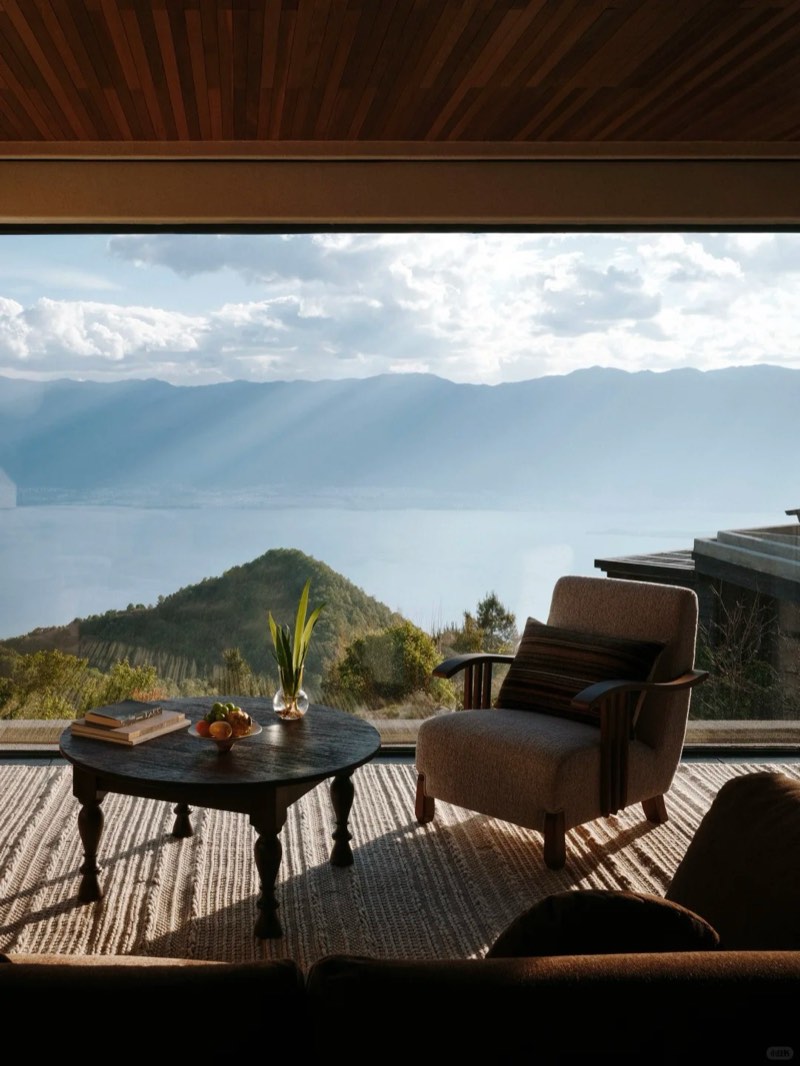
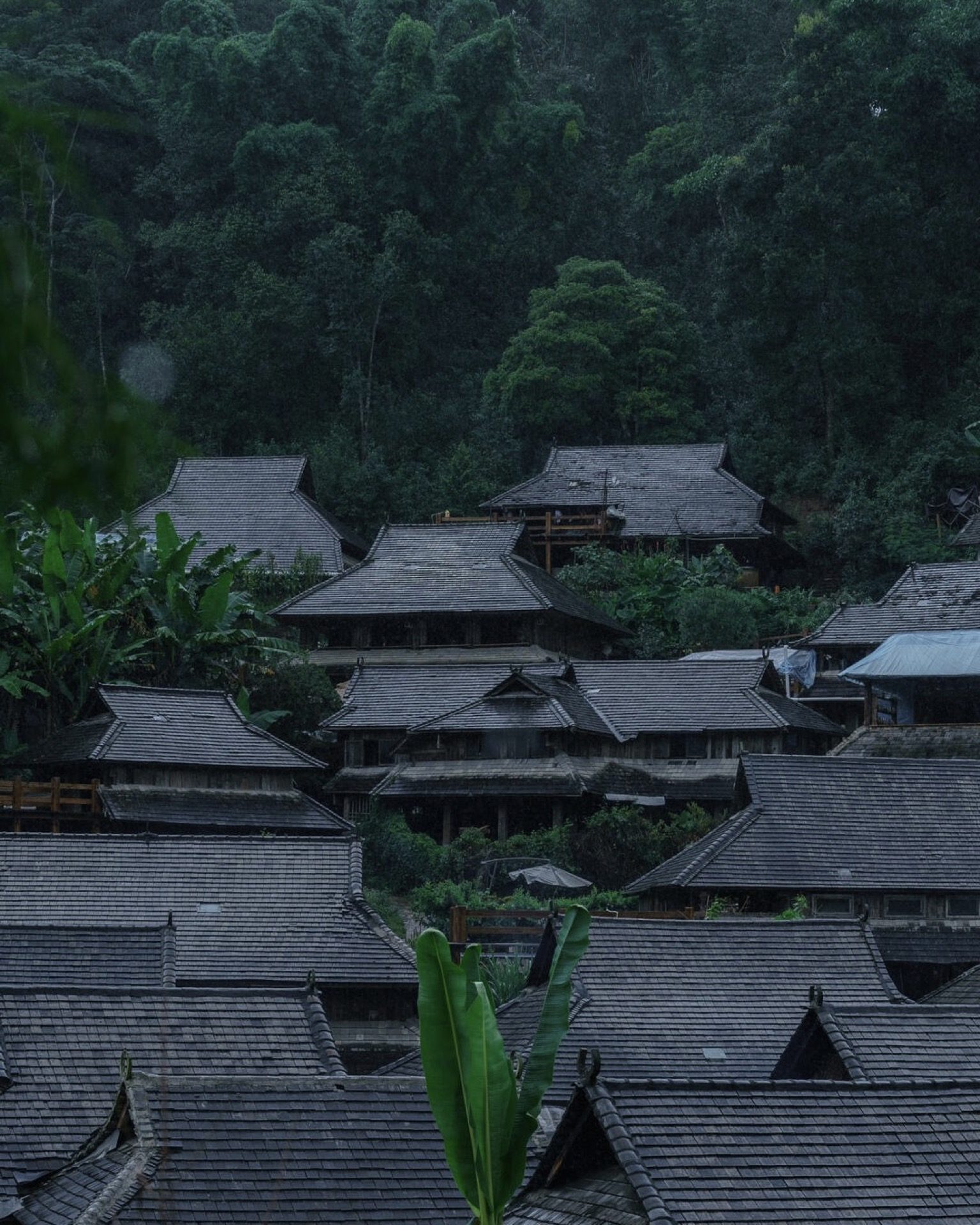
It’s also simply beautiful. The villages — Dai ones like Nuogan down among the tea, Blang ones like thousand-year-old Wengji up the ridge — are clusters of timber houses and tiled roofs that were being photographed long before the UNESCO plaque went up. From November to February a sea of clouds fills the valleys most mornings and burns off around midday; the villages sit at about 1,400 metres, deliberately above the cloud line, so you watch it from your breakfast table. In deep winter, wild cherry blossom threads pink through the tea terraces.
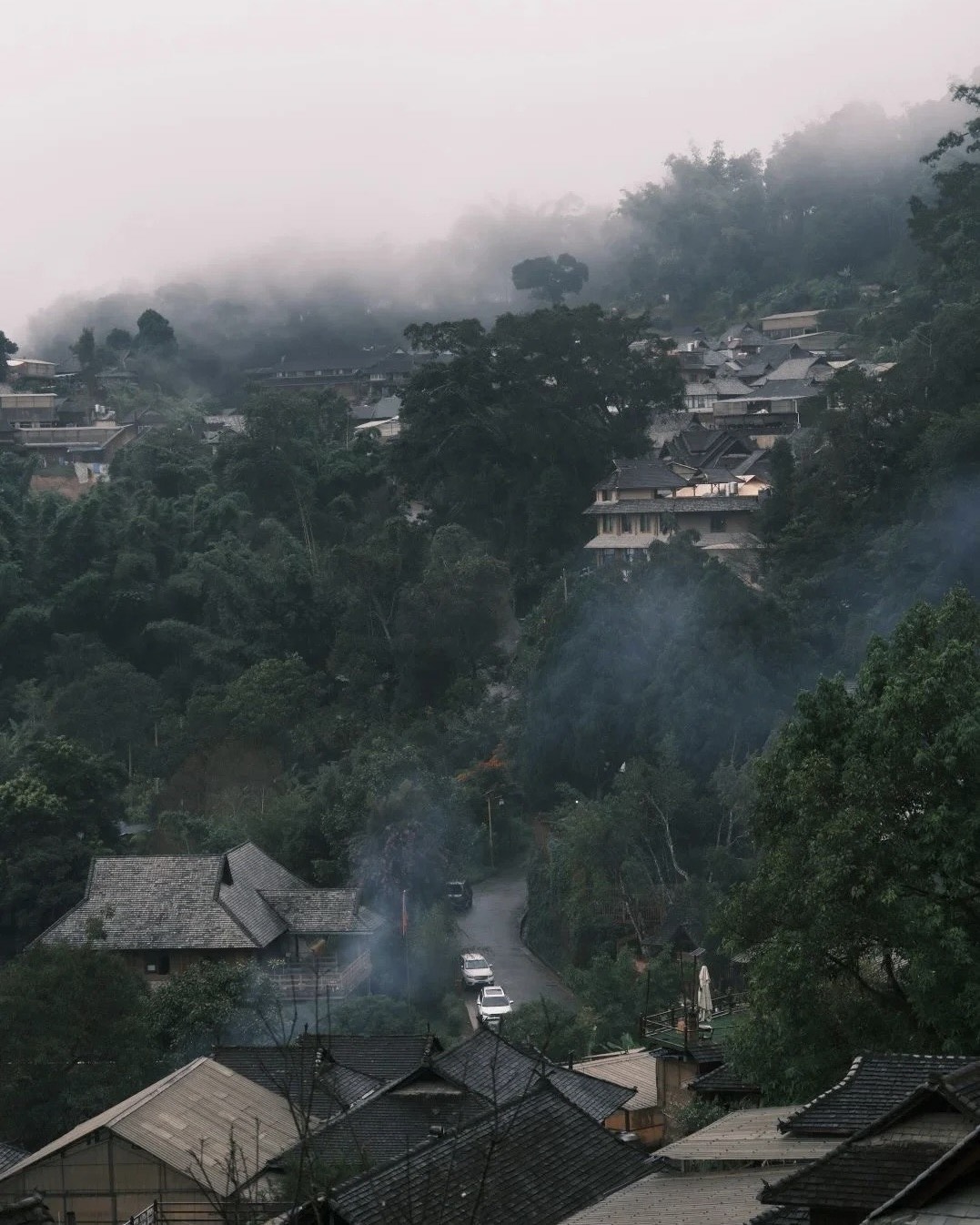
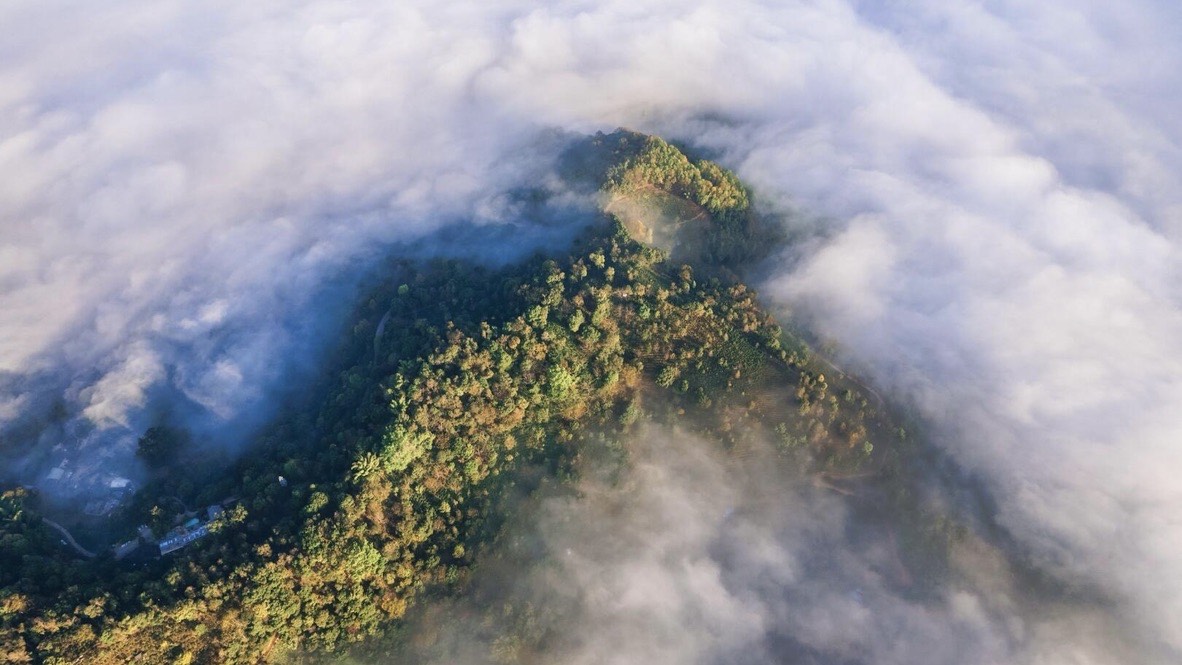
Two practical notes. First, access is controlled: outside vehicles are restricted on the mountain during peak periods and visitors transfer to shuttles — the kind of rule that changes season to season, and exactly the thing your guide handles (our Jingmai Mountain guide covers the logistics and the stays). Second, here’s the quiet arbitrage: Jingmai’s old-tree spring maocha listed at ¥1,500–2,500 a kilogram in recent official price surveys. Against Bingdao’s ¥95,000 ceiling, the world’s first World Heritage tea is — by famous-mountain standards — the honest bargain of the whole map. Gentle, orchid-scented, and you can afford to drink it rather than frame it.
Lincang: The Queen’s Country
Lincang is the least-visited of the four regions — it only got an expressway link toward Kunming in late 2020 — and it produces the most expensive tea in China. The saying that organises the whole Pu’er world is 班章为王,冰岛为后: Banzhang is the king, Bingdao the queen. The king is power; the queen is grace. Bingdao’s signature is 冰糖甜 — a rock-sugar sweetness with almost no bitterness, “fragrance floating on silky water” — from trees whose documented story starts in 1485, when the local chieftain had 200-odd seeds planted here. The name covers five hamlets; only Bingdao Old Village leaf commands the legendary prices, which is worth remembering every time a market stall offers you “Bingdao” for pocket money.
What’s happened at Bingdao since 2020 says everything about what this tea is now worth: the entire old village was relocated downhill — “return the houses to the tea” — and by early 2025 the families had moved into new homes by the lake while their 24,000-plus century-old trees, nearly 5,000 of them over 500 years old, stand QR-tagged and guarded among the old house sites. Visiting is easy to arrange and quietly surreal: a village that tea emptied and enriched at the same time.
Two hours from Lincang city, down where the Lancang river runs low and warm, Xigui breaks every rule in the book. Famous tea is supposed to come from altitude; Xigui sits at about 750 metres — the lowest of all the famous villages — and still produces leaf nicknamed “the Lao Banzhang of Lincang,” with a wild-mushroom note that deepens as it ages. And in Fengqing county to the north, the story flips from raw Pu’er to black tea: Dianhong was invented here in 1938–39 and was being rated alongside Darjeeling in London within a year; in 1986 Yunnan presented it to Queen Elizabeth II as a state gift. Above a village called Xiangzhuqing grows the Jinxiu “tea ancestor” — a cultivated tea tree assessed by Chinese experts at over 3,200 years old. Treat the number as reverence rather than radiocarbon; either way, ten kilograms of its 2021 harvest rights sold for ¥10.68 million.
The Five Names Collectors Chase
Ask five tea people for the “top five” and you’ll start an argument — there’s no official appellation list, and the closest thing to a canon is the industry’s “ten famous villages.” But when Chinese tea media talk about the first tier, the same five names keep writing themselves at the top of the spring price sheets. Ranked by the market, not by any ministry:
| Village | Region | The tea | Old-tree spring price (recent official lists) |
|---|---|---|---|
| 老班章 Lao Banzhang | Menghai | The king. Mouth-filling bitterness collapsing into long sweetness; two decades on the throne | ~¥10,000–15,600/kg |
| 冰岛老寨 Bingdao | Lincang | The queen. Rock-sugar sweetness, no edges, 20 infusions deep | ¥26,000–95,000/kg |
| 昔归 Xigui | Lincang | King’s power in silk, from 750 m on the Mekong; mushroom depth with age | ~¥7,000–11,000/kg |
| 曼松 Mansong | Mengla (Yibang) | The emperor’s own. Fewer than 70 ancient trees survive; true old-tree crop is ~10–20 kg a year | Tens of thousands/kg — when it exists at all |
| 薄荷塘 Bohetang | Mengla (Yiwu) | The cult classic. ~50 numbered tall-trunk trees hidden in state forest; ~80 kg of first-class spring leaf | ~¥12,000–28,000/kg |
Three of the five are effectively unbuyable at retail: genuine Mansong and Bohetang barely exist in commercial quantities, and far more “Bingdao” is sold each year than Bingdao grows. Which is precisely why tasting at origin — at a farmer’s table, from a named garden, with someone who knows whose leaf it is — is the only version of this that makes sense.
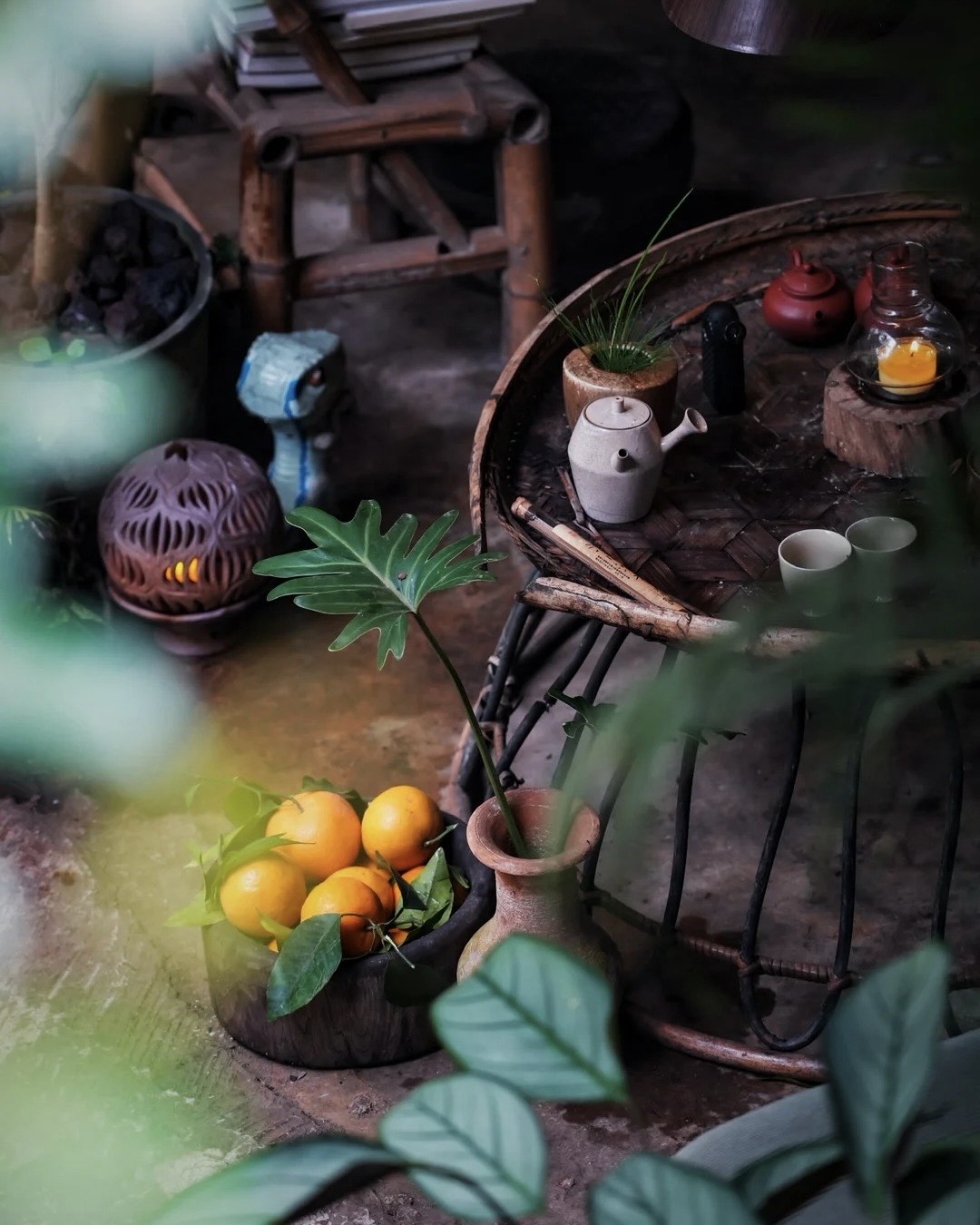
How We Design a Tea Journey
We don’t run tea tours as warehouse shopping with scenery. A good tea journey does three things at once.
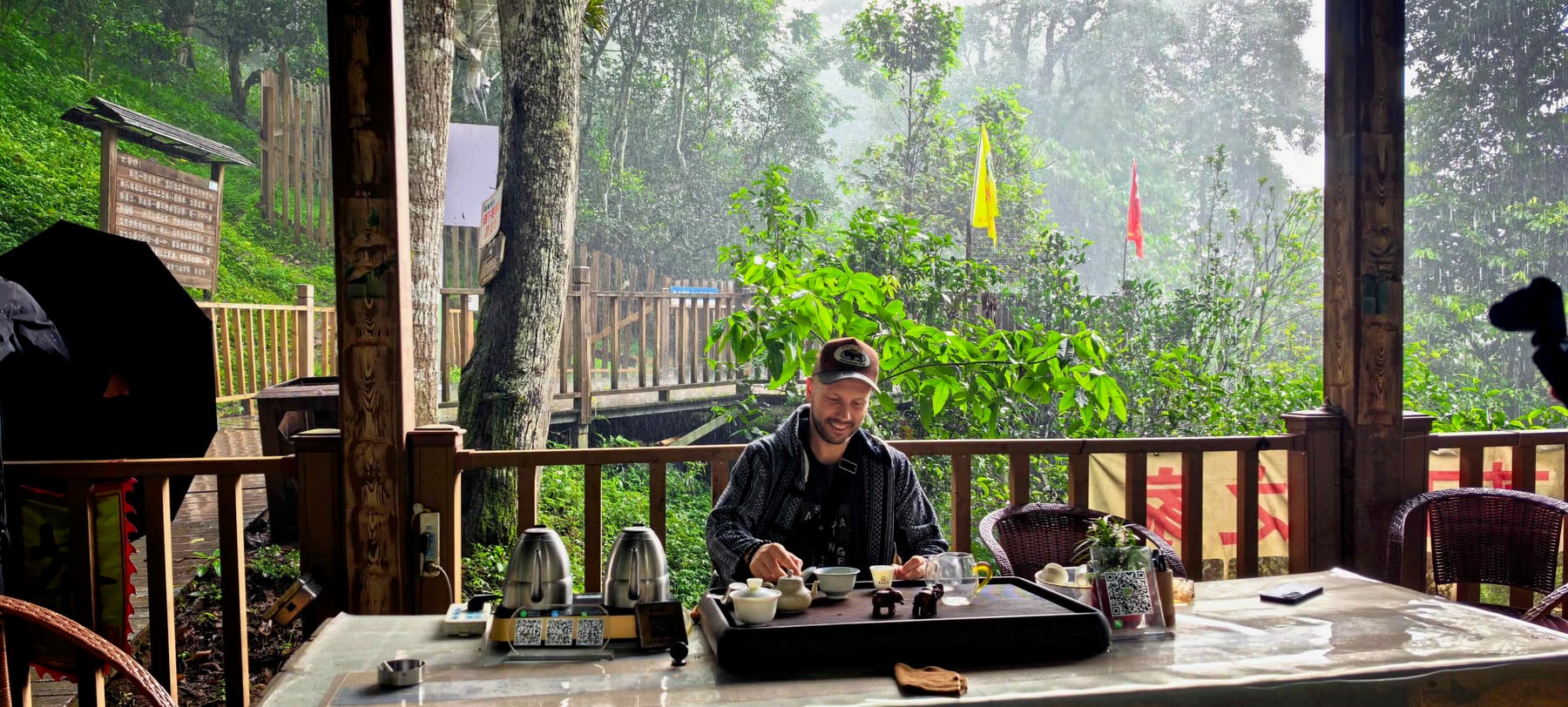
It shapes your palate deliberately. Tastings run as proper gongfu flights — a small gaiwan, 7–8 grams of leaf, a rinse, then infusion after infusion, because good old-tree raw Pu’er runs 15–20 steeps and changes character as it goes. Your guide teaches you the vocabulary the trade actually uses: 回甘 huigan, the sweetness that rises in your throat after the bitterness fades; 生津, the tea literally making your mouth water; 喉韵, the resonance left in the throat. We sequence the days so the styles teach each other — Jingmai’s gentleness first, Yiwu’s honeyed depth, then the Banzhang school’s controlled violence. By the last day you can tell them apart blind, which is the whole point.
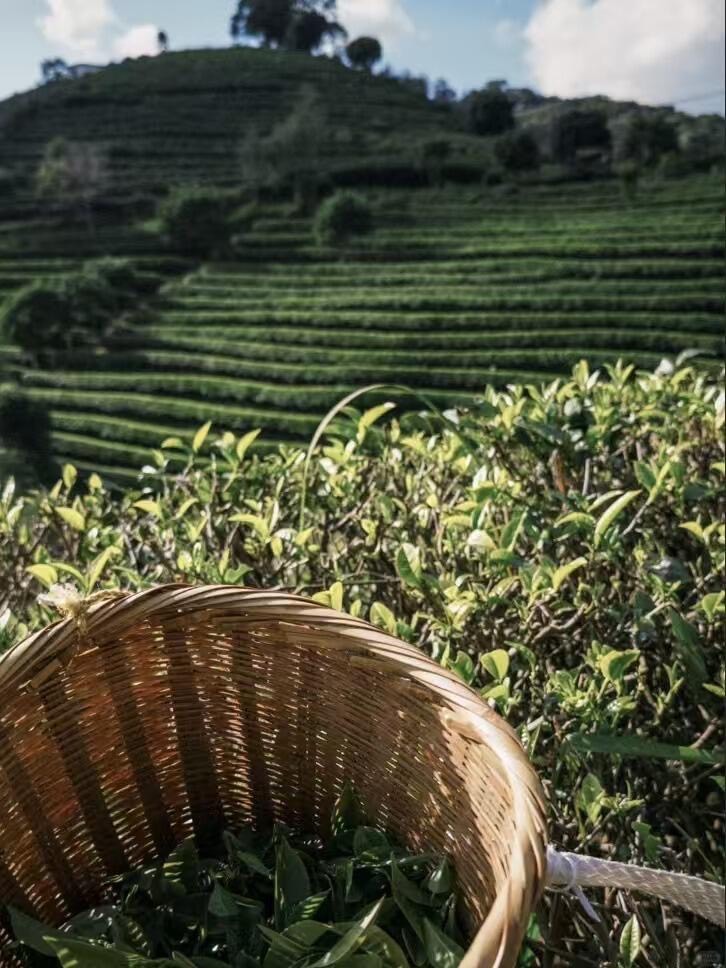
It puts your hands in the process. Spring and autumn, you pick one-bud-two-leaves alongside the farmers, fire the leaf in a wok (the leaf has to stay between 60 and 80 degrees — the masters call 80 the “life-death line” where the enzymes that let Pu’er age are killed), sun-dry it, then stand and rotate on a 25-kilo stone mould to press your own 357-gram cake. It goes home wrapped in handmade Dai mulberry-bark paper. There is no souvenir in China we’d rank above it.
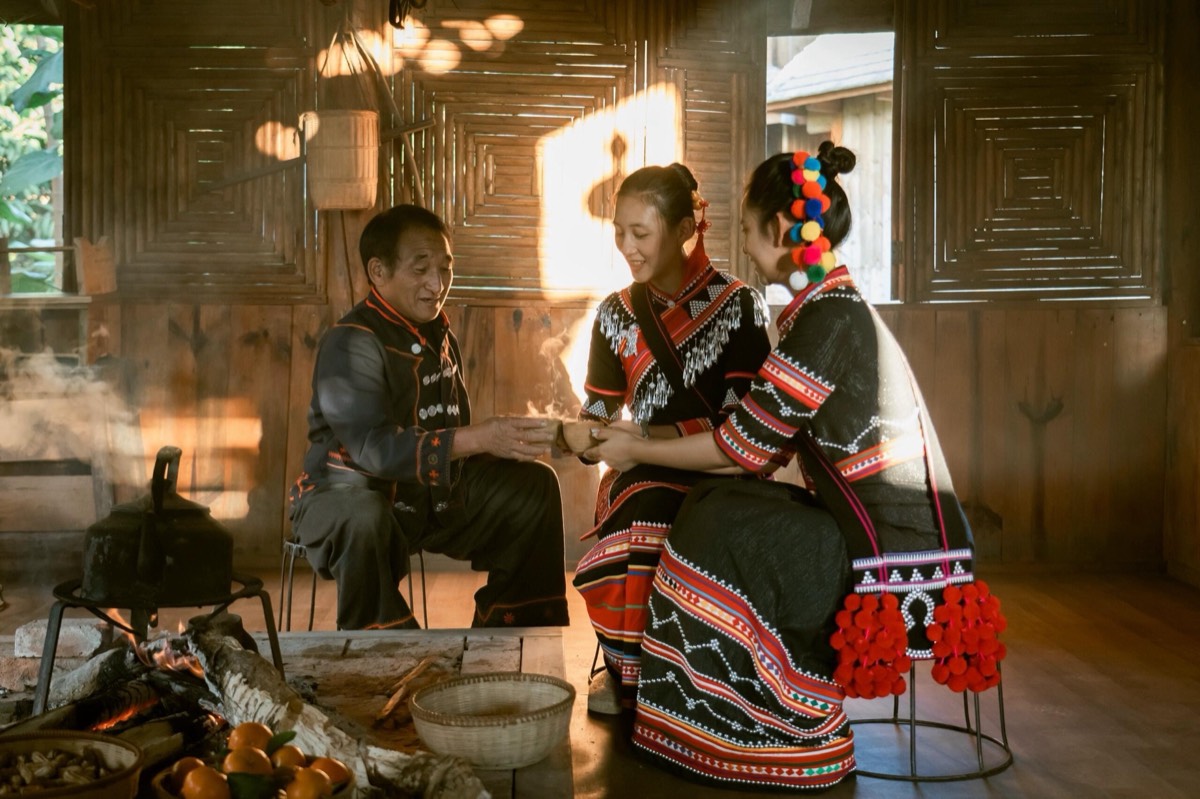
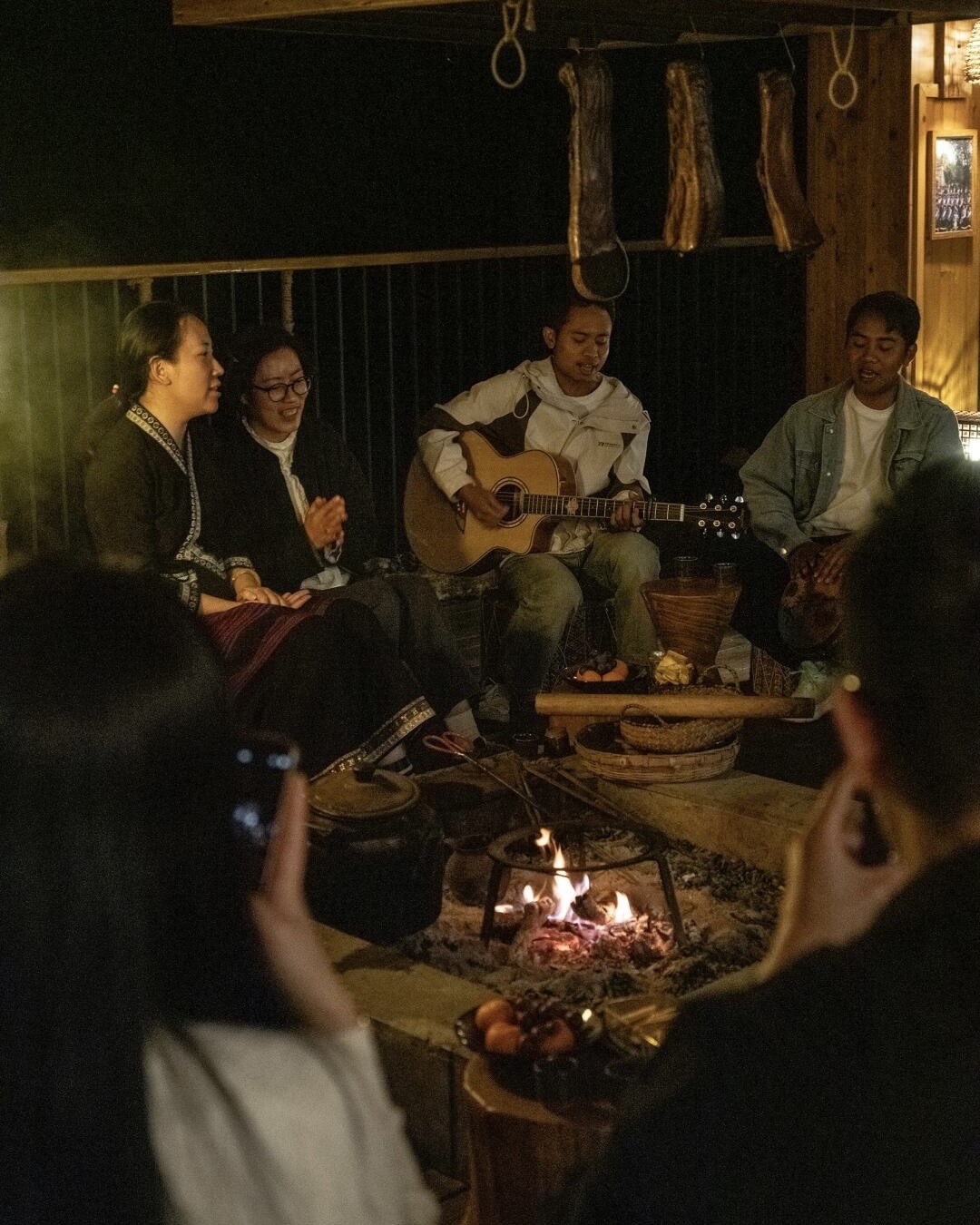
And it treats tea as therapy — honestly. We won’t sell you biochemistry: the defensible truth is that a gongfu session is a built-in slowing-down practice — an hour of small warm cups, each around 100 ml, with far less caffeine per cup than your flat white — and that the rituals around it are real medicine for a certain kind of tired traveller. Evenings on the mountain end at the fire pit, where a Blang host shake-roasts dry leaves in a clay jar at the hearth’s edge until they crackle, then pours boiling water straight in — 火塘烤茶, roasted tea, the Blang household’s highest form of welcome. The Dai do it with fresh bamboo tubes charred gold over embers. None of it needs a wellness white paper to justify itself.
Around the tea, the region does the rest of the work: Dai temples and morning markets, the rainforest and wild-elephant country of Xishuangbanna, villages of the seven cultures you’ll actually meet in Yunnan. A tea journey here never has to choose between the cup and the place.
The Journey We Already Run: 5 Days on Jingmai
Our Jingmai Tea Tasting Tour is the distilled version of everything above — five days, private, from A$2,400 per person twin share. It opens on Nannuo Mountain with a first night at Jianglu Nannuo, a 22-room hillside design hotel at 1,500 metres, then moves into the UNESCO landscape itself: hands-on cake-pressing with the in-house tea master at Bolian Jingmai, the Relais & Châteaux estate built inside a working tea manor, and nights inside the heritage villages — the five-suite Blang retreat Vipaxana in Mangjing, or the family-run Bulang Yuni guesthouse above the tea forest, fire pit included. The pace is gentle. No early starts, no real hikes, and September to November brings the clearest skies.
It also slots neatly into a bigger trip — pair it with the rainforest and elephants of our Gentle Summer in Yunnan, or use it as the southern chapter of a longer Yunnan route (here’s how the six regions fit together).
And there’s more coming. We’re building out the deeper cuts — Yiwu and the Six Great Tea Mountains, and a Lincang expedition to Bingdao and Xigui for drinkers who want to stand in the queen’s garden. If one of those is your trip, tell us and we’ll build it bespoke before it ever gets a page.
Practical: What You Need to Know
Getting there. Fly into Kunming from Sydney or Melbourne (direct or one stop), then it’s under an hour by air to any of the three gateways: Jinghong (Xishuangbanna) for Menghai and Yiwu, Lancang for Jingmai, Lincang for Bingdao country. Most Australians now enter China visa-free for up to 30 days — a tea trip fits inside that with weeks to spare.
When to go. Spring picking runs late February to April depending on the mountain — the most atmospheric time, and the busiest for the farmers. September to November is our favourite compromise: post-monsoon clarity, the autumn harvest, and Jingmai’s cloud sea starting up in November. January–February adds cherry blossom through the tea terraces.
Buying tea without getting burned. Rule one: the famous names are faked at industrial scale, and if the price looks reasonable, it isn’t real. Buy at origin from the family whose trees you walked, or through someone whose reputation depends on the answer. Rule two: you don’t need the famous names. The best value in Yunnan right now is honest old-tree tea from unfamous gardens — Jingmai included — at one-twentieth the price of the trophies.
Village access. Lao Banzhang has a manned gate, Jingmai restricts private vehicles in peak season, and the Yiwu micro-terroirs end in forest tracks best handled by someone who’s driven them before. None of this is a problem on a guided private trip; all of it is a problem on a rental-car whim.
Which Region Should You Choose?
First tea trip, or tea-curious alongside a bigger Yunnan itinerary: Jingmai, no hesitation — the UNESCO landscape, the gentlest teas, the best village stays. Drinkers who already know their sheng from their shou: Menghai for the power school and the Nannuo walk, with a Lao Banzhang pilgrimage if the gate gods smile. History people: Yiwu, where the whole story started. Completists and romantics: Lincang, for the queen, the river village that breaks the altitude rules, and a 3,200-year-old tree.
Or do what our favourite guests do: start on Jingmai for five days, discover the vocabulary, and come back for the rest with a trained palate.