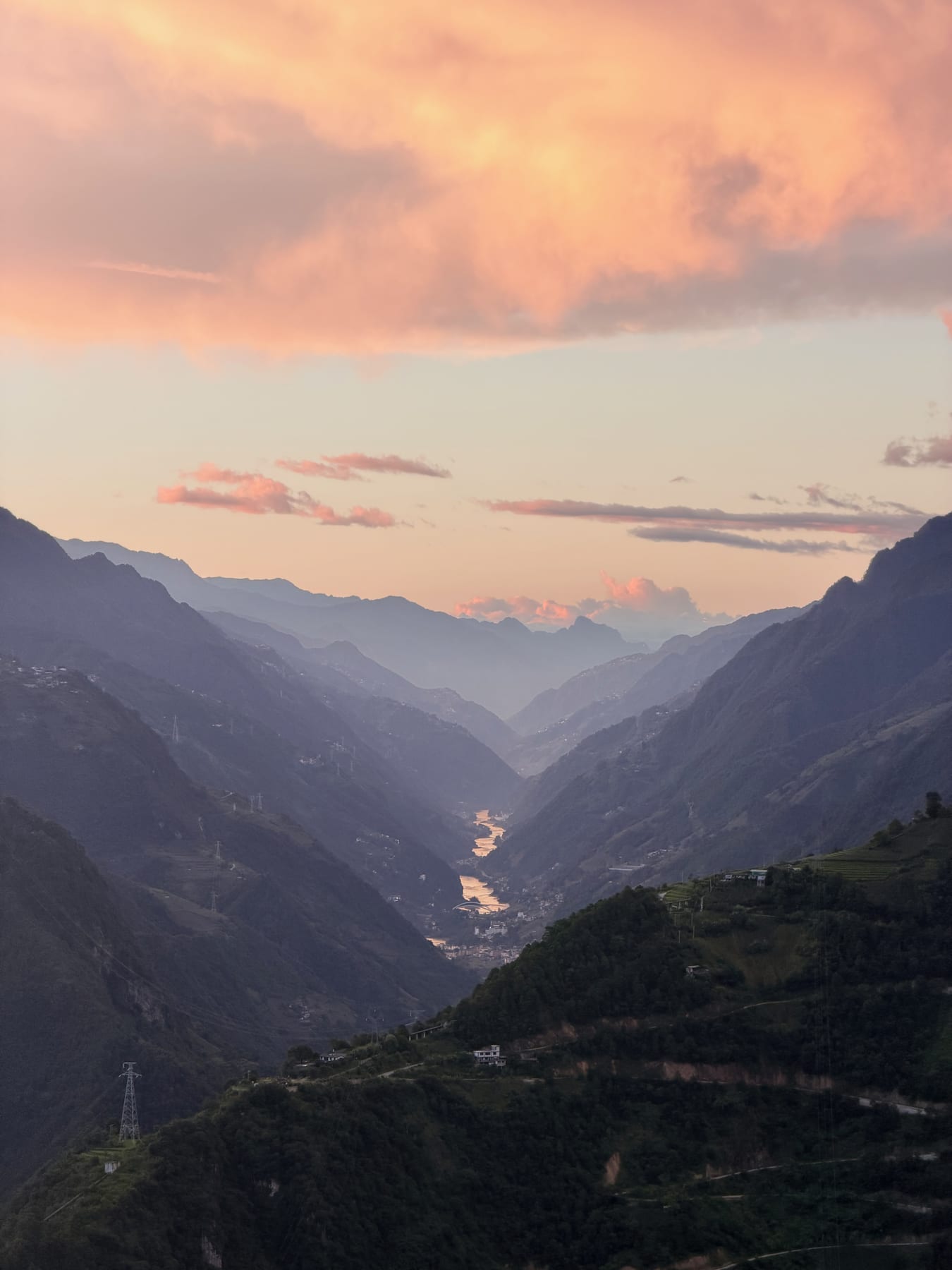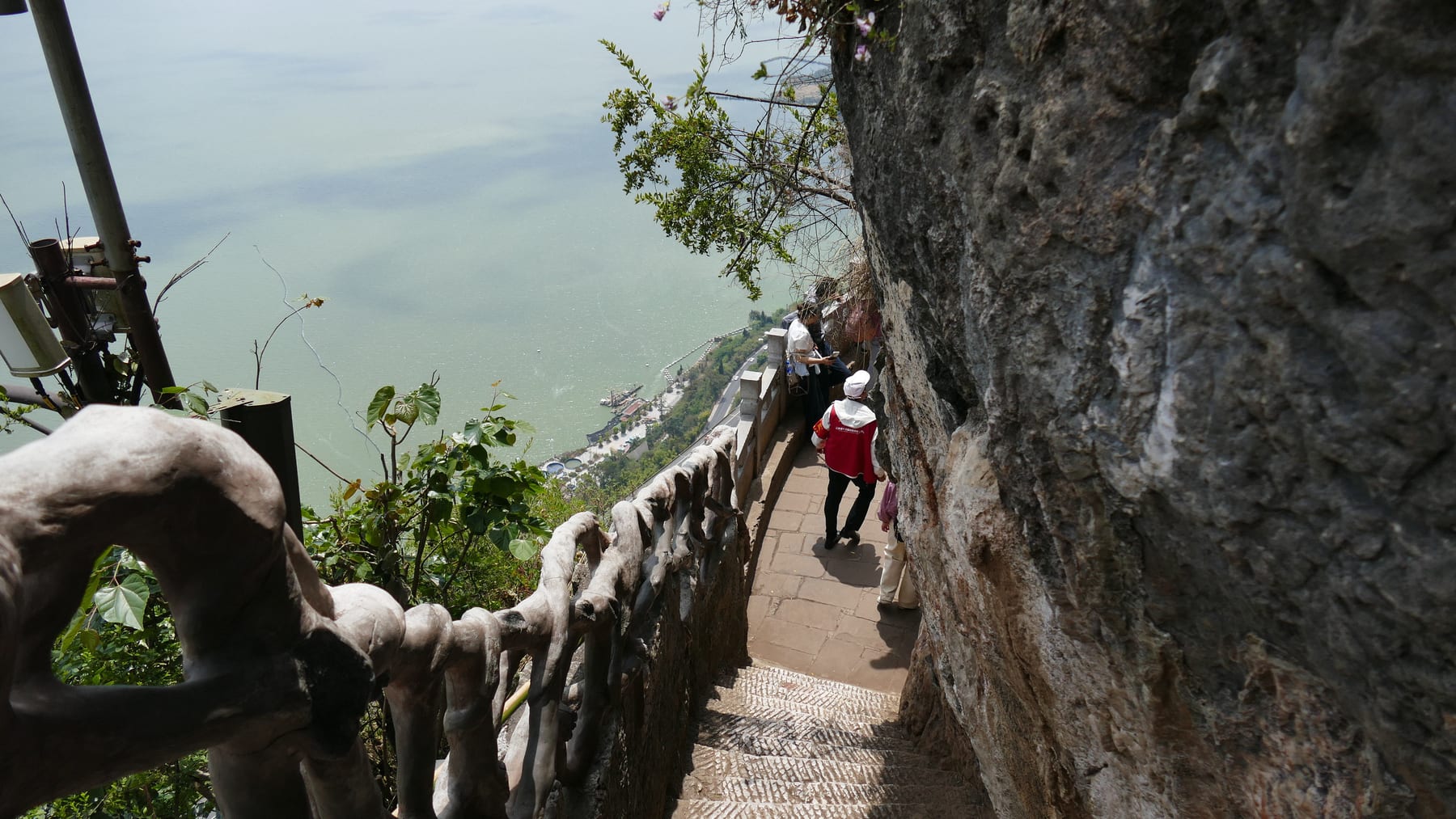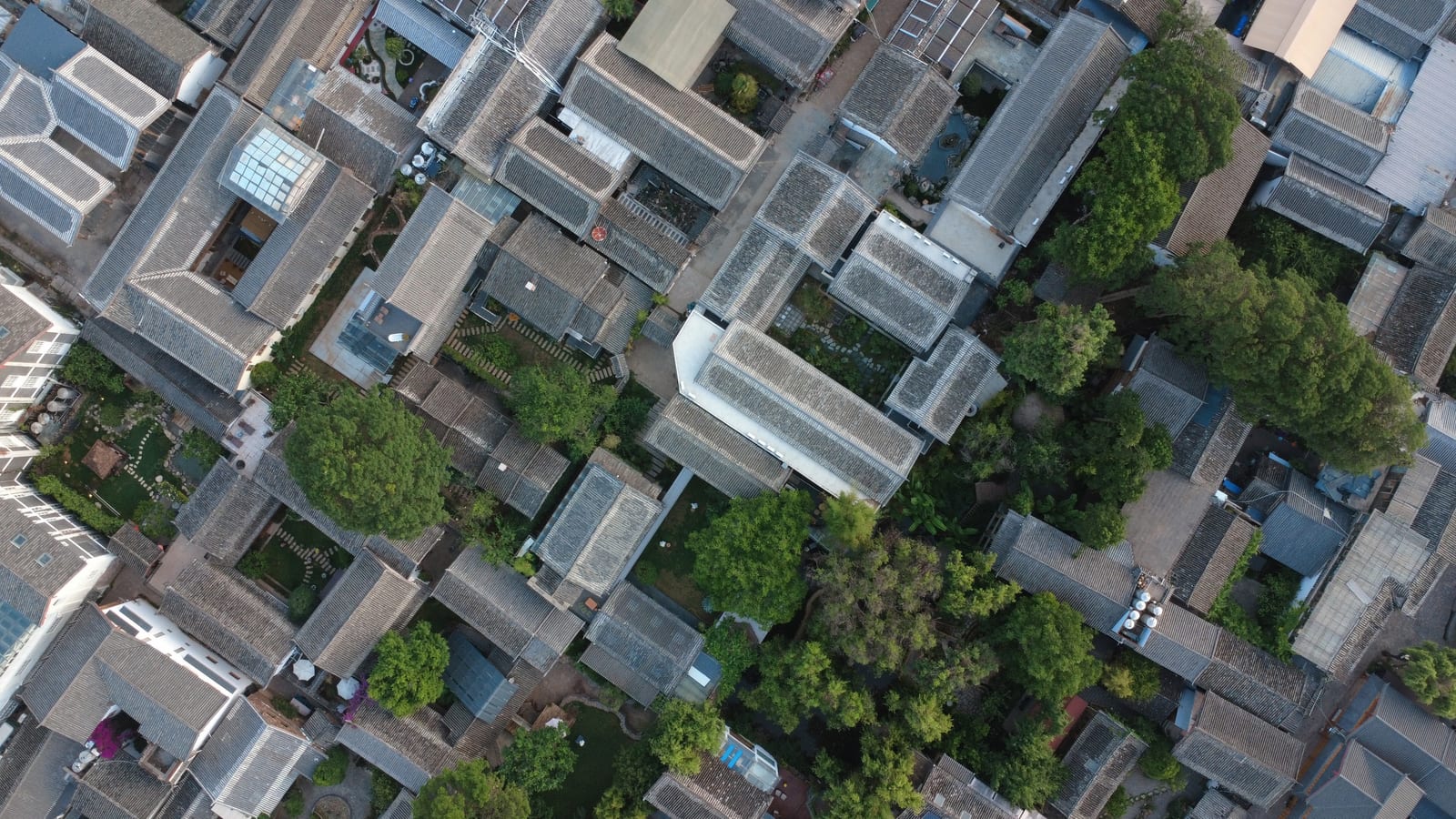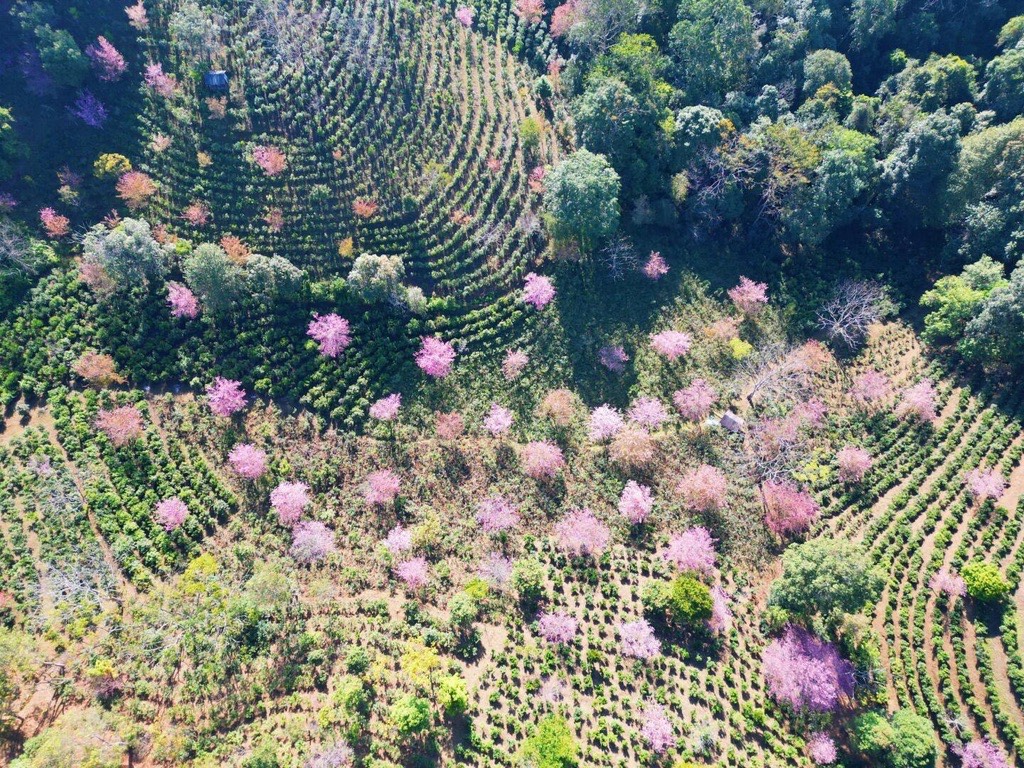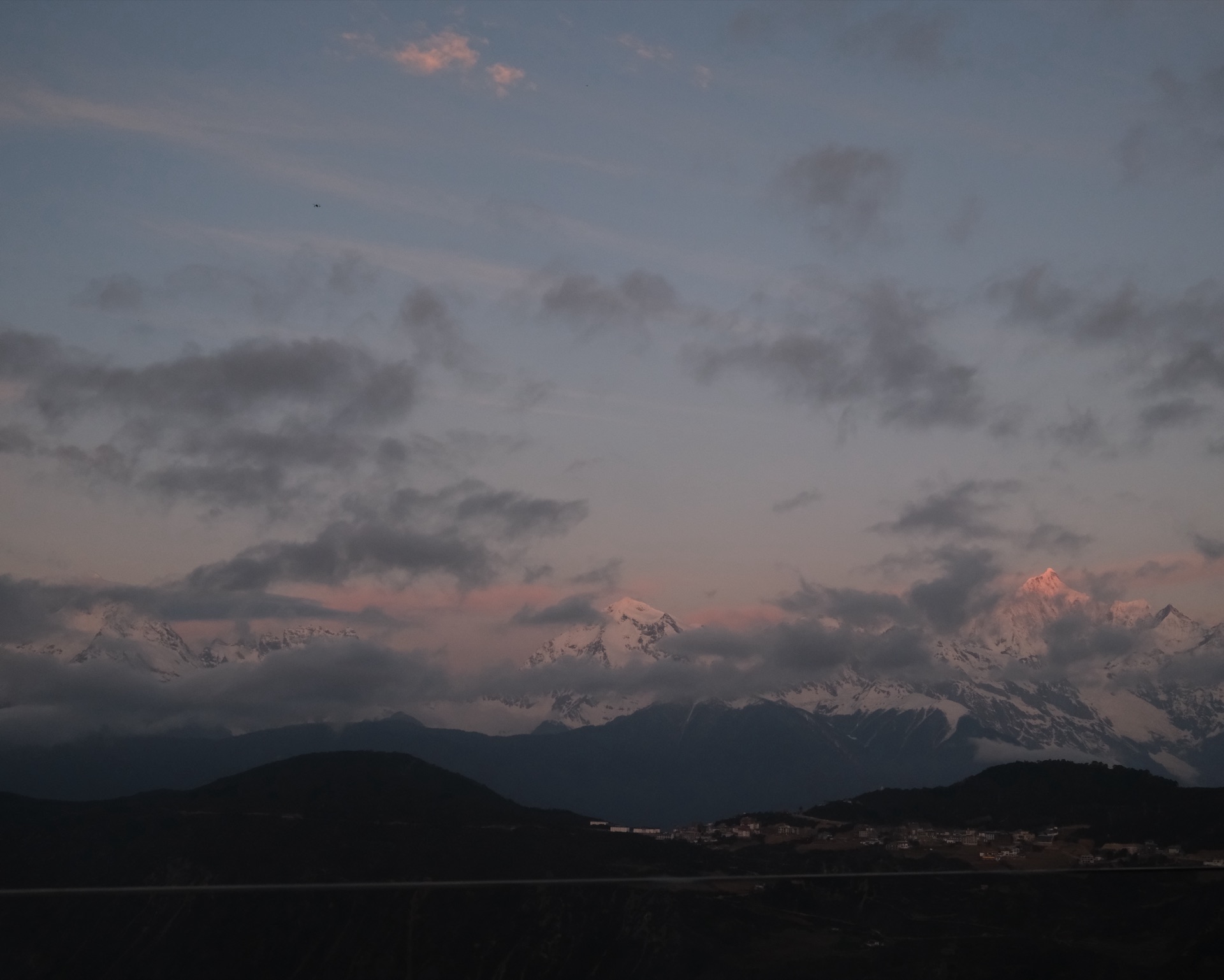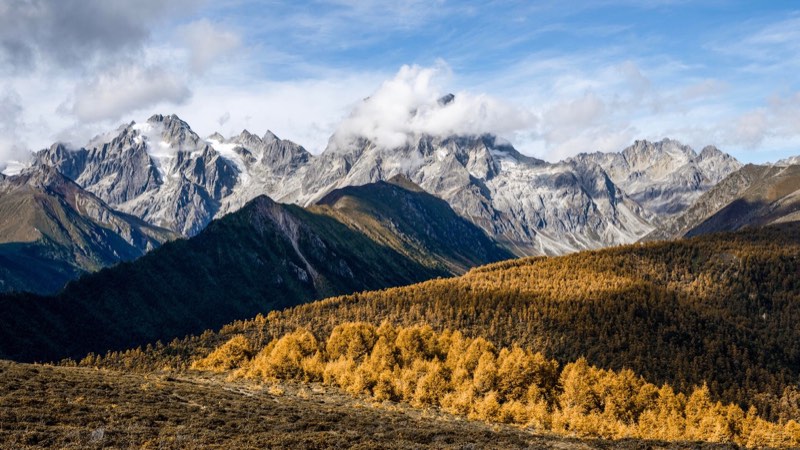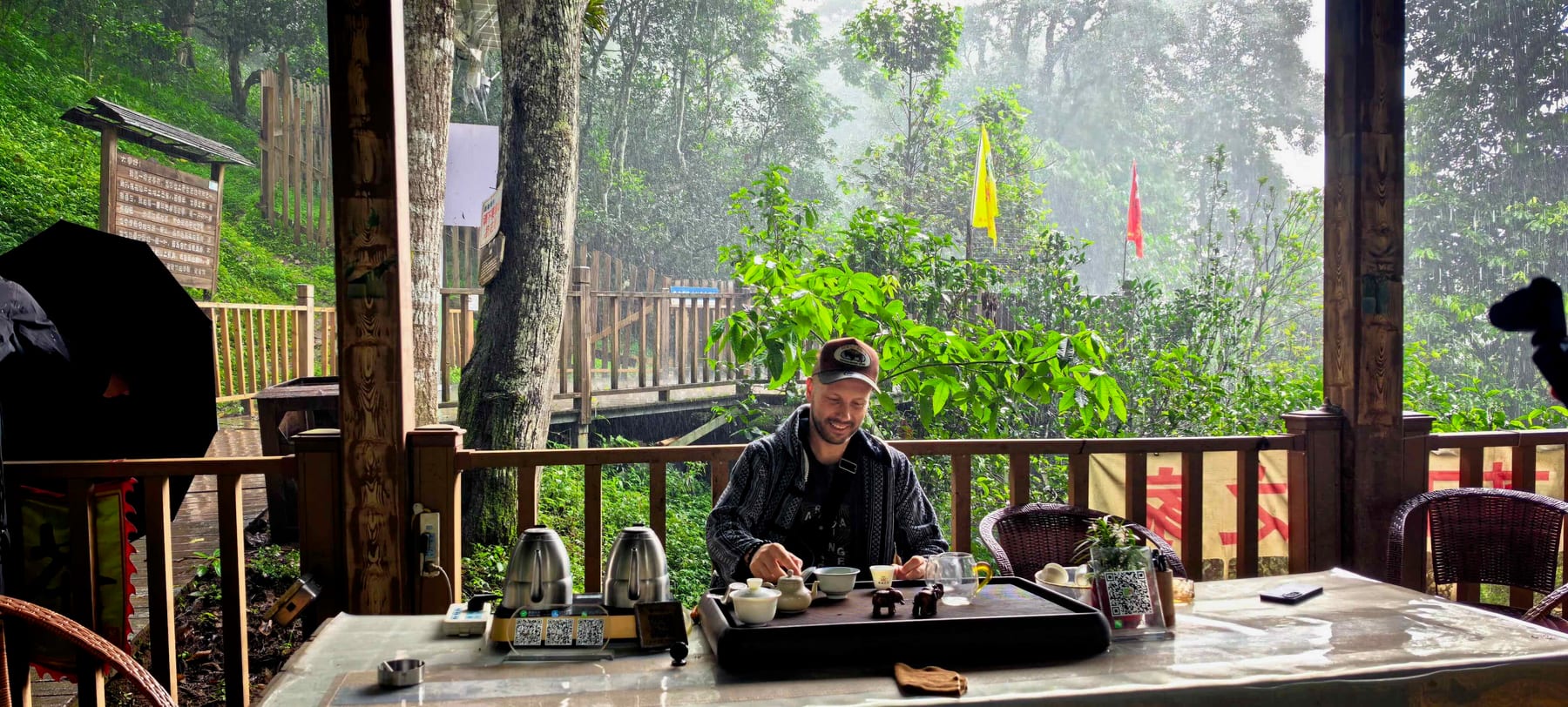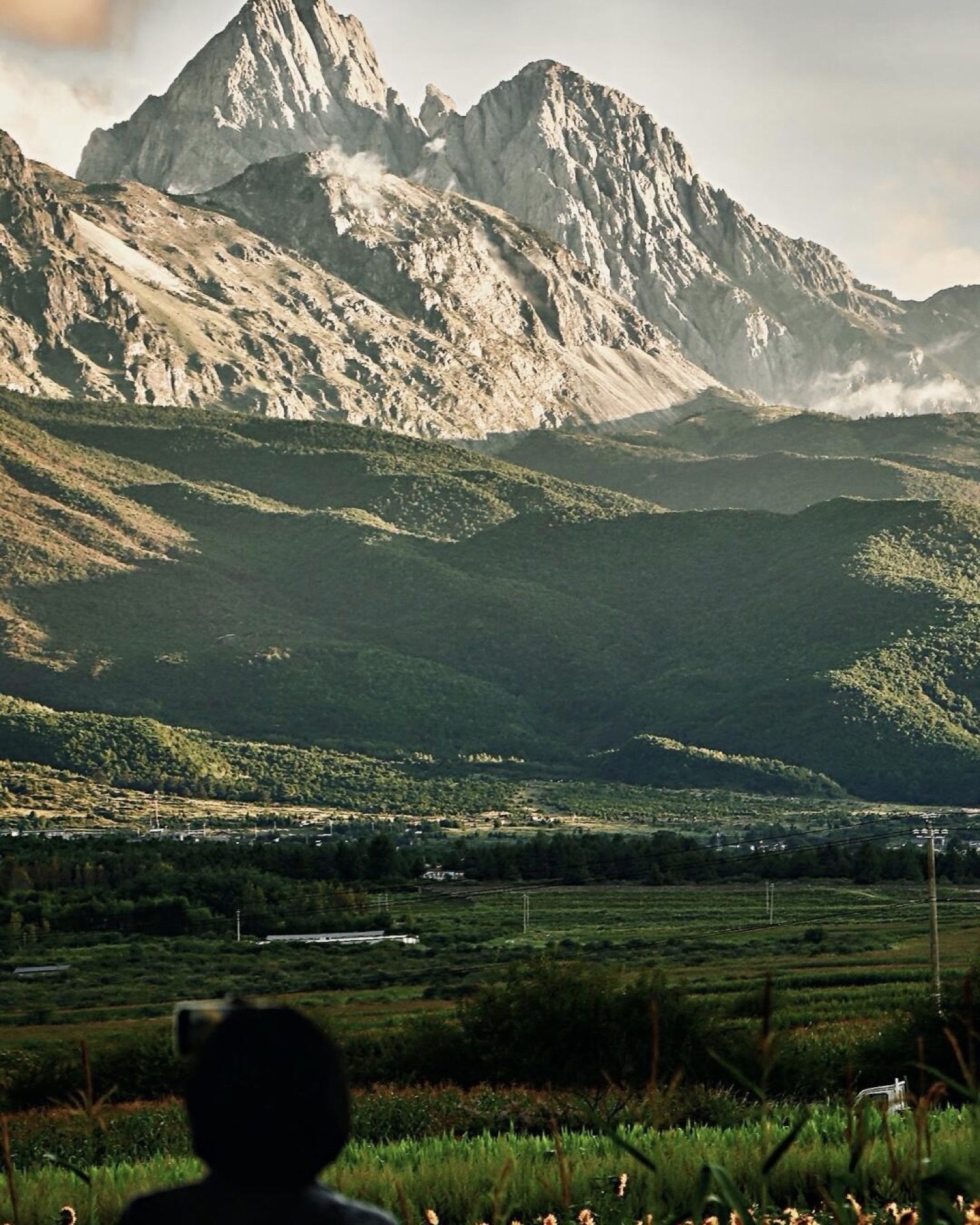
Nobody wrote down what the muleteers ate. What survives is the larder they left behind: a salt village whose hams hang for three years, a Bai cheese you can stretch on a bamboo pole, and a stir-fried rice cake named after a fleeing emperor. Tea Horse Road food isn’t a cuisine you’ll find on a menu. It’s a line across western Yunnan, and you eat your way along it.
Here’s that line by the plate, from Xizhou to Tengchong, with the places we’d actually book. Some of them are excellent. A couple are merely the only option, and we’ll say which. Most of these kitchens don’t have websites, so the links go to their Trip.com or Ctrip listings, where you’ll find addresses and recent reviews.
When to go: year-round, but best from mid-November to January, and those months hold two separate prizes. Tengchong’s ginkgo peaks from about 20 November to early December. Nuodeng’s best hams go into salt from the winter solstice, around 21 December, up to Spring Festival. You can’t have both on one trip. Pick the gold or pick the ham. Nothing on this route is high: most of it sits around 2,000 metres.
| Stop | Eat this | Book this |
|---|---|---|
| Xizhou 喜洲 | Baba, three-course tea, rushan soup | Deshenghe, Hanlin |
| Dengchuan & Eryuan 邓川 | Rushan straight from the pole | Street stalls |
| Diannan 甸南 | Fried rubing | Tianyiyuan, pre-order |
| Heqing 鹤庆 | Round-leg ham, copper-pot rice | Tianquan Fanzhuang |
| Shaxi 沙溪 | Ham-and-mushroom rice | Xibao Shangfan, Chujian |
| Nuodeng 诺邓 | Ham three ways | A guesthouse table |
| Lujiangba 潞江坝 | Estate coffee | Huke Coffee Manor |
| Tengchong 腾冲 | Muleteers’ pork, dajiujia | Qiaoxiangzhai, Longjie |
Xizhou: where the caravan money went (喜洲)
Start where the profits ended up. Xizhou’s Bai merchant clans got rich on the long-distance trade, and their houses still stand forty minutes north of Dali Old Town. The food here is the most polished on the route.
Breakfast is Xizhou baba (喜洲粑粑), a flaky bread baked over charcoal from both sides, sweet or savoury, about ¥10. Deshenghe on the southwest corner of Sifang Street does it well. It shuts on Tuesdays.
For lunch, Hanlin, in the Dong family’s old house, does rushan soup with fermented rice wine and sour-spicy Erhai fish. Recent reviews are thin, so check it’s open. If you want a menu that moves with the season and a garden to eat it in, the Linden Centre runs one in the Yang family house; ask whether they’re taking non-residents. Staying the night? We use Kasion Erhai.
Then sit down for the three-course tea (三道茶), on China’s national heritage list since 2014. First cup bitter: green tea roasted in a hot jar until it rumbles when the water goes in. Second cup sweet, with walnut and brown sugar. Third cup honey, Sichuan pepper and cinnamon, for the aftertaste. Bitter, sweet, then a long think about it. It’s a better summary of a merchant’s life than most biographies.
If you’re coming through Dali Old Town instead, Jinshan Courtyard at 99 Renmin Road does milk-and-rushan soup and Wuliang ham with porcini, in a hundred-year-old house.
Dengchuan and Eryuan: the cheese country (邓川)
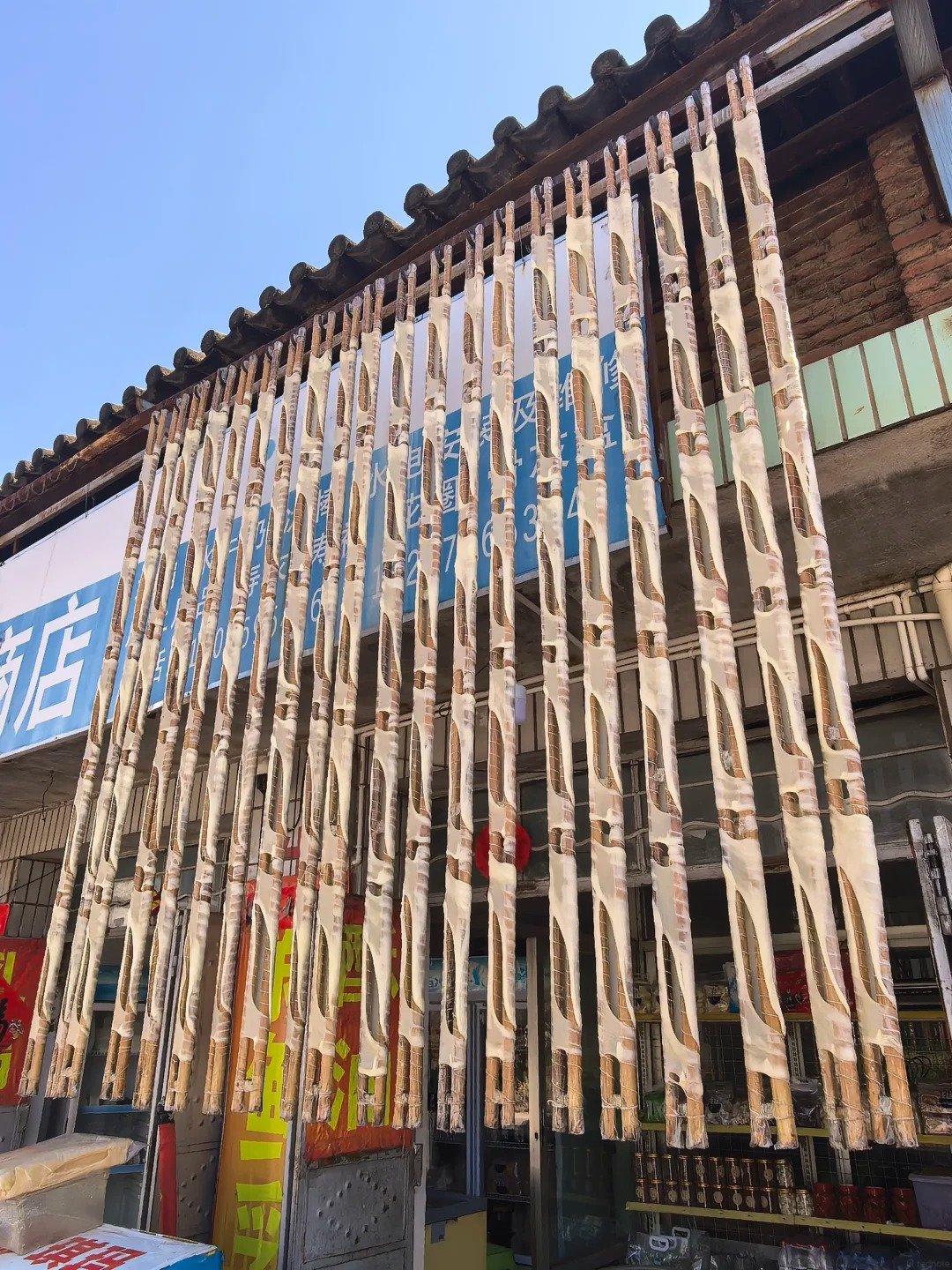
Drive north out of the lake basin and the shopfronts start growing sheets of pale cheese. Rushan (乳扇) is a Bai food made from fresh milk and sour whey, pulled into fans and dried on bamboo for two or three days. Dengchuan’s milk is reckoned the best for it, and Eryuan county now has 312 workshops making more than 1,000 tonnes a year.
There’s no restaurant worth naming here. It’s a street stop. Buy it from whoever has it hanging in the sun, then have it toasted or fried until it blisters.
Its cousin is rubing (乳饼), a firm white block. Dali’s Bai make it and so do the Sani Yi around Shilin, and nobody knows who came first. Ask a Sani and you’ll get a firm answer anyway. Further north at Diannan, the Tianyiyuan woodcarving courtyard serves fried cow’s-milk rubing with its set lunch. Pre-order only; it’s not a walk-in restaurant.
If you need a night in the valley, Pushan has private hot-spring tubs in the bamboo above Eryuan, and after a day of cheese you’ll want one.
Heqing: the ham that goes in a circle (鹤庆)
Heqing is the quiet one of Yunnan’s three famous hams, alongside Xuanwei and Nuodeng. Its round leg (圆腿) has the trotter tucked inside the skin so the whole thing forms a circle. The legs are pierced, sprayed with local liquor, packed under salt in clay jars for more than a month, then hung in the cool. Salting runs from about late October to early February.
Eat at Tianquan Fanzhuang in Xinhua, the silversmith village, and order the ham-and-potato copper-pot rice and the cold blown pig’s liver (吹肝), which tastes better than it sounds. A reviewer says the rice is cooked with water from the courtyard spring. Whether the ham that day is true round-leg, ask them. We couldn’t confirm it.
Shaxi: the caravan’s dining room (沙溪)
Shaxi is the Tea Horse Road town that kept its square, its theatre stage and its temple. It’s also now full of good cooks who moved here on purpose. Come for the Friday market if you can, when farmers walk down from the hill villages with whatever the month has given them.
Xibao Shangfan at 27 Sideng Street is where we take people first. Order the Yunnan ham and wild-mushroom rice and sit in the garden. Chujian, at number 58, has the most direct line to the next stop: Nuodeng ham on the menu, and pig’s trotter with sour greens and ham. It’s small, so go early. For Bai home cooking and clay-pot tea beside the old stage, try Baiweixuan.
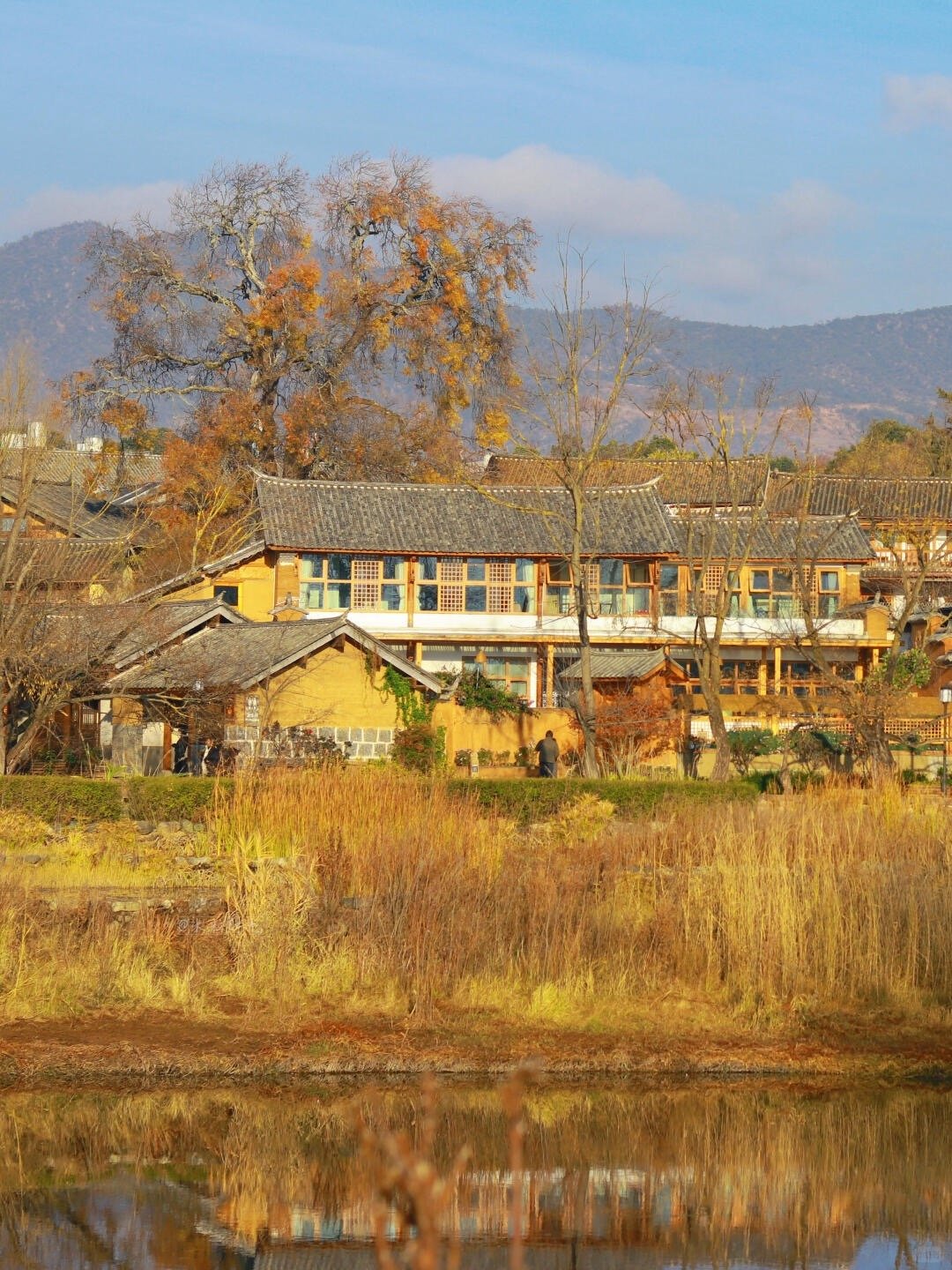
Give it two nights. We use Kogongdi or Wuliu Xinsu.
Nuodeng: salt first, then ham (诺邓)
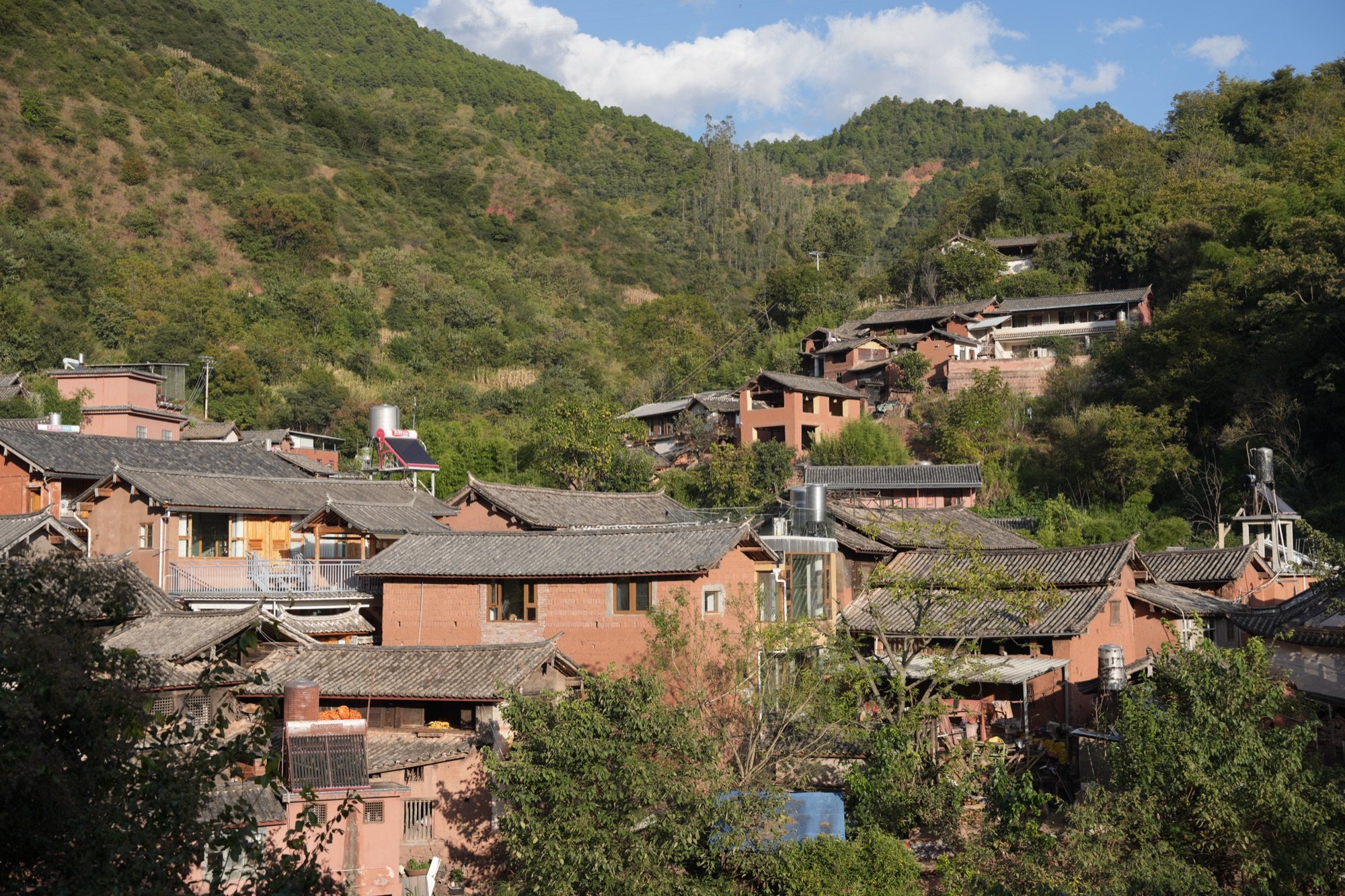
Everything on this road comes back to salt, and Nuodeng is where it came from. The village’s brine well appears in the Manshu, a Tang-era account written around 863. Salt made it one of western Yunnan’s wealthiest towns, and its ham was carried as far as Burma and India. The salt works closed in the 1990s, but families still boil brine, and the red-earth houses still climb the valley.
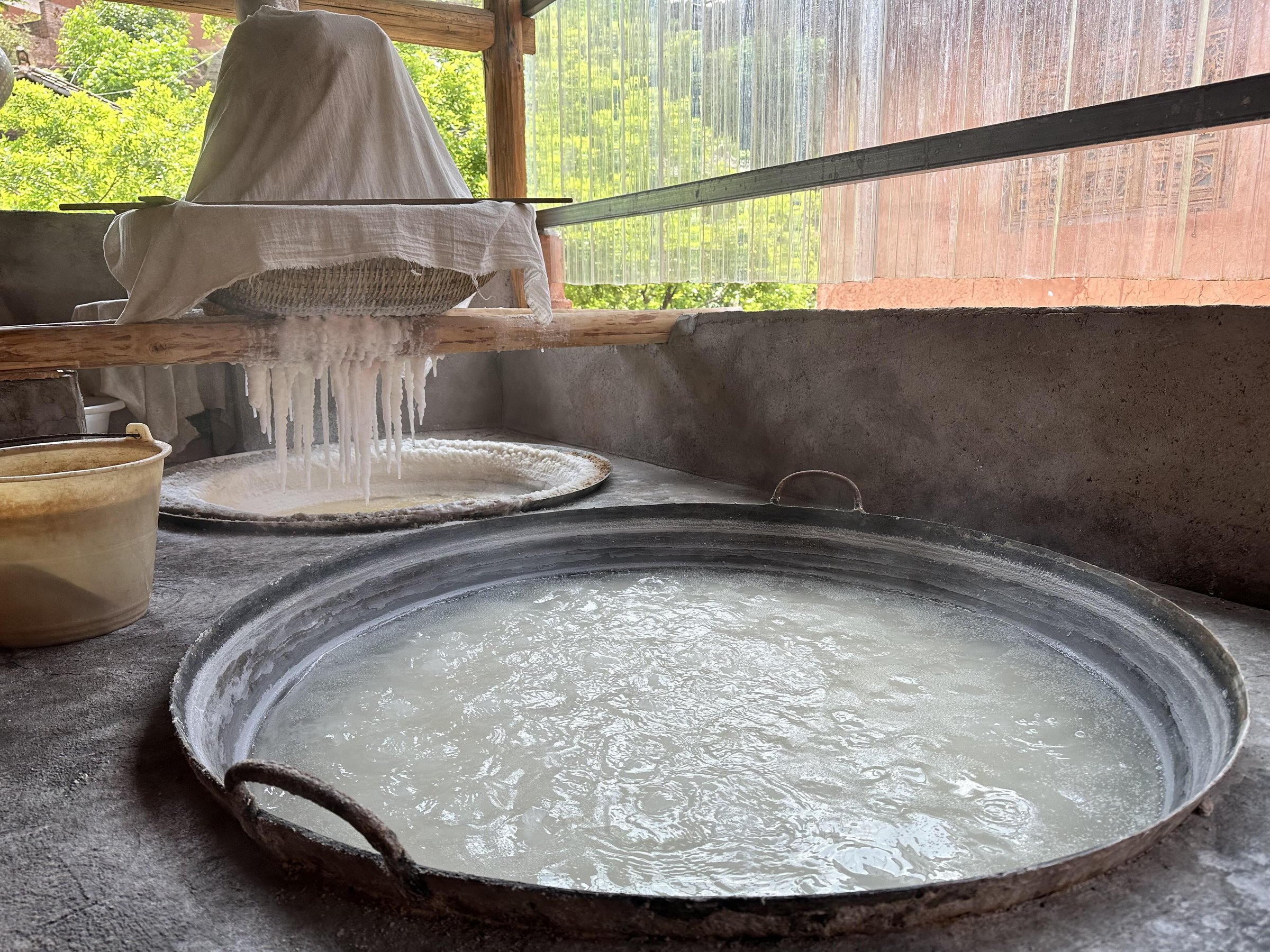
The ham is why you’re here. It was the star of the first episode of A Bite of China in 2012, and the making of it is winter work. The legs are salted between the winter solstice and Spring Festival: pressed, sprinkled with corn liquor, rubbed with the village’s own well salt, left in a wooden vat for about two weeks, coated in brine mud, then hung for one to three years. A full boil of brine takes about 15 hours, so you’ll see one stage of it, not the whole thing.
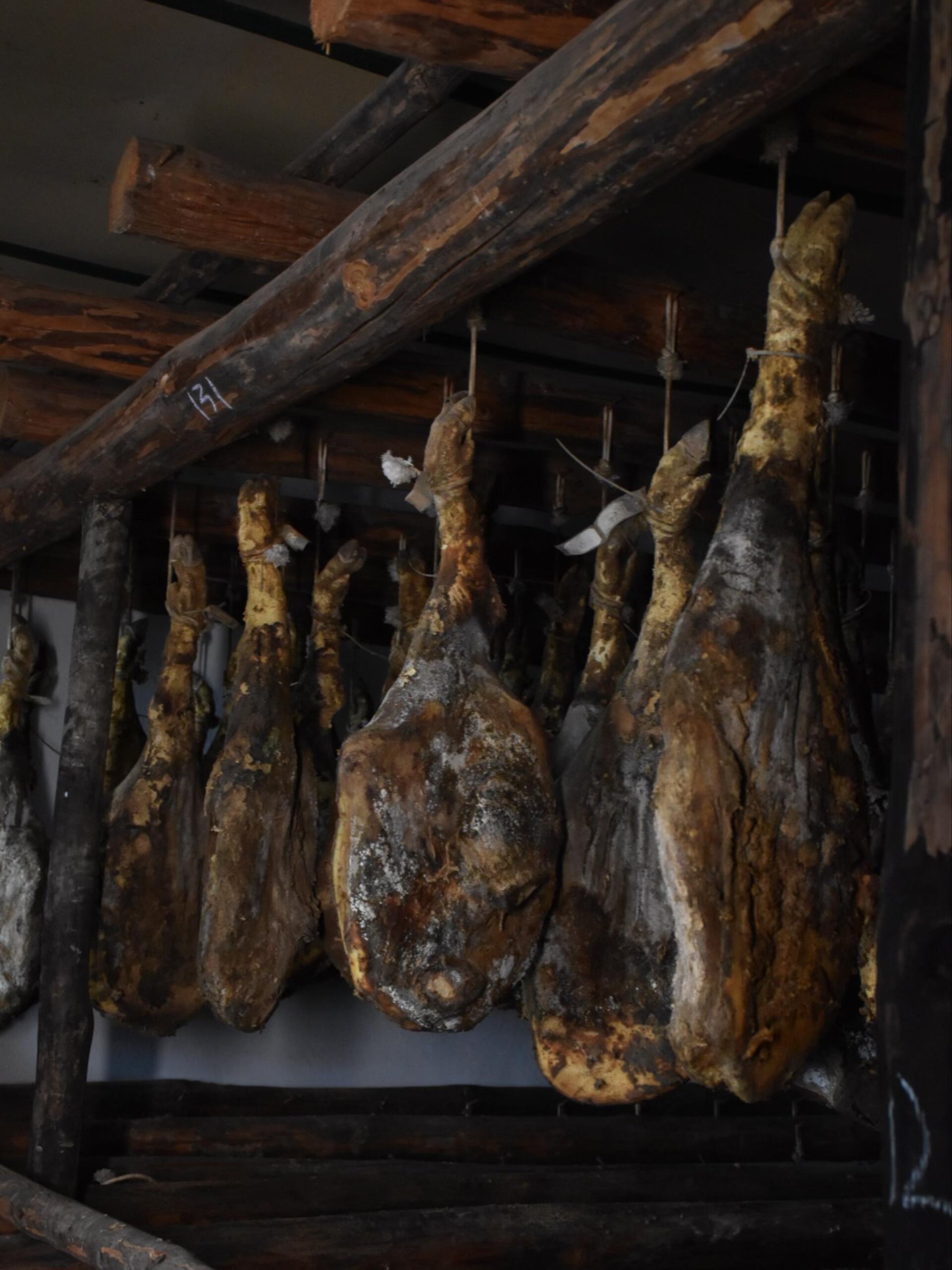
Here we’ll be blunt. There’s no good restaurant in Nuodeng. There’s one stand-alone place, Yanquan Farmhouse by the car park, and its reviews swing from five stars to one. Eat at a guesthouse. Nuoyan Bieyuan in the upper village has its own kitchen, and Fujia Liufang, whose owner counts 21 generations here, gets good notes on its ham. Ask for slices at one, two and three years old, side by side. The difference is the whole education.
Stay one night. The rooms are simple, and the village is at its best early and late, after the day visitors go.
Lujiangba: the road’s modern detour (潞江坝)
From Nuodeng the old salt road runs south to Baoshan, and then the land falls away into the warm Nujiang valley. This stretch has nothing to do with caravans and everything to do with what the valley became. Lujiangba grows Arabica, and the harvest starts in November. Huke Coffee Manor in Xinzhai will walk you round the trees and feed you at its own table. It’s about an hour and a half from there over the Gaoligong range to Tengchong.
Tengchong: the end of the road (腾冲)
Tengchong was the last big market before Burma, and its food knows it. Everyone will tell you the story of dajiujia (大救驾, “saved the emperor”). In early 1659 the last Ming claimant, the Yongli emperor, was running for the border. Exhausted, he was fed a plate of stir-fried rice cake, declared it had saved him, and the name stuck. The flight to Burma is history. The plate is legend, and even the village it happened in depends on who’s telling it. Order it anyway: rice cake, egg or ham, pickled greens, tomato.
Then go to Qiaoxiangzhai, out in Qiandongku beyond the town. This is the best thematic find of the whole road, the place that still lists muleteers’ pork (赶马肉) by name, along with dajiujia and Tengyue clay hotpot. It’s rated 5.0 from 48 reviews, though the newest we could see is from March 2025, so ring first. In Heshun, Longjie does dajiujia and fried rice with ganba mushroom in an old house. Ring ahead here too.
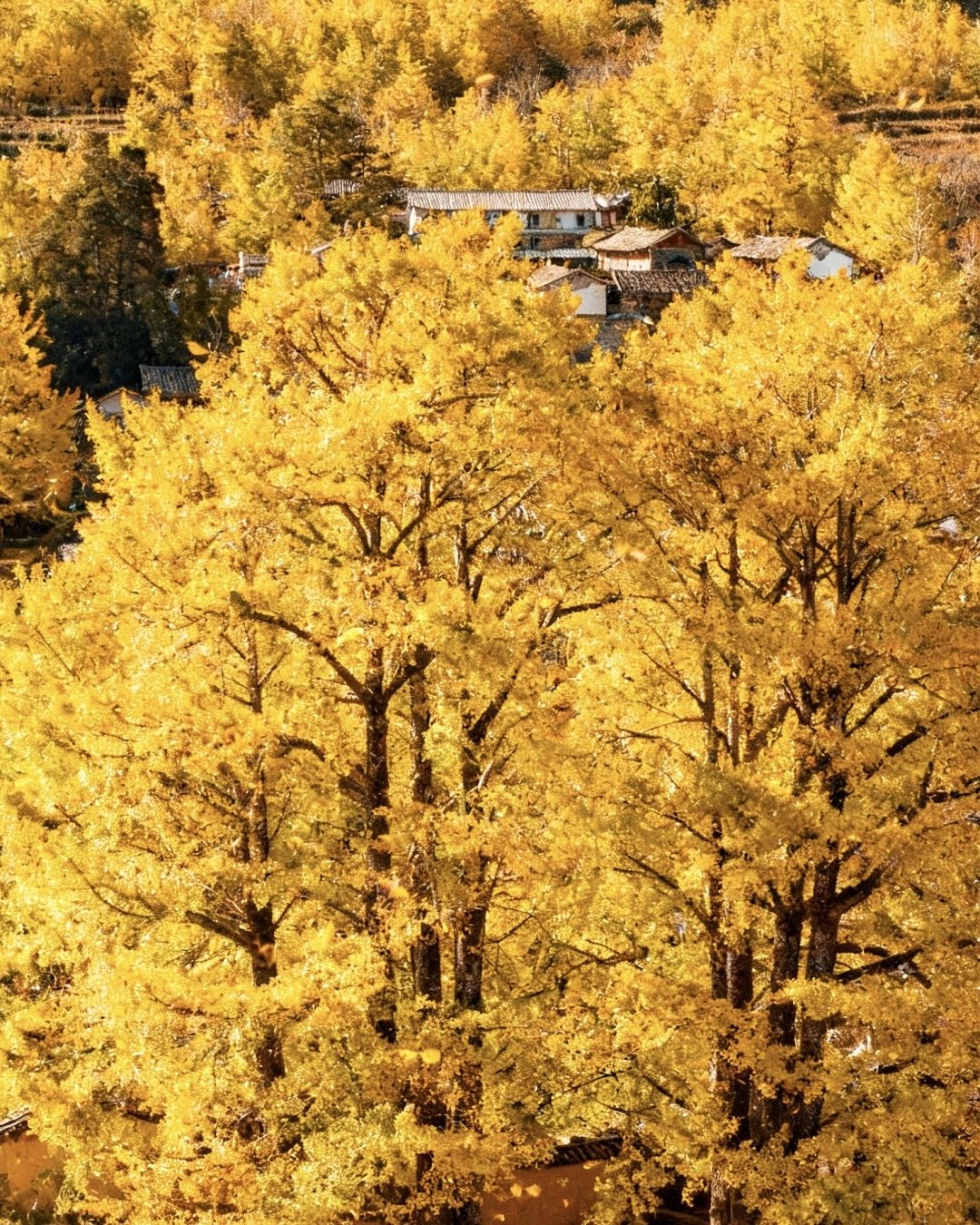
If you’ve timed it for late November, drive out to Gudong for the ginkgo village. And finish in hot water: Bolian Tengchong has a private spring in every villa, beside Heshun’s old lanes. You’ve earned it, and you’re carrying a lot of ham.
How to do it
The whole line takes seven to nine days. The legs that catch people out are Shaxi to Nuodeng, about four hours, and Nuodeng to Baoshan, three hours or more. Allow for them. Don’t try to self-drive Nuodeng in the dark.
Which version should you choose? If you love food more than scenery, come after 21 December and watch the ham go in. If you want the photographs, come in the last week of November and take the gold. If you only have a week, cut Lujiangba and keep Nuodeng, because Nuodeng is the point.
We’ve put the full route together as The Caravan Table, nine days from Xizhou to Tengchong, and it’s one of five food journeys we’ve timed to Yunnan’s calendar. If you’d like it built around your dates, tell us when you can travel.